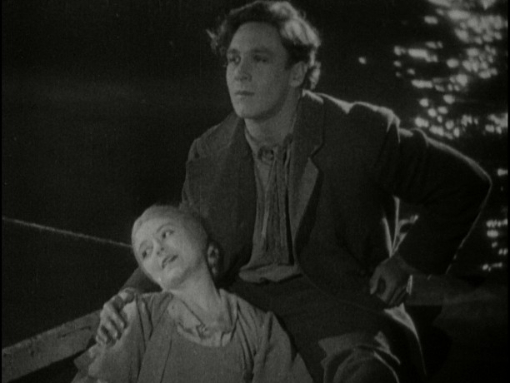
City Girl

BUY AT:

See more details, packaging, or compare
Synopsis
After the visual fireworks of Sunrise and the now-lost splendour of 4 Devils, F.W. Murnau turned his attention to this vivid, painterly study of an impulsive and fragile marriage among the wheatfields of Minnesota. During a brief stay in Chicago, innocent farmer's son Lem falls for and weds Kate, a hard-bitten but lonely waitress. Upon bringing her home at the start of harvest time, the honeymoon soon turns into a claustrophobic struggle as they contend with the bitter scorn of his father and the invasive, leering jealousy of the farm's labouring community. Tenderly romantic and tough-minded in equal measure, City Girl is one of cinema's great pastorals, featuring some of the most delicate performances Murnau ever filmed and influencing directors such as Terrence Malick and Jean Vigo. The Masters of Cinema Series is proud to present Murnau's penultimate film in a glorious high-definition transfer.
Picture 9/10
The Masters of Cinema series presents the silent version of F. W. Murnau’s final American film, City Girl, in its original aspect ratio of about 1.19:1 on this single-layer Blu-ray disc. The transfer is presented in 1080p/24hz.
The transfer found on here is nothing short of miraculous. Whatever my expectations were they were clearly blown away once I popped this disc in. I was stunned with how well their Blu-ray edition of Sunrise turned out but they’ve managed to trump that one with what’s presented here. Granted City Girl has the advantage of having better source materials available, whereas Sunrise had some somewhat rougher materials at hand, but City Girl still manages to be much more pleasing on the eyes because of this. A note in the booklet states that it was decided not to perform any digital restoration as to not lose any aspect of the look of the film so there is damage still present because of this, but it’s shockingly minimal, with some scratches, minor blotches, and specs of dirt and debris scattered about. In all honesty it’s not bad at all. The source is also incredibly sharp, much sharper than the Movietone version of Sunrise that MoC used for their Sunrise release. Other than a few moments the image remains sharp and crisp, the digital transfer presenting clear details and excellent definition. Contrast is beautiful with sharp, strong blacks, and distinctive gray levels. It’s absolutely superb and this is about as film-like as I feel a high-def transfer can possibly get.
I haven’t seen the film before so this would be my first time with it, and what a way to first view it (short of an actual screening of course.) The only home video version I’m aware of is the DVD available in the Murnau, Borzage, and Fox box set and while I can’t make a direct comparison to the disc on there I can’t imagine the DVD even somewhat rivaling the image found on here. It’s glorious.
(Though a UK release this Blu-ray is region free, meaning it should play on all Blu-ray players worldwide. I had no issues playing the disc back on my North American PS3 system.)
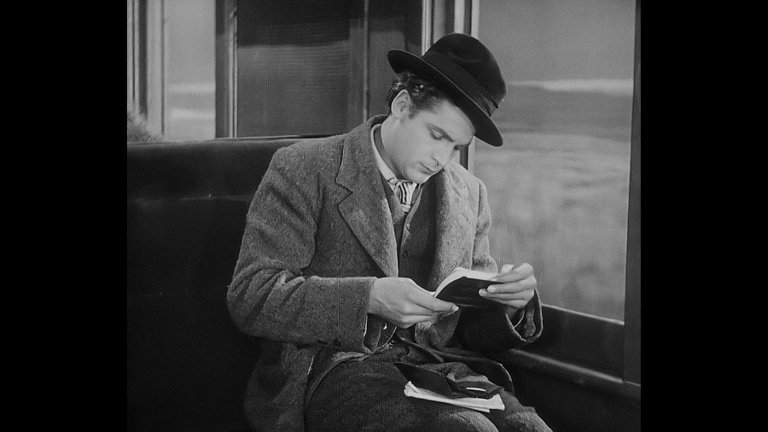
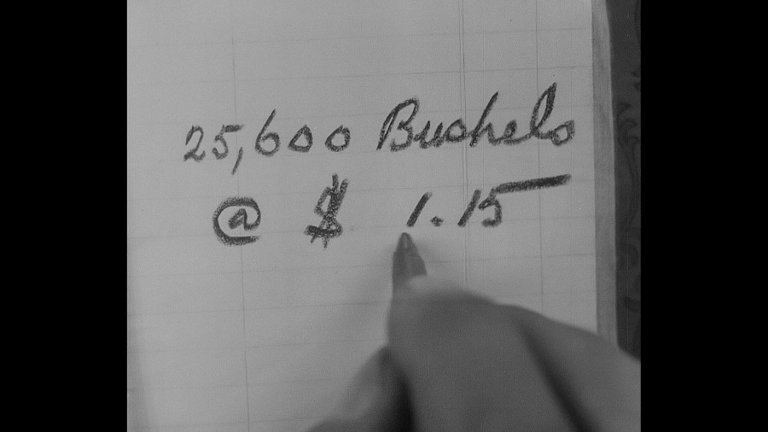
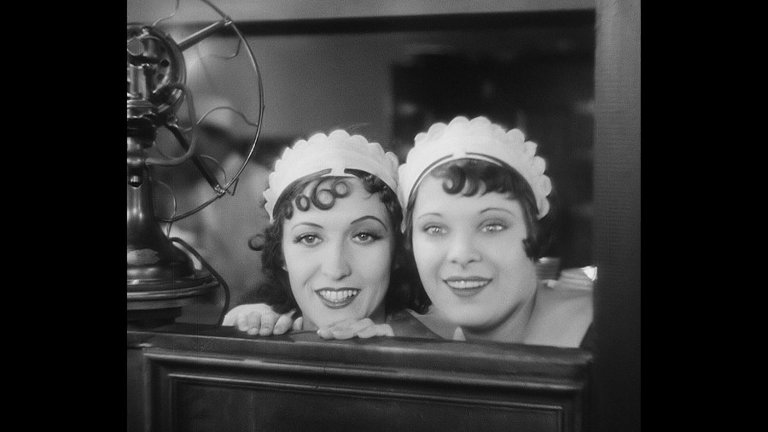
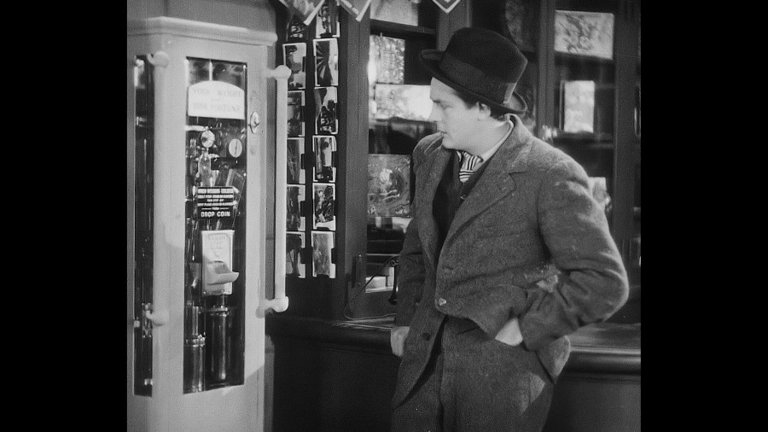
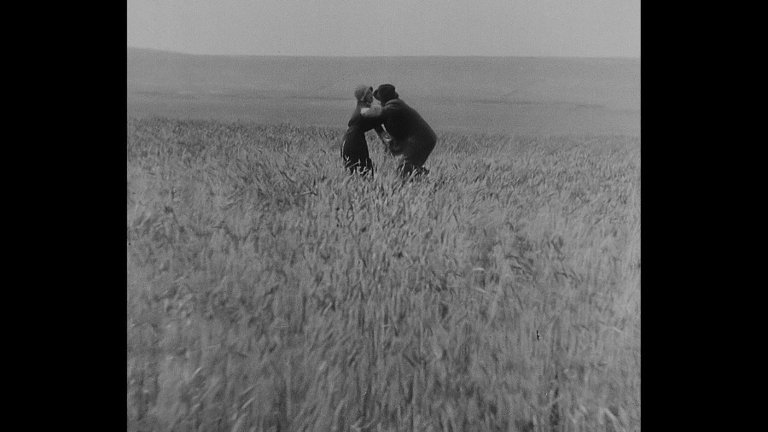
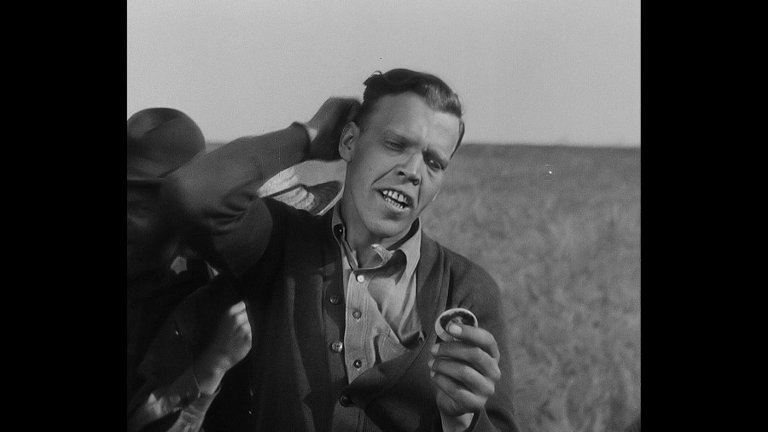
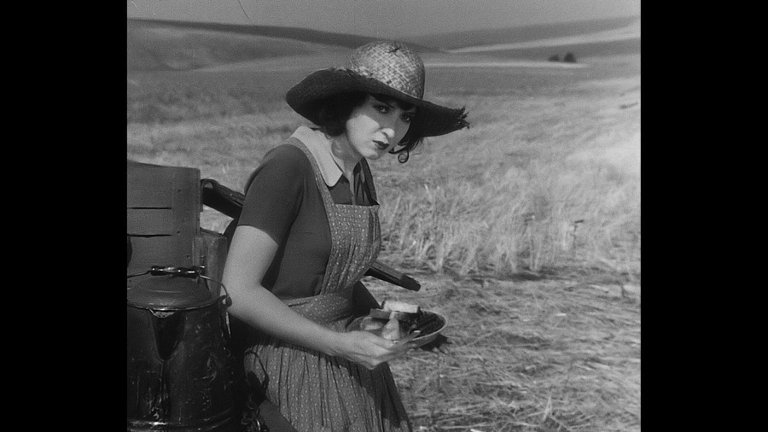
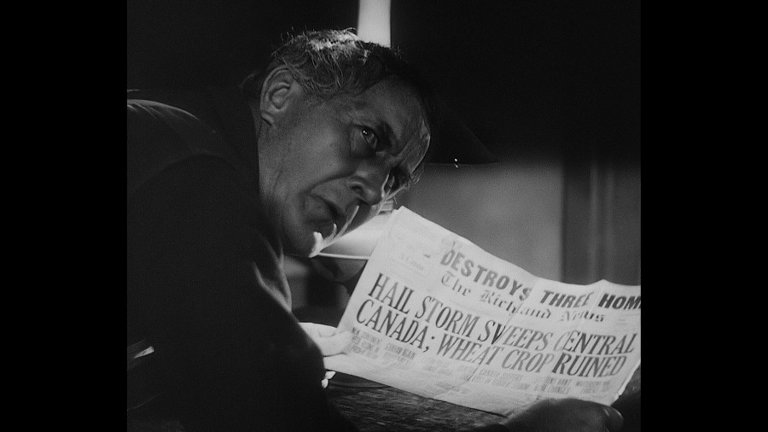
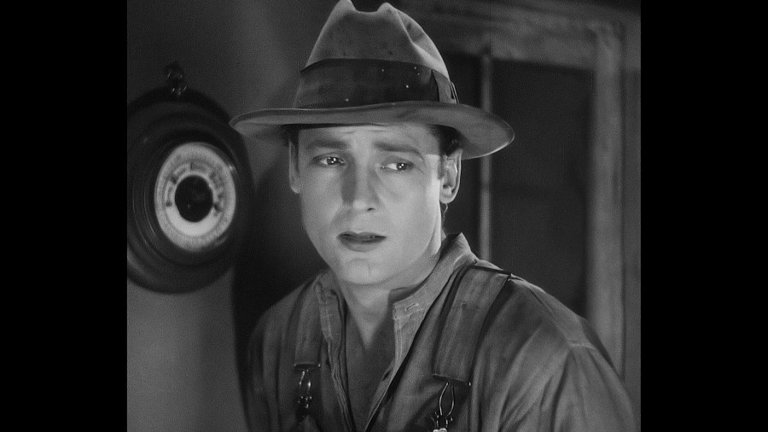
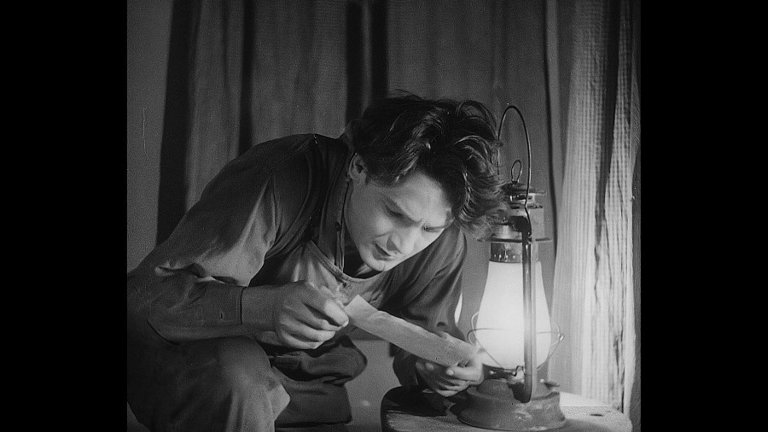
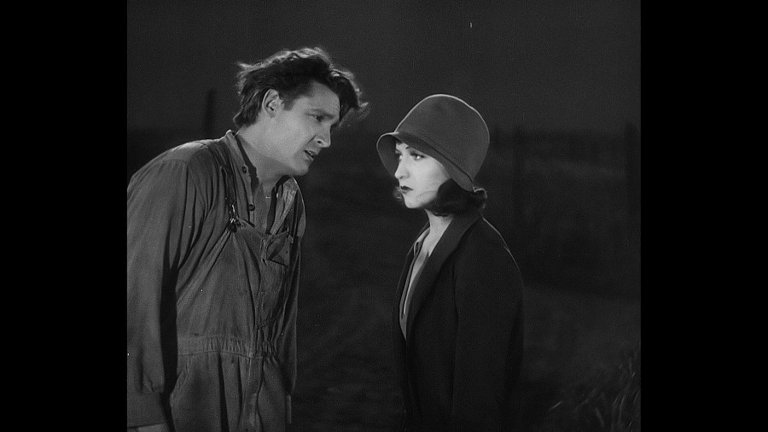
City Girl - Screen Captures
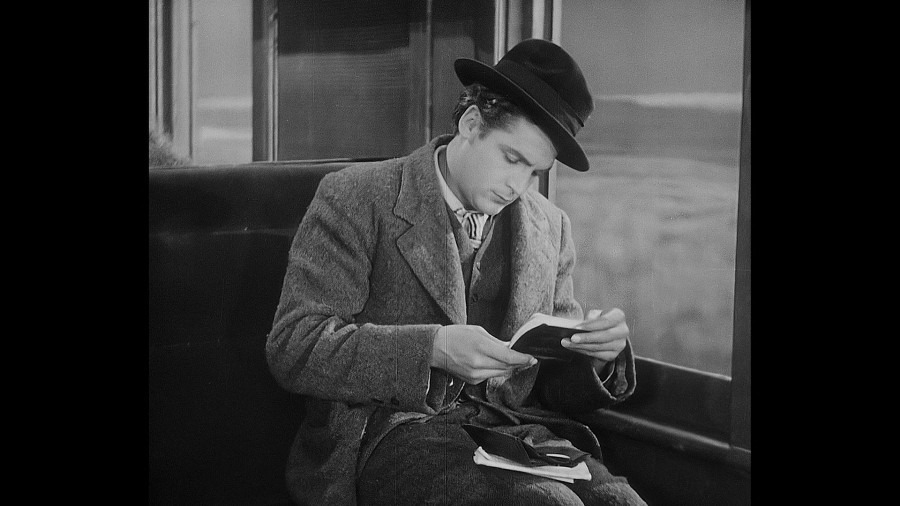
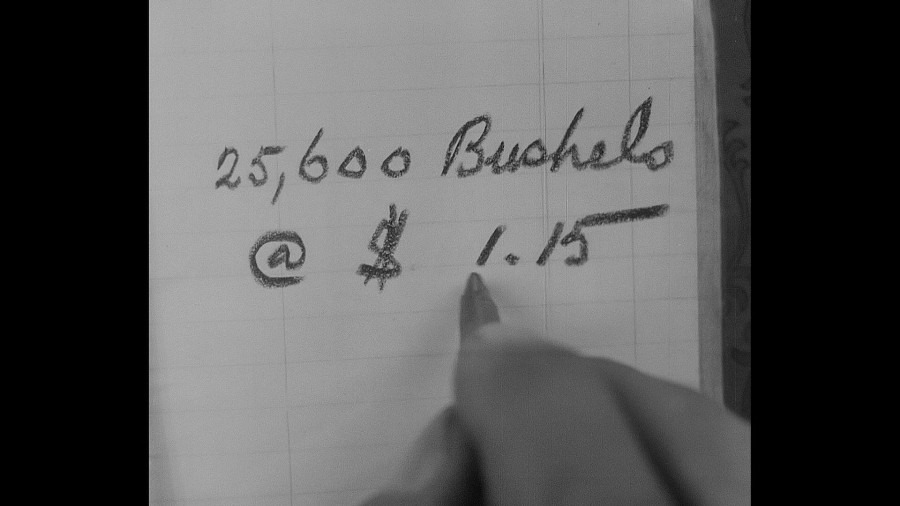
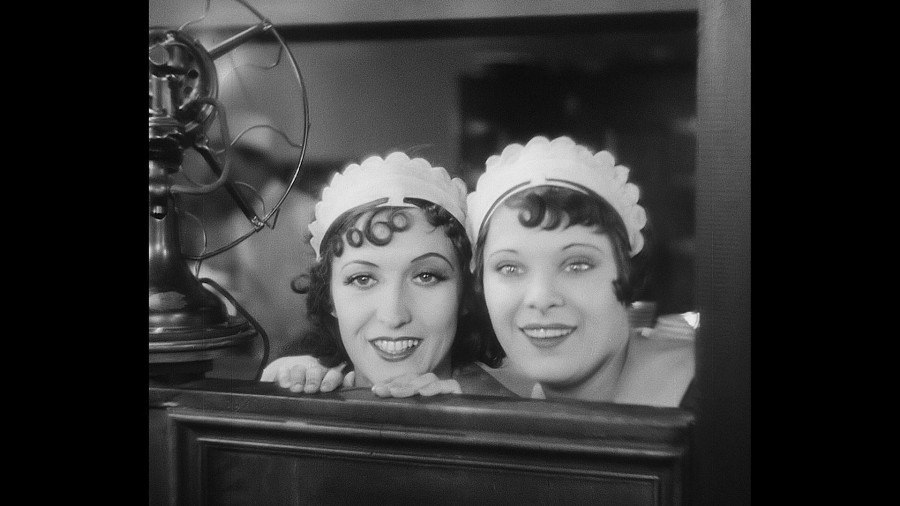
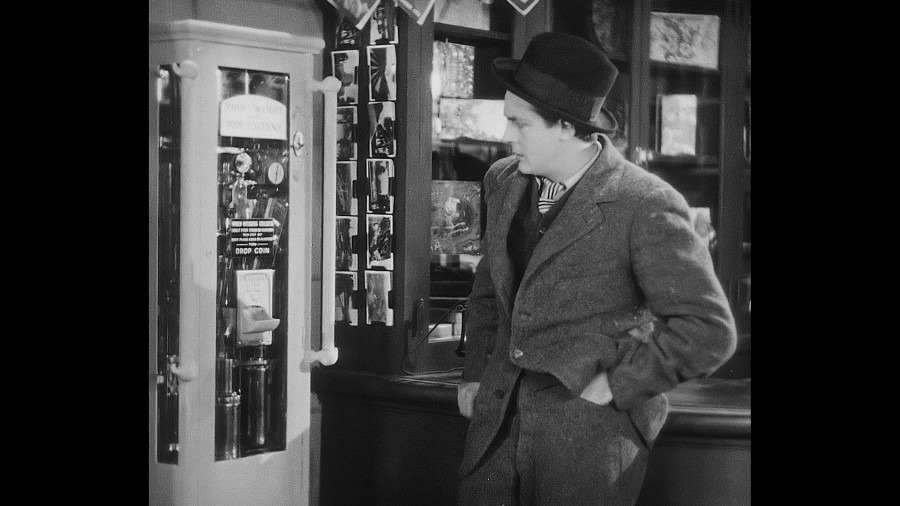
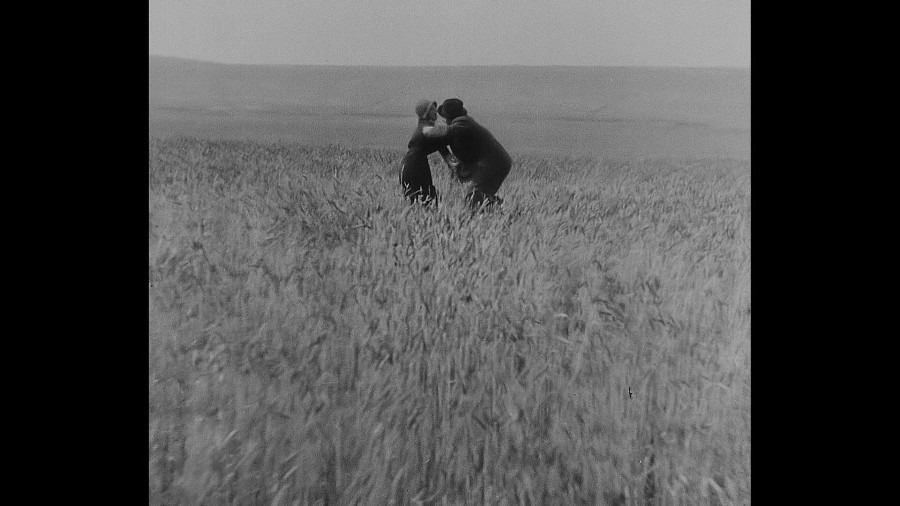
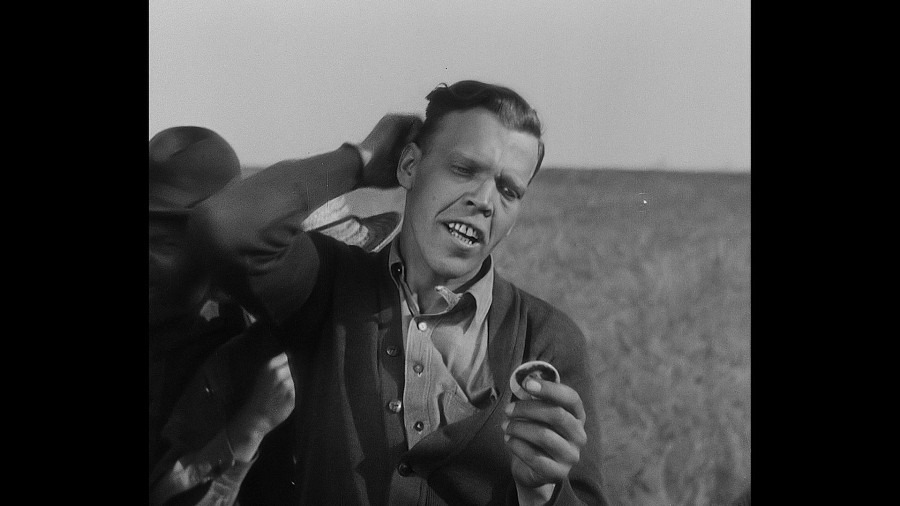
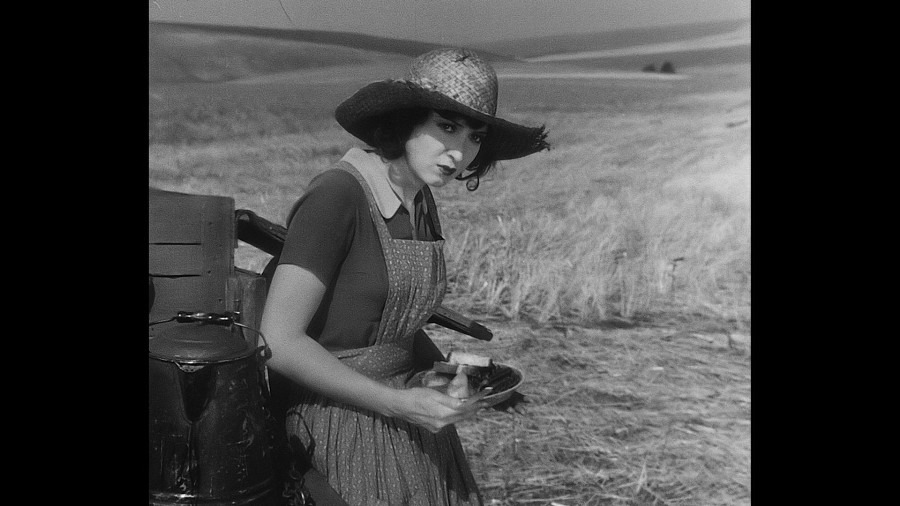
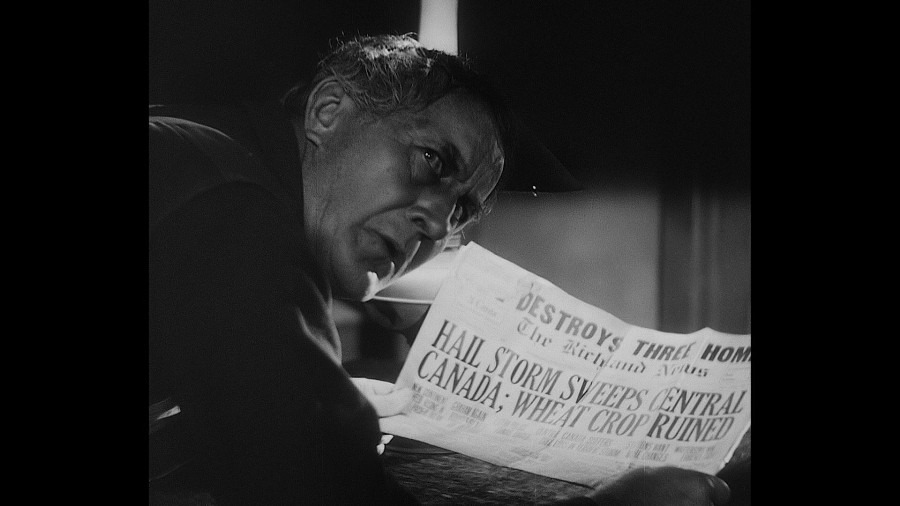

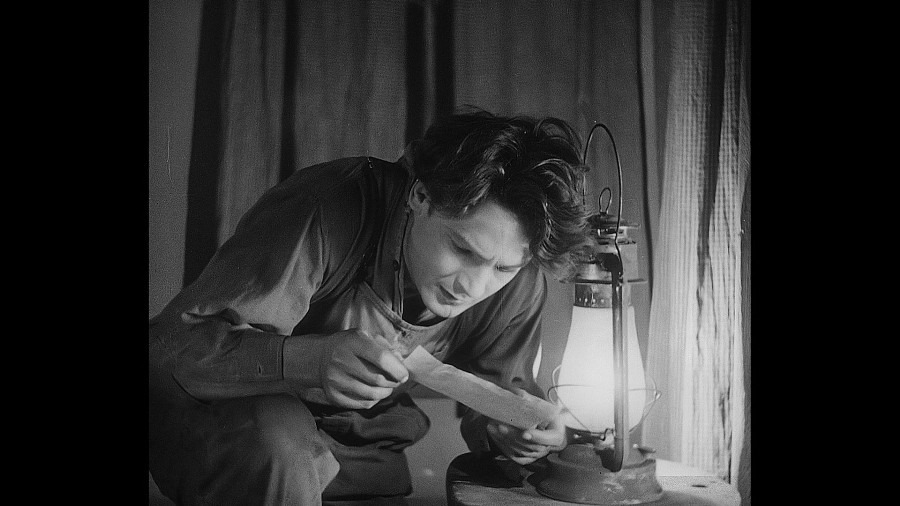
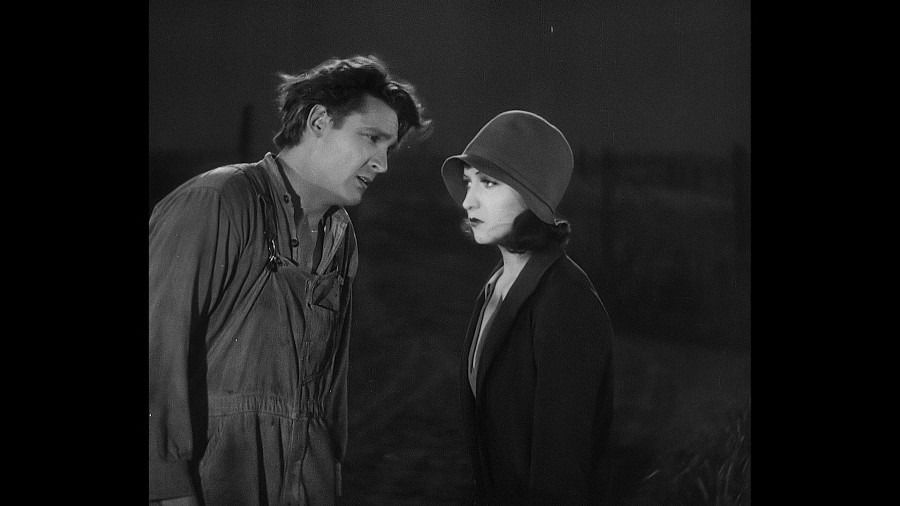
Audio 8/10
I actually didn’t pay attention to the specs on this release so I must admit my shock and amazement when I found out that this disc actually comes with a 5.1 DTS-HD Master Audio surround track. As this is a silent film the track of course presents an accompanying score composed in 2008 by Christopher Caliendo. It’s a strikingly robust and dynamic track, and makes great use of the surround channels to fully envelope the viewer, almost sounding like you’re actually in a screening with a live orchestra there. Since it’s such a new track I’m sure it’s no shock that it sounds crystal clear, but I was rather impressed with the range to it. I’m unsure if it’s influenced by any possible score originally made for the film (even though the commentary track found on here explains a bit about both the sound and silent versions of the film I’m still unsure if the silent version received any sort of big release) but it does fit the film rather well. An excellent track.
Extras 7/10
I guess this is the one area I was a touch disappointed about with the release, but considering the age of the film, the fact so much was lost over time, I can’t say I’m too surprised. But any disappointment was quickly remedied once I switched to the sole disc supplement, an audio commentary by film scholar David Kalat, exclusive to this edition. It is a little scattershot at times, and he admits at the end his “thesis” was probably a little messy, but it’s jam packed full of incredible information not just about the film, but the studios and the film industry at the time, which he gathers from many other sources and quotes from. He covers the usually subjects you expect in a scholarly commentary of this sort, covering the production and even offering great analysis on Murnau’s mise-en-scéne, but he expands into the economics and political situation of the film industry at the time, which led to Murnau’s contract with Fox and then his eventual resignation. I found it particularly interesting when he covers anti-trust suits that came against the American studios because of their blocking of foreign films, called “Black Booking,” and the eventual drop in movie attendance, which the studio heads associated with the fact they “made too many sucky movies” to quote Kalat. There’s even a wonderful portion about how the collapse of the German economy after WWI possibly led to Murnau taking Fox up on their offer. When I listen to commentary tracks for these reviews (and go through supplements in general) I take notes to remind myself later and I can base my overall impression of a commentary track on the amount of notes I bother taking because I felt the information was worthwhile. Most tracks get half a page on average, a good track getting maybe a whole page. I have pages of notes from this track, four in total, so I can’t really cover everything in this review without rambling on myself – it would be loaded with all sorts of ”and thens.” I almost feel like I took a crash course on the economics of the late 20’s film industry and the transition from silent to sound cinema and Murnau’s American career in less than 90-minutes. It’s briskly paced, and yes it jumps around, but in the end it all comes together and is quite satisfying as a whole.
(As a side note, the commentary track is interestingly presented as a 2-channel DTS-HD Master Audio track, where I’m used to all commentary tracks presented in 2.0 Dolby.)
Unfortunately that’s it for disc supplements, the only other item coming with this release being a booklet containing a reprint of an excellent 2003 essay by Adrian Danks, along with plenty of stills, some of which reference points in his essay. And while the essay and the commentary do make mention of the sound version of the film (Kalat in his track even going into the differences) I guess maybe a little more on that version would have been interesting (ironically, despite Fox being the one to push for the sound version and requiring reshoots, the sound version is the one that is lost.) Otherwise, between the booklet and the commentary they both cover the film and Murnau’s career at Fox exceptionally well.
Closing
This is nothing short of a spectacular release and my excitement over it is actually surprising myself. Despite the fact I do find Sunrise to be the better film of the two (which still shouldn’t be taken as any sort of slight against City Girl, which I’m now also quite fond of) I’m actually far more thrilled with this Blu-ray edition of City Girl than MoC’s Sunrise Blu-ray. In every way it completely blew away my expectations and I say it’s certainly a must-get for any film enthusiast.
BUY AT: