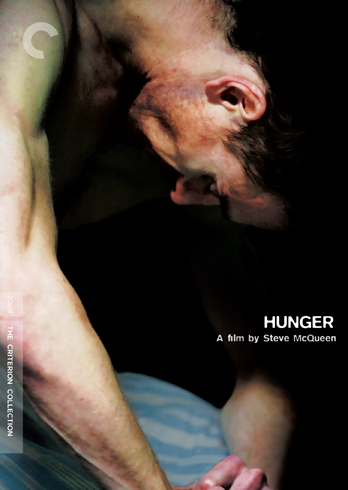
Hunger

BUY AT:


See more details, packaging, or compare
Synopsis
With Hunger, British filmmaker and artist Steve McQueen has turned one of history’s most controversial acts of political defiance into a jarring, unforgettable cinematic experience. In Northern Ireland’s Maze prison in 1981, twenty-seven-year-old Irish Republican Army member Bobby Sands went on a hunger strike to protest the British government’s refusal to recognize him and his fellow IRA inmates as political prisoners. McQueen dramatizes prison existence and Sands’s final days in a way that is purely experiential, even abstract, a succession of images full of both beauty and horror. Featuring an intense performance by Michael Fassbender, Hunger is an unflinching, transcendent depiction of what a human being is willing to endure to be heard.
Picture 8/10
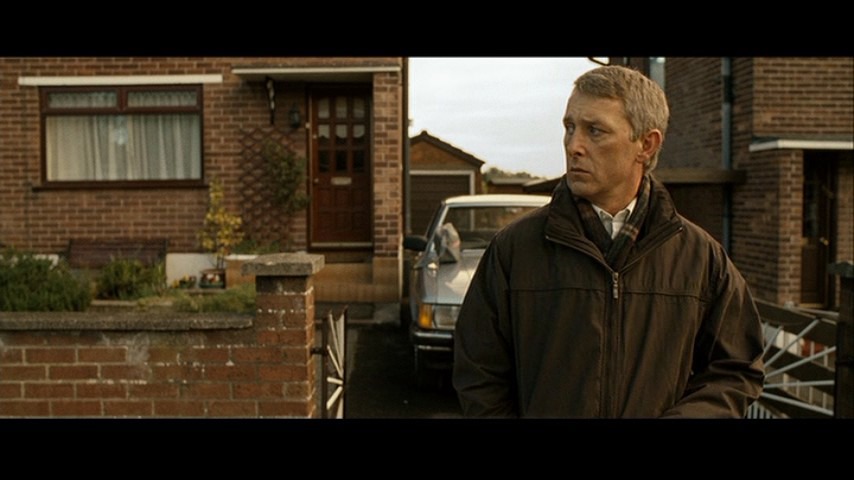
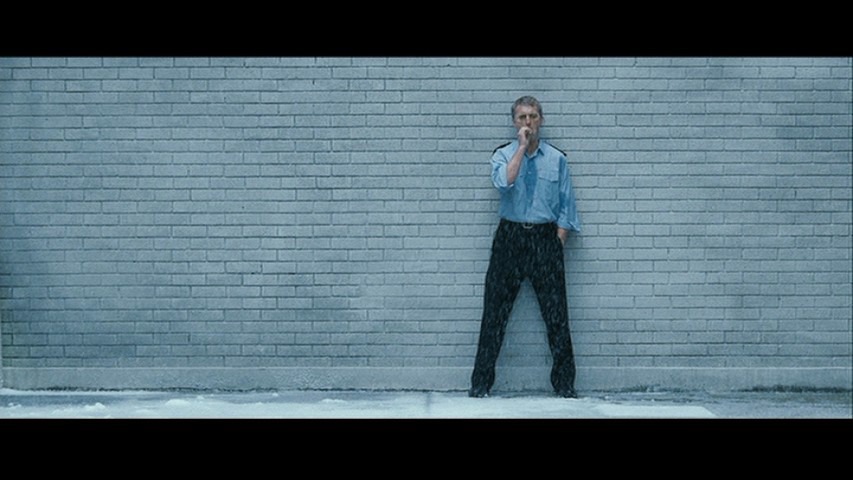
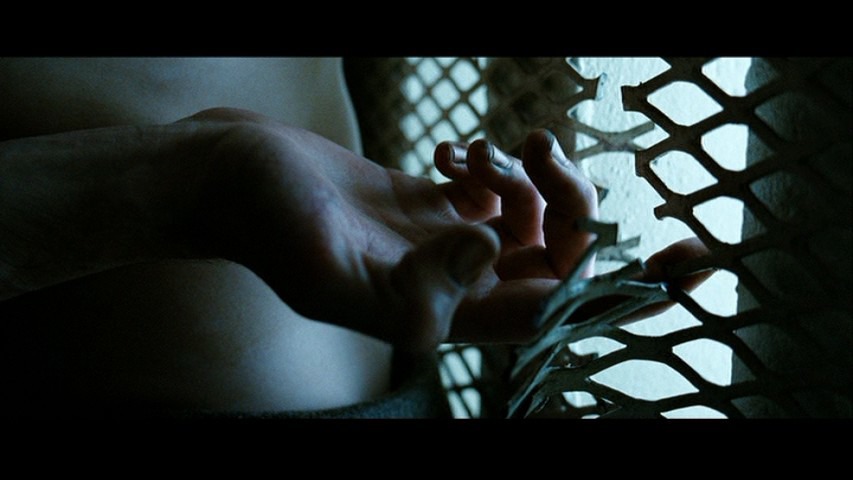
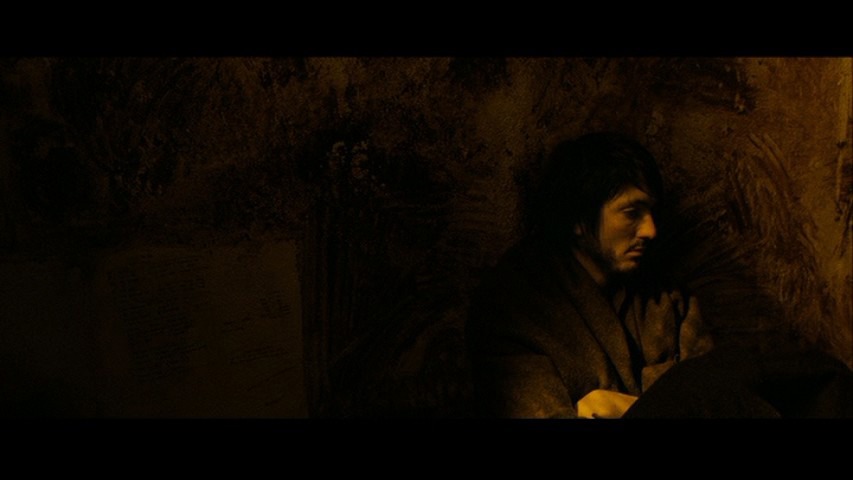
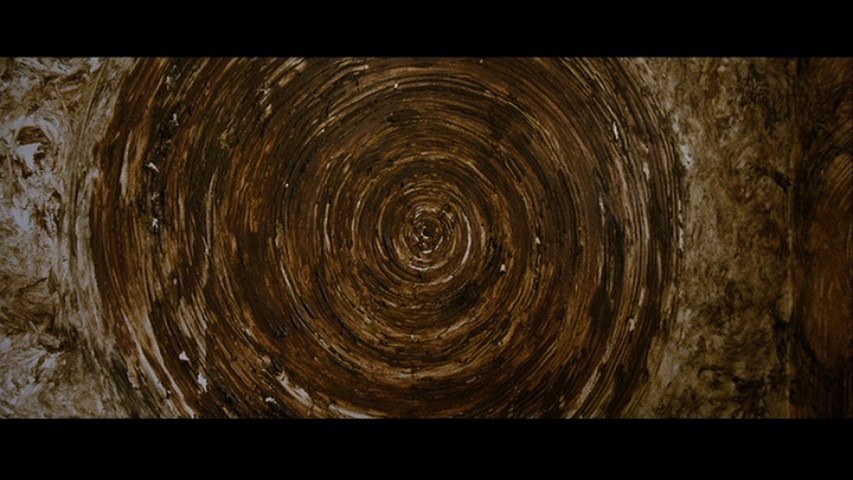
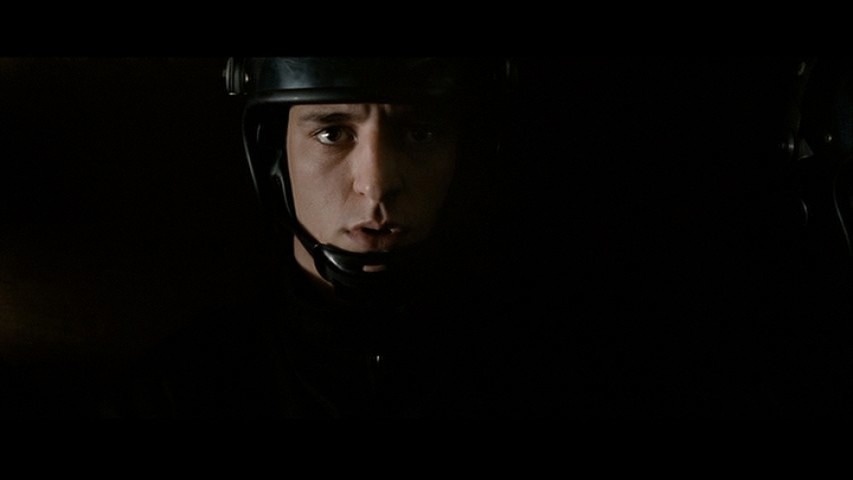
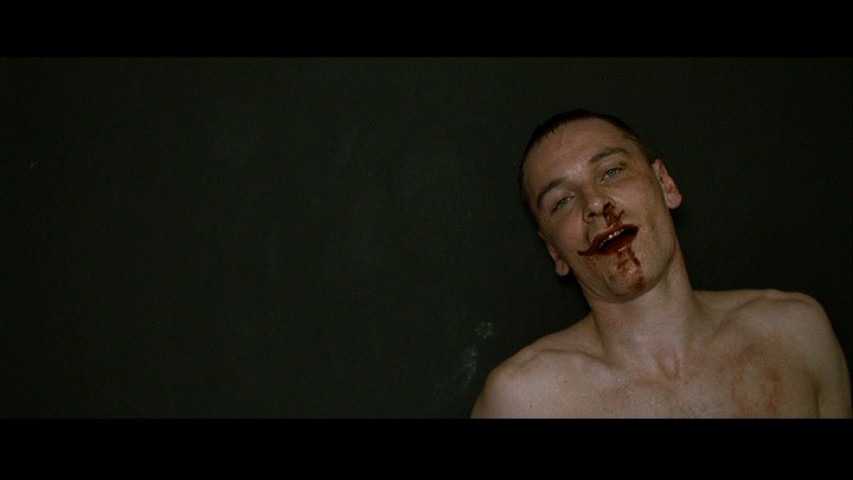
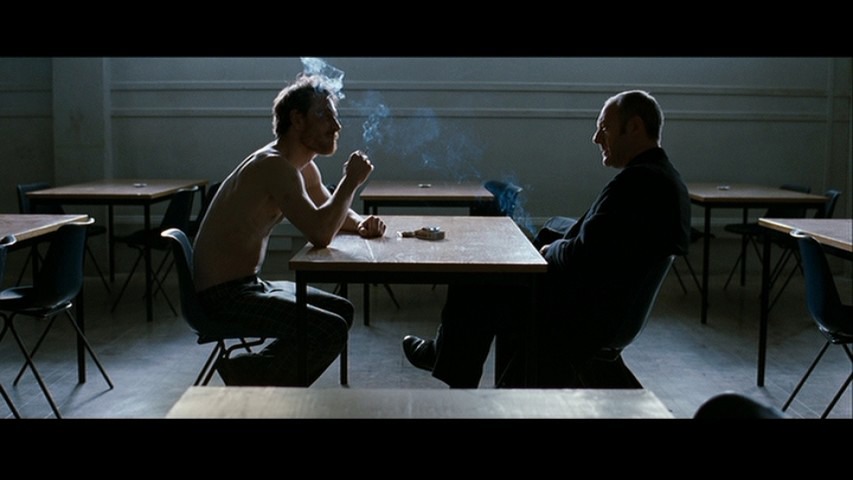
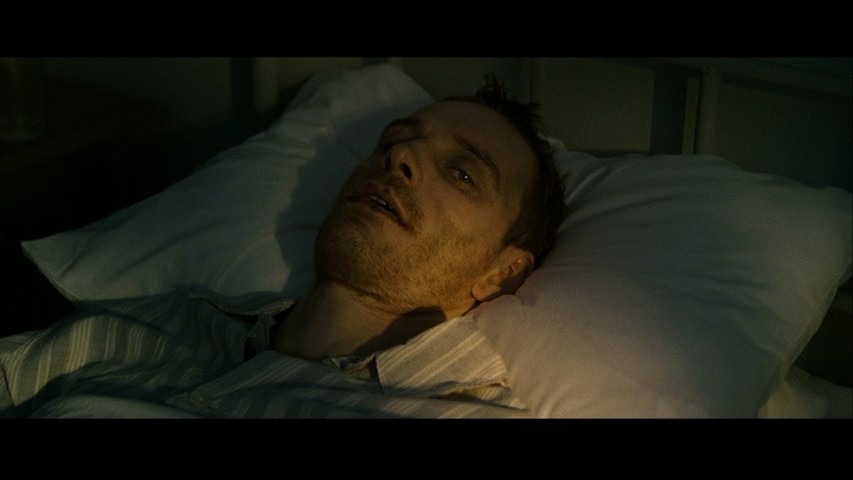
Steve McQueen’s debut film Hunger is presented in its original aspect ratio of 2.35:1 on this dual-layer DVD. The image has been enhanced for widescreen televisions and the transfer has been approved by McQueen. It appears to be using the same high-def transfer as the Blu-ray (downscaled here of course.)
While it’s completely unfair to compare a DVD to a Blu-ray I must admit I’ve been disappointed slightly with Criterion’s DVD transfers for IFC films when compared to their Blu-ray counterparts feeling the DVD’s could do more (though I can’t say how much of hand Criterion actually has in these transfers, if any.) The transfer found on the DVD for Hunger on the other hand, while not perfect, was a bit better in comparison with the other titles. Definition looks quite good here, and detail is fairly high. Colours look fairly bold and vibrant despite the dreary colour scheme of the film, and blacks look solid. There is some digital noise that can make the image look a little fuzzy on occasion, and edge-enhancement is noticeable on a few here and there. The source materials present no signs of damage, though I’m sure this isn’t a huge shock considering how new the film is.
Far from perfect but it still looks rather sharp and should still please those that end up picking up the DVD edition.
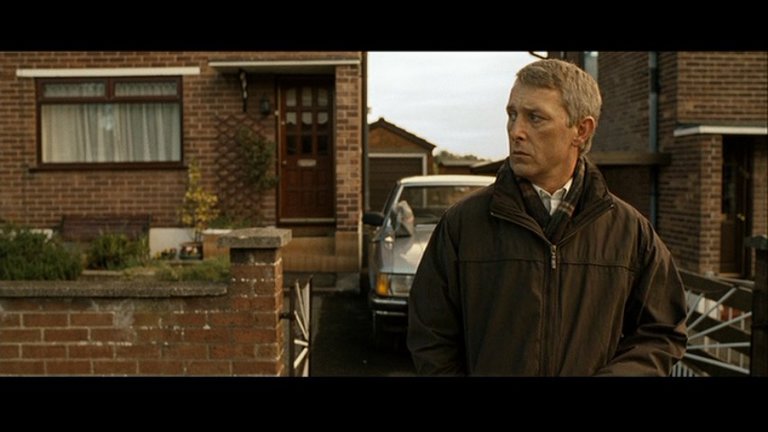
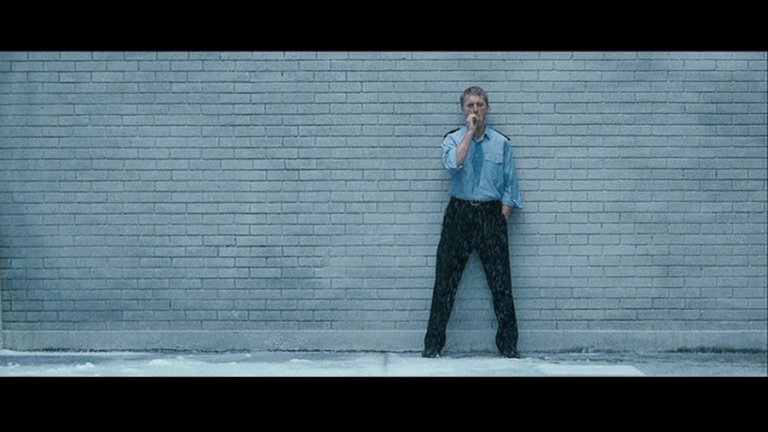
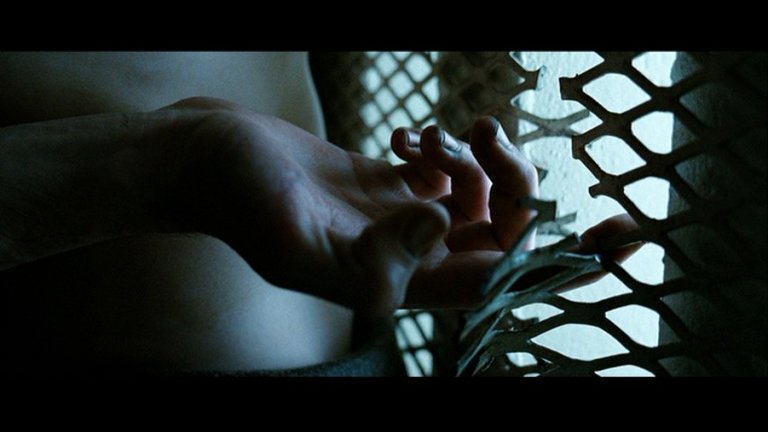
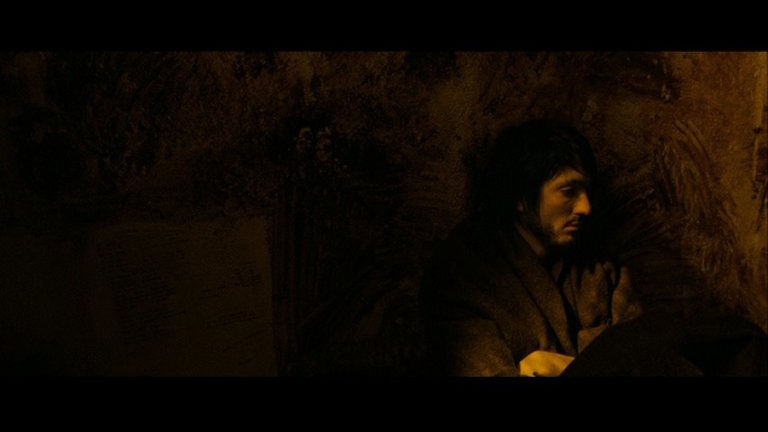
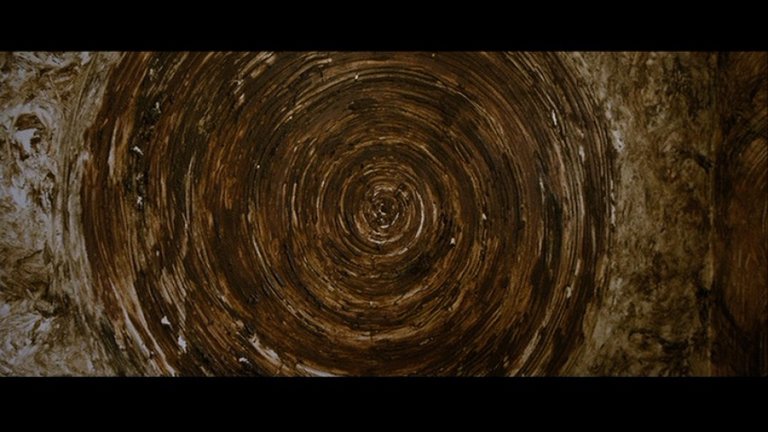
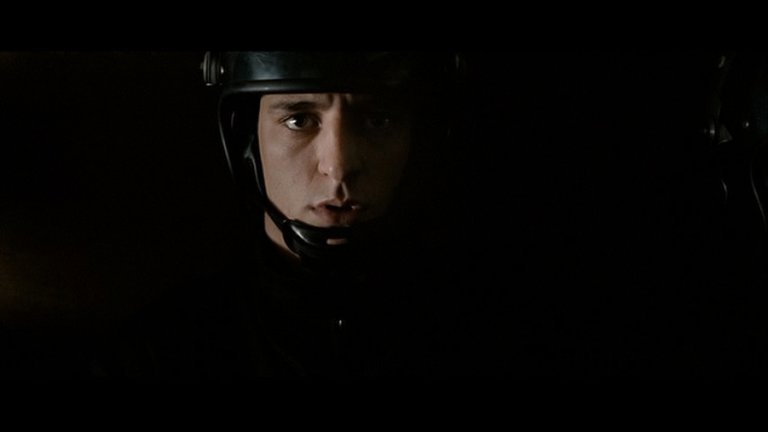
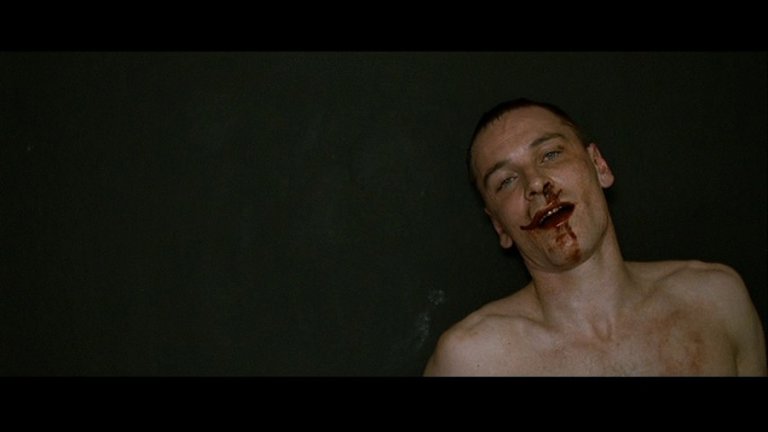
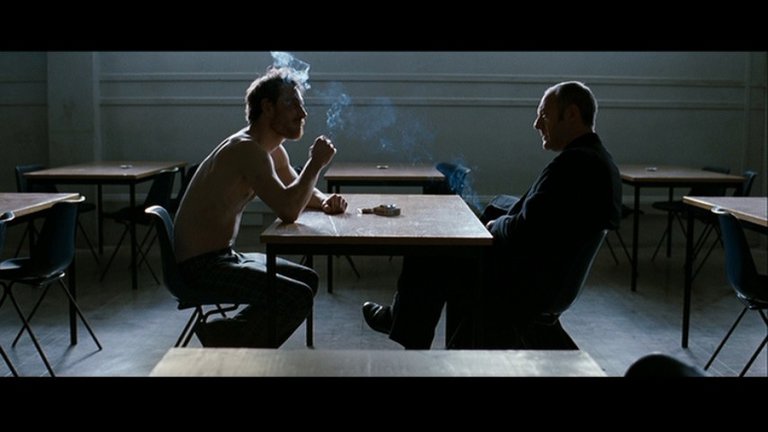
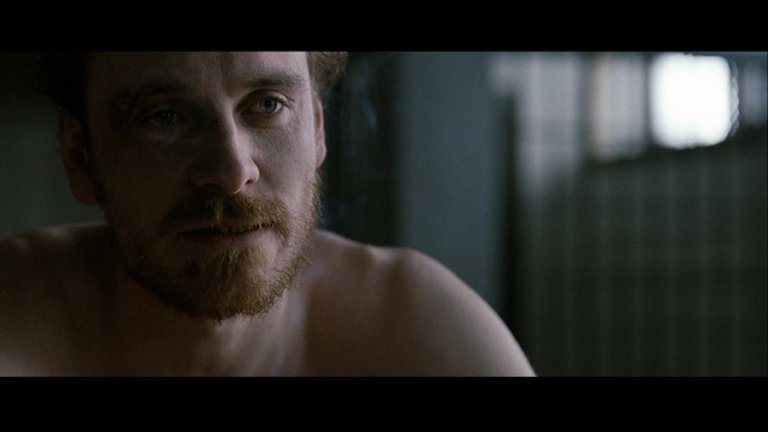
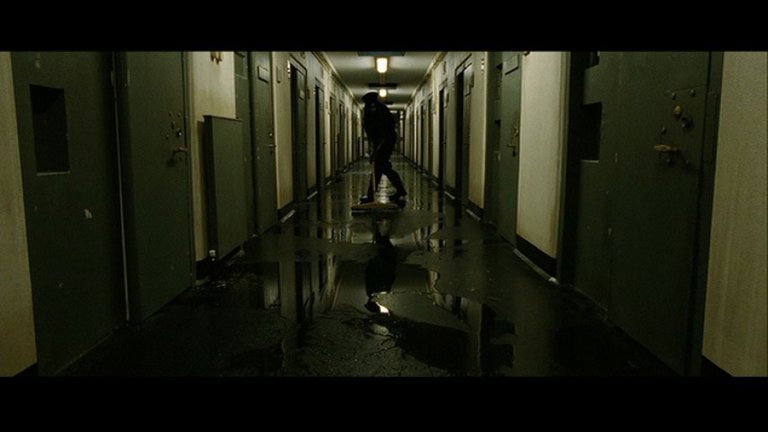
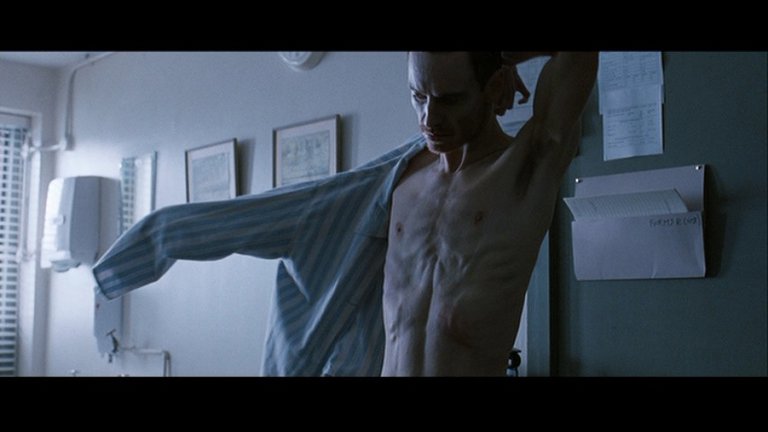
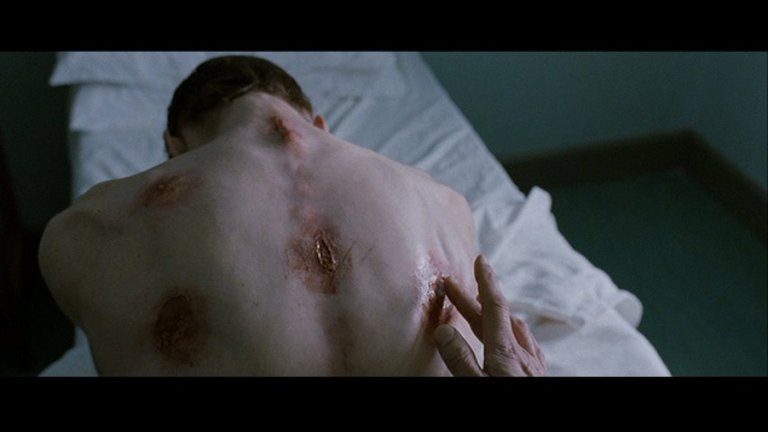
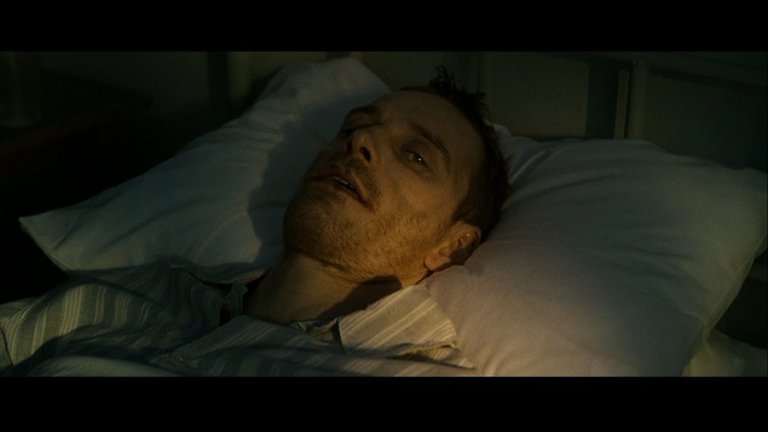
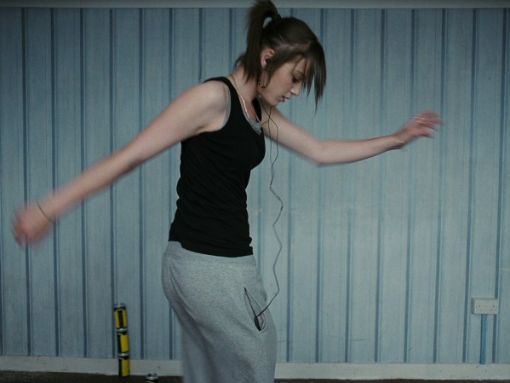
Hunger - Screen Captures
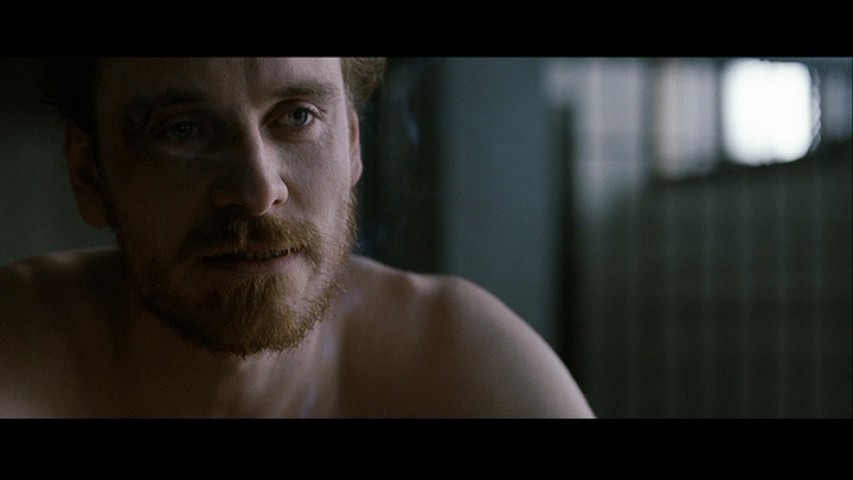
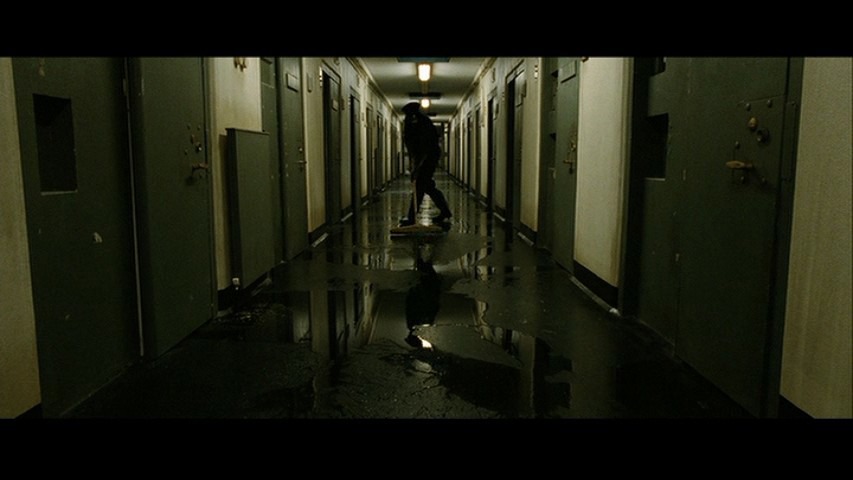
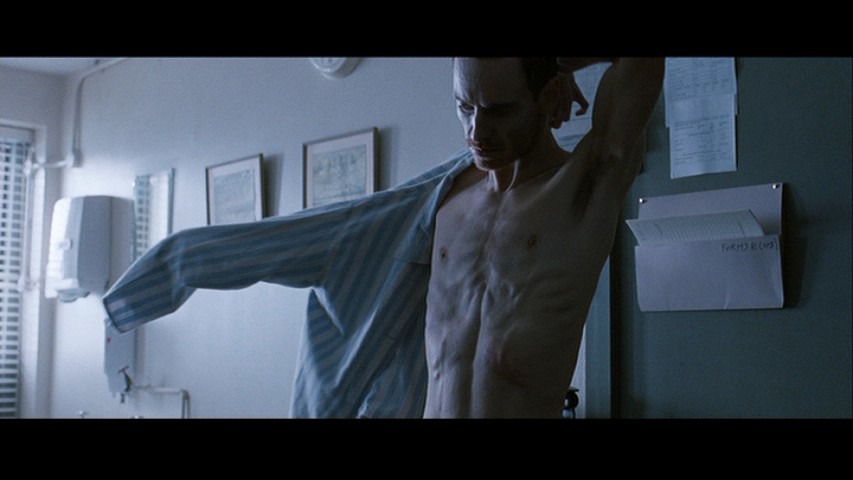
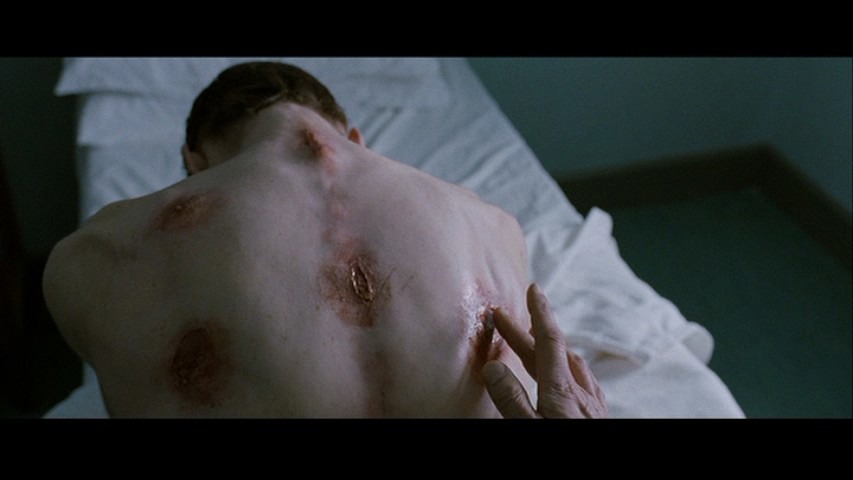
Audio 8/10
Hunger comes with a fairly sharp Dolby Digital 5.1 surround track that works for the film. Though it can have its sudden jarring moments, including the opening and a couple of beating scenes throughout, the film is overall fairly quiet, focusing most of its energy to the front speakers. While I admittedly had issues with some of the Irish accents in the film (which has more to do with me than the audio quality) voices sound clear and distinct. Music is surprisingly sharp as well, and has some decent range to it. The surrounds pick up some of the music and sound effects carry over rather nicely, and bass is subtle. It’s not an active track, nor needs to be, but it perfectly suits the film.
Extras 7/10
With this DVD edition being only a single disc edition with what looked like a rather weak listing supplements I was shocked that this wasn’t priced at the lower-tier. Still, despite this fact, I was actually quite pleased with what we got here.
First, shot exclusively for this Criterion release, is a 17-minute interview with director Steve McQueen. Anyone disappointed by the lack of a commentary track will be somewhat satisfied with this as the director covers the film quite thoroughly in the short time span. He pushes what his intentions for the film were and explains a lot of his stylistic choices, all in an effort to make the audience experience the film’s subject matter, but only as an “observer” and not as a “participant.” He talks about being a child and first hearing about the story of Bobby Sands and the hunger strike, and the impact it had on him. He also talks a bit about the shoot, recreating the Maze prison (he wasn’t allowed to film at the actual prison) and working with Michael Fassbender. He also mentions some of his other work, but unfortunately more in a passing manner. He’s incredibly engaging and the segment flies by. I feel I would have enjoyed a commentary by the man, but this somewhat makes up for that.
The Making of Hunger is a 13-minute feature that at first feels more like a fluff PR piece, but begins to show more meat as it progresses. It gathers brief interviews with the various participants, including McQueen, writer Enda Walsh, producer Robin Gutch, and actors Michael Fassbender, Liam Cunningham, Stuart Graham, Brian Milligan. It focuses primarily on the unconventional manner of the story and the film (which sounds to have been somewhat rooted in the actual script) and how now is the perfect time to be telling it. But it’s strongest aspect would have to be the portion that concentrates on the 22-minute scene between Fassbender’s Sands and Cunningham’s priest. I was tempted to write it off at first but it gets much more interesting as it progresses.
Following that is a 14-minute interview with Michael Fassbender conducted by critic Jason Solomons. It looks to come from a press junket but it’s a decent piece. They of course cover how Fassbender lost weight but thankfully this only brief (yet interesting.) Fassbender also covers how he went about his research, but again, like with the previous making-of, the most interesting aspect has to do with the work he and Cunningham put into their longer scene. He seems particularly proud of the film and his work in it and this alone makes it an excellent interview segment.
Next is probably the coolest feature (and one I’m sure only Criterion would have bothered including) is an episode from the BBC program Panorama. The title of the episode is The Provos’ Last Card and runs 45-minutes. The segment was filmed a few months after Bobby Sands’ death and just after the death of the tenth (and what would turn out to be final) prisoner, Michael Devine, on the hunger strike, even capturing footage from a funeral. This may prove to be the most fascinating feature on here and the one I was most appreciative of. It works on a lot of levels, including the fact it adds some context to the film. It not only offers a look at the hunger strike and its effects but it really offers a through, fairly unbiased look at the political tensions in Northern Ireland (“The Troubles”) and the I.R.A. It gets interviews with various civilians and members of various political parties, and also shows how Thatcher’s handling of the situation of the hunger strike was probably hurting more than helping. It’s filled with great archival footage, including riots, footage of Thatcher’s speeches (all of which appear as audio in the main film,) a look at an I.R.A. manual, and footage of the actual Maze prison and the prisoners (including a look at an actual prison cell where feces had been spread across the walls, showing McQueen recreated it quite vividly.) I was particularly pleased that it never really took sides, questioning the actions of both the I.R.A. and the British government. It’s a fantastic addition and the one I’m most pleased with. Definitely worth viewing.
The disc then closes with the film’s American theatrical trailer which makes it look far more conventional than it actually is.
And of course this release comes with a booklet containing a short essay by critic Chris Darke, briefly covering the actual events, McQueen’s career up to this film, and offering a brief analysis of the film itself. I don’t know if I agree with him on how “political” this film is, where he feels the film is extremely political and I can’t say I feel the same thing (while maybe McQueen does side with the prisoners the film as a whole never feels like it sides with anyone,) but I still found it an excellent read.
There’s more I’m sure Criterion could have included, such as a commentary, and possibly a look at McQueen’s other work; there’s a lot of mention of it but nothing, other than clips, are actually shown. Otherwise, while a small release, I was still quite happy with the supplements presented here, though feel that it would have been a far better deal if it was priced a little lower.
Closing
As I said with my Blu-ray review the film is fairly devastating and it’s probably not one many will find themselves wanting to watch again (though after watching it a couple of times now I can see myself revisiting it a little bit into the future.) But for those looking to own it they can do far worse than this Criterion edition. The transfer on the Blu-ray counterpart to this DVD presents a better image and I would probably steer most to that one, but for those that haven’t gone that route they will still find much to be pleased about with the DVD. The transfer and the supplements are up to Criterion’s usual standards. A nice edition overall.
BUY AT: