Le Havre
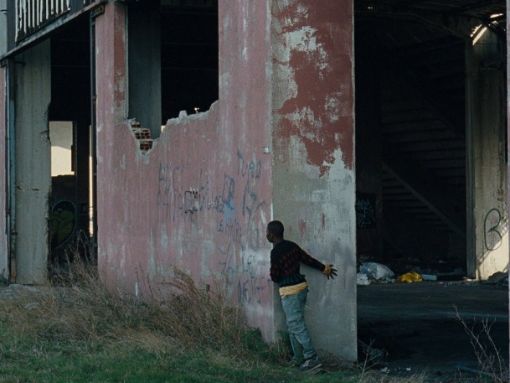
BUY AT:


See more details, packaging, or compare
Synopsis
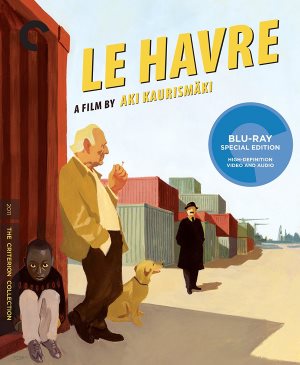
In this warmhearted comic yarn from Aki Kaurismäki, fate throws the young African refugee Idrissa (Blondin Miguel) into the path of Marcel Marx (André Wilms), a kindly old bohemian who shines shoes for a living in the French harbor city Le Havre. With inborn optimism and the support of his tight-knit community, Marcel stands up to the officials doggedly pursuing the boy for deportation. A political fairy tale that exists somewhere between the reality of contemporary France and the classic French cinema of the past, Le Havre is a charming, deadpan delight and one of the Finnish director’s finest films.
Picture 9/10
Aki Kaurismäki’s Le Havre comes to Blu-ray from Criterion in its original aspect ratio of 1.85:1 on this dual-layer disc. It has been given a 1080p/24hz high-definition digital transfer.
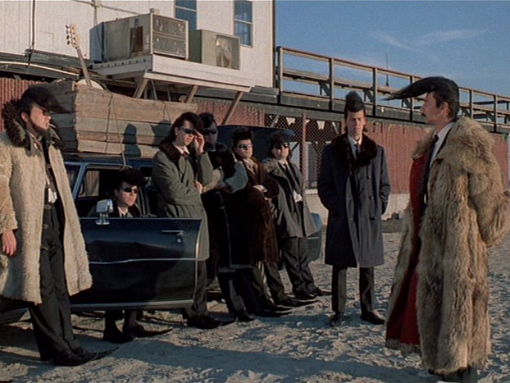
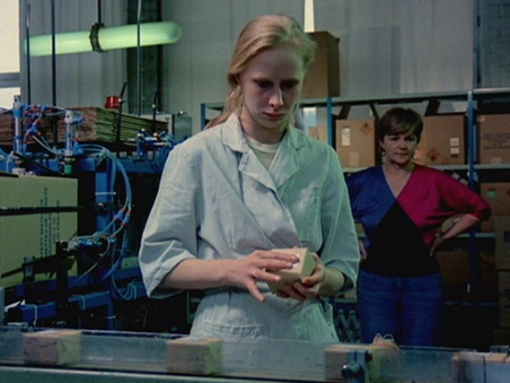
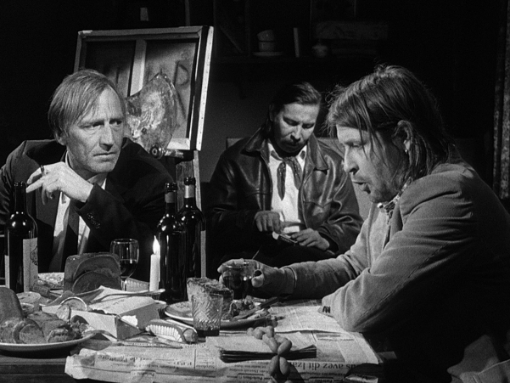
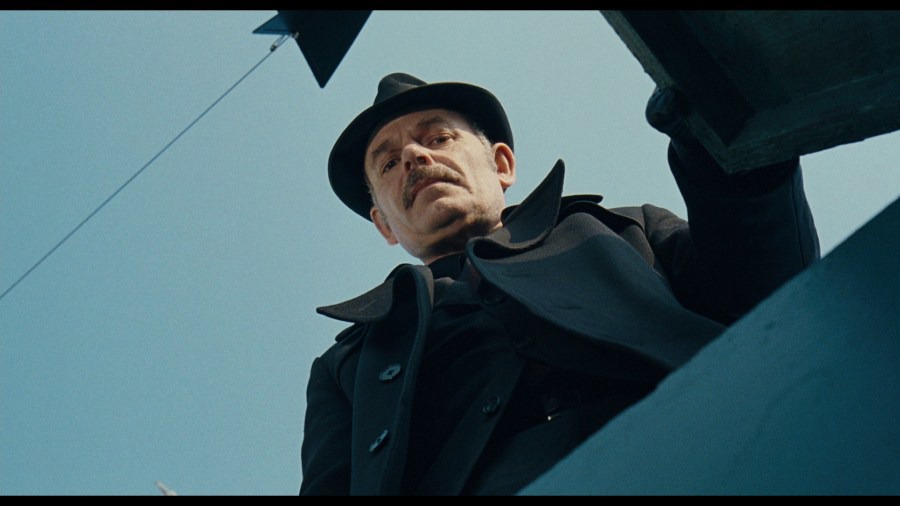
Unsurprisingly what we get is a stunning, film-like presentation, what I’d pretty much expect from Criterion for a new film. I did not detect one flaw or blemish in the source print and I didn’t see any glaring digital artifacts. What we get was a pristine, sharp, highly detailed image, with fine film grain left intact, looking completely natural. If the presentation has one flaw it’s that the blacks aren’t as deep as one would hope and lean a little on the gray side. But colours look exceptional, especially the heavy use of blue that is splashed around the film. It’s gorgeous to look at overall.
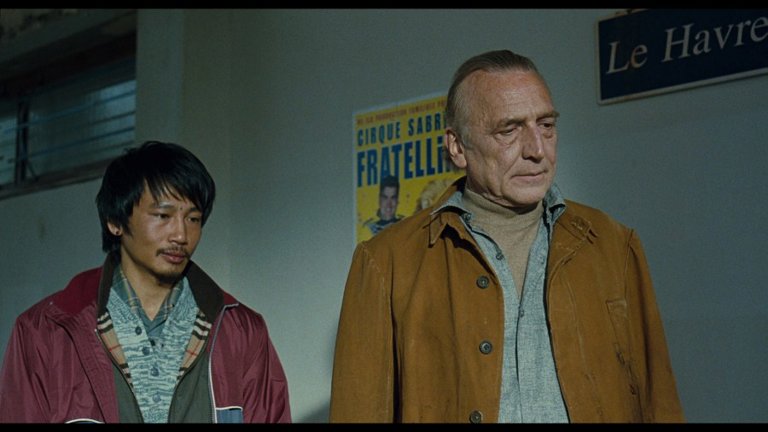
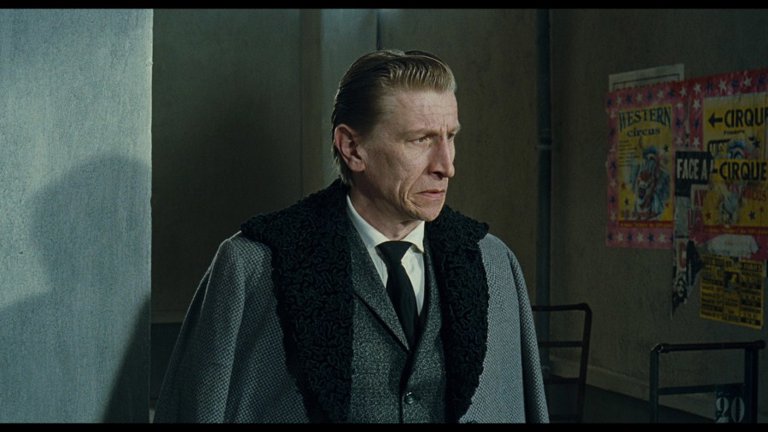
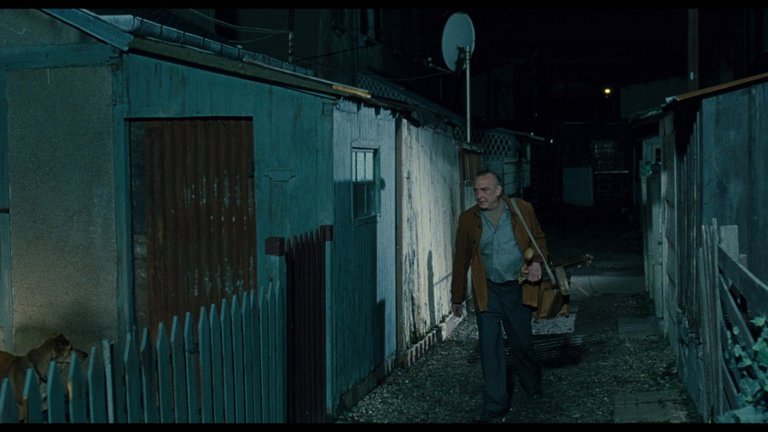
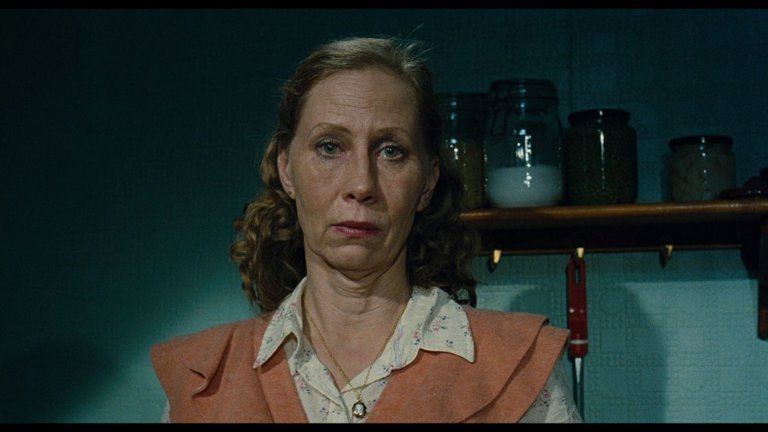
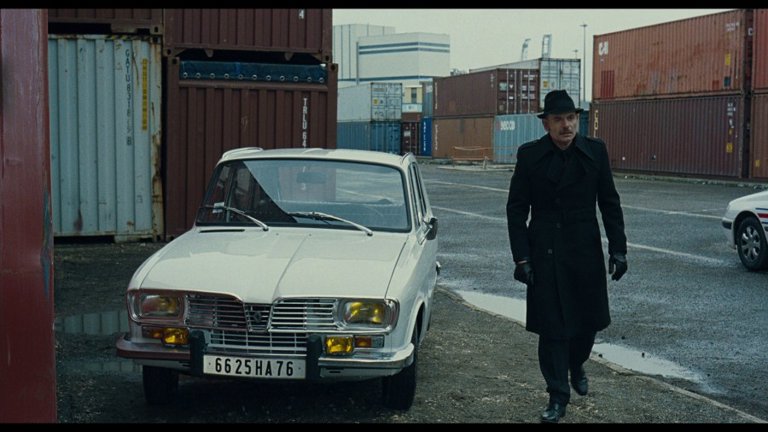
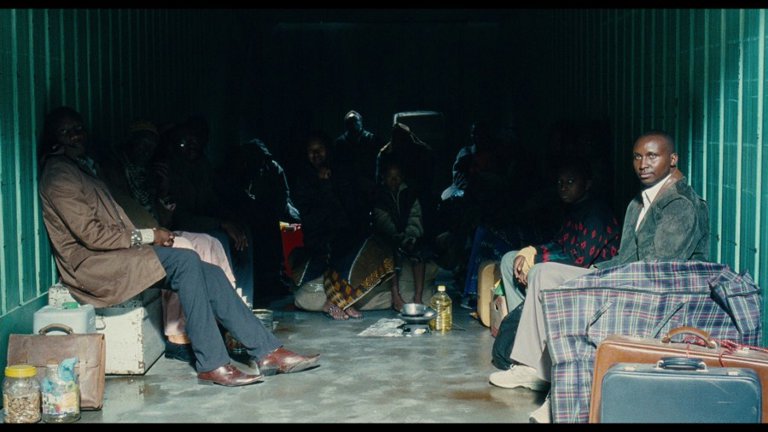
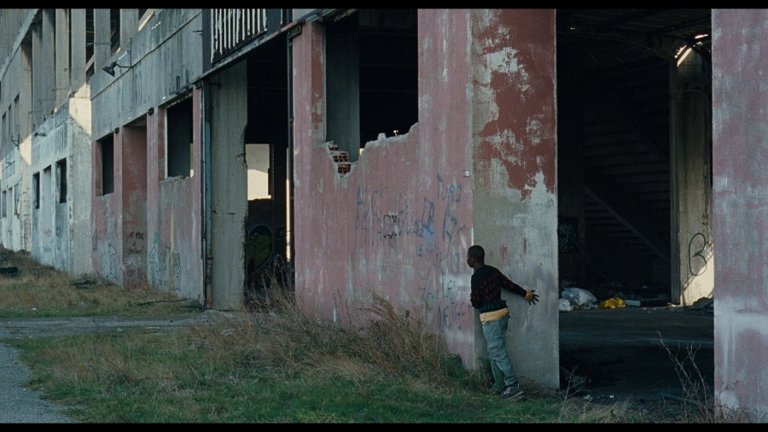
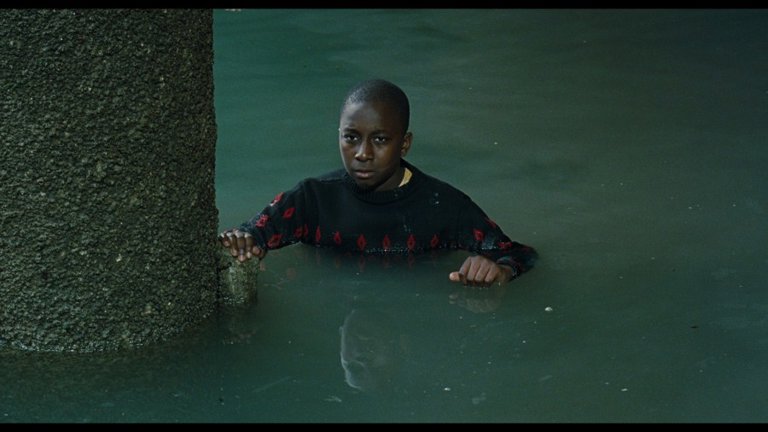
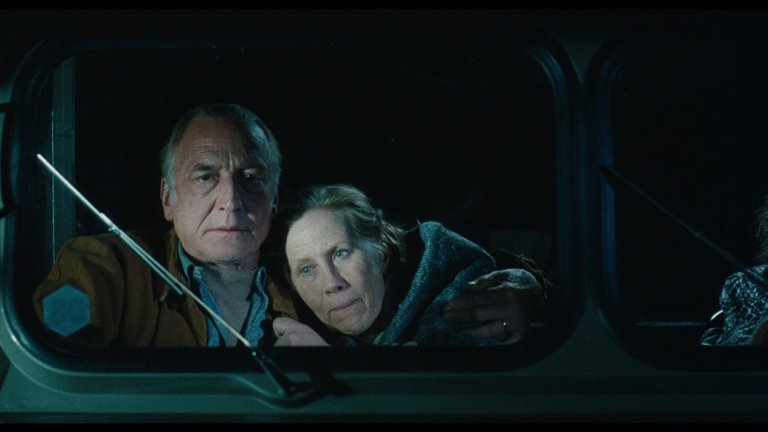
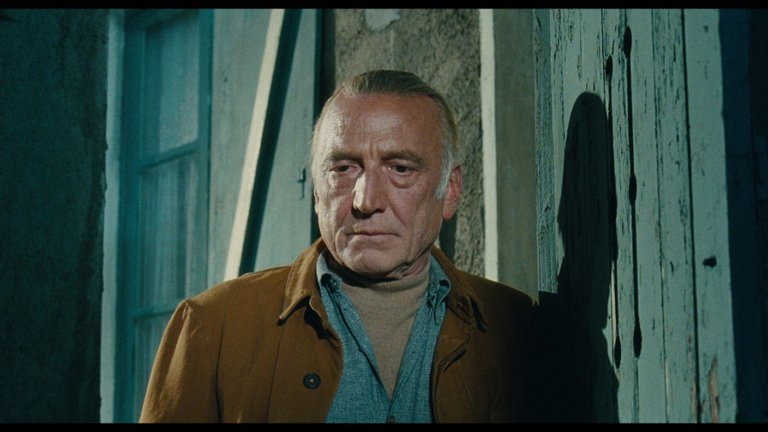
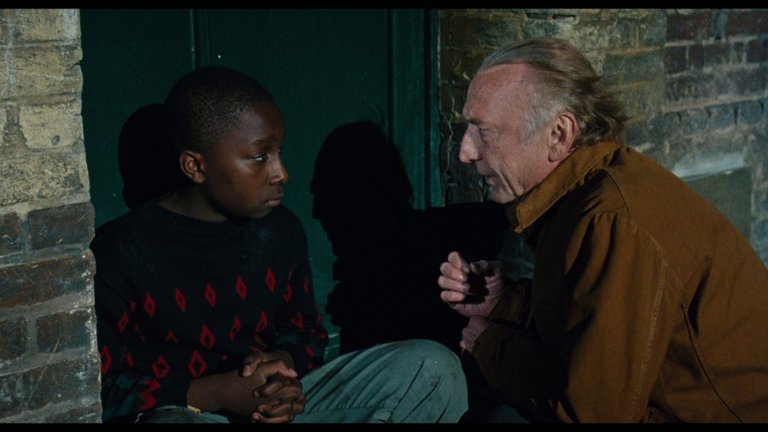
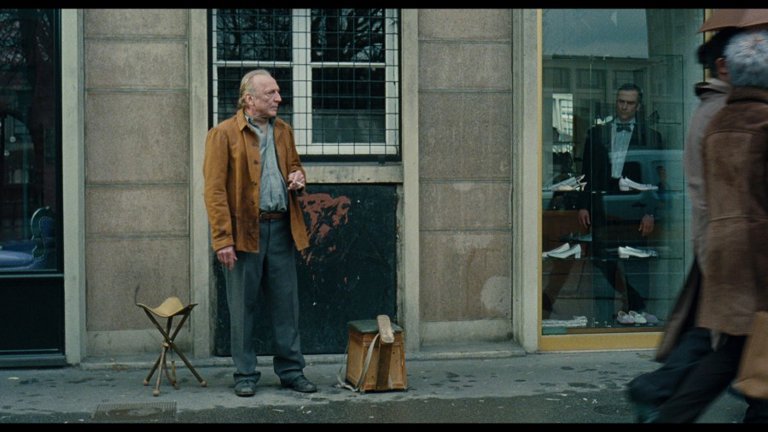
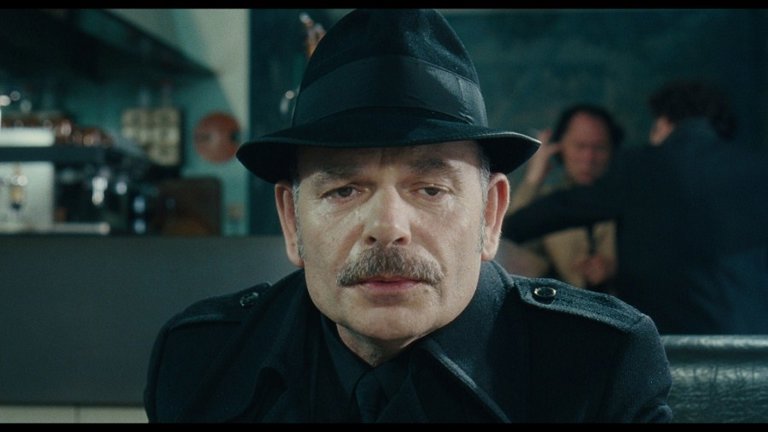
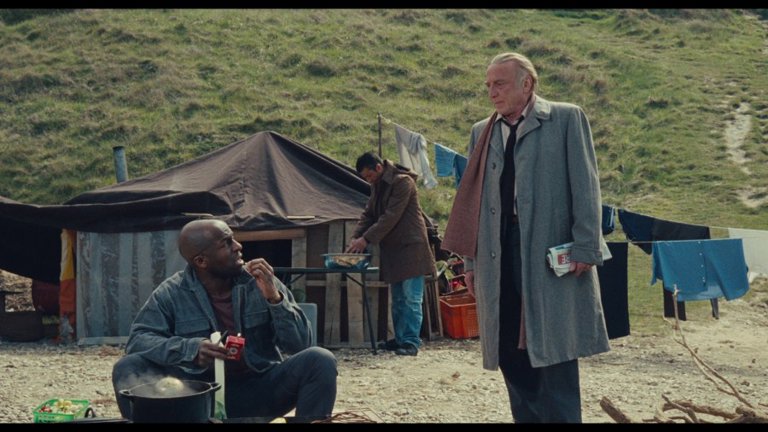
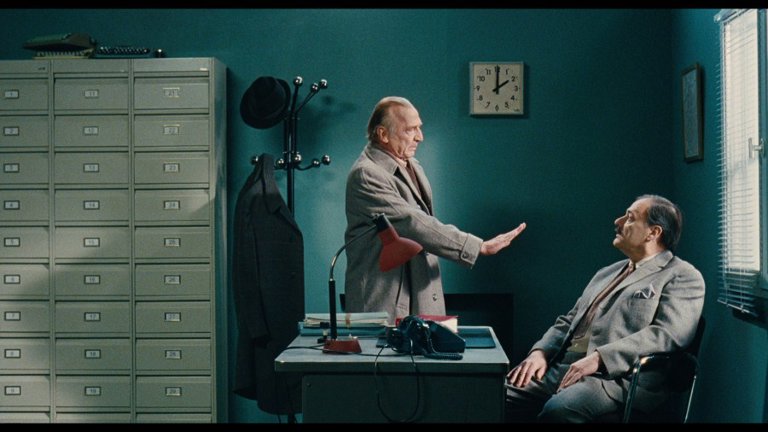
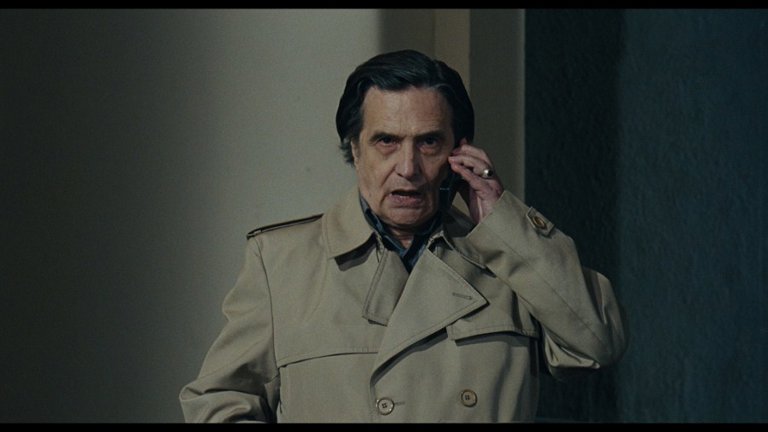
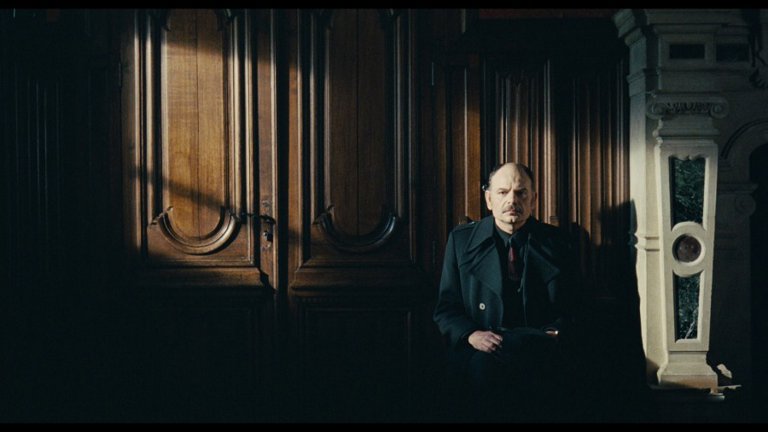
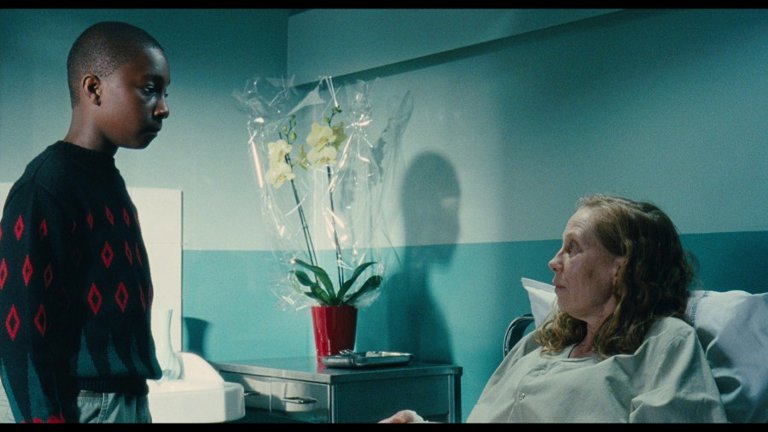
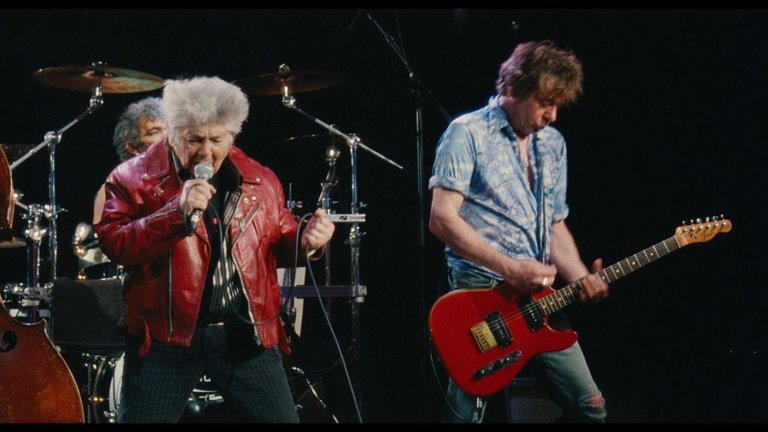
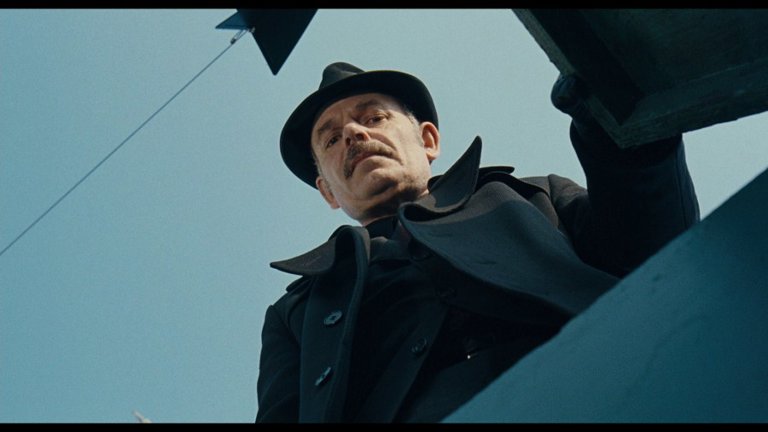
Le Havre - Screen Captures
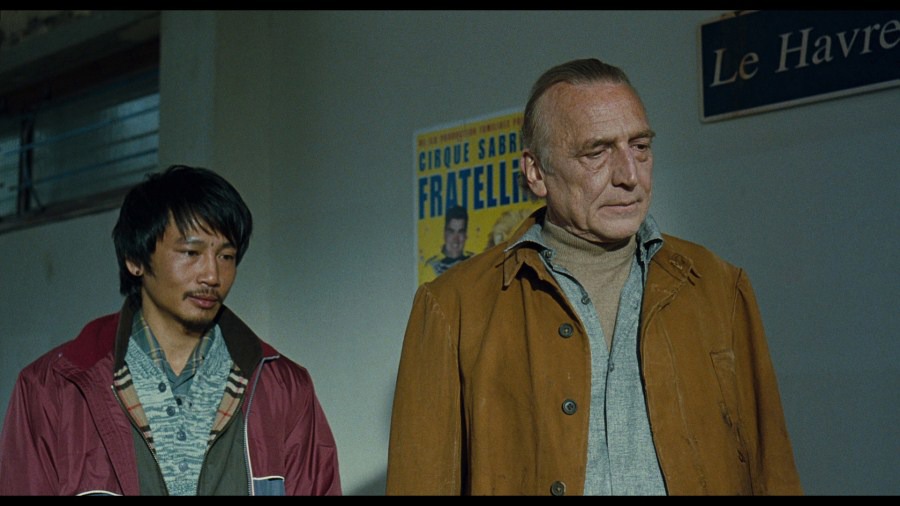
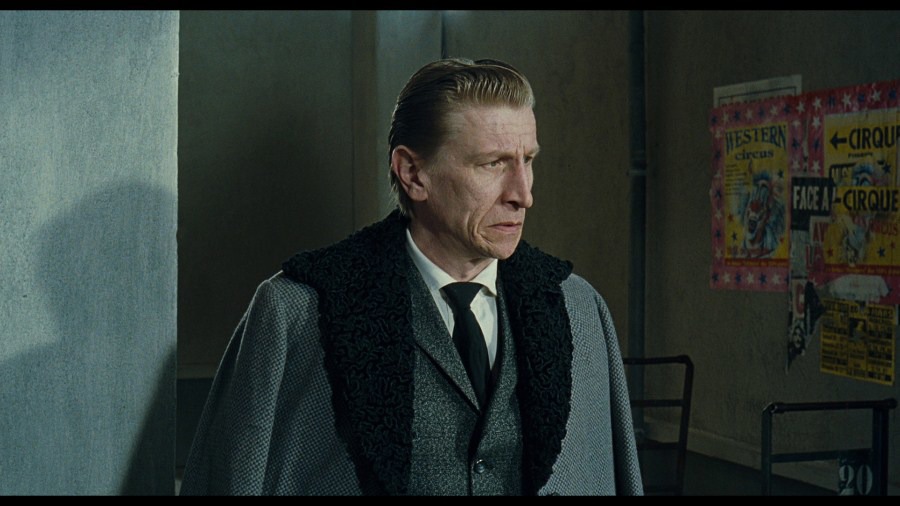
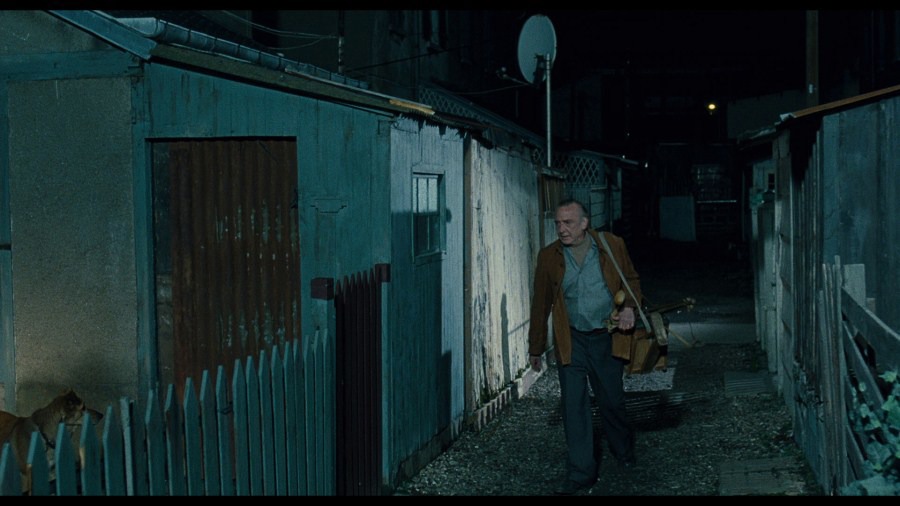
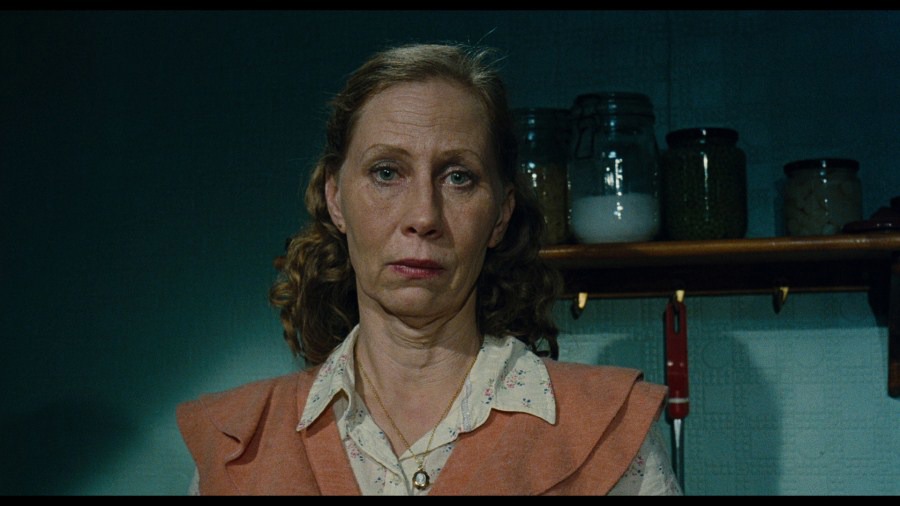
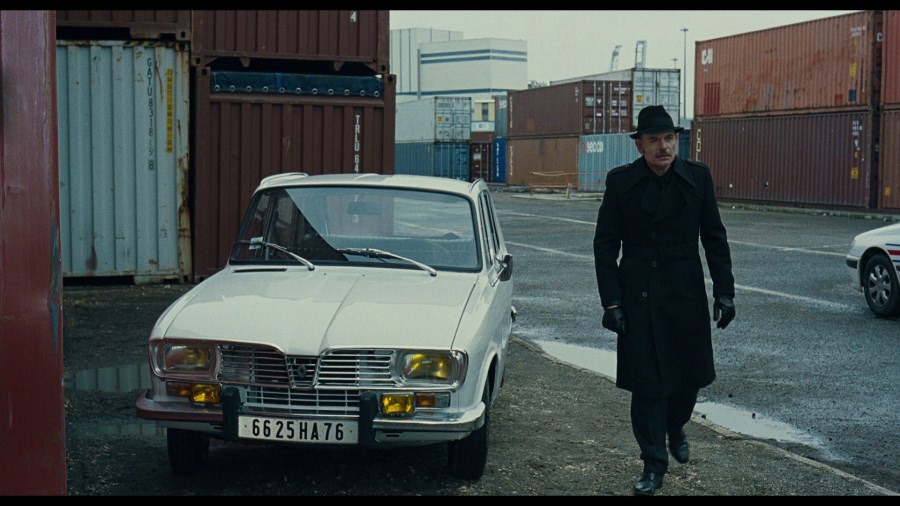
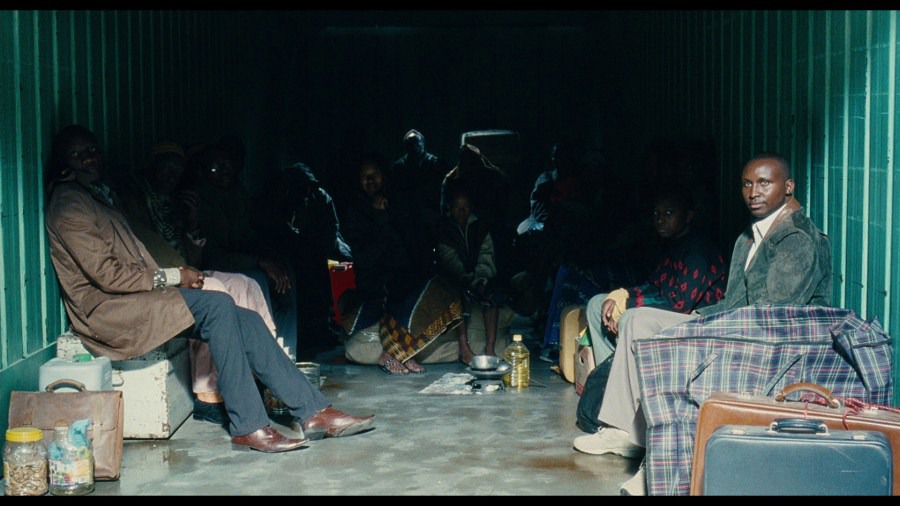
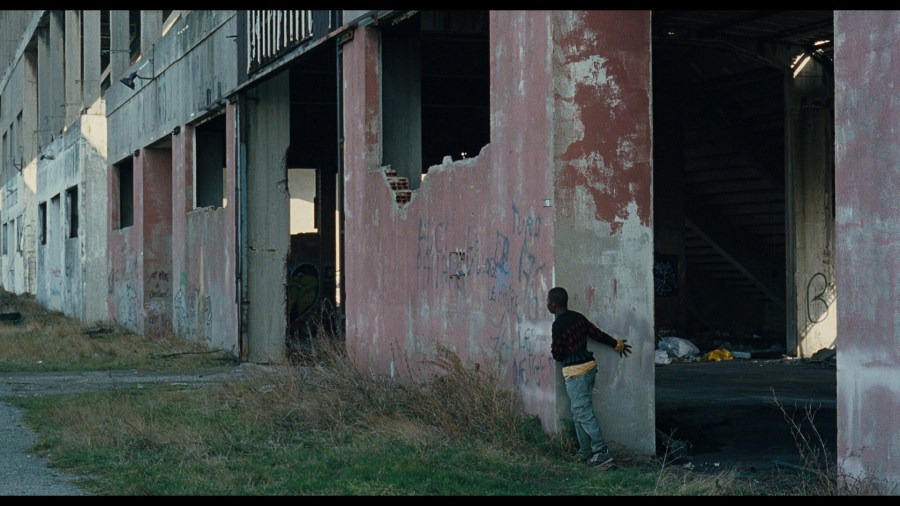
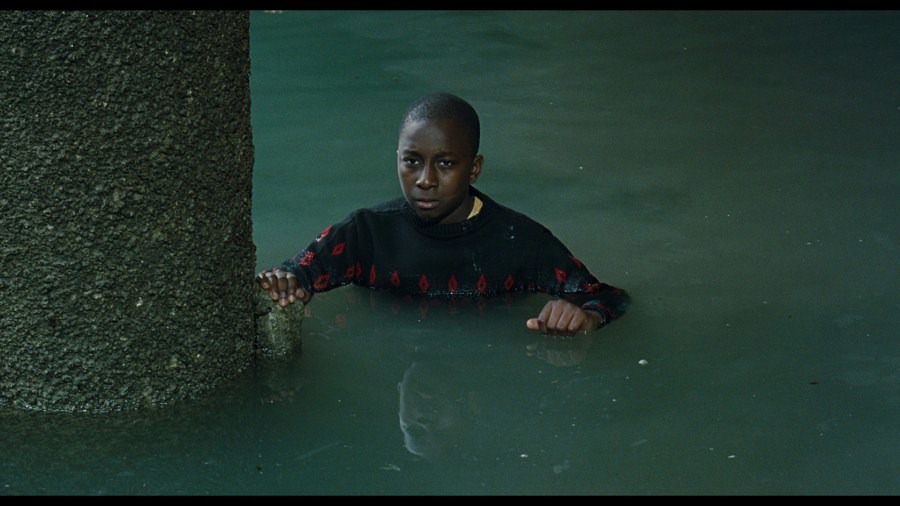
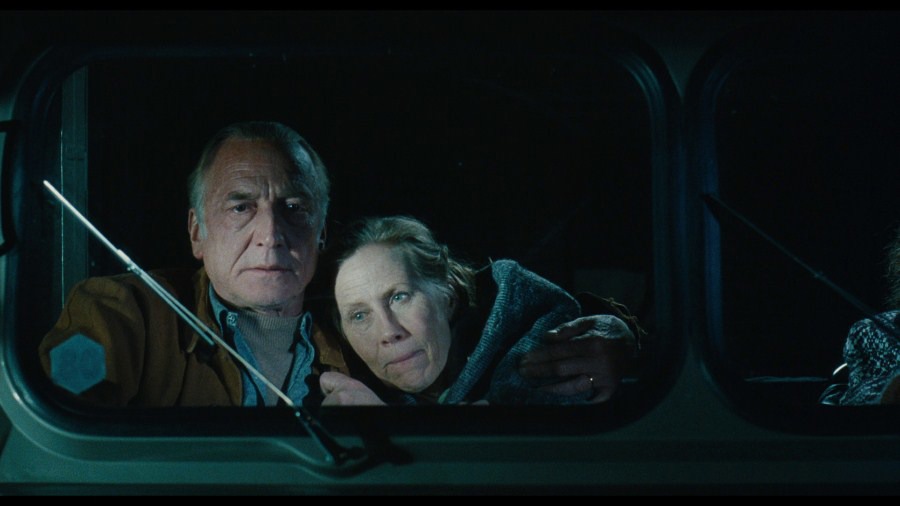
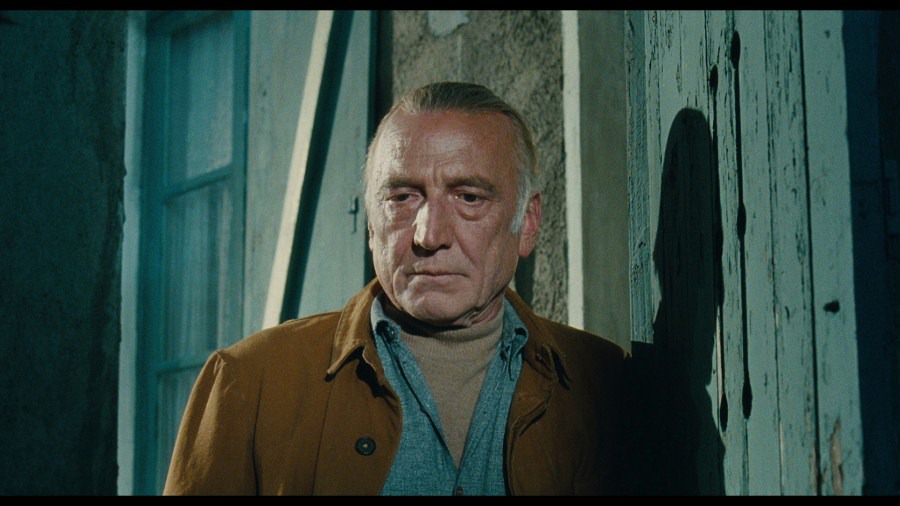
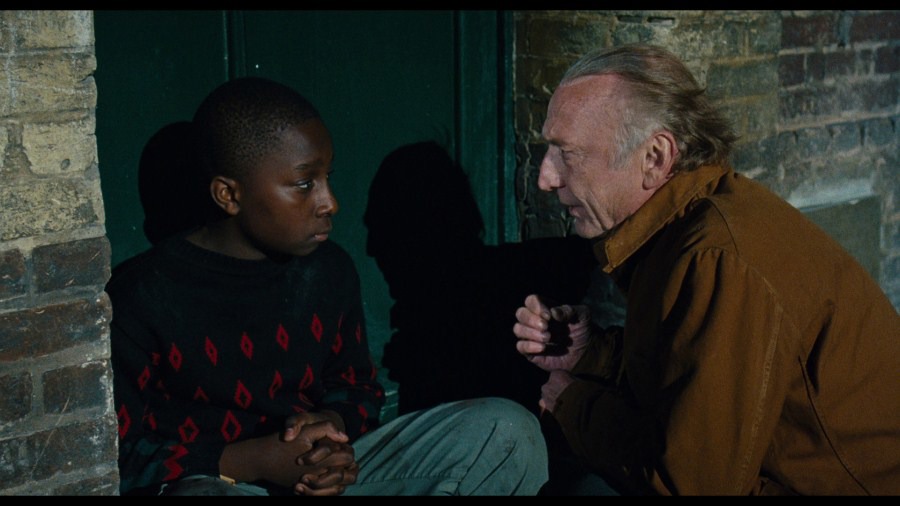
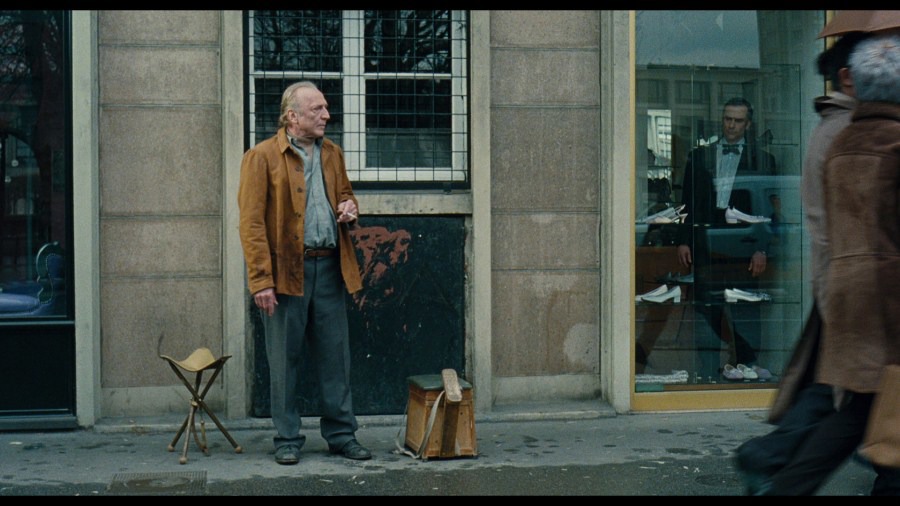
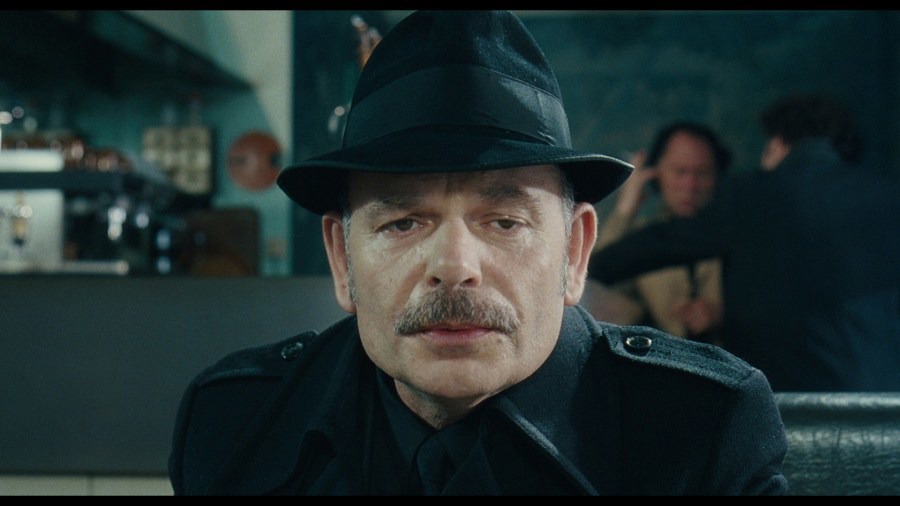
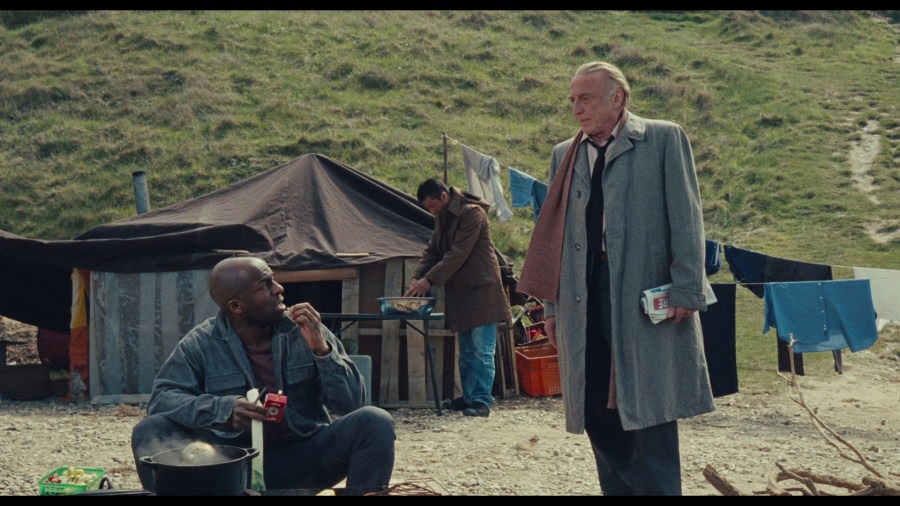
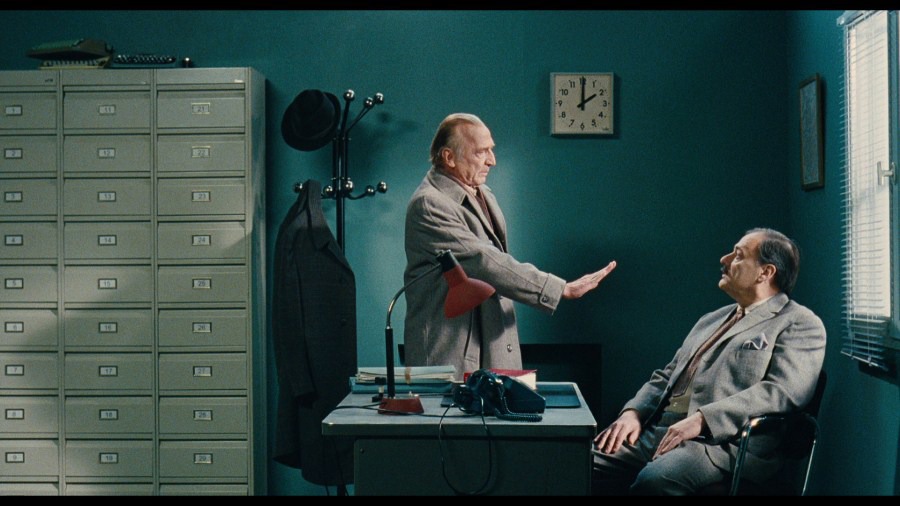
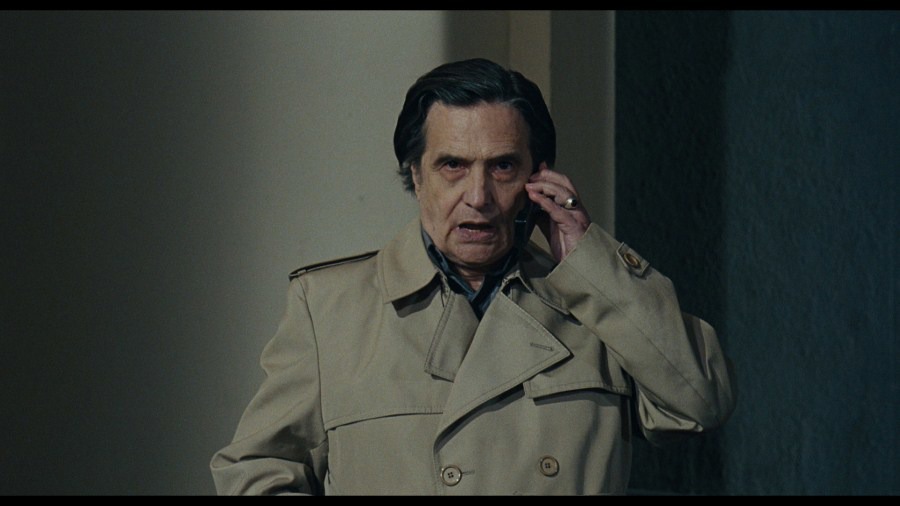
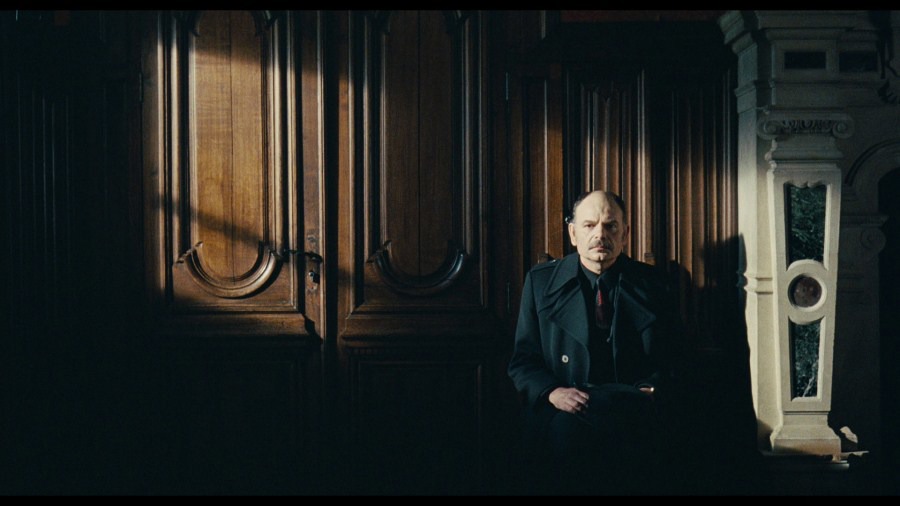
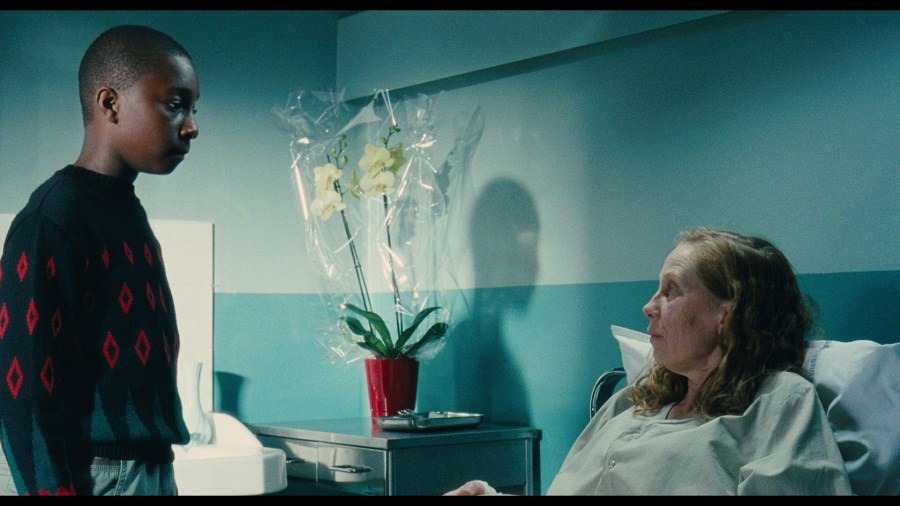
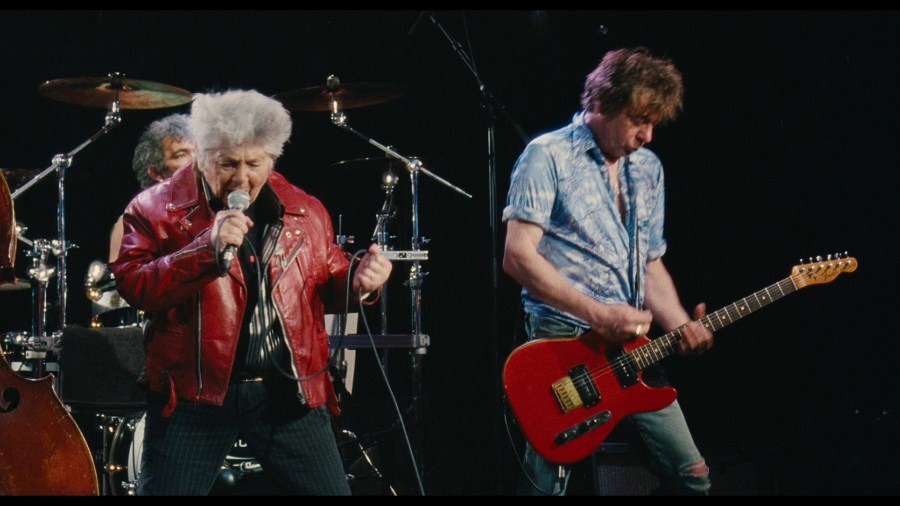
Audio 7/10
The film gets a DTS-HD MA 5.1 surround presentation but it doesn’t utilize it to the fullest. The film is quiet and talkative so most everything sticks to the fronts. Even the film’s music seems to stick to the fronts. I tried to listen for surround use but admittedly I couldn’t detect much of anything. It wasn’t until a concert sequence featuring Little Bob where I noticed some use of the surrounds. Bass also becomes more apparent here and the track is much louder. After this it yet again returns to its more modest roots.
So not a track to show off your sound system, but it suits the film and is crystal clear, with sharp dialogue and clear music.
Extras 7/10
Criterion’s Blu-ray comes with a modest selection of supplements, starting with material from the 2011 Cannes Film Festival. First in this section is footage from the press conference which features Kaurismäki and actors André Wilms, Kati Outinen, Jean-Pierre Darroussin, Blondin Miguel, and Quoc-dung Nguyen. Questions are asked to the various members of the cast and director after what is a somewhat painful introduction where a playful Kaurismäki interrupts the host and then shows off his electric cigarette only to light up a real one almost immediately afterwards. This last part of course causes a huge issue. Of the cast they’re mostly asked how they came to join the project or are asked about their characters. Amusingly both Wilms and Kaurismäki end up being rather playful, somewhat jumping around questions or making bizarre statements, Kaurismäki more so, and you can sense a frustration with some people in the crowd. We get a little more of that with a cast and crew interview, with the same participants doing a general television interview where the themes of the film and its dealing with refugees are touched again. Kaurismäki and Wilms are playful again but Kaurismäki ends it on a serious note about the state of film and how he doesn’t like digital, stating that film is “light and shadow” and not electricity. Both items are worth watching and a bit of fun. The conference runs 45-minutes and the interview runs 12.
Criterion next provides an exclusive interview with André Wilms. The short 13-minute piece, recorded in April of 2012, presents the actor talking about his first meeting Kaurismäki and how he came to take on his role in this film. He talks fondly of the director and his style, and talks about the other actors in the film, Outinen and Miguel in particular. He then concludes with some tales about the actual city of Le Havre and how Kaurismäki and the people of Le Havre clicked. He’s quick and humourous, making it a shame the interview isn’t actually longer.
Rounding out the interviews Criterion has found one with Kati Outinen, which was filmed in 2011 for a Finnish television program, the title of which translates to Strawberry Place. Recorded around the time of the release of Le Havre Outinen and the host talk about the film, her role in it, and speaking French in the film, which she says she is terrible at speaking but I was more than impressed with her deliveries. From here they then talk about her early work, which includes her earlier films with Kaurismäki, and then her award winning performance for Man Without a Past. She talks about acting, covers her “unemployed period”, and also goes into her writing and theatrical work. I’m only used to seeing her in Kaurismäki’s films admittedly and she of course comes off as, well, not the happiest in those films, so it was a pleasure to see her so charming and happy through this interview, getting emotional in a couple of places. It was also fun to see a segment from her performance in a vaudevillian play. Overall it’s an incredibly charming interview looking in to the actresses’ work. The interview runs 48-minutes.
Little Bob in Concert presents what I think is the entire performance of Little Bob’s performance that appears in the film, running over 8-minutes. The disc then closes with the film’s American theatrical trailer.
A surprisingly thick booklet comes with an essay on the film by Michael Sicinski and is then followed by a great interview with Kaurismäki, conducted in 2011 by Peter von Bagh. In the interview the two talk about Le Havre, its characters and atmosphere. It’s also interesting to note that it seems Kaurismäki is incapable of putting incredibly cruel characters or situations in his films; he mentions he had originally intended deaths to occur during one particular sequence in the film but just couldn’t go through with it. Kaurismäki also mentions he sees this film eventually belonging to a trilogy of sorts and also again brings up his distaste for digital. I was hoping Criterion would have been able to get a decent interview with the director but this inclusion makes up for it and is probably the best item to be found here.
Since the film is so new there is of course a disappointing lack in the way of analytical supplements but what we get is fine, covering its making and its director fairly well. The print interview with the director and the video interview with Outinen are the real gems, though, and add great value to this release on their own.
Closing
For some reason I didn’t expect much from this release but I’m more than pleased. The transfer is near-perfect, incredibly film-like and clean, and the supplements are all fairly solid, despite the lack of an analytical slant. Overall a great release that comes highly recommended.
BUY AT: