Shallow Grave
BUY AT:


See more details, packaging, or compare
Synopsis
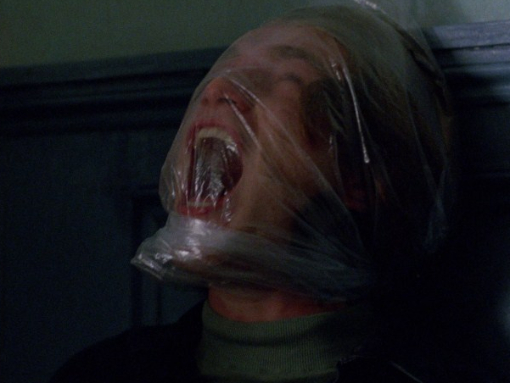
The diabolical thriller Shallow Grave was the first film from director Danny Boyle, producer Andrew Macdonald, and screenwriter John Hodge (the smashing team behind Trainspotting). In it, three self-involved Edinburgh roommates—played by Kerry Fox, Christopher Eccleston, and Ewan McGregor, in his first starring role—take in a brooding boarder, and when he dies of an overdose, leaving a suitcase full of money, the trio embark on a series of very bad decisions, with extraordinarily grim consequences for all. Macabre but with a streak of offbeat humor, this stylistically influential tale of guilt and derangement is a full-throttle bit of Hitchcockian nastiness.
Picture 9/10
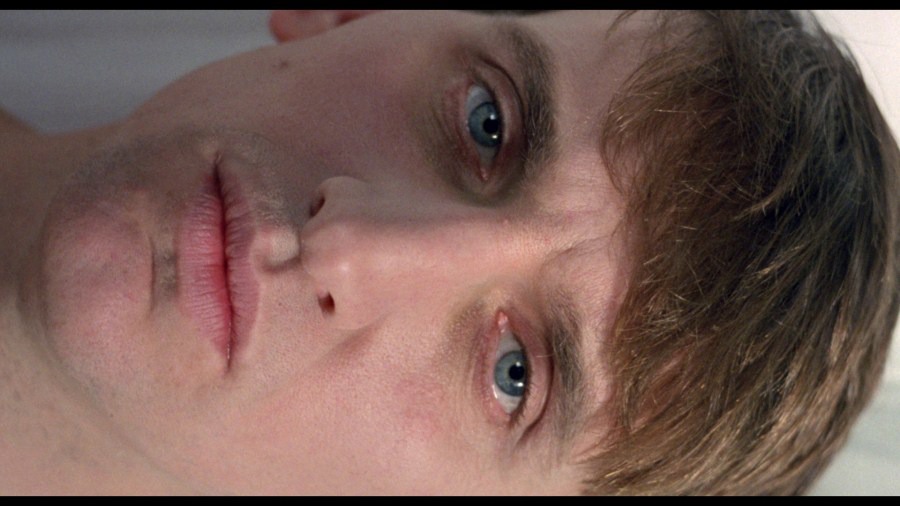
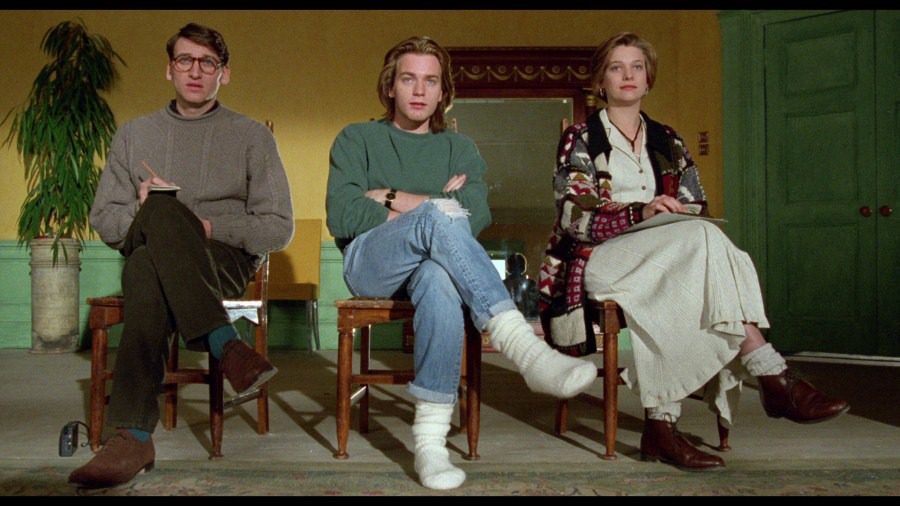
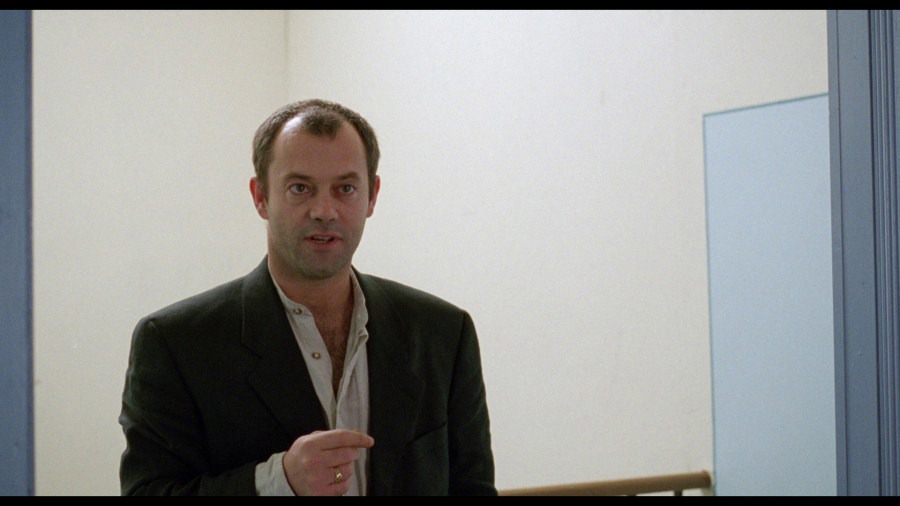
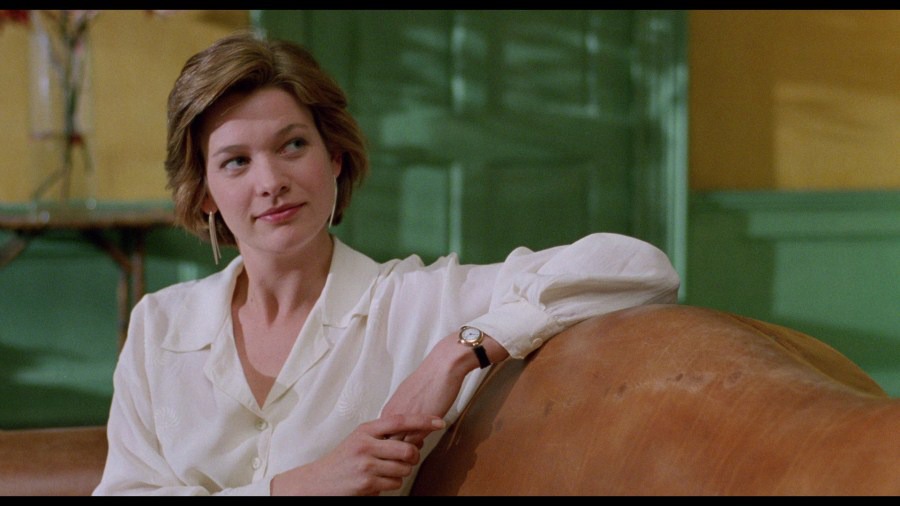
Shallow Grave receives its Blu-ray debut in North America from Criterion, presented in its original aspect ratio of 1.85:1 on a dual-layer disc in a new 1080p/24hz transfer.
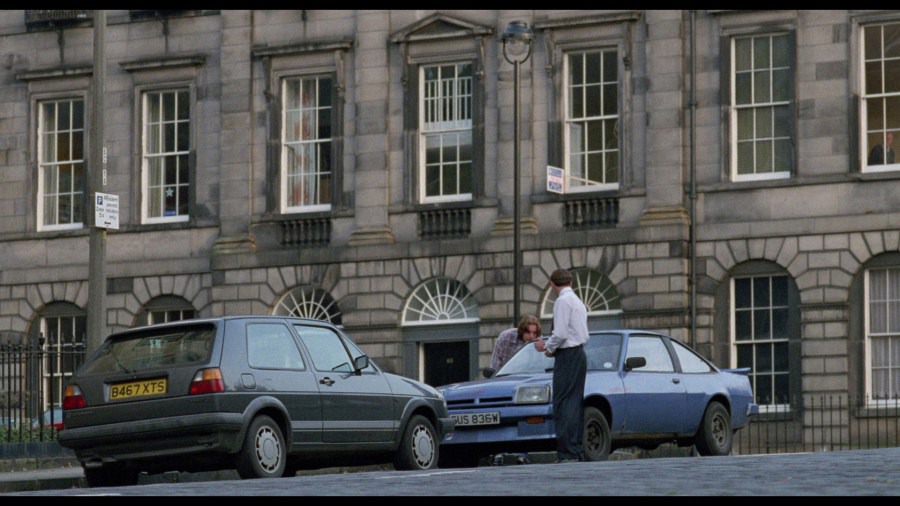
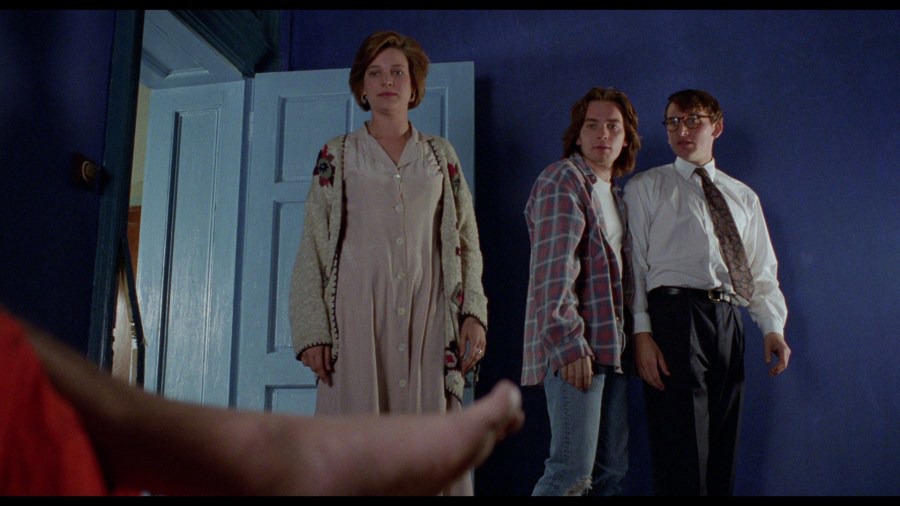
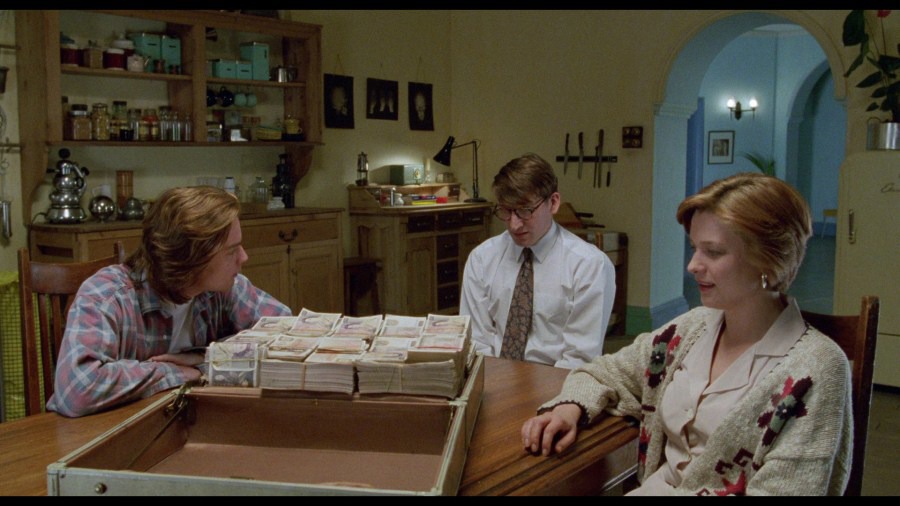
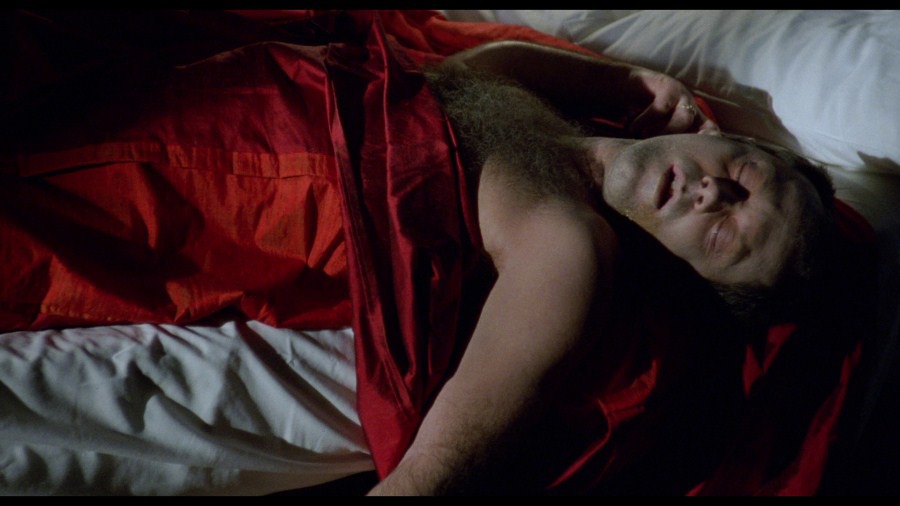
I hadn’t actually seen the film since VHS and always recalled it as a fairly dull looking film despite the colours, so I was stunned by this new transfer—supervised by director of photography Brian Tufano—which presents such an incredibly bright and far more lively film than I recall, more of something I would expect from director Danny Boyle, at least now that I’m more familiar with him. There’s a heavy use of red in this film and it’s rendered perfectly without any pixilation or noise. Black levels are superb, very deep without causing the loss of details. Everything looks sharp and accurate and almost natural.
Film grain remains and it looks like film grain, never like noise. Details are sharp and clear, even the finer ones, though some longer shots can look a bit soft. I didn’t detect any distracting artifacts or problems and, to my surprise, I don’t recall seeing a single blemish in the source through the film’s entirety. As it is I’d say it’s pretty close to perfect if not exactly there.
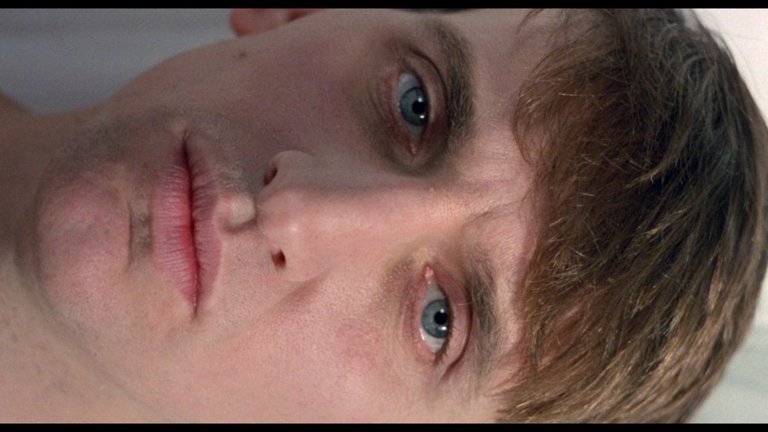
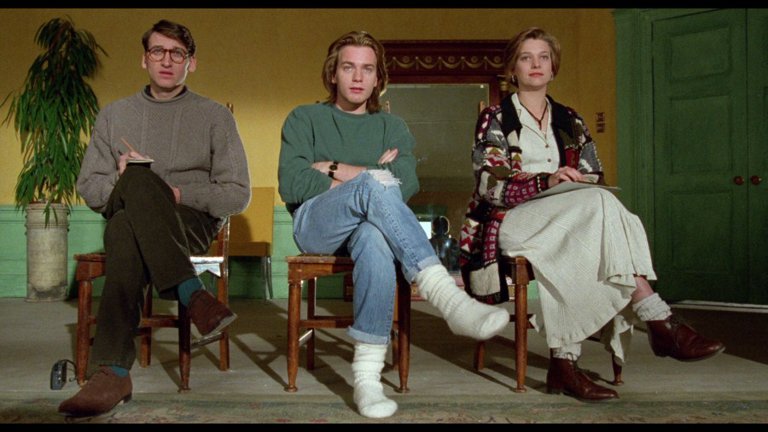
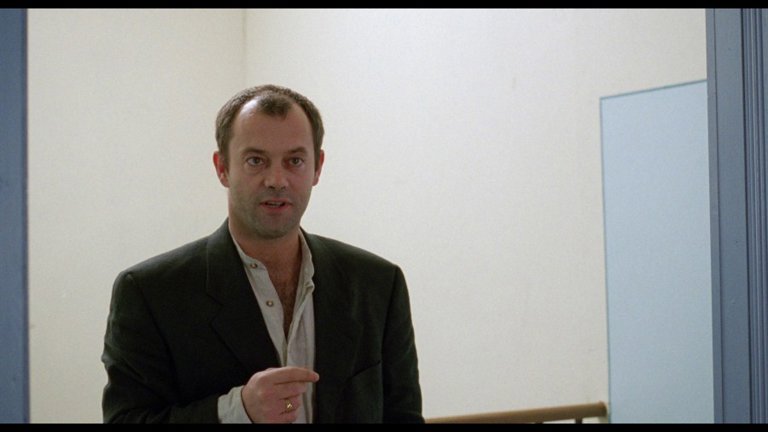
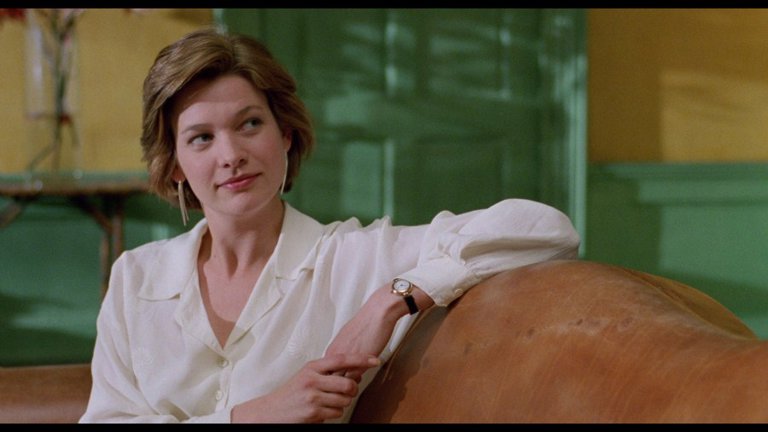
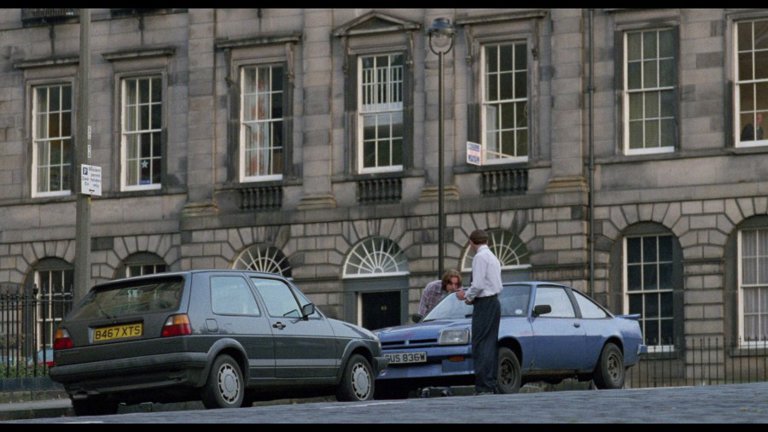
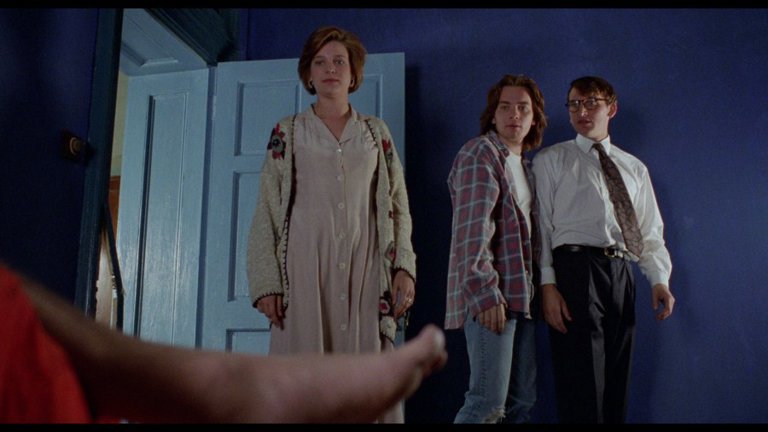
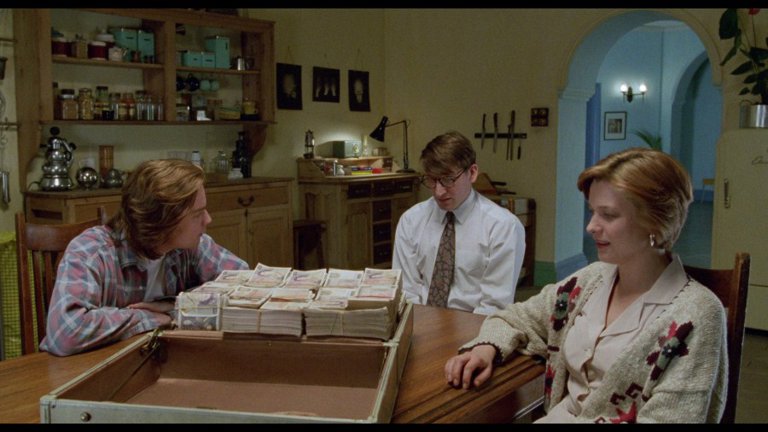
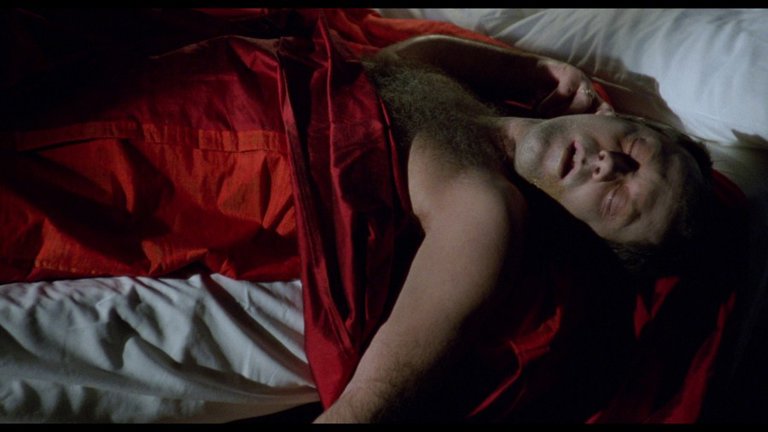
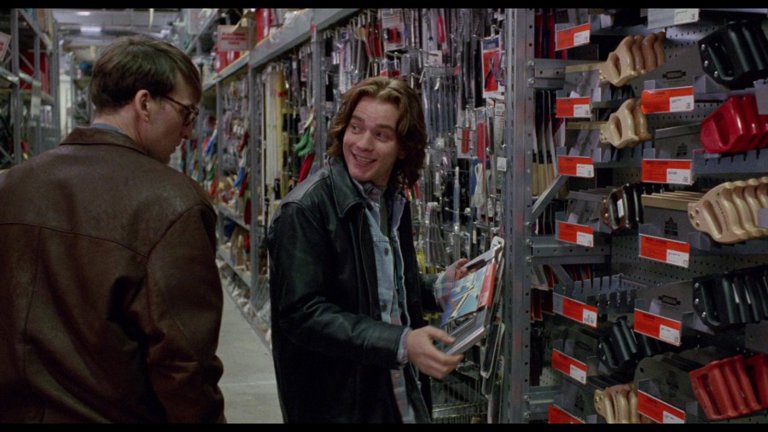
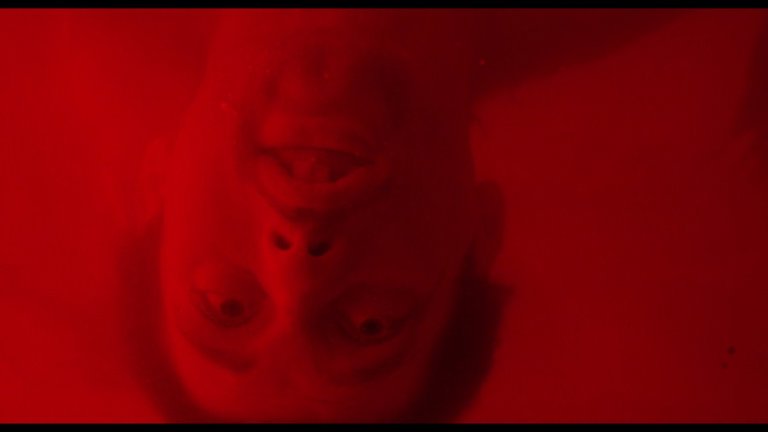
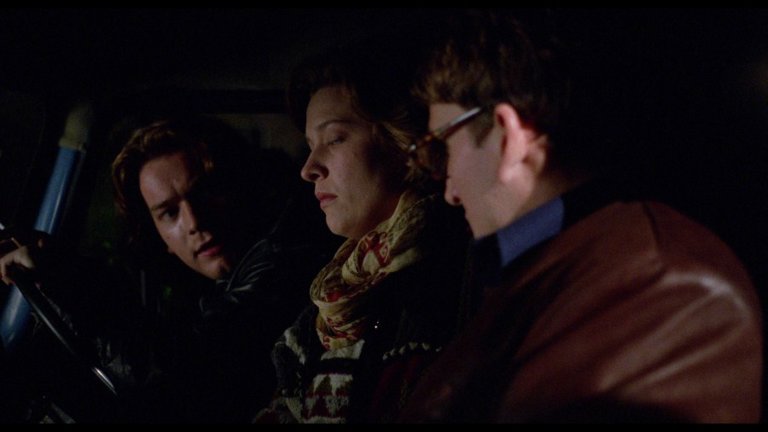
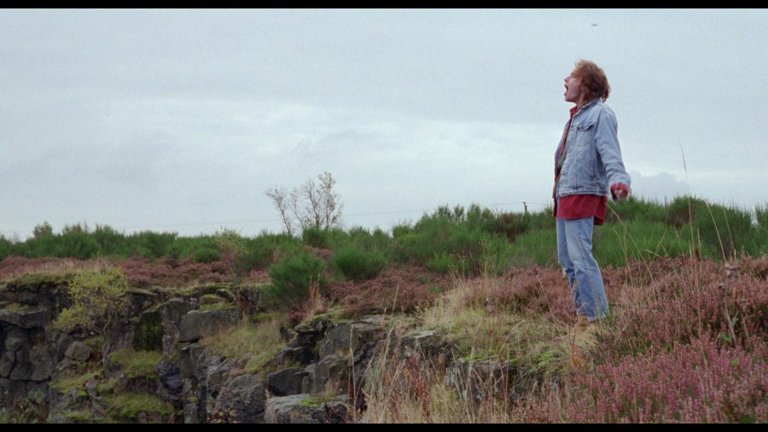
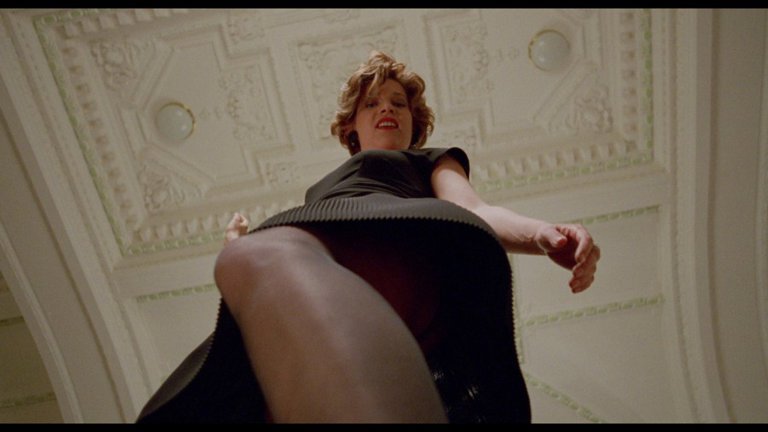
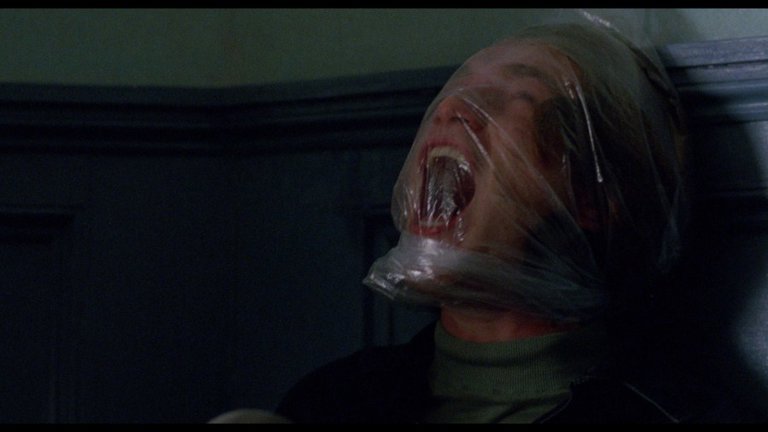
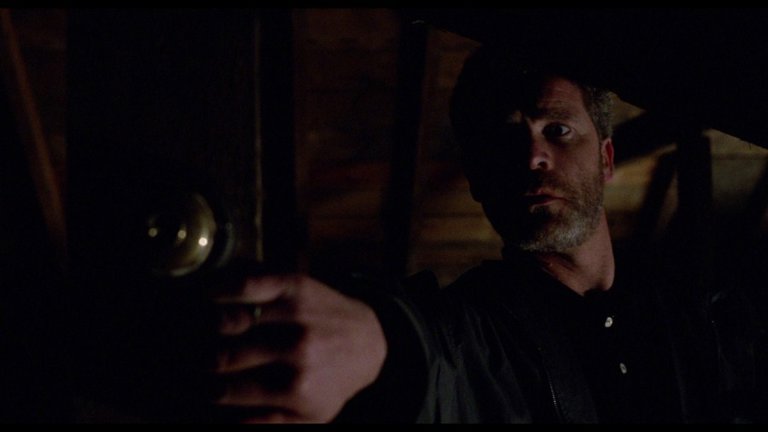
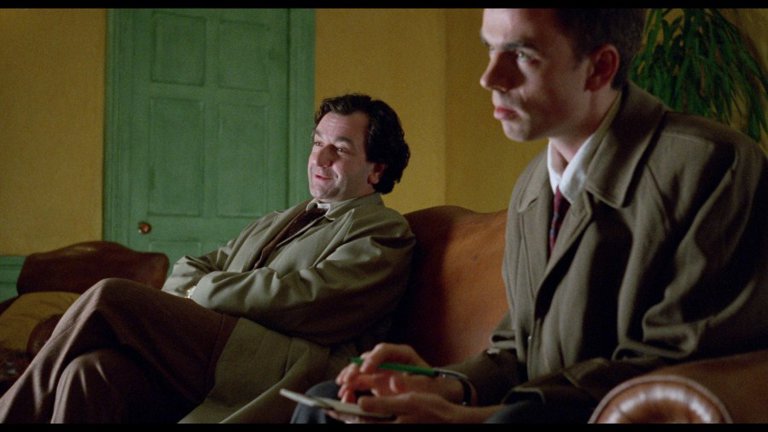
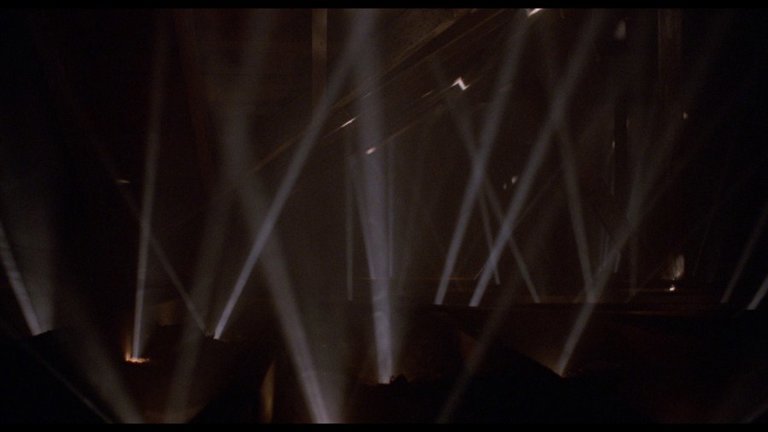
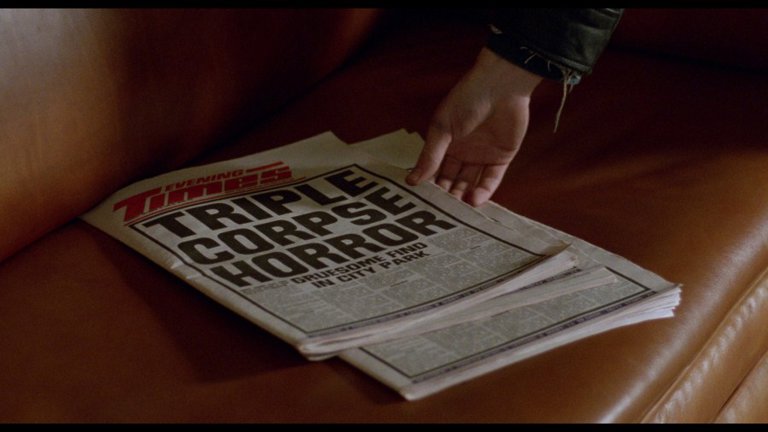
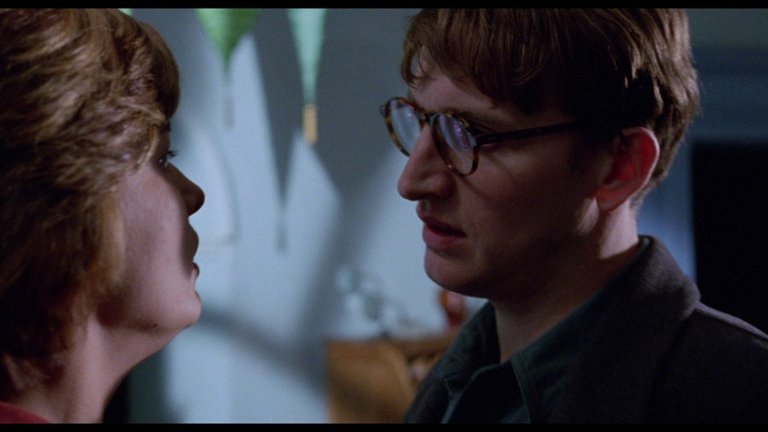
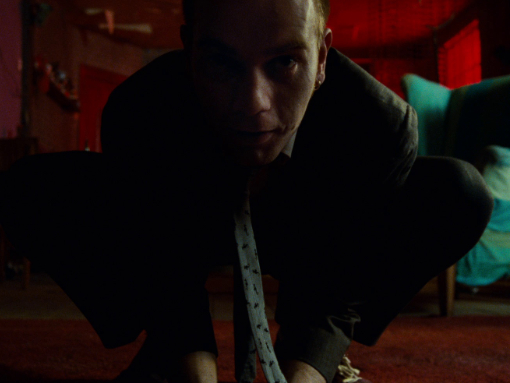
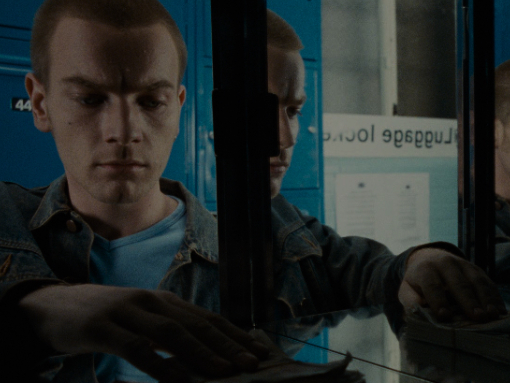
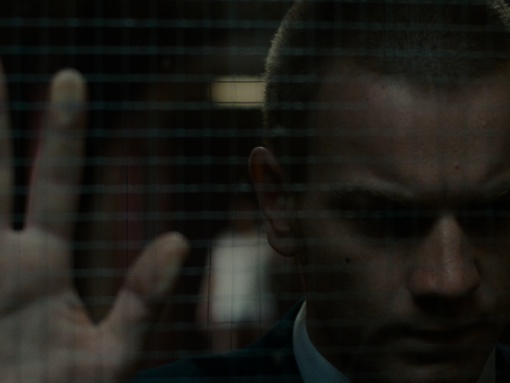
Shallow Grave - Screen Captures
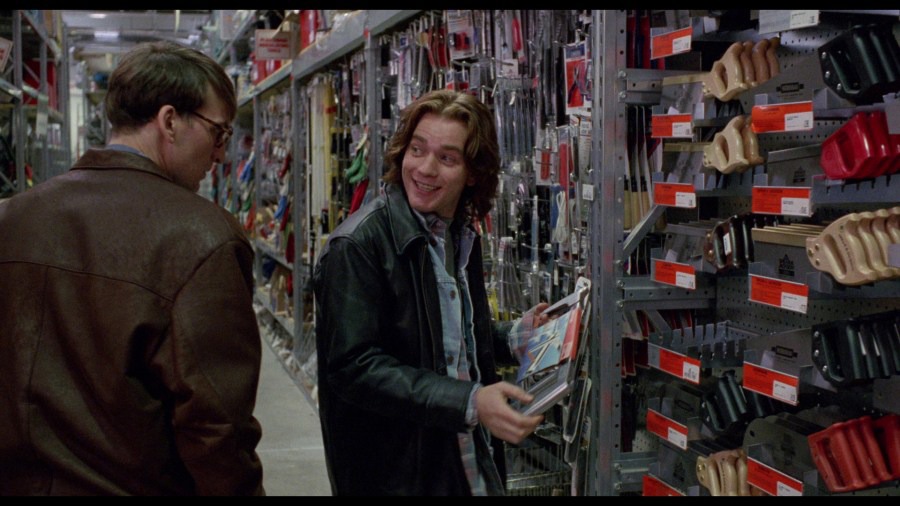
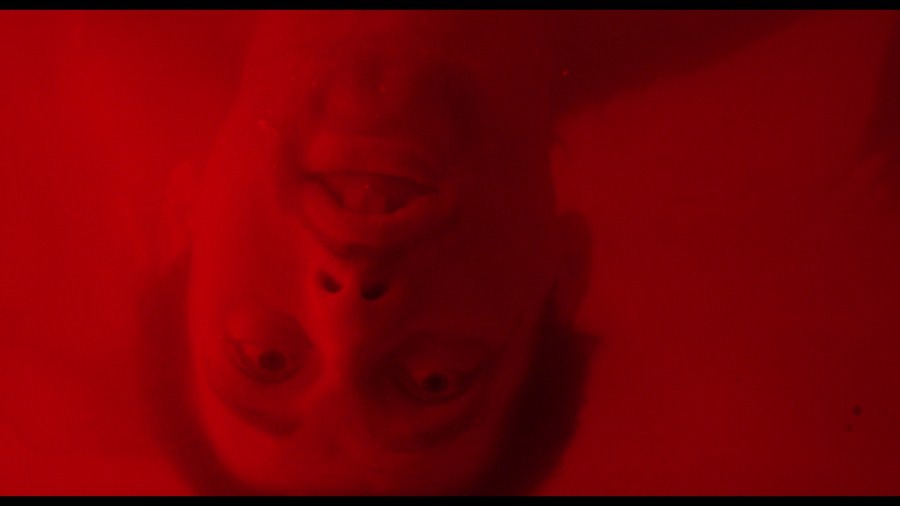
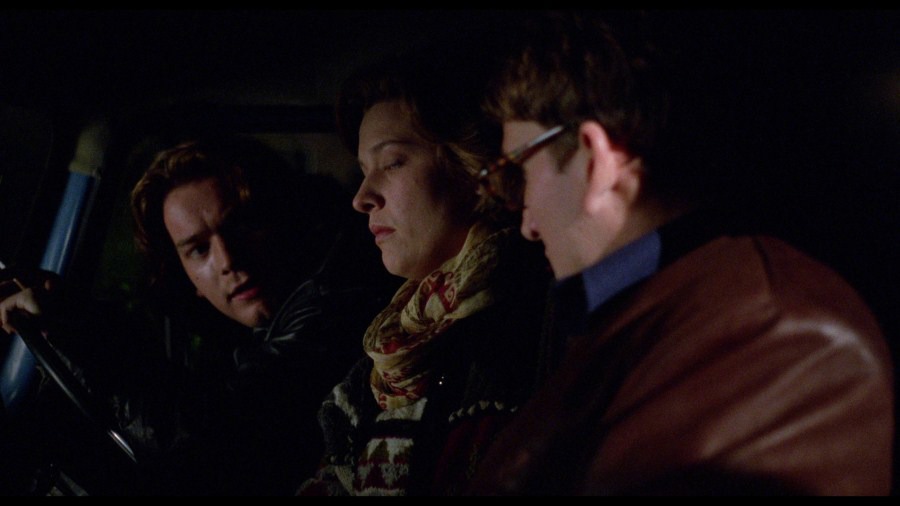
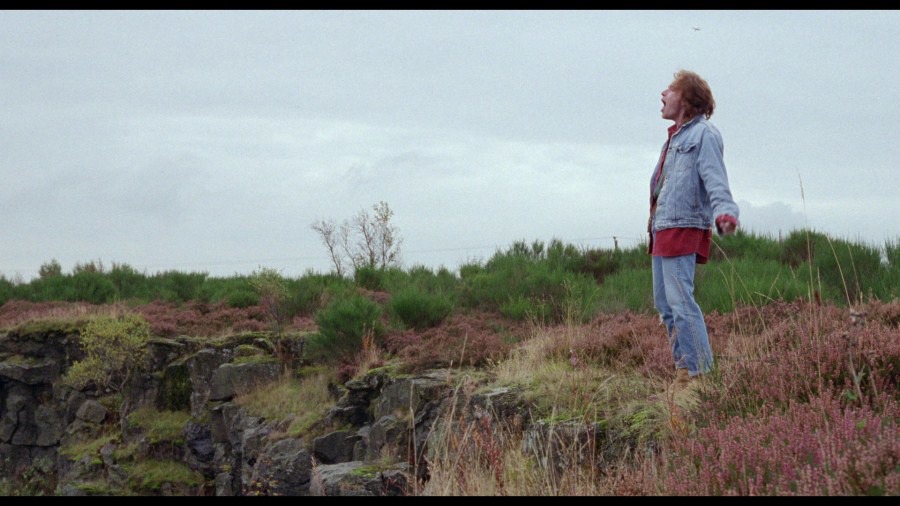
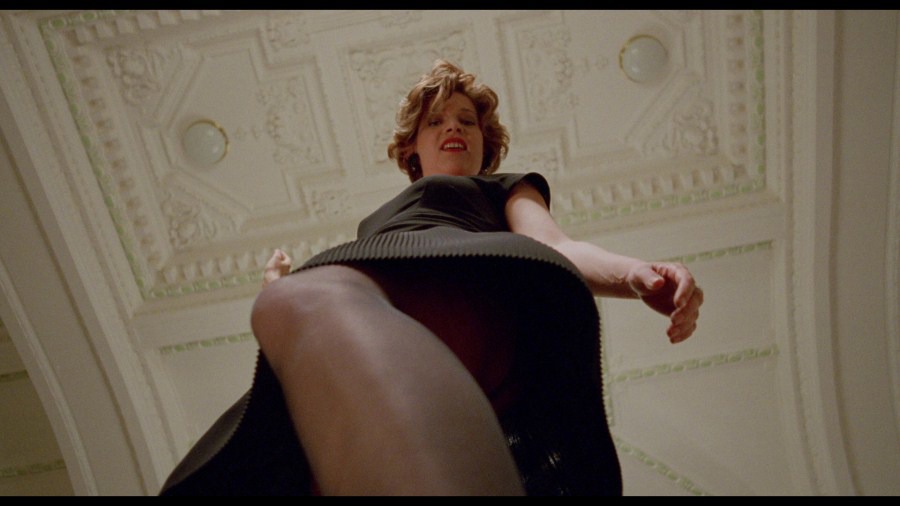
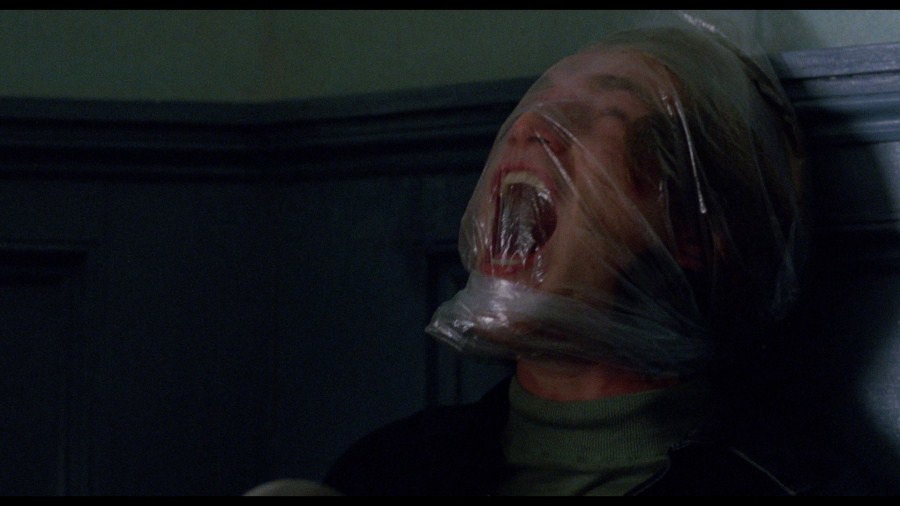
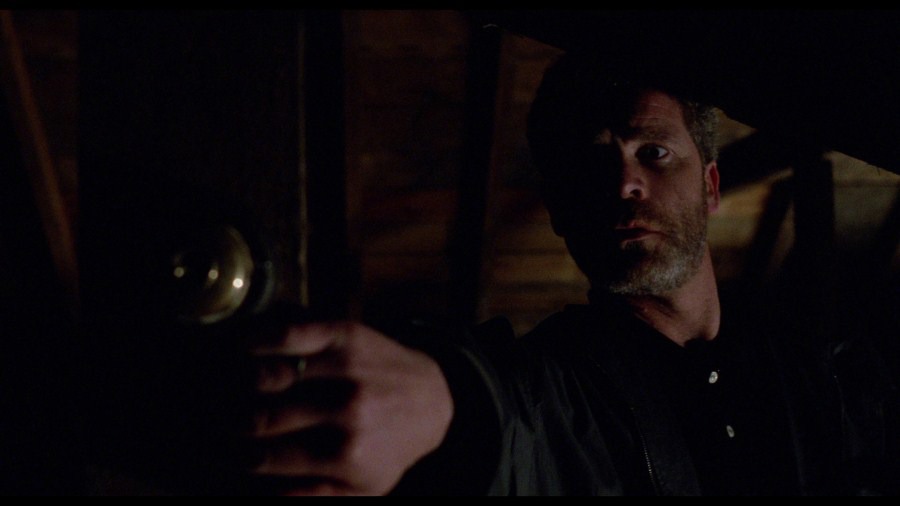
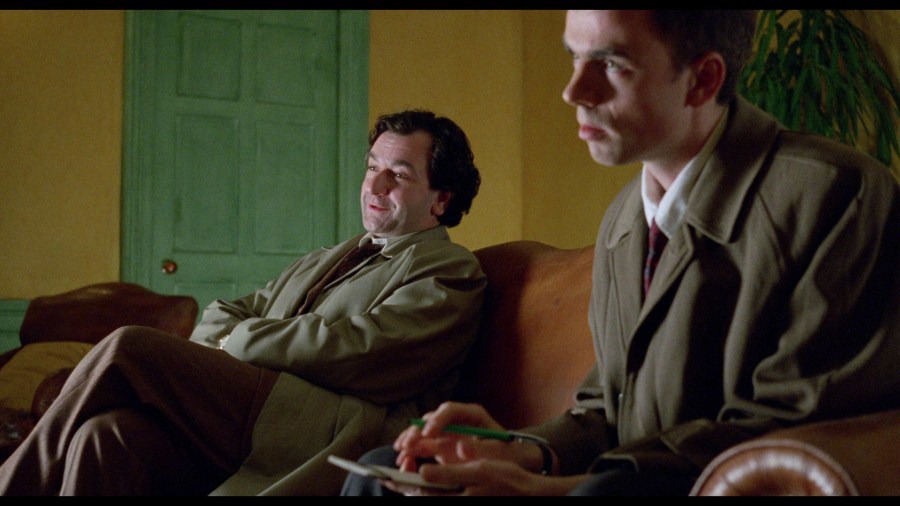
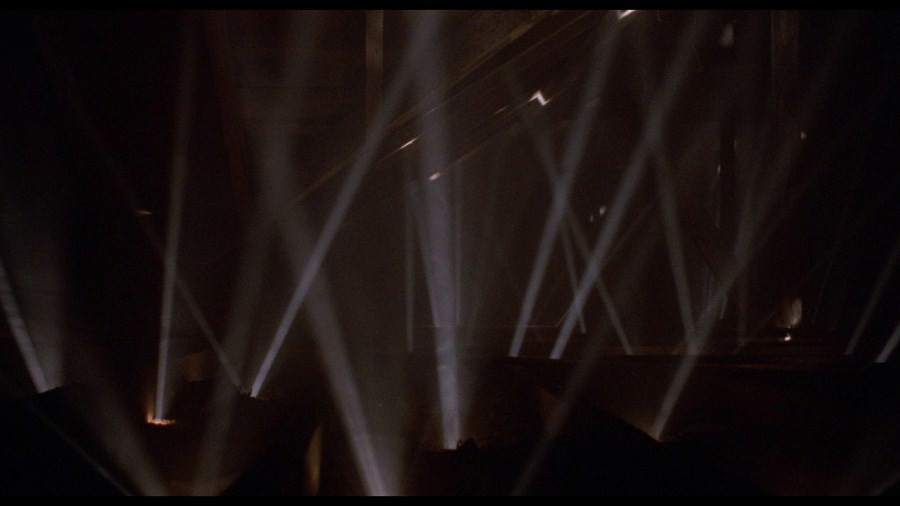
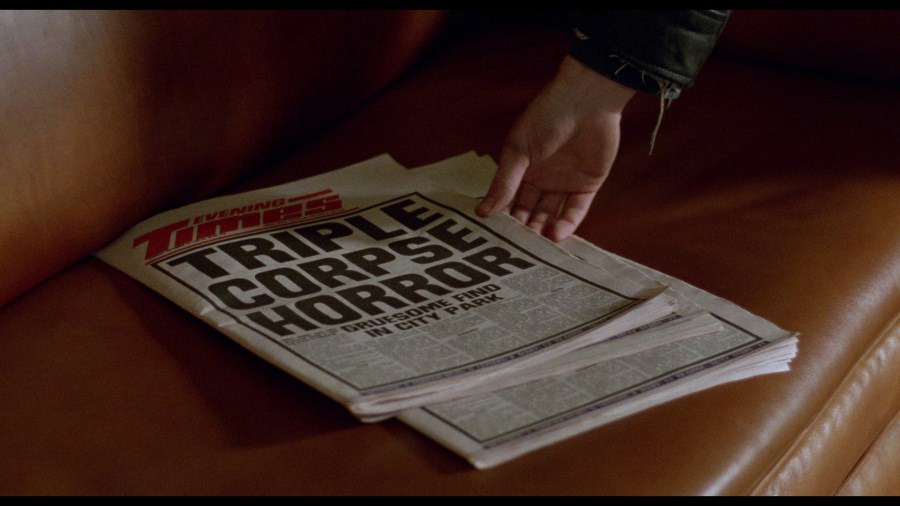
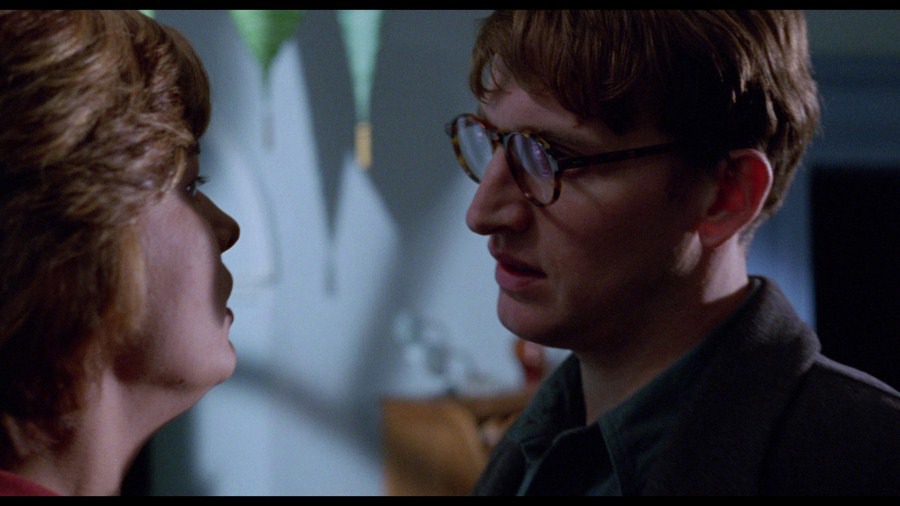
Audio 8/10
Criterion delivers a lossless DTS-HD MA 2.0 surround track, which represents the film’s original sound presentation. Boyle likes using music, varying from classic, to crooner, to techno, and all of it gets a sharp, distinct presentation here. The music fills in the environment with excellent volume and range, though the bass, especially during techno moments, leaves a little to be desired (this is one area where a 5.1 upgrade could have possibly benefitted the film.) Sound effects manage to sneak to the rear speakers, but most everything stays in the fronts, coming off sharp and clear. Overall quality is clear with no noise or distortion and in the end we get a sharp audio presentation.
Extras 8/10
The film never received a real special edition in North America and I always figured it might receive one at some point, though didn’t figure it would be from Criterion. This isn’t one of Criterion’s top-tier efforts but we do get some great material here on the making of the film and the partnership between director Boyle, writer John Hodge, and producer Andrew MacDonald.
First up are a couple of commentaries, starting with one by director Danny Boyle recorded originally for the UK Blu-ray release of the film in 2009, and then another recorded by Criterion with writer John Hodge and producer Andrew MacDonald. For the latter track I thought, at first, the two were recorded separately but it does actually appear, as the track progresses, the two are together. Both tracks go over the production of the film and touch a lot of the same ground but seem to offer slightly different perspectives. One thing that keeps getting brought up is how cheaply the film was made and how most of that money went to what is indeed a rather impressive set (which we get to see in other features.) MacDonald touches specifically on the production and getting the money together, and just the general nightmares involved in making the film, especially what sounds like an overeager Boyle coming close to busting the budget at times. The most surprising aspect about them getting the money was that they needed a “star” and while they had tried to get Sean Connery and even thought about Daniel Day Lewis, the casting of Kerry Fox, who had been in the arthouse hit An Angel at My Table, was what got them funding.
There’s also a lot of talk about the sacrifices that had to be made because of the budget, along with some of the ways they were able to hide the lack of a budget. Boyle also likes to point out some of the film’s absurdities (like the use of newspapers during a key moment) but admits these items were more for cinematic reasons. An interesting aspect to both commentaries is some of the contradictions that come up, most specifically the money that was used in the film. Boyle mentions that he discovered you could “rent/hire” money and that’s what they did while MacDonald, who mentions that while that aspect was looked into they ultimately went the illegal route and just photocopied bills and put real ones on the stacks.
In all I liked both, finding them both entertaining and enlightening, even if they do cover the same things. But put together you get all perspectives on making the film, Boyle concentrating on the actual directing, MacDonald on the actual financing, production, and release, and then Hodge on the writing of the film.
Moving on, Criterion also provides a collection of new interviews with the film’s starts, Ewan McGregor, Christopher Eccleston, and Kerry Fox. The 29-minute piece collects the three together, all recorded separately, to recall the production and the film’s success. The three talk about the set and the Edinburgh setting, what it was like working with Boyle, and the issues the production faced. They talk about their characters and recall some of the tougher moments, with Eccleston drawing the short stick by the sounds of it, having to do a number of difficult things. I actually wish all three could have provided a commentary of some sort but in this half hour they all manage to throw out a great amount of material about making the film and I’m happy Criterion was able to at least put this together.
We then finally get some footage shot during the making of the film. There is a feature on the making-of the film made up of this video footage, but first we get a Video Diary which is 9-minutes of footage not included in that featurette and more about the pre-production. Recorded by Andrew’s brother, director Kevin MacDonald, he follows Andrew as he tries to get financing for the film, approaching many at festivals to either get money or possibly cast them (he runs into a generally bemused and amused Robbie Coltrane) and getting advice from other filmmakers, including Sam Fuller complete with cigar. Eventually they decide they need to cast a big name and figure they might be able to convince Sean Connery. When they finally track him down in LA (where he’s shooting Rising Sun) we get the best, and most charming item on this disc: MacDonald has a great conversation with Connery over the phone, but amusingly enough he doesn’t even ask him if he’ll be in his film. Kevin is pissed but Andrew explains his reasons. It’s a decent segment but it’s the last part of it, the conversation with Connery, that is the gold moment.
The making-of that follows this, entitled Digging Your Own Grave, unfortunately doesn’t live up to that previous short collection of footage but offers some intriguing behind the scenes footage. The 30-minute segment, made in 1994, shows various aspects of the production both on set in the offices of its production team. We see a lot of planning sessions and get to see MacDonald freak out about money firsthand. We also get to see the set that everyone in the commentary and interviews were talking about, and it’s easy to see why most of the budget went into it. On top of that it also covers the big effect sequence (which I can’t spoil) and reminds one why old school techniques are still amazing. And then, finally, we get to see the premiere at Cannes and the reactions of many (some calling it trash, others blown away by it.) It’s still a fairly standard making-of but it does feel far more personal than most, more than likely because this was obviously a passionate project for all and was probably in danger of collapsing on itself every day. It runs 30-minutes.
The film’s theatrical trailer is also included. Interestingly Criterion also provides the teaser trailer for Trainspotting on here. Though Criterion did release that film on Laserdisc I would not see this as a sign that Criterion will be releasing that film since it’s a Miramax title that went to Lionsgate, who included all the Criterion supplements, even the commentary, on their own Blu-ray. I think this has more to do with the fact that, as mentioned in the commentary, it’s an example as to how the success of Shallow Grave was used in marketing their newest film, Trainspotting, as the trailer does include the title “From the makers of Shallow Grave.” The trailer was also made specifically for the UK home video release of Shallow Grave. Though this trailer isn’t entirely unique: it’s also a supplement on the Lionsgate Blu-ray for Trainspotting.
We also get the first fold-out insert I’ve seen in a while, which features a short but decent essay on the film (which was originally called Cruel) by Philip Kemp.
Overall I did enjoy the material Disappointingly a common theme with Criterion’s releases lately there isn’t much in the way of scholarly, analytical material, but the supplements are all fairly entertaining in their coverage of the film’s production.
Closing
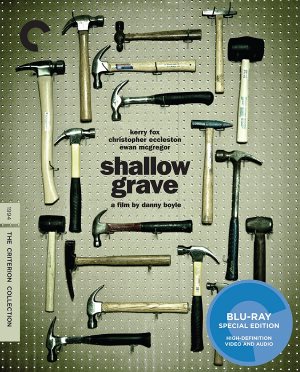
It’s nice to finally get a decent edition of the film on home video. The presentation in the audio and video department are rather amazing, particularly the video which I would say is borderline perfect (just quite not there.)It also includes some rather insightful supplements, even if there isn’t a lot. Plus I am also rather fond of the cover art. Overall it comes with a high recommendation.
BUY AT: