The Only Son
BUY AT:


See more details, packaging, or compare
Synopsis
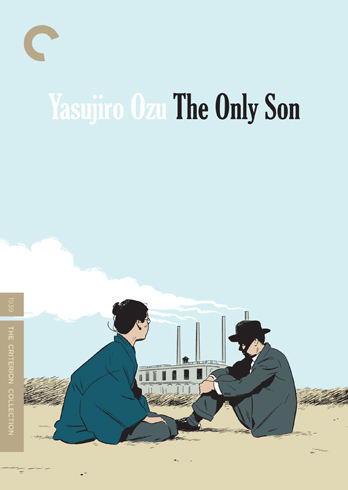
Yasujiro Ozu’s first talkie, the uncommonly poignant The Only Son is among the Japanese director’s greatest works. In its simple story about a good-natured mother who gives up everything to ensure her son’s education and future, Ozu touches on universal themes of sacrifice, family, love, and disappointment. Spanning many years, The Only Son is a family portrait in miniature, shot and edited with its maker’s customary exquisite control.
Picture 5/10
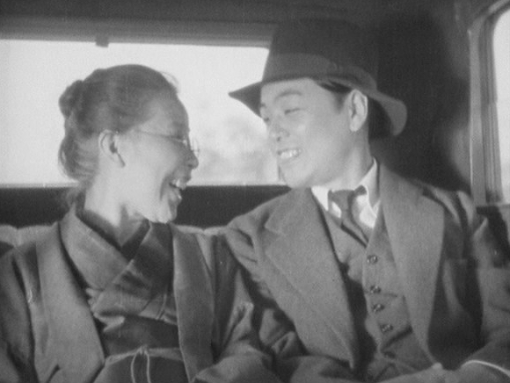
Part of an Ozu double-feature box set, Criterion presents the director’s early film The Only Son in its original aspect ratio of 1.33:1 on this dual-layer disc. The image has been slightly window boxed.
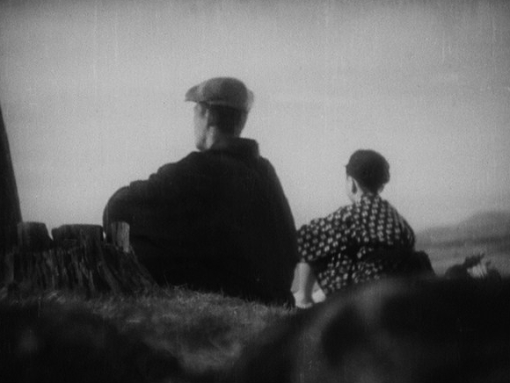
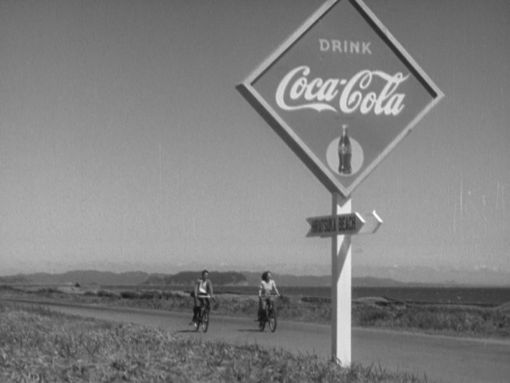
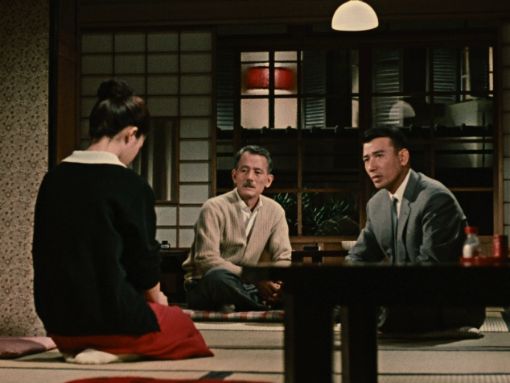
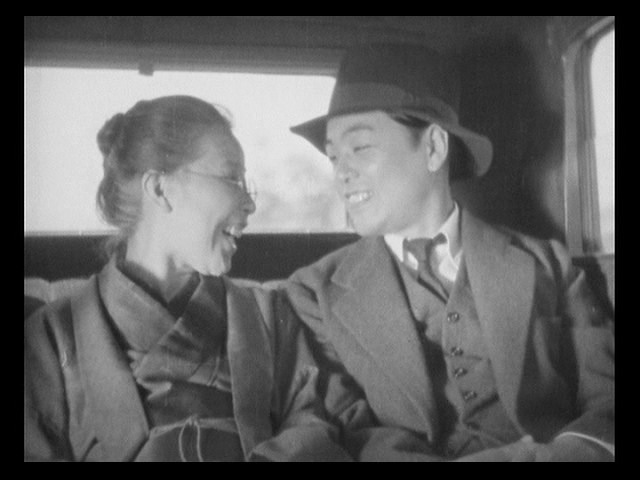
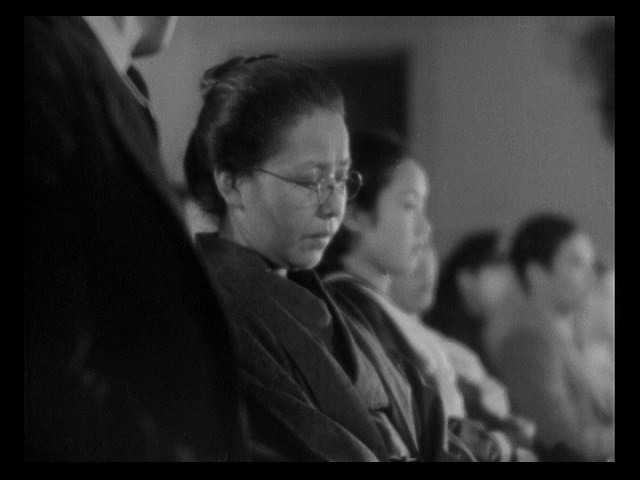
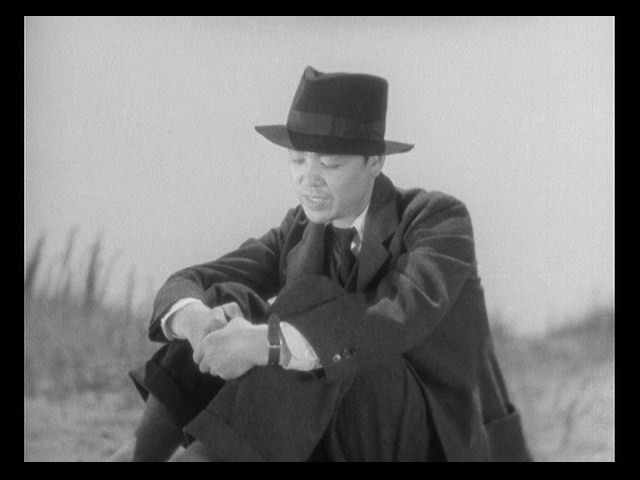
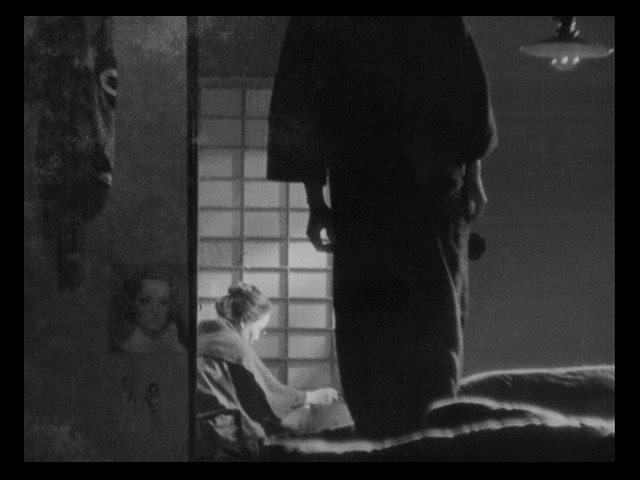
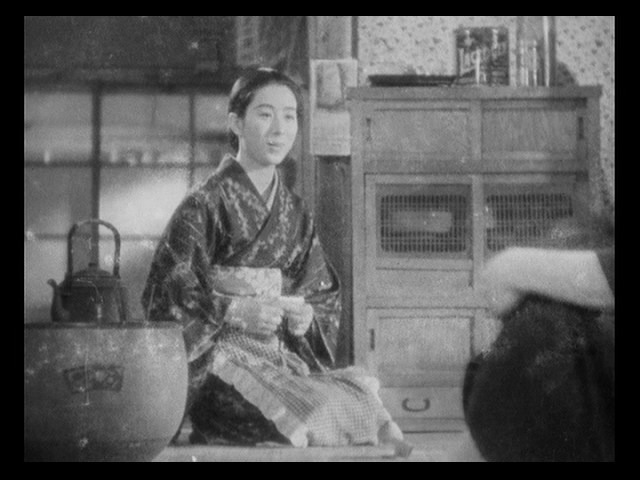
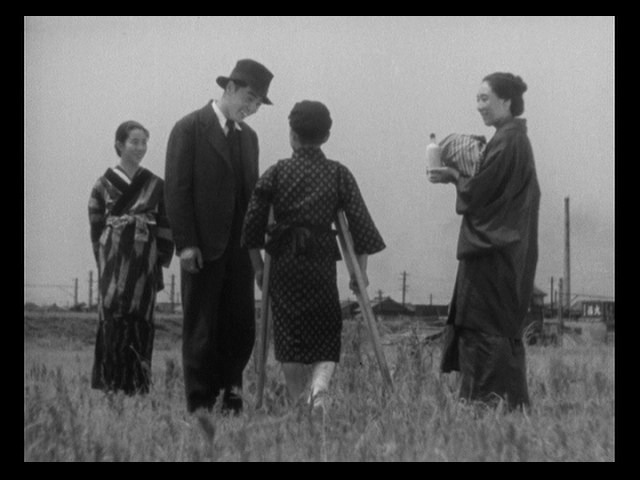
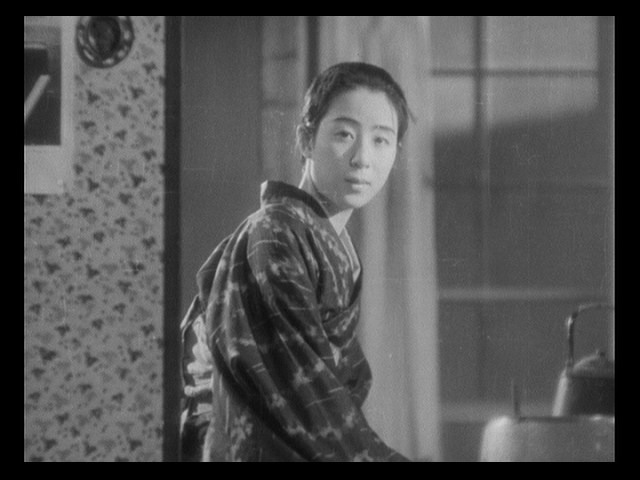
Well, I can say it looks better than I would have thought, but that’s not saying too much. The conditions of the print (apparently a 16mm print copied from the original, lost 35mm negative) are in atrocious shape, but of the two films in the set (which also includes There Was a Father) it may be the best looking one. But this print is still loaded with scratches, stains, marks, debris, frame shifting, warping, and just about every other issue you can think of, including frames (possibly whole sequences) missing. I’m sure people will be disappointed about how the image looks but considering the amount and type of damage (which also includes mold and chemical stains) there’s no way it could be cleaned up to perfection without ultimately destroying the image.
As to the transfer itself it looks fine, but it is severely limited by the source materials. The picture never looks sharp because it looks as though the source materials are out of focus, but gray levels are excellent, blacks look fairly deep when they can, and I didn’t notice any digital artifacts.
Not too surprising but I’ll take this to at least get the film on video. The digital transfer itself is fine, but it should be kept in mind the materials used are in horrific condition, but Criterion (as they mention in the notes in the booklet) have done the best they could.
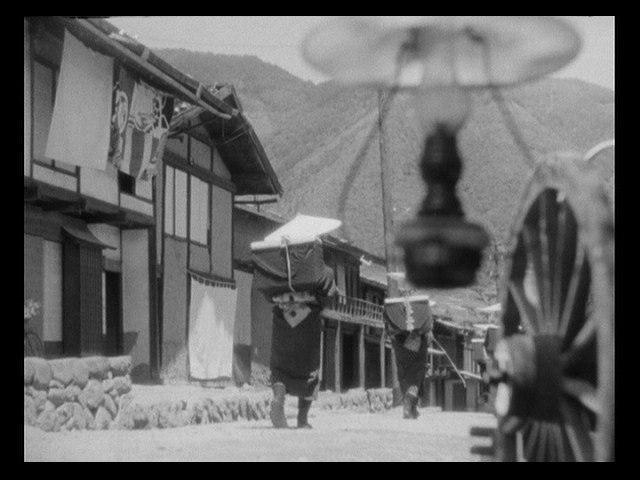
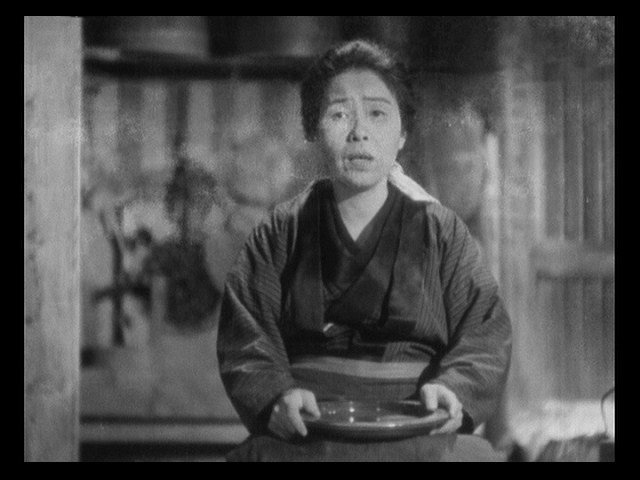
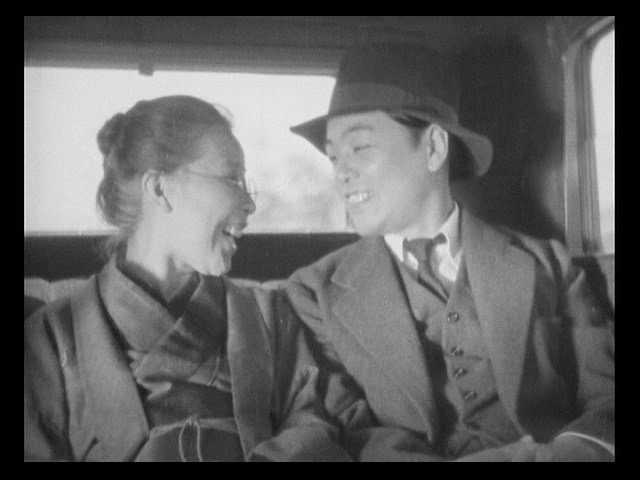
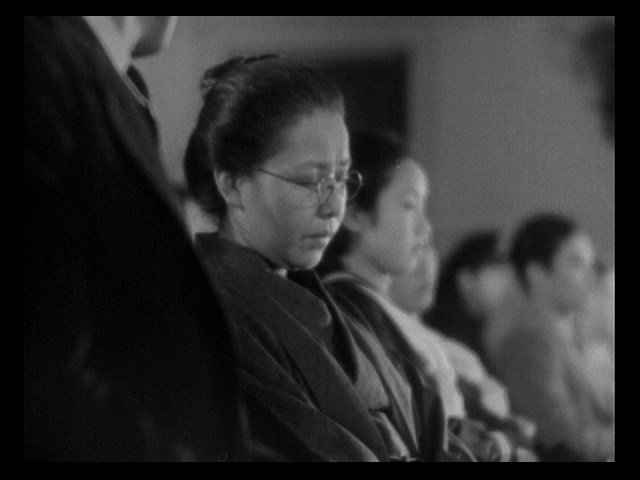
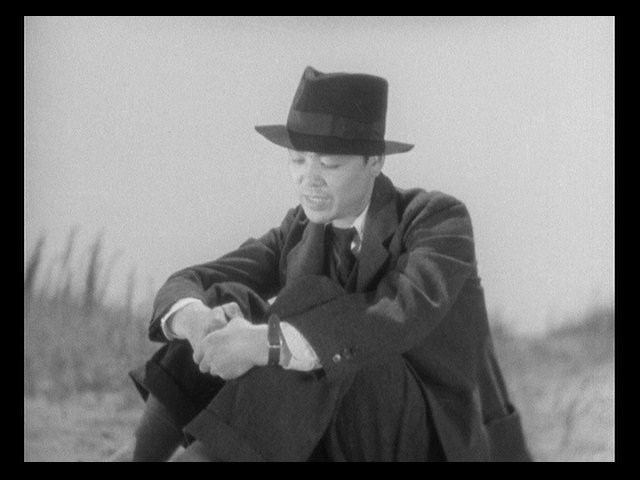
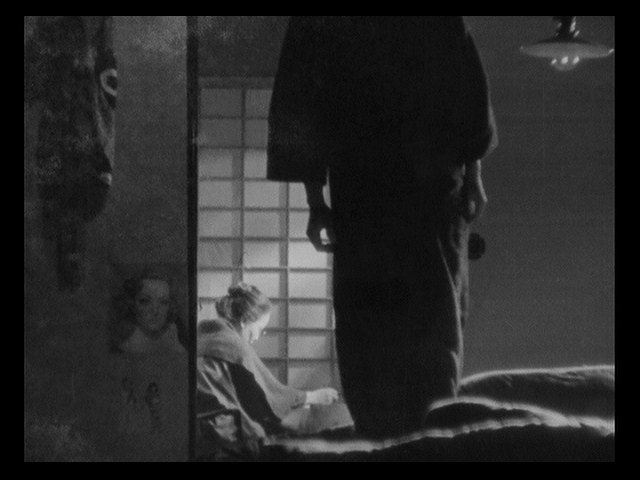
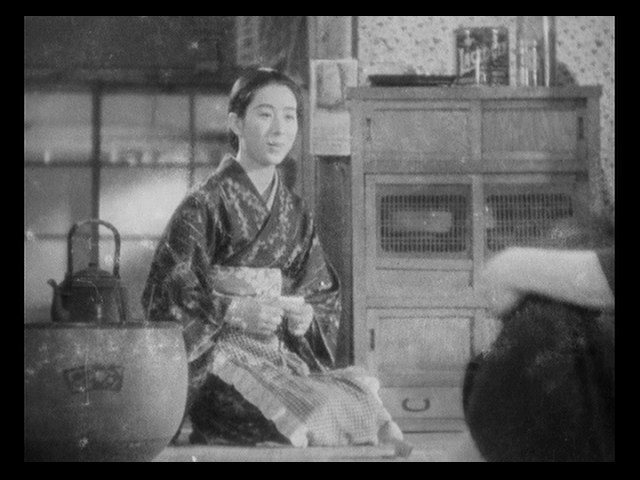
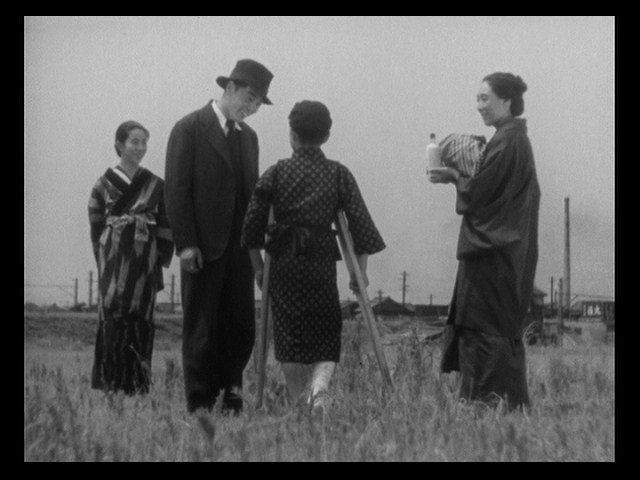
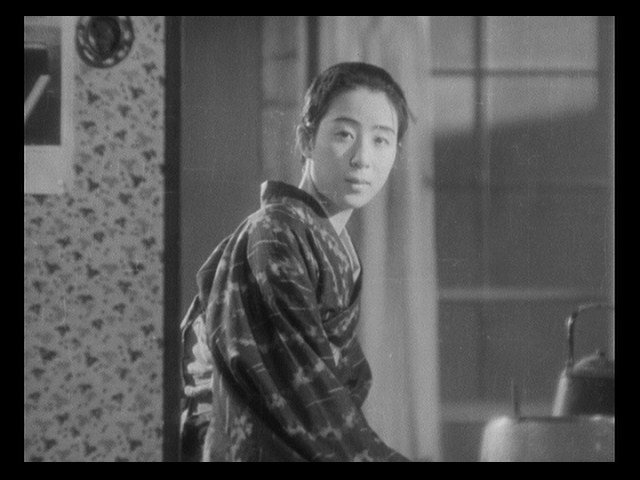
The Only Son - Screen Captures
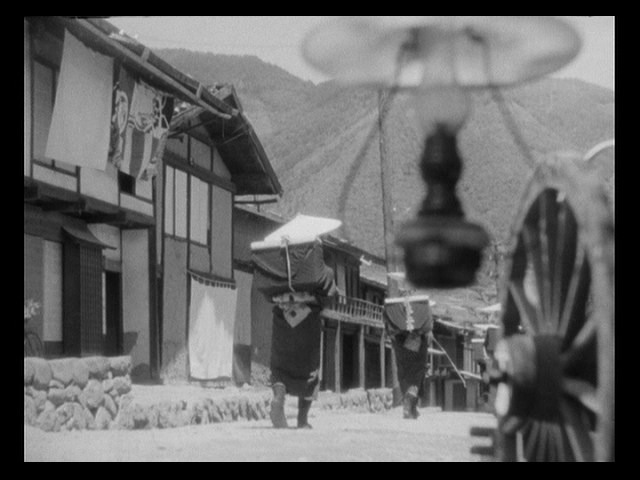
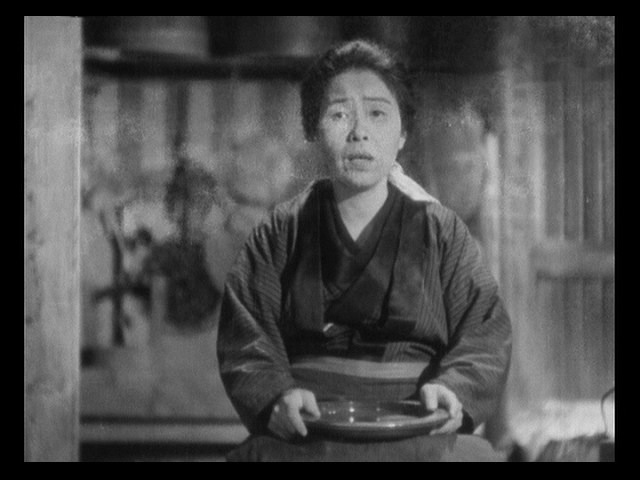
Audio 4/10
The Japanese Dolby Digital 1.0 mono track sounds worse than how the film looks, but may be the better sounding of the two films. It sounds like you’re watching the film in a wind tunnel, with static and distortion being a huge problem. There’s a moment in the film where there is a tapping noise and I didn’t realize it was part of the film until one of the character’s mentioned it (this is my first time with the film.) It’s faint and blends in with the rest of the background noise. Dialogue is audible but it’s still fairly low and flat. Cracks, pops, and audio drops are also frequent, and music sounds incredibly distorted. In all it sounds weak and has plenty of noise in the background. Disappointing but it’s obvious the materials were in such bad shape that this is probably as good as it gets, despite Criterion’s best efforts.
Extras 5/10
The set as a whole comes with three features, two of which are found on here.
First is an interview with David Bordwell and Kristin Thompson, Ozu scholars who have collaborated on a couple of books, including Film Art: An Introduction. In the interview the two (well, Bordwell primarily) talk about the film and the time period in which it was made and takes place in: Depression era Japan. They cover the political climate, the look of Tokyo (a “wasteland”), the “social milieu,” and then talk about the technical aspects of the film including the compositions, transitions, editing, the point of view shifts, and the overall narrative structure. They also break down the rather bizarre use of sound (this being Ozu’s first sound film,) which actually works to almost counteract what we’re seeing, or, as Bordwell puts it when talking specifically about the music, it works to “nuance the tone of the scene.” At 25-minutes it’s a rather enlightening interview, if filled with a lot of clips. Worth viewing.
The other supplement found on this disc is a 2003 interview with film scholar Tadao Sato, lasting about 19-minutes. In this interview Sato concentrates more on the presentation of Japan in the film, and the effects of the Depression. He brings up many sequences and explains the significance of them in the film’s presentation of the time period. He then moves on to some technical details of the film (again covering the use of sound) and even attempts to explain Ozu’s reasoning for using low angle shots. Another great piece worth viewing.
Each disc in the set also includes a booklet. The one found with this film contains a rather excellent essay by Tony Rayns on Ozu’s career during this time period. He also offers a rather wonderful analysis of the film and a few of its sequences.
The more bloated edition of the set, it still doesn’t look like much. Still, the content is good and in the end when you break it down, the disc only costs around $20 and on that level it’s a good value.
Closing
There’s a lot going against this DVD (and the set) but I was still satisfied with it. The film doesn’t look or sound good, but Criterion has done what they can and the digital transfer itself is at least excellent even if the source materials don’t make this obvious. The supplements, while few, still manage to add some value. It comes with a recommendation, but viewers should know what to expect.
BUY AT: