BUY AT:


See more details, packaging, or compare
Synopsis
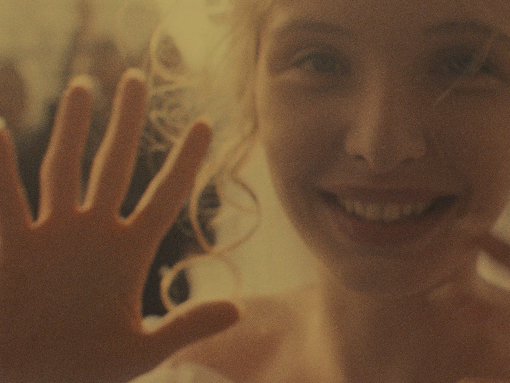
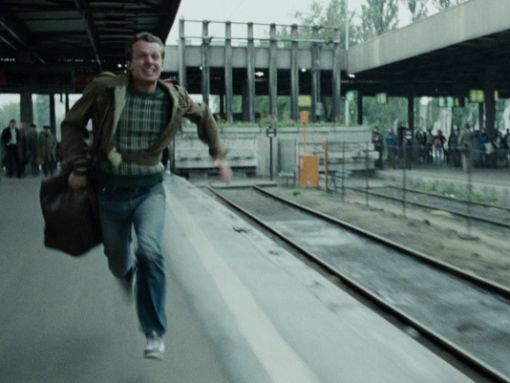
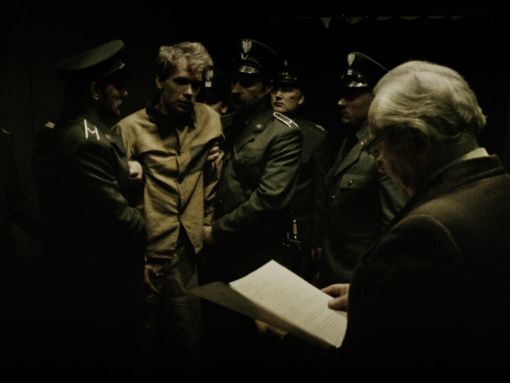
The most playful and also the grittiest of Kieślowski’s Three Colors films follows the adventures of Karol Karol (Zbigniew Zamachowski), a Polish immigrant living in France. The hapless hairdresser opts to leave Paris for his native Warsaw when his wife (Julie Delpy) sues him for divorce (her reason: their marriage was never consummated) and then frames him for arson after setting her own salon ablaze. White, which goes on to chronicle Karol Karol’s elaborate revenge plot, manages to be both a ticklish dark comedy about the economic inequalities of Eastern and Western Europe and a sublime reverie about twisted love.
Picture 8/10
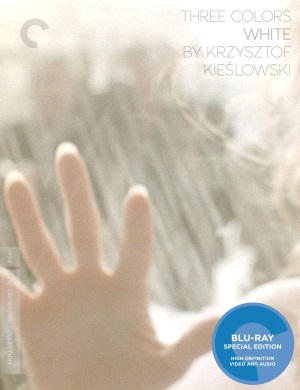
Krzysztof Kie?lowski’s White, the second part of the director’s Three Colors trilogy, comes to Blu-ray from Criterion and is available exclusively in their Three Colors box set. The film is presented in its original aspect ratio of 1.85:1 on this dual-layer disc in a new 1080p/24hz digital transfer.
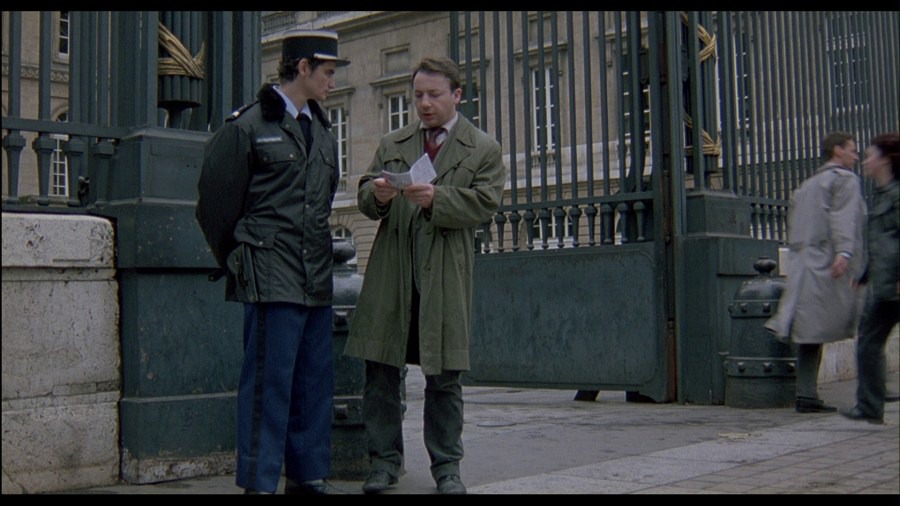
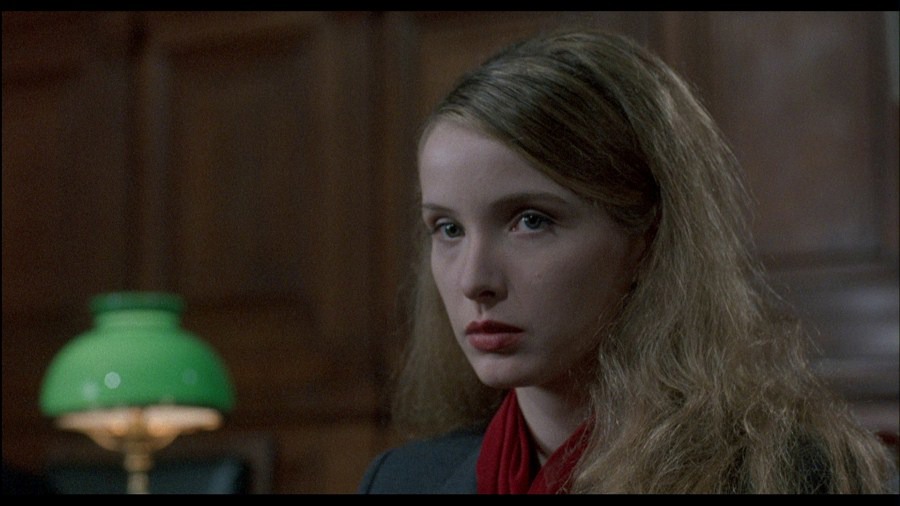
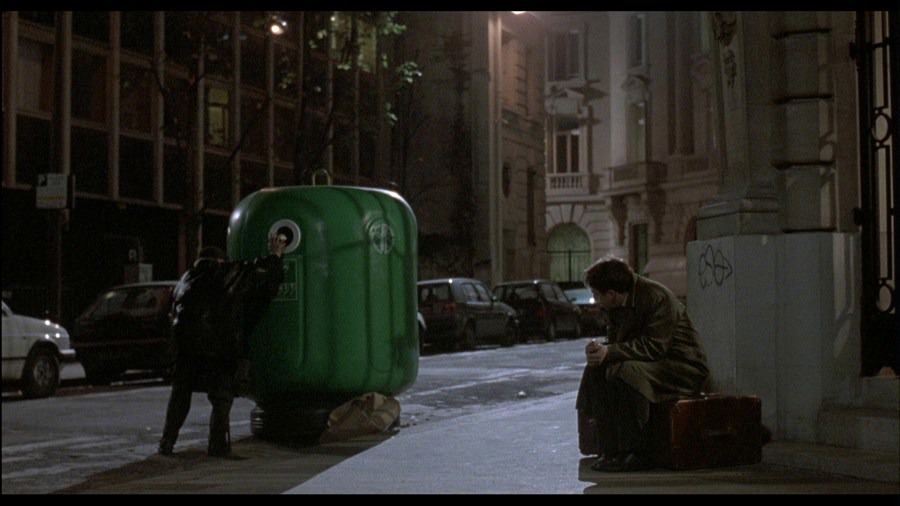
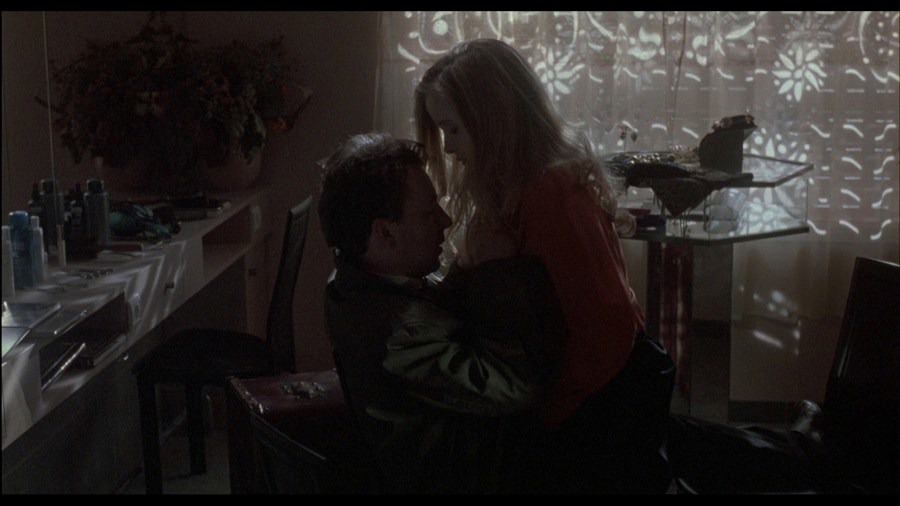
Similar to Criterion’s Blu-ray edition of the first part, Blue, White offers a stellar visual presentation. Even though it isn’t as grainy as Blue it can be prominent and noticeable in places, but the stable and clean digital transfer handles it without issue and it ends up remaining natural and clean throughout. The image is sharp and crisp, presenting a stunning amount of the finer details. Colours are again a bit muted but there are a few moments where greens and reds pop beautifully off the screen. Print damage is minimal, almost non-existent, and the digital transfer doesn’t present any noticeable artifacts.
Yet again, like with Blue, Criterion gives the film a sharp, filmic presentation and this is the best the film has looked on home video.
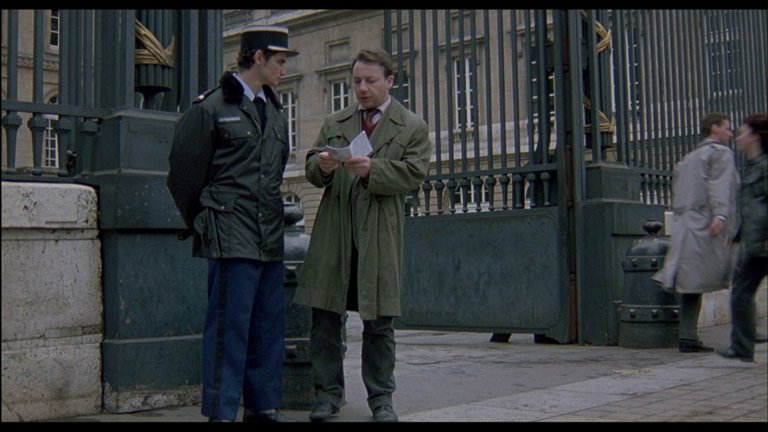
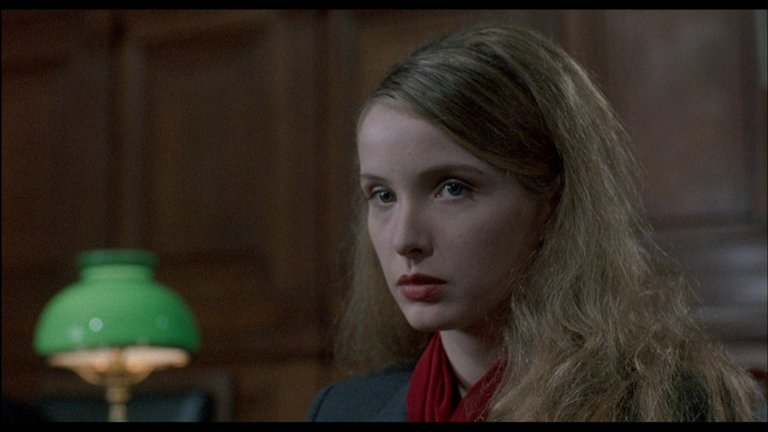
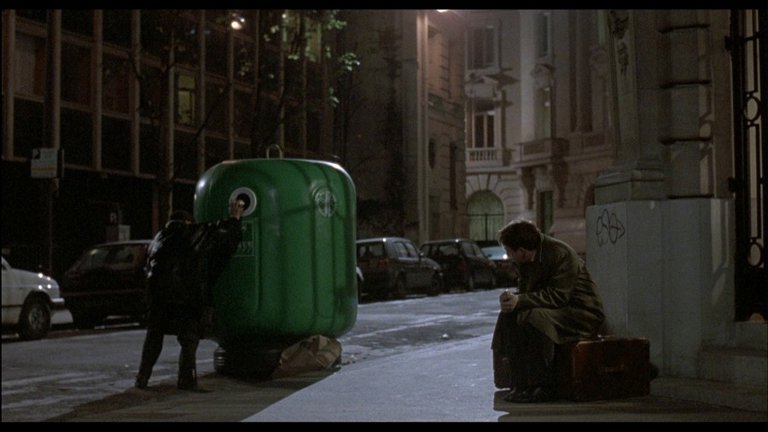
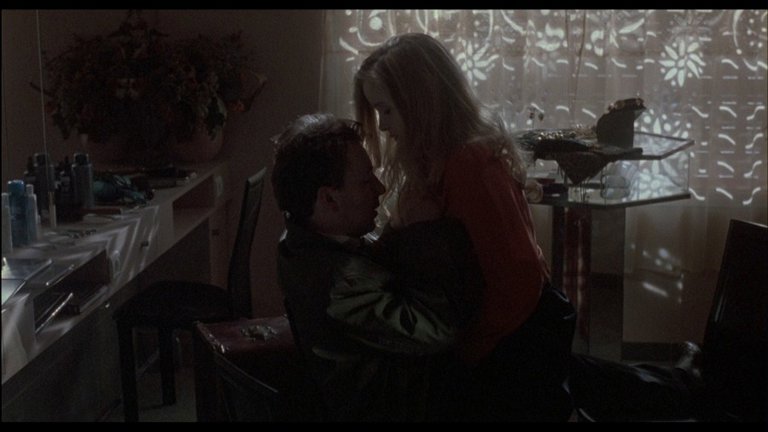
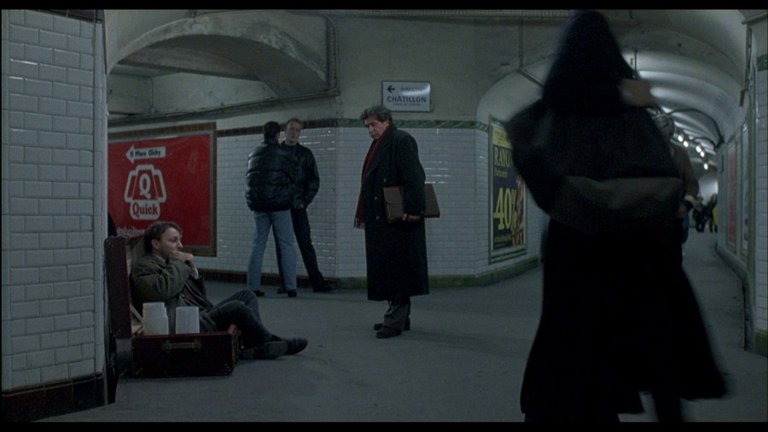
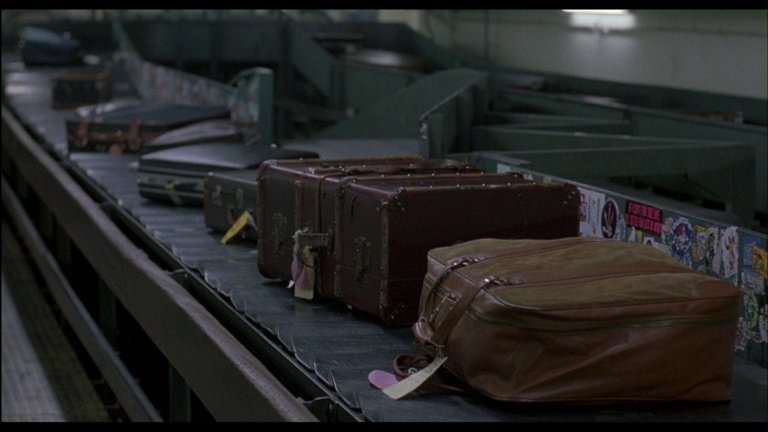
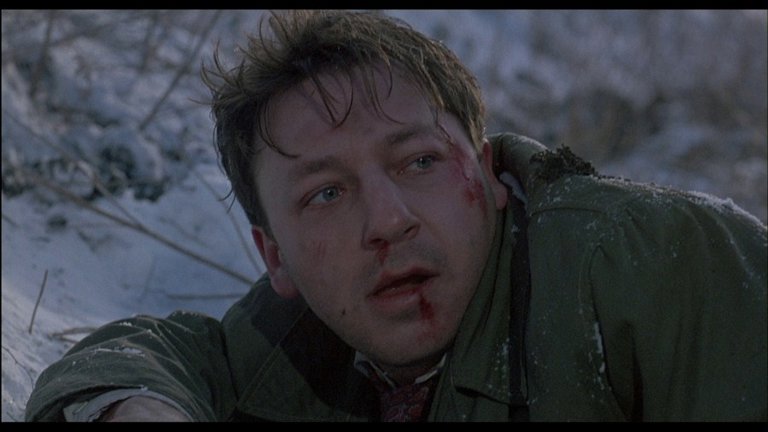
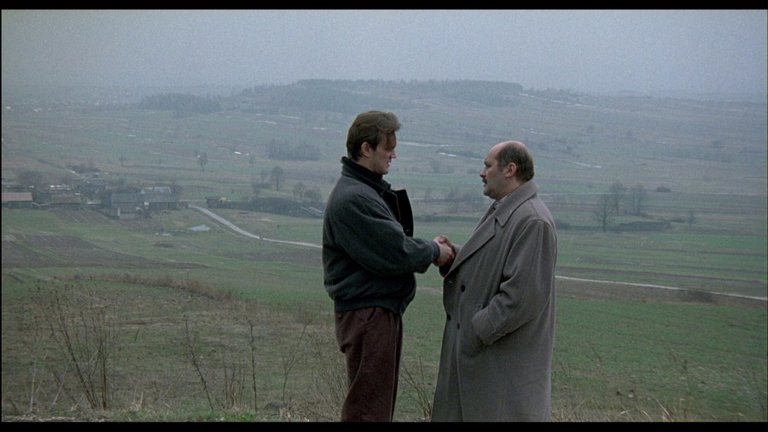
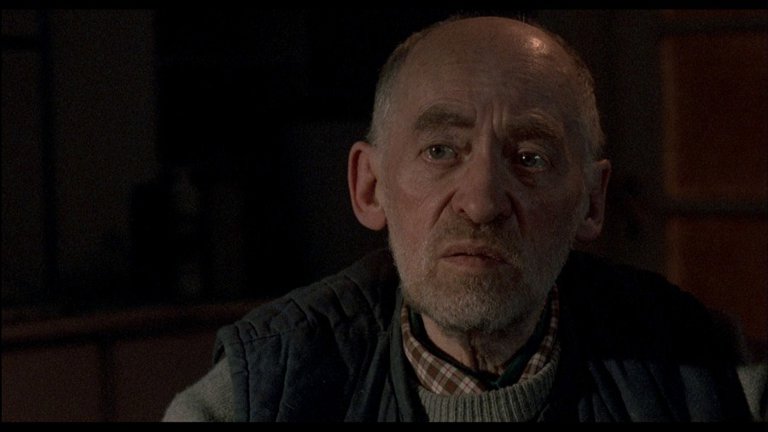
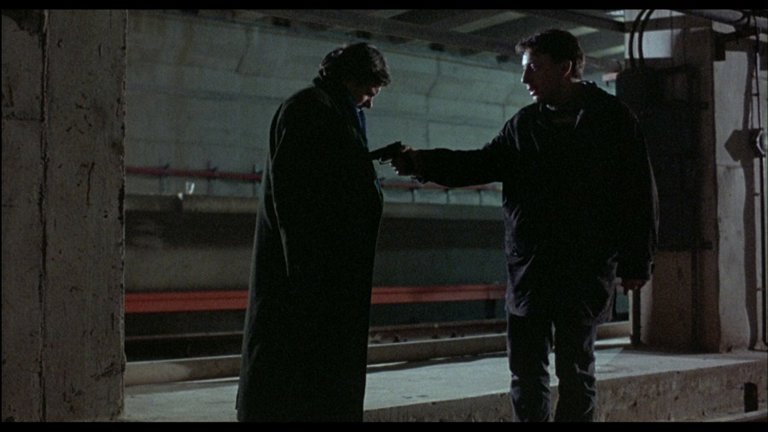
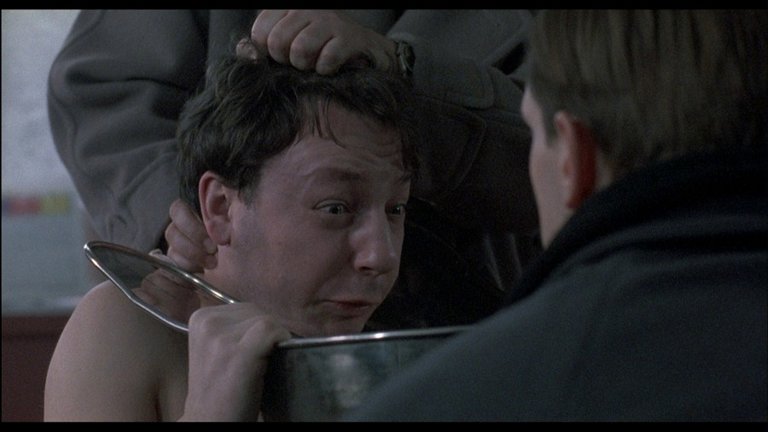
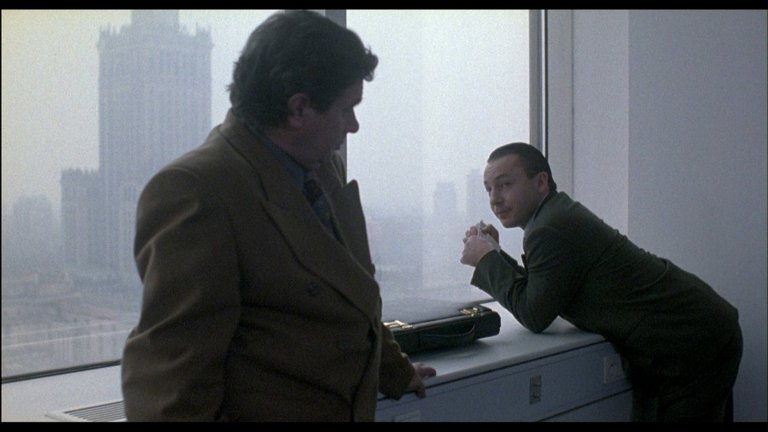
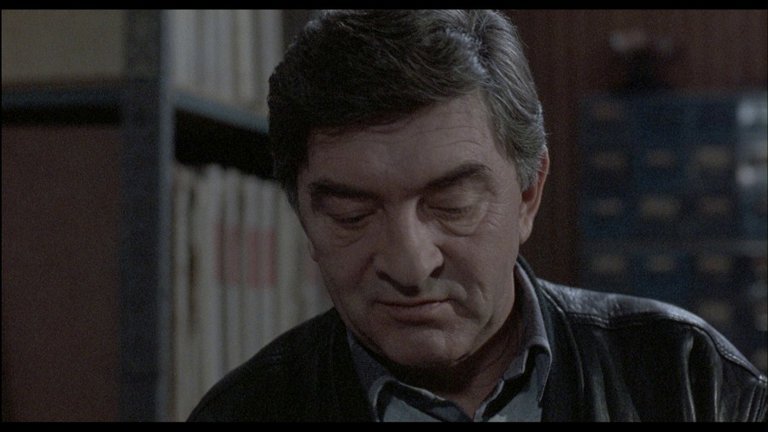
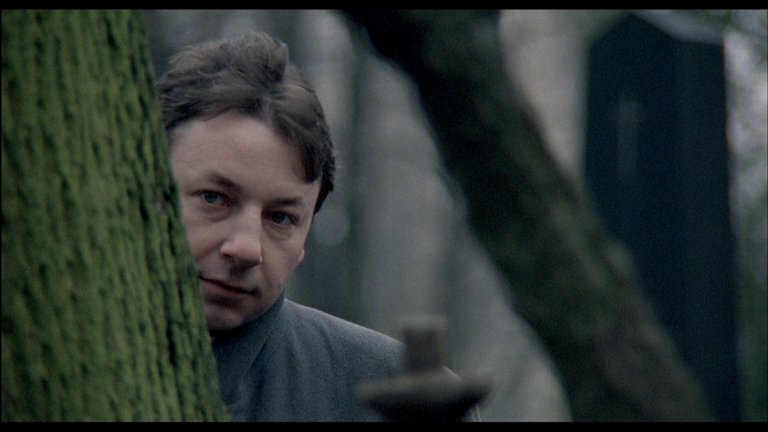
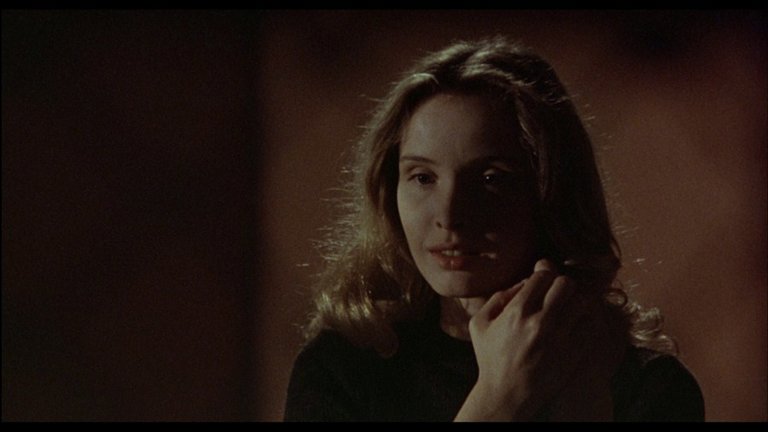
Three Colors: White - Screen Captures
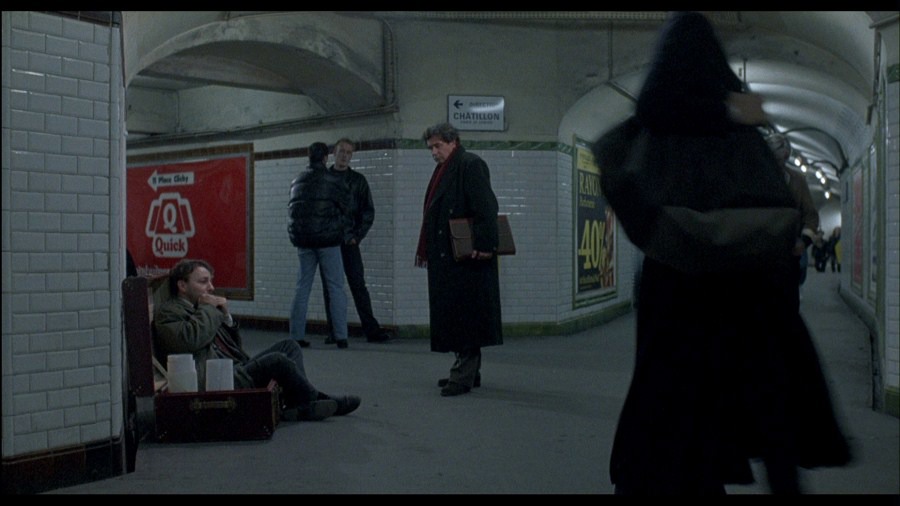
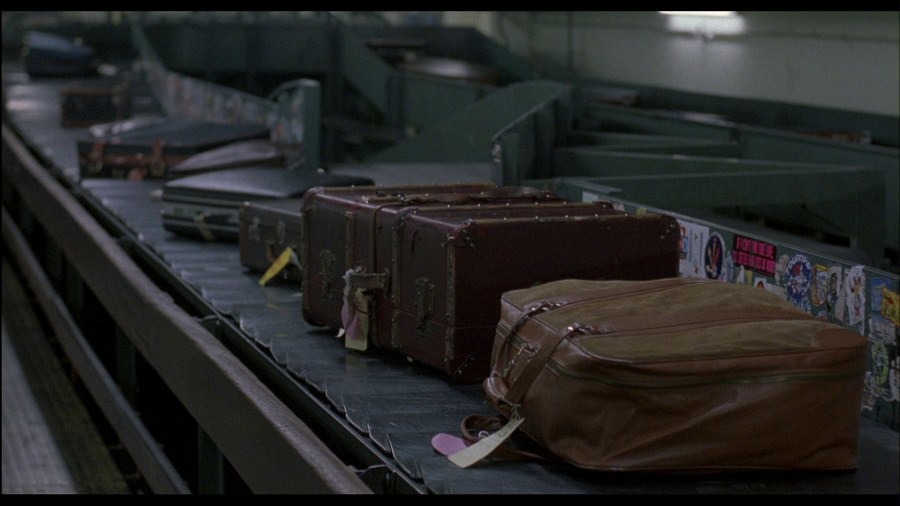
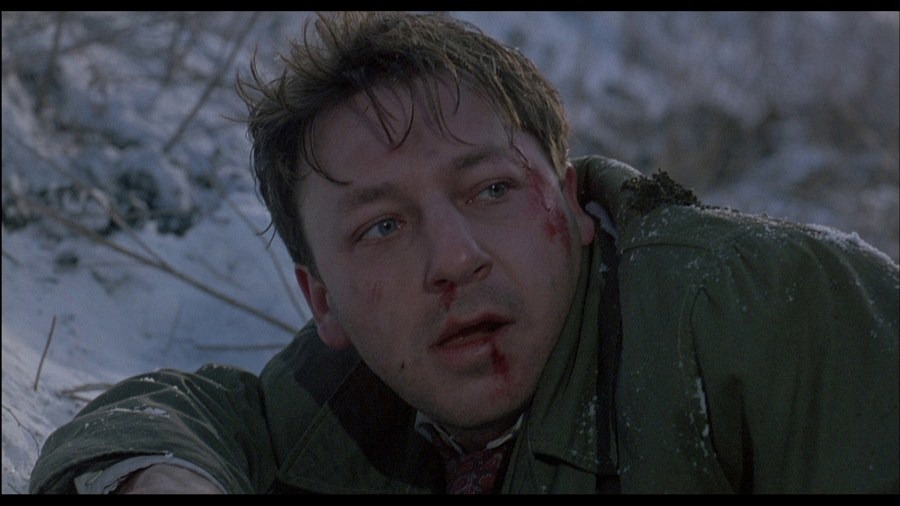
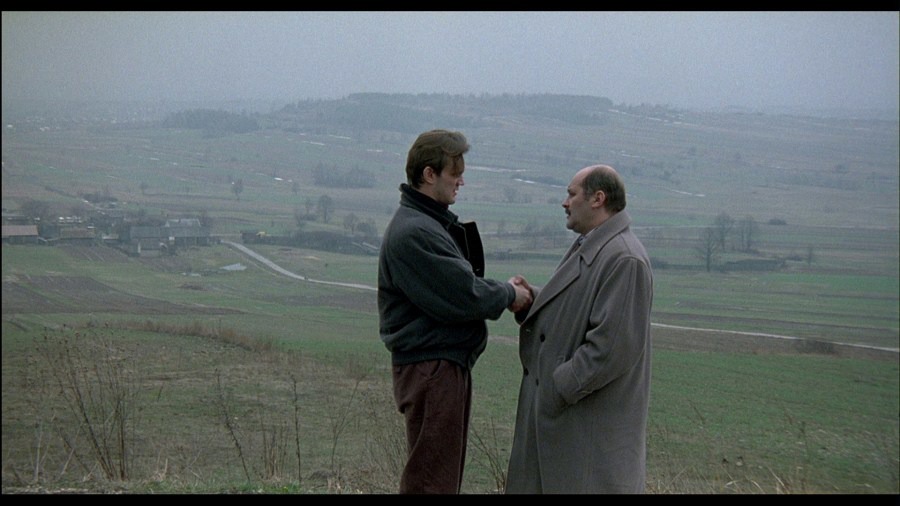
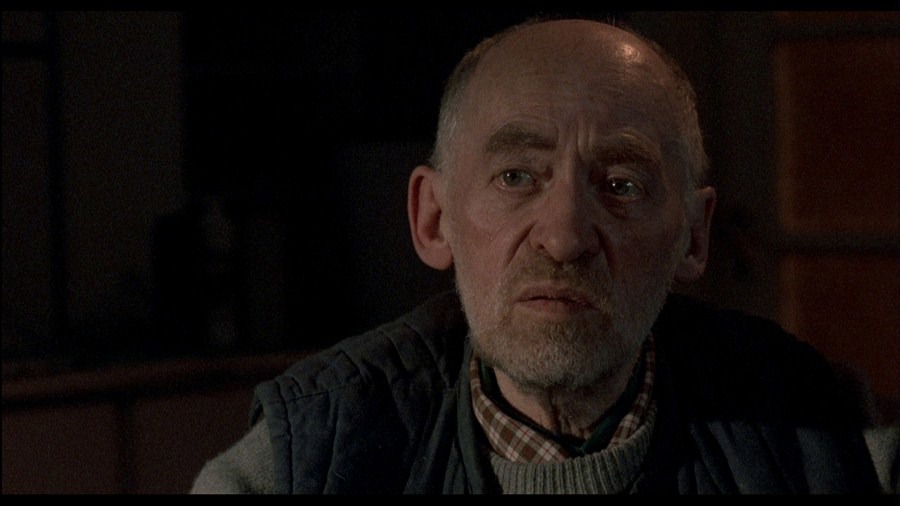
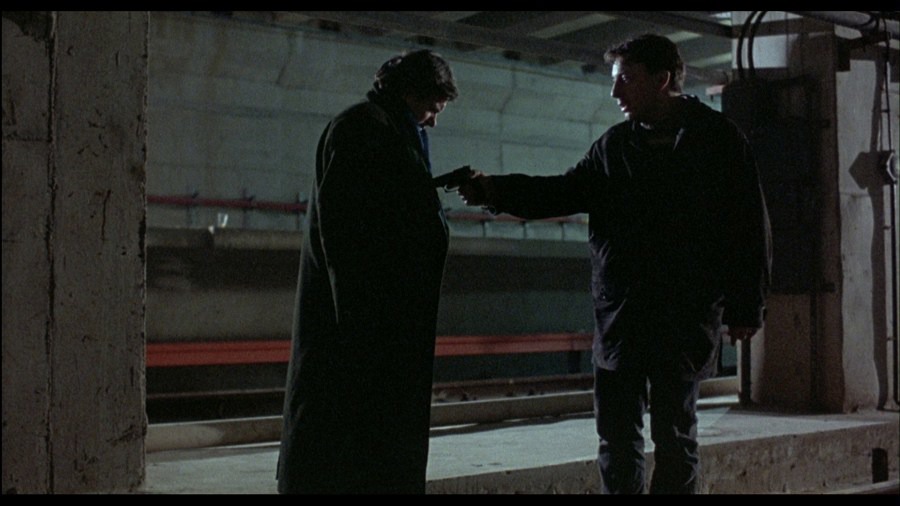
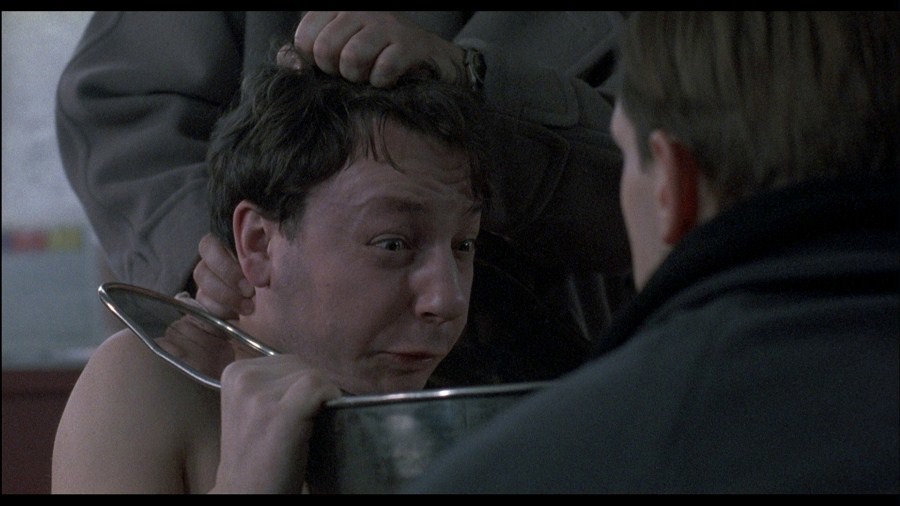
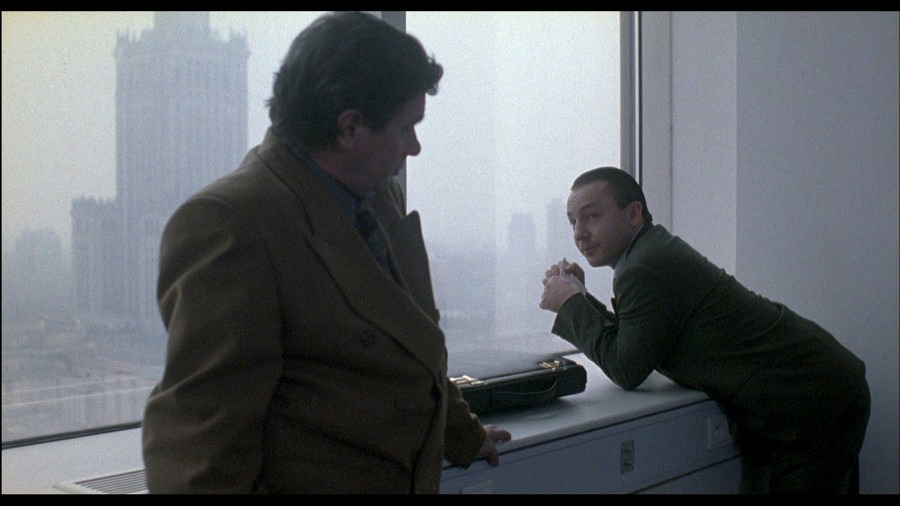
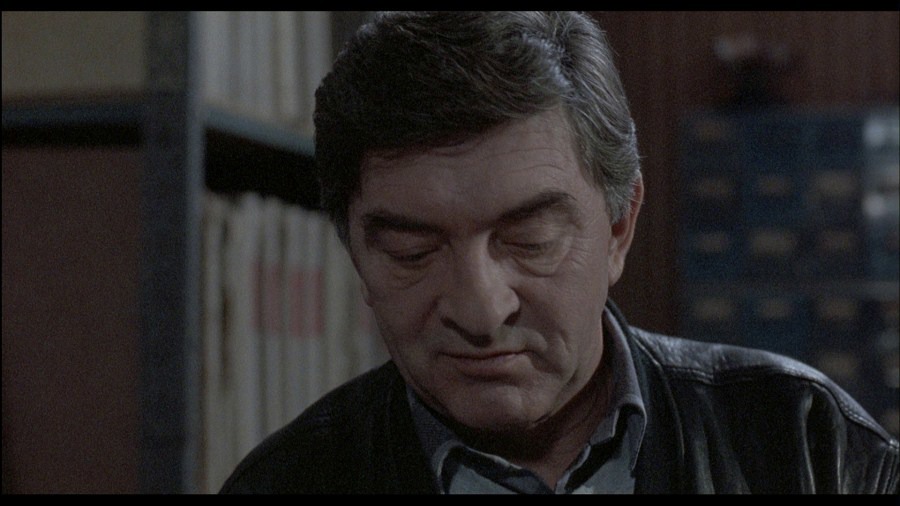
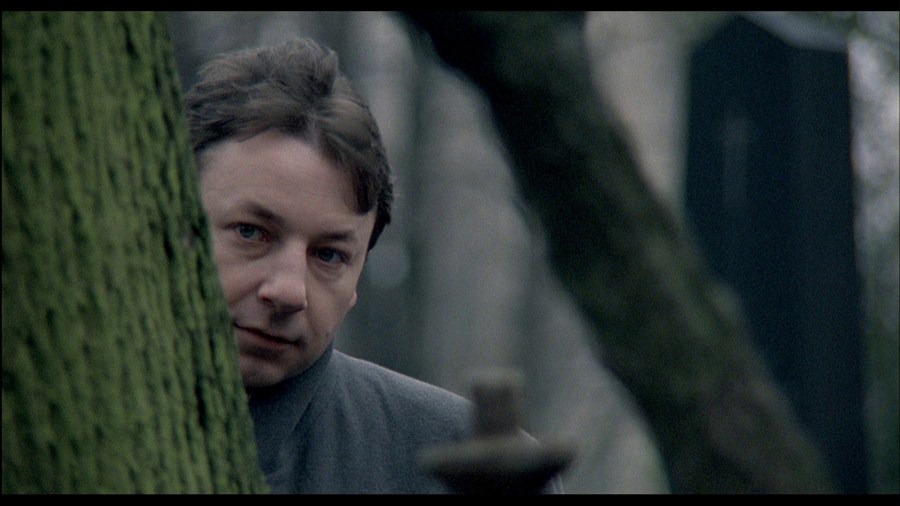
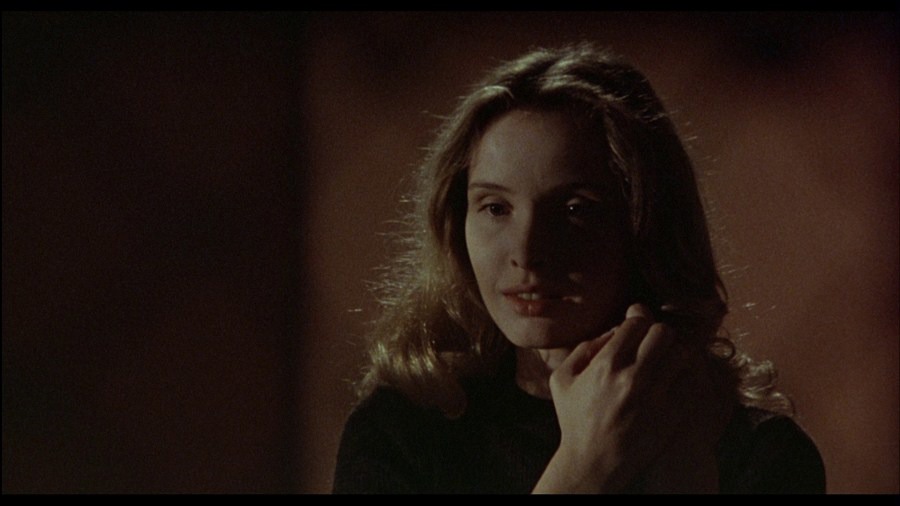
Audio 7/10
Again we get a DTS-HD MA 2.0 surround track. It’s not as aggressive as Blue’s (which could be shockingly aggressive) but it is yet again a clean, crisp presentation. Dialogue is articulate and natural, and the film’s score, though not as showy as Blue’s, has fabulous range and depth. Both the music and some ambient effects, like noise in the streets, make their way to the rear speakers and flow cleanly back there, with the rear speakers working together of course. Though again not overly aggressive it’s a beautiful sounding presentation, perfectly working for the film.
Extras 7/10
Criterion spreads a number of supplements over the three discs in the set, with the supplements on each disc looking primarily (though not entirely) at their respective films. White’s supplements start with a video essay by Tony Rayns entitled simply On White. Running 22-minutes I enjoyed it a bit more than the one Annette Insdorf did for Blue, finding Rayns’ presentation less stuffy and a little looser. He talks about the film’s theme of “equality” and how it’s presented here, primarily in the economic gap between Poland and France, but also between men and women. He gives some background information to Communist Poland and then the eventual fall of Communism, and then even talks about scenes that were cut or changed along with some more technical details. The feature is actually very breezy and informative and this is a case where I would have liked it if Rayns could have provided a full commentary.
And like what is found on the Blue disc we get another feature calledKieslowski’s Cinema Lesson. This 11-minute piece recorded in 1994 presents Kieslowski sitting in front of an editing suite going over the opening of the film. He explains his reasoning for opening on the suitcase on the luggage belt and then moves his way to his main character making his way to court, explaining all of the techniques he used to convey as much about the character as possible. And again like with what we got on the Blue disc we get a very insightful look into Kieslowski’s creative process.
Criterion next includes a new interview recorded for them with actors Zbigniew Zamachowski and Julie Delpy. For 18-minutes (Zamachowski in Polish, Delpy in English) the two talk about working with Kieslowski in general and then how they came to be cast in White. Delpy mentions she was called in for the lead for The Double Life of Veronique, but didn’t get it, and then was offered a role in Blue, but said she couldn’t relate to the script and didn’t want to do it. This then led to her getting the role in White, which she found a bit more fun. They also talk about building their characters and how they would take Kieslowski’s suggestions while creating them. Delpy also humourously recalls the orgasm sequence, which sounds to have been filmed in an almost awkward manner. Then there is mention of an alternate ending. Solid interview with both, Delpy coming off especially charming.
Criterion next recorded a 21-minute interview with Kieslowski’s friend and co-writer on the trilogy, Krzysztof Piesiewicz. Along with Rayns’ essay this is probably one of the better features on here. Piesiewicz talks a great deal about all three of the films and what his and Kieslowski’s intentions were with them. He also fondly recalls how he first met the director (whose films he wasn’t entirely familiar with) and then talks a little about the time period just before his death. In the end I was surprised by what an insightful and interesting interview we ended up getting.
The Making of “White” is a 16-minute feature shot during the shooting of the film. It’s generally made up of behind-the-scenes footage, but what makes it especially worthwhile is that we get more interview footage with Kieslowski, who talks about the film and its themes.
Criterion then next includes two documentaries by the director. Seven Women of Different Ages, from 1978 and running 16-minutes, focusses on a ballet school over the course of a week. It has an interesting hands-off sort of style to it, with the camera simply there to document. Talking Heads may be the more intriguing of the two, though. In this one, from 1980 and running 15-minutes Kieslowski asks three questions to a number of people ranging from the age of 1 to 100. The questions are basic (“Who are you?”, “What do you most wish for?”, etc.) but the responses are intriguing, especially in how they are between the age groups.
The disc then closes with the theatrical trailer. The set also comes with a booklet with essays about the trilogy and then each film in the set.
A little more disappointing than Blue’s supplements, but they’re strong and manage to offer a great look into the film and what Kieslowski intended with it.
Closing
Supplements aren’t as good as what is found on Blue’s disc but they’re still strong and the presentation is top notch, as expected. Though only available in the Three Colors box set, which is a great set overall, on its own this Blu-ray of White is a great edition.
BUY AT: