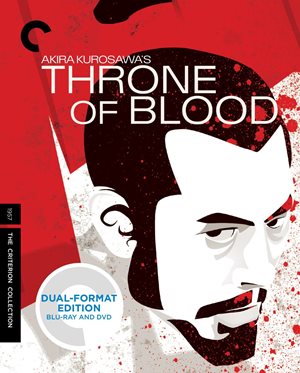
Throne of Blood
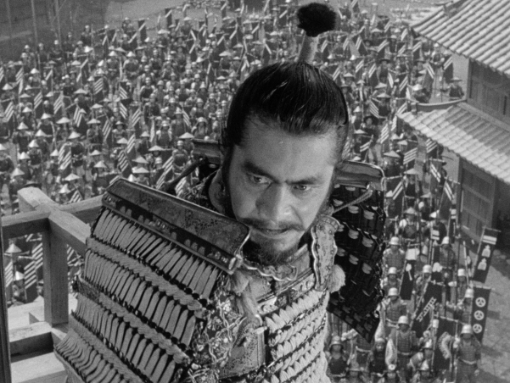
BUY AT:


See more details, packaging, or compare
Synopsis
A vivid, visceral Macbeth adaptation, Throne of Blood, directed by Akira Kurosawa, sets Shakespeare’s definitive tale of ambition and duplicity in a ghostly, fog-enshrouded landscape in feudal Japan. As a hardened warrior who rises savagely to power, Toshiro Mifune gives a remarkable, animalistic performance, as does Isuzu Yamada as his ruthless wife. Throne of Blood fuses classical Western tragedy with formal elements taken from Noh theater to create an unforgettable cinematic experience.
Picture 8/10
The Criterion Collection reissues Akira Kurosawa’s Throne of Blood in a new dual-format edition, presenting the film in its original aspect ratio of about 1.37:1. The 1080p/24hz high-definition transfer is presented on a dual-layer Blu-ray disc while the standard-definition version is presented on a dual-layer DVD. The DVD’s transfer has not been window-boxed.
The notes mention this transfer comes from a restoration taken from a 35mm master positive, just like the original DVD’s transfer. It doesn’t appear that this transfer is a simple clean-up job of that transfer but is instead a whole new high-definition restoration and transfer. Some of the improvements are subtle but overall the image is substantially better.
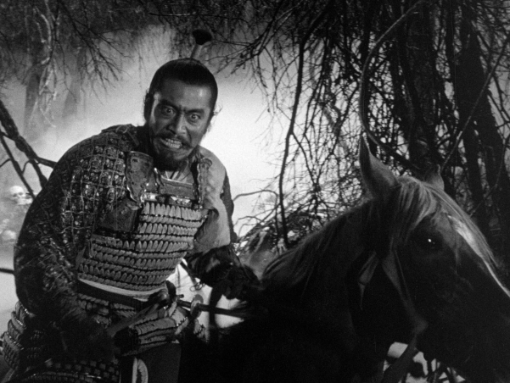
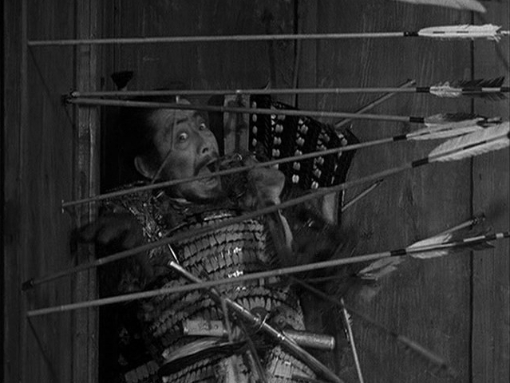
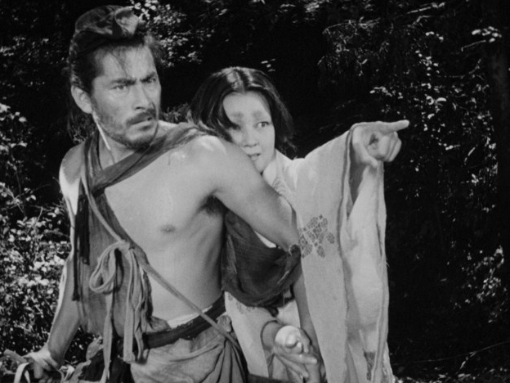
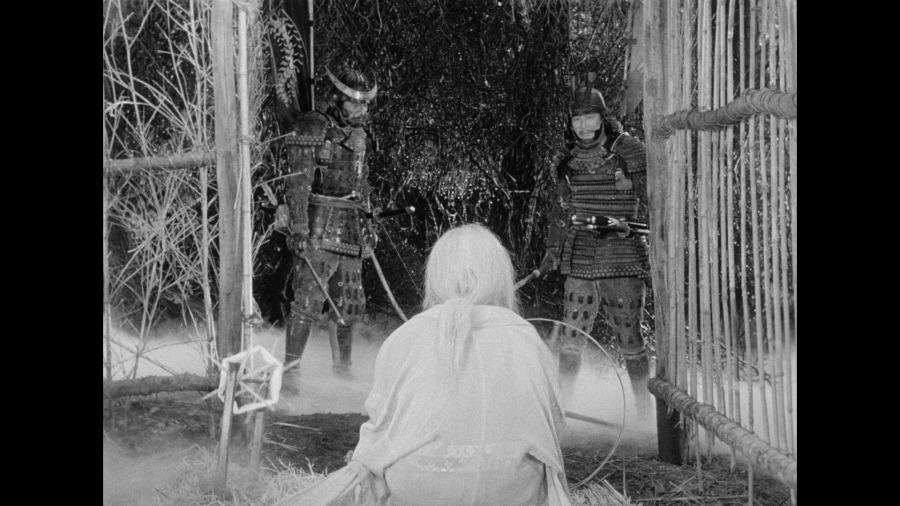
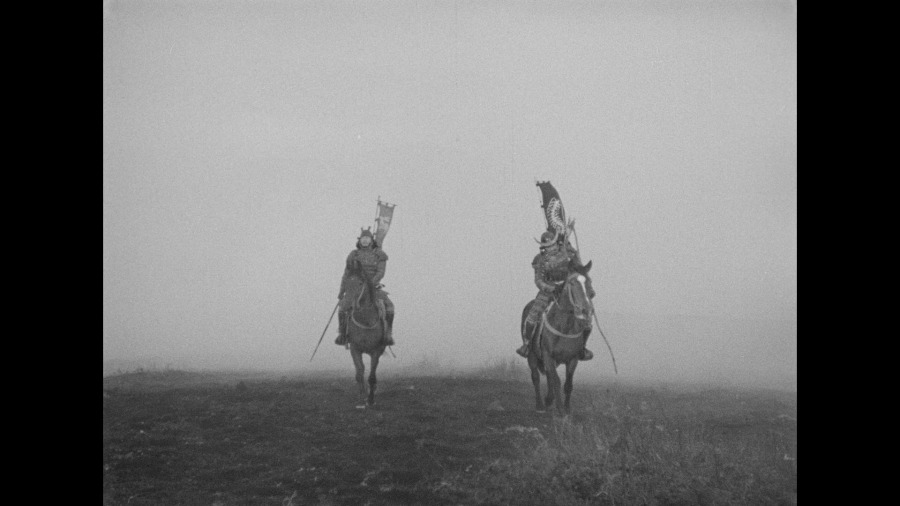
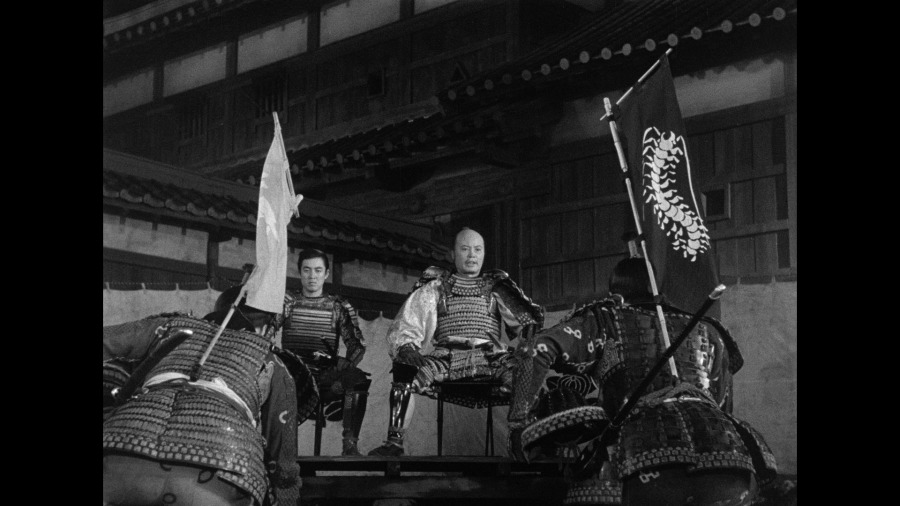
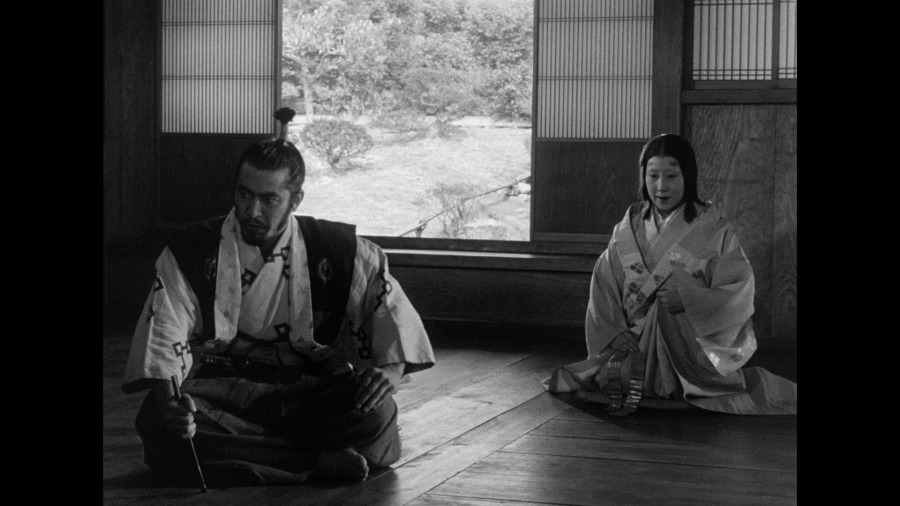
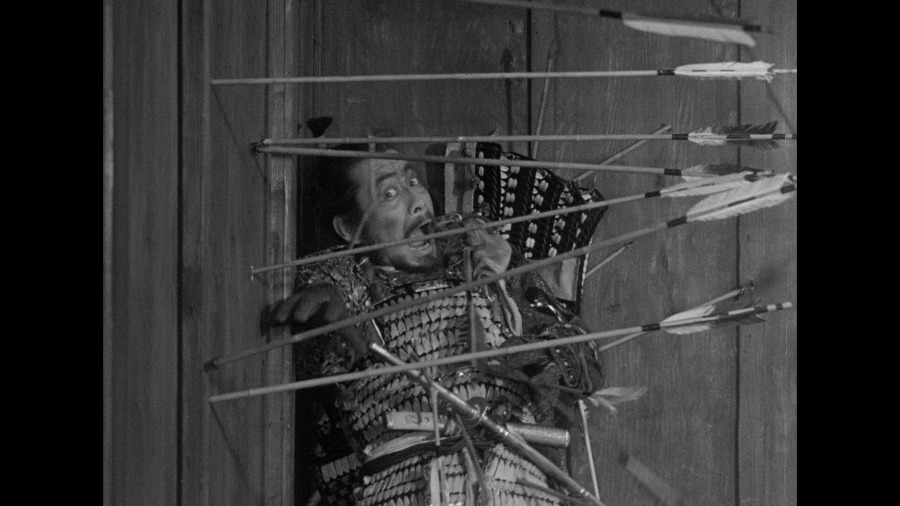
The high-definition transfer is noticeably sharper with the intricate details in settings and costumes coming through far more clearly. Edges are clean and well defined, and film grain is more discernable and natural. Tonal shifts are excellent, blacks are pure and never crush, and contrast looks to be spot-on. Artifacts don’t appear to be an issue and the transfer retains a nice filmic look, with noise less of a concern here.
Damage wasn’t all that heavy on the original DVD but the source appears to have been cleaned up a little more thoroughly here. Some frame jumps and pulsating found on the DVD’s original presentation (primarily in the many wipe-cuts Kurosawa employs) are gone, and the heavy scratches that appeared on occasion are also missing. Damage is primarily limited to very fine scratches that rain through pretty consistently, but they barely register. Criterion thankfully didn’t soften the image to hide these minor defects, and the image remains crisp because of it.
It was no real surprise that the Blu-ray’s presentation offers a bit improvement over the original DVD, and it certainly does, but I was pretty surprised when I popped in the new DVD: the DVD is better as well, significantly so. Despite all of the strengths of the original DVD the transfer suffered from evident compression noise, which the Blu-ray nicely disposes of. Noise is also no longer as big a concern on the new DVD’s presentation as well and the image is far cleaner and more natural here. It isn’t as sharp as the Blu-ray’s transfer but upscaled it still manages to look very nice.
In the end this new edition’s high-definition and standard-definition transfer both offer a clear improvement over the previous DVD, with a sharper, cleaner image.
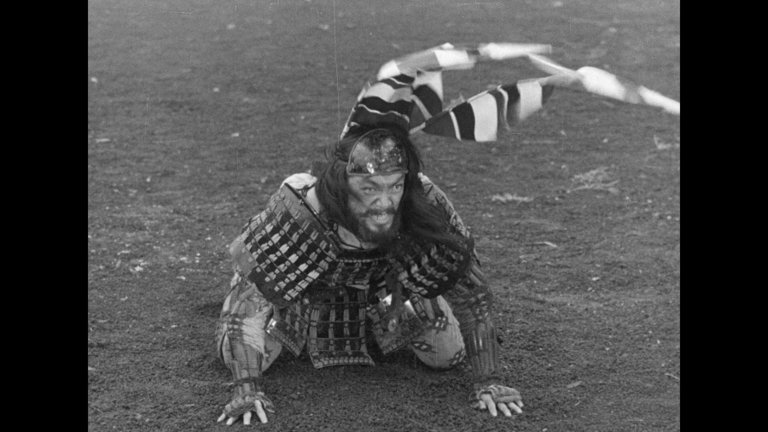
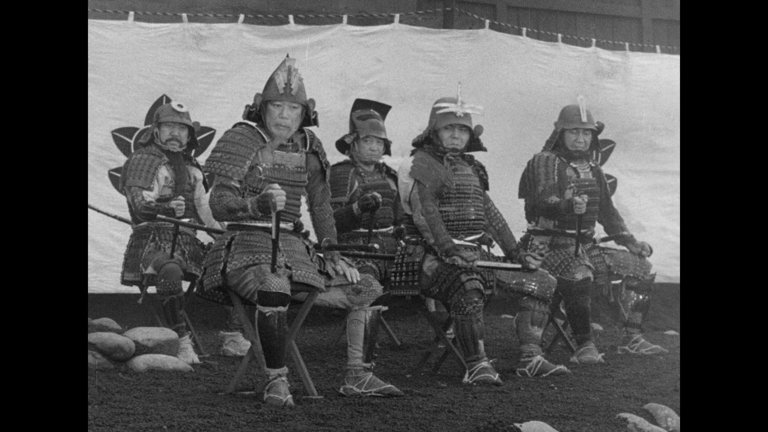
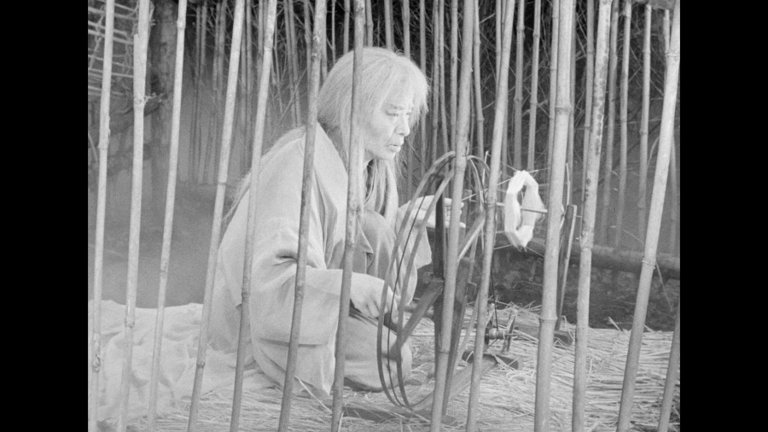
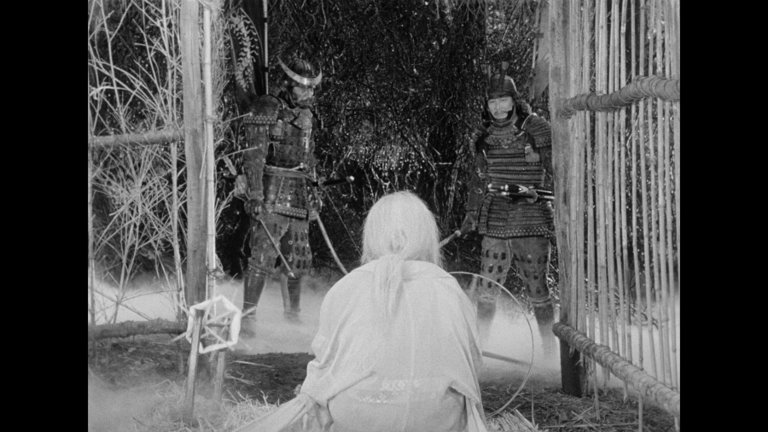
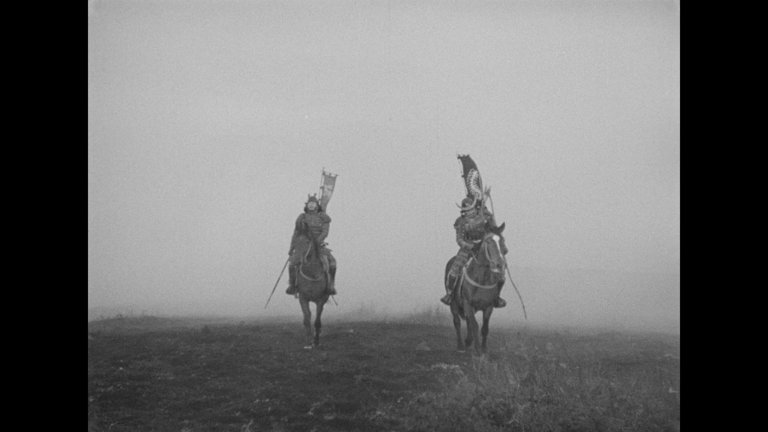
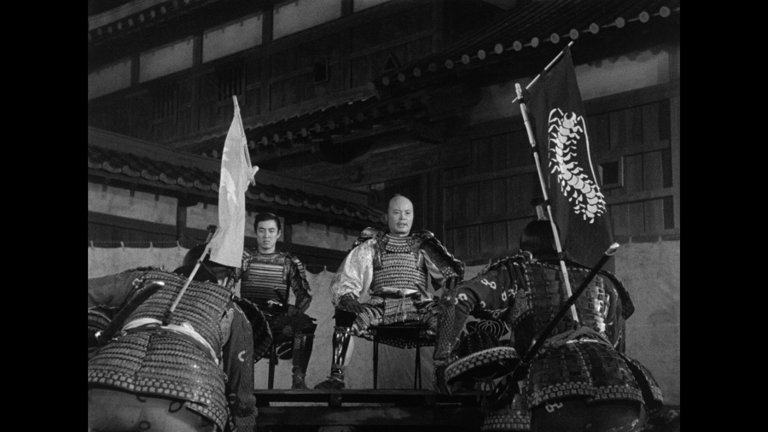
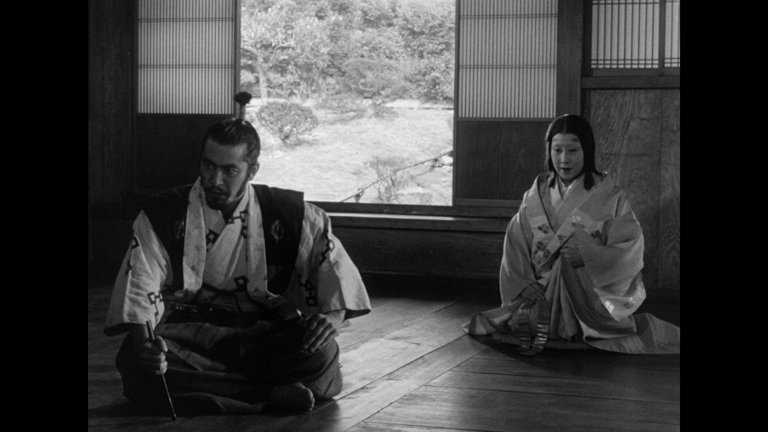
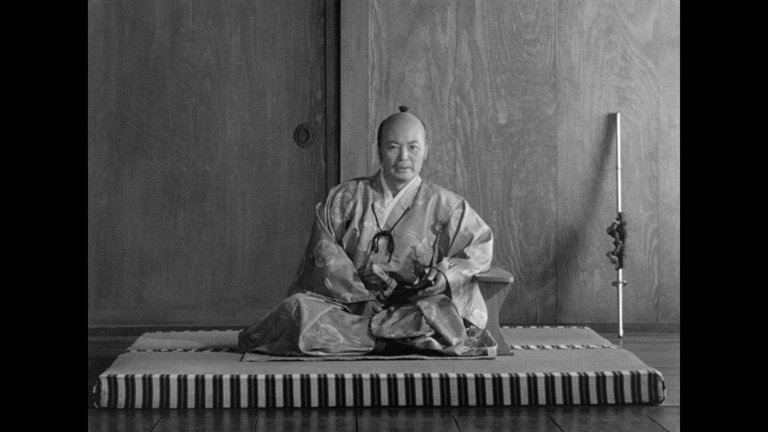
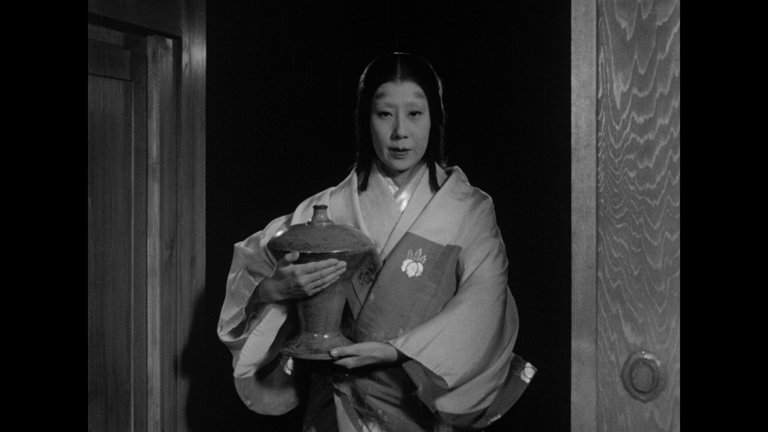
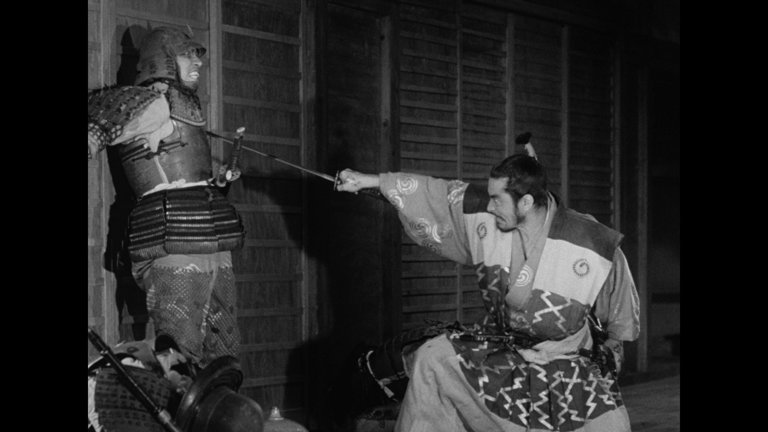
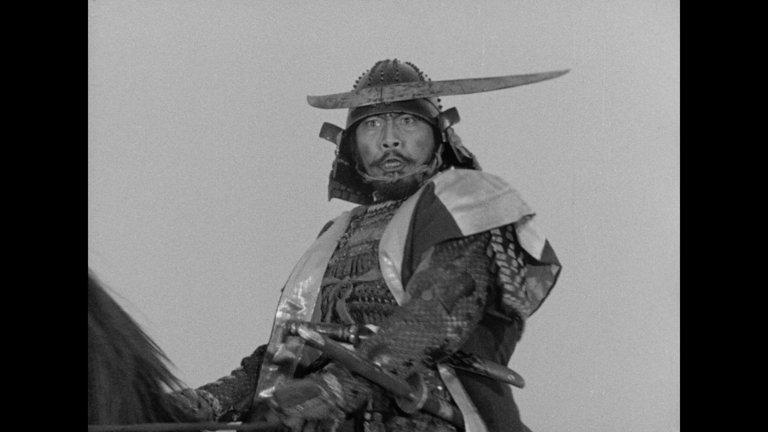
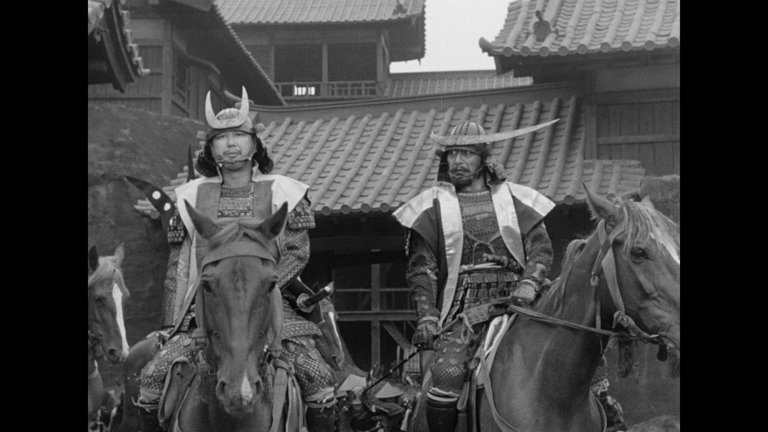
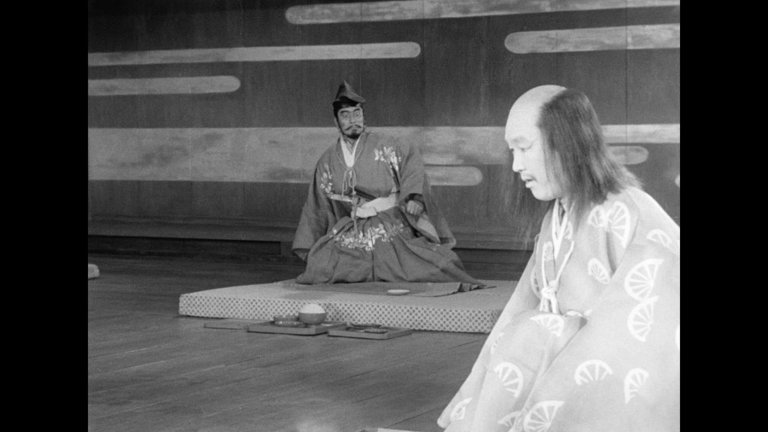
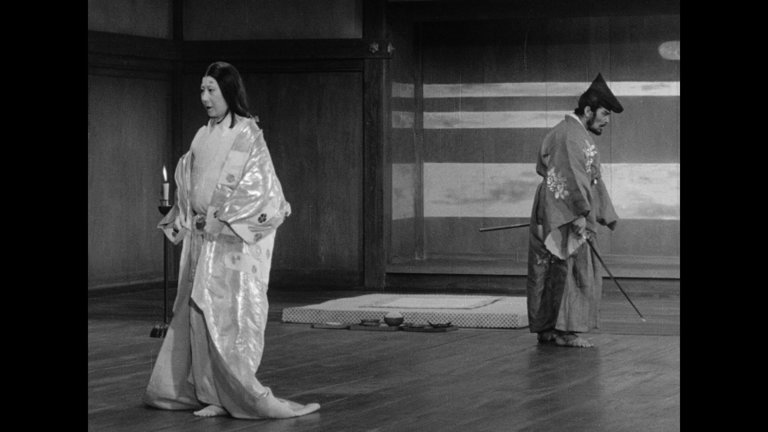
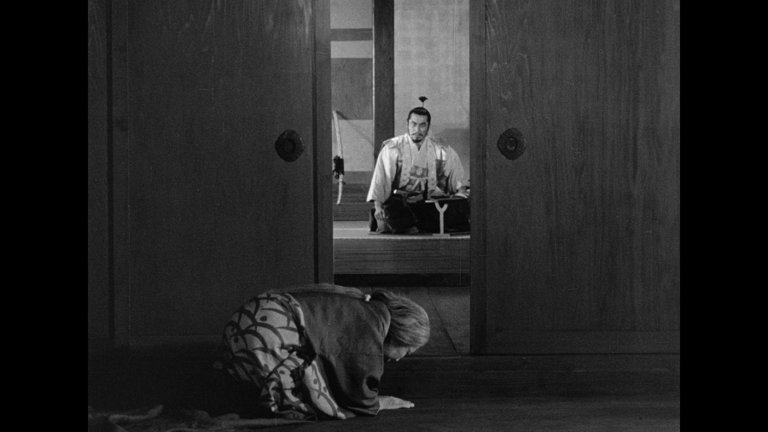
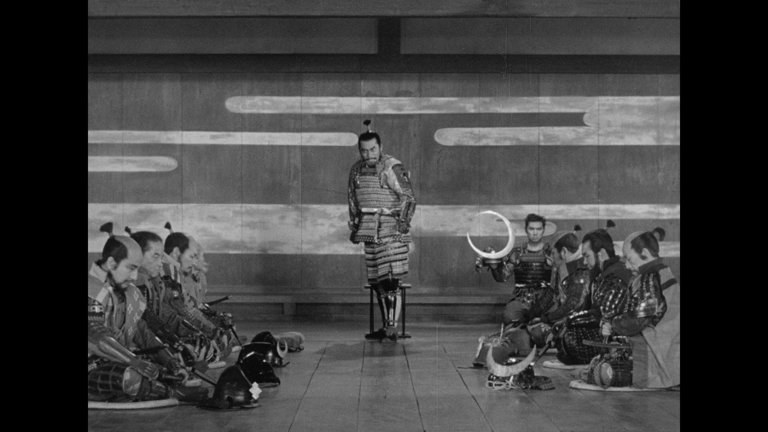
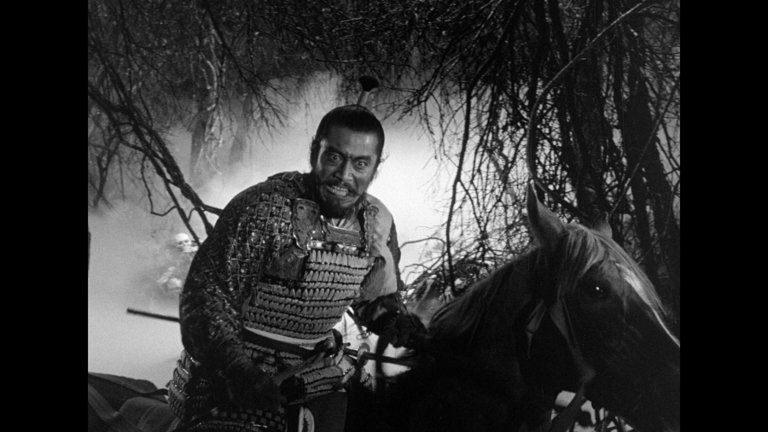
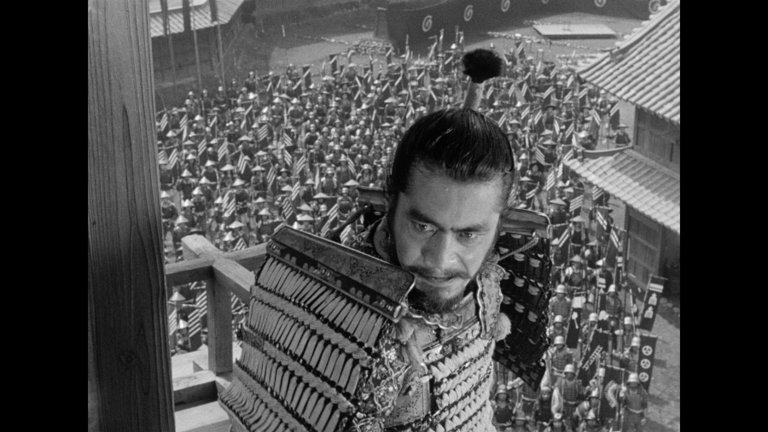
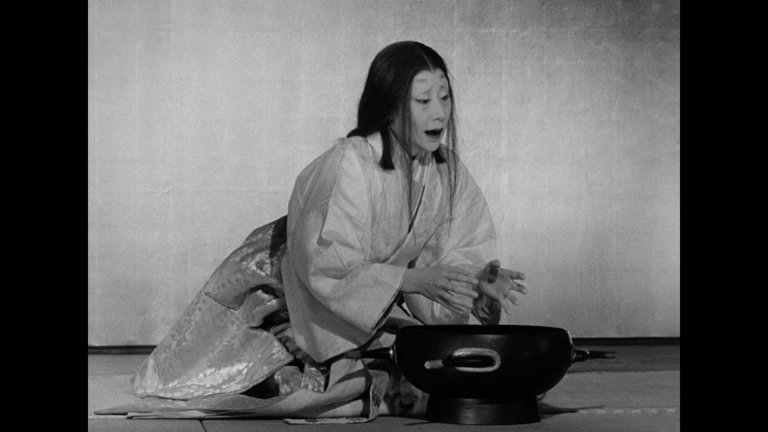
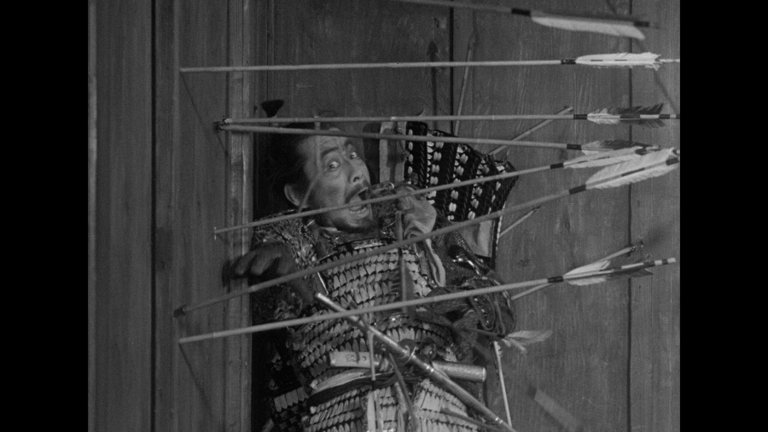
Throne of Blood - Screen Captures
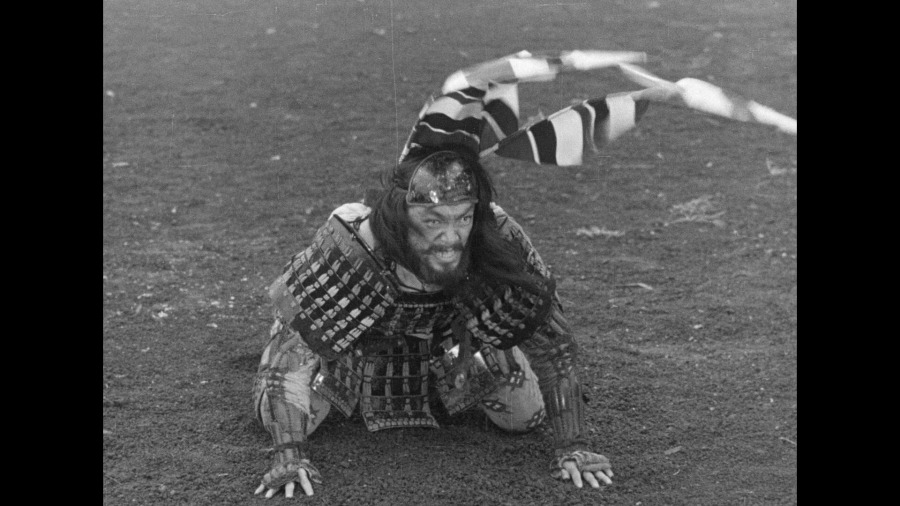
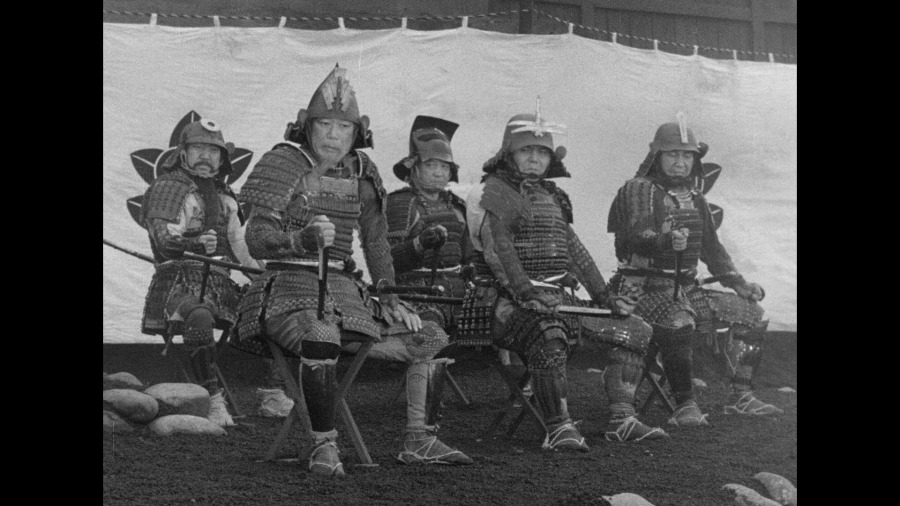
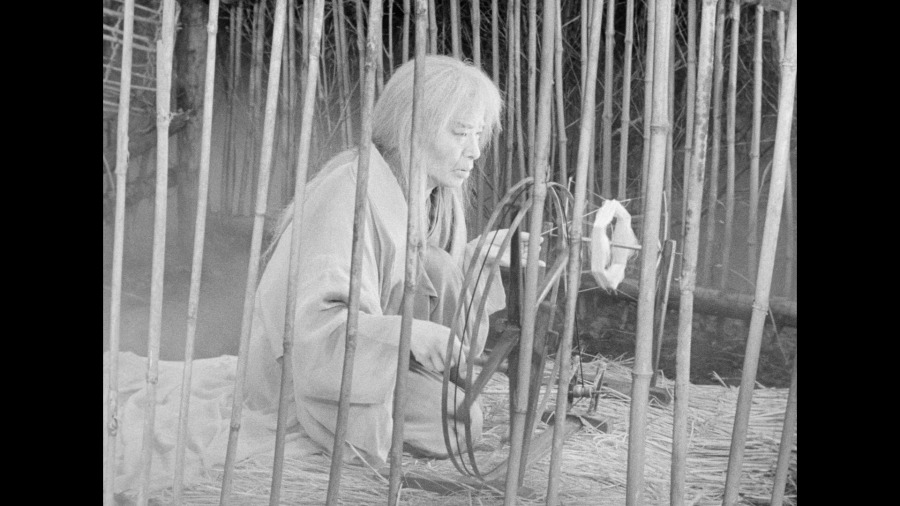
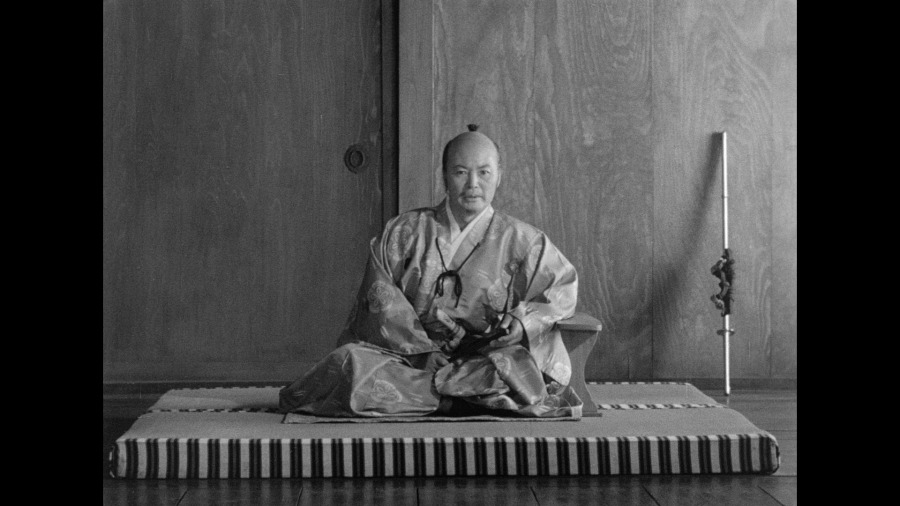
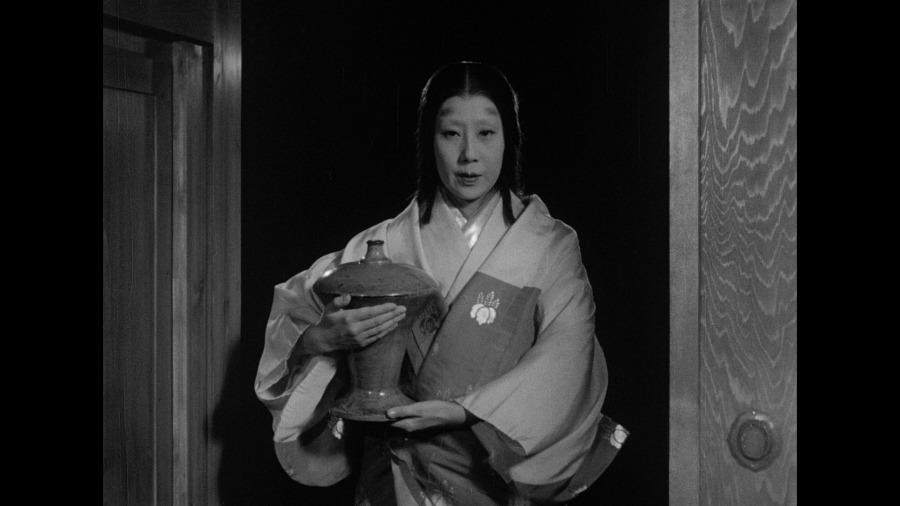
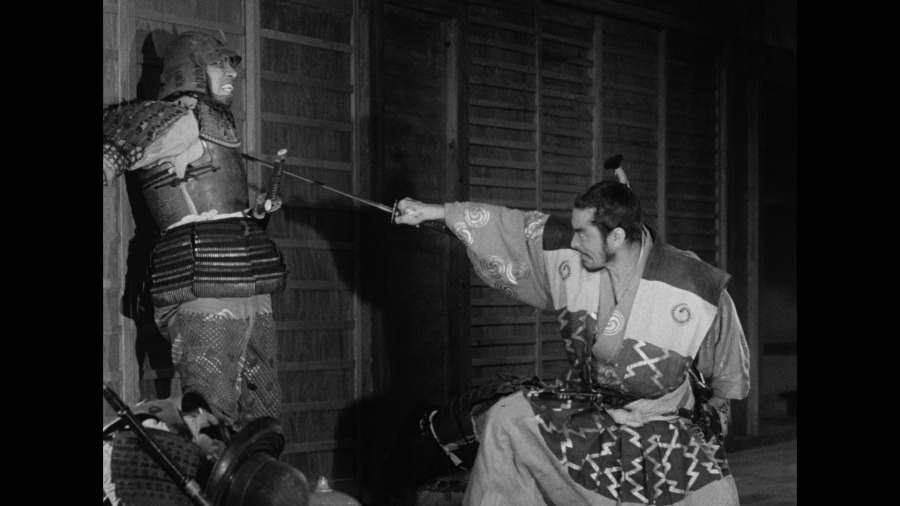
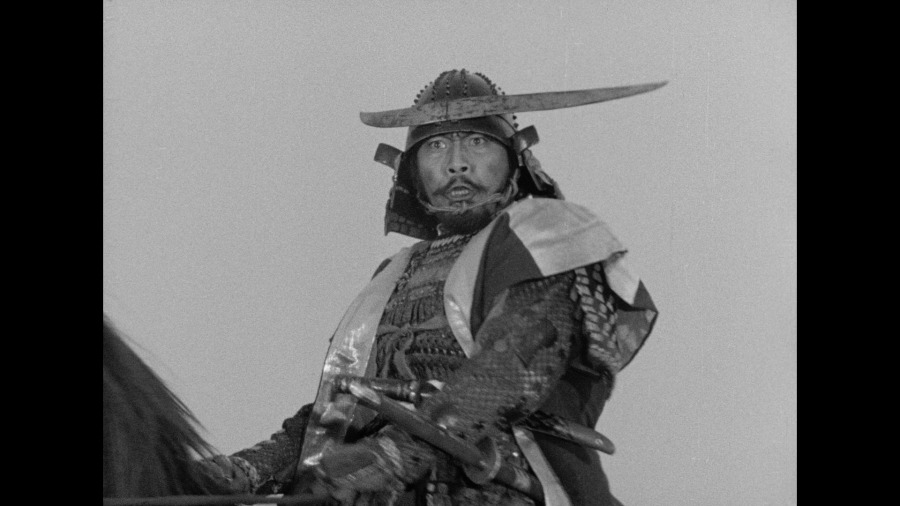
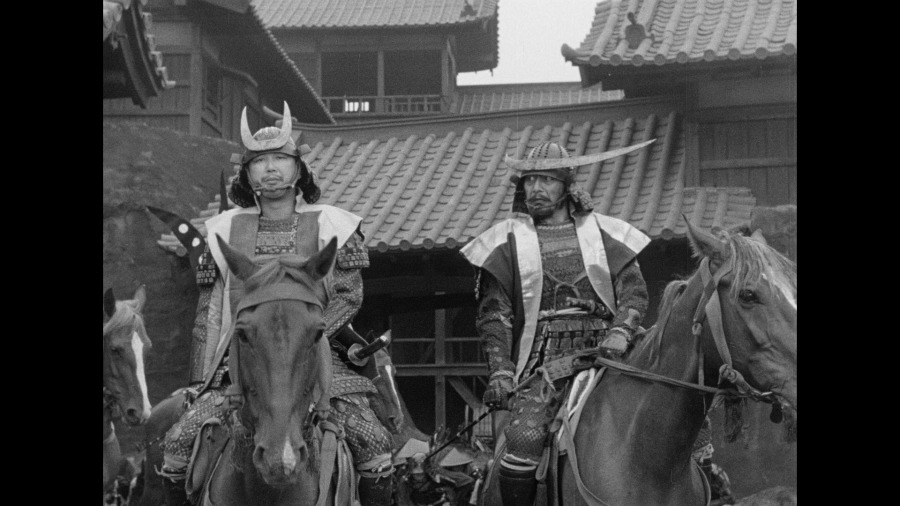
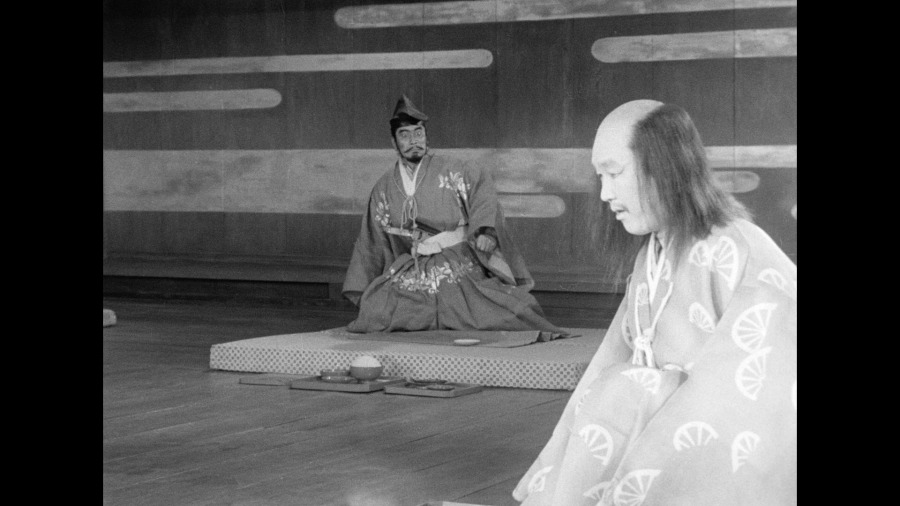
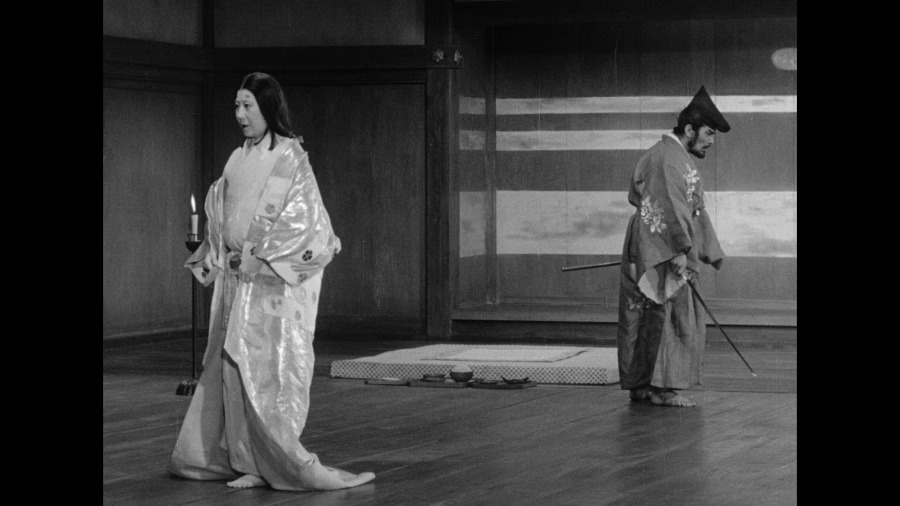
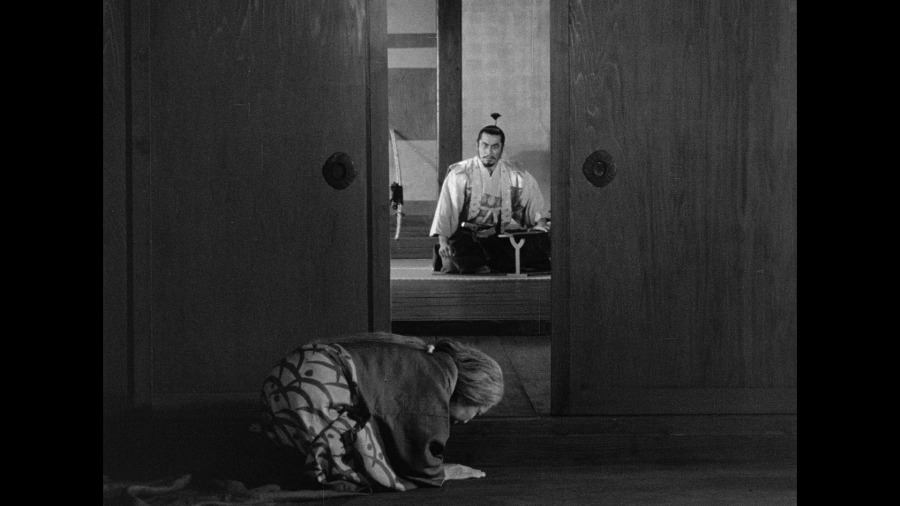
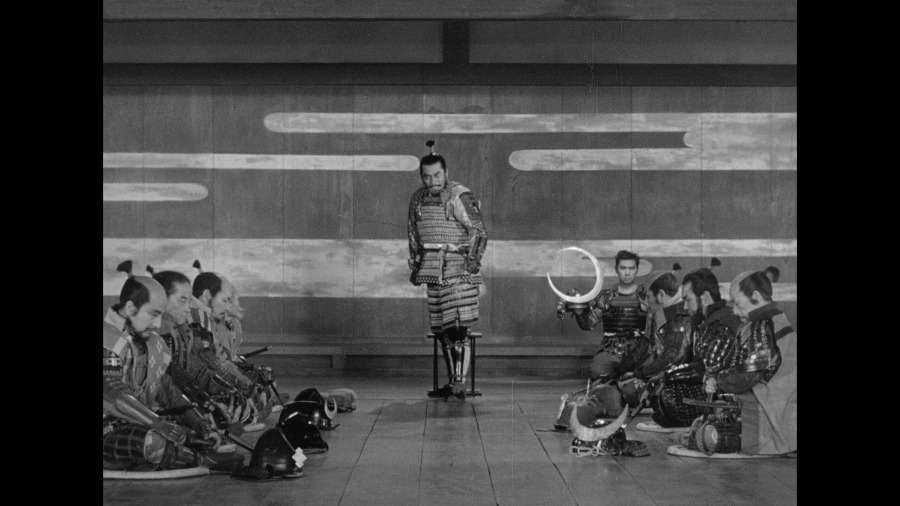
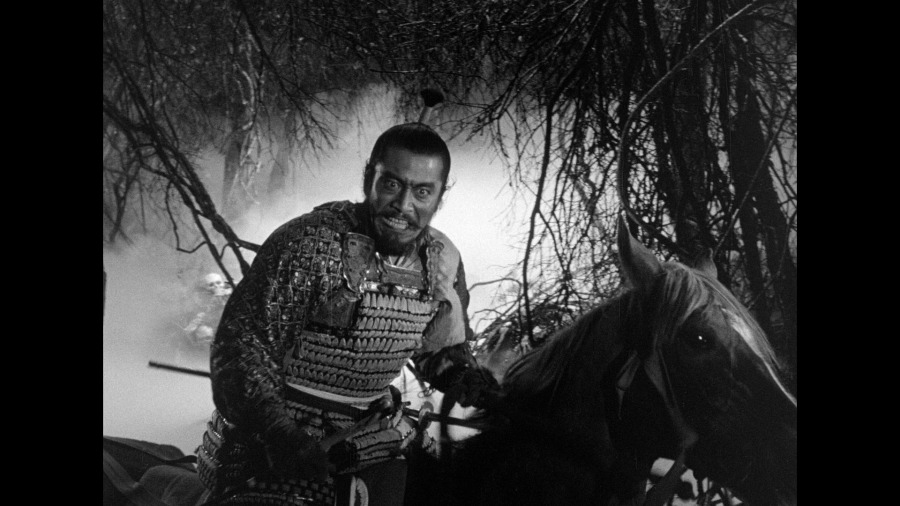
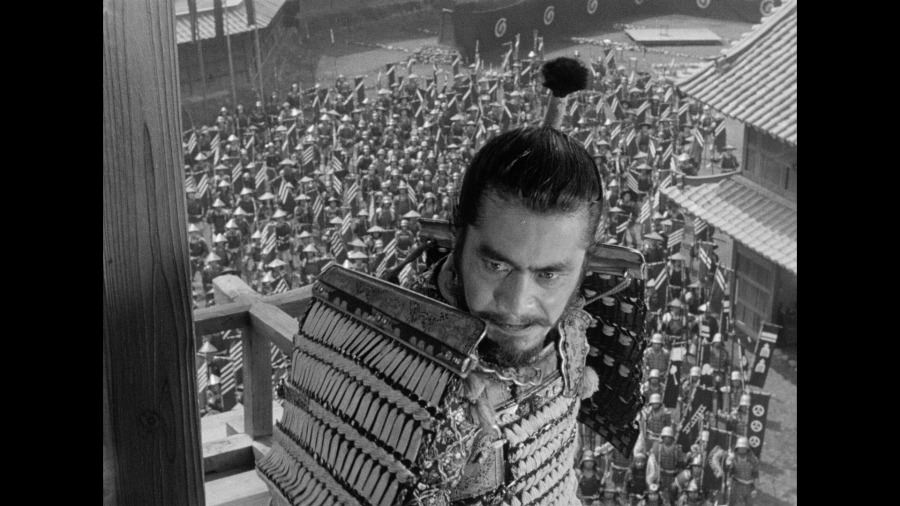
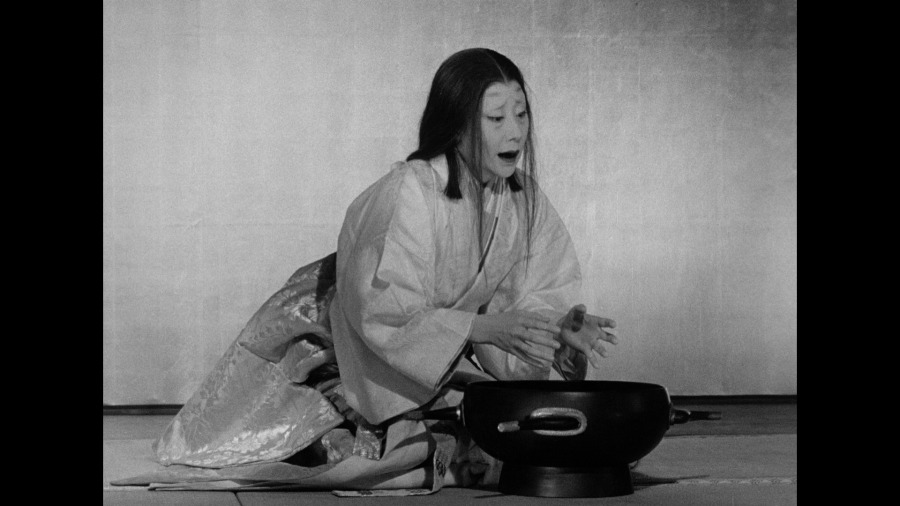
Audio 6/10
The audio found on neither the Blu-ray’s PCM 1.0 and DVD’s Dolby Digital 1.0 mono tracks comes off as tinny as the original DVD’s audio track but the audio remains flat and lacks depth. Some dialogue sequences still come off a bit edgy, as does music. Though age does limit it the restoration work is still very good, and I don’t recall any background noise or other instances of damage.
Extras 6/10
Criterion carries everything over from the previous DVD edition and even adds on a new feature to both the Blu-ray and DVD version of the film. The first feature is the option of two different subtitle translations, one by Linda Hoaglund and another by Donald Richie. To my understanding the Richie one is probably closer to older translations, while the Hoaglund one is a completely new translation. The Hoaglund one is the default and it’s meant to capture the more theatrical nature of the film. It's also quite stronger, sometimes more vicious. Richie's is also good as well but differs in that it is less stagey. It's actually fascinating to watch both versions because the movies end up being quite different, even though the same thing is being said 90% of the time, just in a different way. For example, Hoaglund has a samurai state an official has made a peace offering, while Richie's states he has offered to shave his head. Richie's translation usually gets more to the point, but I have to admit Hoaglund's is actually a bit of fun and does fit the tone of the film. Ultimately it will be up to the viewer.
The same audio commentary by Michael Jeck is also here. I wasn’t entirely fond of his track for Criterion’s Seven Samurai release (his commentary has appeared on all of Criterion’s releases of that film) but this one works a little more for me. Jeck talks about every aspect of the film, from its production history to it's set design and the members of the cast and crew. He gives little side notes and makes comparisons between the film and MacBeth. He also likes to mention possible symbolism in the film, but doesn't seem too concerned with it. With a number of anecdotes (including an amusing about a correspondence between Kurosawa and Laurence Olivier) he keeps the track going and everything he has to say is engaging. Well worth listening to. (I should mention that you should probably have the Richie subtitles up while listening to the commentary because Jeck's comments actually seem to refer to that translation.)
New to this release is another segment from the Toho Masterworks series Akira Kurosawa: It Is Wonderful to Create. The 23-minute piece looks at the making of the film, concentrating on the Noh Theater aspects to the film, even interviewing a Noh performer who examines its use in the film. There’s also a look at some of the technical aspects, from set design to the film’s thrilling climax involving a large number of arrows. Criterion has been sticking these on all of the Kurosawa releases that they can and yet again it’s strong inclusion.
The release then closes with the film’s original theatrical trailer.
The included booklet also appears to carry over everything from the previous release’s own booklet, including Stephen Prince’s essay on the film, and essays by both Linda Hoagland and Donald Richie on their respective transfers. All material appears to be the same between the two booklets.
The Kurosawa releases are rarely stacked and though this one does add more material not included on the original DVD release it still feels fairly slim. But between the making-of and Jeck’s commentary I still felt fairly satisfied with the material.
Closing
With one new supplement and an improved transfer (even on the DVD version) this dual-format edition comes with a high recommendation for either the DVD or Blu-ray version, even for those that own the previous release.
BUY AT: