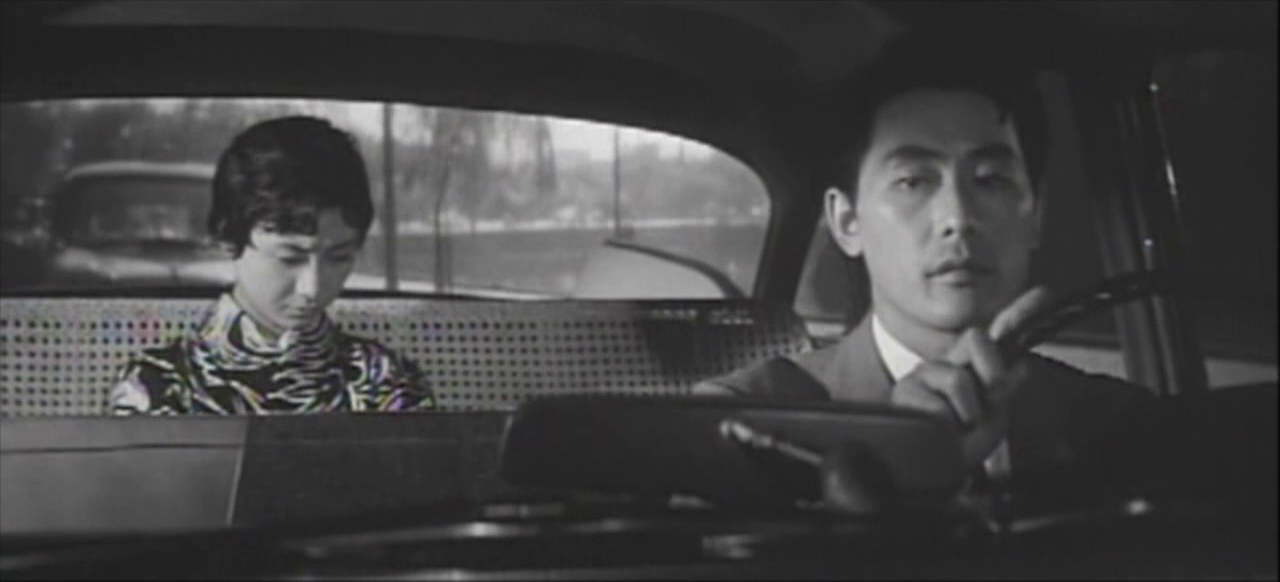
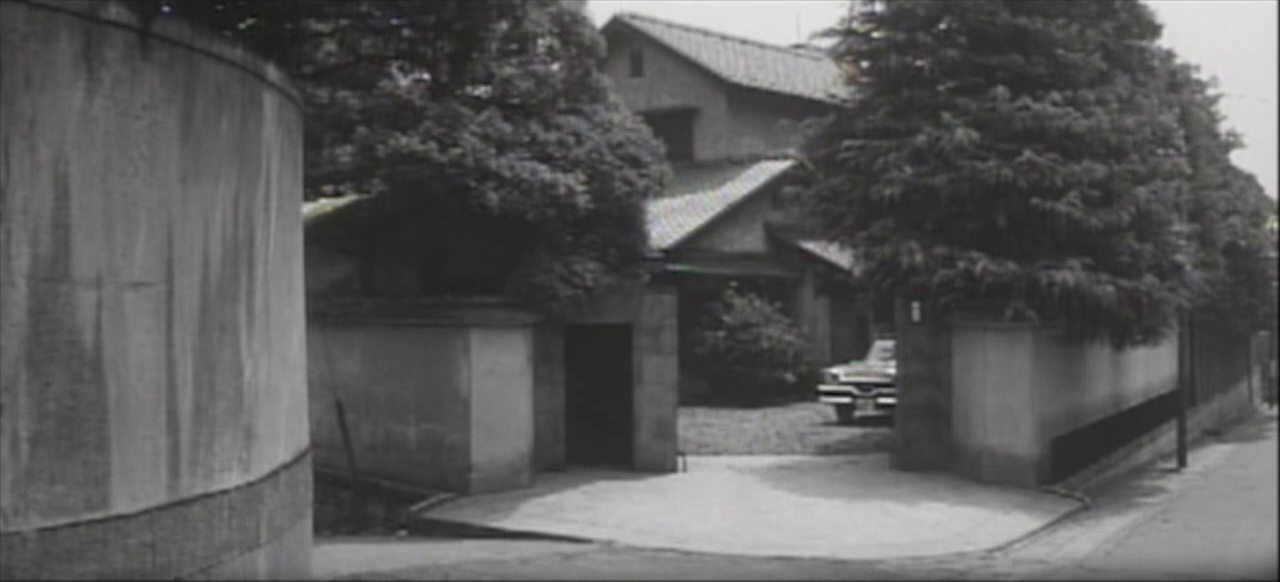
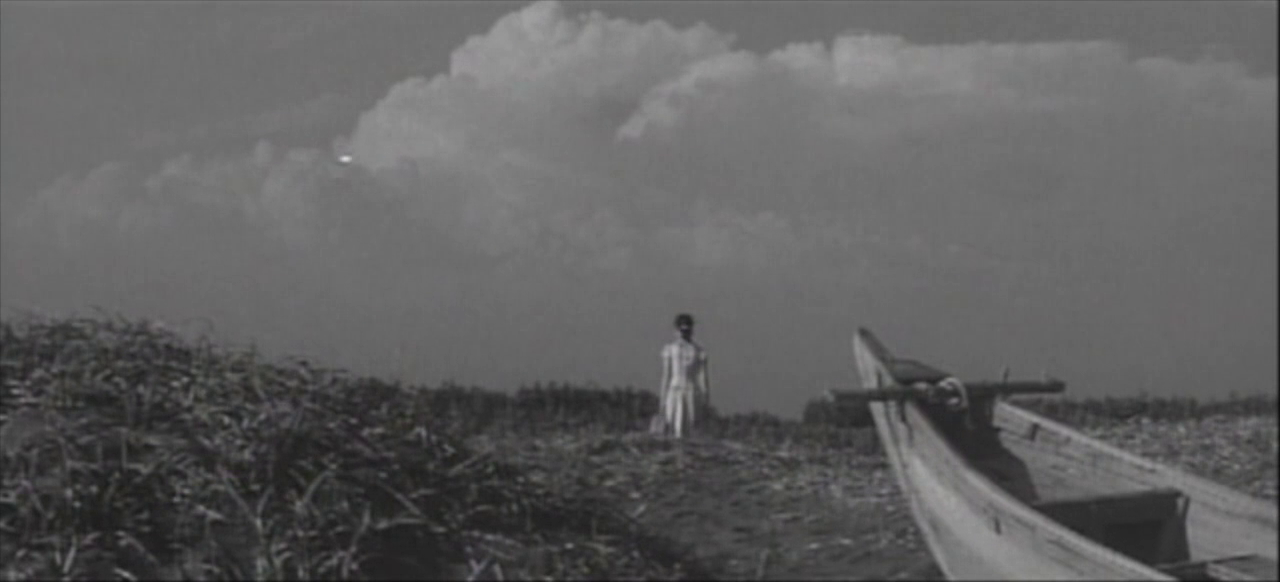
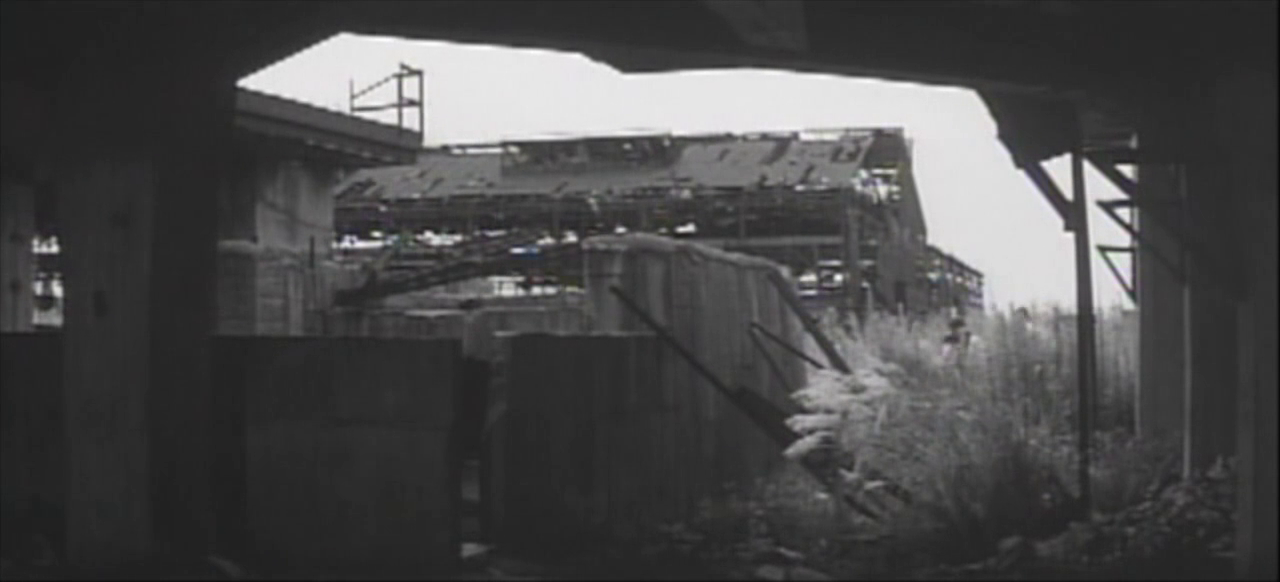
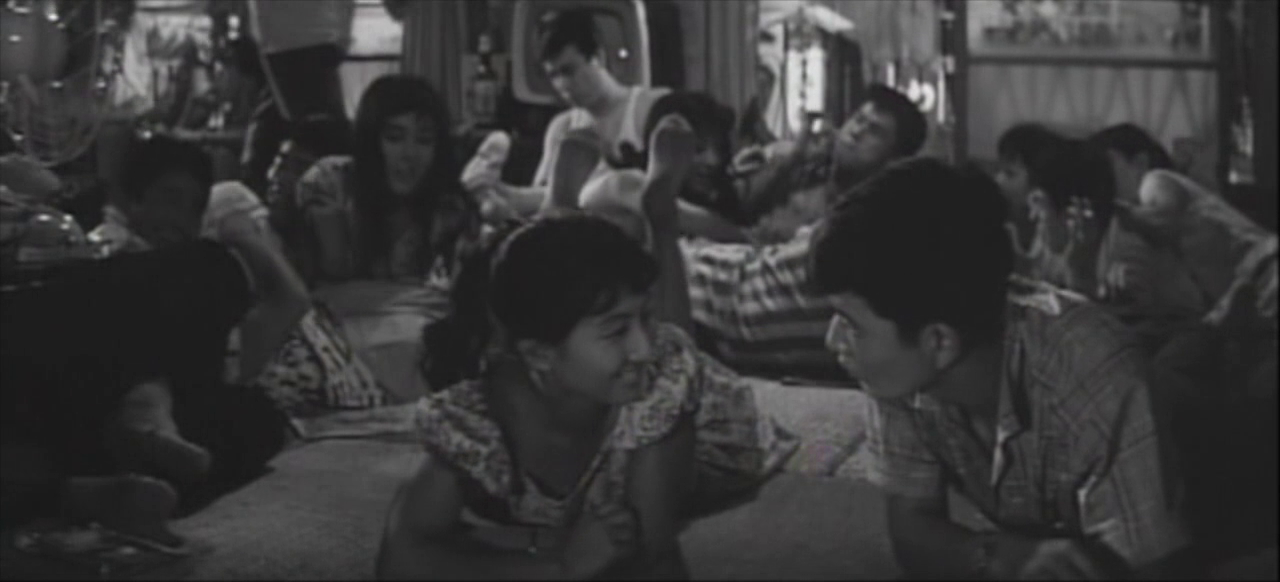
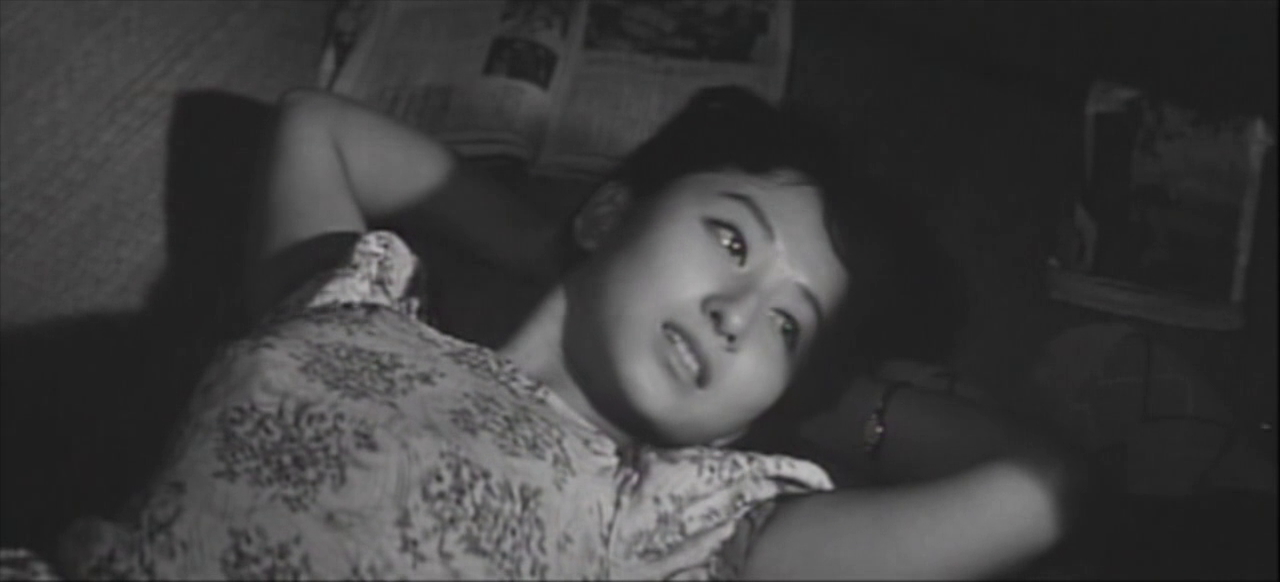
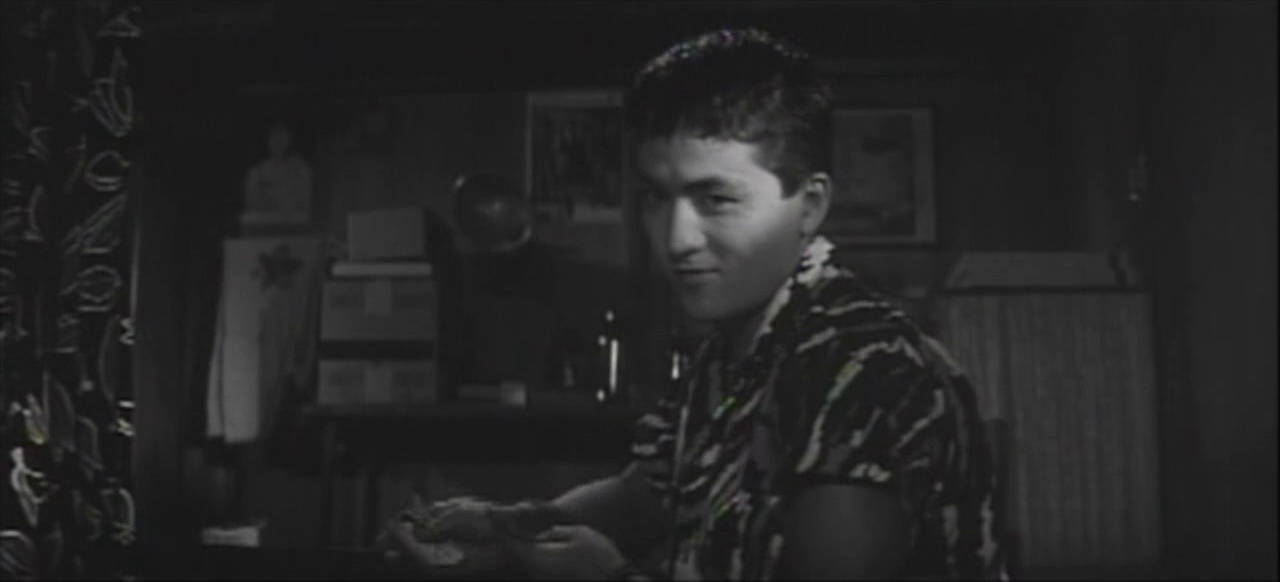
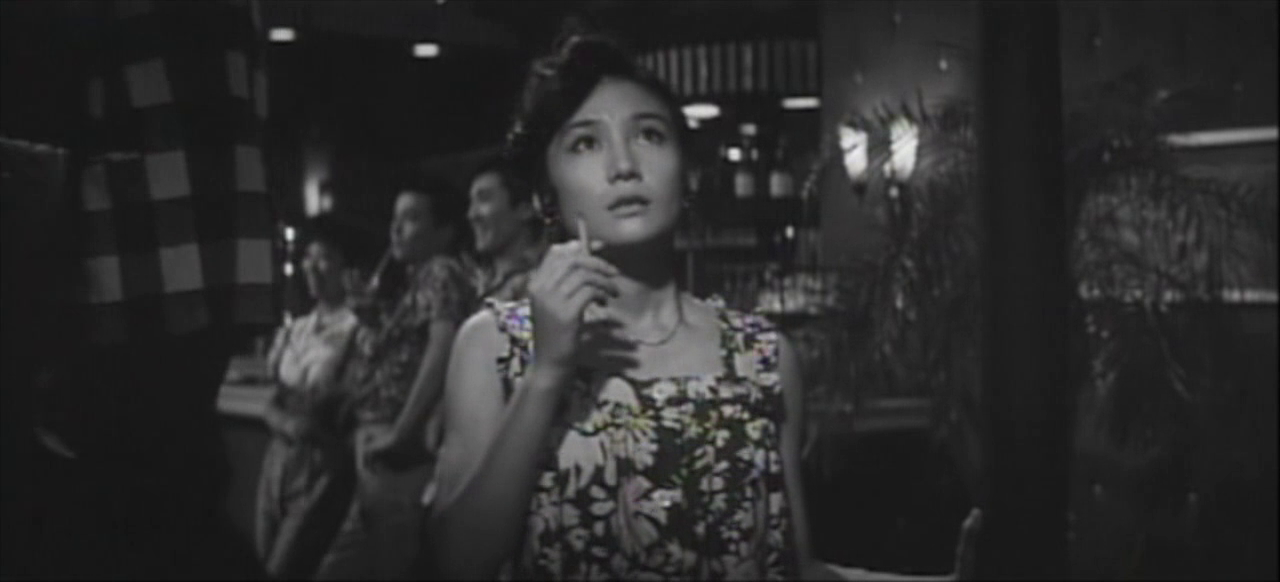
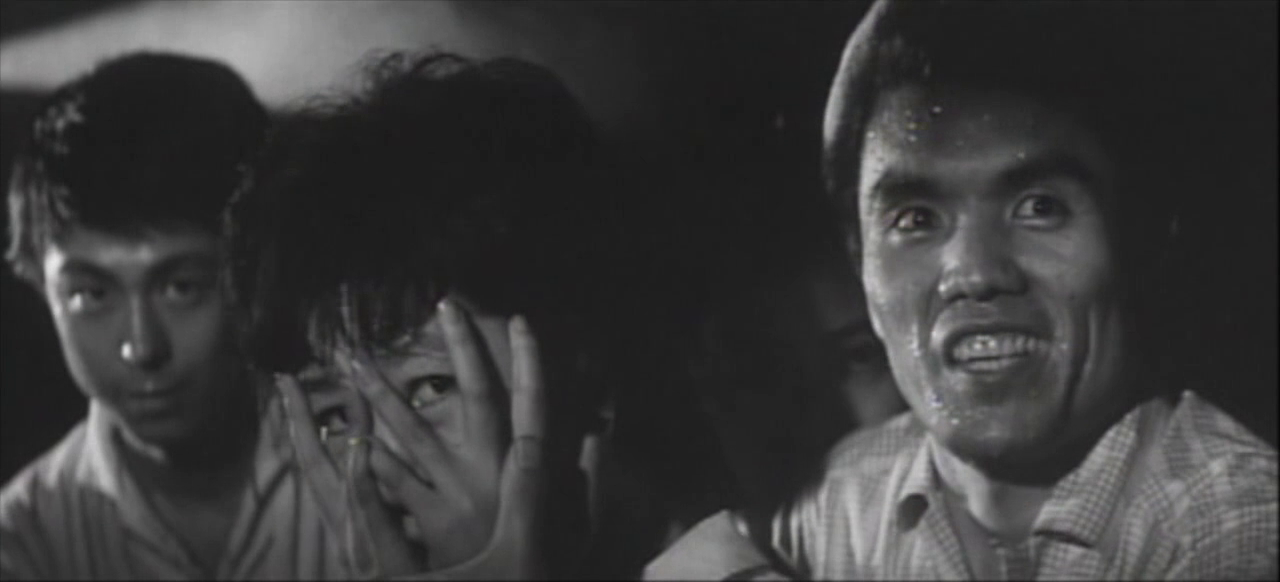
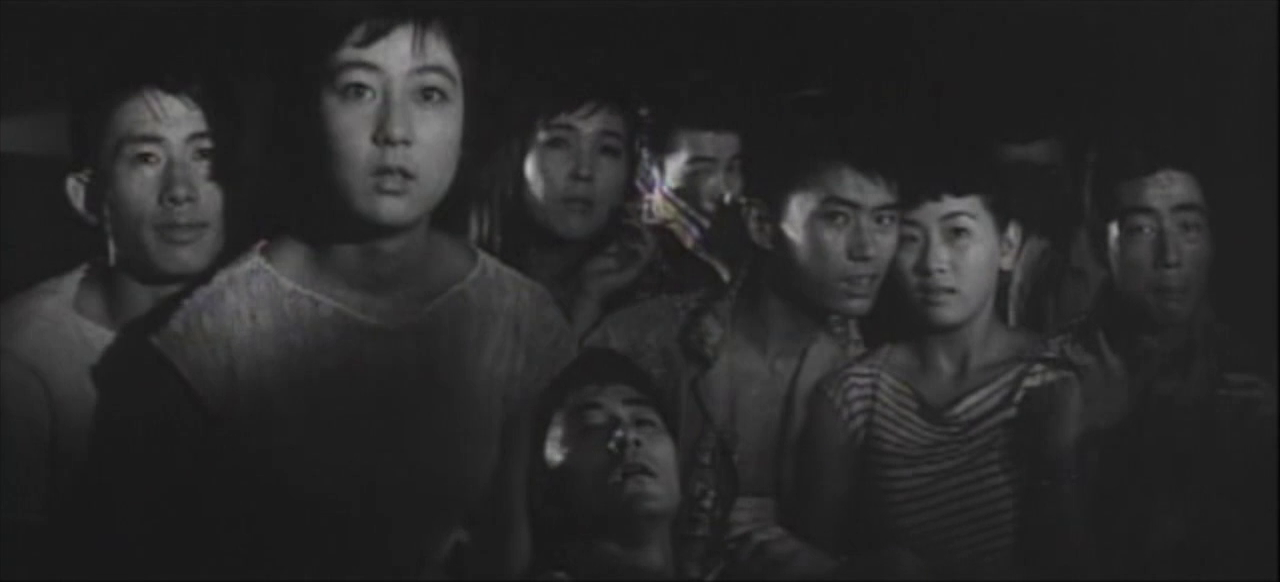
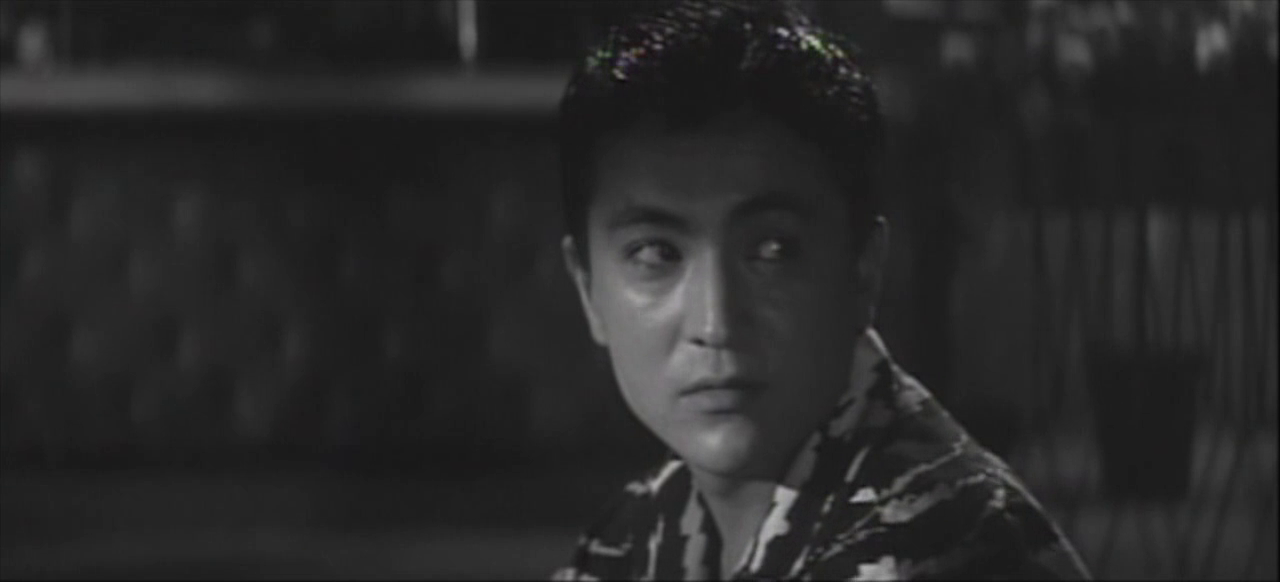
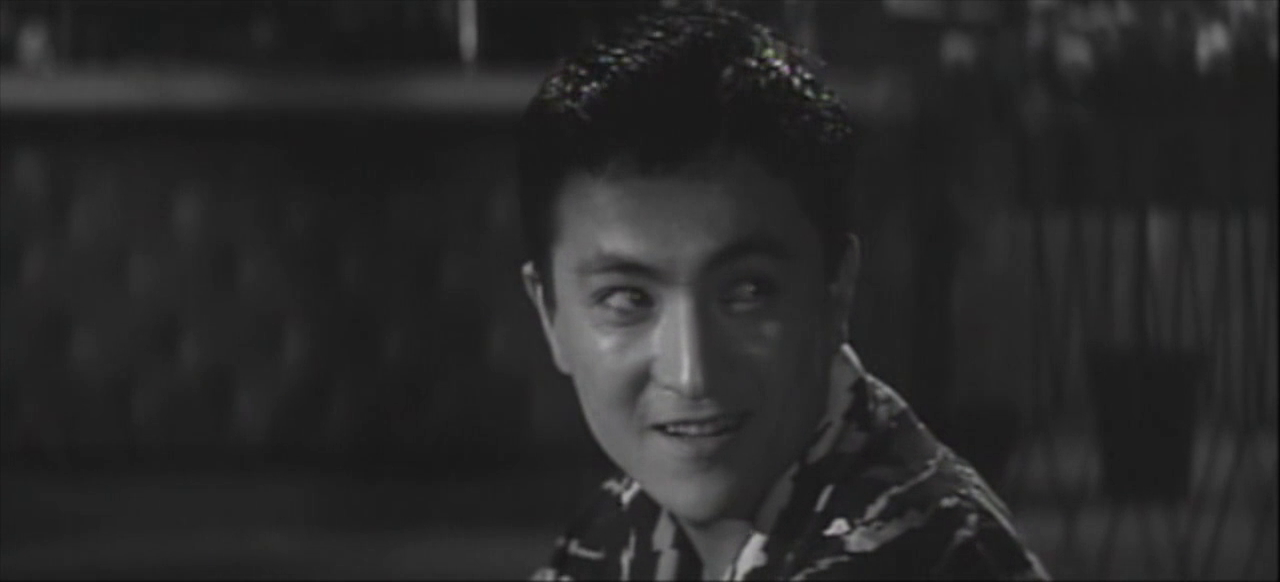
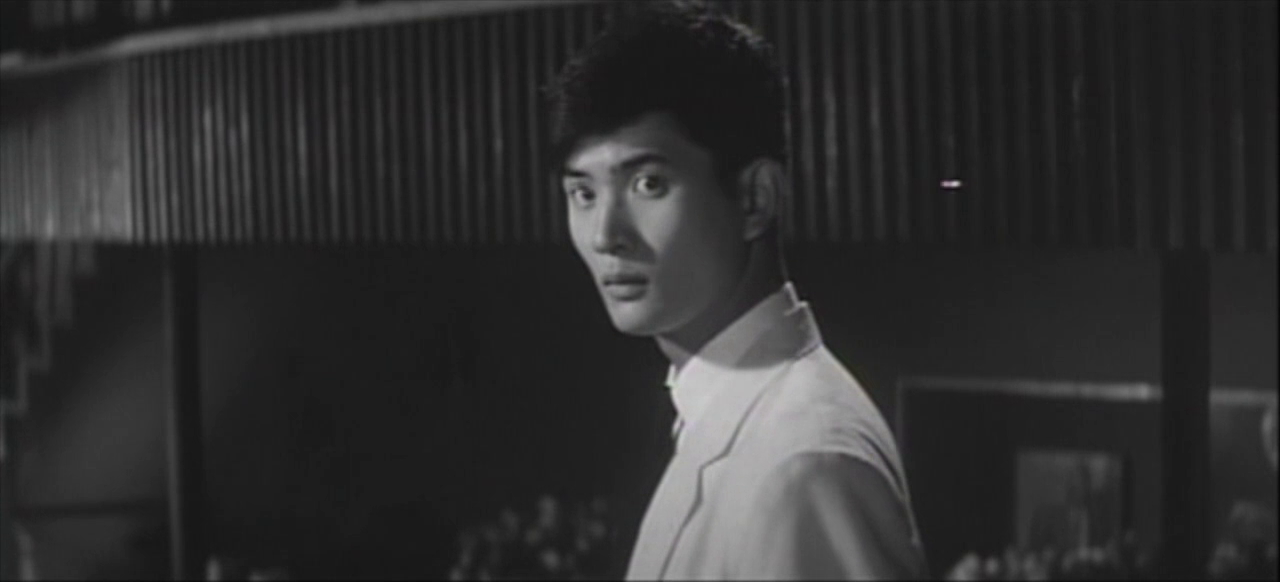
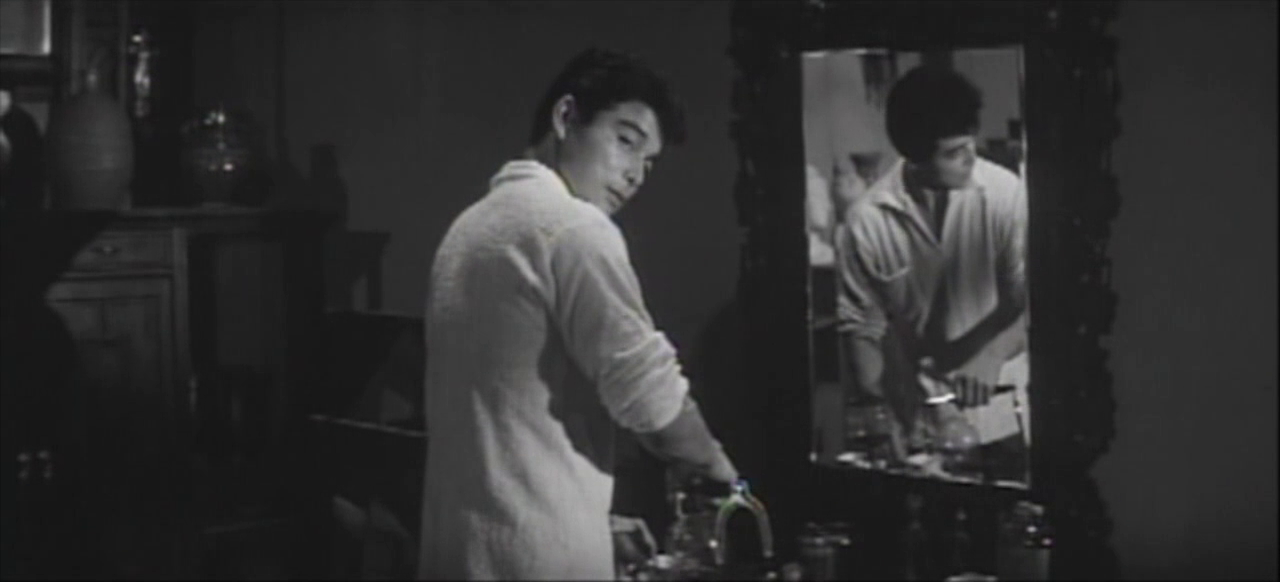
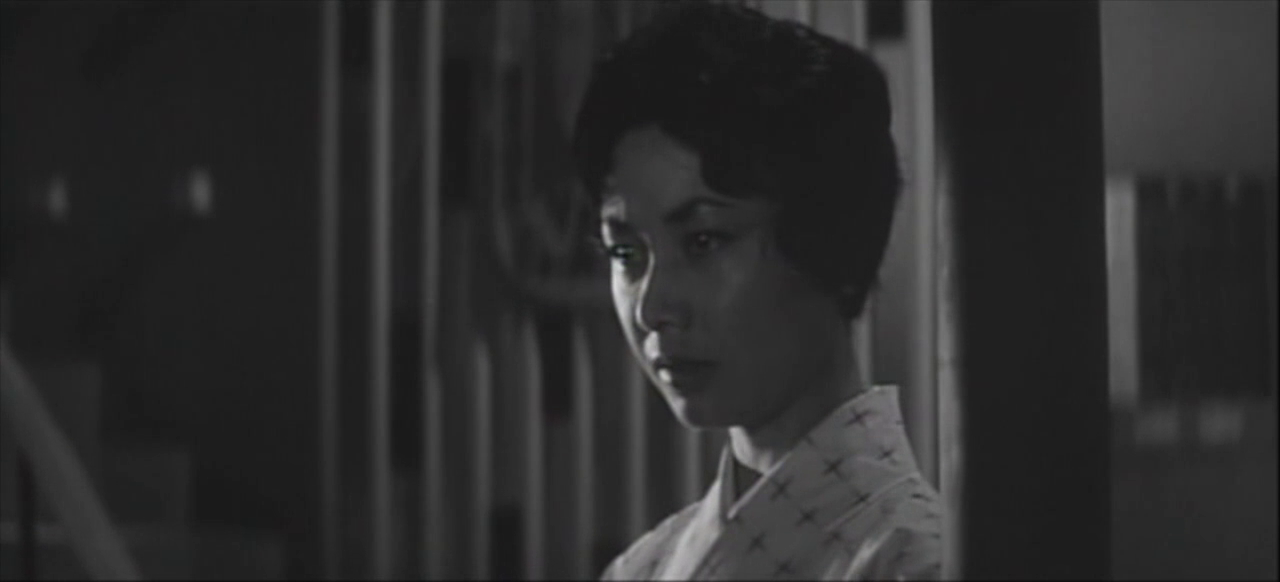
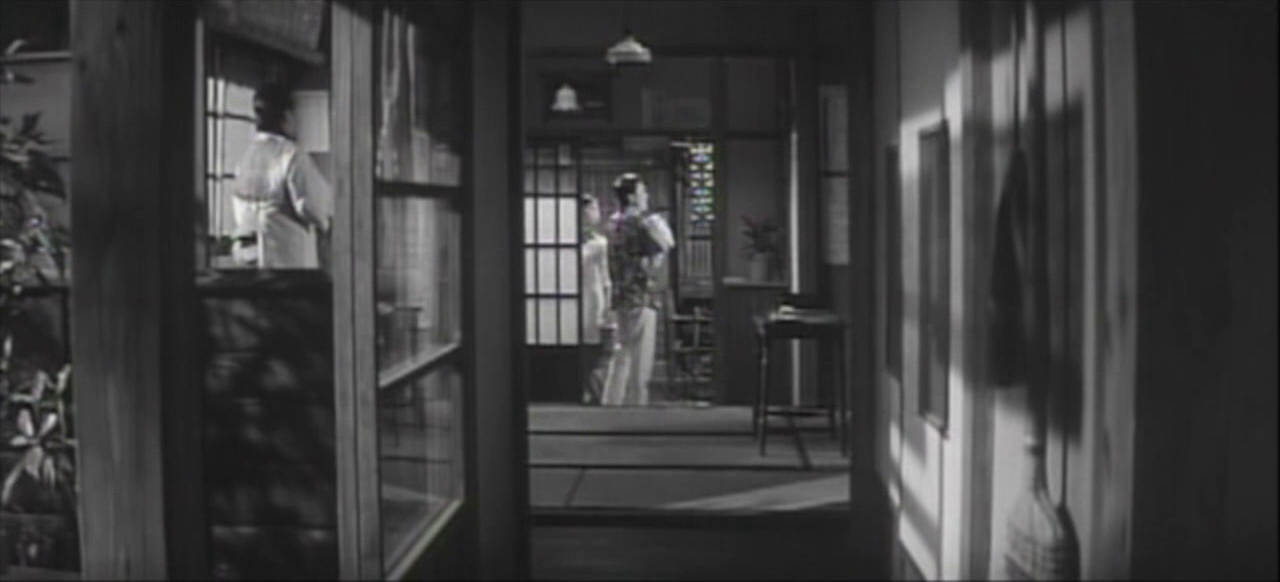
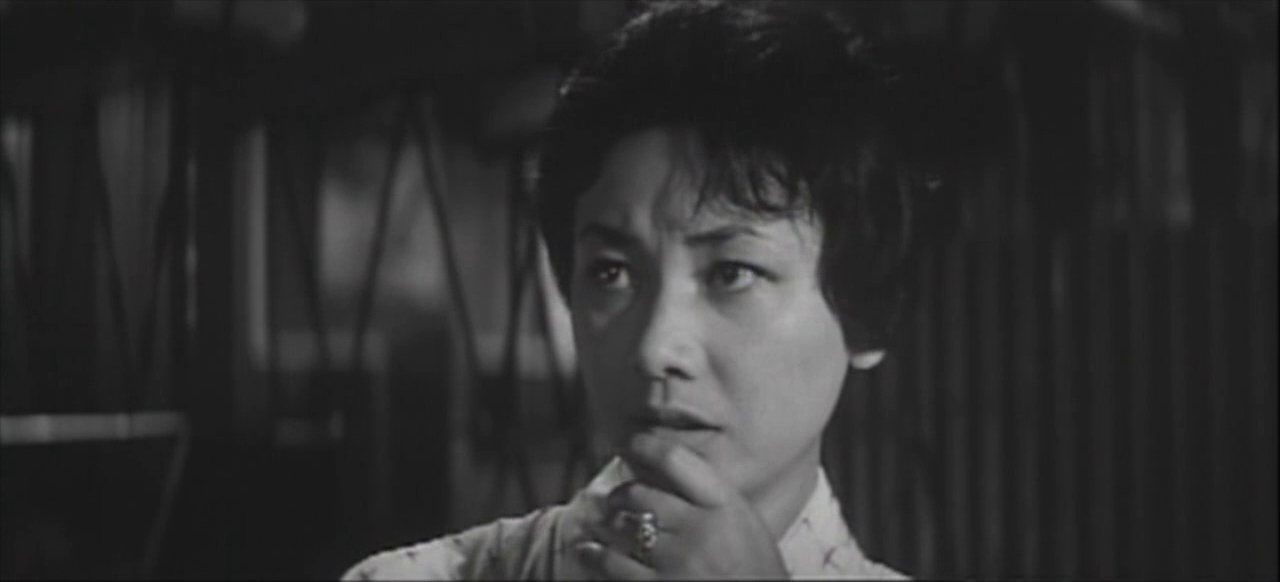
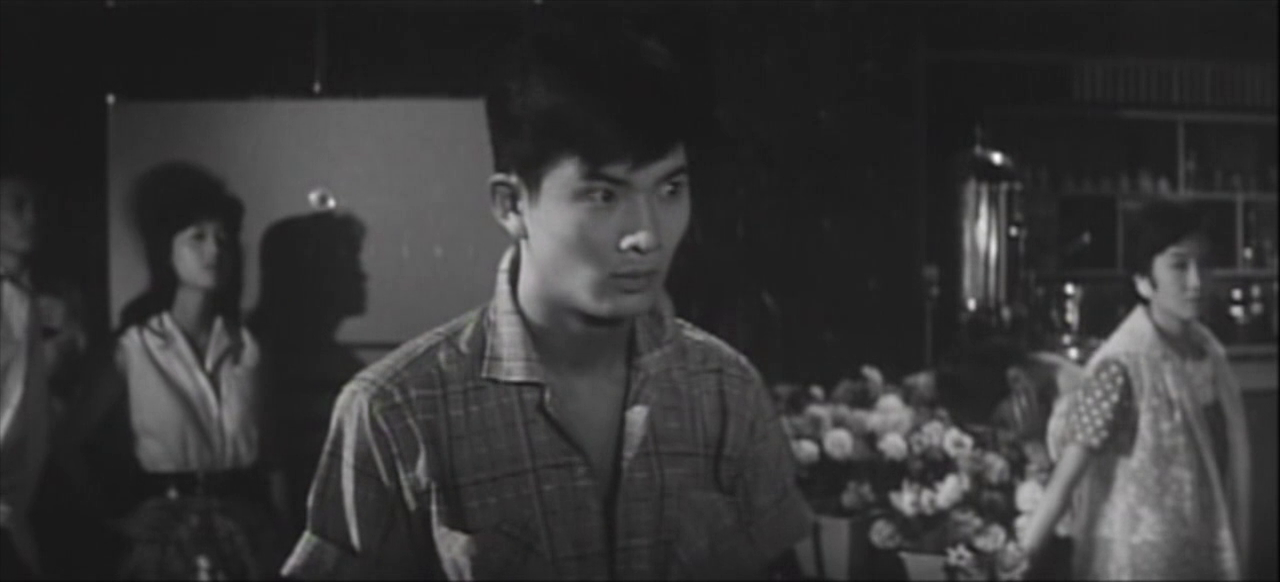
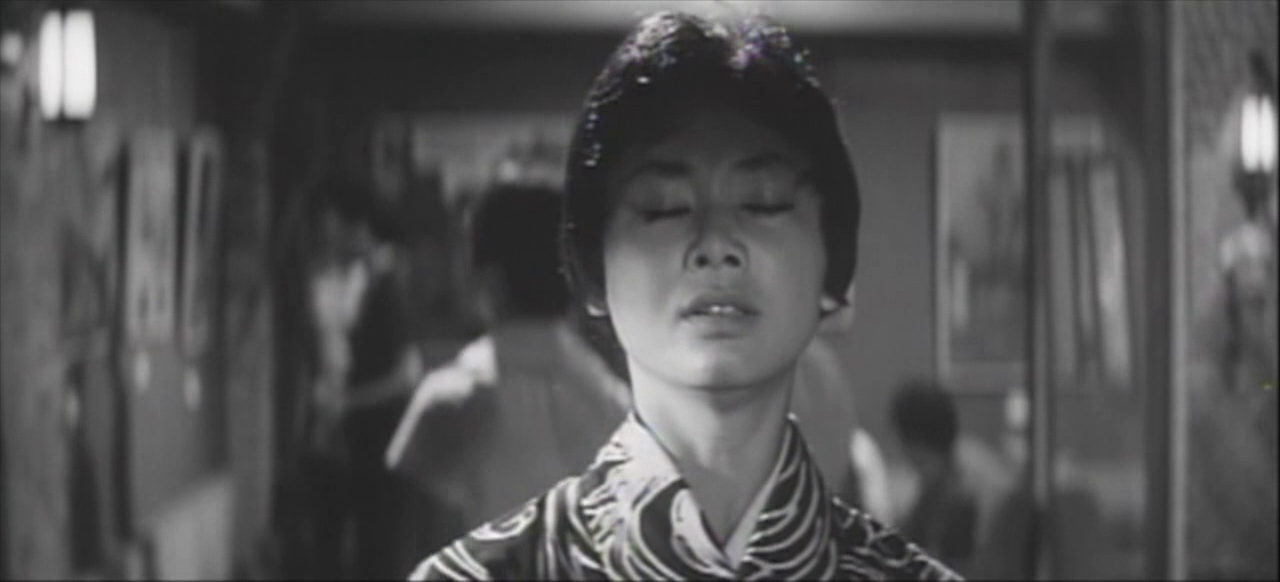
As we see in Underworld Beauty and in later films-–especially Everything Goes Wrong, which is made at a time when Nikkatsu is attempting to resurrect the moribund subgenre––Suzuki has a peculiar take on the Sun Tribe, which manages to make the censors happy without diminishing the violence inherent in the subject. Though if the Eiren spent a little more time scrutinizing Suzuki's pictures, they might discover that the reason they seem fundamentally palatable in spite of their violence is that Suzuki is discreetly casting the blame for that violence back on the society from which the Taiyozoku emerges––the hypercapitalist reformation of postwar Japan––so it might give the defenders of orthodoxy a little pause, all the same.
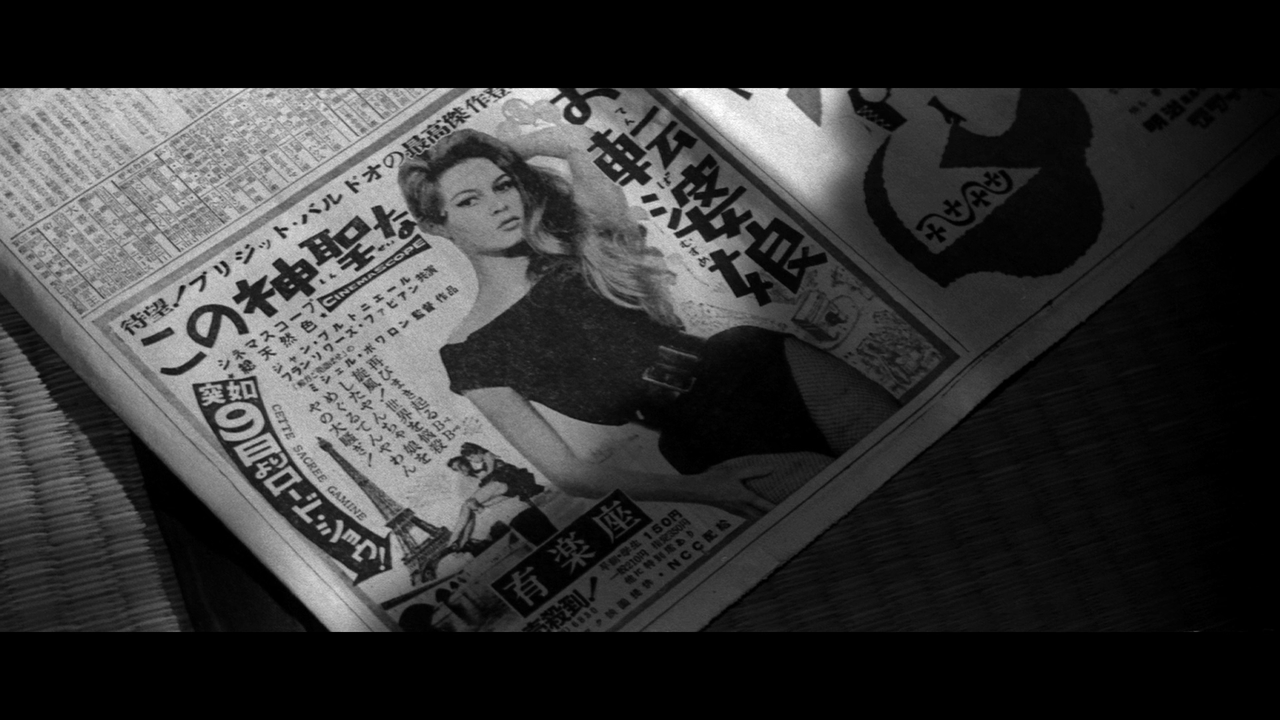
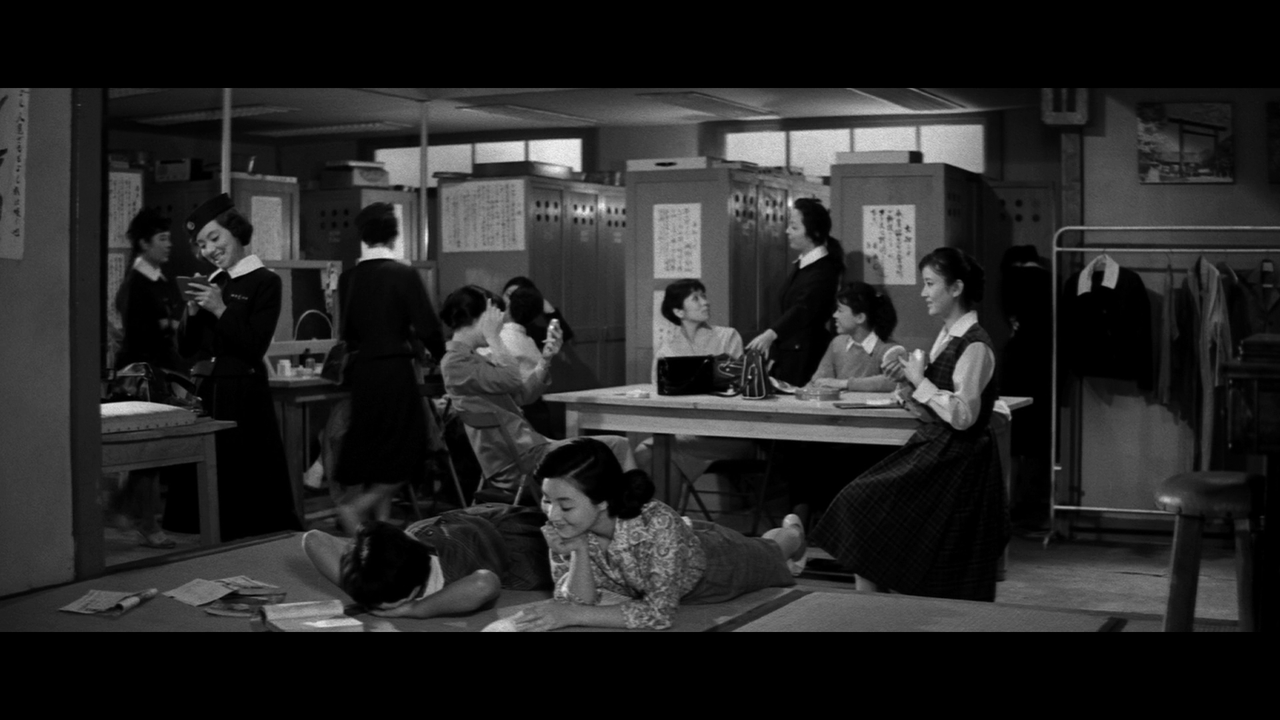
A lot of this is sub rosa in The Spring That Didn't Come, which is outwardly one of the most conventional of Suzuki's Nikkatsu pictures, and which maybe seems the least like something he might create if left to his own devices. But there was some form of precedent, in the Nikkatsu top brass' thinking by assigning this to Suzuki. As in another more conventional-seeming film of the period, Love Letter, Suzuki is being tapped to create a made-to-order melodrama, apparently utilizing his perceived skills with the genre, which were believed to come from his particular filmmaking lineage.
OFUNA MELO
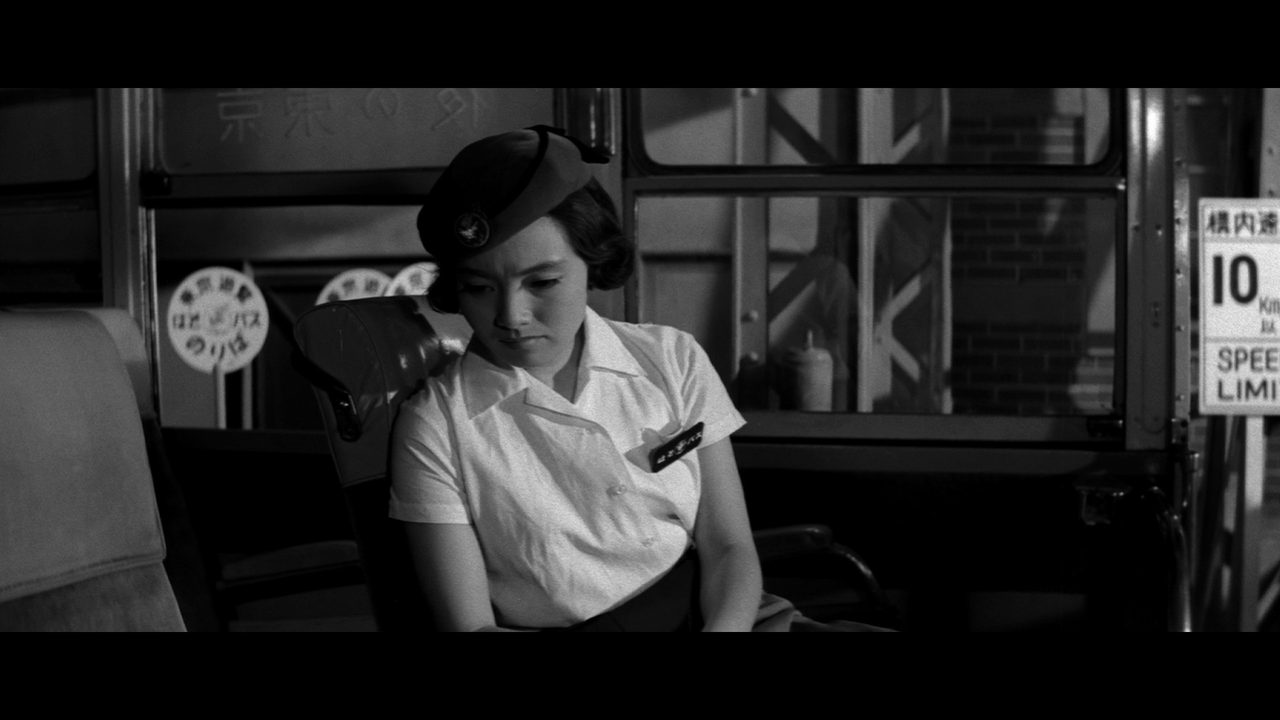
Unlike most of the discontented Shochiku assistant directors who were Suzuki's peers (Oshima, Yoshihige, Shinoda, Immamura, Kurahara, et al) Suzuki spent a lot of his time as an AD in that company's satellite studio in Ofuna. The Ofuna studio was famous for melodramas, and at Nikkatsu it seemed Suzuki was thought the inheritor of that style. Nikkatsu had others amongst its young directors it thought of as specialists––that hack, Buichi Saito, was thought to have capacity for domestic realism from his time as assistant director under Ozu. But the company more often contrived to have these filmmakers work in one of it's more popular house genres, incorporating the touch of whatever experience they had picked up elsewhere. That's why Suzuki more frequently ends up incorporating melodramatic elements into films of other genres––into noir fare like An Inn of Floating Weeds, or into Taiyozoku revival fare like Everything Goes Wrong, or into a yakuza movie like Kanto Wanderer.
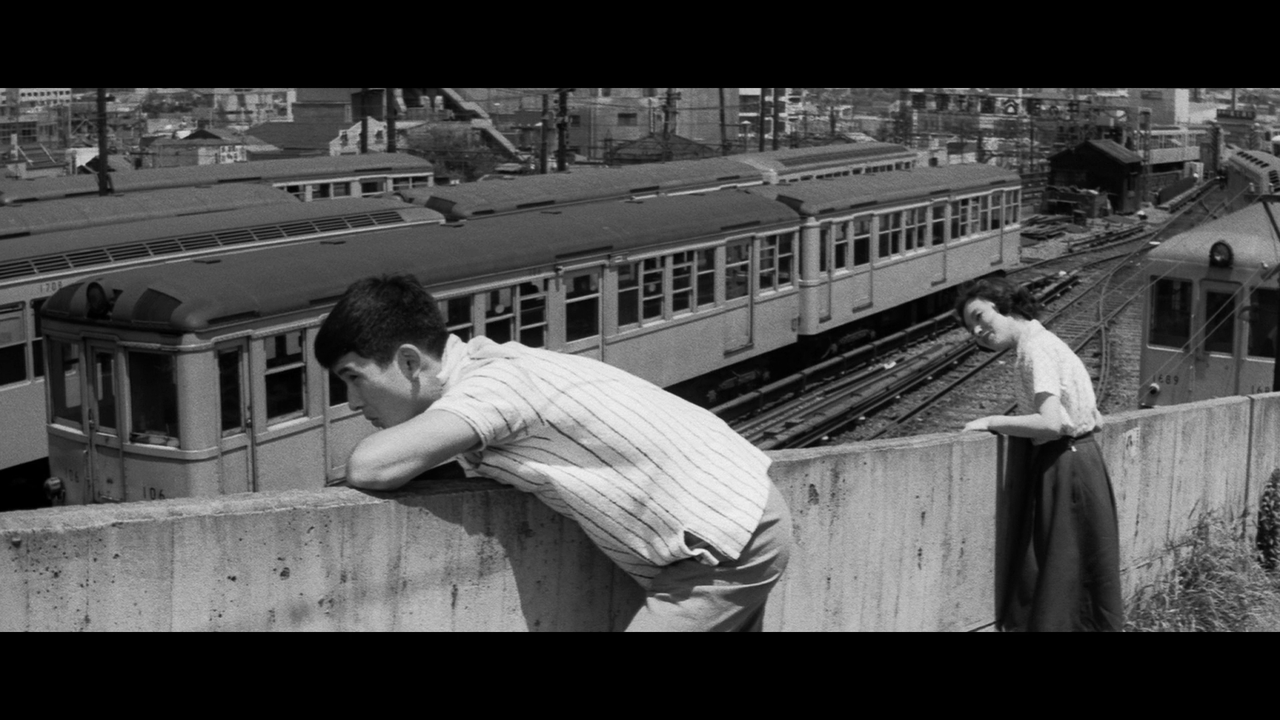
But in this case, Suzuki is being promoted, sort of––or more likely, the studio is attempting to "fit" him into a specialty of some dependable genre. Suzuki's mentor, Noguchi, is always directing hard-boiled crime pictures for the studio. That hack, Buichi Saito, directs a lot of the borderless westerns. Umetsugu Inoue becomes known for musicals. Immamura becomes the studio's "art movie" director, doing Nikkatsu's equivalent of the "Nuberu Bagu" or "New Wave" films coming out of Shochiku. Suzuki had just done well with the hard-boiled noir Nude Girl with a Gun––his first box-office hit––and Nikkatsu responds here by giving him a bigger budget and the biggest stars he's had yet, maybe hoping to make him their in-house melodrama guy.
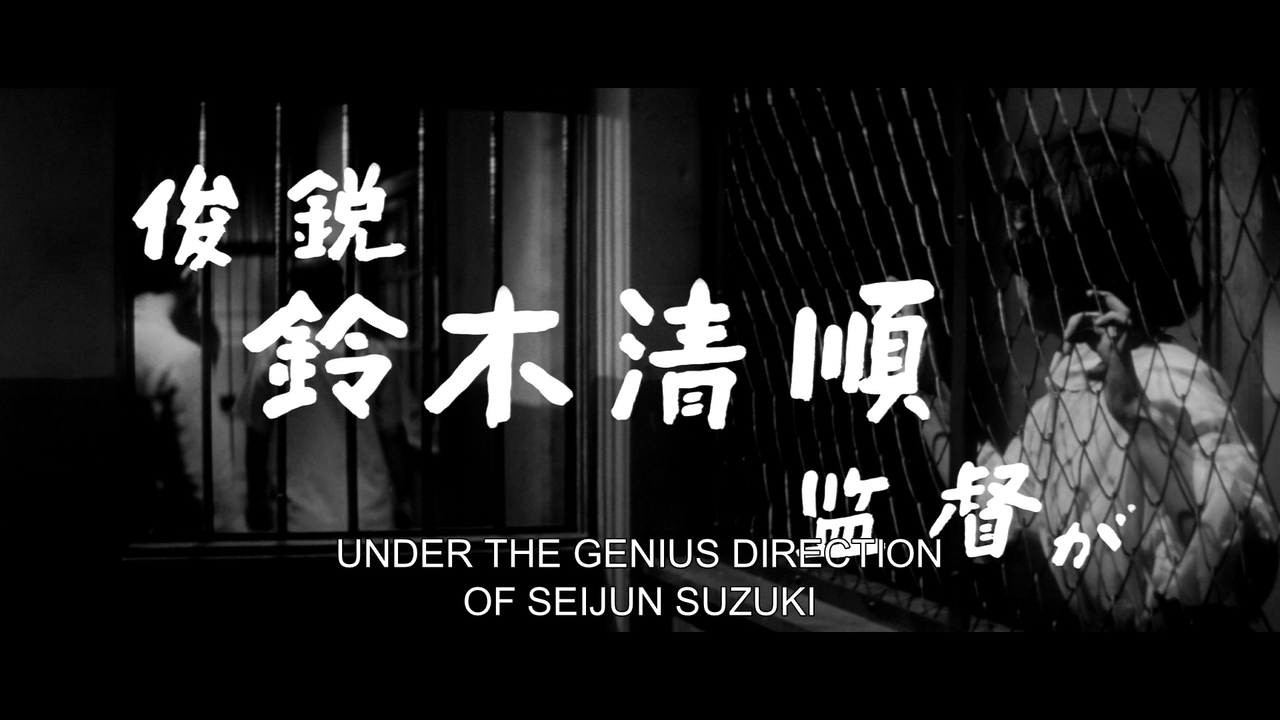
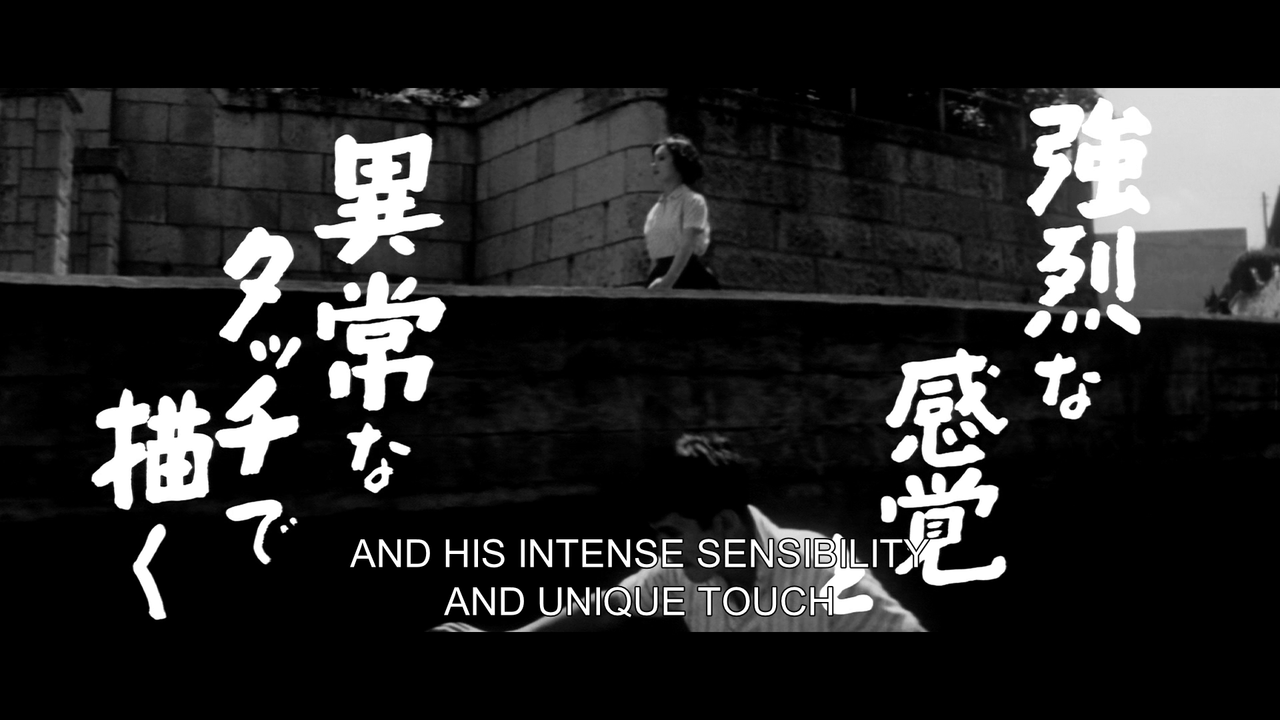
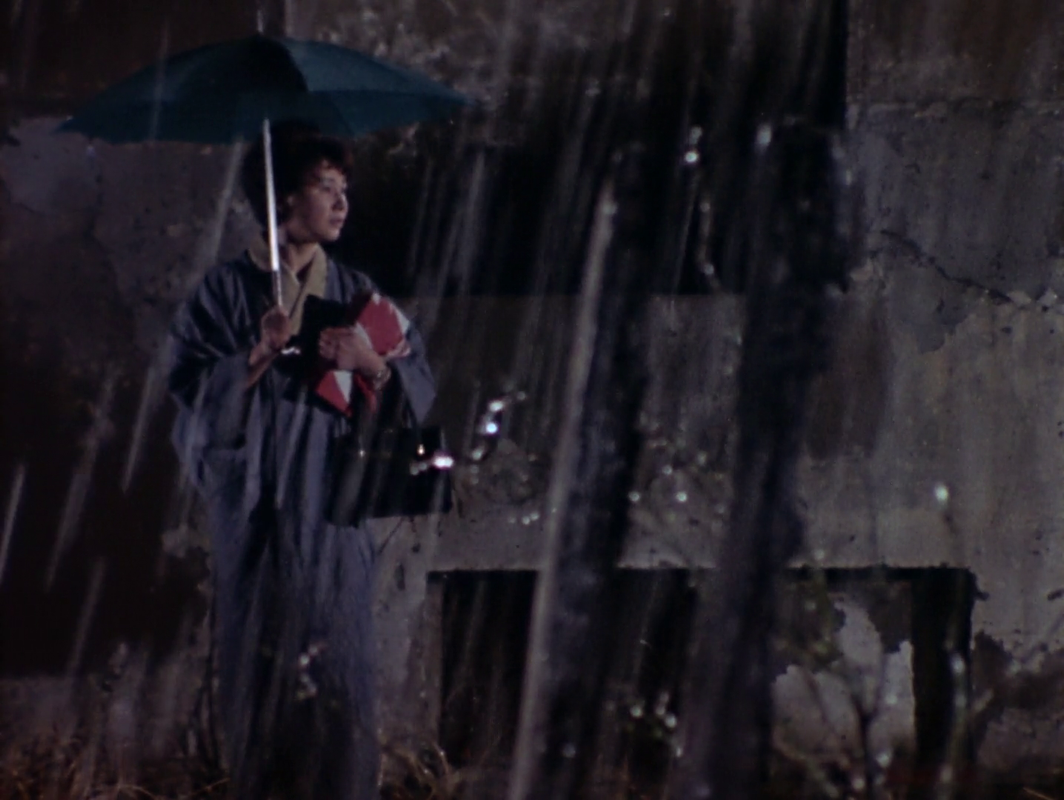
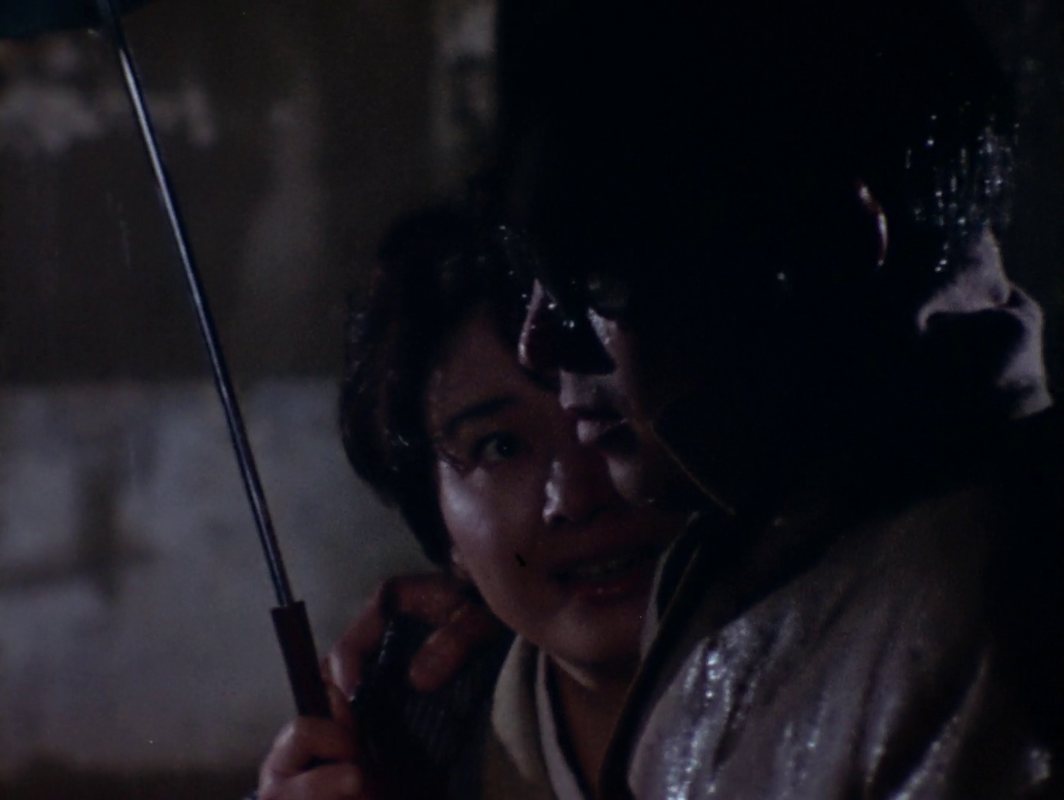
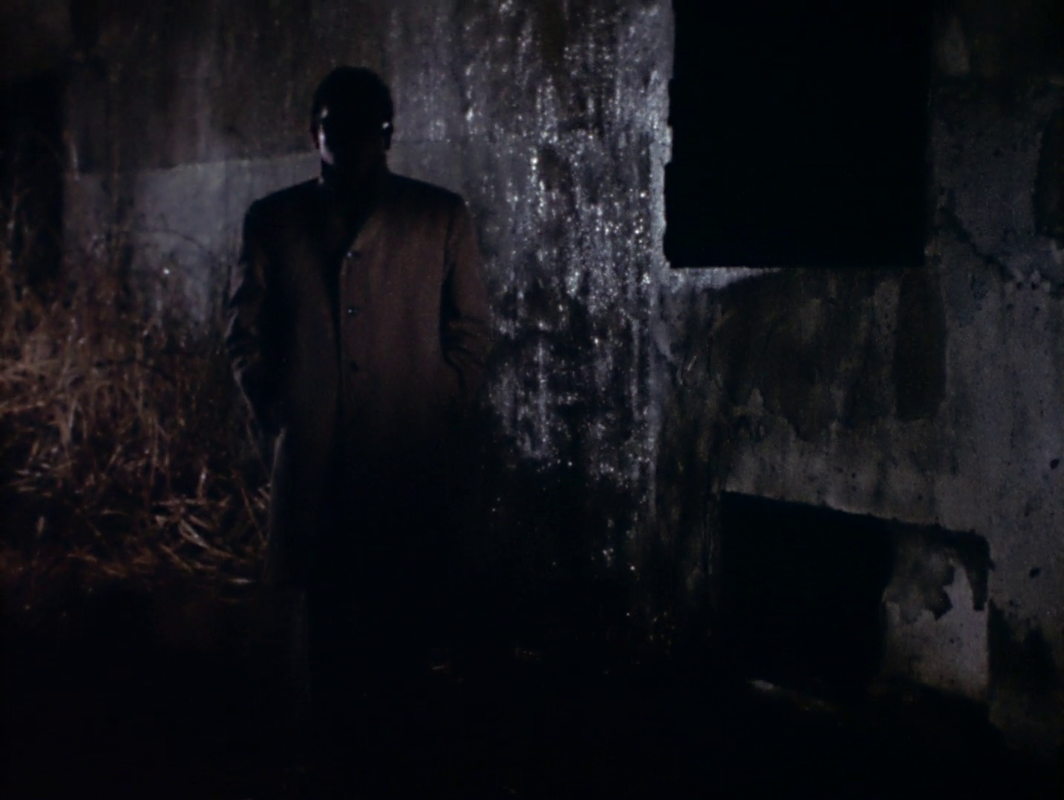
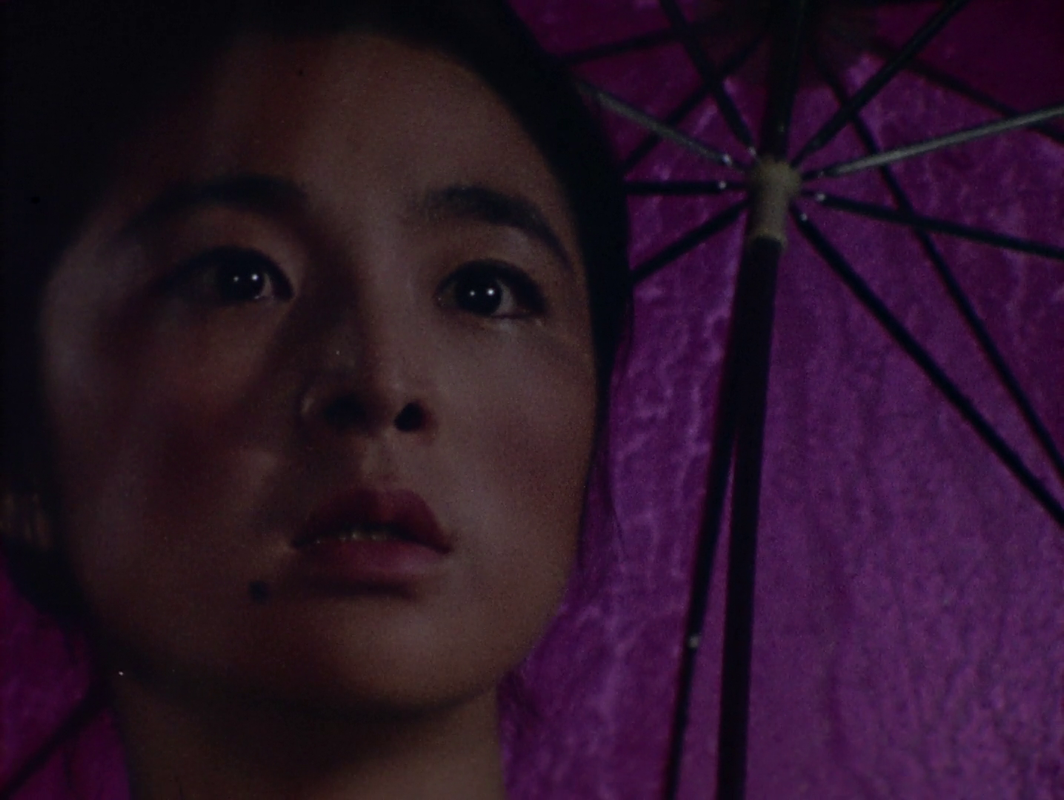
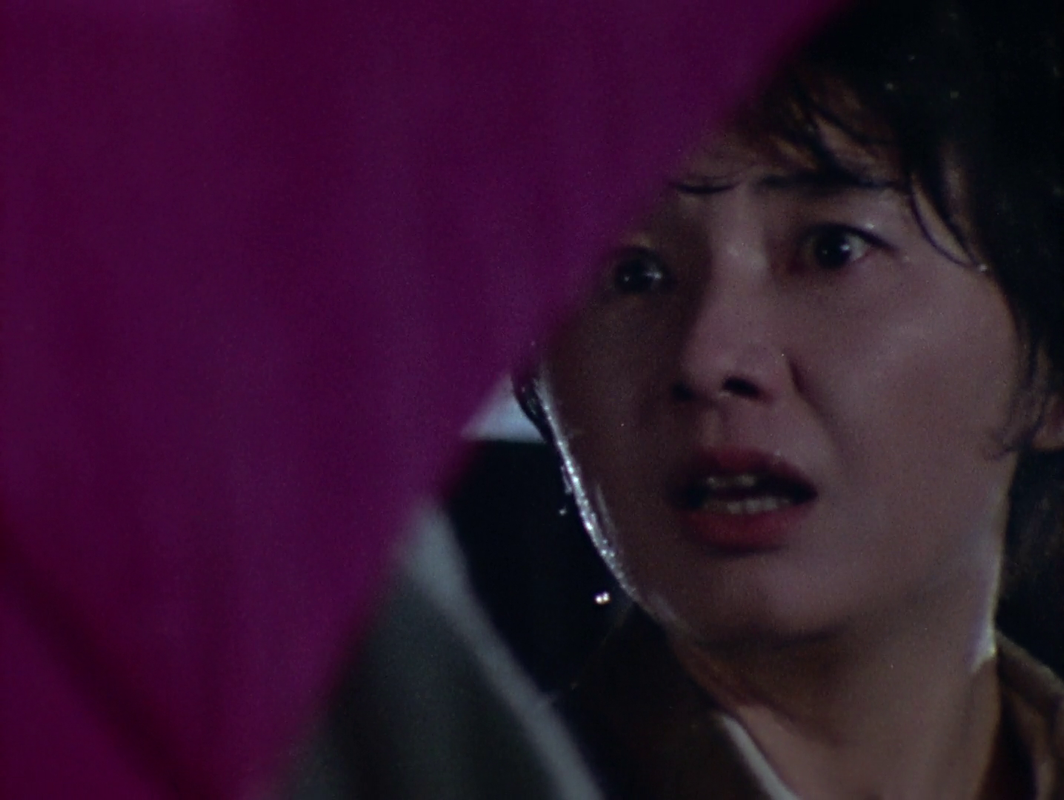
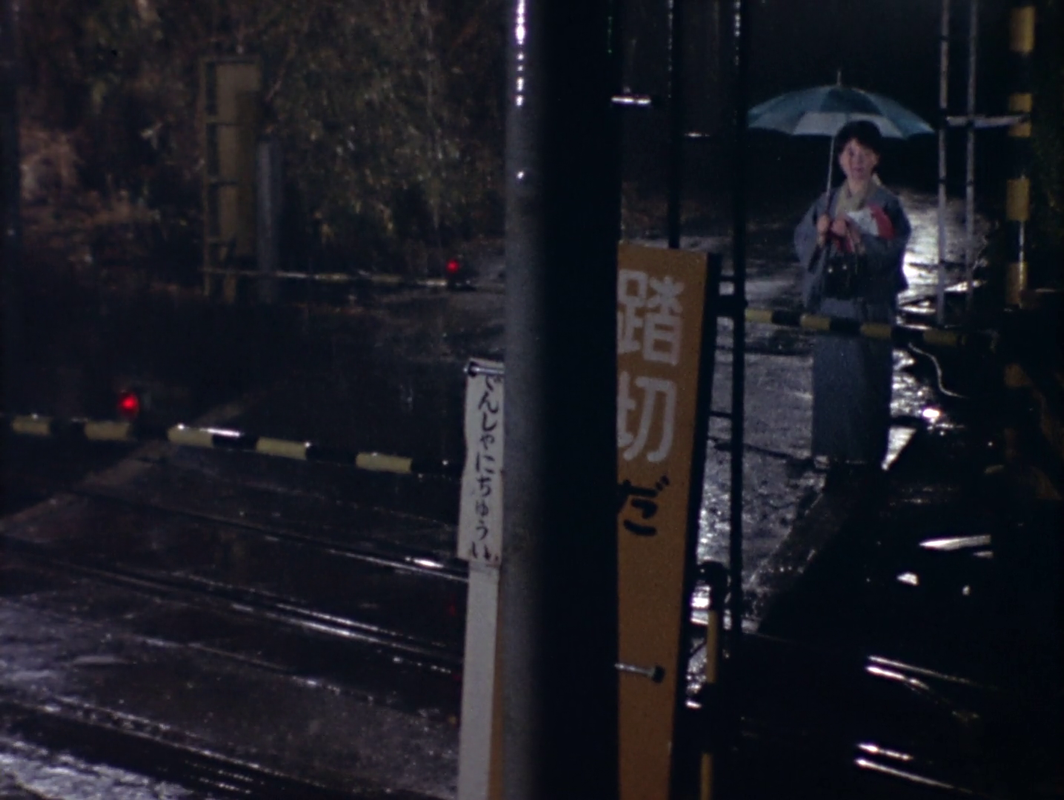
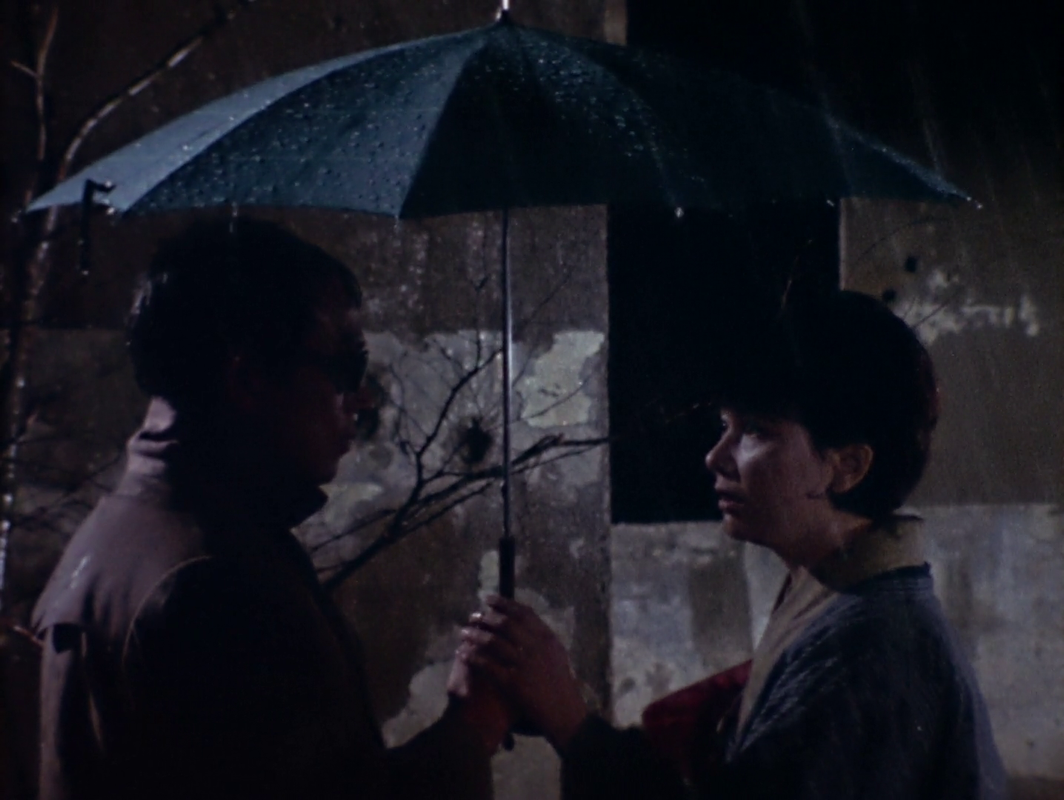
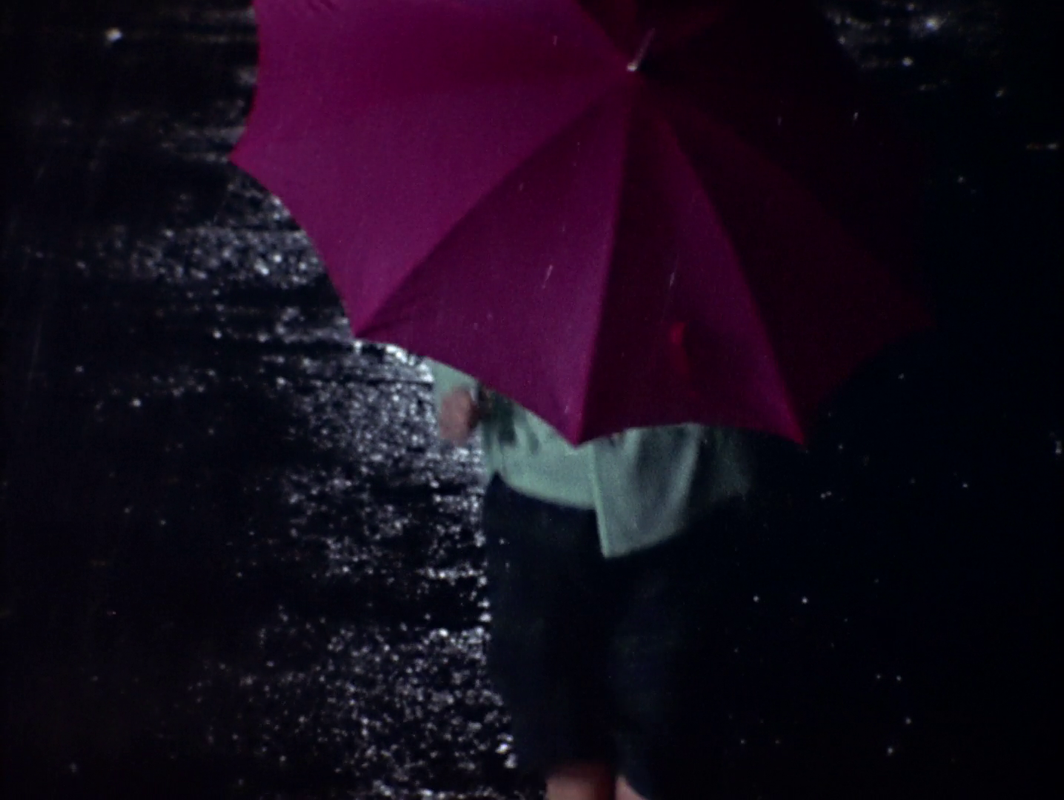
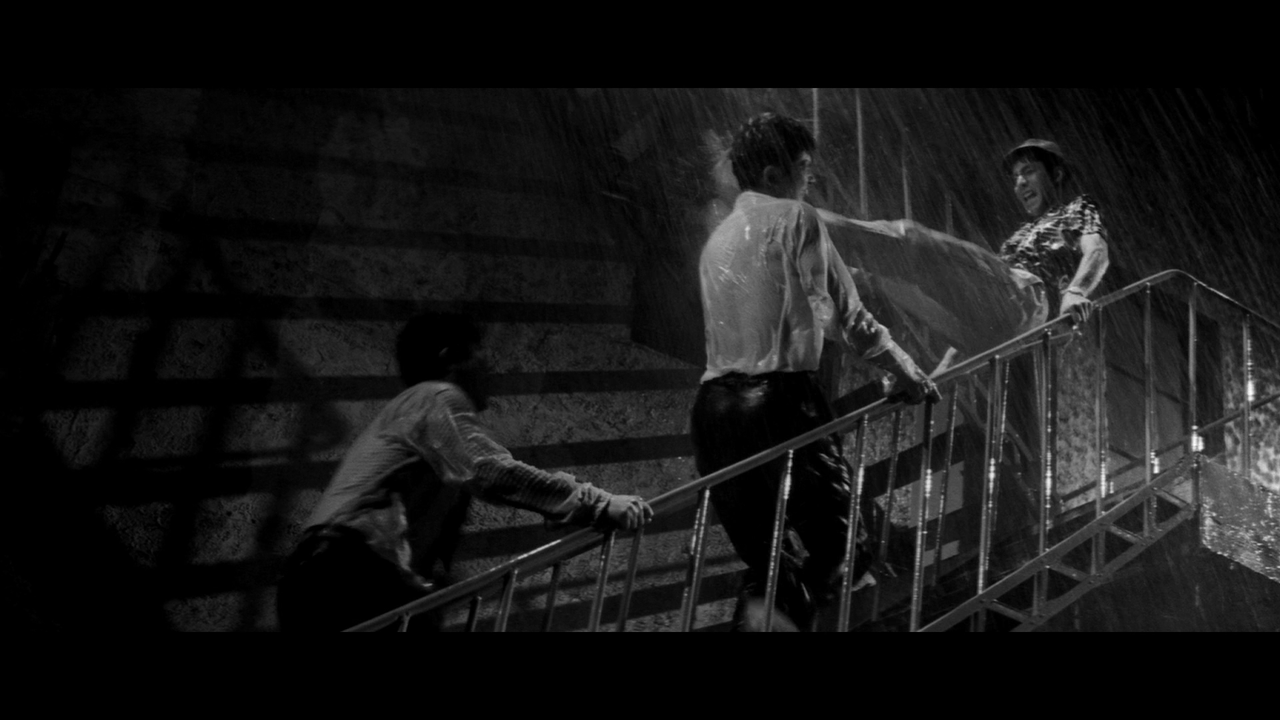
The Boy Who Came Back is full of expressive new crane shots. It utilizes conspicuously metaphorically-charged rain effects, has more fight scenes than were common for Suzuki's movies of the time, and the trailer for the movie makes an eye-opening note, with a text card advertising "the genius of director Suzuki Seijun" as one of the film's special features––this at a time when no critics and really no audience members were familiar with said genius, even if they had seen any of his films.
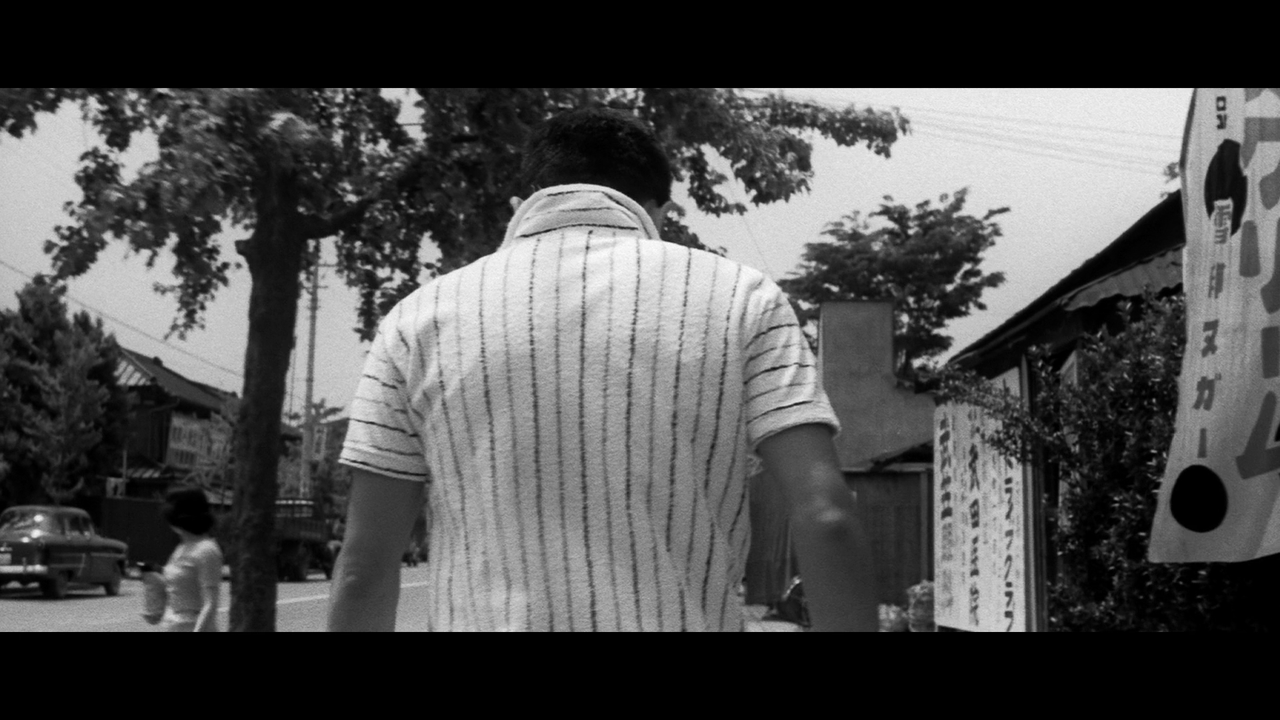
I kind of wonder if this wasn't the work of some specific people in the Nikkatsu office, like maybe Toshiya Fujita––who was likely working publicity at the time. Suzuki is clearly given a more promising project here than he had so far, but it turns out the most sure-handed movie Suzuki has crafted to this point. Underworld Beauty is far more interesting, but The Boy Who Came Back is an affecting melodrama, stealthily sneaking Sun Tribe resonance into the story of a young, enthusiastic social worker, taking on her first case: a disaffected young man who proves to be hot, violent trouble. Can she change him into someone that can fit in with polite society?
REAL STARS FOR ONCE
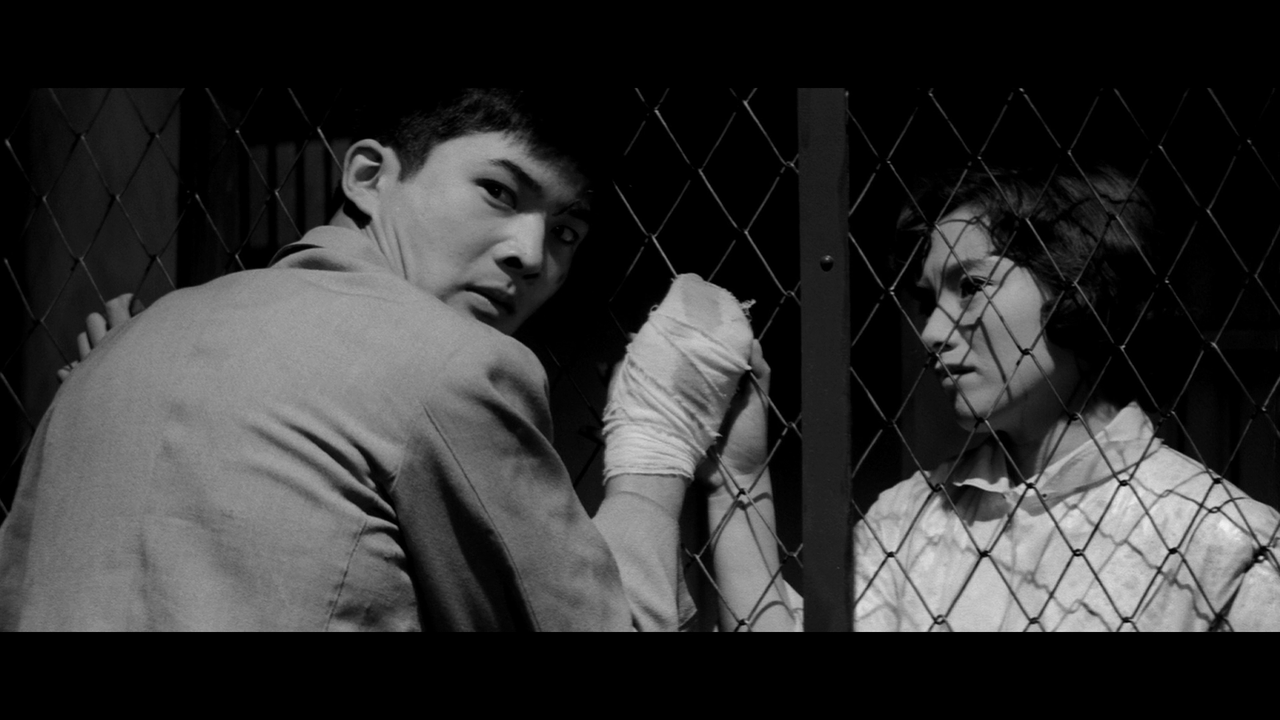
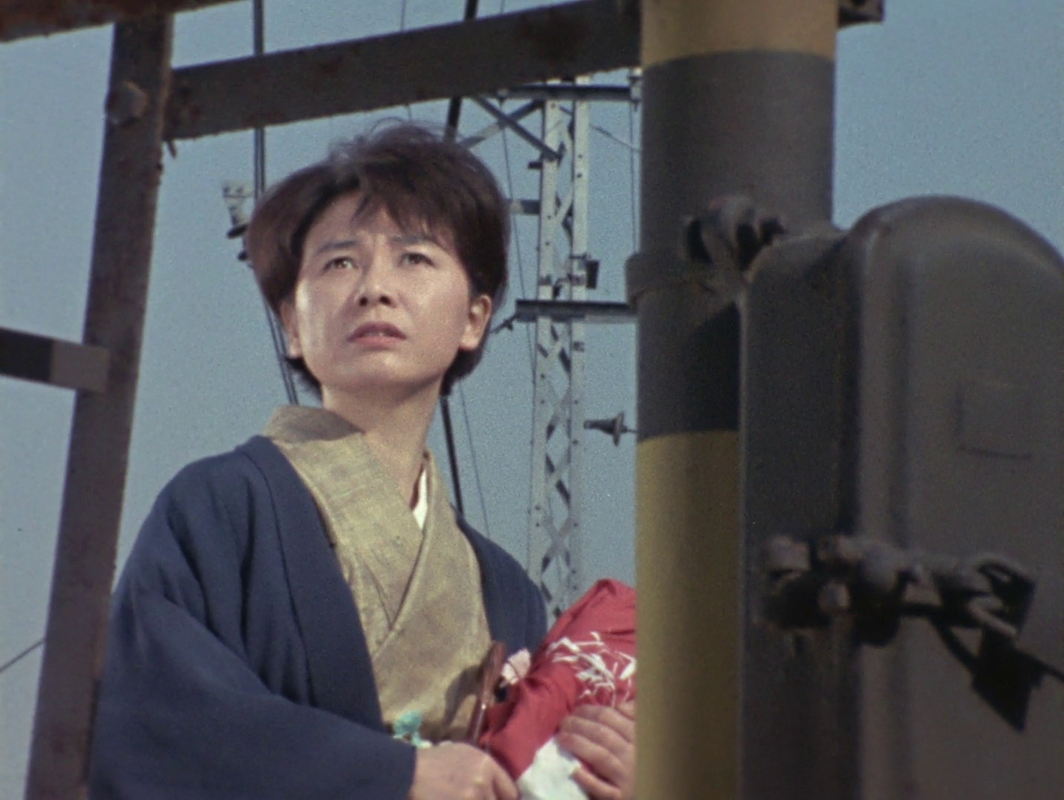
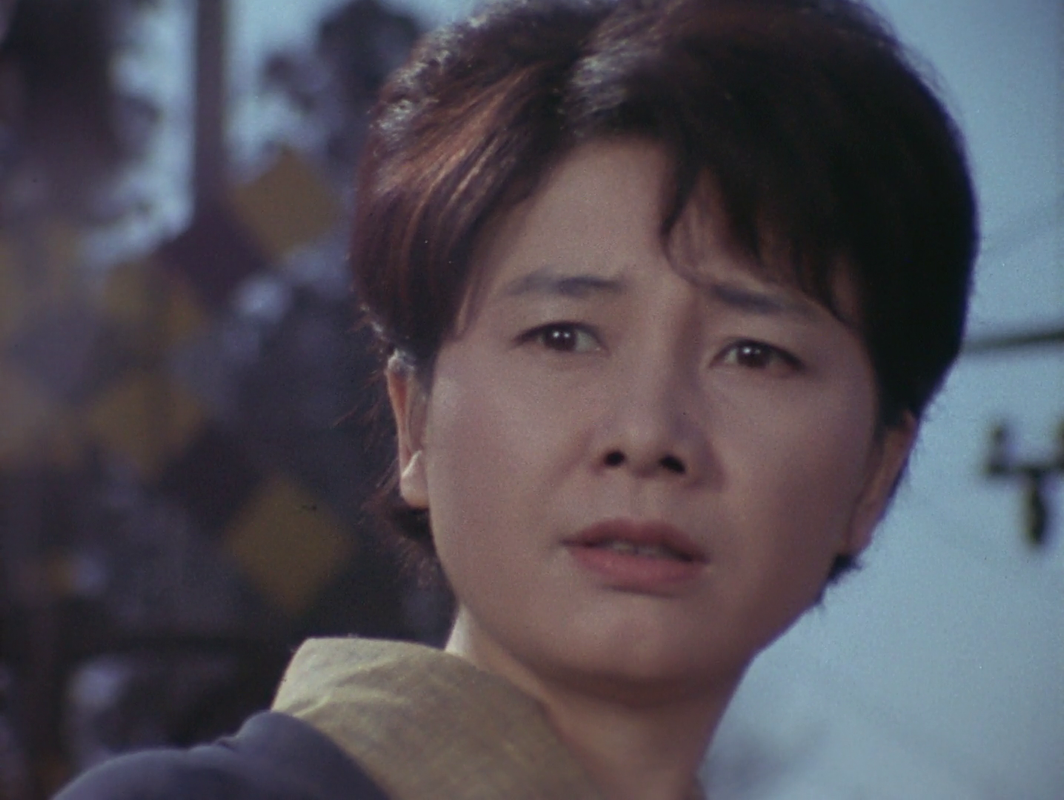
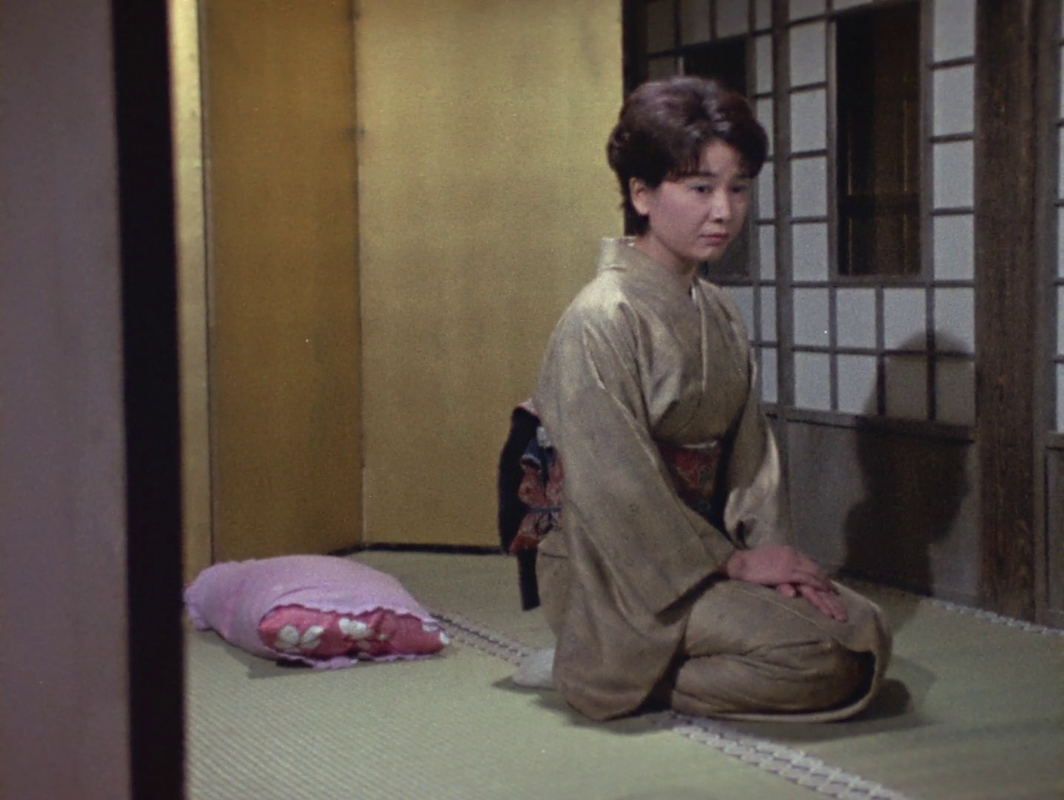
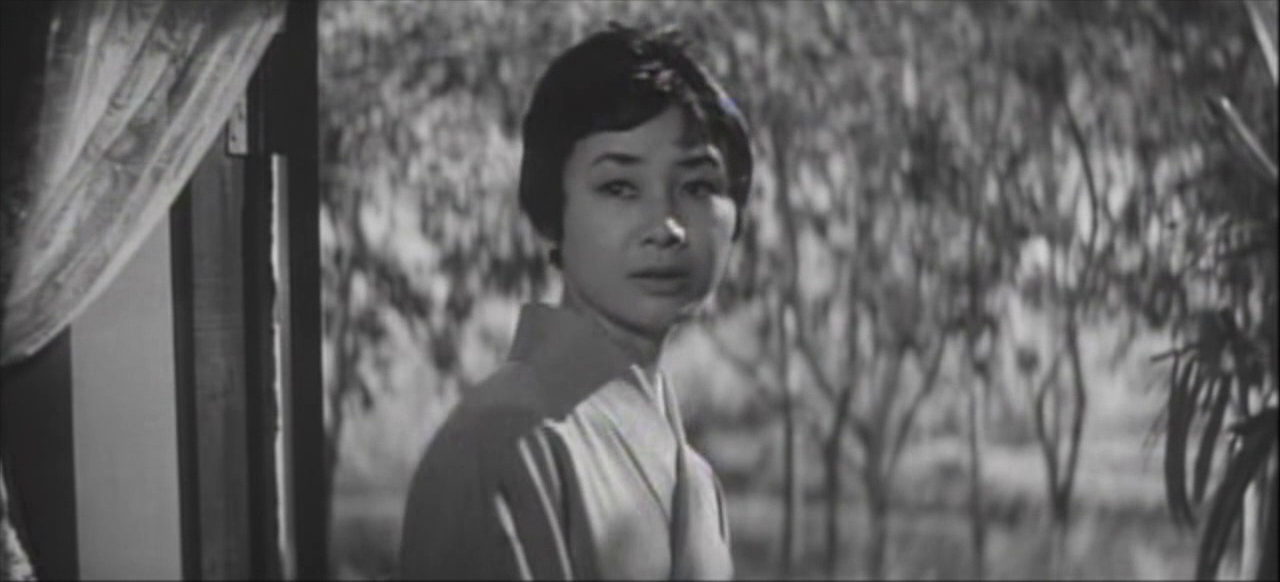
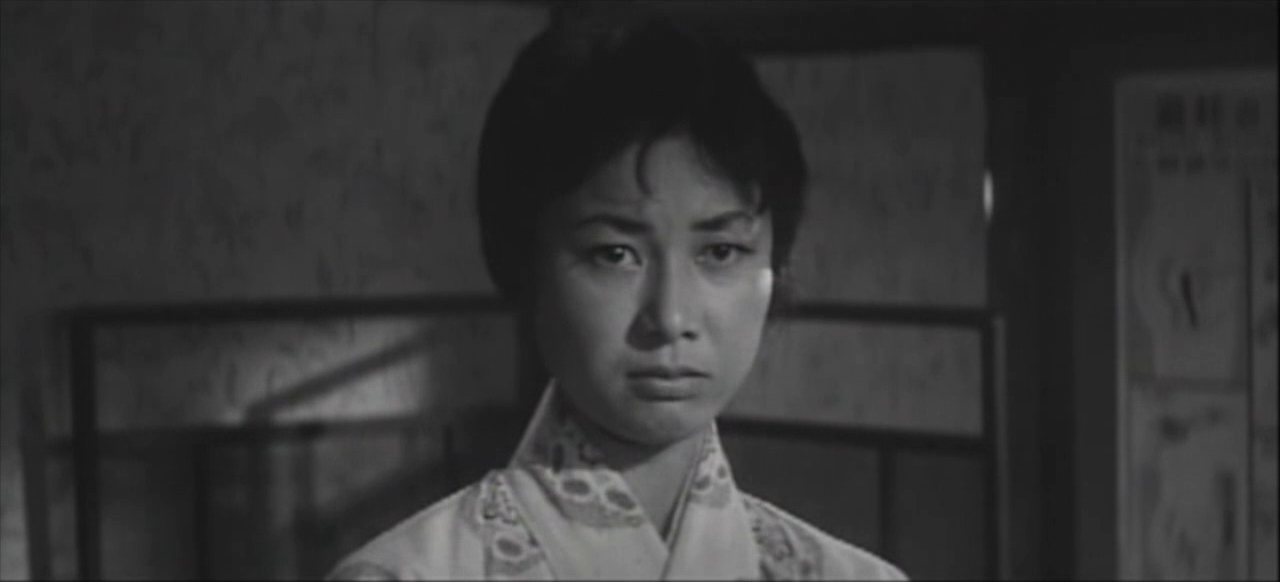
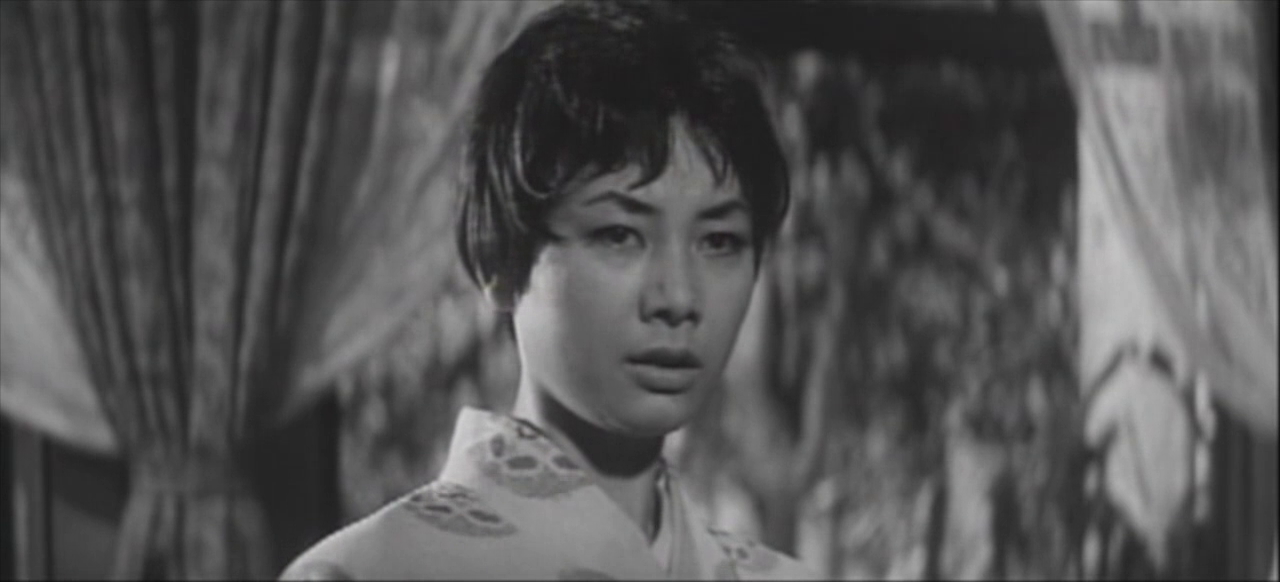
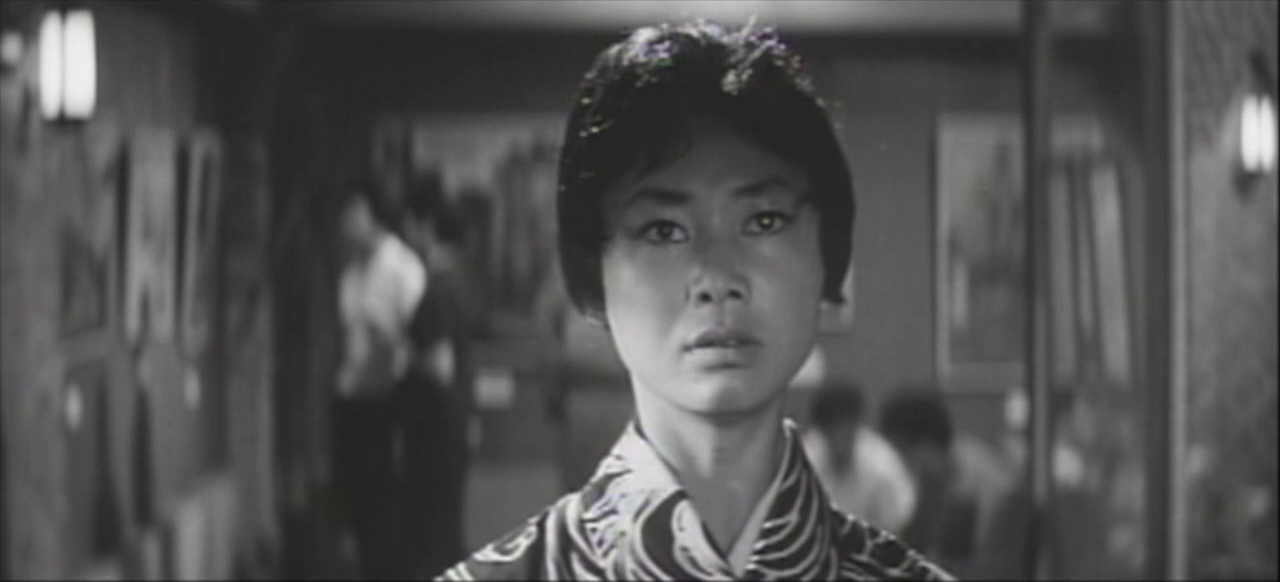
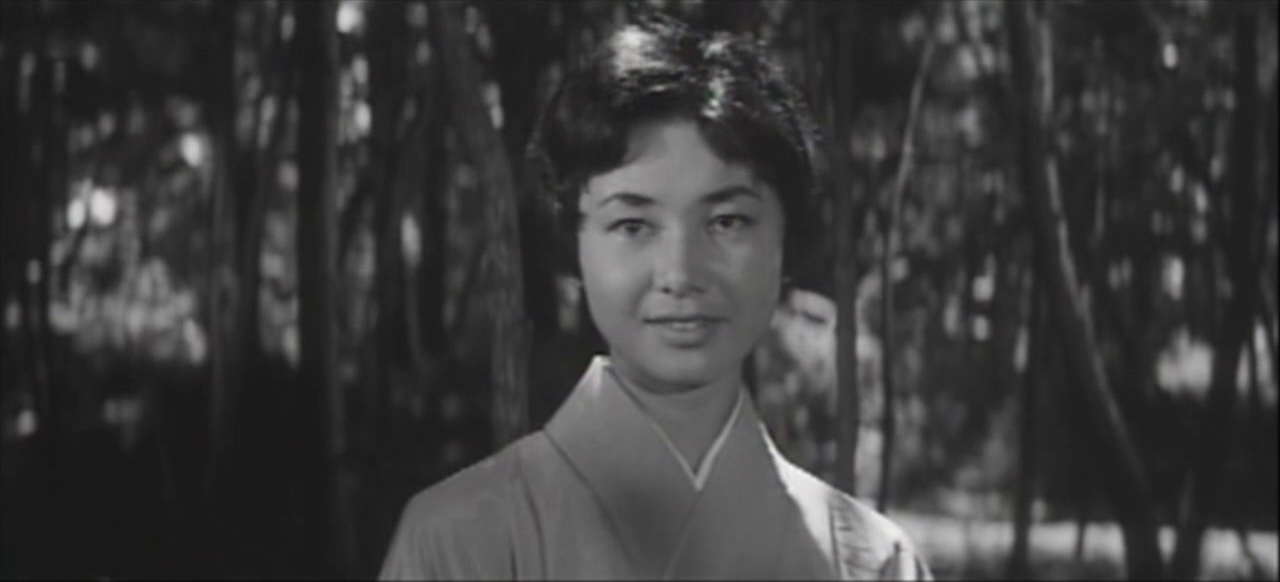
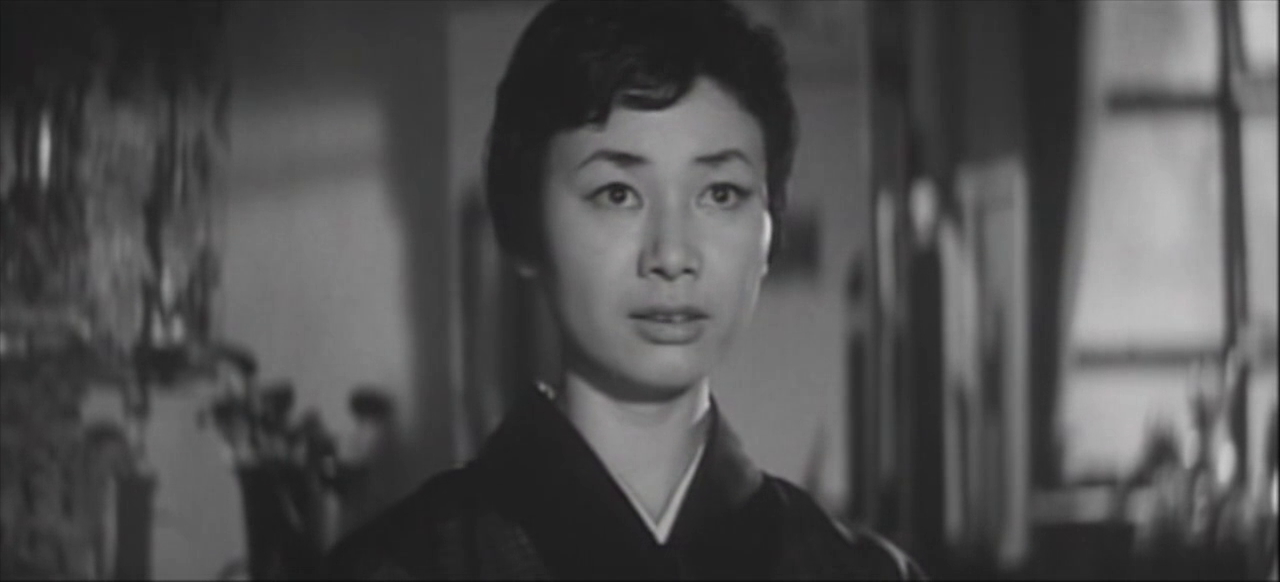
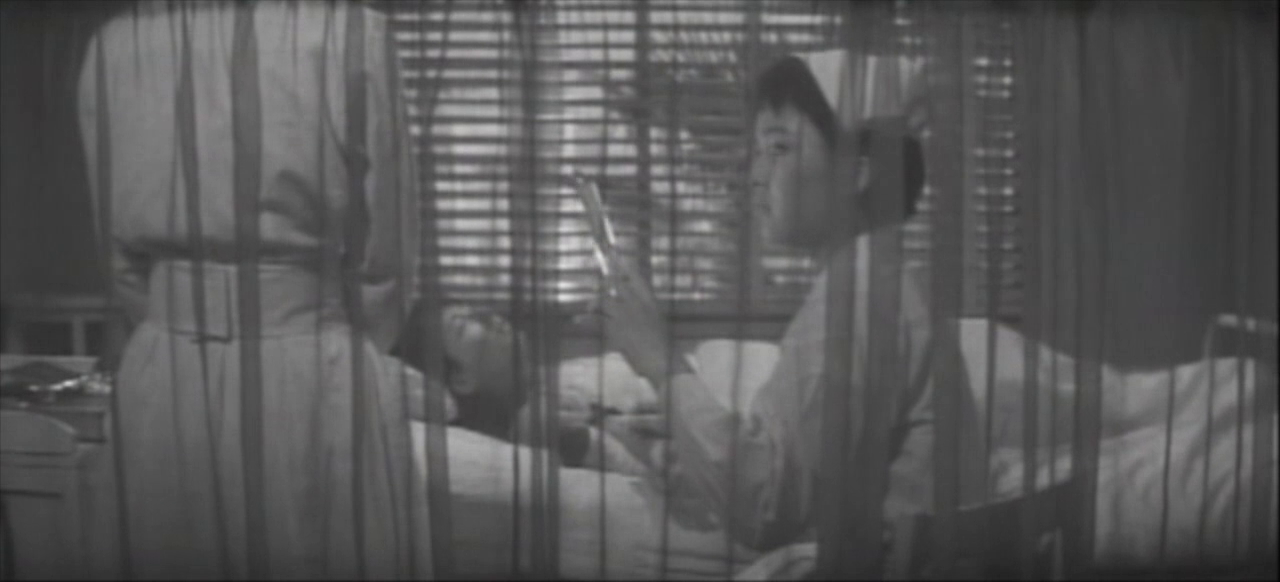
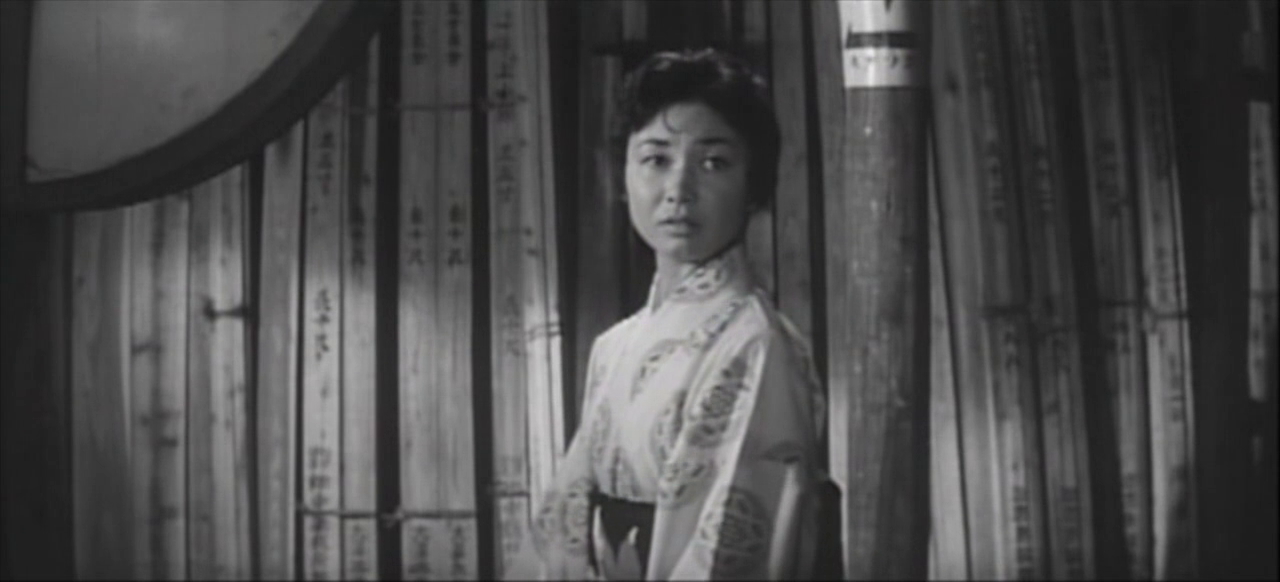
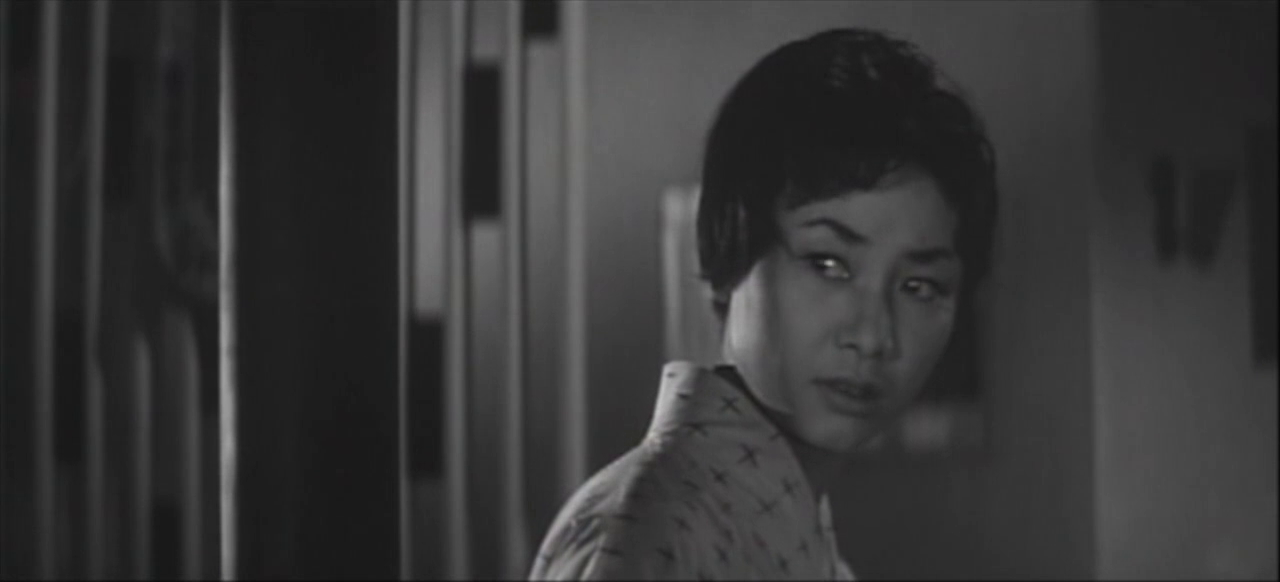
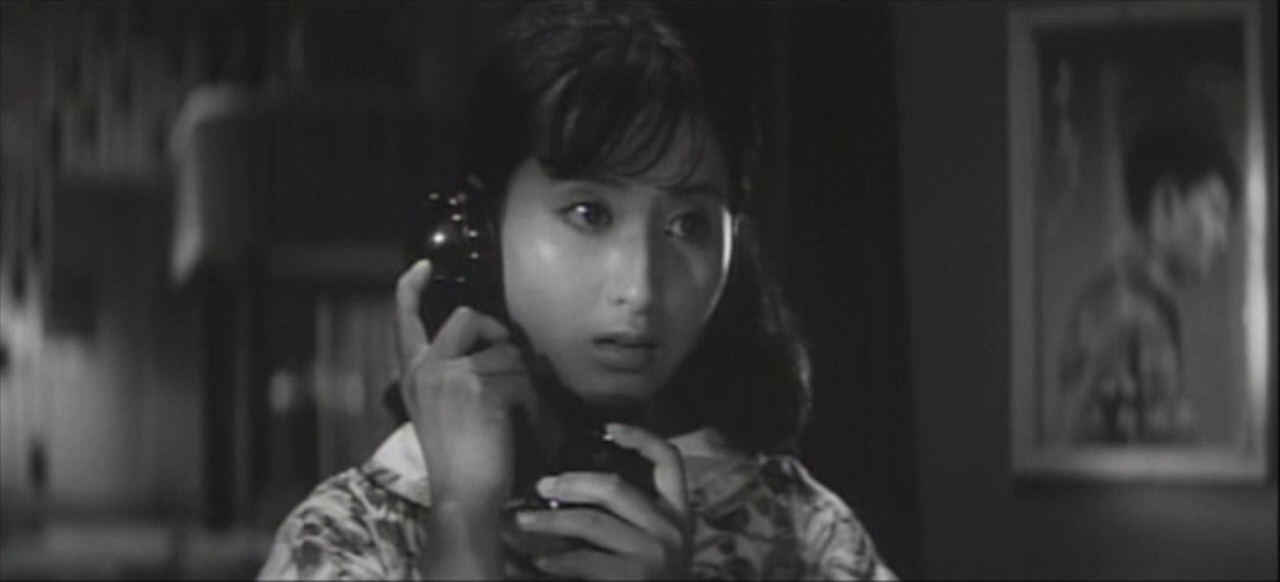
Sachiko Hidari––the biggest star of the picture at this point in 1958––plays the social worker, Keiko. Hidari taught music and gymnastics before becoming an actress at the age of 22. Older and more seasoned, Hidari comes from an age essentially before the Nikkatsu starlet (Ruriko Asaoka, co-starring here, debuts at the ripe old age of 15) and seems a prepossessed person earlier on. She debuts in 1952 for Shintoho, in what looks like a lesbian skiing romance which I now have to see, called Wakaki hi no Ayamachi, or "The Young Lady's Mistake." Awesome. From there she works mostly for Shintoho until she signs on with Nikkatsu in 1954. Her initial Nikkatsu films are a mix of hard-boiled thrillers and melodramas––basically the studio's stock-in-trade before the Taiyozoku movies break down the doors and change everything. By the time she does The Boy Who Came Back in '58 Hidari has already started working for other companies, especially Daiei at this point. Her efforts to break her Nikkatsu contract and become a free agent were revolutionary; it seems Nikkatsu even sent yakuza after her to stop her. But Hidari went solo anyway, becoming a freelancer and starring in memorable movies all over the Japanese film industry. Her most striking performances include the lead in Immamura's The Insect Woman, the lead in her husband Susumu Hani's films She and He and Bride of the Andes, and memorable roles in The Straights of Hunger (now somehow known by the much less sexy title The Fugitive from the Past), Masamura's Double Suicide at Sonezaki, Fukasaku's Under the Flag of the Rising Sun, and Mishima: A Life in Four Chapters. She is known as the second female actor/director in Japan, after Kinuyo Tanaka (who would be third?...maybe...Kei Fujiwara, director of Organ?), directing a lengthy, very well-regarded domestic drama about the wife of a national railway worker, called The Far Road, in 1977. She had over 90 acting credits.
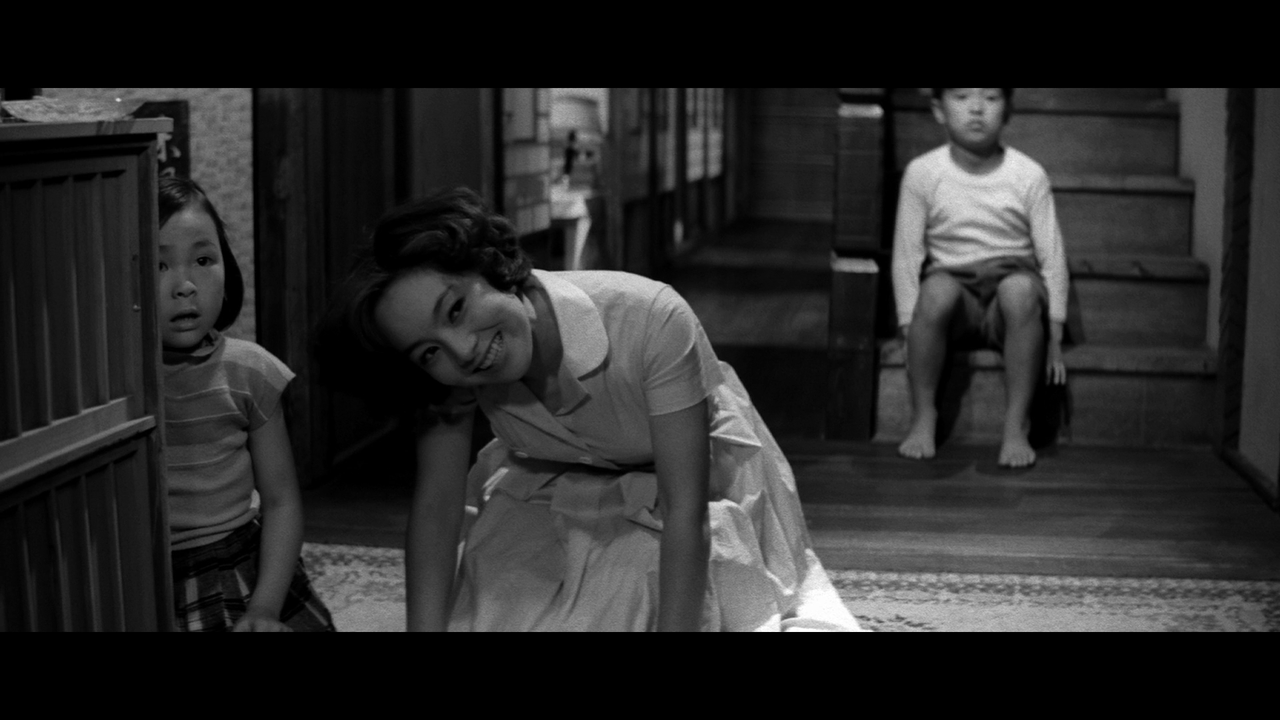
What's not in that recount is the unique figure Hidari struck in the film industry, and on-screen. She was an independent woman in every respect. She had a unique look, a small, not very sexy stature, and she attacked roles of all different types without demure. She wasn't merely an independent actress; she presented in all her roles a unique person, rather than a "genre type." Even with a particular, nearly fixed "look," which only got more set as she got older, it didn't seem to matter; Hidari could be anything in front of the camera, anything she wanted to be.
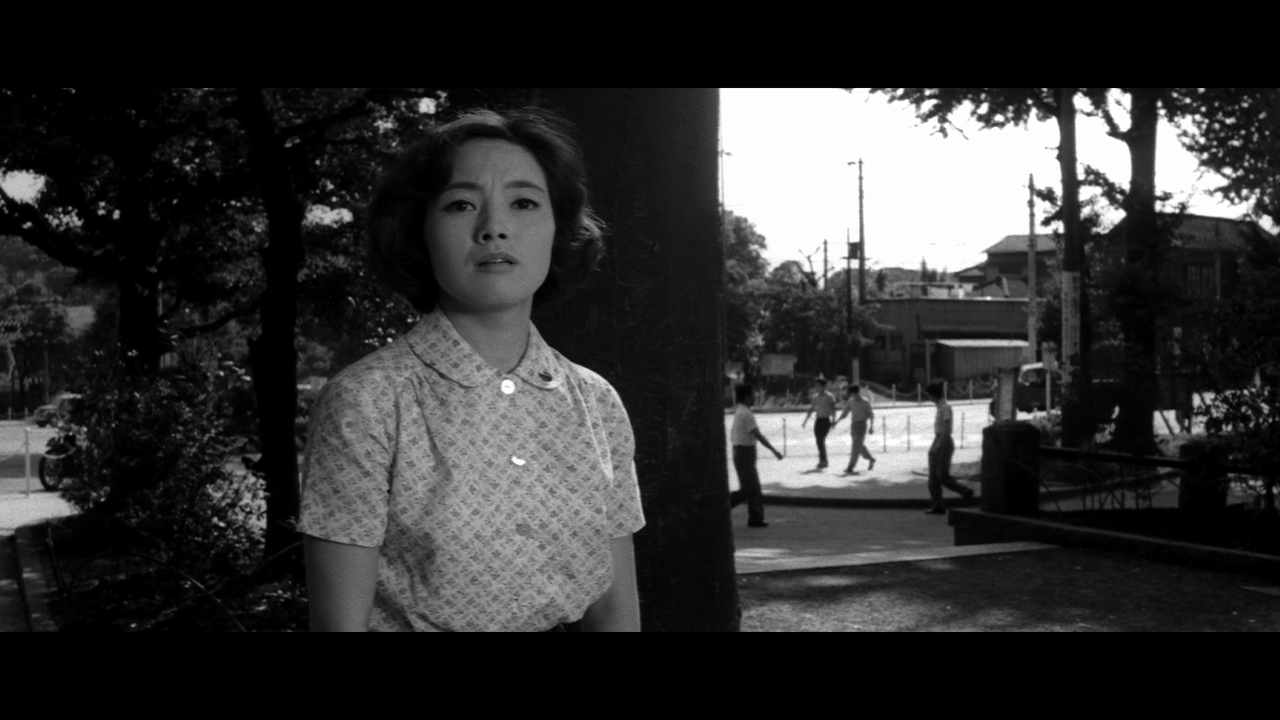
She's definitely the most versatile, most highly-professional actress Suzuki has been able to work with to this point. Mari Shiraki is a wonderful presence, but her husky, provincial accent––which will one day endear her to fans of the long-running Samurai-Colombo TV show Sure Death!––is a mark against her for versatility (in fact, Nikkatsu won't really know what to do with her after Underworld Beauty, and will typically sideline her as various ladies of the night as a result). Misako Watanabe is definitely a more subtle and intellectually adventurous actress than Hidari, who is quirky and personal in her playing but who reaches for psychological realism without the kind of imaginative, adventurous literary quality of Watanabe, but Hidari dives straight into the intensely physical style of acting Suzuki prefers, and which he has such a hard time getting from other actresses at Nikkatsu throughout his career there.
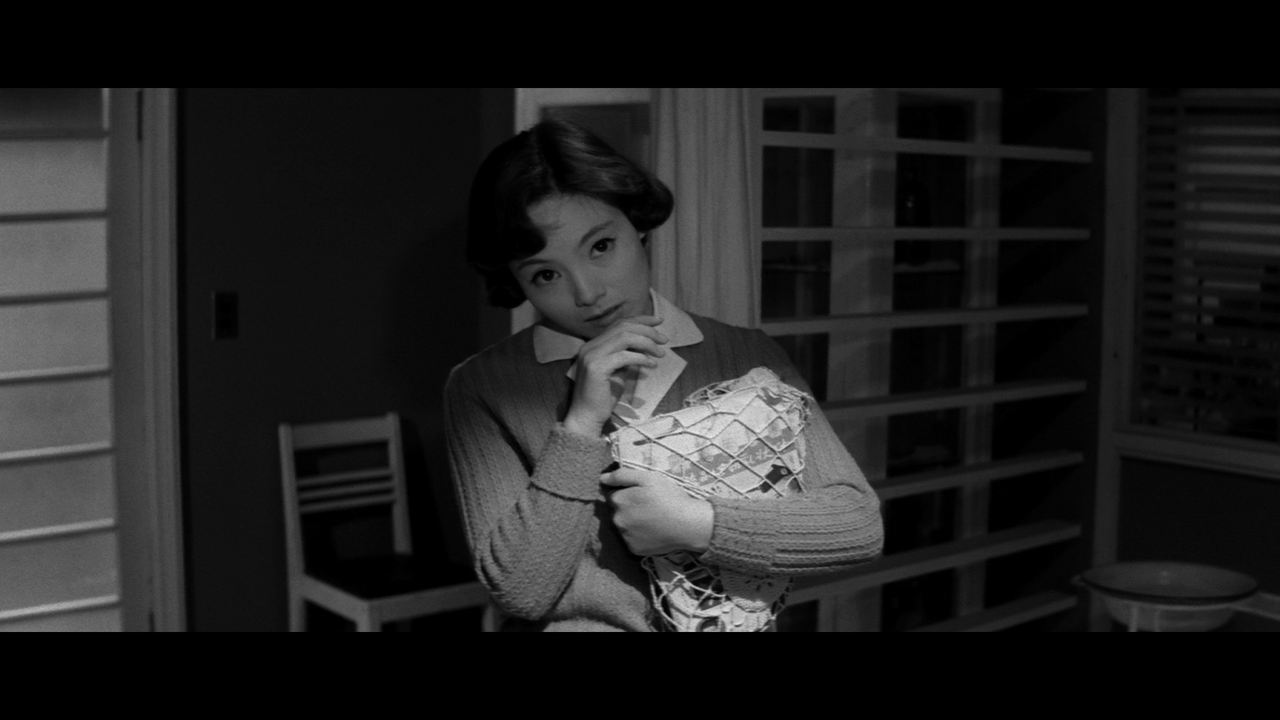
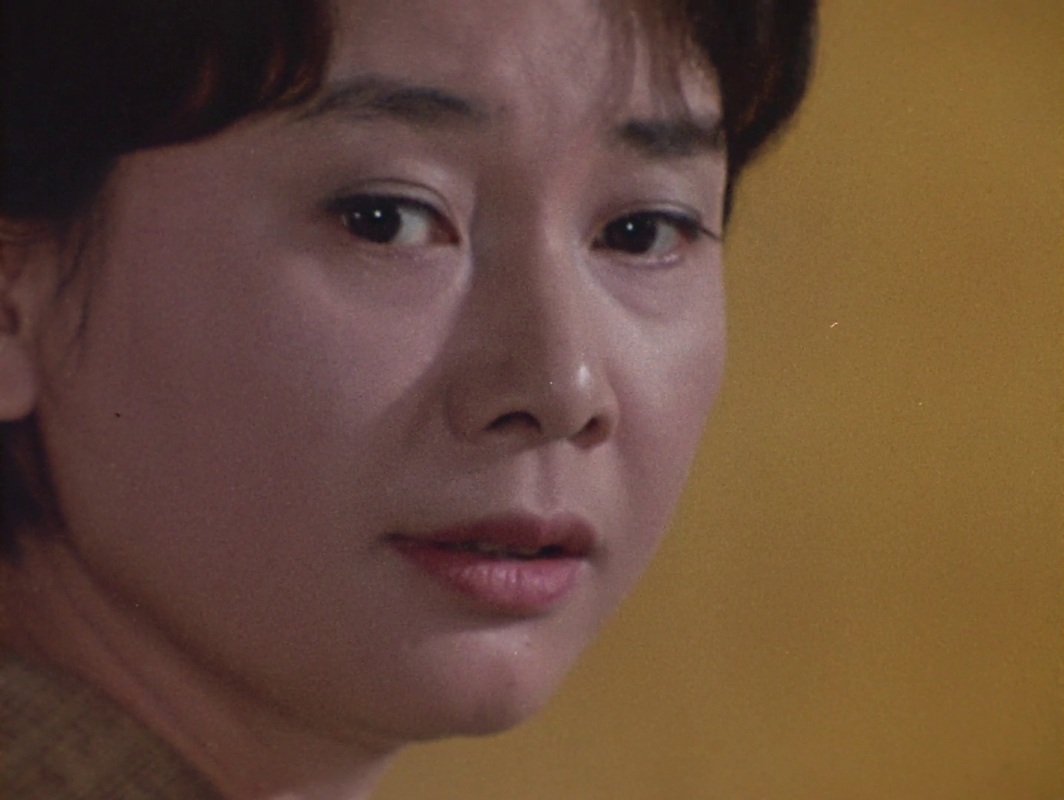
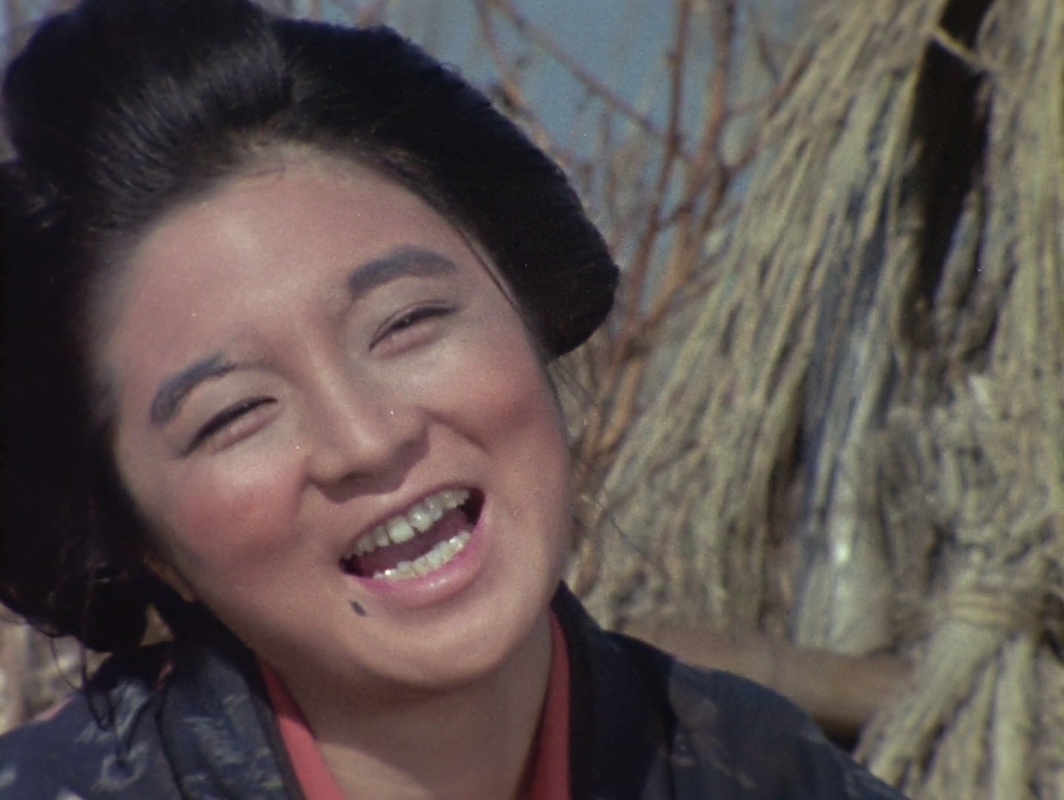
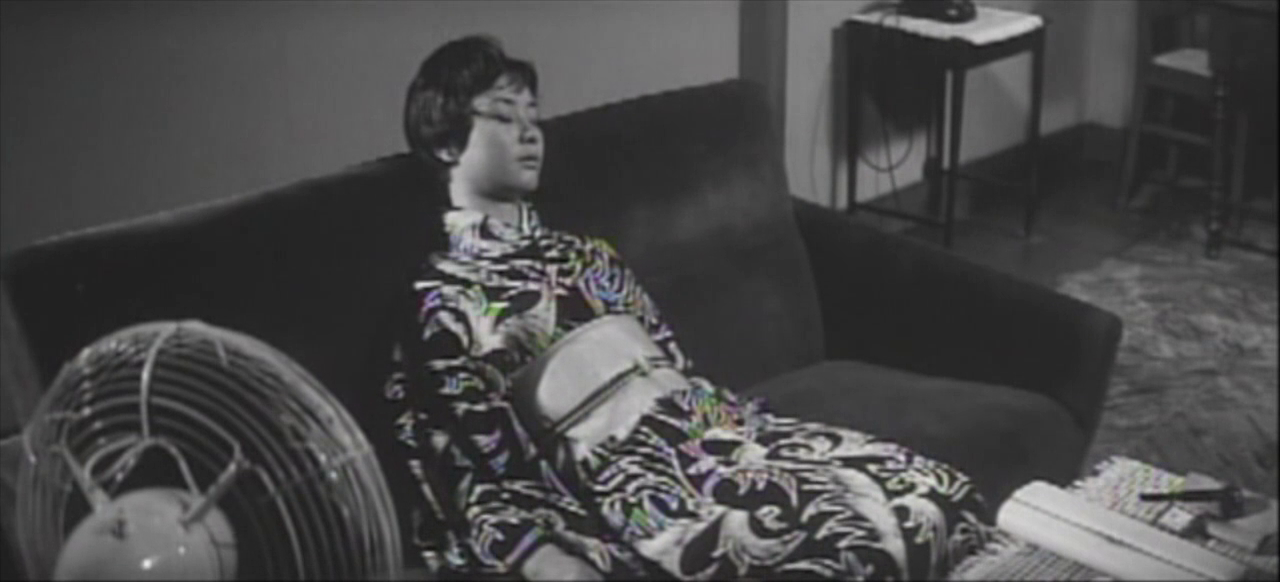
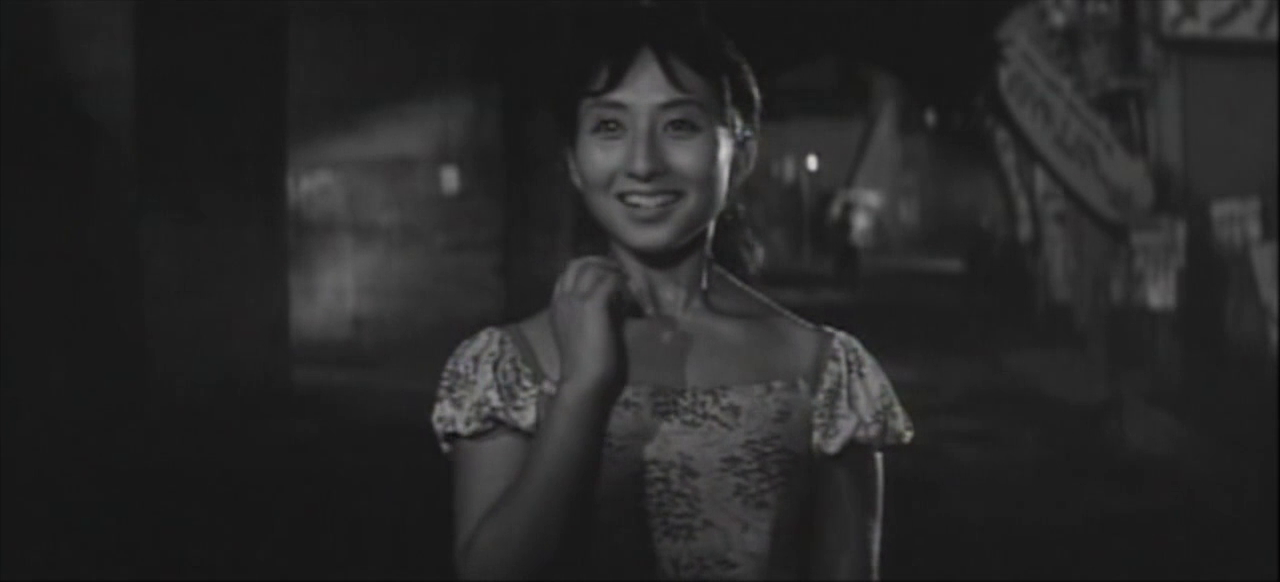
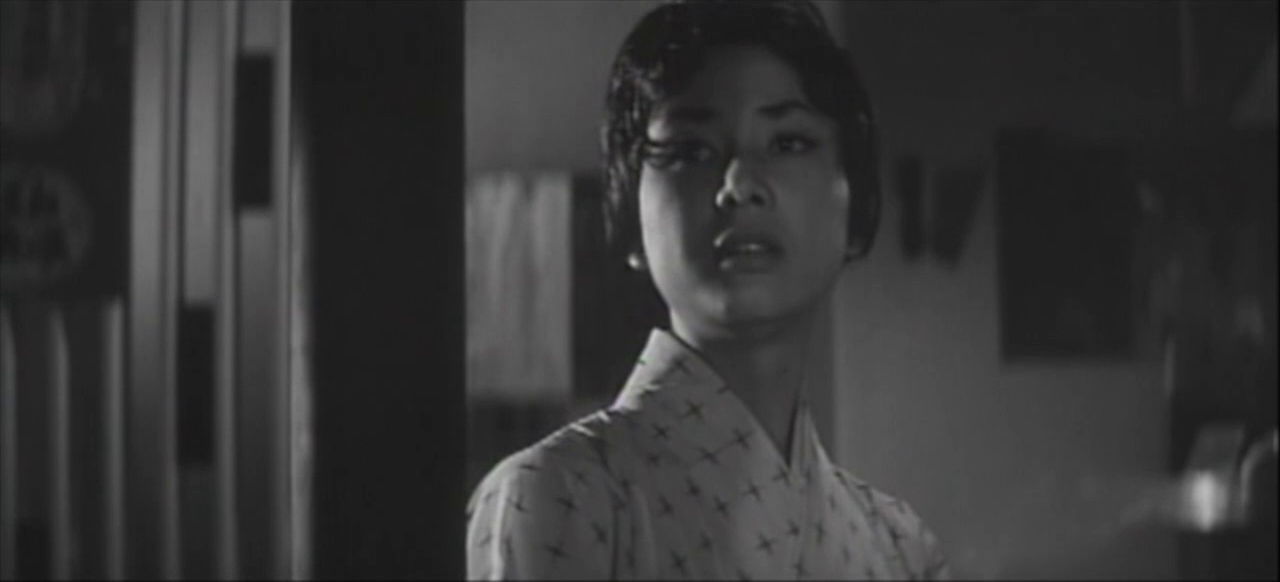
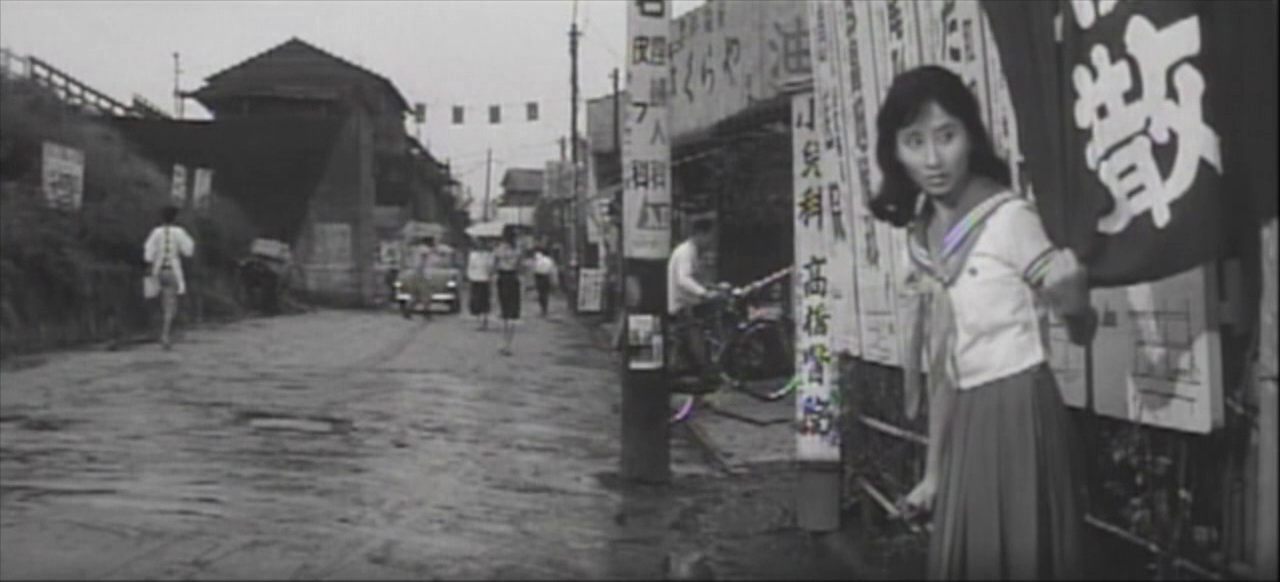
Hidari's playful animus warms the entire picture. She's high-spirited and exuberant when she gets her first case as a social worker, thrilled and inquisitive when she first meets problem child Kobayashi, and steadfast in spite of everything once she gets it in her mind that she can help him steer back to the straight-and-narrow. Many of her scenes are sharp and striking, but she makes the biggest meals out of the most potentially florid material, deftly making melodramatic scenes come alive with fresh and unexpected energy.
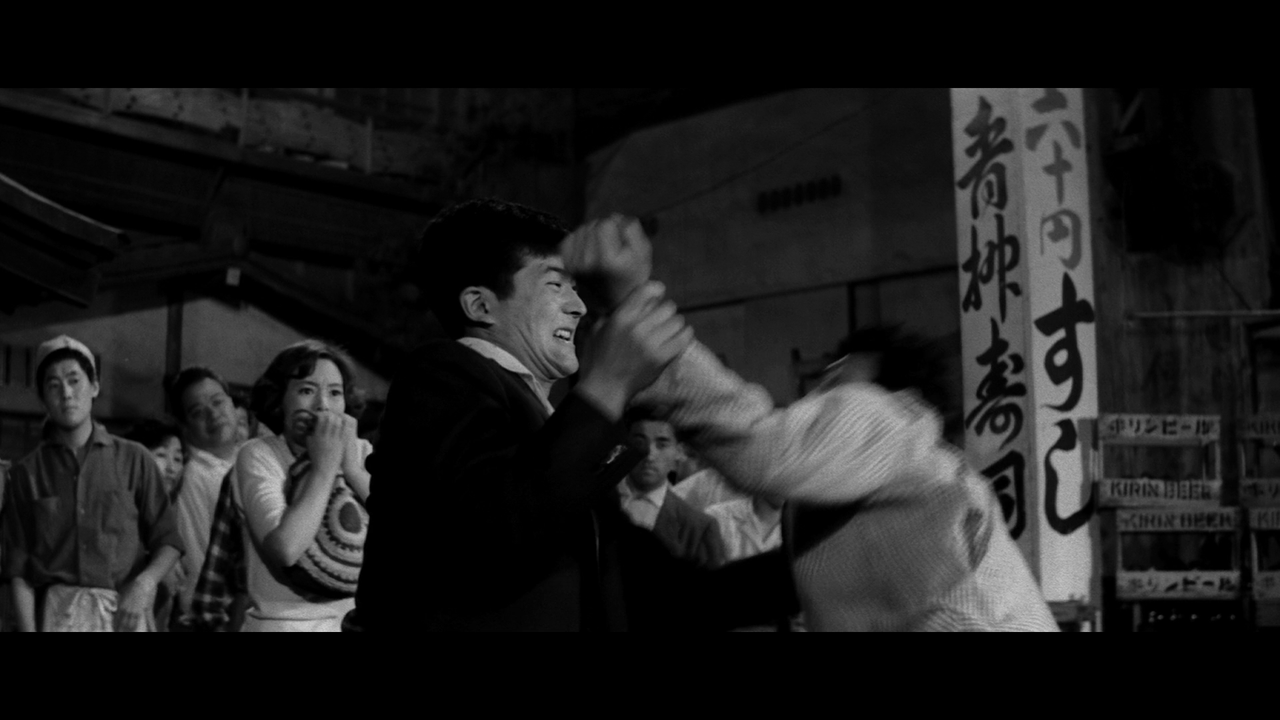
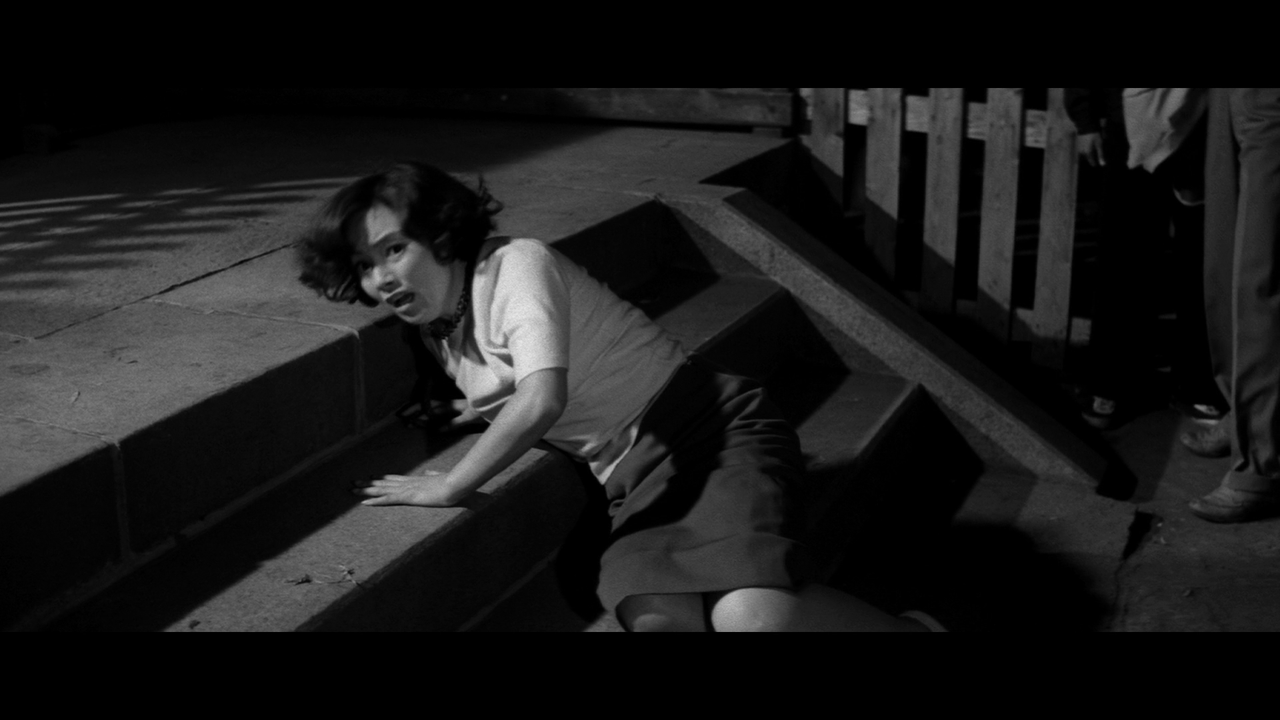
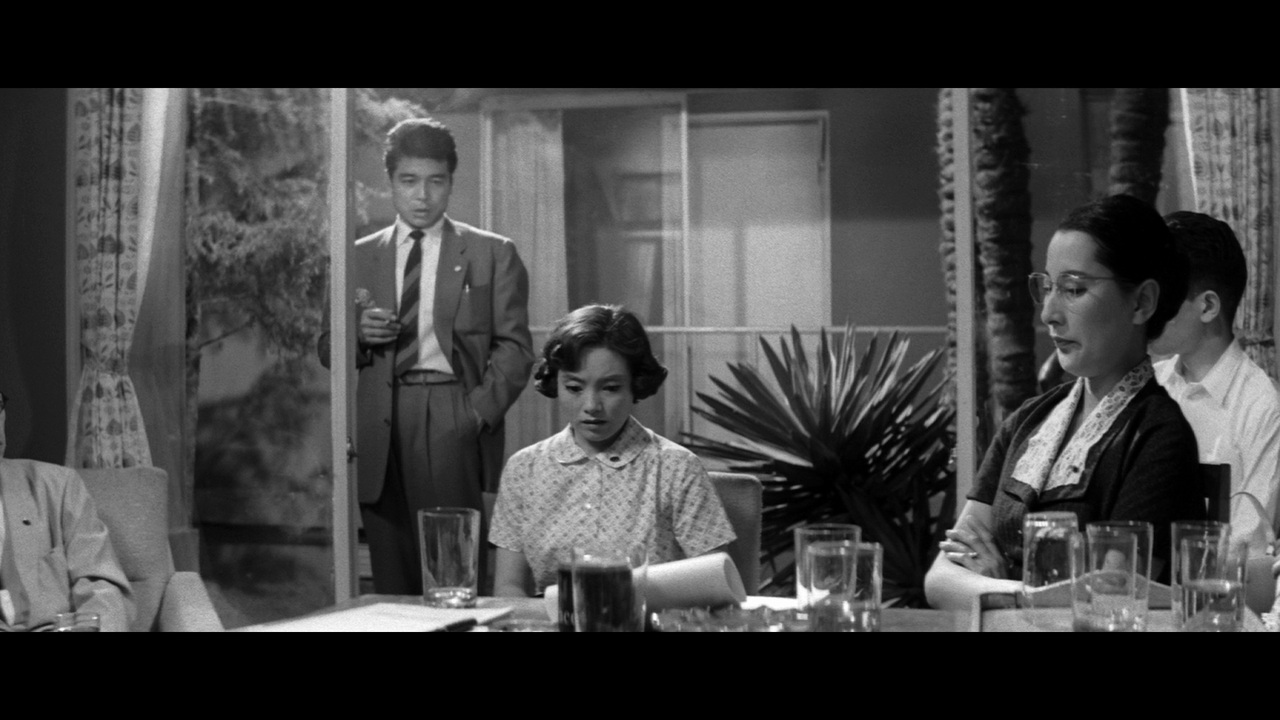
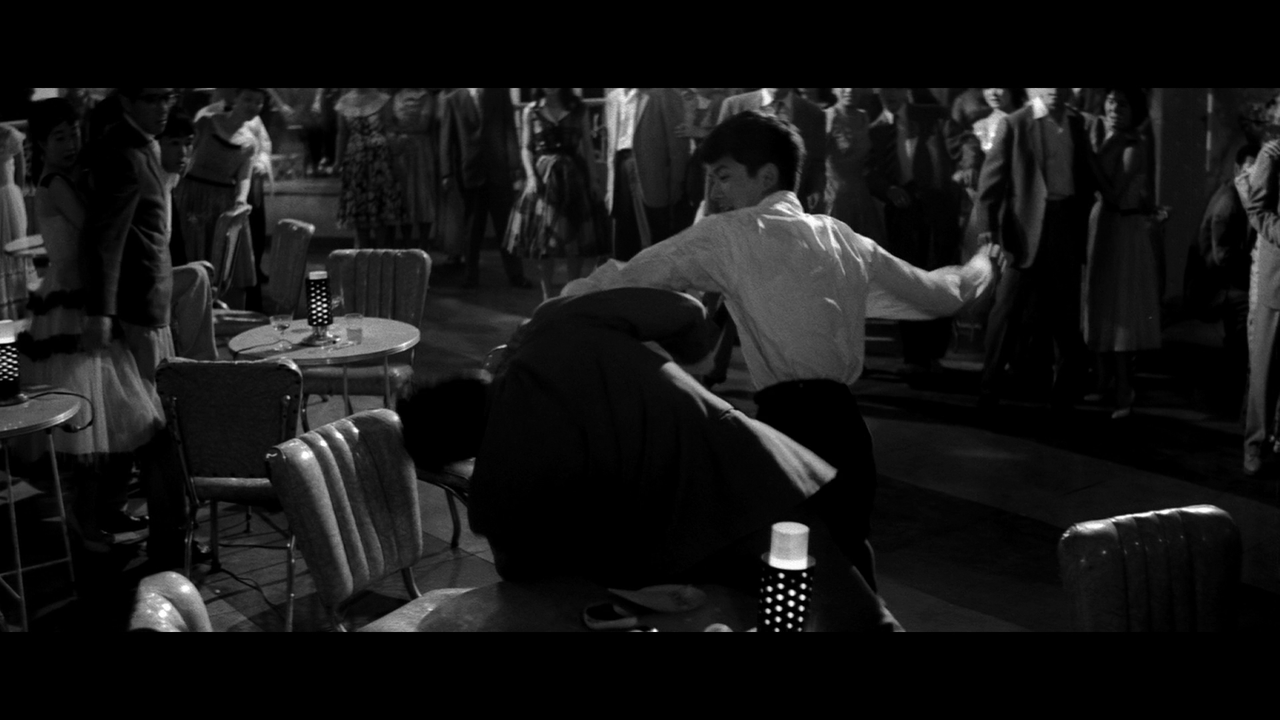
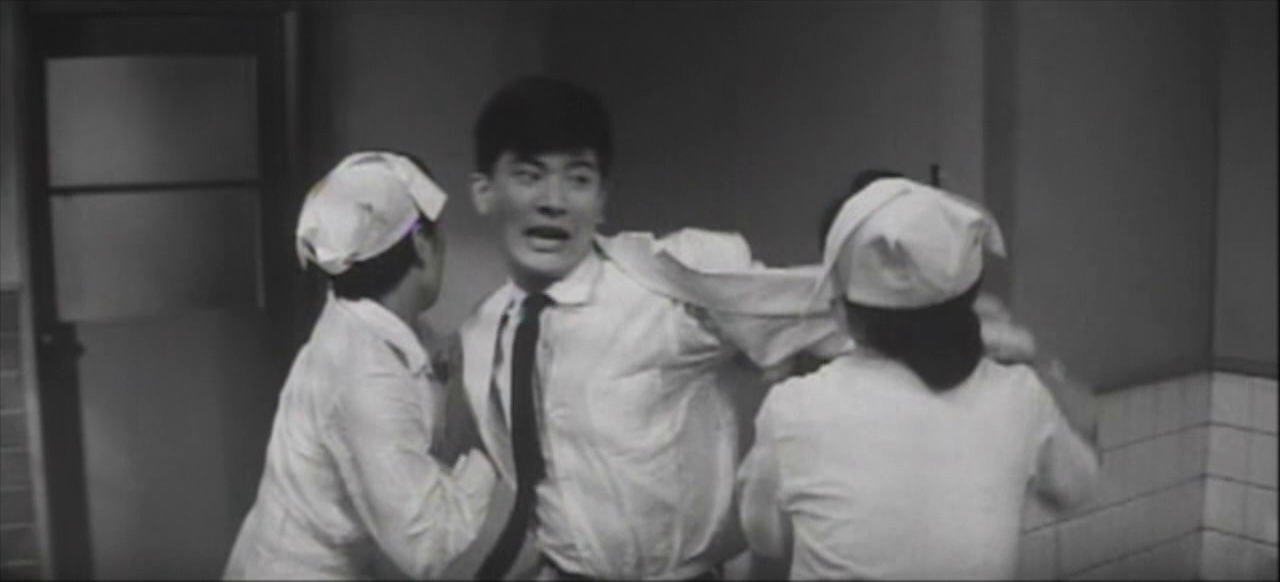
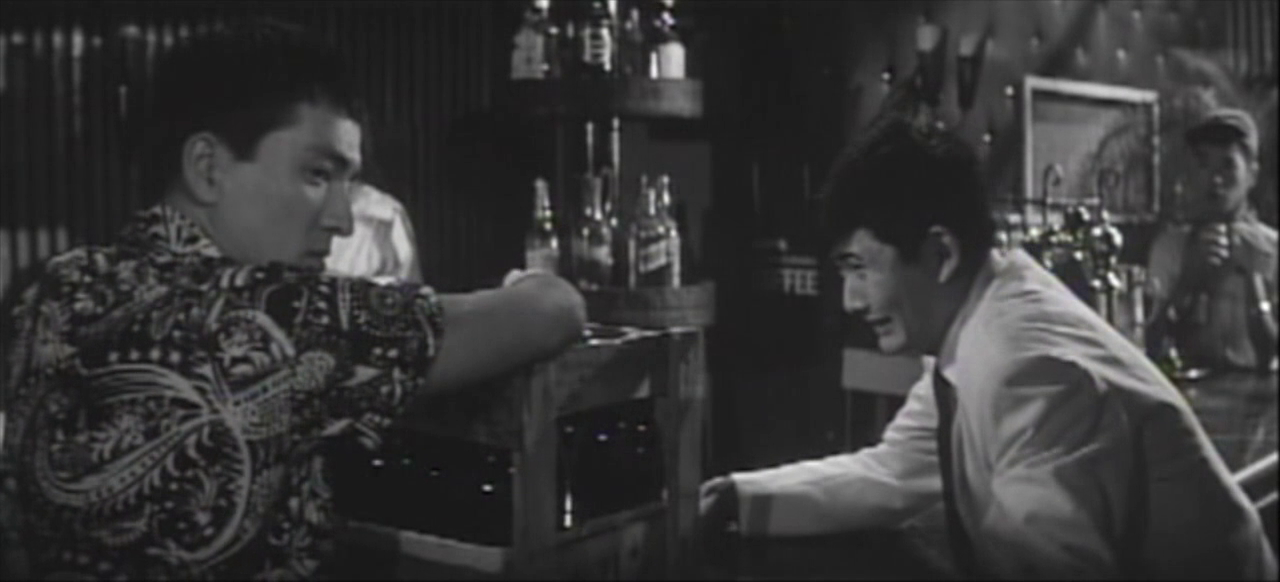
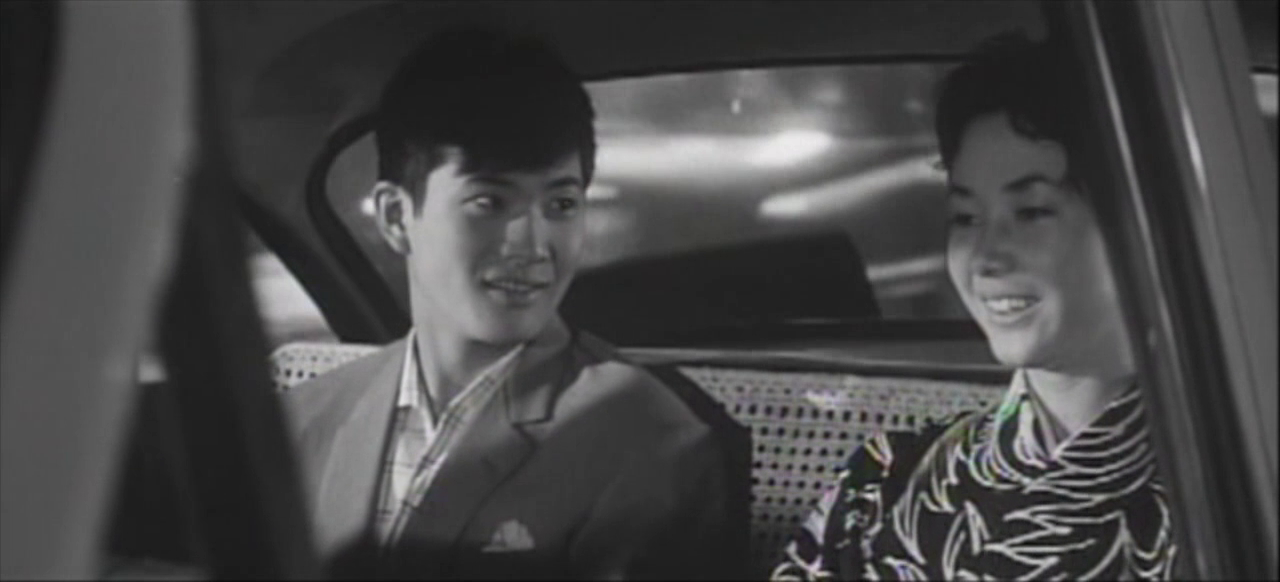
I especially love the sequence of scenes where Kobayashi takes her out on the town, gets her drunk, and gets in a fight, and then Hidari has to argue with her indignant colleagues that the social workers' intervention should continue, rather than them shipping Kobayashi off to jail. The sequence underlines the way Hidari, in an attempt to seduce her young charge into trusting her, has been counter-seduced and humiliated in front of her boss and her coworkers.
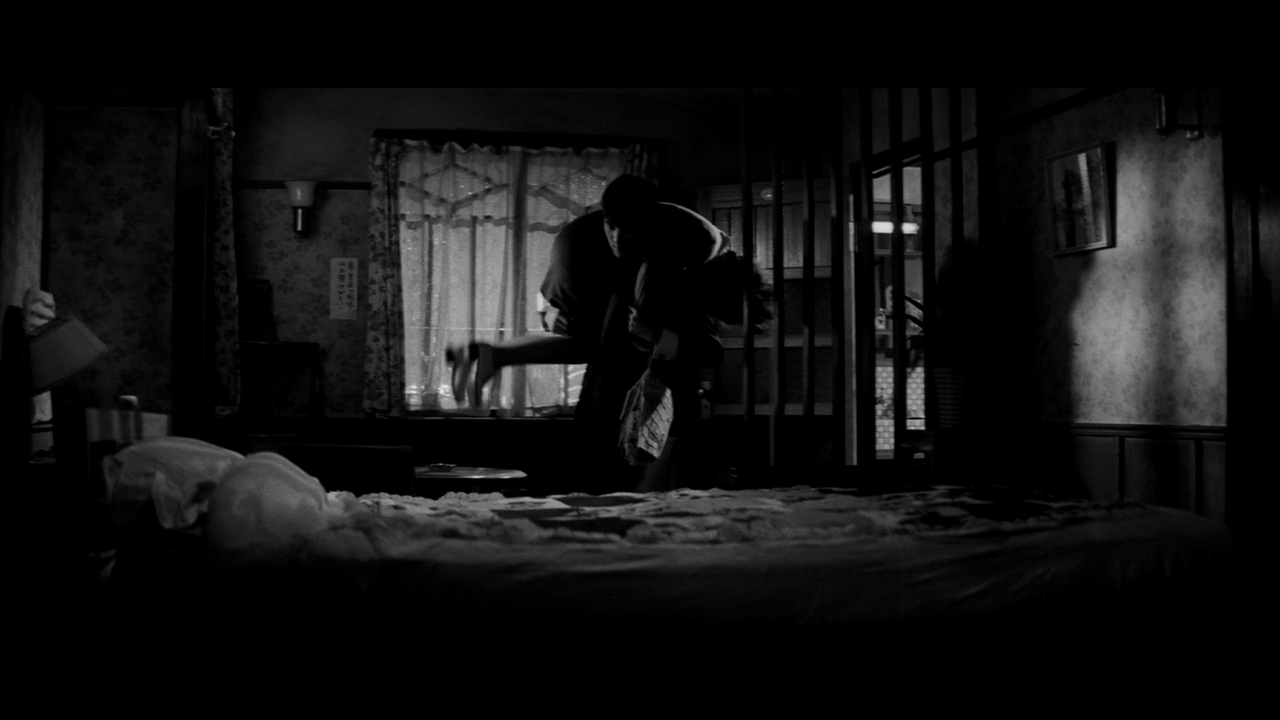
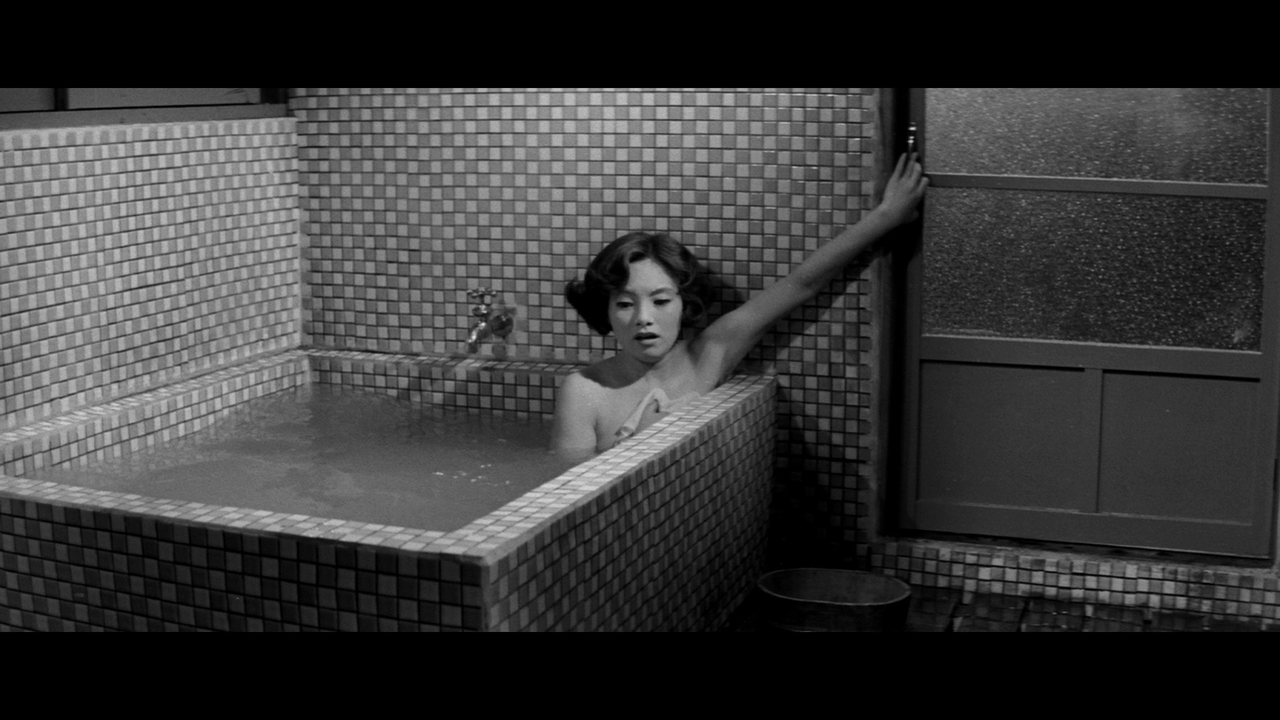
The playing of the crisis is so precise, we get Hidari's humiliation, her worry that she's going to lose her charge or her job, and her desperate bid to turn this failure around into something she can use to recoup her losses and re-establish the trust of her colleagues.
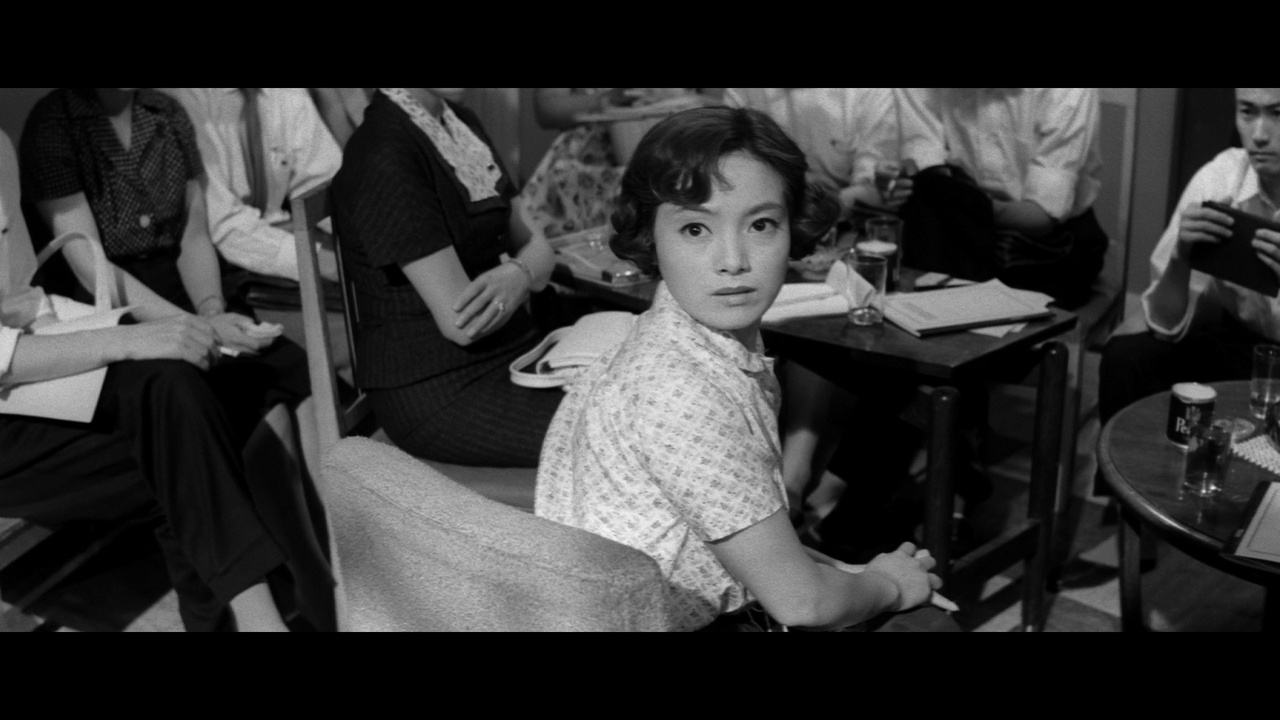
The risk she takes in doing this is written all over Hidari's performance. She is possibly a little florid at times, but she gives us everything her character is grappling with within a minute of being on-screen.
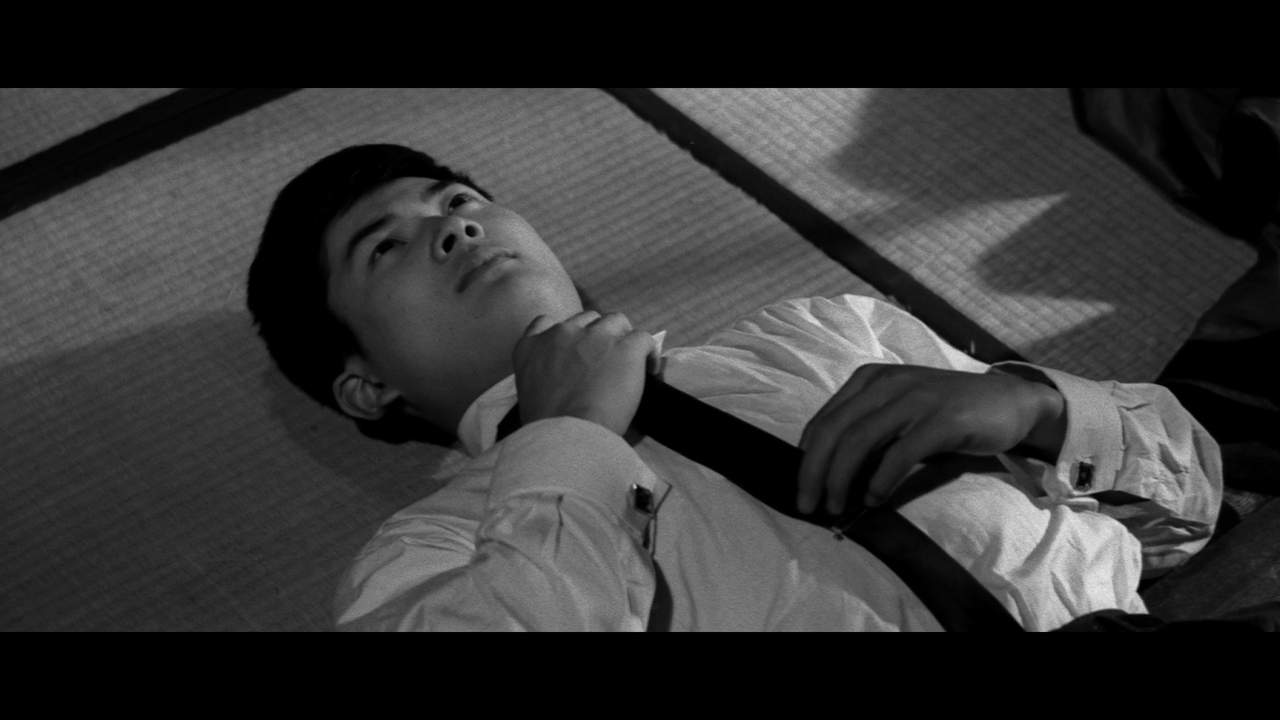
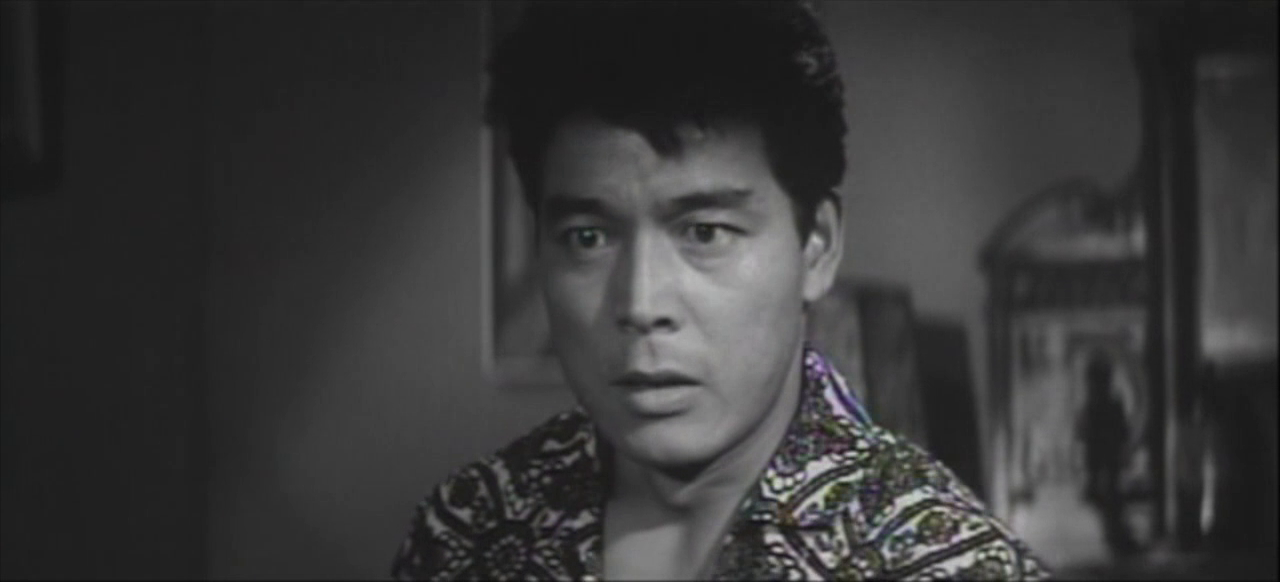
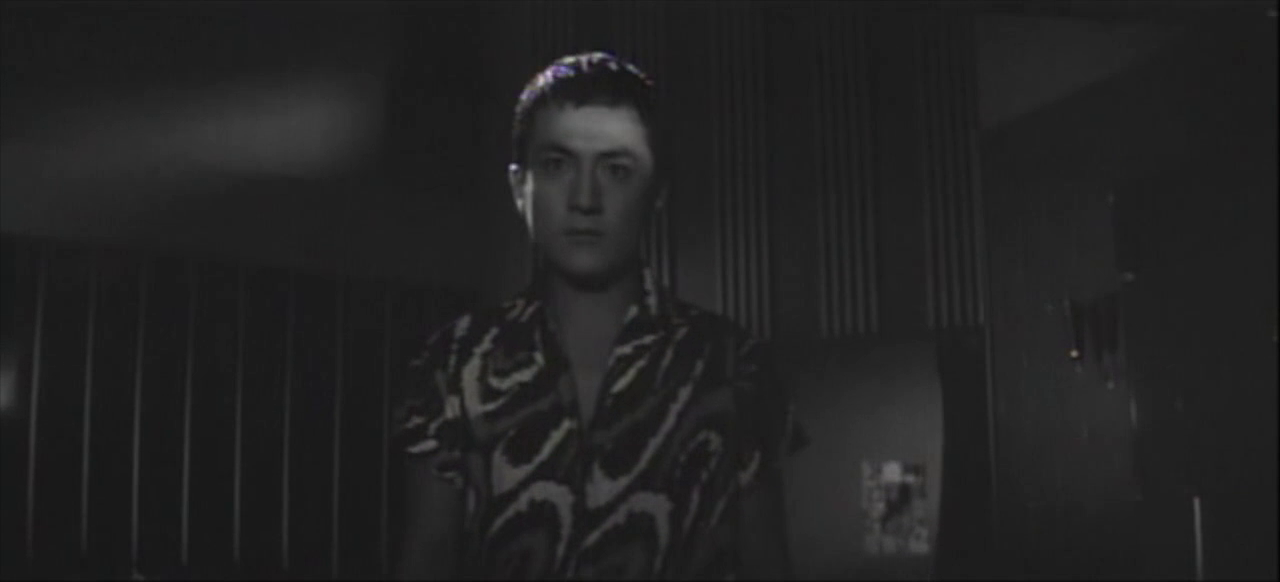
Hidari's force and control are so strong and precise, it leaves her co-star, Akira Kobayashi, not quite as much to do. This seems like a careful calculation on Suzuki's part; Kobayashi is sometimes gawky and awkward in this film, and he doesn't seem too sure of himself in all the scenes.
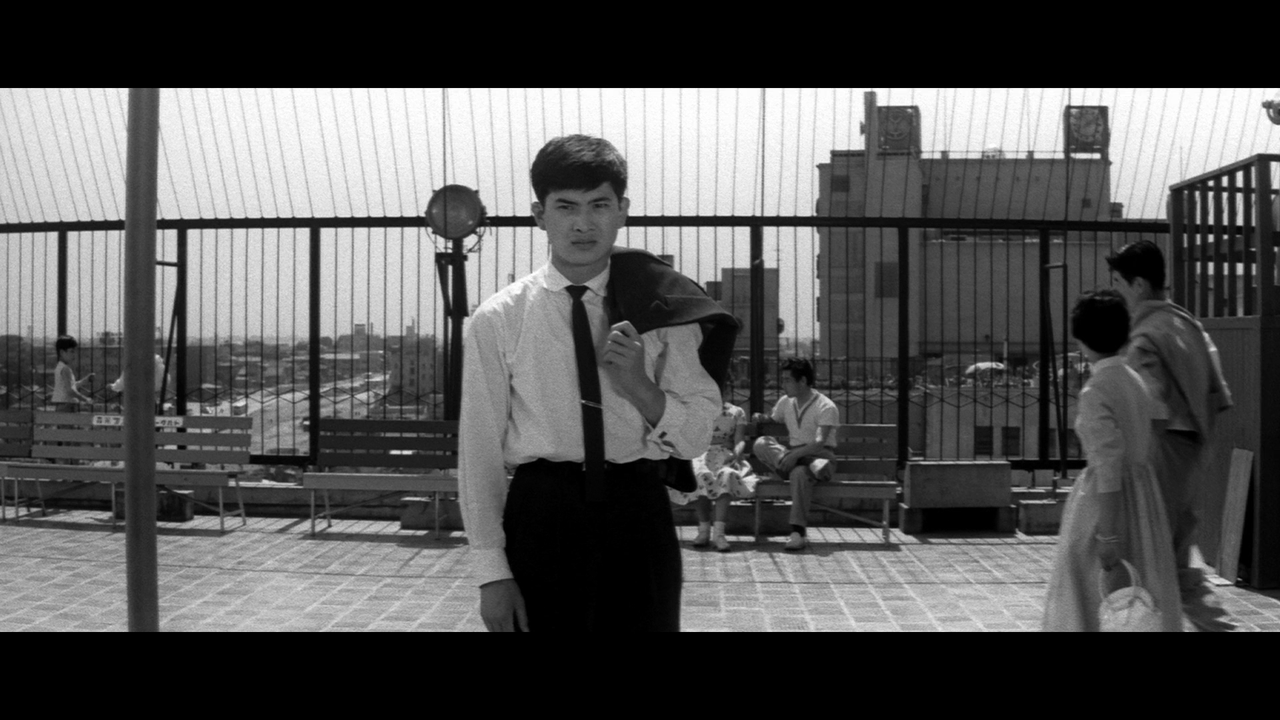
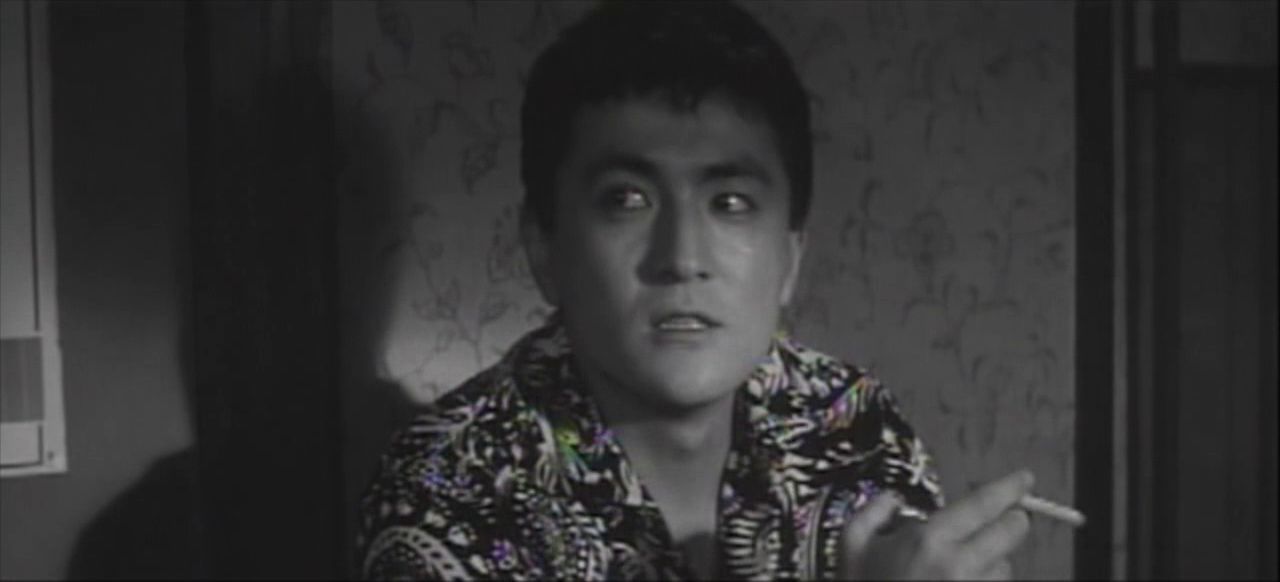
Kobayashi never really becomes the best actor out there, though he is the last-living and the longest-lasting of Nikkatsu's fabled Diamond Line of stars. Like the others, Kobayashi was featured initially as a supporting player in Ishihara vehicles. In this case, he followed Ishihara in The Champion, Sun Tribe in the Last Days of the Shogunate, and Rusty Knife, and his first leading role was in a Ren Yoshimura melodrama called The Way of Youth. Then Nikkatsu drops back and has him co-star in several more melodramas, including The Nun, opposite Izumi Ashikawa, and the two Suzuki movies, The Boy Who Came Back and Blue Breasts. He's in Toshio Masuda's dull The Perfect Game (a bland remake of the already pretty lousy Hollywood heist movie Five Against the House), playing the guy who folds and rats on his buddies who rob a race track because he feels it's allegedly the "right thing to do" after guilt overwhelms him. Then he gradually ascends to leading roles in his own right, opposite Mari Shiraki in Dynamite Costs Extra, and in three big hits from that hack, Buichi Saito: Farewell to Southern Tosa (a formative hit for Nikkatsu, solidifying what "Nikkatsu Akushon" will become as a genre), The Rambling Guitarist, and Tokyo Mighty Guy.

Now he has hit his stride, and he ends up married to these long-running series of incredibly formulaic and successful films, from the Rambling Guitarist pictures to the Vagabond series, and following a photo shoot for the Rambling Guitarist series where he dresses in black leather cowboy togs to look like Montgomery Clift he becomes the company's chief exponent of the "No-Nationality Western."
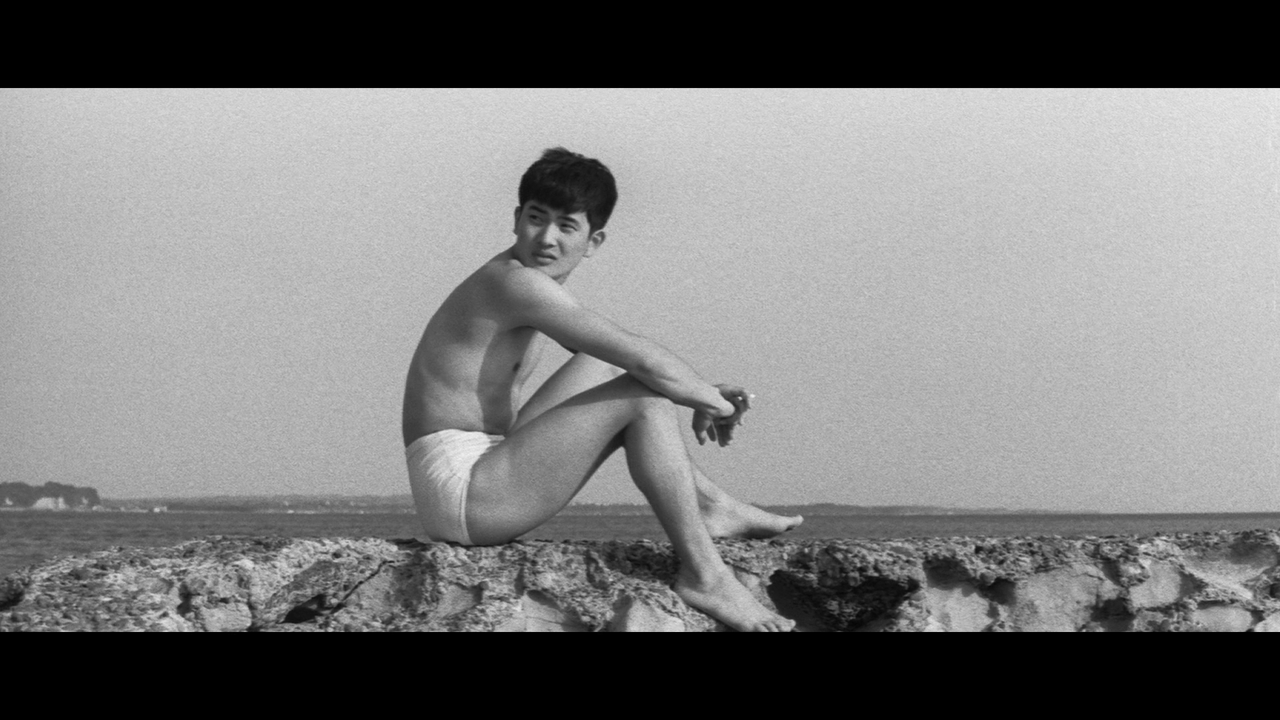
Fortuitous timing or some innate business instinct leads to Kobayashi steadily gaining weight over his career, allowing him to slip undetected into genre after genre. These first movies show him as a reedy, even gangly teenager, but when he returns to Suzuki to make Nikkatsu's early yakuza pictures Kanto Wanderer and The Flower and the Angry Waves, he has filled out enough to look a sort of indeterminate age suitable to those characters, where he is at once romantic in his aspect and also experienced-seeming beyond his actual years. Then as the yakuza movie craze begins to dominate, Kobayashi gets heavier and heavier-set, until he looks like a chunky and successful career gangster, scowling over inexpressive jowls at whatever plot the movie has to ensnare him. By the later Nikkatsu yakuza films, like Retaliation, he already looks like an old gangster dude, and by Hideo Gosha's The Violent Streets he seems suitably reprehensible, a gangster one feels is marinated in whiskey and cigarettes. He hangs on for as long as possible at Nikkatsu, starring in increasingly grungy-looking-and-sounding yakuza titles, up until the stanky-sounding title Women Smell of Night. His last picture for Nikkatsu is The Killer in 1971, and just in time to escape the shift to pinku eiga, he joins Toei for a further run of yakuza classics.
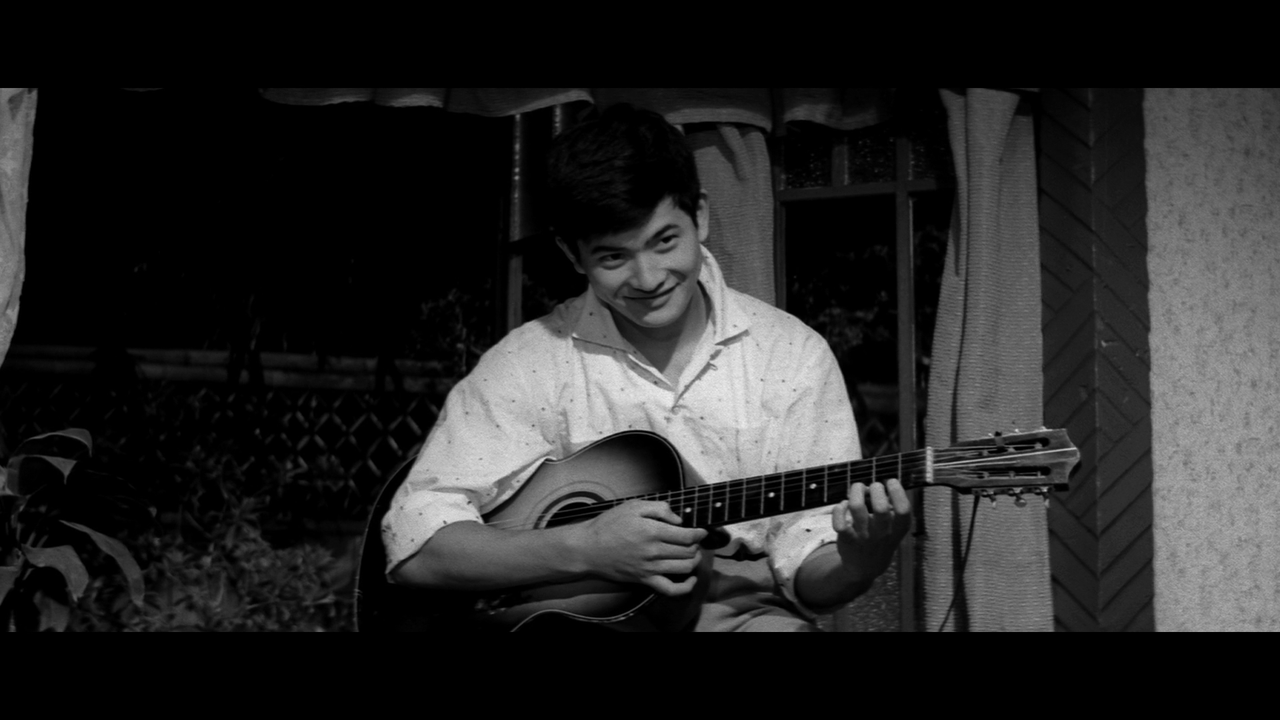
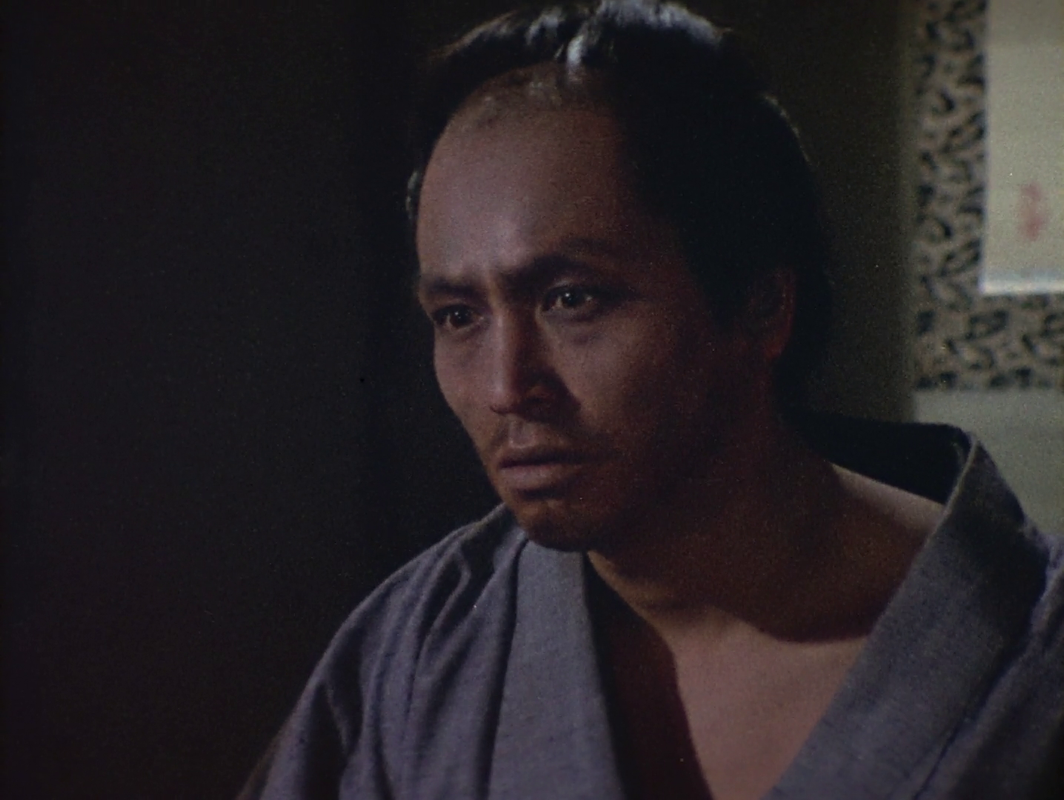
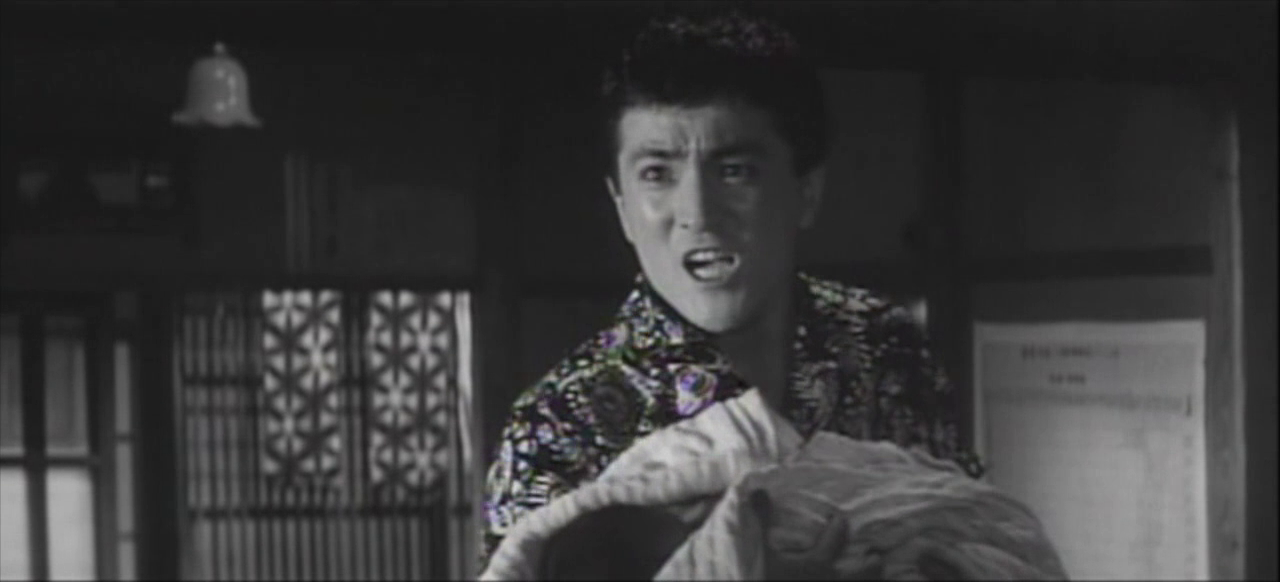
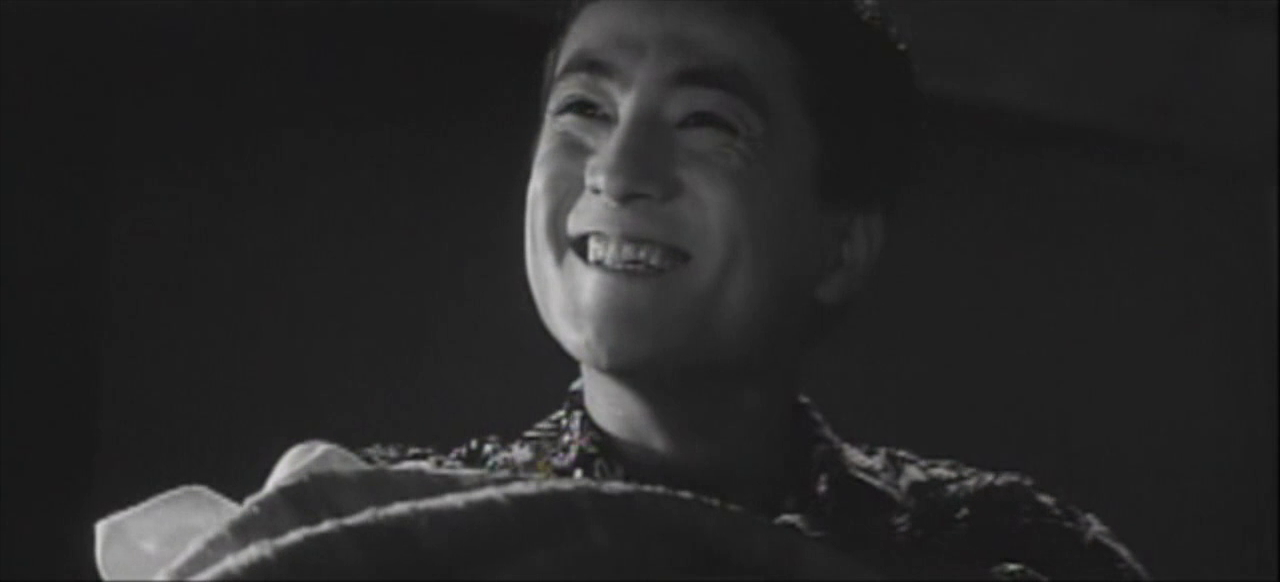
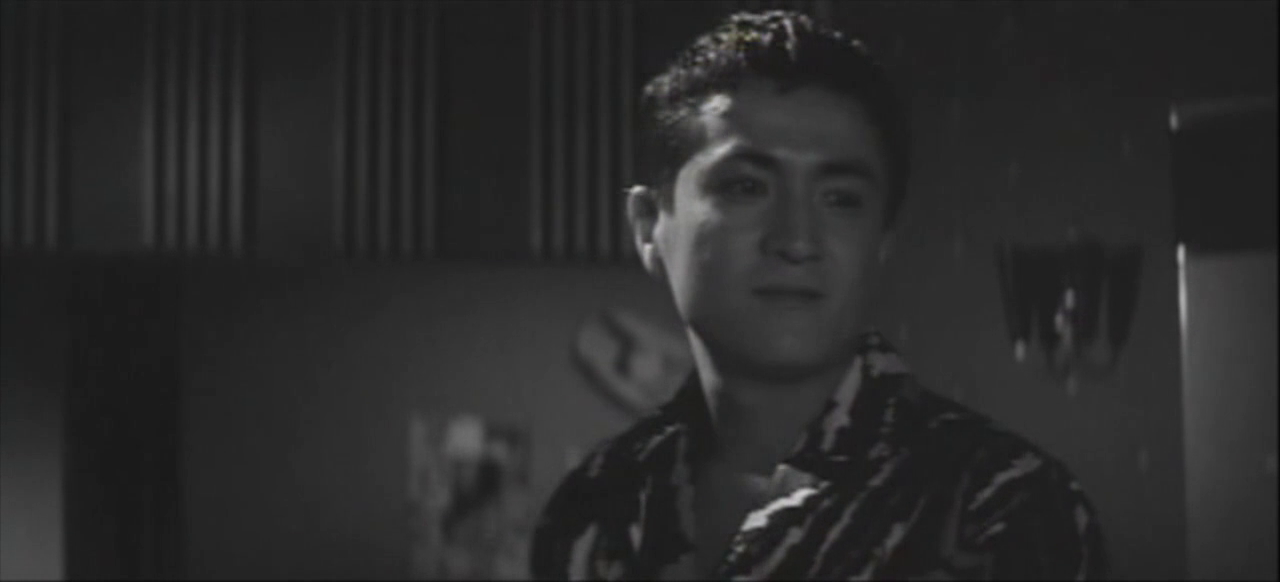
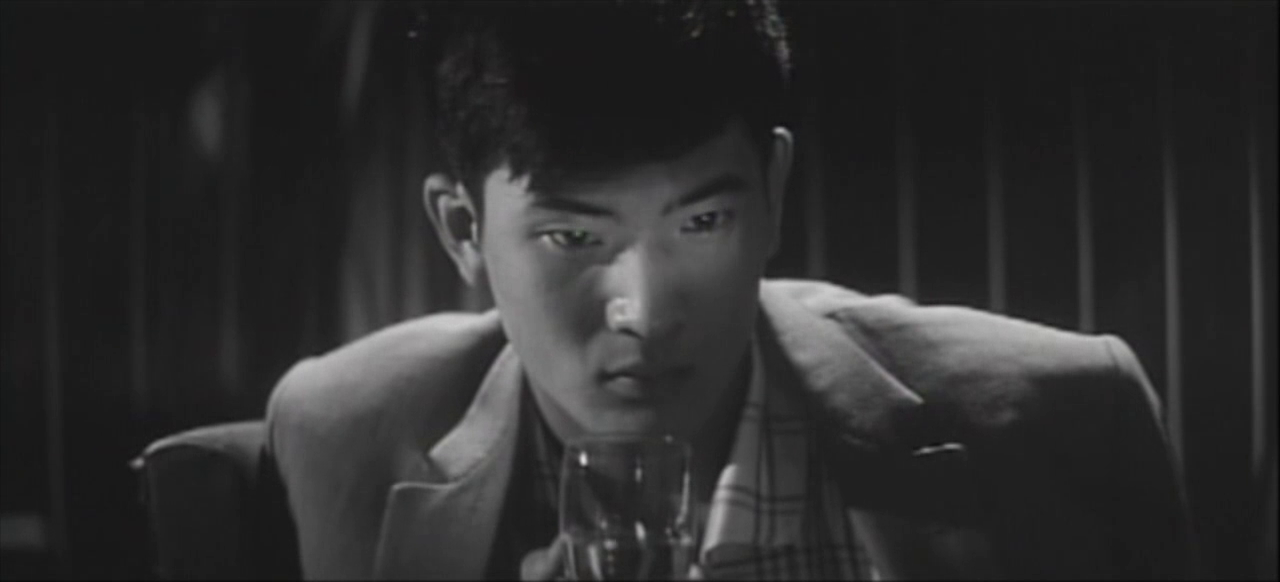
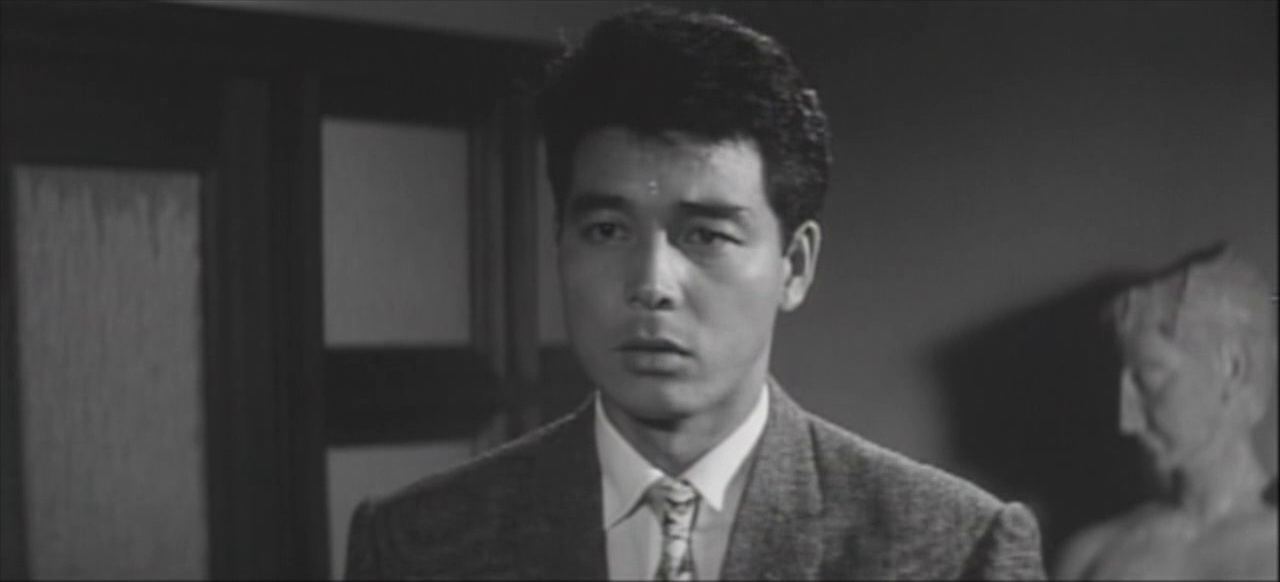
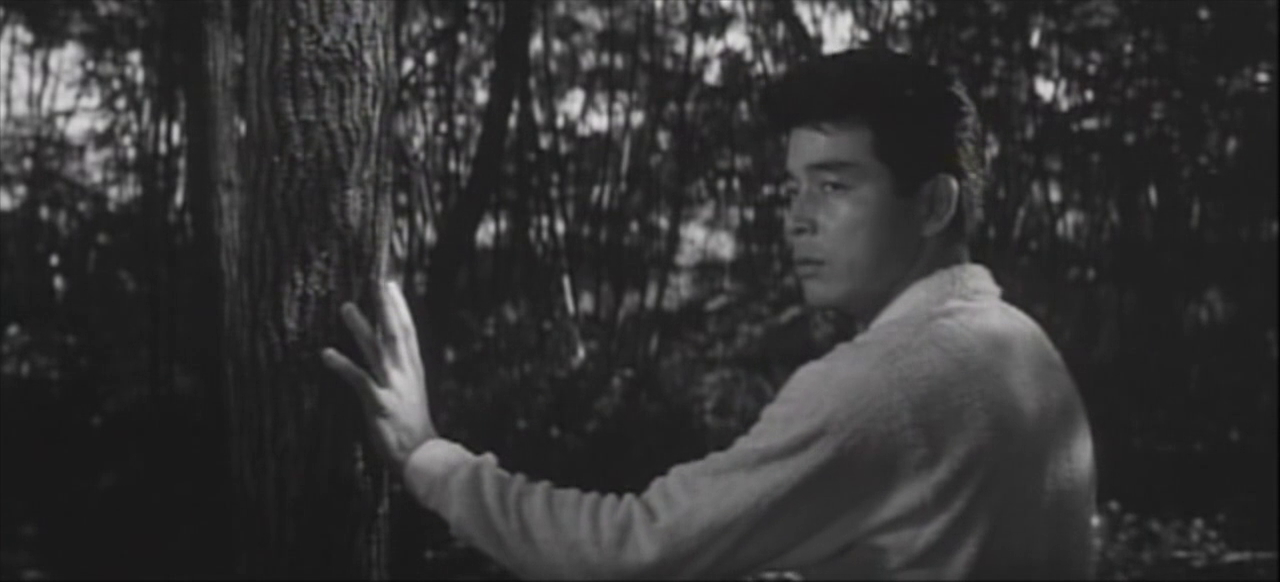
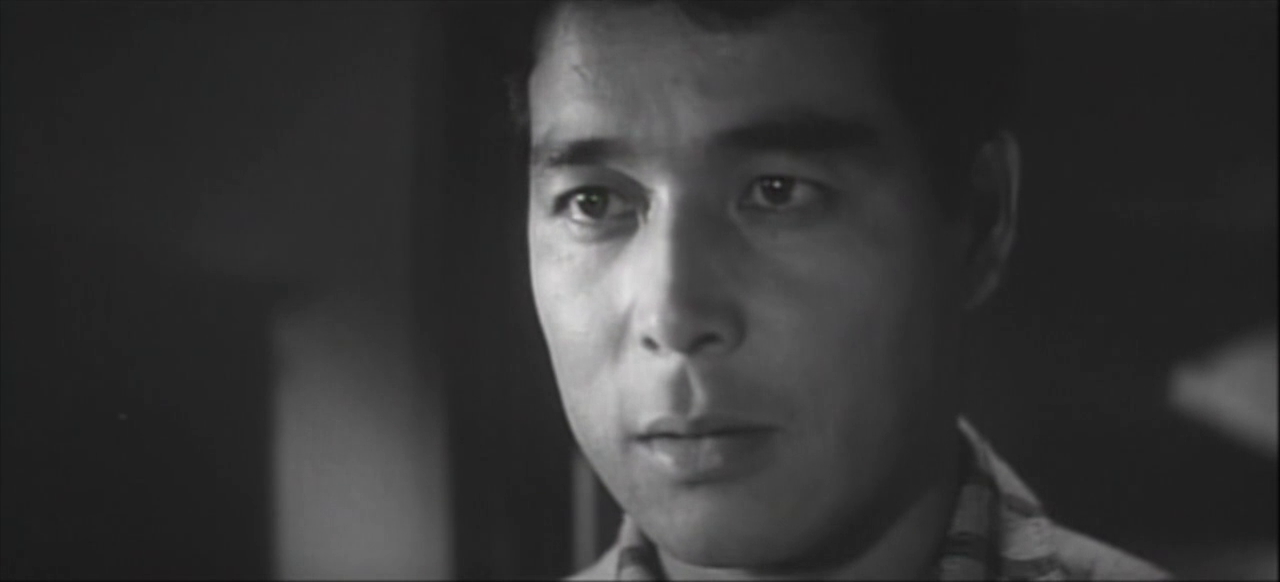
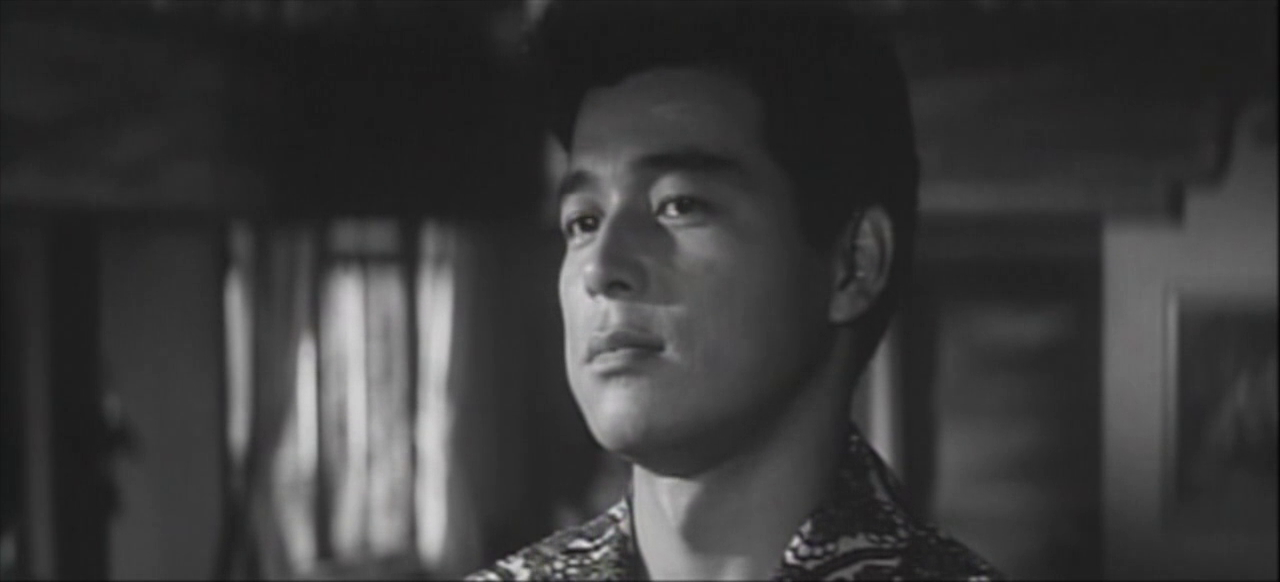
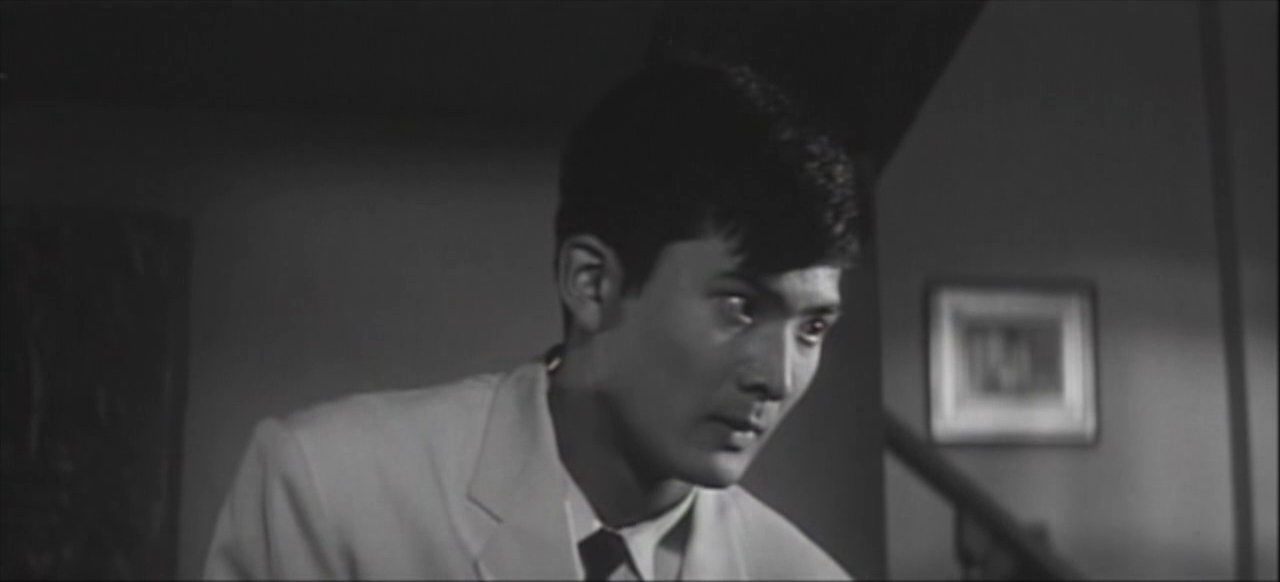
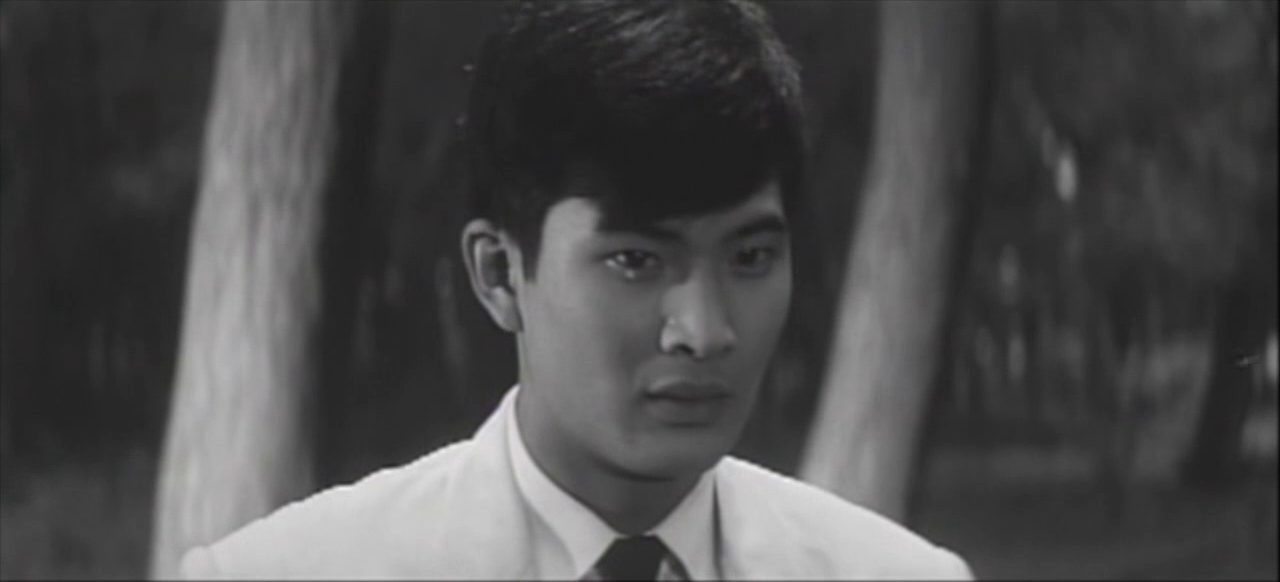
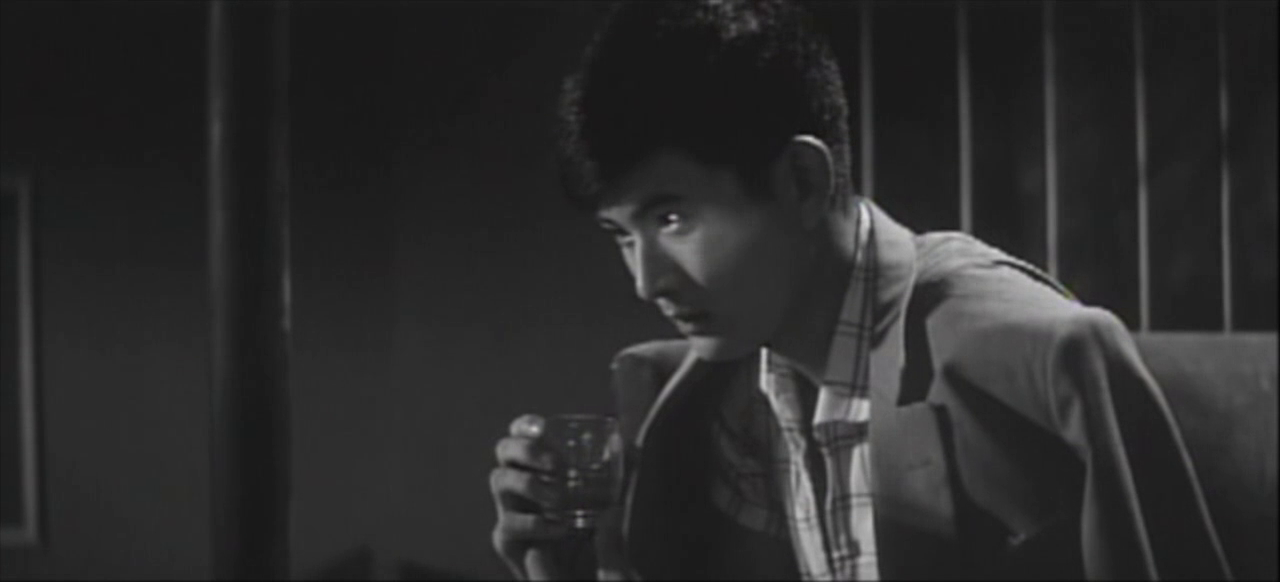
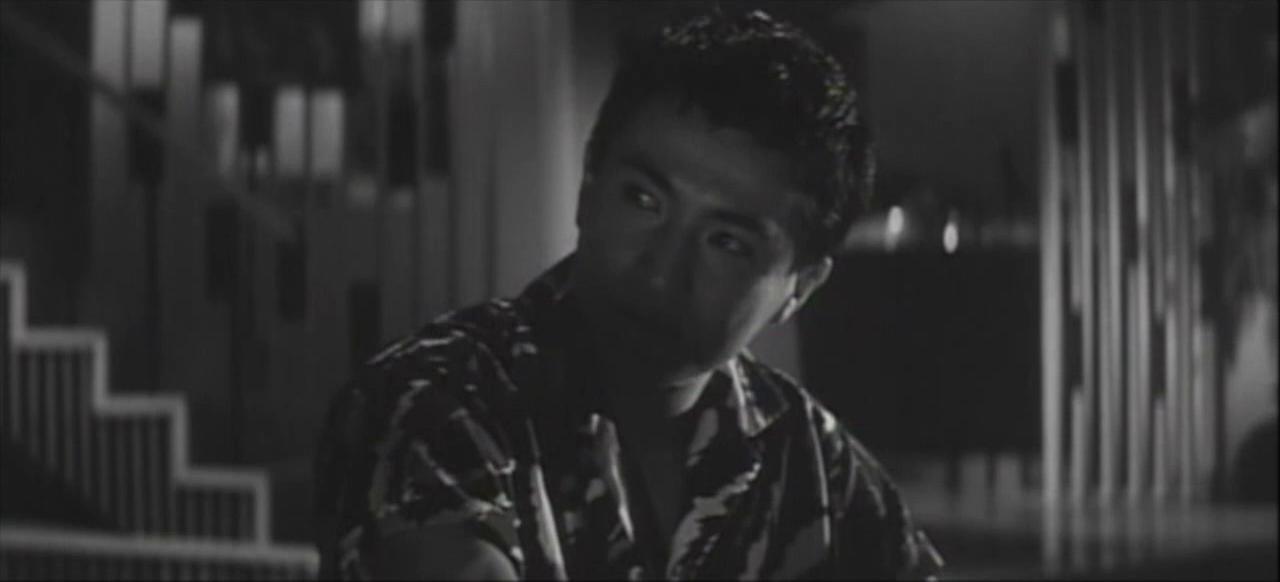
In spite of the way Yujiro Ishihara continued on as Nikkatsu's biggest box-office star, Kobayashi was the actually more reliable number two and did end up essentially the successor to Ishihara's legacy at Nikkatsu, such as could be done. He frequently delivered big hits to the studio, and helped make its image in each new genre Nikkatsu tackled. He was also a custodian of Nikkatsu's reputation long after it was likely profitable to him, and was known to be a friend to the other Diamond Guys in real life. Joe Shishido clearly had affection for him, noting he was the only person from the Nikkatsu days to call Joe and offer condolences when a fire destroyed the elderly Shishido's house and his copious memorabilia from his beloved time in the movies. Kobayashi showed loyalty to Suzuki by remembering him five years after these films and requesting Suzuki direct his first forays into the yakuza genre. His eulogy to Suzuki in the newspapers was perhaps the most generic and inspecific of those who made any comment, but it was respectful; Kobayashi always presented a sort of class act––even if he never delivered anything like a master class in acting. He seems to me a visual model of broad-shouldered cool for Chow Yun-Fat decades later––though he never had the nimble grace of that far superior later actor. While he always had a star's presence, Kobayashi is often sort of off-key or awkward when tested in a role. He liked physical acting scenes, but he doesn't have the exuberance of Joe Shishido, or the self-possession of Ishihara or the physical grace of Koji Wada. He is very good at making explosions of violence in his films seem calculated––as in his enormous burst of violence at the end of Kanto Wanderer. In The Boy Who Came Back, his violence seems more explosive, and he seems more taciturn than usual.
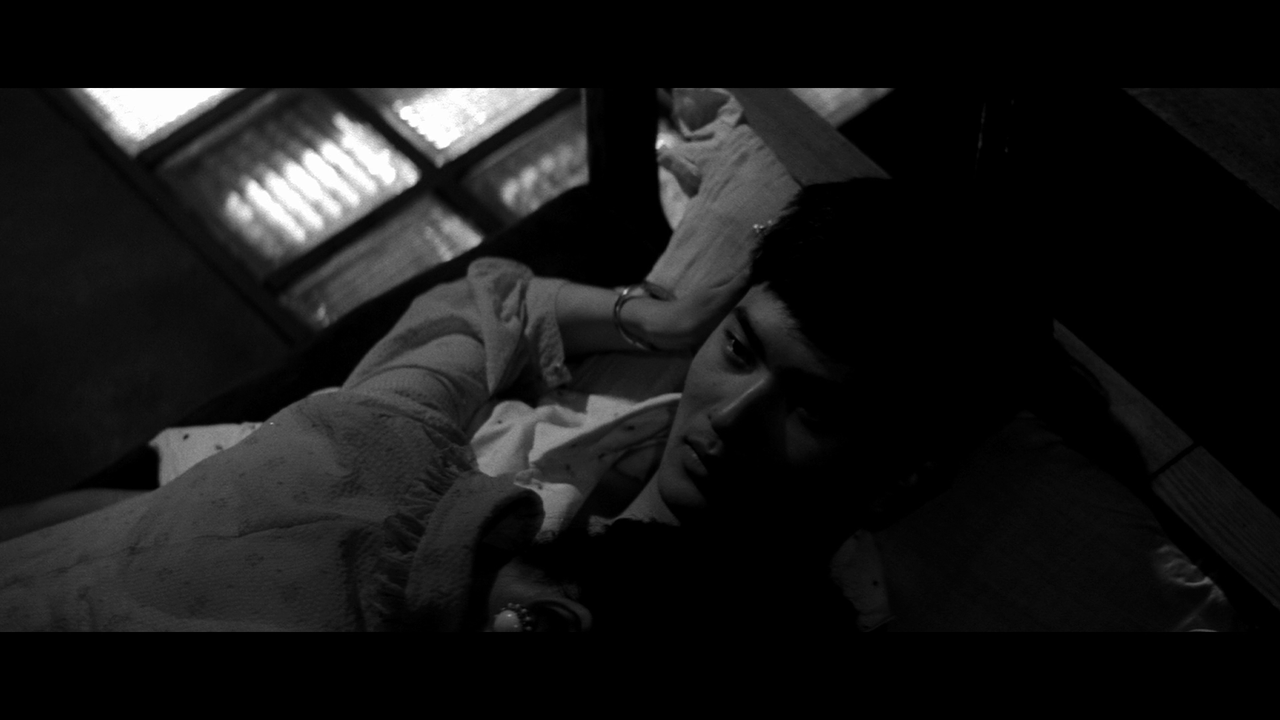
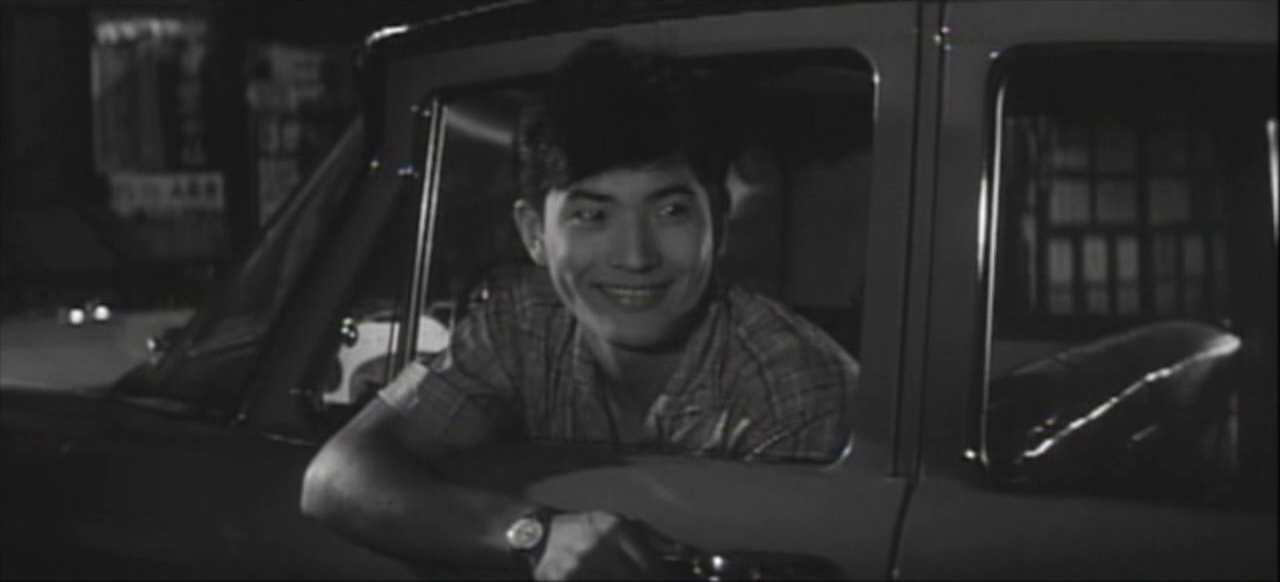
What always worked about Kobayashi though, more than any of the other Diamond Guys, was his polymorphous-seeming sexuality. Until he bulks his way into yakuza roles, Kobayashi has a lot of the ambiguous sexuality of a young Montgomery Clift or Alain Delon.
SEX & VIOLENCE
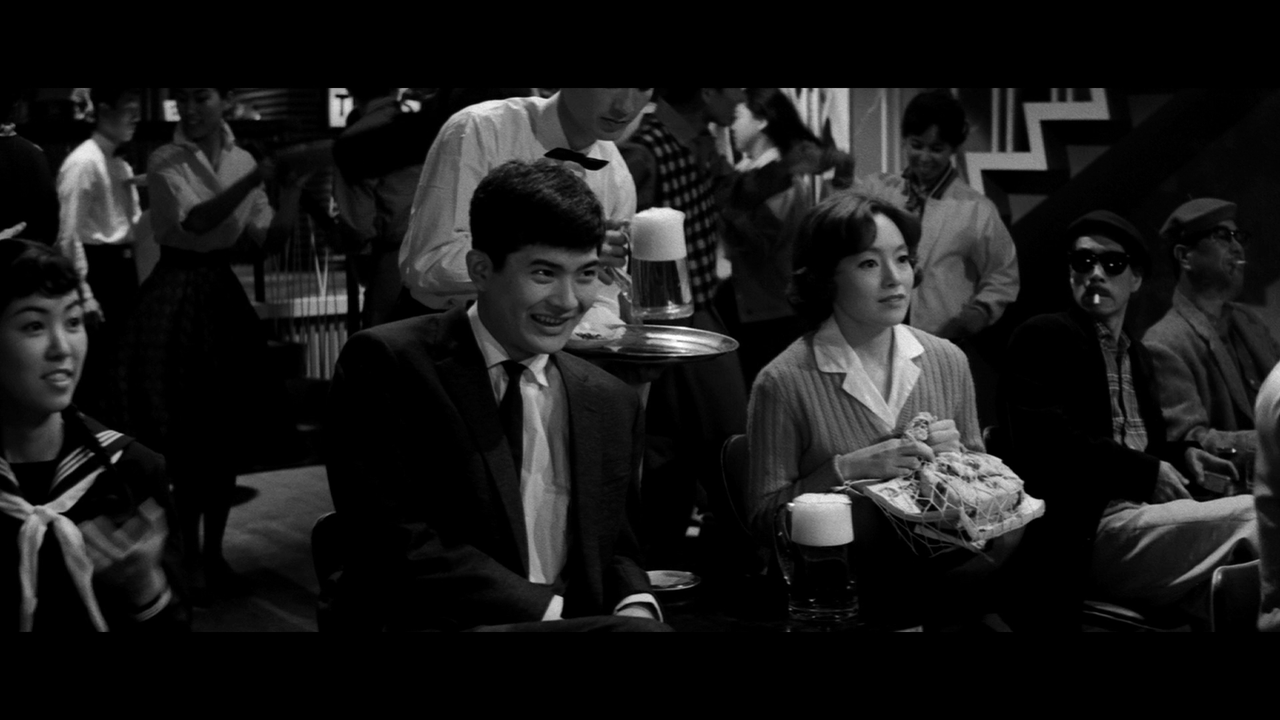
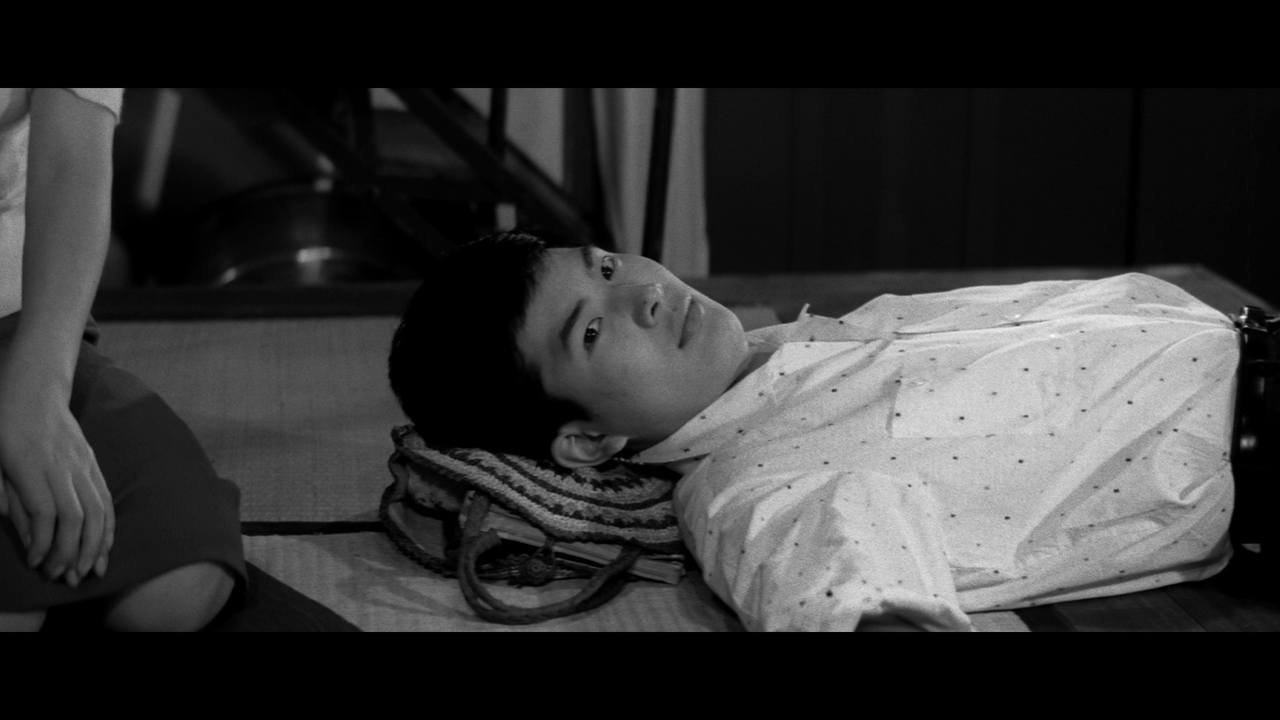
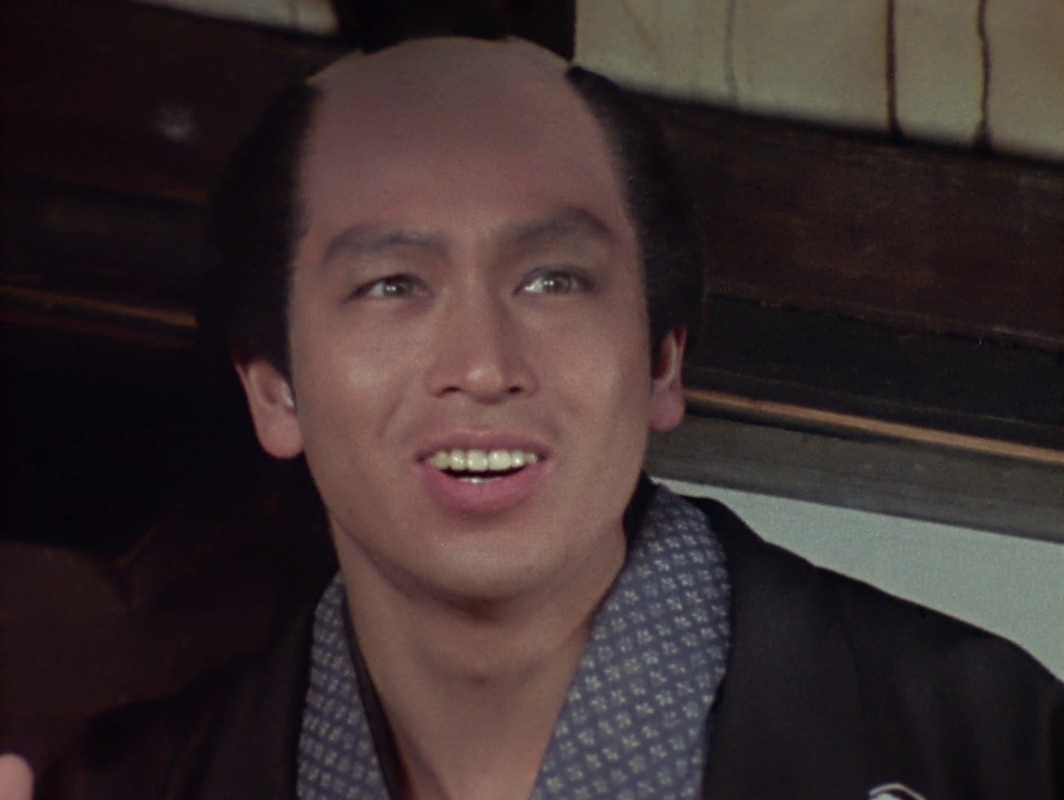
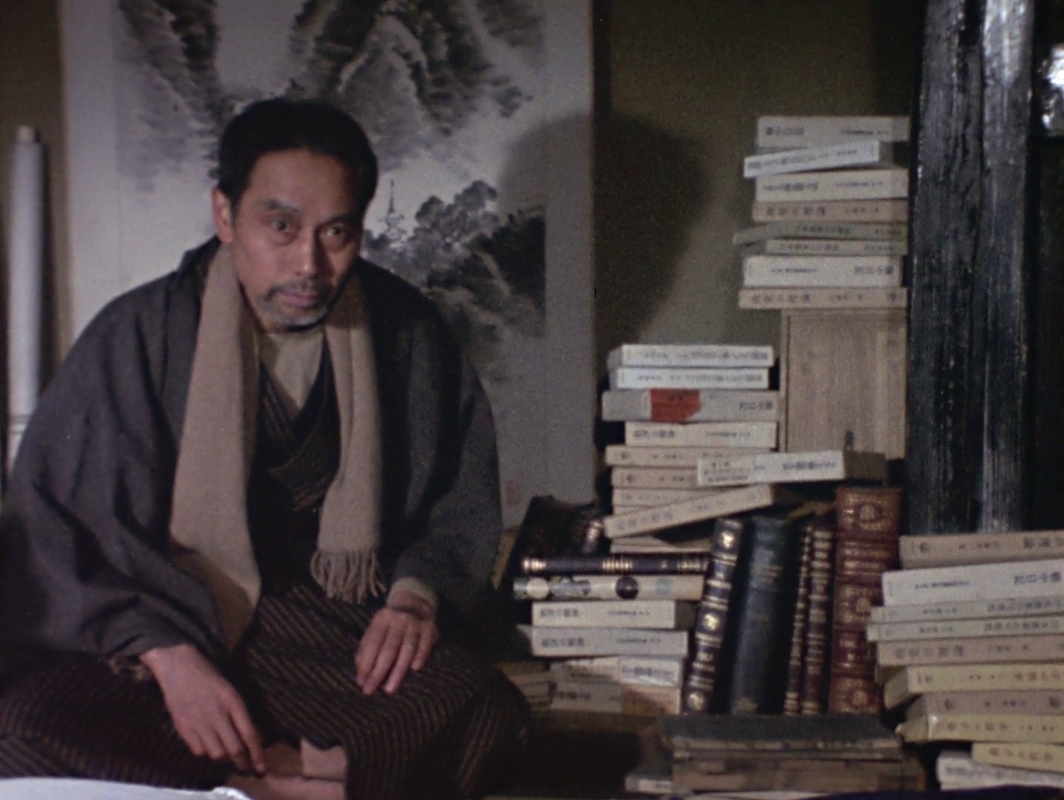
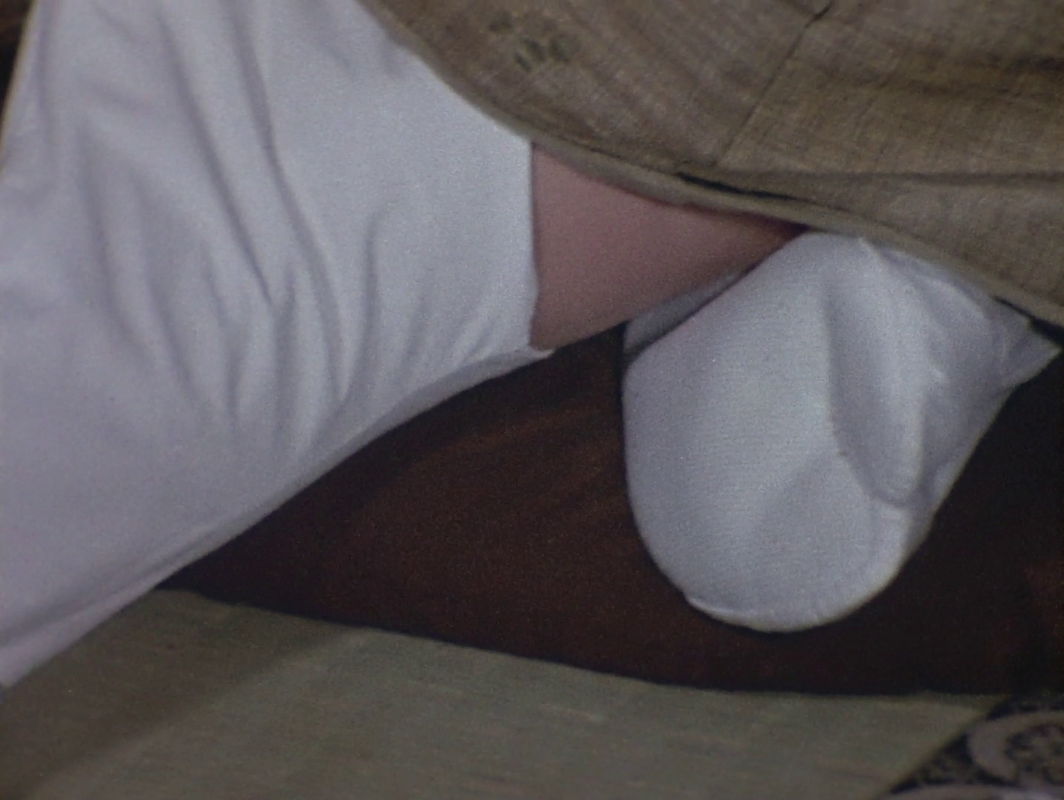
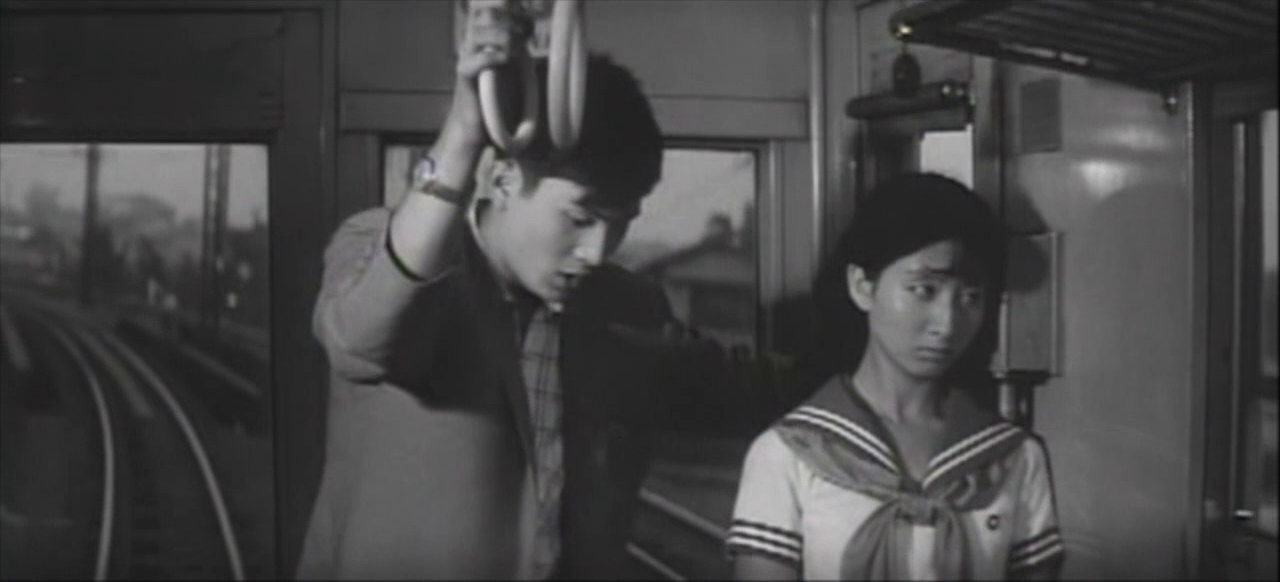
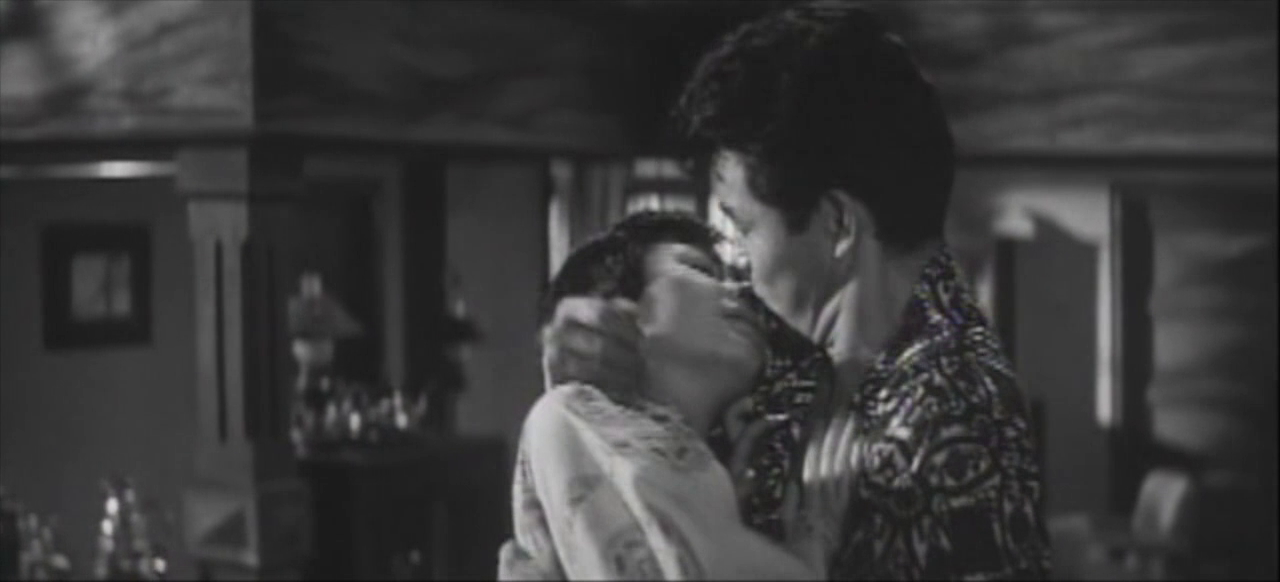
In a way, that sexuality is what is turned up to 11 here. From her playful introduction to him, as Hidari's social worker Keiko finds Kobayashi's delinquent Nobuo lounging on a dentist's chair, playing with a toy spider, the two are flirting with one another, hard.
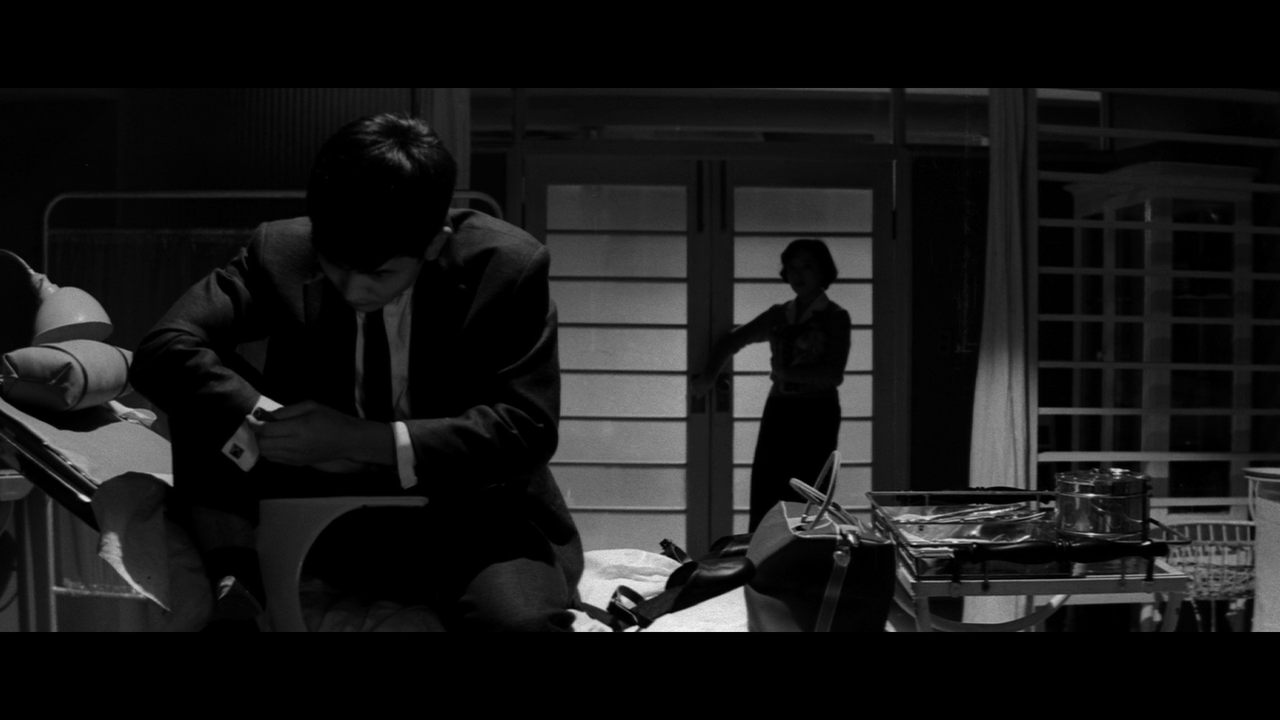
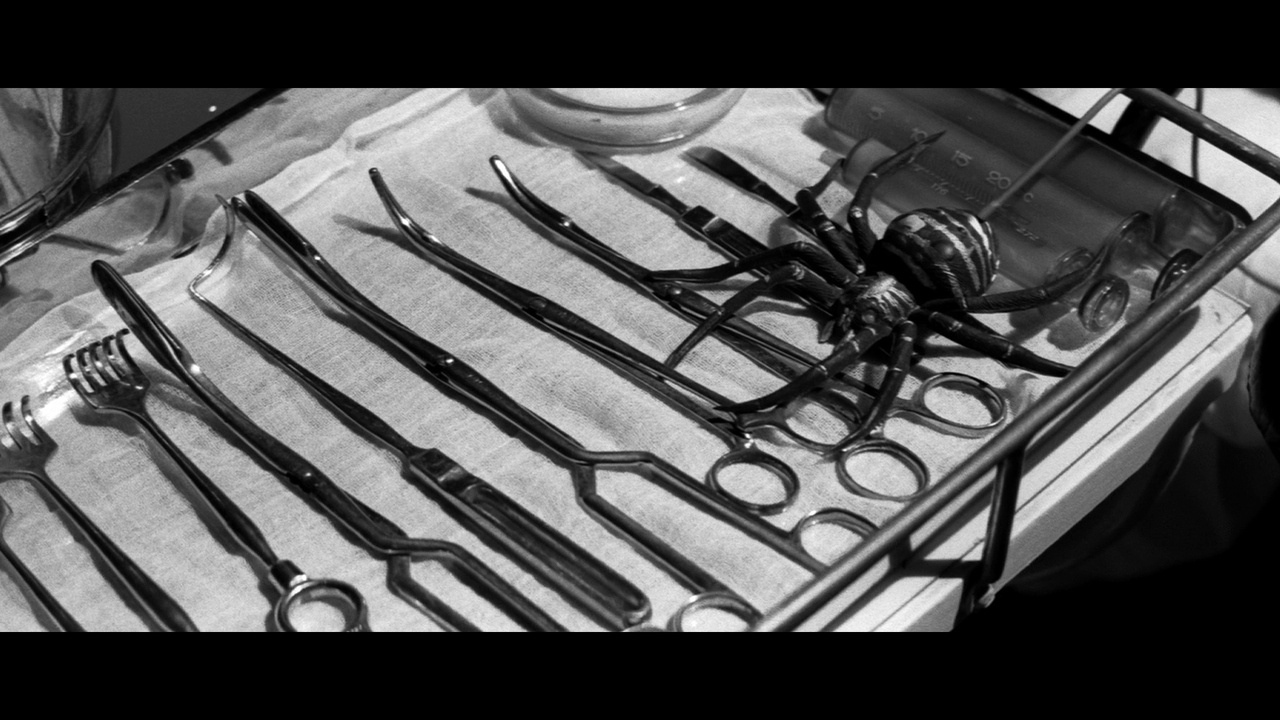
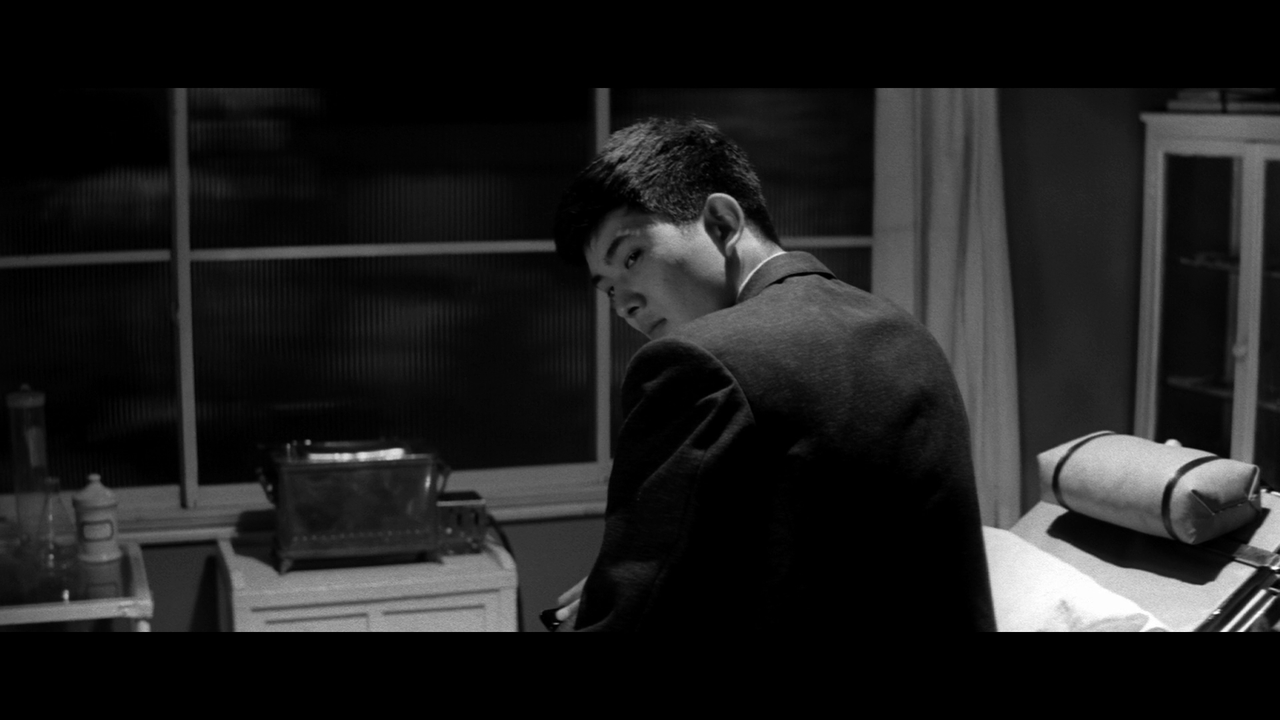
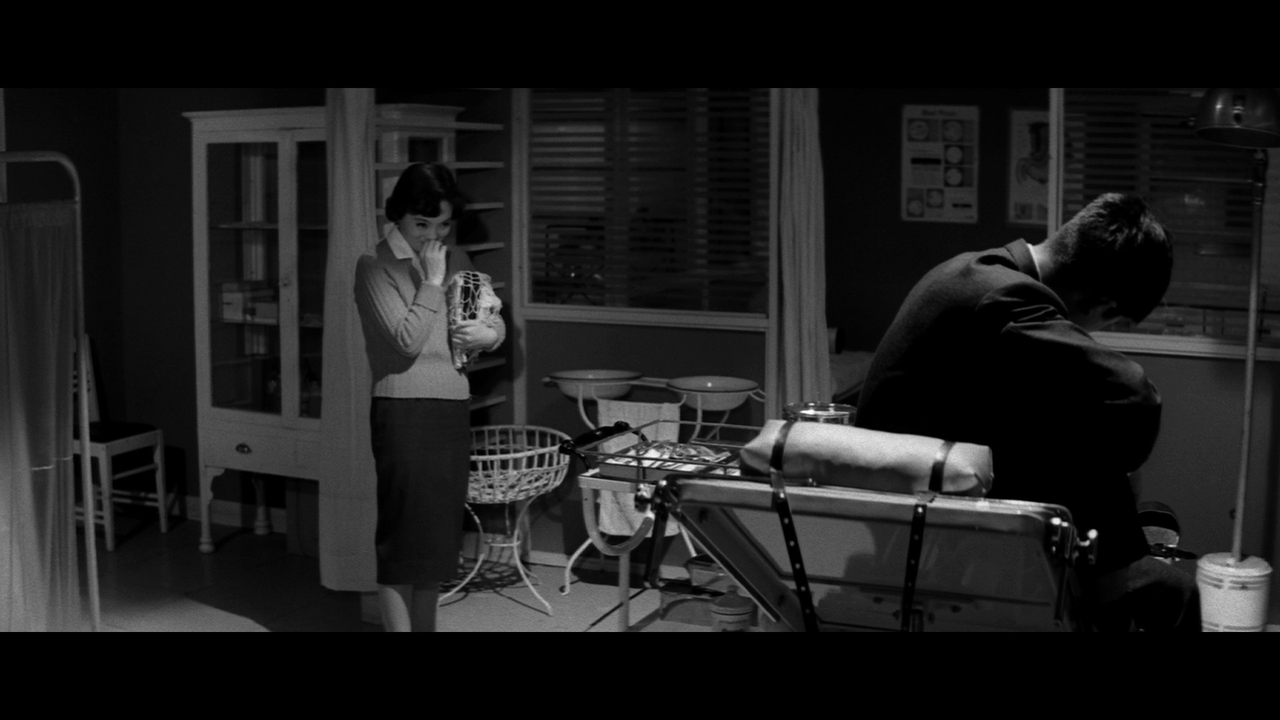
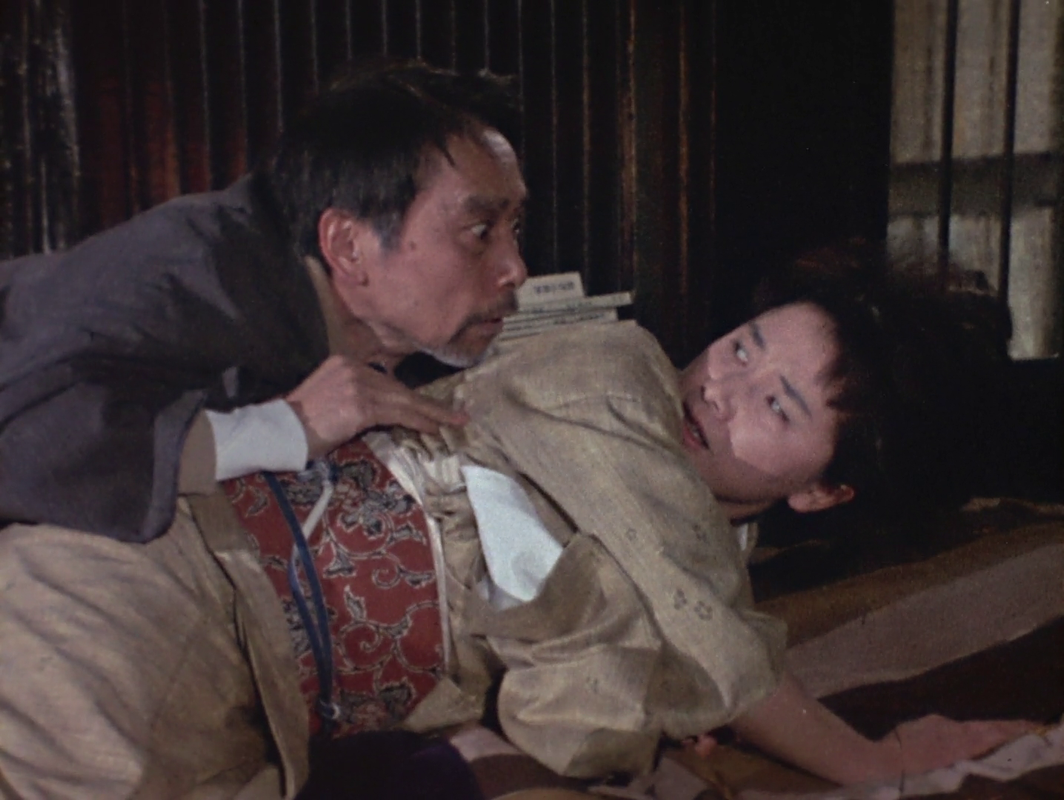
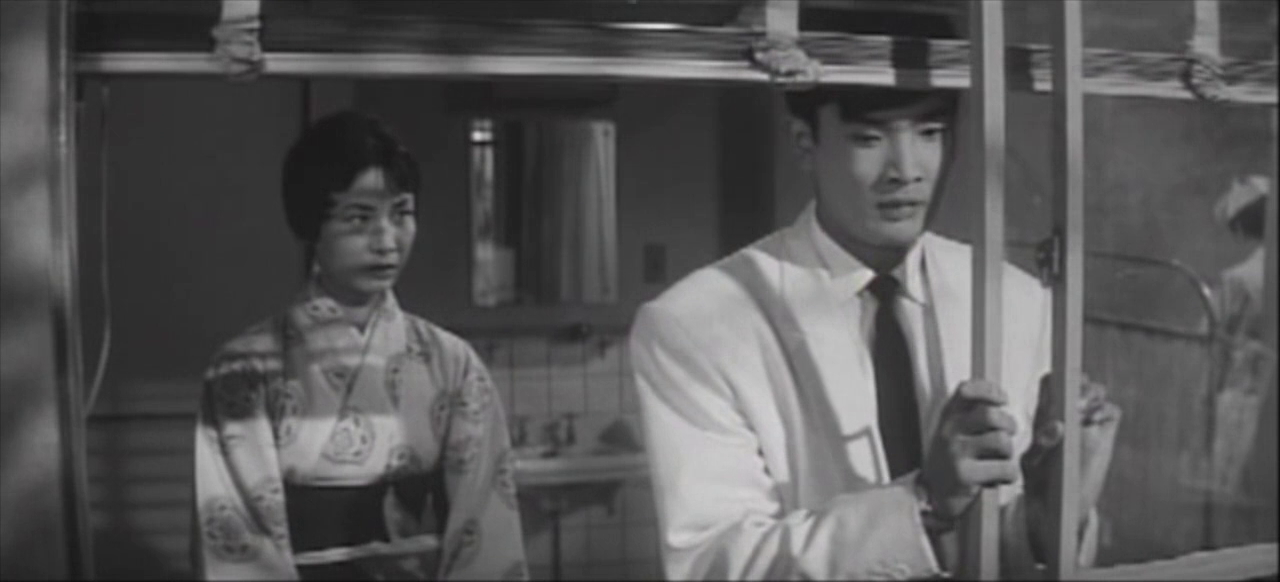
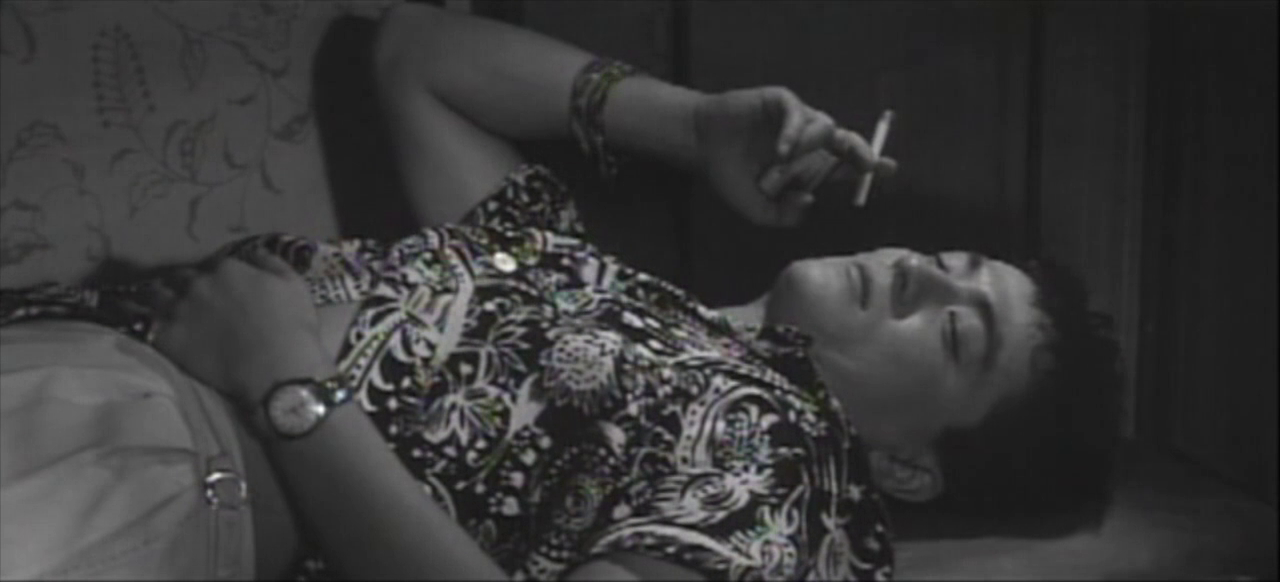
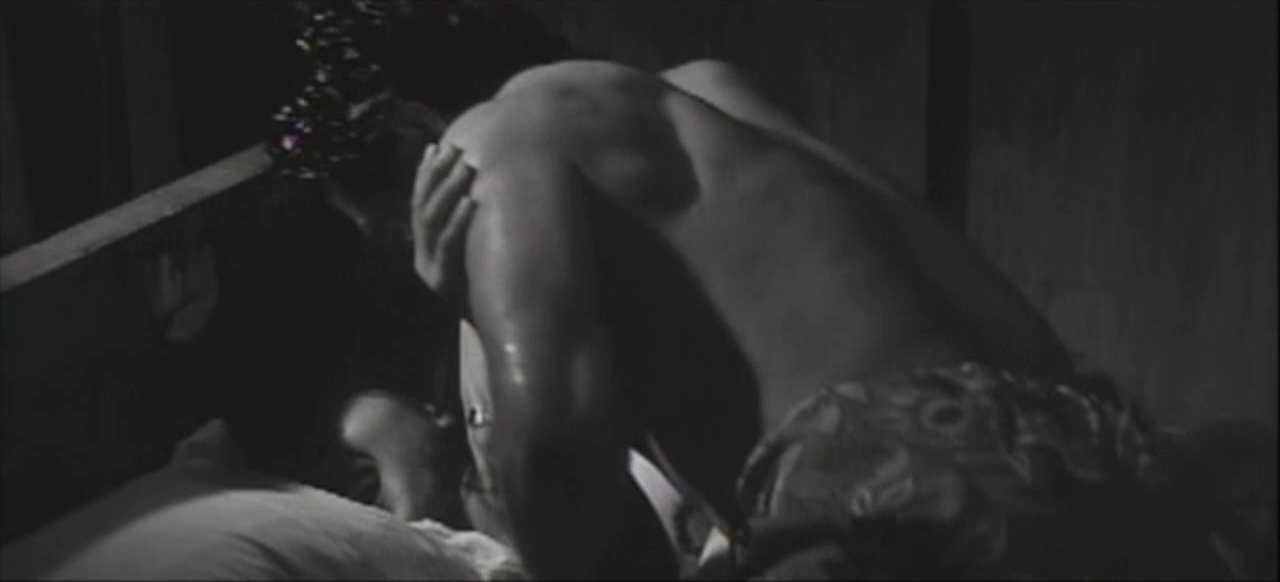
This byplay seems casual at first, but it turns out to be the key that makes this movie better than average for the genre. This is Keiko's first case, and she wants to make a splash; she connects with Nobuo first with flirtation, with fawning attention. He responds by essentially seducing and abandoning her, playing to her eagerness to see what his life of underworld loutishness is all about. It looks as if he'll end up bedding her in a seedy hotel, but she takes refuge in the bathroom and he uses the chance to escape. Keiko comes to recognize that Nobuo views his own sexuality in an entirely negative light––women, including his bar-girl fling, including so many other girls like her, the film seems to imply, want a sexual performance from him which leaves him disinterested. Keiko learns Nobuo had a girlfriend, Kazue, who has given up Nobuo and gone on the straight-and-narrow as a teacher for young children. So begins Keiko's dual seduction, playfully nudging Nobuo back towards Kazue, and on the other side building Kazue's gumption to be the romantic foil Keiko thinks Nobuo needs.
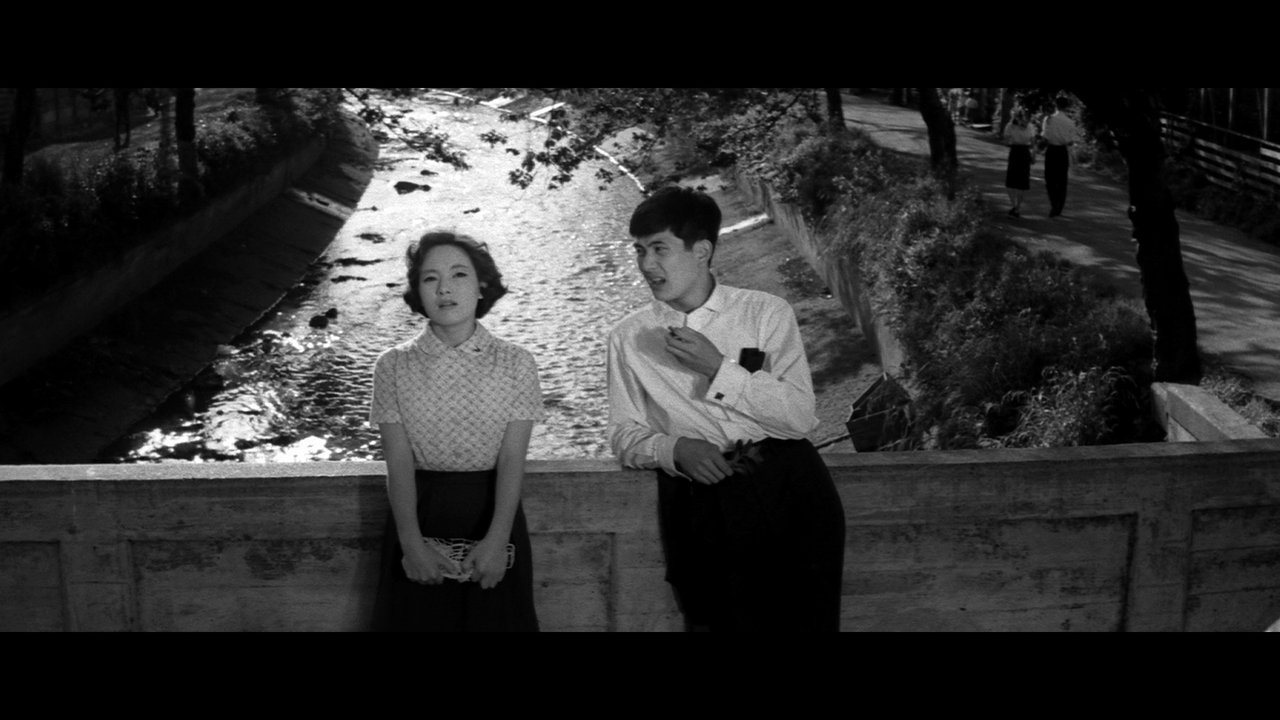
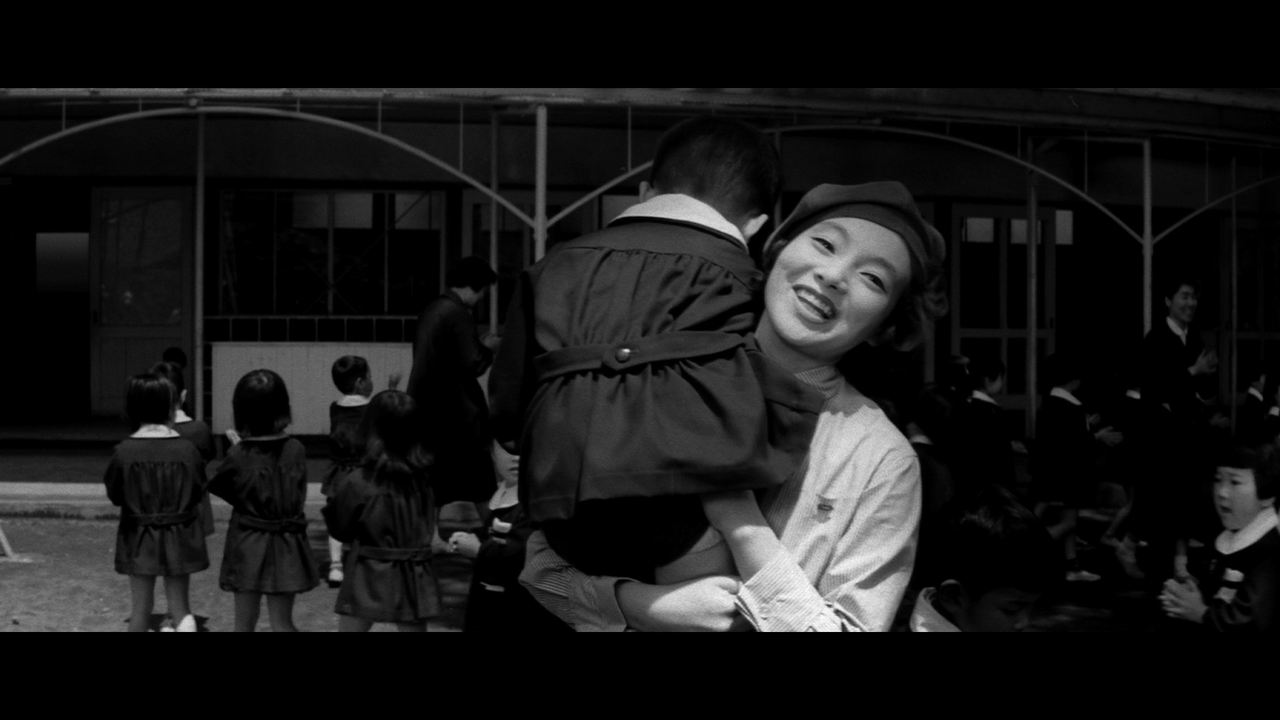
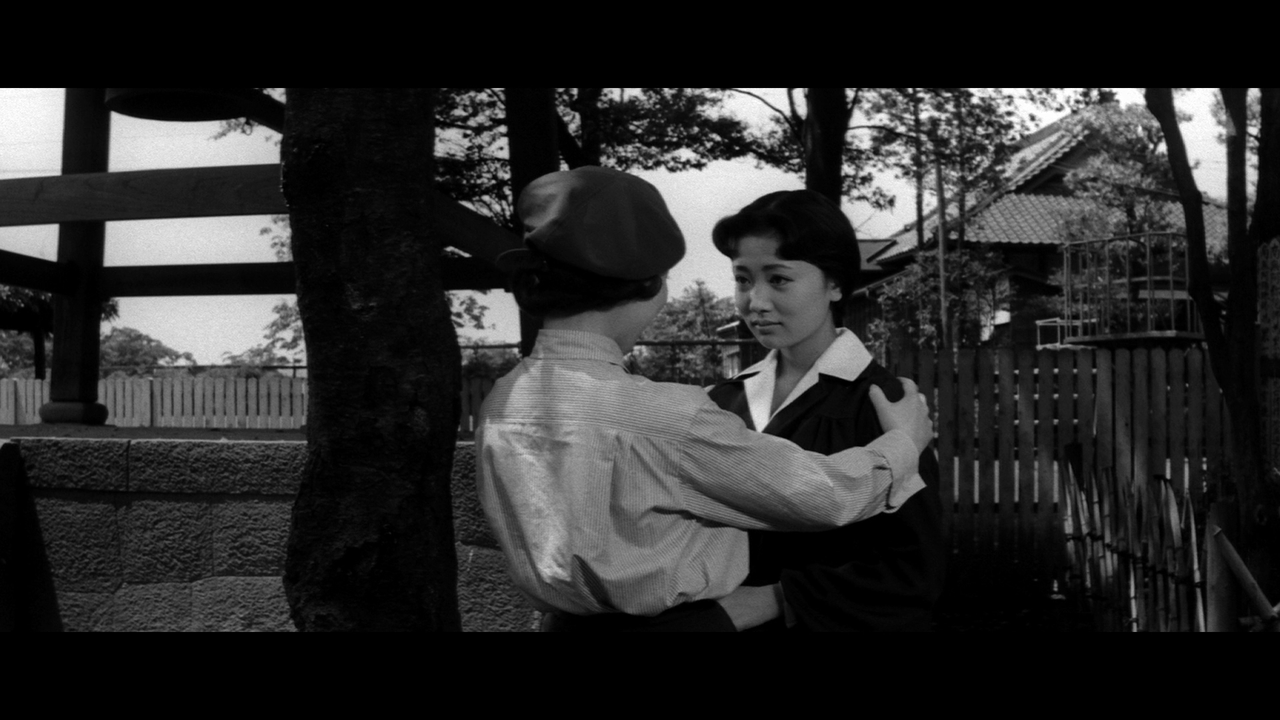
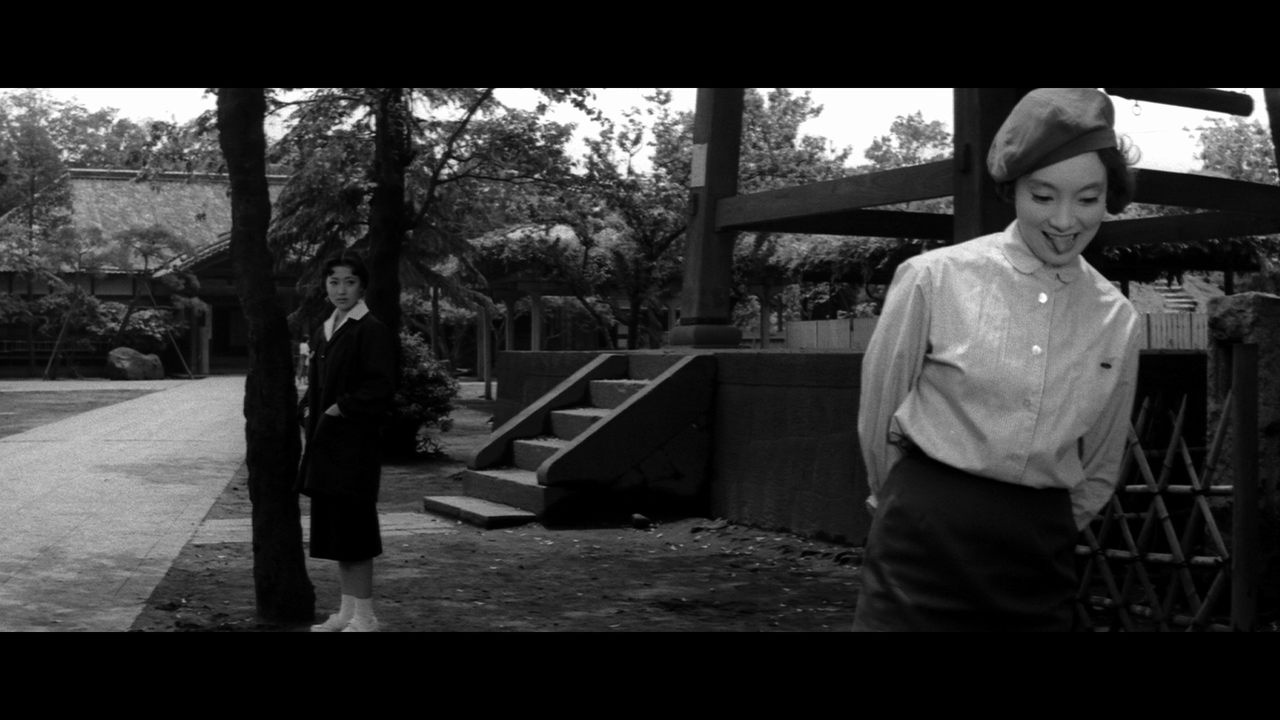
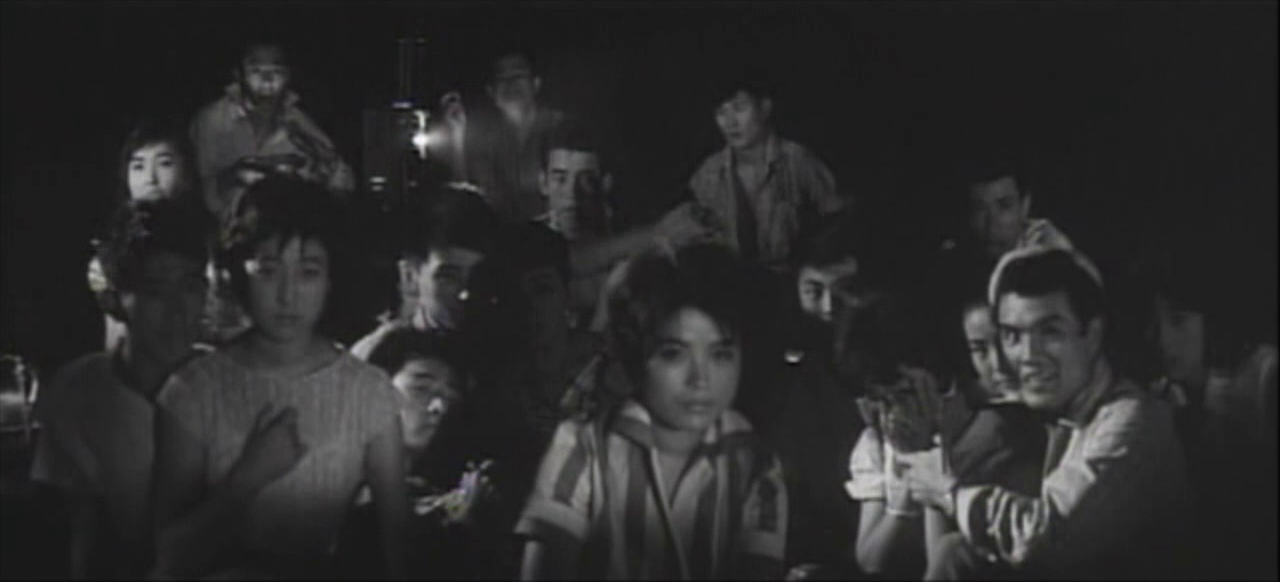
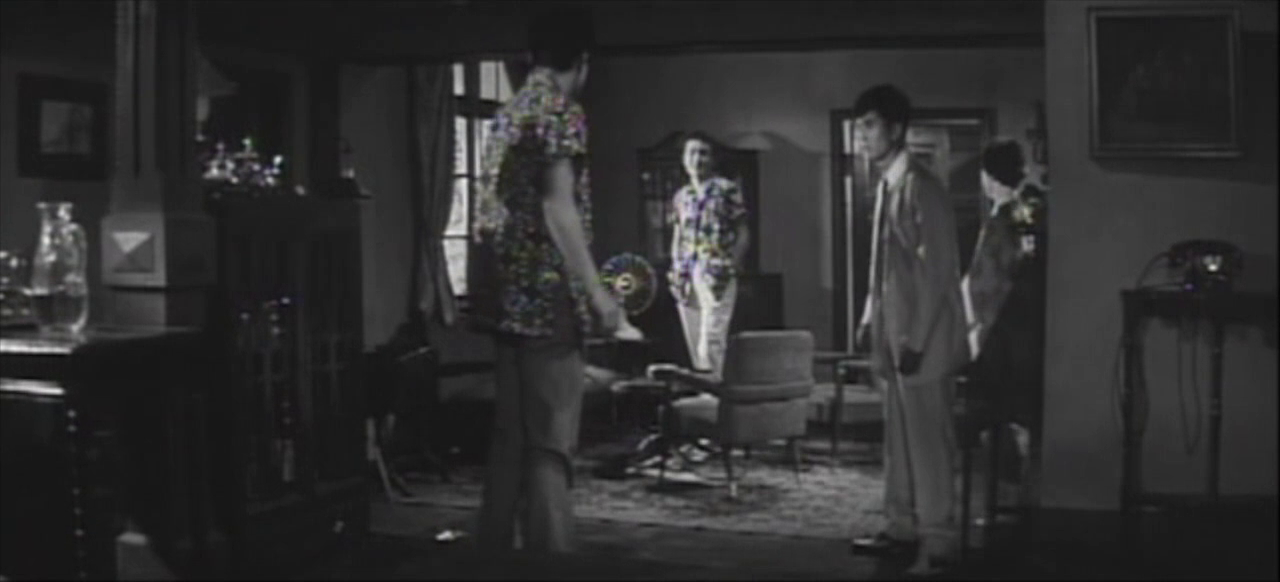
Some of what was becoming standard Nikkatsu melodrama surrounds this story; Nobuo knows a bunch of guys his own age who are getting deeper into thug life, including his pal, Keisuke Noro, and an acquaintance of more remove, played by Jo Shishido. These guys are the kind of droogs Nobuo might become, the film implies. They act as temptations towards the dark side for Nobuo, and as antagonists once Nobuo, charmed anew by Kazue (and by Keiko's increasingly flirtatious interest in his welfare), tries to trod the straight-and-narrow himself, pursuing some sort of career in illustration, from the look of things.
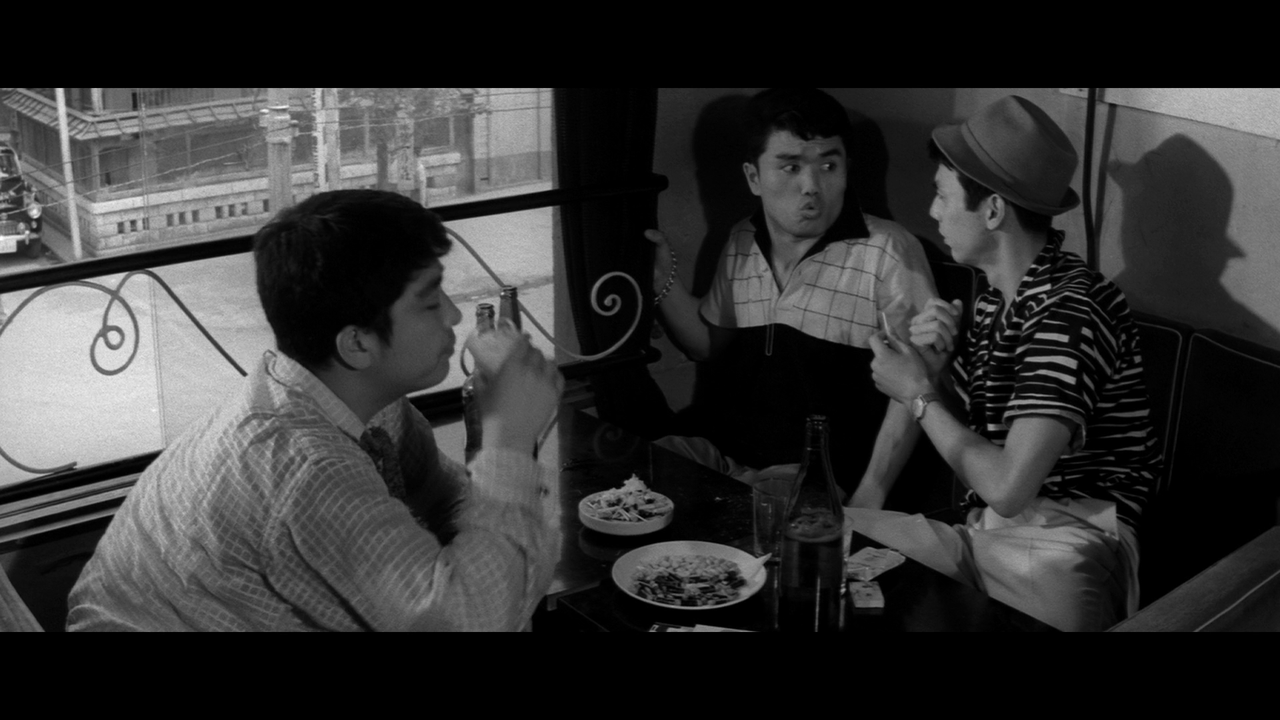
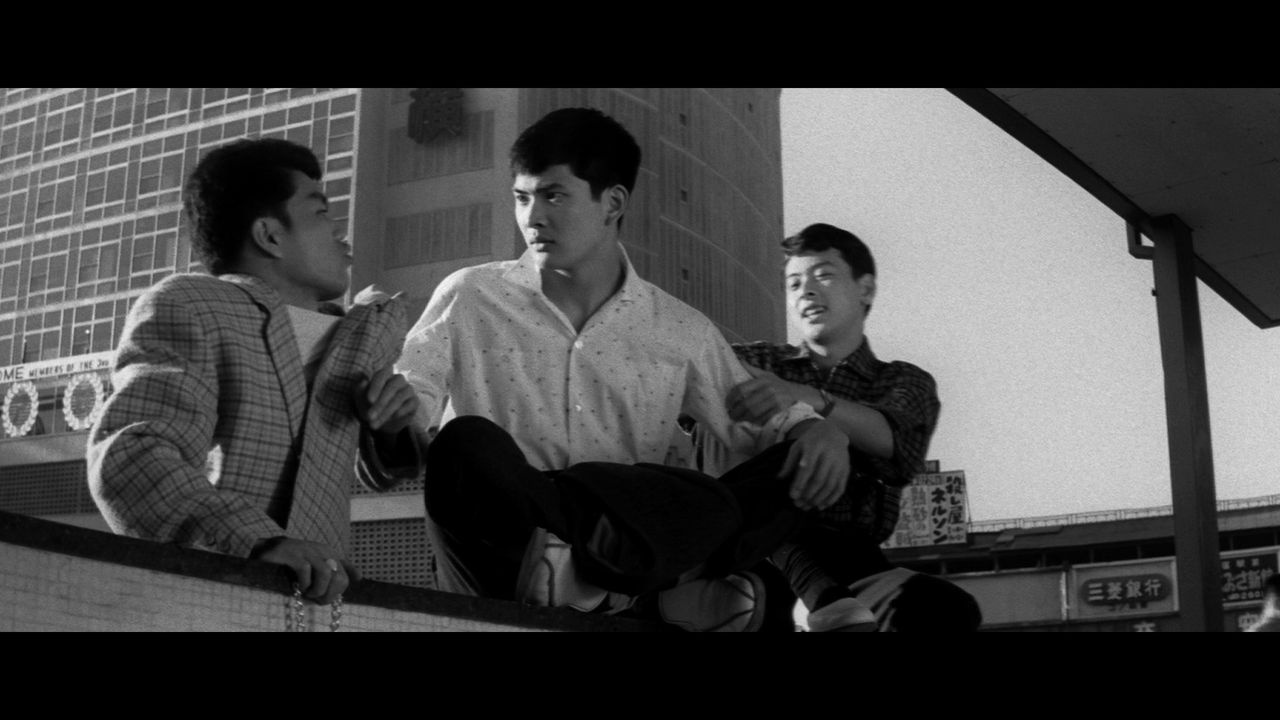
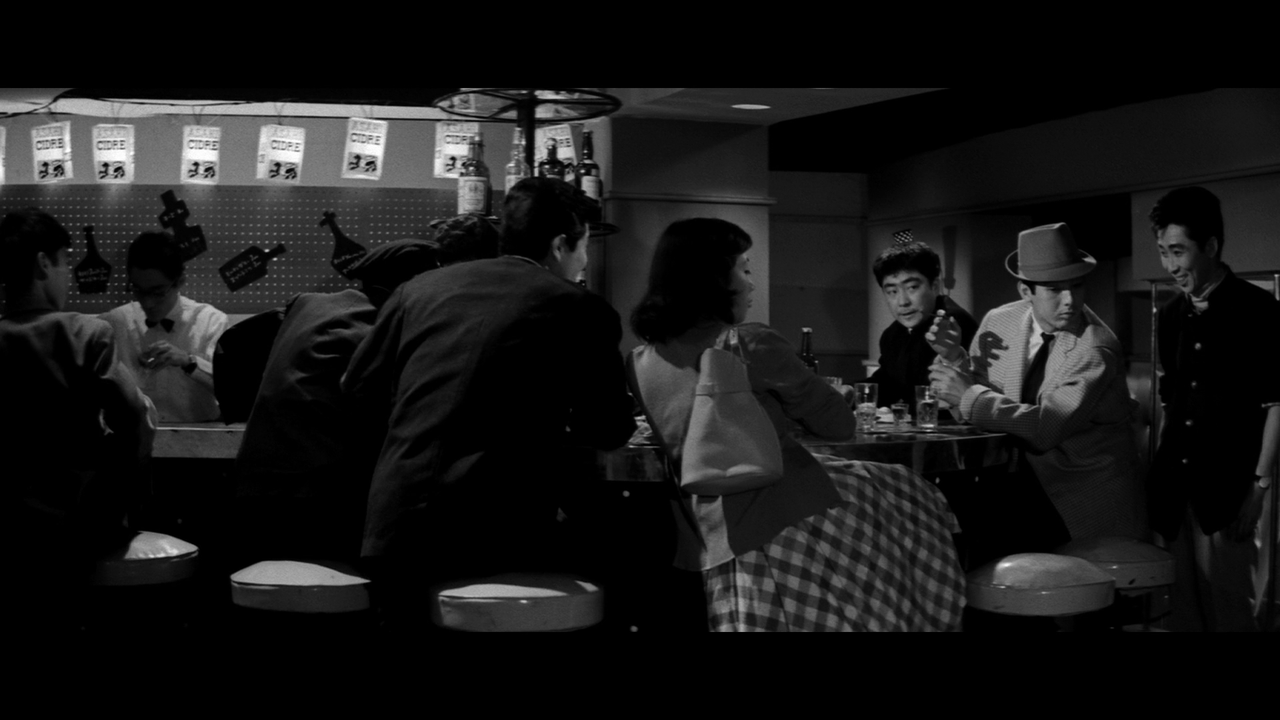
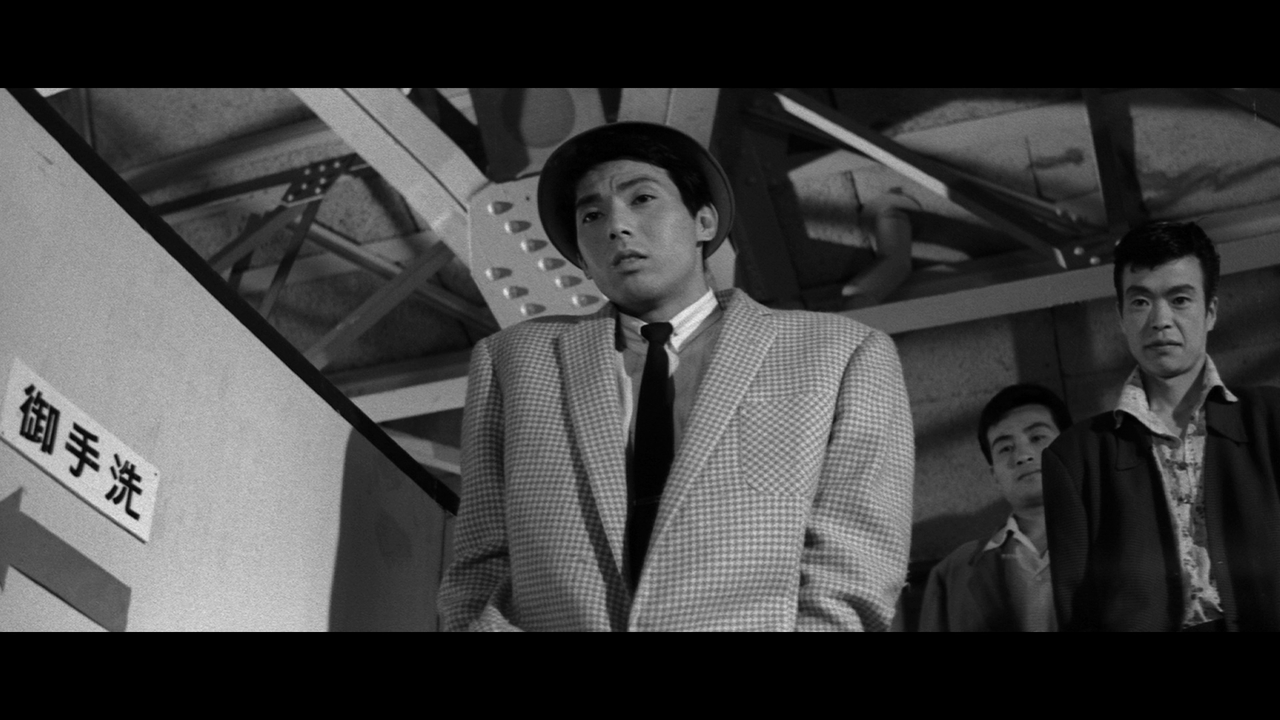
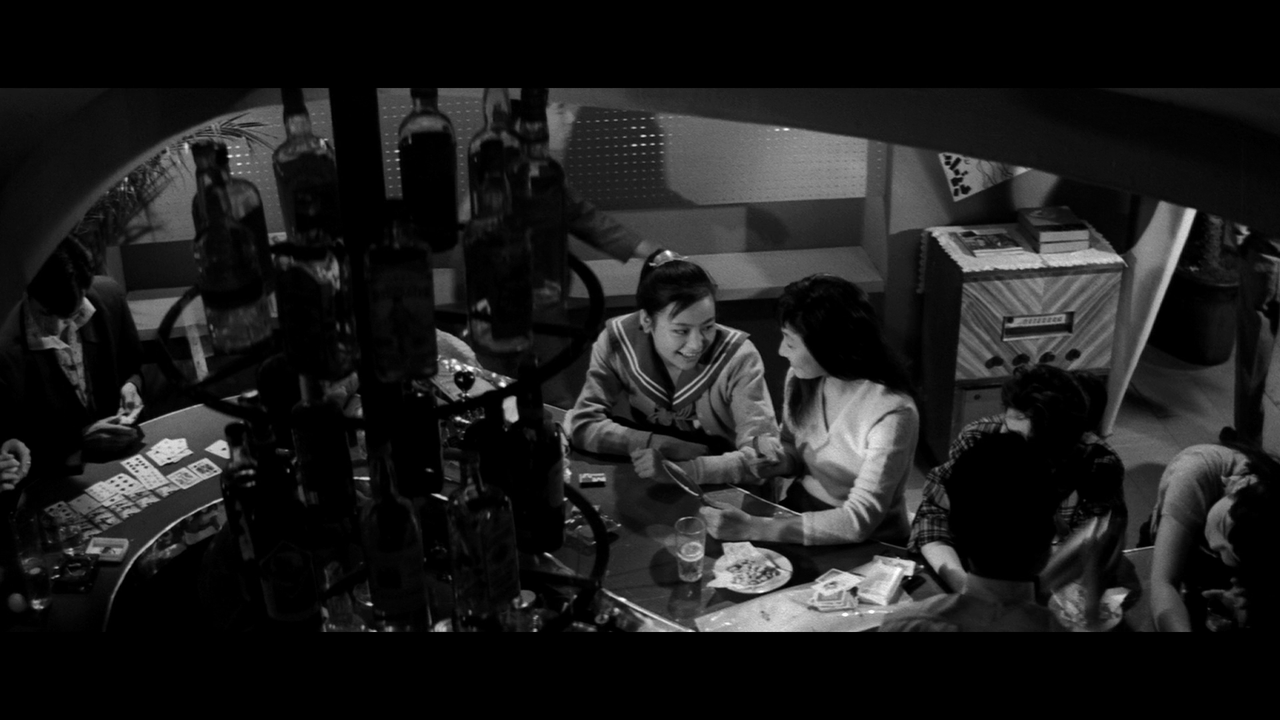
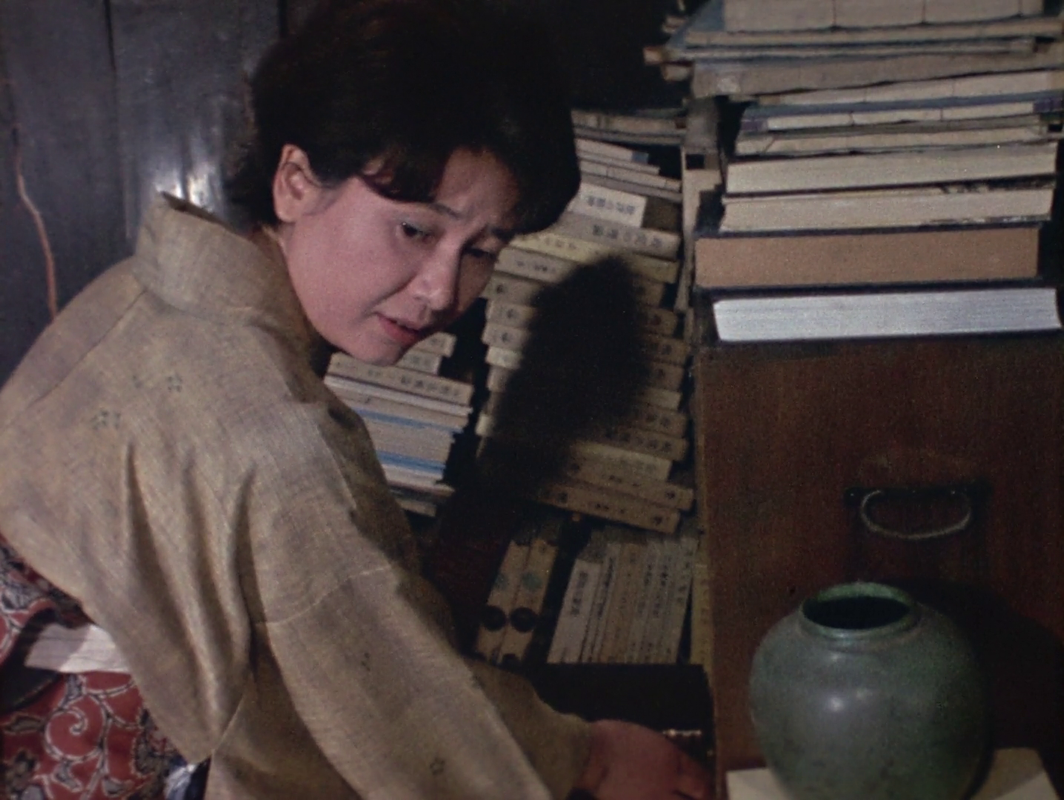
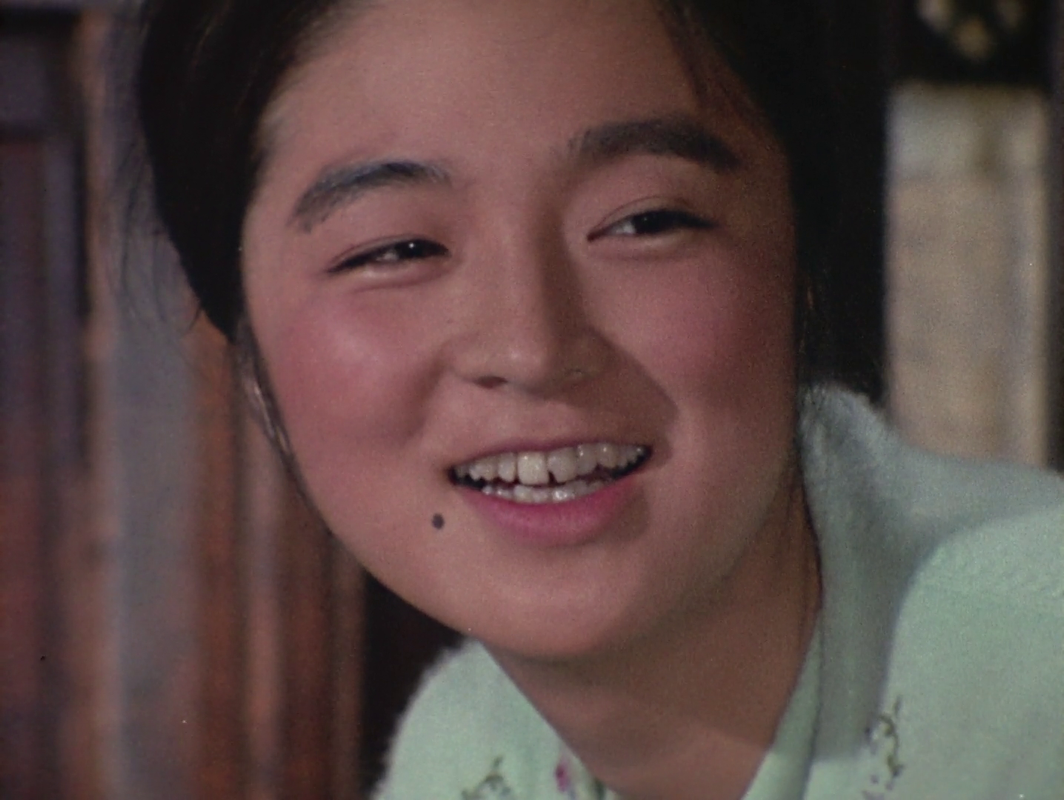
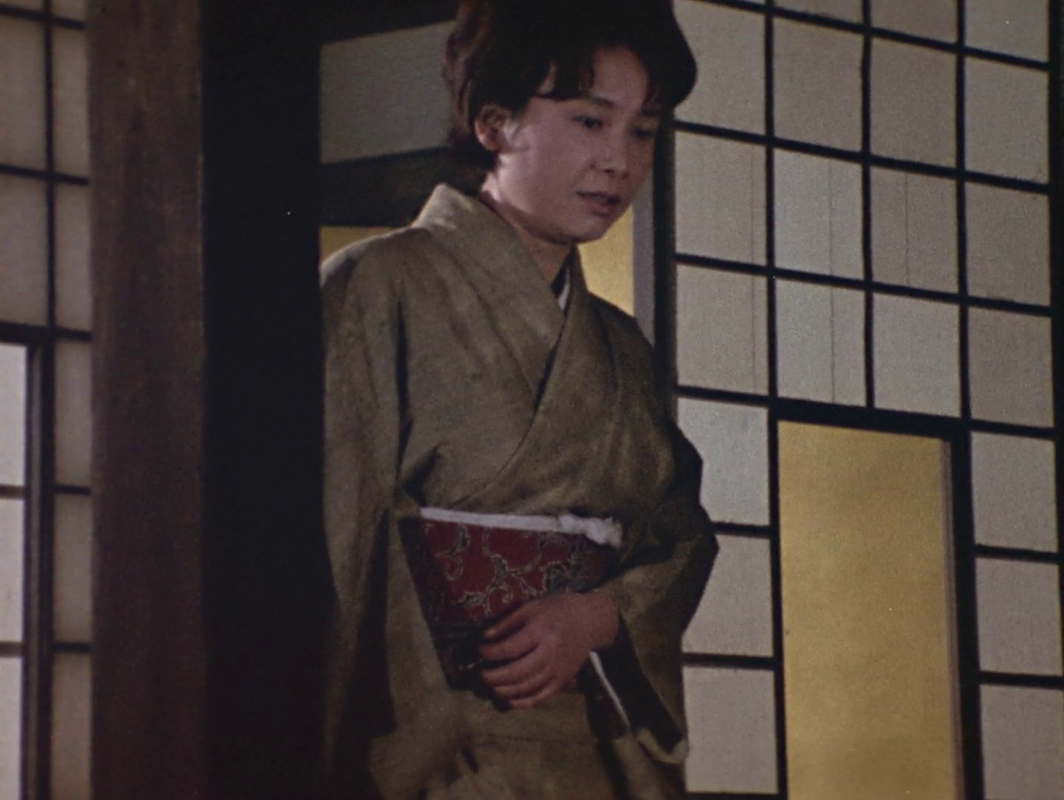
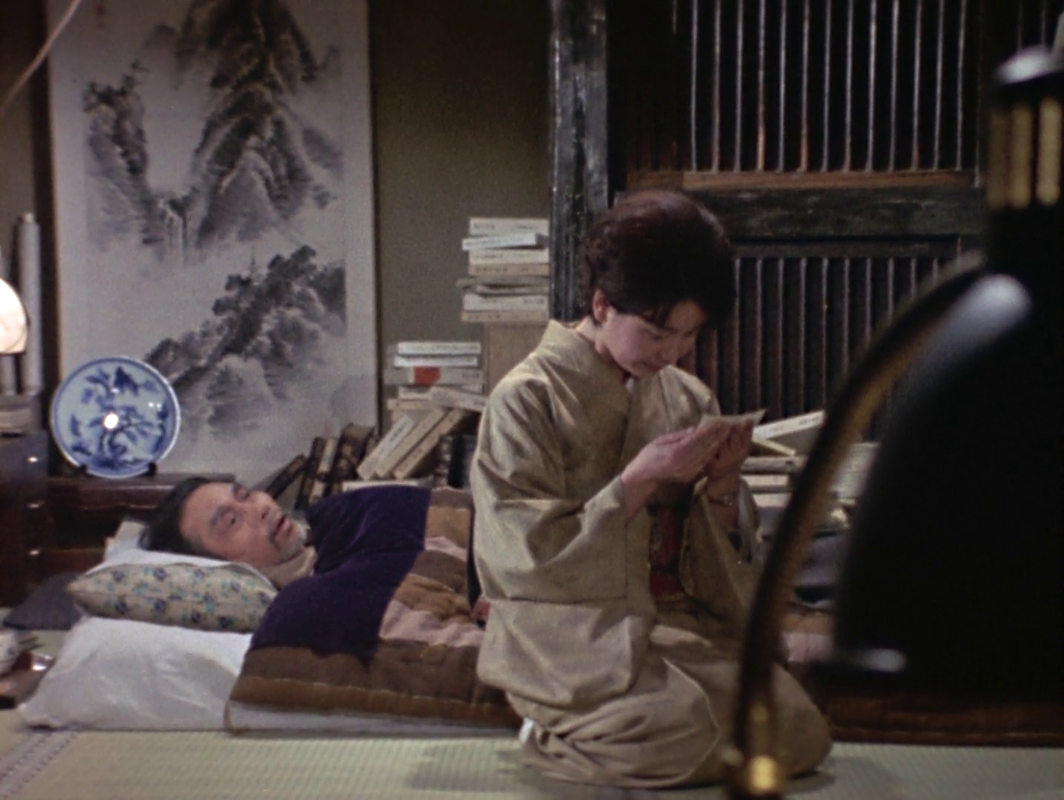
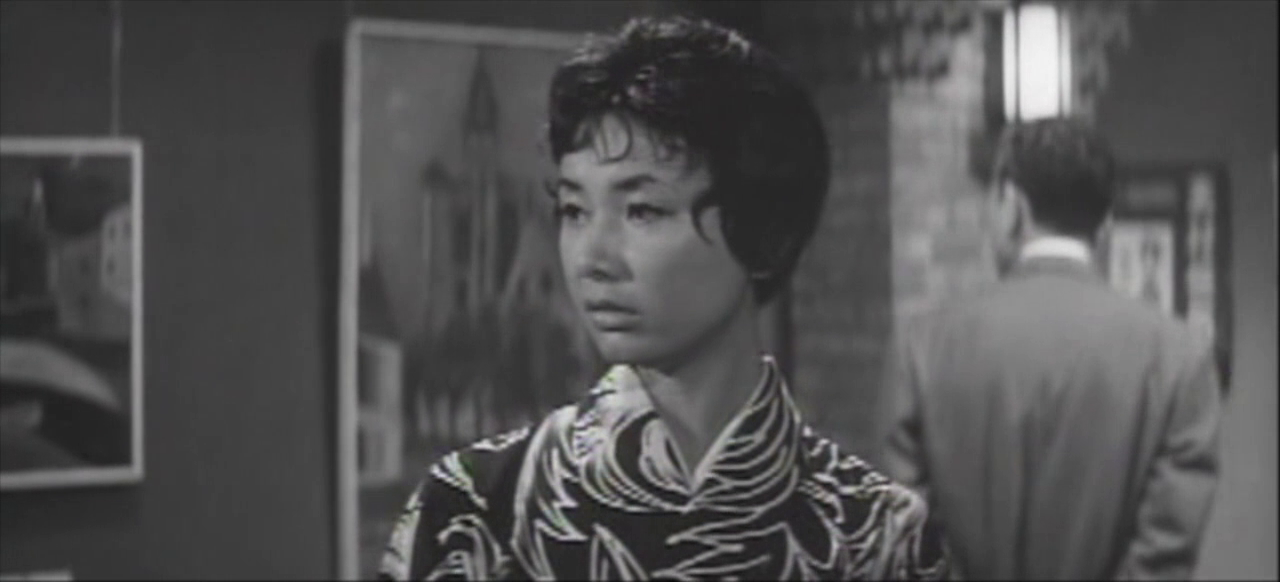
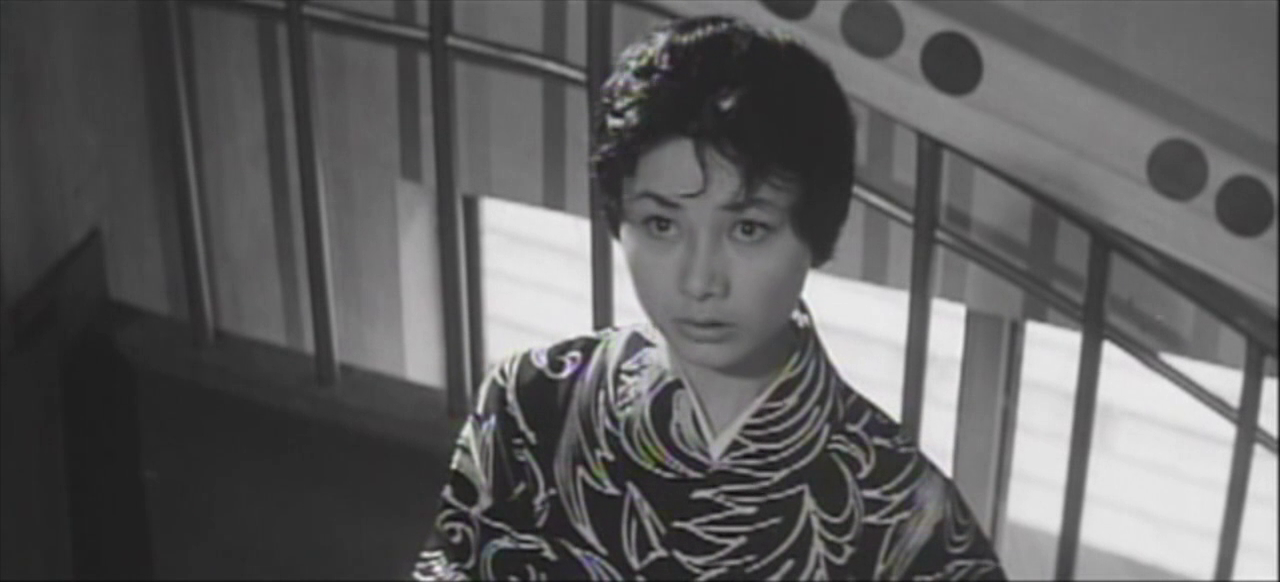
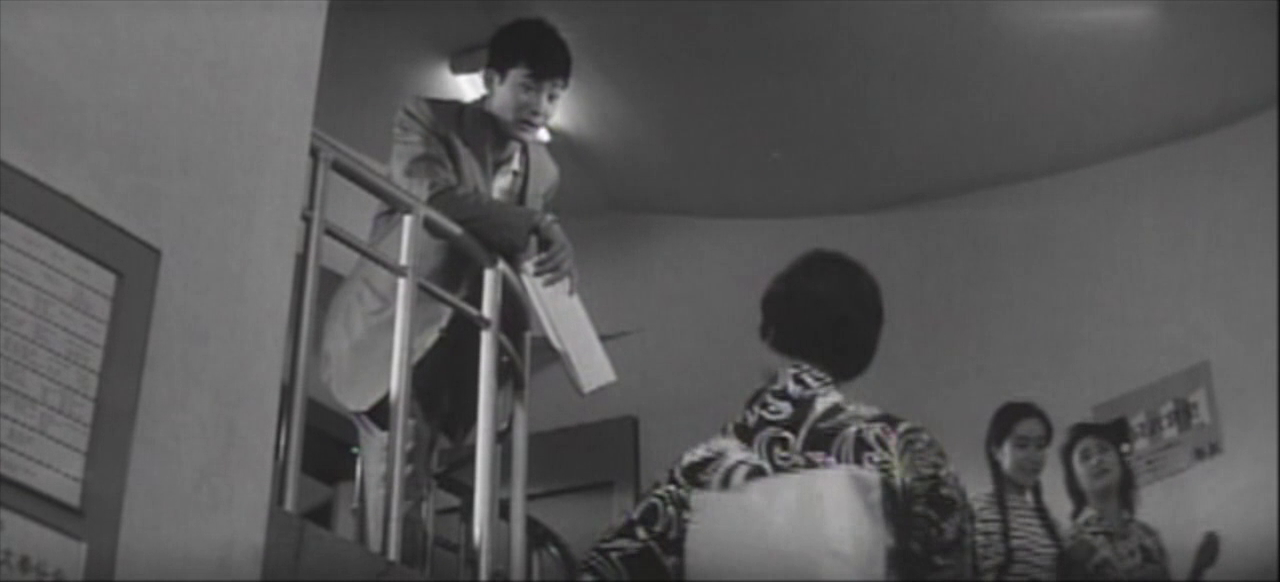
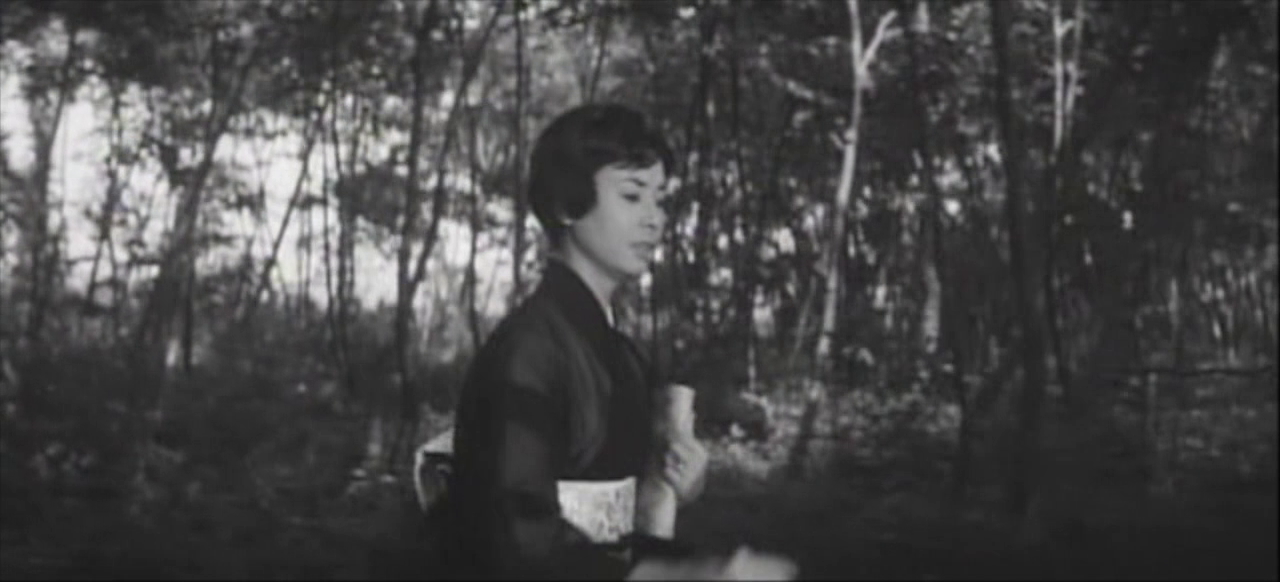
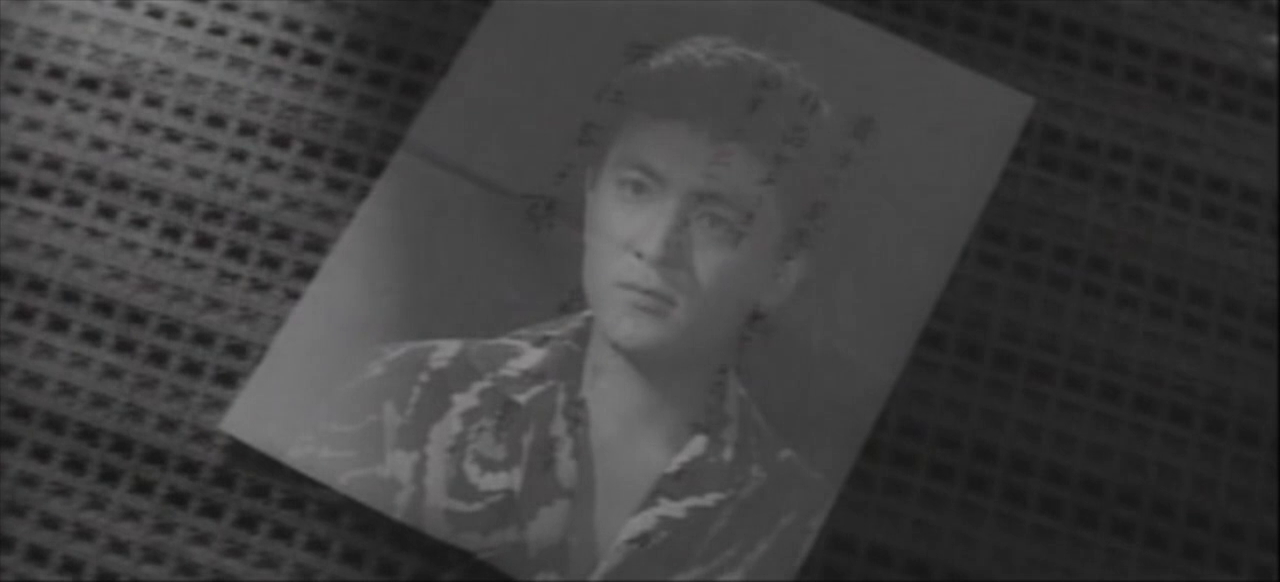
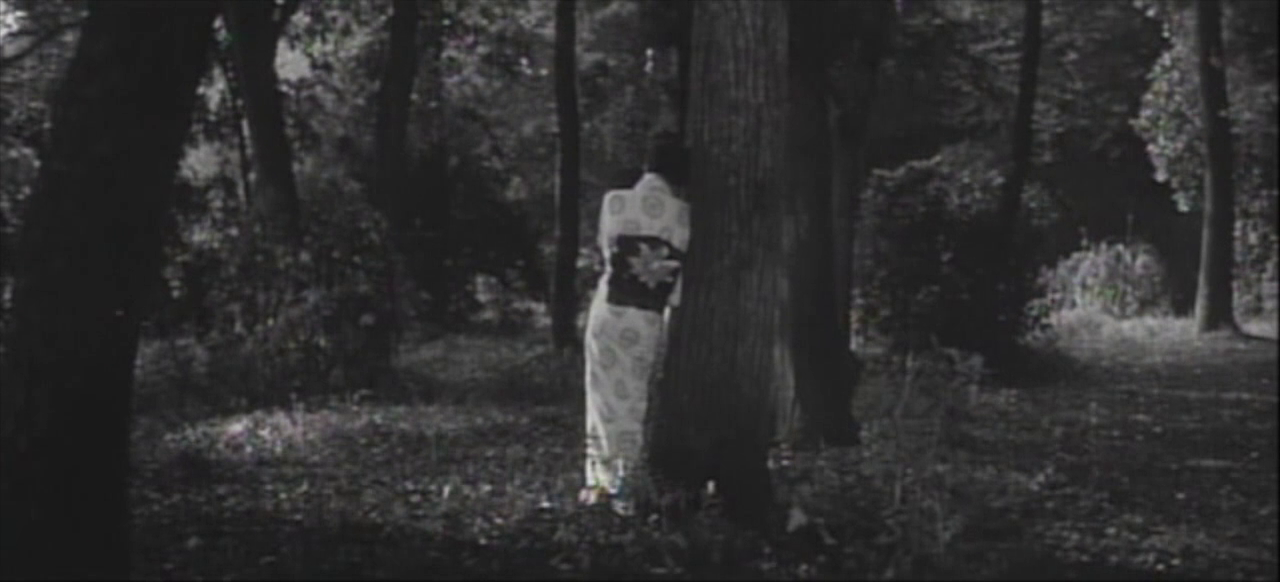
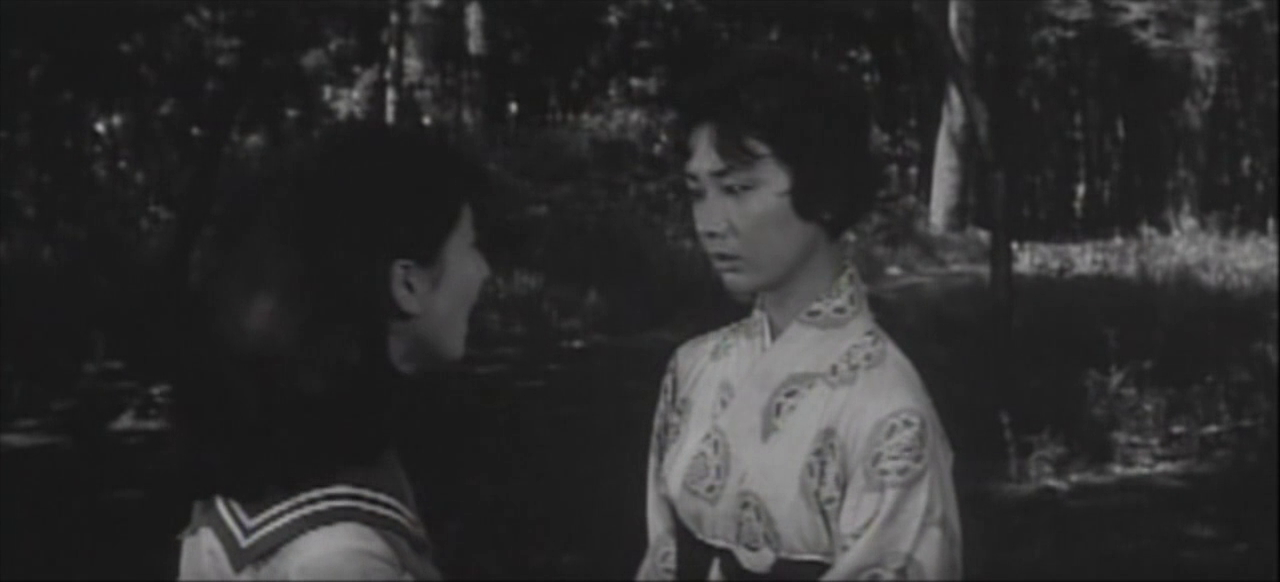
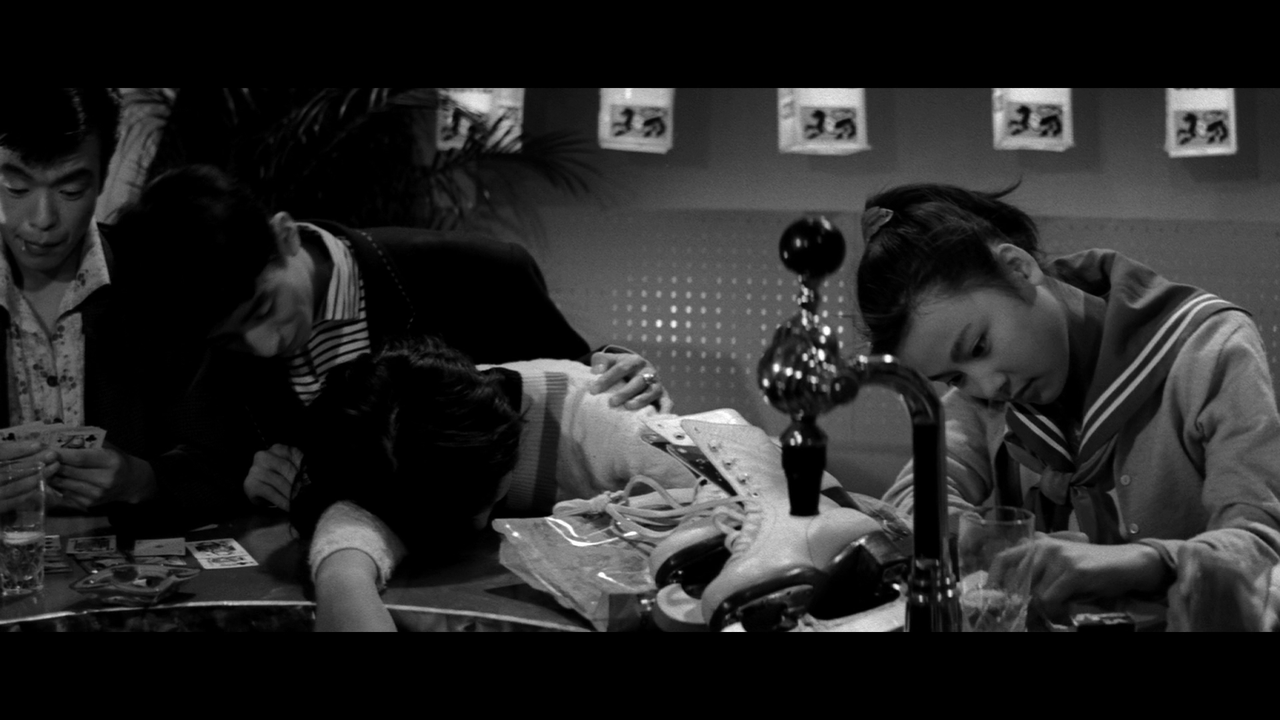
Wait a second, there's Mayumi Shimizu! She isn't in the credits, but I'm almost positive this is her. She started working in film a little less than a year before, under the name Mariko Shimizu. Here she is closer up:
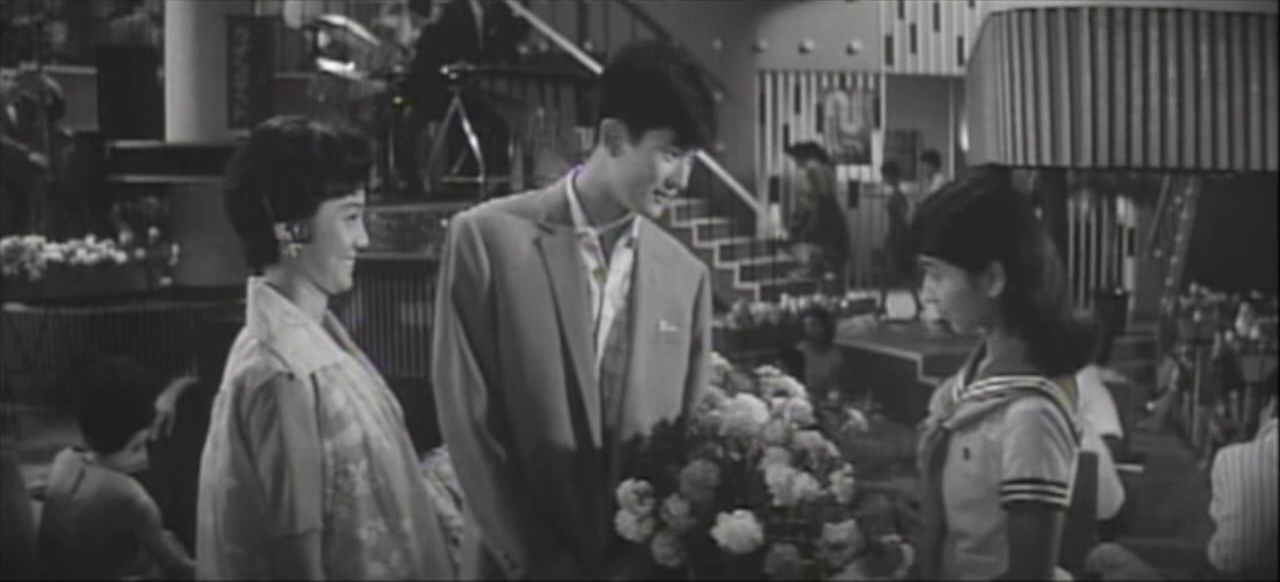
Again, the melodrama is fairly standard. Twisting around it is a more subtle love story, in which the active romantic, Keiko, plays cupid and in the process has to sublimate her own increasingly heated affection for Nobuo. Suzuki is working with what he's given in terms of actors. Ruriko Asaoka is only 18 here, and not especially striking in her role––and Kazue, the former girlfriend, is a similarly wan figure, shy and retiring, reticent to act, pretty but conventional. The more dynamic and original Hidari lights up every scene, bringing her own unconventional energy to an unconventionally energetic personality.
We sense immediately that Keiko and Nobuo are on the same wavelength, but on different sides of the track; she is able to successfully repress in herself the wildness he gives riot to at every opportunity, and we can see as the film goes on how her work to temper him fulfills her need for danger and excitement, even as she is reigning in what we feel is really her ideal opposite number, tying him to a dull girl, making him into a conventional person. The risk to Keiko is the most exciting unspoken element of this movie; she comes close to losing her job frequently, crossing the line from consultant to quasi-lover of Nobuo's most antisocial qualities.
SERIOUS BUSINESS
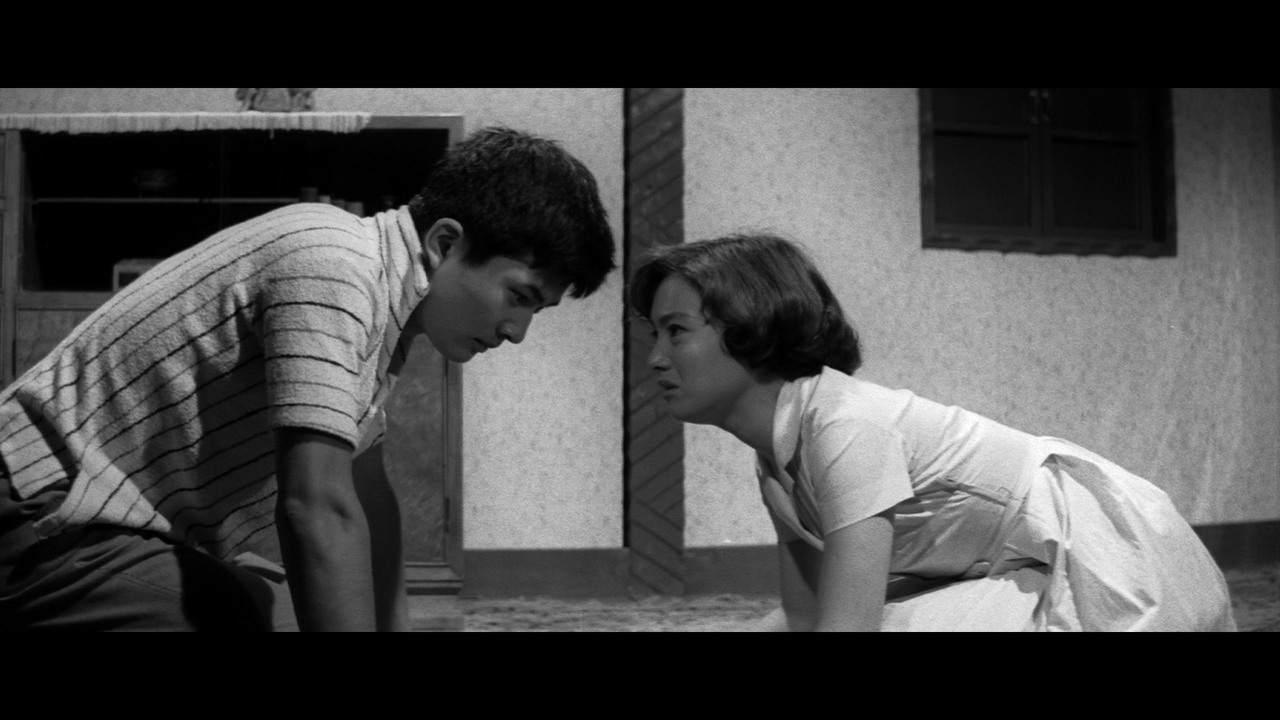
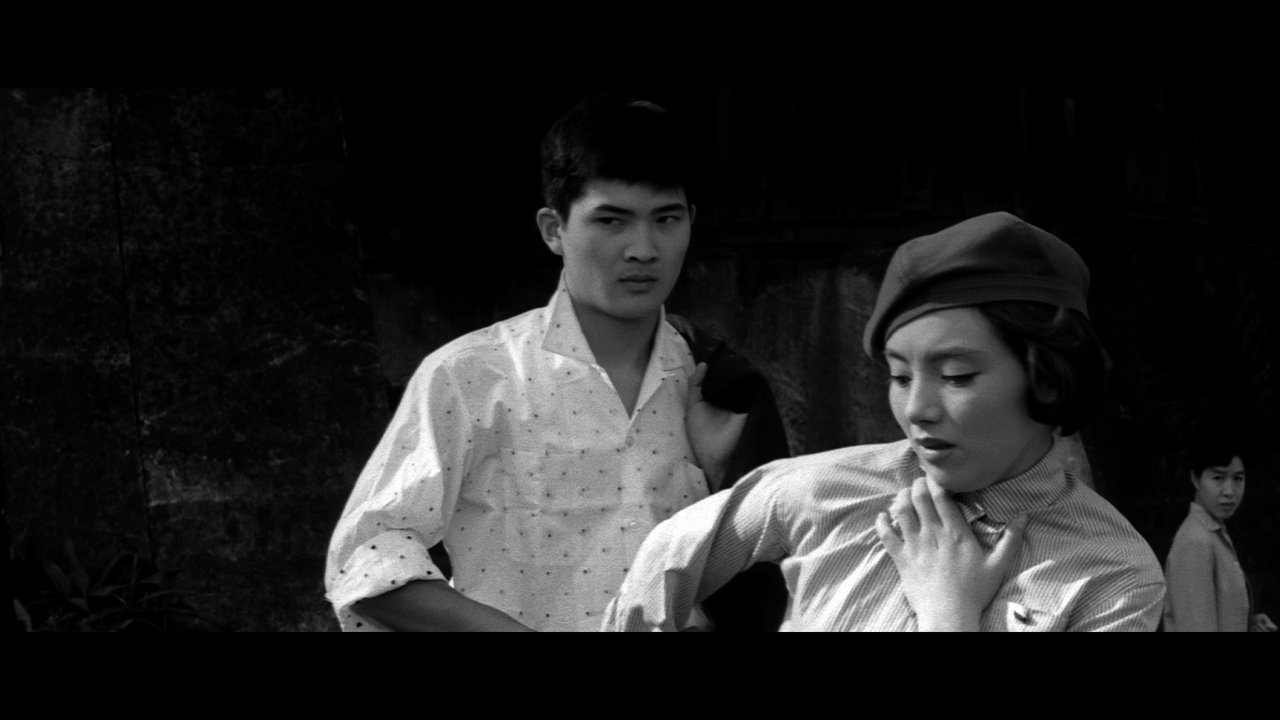
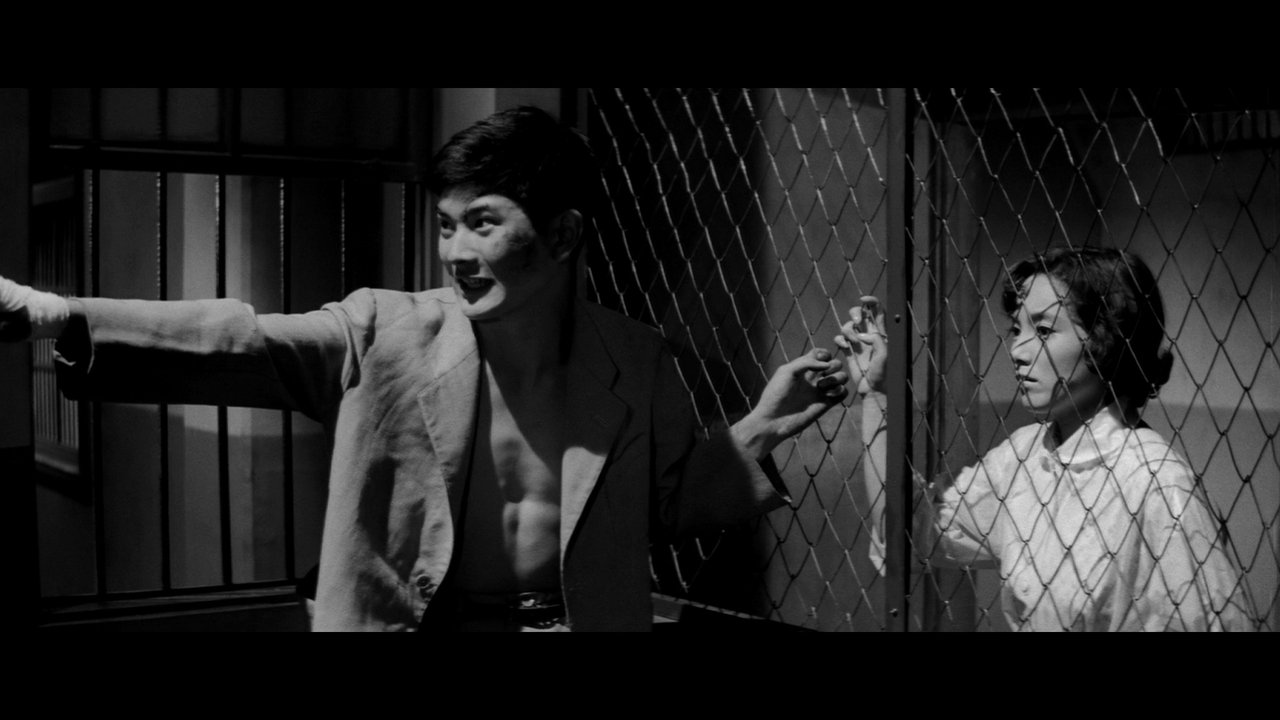
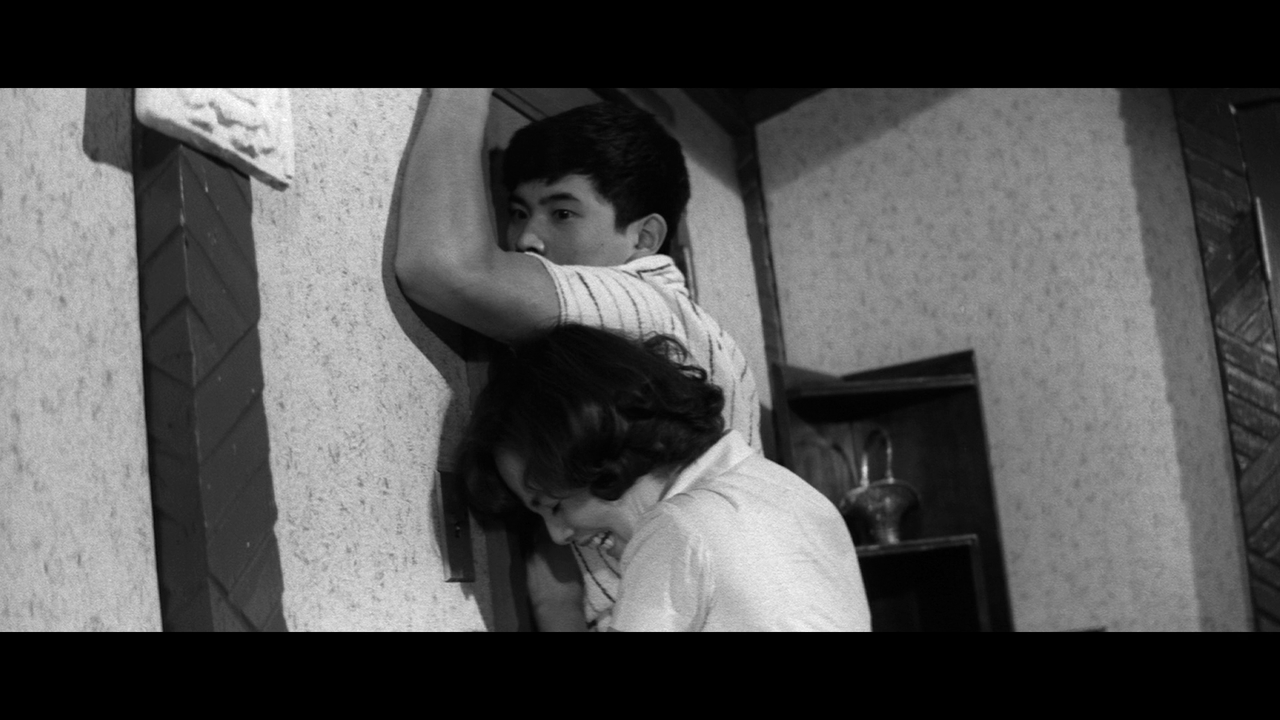
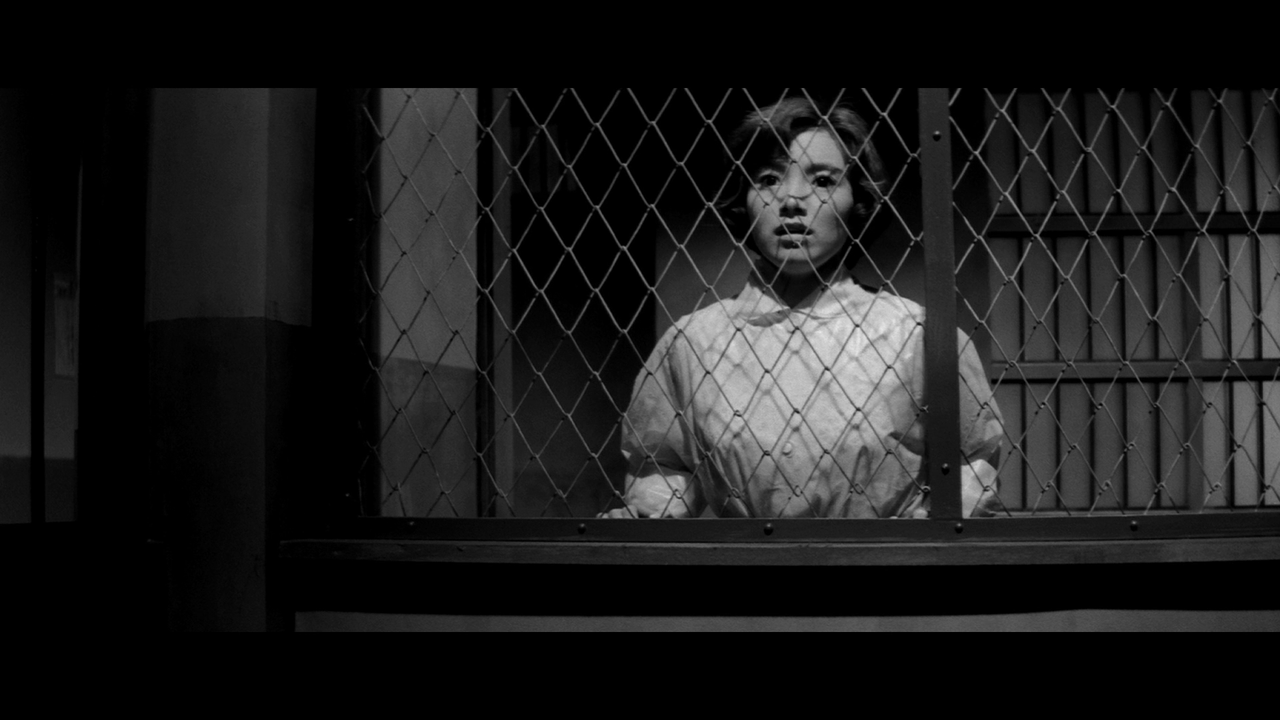
What this means in terms of melodrama is that Hidari and Kobayashi share all of the most emotionally-charged scenes in the film. Hidari manages to draw a lot out of Kobayashi in these scenes, and the two match one another in physical intensity as the characters attempt to draw out of one another the feelings they spend all their time expertly hiding from society. The confrontation in the police's holding cell, as Keiko tries desperately to keep Nobuo from giving in to despair at his own persection, and the wonderful scene where Keiko invites Nobuo to her mother's house.
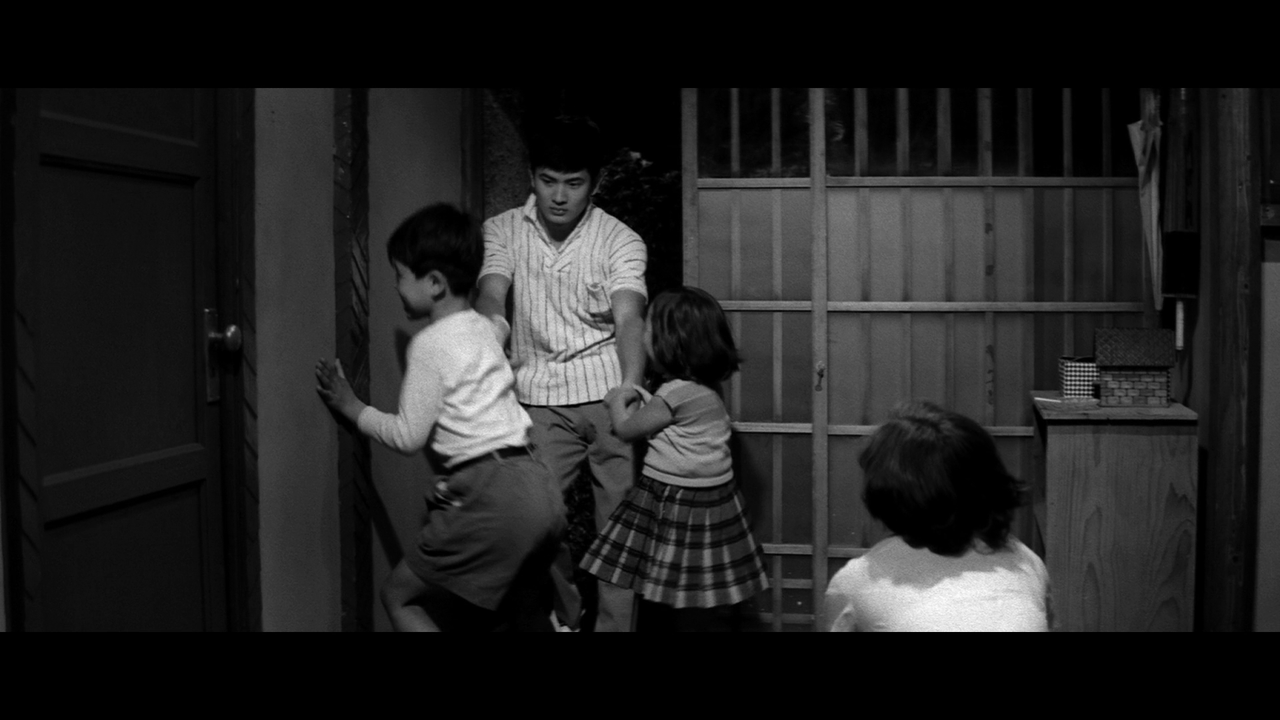
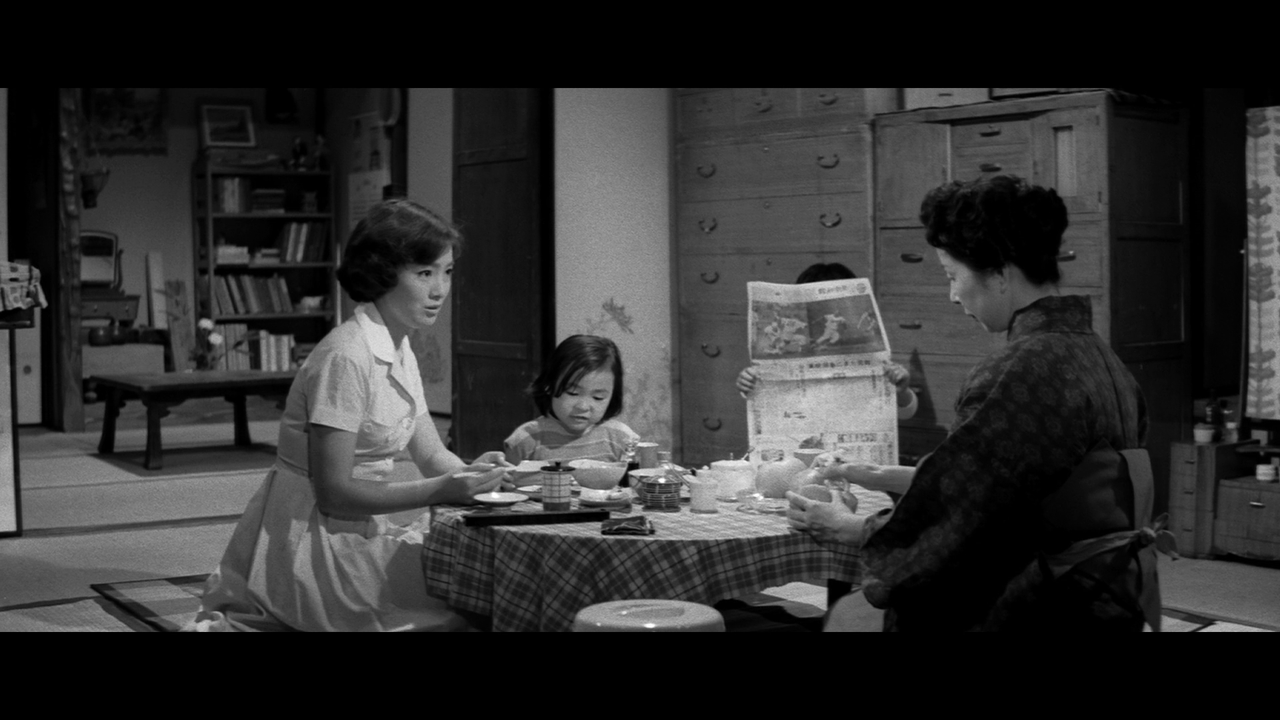
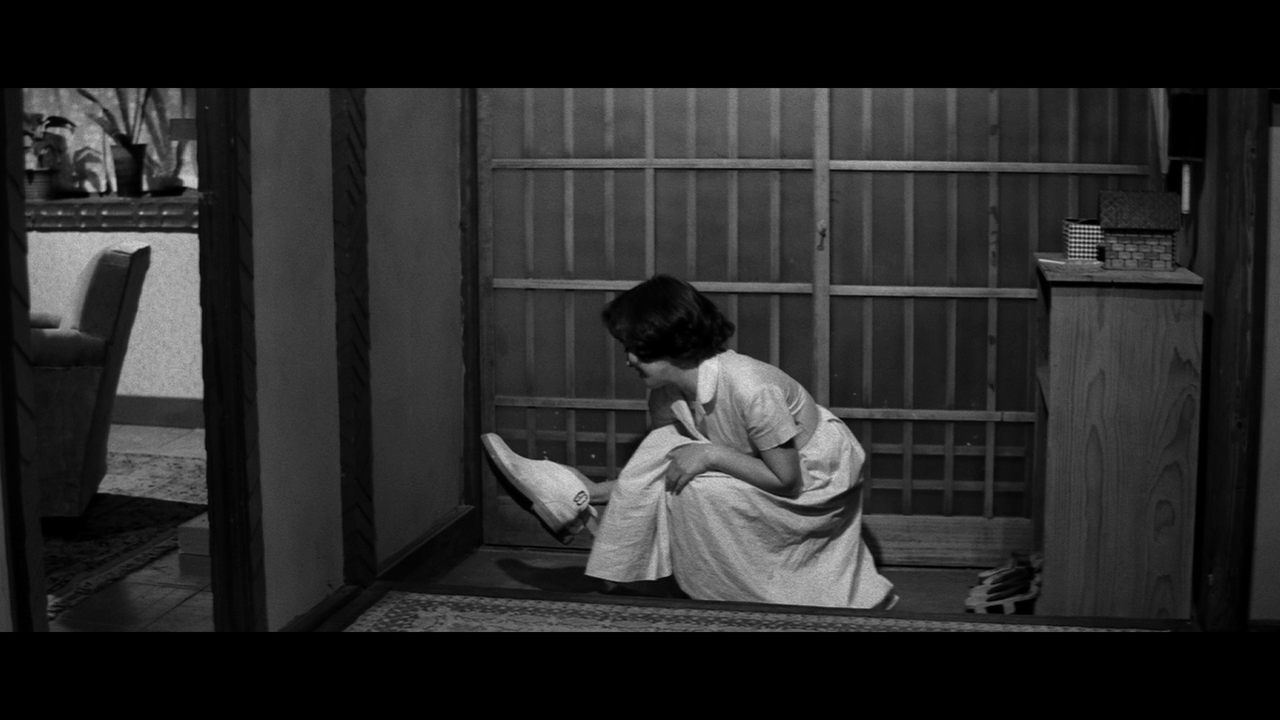
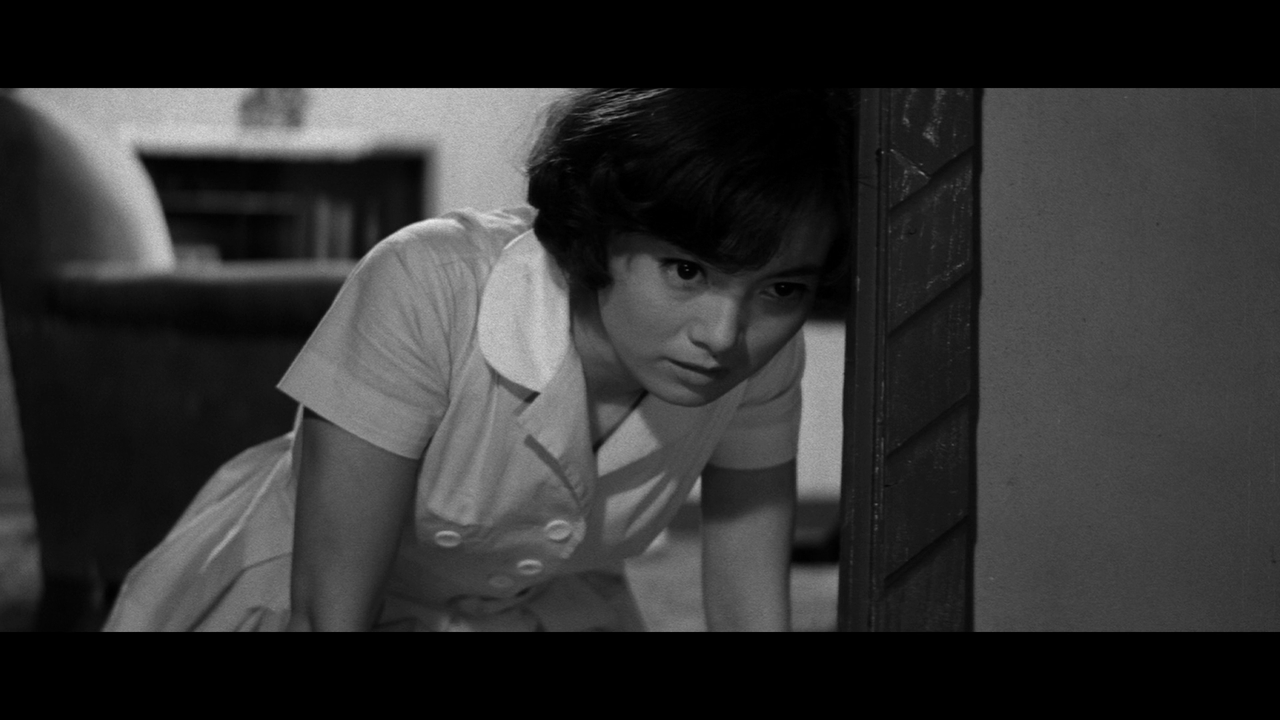
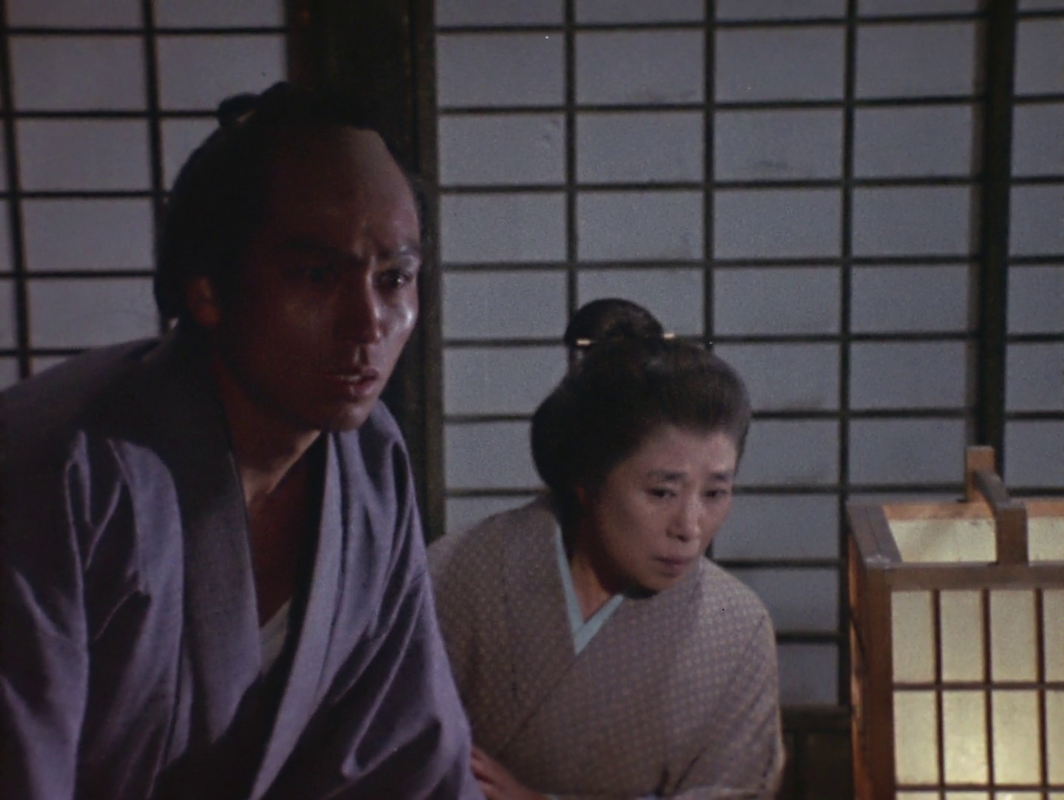
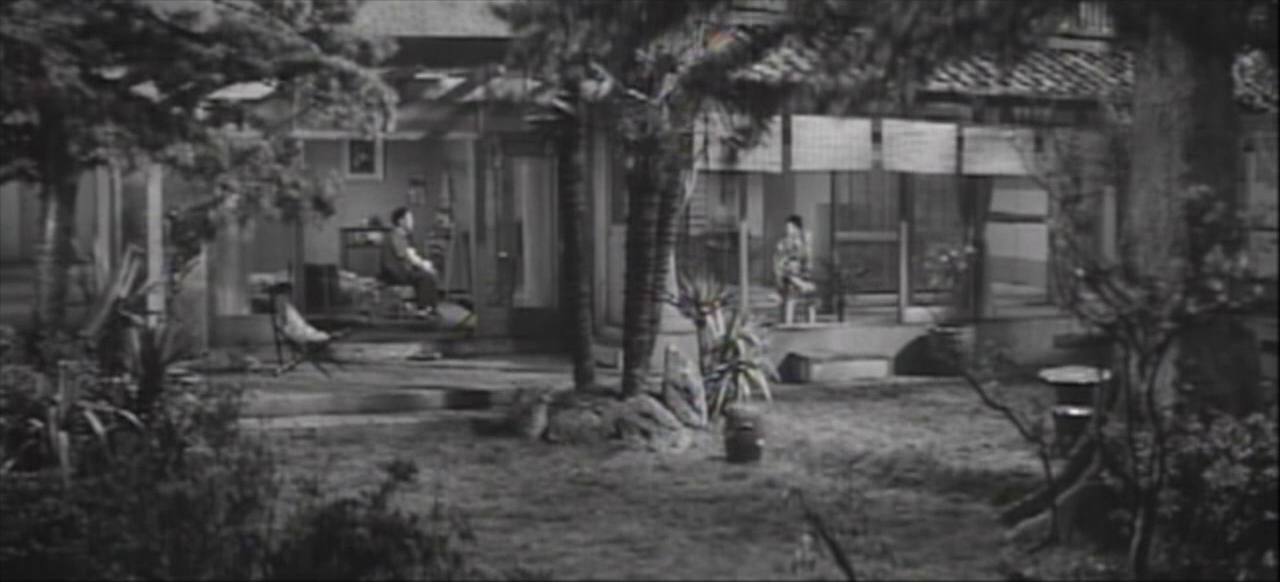
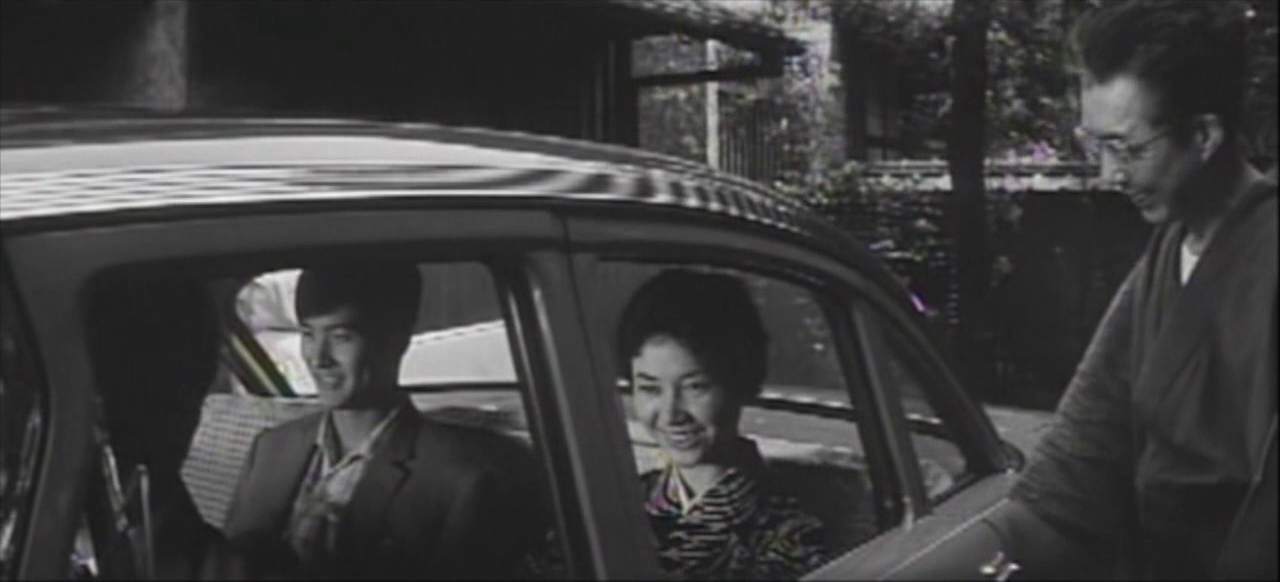
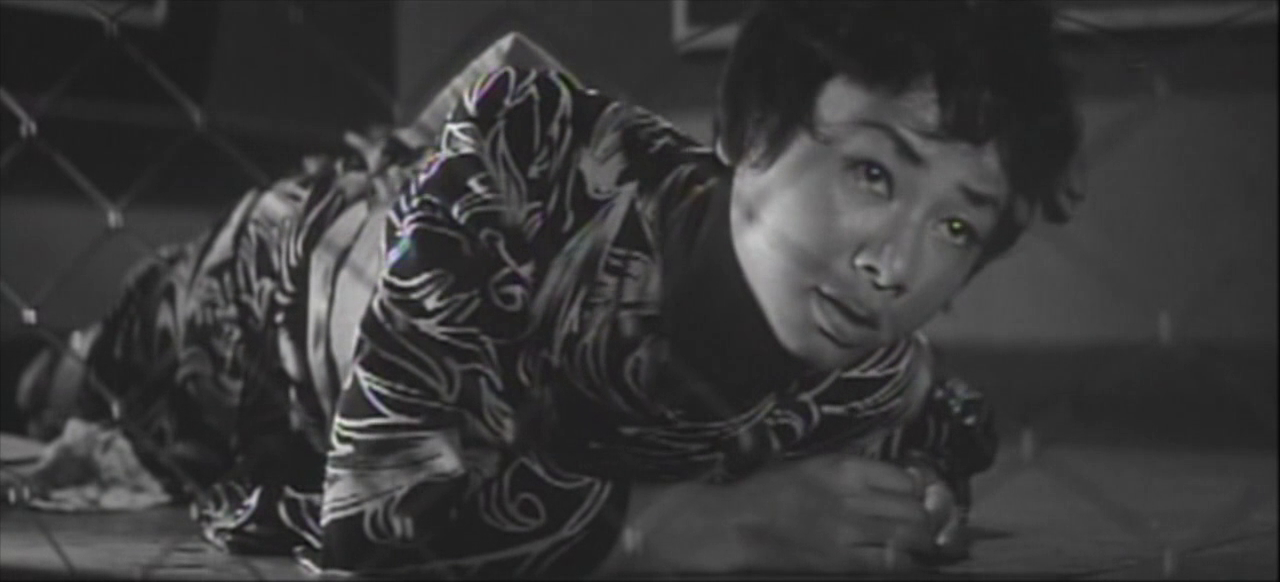
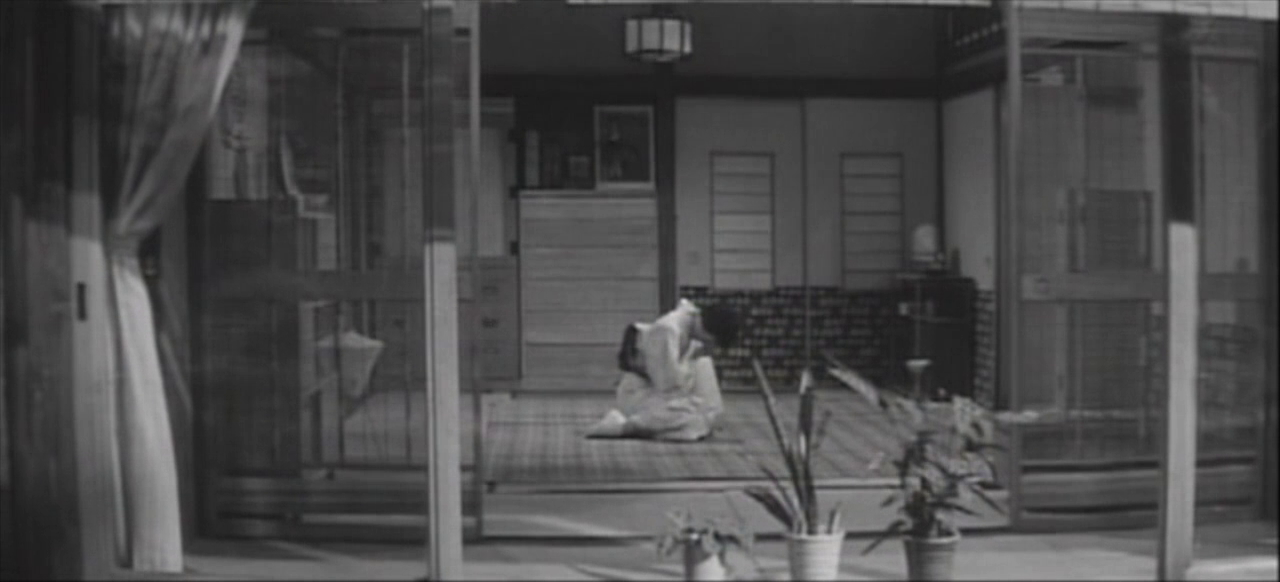
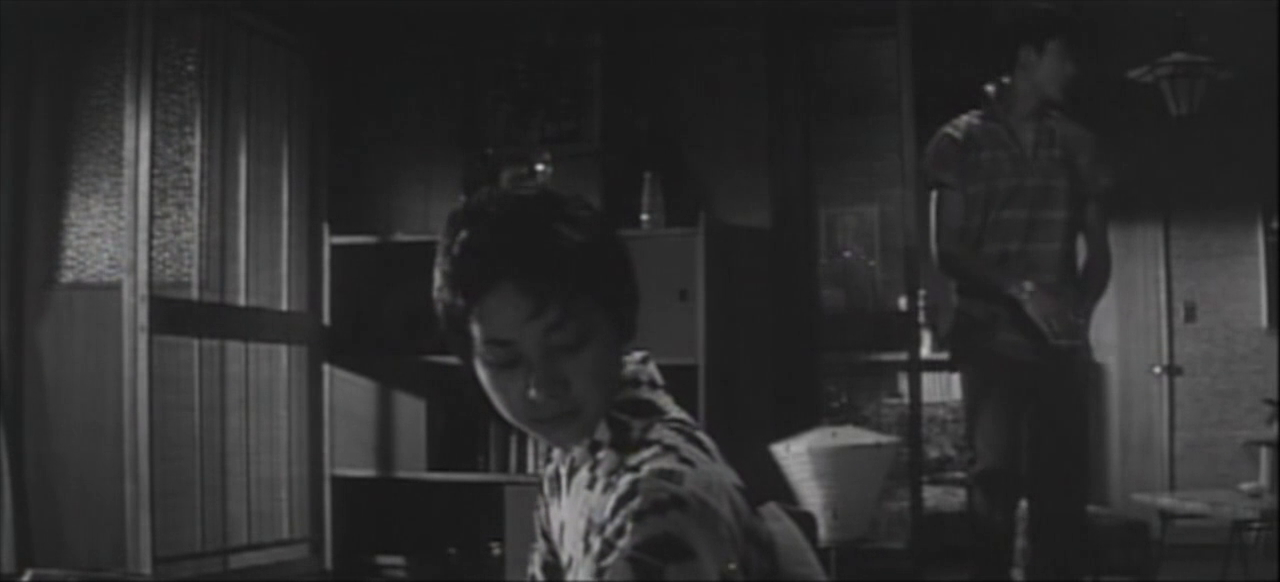
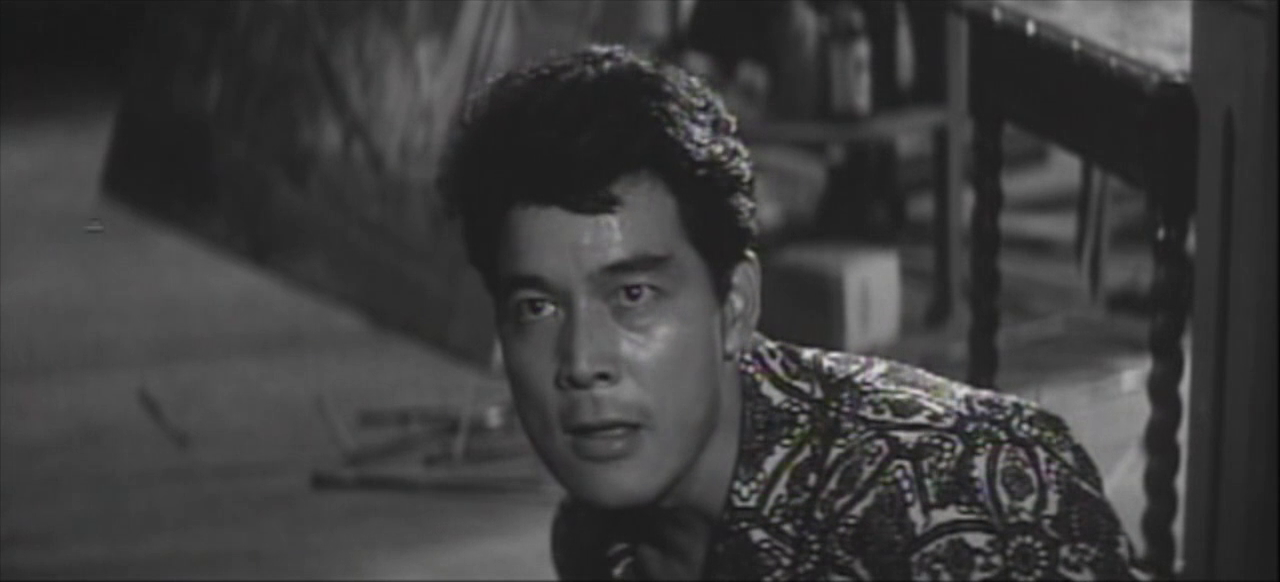
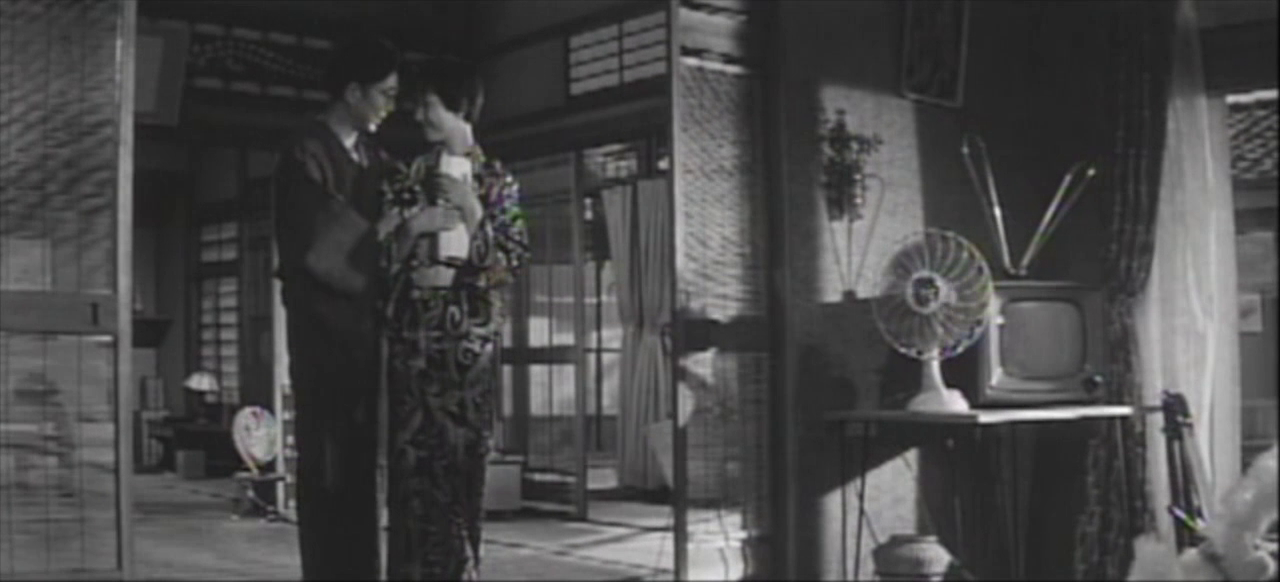
This scene is full of awkward warmth, and we see a physical gesture on Keiko's part which will be repeated at the end of the film. As she moves Nobuo's shoes out of the front walkway, she's in a crouch, laughing to herself, shaking her head in circles, her gaze traveling up the transom and down again, a kind of whimsical expression of bottled energy which lets us know, in no uncertain terms, that Keiko is falling for her younger charge. Eventually the scene becomes a more serious disquisition of Nobuo's own childhood, and as he plumbs the depths of his life's early insults, he crouches on the floor, and Keiko joins him. The attitude is serious, the kind of thing the melo crowd are in the theater for, but Suzuki adds this interesting touch, the way the characters appear to be children at play, mimicking one another's movements. The richness of the movie comes from the way Keiko goes beyond just charming and loving Nobuo, and buoys him up by believing in him, supporting him emotionally, and in the way she shows him tantalizing glimpses of other ways to live. The scene in which Nobuo feels for the first time the warmth of a happy middle-class family is inspiring to him.
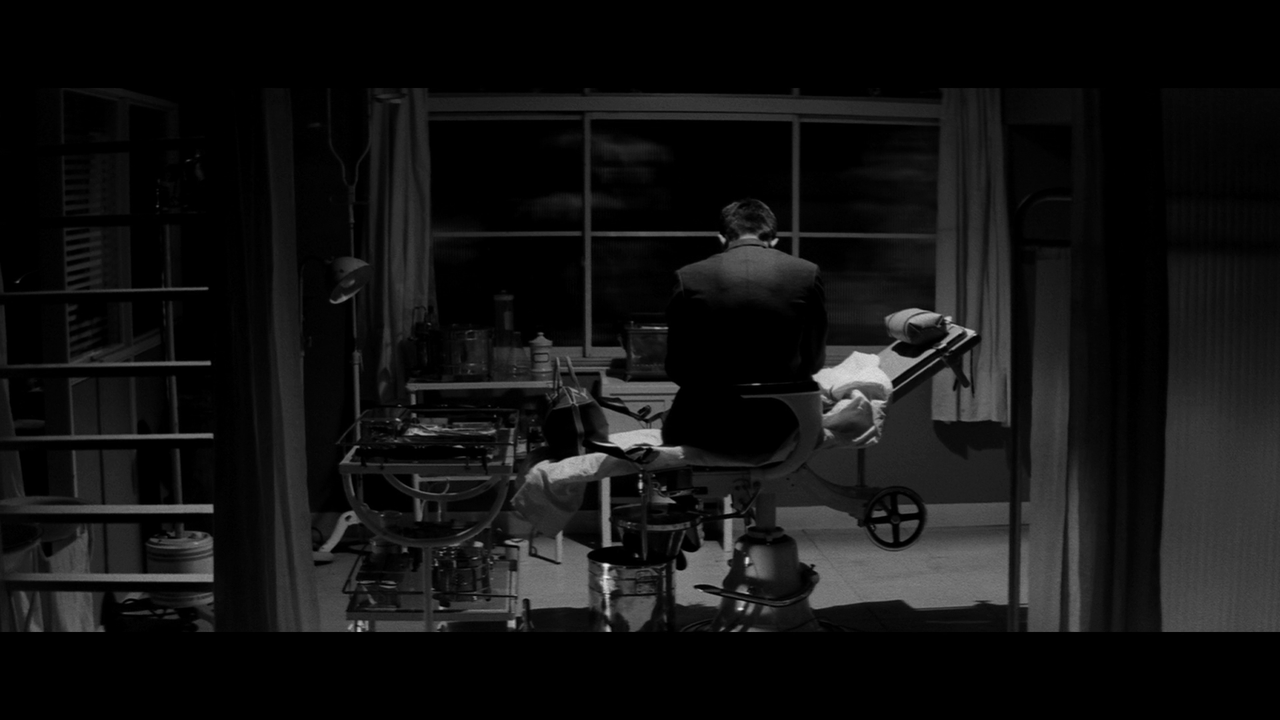
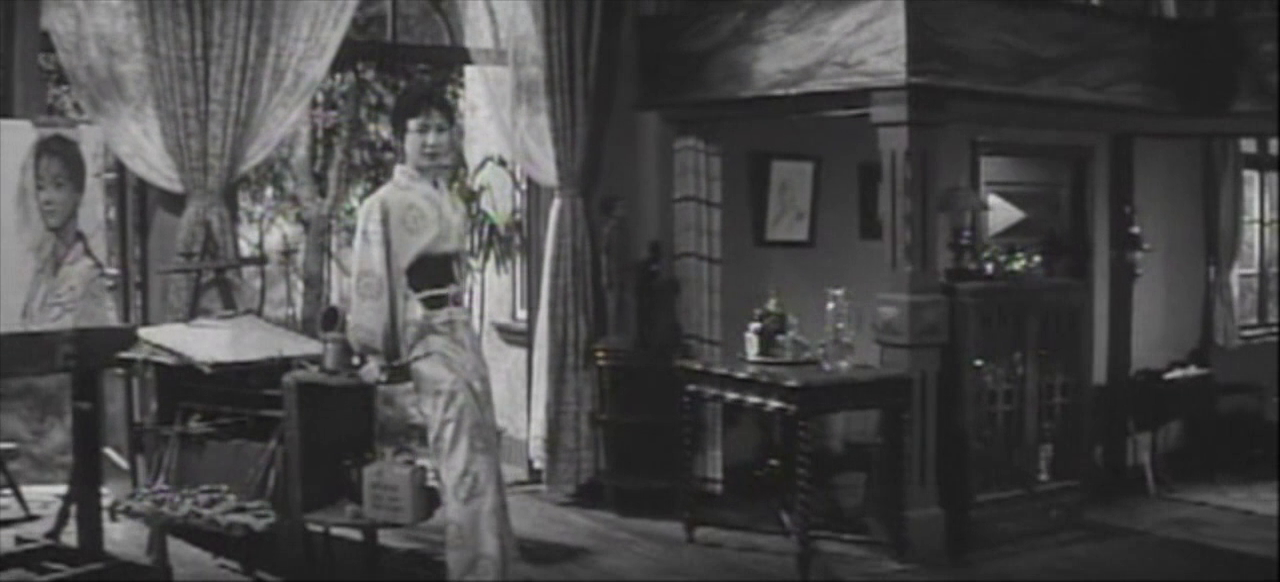
Some commentary goes on here. Keiko is a little bit of a disaster tourist, and the film gently mocks her eagerness to plunge into the depths, to find a diamond in the rough –– no coincidence perhaps that the first lower-class person she finds is the "diamond" for her, since he's hot and seems to like her. The film is in one sense a test of Keiko's commitment to reform Nobuo, but in another sense, she is clearly overlaying a set of middle-class values on a kid who has a kind of working-class doomer outlook. We know Nobuo is bored with the violent and sexual flourishes of his like as a young punk, and what Keiko brings him are basically middle-class values. Enlisting Kazue's help, she gets Nobuo a job as a sketch artist, which Nobuo takes to immediately once Kazue buys him art supplies.
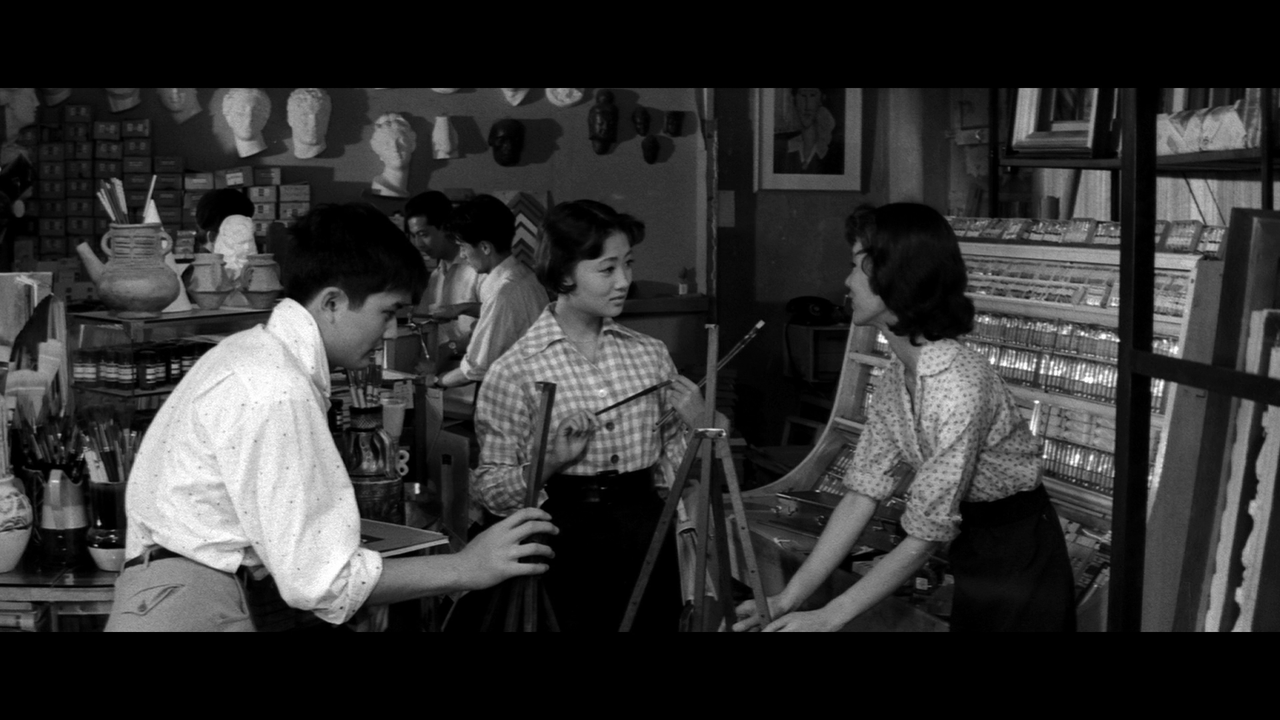
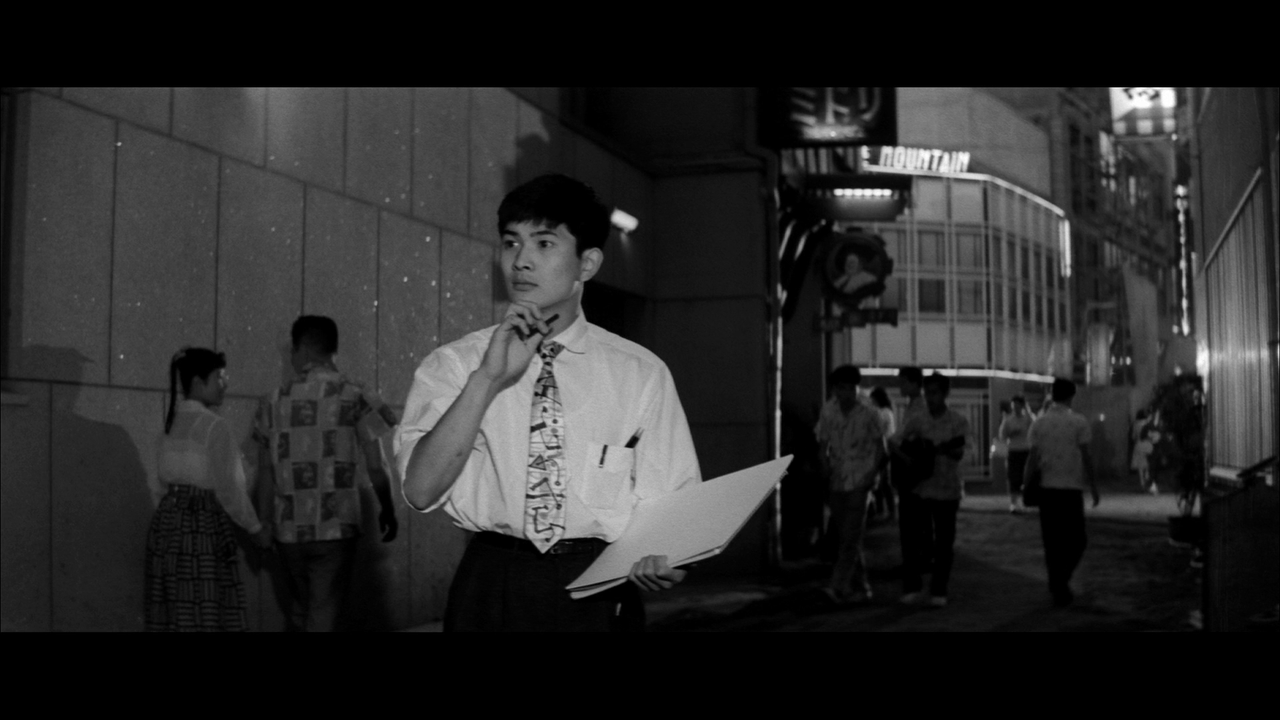
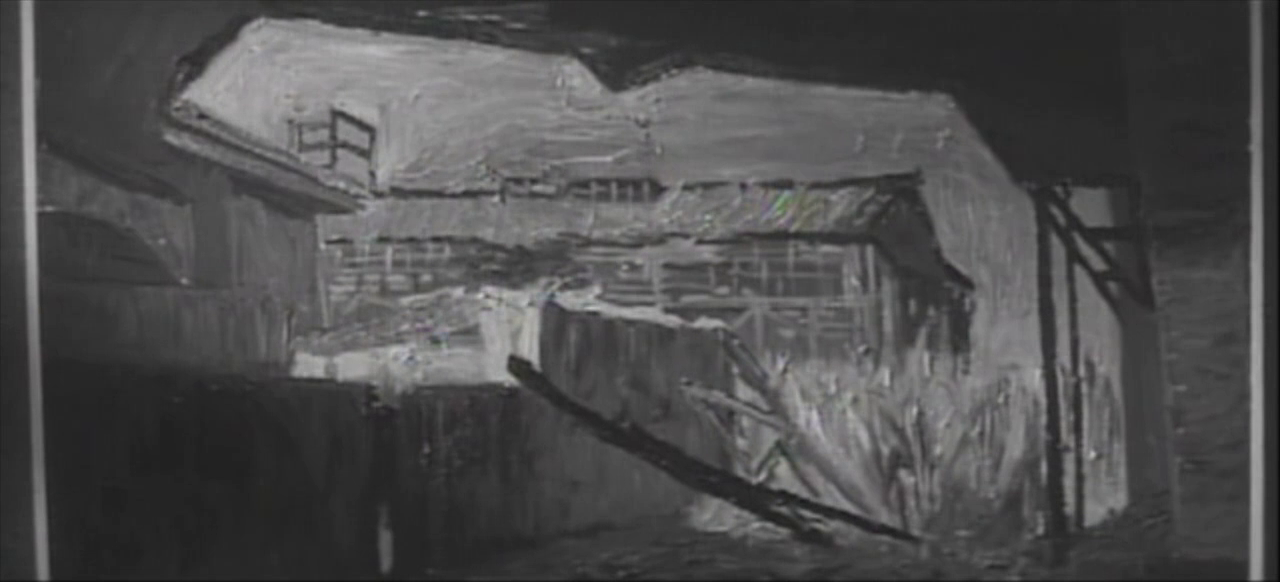
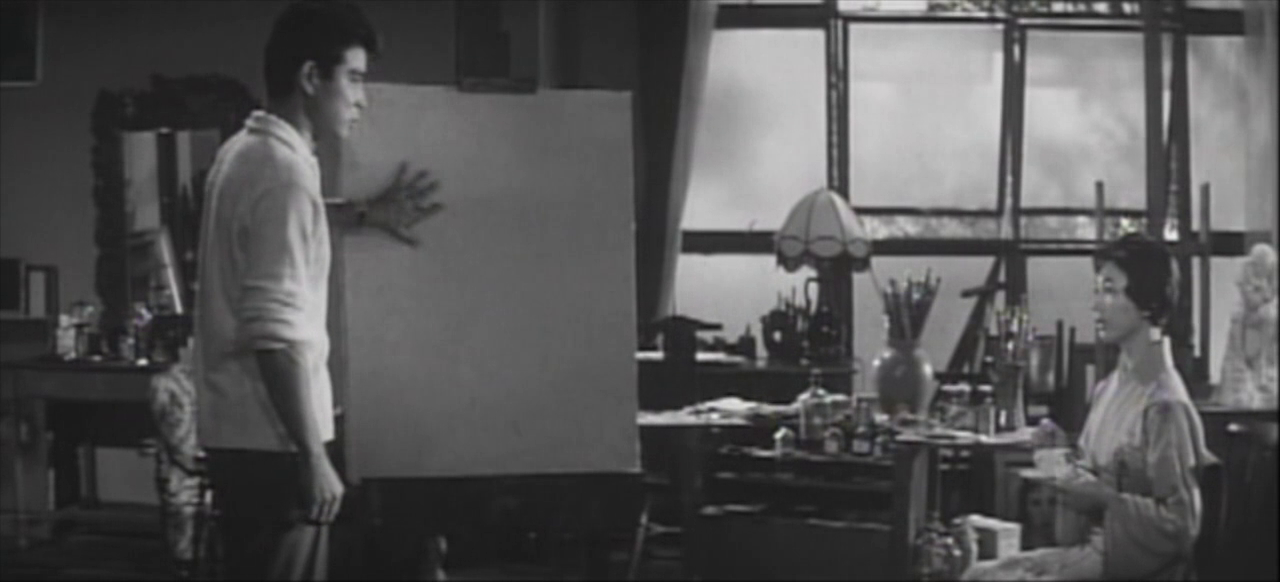
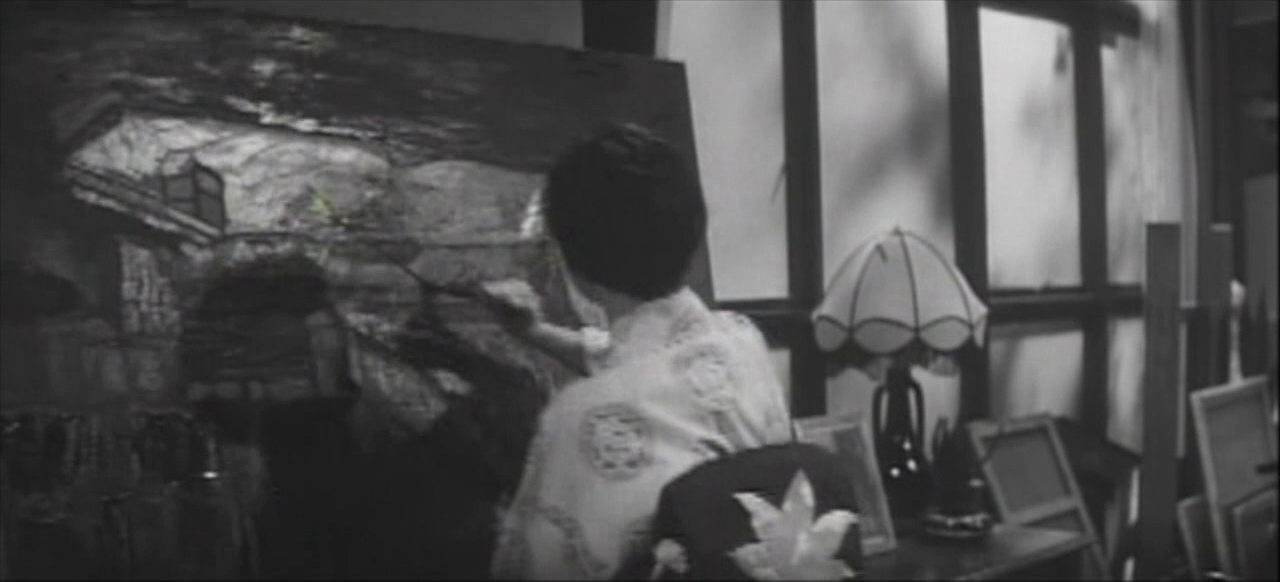
This is a small thing in the context of this film, but it looms larger in the follow-up, Blue Breasts, so I think we're meant to pay attention here; Nobuo doesn't have any art training; he crashes right into a job doing this (basically hustling on the street to draw people's portraits), and he is immediately good enough for the job. That, or the businesspeople he's sketching don't really care how good his art is, and view the drawing of their portrait as a transaction and a symbol of their elevated status as someone who merits a portrait. The value of art is very uncertain in the film, dangerously unstable for a young man who is still mired in poverty to be pursuing (something Suzuki knew enough about from his days before going to Shochiku Ofuna, and even his days working there––the pay was not apparently much to live on). When Nobuo is assaulted by jealous thugs later, his art supplies are dashed on the street in the rain and just disintegrate into nothing. So while Keiko endeavors to change Nobuo, make him into her own ideal man, she is doing so by trying to bing Nobuo "up" to her level of polite society. But Suzuki contrasts Keiko's ambitions for her charge with the harsh setting in which Nobuo has to make his choices.
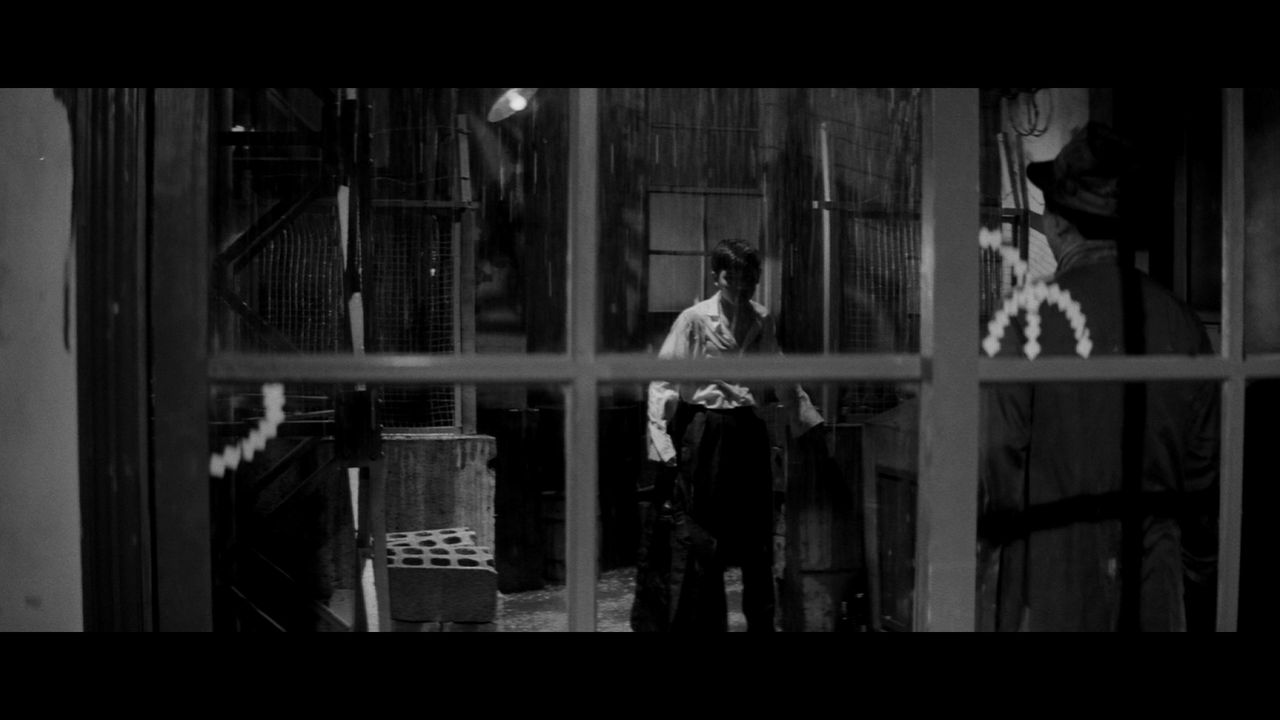
The film doesn't shy away from the bleakness of Nobuo's surroundings, and how that works on him. Kobayashi's own more challenging scenes aren't the scenes of vibrant acting as much as the dynamic visuals Suzuki deploys at key moments.
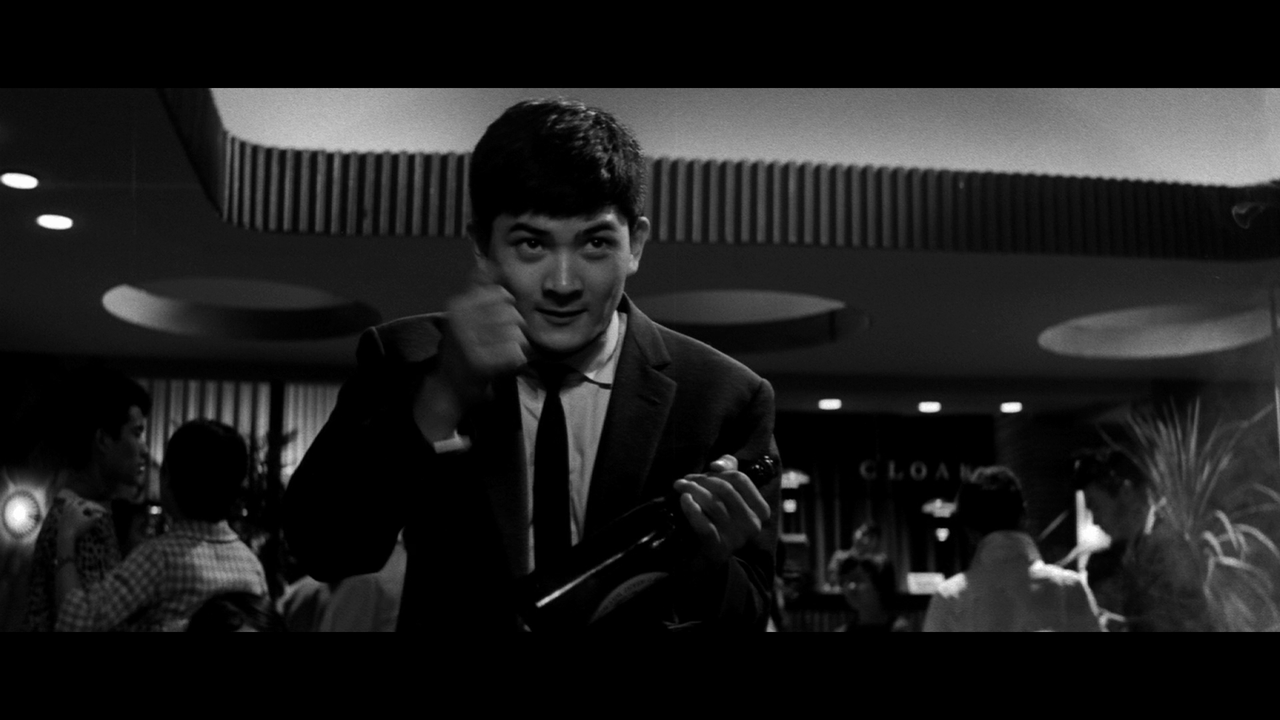
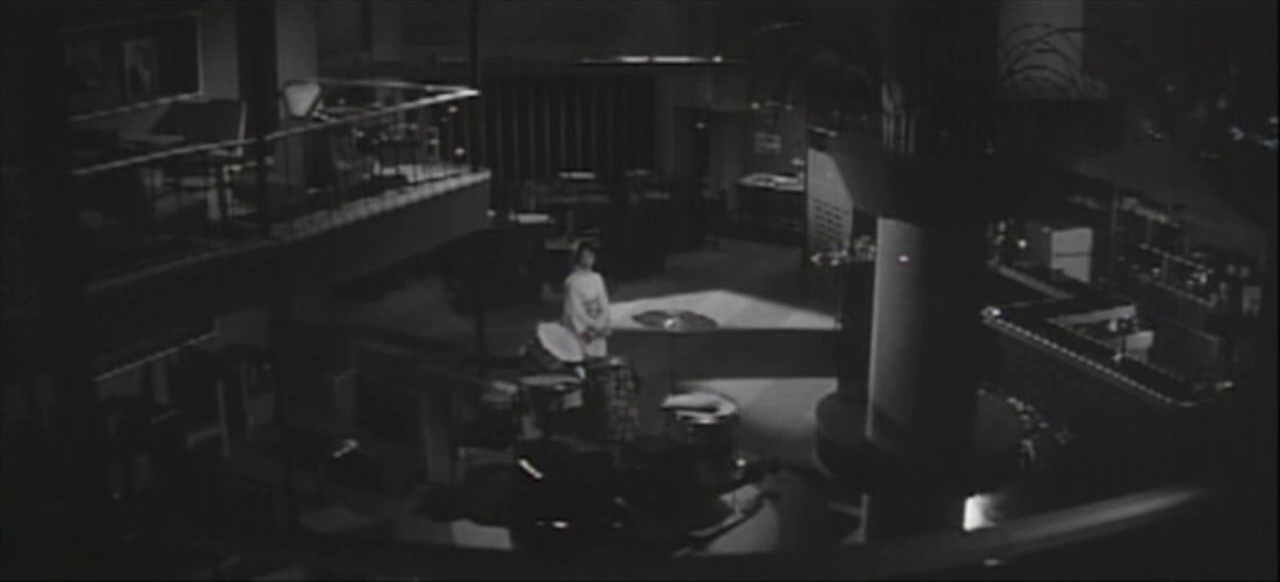
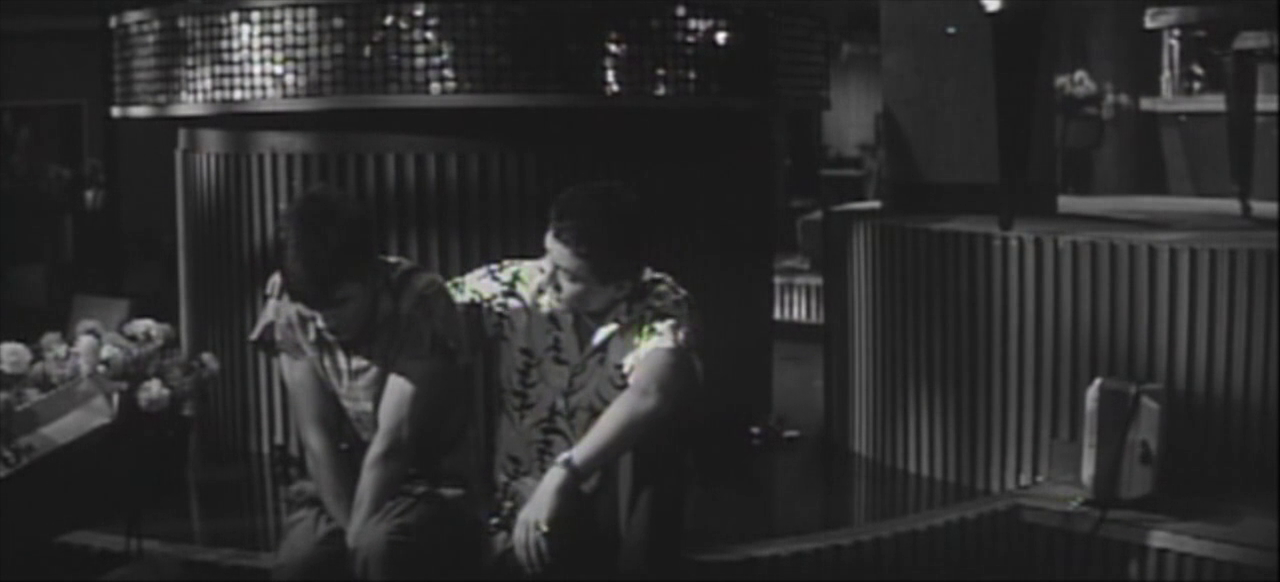
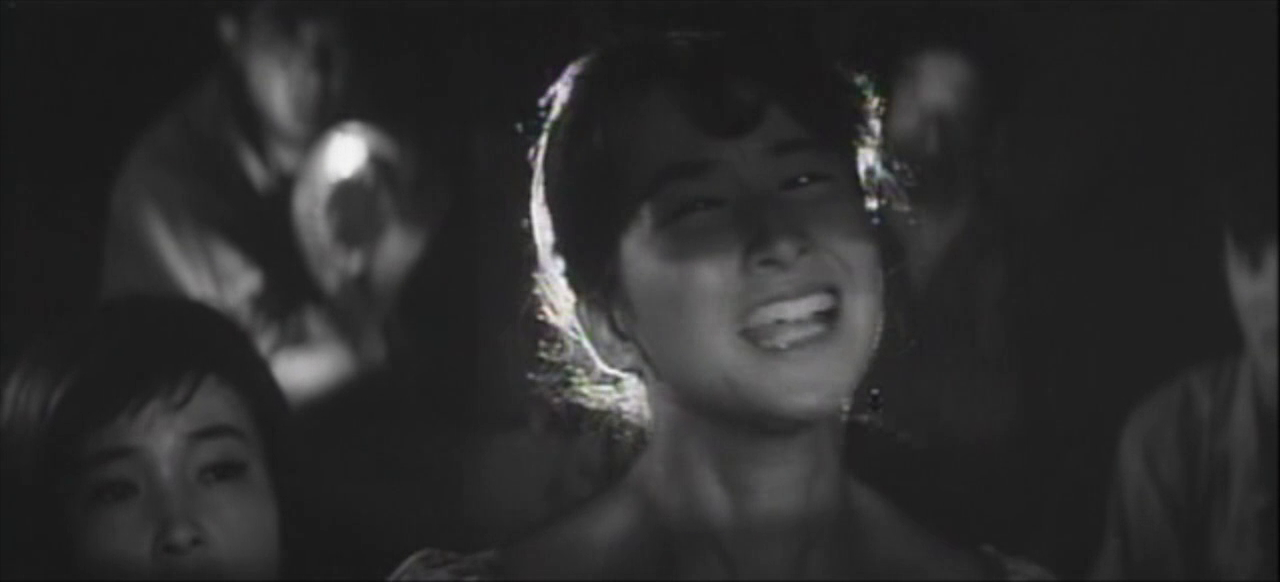
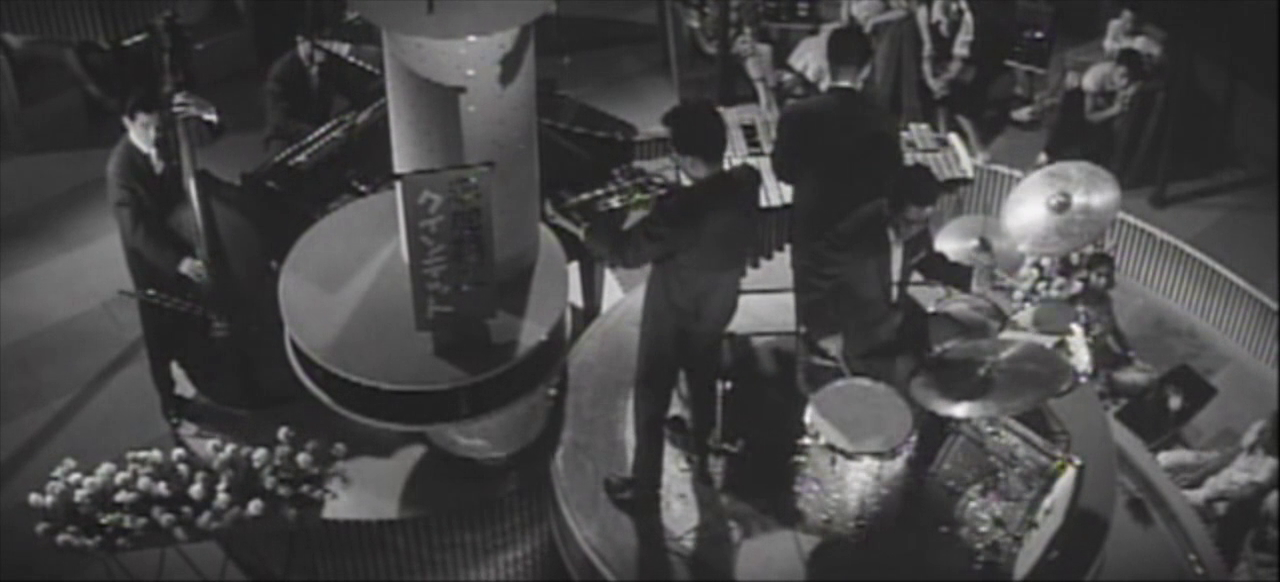
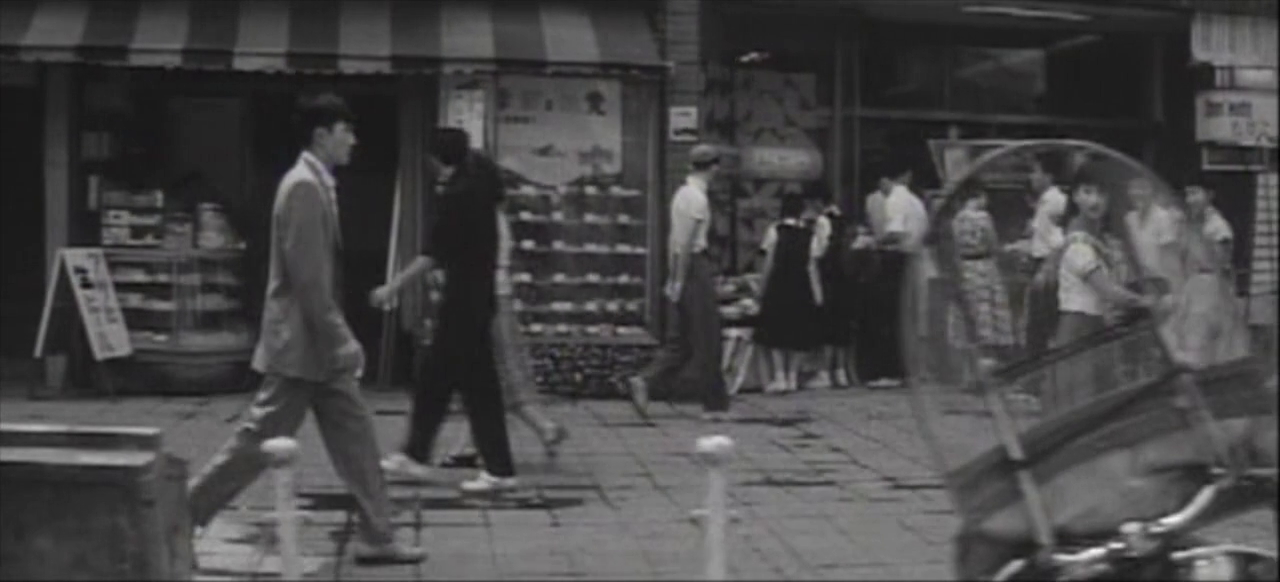
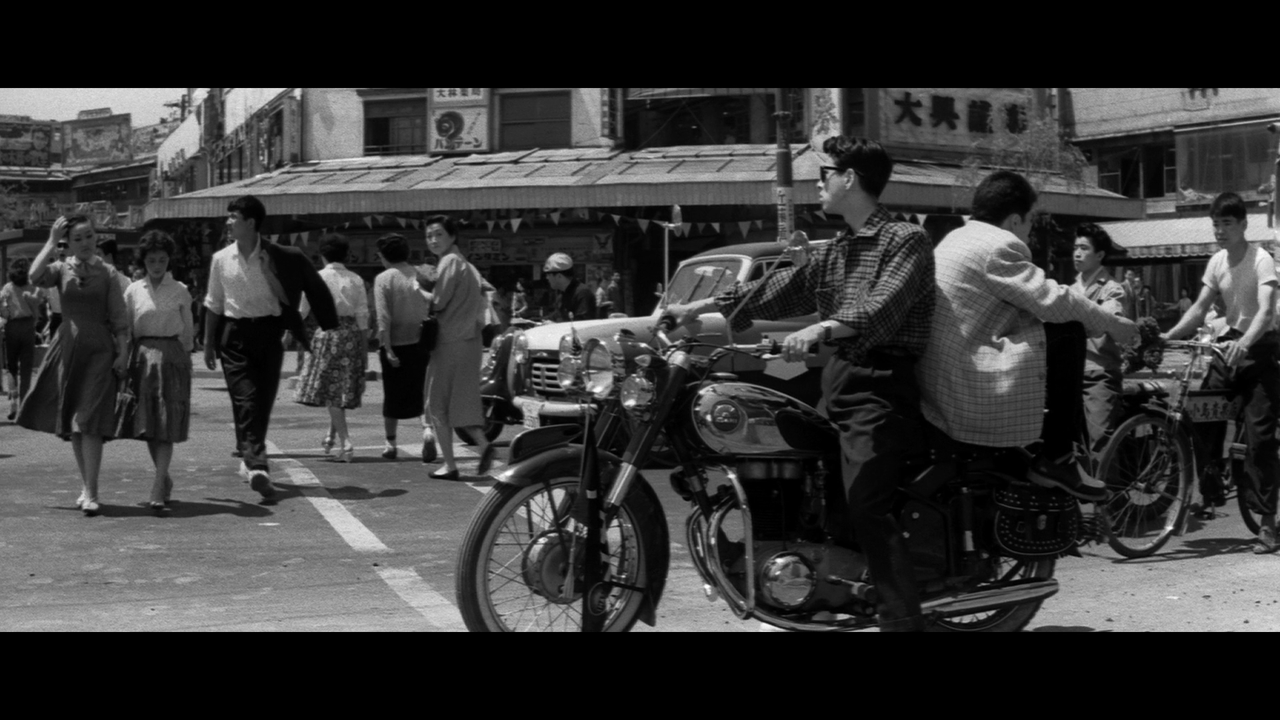
The close-up pushing in as Nobuo thrills to a drum solo in the club, the way he drifts through the street, walking by as his old pal Keisuke Noro spots him; the visuals carry so much of Nobuo's disillusionment and frustrated energy, his desire to find something new and worthwhile to do with himself.
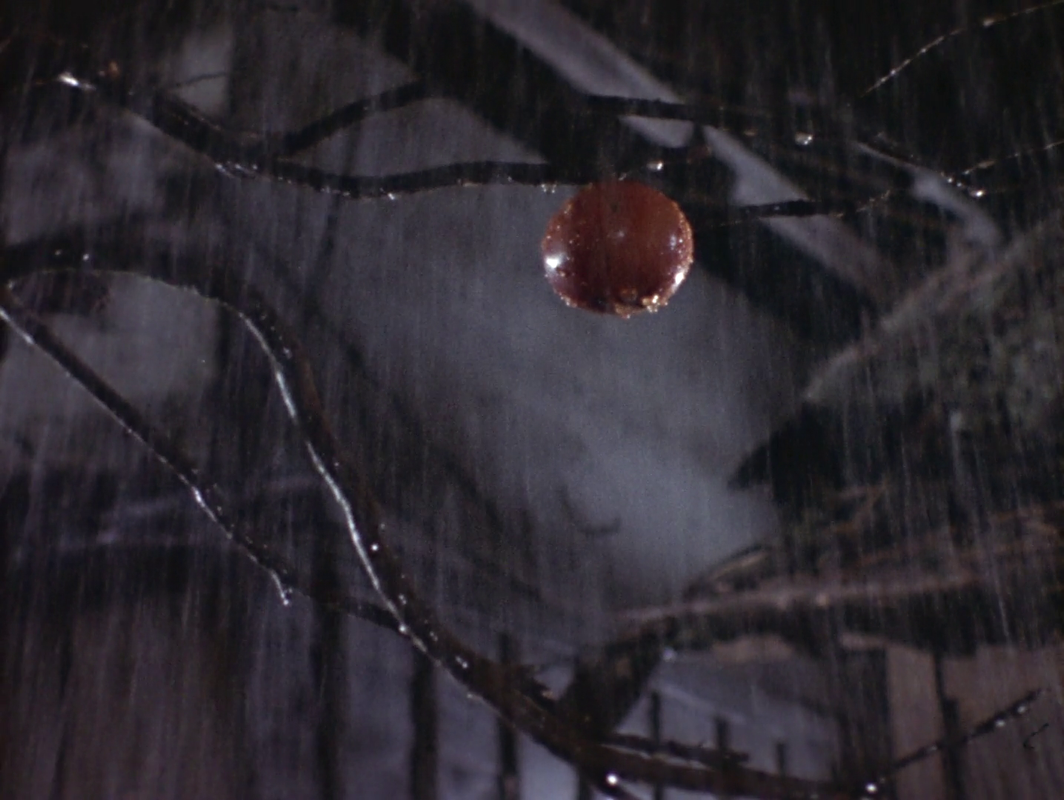
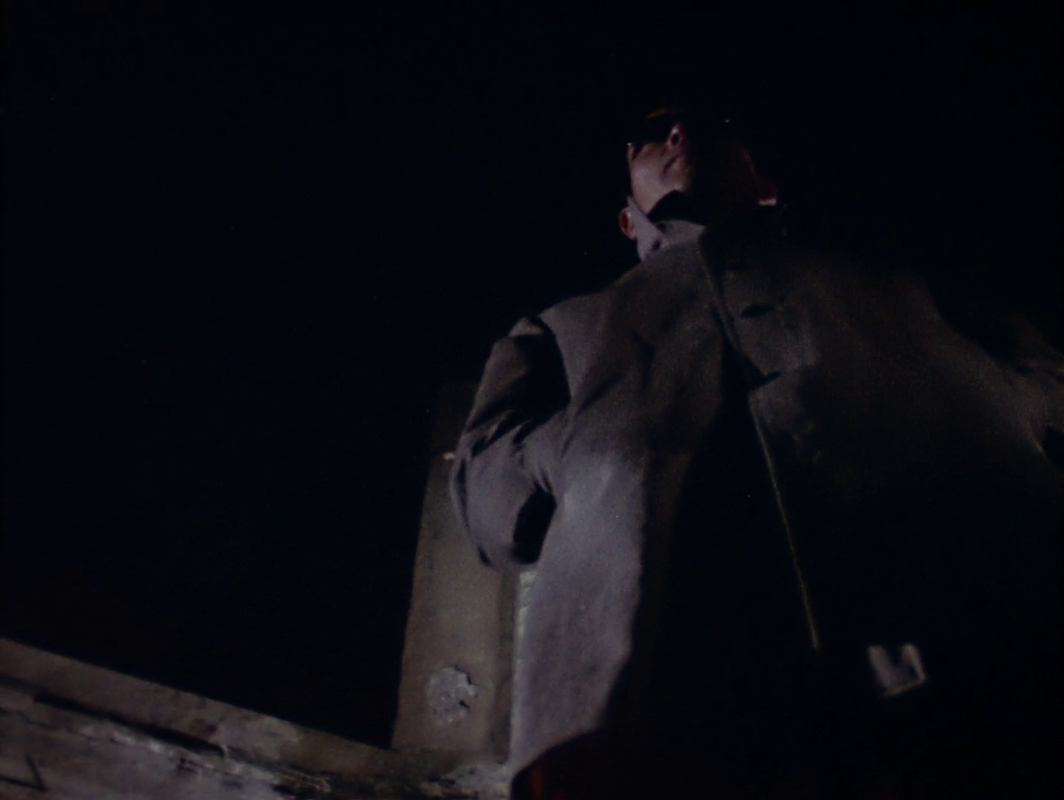
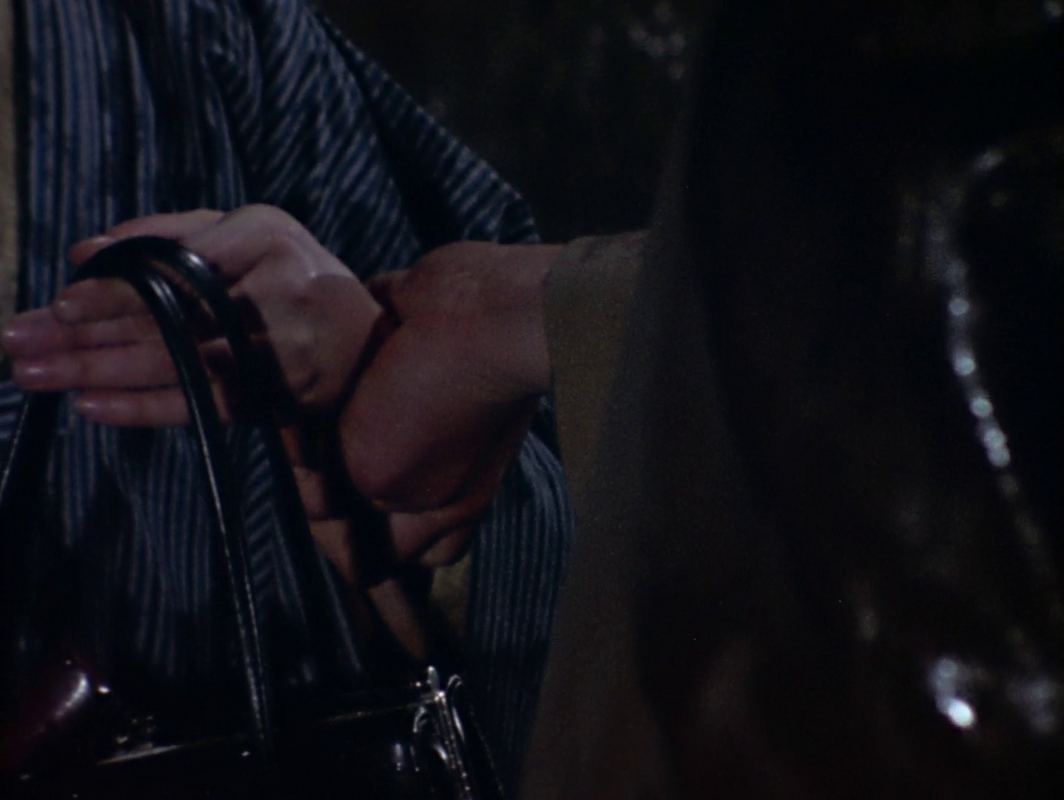
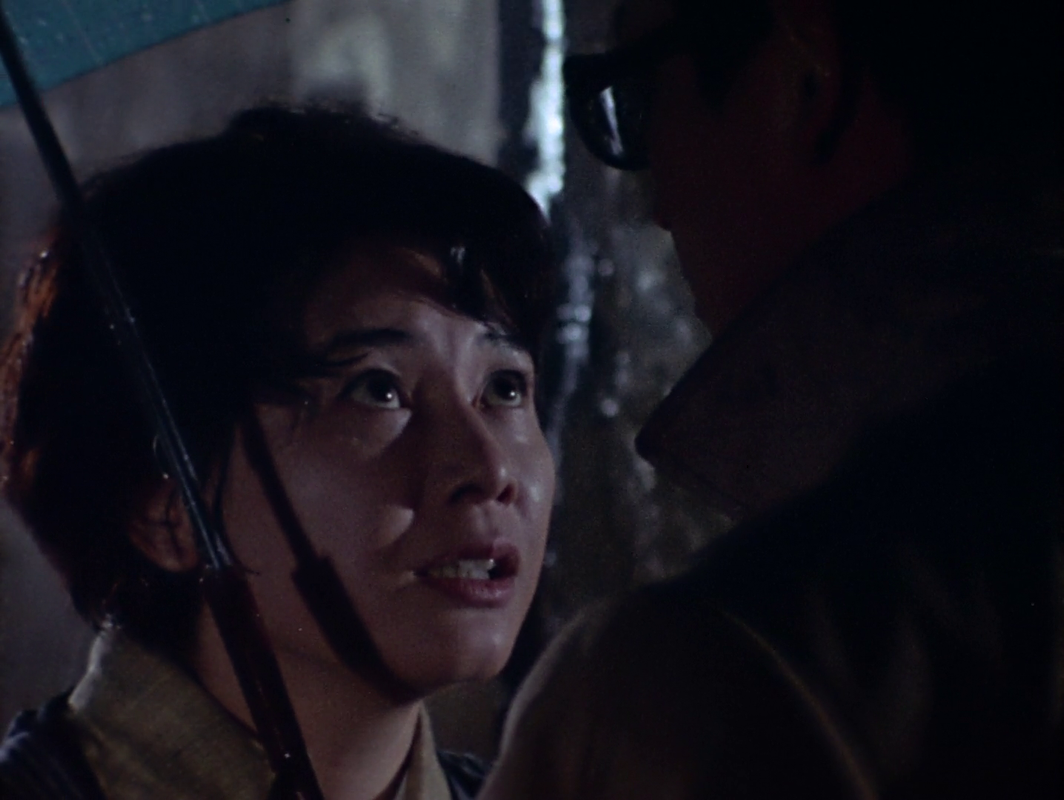
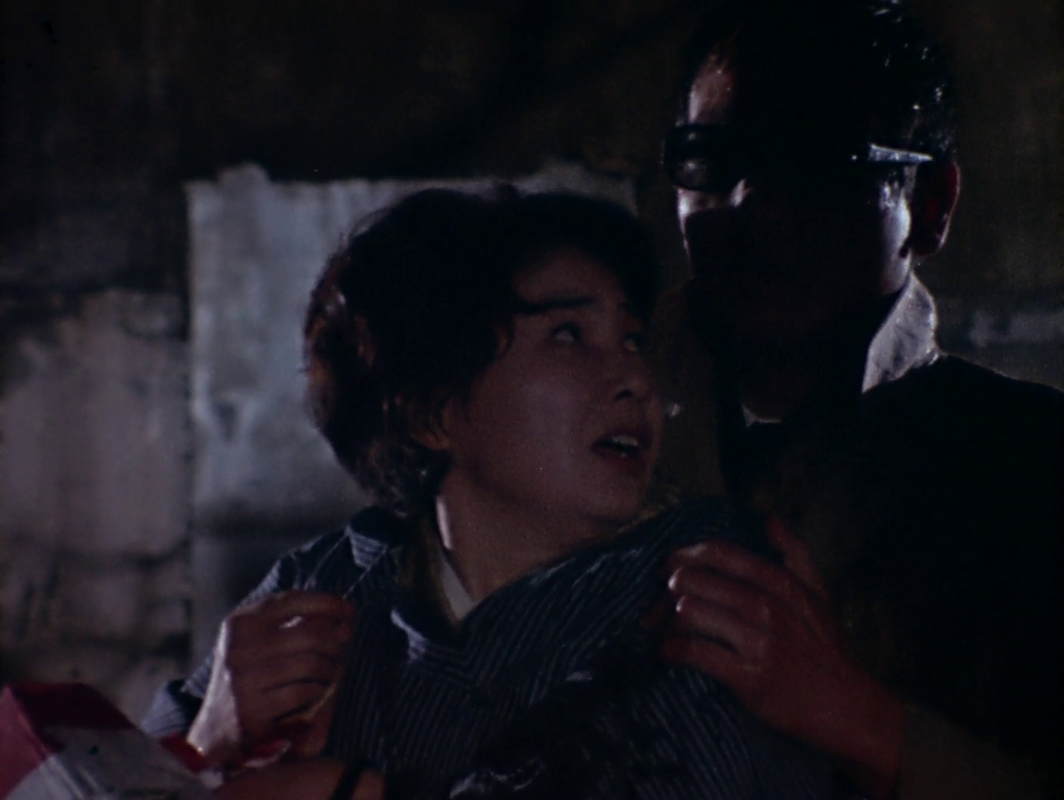
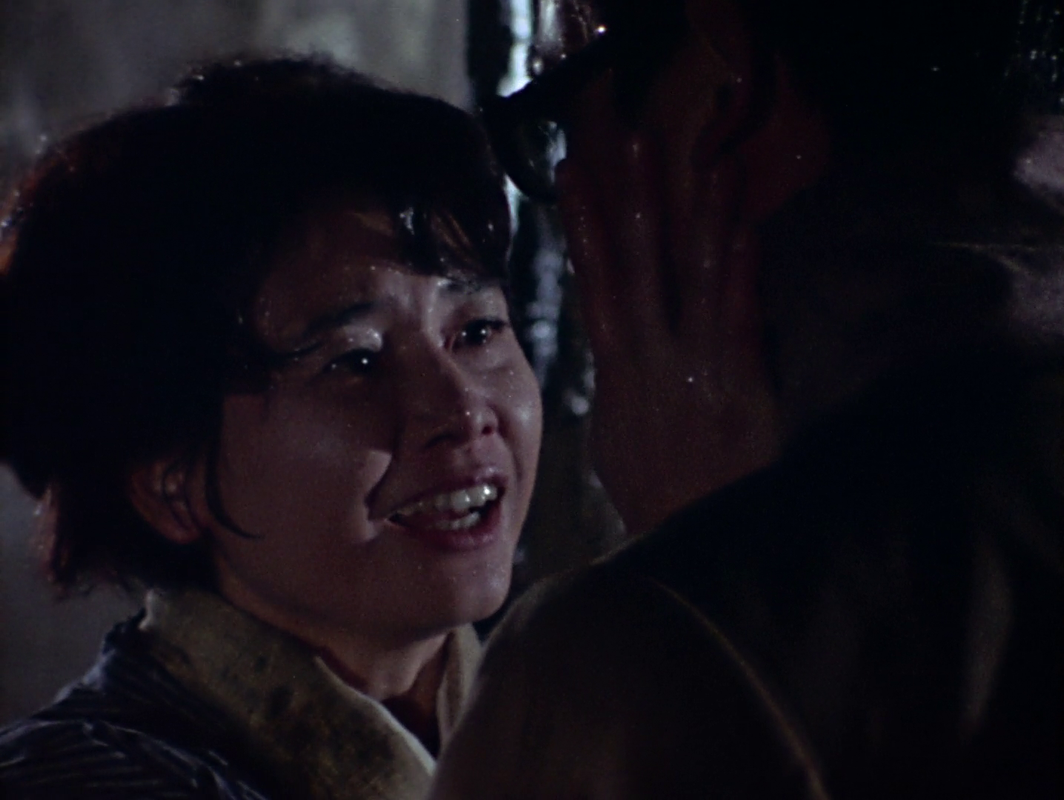
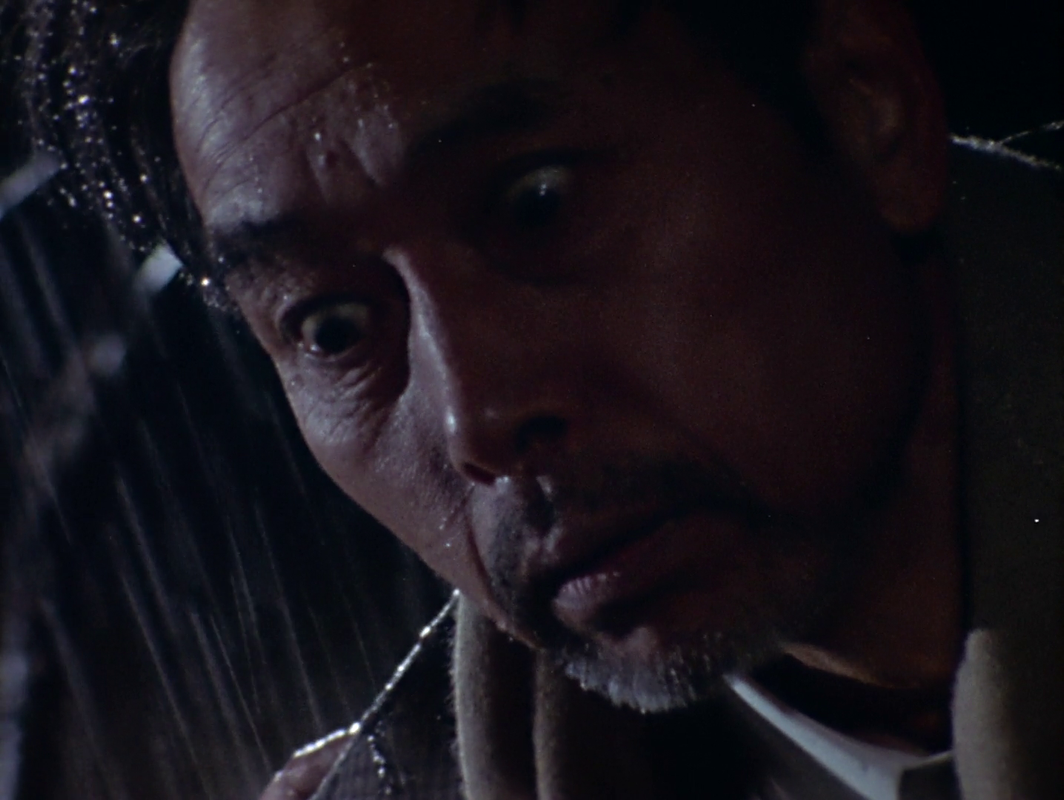
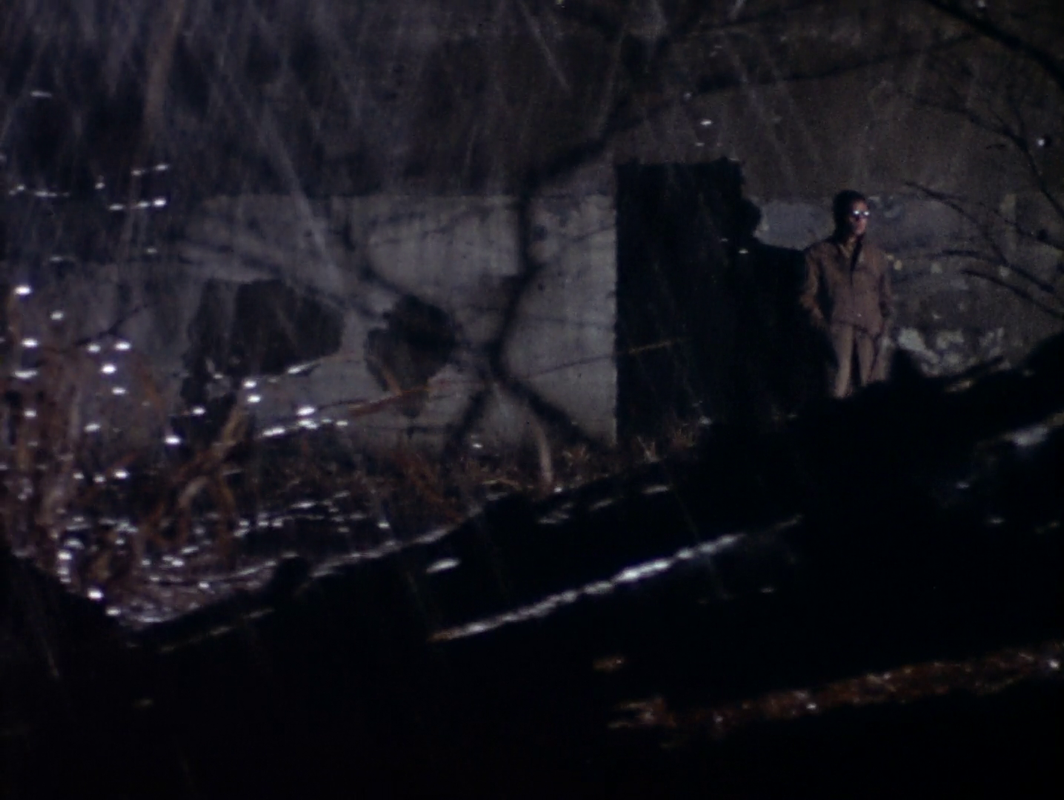
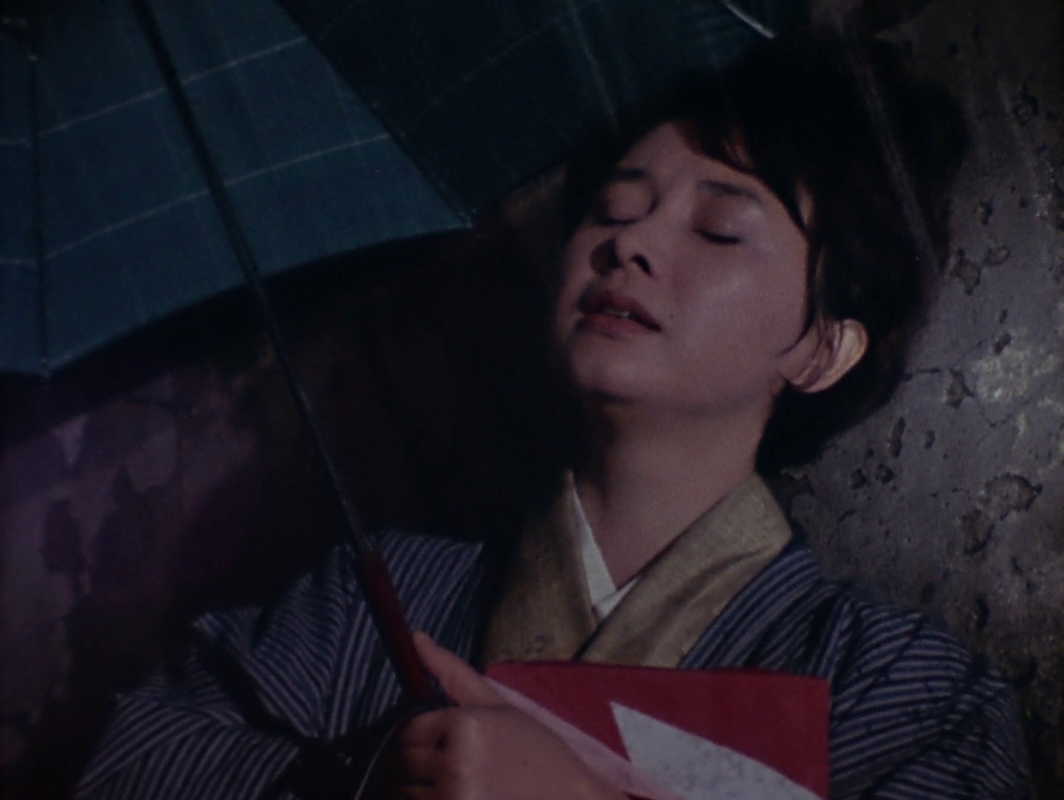
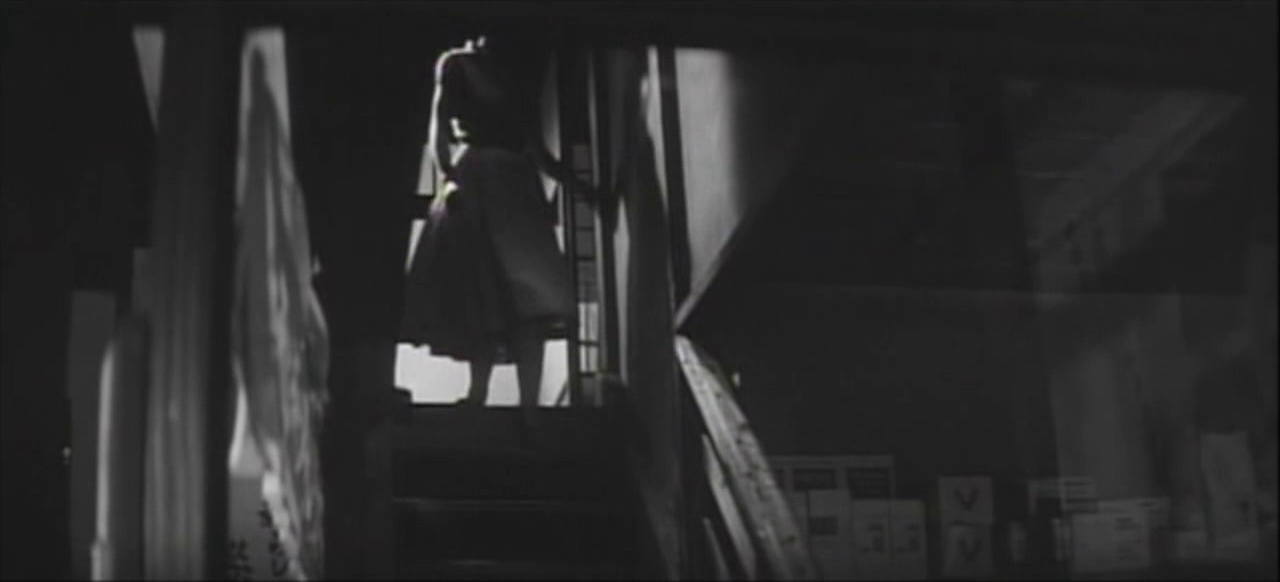
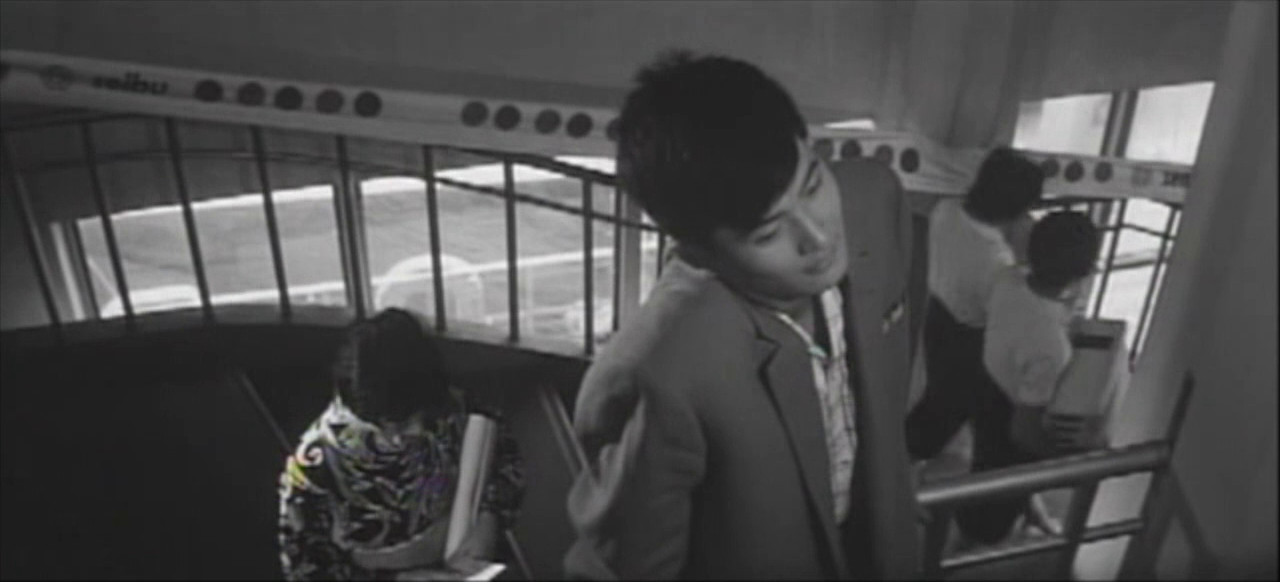
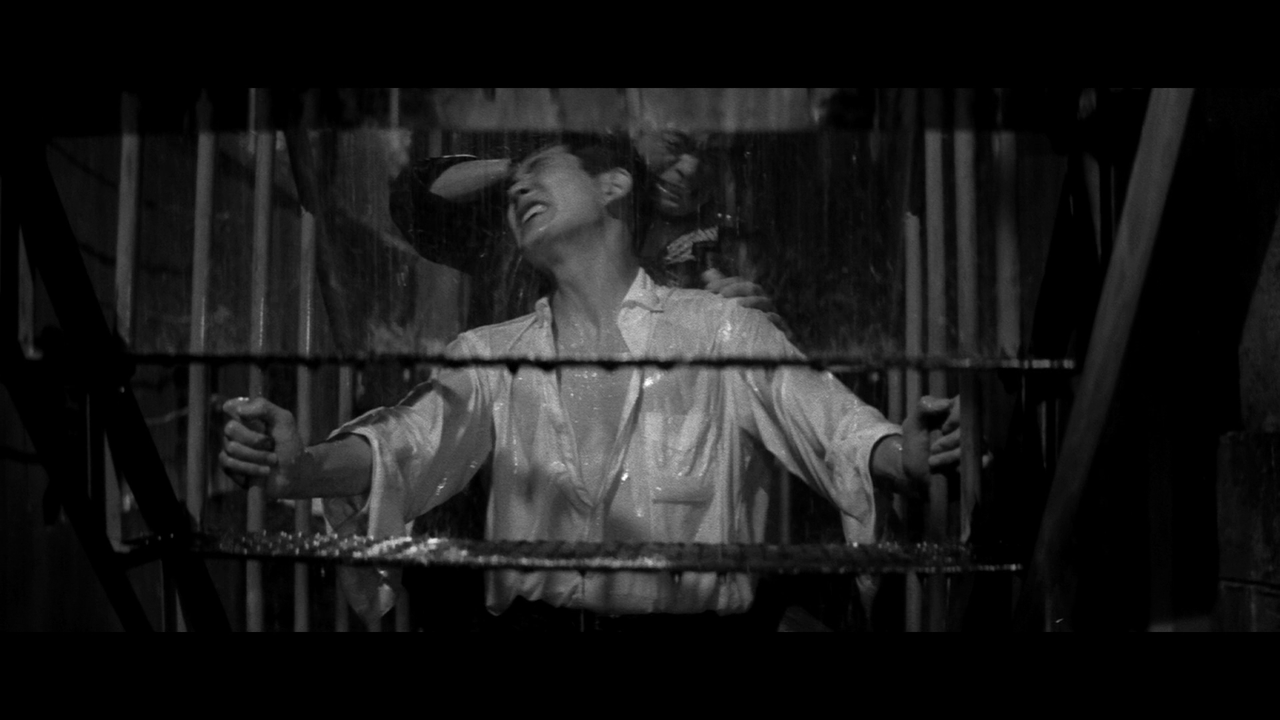
The most effective image of this is the way once Nobuo has turned over a new leaf, become a street portrait artist, his old antagonist Jo Shishido and his pals corner Nobuo and knock him off a fire escape in the rain.
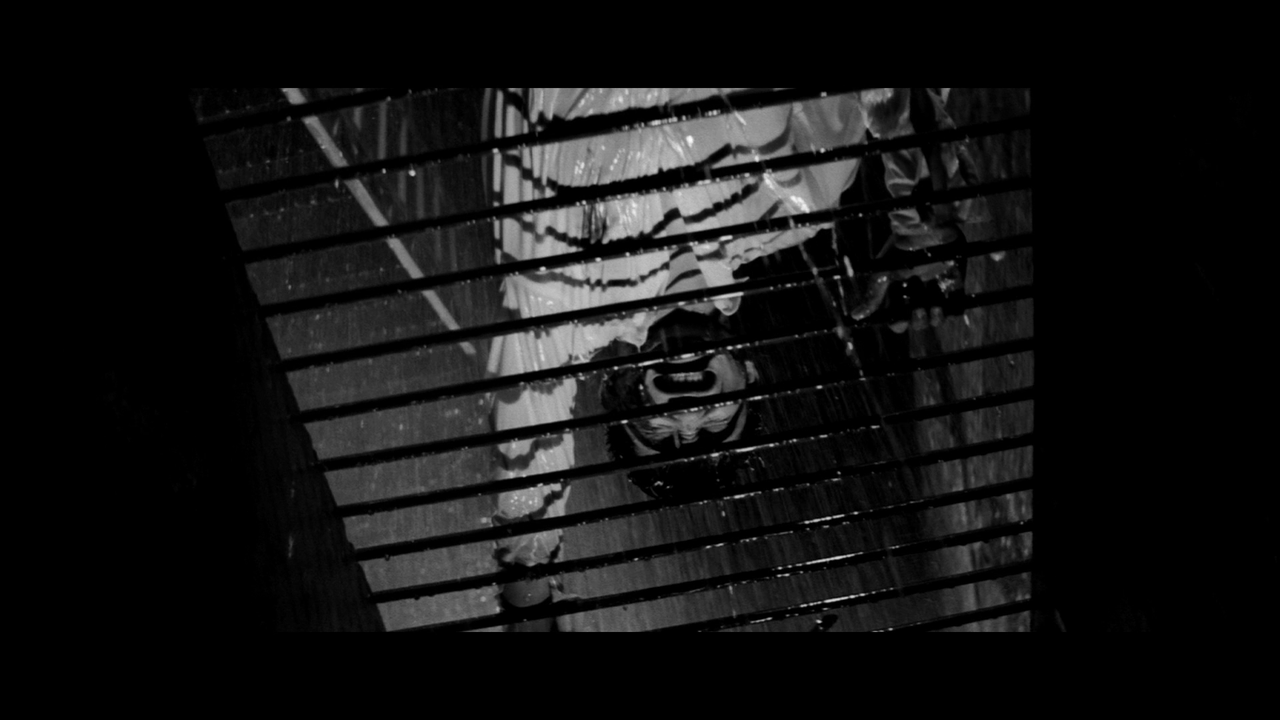
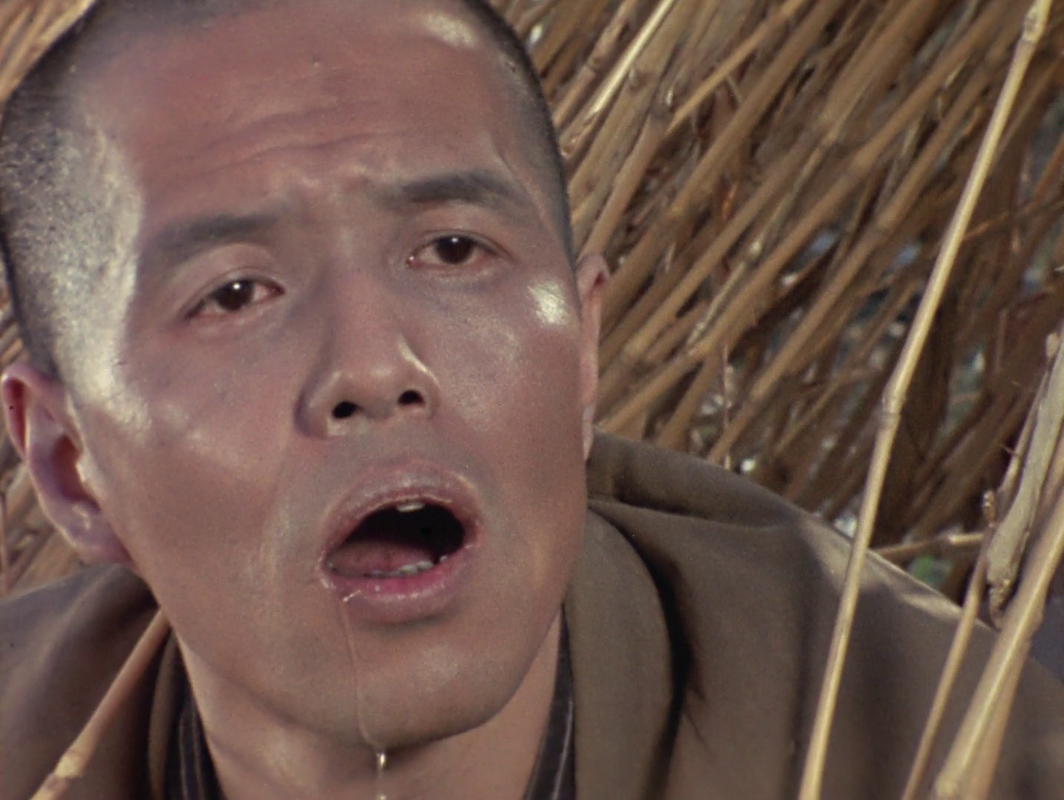
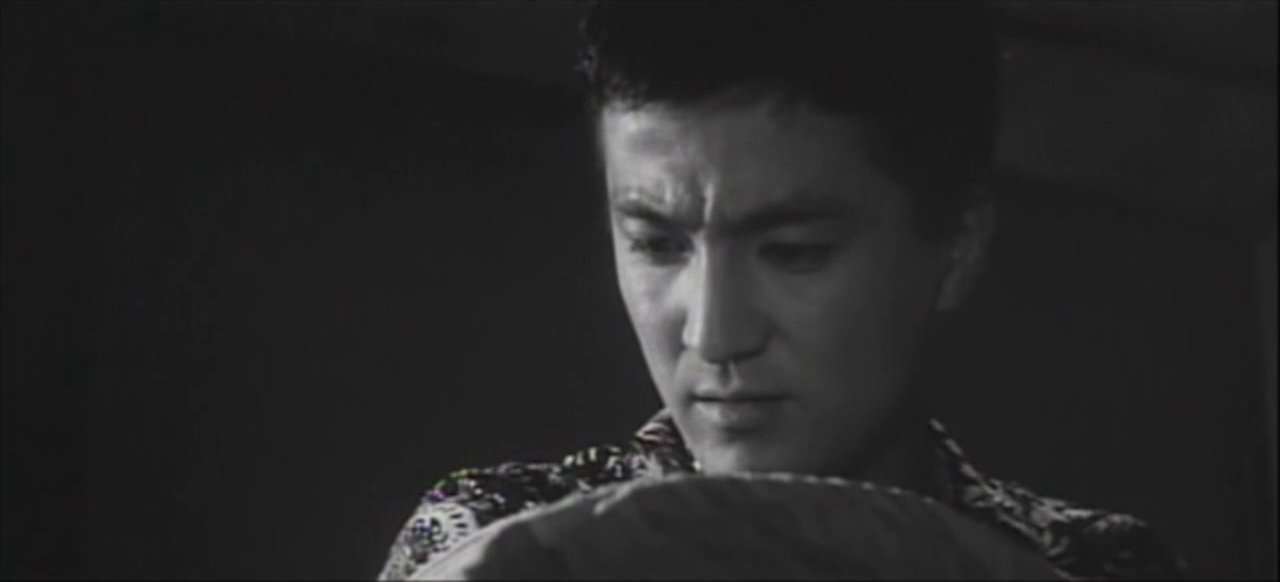
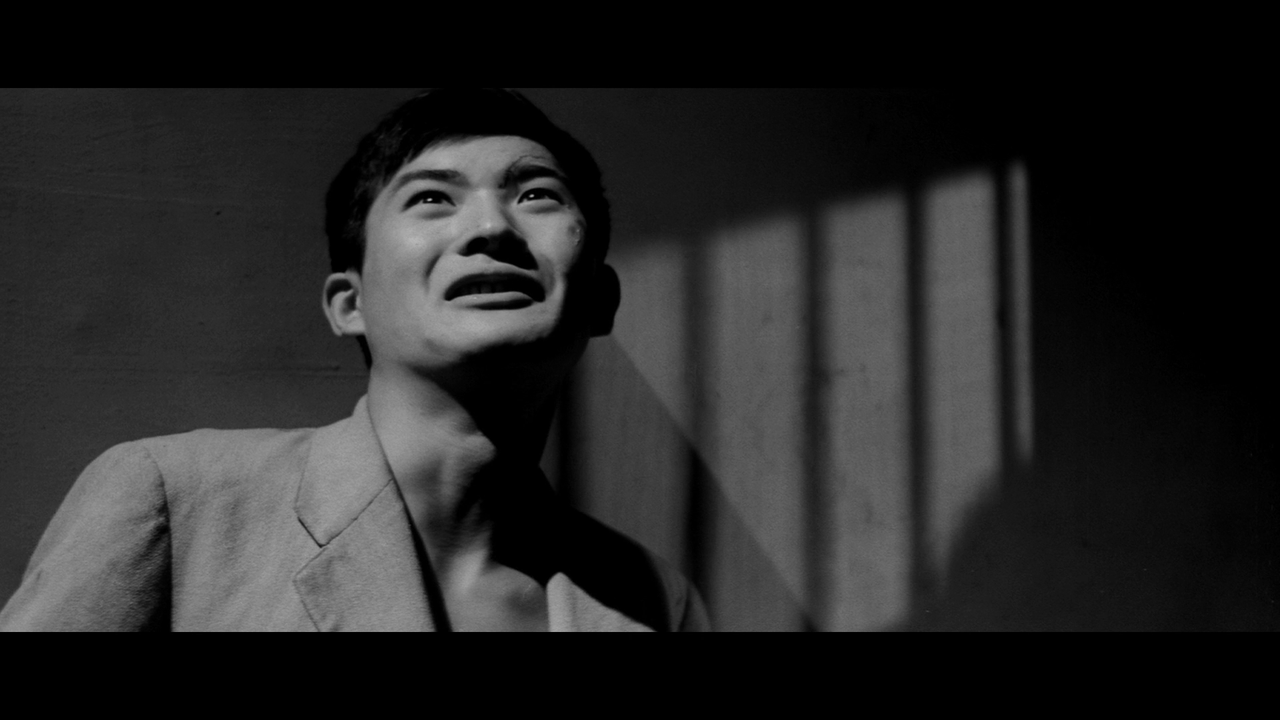
The visual of Kobayashi transfixed on the grating, with the rain pouring through his ruined art supplies, a look of agony on his face, is probably the film's most striking image, proof of the way Suzuki's control of traditional melodrama was really fully-evolved, even though this was his first pure melo.
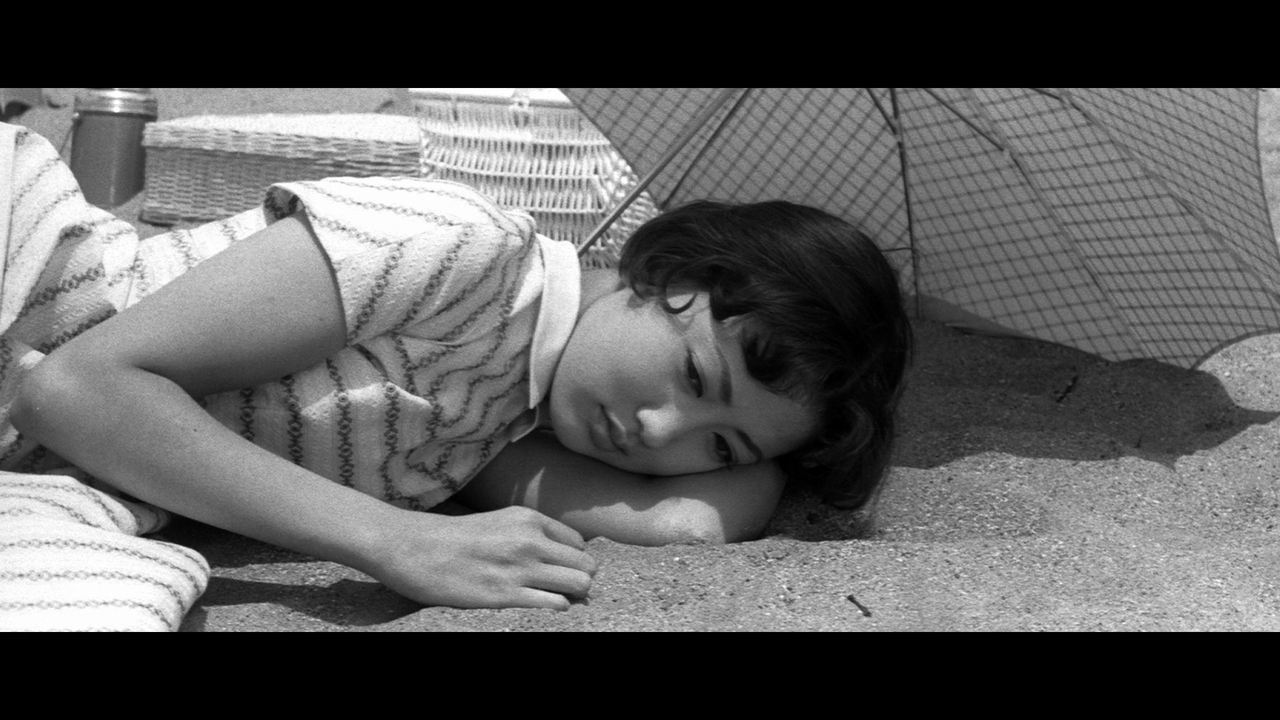
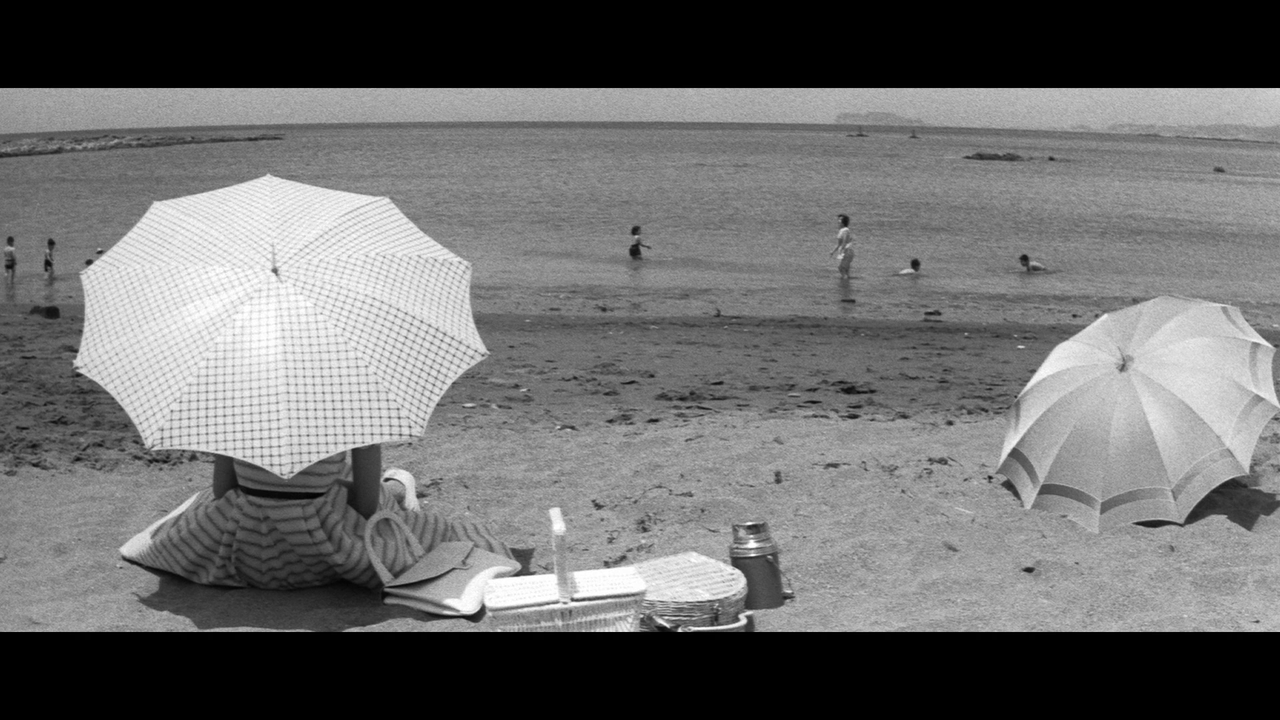
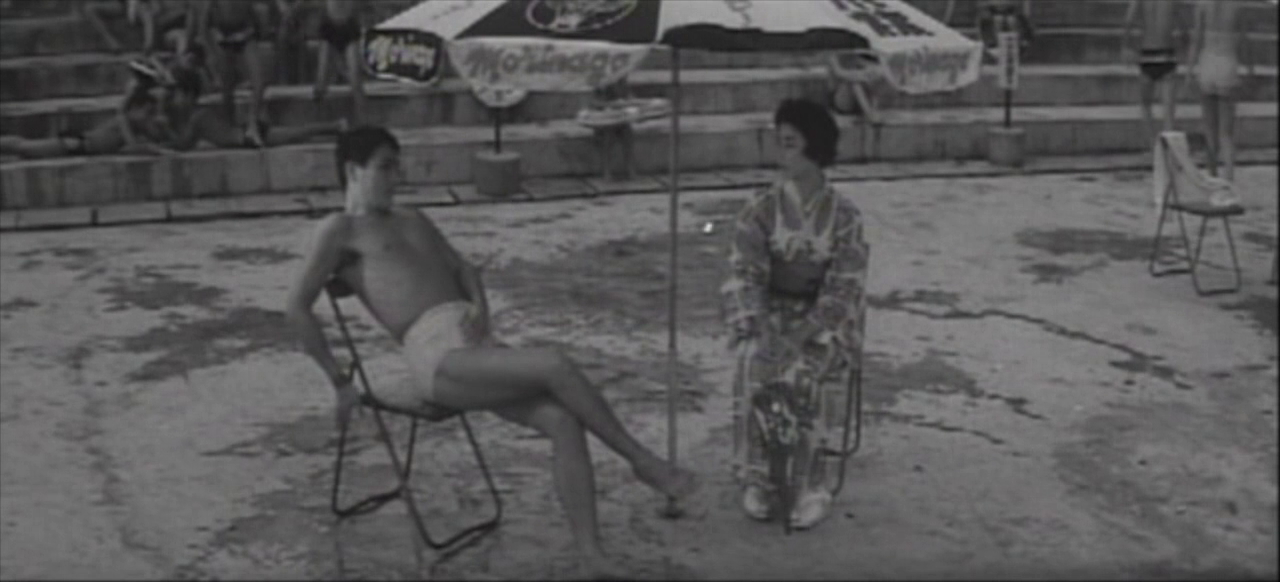
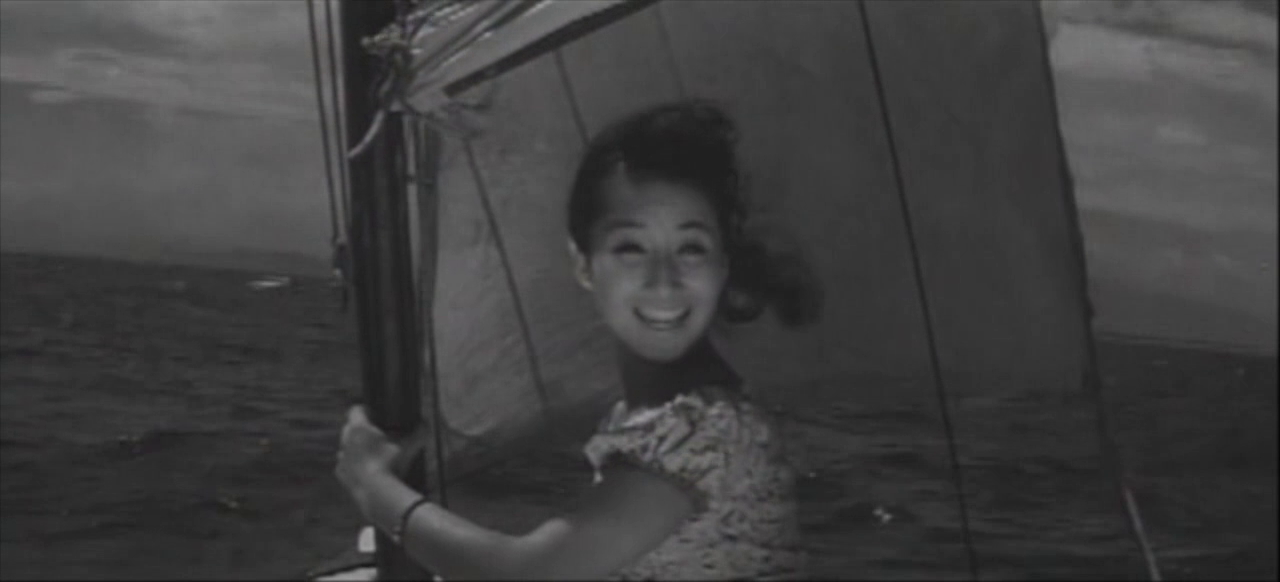
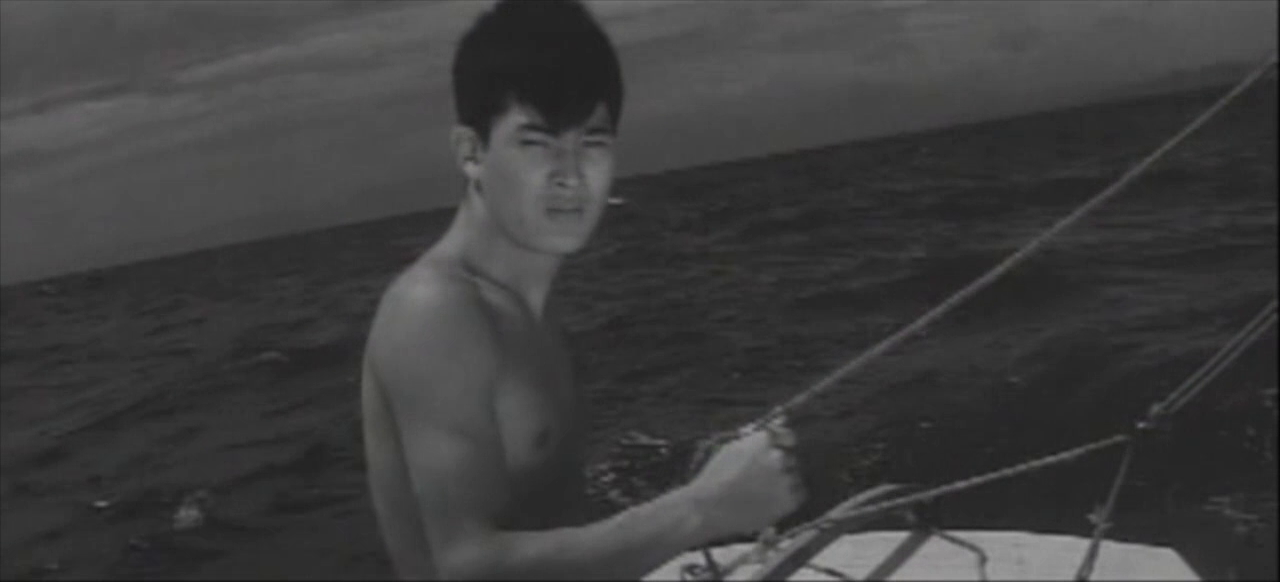
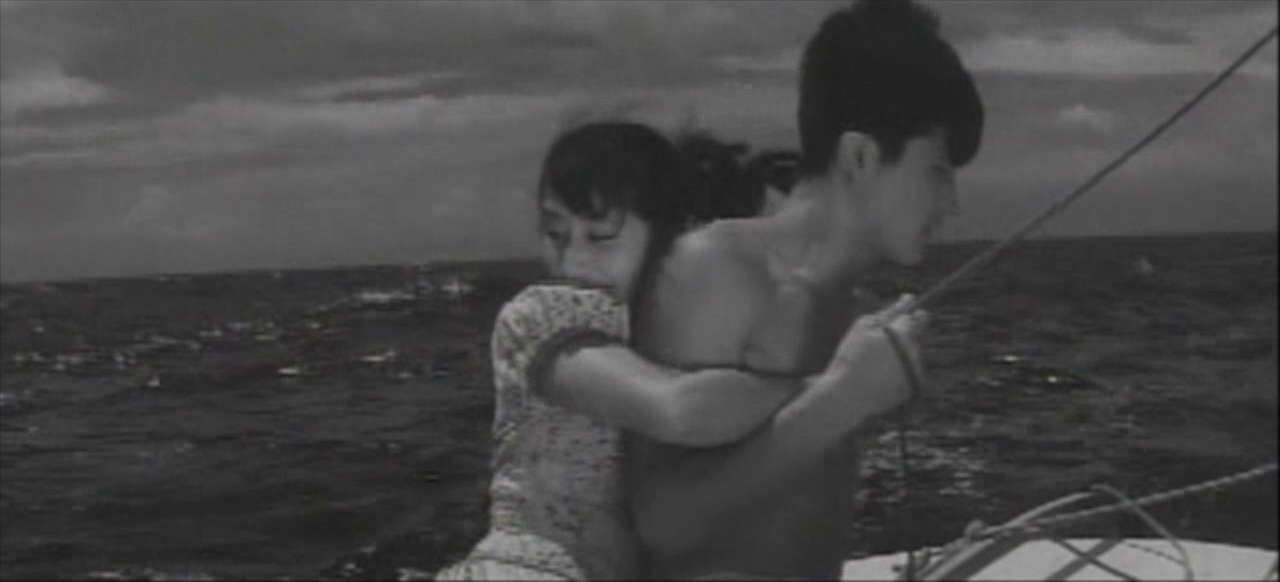
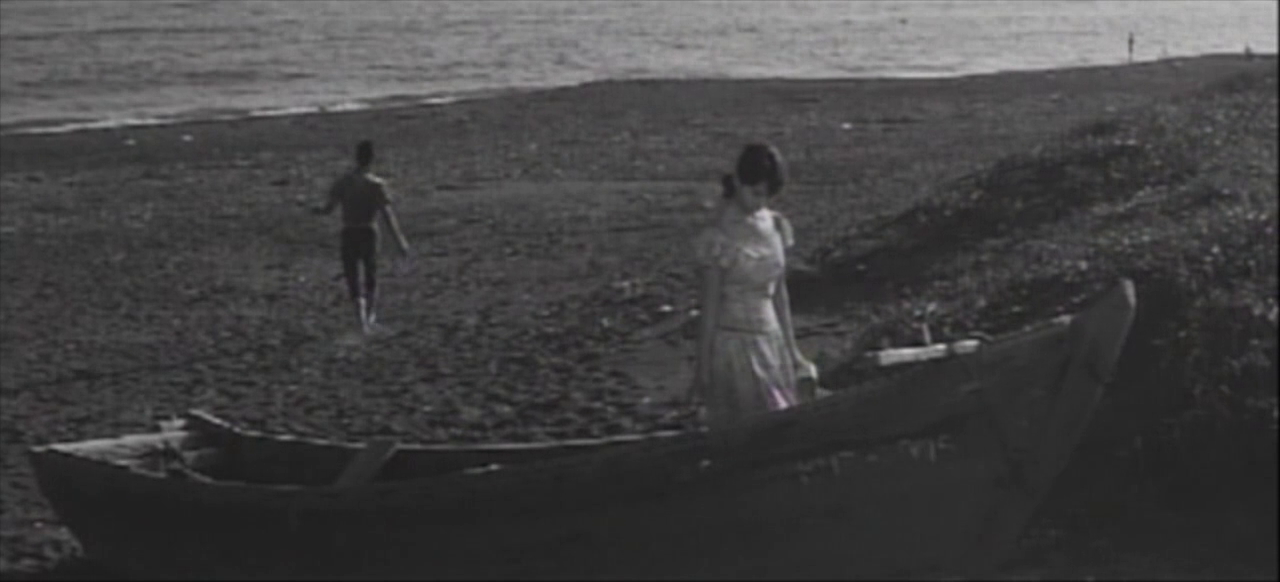
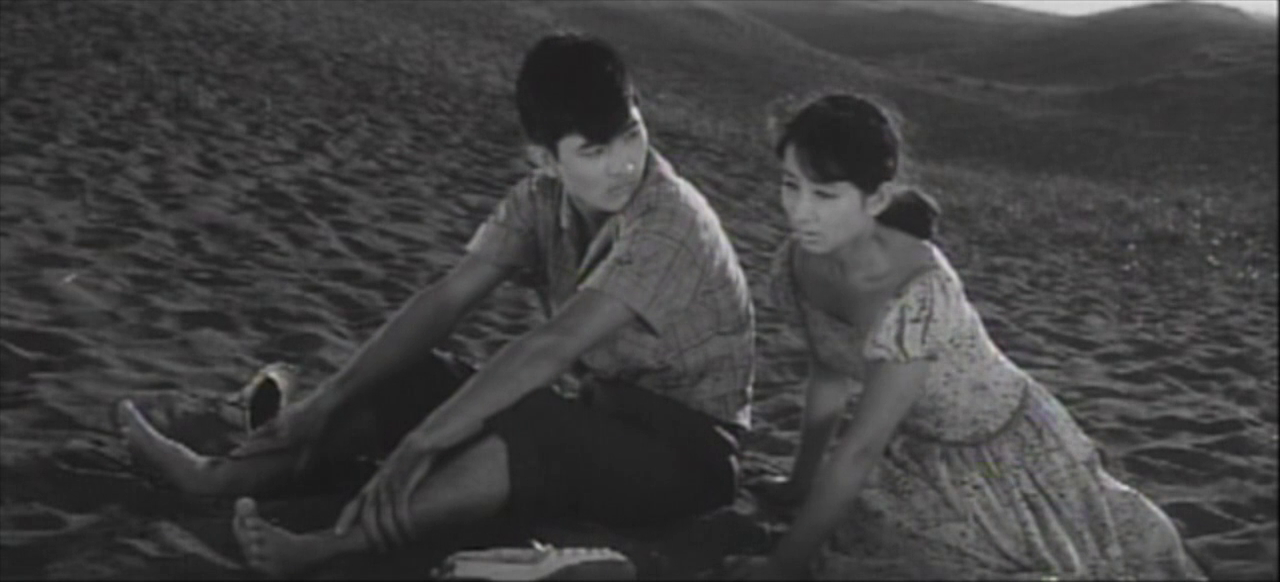
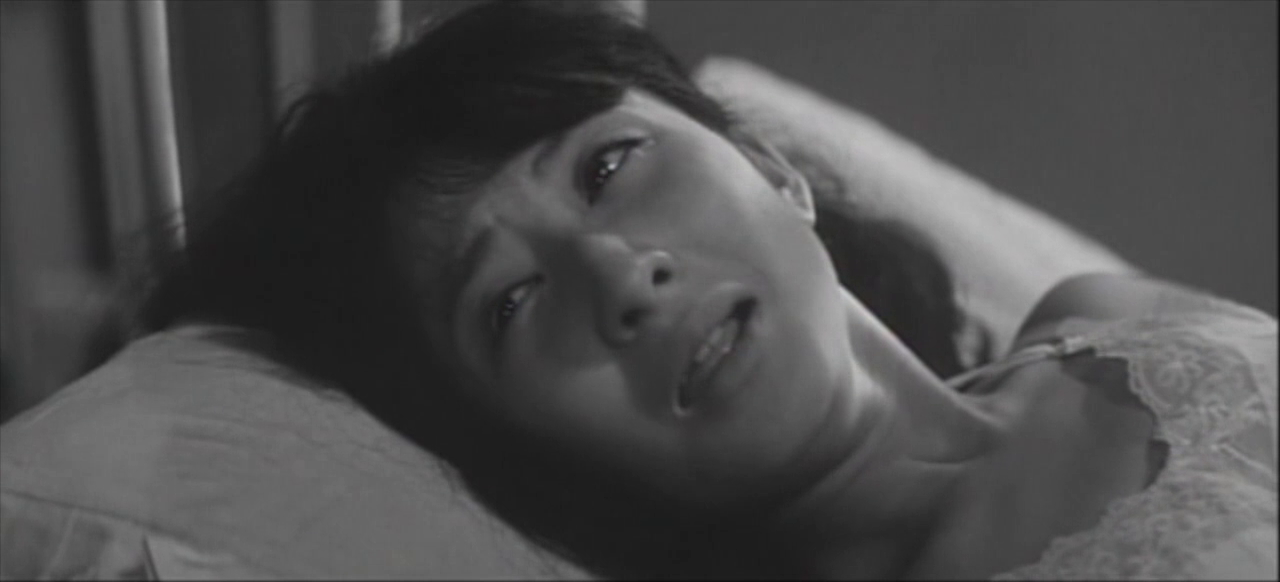
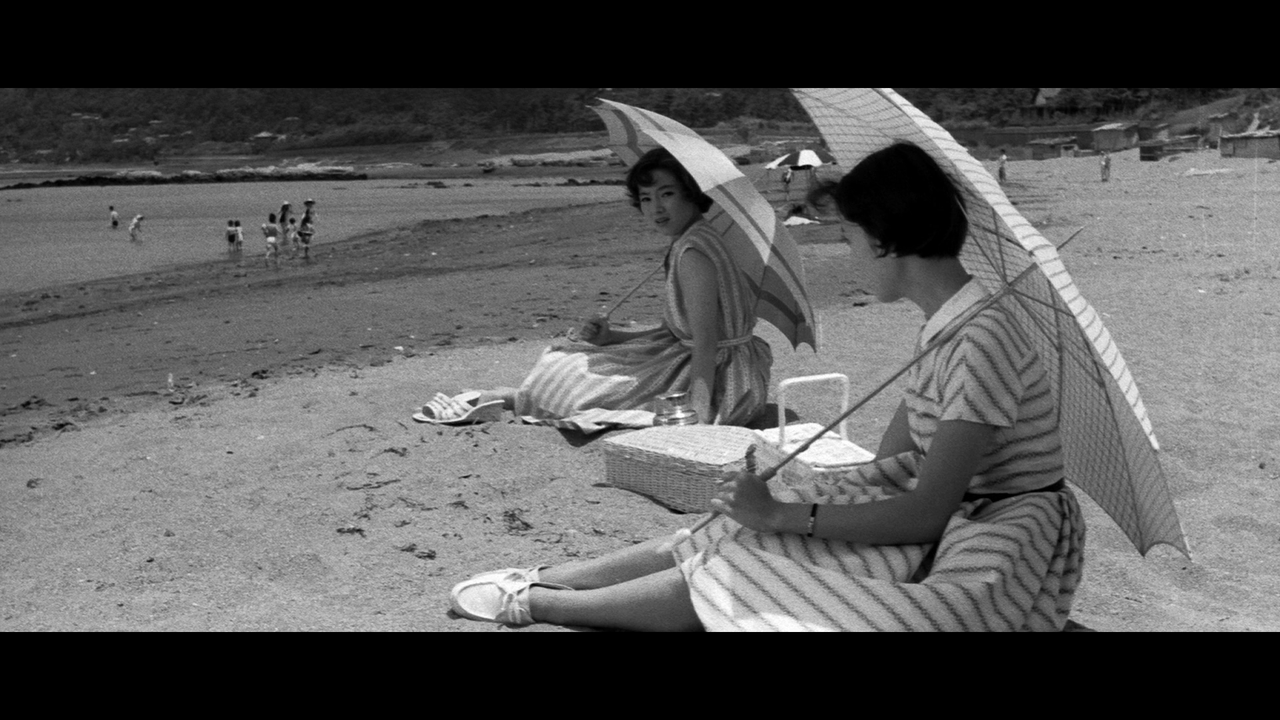
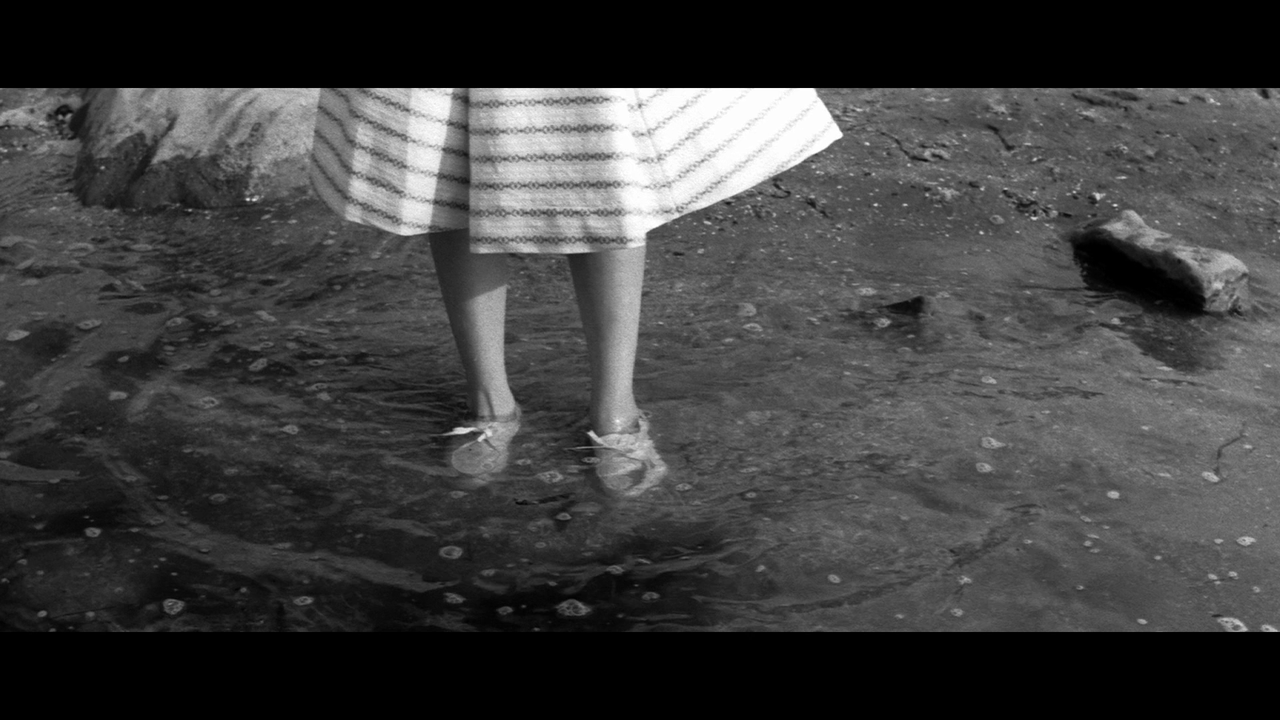
Ruriko Asaoka, by contrast, sort of drifts into the film, and has a dreamy passage in the middle of it, which is her best contribution, and which she carries off handsomely. Kazue is reluctant to get back together with Nobuo, until Keiko convinces her to go to the beach with Keiko's younger sister and Nobuo and herself. Watching Keiko's sister cavorting in the water, Kazue is torn what to do, and Keiko completes a delicate seduction, convincing Kazue that underneath Nobuo's rough coping mechanisms is a good heart that yearns for her.
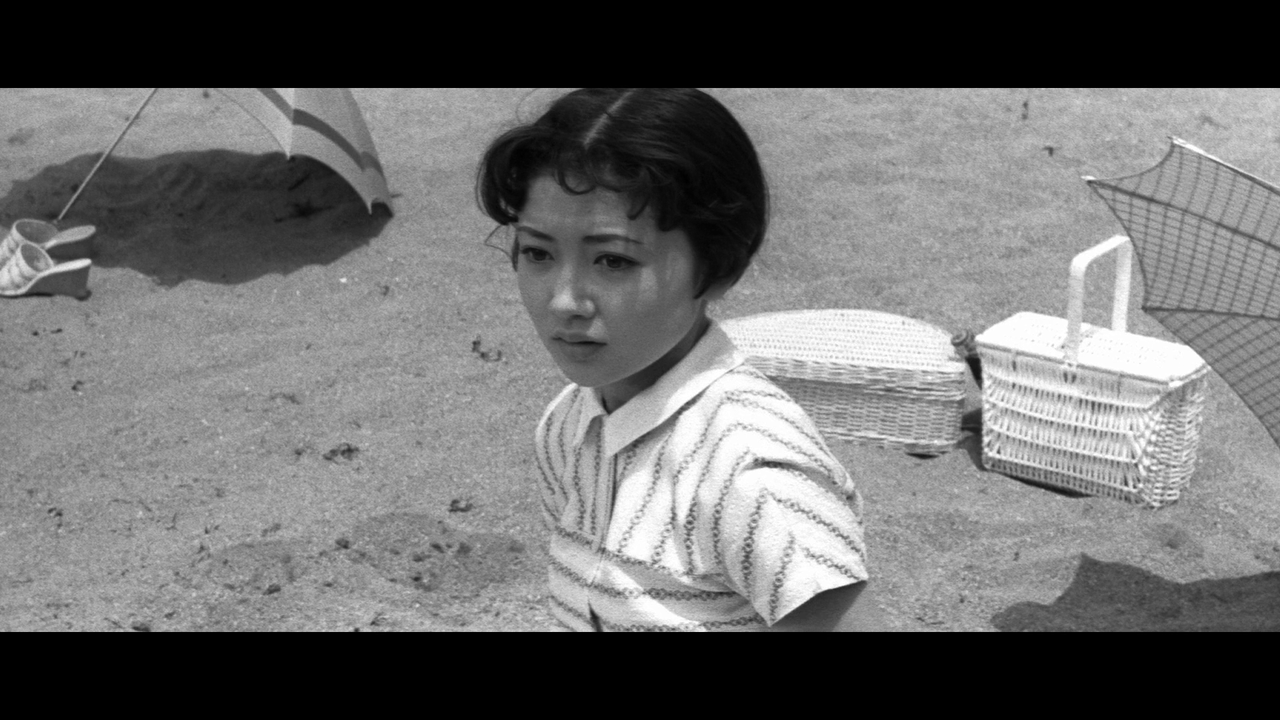
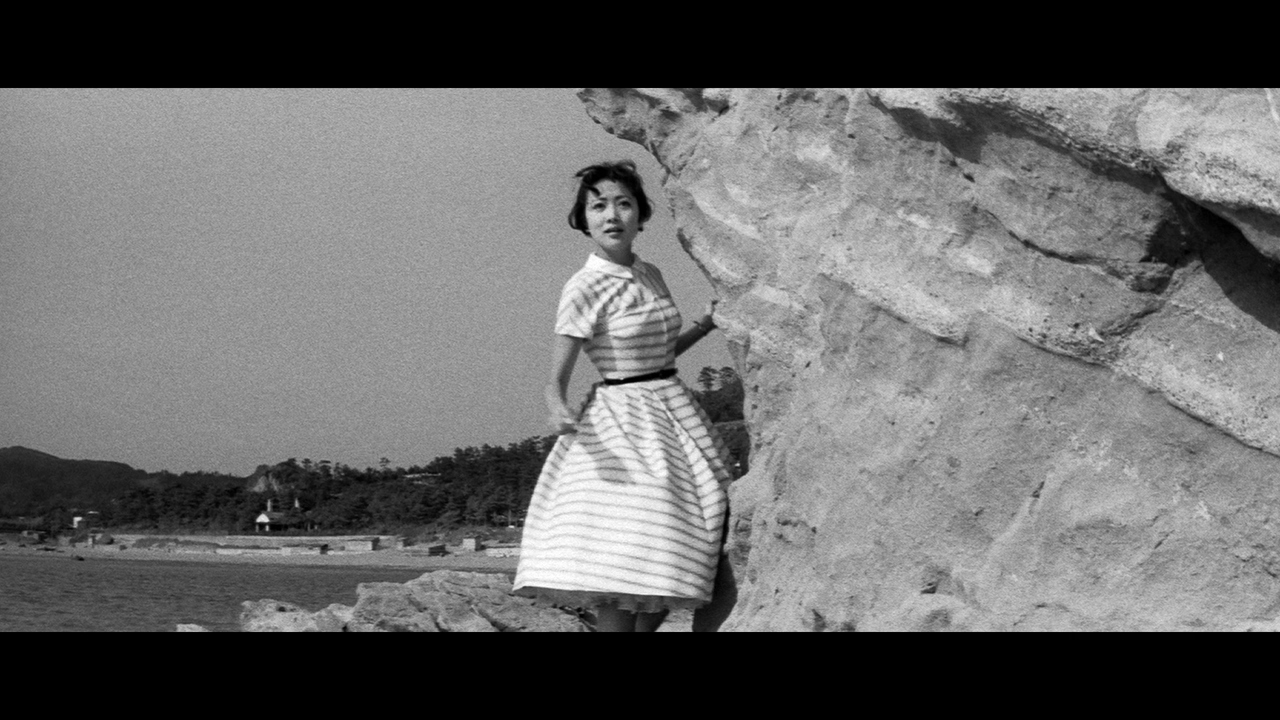
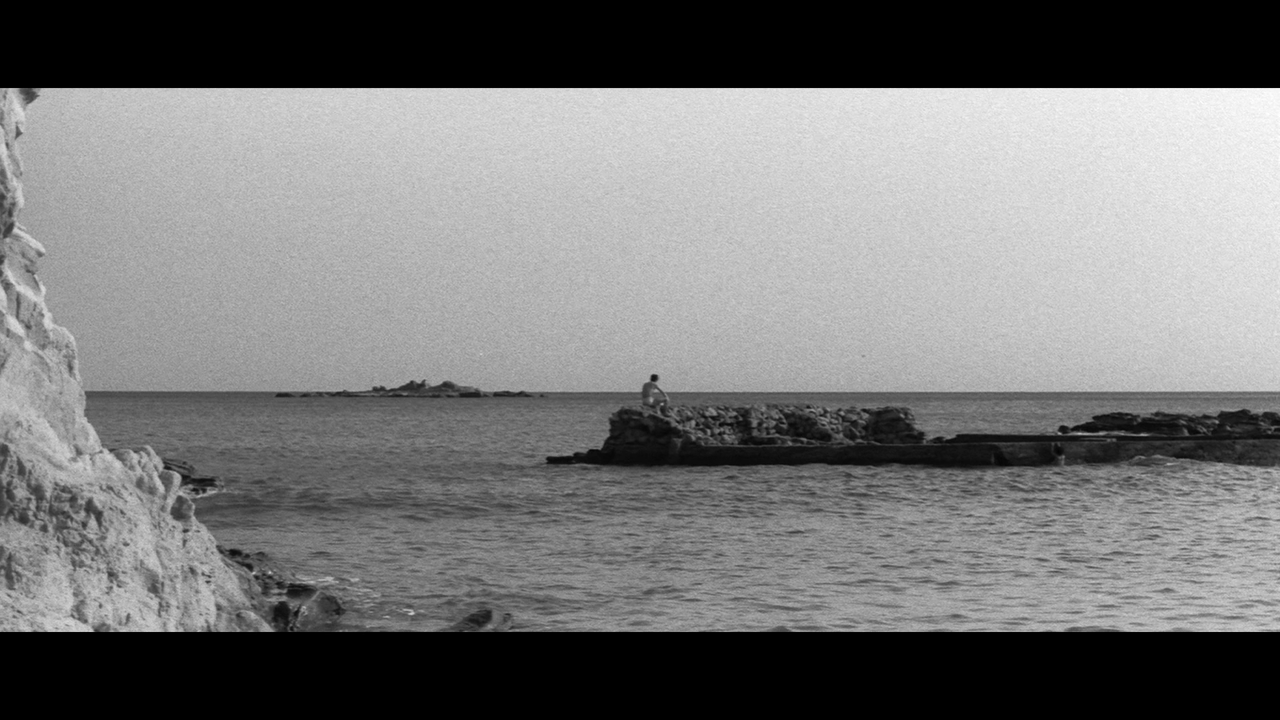
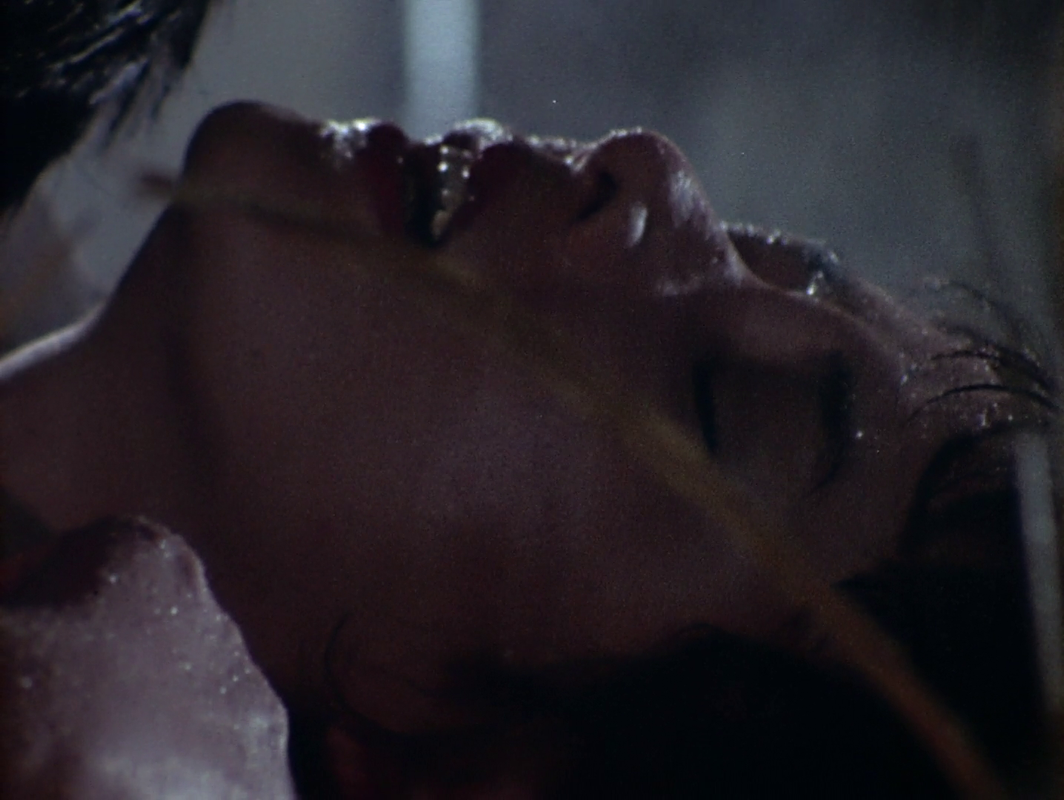
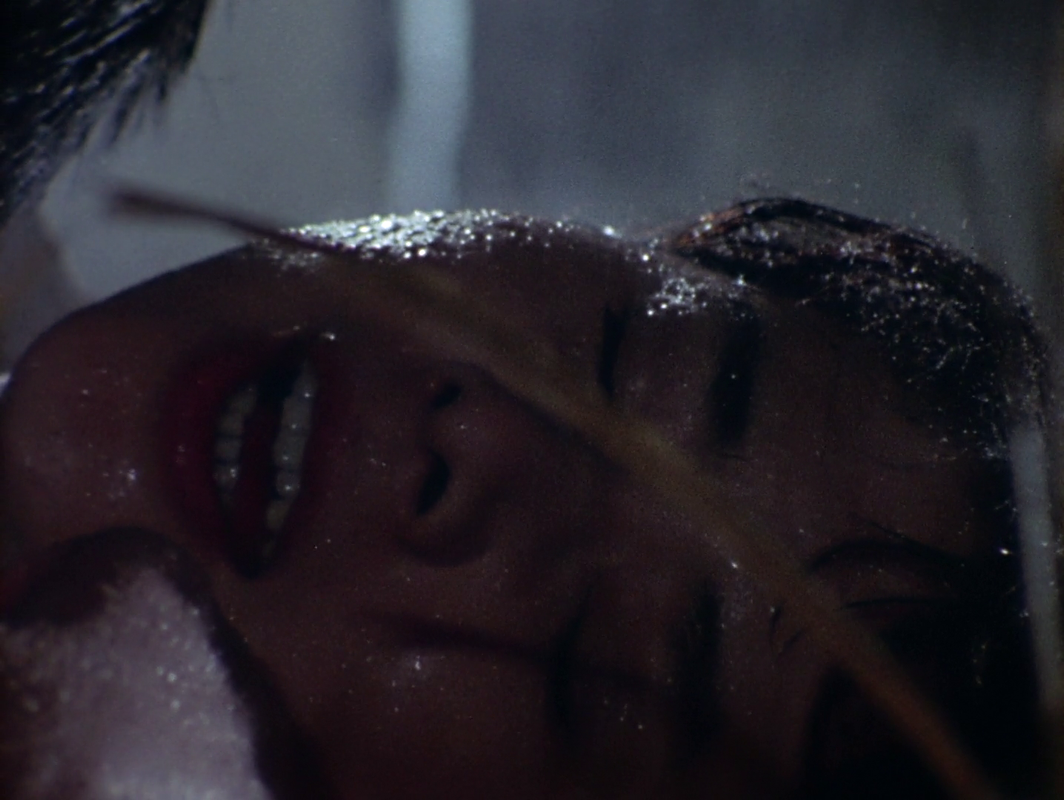
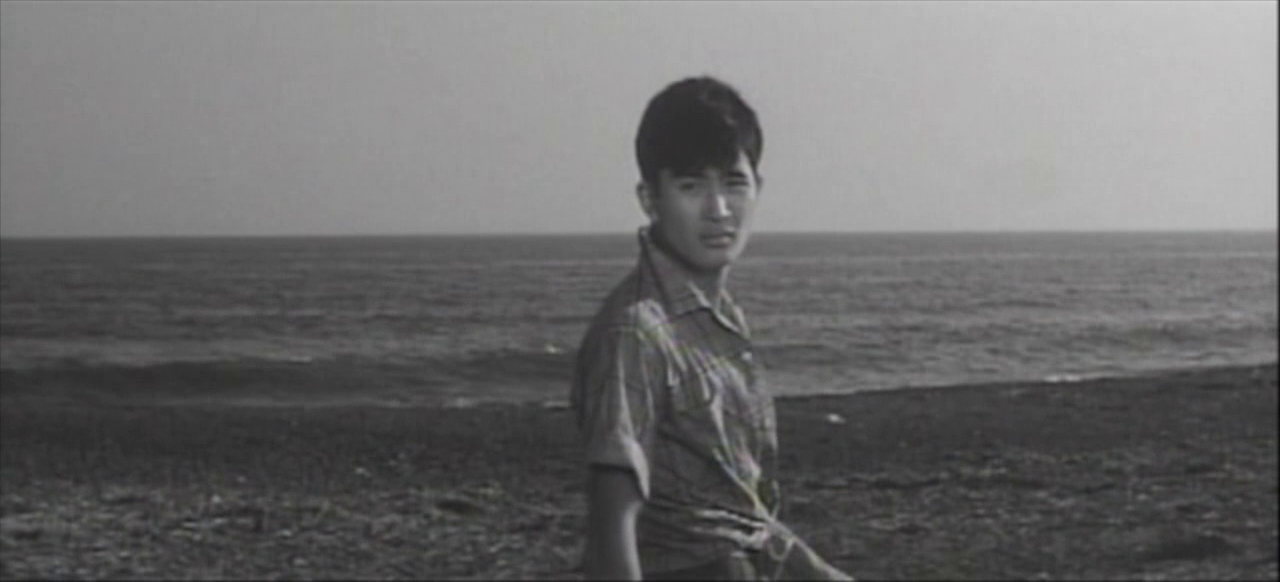
Kazue wanders along the rocks at the shore, and Nobuo comes up from beneath the waves and trips her into the water. Afterwards, they laugh about their reunion.
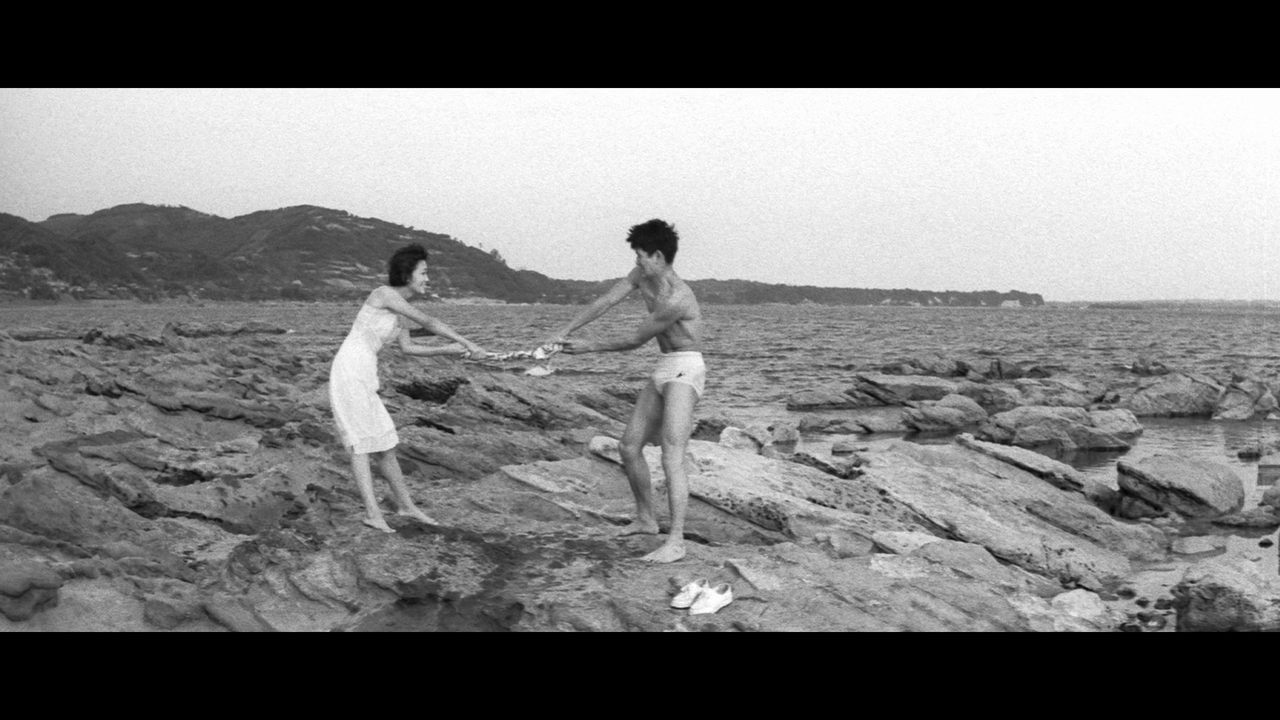
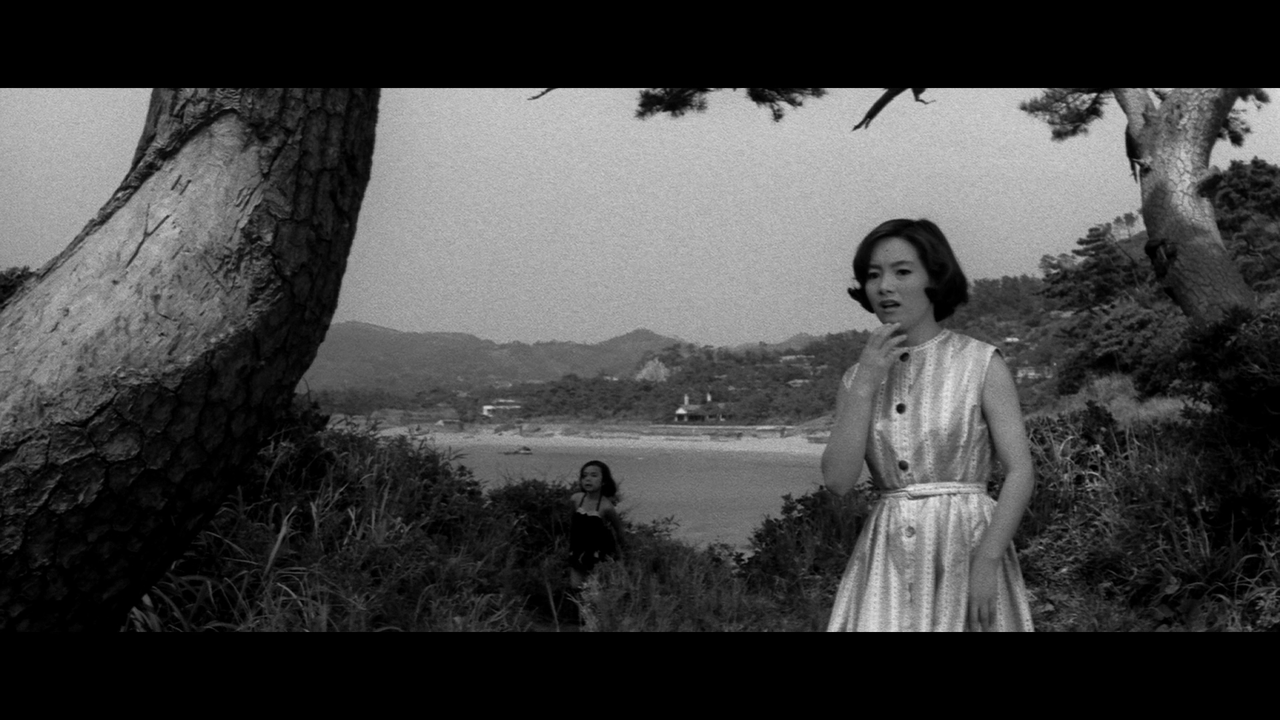
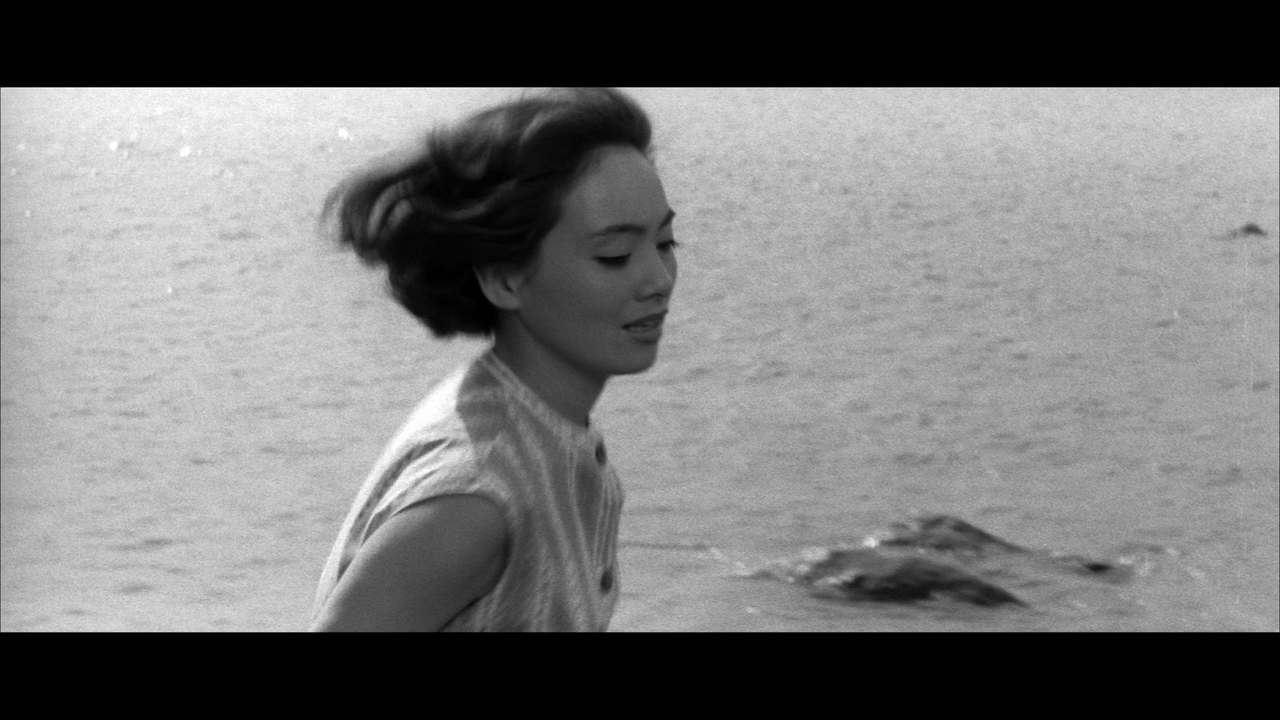
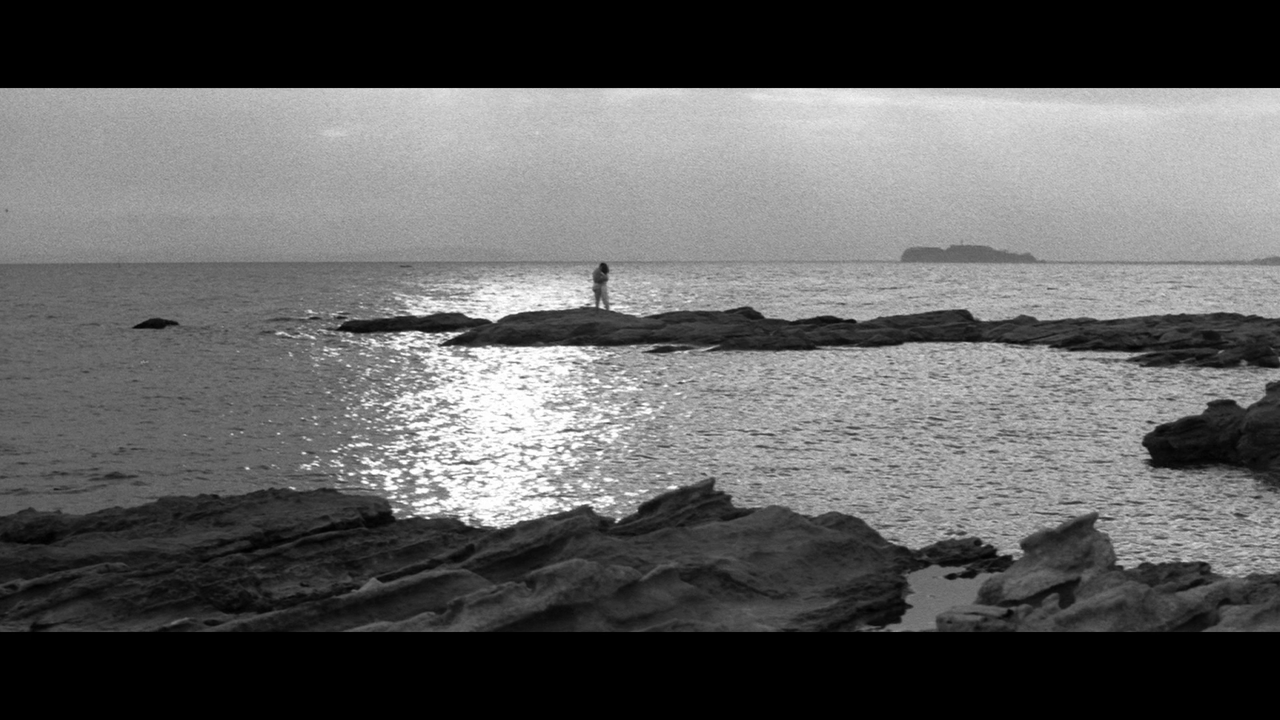
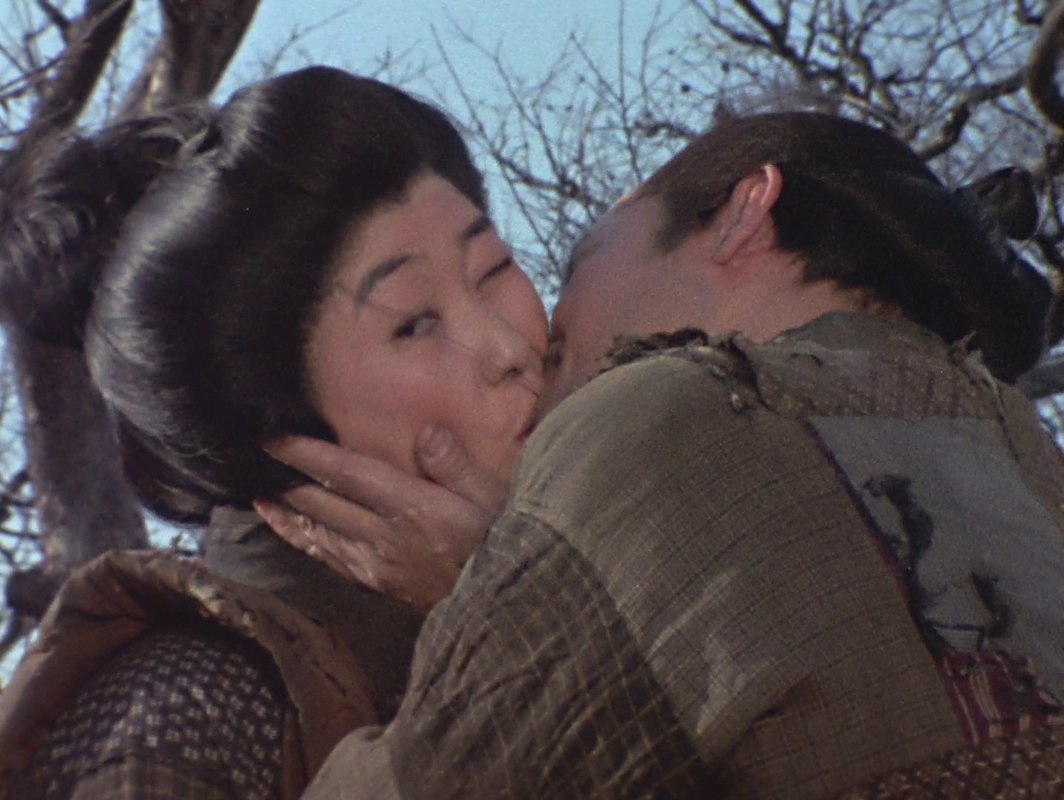
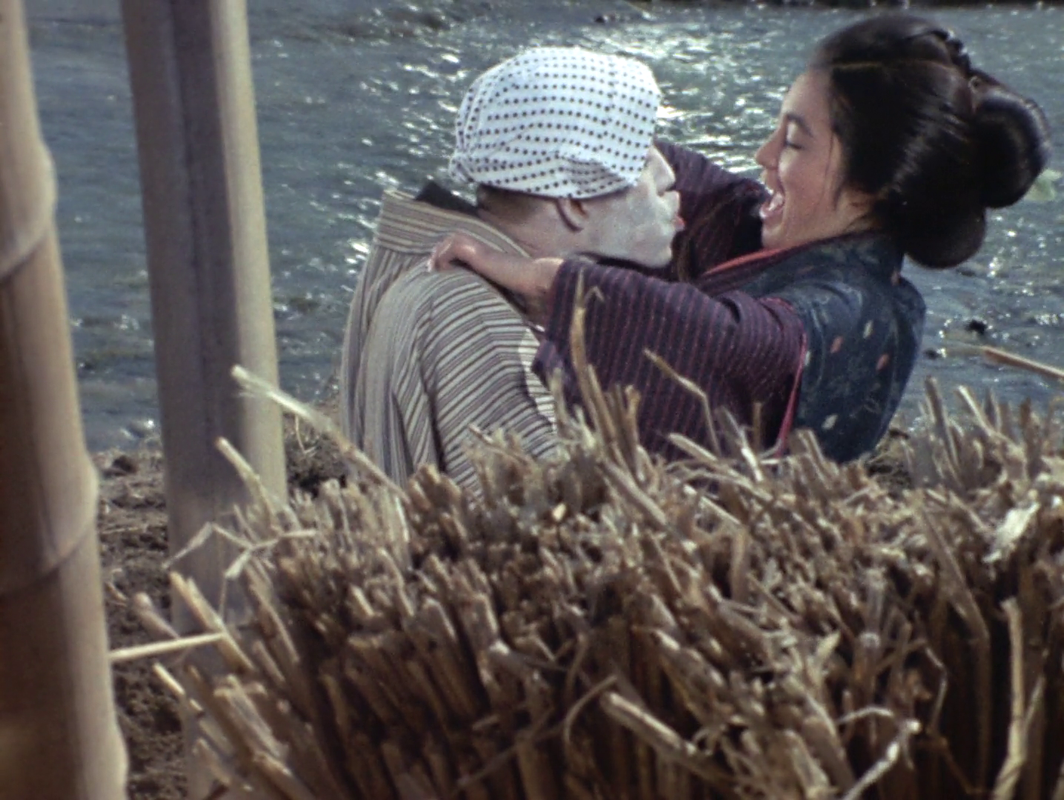
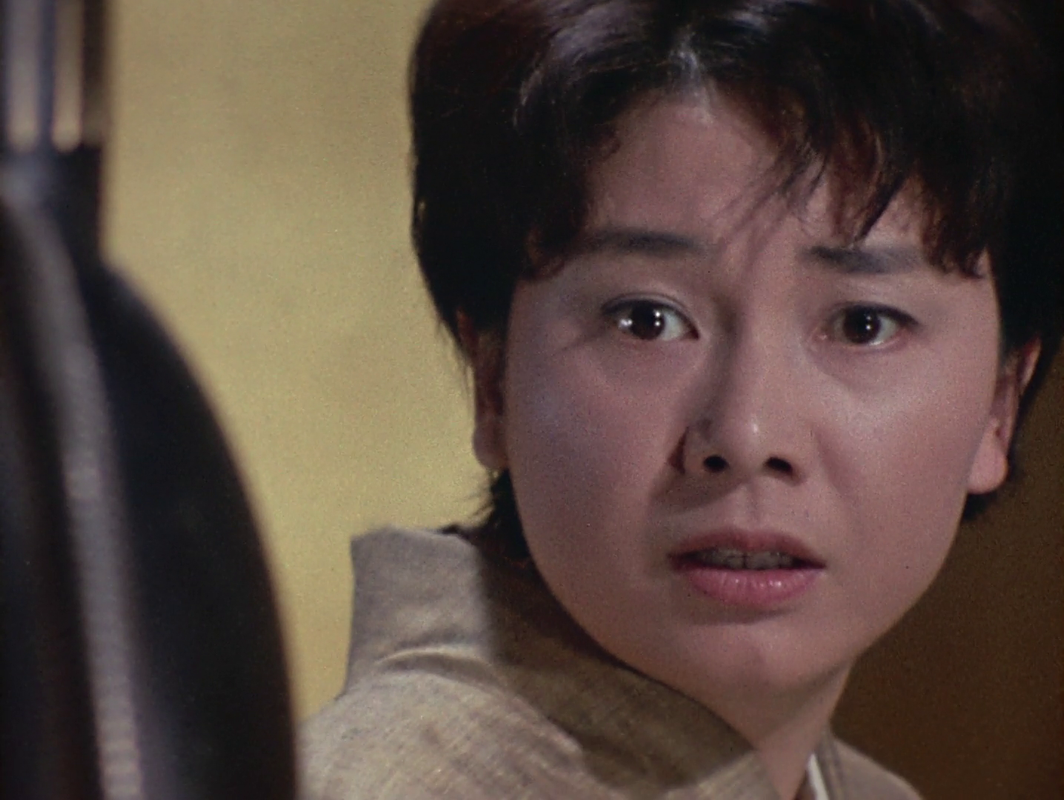
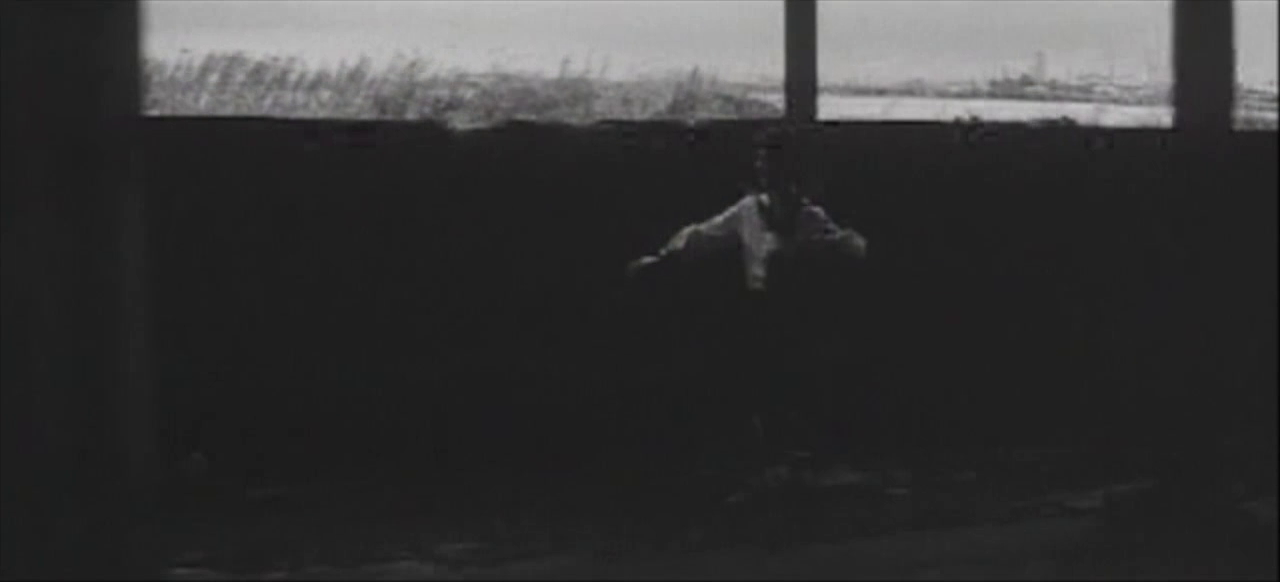
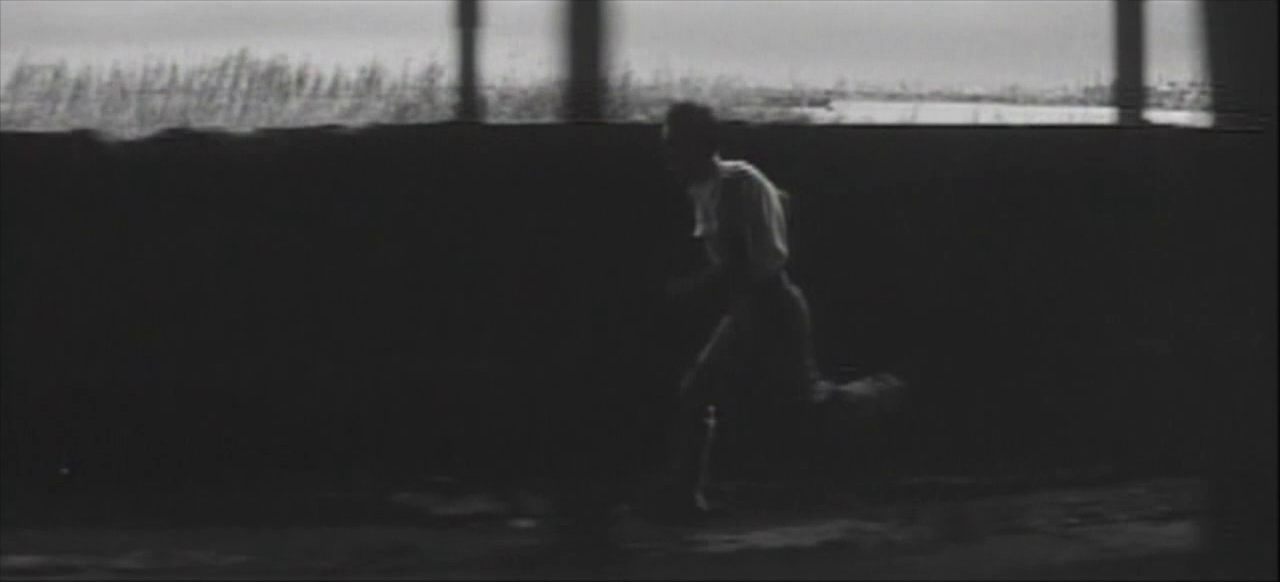
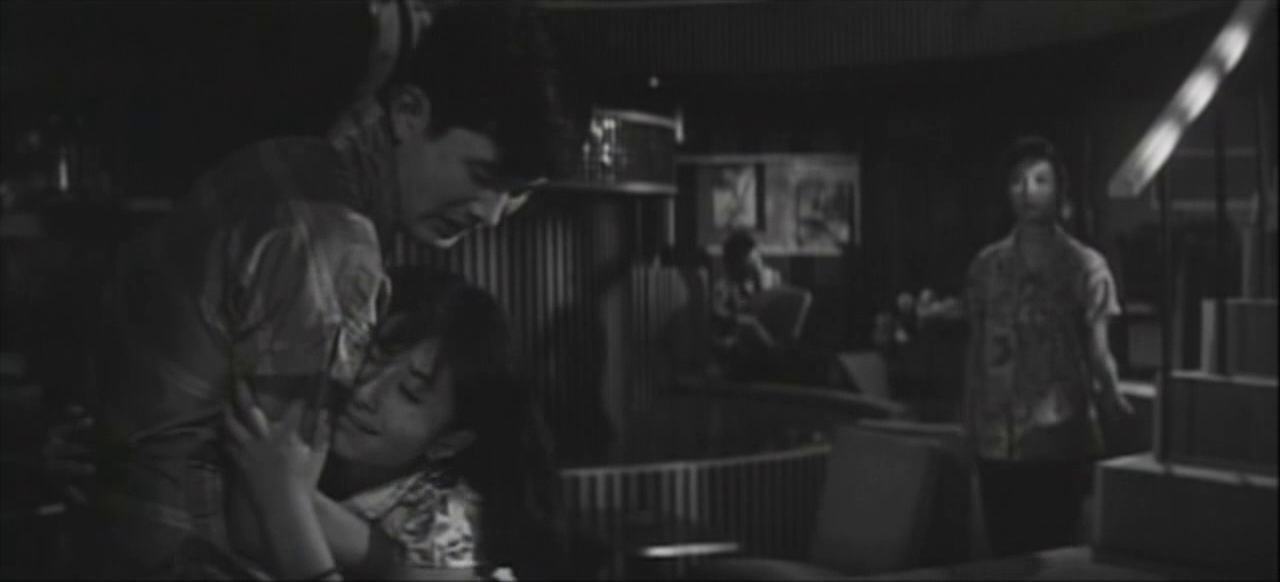
Then one of Suzuki's most obvious early editing ellipses occurs––something which critics at the time took note of for its subtle nonlinear construction and the rapidly dilating camera positioning (juggling closeups and ultra-long-shots to stagger our sense of continuity even more). Keiko goes looking for Kazue, leading her sister by the hand. Then we immediately see Keiko running breathlessly in the opposite direction, fluster and hurt splashed across her face. Only afterwards do we cut back to the rocks and see what caused her retreat: Kazue on the rocks, kissing Nobuo. In the gesture, Suzuki conveys swiftly the double-seduction of Kazue, and the surprise for Keiko that her own genius scheme has brought this flushed pang of jealousy.
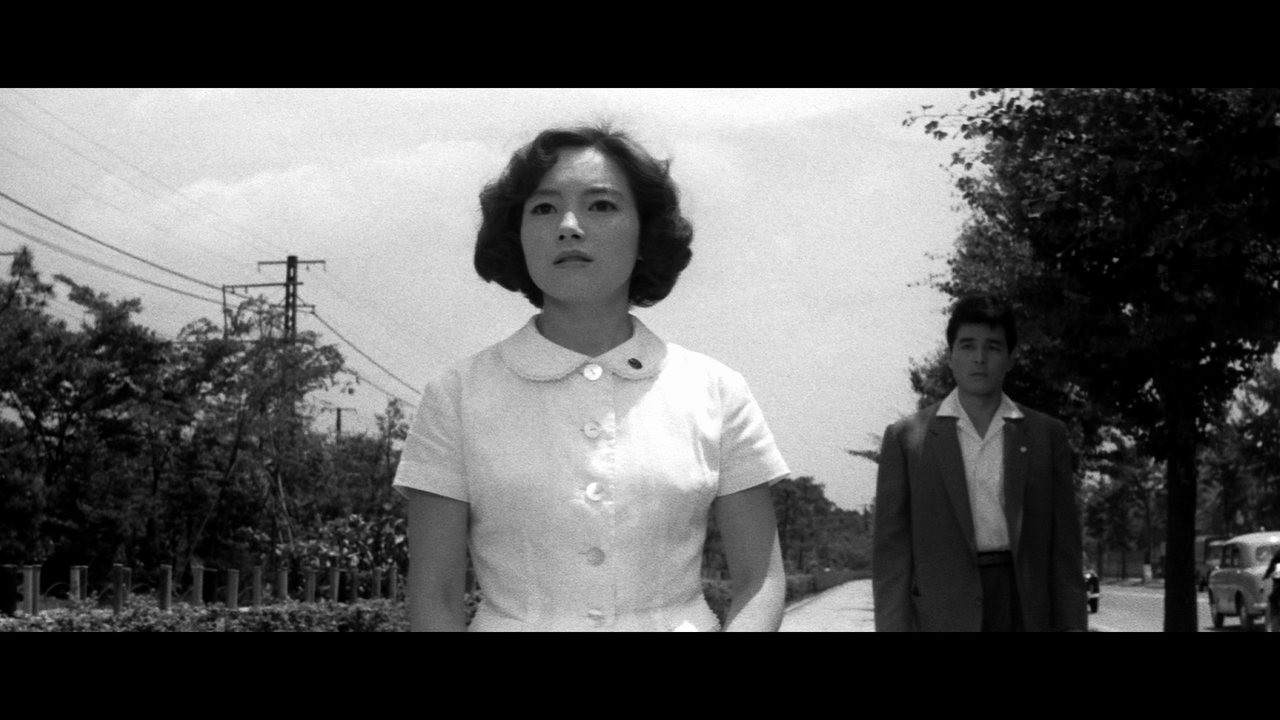
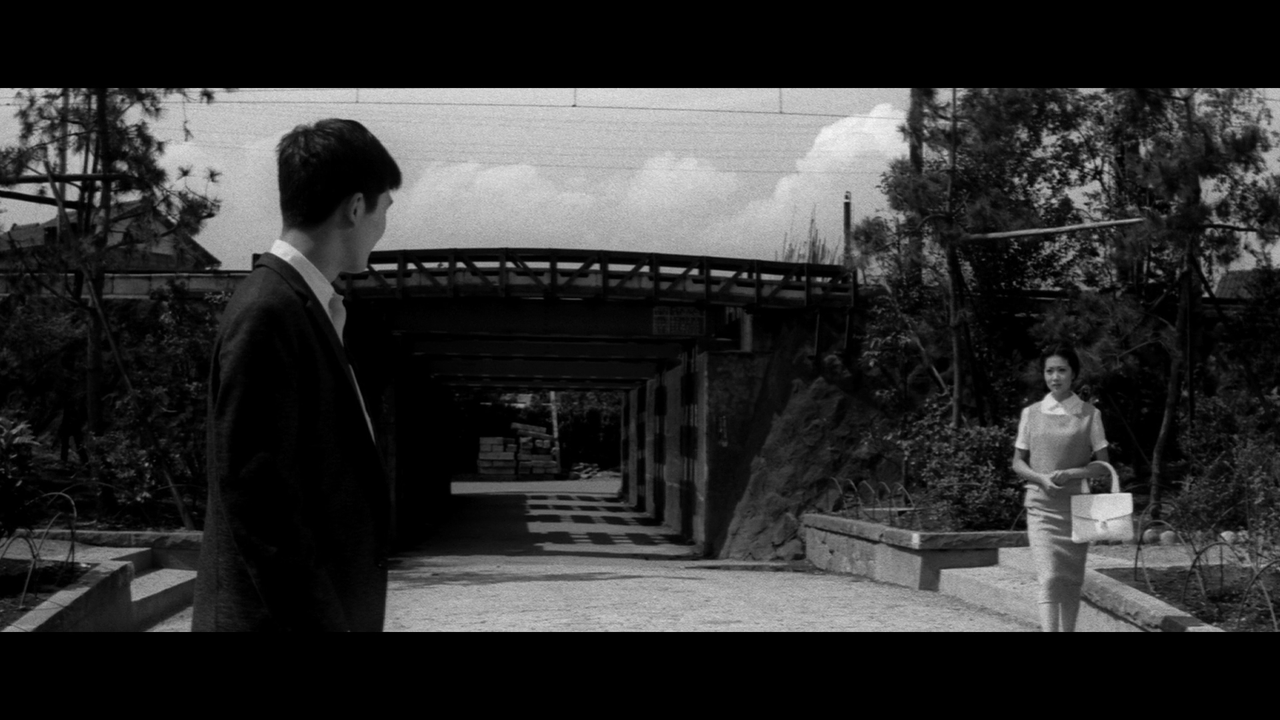
Finally, there is an exceptional scene. Keiko has gone to the mattresses to help Nobuo, convinced him against all odds that he isn't being set up to fall when the police pick him up thanks to Shishido's manipulation. Thanks to her propping him up, Nobuo can stand firm and help the police crack Keisuke Noro, who spills the beans on the whole plot and exonerates Nobuo in the process. Keiko is there waiting for Nobuo to get out of jail. Though her supervisor is with her, watching over her, we get the sense that Keiko is waiting not for her professional charge, but for the object of her affection––and her supervisor clearly knows it, too.
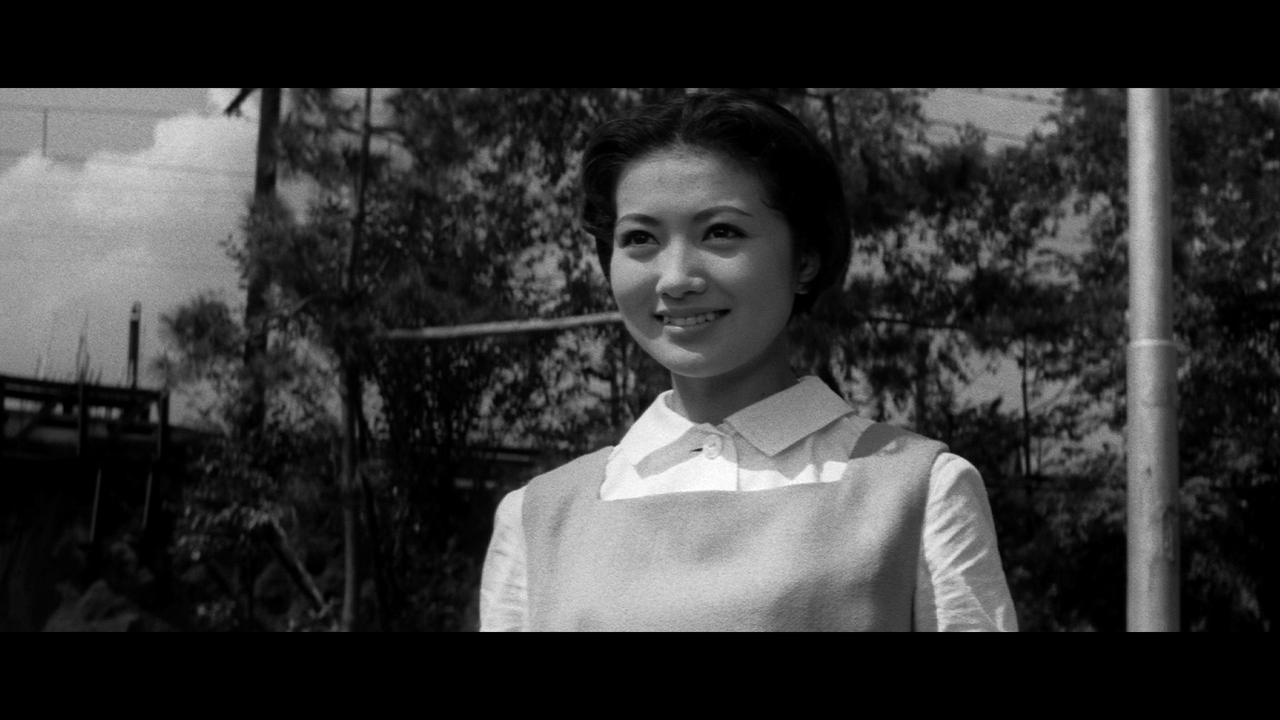
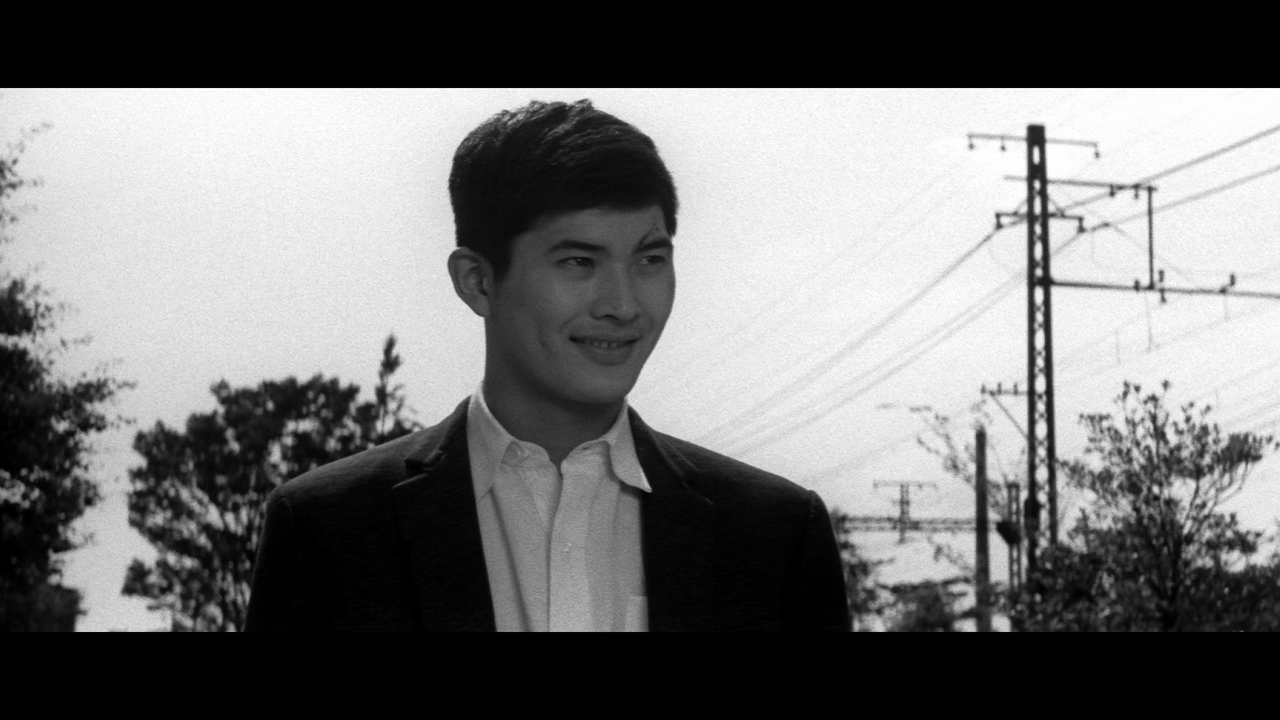
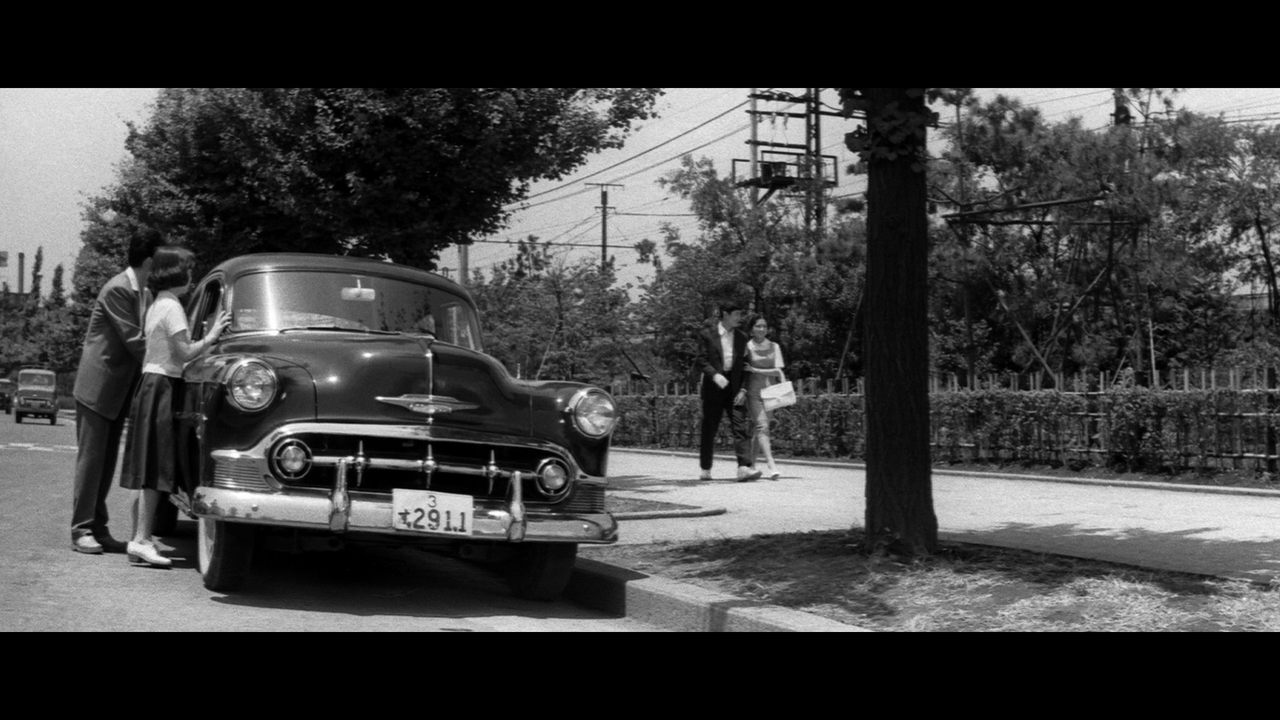
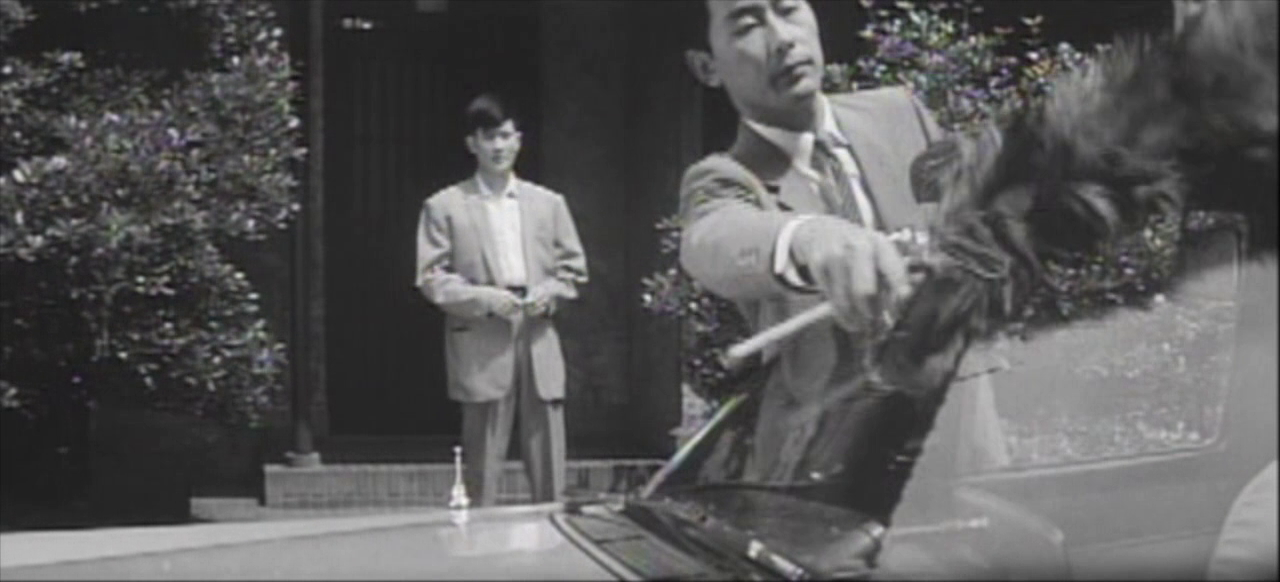
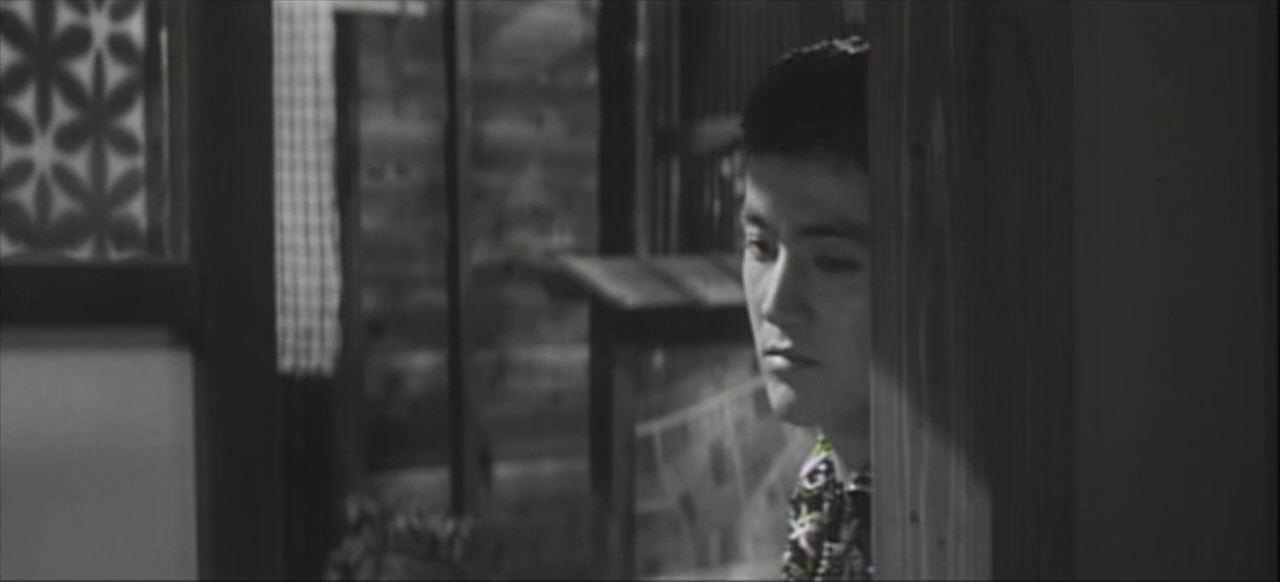
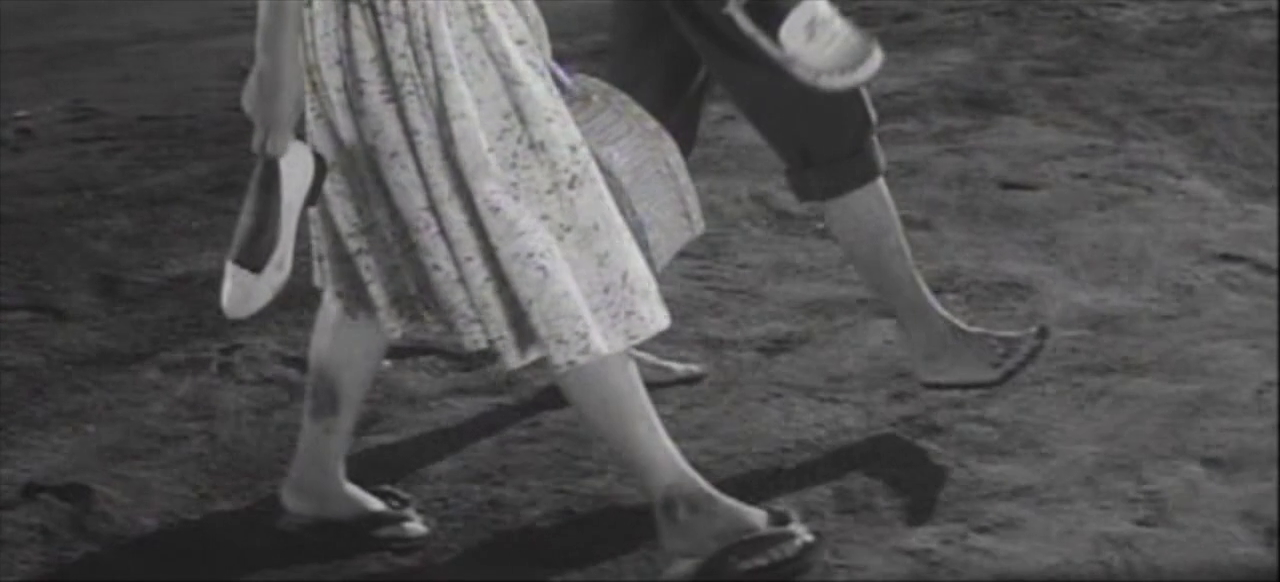
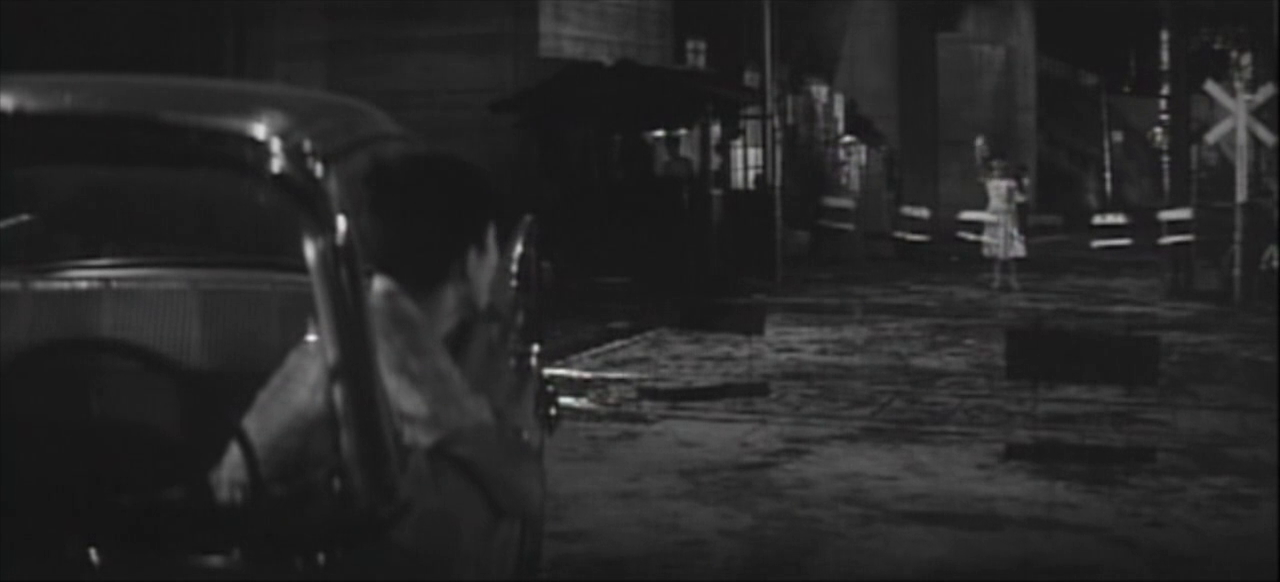
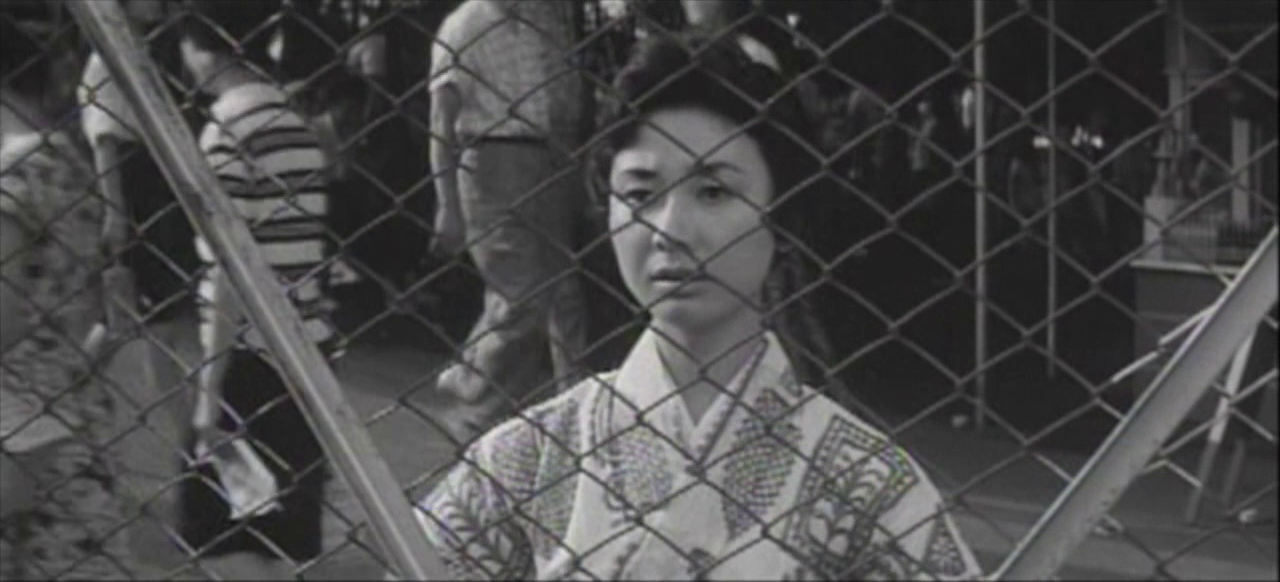
Nobuo emerges, looks off to the side, and we see Kazue waiting for him. The two talk, and walk off, arm in arm. Keiko follows them, hiding behind cars. Her supervisor follows her, looking concerned for her. Alone in the scene, in spite of everyone else being there, Keiko crouches on the ground as Nobuo and Kazue leave.
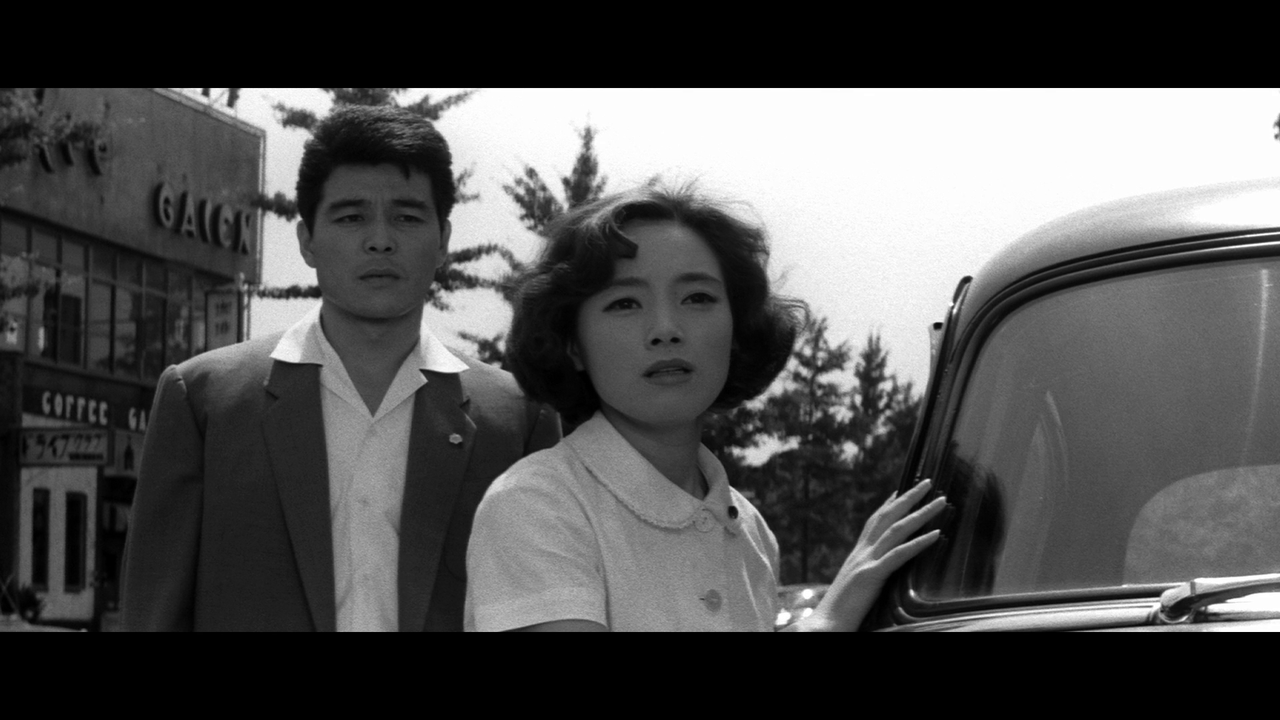
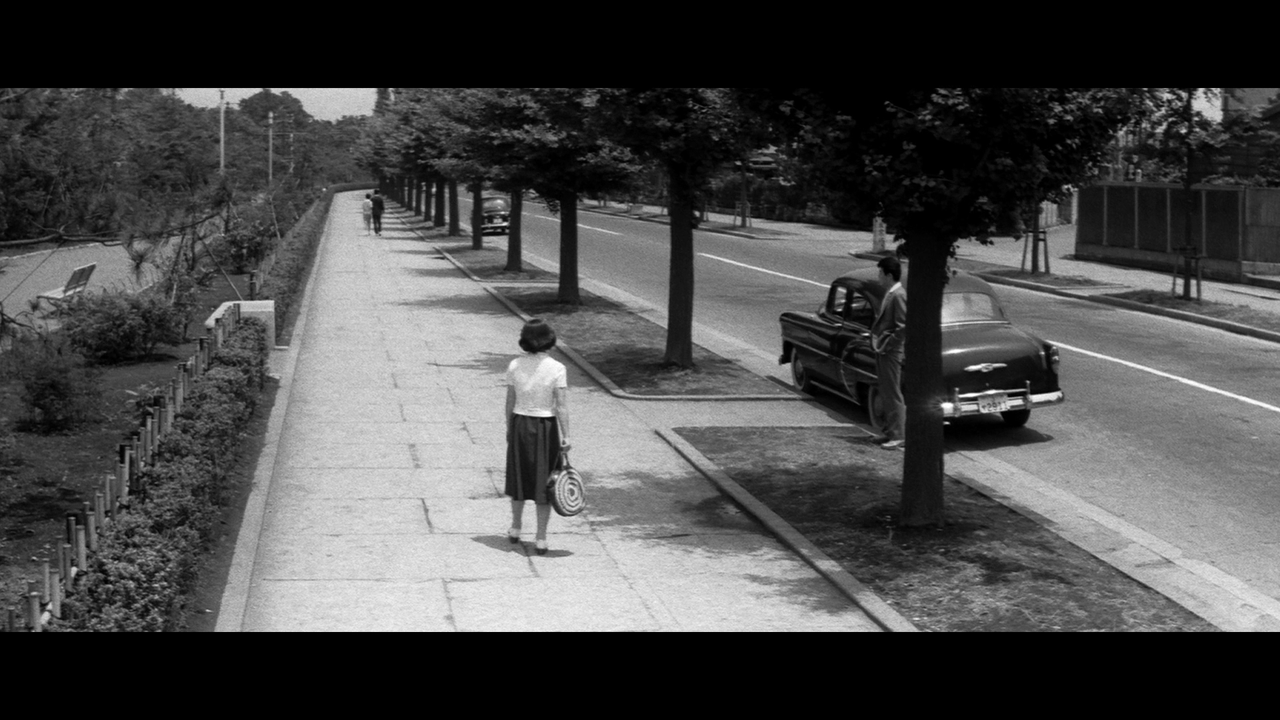
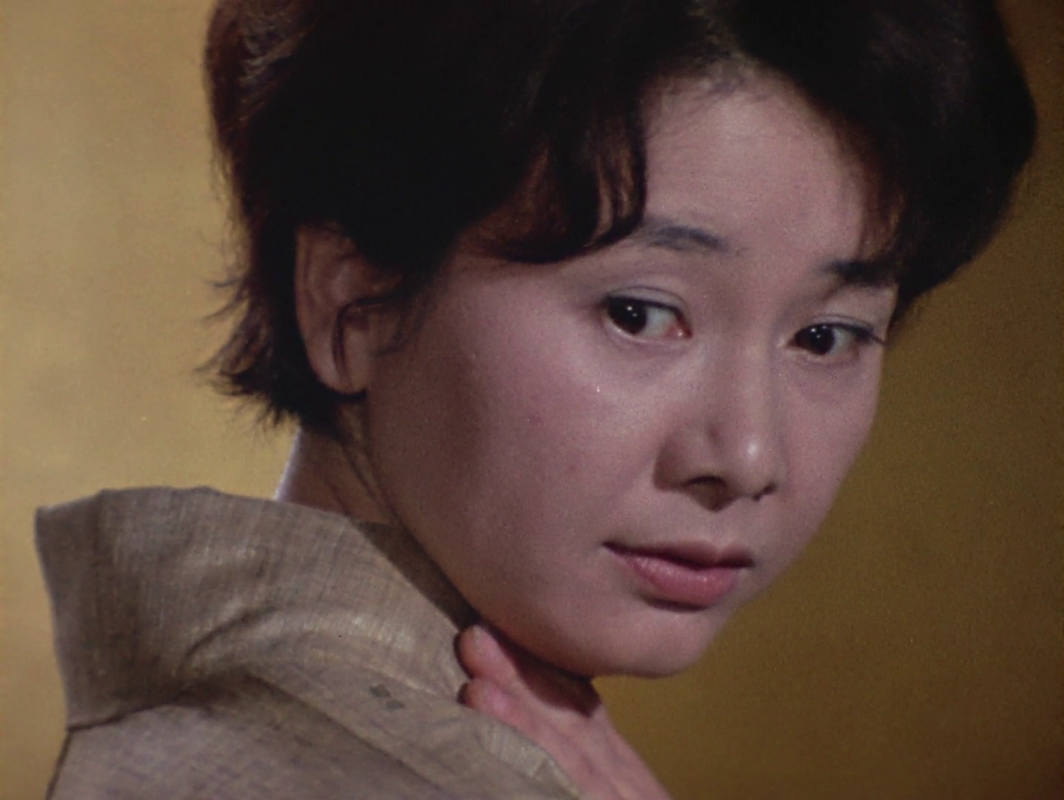
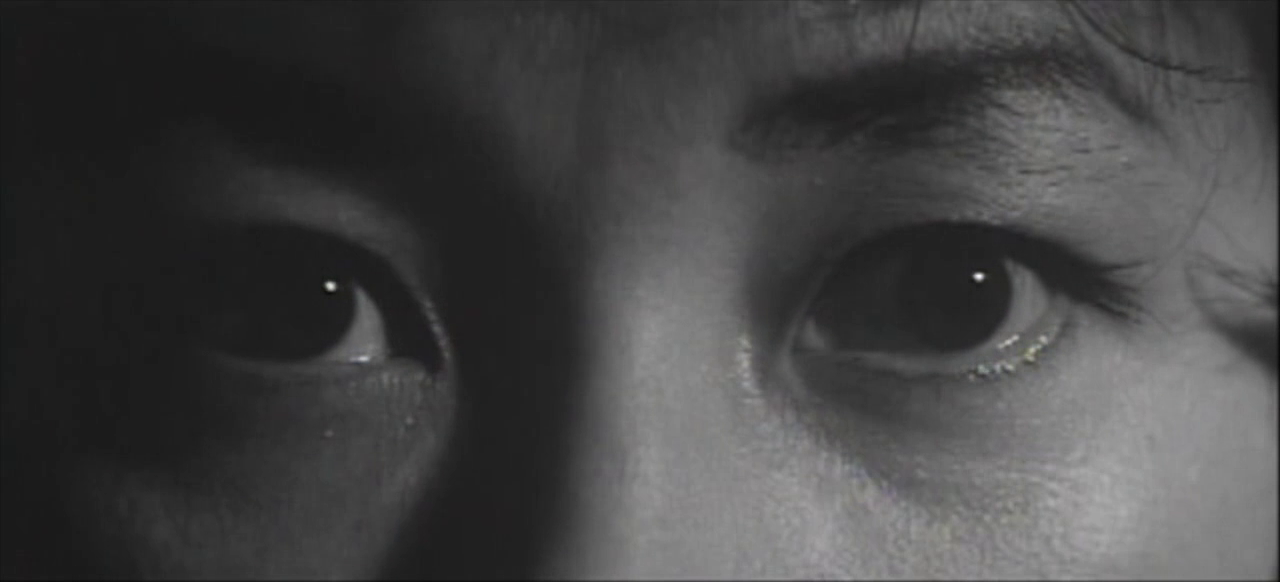
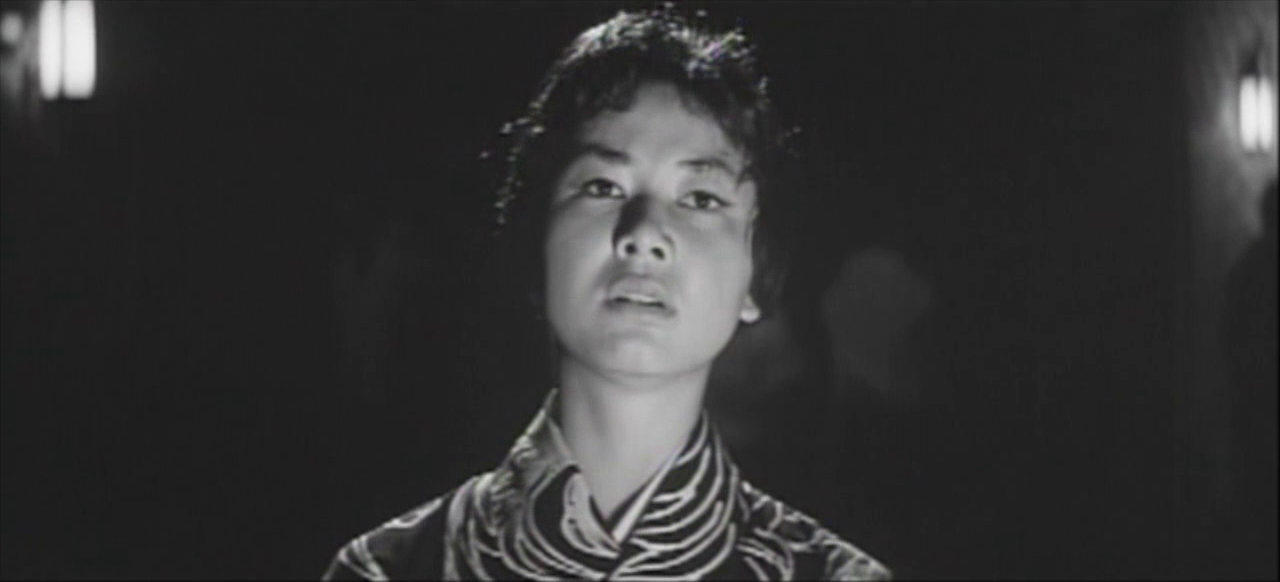
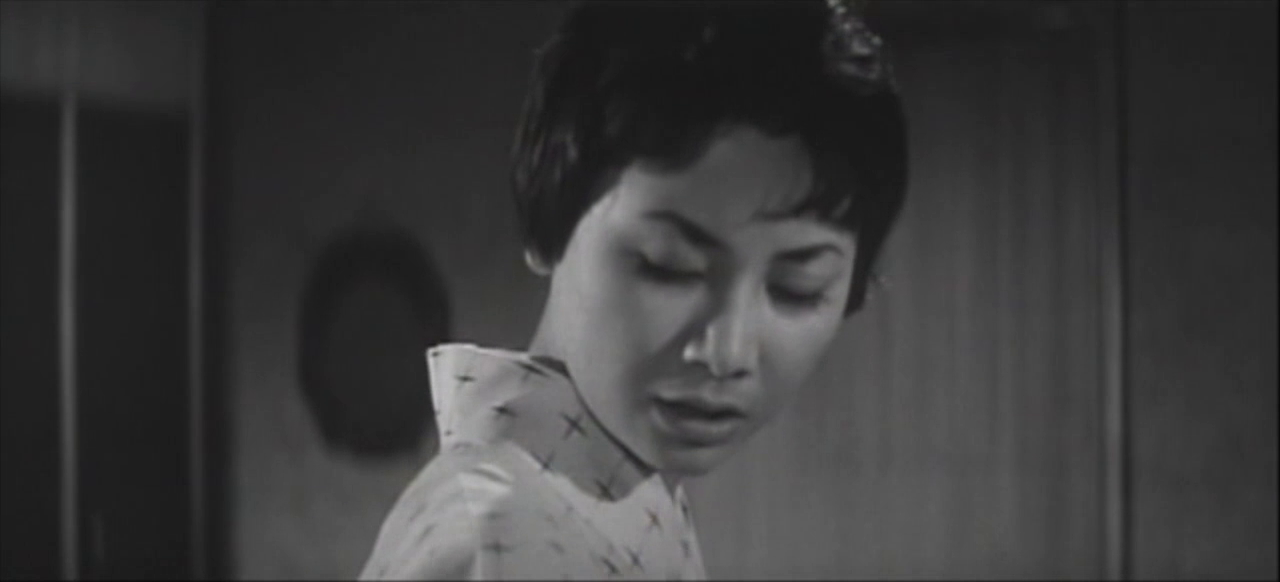
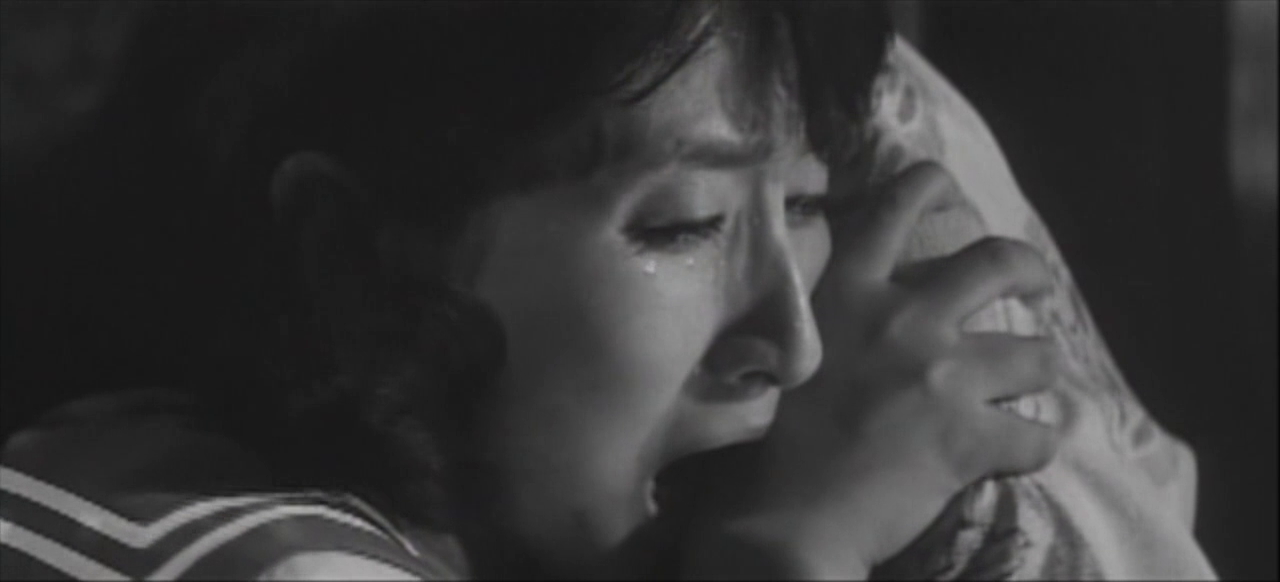
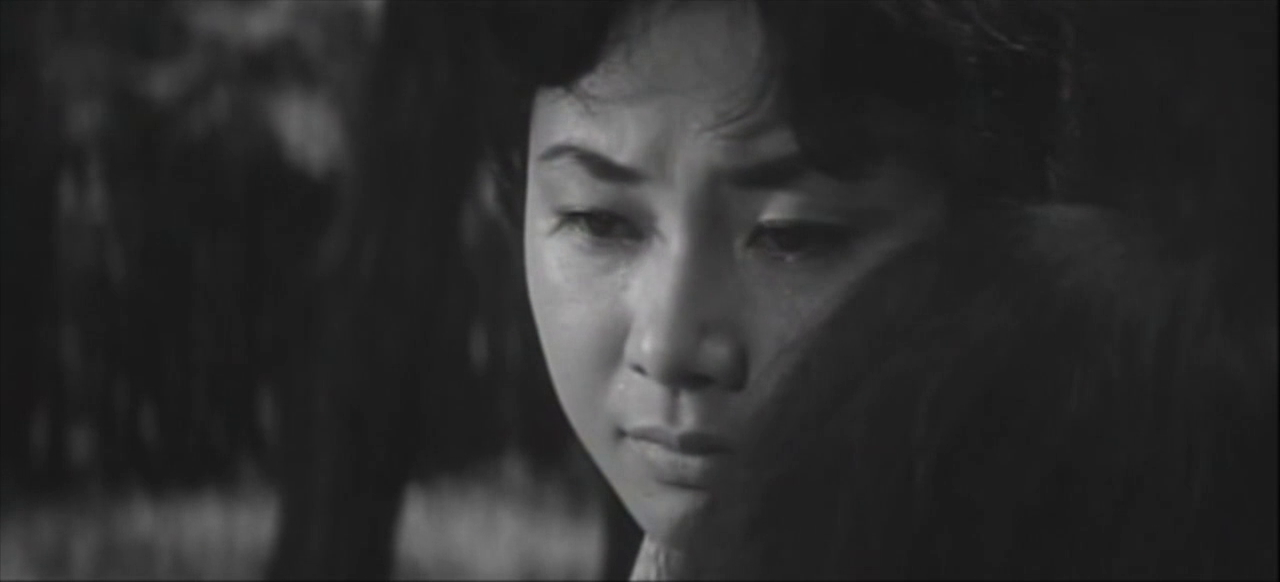
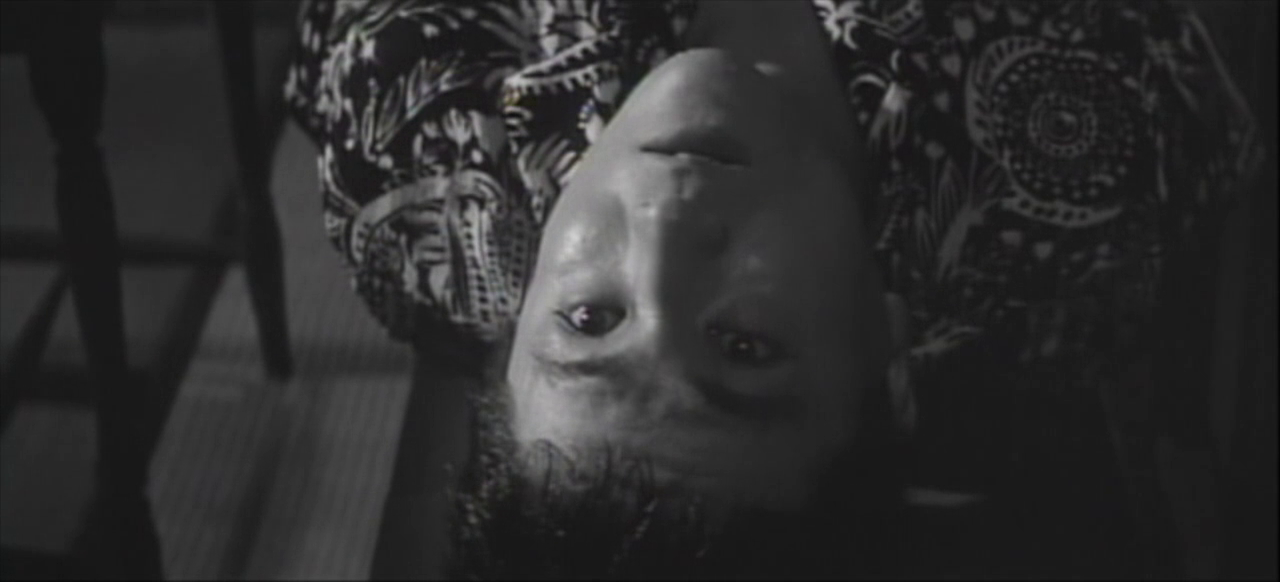
She tries tying her shoe to excuse the gesture, but her face tilts up and we see the recapitulation of the gesture from the middle of the film––only this time, as her head contorts, the expression on her face is pained, romantic agony. In doing her job well, Keiko has fallen in love. In order to keep her job, she can never acknowledge it, or realize her passion. She has set up another woman to fill her place, one which we sense will never really be for Nobuo what Keiko would be for him.
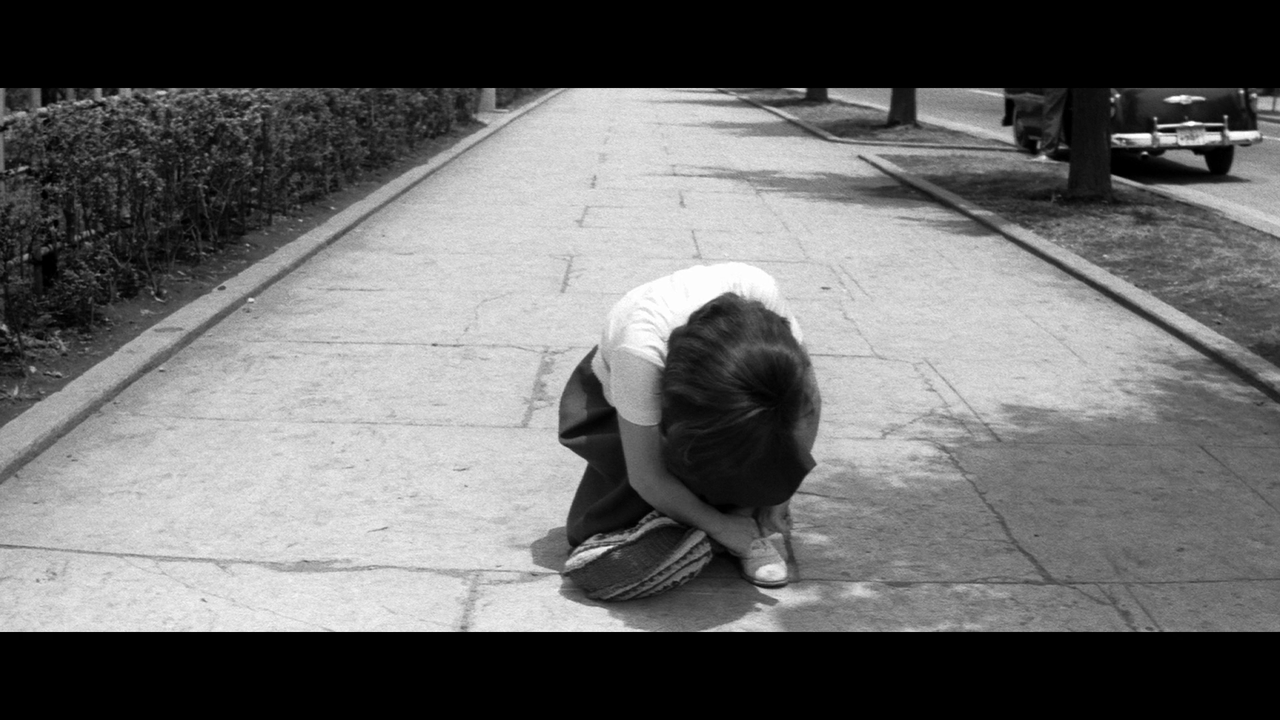
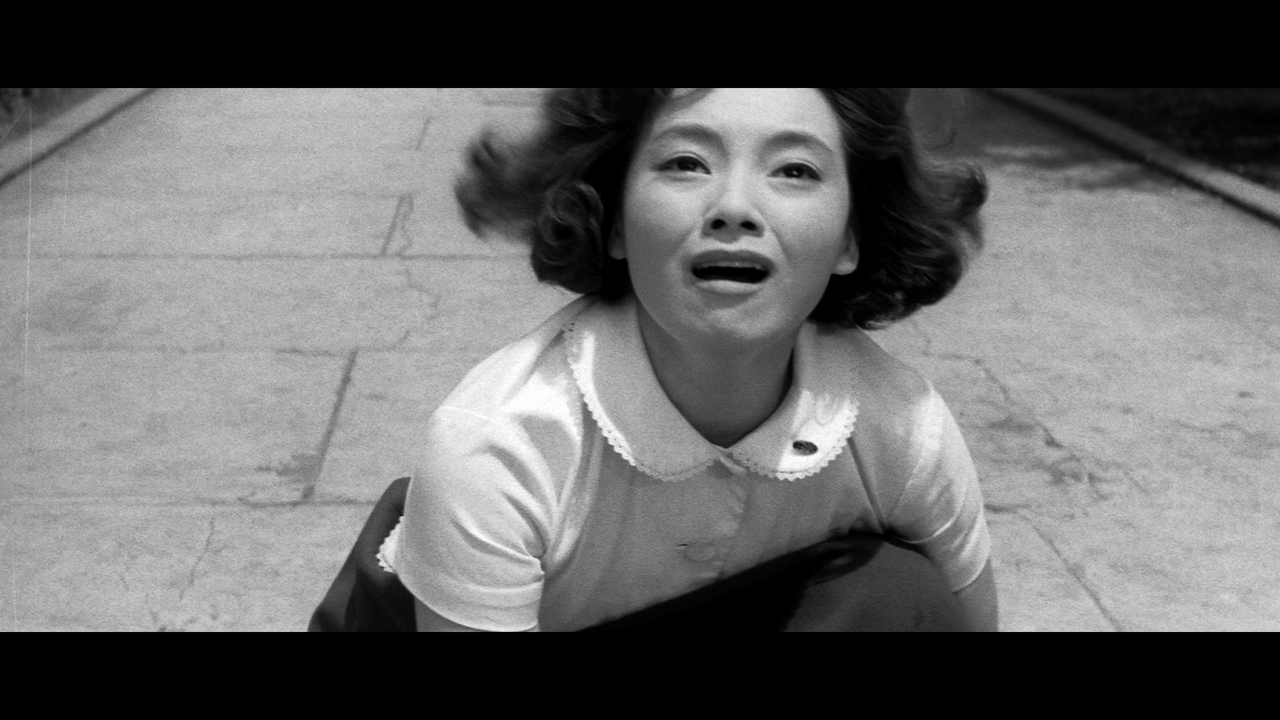
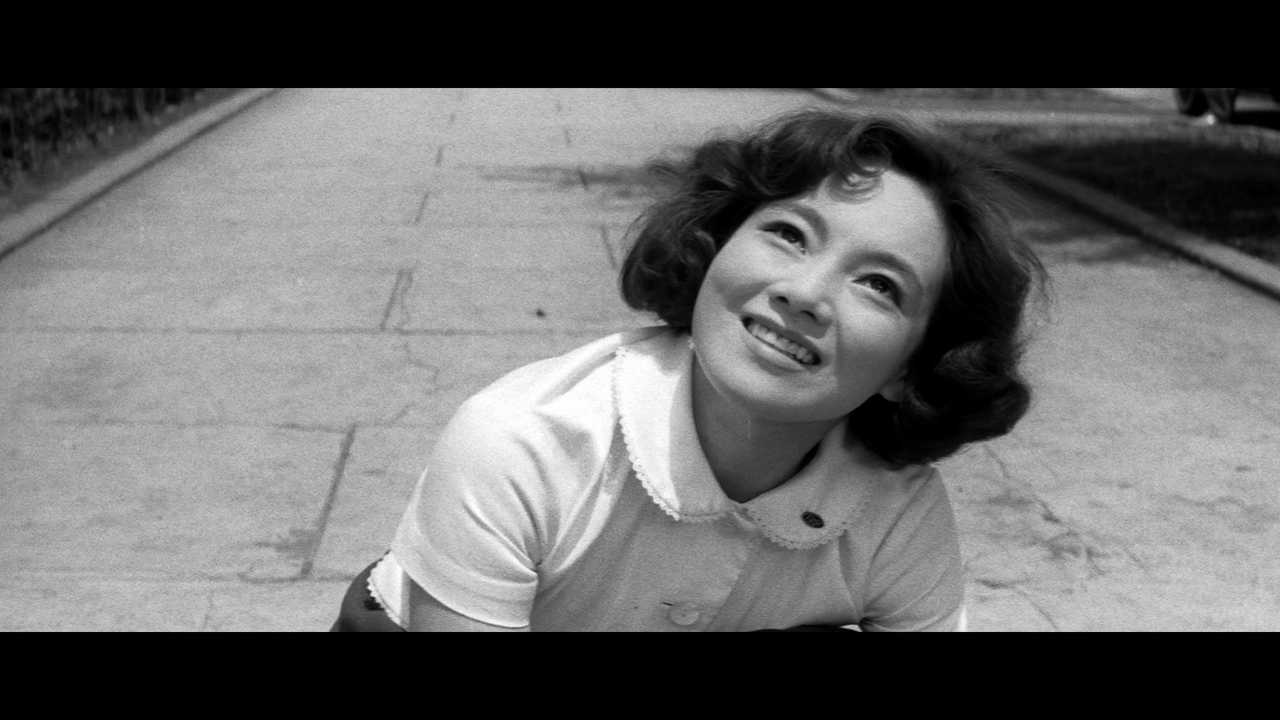
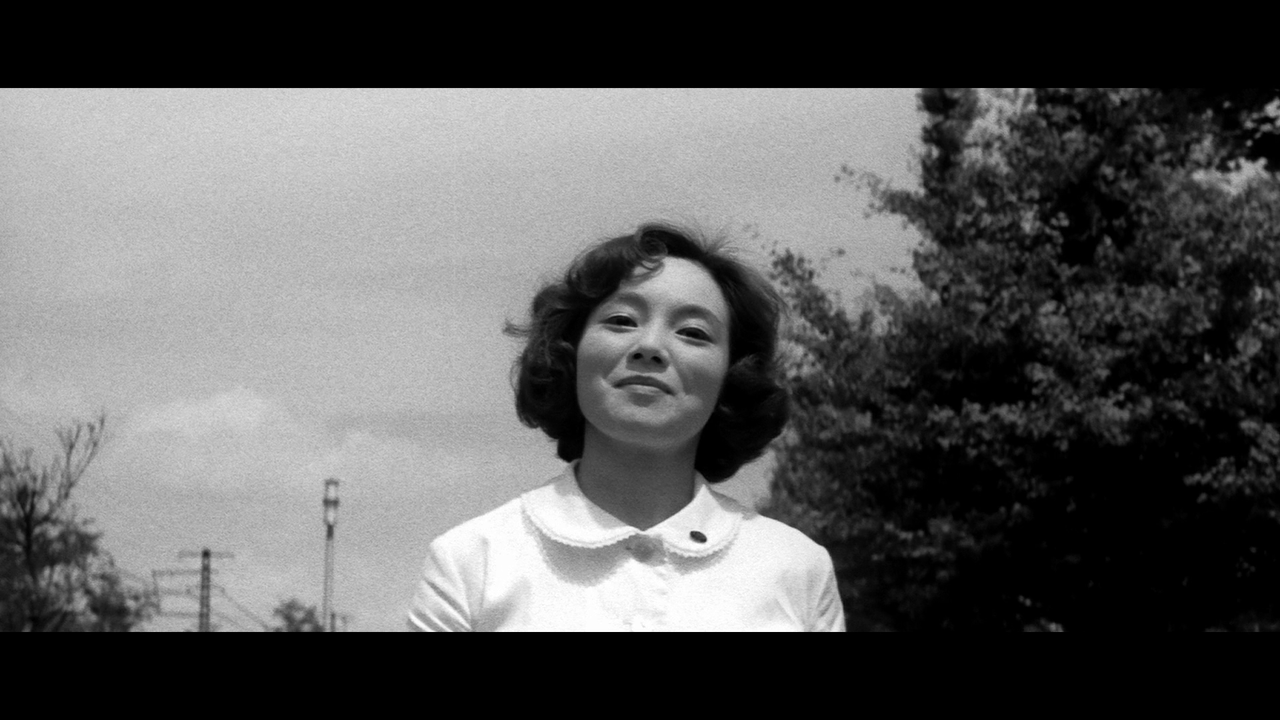
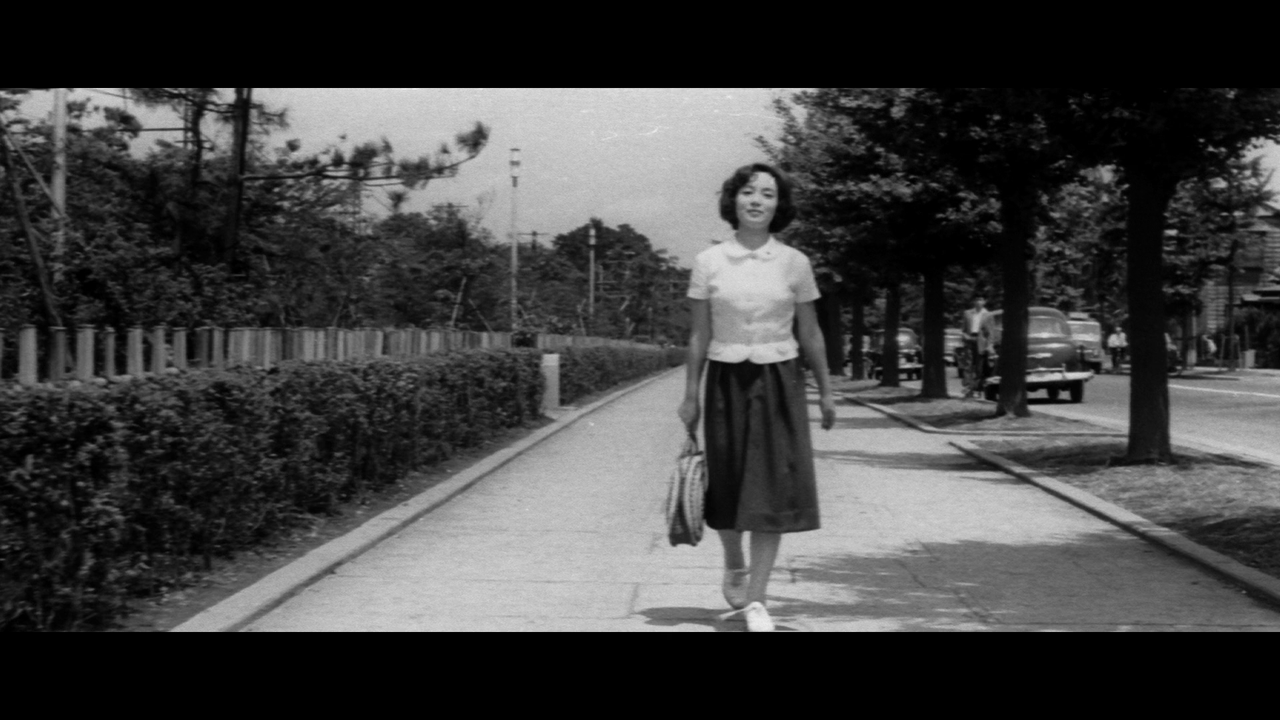
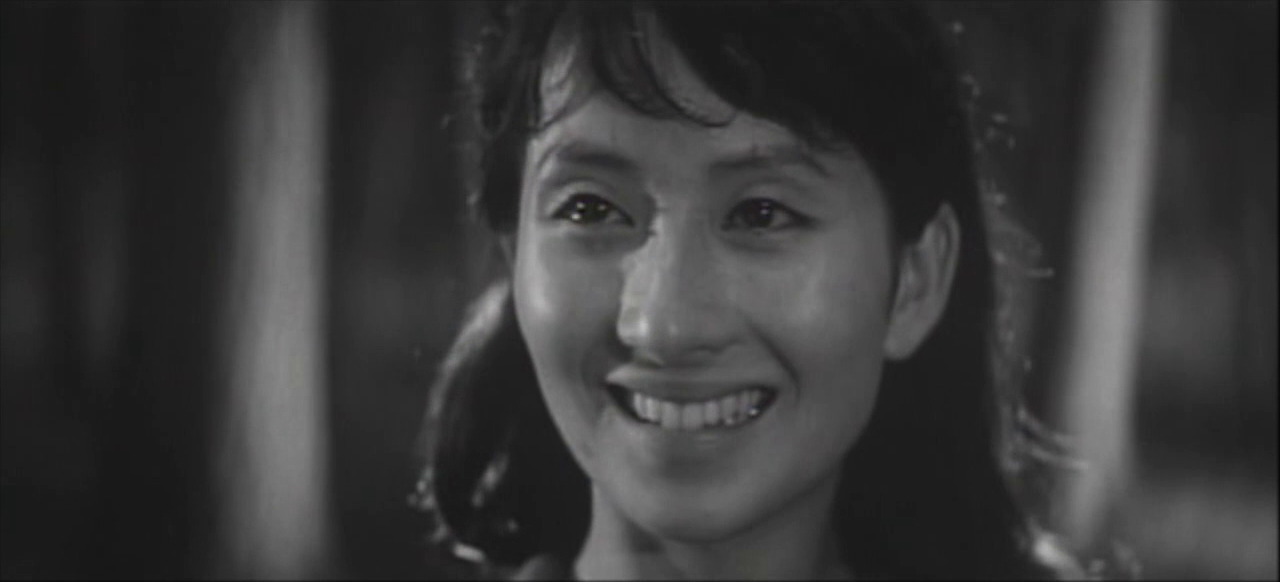
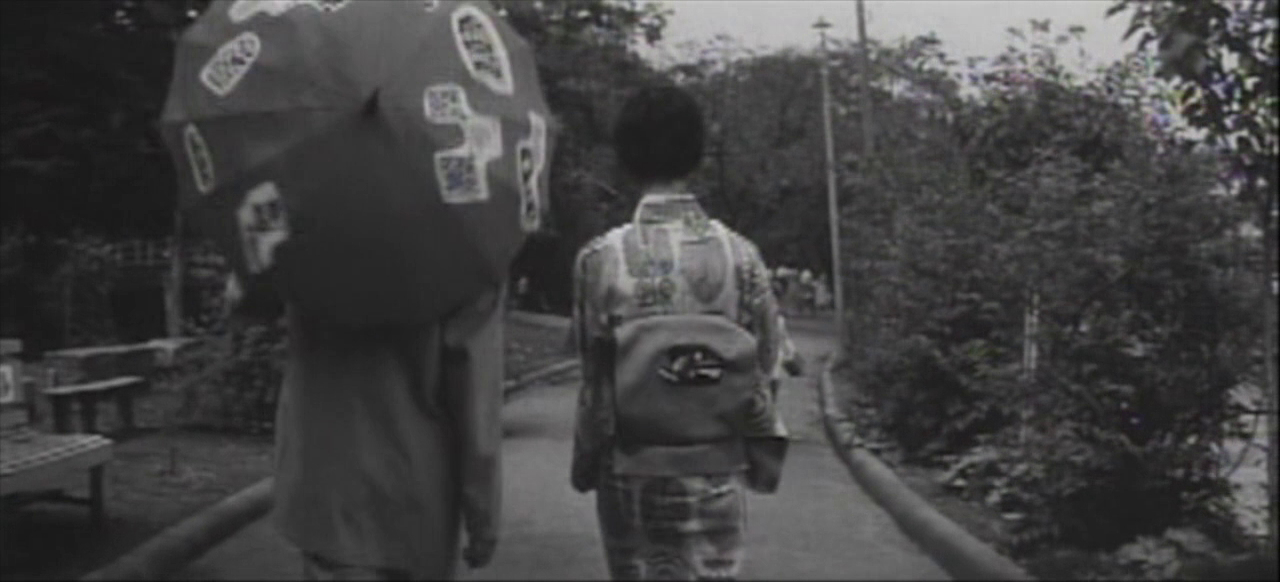
But it all has to be put away somewhere. Keiko ducks down again, and her face springs up once more, a huge, forced smile on it. She gets up and strides forward down the street, ready for her next case, as the movie ends. This last sequence of Keiko alone is all a single crane shot which racks between a long shot and an extreme closeup, then pulls back into a long dolly shot.To work in this world means to sublimate one's feelings, and Keiko is striding into a society where work at the expense of any other life is an increasingly tangible value. Incidentally, none of the jobs Nobuo gets set up with by the end of the film look all that promising. It's interesting to imagine what the future will hold for Nobuo and Kazue. This may be a shortcoming of the script not to imply much in this regard, but I suspect Suzuki might have liked the ambiguity of it. This is a happy ending, but Suzuki manages to flavor it with a bitter aftertaste.
The follow-up film, Blue Breasts, will either echo or invert a lot of the plot and character beats and the themes of this movie, and will end up with a much darker ending, but I put that largely down to the difference between a film anchored by Sachiko Hidari's boundless energy and one woven around a far more mysterious and searching performance by Misako Watanabe. Kobayashi is the constant between the two, but far from really constant; his character in this film balances his relationships towards women, from his weak, worn-down mother to his docile girlfriend, to the dynamic social worker who saves him. In Blue Breasts, his character will be searching to resolve his relationships with male characters––at the frighteningly palpable expense of the women in his life. It's interesting the films have this relationship, like two sides of a coin.
CINEMATOGRAPHY
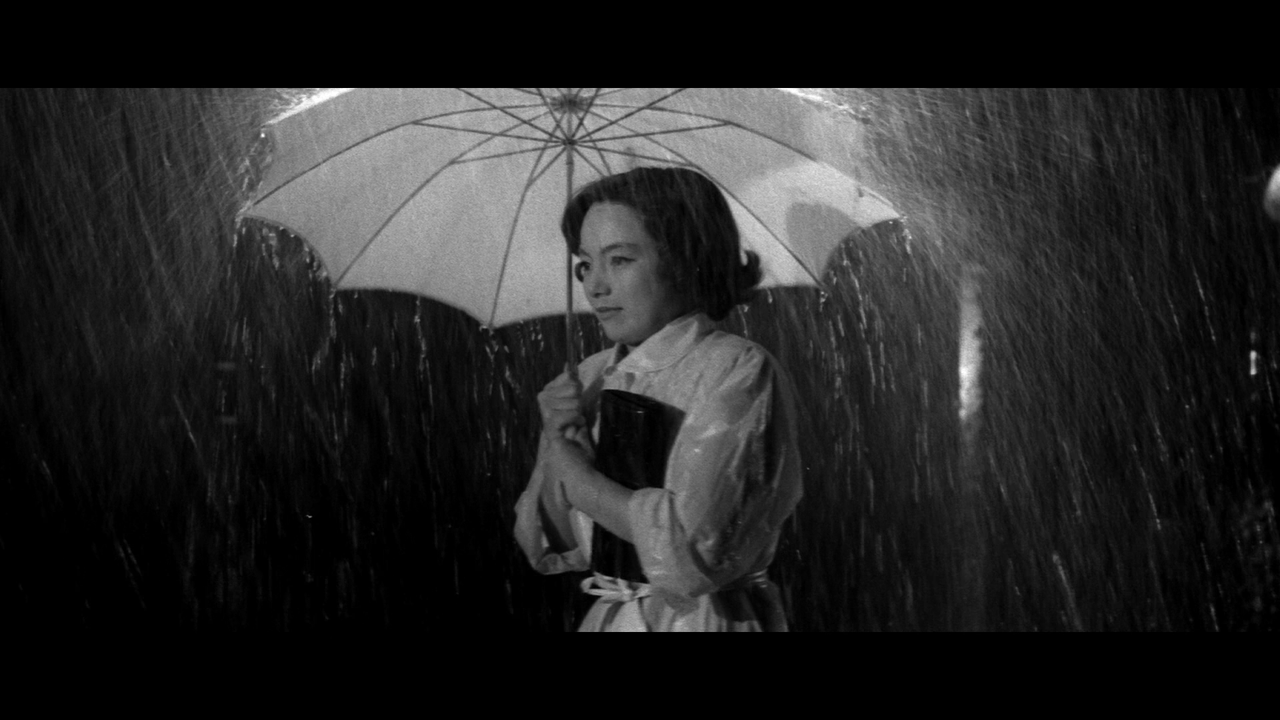
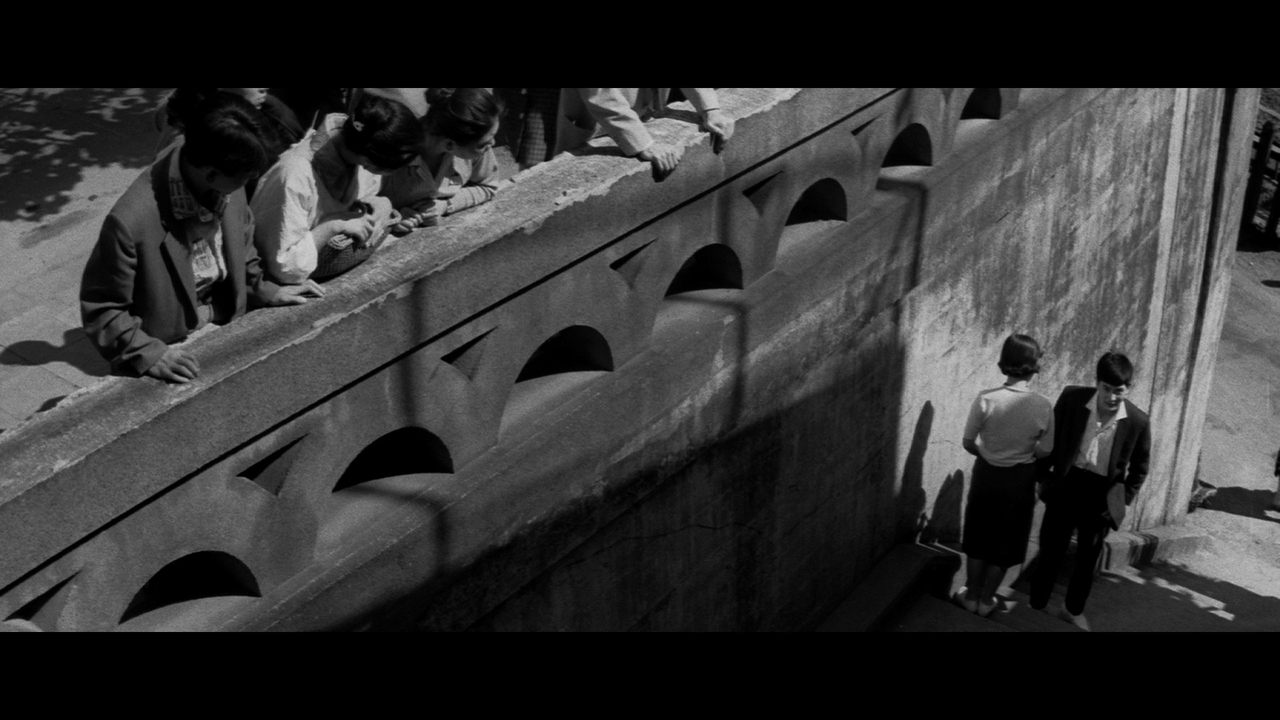
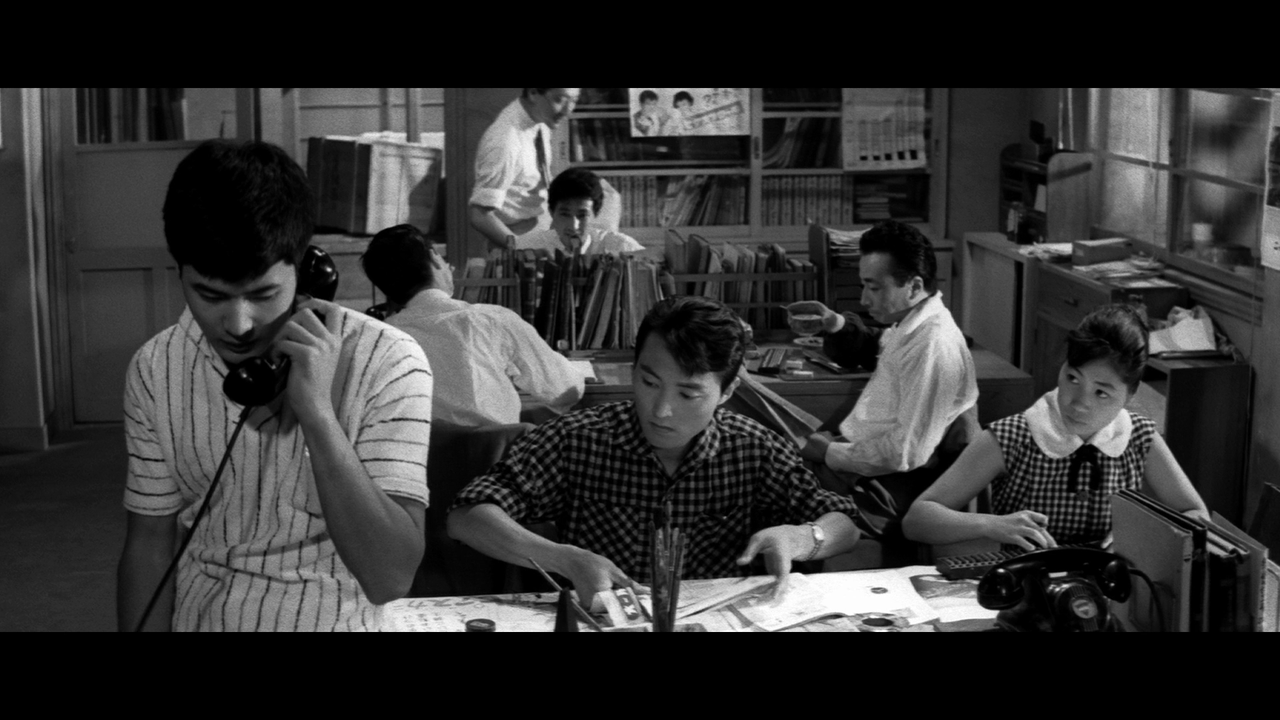
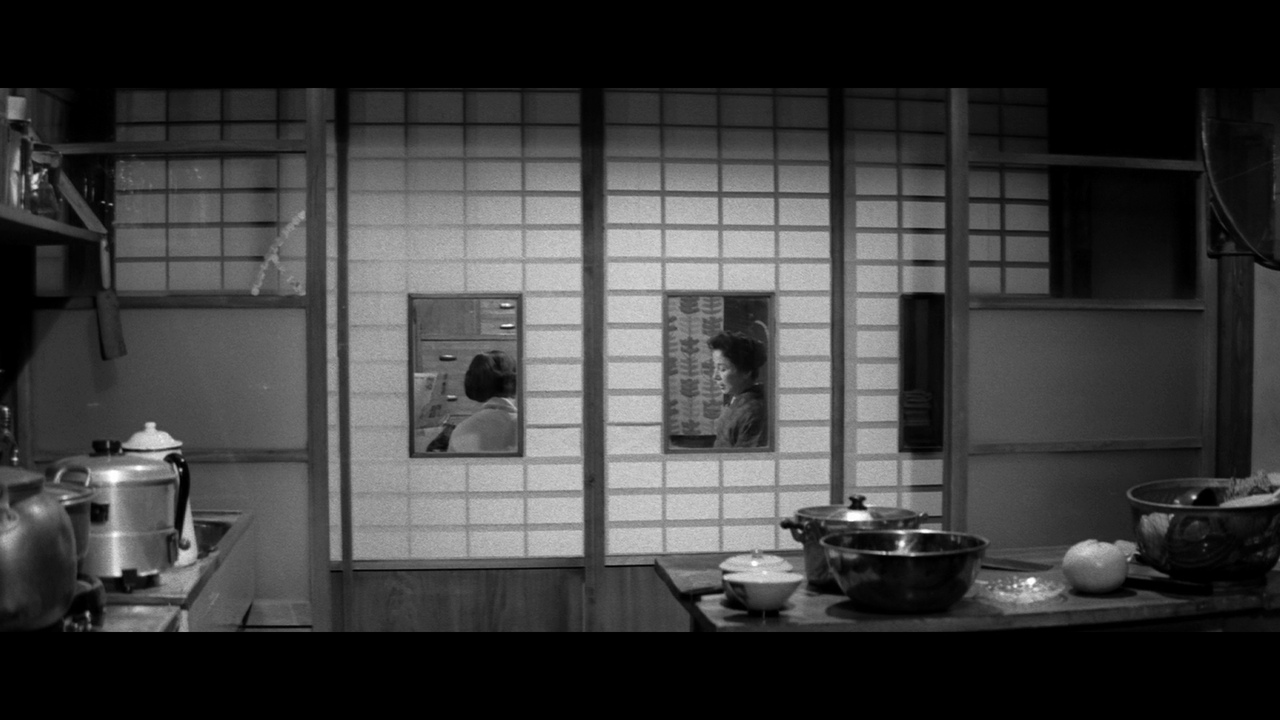
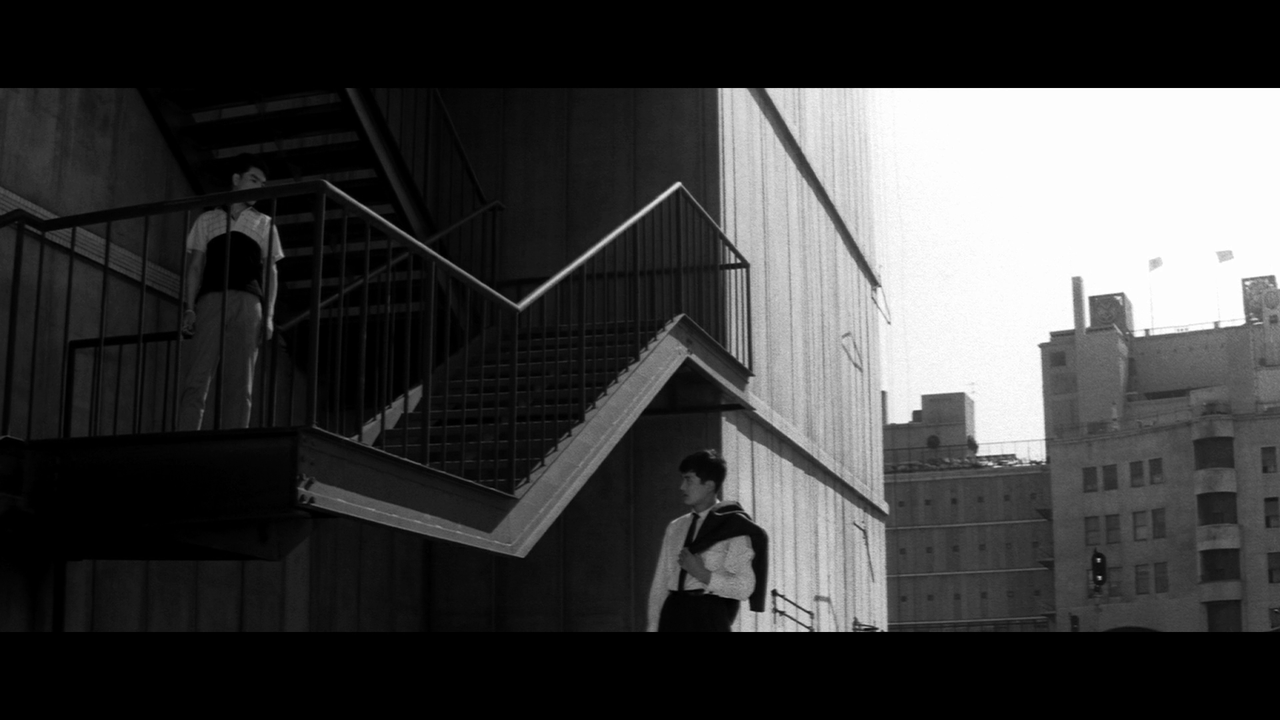
A sign of the bigger budget attached to the picture or simply an odd scheduling one-off, The Boy Who Came Back is lensed by Yoshihiro Yamazaki. He's Ko Nakahira's preferred cinematographer, starting from his first job on Temptation. For Nakahira he shoots The Jungle Block, Storm of Arabia, Crimson Wings, Only on Mondays, The Hunter's Diary, Flora on the Sand, Whirpool of Flesh, The Black Gambler, The Passionate Spinster, Bastards Without Borders, Red Glass, and The Mud-Spattered Pure Heart.
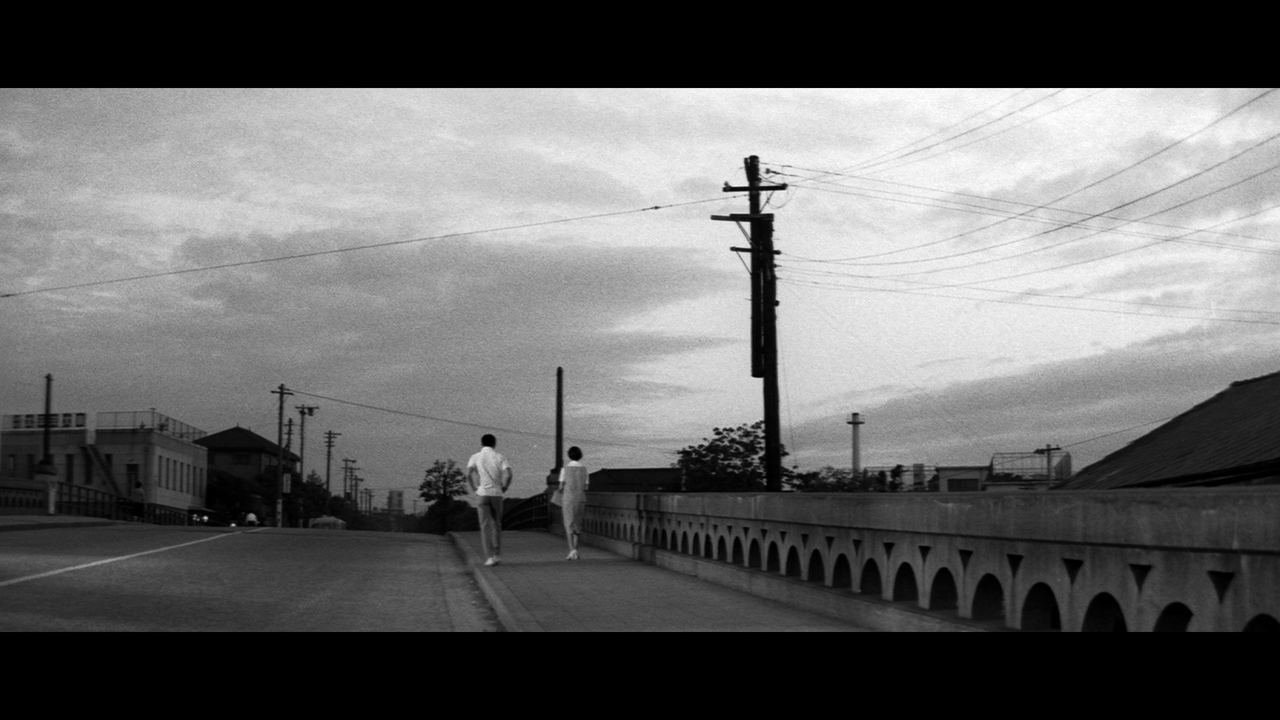
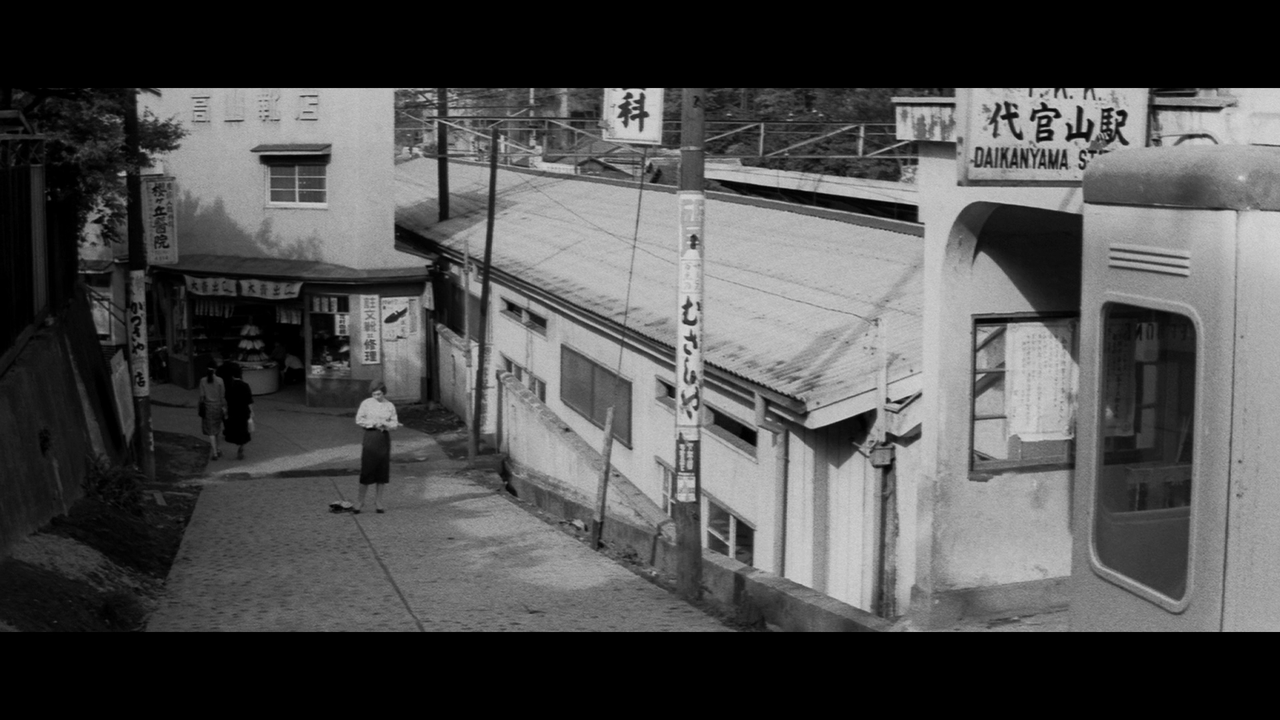
The Boy Who Came Back is expensive for Suzuki, but probably not for what Yamazaki is used to. The result is the most crane-work of Suzuki's career.
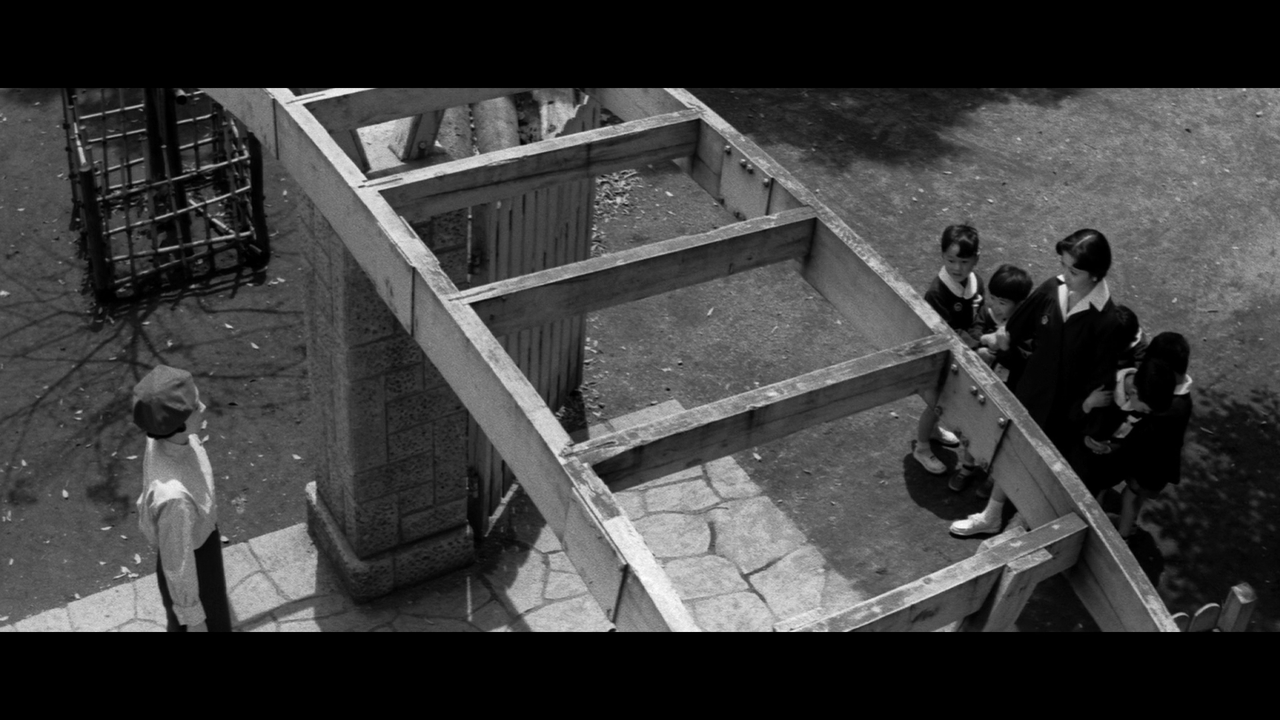
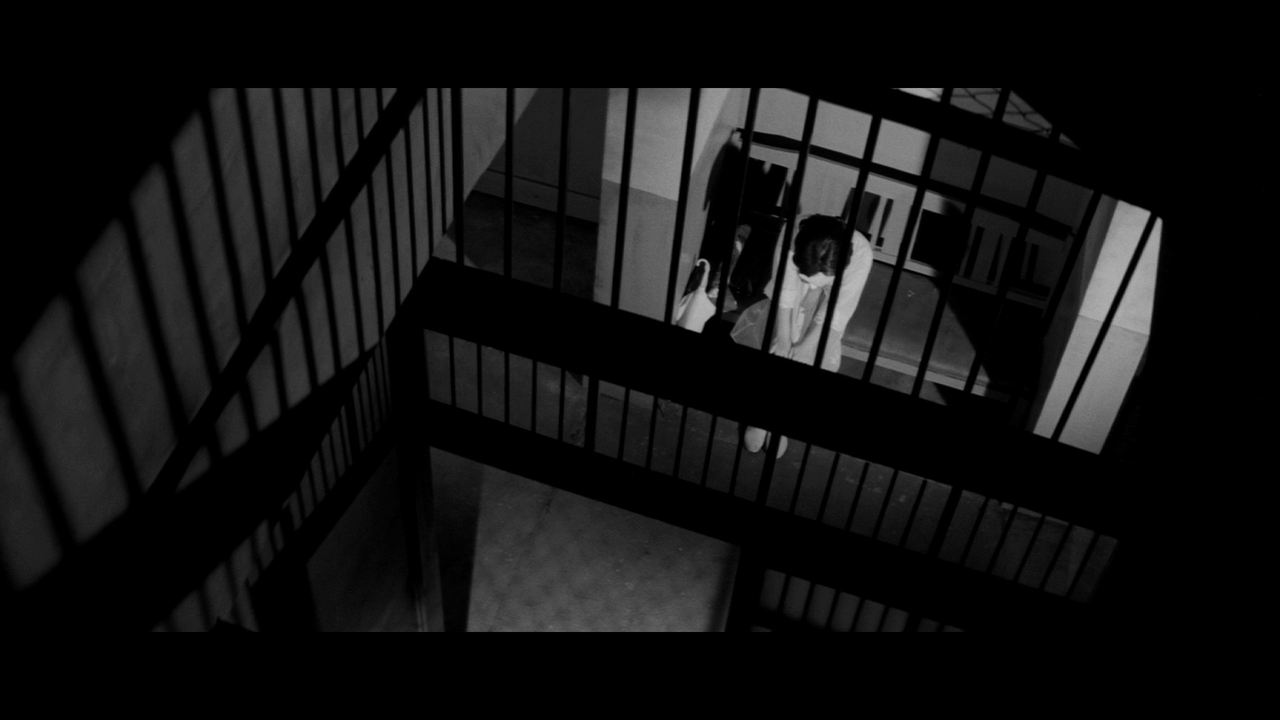
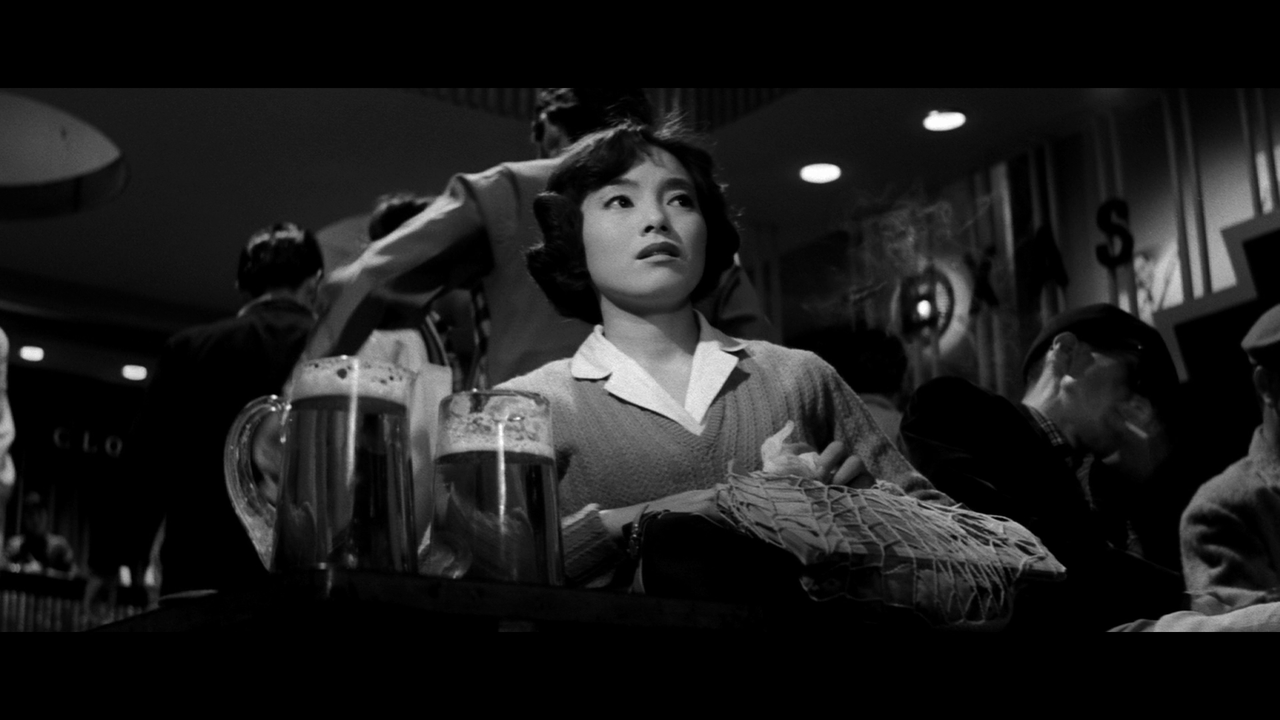
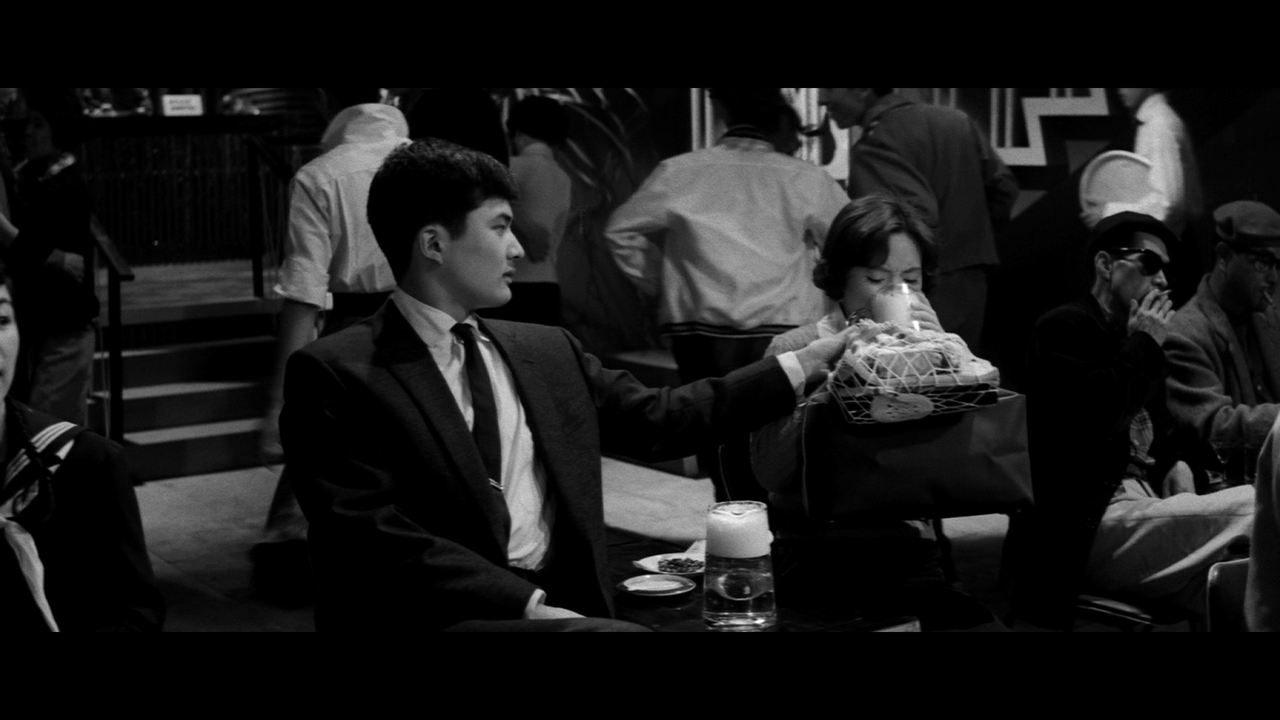
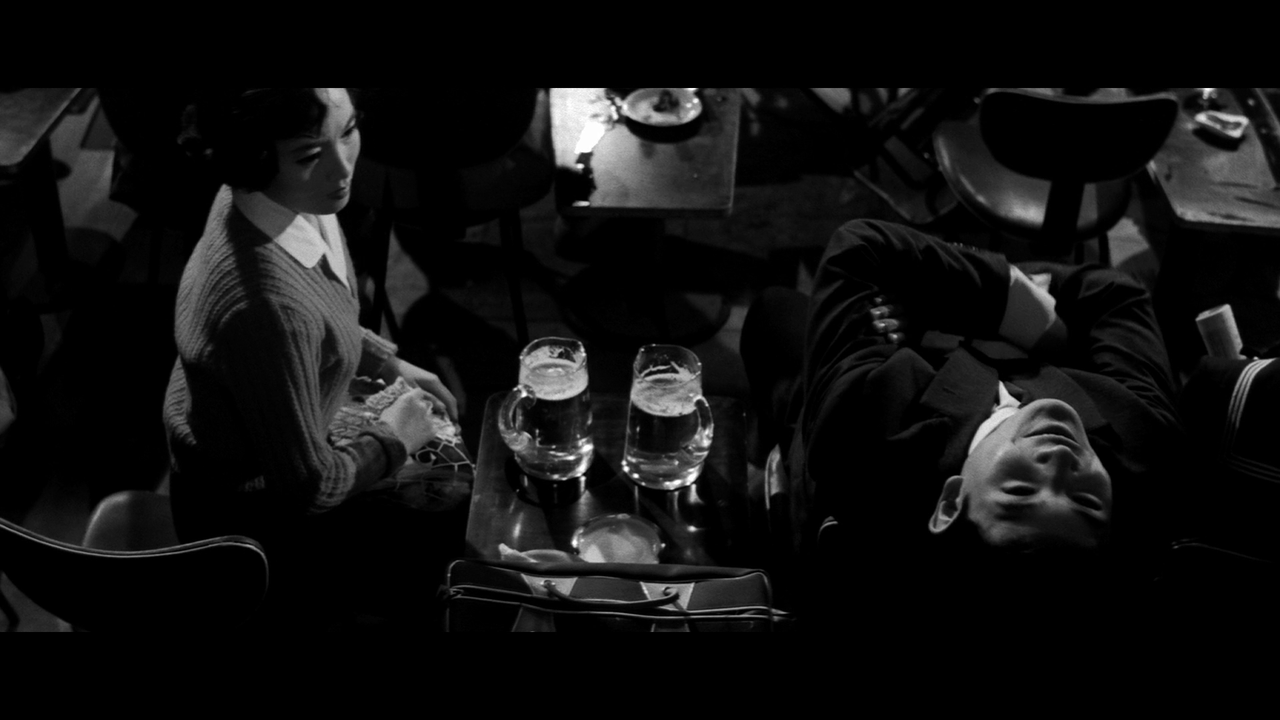
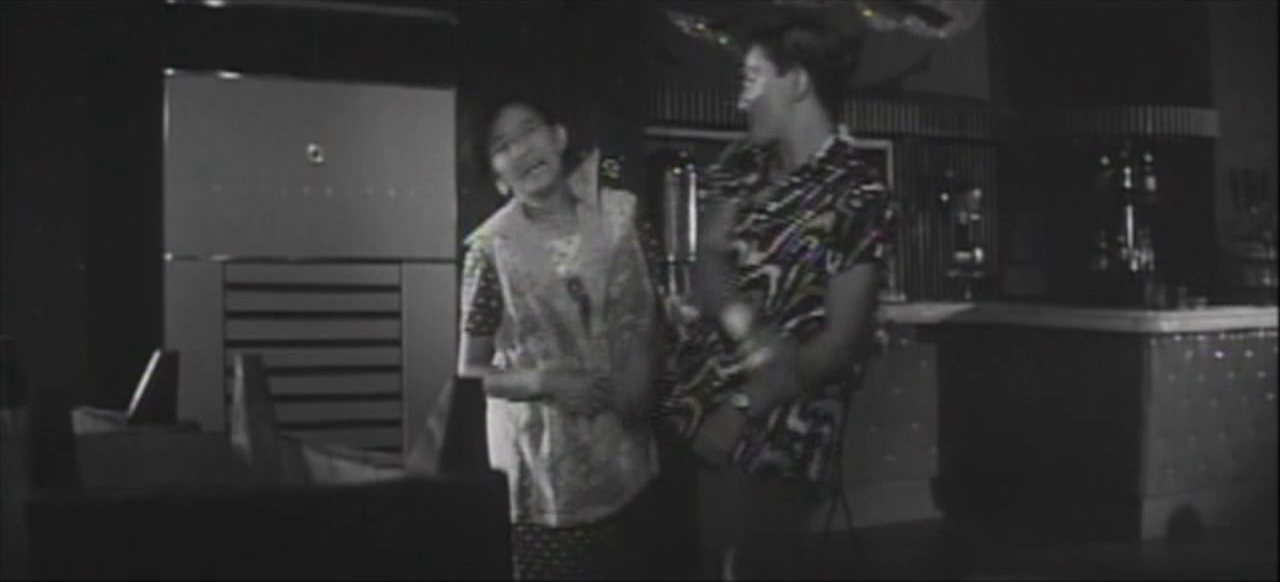
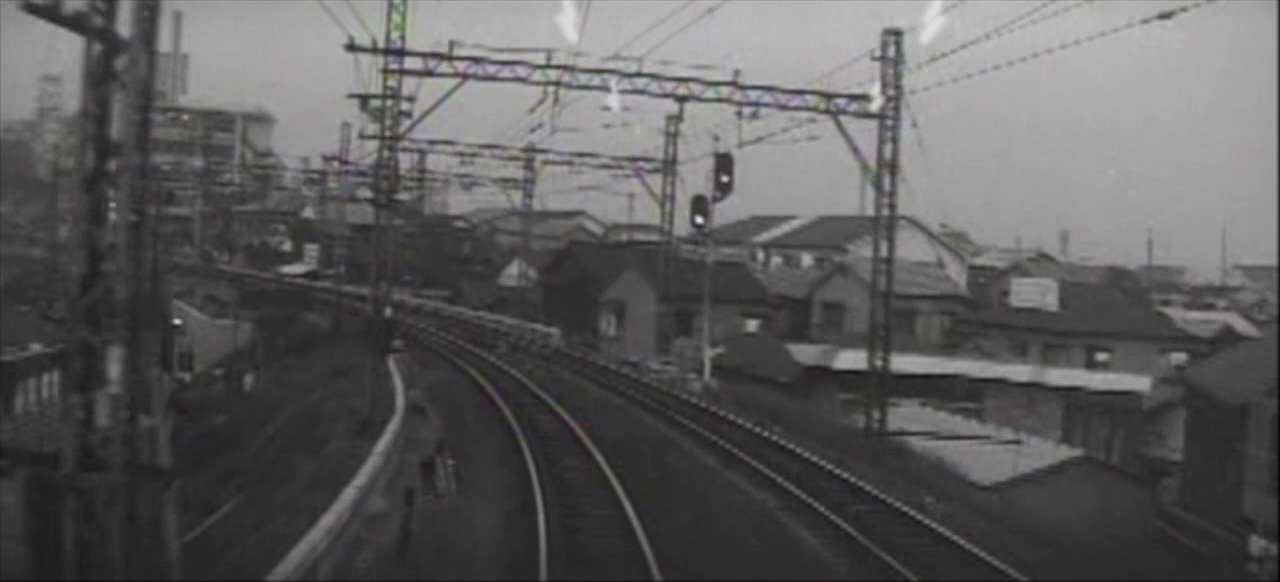
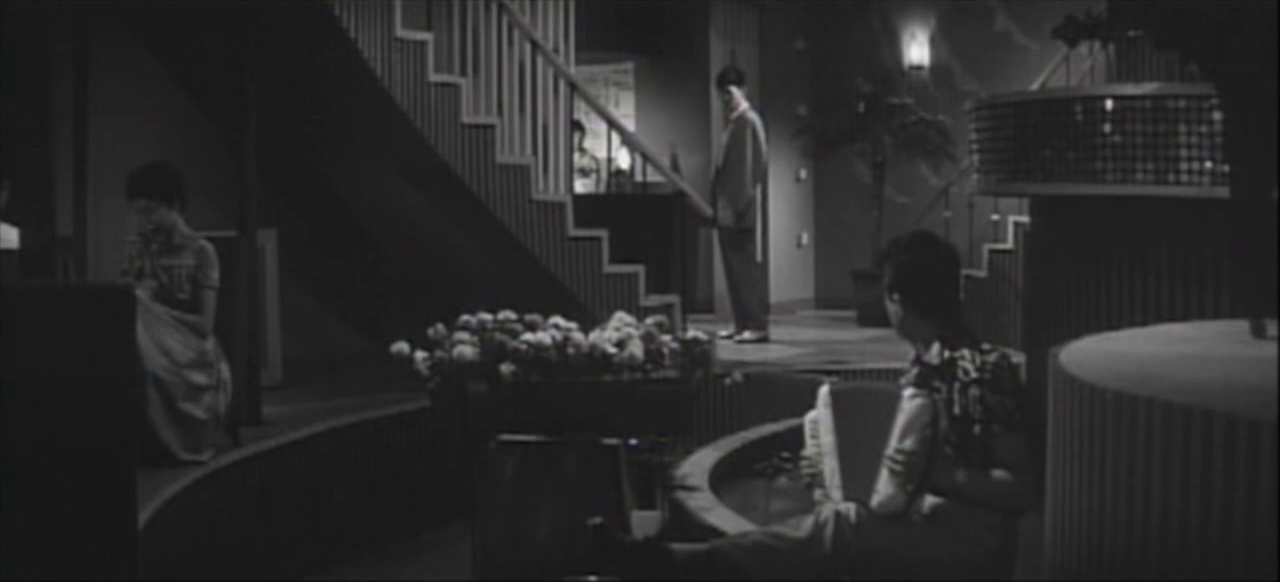
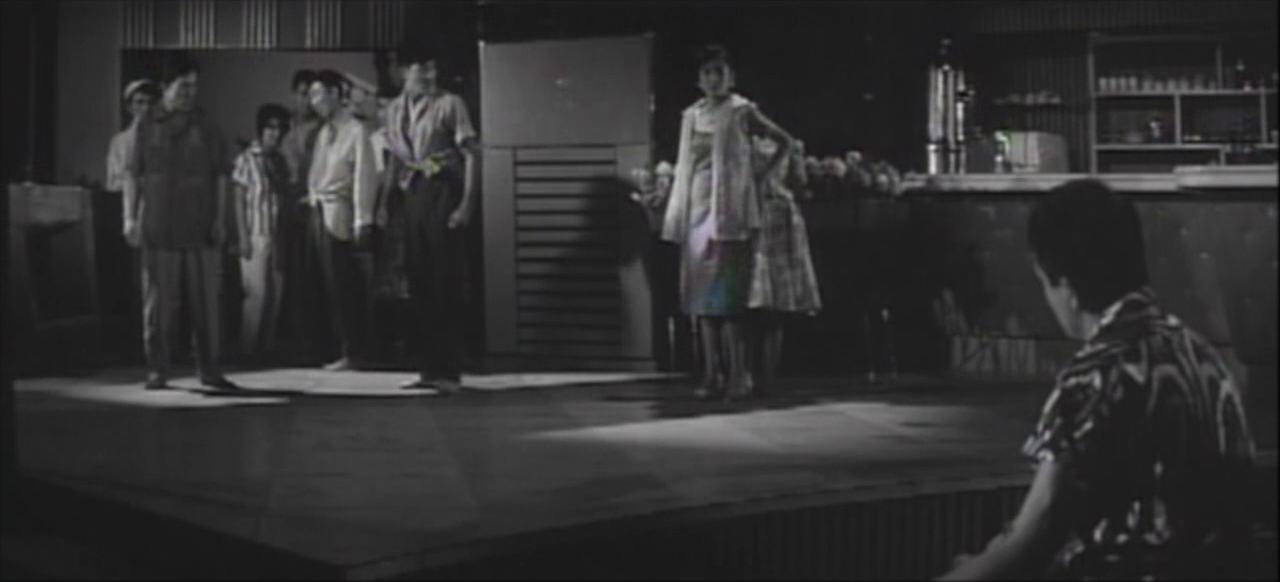
Those crane shots are what stand out the most in this film – especially the one early on in the club, where Nobuo gets Keiko drunk, and the camera twists over and around the characters, swooningly distorting our sense of firm ground.
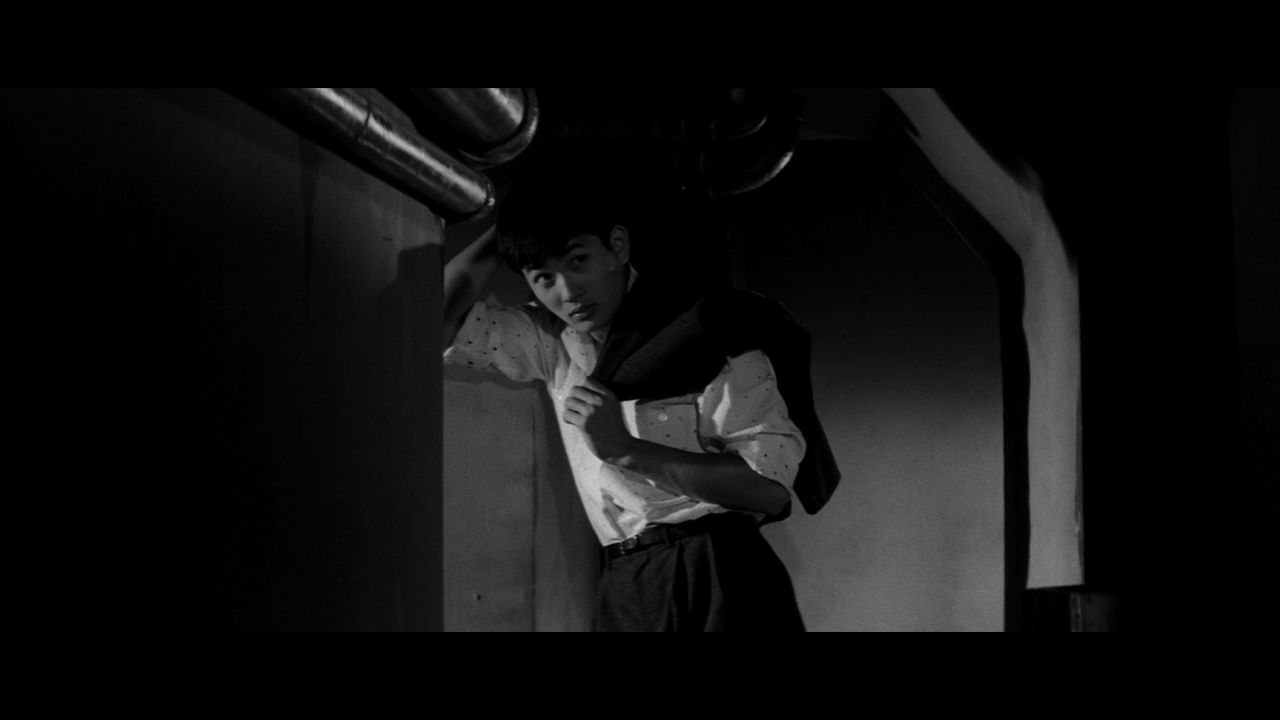
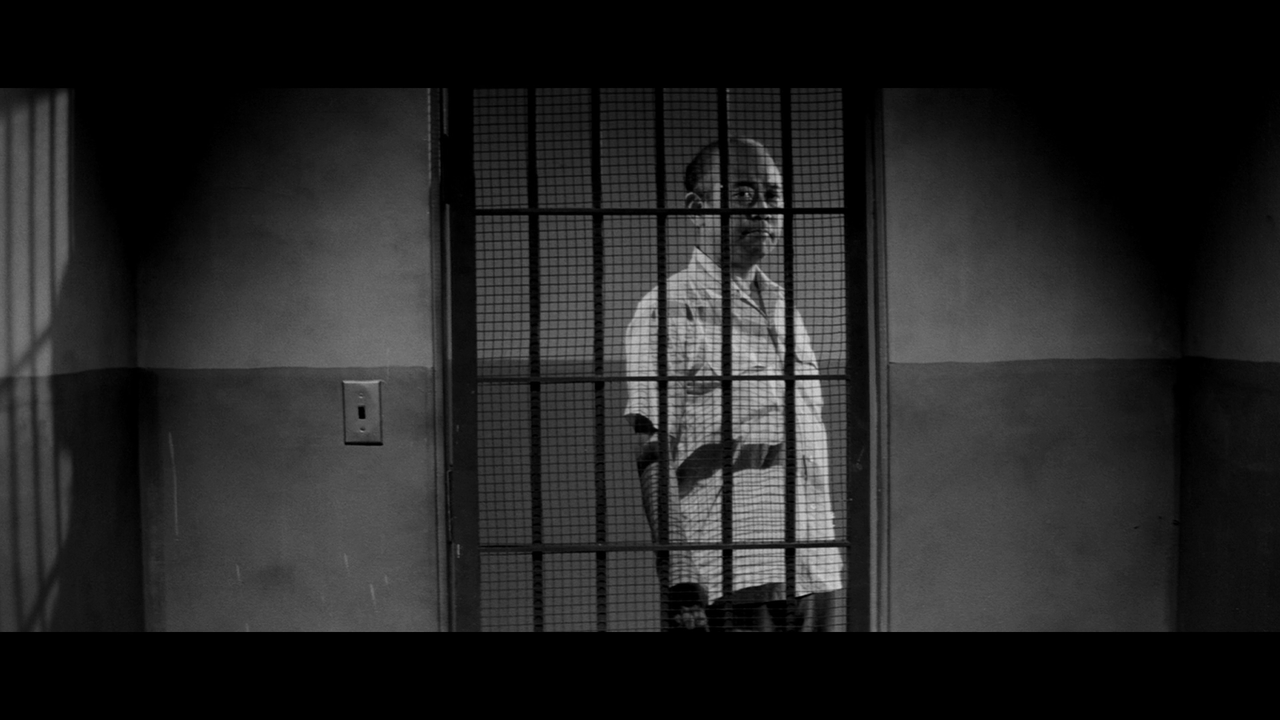
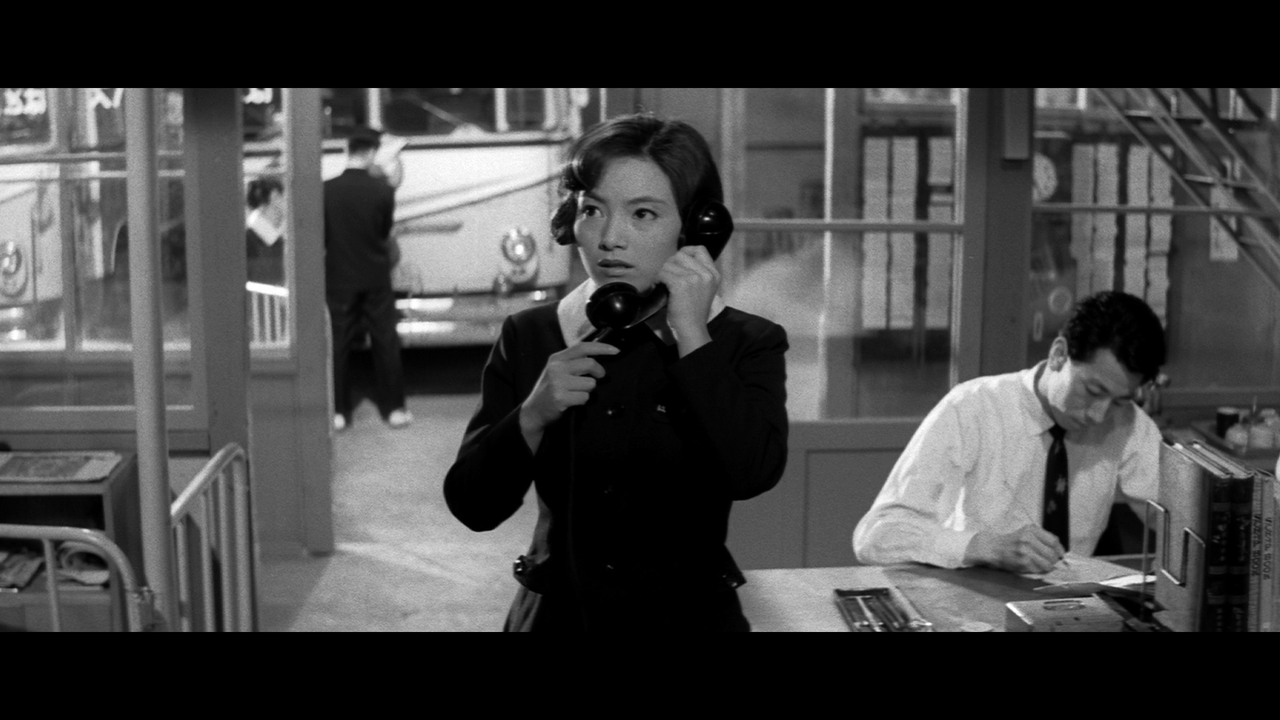
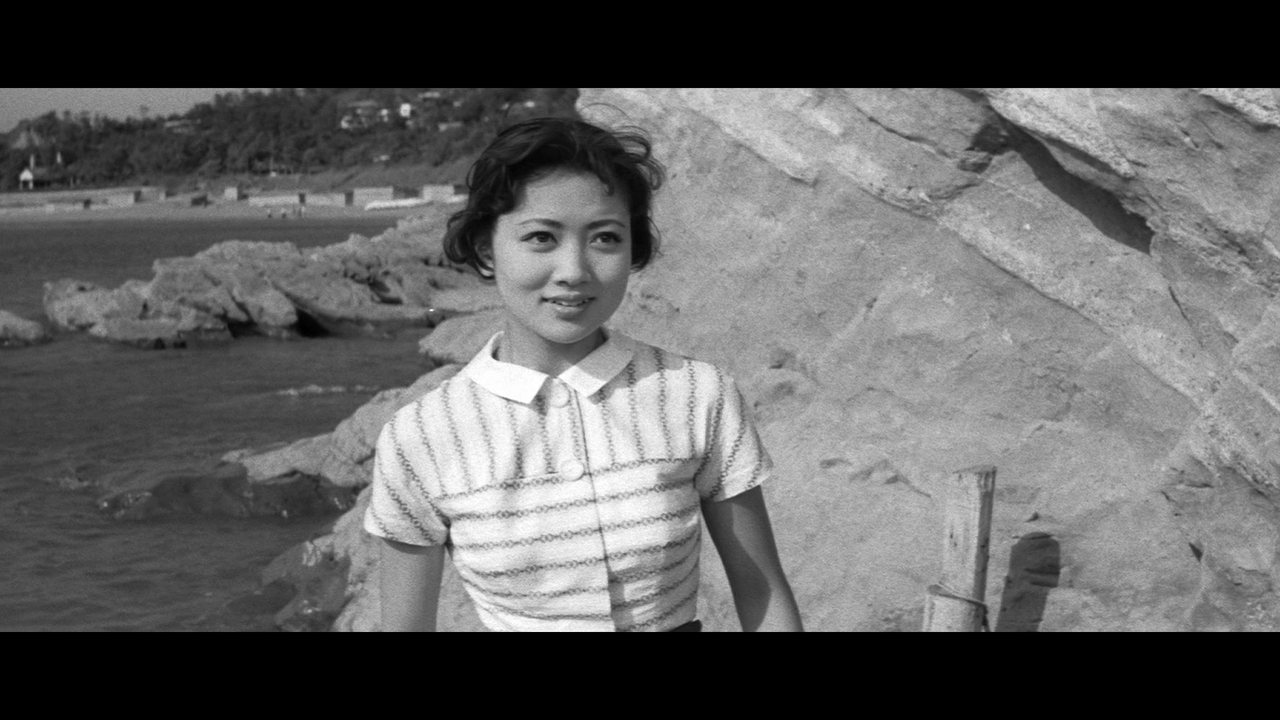
Avoiding Suzuki's more challenging framing style, Yamazaki keeps positioning figures center frame. He seems Nikkatsu's generic standard for a cinematographer, the work is sometimes good enough, mostly unspectacular.
THE DISC
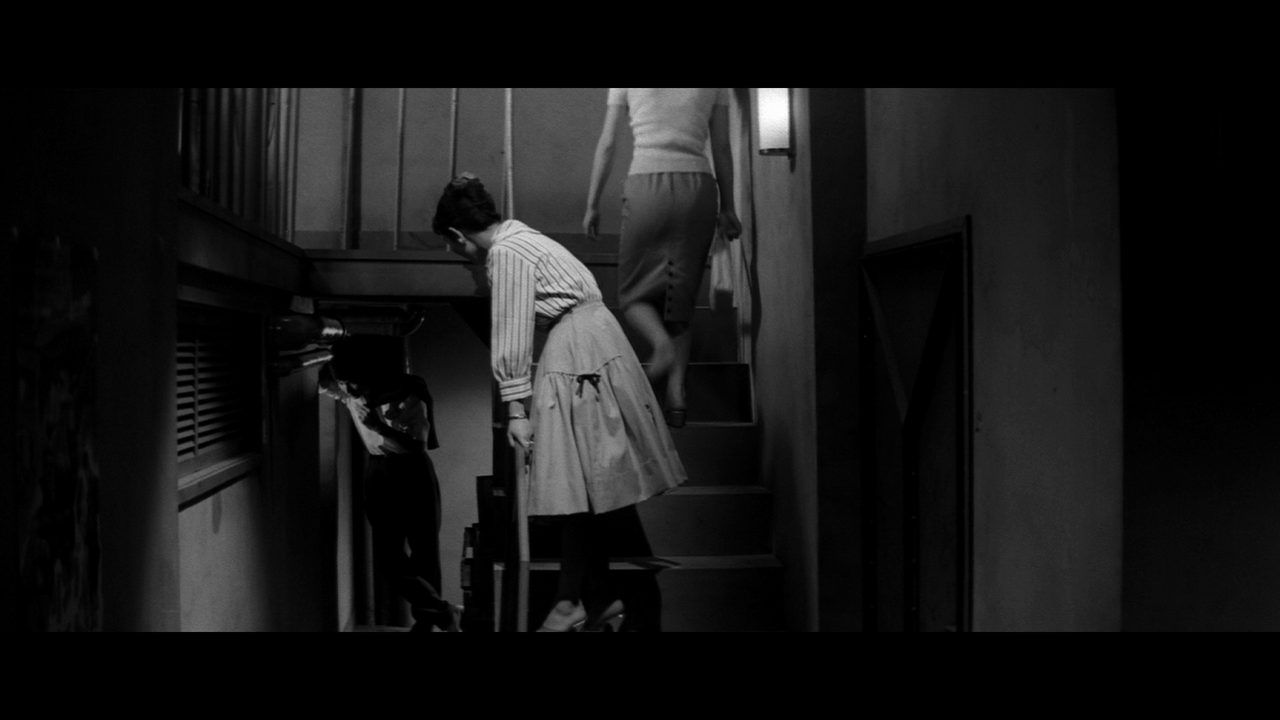
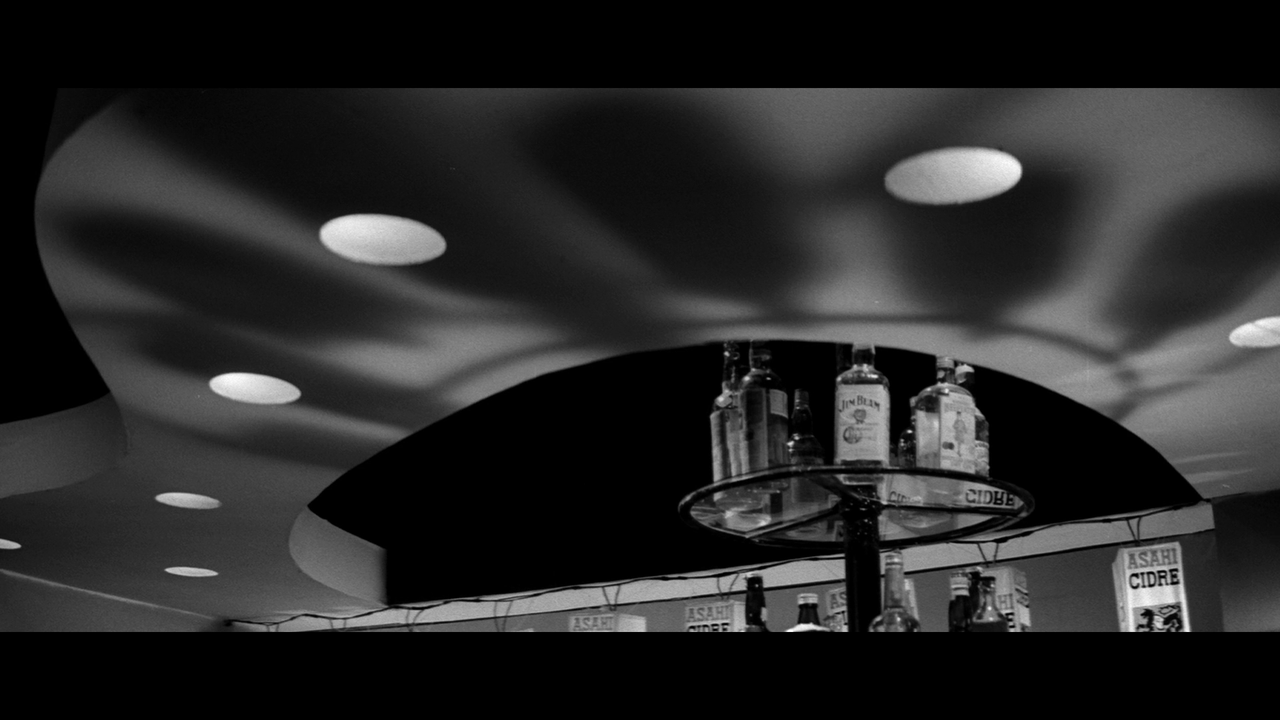
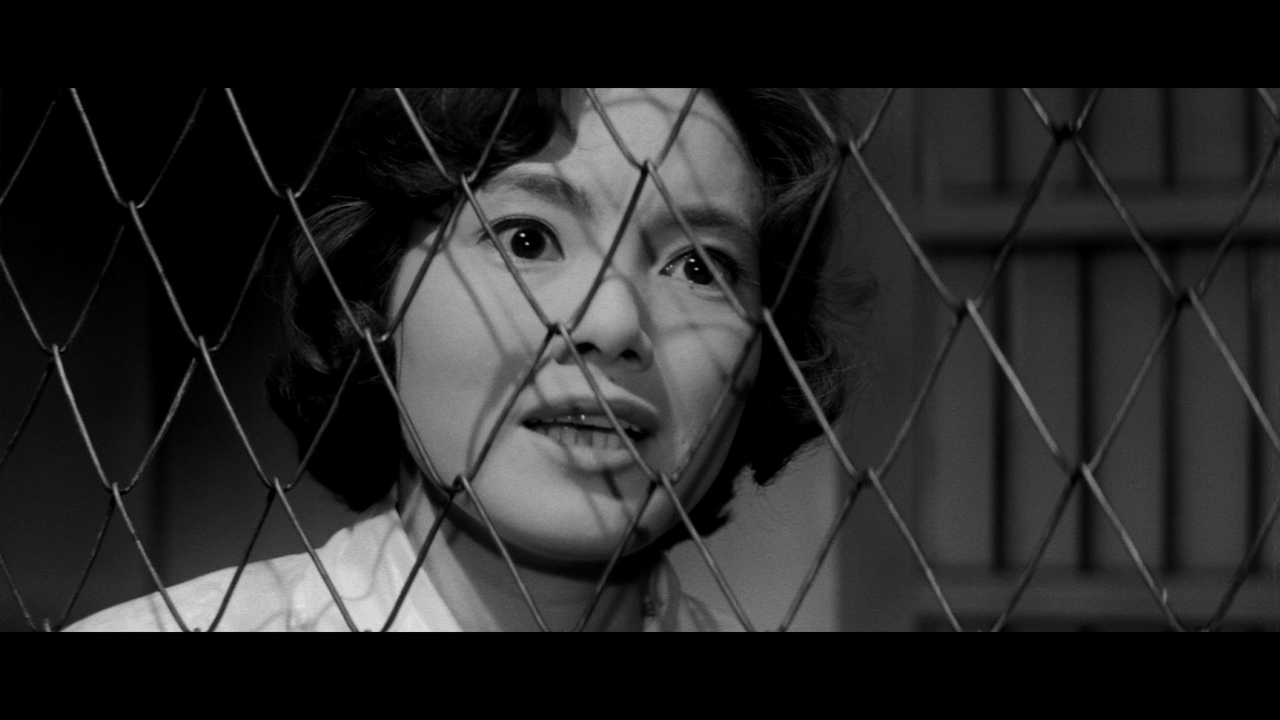
Part of the 10 films in Arrow's two "Seijun Suzuki: The Early Years" blu ray sets: grain, sharpness, depth-of-field...all great. These Arrow "Early Years" sets have been OOP for a while, sadly, so whatever the technical limitations, they're the best versions we have.
MY TAKE
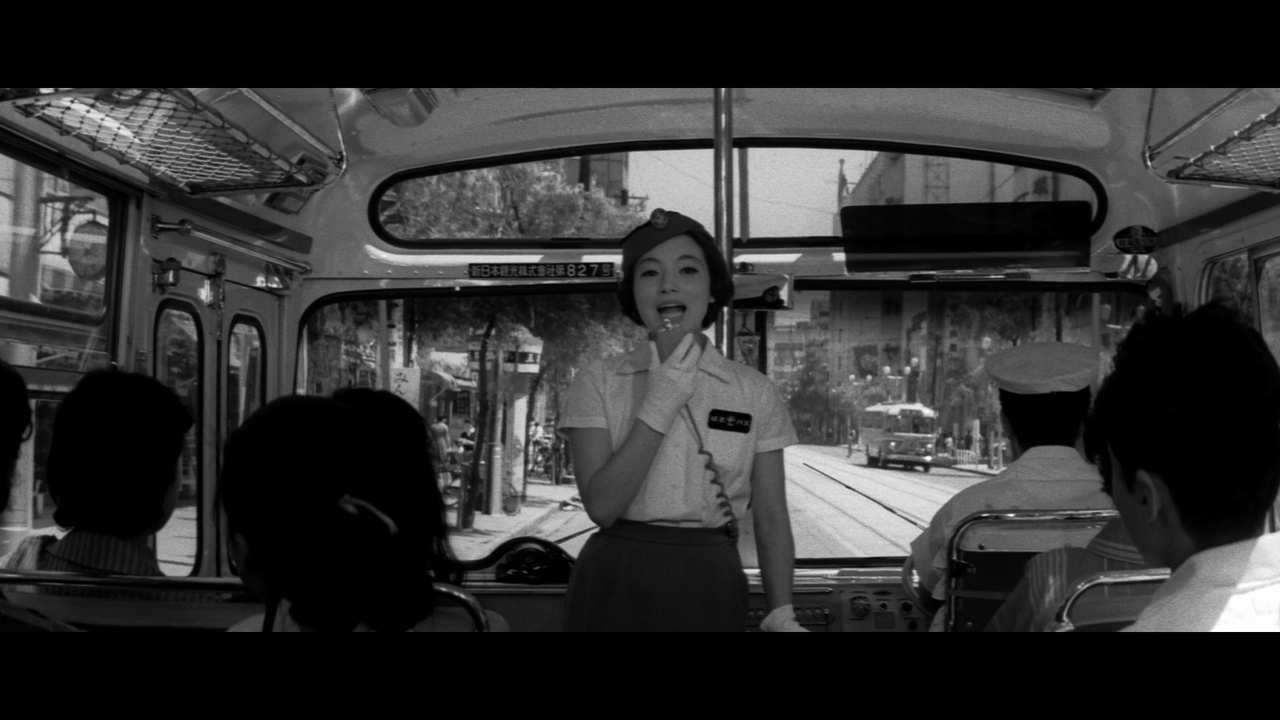
Given his first opportunity to work with one of Nikkatsu's A-list stars seems to mean Suzuki is feeling the pressure to toe the line. Of the generic films, though –– I'd count it in cohort with Love Letter, Blood-Red Water in the Channel, and Million-Dollar Smash-and-Grab –– this shows the deftest hand at making something standard compelling, in a standard way. While they don't succeed in individualizing the movie––they add to the craftsmanshipto make the film absorbing. Still, I wouldn't be surprised to see it made nearly the same way by Ko Nakahira or Koreyoshi Kurahara.
The film glimpses what it might have been if Suzuki had been favored earlier at Nikkatsu, or if the company had succeeded in placing him in a particular genre going forward. Often Suzuki's best films strain the formula Nikkatsu has set up for them. Underworld Beauty is a darker, twistier, funnier, more perverted movie than the hard-boiled noir Nikkatsu was used to. Passport to Darkness and Smashing the O-Line are edgier than other noirs of the time. Blue Breasts will offer something more surreal and psychologically and thematically disturbing than what the company wants from any of their filmmakers, save Shohei Immamura, and Everything Goes Wrong will offer up a view of the Sun Tribe too acid for the genre to recover.
Nikkatsu tries Suzuki out in different genres, until he starts rebelling against a system trying to fit him into a confining space––and in the process he'll find a full-throated artistic voice. Once that happens, he actually becomes as successful as the more favored directors at the company. But it's interesting to wonder what if The Boy Who Came Back was a hit? One could imagine a career for Suzuki like that of Toshio Masuda or Umetsugu Inoue, but in melodrama. But he wouldn't be the postmodern visionary in that environment, without the pressure and antagonism of his role in the company. The Boy Who Came Back is made with a sure hand, and it is very entertaining; but it feels very far from what will make Suzuki a great, unique filmmaker. Suzuki's follow-up to this film, Blue Breasts, is another melodrama with Akira Kobayashi, but it's remarkable to see how kinky and experimentally daring that movie is compared to this one. That film's contrast with this one will be the best argument that he would simply never have been tied down to a become a genre specialist.