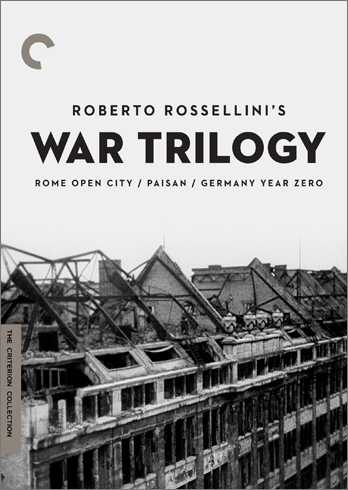
Roberto Rossellini’s War Trilogy
BUY AT:


See more details, packaging, or compare
Synopsis
Roberto Rossellini is one of the most influential filmmakers of all time. And it was with his trilogy of films made during and after World War II—Rome Open City, Paisan, and Germany Year Zero—that he left his first transformative mark on cinema. With their stripped-down aesthetic, largely nonprofessional casts, and unorthodox approaches to storytelling, these intensely emotional works were international sensations and came to define the neorealist movement. Shot in battle-ravaged Italy and Germany, these three films are some of our most lasting, humane documents of devastated postwar Europe, containing universal images of both tragedy and hope.
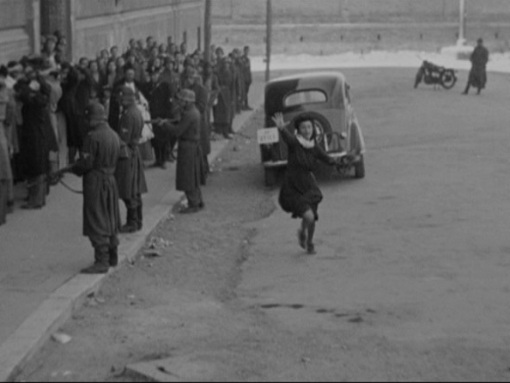
Picture 6/10
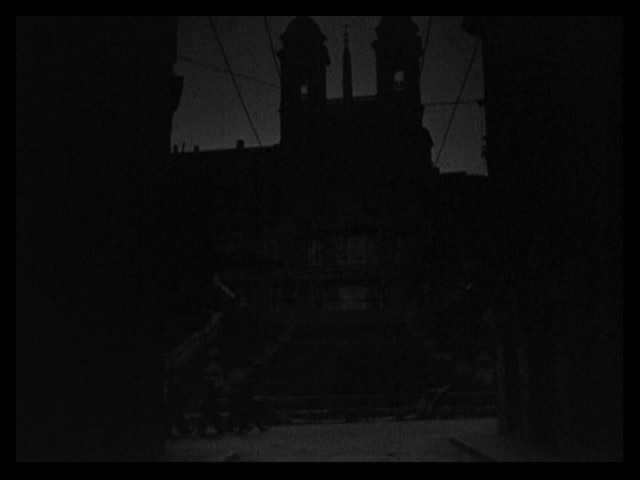
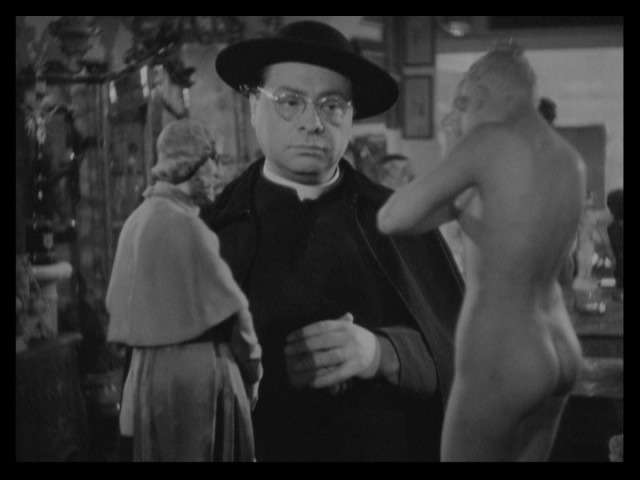
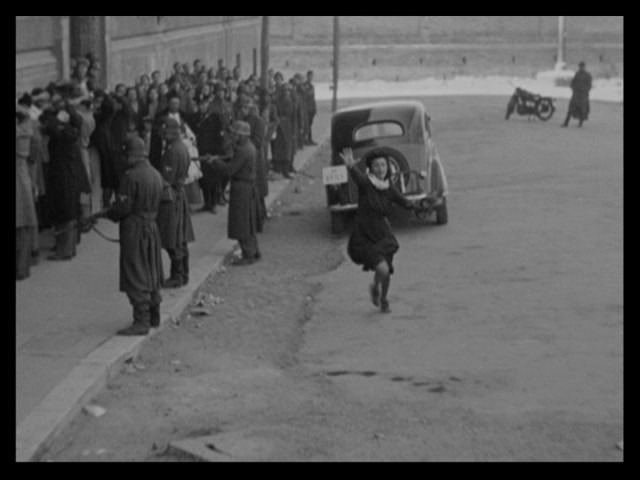
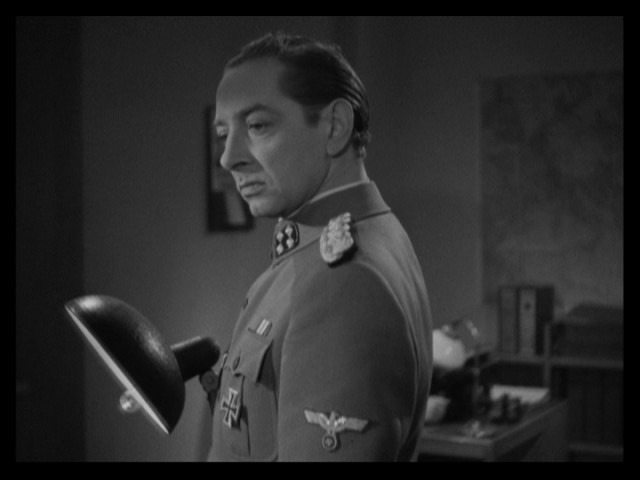
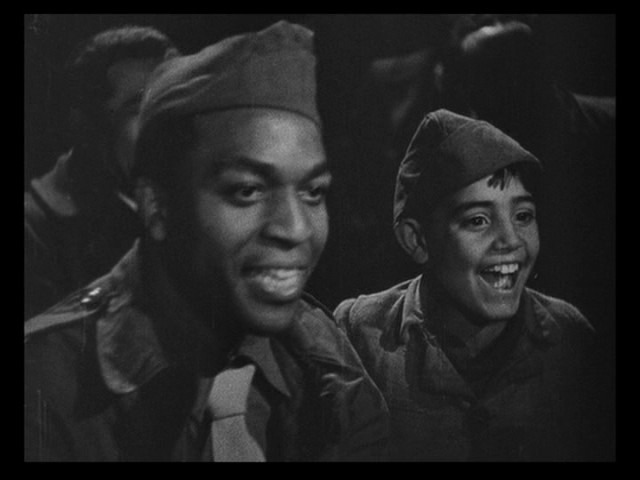
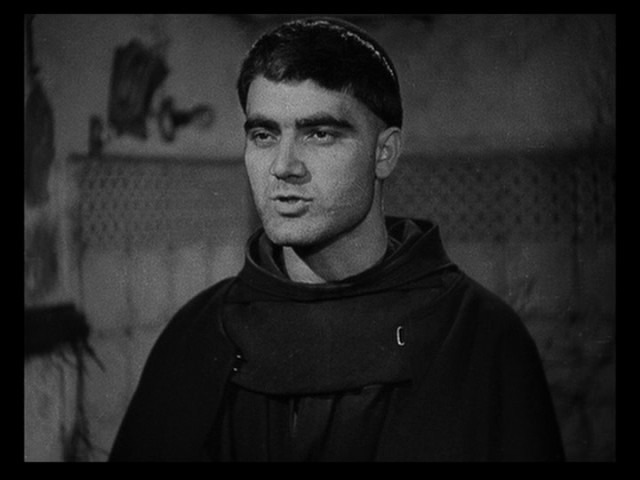
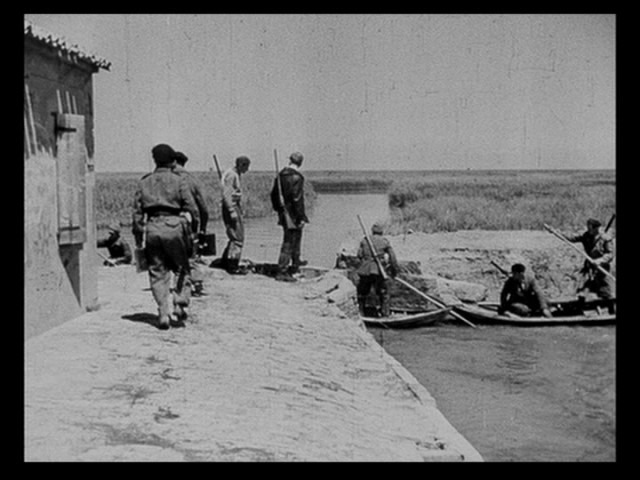
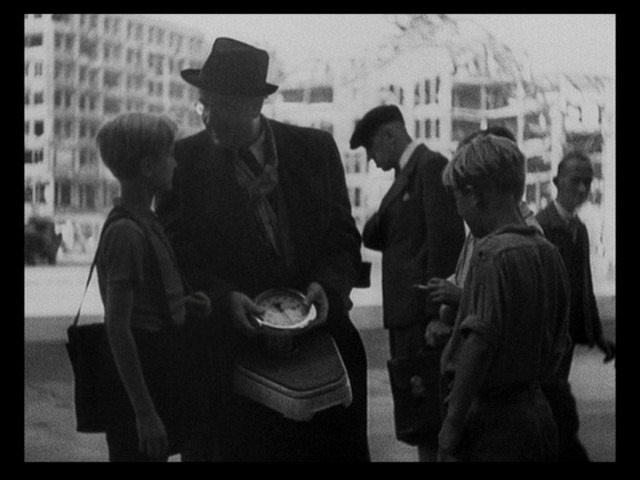
The Criterion Collection presents one of their most impressive box sets, Roberto Rossellini’s War Trilogy. The set includes Rome Open City, Paisan, and Germany Year Zero all in their original aspect ratio of 1.33:1 over three-dual-layer discs. The picture on each have all be slightly picture boxed.
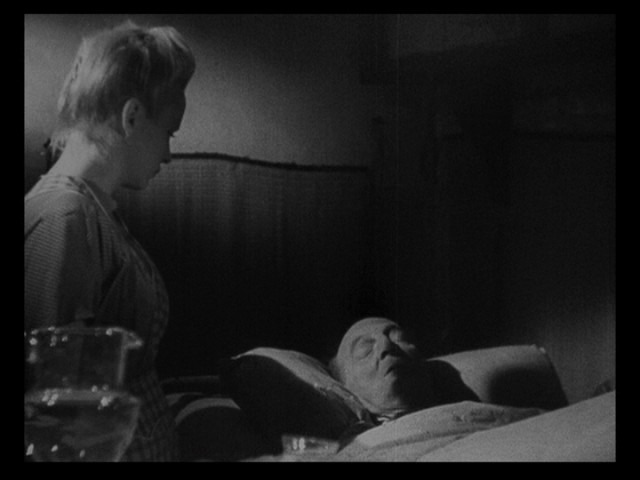
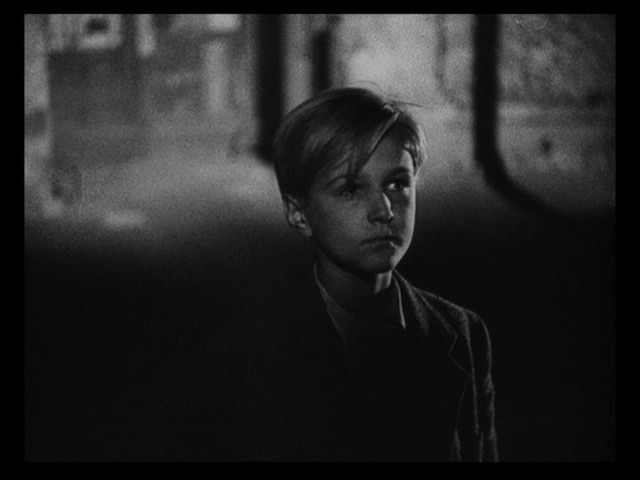
This is a set long in the making and my understanding for the reason of its delay is that that source elements were in such awful condition a lot of work had to go into the restoration. While the films still presents some problems in their picture it does look like a lot of work has gone into these transfers, with Rome Open City coming off the best of the bunch surprisingly enough (the film was shot under the most unusual circumstances in comparison with the other films) and Paisan looking the worst with the heaviest amount of damage. Sharpness and detail are pretty going throughout all three films with noticeable grain, though it can look a little like noise on occasion. The image can also look a little soft and fuzzy at times but I suspect this has a bit to do with the transfer and maybe Criterion softening the image a bit to hide some damage. Contrast is decent but all three films have issues with blacks, which look more like a dark gray.
Despite some of the problems remaining with the prints Criterion has done an impressive job restoring all three and the transfers are all quite solid with very little in the way artifacts.
Detailed reviews of individual discs:
Rome Open City
Paisan
Germany Year Zero
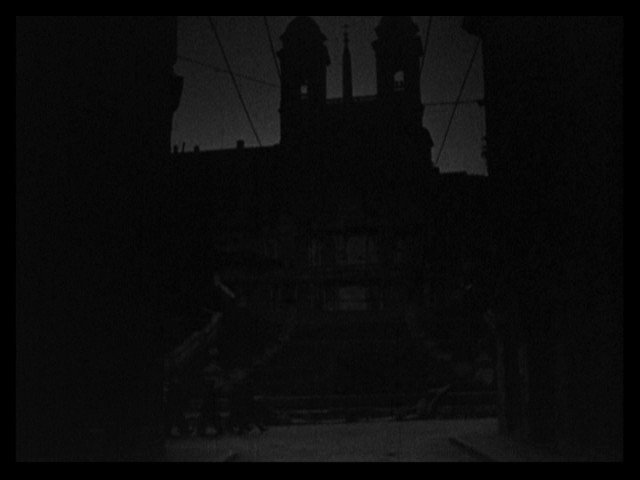
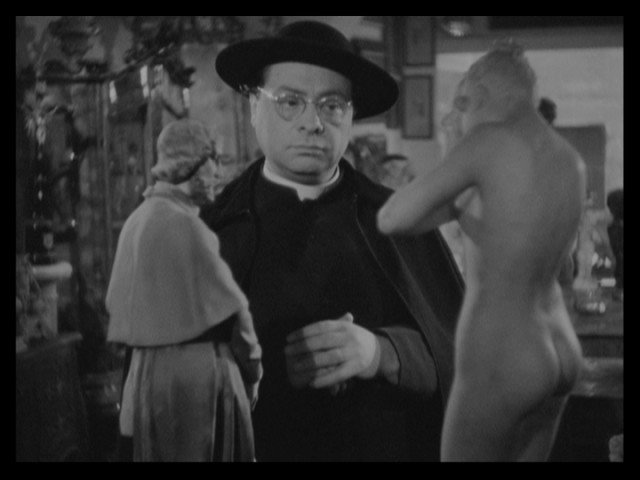
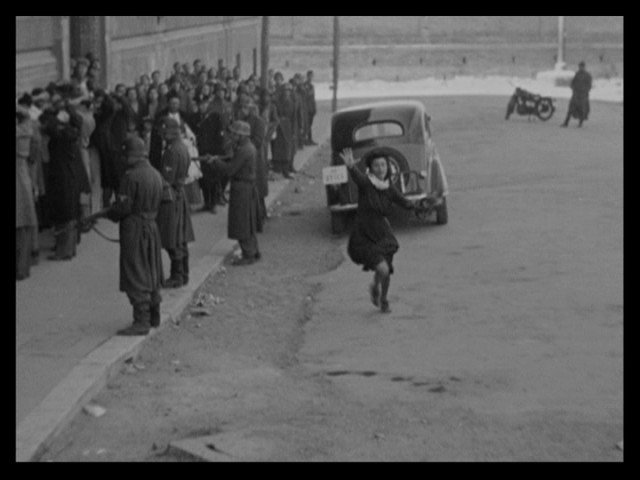
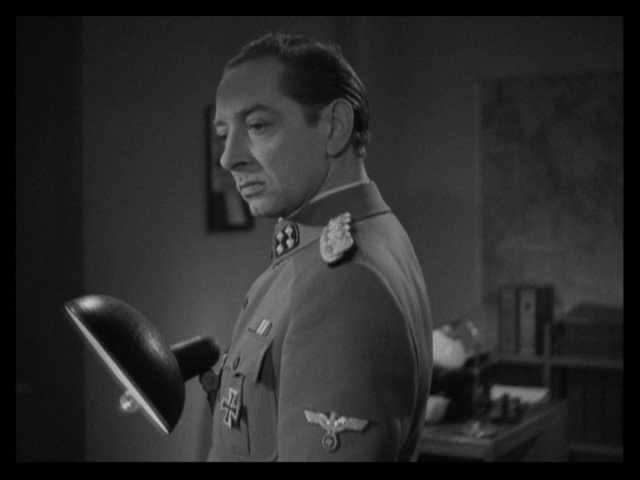
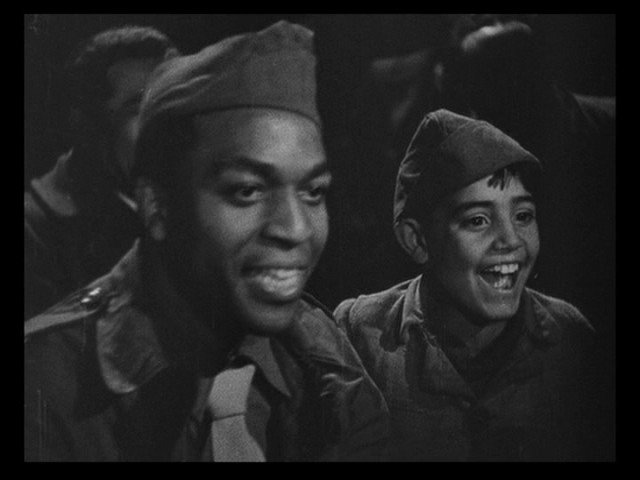
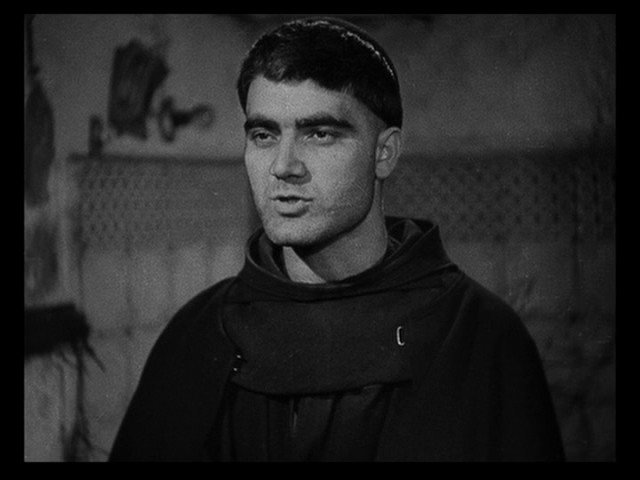
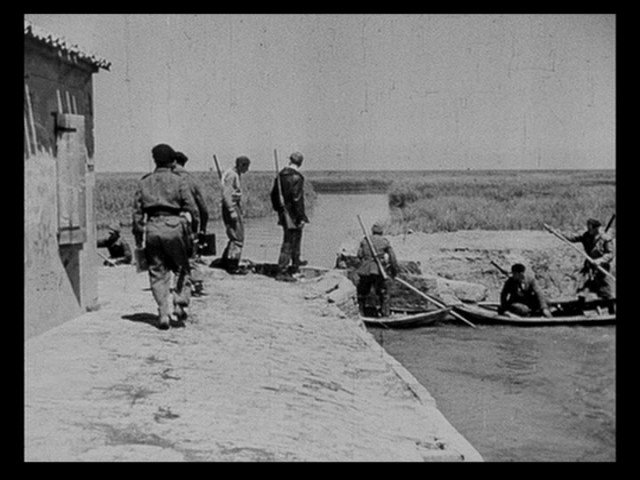
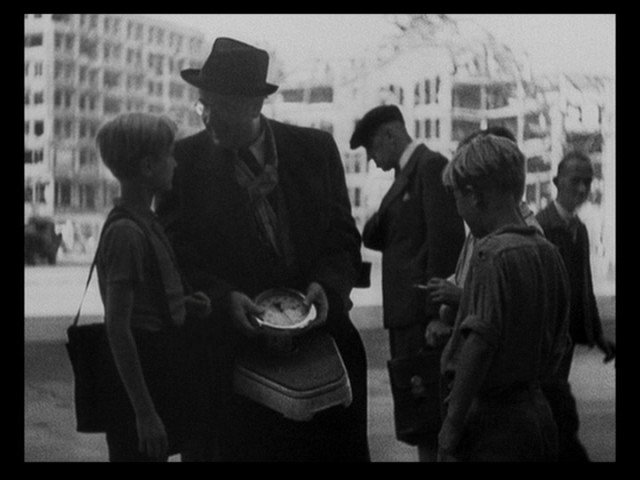
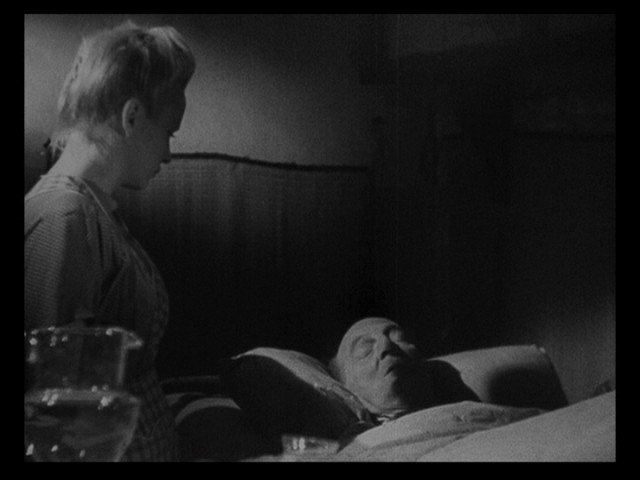
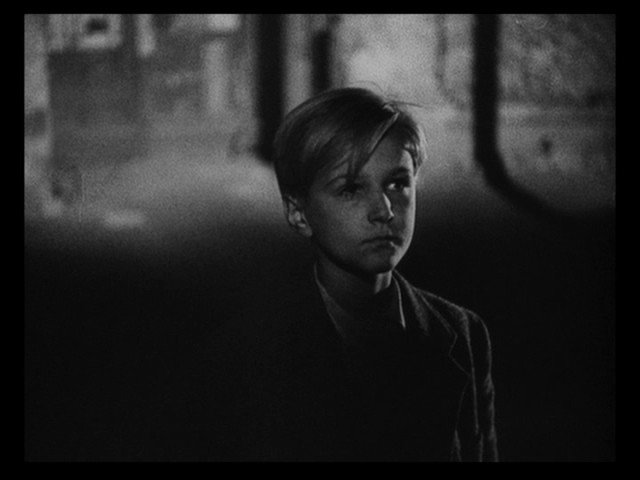
Roberto Rossellini’s War Trilogy - Screen Captures
Audio 5/10
All three films present problematic Dolby Digital mono tracks, Rome Open City sounding slightly better than the others. They all have a slight hiss in the background, Paisan presenting the loudest hiss. Music can sound a little distorted and edgy across all three and voices sound a little flat and unnatural, but this may have to do more with the fact the dialogue was dubbed in during post-production. While they’re weak and problematic they get the job done and dialogue is still easy to hear.
Detailed reviews of individual discs:
Rome Open City
Paisan
Germany Year Zero
Extras 10/10
Criterion has gathered together some great material for this box set, spreading the features over the three discs. The features on each disc are either specific to the accompanying film on the disc or the trilogy as a whole.
The common element across all three discs are introductions by Roberto Rossellini for each film, recorded for a 1963 French television program that was showing his films. Each one running between 3 and 4 minutes, Rossellini recalls the production or talks a bit about his intentions with the film.
Also common between each disc are interviews with film historian and “Rossellini expert” Adriano Aprà. Each segment, running between 12 and 17 minutes, presents Aprà offering an analysis of each film and bringing to light some of the themes that tie the films together.
The first disc, for Rome Open City, is probably the best in terms of supplements, presenting the most thorough and interesting material.
Carried over from Criterion’s laserdisc (and unavailable since then) is the audio commentary by film scholar Peter Bondanella. It’s a fairly good scholarly track covering the film’s production, editing style and look, as well as neorealist cinema in general. He also covers Italian cinema and the industry before and around the time of Rome Open City, and also covers war time in Italy. It can be a touch dry at times, and there are moments where he falls into the trap of simply describing on screen events, but it’s a strong track, one certainly worth listening to.
One of the bigger features in the set is the 2006 documentary Once Upon a Time… “Rome Open City.” Running 52-minutes (and broken down into 7 chapters) it works as a making-of bringing together new interviews and archived interviews covering the production of the film. There’s footage of Rossellini in Italy recalling war time and the shoot, and there’s some intriguing anecdotes about filming on location, particularly one incident where passengers on a bus confused the filming of German soldiers arresting a priest as the real thing (one passenger apparently drawing a pistol.) It unfortunately feels a need to move on to the affair between Roberto Rossellini and actress Ingrid Bergman (though it does at least allow Isabella to recall memories about her mother and father) but other than this aspect it’s a decent documentary on the film and the war trilogy in general.
Rossellini and the City is a “video essay” by Mike Shiel covering the use of locations throughout the three films, covering the geography, space, monuments, and architecture and how they work in the films, as well as camera positions and framing. It’s not a “video essay” as I’m used to from other releases, feeling more like an interview with Shiel accompanied by clips and stills. At 25-minutes it might be a little long but it’s a fairly interesting examination at the locations used for the trilogy. NOTE: It may be tempting to look at the supplements after viewing the film on the disc, but you should note that not only does this feature give away portions of Paisan, but it gives away a rather large spoiler about Germany Year Zero, so unless you’ve already seen the films I strongly suggest one visits this supplement after viewing all three films.
The disc then concludes with a short 5-minute interview with Father Virgilio Fantuzzi (who, along with Aprà, offered interviews on Criterion’s DVD for Rossellini’s The Flowers of Saint Francis.) In it he mentions how Rossellini wasn’t a believer but there are religious elements in all of his films, looking specifically at those found in Rome Open City, which includes poses of the actors and even some artwork.
The second disc presents Paisan and a small number of supplements.
Rossellini at Rice University offers 13-minutes of excerpts from video taken of the director at a showing of his films (some of these appear in the documentary on the disc for Rome Open City. I will mention the audio is rather poor so I had to strain at times to hear what the director was saying. He’s asked about the possible influences of French expressionism on his films and also asked about the script to the film they viewed (which I assume is Paisan.) He also talks about the actors and the use of improve, and even talks a bit about the segments in Paisan. It’s disappointing that more of the footage isn’t included here, though I assume it might be because there’s discussion about other films. But, despite the audio being hard to hear at times, I was glad at the inclusion of what we do get, getting more about the film from Rossellini himself.
The best feature on here, and probably the best feature to be found in the set, is Tag Gallagher’s 30-minute illustrated essay called Into the Future, which offers a surprisingly thorough examination of all three films in the War Trilogy, stepping through each film. He offers a thorough examination of the techniques used, the editing, and even makes comparisons to the script. He brings up some of the themes found in the films, how Italians and Americans would perceive the films (specifically Paisan, and then offers a great analysis of the character of Edmund from Germany Year Zero (and it should be noted that there are SPOILERS in this segment for that film, so if you haven’t seen the film yet you may want to skip the feature until you view it.) It’s a great feature, one of the best ones in the release, and I’m a tad disappointed there wasn’t more from Gallagher to be found on this set.
The third disc is for Germany Year Zero and perfectly closes off the set.
Italian Credits and Prologue shows the alternate 3-minute opening for the film. Criterion has chosen to present the German version of the film on the DVD, with German credits and prologue, but this feature presents the Italian version of the credits and prologue which is a little different. I would guess since Criterion is presenting this in this fashion that Rossellini prefers the German version, though I can’t say this is noted anywhere.
Robert Rossellini is the big feature on this disc, a 65-minute documentary about the man and his career, hosted by Carlo Lizzani, who worked as assistant director on Germany Year Zero. It begins as a typical biography covering his early life but then moves quickly to his film career. It goes over his early films and then concentrates a bit more attention on his war trilogy, Germany Year Zero specifically, with Lizzani recalling the production. It moves on to his affair with Ingrid Bergman but chooses to focus more on the films they made together rather than the scandal surrounding it, even providing footage of Bergman talking about working with Rossellini and the differences between making one of his films and your typical Hollywood film. The documentary then covers his television period and then mentions some unfinished projects that he never got around to before his death. It’s an excellent documentary, featuring interviews with Martin Scorsese and Isabella Rossellini, along with archive clips with Francois Truffaut and Ingrid Bergman. What I most liked about the feature is that it focused mainly on Rossellini’s career and not a lot out of that, except maybe for a small portion on the death of his son, Romano, which led to the development of Germany Year Zero. An excellent documentary and one certainly worth viewing.
Letters from the Front: Carlo Lizzani on Germany Year Zero is a 23-minute segment of a podium discussion with Lizanni. As mentioned in the last paragraph, Lizanni worked as assistant director on Germany Year Zero, though only because Federico Fellini was unavailable. Here he reads a couple of letters he wrote while working on the film, first one he wrote before leaving to work on the production and then another while shooting in Berlin. He interrupts himself occasionally to explain the context of the letters. I wasn’t sure how this feature would be but I actually rather enjoyed it. Although it’s an odd way of doing so it actually offers some great insight into the production and works as a fairly decent making-of in its own way. It’s also fairly funny and entertaining oddly enough, especially since someone reading letters as a feature doesn’t sound all that enthralling. A wonderful treat and a great find.
Also found here is an 8-minute interview with directors Paolo and Vittorio Taviani, who discuss how the films Paisan and Germany Year Zero influenced them, and when they eventually met Rossellini. It’s a nice interview, especially as the two recall the impact Paisan had on them (I always like it when a filmgoer recalls the moment they realized a film could be more than what they initially thought it could be.)
The disc then concludes with a rather bizarre feature, and one I sort of question being included. Called Roberto and Roswitha it’s a text essay by Thomas Meder that attempts to answer why Rossellini decided to make a film in Germany. He mentions other theories (that probably seem more likely) but presents the theory that Rossellini made the film in Germany for his then-mistress Roswitha Schmidt, who was German. He presents a brief history of the two and then, in a bit of a “conspiracy theory” sort of way, starts to present evidence that she was the reason Rossellini made the film in Germany. While there’s some interesting items such as photos (and a rather cruel breakup letter from Rossellini) I don’t really get why this is here or why this should even be an issue. I guess it’s worth reading through for the few interesting tidbits but if it wasn’t included I doubt many would have missed it.
Also coming with the set is a nice 39-page booklet covering the trilogy. There’s an okay, somewhat long-winded essay on the war trilogy and neorealism by James Quandt. I found myself more drawn to the more film specific essays by Irene Bignardi (Rome Open City,) Colin MacCabe (Paisan,) and Jonathan Rosenbaum (Germany Year Zero,) all of which offer a decent analysis of the films, their themes, characters, and expand a bit on the respective productions.
On their own they’re all pretty good discs with some solid supplements, but all together they offer a well rounded, very thorough look into the films, Rossellini, and Italy during the war, and the only supplement I really question is the last text essay about Rossellini and his mistress Schmidt, which really didn’t add much except for some unnecessary “conspiracy” element to the release. Otherwise this is one of the most impressive and extensive releases from Criterion.
Detailed reviews of individual discs:
Rome Open City
Paisan
Germany Year Zero
Closing
This is a fantastic box set and it feels like a great labour of love. The supplements are extensive and cover the films thoroughly, while a lot of care has been put into the transfers, getting them to look as good as they possibly can. It’s early in the year but Criterion has already set the bar high and this is the release to beat this year.
BUY AT: