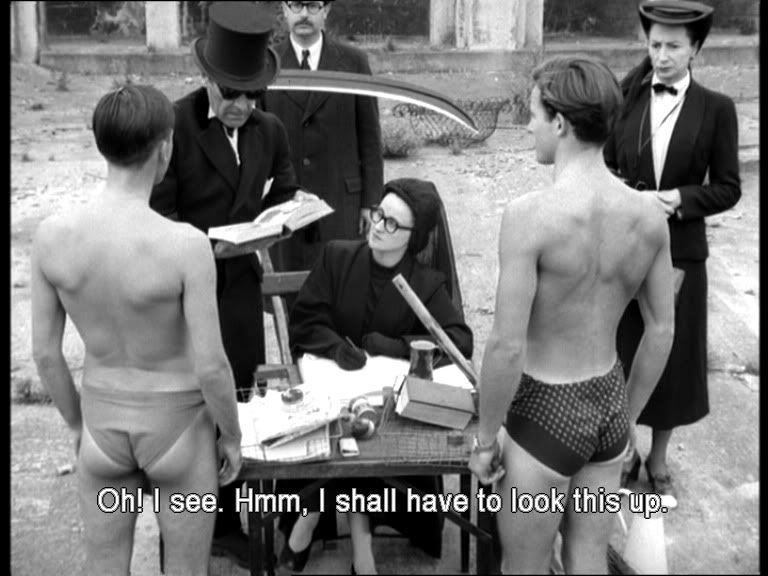
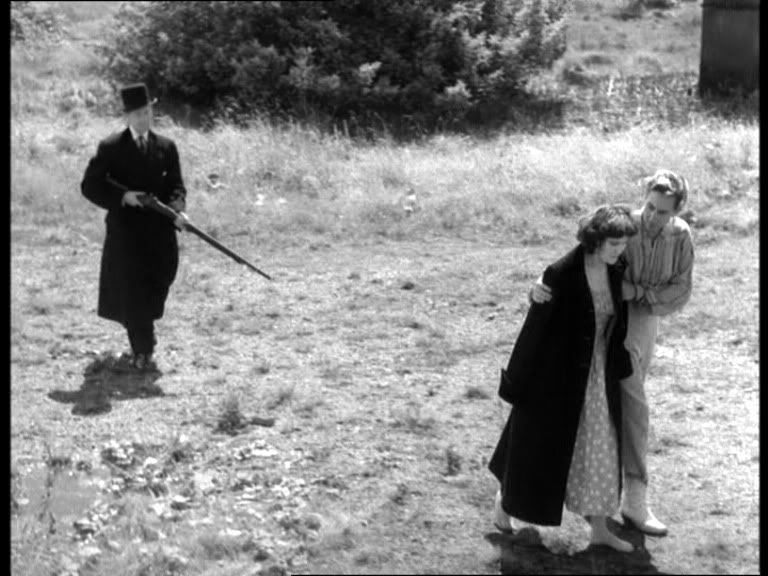
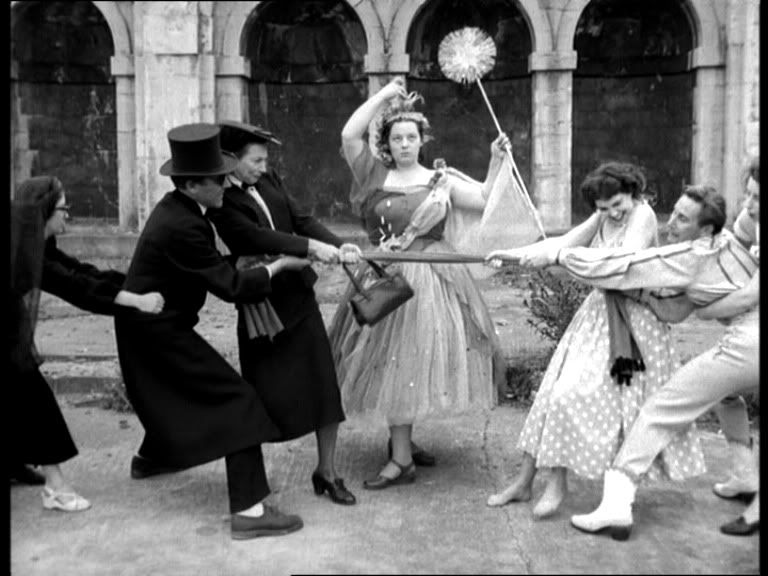
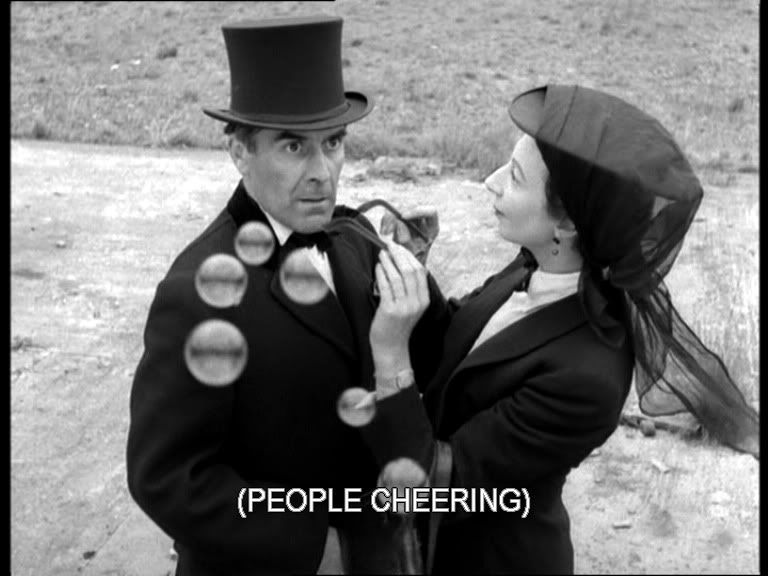
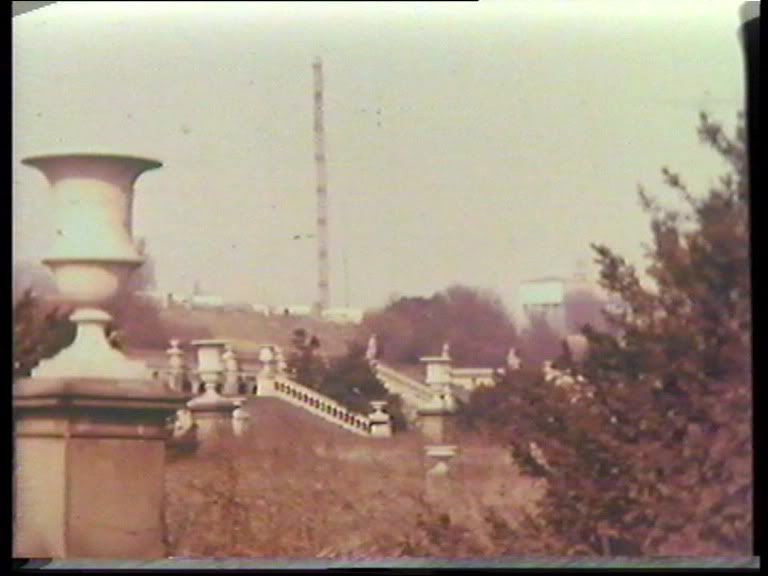
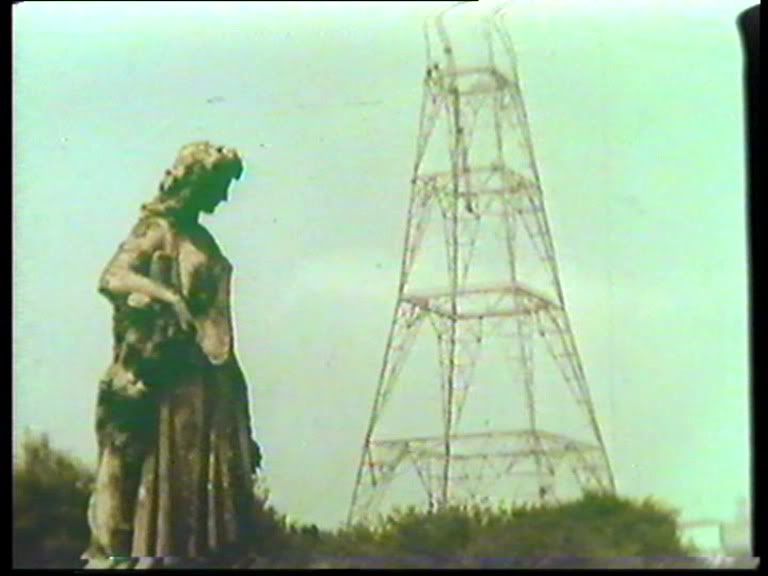
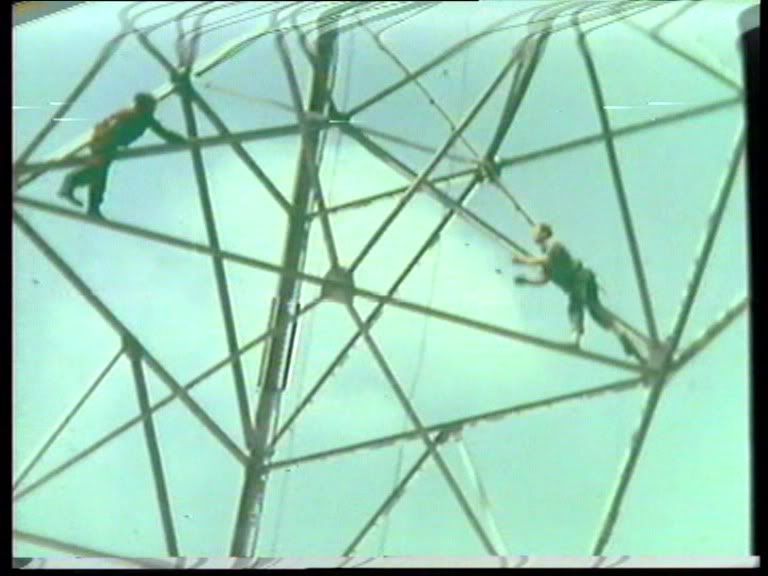
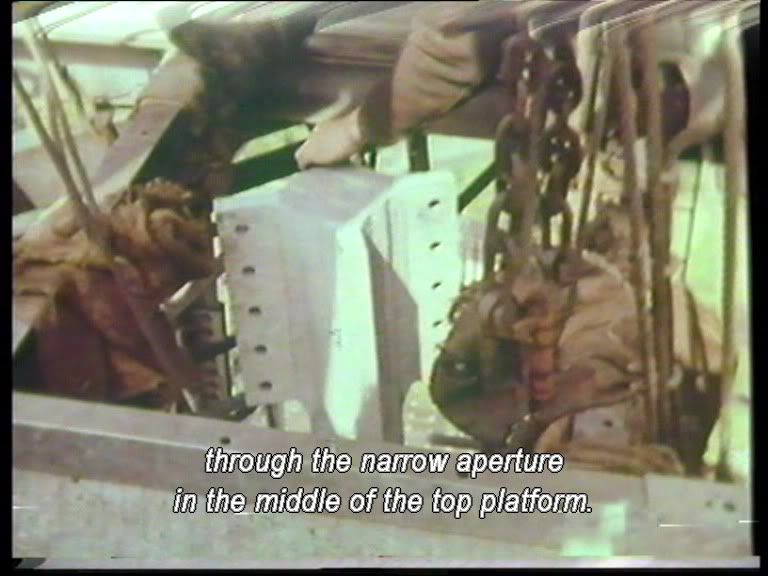
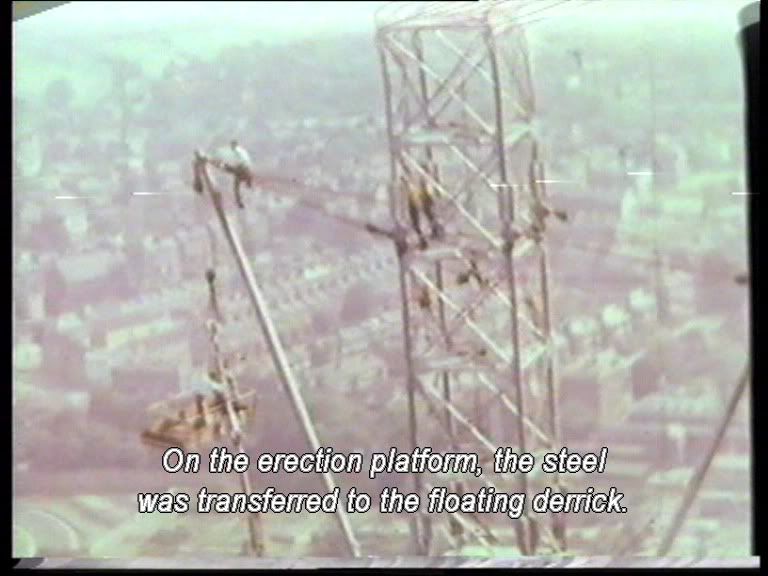
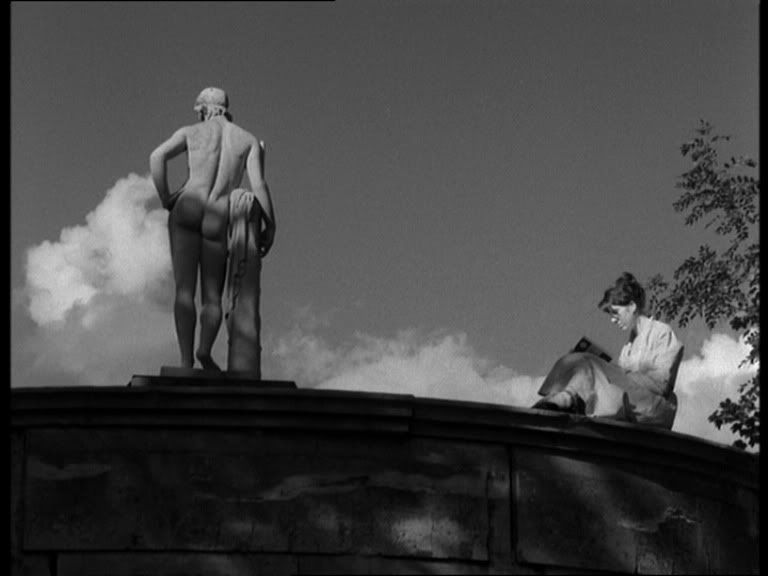
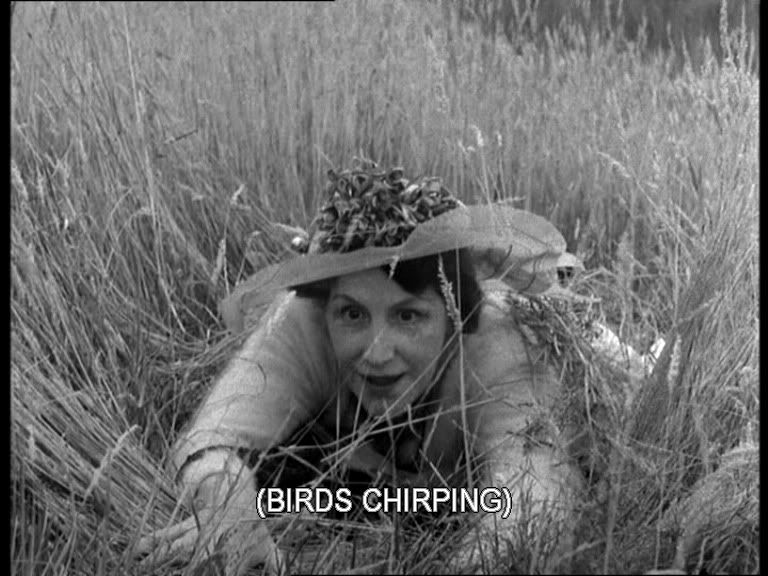
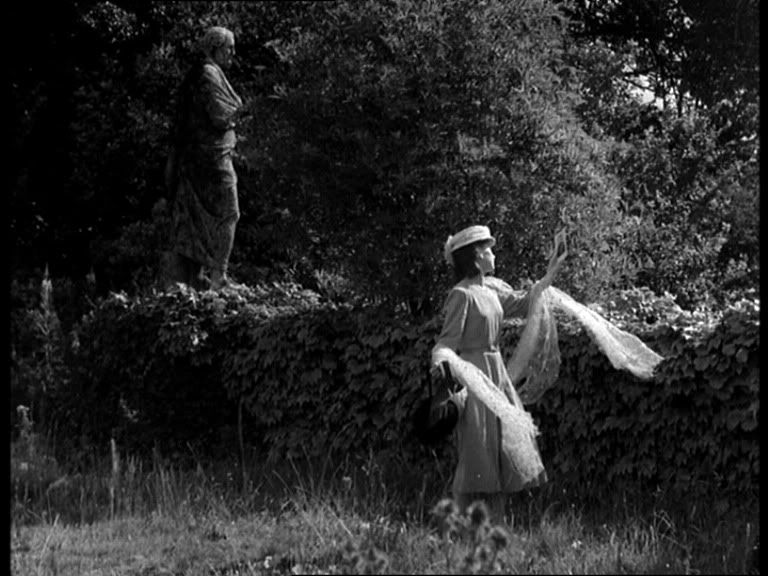
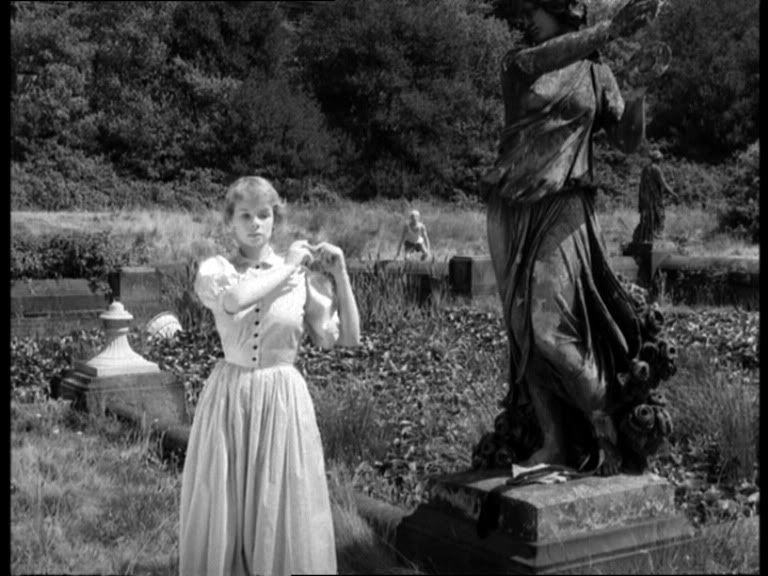
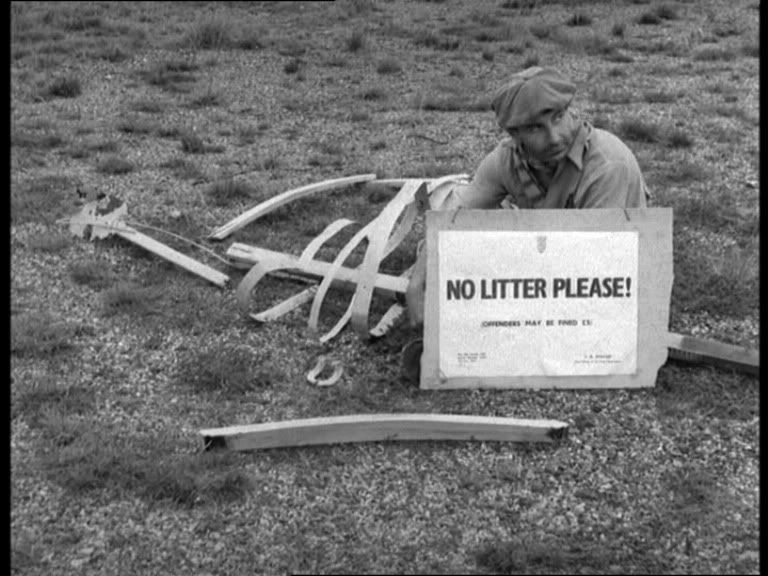
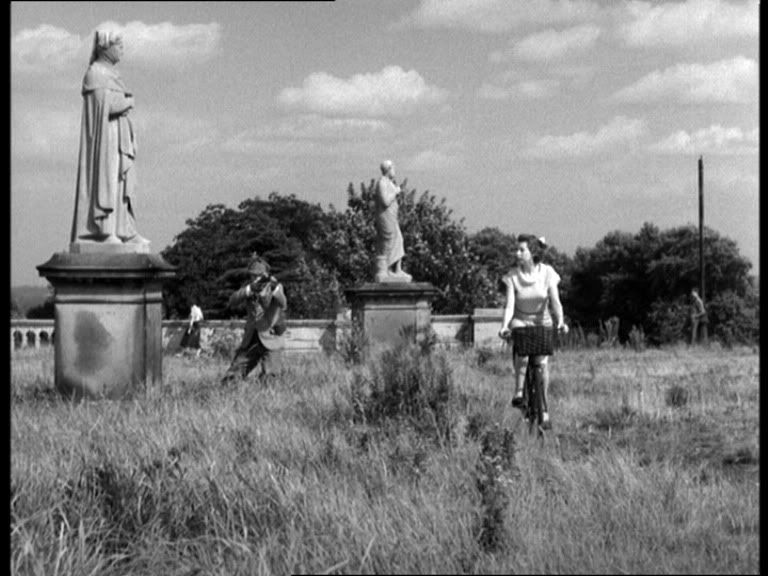
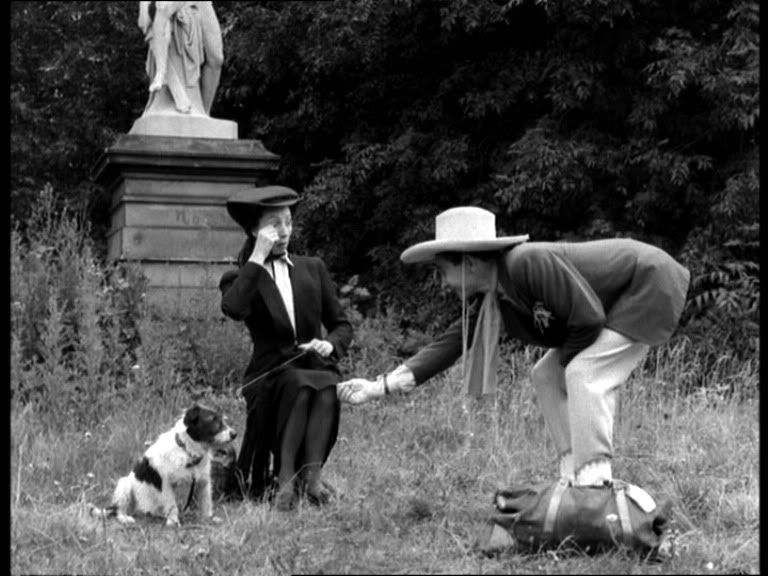
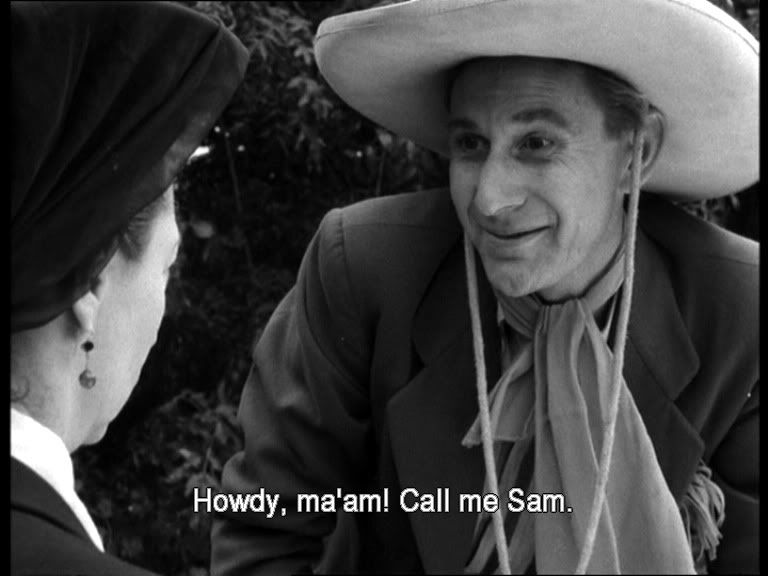
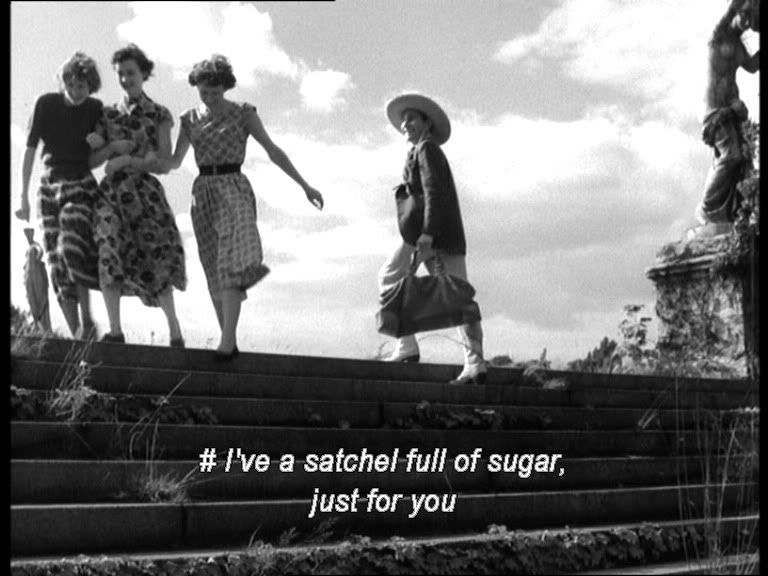
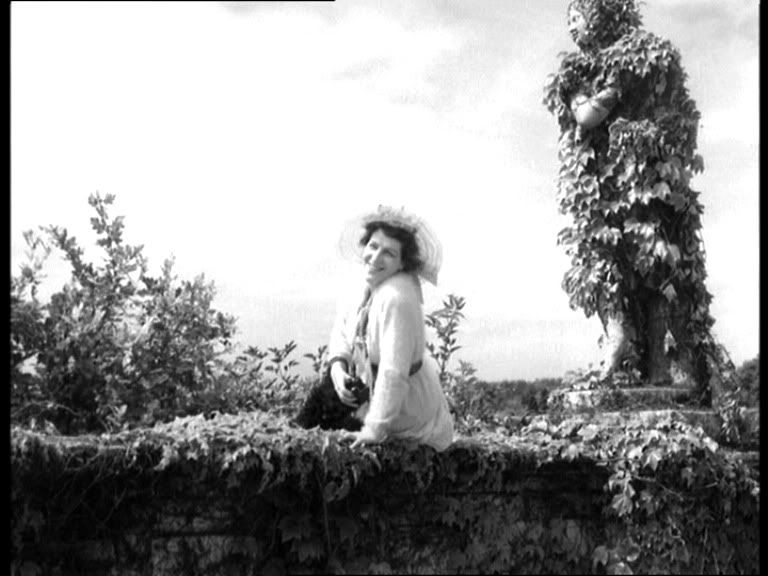
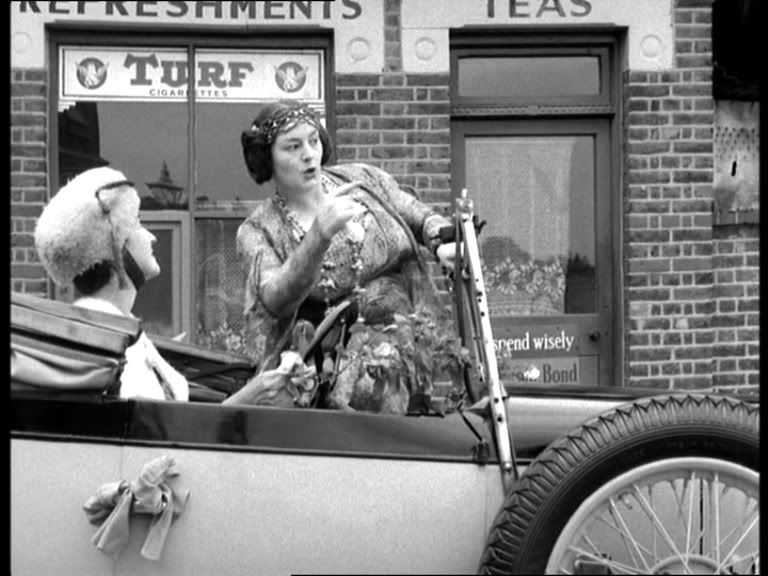
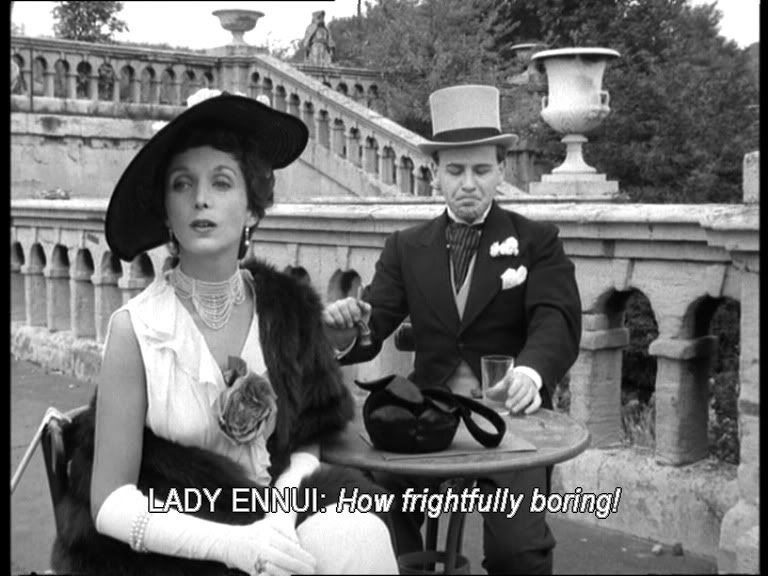
I’m not sure how widely available this BFI release is (I picked it up for £10 directly from the BFI itself during another order), so I thought I’d give some details about this charming film as well as attach some images from the film to this thread.
The Pleasure Garden feels as if its main theme is all about the conflict between duty and hobby, or between enforced conforming to ‘appropriate’ work against a casual interest that inspires individuals but can be considered as ‘useless’ to others.
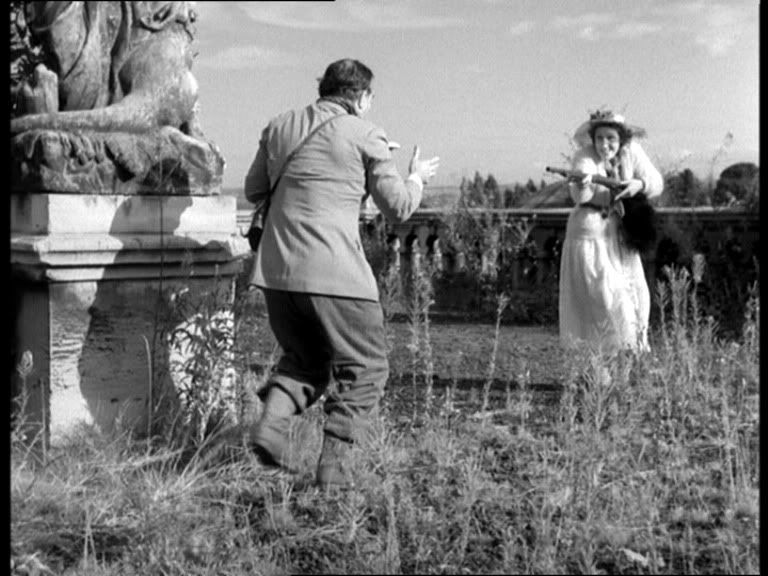
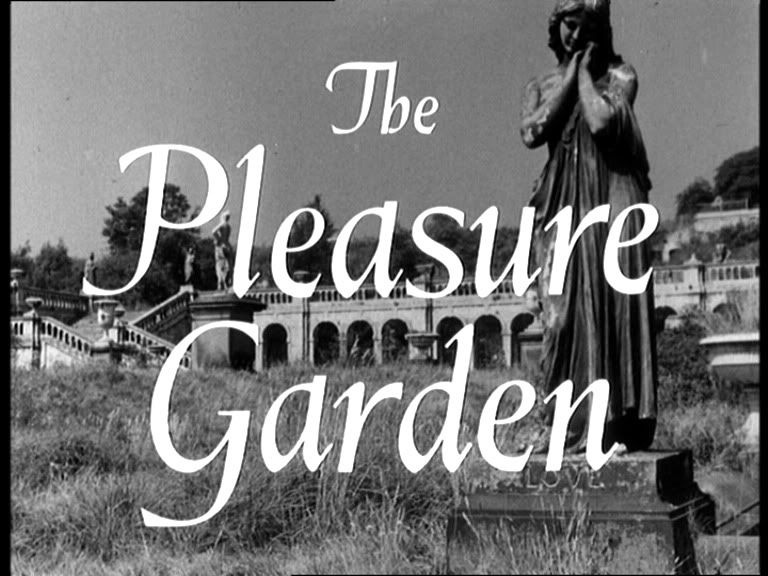
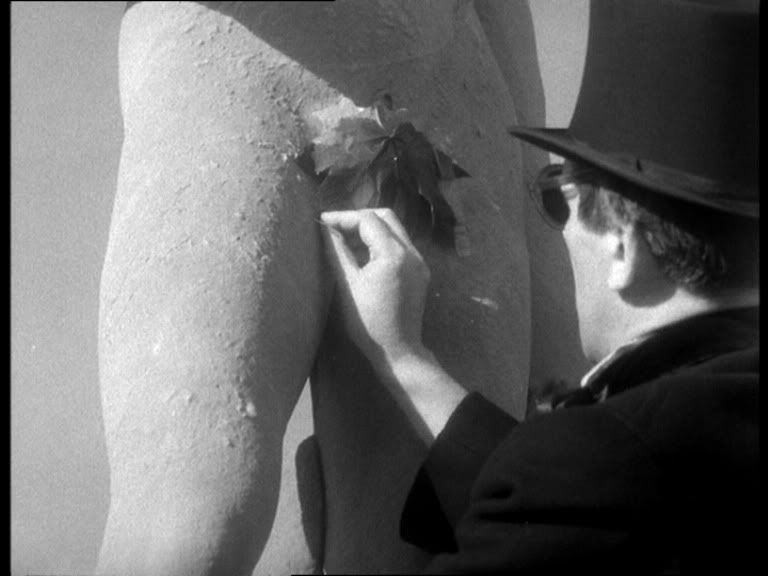
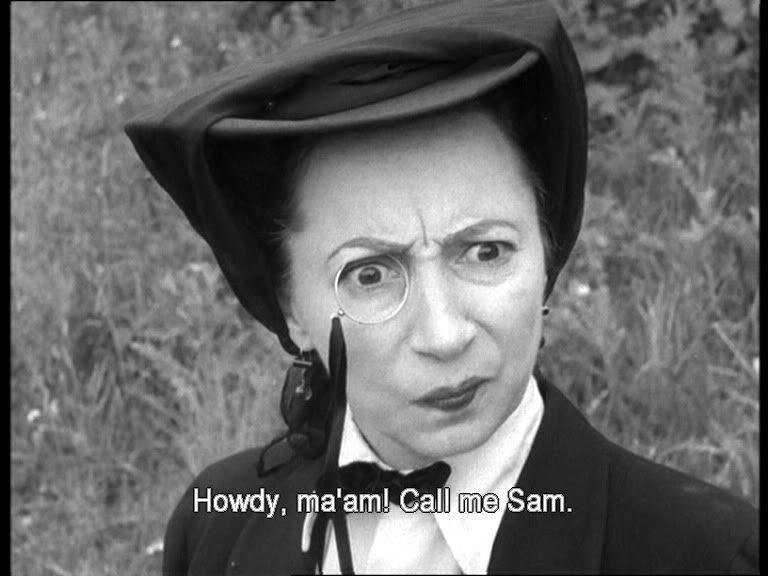
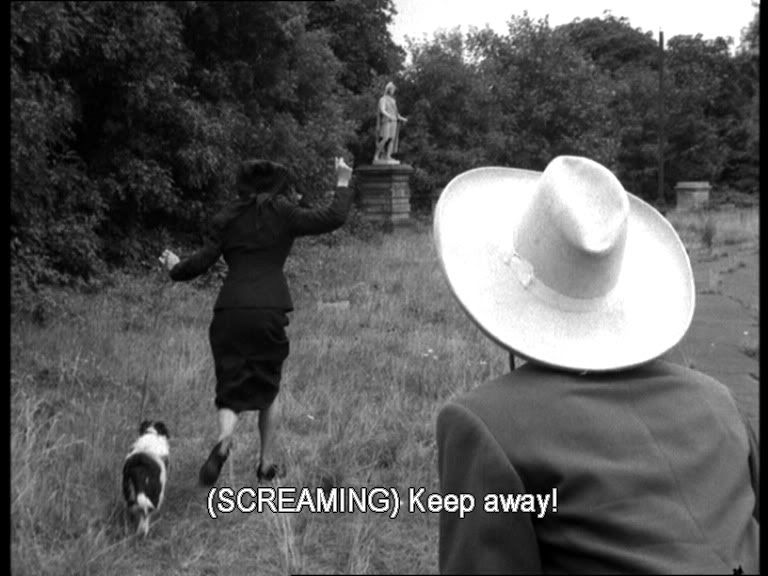
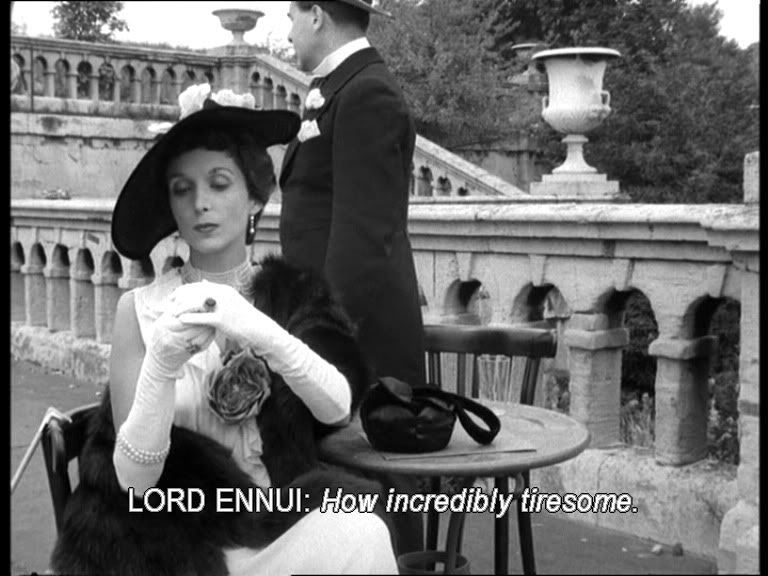
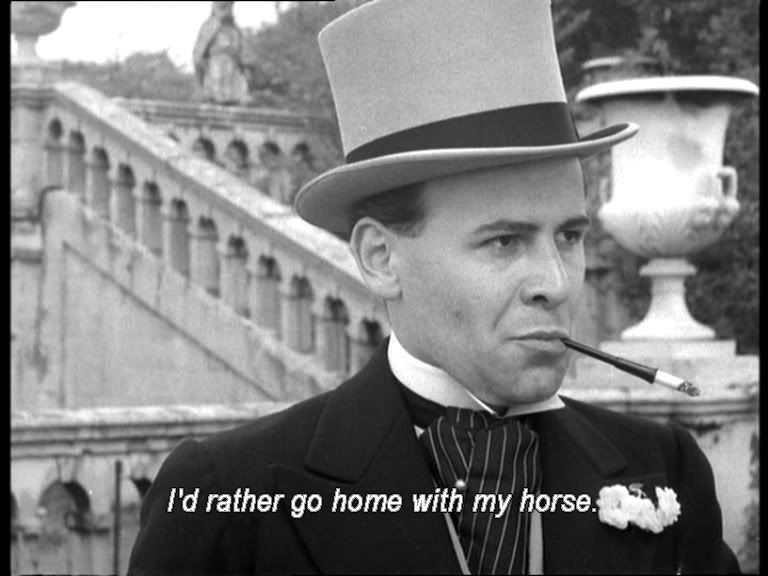
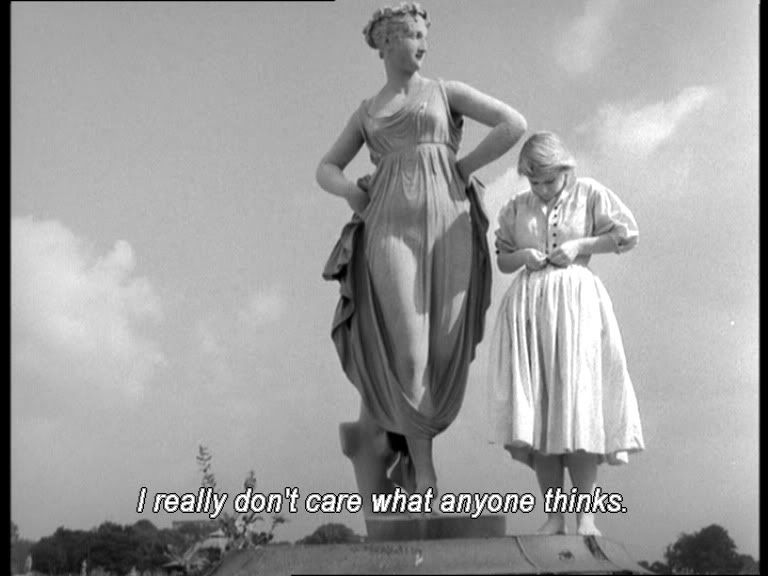
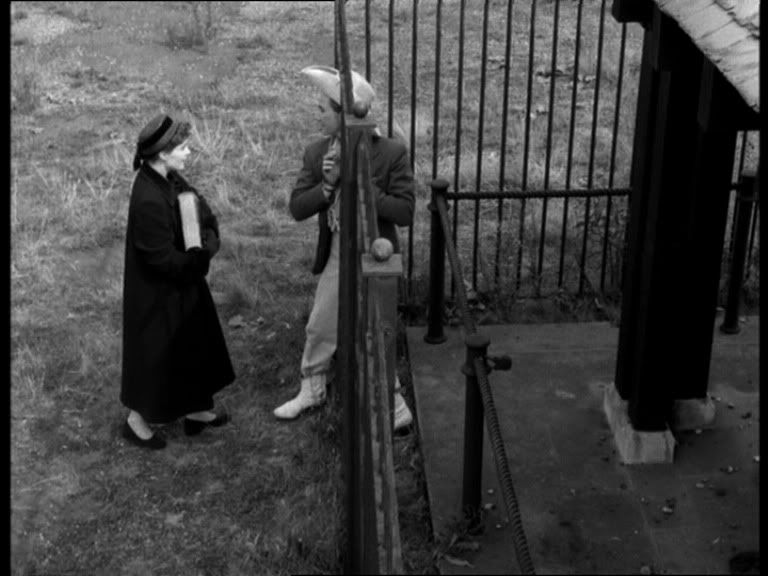
We get introduced to a variety of characters in the derelict Crystal Palace environs – an artist looking to capture reality (Lindsay Anderson as “Michael-Angelico”!), Lord and Lady Ennui, a speed walker, a woman pining after her beau who has been lost at sea, a young lady inspired to copy the poses of various nude statues in the grounds, a lady on a bicycle, an oblivious game hunter and the other lady fuitlessly trying to grab his attention, and a young woman and her Aunt Minerva dressed all in black and visiting the grounds after leaving a funeral (“that was the nicest funeral this week” happily states the aunt).
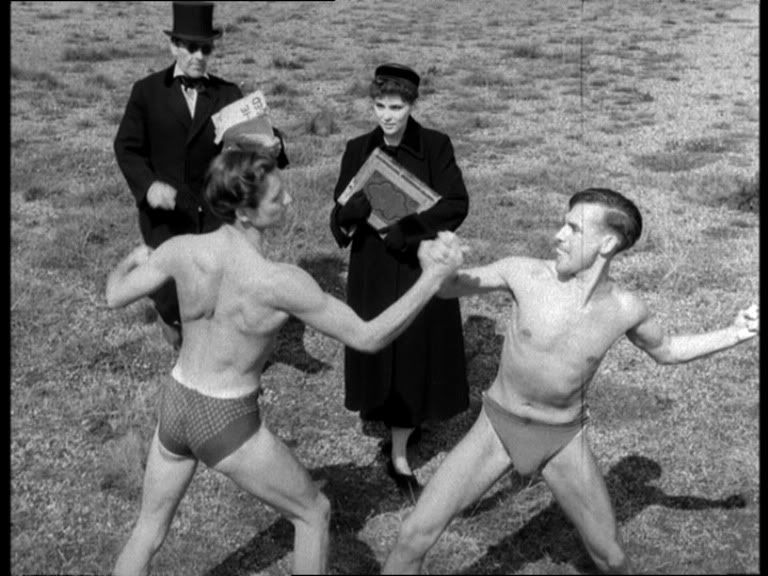
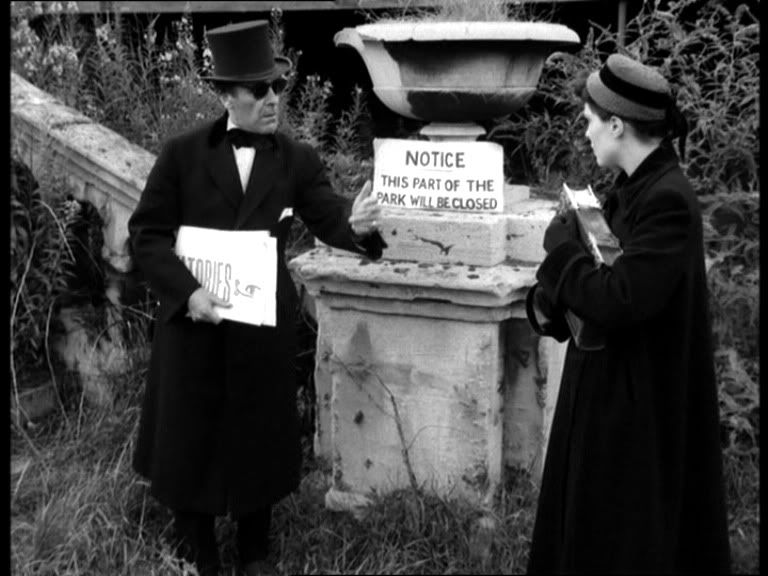
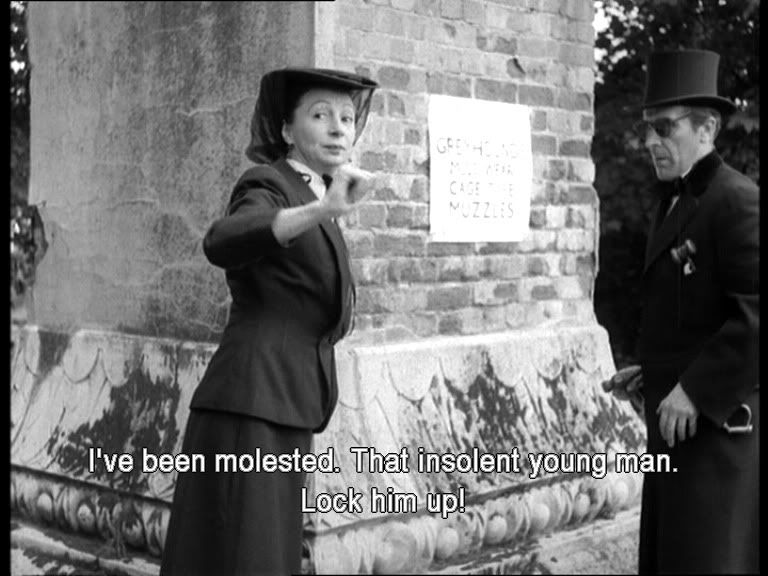
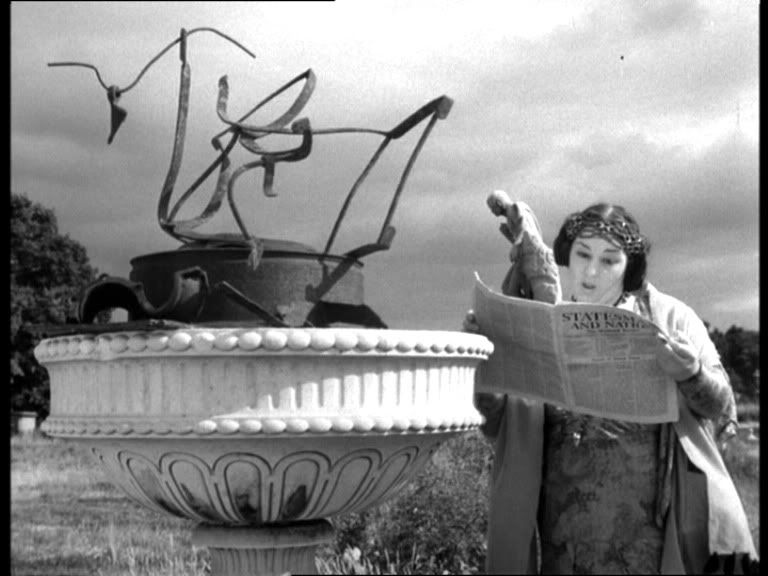
After this introduction we see the bureaucrat (Col. Gargoyle) putting up signs cordoning off areas of the park, telling a couple of Greco-roman wrestlers not to perform in such a disgraceful manner as only officially sanctioned performance is allowed (a ballet performance inside a bandstand is the only permitted art, as the bureaucrat talks about making “everyone act like swans”).
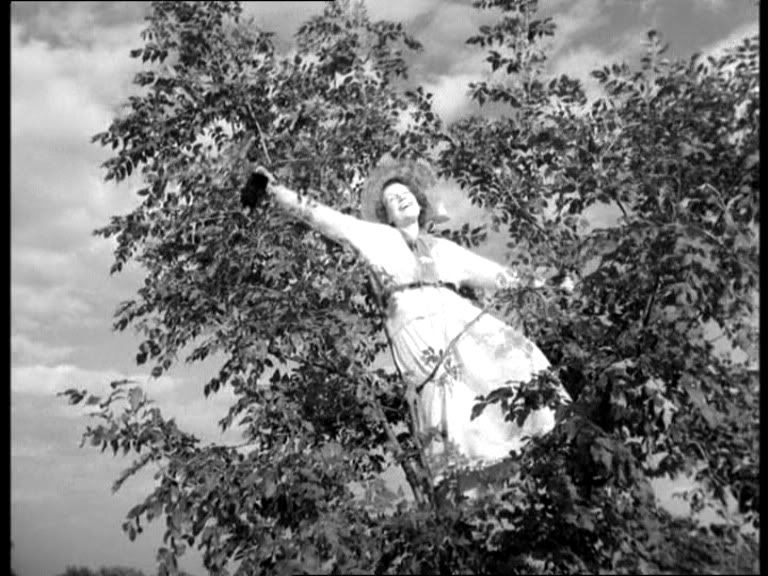
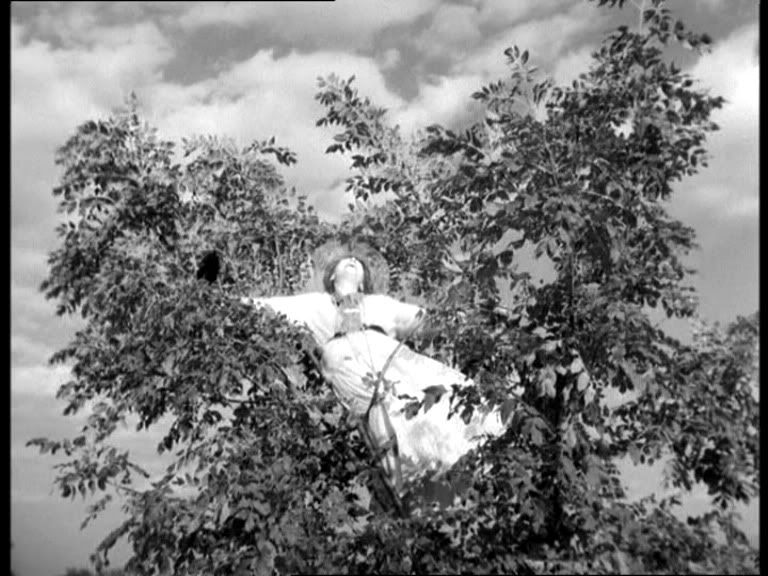
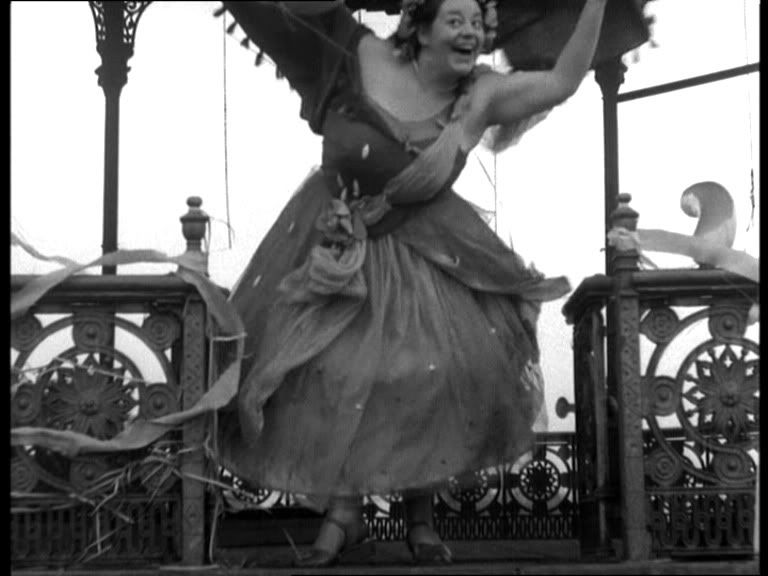
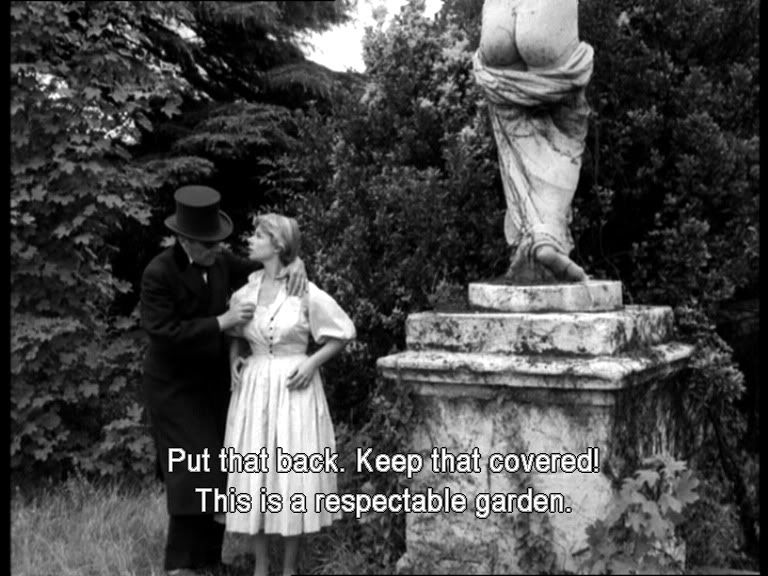
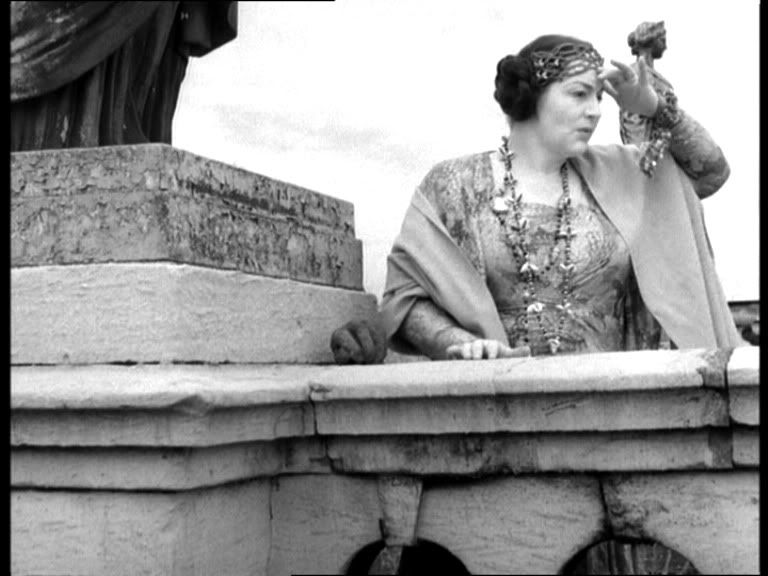
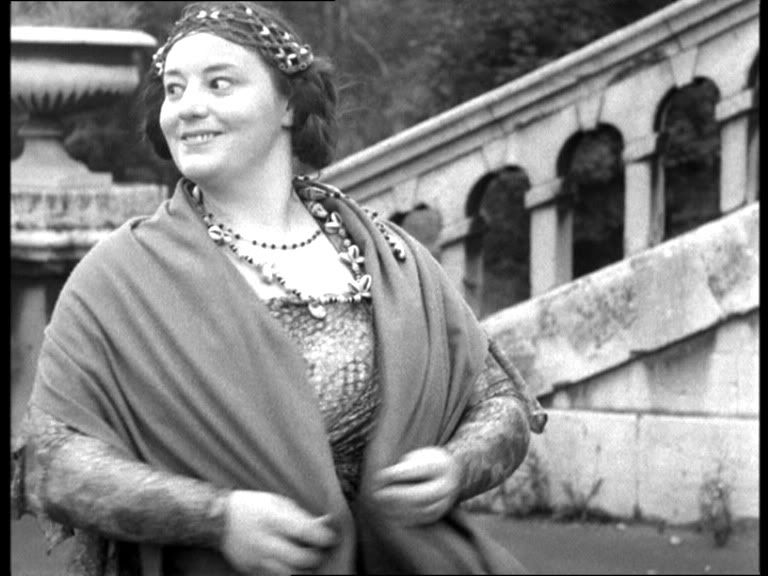
Then we get the anarchical nymph Albion, played by Hattie Jacques in a flapper girl dress, who watches the bureaucrat leave for the day and decides to enter the grounds and undo all his restrictive practices and let the inhabitants achieve their desires.
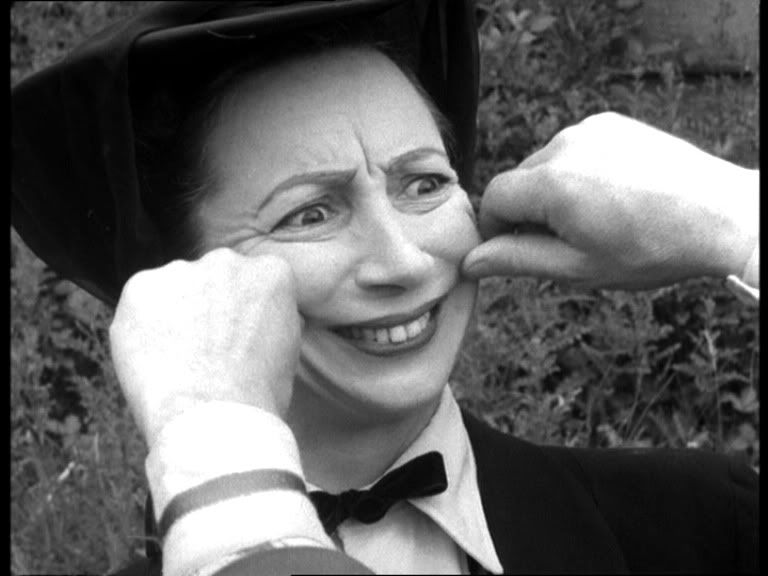
The whole film is mannered but in a good way – the images are heightened to match the poetic diction. I particularly love the developing reactions from both the aunt and the bureaucrat – there are a couple of moments where you see their appalled reactions develop in about four distinct movements! That compares very well to the longing but repressed characters in the grounds and is a particularly great contrast to the lovely, unselfconscious and free spirited performance of Jacques.
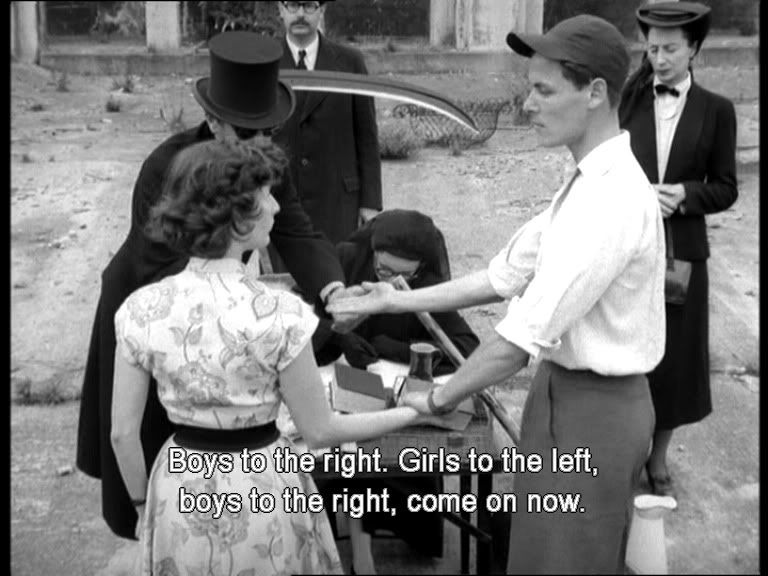
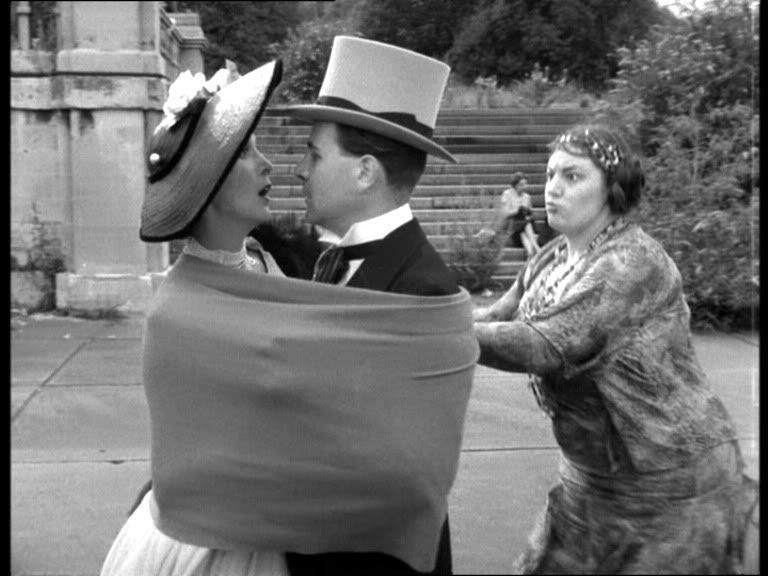
The happiness that she spreads among the characters and the way that the destitute and overgrown environment seems like an idyllic return to nature is set against the bureaucrat’s return with the aunt and the revelation of their underlying agenda – to turn the hopeful and happy environment into a graveyard, as Albion is powerless to do anything after her magic shawl is stolen and can only watch trapped on the bandstand as the inhabitants are hand stamped and herded off into vans, presumably to be ‘relocated’. However they soon rebel and the fight to retrieve the shawl turns into a tug-of-war contest, which the freed Albion soon resolves – the bureaucrats get to die as official art, which the others are free to “live for the heart”.
It might have also been the odd post-dubbed soundtrack to the film that gave this impression, as well as the luxurious but run down location, but I kept think back to the Saltair Pavilion from Carnival of Souls. Both locations would seem to have been used in a similar manner in each of the films – found locations where supernatural or metaphorical events occur.
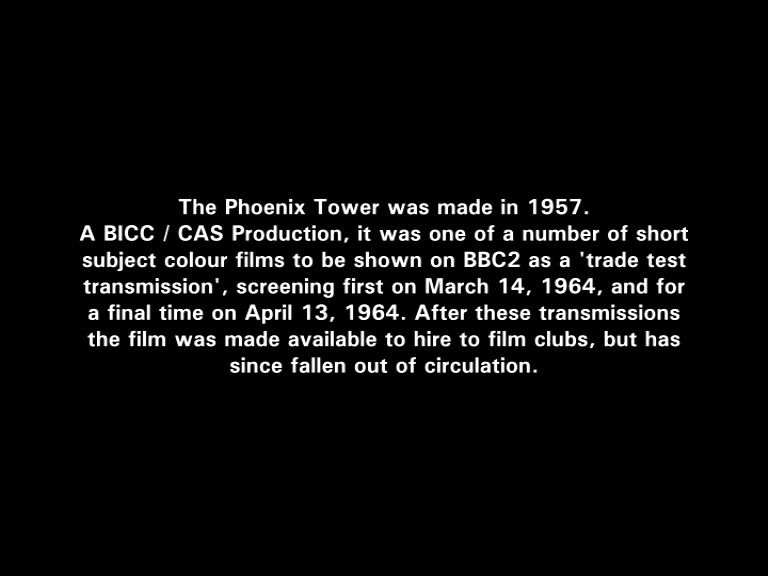
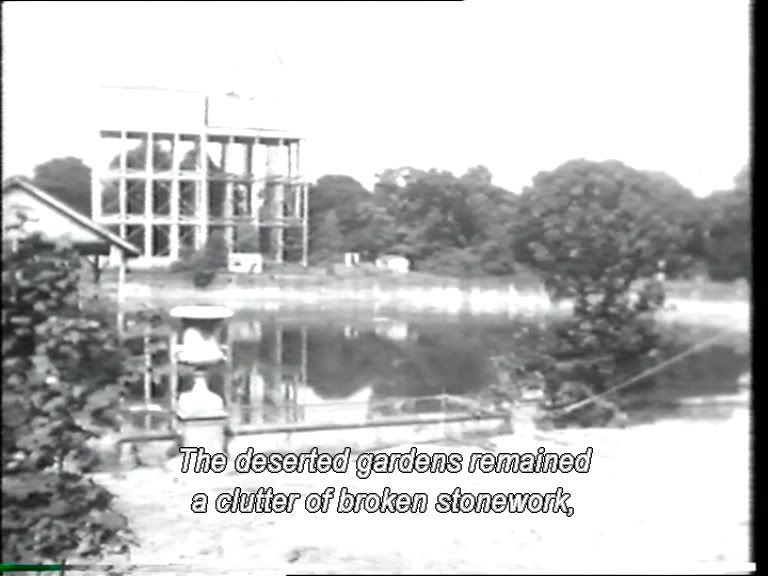
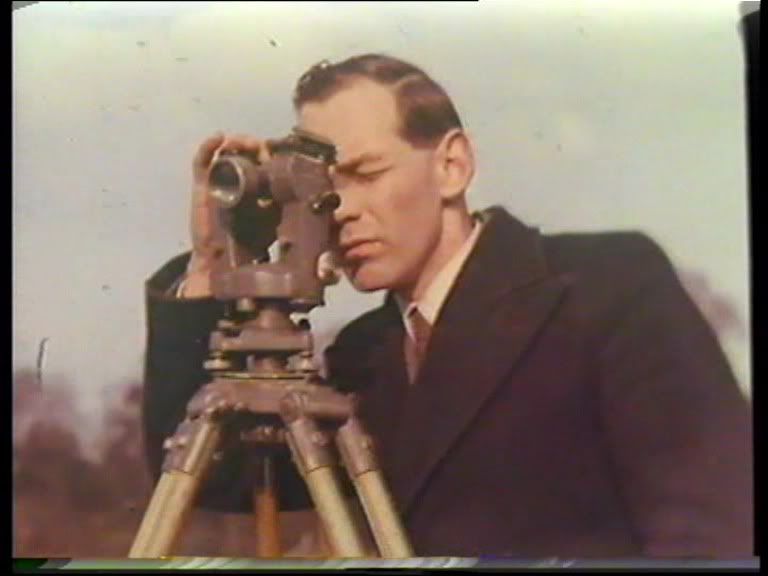
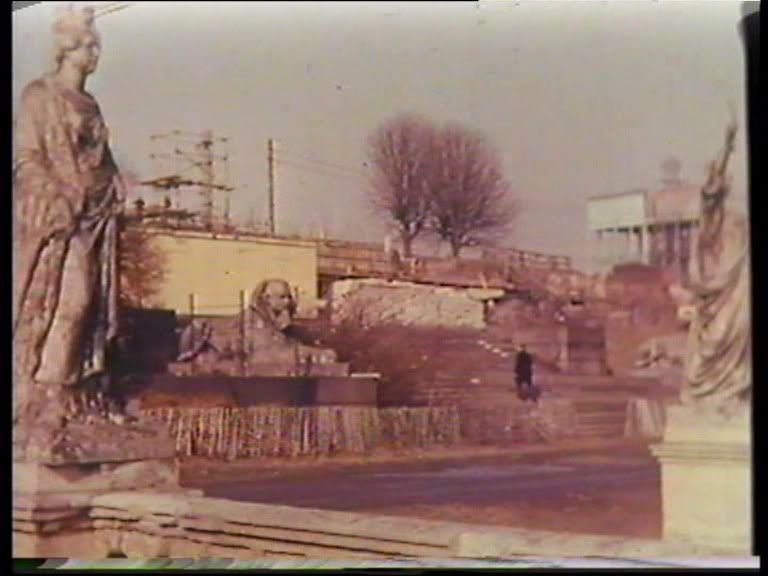
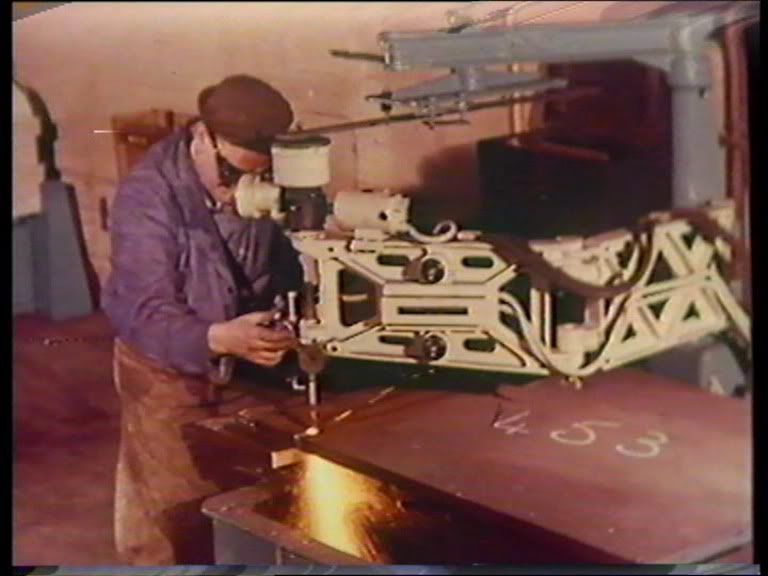
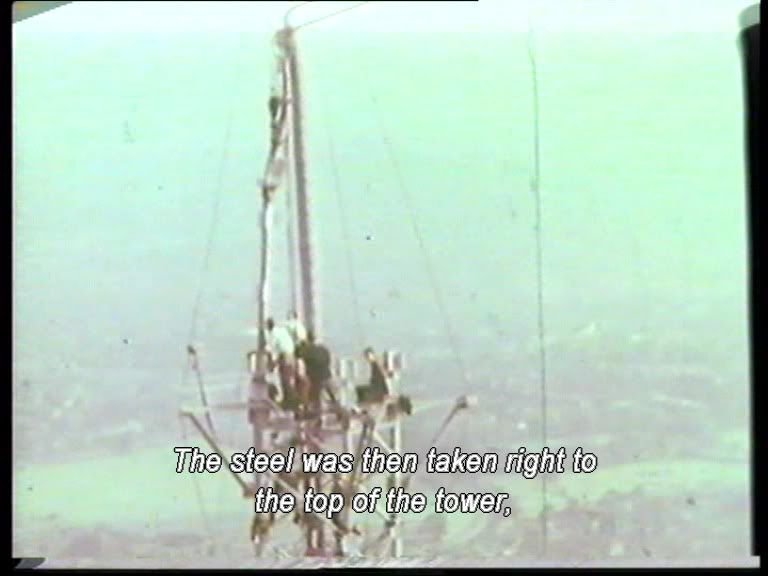
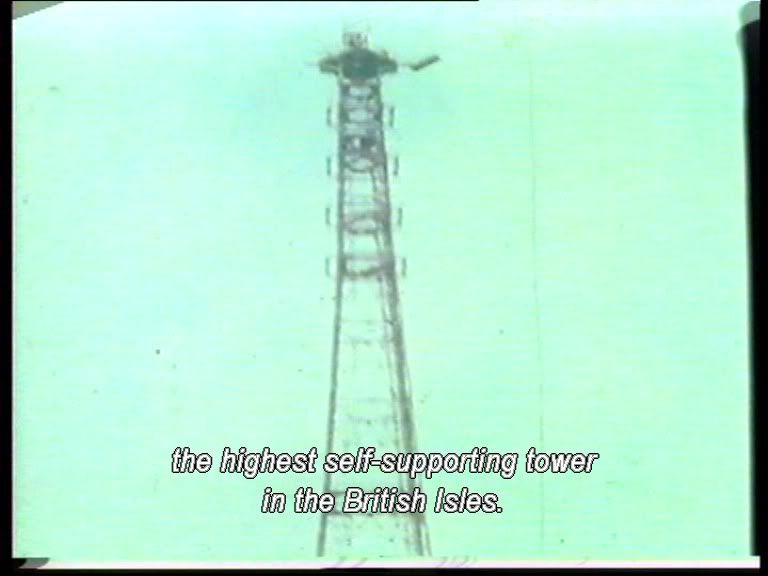
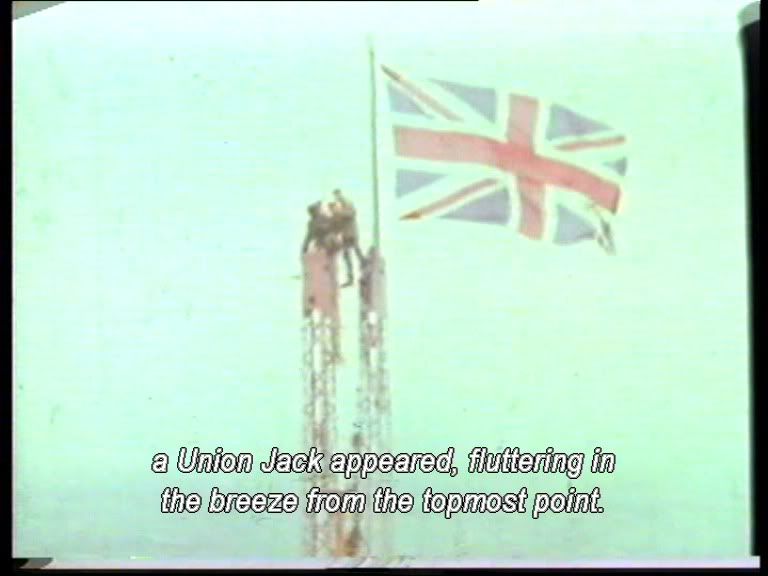
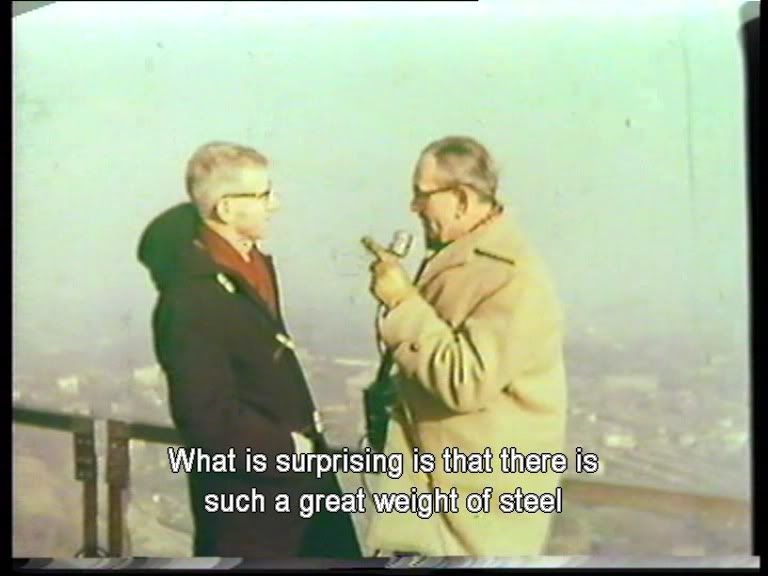
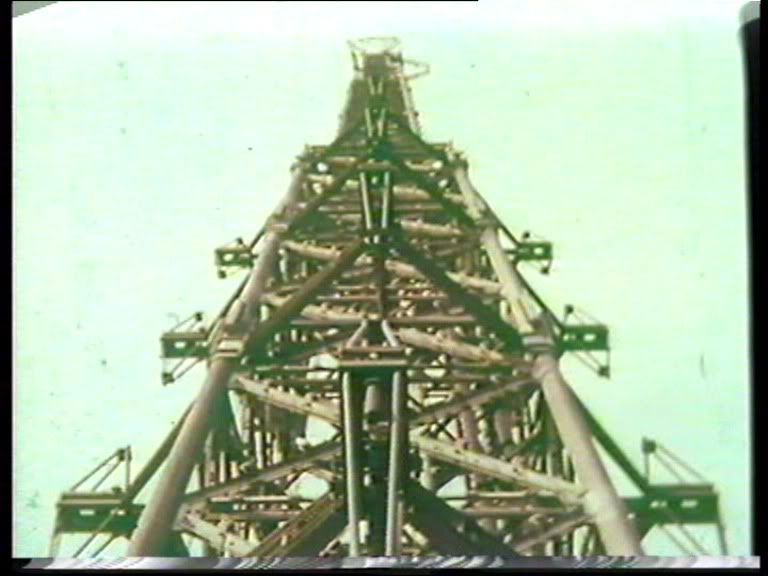
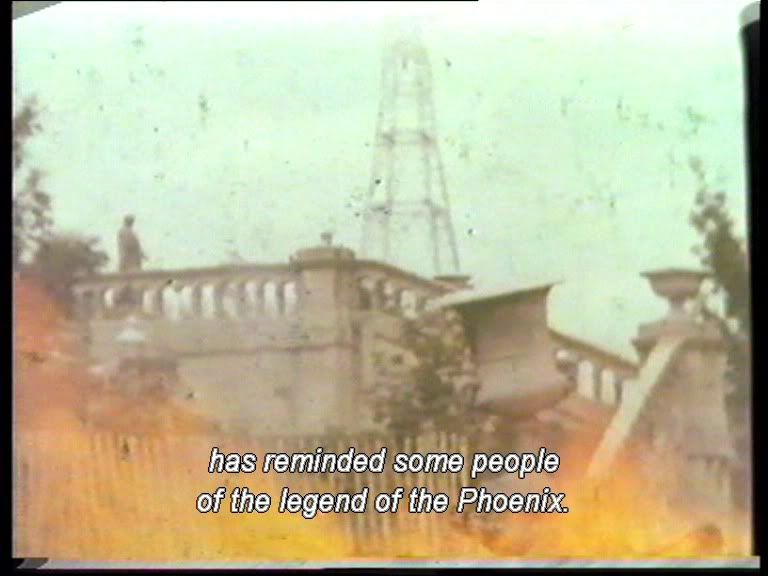
The Phoenix Tower is in much rougher shape but is just as valuable a document. After about five minutes of washed out black and white footage that must have been all that was available, the film suddenly returns to colour and remains as such for the rest of the running time.
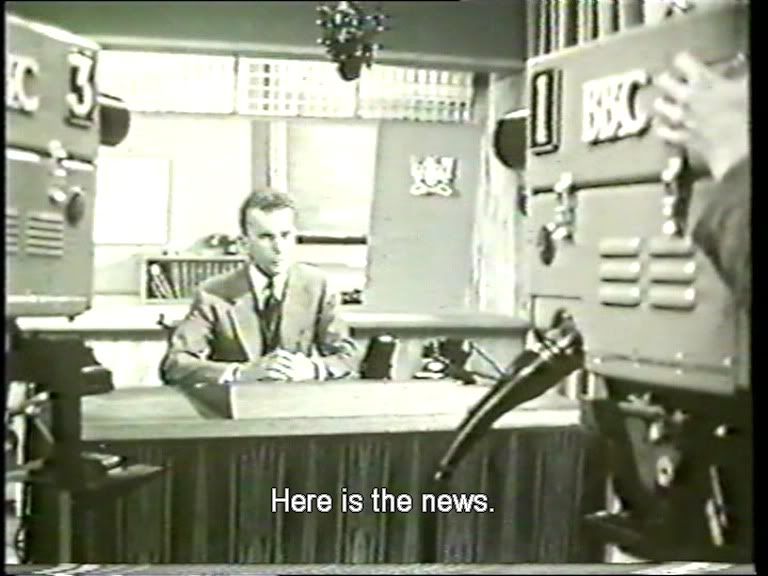
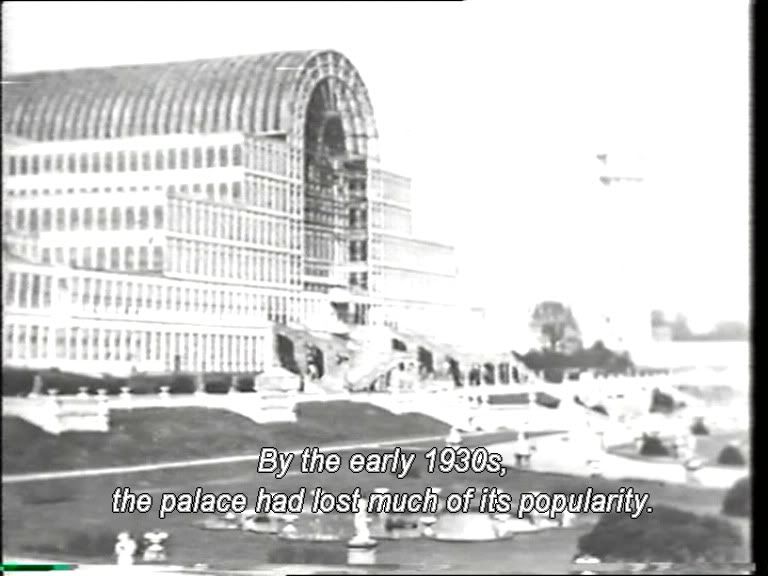
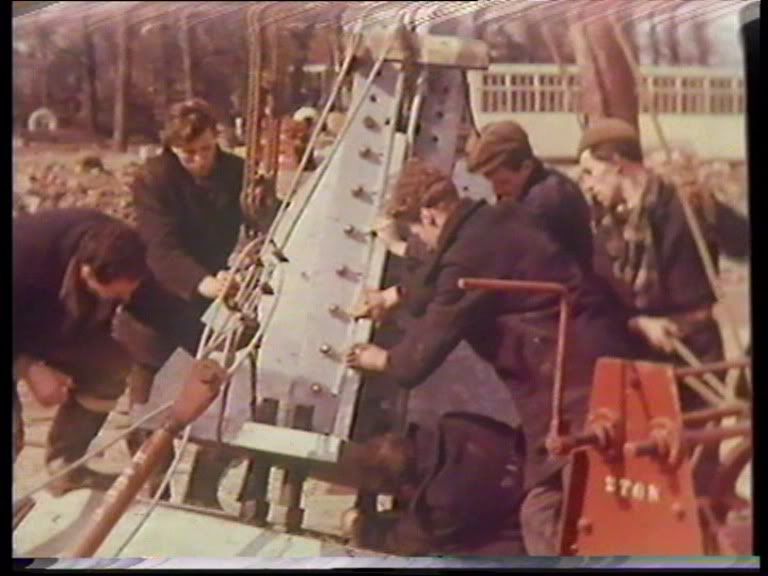
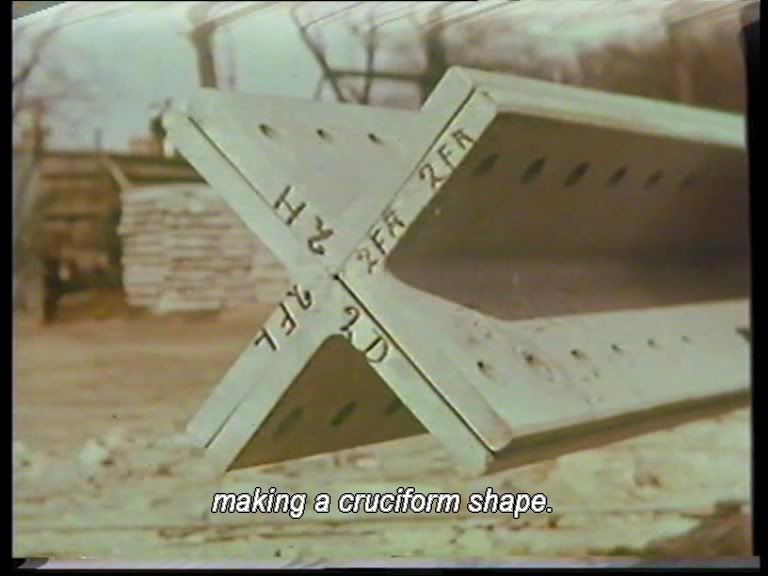
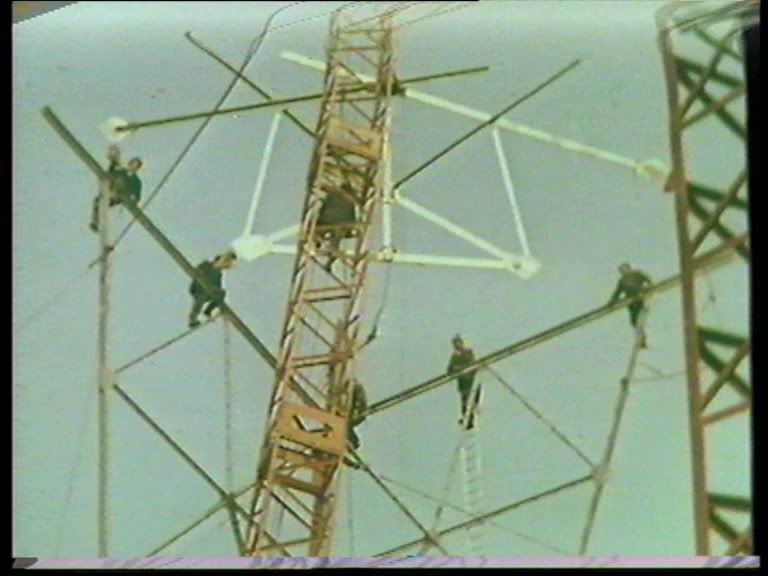
It is a surprisingly fascinating film, extremely interesting to watch the tower for the BBCs aerial transmissions be built in so much detail. It makes the achievement of the construction seem all the greater to understand the effort involved more clearly. After a brief description of the importance of the news service in the modern era and of the history of the Crystal Palace site, the bulk of the film is taken up with mostly silent footage of the construction with a constant informative, if dry, narration of the entire process, unfussily explaining clearly and concisely the reasons for particular choices made during the build. A few pertinent segues are also included to architects redesigning aspects of the tower and various component parts for the structure being fabricated in factories.
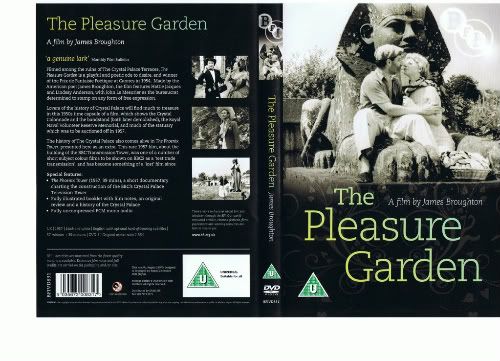
The DVD is packaged very attractively with the flight of fancy of The Pleasure Garden set against the extremely down to earth (in a sense!) pragmatic Pheonix Tower. The booklet includes an essay on The Pleasure Garden and a capsule review from the Monthly Film Bulletin of the time, but most valuable is an essay on the history of the Crystal Palace structure and site from 1851 up to the present day by the Chairman of the Crystal Palace Foundation.
Here is the link to the Crystal Palace Foundation website.
 ):
):