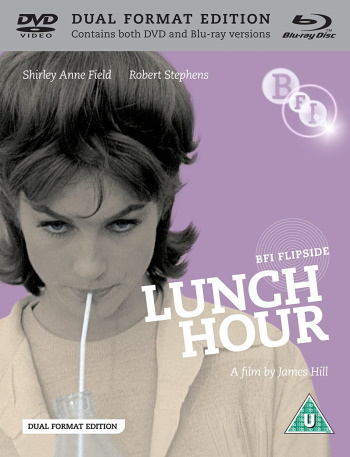
Lunch Hour
BUY AT:

See more details, packaging, or compare
Synopsis
Shirley Anne Field gives an unforgettable, fiery performance as a young designer on the brink of an affair with a married male executive (Robert Stephens) at the company where she works.
With a tightly focused plot telling the story of an illicit lunch-hour rendezvous in real time, Lunch Hour is presented here in a stunning new High Definition transfer, and is accompanied by three of James Hill's delightful, award-winning colour shorts.
Picture 8/10
James Hill’s Lunch Hour comes to Blu-ray as the 17th film in BFI’s Flipside series. The film is presented in a new 1080p/24hz transfer in its original aspect ratio of about 1.66:1 on this dual-layer disc.
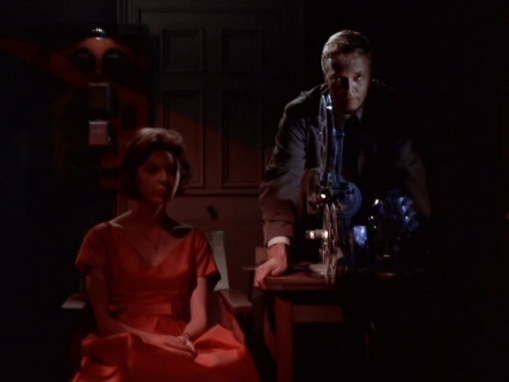
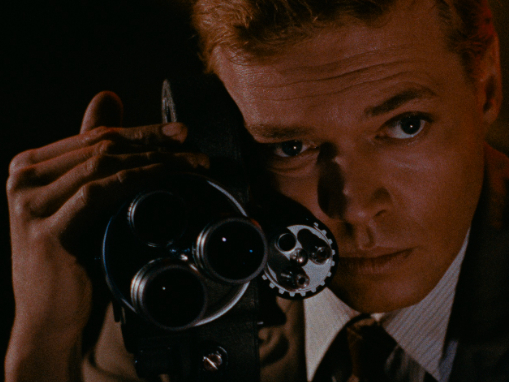
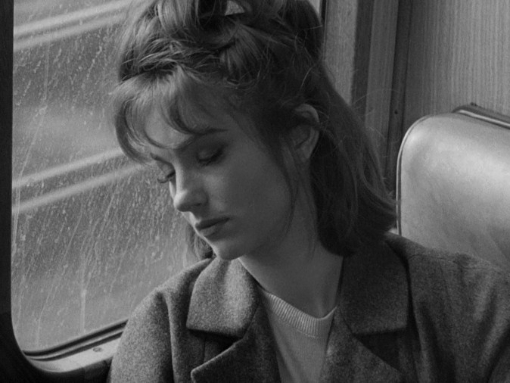
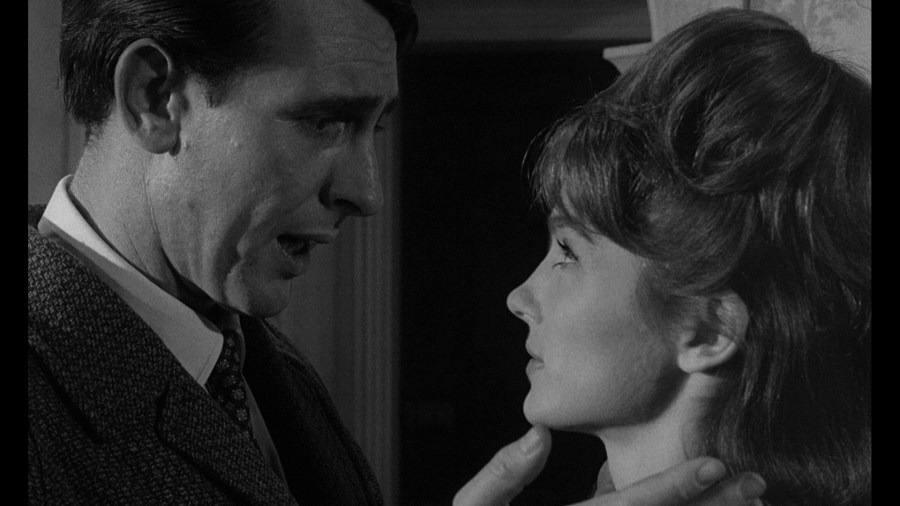
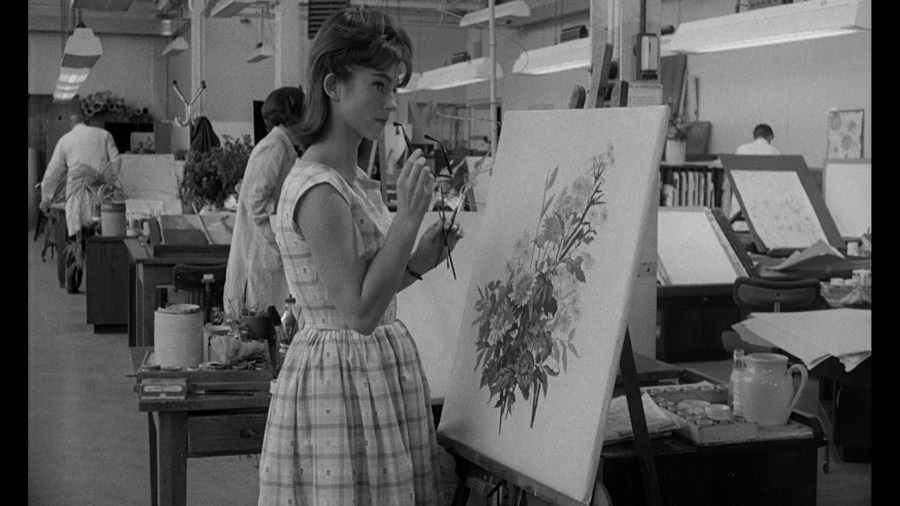
Again BFI delivers an incredible looking image and again they’ve blown me away. First off materials are in terrific condition, looking as though the film has been given a hearty restoration and there are virtually no marks or imperfections of note. Despite some moments that can look a little fuzzy, which appear to me more byproducts of filming than the transfer, the picture remains crisp with clearly distinguishable fine details. The blacks and whites are strong, with distinct gray levels, and contrast looks spot on, all of which present some sharp looking shadows. I noticed some minor shimmering in some clothing patterns but beyond that there are no other noticeable digital artifacts. In the end a fantastic looking presentation.
(Though a UK release this Blu-ray is ALL-REGION and should play on all Blu-ray players. It played without issue on my North American PS3.)
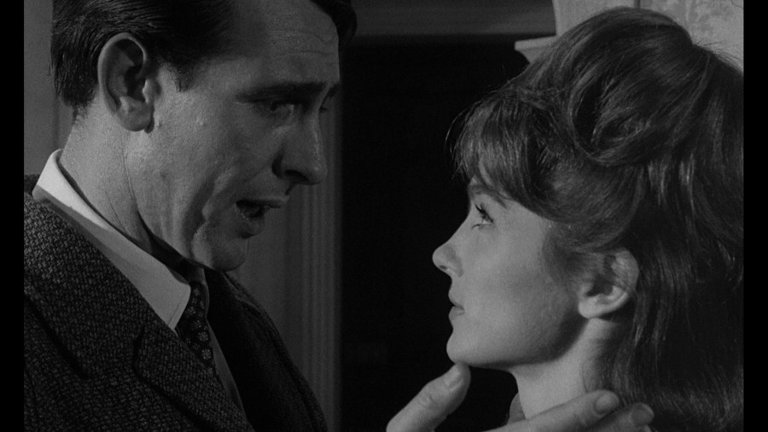
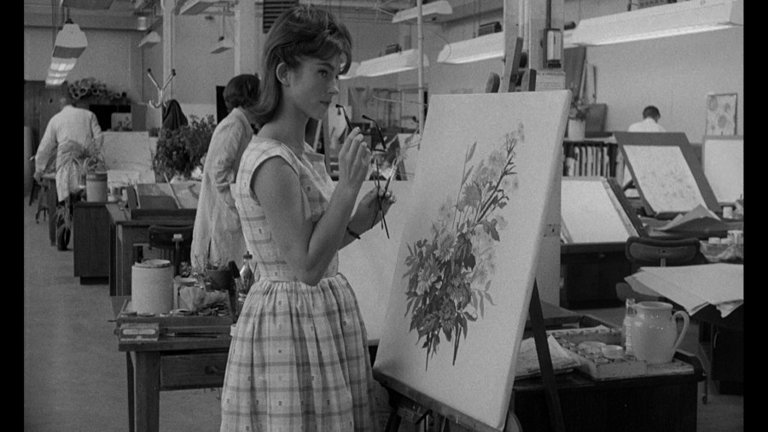
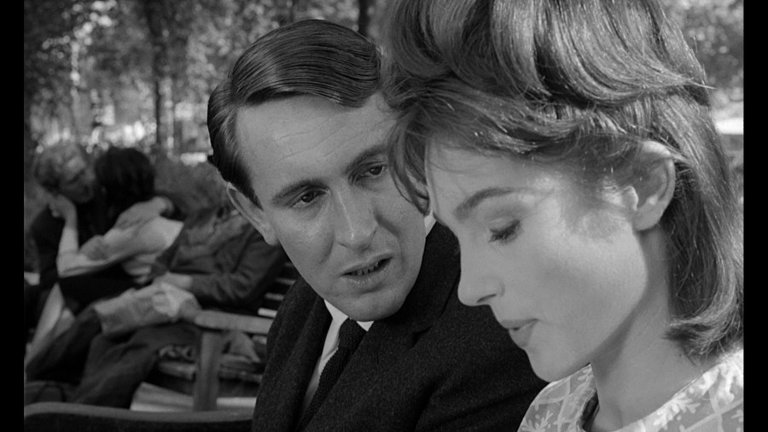
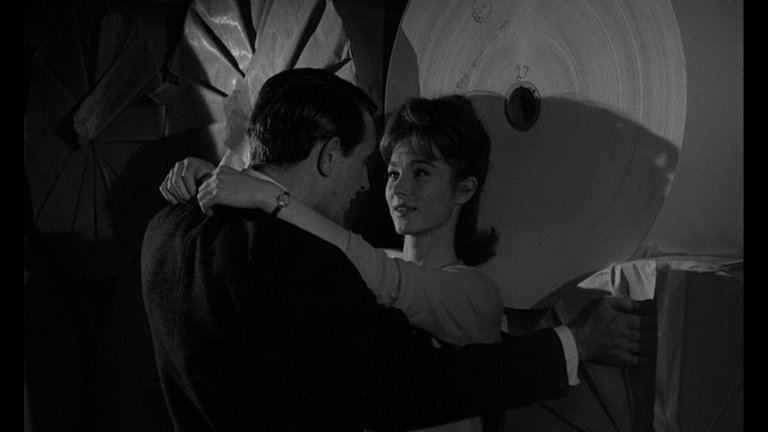
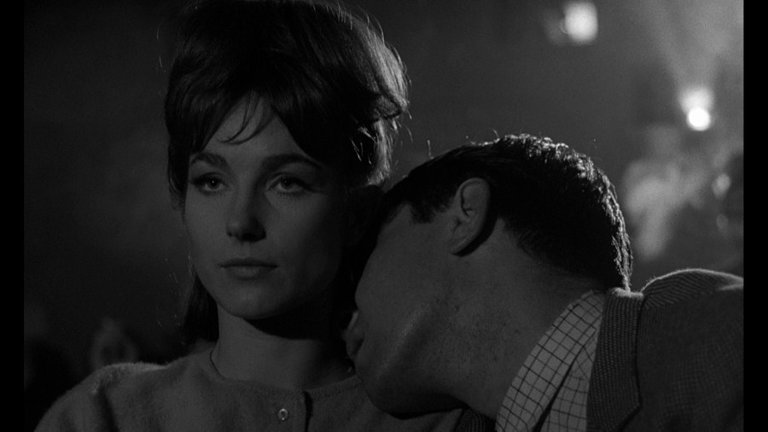
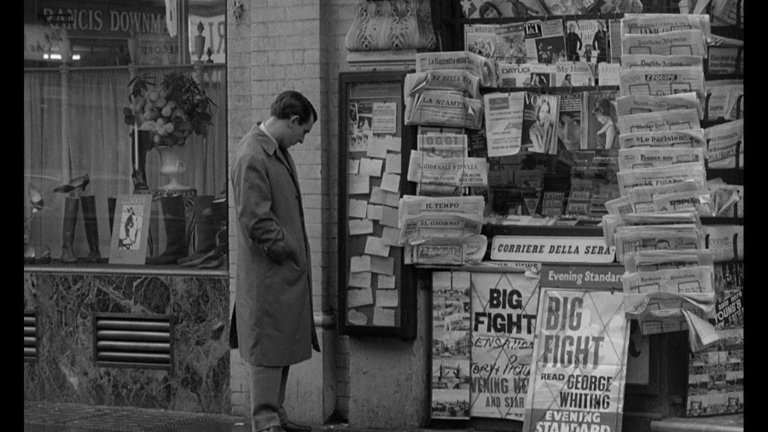
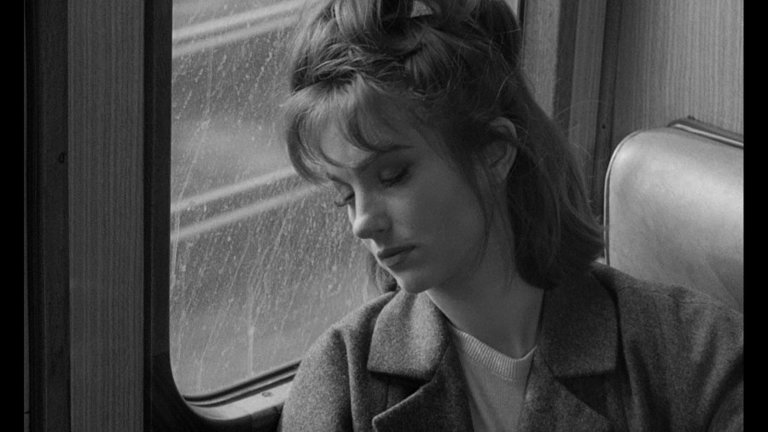
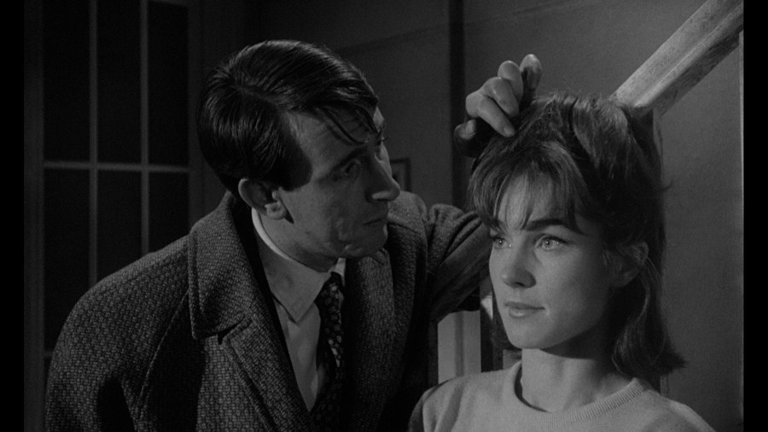
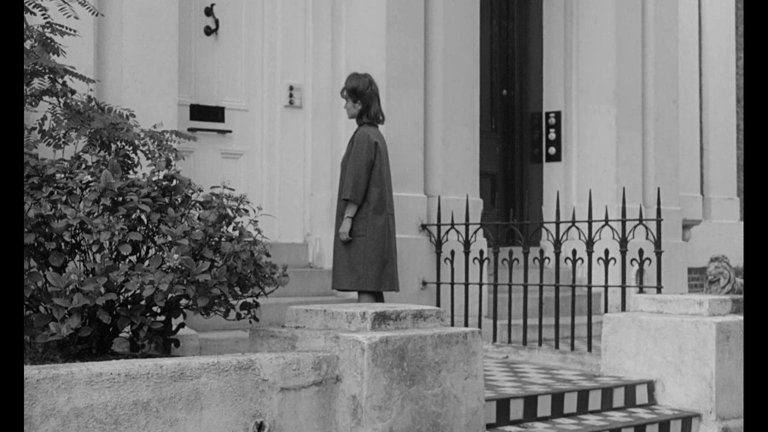
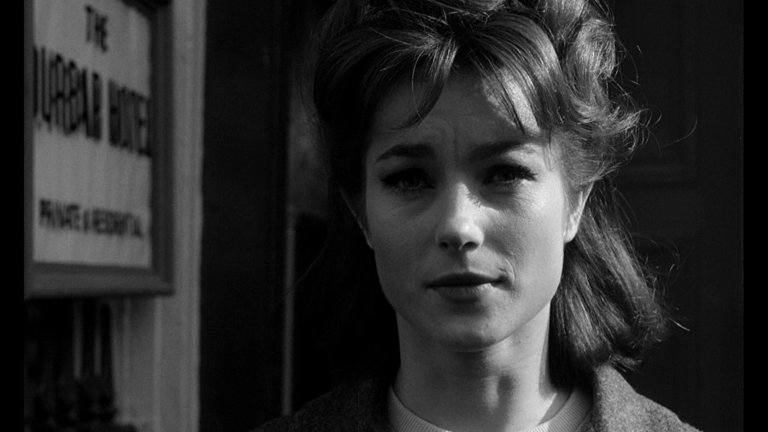
Lunch Hour - Screen Captures
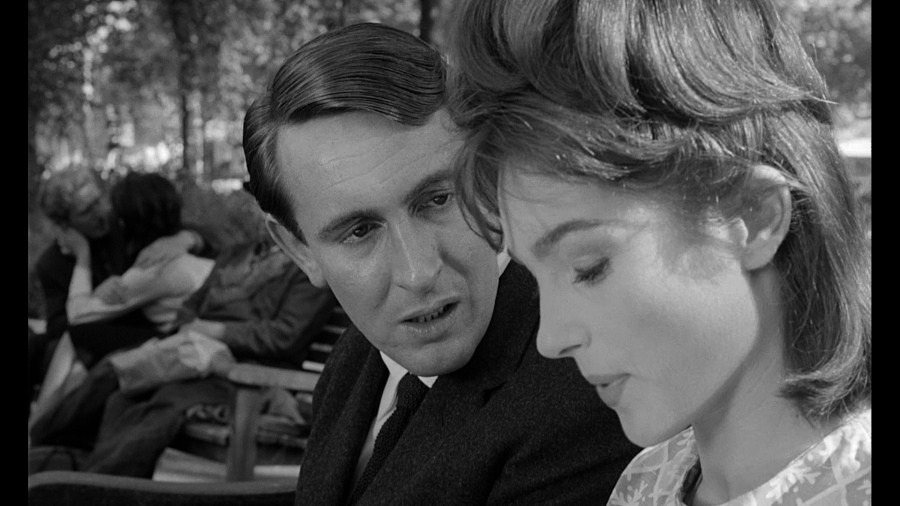
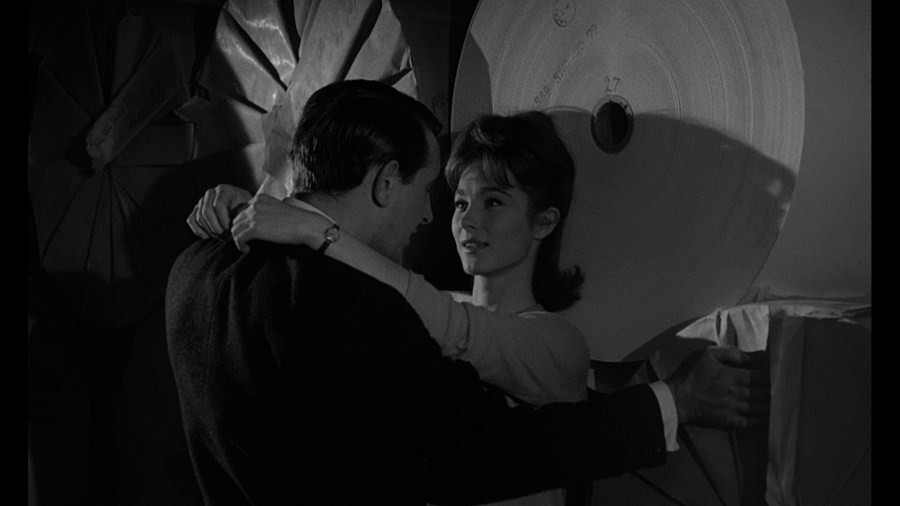
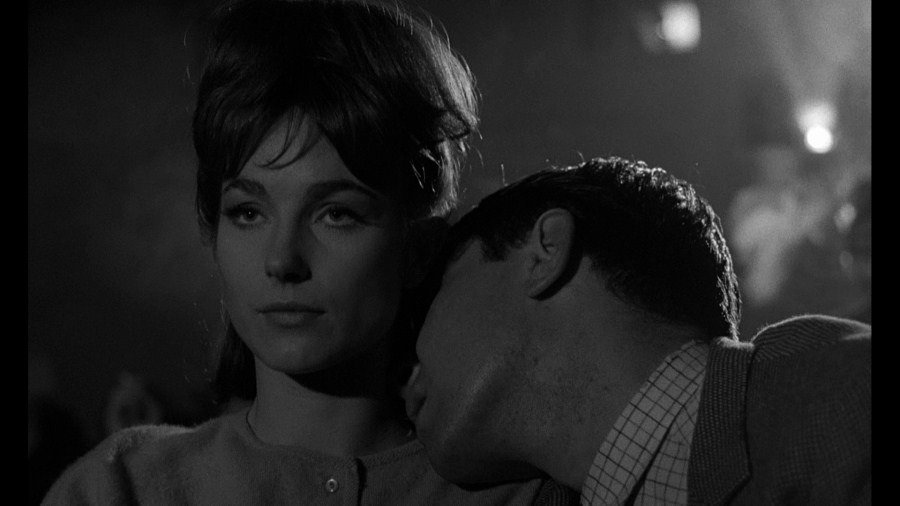
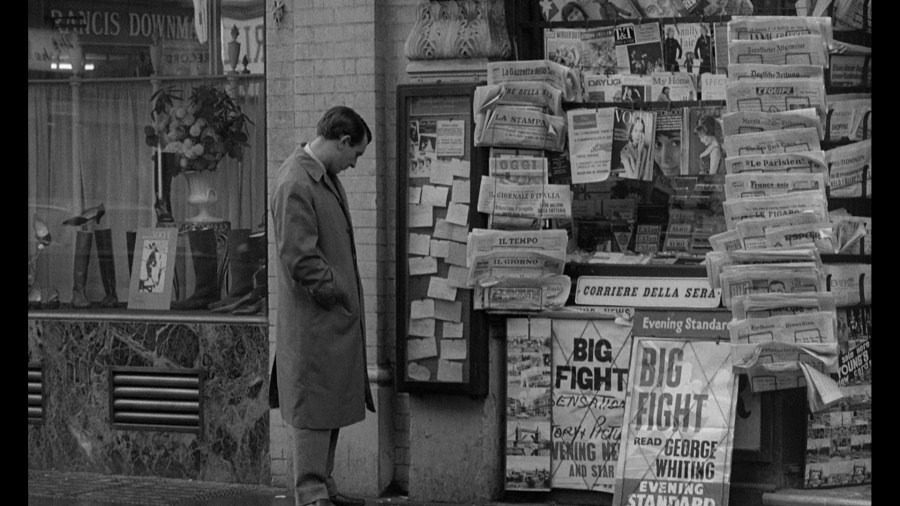
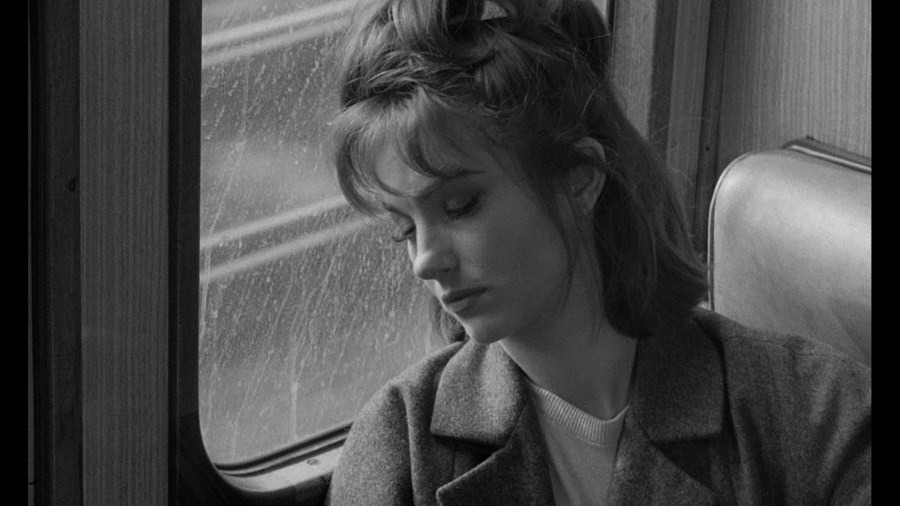
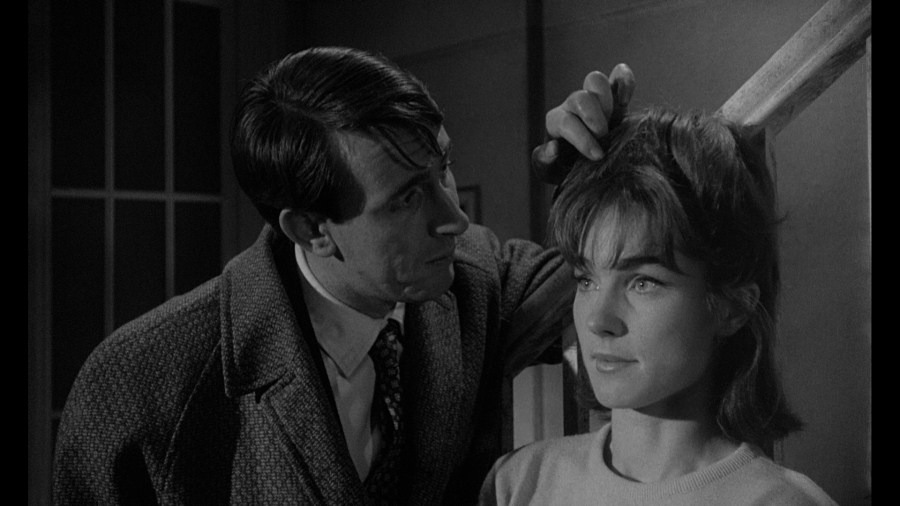
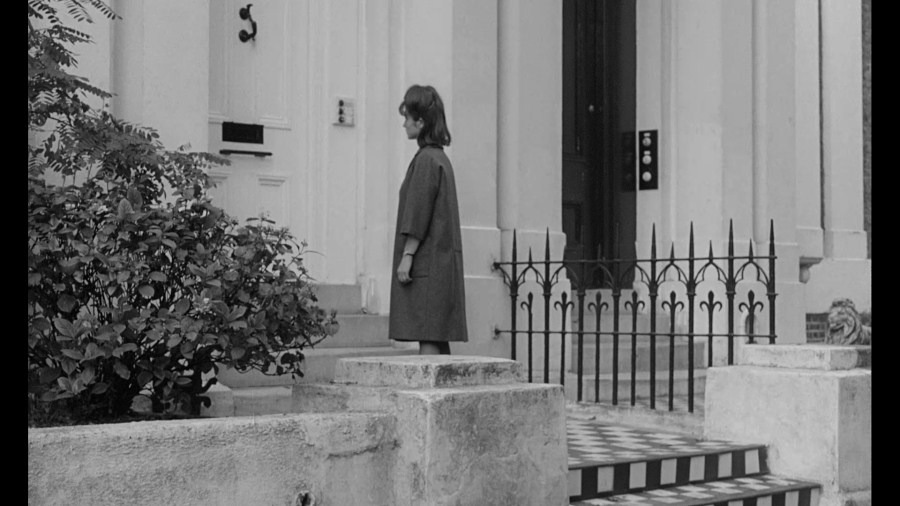
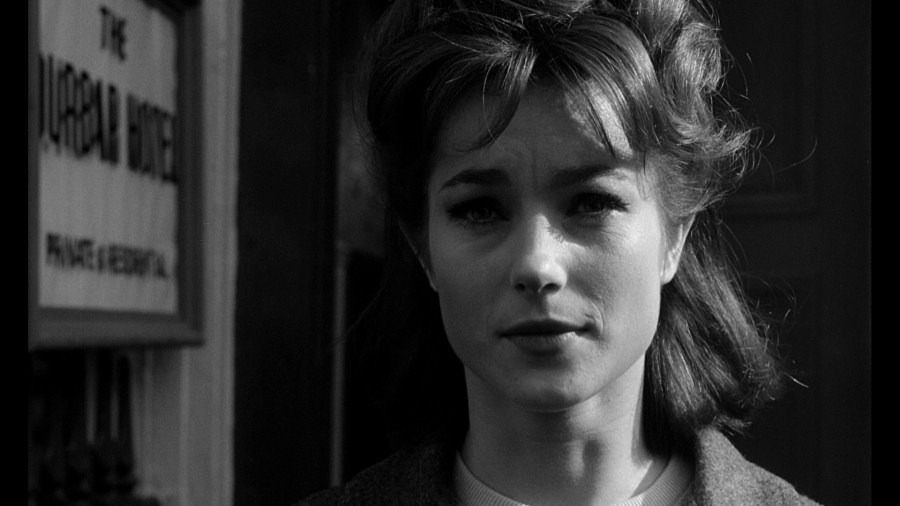
Audio 6/10
BFI includes a lossless Linear PCM 2-channel mono track. There’s a little bit of tininess but in general the track sounds clear and has excellent volume levels. Dialogue is clean and easy to hear and there is no background noise. An average mono presentation.
Extras 6/10
BFI includes three short films by James Hill, all of which were financed by British Petroleum (BP). First is a short 18-minute documentary called Skyhook, which focuses on the use of helicopters to move equipment to build an oil rig in a rough location in the New Guinea jungle. Fairly straightforward documentary that reminds me of plenty of educational features I had to watch in my youth but it’s expertly shot and edited together.
The next film, Giuseppina, is more of a fictional film, despite winning an Academy Award for Best Documentary Short Subject (which I still don’t get since it’s obviously scripted and acted.) Made as a sort of promotional piece for BP signifying their entrance into the Italian market the 31-minute film focuses on an Italian gas station and the fairly quirky characters that pass through. It’s a cute piece, despite some of the stereotypes. Most impressive though is Hill’s visual sense. The film is in Italian with subtitles but dialogue is not at all important, and there’s barely any; the film works entirely through its visuals, which ultimately, as notes in the booklet point out, made it playable in all markets.
The final film is then called The Home-Made Car, running 28-minutes. This one goes a step further from the previous one and contains absolutely no dialogue making it entirely reliable on the film’s visuals. It tells the story of a man restoring a car he has come across and is another little charmer with a few laughs, but what makes it of note is that it looks deceptively simple but really conveys a lot without any dialogue.
Having the film’s here is great but what will please most viewers is the fact all of these shorts have been beautifully restored and are each presented in new high-def transfers, all of which look beautiful.
The booklet then comes with a few essays, starting with one written by Sue Harper on the film, Hill, and the studio where it was made. BFI again provides a bio, this time for director James Hill, and then includes two short essays on his BP films, one by James Piers Taylor and another by Rob Harries.
Not a loaded edition but the short films are nice inclusions and are all worth viewing (or in the case of the booklet, reading.)
Closing
BFI yet again delivers a stunning presentation for an obscure film, going far and beyond what would be expected. Throw in the three short films and this release gets a strong recommendation.
BUY AT: