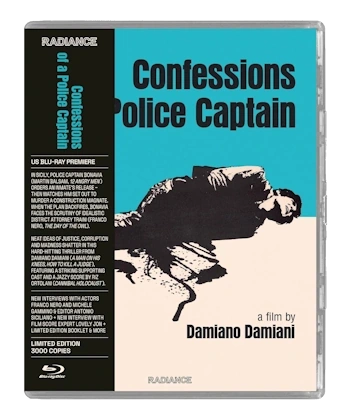
Confessions of a Police Captain
BUY AT:


See more details, packaging, or compare
Synopsis
In Palermo, Sicily, seasoned police captain Bonavia (Martin Balsam, 12 Angry Men) orders the release of a criminally insane inmate – then watches him set out to assassinate a local construction magnate. When the plan backfires, Bonavia faces the scrutiny of young and idealistic district attorney Traini (Franco Nero, Django, The Day of the Owl). Neat conceptions of justice, corruption and madness shatter in this hard-hitting investigative thriller from Damiano Damiani (The Day of the Owl, How to Kill a Judge). Balsam and Nero’s face-off is complemented by a striking supporting cast and an innovative jazz, pop, and electric guitar score by Riz Ortolani (Cannibal Holocaust).
Picture 8/10
Continuing their run of Damiano Damiani titles, Radiance brings Confessions of a Police Captain to Blu-ray in its original aspect ratio of 2.35:1 on a dual-layer disc. The 1080p/24 high-definition presentation is sourced from a 2K restoration supplied to the label.
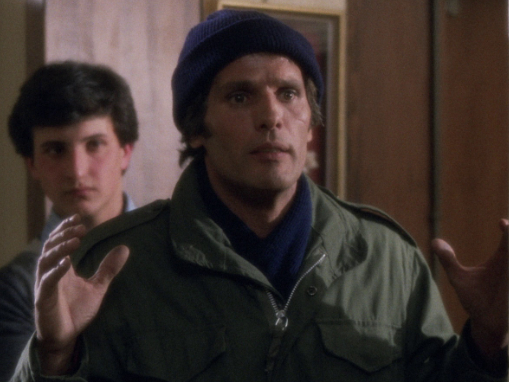
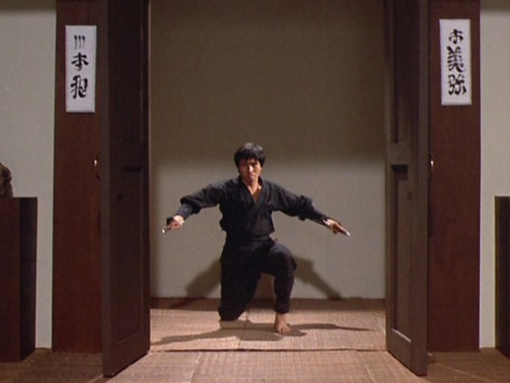
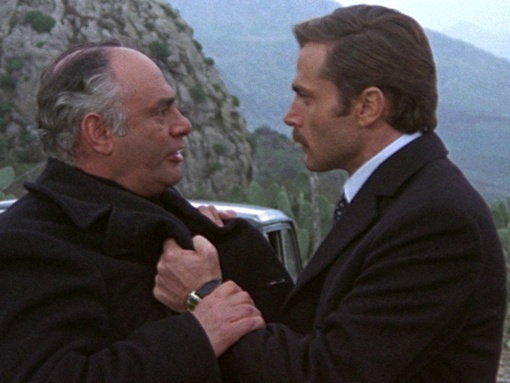
It’s a strong presentation overall, largely in line with the better restorations I’ve seen for Italian productions from this period. The picture has been cleaned up quite thoroughly, with no significant damage remaining, and the encode handles everything without issue. Film grain is present and rendered naturally, helping to keep details clear, though perhaps not to the extent I would have expected. This may come down to the source materials: while the scanned elements aren’t specified in the provided notes, the presentation has the look of an interpositive, though some of the inherent limitations could also be due to the 2-perf (two film perforation) format. Even so, fine detail still comes through well enough, if not spectacularly.
Colors are a bit more restrained, with the film leaning heavily into beige and muted tones throughout. This almost certainly comes down to Damiani's aesthetic that seems to carry through most of his films (something editor Antonio Siciliano even touches on in one of the included interviews), though there are occasional pops of red and blue that look great, with solid saturation. Black levels are strong, and shadow detail can open up nicely when called for.
It’s not a reference presentation by any means, but it’s still a very solid one.
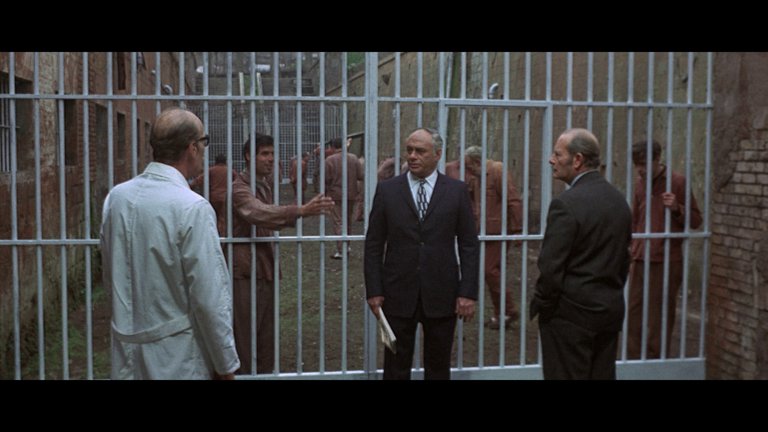
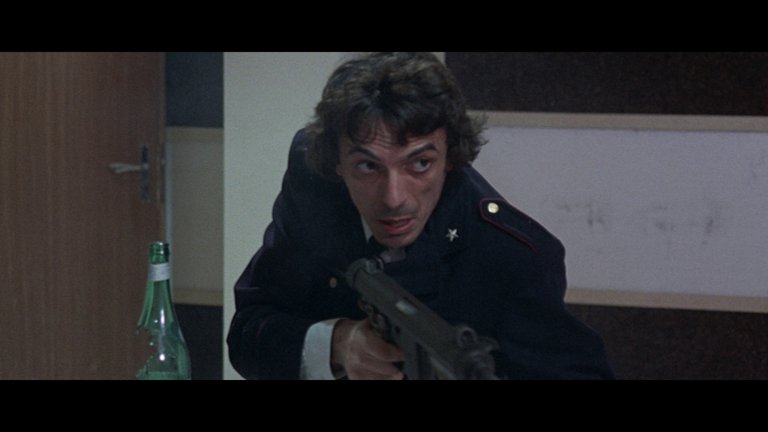
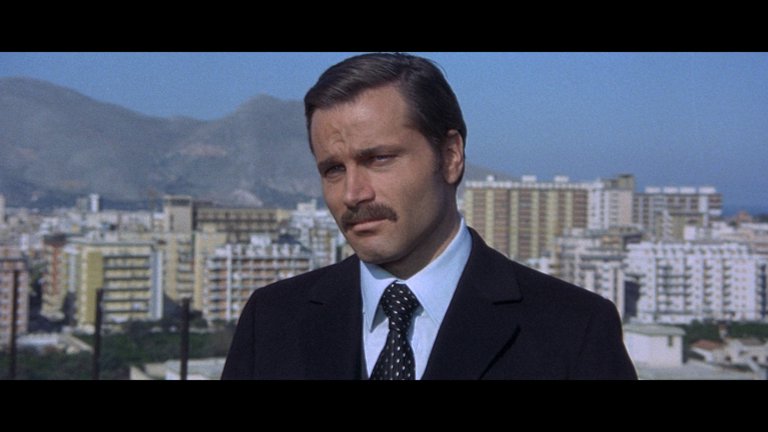
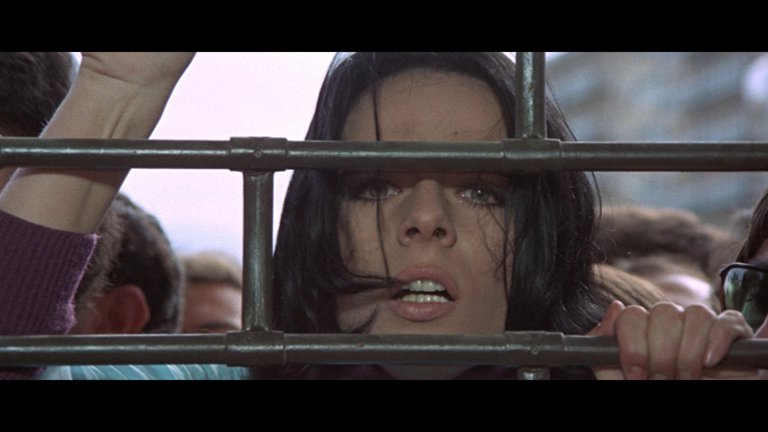
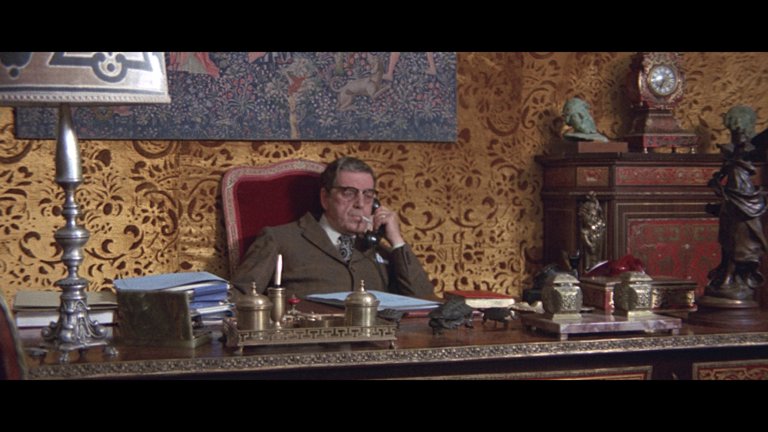
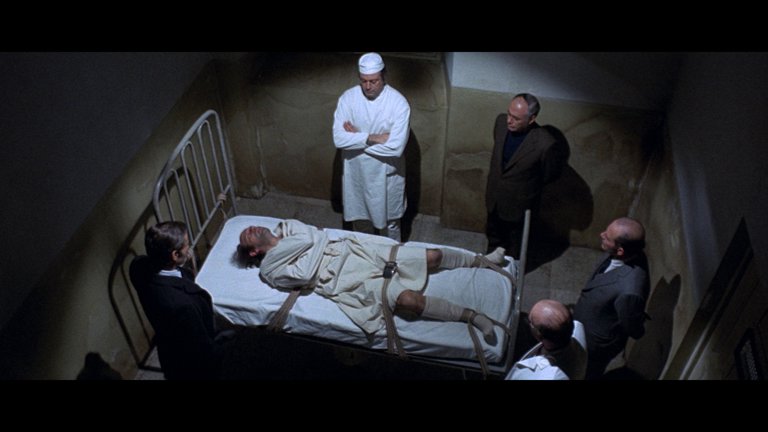
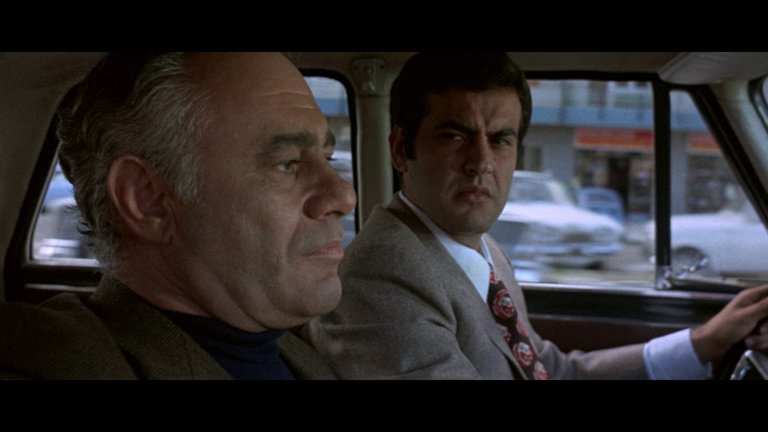
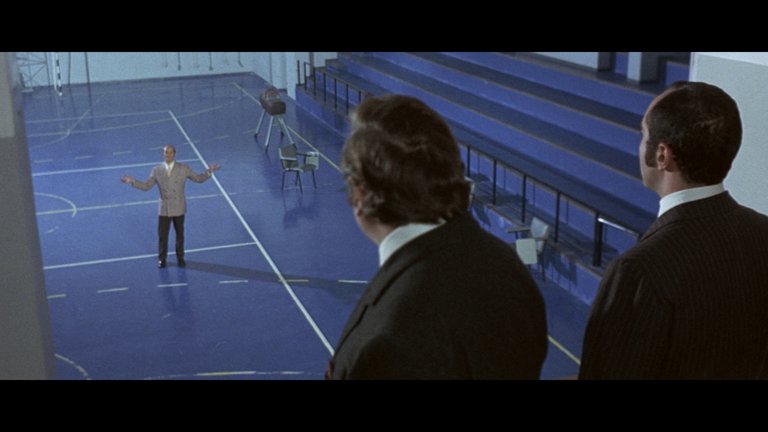
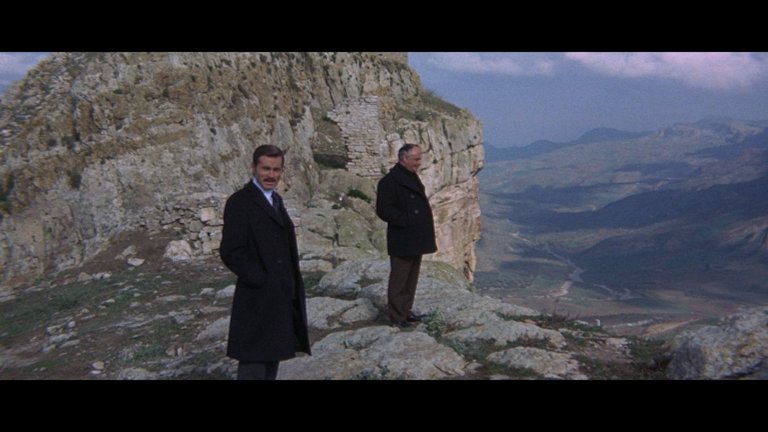
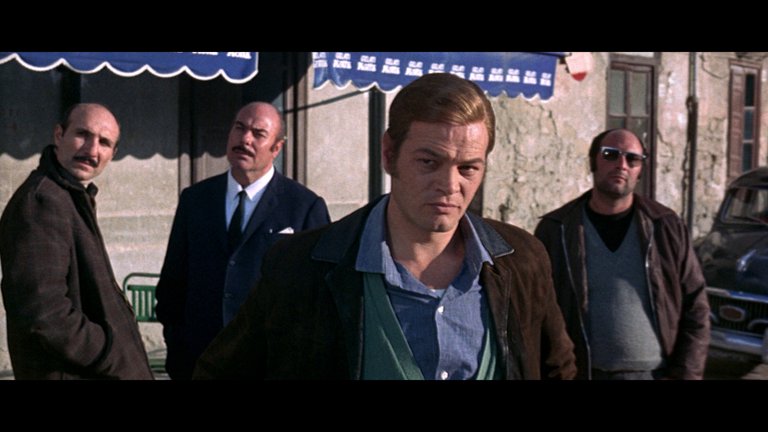
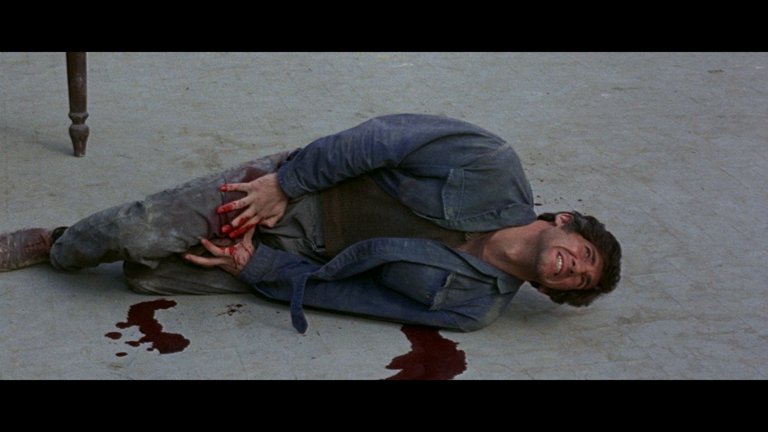
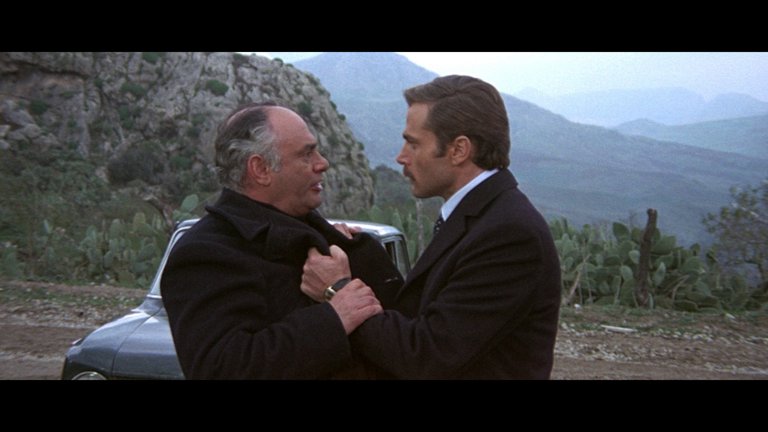
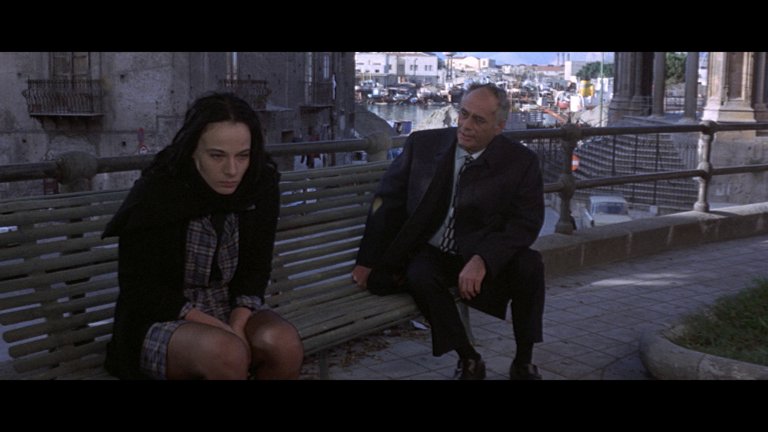
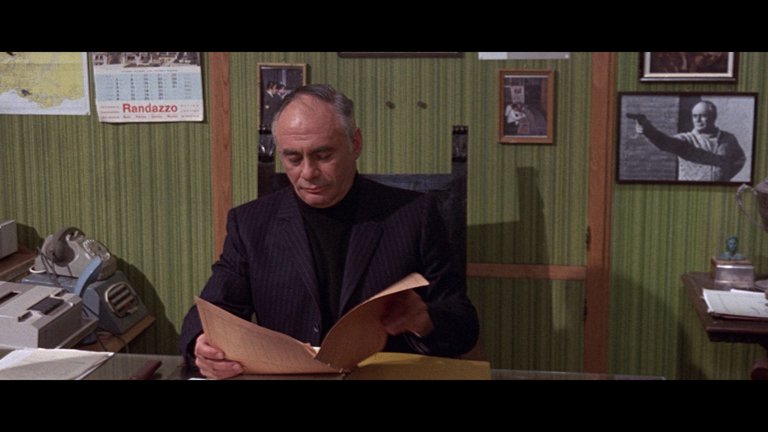
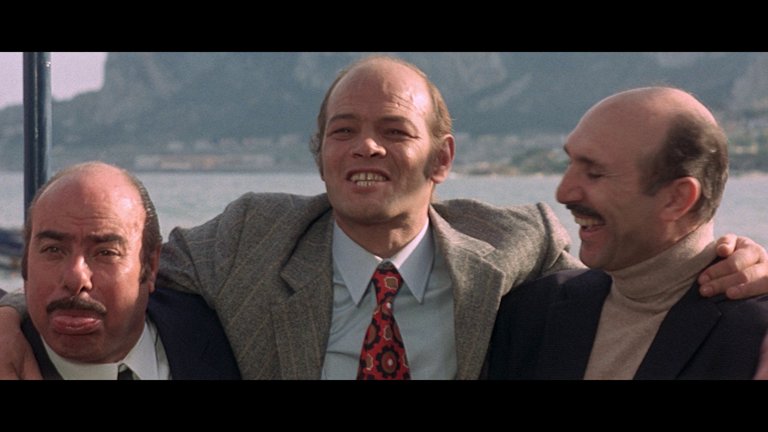
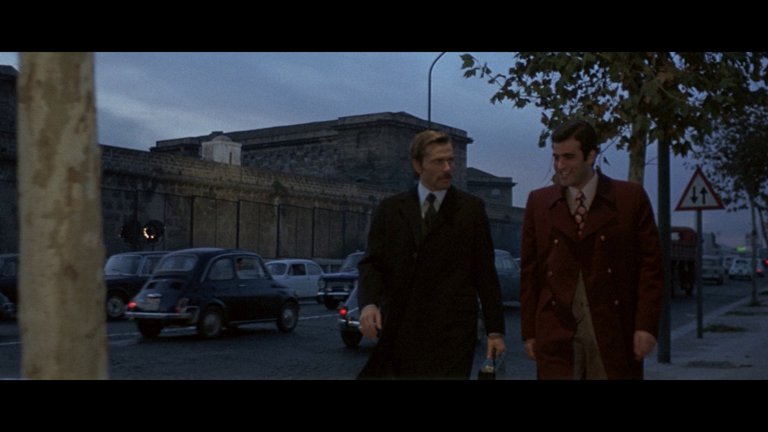
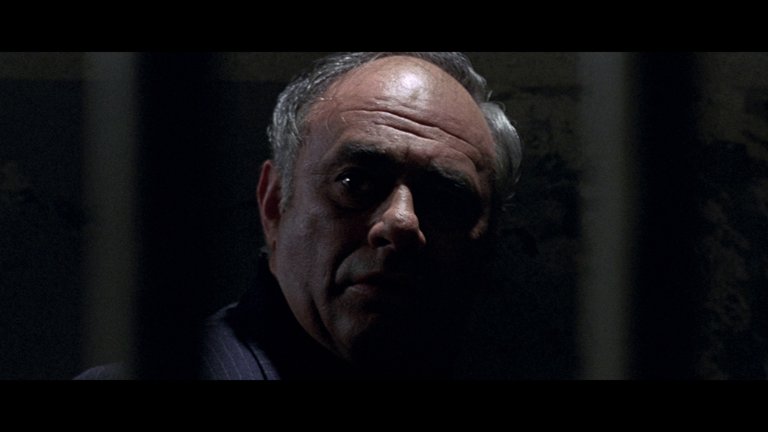
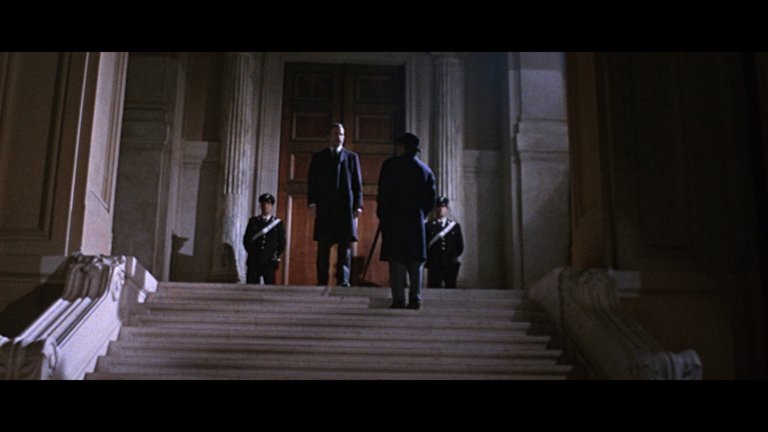
Confessions of a Police Captain - Screen Captures
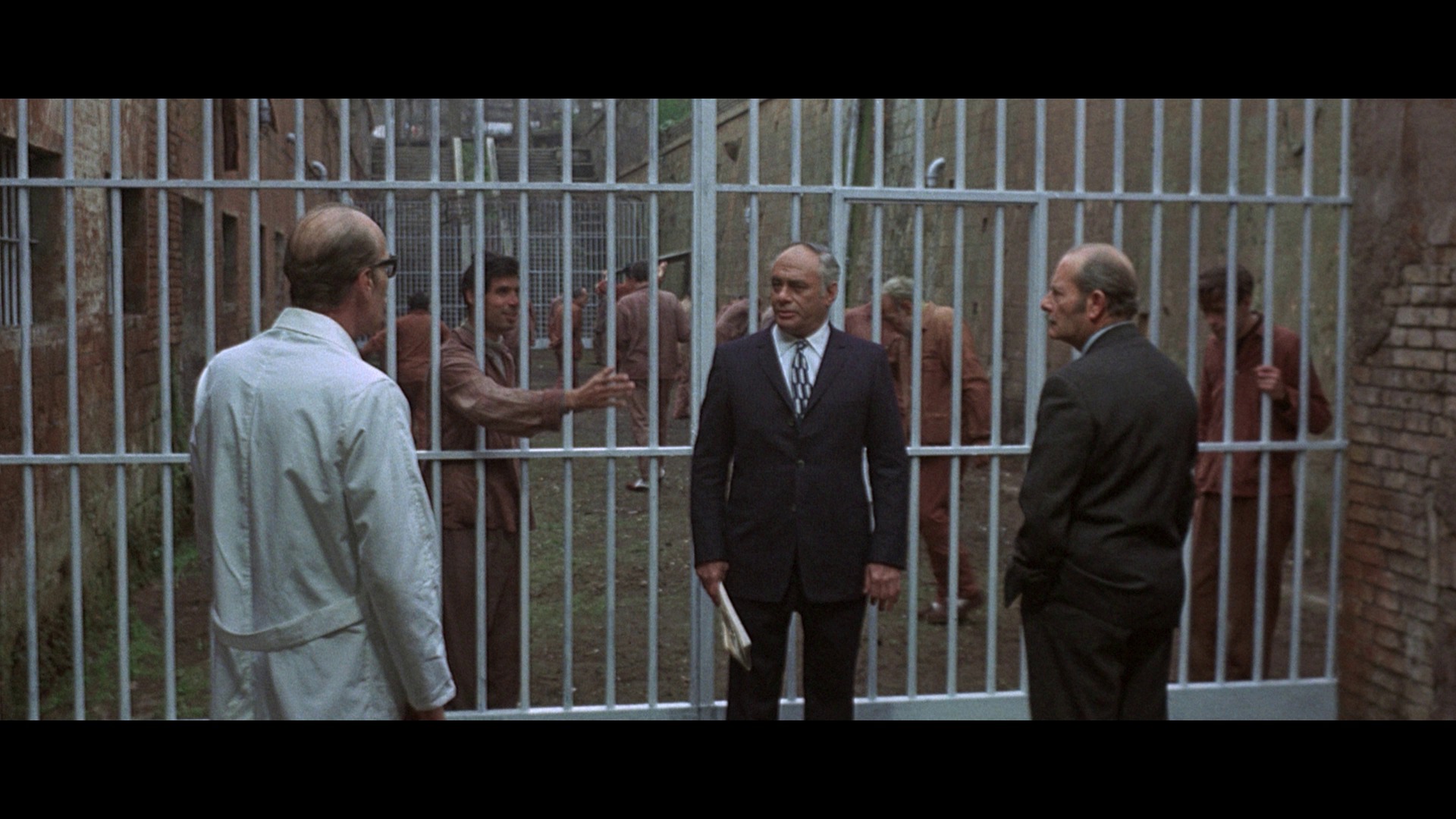
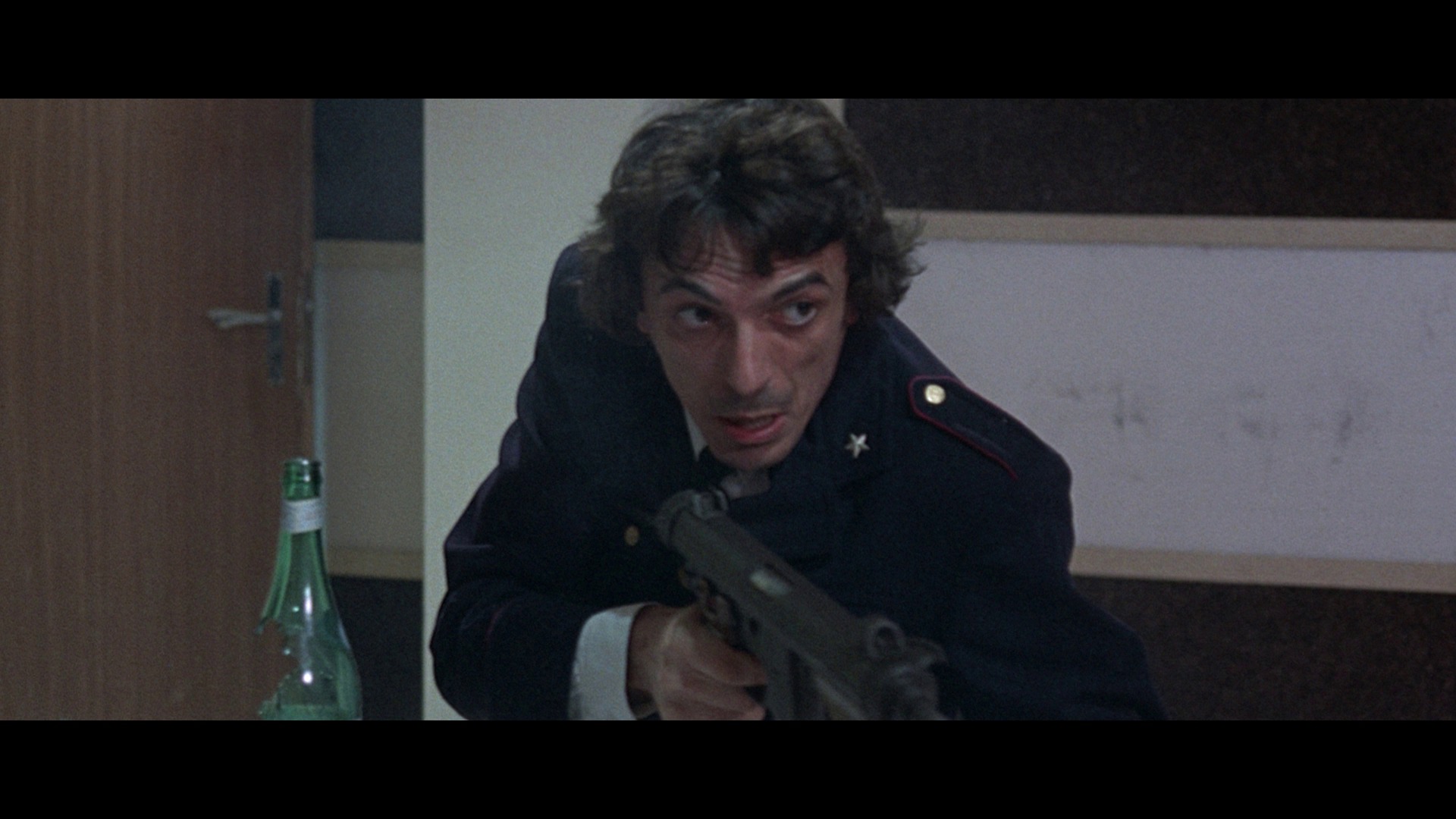
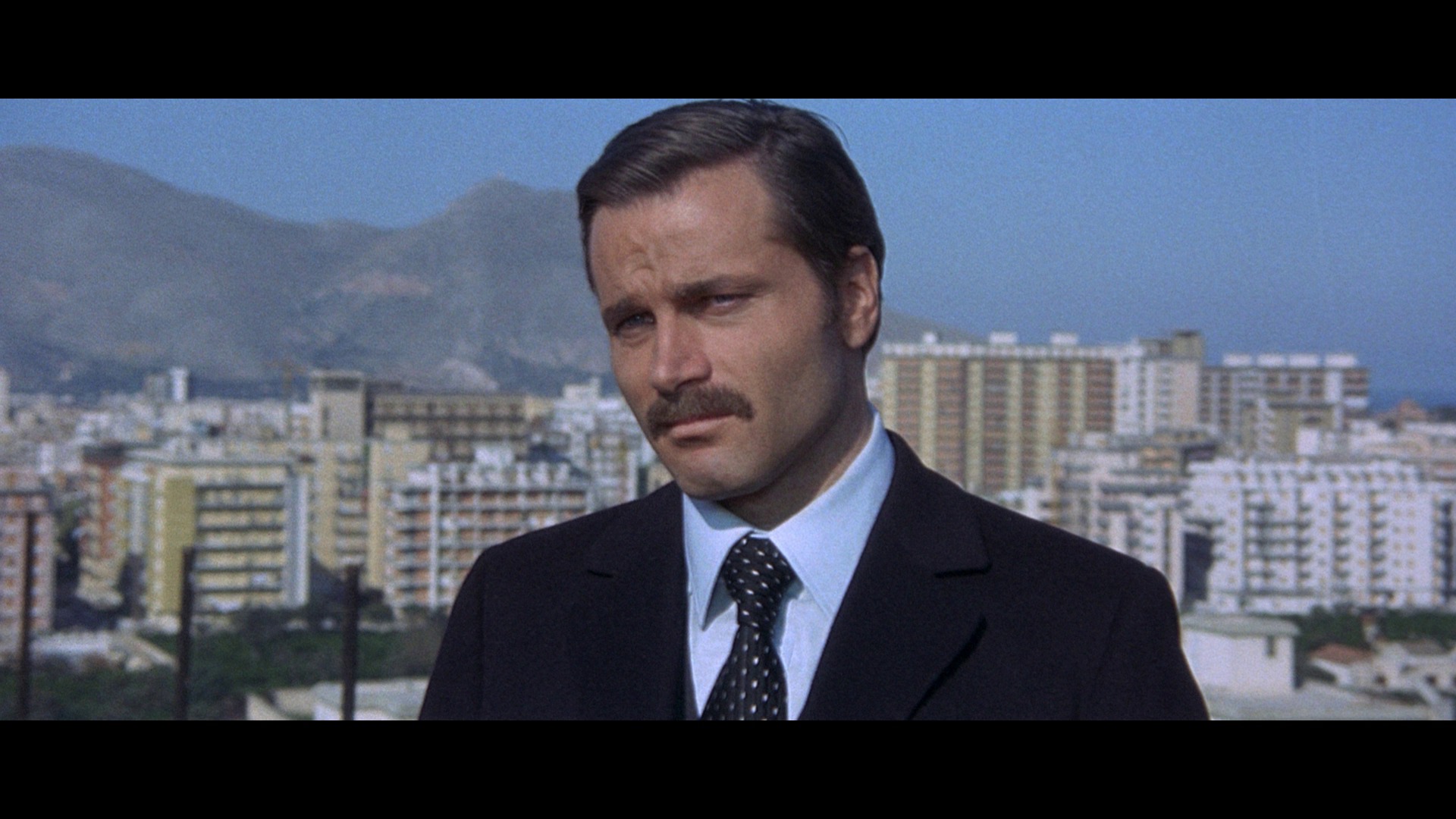
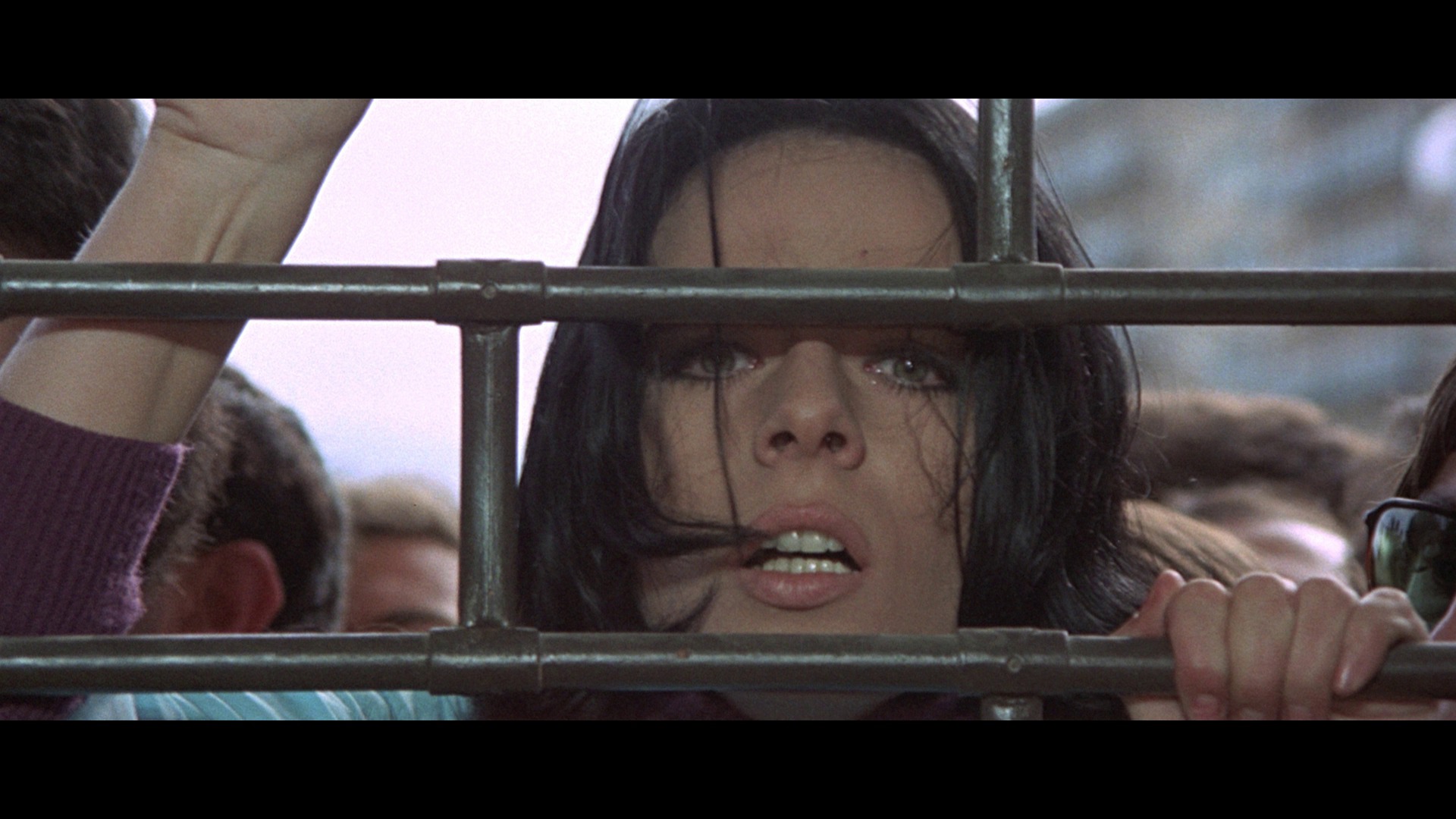
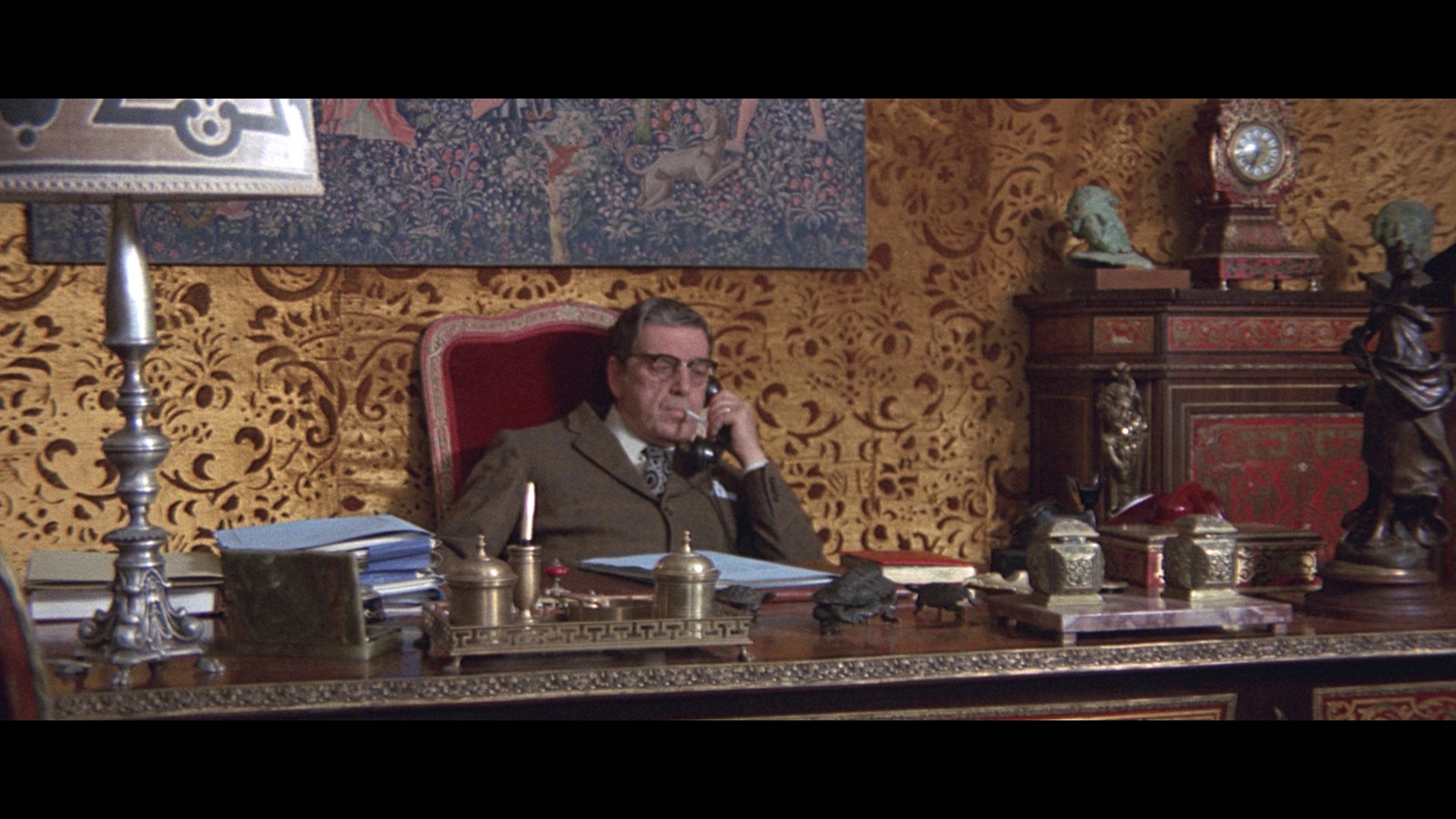
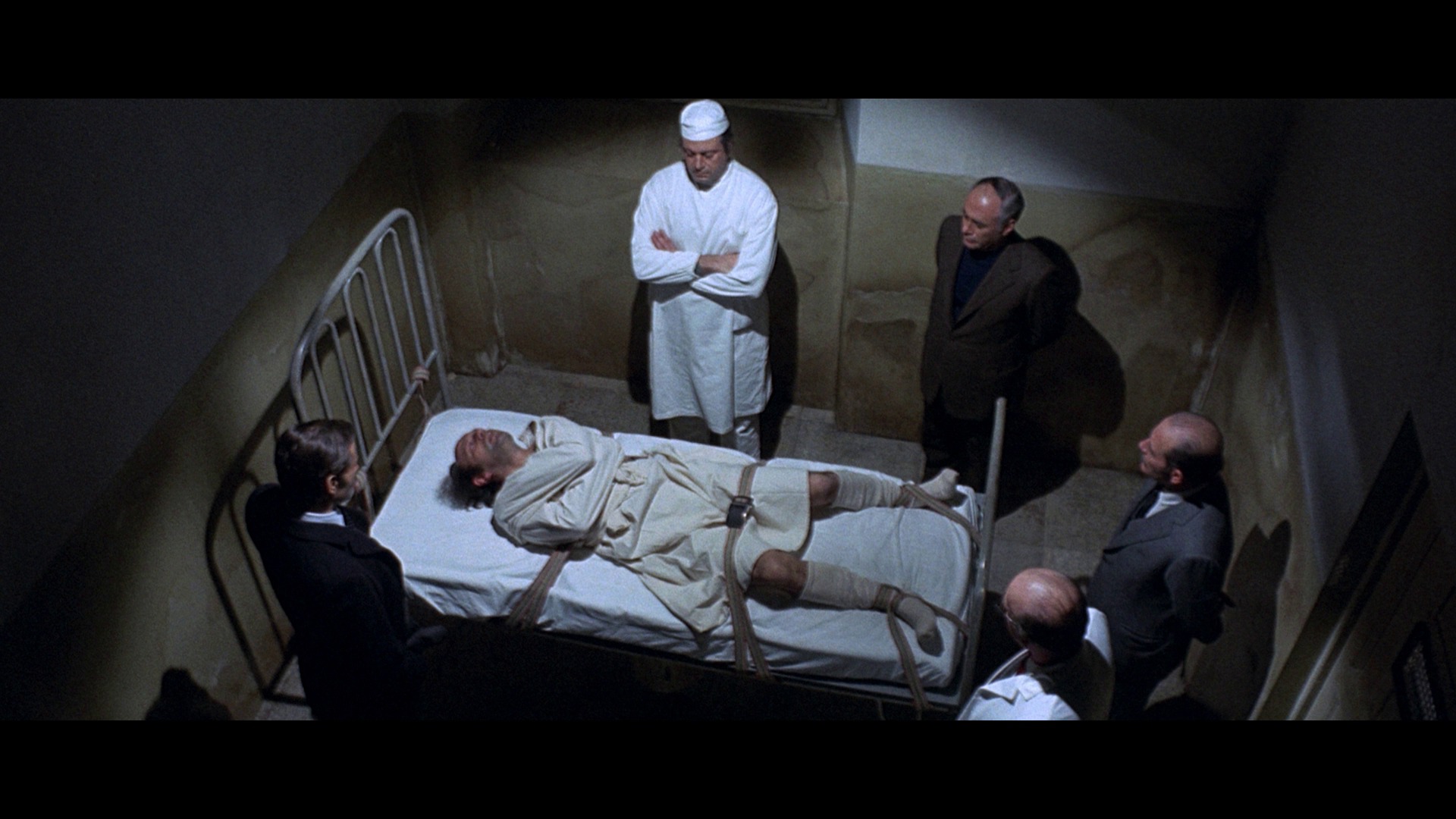
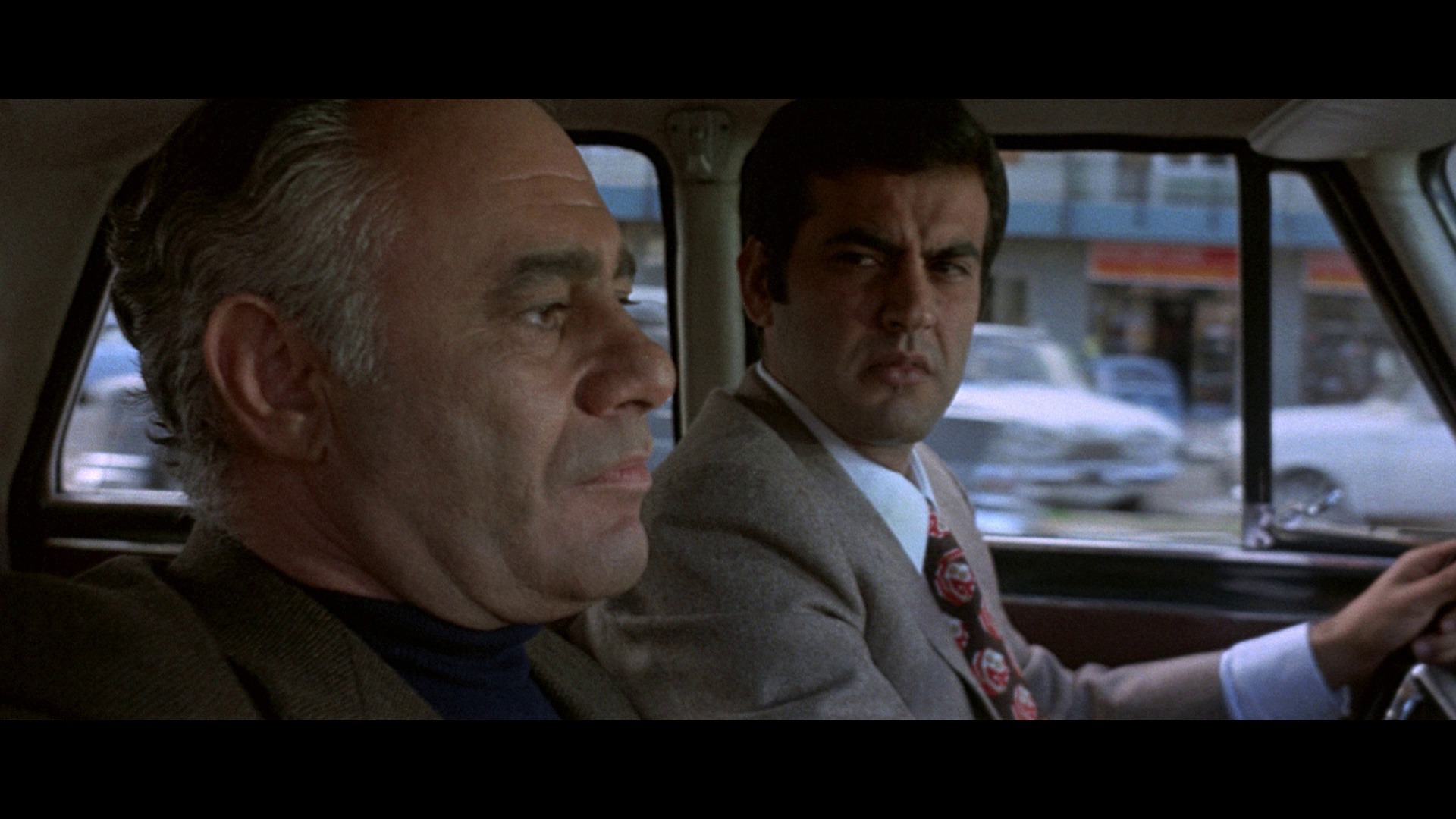
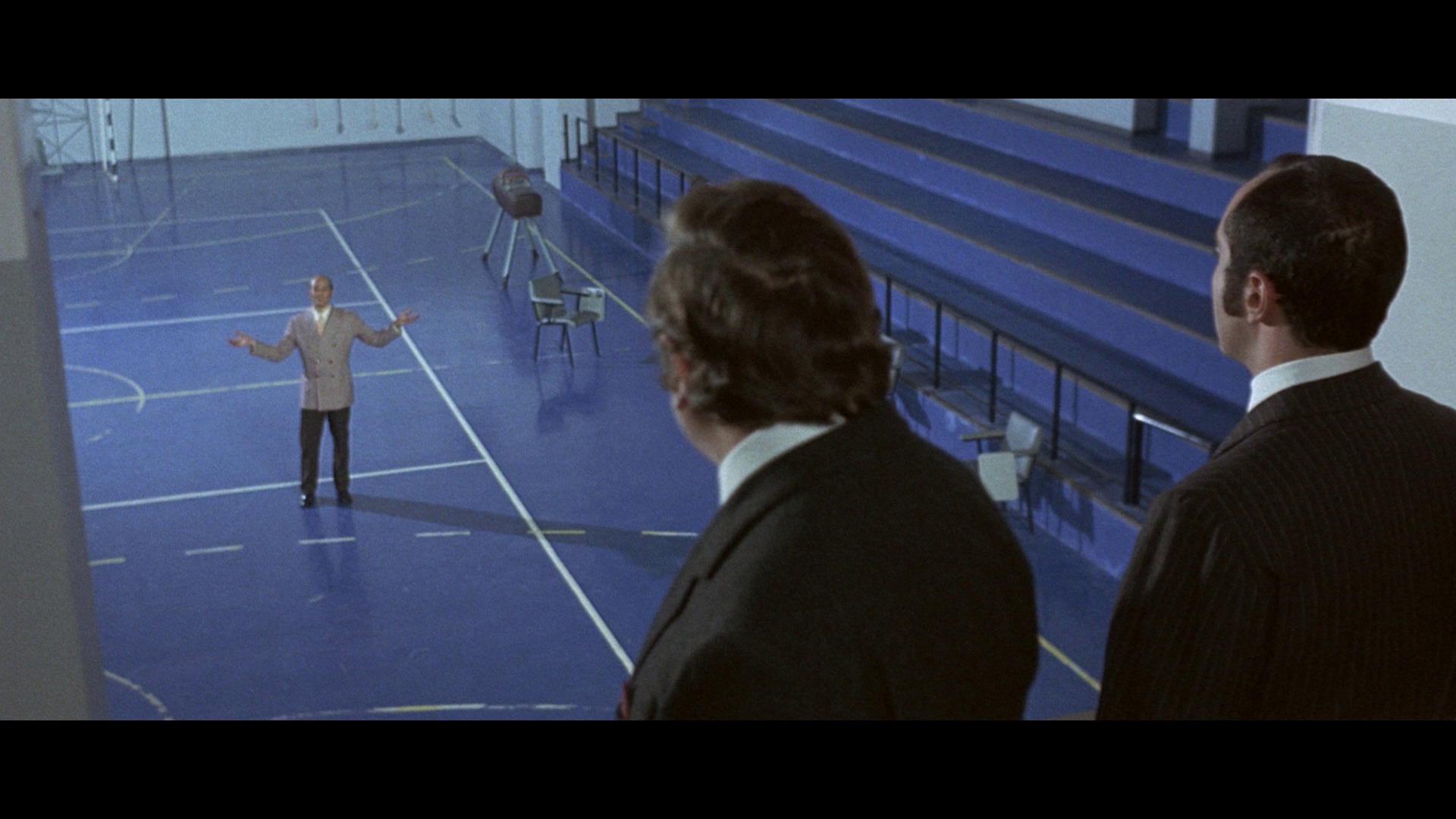
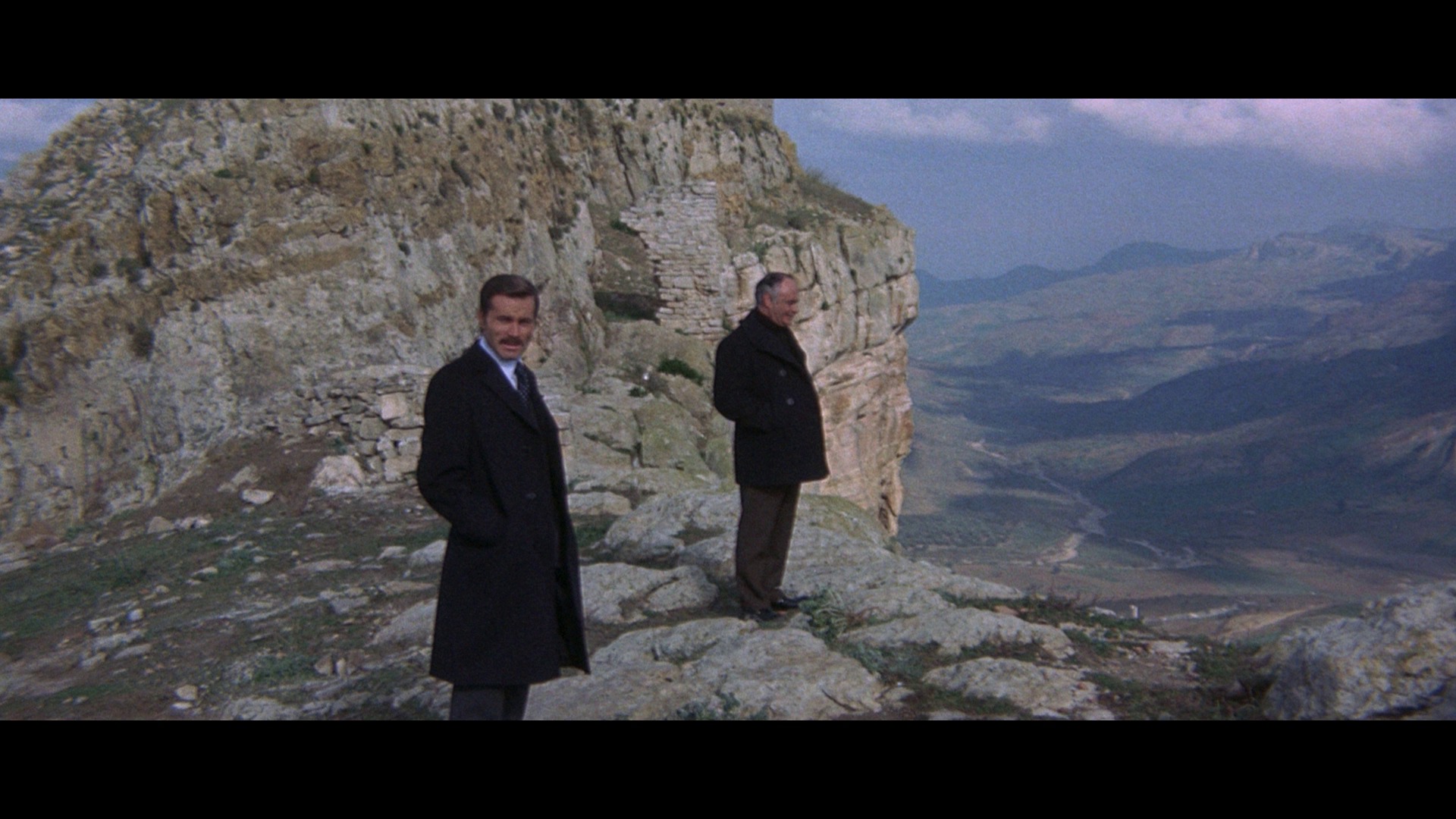
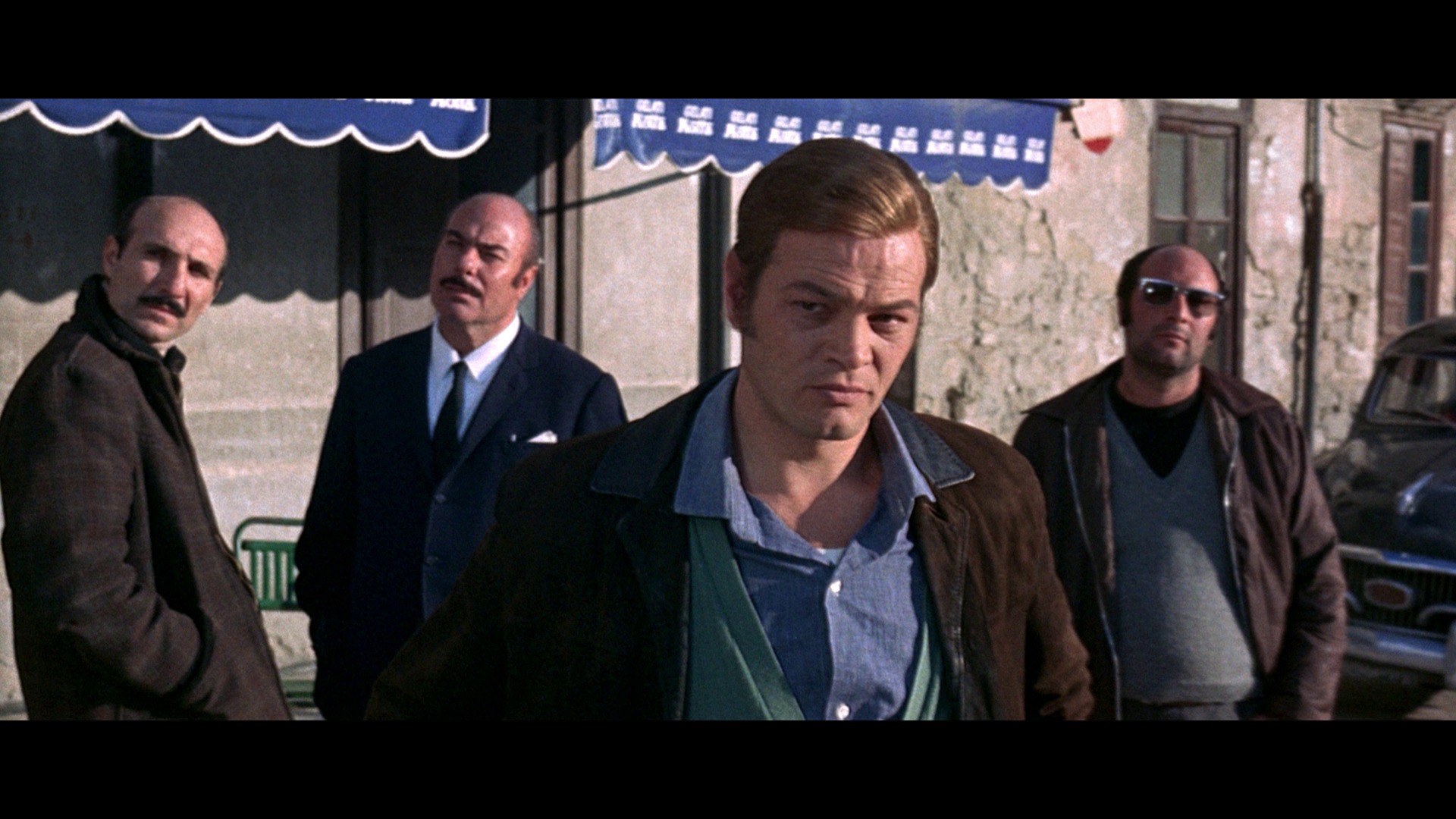
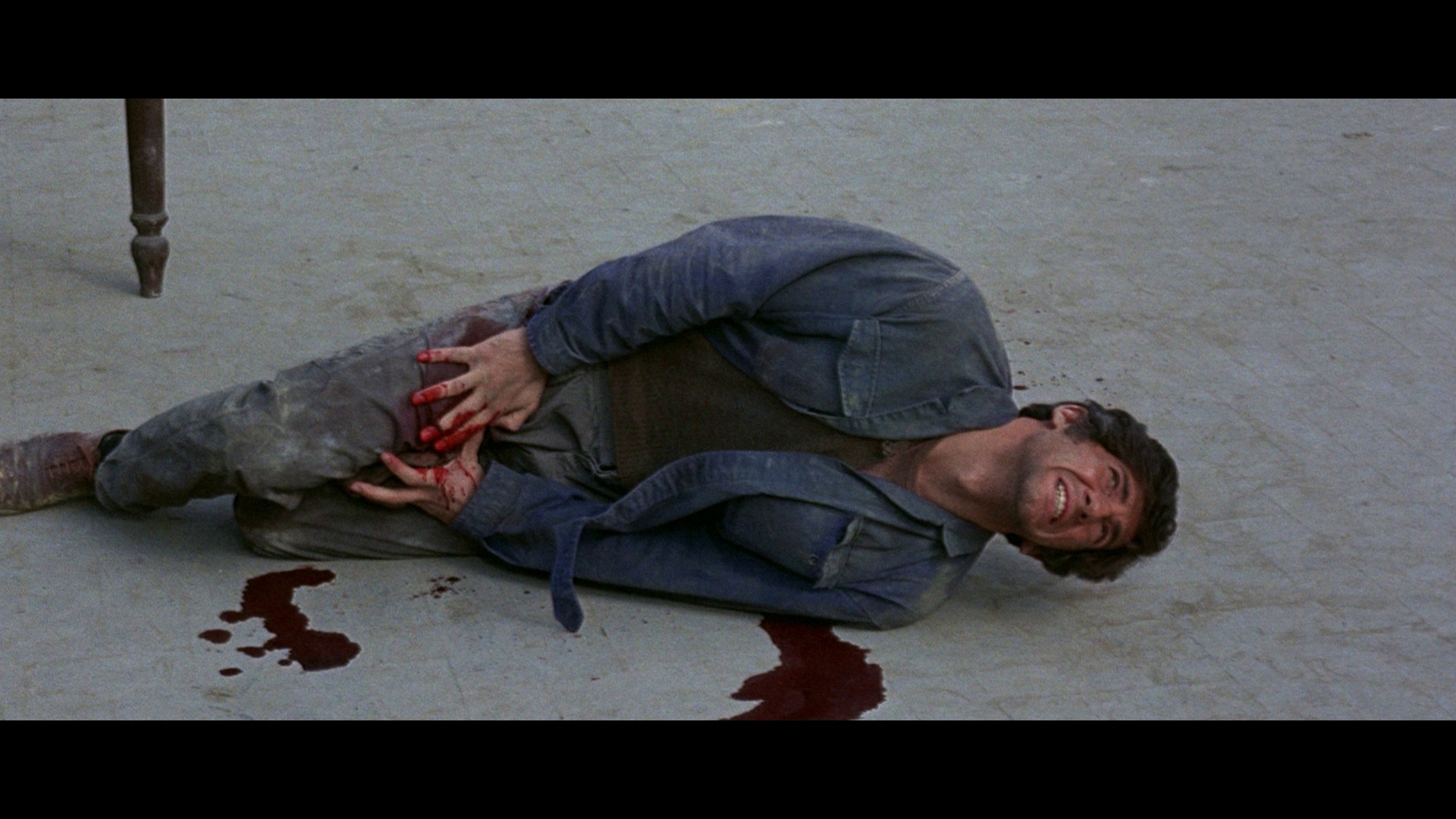
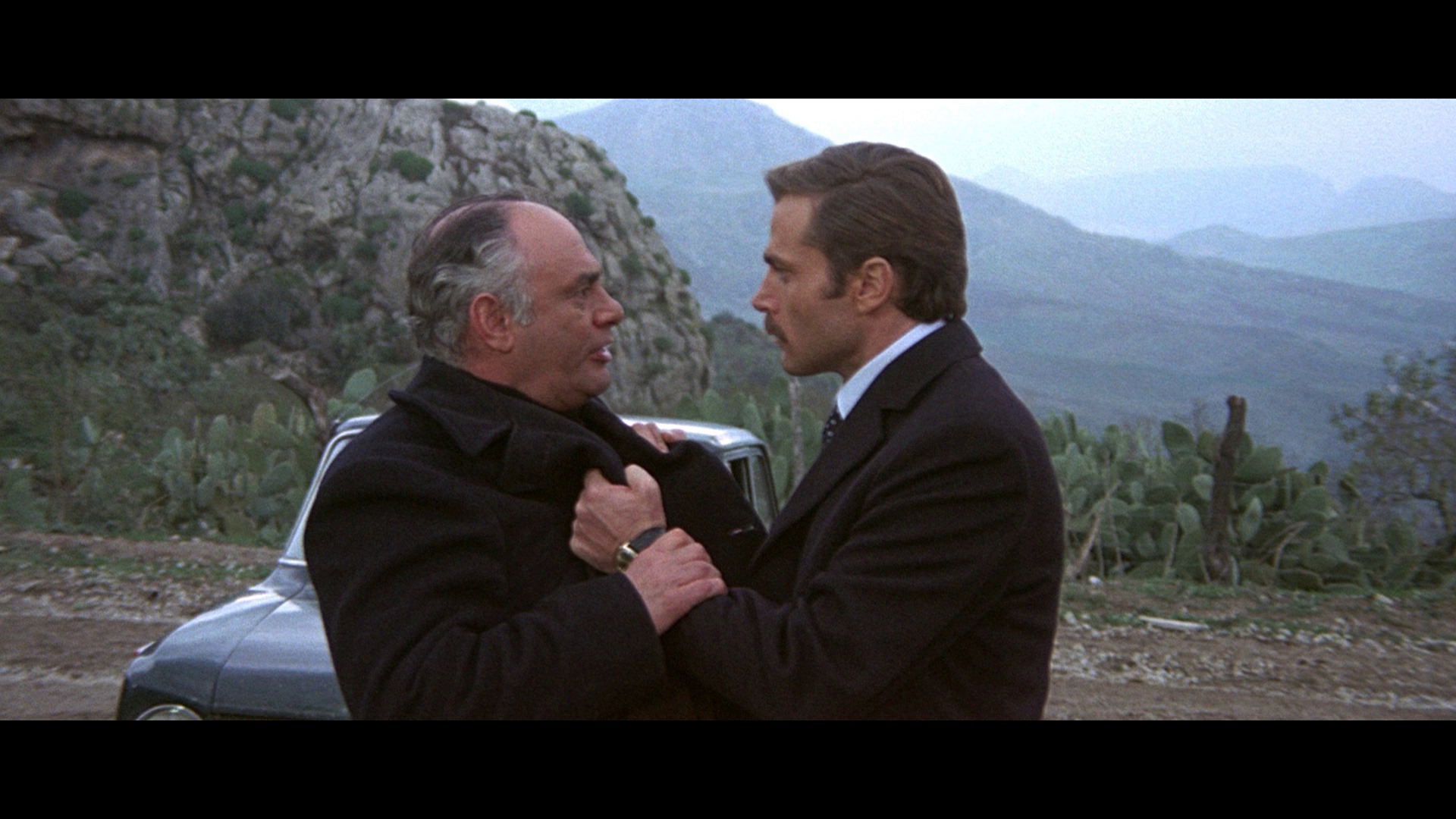
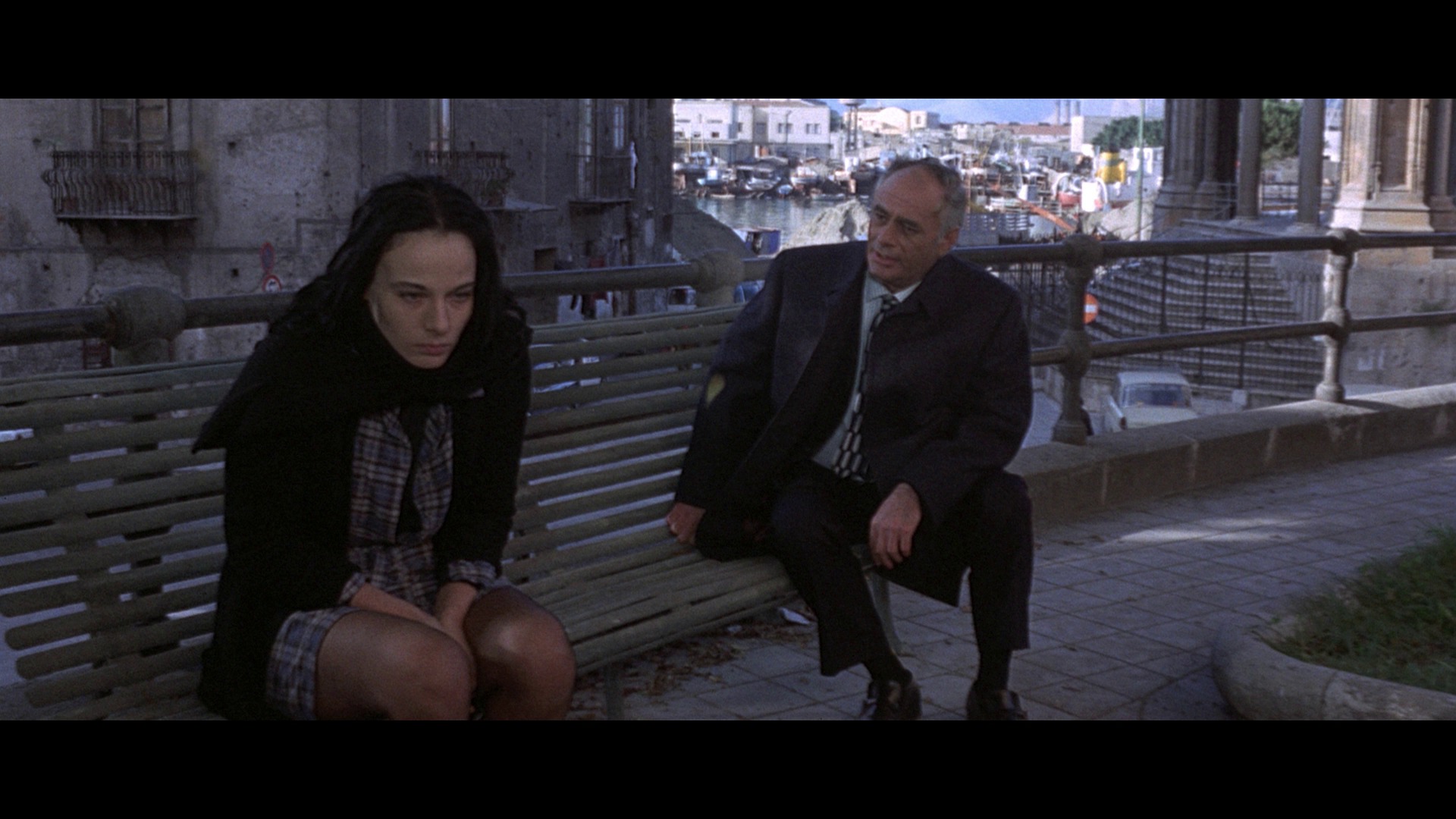
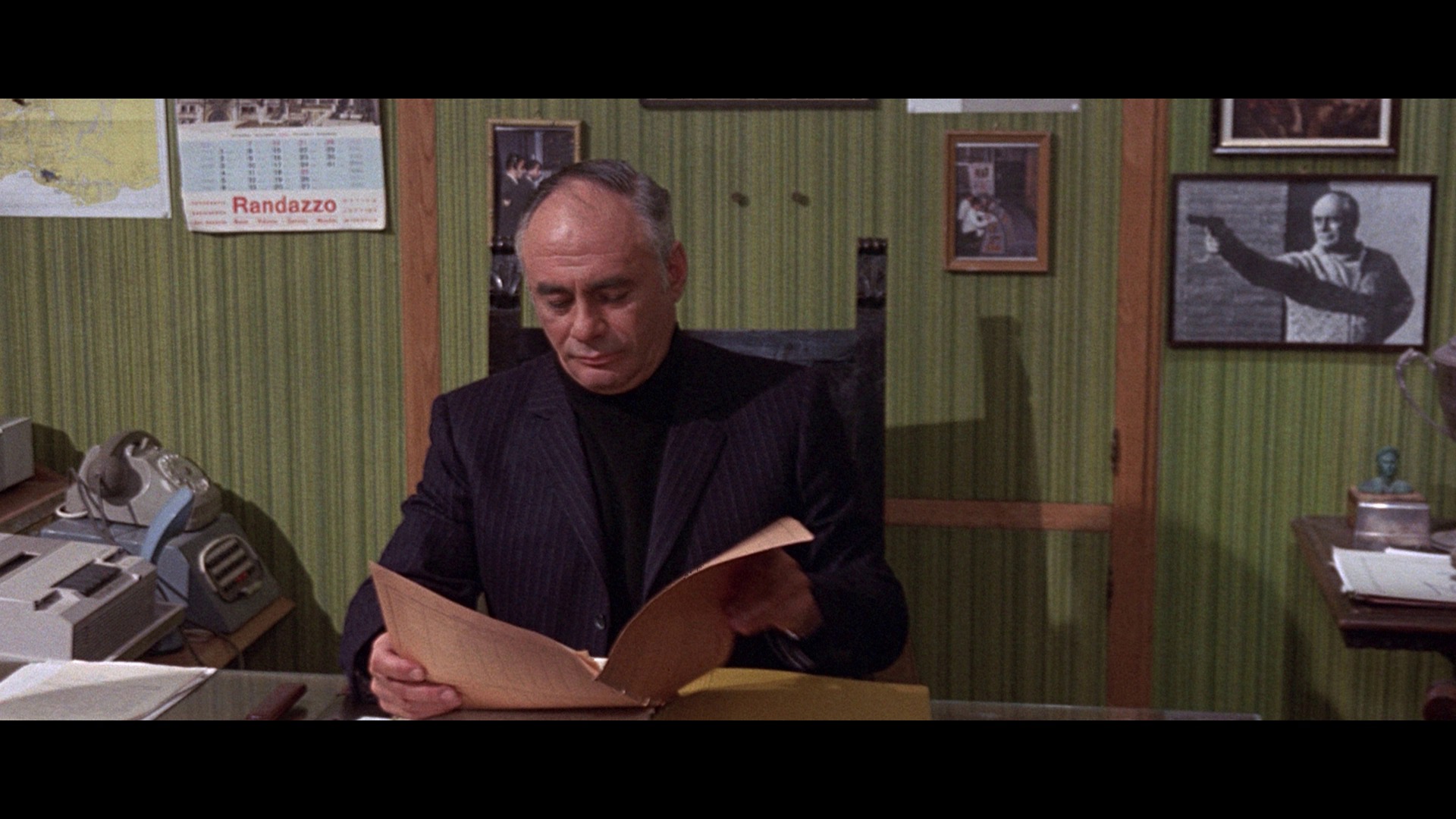
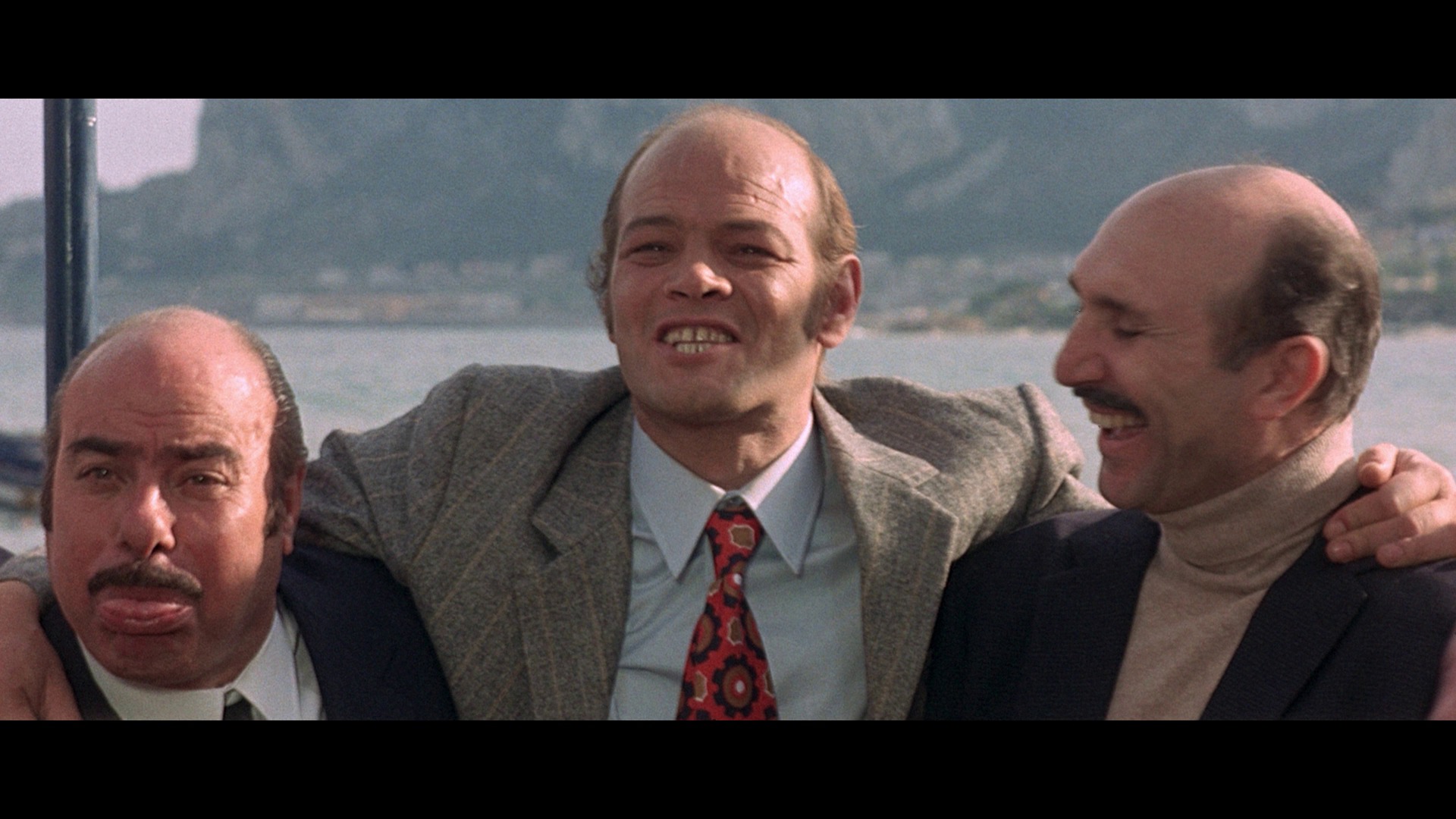
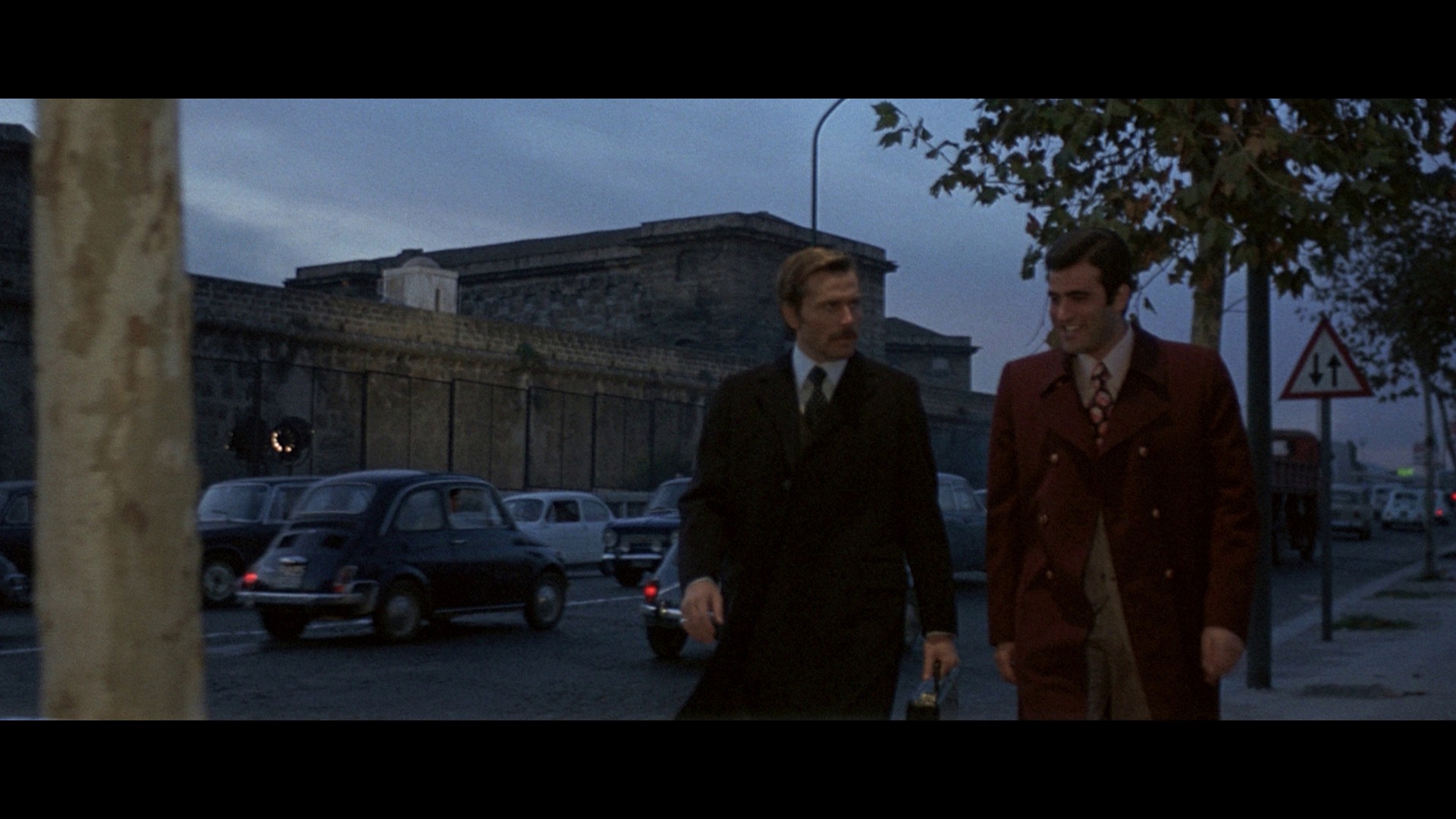
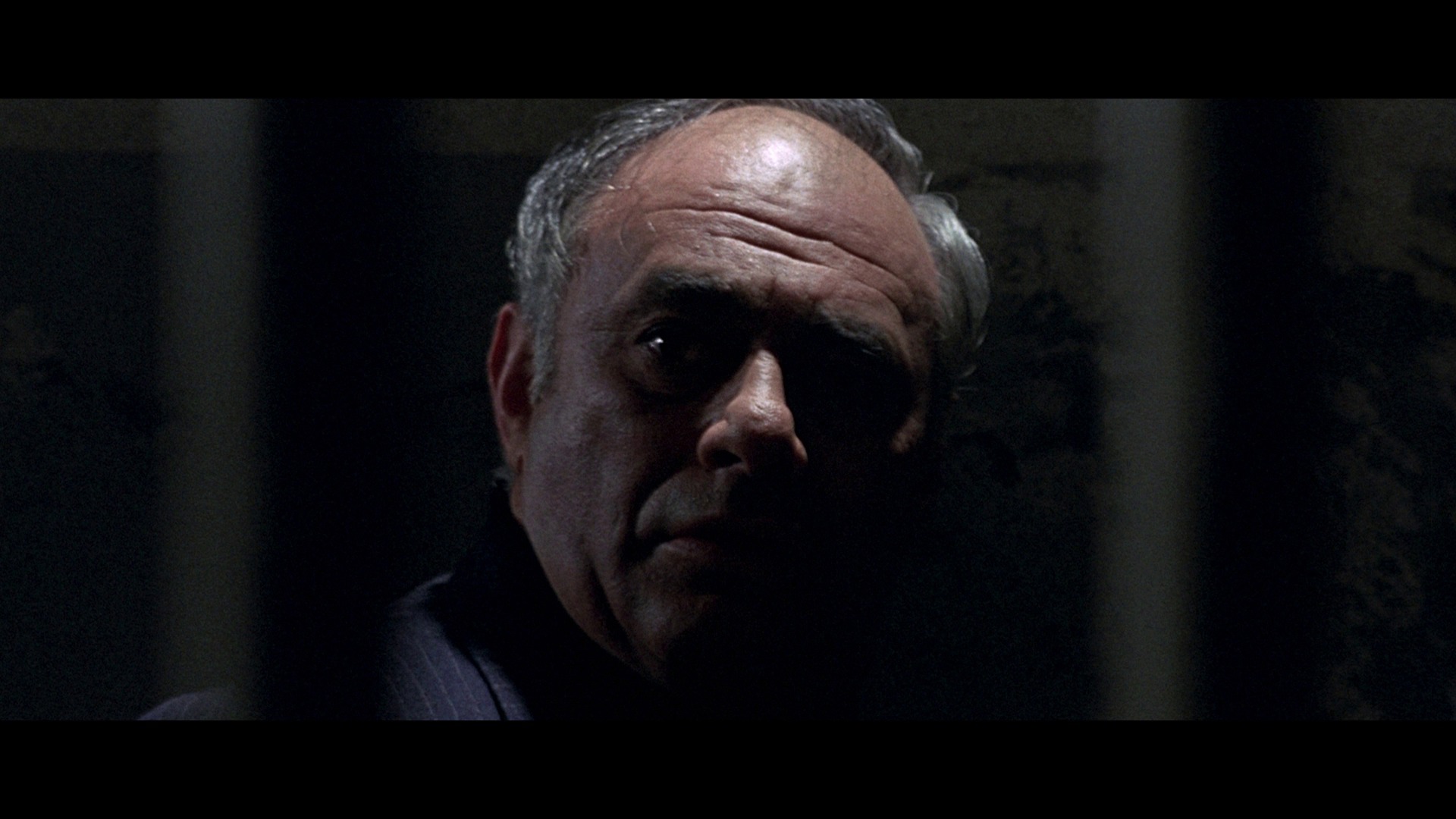
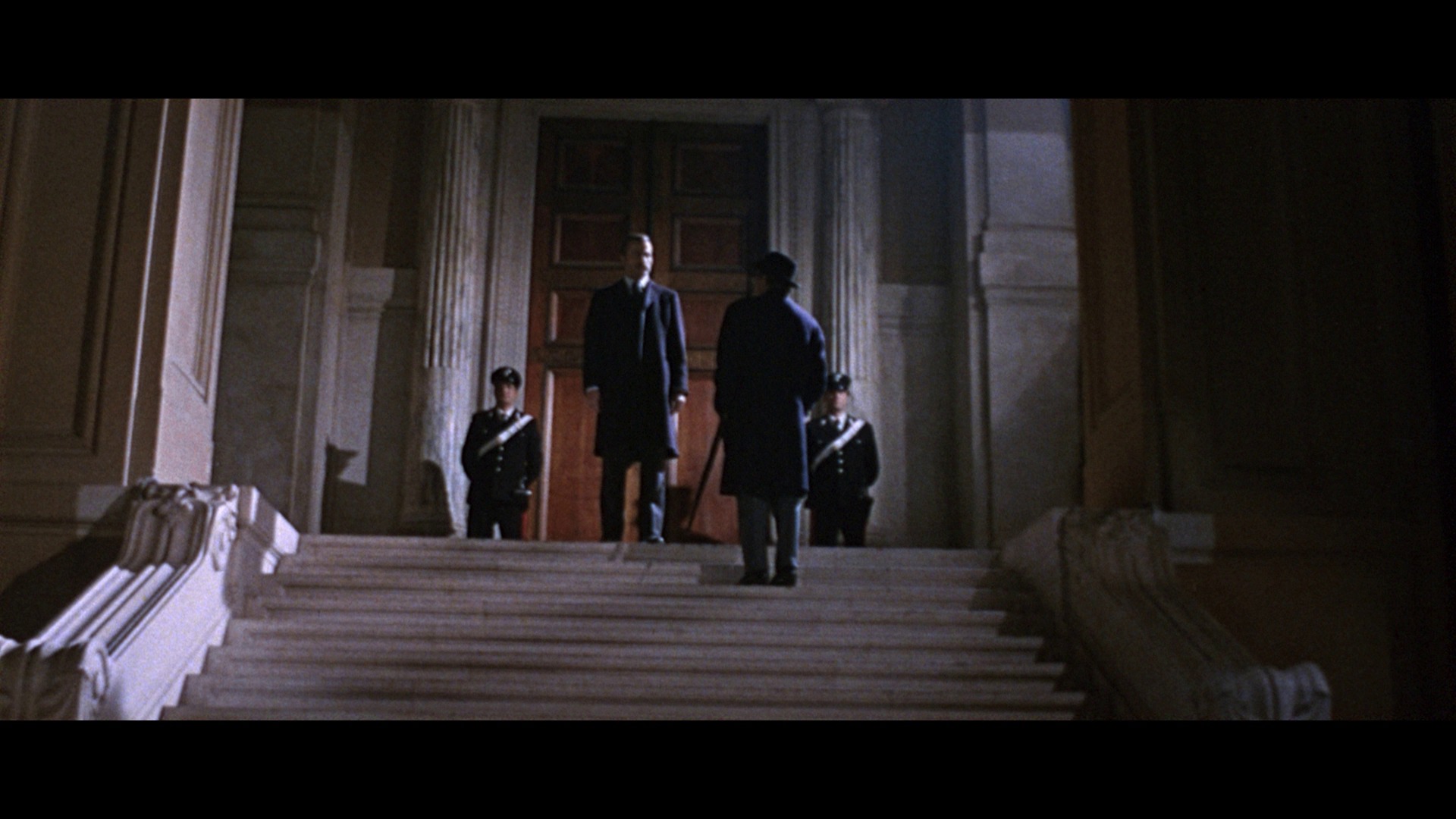
Audio 6/10
Radiance includes both Italian and English soundtracks, each presented in lossless single-channel PCM. Neither track is particularly dynamic, and both carry that familiar dubbed quality common to productions of this era. That said, I ultimately preferred the English option, as it appears many of the actors were speaking English on set, resulting in more convincing lip-syncing. Even so, both tracks are perfectly serviceable, with no notable damage or distortion present.
Extras 7/10
Radiance includes a solid selection of new interviews, beginning with actor Franco Nero. Covering some of the same ground as his piece on The Day of the Owl, he touches on first meeting Damiano Damiani before moving into this film, discussing his character and working alongside Martin Balsam. He also reflects on what followed, particularly his disappointment that Damiani opted to make A Genius, Two Partners and a Dupe with Terence Hill instead of pursuing another project Nero had been interested in. The interview runs about 29 minutes.
Michele Gammino then appears in a 23-minute interview, reflecting on his early career following television and dubbing work. He speaks about Nero and the cast, but spends a good amount of time on Balsam, noting his struggles with the English language. Editor Antonio Siciliano follows with a 27-minute piece that may be the highlight, digging into the film’s editing, covering how rhythm is established through both shot-reverse-shot construction and longer takes where Damiani had already built it in, some of which was due to how quickly characters deliver dialogue. He also touches on the look of Damiani’s films, the limitations of working with it during editing, and gets into some technical detail regarding film stocks and editing in 2-perf.
The disc also includes a 31-minute appreciation by Lovely Jon, focusing on composer Riz Ortolani. After providing some background on Ortolani’s career, he explores his broader body of work, including Don’t Torture a Duckling and Cannibal Holocaust, and even touches on the later use of his music in Nicolas Winding Refn’s Drive. Rounding things out is an extensive gallery featuring Italian posters, promotional stills (both color and black-and-white), lobby cards, international artwork, and images from a Japanese press book.
The limited edition also comes with a 23-page booklet, featuring two archival interviews with Damiani from 1972, the first conducted by Gérard Langlois and the second by Guy Braucourt (and both translated by Elena Lazic). Both pieces explore the film’s political undercurrents to a degree, with the latter opening by addressing the apparent American influences on Italian cinema during this period. It’s a bit disappointing there isn't a newly commissioned academic essay, but the interviews themselves make for worthwhile reading.
Overall, it’s a strong set of supplements, with Siciliano’s interview standing out as the most insightful of the bunch.
Closing
Previously difficult to see in North America, the film finally gets a solid release from Radiance, anchored by a strong high-definition presentation.
BUY AT: