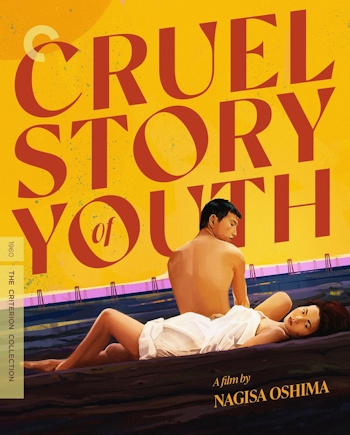
Cruel Story of Youth
BUY AT:


See more details, packaging, or compare
Synopsis
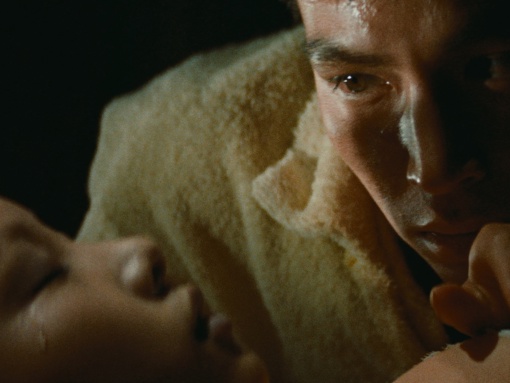
A scorching tale of toxic love in a toxic world, Nagisa Oshima’s second feature film marked the artistic breakthrough of one of the most radical voices in the history of Japanese cinema. Caught in the dog-eat-dog crucible of postwar Tokyo, teenage lovers Makoto (Miyuki Kuwano) and Kiyoshi (Yusuke Kawazu) turn to a life of crime, entrapping lecherous middle-aged men in order to extort their money. But how long can the wayward youths outrun their fate? Bursting with vivid color, this visually scintillating, furiously nihilistic film howls with rage at a society in which everything—love, sex, and youthful idealism—has been corrupted.
Picture 8/10
Feeling like it has been a long time coming, The Criterion Collection presents Nagisa Oshima’s second feature, Cruel Story of Youth, on 4K UHD, presenting the film on a dual-layer BD-66 disc. Sourced from a new restoration scanned from the 35mm original camera negative, the SDR 2160p/24hz ultra high-definition image is presented in the aspect ratio of 2.39:1. The release also includes a standard dual-layer Blu-ray featuring a 1080p presentation of the film (from the same restoration) along with all of the special features.
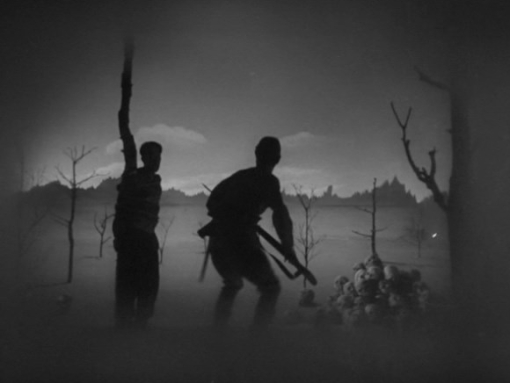
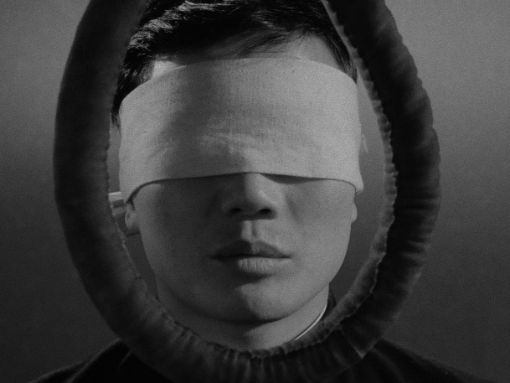
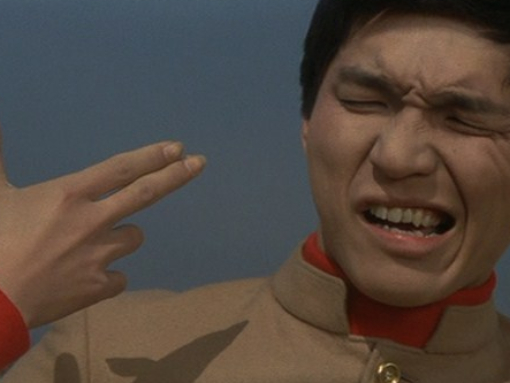
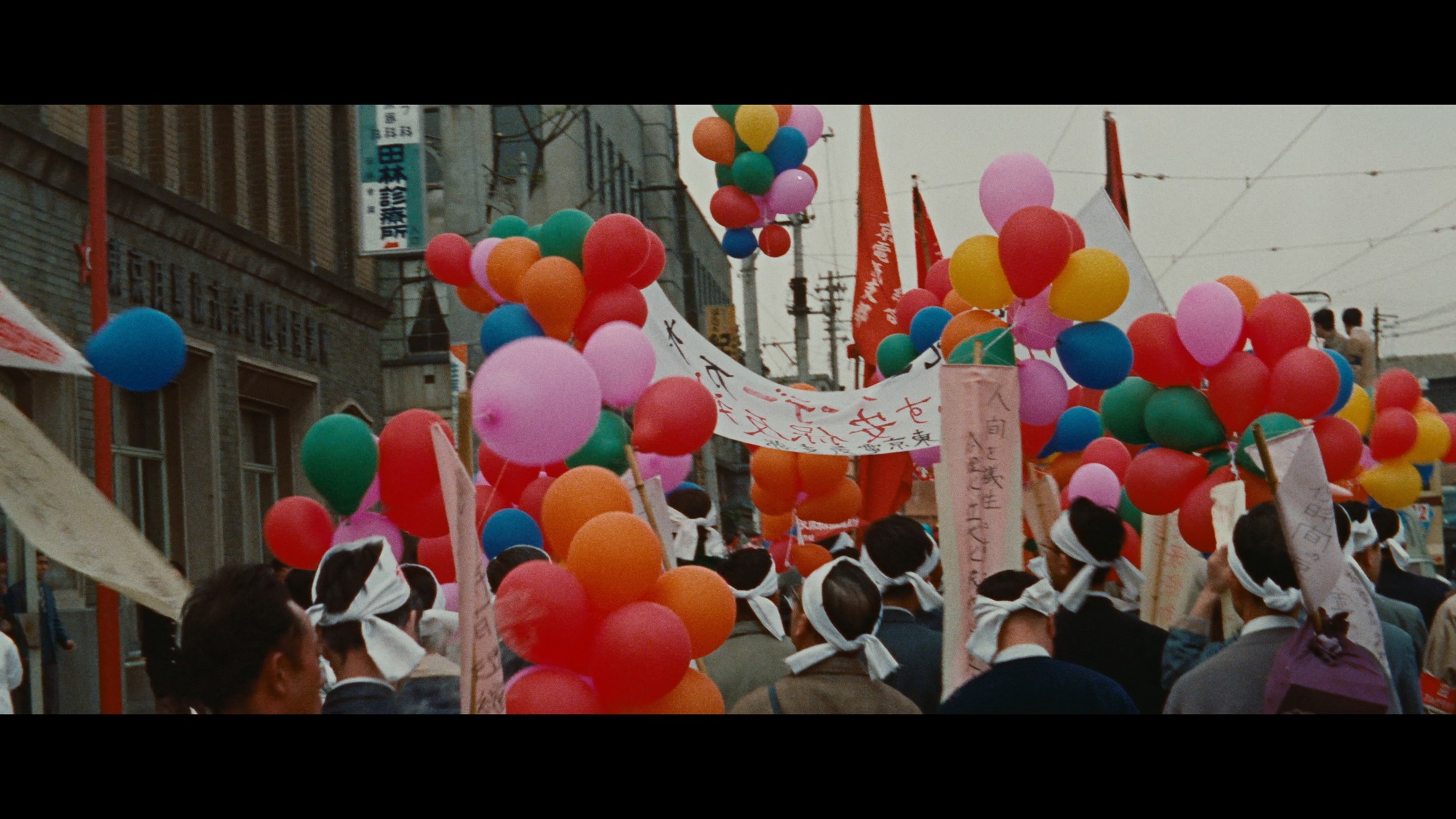
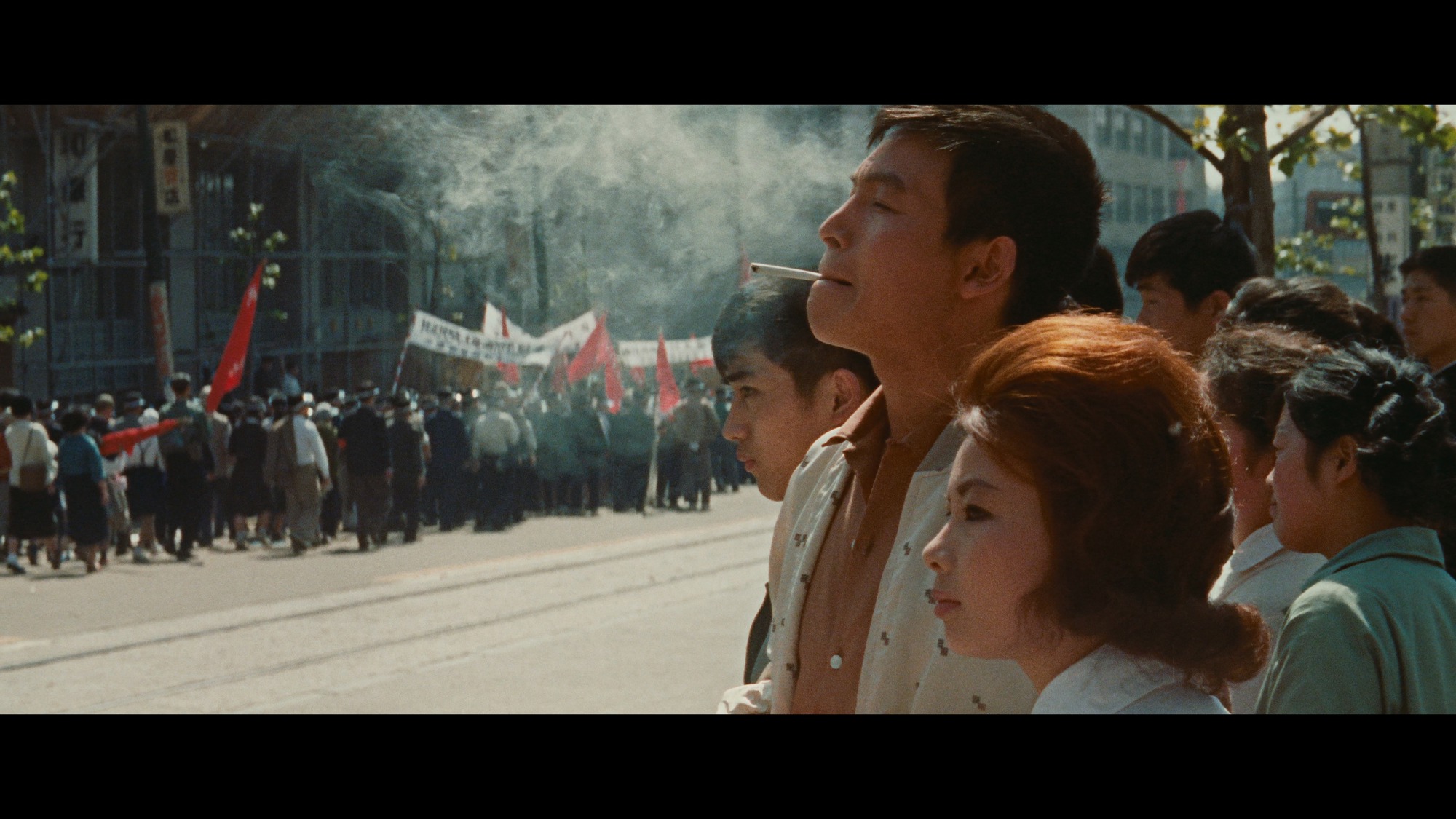
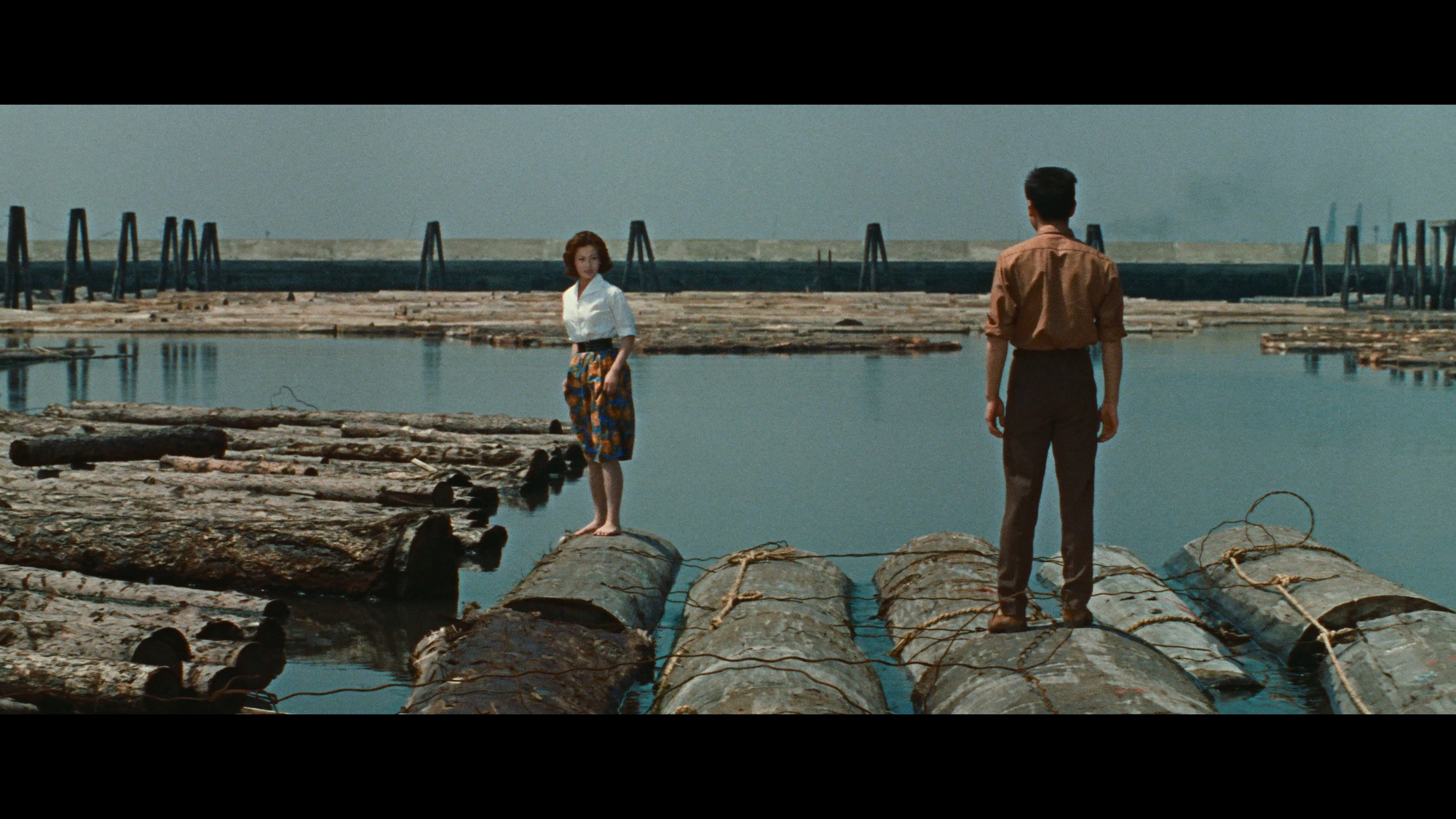
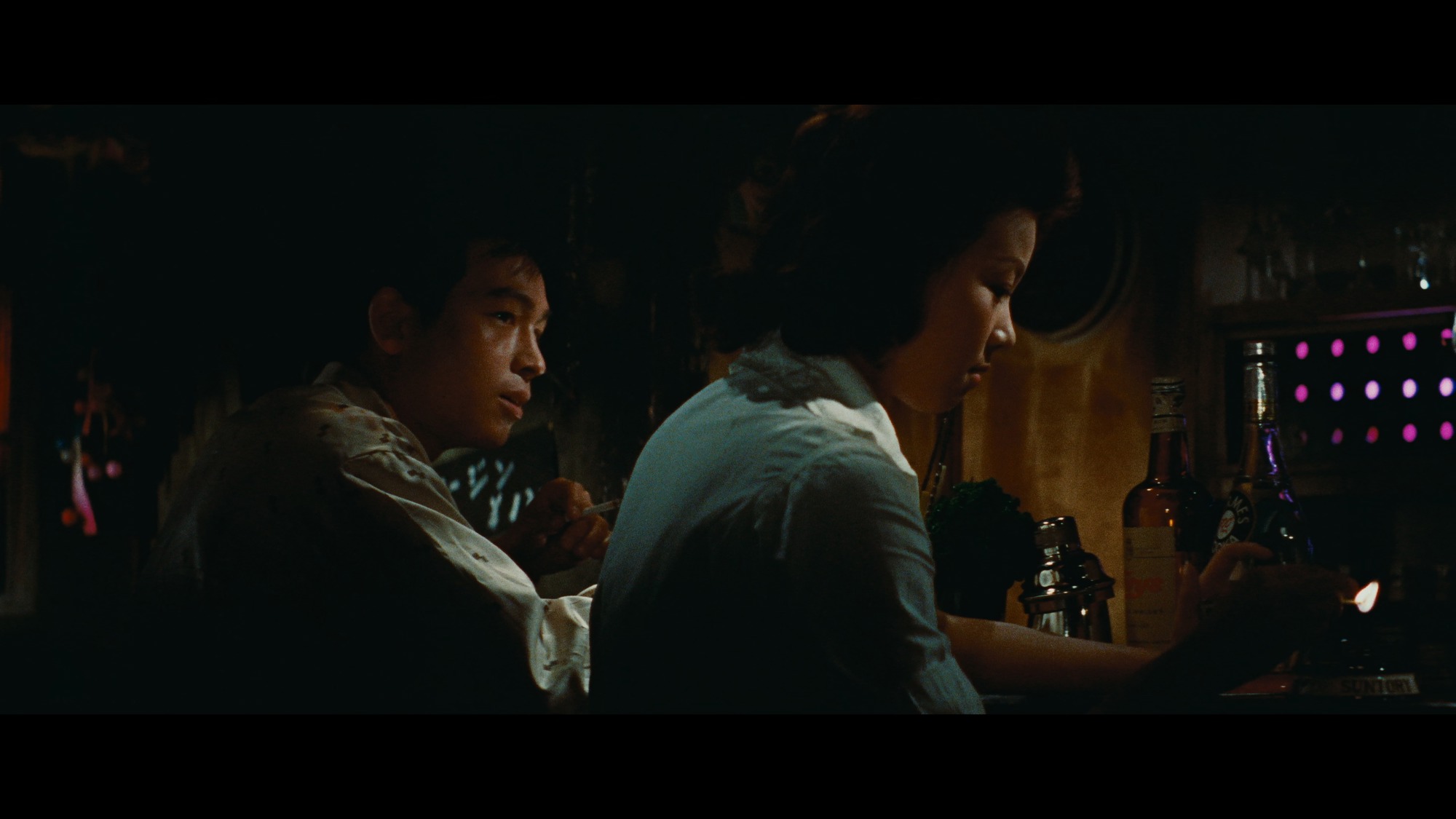
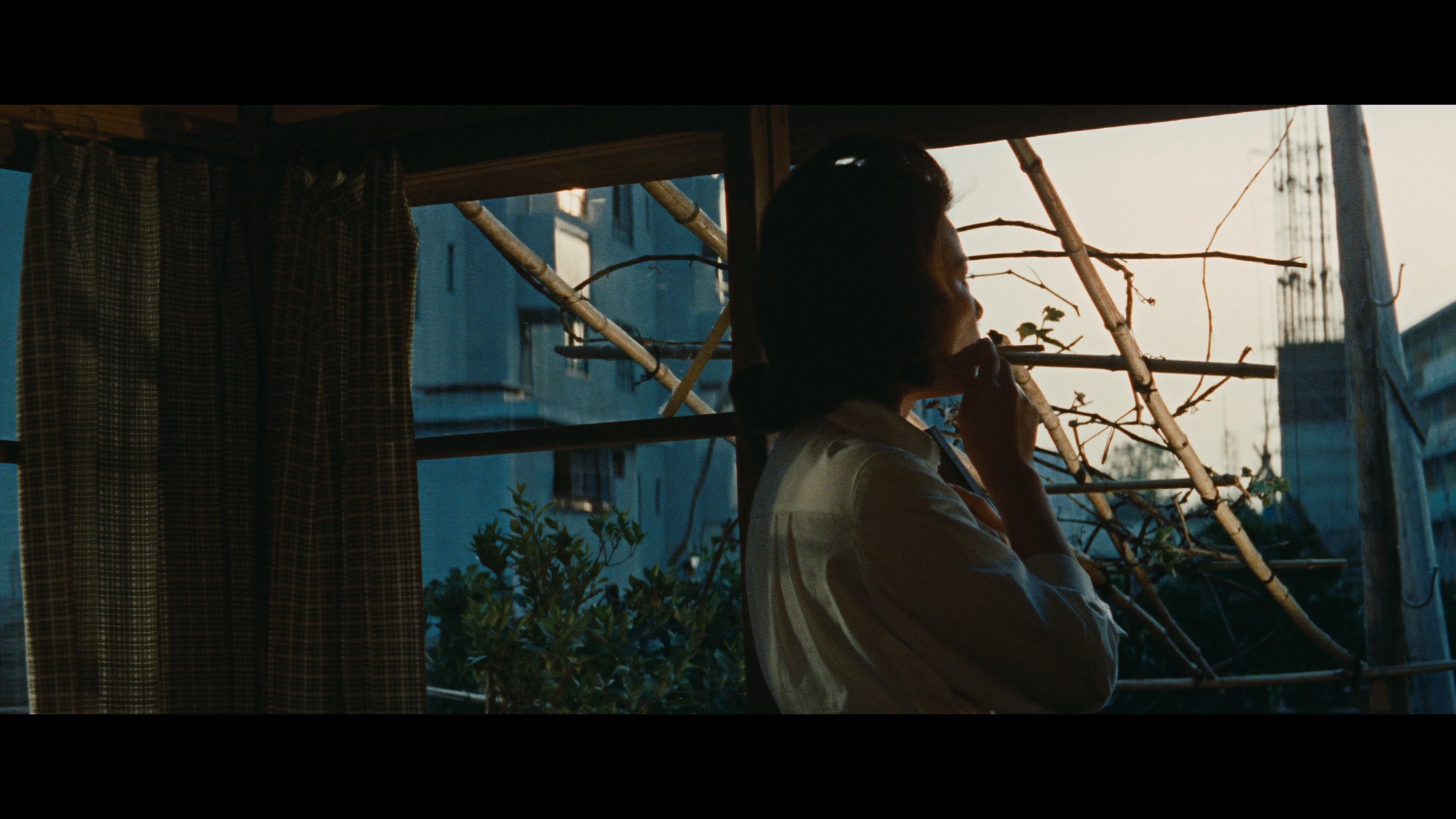
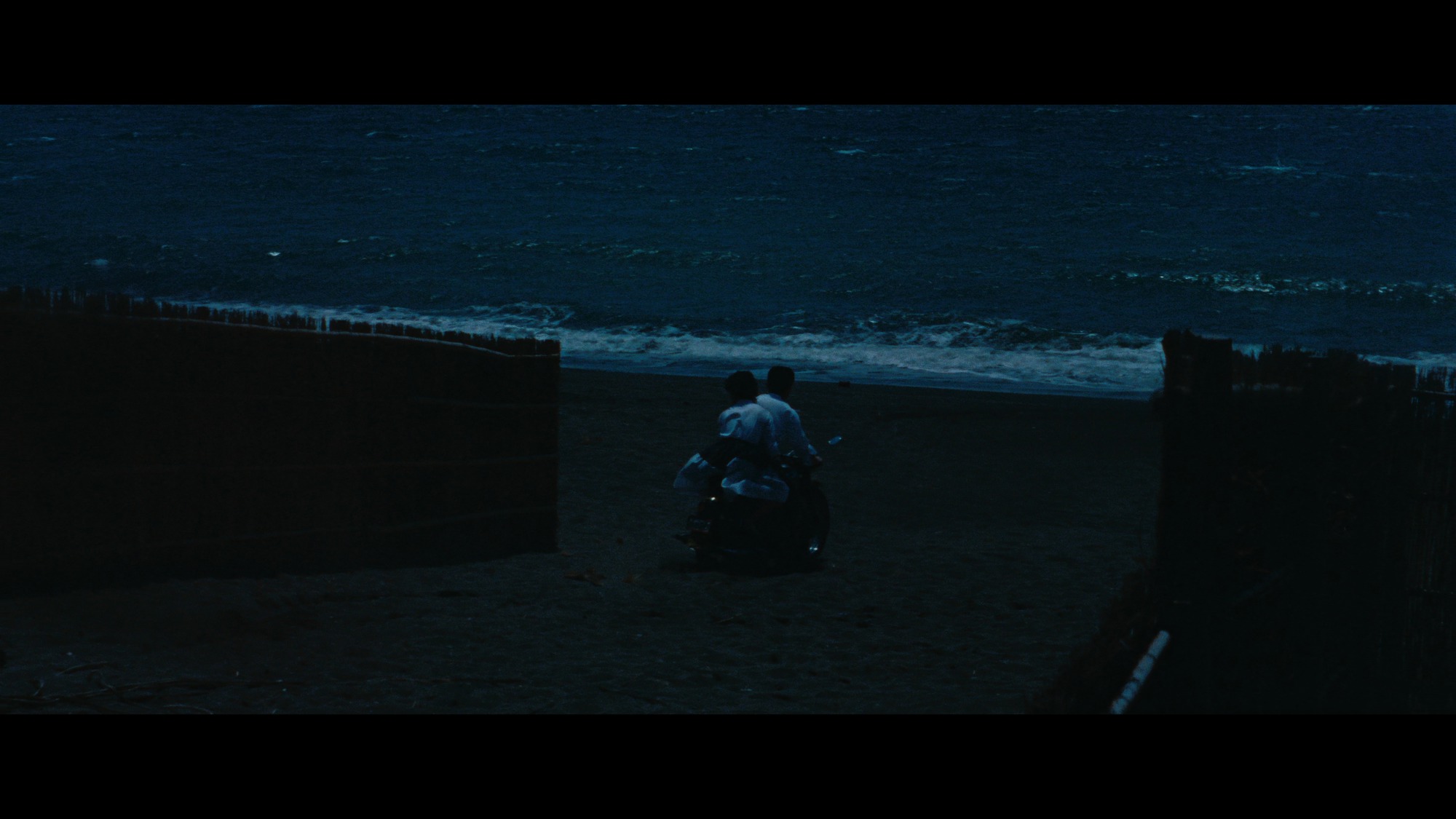
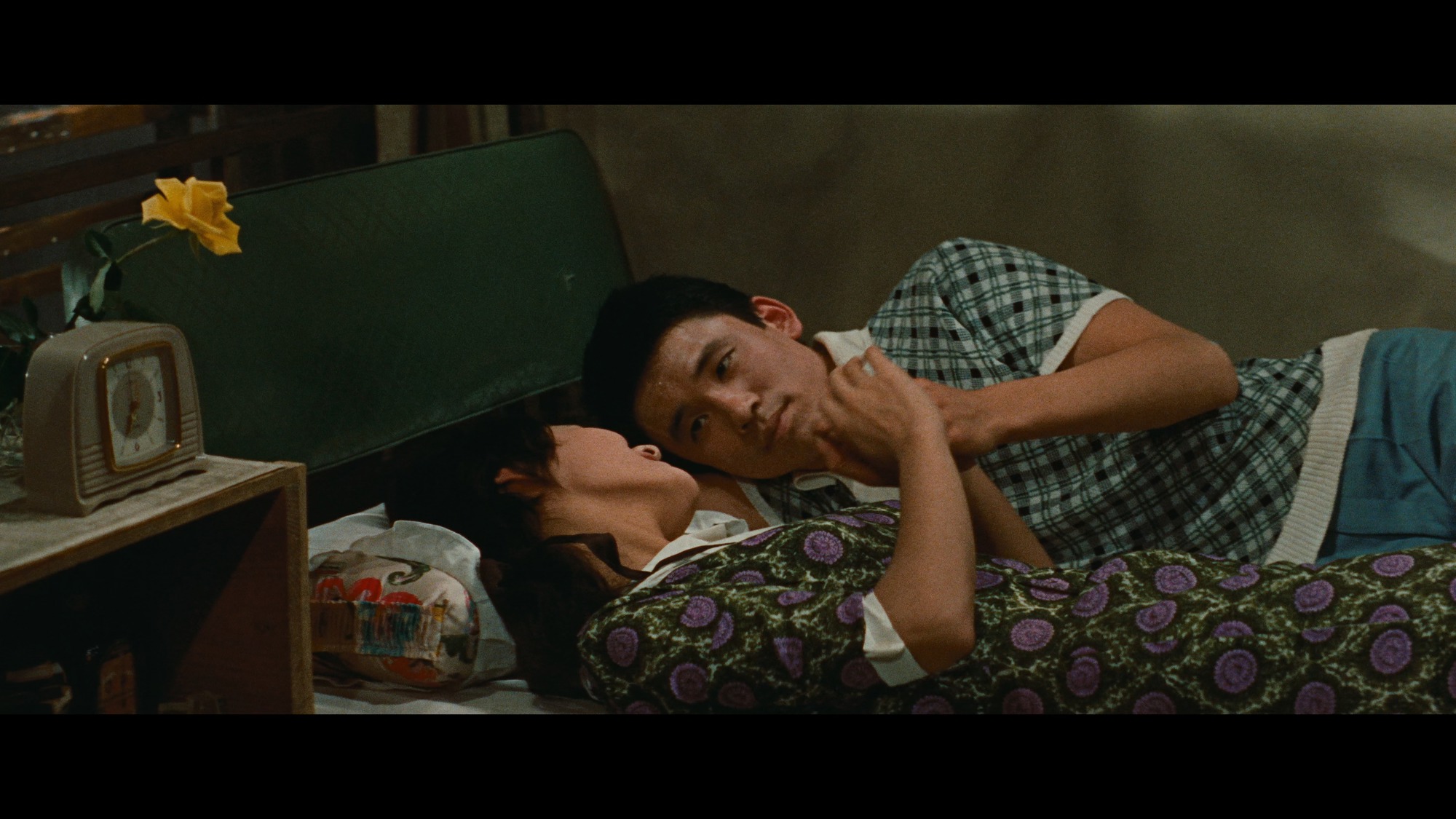
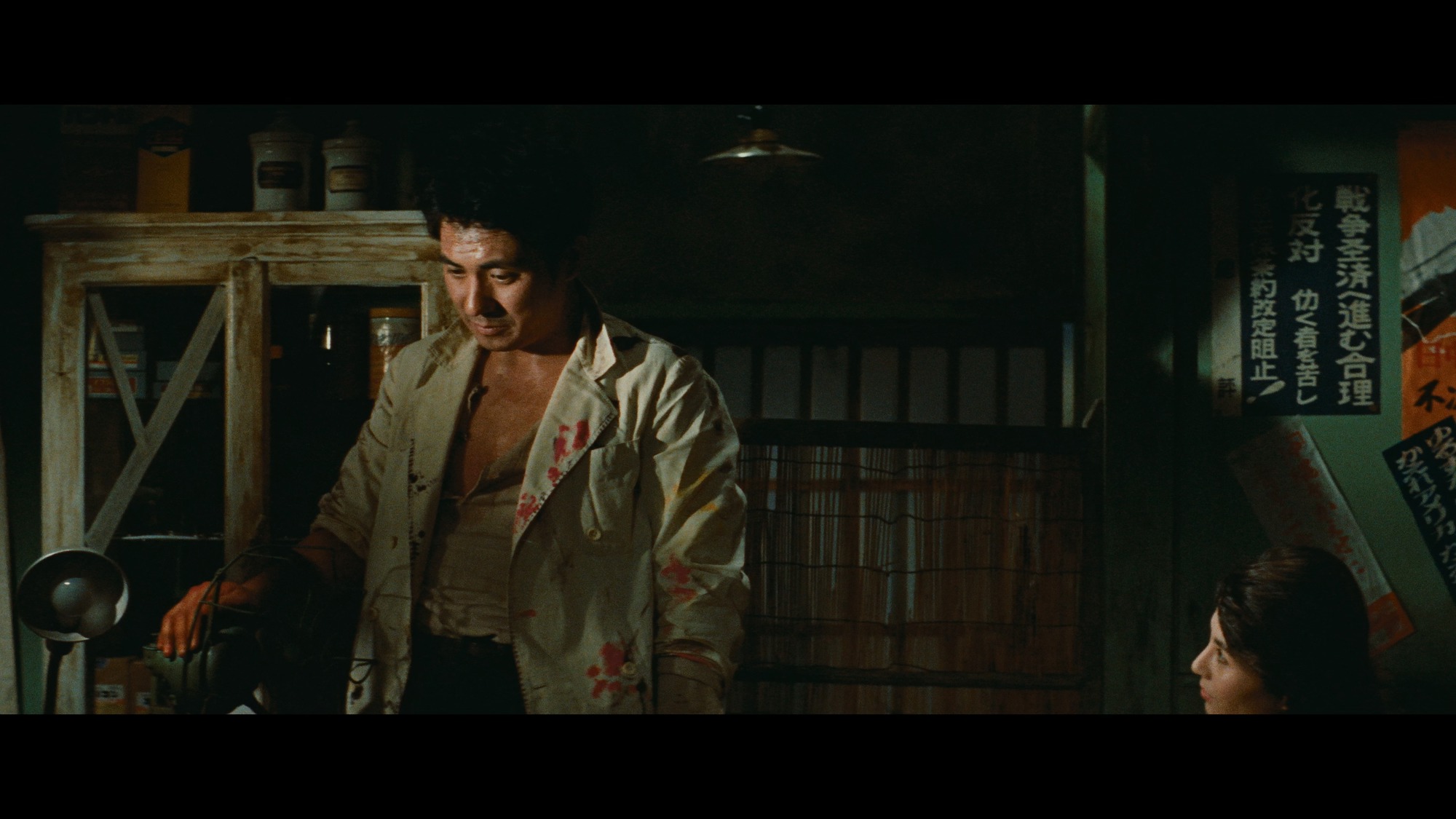
I’m a little surprised Criterion went all out with a 4K edition for this film, but I’m certainly glad they did. Despite a couple of issues, it delivers a very sharp presentation with a superb, film-like texture throughout. The restoration work is particularly strong, cleaning the film up beautifully, and I can’t recall spotting any damage, not even the occasional tiny mark. Colors also look excellent, with reds and violets in particular popping wonderfully off the screen. Black levels are decent, though not great. Night sequences can look a little murky, with mushy, flat blacks that come off closer to a dark gray, limiting shadow detail, though this could simply come down to the original photography or perhaps the master supplied to Criterion.
The encode is also strong, rendering the grain naturally for the most part, even in the highlights, an area where some of Criterion’s encodes have gone a little awry in the past. A few moments can appear slightly buzzy, but nothing I would consider significant.
As for how it compares to the included Blu-ray presentation, I do think the 4K delivers an improvement, though only a modest one. It looks a touch sharper, resolves a bit more detail, and I think the colors also come through a little better (I really do like those reds here). That said, the Blu-ray's encode is also surprisingly strong, on par with other recent high-definition presentations from Criterion, like High Art, making the jump to 4K less dramatic than I would have expected.
Still, it's a solid-looking 4K presentation overall.
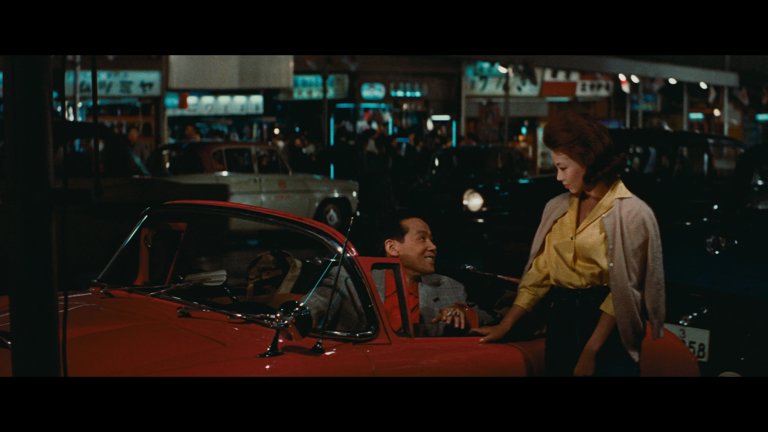
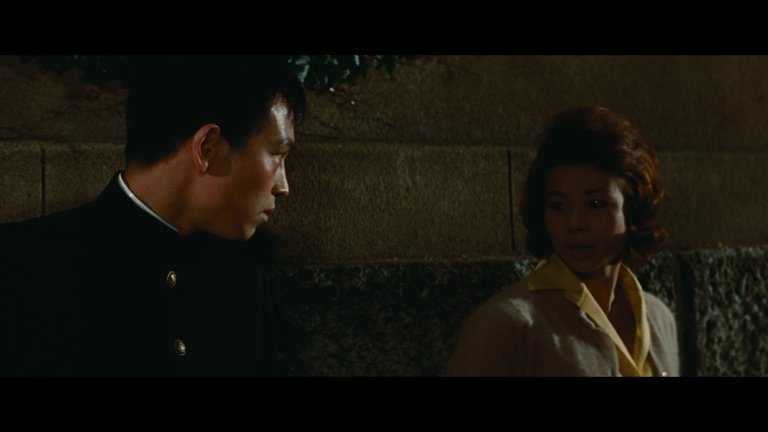
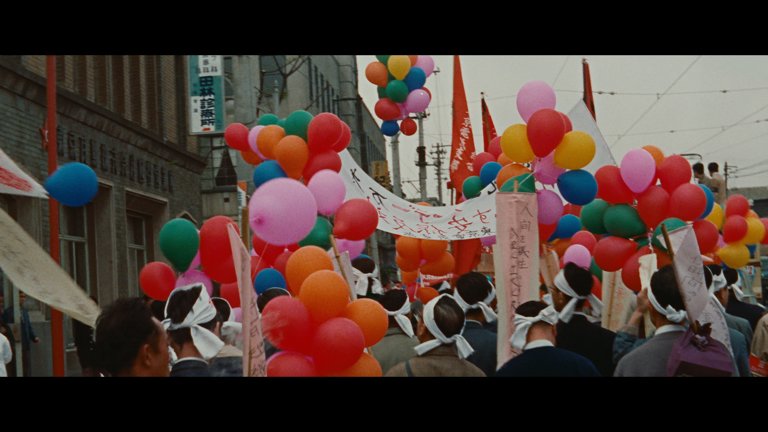
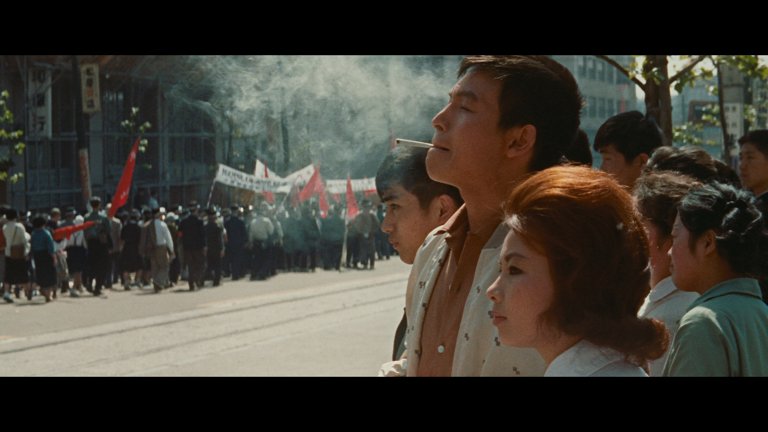
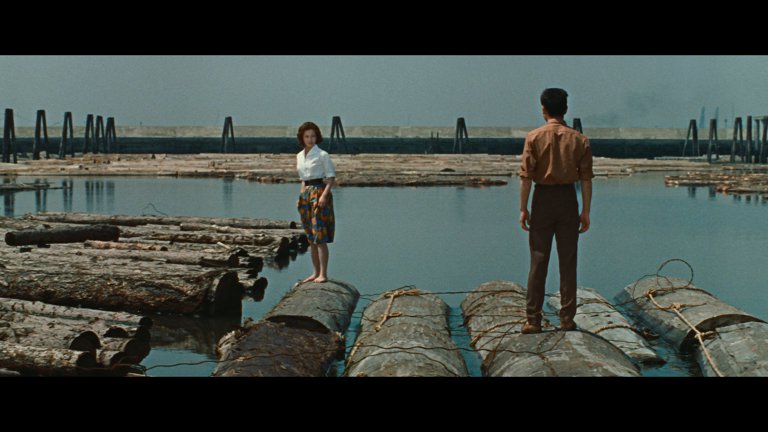
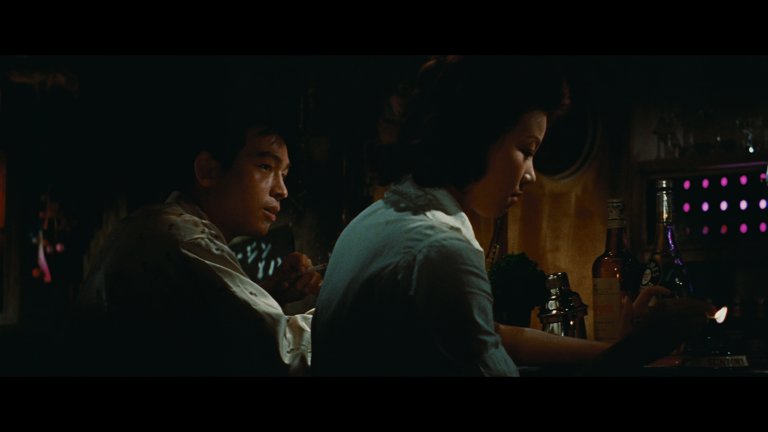
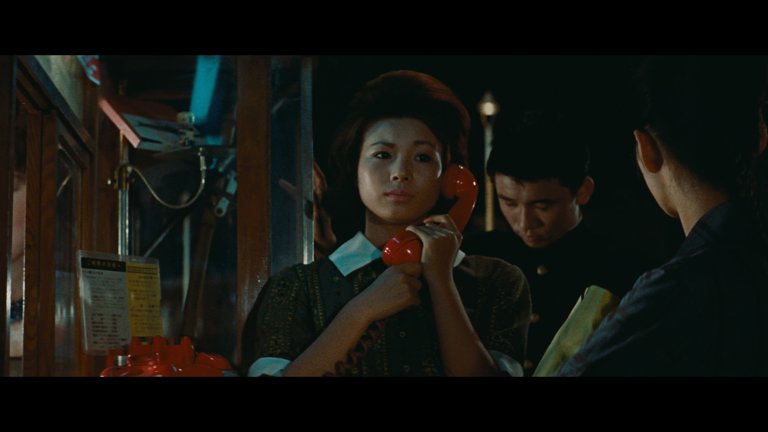
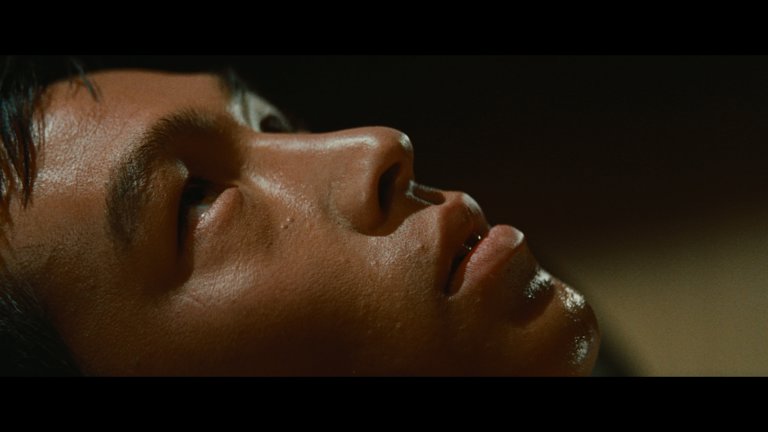
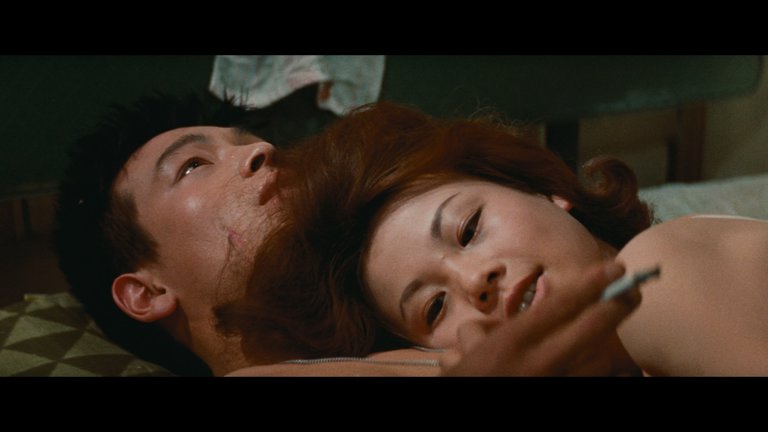
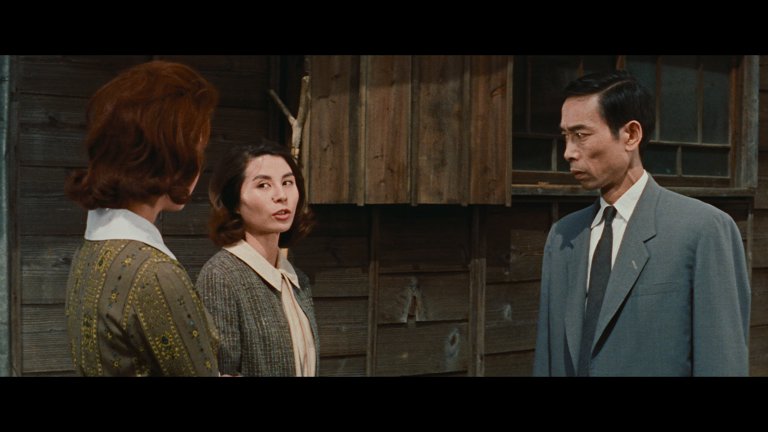
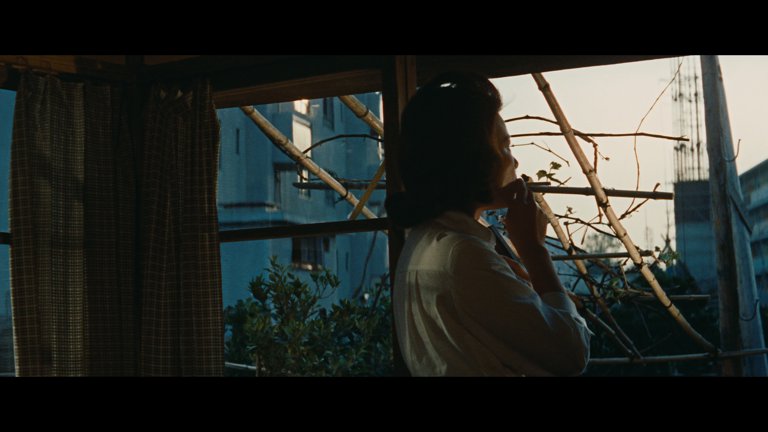
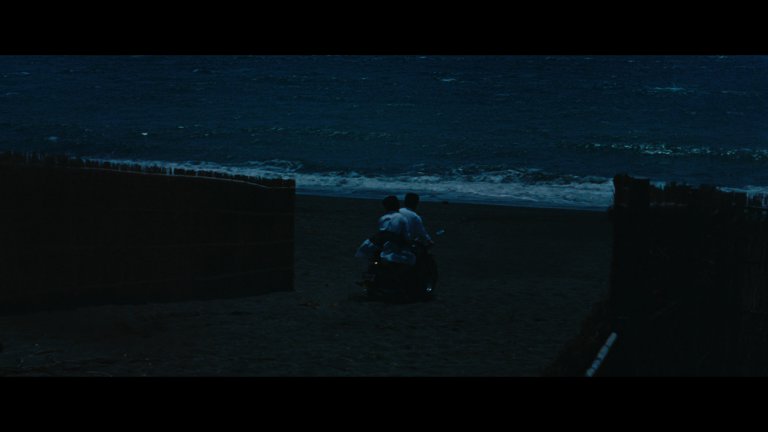
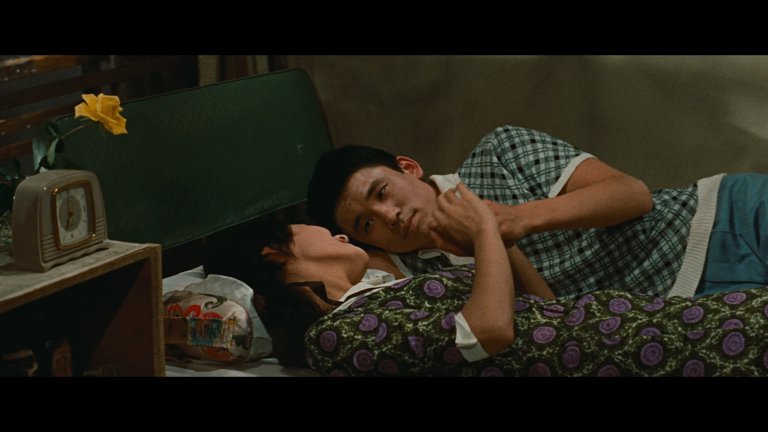
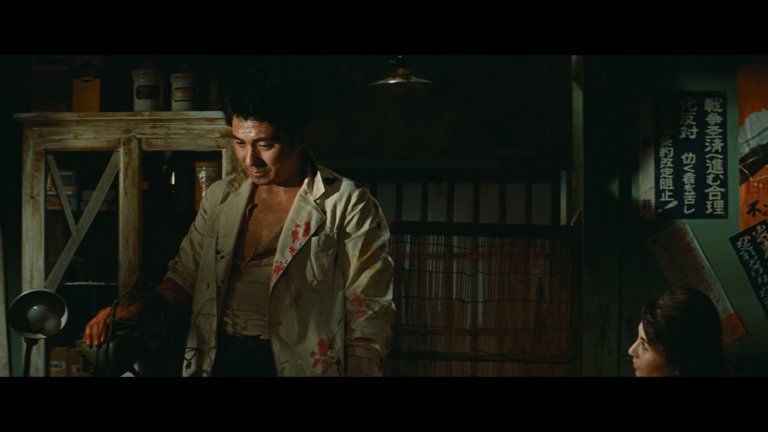
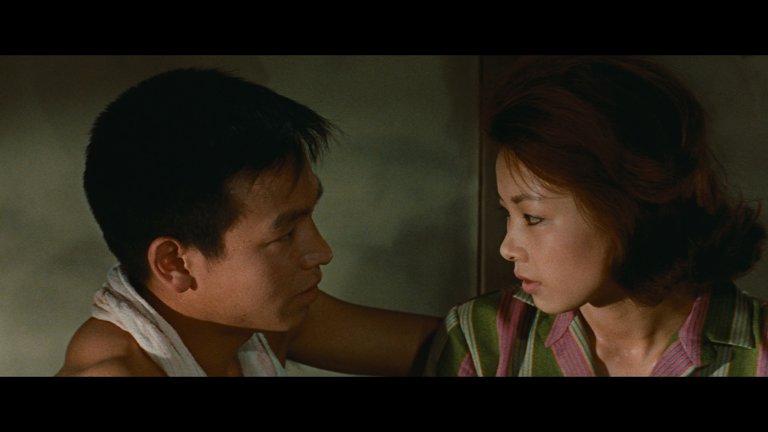
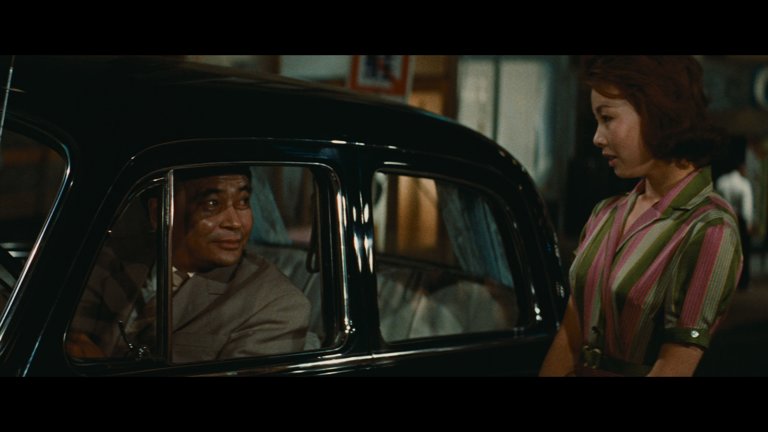
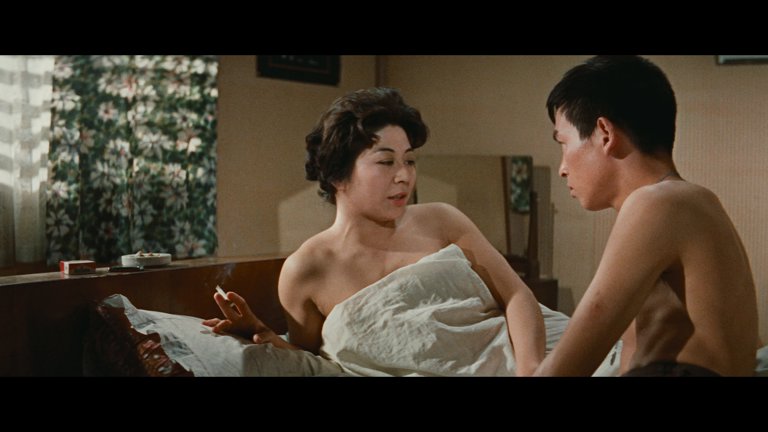
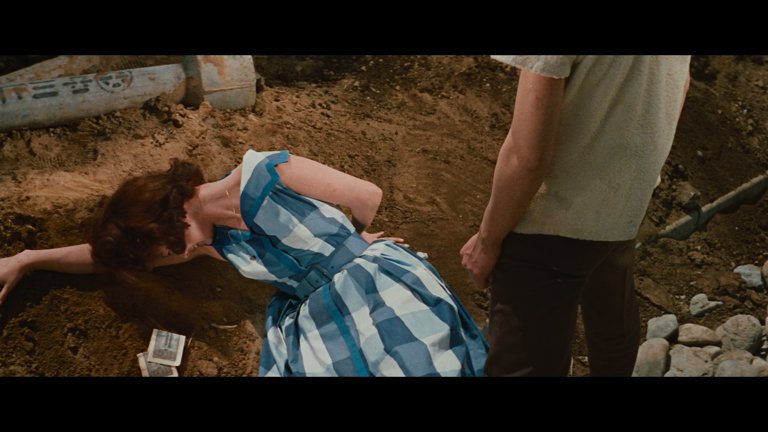
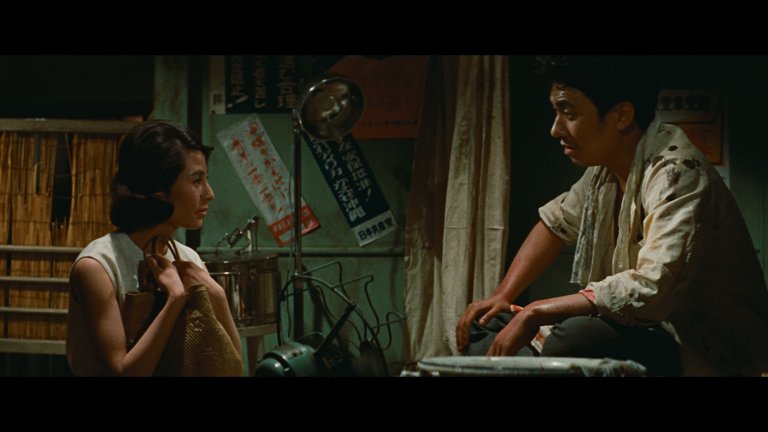
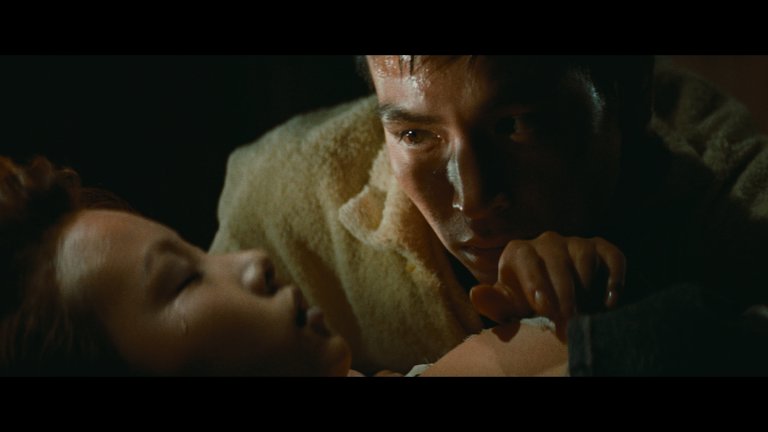
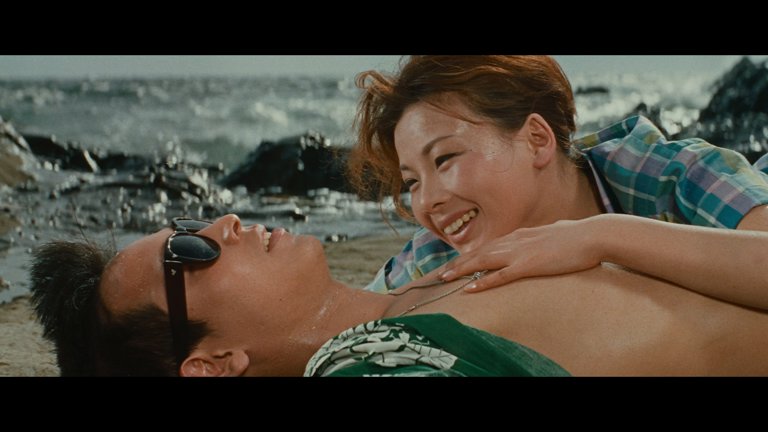
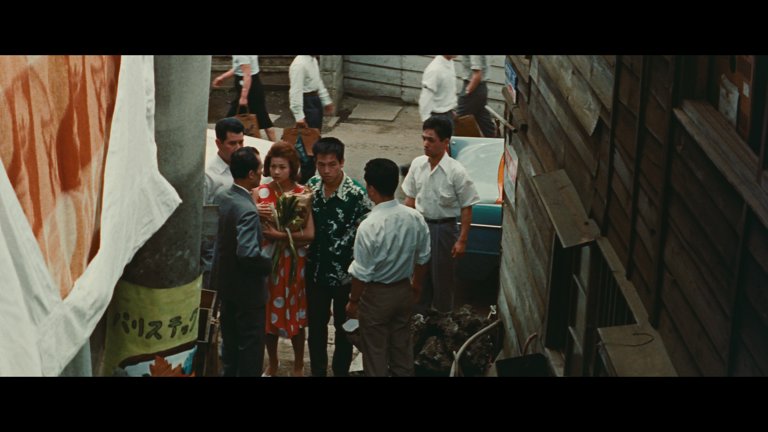
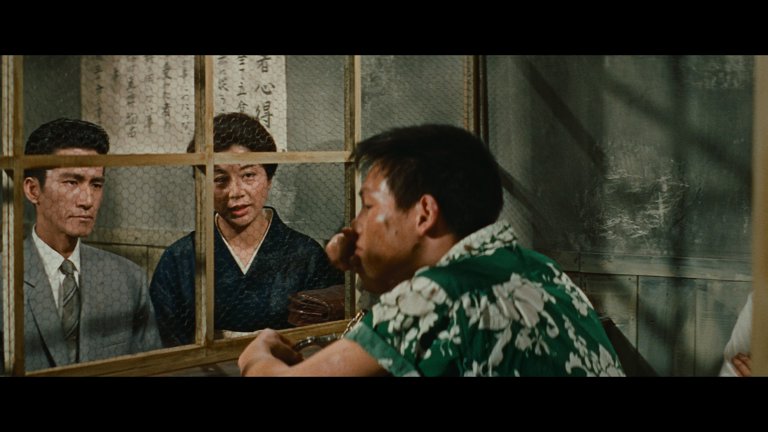
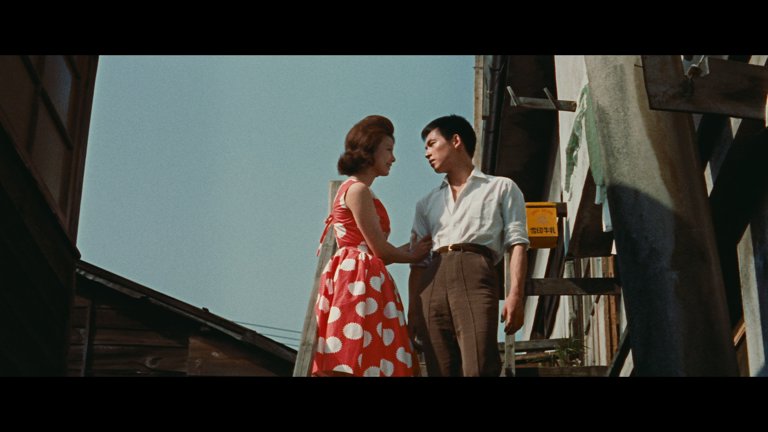
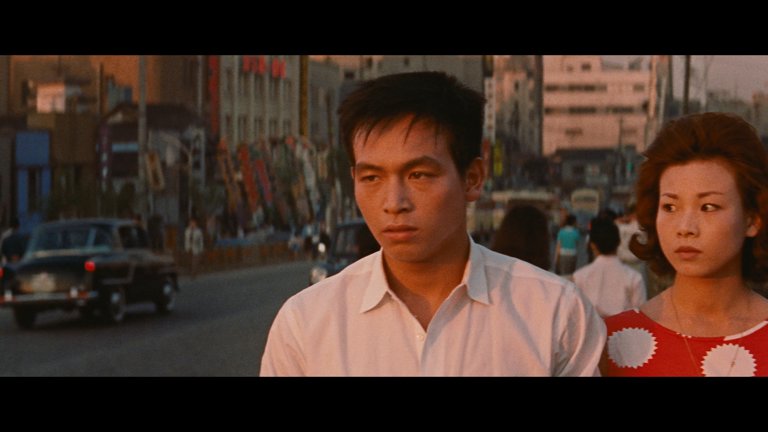
Cruel Story of Youth - Screen Captures
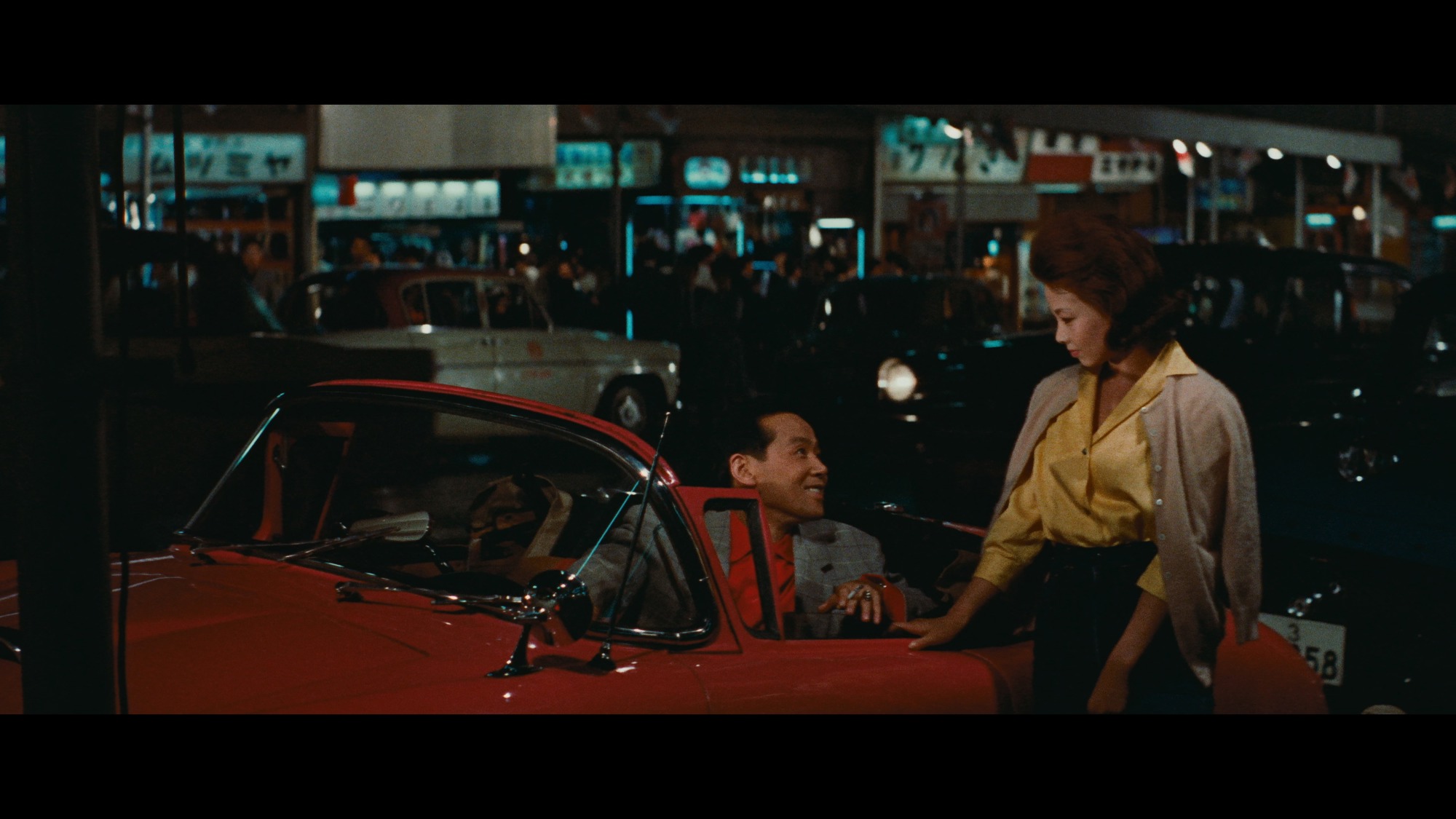
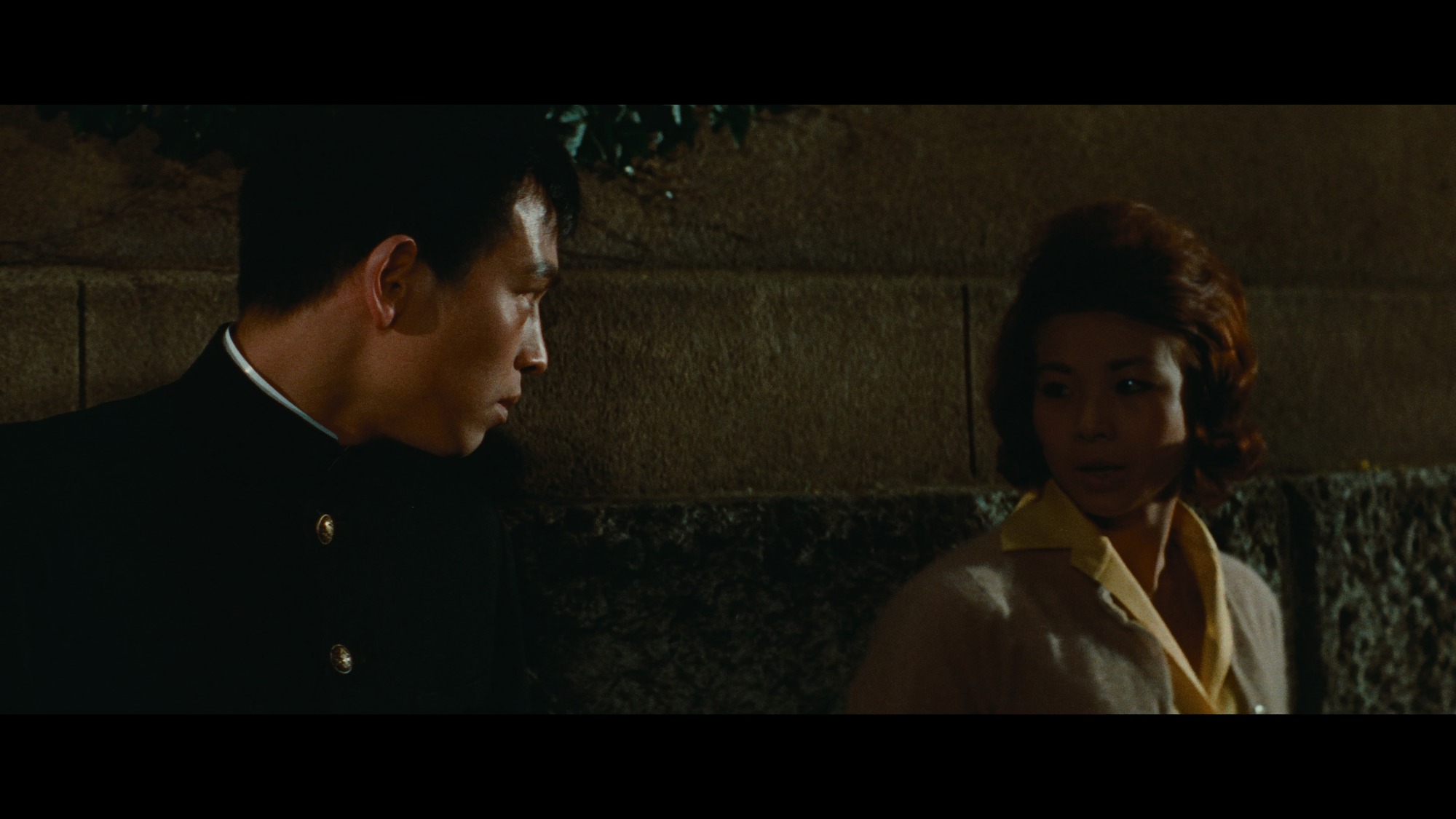
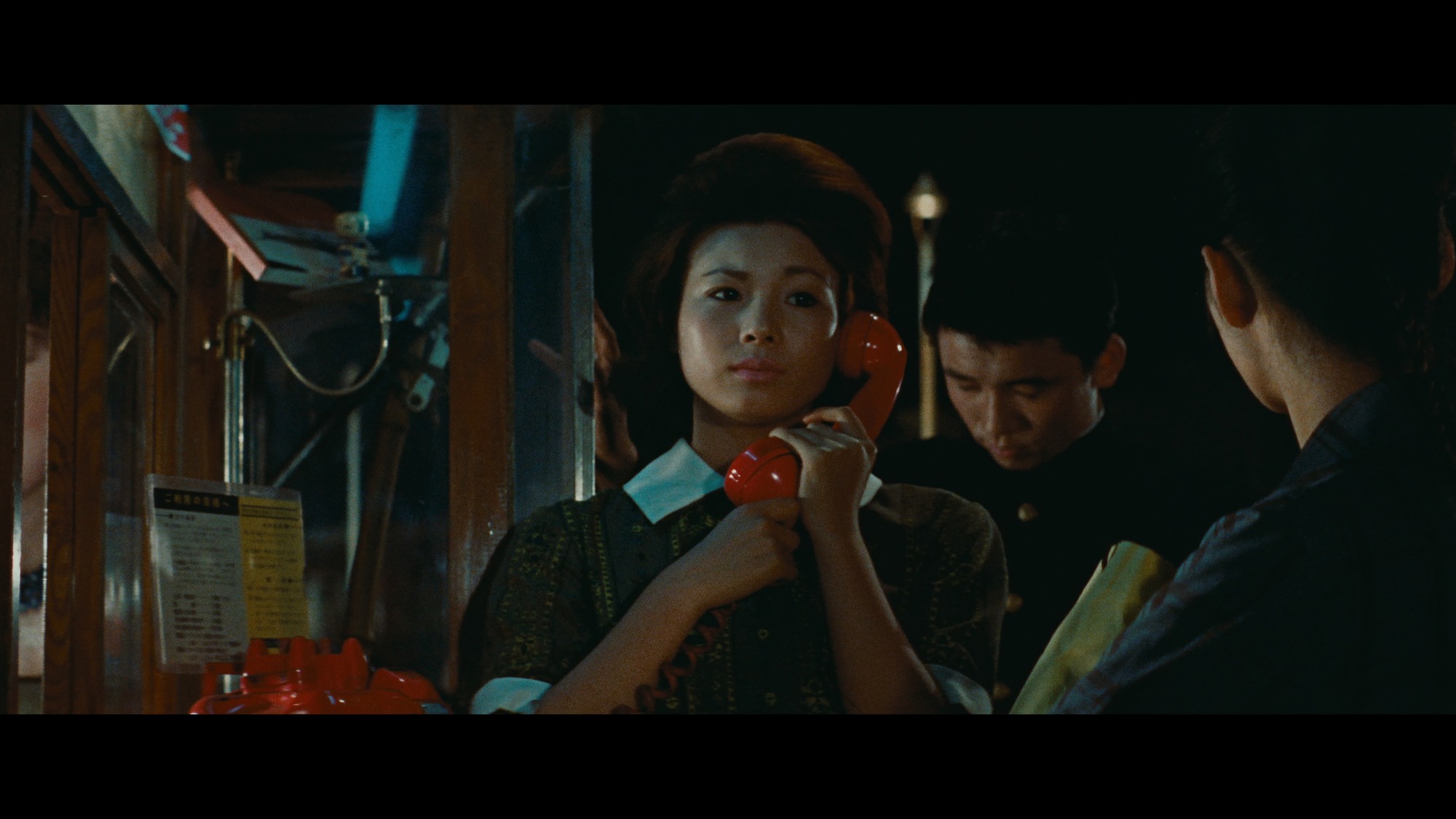
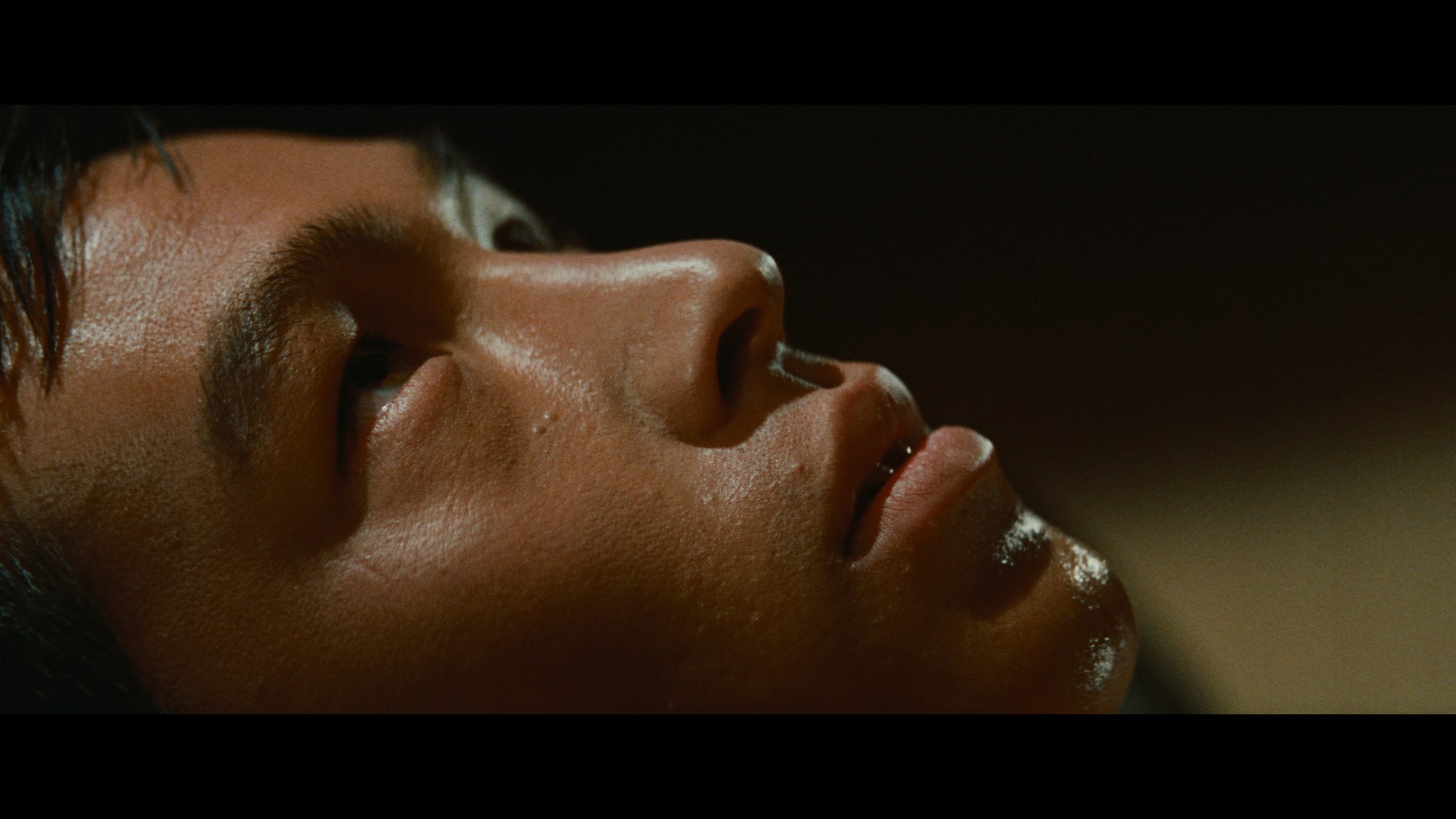
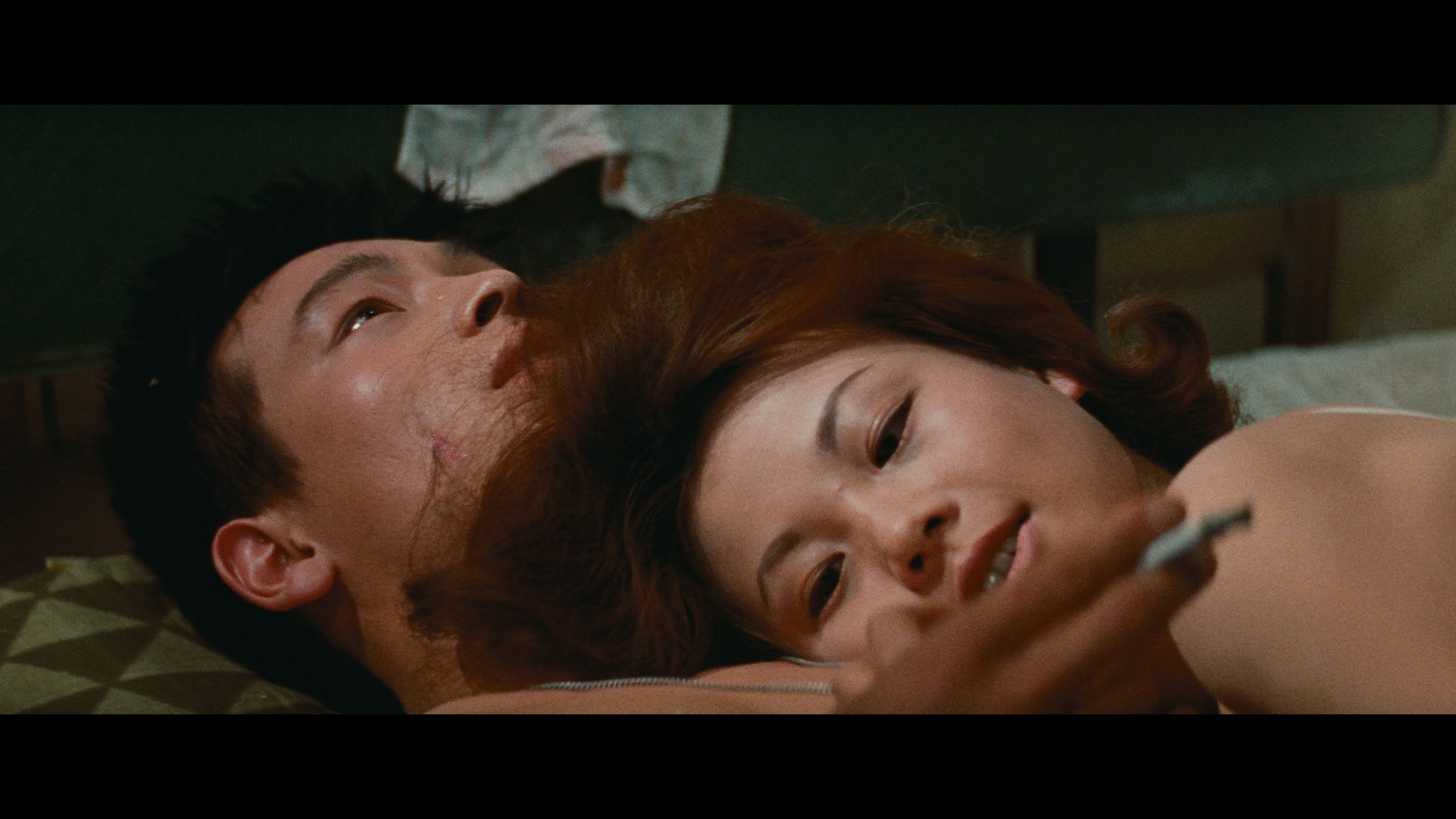
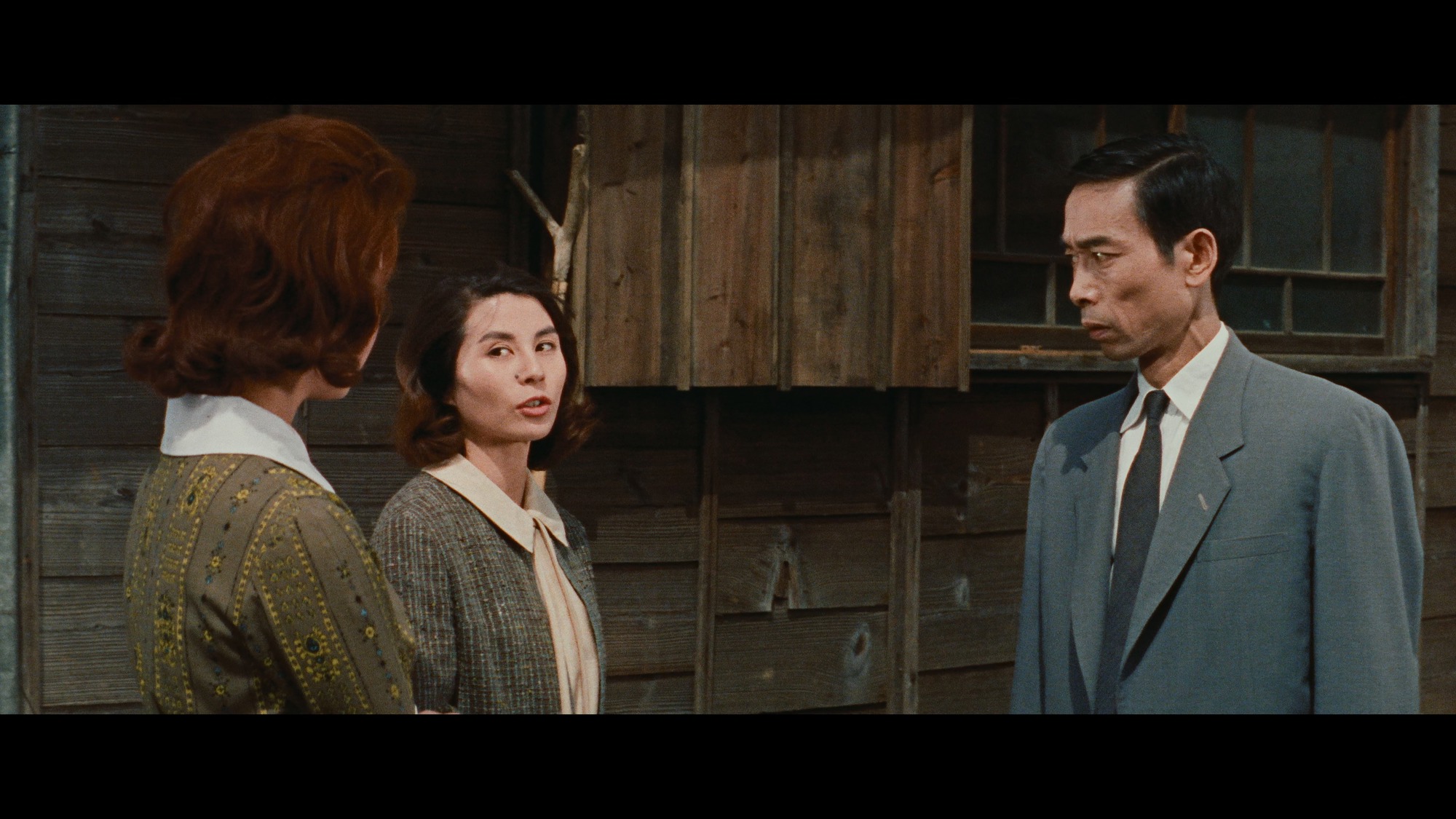
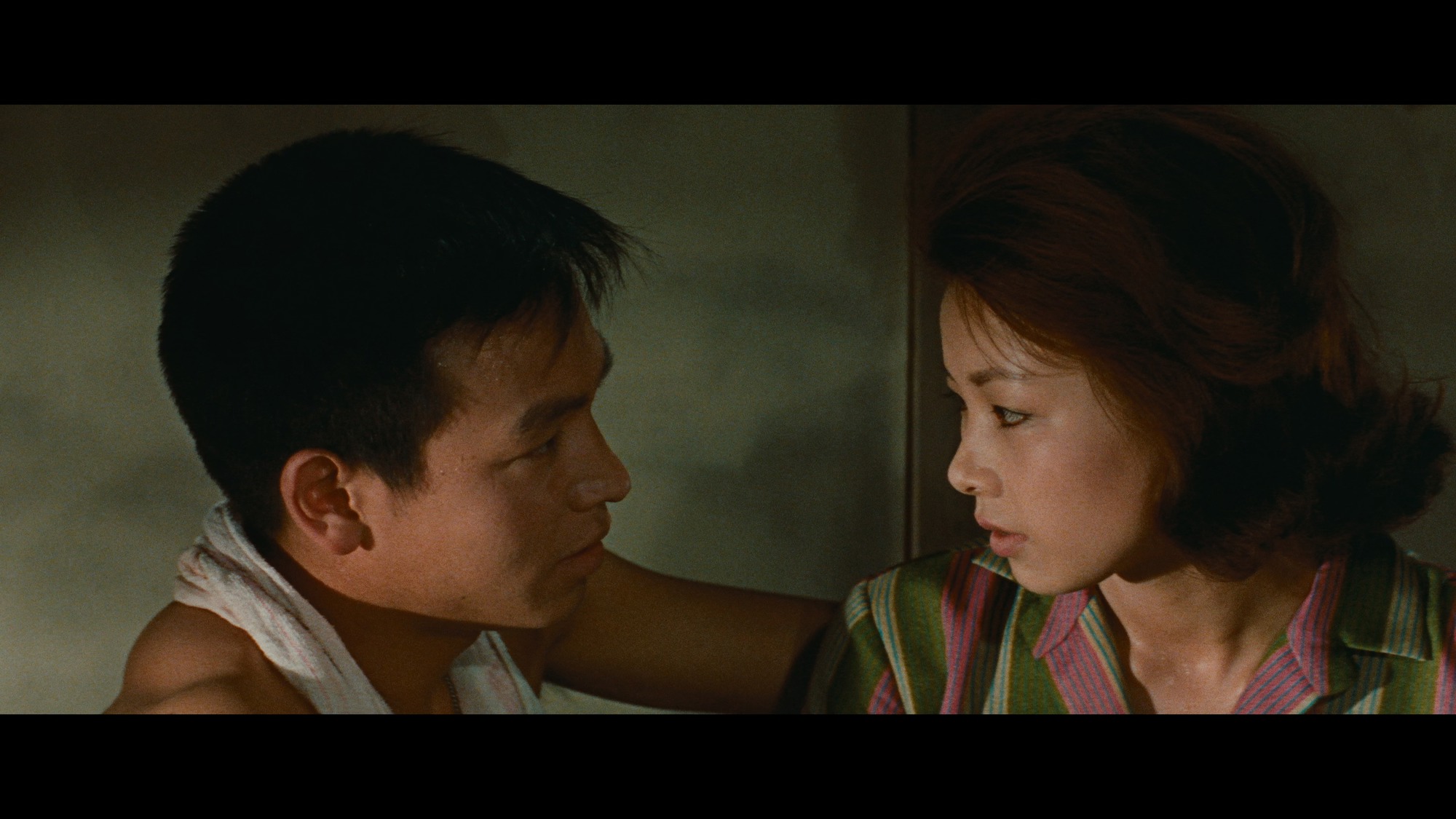
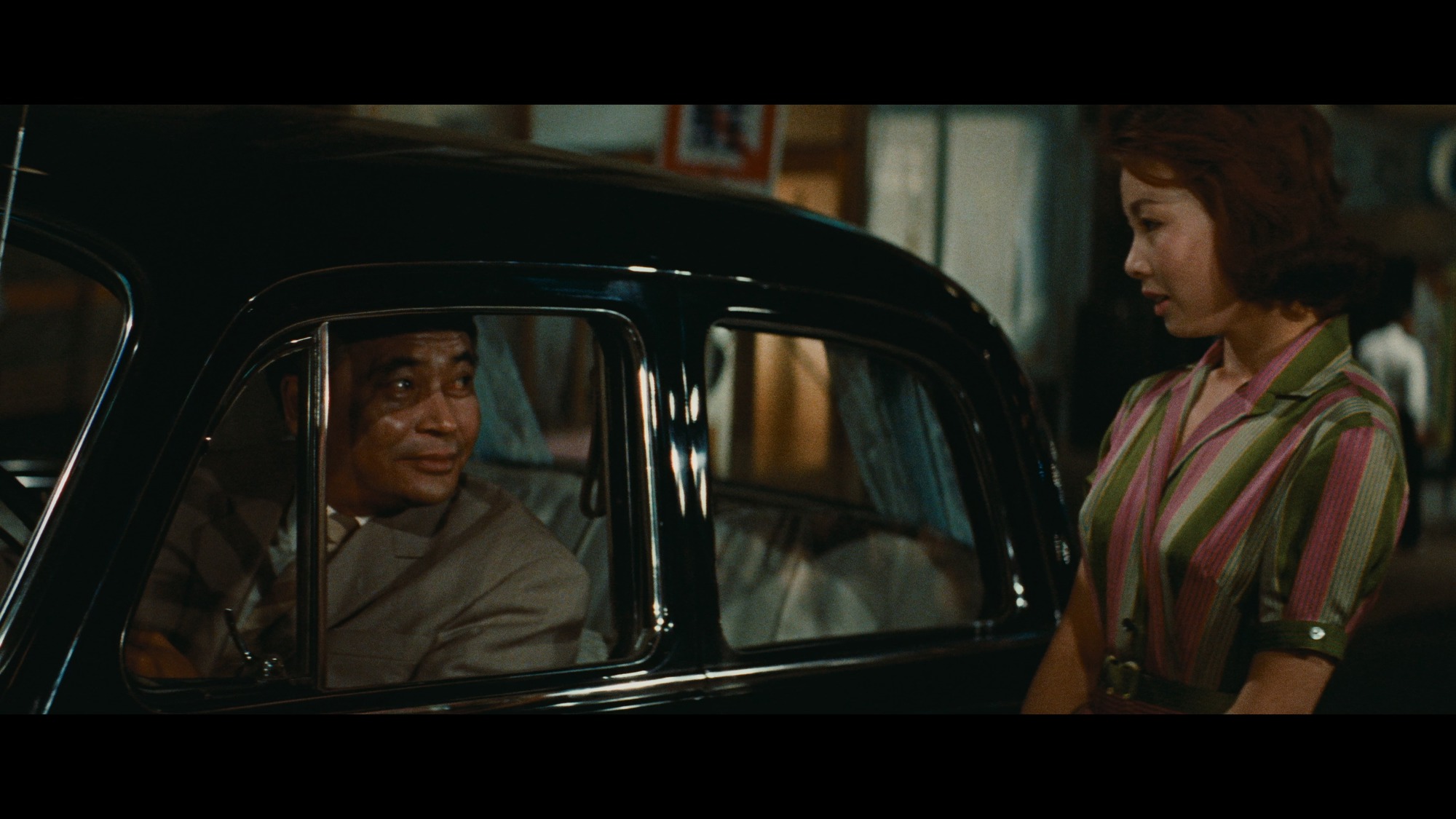
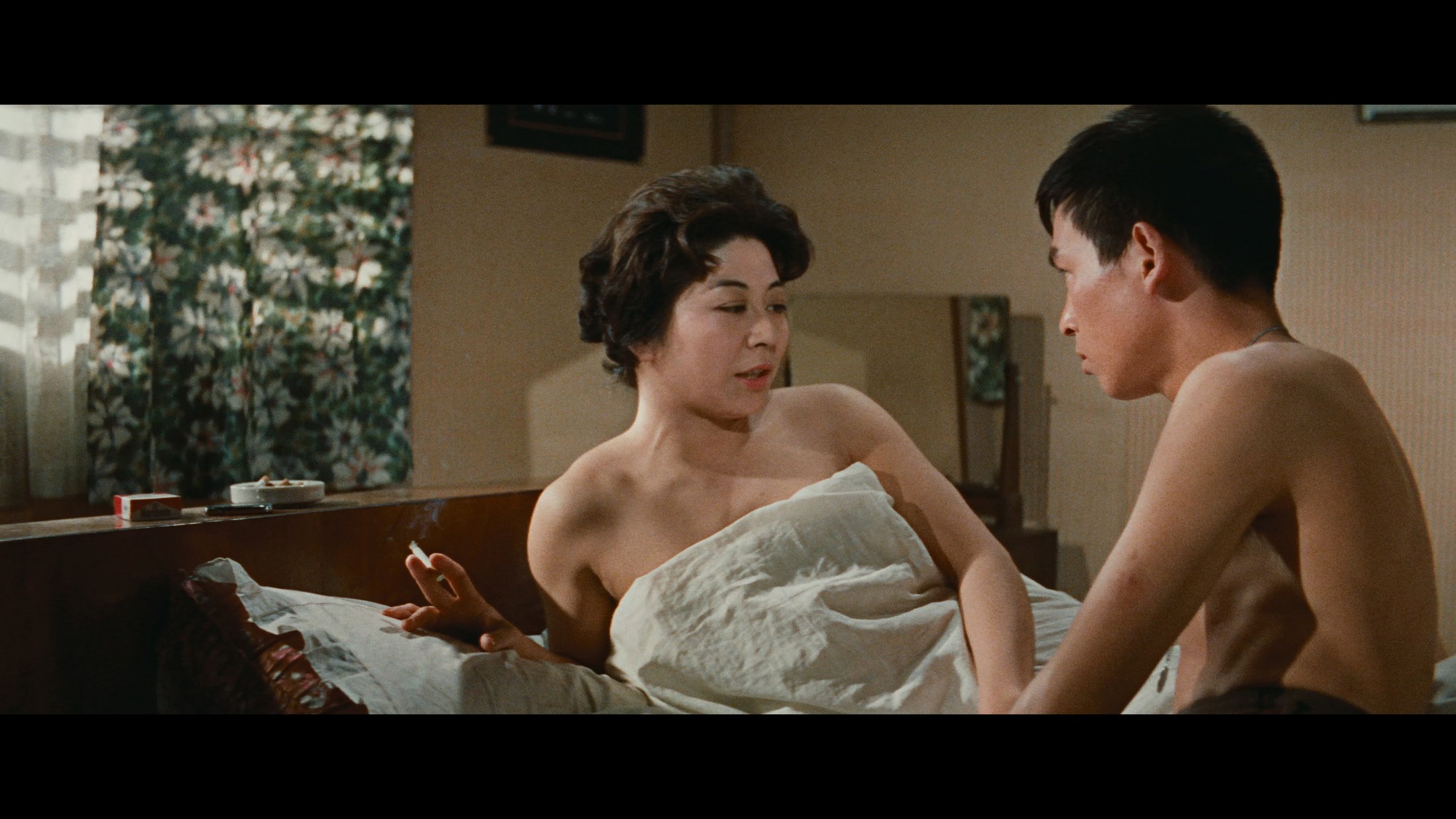
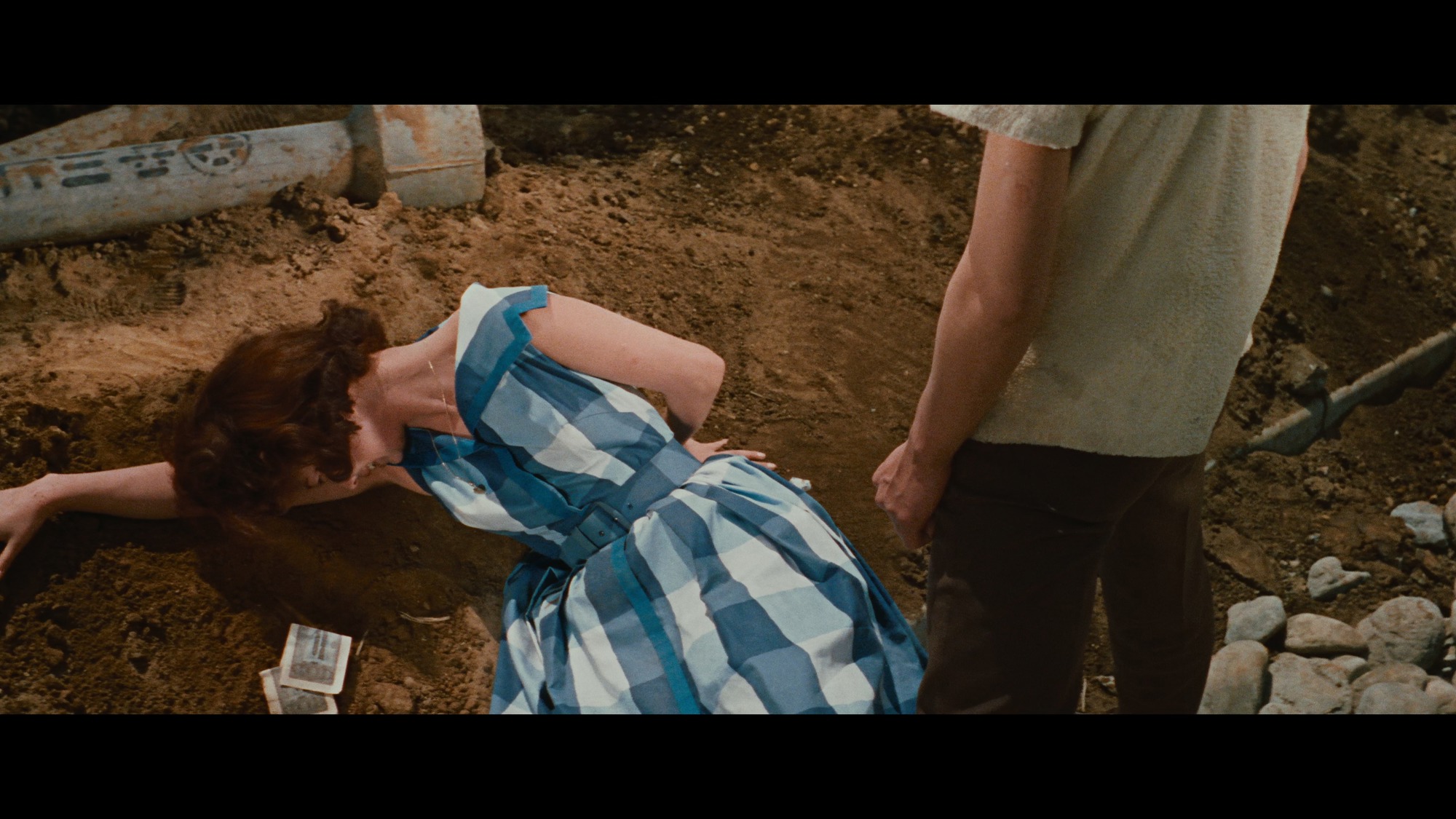
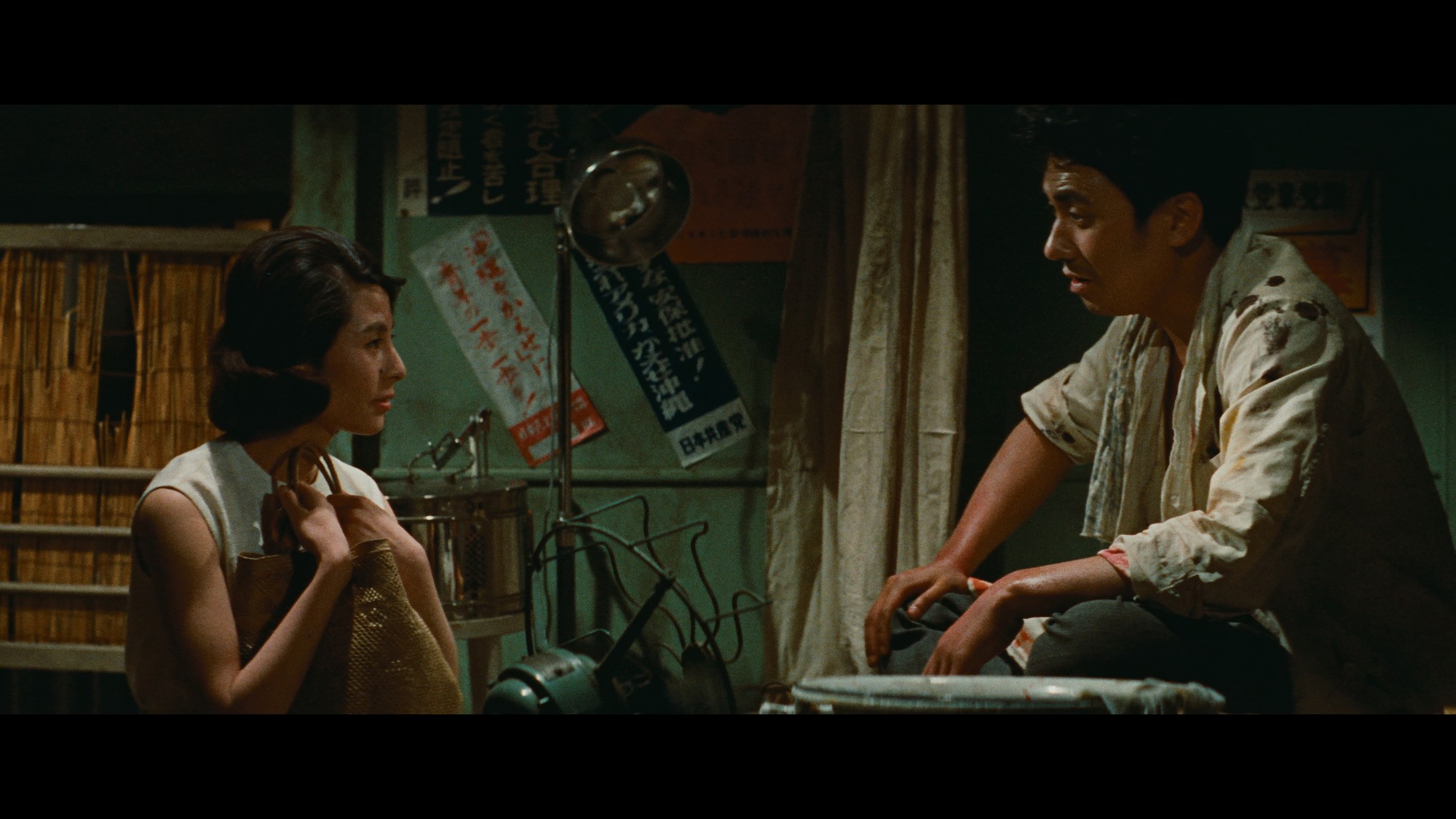
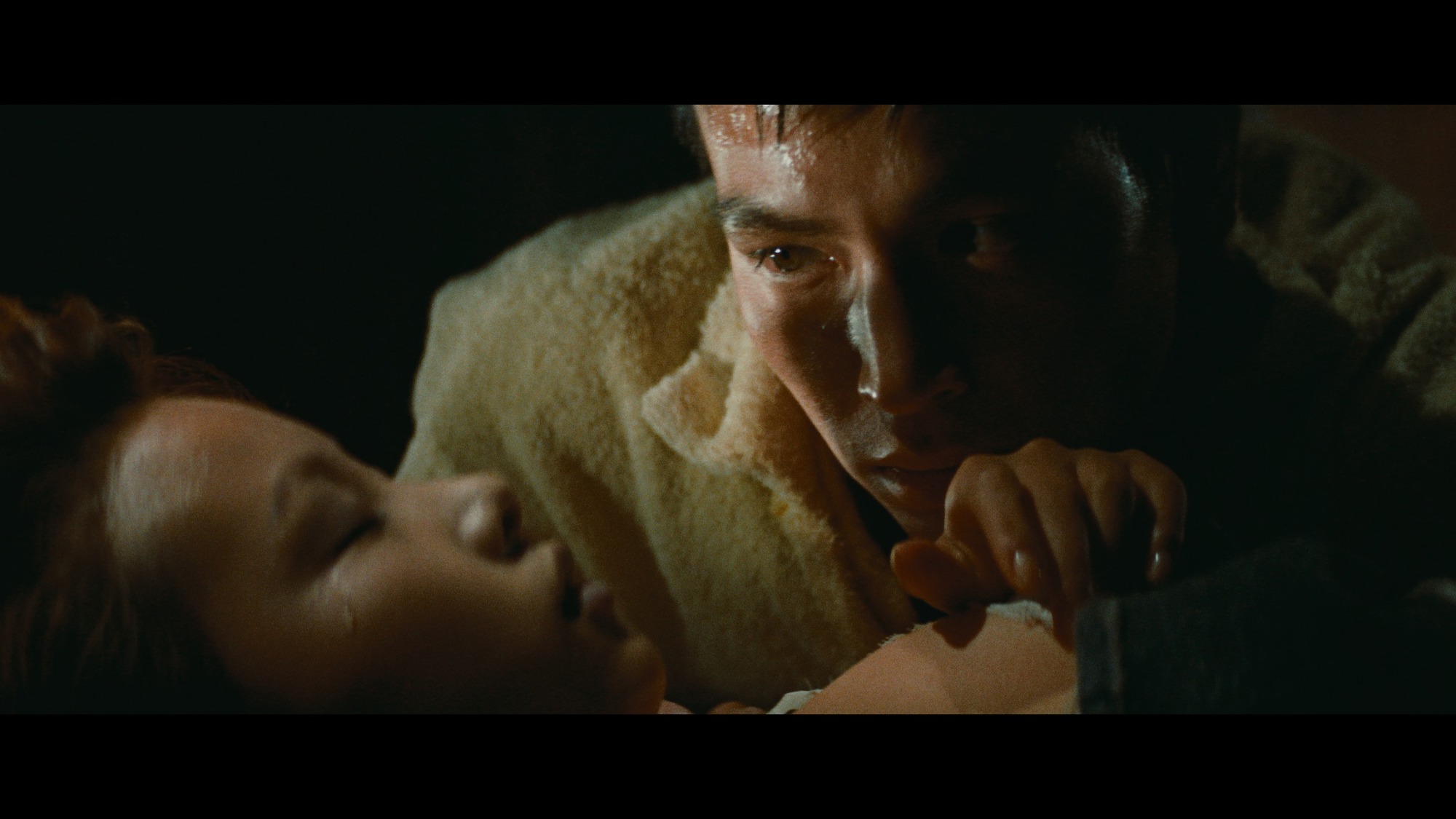
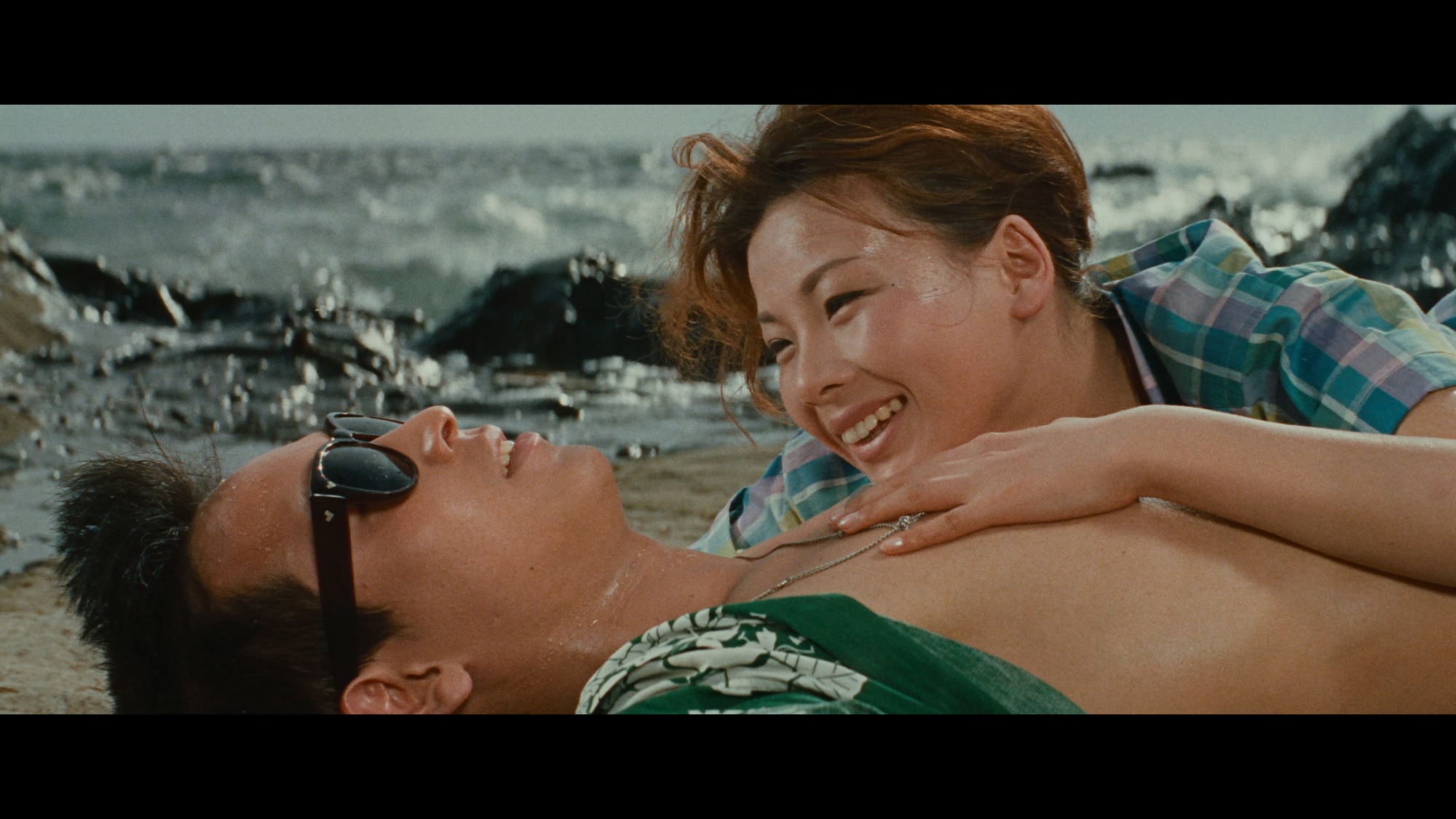
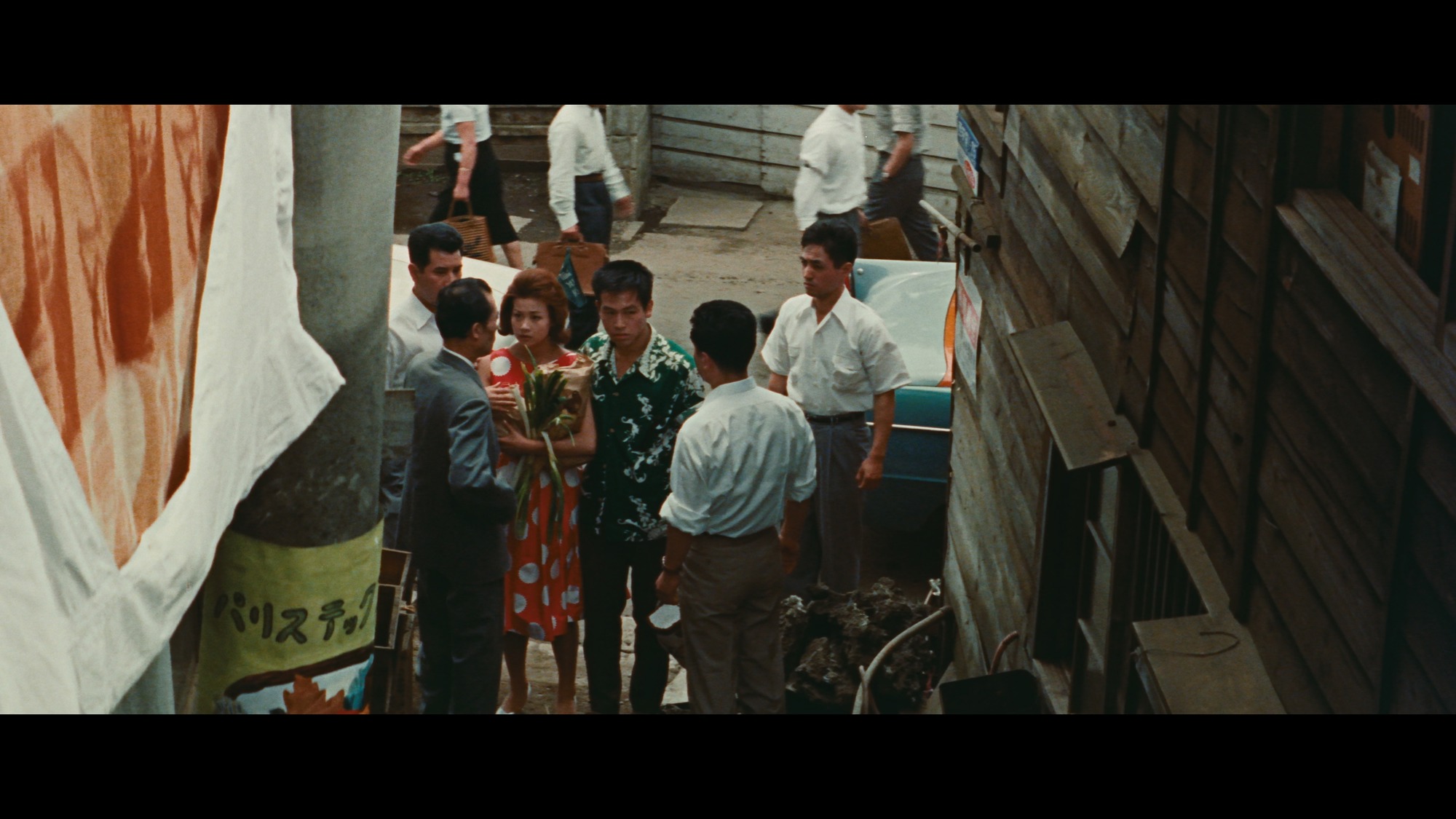
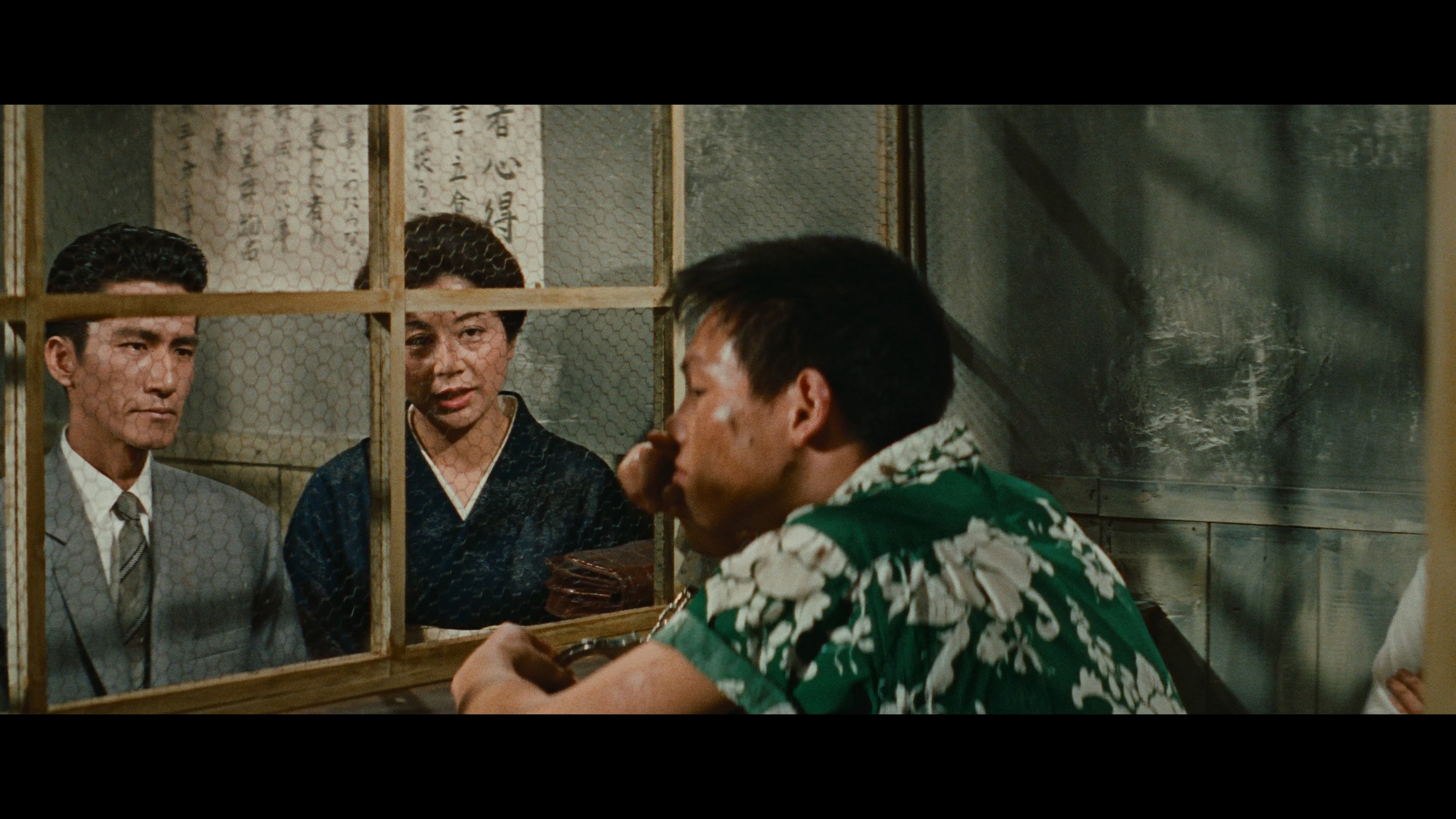
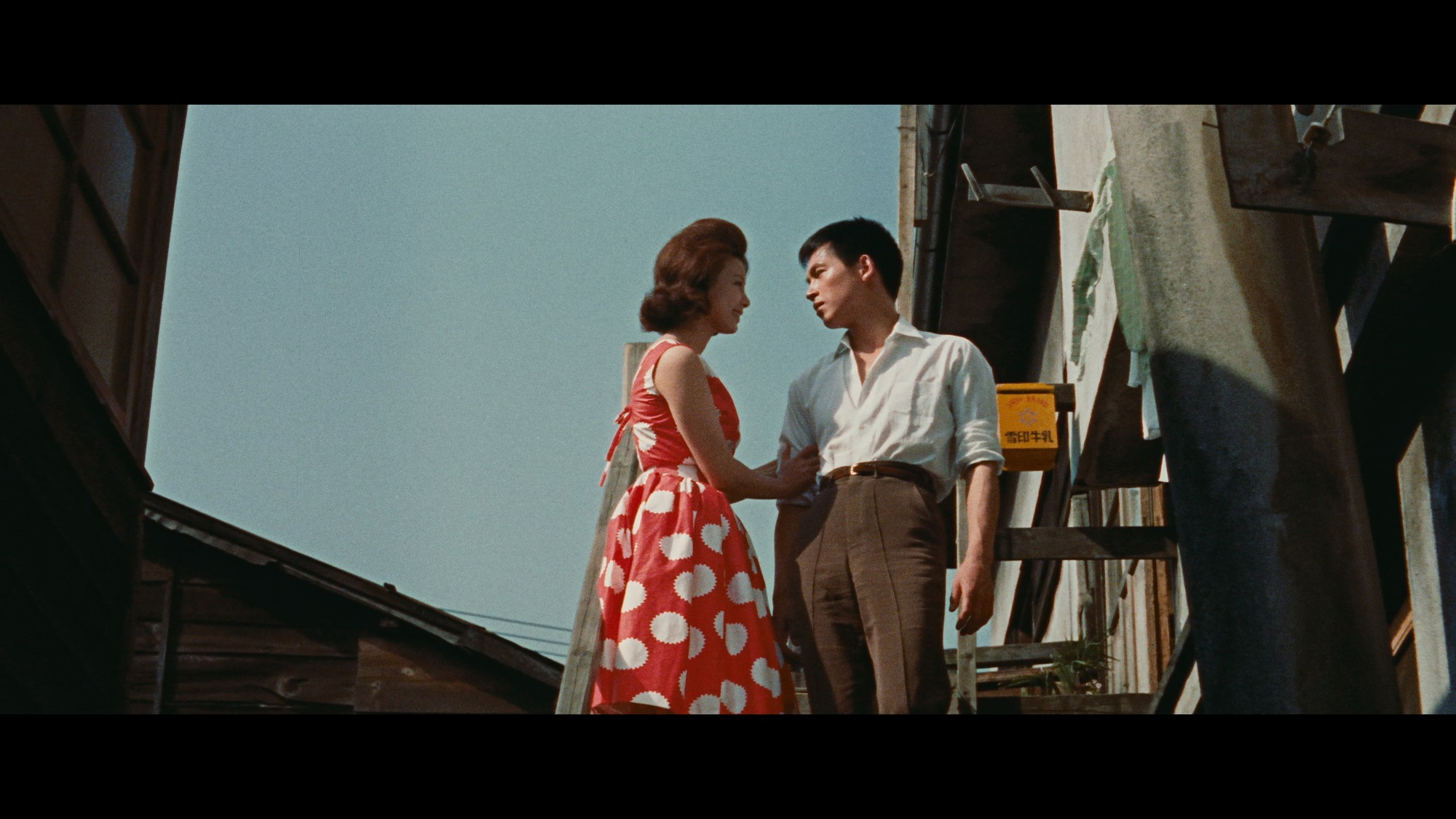
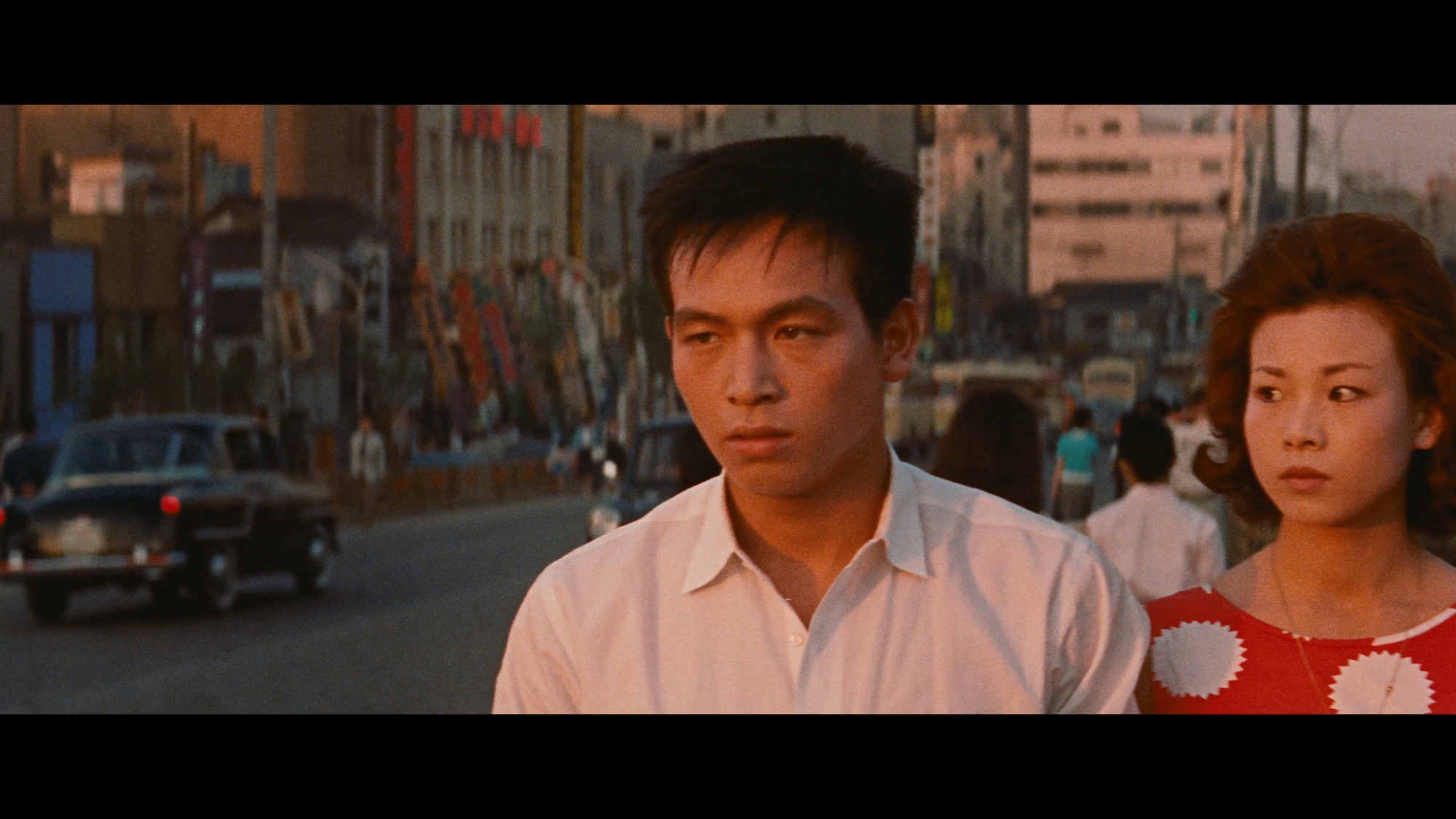
Audio 6/10
The lossless single-channel PCM monaural presentation is also quite strong, even if it seems somewhat limited by the source elements. Damage is never an issue, and I found it to be sharp and pleasing throughout with no evident filtering. That said, the range is fairly limited, even in the music, and the track can still come off sounding a little one-note.
Extras 7/10
Despite feeling like it has been a long time coming (with one feature here further suggesting that), Criterion doesn’t pack in a lot of material, though it smartly includes Oshima’s first feature, A Town of Love and Hope (1959). The film follows a young man living in poverty with his mother and younger sister, looking for ways to make money for his family. His latest scam involves selling his sister’s pet pigeons with the expectation that they’ll eventually fly back home, allowing him to repeat the process. Early on he sells them to a girl his own age who seems to suspect the scam anyway, but goes along with it to help him, with her eventually inserting herself into his life. The young man’s teacher also enters the picture, and through the three characters Oshima explores class divisions and social inequality, topics that would come up to varying degrees throughout his films. Compared to his later work, it’s all fairly straightforward and restrained, nothing all that shocking (the most shocking elements may be the young sister drawing dead rats she finds on the street). It’s also surprisingly brisk, running only 62 minutes, and I wouldn’t be surprised if that had something to do with studio interference, especially since it sounds like Shochiku wasn’t particularly fond of the film.
Ultimately, I can see why Criterion opted not to give the film its own release, instead including it here as a supplement. The presentation is also very rough, looking either like a standard-definition upscale or a very rough high-definition presentation sourced from less-than-ideal elements (I'm not entirely sure). And though the film appears to have been stabilized, at least for the most part, restoration efforts otherwise seem almost non-existent.
We also get the 6-minute short Tomorrow’s Sun, also from 1959 and presented in color. Energetic and playful, it appears to be a promotional film showcasing Shochiku’s young stars, including Cruel Story of Youth leads Yusuke Kawazu and Miyuki Kuwano. An interesting inclusion showing a more musical side of the filmmaker.
Finally, along with the film’s original trailer, Criterion includes 20 minutes of excerpts from an interview with Tony Rayns recorded in 2005. I assume they originally intended to use this for a release of the film around that time, possibly alongside other Oshima films, as Rayns spends considerable time covering the director’s background and rise within the Japanese film industry before turning his attention to Cruel Story of Youth and its reflection of the political and social climate of the period, filtered through Oshima’s cynicism and nihilism. As usual, it’s a fantastic and in-depth discussion, and a reminder of what everyone has lost with his recent passing.
The release also includes an insert featuring an essay on the film (awkwardly split between both sides) covering the film itself and this period of Oshima’s career.
Again, I almost expected a little more, but the inclusion of the Rayns piece and Oshima’s debut feature still make for a worthwhile collection of supplements.
Closing
Minor issues with the master aside, this is still an excellent-looking presentation featuring sharp detail and bold colors. Throw in a great archival interview with Tony Rayns and Oshima's first feature, and you end up with a nicely assembled special edition.
BUY AT: