
The Complete Kubrick
The Shining
BUY AT:


See more details, packaging, or compare
Synopsis
A titan of cinema whose influence extends across visual art, philosophy, politics, technology, fashion, and beyond, Stanley Kubrick created an unprecedented string of masterpieces, from Paths of Glory to Dr. Strangelove to 2001: A Space Odyssey, A Clockwork Orange, The Shining, and Eyes Wide Shut. Bending disparate genres to his will, he imbued his creations with a cuttingly ironic worldview and an iconographic, mesmerizingly precise visual style, probing the anxieties, enigmas, and horrors of the twentieth century with a coolly devastating eye. Tracing his evolution from independent maverick to Hollywood rebel to visionary transnational auteur whose every film from the mid-1960s on became a manifesto of a radically new sensibility, The Complete Kubrick brings together the entirety of a body of work that opened popular cinema up to new realms of moral profundity and metaphysical mystery.
Collected here for the first time are Kubrick’s thirteen features and three shorts, all restored in 4K, with their original soundtracks alongside the 5.1 mixes, restored and remastered; over twenty-five hours of interviews, documentaries, and behind-the-scenes materials; and deluxe packaging illustrated with rare photographs, artwork, and documents annotated by Kubrick himself, all housed in a singular box inspired by the director’s legendary archive.
Picture 10/10
The Criterion Collection presents both the American theatrical and international cuts of Stanley Kubrick’s The Shining on 4K UHD, with the international cut marking its debut on the format. Each version receives its own triple-layer disc, featuring a 2160p/24hz ultra high-definition presentation with Dolby Vision in the film’s original theatrical aspect ratio of 1.85:1. Both presentations come from 4K restorations sourced from scans of the original camera negative. Two standard Blu-rays are also included, featuring 1080p presentations of each version alongside all video supplements related to the film. Altogether, The Shining occupies four discs in the 30-disc set.
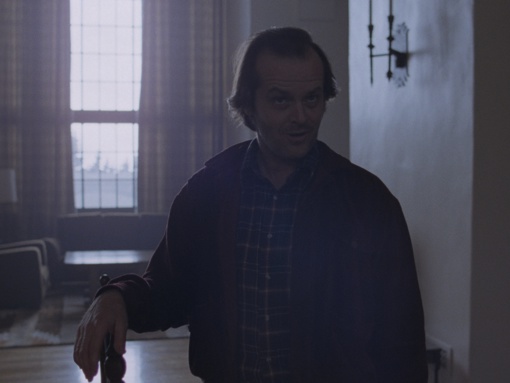
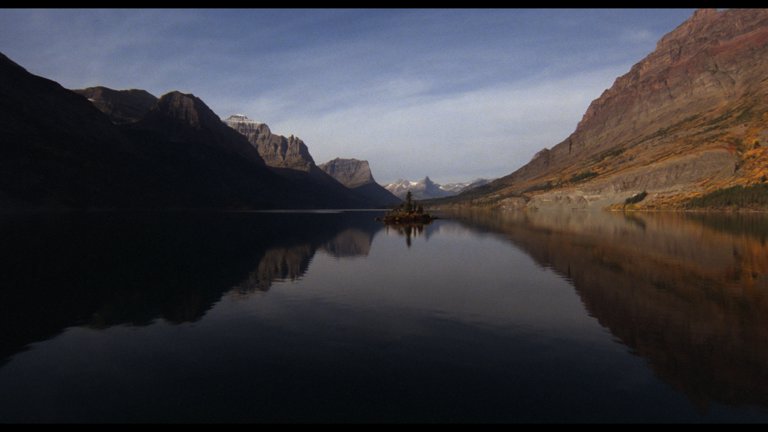
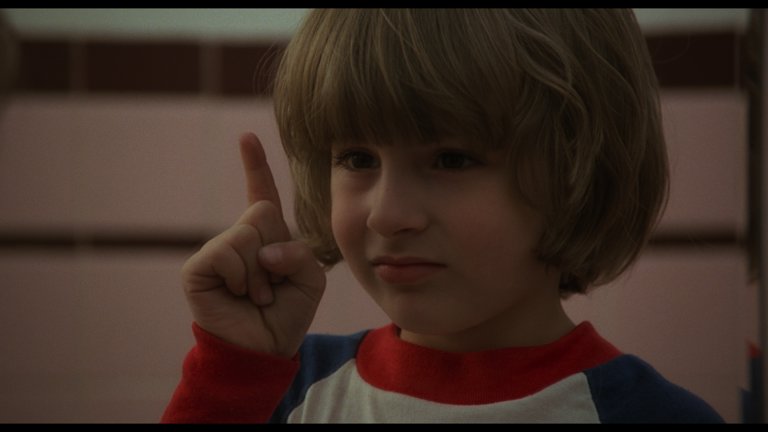
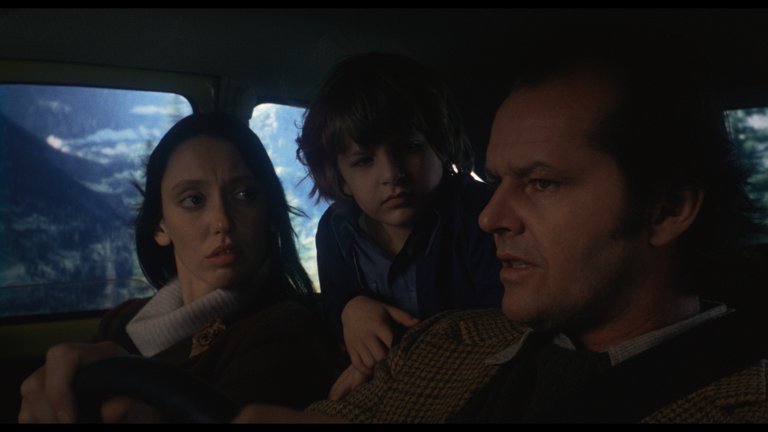
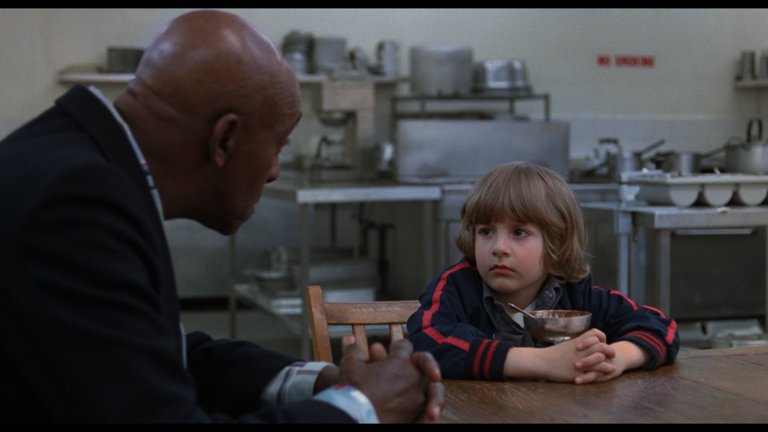
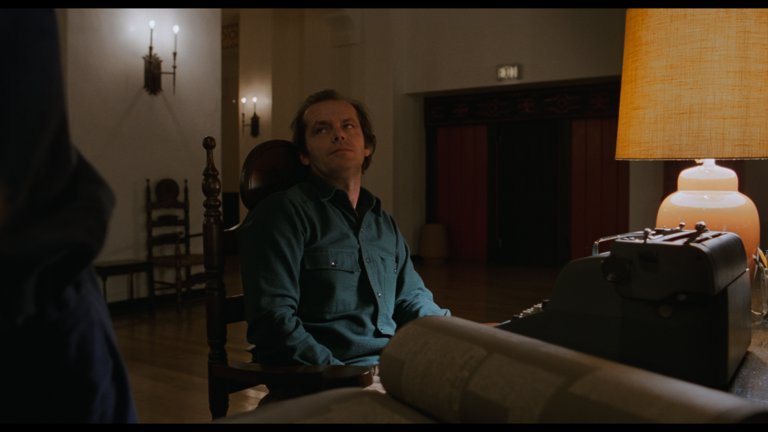
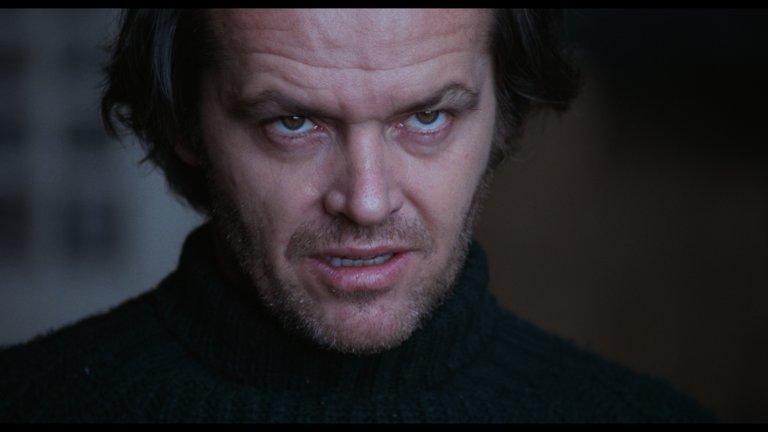
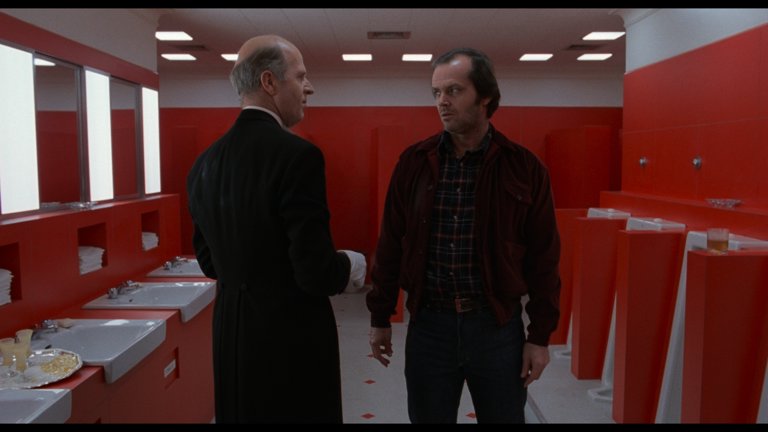
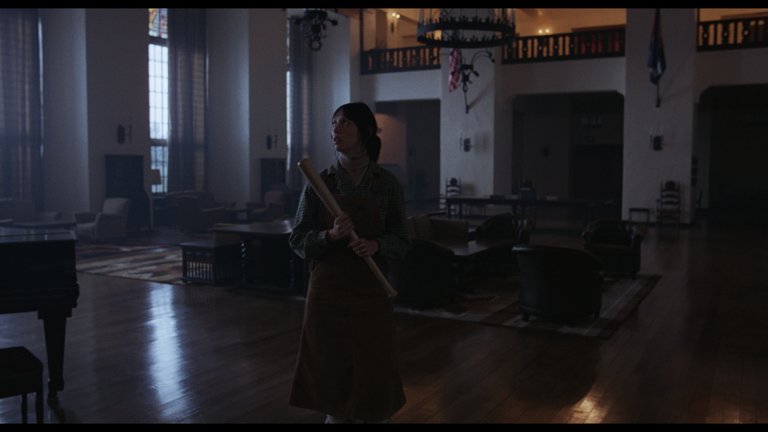
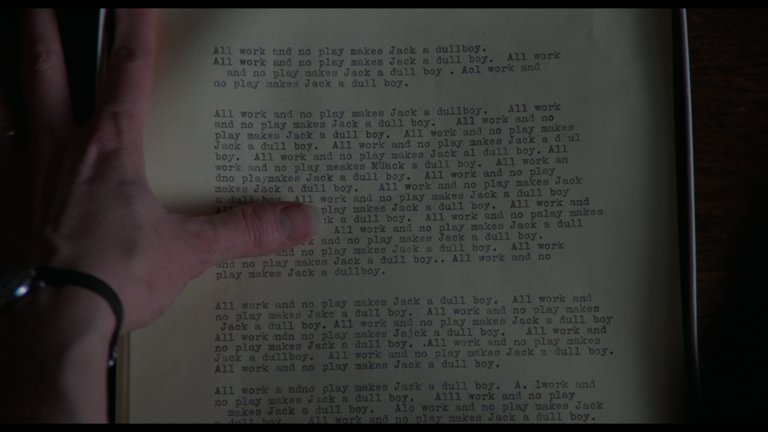
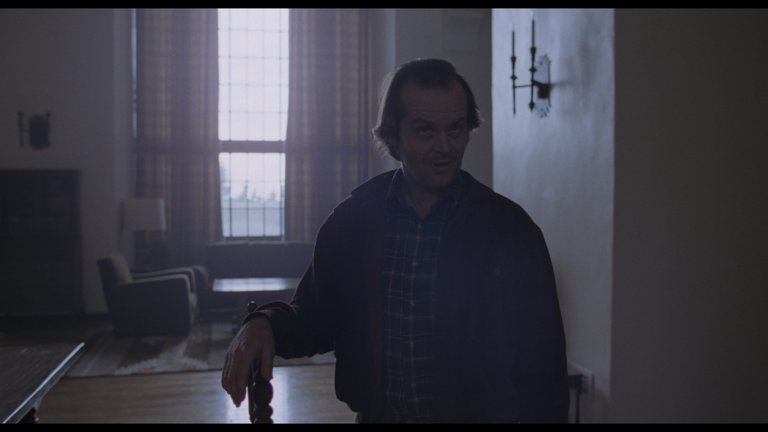
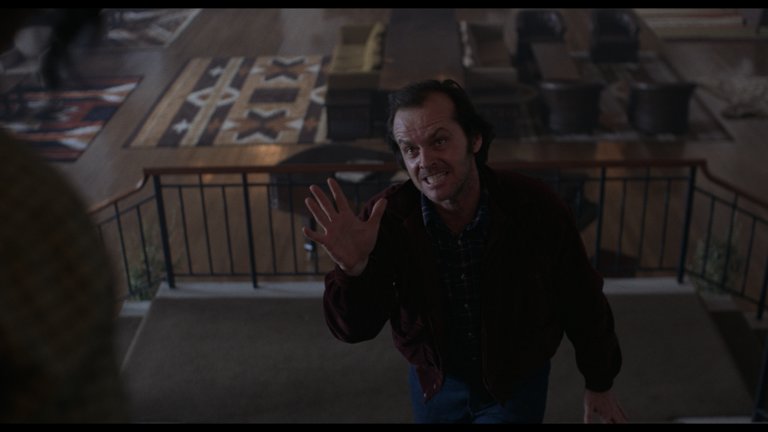
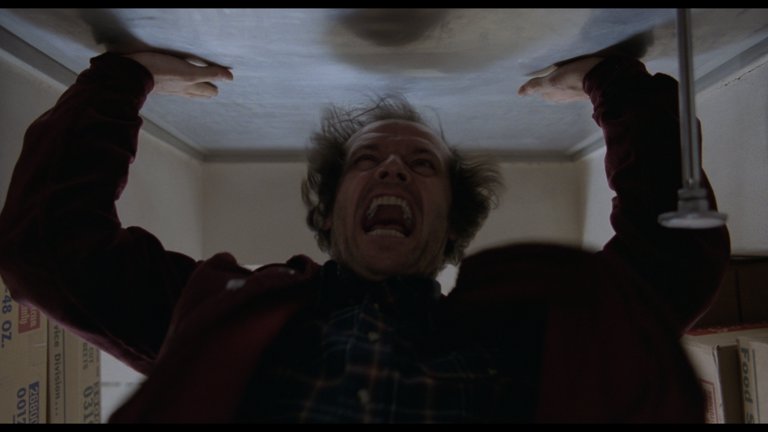
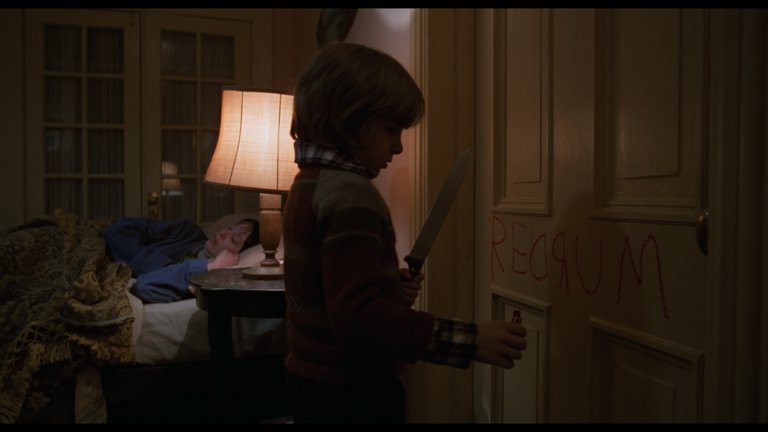
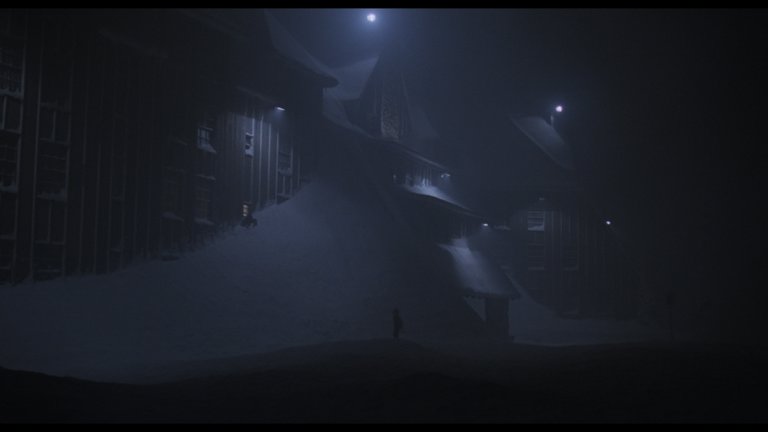
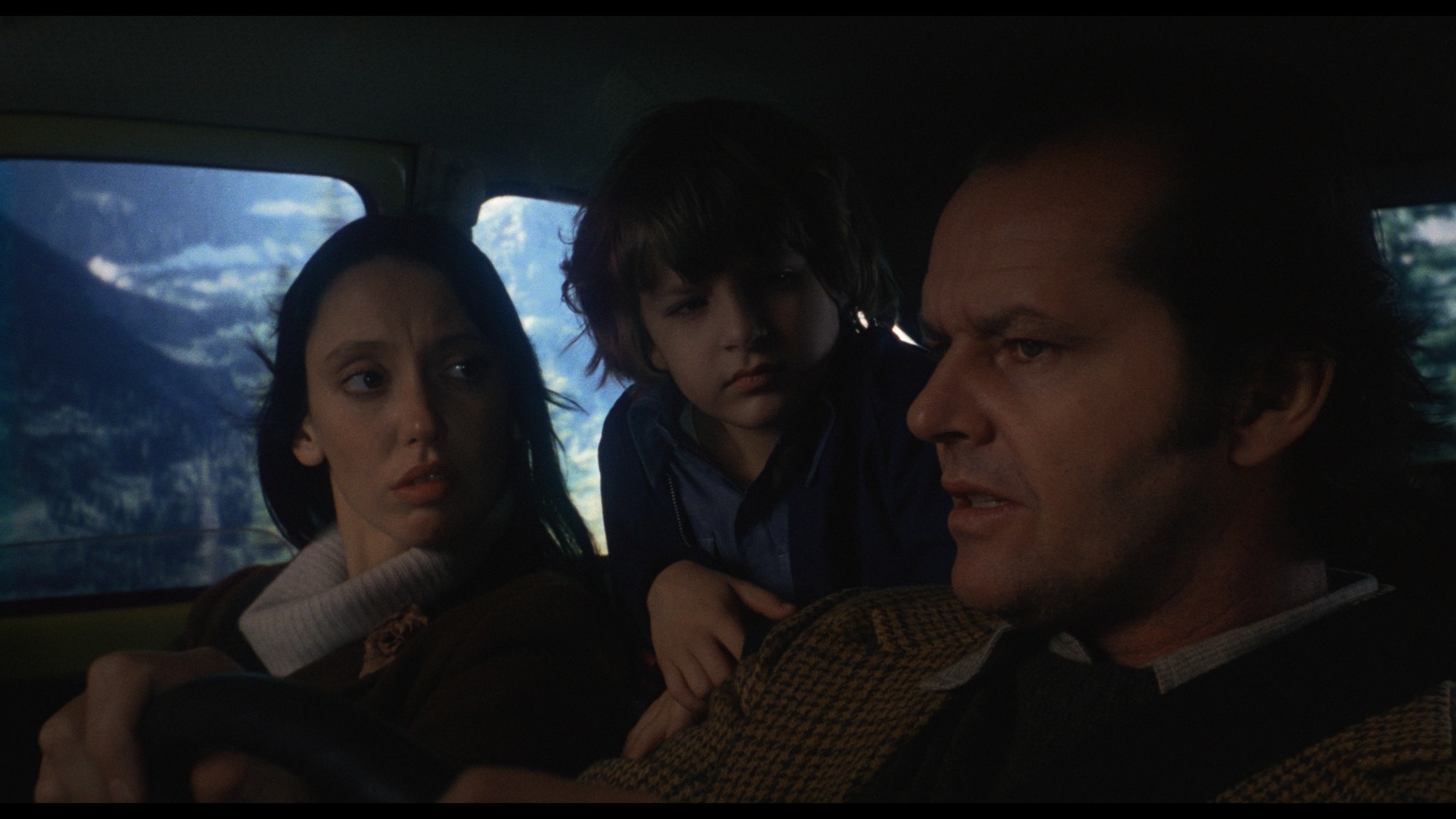
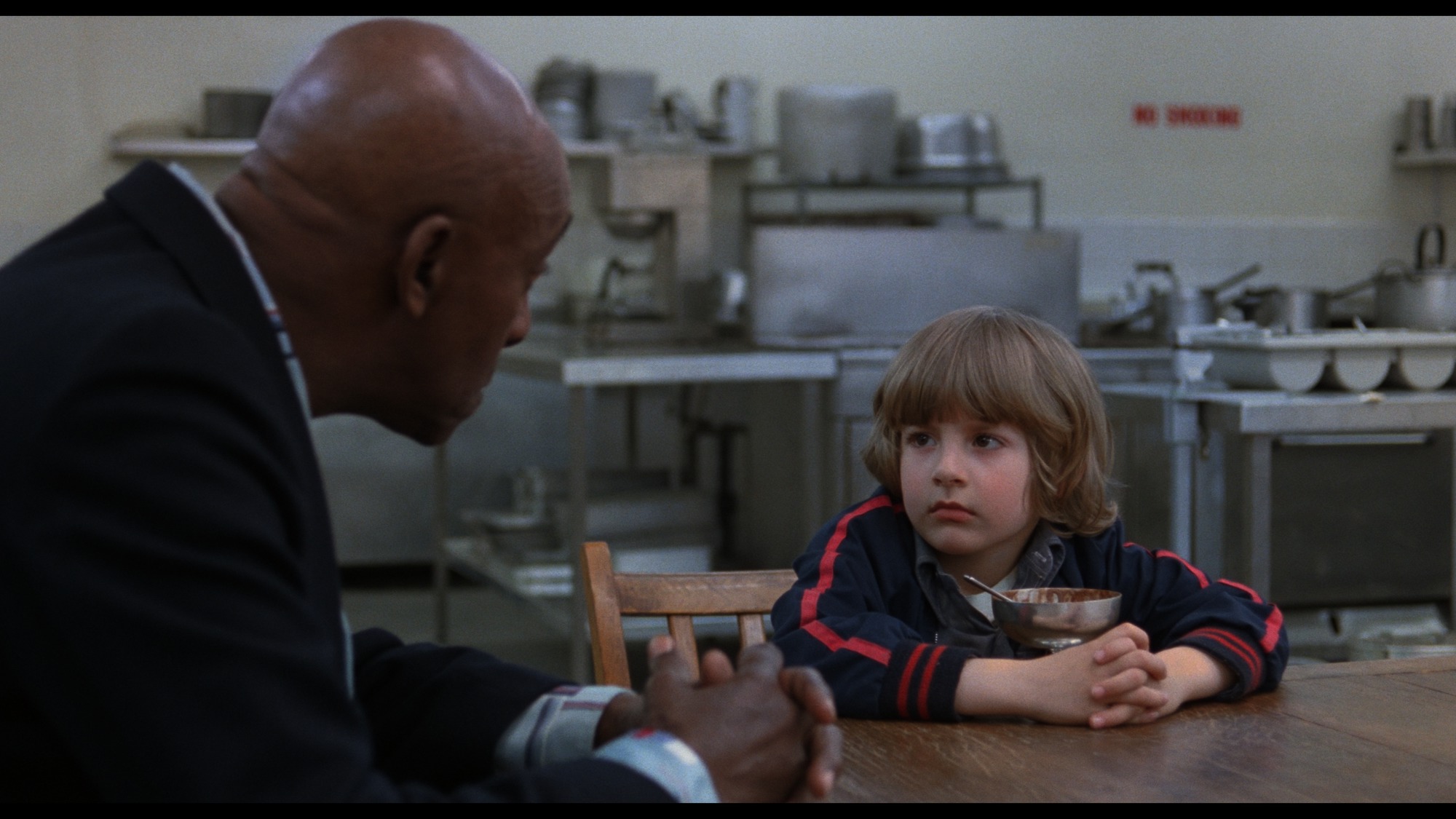
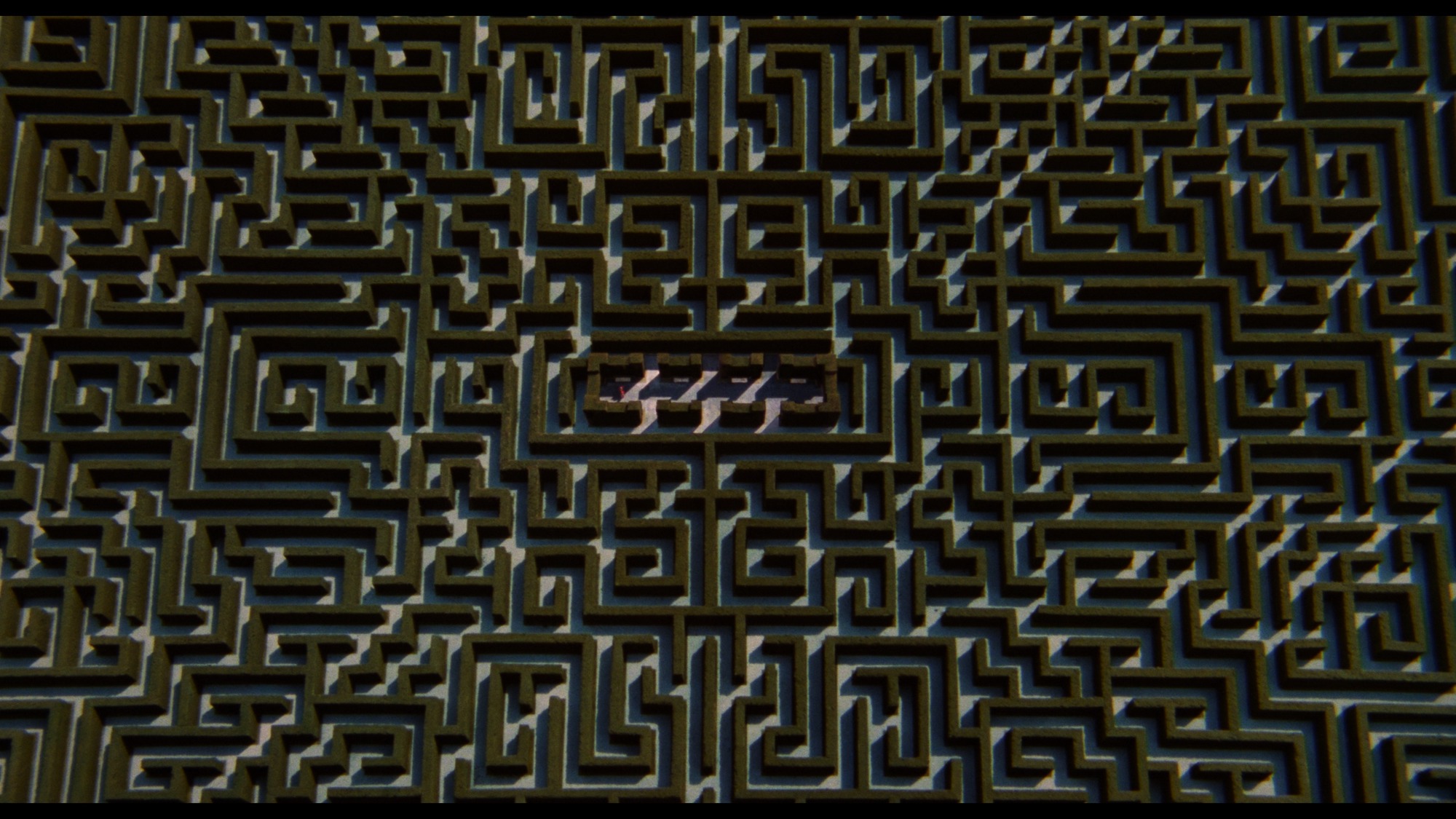
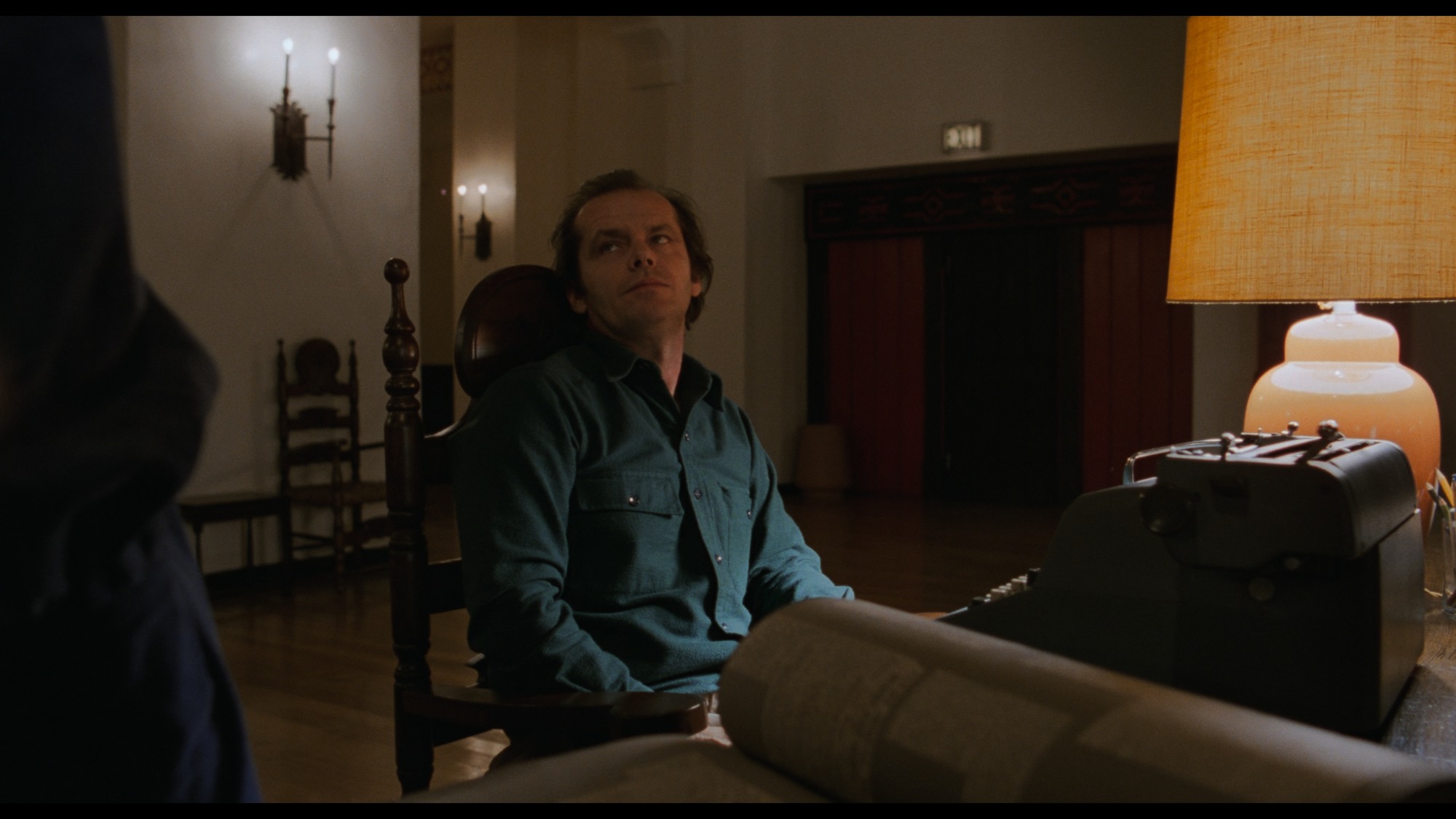
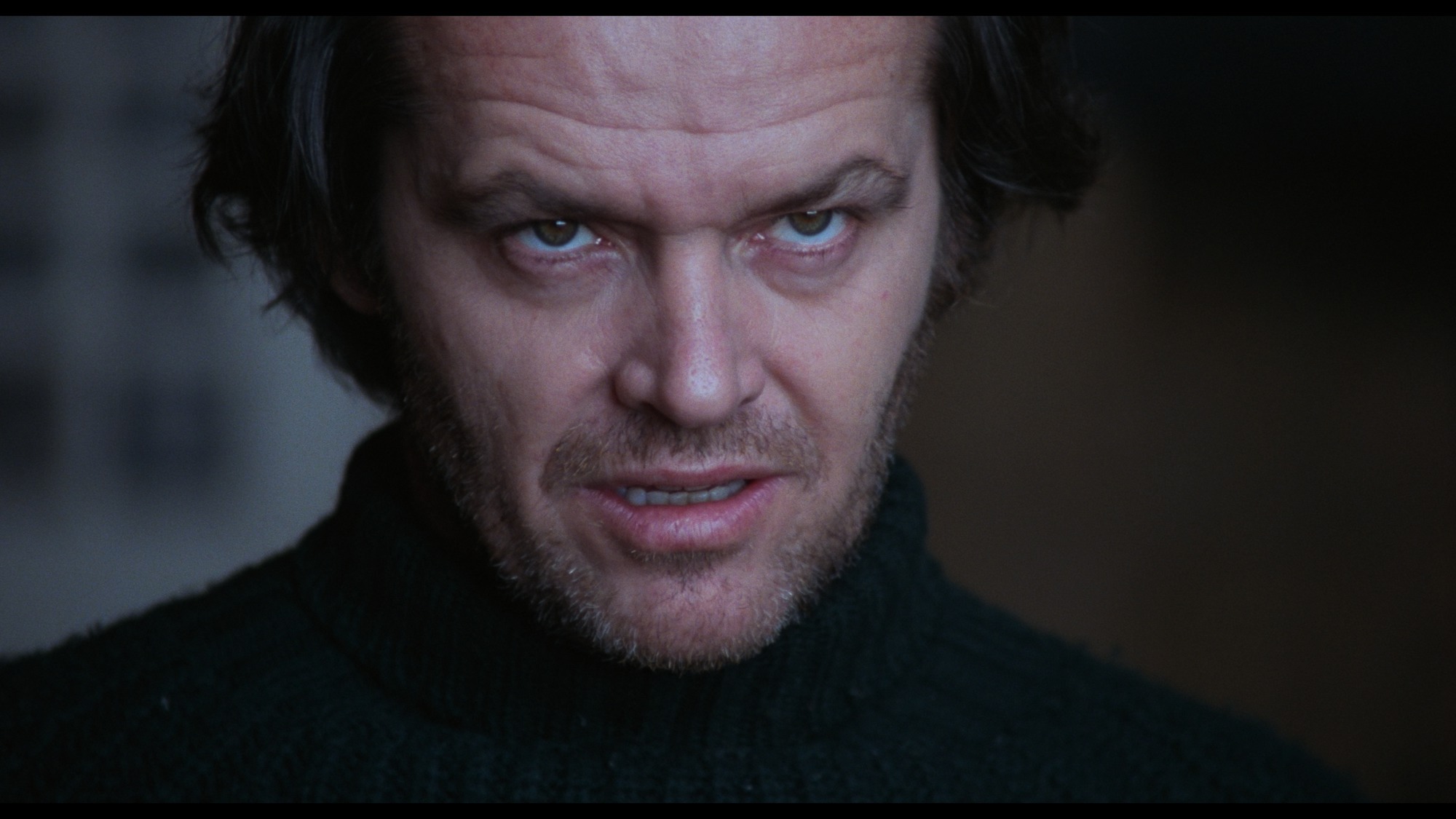
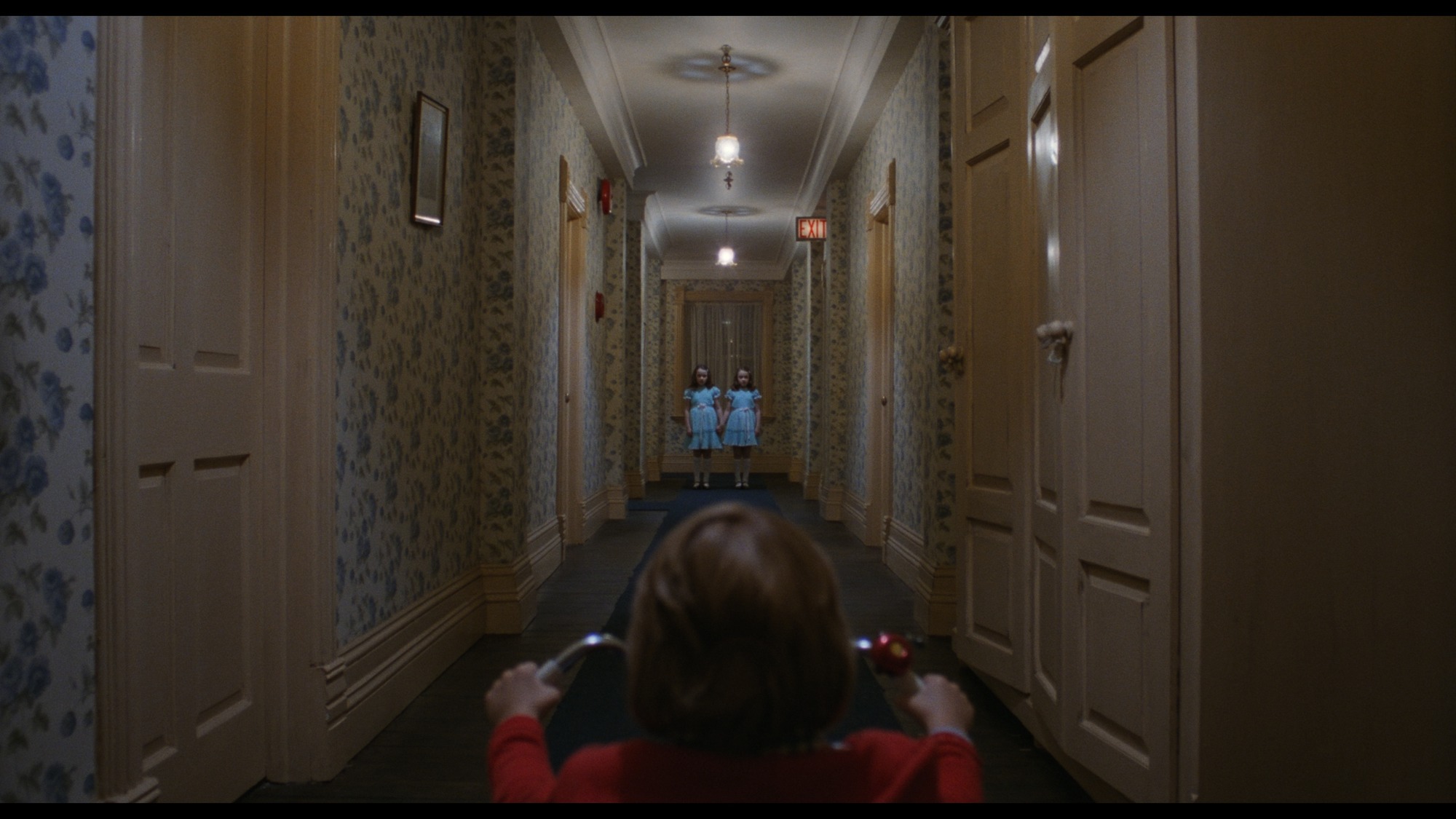
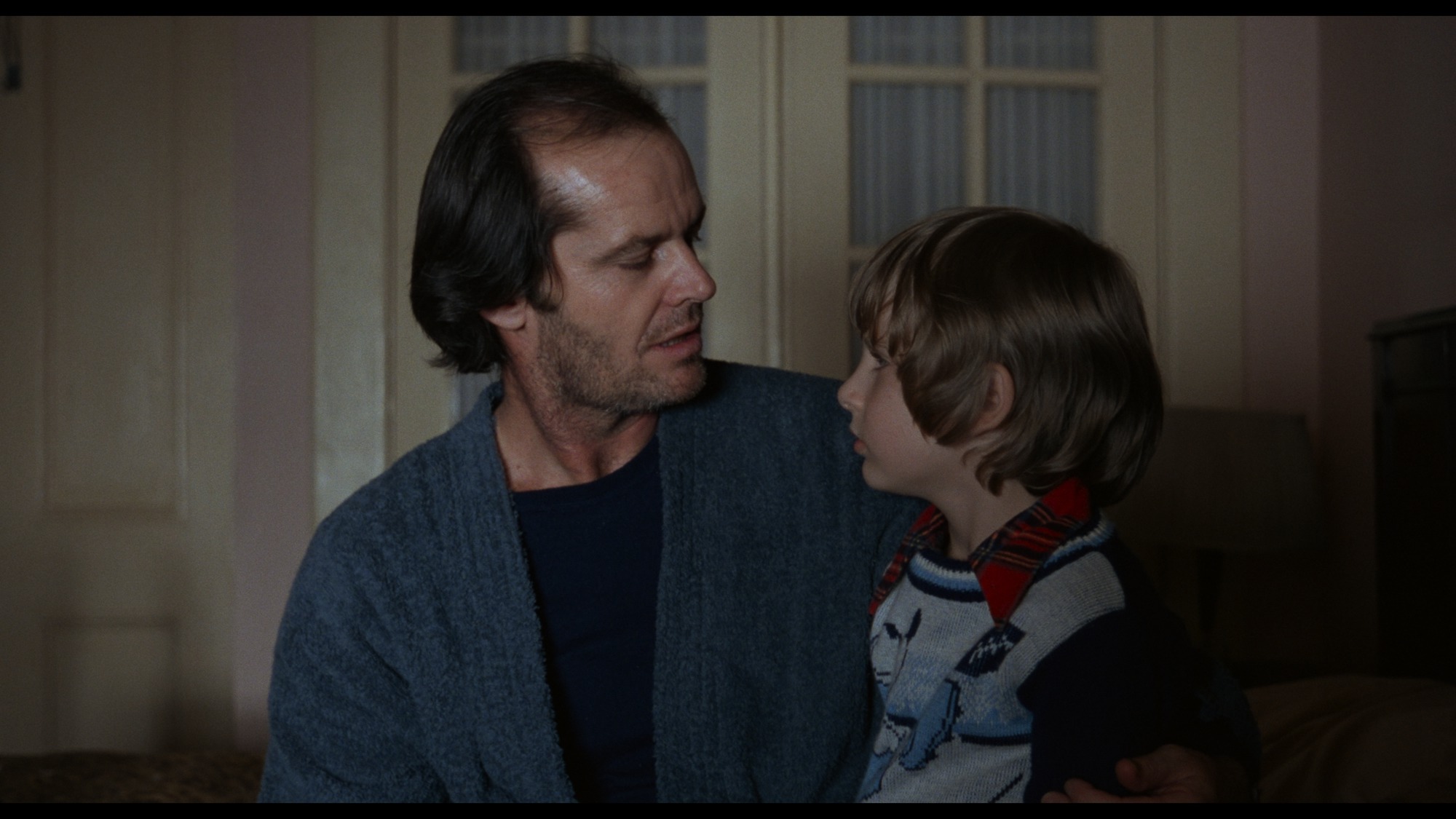
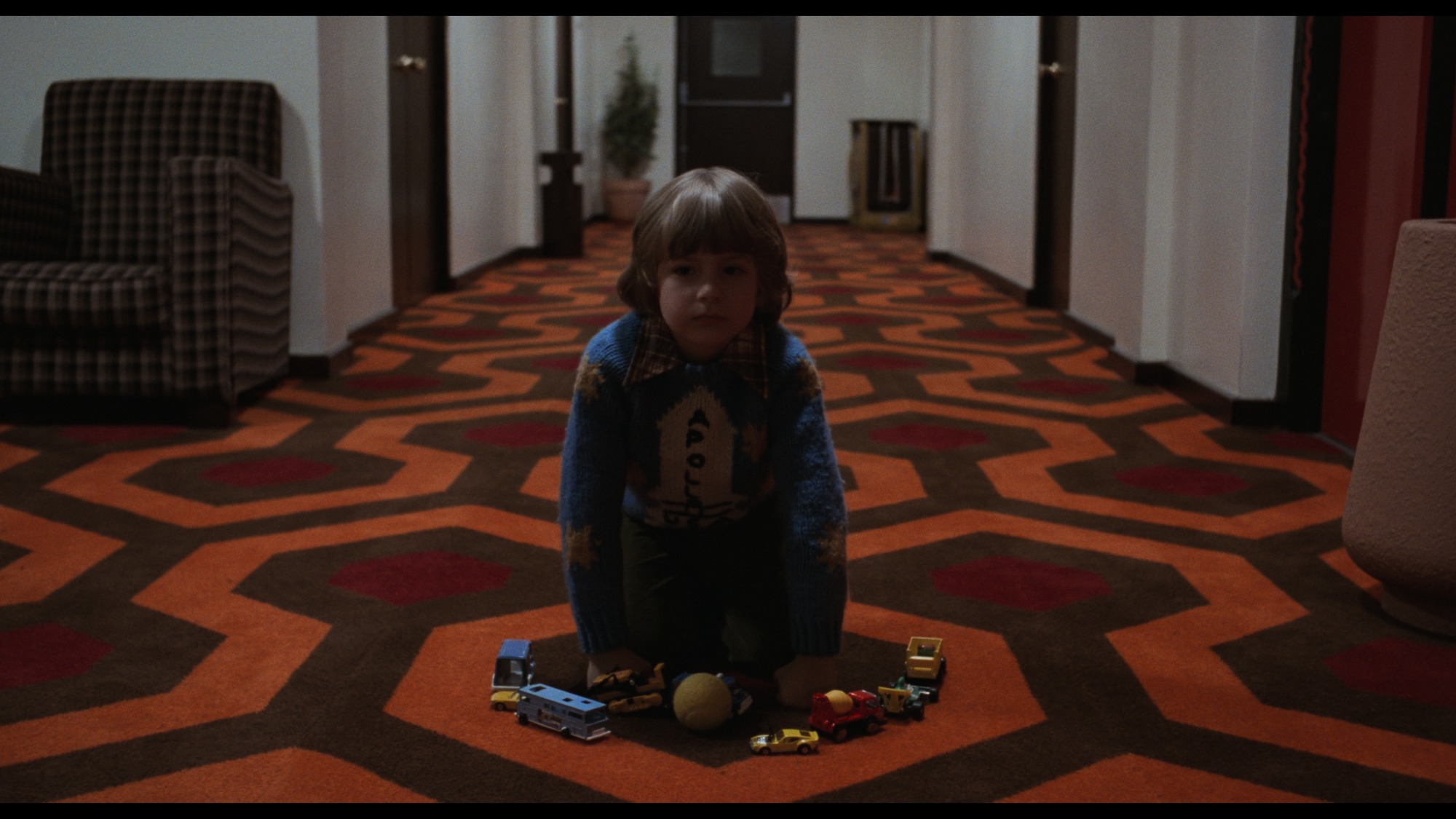
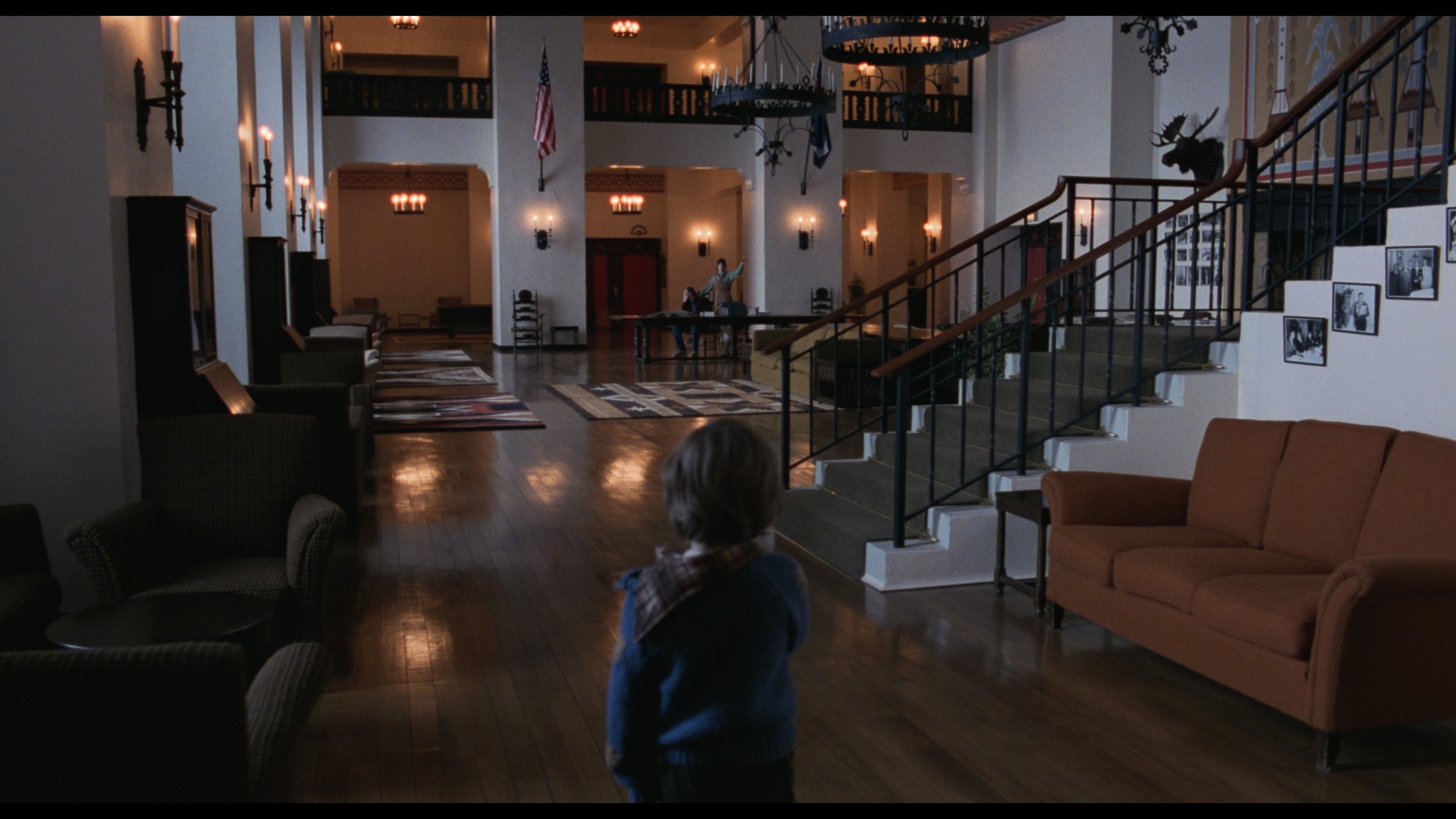
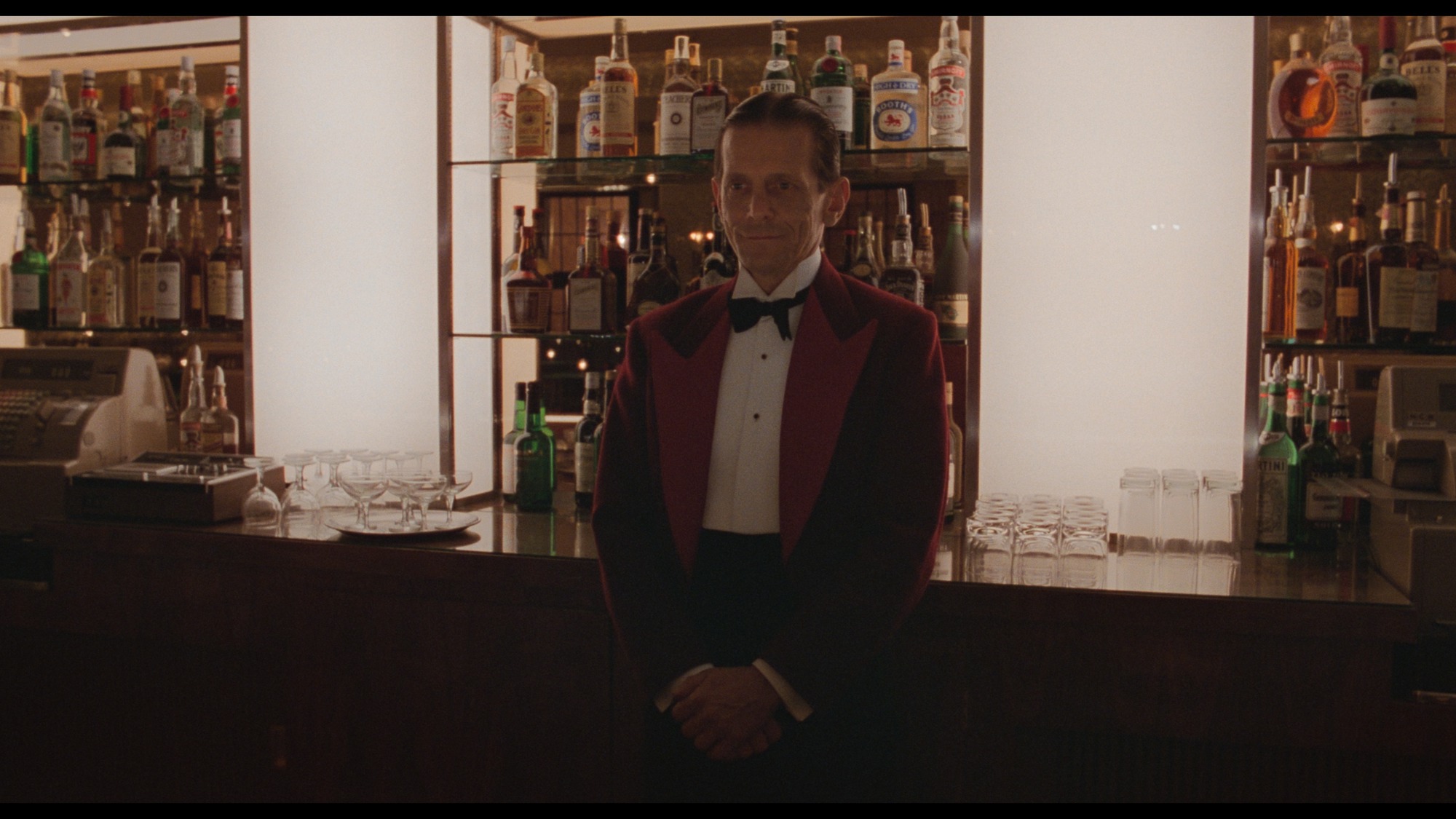
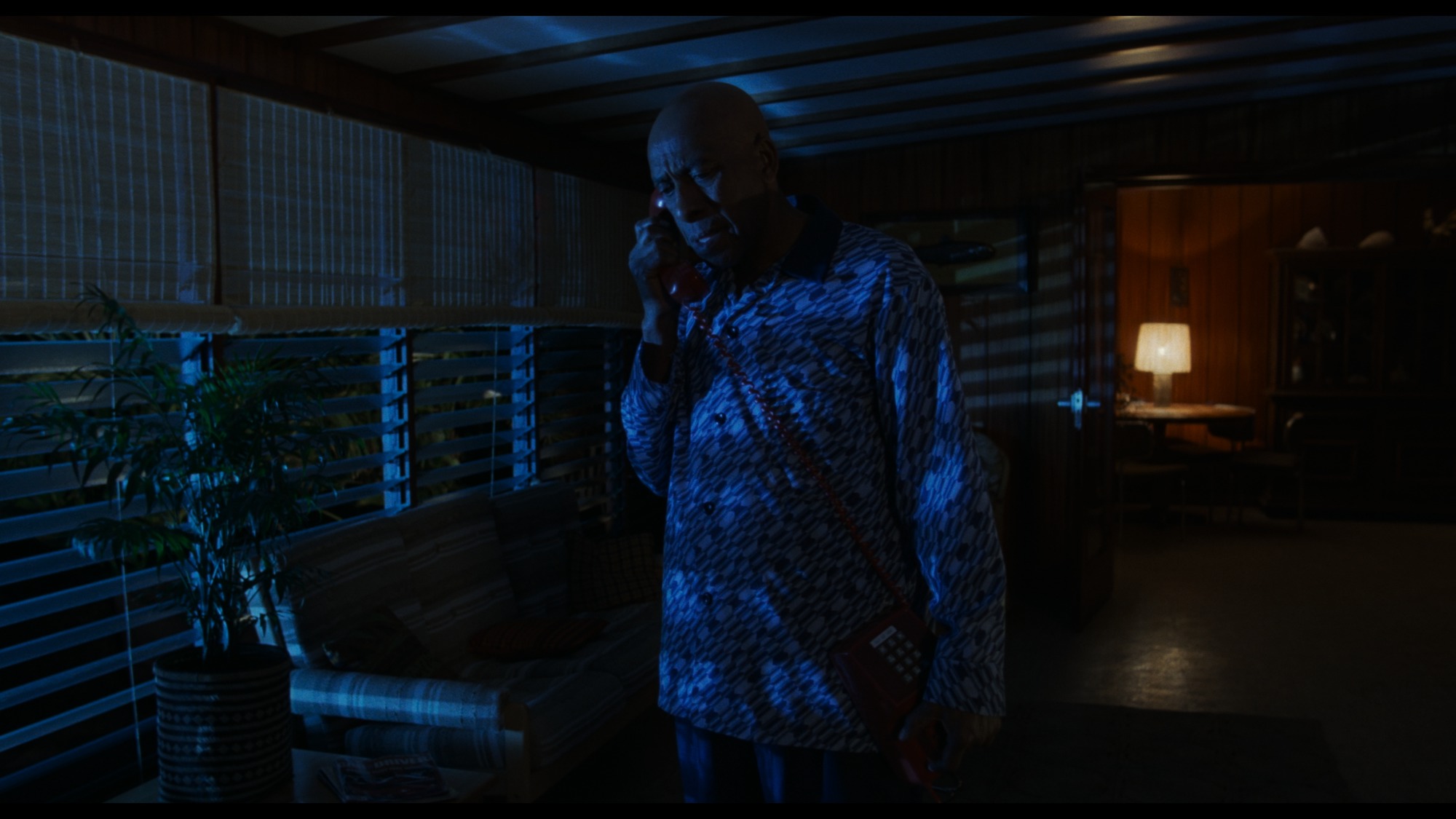
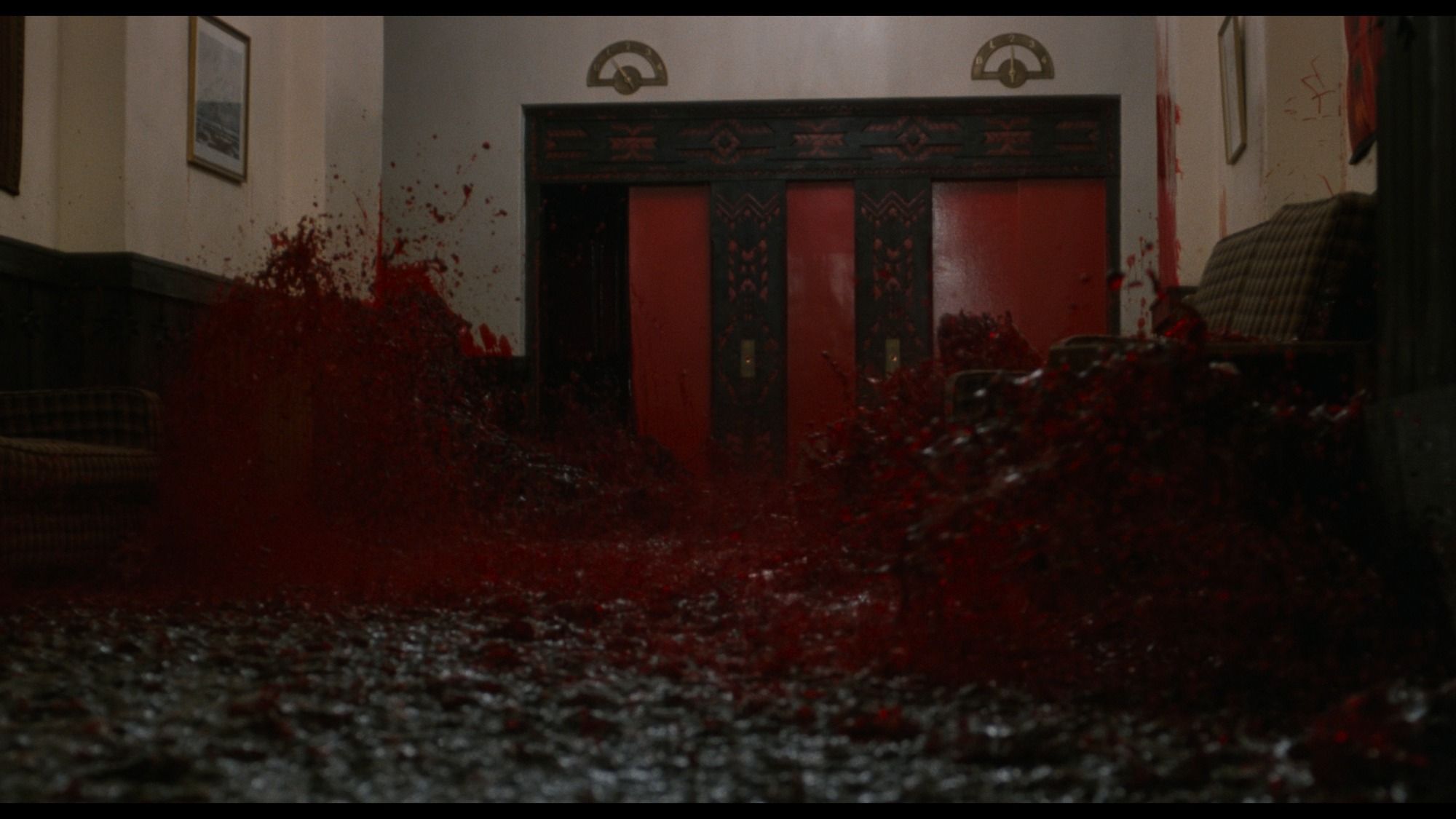
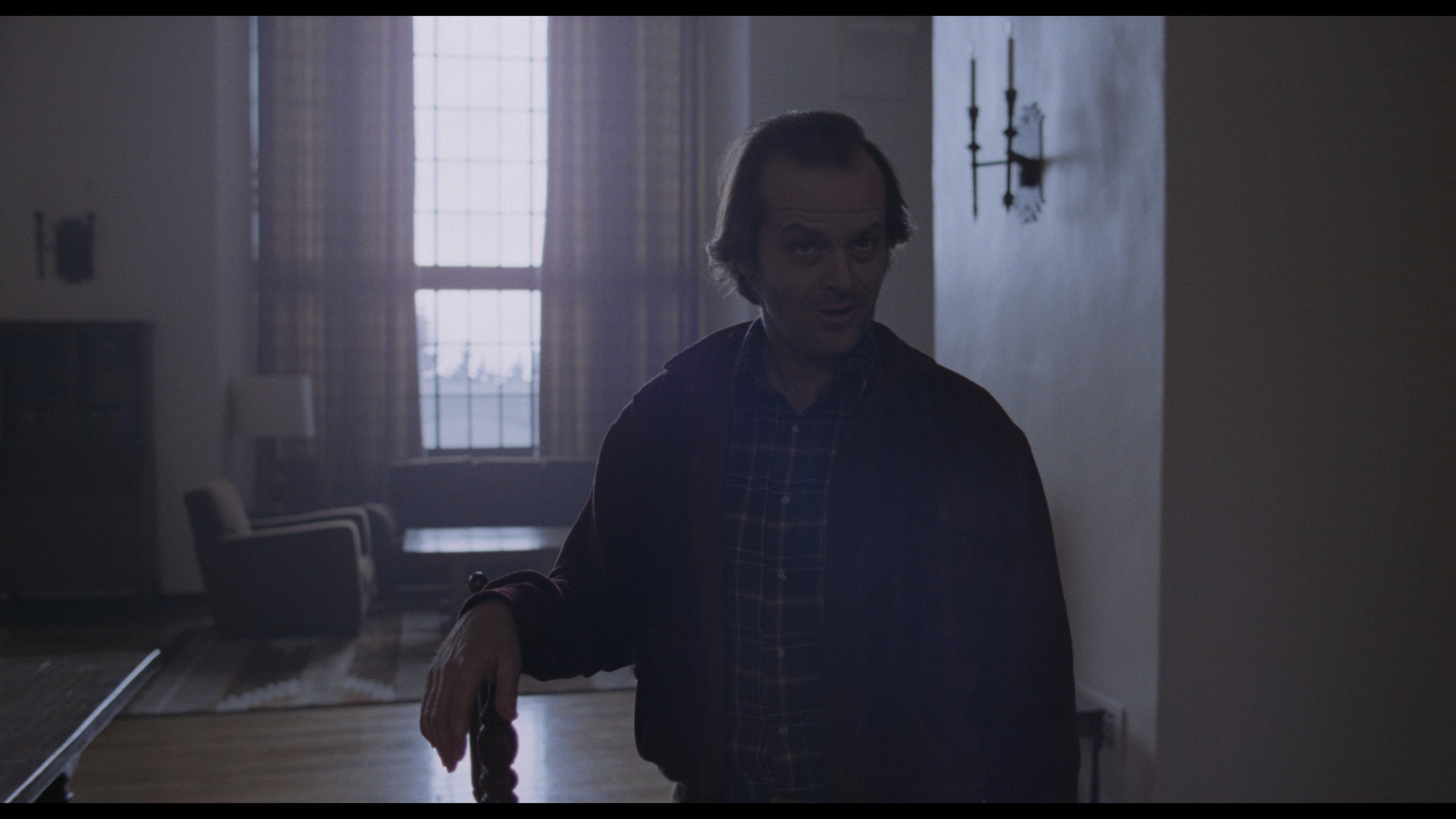
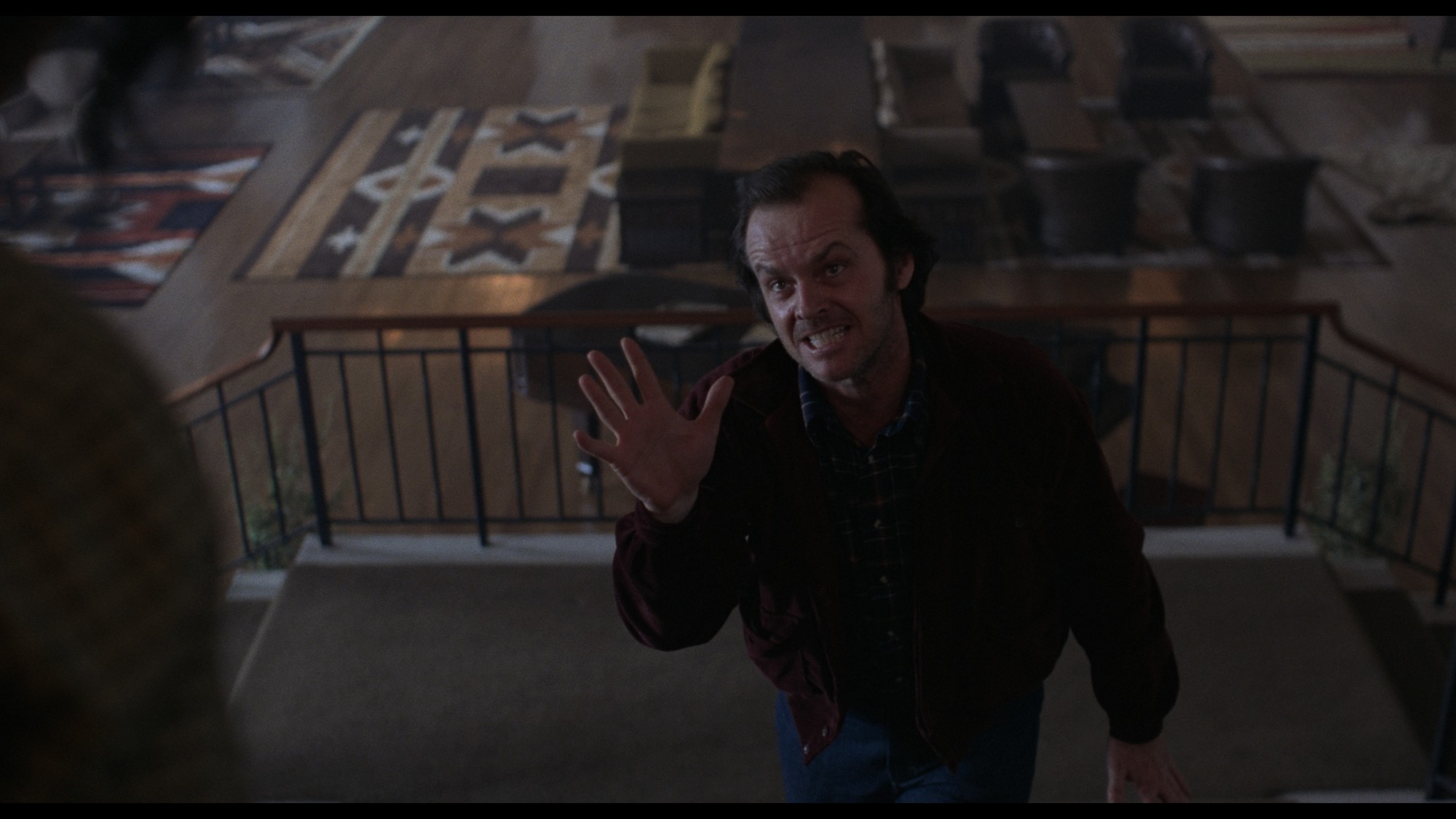
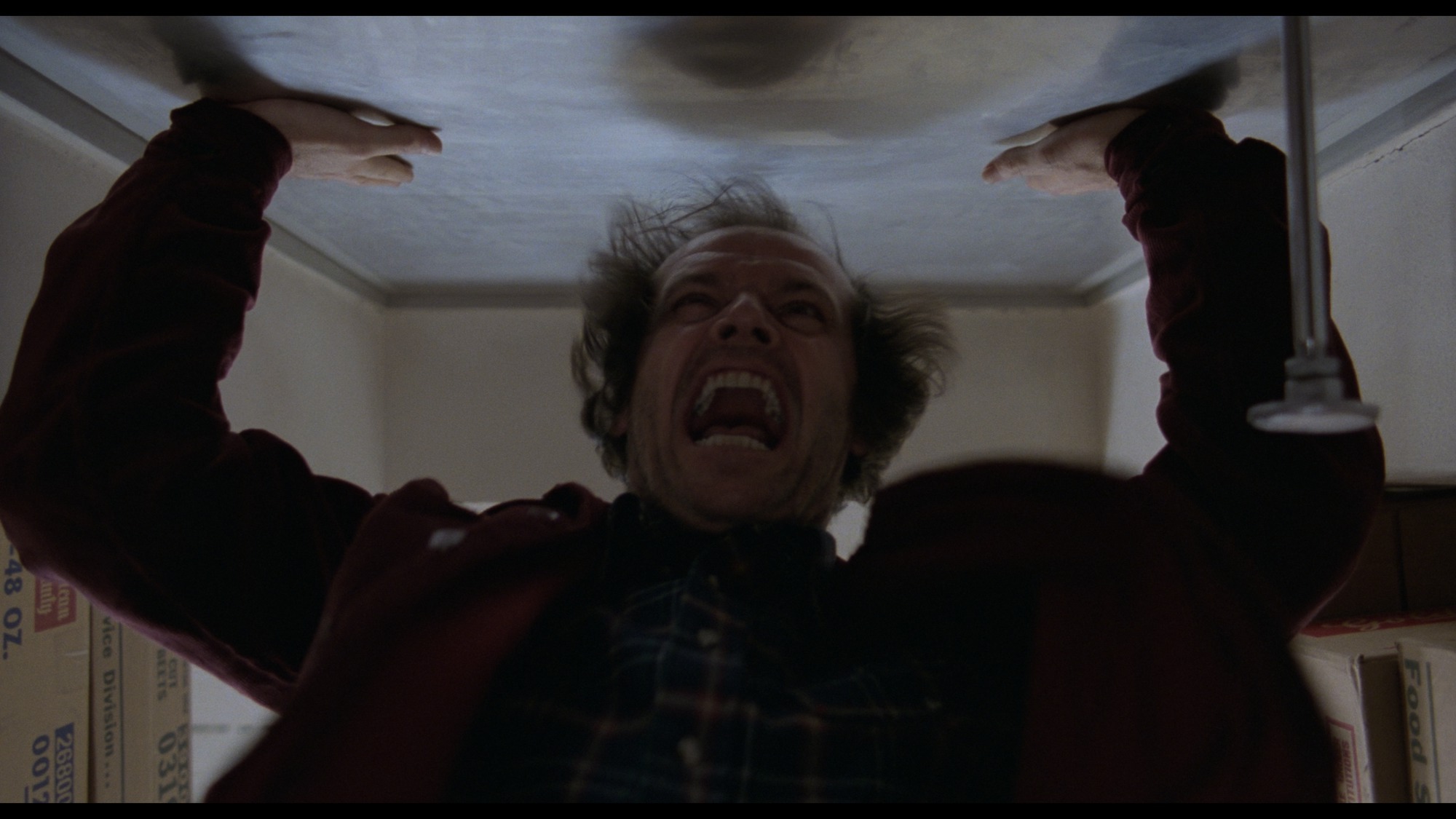
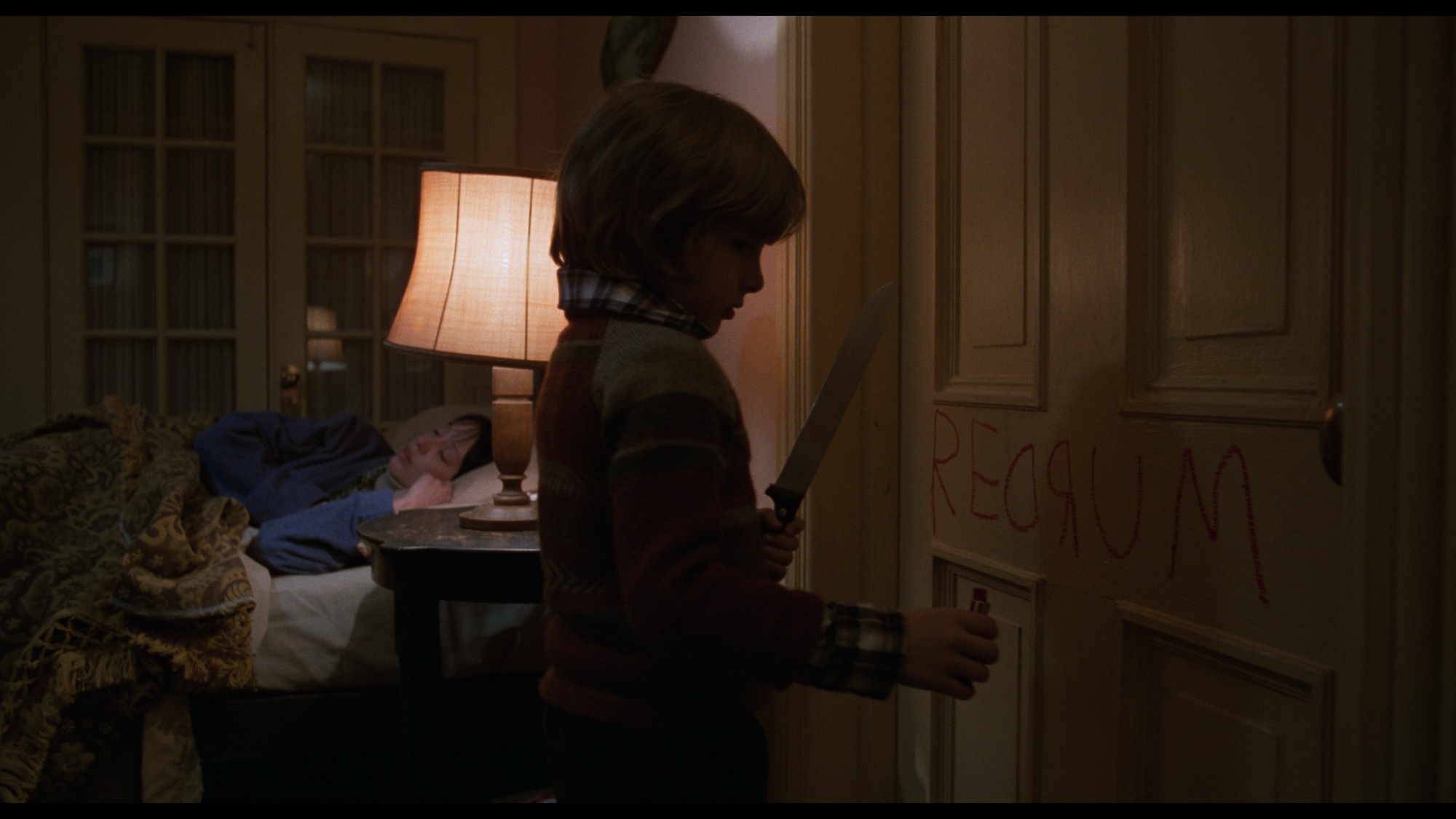
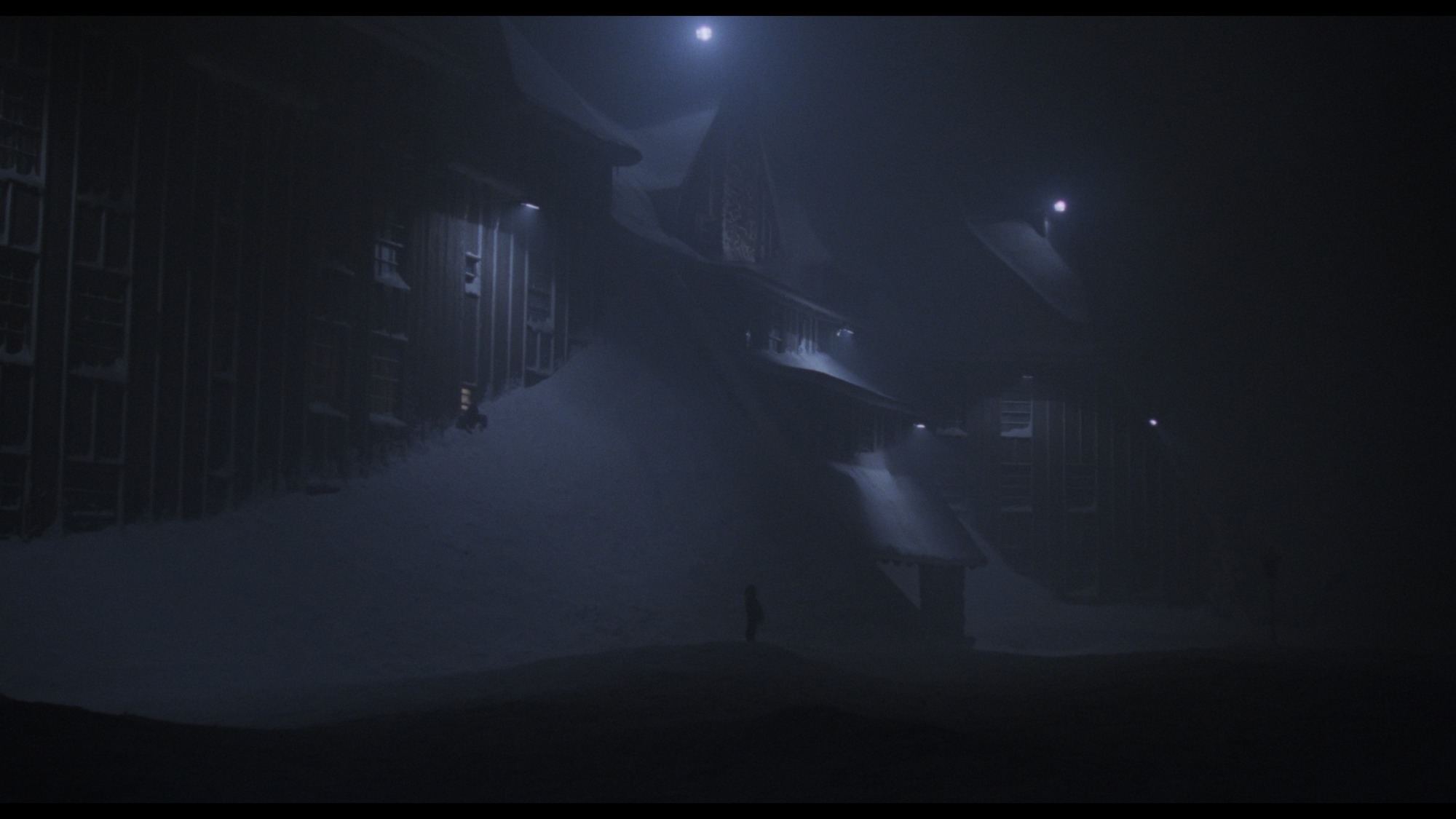
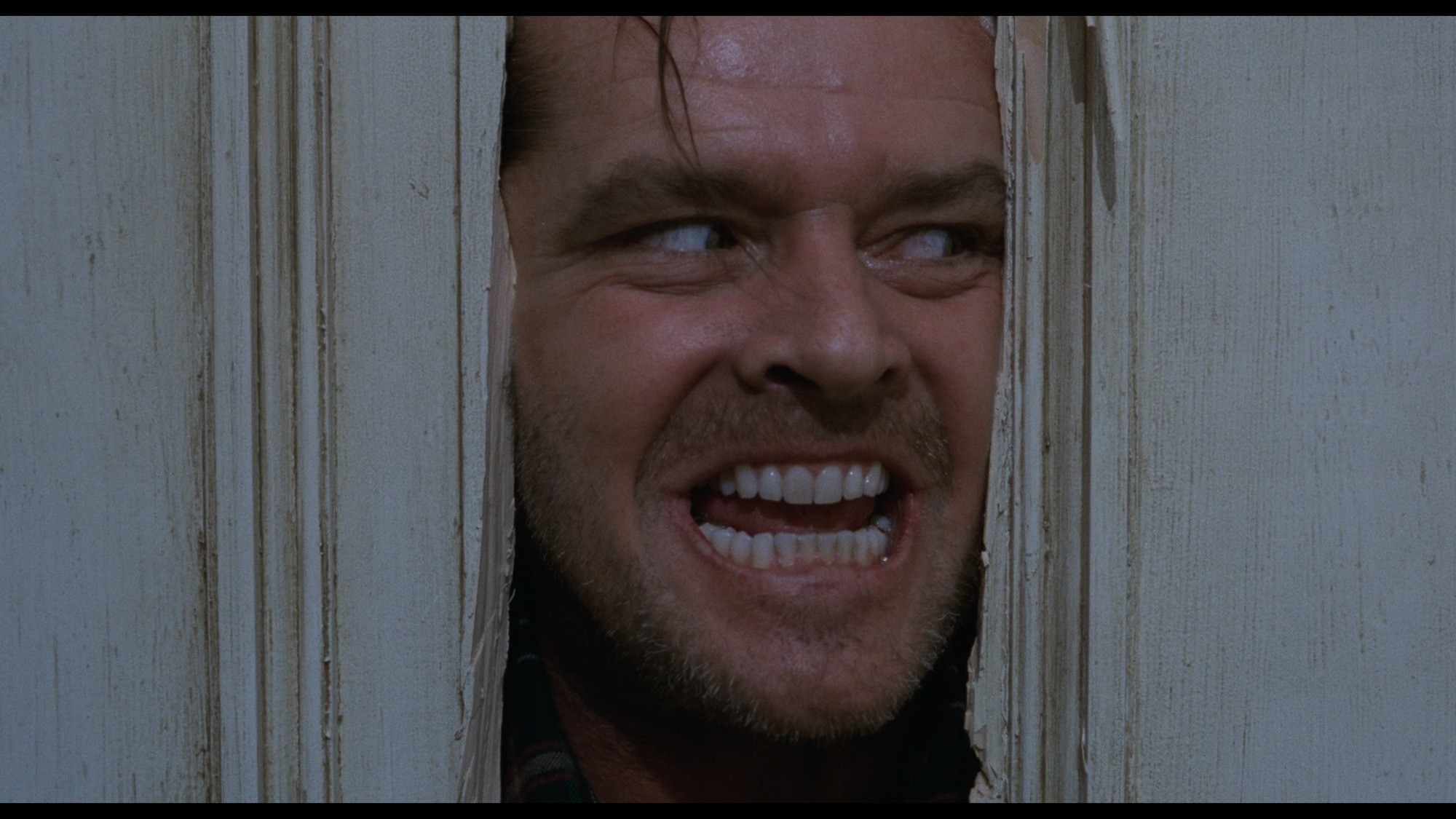
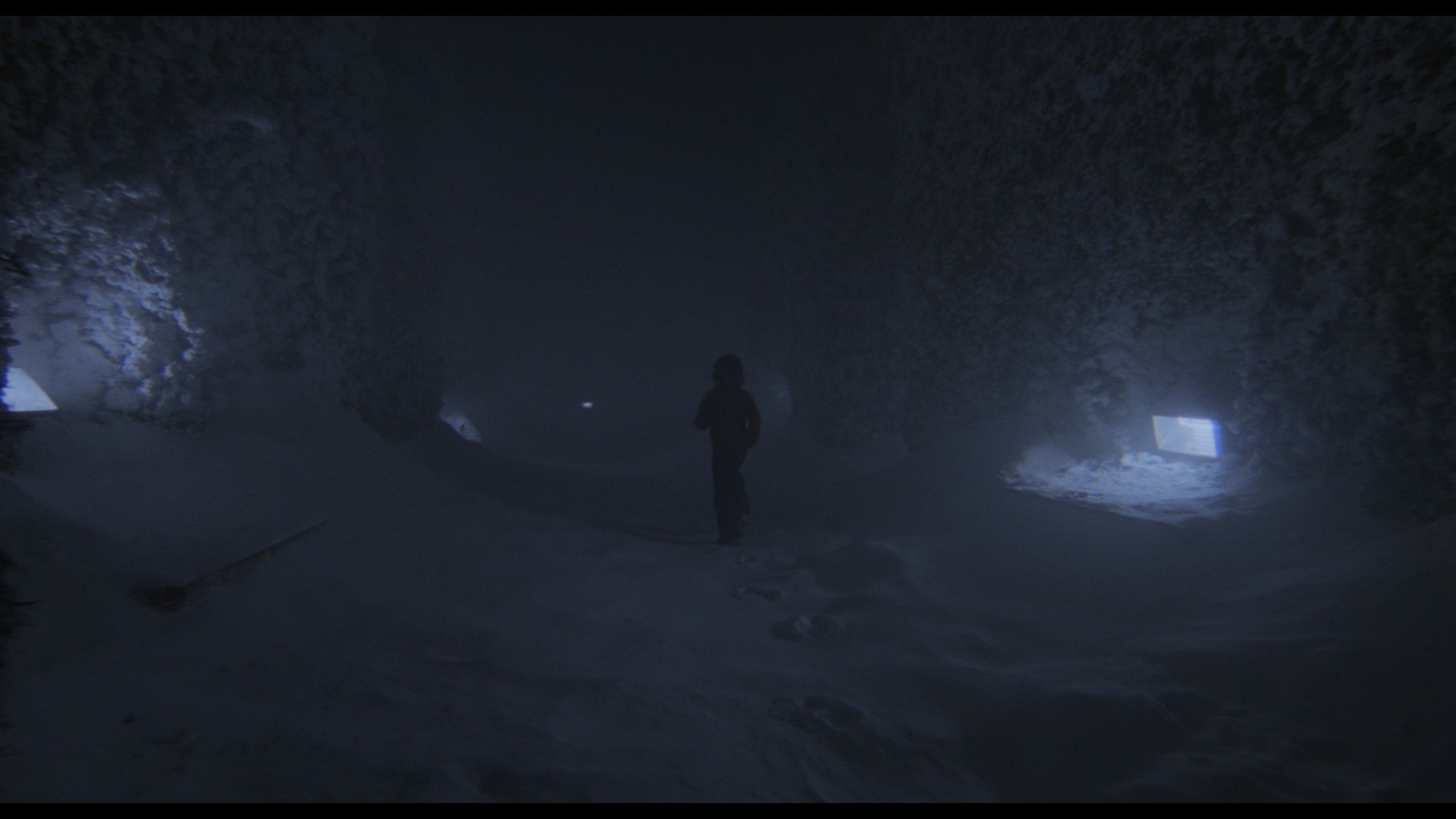
Criterion uses the same 4K restoration Warner used for their 2019 UHD release, and that’s more than fine, as it really is a stunner. A drastic improvement over the previous, dated high-definition presentation, it cleaned up the film to like-new condition while also doing a far better job of picking up finer details and textures, right down to the grain. I was also incredibly happy with the color timing, which delivered richer reds and greens, and I was particularly blown away by what HDR could do with the film’s lighting, from the underlighting of the bar in the ballroom to the intense spotlights in the darkened maze during the climax. The wider contrast and deeper shadows also gives everything a far more natural, photographic appearance, a godsend after years of watching the film through various shoddy home video releases. Granted, the old Blu-ray had been the best of those and was itself an improvement over the previous DVDs, but it never quite got away from that digital home video look, whereas Warner's 4K came much closer to looking like a projected film; at least as close as one could hope.
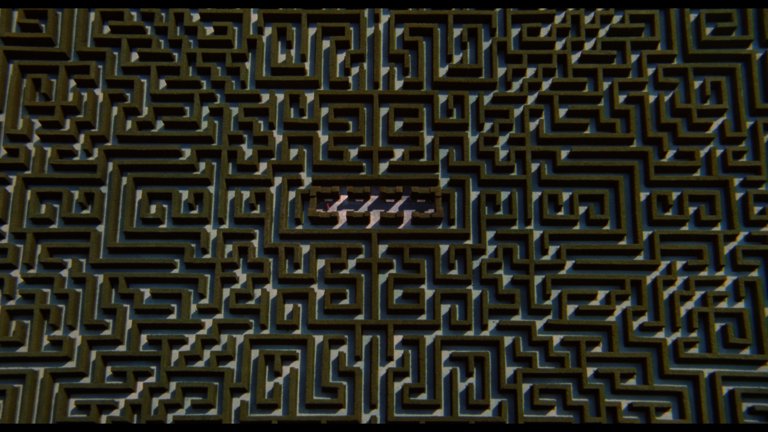
So, with that said, does Criterion’s presentation manage to improve upon that release? Impressively, yeah, it does, even if those improvements are probably minor. The more obvious ones many fans will probably appreciate most are the reinsertion of the red Saul Bass Warner logo and the correction of the aspect ratio from 1.78:1 to 1.85:1. Those who prefer the VHS’s 1.33:1 framing, helicopter shadow and all, are, of course, out of luck. But what I think would be the most significant improvement and the on that may not be as immediately obvious, is the cleaner encode, courtesy of Fidelity in Motion. The differences in this are probably won't stick out through much of the film, but scenes featuring smoky interiors (created by a toxic oil harmful to the cast and crew) or snow, particularly the climax in the maze, make it easier to spot. That maze sequence, in fact, offers what may be the clearest upgrade, with the blowing snow and the way the light falls off into darkness looking more natural, while details in the hedges appear a little cleaner and sharper. It’s a stunning sequence that manages to look a hair better here than it did through the prior release.
And yes, the international version looks just as good.
In the end, while Criterion is working with a preexisting restoration, it’s a fantastic one, and their presentation manages to squeeze a little more out of it. A nice and unexpected surprise in the end.
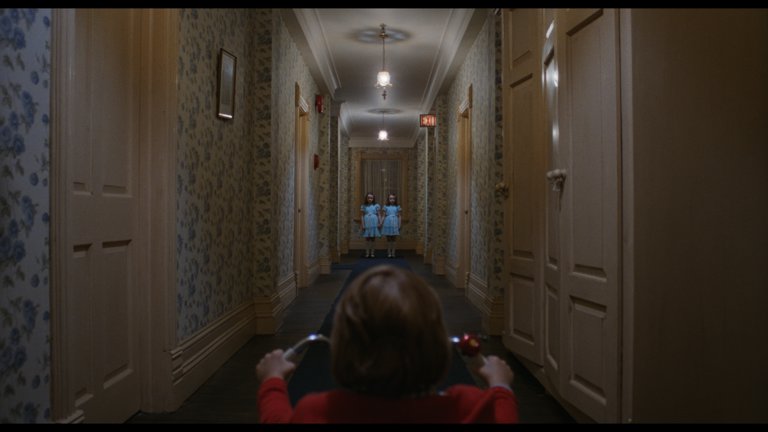
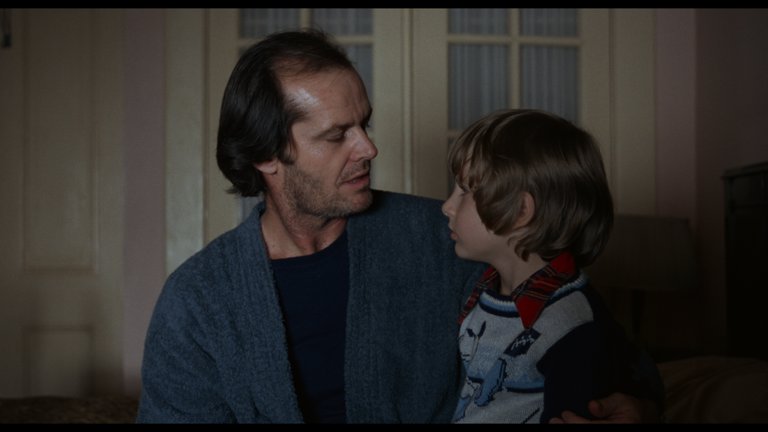
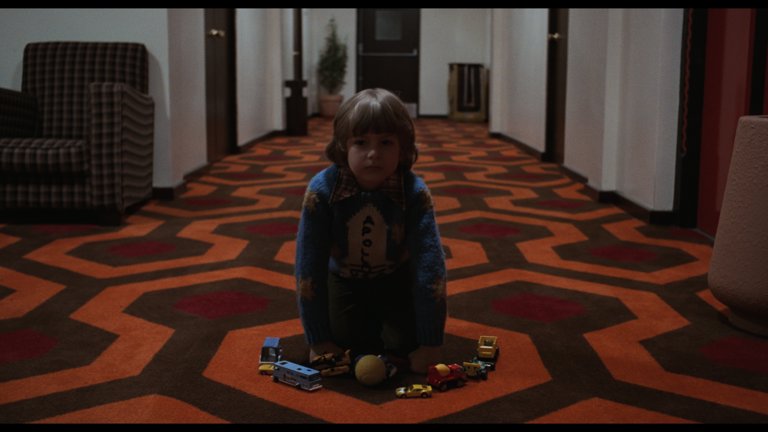
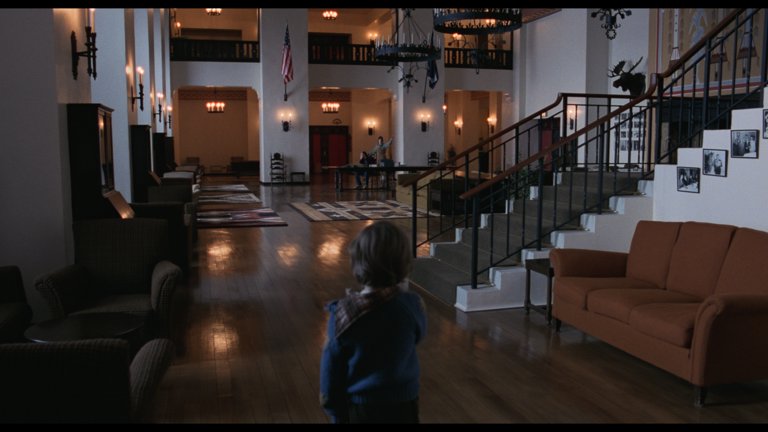
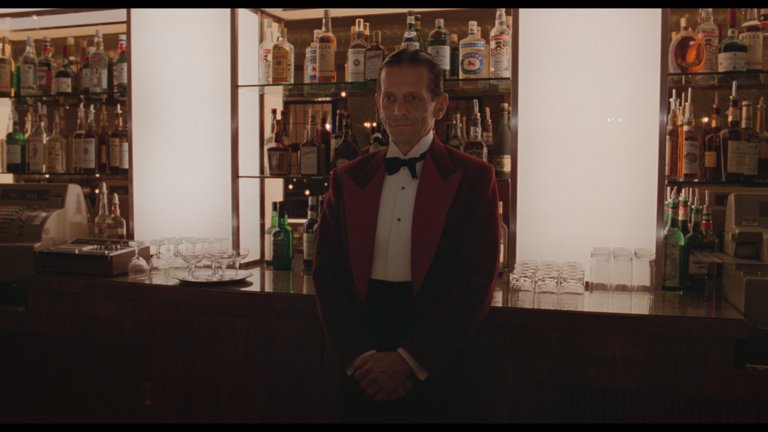
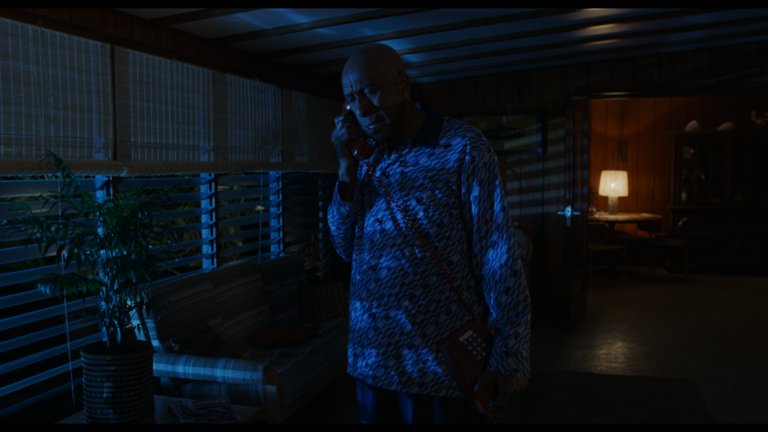
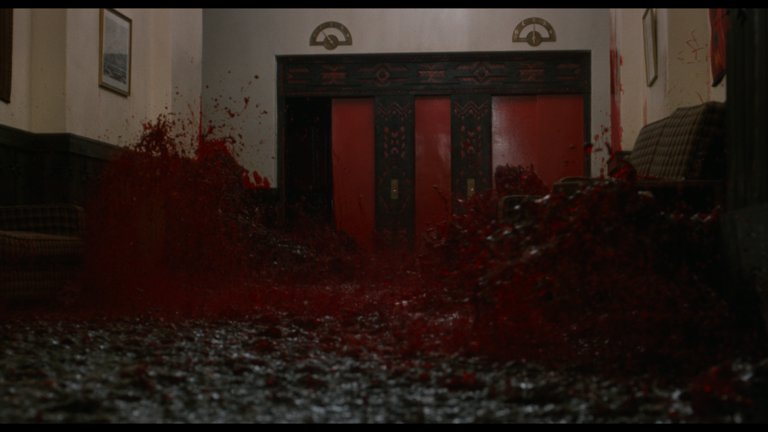
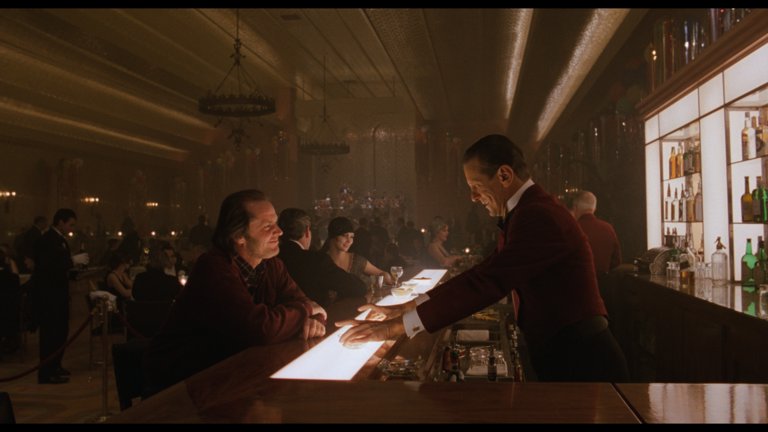
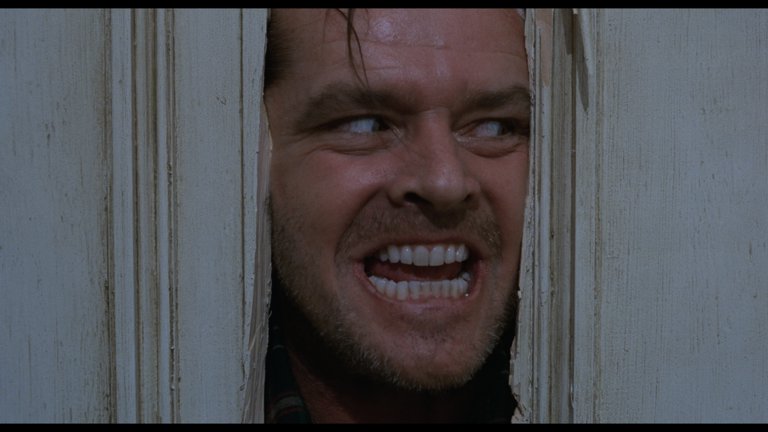
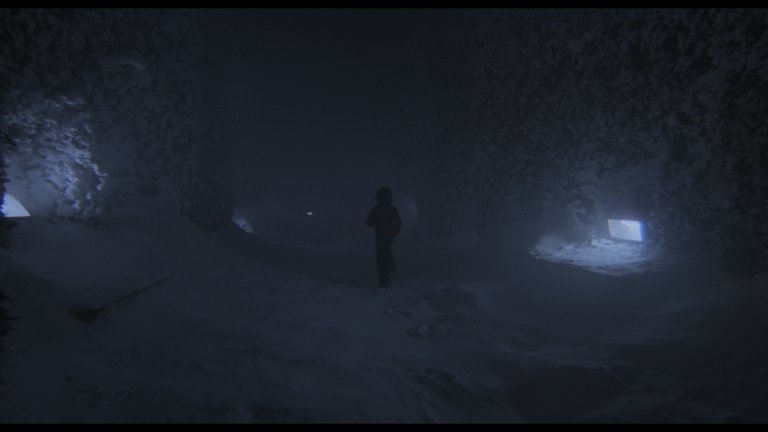
The Complete Kubrick - Screen Captures
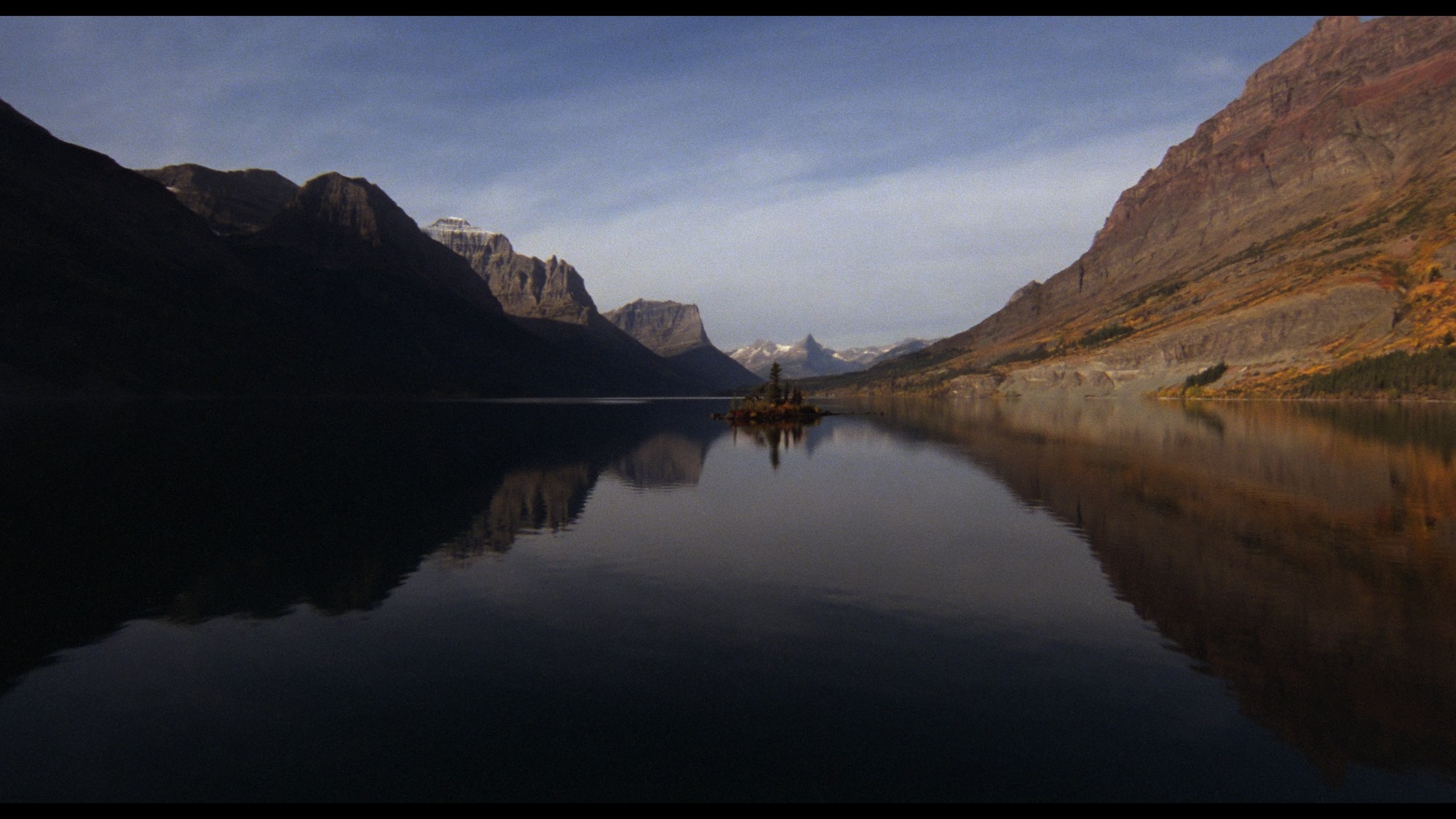
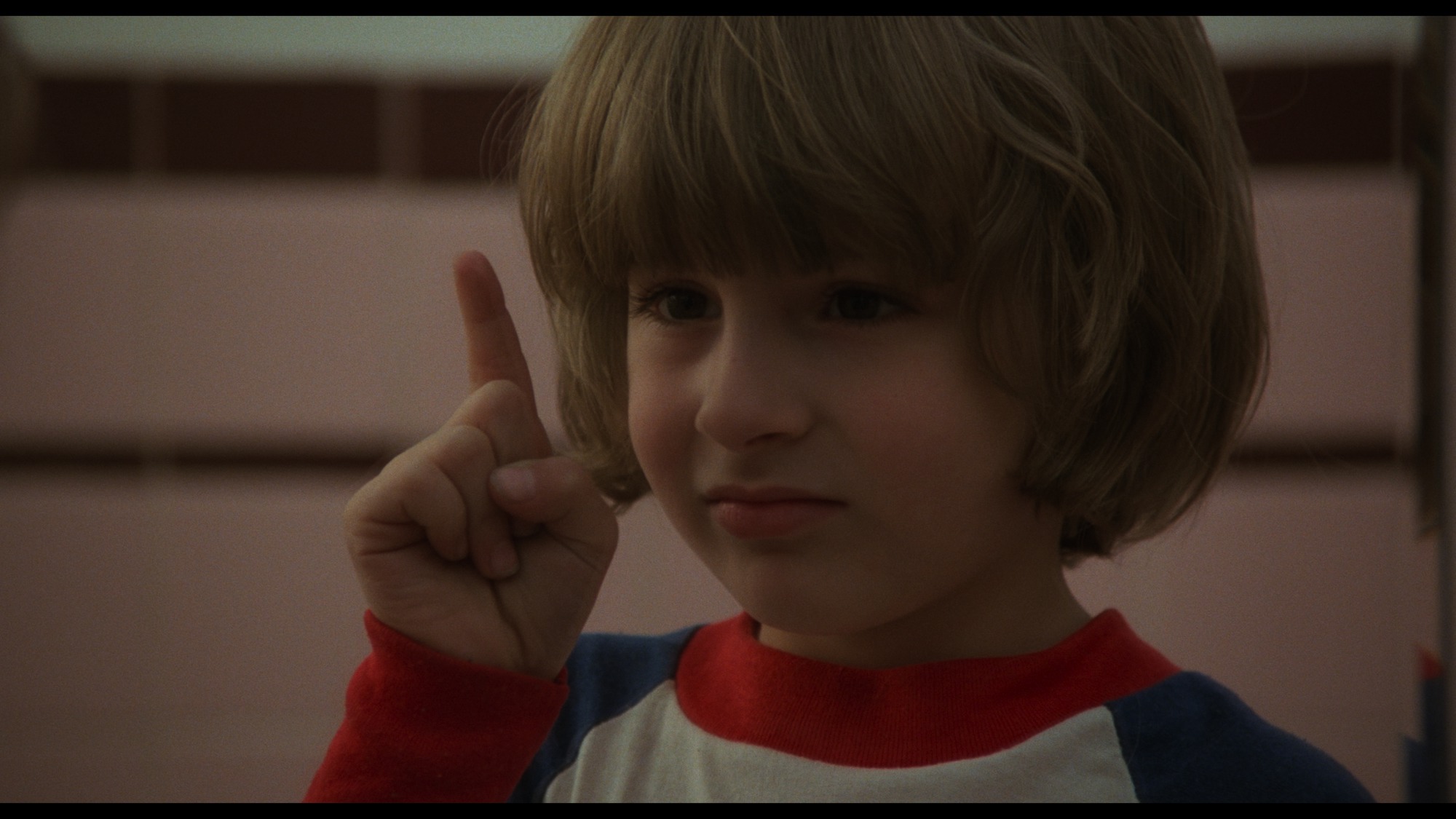
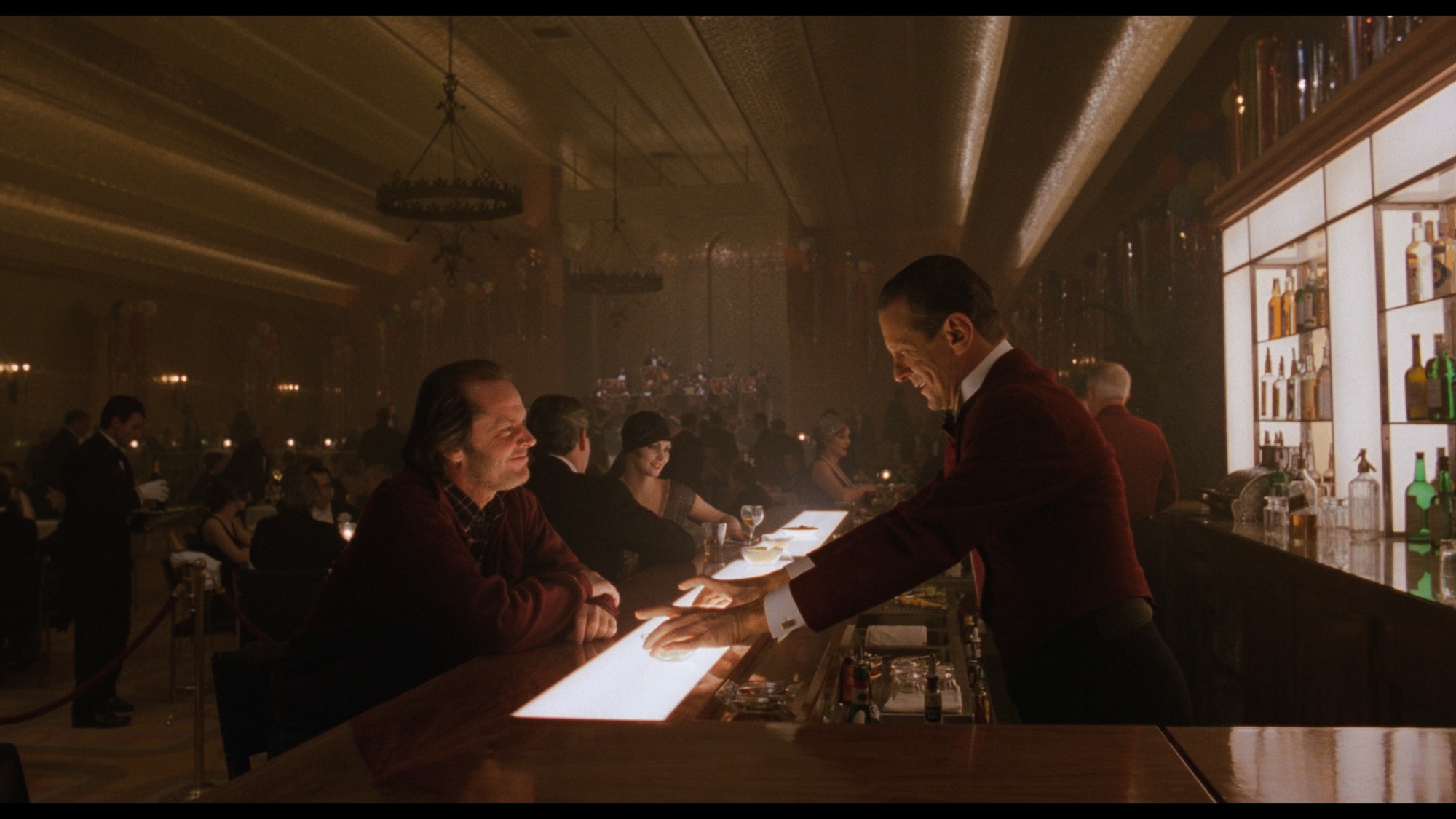
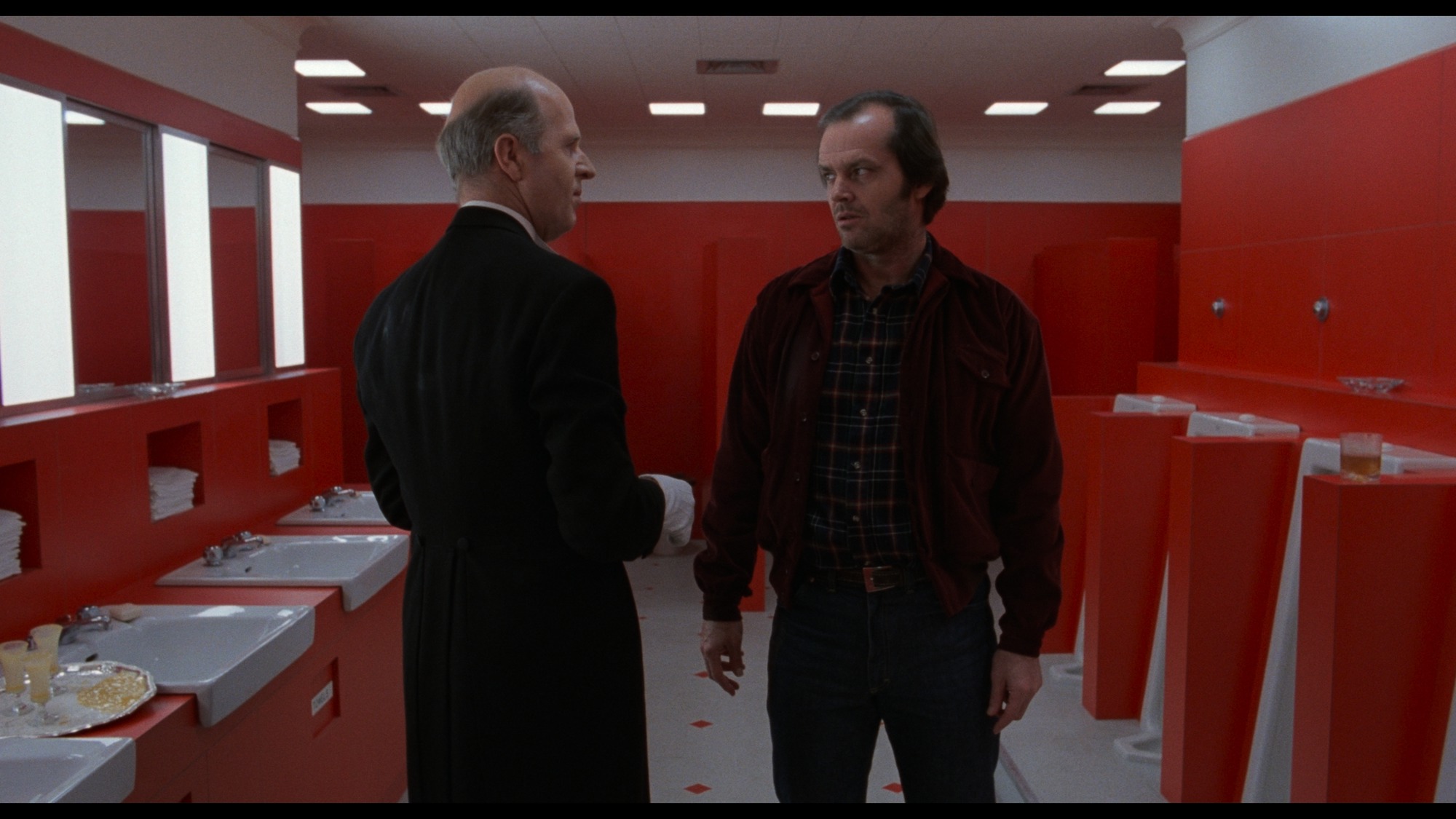
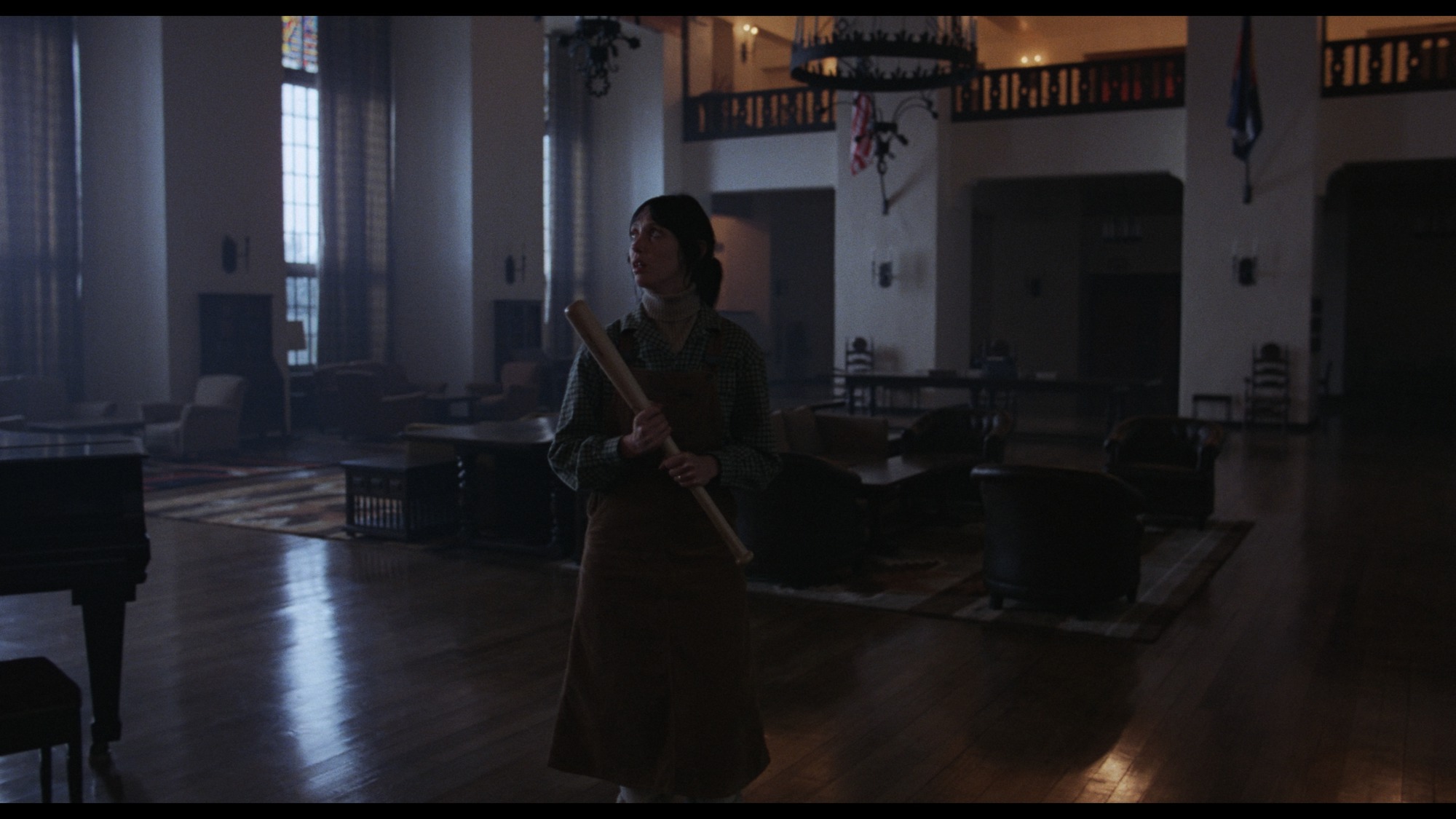
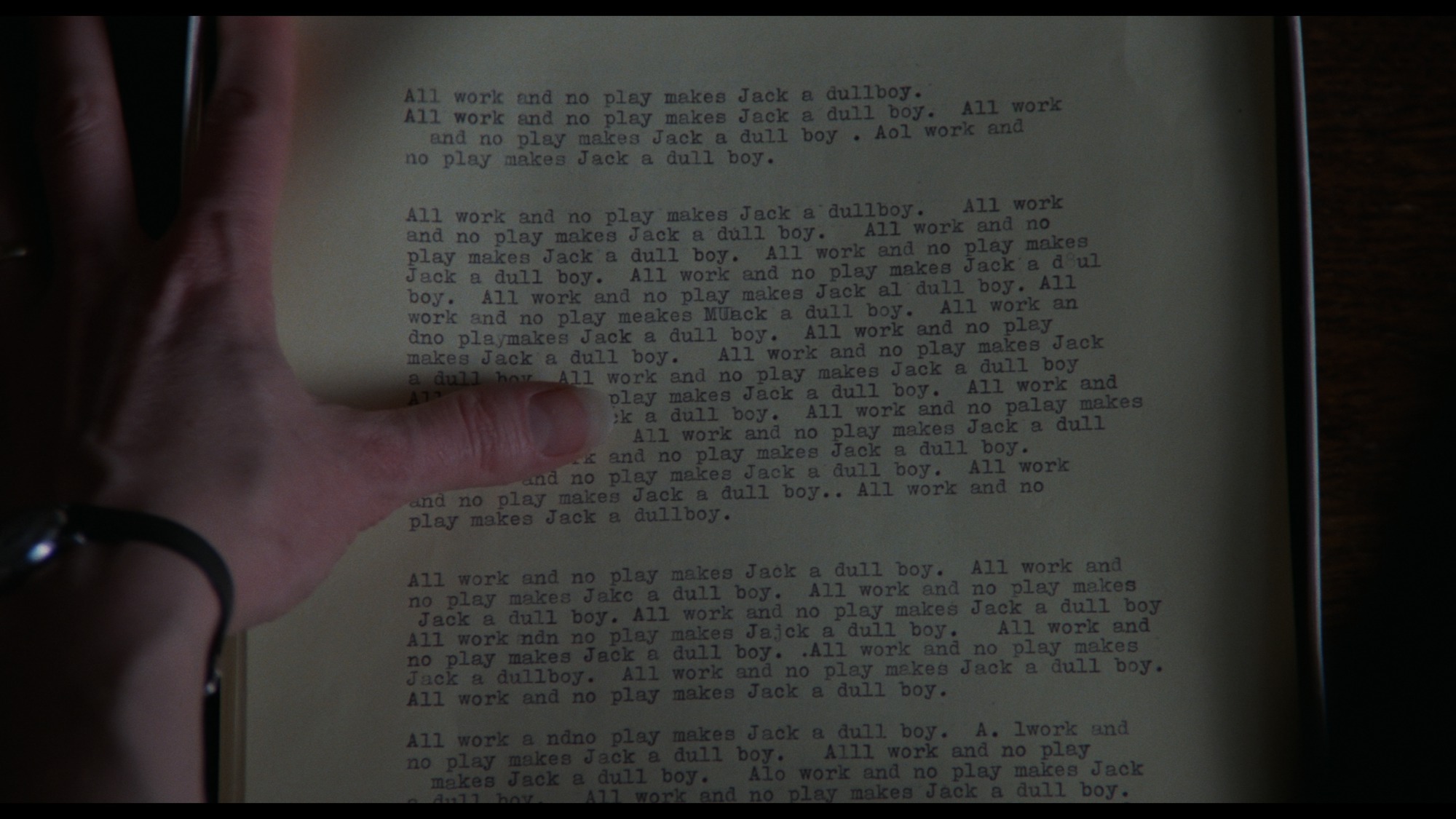
Audio 8/10
Alongside the remastered 5.1 surround soundtrack available with the film since the 2001 remastered DVD, presented here in DTS-HD MA, Criterion brings back the film’s original monaural soundtrack in lossless single-channel PCM. Both soundtracks are included with both versions of the film.
The 5.1 track is actually a decent mix, keeping most of the audio focused up front while spreading the music out to the other channels. It’s effective without becoming distracting, but I was still very pleased to get the original mono track back, and it sounds great. It’s clean and sharp, with terrific range in its own right, managing to still create an immersive experience despite the lack of the other channels.
Which track you choose for either version of the film will come down to personal preference of course, but both sound excellent, so you'll win either way.
Extras 10/10
With this set, I was expecting Criterion to simply recycle preexisting supplements for each film, especially for the Warner titles they hadn’t released previously. Much to my surprise, though, Criterion has rounded up a number of new additions, with The Shining probably receiving the most attention.
The biggest addition, at least for North American viewers, would be the inclusion of the international cut of the film, which Kubrick created after the North American premiere and the removal of the original ending. Previously, seeing this version on this side of the ocean generally meant importing a home video release from overseas. Running around 25 minutes shorter, it’s essentially the same film plotwise, with many of the changes amounting to small trims: a shot removed here, some dialogue cut there, or a scene ending a little sooner. But there are also some rather large chunks missing, including portions of Hallorann’s (Scatman Crothers) journey to the Overlook. The “skeleton” shot is also gone, which Steadicam operator Garrett Brown recalls being a “letdown” when he first saw it, as he explains in an included commentary. The most significant omission, though, is the doctor’s visit, including Wendy’s (Shelley Duvall) account of how Jack (Jack Nicholson) dislocated their son’s shoulder while drunk. This incident still comes up later, but removing that conversation strips away some important context around Jack’s alcoholism and the family’s history of abuse.
The film is tighter, and I’ll admit some of the trims don’t affect it all that much, but I still prefer the American version, and not only because it’s what I’m used to. That additional background around Jack’s alcoholism and abuse adds another layer while keeping the film a bit closer to King’s novel, where those factors were even more significant. Kubrick had already played those aspects down considerably in his adaptation, so trimming that background further in his reedit isn’t too surprising.
As to why these two versions exist, filmmaker Lee Unkrich ends up addressing this in his newly recorded commentary, exclusive to this edition and accompanying the international version. On this topic, he recalls being told by Leon Vitali that Kubrick felt the longer version should remain available in the States because it had debuted there, while other regions would receive the shorter cut.
And that’s only one of the many details Unkrich shares from his research into the film, with his new track digging deep into the production, covering everything from photography to set design, along with ideas and plotlines that were ultimately dropped, all based on notes and plans he was able to uncover. Some of these dropped plot points and ideas include another ending Kubrick was considering, the seeds of which the filmmaker planted (subtly) earlier in the film, but it was, of course, ultimately dropped. Unkrich also discusses the film’s structure and shares observations he’s made over multiple viewings through the decades. And funny enough, he even points out Vivian Kubrick’s appearance in the ballroom scene, something Garrett Brown admits in his commentary track he has never been able to spot. On that note, Unkrich does correct at least one detail Brown appears to have misremembered, and addresses other rumors and "factoids" that have survived through the years despite being blatantly false. All in, it’s a strong, well-researched track that fans of the film should appreciate.
Criterion also ports over the commentary Warner recorded for their 2007 release, featuring Steadicam operator and inventor Garrett Brown and historian John Baxter, the two recorded separately, and accompanying the American version. Baxter approaches the film from a more academic perspective, while Brown, unsurprisingly, focuses primarily on the technical aspects of the photography. I found Brown’s portions more interesting, as he explains how specific shots were accomplished as they come up, what the Steadicam made possible, and what it was like working with Kubrick. Unsurprisingly, there was some headbutting. Even so, Brown clearly learned a lot about filmmaking through the experience and remains grateful for it. He also appears to have done rather well financially, though only because the production went over schedule and he had smartly worked that into his contract when producer Jan Harlan said there was no worry in that ever happening (ha!).
Brown does expand outside of the Steadicam into other areas, including the production design, lighting, and effects, but Baxter spends more time tackling these subjects alongside his discussion of the film’s construction and narrative. I found Baxter’s contributions generally interesting, though I have to confess that a couple of subtle jabs at King’s novel didn’t sit particularly well with me, and he makes some questionable comments around how Kubrick's film better develops the family dynamic (I love the film, but anyone who has read the book will know King develops this more). Despite that, it’s still a worthwhile track if you haven’t listened to it yet.
Also carried over from Warner’s releases is Vivian Kubrick’s 35-minute documentary, The Making of “The Shining,” newly restored in 4K by Criterion, complete with their logo at the start. There's a good chance you’ve already seen it, but if you haven’t, it’s certainly well worth your time. Shot by Vivian when she was 17, the documentary captures some terrific behind-the-scenes footage and fun moments with the cast, and captures some moments that have become sort of iconic since, like where she captures her father lying on the floor to film Nicholson from below during the pantry sequence. She also provides an optional commentary that provides further context for the moments she has captured and explains how she decided what to focus on, showing what a natural eye she had for this material. She also discusses the documentary’s origins and why it’s unfortunately so short, its length apparently dictated by Warner Bros.
Despite that brief running time, it captures a remarkable amount and is easily one of the best documentaries of its type I’ve seen. Criterion apparently thought so, too: alongside a high-definition presentation on the Blu-ray housing the American cut, they include it in full 4K with Dolby Vision on the UHD housing the international cut. And does it ever look good. The restoration has cleaned it up beautifully, and the encode looks fantastic. So yes, if you can, watch it in 4K.
The standard Blu-ray with the American cut also features Staircases to Nowhere: Making Stanley Kubrick’s “The Shining,” expanded from 55 minutes to 78 minutes. Featuring interviews with Brown, Jan Harlan, Christiane Kubrick, Katharina Kubrick, Joe Turkel, and several others, it’s the more in-depth making-of, covering the production from beginning to end. It does have the slight disadvantage of being a more conventional talking-heads piece, with photos and clips worked in, but thankfully the production itself proves fascinating enough to hold one’s interest. Subjects range from the production design and lighting to Kubrick’s insistence on multiple takes, how the actors handled them, and even the second-unit work. In regards to the cast, I was especially happy to see Turkel appear to discuss his experiences working with Nicholson and reuniting with Kubrick. I also appreciated the explanations of effects like the blood-filled elevator, though much of this is described without enough visual material to really illustrate the process. The documentary also covers the original ending Kubrick removed, partially reconstructing it through surviving stills. It’s nowhere near as dynamic as Vivian Kubrick’s documentary, but it gets into far more of the nitty-gritty.
The remaining features are found on the fourth disc, the second standard Blu-ray, which also houses the international version in high-definition. Things start with another port from Warner’s releases, View from the Overlook. Yes, it’s another making-of, but impressively, while these documentaries overlap, each offers enough different material to make it worthwhile. This one gets a bit more into the adaptation of King’s novel, along with the production design and costumes. I particularly liked the explanation of how the overhead maze effect was accomplished, preceded by filmmaker and cinematographer Ernest Dickerson pondering how it was done. Unfortunately, this is again described without any kind of visual demonstration, and it only made me long for Criterion regular Craig Barron sitting down for a feature to explain some of this film’s effects. A bit of a missed opportunity there, admittedly.
It’s one of the better studio-produced featurettes of the period, and I'm glad Criterion carried it over. Interestingly, The Visions of Stanley Kubrick featurette from that release hasn’t been carried over, though its subject matter is covered far more extensively elsewhere in this edition, so it ends up not being too big a loss.
An odd but interesting inclusion is the 25-minute Shine On: The Forgotten Shining Location, which follows Jan Harlan and Katharina Kubrick as they revisit Elstree Studios, where the principal photography of The Shining was done. They tour an old building used for several scenes, including those in the kitchen and pantry, where a few “nuggets” from the shoot remain more than 40 years later. There are some amusing asides, like Harlan mentioning that he owns the bathtub from the bathroom scene, something Unkrich also brings up in his commentary. But I was most intrigued by the then-and-now comparisons highlighting how Kubrick and his team used the unique features of each room for the sets. I also appreciated an early breakdown of how the production occupied the studio’s stages and several other buildings, with a map to showcasing where specific sets were built and scenes were shot.
A couple of shorter programs follow. Work & Play is a seven-minute piece featuring interviews with Harlan, Brown, writer Diane Johnson, Katharina Kubrick, and even the twins, Louise and Lisa Burns. They discuss their experiences on the film, offering a few insights not found elsewhere. Criterion also includes an episode of Six Kinds of Light, a multipart series exploring cinematographers’ techniques and perspectives. This installment focuses on John Alcott, who appears to be working on Don Coscarelli’s The Beastmaster at the time. It examines some of his lighting setups while also featuring interviews with previous collaborators, including Shelley Duvall. The most rewarding section, though, may be the last, where Alcott talks extensively about incorporating natural light. The quality is sadly subpar, sourced from a rough videotape, but it’s still very much worth watching.
Criterion then includes a couple of archival interviews. Wendy Carlos’ interview returns from the Warner disc, covering her music for The Shining and even A Clockwork Orange. She discusses one unused composition in particular, created using a custom instrument she built. A sample is included here, though the music can also be heard at the end of Vivian Kubrick’s documentary.
The other interview features Scatman Crothers sitting down with Mick Garris on Z Channel to discuss The Shining and working with Kubrick. He recalls one scene requiring 87 takes (Baxter says 148 in his commentary, though I’m going to go with Crothers here) before sharing a song he wrote about the director. It’s a terrific 11-minute interview, though distortion can make the audio difficult to understand at times. Thankfully, Criterion provides optional SDH subtitles.
But impressively, Criterion isn’t even done there. Closing off the main features is what was essentially Garrett Brown’s Steadicam demo reel, 30 Impossible Shots. The film is silent, but an optional commentary by Brown features him explaining its purpose and intended audience: people in the industry who would understand just how difficult these shots would ordinarily be to accomplish. It alternates between footage of Brown operating the Steadicam and the footage he shot, demonstrating how he could run around with a camera while keeping the shot smooth and steady. The reel clearly did its job, though: it prompted Kubrick to contact Brown to work on The Shining. It only runs 3 minutes, but it’s one of my favorite features here. A really thoughtful inclusion.
The disc then closes with 2 minutes’ worth of trailers, the first appearing to be a TV spot and the second featuring the blood-filled elevator.
All around, Criterion has assembled an impressive collection, combining new material with some terrific archival features and a wonderful restoration of Vivian Kubrick’s making-of. The one missing Warner featurette is easily offset by the more extensive coverage elsewhere. A thorough and thoughtful selection of material.
Closing
An impressive upgrade over Warner’s previous release, delivering a slightly better presentation alongside a wealth of fantastic supplements and the film’s international cut.
BUY AT:


