
The Complete Kubrick
Paths of Glory
BUY AT:


See more details, packaging, or compare
Synopsis
A titan of cinema whose influence extends across visual art, philosophy, politics, technology, fashion, and beyond, Stanley Kubrick created an unprecedented string of masterpieces, from Paths of Glory to Dr. Strangelove to 2001: A Space Odyssey, A Clockwork Orange, The Shining, and Eyes Wide Shut. Bending disparate genres to his will, he imbued his creations with a cuttingly ironic worldview and an iconographic, mesmerizingly precise visual style, probing the anxieties, enigmas, and horrors of the twentieth century with a coolly devastating eye. Tracing his evolution from independent maverick to Hollywood rebel to visionary transnational auteur whose every film from the mid-1960s on became a manifesto of a radically new sensibility, The Complete Kubrick brings together the entirety of a body of work that opened popular cinema up to new realms of moral profundity and metaphysical mystery.
Collected here for the first time are Kubrick’s thirteen features and three shorts, all restored in 4K, with their original soundtracks alongside the 5.1 mixes, restored and remastered; over twenty-five hours of interviews, documentaries, and behind-the-scenes materials; and deluxe packaging illustrated with rare photographs, artwork, and documents annotated by Kubrick himself, all housed in a singular box inspired by the director’s legendary archive.
Synopsis provided by the distributor.Picture 9/10
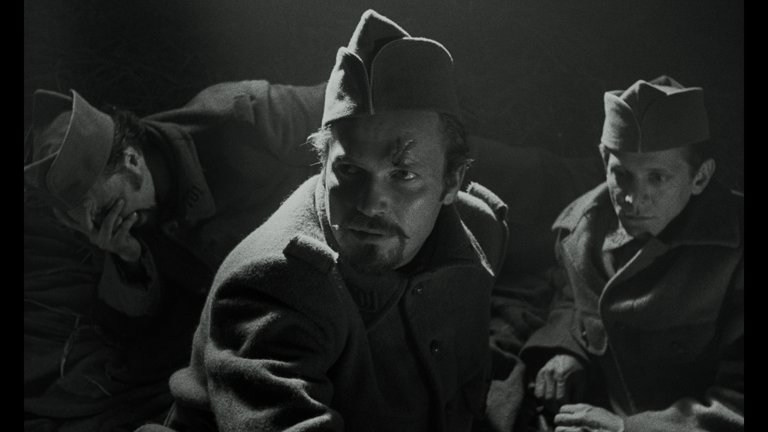
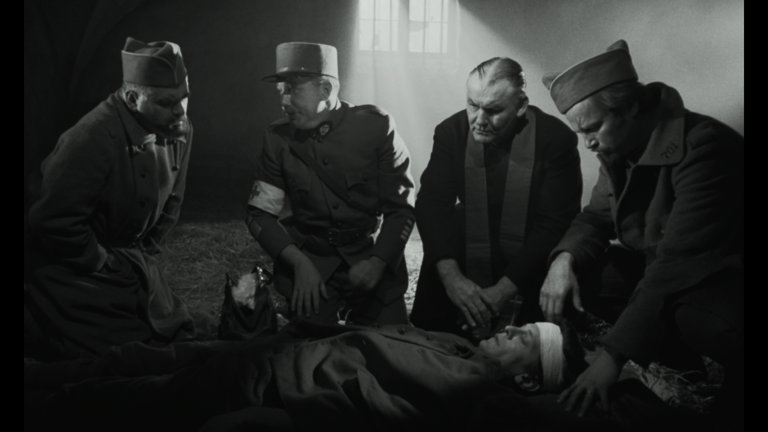
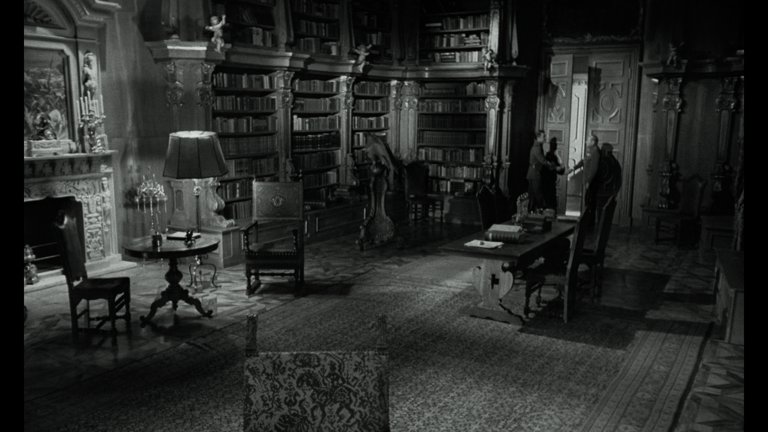
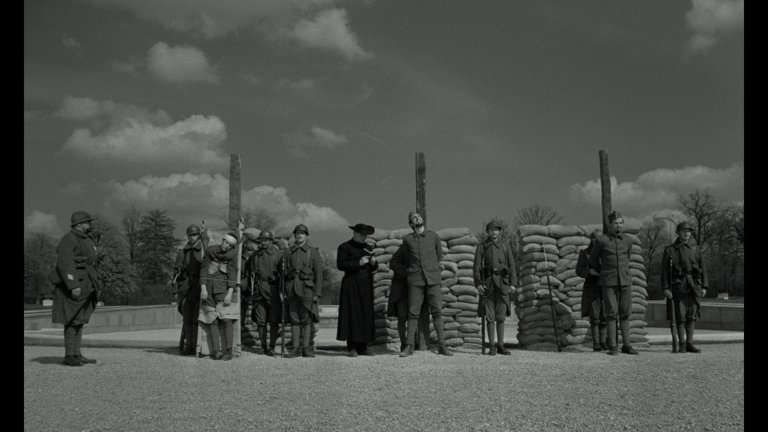
The Criterion Collection upgrades their previous Blu-ray edition for Stanley Kubrick’s Paths of Glory to 4K UHD, available (as of this writing) exclusively in Criterion’s newest box set, The Complete Kubrick. The film is presented with Dolby Vision on a triple-layer disc in the aspect ratio of 1.66:1. The 2160p/24hz ultra high-definition presentation is sourced from a 4K restoration scanned (primarily) from the 35mm original camera negative. The set also includes a standard dual-layer Blu-ray featuring the film in 1080p alongside all video supplements. That disc replicates Criterion’s 2010 release and uses the older master.
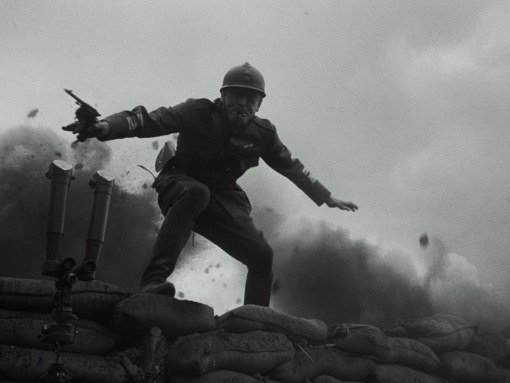
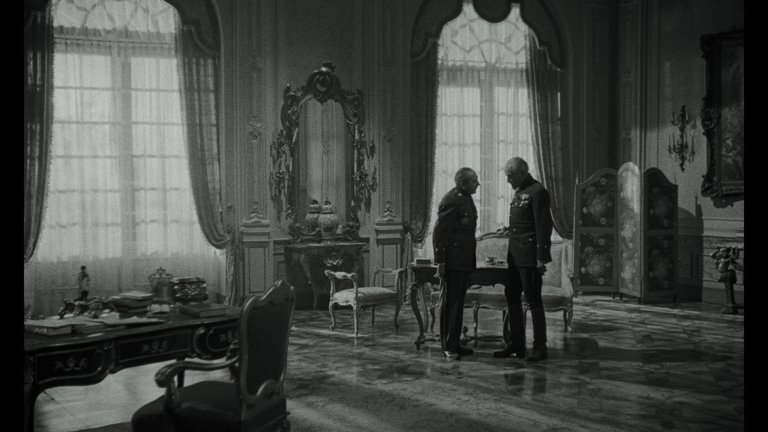
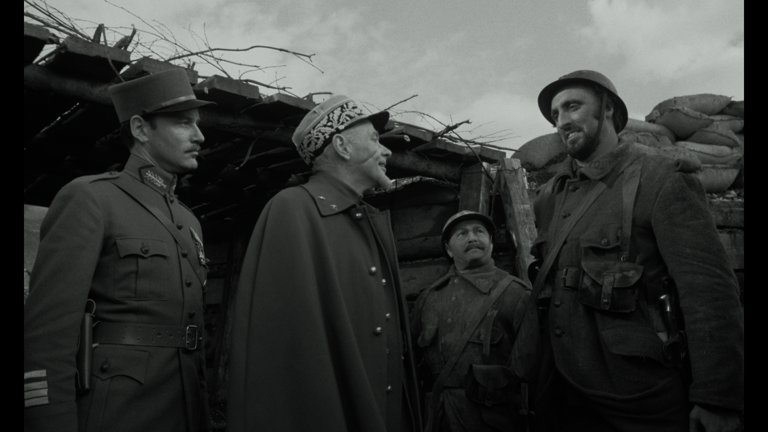
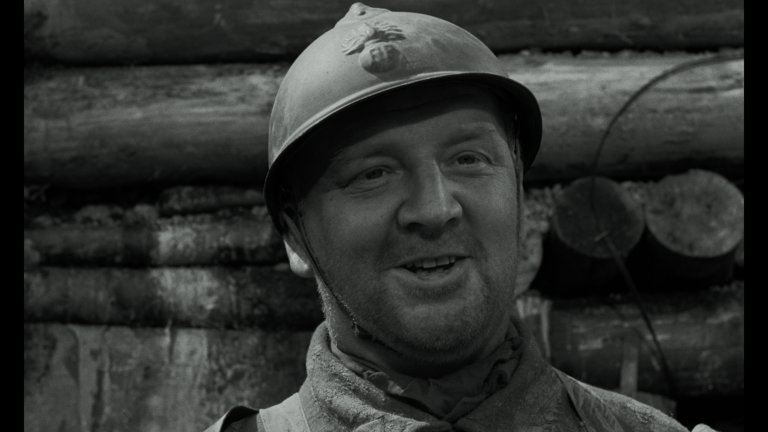
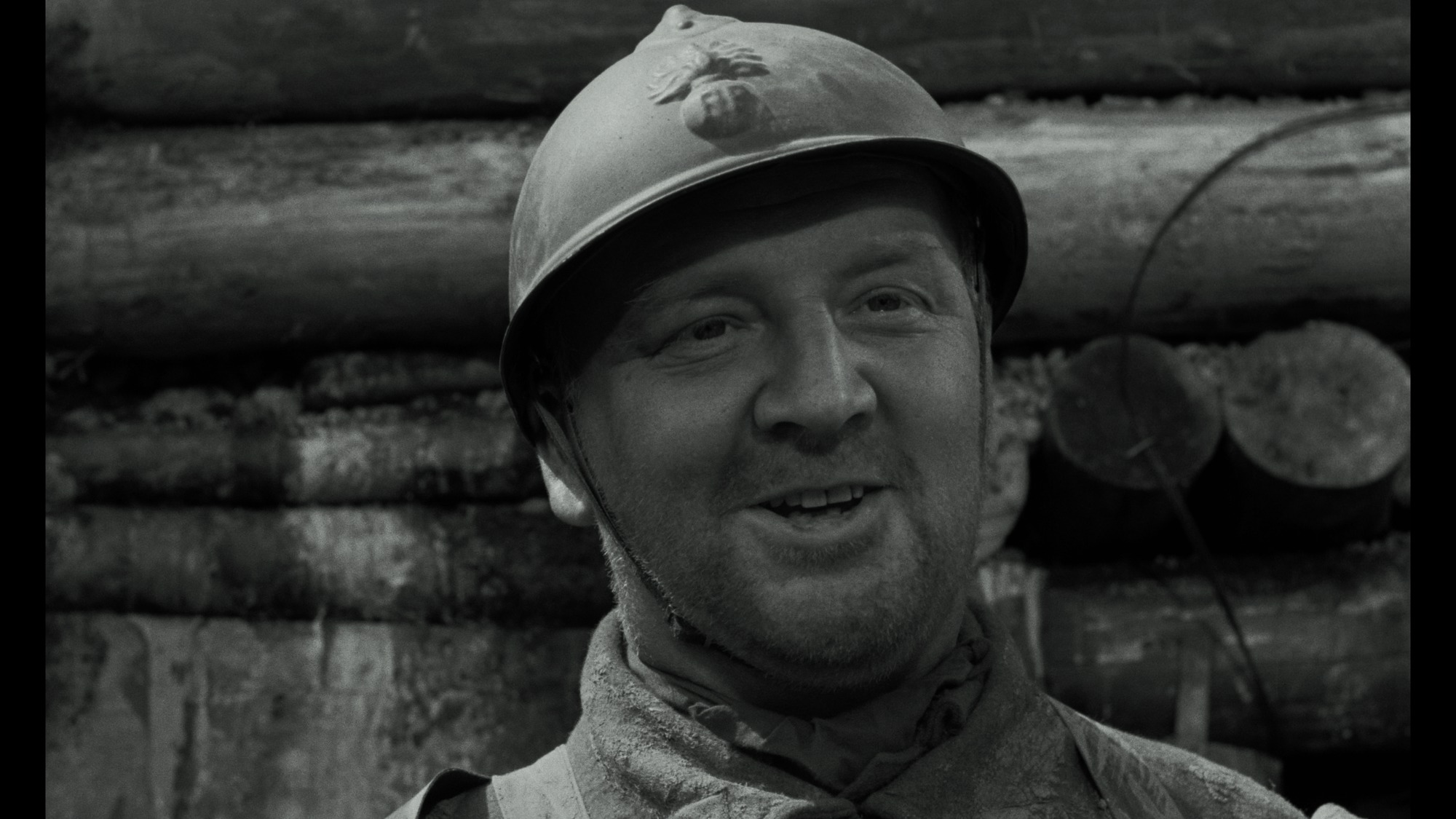
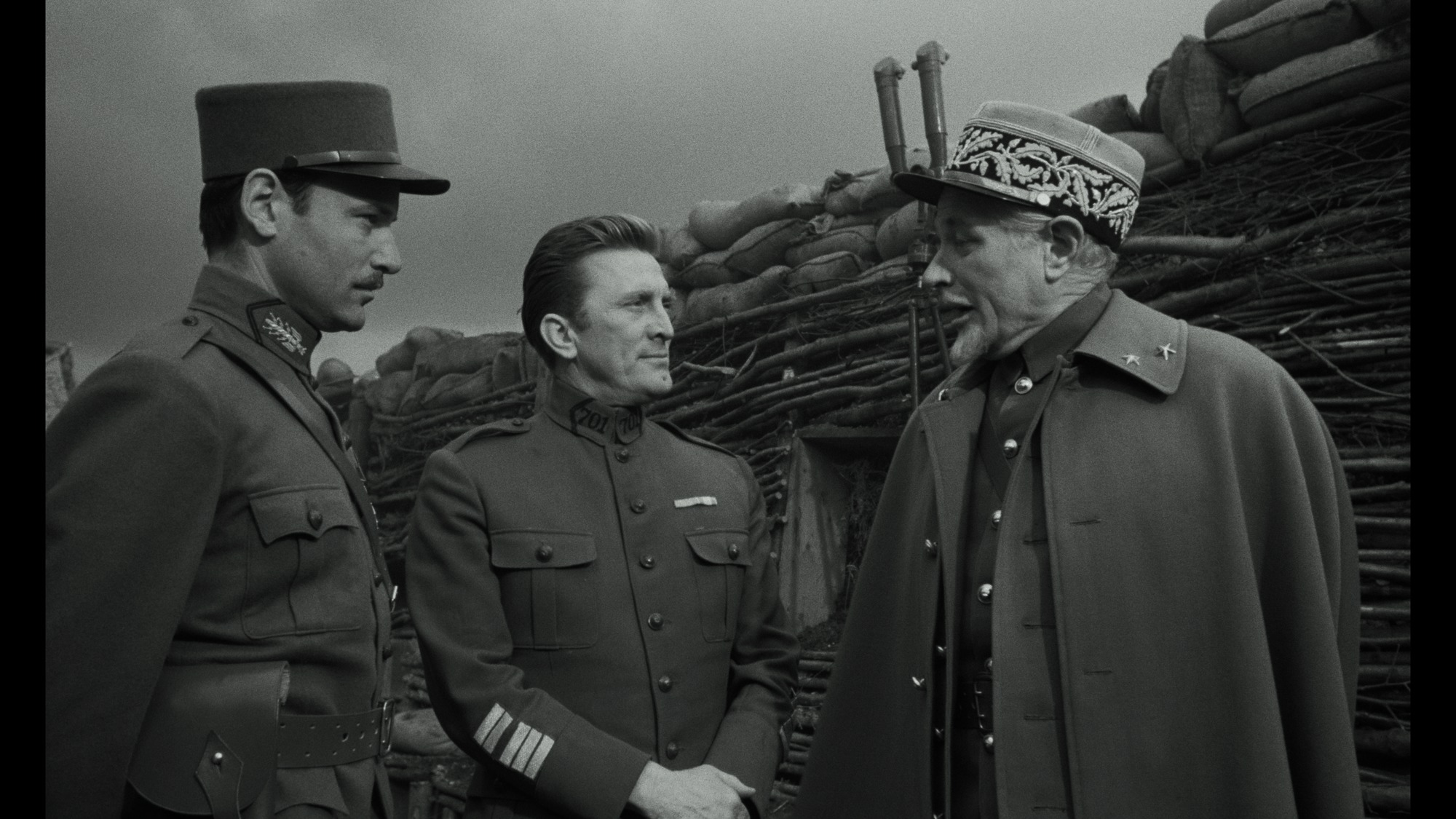
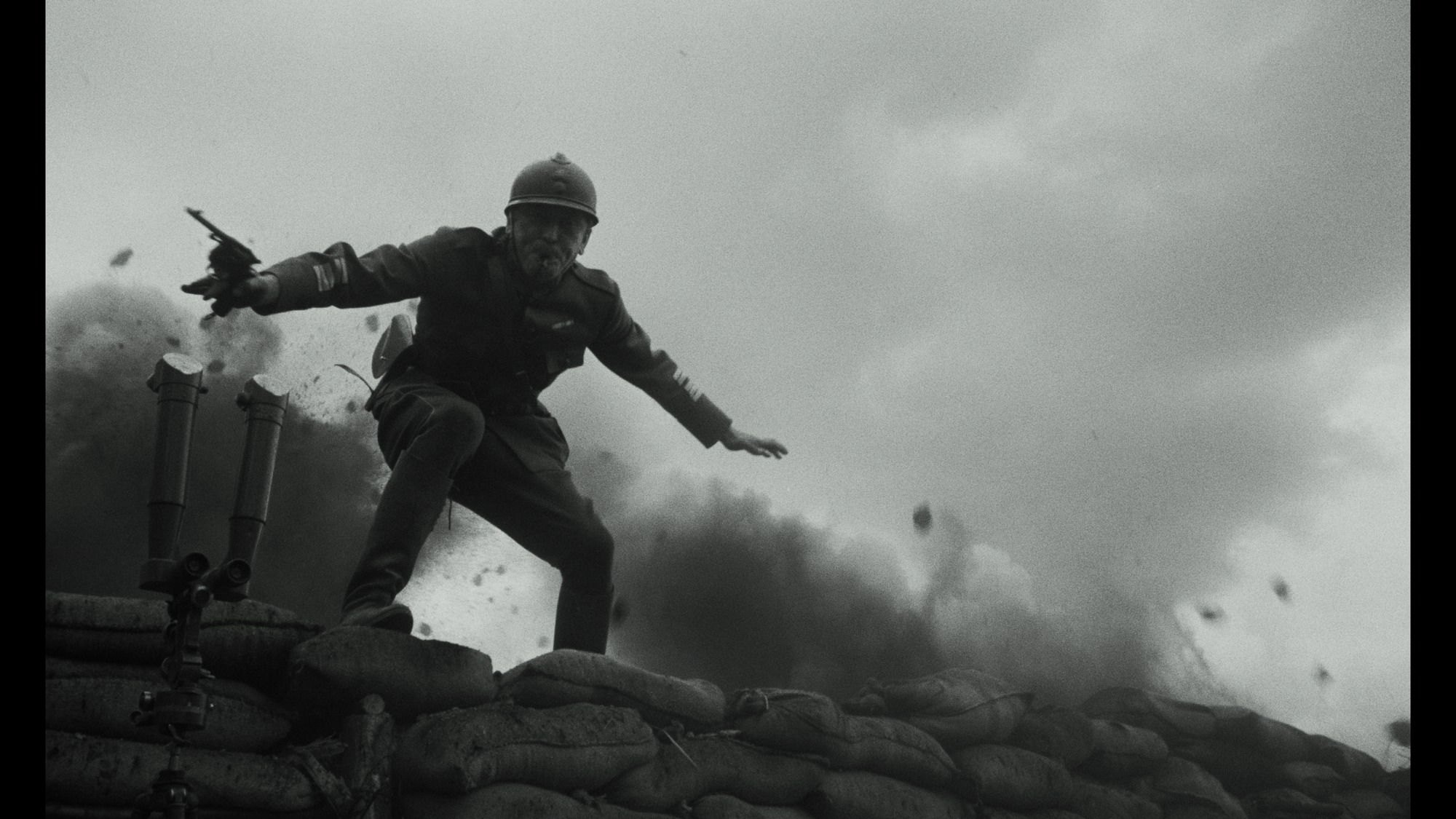
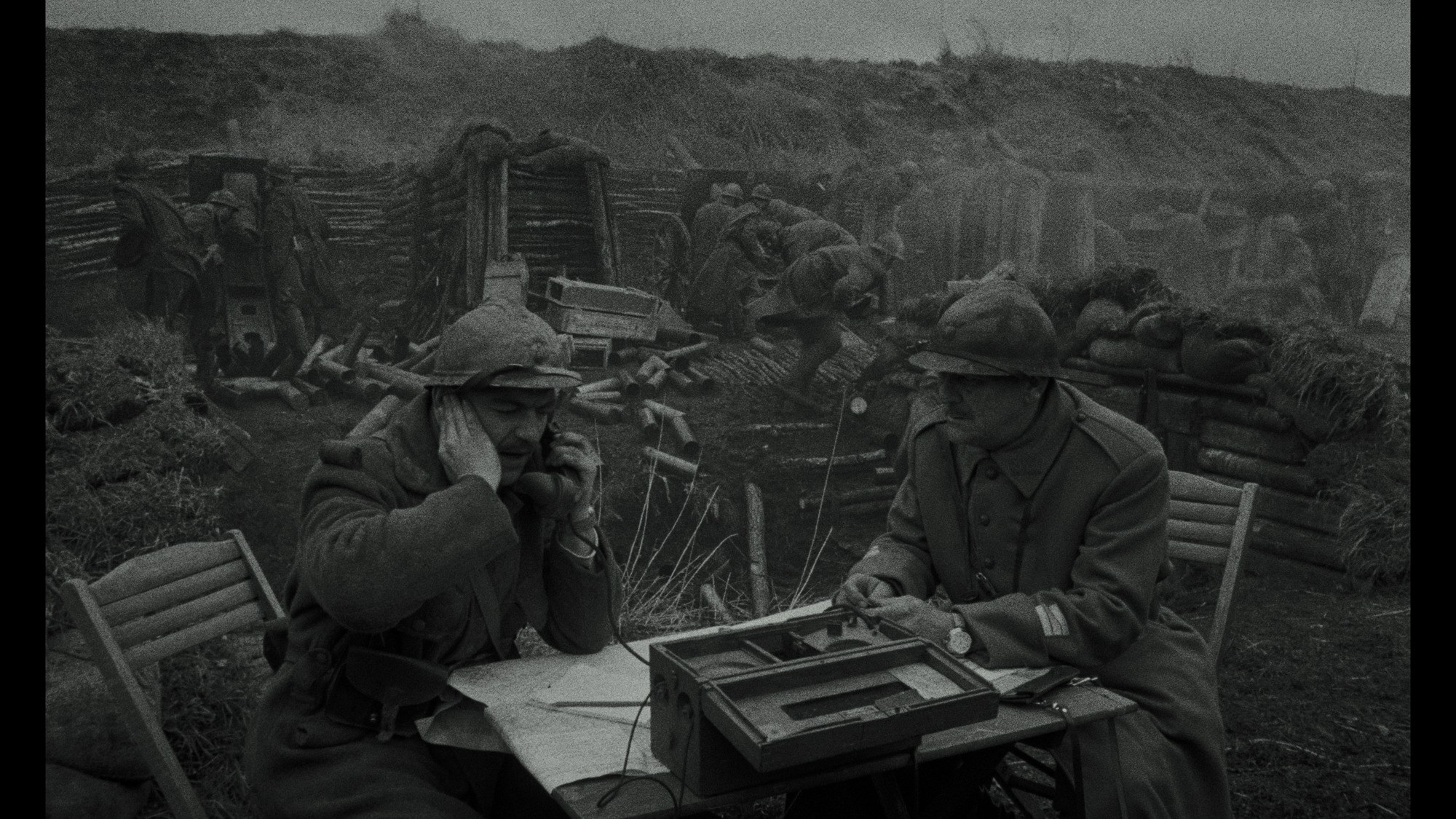
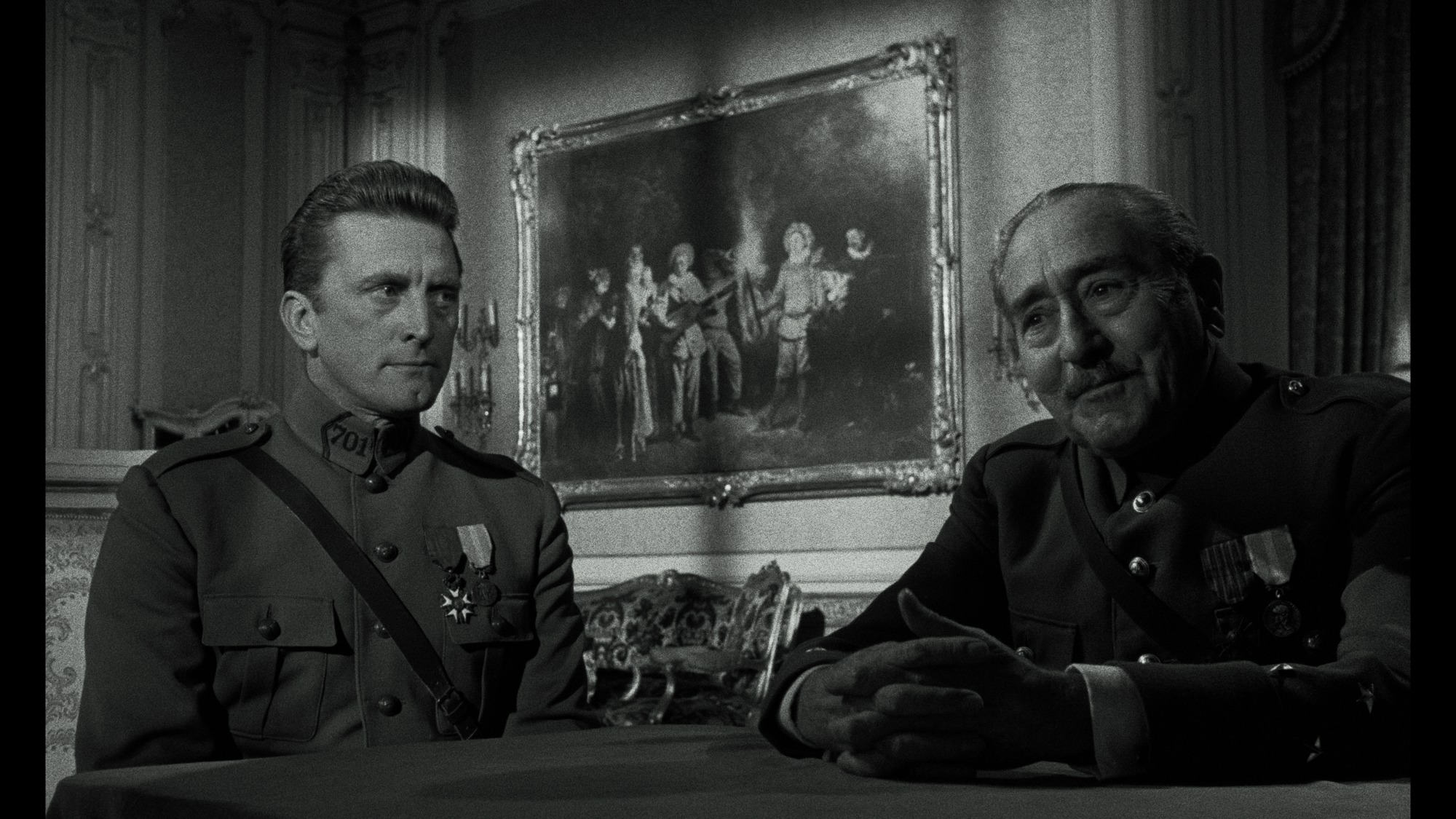
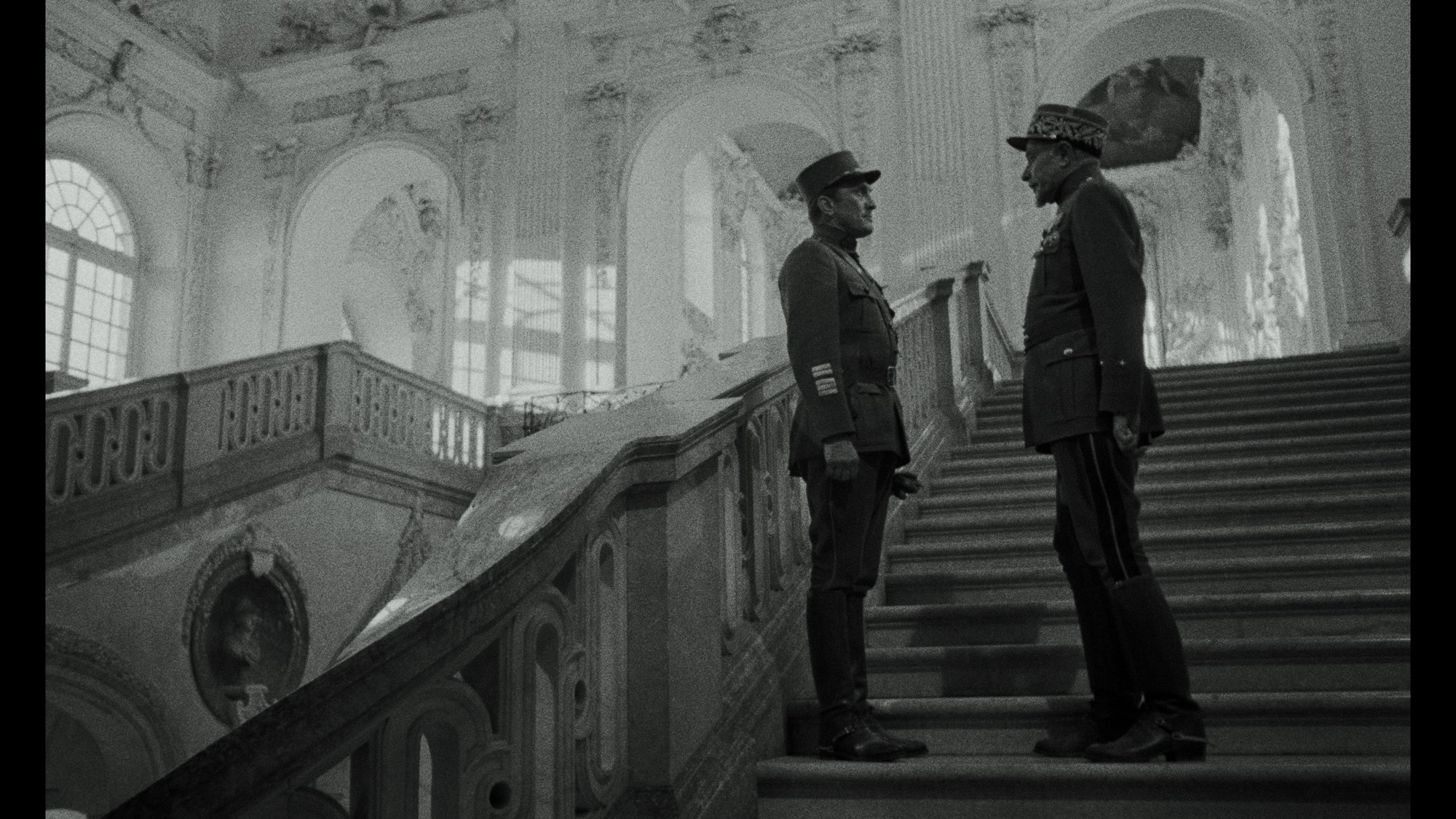
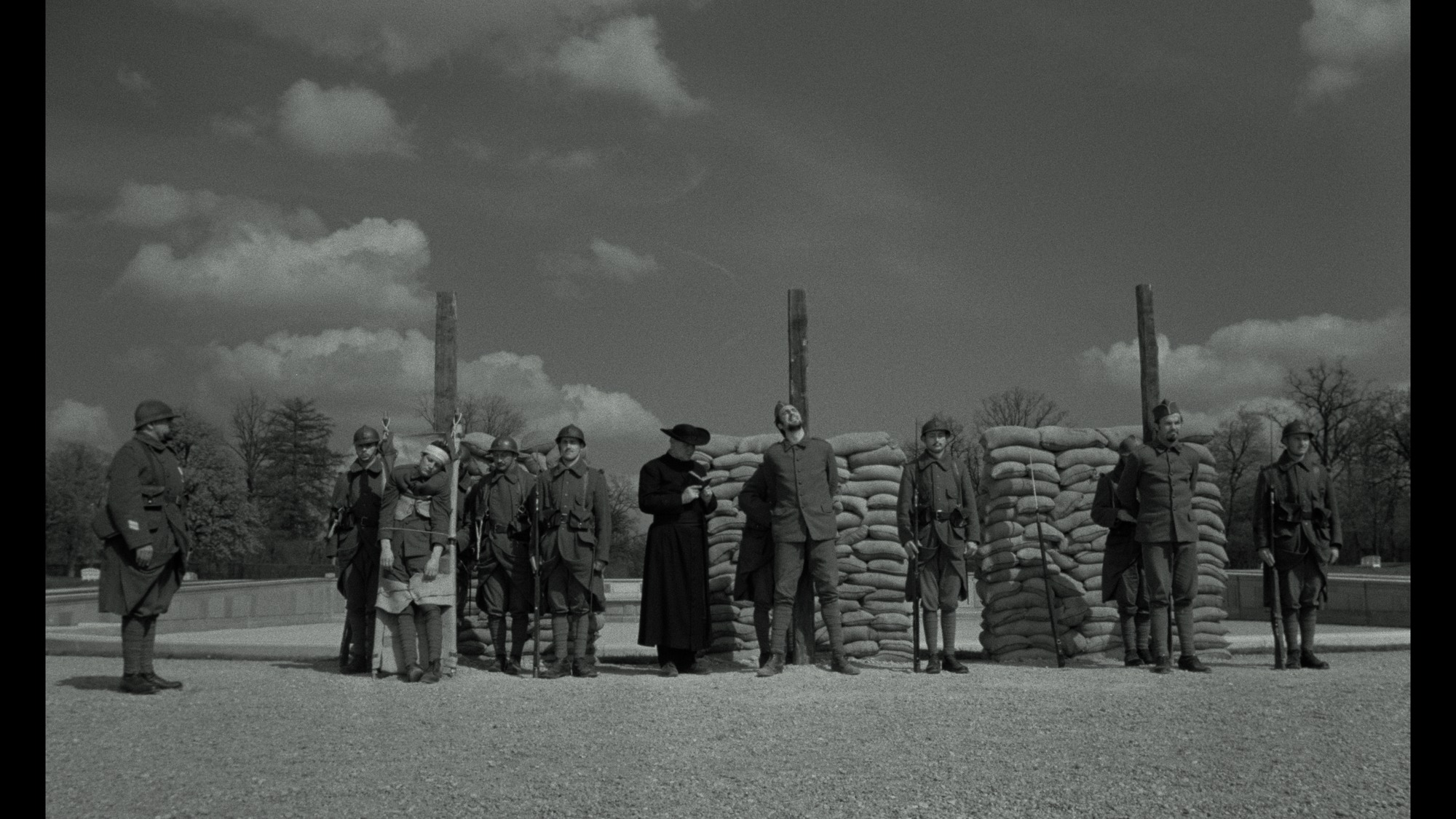
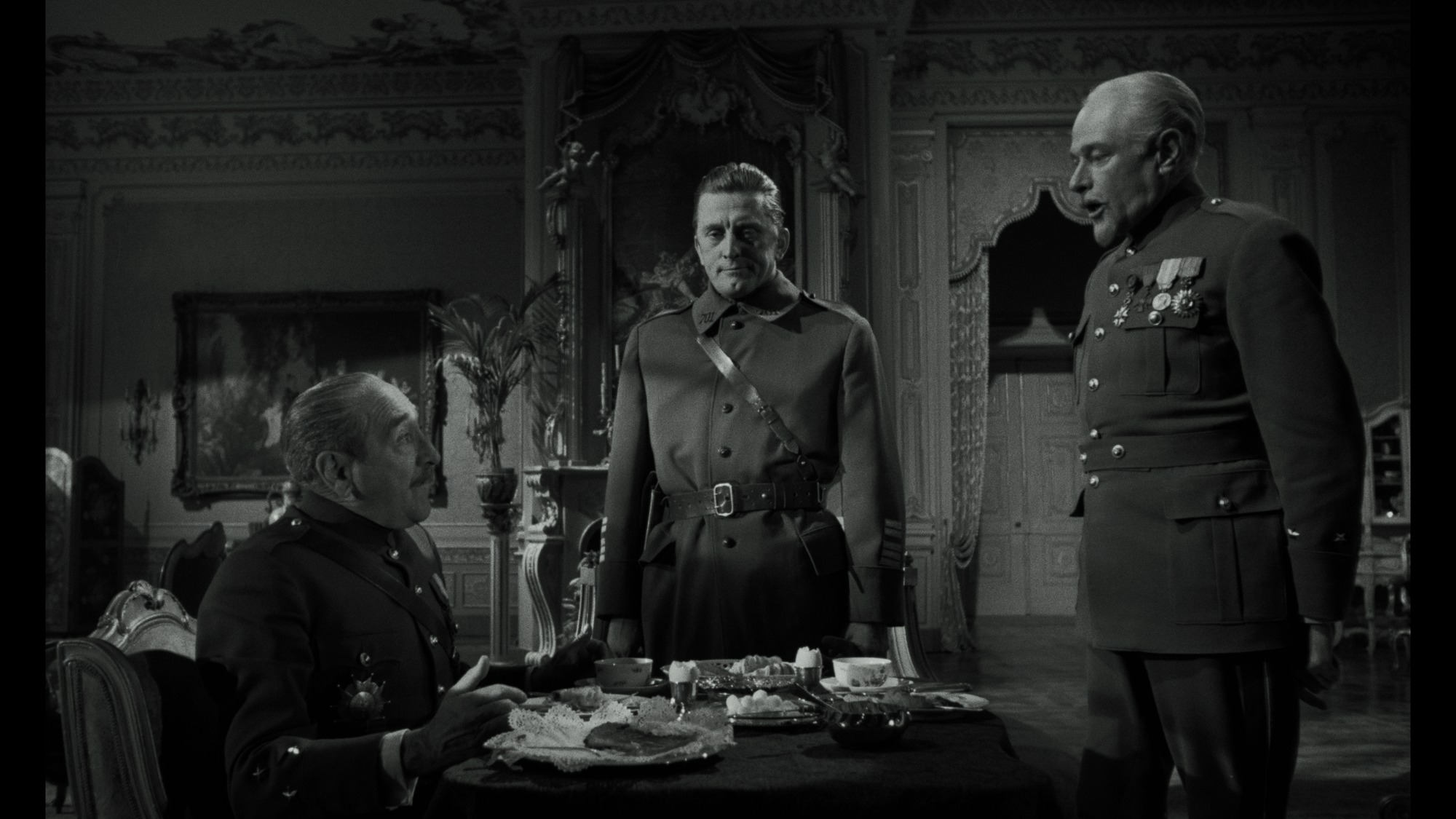
Compared to the previous Blu-ray, the 4K presentation is an astronomical improvement, looking substantially cleaner and sharper, with a far more convincing film-like texture that the Blu-ray's high-def presentation could never really pull off. The old Blu-ray is one I was fine with at the time, but revisiting it in recent years has been somewhat painful. It was certainly better than the previous DVD presentation, but the encode was rough, introducing pixelation and heavy, blocky patterns. I can only assume I was just happy to get a Blu-ray edition of the film at the time.
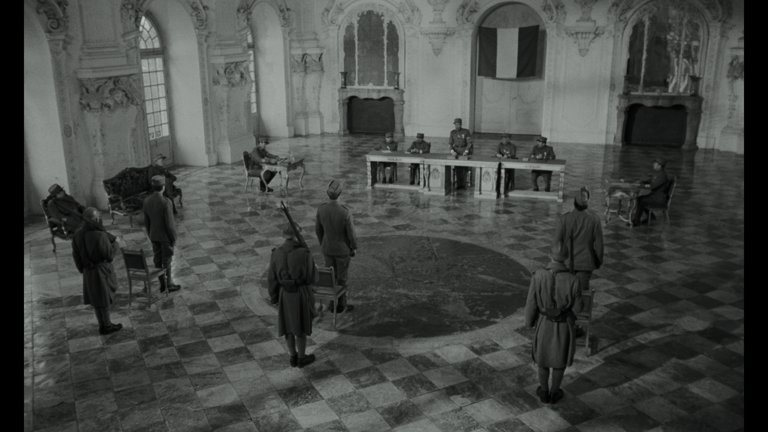
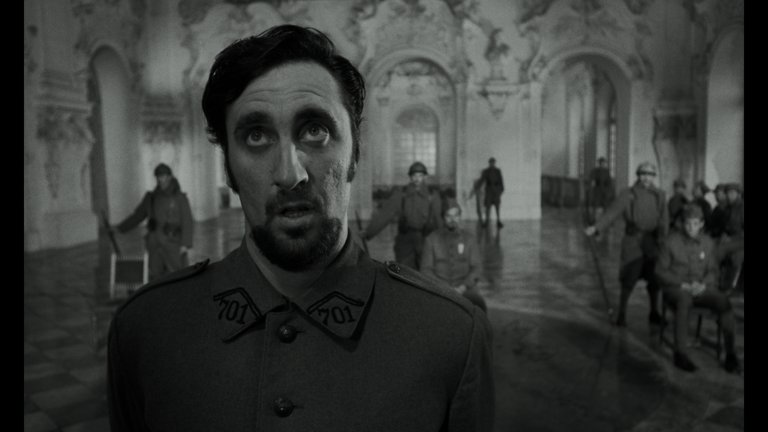
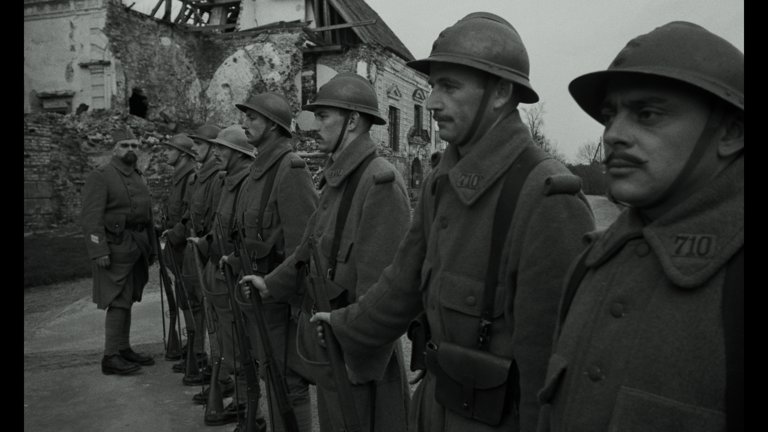
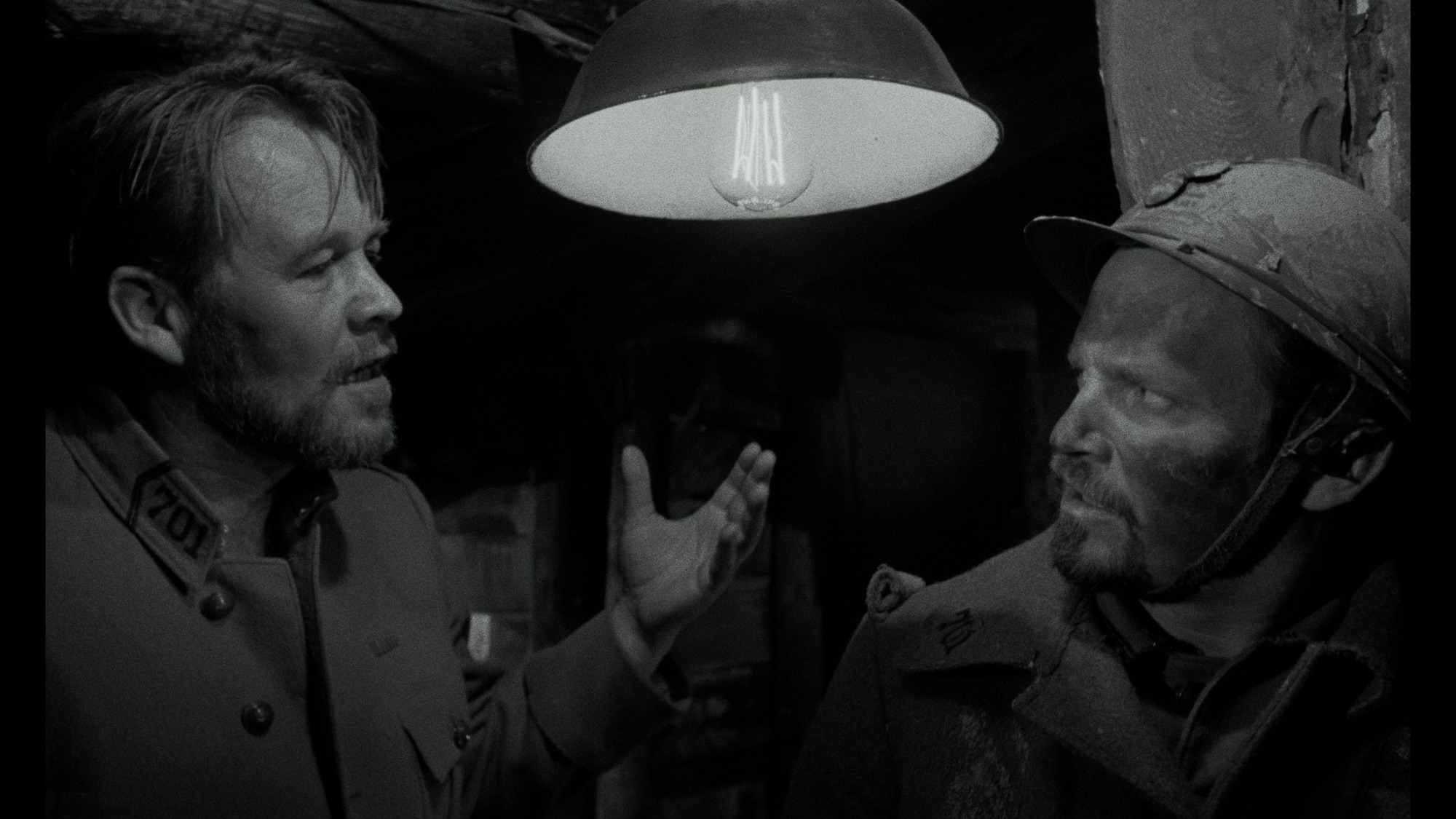
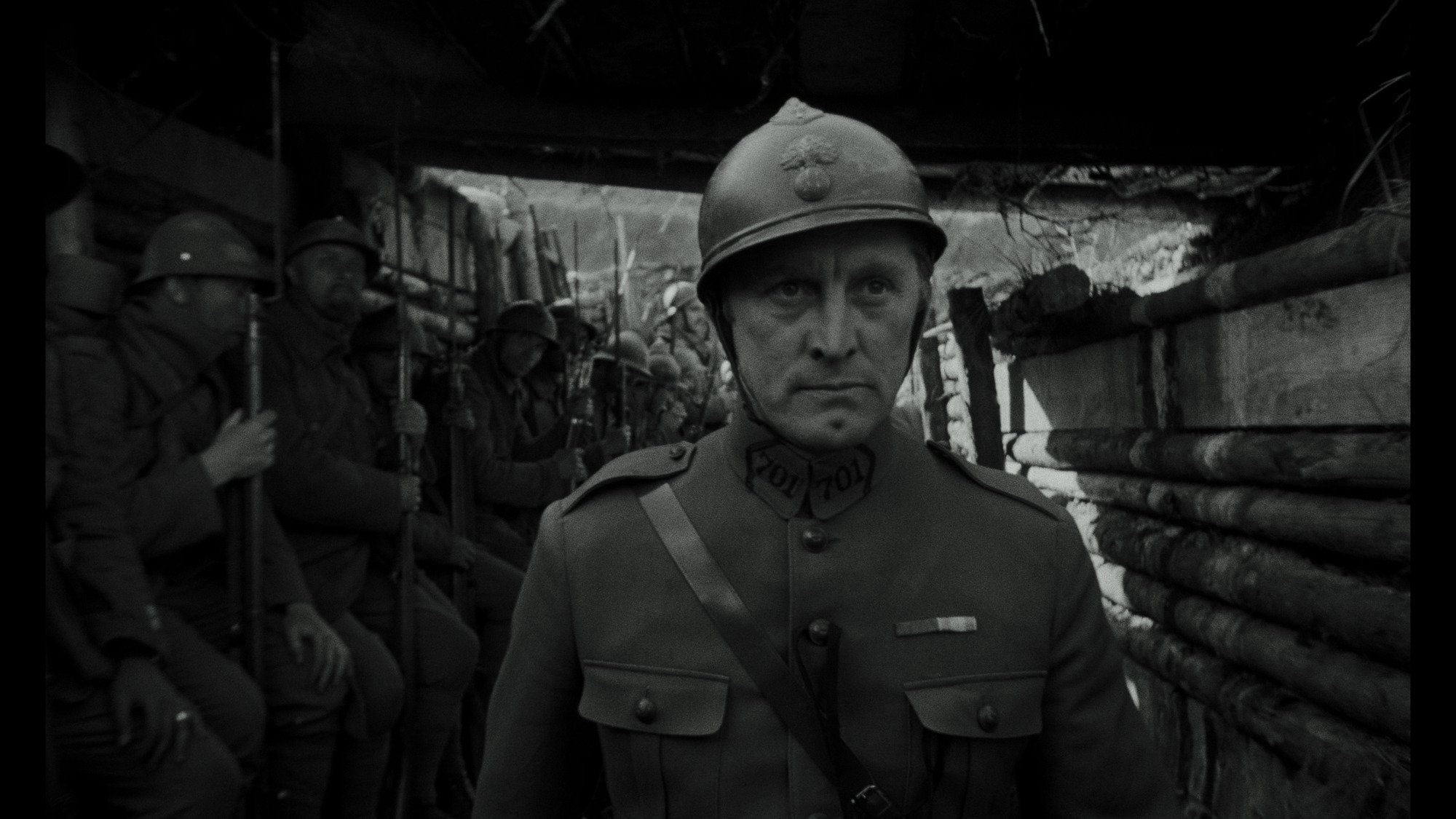
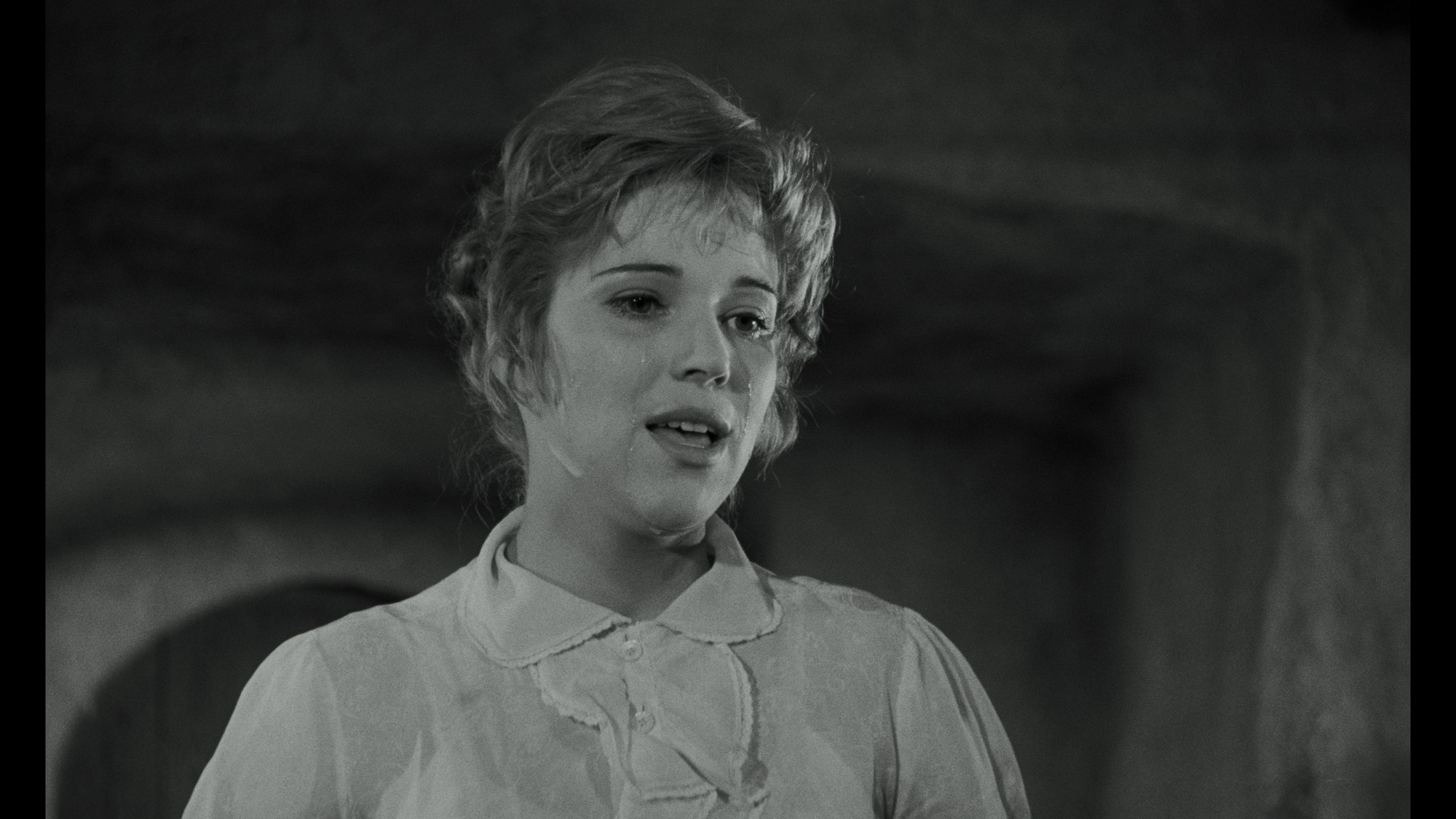
I'm happy to say, following that, the new 4K presentation here is significantly cleaner, doing a far better job when it comes to rendering the film’s fairly heavy grain, which in turn feeds into the finer details, which all come through clearly. Long shots across no man’s land reveal far more information than the older Blu-ray could manage, while close-ups expose more facial stubble and dirt where appropriate.
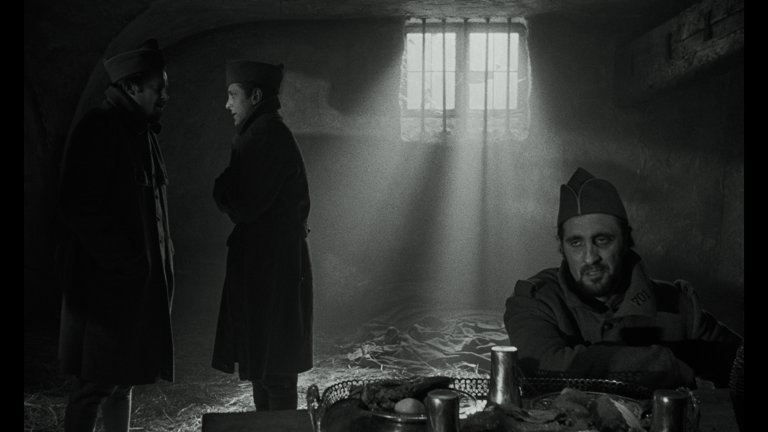
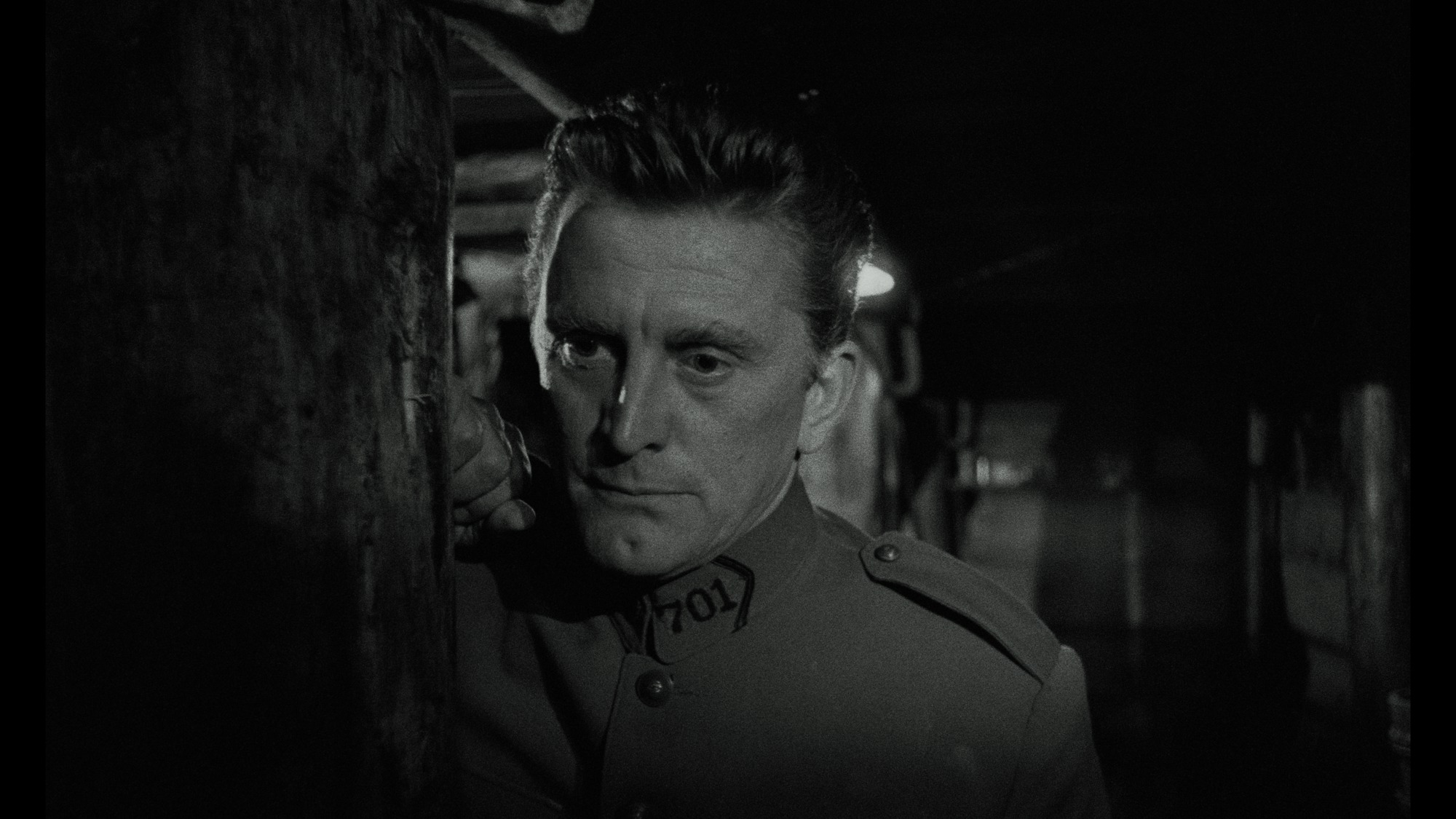
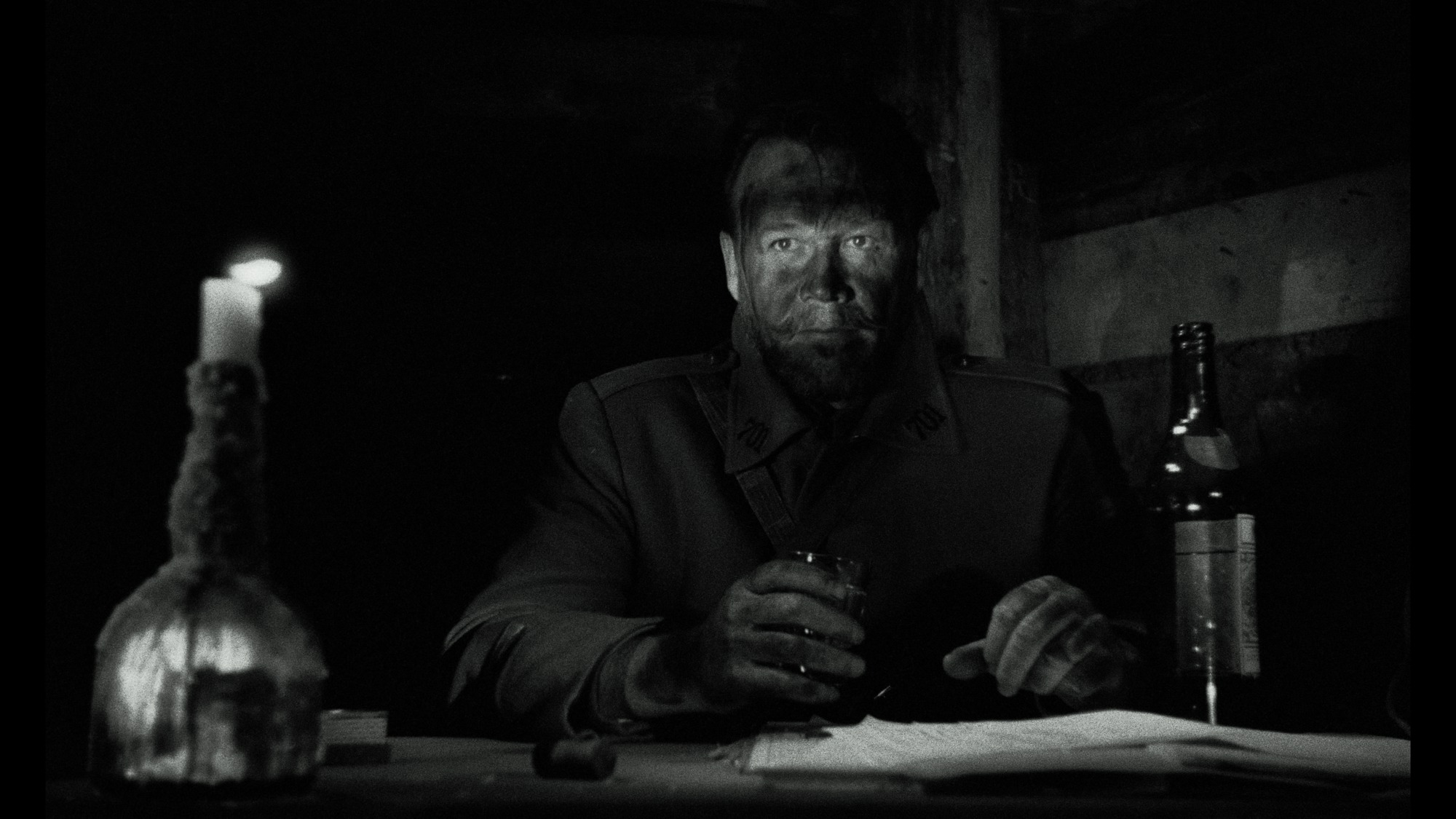
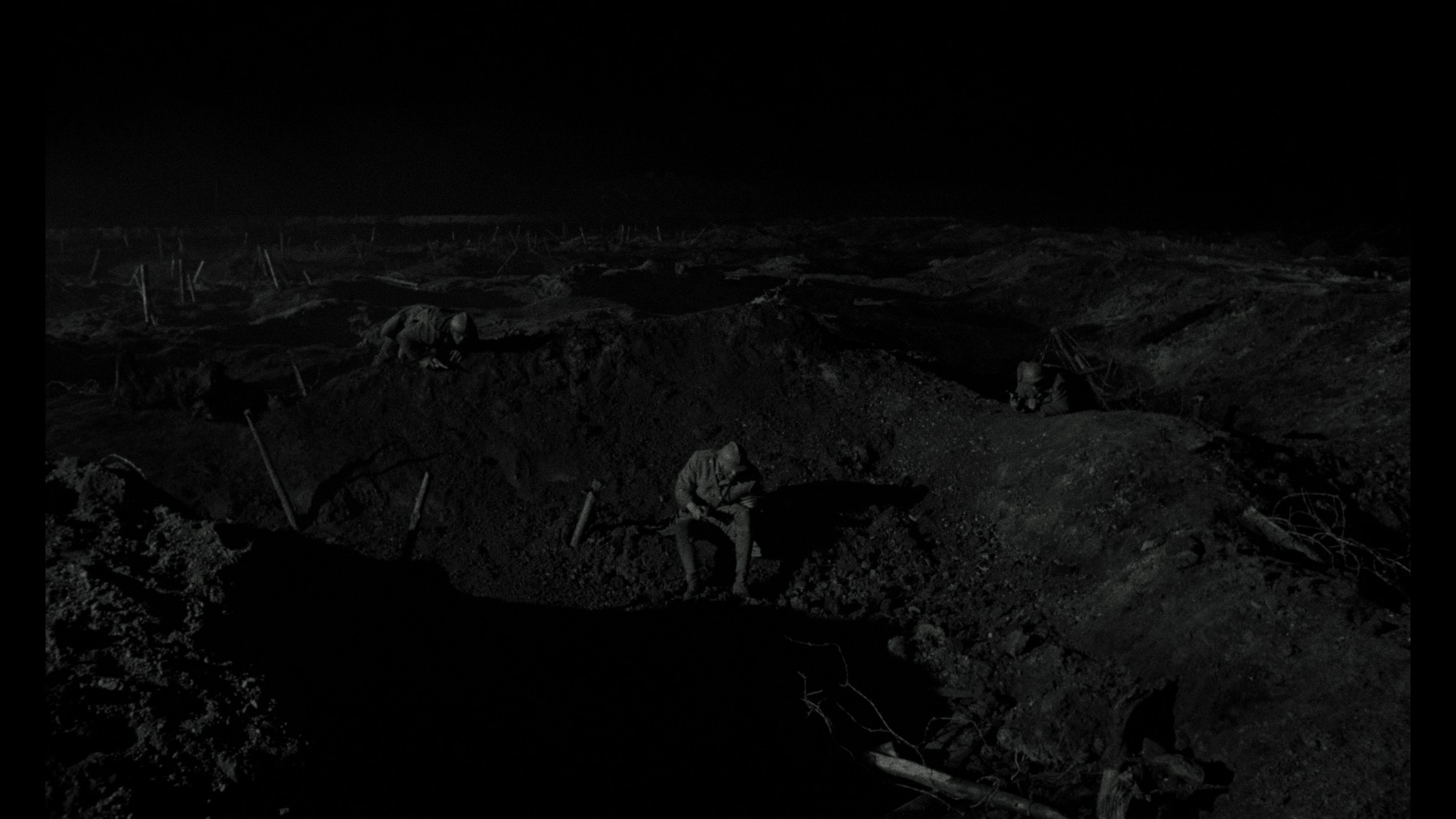
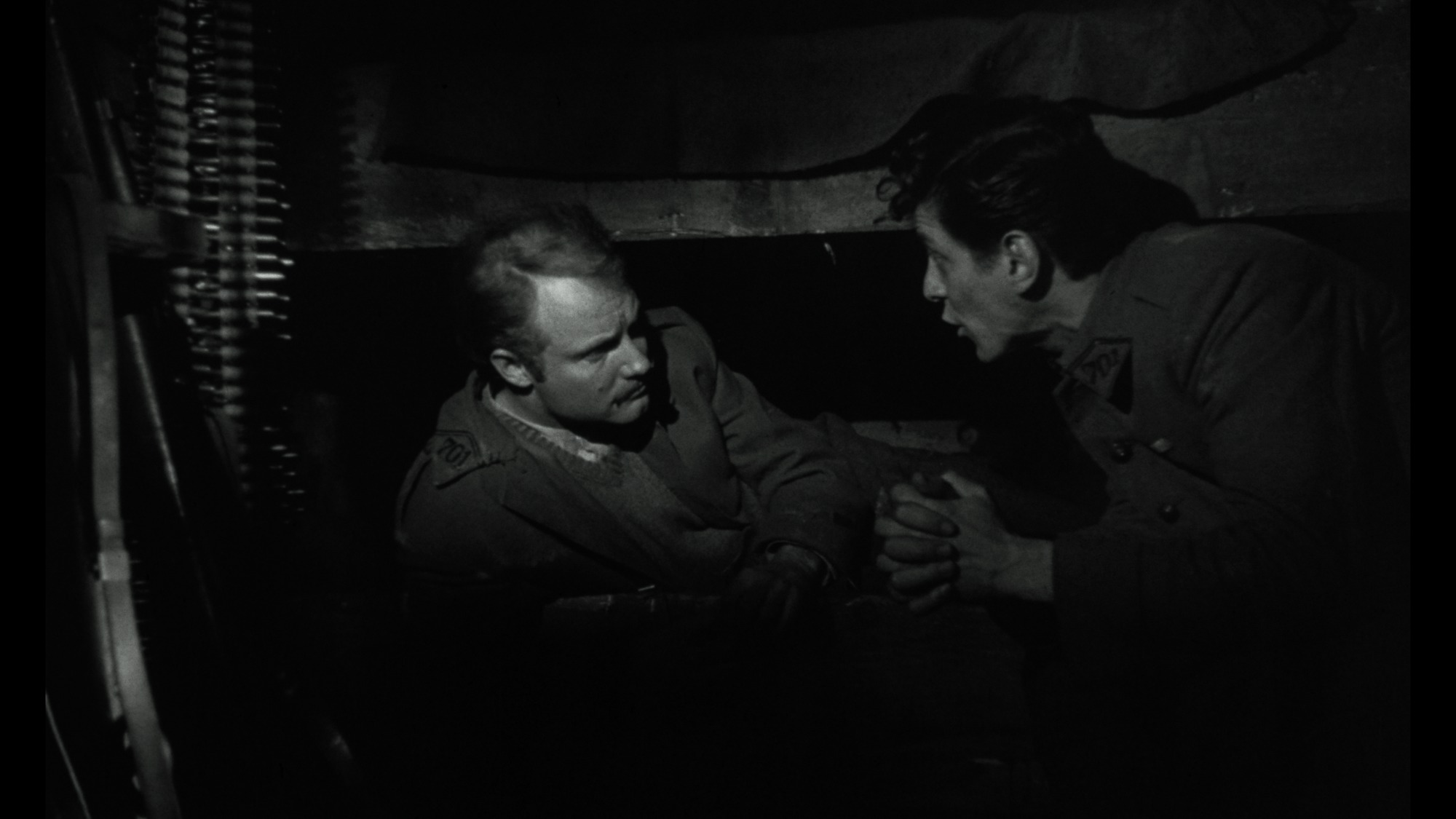
The format’s wider dynamic range, aided by HDR and Dolby Vision, also opens up the grayscale, which now looks quite flat on the old Blu-ray. This brings out considerably more information during the nighttime sequence in no man’s land, with dirt, rocks, and debris far easier to make out. There’s more detail in the shadows, with grain a little more evident there as well. A couple of terrific shots inside the darkened prison cell feature light coming through the window and breaking through the smoke that is present, and that smoke looks far more natural here compared to the high-def presentation. The same goes for the battle sequence, where explosions send dirt and debris flying, which is gorgeously rendered, no obvious artifacts present or negative impact to the grain. Highlights are also fairly bright without clipping away detail; it’s all quitewonderful.
The restoration work has also been significant, with heavier damage pretty much eliminated and only a few minor marks and scratches remaining, most of which you have to be looking for to notice. The film elements generally look to be in pristine condition, and the grading and the wonderful encode push that film-like texture I mentioned previously. There are at least a couple of sequences, though, that have a dupier quality. They’re generally fine, but the grain isn’t as sharp or clean, and the grayscale looks a little narrower, suggesting these moments probably come from a later-generation source. They stand out primarily because everything around them looks so sharp and detailed.
These sequences ending up appearing the same in the presentation of Kino’s out-of-print 4K release, suggesting these limitations are baked into the master and almost certainly are present in the film elements themselves. As for how the rest of the presentation compares to Kino’s? Honestly, I thought they looked just about identical, which isn’t surprising since they’re clearly both using the same master. Both feature strong encodes, with Criterion’s handled by Fidelity in Motion, and the HDR grades look similar as well. If you have the Kino, there really isn’t a reason to move to this edition just for this film, though anyone picking up the set is almost certainly doing so for the whole package, not just this film.
So, while it doesn’t offer a clear improvement over Kino’s, rest assured that Criterion’s presentation is, at the very least, just as good. It looks brilliant, delivering a beautifully filmic image that easily bests Criterion’s old high-definition presentation.
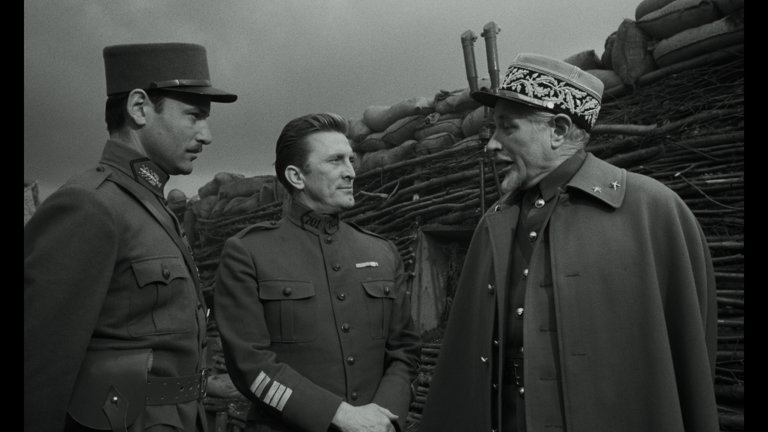
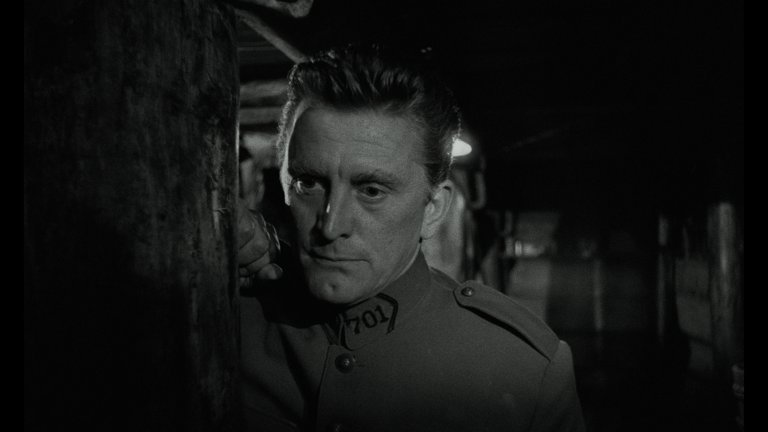
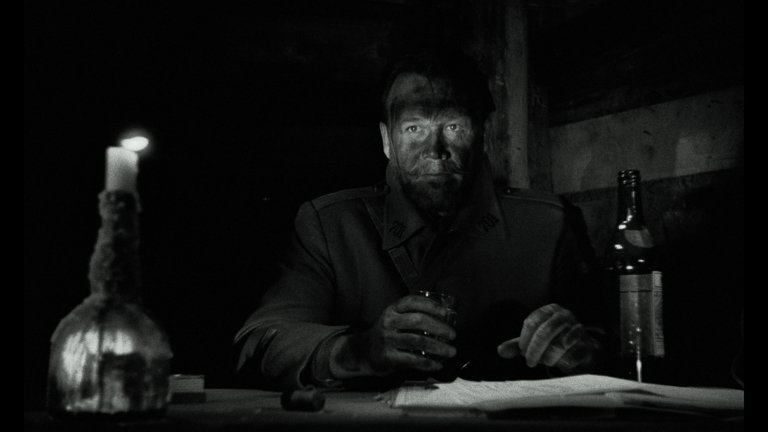
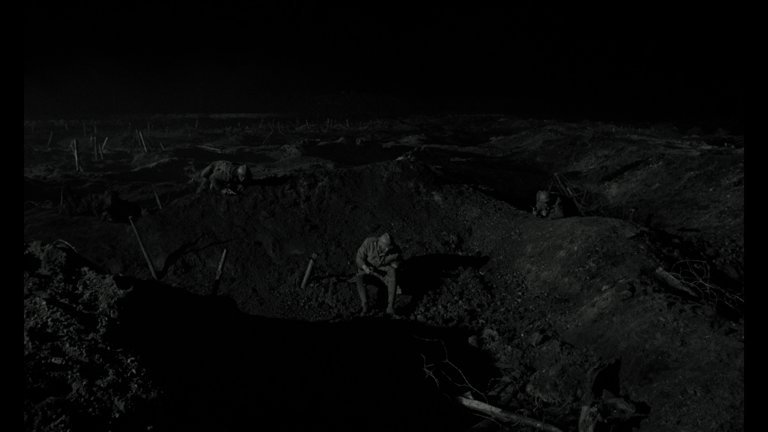
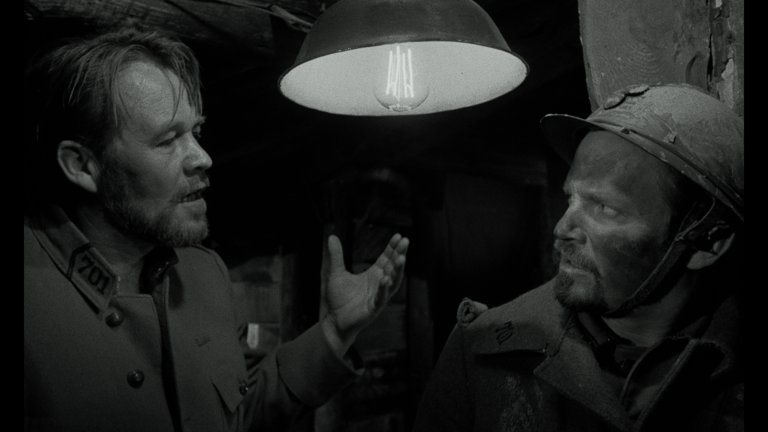
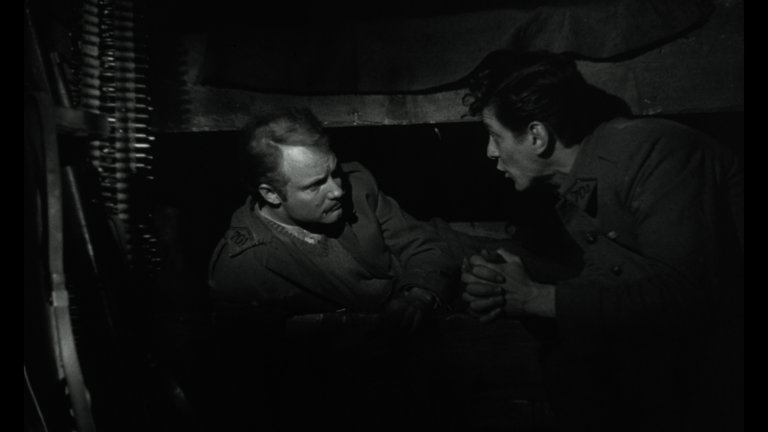
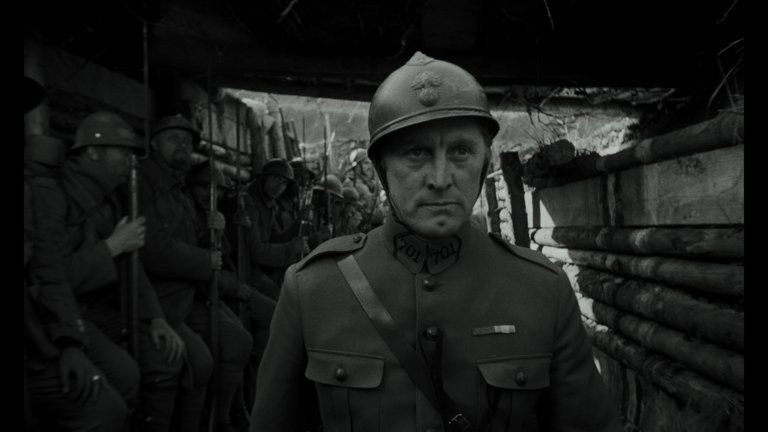
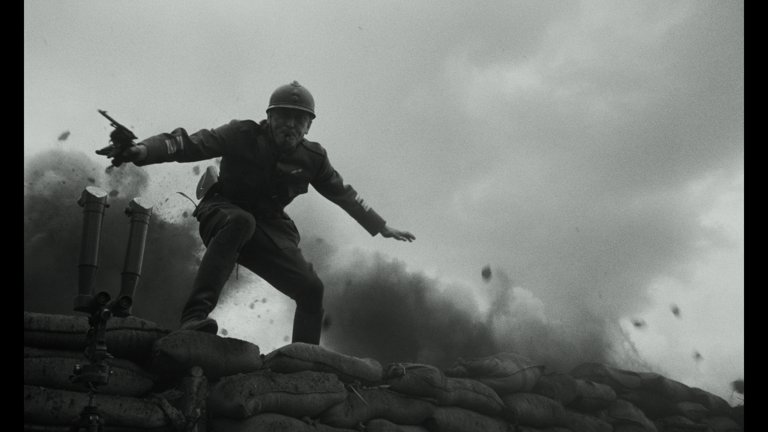
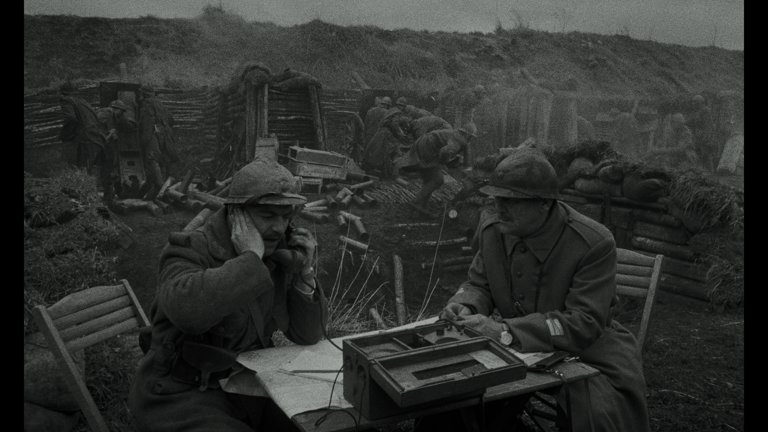
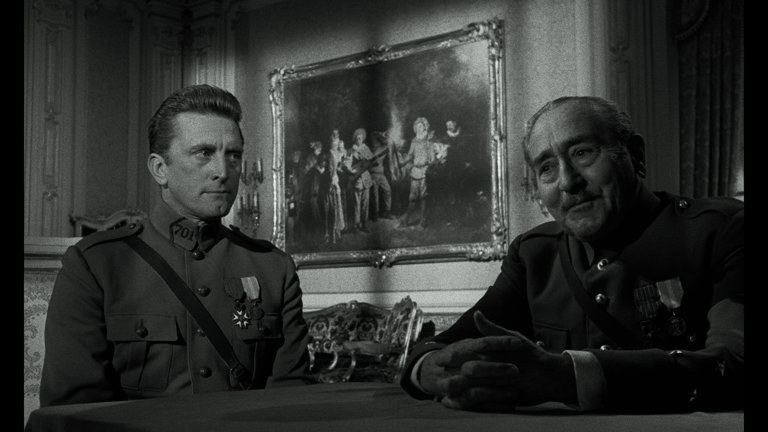
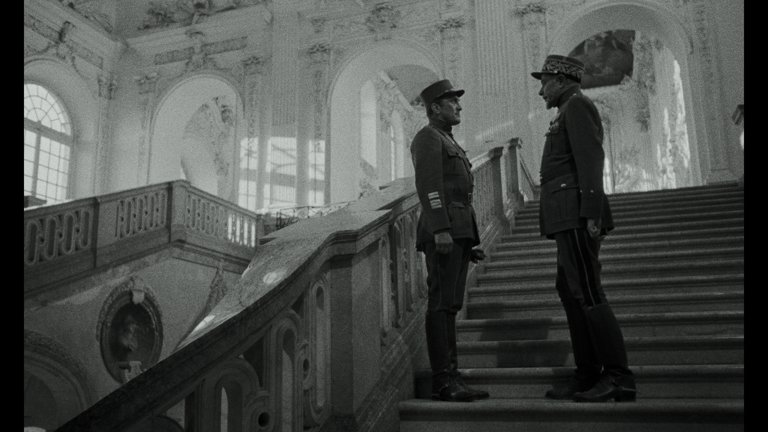
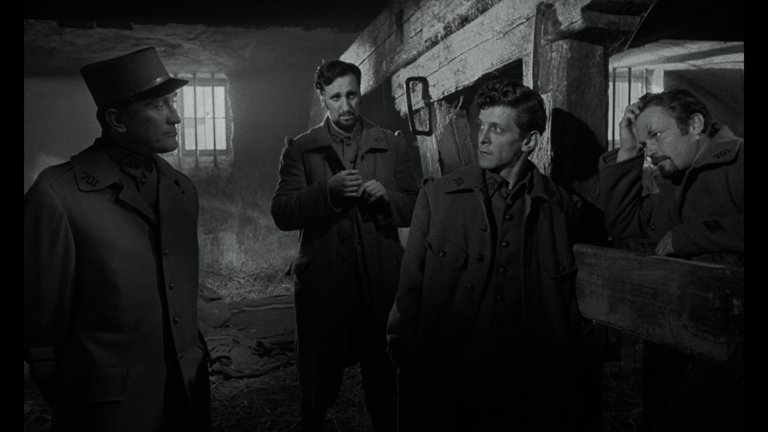
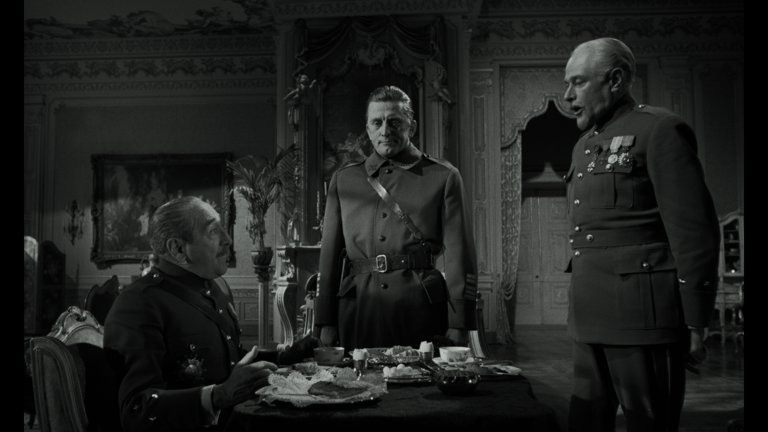
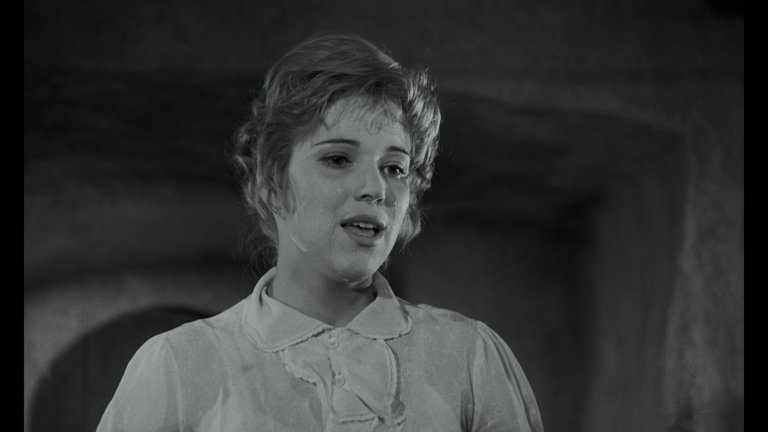
The Complete Kubrick - Screen Captures
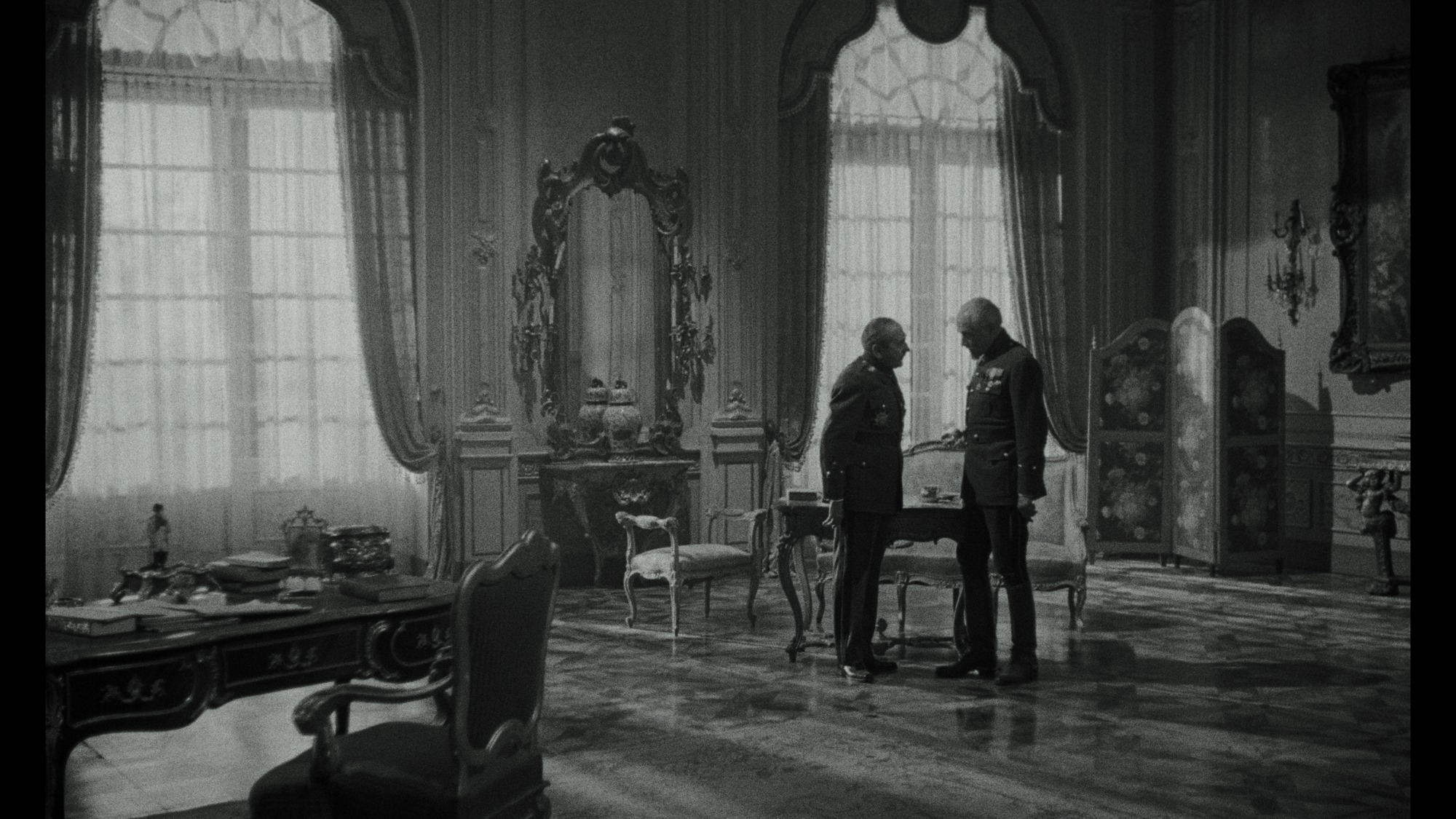
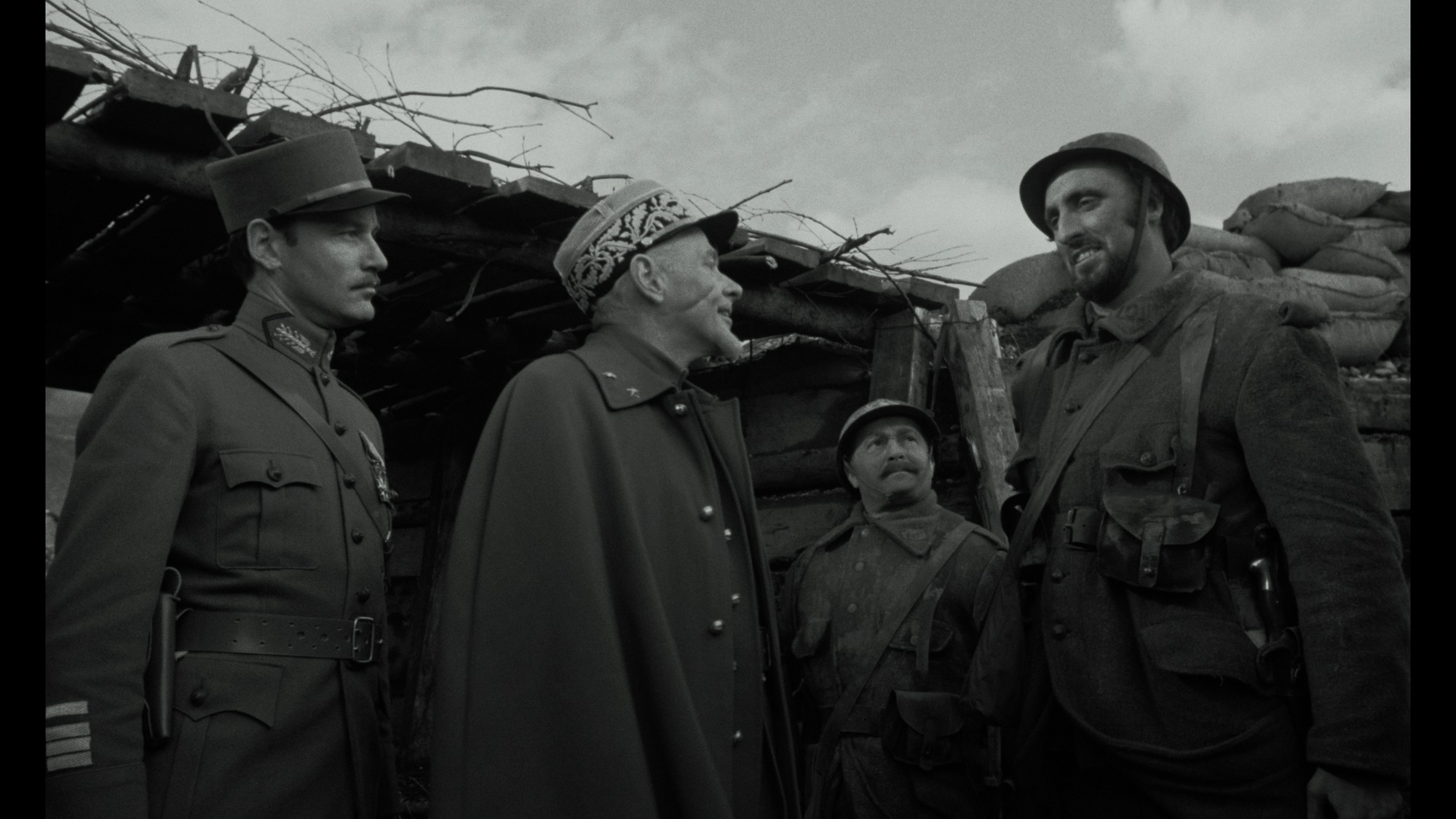
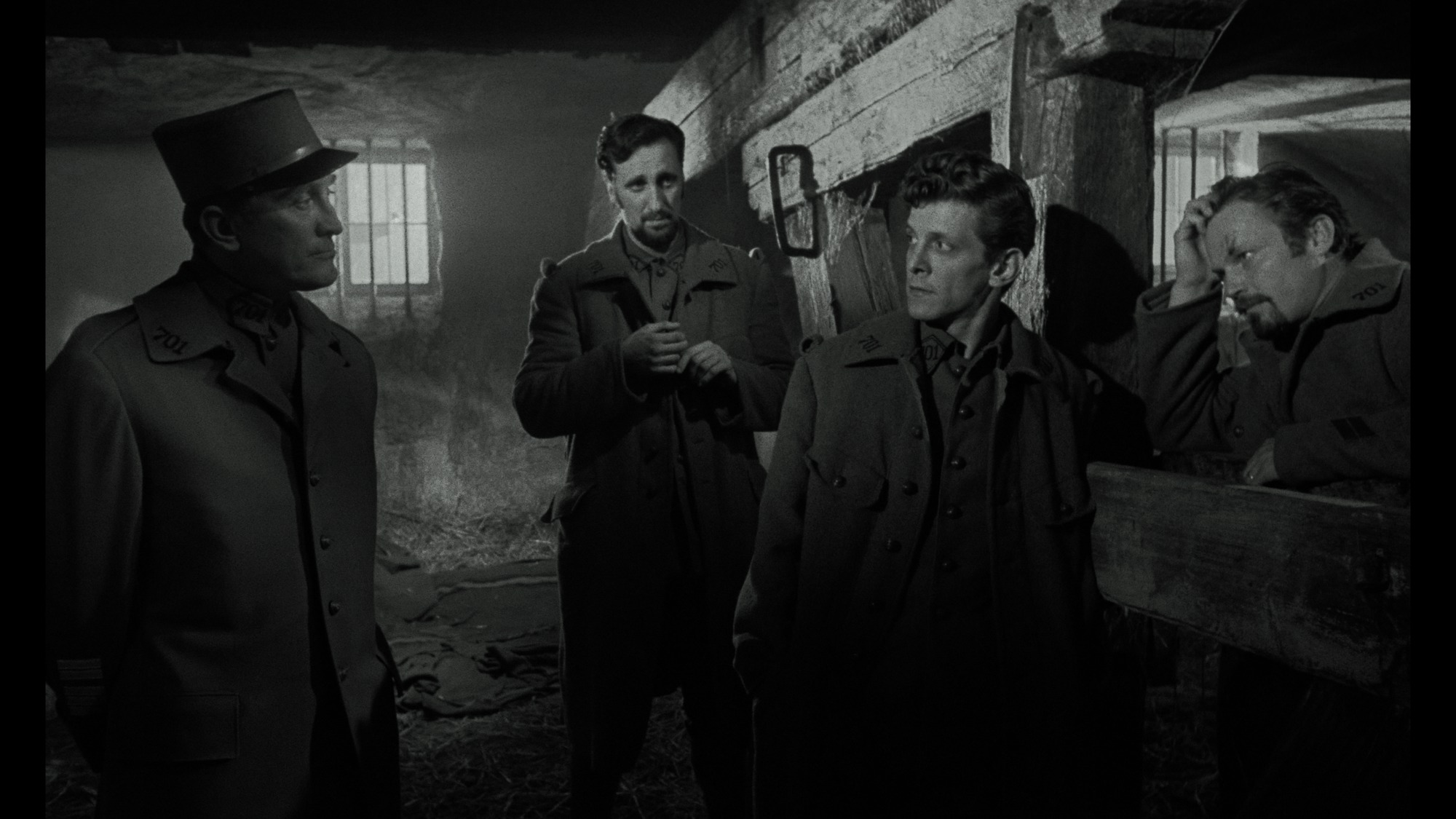
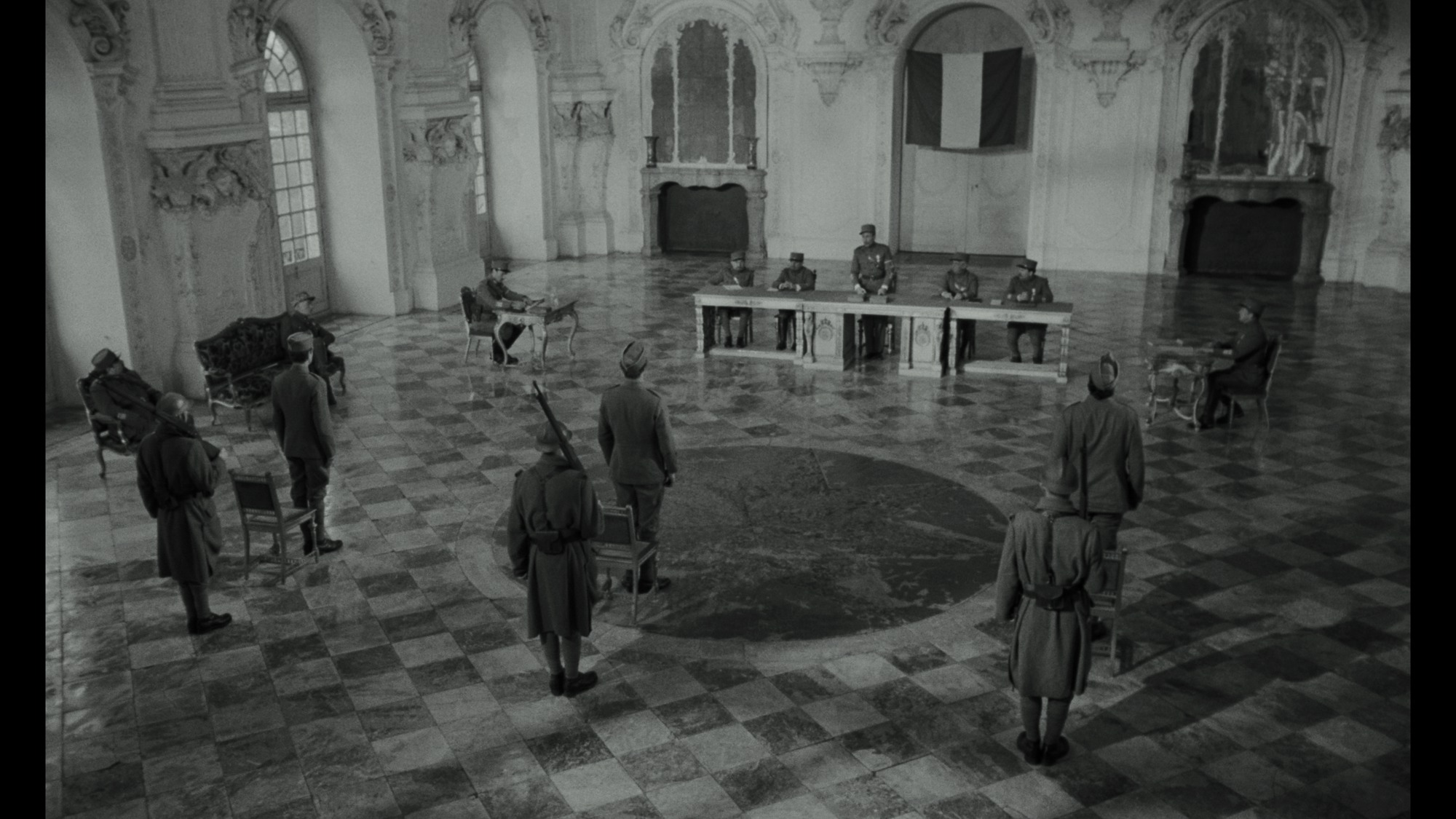
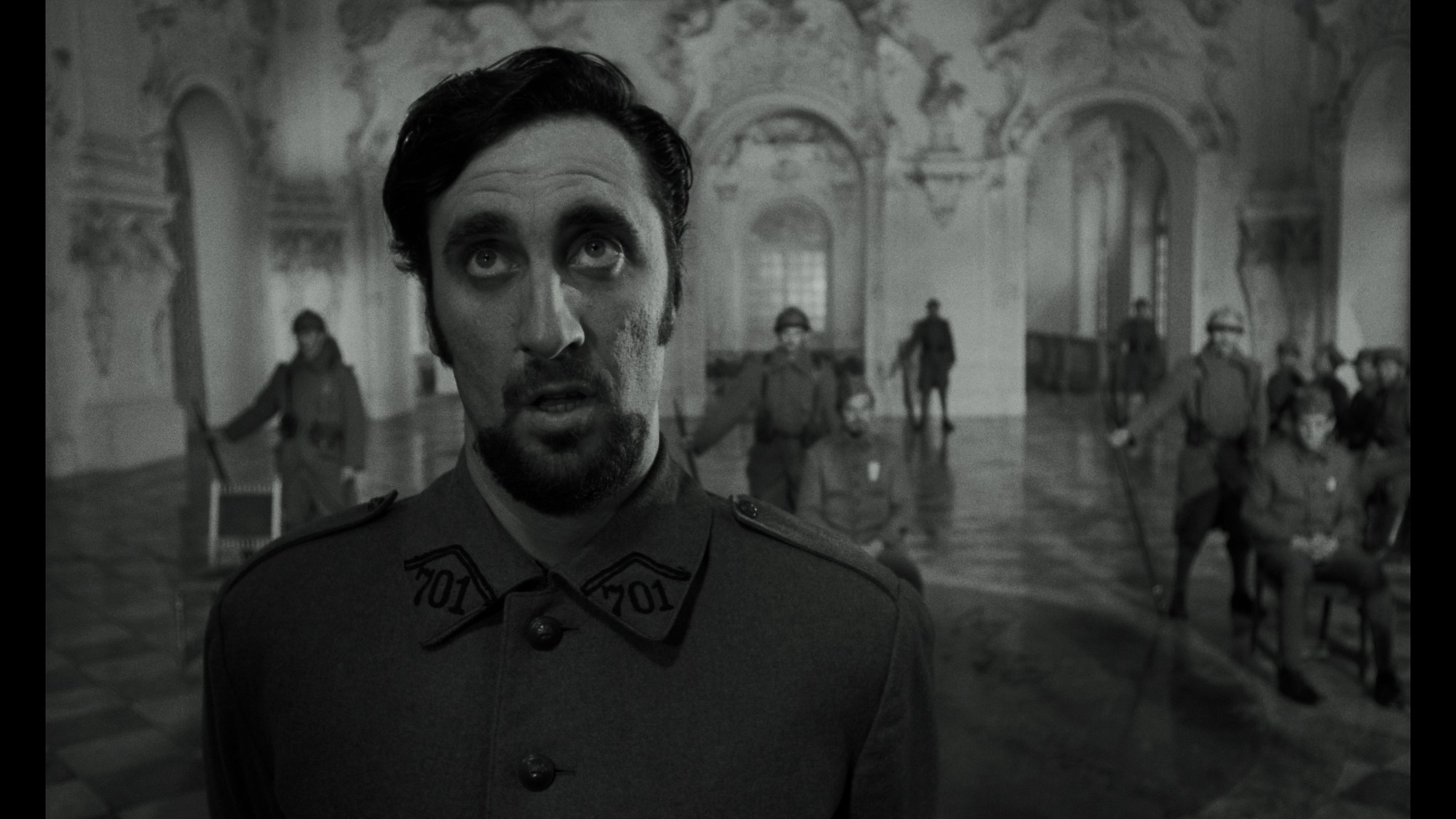
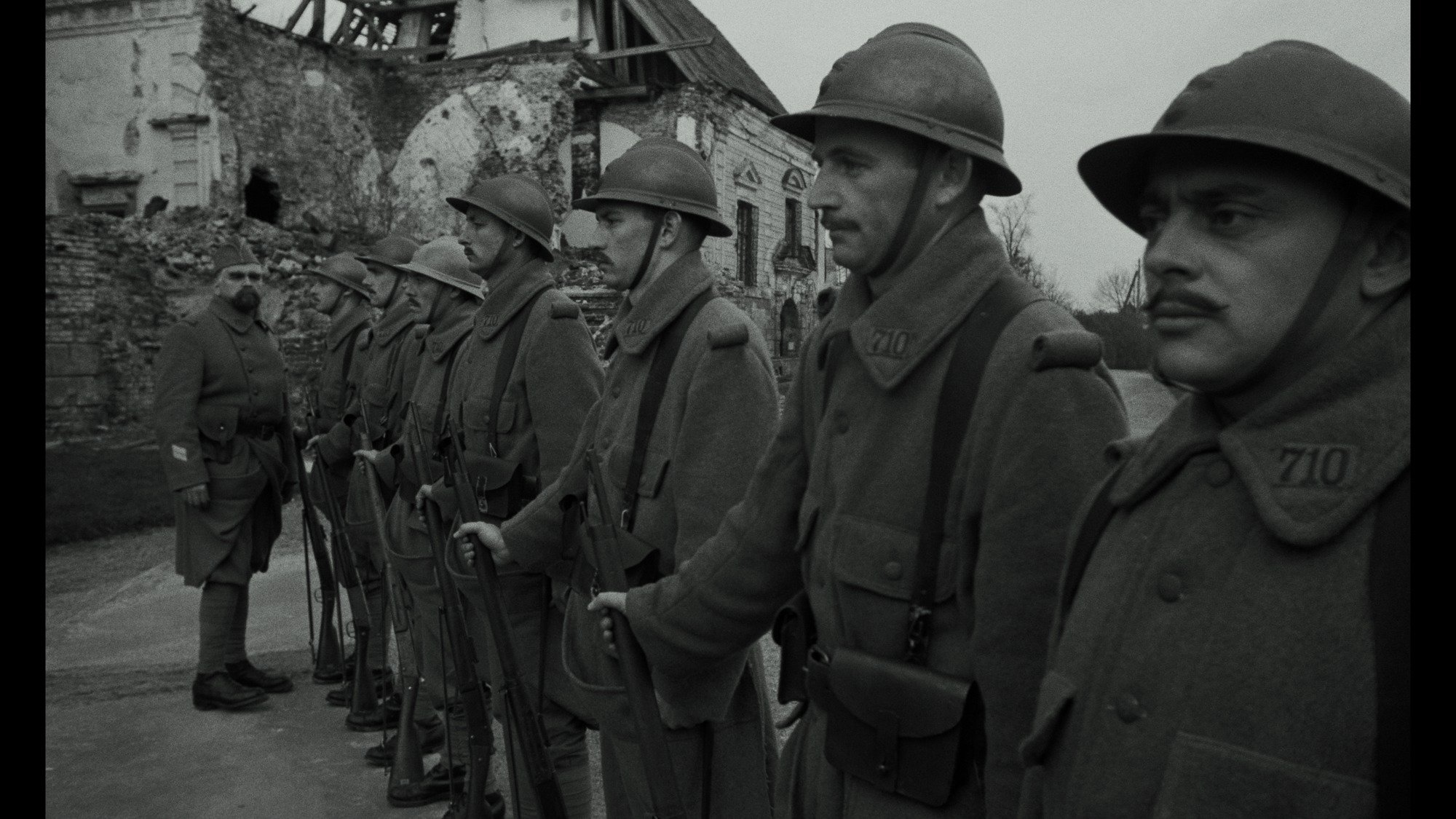
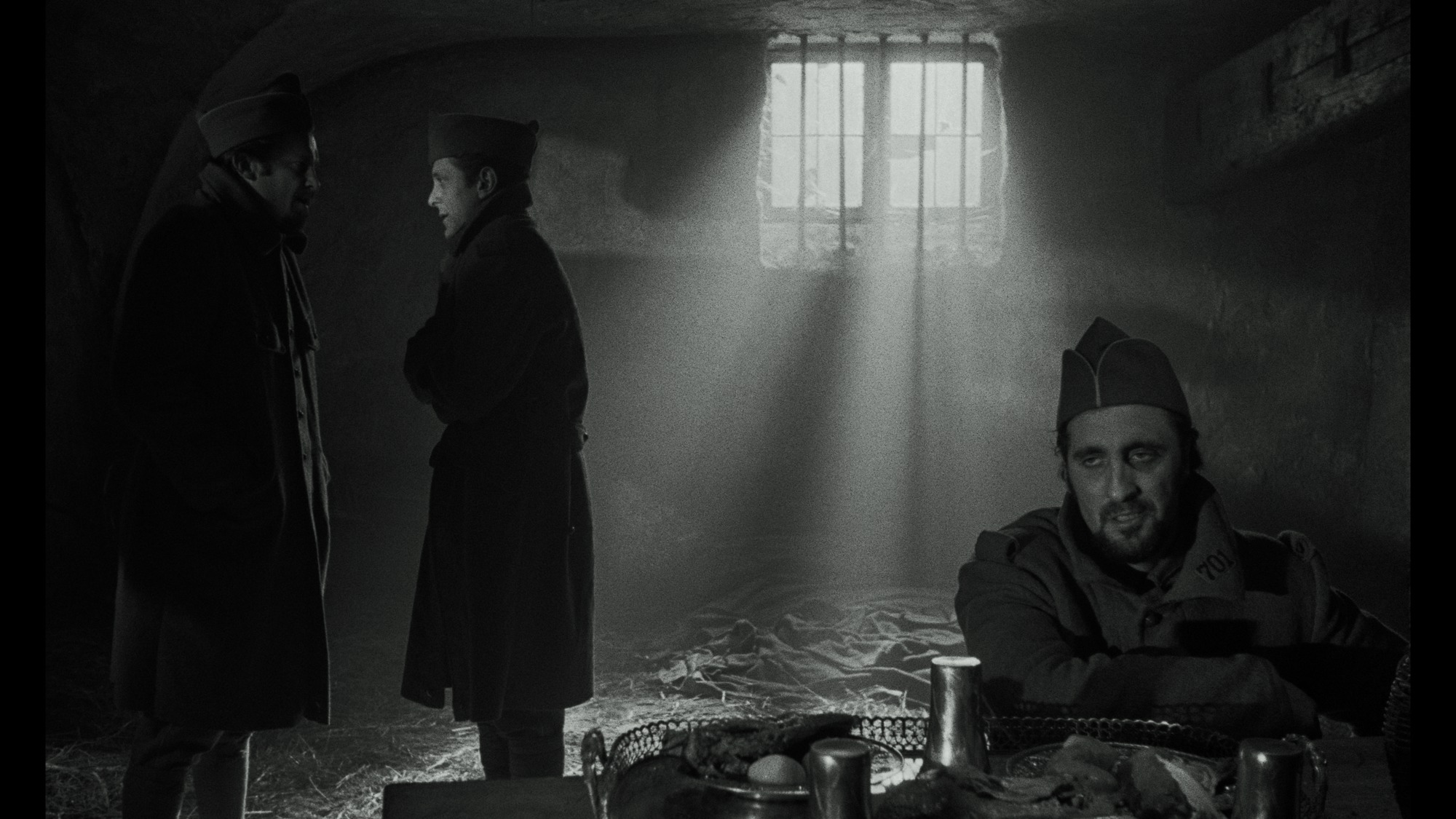
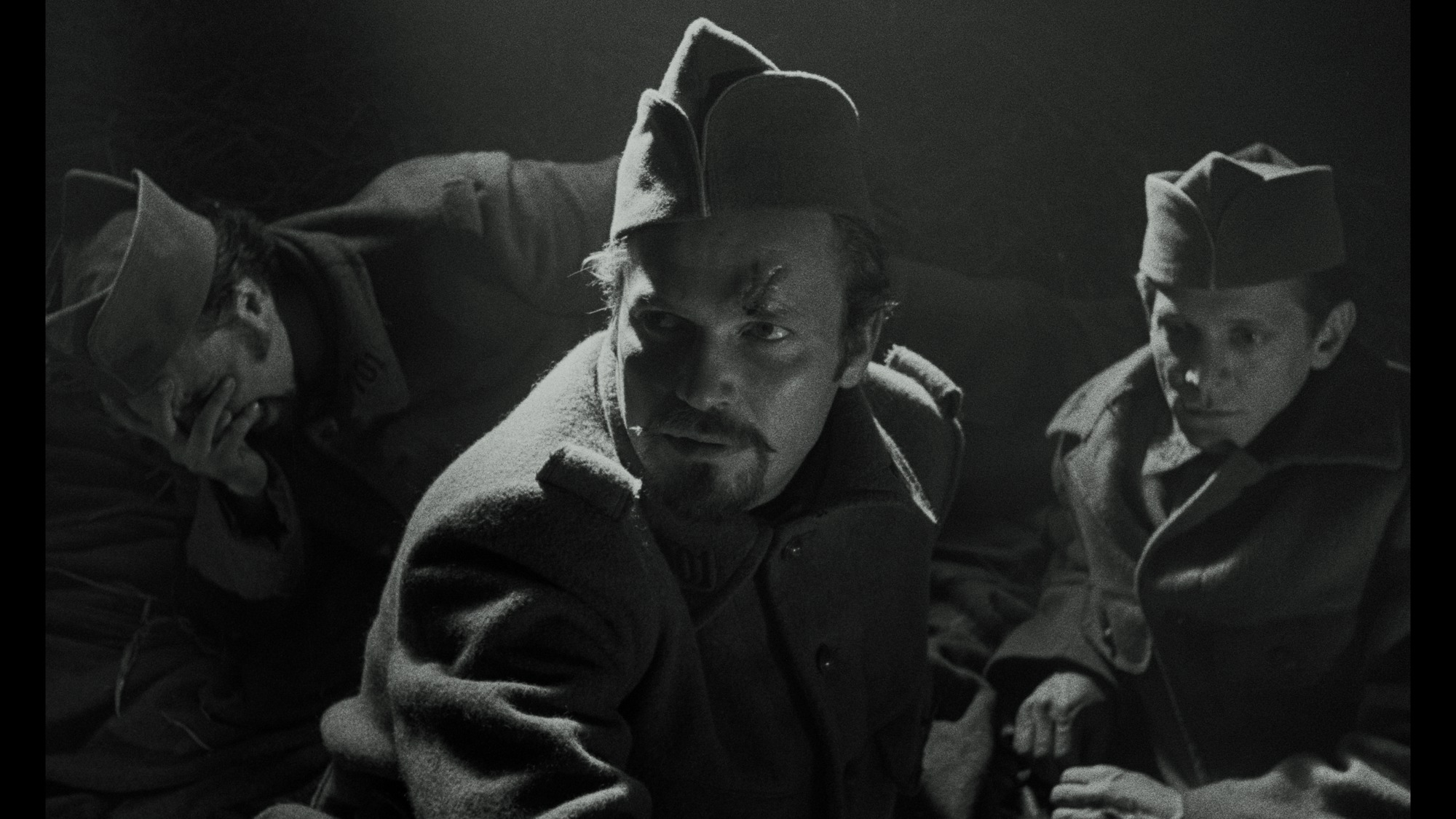
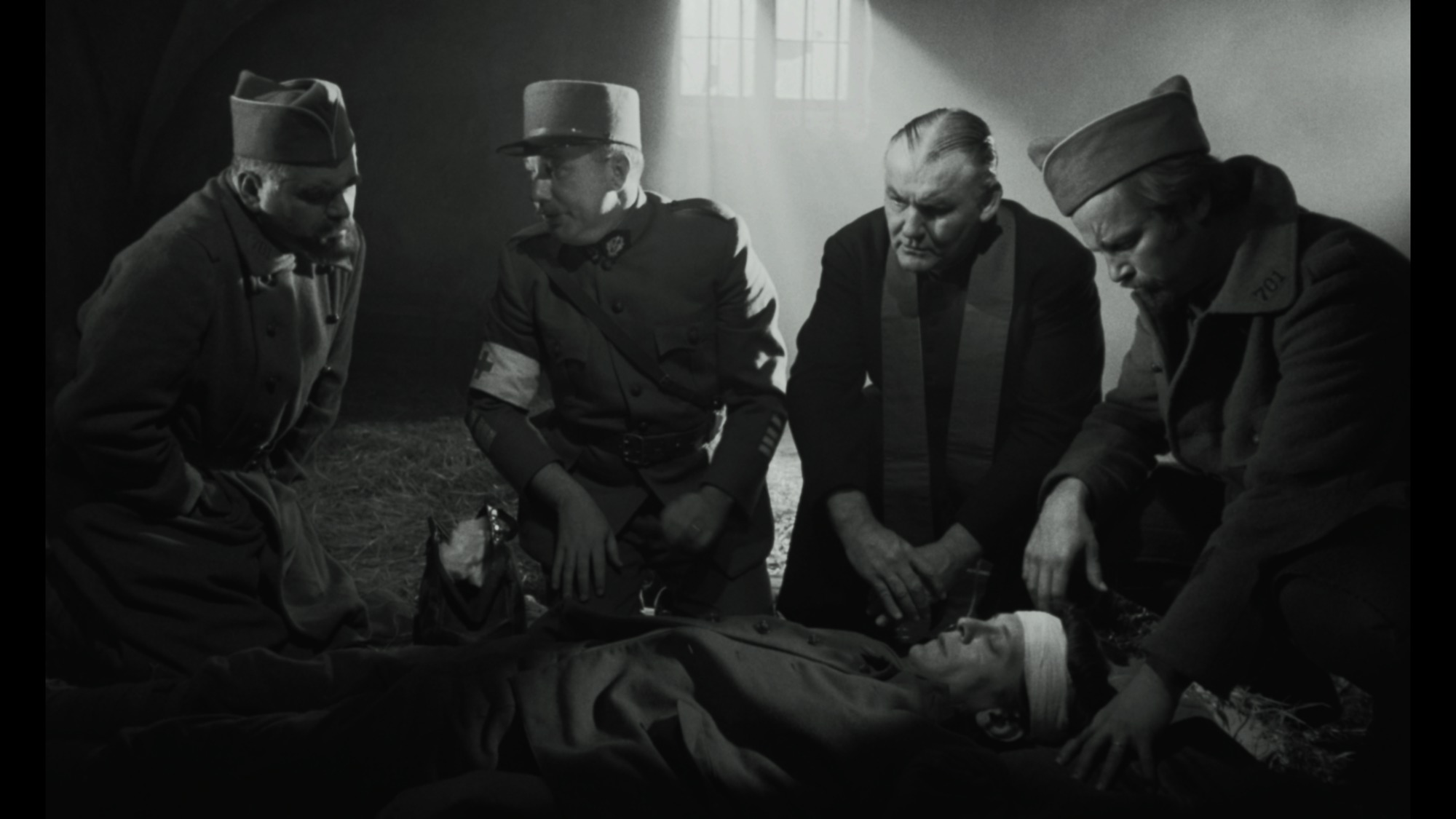
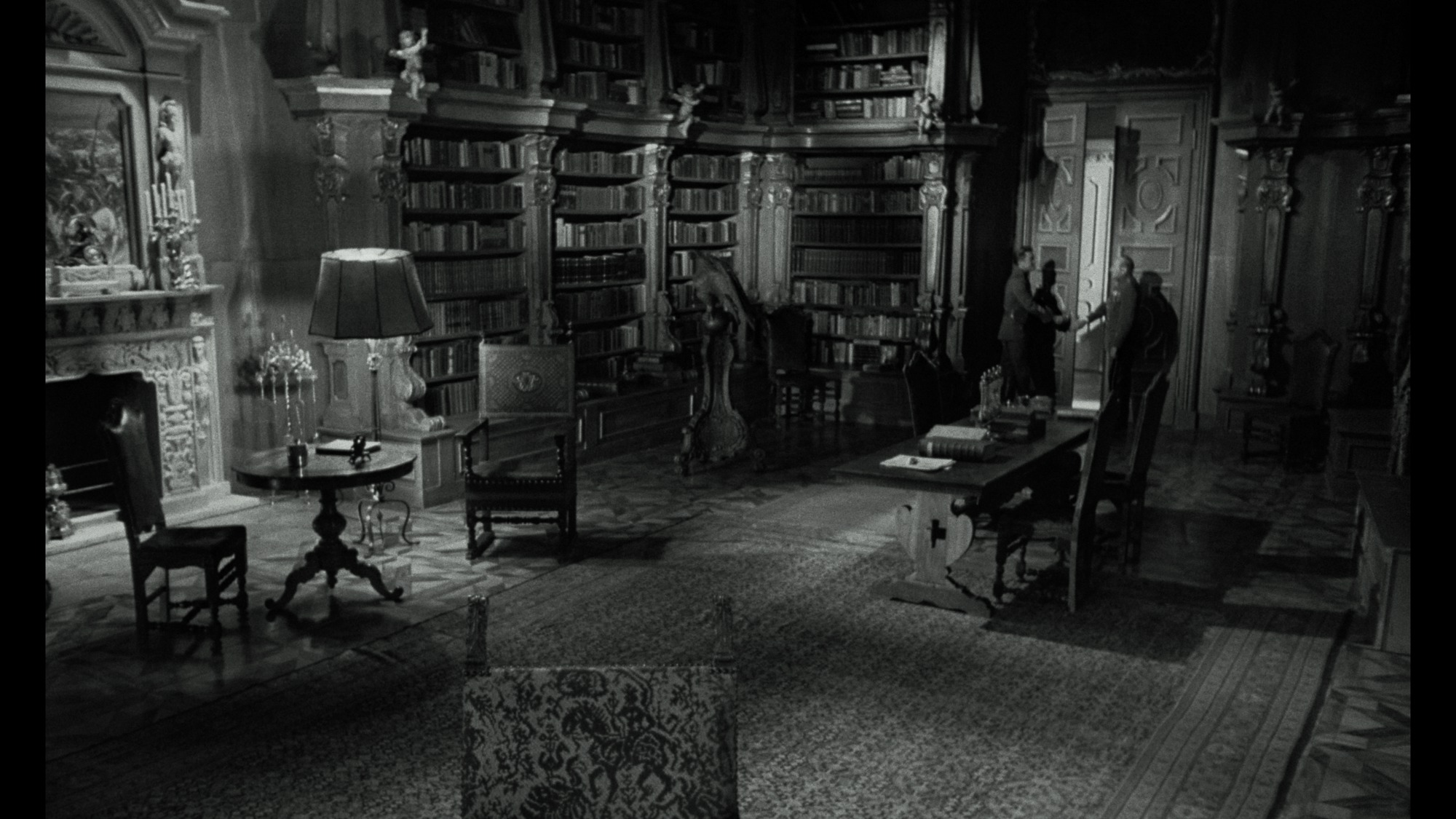
Audio 7/10
The film’s monaural soundtrack is presented in lossless single-channel PCM, and I think it, too, sounds a little better than it did on the previous Blu-ray. Dialogue is a little sharper, with more range, and the same can be said of the music. The sound effects and whistling during the battle sequence also come through quite loudly without any distortion, and the background noise has been toned down a bit. All around it sounds good.
Extras 7/10
With the Blu-ray replicating the 2010 release—even retaining the Timeline feature Criterion has since dropped from their releases—all supplements from that edition have been carried over, starting with the audio commentary recorded by critic Gary Giddins. The track plays alongside the film on both the 4K disc and Blu-ray.
It’s an academic track but a breezy one that moves at a good pace, with Giddins working from notes and plowing through the material without missing much of a beat. He covers the production, provides background on many of the performers (his portion on Timothy Carey is probably the most interesting), and compares the film to Humphrey Cobb’s source novel, even reading from it. He also compares the film and its themes to some of Kubrick's other films, specifically Dr. Strangelove, while examining the director’s developing style and technique, with the director's more familiar stylistic signatures being seeded here. He also tries to pinpoint Douglas’ own fingerprints show up in the film. Giddins can jump around and occasionally falls into the trap of simply reiterating what’s on screen, yet I still quite like the track, particularly for its production history and exploration of the film’s themes.
Next up is an excerpt from a 1966 interview with Stanley Kubrick, conducted by Jeremy Bernstein. Much to my disappointment, it runs an incredibly brief 2 minutes, and that includes the credits. In it, Kubrick briefly explains how he and Harris were able to secure funding for the film before recalling how it was on this film where he met his wife, Christiane Kubrick, during casting. It feels like a small section of a longer conversation, but it’s still a nice addition.
As nice as that one is the best feature here is probably a 1979 interview with Kirk Douglas, recorded for the British television show Parkinson. Douglas is a terrific interviewee, sharing stories about his family and career alongside some amusing anecdotes about running into fans on the street. He carries the interview effortlessly, moving from the Oscars and his lack of a win to working for the studios and establishing his own production company, before segueing into working with Kubrick on Paths of Glory. Surprisingly little is said about Spartacus. Though Douglas doesn’t get into it here, their sometimes contentious relationship is covered in this set’s supplements for that film, with their competing visions leading to clashes and an eventual falling-out during its production. Despite those issues that were almost certainly still simmering when this was filmed, Douglas clearly admires Kubrick and speaks fondly of him here, though, amusingly enough, the booklet accompanying the original Blu-ray (not included in this set) featured a quote from Douglas calling the director a “talented shit.” He also discusses his latest film at the time, The Villain, which certainly sounds like it was more fun to make than it is to watch. It still one of the more entertaining interviews I’ve seen of its type.
Following this are interviews originally filmed for the Blu-ray. First is a 21-minute interview with producer James B. Harris, who worked with Kubrick on several films. He explains how they came to work together and touches on The Killing before detailing the work that went into getting Paths of Glory off the ground, despite an initial lack of studio interest. He addresses a couple of criticisms that have been lobbed against the film, including the absence of French accents, and he expands on the issues surrounding actor Timothy Carey that Giddens touched on in his commentary, which really sounds absolutely bizarre (though not all that surprising based on all I've learned about the actor since visiting these features). There’s also discussion of the “happy ending” included in an early version of the script, apparently intended to help persuade a studio (any studio) to finance the production in the first place.
Christiane Kubrick follows with a short 7-minute interview about her late husband and how they met when she was cast as the young woman who sings for the troops at the end of the film. She discusses the song choice and how it came about before explaining why she left acting to concentrate on painting. Again, it’s surprisingly short, and I do wish there were more.
The final interview is a nine-minute piece with longtime producer Jan Harlan, who discusses Kubrick’s work and style more generally, with Paths of Glory receiving very little attention. There’s some good material on his work with actors, his reputation for shooting take after take, and his use of music, but the piece still feels a little slight and rushed.
Following that, under the heading titled Théophile Maupas, you'll then find a segment from a French television program covering the real-life executions that inspired the film. Maupas was a French corporal executed by firing squad to set an example for the rest of the unit, as covered in the film. Sadly, the piece runs only 3 minutes and skims over the subject. Some historical context is certainly welcome, and I appreciate Criterion tracking this down, though I do wish there were a little more.
The disc then closes with a 3-minute theatrical trailer, which basically gives away the whole film.
And that’s it. It’s still a decent collection of material, with the Douglas interview remaining the clear highlight, though I found the selection fairly slim back in 2010, and revisiting it now hasn’t really changed that impression.
Closing
Not much of an update over Kino’s own 4K edition, but it delivers a substantial improvement over Criterion’s dated Blu-ray presentation.
BUY AT:


