
The Complete Kubrick
The Killing
BUY AT:


See more details, packaging, or compare
Synopsis
A titan of cinema whose influence extends across visual art, philosophy, politics, technology, fashion, and beyond, Stanley Kubrick created an unprecedented string of masterpieces, from Paths of Glory to Dr. Strangelove to 2001: A Space Odyssey, A Clockwork Orange, The Shining, and Eyes Wide Shut. Bending disparate genres to his will, he imbued his creations with a cuttingly ironic worldview and an iconographic, mesmerizingly precise visual style, probing the anxieties, enigmas, and horrors of the twentieth century with a coolly devastating eye. Tracing his evolution from independent maverick to Hollywood rebel to visionary transnational auteur whose every film from the mid-1960s on became a manifesto of a radically new sensibility, The Complete Kubrick brings together the entirety of a body of work that opened popular cinema up to new realms of moral profundity and metaphysical mystery.
Collected here for the first time are Kubrick’s thirteen features and three shorts, all restored in 4K, with their original soundtracks alongside the 5.1 mixes, restored and remastered; over twenty-five hours of interviews, documentaries, and behind-the-scenes materials; and deluxe packaging illustrated with rare photographs, artwork, and documents annotated by Kubrick himself, all housed in a singular box inspired by the director’s legendary archive.
Synopsis provided by the distributor.Picture 9/10
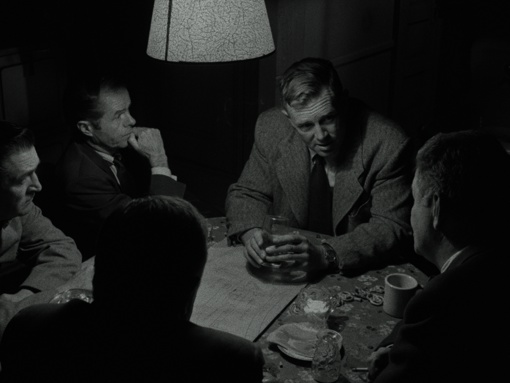
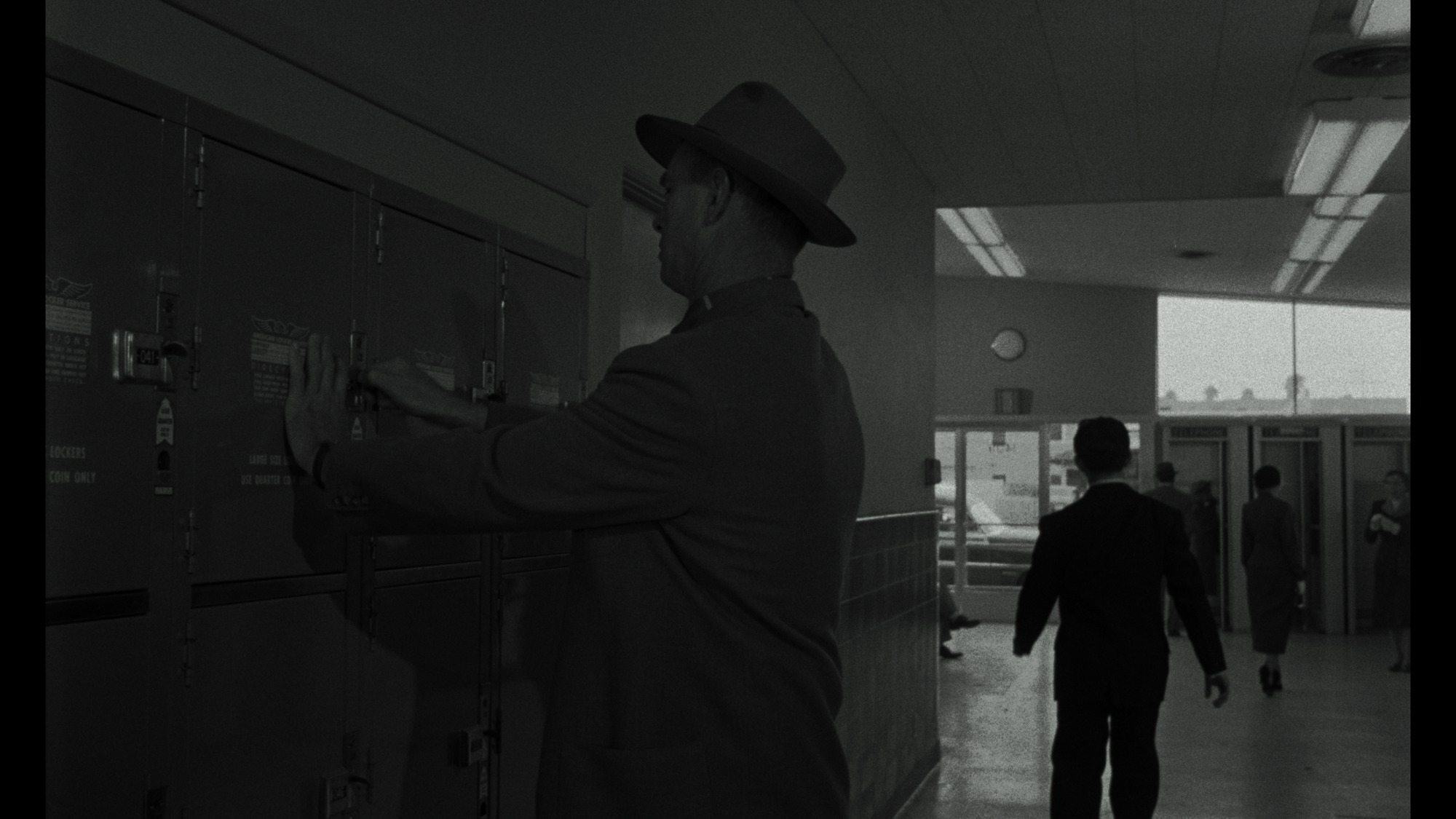
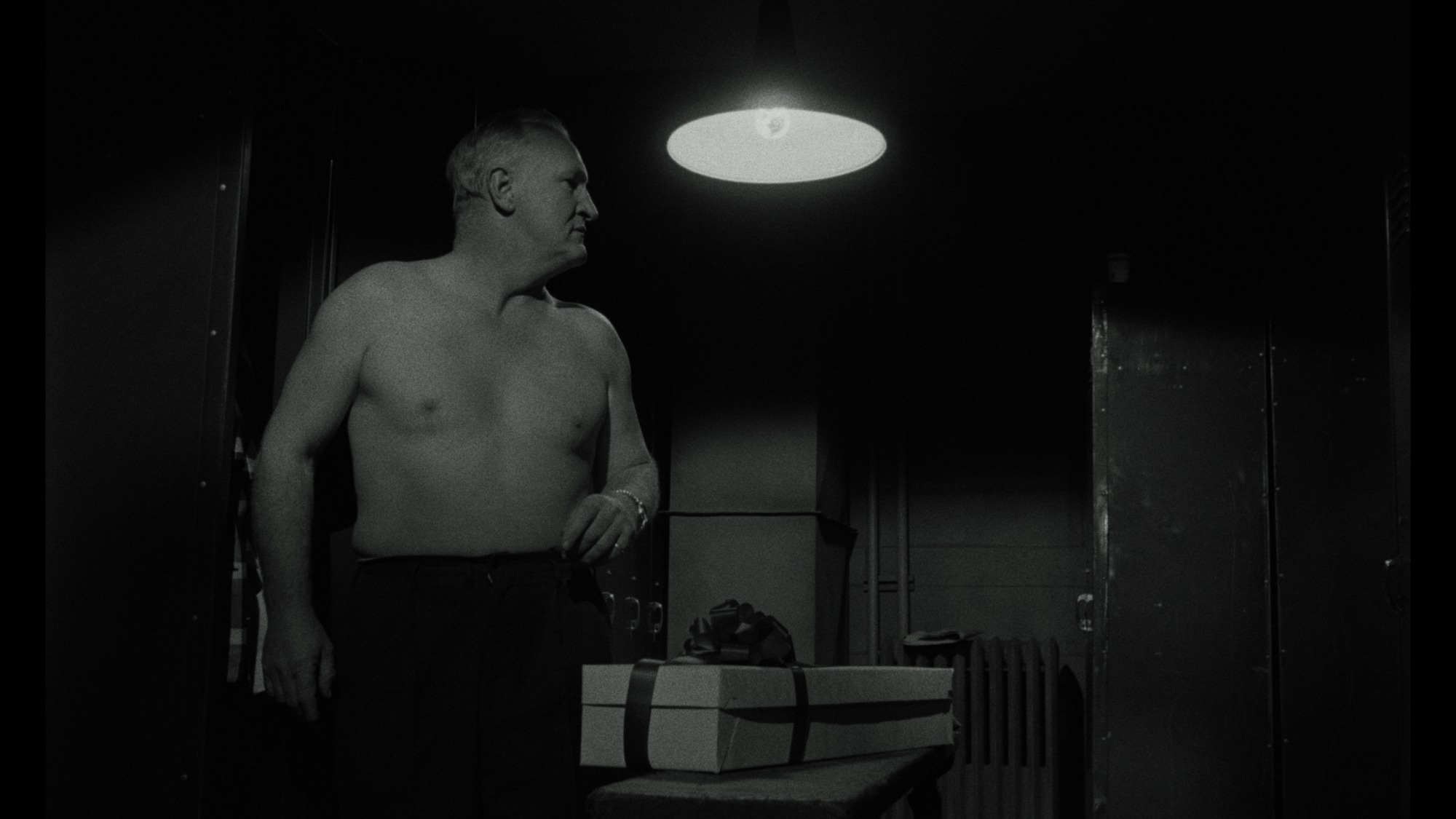
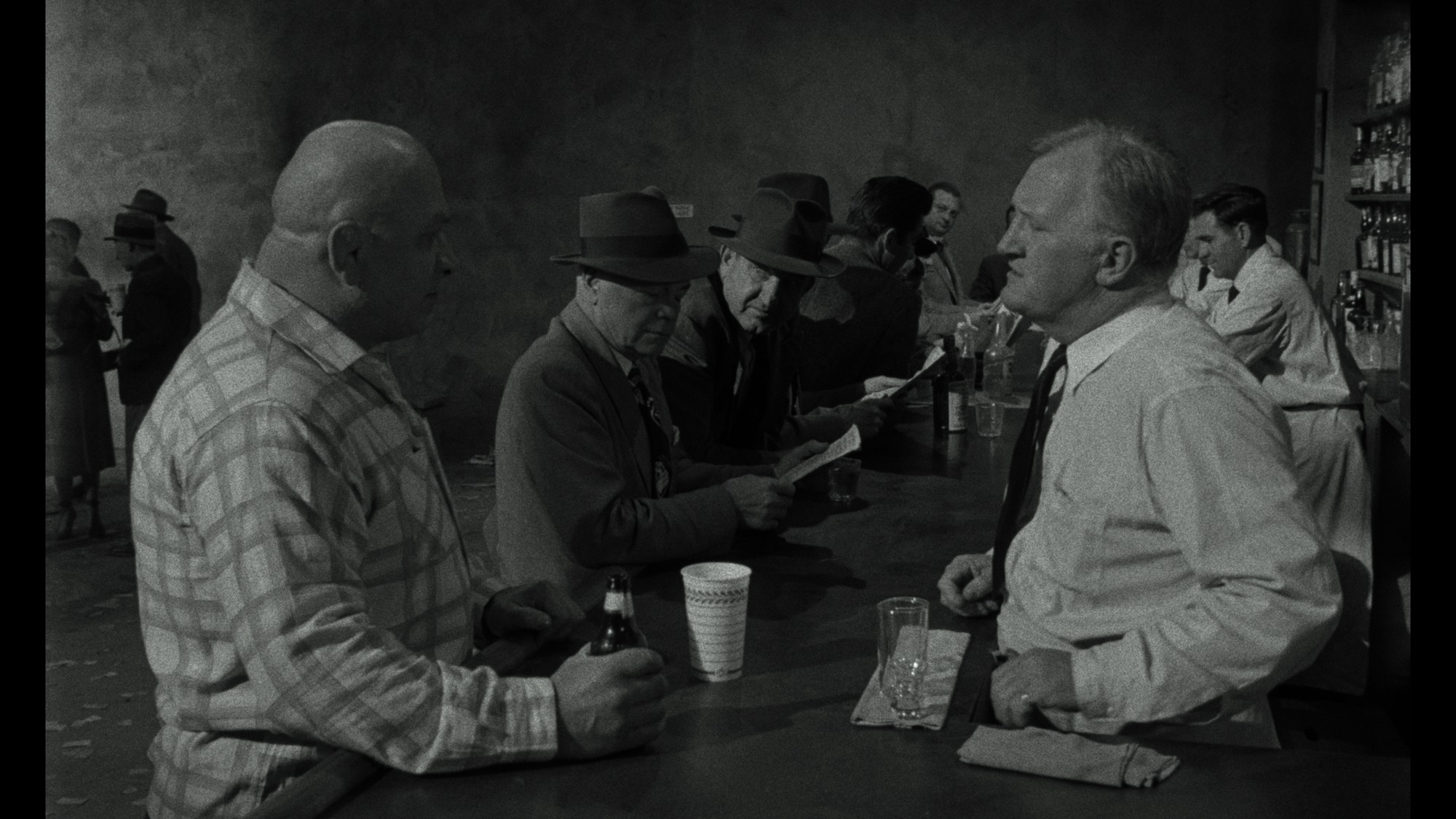
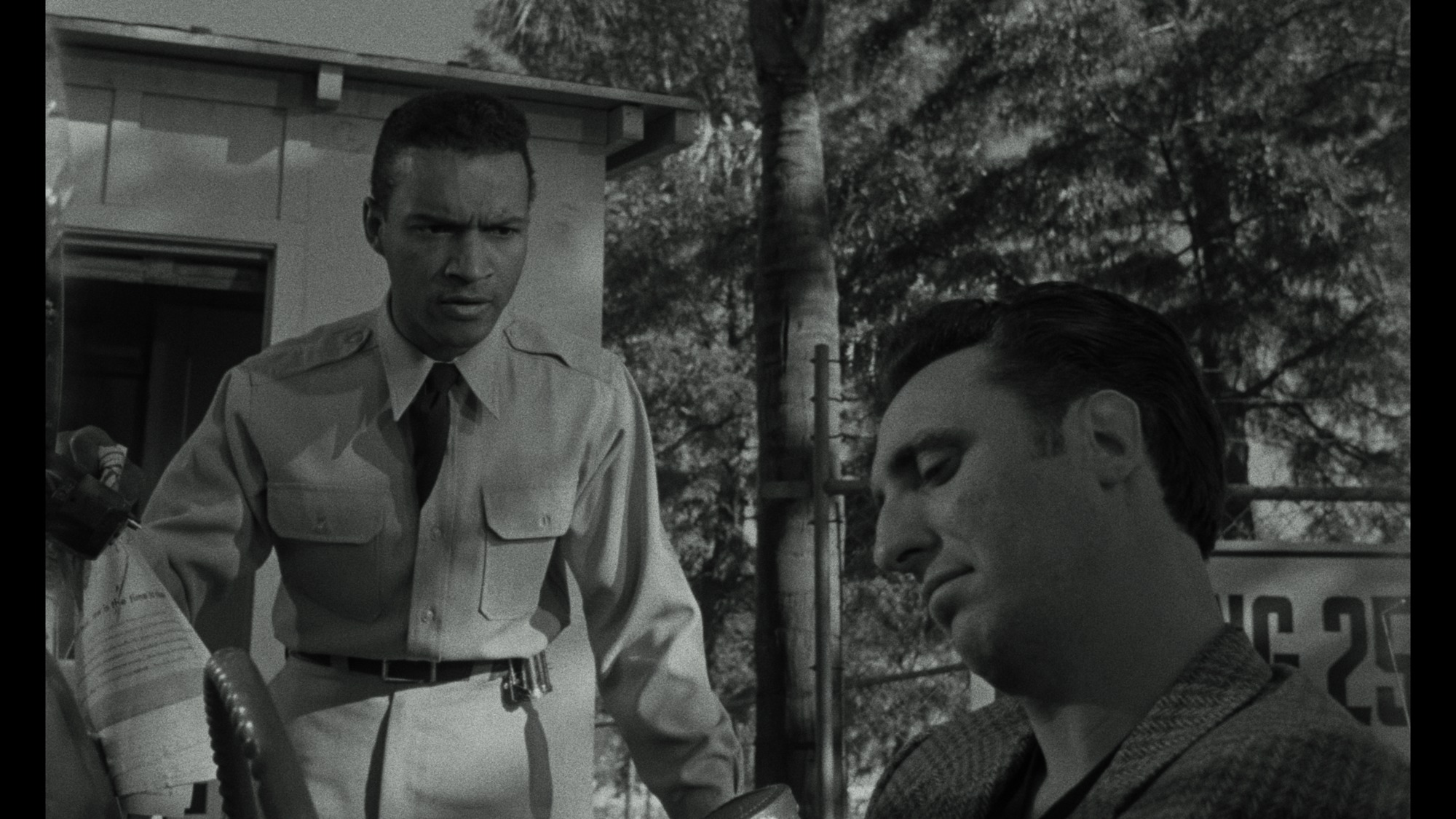
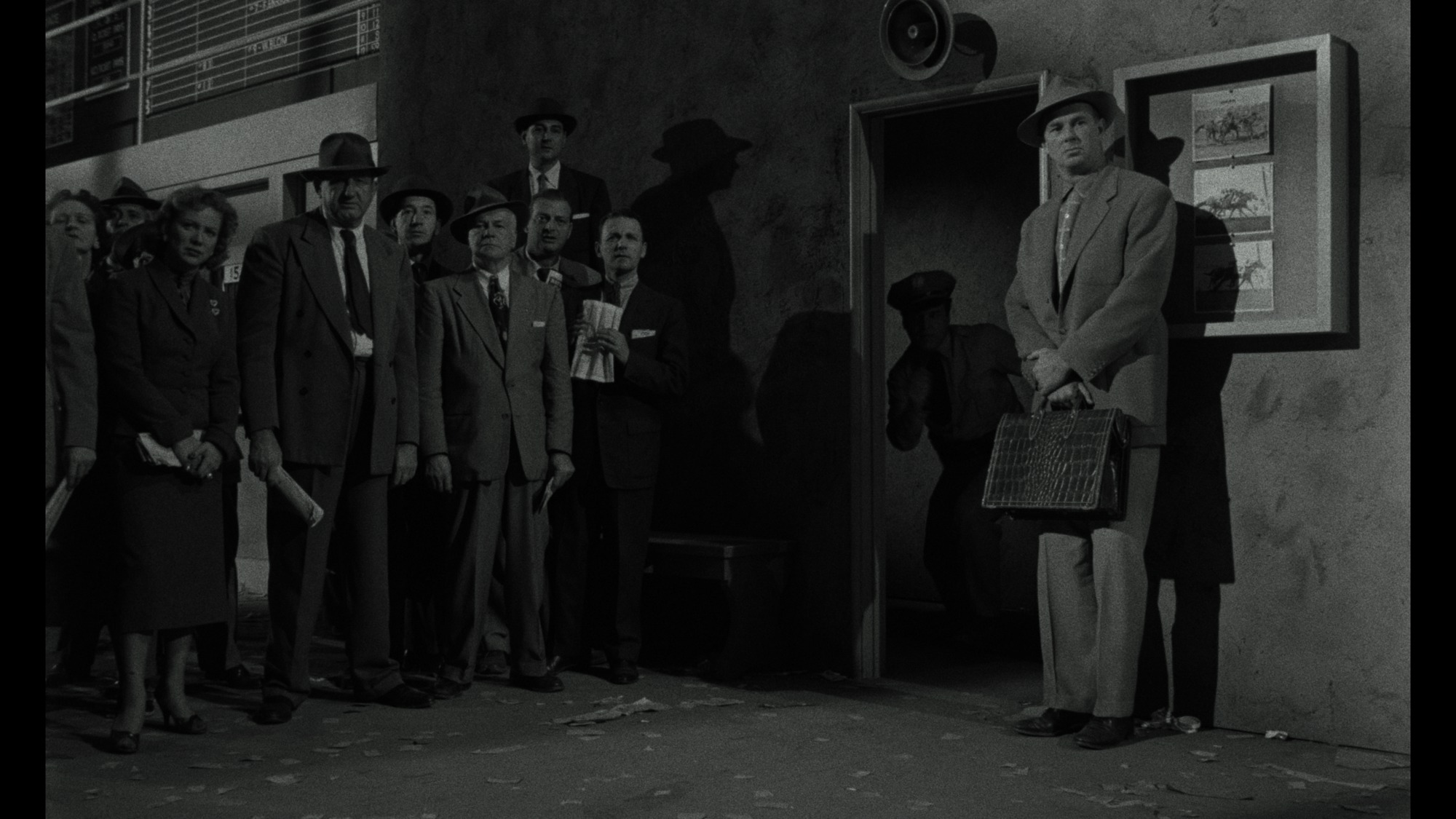
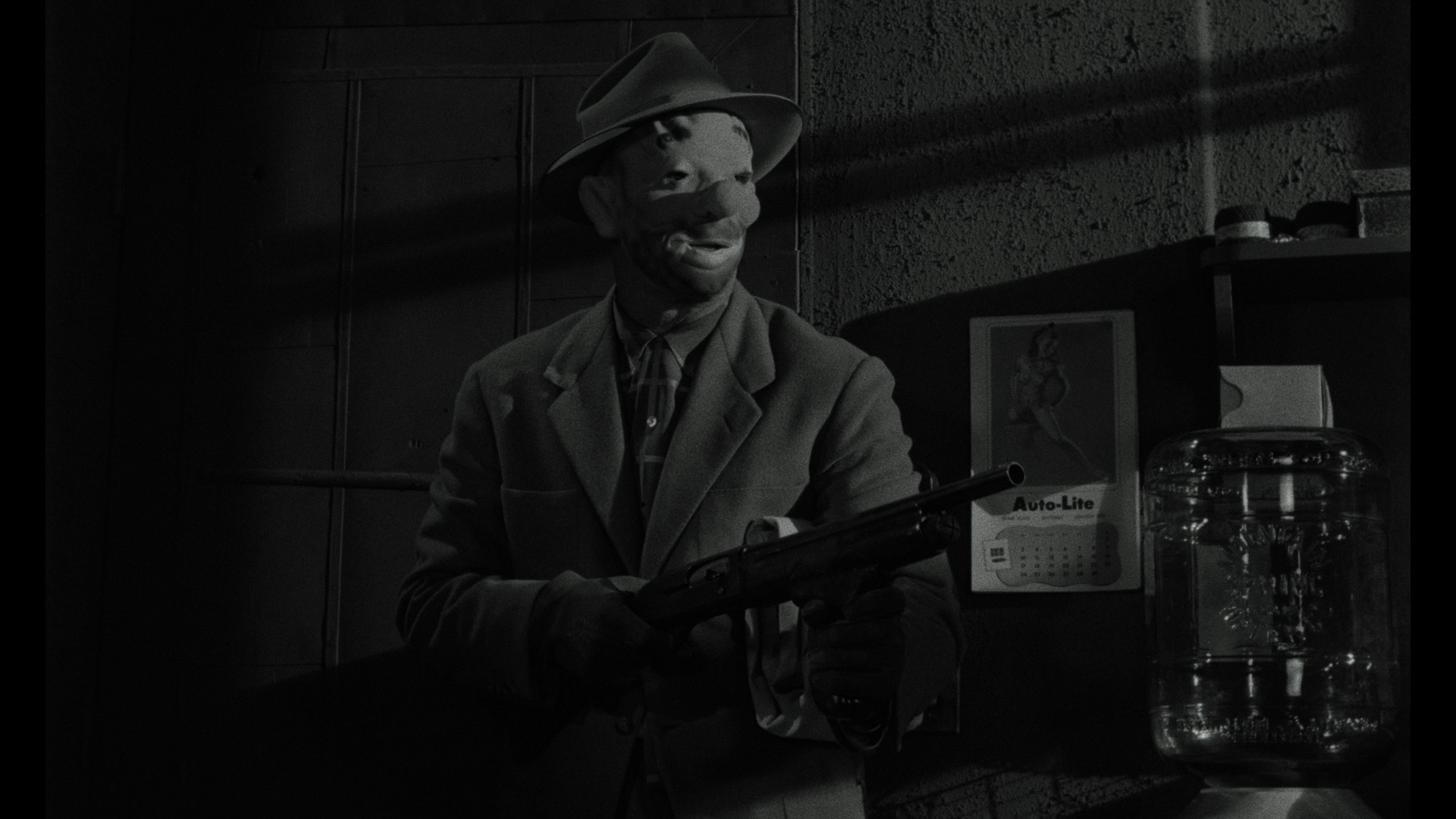
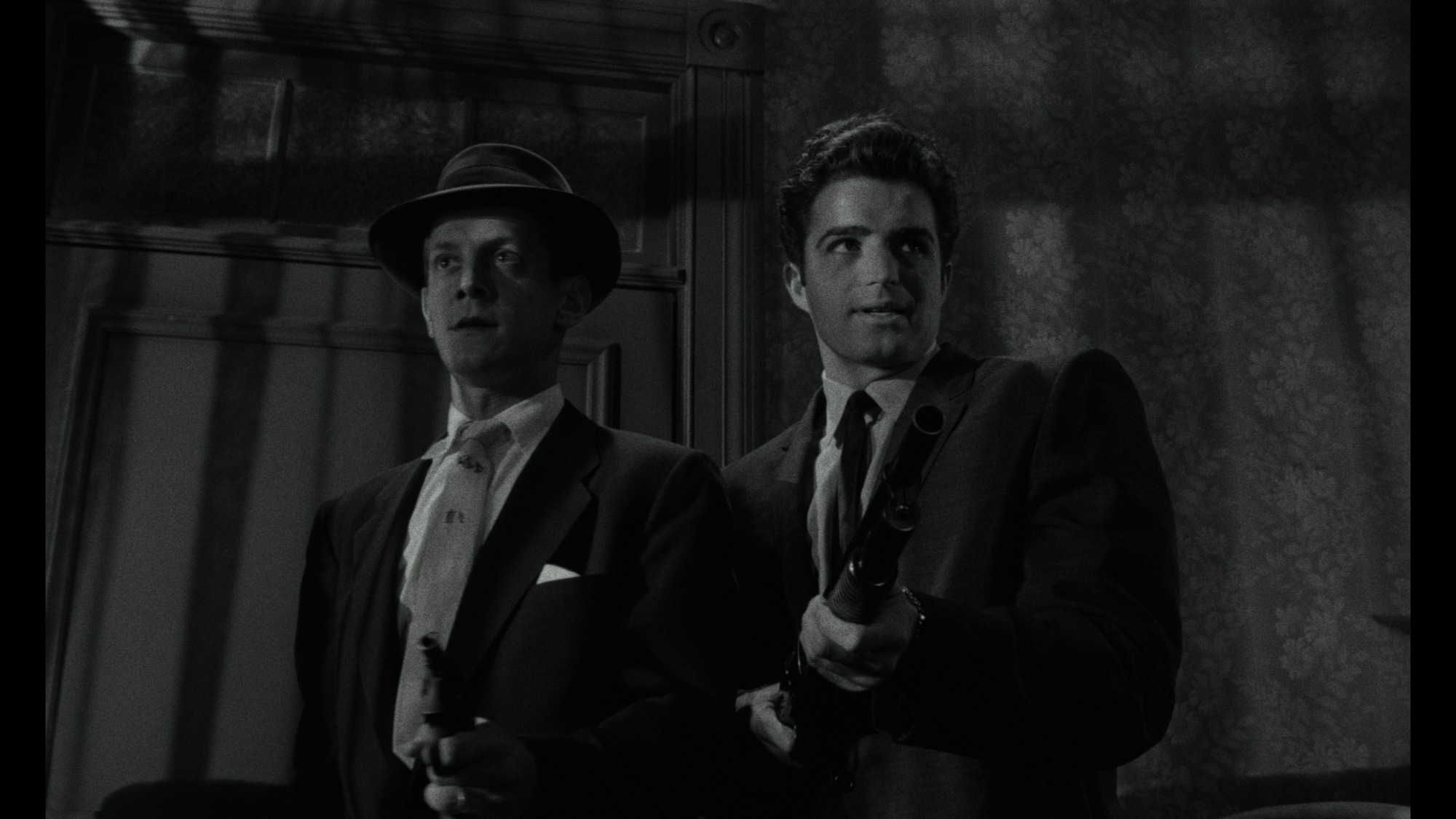
Criterion upgrades another of their previous Kubrick titles to 4K UHD, presenting The Killing in its original aspect ratio of 1.66:1 with Dolby Vision on a dual-layer BD-66 disc. Currently available only in their latest box set, The Complete Kubrick, the 2160p/24hz ultra high-definition presentation is sourced from a 4K restoration scanned from the 35mm original camera negative. The set also includes a standard dual-layer Blu-ray featuring the film in 1080p. Though I'll explain later as to the reasons why, Criterion hasn’t simply ported over their 2011 Blu-ray and have chosen instead to reauthor the disc, meaning the disc uses the new 4K restoration over the older 2K one..
Going back to Criterion’s previous Blu-ray, weaknesses in the encode aside, the base 2K restoration still looks quite good, and even more impressive on Arrow’s UK release. I was particularly surprised by the wide grayscale and strong contrast, which lead to some impressive shadows and a decent amount of depth in the image. Unsurprisingly, though, this 4K presentation pushes things further, drawing more detail out of the shadows while offering a wider grayscale and brighter highlights without any apparent clipping, with the HDR grade certainly helping there. Grain is also more evident in darker areas, while smoky interiors look much cleaner, with light cutting through the haze without triggering any digital anomalies. This, along with the far cleaner encode, gives the image that photographic quality I just love this format for, and which neither Criterion’s nor Arrow’s Blu-ray could quite deliver.
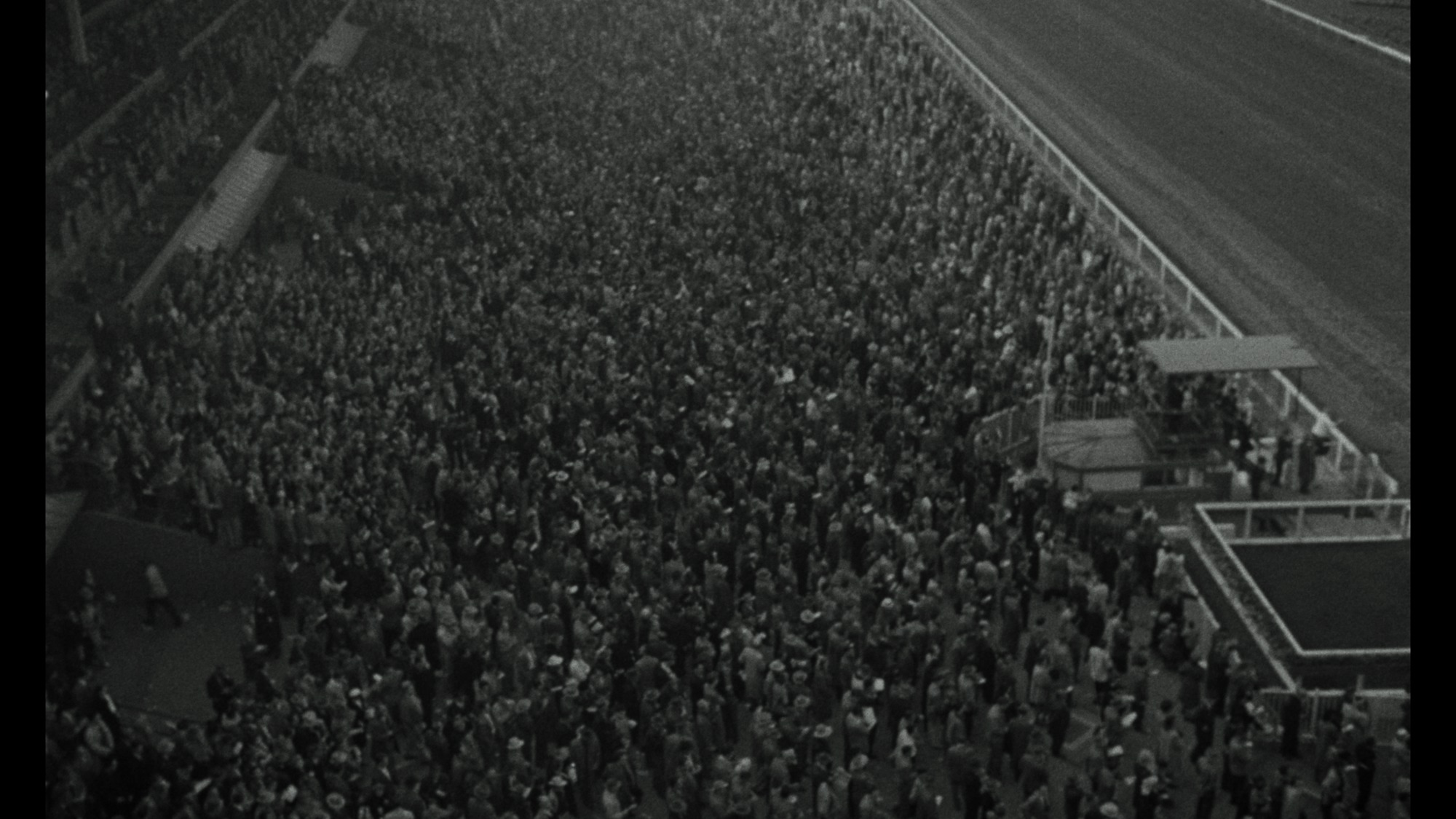
The restoration work has also been incredibly thorough, though this of course holds true for the previous restoration as well, so the upgrade isn't all that significant there. Portions of the film do incorporate stock footage (like some of the horse race sequences), while others use rear projection, so sections can look a little rough compared to the rest of the film, as one would expect. On the whole, though, the overall presentation is remarkably clean.
One surprise is that it does look a little different from Kino’s out-of-print 4K edition. The difference is mild, but still noticeable. Both look good, I want to stress, though Kino’s looks a little “sharper.” This isn’t only apparent in zoomed-in screen captures, where the differences are more obvious; it’s somewhat evident during playback as well. That said, Criterion’s presentation hardly looks soft. Far from it! It’s still very sharp and clean, and the film grain looks fantastic. But going back and forth between them I started wondering whether Kino might have applied some additional sharpening, maybe even applying it to other titles. Something similar stood out when I compared the Kino's and Criterion's editions of 12 Angry Men, though I honestly just assumed some filtering had been applied to Criterion's. Now, watching Kino’s presentations of both films again and focusing on the grain, I find they look a little pixelier (spellcheck having the gall to tell me that’s not a word, but I’m using it anyway), at least with The Killing, whereas Criterion’s presentations look more organic. Maybe. I’m admittedly not sure what is going on, especially since, in this case, Fidelity in Motion is doing Criterion's encode. Looking things up online I see it's being discussed in various forums, though there doesn’t seem to be a firm answer, and opinions are divided over which one of the two is the better one. Ultimately, Criterion’s presentation looks more natural to my eyes, but I can’t say whether one is “more correct” than the other.
Whatever accounts for that difference, Criterion’s presentation still looks excellent. It’s simply worth pointing out that the two editions don’t look quite the same, even during playback.
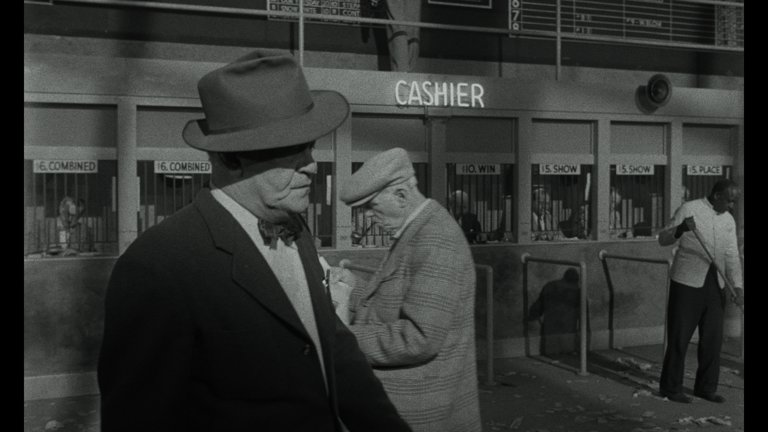
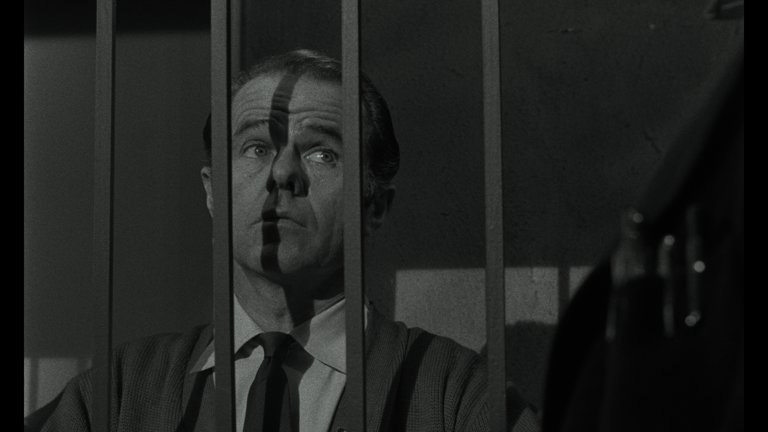
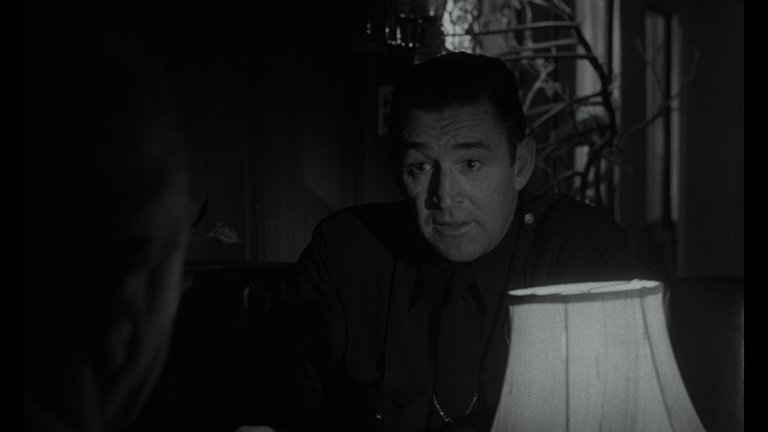
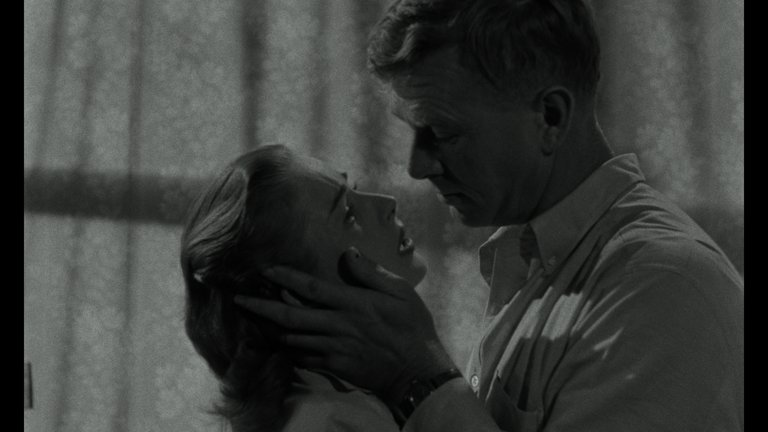
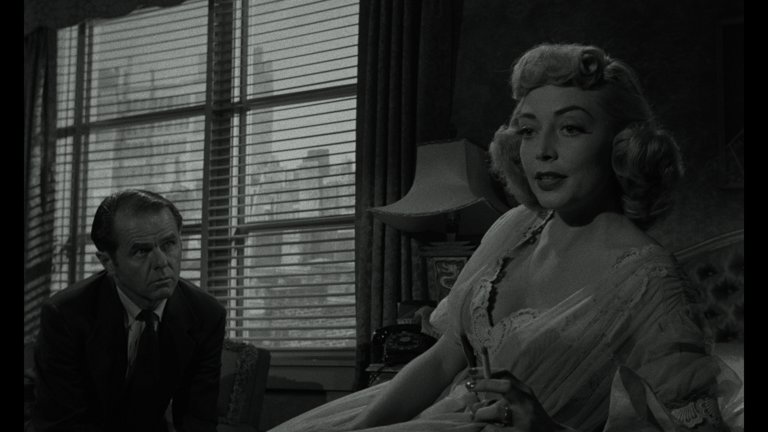
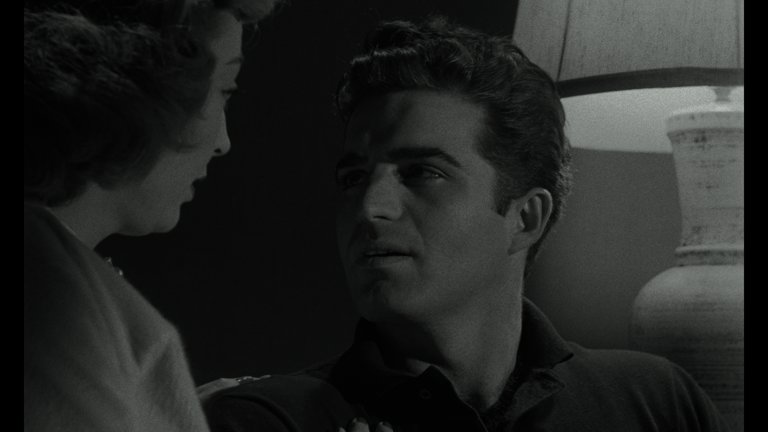
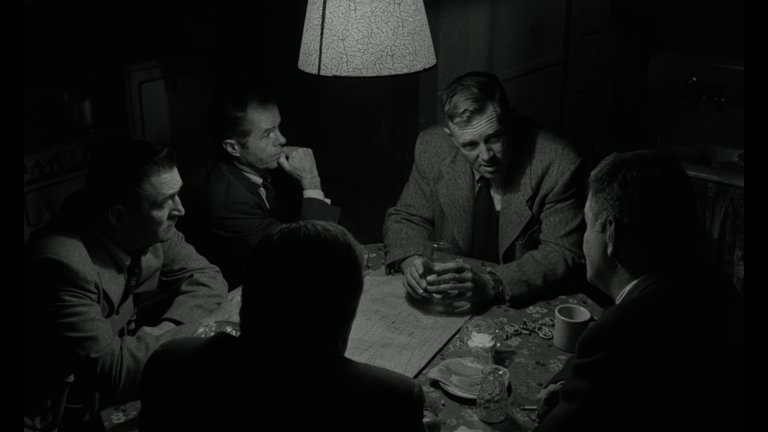
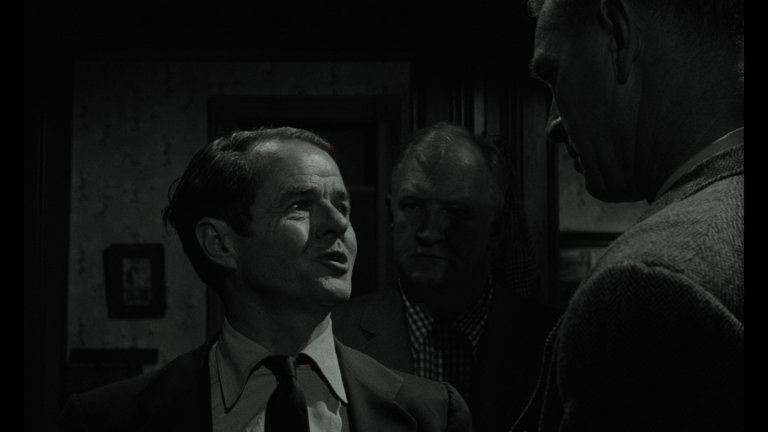
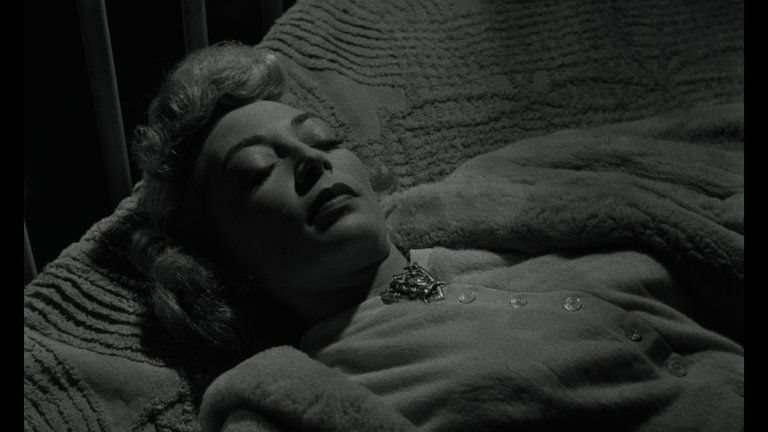
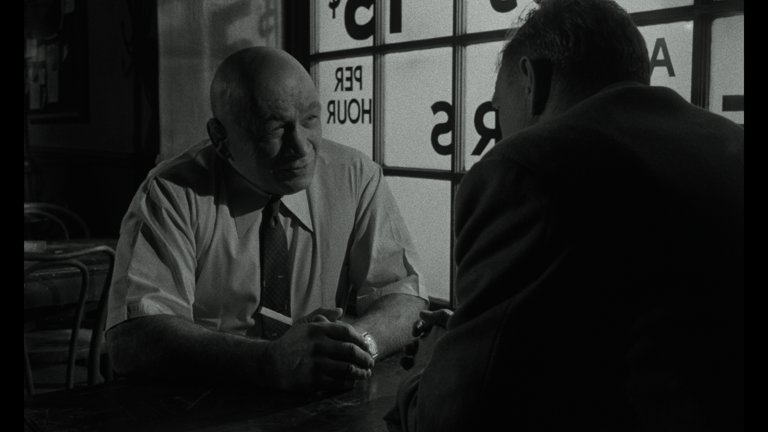
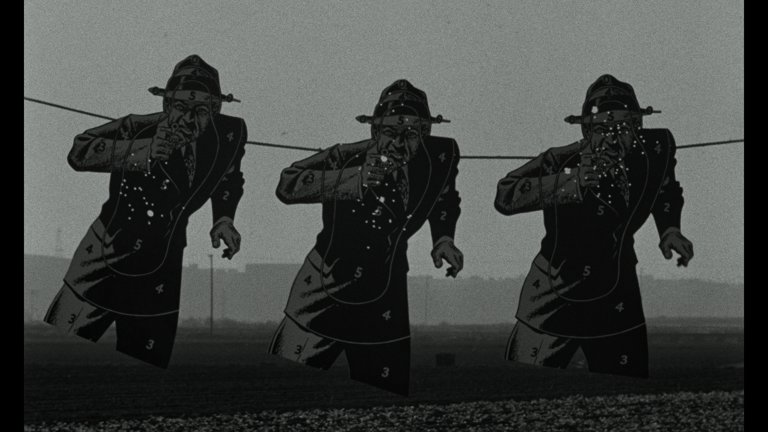
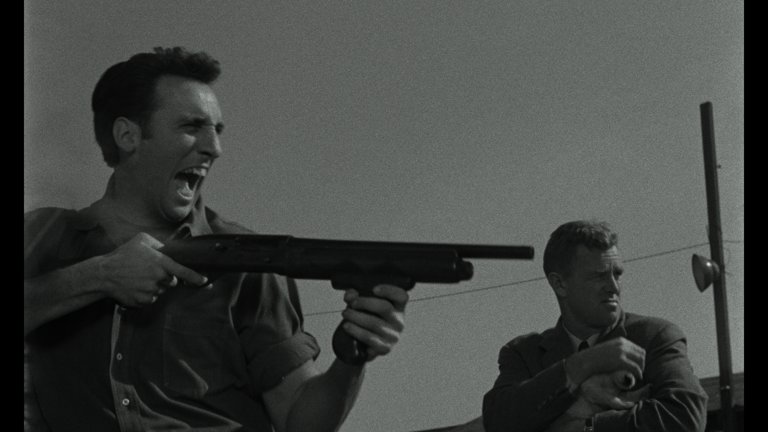
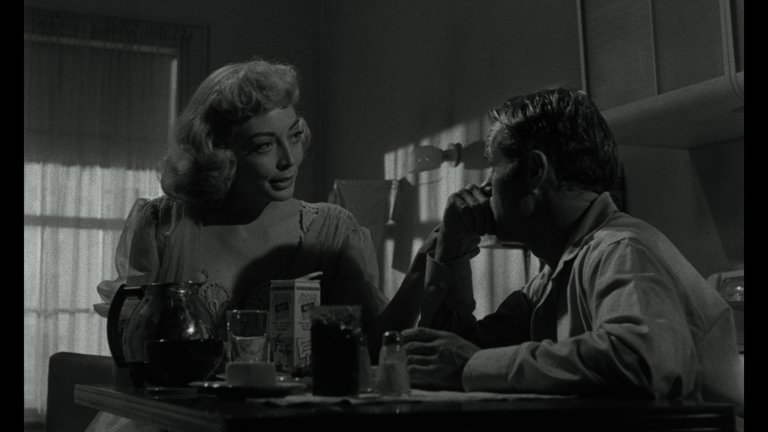
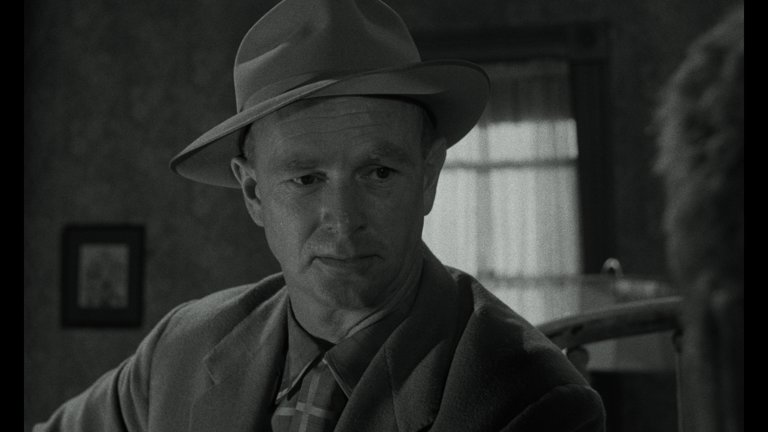
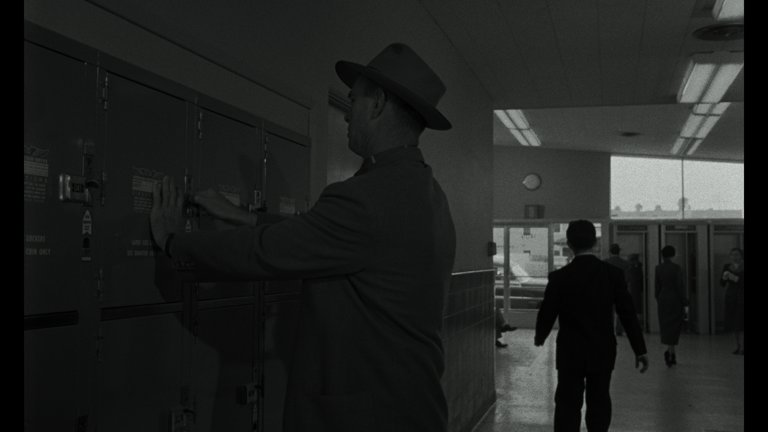
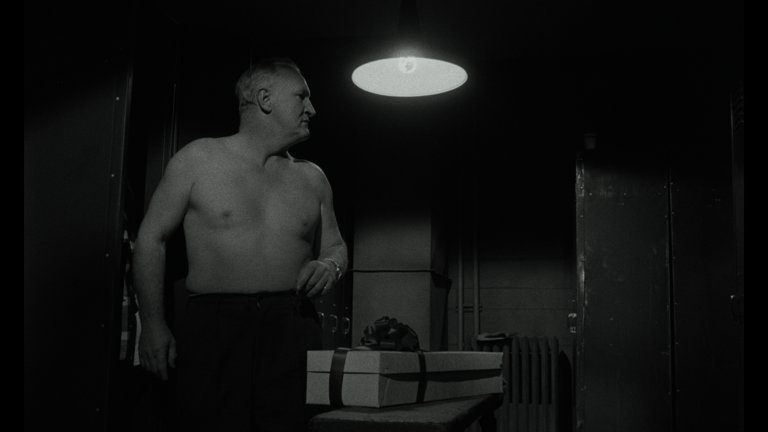
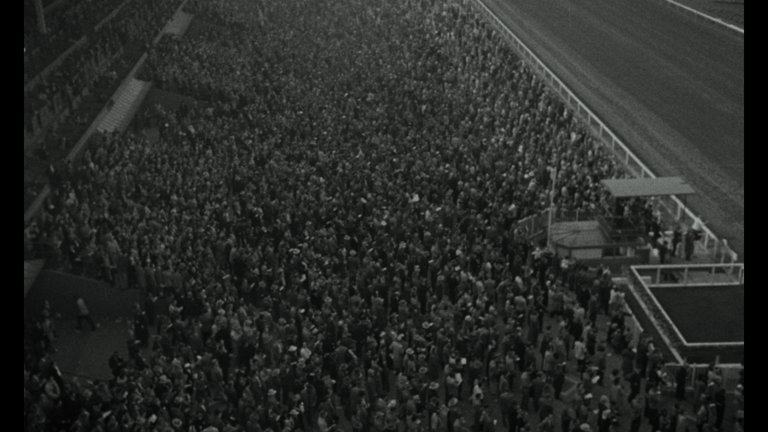
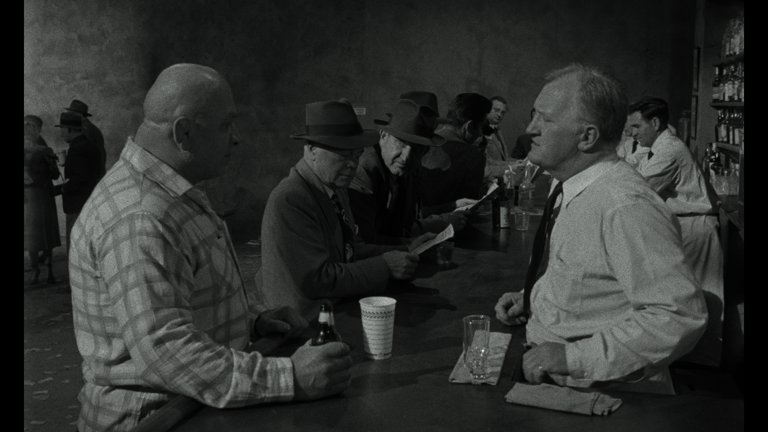
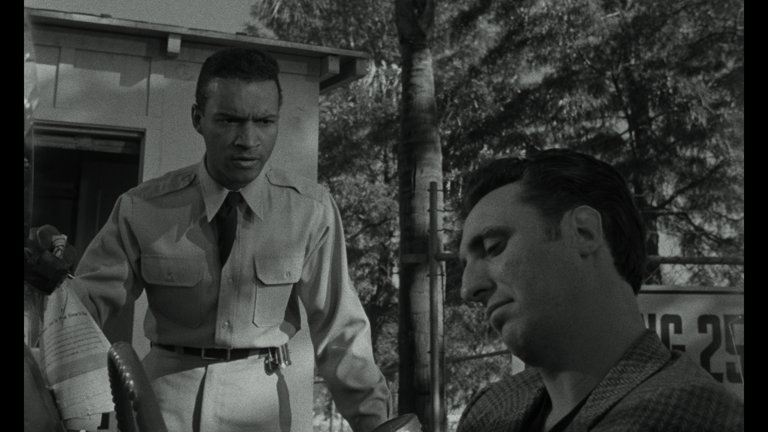
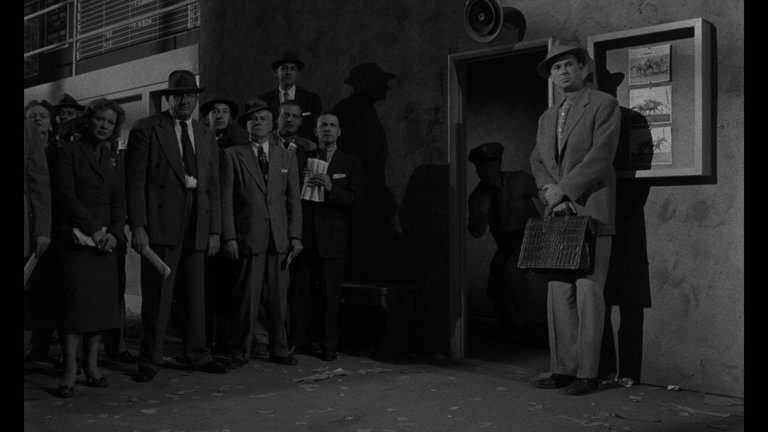
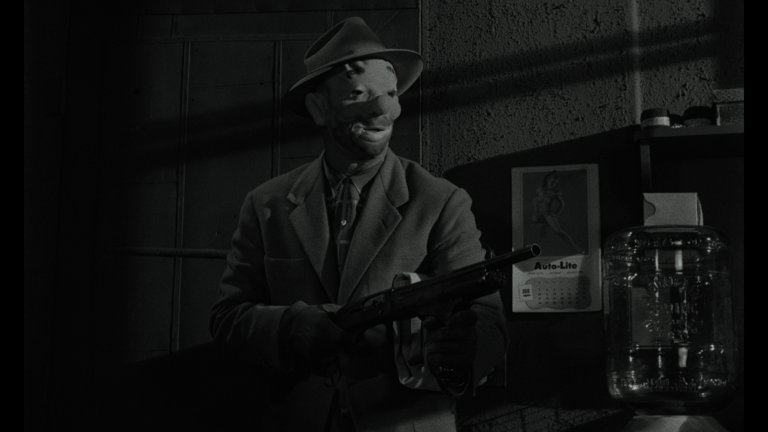
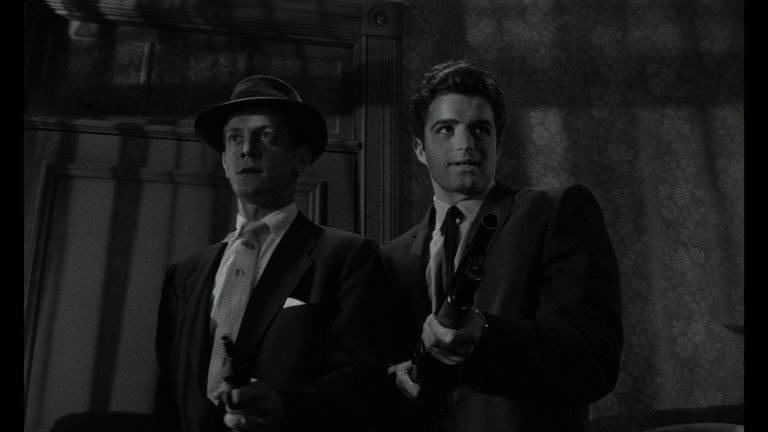
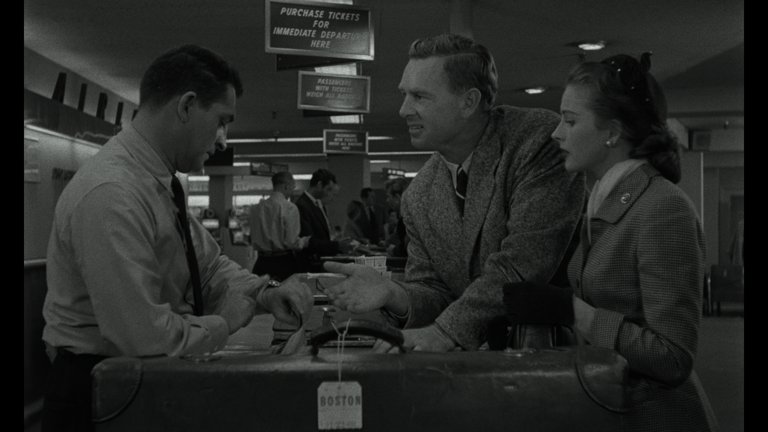
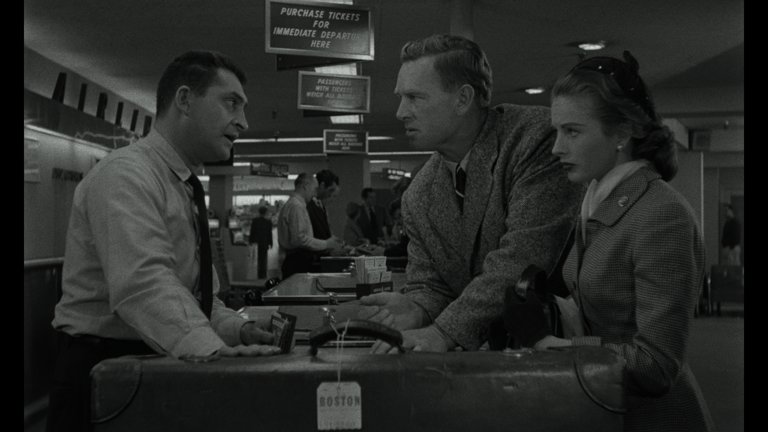
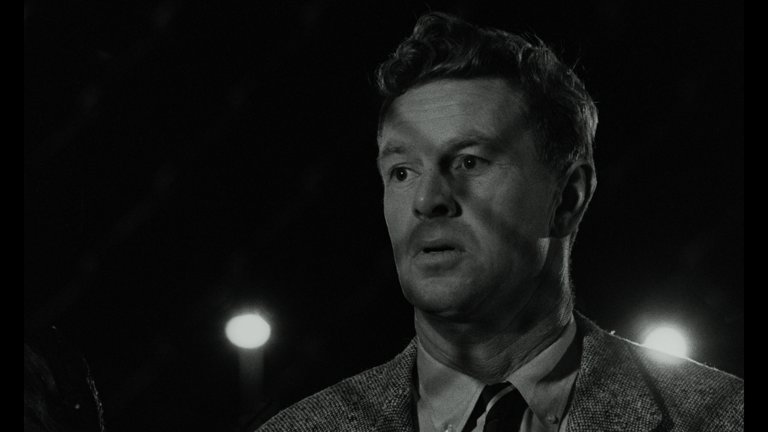
The Complete Kubrick - Screen Captures
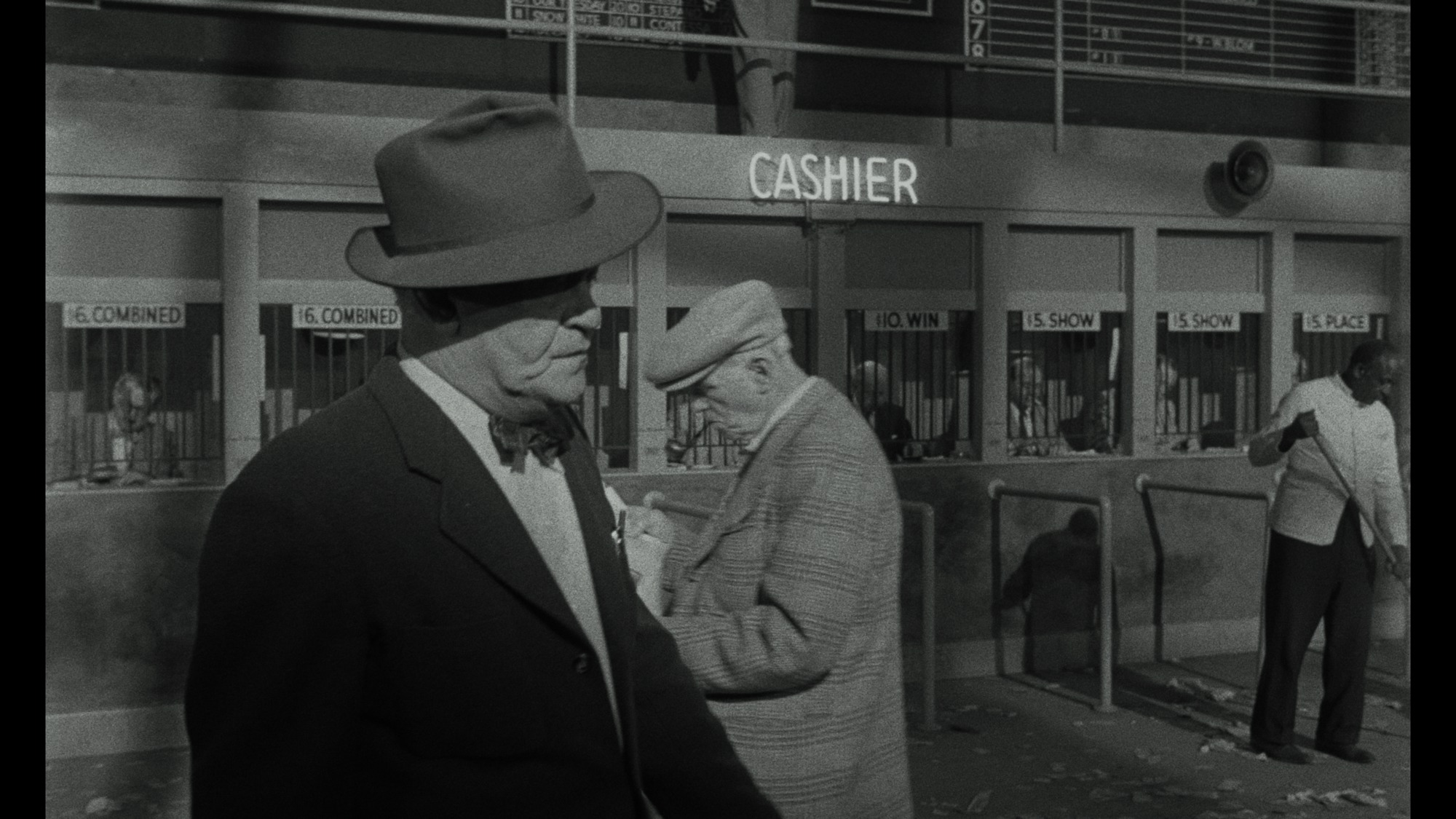
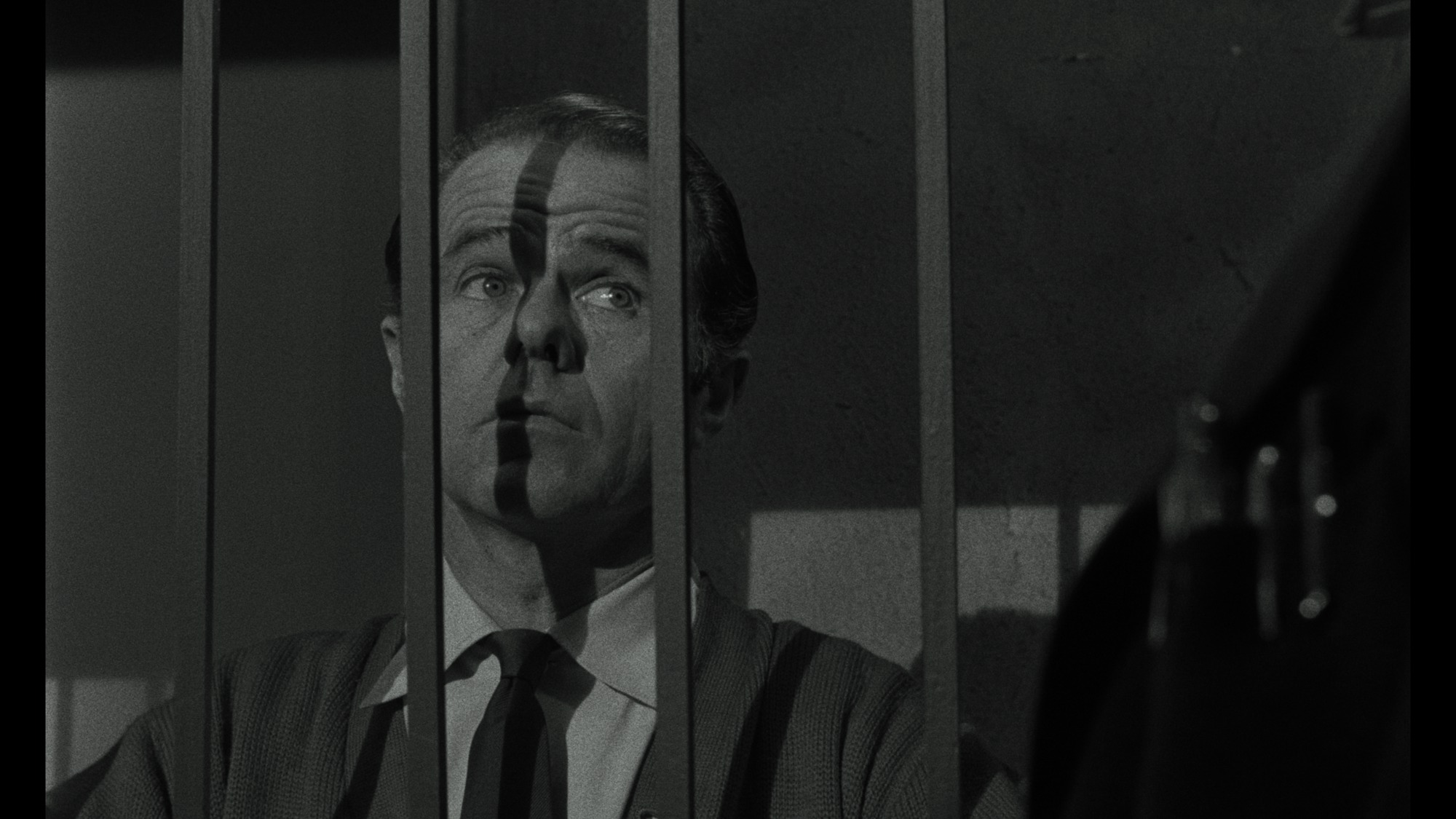
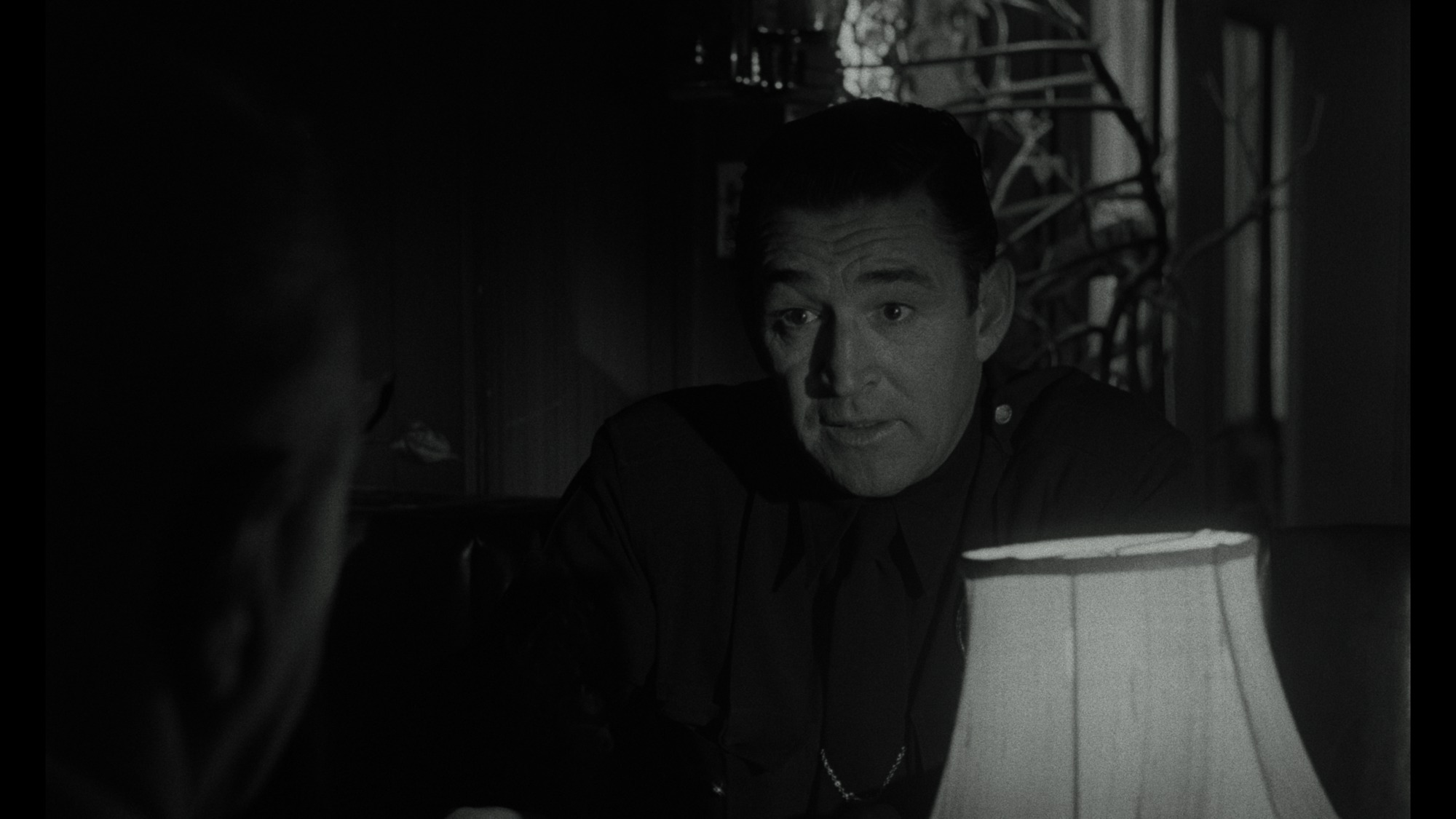
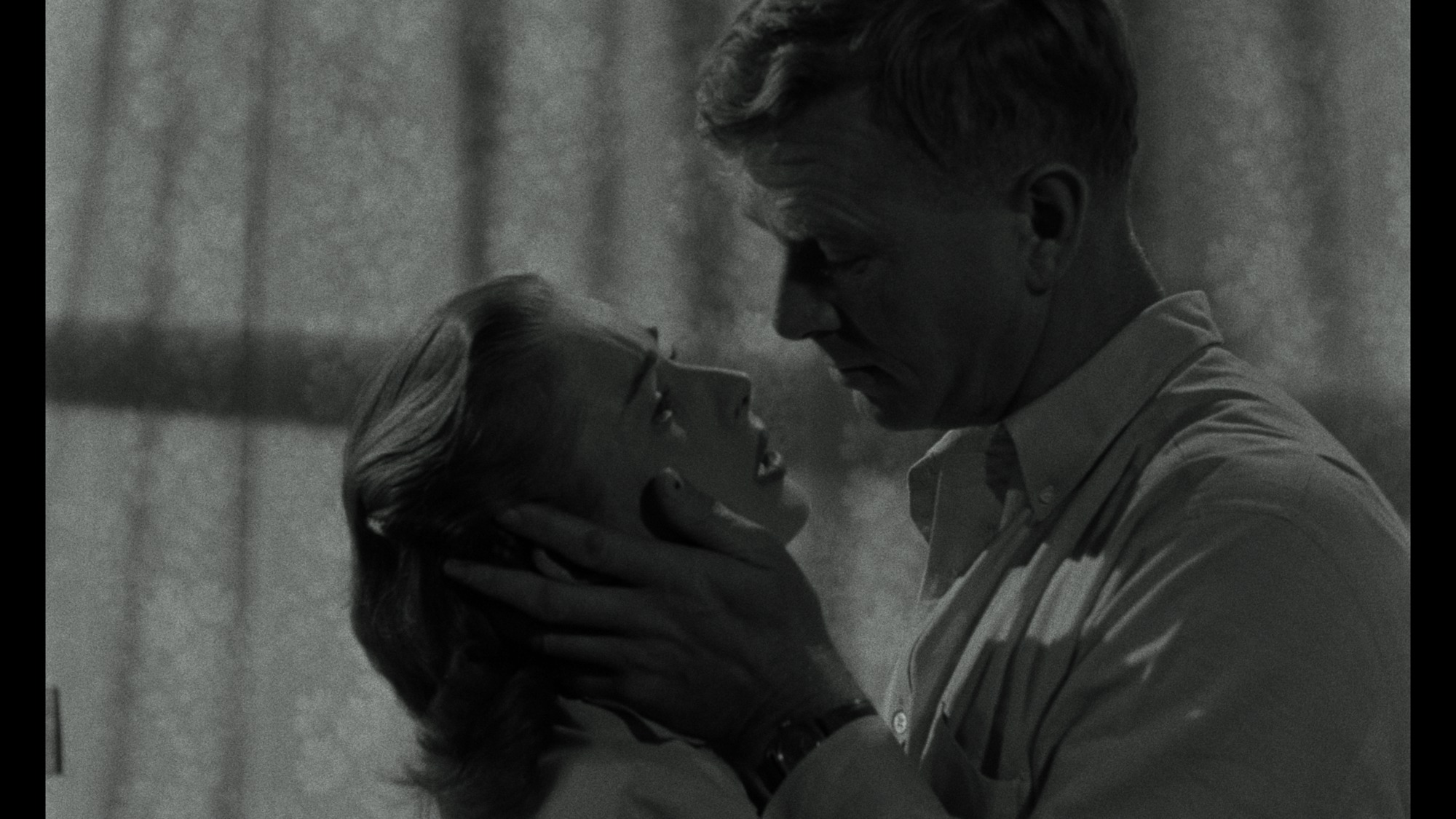
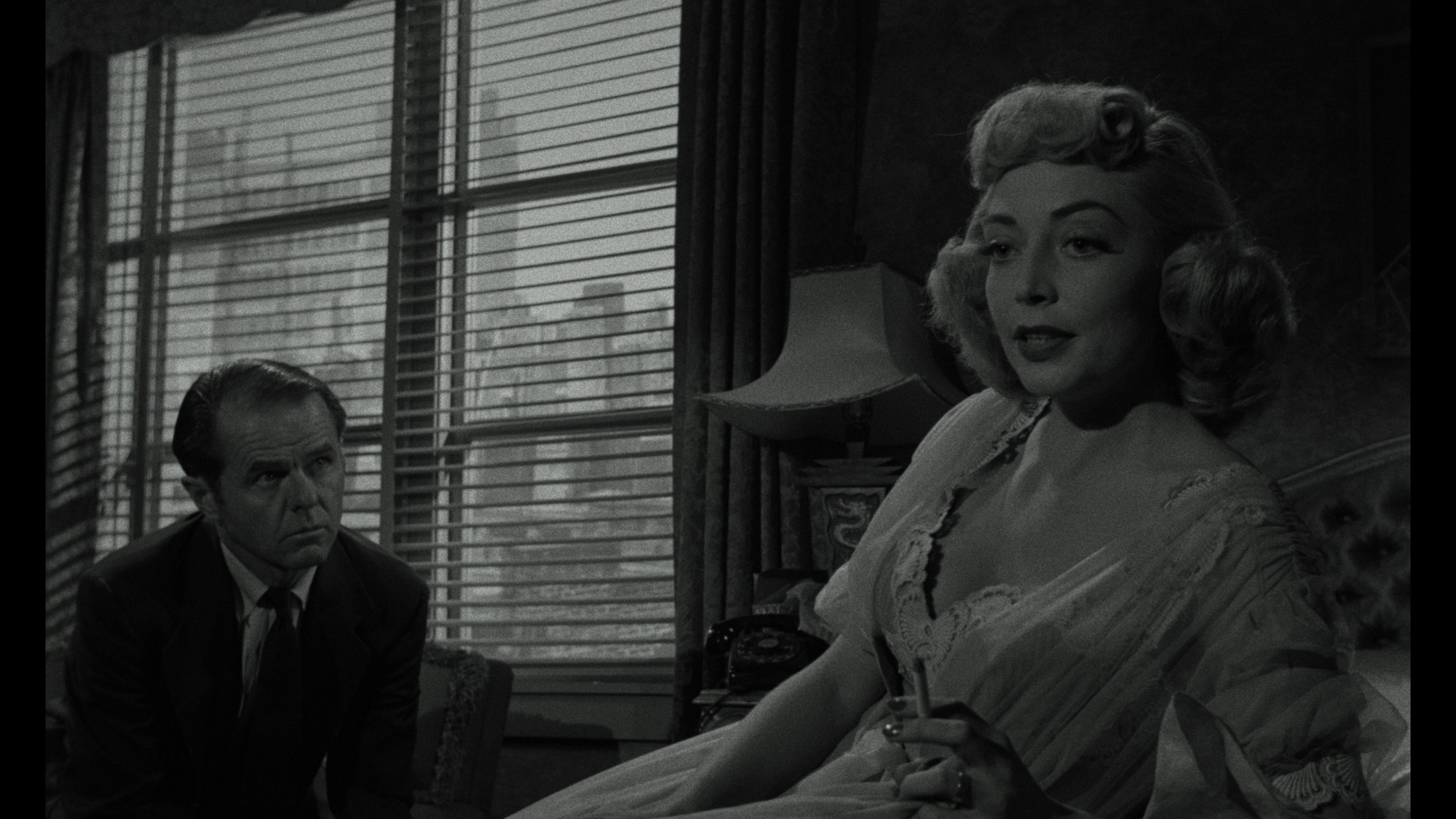
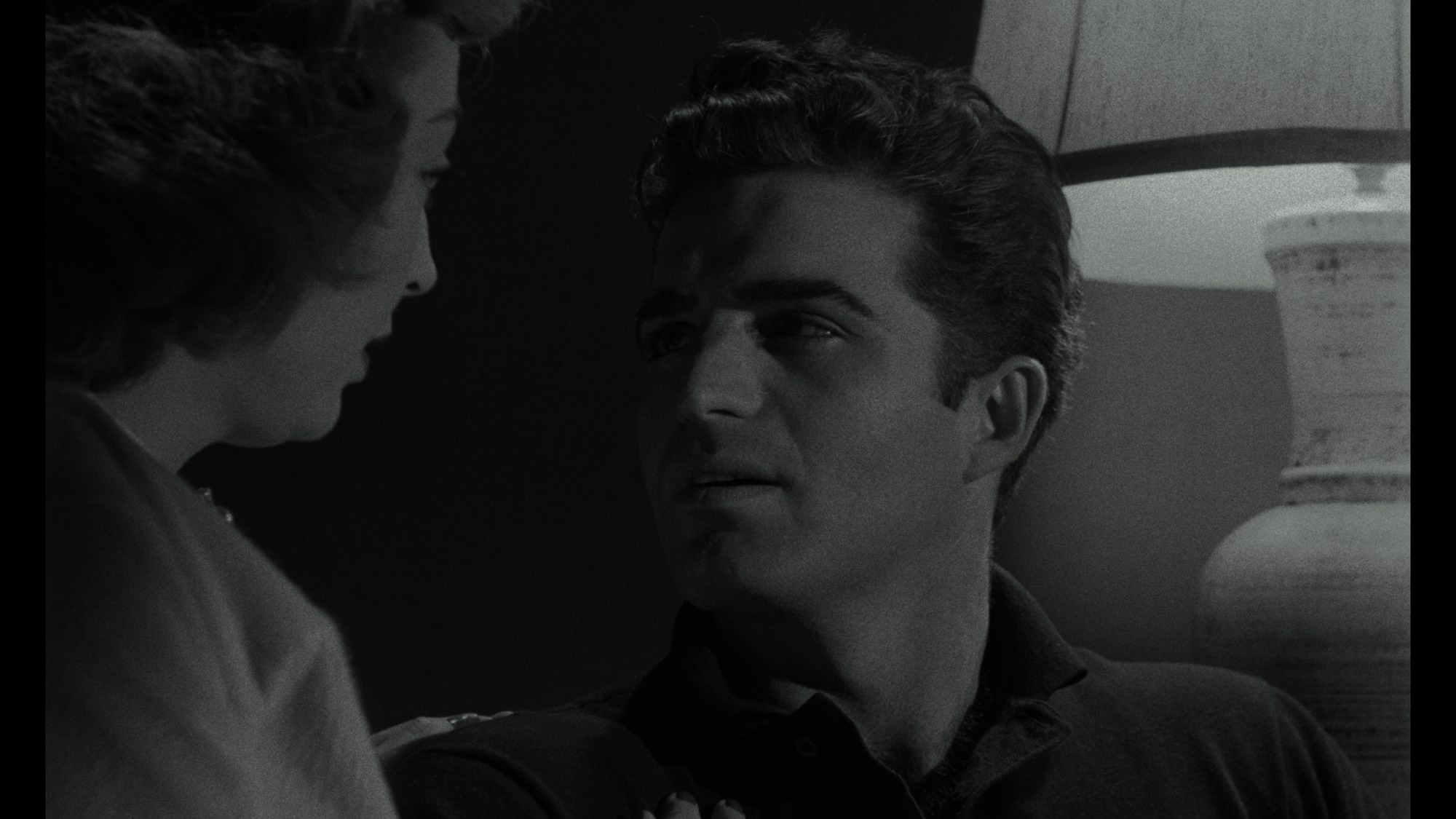
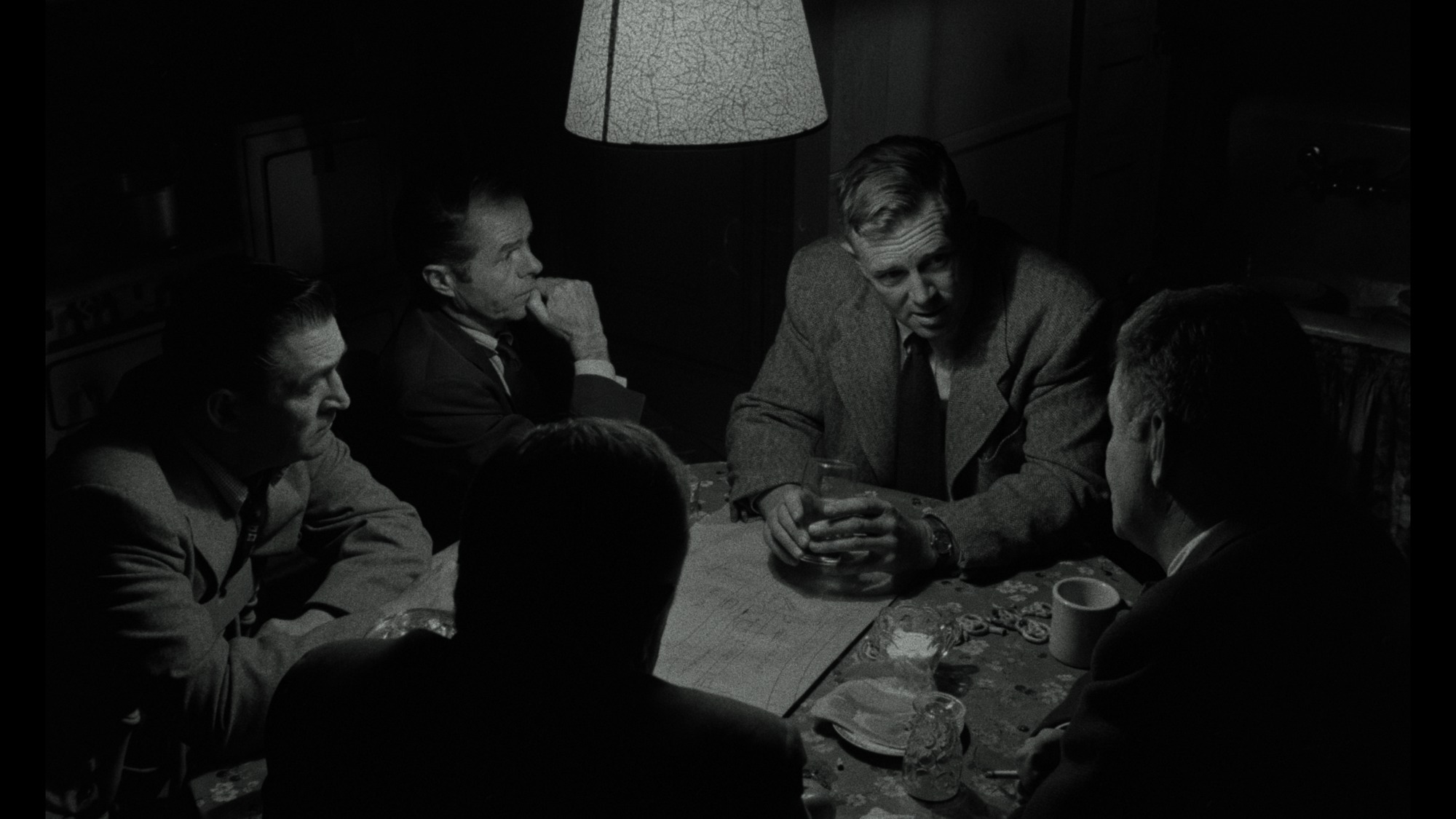
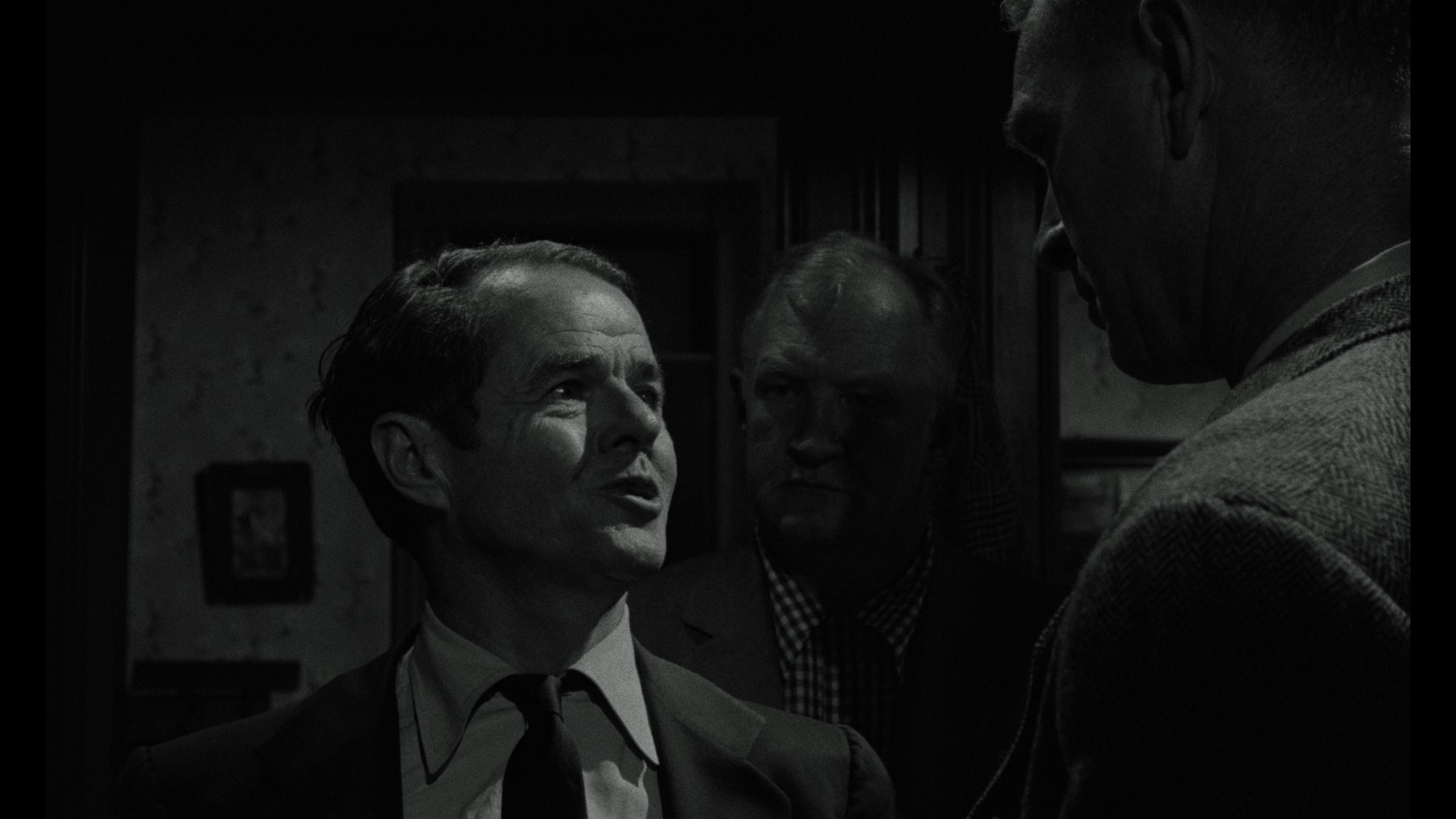
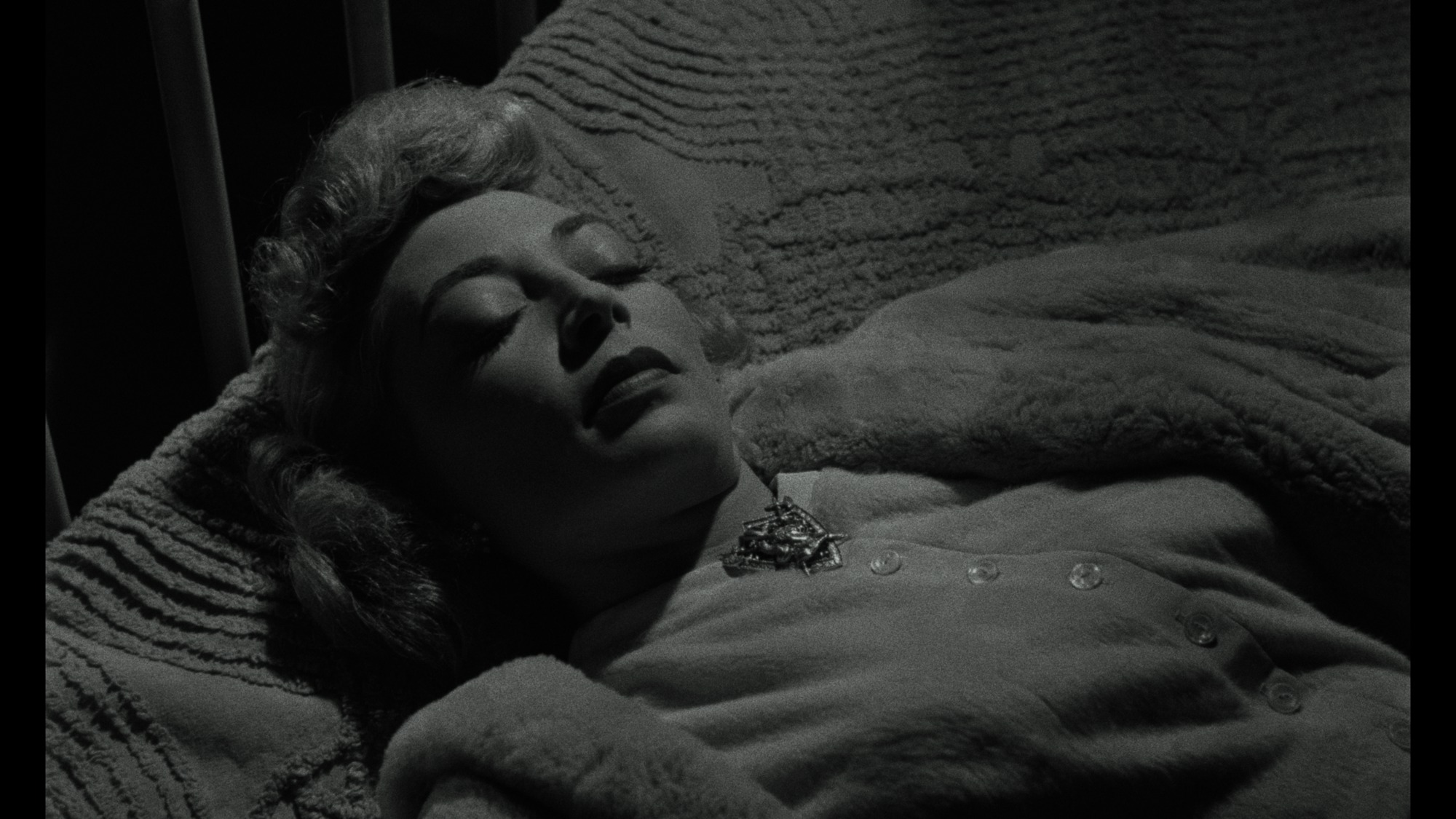
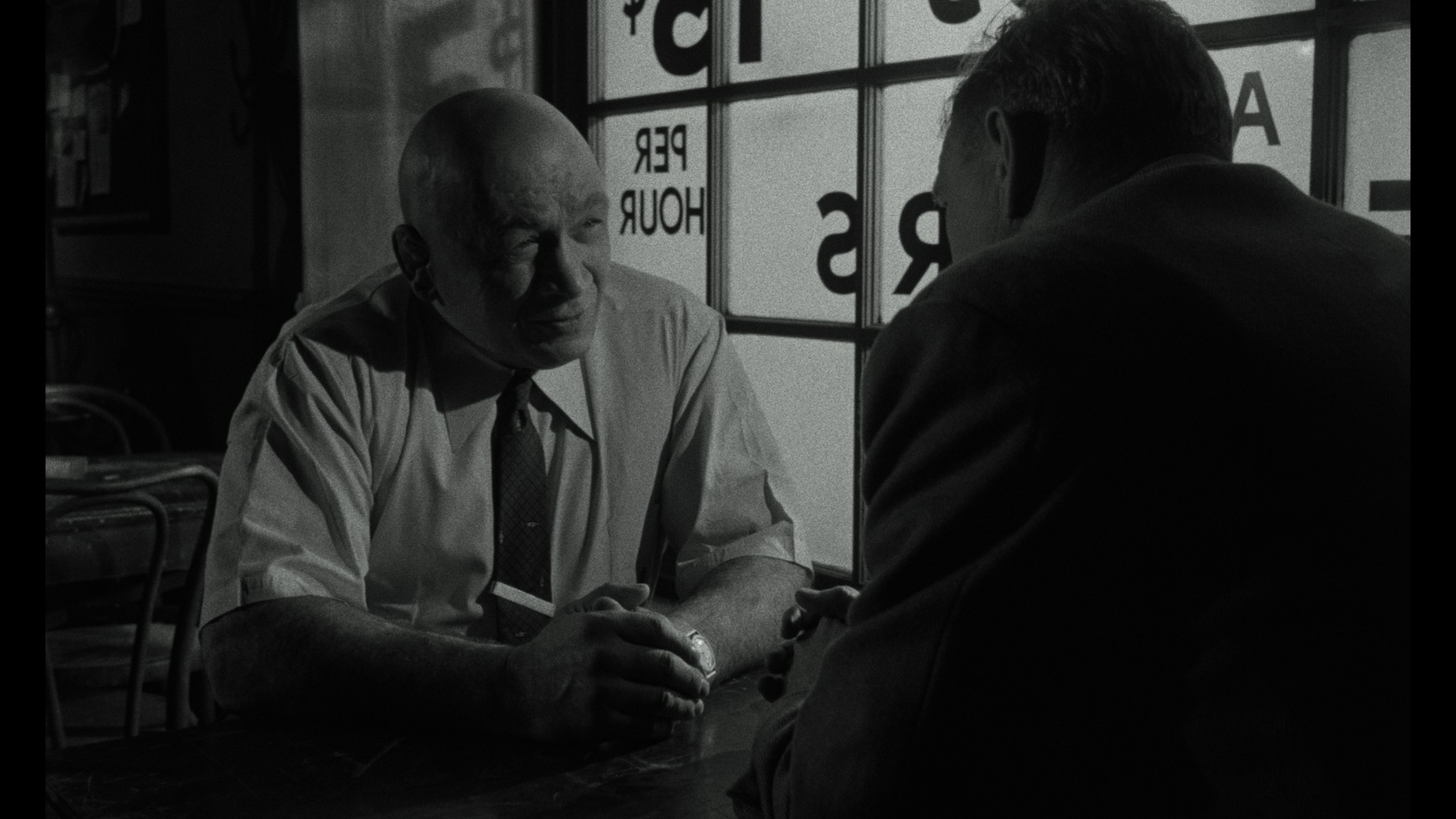
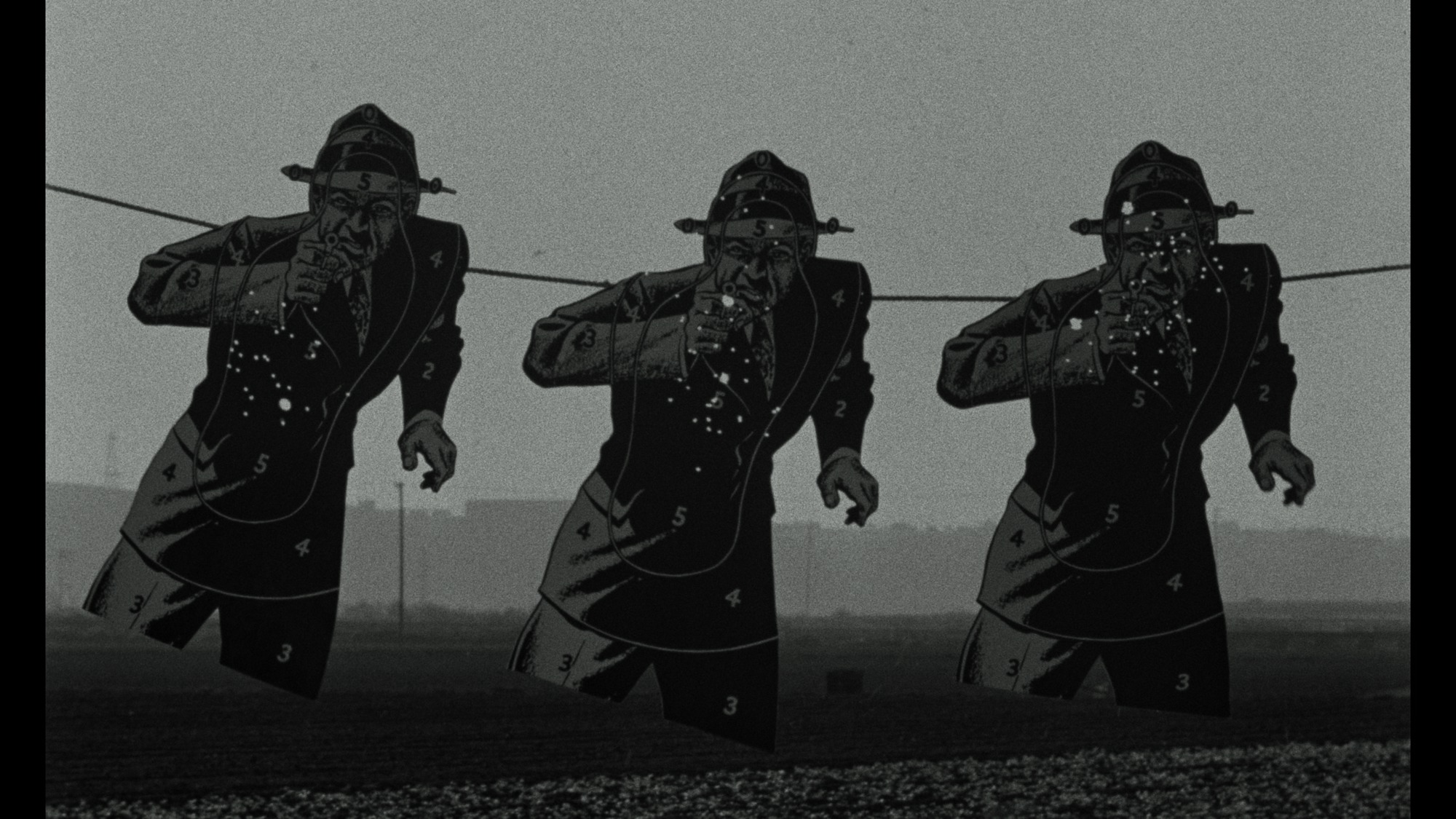
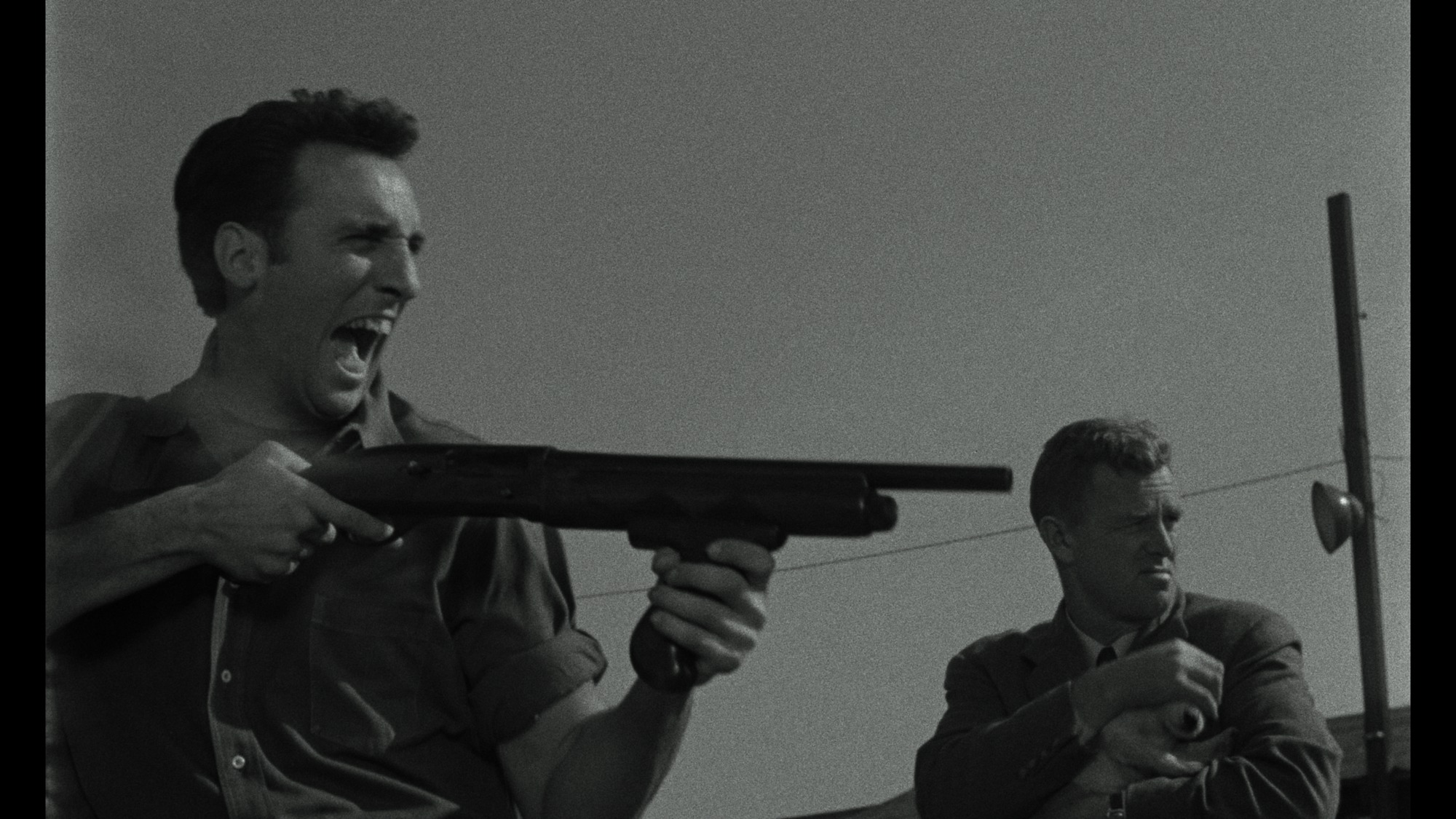
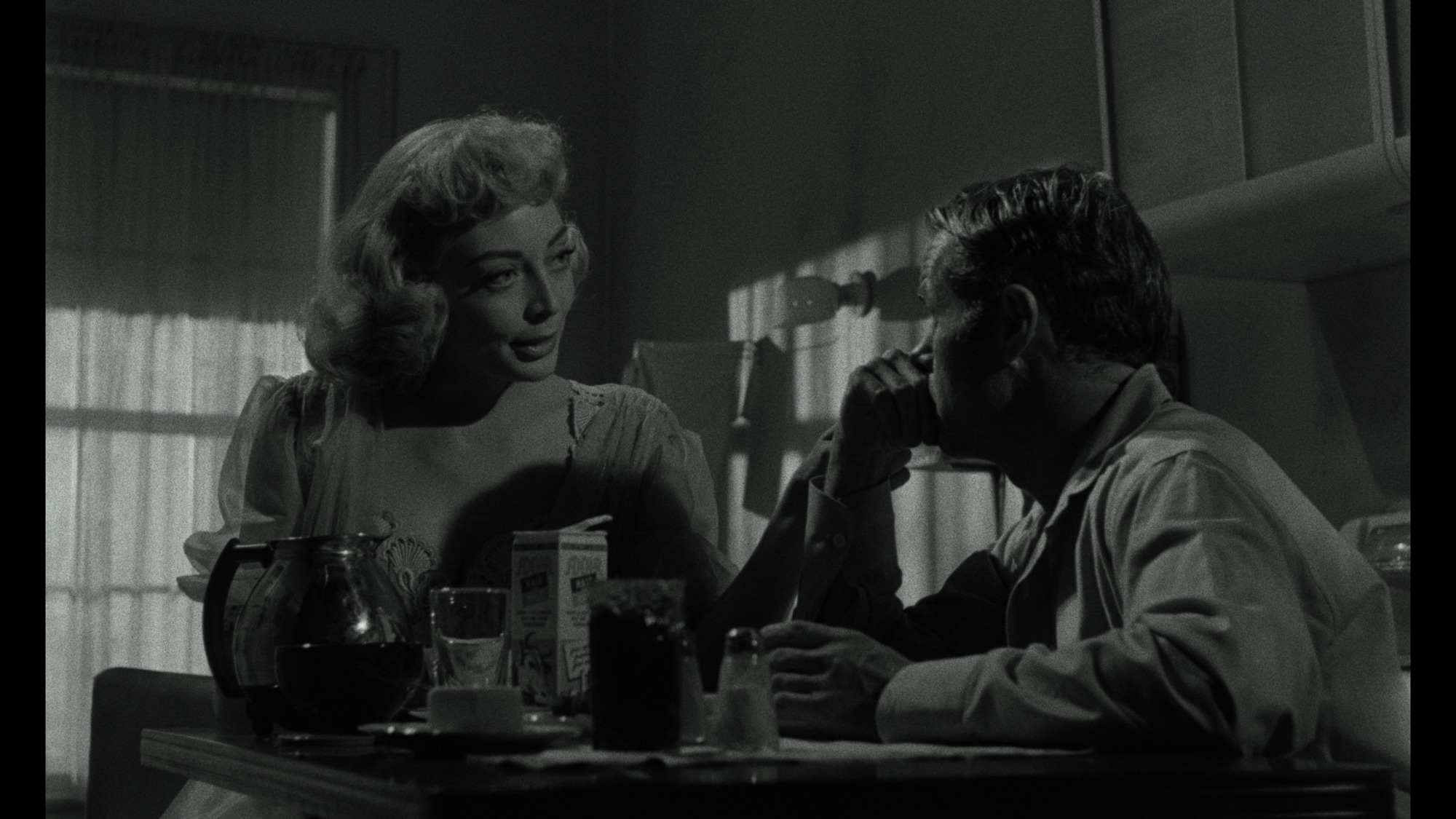
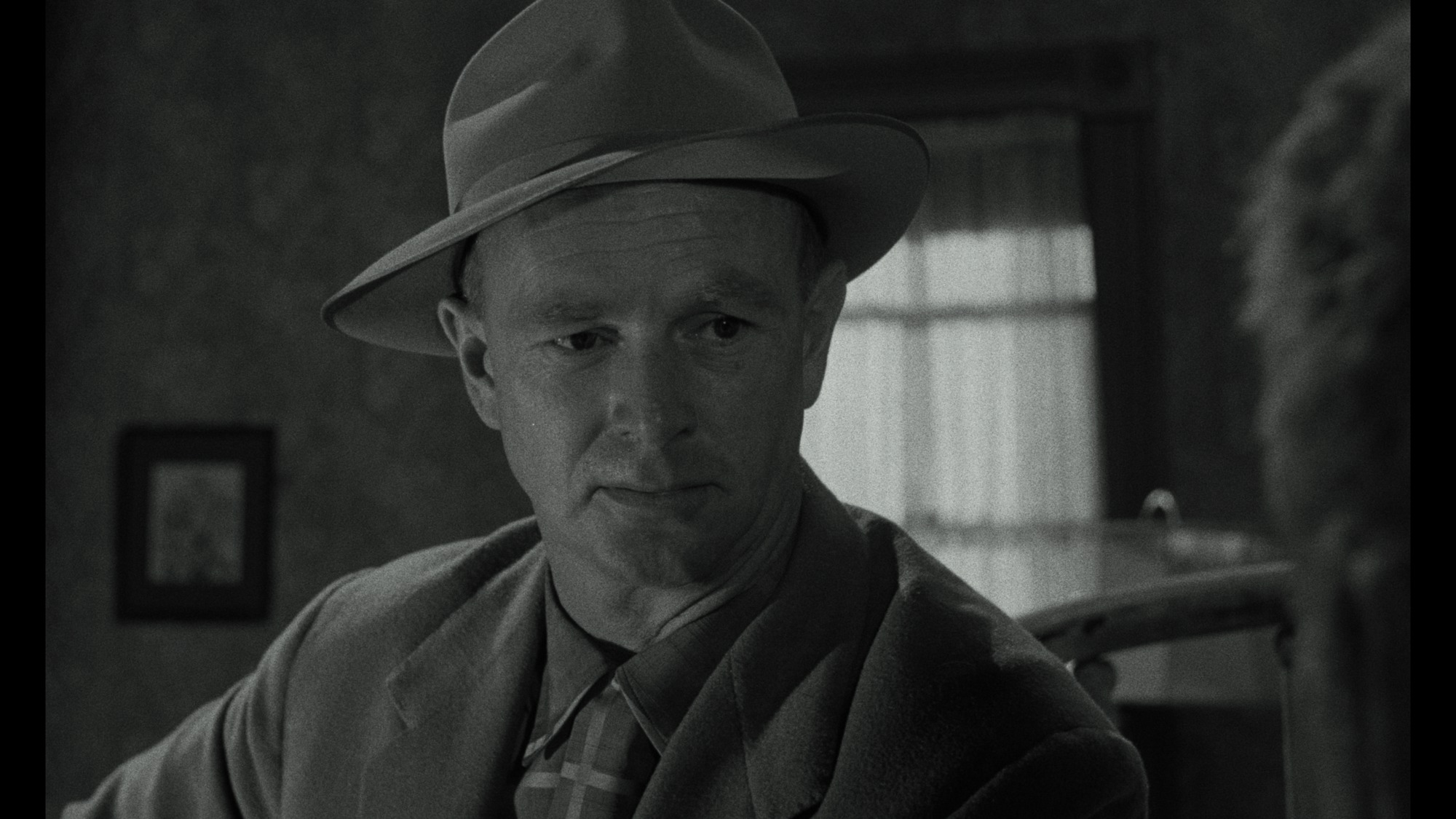
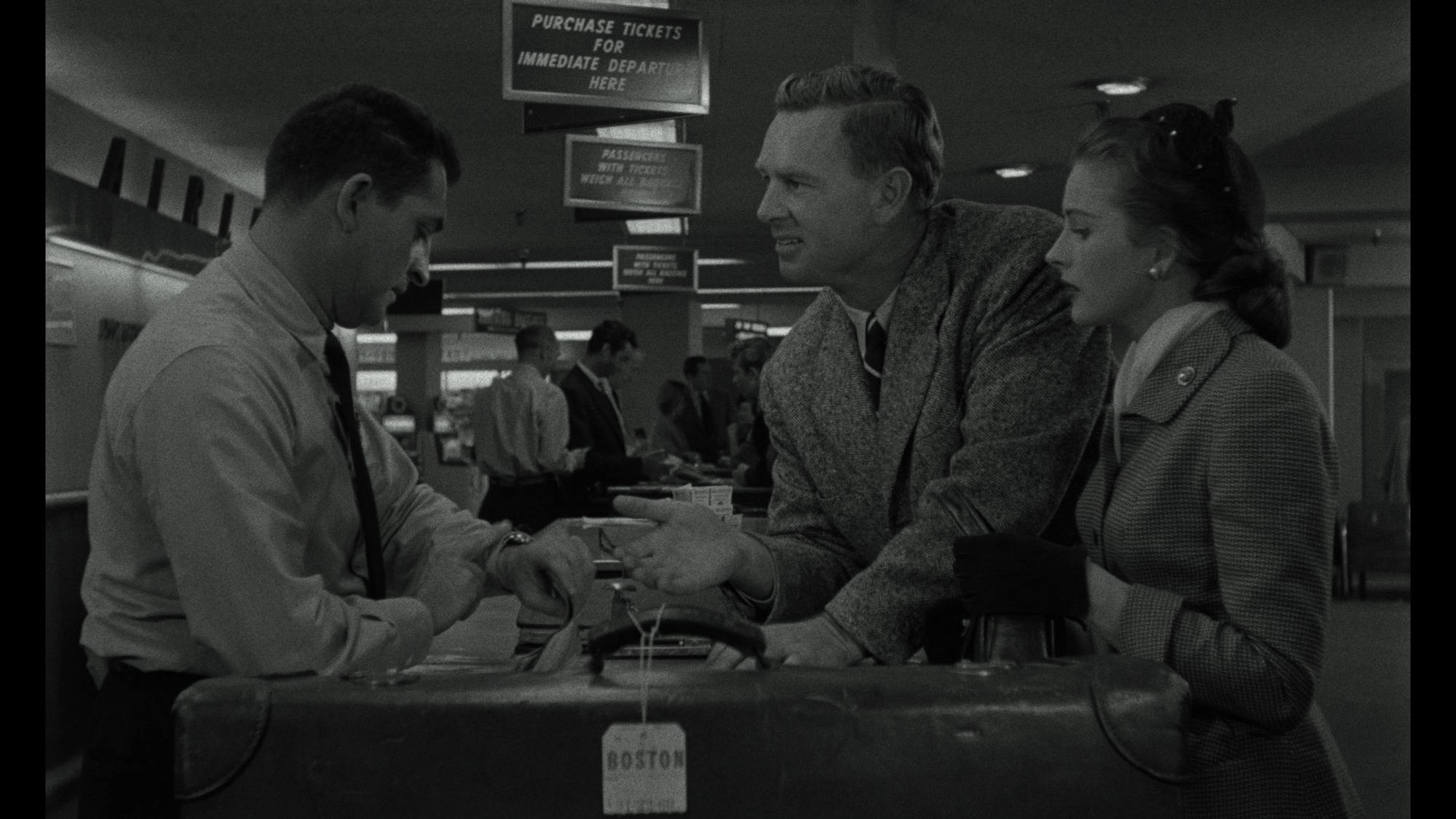
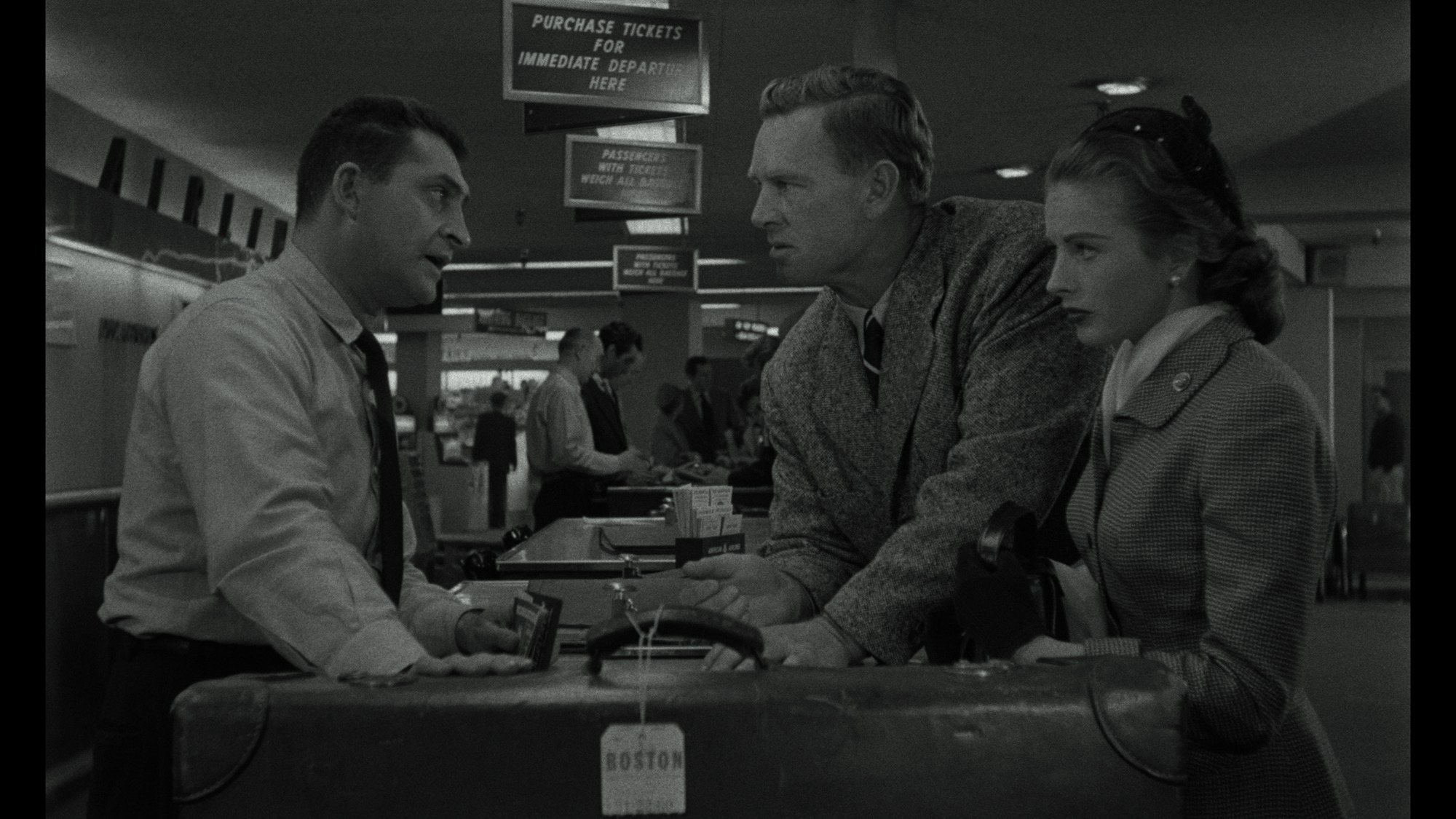
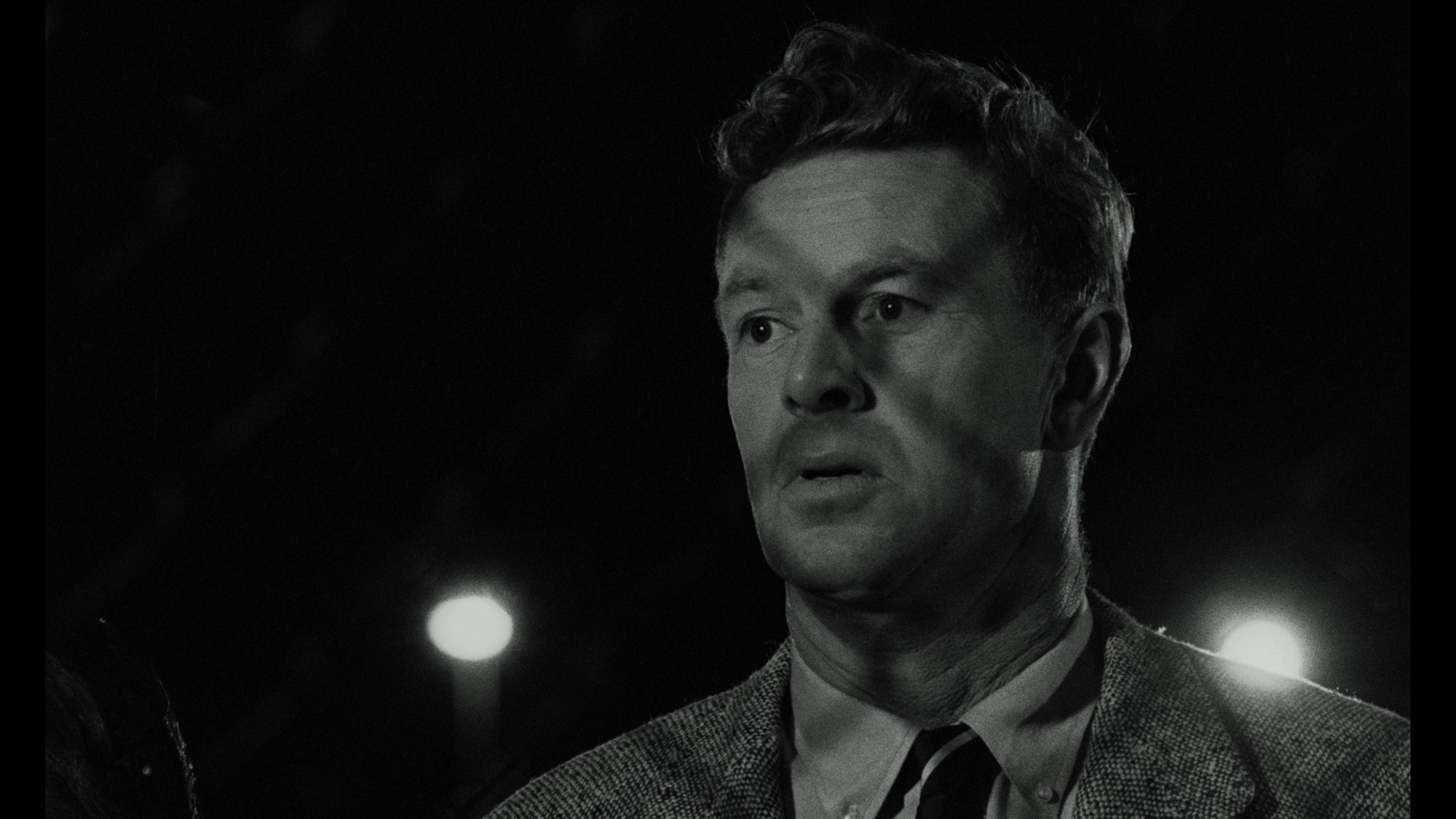
Audio 7/10
The lossless PCM monaural soundtrack also holds up rather well. Dynamic range is somewhat limited, but dialogue comes through clearly, and there’s still an okay level of separation between the highs and lows. Damage is also still not an issue.
Extras 7/10
Technically speaking, all of the supplements from Criterion’s previous Blu-ray edition of The Killing have been ported over to this box set, though they’ve been shifted around through the set. The 2011 Blu-ray also included Kubrick’s previous film, Killer’s Kiss, along with a couple of supplements specific to that film, adding considerable value to the package. For this career-spanning box set covering the director's work, Criterion has placed Killer’s Kiss and its accompanying features on a separate set of discs, leaving the material specific to The Killing on the film’s standard Blu-ray, which is why the disc was reauthored for this release. There are no features to be found on the 4K disc.
Sadly, Criterion hasn’t added any new material, and things begin again with a 21-minute interview with producer James B. Harris, who recalls first working with Kubrick and working with him on the films they made for United Artists, starting with The Killing. He covers how the project came together, from discovering the novel Clean Break (which Sinatra was apparently interested in adapting) to Jim Thompson’s involvement in the script and the reactions to the finished film, both good and bad. It’s a fine recollection of the director that offers some worthwhile background on the production, even if it’s still not a wholly exciting feature.
Next is what was one of that release's best features, an interview with actor Sterling Hayden, taken from 1984 episodes of Cinéma cinémas. Divided into two sections, the discussion first covers his early days in Hollywood and how he became an actor, a profession he initially struggled to take seriously, before touching on some of his work, including The Asphalt Jungle, Johnny Guitar, and some of the films he's not terribly fond of. He also gets into the McCarthy era and how he came to “name names,” something that he is clearly still ashamed of, before briefly discussing Kubrick and their work together on The Killing and Dr. Strangelove. At only 23 minutes, it manages to cover a surprising amount of ground, and Hayden is just a fantastic interview subject. (I'll also take the time to bring up the fantastic feature-length documentary featuring Hayden, Pharos of Chaos, which can be found on Criterion's edition of The Asphalt Jungle.)
And finally, Robert Polito talking about author Jim Thompson. Running 19 minutes, he covers the working relationship between Kubrick and Thompson, who punched up the script for The Killing and also worked on Paths of Glory. Polito then gets into other projects the two developed together that ultimately never saw the light of day, then moves on to Thompson’s other Hollywood work. He also gives his own thoughts as to why Thompson's novels are so difficult to adapt, with film versions often losing some of the nuance of the novels, though he singles out Coup de torchon as the best adaptation (and he did provide an interview for that one on Criterion's release of the film). It's another solid addition here.
The disc then concludes with the film’s theatrical trailer, which gives away quite a bit of the story.
The Hayden interview is fantastic and goes some way toward making up for the small selection of material, but it’s still a shame Criterion didn’t record anything new.
Closing
Whether it’s truer to how the film should look compared to Kino’s previous presentation I’m not sure, but I think it’s still a very strong 4K presentation, and a vast improvement over Criterion’s previous Blu-ray.
BUY AT:


