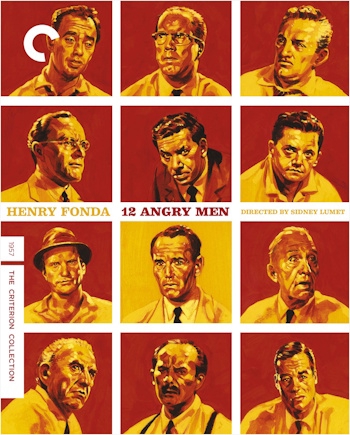
12 Angry Men
BUY AT:


See more details, packaging, or compare
Synopsis
12 Angry Men, directed by Sidney Lumet, may be the most radical courtroom drama in cinema history. A behind-closed-doors look at the American legal system that is as riveting as it is spare, this iconic adaptation of Reginald Rose’s teleplay stars Henry Fonda as the dissenting member on a jury of white men ready to pass judgment on a Puerto Rican teenager charged with murdering his father. The result is a saga of epic proportions that plays out over a tense afternoon in one sweltering room. Lumet’s electrifying snapshot of 1950s America on the verge of change is one of the great feature-film debuts.
Picture 9/10
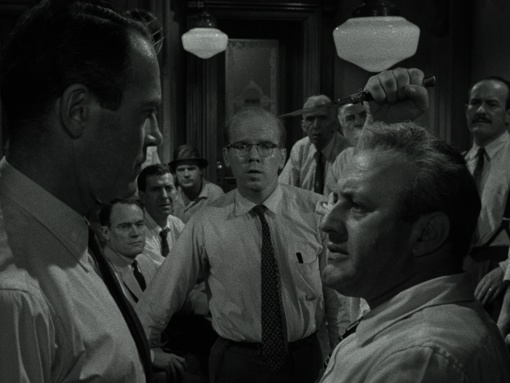
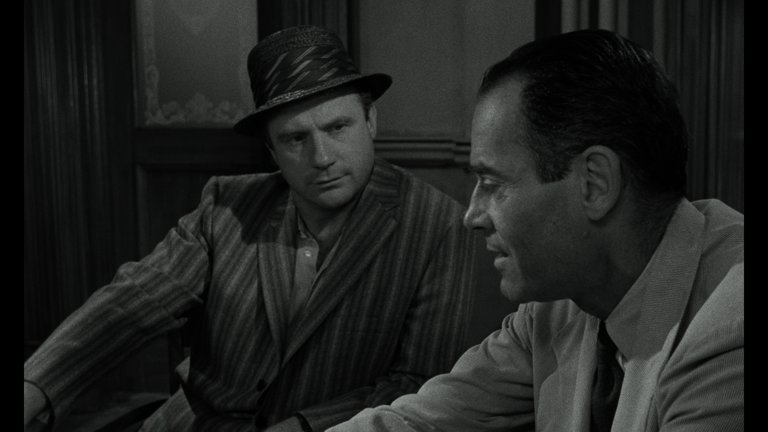
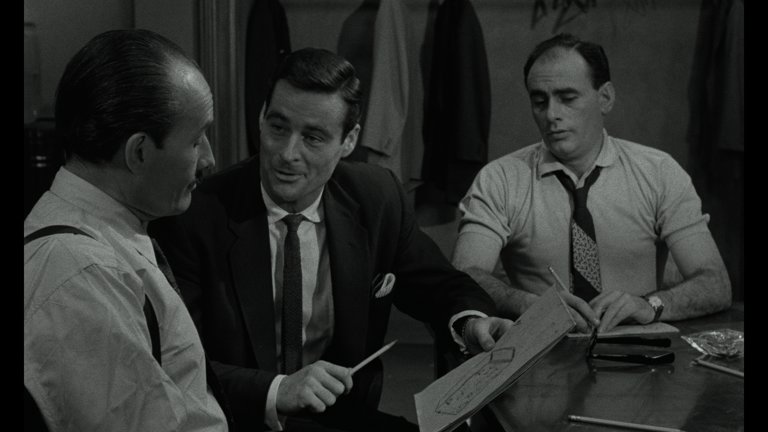
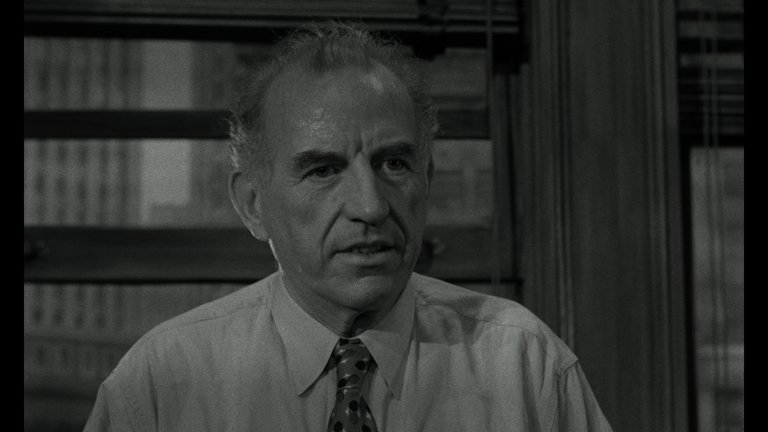
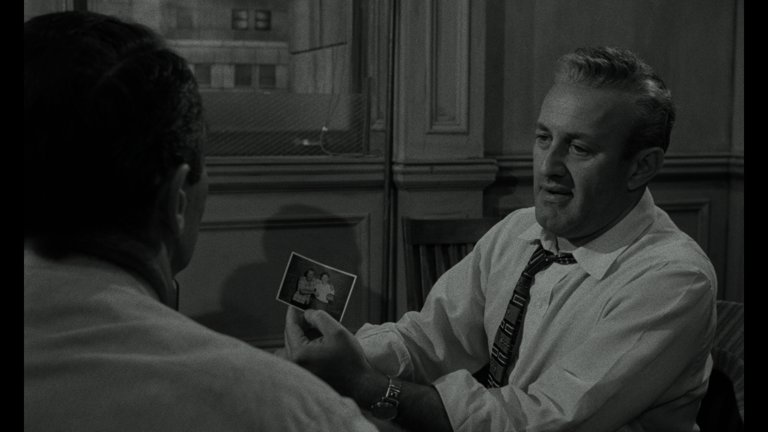
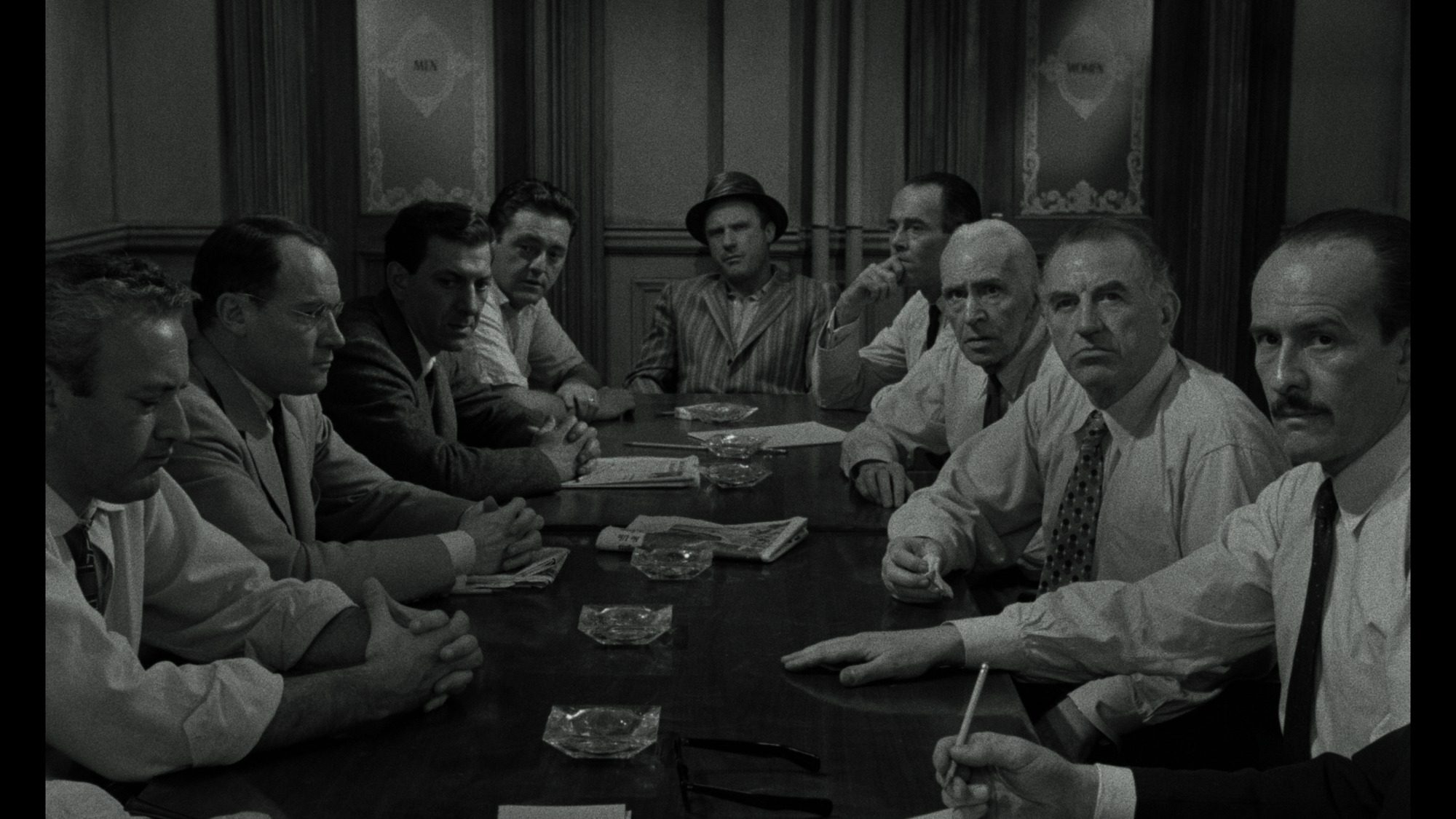
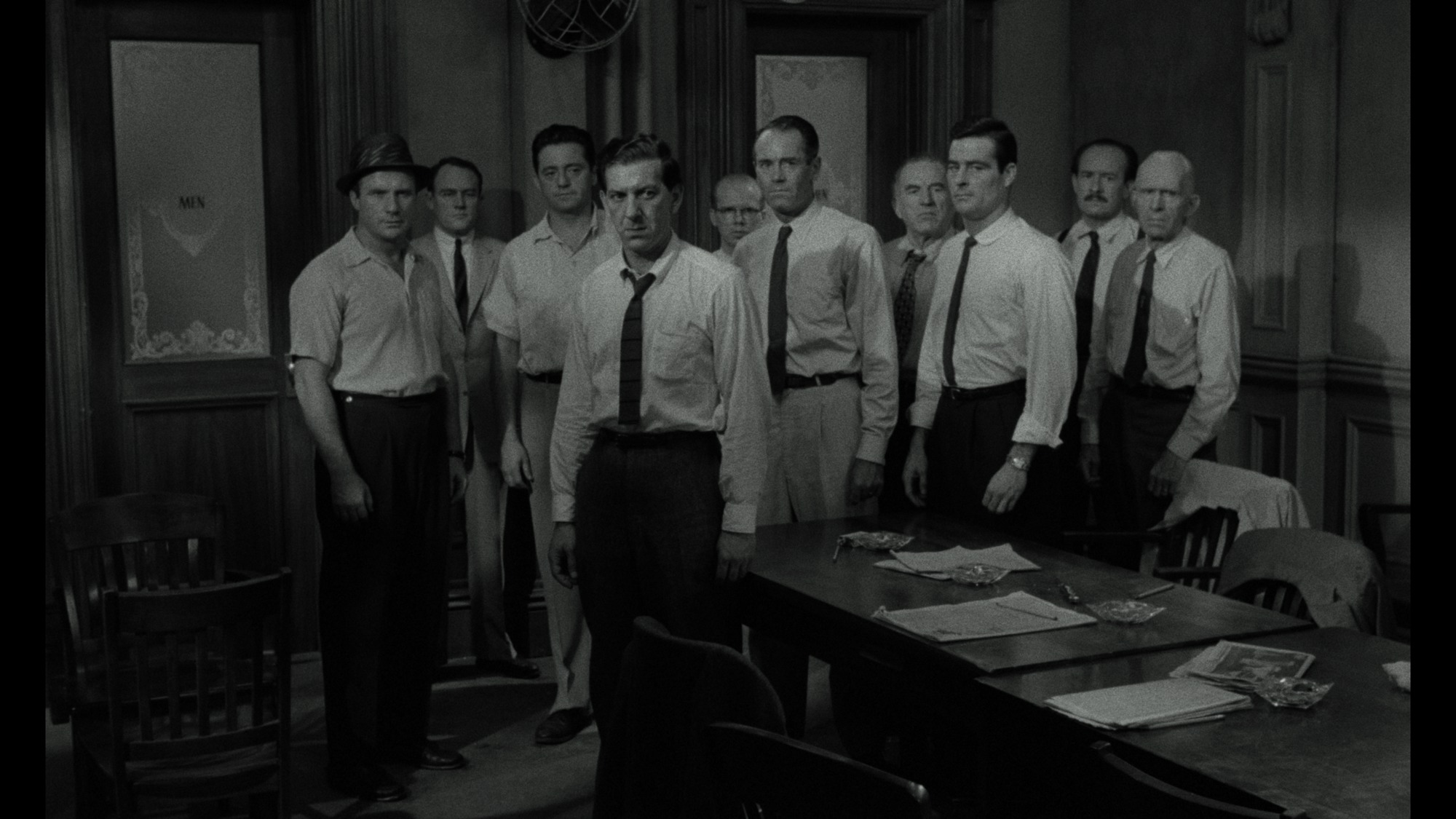
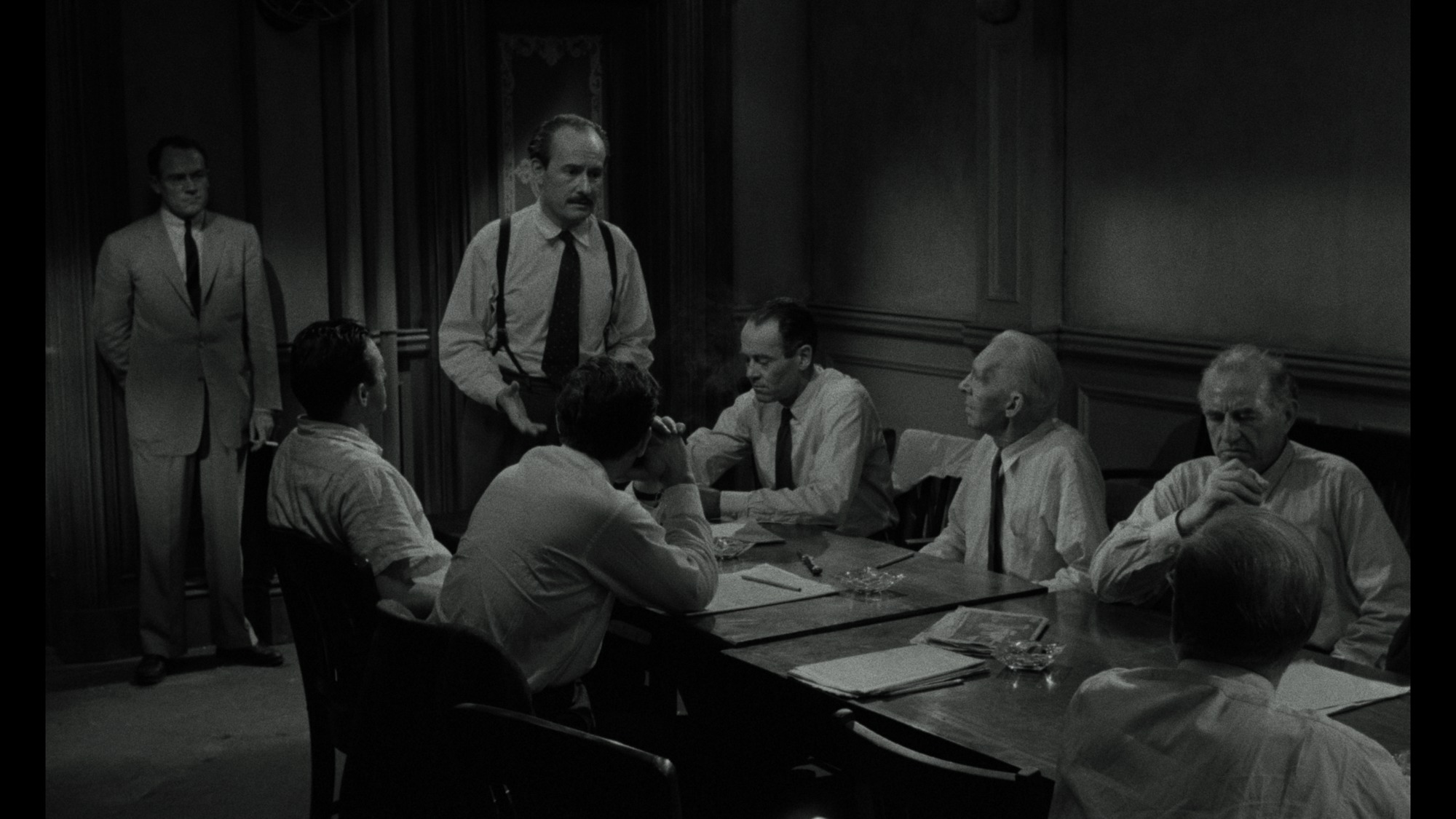
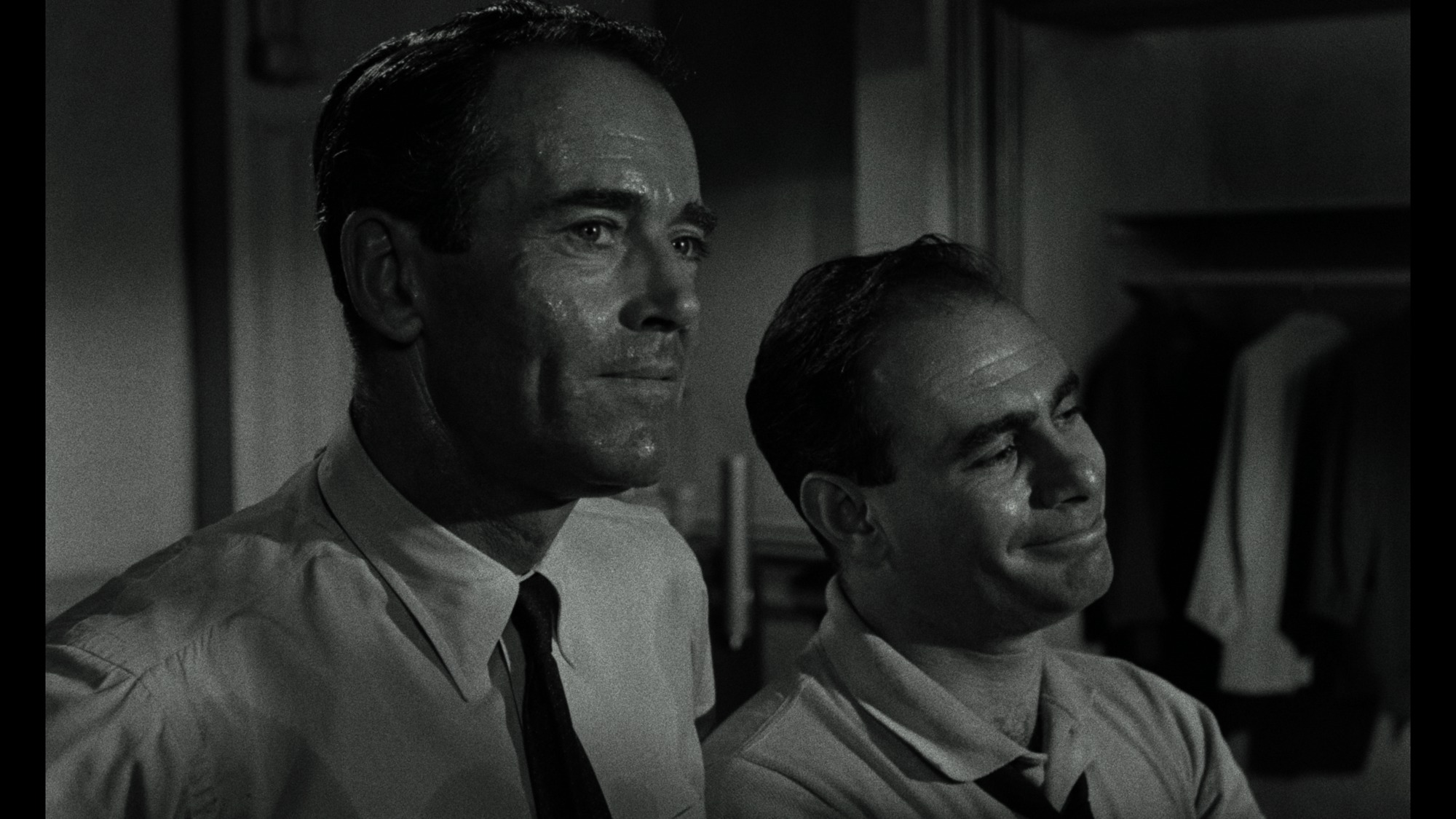
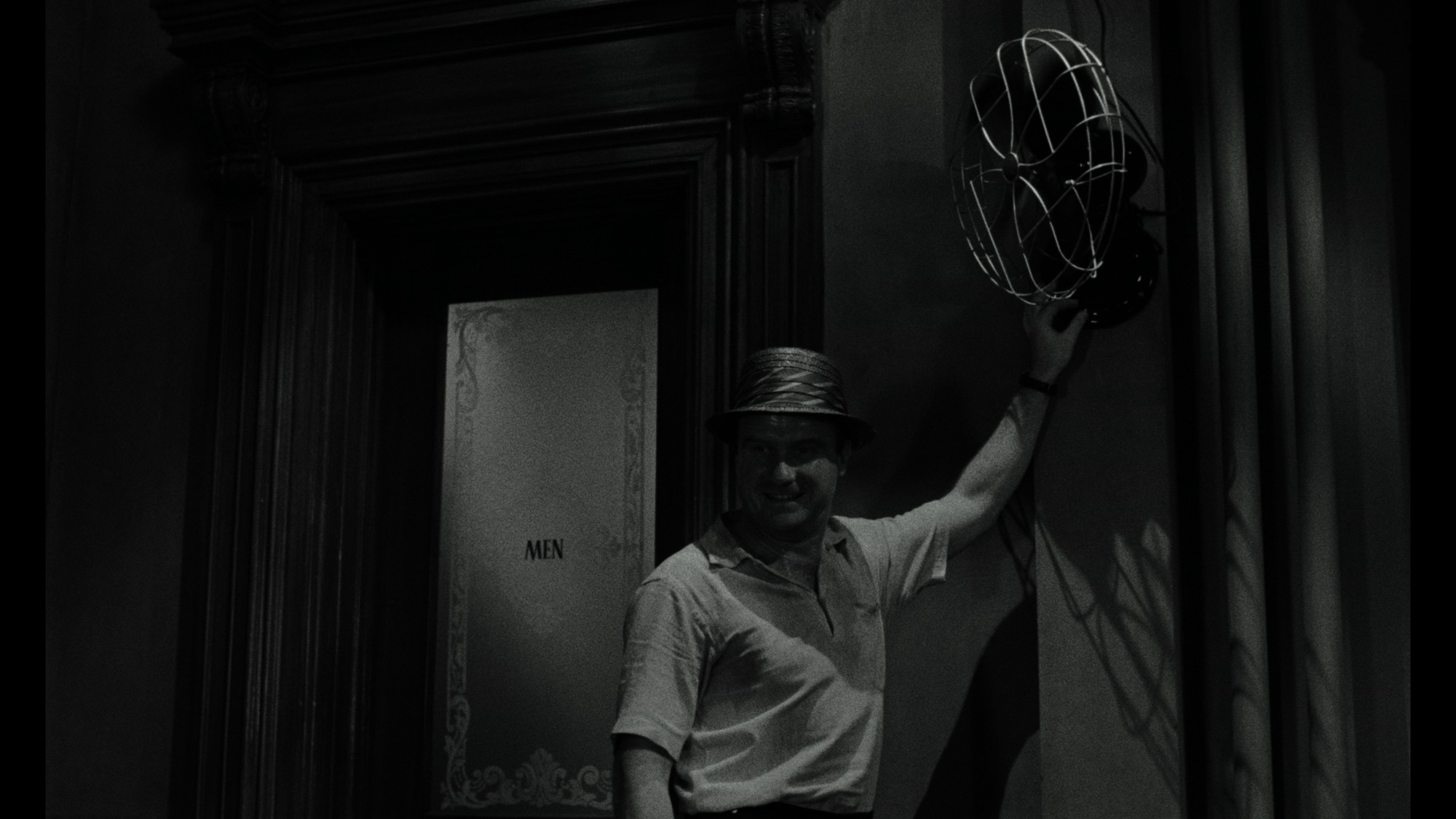
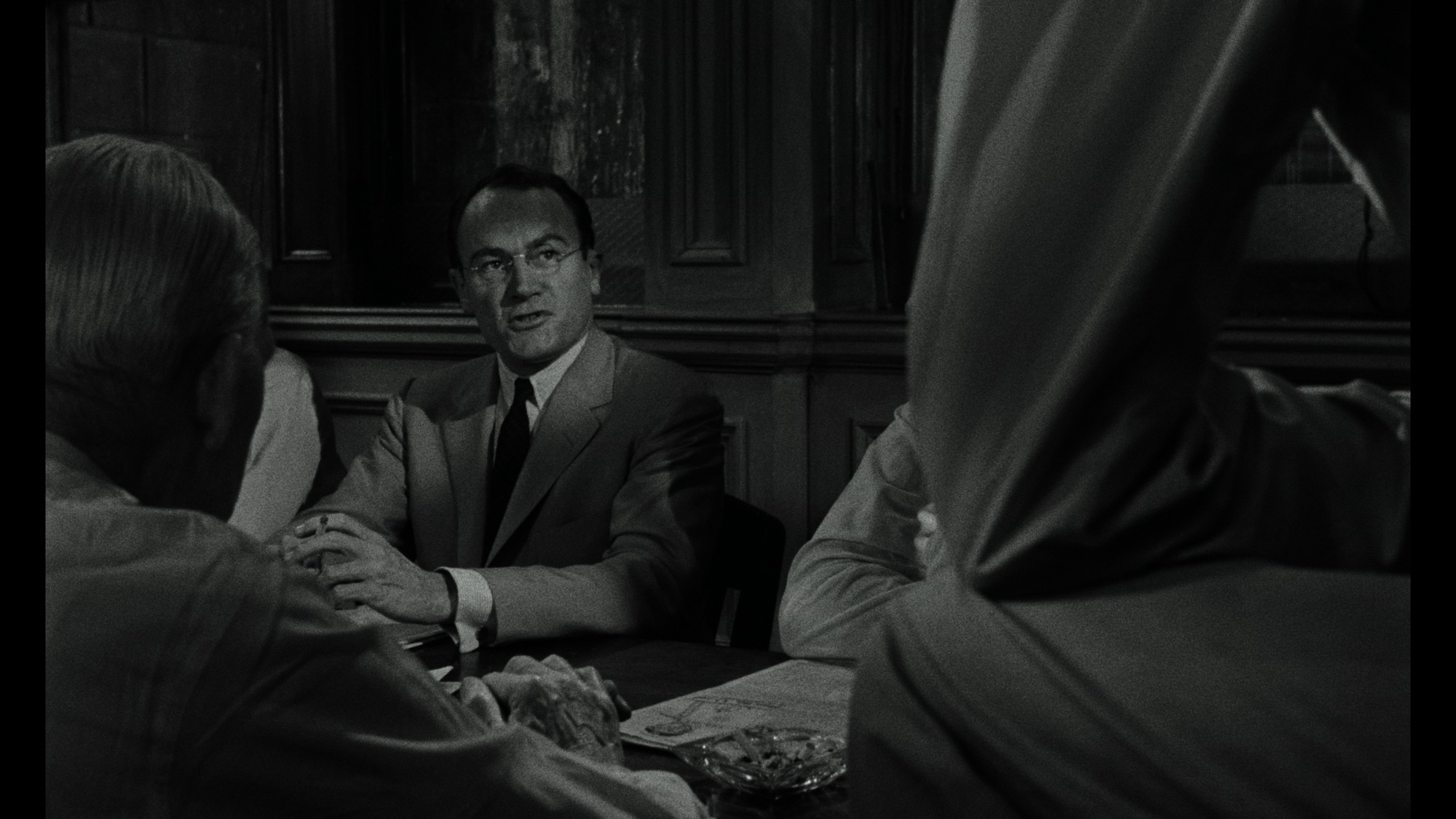
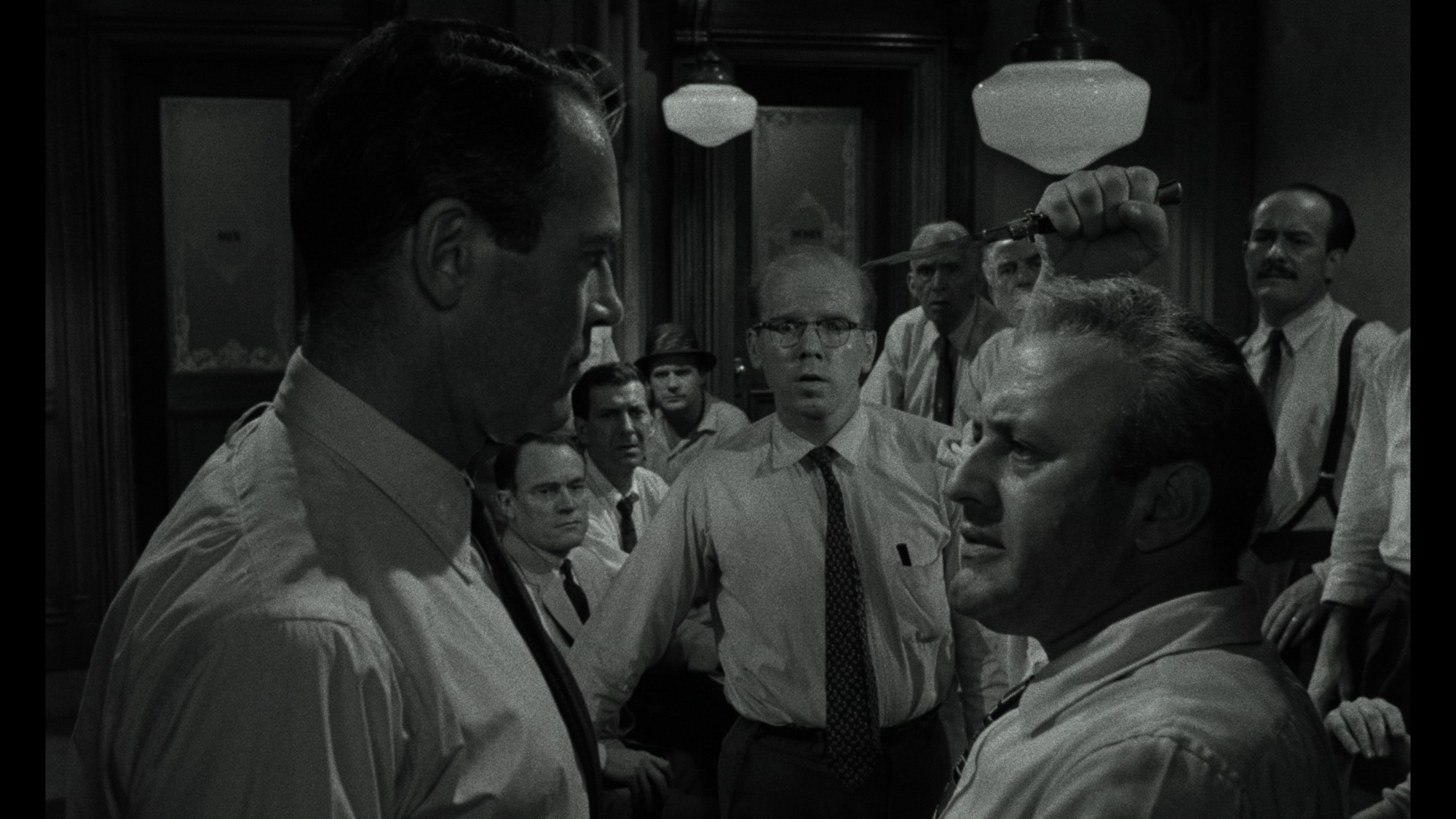
The Criterion Collection upgrades its previous special edition for Sidney Lumet’s 12 Angry Men to 4K UHD, presenting the film with Dolby Vision on a dual-layer BD-66 disc in the aspect ratio of 1.66:1. The 2160p/24hz ultra-high-definition presentation is sourced from a 4K restoration scanned from the 35mm original camera negative. The release also includes a standard dual-layer Blu-ray featuring all of the special features alongside a 1080p presentation of the film. The Blu-ray is the exact same disc included with the 2011 edition and therefore does not utilize the new restoration and uses the older master.
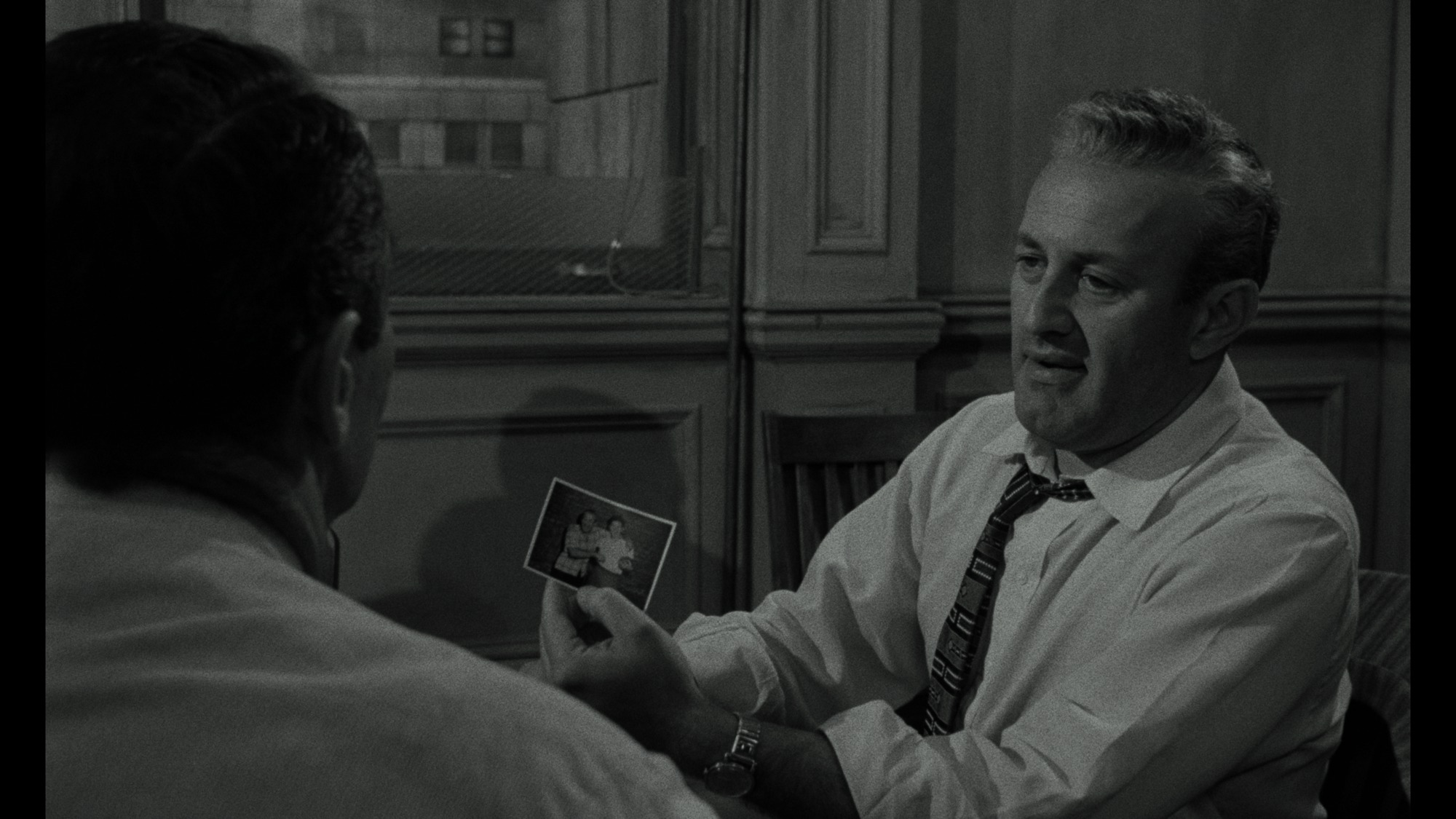
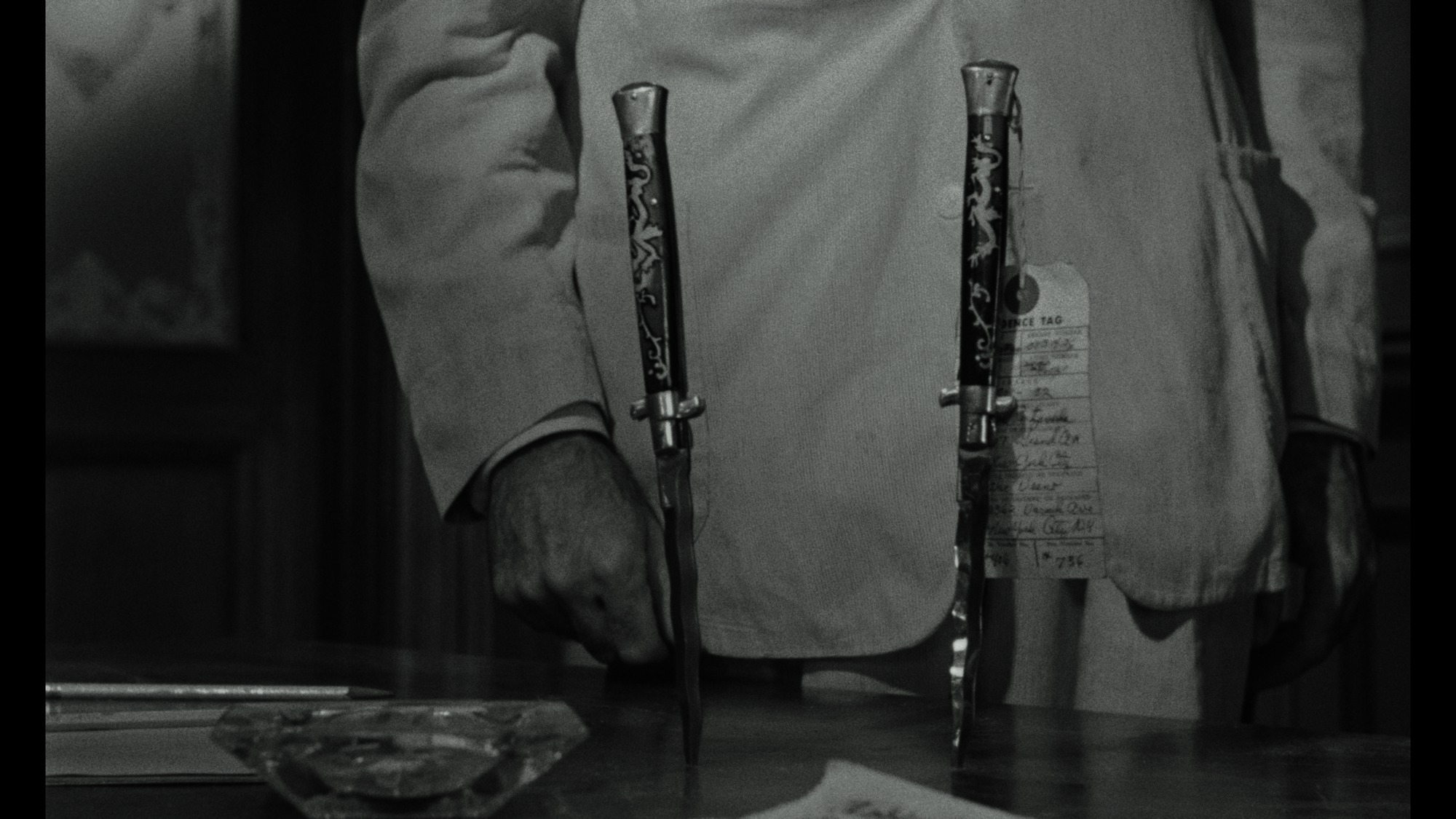
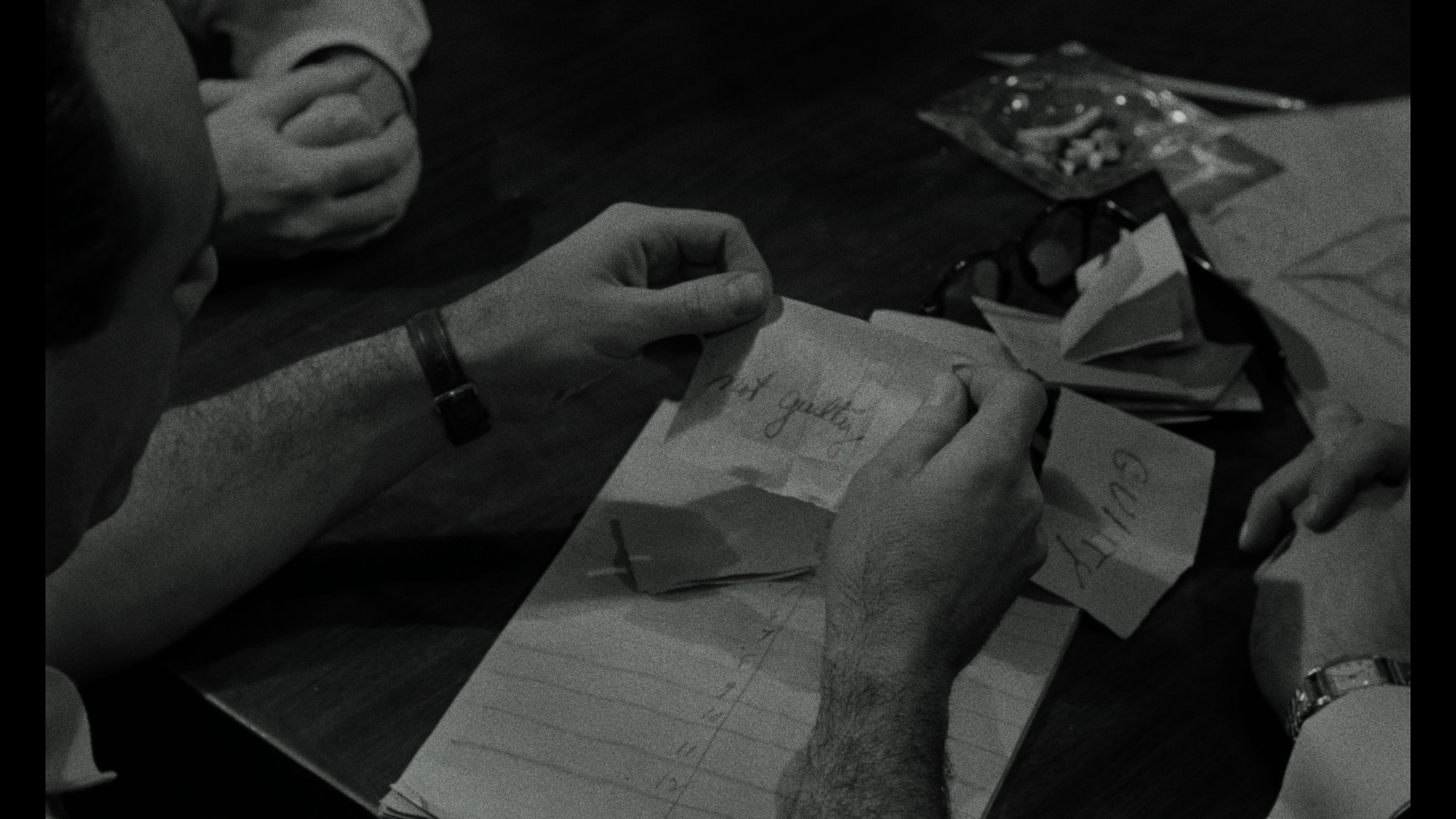
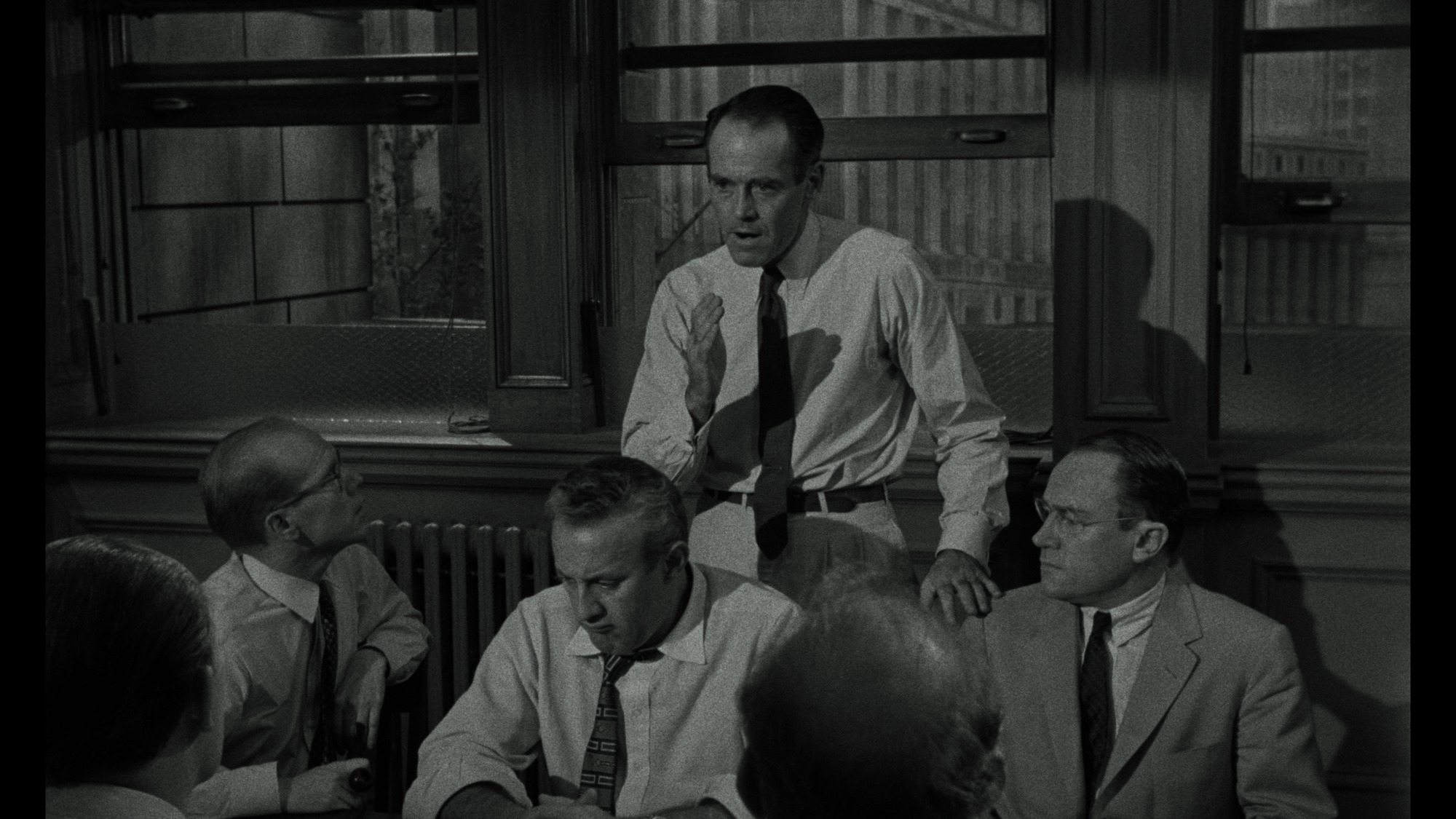
Though there are a handful of differences between Criterion’s new 4K presentation and Kino’s 2023 release, the two appear to have been sourced from the same restoration. The biggest and most obvious difference is the aspect ratio: Kino presents the film at 1.85:1, while Criterion uses 1.66:1, the same ratio found on their previous edition and both of MGM’s DVD editions. As to which ratio is correct, I honestly have no clue, though the 1.66:1 framing ultimately shows more information at the top and bottom of the image. Either one looks fine, but I probably prefer Criterion’s ratio simply because it’s what I’m used to.
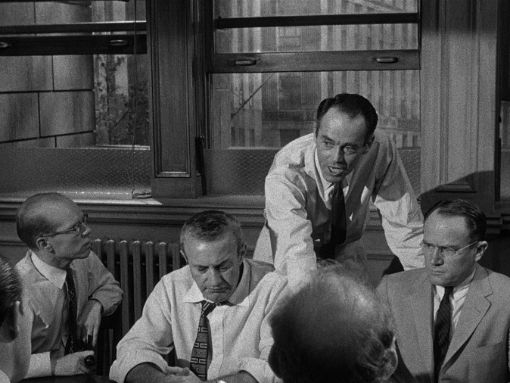
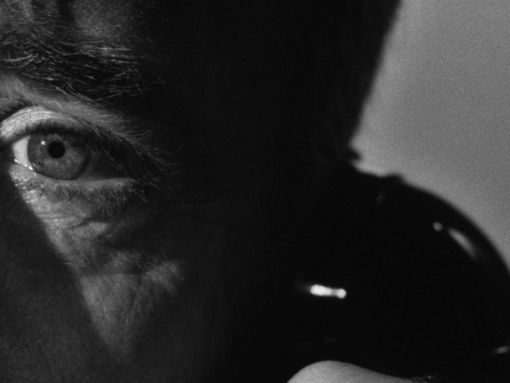
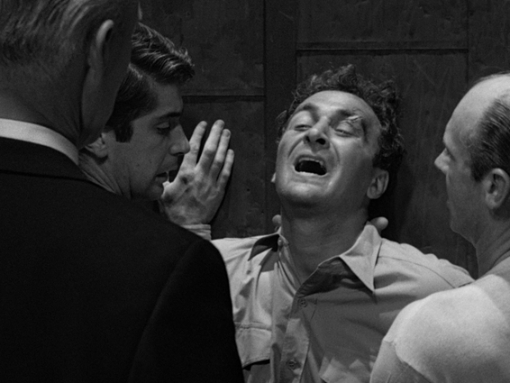
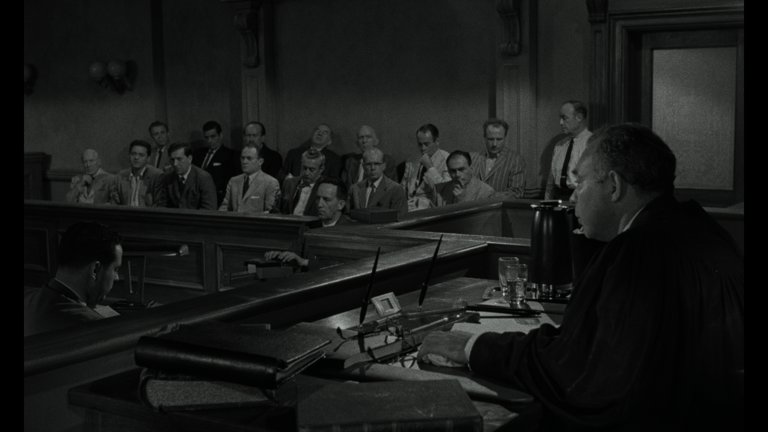
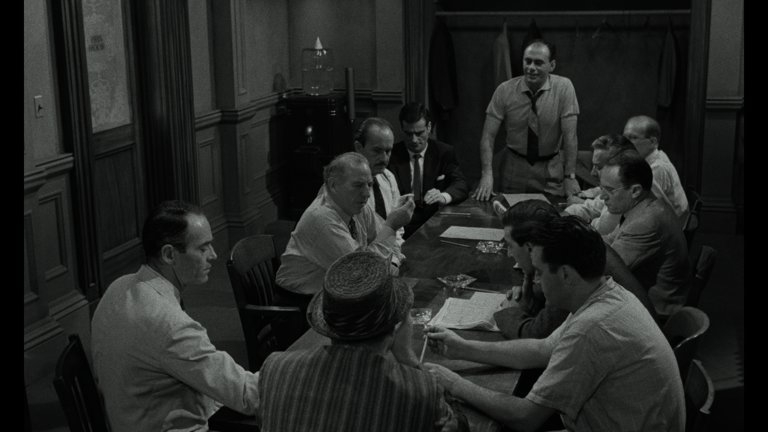
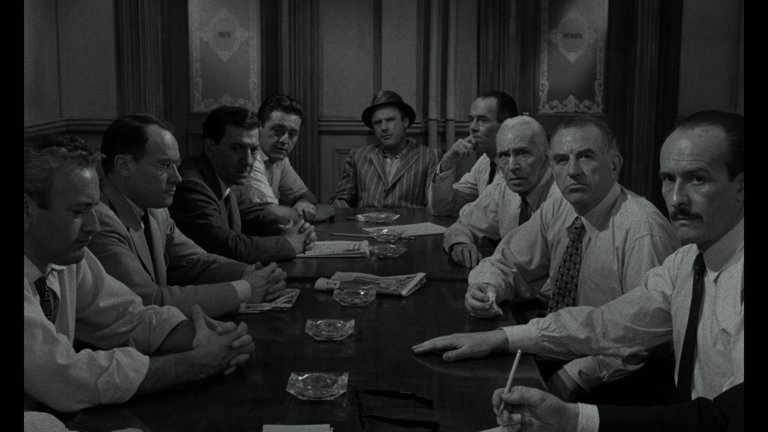
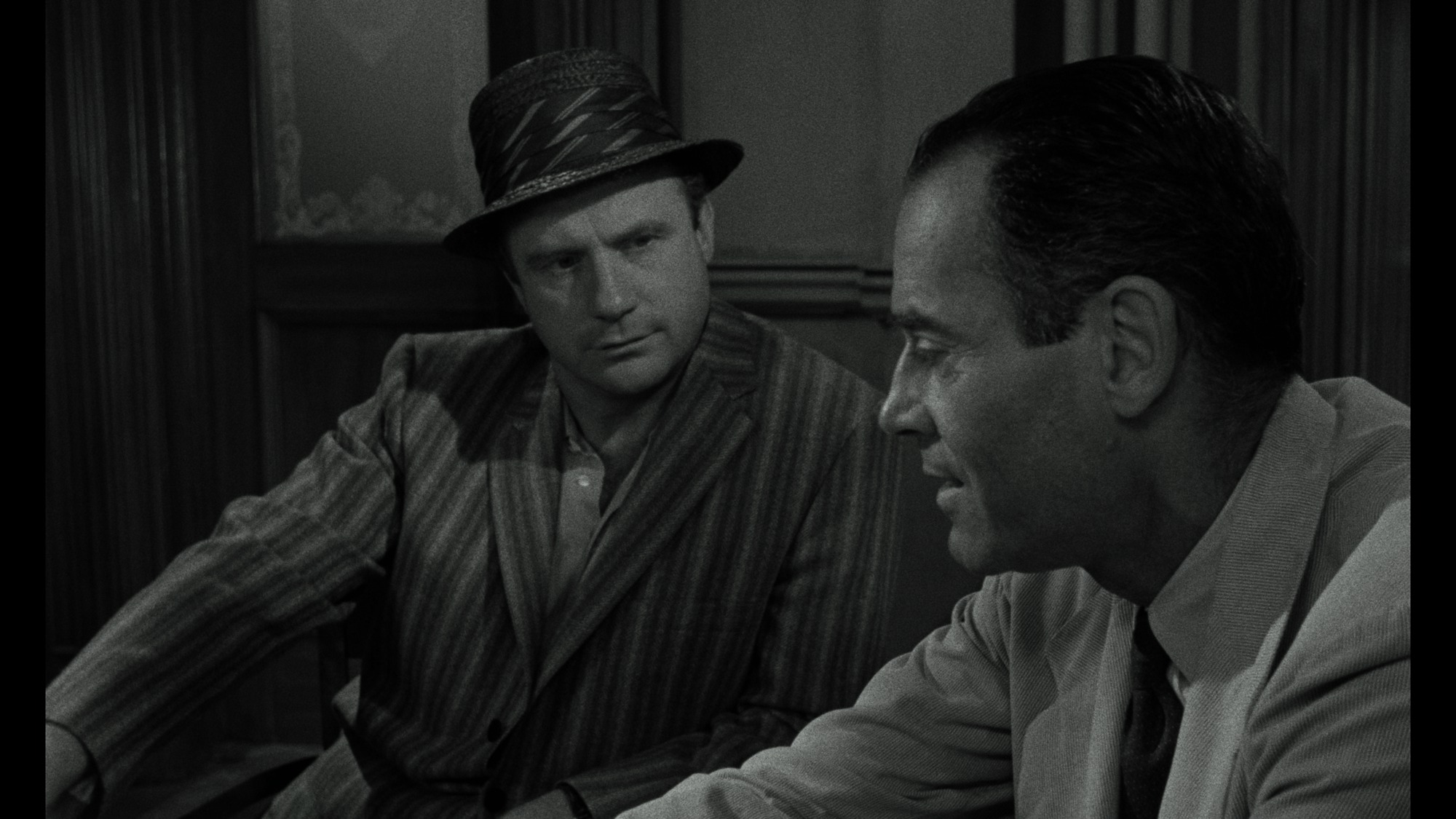
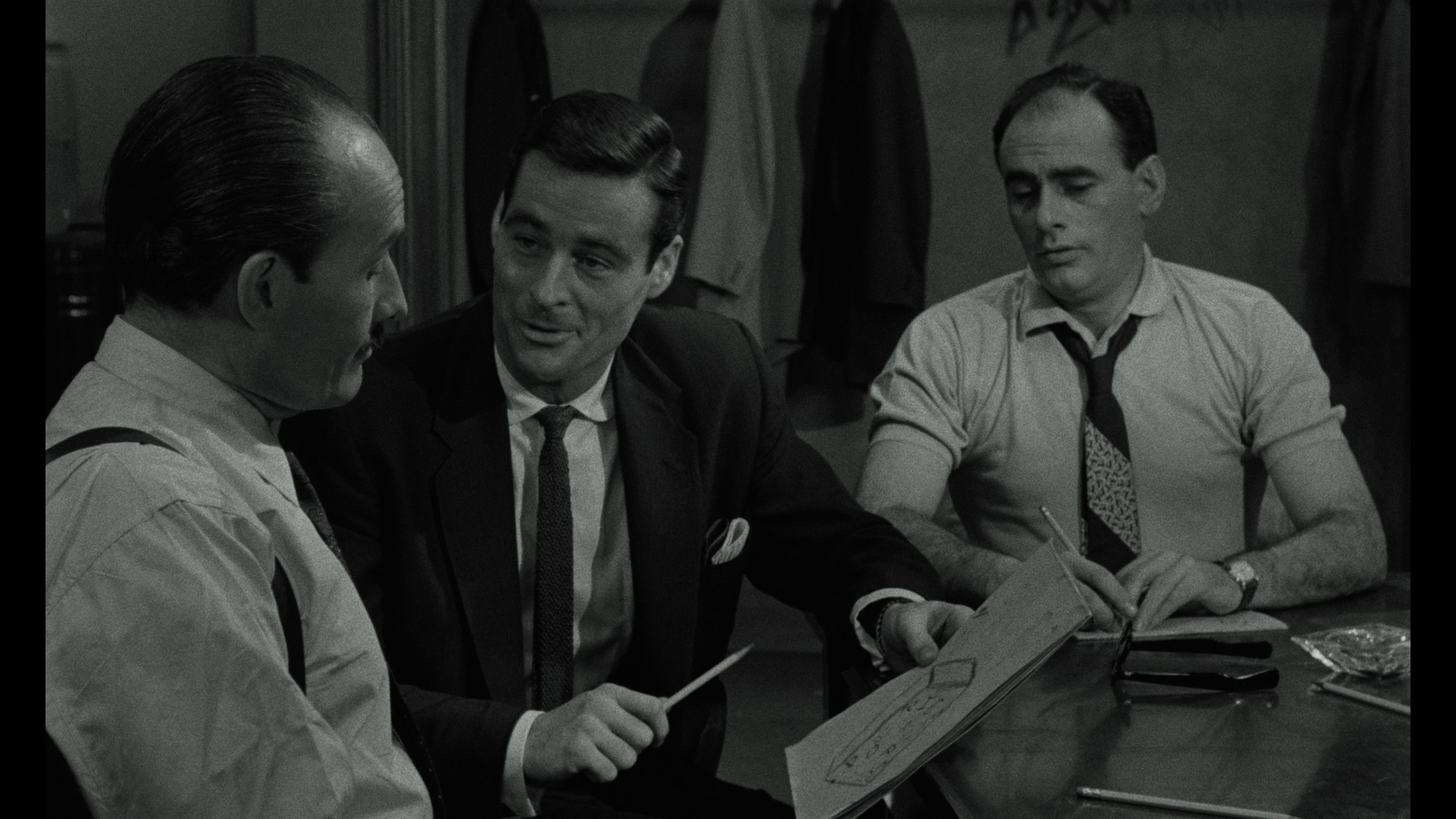
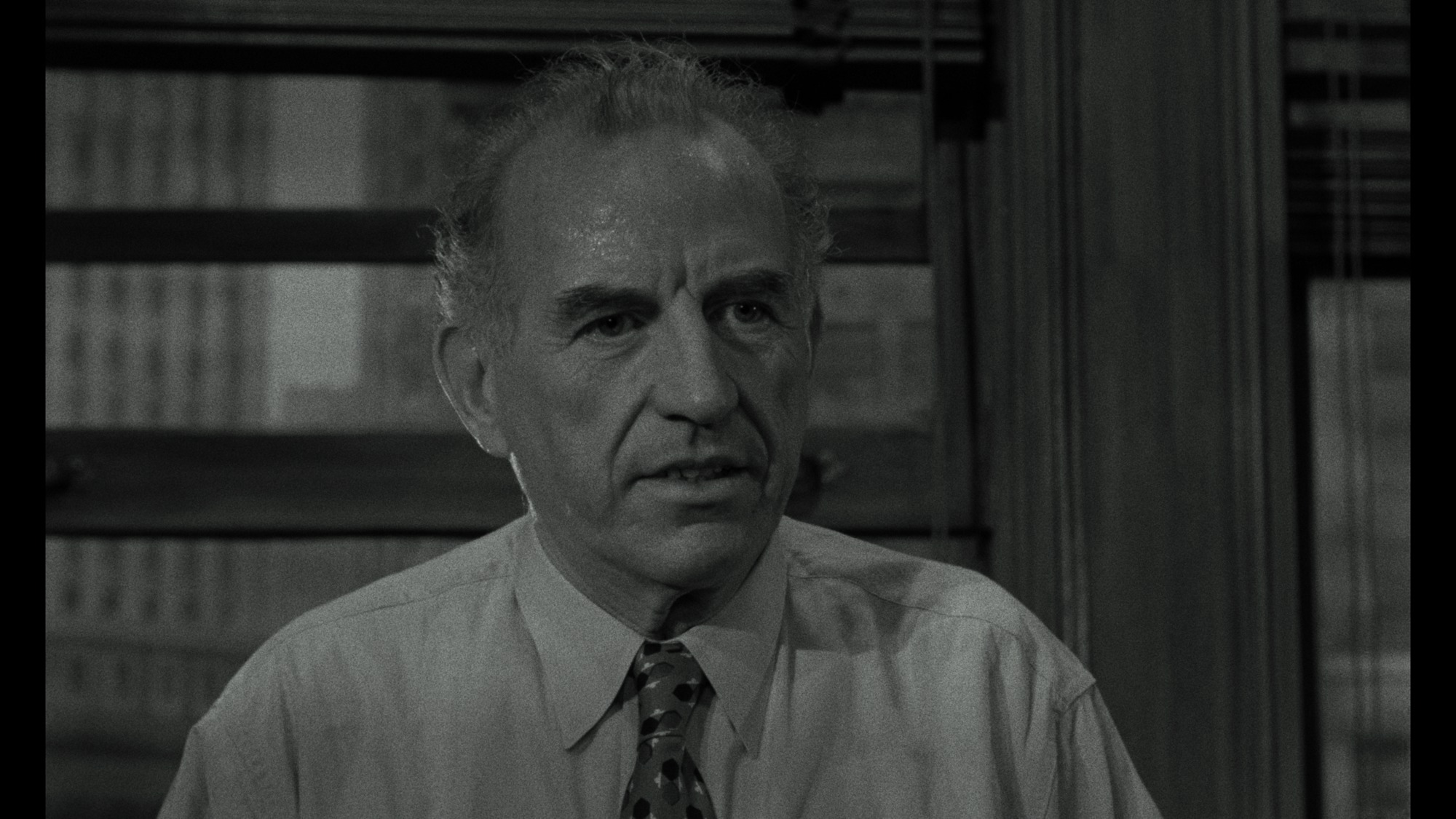
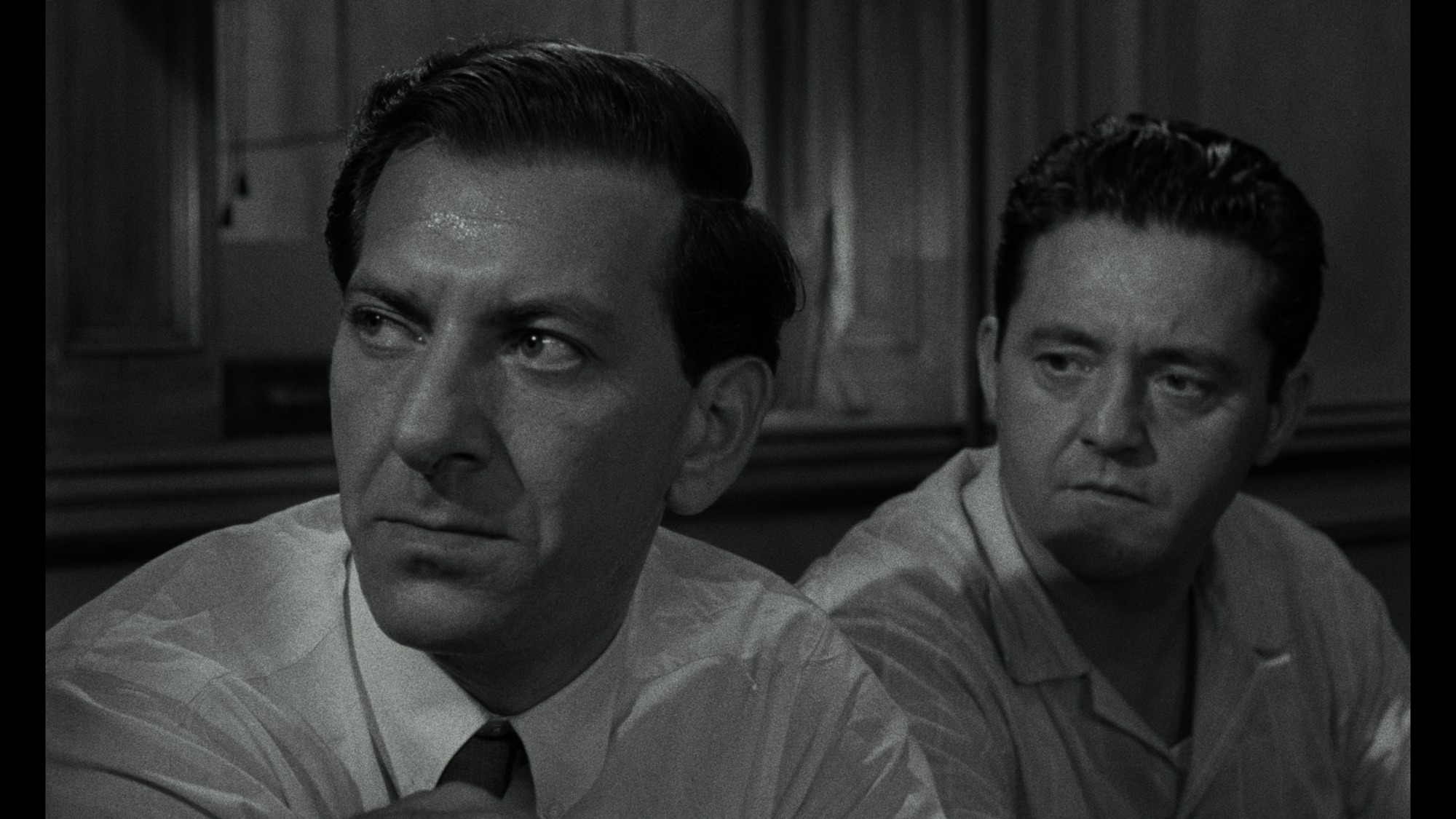
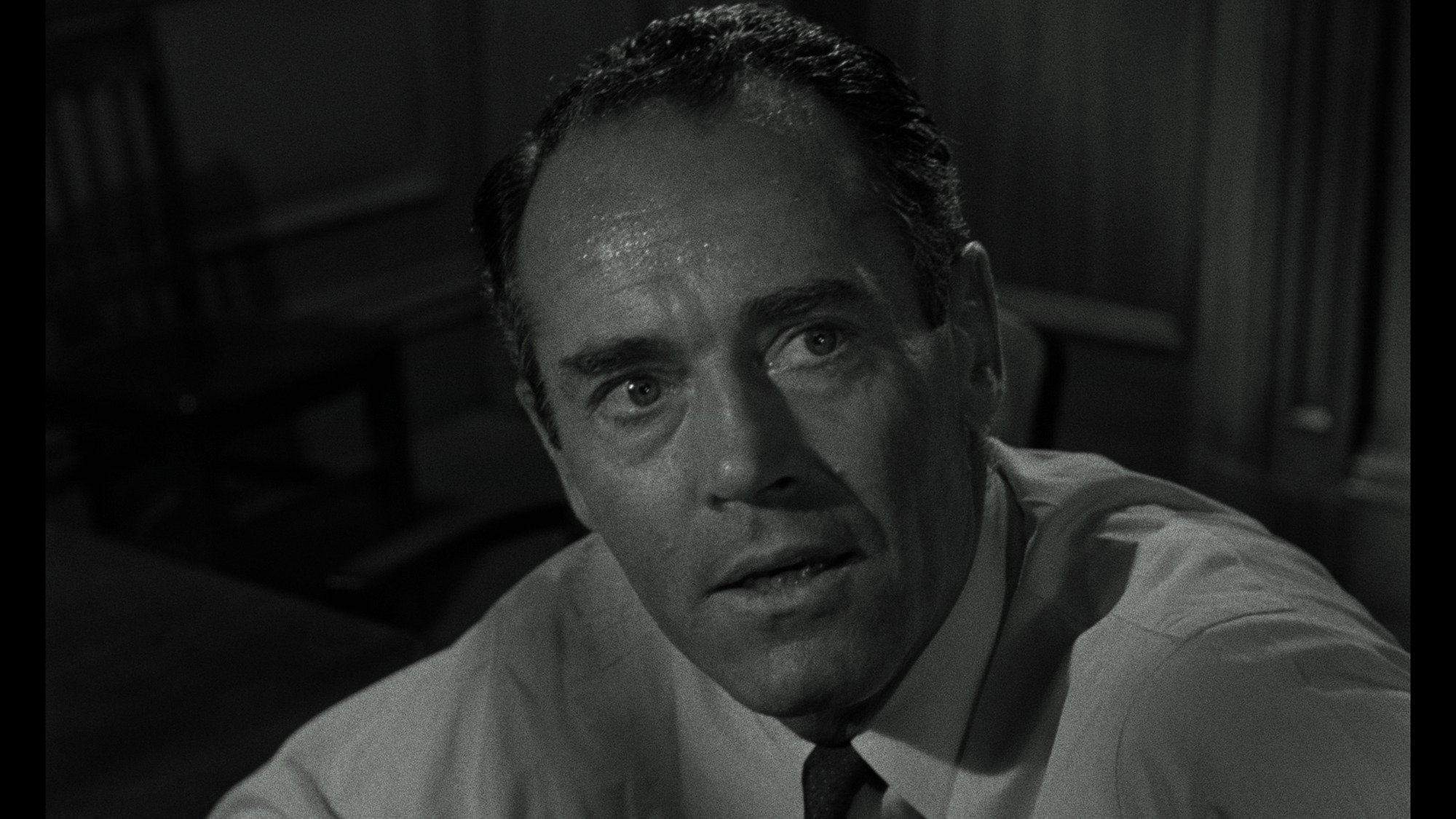
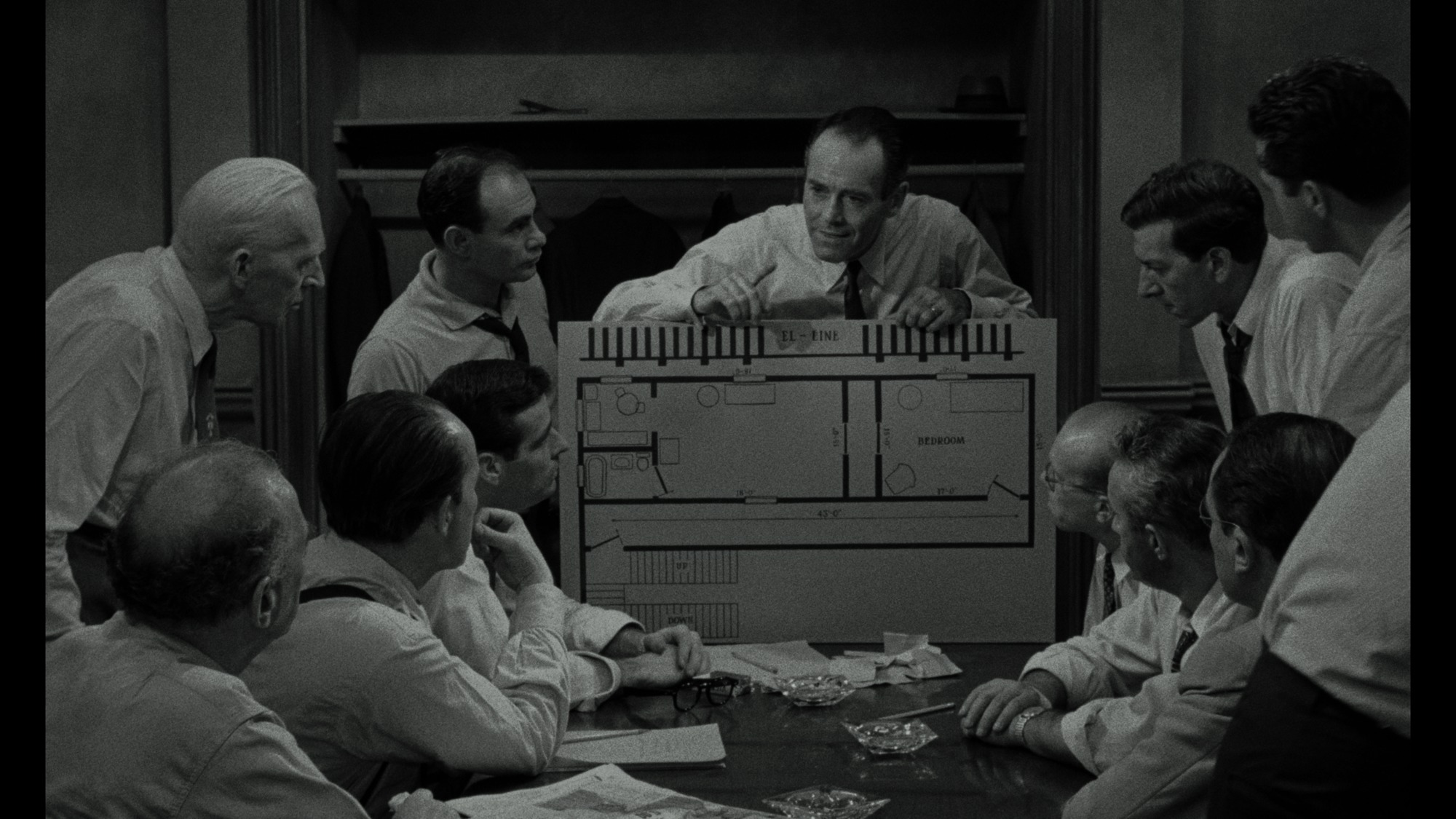
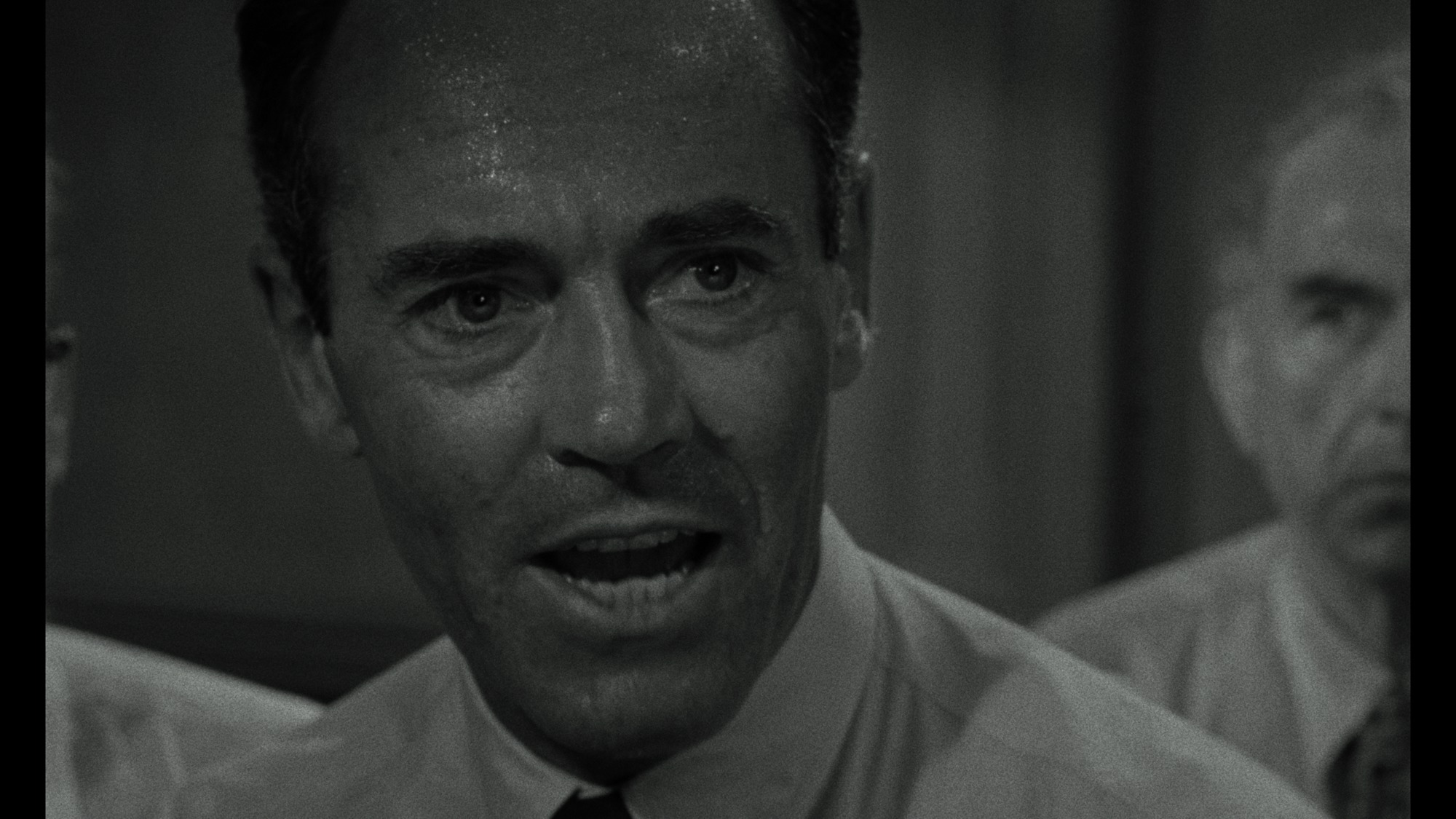
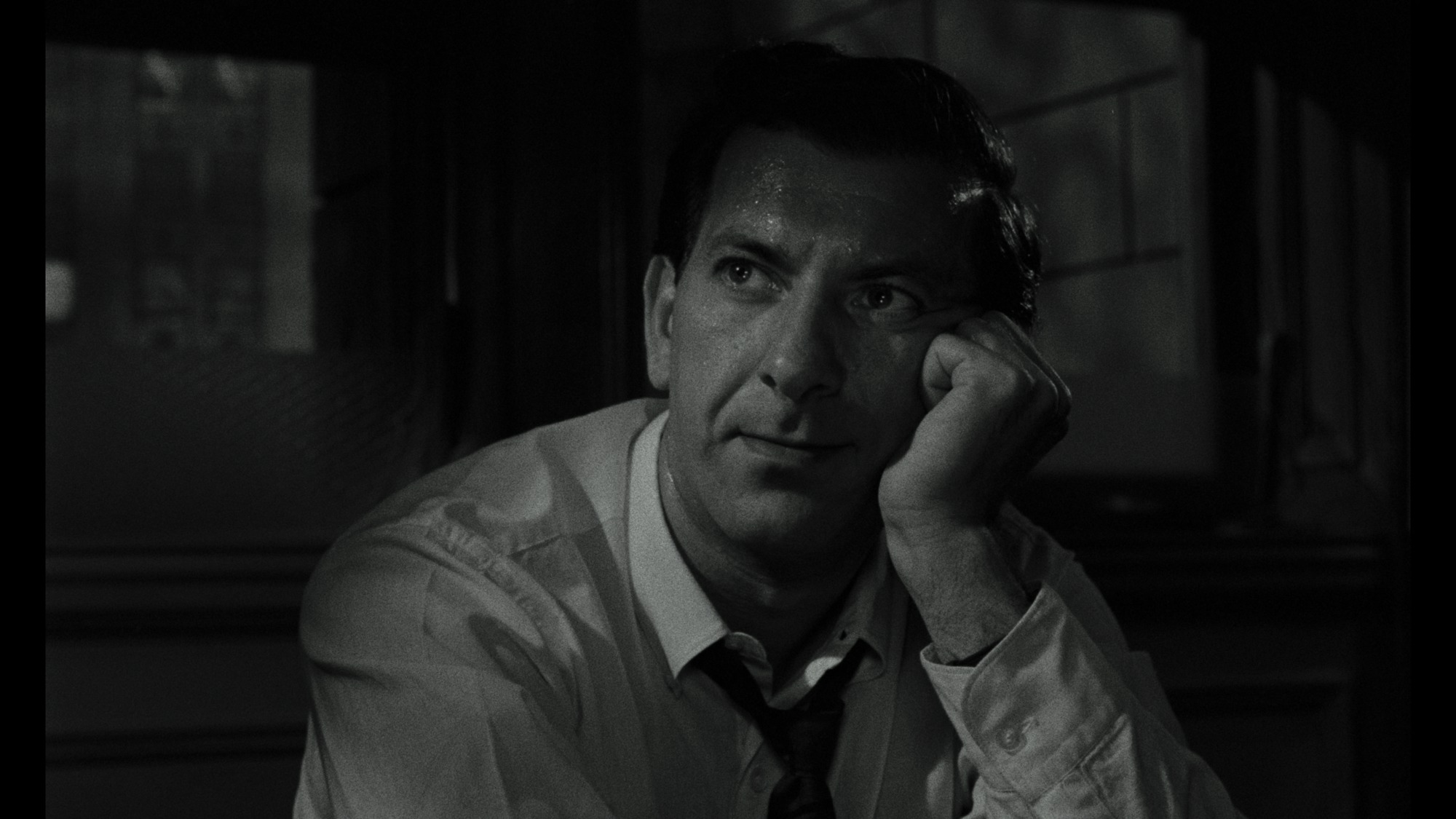
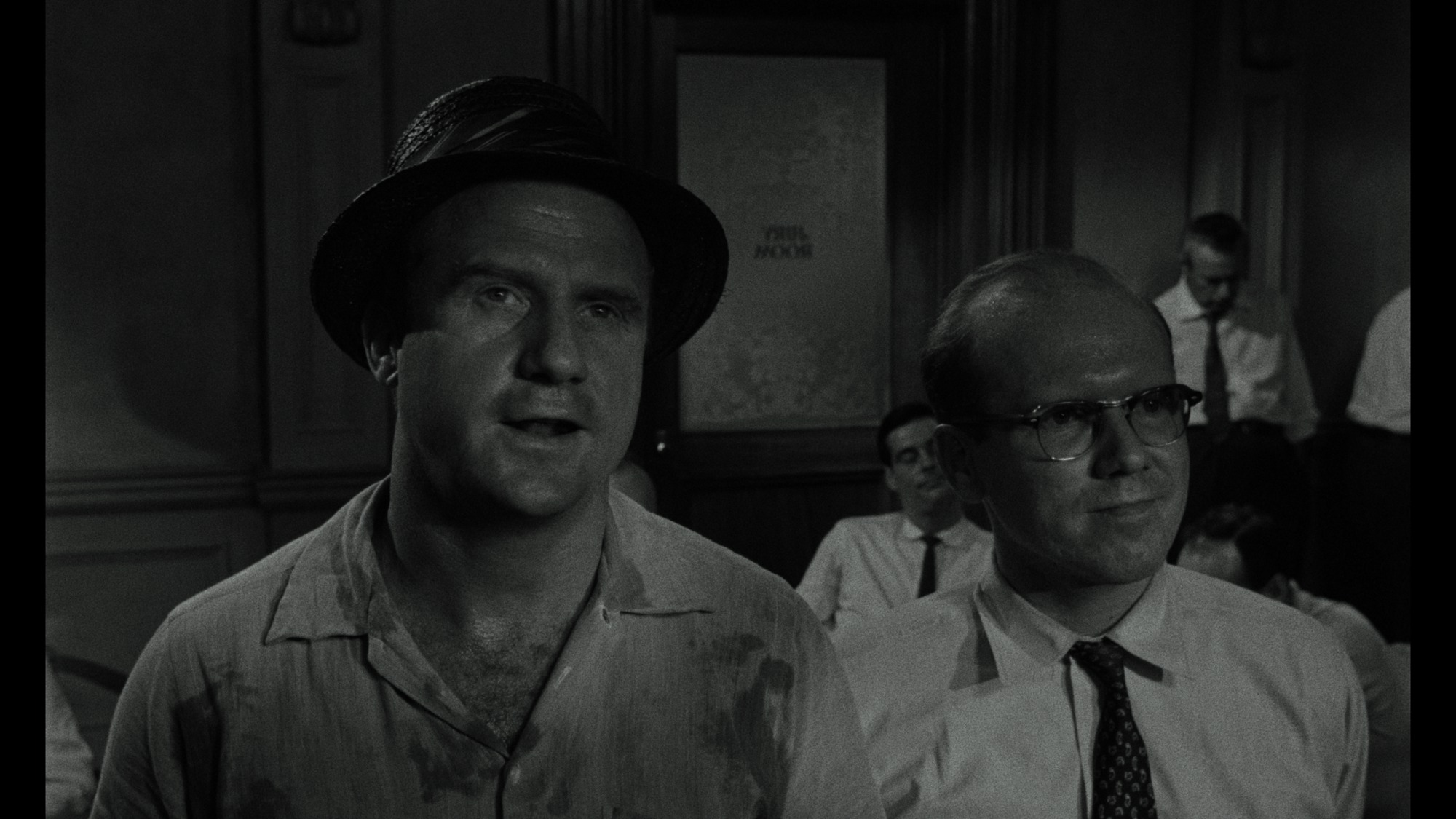
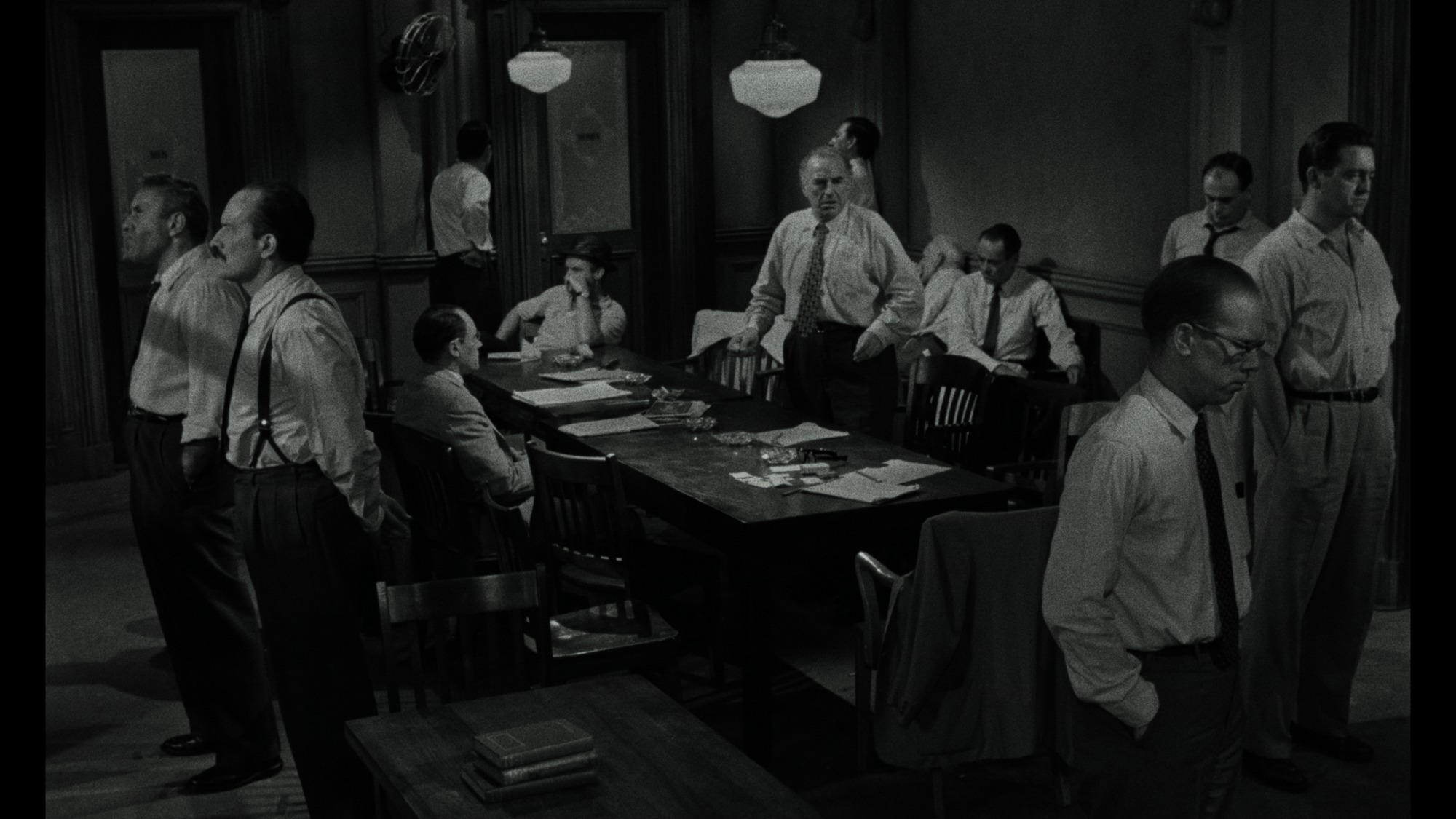
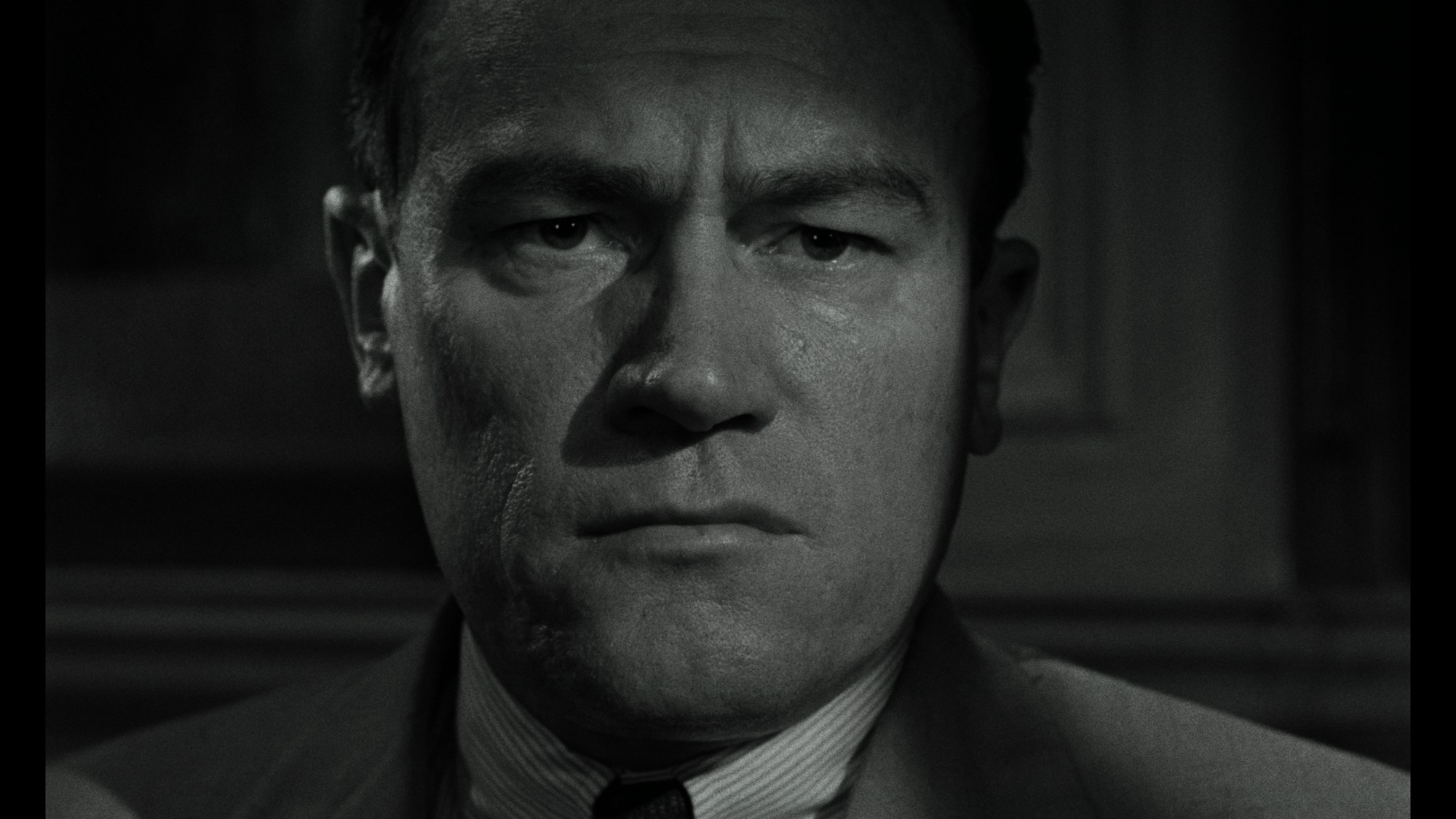
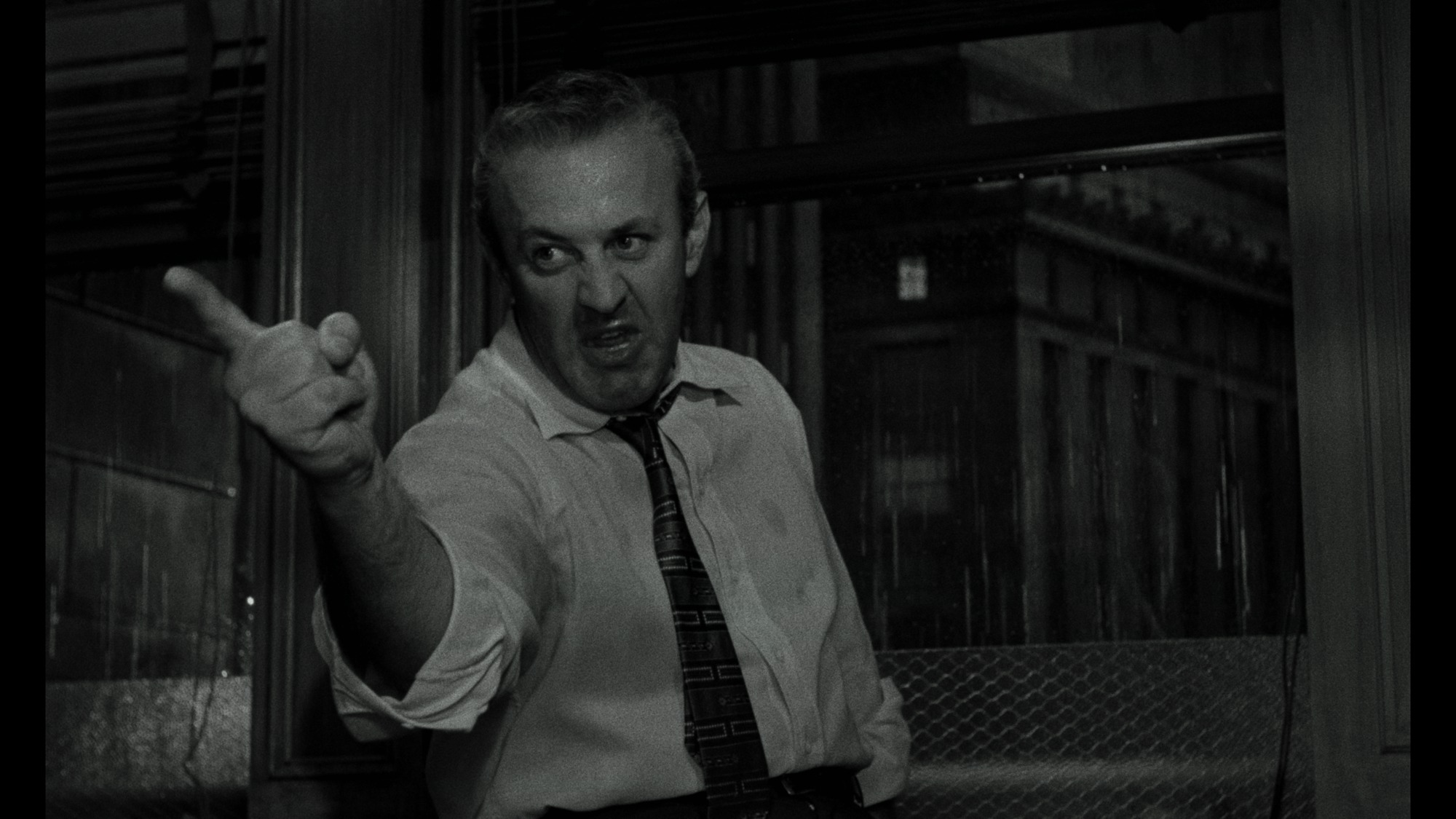
The other key difference comes down to the grading. Kino’s presentation can look a little brighter in some scenes, while Criterion’s can come off somewhat darker, delivering more range in the shadows, which look particularly rich during the film’s final stretch. The grayscale also feels a little wider on Criterion’s disc, with Dolby Vision lending a hand in both the darker areas and the highlights; the beads of sweat on foreheads look particularly good. I also felt this helped bring out some of the finer details and textures a little more, especially in close-ups, despite Kino’s presentation technically appearing a little sharper. In that regard, I can’t say I noticed much of a difference when viewing the film on a television, though comparisons between screen captures show Criterion’s image may have been filtered ever so slightly.
From there, the two presentations are comparable in most other aspects, with both delivering a significant improvement over Criterion’s previous Blu-ray, which featured a rather noisy image that has only managed to look worse over time. By comparison, this presentation (and Kino’s, for that matter) is far cleaner, rendering the fine grain in a much more natural manner. This also leads to stronger detail with an overall sharper image. The restoration work has been incredibly thorough as well, with no significant damage remaining.
In all, it’s a drastic improvement over Criterion’s previous Blu-ray and well worth the upgrade. Compared to Kino’s 4K presentation it’s probably a toss-up, with each offering its own benefits, but ultimately, I found the grading on Criterion’s disc a little more pleasing.
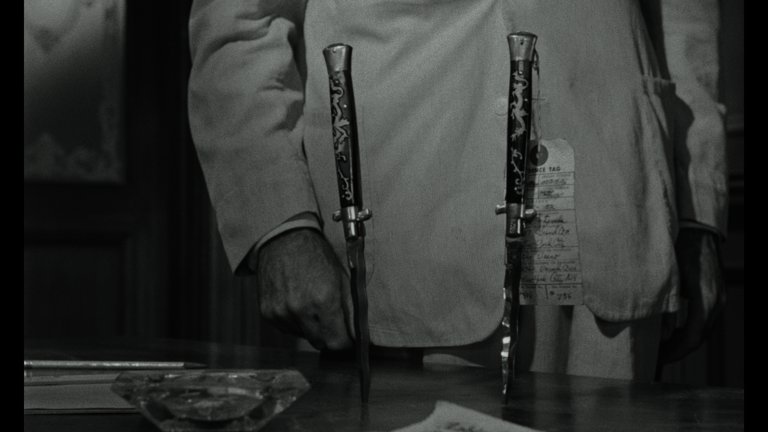
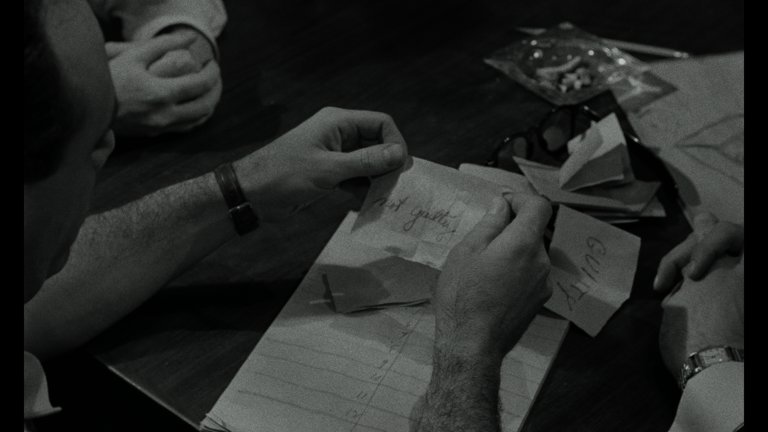
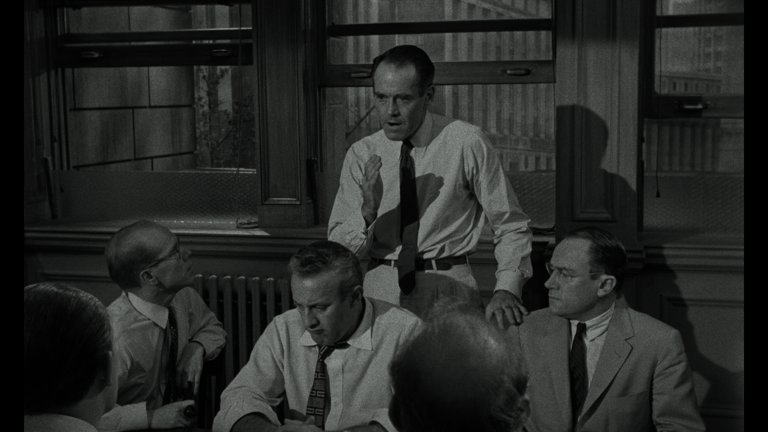
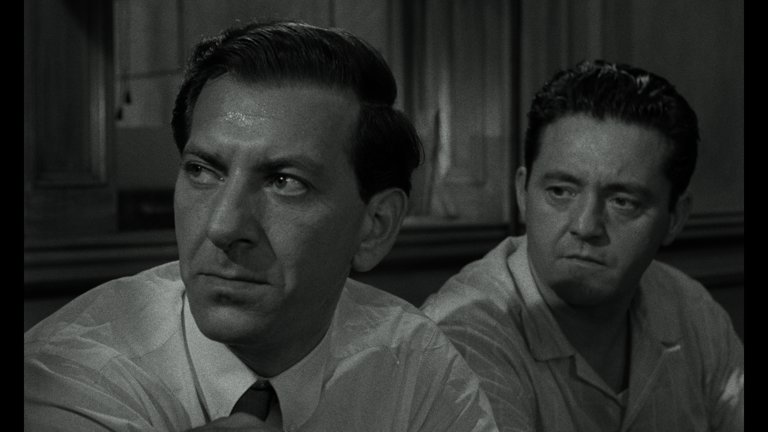
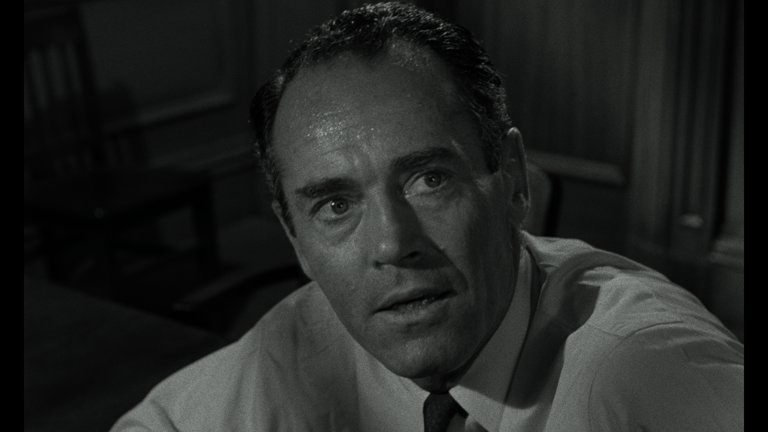
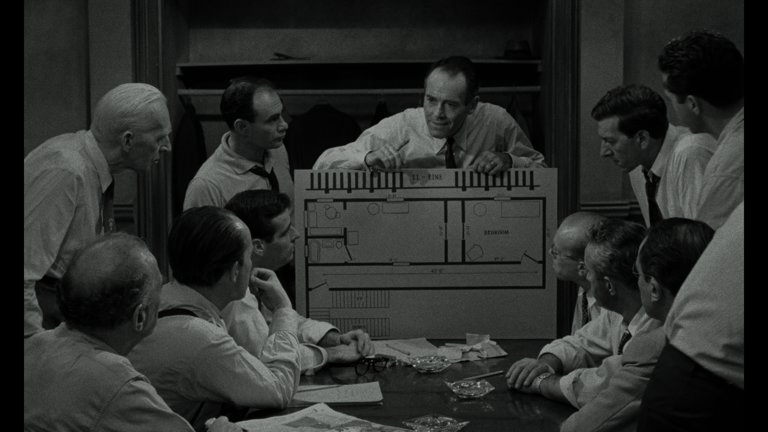
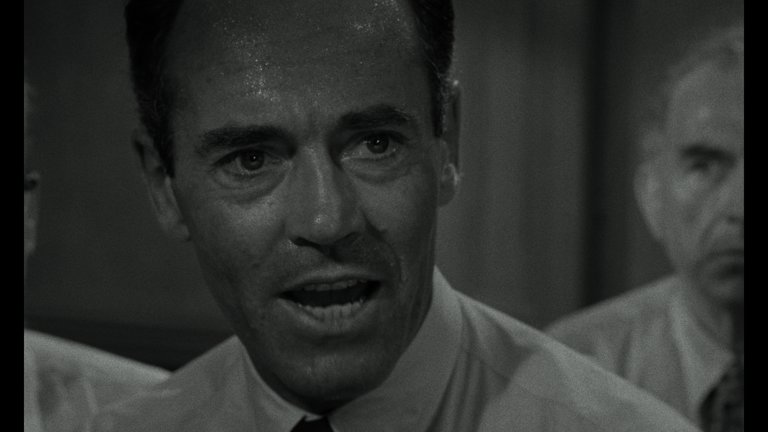
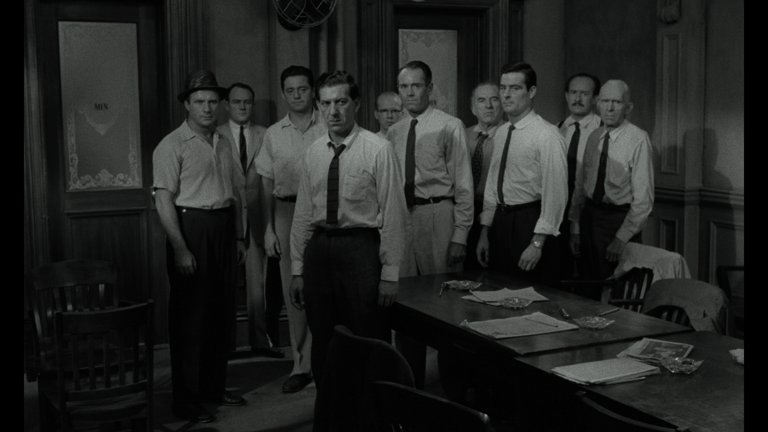
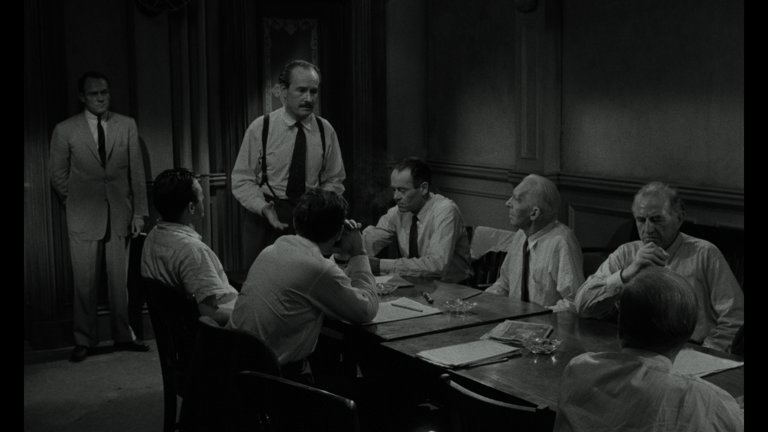
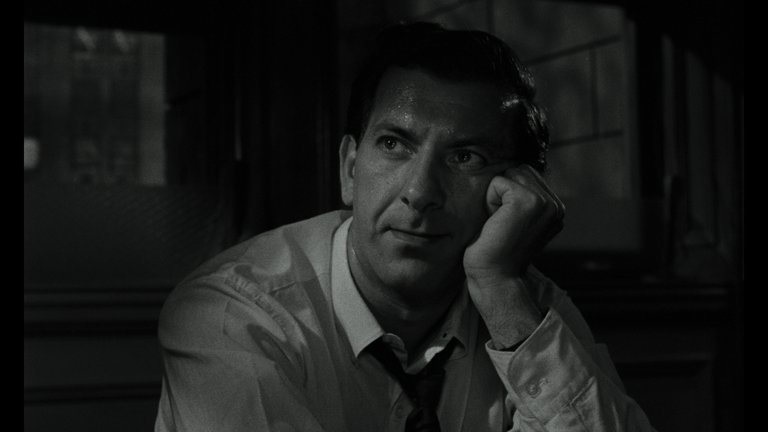
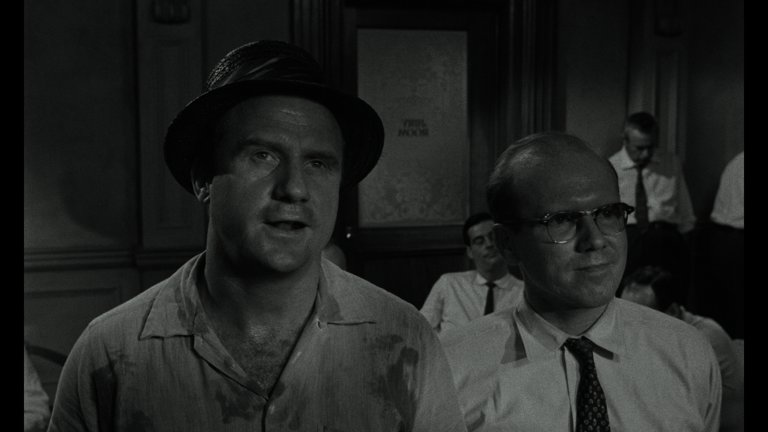
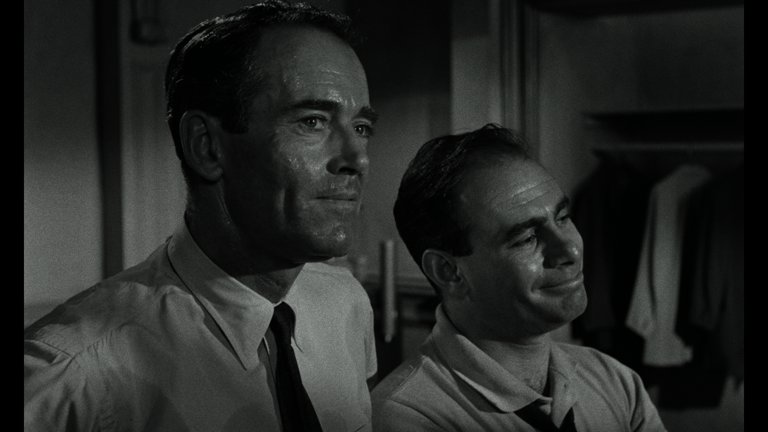
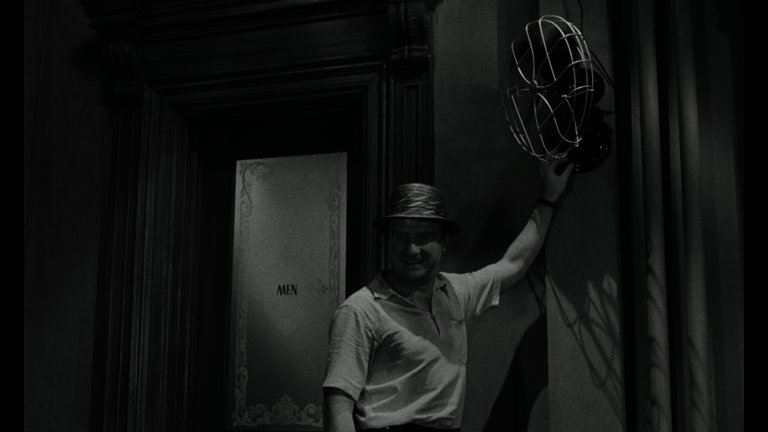
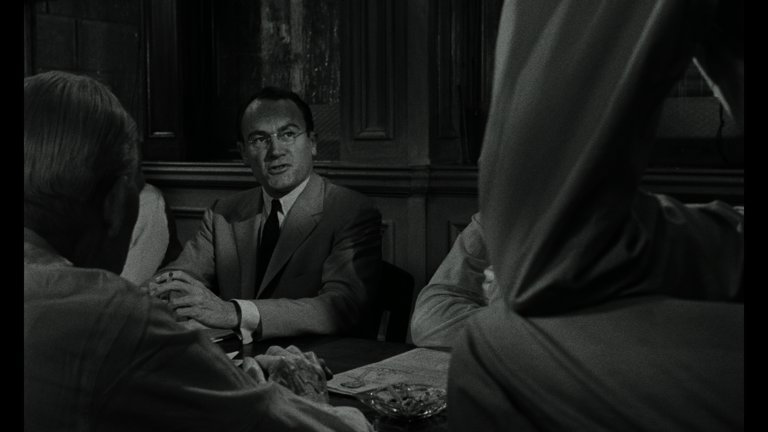
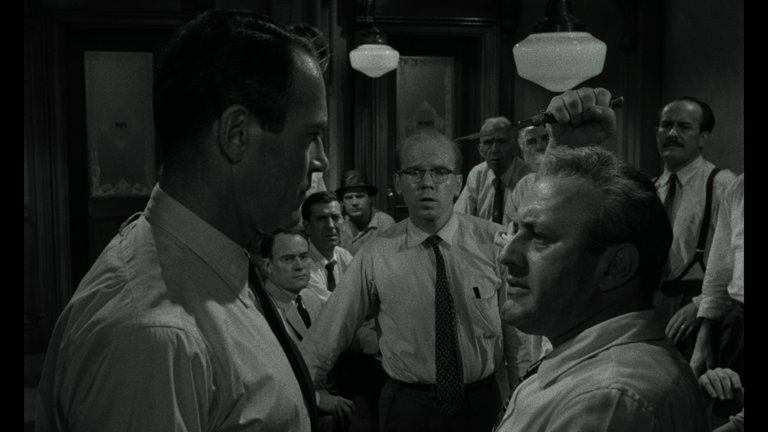
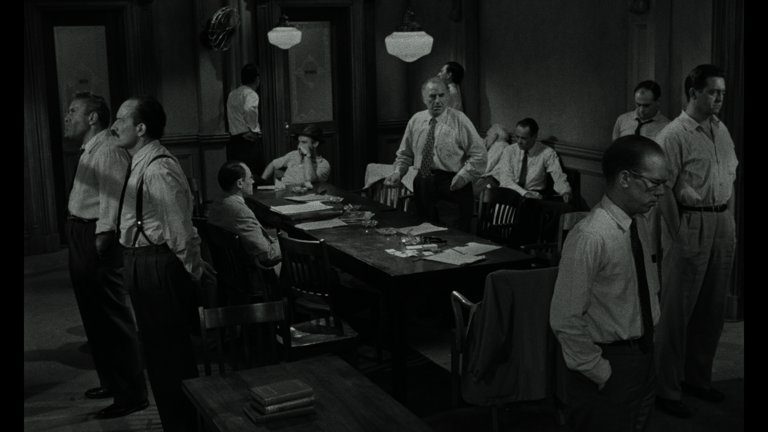
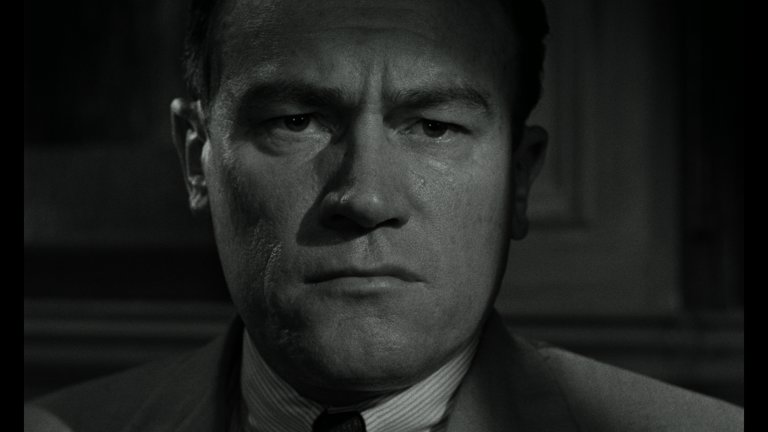
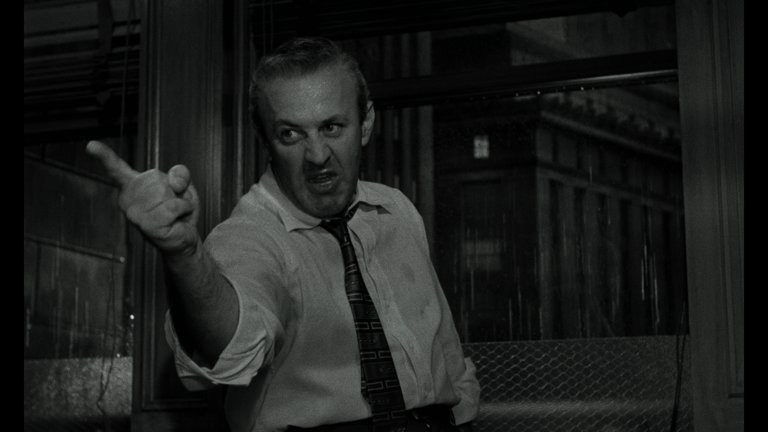
12 Angry Men - Screen Captures
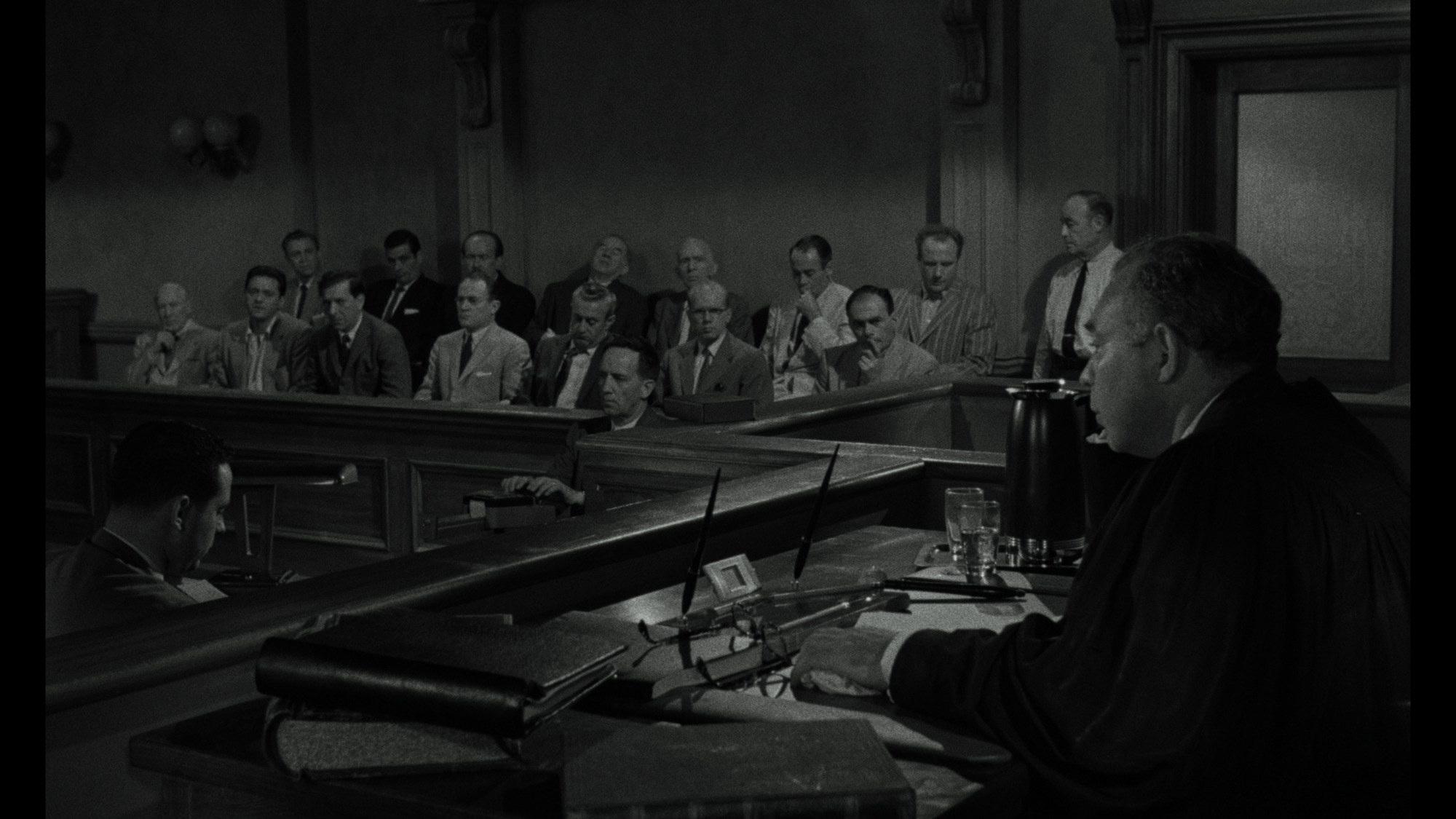
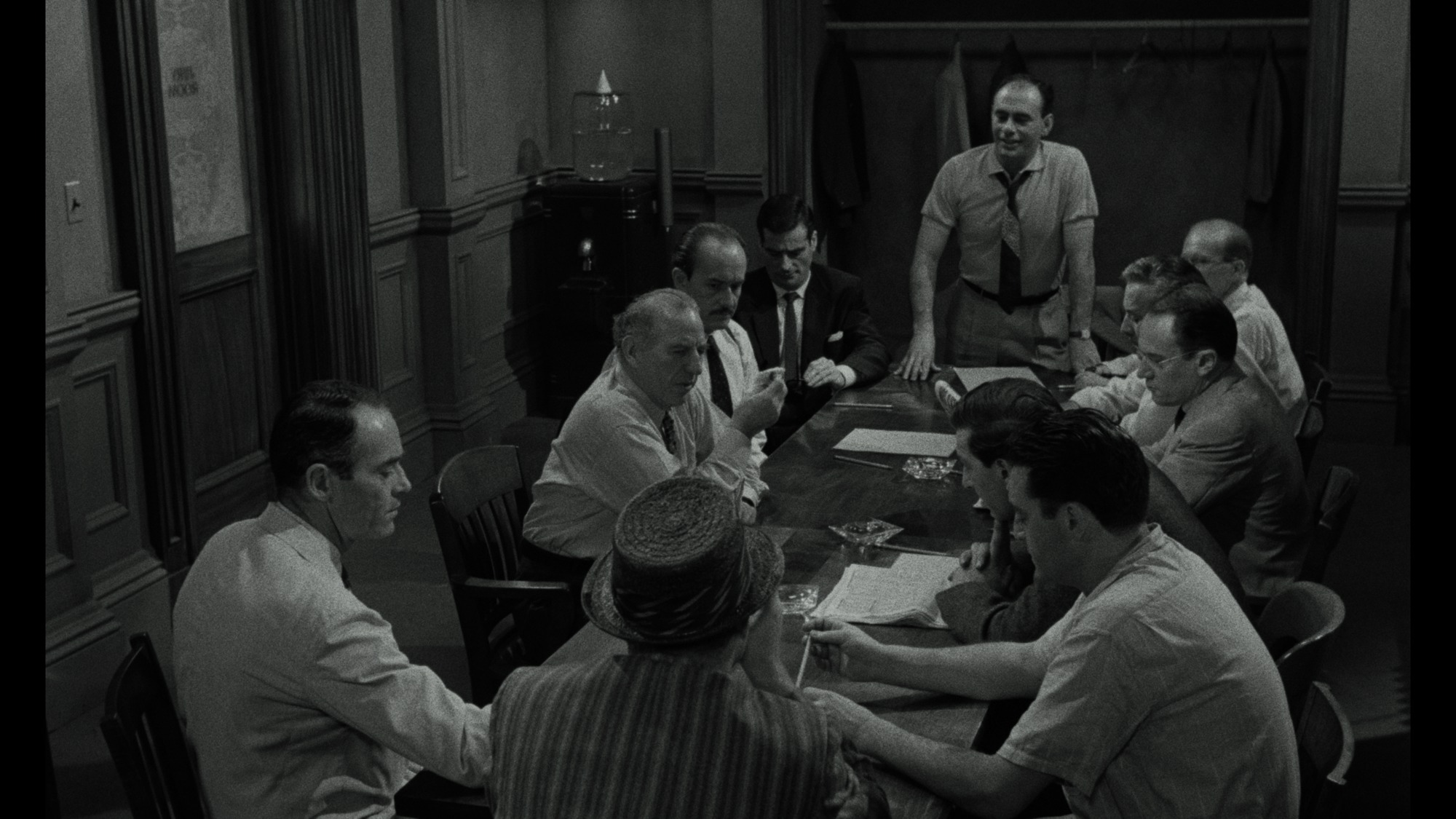
Audio 7/10
The audio, again presented in lossless single-channel monaural PCM, also sounds to have received a slight boost. Dialogue comes across a little sharper, as does what little music is present, while the range sounds somewhat wider. It also doesn't sound like any filtering has been applied, and the track is remarkably clean, without any noticeable distortion.
Extras 9/10
Criterion ports over all of the features from its previous edition, all of which can be found on the included Blu-ray, the exact same disc included with the 2011 release. This of course still means Criterion hasn’t included any of MGM’s earlier features, which Kino carried over for its edition, but they more than make up for their absence with their own exclusive material, all of which still holds up remarkably well 15 years later, taking a route of examining the history of the original story. My favorite may still be the 1954 television version of the film, which was directed by Franklin J. Schaffner for the television program Westinghouse Studio One. A live production, it aired on September 20, 1954, and runs about 50 minutes. Since the same Reginald Rose script served as the basis for both this production and Lumet’s film, the story and much of the dialogue are essentially the same. There are some minor differences, though, such as Juror #7 having tickets to the theater rather than a ball game, the only thing that probably threw me off the first time I watched this. Well, I guess that's not true since the jurors are also seated differently than they are in the film version, which still proves to be a surprise. Since Lumet's film is longer, it also features sequences not here.
Further benefiting from the longer running time, Lumet’s version offers more individual character development, while this one focuses primarily on the group as a whole, likely a limitation of the live television format. The two also differ in their endings, with the conclusion here being left a little more open than the more definitive one found in Lumet’s film. It’s a solid presentation of the story, and I was impressed by the almost effortless look of the camerawork and staging, which would have been incredibly complicated to pull off within the live television format. The performances are also excellent, with the cast featuring Robert Cummings as Juror #8, alongside Franchot Tone, Walter Abel, and Norman Fell. And yes, that’s both Joseph Sweeney and George Voskovec (sans moustache) playing the same roles they would take on in Lumet’s film, Jurors #9 and #11, respectively.
Since the program was recorded using the kinescope process, which involved pointing a film camera at a television screen to capture the live broadcast, the surviving materials are rough to say the least, and the image presents obvious warping and flickering. The audio also drops out on occasion and can be difficult to hear even when it is present. That said, I still love that this is here and that Criterion bothered to dig it up
Criterion accompanies the program with an introduction by Ron Simon, curator at the Paley Center for Media. Presented in black and white the 14-minute segment features Simon discussing Studio One and the era’s live television dramas. He also talks specifically about Reginald Rose and his script for Twelve Angry Men, including its examination of groupthink, a subject that clearly fascinated Rose since it comes up in another feature covering the writer that is included on this disc. Simon then closes by discussing the cast and Schaffner’s television work.
12 Angry Men: From TV to the Big Screen is a 25-minute interview with film scholar Vance Kepley, who explains how Rose came up with the idea for the story and script after serving on a jury before explaining how Schaffner eventually came aboard to direct the television production. From there, he discusses Henry Fonda’s involvement in getting a film version made, an idea that appealed to some following the success of Marty, which had also originated as a television production. Kepley compares the original television version with Lumet’s adaptation before finishing the segment off with the film’s disappointing theatrical run, which came as a particular blow to United Artists after the studio initially thought it had a hit on its hands. This last bit proves especially fascinating in hindsight, as the film (currently) ranks at #6 on IMDb and is still fairly popular with younger generations (though I'm basing that off of what I see on social media). As to the piece itself, it is again primarily a talking-head segment, but Kepley keeps things interesting as he traces the project’s journey from Rose’s original script to the eventual film, also touching on some of the other versions that have appeared over the years.
Criterion then includes a compilation of interview footage featuring Sidney Lumet, who passed away in early 2011, before they finished working on their Blu-ray edition for the film. The material comes from various sources recorded through the years, including footage shot by Criterion for other titles (I assume, in one case, what ended up on their release of The Fugitive Kind), and I still like how it has been edited together. Lumet covers the history of his career, from acting in Yiddish theater to more or less accidentally becoming a television director. He shares some fascinating anecdotes while explaining how directing for television was the best thing that could have ever happened to him, as the nature of filming live broadcasts taught him how to stay organized and made directing films seem incredibly easy by comparison.
This portion proves to be the most fascinating one of an already engaging montage, as Lumet gets into the nitty-gritty of directing live television, a subject that was still shockingly skimmed over in Criterion’s own Golden Age of Television DVD set released back in 2009. Throw in his comments about 12 Angry Men and his filmmaking career as a whole, and the result is a well-assembled, thoroughly engaging "interview."
Accompanying that last feature is a 9-minute interview with his friend and collaborator Walter Bernstein, who discusses their work together. Bernstein was blacklisted, and Lumet was able to find him work under a pseudonym, an incredibly complicated process that, as Bernstein explains, required employing fronts to pose as the actual writer. He also discusses Lumet, his admiration for the man, the work they did together in television, and, for good measure, he recounts how his blacklisting came about. It’s another decent addition and offers further insight into Lumet’s early television career.
On Reginald Rose begins with another interview featuring Ron Simon, who spends 15 minutes discussing Rose’s career and comparing him with other television writers, including Rod Serling and Paddy Chayefsky before examining the themes Rose frequently explored, particularly around prejudice and the dangers of groupthink. This then leads to Simon covering several of Rose's scripts, including Thunder on Sycamore Street, which had to undergo a major change to satisfy advertisers, a common problem during the era of live television. Simon then discusses Rose’s television series The Defenders and the television drama Tragedy in a Temporary Town, which Criterion has also included here.
Running 55 minutes, this drama was directed by Lumet and stars Lloyd Bridges and Jack Warden. It follows a group of construction workers who believe a young Hispanic boy has assaulted a young girl, with a man played by Bridges becoming outraged by the group’s rush to judgment and how quickly everyone falls in line behind the stronger personality played by Warden. I'm still really thrilled Criterion dug this up, and it of course has echoes of 12 Angry Men.
In all, this whole section does a terrific job of examining Rose’s work while also offering another fascinating look at Lumet’s television career.
On Boris Kaufman is a 40-minute interview with cinematographer John Bailey, who speaks at length about Kaufman’s career, beginning with his early years in Russia (with Man with a Movie Camera naturally coming up) and continuing through his collaborations with Jean Vigo on three of the director’s four films. Bailey then discusses Kaufman’s move to Canada and eventually the United States, where he worked with filmmakers including Elia Kazan and (obviously) Sidney Lumet. This segment ultimately focuses on 12 Angry Men, but Kaufman does end up breaking down some of the film's more impressive shots and sequences. It’s a rather thorough and thoughtful examination overall, and a bit livelier than I was expecting.
The disc concludes with the film’s original theatrical trailer, while the release again includes a booklet featuring the same lengthy essay by Thane Rosenbaum found in the Blu-ray release covering the film, its story, Rose, and Lumet.
Again, Criterion’s edition drops the MGM features that Kino carried over for its release. Kino also included a new commentary by Gary Gerani alongside William Friedkin’s 1997 remake. I haven’t listened to Gerani’s commentary yet, but the other features are good, and I think Friedkin’s take is rather strong. It's a shame Criterion couldn't get that or any of the other material, but I’m still very happy with what Criterion has assembled here, with its edition ultimately feeling like the more rounded one, especially around Rose, the story, and Lumet's TV work.
Closing
Still a solid special edition with an engaging collection of features exploring the history of the original story and both Reginald Rose's and Sidney Lumet's television work. And though there are no new features to speak of, the new 4K presentation delivers a large improvement over Criterion's previous noisy Blu-ray edition, and even betters Kino's 4K in one, or even two, areas.
BUY AT: