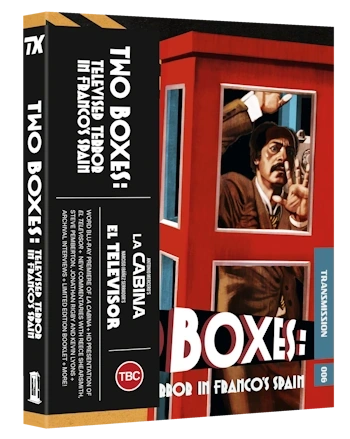
Two Boxes: Televised Terror in Franco's Spain
BUY AT:

See more details, packaging, or compare
Synopsis
Spain in the early 1970s was a country in transition, with increasing economic prosperity and the expectations of a growing middle class in direct conflict with the dying Francoist regime, where state surveillance, media censorship and social control was still the norm. Inspired by mystery-horror anthology series such as Alfred Hitchcock Presents and The Twilight Zone, this unique period in history is depicted with terrifying clarity and dark humour in these two infamous television films: La cabina and El televisor.
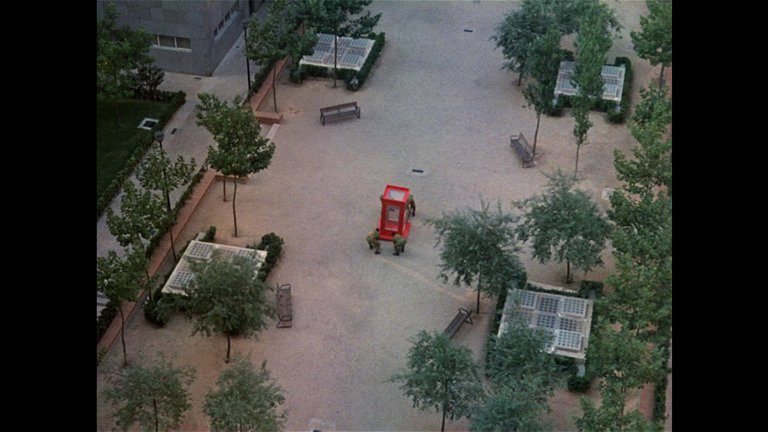
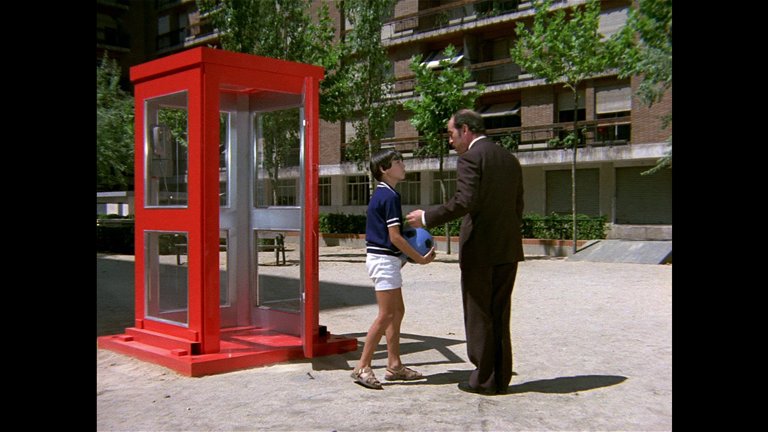
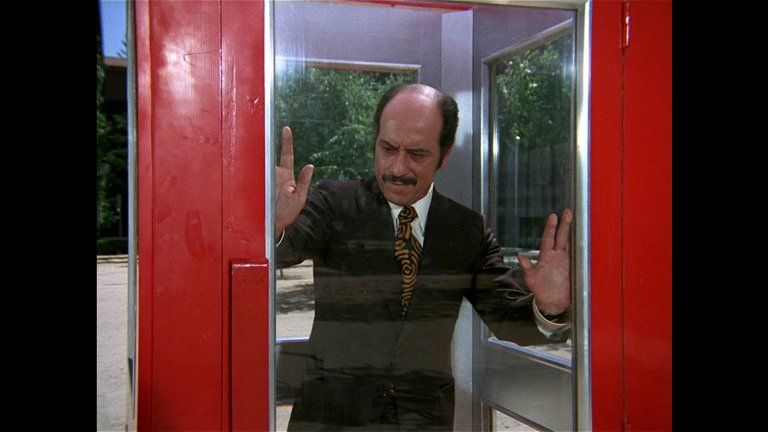
In Antonio Mercero’s La cabina, a group of officials install a telephone box outside a block of flats. After a man enters to make a phone call, he finds himself unable to leave, attracting the attention of fascinated locals as he grows increasingly desperate to escape. A sensation upon release, La cabina also developed a huge cult following in the UK after regularly screening on late-night TV.
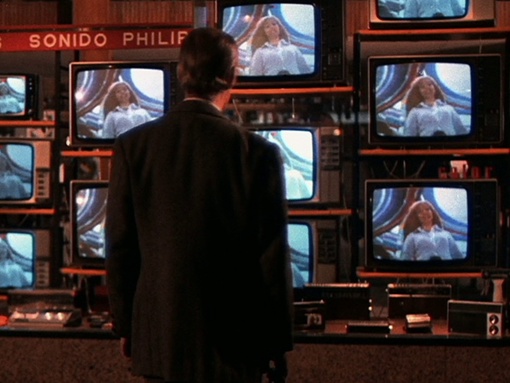
In Narcisco Ibáñez Serrandor’s El televisor, a man living a dreary suburban life has a simple dream: to possess his own television. When he finally gets his wish, the dream soon becomes a dangerous, all-consuming obsession. Originally a special episode of Serrandor’s hugely popular series Tales to Keep You Awake, El televisor’s escalating dread and shocking conclusion still retains its power to shock over 50 years later.
Picture 6/10
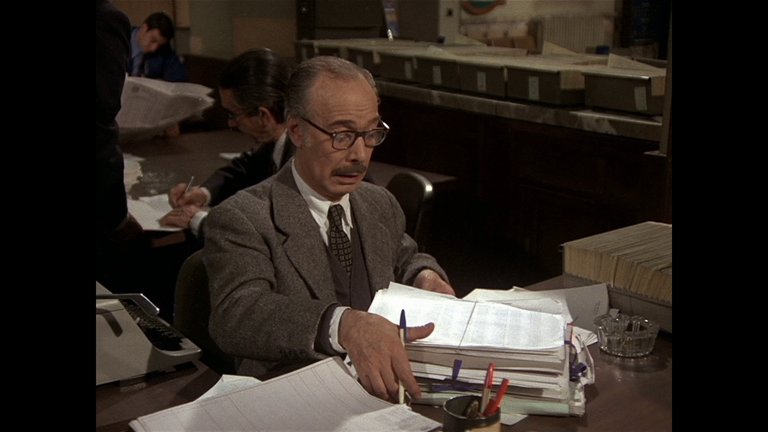
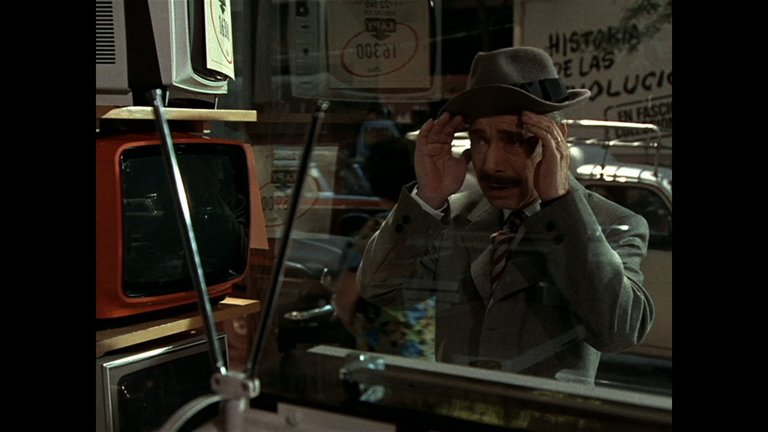
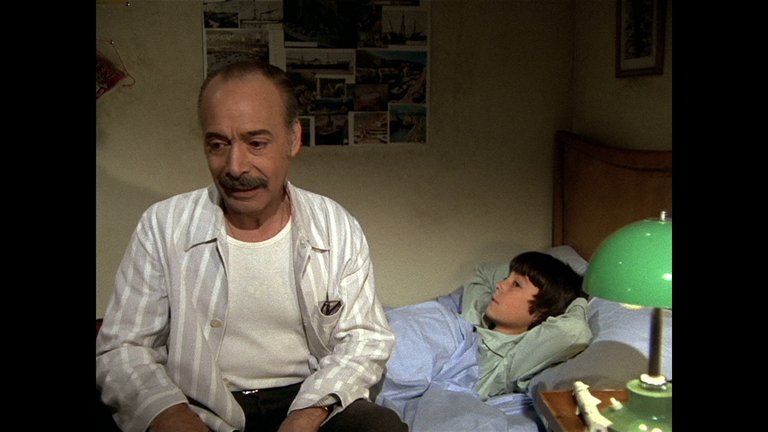
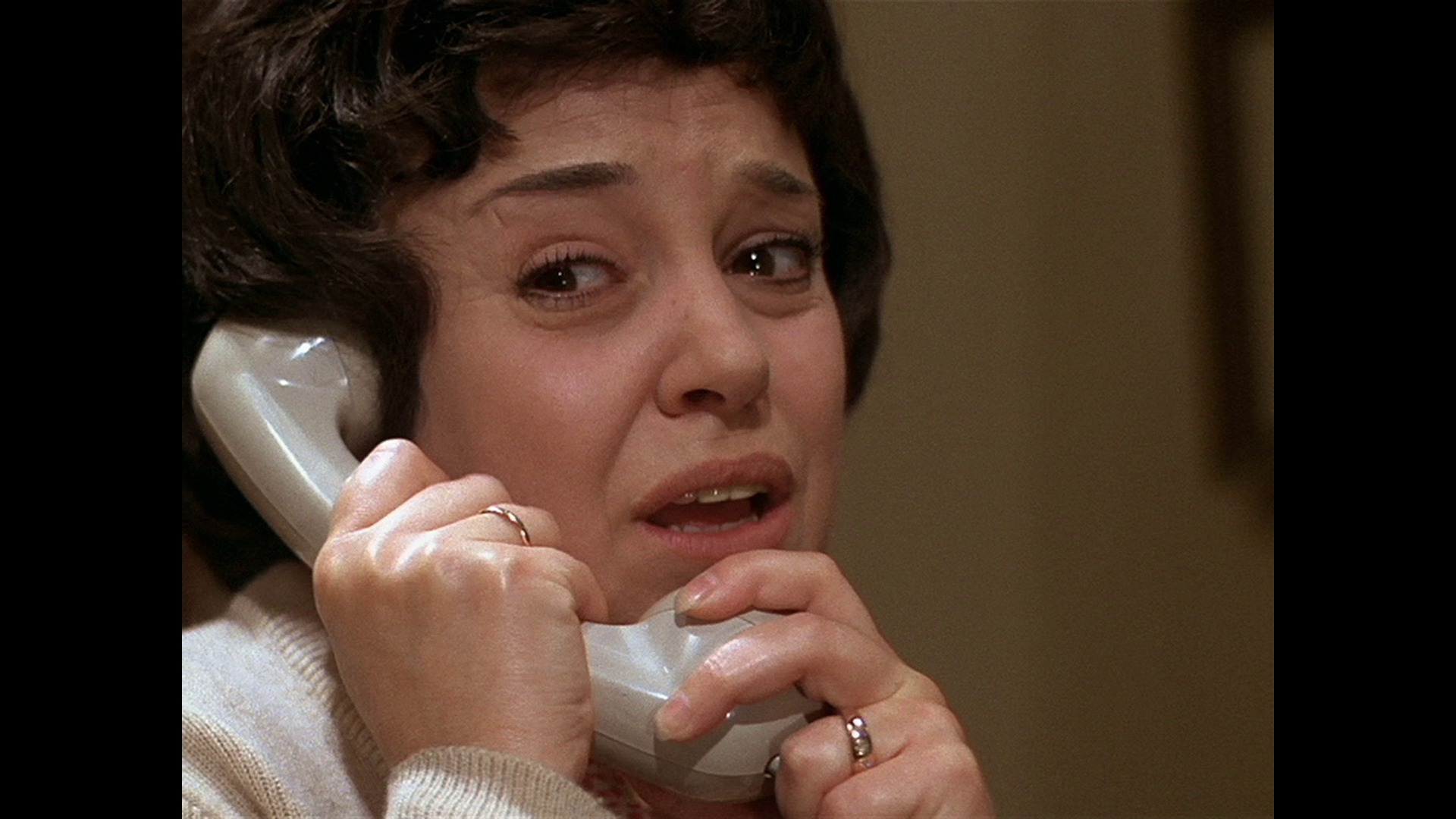
Through their Transmission line, Radiance presents Two Boxes: Televised Terror in Franco’s Spain, a rather fun little set offering two television programs that originally aired in Spain in the ’70s: Antonio Mercero’s La cabina and Narciso Ibáñez Serrador’s El televisor. Both programs share the same dual-layer disc and are presented in the television aspect ratio of approximately 1.33:1. Both have also been given 1080p/24Hz high-definition encodes, with the disc itself being region free, despite being exclusively a UK release.
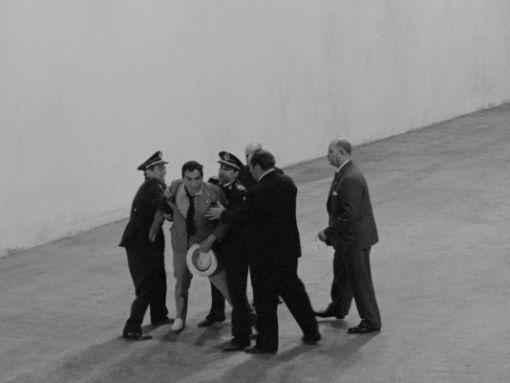
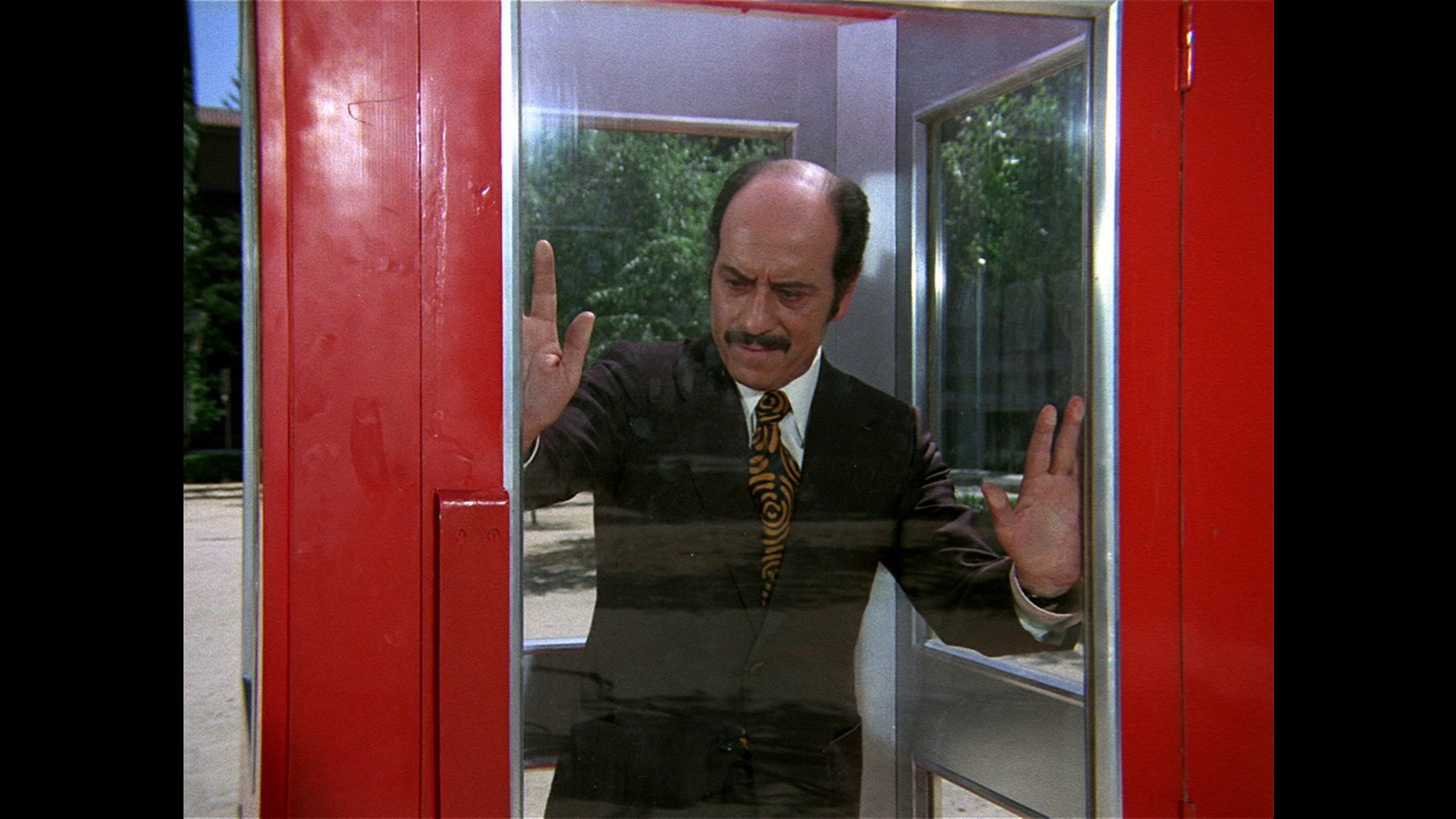
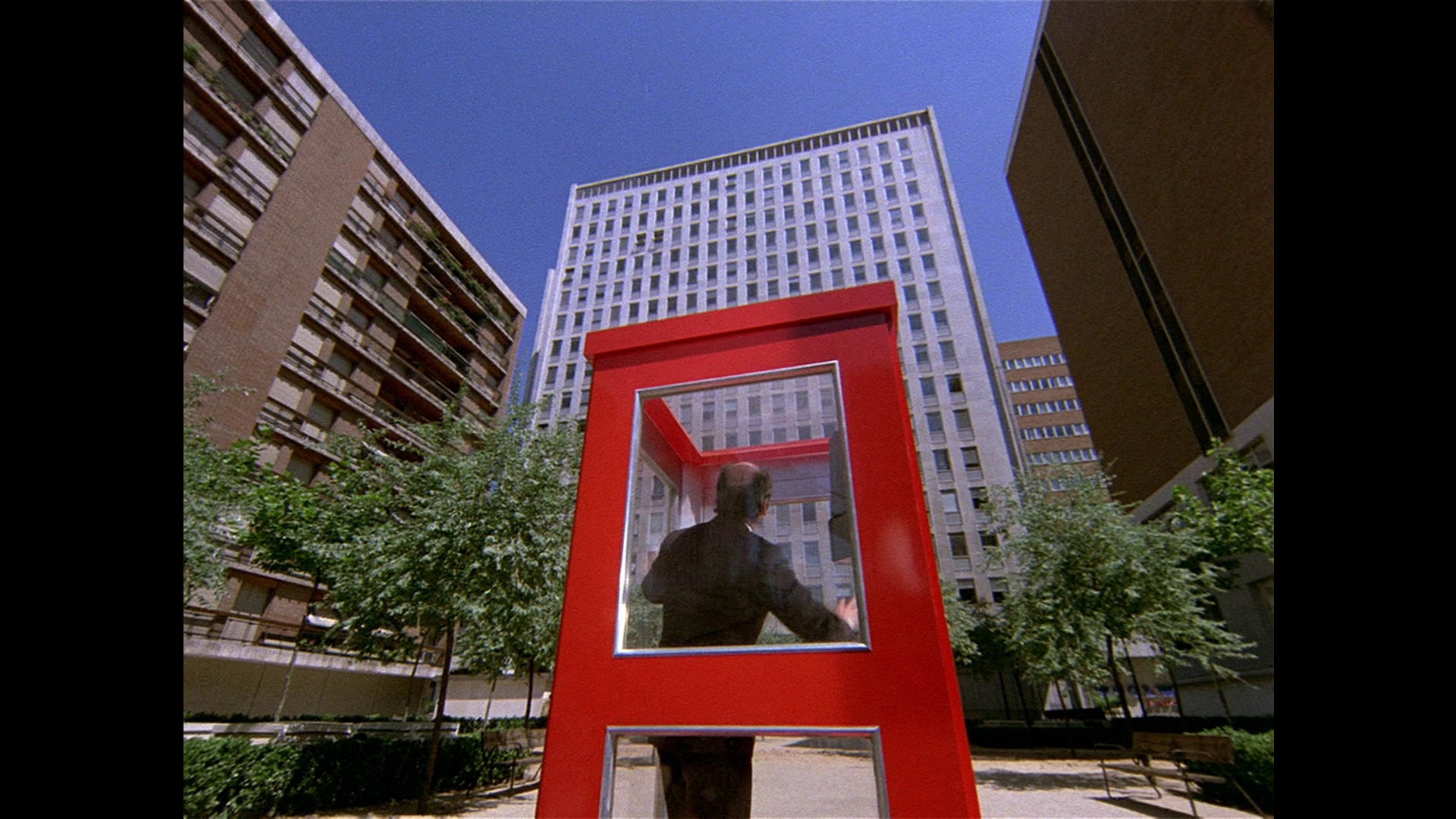
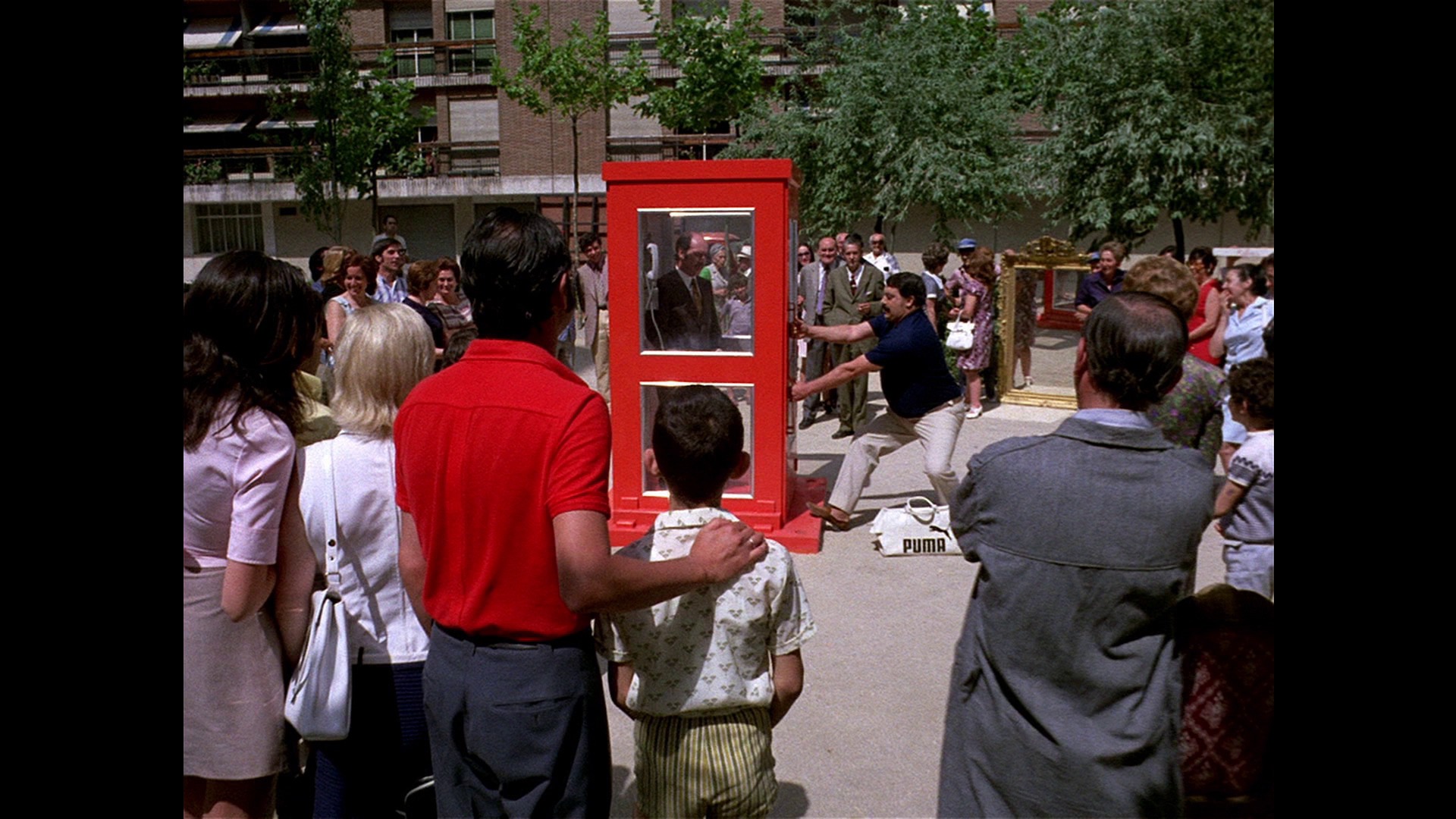
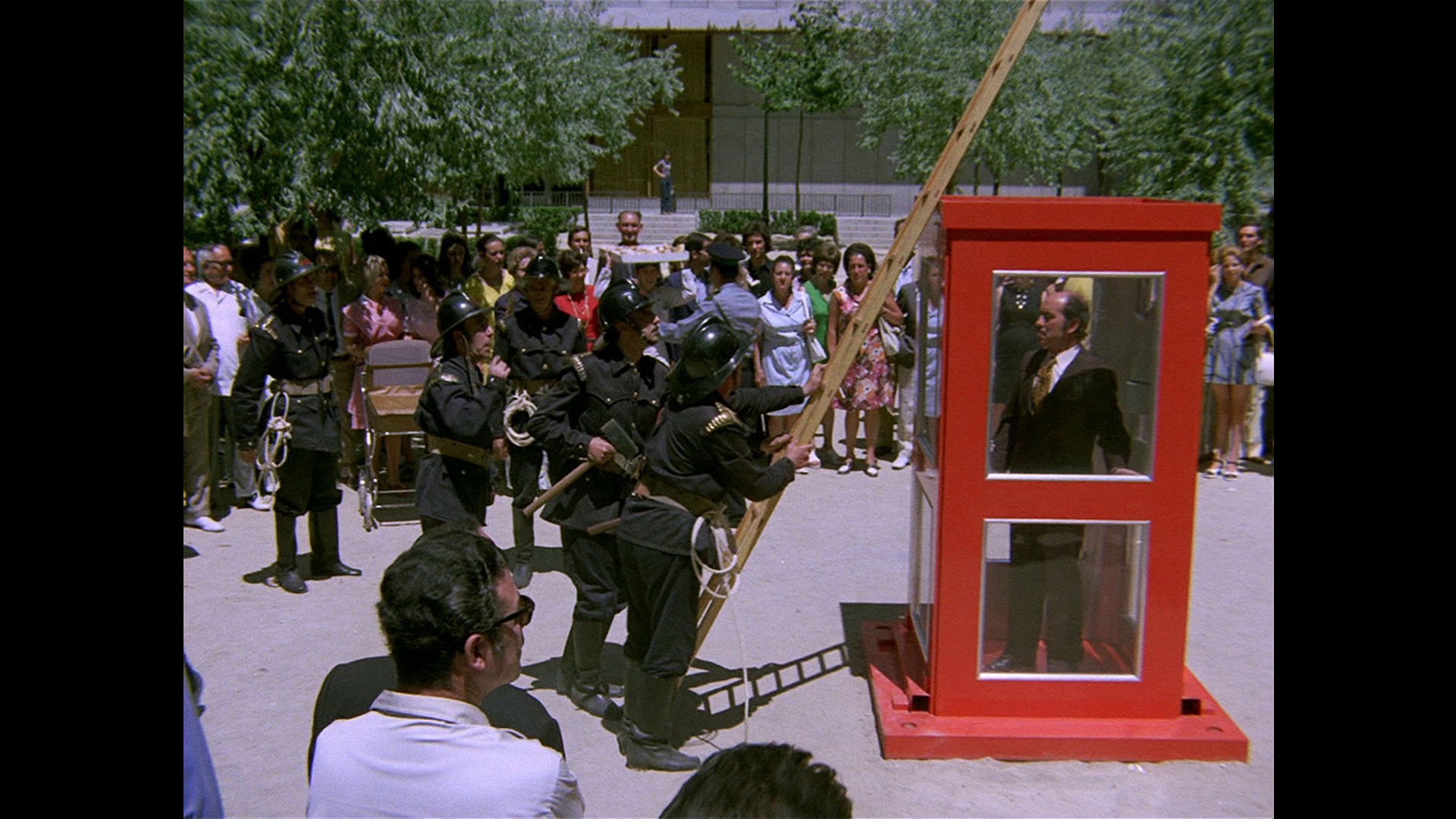
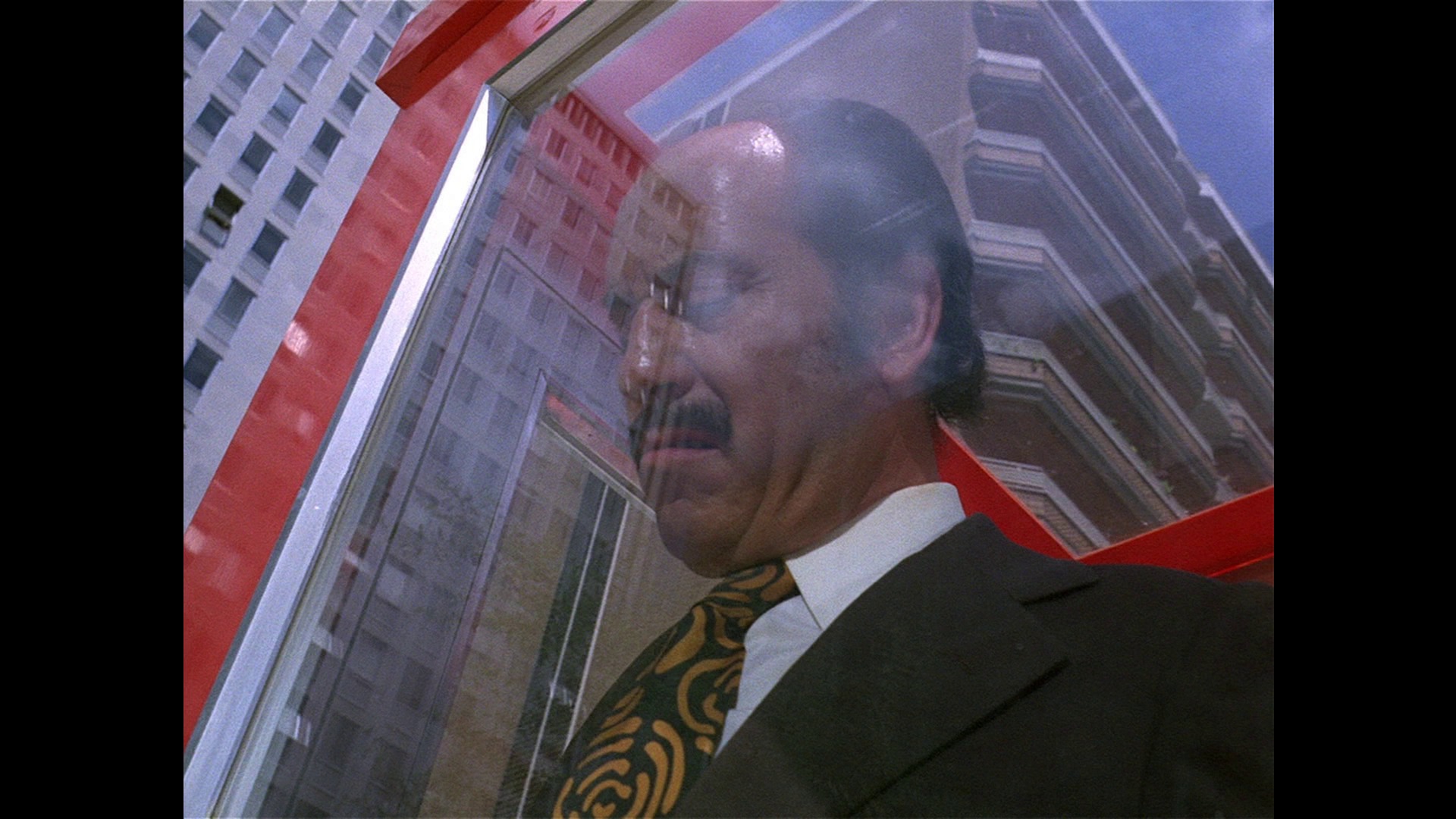
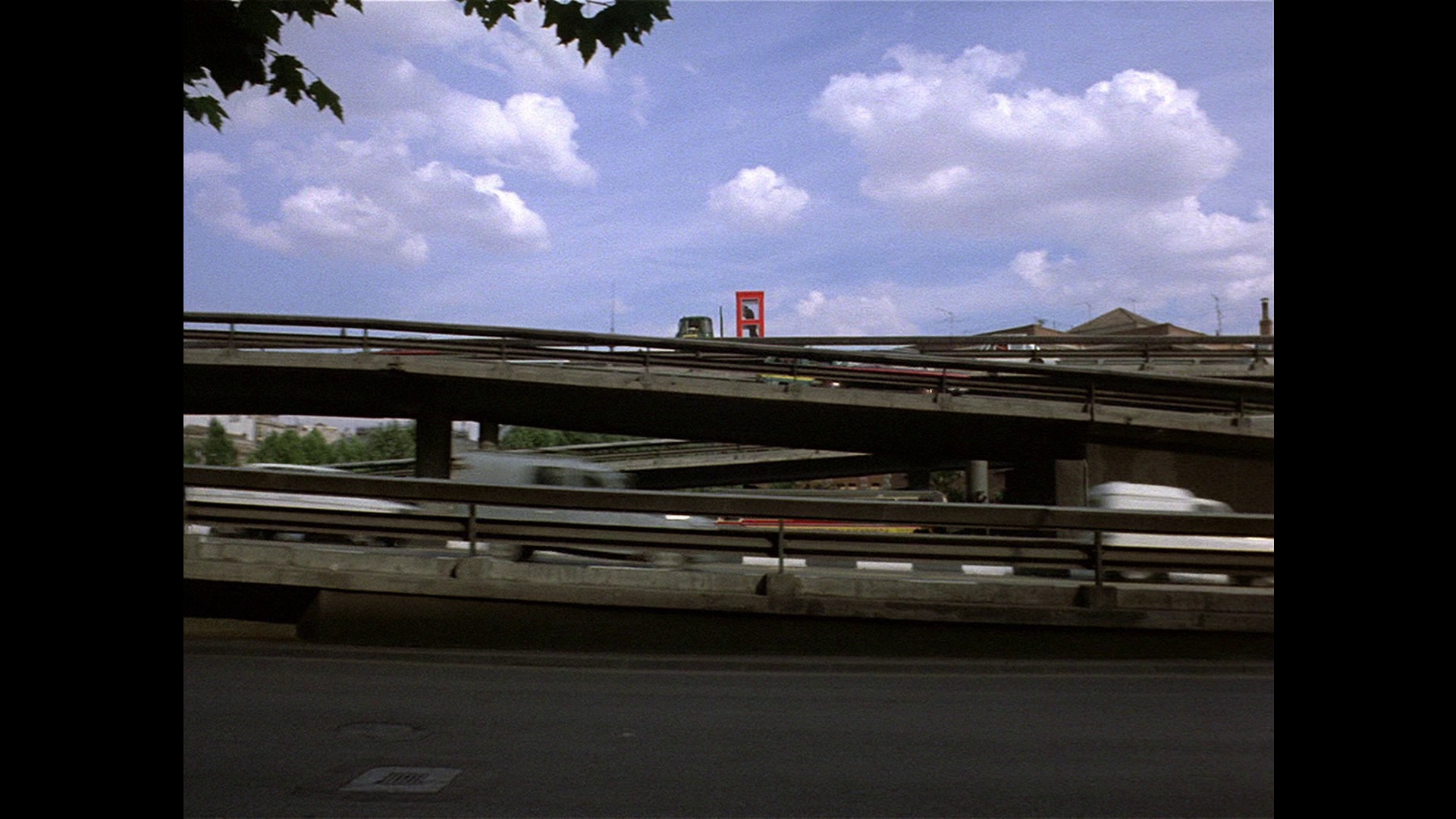
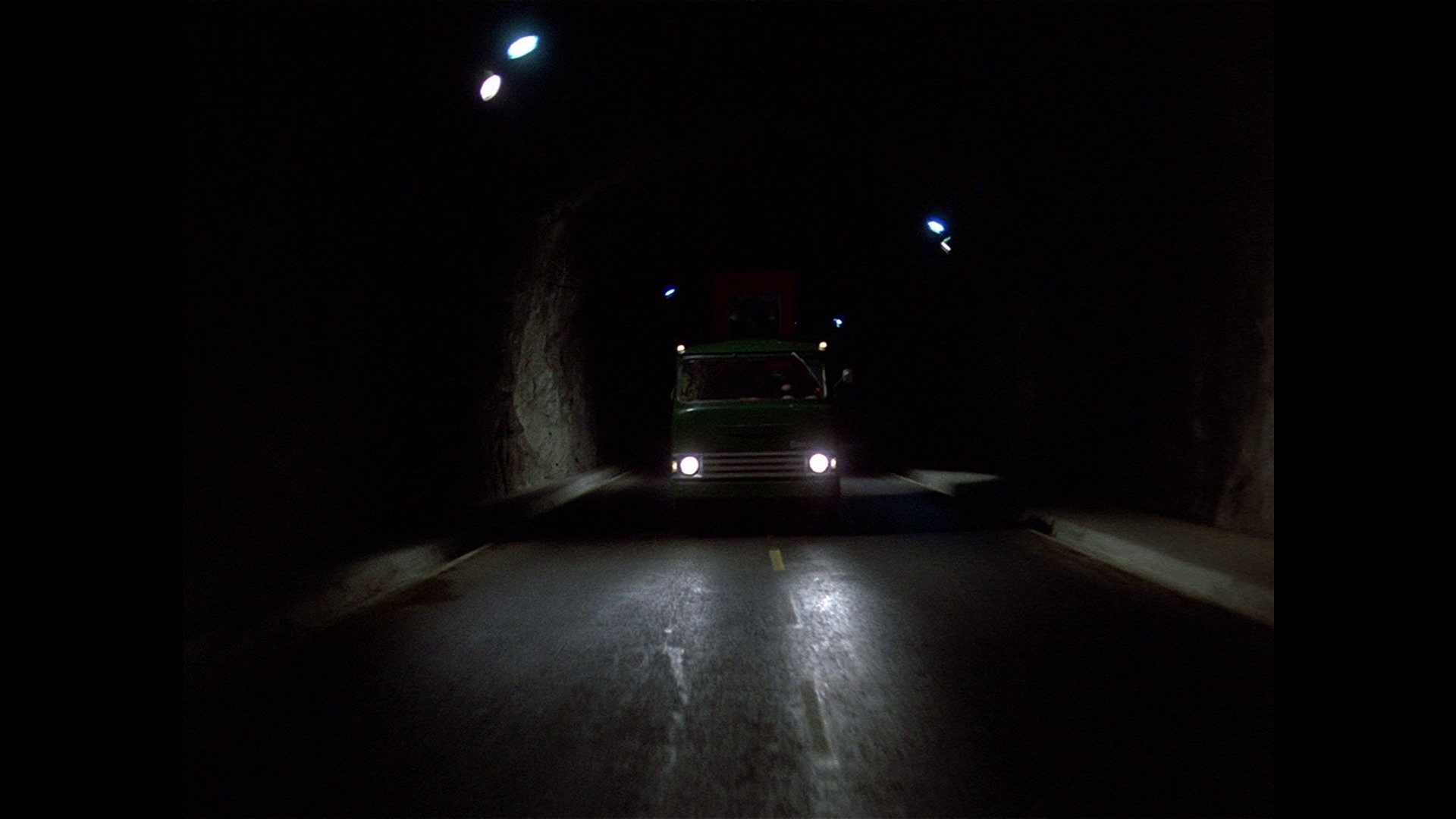
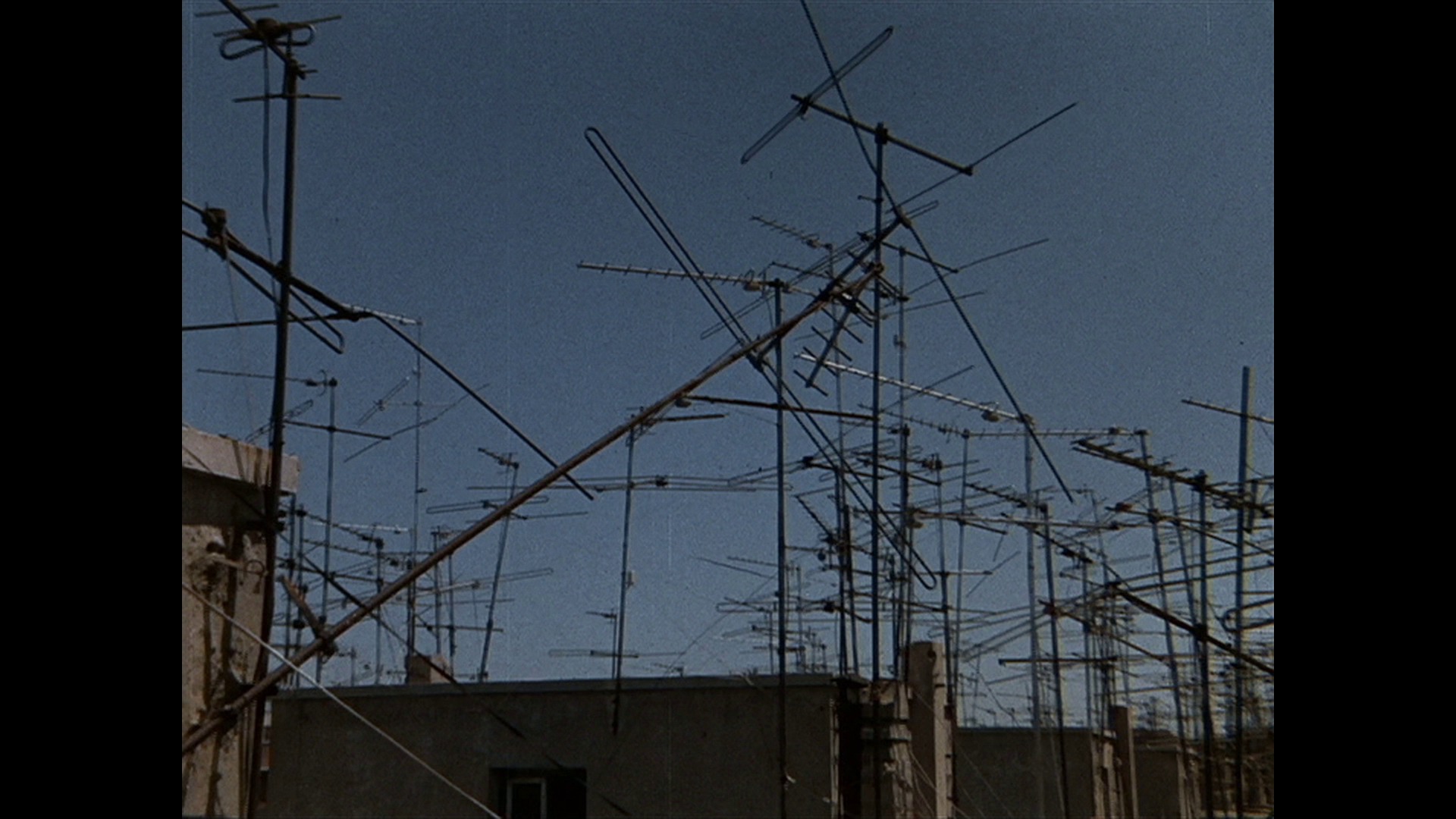
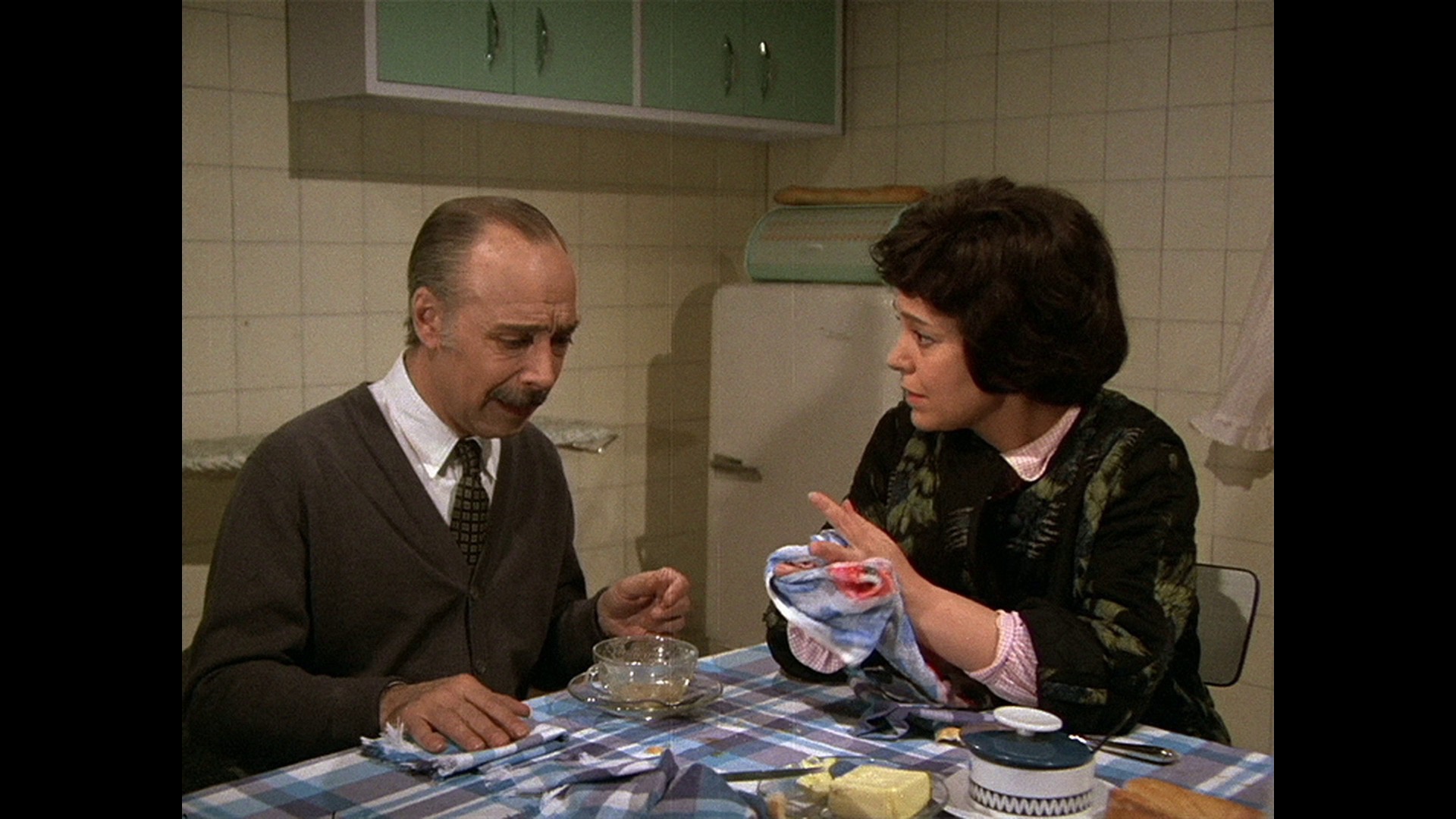
While neither presentation looks great per se, both probably look better here than they have any right to. La cabina is the stronger of the two, sourced from a high-definition master supplied to Radiance. It’s clearly an older master, but considering the program’s television origins, the original film materials that served as the basis for the transfer have been surprisingly well preserved, and despite the dated aspects of the master that are clearly present, it does look fairly strong. The image is sharp with a decent level of detail, with grain even being present and cleanly rendered for the most part. Granted, there is still a video-like appearance, with the image coming off a little noisy at times, but the encode is incredibly strong, so this aspect isn’t exacerbated any further.
Colors look fine, though the image has that baked-in magenta look common to a lot of older video masters. You can see it in the grays and whites, with the sky leaning a little violet. Still, it looks fine overall, and I did ultimately admire how the red of the phone booth manages to pop. Black levels are also fairly strong, with decent shadow detail, which helps considerably during the film’s final section.
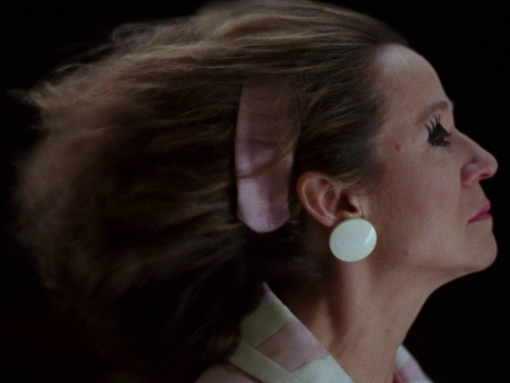
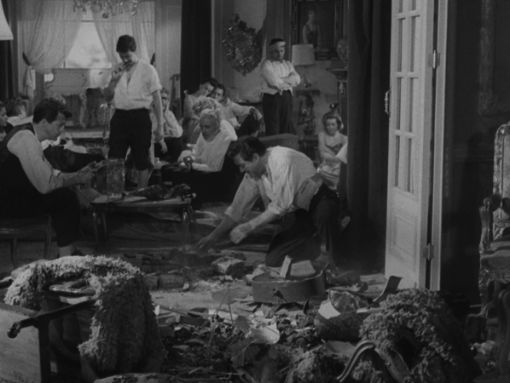
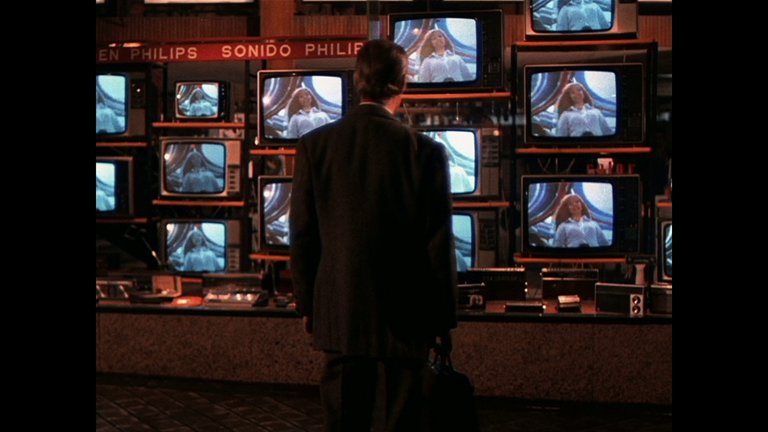
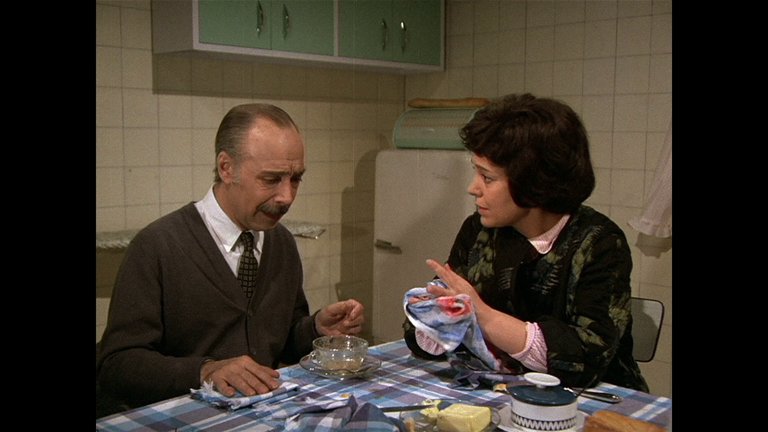
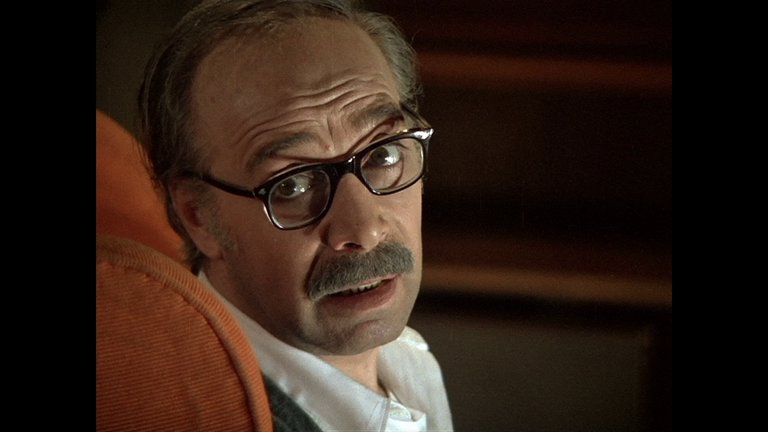
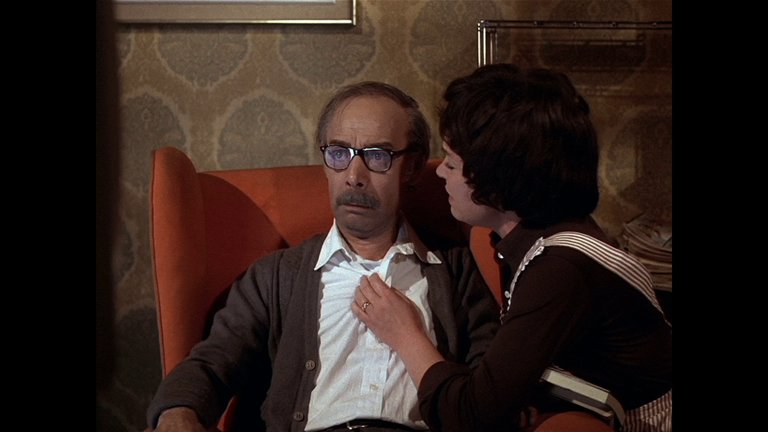
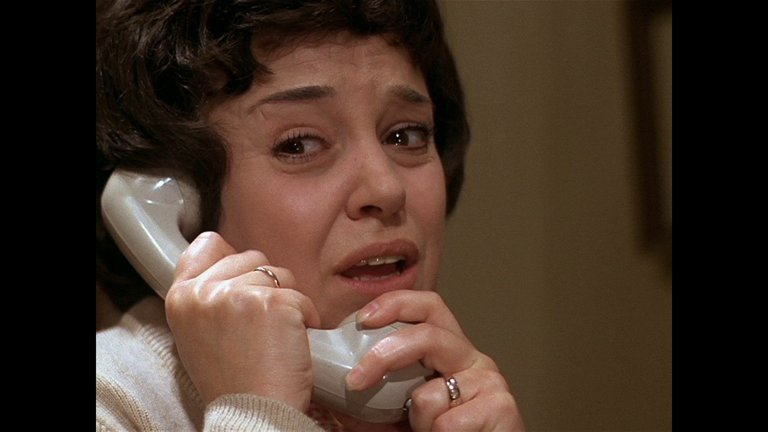
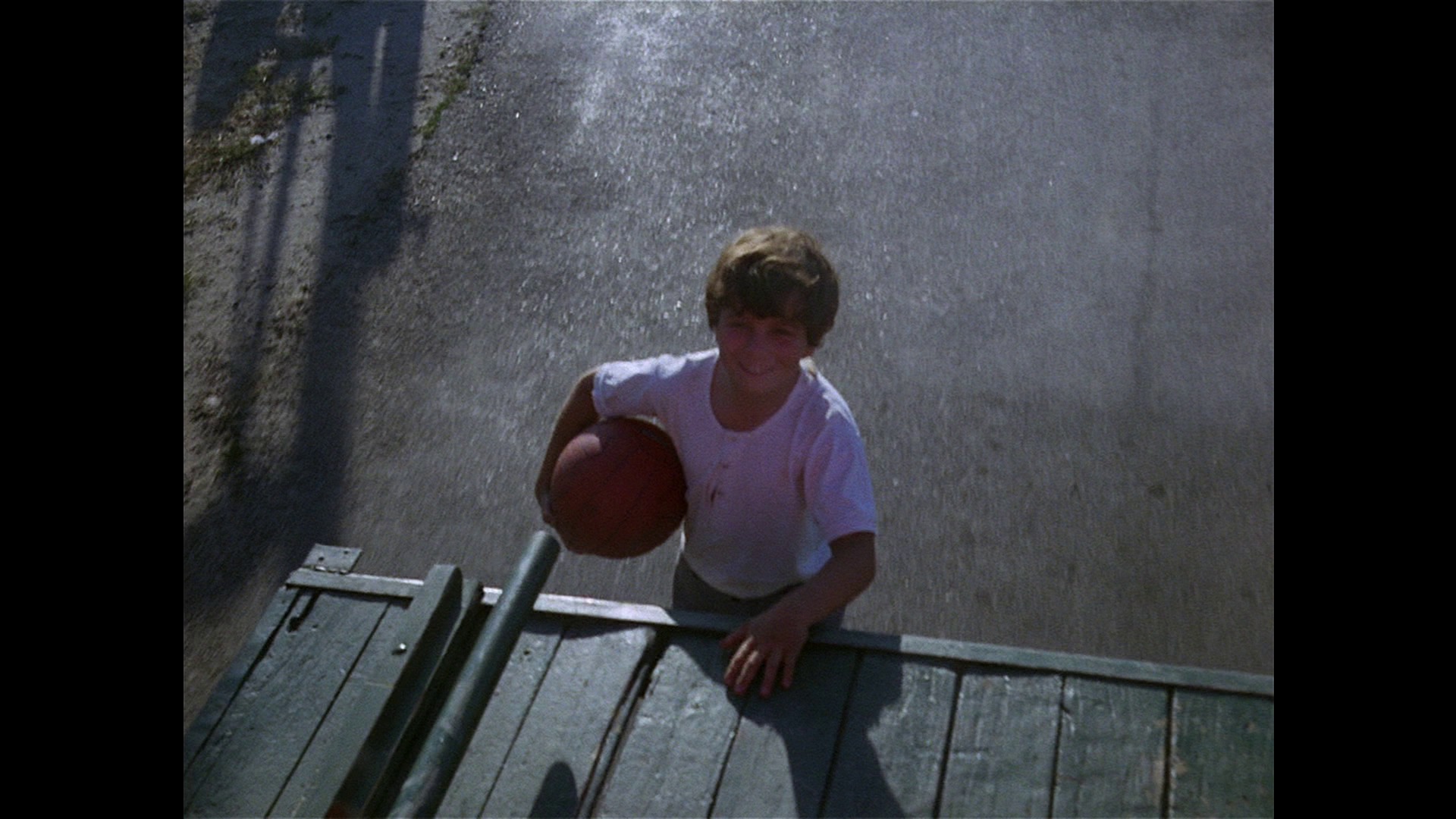
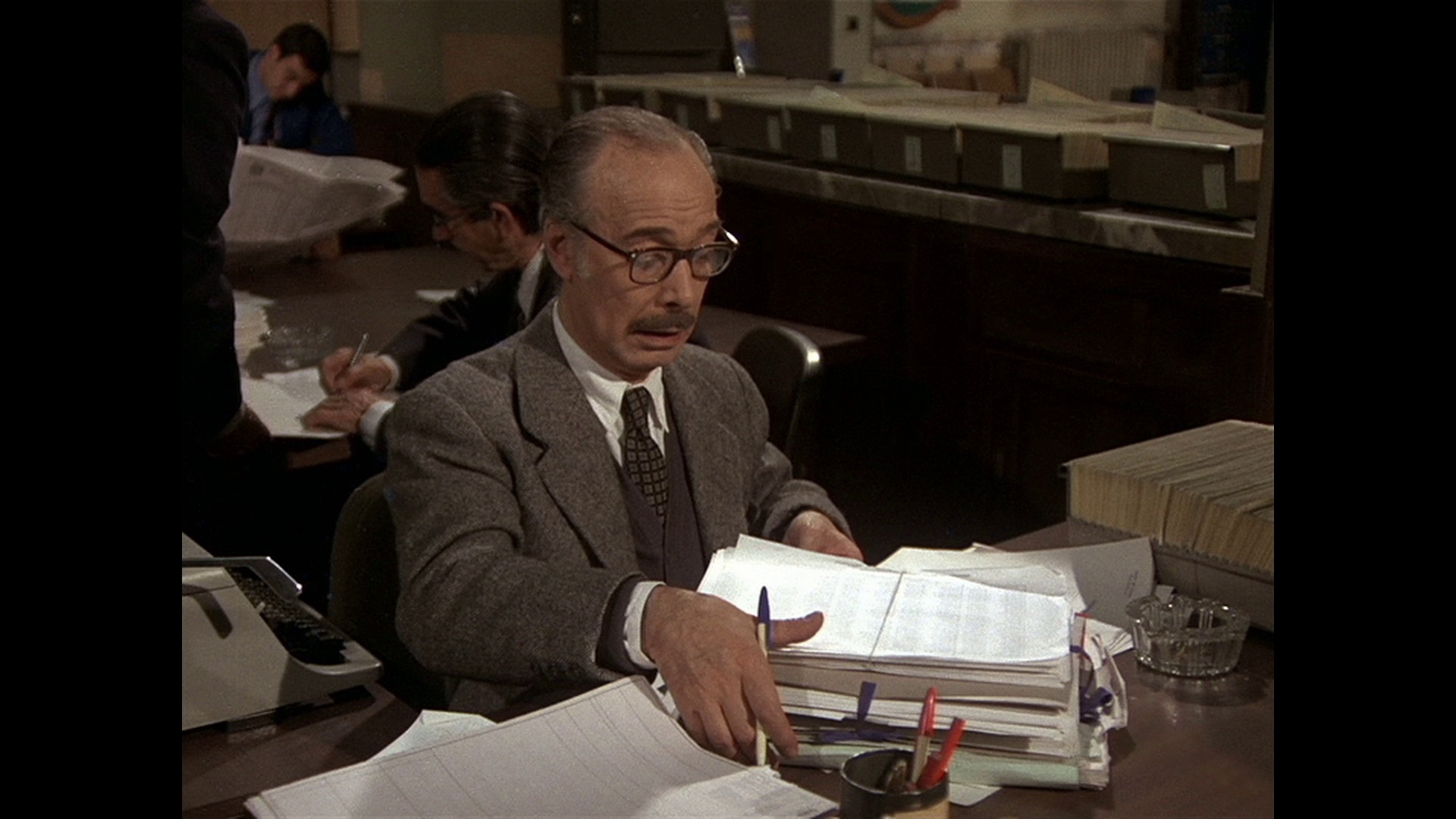
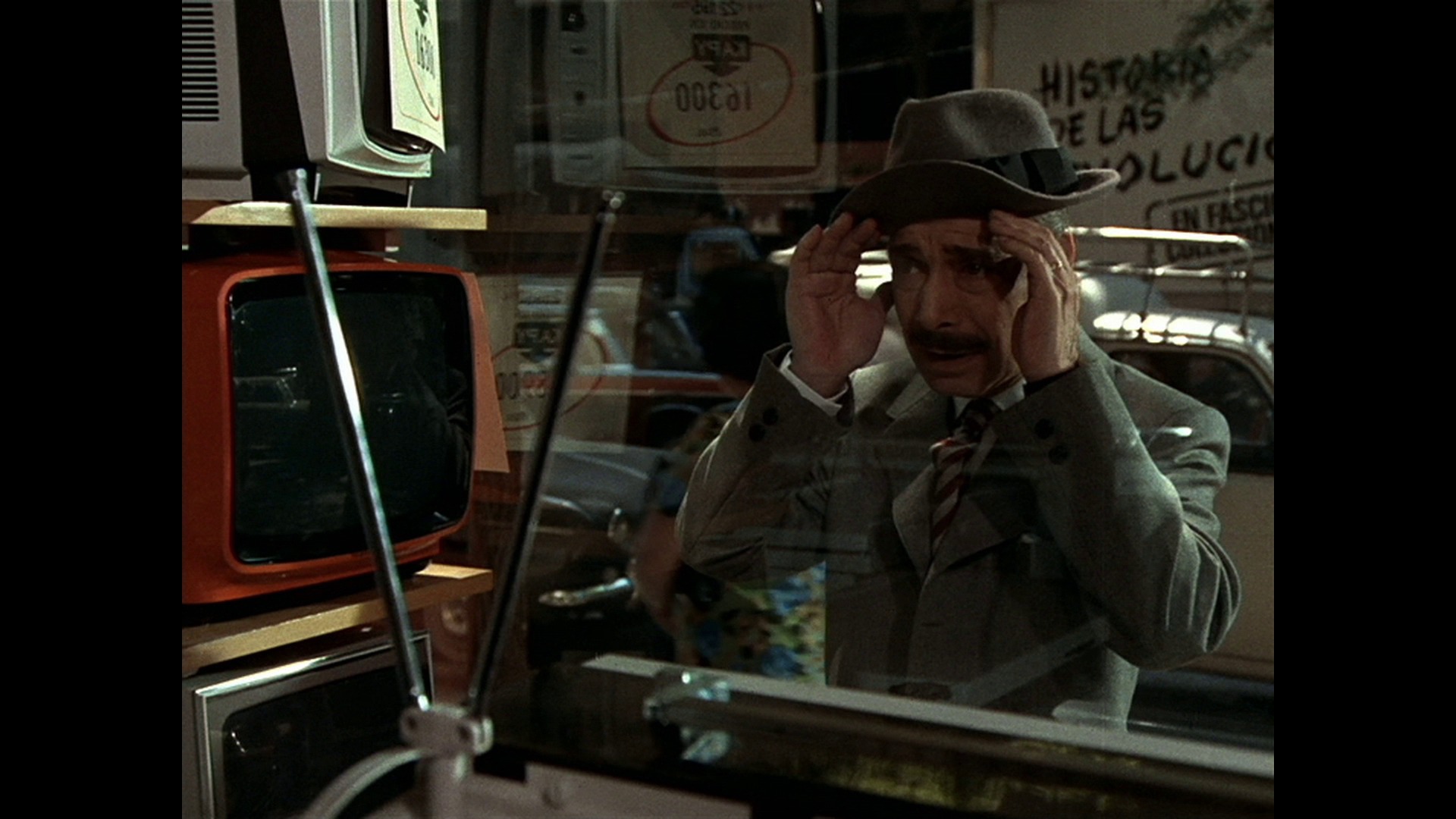
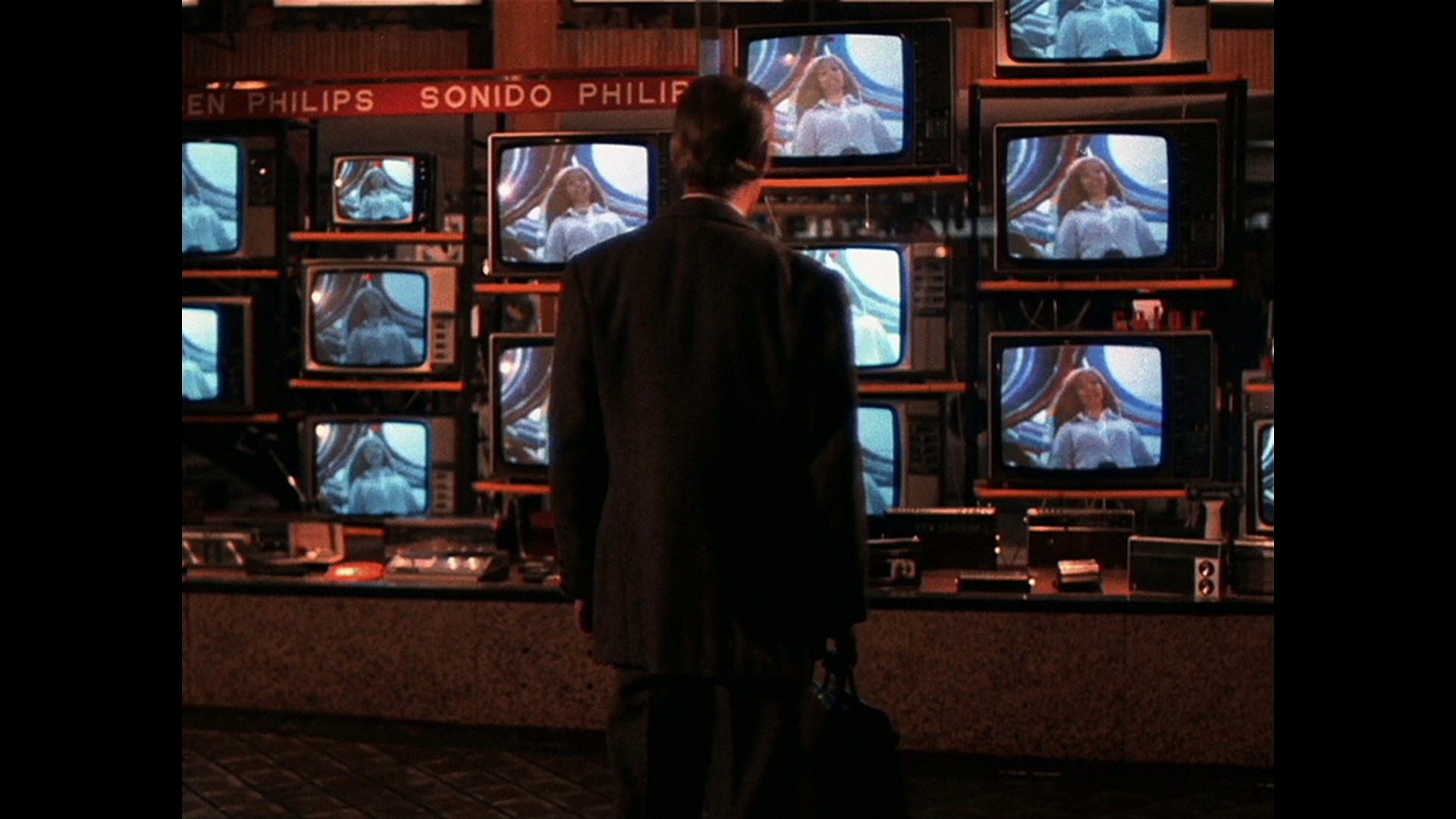
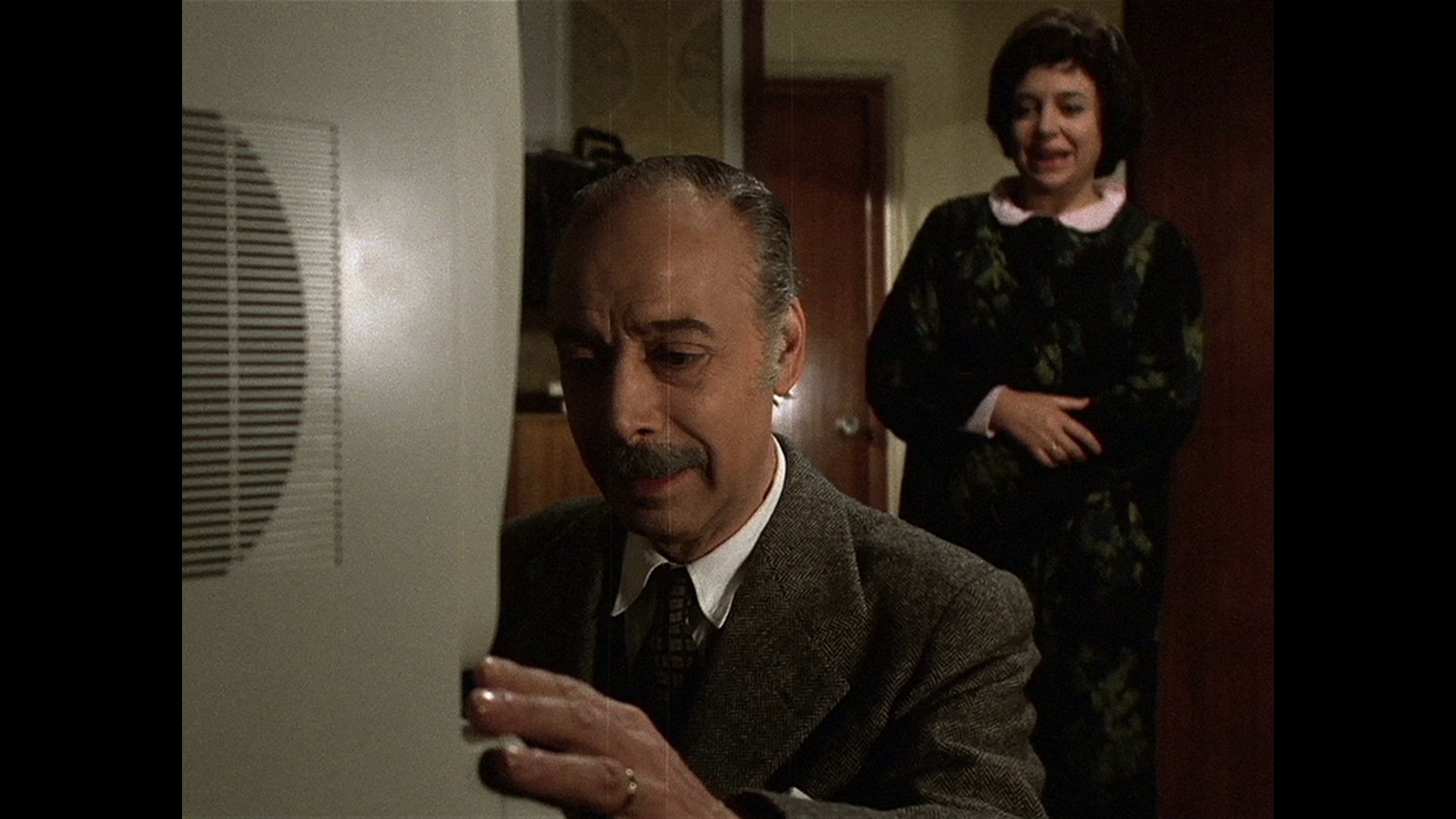
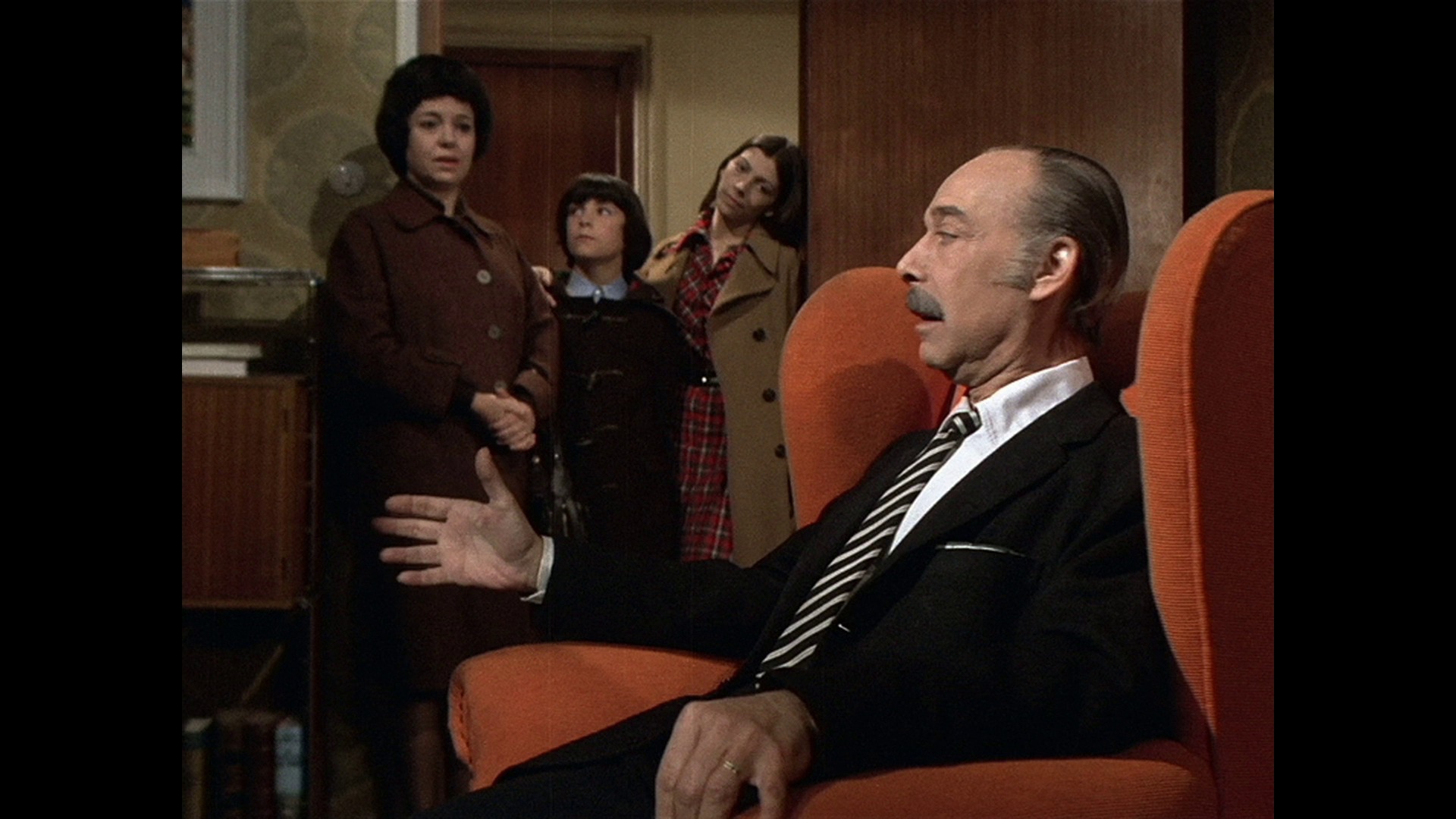
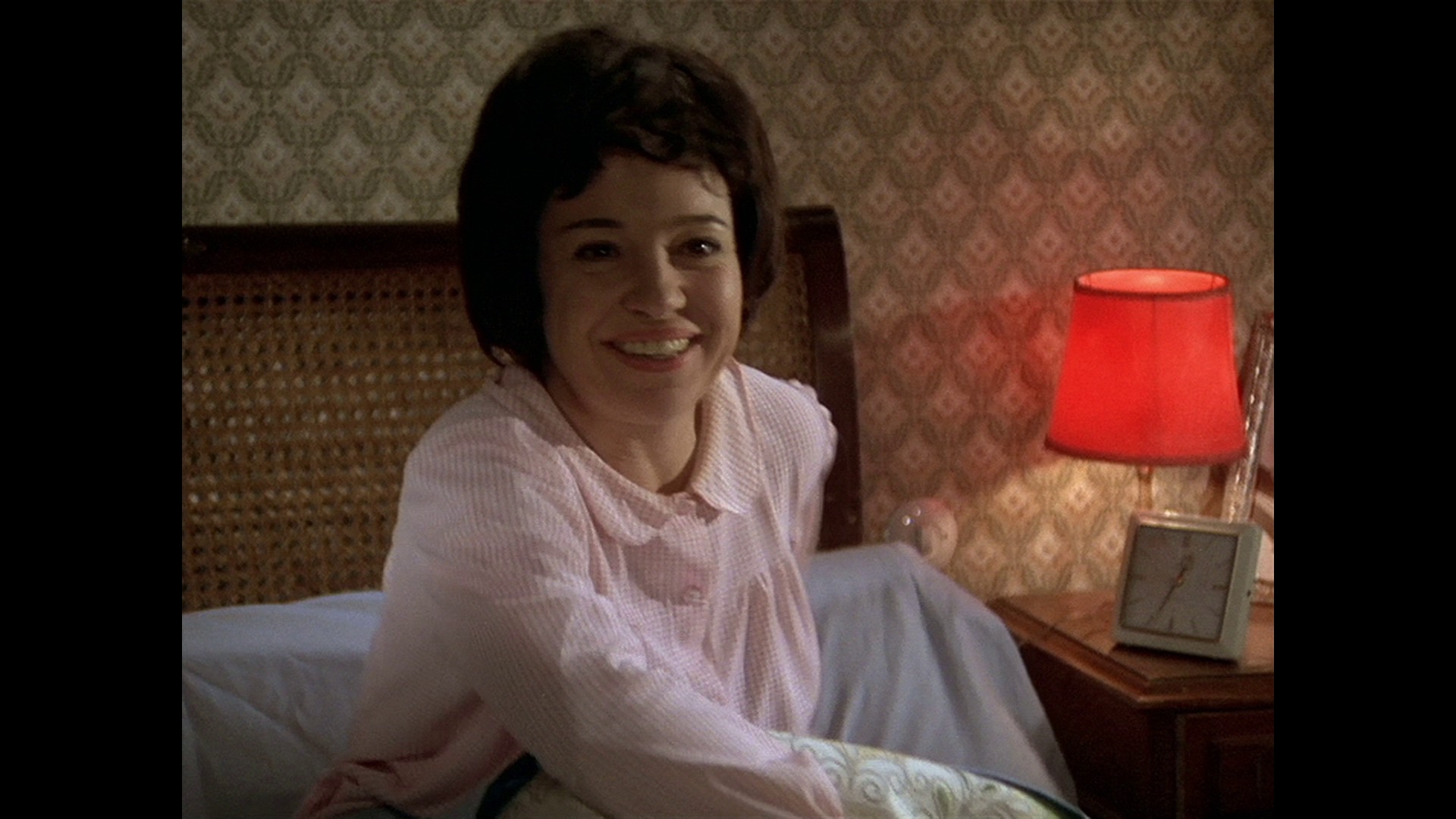
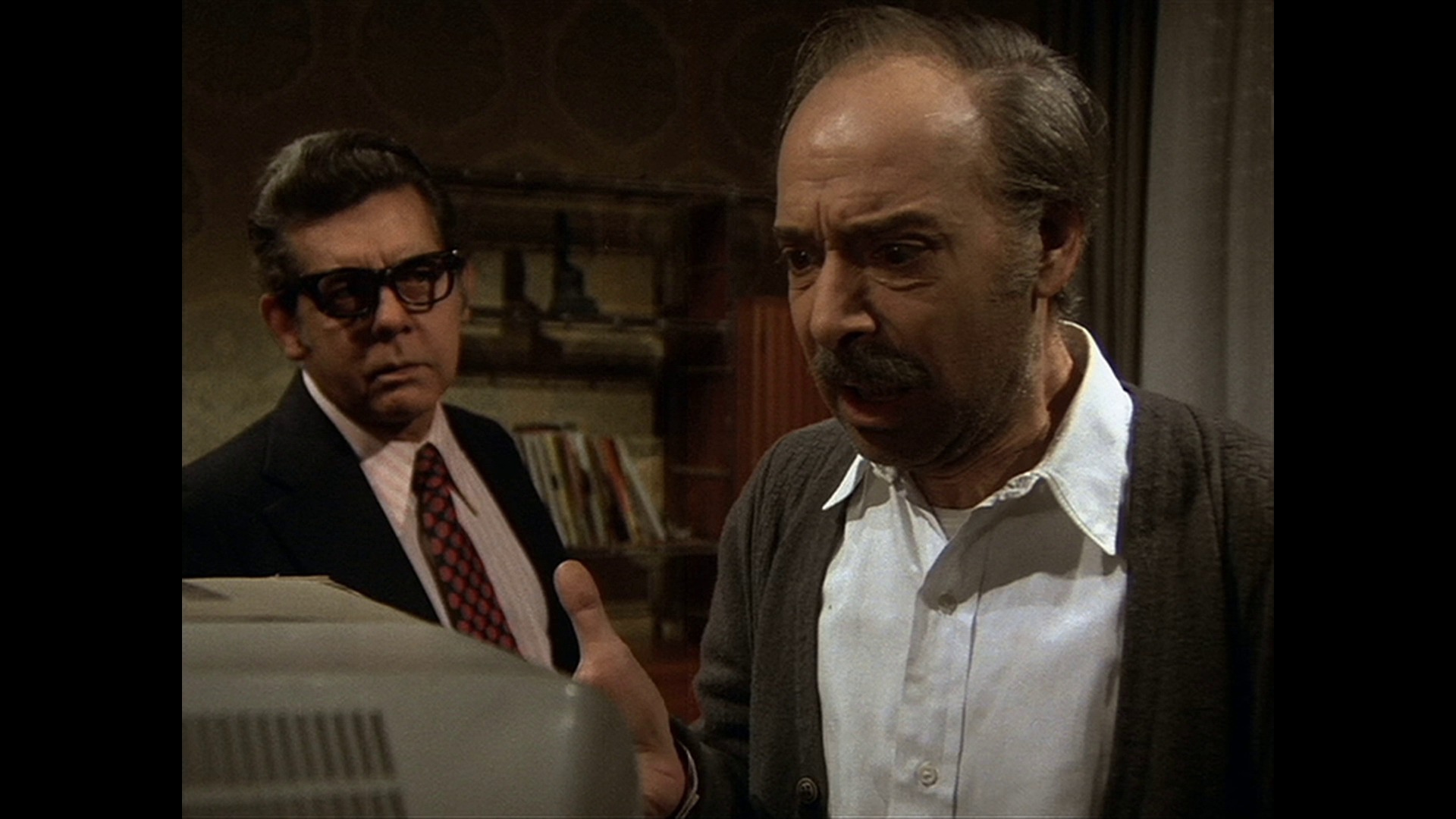
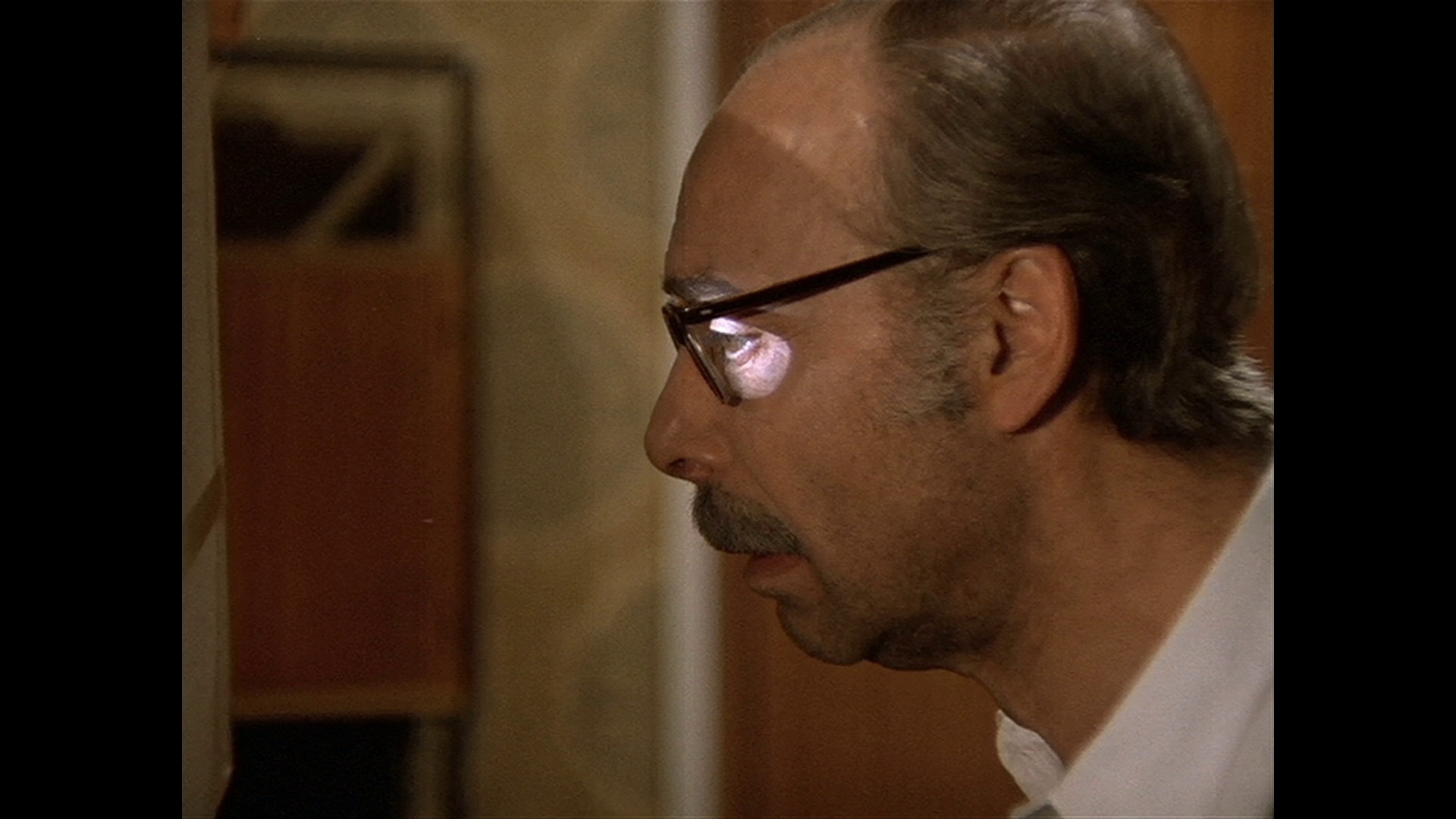
Switching to El televisor leads to a very sharp drop in quality, unfortunately, though through no fault of Radiance’s. Can't say I was too surprised, but it appears all that seems to exist of this second program is a standard-definition master, which is what has been supplied here, upscaled to high-definition. Despite that, and the obvious limitations that come with it, I do have to say this ends up not looking that bad, and honestly, at times, it manages to resemble a below-average high-def presentation. Not exactly glowing praise, I know, but for what is essentially a standard-definition source, I think that’s pretty good.
Ultimately, the image does have a slightly fuzzier appearance, yet details manage to hold their own. I thought some of the tighter patterns looked decent, and the upscale doesn’t seem to introduce any glaring anomalies; shimmering and jaggies don’t appear to be an issue. Oddly, I also thought the colors looked better here. They lean warmer and less magenta, which I thought led to better-looking blues and more natural skin tones.
The restoration work on each is okay, with El televisor looking the weaker of the two in this area as well. The notes indicate that Radiance performed further restoration work, but there are still plenty of scratches, including tram lines running through the frame. La cabina also features some damage, but it’s been cleaned up a bit more by comparison.
So, unsurprisingly, neither presentation is great, limited primarily by the materials available, but even then, these both probably look better than they would have in anyone else’s hands.
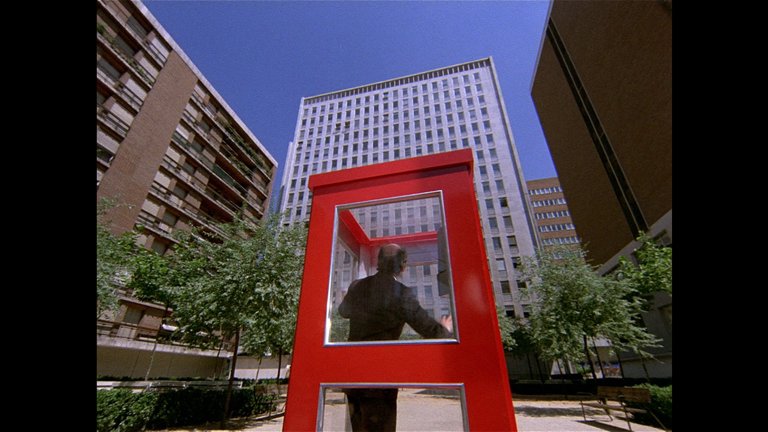
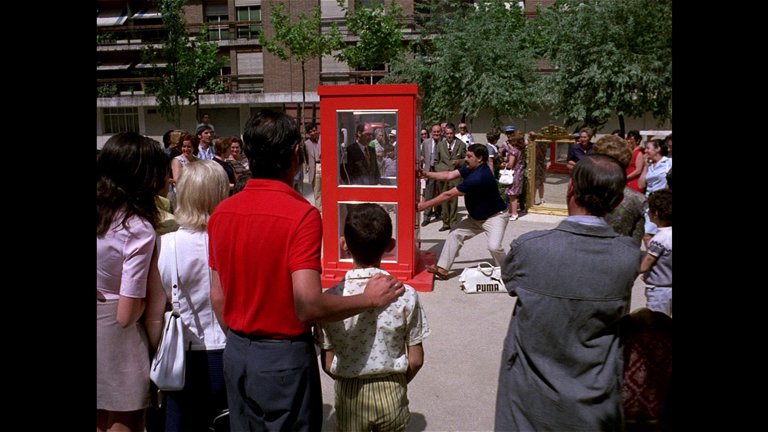
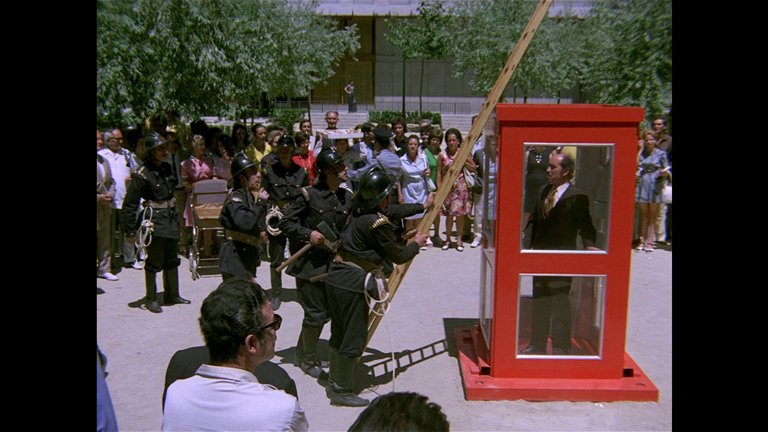
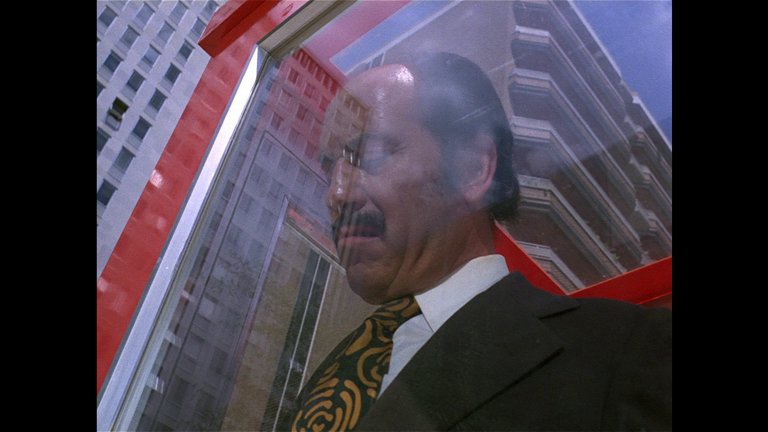
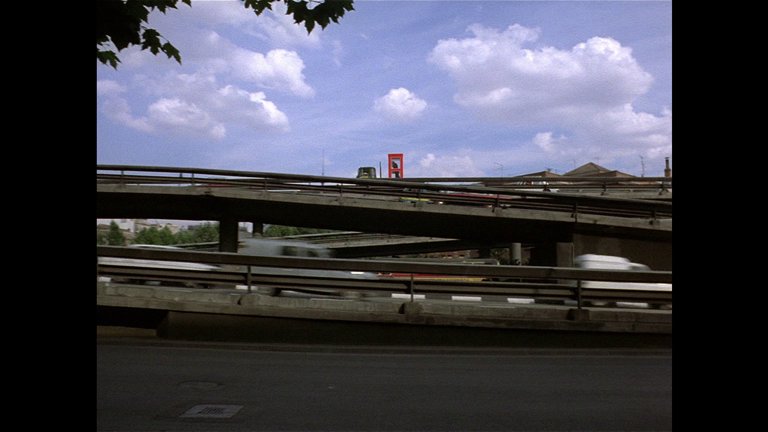
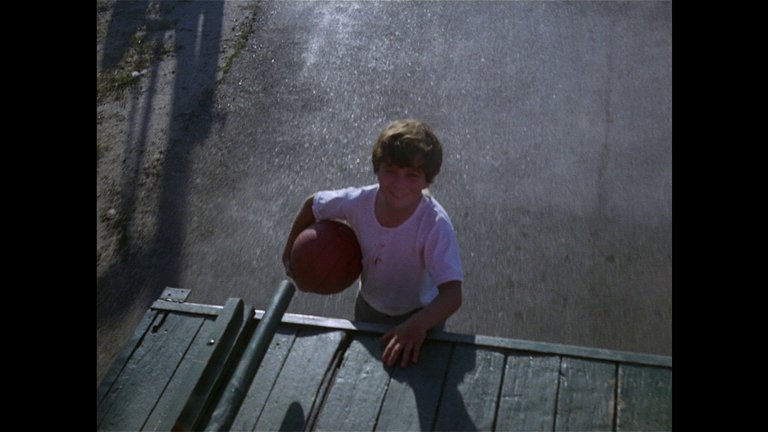
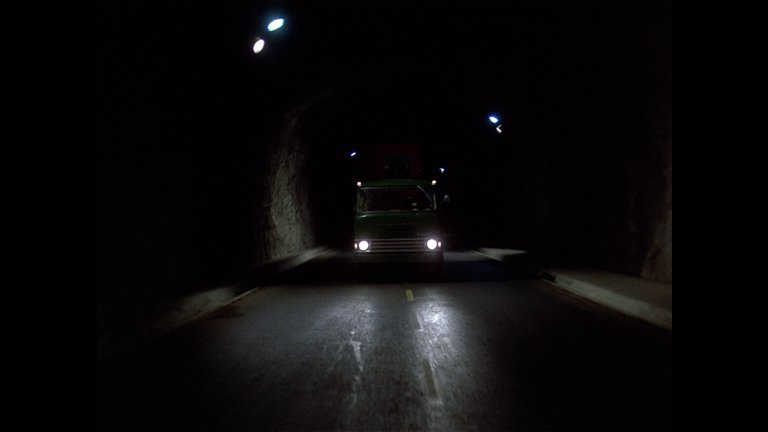
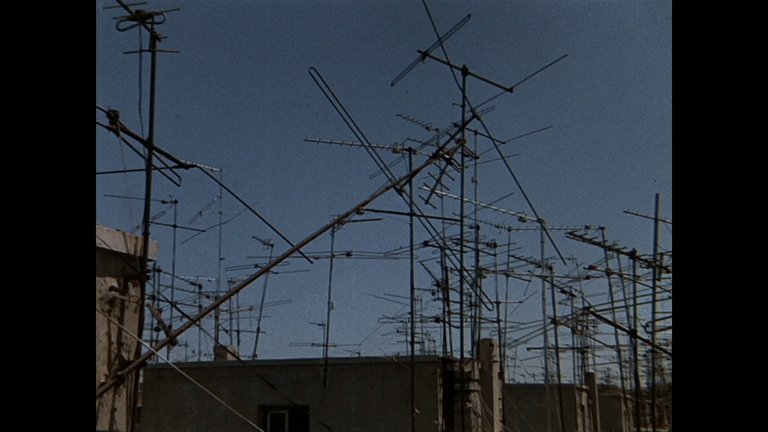
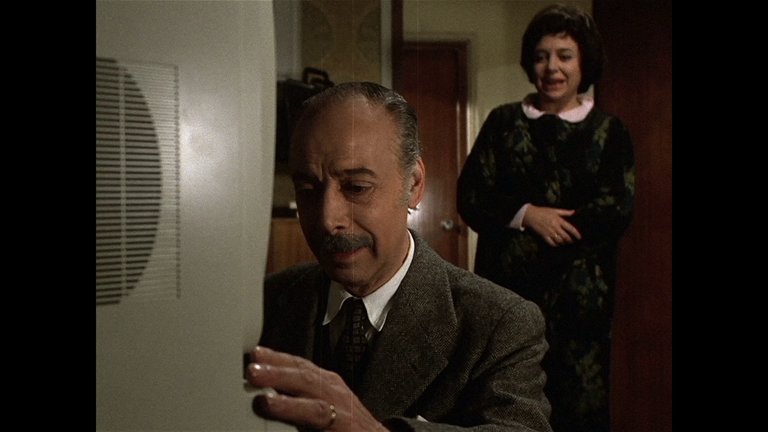
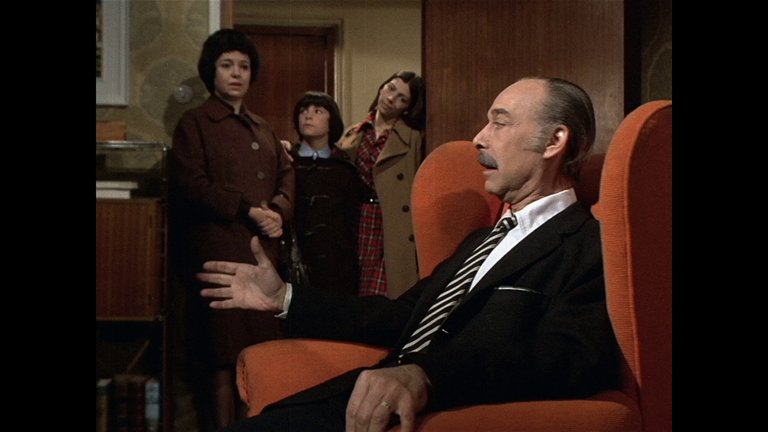
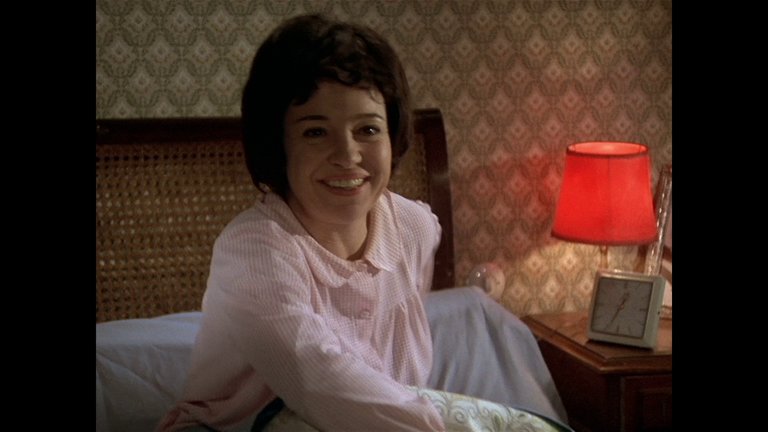
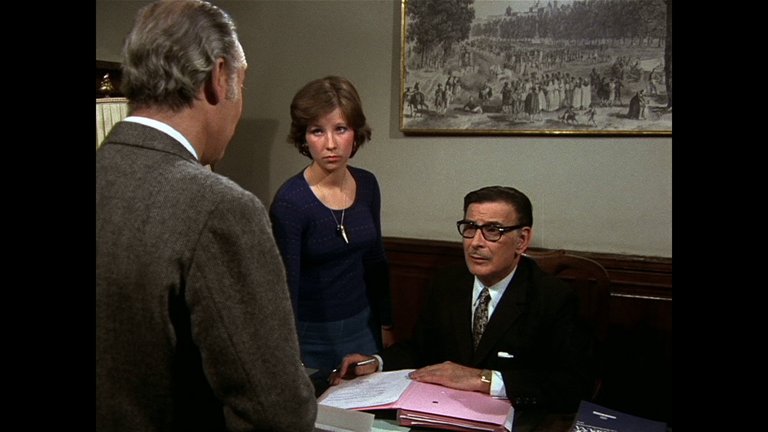
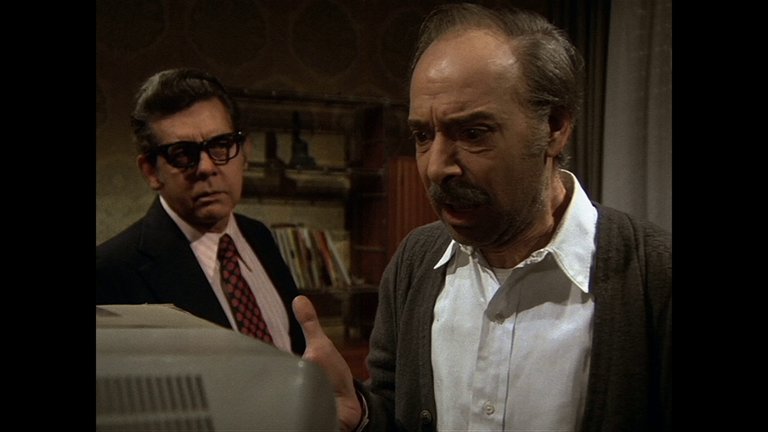
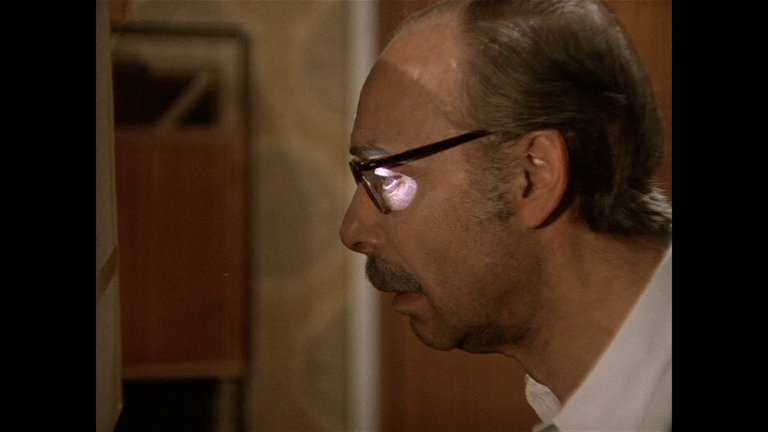
Two Boxes: Televised Terror in Franco's Spain - Screen Captures
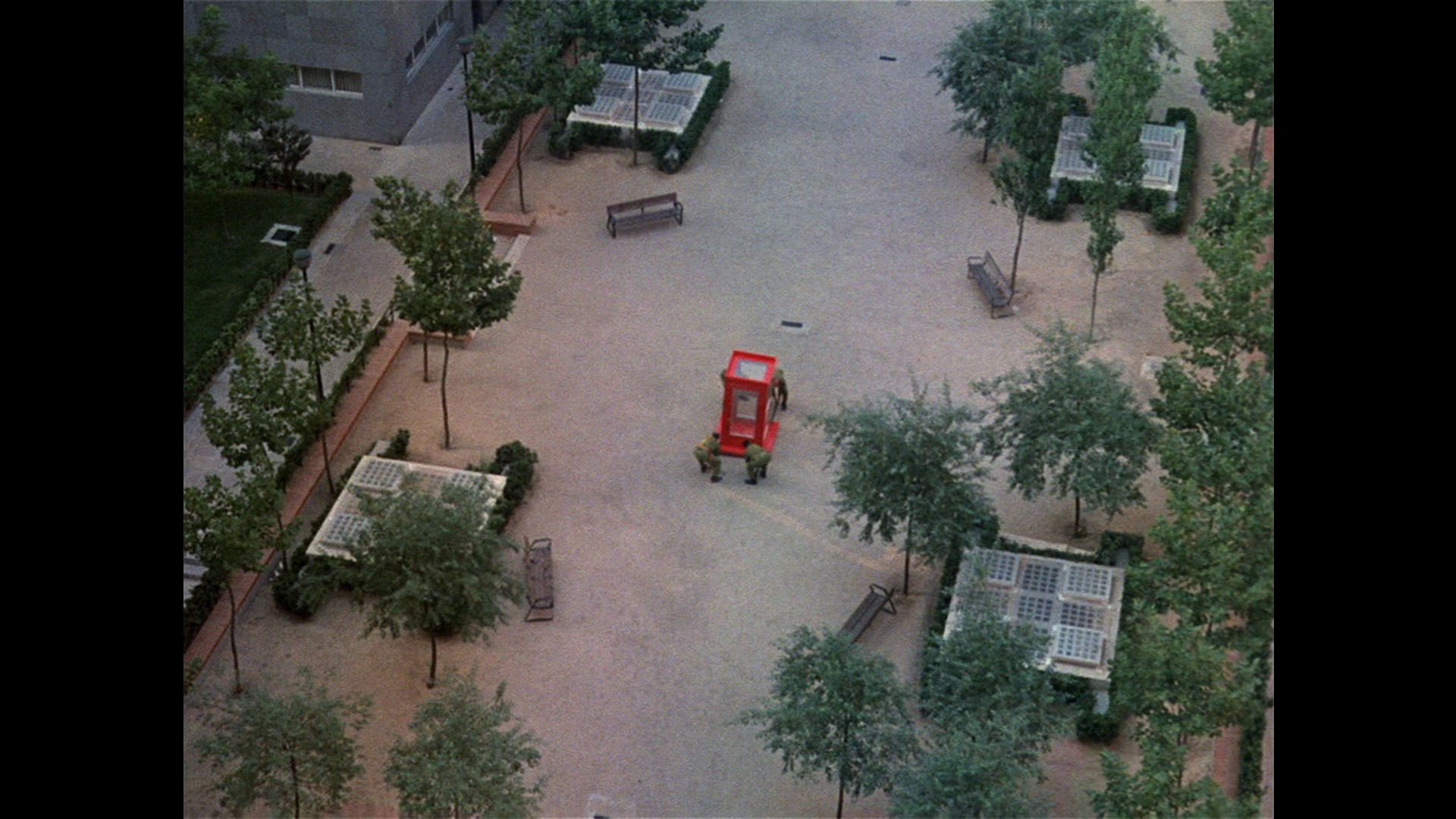
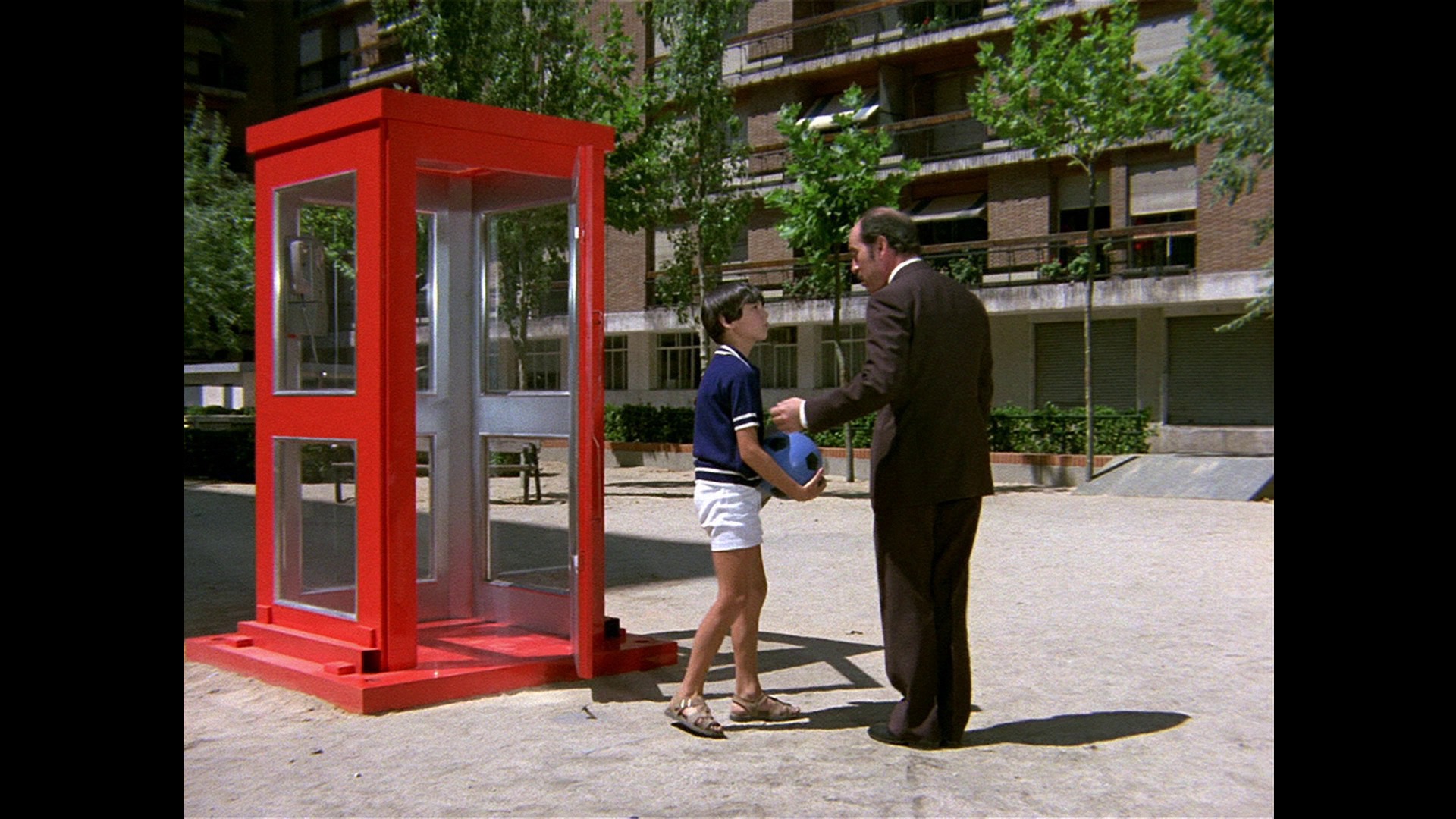
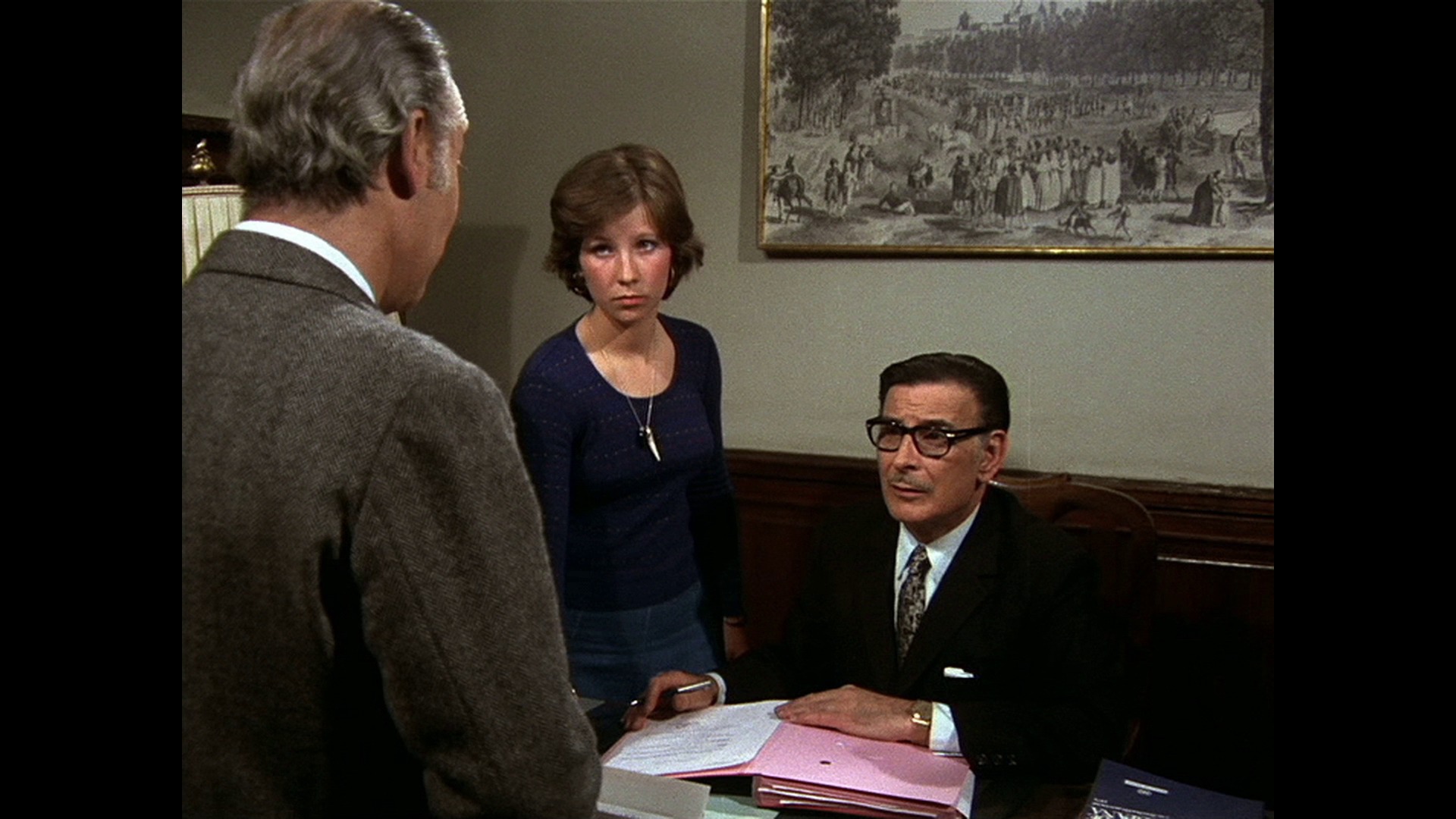
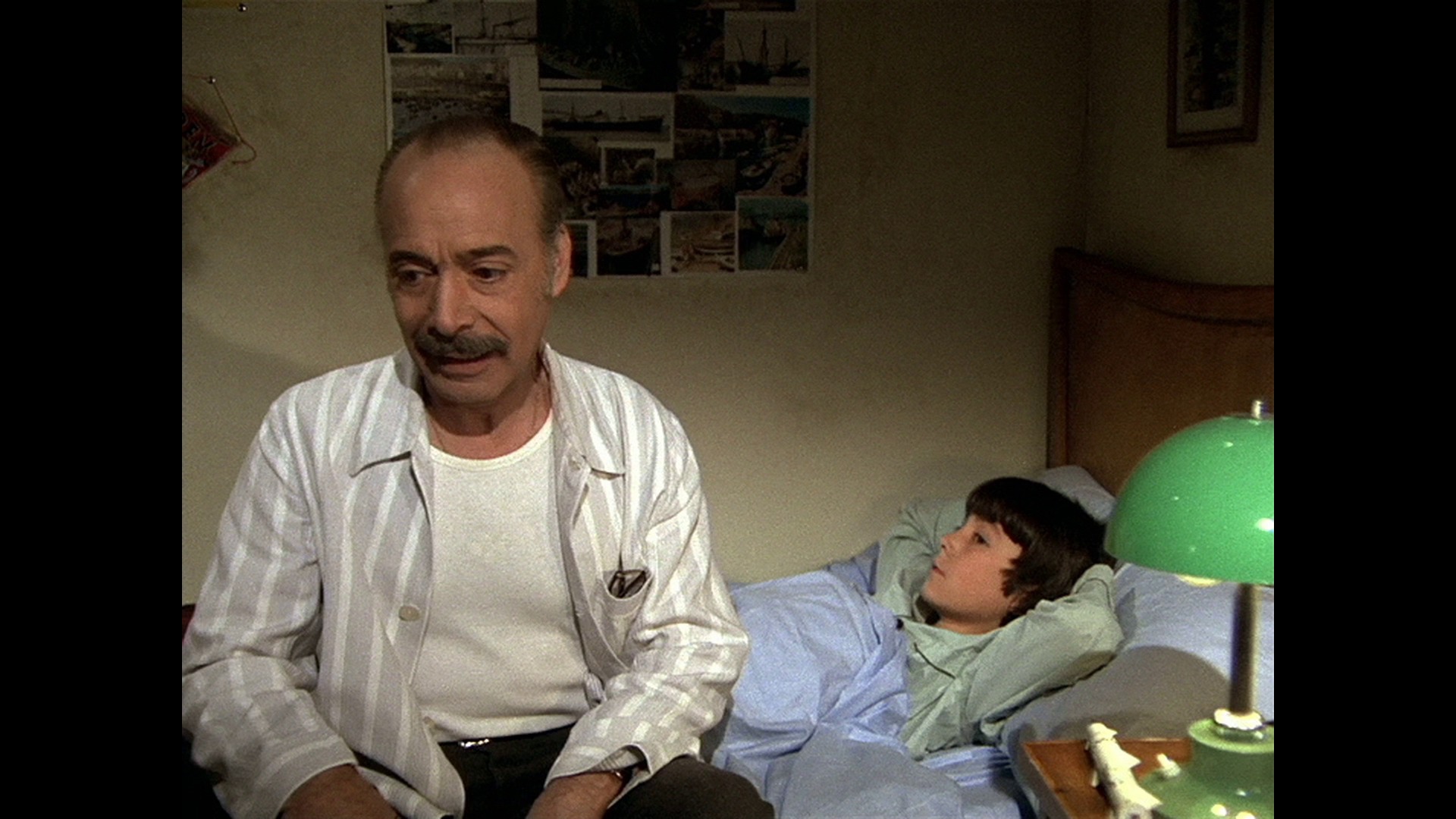
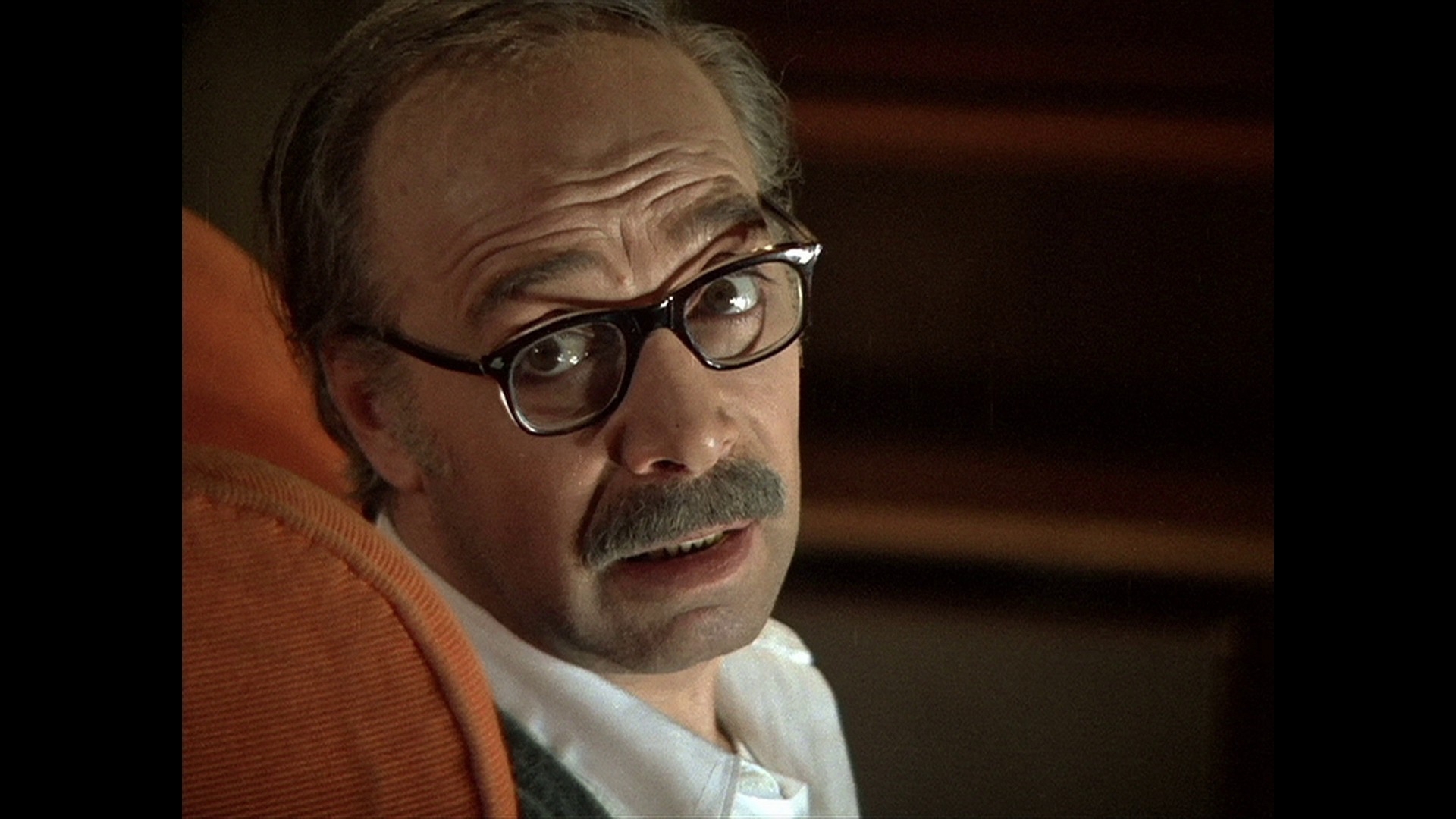
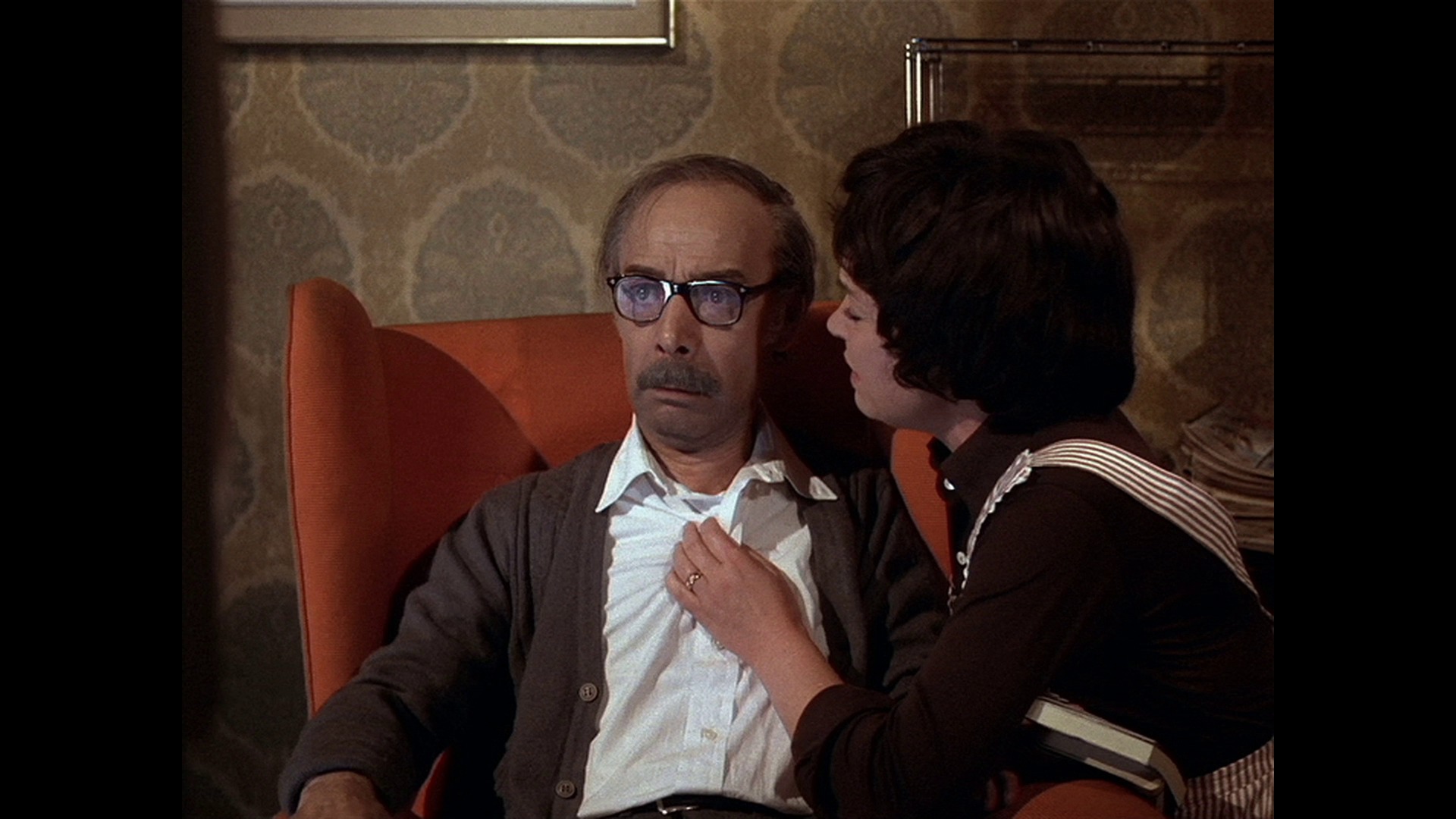
Audio 6/10
Both films are presented with their original Spanish soundtracks in lossless single-channel PCM monaural. Neither stands out in any sort of way, and I’d say they’re ultimately both just okay in the end. El televisor features some occasional crackling, but both tracks are otherwise clean, with dialogue and music coming through fine, though there is an inherent hollowness to the audio. Again, just okay.
Extras 8/10
The release throws in a good smattering of features. Each program first receives its own commentary track: filmmakers Reece Shearsmith and Steve Pemberton for La cabina, and Jonathan Rigby and Kevin Lyons for El televisor. I was a little disappointed by the track for La cabina, which gets into the background of the production and its legacy, from its Emmy win to its current cult status, but the two seem to spend more time simply reiterating what’s happening on screen without adding much else. The Rigby/Lyons track works a little better, if only because the two, on top of covering its director and production background, also talk about the political climate of the period, along with growing concerns surrounding television, which had been steadily gaining in popularity.
The disc then features a few interviews, starting with a new one recorded for this release featuring Spanish film expert Antonio Lázaro-Reboll discussing the work of El televisor’s director, Narciso Ibáñez Serrador. Covering Serrador and his work also allows Lázaro-Reboll to explore television in Spain and its programming at the time, along with the economic boom that allowed more people to purchase the boxes. This ends up being an incredibly detailed and rich overview of this particular period in Spain, while also providing some excellent context around Serrador’s episode (as well as La cabina to a lesser extent).
There’s also an 18-minute archival interview from 2025 with La cabina screenwriter José Luis Garci, who talks about the production and its director, Antonio Mercero. Garci recalls being on set, including during the film’s final section, and explains how the idea originally came about when someone simply wondered whether it would be possible to make a film centered around a man trapped in a phone booth.
There’s another archival piece from 2025 around La cabina, this one featuring the director’s son, Antonio Mercero Santos, running 13 minutes. Though he covers the film’s legacy and themes, it’s actually more of a location piece, with Santos visiting the plaza where the original phone booth had been placed, though, interestingly, the area is now closed off to the public.
Finally, the video supplements end with a 7-minute excerpt from a 1999 press conference marking the 25th anniversary of El televisor, featuring Serrador talking about its legacy while criticizing then-modern television horror like The X-Files.
Transmission’s limited edition then includes a 35-page booklet featuring an excellent essay by Álex Mandibil, which first provides context around the growing popularity of television in Spain at the time and how the lifting of restrictions led to horror making its way into audiences’ homes, before covering each tale on this release and how each director approaches their subject. This is followed by another excellent piece by Paul Martinovic about La cabina’s original airing in the UK.
Overall, it’s a decent bit of material covering both programs while also providing some valuable historical context around the period.
Closing
The presentations are admittedly limited by their source masters, but Radiance has done a fine job with what was available, delivering what is probably the most fun release yet from their Transmission line to date.
BUY AT: