
The Silence of the Lambs
BUY AT:


See more details, packaging, or compare
Synopsis
In this chilling adaptation of the best-selling novel by Thomas Harris, the astonishingly versatile director Jonathan Demme crafted a taut psychological thriller about an American obsession: serial murder. As Clarice Starling, an FBI trainee who enlists the help of the infamous Hannibal “the Cannibal” Lecter to gain insight into the mind of another killer, Jodie Foster subverts classic gender dynamics and gives one of the most memorable performances of her career. As her foil, Anthony Hopkins is the archetypal antihero—cultured, quick-witted, and savagely murderous—delivering a harrowing portrait of humanity gone terribly wrong. A gripping police procedural and a disquieting immersion into a twisted psyche, The Silence of the Lambs swept the Academy Awards® (Best Picture, Director, Screenplay, Actress, Actor) and remains a cultural touchstone.
Picture 10/10
The Criterion Collection takes another trip through Jonathan Demme’s The Silence of the Lambs, upgrading the film to 4K UHD and presenting it with Dolby Vision in its original aspect ratio of 1.85:1 on a triple-layer disc. The 2160p/24Hz ultra high-definition presentation is sourced from a 4K restoration scanned from the 35mm original camera negative. The release also includes two standard dual-layer Blu-rays, one containing a 1080p presentation of the film and a handful of special features, the other housing the remaining video supplements. Both discs are direct ports of the 2018 Blu-ray release, retaining the same encode for the film, though I believe that presentation is sourced from the same restoration used for the 4K.
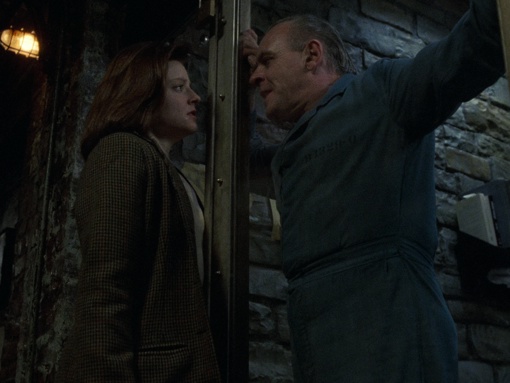
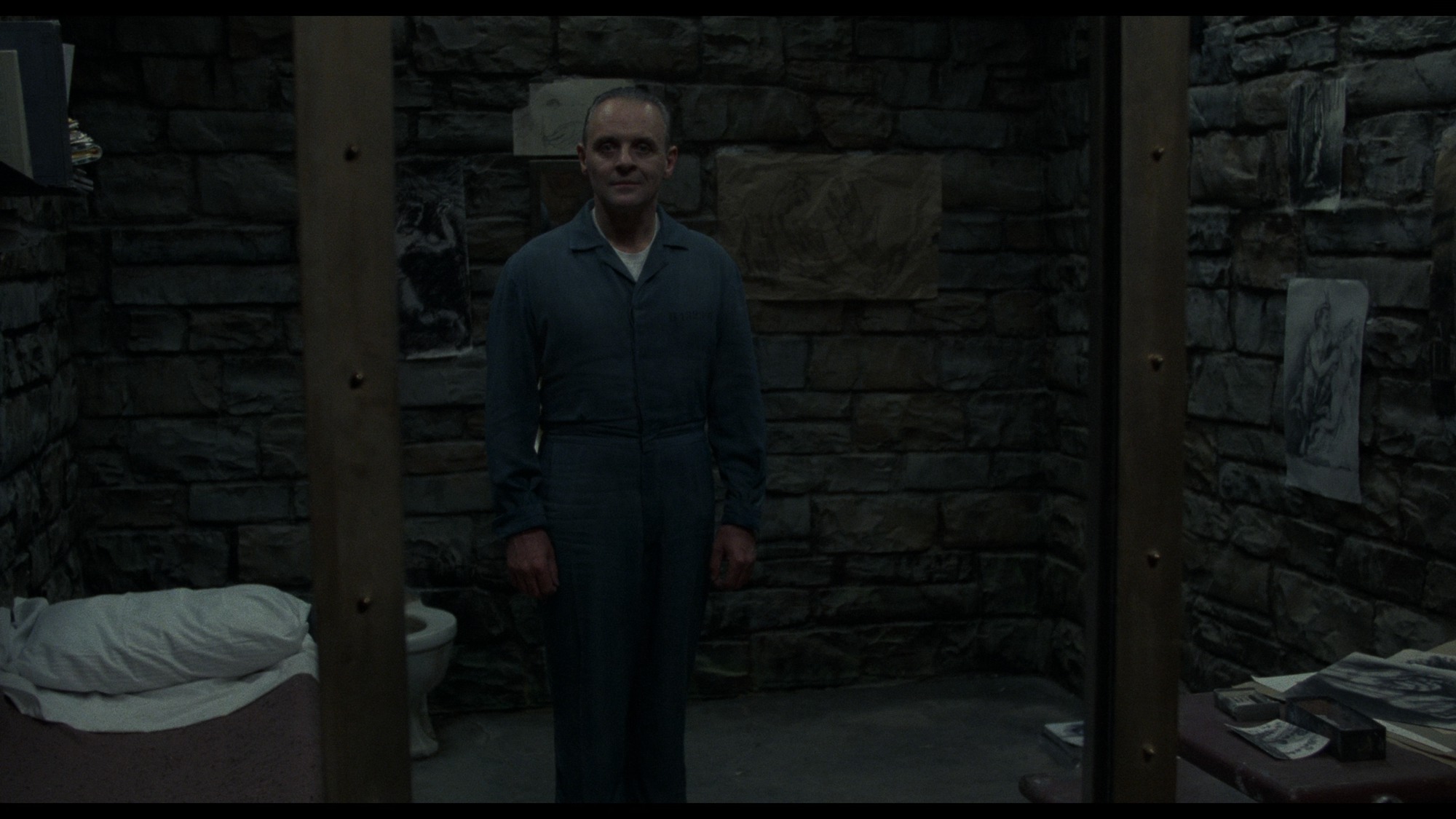
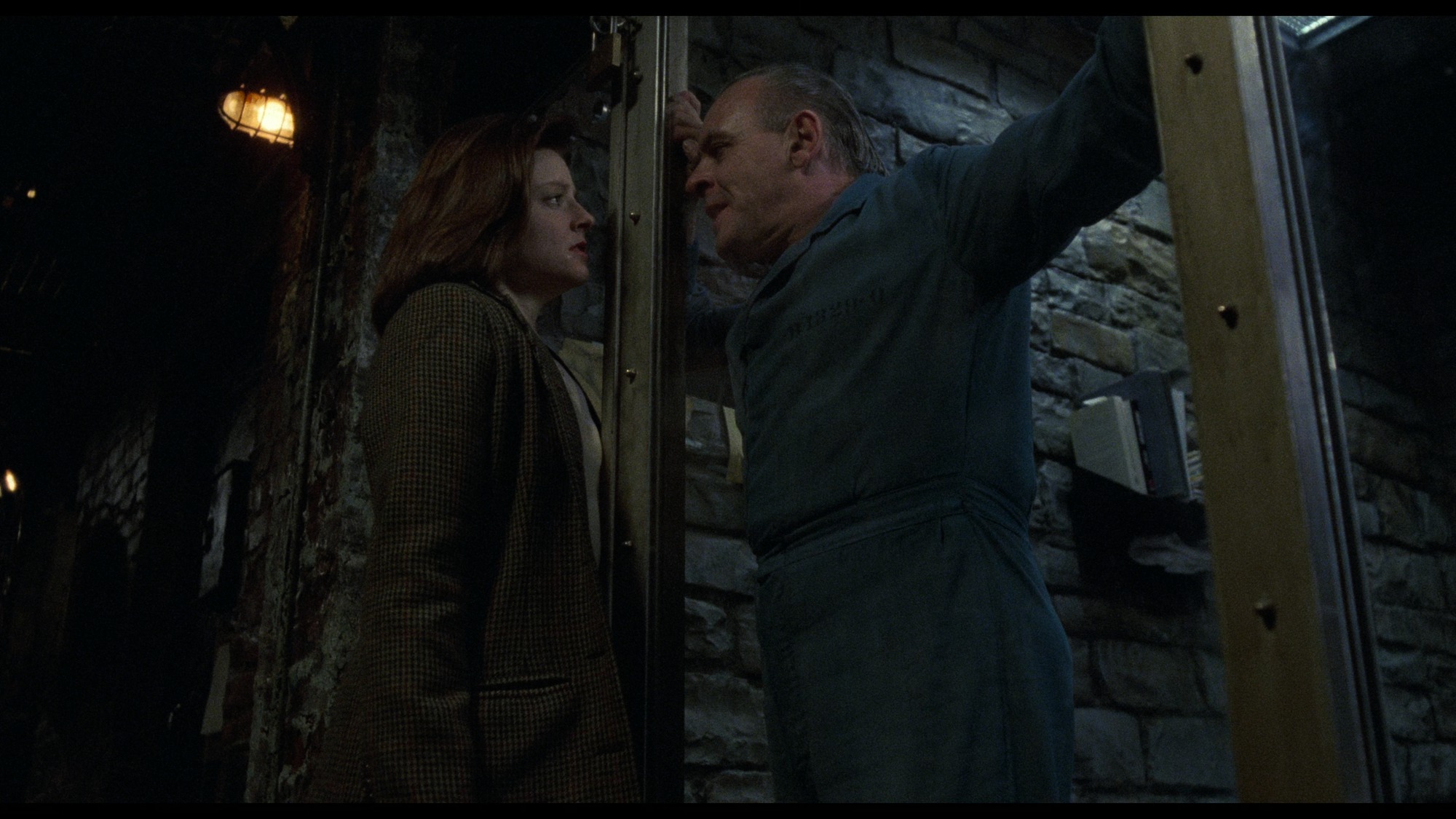
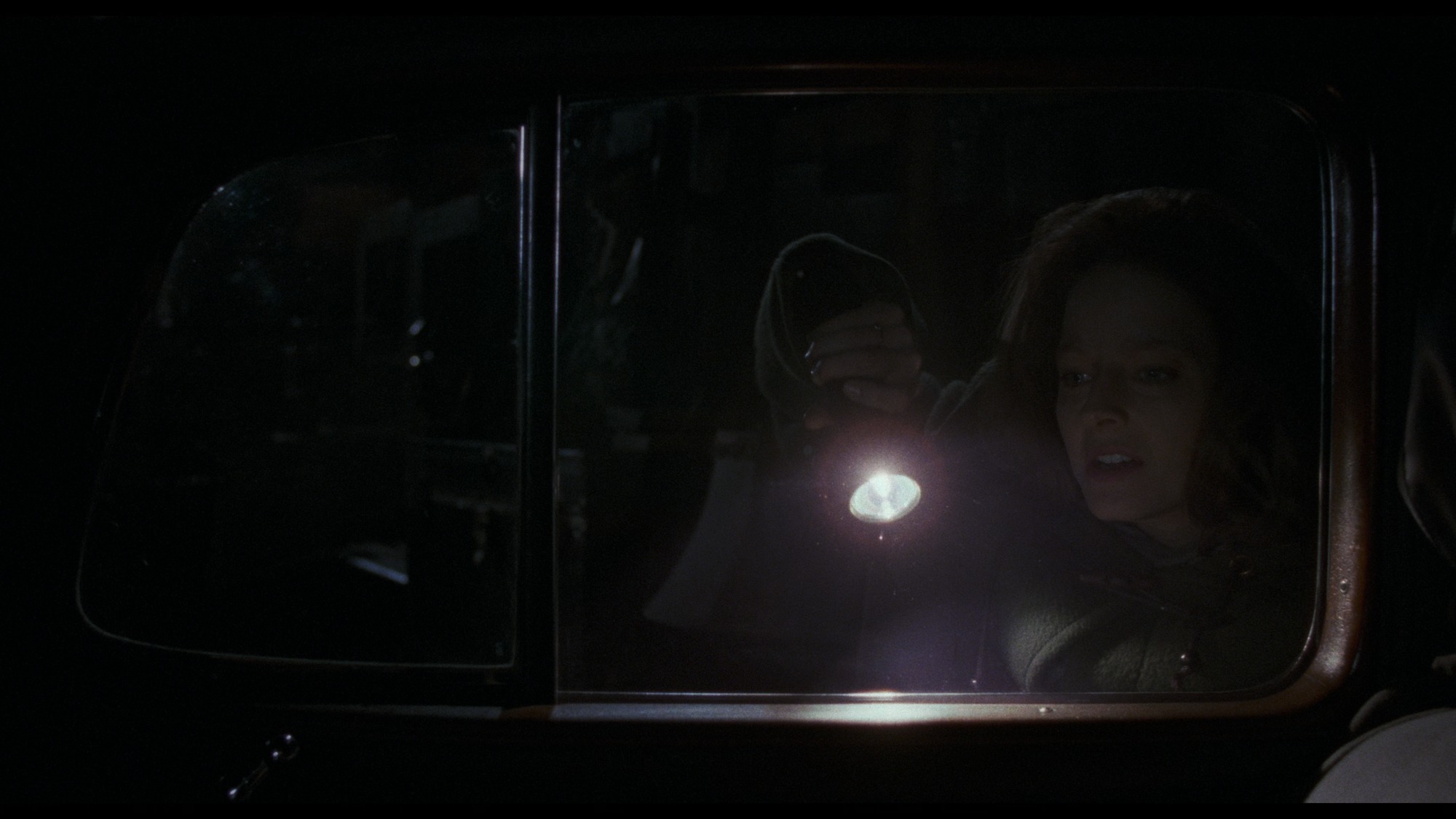
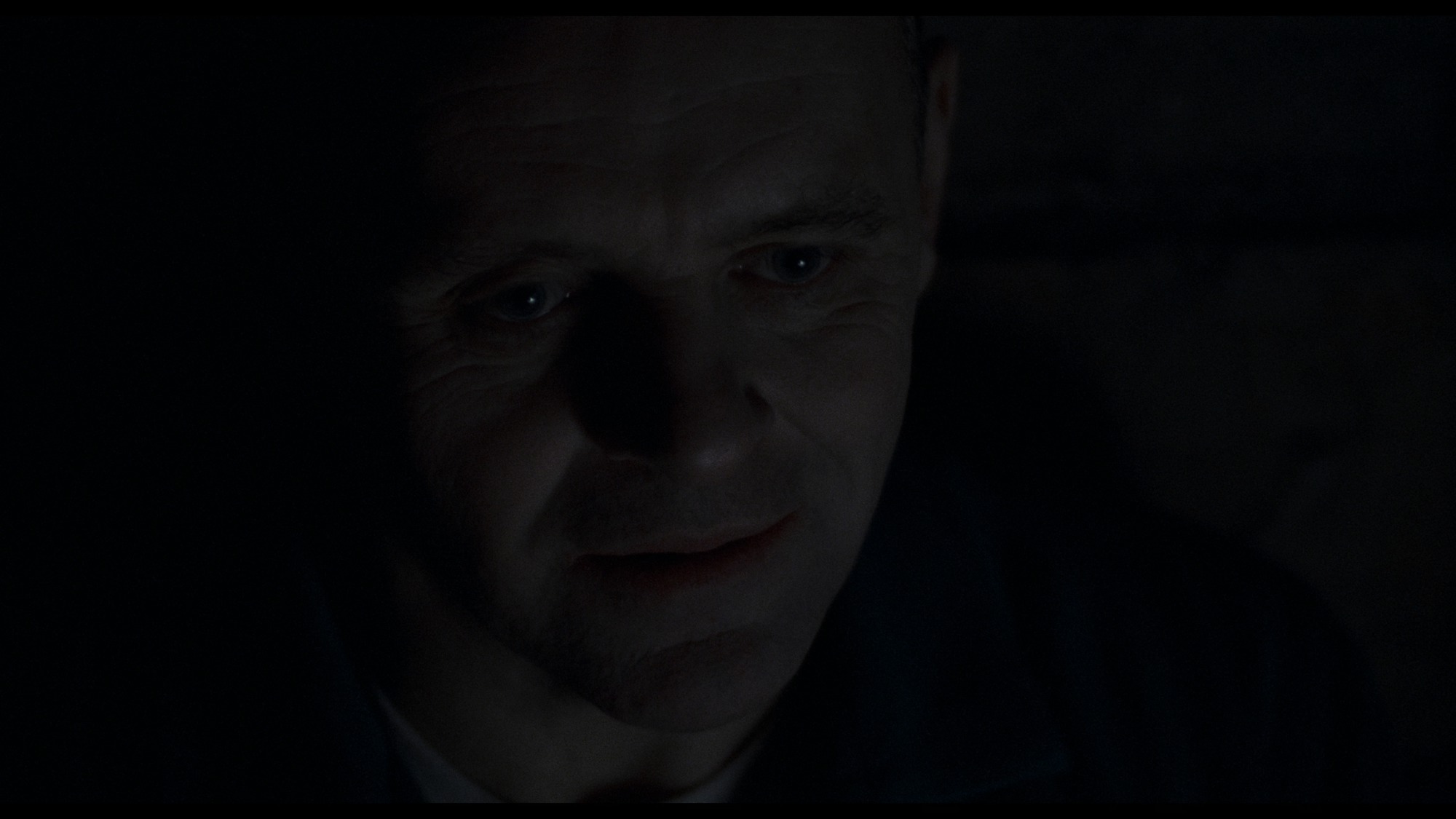
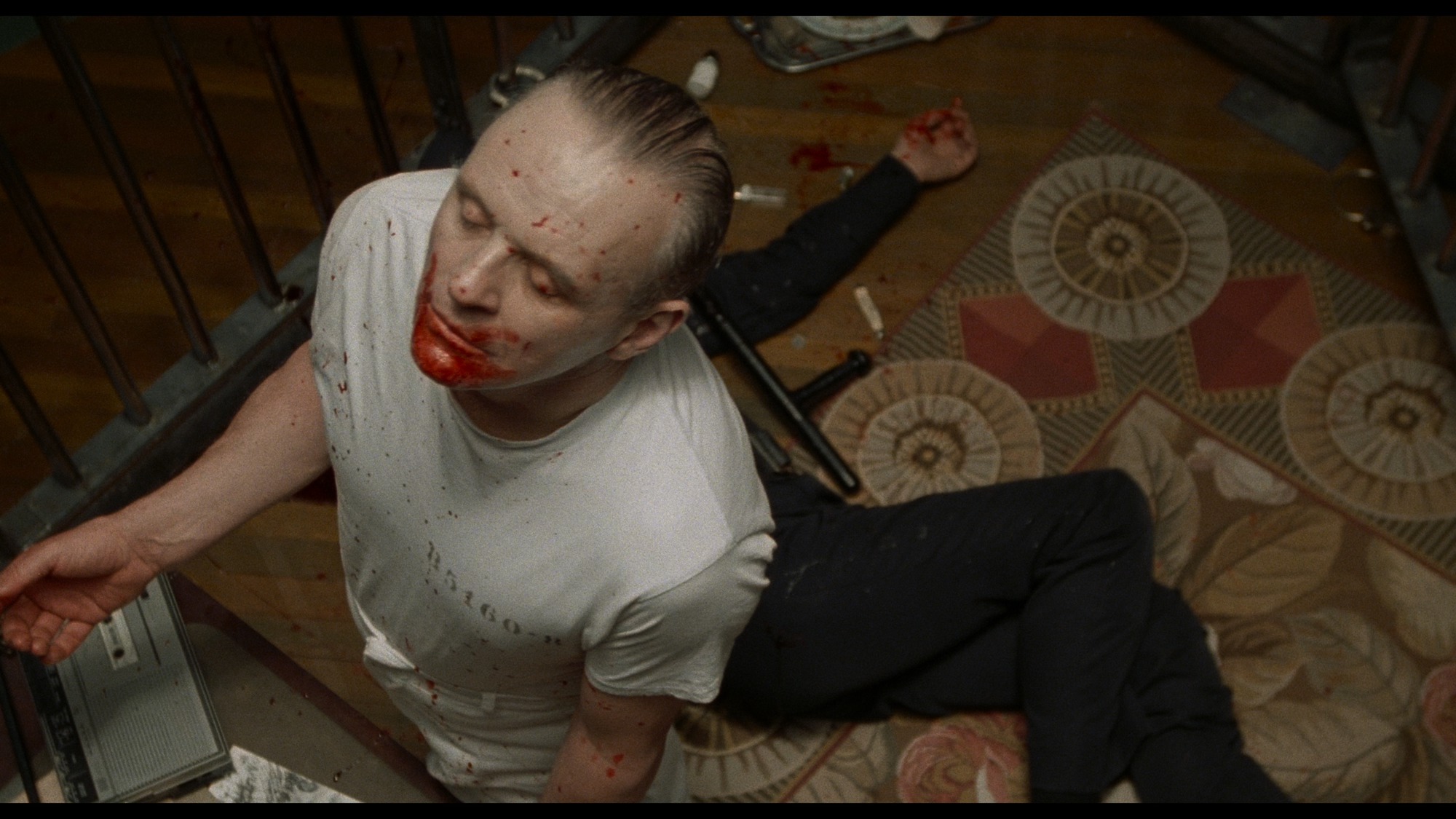
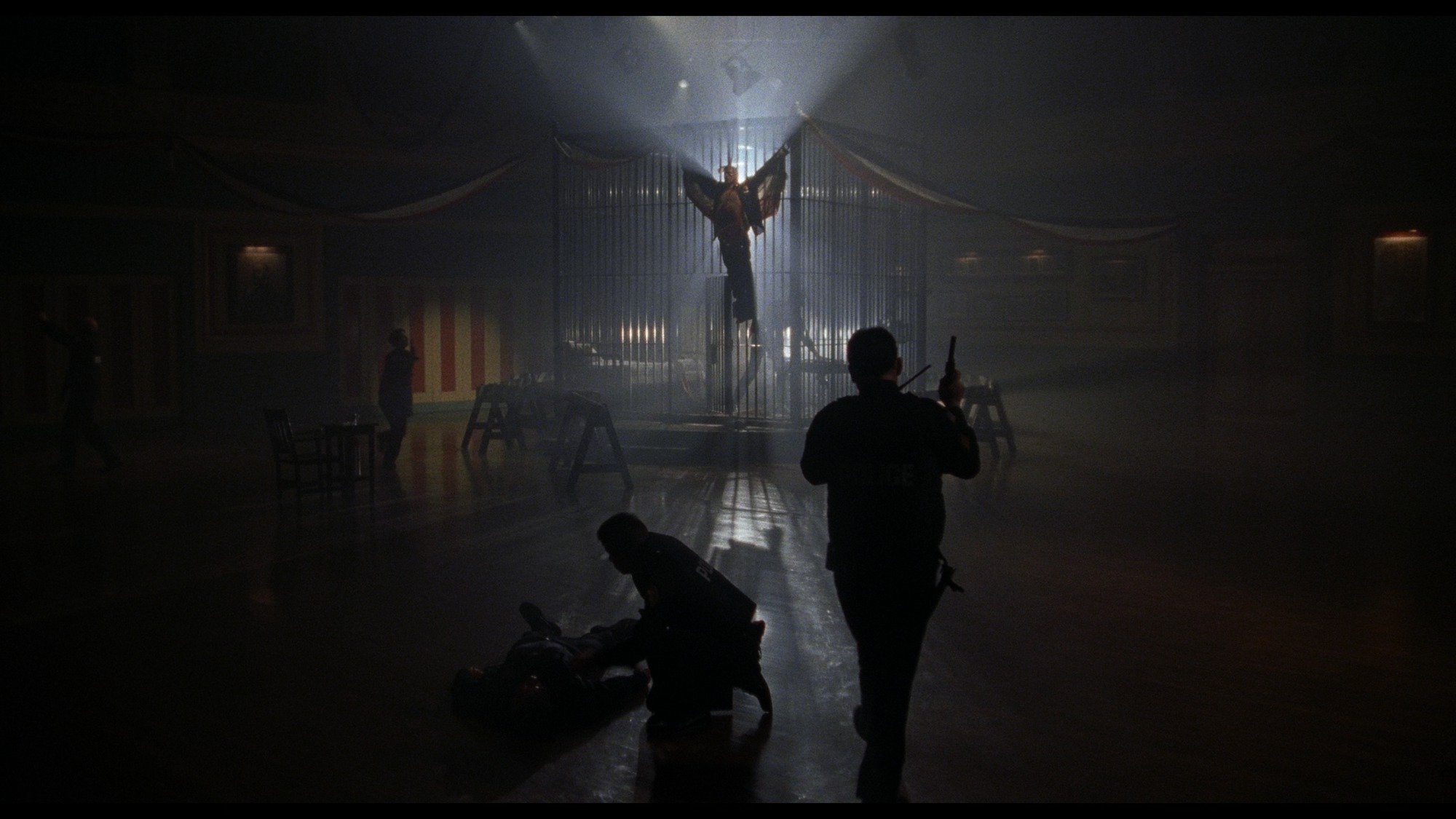
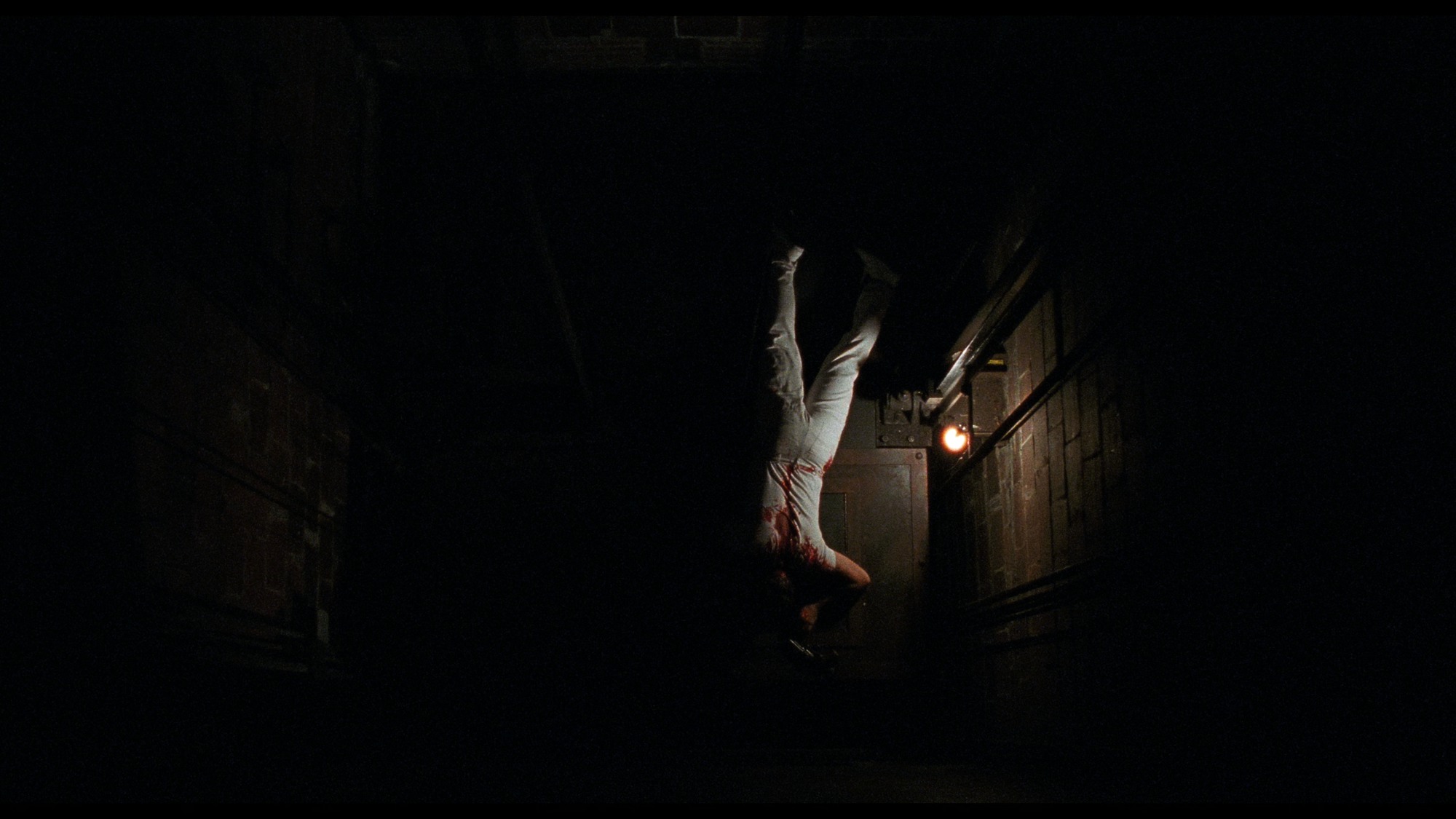
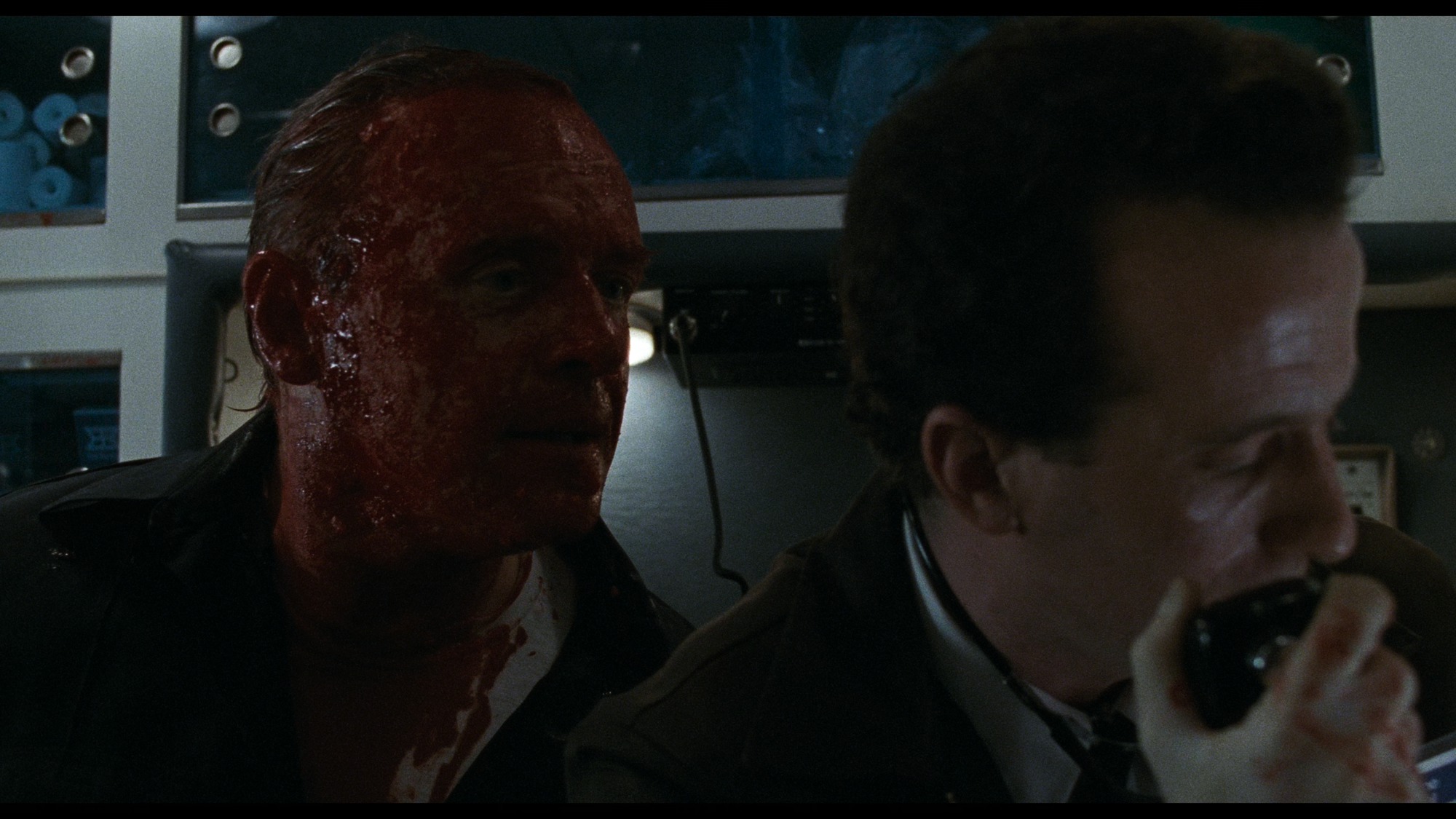
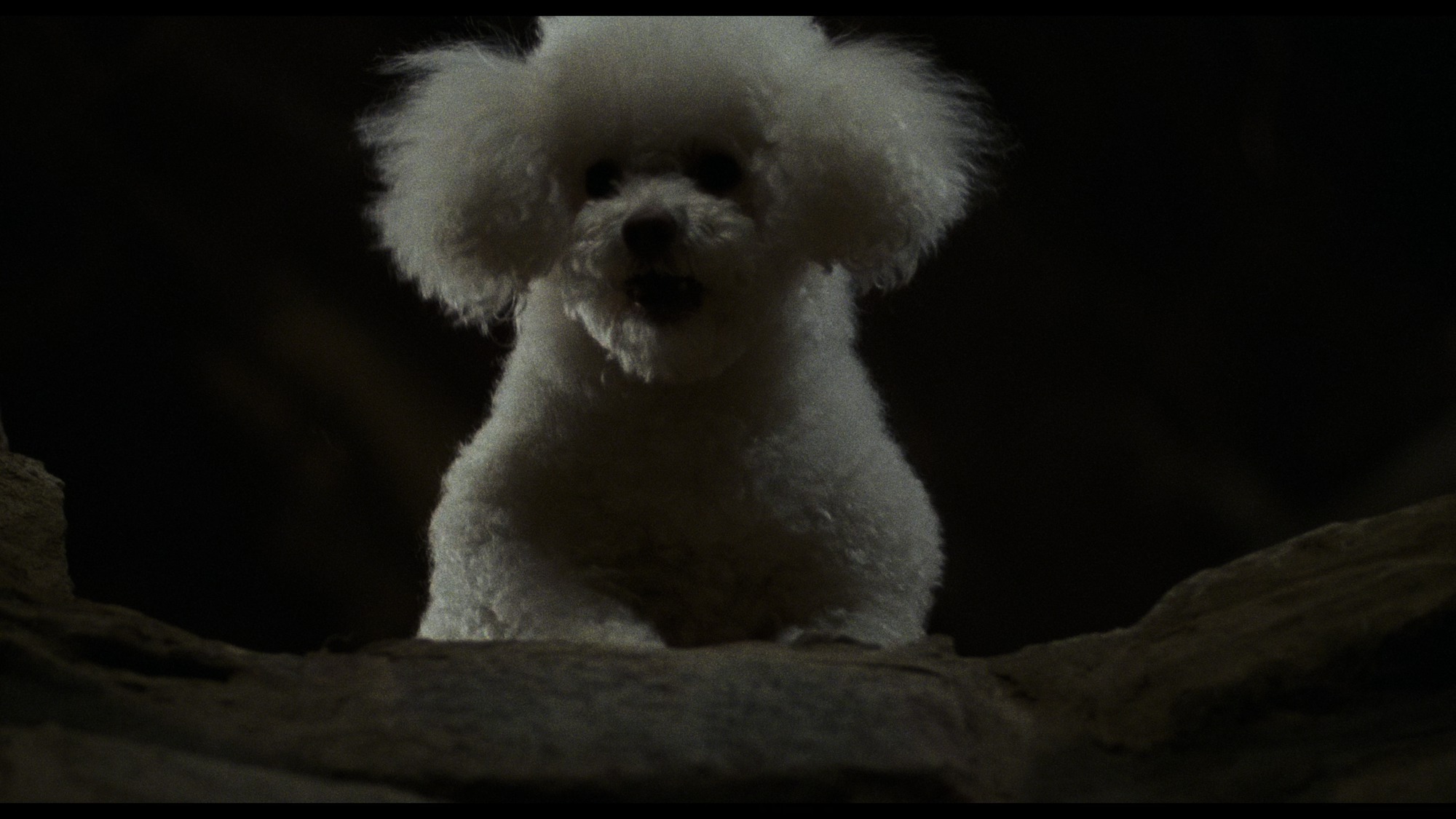
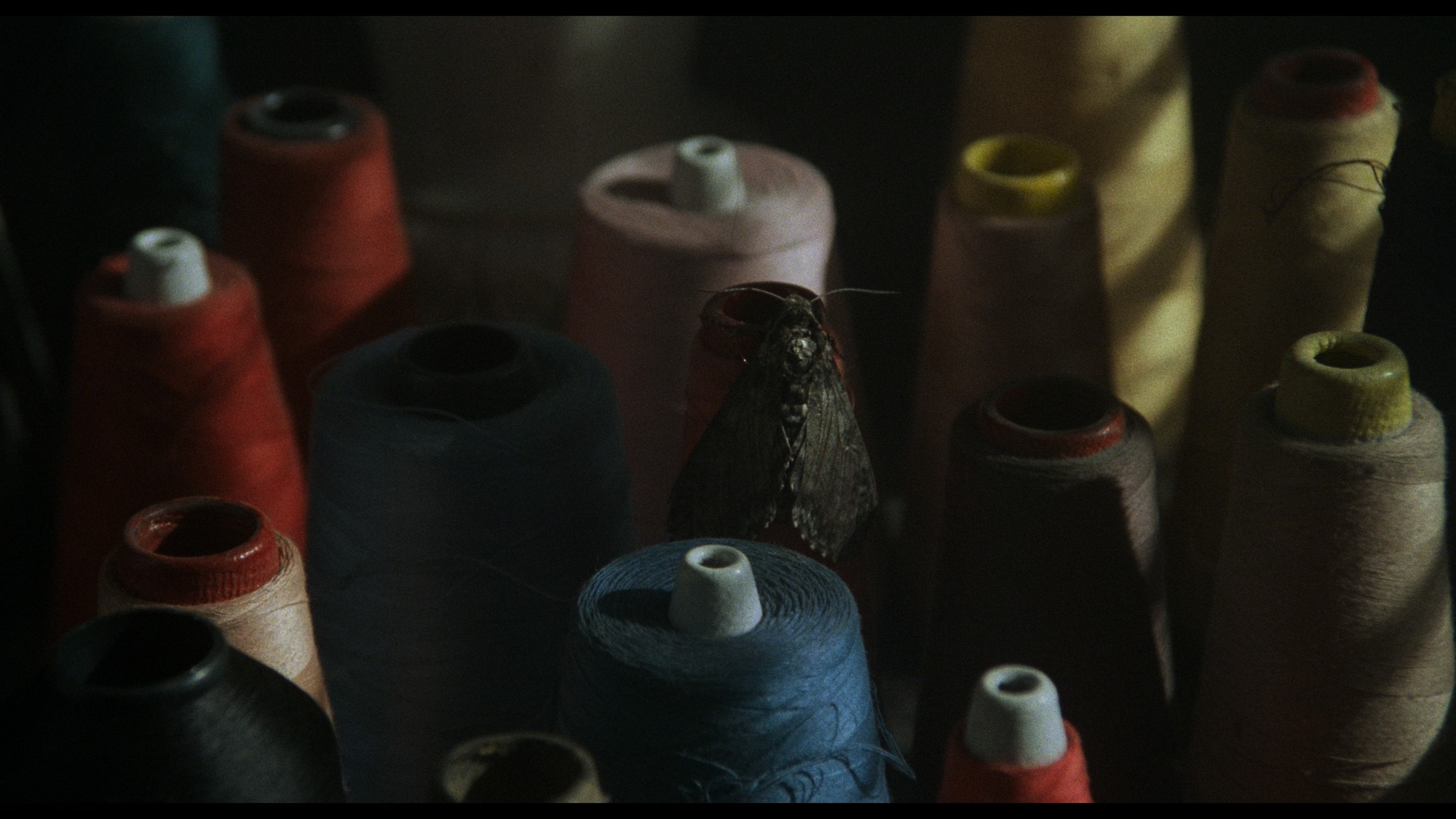
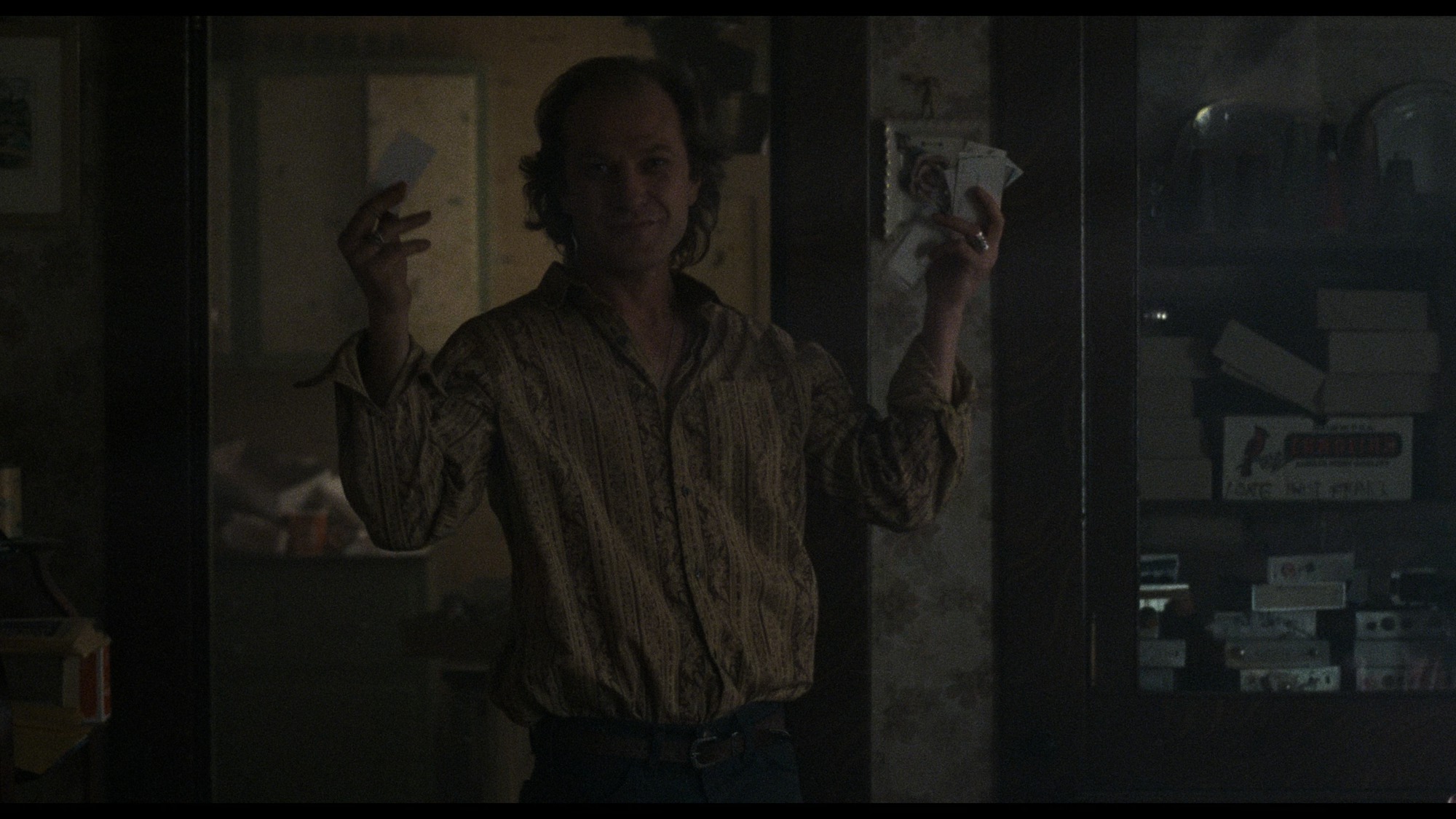
Going back to the 2018 Blu-ray, it still looks fine, I guess, though the encode is certainly more problematic than I recall (and I gave it a perfect score then, so… yeah). Possibly because of that, this new presentation ends up looking so, so much better, and the improvements extend beyond the encode and resolution. For one, as is usually the case, the wider dynamic range allows for more nuance in the shadows, which also look far richer overall. This greatly benefits the dark interiors of Hannibal’s cell corridor and Buffalo Bill’s lair, ultimately delivering a better sense of depth and more of that photographic aesthetic that I like. Colors mark another significant improvement, looking better saturated here, with bold reds and skin tones that come off a bit less pinkish than before. I never saw Kino’s now out-of-print 4K due to the reported issues with the color space changing part way through (an impressive mistake that they ultimately refused to fix), but I can say that doesn’t happen here, with the presentation remaining consistent throughout.
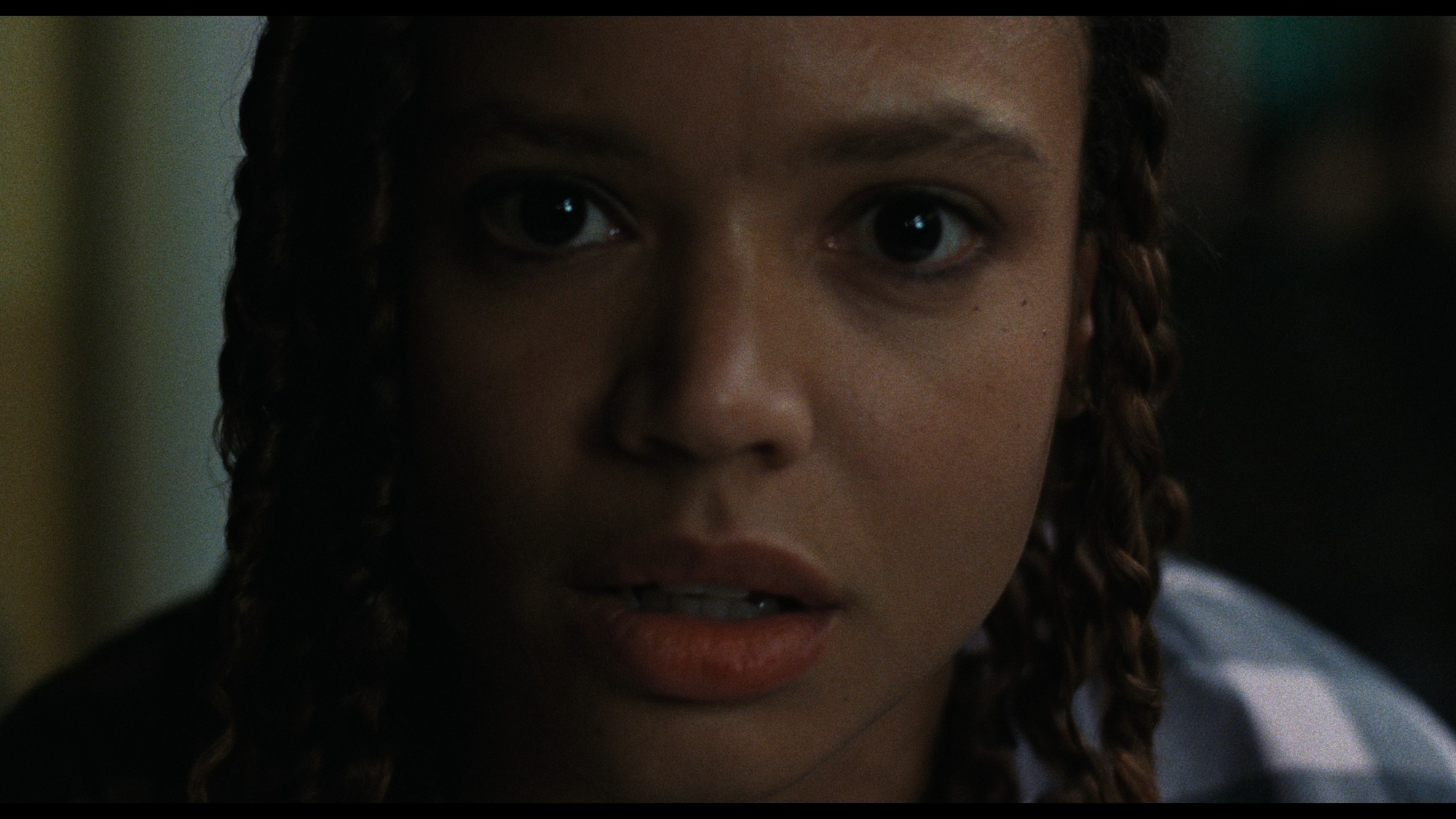
Then we come back around to the improved resolution and encode. There is, of course, more detail available here, particularly in the stonework lining that central basement corridor, but grain looks cleaner and more natural as well. Fine details really leap off the screen, and Demme’s centered close-ups of his actors look even more striking.
But how does it compare to Arrow’s UK release, which I did pick up? Honestly, they look near-identical, at least when viewed on a television. I don’t consider screen captures the be-all and end-all when judging a presentation, but comparing a handful between the two releases suggests Criterion’s image has been slightly filtered. And I mean slightly. Jumping back and forth, it’s kinda evident, yet hardly glaring. More importantly, when viewed on a television, it’s not noticeable in the slightest. I’m sure others will be picking both apart, but based on a quick comparison, I doubt most viewers will see any difference between the two. Both encodes are really good.
Which, of course, means that if you already own the Arrow edition, there’s no reason to pick this one up, at least on the basis of image quality. Criterion’s exclusive supplements may be a draw, though chances are you already own their Blu-ray. But for anyone who didn’t import Arrow’s edition, or picked up Kino’s and has been looking for a replacement without its issues, Criterion’s upgrade is a fantastic one, delivering a far more film-like presentation than their previous Blu-ray.
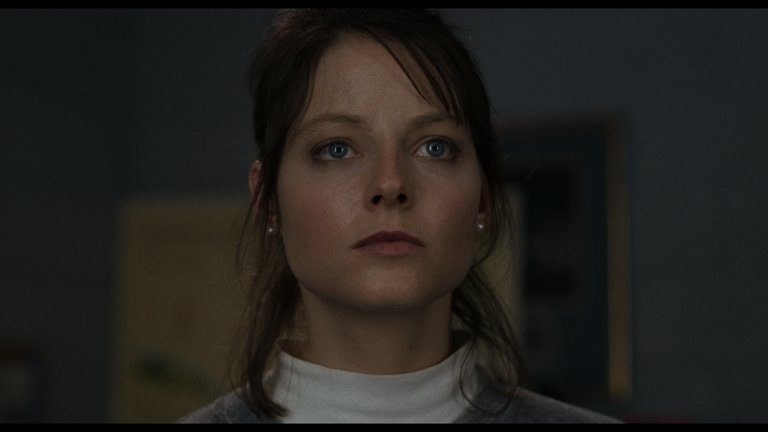
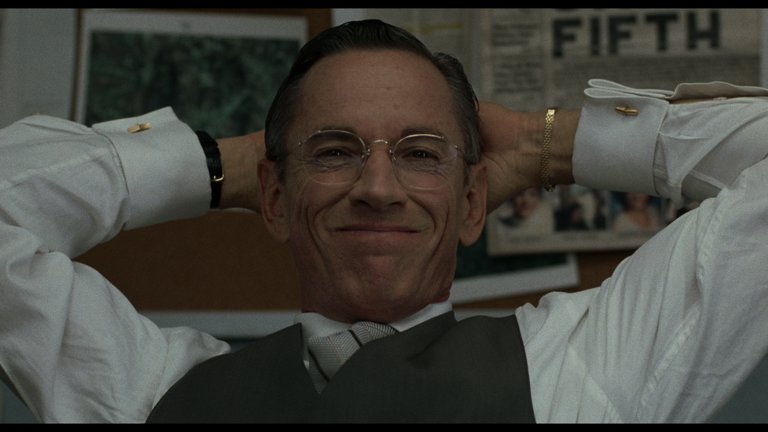
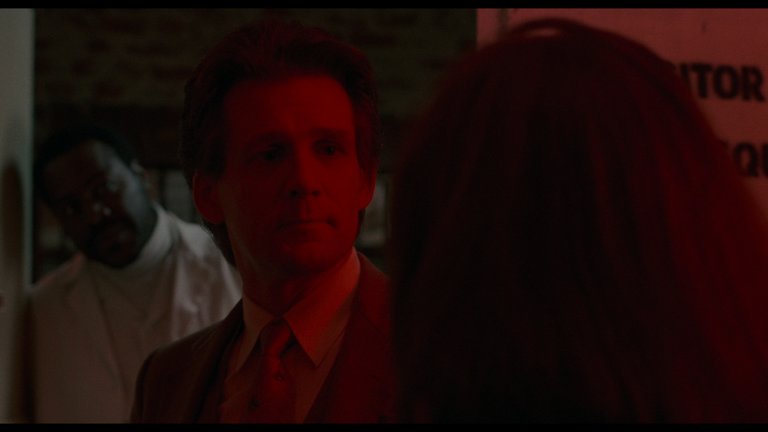
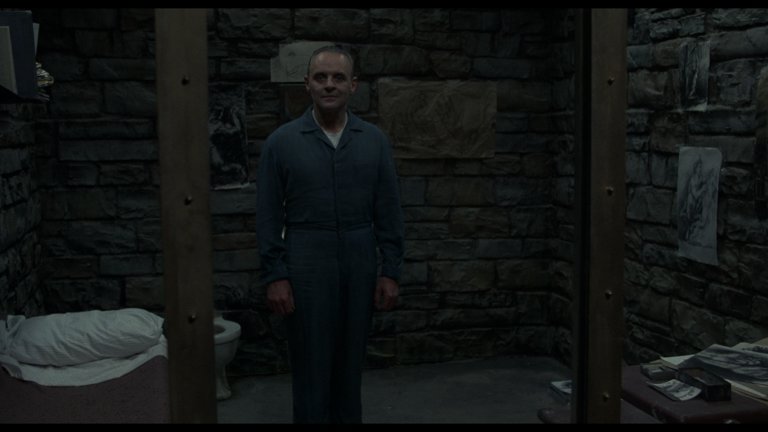
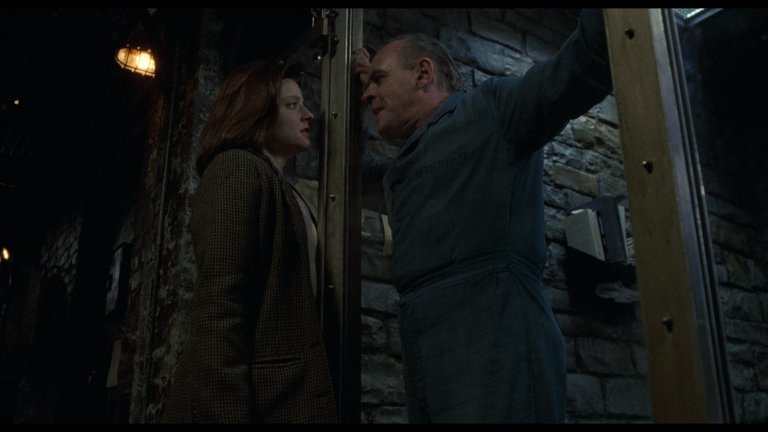
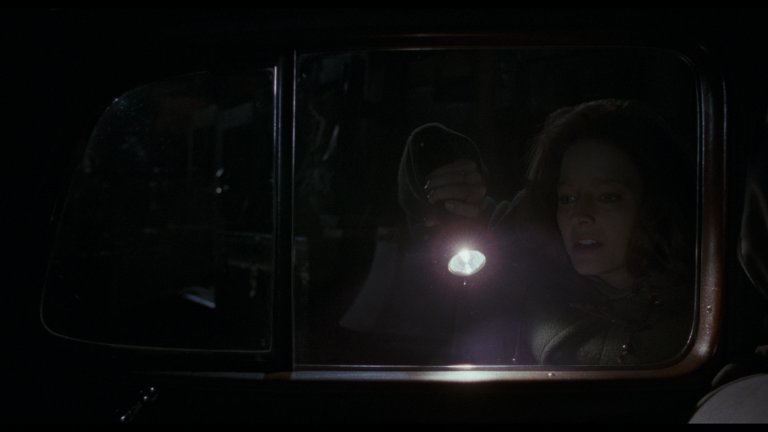
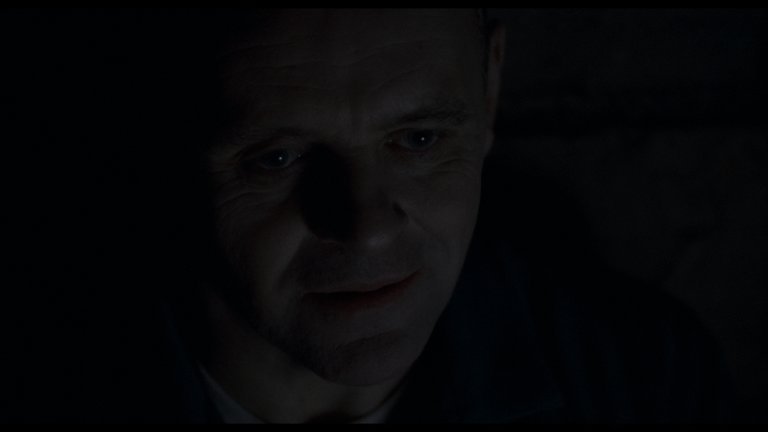
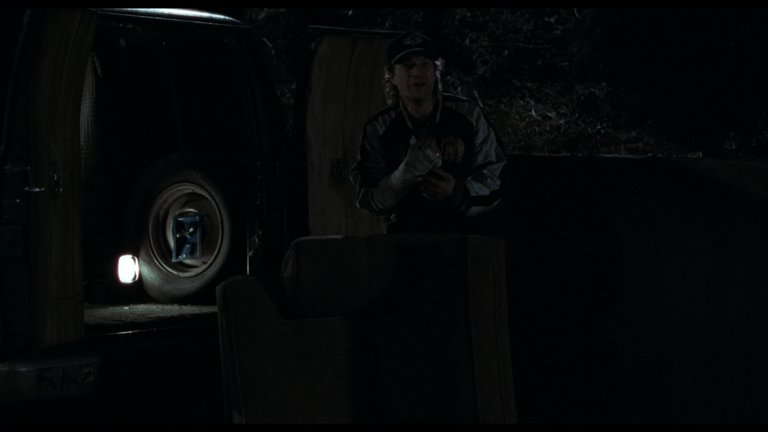
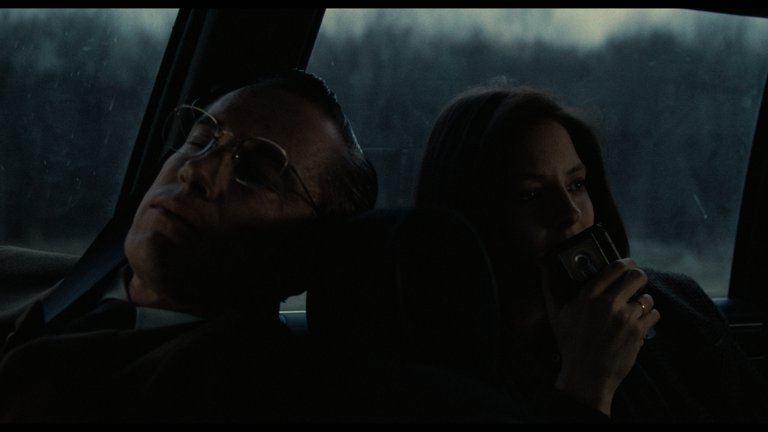
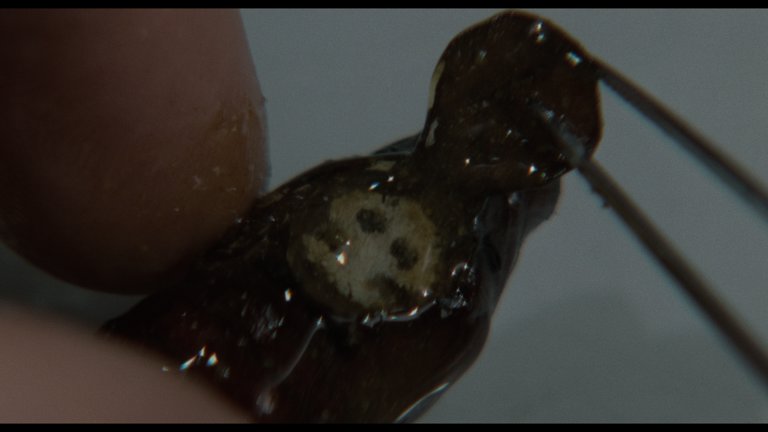
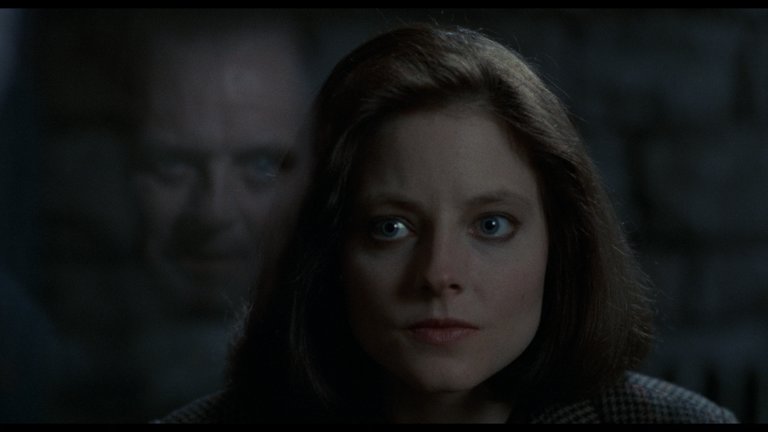
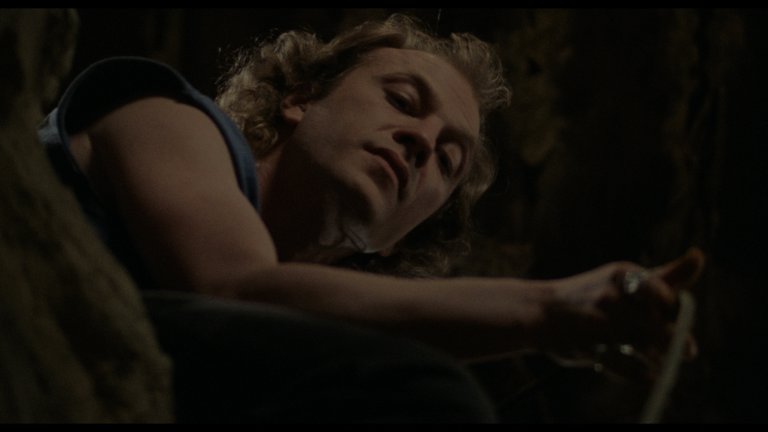
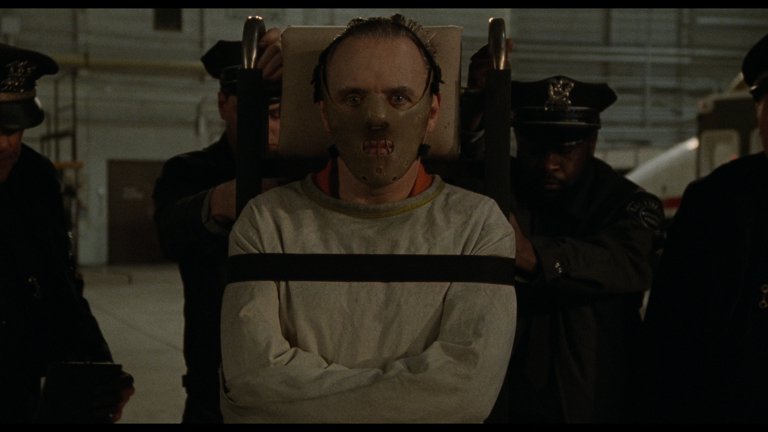
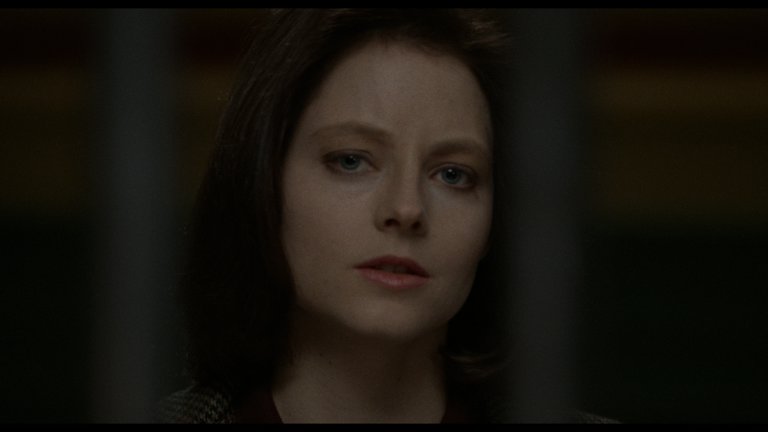
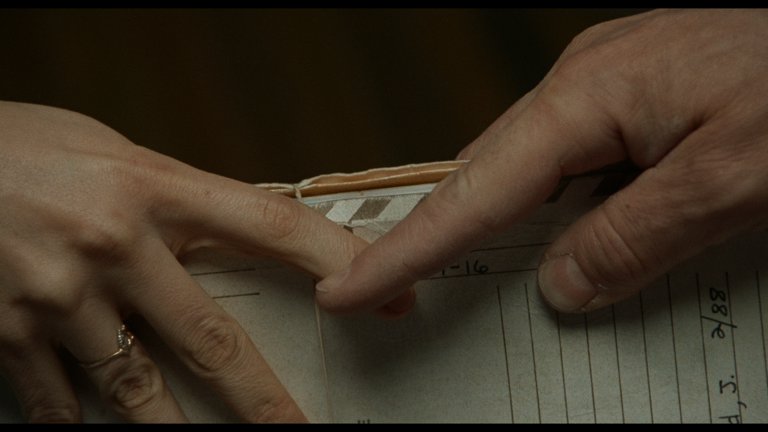
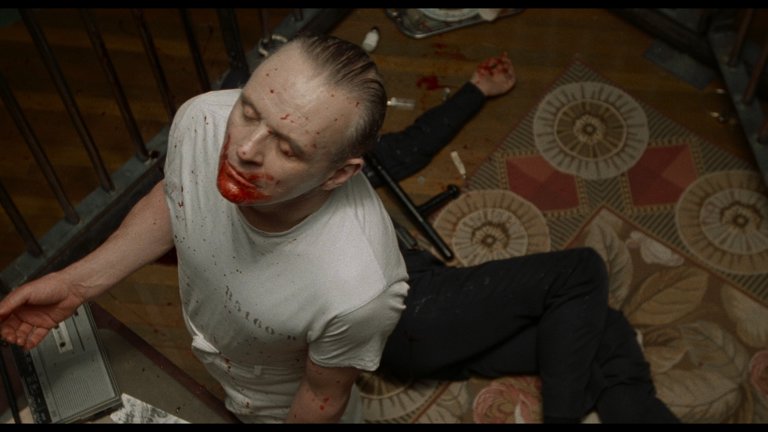
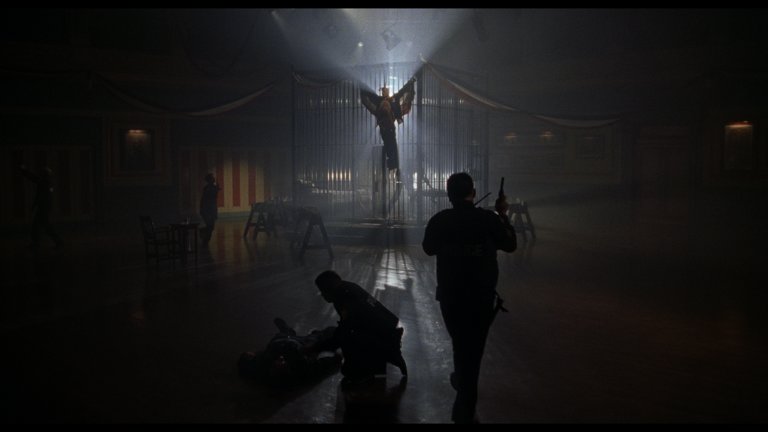
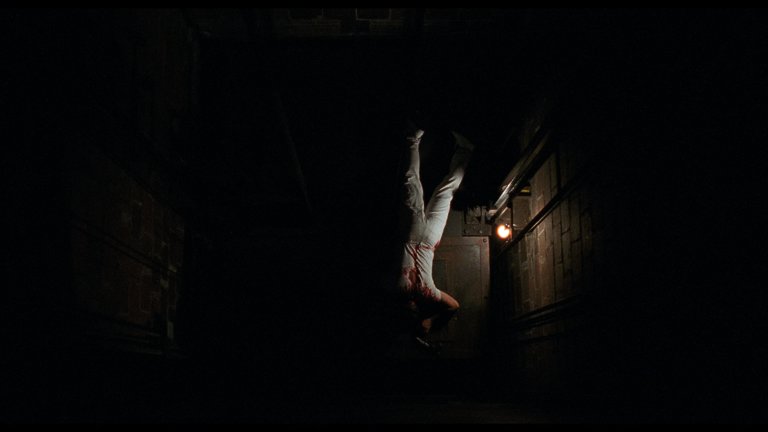
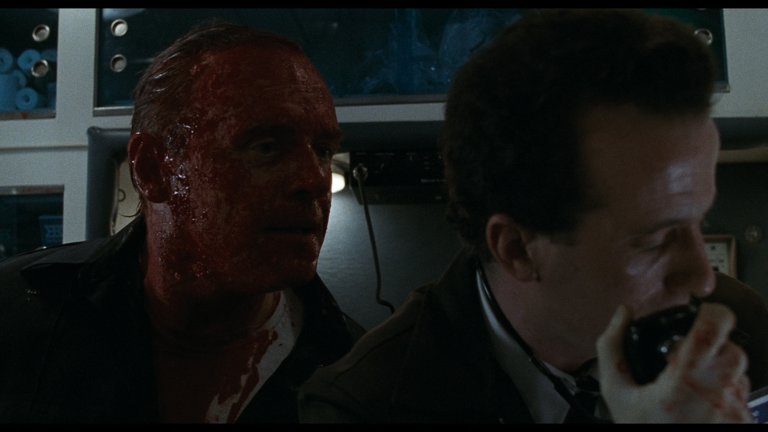
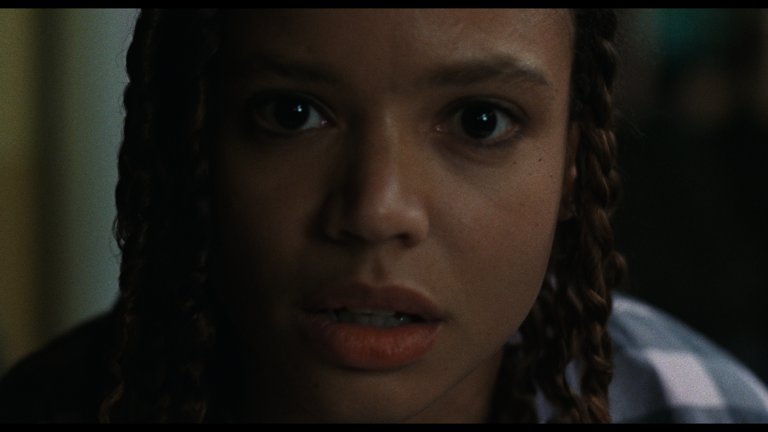
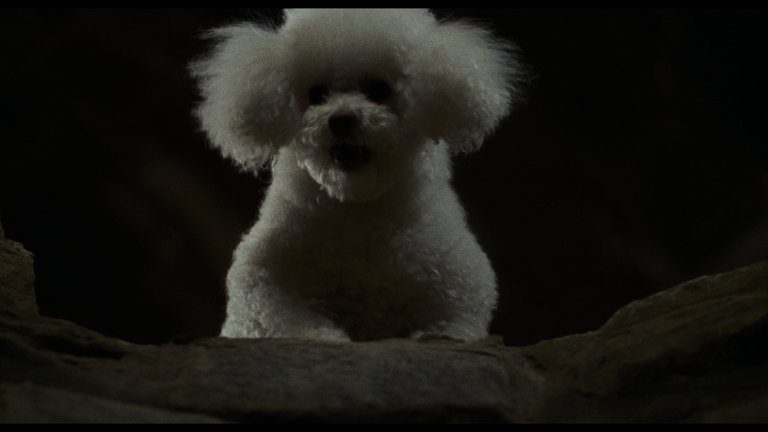
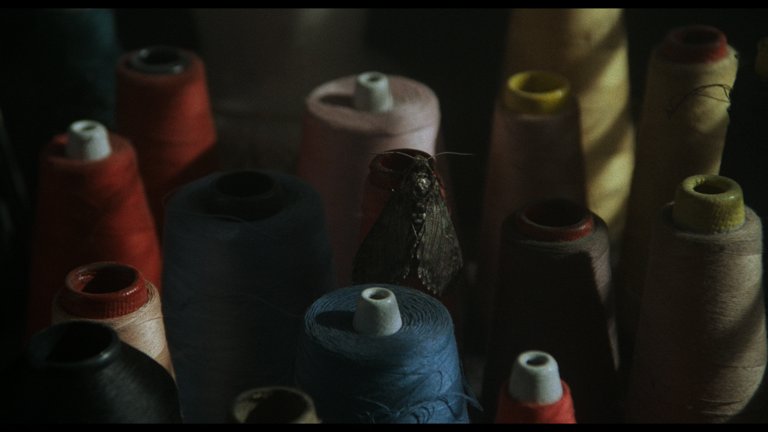
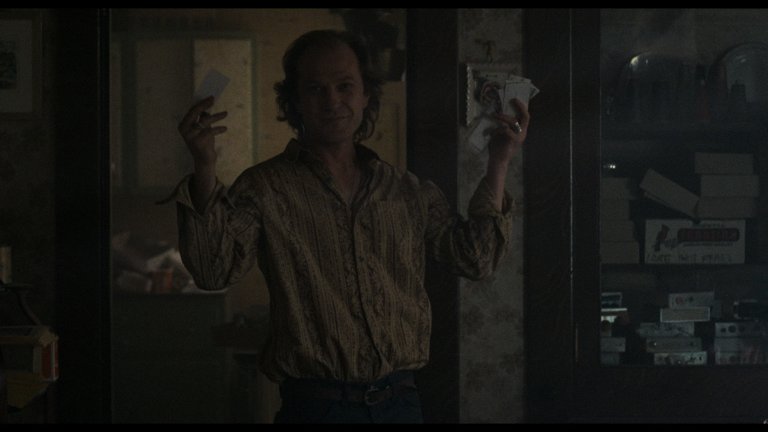
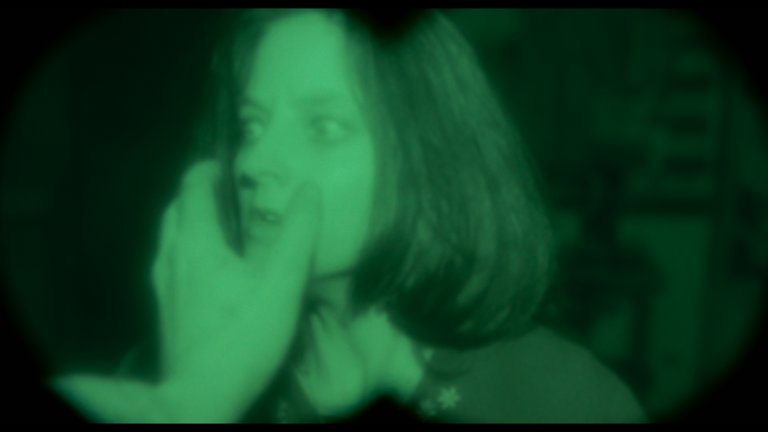
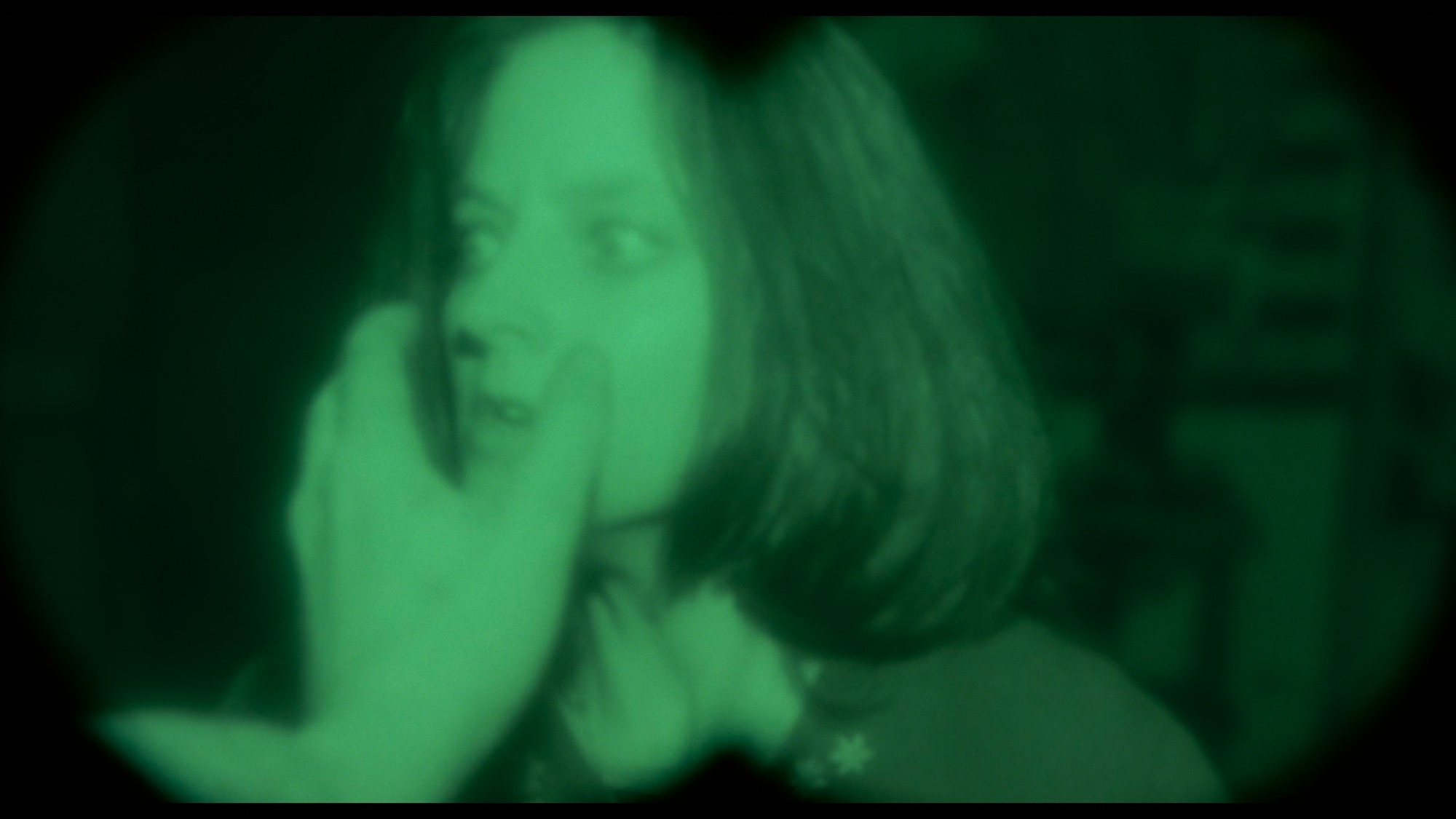
The Silence of the Lambs - Screen Captures
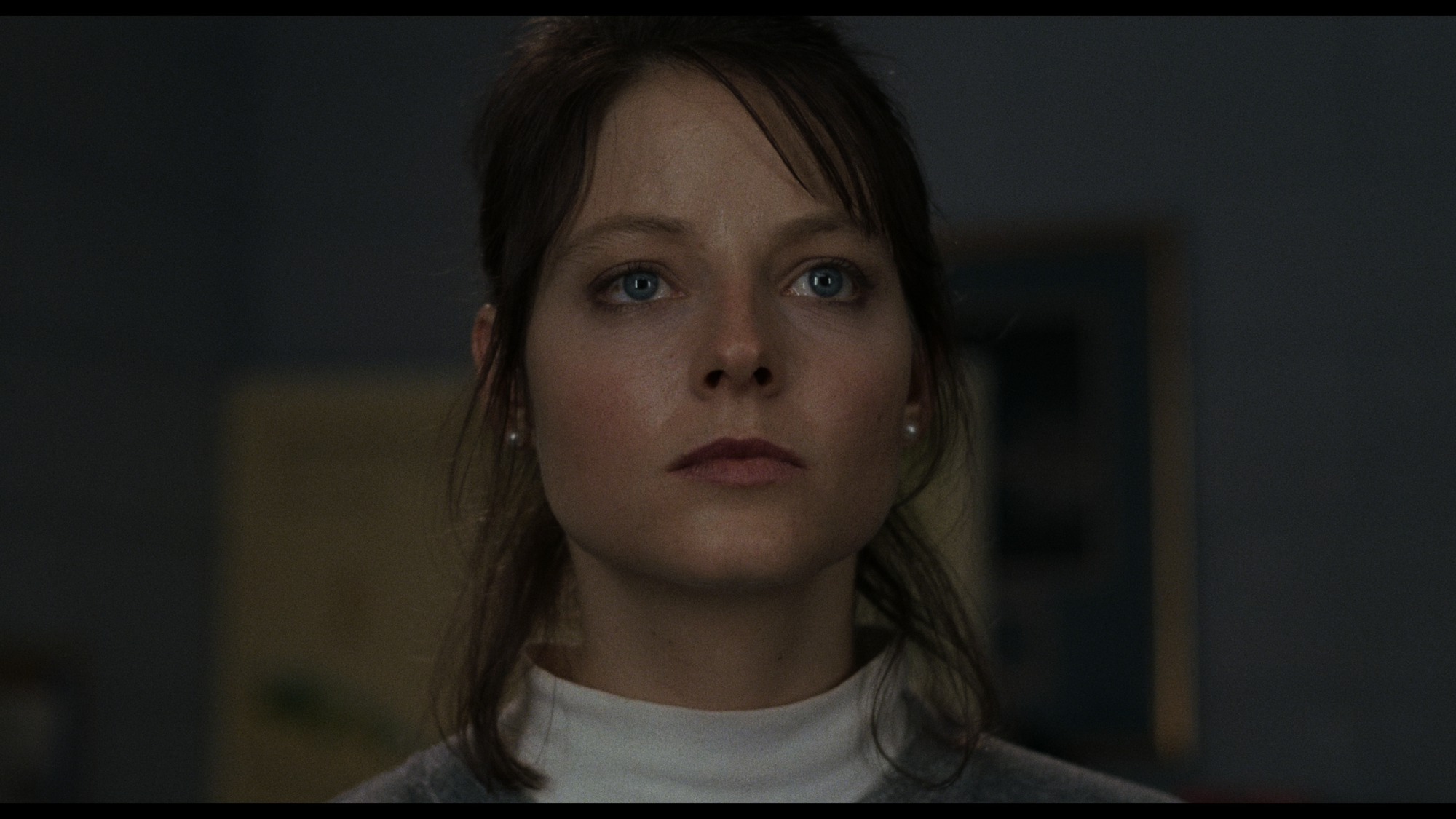
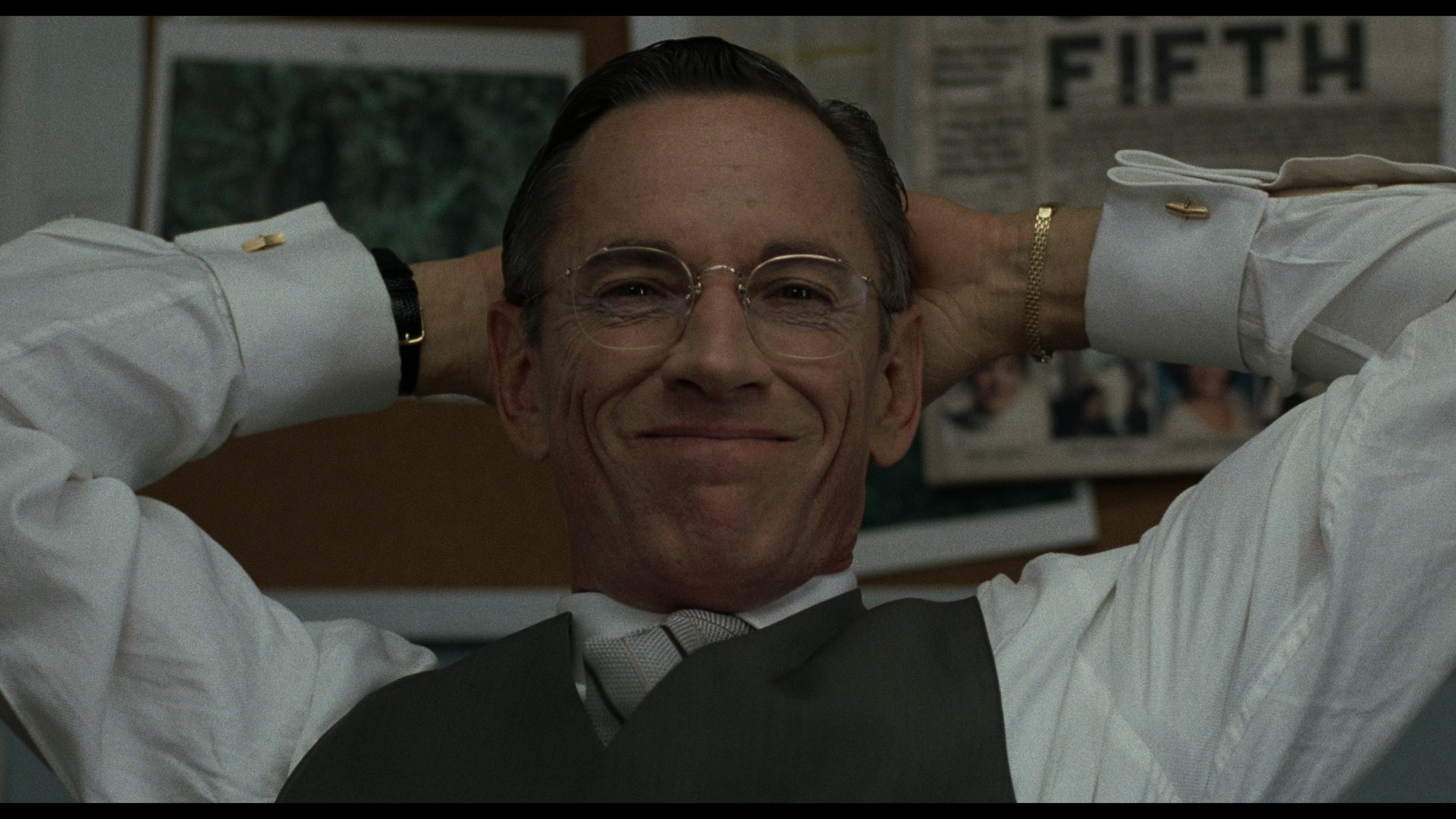
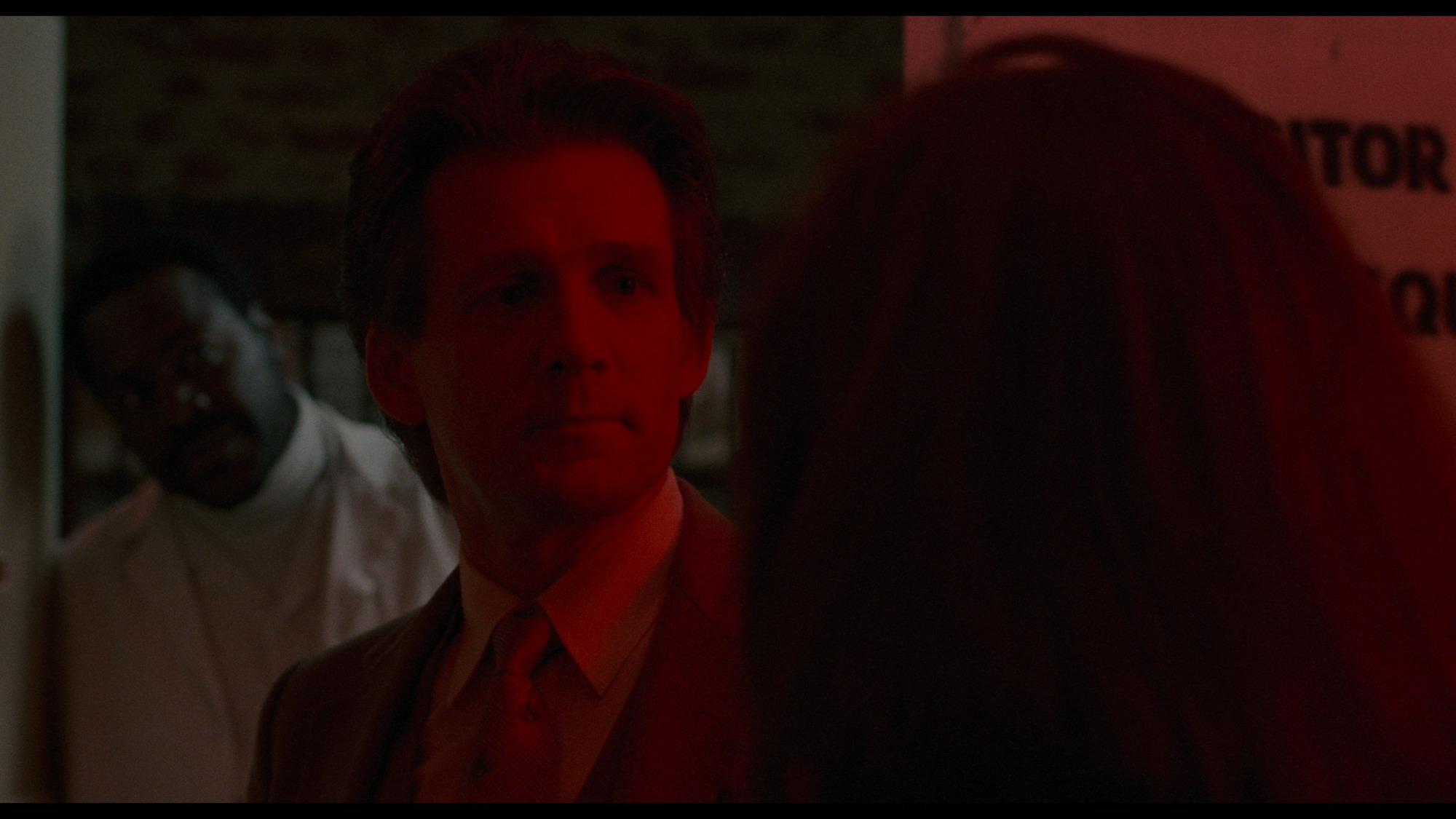
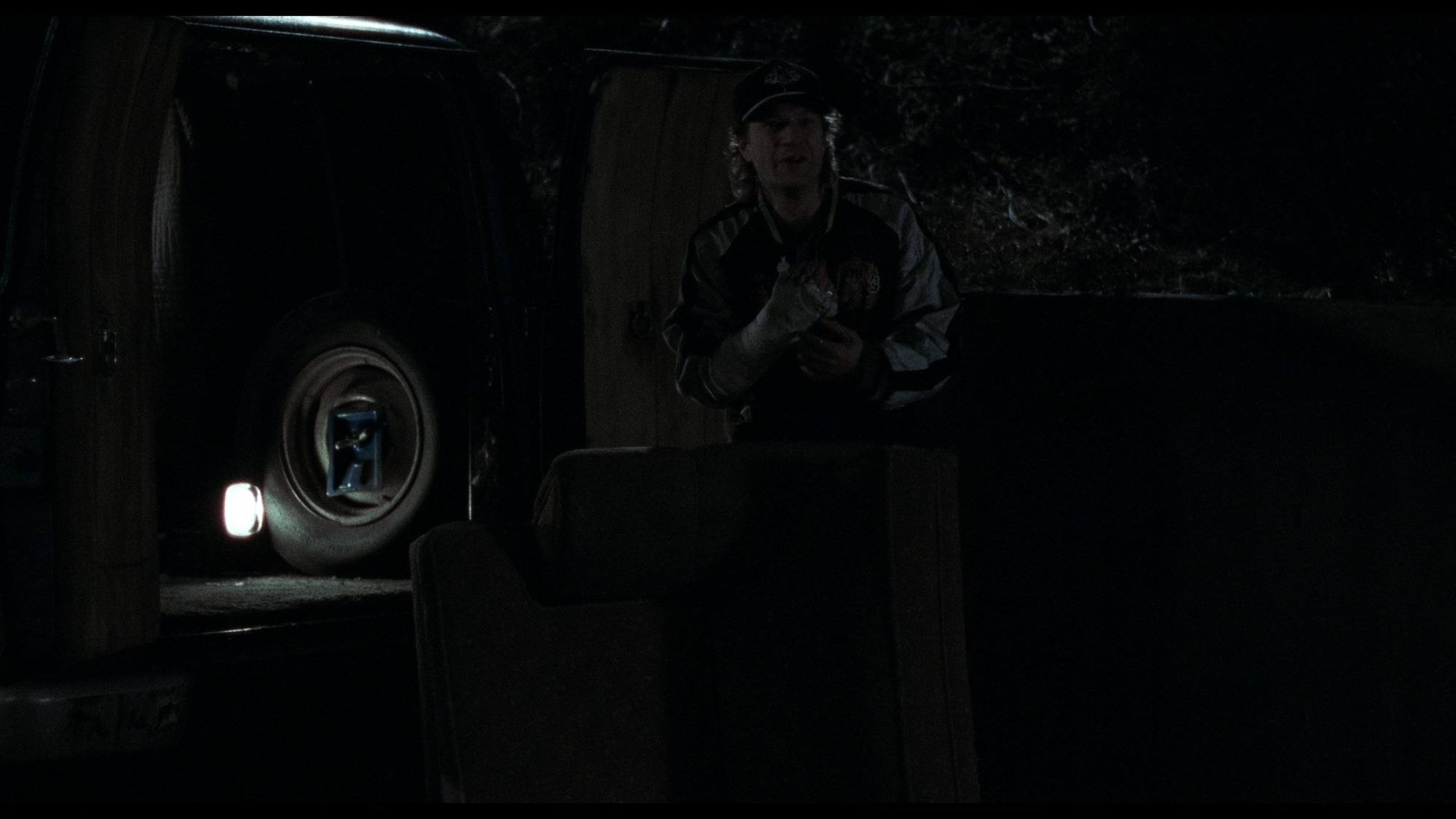
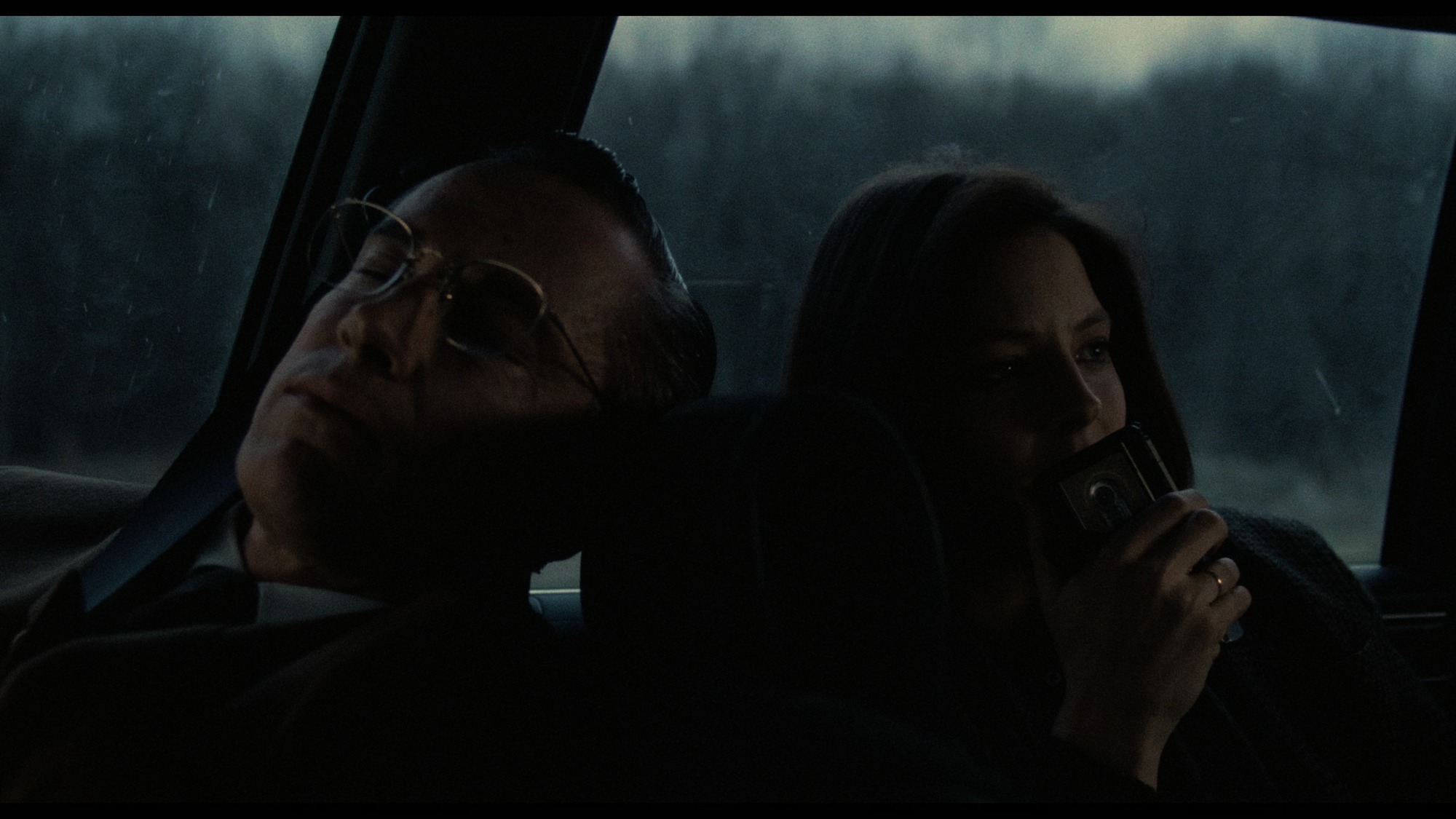
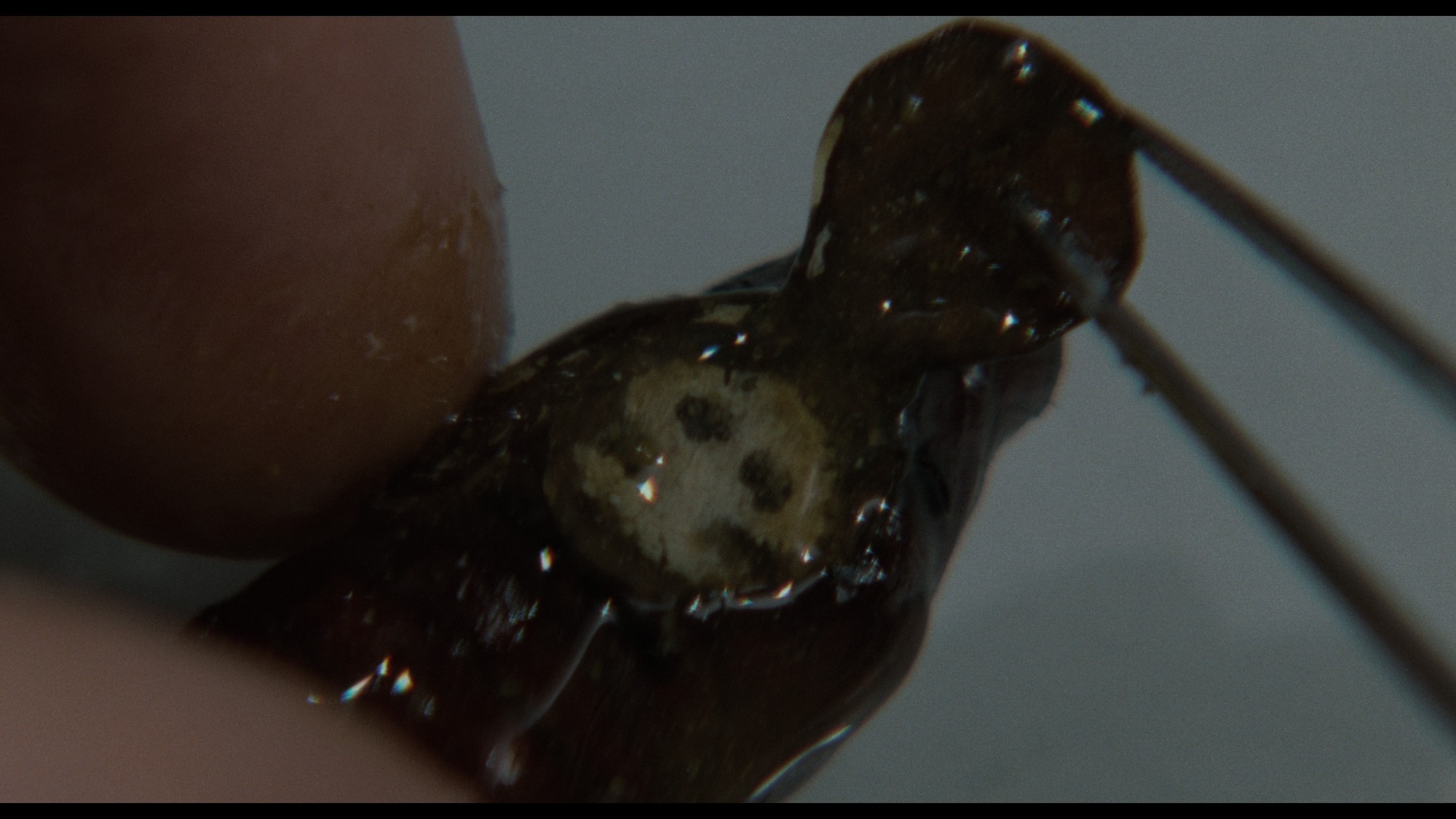
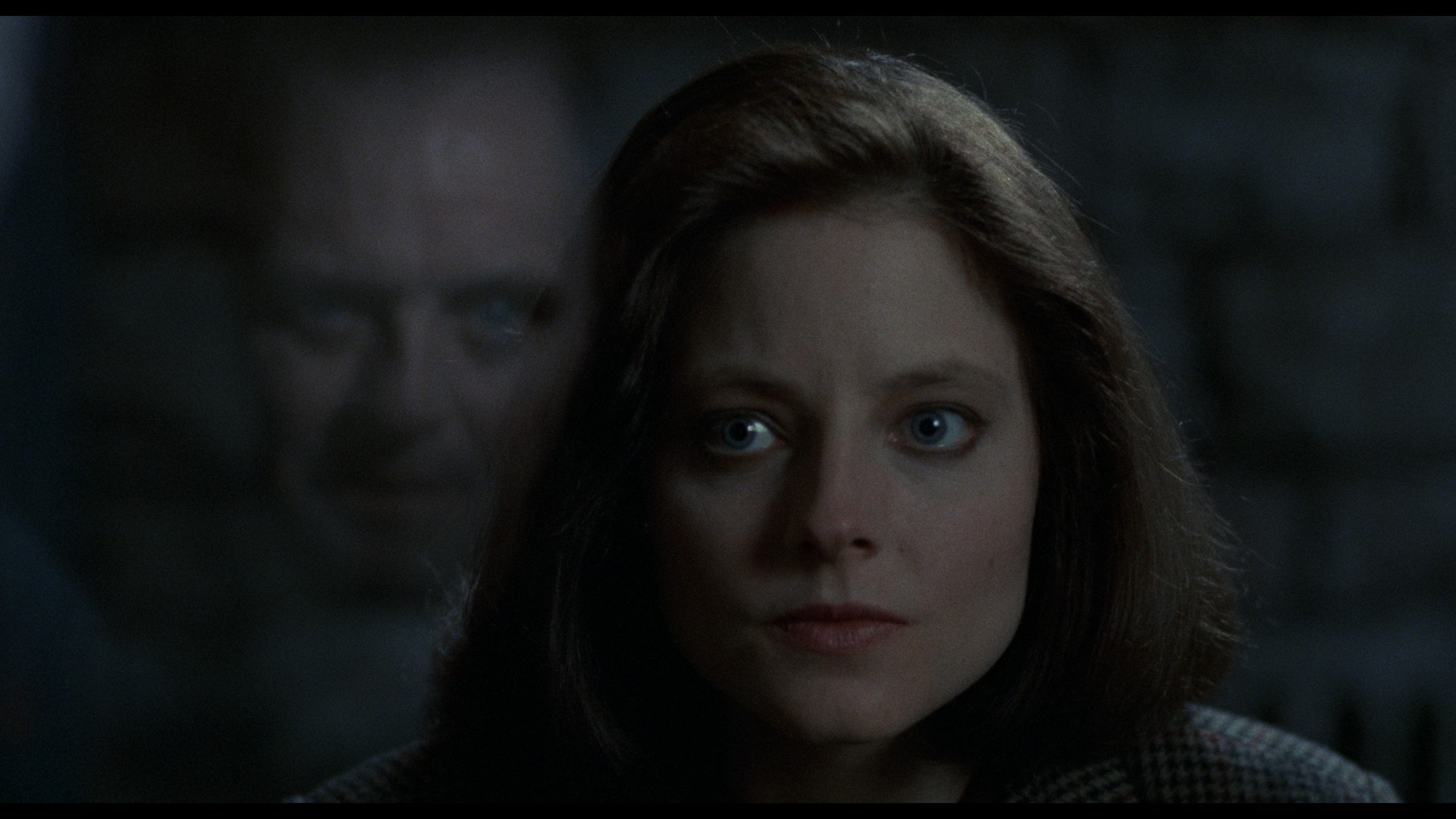
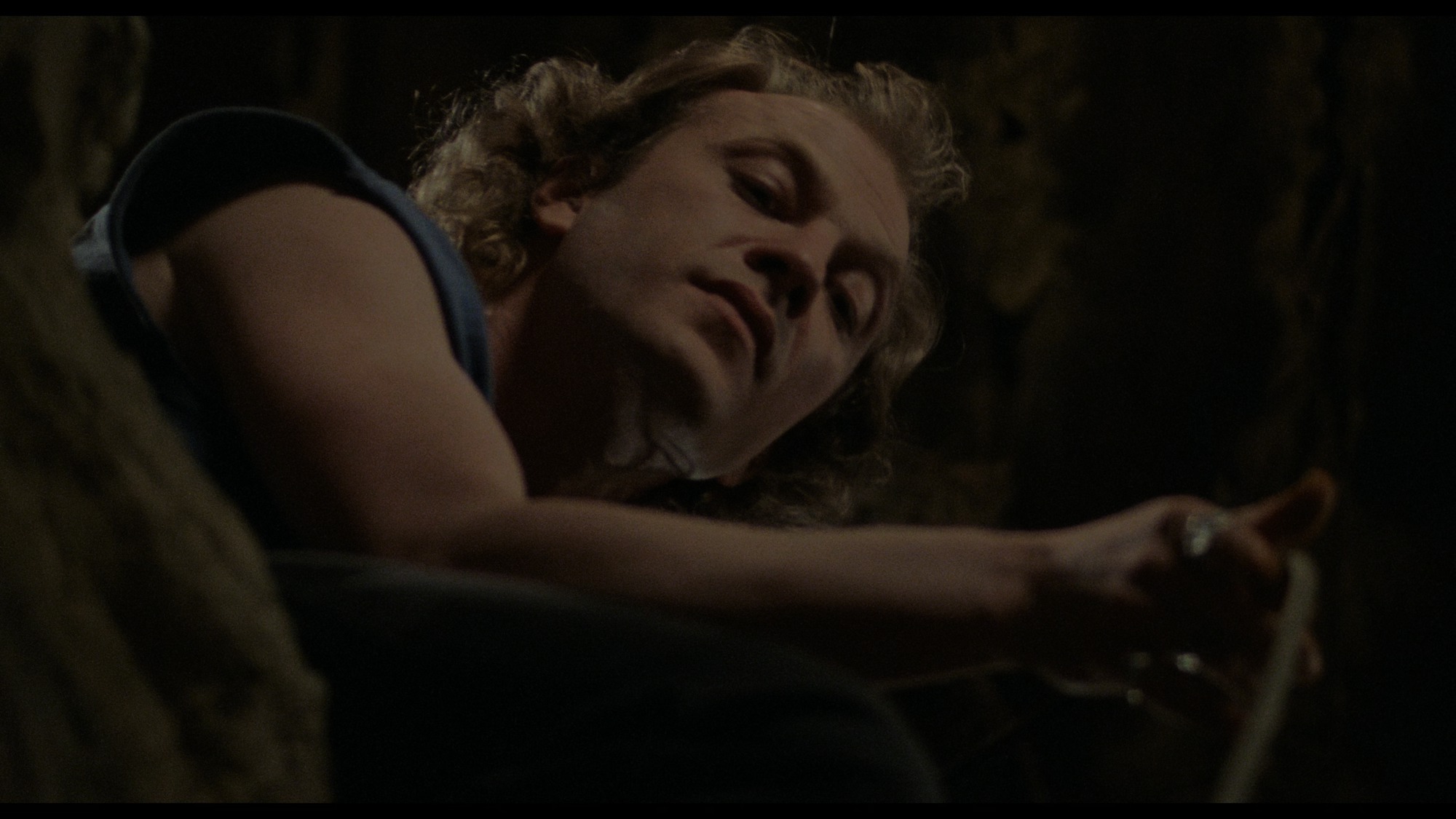
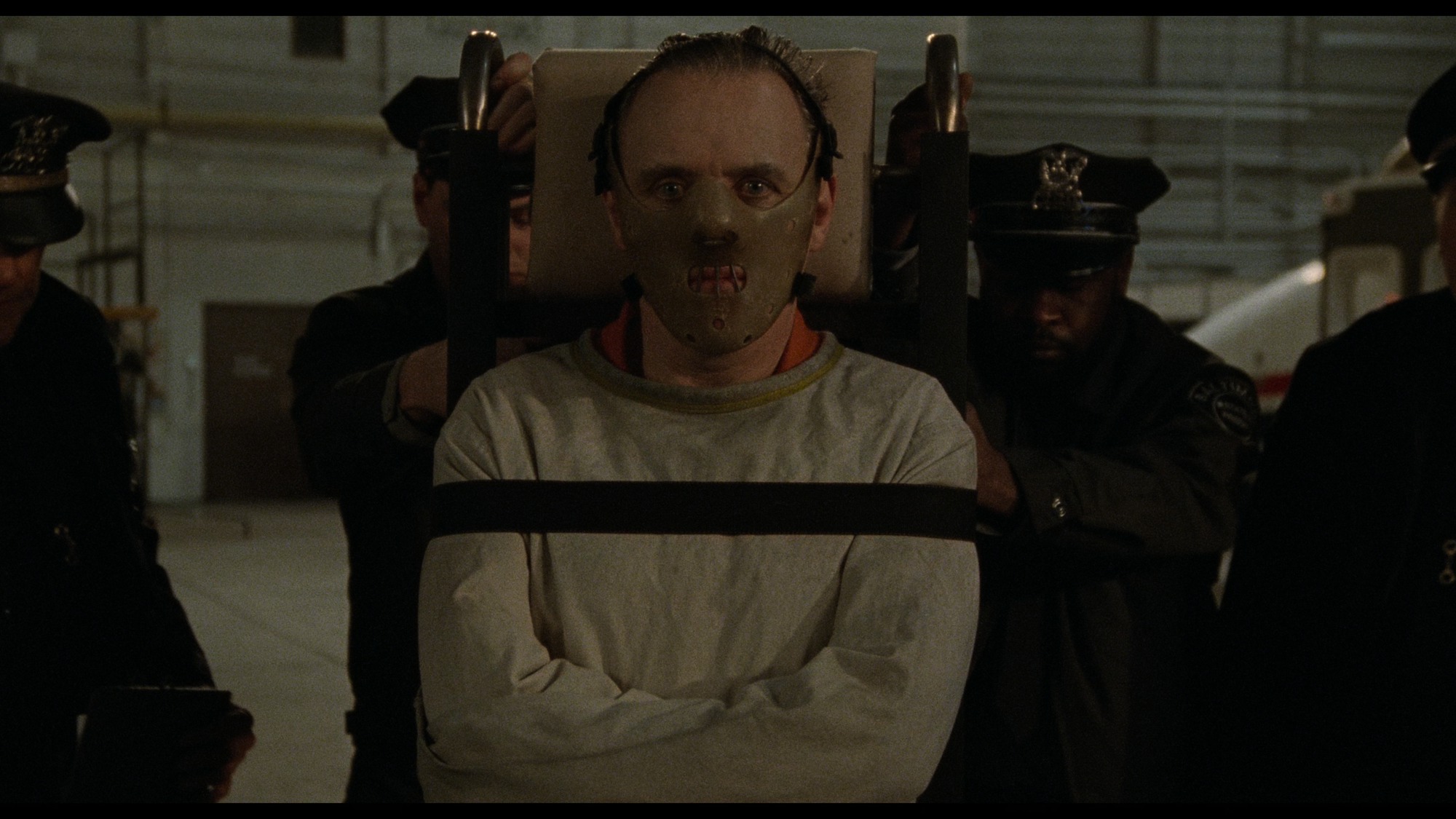
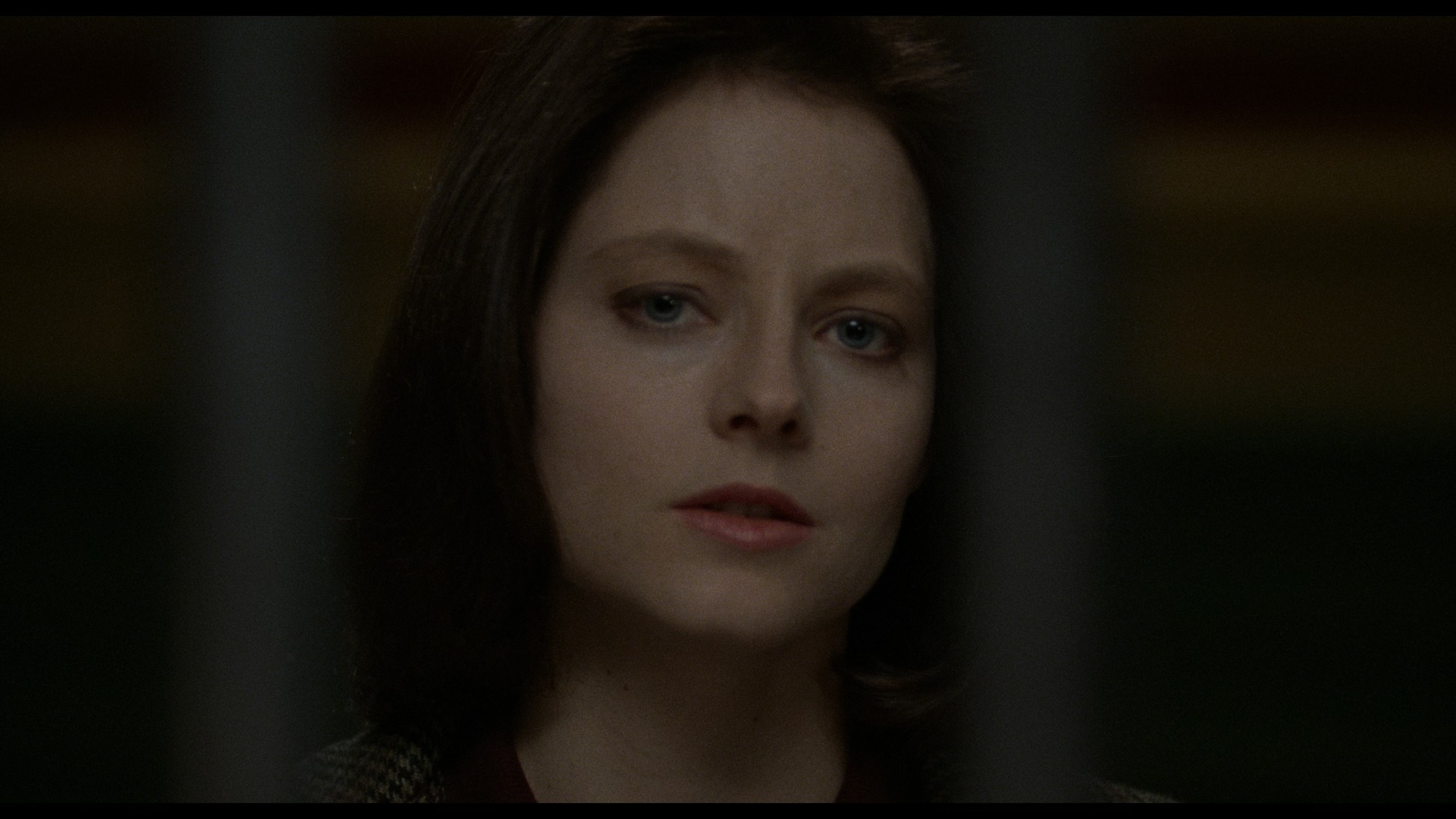
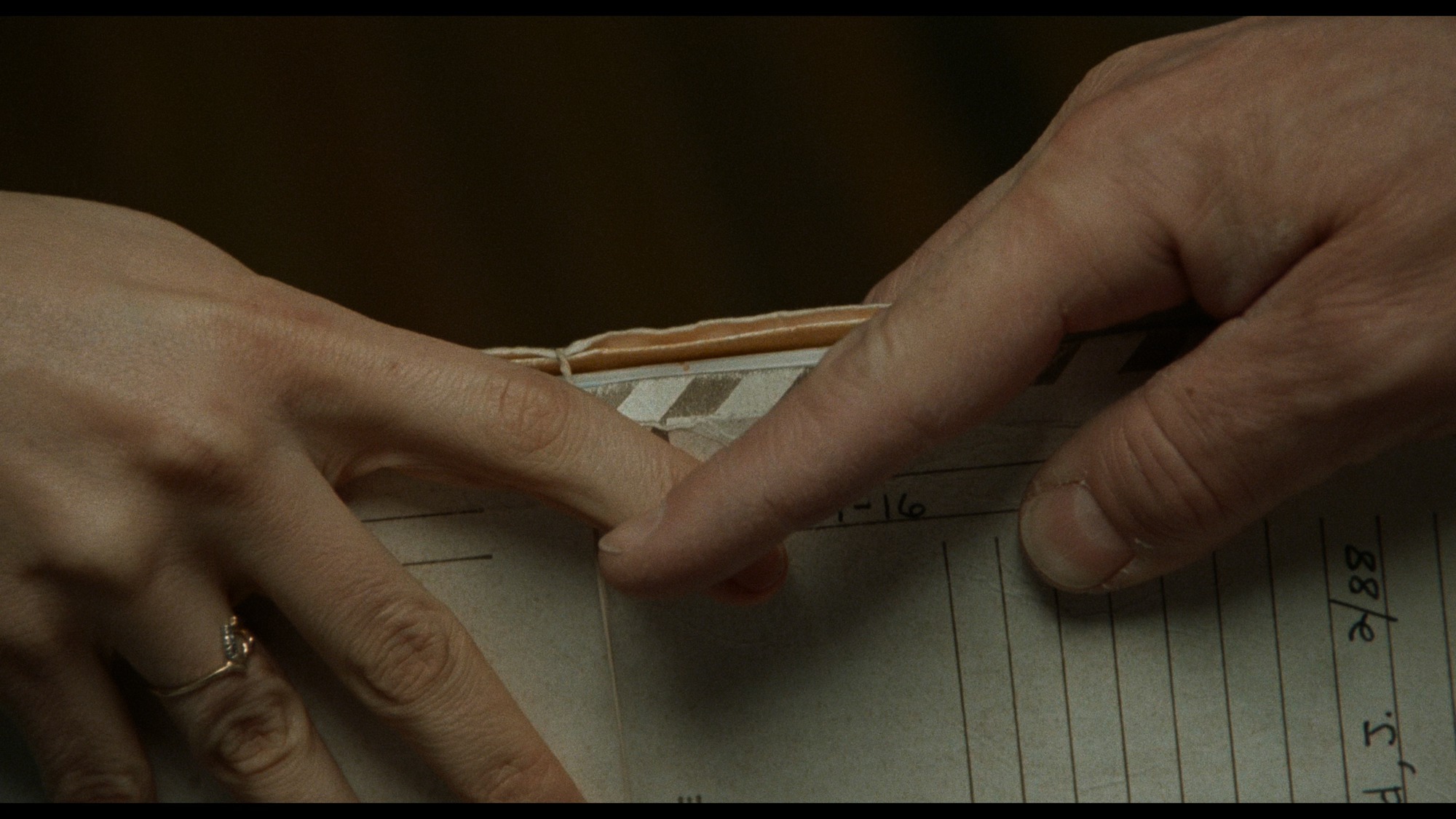
Audio 8/10
As with their previous Blu-ray, Criterion includes both the original 2.0 and remastered 5.1 surround soundtracks, each presented in DTS-HD MA. I’m pretty sure these are the same presentations found on the Blu-ray, and again, both sound good; they each sound great with dynamic range with decent mixes directing to the surrounds, though the 5.1 mix gets a bit more specific in this area, whether through sounds in Bill’s basement or during some of the more action-oriented sequences.
That said, coming back to both of them, I think I may prefer the 2.0 presentation over the other. Dialogue sounds a little sharper in the 2.0 presentation, whereas the 5.1 mix sounds to either mixed a wee bit lower in this area, or perhaps slightly filtered. Outside of that, both tracks are strong on the whole, very clean with no obvious damage or distortion. Overall, they're both good and service the film well.
Extras 9/10
I don’t know how many special editions this film has had through the decades, but there have been several, some featuring their own unique material. For this edition, Criterion carries over everything from their 2018 Blu-ray, which in turn collected material from their original DVD and LaserDisc releases, and then packs them alongside most of the supplements from MGM’s editions. The two Blu-rays are direct ports, starting with Criterion’s exclusive audio commentary, originally recorded for their 1994 LaserDisc and presented alongside the film on both the Blu-ray and 4K disc. It features director Jonathan Demme, screenwriter Ted Tally, actors Jodie Foster and Anthony Hopkins, and, as Criterion liked to do at the time, an actual expert on the subject the movie tackles: FBI profiler John Douglas, who also served as a consultant on the film. I’ve always liked these edited tracks, as the format usually keeps things moving and, for the most part, stops the participants from wandering off. Demme and Tally discuss making the film and adapting Thomas Harris’ novel (it’s a shame they couldn’t get Harris, though he’s apparently pretty reclusive), while Foster and Hopkins talk about their characters and how they developed their personalities. Douglas chimes in with details about profiling and the reality behind the subject matter, even pointing out bits of pure fiction in the movie. Overall, it's still a terrific track, wonderfully edited, naturally moving between multiple subjects.
Moving on, the first standard Blu-ray next presents a collection of deleted scenes and a handful of outtakes. Interestingly, Criterion and MGM included different deleted material on their respective DVD editions and for the 2018 release (carried over to this edition), Criterion combined the footage, in some cases literally editing the material together to present sequences in their entirety, or as close to it as possible. For example, MGM’s disc included a scene involving Jack Crawford talking to a doctor about patients seeking sex reassignment surgery, while Criterion’s edition presented the tail end, with Crawford on the phone with the FBI director. The two portions have been joined together here, though the MGM footage appears to come from a film source while Criterion’s portion comes from video, making the transition between sources obvious. The extended/alternate version of the Your Self Storage sequence is presented in a similar fashion.
As for the scenes themselves, it’s not hard to see why they were either excised or truncated, though they’re still interesting to watch in their own right. A scene where Clarice is suspended adds an interesting wrinkle to the tail end of the film, but cutting it apparently increased the tension, a change reportedly recommended by screenwriter William Goldman after seeing an early edit. At any rate, all of the deleted material appears to be accounted for, even including the entirety of the evangelical program Lecter is stuck watching, with a few outtakes and bloopers rounding things out. It’s a fun extra to go through, running 38 minutes altogether.
Also exclusive to Criterion’s releases, and found on the first Blu-ray alongside the film, is an 18-minute interview with Maitland McDonagh, who discusses various aspects of the film and Hollywood’s and the public’s fascination with serial killers. She also examines Hannibal Lecter, Thomas Harris’ original intentions for the character (he didn’t want him to be likeable), and the portrayals by Anthony Hopkins and Mads Mikkelsen. Brian Cox really only gets a mention, but then that’s more than Gaspard Ulliel gets. It’s an entertaining and informative discussion, though admittedly a bit of a hodge-podge, also branching into behavioral science. I suspect its primary purpose was to replace the text features about serial killers and behavioral science found on Criterion’s original DVD, none of which made the jump to Blu-ray. All the same, it’s a good feature, though it remains the only new interview Criterion produced for their 2018 edition.
The disc then closes with the film’s theatrical trailer.
The second dual-layer Blu-ray houses the remaining video features, most of which come from previous MGM editions. The first is listed as interviews with Jonathan Demme and Jodie Foster, though it’s really a compilation of three making-of features from the old Blu-ray, headlined by the two. Running 52 minutes altogether, with no chapter stops and, for whatever reason, the opening and closing titles for each part left intact, it amounts to a fairly general account of the production. The first section covers how the film came together, the second gets into the shoot, and the third looks at the production design, editing, release, and eventual sweep of the Academy Awards. Though it’s a pretty standard making-of, it still covers some intriguing topics, including the reasoning behind the design of Hannibal’s cell, the planning of the escape sequence, and the design of Hannibal’s mask.
Again, it’s decent, but apparently that wasn’t enough, as we then get another making-of: the 66-minute Inside the Labyrinth, produced in 2001 and also comprised of three parts. This one features interviews with a substantial number of cast and crew members, including Demme, Tally, Foster, Hopkins, Ted Levine, Anthony Heald, Brooke Smith, production designer Kristi Zea, editor Craig McKay, former Orion executive Mike Medavoy, producer Ron Bozman, costume designer Colleen Atwood, Roger Corman, critic Amy Taubin, and composer Howard Shore. Another making-of might seem like overkill after an in-depth commentary and a full documentary, but this one rather impressively manages to add a good deal of new material. Topics include the serial killers who influenced Buffalo Bill, early casting and directing choices, the moths used in the film, and the construction of Bill’s basement. There are also some great miscellaneous stories, including how Levine and Smith, playing Bill and his latest victim, became friends on set. The documentary also addresses the controversy surrounding Buffalo Bill and the accusations against the film of transphobia, placing the character within the broader pattern of unflattering portrayals in Hollywood and the media at the time. Again, another making-of sounds ridiculous, but there’s enough fresh material here to make it worthwhile.
Next are two 2002 episodes of Bravo’s Page to Screen, hosted by Peter Gallagher and focused on film adaptations. There’s more behind-the-scenes material, some of it repeating information from elsewhere, but a few additions make this worth watching. The big one, though unfortunately brief, is an interview with Gene Hackman. Several of the other features mention that Hackman was originally set to both play Hannibal Lecter and direct the film. Here, he explains how he became involved and why his participation and funding ultimately fell through. Running 41 minutes in total, the program also spends a good amount of time on Thomas Harris and the lengthy process of writing The Silence of the Lambs, covering his research and some of his other work. It then examines Tally’s adaptation and several changes from book to film, making it yet another worthwhile addition.
A pair of interview features follows, recorded in 2004 and 2008, respectively: a discussion with composer Howard Shore and Understanding the Madness, featuring retired FBI agents Richard L. Ault Jr., Roger L. Depue, James R. Fitzgerald, Robert R. Hazelwood, R. Stephen Mardigian, and Michael R. Napier. Shore’s 16-minute interview covers the development of the score, while the agents’ contributions, running just under 20 minutes, detail the work of the Behavioral Science Unit and the thinking behind profiling. The latter is interesting, if admittedly a little clinical.
The disc closes with an eight-minute featurette produced around the film’s release and four minutes’ worth of storyboards. The featurette is typical of the period, while the storyboard supplement offers an animated presentation of boards for the Your Self Storage sequence, Bill’s basement, and the final confrontation, accompanied by audio from the film. Unfortunately, this isn’t as extensive as what Criterion included on their original DVD, which also featured boards for the escape sequence and storyboard comparisons. Some rather gruesome concept art for the escape sequence is also absent, as are the previously mentioned text features about serial killers and behavioral science.
Criterion does include a rather packed booklet, though. The 65-page book carries over Jodie Foster’s introduction from the 2018 edition, reflecting on the film and her character, followed by Amy Taubin’s expanded version of her essay from the original Criterion DVD. In another nice addition, Criterion reprints introductions Thomas Harris wrote for editions of Red Dragon and The Silence of the Lambs, published in 2000 and 2013, respectively. In these, he recalls some of the inspirations that sort of led to the creation of Dr. Lecter. Also carried over is a great interview with Jonathan Demme, conducted by Gavin Smith for Film Comment in 1991.
Criterion adds one new essay to the booklet, written by Caden Mark Gardner and Willow Catelyn Maclay and focusing on James “Buffalo Bill” Gumb, played by Ted Levine. It addresses the controversy surrounding the character and his place among the problematic representations of the trans community comman at the time. For me, this ends up being a very good addition, challenging how I’ve always viewed the character, and I do wish it had been developed into a video feature as well. The writers examine how Gumb is represented, taking into account Demme’s and Levine’s intentions, and explain why the scenes intended to establish that Gumb was not trans can themselves be problematic. They bring in a good deal of history, including how trans characters have typically been represented in media, with Dressed to Kill and Sleepaway Camp naturally coming up, and examine differences between Harris’ novel and the film when it comes to this material. The essay isn’t dismissive of the film or the character, and the writers even commend Levine’s performance; they're just making a thoughtful case for how the film could have handled the subject with greater care, while considering how its approach still makes it a relic of its time.
All in, it’s still a terrific collection of material. Arrow’s edition offers its own exclusives, primarily academic interviews, including one with Maclay, but Criterion’s supplements cover much of the same ground. Of the two, I do prefer Criterion’s selection, especially for the commentary. It remains a nicely rounded set of material, with the new essay providing a worthwhile addition.
Closing
Ultimately, a really nice upgrade, delivering a sharp 4K presentation that offers a substantial improvement over Criterion’s Blu-ray.
BUY AT:


