
The Complete Kubrick
2001: A Space Odyssey
BUY AT:


See more details, packaging, or compare
Synopsis
A titan of cinema whose influence extends across visual art, philosophy, politics, technology, fashion, and beyond, Stanley Kubrick created an unprecedented string of masterpieces, from Paths of Glory to Dr. Strangelove to 2001: A Space Odyssey, A Clockwork Orange, The Shining, and Eyes Wide Shut. Bending disparate genres to his will, he imbued his creations with a cuttingly ironic worldview and an iconographic, mesmerizingly precise visual style, probing the anxieties, enigmas, and horrors of the twentieth century with a coolly devastating eye. Tracing his evolution from independent maverick to Hollywood rebel to visionary transnational auteur whose every film from the mid-1960s on became a manifesto of a radically new sensibility, The Complete Kubrick brings together the entirety of a body of work that opened popular cinema up to new realms of moral profundity and metaphysical mystery.
Collected here for the first time are Kubrick’s thirteen features and three shorts, all restored in 4K, with their original soundtracks alongside the 5.1 mixes, restored and remastered; over twenty-five hours of interviews, documentaries, and behind-the-scenes materials; and deluxe packaging illustrated with rare photographs, artwork, and documents annotated by Kubrick himself, all housed in a singular box inspired by the director’s legendary archive.
Picture 10/10
Stanley Kubrick’s seminal 2001: A Space Odyssey receives a new 4K UHD edition from The Criterion Collection, available exclusively in their new box set, The Complete Kubrick. The film is presented in Dolby Vision in its original aspect ratio of 2.20:1 on a triple-layer disc. Criterion uses the same 4K restoration Warner Bros. used for their 2018 release, sourced from an 8K scan of the 65mm original camera negative. Criterion also includes two standard Blu-rays, one featuring a 1080p presentation of the film (from the same restoration) and the other housing all of the video supplements.
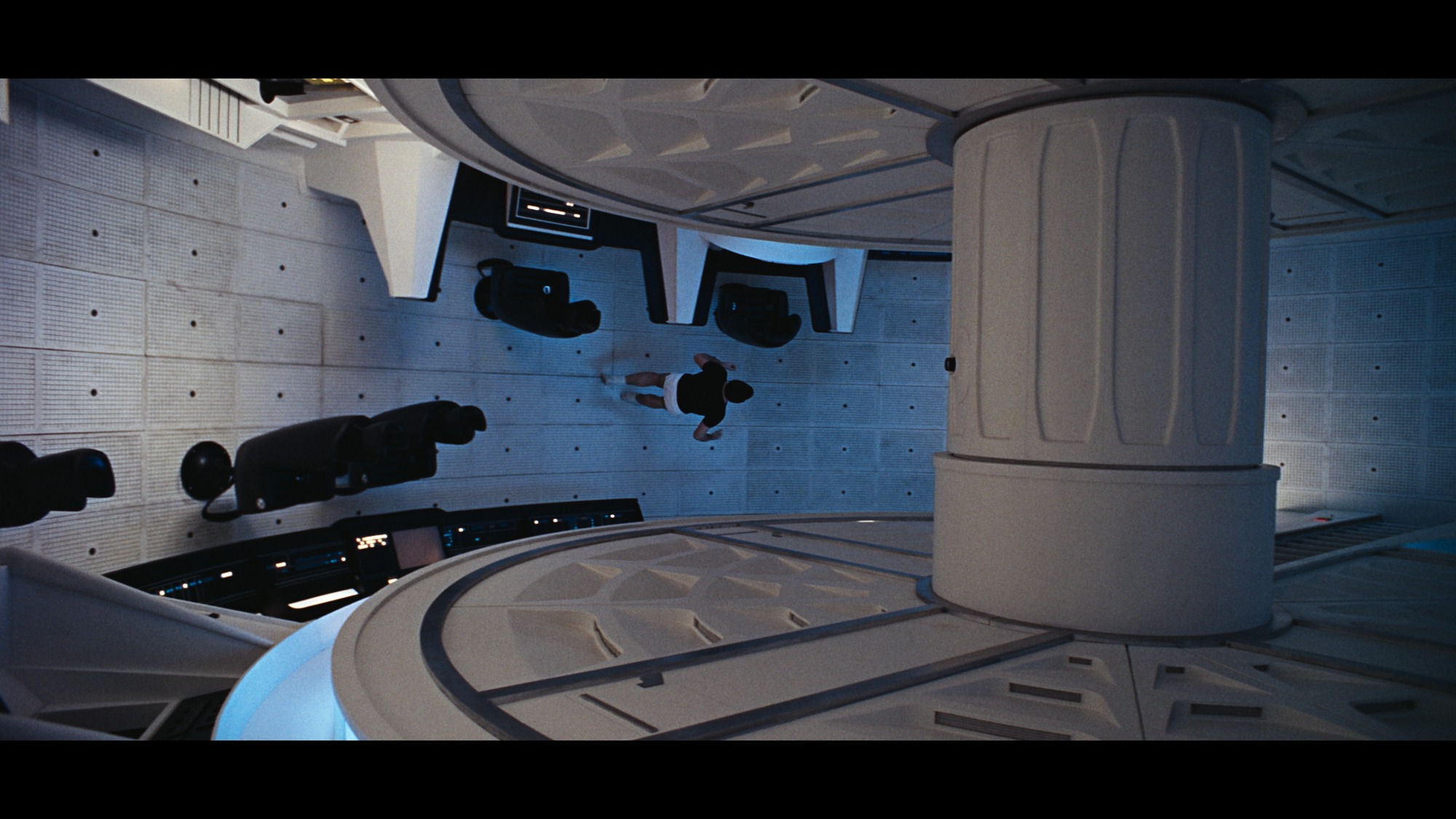
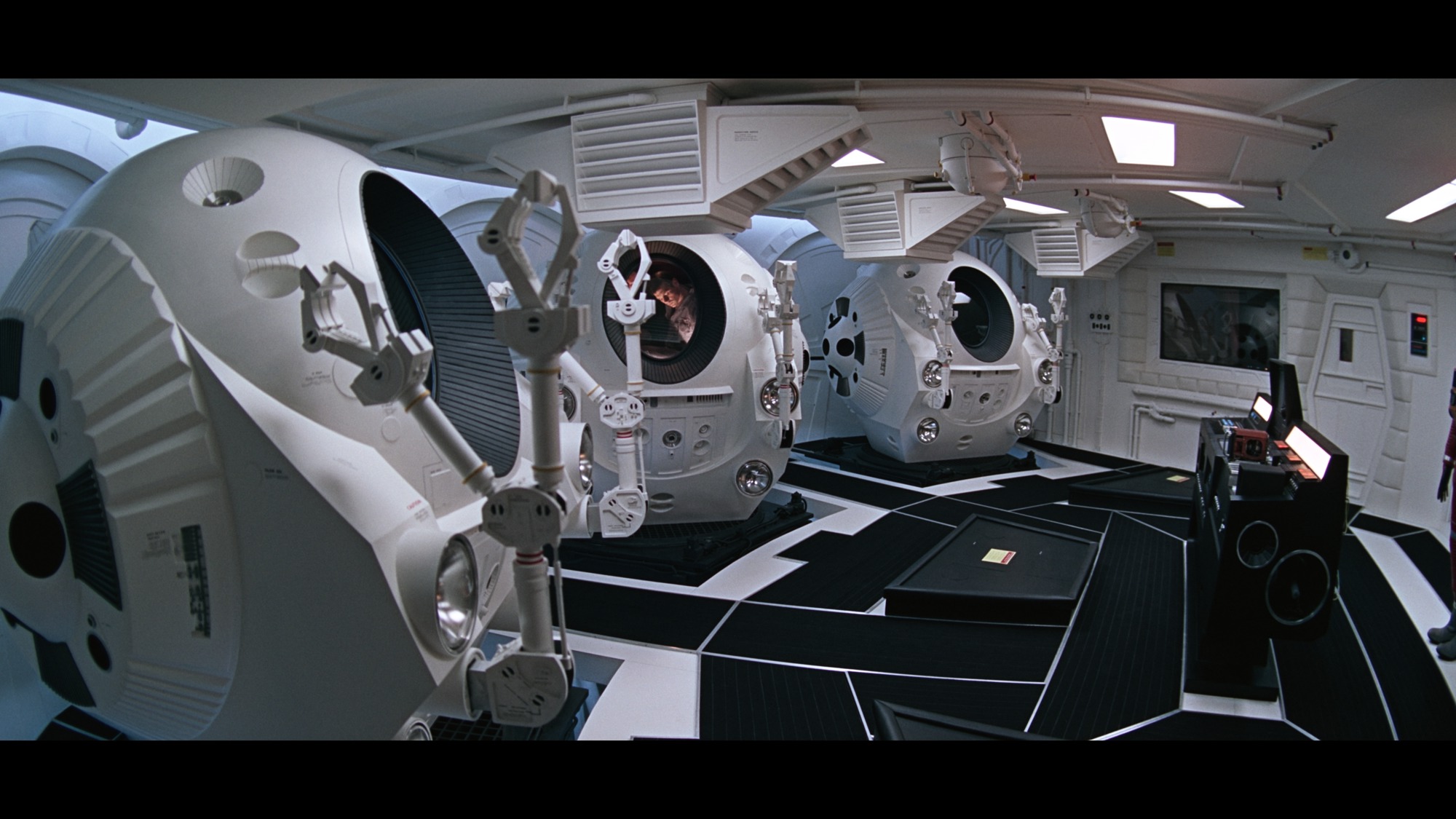
Given how strong Warner’s 4K presentation was, it should come as no shock that Criterion’s looks fantastic as well. There’s a lovely film texture right from the first frame, with fine grain that holds together beautifully even in the deeper shadows and brighter highlights. Finer details come through far more clearly compared to how they did through the Blu-rays and DVDs released prior to Warner’s 4K, from the fur on the apes in the opening (the costumes still look impressive) to the wrinkles on Bowman’s (Keir Dullea) face at the end (which, admittedly, looks like old-age makeup now).
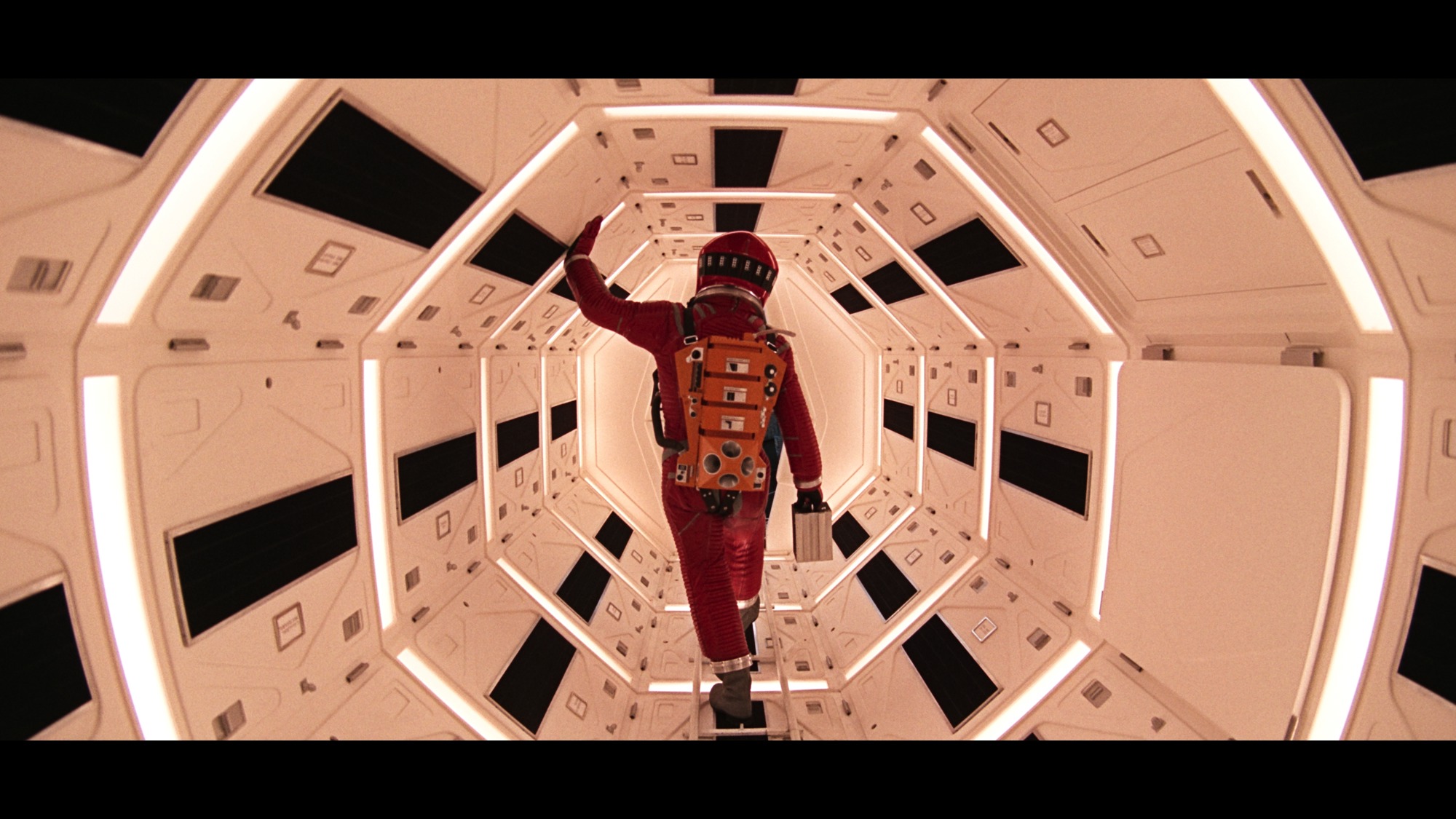
All of those improvements over the dated master on Warner’s Blu-ray are clear and considerable, but it’s the wider dynamic range afforded by the Dolby Vision presentation that really pushes things. In the space sequences, sunlight reflects brilliantly off one side of the spinning space station while the other falls into deep shadow, with detail still visible on the darker side. The stars pop against the blackness of space while the final sequence in the intergalactic bedroom looks terrific as well, the glowing floor tiles delivering notable range.
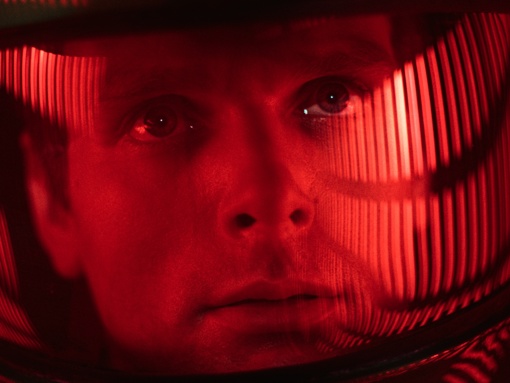
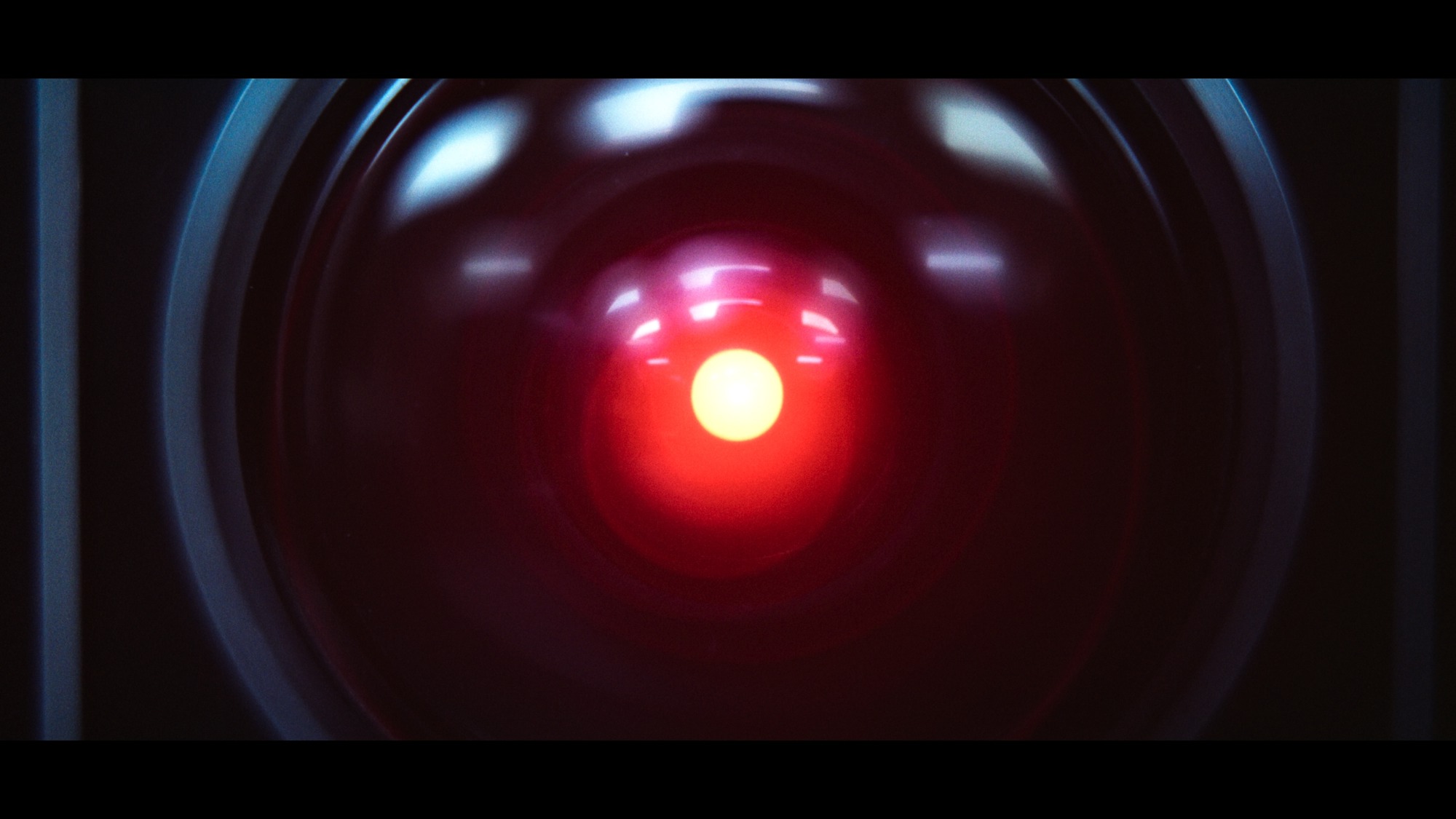
The colors also get a considerable boost. I couldn’t say how closely the grading matches what was originally intended, but the colors are bolder and richer, without leaning heavily toward magenta as older masters typically tended to do. The reds have a particularly glowing pop in HAL's brain center, and the red light gives way to deep shadows cleanly, with no visible artifacts along the darker edges. Bowman’s psychedelic trip through the Star Gate looks terrific, too, with bursts of red, orange, violet, and green.
And how does it compare to Warner’s disc? With a few of the other titles in the set, especially The Shining and A Clockwork Orange, I noticed subtle improvements in how the Criterion encodes handled light in dimly lit scenes. The climax in the maze in The Shining, for example, looked a hair cleaner. With 2001, I couldn’t spot even that slight a difference. Warner’s disc was already rock solid, especially for an early release on the format, and Criterion’s encode looks just as good to my eyes. All in, it’s a wonderfully film-like presentation, and there are still stretches where it looks like it could have been made a few years ago. It’s great.
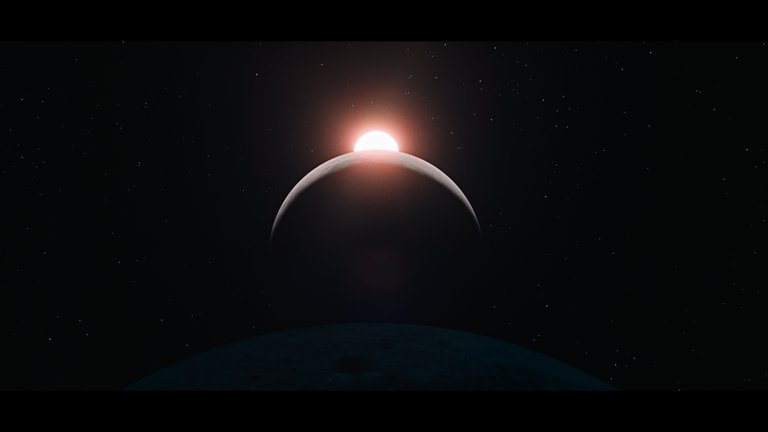
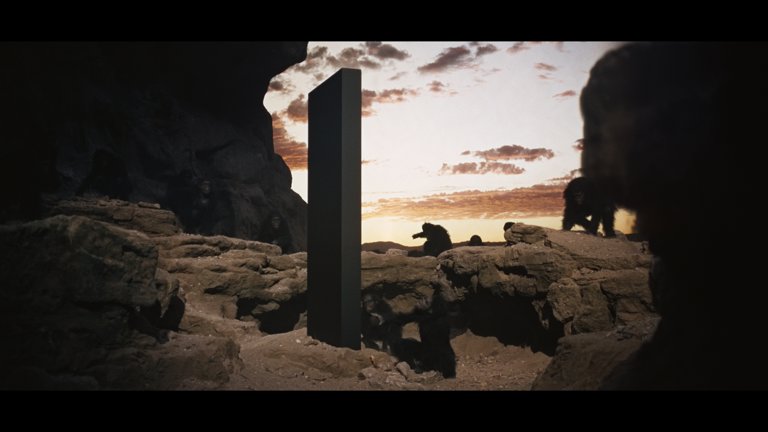
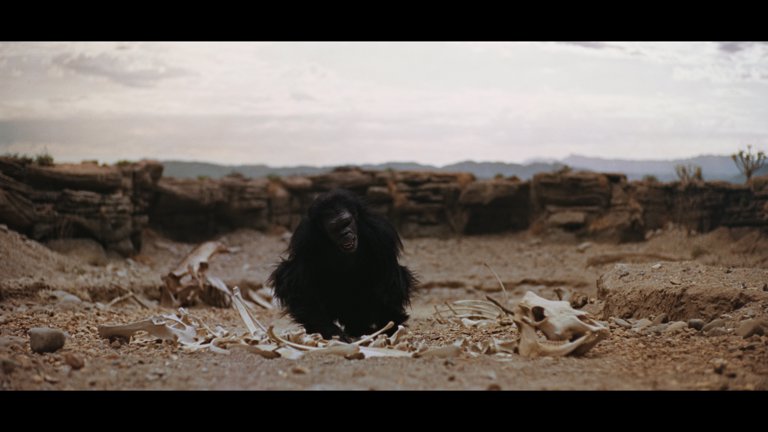
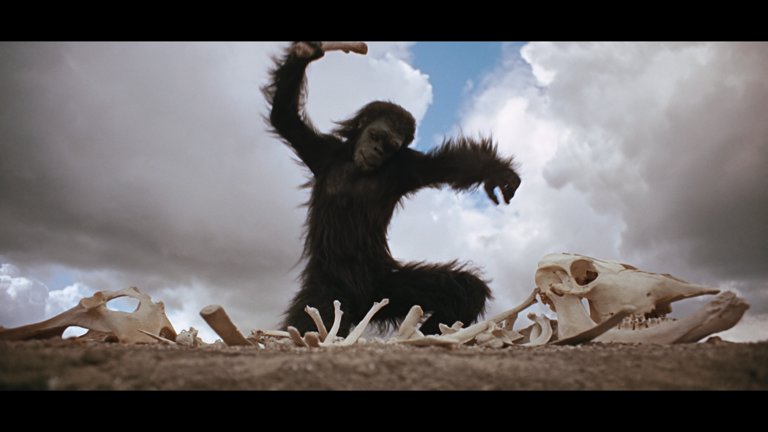
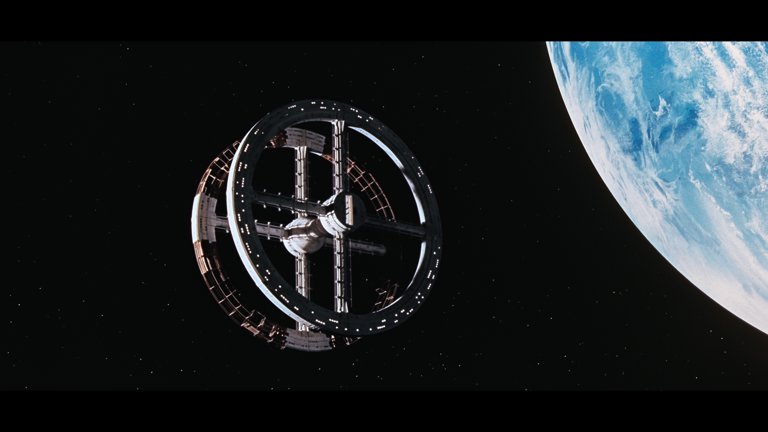
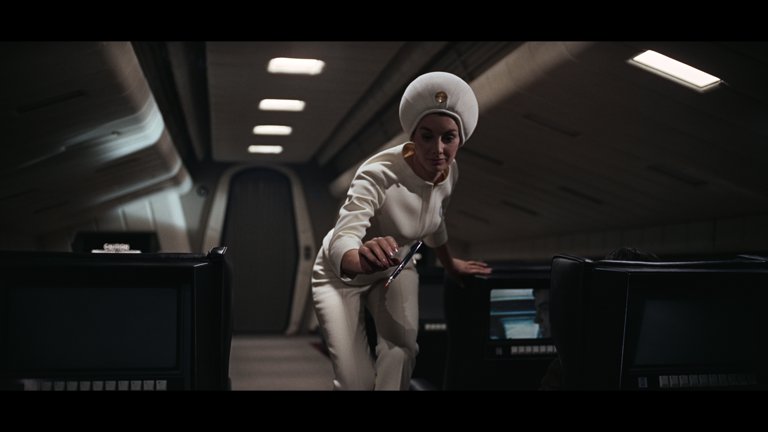
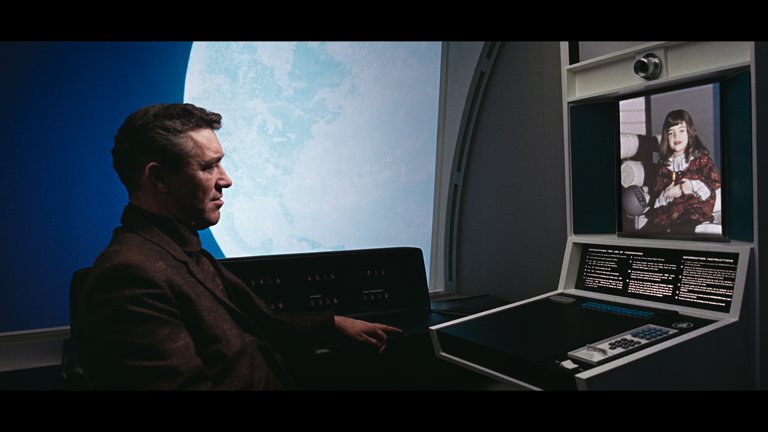
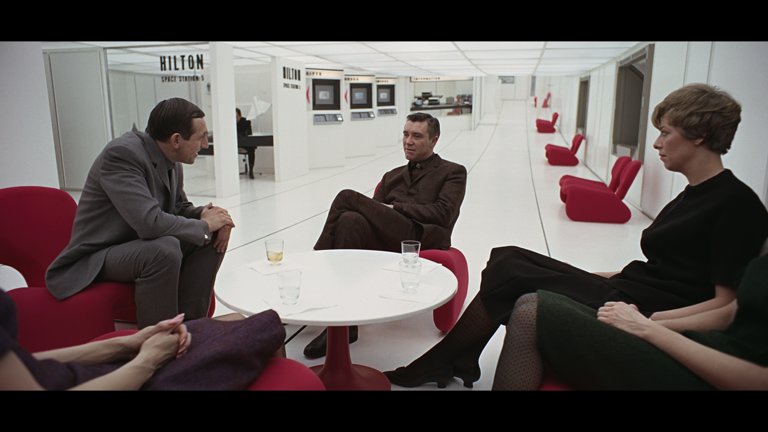
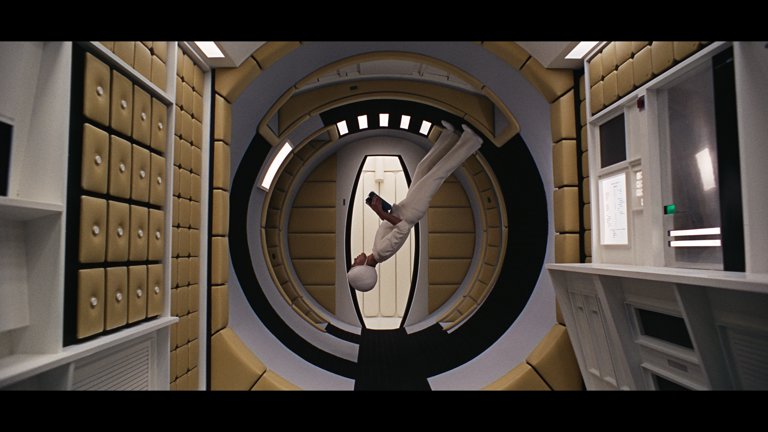
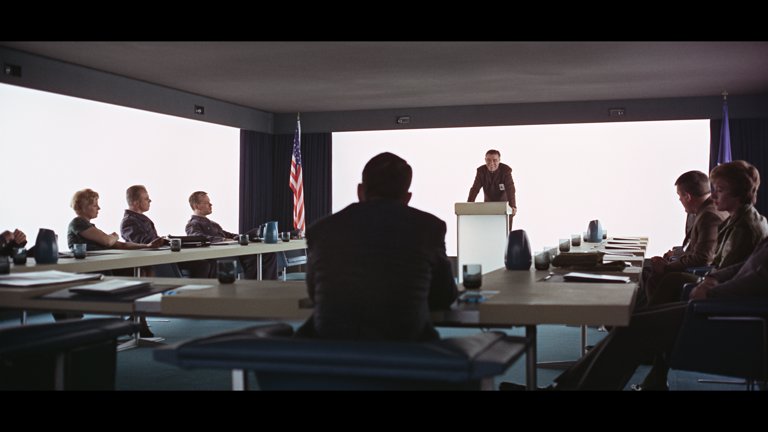
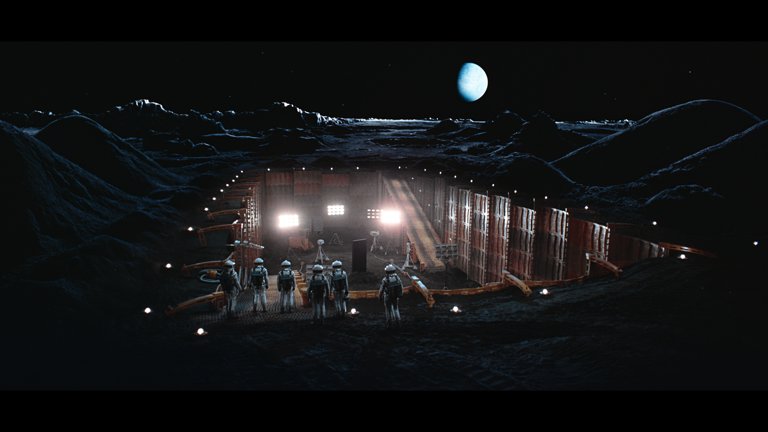
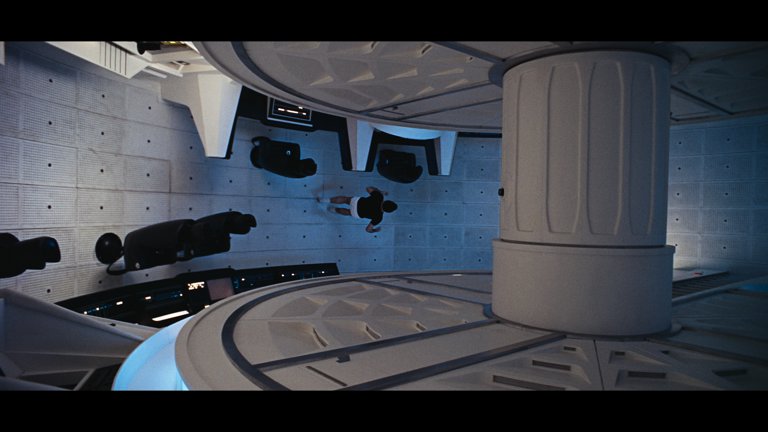
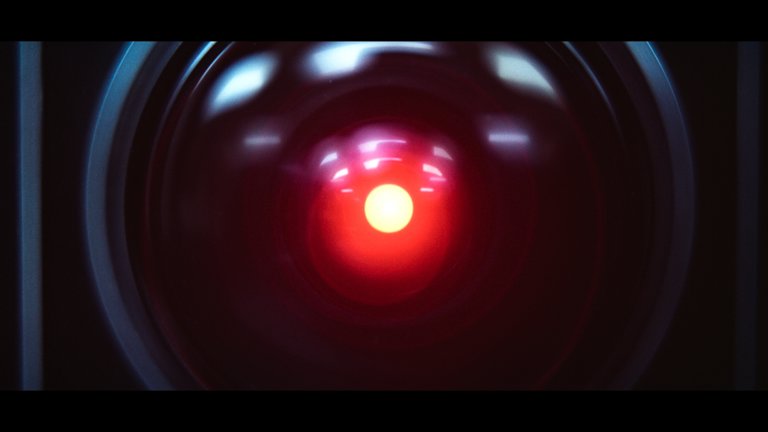
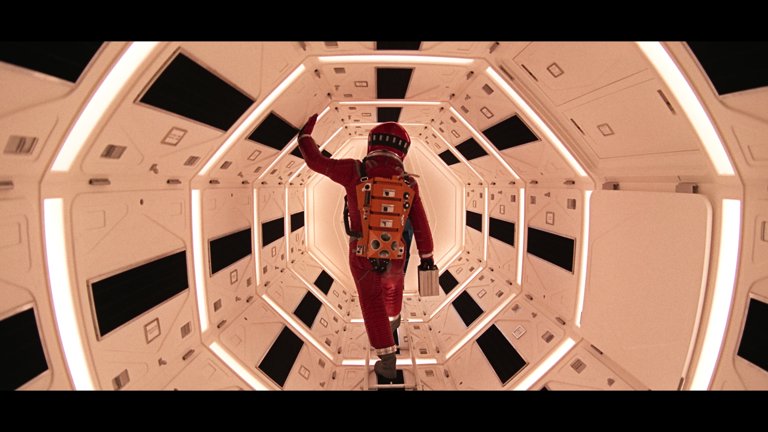
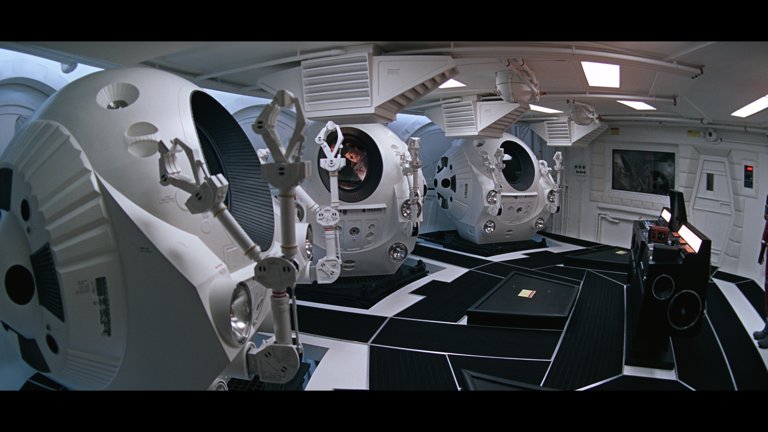
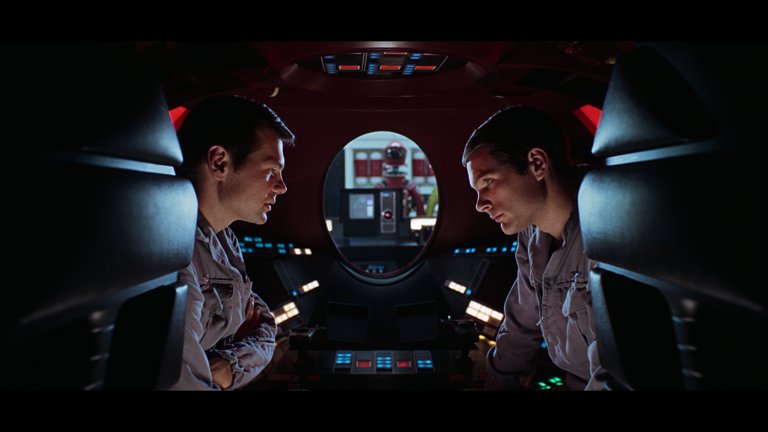
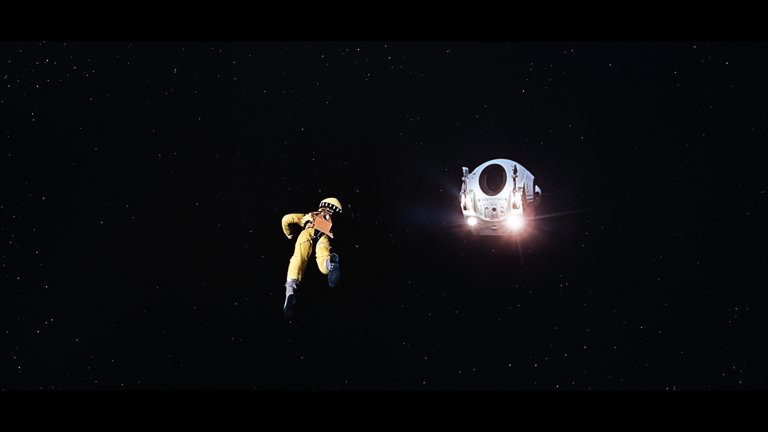
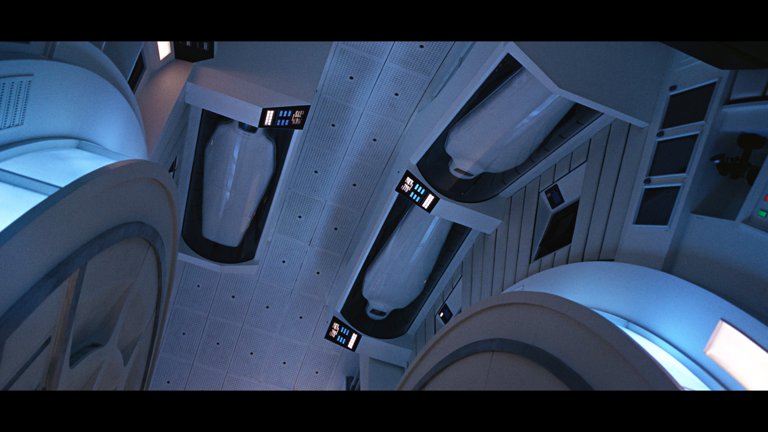
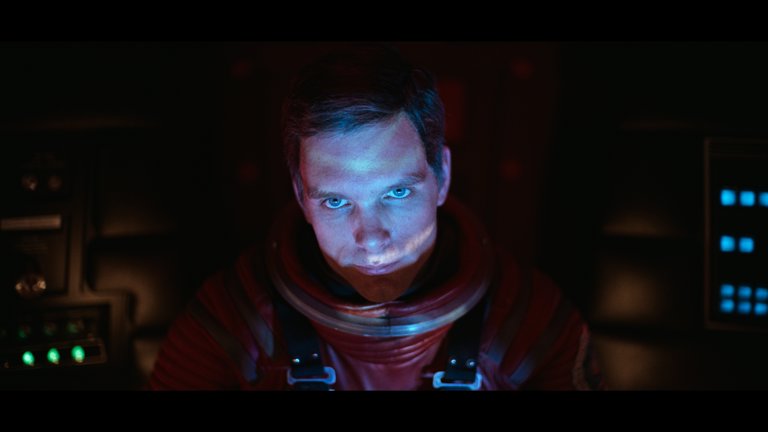
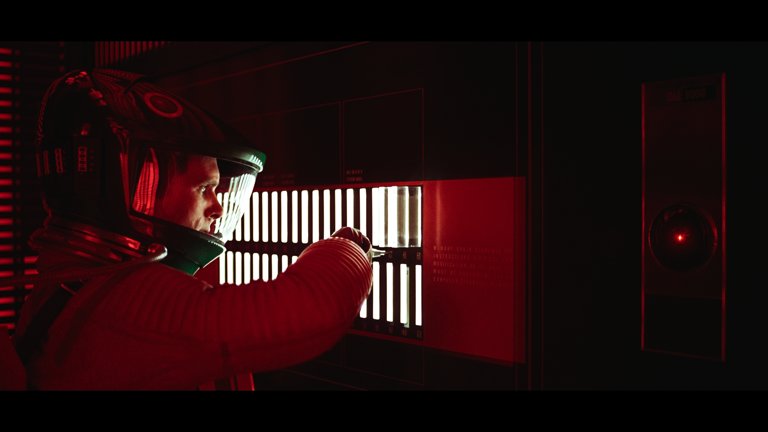
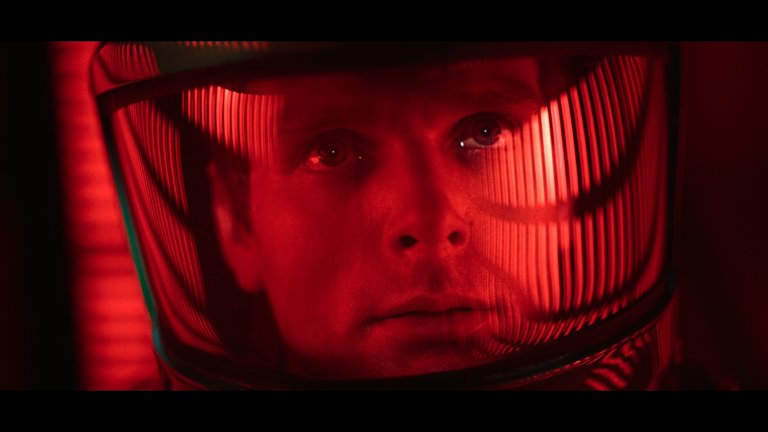
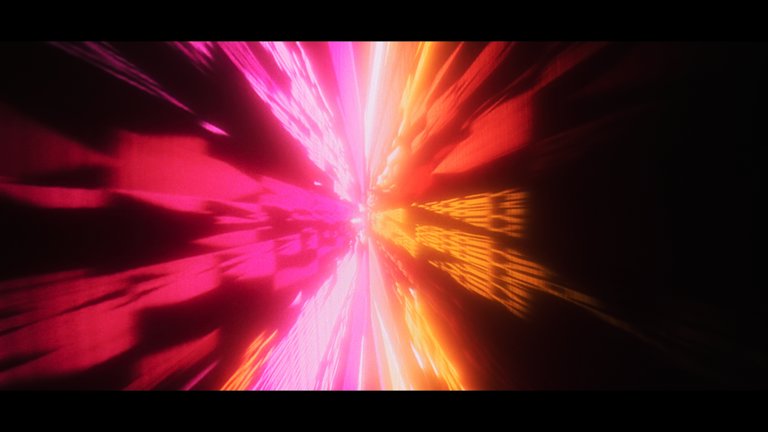
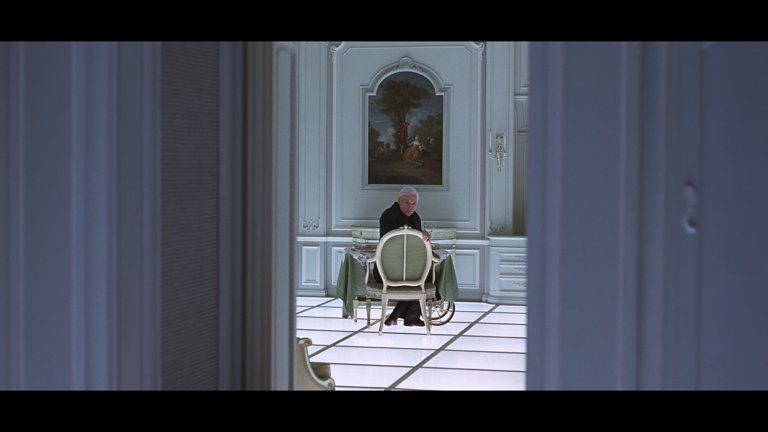
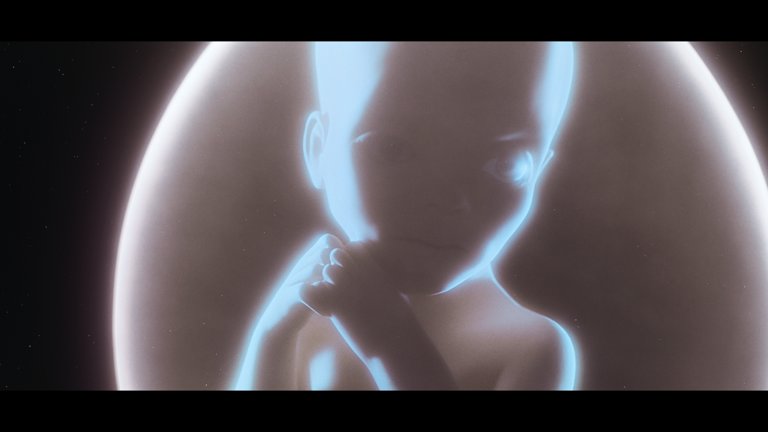
The Complete Kubrick - Screen Captures
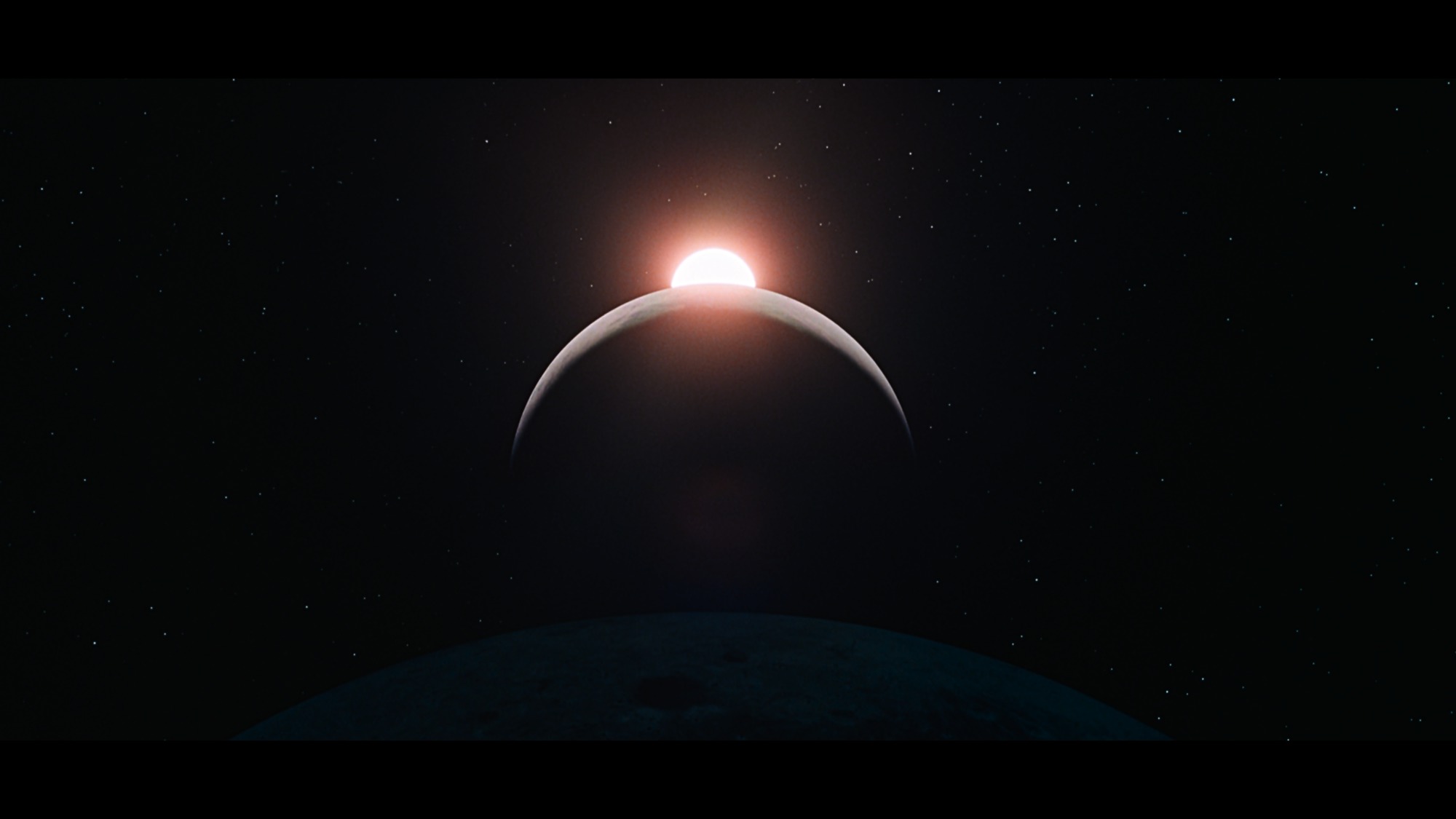
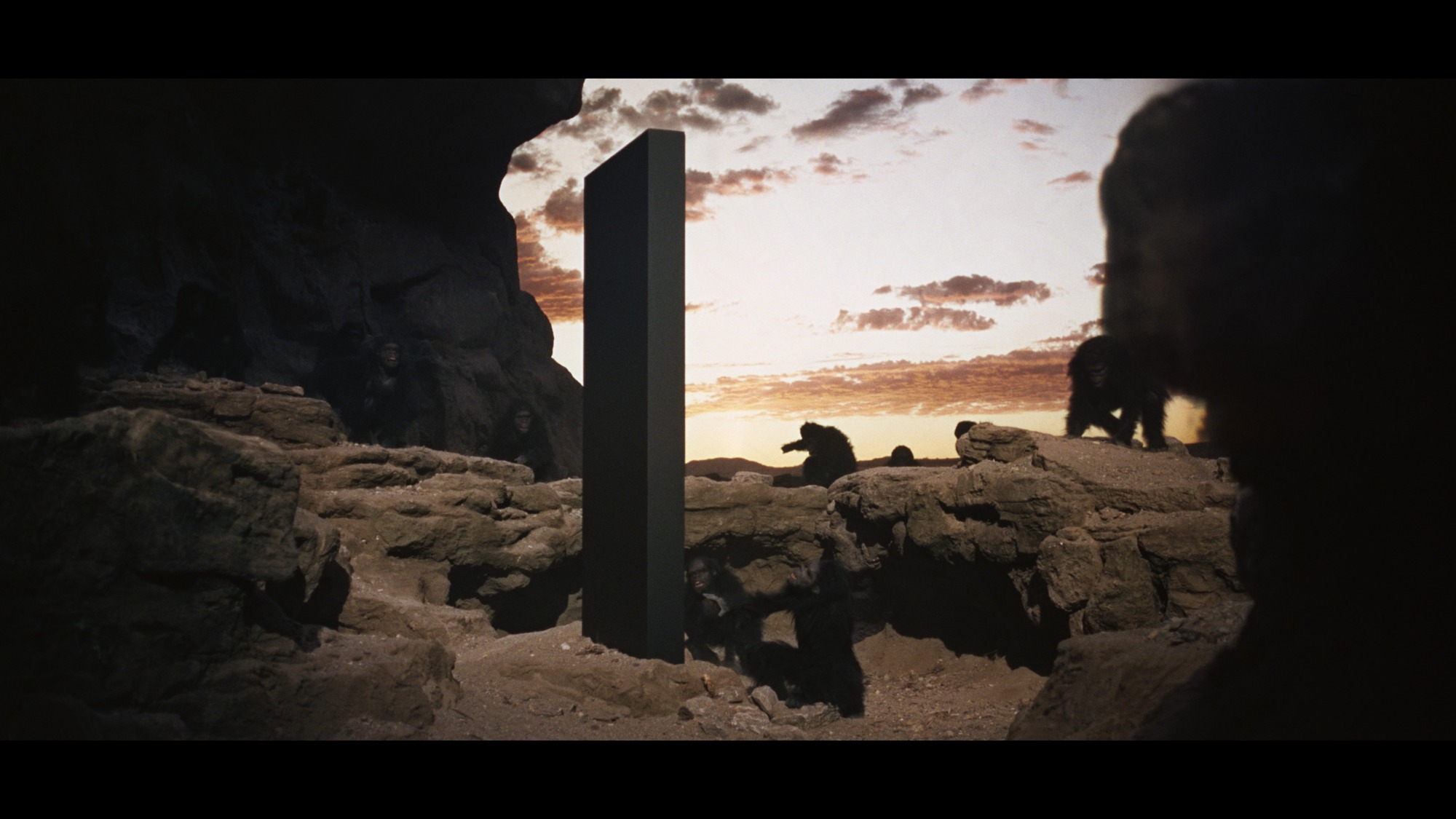
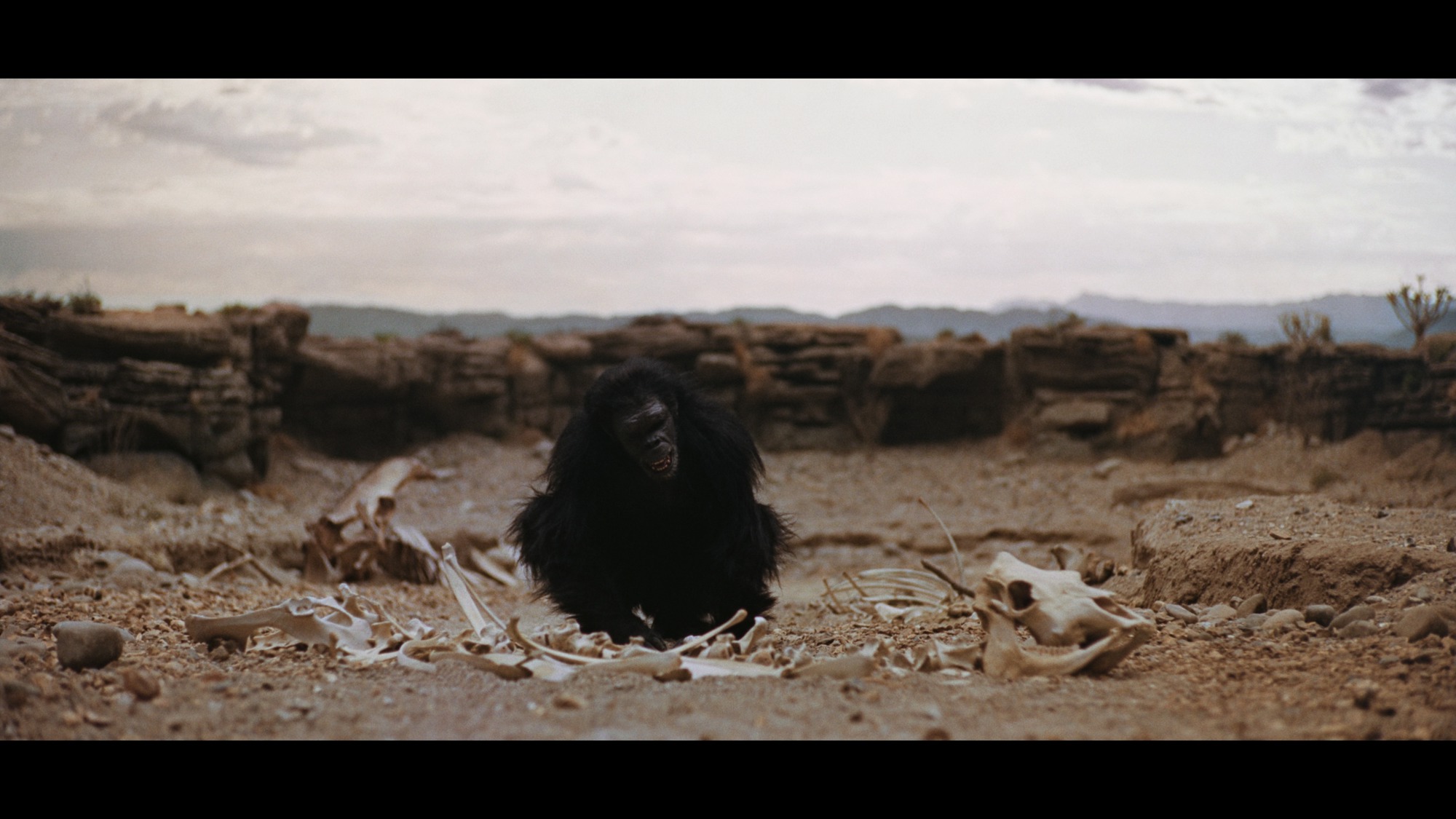
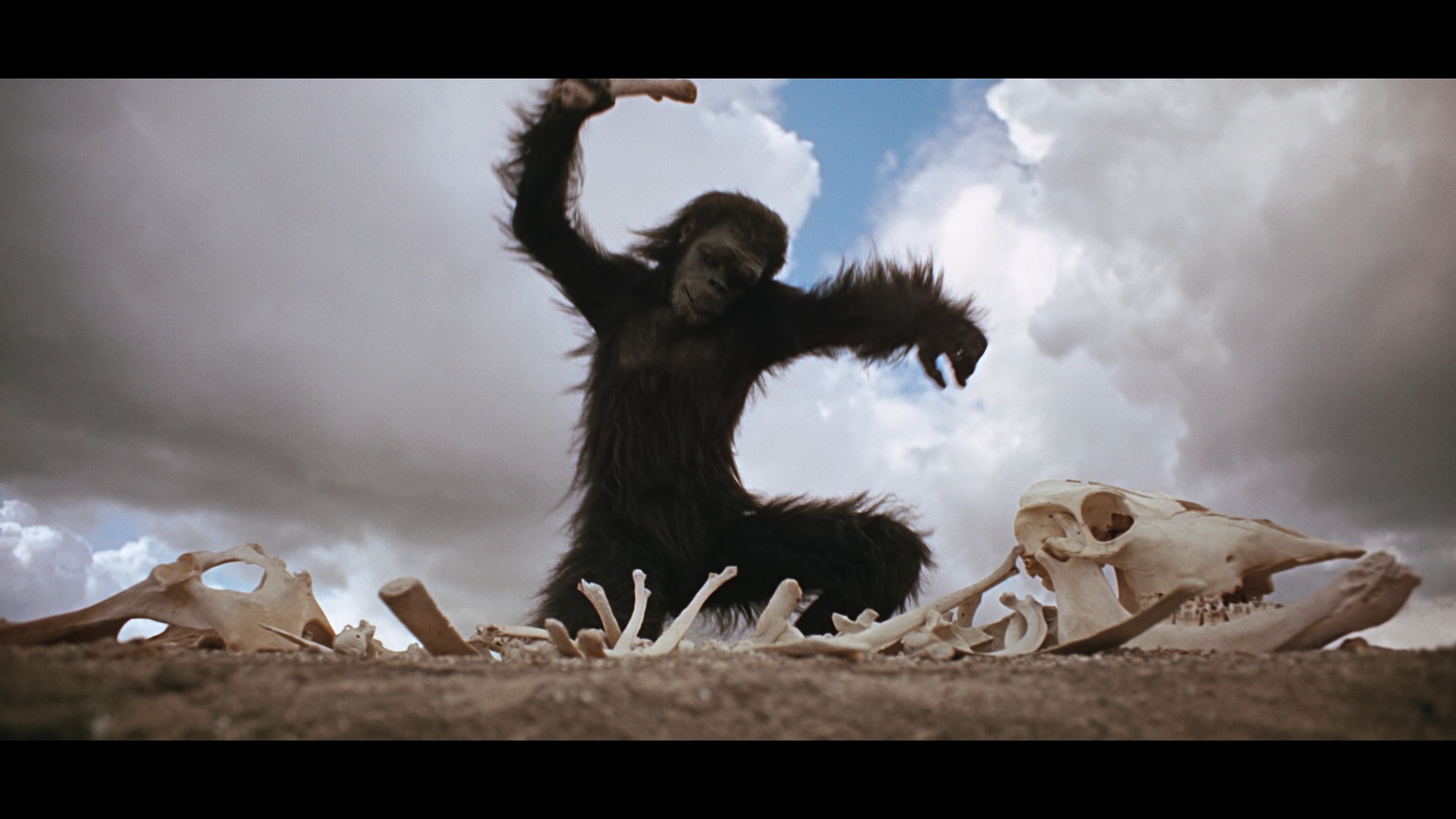
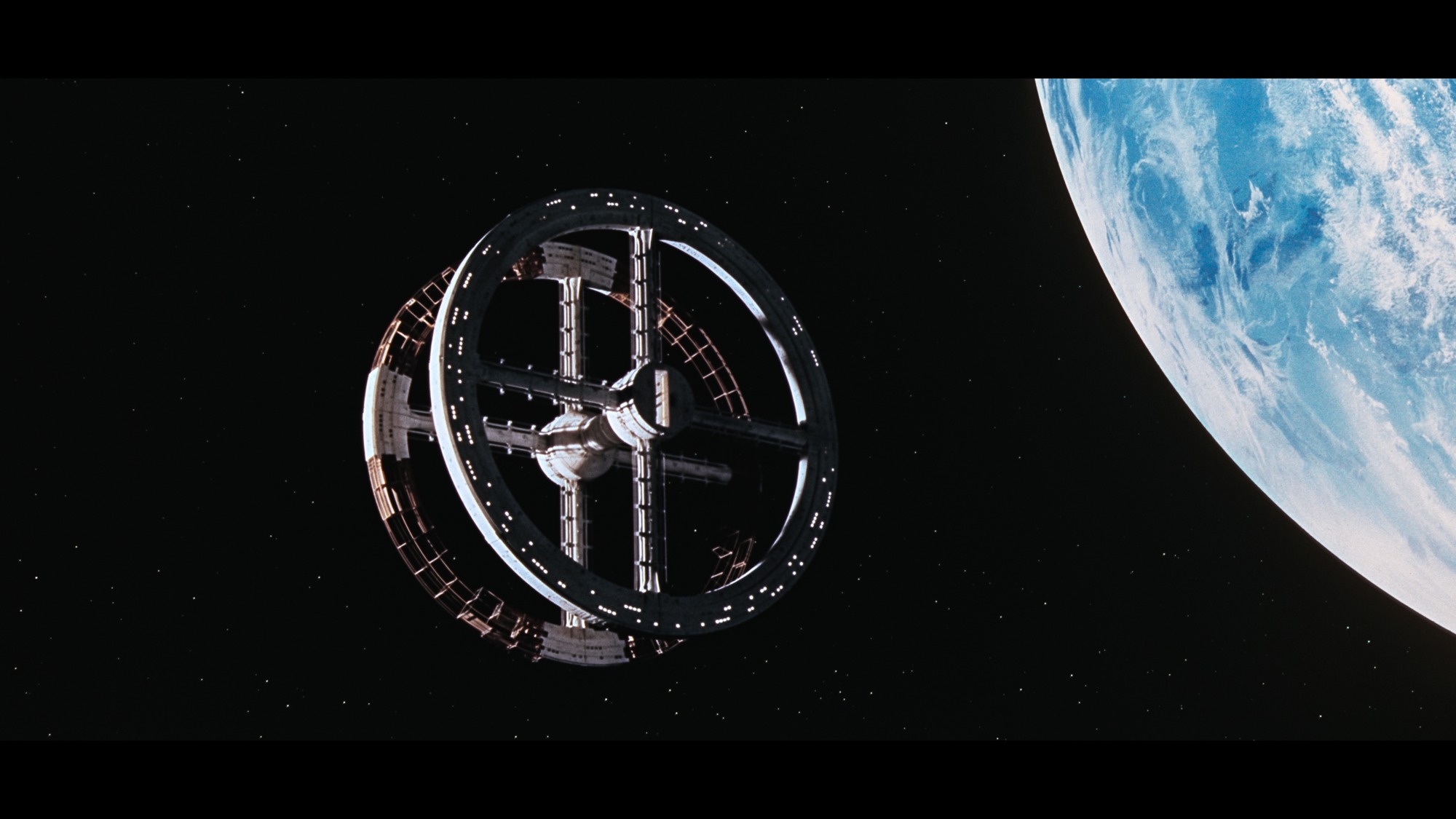
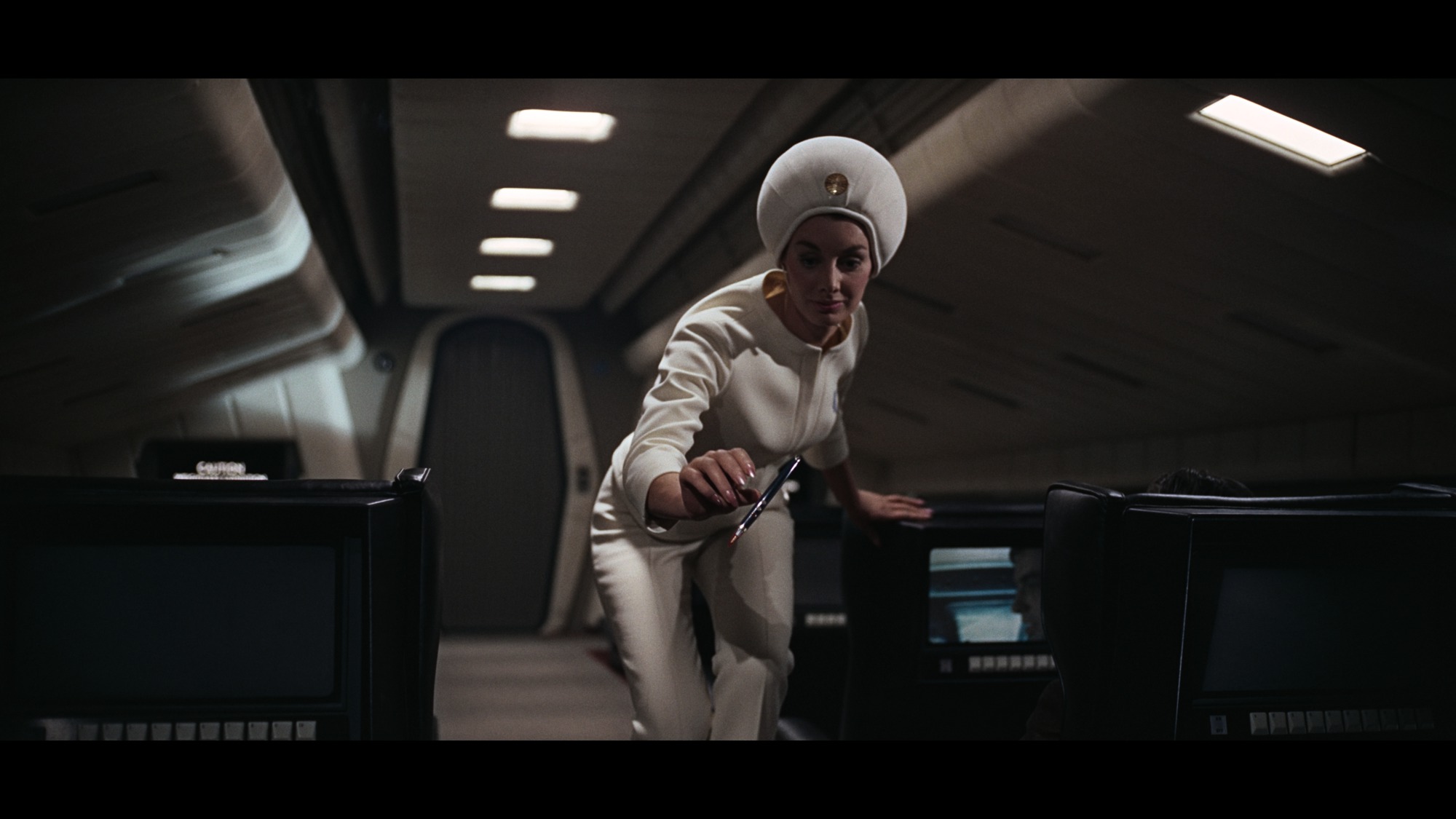
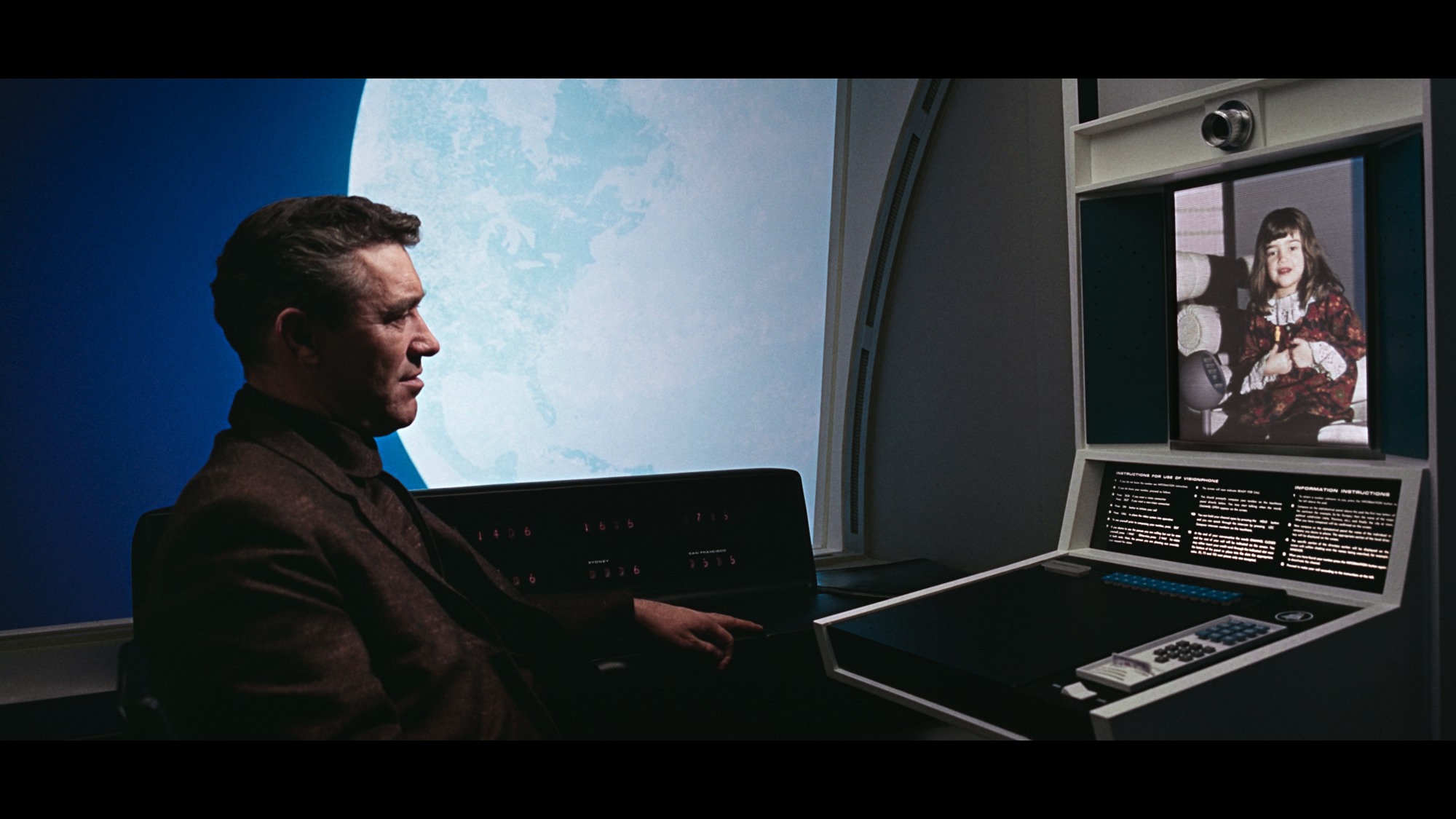
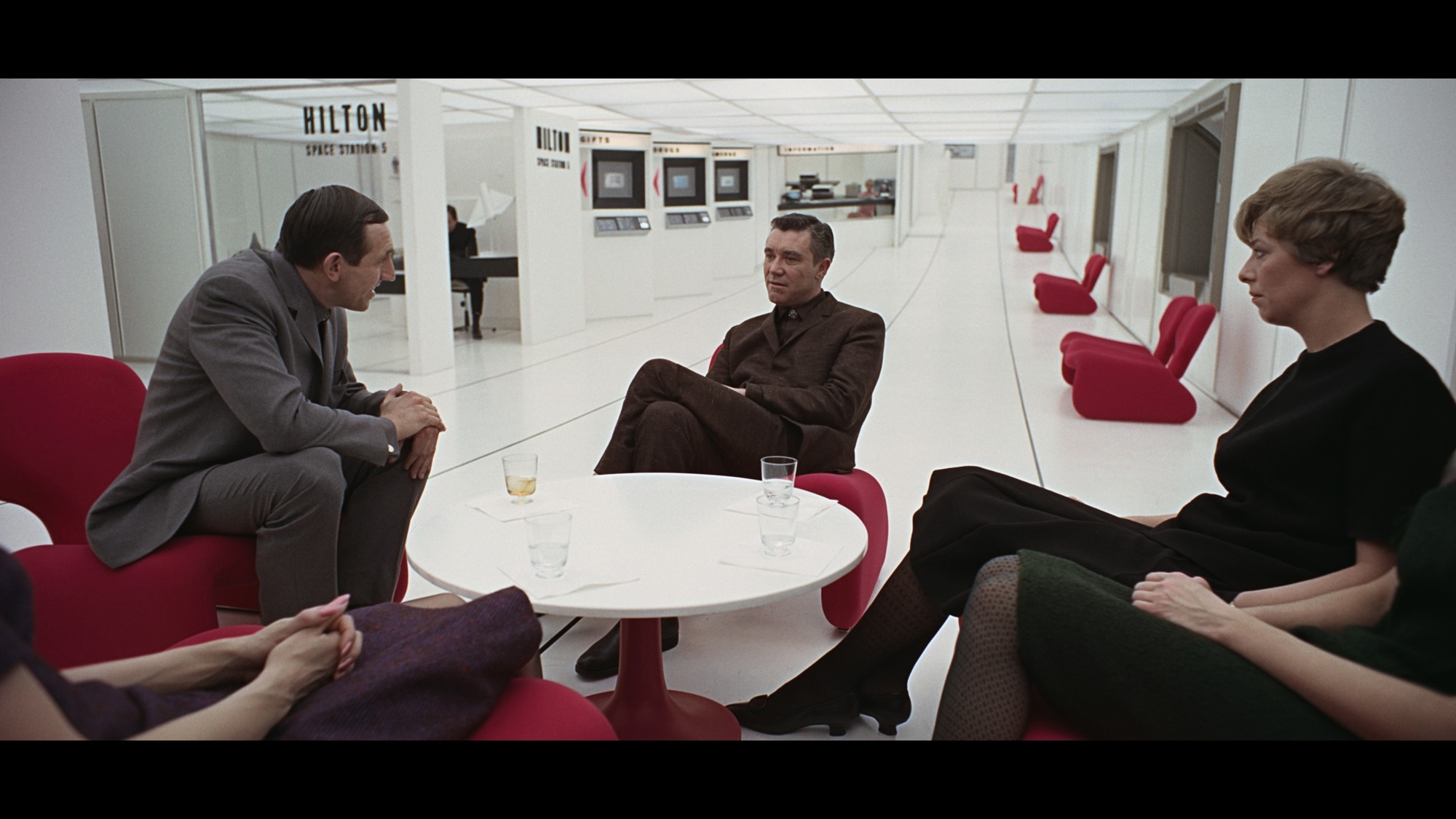
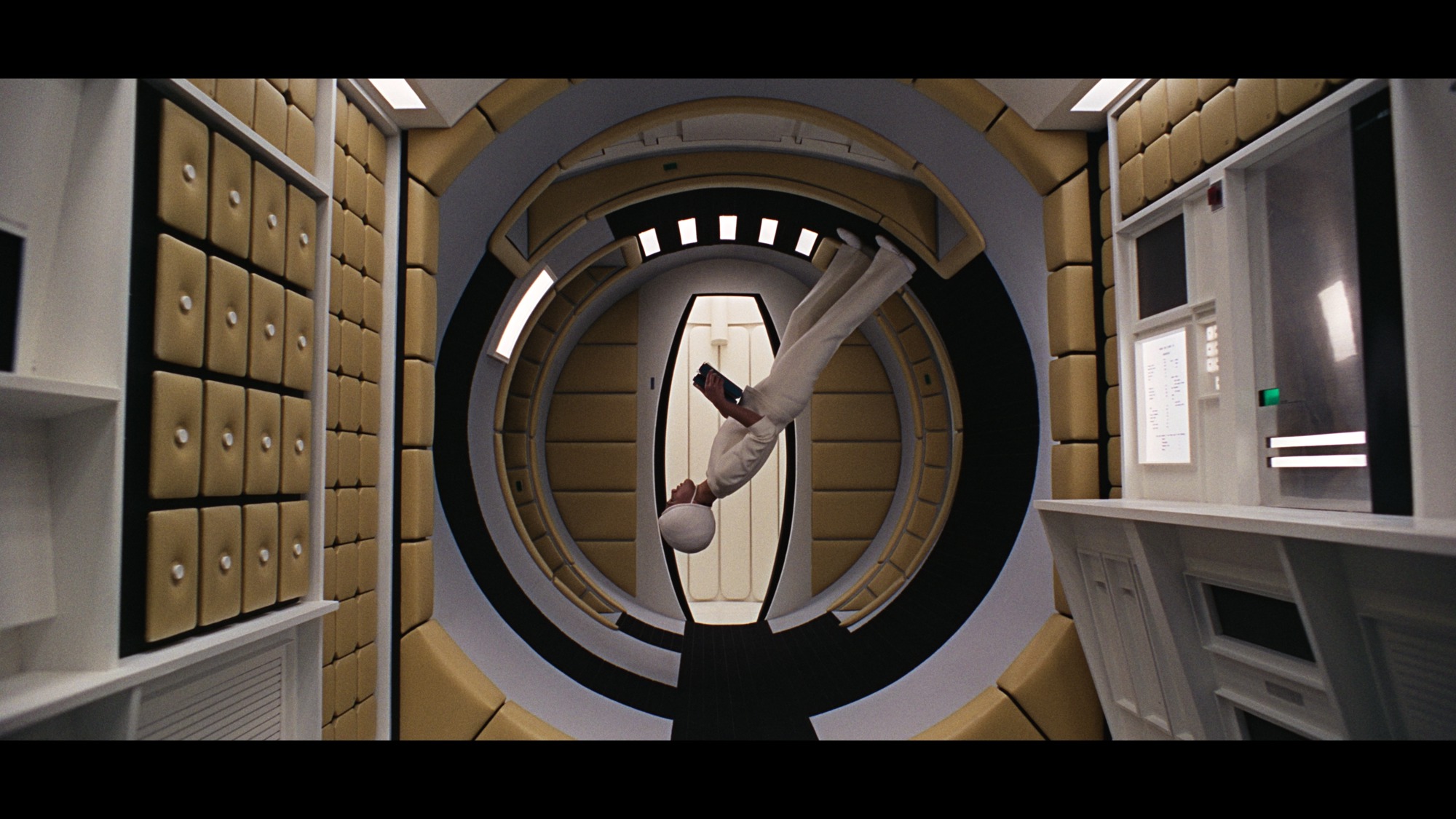
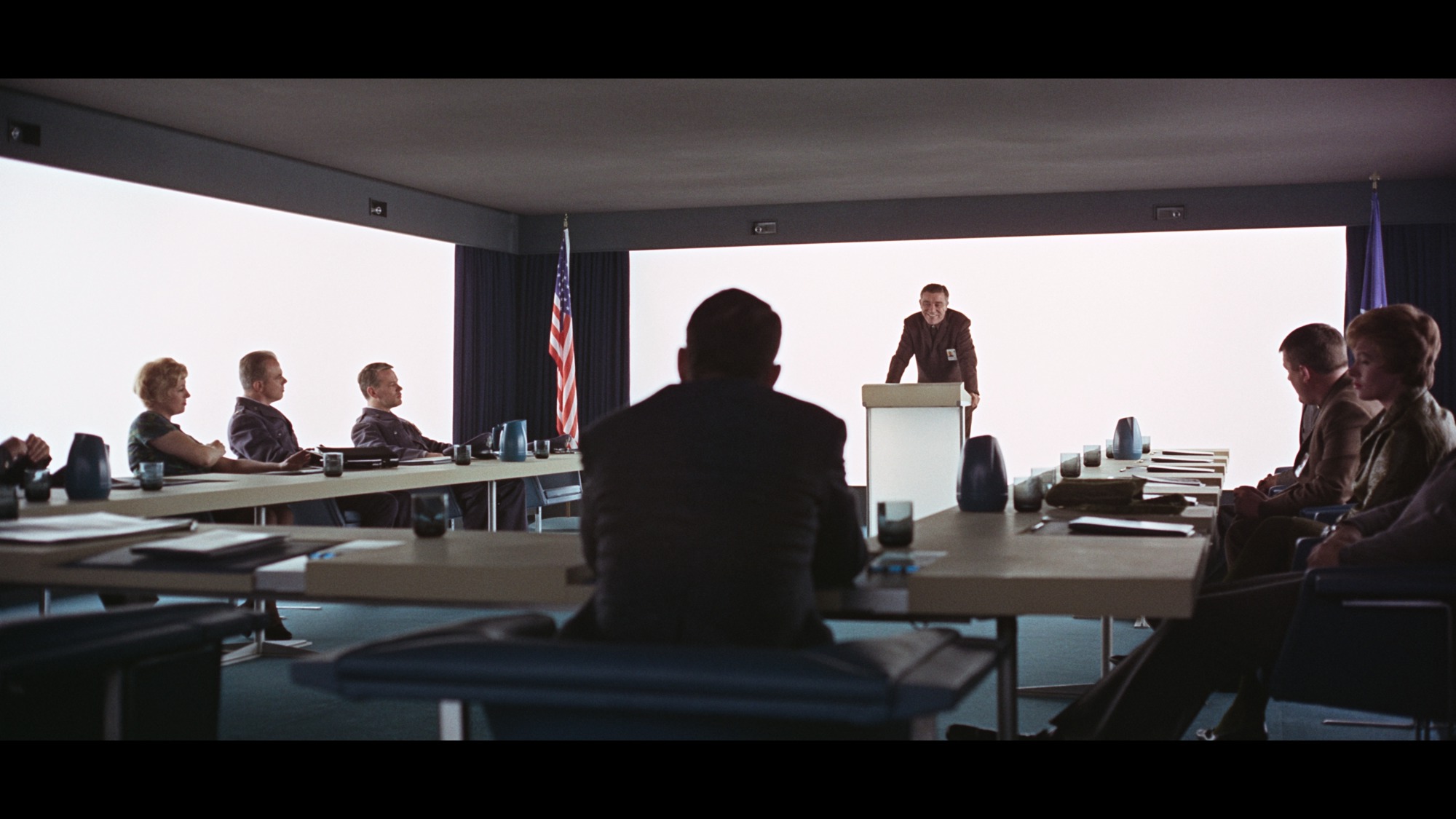
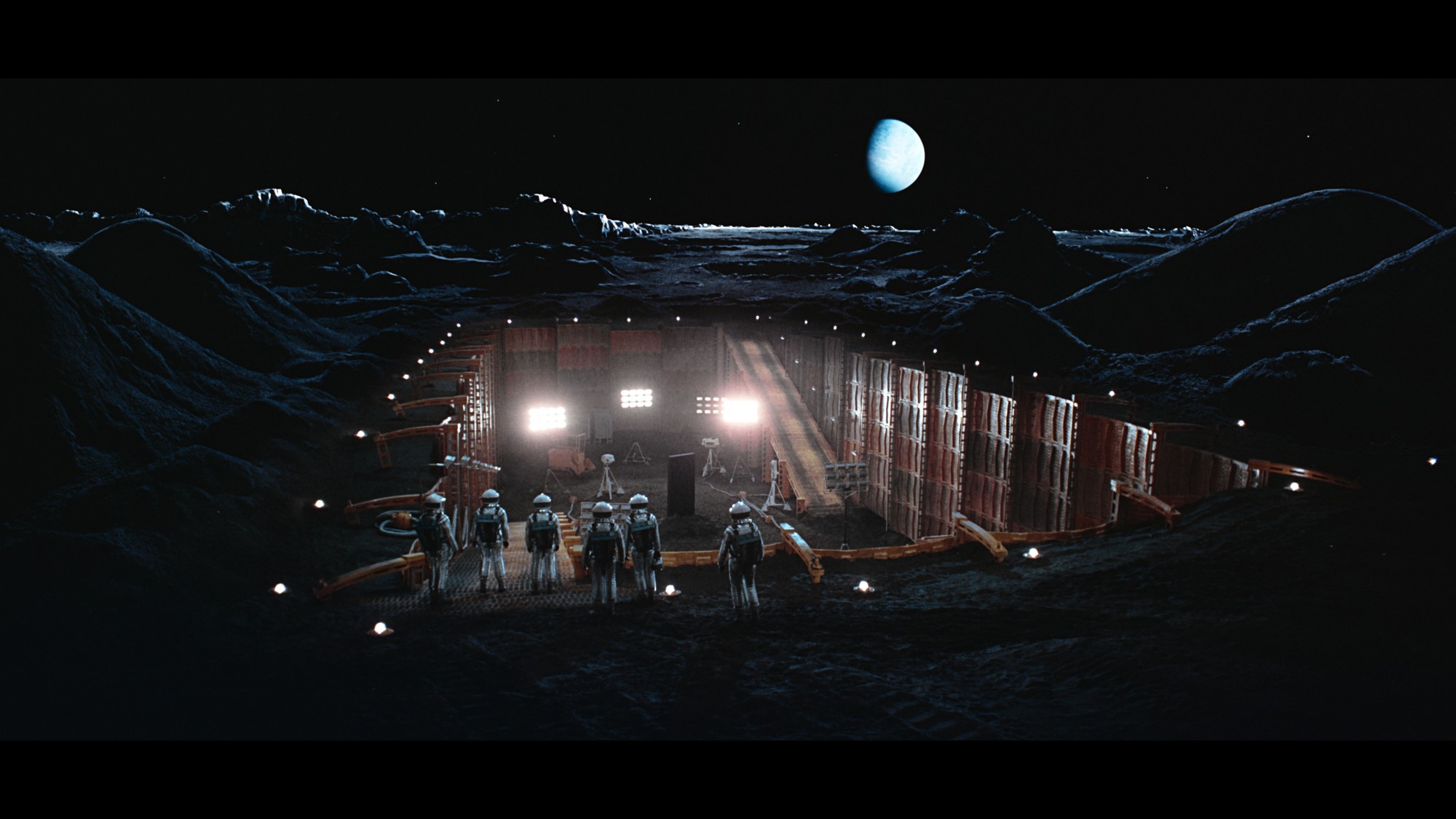
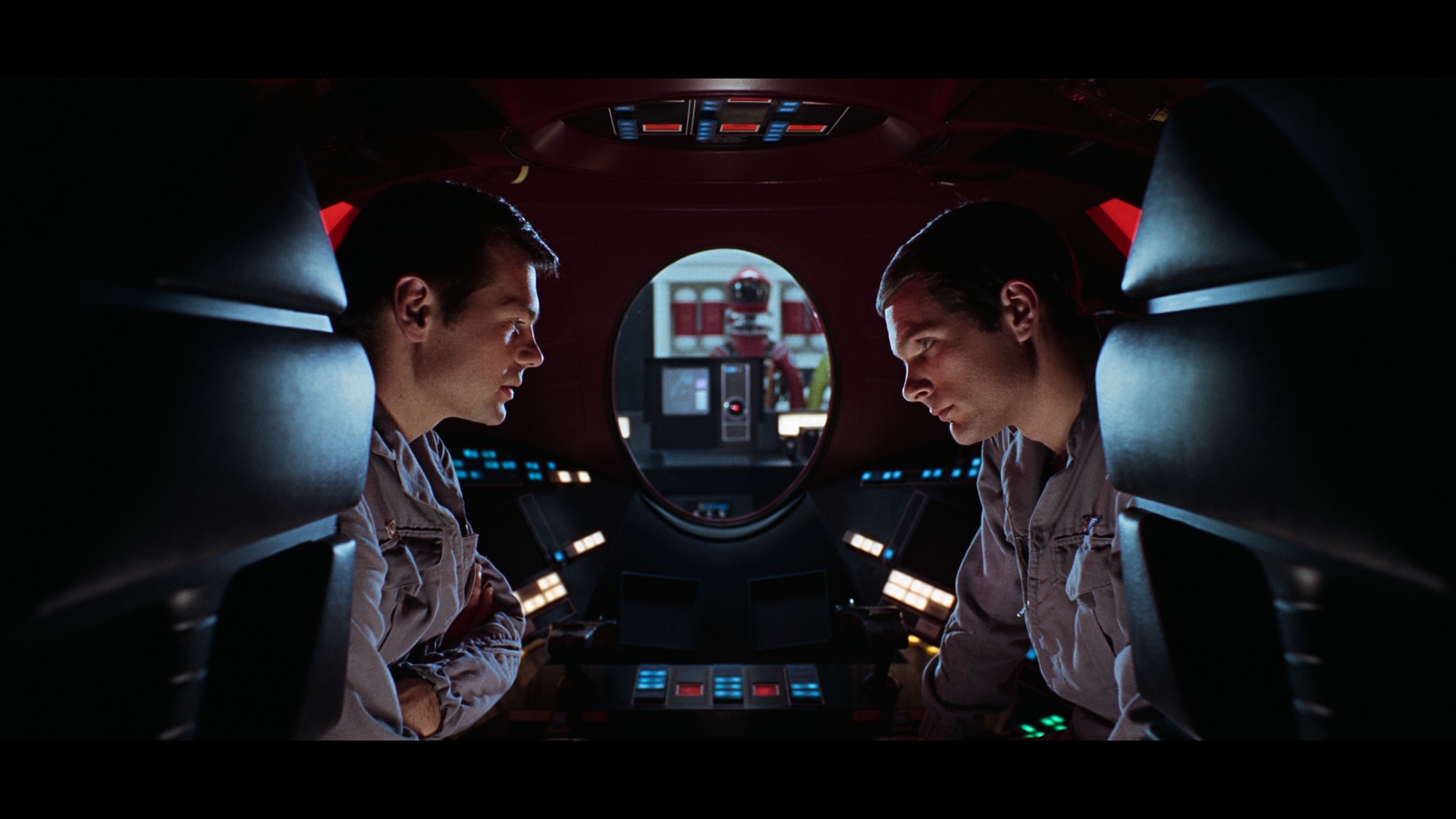
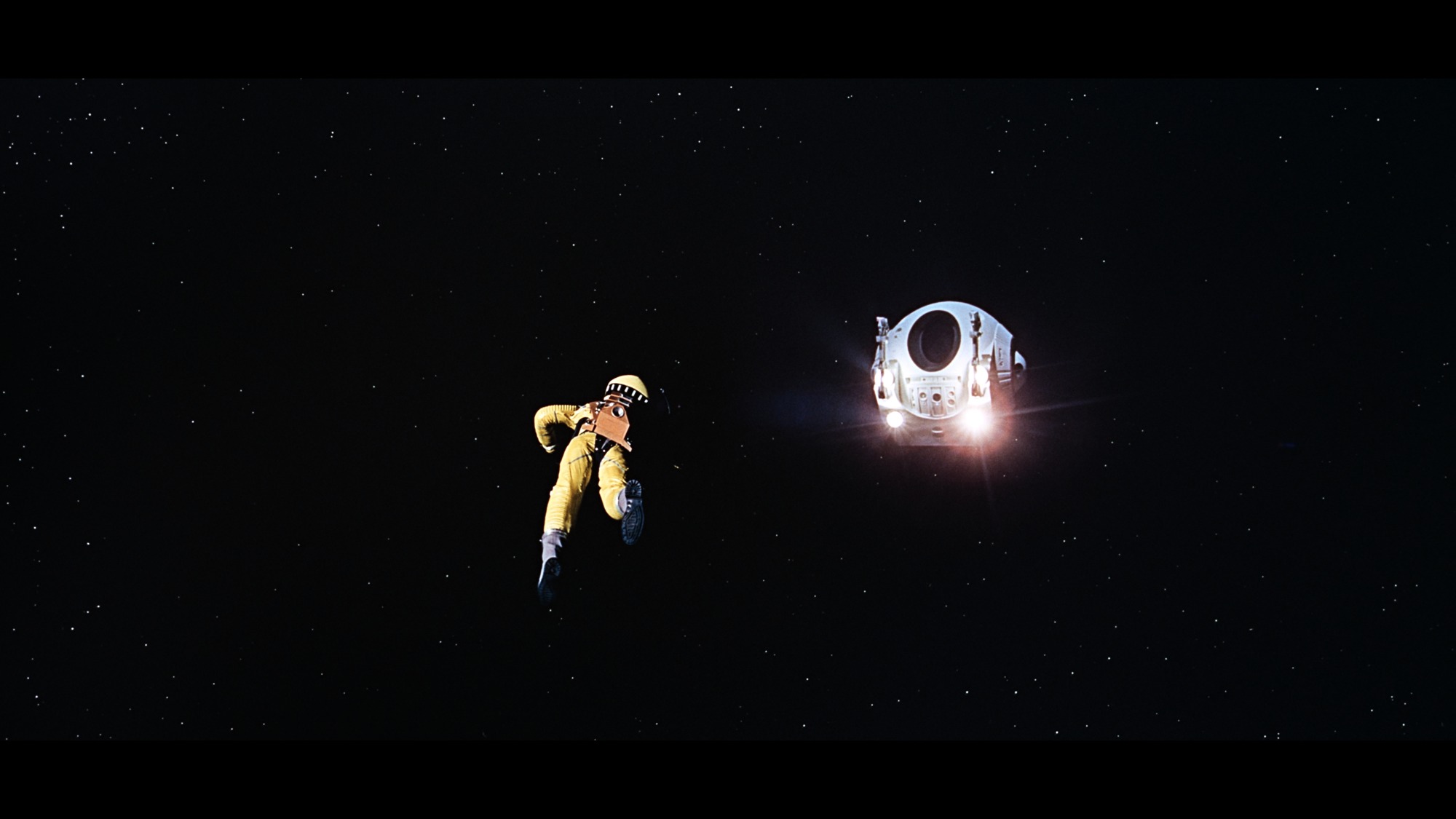
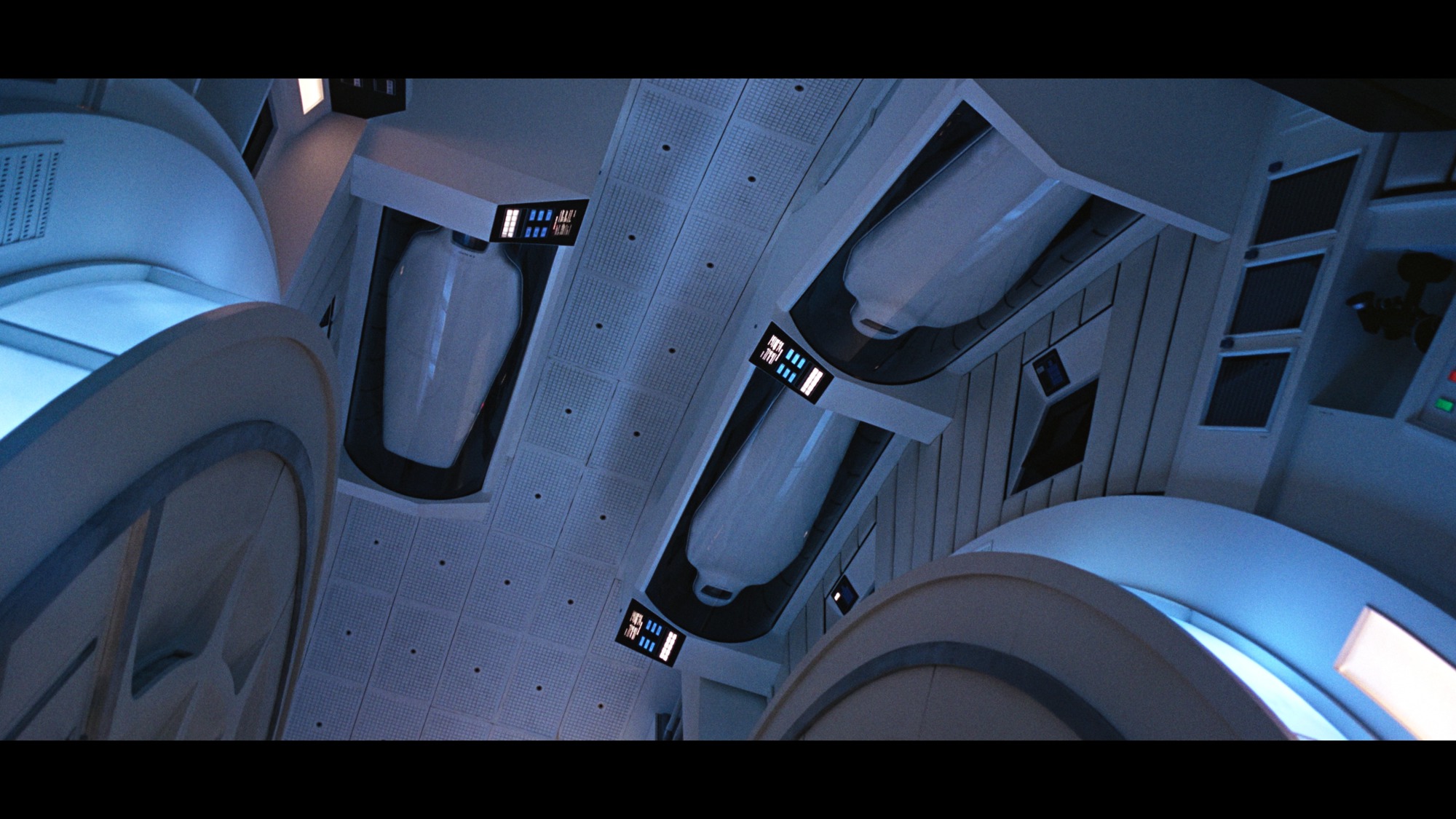
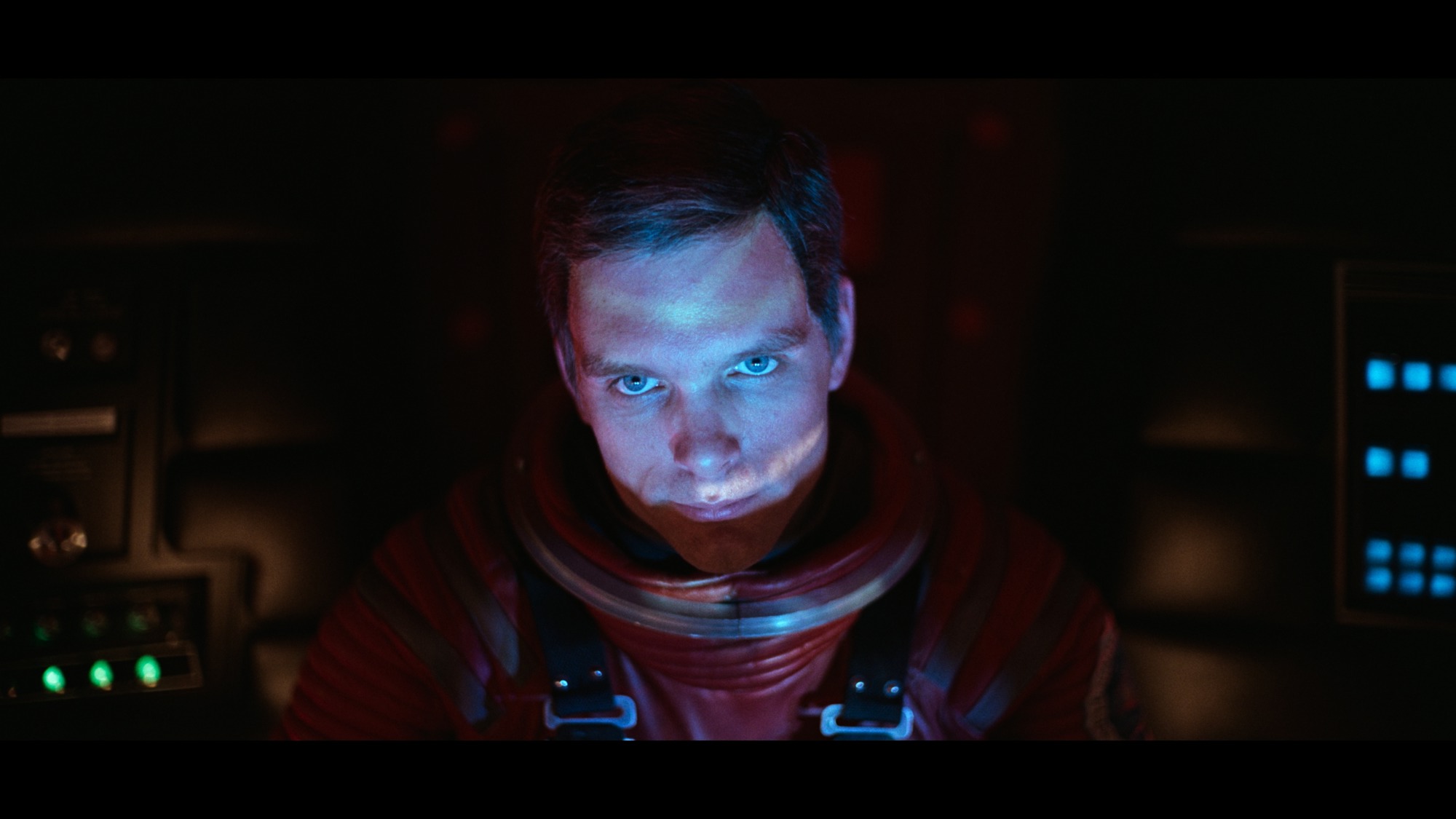
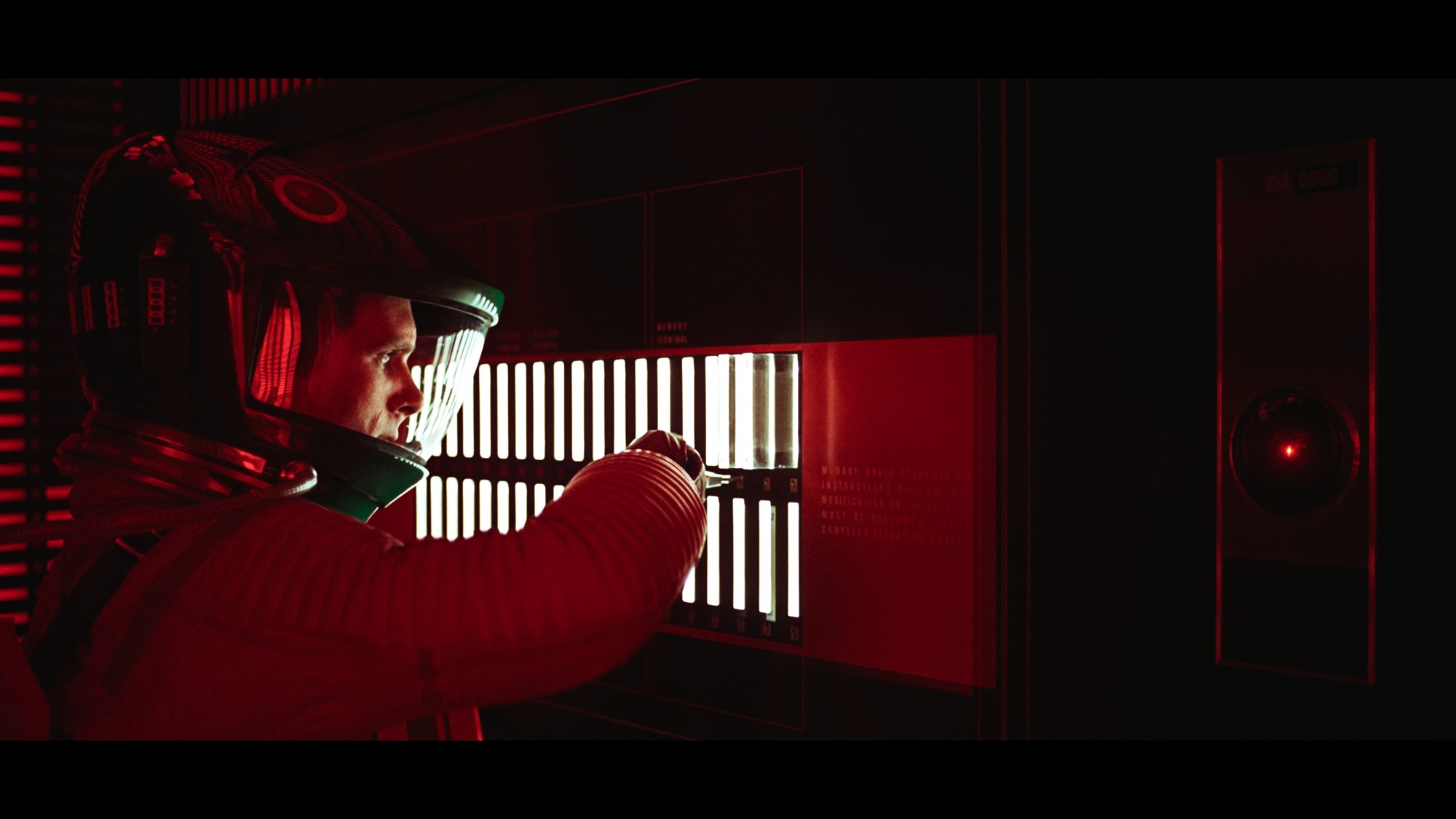
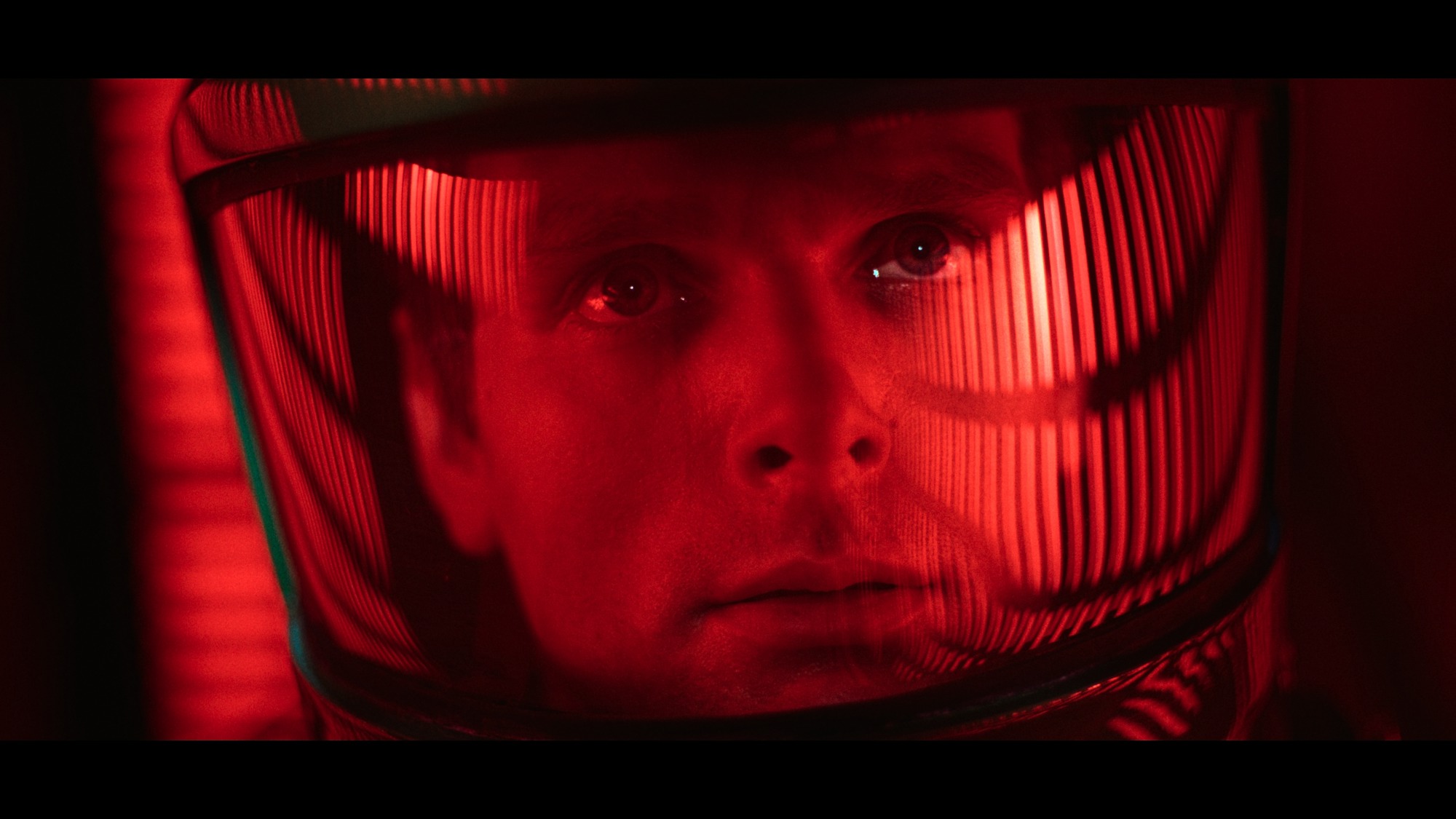
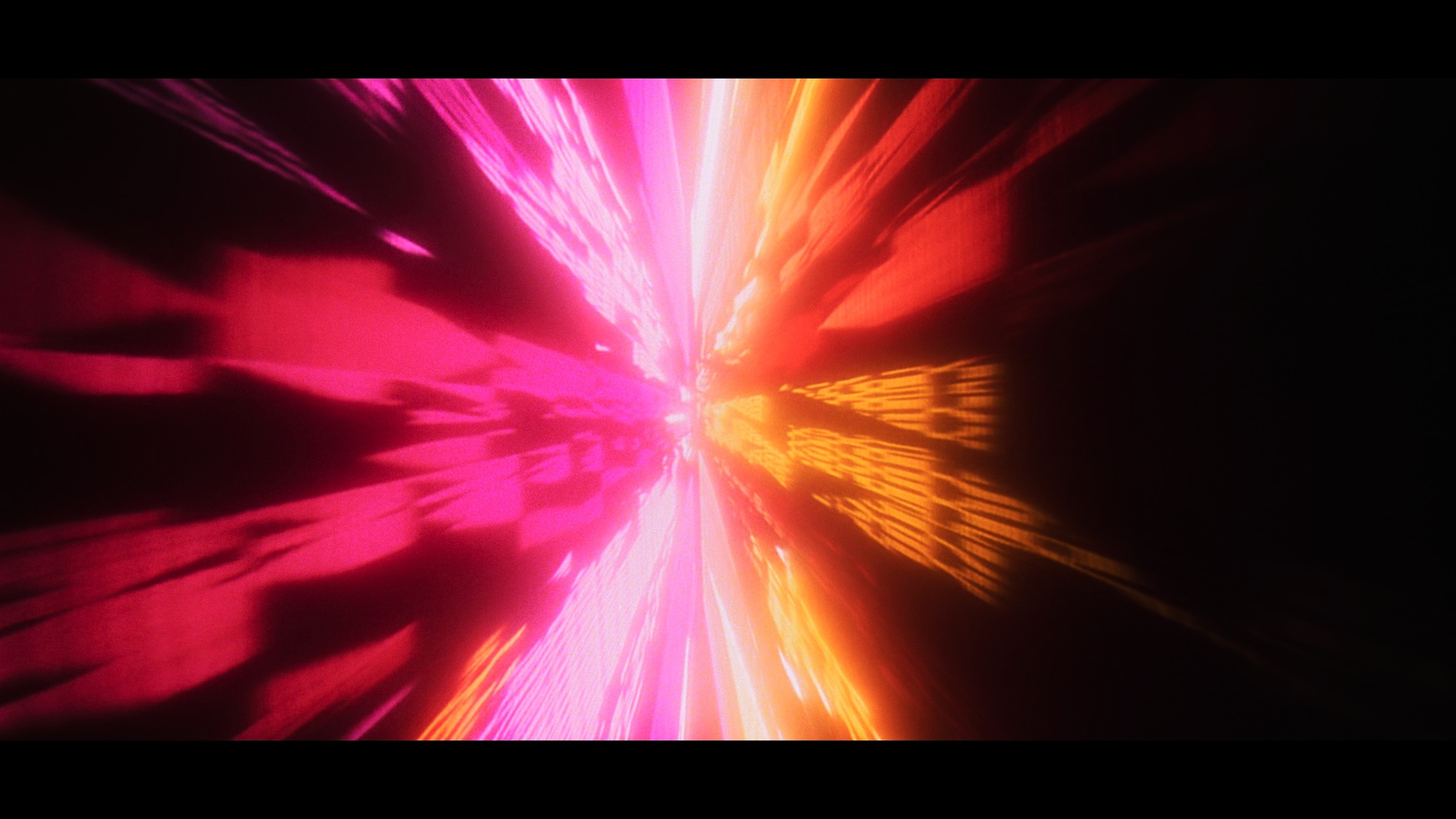
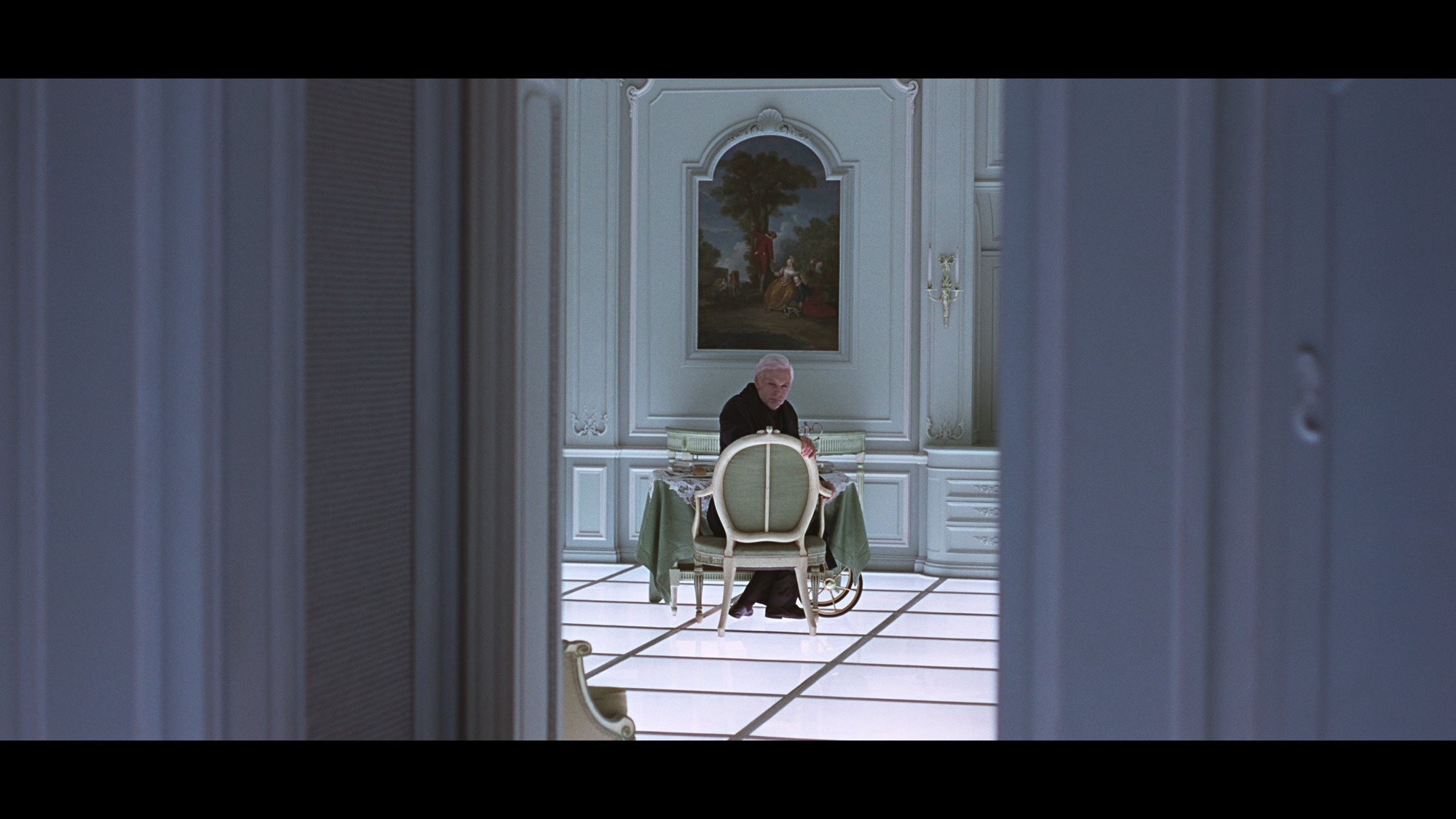
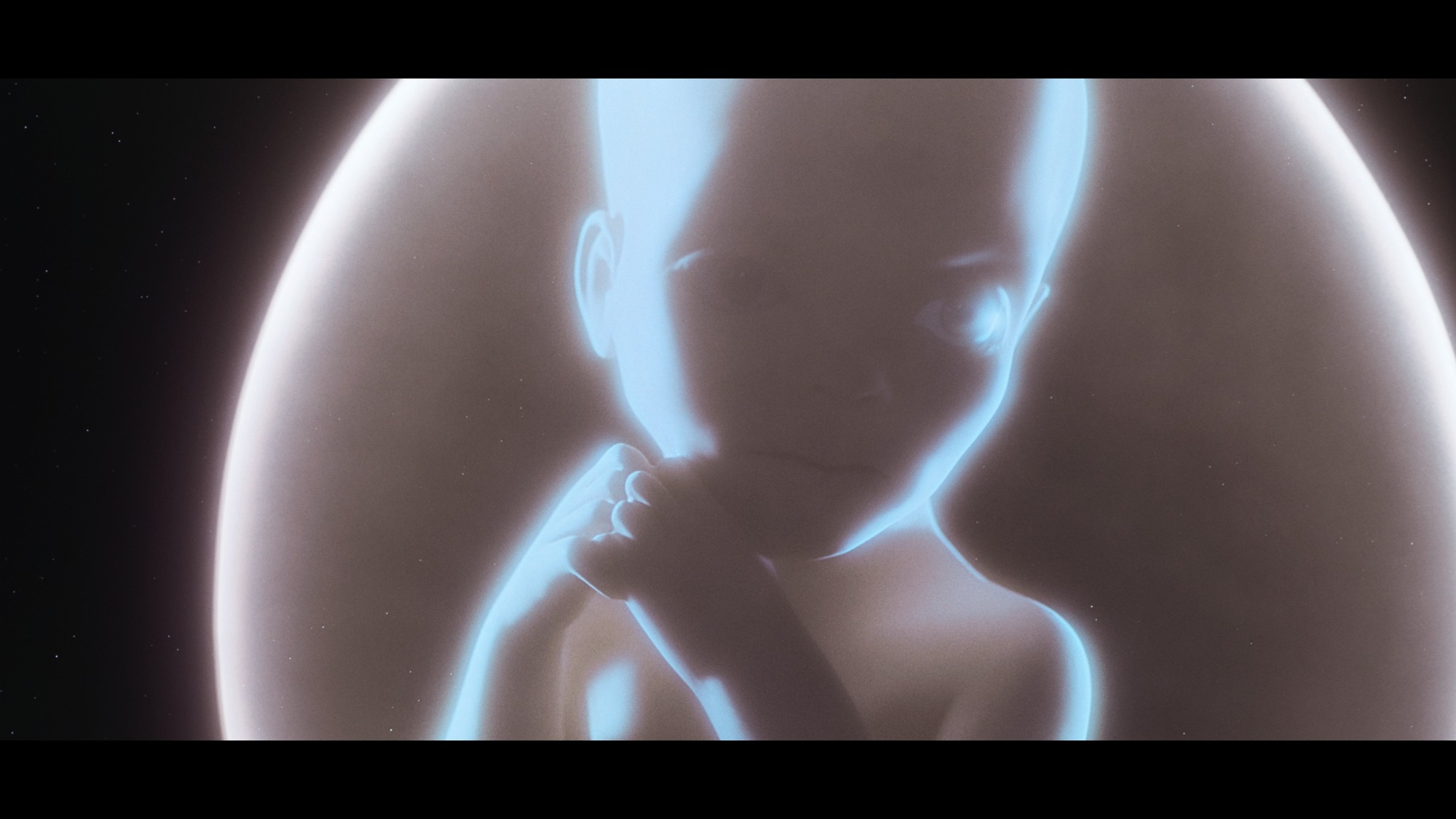
Audio 9/10
Criterion has, rather wonderfully, included three audio tracks for the film: the remastered 5.1 surround soundtrack that’s been available since the 1999 DVD, the original 35mm monaural soundtrack, and the original 70mm mix presented in 5.1. The mono track comes in lossless PCM, while both surround tracks are encoded in DTS-HD MA.
Of the three, I think I lean toward the 70mm mix. The music on the remastered track sounds a little sharper and cleaner, with a bit more range, but dialogue has more heft on the 70mm track. Voices sound a little flatter on the remaster, possibly due to filtering. The original surround mix is still quite effective, too, especially in the musical passages and during Bowman’s journey, where the surrounds get a decent amount to do. That screech from the monolith is still pretty ear-splitting, but this moment is fine in all of the audio presentations; my dogs hated it on all three tracks, so I guess they’re equally effective in that regard.
The mono track is also a solid option. Even with everything coming through the center channel, there’s plenty of range to both the music and the dialogue. Voices actually sound more dynamic here than they do on the remastered surround track, and I didn’t hear any significant damage.
In the end, they’re all quite good, and each has something going for it over the others. I’d probably stick with the 70mm mix for the weight it gives the dialogue and how well it uses the surrounds, but I can't see anyone being unhappy with any of the options.
Extras 10/10
Given that Criterion had released the film on LaserDisc and considering its lasting legacy, I had high expectations for the supplements and I’m happy to say Criterion has pretty much met them.
Criterion ports over most of the material from Warner’s previous editions, starting with the audio commentary featuring actors Keir Dullea and Gary Lockwood. I remember being a little underwhelmed by this track the first time I heard it (when I listened to it through my HD DVD edition of the film), but I enjoyed it quite a bit more this time around. Recorded separately, the two cover everything from landing their roles to promoting the film to a press that, by their account, was often bewildered by it. In between, they explain how some of the effects were achieved and recall what it took to work on the enormous Ferris wheel-like set built for the Discovery’s centrifuge.
Lockwood has some good stories and is clearly proud of the film, though I get the sense he looks back on it as a job he’s glad he took. Dullea seems to have more of himself tied up in it from an emotional perspective. He’s clearly very proud to have been part of it, and I especially liked hearing his own thoughts on the story and what Kubrick was doing with it. That gives the track a bit of an academic bent in places, which I hadn’t remembered. There’s more dead air as the film nears its conclusion, but it’s a decent track that I appreciated more on a second listen.
Criterion has also recorded a new commentary with Michael Benson, author of Space Odyssey: Stanley Kubrick, Arthur C. Clarke, and the Making of a Masterpiece, and it ends up being a rather strong addition. Along with the production stories he’s gathered through his research, Benson gives a good sense of where Kubrick was in his career, what the film business in Hollywood looked like at the time, and what audiences might have expected from a picture like this. He spends quite a bit of time on Kubrick’s working relationship with Arthur C. Clarke and how they were still developing parts of the story as shooting went on, and though Kubrick ultimately dropped much of the exposition found in their early drafts, the filmmaker valued Clarke’s scientific knowledge and sensibilities and did depend on them to help shape a future that felt like it could actually happen, even if, as dutifully noted, it was a future imagined from the still optimistic corner of the ’60s. I particularly enjoyed his deep dive into the effects, from the techniques the crew developed to the work that inspired them. That material ends up being expanded upon elsewhere on the disc. All told, I quite liked this one, the track ultimately reminding me through its structure and energy of the academic commentaries from Criterion’s LaserDisc days. Definitely worth a listen.
Both commentaries accompany the film on the 4K disc and the standard Blu-ray. The remaining supplements are housed on a separate dual-layer Blu-ray, starting with the 60-minute Channel Four documentary 2001: The Making of a Myth, produced in 2001 and carried over from Warner’s release. Hosted by James Cameron, it looks back at the production and the film’s legacy through interviews with actors Keir Dullea and Heather Downham, writer Arthur C. Clarke, effects supervisor Douglas Trumbull, and several others, including writers and academics. It mixes in behind-the-scenes footage and original promotional material, with a good look at the research that went into designing the film’s future and the trial and error behind some of its effects. I didn’t have particularly high hopes for this one when I first watched it way back when, but it’s a surprisingly good making-of that has a bit of fun with its material along the way.
Criterion also carries over Standing on the Shoulders of Kubrick: The Legacy of “2001” and Vision of a Future Passed: The Prophecy of “2001”, both running 21 minutes. The former looks at everything from the effects to the use of music, with filmmakers including George Lucas talking about what made the film so groundbreaking. The latter gets more into the design of its future. It’s easy to forget that Kubrick and his crew were working before anyone had been to the Moon, so they had to figure out what it might look like to stand on its surface, and even come up with how the Earth would appear from there. Kubrick wanted it all to feel credible, and that goes a long way toward explaining why so much of it still holds up as well as it does.
Also back is MGM’s 1966 promotional reel A Look Behind the Future, which mixes early footage from the set with designs and proposals for future technology from the engineers and scientists brought in to consult. I’ve always been especially amused by the portable telephone system; it’s a bulky suitcase with a phone, a monitor, and a typewriter, but it's essentially a base for what would become a cellular telephone and eventually the smartphone, complete with voice and video calls, as well as texting.
Fx and Early Conceptual Work is another Warner carryover, with Douglas Trumbull and Christiane Kubrick discussing some of the early design work, including through paintings. Trumbull explains how they pulled off parts of Bowman’s journey and how Kubrick used high speed photography, water and other liquids to create the swirling nebula effects, a trick that comes up in a few of the other supplements as well (and apparently smelled nasty). It runs 9 minutes.
One film that keeps coming up in the features is Universe, a 1960 Canadian short that heavily influenced Kubrick when it came to the look of 2001. The 28-minute film uses some very clever effects to take viewers on a tour of the solar system, showing what scientists at the time thought our neighboring planets might be like. Some of it obviously hasn’t held up (the full-on nastiness of Venus was not yet known at this time, for starters), but it’s an incredibly fun and imaginative film, and it’s easy to see why it caught Kubrick’s eye. It’s a wonderful inclusion, and happily it comes from a new restoration that looks quite good in high definition.
Criterion then digs a little further into the archives for a 7-minute piece on Graphic Films, founded by Lester Novros, and its Cinerama short To the Moon and Beyond, made to be projected onto a large “Moon Dome” screen. Kubrick saw the film and brought Graphic Films in to consult on the designs and effects for 2001 and the piece traces the collaboration through photos, designs, and documents, up to director Con Pederson’s departure from the project (likely due to Kubrick's demands). The last few minutes are devoted to high-definition excerpts from the short, which is also distorted along the edges due to it being designed to be projected onto the interior of a dome.
Criterion follows that with two slit-scan experiments, picking up on the technique Trumbull discusses elsewhere on the disc. First are some black-and-white 35mm test reels created by John Whitney, followed by John Whitney Jr.’s Byjina Flores. The color film is considerably more elaborate, and you can see it getting a little closer to what would end up on screen in Bowman’s journey. The two selections run about 3 and 6 minutes, respectively.
A Primer for “2001: A Space Odyssey” comes from a 1971 episode of the CBS program Camera Three, hosted here by Keir Dullea. And it really is a primer. Over its brisk 29 minutes, Dullea walks us through the film sequence by sequence, explaining everything from the monolith’s role in humanity’s development to what’s going on in that bedroom at the end. If you’ve just watched the film for the first time or are a seasoned viewer still wondering (to quote Rock Hudson, apparently) "what the hell this is about?" this is the feature to go straight to.
Along with the film’s trailers, Criterion rounds things out with a program built around an archival Z Channel interview with effects supervisor Douglas Trumbull. For this presentation, Criterion cuts the interview together with film clips, behind-the-scenes footage, and design work. Trumbull talks about what Kubrick achieved, how much more contemplative the film was than audiences were probably expecting then and now, and how it influenced his own Silent Running.
All in, this is easily the most well-rounded edition put together for the film yet. Benson’s commentary would have been a substantial addition on its own, but I especially liked being able to see some of the films and experiments that helped shape the effects. It’s a terrific upgrade over Warner’s editions, with plenty worth digging into even if you’ve already been through the older supplements.
Closing
The best edition for the film yet, with an incredible 4K presentation, several terrific audio options, and a wonderful collection of features.
BUY AT:


