The Crying Game
BUY AT:


See more details, packaging, or compare
Synopsis
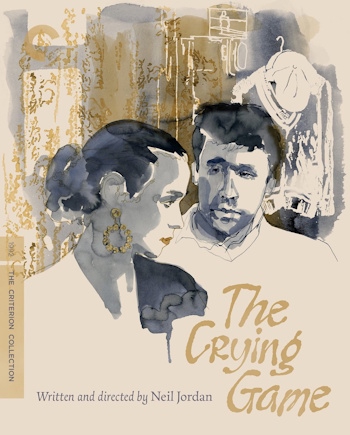
Neil Jordan’s emotionally stunning international sensation overcame the barriers between independent and mainstream cinema to become one of the defining films of the 1990s. Set against the turbulence of the Troubles in Northern Ireland, The Crying Game is a puzzle box of a film, examining complex questions of loyalty, desire, and identity as it traces the fraught relationship developing between two wounded souls: Fergus (Stephen Rea), a former Irish Republican Army member tormented by guilt, and Dil (the revelatory Jaye Davidson), the enigmatic girlfriend of the hostage whose death haunts him. As the film shape-shifts from political drama to noir-tinged thriller to bruising romance, what emerges is something beyond genre: a profound and indelible vision of human connection across all boundaries.
Picture 10/10
Neil Jordan’s The Crying Game receives a 4K UHD special edition from The Criterion Collection, who present the film with Dolby Vision in the aspect ratio of 2.39:1 on a triple-layer disc. The 2160p/24hz ultra high-definition presentation is sourced from a new 4K restoration scanned from the 35mm original camera negative, with a 35mm film print preserved by the Academy Film Archive serving as the color reference. The release also includes a standard Blu-ray featuring a 1080p presentation of the film alongside all video supplements.
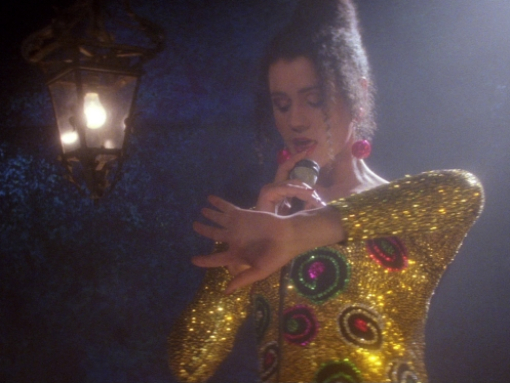
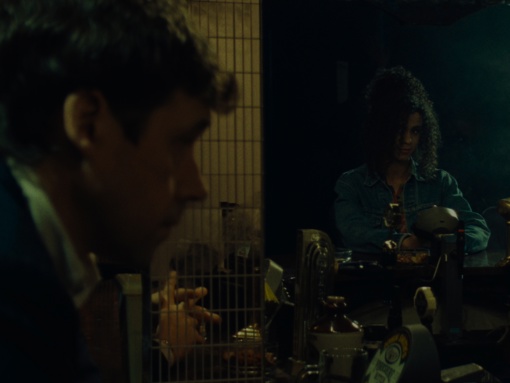
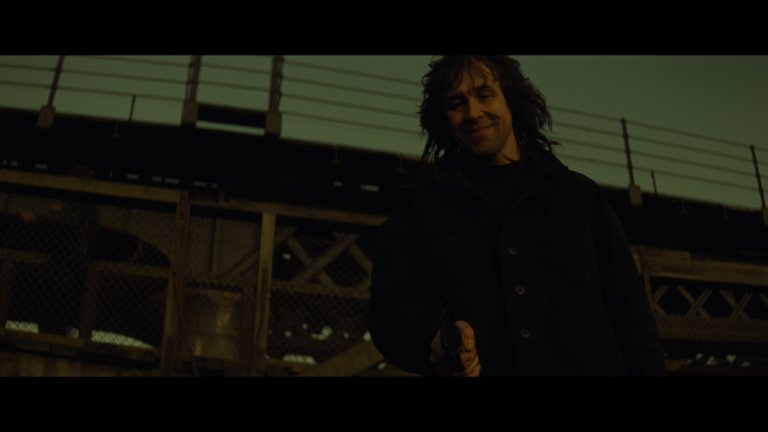
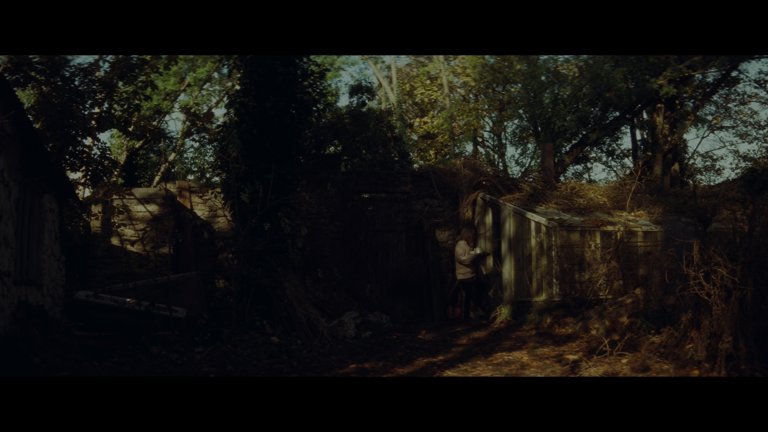
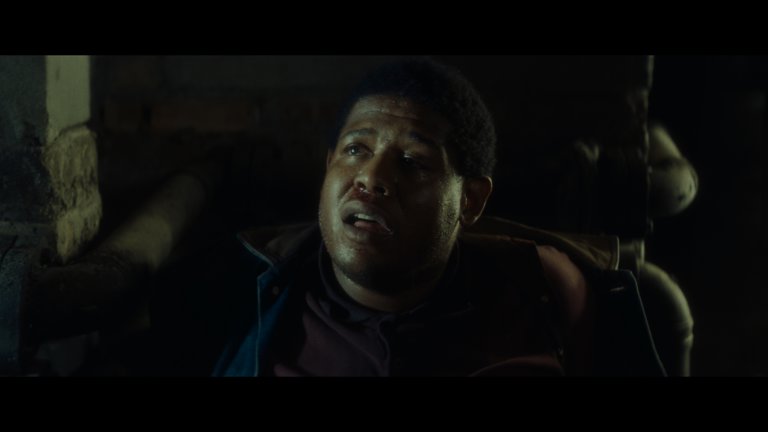
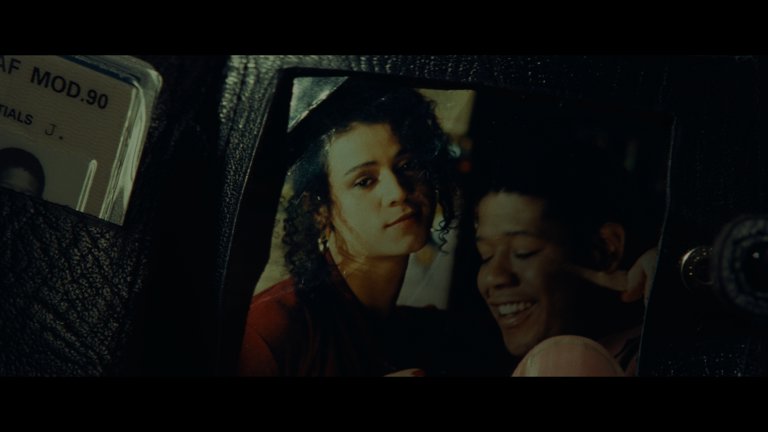
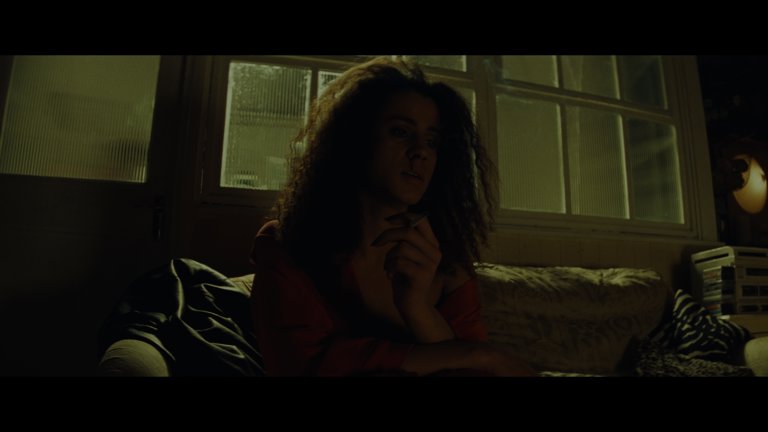
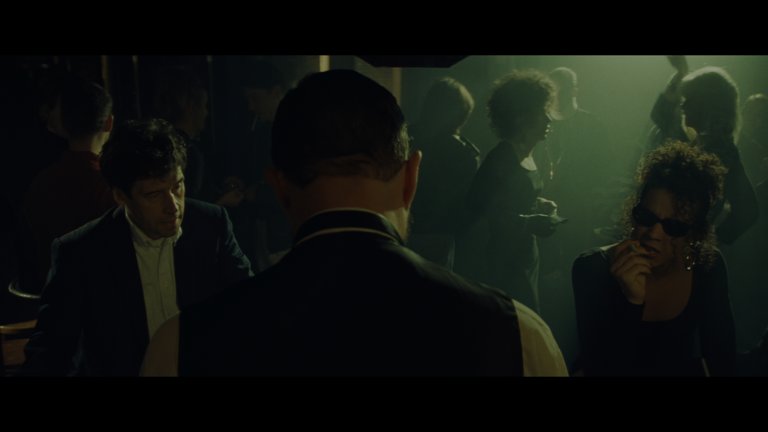
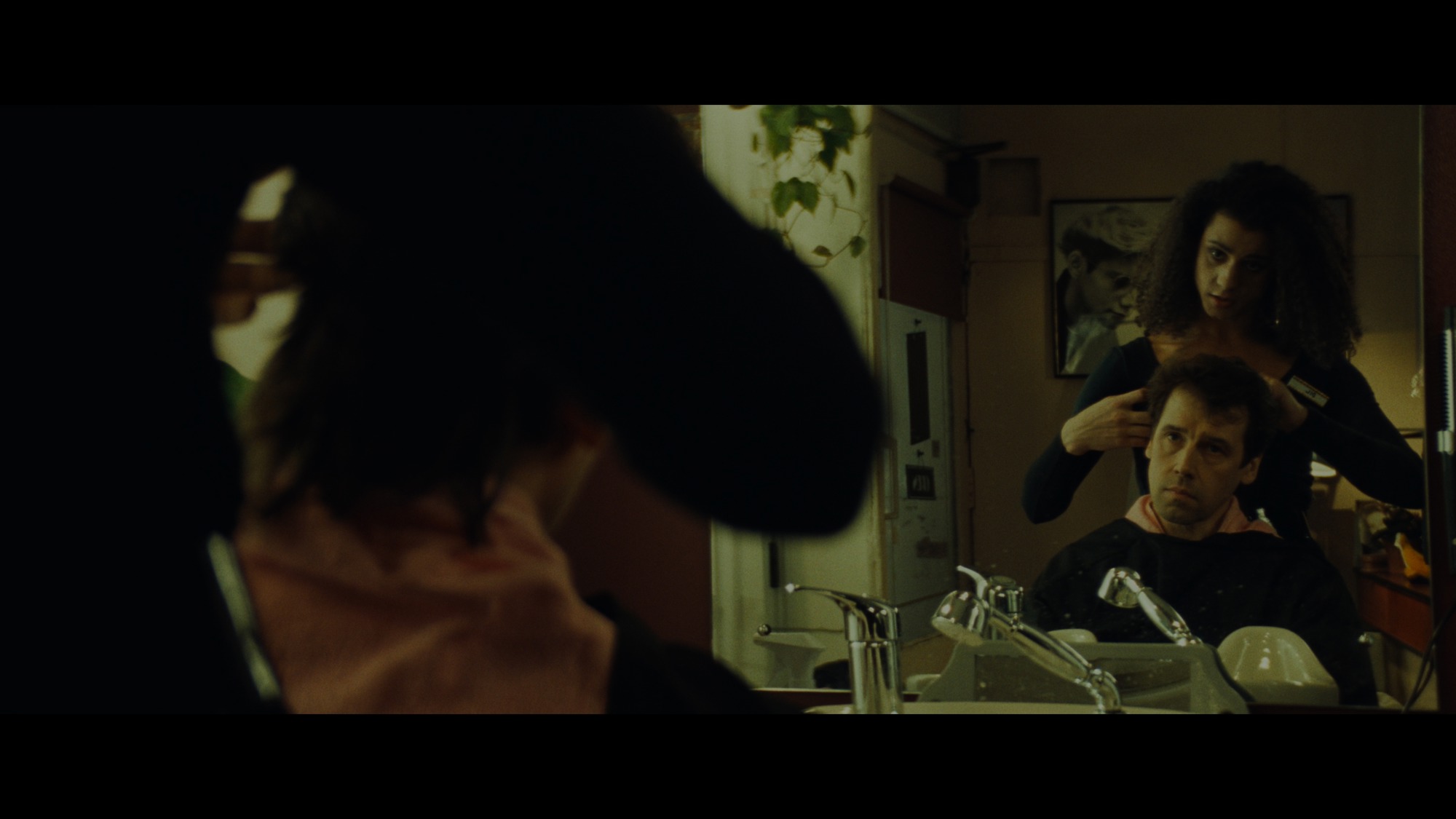
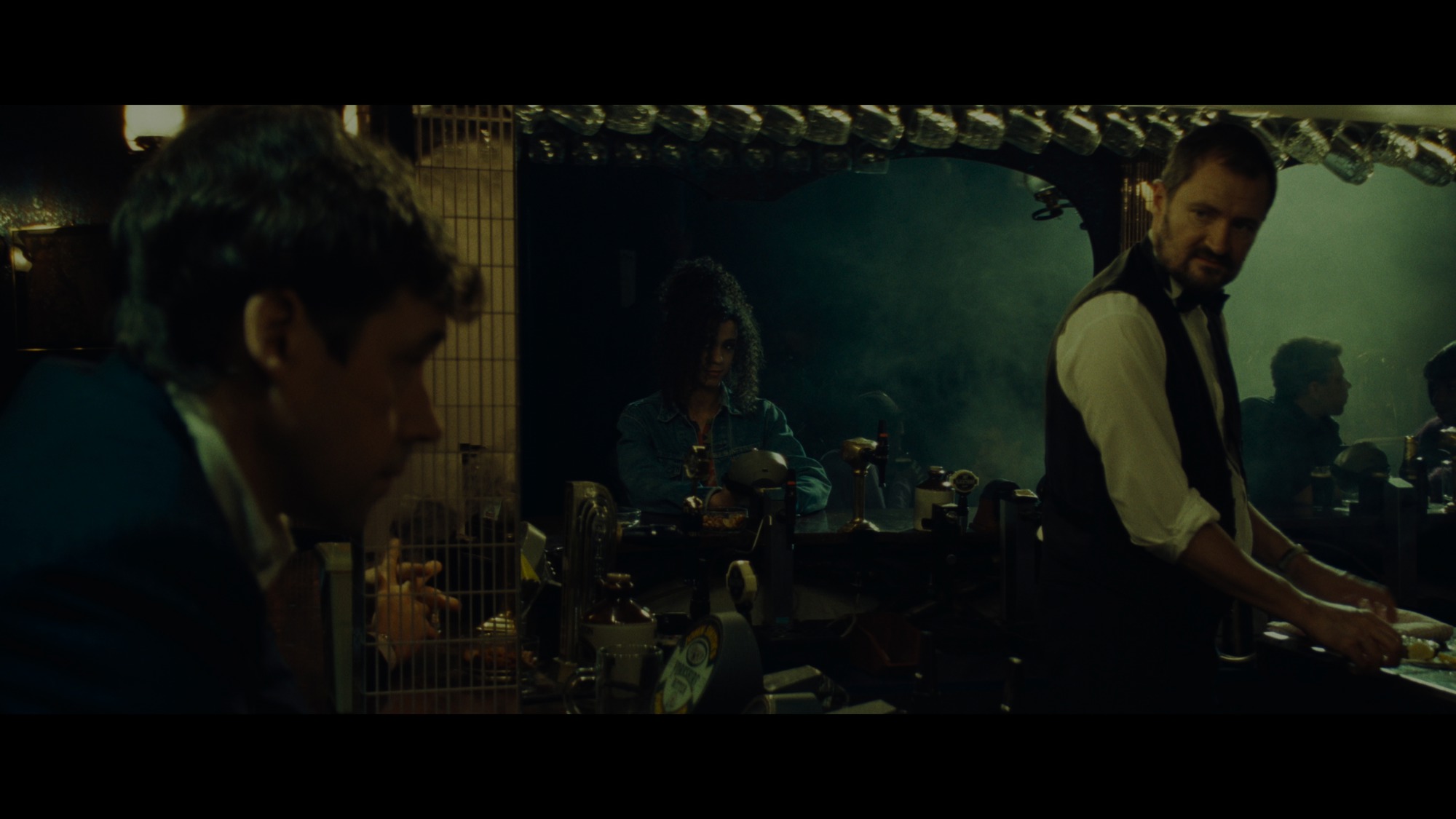
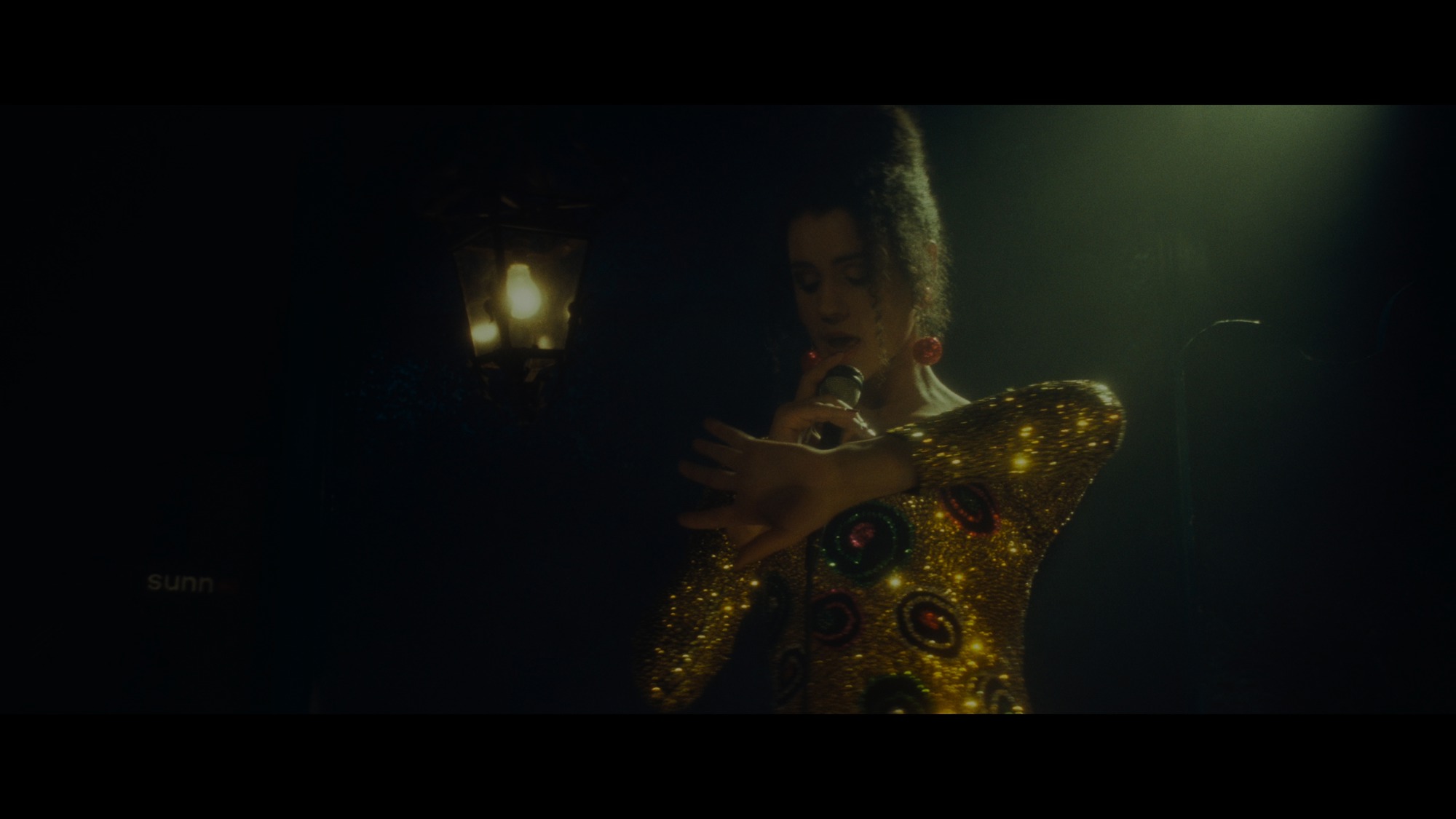
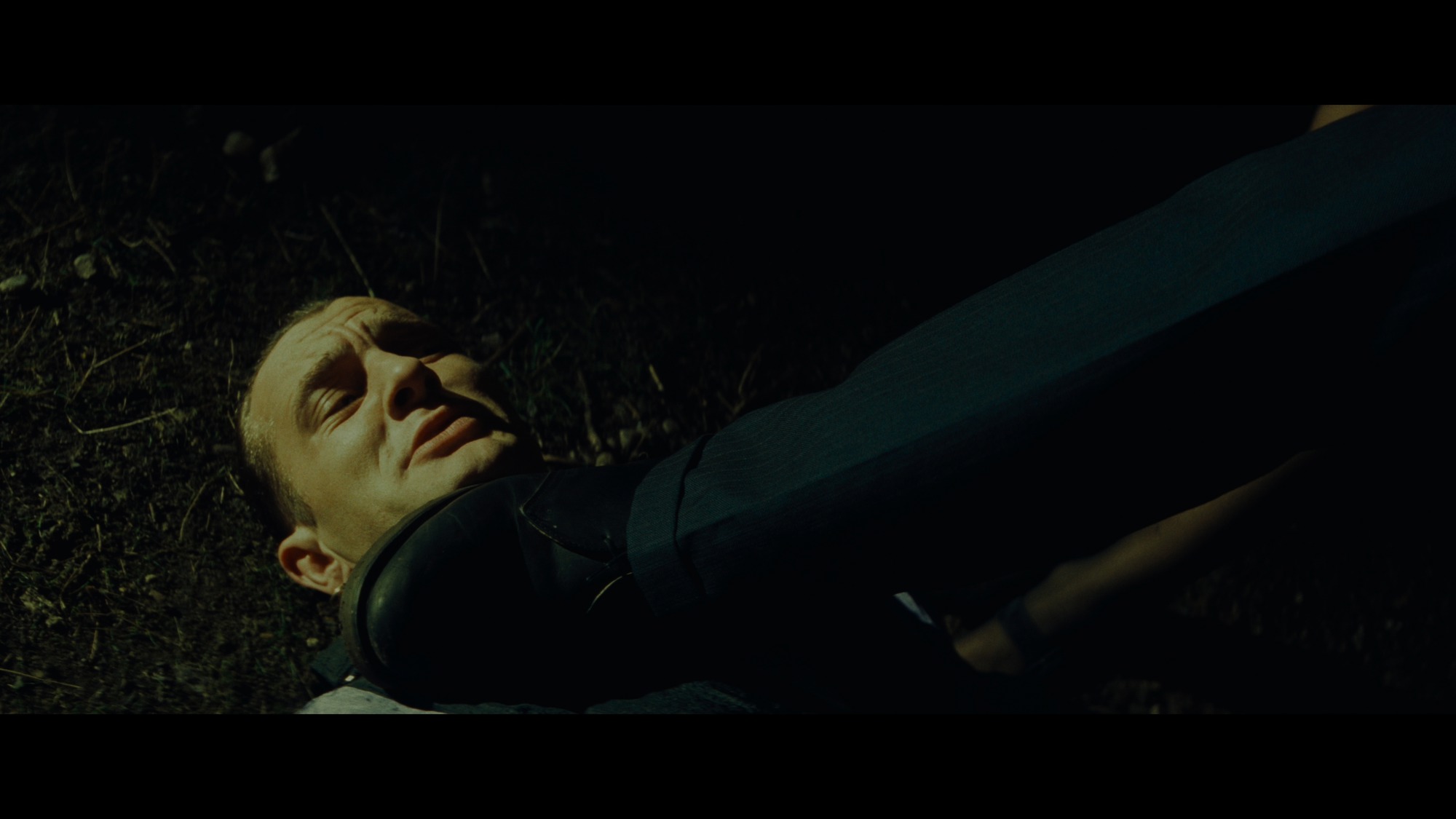
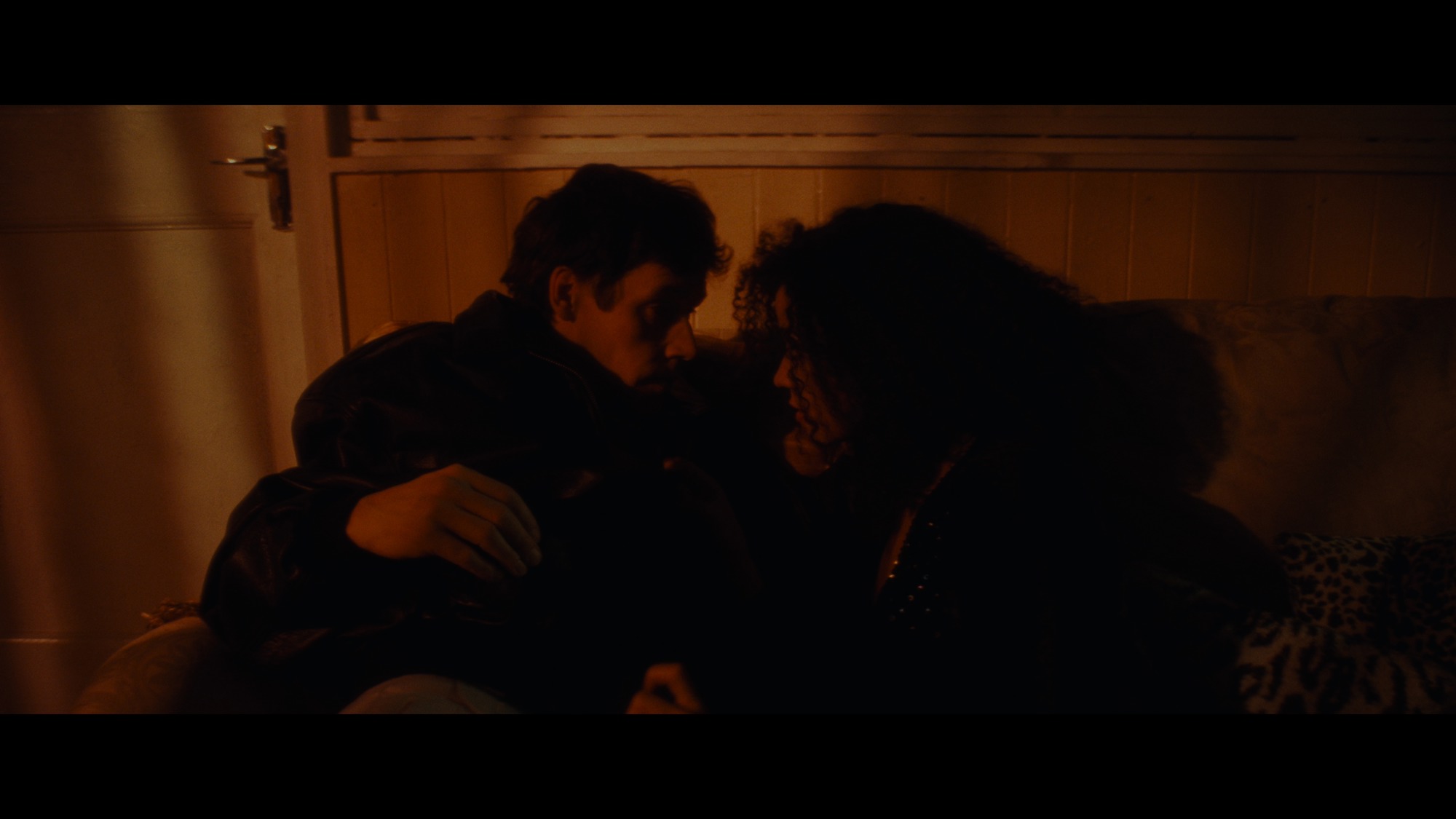
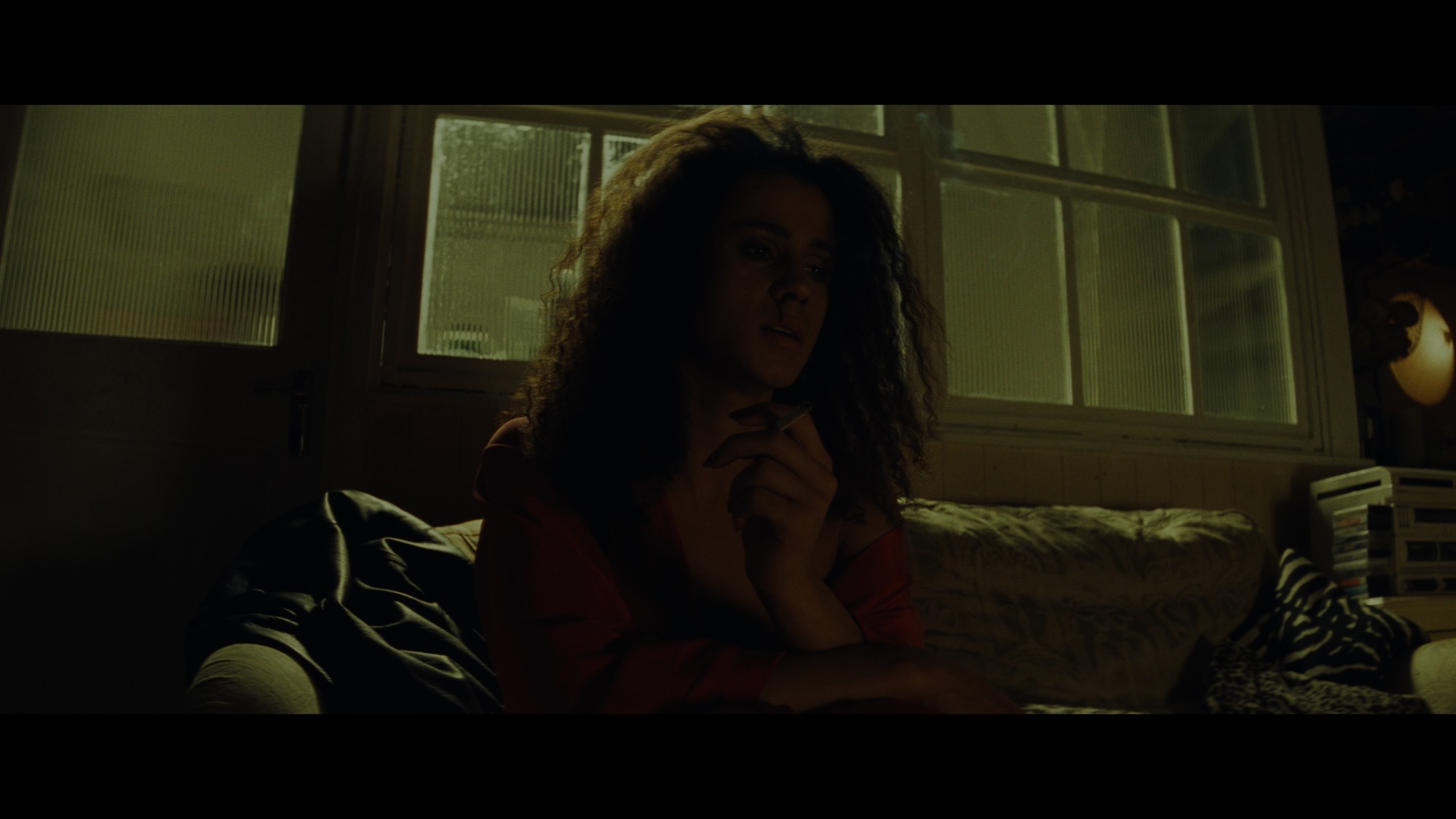
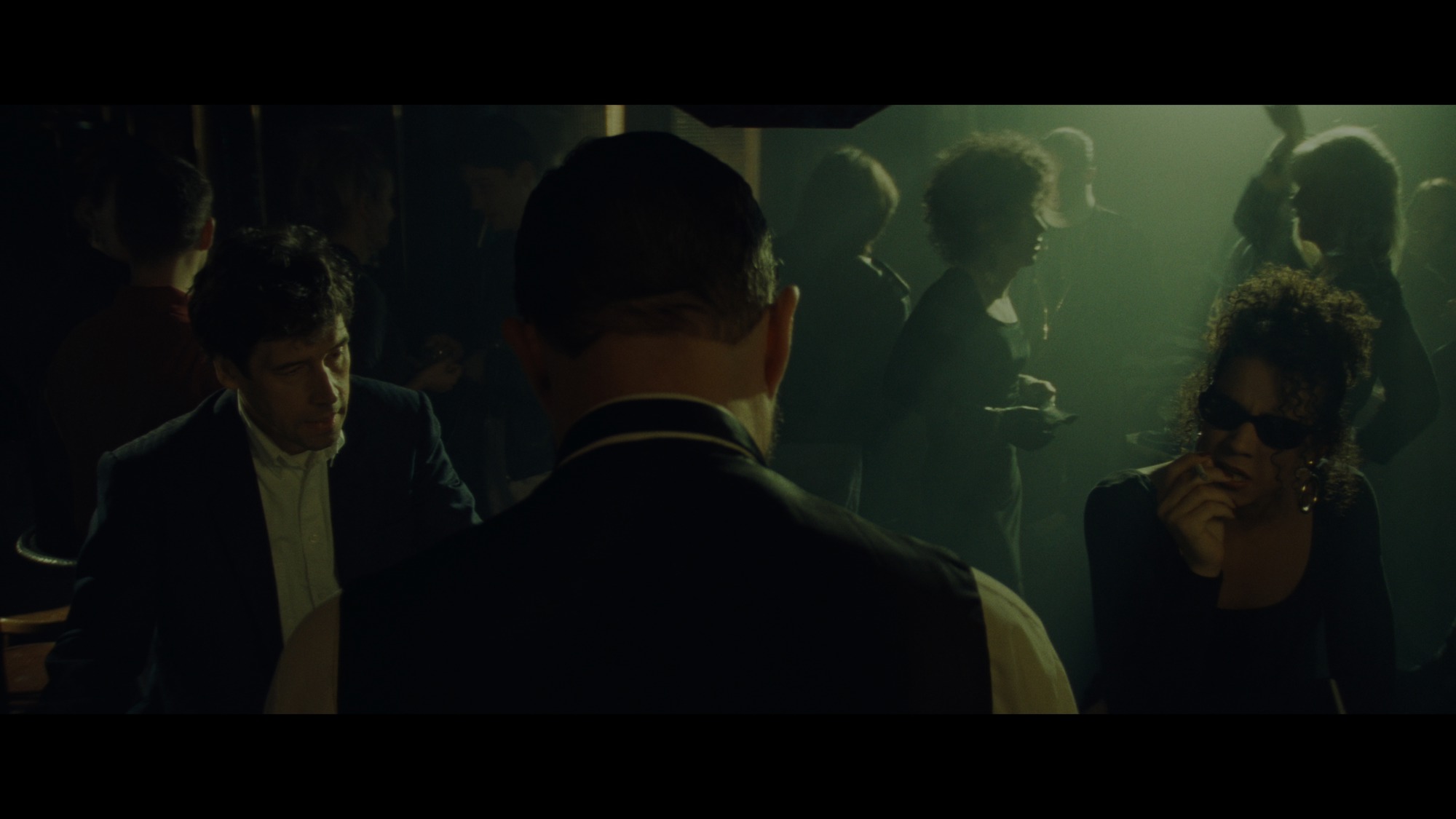
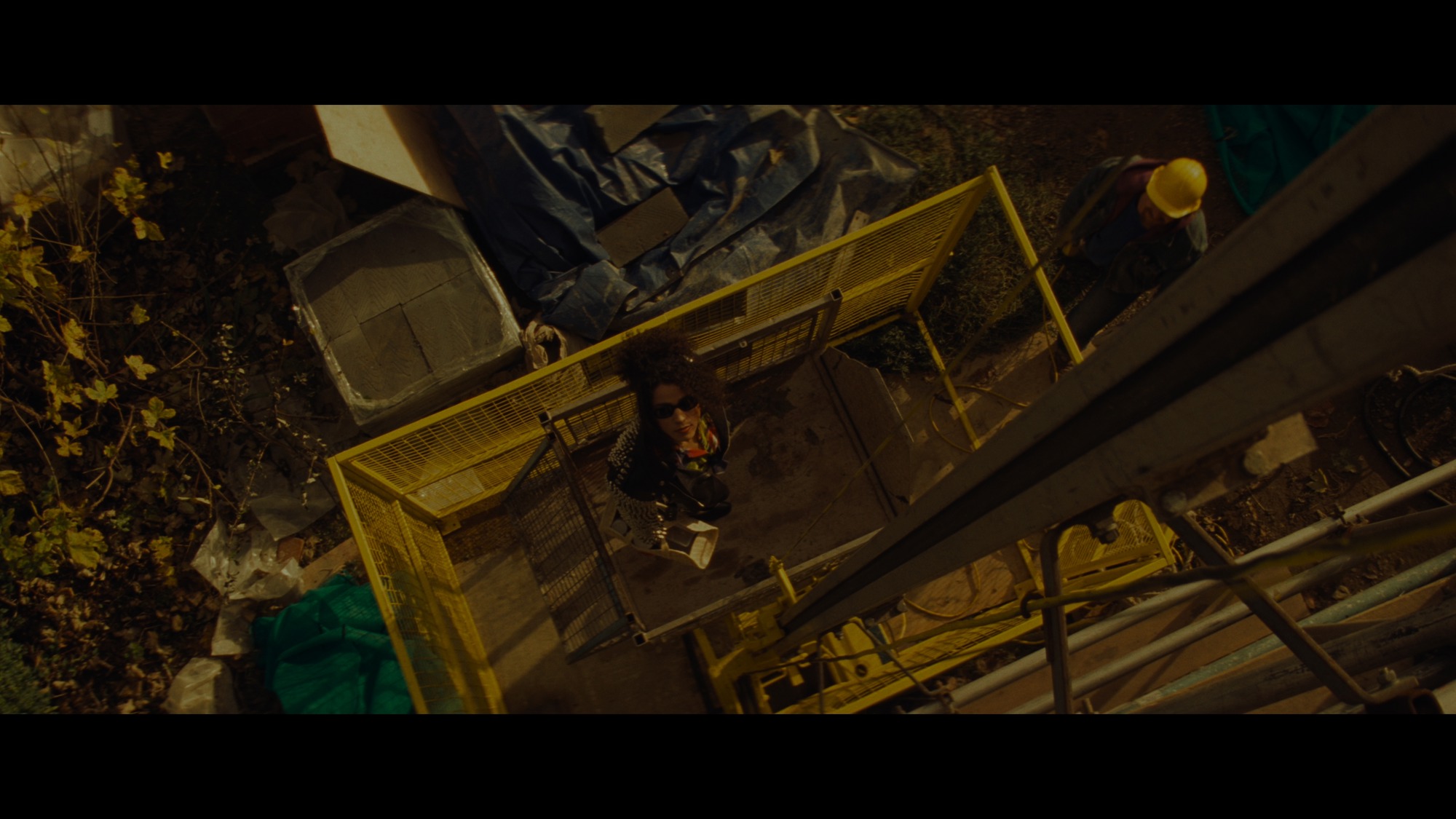
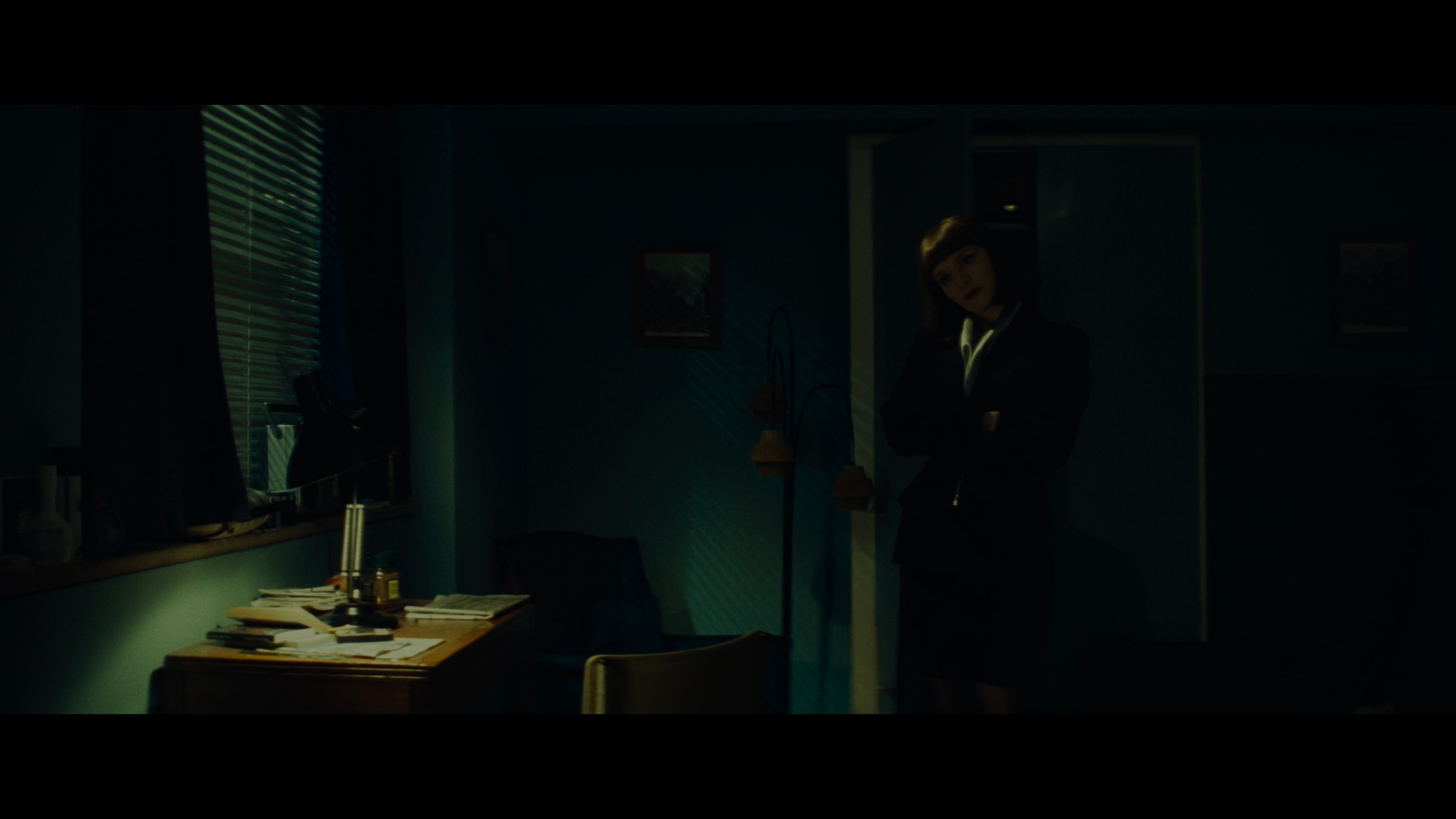
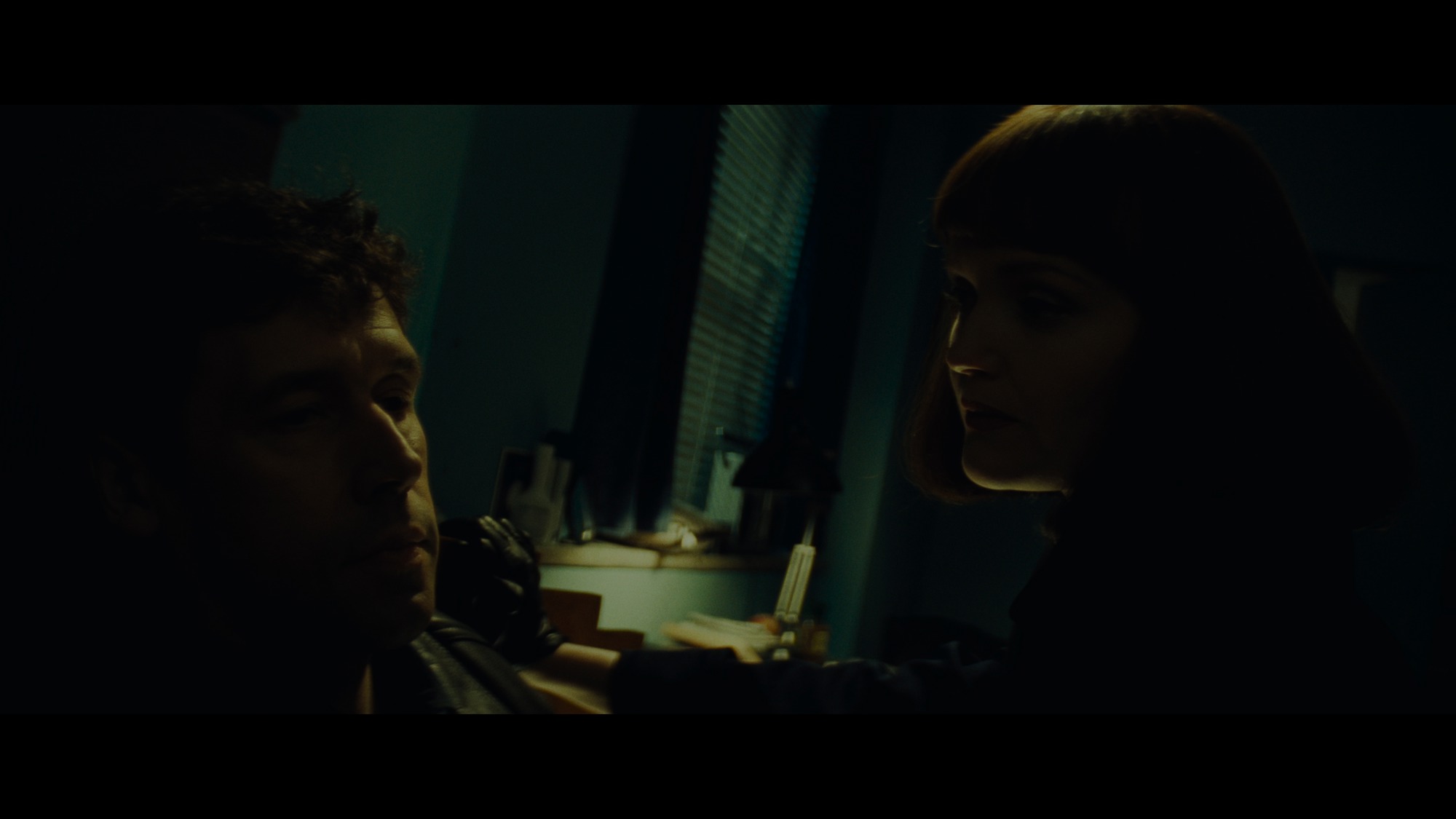
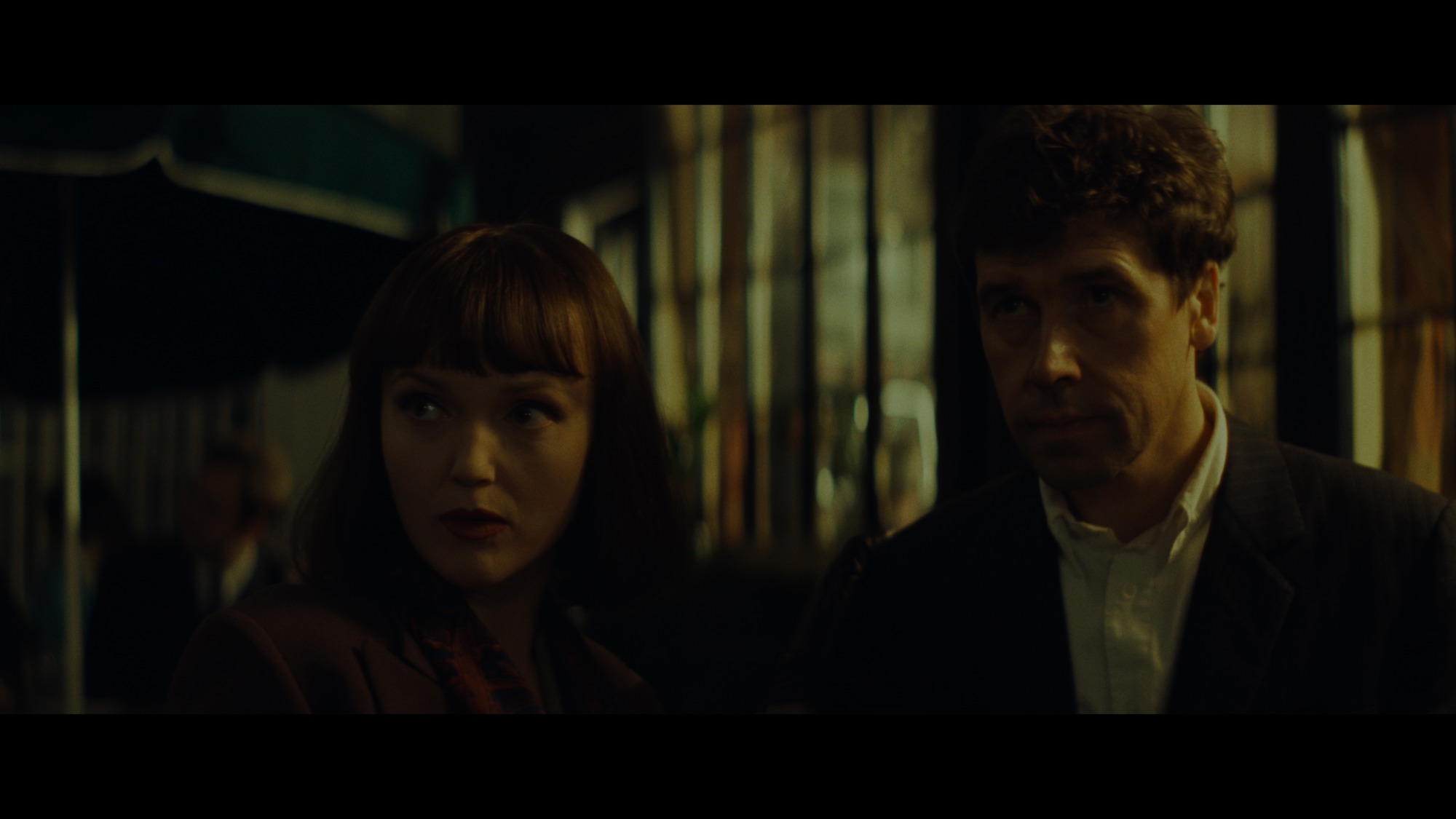
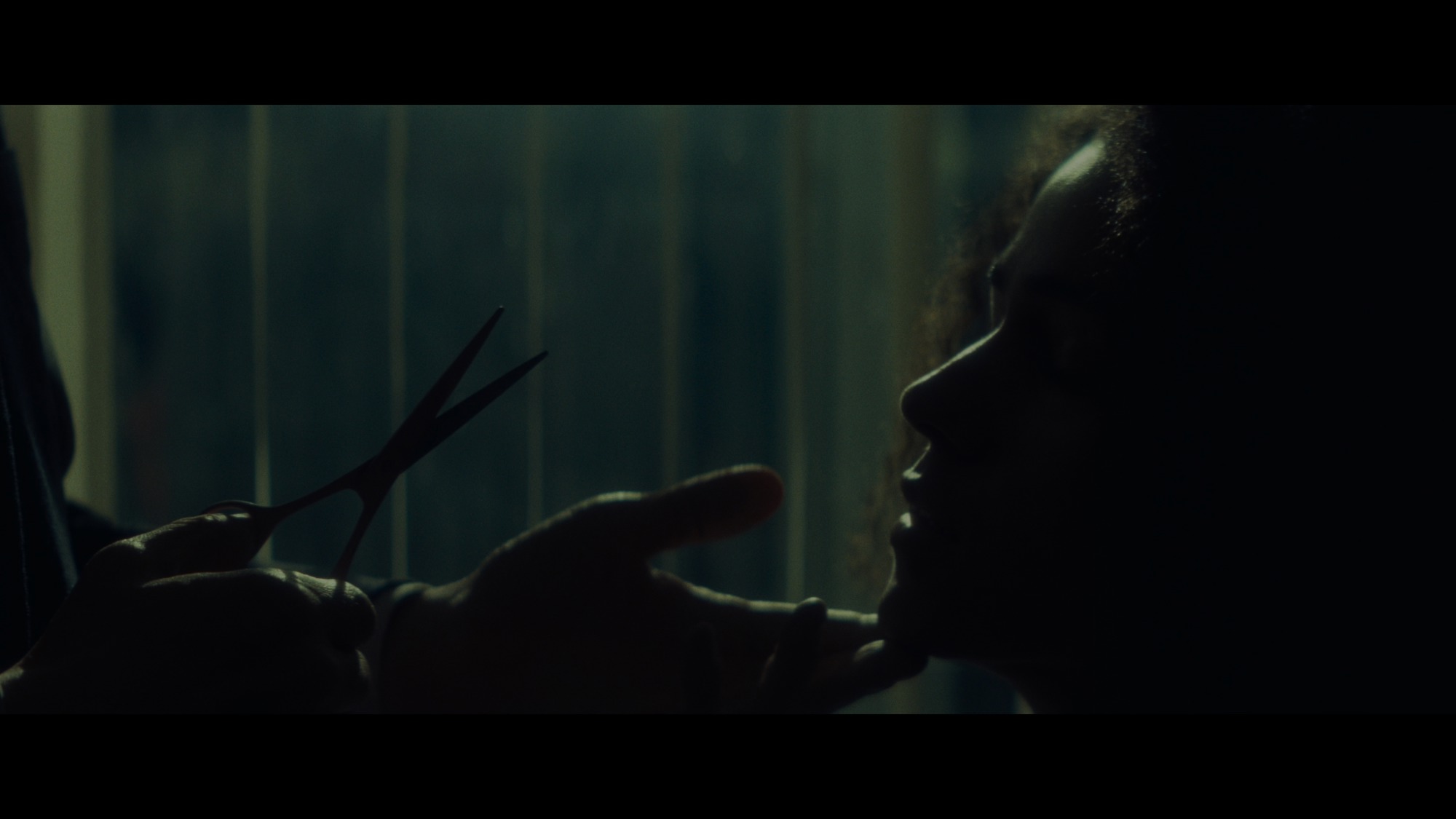
I liked BFI’s region B Blu-ray from a few years back, a major leap over the North American DVD (which is all that has been available for North American viewers for a couple of decades now), but this new 4K presentation manages to top even that release by a significant margin in virtually every area. The image is notably sharper with better definition when it comes to the finer details, and that includes the film’s inherent grain, wonderfully rendered here thanks to Criterion's clean encode. This is especially helpful in the smokier interiors of the club that becomes a key setting later in the film, everything rendered cleanly without any obvious noise or clipping as the light breaks through.
Dolby Vision also goes the extra mile here. The expanded dynamic range boosts those sequences as well as the darker interiors of the cabin in the early portion of the film. The opening carnival sequence is perhaps the best example of what it brings to the presentation, though. Previous SDR presentations flatten the lighting, making it look like a drab, overcast afternoon, but here it’s much clearer that the sun is just beginning to set, better establishing that it’s much later in the day. The whole sequence ends up carrying a far riche look than it did before.
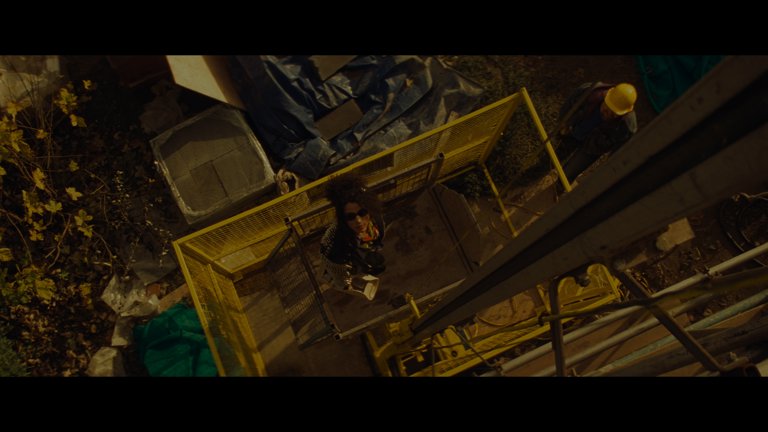
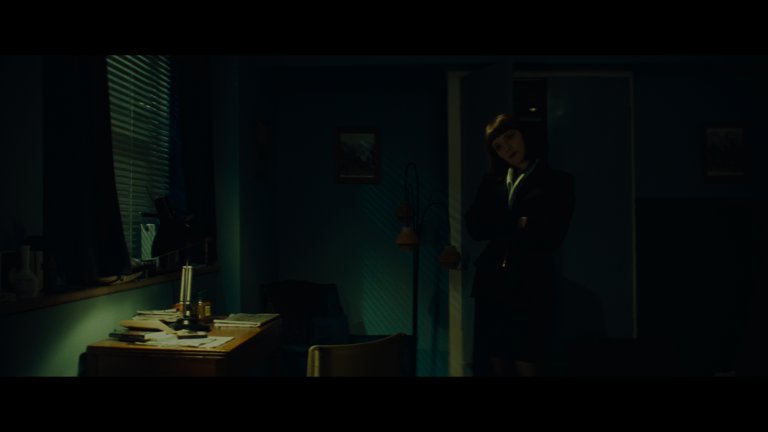
The color grading also comes into play here, though this area is going to be another one of those cases—as with Network and Point Blank recently—where I’m more than positive many negative comments will come up around it, including from people who likely won’t have seen it in person yet. This does lean quite a ways warmer, even greener, than previous home video presentations, though I ultimately think it looks like something that could have been achieved photochemically, and is nowhere near as obscene as the worst examples of digital color grading performed by other restoration labs. I also found the colors end up looking far richer and deeper here, even the reds when they show up, with the colors of the older masters looking far more muted and dull in comparison. Black levels also come off looking much deeper, no longer as murky, with better definition in the shadows as well.
And while it certainly looks different, going back to the old DVD, and even BFI’s Blu-ray, those presentations have that familiar older home video master quality to them, with the colors adjusted to accommodate the standard televisions of their era, pushing magentas more. You can still see those yellower tones pushing through, particularly in some shots featuring the sky, but it of course just ends up being more pronounced here.
Taken altogether, it results in a presentation that looks far more natural and film-like than the previous presentations, from encoding to color grading. It’s the best I’ve yet seen the film, and Criterion does a wonderful job presenting it.
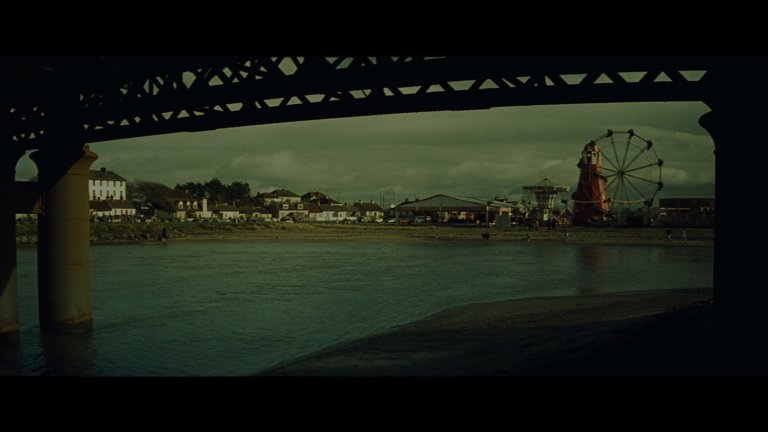
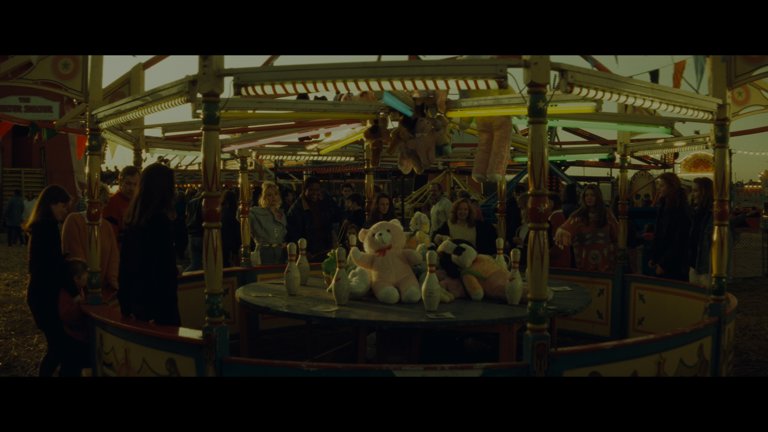
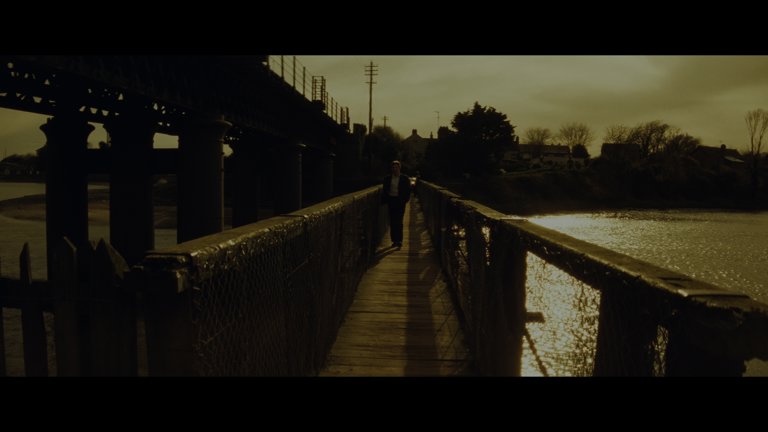
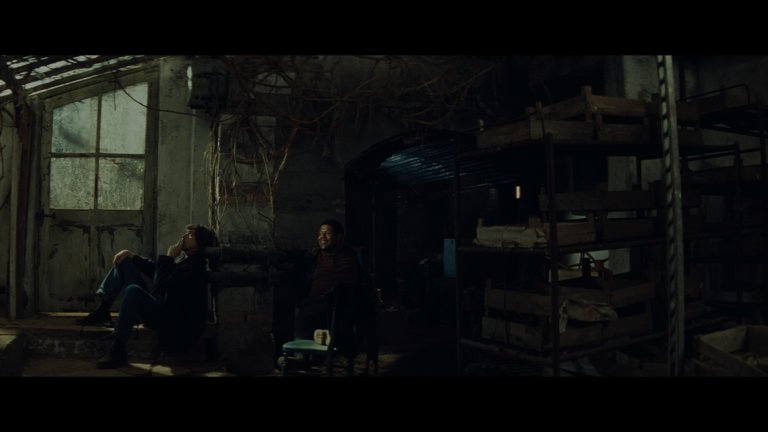
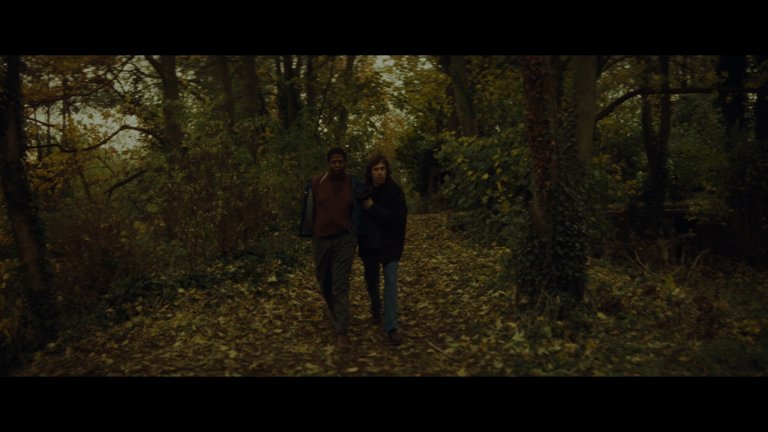
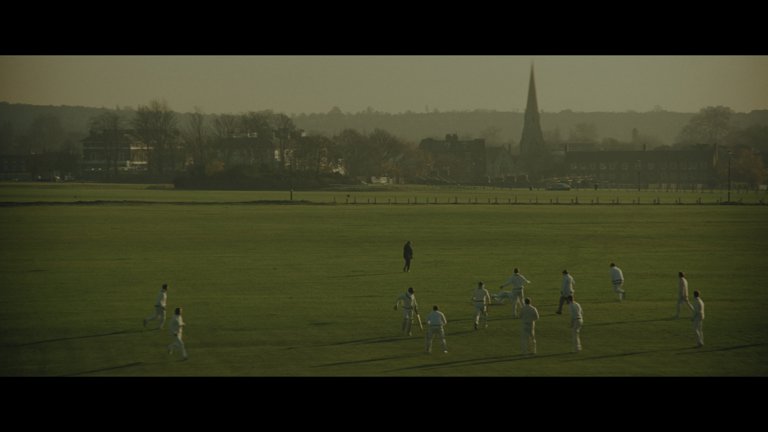
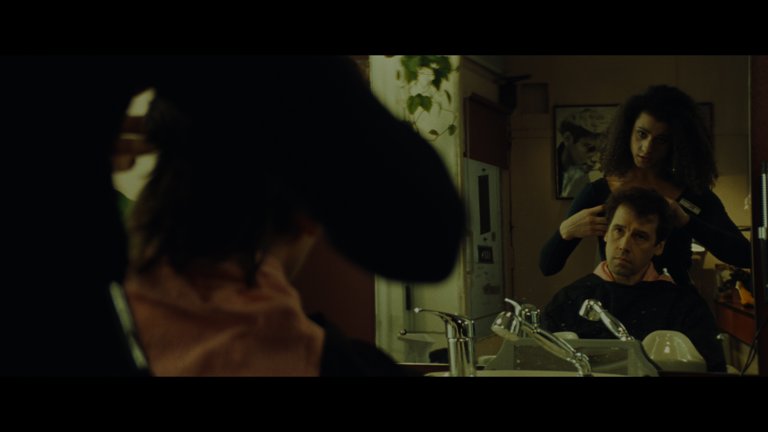
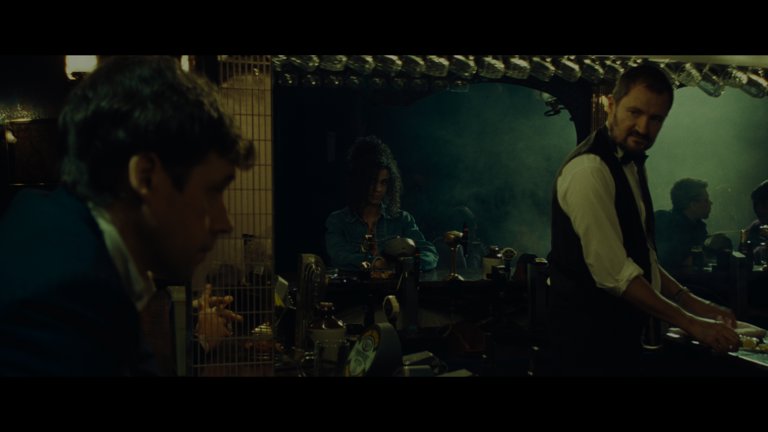
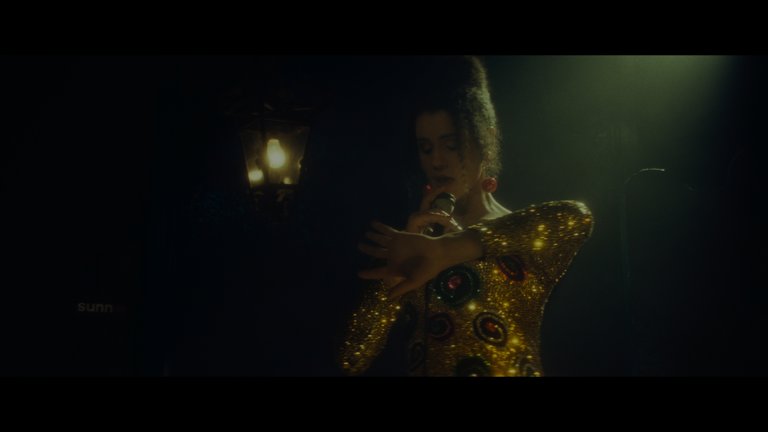
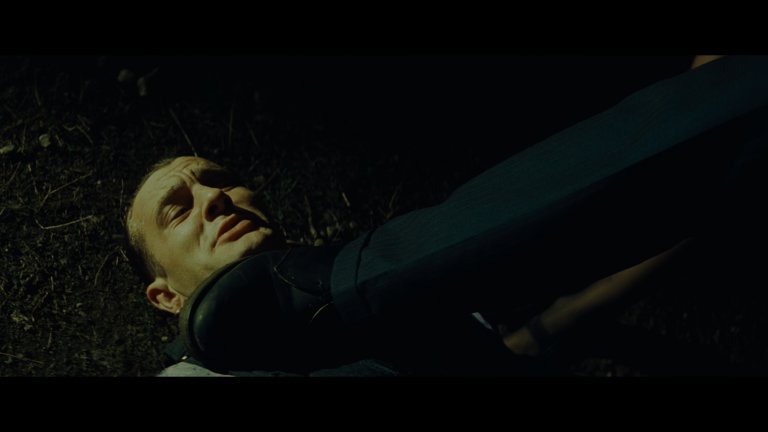
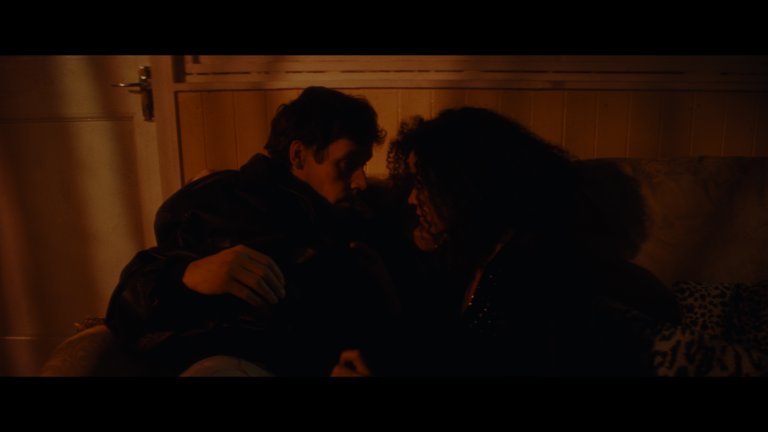
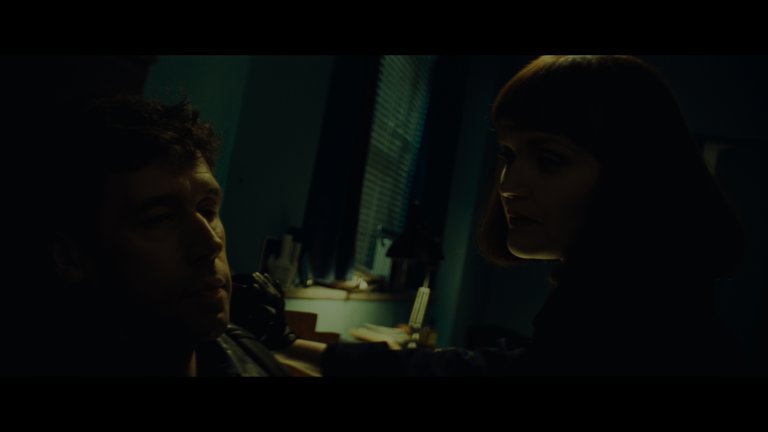
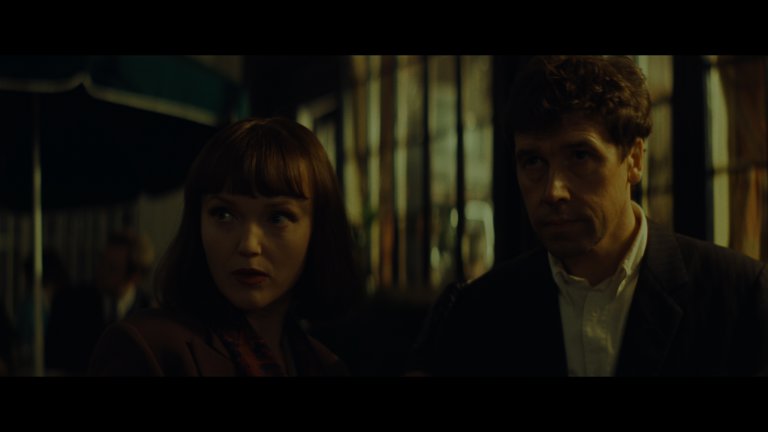
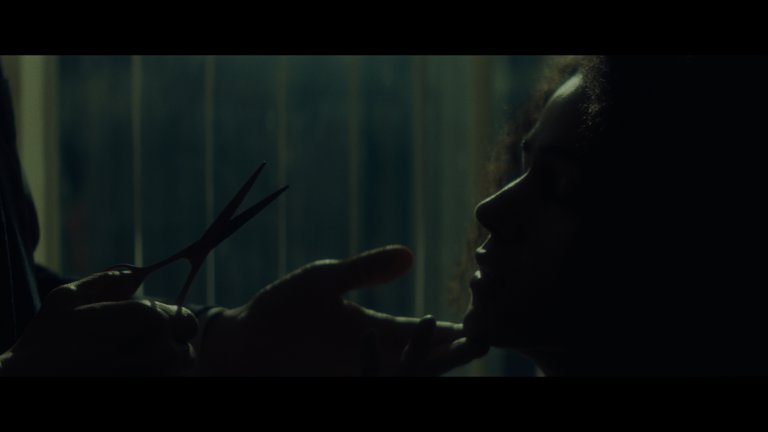
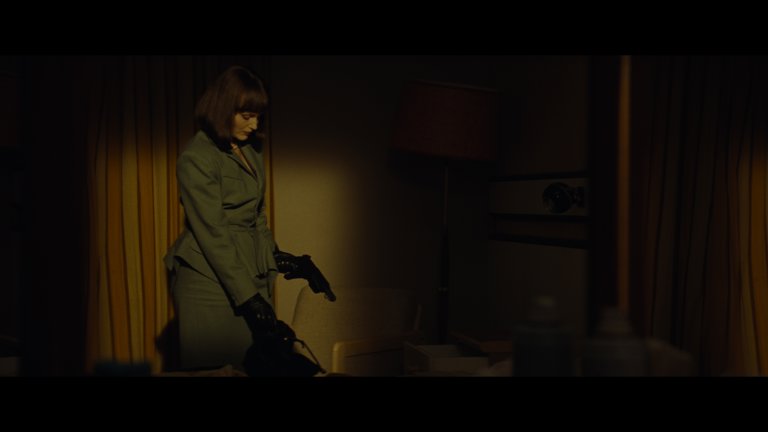
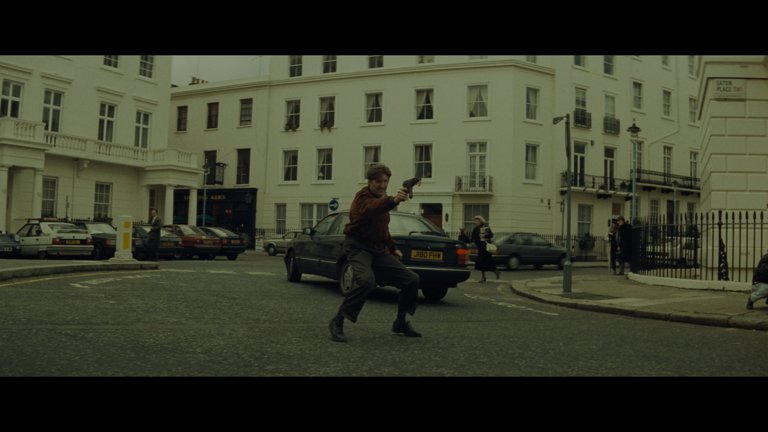
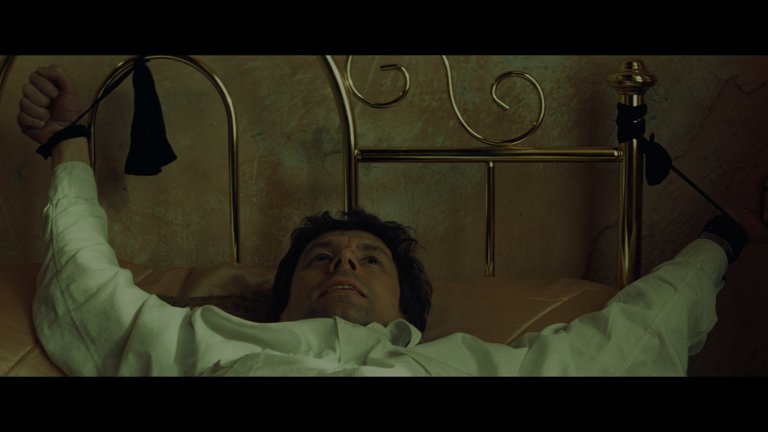
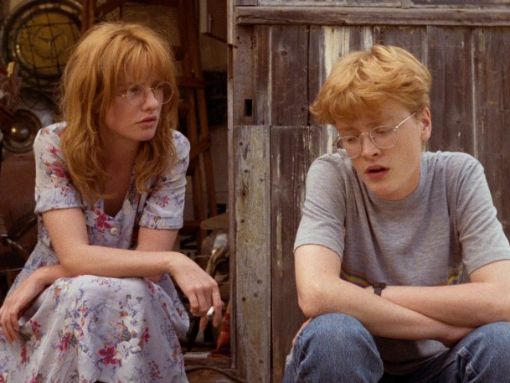
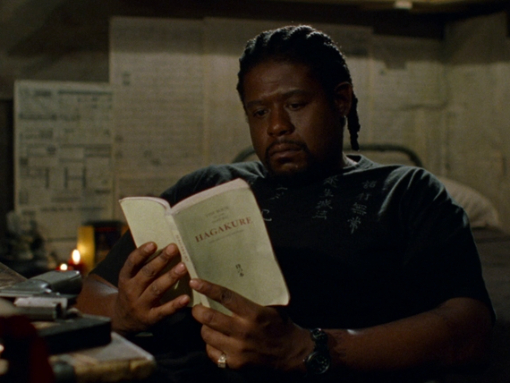
The Crying Game - Screen Captures
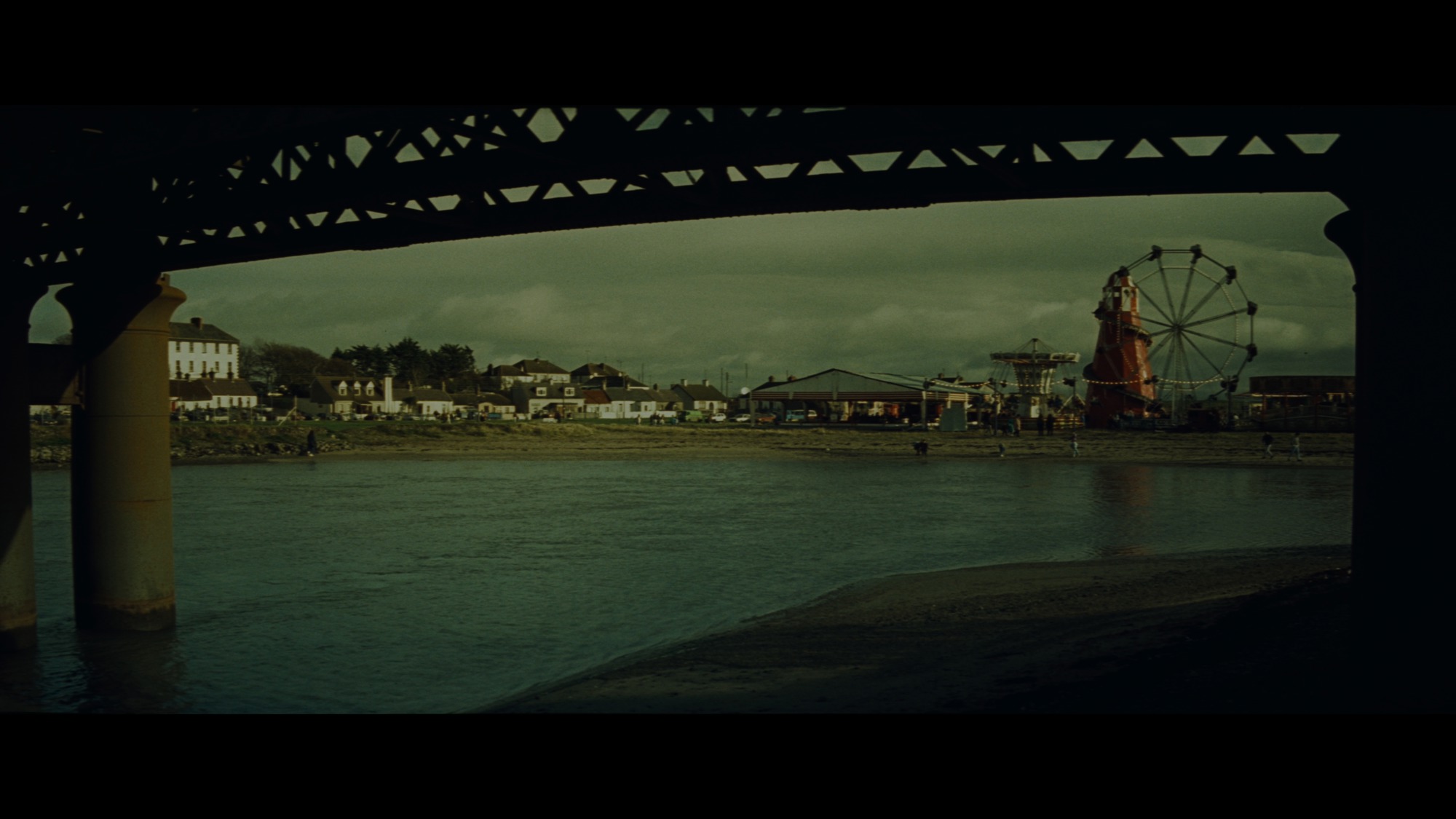
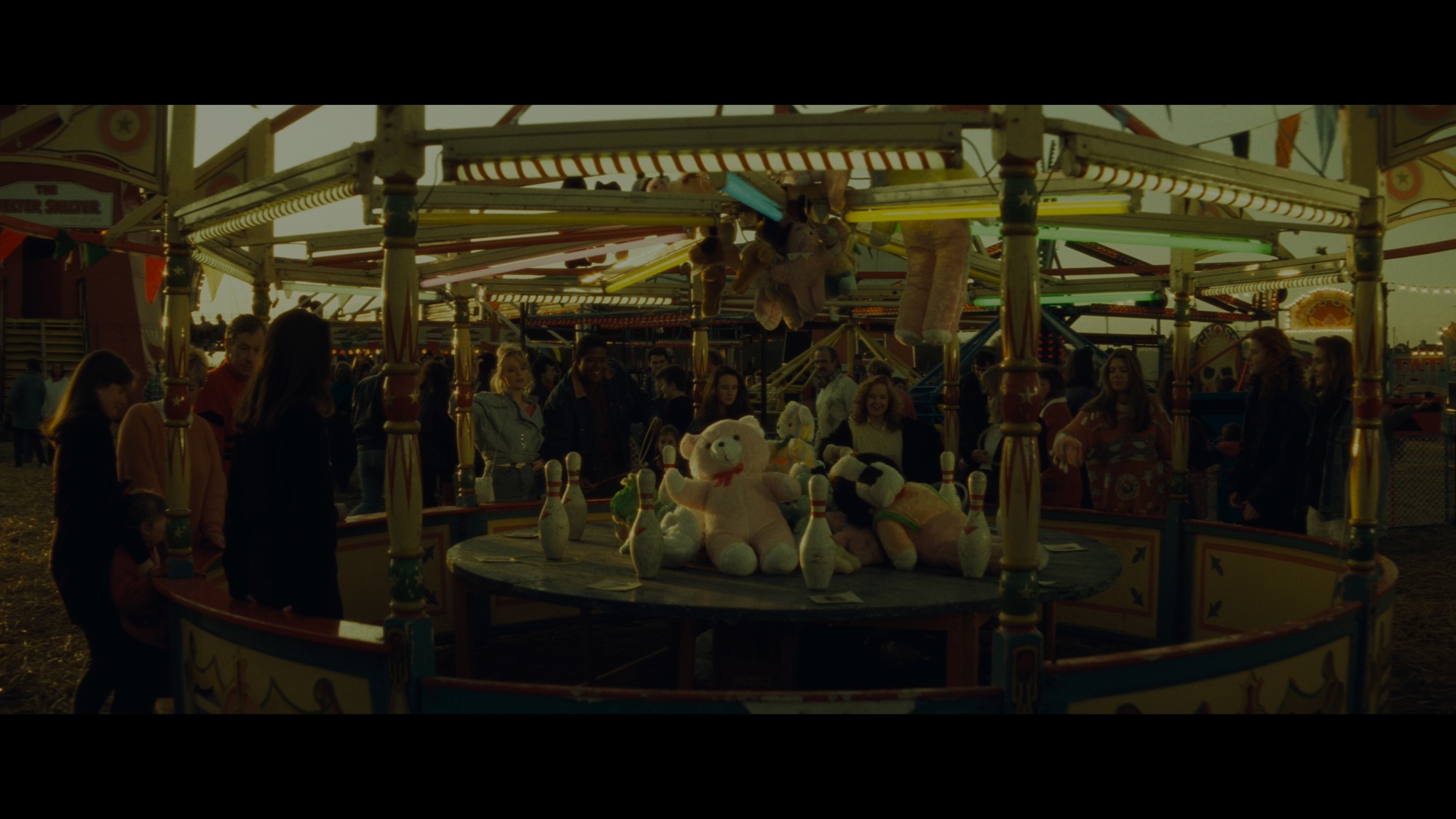
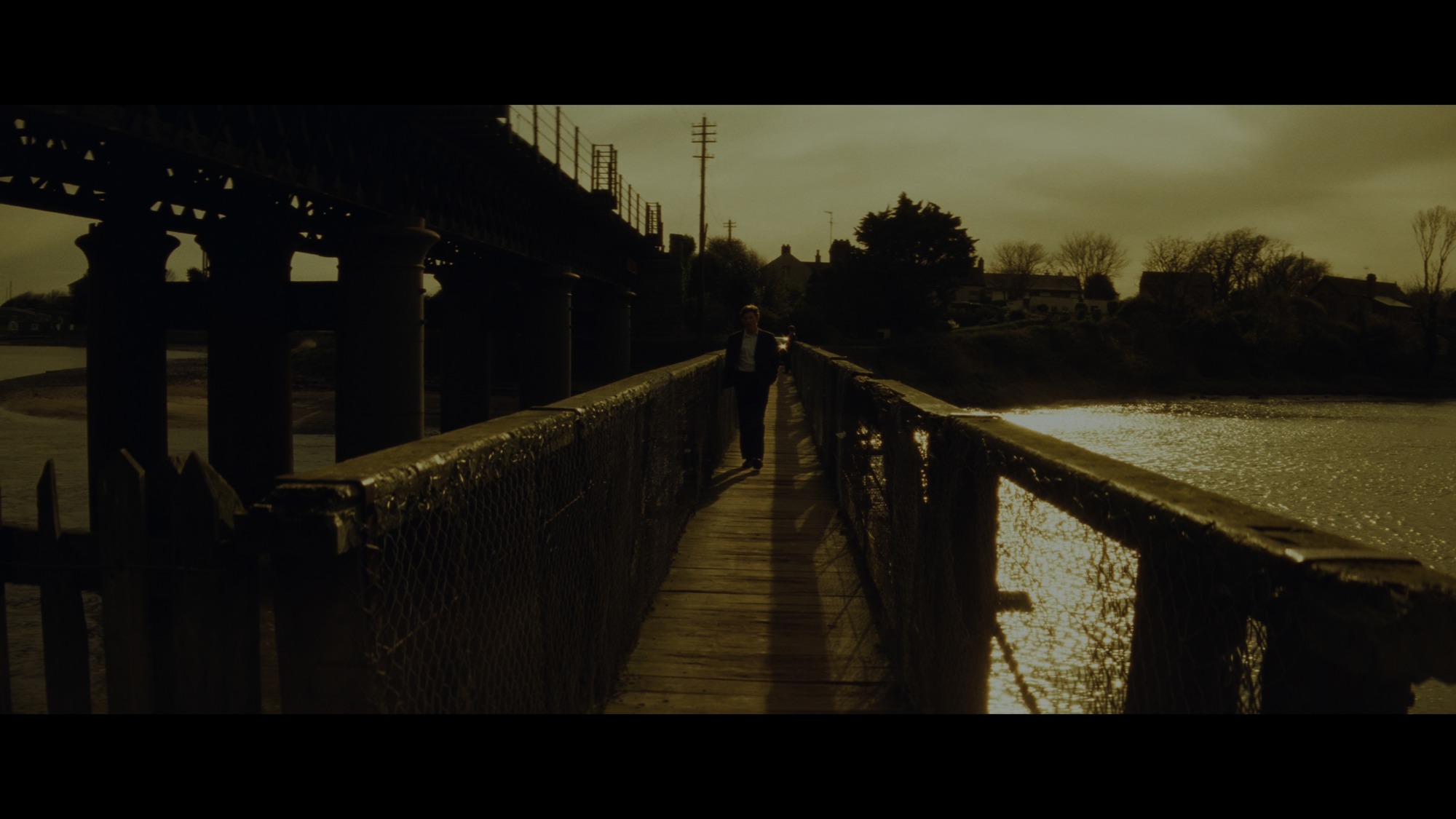
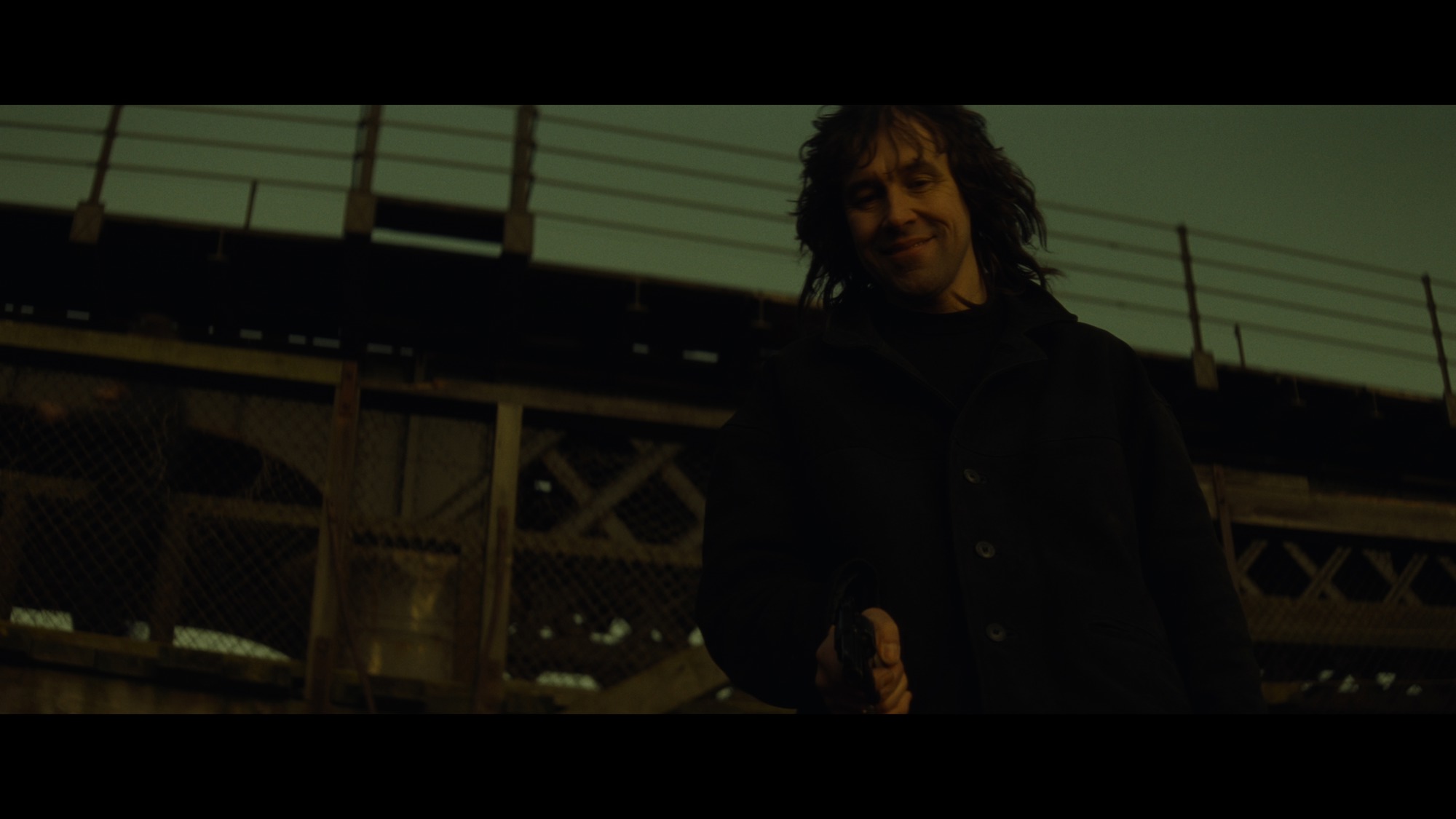
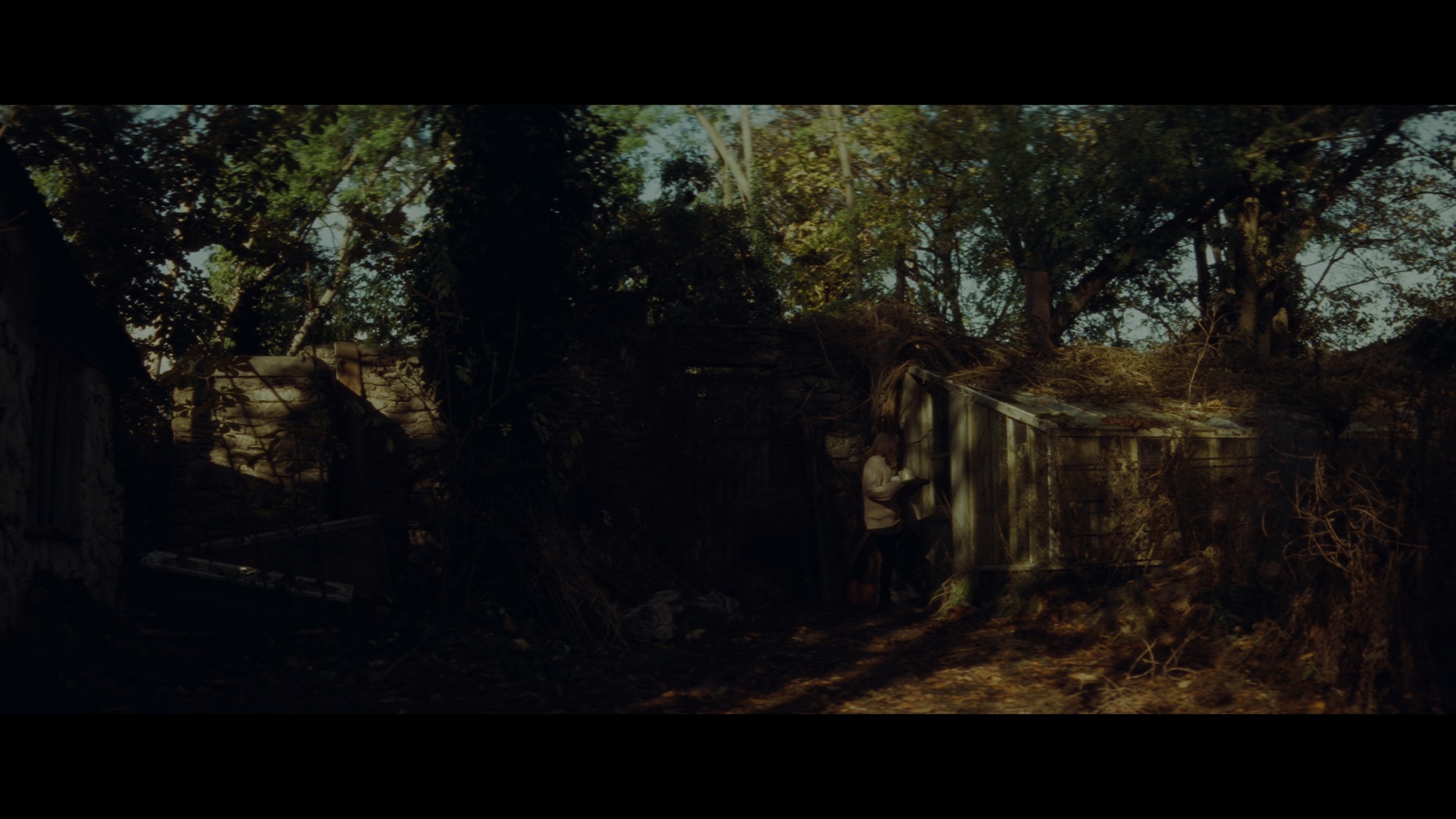
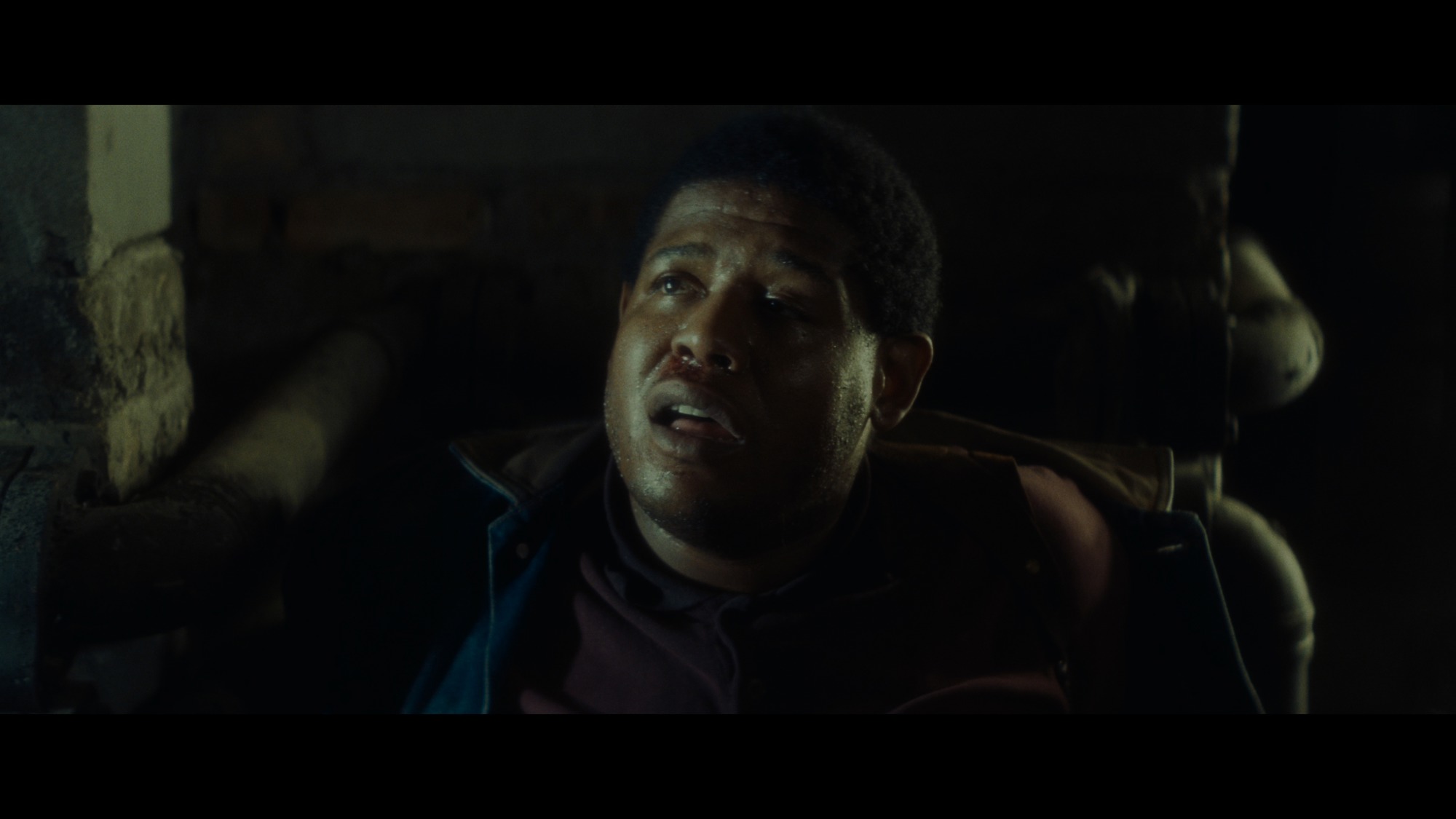
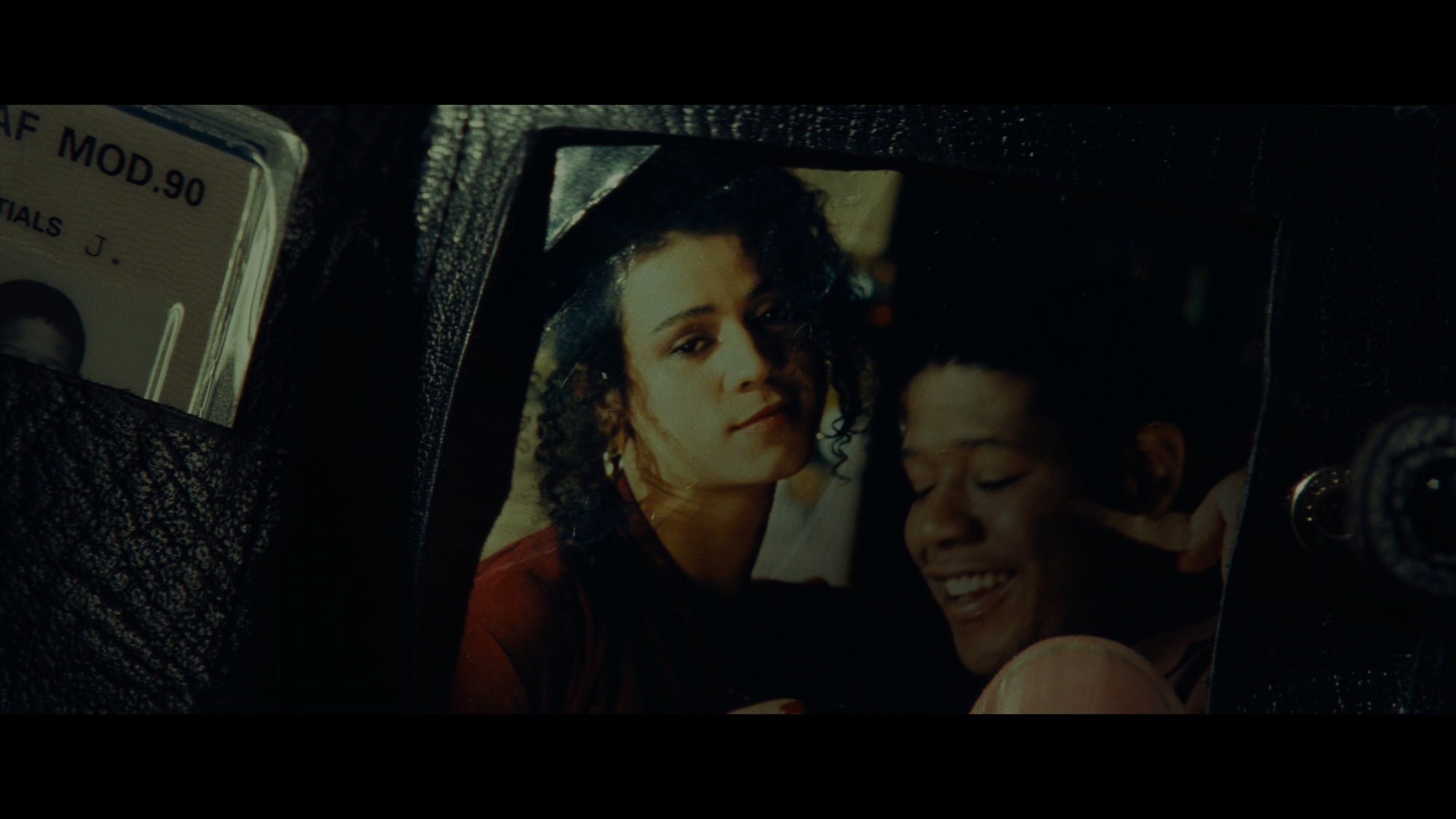
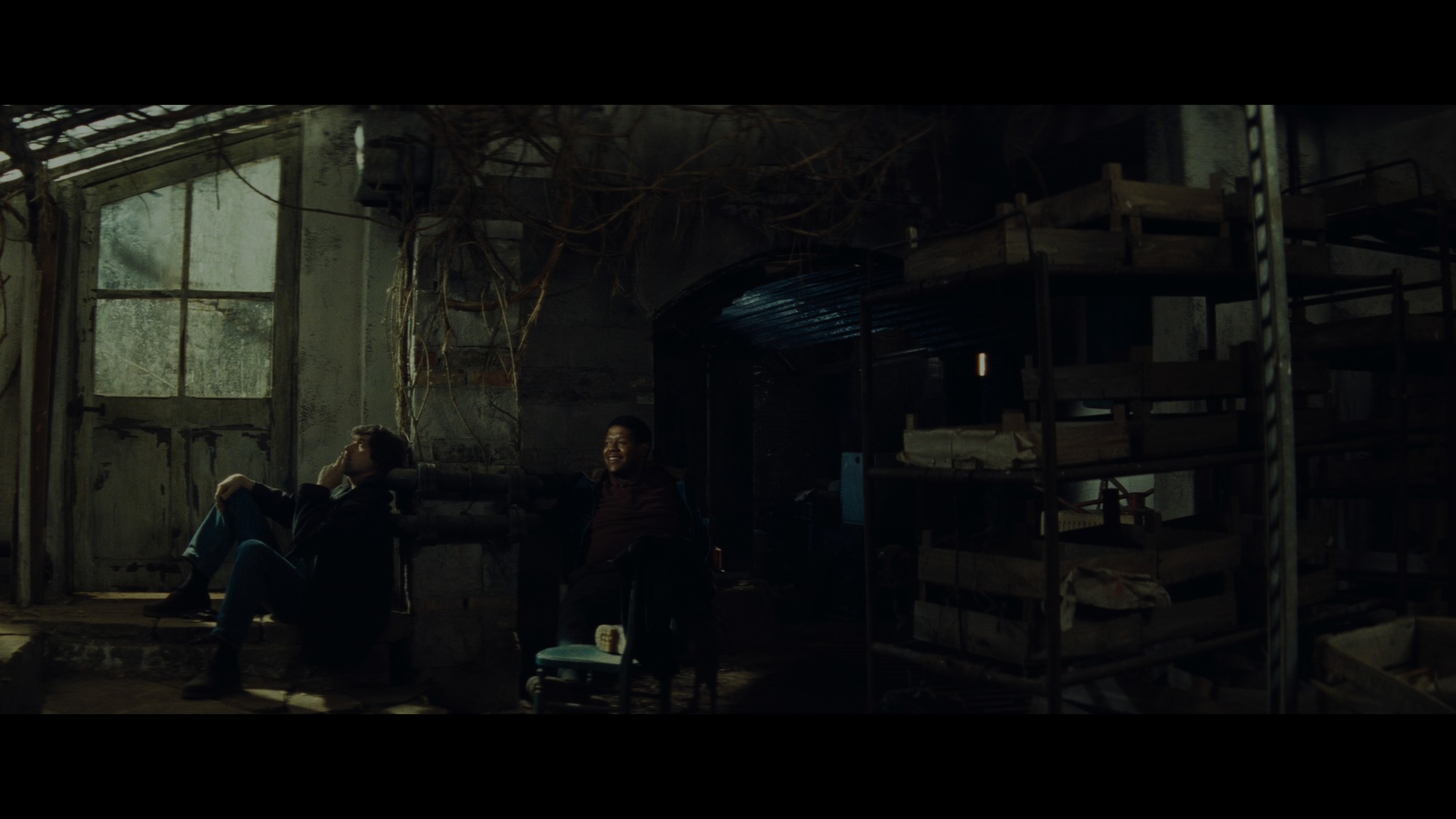
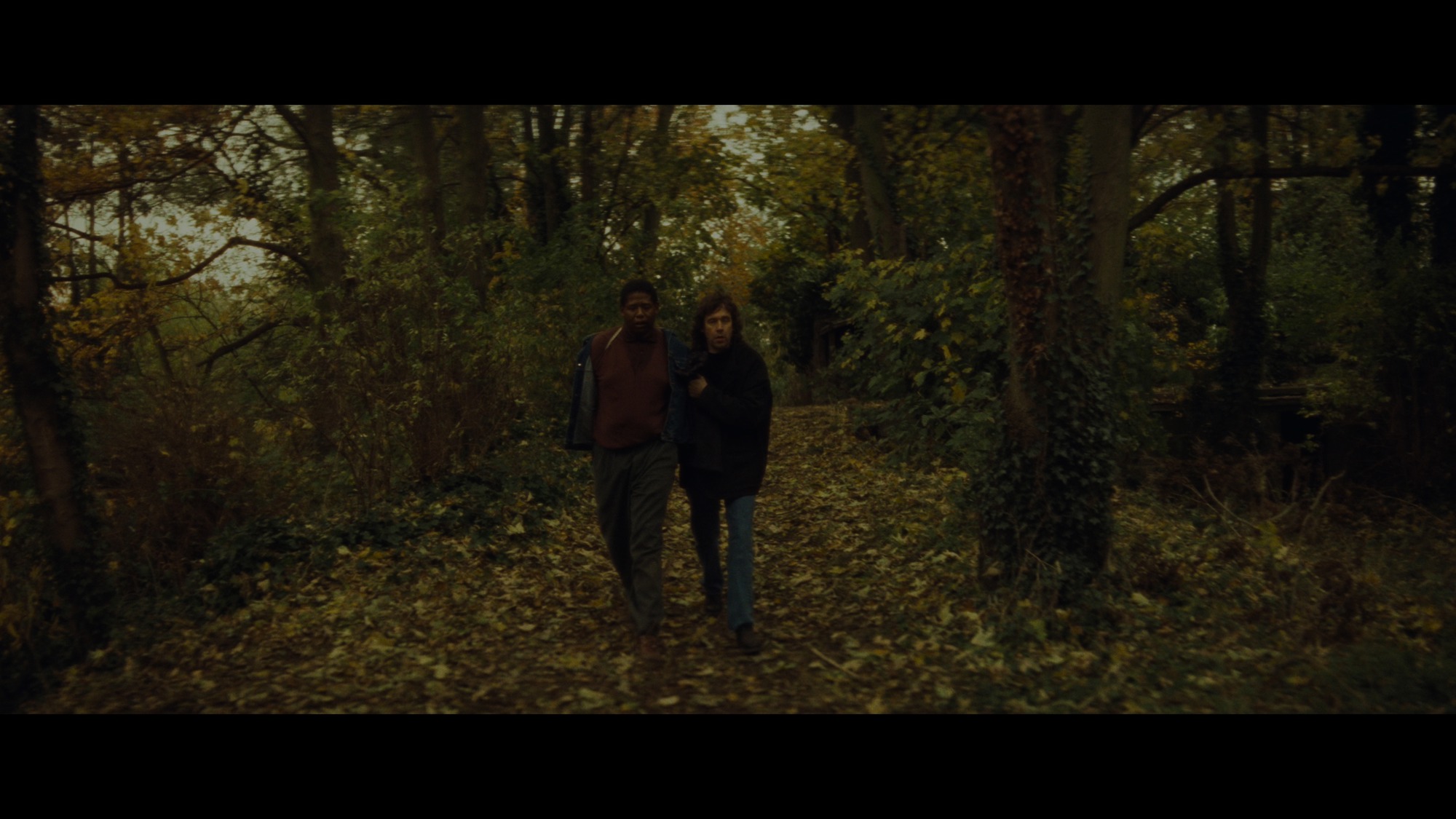
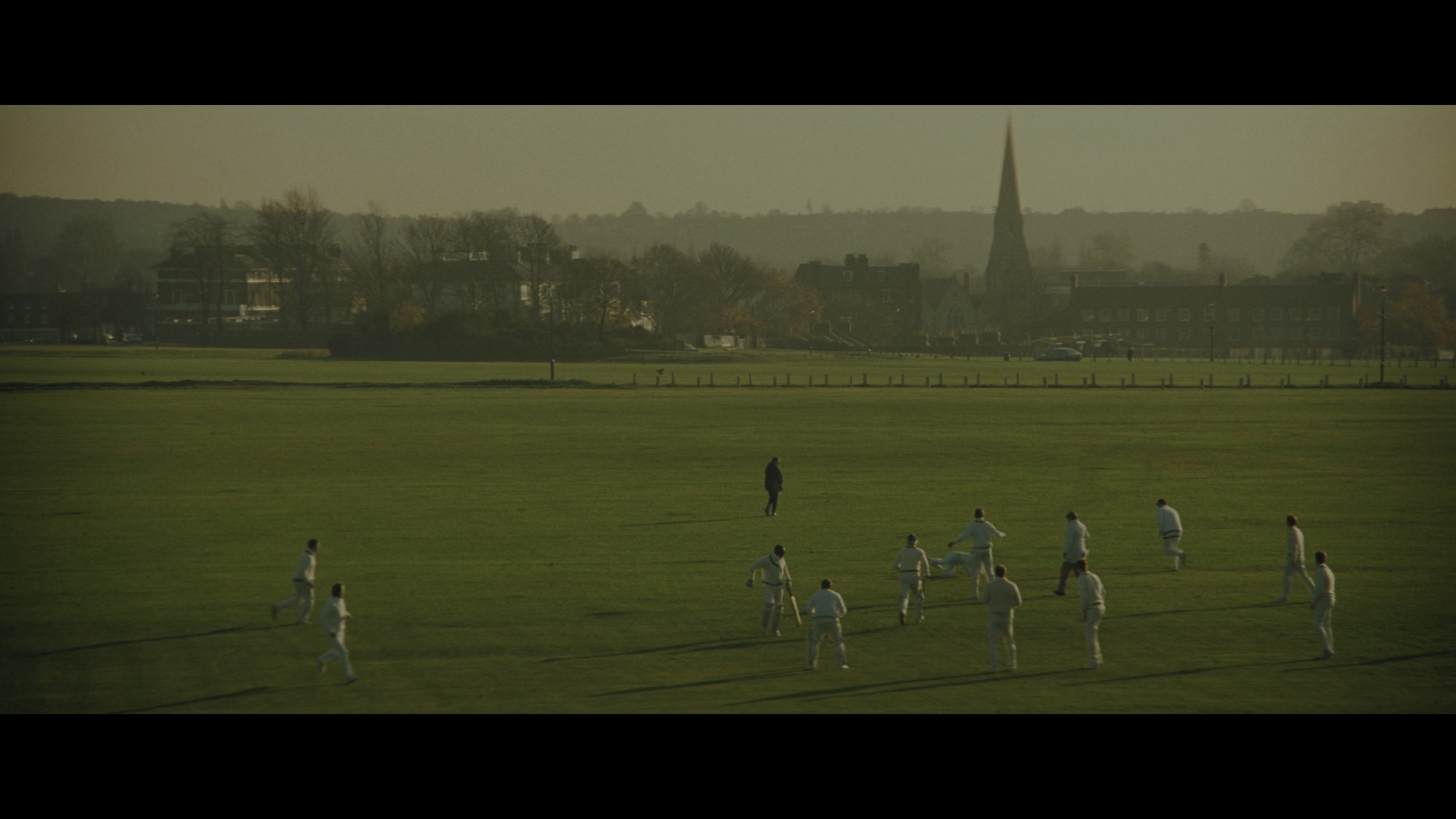
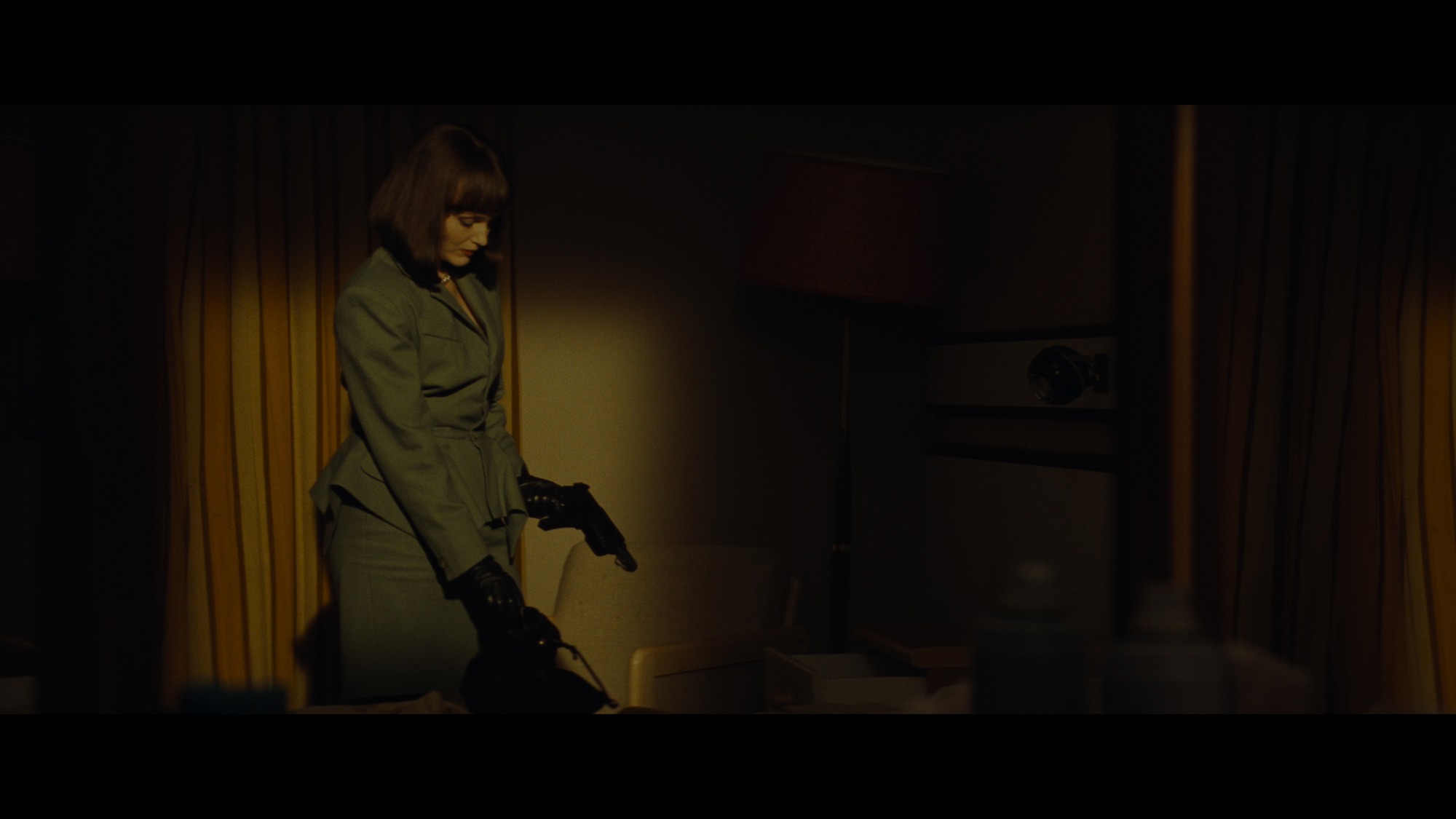
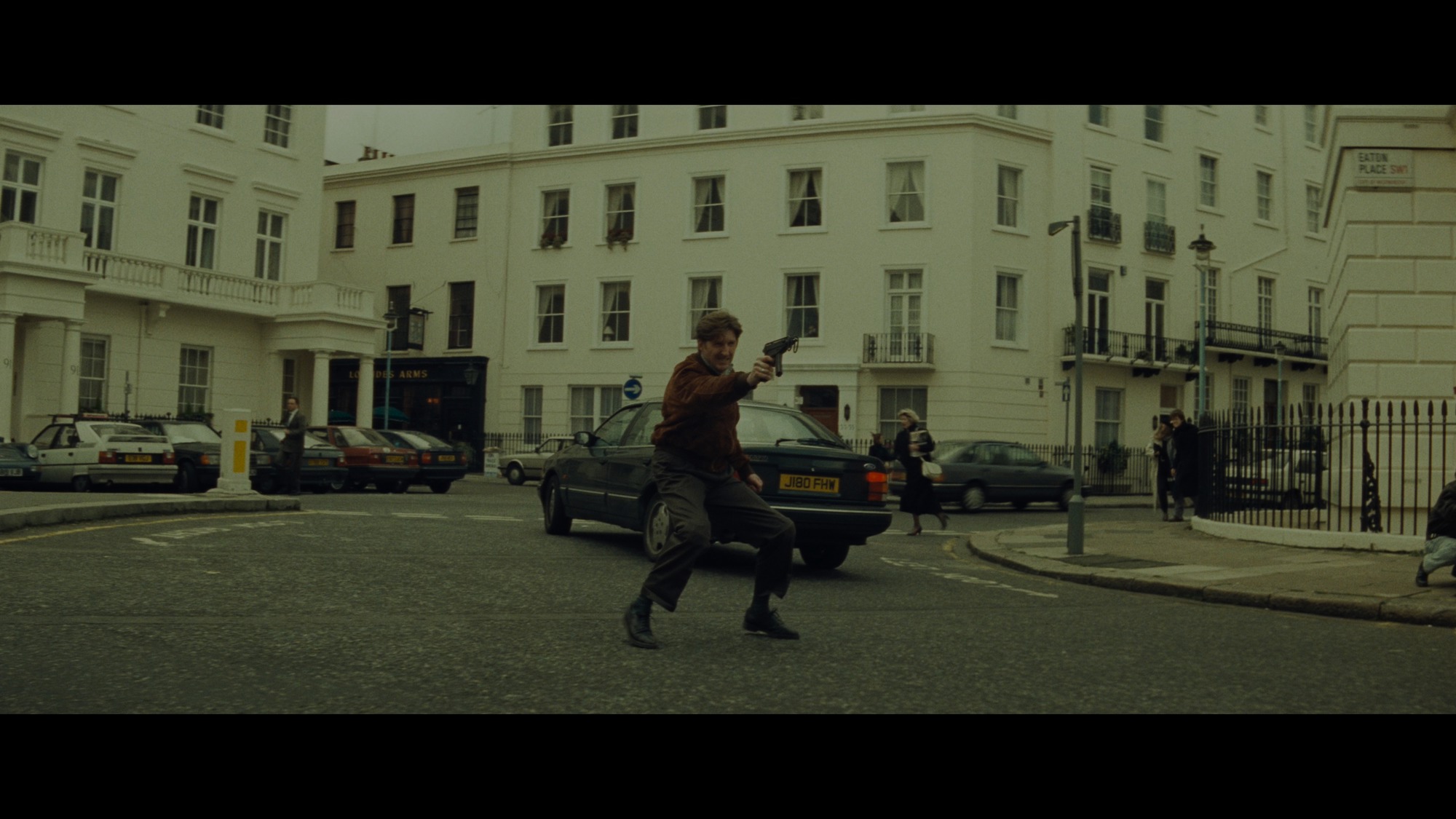
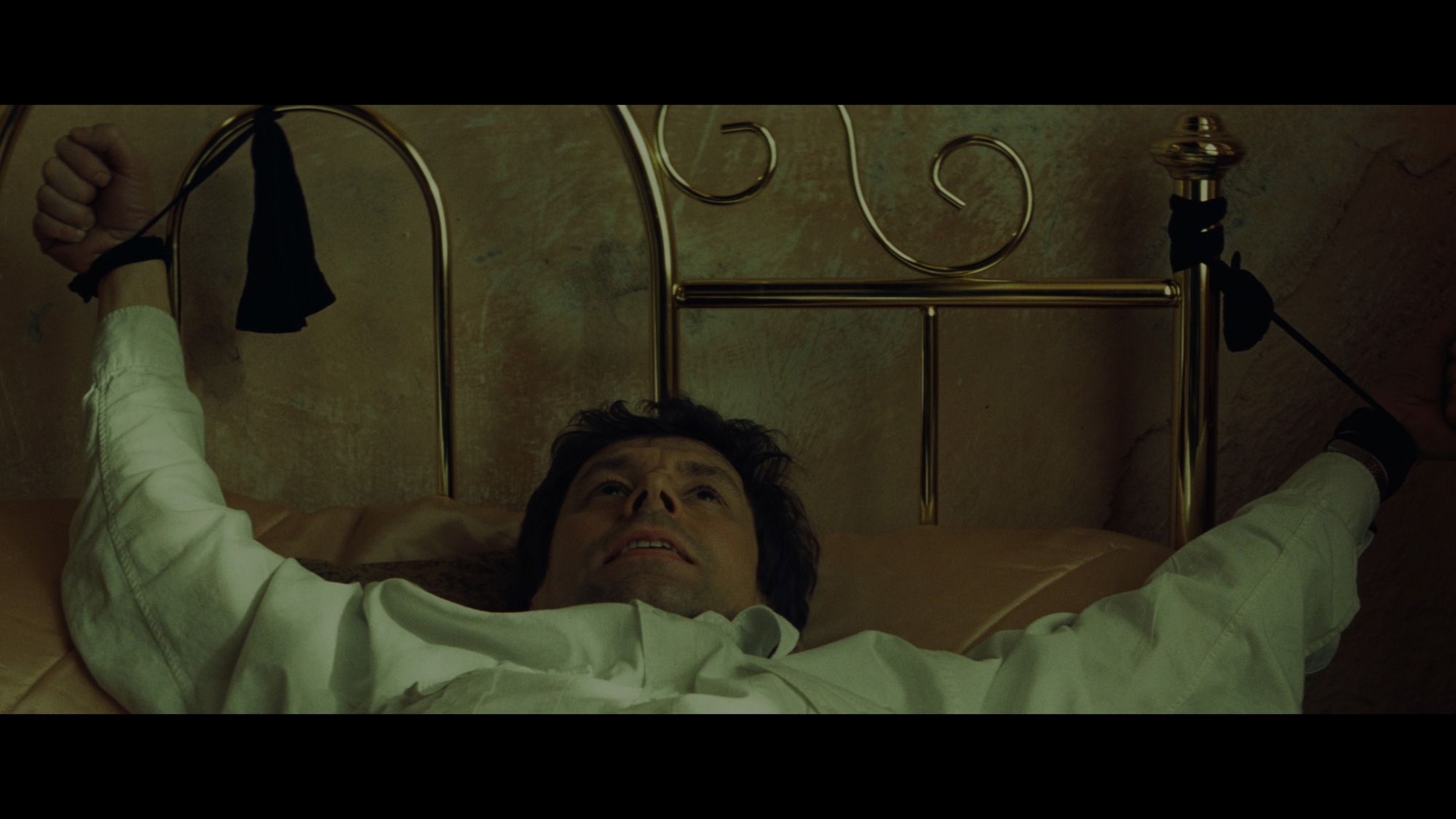
Audio 8/10
Criterion includes the film’s original 2-channel surround presentation, delivered in DTS-HD MA. It’s a very solid presentation, sounding exceptionally clean with excellent range, particularly during the few action-oriented sequences, where incredibly loud gunshots are steered to the rear channels, working in unison of course. Dialogue is crisp and clear with terrific fidelity throughout, while Anne Dudley’s score wraps around the soundstage nicely.
I’m a bit surprised there isn’t a new 5.1 mix, but as it stands, this presentation still comes off as fairly dynamic and rich.
Extras 8/10
Criterion ports over most of the material that has been available on just about every release of the film since 2005, though they oddly leave off a couple of items. They make up for that, however, by adding a pair of new exclusives: interviews with director Neil Jordan and actor Stephen Rea, running 17 and 12 minutes respectively. Though Jordan briefly covers some of the same material in the 2005 commentary, also included on this edition, he spends far more time discussing growing up in Dublin and how he came to be interested in filmmaking, something he never thought someone from Dublin would be able to do, originally setting his sights on becoming a writer. This leads to stories about script work for John Boorman and recounting his own time on Excalibur, before moving on to his own features, including his experiences working in Hollywood, where he notes High Spirits was "a bit of a mess." When he finally gets to The Crying Game, he covers its development and the difficulty in finding financing due to its subject matter before sharing stories from the shoot and explaining how he feels the marketing around the film's "secret" ultimately lessened the impact he had hoped for. Though the commentary remains far more expansive, this still ends up being a wonderful addendum to it.
Rea's contribution is also excellent, the actor talking about how he first started in theatre before eventually meeting Jordan and beginning his film career through working with him. He then turns to The Crying Game and his character, bringing up the unexpected controversies that emerged around the film, particularly objections to the sympathetic portrayal of an IRA member. I only wish the interview had been a little longer, but I love that Criterion was able to get Rea to participate.
Moving on to the archival material, we start with the 2005 audio commentary featuring Jordan. He covers the development of the screenplay in greater detail than he does in the new interview, explaining how the story originally began as more of an examination of racism in Ireland (something he also briefly touches on in the interview) before evolving once his interest shifted while working on the latter London-set section of the script. He also spends considerable time discussing the struggle to finance the production, touching on the films that led him to this project, while also getting into the technical aspects of the production, from the film's visual style to working within a limited budget. Unsurprisingly, he also spends time discussing the casting process—particularly Jaye Davidson's—and expresses his continued surprise over the film's success. It's still an excellent track all these years later.
I also still find it more engaging than the archival making-of documentary, originally produced for the 2005 DVD edition. Featuring Jordan, producers Stephen Woolley, Nik Powell, and Angus Finney, author Jane Giles, and actor Stephen Rea, it delivers a fairly standard talking-heads overview of the production, beginning with the screenplay's origins (it was originally written before Mona Lisa) before covering the lengthy road to production. The journey proved difficult, with the subject matter turning off many potential investors and distributors, leaving Miramax as the only (American) company to fully embrace the project. It also spends time on the controversies surrounding the film in the UK, particularly the sympathetic depiction of an IRA member, which sounds to have been a far more sensitive issue than I would have expected, especially compared to other aspects of the film, especially for the time. That particular controversy, of course, wasn't really an issue in North America, where the Weinsteins instead seized upon the film's "secret" as the centerpiece of the marketing campaign. The documentary certainly has its moments, particularly when two contributors familiar with the Troubles discuss the film's authenticity, but in the end it's still a rather dry 51-minute talking-heads piece.
The disc also includes an alternate ending with an optional commentary by Jordan, the same (standard-definition) presentation found on previous releases. In his commentary Jordan explains that he was required to shoot what he repeatedly calls a "fake" ending in order to secure financing, as Film4 had reservations about the film's subject matter and felt it needed a happier conclusion. Jordan notes he never intended to use it, but because everyone had to believe it might become the final ending, he couldn't cut corners, even having to pay for expensive additions like snow since the sequence takes place around Christmas. I won't spoil it, but it simply doesn't work, and thankfully everyone ultimately agreed the original ending was the right one. The original film materials have been lost, so the sequence is transferred from videotape.
Criterion then includes a booklet featuring an essay by Tasha Robinson followed by a piece from Willow Catelyn Maclay. Though it's probably ridiculous to do so by this point, I'm still choosing not to reveal a specific plot point despite the film now being more than three decades old and its "secret" being widely known, so apologies for beating around the bush, but Maclay's essay, which I particularly enjoyed, examines the film's use of its reveal and the problematic lineage of similar reveals in cinema (Risky Business coming up) before exploring how The Crying Game ultimately subverts those conventions by shifting its focus and making one of its characters the emotional center, or the heart, of the story. Honestly, I kind of wish Criterion had expanded this into a video essay.
Oddly, Criterion leaves out the film's trailer along with a short nine-minute piece on the Troubles, assembled from interviews conducted for the making-of documentary, and another short feature on Madam Jojo's, the inspiration for the club seen in the film. I can't say either is particularly missed, though, as neither offered much depth.
I appreciate Criterion's new material and still enjoy Jordan's commentary, though after all this time it feels like the film is due for some newly commissioned academic material as well.
Closing
It's a shame we only get a couple of new features, but the new 4K presentation looks terrific.
BUY AT: