See more details, packaging, or compare
Synopsis
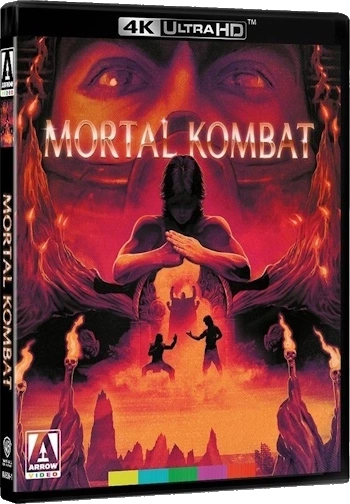
"Finish him!" From the hit video game that redefined arcade combat comes Mortal Kombat, the high-octane cult classic that brought brutal fantasy battles, iconic fighters, and '90s attitude onto the big screen in a spectacular test of might, skill, and survival.
Chosen to defend Earthrealm in an ancient tournament that decides the fate of humanity, martial artist Liu Kang is joined by the elite soldier Sonya Blade and wisecracking Hollywood star Johnny Cage. Guided by the thunder god Raiden, they must face the warriors of Outworld, including the fearseom Sub-Zero, the soul stealing Shang Tsung, and the masked specter Scorpion, where defeat means eternal doom.
Directed by Paul W.S. Anderson and packed with lightning-fast fight choreography, mythical world-building, and a now-legendary electronic soundtrack, Mortal Kombat remains one of the most successful and influential video-game adaptations ever made, now restored in stunning 4K for a flawless victory.
Picture 9/10
Arrow Video brings Paul W.S. Anderson’s Mortal Kombat to 4K UHD, presenting the film on a triple-layer disc in its original aspect ratio of 1.85:1 with Dolby Vision. The 2160p/24hz ultra high-definition presentation is sourced from a new 4K restoration performed by Arrow, scanned from the 35mm original camera negative. No standard Blu-ray is included, and the release is currently exclusive to the Mortal Kombat Kollection box set.
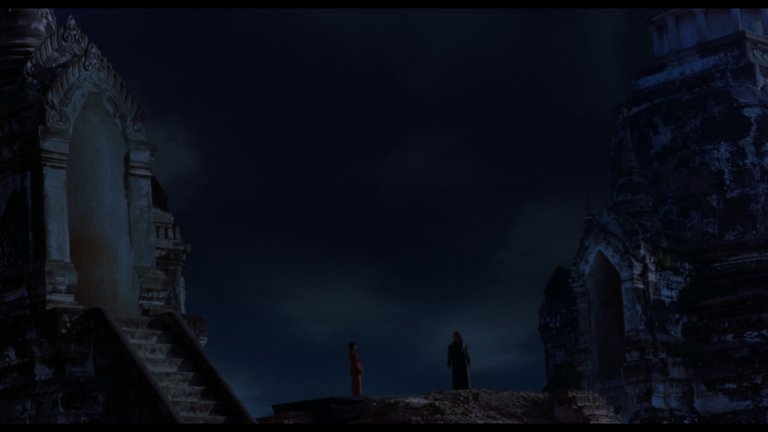
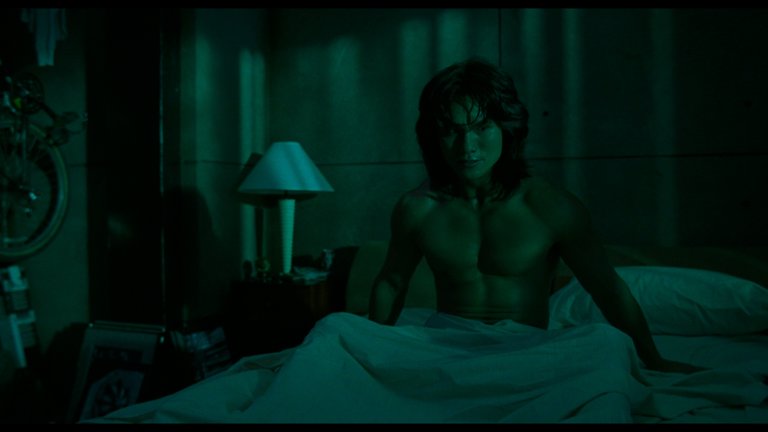
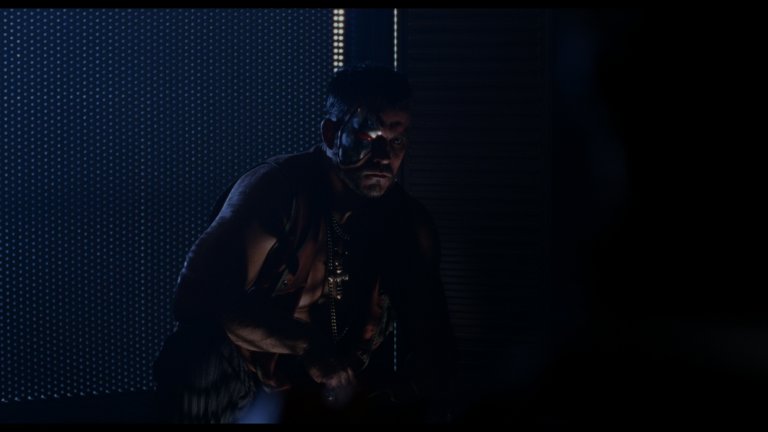
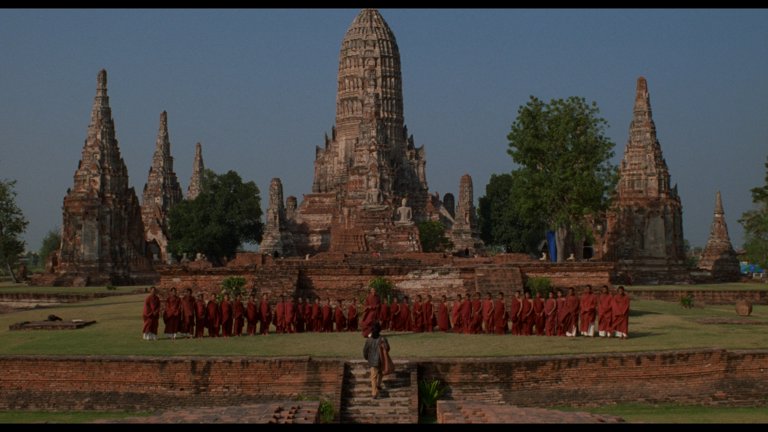
Going into this I knew there were going to be some questionable aspects due to the dated nature of the film’s computer effects, but thanks to the fact the film primarily uses practical effects, the inherent shortcomings end up being momentary, though still very noticeable. Previous home video formats, from VHS and LaserDisc to DVD and Blu-ray, could hide the rough edges of some of the film’s effects due to the lower resolution and the sources they were working from (at best an interpositive), but here those rough edges are on full display thanks to the increased detail offered by the combination of the higher resolution and the original camera negative. Those CGI effects end up looking particularly brutal now, sticking out like a sore thumb thanks to poor shadows and lighting, as well as what now resembles PS2-level detail.
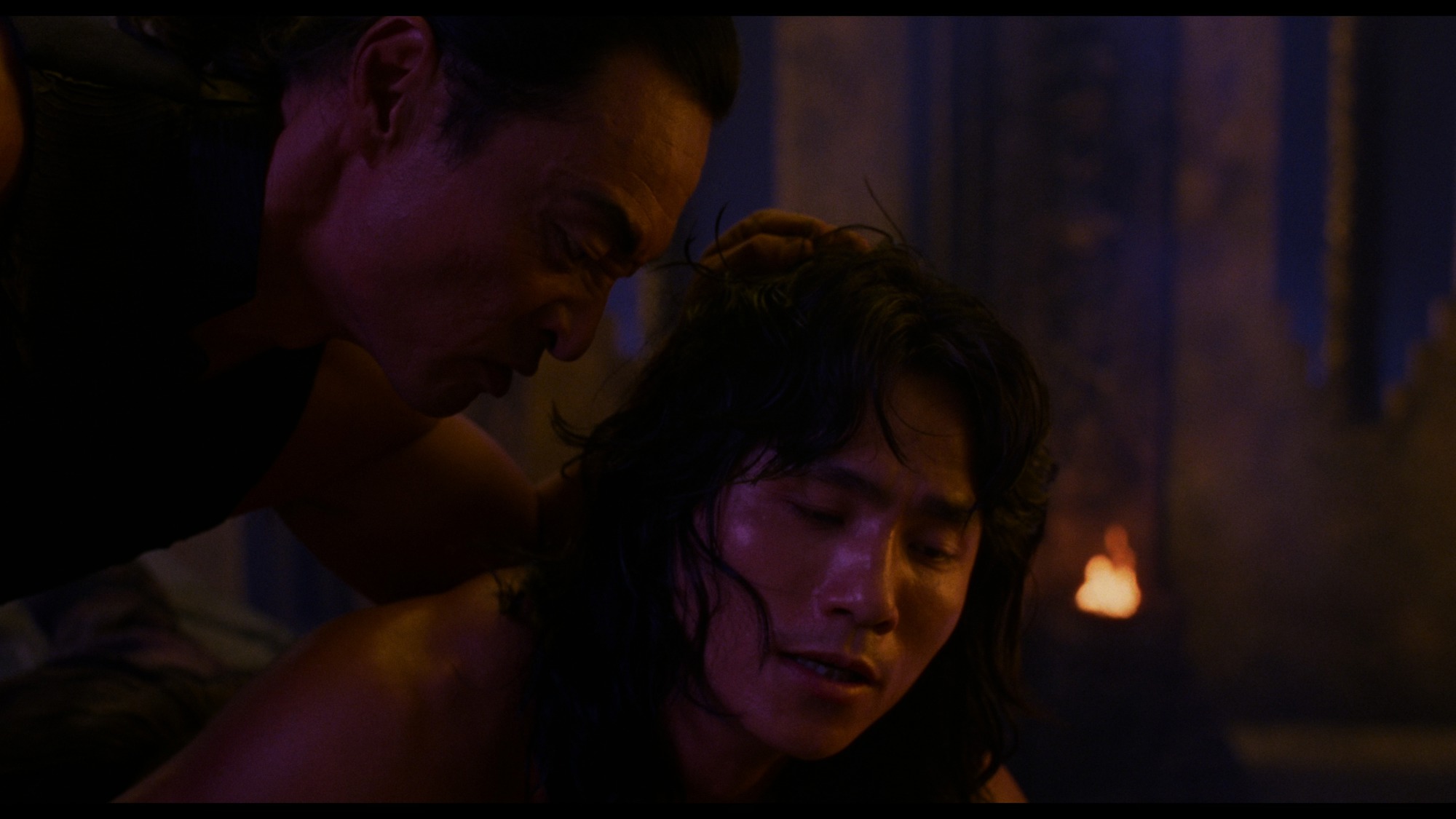
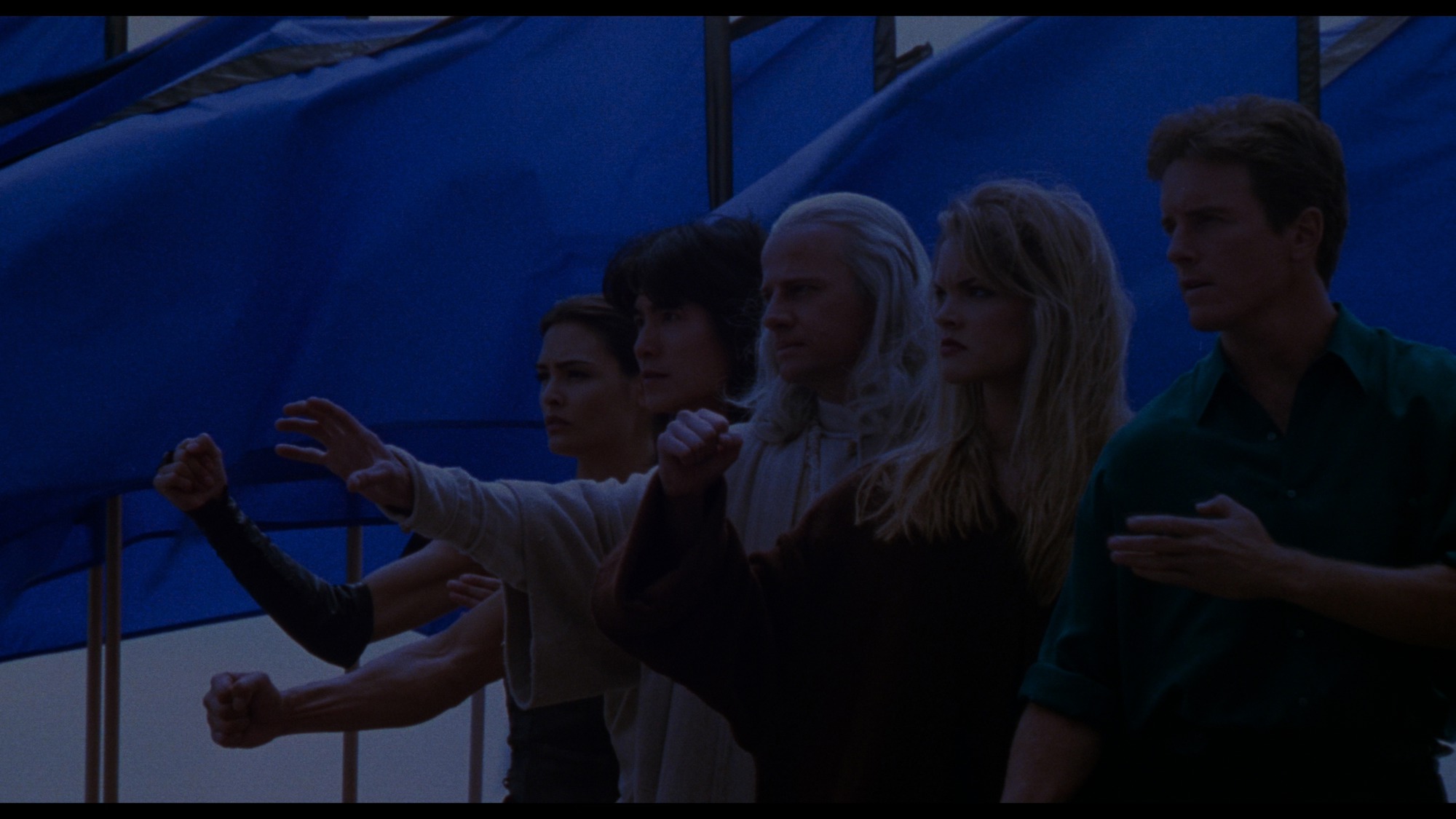
But as I said before, the film doesn’t really depend on them, instead making use of actual sets, animatronics, and other practical effects rather than heavy CGI, only resorting to digital effects when no other option existed. Because of that, those weaker moments end up being relatively few and far between. And thanks to that, the 4K presentation on the whole looks quite wonderful. There’s a film-like quality that was missing from previous releases, with grain captured and rendered beautifully, leading to impressive levels of detail, at least when those CGI effects aren’t present. The sets look terrific, and the detail found on the beaches that host a couple of the fights can be staggering, to the point where you swear you can make out individual grains of sand.
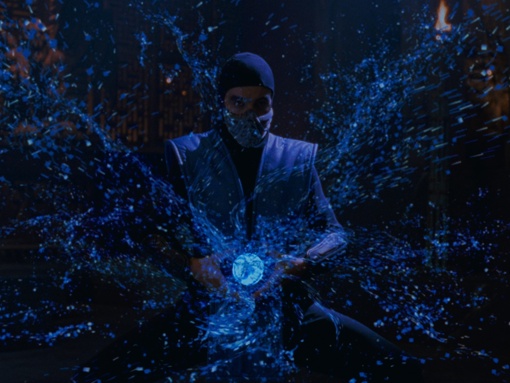
Dolby Vision also really brings a lot to the presentation, particularly when it comes to color. I had actually forgotten just how colorful this film is, layering vivid blues against reds, or greens against oranges, and so on. Colors are incredibly bold and rich, displaying a gorgeous range throughout. Shadows are also excellent, and the way light breaks through them into the smoky interiors looks wonderful.
The limited budget can be a bit more obvious here thanks to the improved detail, with the dated CGI again not helping matters at times, but this still looks terrific. It’s a solid restoration and an equally strong presentation.
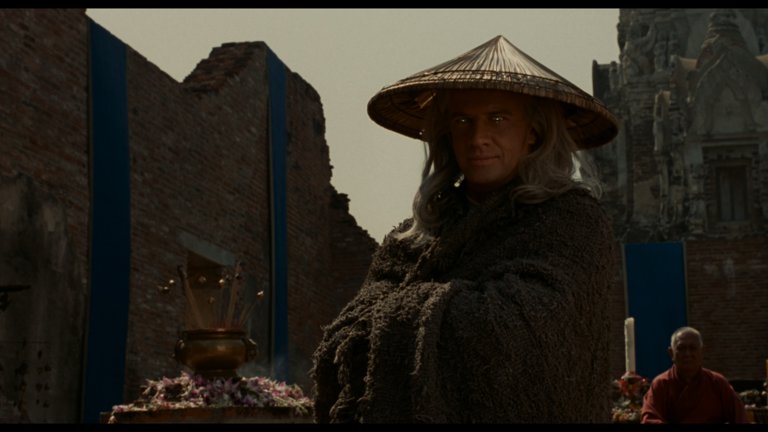
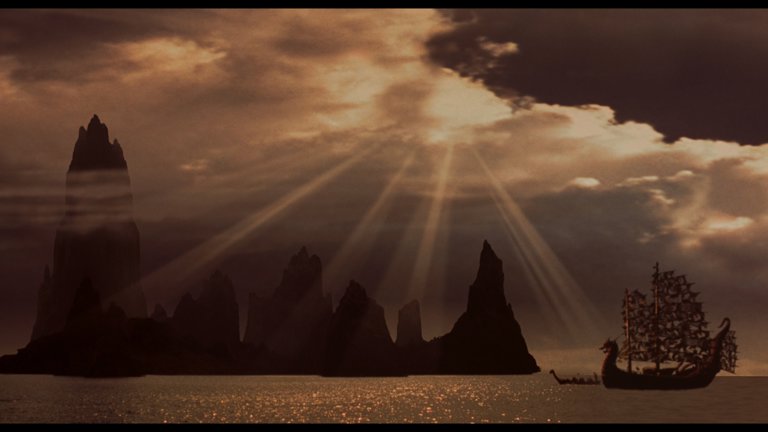
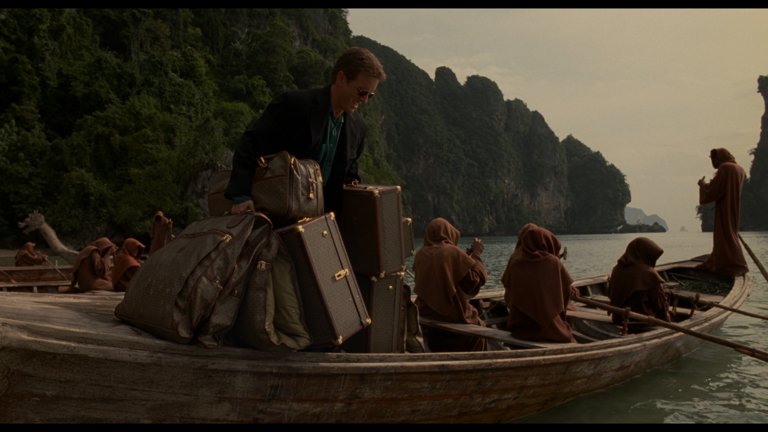
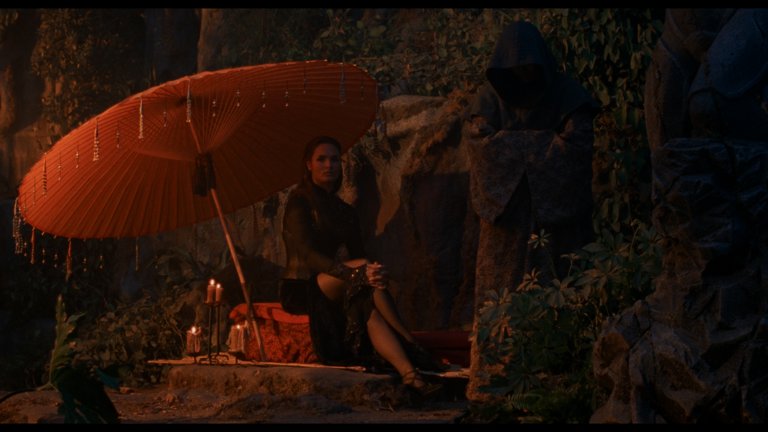
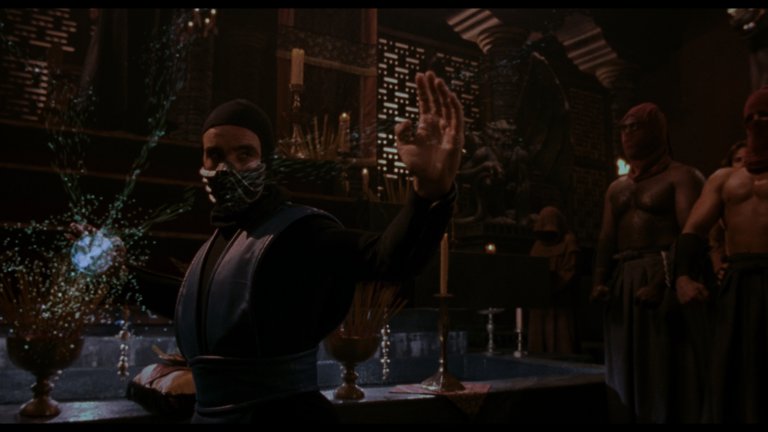
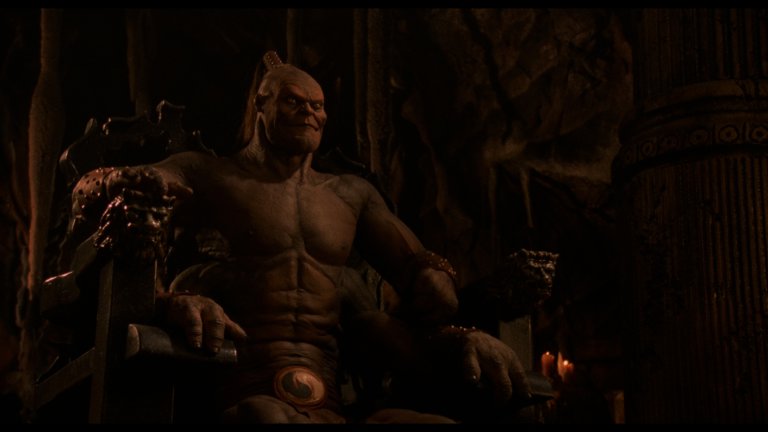
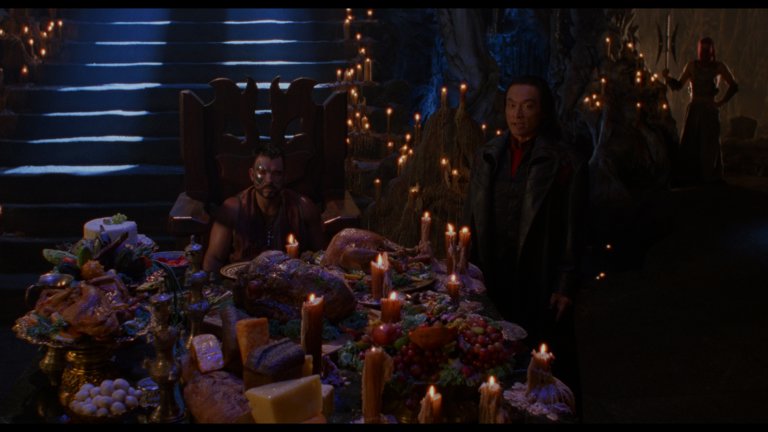
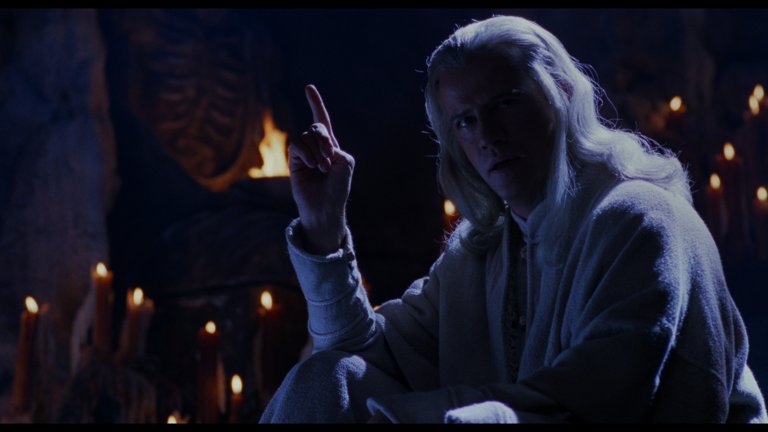
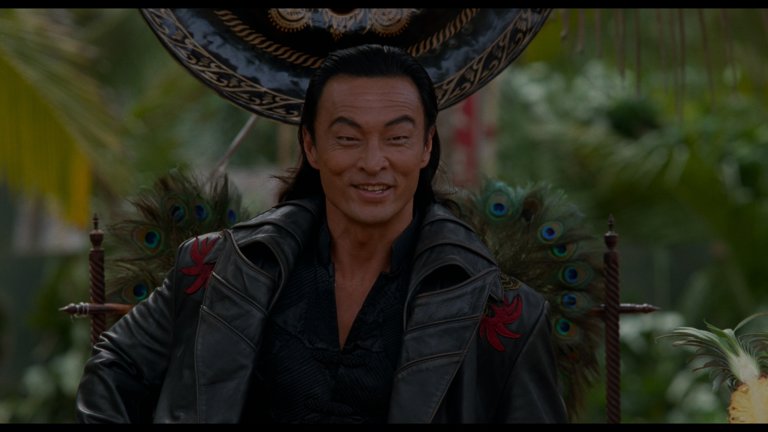
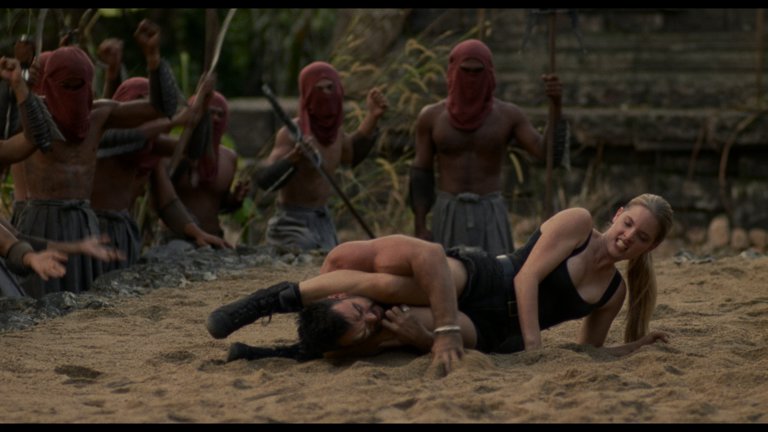
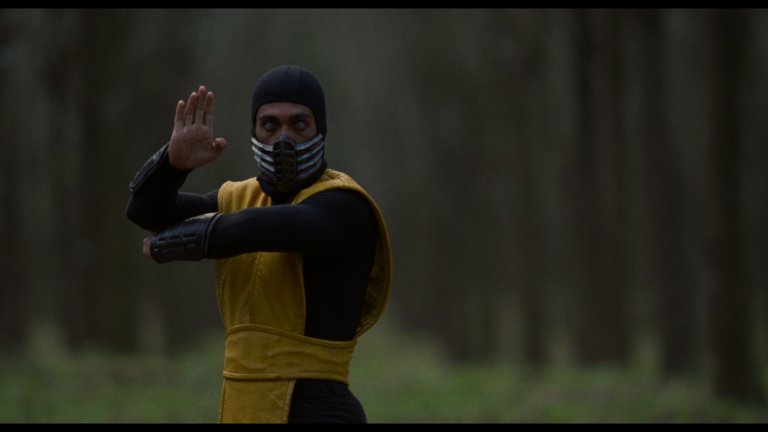
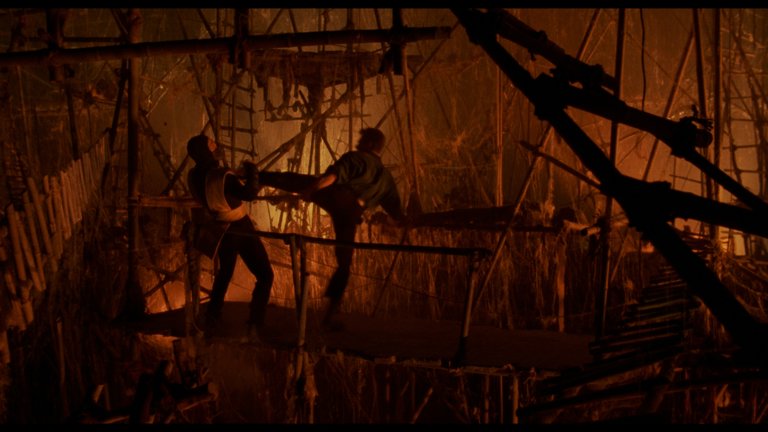
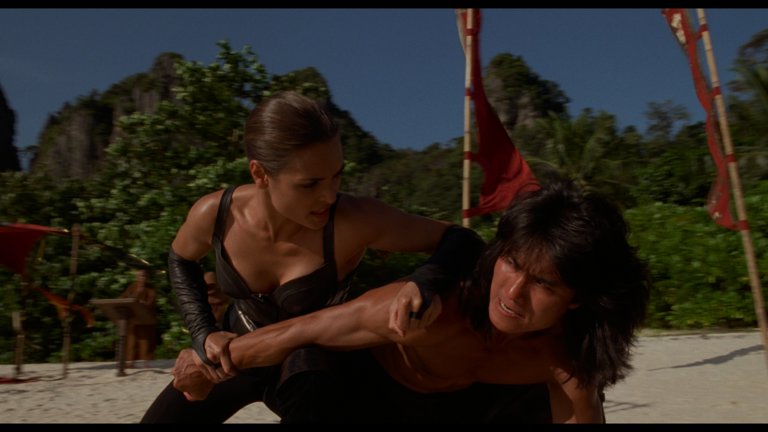
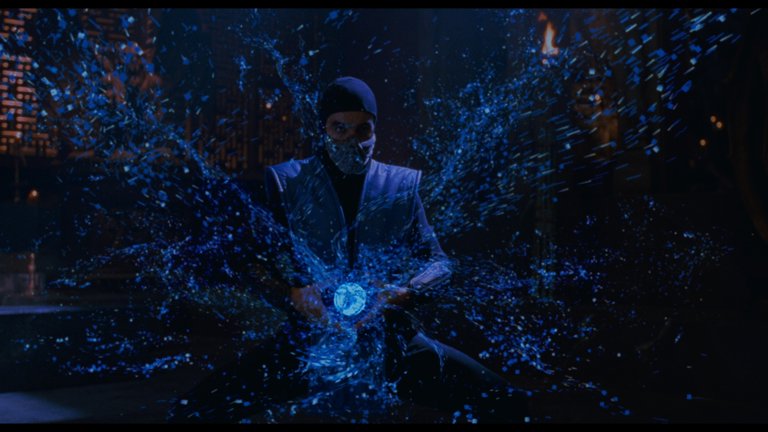
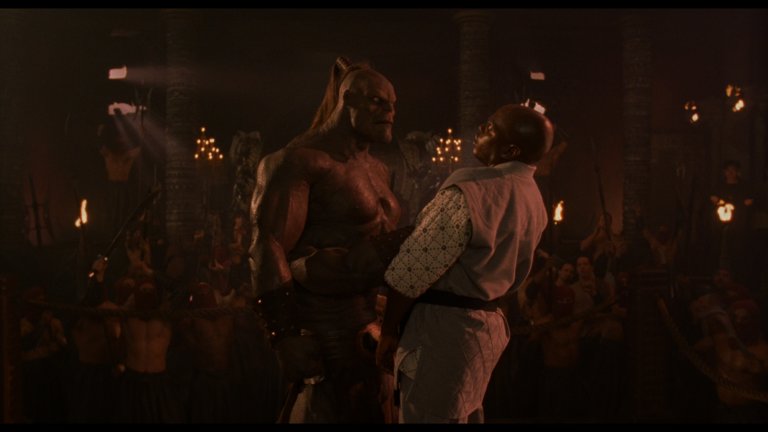
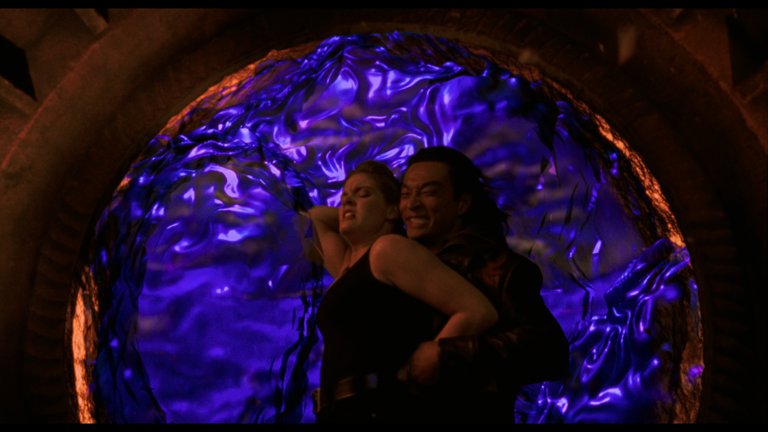
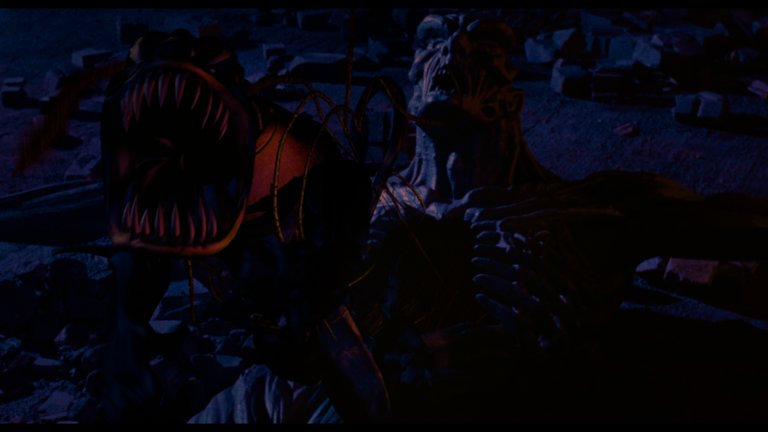
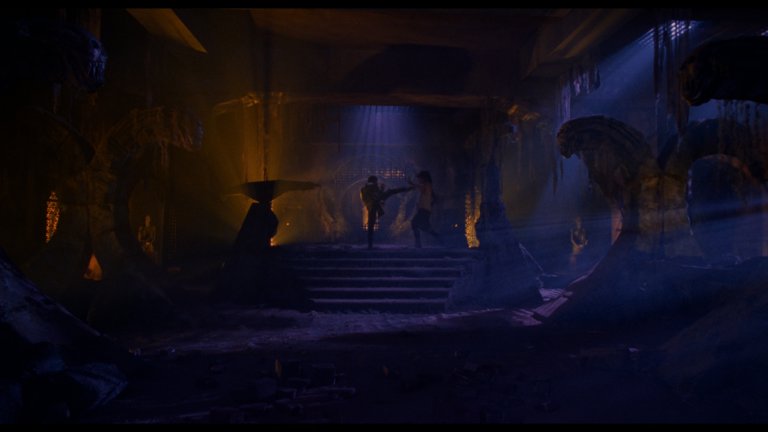
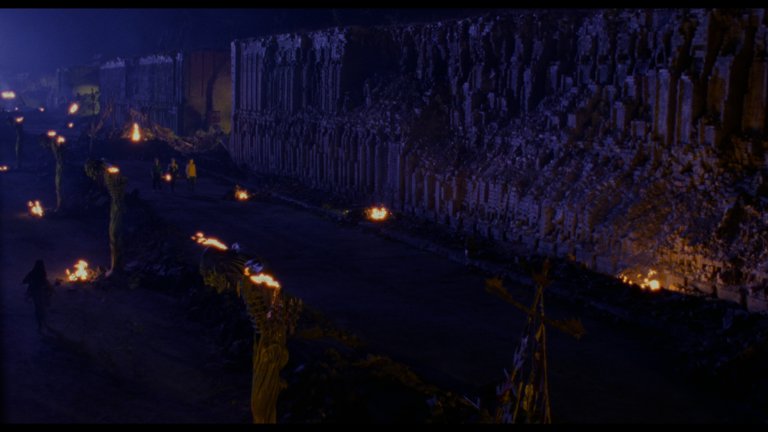
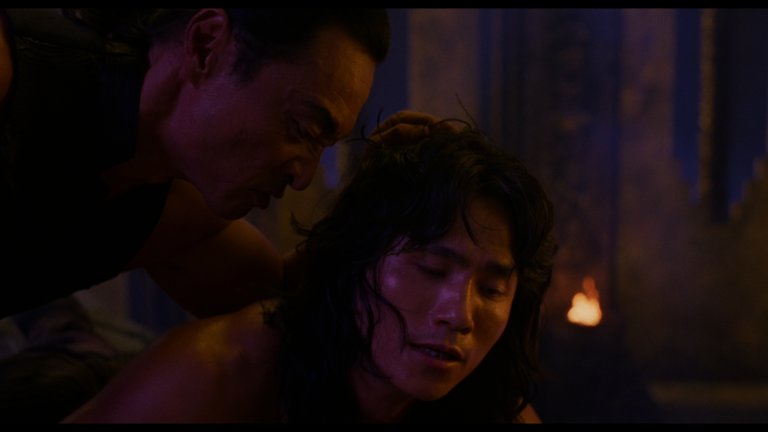
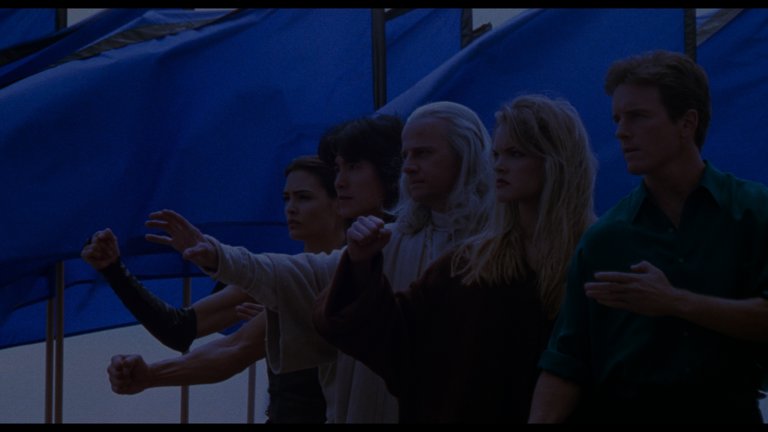
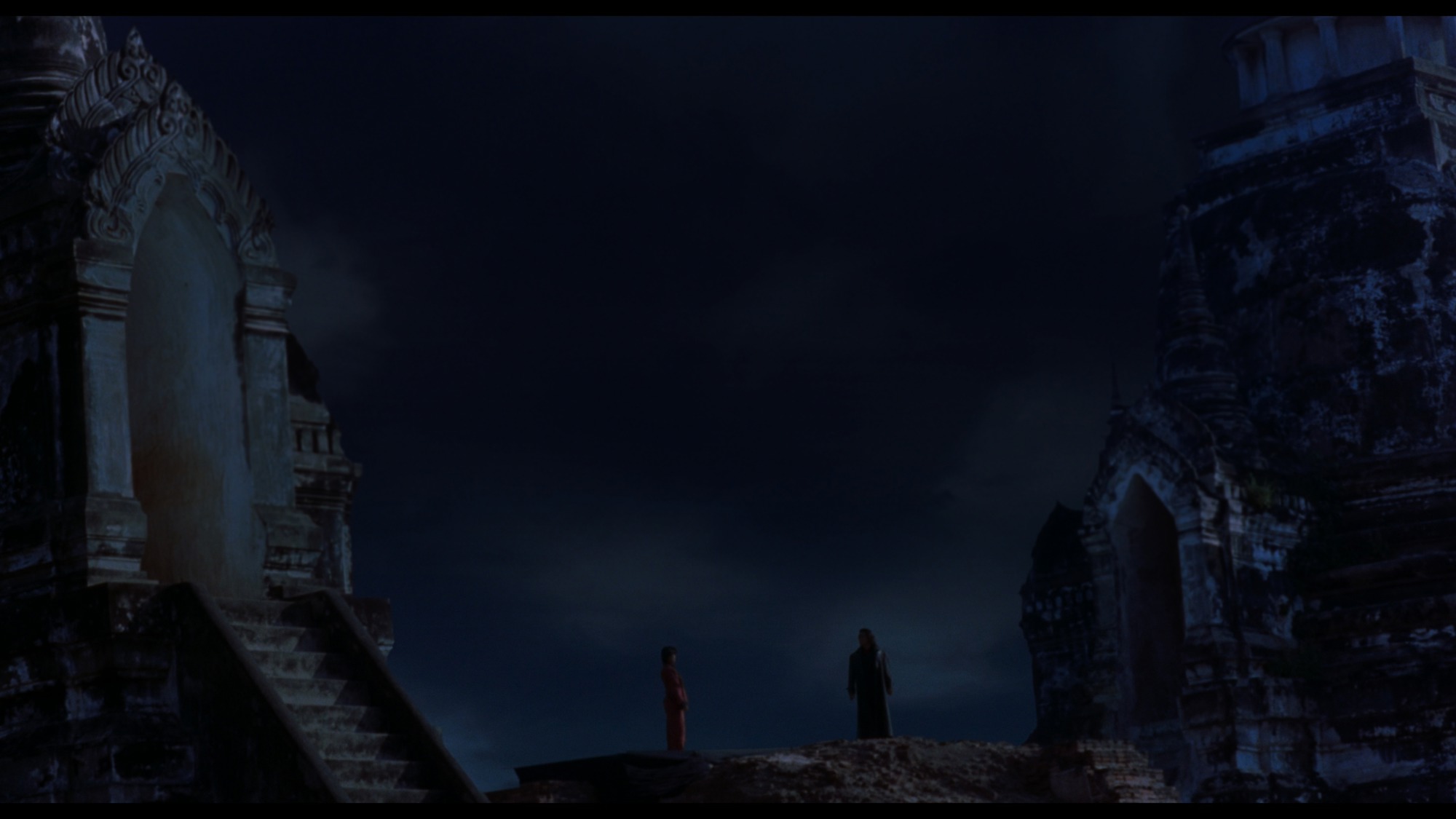
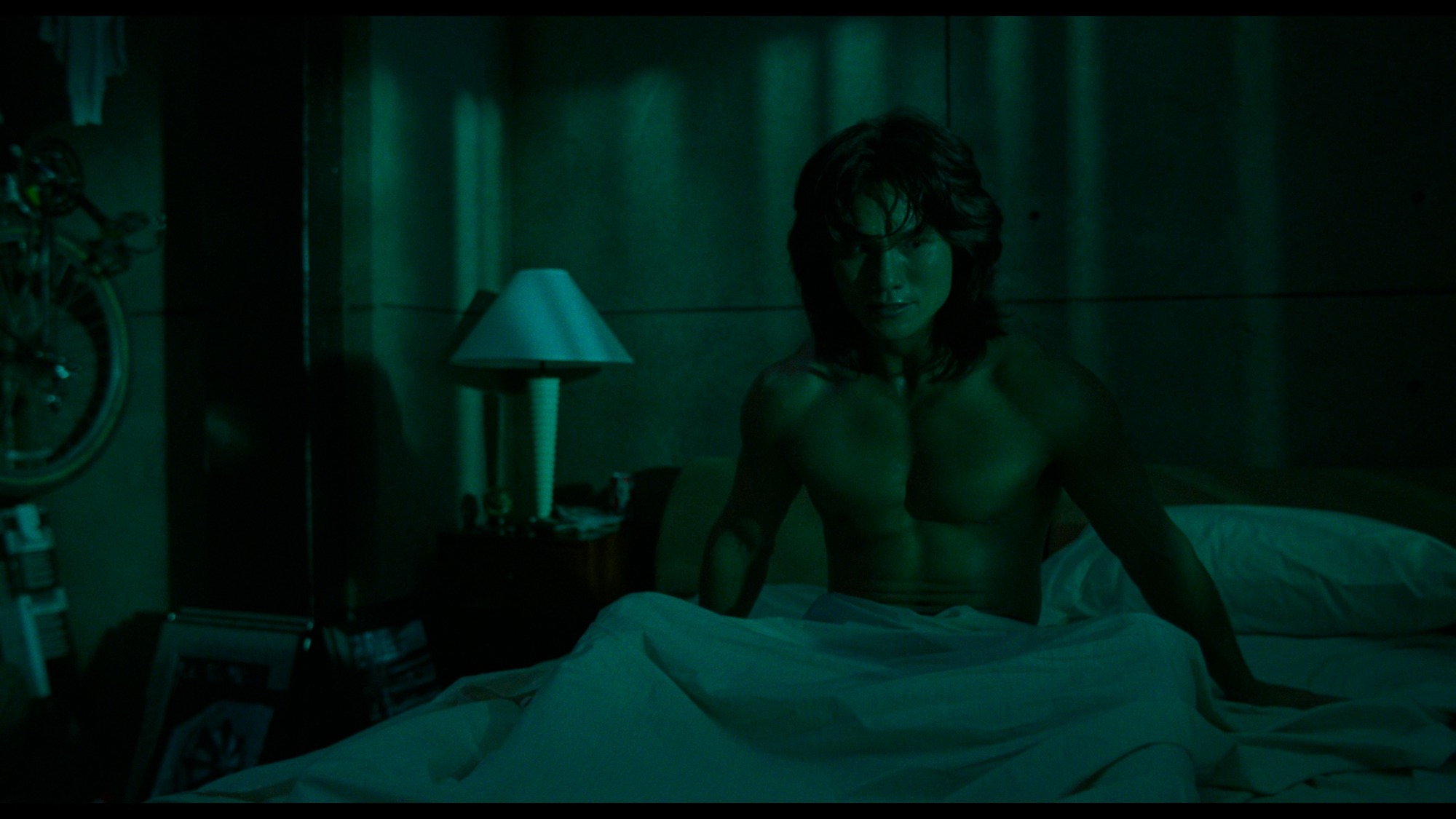
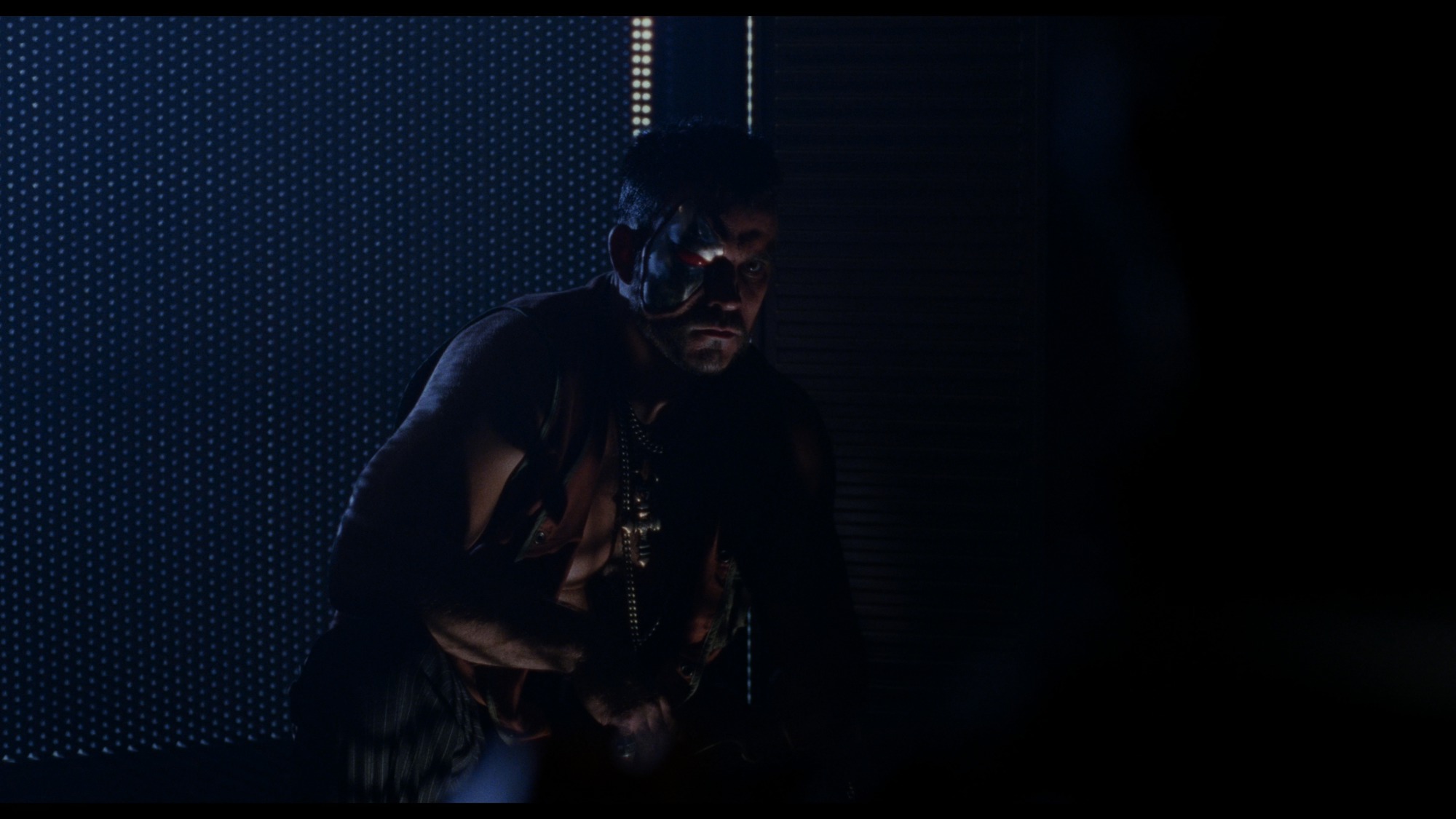
Mortal Kombat - Screen Captures
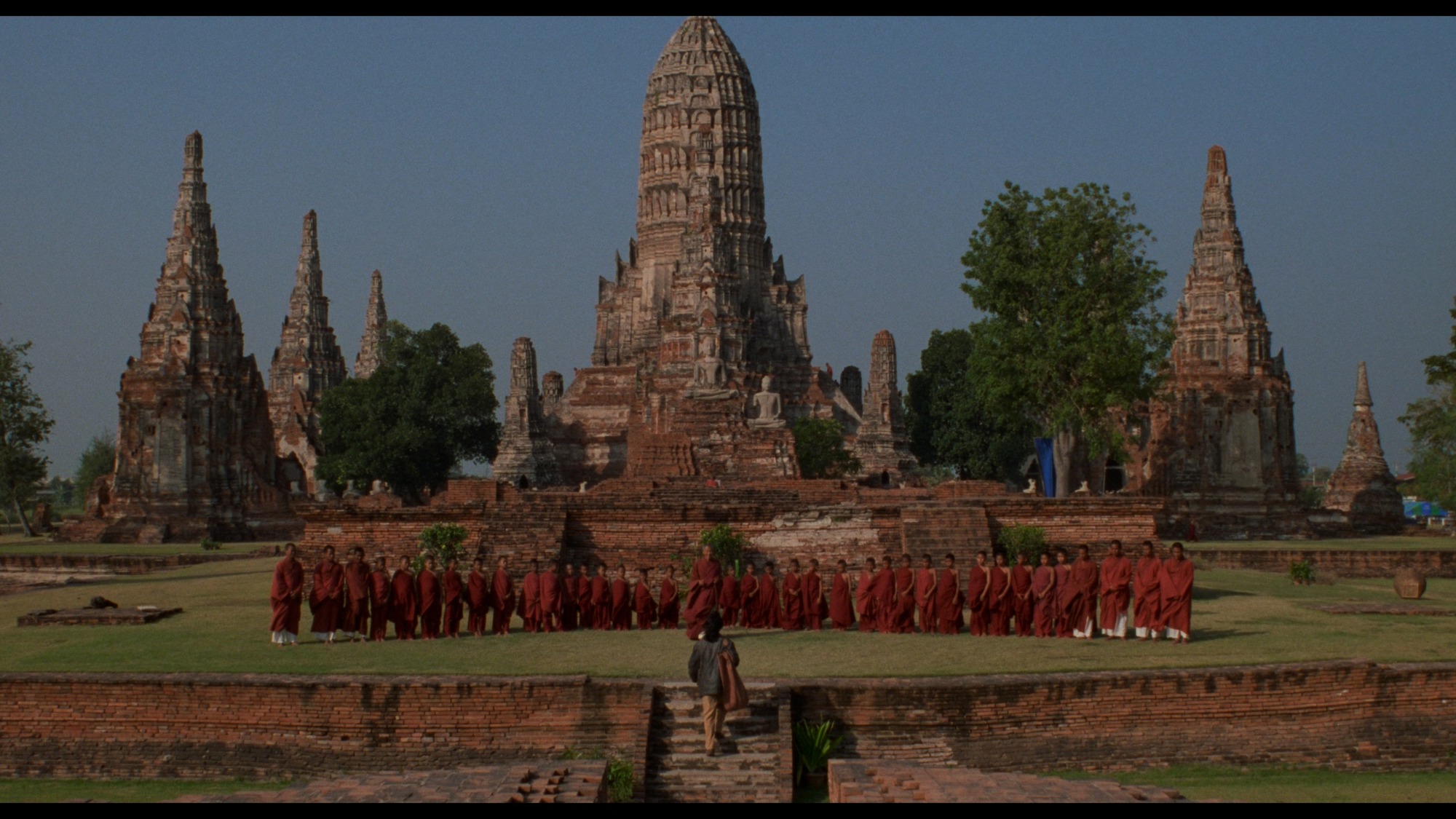
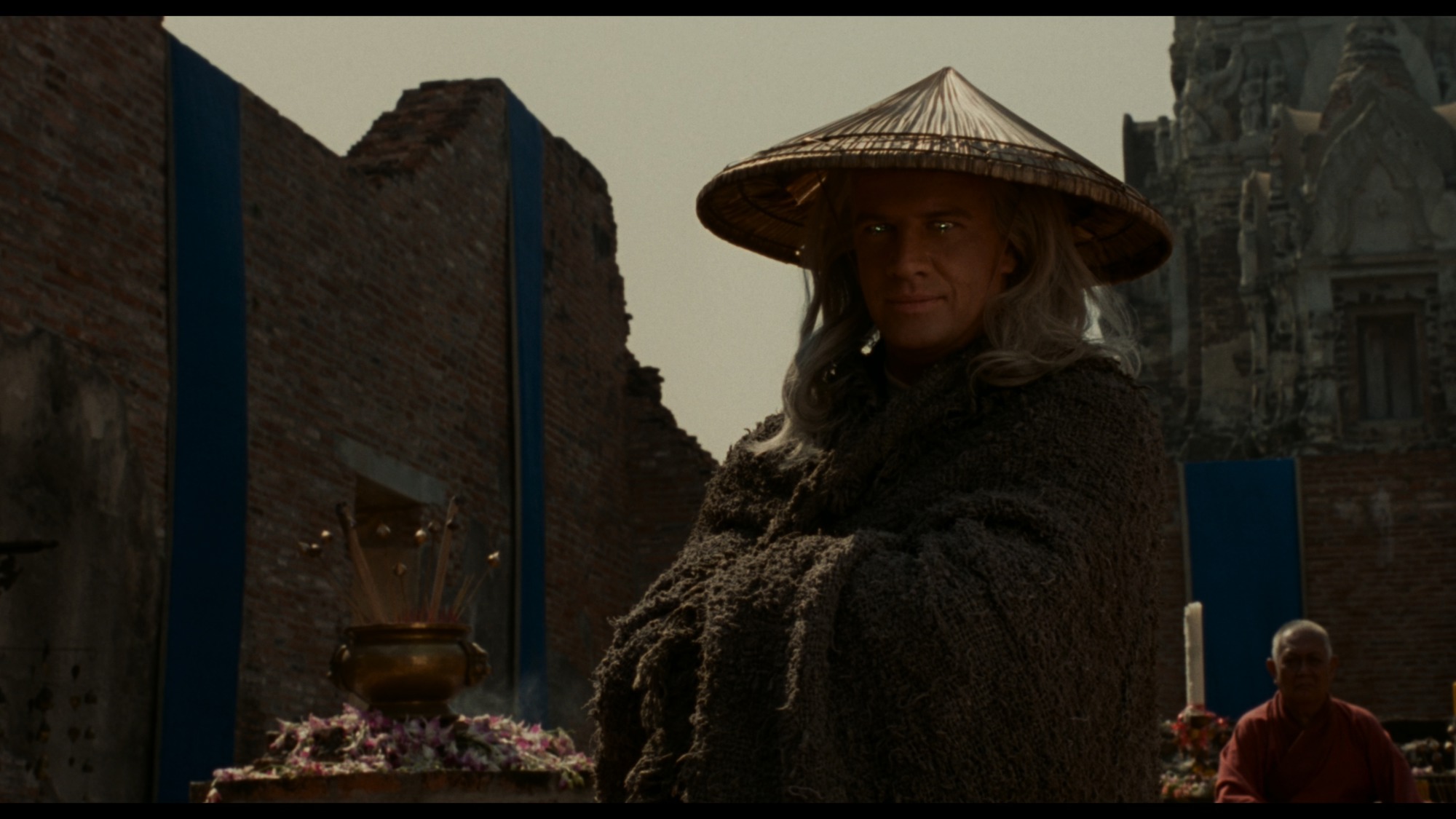
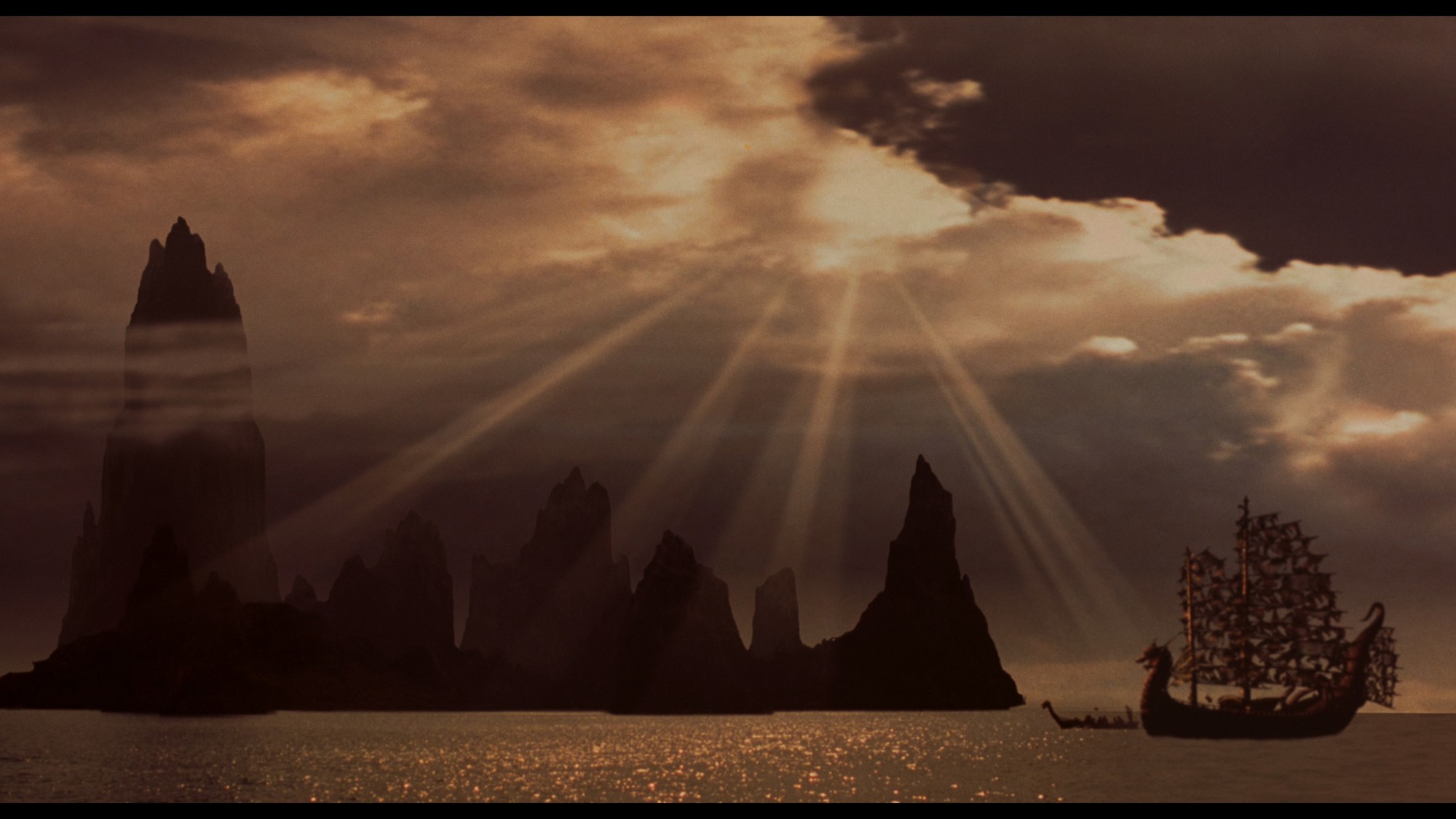
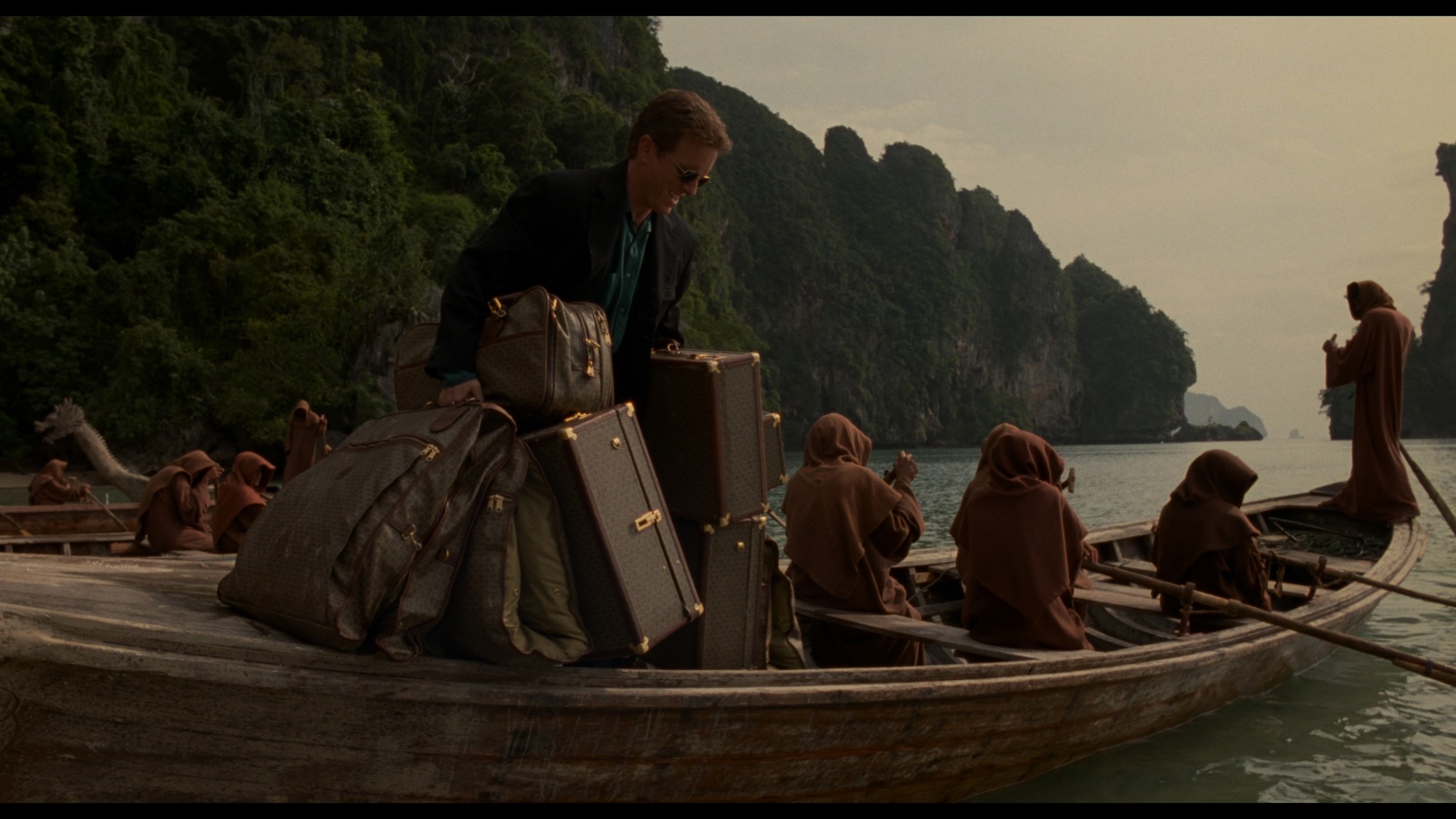
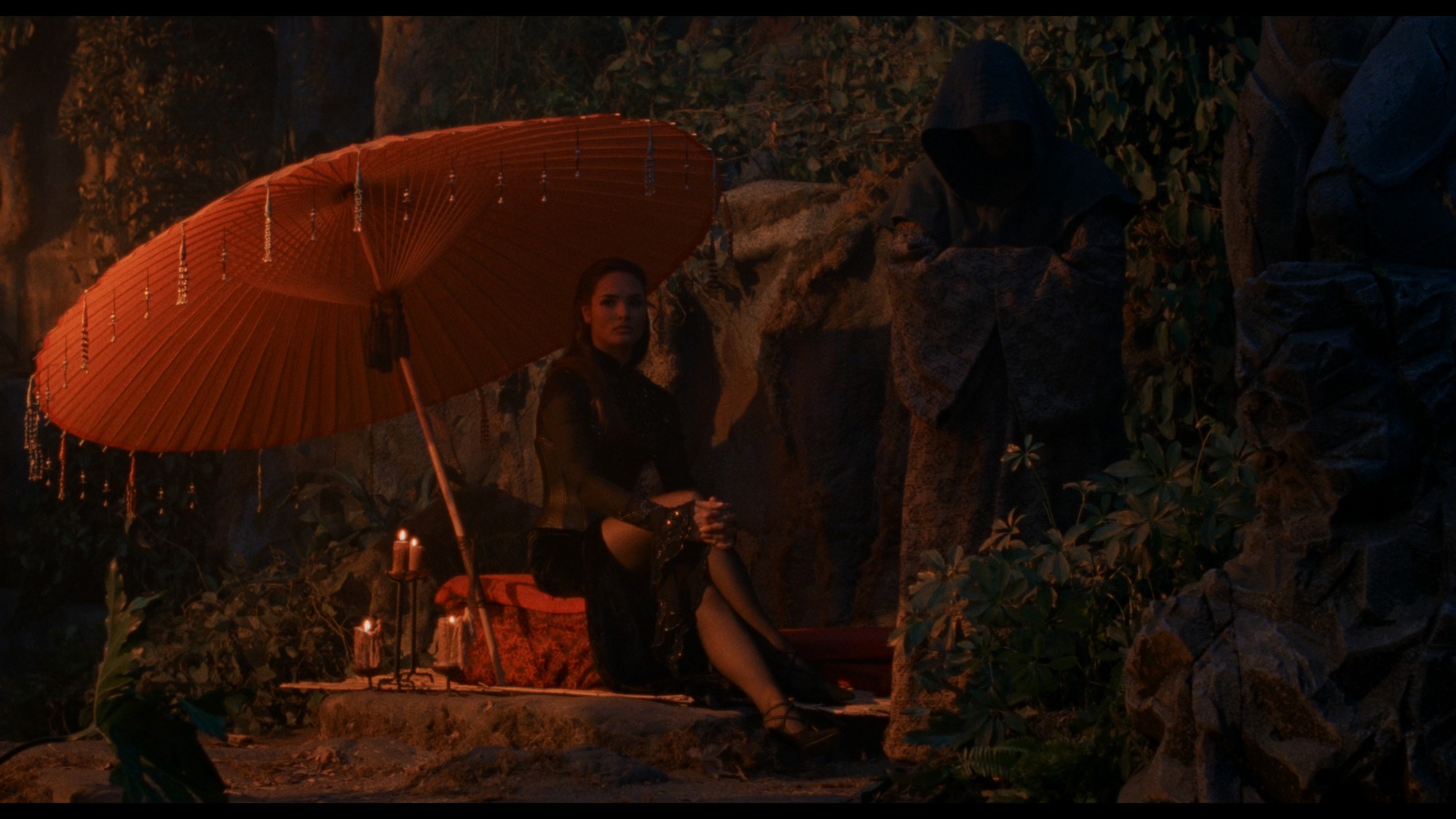
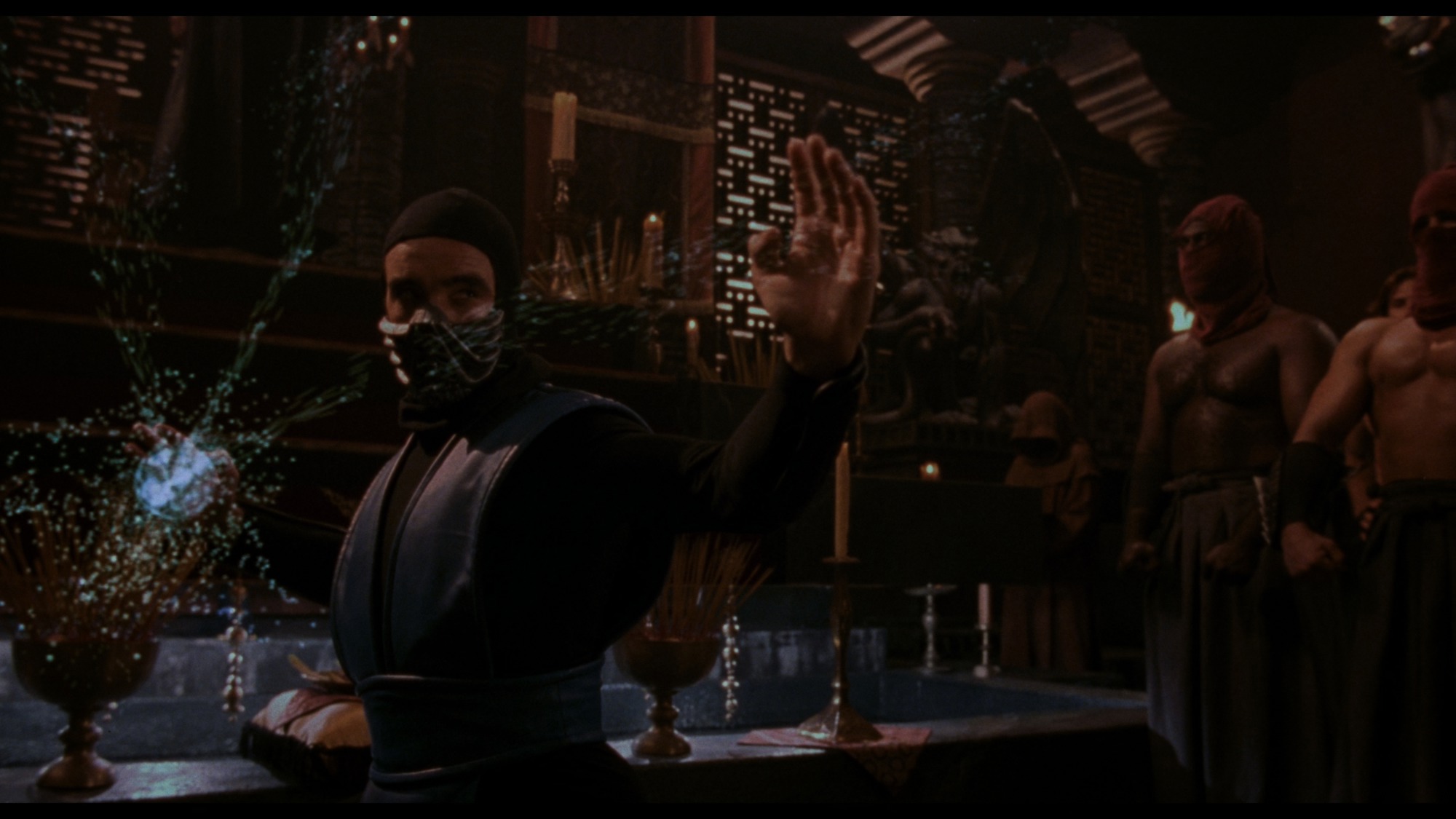
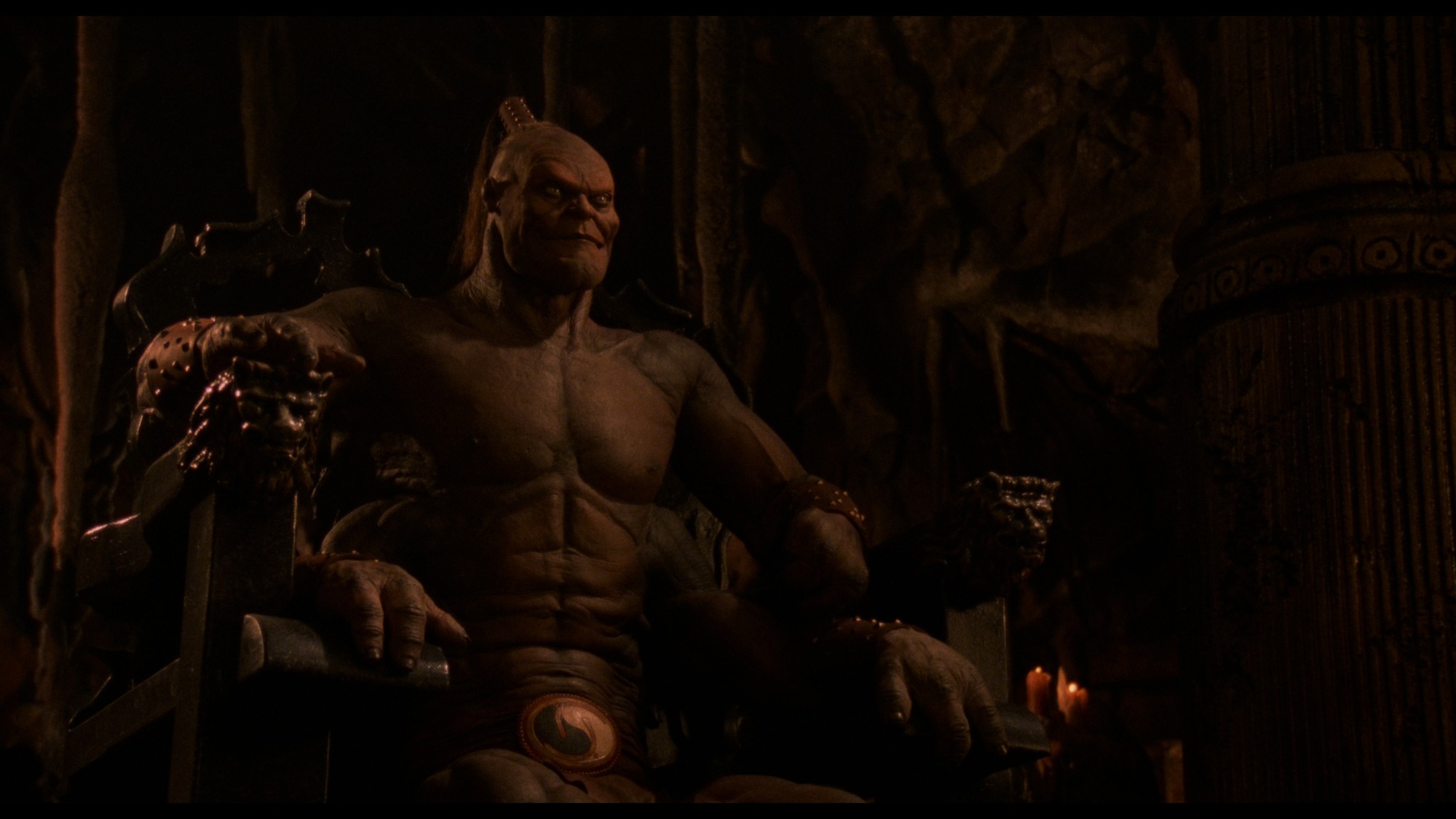
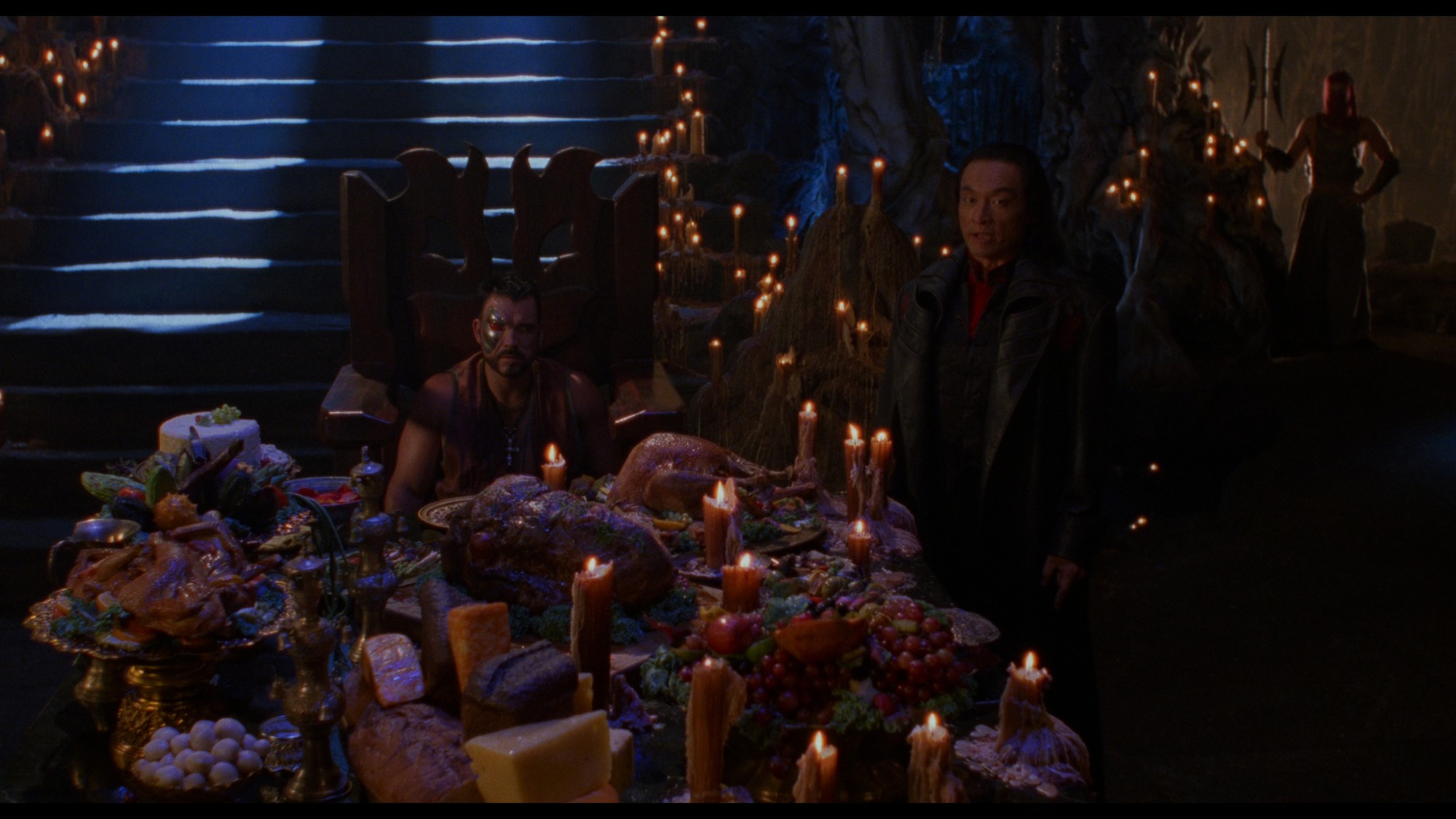
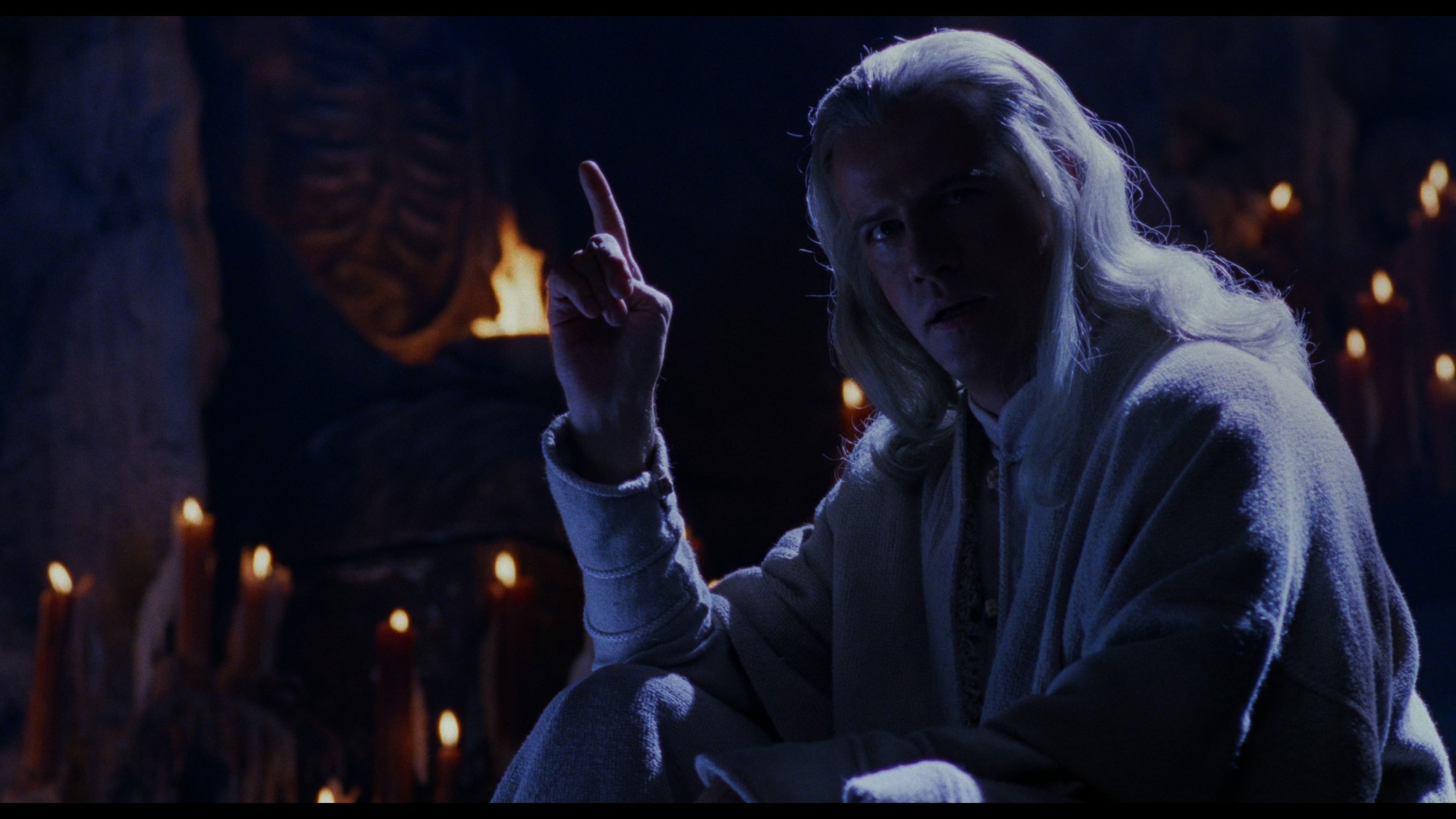
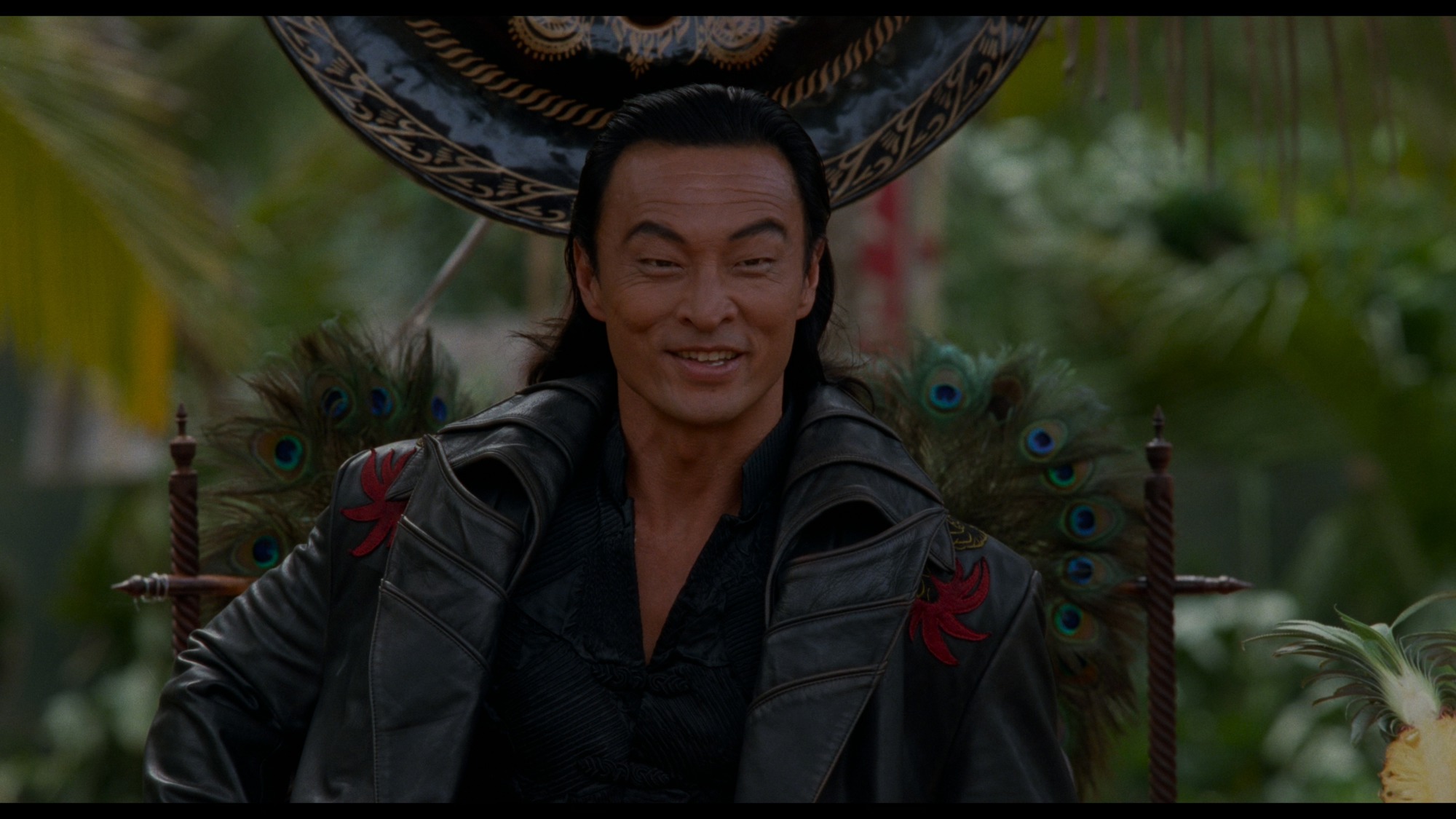
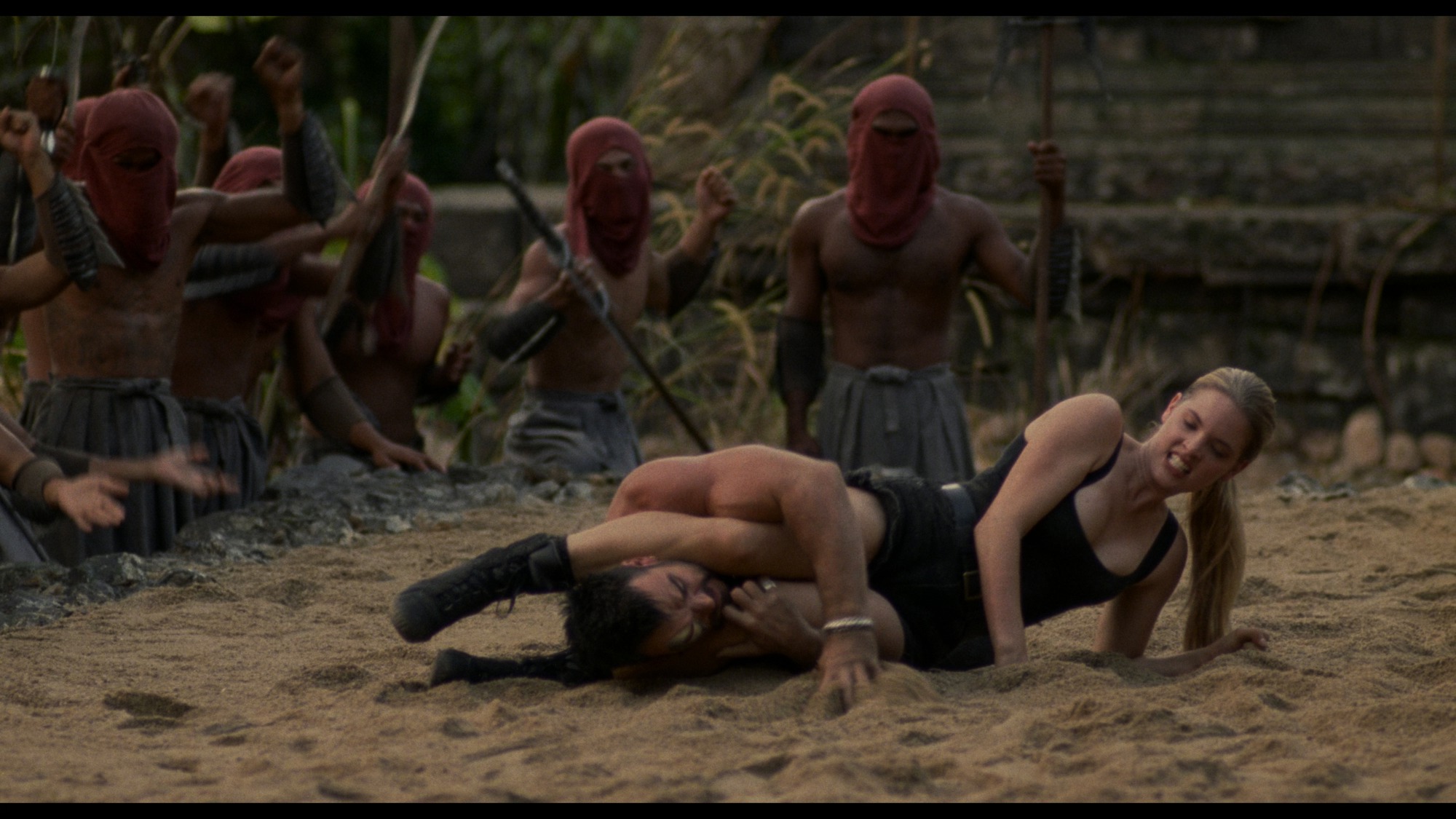
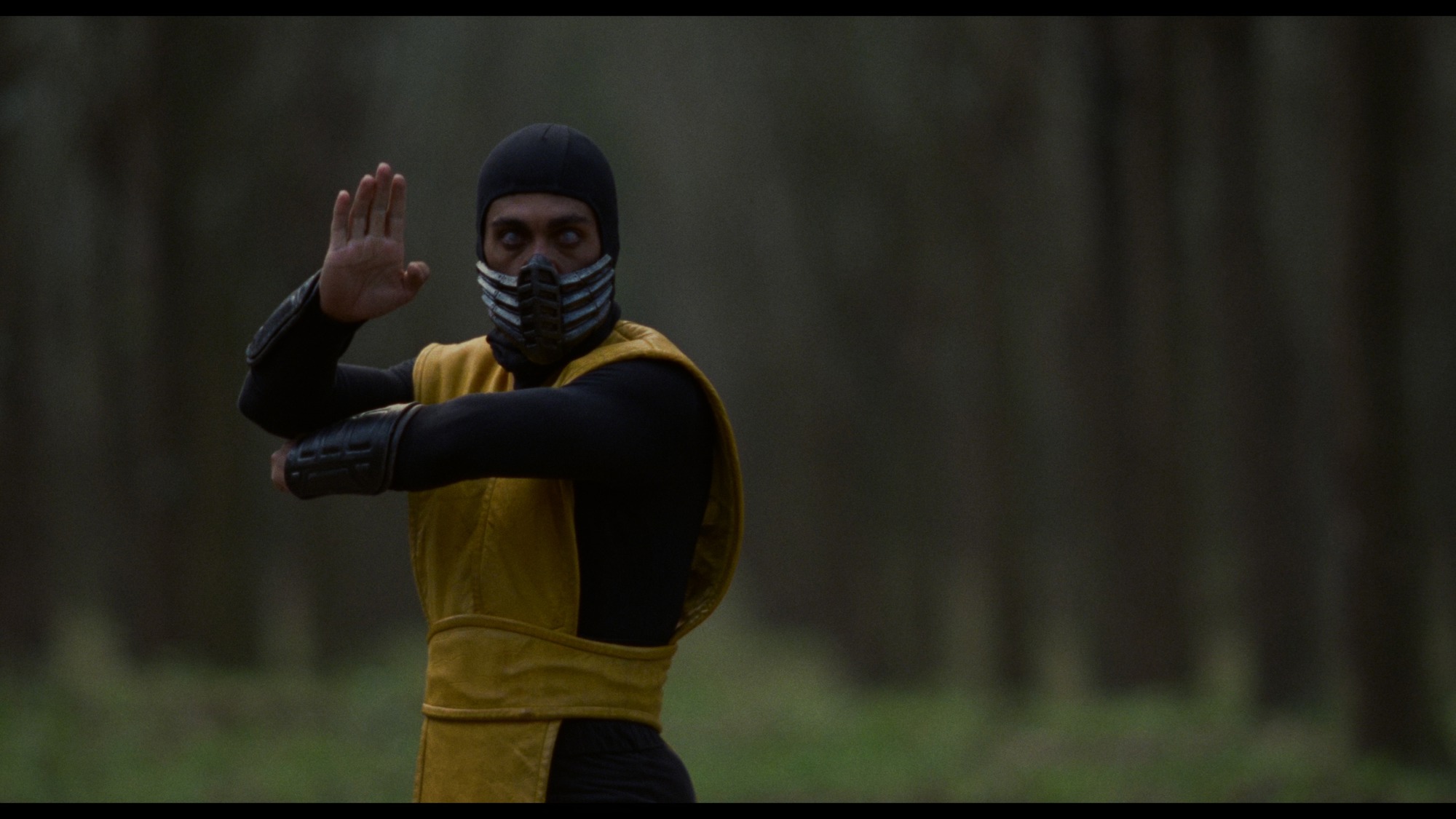
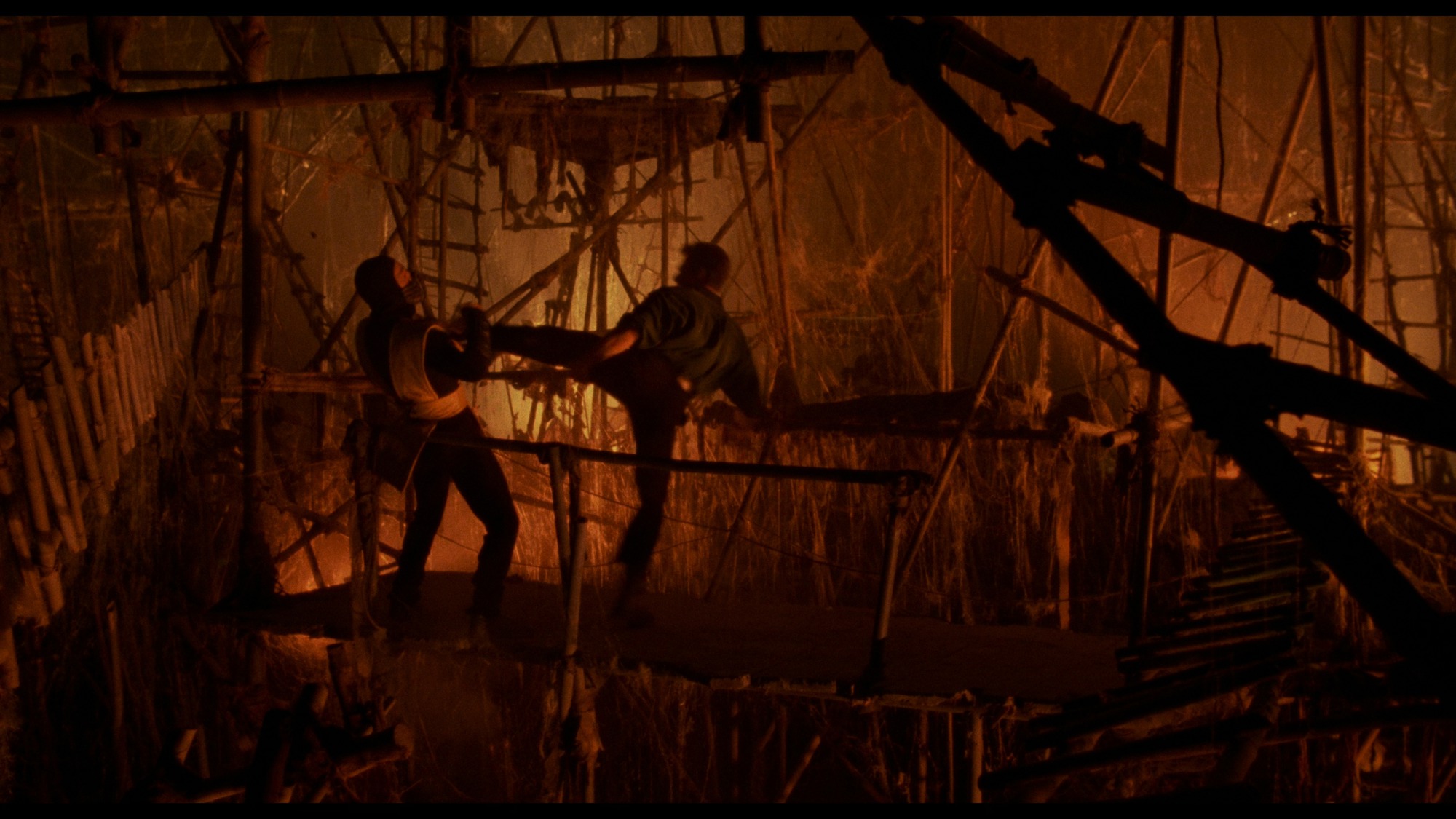
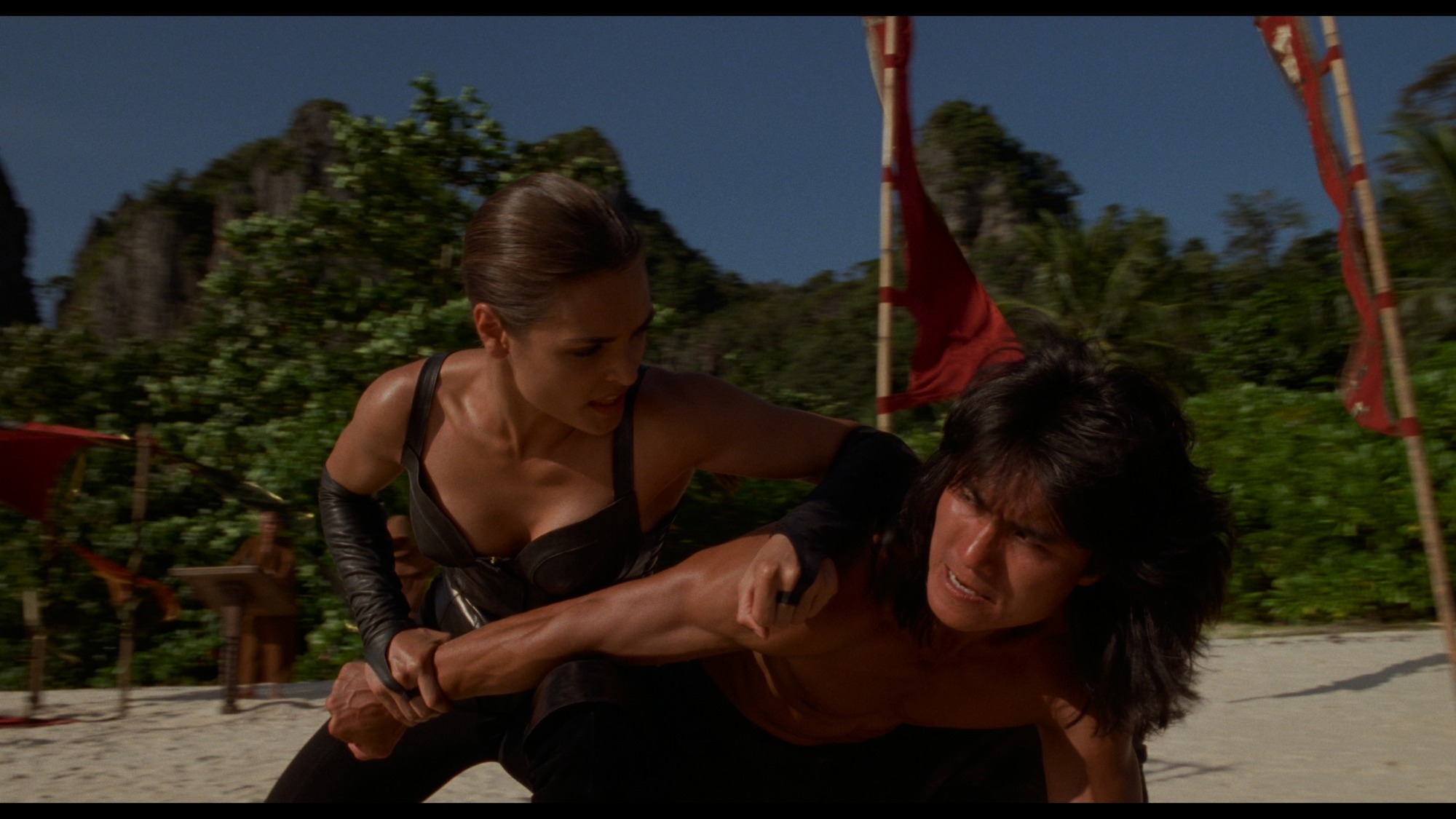
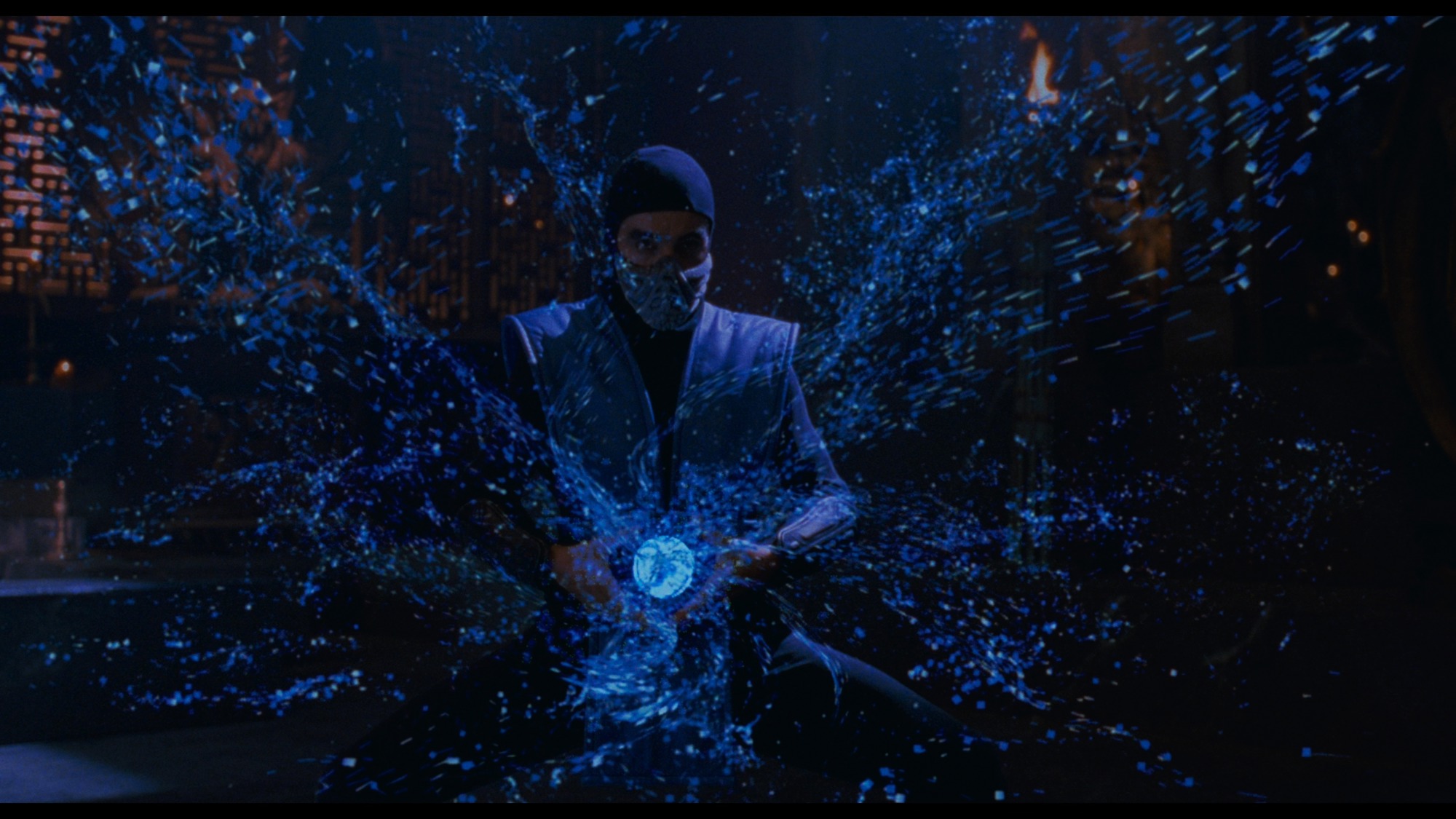
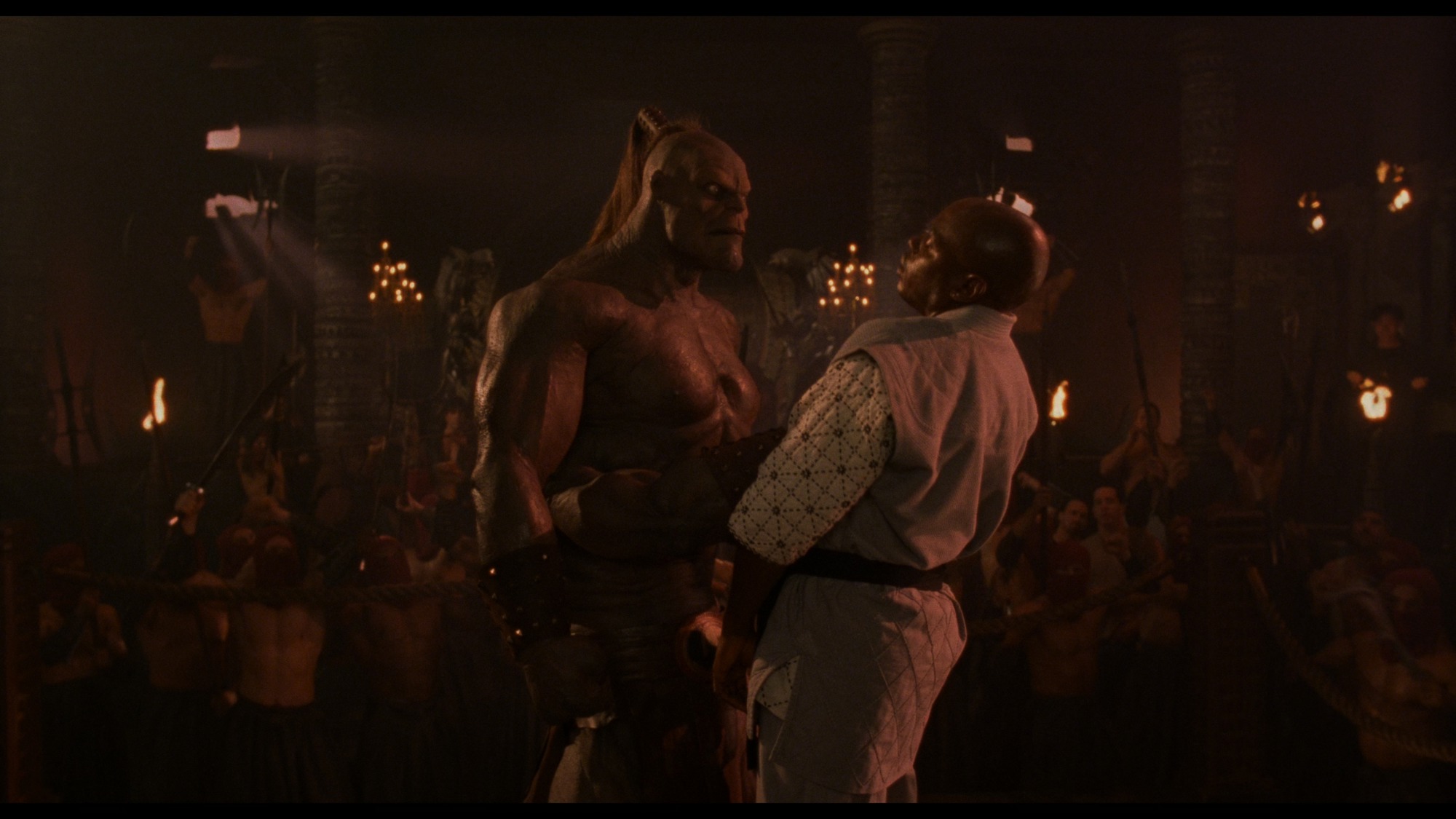
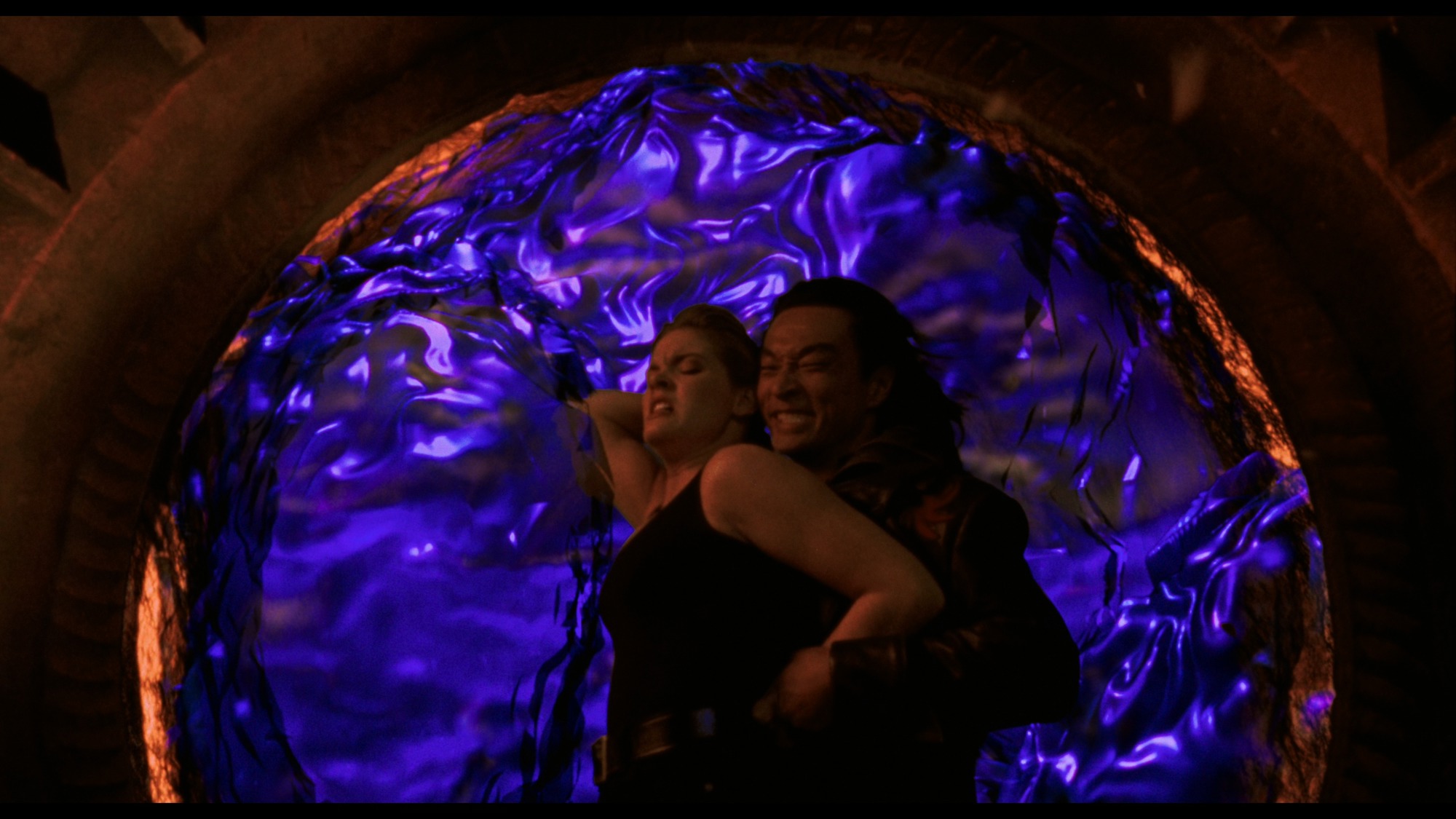
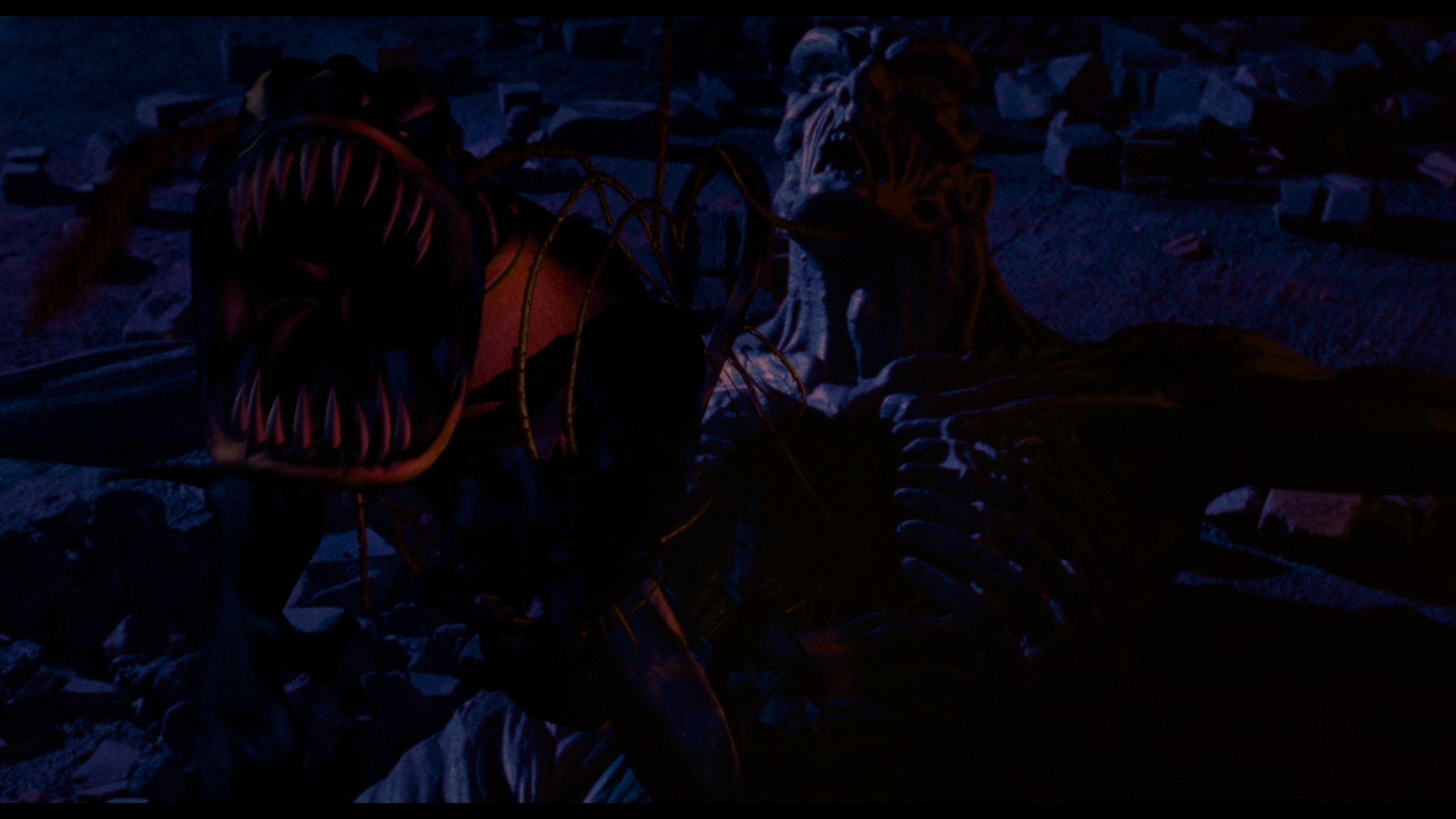
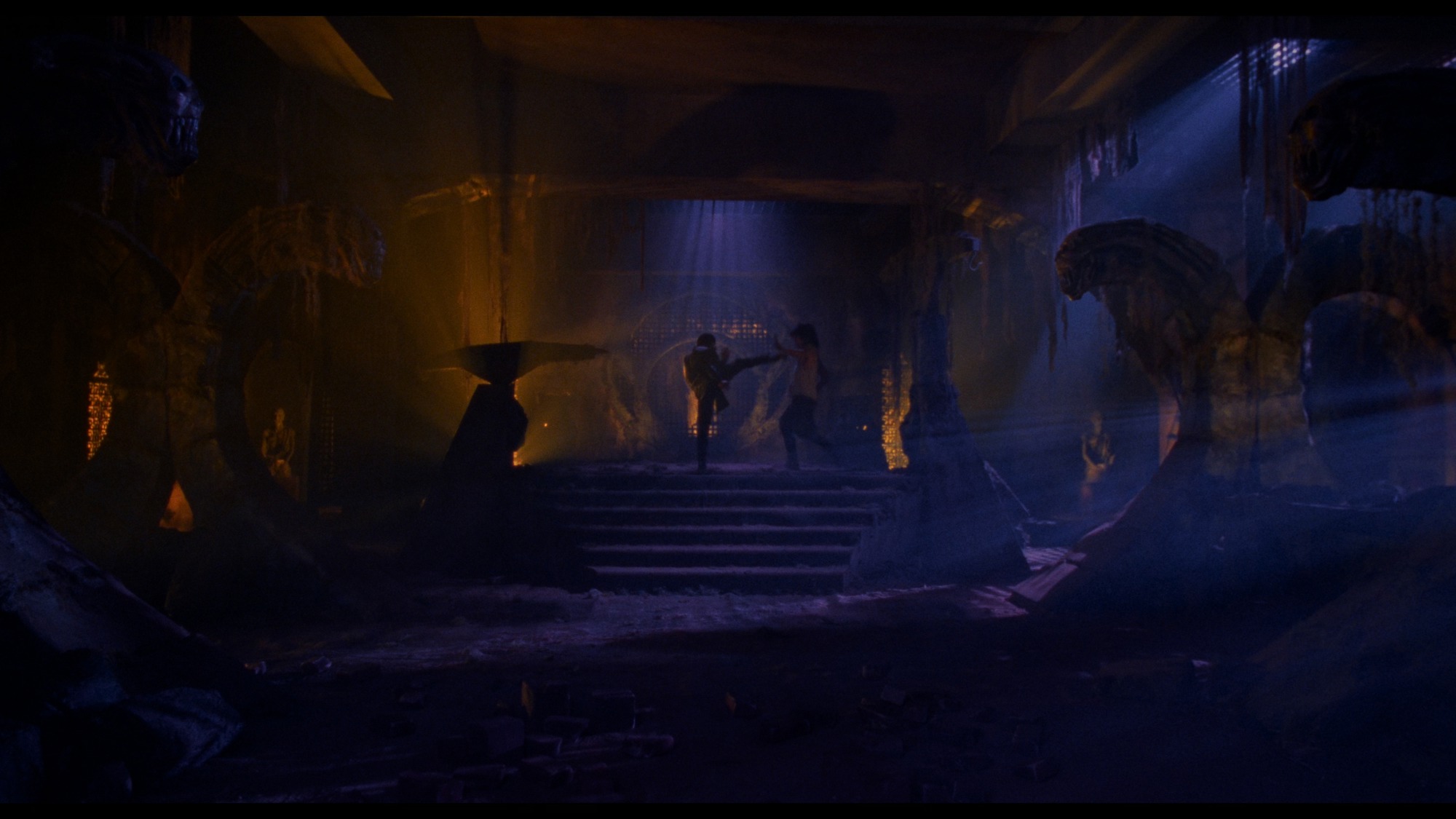
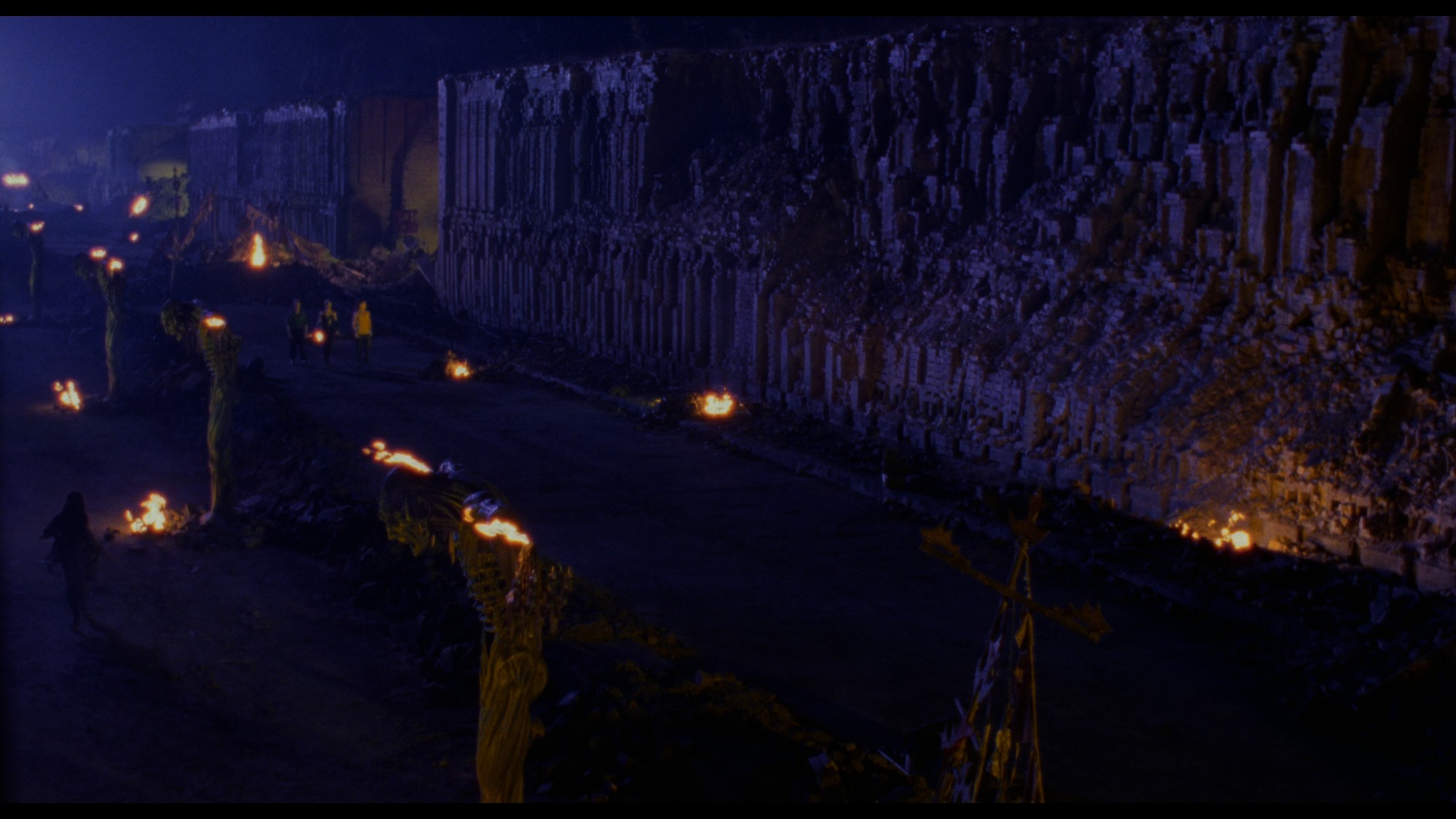
Audio 8/10
Arrow includes the film’s 5.1 surround soundtrack in DTS-HD MA, along with a PCM stereo presentation. I only listened to the 5.1 mix, and while it’s probably still not the aggressive presentation I would have expected the film to receive, it certainly has its moments, including the opening seconds where the title song kicks in with the immortal scream of “MORTAL KOMBAT!” It’s loud, delivers rich bass, and immediately fills the soundstage.
From there, the track rarely gets quite that aggressive again, with even the other techno beats scattered throughout never reaching the same level. Still, the music and those recurring monastic chants are mixed wonderfully through the surrounds, while the impacts during the film’s fight scenes ring out with a solid impact.
On top of that, dialogue sounds clear, and there are no notable signs of damage or other issues. Overall, it’s a solid surround presentation.
Extras 8/10
Arrow pulls together a decent set of supplements, though I can’t say there are any real surprises here, the label assembling the expected offerings. Well, maybe saying there are no surprises is a little harsh because, to my surprise, I found myself quite enjoying the new audio commentary provided by director Paul W.S. Anderson (who explains here why he adopted the middle initials in his credits after this film).
For those interested in the production it’s well worth a listen, Anderson covering how the film came together, from location scouting and casting to figuring out how to stage and shoot the fight scenes, while sharing the numerous lessons he learned along the way (and I assume carried forward into future films). He also laments the dated computer effects, though explains how those limitations, combined with a very limited budget, led the production to rely on more practical solutions for most of the other effects, including Goro.
The most interesting part, though, ends up being around the test screenings and how the fight sequences were originally planned. Apparently the film had fewer fights in its original form, primarily because of the budget, and the less-than-stellar feedback led to Anderson getting additional money from New Line's Bob Shaye to shoot a couple of larger action set pieces, specifically the fights with Scorpion and Reptile, with the latter apparently inspired by a comment left by one of the test audience members. Considering how much the film stood out at the time because of its martial arts choreography (which was still relatively new to North American audiences at the time), I found that kinda insane. It was also interesting hearing stories about Robin Shou and some of the original casting choices, like Michael Jai White initially being cast as Jax before leaving to do Spawn. I’ve never listened to one of Anderson’s commentaries before, and I’ll admit my expectations weren’t especially high, but I really enjoyed this one. The history behind the film proved far more interesting than I had anticipated.
Which is probably a good thing because the second commentary, provided by Dave Baxter (listed as a podcaster and comic book expert), is a bit more of a mixed bag. I’m not entirely sure how those credentials led to Baxter being brought in for this (he even admits he hasn’t covered Mortal Kombat in any form before), though I’m guessing it came down to his extensive knowledge of the games and the franchise's lore, which is ultimately what this track focuses on. He explains the history of the original game, from its early conception as a Jean-Claude Van Damme vehicle (which is ultimately where Johnny Cage originated) to its motion-capture technology and massive arcade success, before getting into the backstories of the characters and the mythology that would continue throughout the series.
He also talks about the film’s production to an extent, covering the script's development and the reason the film ultimately received a PG-13 rating, which of course went against the game's infamous violence and use of "Fatalities." There are attempts at jokes that really don’t land, and he can jump around quite a bit (he has an apparent fondness for the word "apropos," which repeatedly serves as his segue to another topic), but it’s still an okay track, especially for those who may not be familiar with the games.
The remaining supplements primarily consist of interviews, starting with a 16-minute piece featuring actor Linden Ashby, who plays Johnny Cage. He talks about the character and what he brought to the role, apparently being given the freedom to do whatever he wanted, which is largely why the character would be portrayed that way from then on. He also discusses the training and filming of the fight scenes, including the sequence with the Goro animatronic, which rarely worked as intended, ultimately leading to a planned fight being dropped and taken in another direction.
Cinematographer (and future director of the sequel) John R. Leonetti appears next to discuss the film’s look and photography after first touching on his family’s lighting equipment rental business, started by his father. He talks about the layering of color and the difficulties that arose, particularly while shooting Goro’s scenes. He doesn’t say much about the second film, though he does appear again in the supplements on that disc.
Producer Lawrence Kasanoff then sits down for 18 minutes to discuss how the film came together. Interestingly, he received an early preview of the Mortal Kombat game from Midway after working with them on the video game adaptation of another project he was involved with at the time, Terminator 2. He was so impressed by it that he immediately purchased the film rights, with even the game's creators thinking he was crazy for doing so. As did just about everyone else, apparently, which explains why the production's resources remained so limited. Of course, the film would go on to become a surprise hit, leading to a sequel.
Unfortunately, it’s only here where we get much insight into what went wrong with that much-maligned follow-up, as none of the other features, even those on the sequel's own disc, really get into it. Kasanoff explains there was tremendous pressure to get the sequel out quickly, with more people wanting creative input because of the first film’s success, suggesting the original only worked because he and Anderson had considerably more freedom. I’ll just say Leonetti hints in his commentary on the sequel that Kasanoff may have had more of a hand in its problems than he’s willing to admit here, though it wouldn’t be surprising if what Kasanoff says is also part of the truth.
At any rate, designer Tom Woodruff steps in next to discuss the Goro animatronic and the work that went into creating it. There were multiple puppets built for different shots, including one that sat on top of the performer (primarily Woodruff himself, by the sounds of it), who could then move around and perform in the fights. Unfortunately, there doesn’t appear to be any surviving video footage of the tests, though plenty of production photos are shared here, giving a good look at how everything functioned. Interestingly, the lip movements were pre-programmed for the dialogue so they wouldn’t have to synchronize them during every take, something that would have been especially difficult given the constant technical issues surrounding the puppet. Even without video footage, it proved to be a fascinating piece.
Arrow then digs up some archival material, including a 15-minute promotional featurette with behind-the-scenes footage and interviews. There are also 12 minutes of raw behind-the-scenes footage, plus a collection of on-set soundbites from the principal cast, originally created for promotional use, each running under a minute. The disc also includes the original trailer, a selection of TV spots, and what may be one of the more frustrating photo galleries I’ve come across.
Featuring just shy of 600 images (all presented in 4K), there’s absolutely no organization, as though someone simply copied and pasted them onto the disc. It’s possible they’re arranged in production order, but I’m honestly not sure, and I swear there are repeated images scattered throughout (including one of the CGI Reptile), though I certainly wasn’t about to scroll back 500 images just to confirm it. The gallery mixes promotional stills, behind-the-scenes photography, effects tests, actors posing for publicity shots, and other marketing material. Much of it isn’t all that interesting, admittedly, though there are some terrific photos of the Goro puppet and a few fascinating CGI renderings. Breaking the gallery into categories would have gone a long way because, while there are worthwhile images here, I’m not convinced they’re worth pressing "Next >" on the remote 400 times to reach.
At any rate, the supplements proved interesting overall, and fans of the film will likely find plenty here worth digging through.
Closing
Dated aspects of the film's visual effects aside, the new 4K presentation looks surprisingly good.