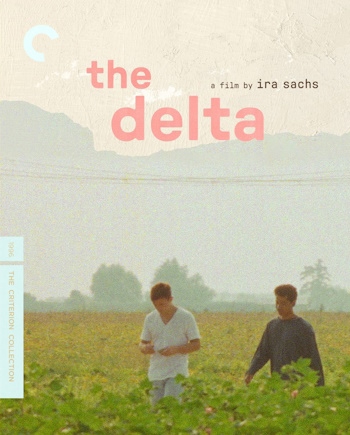
The Delta
BUY AT:


See more details, packaging, or compare
Synopsis
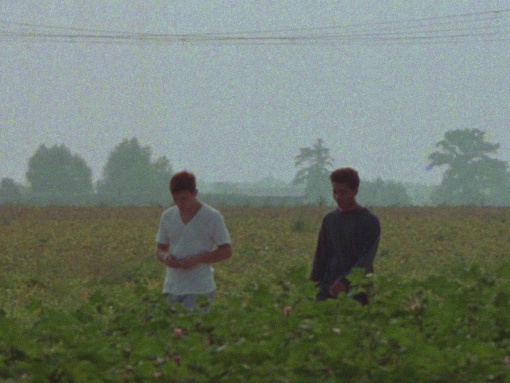
The complexities of race, class, and sexuality collide within a Memphis community in the strikingly raw debut feature from director Ira Sachs. With neorealist immediacy, The Delta tells what at first appears to be a simple love story: two young men—Lincoln (Shayne Gray), a closeted white teenager, and Minh (Thang Chan), a Black Vietnamese immigrant—meet at a cruising spot and embark on a nighttime journey by boat down the Mississippi River. But soon, imbalances of power and privilege emerge between them, as the film develops into a devastating vision of lost, wounded souls reaching out in the dark for human connection.
Picture 9/10
Ira Sachs makes his official debut in The Criterion Collection through his mid-'90s indie The Delta, presented here in 1080p/24hz high-definition on a dual-layer disc in its original aspect ratio of 1.66:1. The presentation is sourced from a new 2K restoration scanned from the original 16mm A/B rolls.
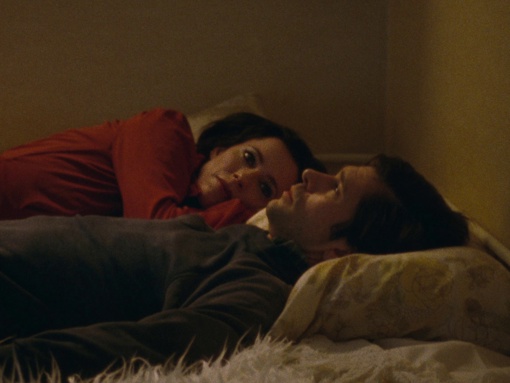
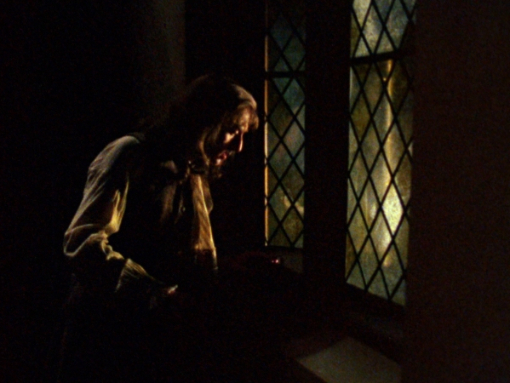
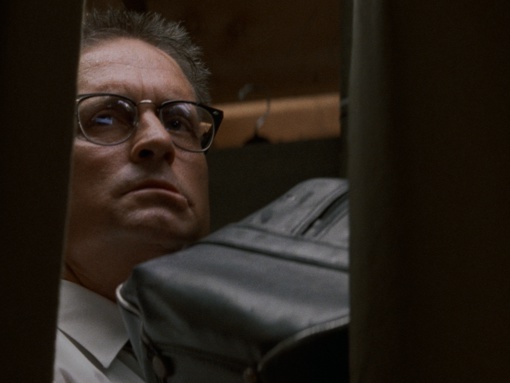
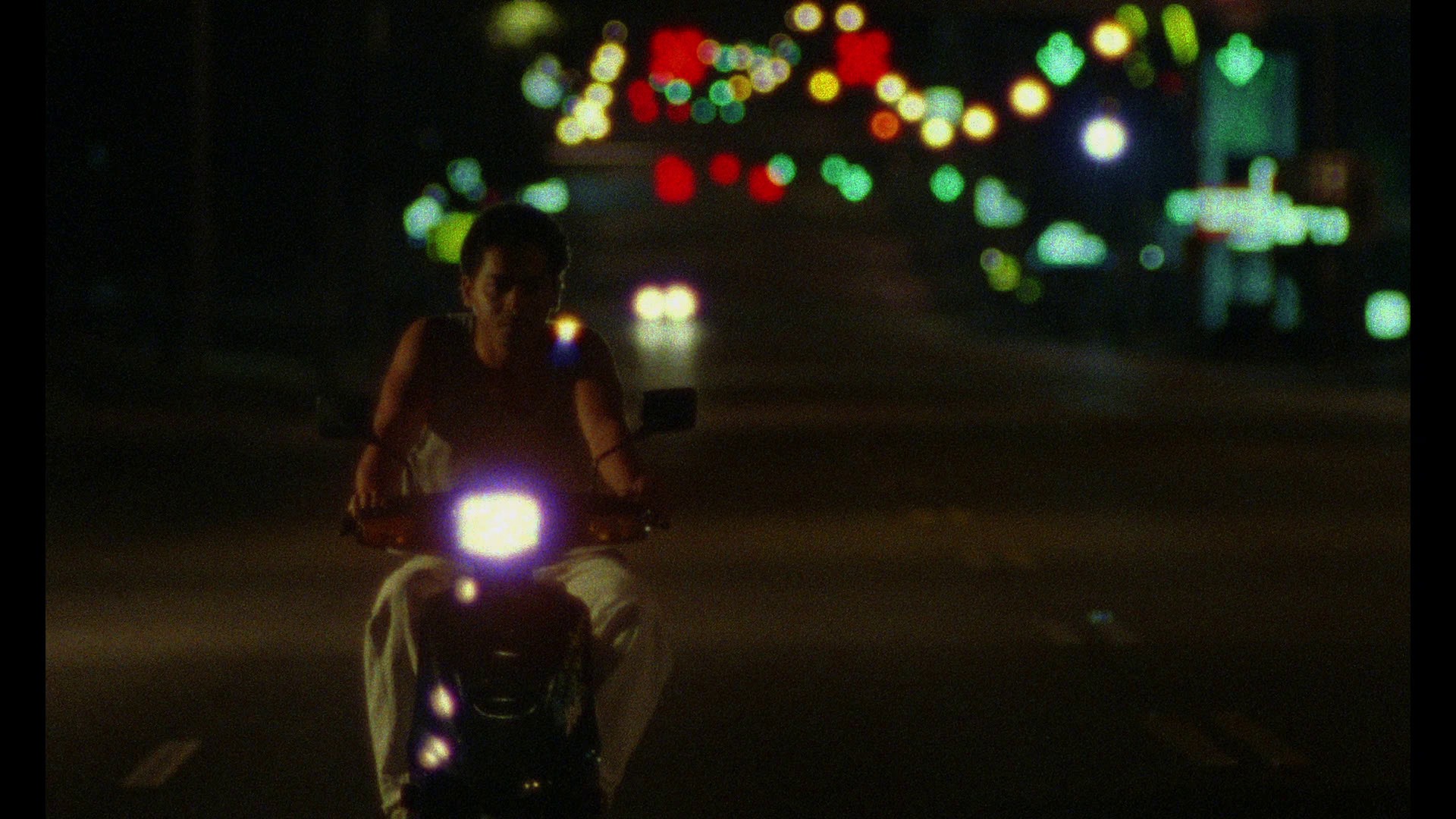
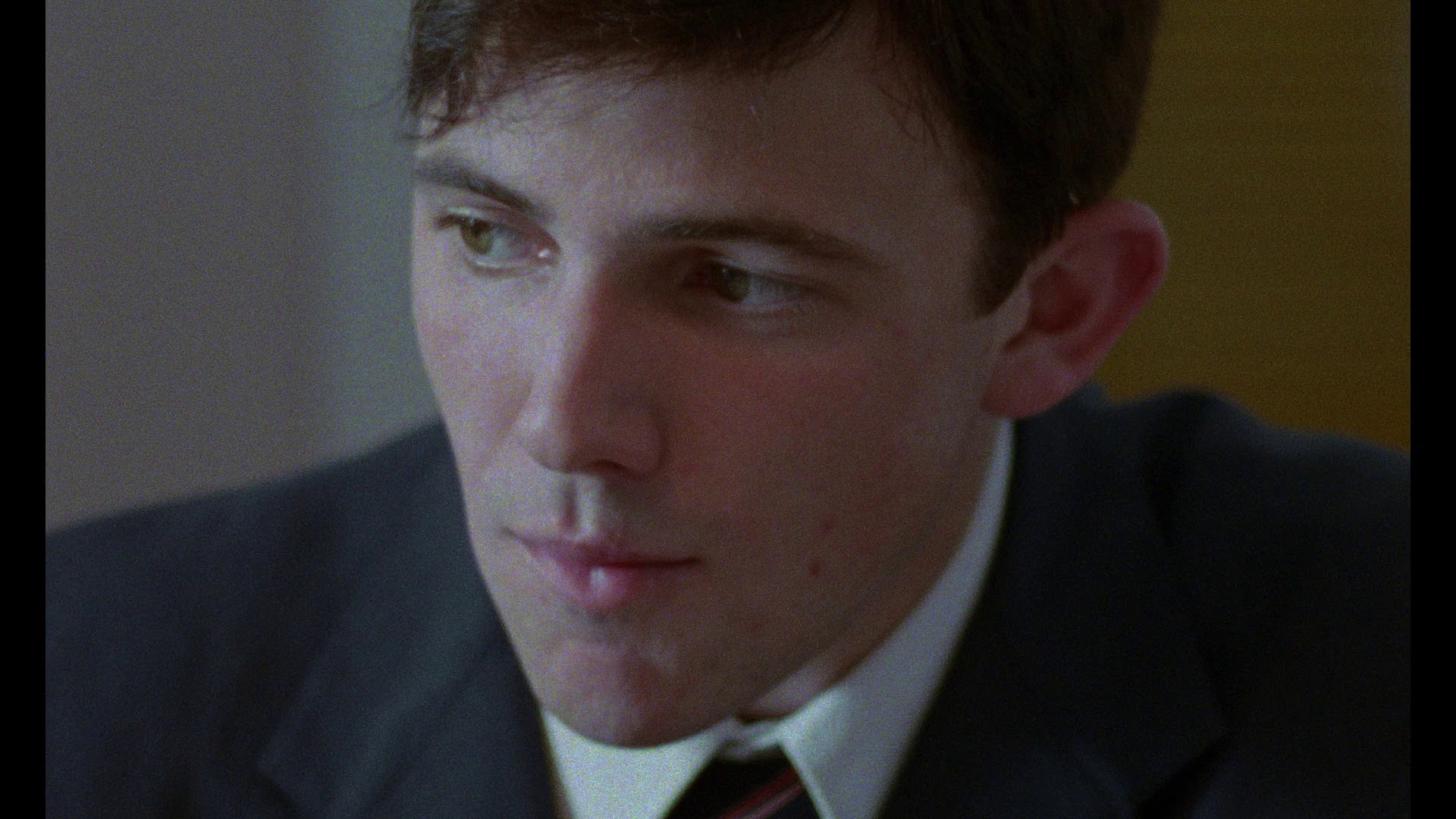
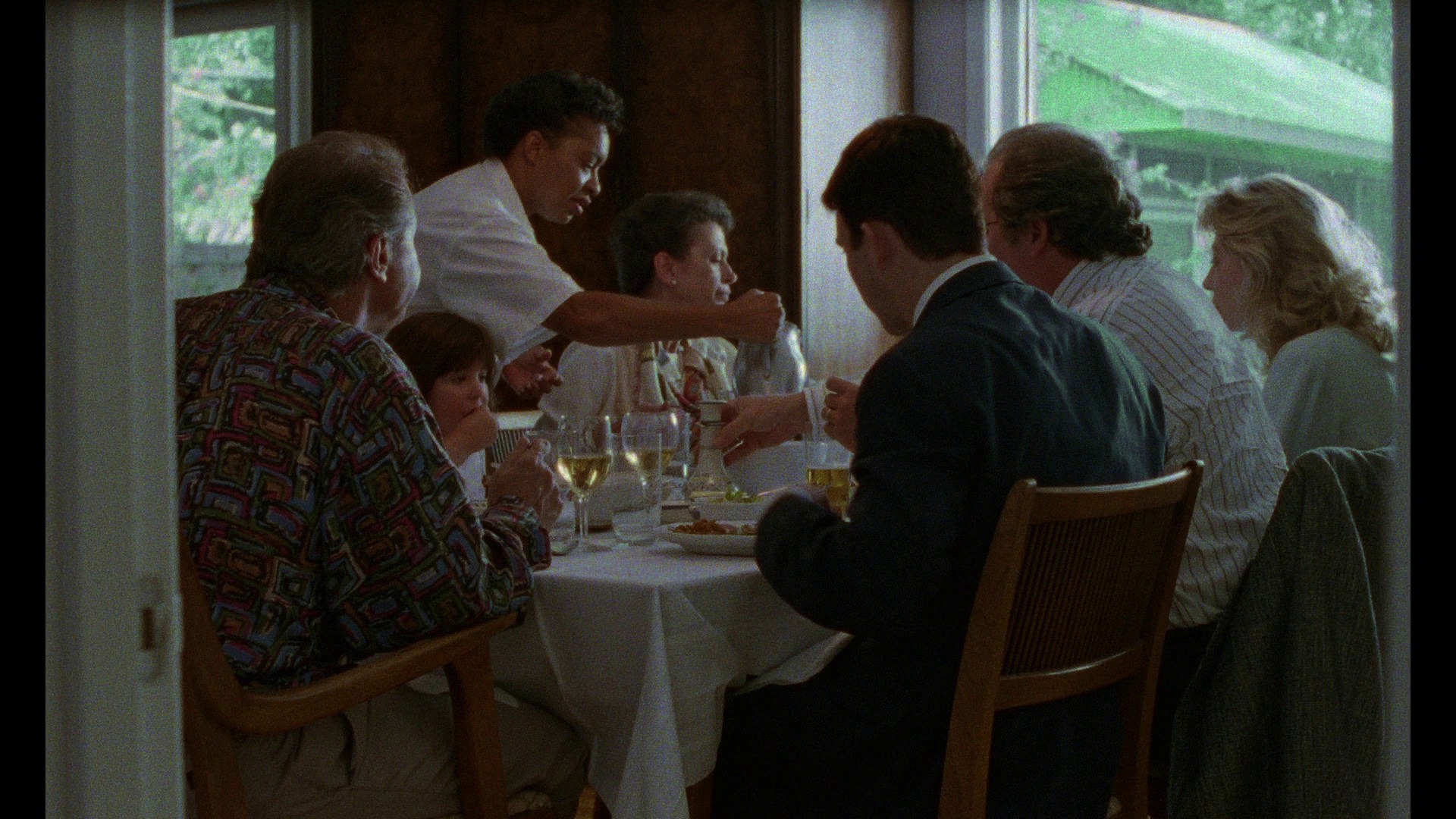
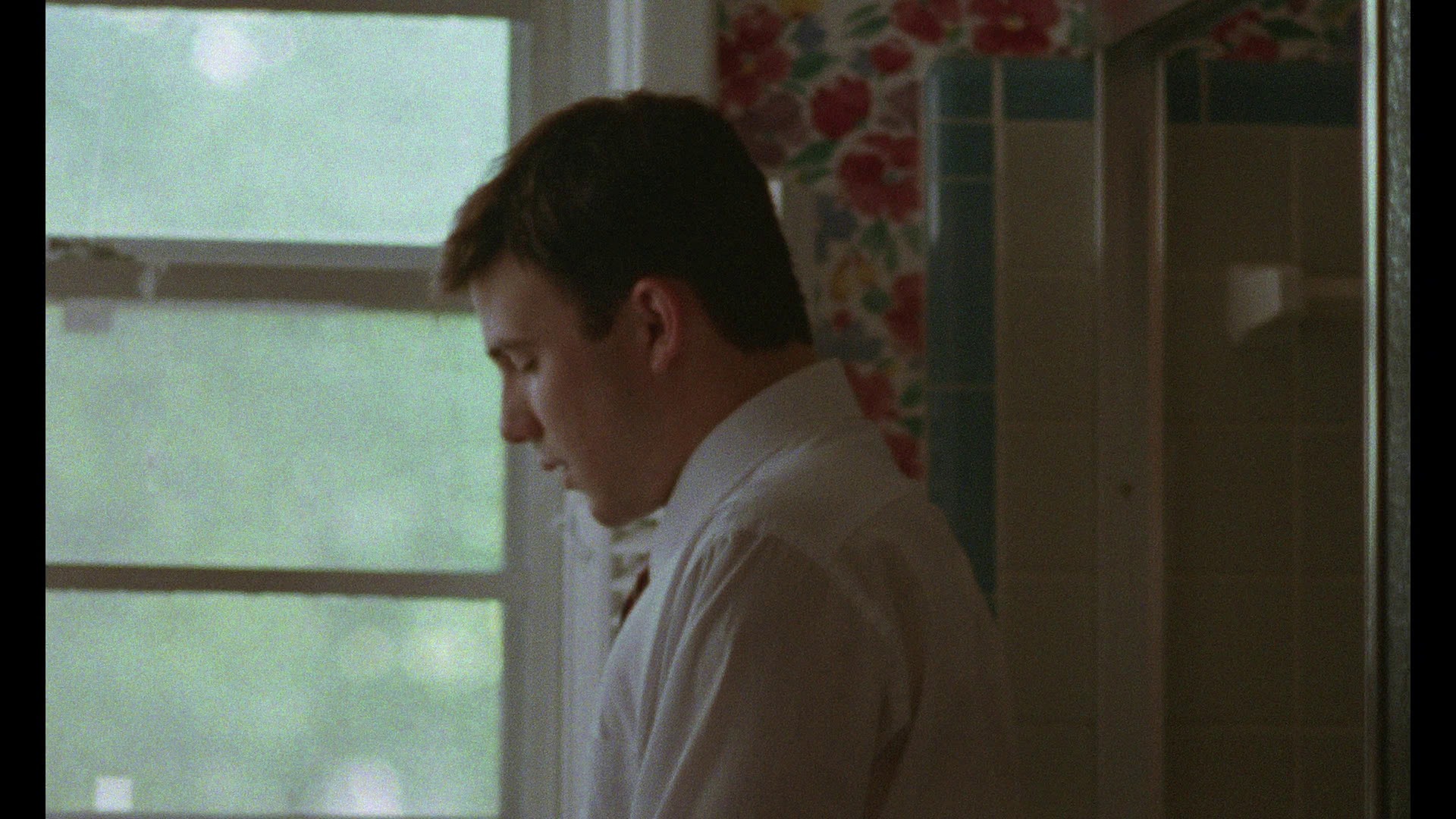
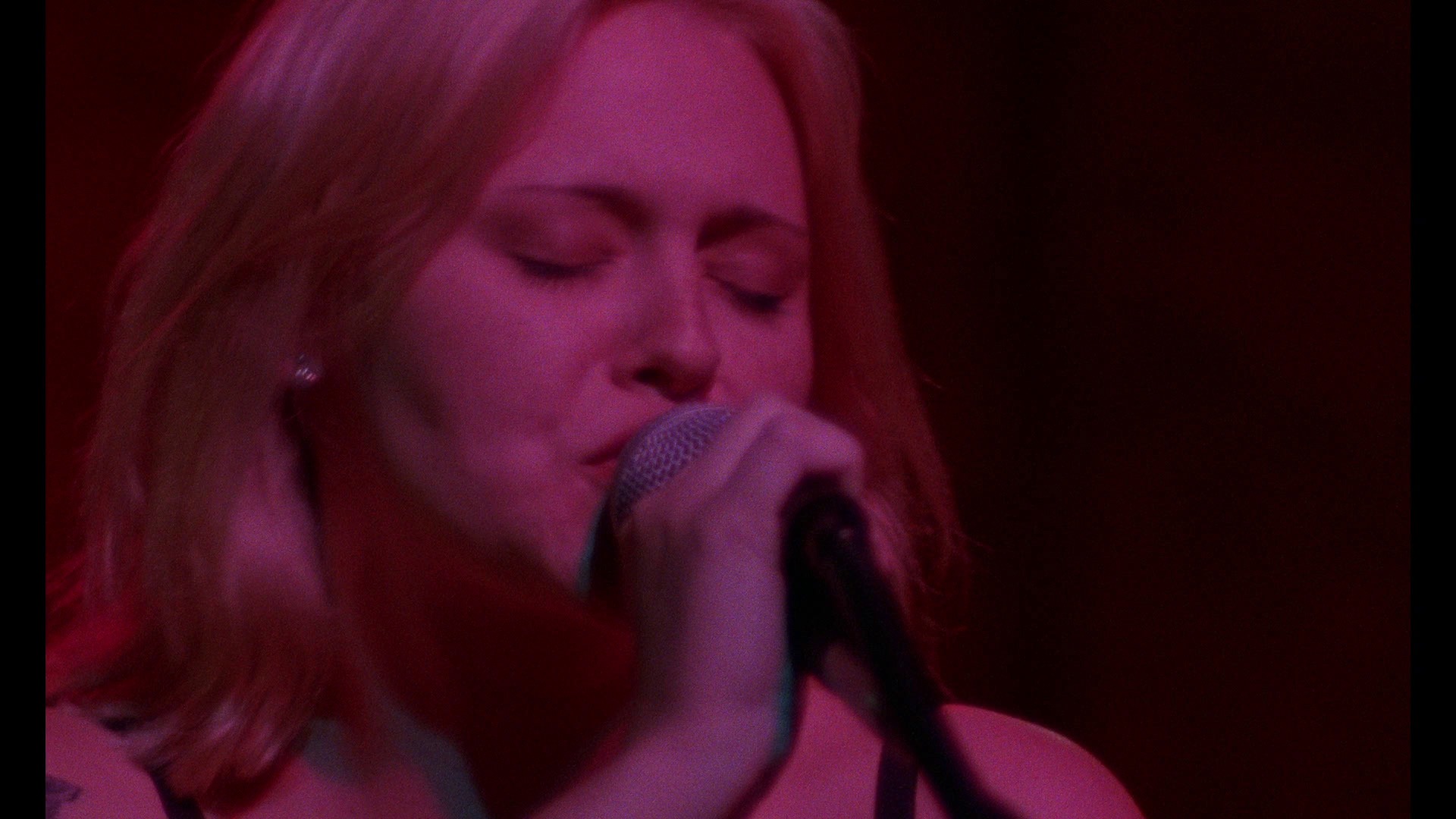
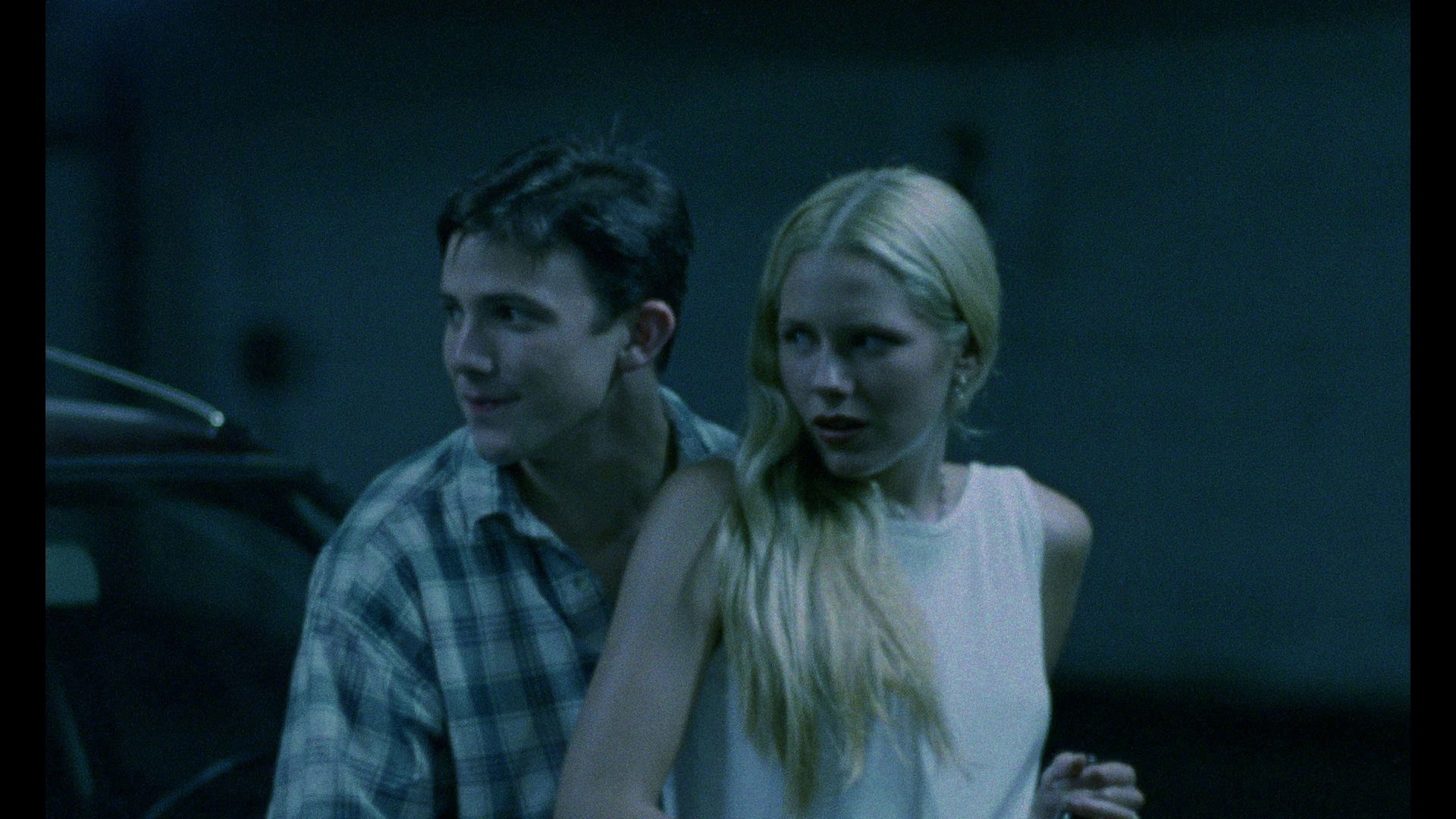
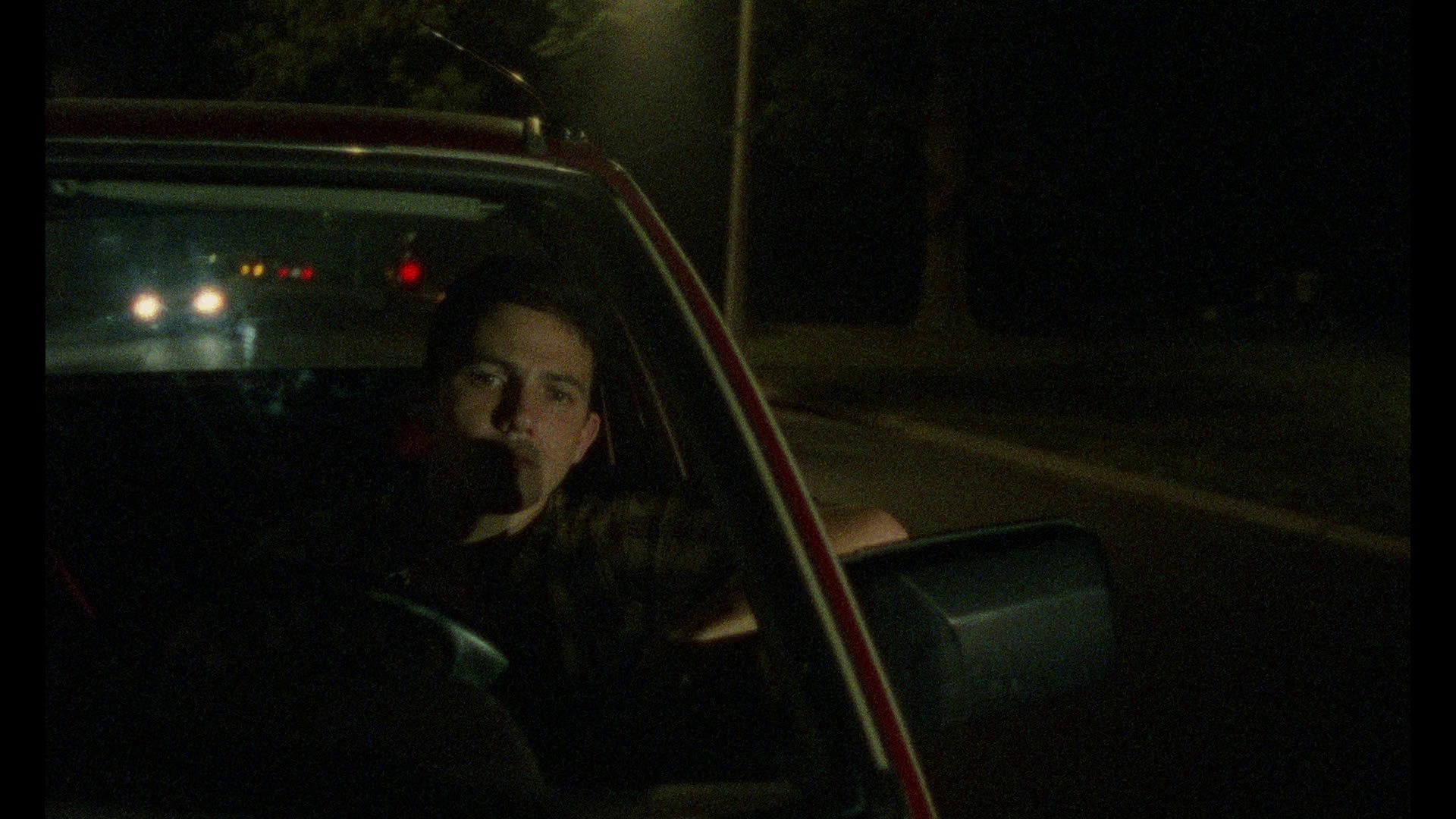
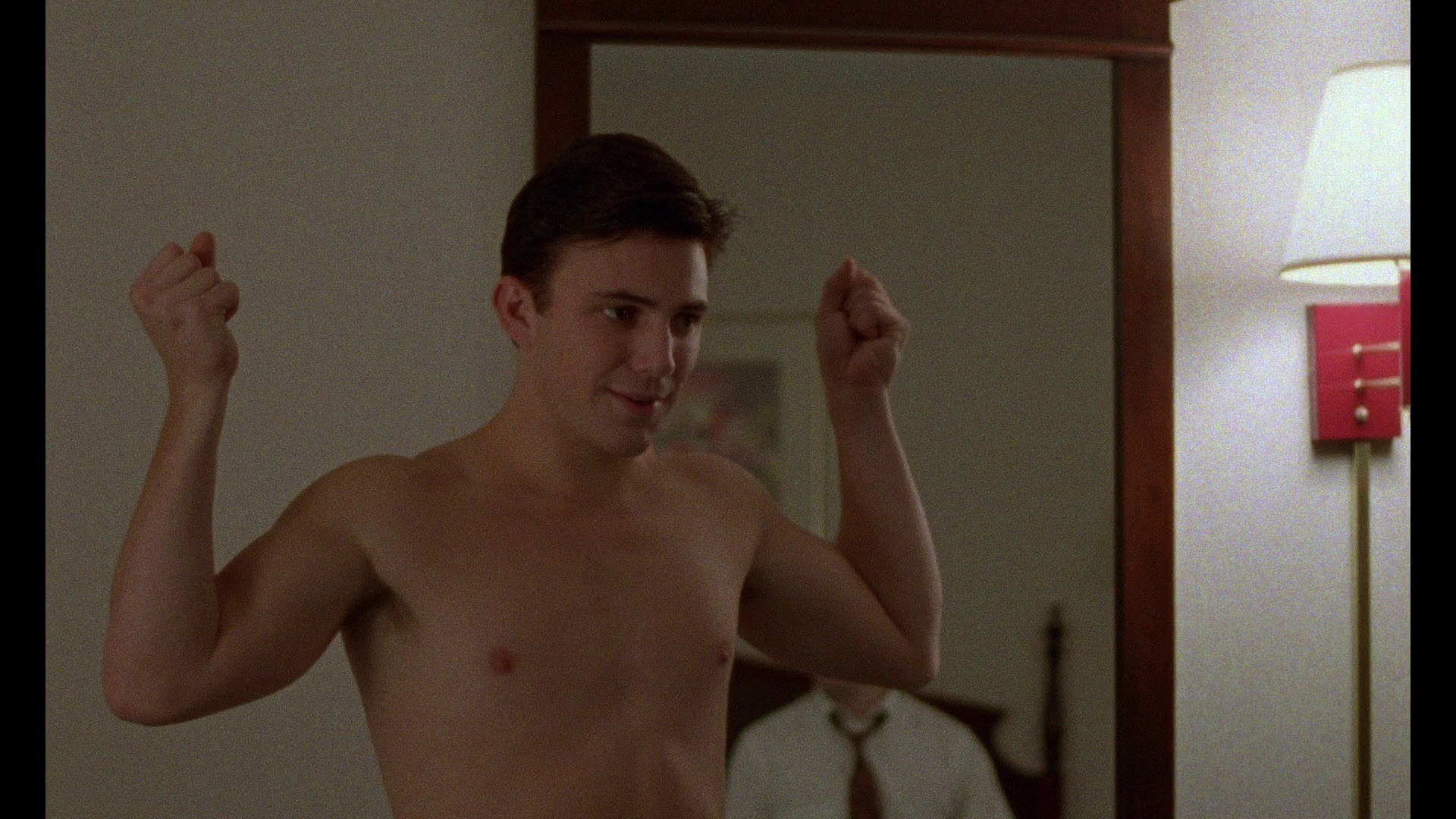
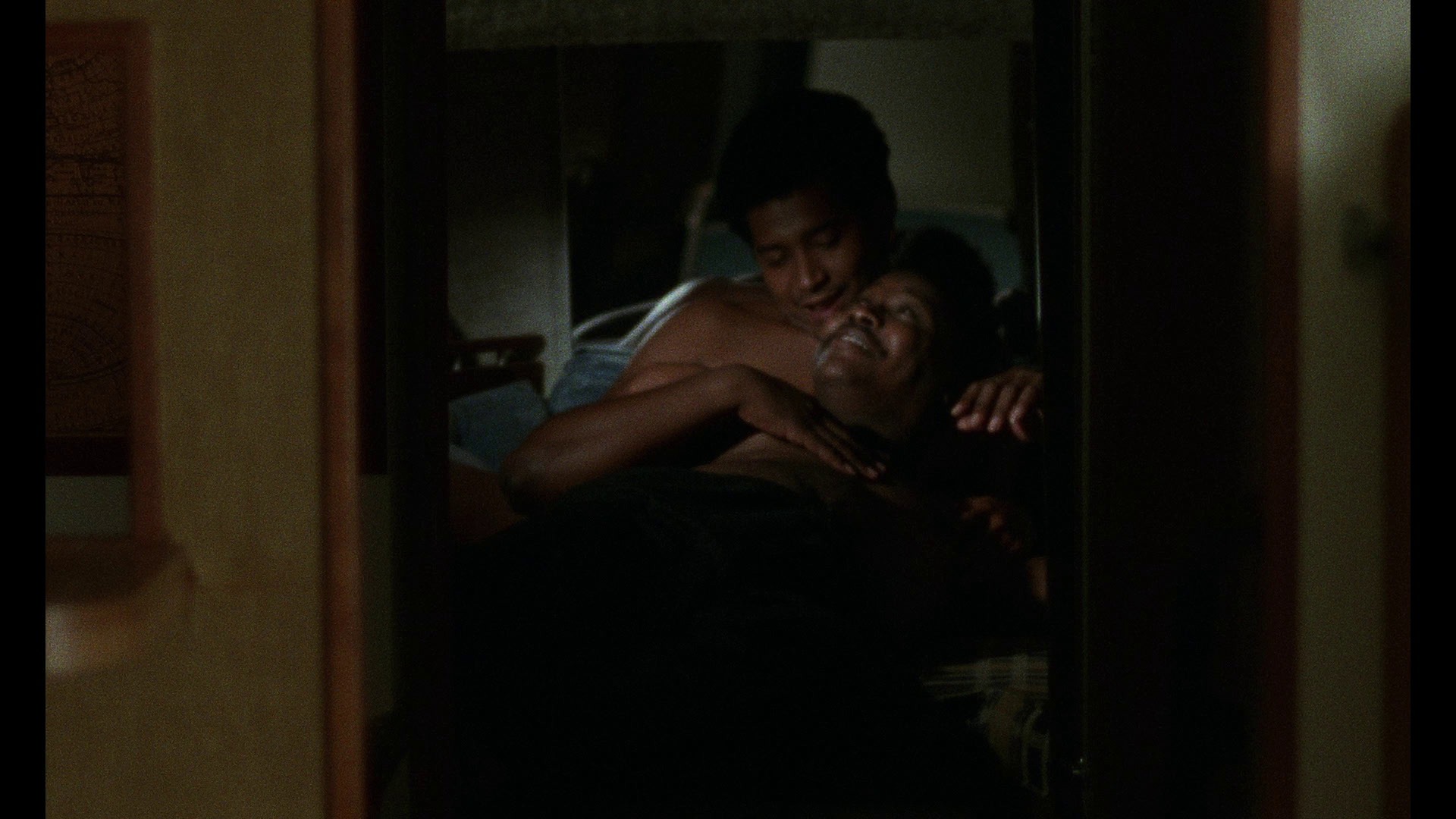
It ends up being a very impressive presentation, much cleaner than I was expecting. The scan is excellent, picking up all of the grainy goodness one would expect from the film format, but more impressively, the encode handles it exceptionally well. It's not perfect, but it's very close, with grain retaining a natural appearance without succumbing to macroblocking in nighttime scenes or other darker areas, while brighter highlights remain clean and stable. Looking at screen captures, you can spot some minor inconsistencies here and there, but they never register during normal viewing.
The film has also been meticulously cleaned up and, honestly, looks like it could have been shot today. The image is very clean and surprisingly sharp, with detail levels pushed as far as the film elements will allow. The film's color palette isn't especially varied, but colors are rendered well, with reds delivering a pleasing pop when they show up. Black levels are also impressively deep without crushing shadow detail.
All around, this looks very good. I haven't seen the earlier Strand DVD release (which there seems to be very little information about) but knowing that label's output from the early 2000s, it's a safe bet this presentation surpasses it in every conceivable way. This looks terrific!
(As a note, subtitles translating dialogue are burned in.)
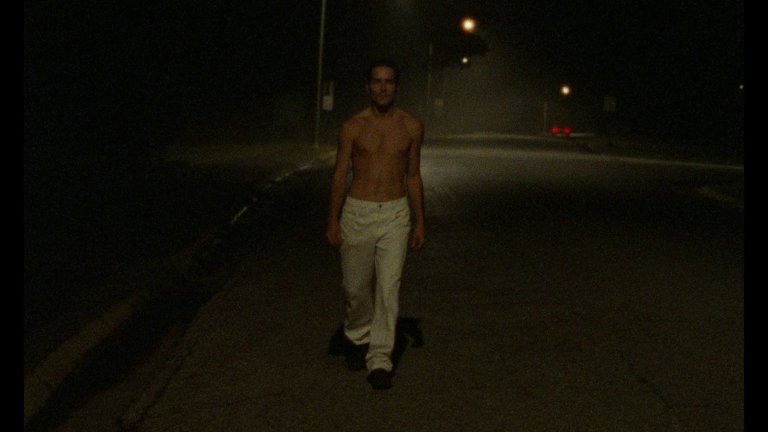
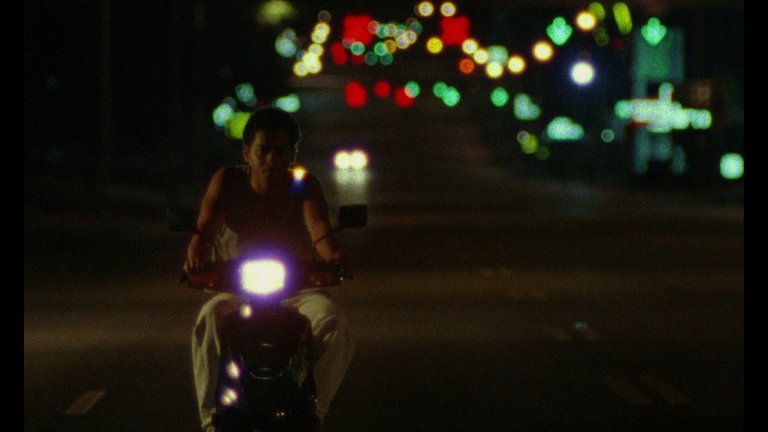
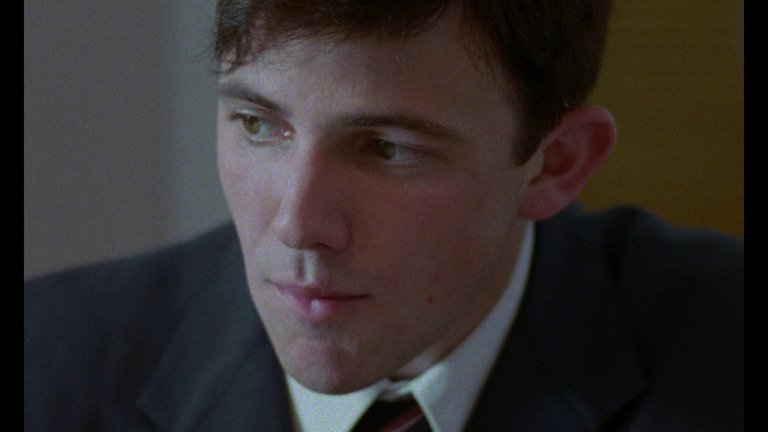
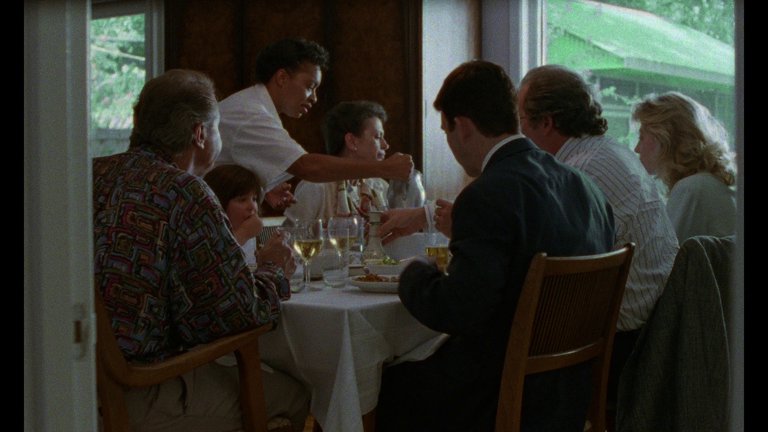
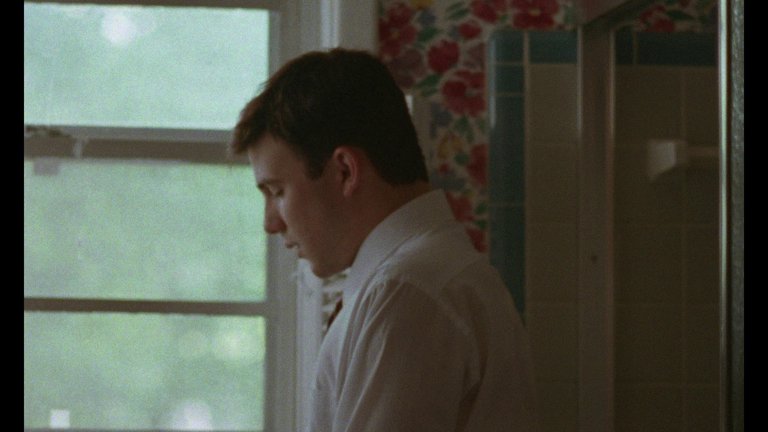
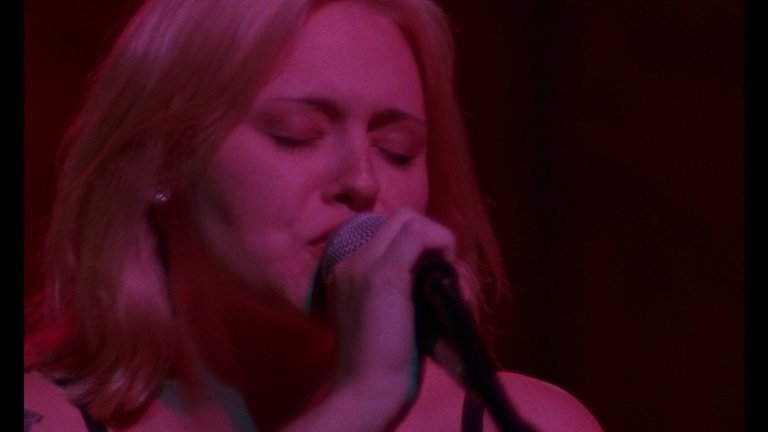
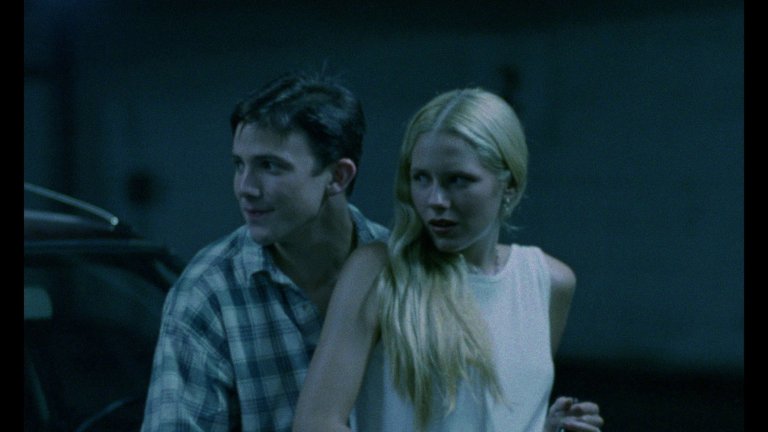
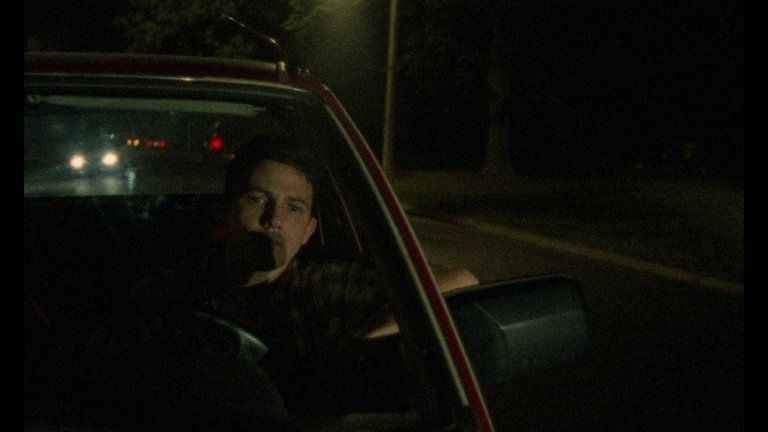
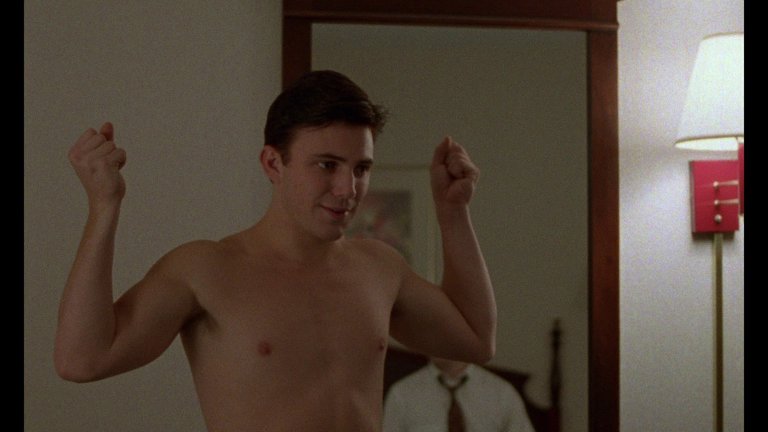
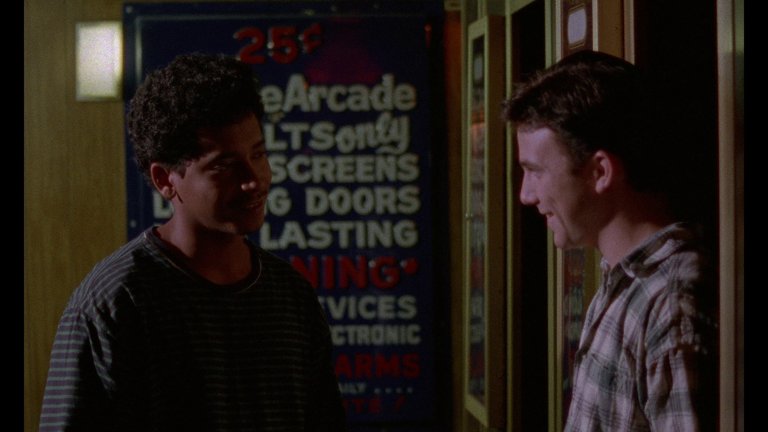
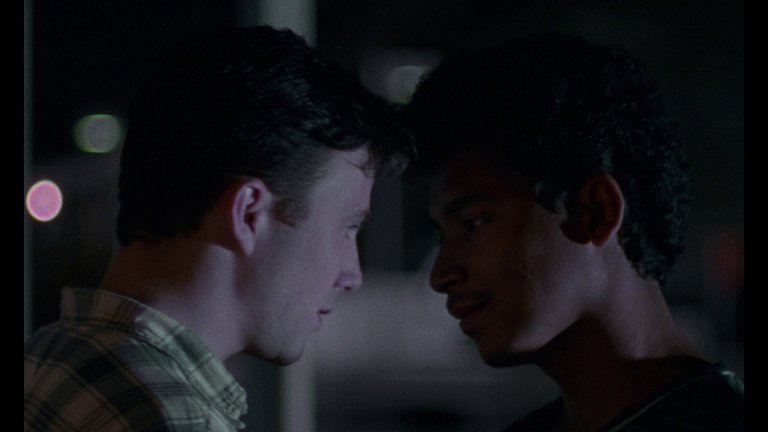
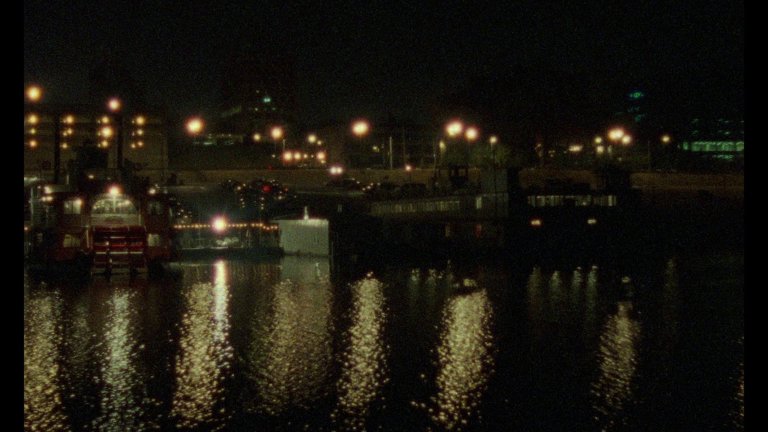
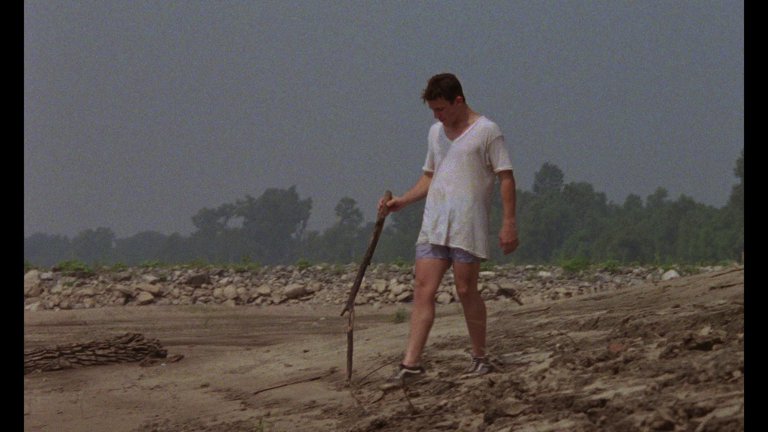
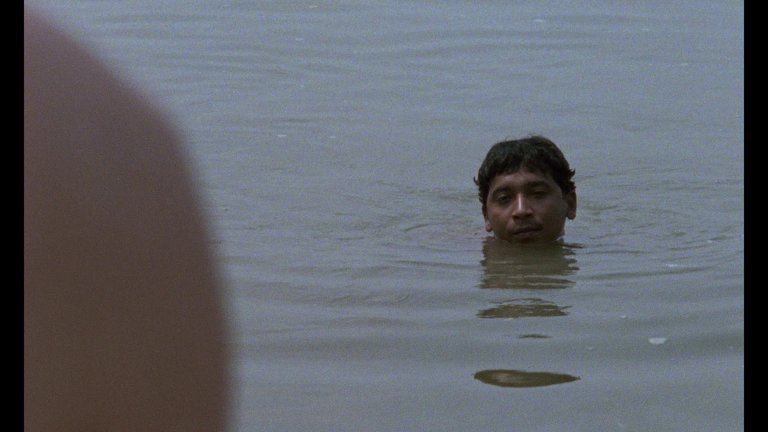
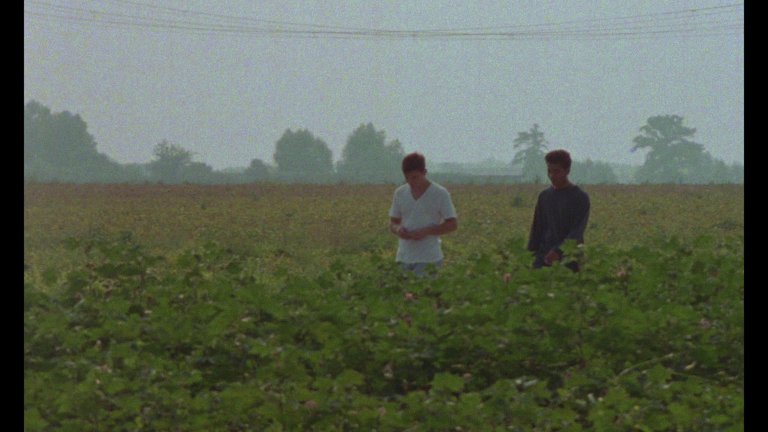
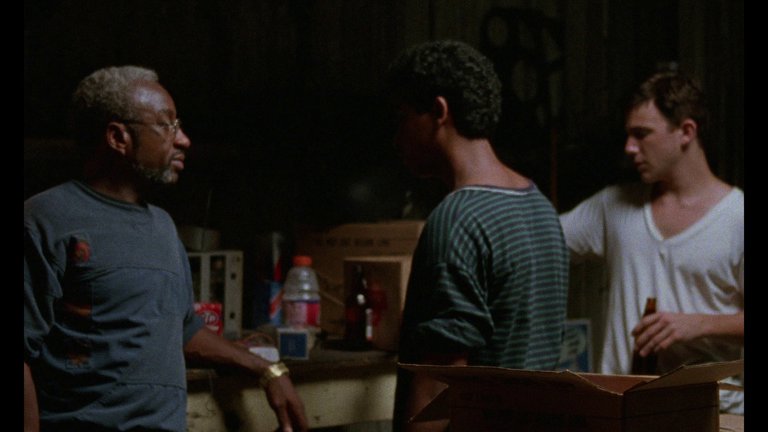
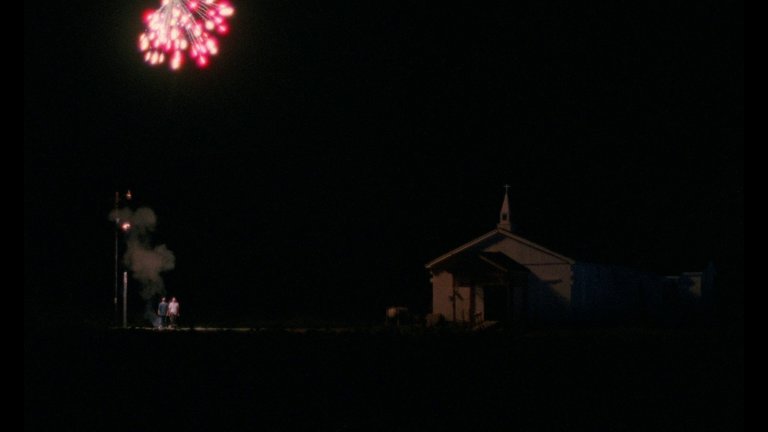
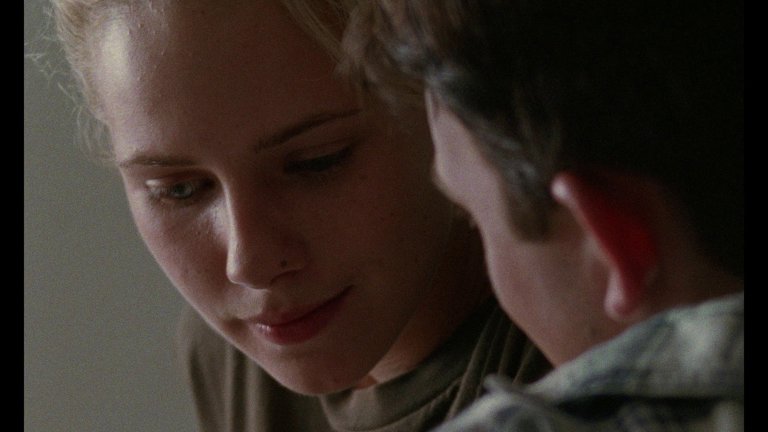
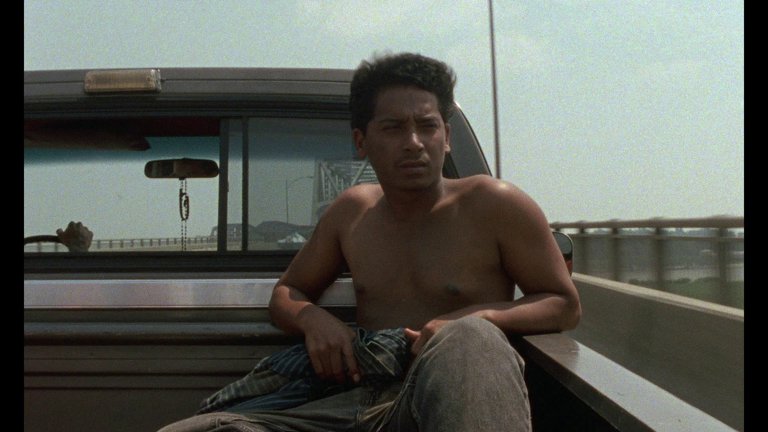
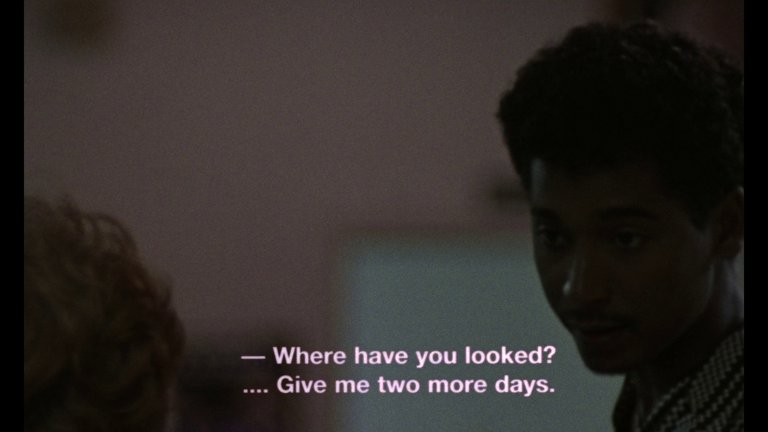
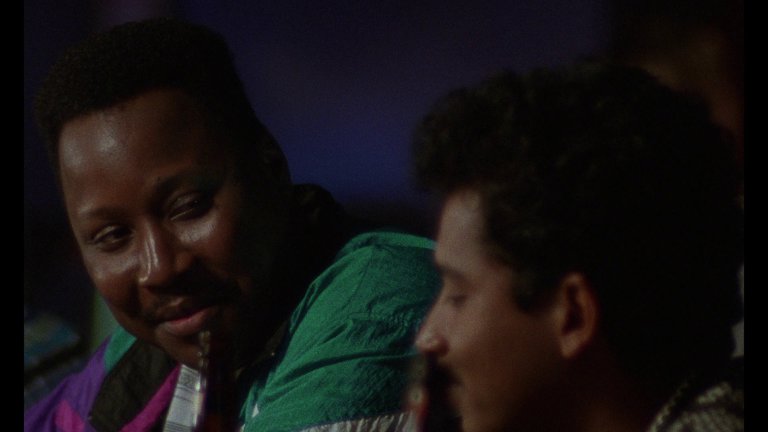
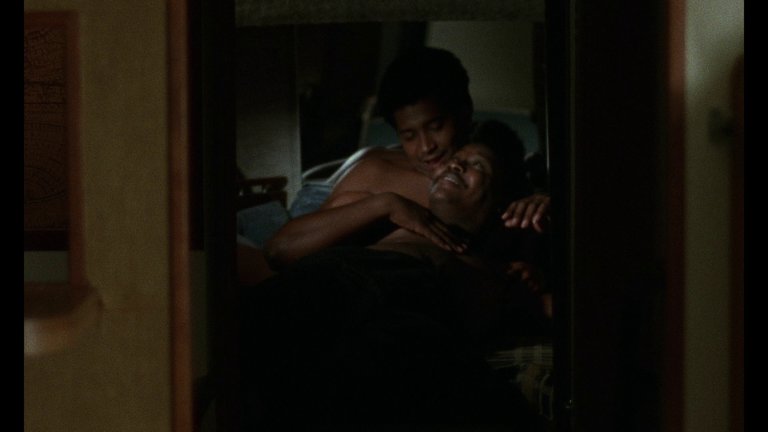
The Delta - Screen Captures
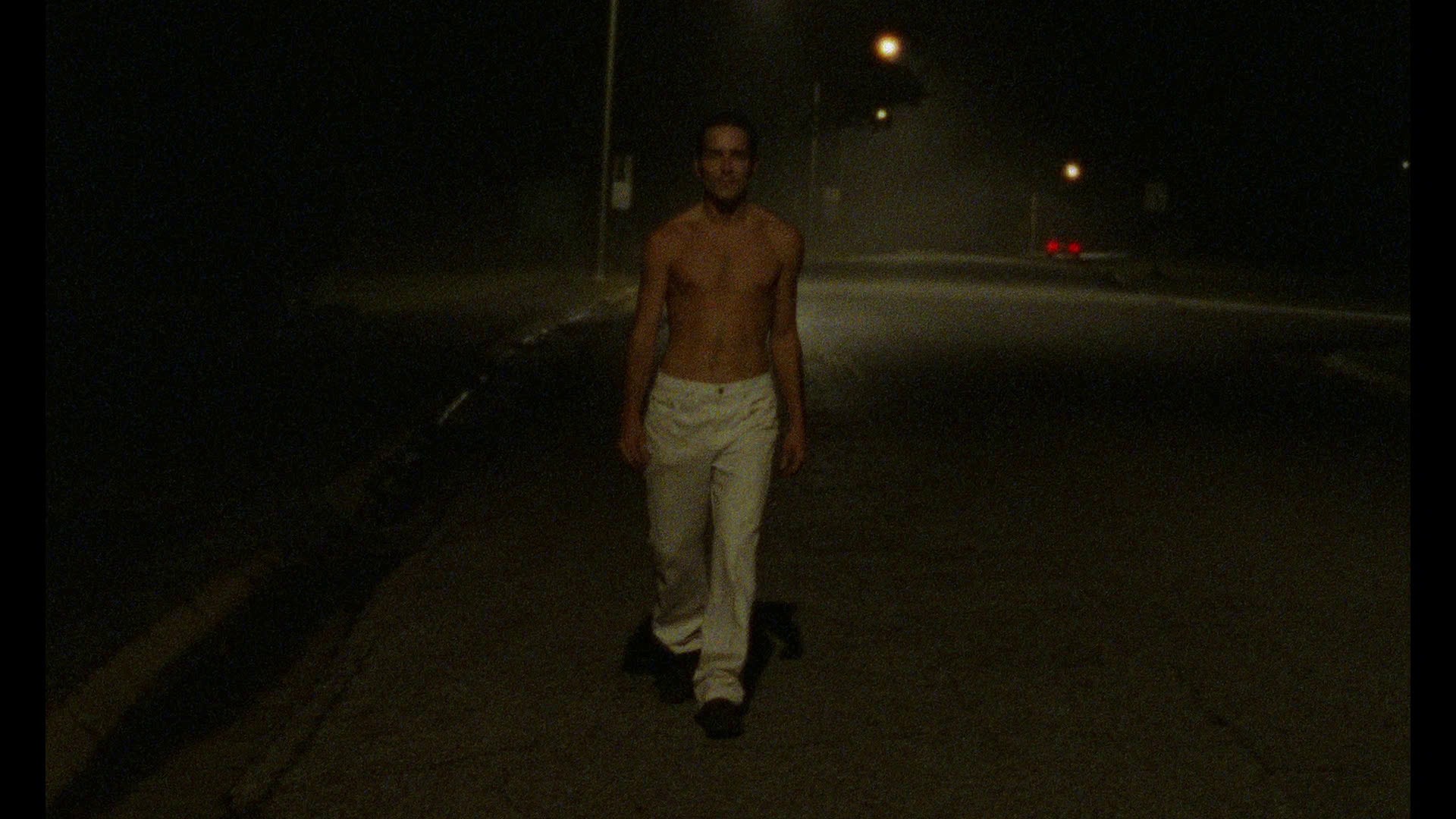
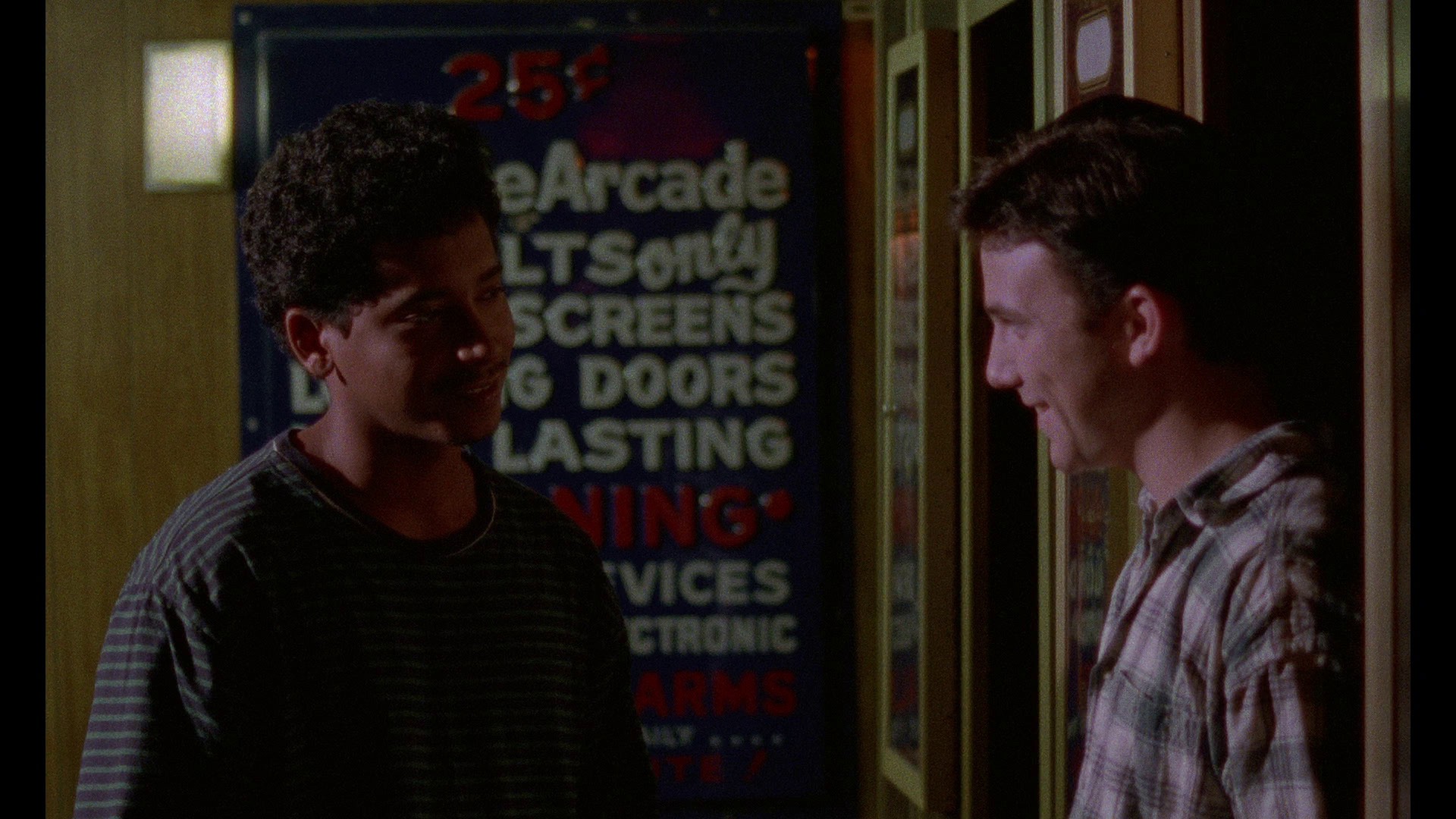
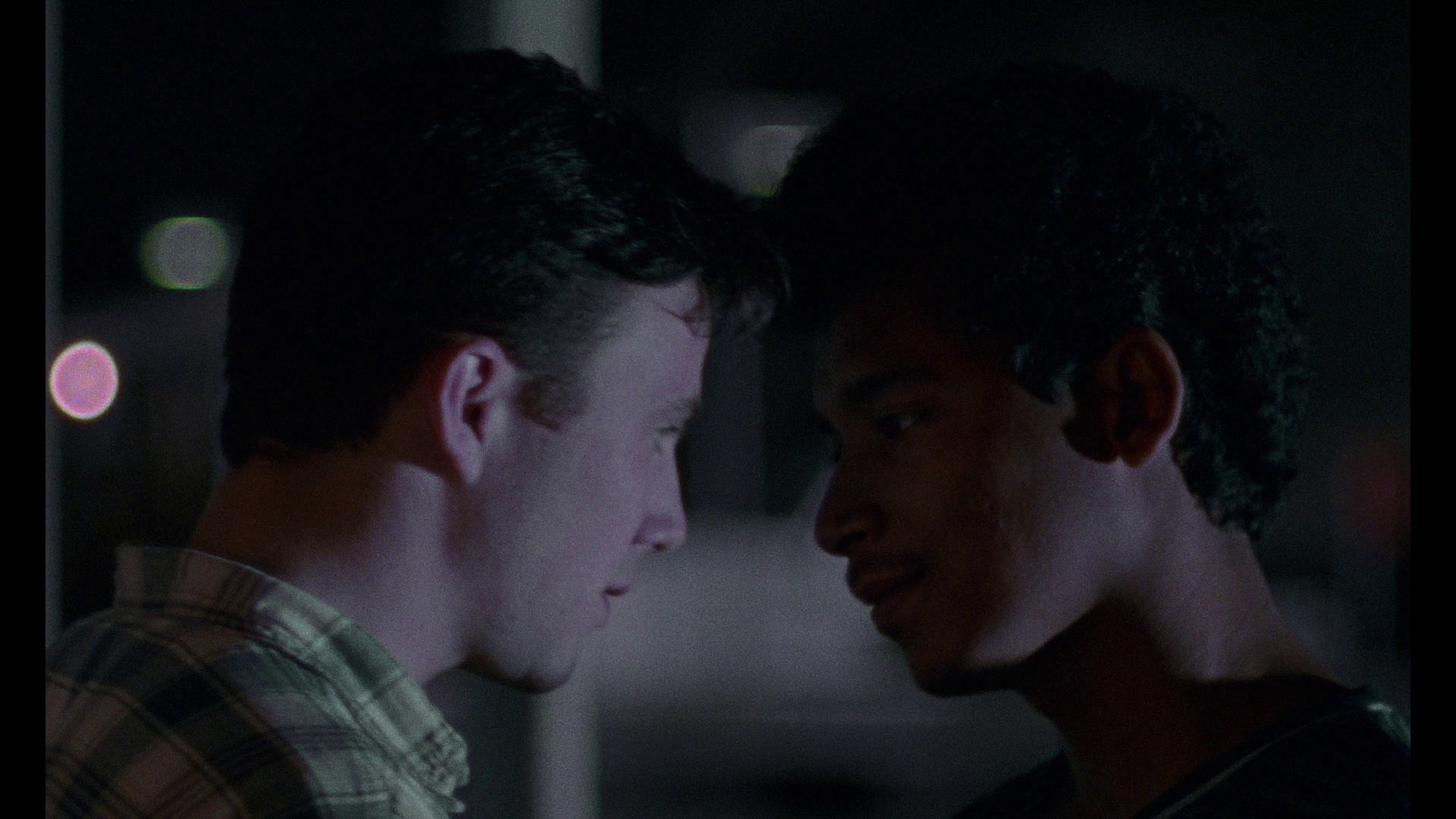
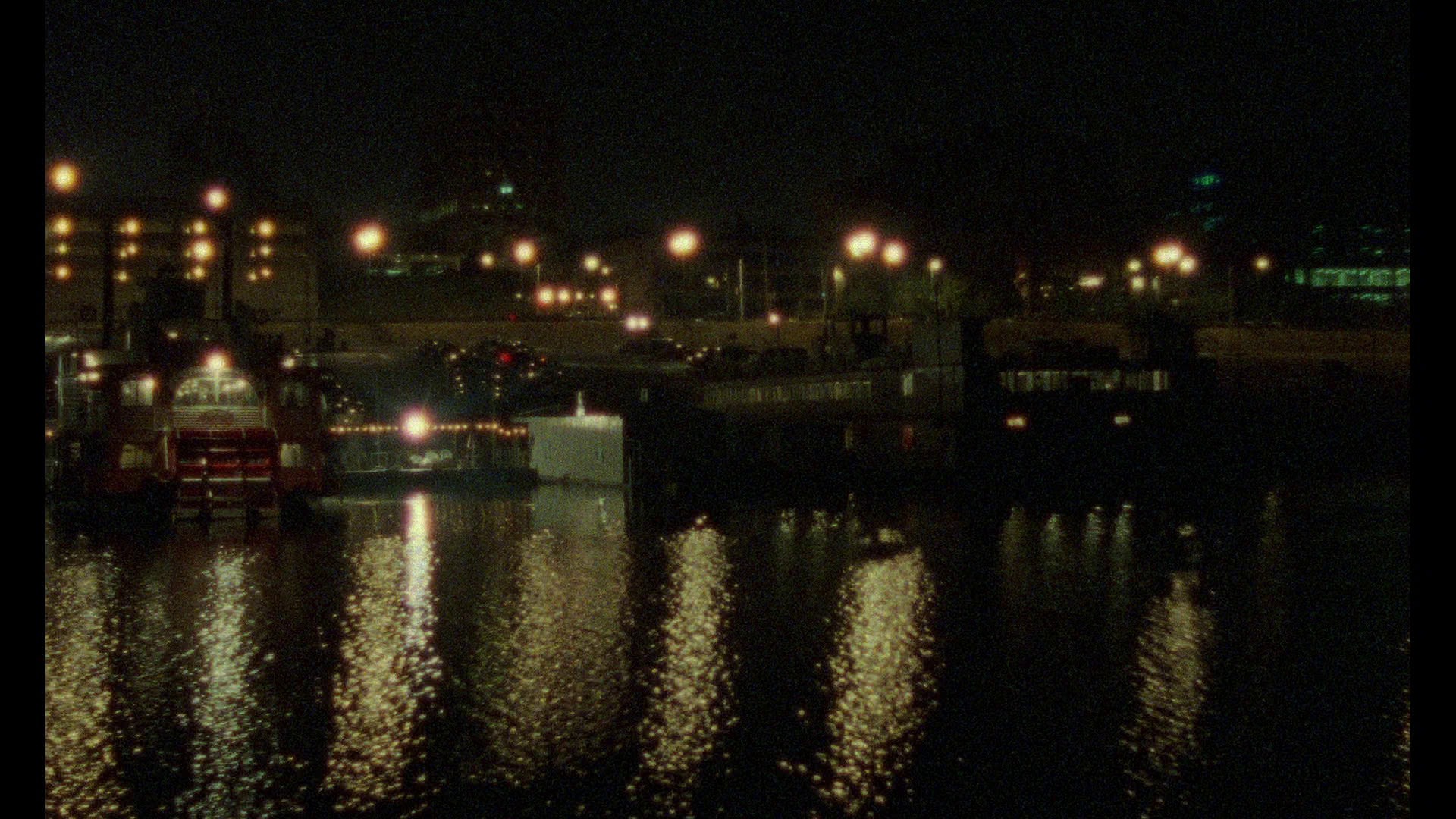
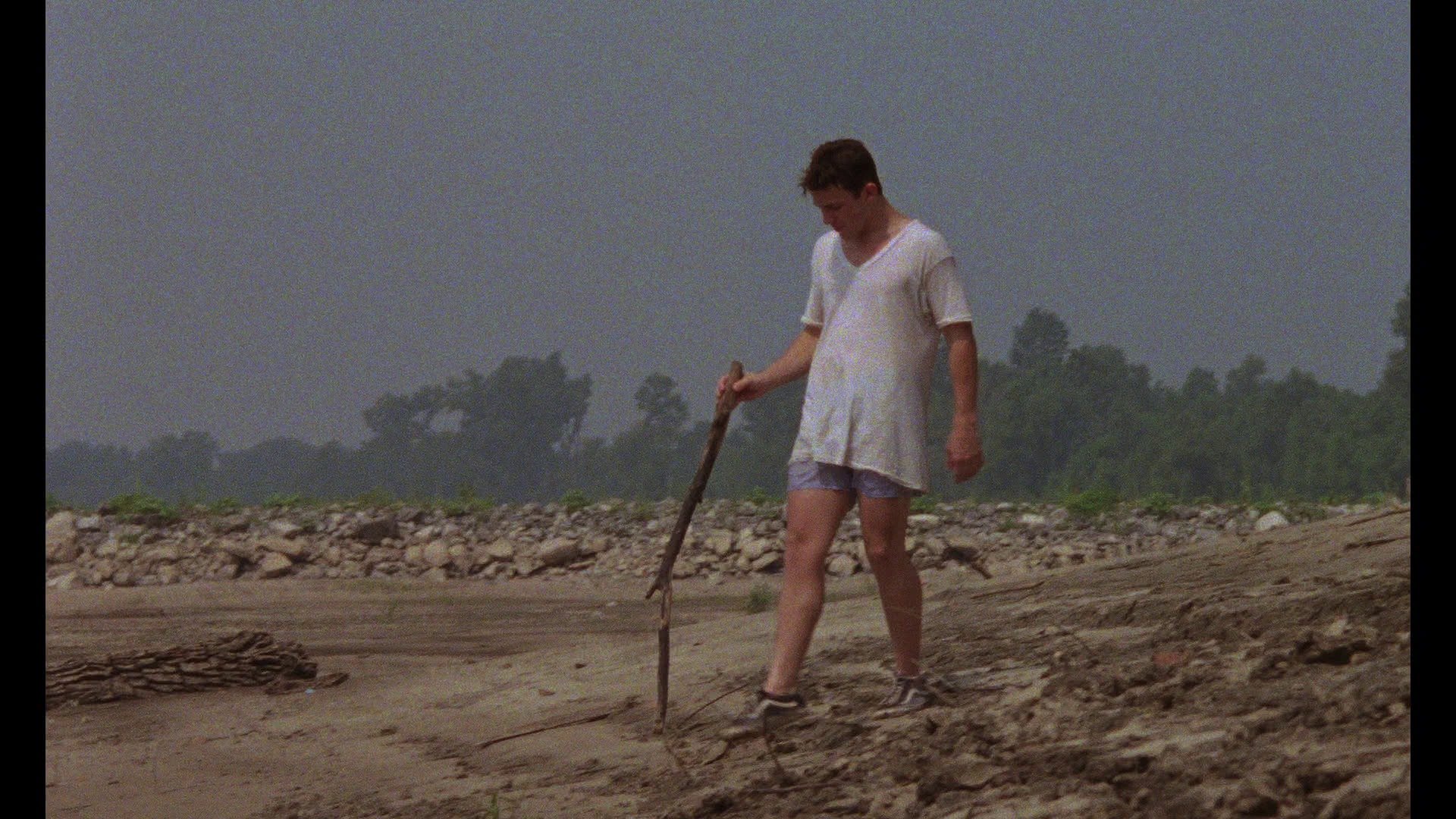
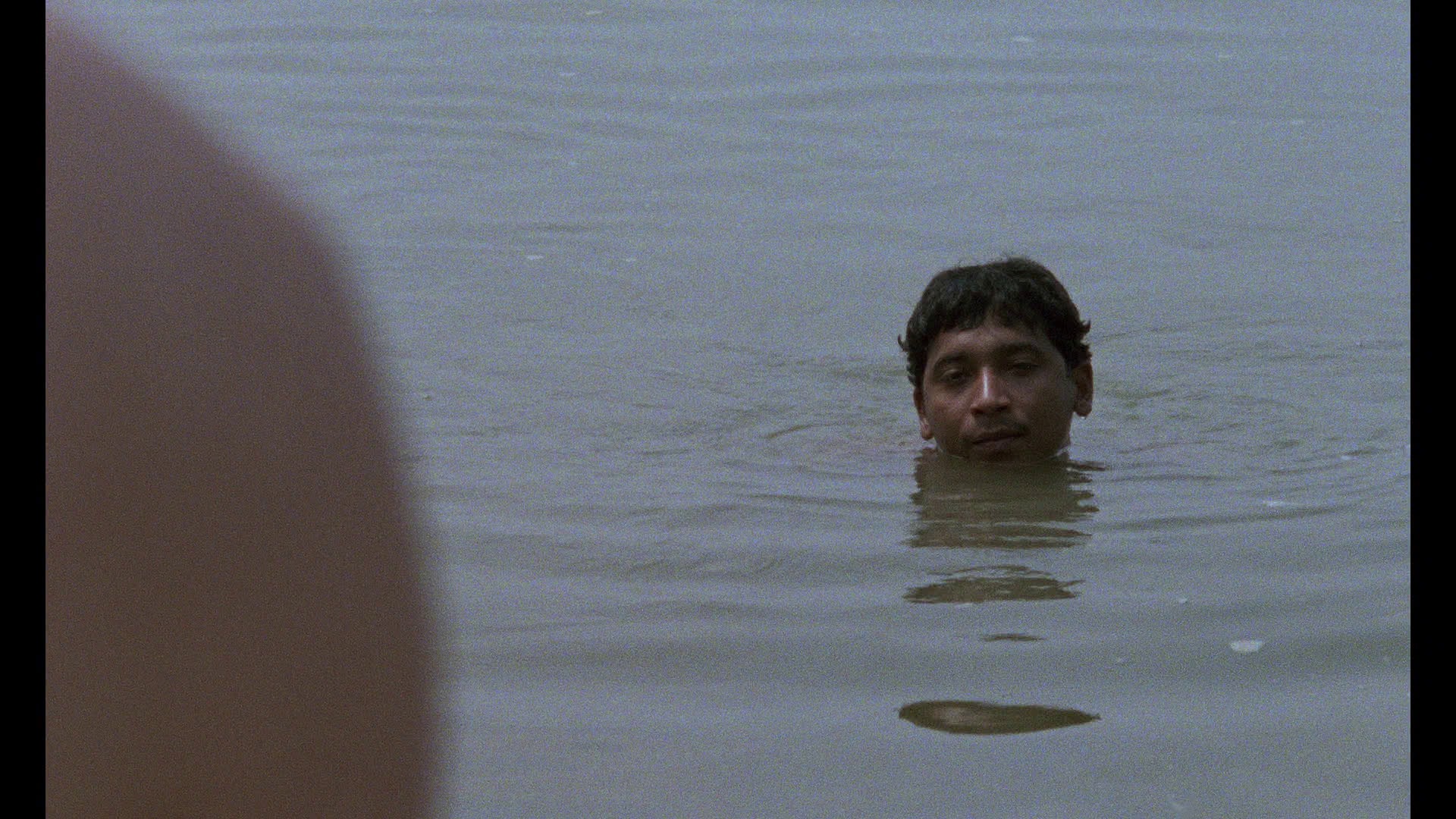
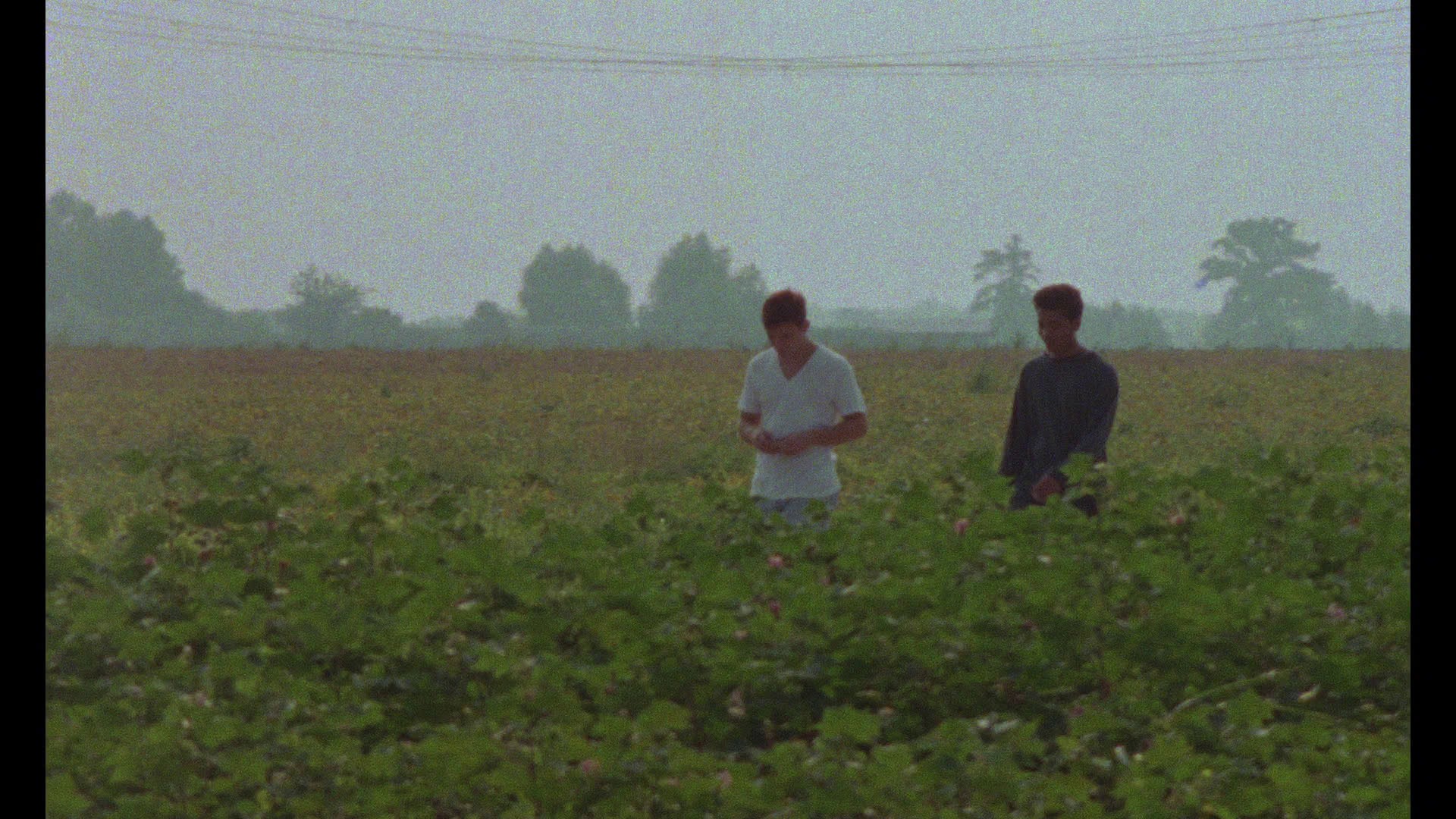
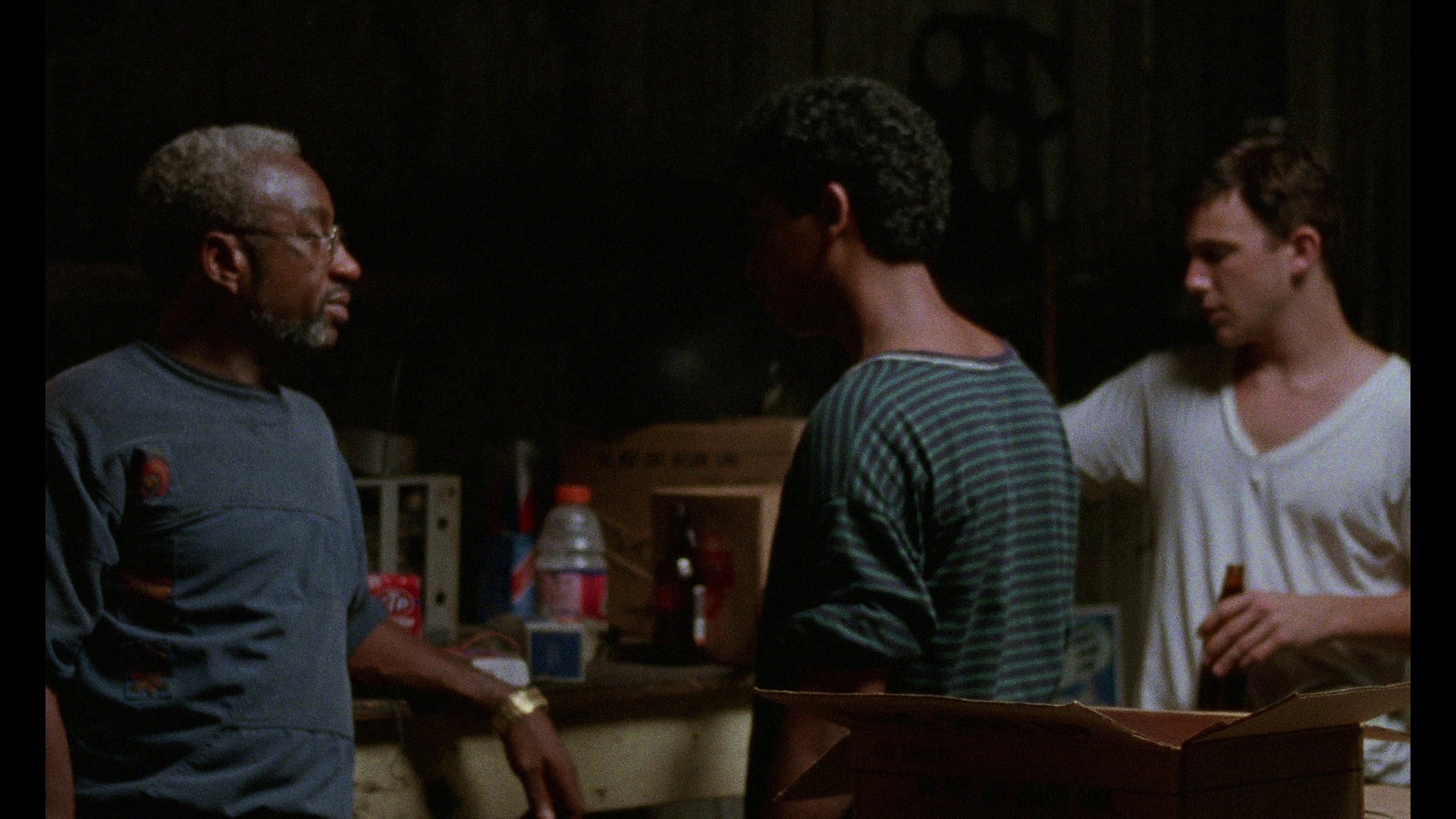
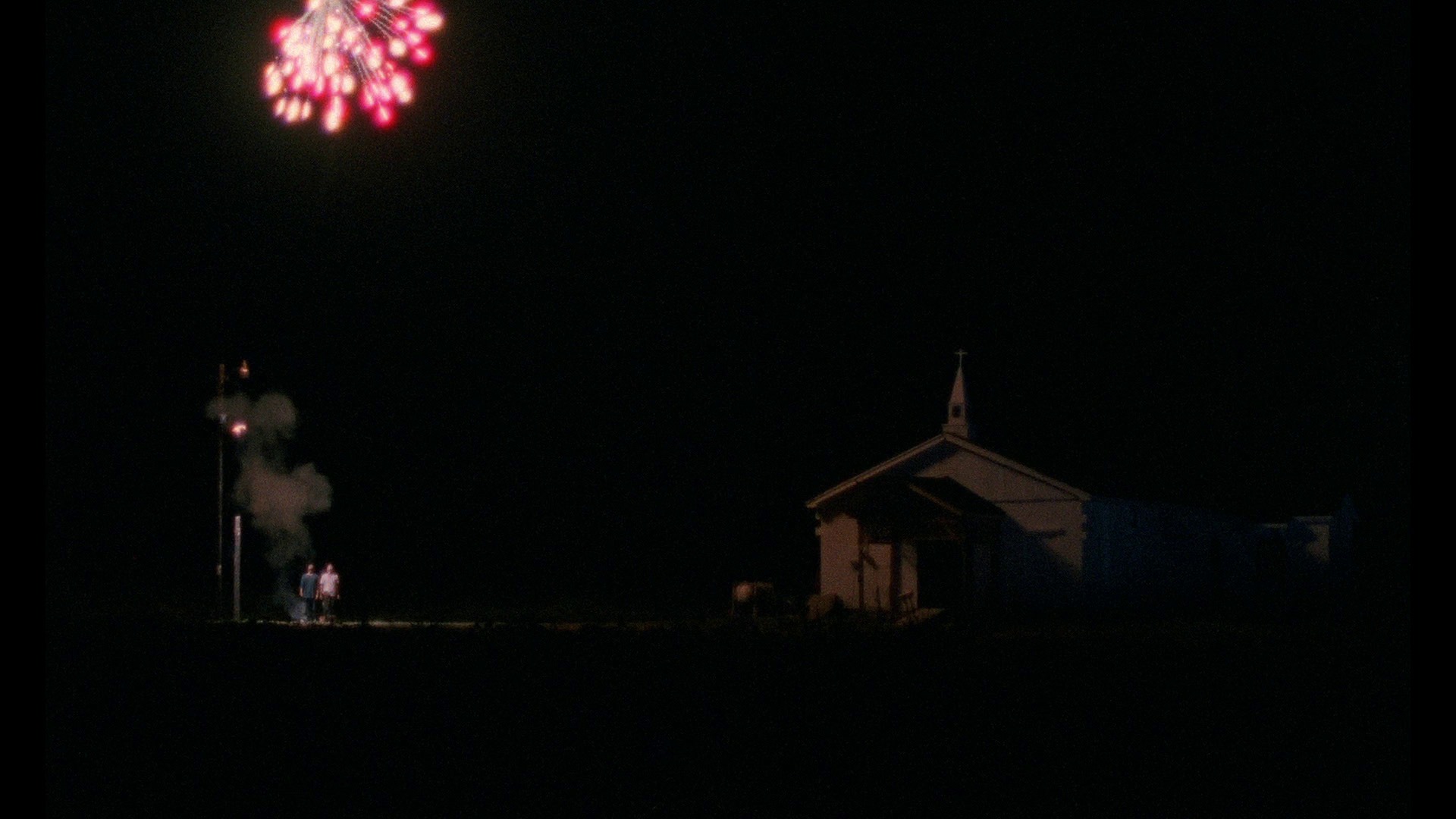
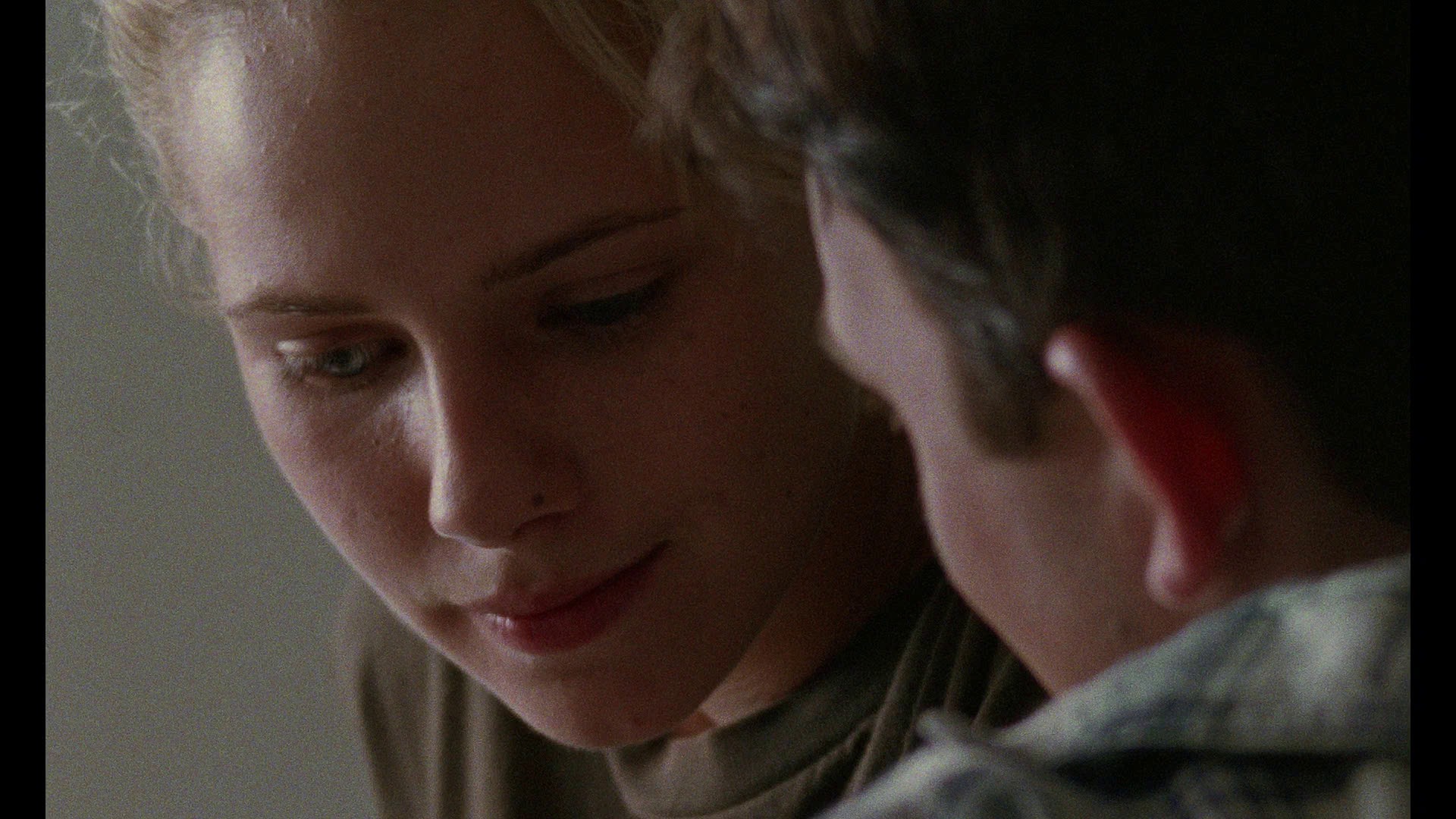
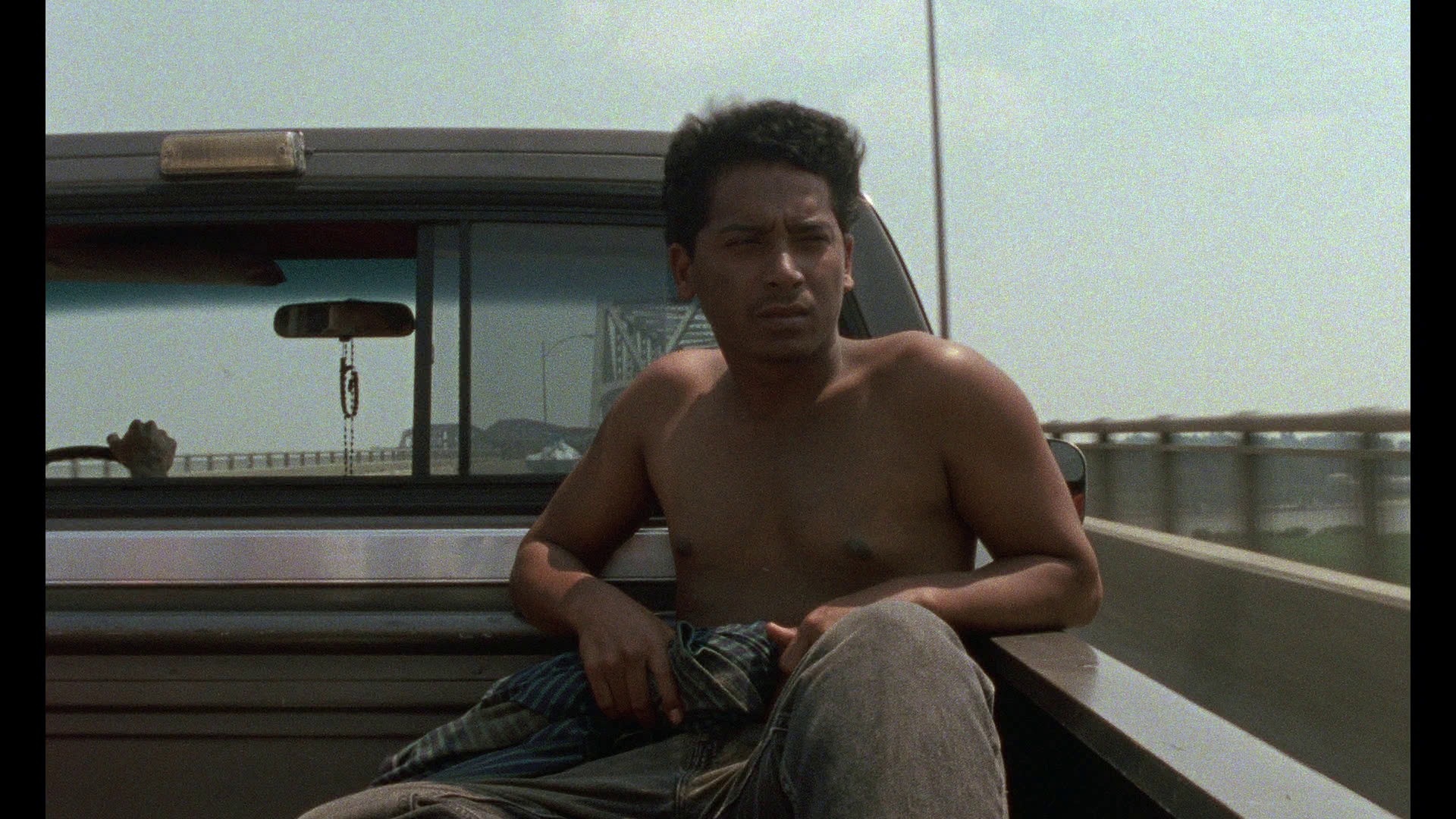
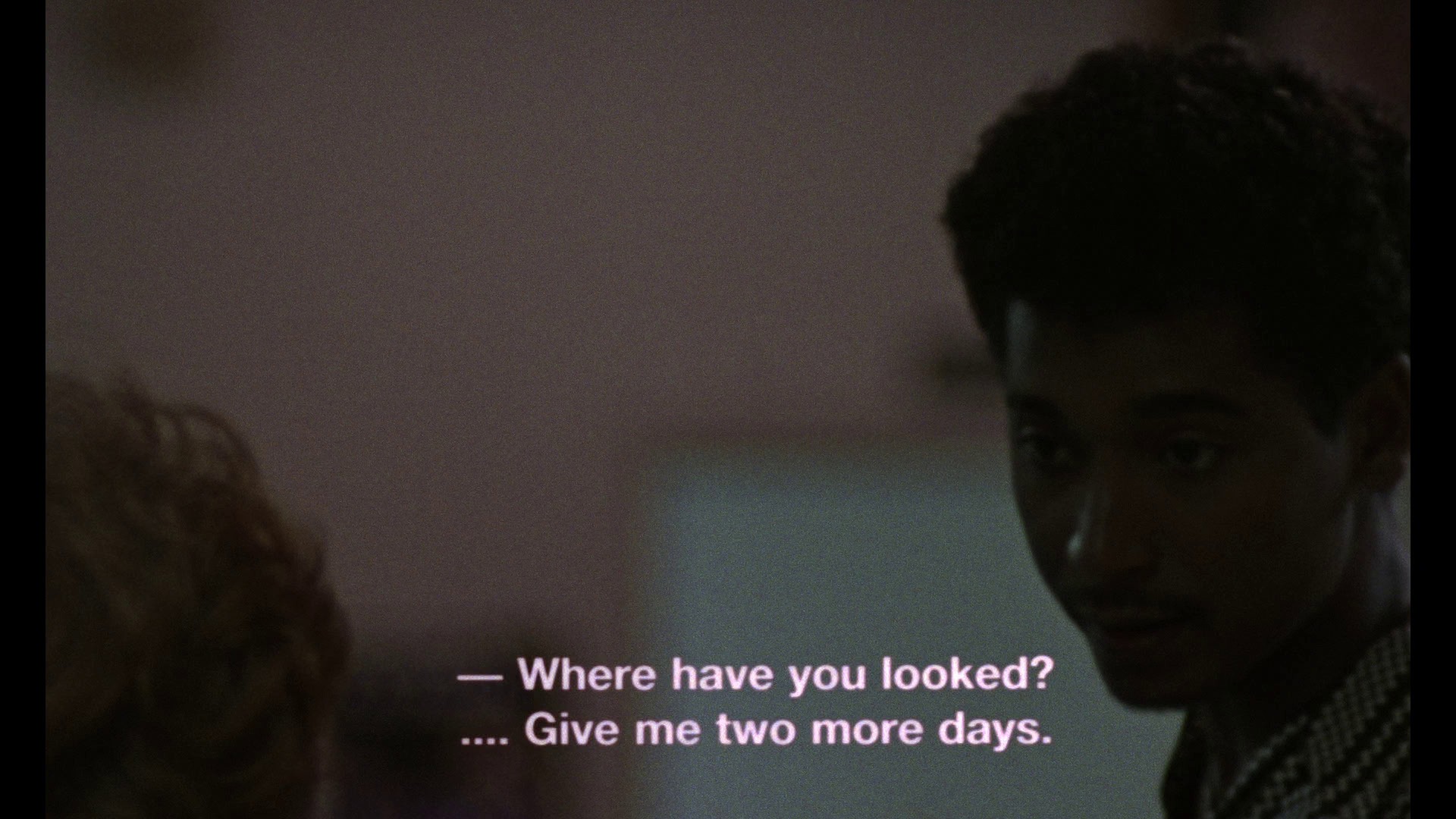
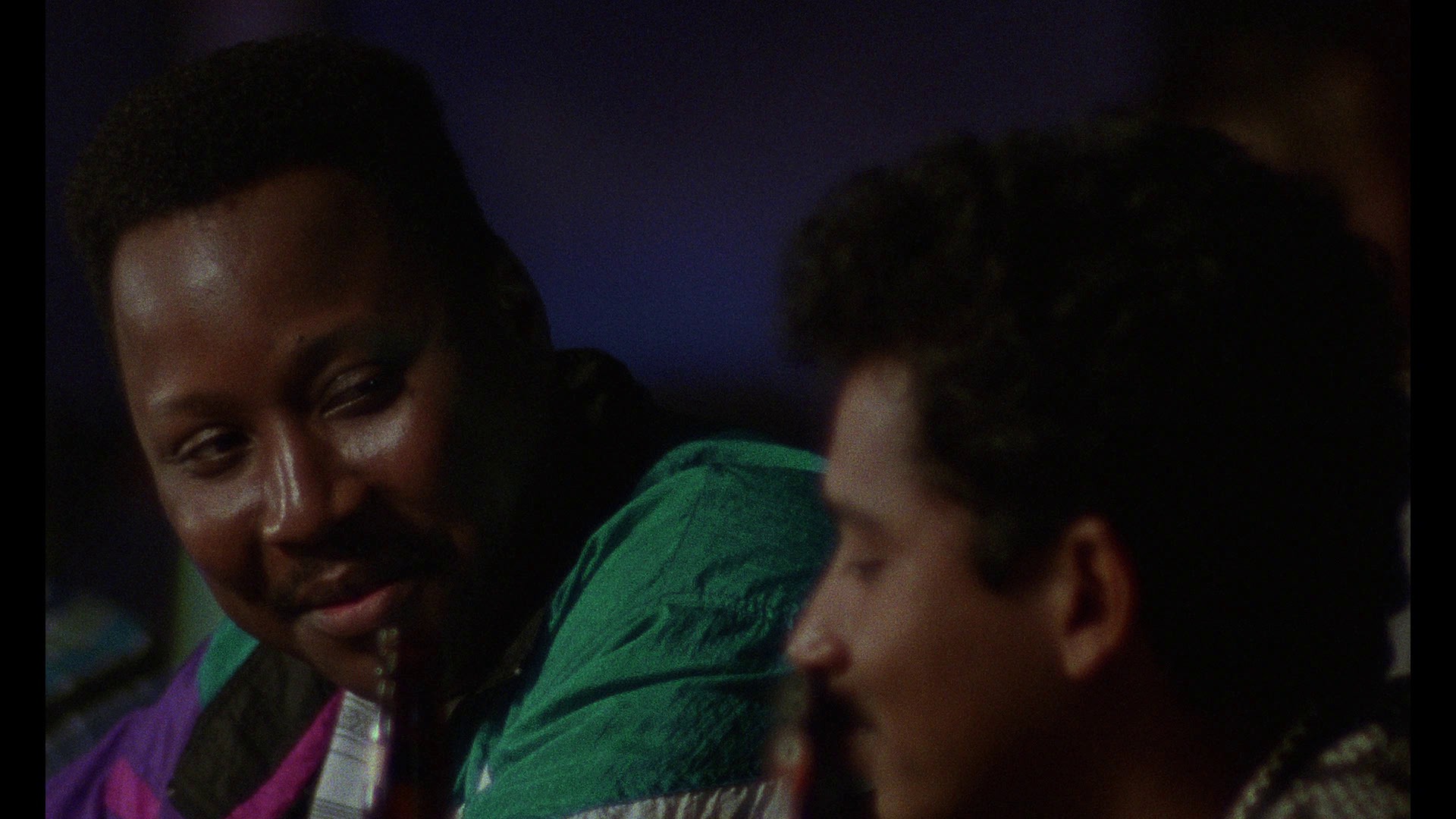
Audio 7/10
The film comes with a lossless PCM 1.0 monaural soundtrack. Outside of the chirping cicadas (which are a constant presence throughout the film) it's not the most dynamic presentation, but it's clean and clear. Dialogue is easy to understand, and the music that does appear throughout sounds very good. Perfectly serviceable for the film.
Extras 7/10
Criterion uses the supplements here as a sort of introduction to Sachs, leading things off with a new 22-minute interview between the filmmaker and critic Keith Uhlich. Sachs talks about his early life and how he became involved in theater before eventually gravitating toward film, feeling it would allow him to tell more personal stories. He discusses his work and the themes that interest him, particularly how people can be performative, something he relates directly to The Delta, before getting into the more personal elements found within the film.
He also discusses two of his earlier shorts, both included on the disc: the 55-minute Vaudeville (1991) and the 27-minute Lady (1993). Vaudeville follows a theatrical troupe made up primarily of gay and lesbian performers as they go about their daily lives while currently residing in a town that isn't especially welcoming, touching on a number of political topics along the way. It's the more straightforward narrative of the two, though also the rougher one, with Sachs clearly still finding his footing as a filmmaker. Lady is the more polished effort, though considerably less straightforward. Apparently based on a one-woman show by Dominique Dibbell (who also stars), it's structured like a documentary following Dibbell as she delivers a series of monologues, with the character's gender and sexuality kept intentionally vague, ultimately challenging preconceived notions surrounding both. At first I assumed it actually was a documentary, but Sachs clears that up in the interview, noting it's one of the few films he directed that he didn't write.
Both are great inclusions, though sadly they appear to be sourced from videotape and look rather rough. Still, I'd much rather have them here than not.
Criterion also ports over the audio commentary Sachs recorded for the Strand DVD in 2001. Though I enjoyed Sachs' interview here (and even the one included on Peter Hujar's Day, released the same day), I wasn't nearly as fond of this track. It's fine, but it's loaded with dead space, punctuated by random observations that never really feel to come together in a structured way. Sachs does cover the film's inspirations, much of the subject matter apparently drawn from his own life, a point he addresses in the new interview, describing the film as a confession of things he felt unable to discuss openly at the time. He also talks about how the story evolved after meeting and casting Thang Chan, the film's documentary-like style, its technical aspects, and his desire to address issues of race and class through the narrative. He even explains the inspiration behind the ending, which can feel like a left turn (for those curious, the influence was Claude Chabrol's Les bonnes femmes). In the end, it's worthwhile enough, but not one I'd consider required listening.
The release rounds things out with a wonderful essay by Michael Koresky in the foldout booklet. All told, it's a decent collection of material that serves as a solid introduction to both the film and Sachs as a filmmaker.
Closing
With a handful of worthwhile features—including two of Sachs' early works—and a strong high-definition presentation, the release comes highly recommended.
BUY AT: