The Pornographers
BUY AT:

See more details, packaging, or compare
Synopsis
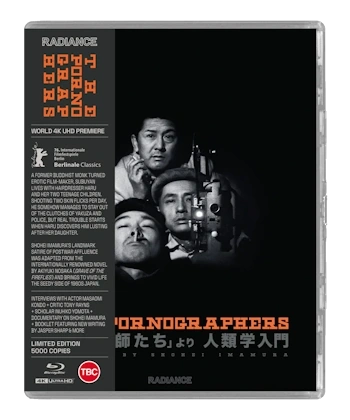
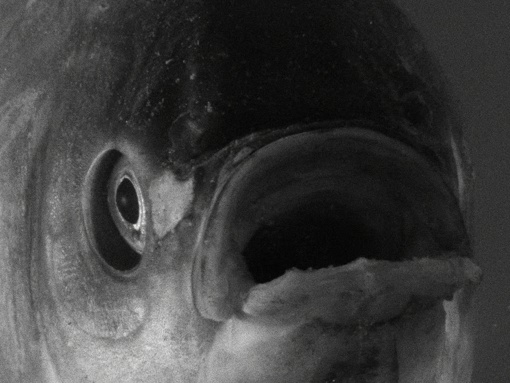
A former buddhist monk turned erotic filmmaker, Subuyan lives with hairdresser Haru and her two teenage children. Shooting two skin flicks per day, he somehow manages to stay out of the clutches of the yakuza, but real trouble starts when Haru discovers him lusting after her daughter. Shohei Imamura’s landmark satire of postwar affluence was adapted from the internationally renowned novel by Akiyuki Nosaka (Grave of the Fireflies) and brings to vivid life the seedy side of 1960s Japan.
Picture 9/10
Shohei Imamura’s The Pornographers receives an all-new 4K UHD release from Radiance, who present the film on a triple-layer disc in its original aspect ratio of 2.35:1. The SDR 2160p/24hz ultra high-definition presentation comes from a new restoration performed by Radiance and sourced from the 35mm original camera negative. The release also includes a standard dual-layer Blu-ray featuring a 1080p presentation of the film (from the same restoration) along with all of the special features. While the 4K is region free, the included Blu-ray is locked to Region B.
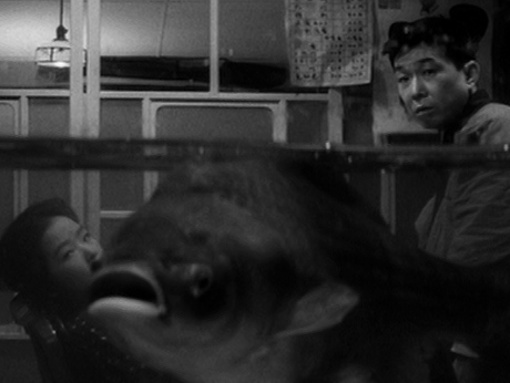
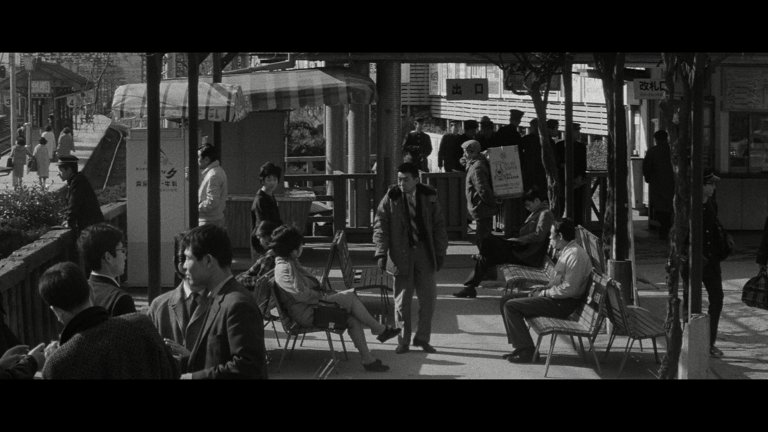
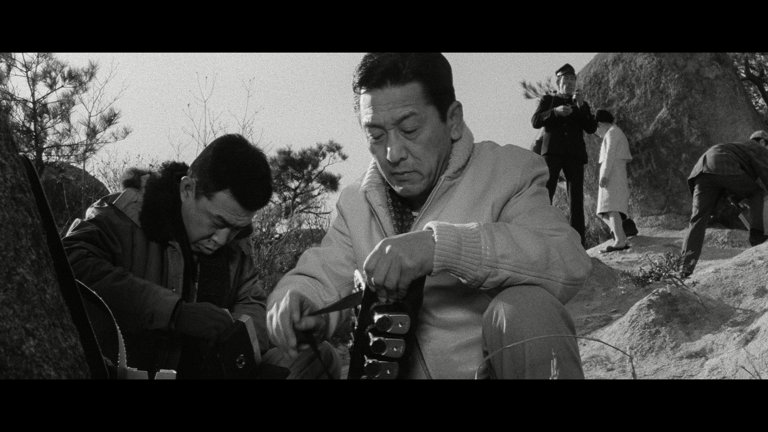
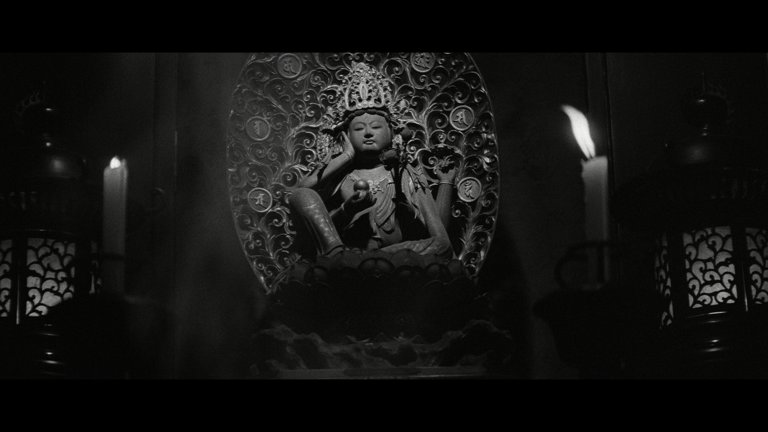
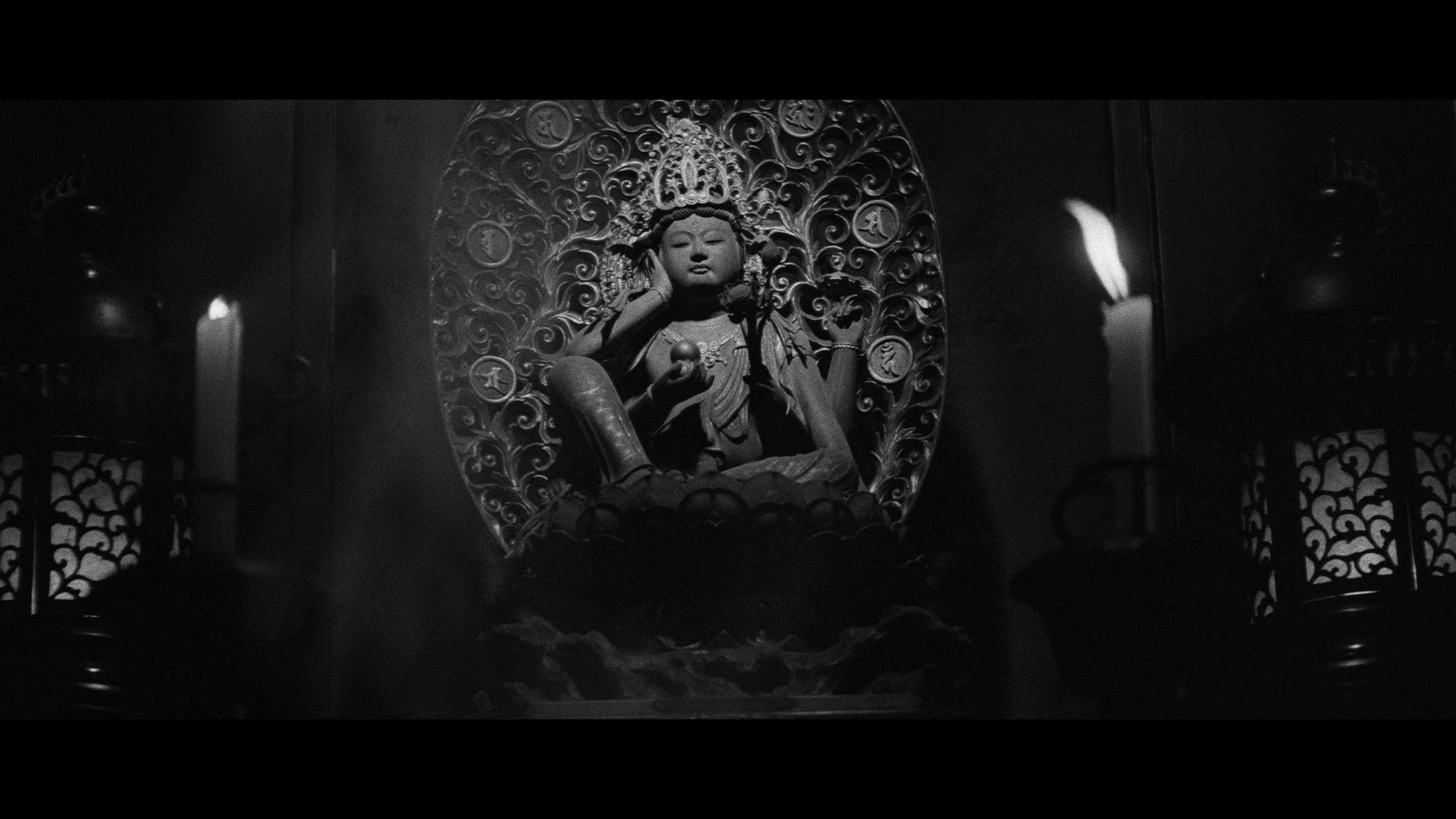
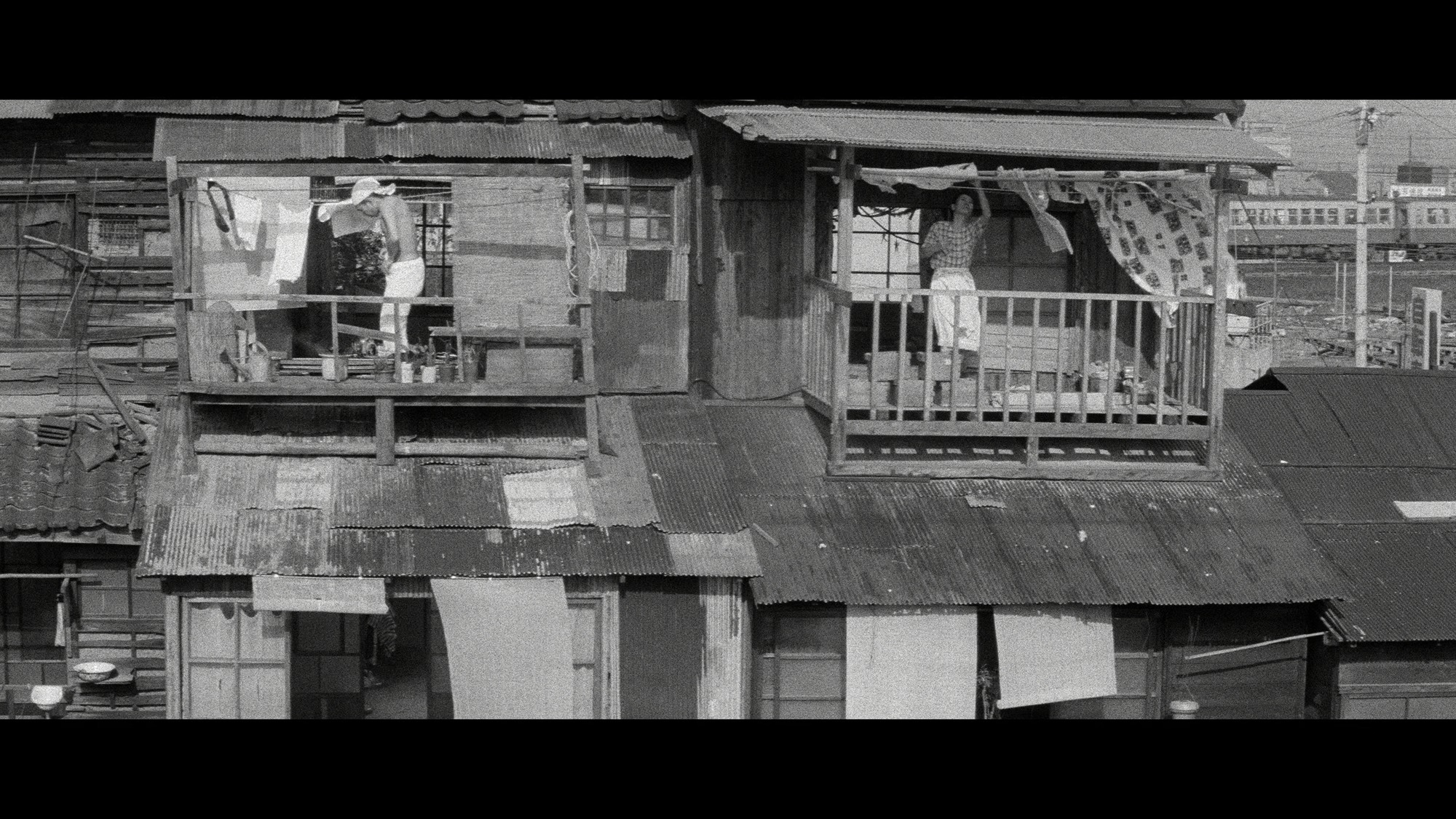
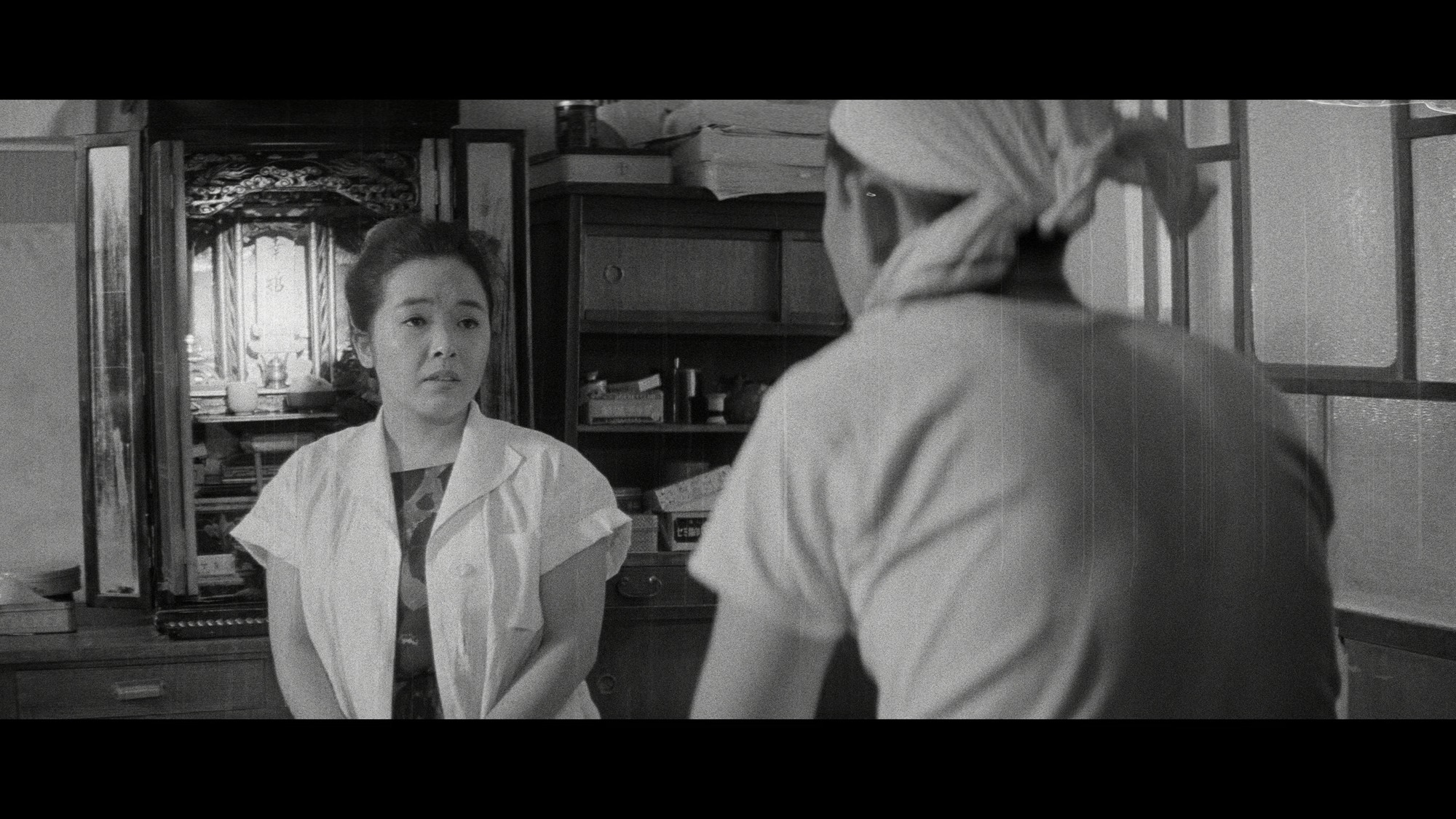
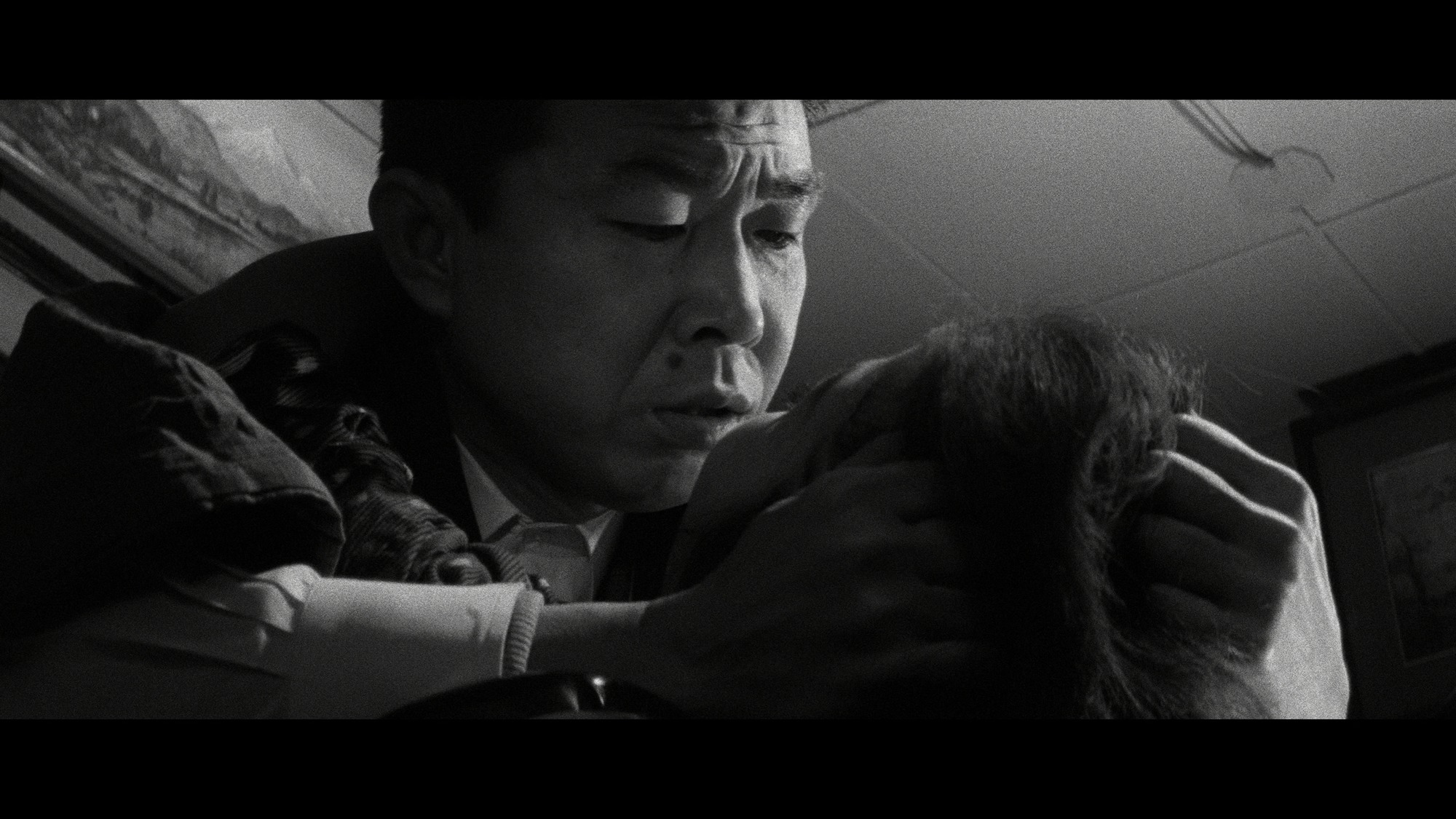
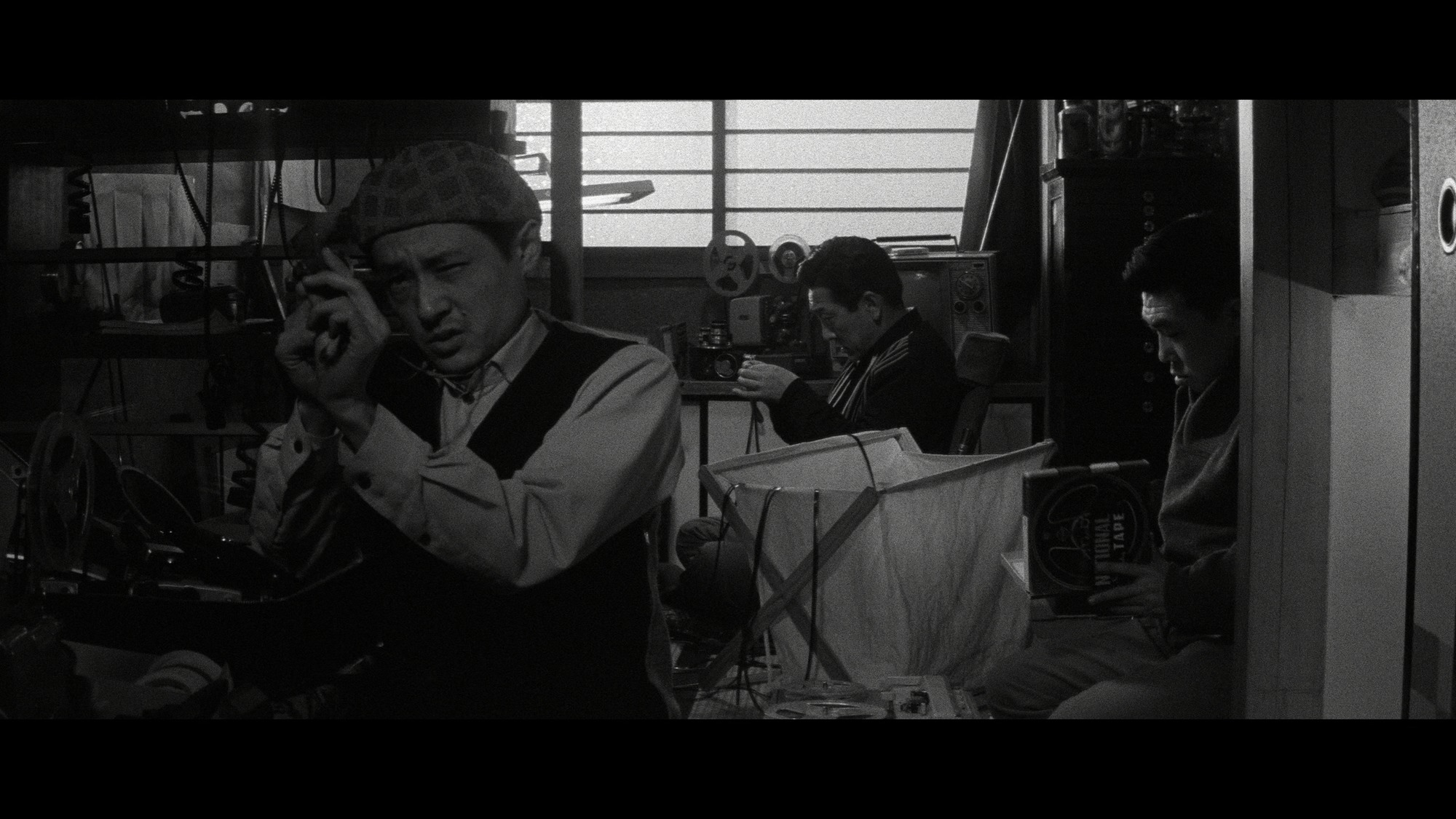
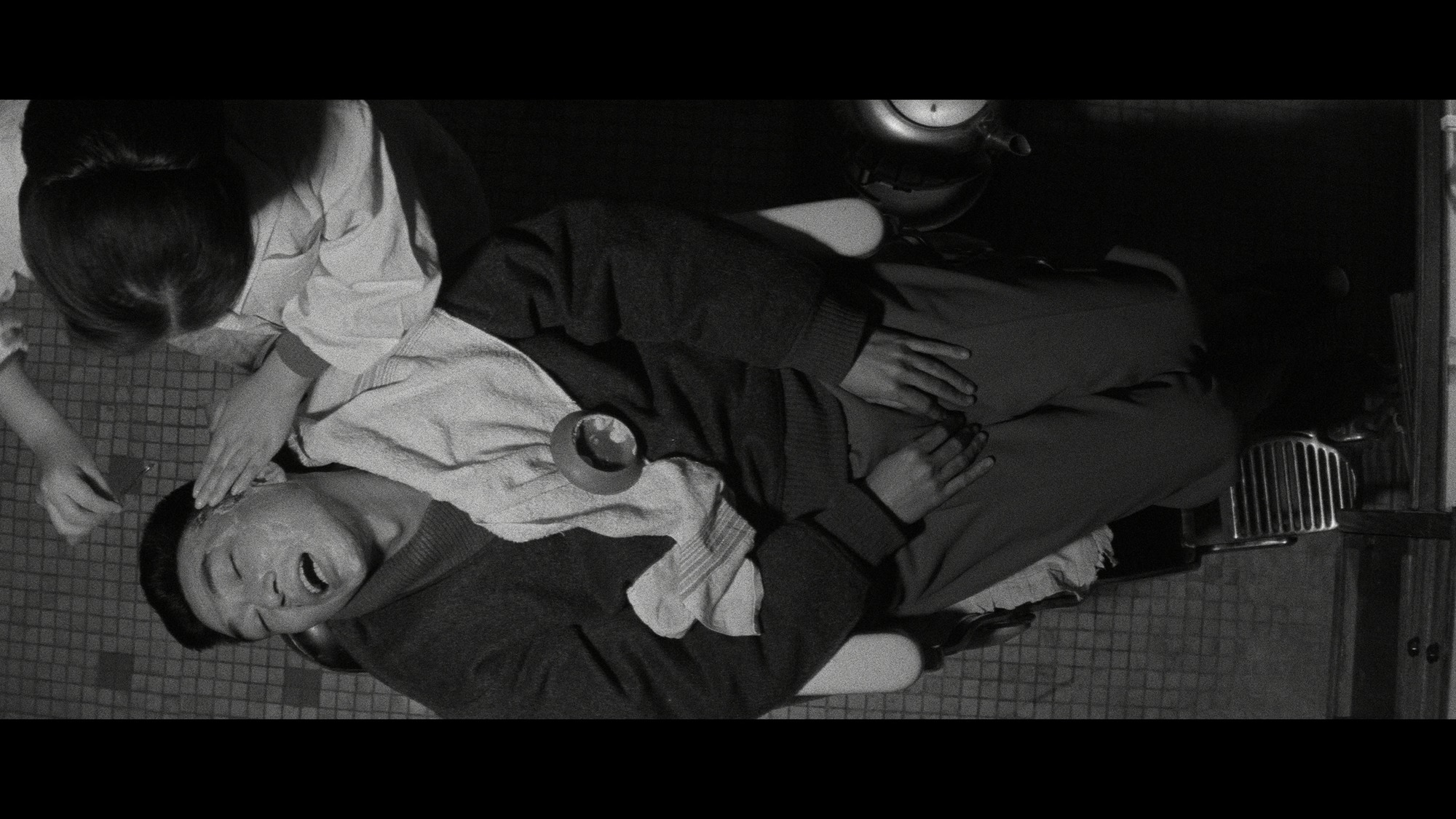
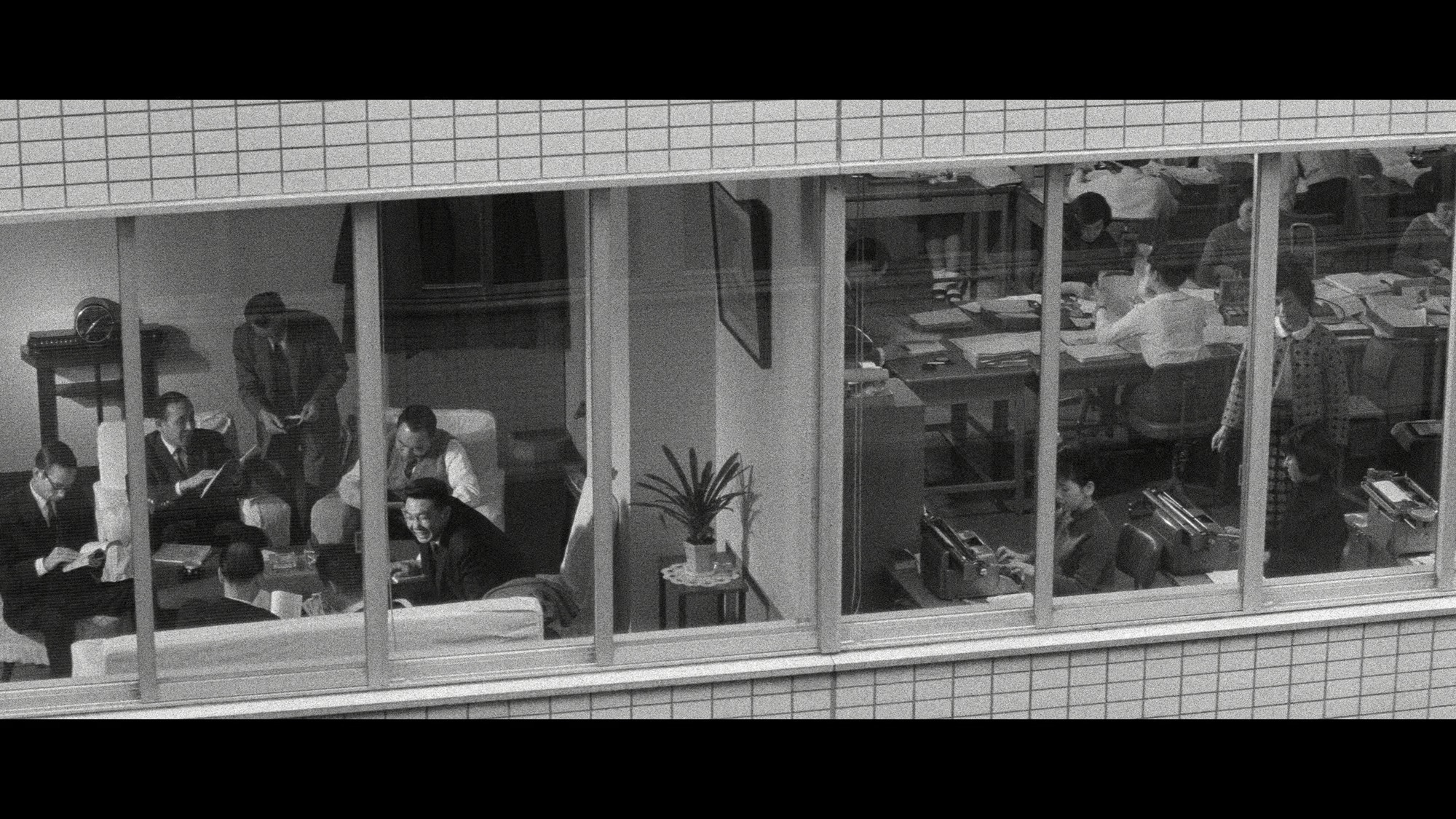
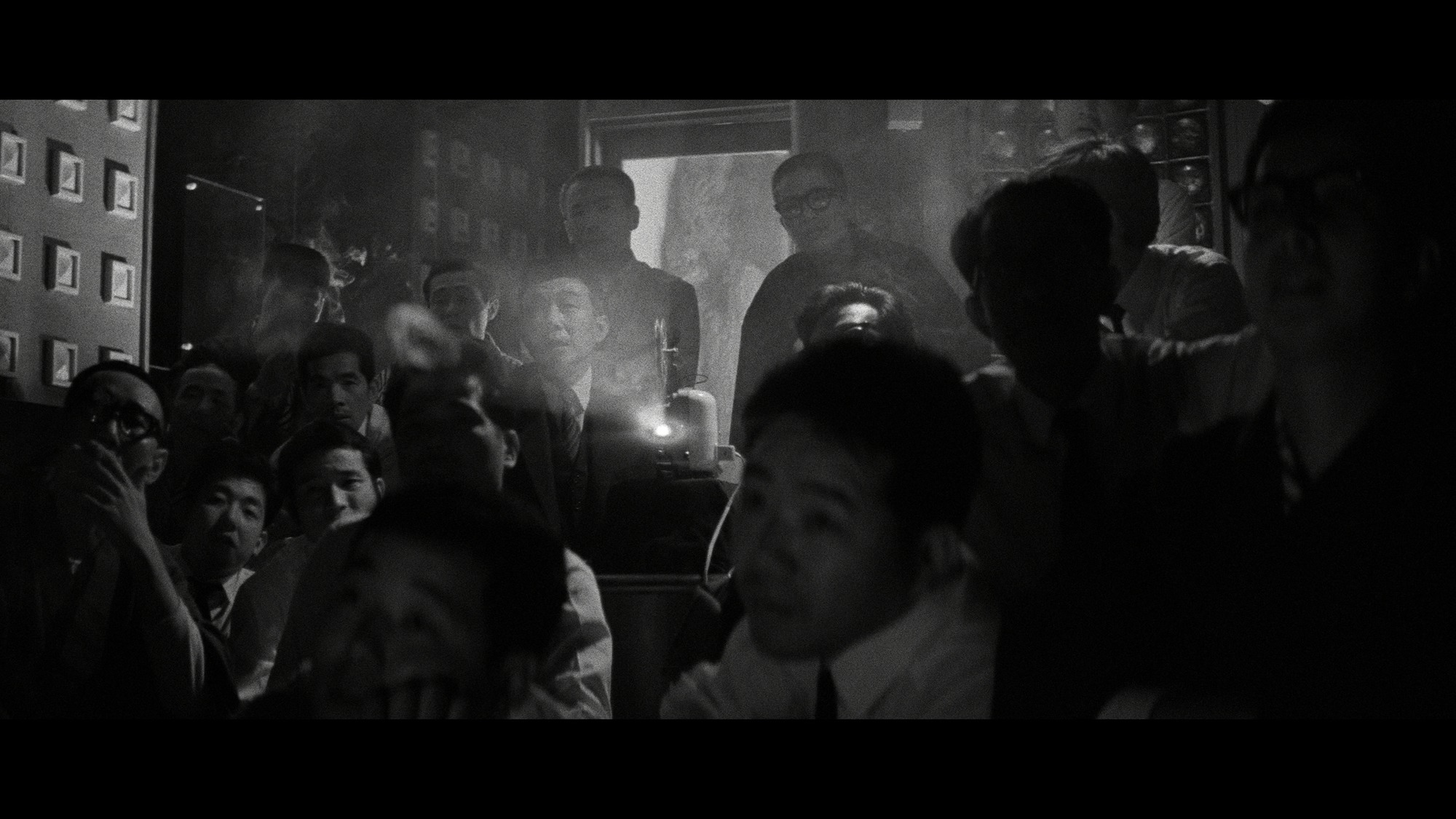
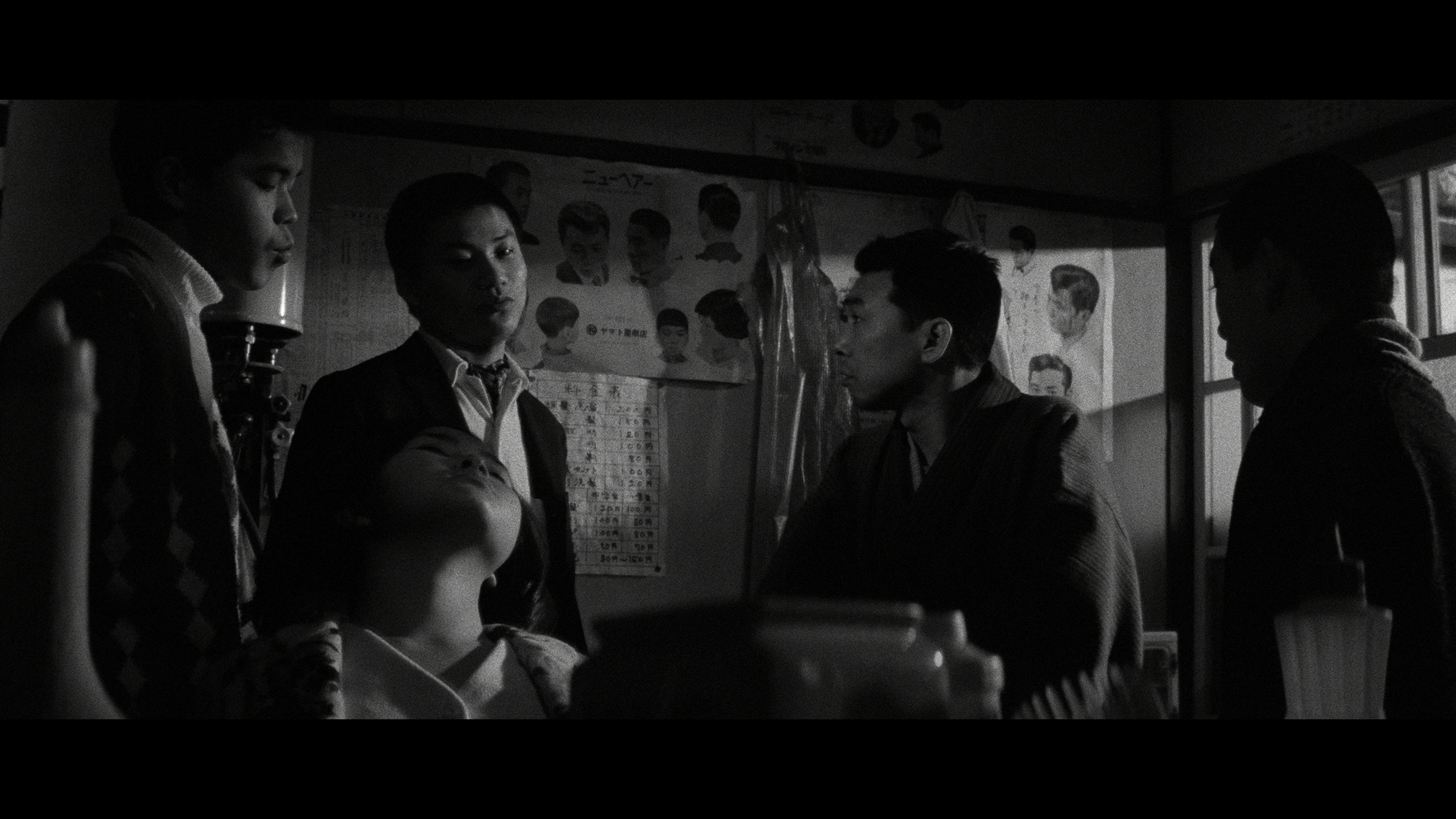
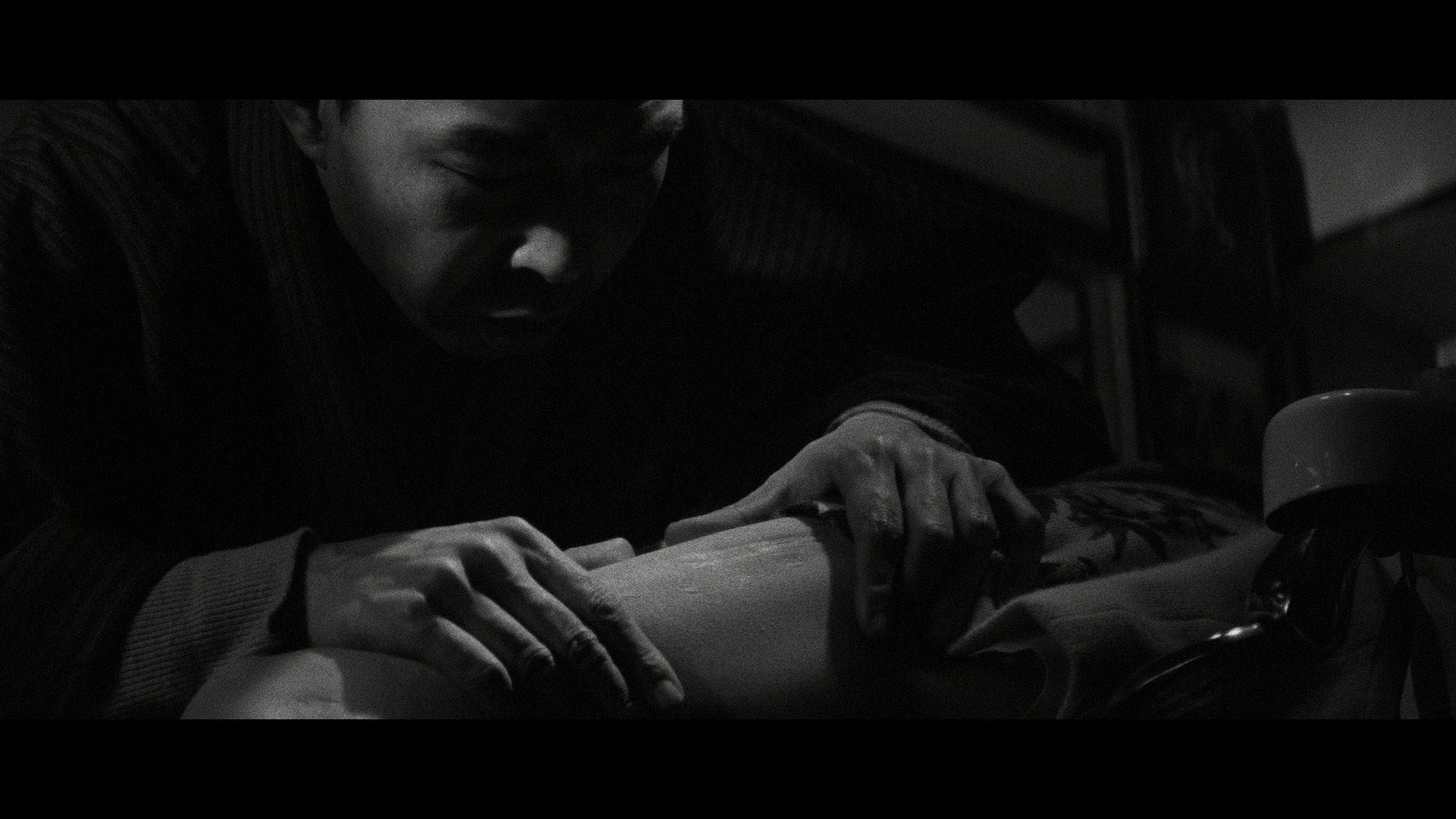
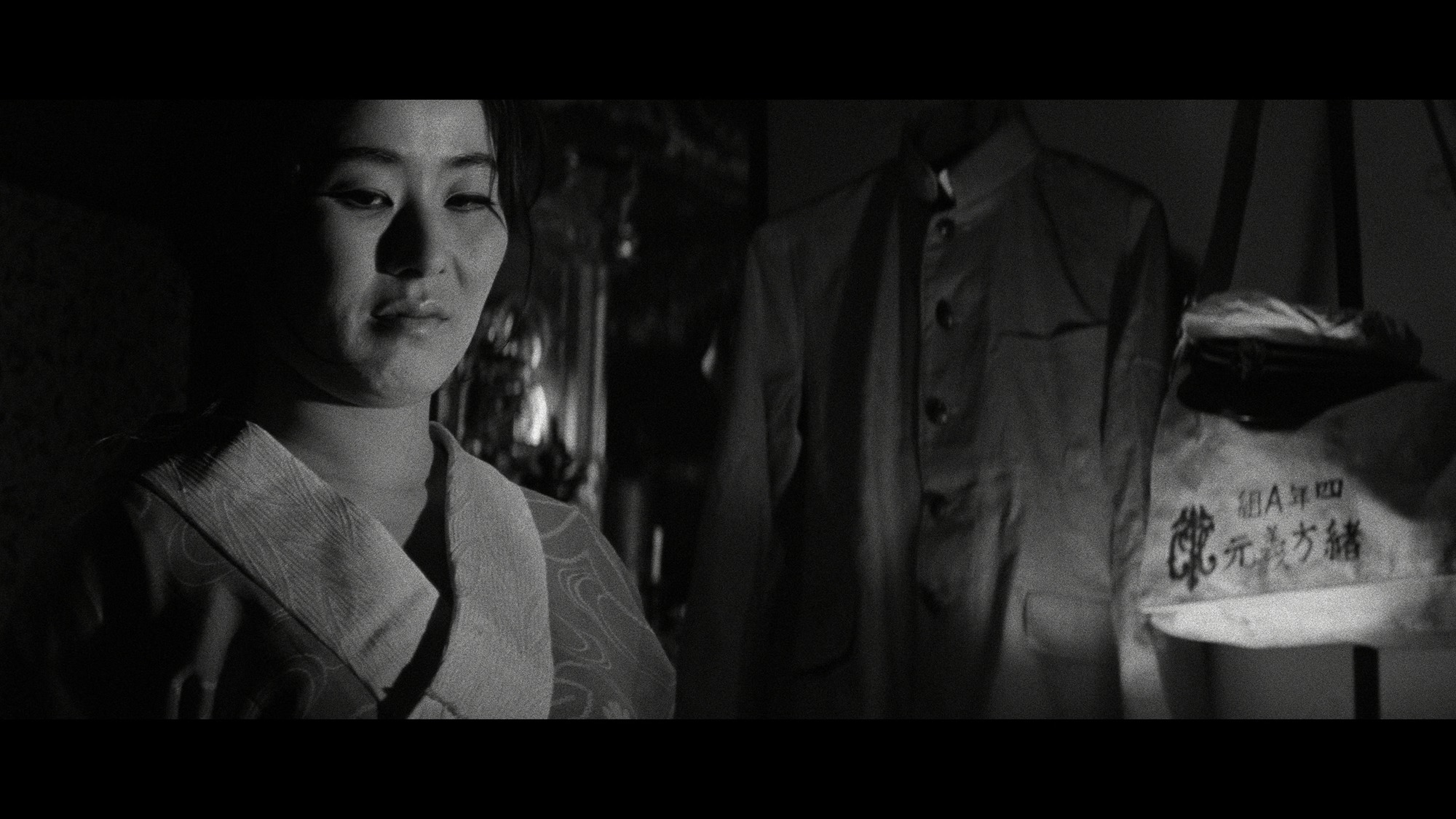
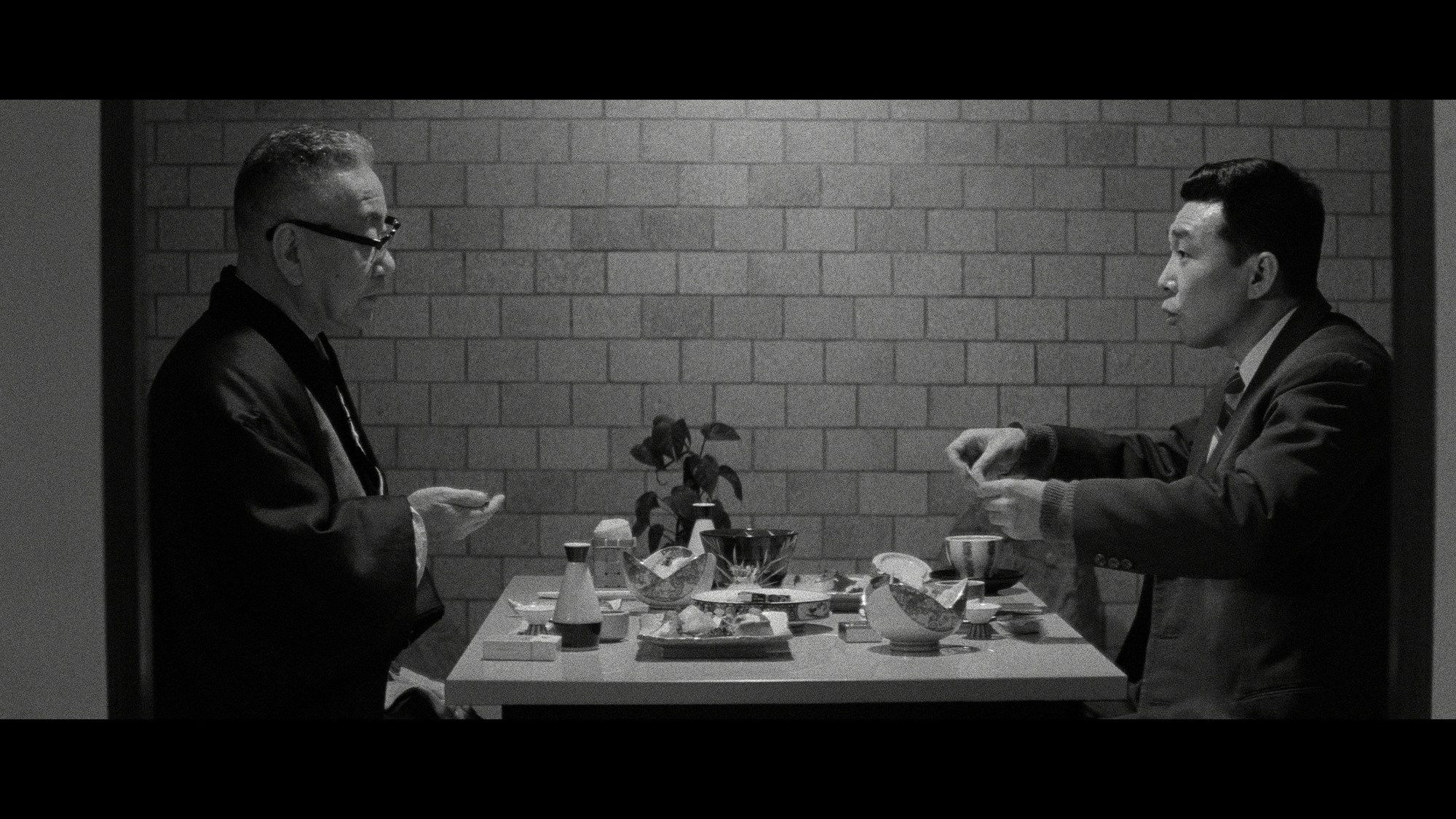
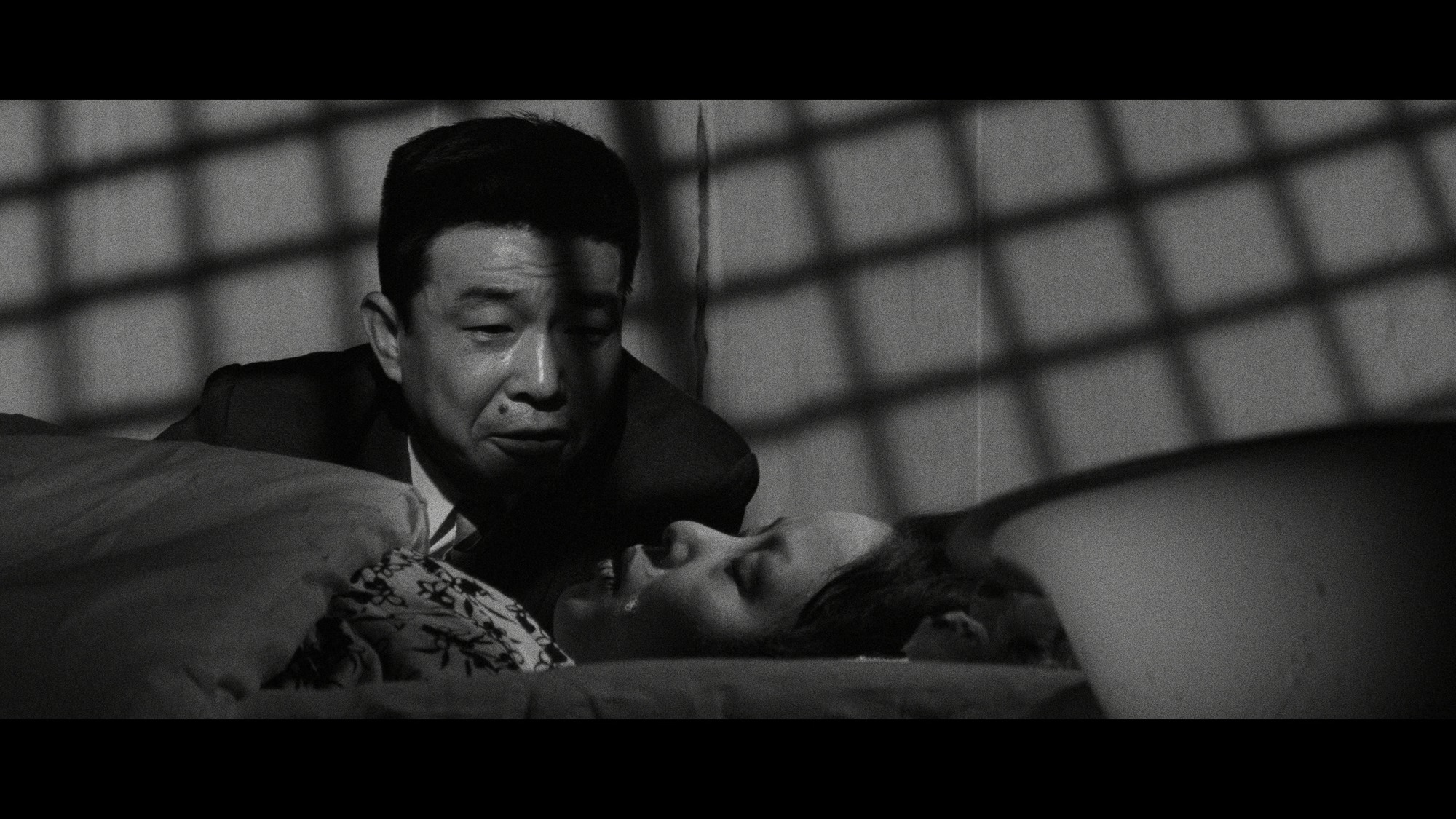
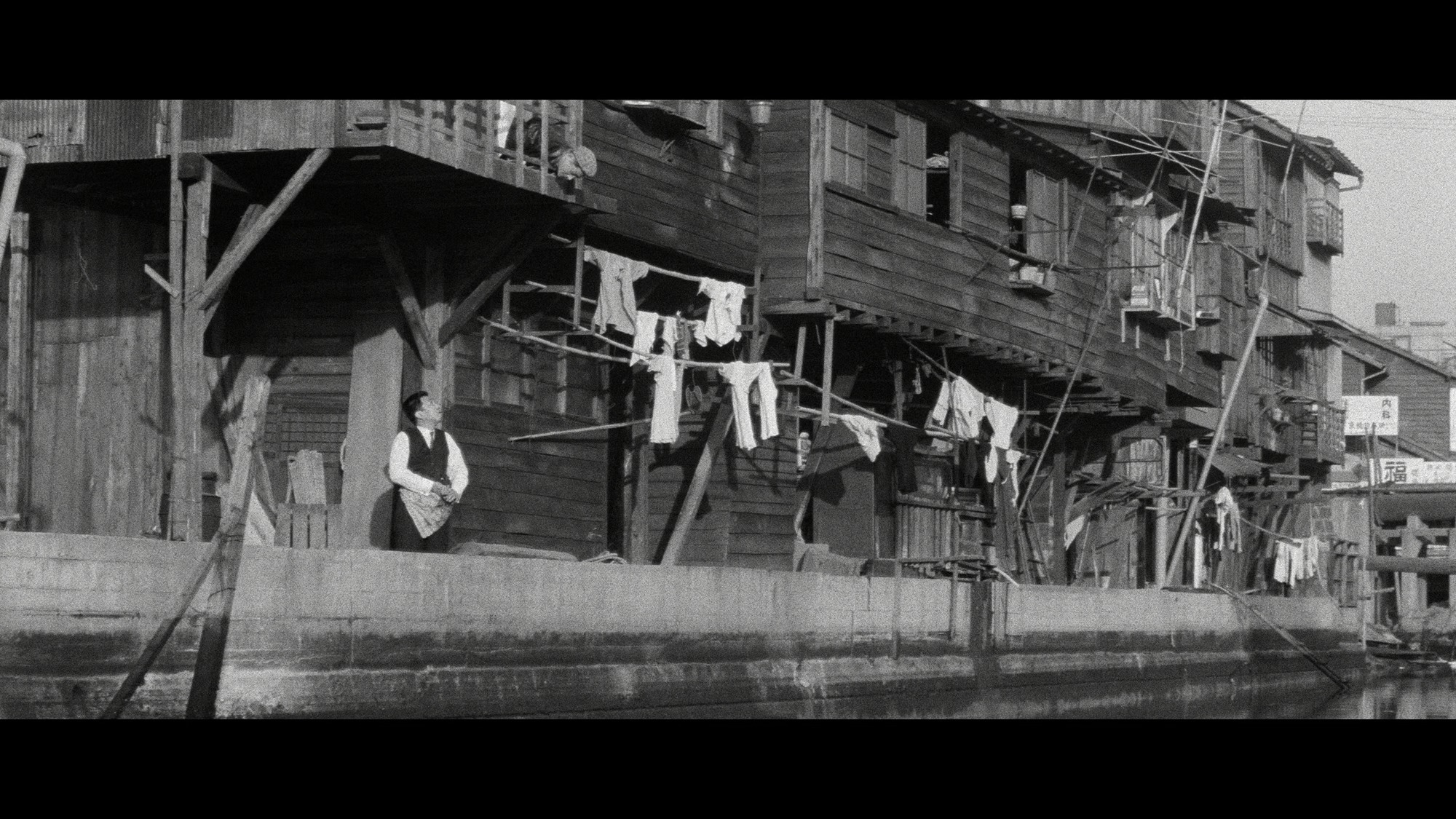
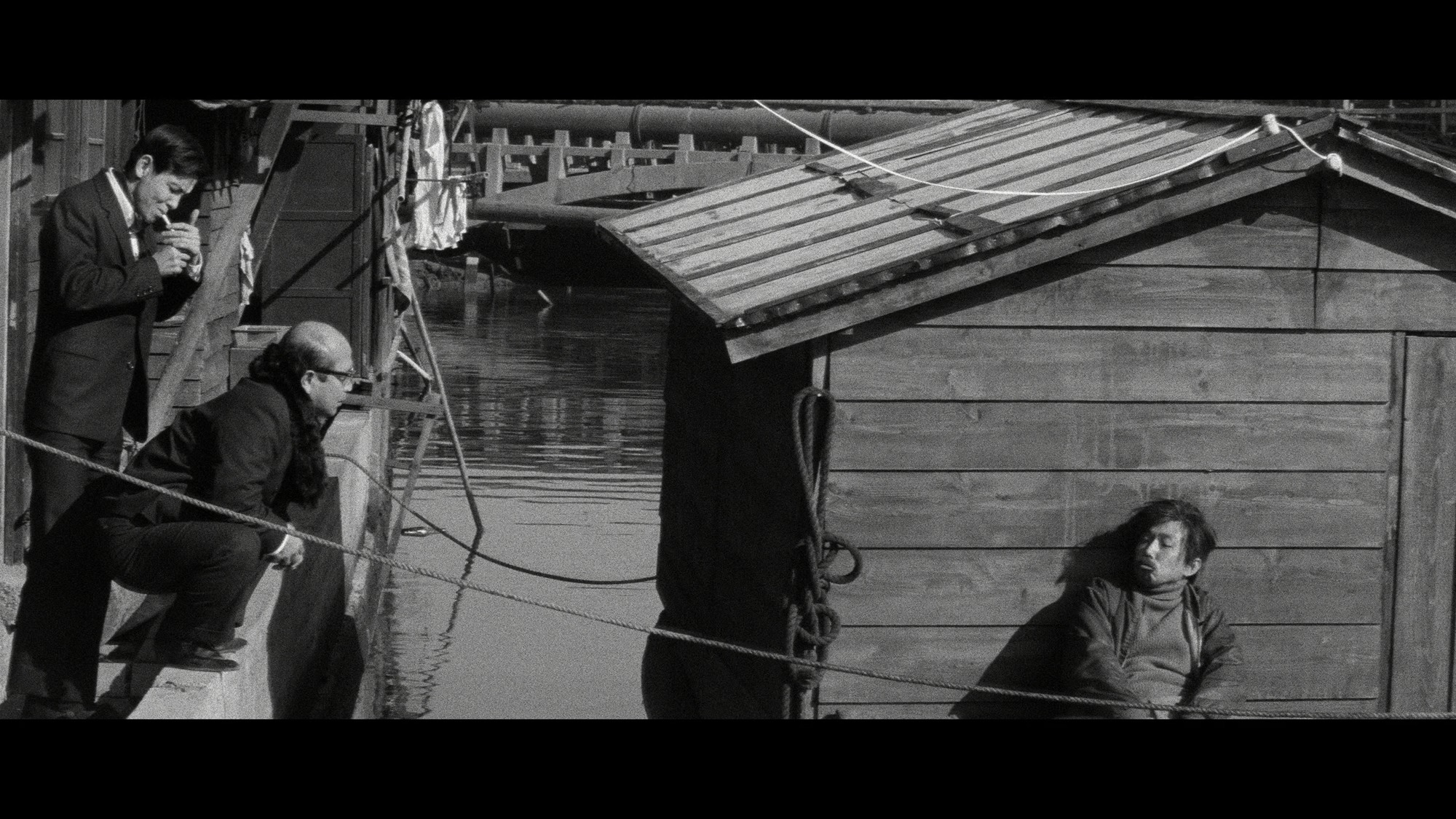
Though not at all a title I ever expected to see on 4K (the best I was hoping for was a high-definition Blu-ray), the format definitely works wonders for the film. I had only previously seen it through Criterion’s DVD, which was fine (at the very least a respectable standard-definition presentation), but undoubtedly open to improvement, which this release more than accomplishes. As one would expect, the higher resolution delivers noticeable improvements in fine detail, effortlessly resolving textures and the film’s grain structure. Tight patterns appear cleaner, that scar on Keiko’s (Keiko Sagawa) leg is much clearer than it ever was on the DVD, and there’s a far more film-like texture throughout.
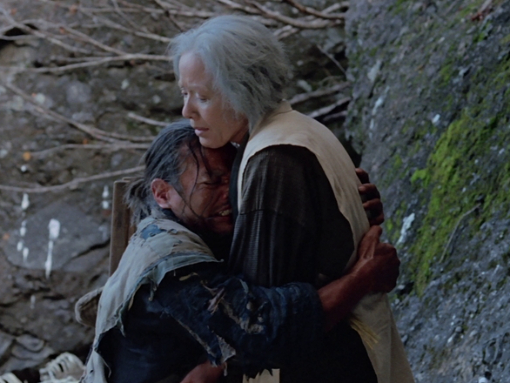
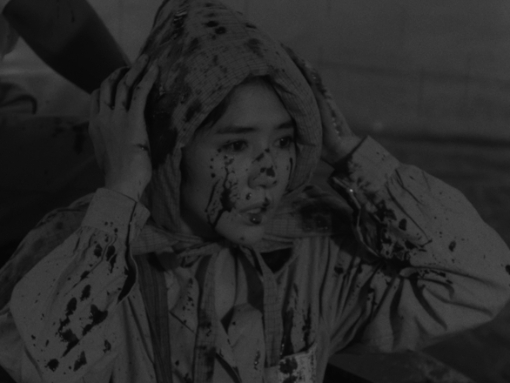
The biggest upgrade, though, is by far the wider grayscale and contrast range. Blacks look nice and deep, whites and highlights are strong, clipping never becomes an issue, and grain remains cleanly rendered at both ends. But it’s the range of grays in between that proves most impressive, with exceptionally smooth transitions. I especially liked how everything blended in shots featuring the sky, and though it’s possible HDR could have given the presentation a little extra kick, I can’t say I ever found myself missing it; even in SDR the image still looks fantastic. The Blu-ray also looks excellent, but the 4K offers just enough of an improvement, particularly in that grayscale area, that it is easily my preferred presentation for the film.
The restoration work has also been quite thorough, though a handful of larger marks remain, usually around cuts, though not always (checking the Criterion DVD, I found similar issues there as well). Outside of that, the image is incredibly clean.
Again, not a film I ever expected to receive a full-blown 4K edition, but it looks wonderful here. An impressive presentation overall.
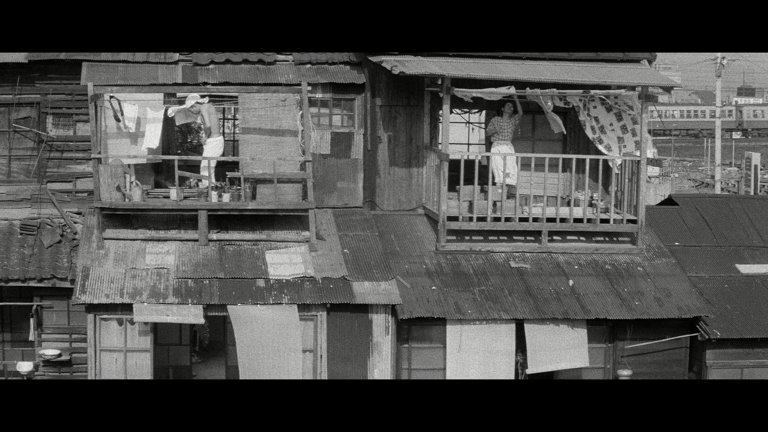
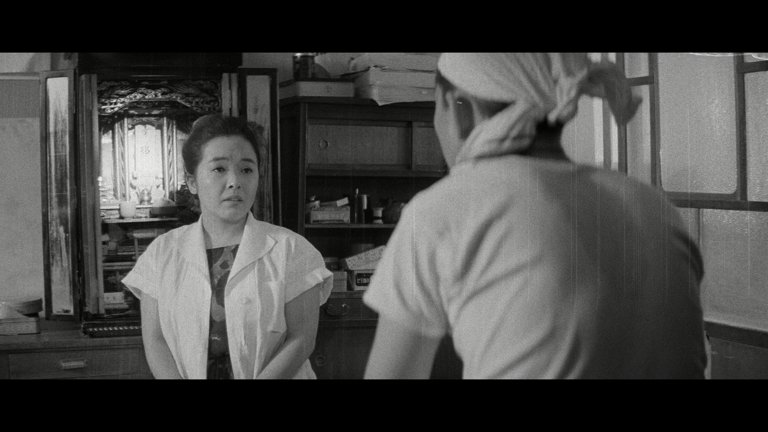
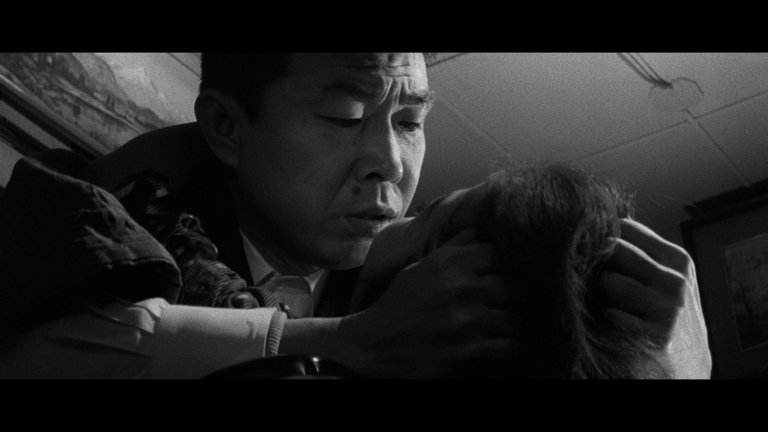
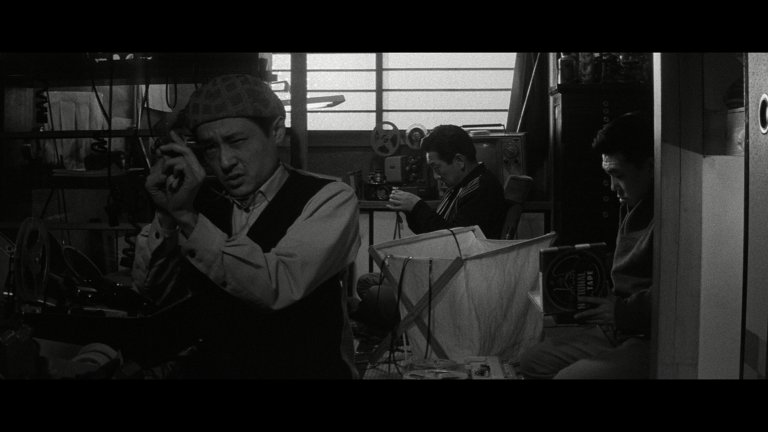
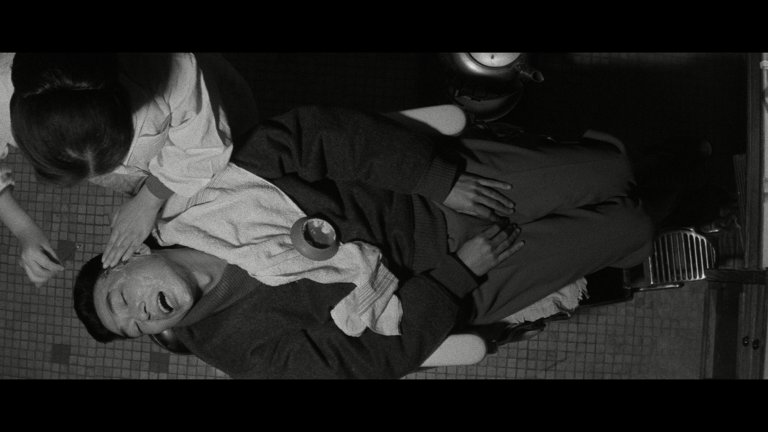
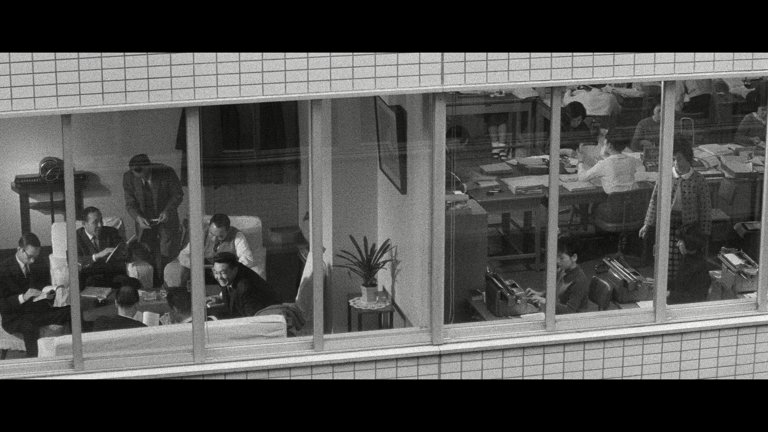
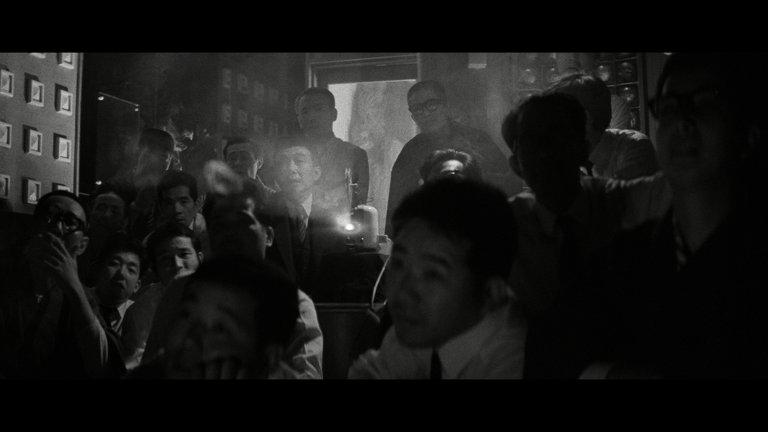
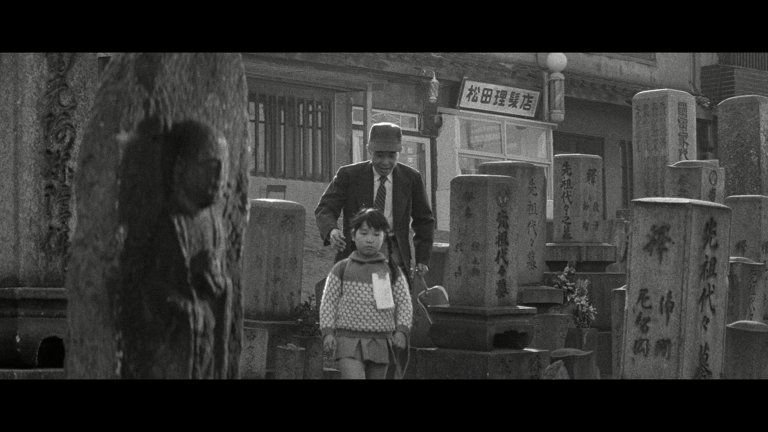
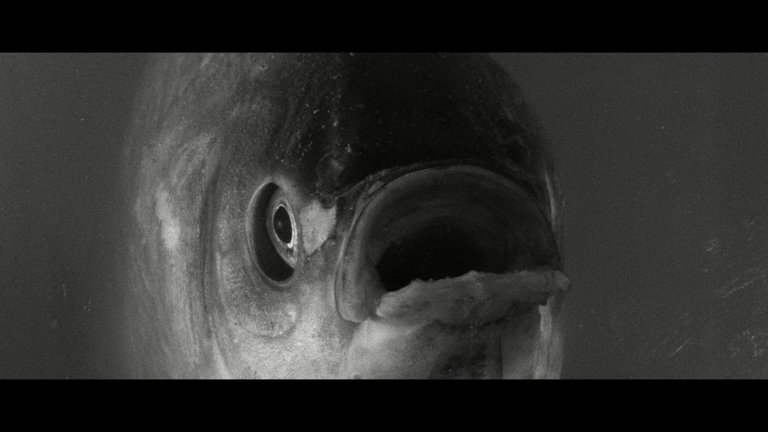
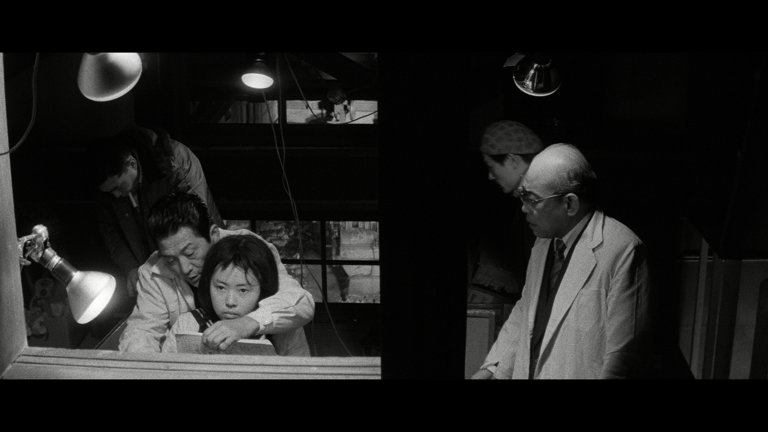
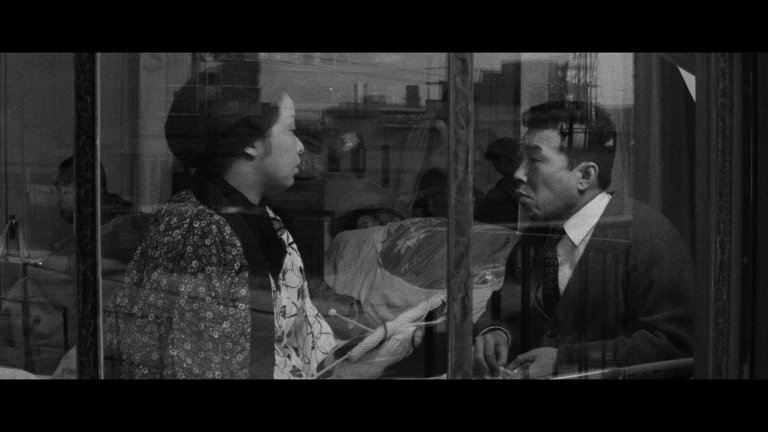
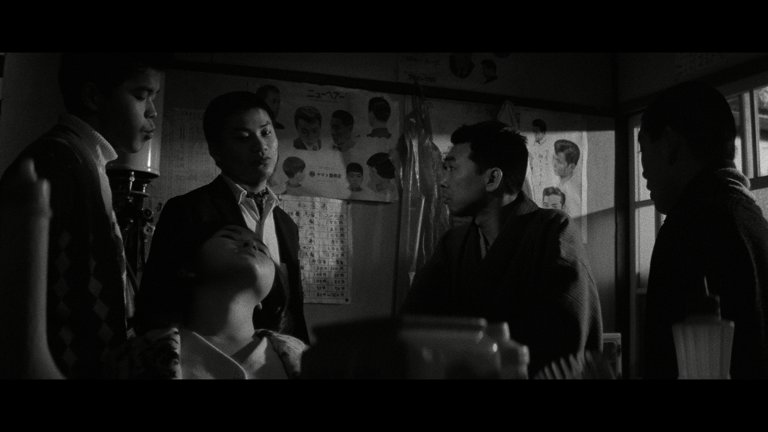
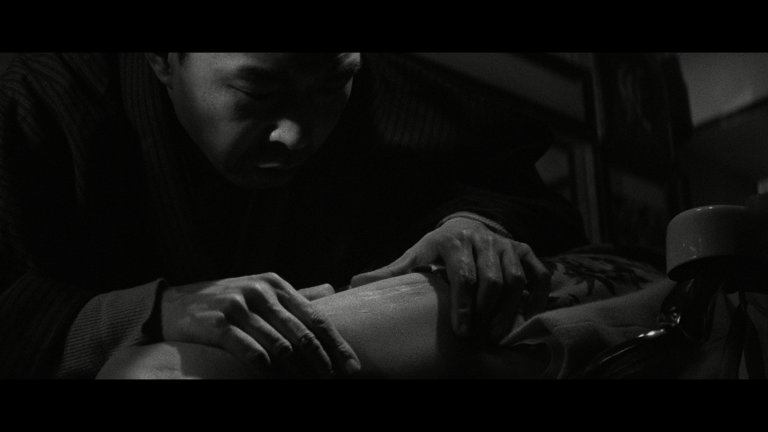
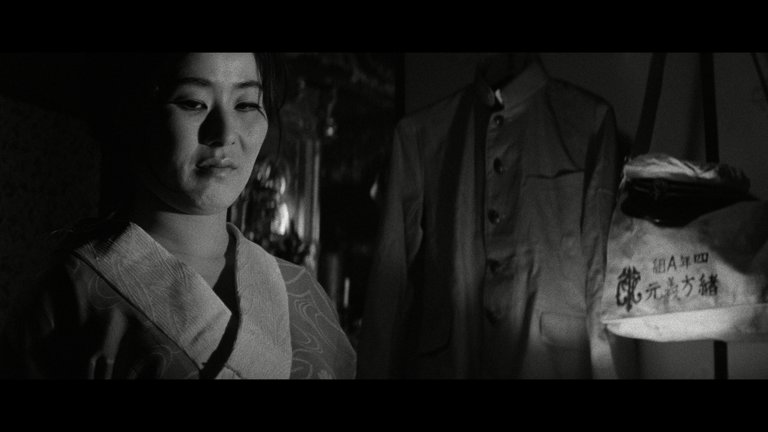
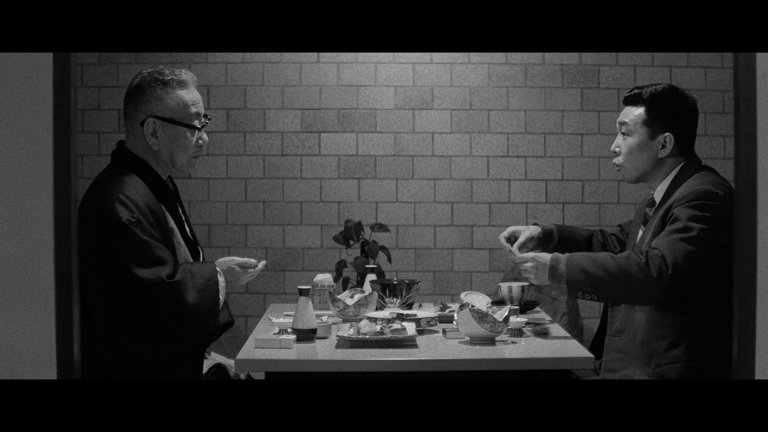
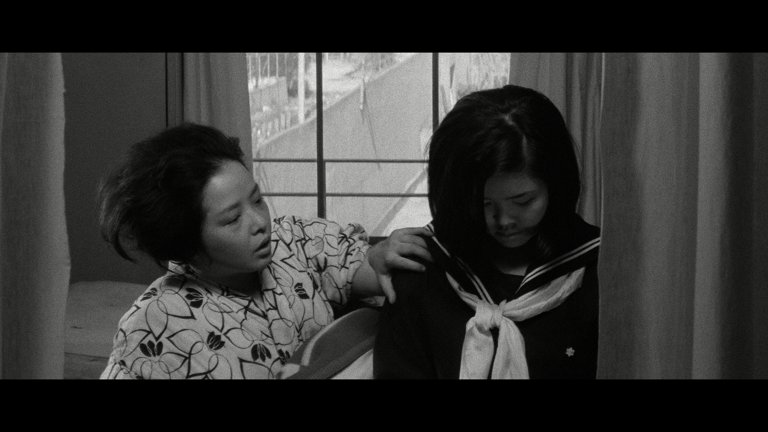
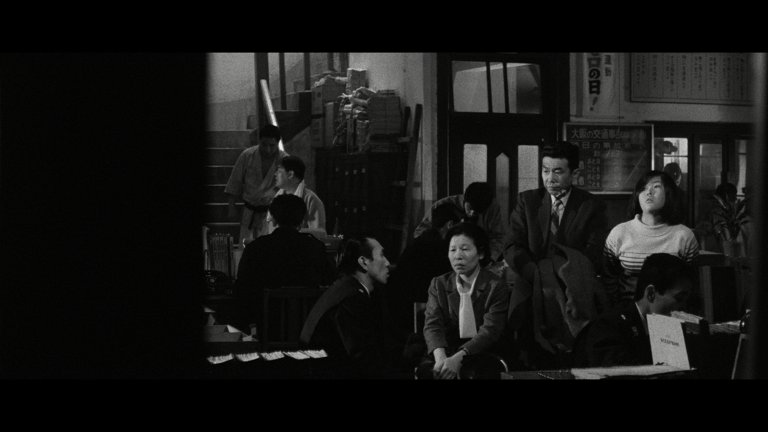
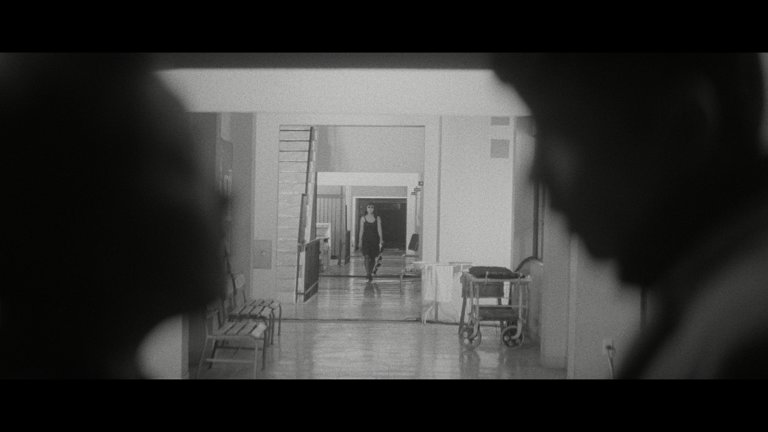
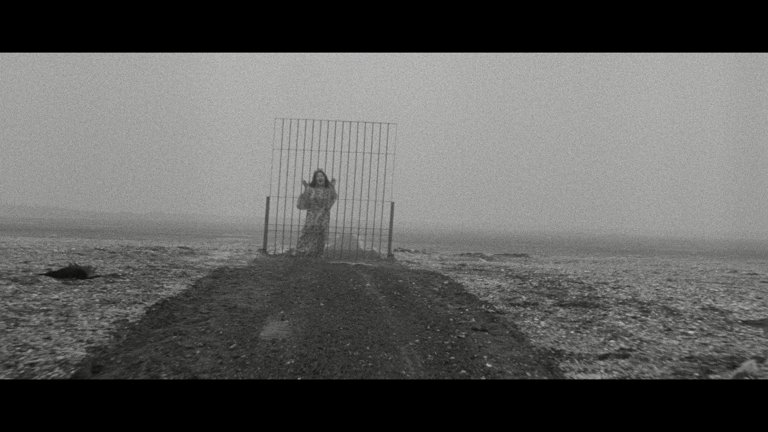
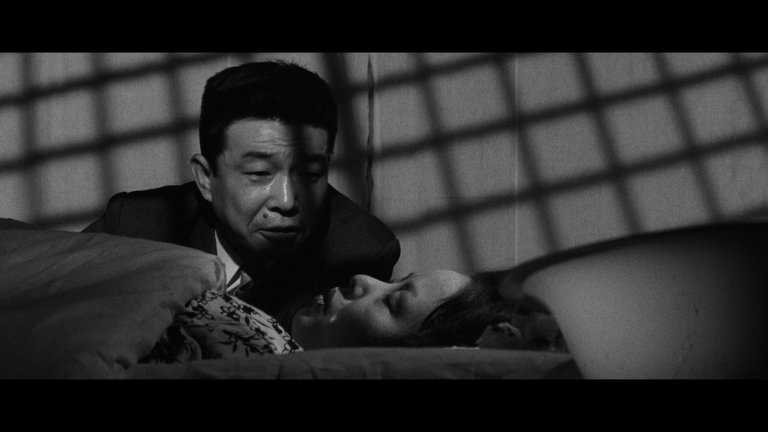
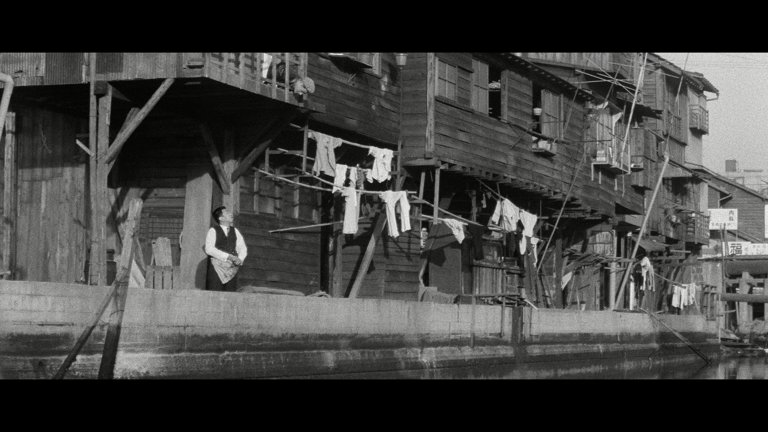
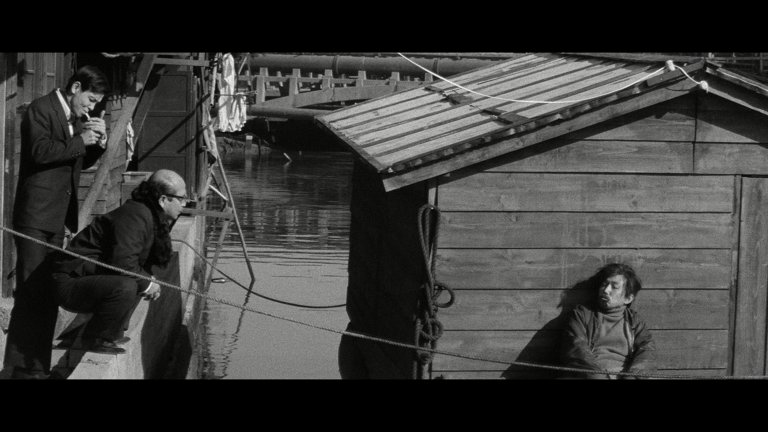
The Pornographers - Screen Captures
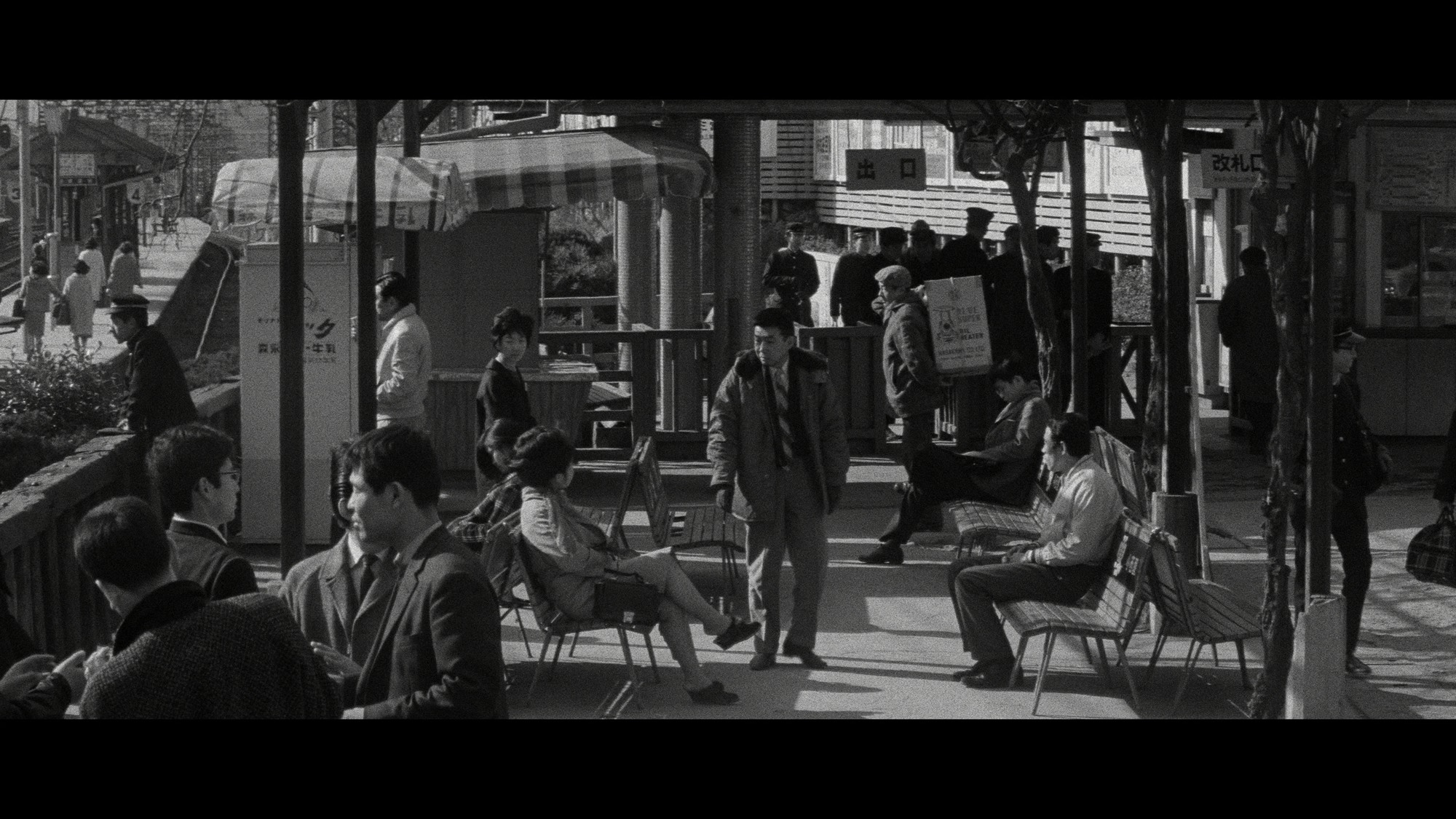
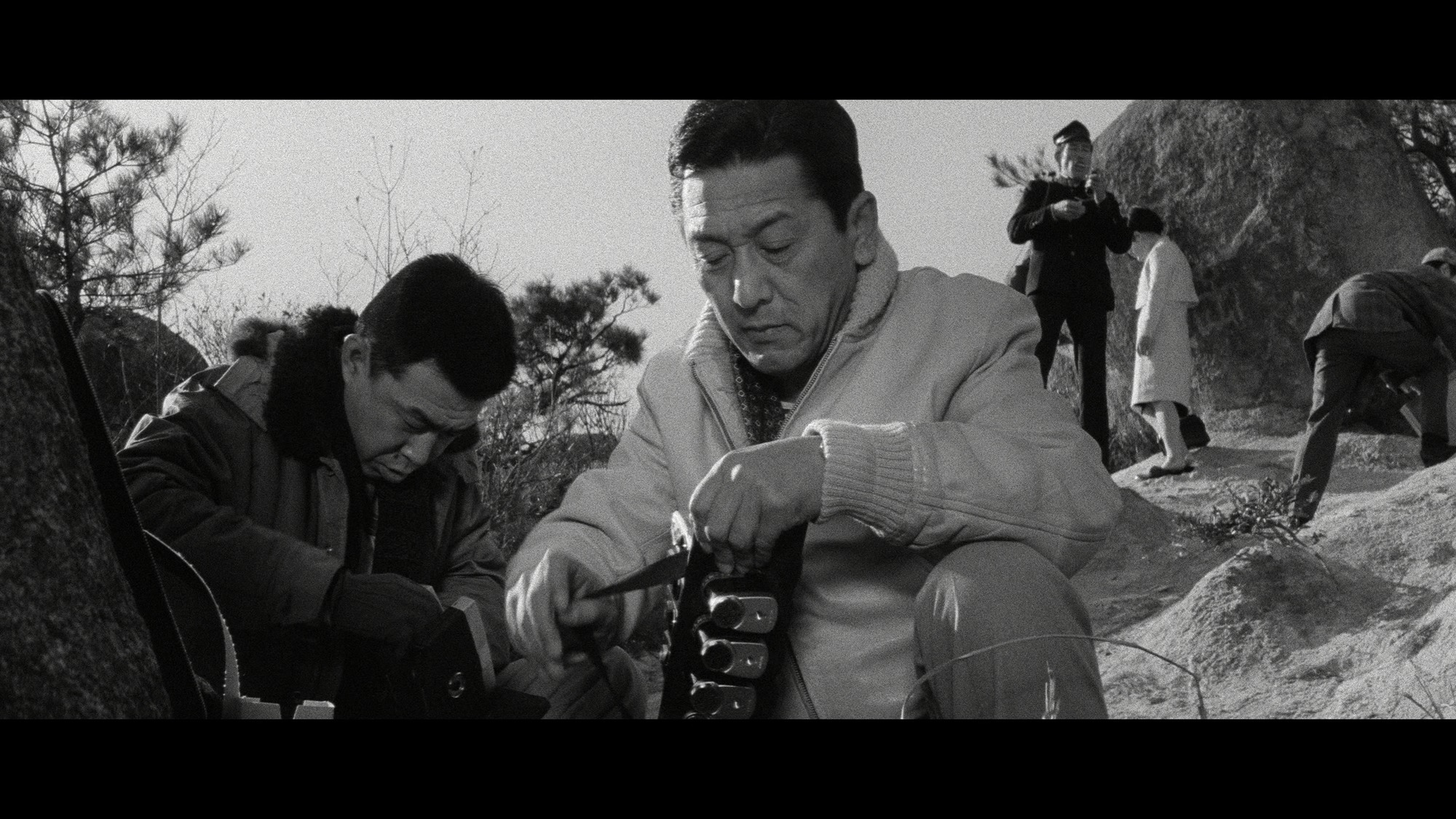
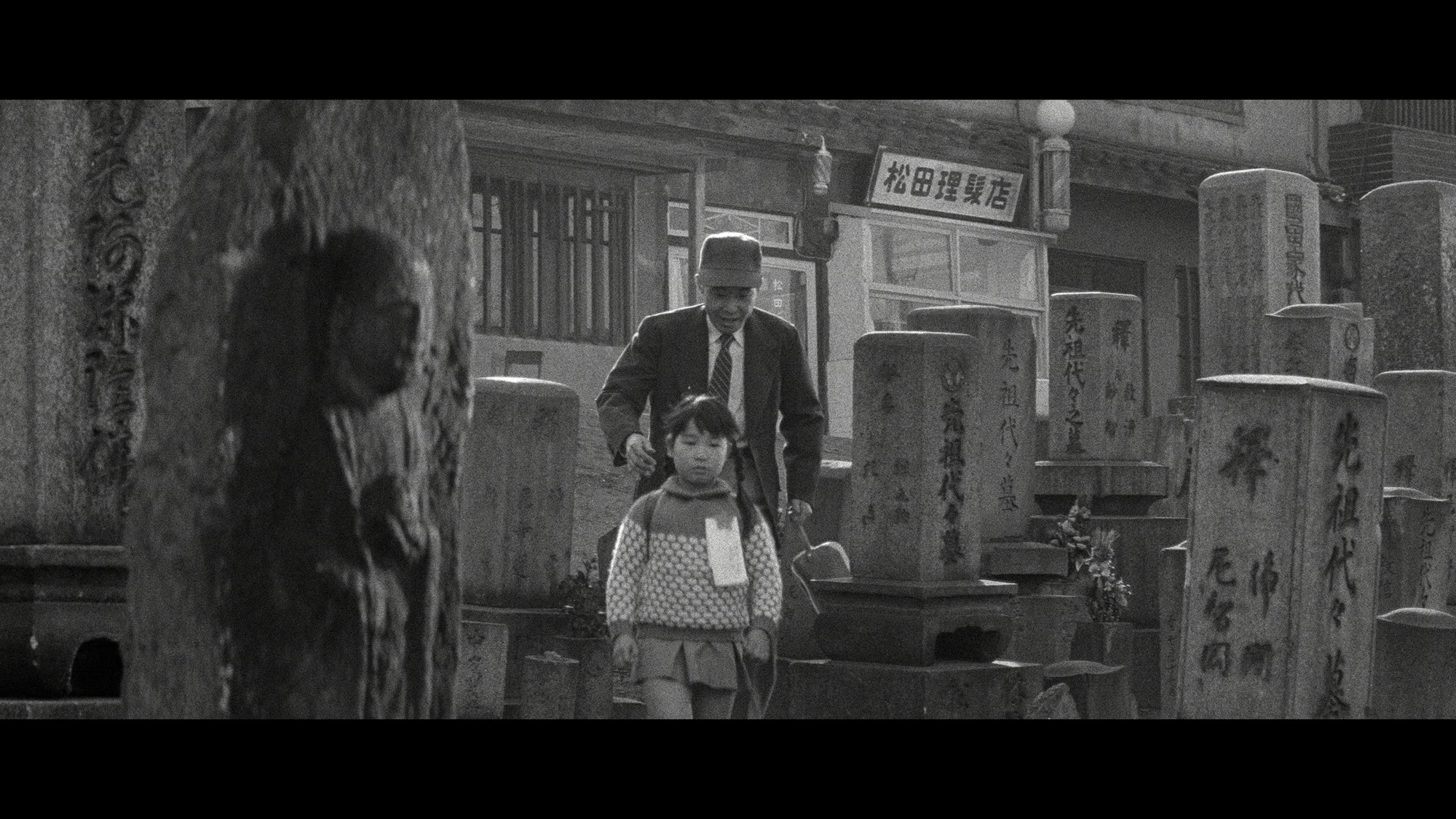
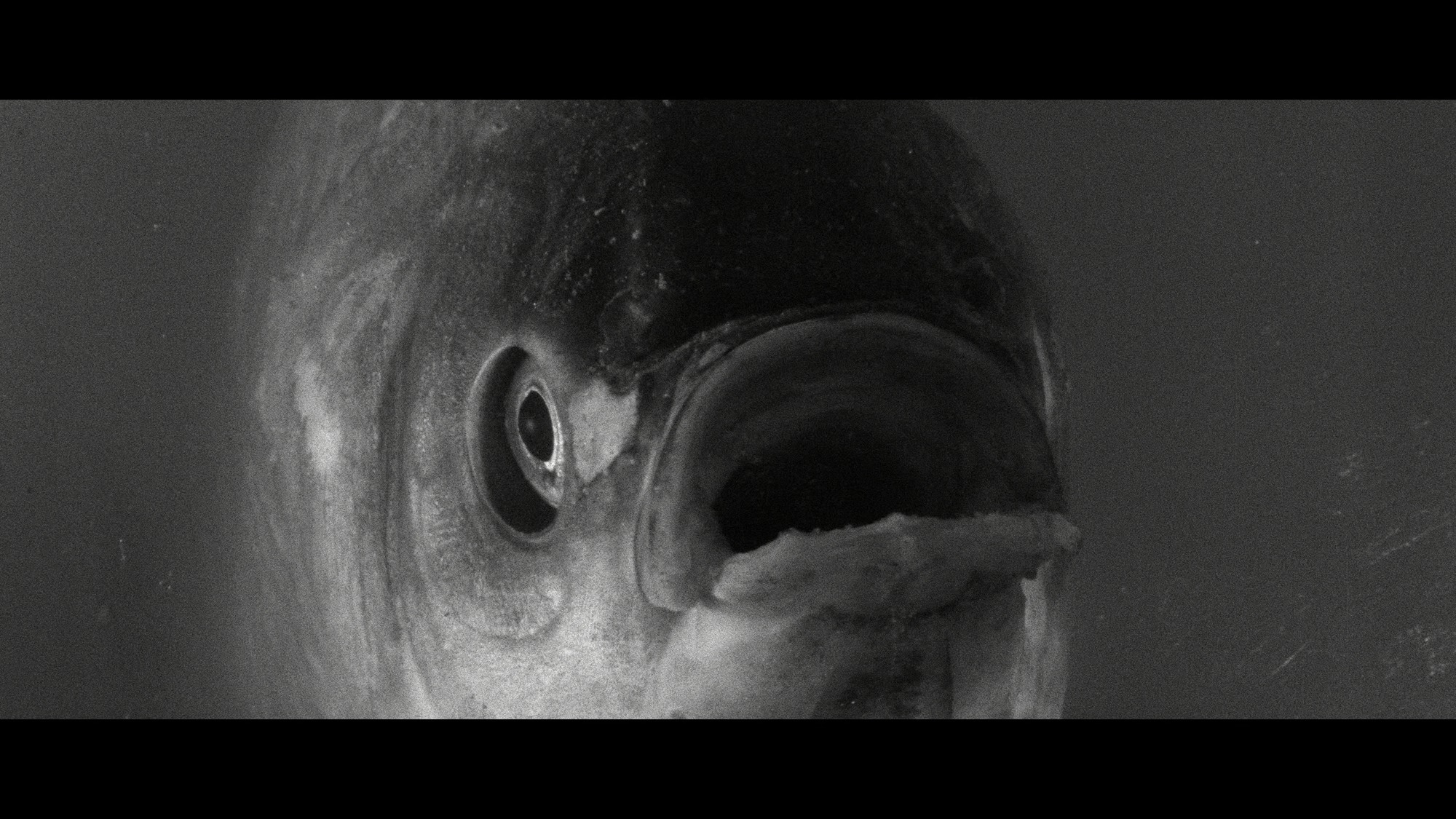
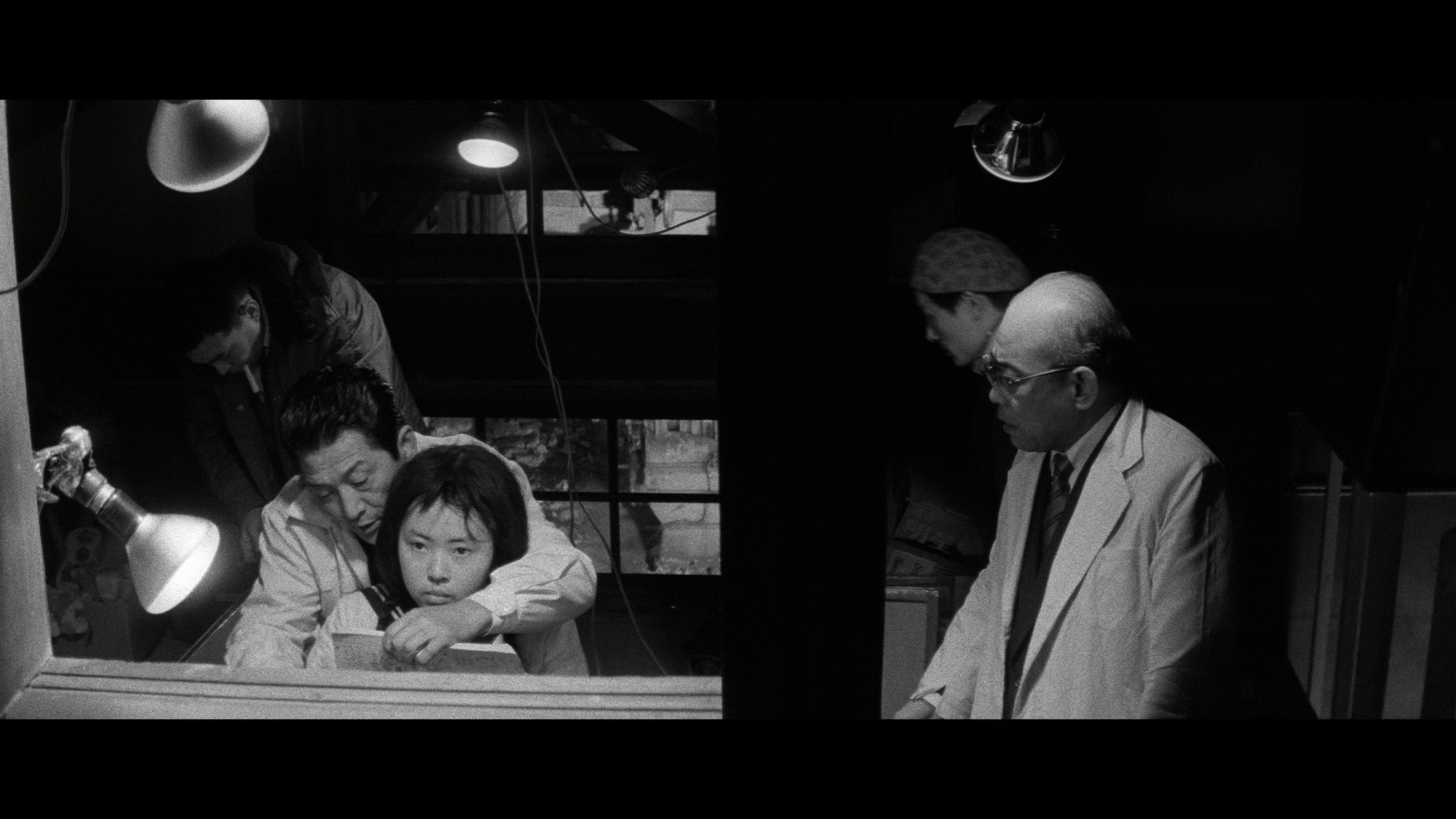
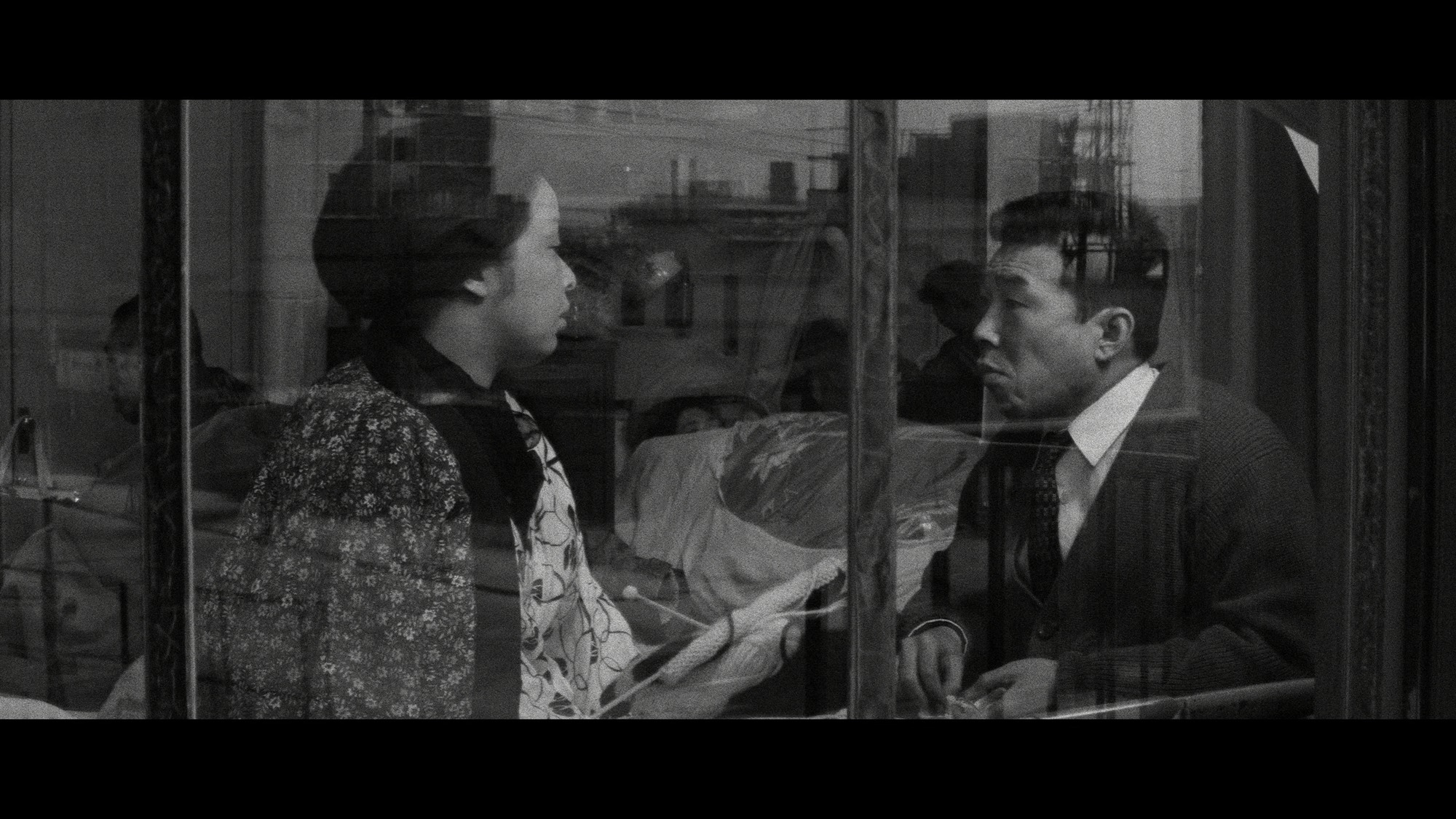
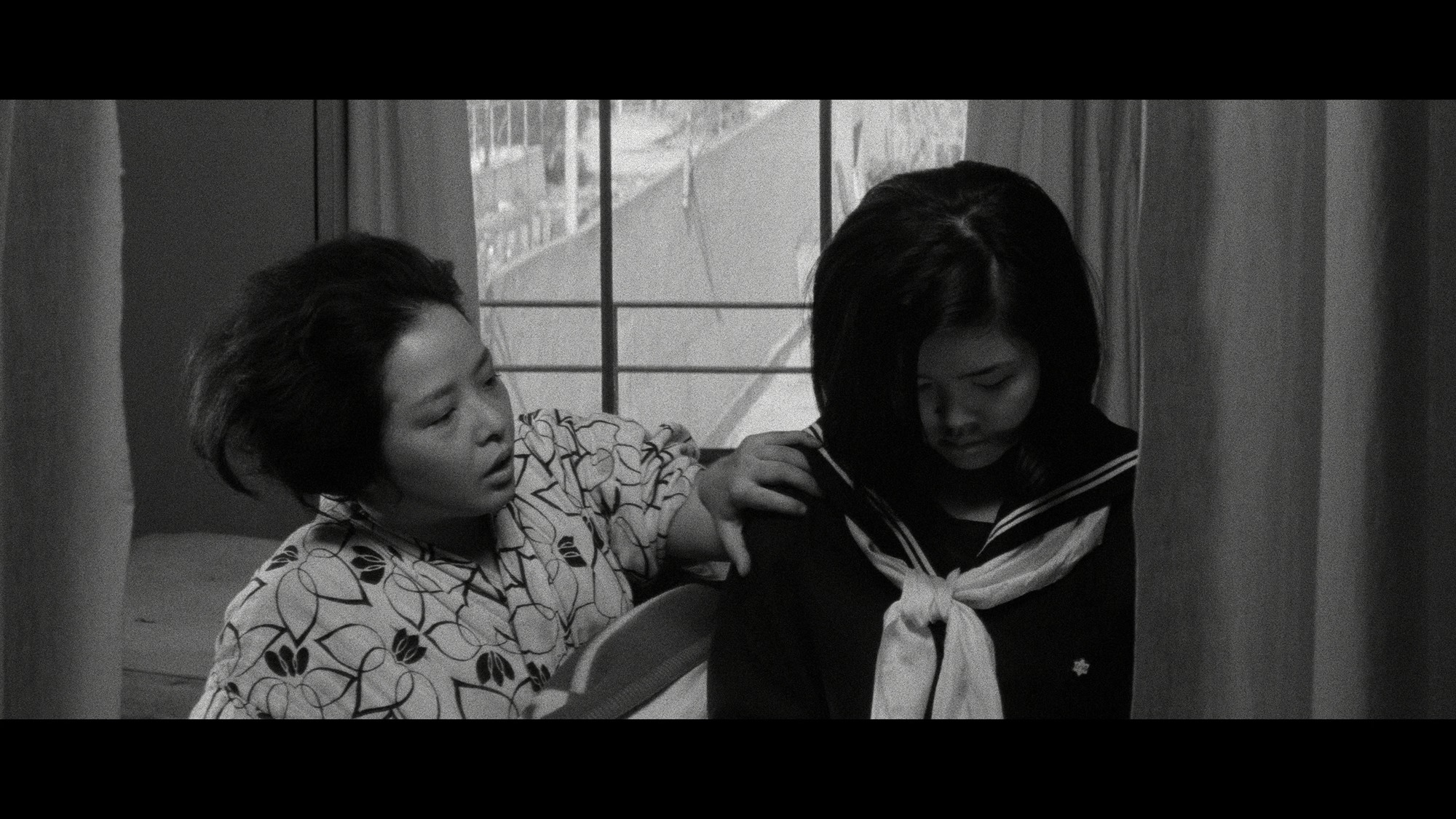
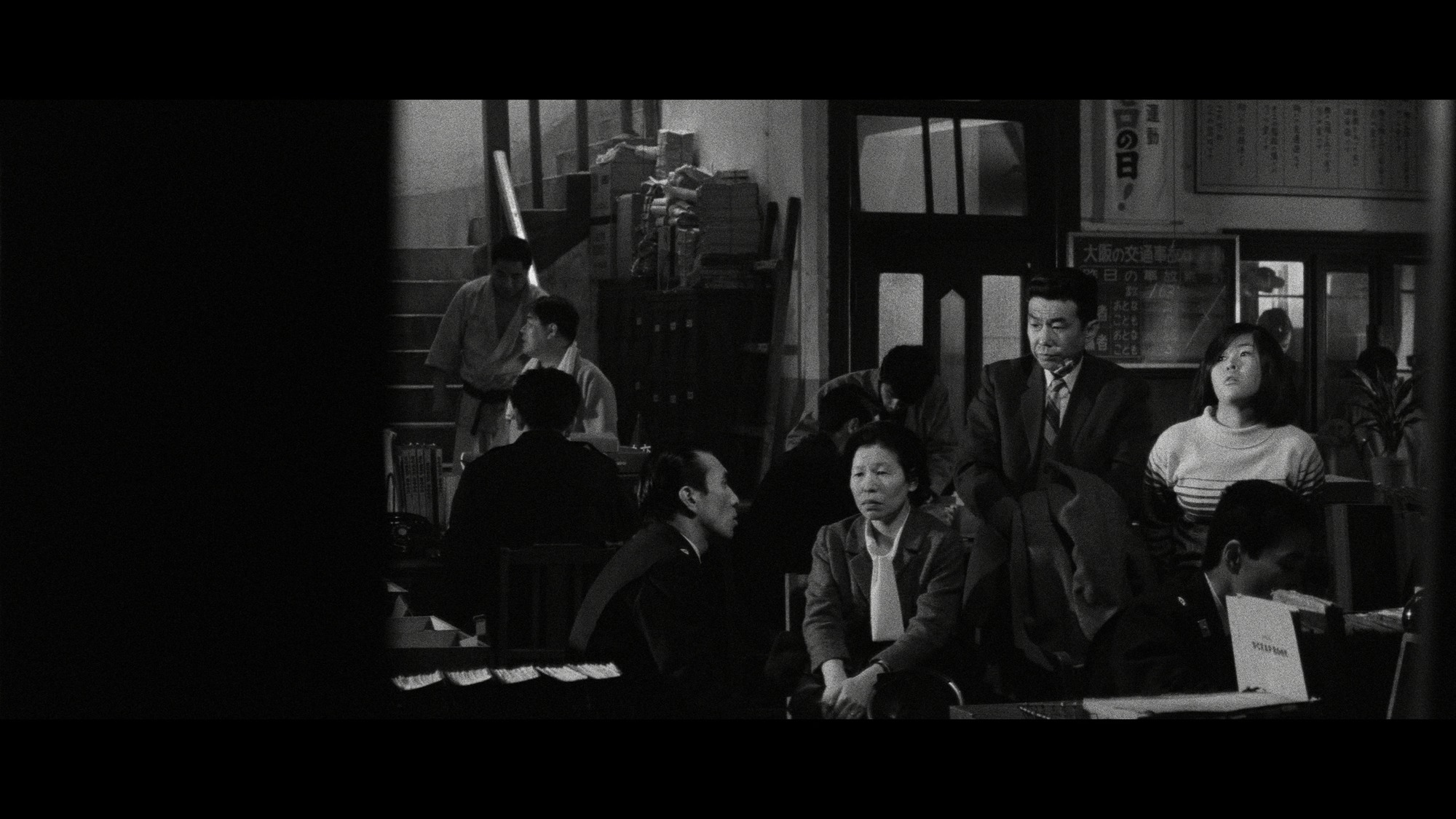
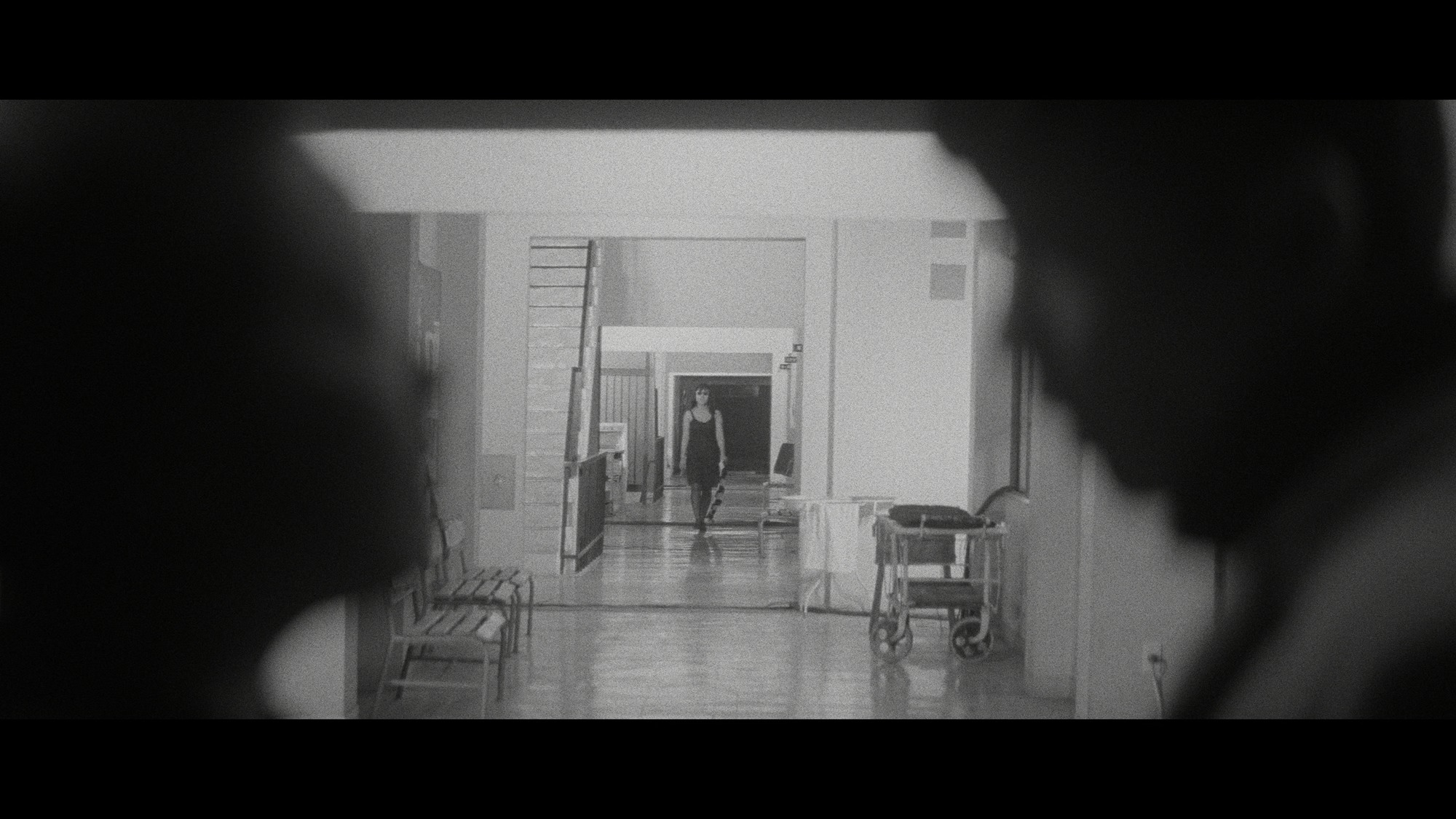
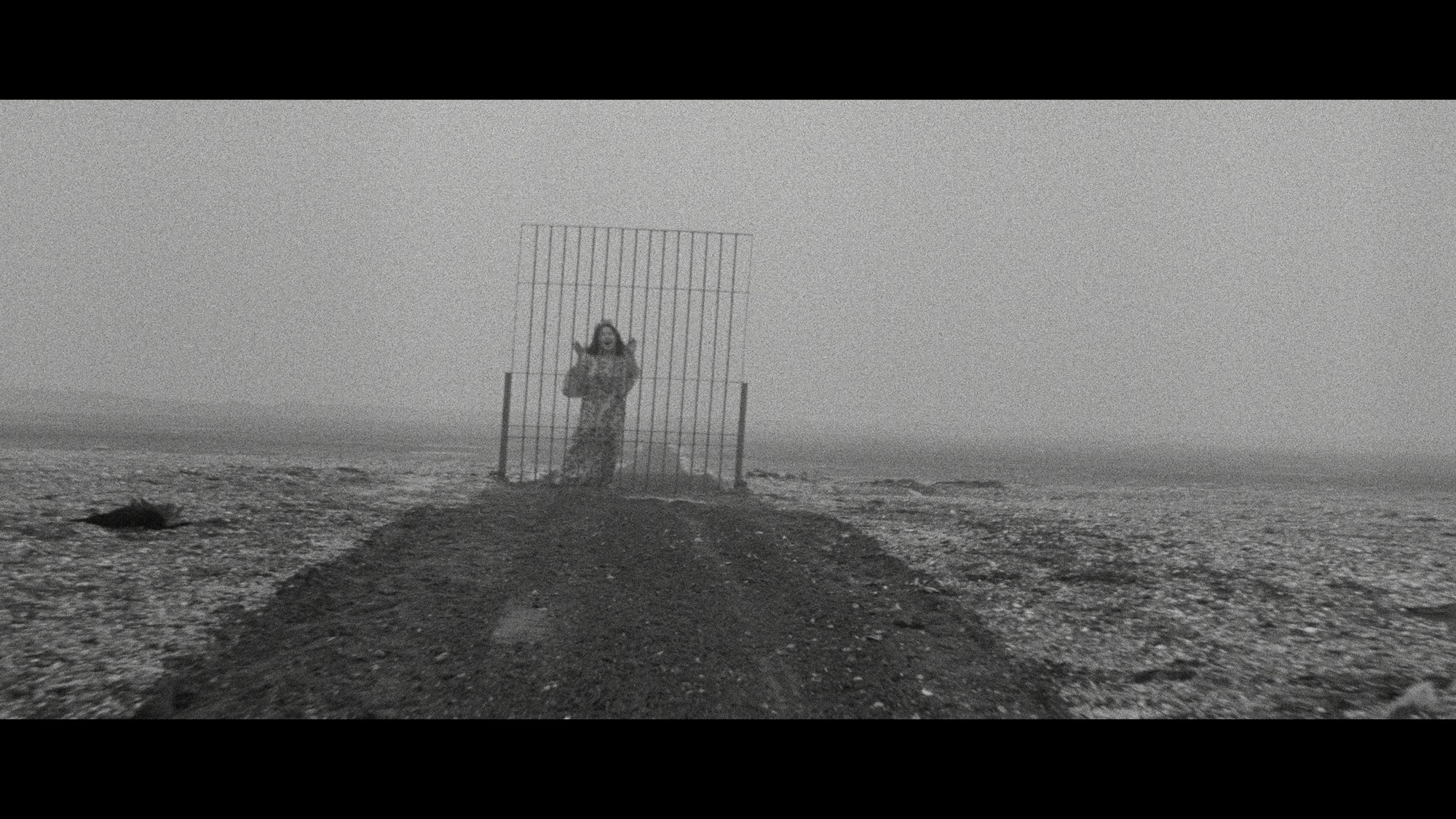
Audio 7/10
The DTS-HD MA 1.0 monaural soundtrack also delivers a nice upgrade over the DVD’s filtered track. Granted, I can’t say the range is all that wide, but I found the audio noticeably sharper, with music sounding a little cleaner as well. A handful of louder moments also come through cleanly without developing the edgy quality heard on the DVD.
Extras 8/10
This film was my introduction to Imamura (again, through Criterion’s DVD), and I recall not being entirely sure what to make of it the first time I saw it. It was funny and certainly odd, but I felt I was missing a lot of context, something Criterion’s DVD failed to provide; it only included the trailer and an insert featuring an incredibly short essay by J. Hoberman. That essay helped a bit, but I remember feeling that if there was ever a film that deserved at least a little more in the supplements department, it was this one.
Radiance fills that gap rather nicely with their edition, providing a handful of new features that should prove especially helpful for newcomers to the film and/or Imamura. All of the supplements are found on the included Blu-ray, which is locked to Region B.
The first, an interview with actor Masaomi Kondo (stepson Kochi in the film), doesn’t quite get there, but it’s still a wonderful new piece. This was Kondo’s first film role, and he talks about the casting process before sharing stories from the production, particularly around the neighborhood where they filmed. He also discusses how Imamura approached some of the more complicated shots and what it was like working with the filmmaker. But the best part is probably the final section, where he talks about retiring, settling into the home he bought with his late wife, and enjoying life with his best friend Yakko, his pet cat. As has become typical with a few of Radiance’s interviews, it’s not exactly what I was expecting, but that ultimately makes it all the more worthwhile. It runs 21 minutes.
Also new is an interview with Steve Corbeil, a professor at the University of the Sacred Heart in Tokyo, who discusses Akiyuki Nosaka, the author of the novel on which the film is based. What’s interesting—at least according to Corbeil—is that Nosaka is not especially well known in Japan despite being behind some of the country's better-known literary works, including not only the basis for this film but also the short story that inspired Grave of the Fireflies. Corbeil digs rather deep into Nosaka’s life and career, touching on his television work and even his close friendship with filmmaker Nagisa Oshima (which looks to have gotten a little odd), before explaining why Imamura proved to be the perfect filmmaker to tackle the novel’s subject matter. I thought this was a strong inclusion, and definitely one I would have appreciated, ohhh, 23 years ago.
The same goes for a new 47-minute interview with the always dependable Tony Rayns, who first provides an Imamura 101, going over the director’s background from discovering cinema (through Kurosawa’s Drunken Angel) to working his way up through the industry after apprenticing under the likes of Yasujiro Ozu (whose "rigid style" he apparently did not care for). Rayns then examines Imamura’s body of work and the themes that connect his films, working through the key titles up to his contribution to the omnibus 11'09"01, before eventually circling back to The Pornographers. Here he discusses the novel, its depiction of post-war Japan, Imamura’s adaptation, and how the film would ultimately influence later works, The Eel perhaps being the most obvious example. As usual, it’s another terrific contribution from Rayns.
The disc then closes with the original trailer (the same one found on Criterion’s DVD), along with a 19-page booklet featuring an essay by Jasper Sharp that goes much deeper into the original novel and nicely rounds everything out.
Overall, it’s a solid collection of material that, again, should prove especially valuable for anyone coming to the film (or Imamura) for the first time.
Closing
A surprisingly strong edition, featuring some wonderful contextualizing supplements alongside an incredible 4K presentation. A really easy recommendation.
BUY AT: