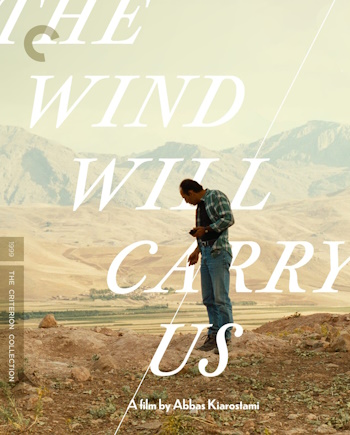
The Wind Will Carry Us
BUY AT:


See more details, packaging, or compare
Synopsis
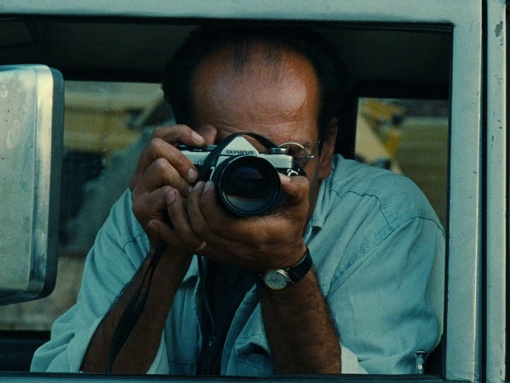
The mysteries of everyday life come into astonishing focus in one of Abbas Kiarostami’s greatest cinematic achievements. A slyly self-reflexive commentary on the director’s own artistic practice, The Wind Will Carry Us unfolds with unhurried majesty as it follows an undercover documentarian (Behzad Dorani) whose assignment to cover a small village’s funeral rites is continually frustrated by an elderly woman’s refusal to die. Along the way, though, he forges surprising, unsettling, and enlightening connections with those he meets. Suffused with Kiarostami’s love for people, poetry, and the arid beauty of rural Iran, this meditative masterpiece reflects upon the boundaries between intimacy and alienation, tradition and modernity, with the utmost grace.
Picture 8/10
The Criterion Collection brings Abbas Kiarostami’s The Wind Will Carry Us to Blu-ray, presenting the film in 1080p/24hz from a new 4K restoration sourced from a scan of the 35mm original camera negative. The film is presented in its original aspect ratio of 1.85:1 on a dual-layer disc.
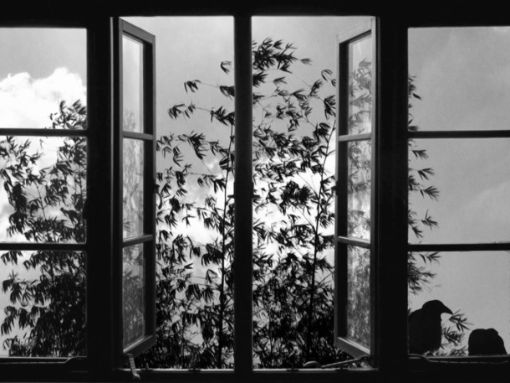
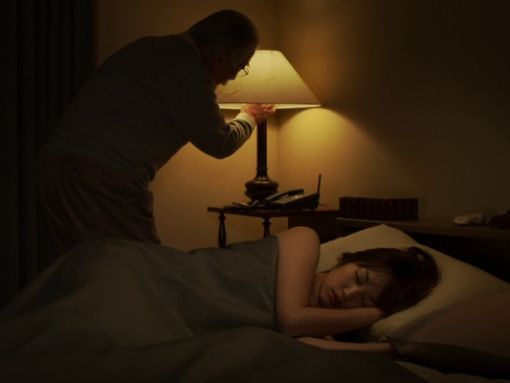
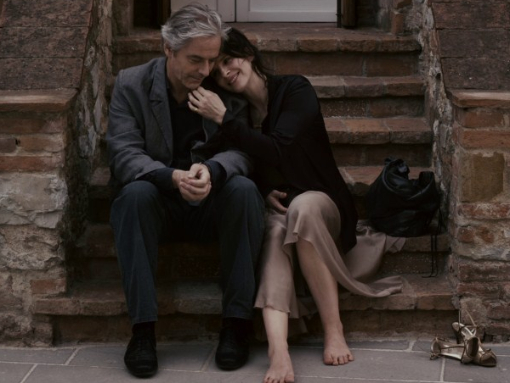
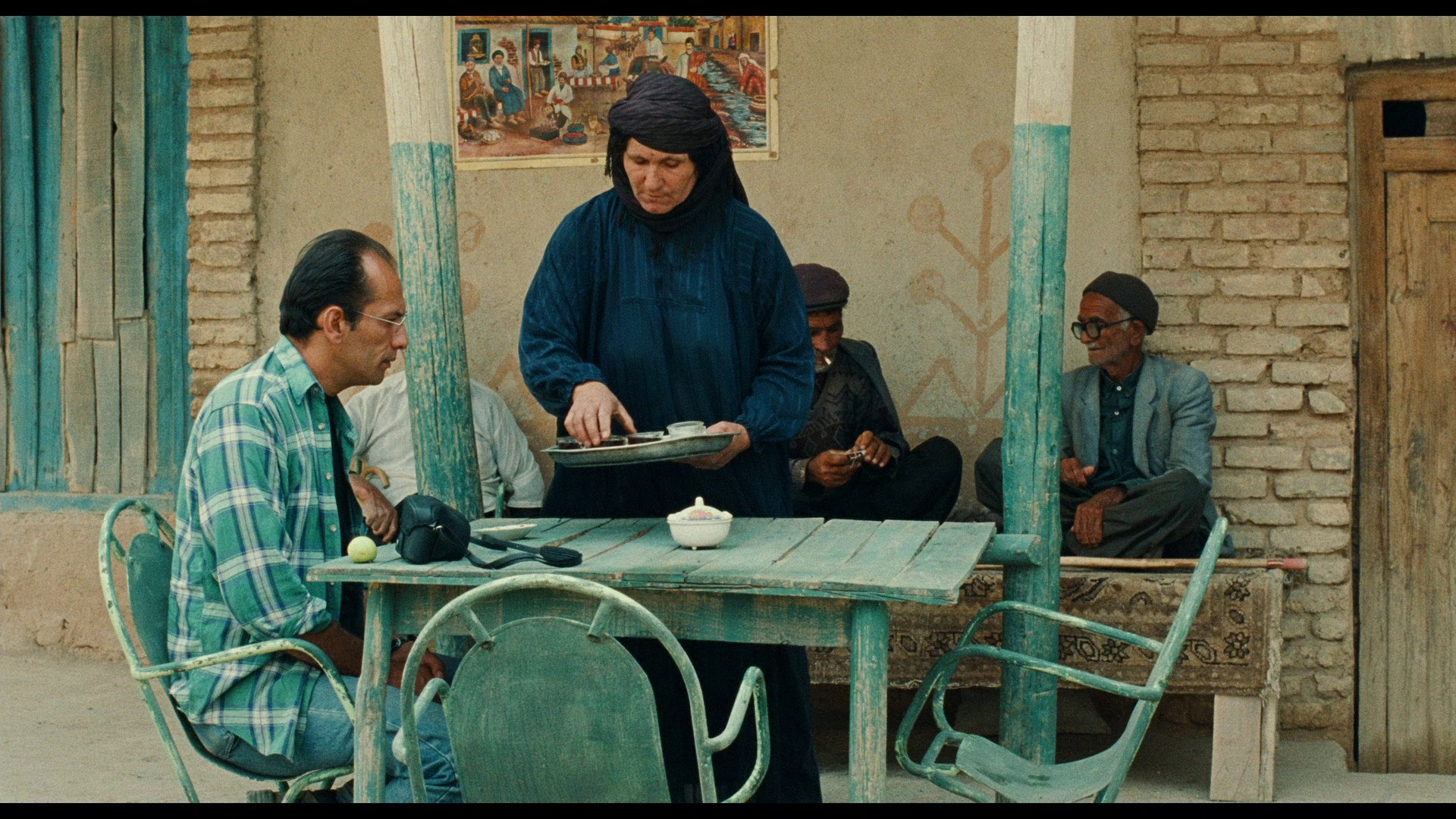
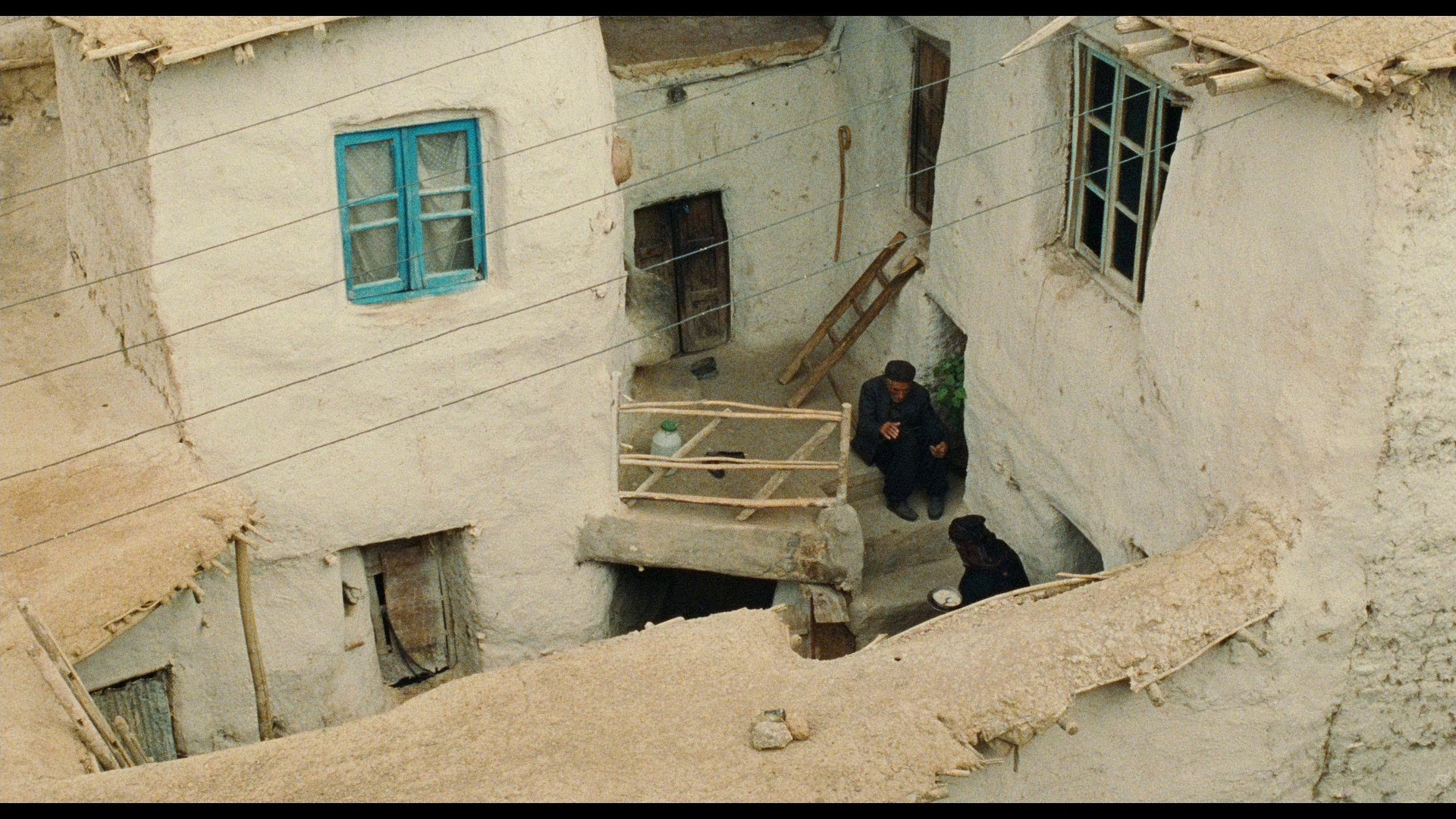
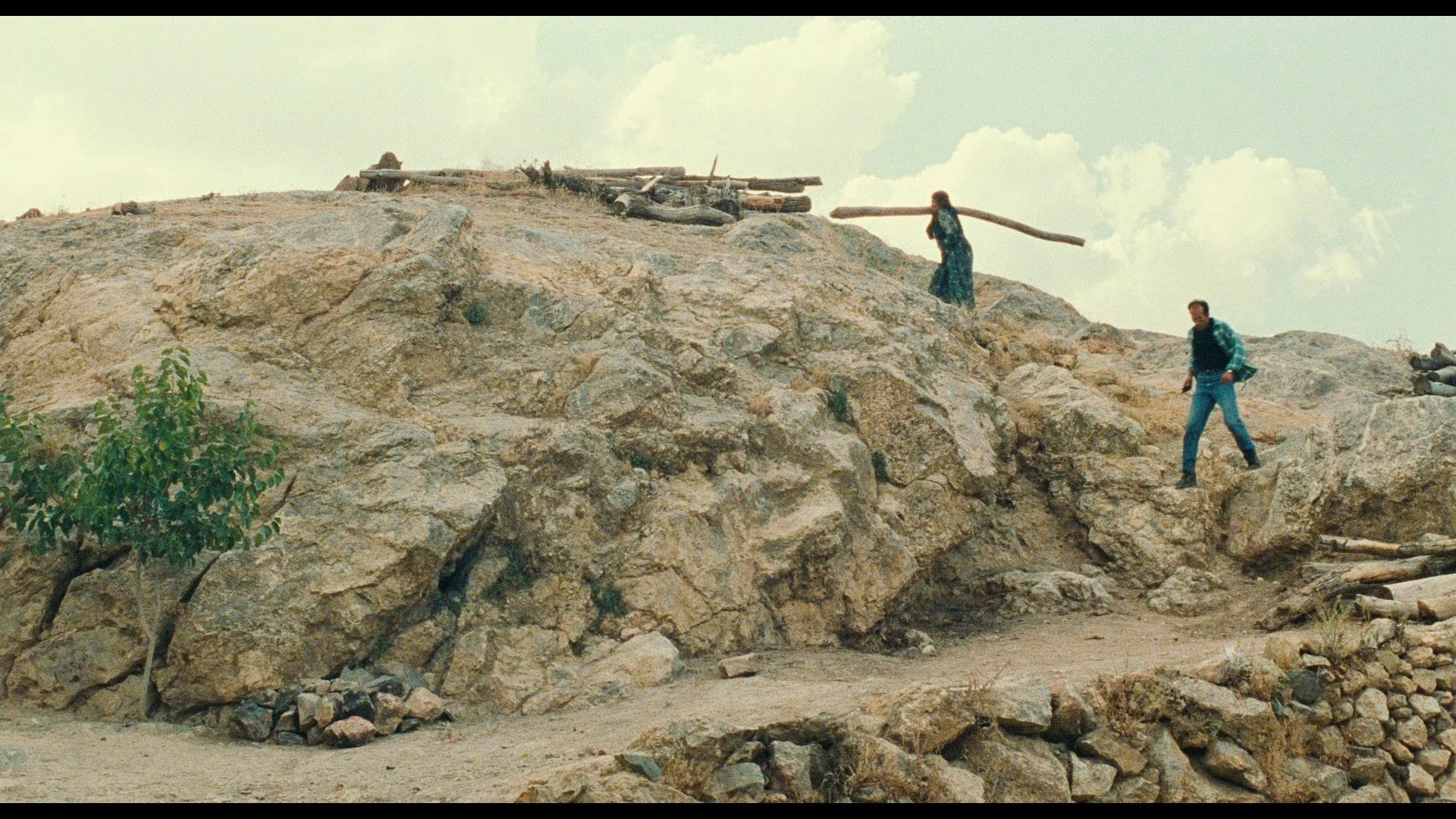
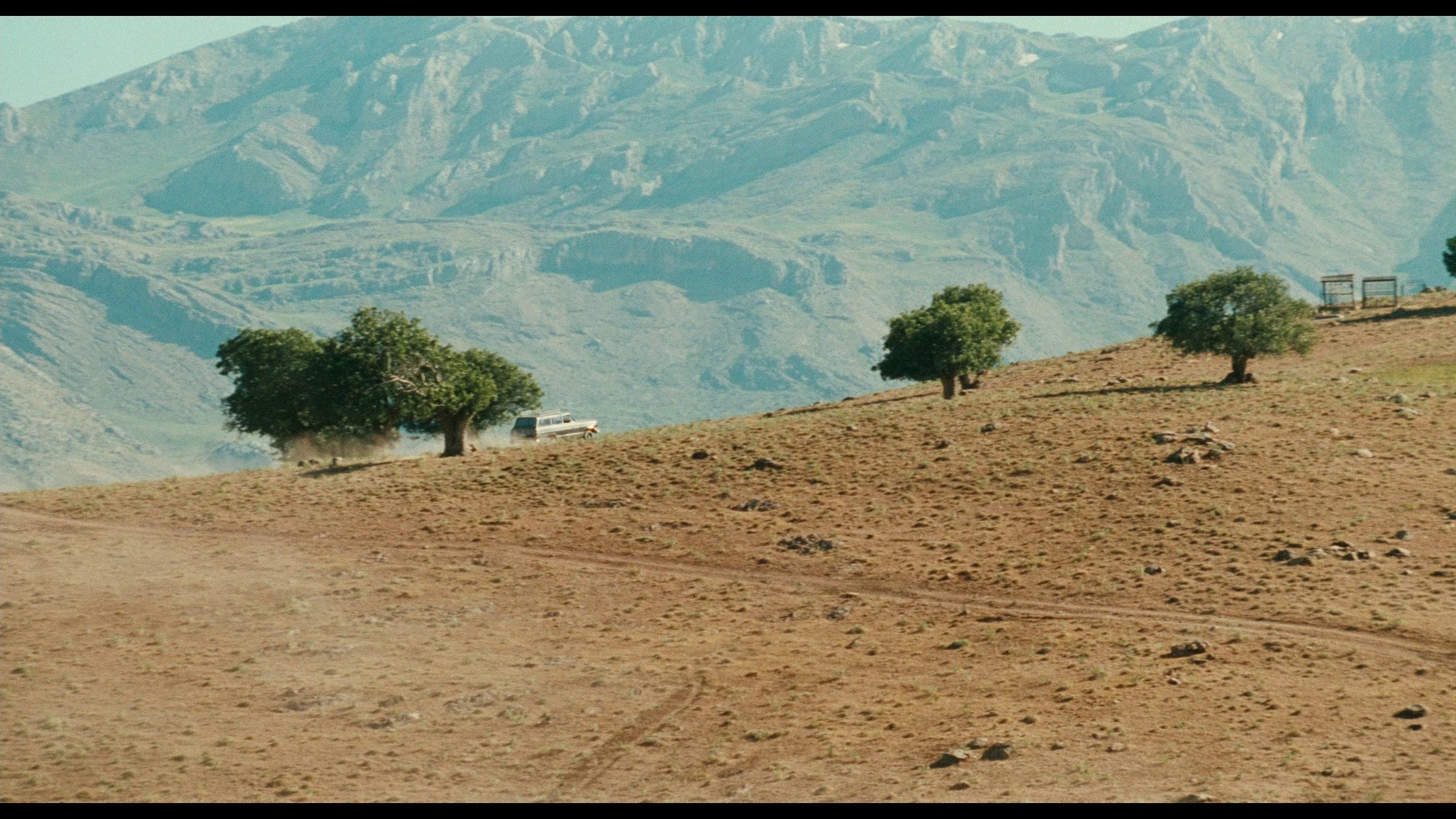
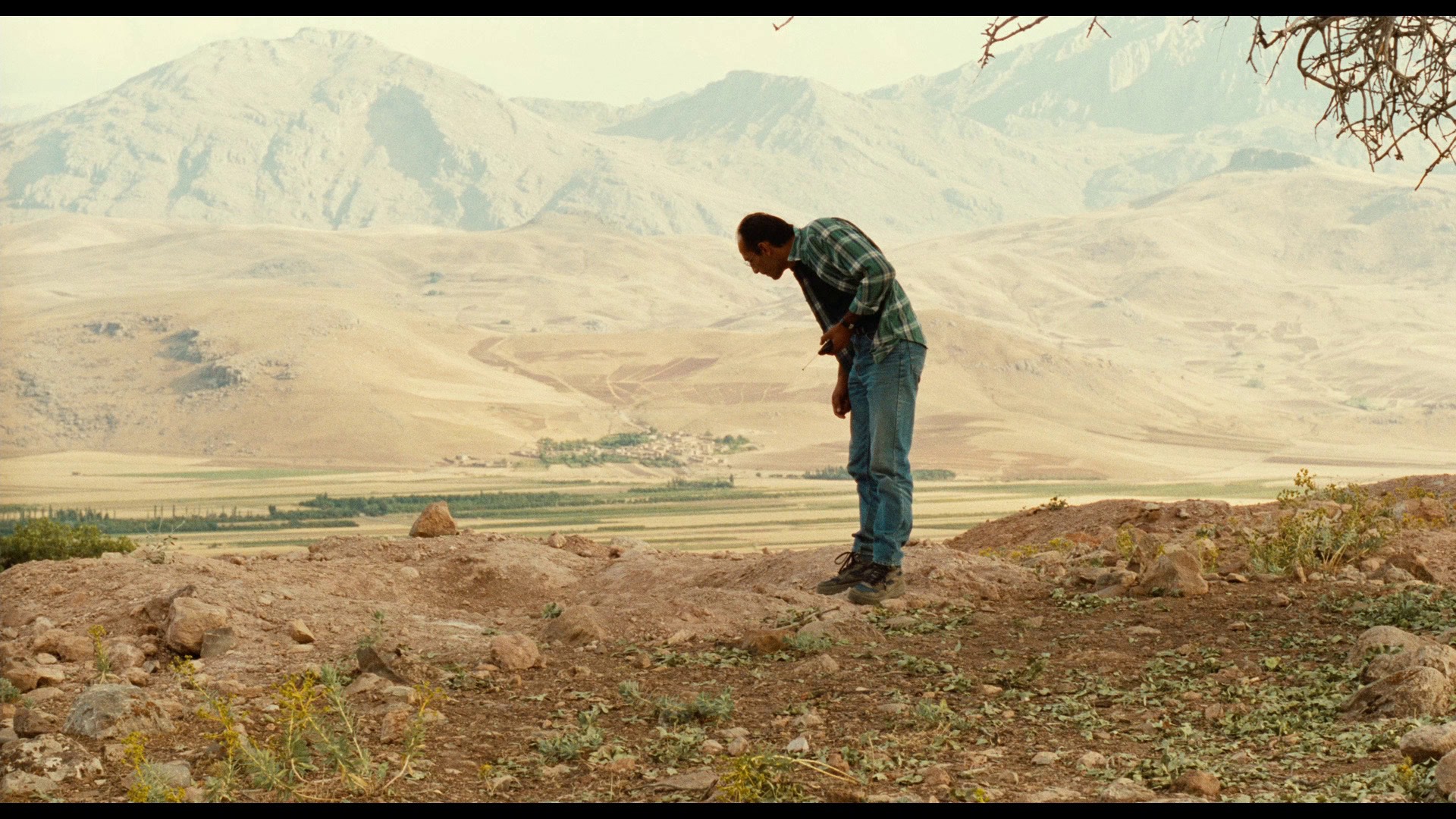
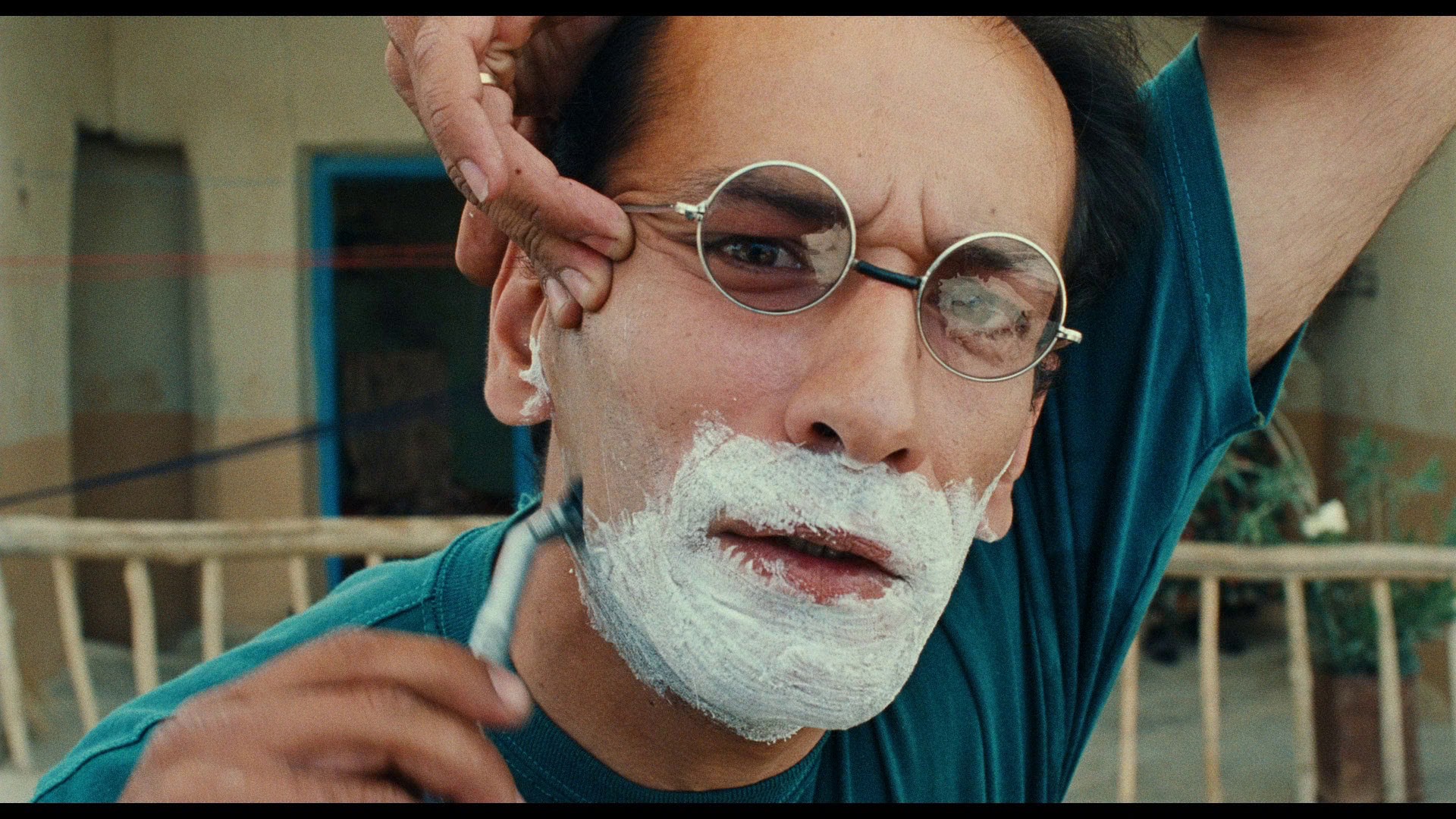
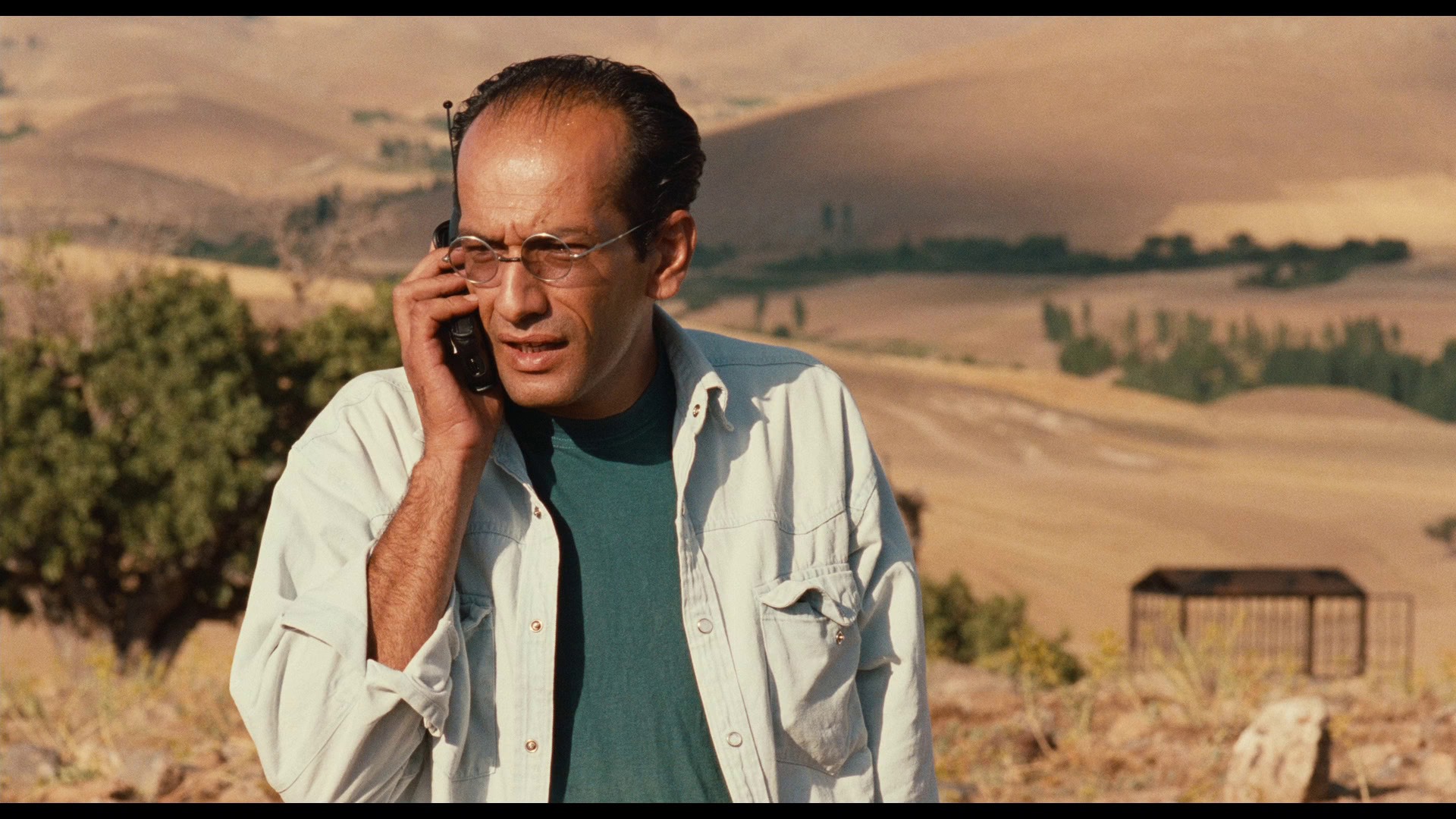
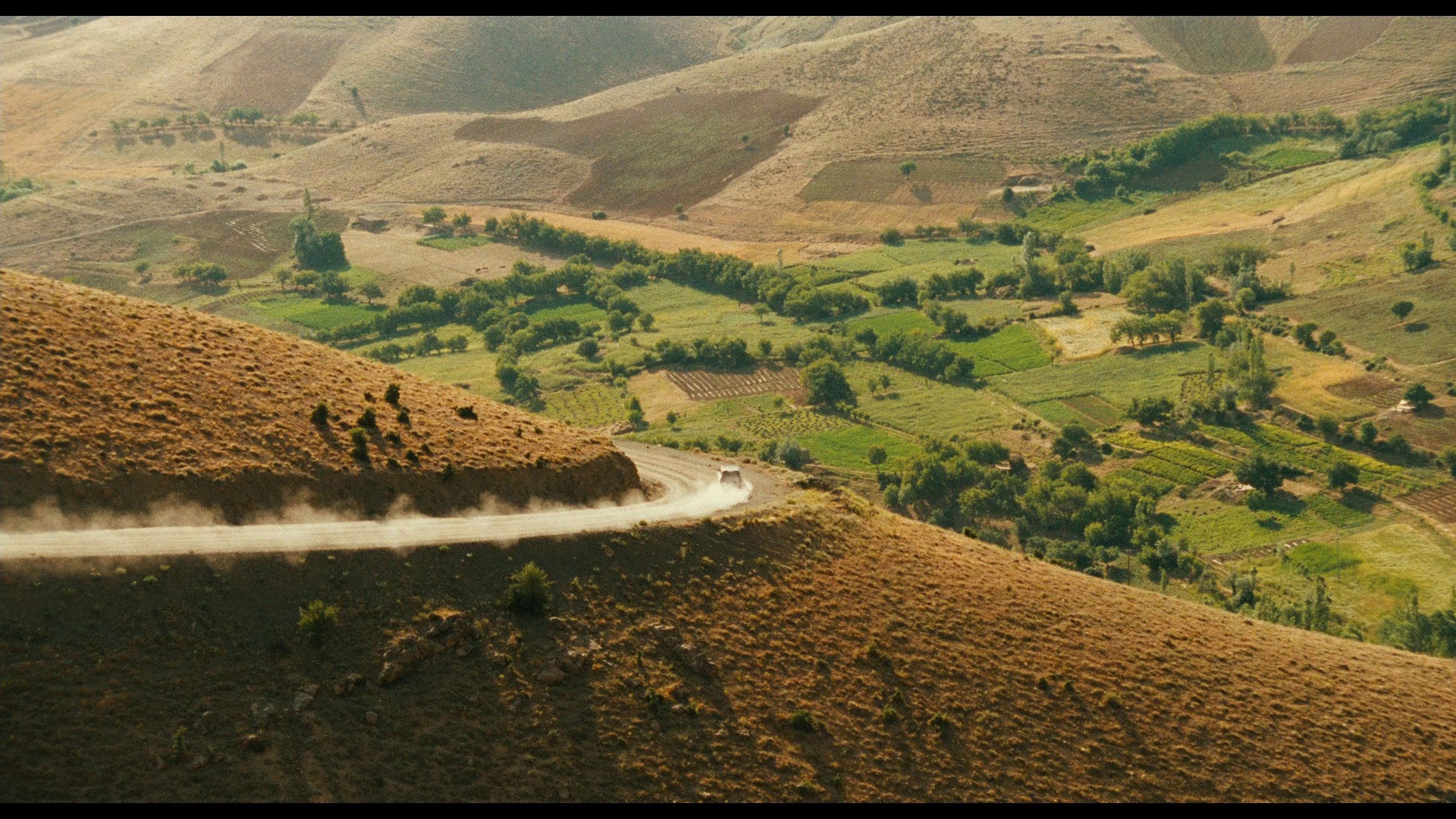
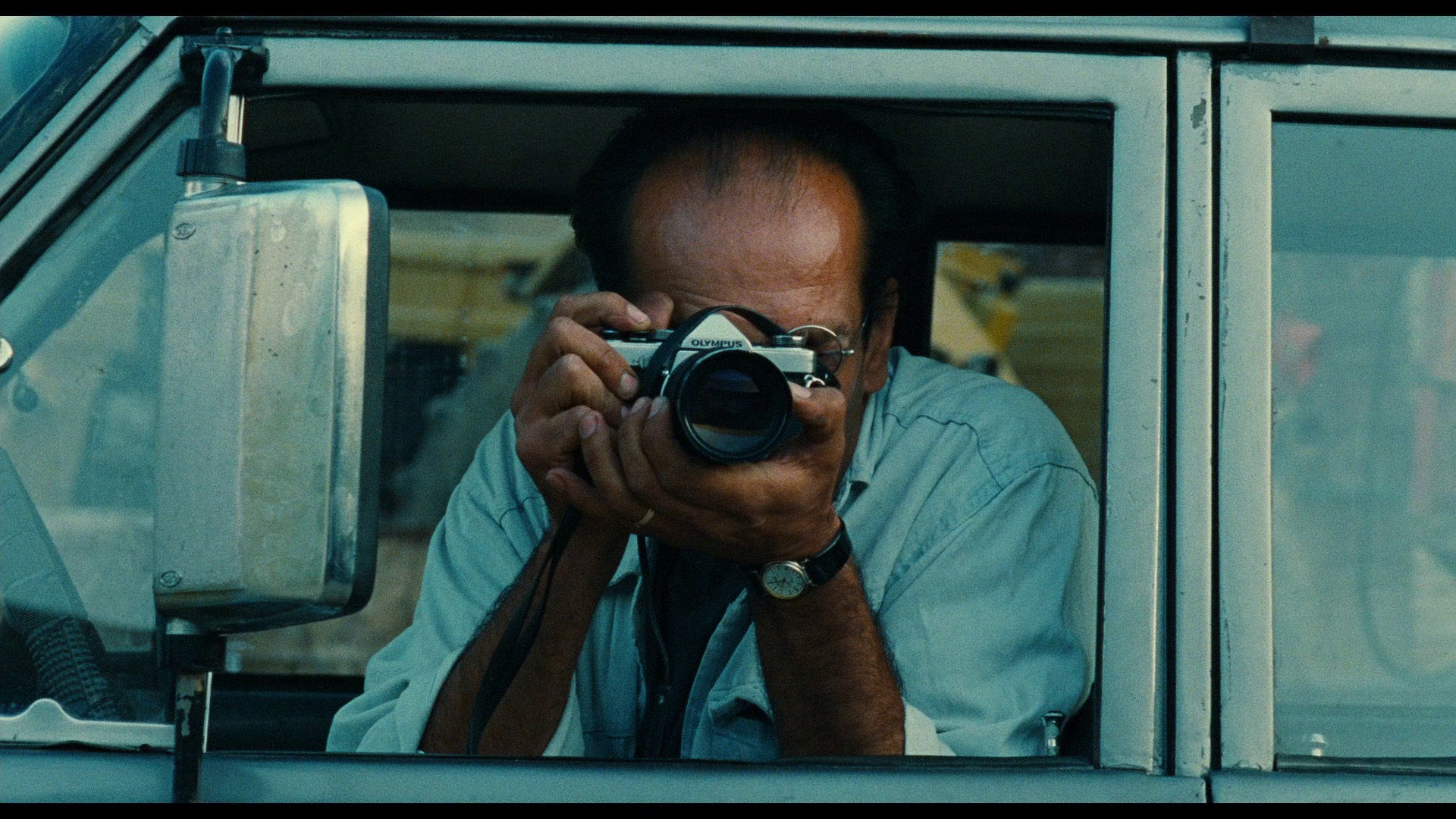
Generally speaking, this new presentation looks quite good, a couple of minor issues (or at least one questionable choice) aside. The restoration itself is impressive, having cleaned up the source materials remarkably well, with nary a mark or hair to be seen, or at least none that I noticed. The scan has picked up an impressive level of detail, allowing you to make out practically every stone and pebble in a shot, or every blade of grass in a field. Close-ups are especially striking in the amount of detail they deliver, while even long shots manage to come off razor sharp.
The encode is mostly fine, though it occasionally struggles with the film's fairly heavy layer of fine grain. Most shots look fantastic, but some scenes featuring large portions of sky can appear a little noisy, as can shots filled with gravel or clusters of stones. Outside of these moments, however, the image generally looks clean and stable in motion, with a generally decent film-like texture.
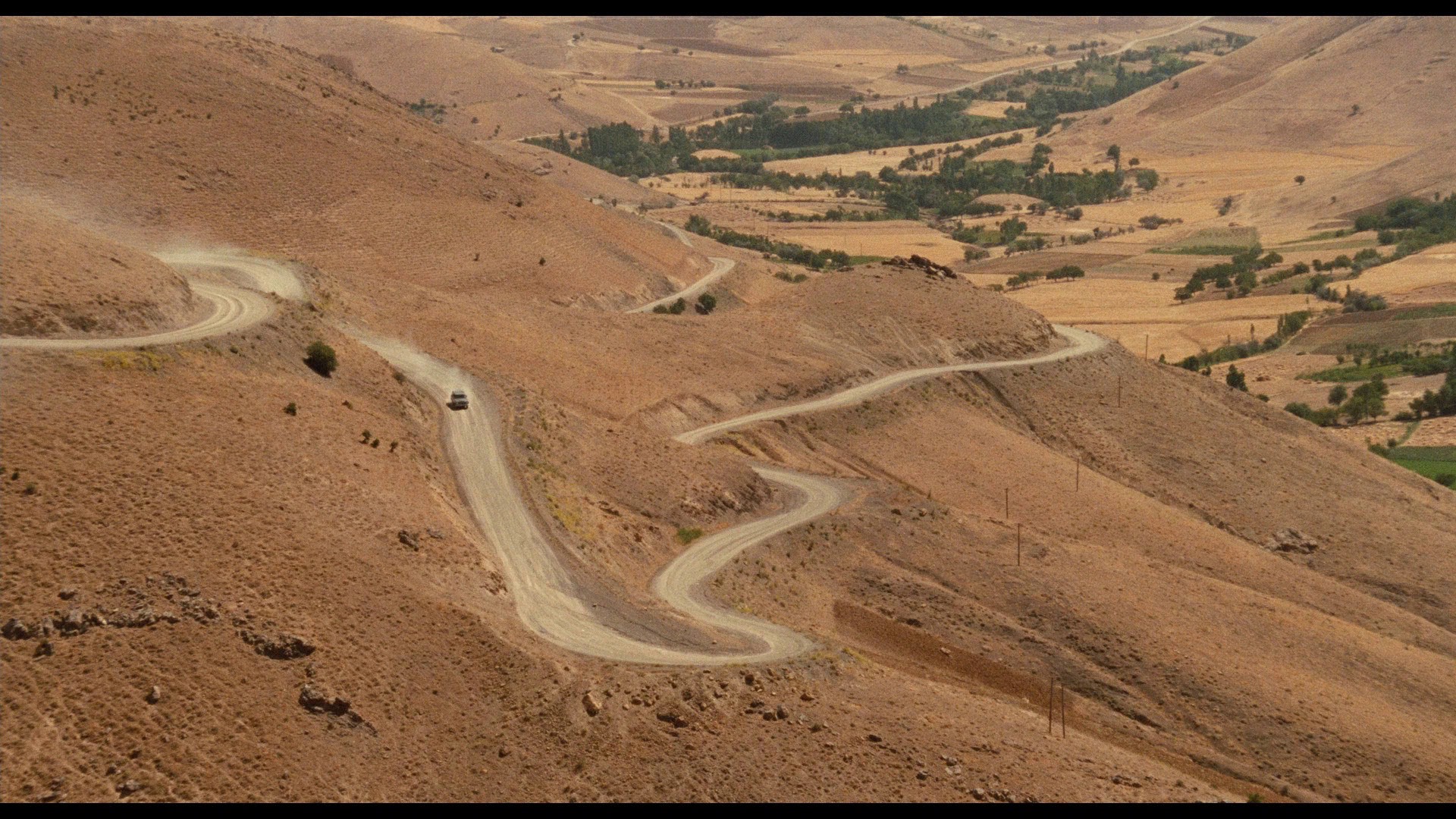
The one area I question is the color grading, which carries that familiar yellow-tealy-greenish hue throughout. It suits the film to a degree, I suppose, but skies can sometimes look overly yellow or teal, with whites leaning in that direction as well. Teal also comes through rather heavily in other places. I only question it because it feels more like a typical digital tinkering rather than something that would have been achieved naturally through photochemical timing. Admittedly, I could be off base here, but the fact that even the MK2 logo that opens the film has a jaundiced appearance doesn't help.
At any rate, outside of those couple of hiccups, I was still quite impressed. It's a strong presentation overall.
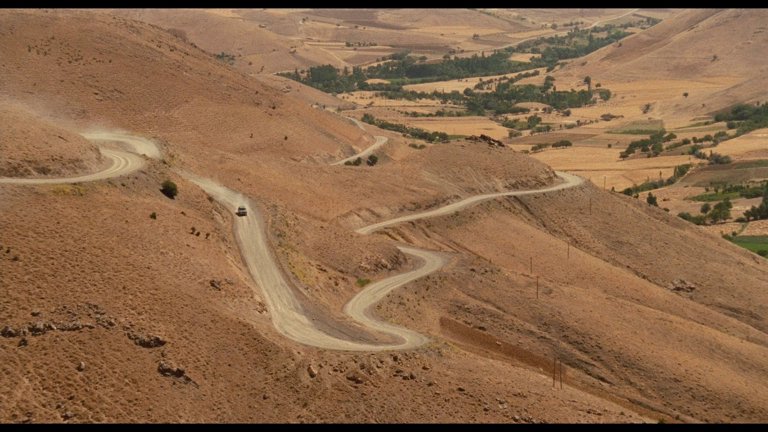
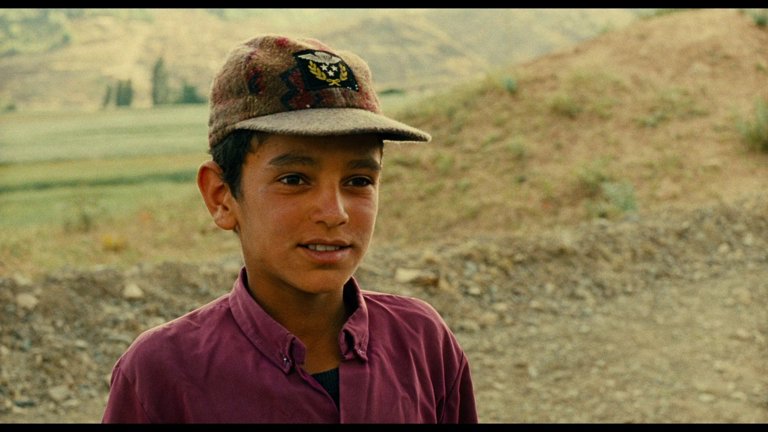
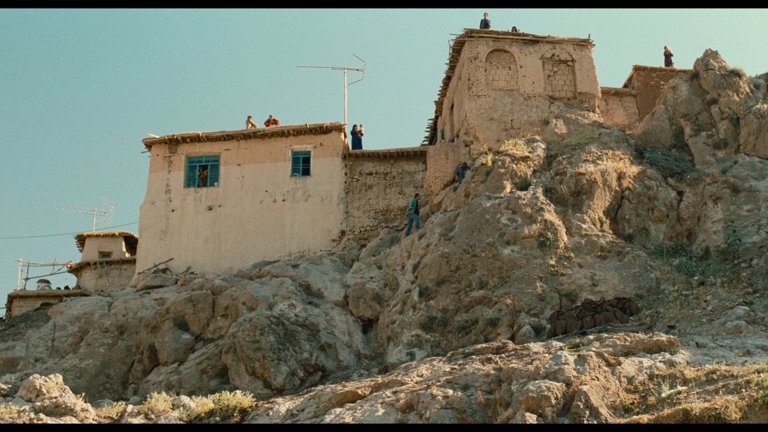
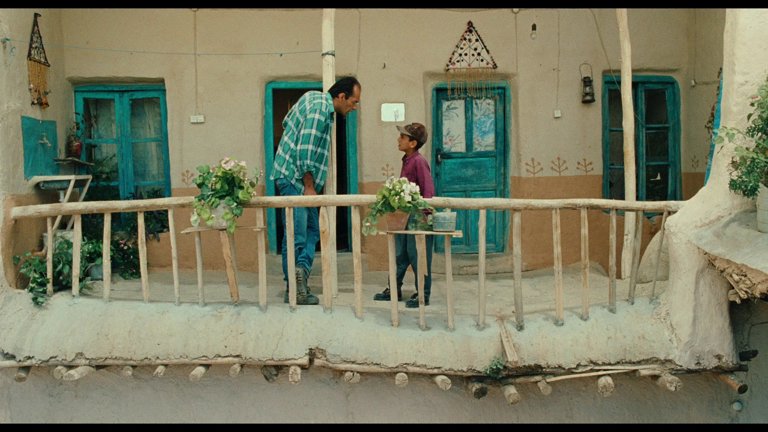
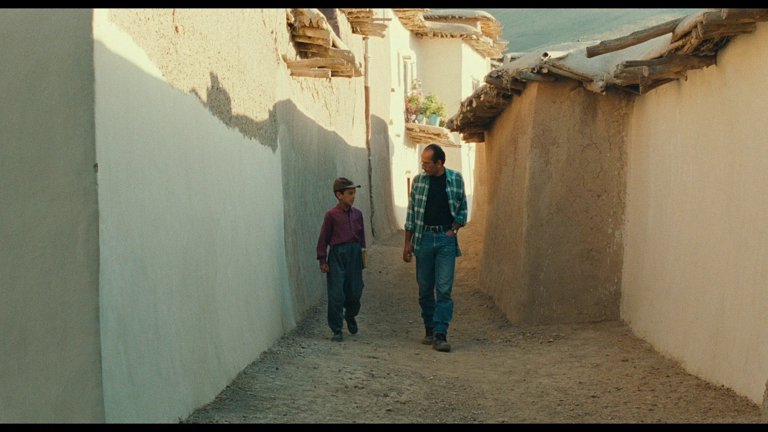
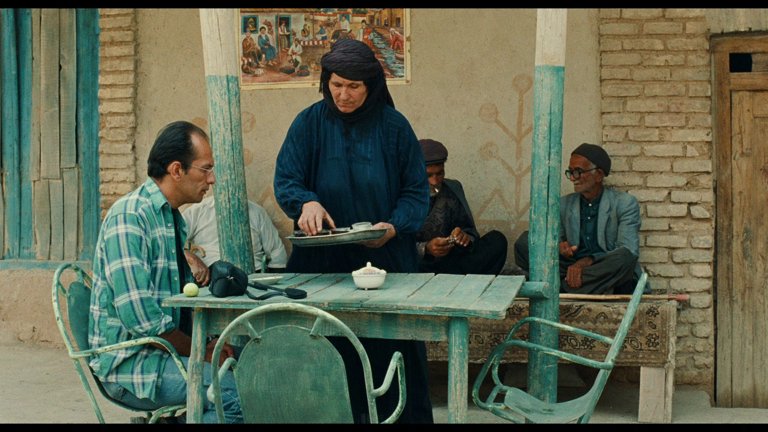
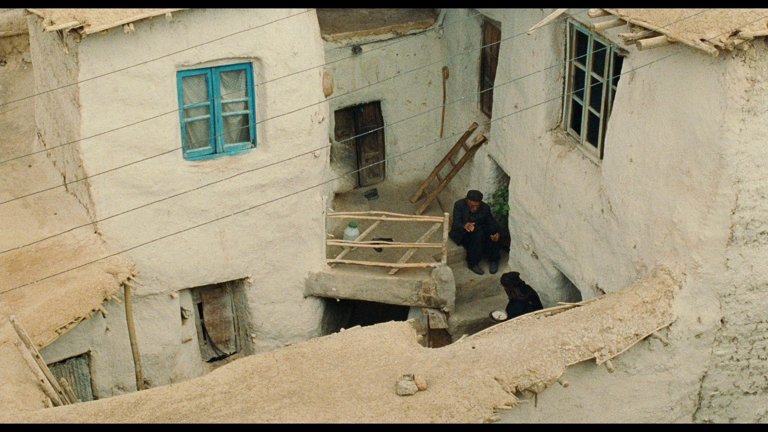
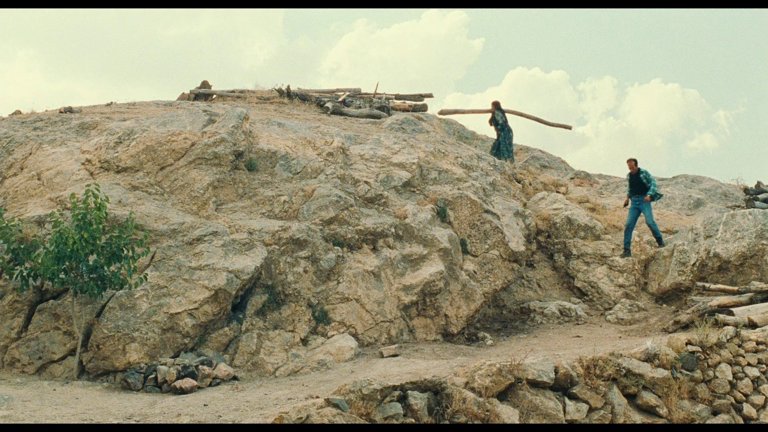
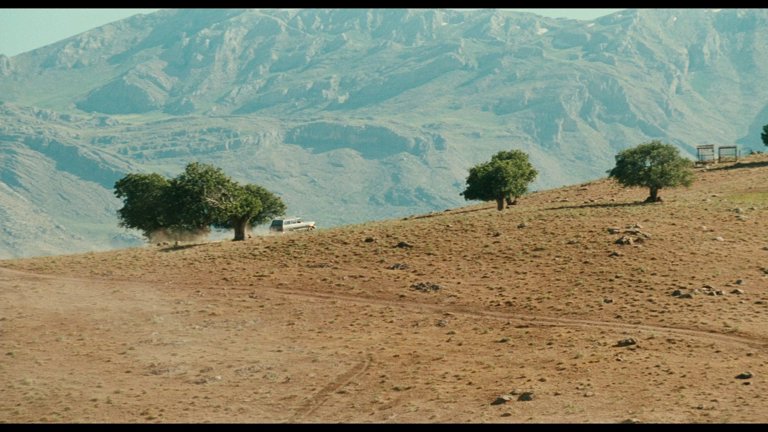
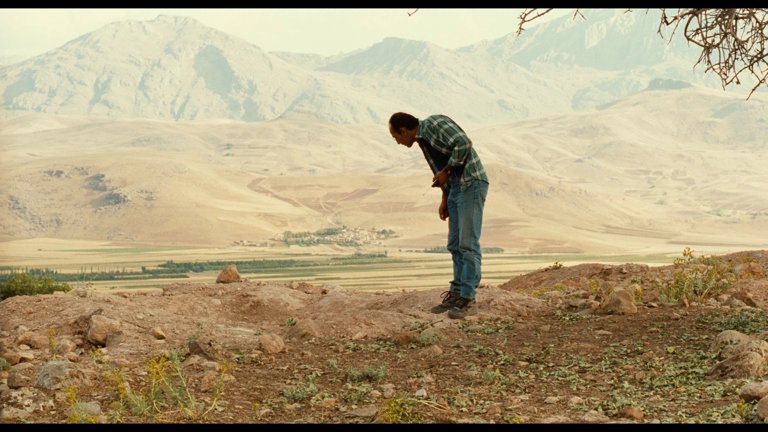
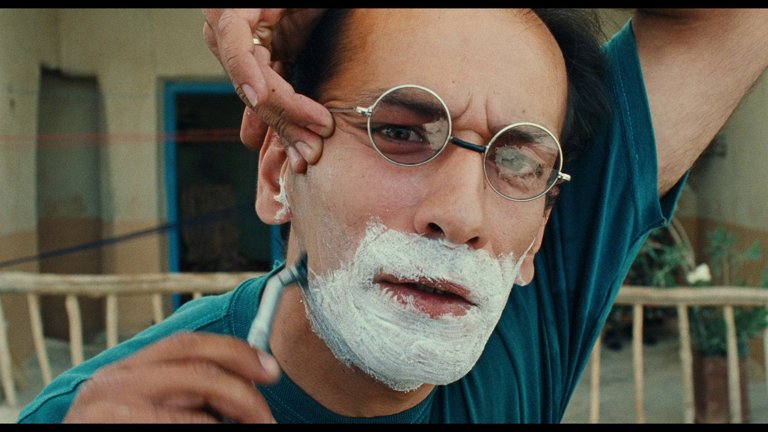
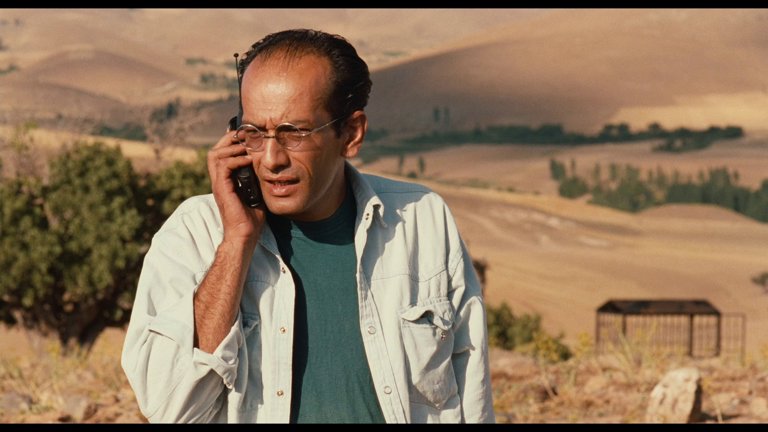
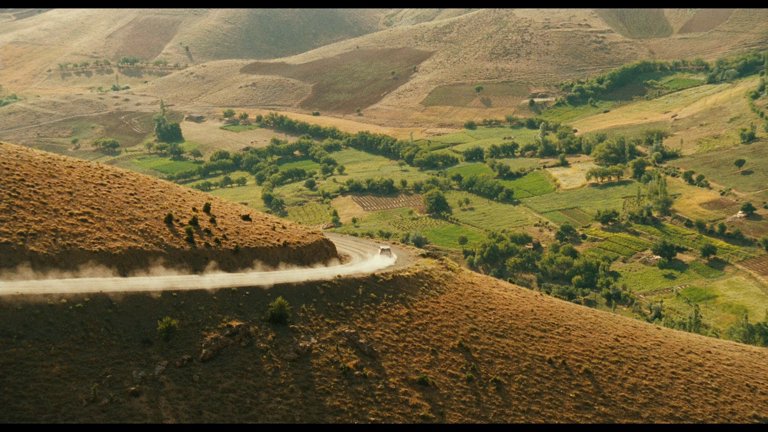
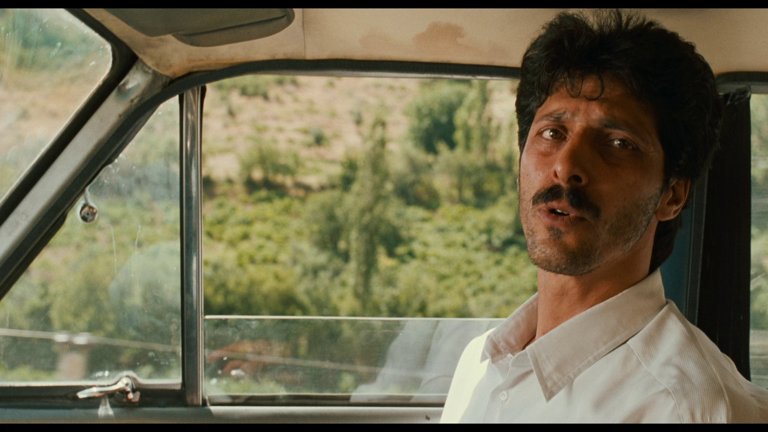
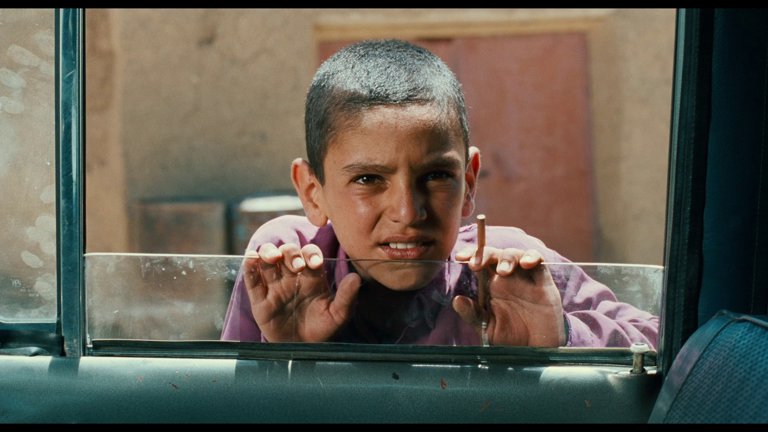
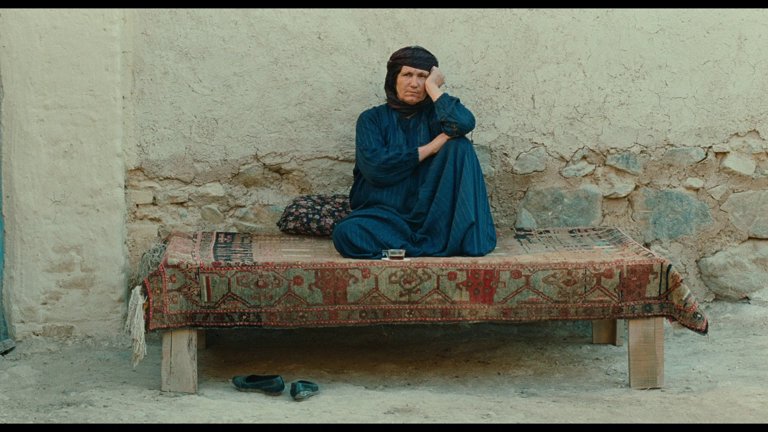
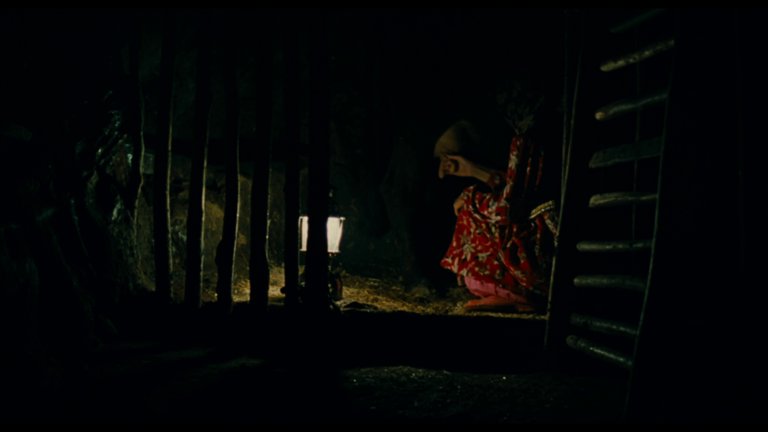
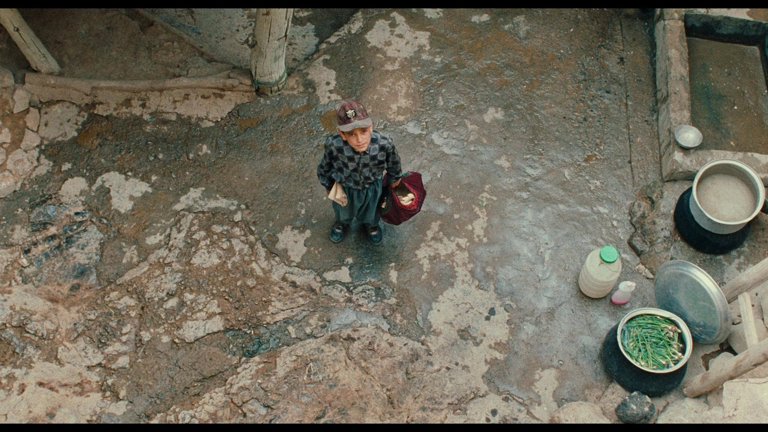
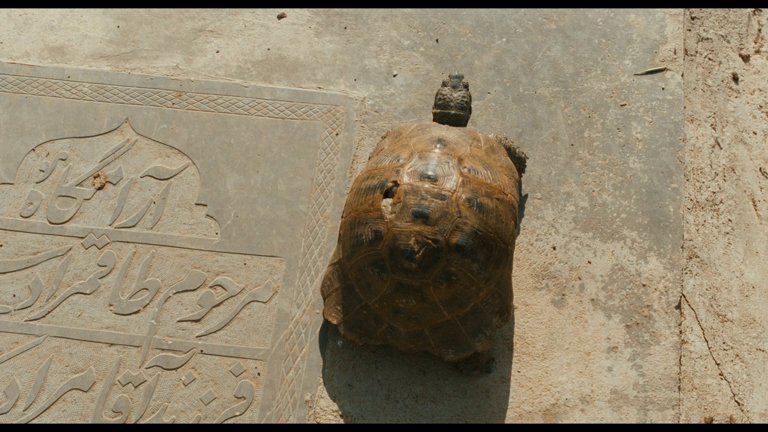
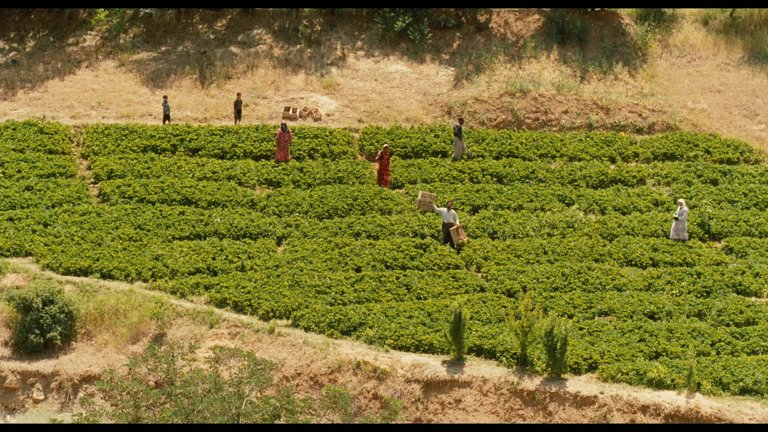
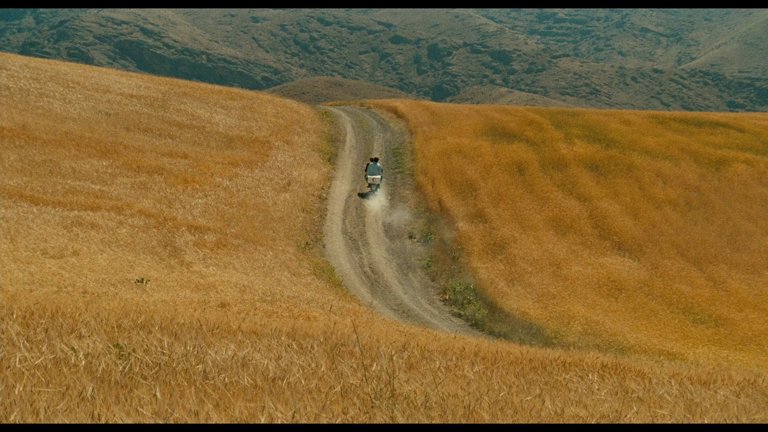
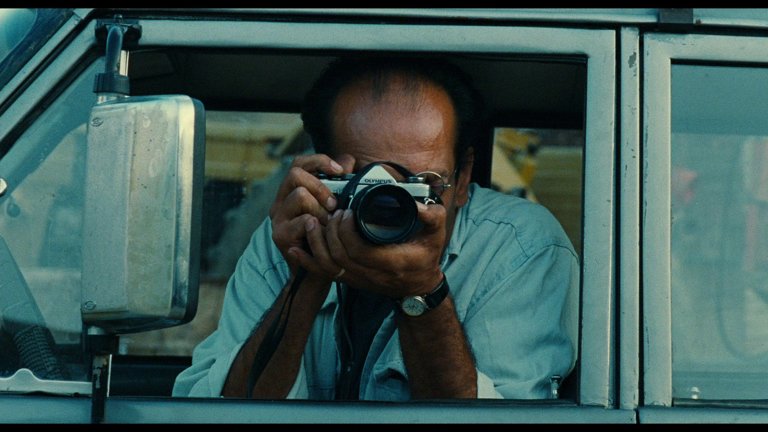
The Wind Will Carry Us - Screen Captures
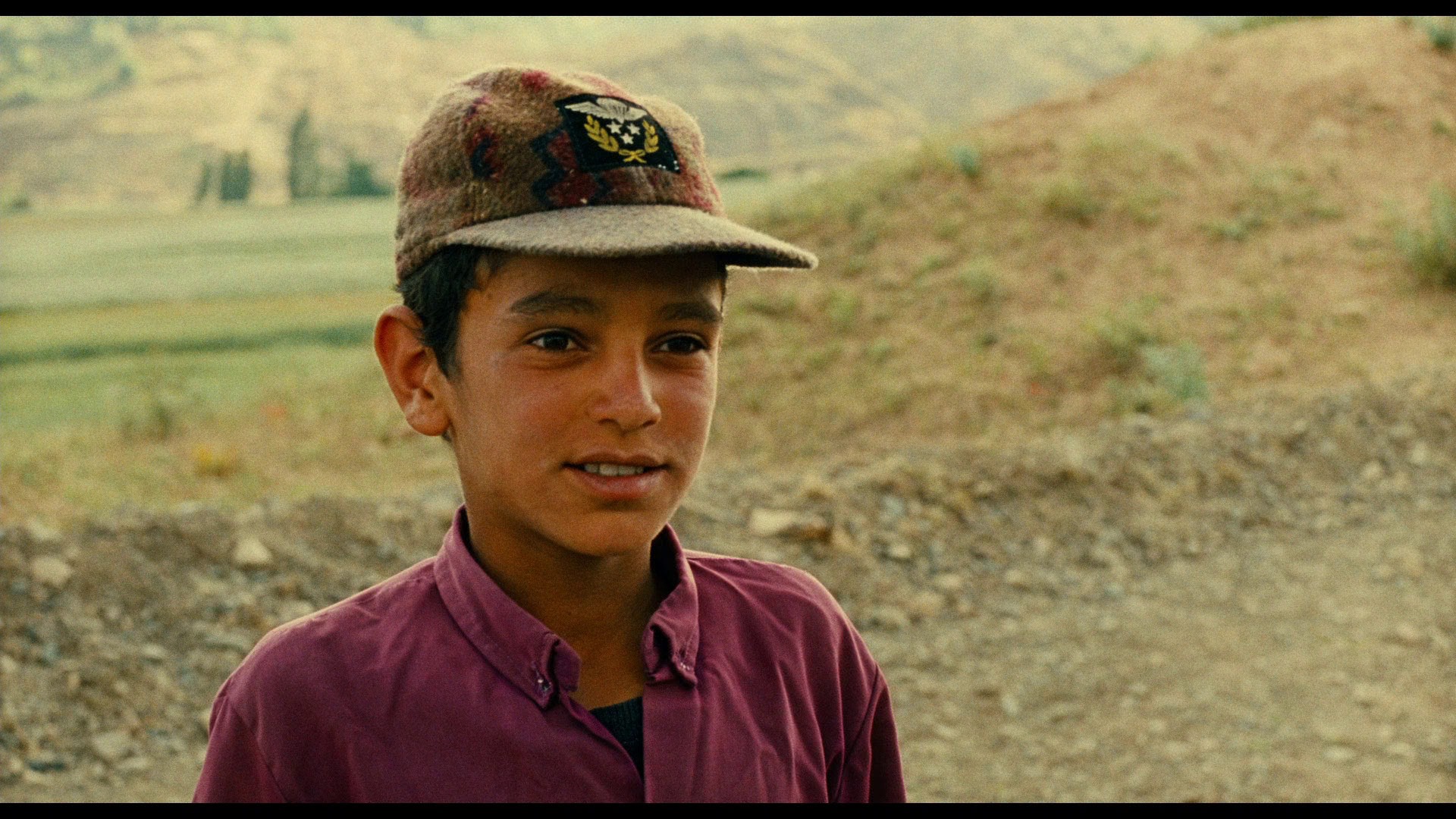
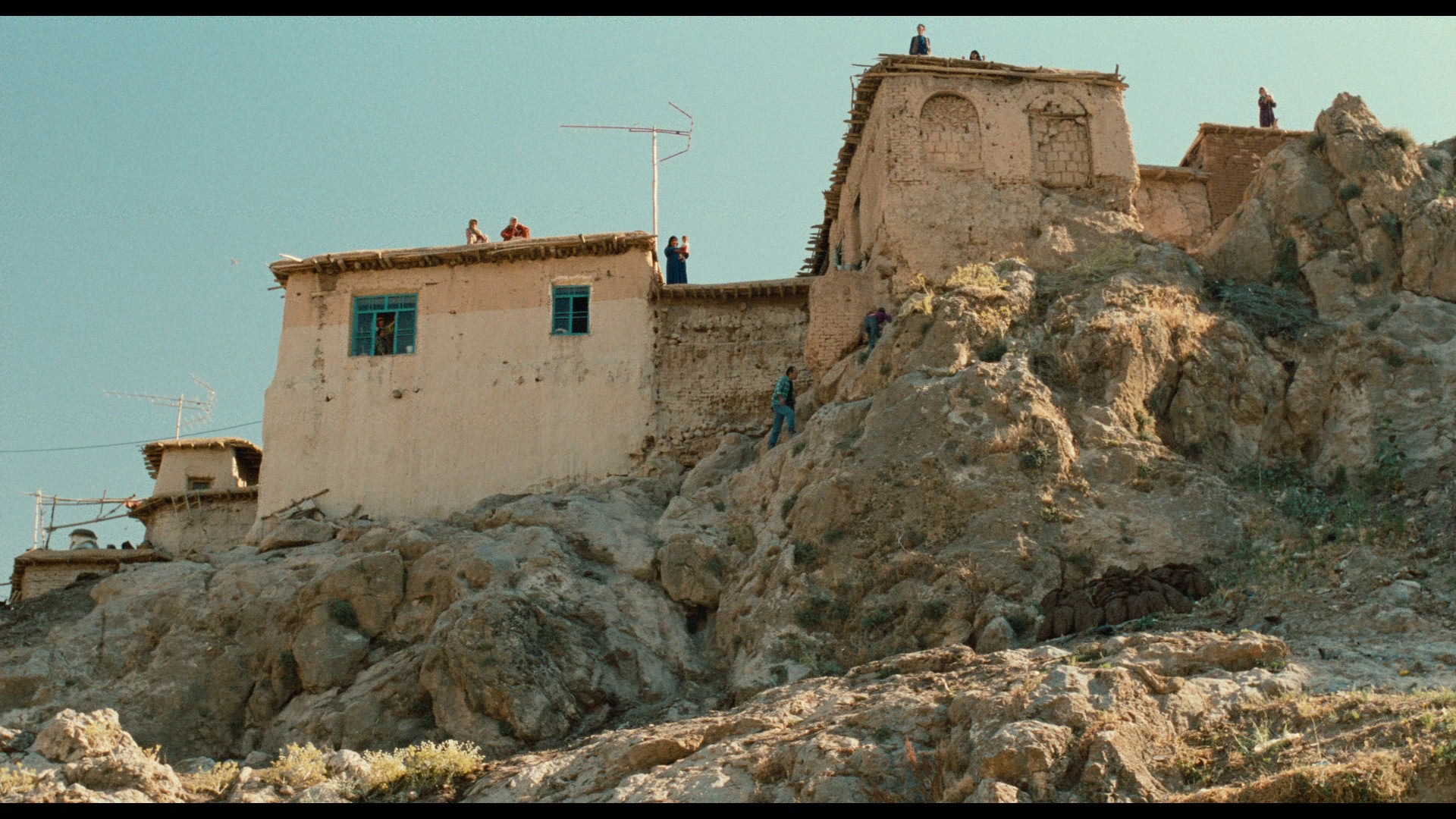
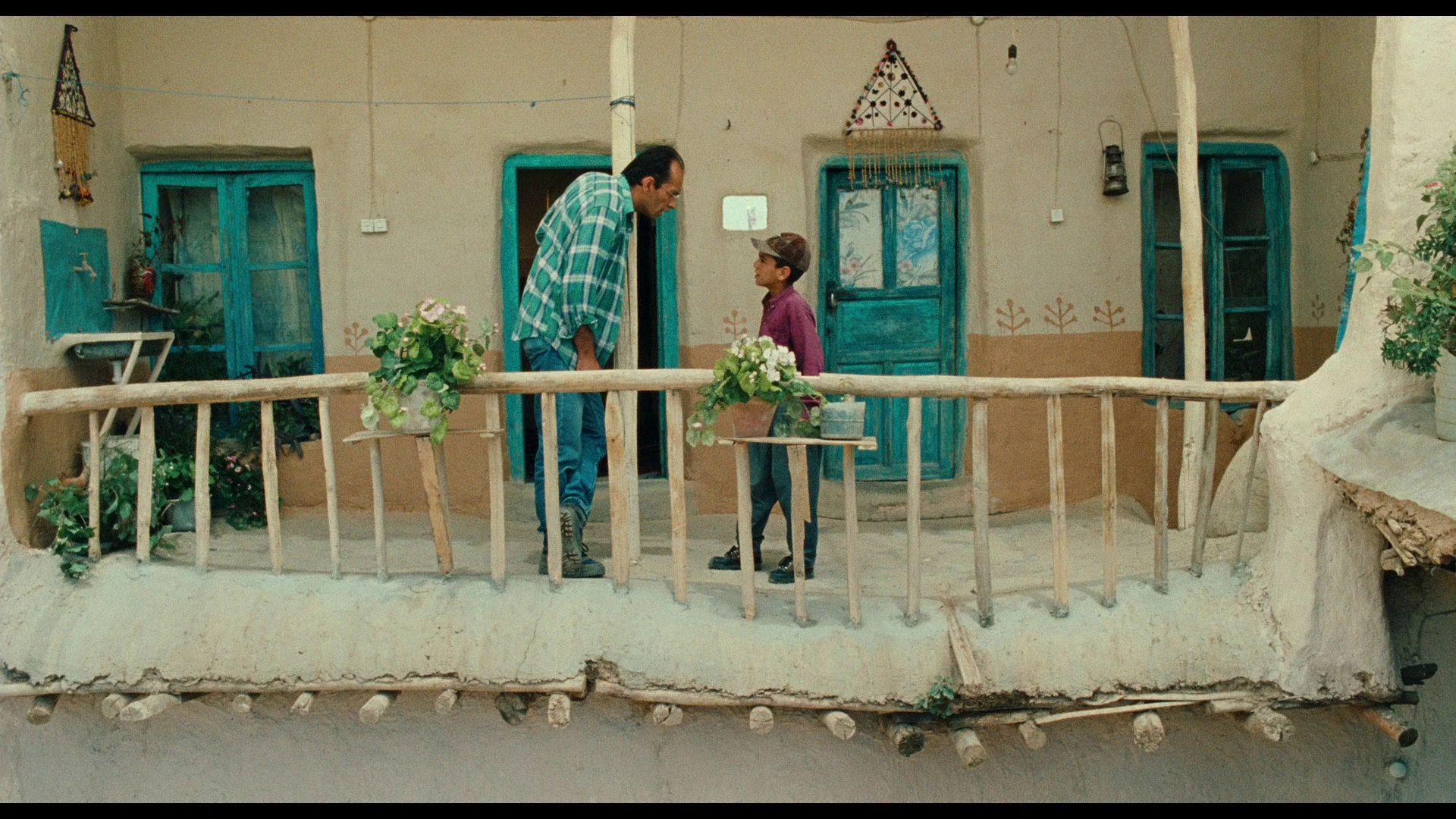
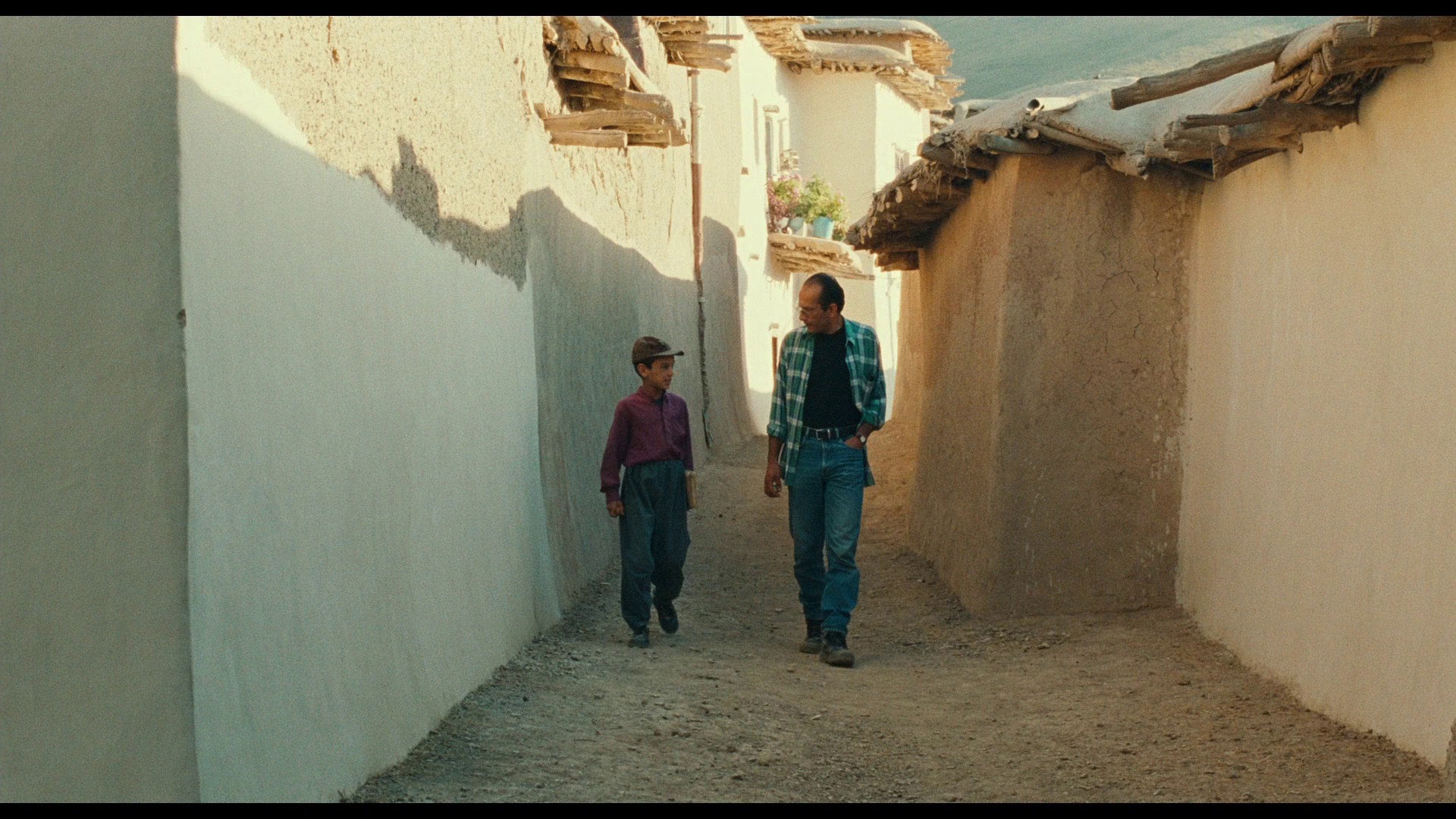
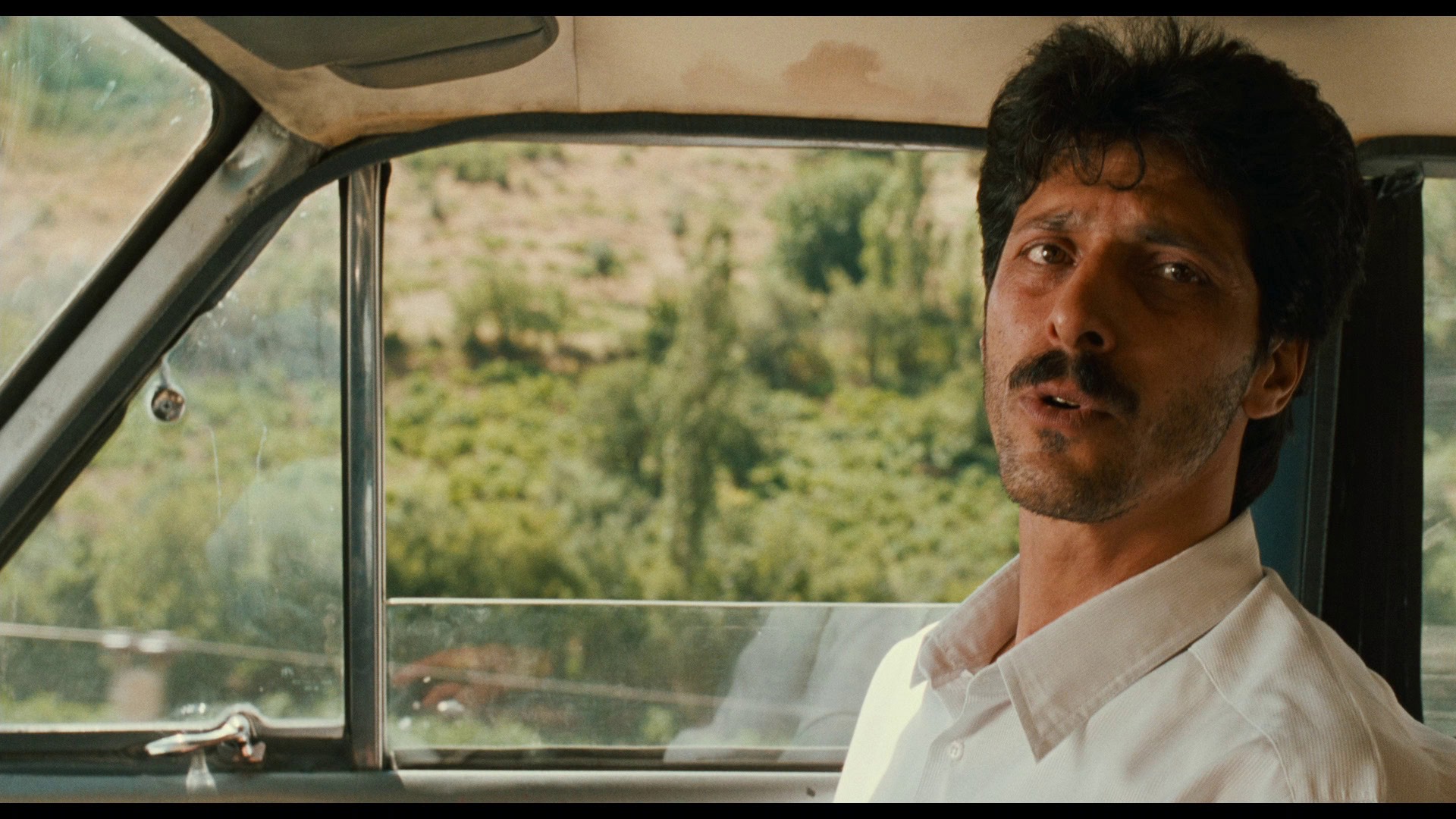
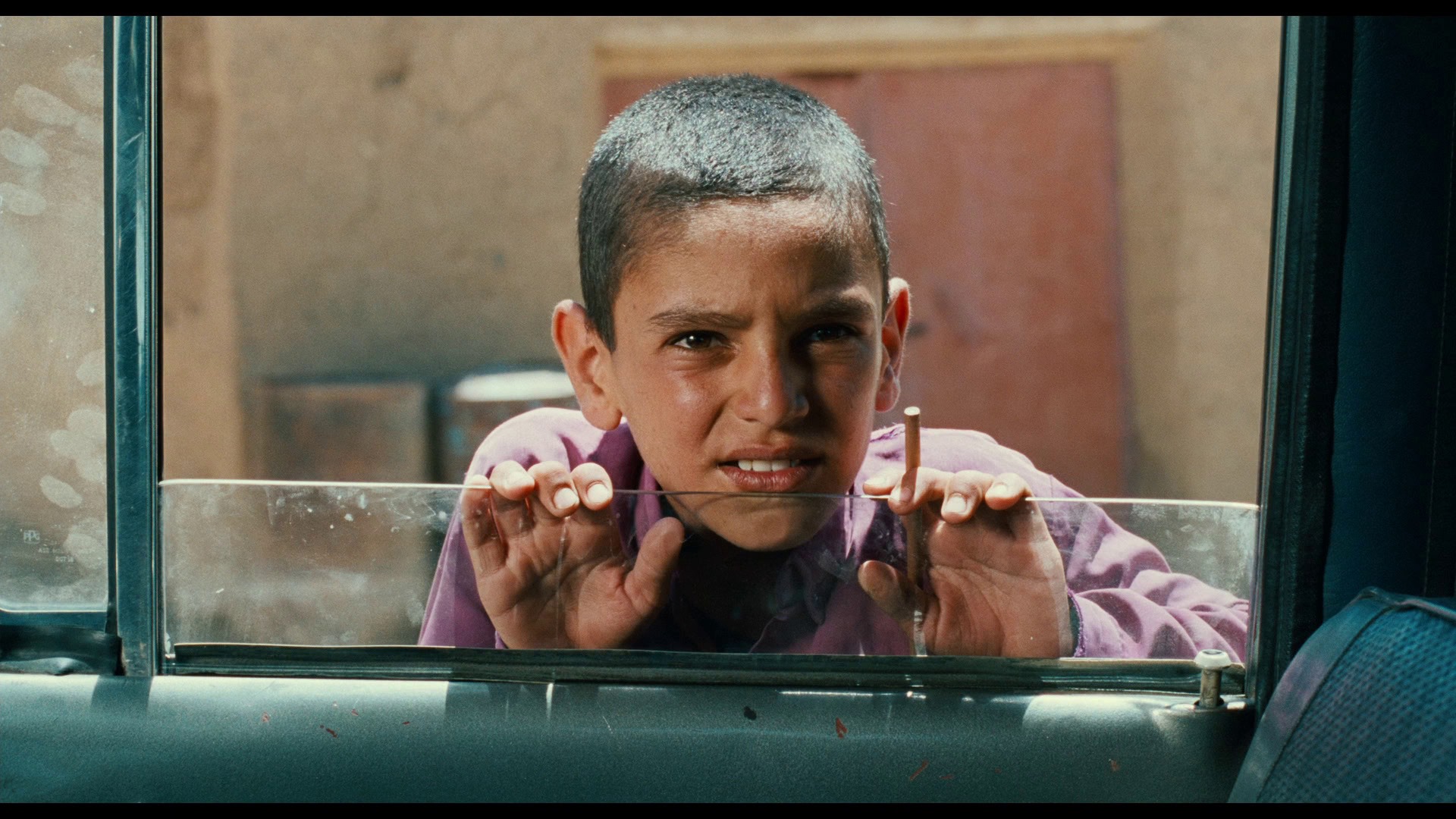
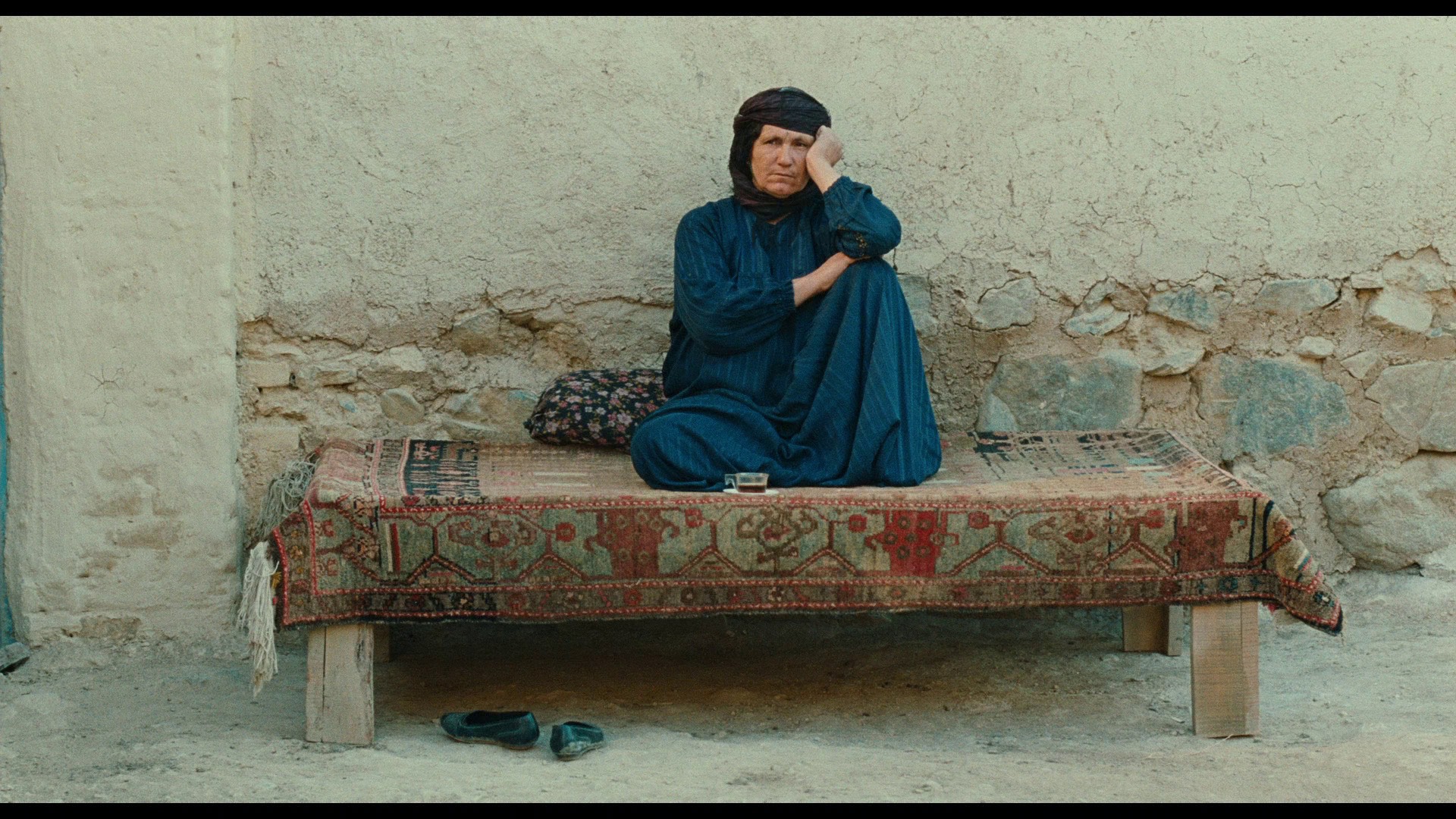
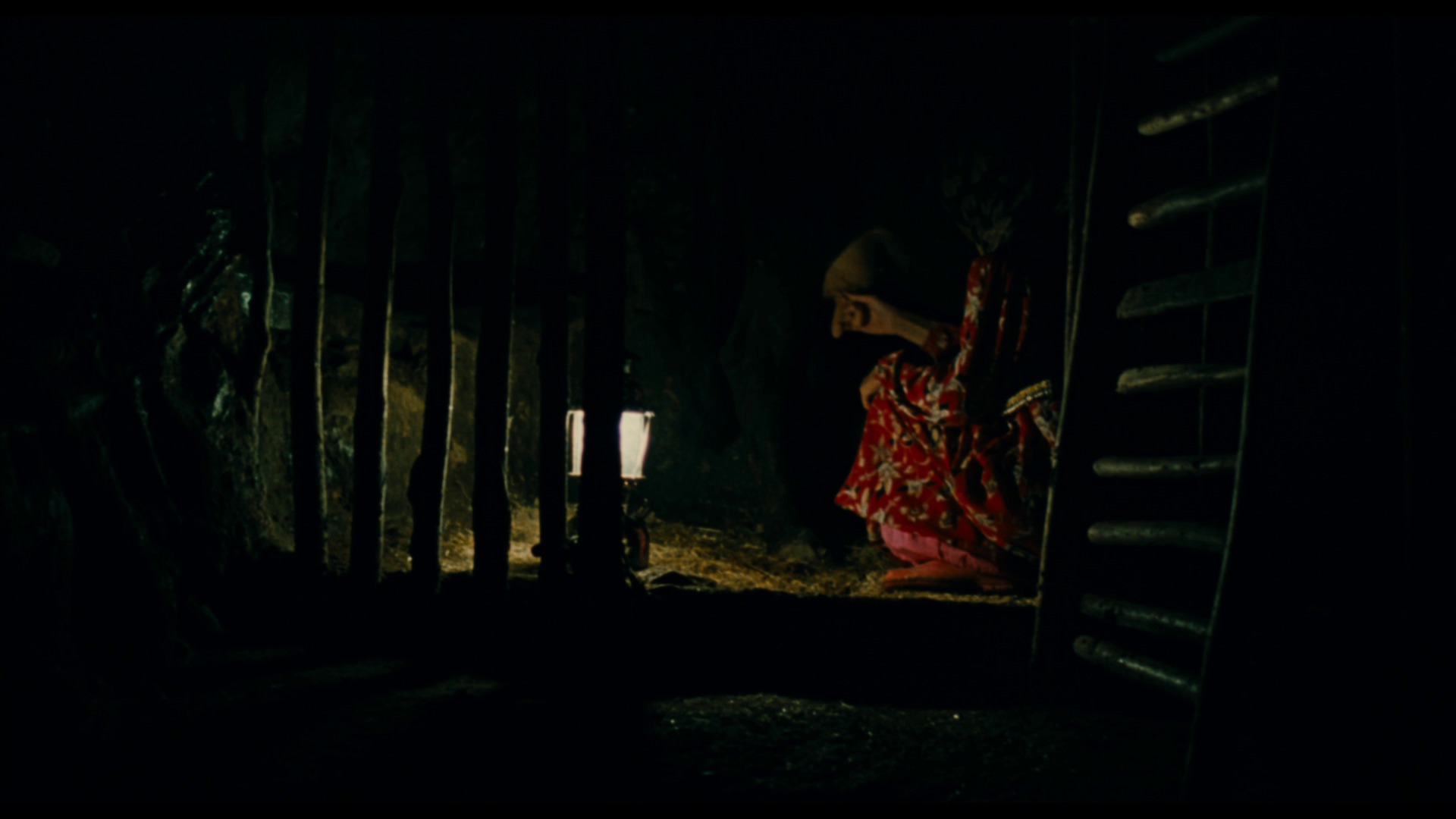
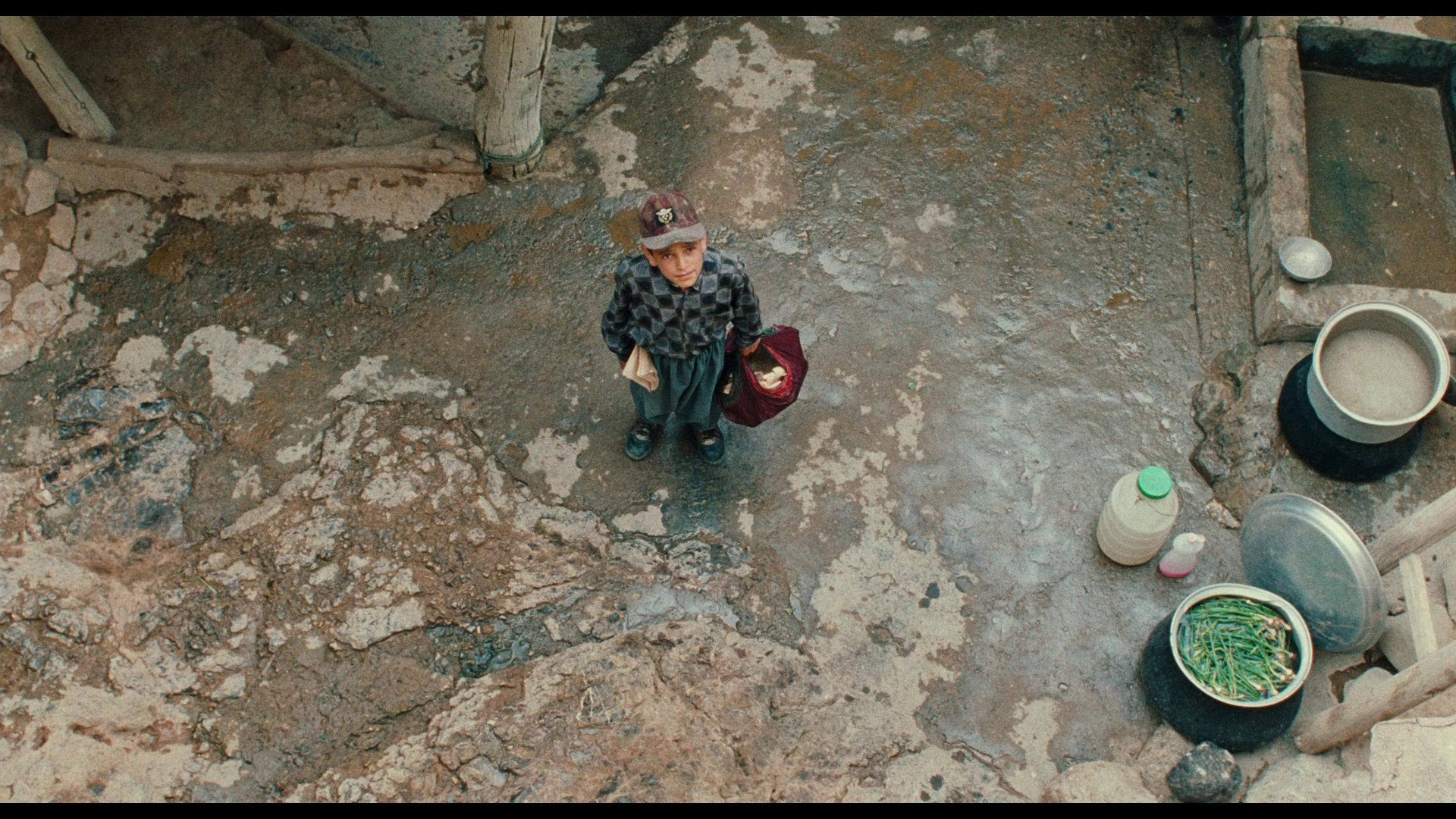
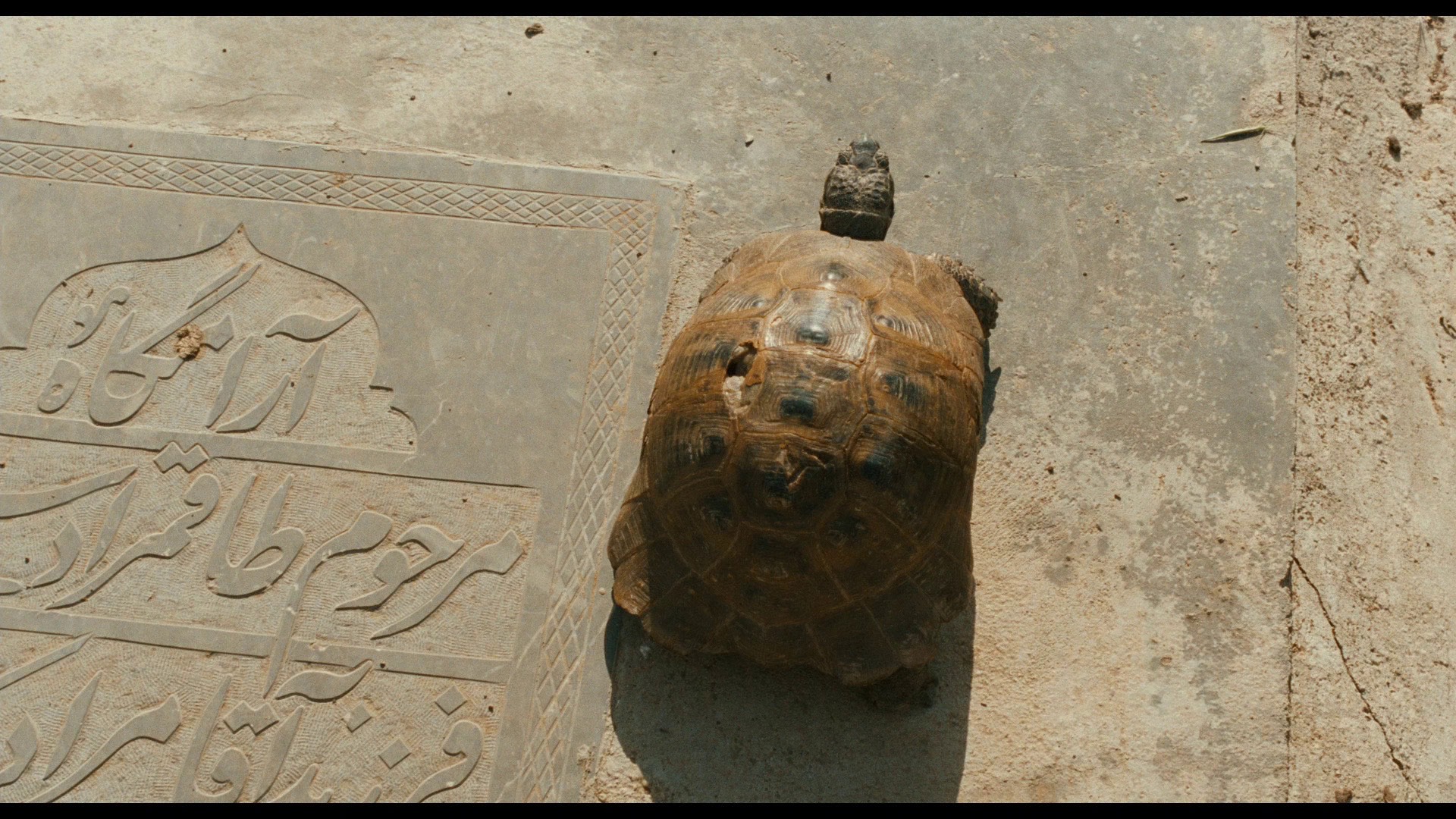
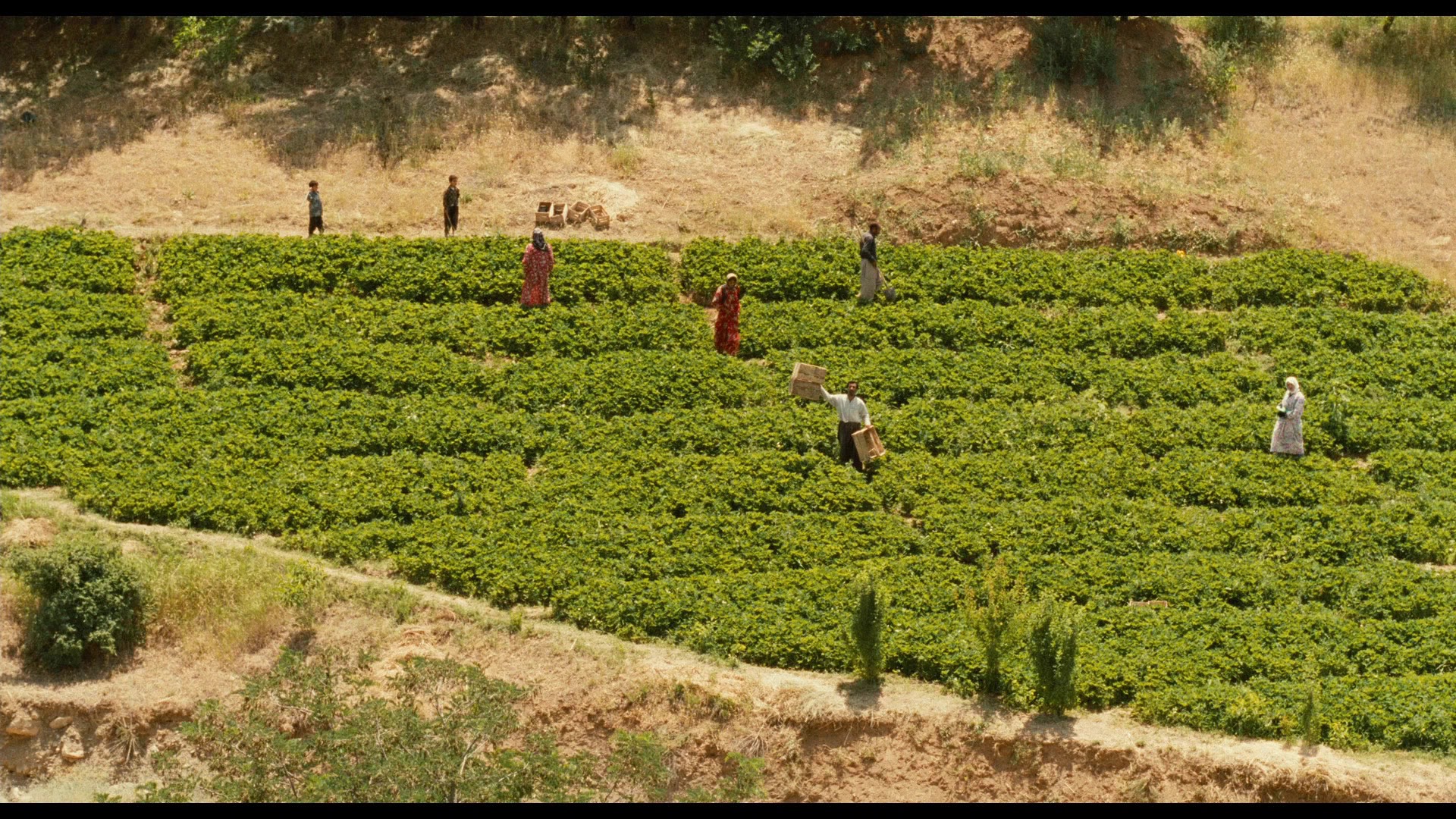
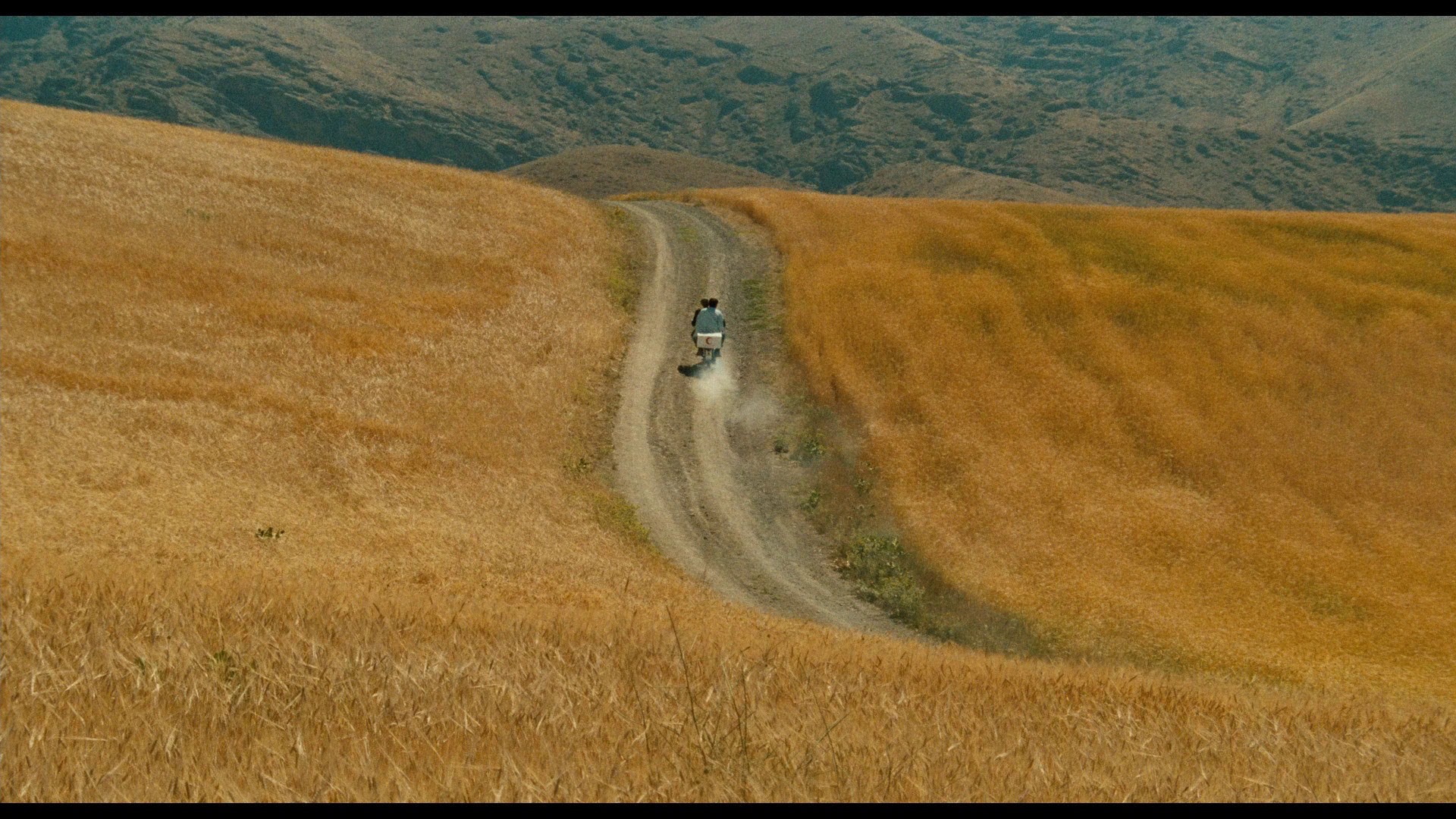
Audio 7/10
The film’s sound design is kept pretty simple, limited to dialogue and the appropriate background sound effects, with the most intense action being a vehicle skidding through the dirt. That said, the audio quality of this lossless PCM monaural track is excellent, offering decent range and fidelity. Dialogue is clear throughout, and there is no obvious damage to speak of. In all, it sounds very good.
Extras 7/10
Criterion throws in a decent set of supplements, starting with the 1999, 90-minute documentary A Week with Kiarostami, directed by Yuji Mohara. Filmed while Kiarostami was making The Wind Will Carry Us, the documentary—as the title promises—follows the director for a week, documenting his work on the film. This includes working with locals who will appear in the film, location scouting, setting up shots and scenarios, and working through scenes with his crew. There are also interviews with some of the performers, including Behzad Dorani, who admits he doesn't know much about his character beyond what Kiarostami tells him in the moment.
The most charming aspect of the documentary, though, is Farzad, the young boy who appears in the film. He seems fascinated by the Japanese filmmakers documenting everything, asking them numerous questions about Japan (mostly concerning livestock) while also appearing to have taken a liking to Kiarostami. The film works as a sort of journal and moves at a leisurely pace, but it's well worth watching.
The next item appears to be ported over from a previous DVD release and is entitled Kiarostami: A Lesson in Cinema. Running 53 minutes, it interestingly plays more like a commentary, with Kiarostami watching the film on a good ol' CRT monitor and walking viewers through it, beginning with the opening shots and the significance of winding roads in his work. He comments on details surrounding the production, such as cleaning up the village beforehand because he didn't want the film to be about poverty, while also riffing philosophically on how films can be artificial, or "false," even when attempting to depict real life. He points out filmmakers must, despite their best efforts, eventually stage certain elements to service whatever the story requires, something viewers can see firsthand in the previous documentary when the crew constructs a tree bridge over a stream. I was also amused by his description of most films as being a "canned product," though he quickly adds there's nothing wrong with canned products; they're simply different. Though it doesn't cover the entire film, I actually preferred this to a typical commentary, since Kiarostami can pause, fast-forward, and even rewind whenever necessary.
New to this edition is a 14-minute video essay, Abbas Kiarostami: Poet, which features Massoumeh Lahidji reading a curated selection of the director's poetry over images from his films, at times directly connecting the words to the visuals. The piece is presented in Farsi with English translations overlaid onscreen. The disc then closes with a short trailer, more than likely sourced from an older DVD master. The included insert features an essay by Kavesh Akbar, expanding on questions surrounding the ethics of the artist, a subject Kiarostami also touches on in the Lesson in Cinema segment.
It's not an especially loaded edition, but I found all of the material engaging, and it's well worth your time.
Closing
Though there are a couple of minor issues, the high-definition presentation is a sharp one, with the release also featuring excellent material that showcases Kiarostami's working process, while also allowing the director to directly engage with the film and its themes firsthand. A really solid edition overall.
BUY AT: