Hairspray
BUY AT:


See more details, packaging, or compare
Synopsis
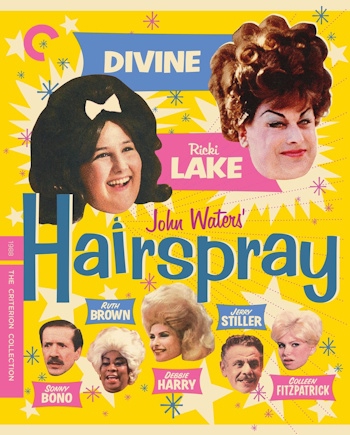
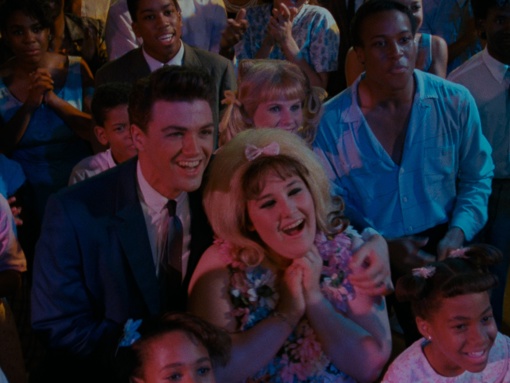
After decades of pushing the boundaries of bad taste with his underground provocations, John Waters found surprising mainstream success with this infectiously irreverent rock-and-soul comedy. It’s 1962, and the only things bigger than the bouffant hairdos are the popular dance crazes sweeping the nation. When Baltimore teen Tracy Turnblad (Ricki Lake) shoots to stardom on a local TV dance party, her radical self-confidence and support for racial integration launch a movement that takes the city by storm. Costarring the inimitable Divine in a fiercely funny double role, Hairspray finds Waters marrying his wildly subversive sensibility with a newfound bubblegum sweetness for what may be his most irresistible film.
Picture 10/10
The Criterion Collection brings what may be John Waters’ most accessible film, Hairspray, to 4K UHD, presenting it in its original aspect ratio of 1.85:1 on a triple-layer disc. Featuring Dolby Vision, the 2160p/24hz ultra high-definition presentation is sourced from a new 4K restoration performed by Criterion, taken primarily from a scan of the 35mm original camera negative. A standard dual-layer Blu-ray is also included, offering a 1080p presentation of the film alongside all of the video-based supplements.
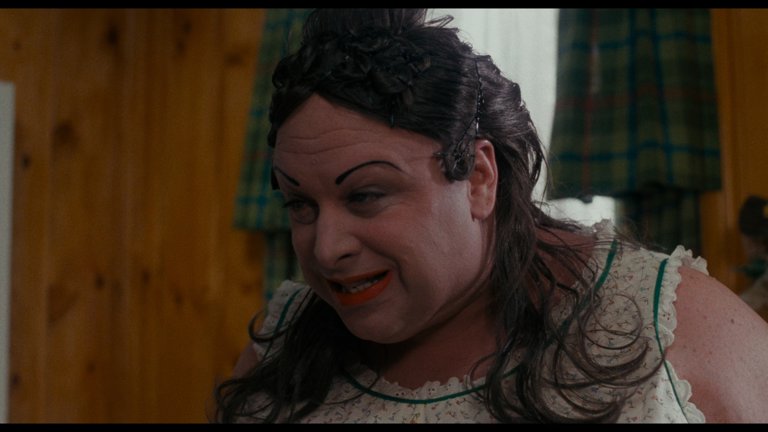
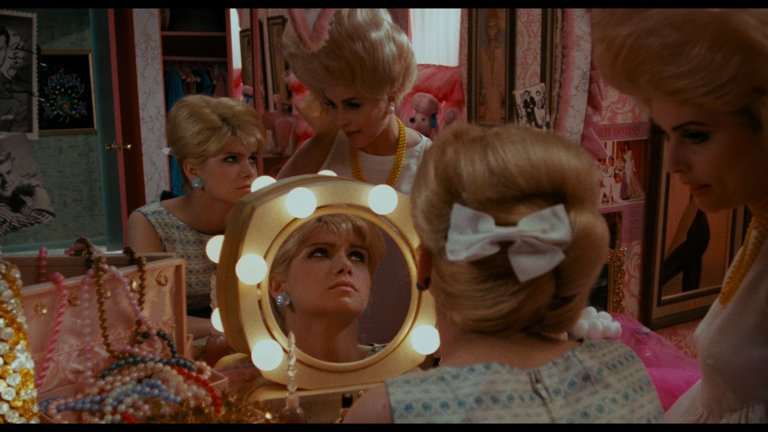
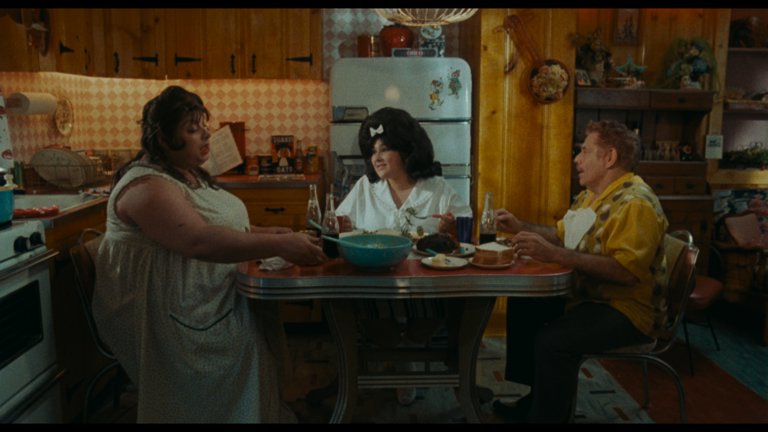
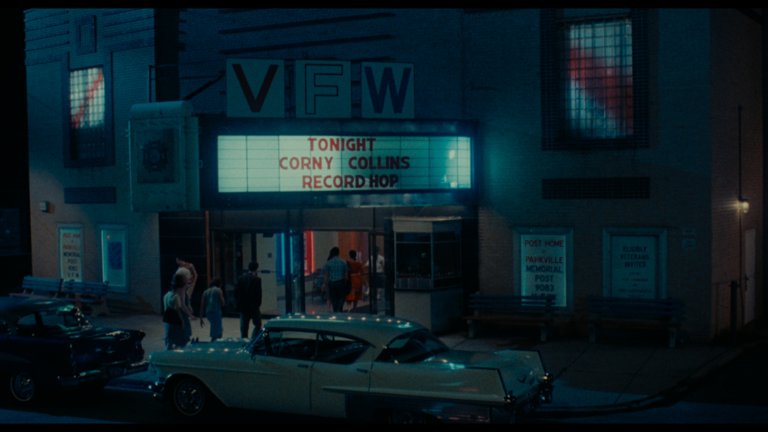
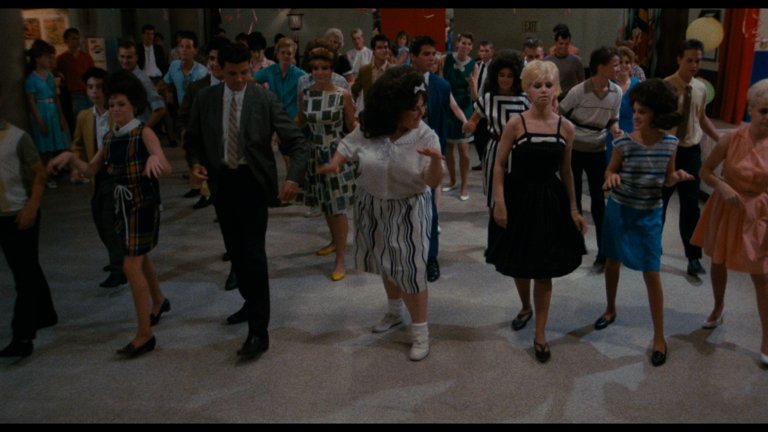
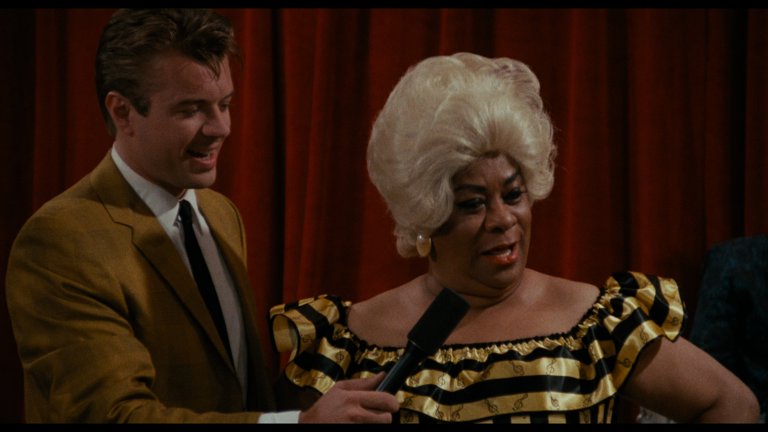
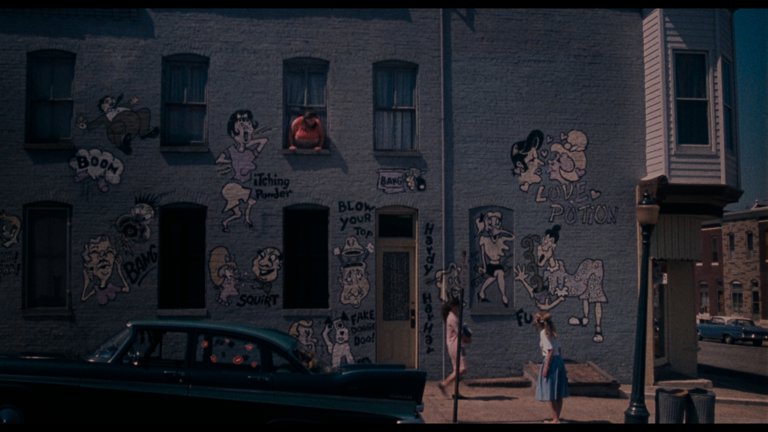
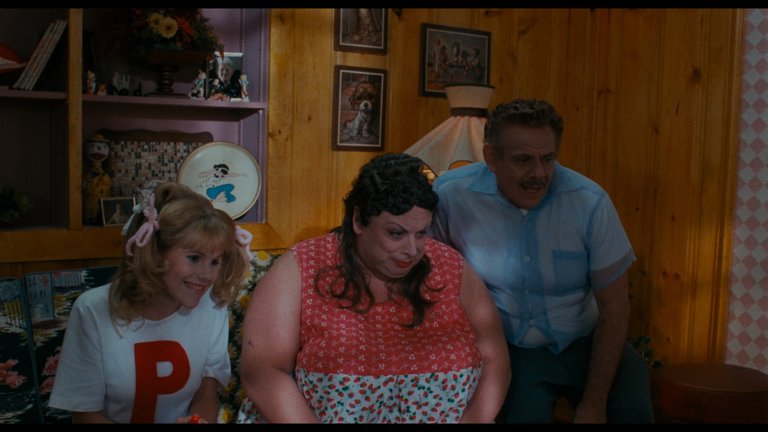
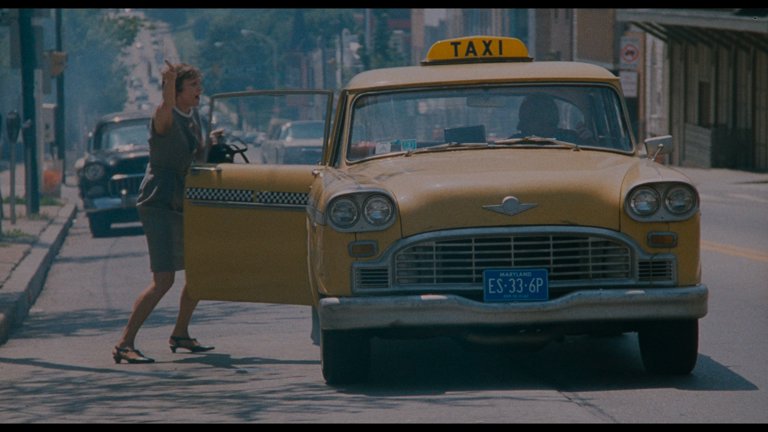
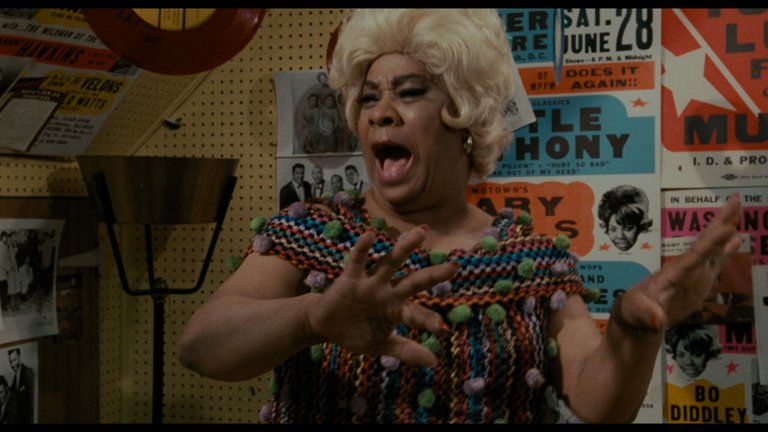
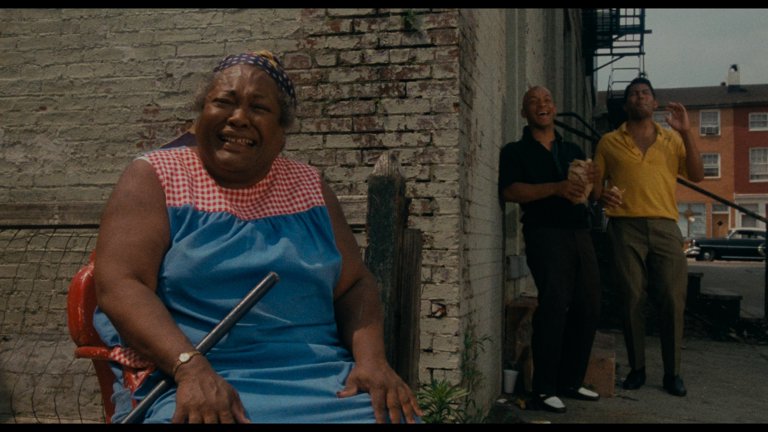
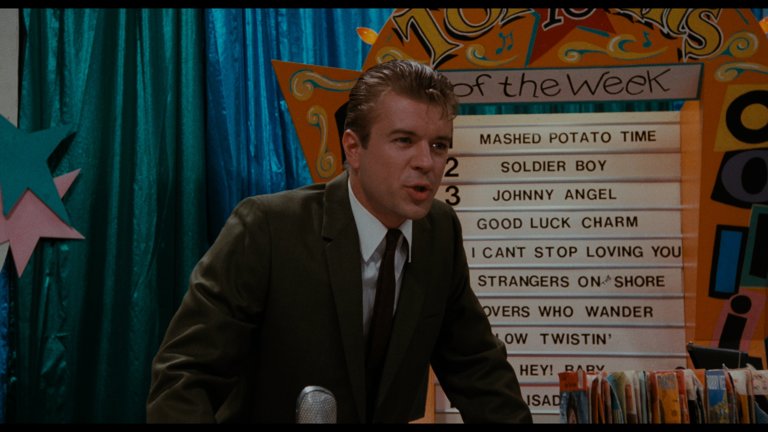
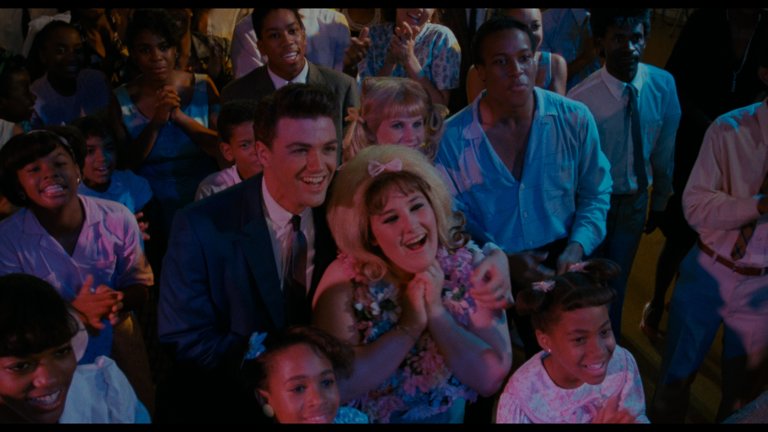
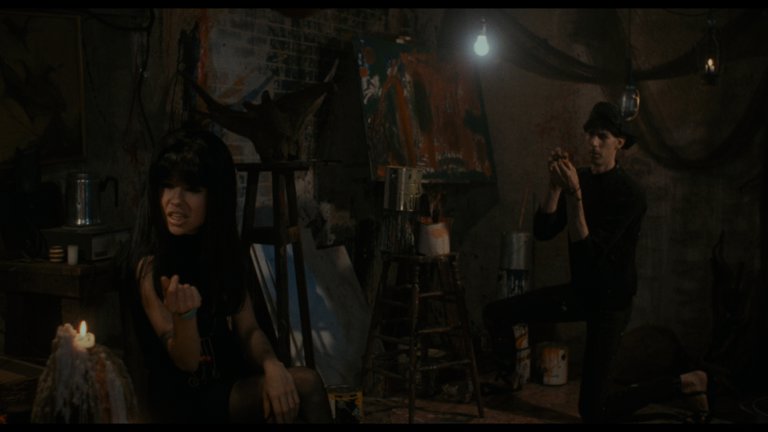
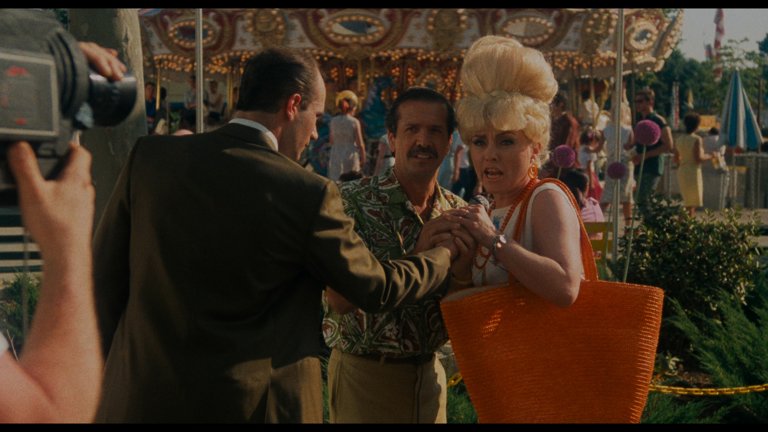
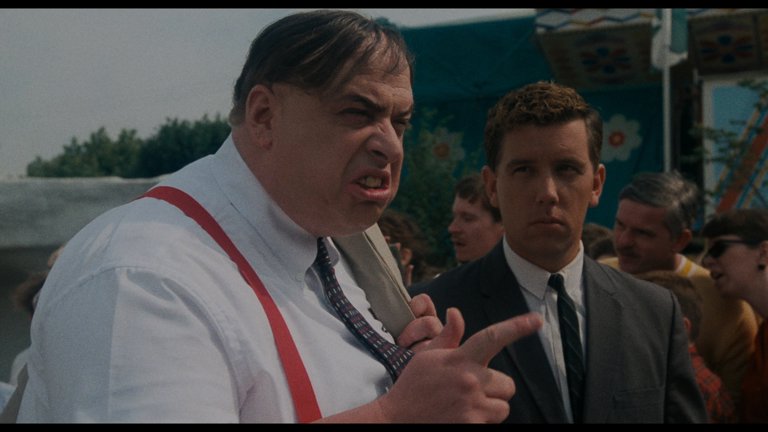
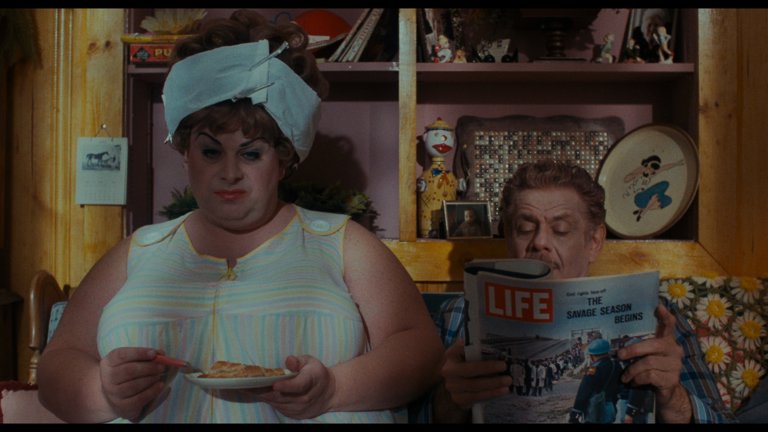
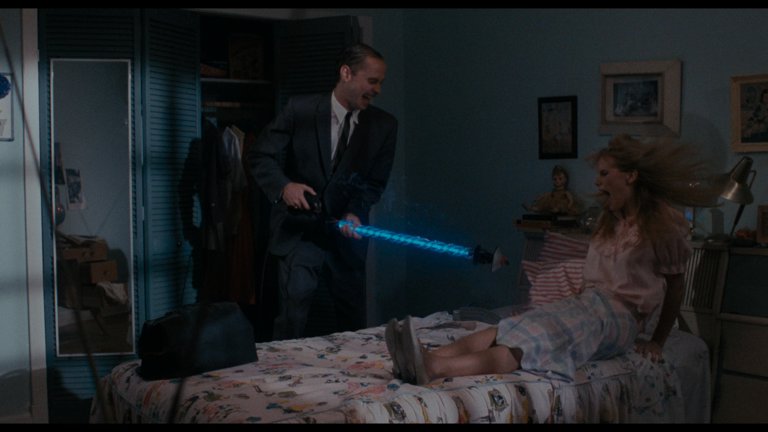
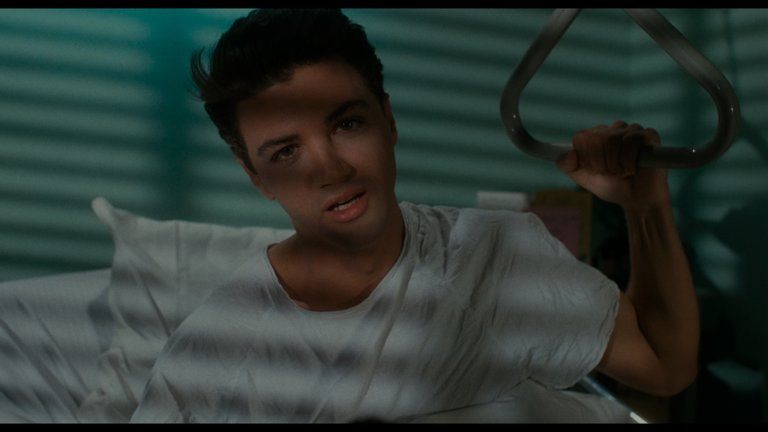
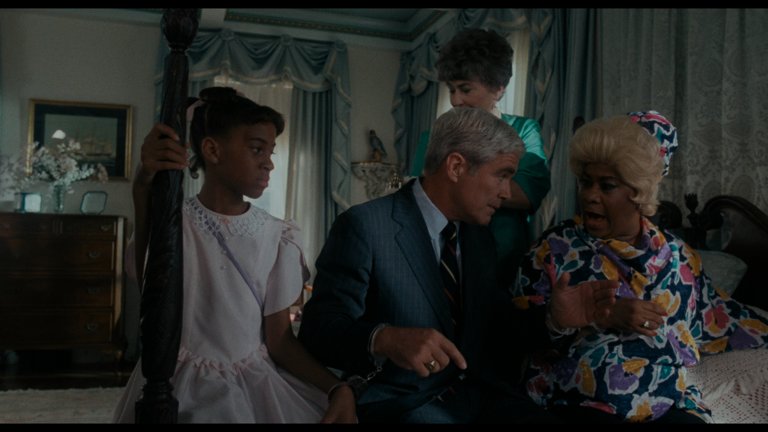
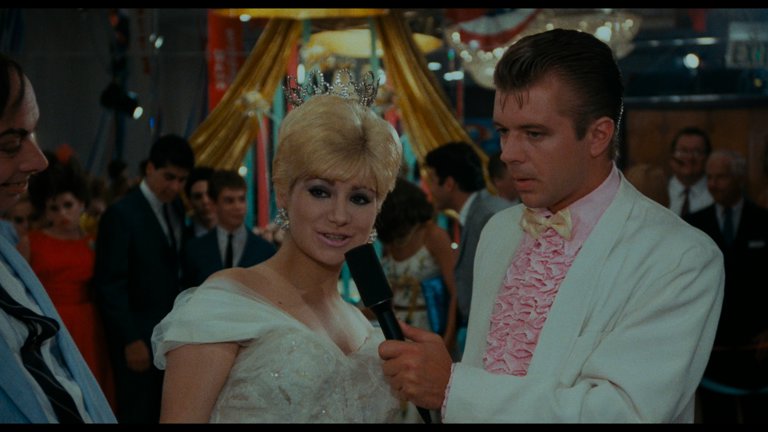
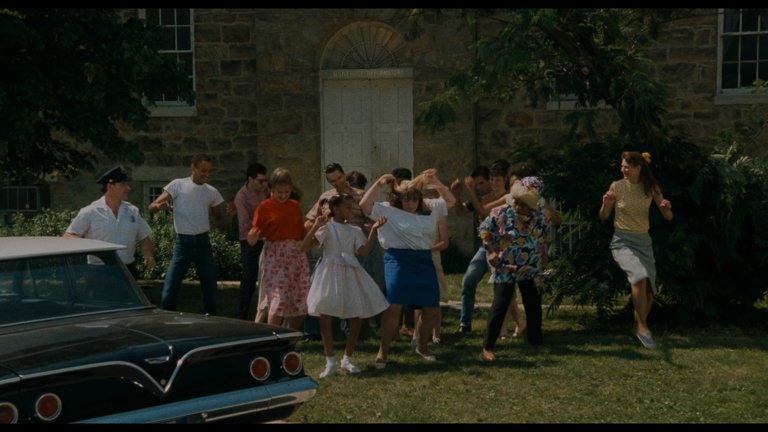
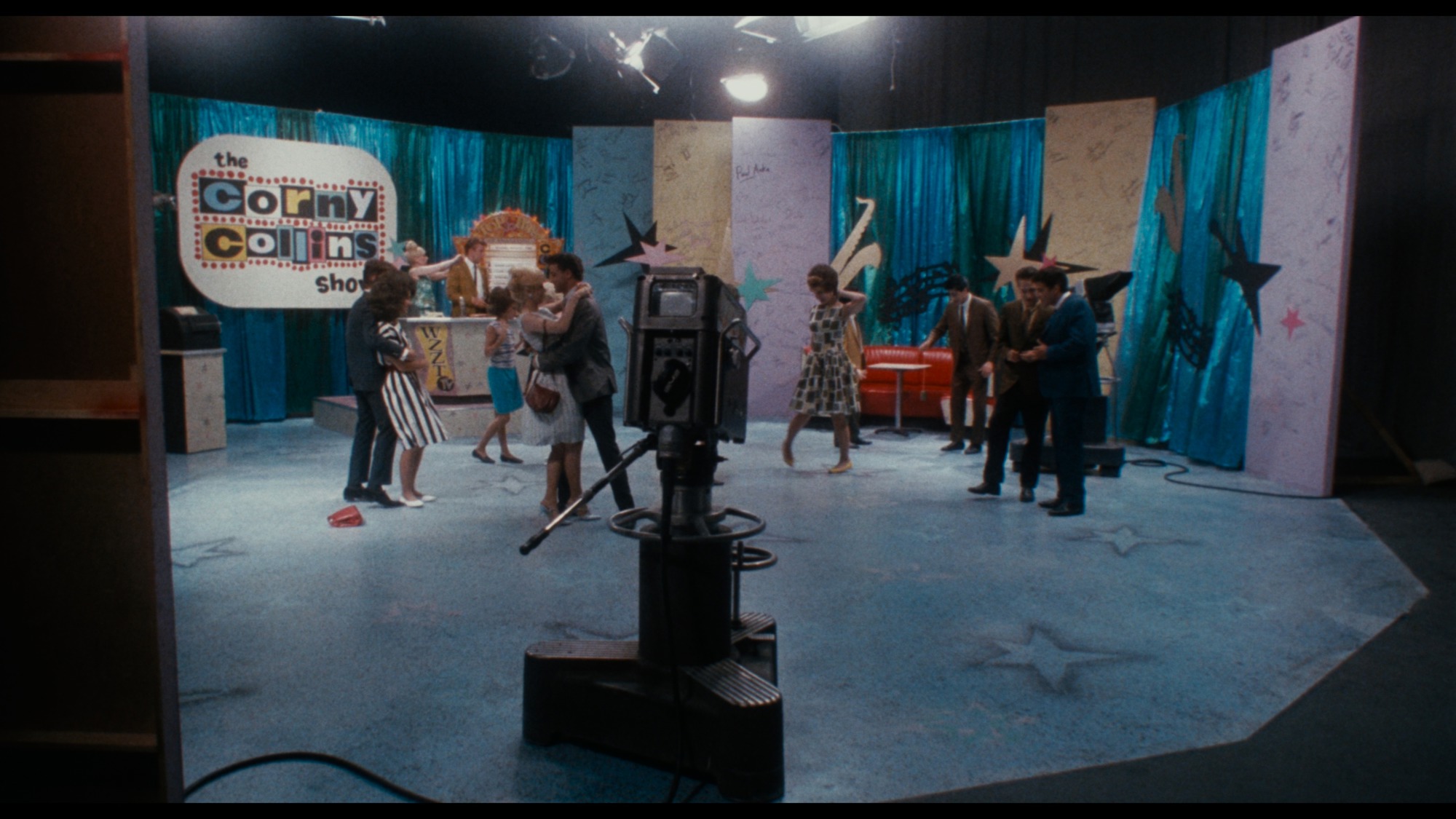
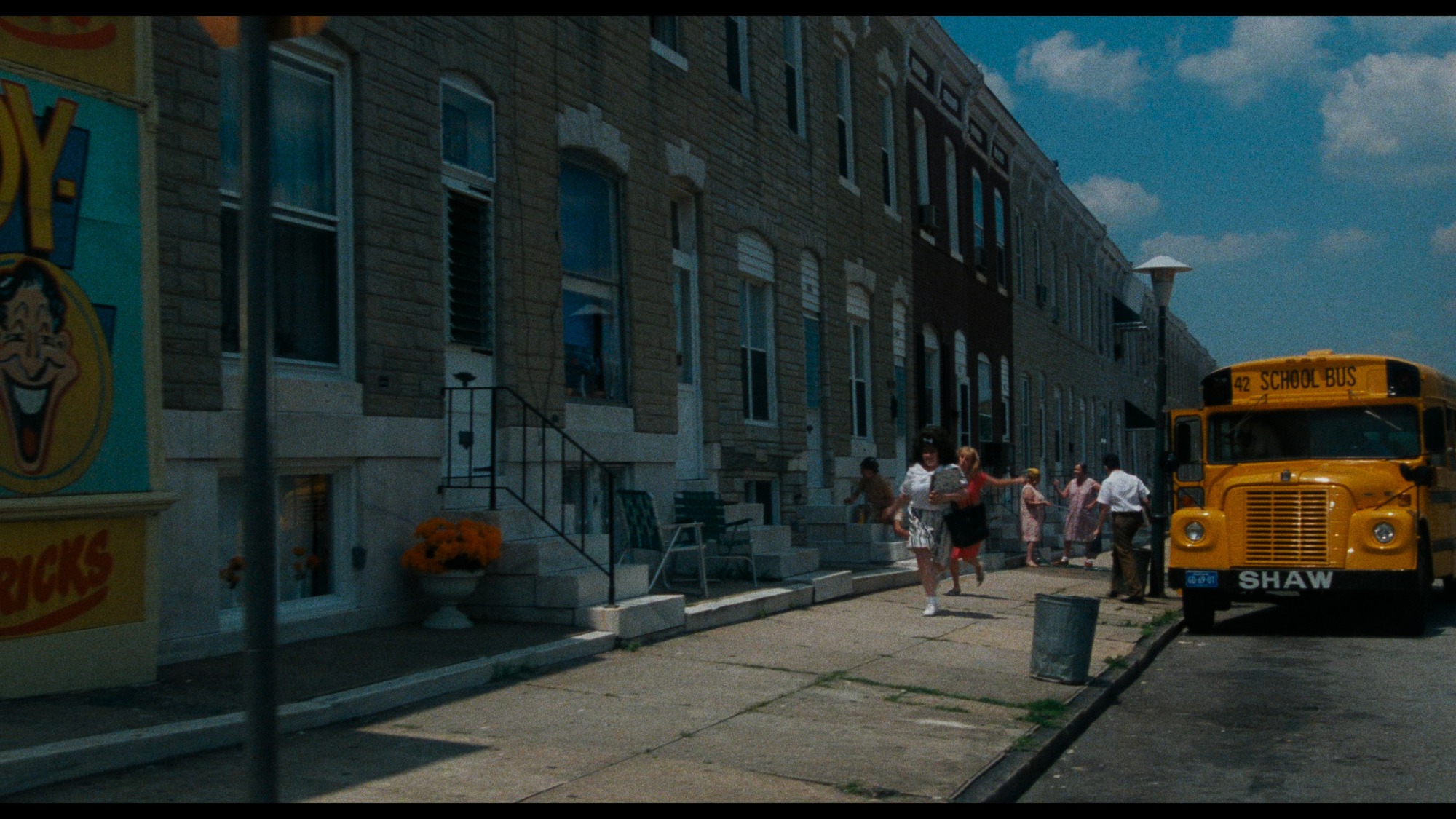
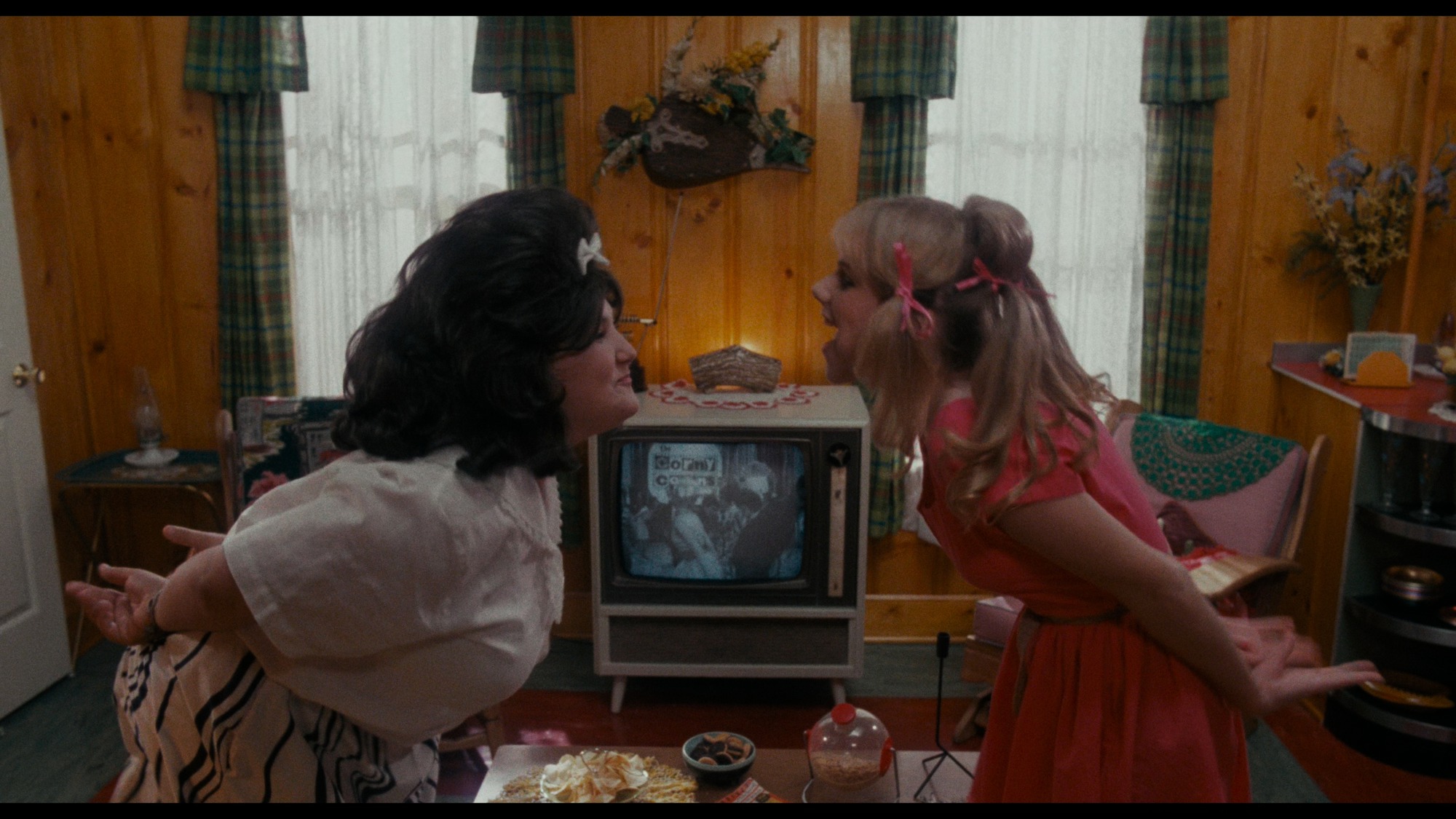
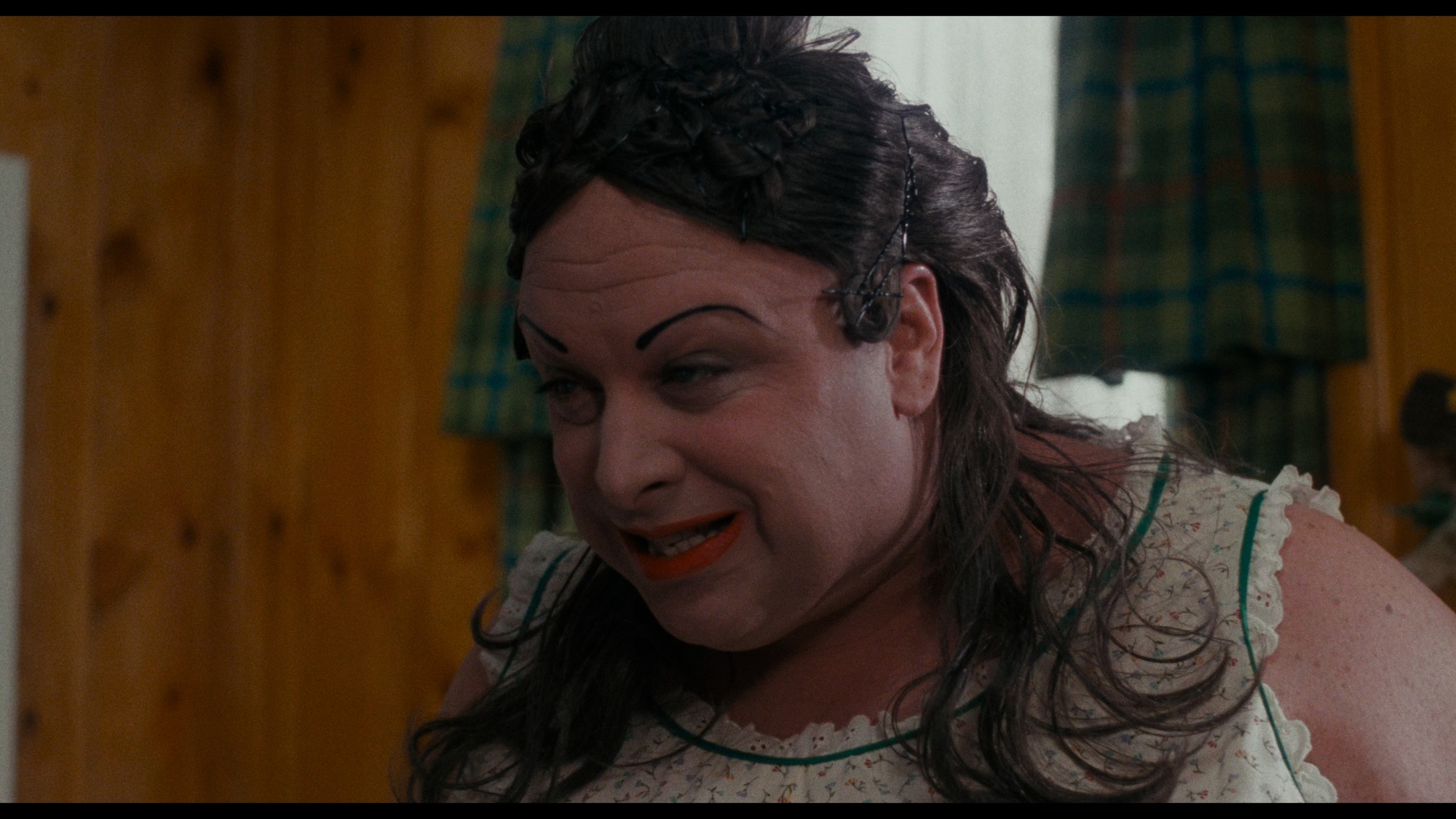
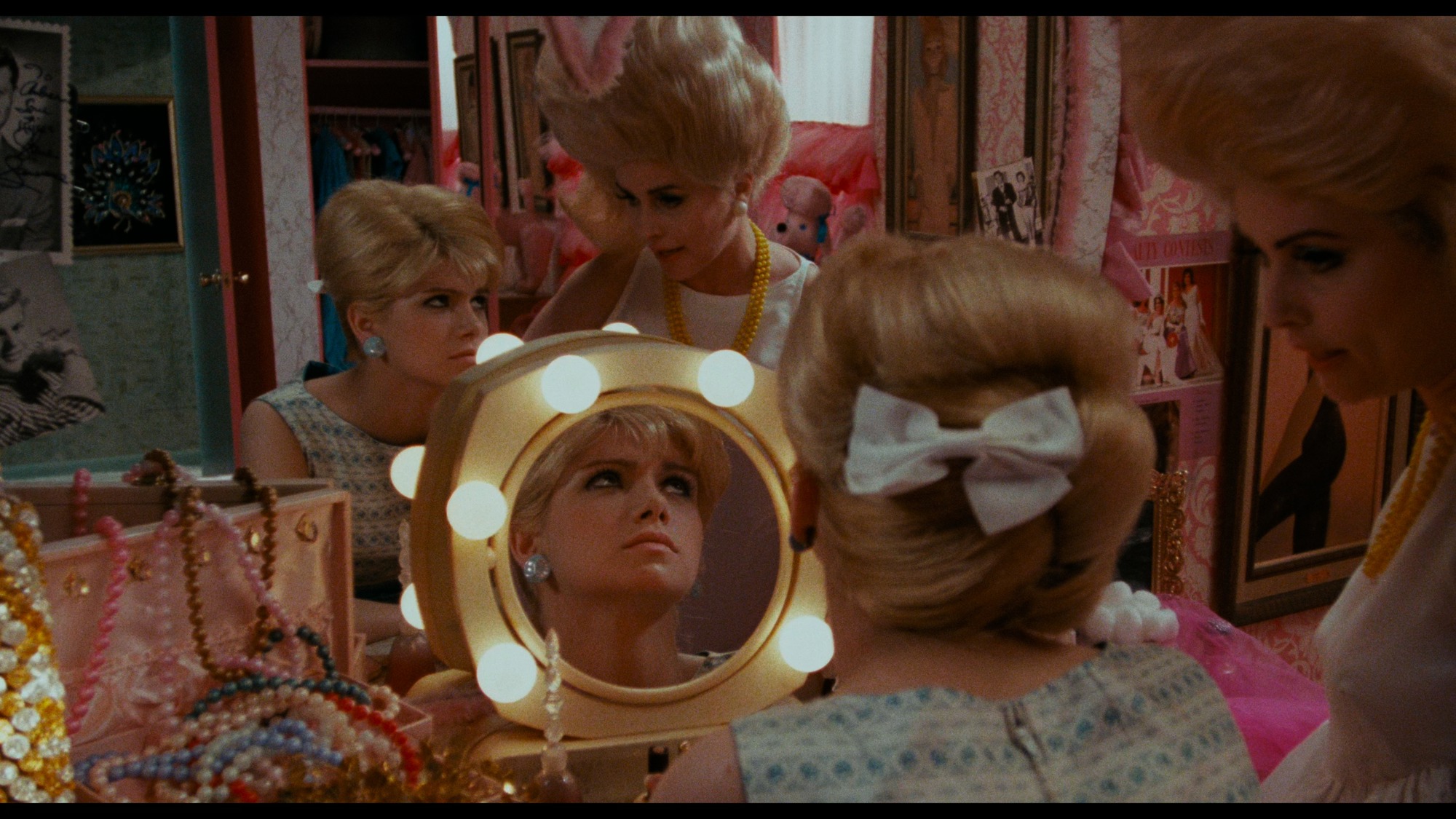
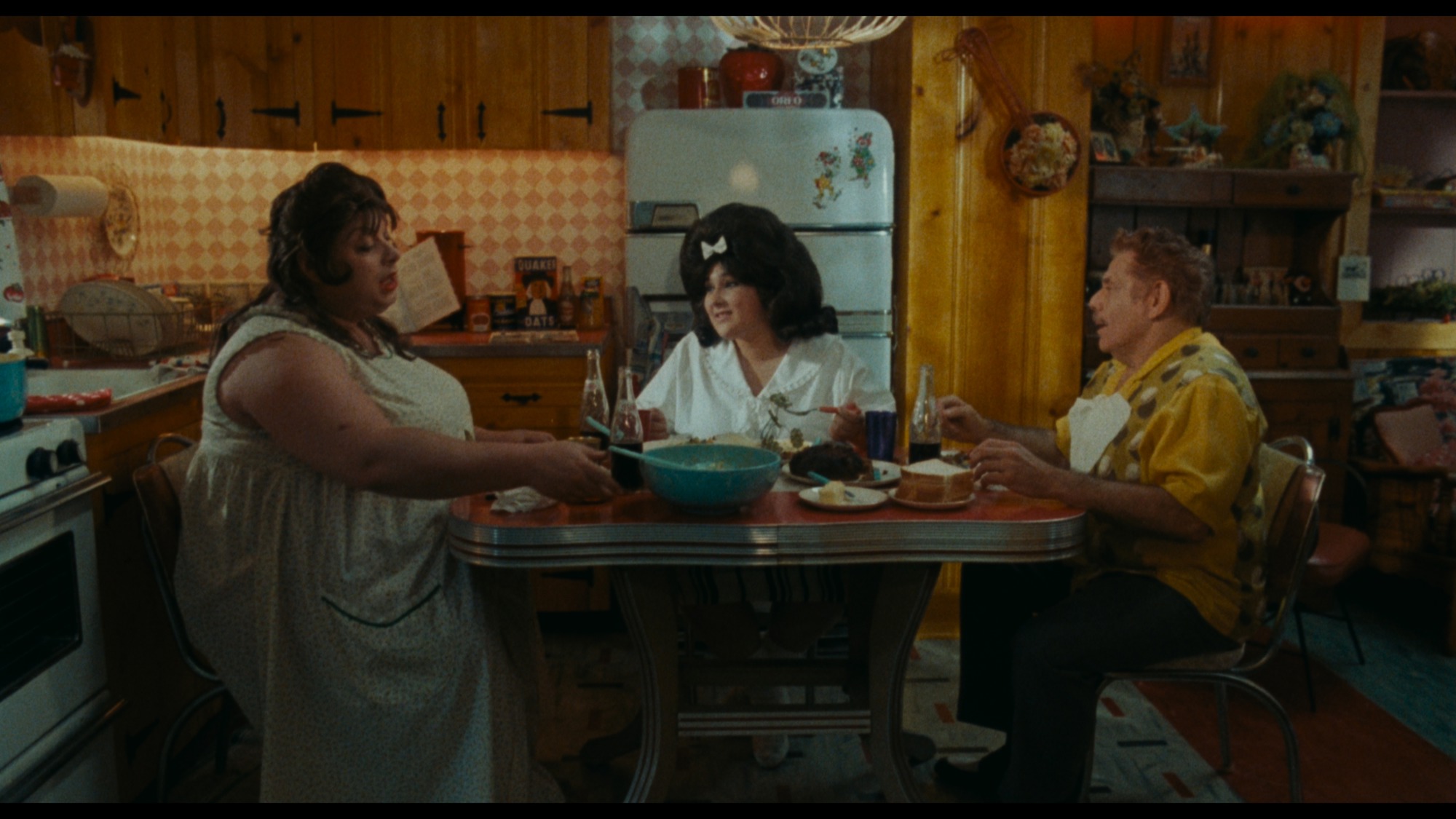
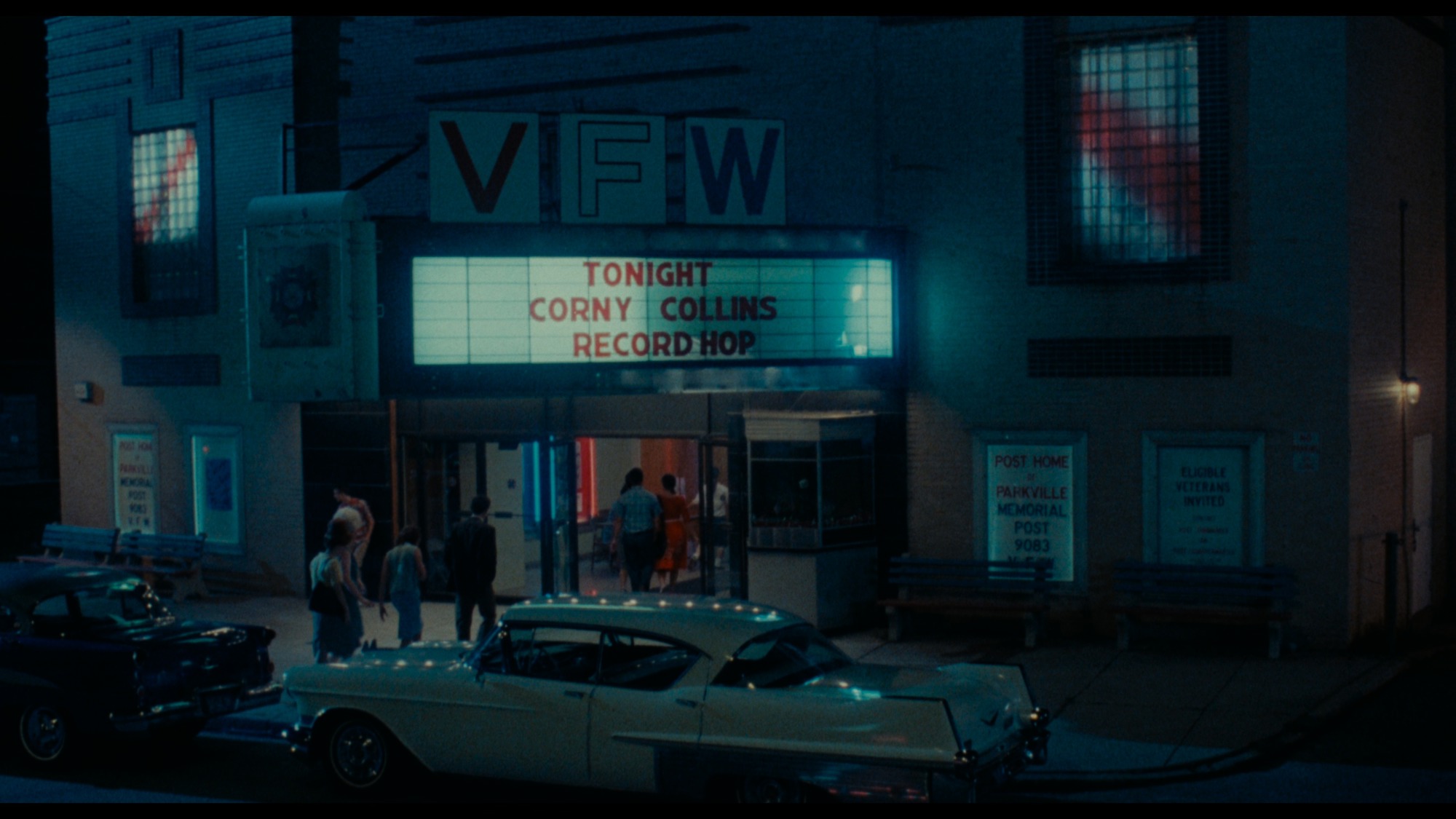
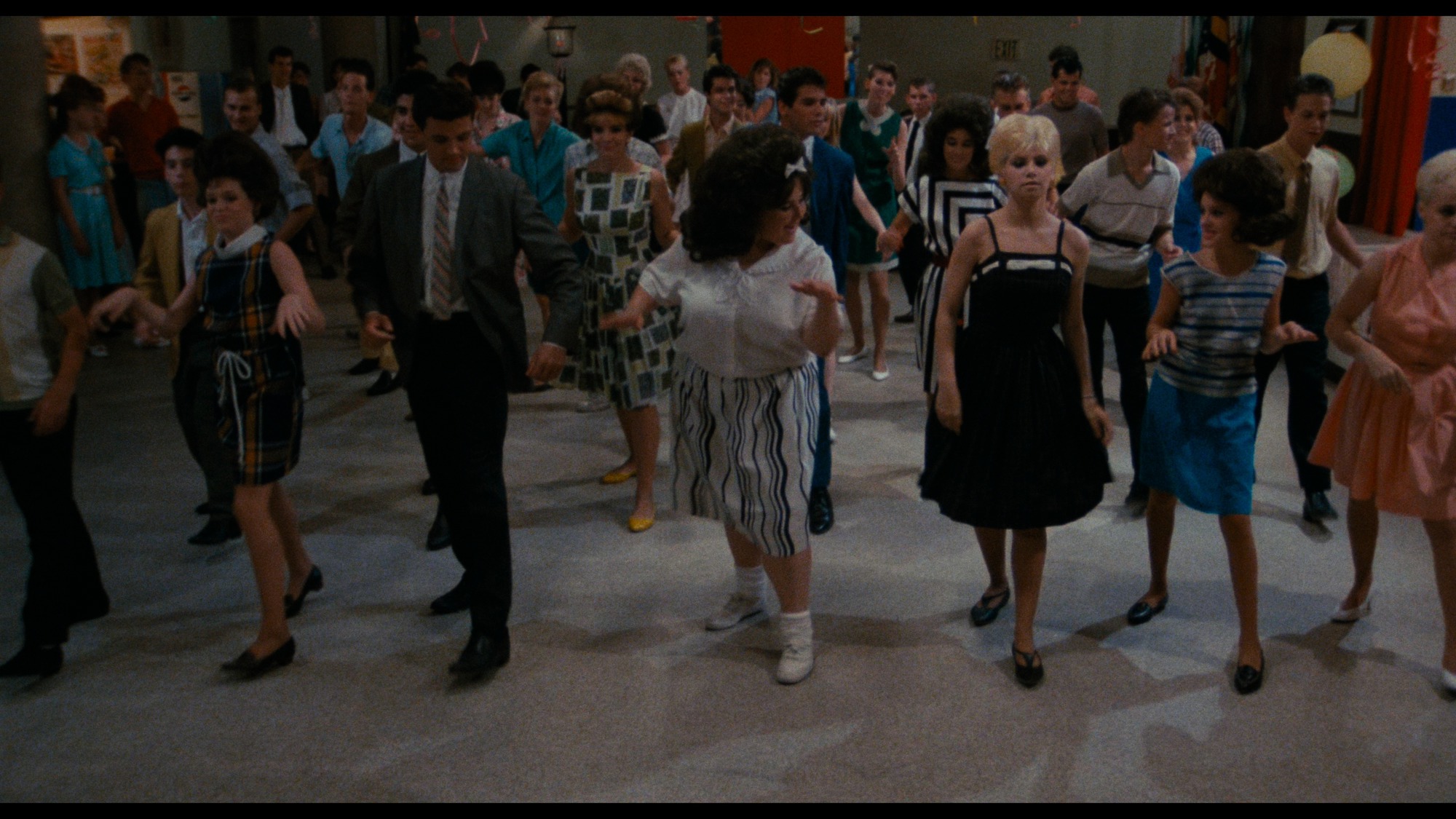
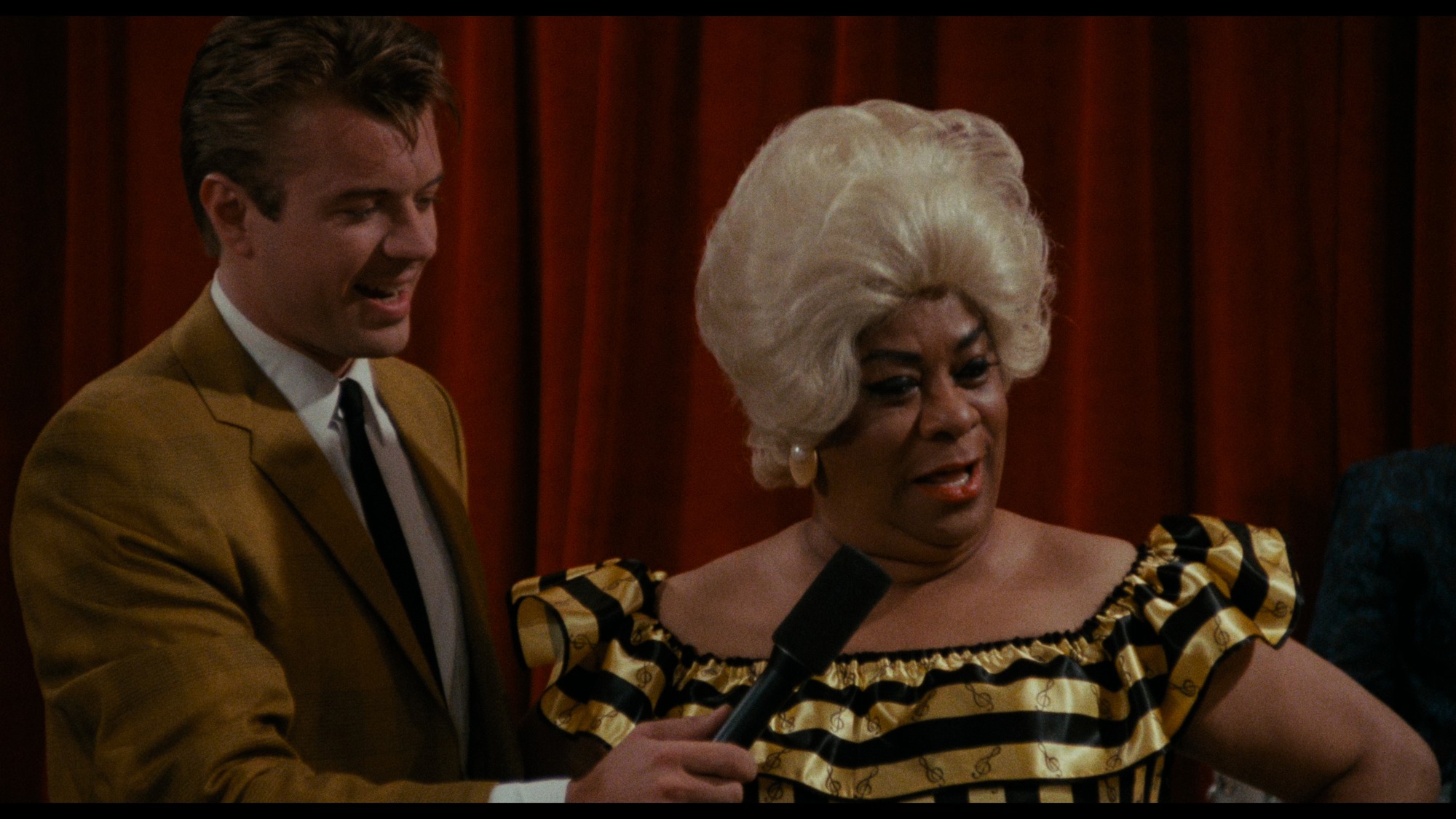
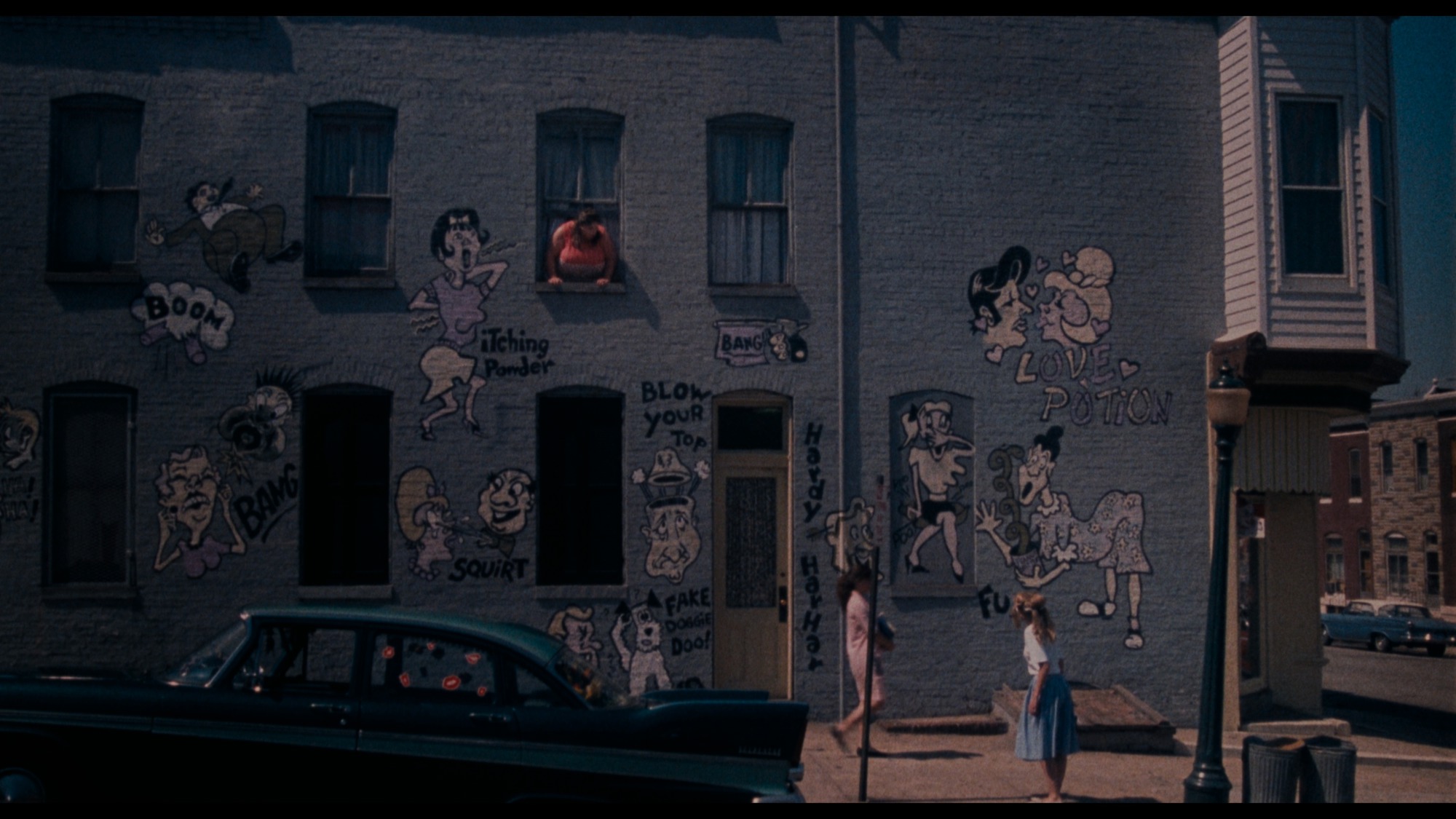
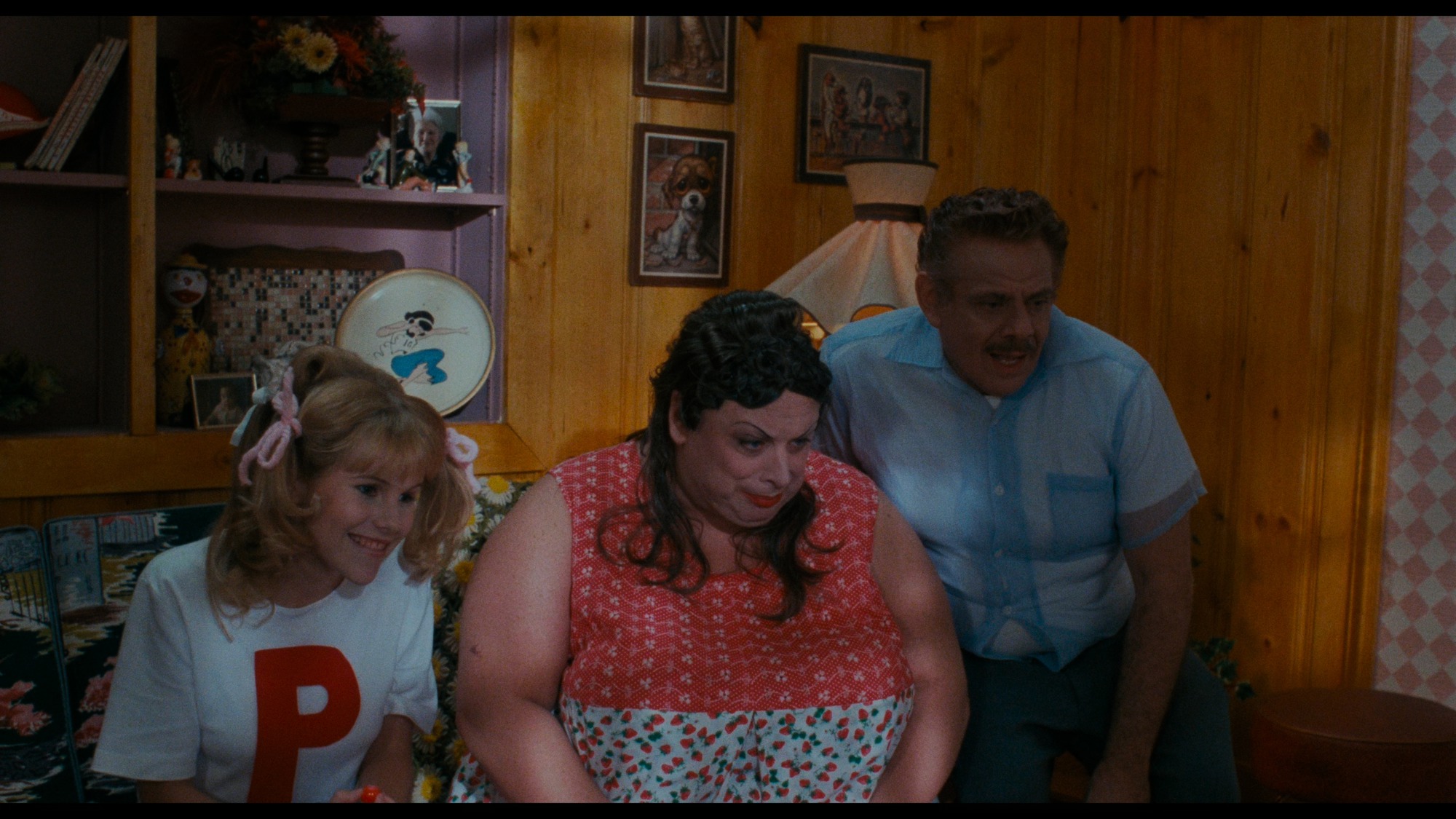
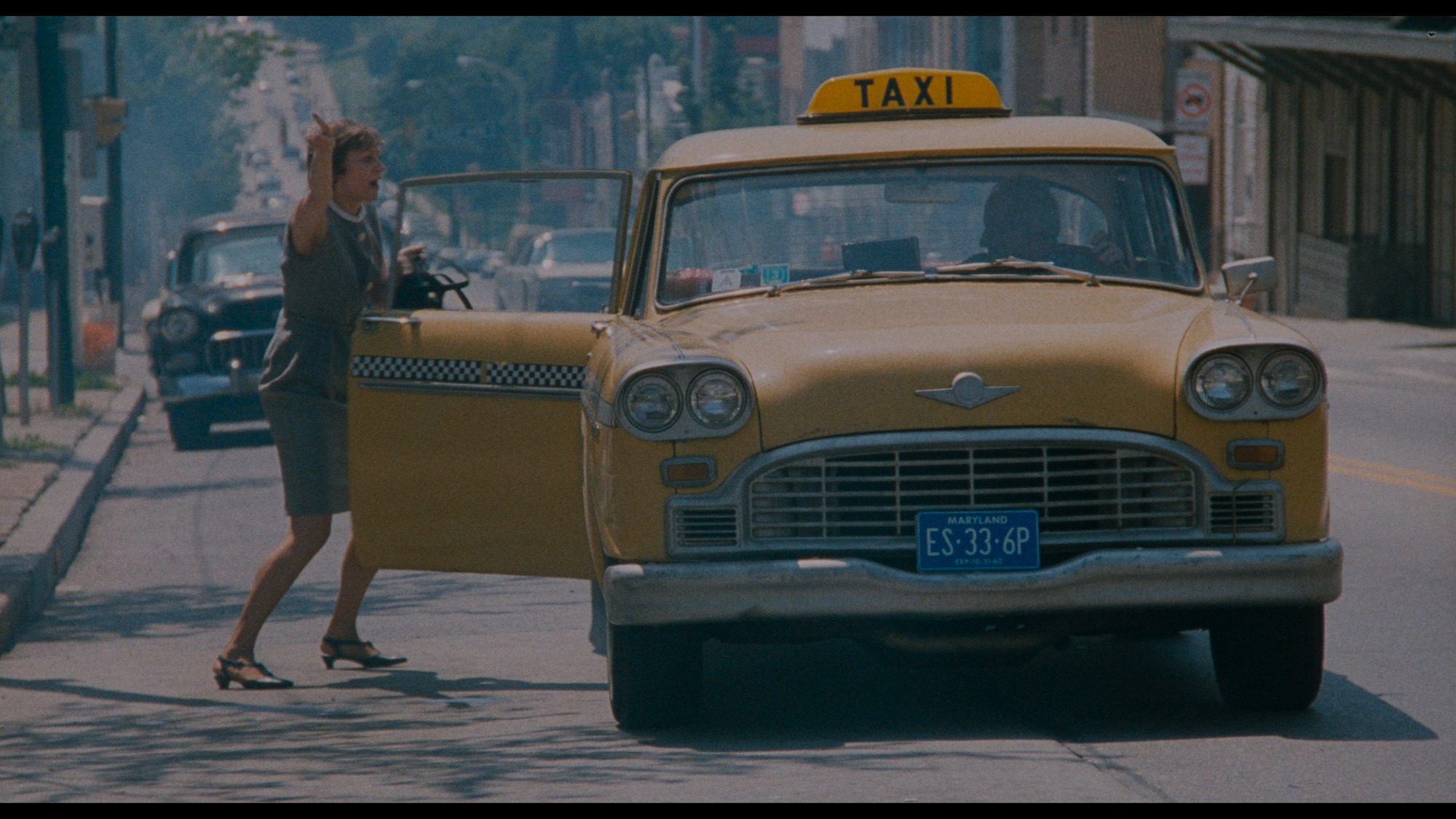
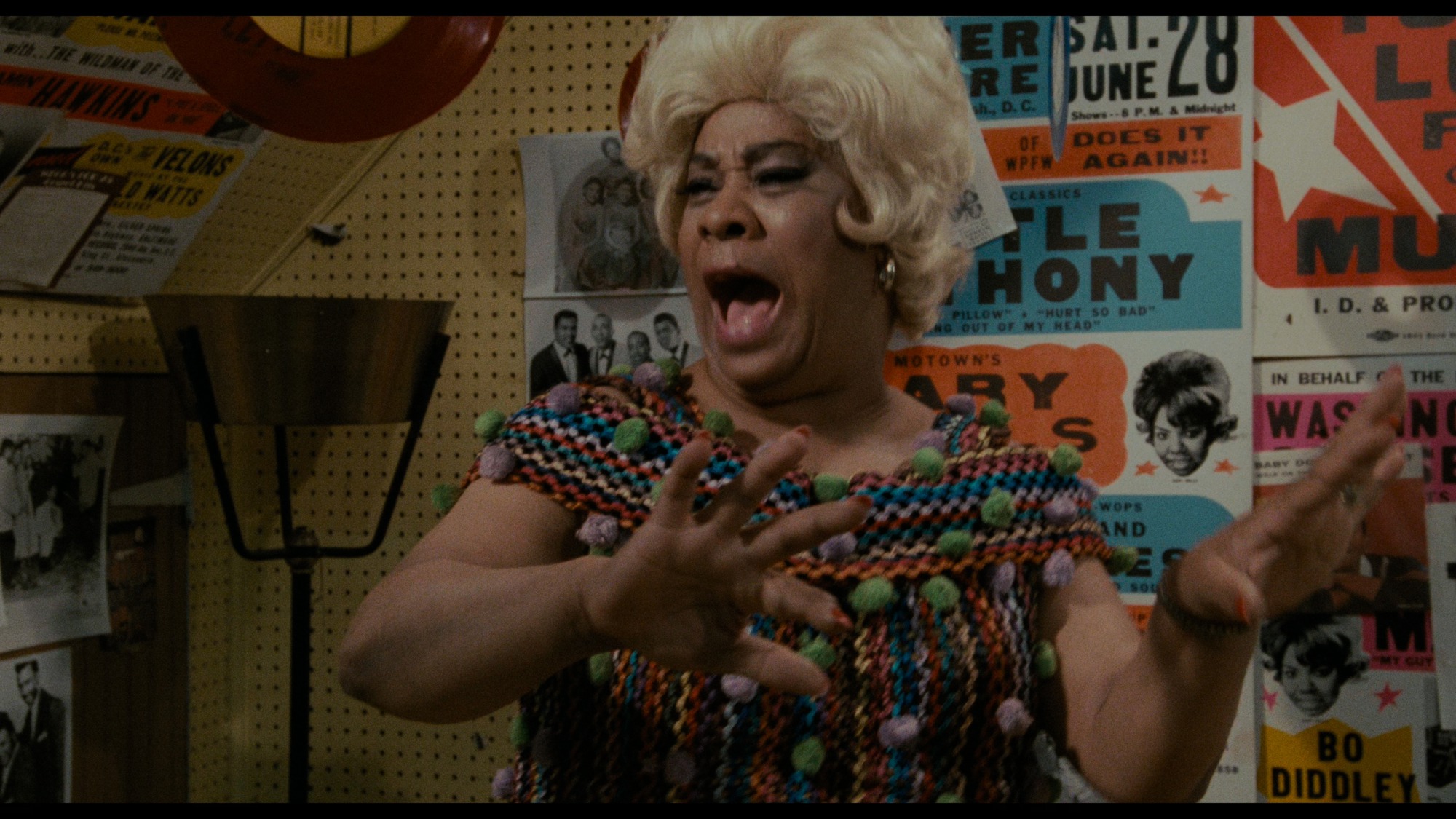
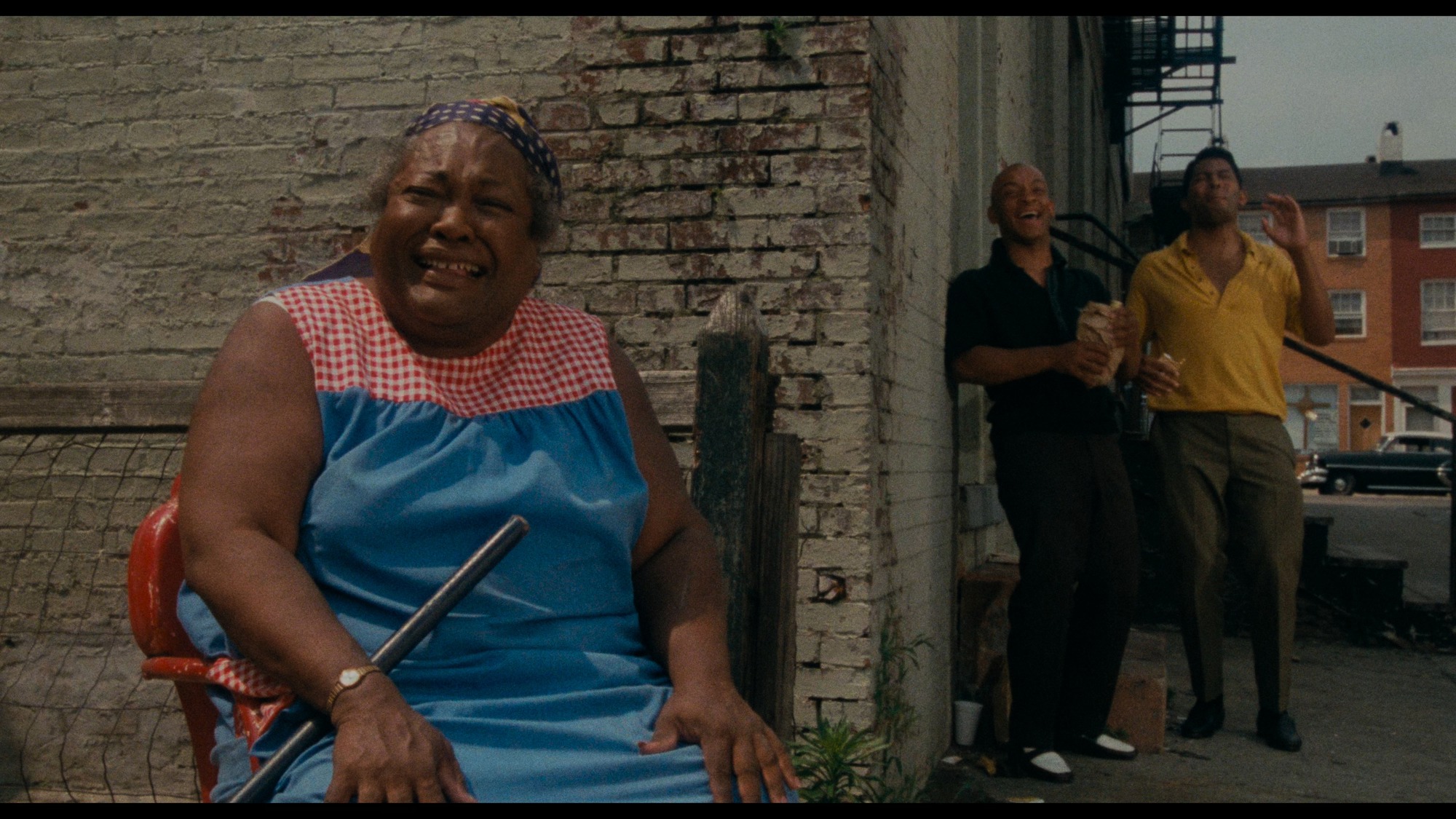
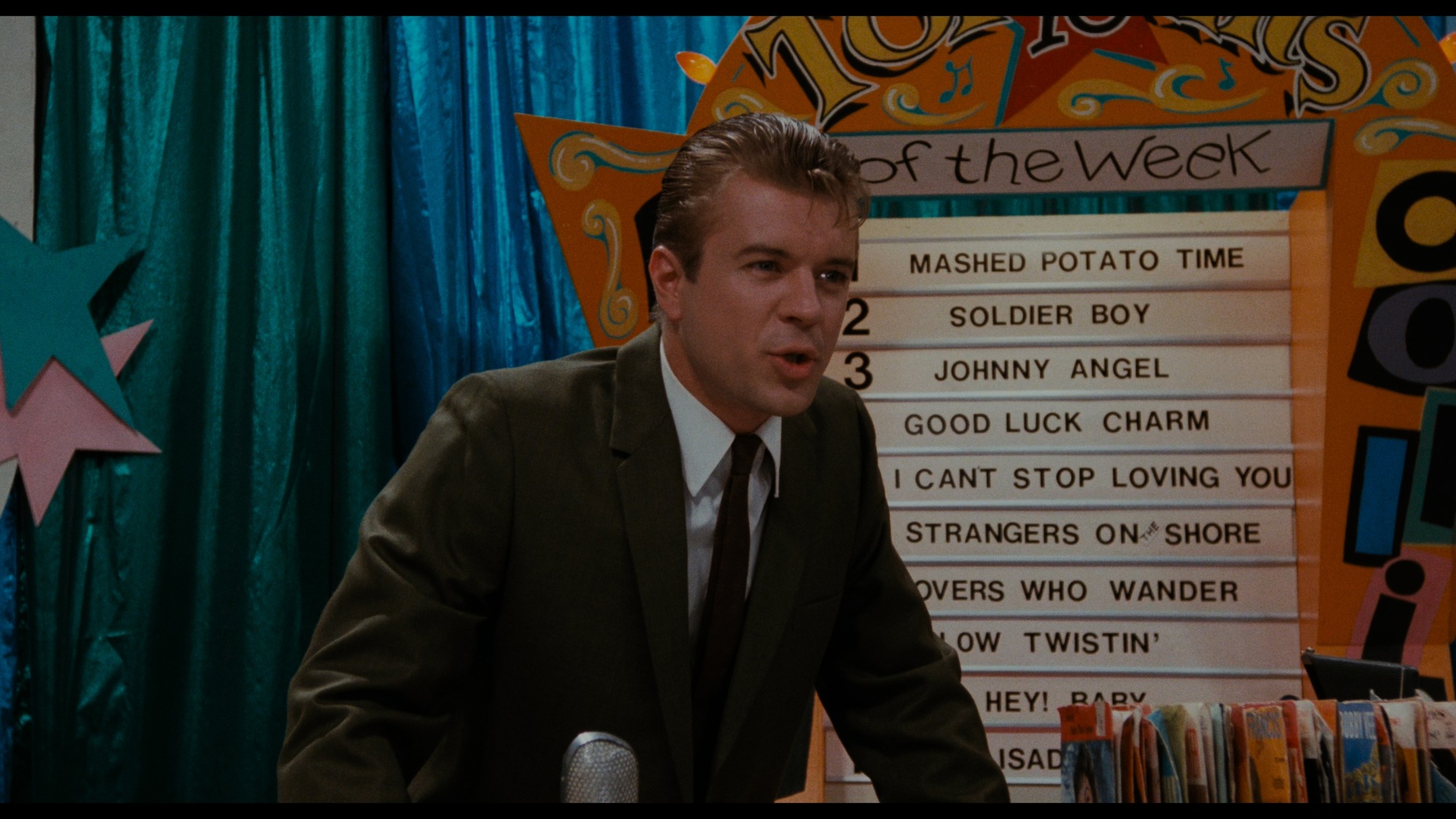
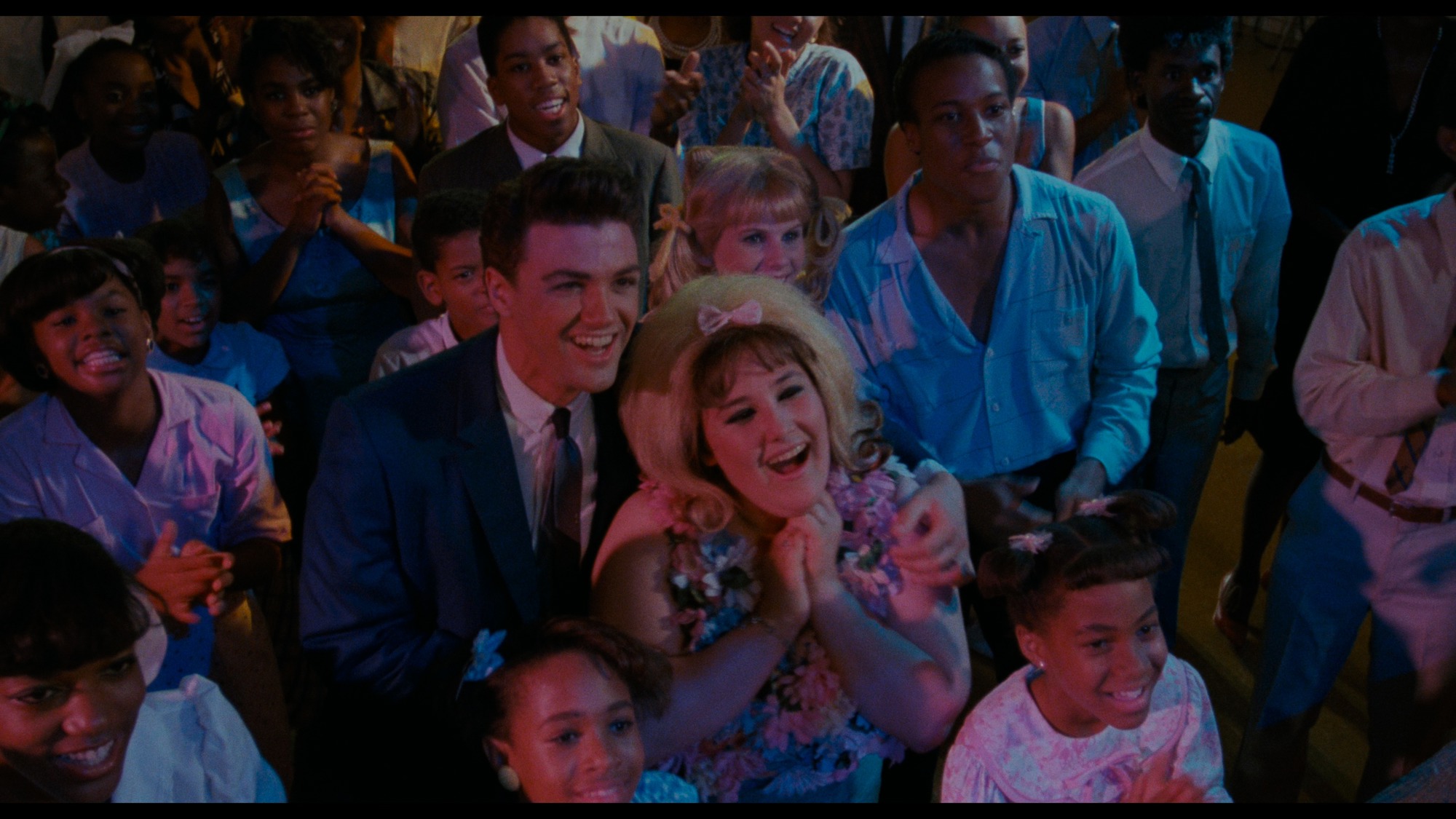
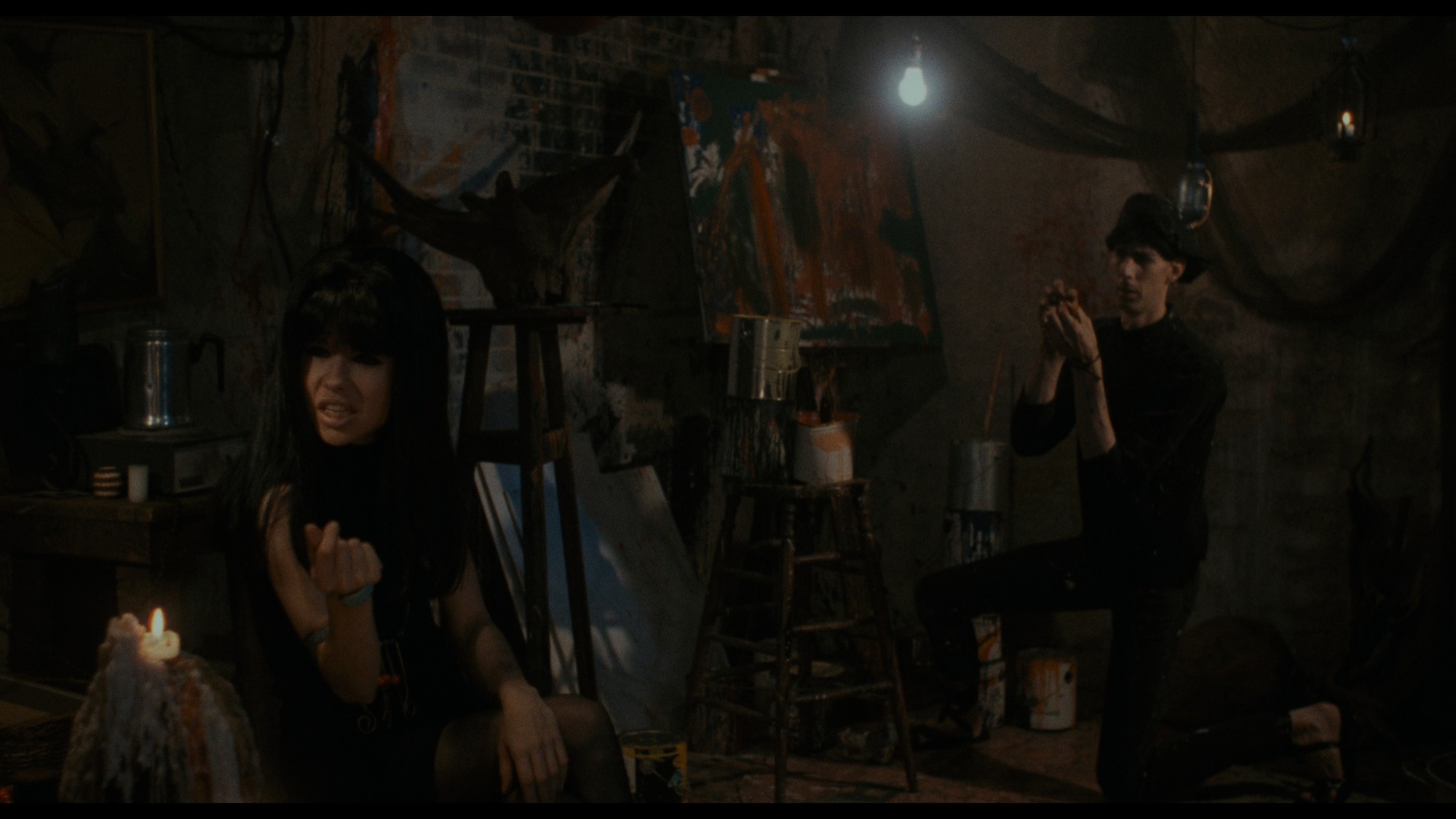
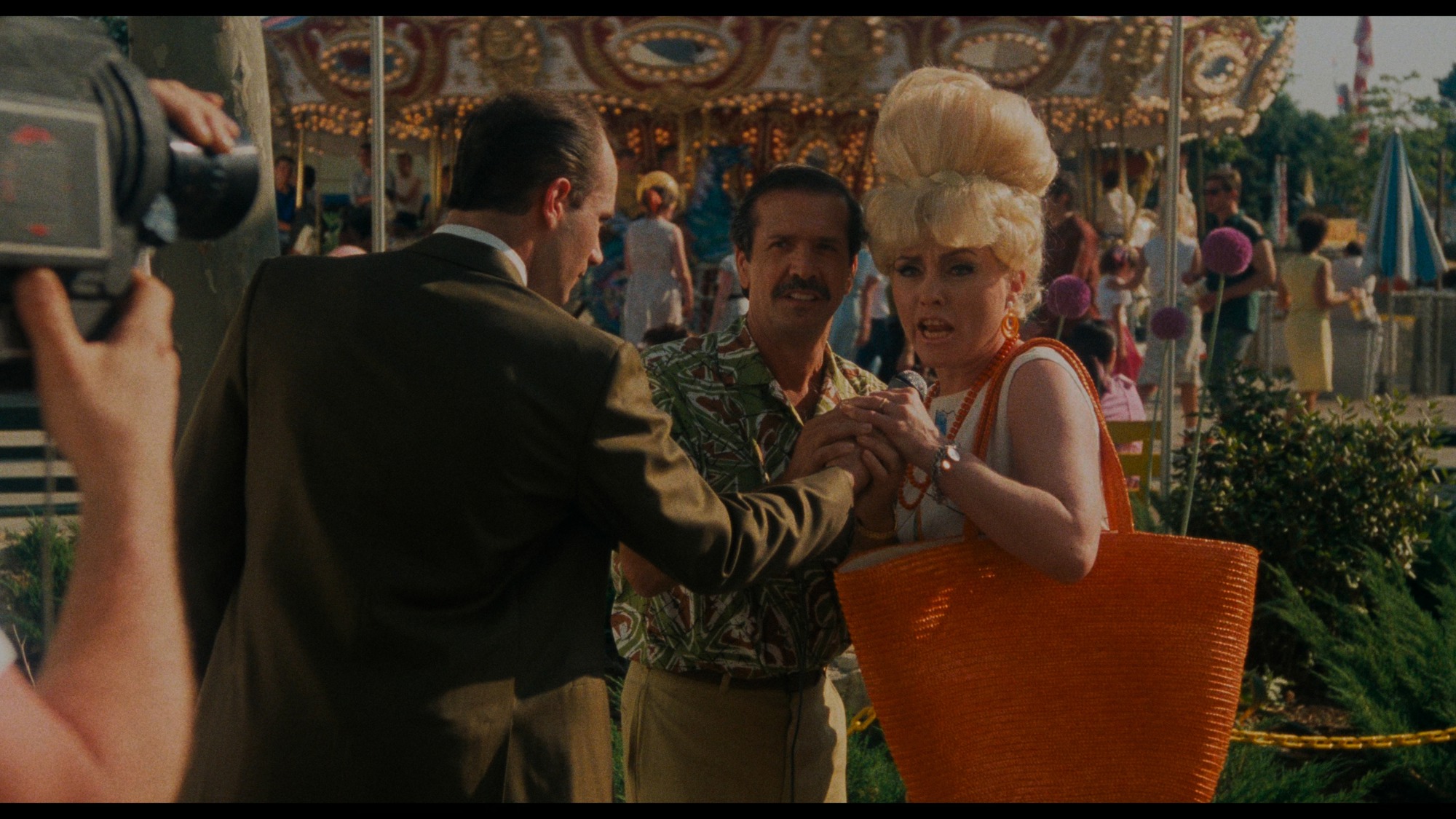
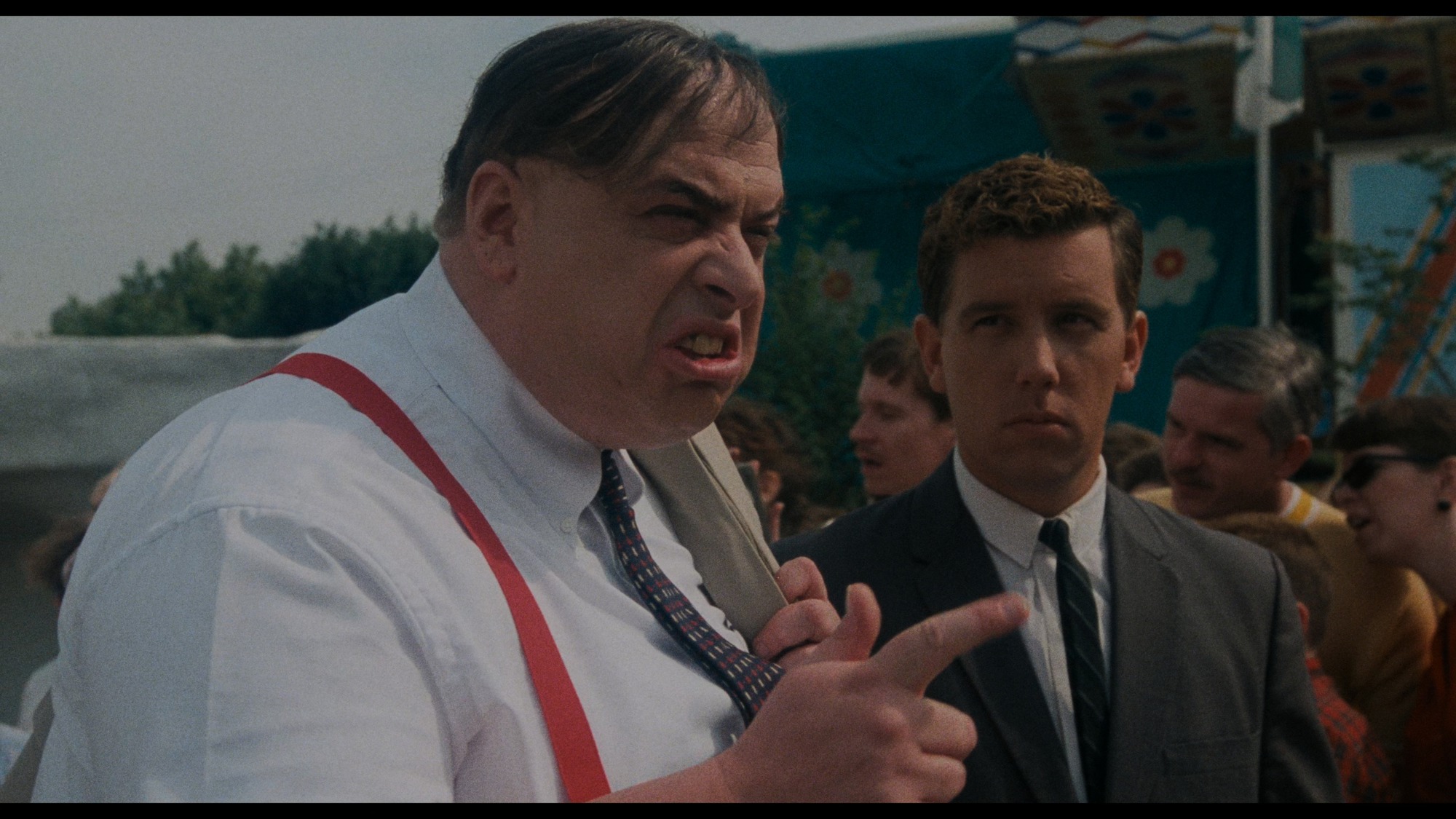
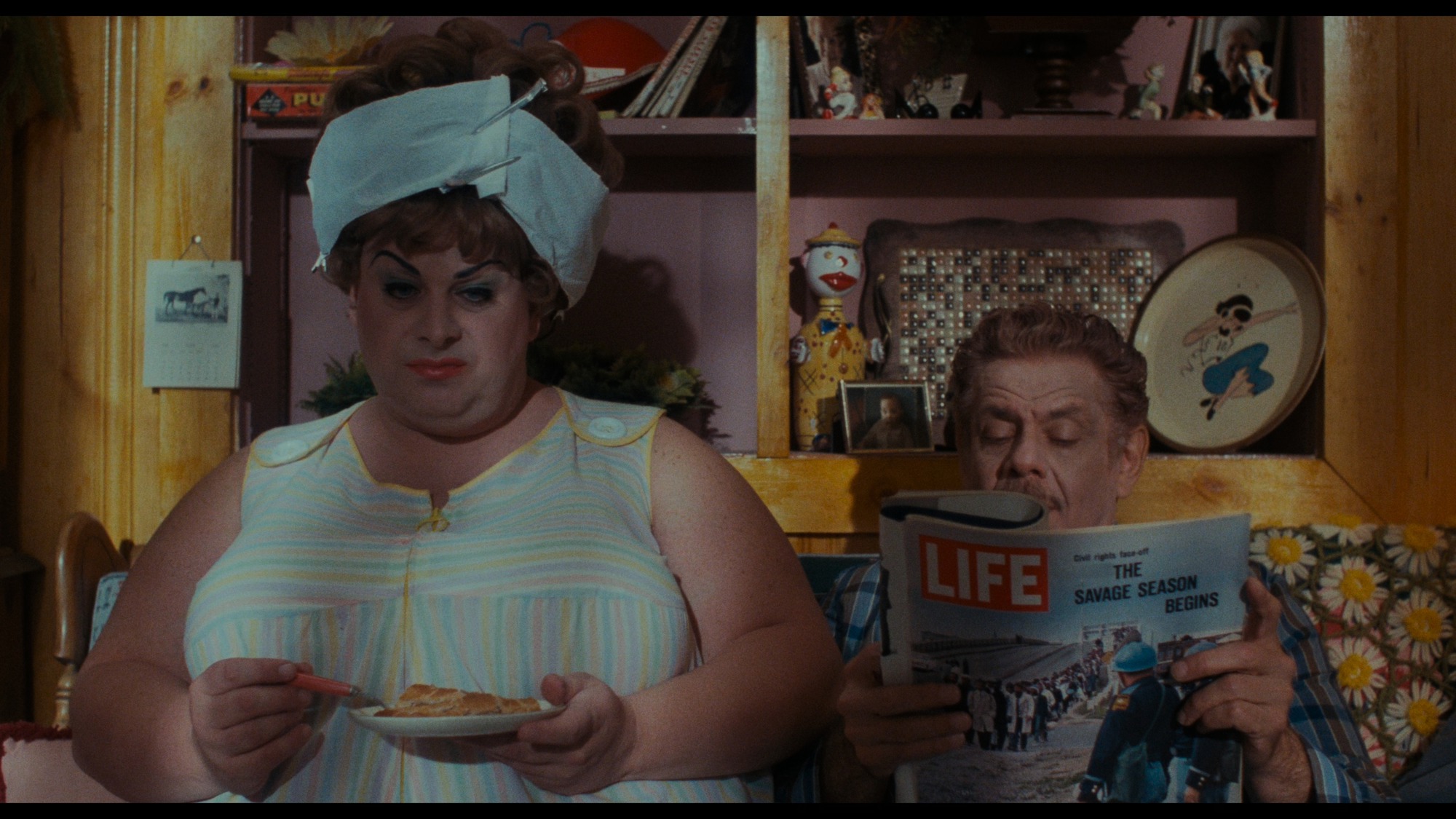
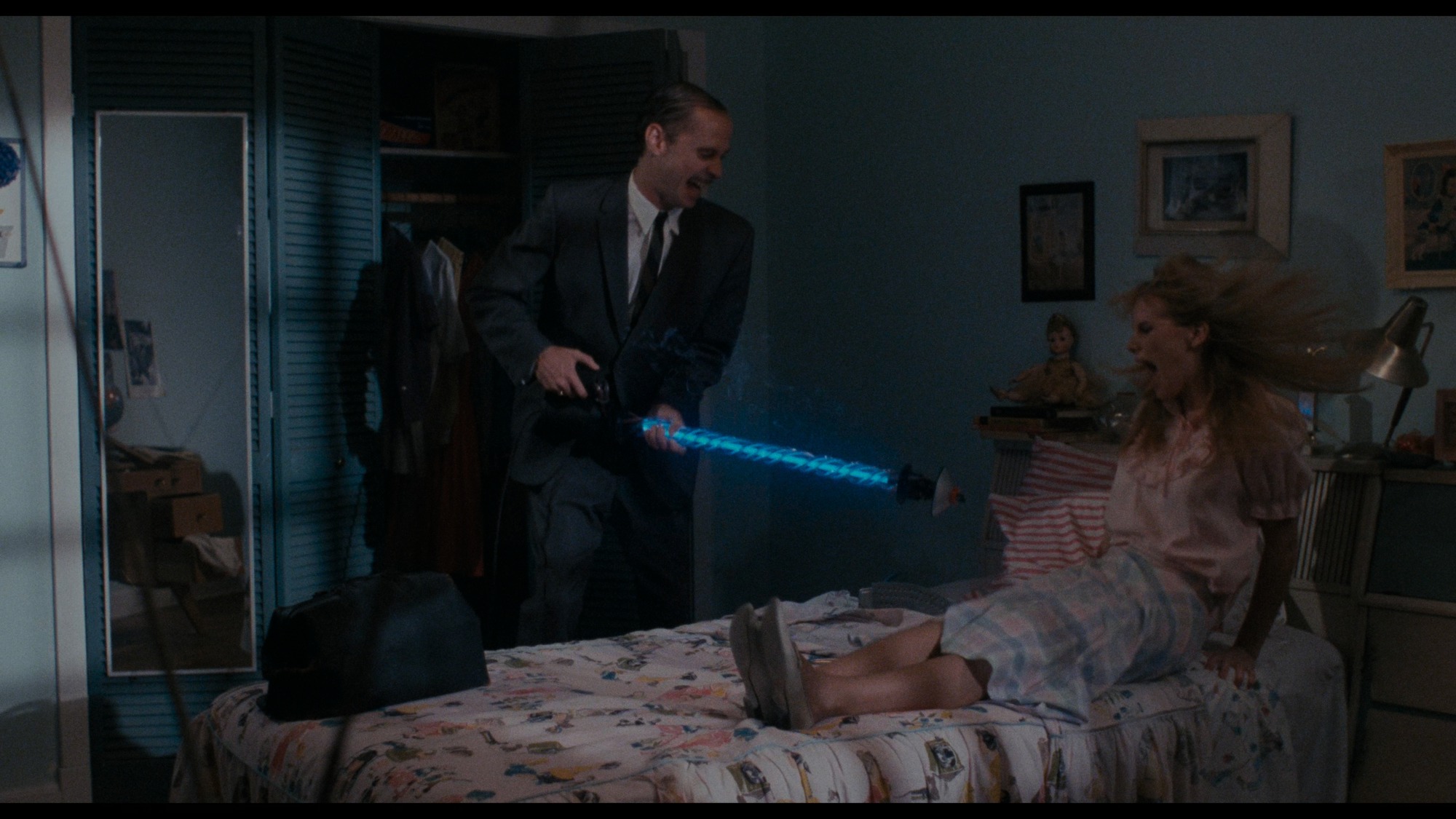
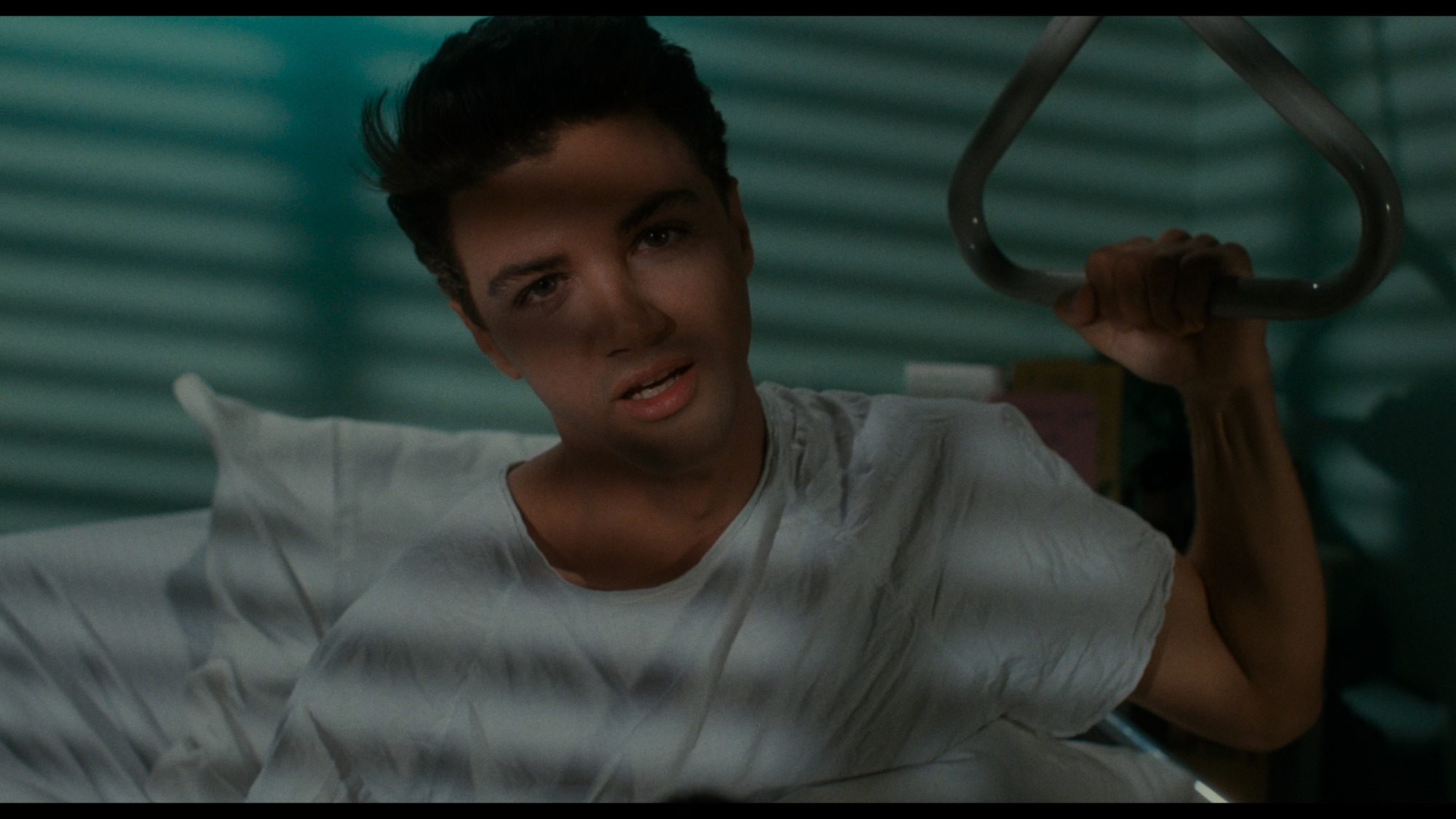
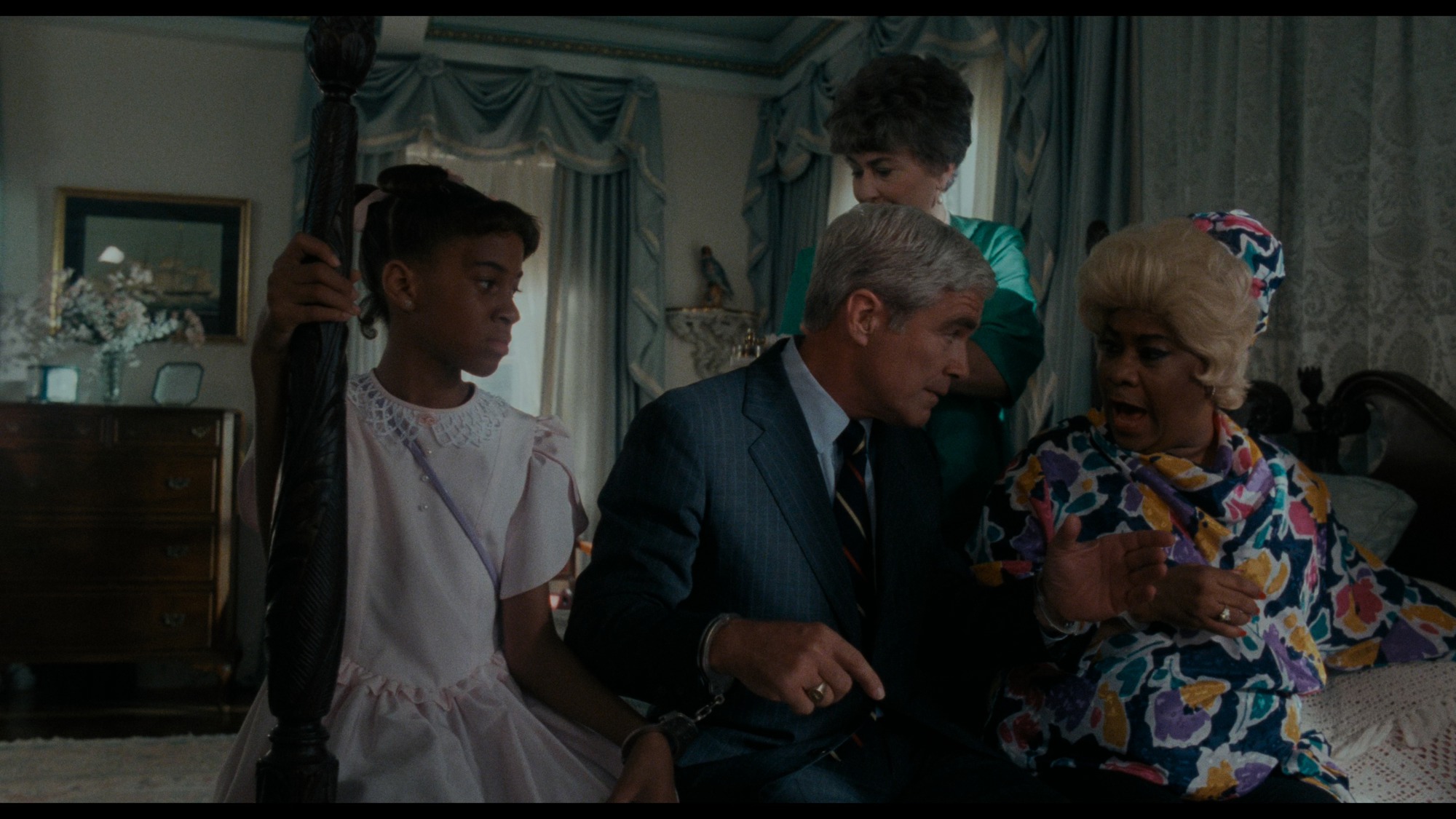
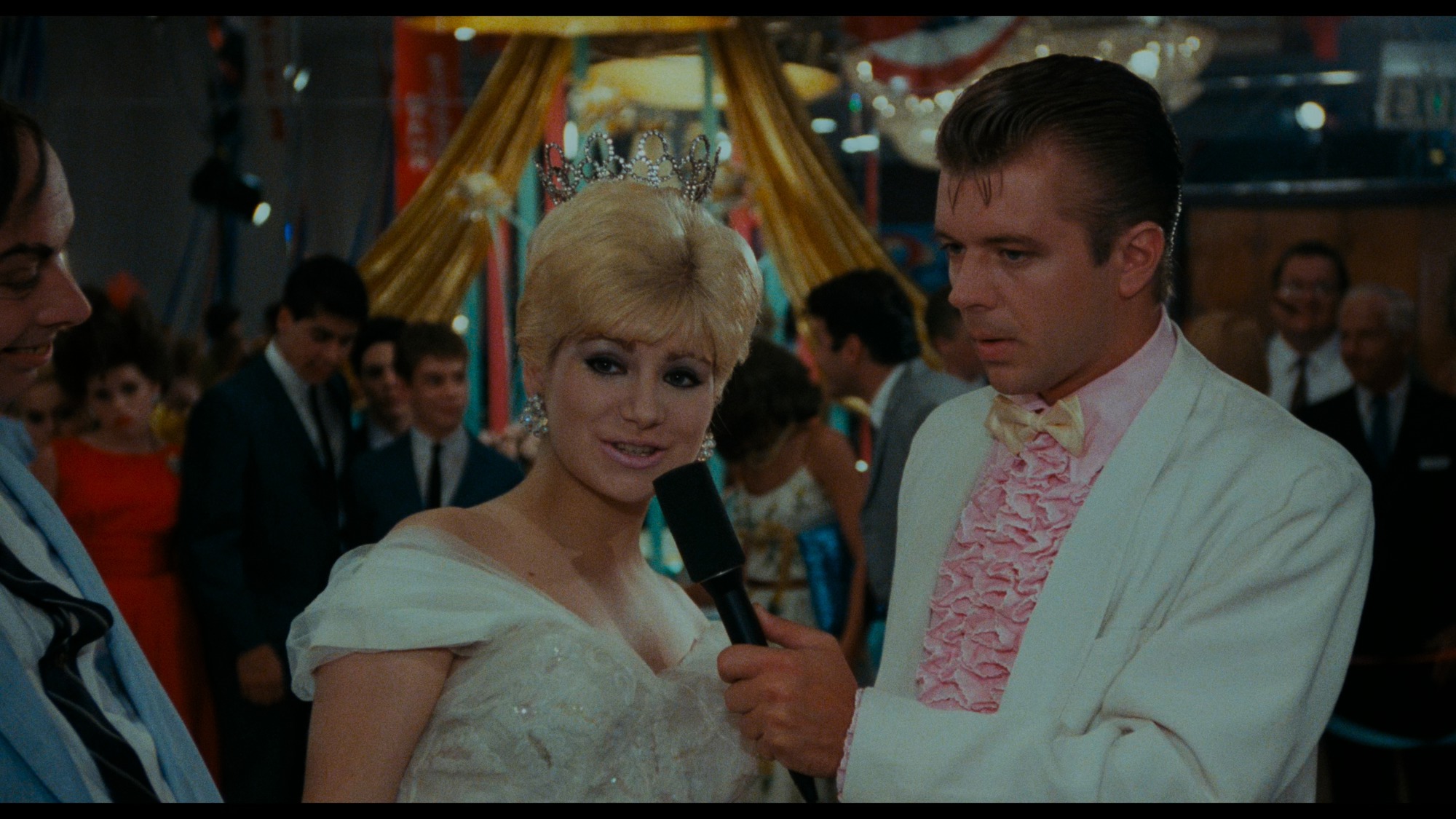
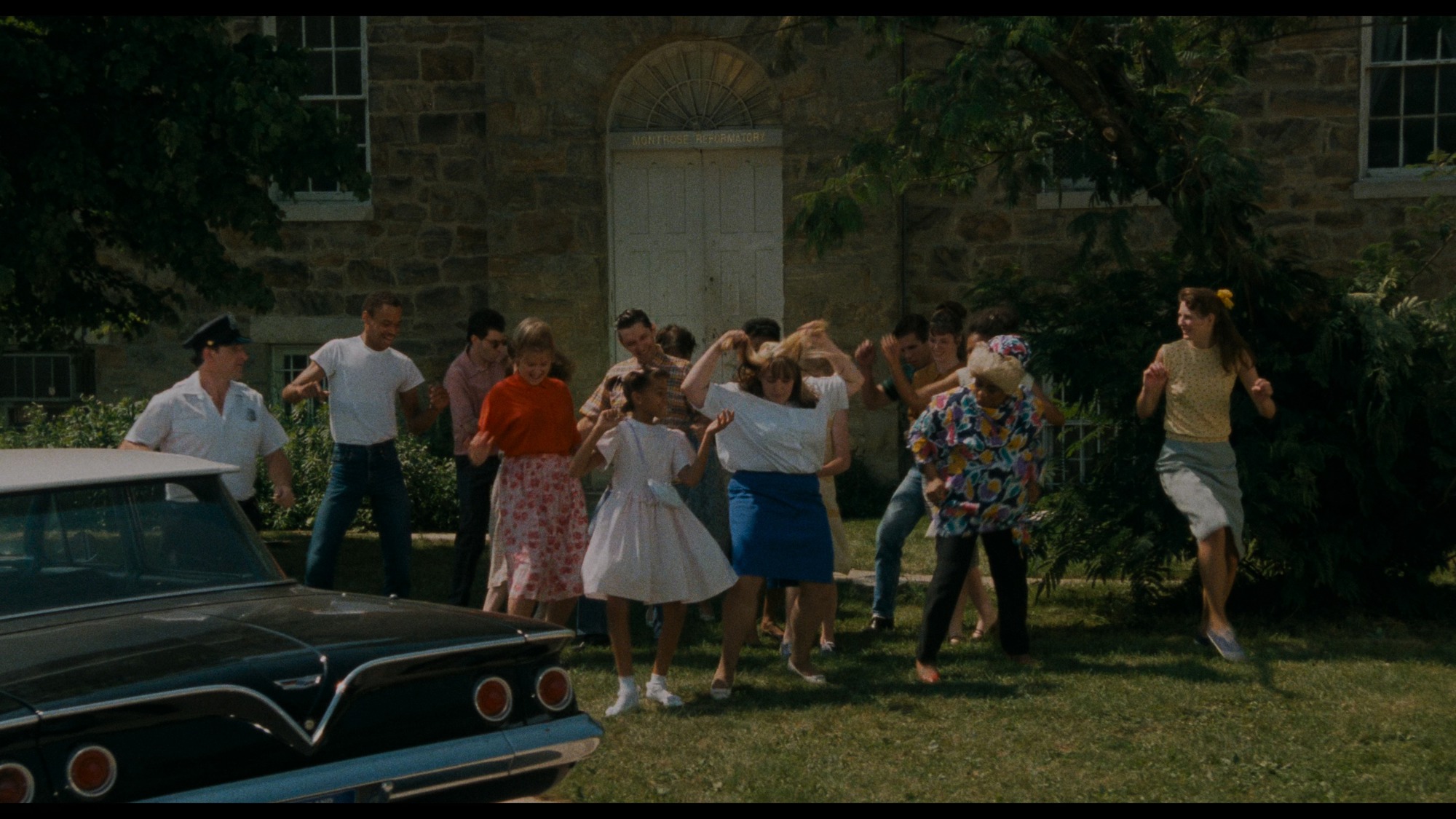
Considering Criterion’s recent streak with their 4K presentations and film’s vibrant aesthetic, I had very high hopes for this release, and I’m happy to say they’ve been entirely met. It’s another superb effort from the label, featuring an incredibly clean encode that effortlessly handles the film’s grain structure, which in turn leads to sharp detail and a natural-looking textures throughout. This remains true in darker scenes and brighter highlights as well, with neither macroblocking nor noise ever becoming an issue.
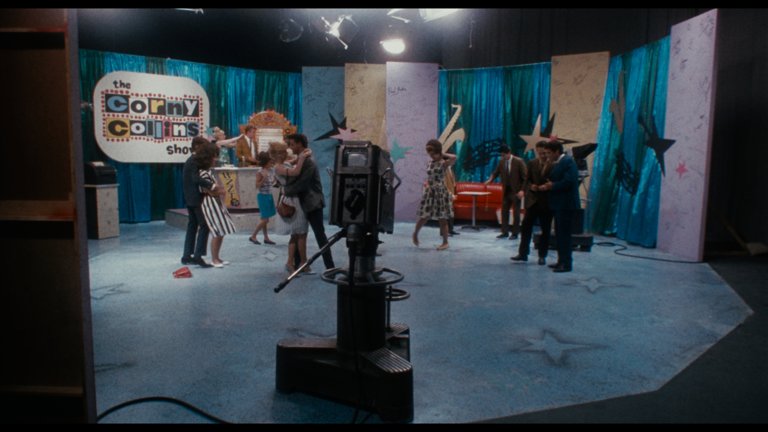
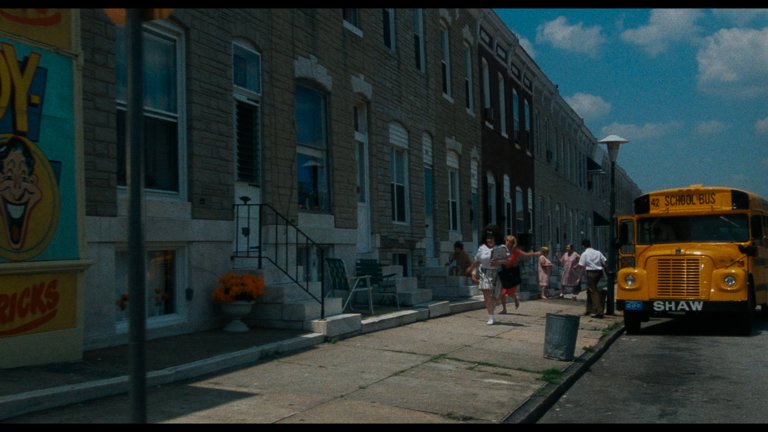
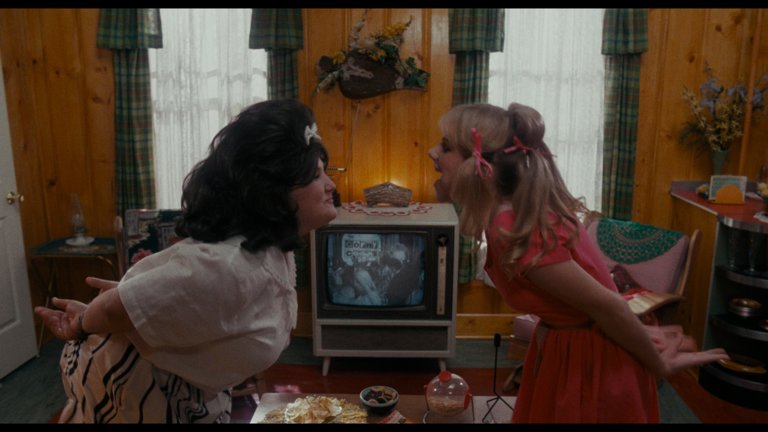
The restoration work has also been thorough and outside of a couple of dupey-looking inserts, the source materials appear to be in fantastic condition. The colors may be the presentation’s biggest standout, however, with the film’s retro scheme popping beautifully. Yellows, pinks, aquas, and more are wonderfully saturated with wide range present within those hues. HDR almost certainly plays a role here, as it also does when it comes to black levels and shadows, particularly during the film’s nighttime sequences. A handful of foggier exterior shots are rendered especially well, capturing light breaking through the haze perfectly. Light also reflects wonderfully off of surfaces, like the gleam bouncing off the chrome trim of various vehicles.
Overall, it looks wonderful. It really jumps off the screen and delivers a terrific film-like image in the end.
Audio 8/10
Criterion includes two soundtrack options: the original 2-channel Dolby Surround presentation and a remastered 5.1 mix, both provided in DTS-HD MA. Though I may ultimately stick with the 2-channel track, both end up being very pleasing. Dialogue sounded a little sharper to me on the original mix, while the remastered presentation seems to give the film's music a bit more of a kick.
In either case, surround activity remains fairly limited, and I can't say I noticed all that much in the way of channel separation with the 5.1 presentation. Music fills the soundstage nicely in both versions, as does some of the onscreen action, while dialogue remains clear and easy to hear throughout. Both tracks are also clean and free of any obvious distortion or significant damage.
Extras 9/10
I never picked up the previous Blu-ray released by Warner Bros. and don’t have direct access to it, but looking over the details surrounding that release, it appears Criterion (or perhaps Waters himself) chose not to port over everything, outside of a couple of items. I’m not sure why that would be, and I can’t speak to the quality of the omitted material, but thankfully Criterion has produced and assembled some new content in its place for their edition.
One of the items that does make its way over is the audio commentary recorded for the 2001 DVD release, featuring Waters and actor Ricki Lake. (I can’t recall whether it was initially released on its own, but it was paired with Pecker as the first volume in New Line’s John Waters Collection DVDs.) As with most Waters commentaries, it proves consistently amusing thanks to his endless supply of stories, such as what Debbie Harry offered to do in order to convince Sonny Bono to sign on, but his primary focus remains the production itself. He recalls the inspirations behind the film and the recreation of the film's period details, especially the hairstyles. This leads to discussions of the Baltimore dance program that inspired the film’s show, The Buddy Deane Show, the real-life figures who influenced many of the characters, and the general absurdity of the era that he so affectionately lampoons. He also speaks fondly of working with Bob Shaye at New Line and of reuniting with Divine for the first time since Polyester, which would unfortunately prove to be their final collaboration, as Divine passed away in his sleep shortly after filming wrapped.
While I greatly enjoyed Waters’ contributions, Lake also has plenty to add, discussing her experience making the film and her introduction to Waters’ work. According to Lake, Waters eased her into his filmography by showing her Female Trouble first, which she admits “shocked” her. She also talks about working with the cast, learning the dance routines, and how the film ultimately changed the course of her life. Like Waters’ other commentary tracks, it’s an entertaining listen loaded with terrific information about the production and its influences.
The commentary appears on both the 4K disc and the Blu-ray, while the remaining supplements are housed exclusively on the Blu-ray under the submenu “Their Hair Was Perfect, but the World Was a Mess…” The first item is a brand-new 40-minute interview with Waters, conducted by WFMU DJs Dave “The Spazz” Abramson and Gaylord Fields. I assumed this would simply serve as an update to accompany the commentary, but it instead takes the far more interesting route of further exploring the world depicted in the film. Topics range from The Buddy Deane Show itself (and the segregation that occurred on programs like it) to the music and dance styles featured throughout the movie. Accompanying these discussions are clips from rehearsal videos used to teach cast members the choreography, along with other behind-the-scenes material. The conversation eventually moves into discussions of the stage musical and even sequel treatments Waters had written up. All in all, it’s a terrific interview, delving deeper into the film’s technical and cultural influences while allowing Waters to be his usual charming self.
The new interviews continue with a 31-minute conversation featuring Ricki Lake and Colleen Fitzpatrick. The two first recall how they were cast, with Lake noting that Waters specifically wanted a heavier-set actor for Tracy, describing his vision as wanting the performer to be a literal “circle.” Amusingly, Fitzpatrick suggests she may have landed her role not only because she could act and dance, but also because she could drive a stick shift, which she had proudly listed among her skills on her résumé and was apparently something Waters specifically needed. From there, the pair discuss the experience of making the film, which sounds to have been overwhelmingly positive aside from a few difficulties, including the peroxide used on Lake’s hair causing permanent damage to her scalp.
It’s another enjoyable addition, particularly when the two recall Waters introducing them to his earlier films for the first time, but I was even more delighted by the next feature, Let’s Get Naked and Smoke. This piece assembles new interviews with Debbie Harry, Jo Ann Havrilla, Leslie Ann Powers, Clayton Prince, Shawn Thompson, and, yes, even Pia Zadora, who proves particularly funny. Sadly, the feature presents audio only, with the interviews playing over photographs, film clips, behind-the-scenes footage, and other material. Despite, it remains thoroughly engaging, with everyone discussing their experiences working with Waters, their fellow cast members, and especially Divine, whom all speak fondly of. I was also amused by some of the inspirations discussed, such as Havrilla revealing that she based her awful character directly on her own aunt. I would have loved to see everyone brought together for a roundtable discussion, but even without that, the feature proves enormously entertaining.
Criterion then includes a selection of deleted scenes that, interestingly enough, do not seem to appear to have been included on any previous release, despite this sort of material being a staple of the early DVD era. Waters briefly touches on them in the new interview but goes into greater detail through a new 2-minute introduction, where he explains why they were cut. He suggests many of the trims were the result of “studio notes,” though he also admits removing them was ultimately the right decision. I’d agree. At their worst, some of the scenes make Lake’s Tracy a noticeably less likeable character. In total, six deleted scenes are included, running approximately 15 minutes, and viewers can either play them individually or watch them all together.
An EPK-style behind-the-scenes featurette, running 6 minutes, is also included. Featuring footage from the set and interviews with Waters and members of the cast, it’s about what one would expect and appears to be among the few items carried over from the Warner Blu-ray. Also ported over is a 4-minute interview with production designer Vincent Peranio, who discusses his work on the film, including a set built for a scene that was ultimately excised but can still be seen in the deleted scenes portion.
The disc closes with the original theatrical trailer and a 6-minute news segment titled Get to Know John Waters, which features Waters giving viewers a tour of his home and collection of curiosities, some of which were apparently sent in by fans, including an item that allegedly came directly from John Wayne Gacy’s basement. Yikes!
The included booklet then contains an essay by Jessica Kiang examining the film’s place within Waters’ career, both where it fits and where it doesn't. The booklet itself is also designed as a fan magazine devoted to The Corny Collins Show, complete with photographs of the Teen Council, playful advertisements, and even step-by-step illustrated instructions for some of the dances featured in the film.
Again, I’m not sure why most of the material from the Warner release wasn’t carried over, yet Criterion has assembled a fun and engaging selection of material of their own. It’s all very entertaining and well worth working through.
Closing
Despite leaving behind some of the material found on Warner's previous release, Criterion has assembled a terrific special edition, highlighted by a stunning new 4K presentation and an engaging selection of extras.
BUY AT: