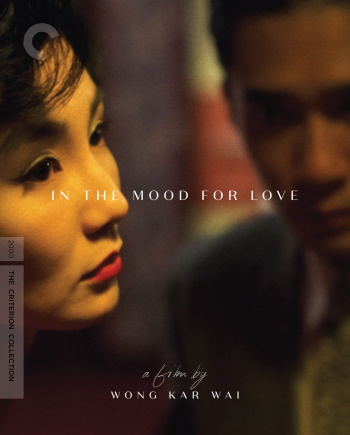
In the Mood for Love
BUY AT:


See more details, packaging, or compare
Synopsis
Hong Kong, 1962: Chow Mo Wan (Tony Leung Chiu Wai) and Su Li Zhen (Maggie Cheung Man Yuk) move into neighboring apartments on the same day. Their encounters are formal and polite—until a discovery about their spouses creates an intimate bond between them. At once delicately mannered and visually extravagant, Wong Kar Wai’s In the Mood for Love is a masterful evocation of romantic longing and fleeting moments. With its aching soundtrack and exquisitely abstract cinematography by Christopher Doyle and Mark Lee Ping Bing, this film has been a major stylistic influence on the past two decades of cinema, and is a milestone in Wong’s redoubtable career.
Picture 7/10
The Criterion Collection releases its fourth edition of Wong Kar-wai’s In the Mood for Love, this time presenting the film in full 4K through a new UHD edition. The film is once again framed in the aspect ratio of 1.66:1 and presented on a dual-layer BD-66 disc with a 2160p/24hz ultra high-definition encode in 10-bit SDR (no HDR). This release also includes a standard dual-layer Blu-ray featuring the film in 1080p high-definition, along with the disc’s special features. The Blu-ray is identical to the one found in Criterion’s World of Wong Kar-wai box set, right down to the menu screen.
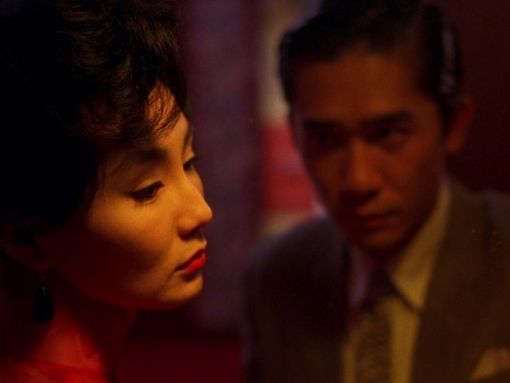
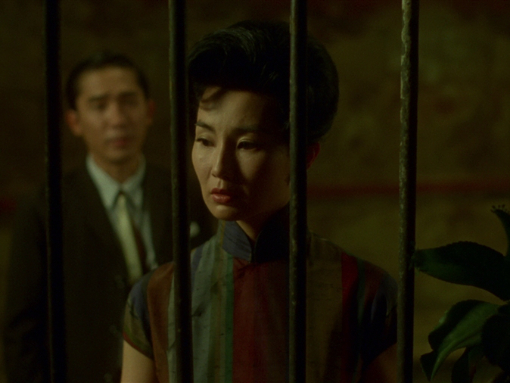
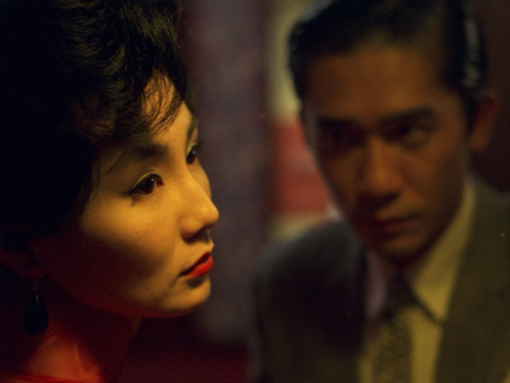
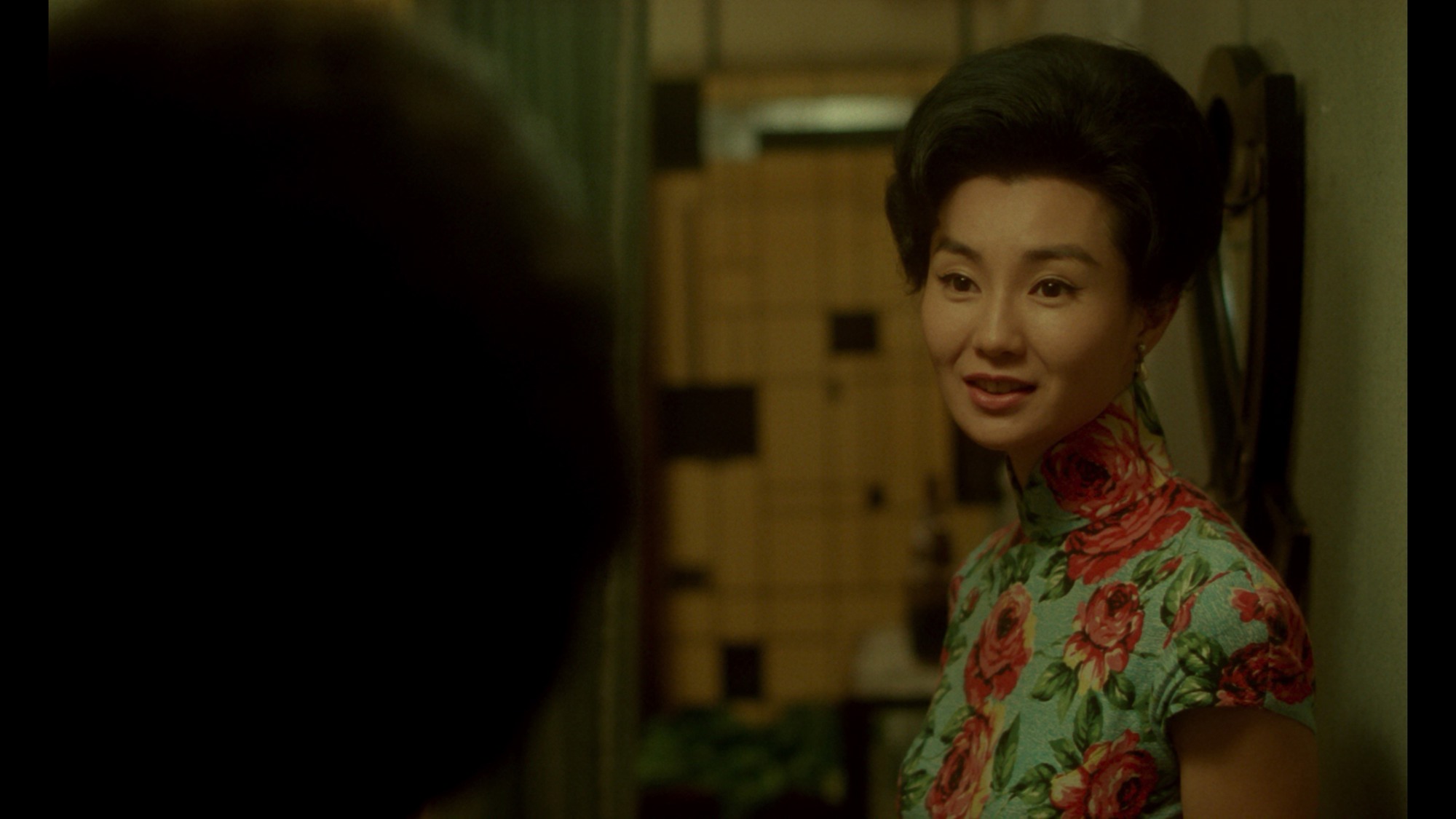
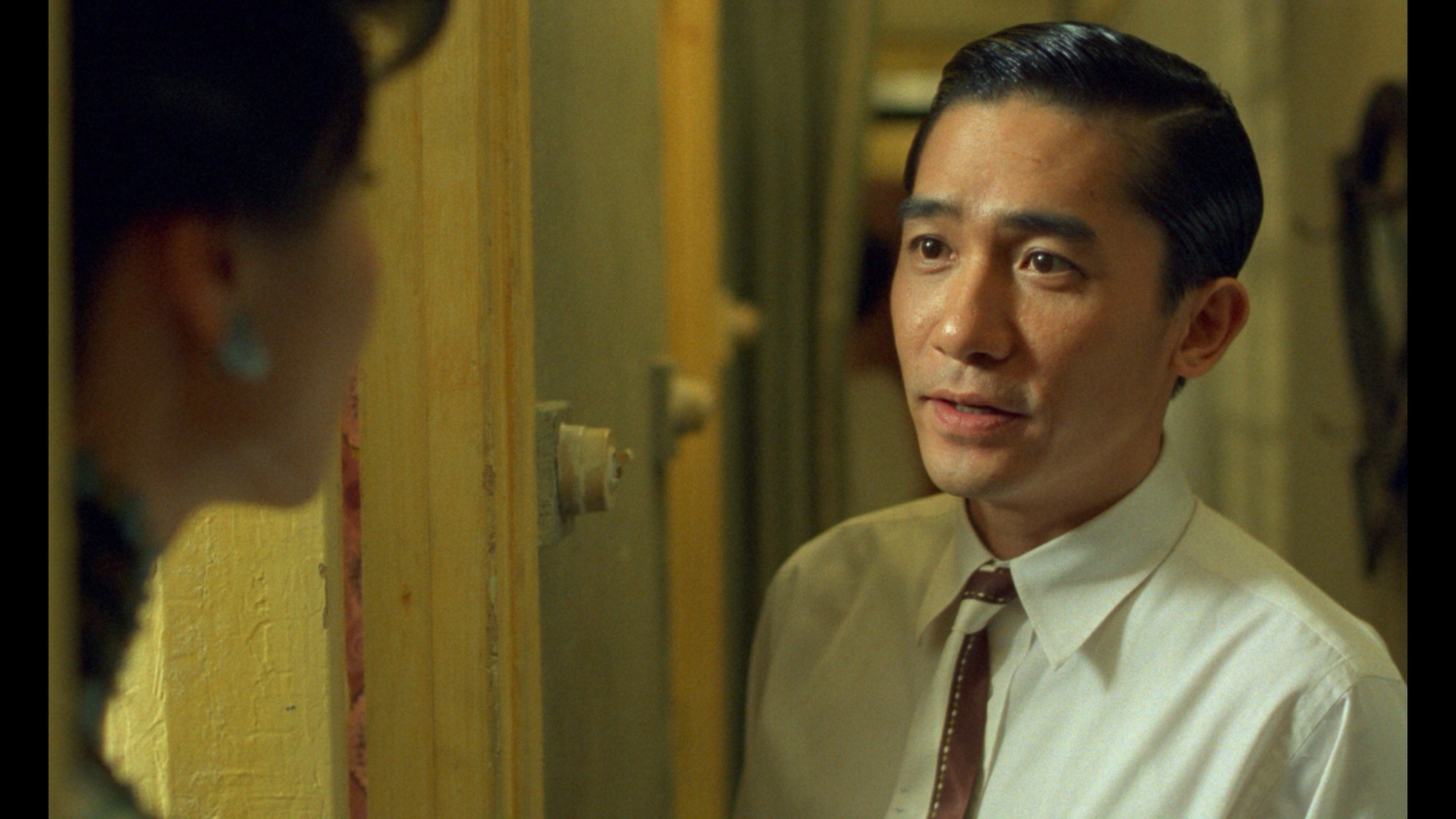
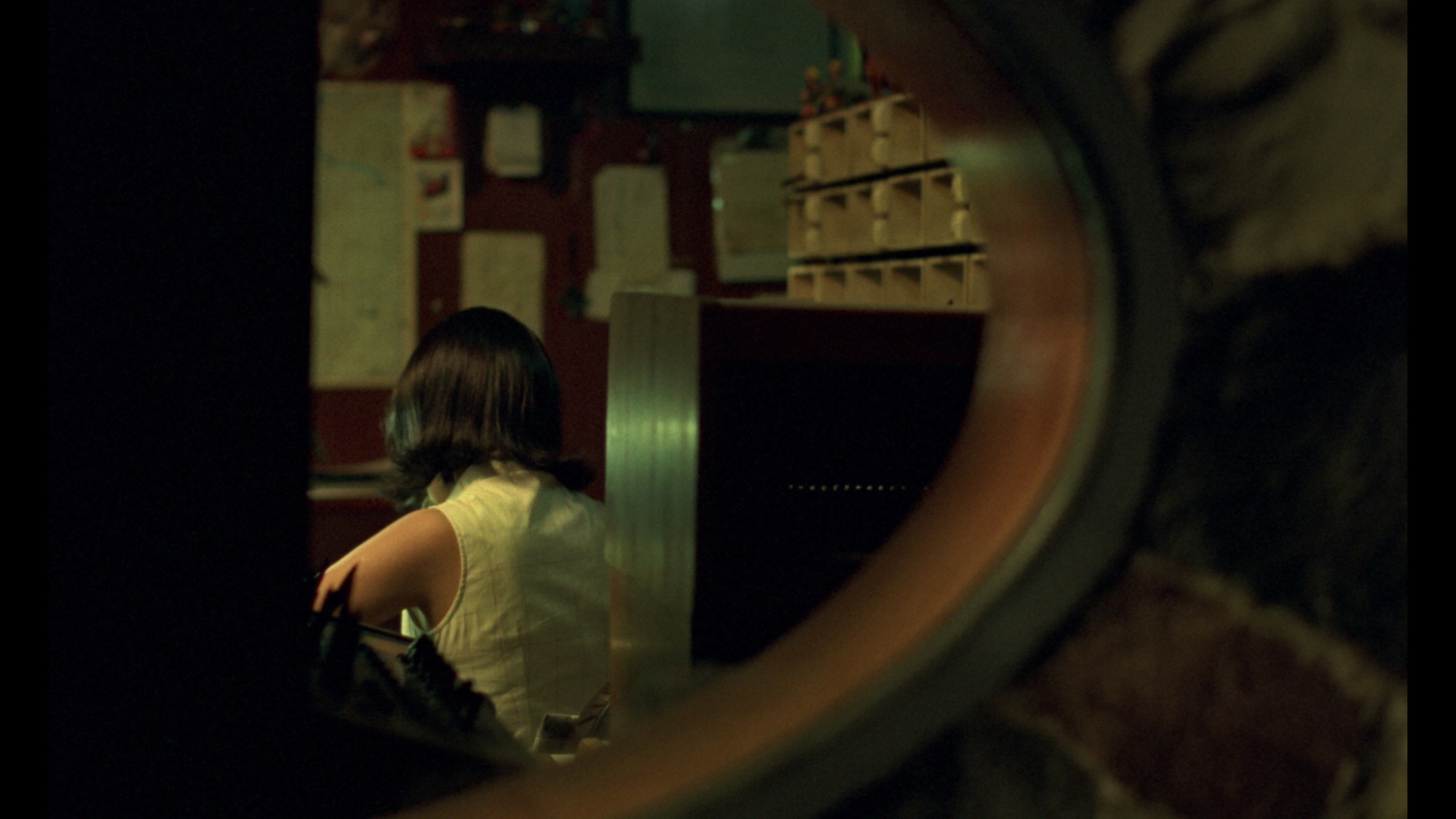
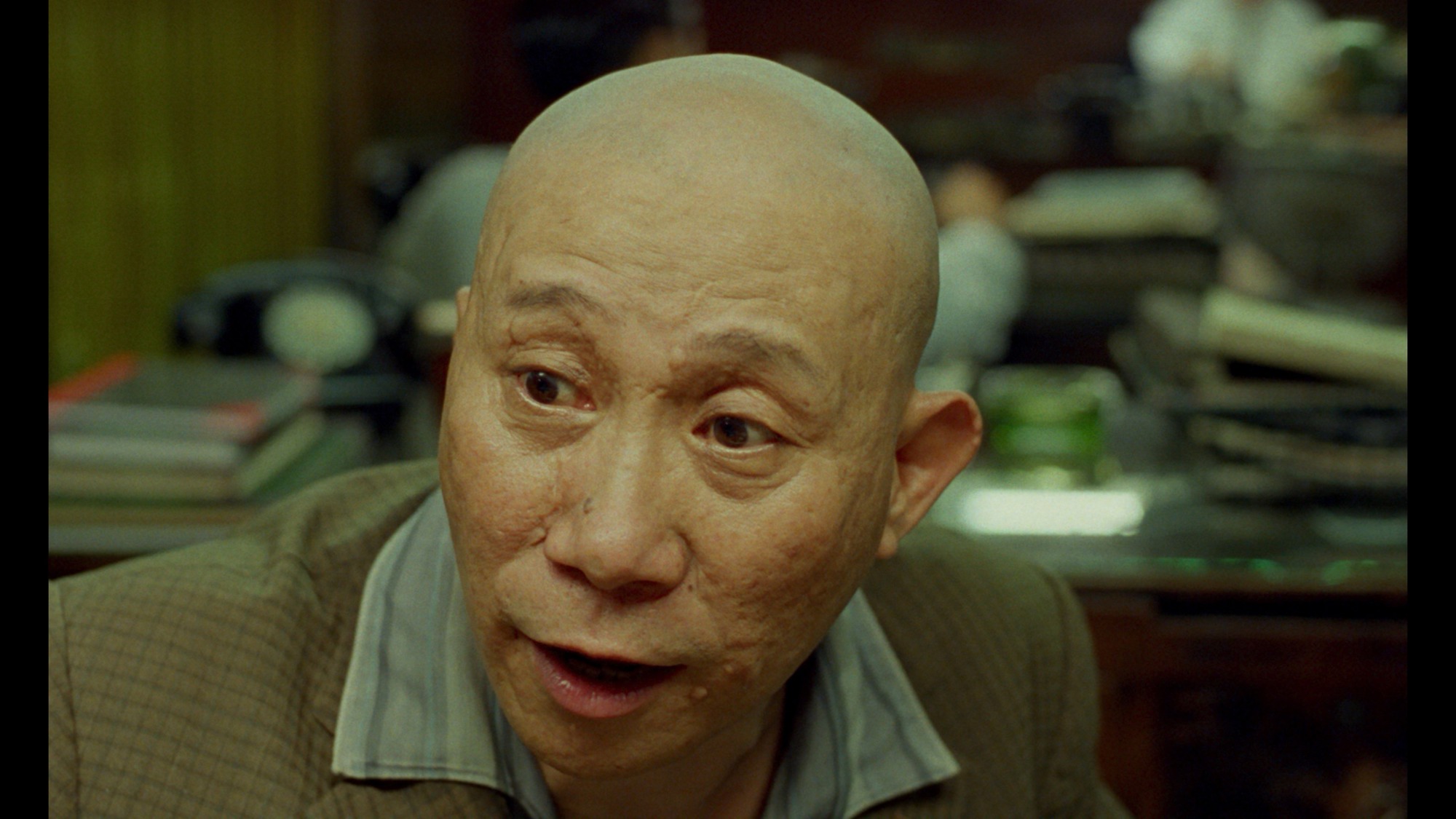
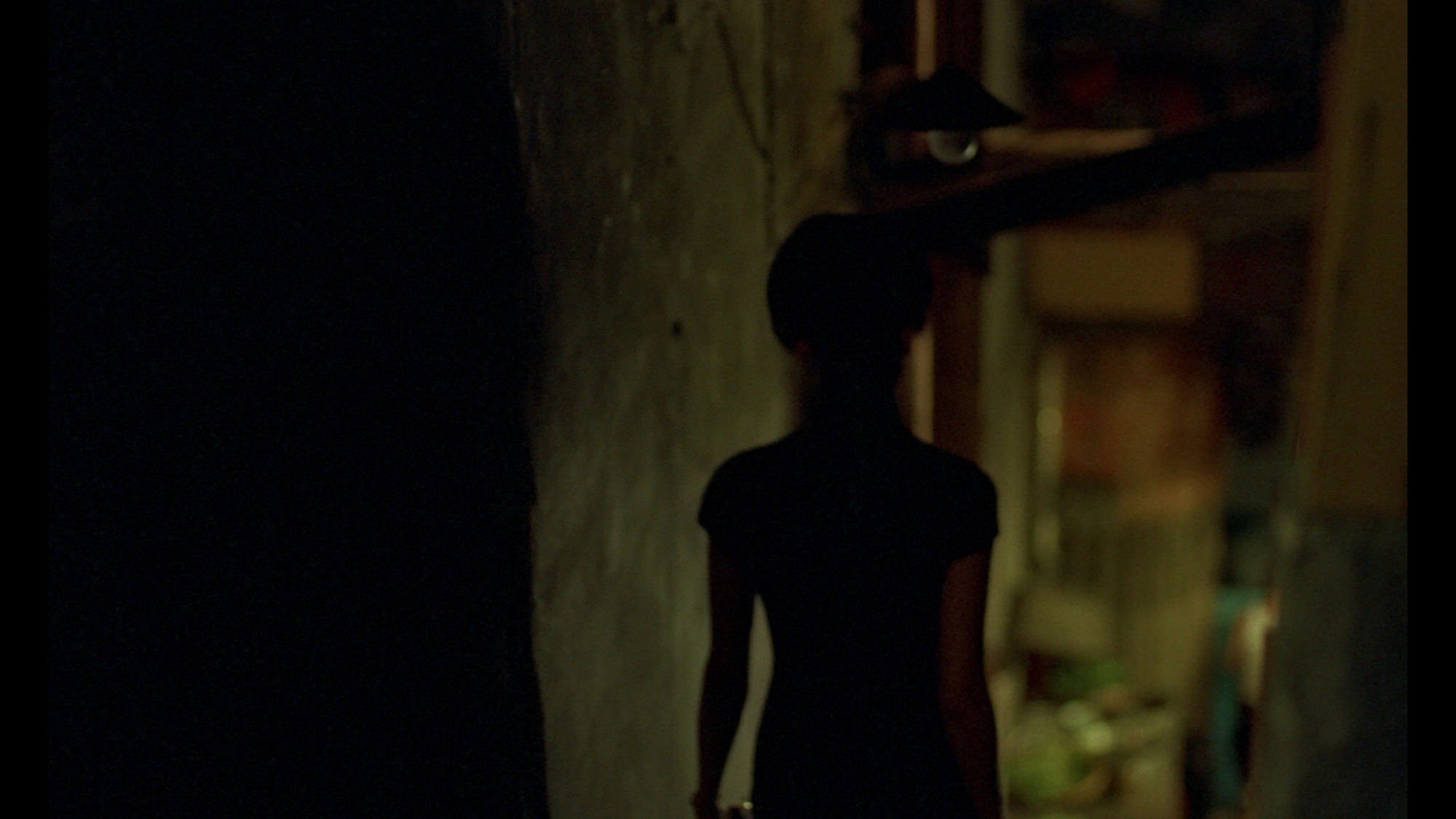
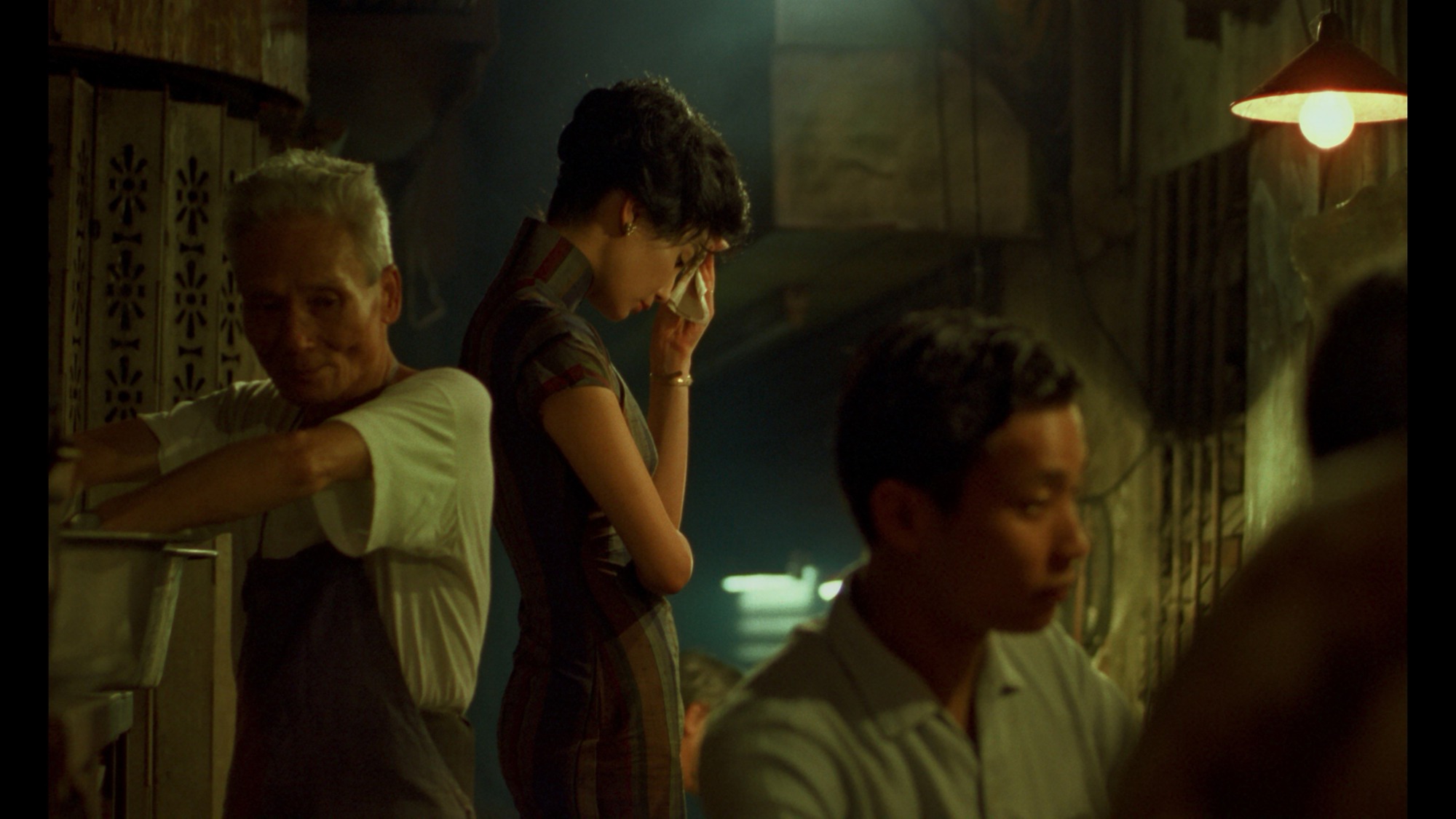
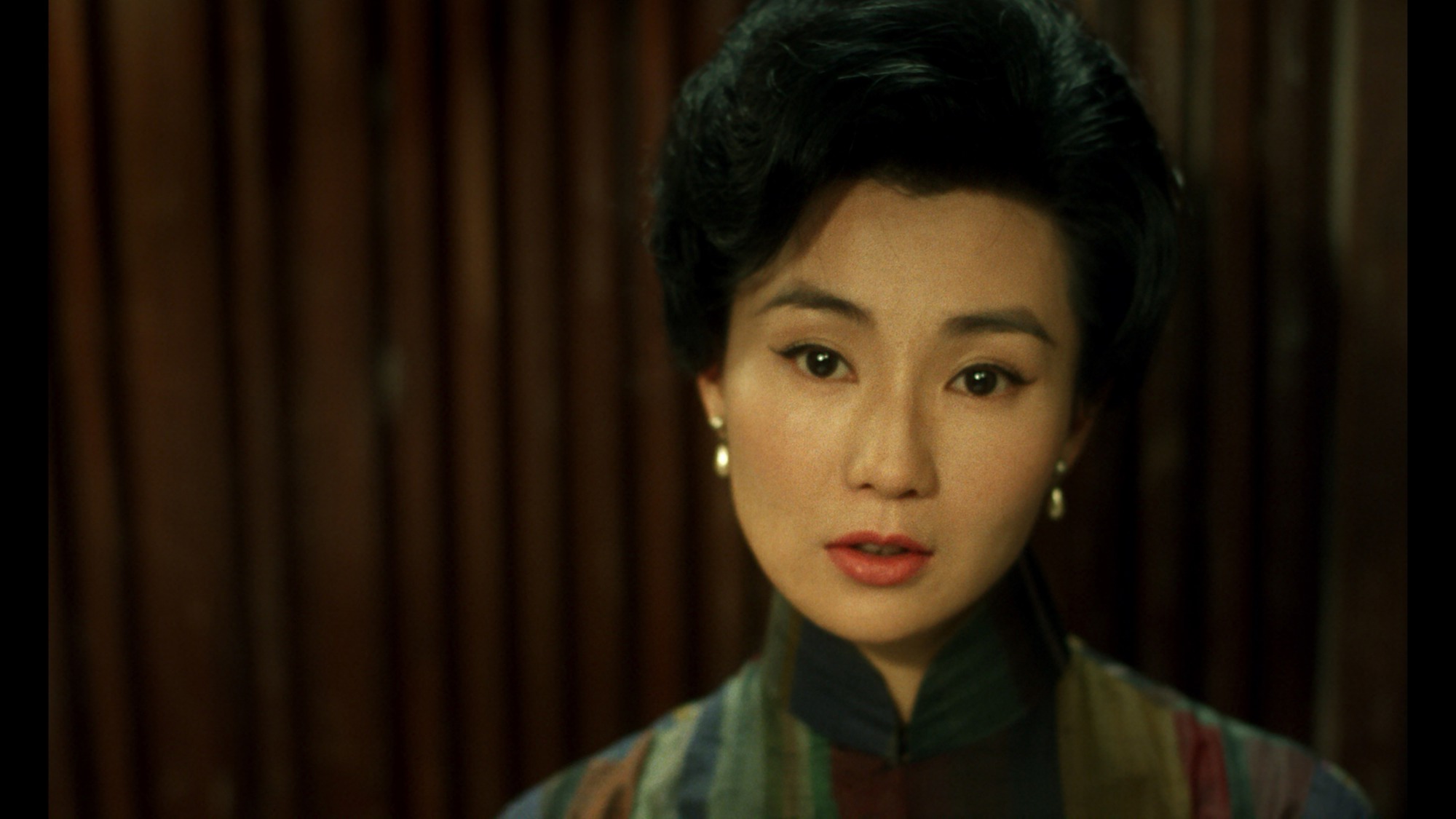
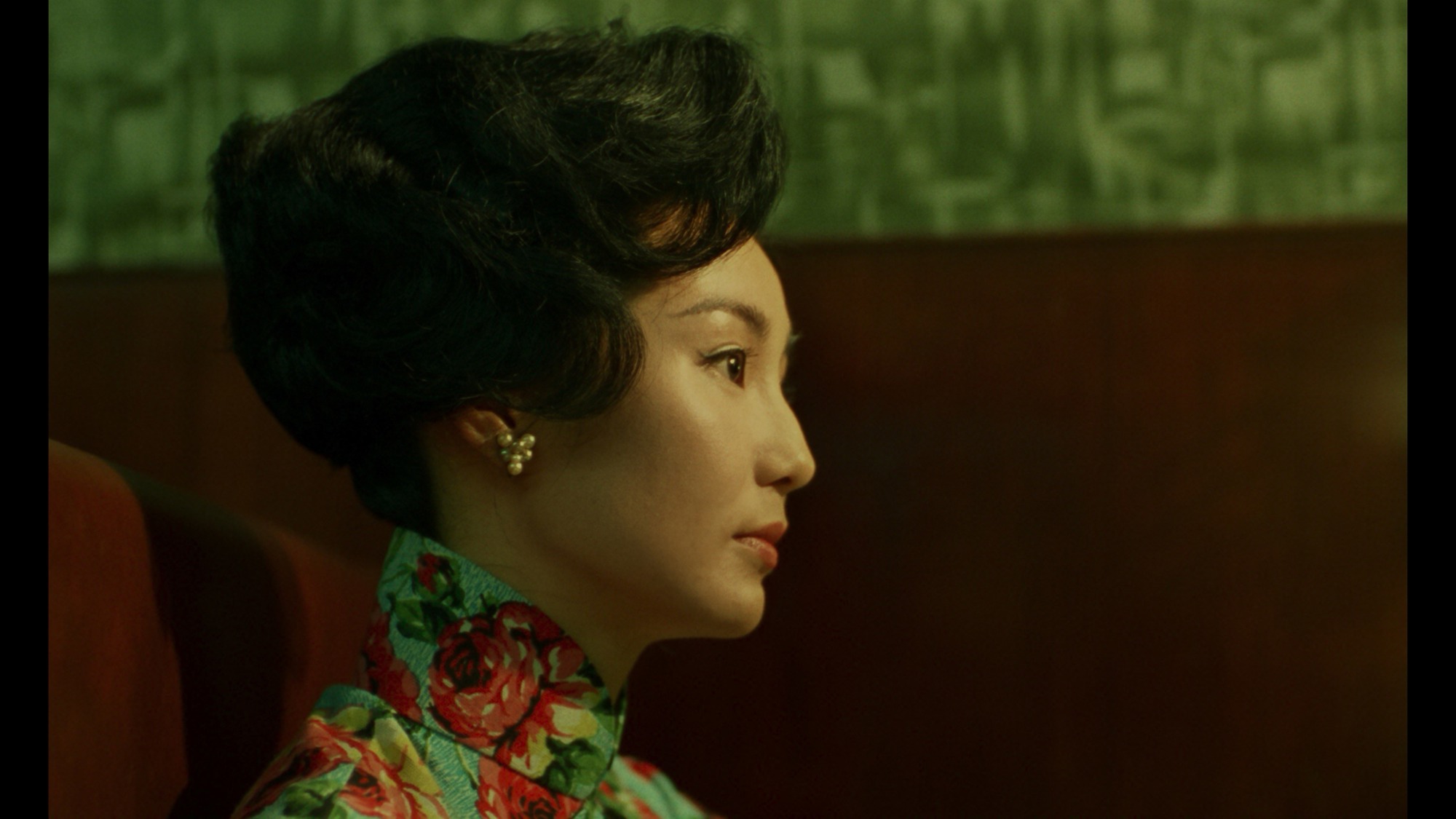
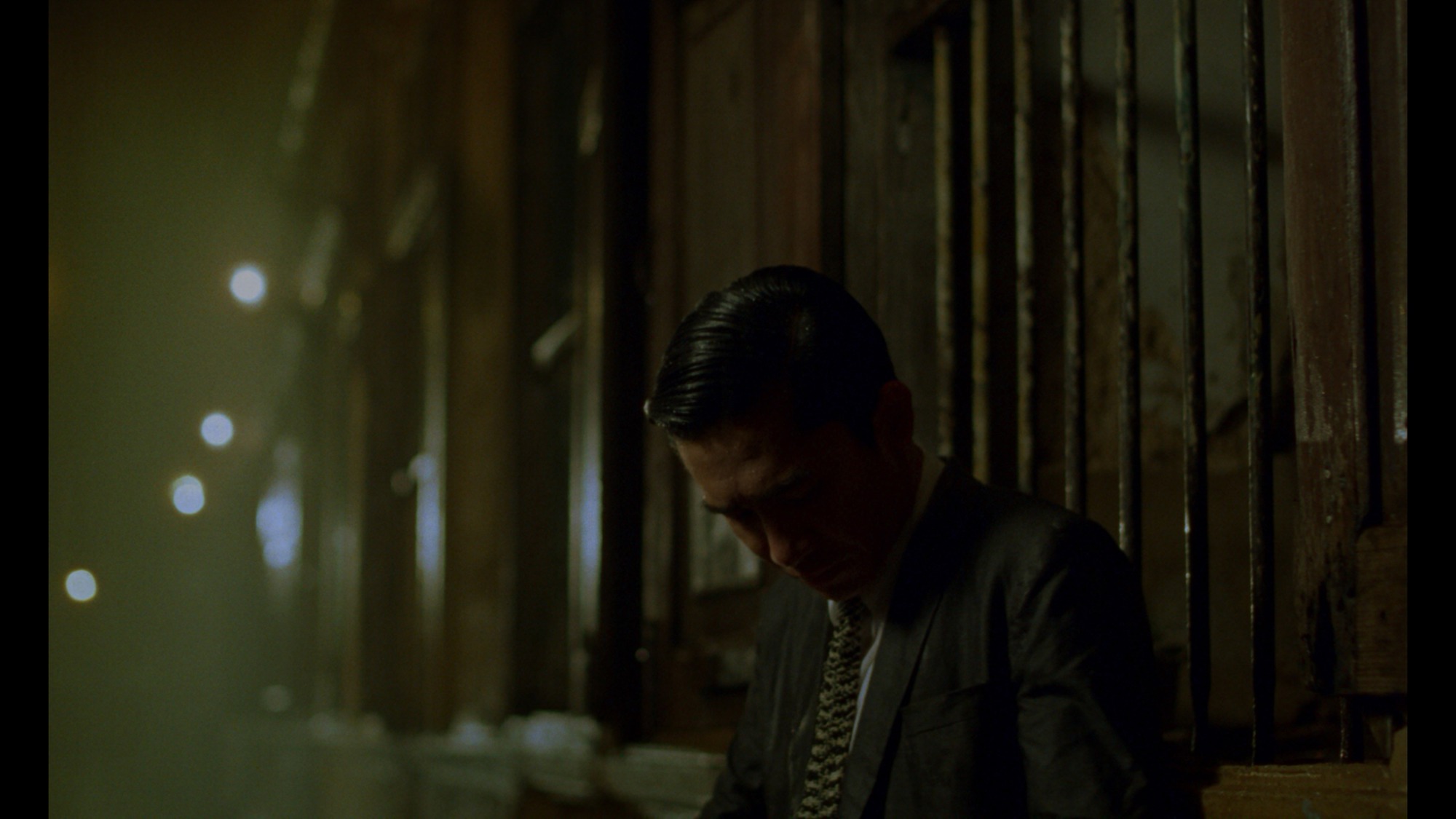
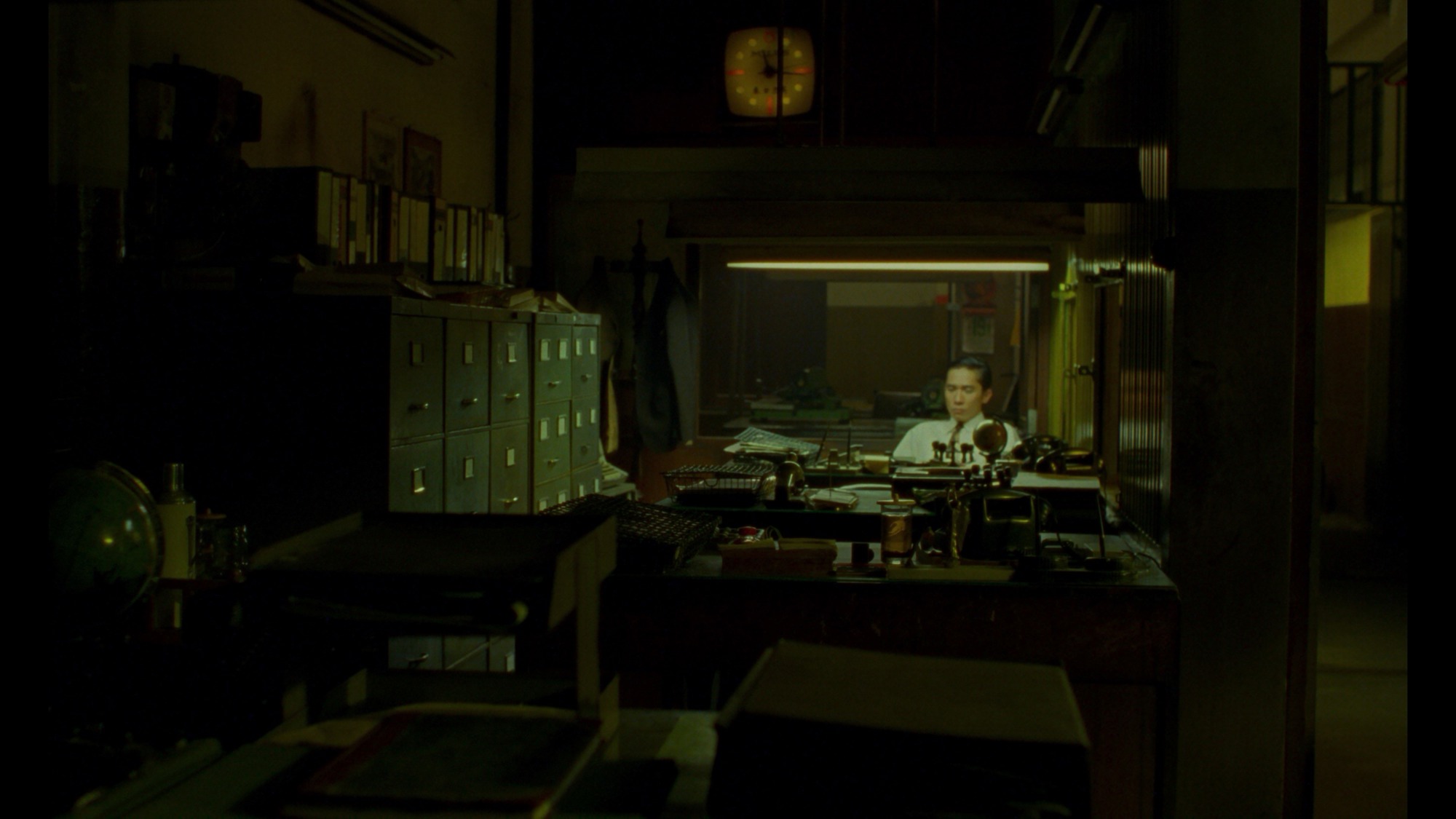
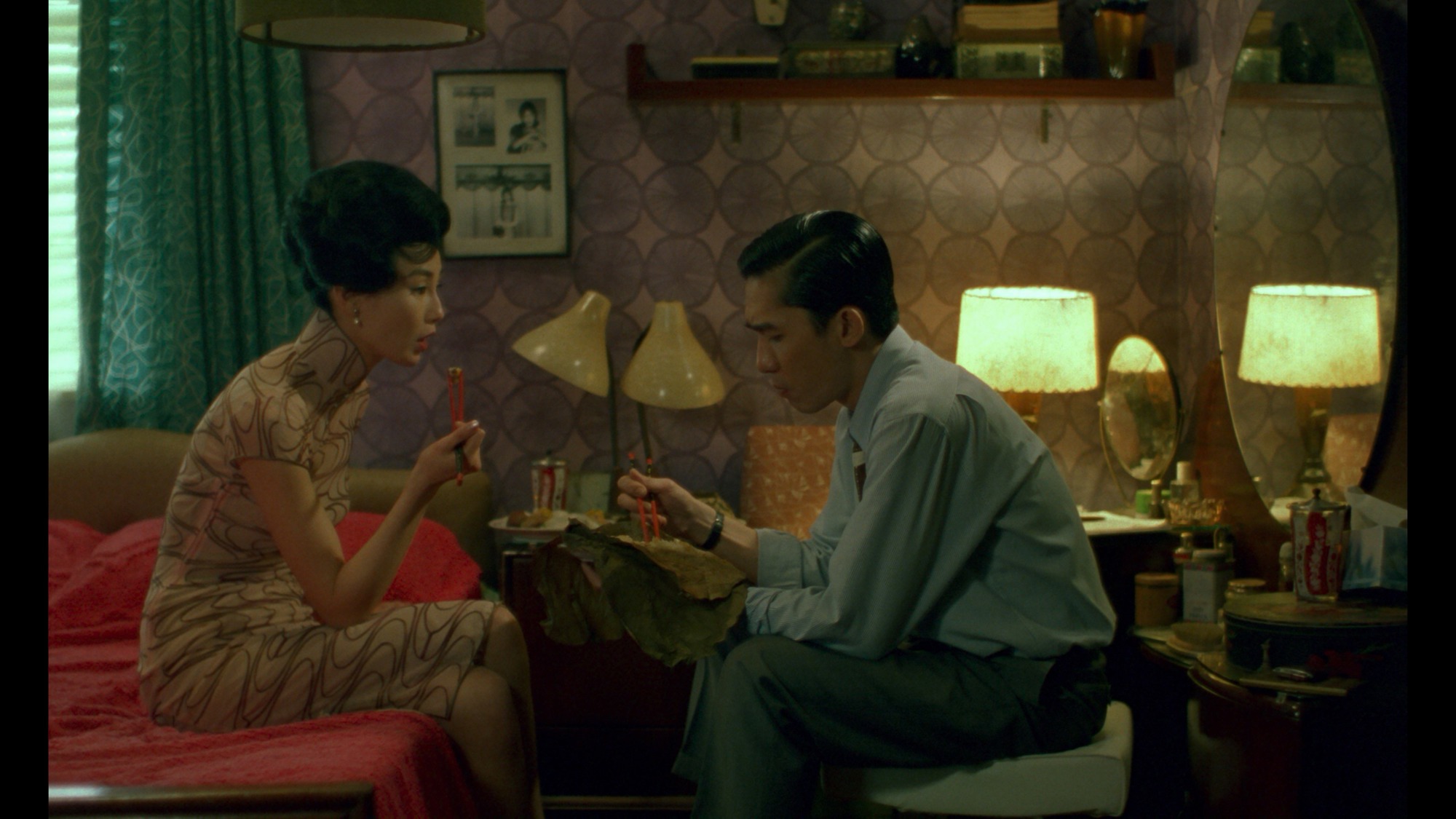
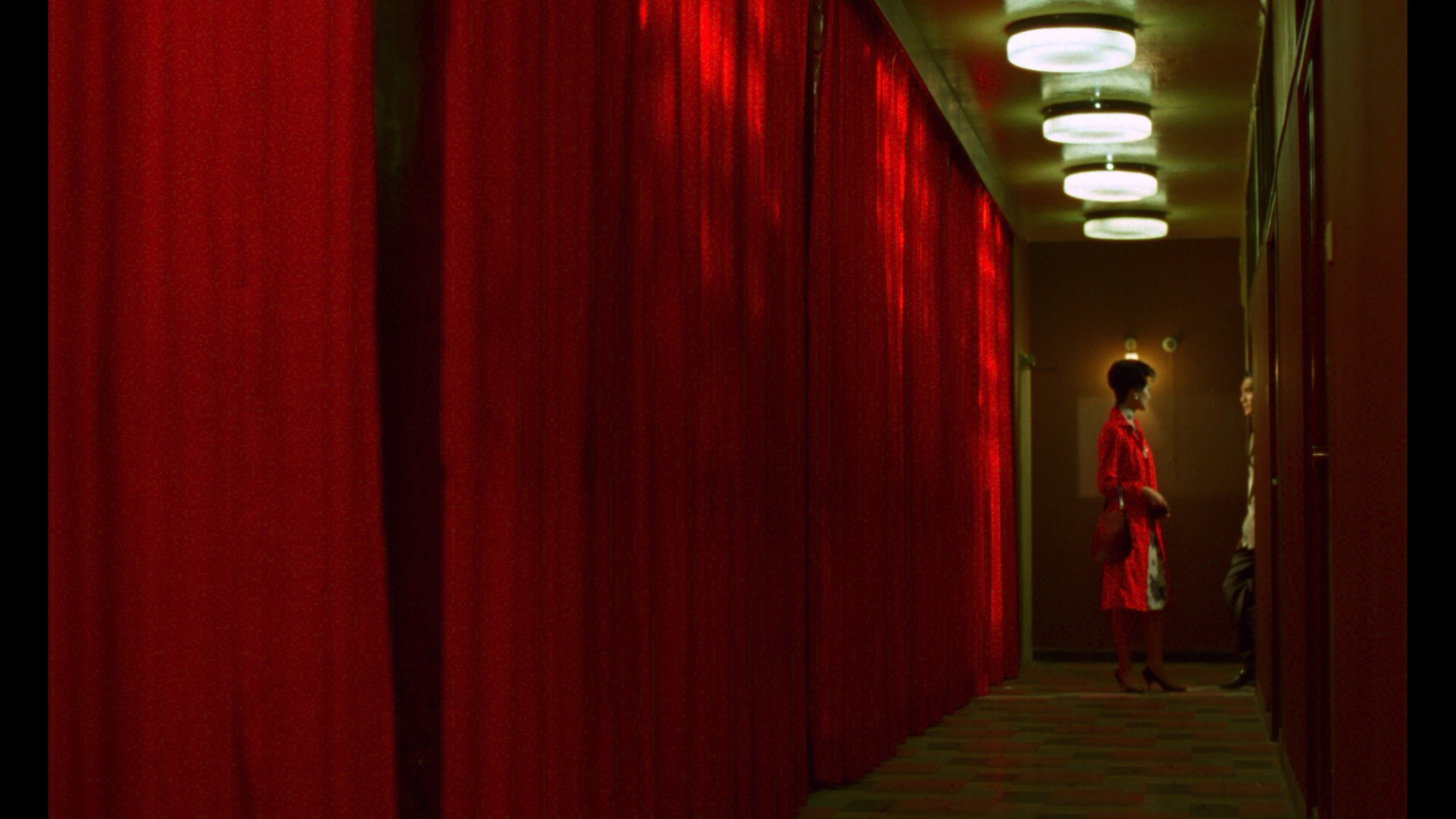
So, where to begin with this new 4K presentation? First, it’s important to note that it’s sourced from the same 4K restoration used for the box set, meaning you’re getting the same color grading and the same digital quirks that came with it. Compared to Criterion’s earlier 2002 DVD and 2012 Blu-ray releases, the colors now lean heavily green, significantly altering the film’s look: flesh tones skew green, whites take on a greenish tint, and reds can appear duller, though not always. Wong and cinematographer Christopher Doyle had started experimenting with green filters as early as Days of Being Wild, so it’s not unthinkable this was part of the intent (even if I don’t recall it ever looking quite like this). Still, in this presentation, it feels more like a digital alteration than something achieved organically through a physical filter, or even through the development process. It affects black levels and other colors, particularly reds, creating an odd contrast. As I rewatched the film, I found I could eventually look past it, but I can’t say I’ve warmed to it. I miss the autumn palette with bursts of jade that was previously present and appeared in its original marketing. The new version has a sickly hue that doesn’t do the film any favors.
With the Blu-ray in the box set, I might have overlooked the color timing had the rest of the presentation held up, but that wasn’t the case. Grain management and noise reduction had clearly been applied. I don’t believe Criterion was responsible for this; it seems likely these choices were made before they received the master. It's a recurring issue across many of the films in the Wong box set, with wildly inconsistent results. Thankfully, grain hasn’t been completely scrubbed away here, but the image has undoubtedly been filtered, leaving very little texture behind.
The Blu-ray ended up being disappointing, but I had to admit it still looked marginally better than Criterion’s 2012 Blu-ray with its dated master. Based on that, I at least expected the 4K presentation to offer a further bump in quality. Unfortunately, it doesn't. Even worse, it may actually highlight the flaws of the newer master even more. For example, the grain looks even less pronounced, as though it’s been smoothed or spread out. What's left appears clumpy and unnatural, sometimes even noisy in shadowy areas.
That might have been more forgivable if the 4K disc delivered improvements in other areas, but sadly, it doesn’t. After seeing how Criterion’s 4K edition of Night of the Living Dead turned out, despite also lacking HDR, I had some hope. That release offered slightly improved grayscale, deeper black levels, and a stronger encode, so I thought some of that might carry over here, even to a color film. But there’s no real gain to speak of. Colors don't look any better than on the Blu-ray, and shadows remain flat and washed out due to weak blacks. More often than not, it just felt like I was watching a Blu-ray.
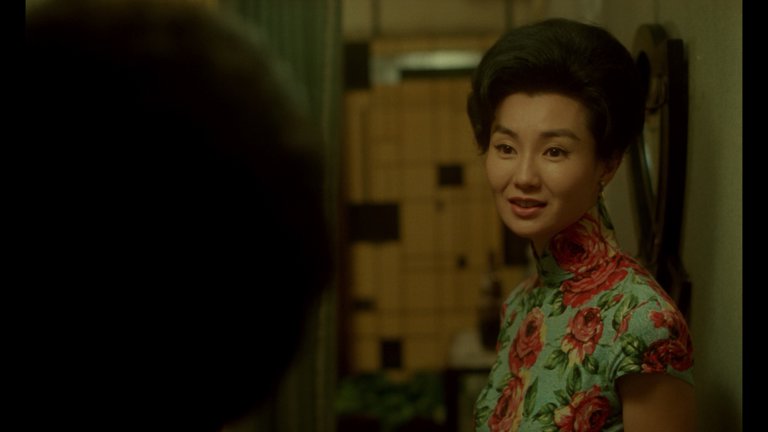
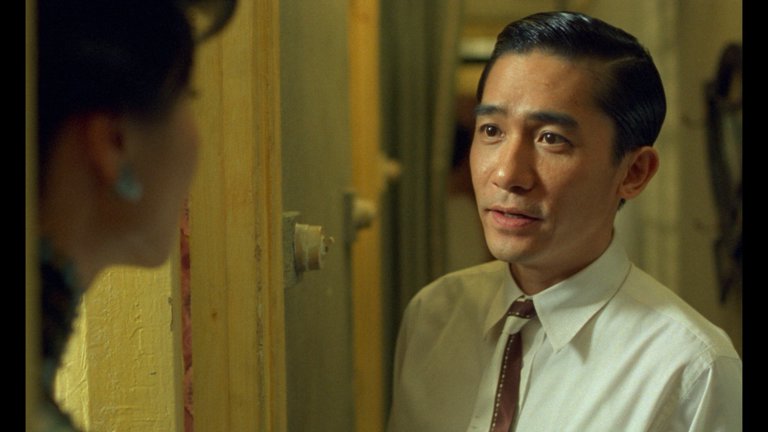
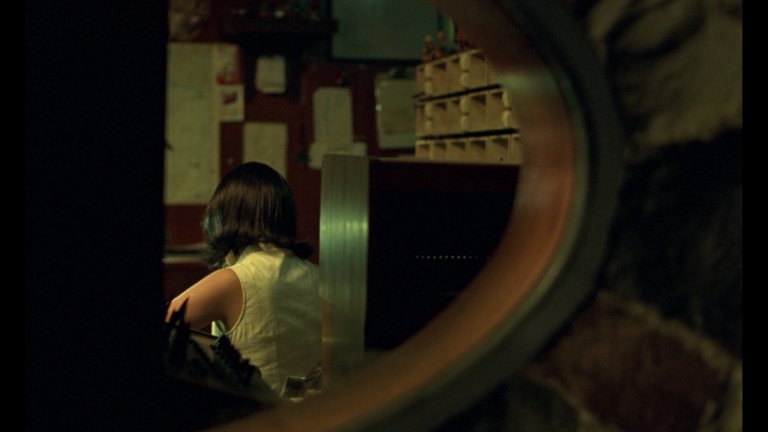
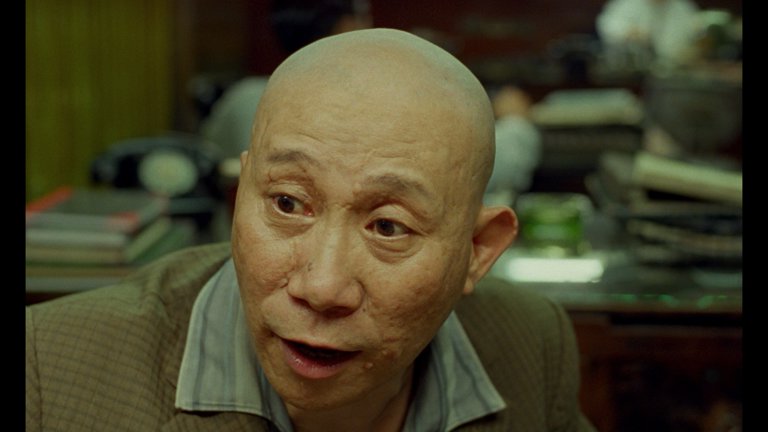
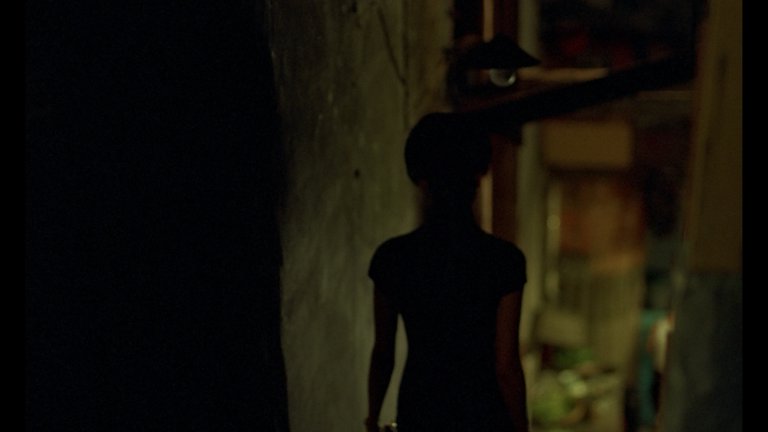
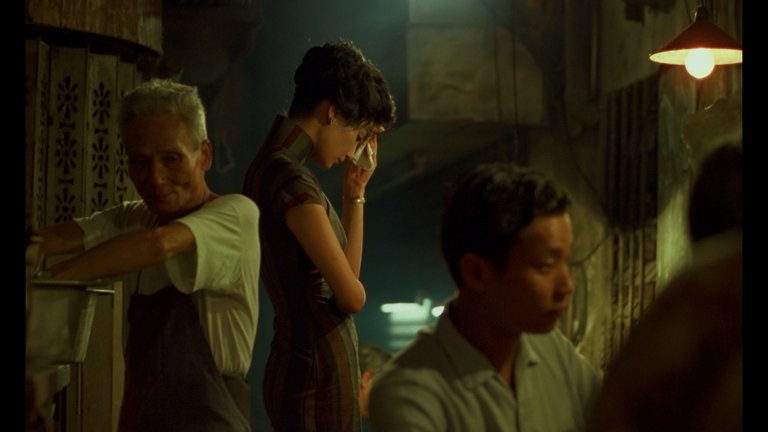
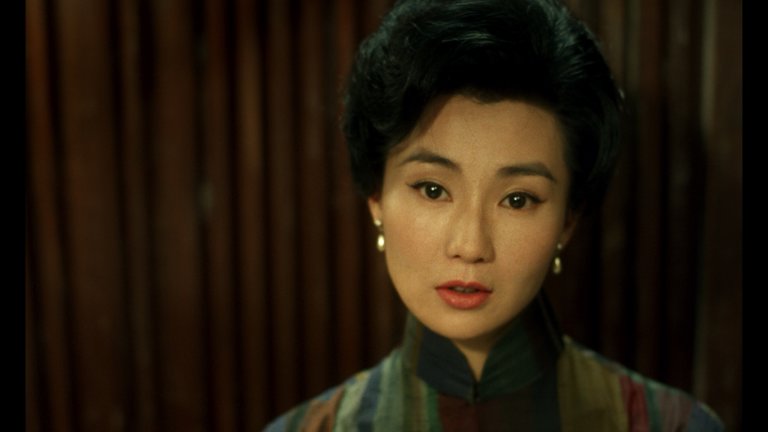
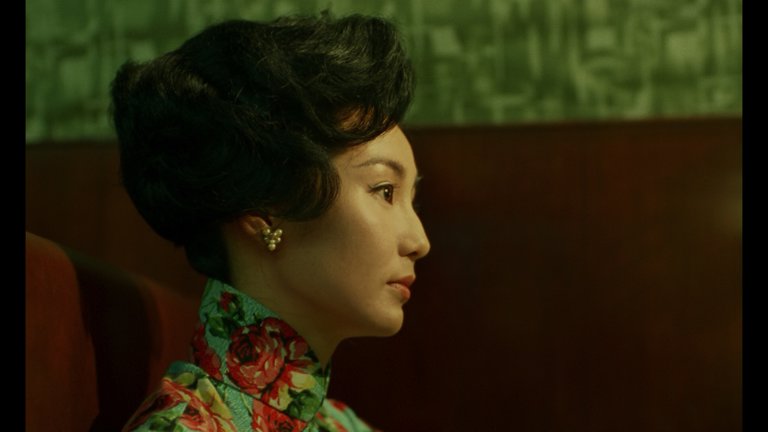
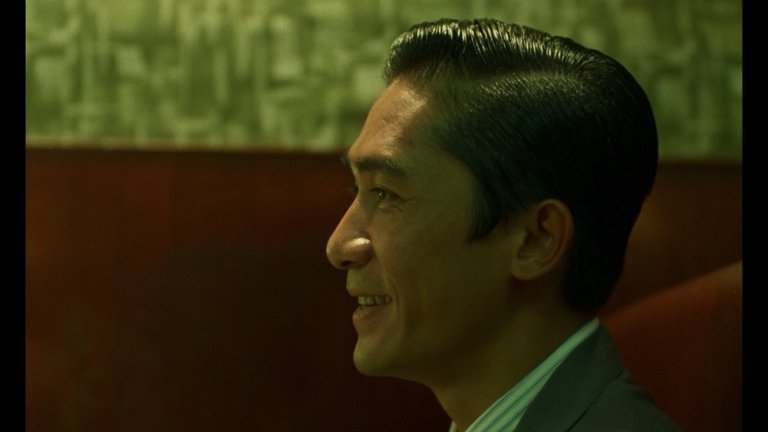
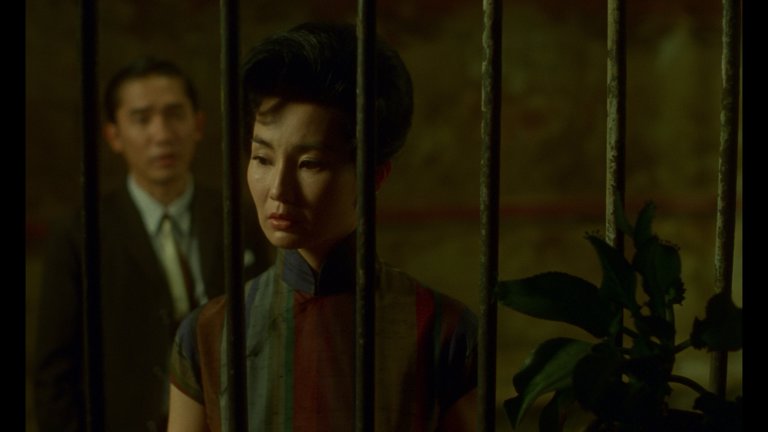
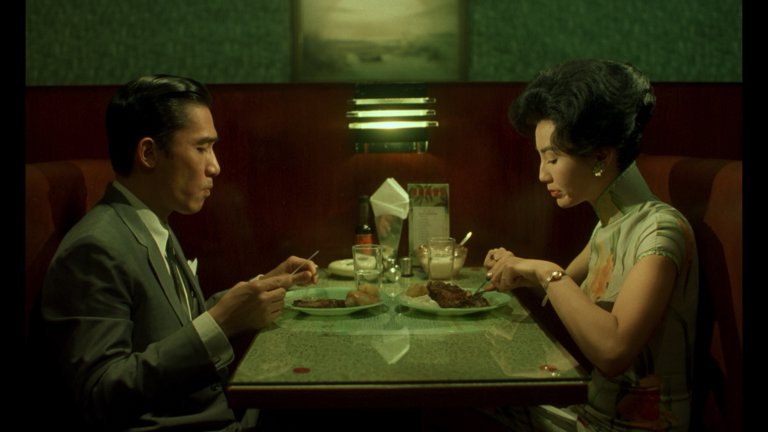
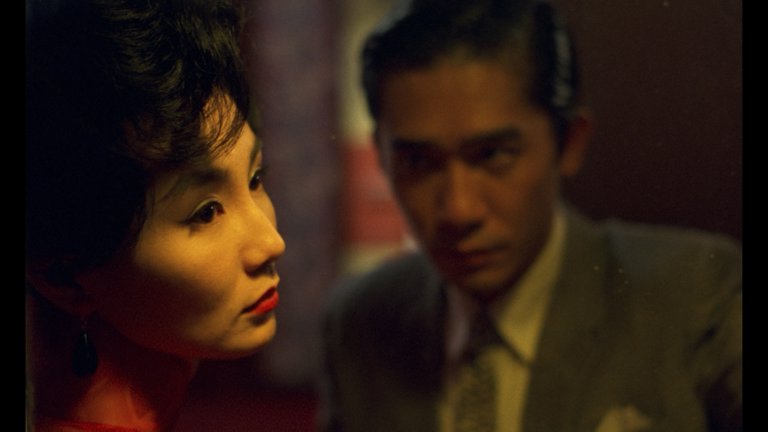
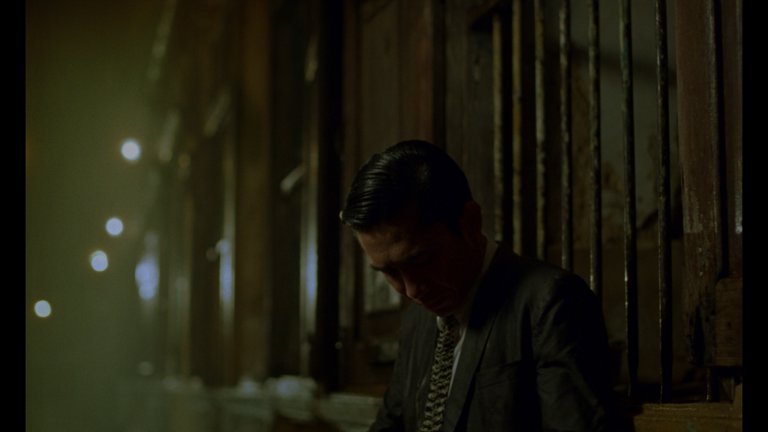
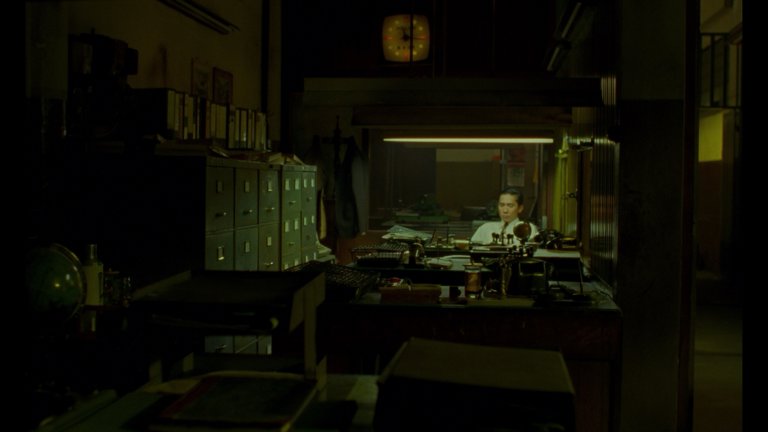
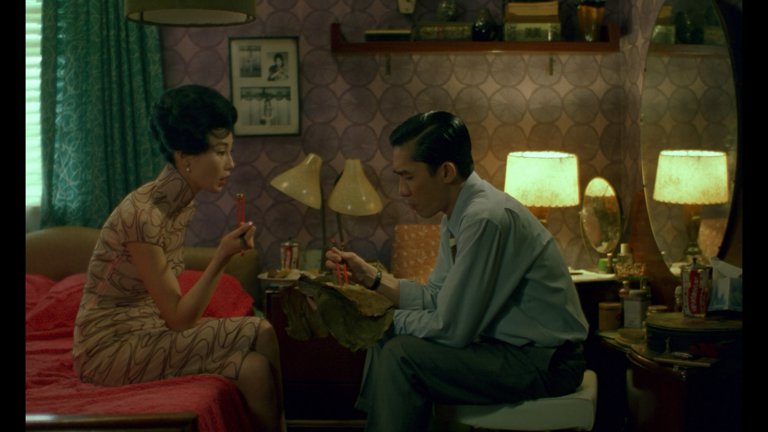
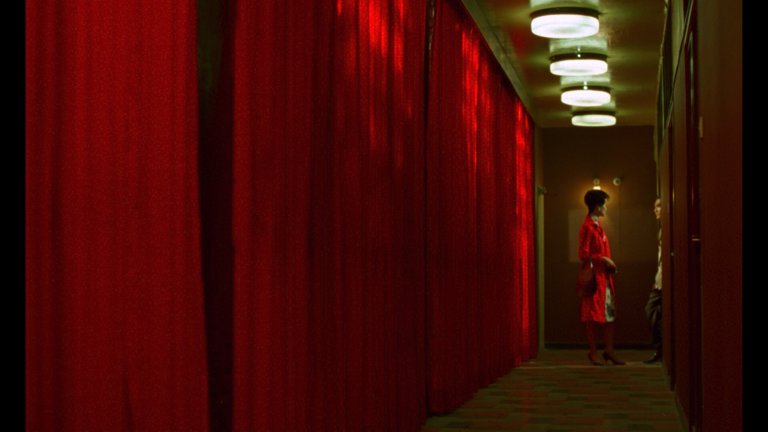
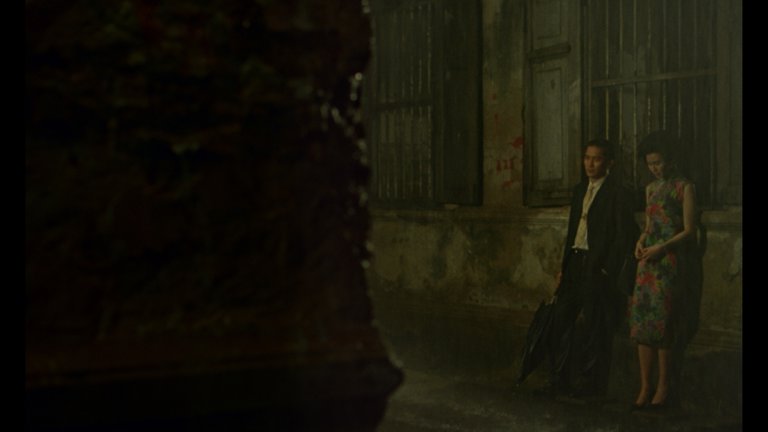
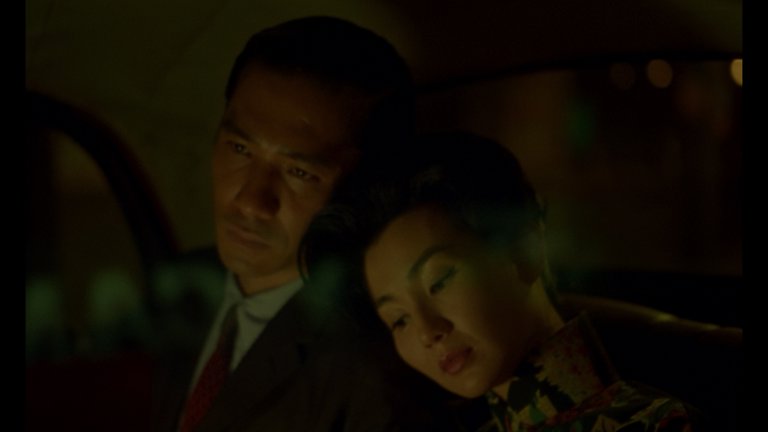
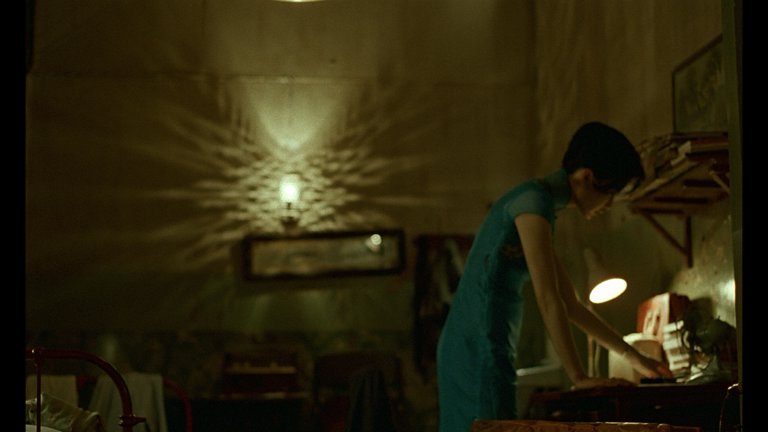
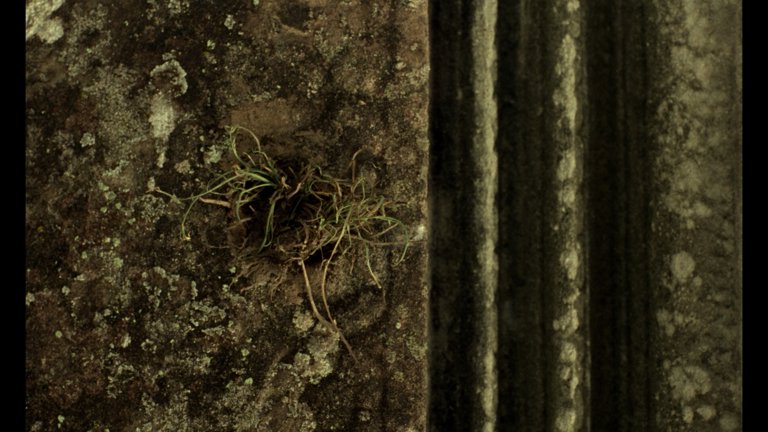
In the Mood for Love - Screen Captures
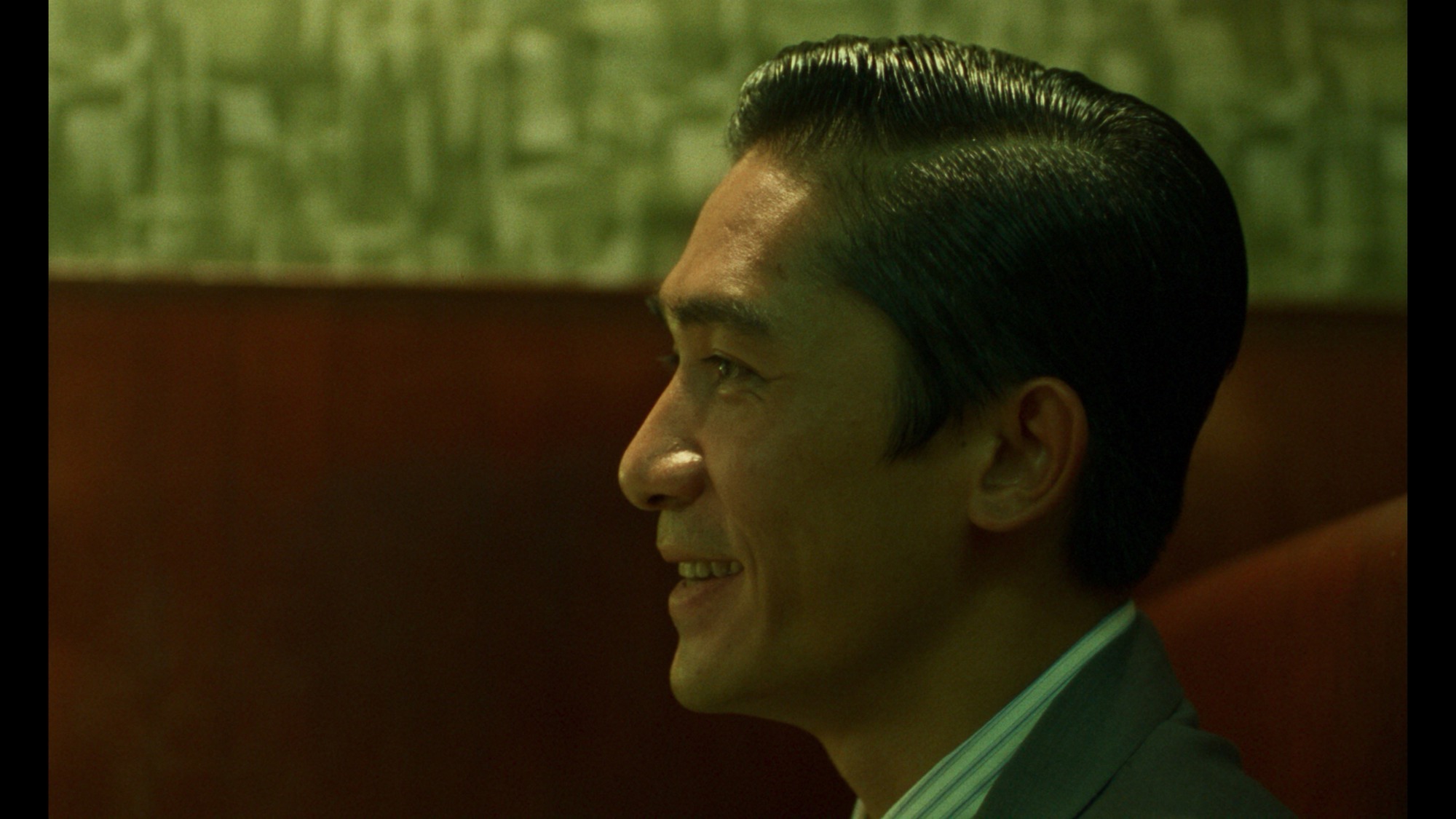
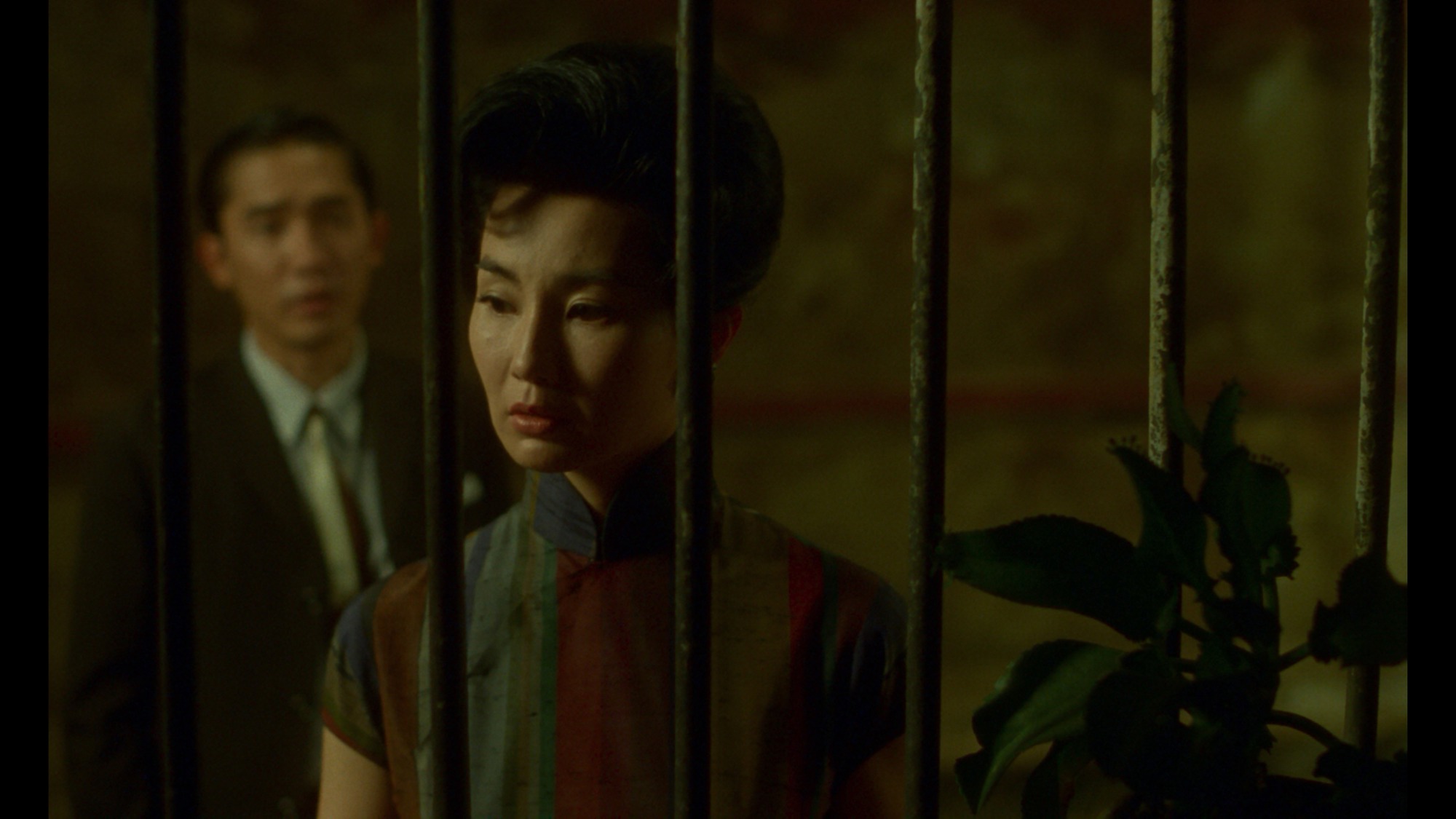
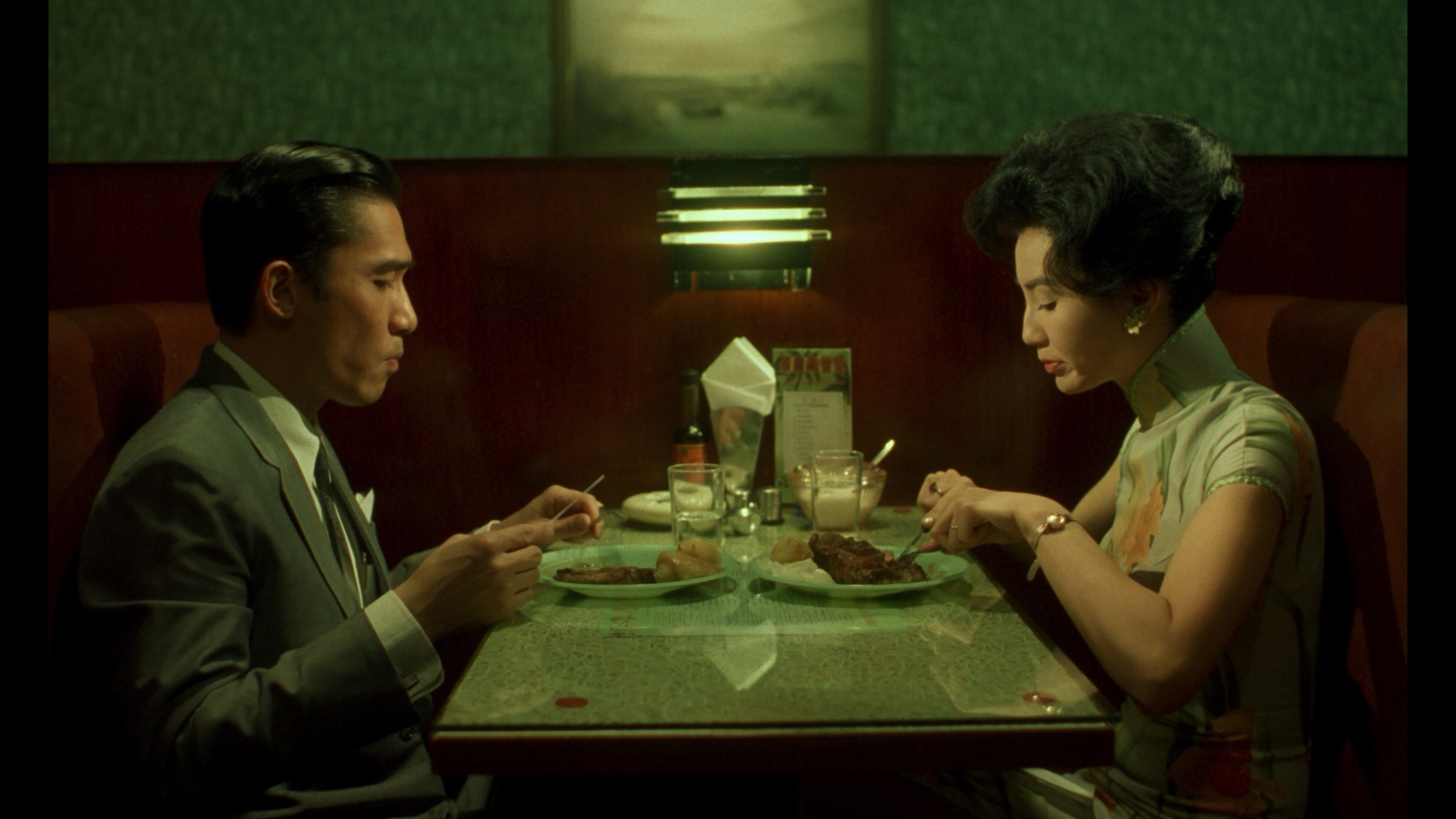
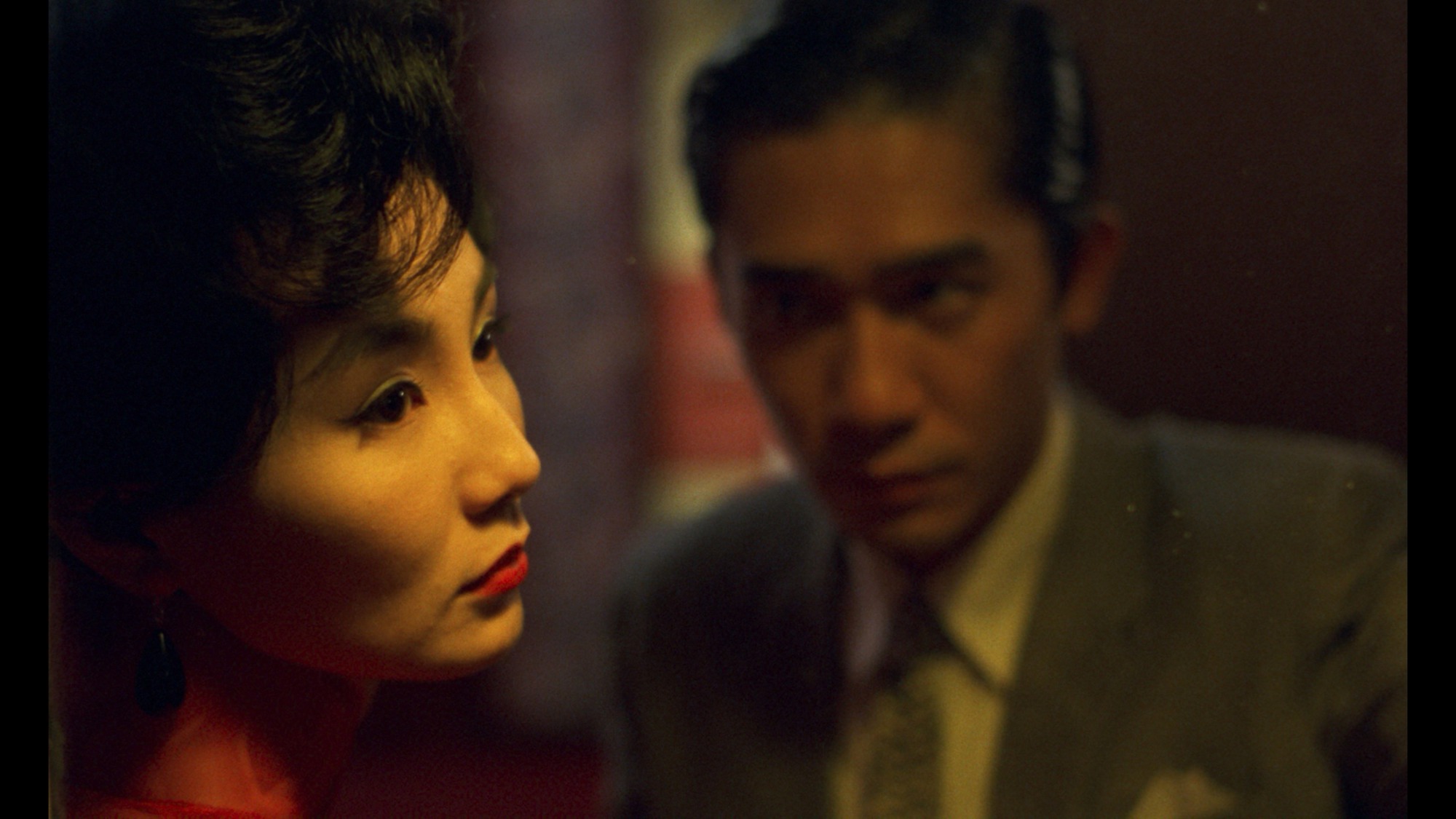
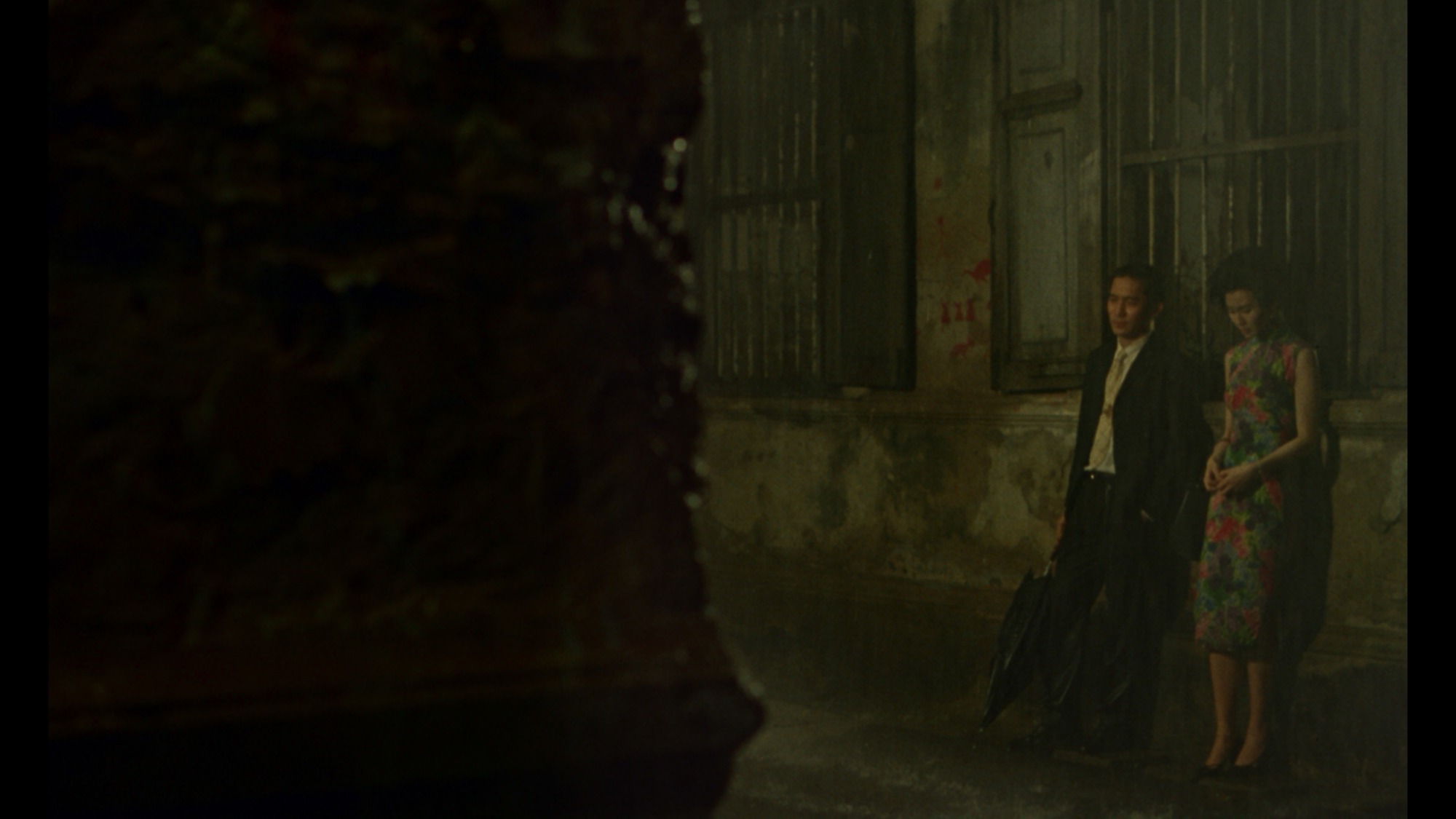
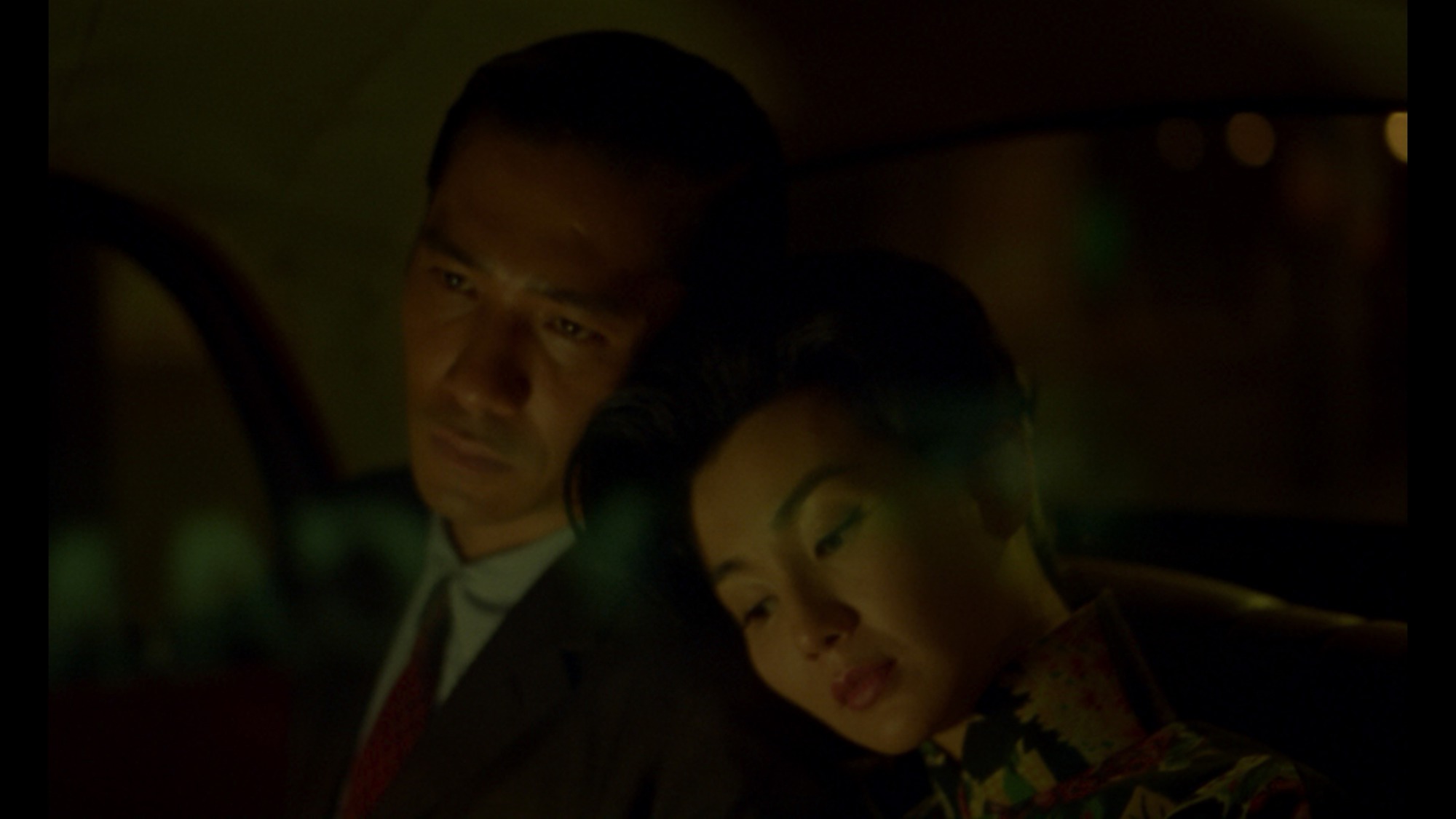
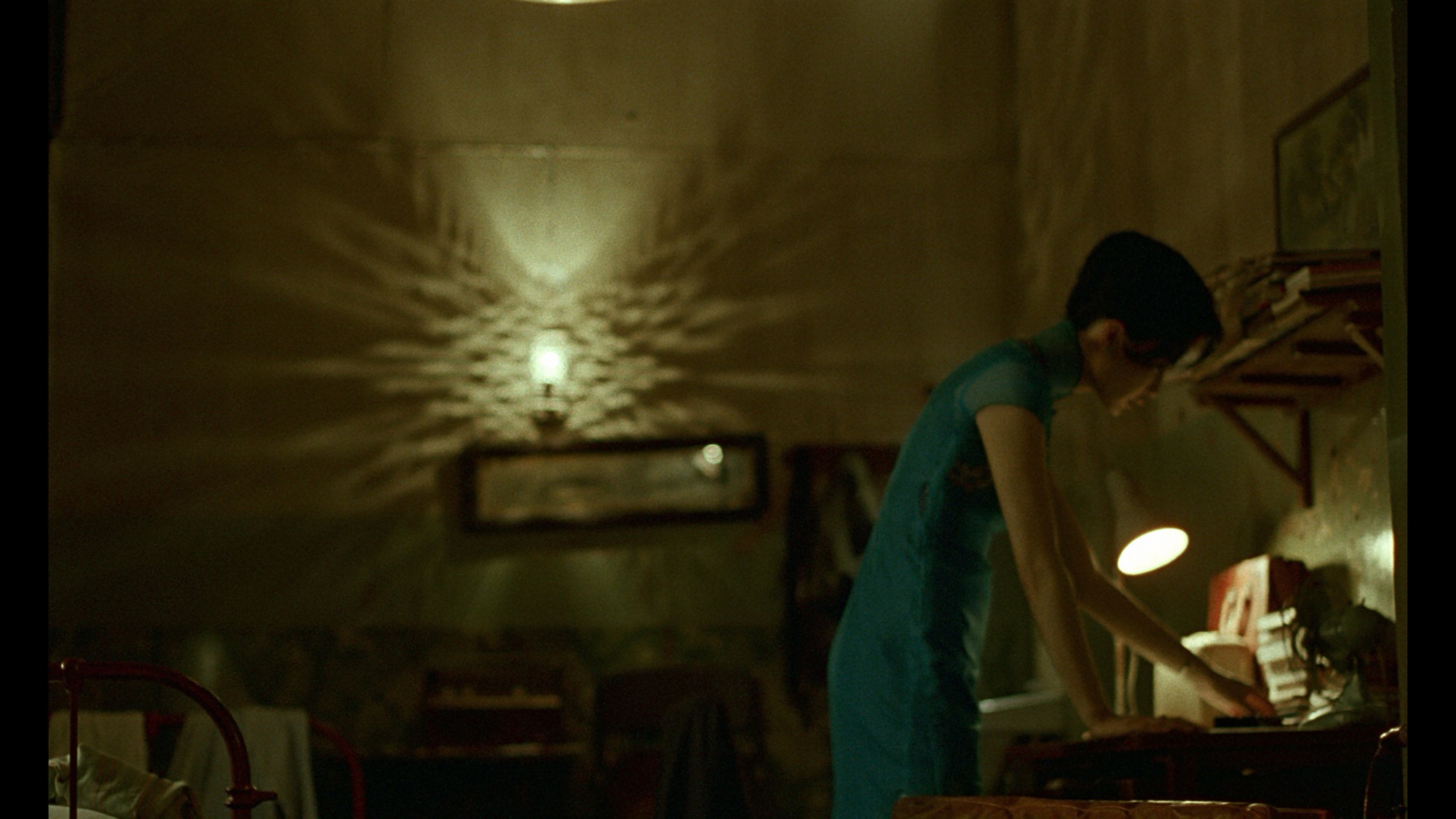
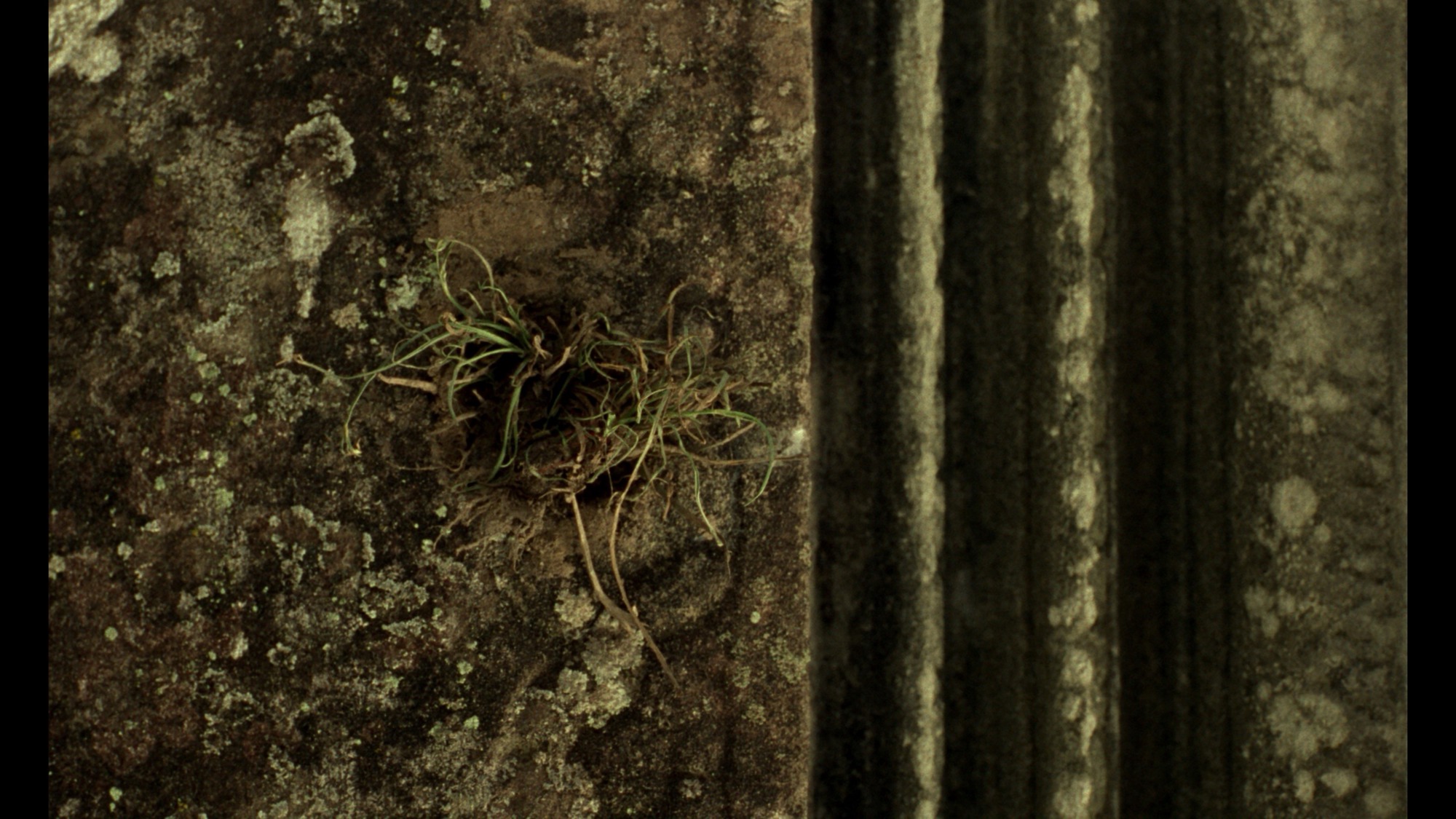
Audio 8/10
As with the Blu-ray found in the World of Wong Kar-wai box set, In the Mood for Love comes with a remastered 5.1 surround soundtrack presented in DTS-HD MA. I still rather like the track, finding it wonderfully dynamic and to be a solid improvement over the prior 2012 presentation. The rainstorms sound terrific and are mixed well through the environment, while music is rich and clear with terrific bass and range.
In the Mood for Love: 8/10 In the Mood for Love: 8/10
Extras 8/10
The 4K disc does not include any special features and only contains the film. Criterion throws all of the release’s special features on the included standard Blu-ray disc that also offers a 1080p presentation of the feature film. As mentioned in the video portion of this article, the disc is an exact copy of the disc found in the World of Wong Kar-wai box set so all of the material found there is also included here. Sadly, that means some of the features from the 2012 release are still missing.
Things start off yet again with the making-of documentary, @In the Mood for Love. Through interviews, behind-the-scenes footage and a lot of clips from the film, this 51-minute documentary covers the film’s production in an extensive manner. We get to see a lot of the development behind the film and its story, a lot of which was made up spontaneously as production went on, something that proved to be frustrating to Maggie Cheung. The actors talk about developing their characters, who were changed as production went on, and in a bit of a treat we get to see some deleted footage that showcases how the director was constantly changing the direction of the story. Disappointingly the documentary doesn’t get into the film's lengthy shoot or some of the strife that occurred because of constant changes and reshoots. The documentary also doesn't come off as engaging or as surprising as Buenos Aires Zero Degree, a documentary around Wong's Happy Together (and found in the box set). At the very least you get an idea of the frantic shoot and more of a look into Wong's development process.
Next is a short film (about 2 and a half minutes to be precise) by Wong called Hua Yang de Nian Hua. It's a montage of footage featuring some of Hong Kong’s forgotten actresses, all taken from nitrate film stock found at a defunct theater in Chinatown in Hollywood. It’s a lovely little tribute.
One of the features dropped from the 2012 Blu-ray was a 24-minute interview featuring Tony Rayns talking about the film, which I believe was dropped because Wong didn’t want a lot of academic material on his releases. Despite that, Rayns’ 2012 interview around the film's soundtrack does get carried over. The short 8-minute discussion features Rayns going over the film’s score and the various songs that appear, giving brief histories and descriptions. The 2012 disc then accompanied this with 12 cues from the film, though these are now missing for whatever reason. Instead, a 4-minute music video for the film, directed by Wong and featuring Tony Leung singing, was added.
Also from the 2012 edition is footage from a 2000 press conference following the film’s showing at the Toronto International Film Festival, put together by Roger’s Television and running about 43-minutes. Wong was apparently unable to attend so only actors Maggie Cheung and Tony Leung are in attendance. Asked a series of questions by the moderator and members of the press the two discuss the film’s beginnings, the lengthy production, what it was like to work for Wong, their characters, and the overall style. It can be a bit dry (like a lot of press conferences) but worth watching just to get the perspective of the two actors. This conference runs about 4-minutes shorter than the one found on the old Blu-ray and I'm admittedly not sure why.
The same four deleted scenes included in the 2012 edition again appear here. Three of them (still) come with an optional commentary by director Wong with English subtitles. The commentary features the director talking about shooting the scenes and why they were altered. The scenes resemble some sequences in the finished film but do contain moments not found in them. Some of them could even be described as alternate sequences. A couple of these scenes would have appeared in the mid-section of the film while the other two would have taken place after the film ended, including a sequence where the two main characters meet again (though this scene gets mixed in with the film's actual conclusion). I like the scenes but in some cases I’m glad they were cut as a couple of them would alter the film just enough to where it probably wouldn't have had the same impact on me. But again, they show how the director really wings it as he goes. In total they run about 33-minutes.
The disc still drops the various trailers and TV spots found on the 2012 one, replacing them with a lone trailer promoting the film's new restoration and accompanied by a more modern rendition of the film's central theme music, now complete with some lyrics.
This edition also drops the booklet that came with the 2012 edition. In its place are notes around the film written by Charles Yu. There are some stream-of-conscious insights into the production and the film’s language, but it doesn’t come anywhere near what was in the original booklet, which also included the short story that inspired the film.
Still not a bad set of features, but Wong’s desire to exclude previous academic material is irksome.
Closing
Criterion has done a wonderful job throwing themselves into the 4K format with one incredible release after another, but this marks their first real misfire. Despite all the benefits the film should afford this presentation doesn’t look all that different from the previous high-definition one, the improved resolution even seeming to enhance the problematic aspects of the restoration ever so slightly. This should look so much better than it has turned out.
BUY AT: