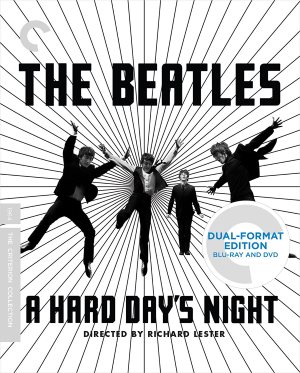
A Hard Day’s Night
BUY AT:


See more details, packaging, or compare
Synopsis
Meet the Beatles! Just one month after they exploded onto the U.S. scene with their Ed Sullivan Show appearance, John, Paul, George, and Ringo began working on a project that would bring their revolutionary talent to the big screen. A Hard Day’s Night, in which the bandmates play cheeky comic versions of themselves, captured the astonishing moment when they officially became the singular, irreverent idols of their generation and changed music forever. Directed with raucous, anything-goes verve by Richard Lester and featuring a slew of iconic pop anthems, including the title track, “Can’t Buy Me Love,” “I Should Have Known Better,” and “If I Fell,” A Hard Day’s Night, which reconceived the movie musical and exerted an incalculable influence on the music video, is one of the most deliriously entertaining movies of all time.
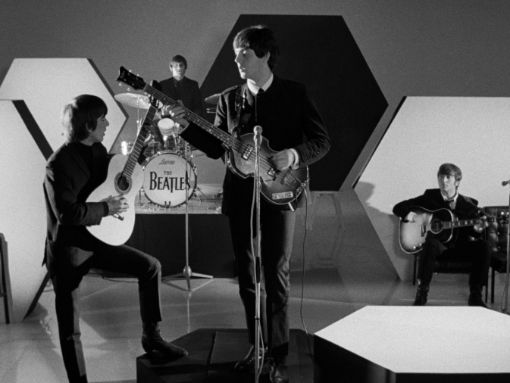
Picture 9/10
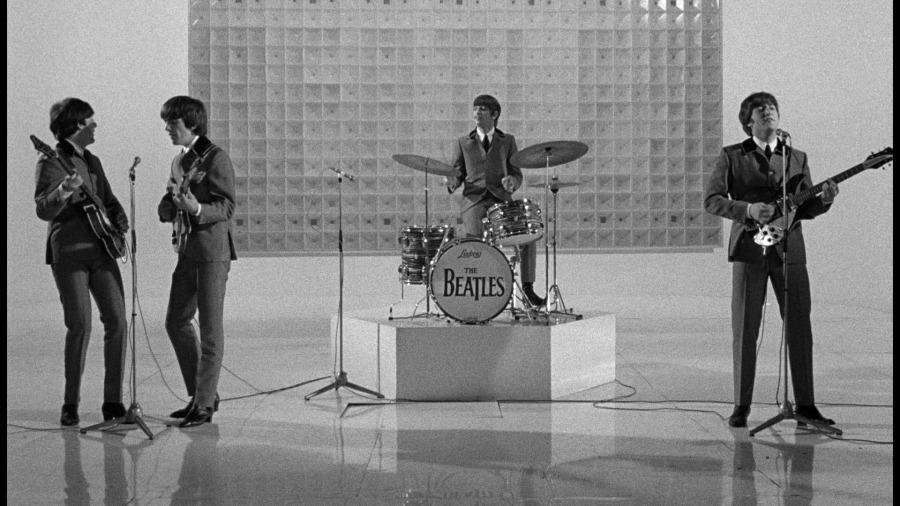
Richard Lester’s A Hard Day’s Night comes back to The Criterion Collection in a new dual-format edition, which presents the film in Lester’s preferred aspect ratio of 1.75:1. The new 1080p/24hz high-definition digital transfer is presented on a dual-layer Blu-ray disc while a standard-definition version is presented on the first dual-layer DVD. It has been enhanced for widescreen televisions.
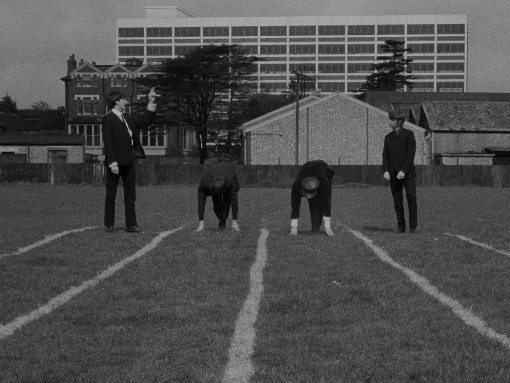
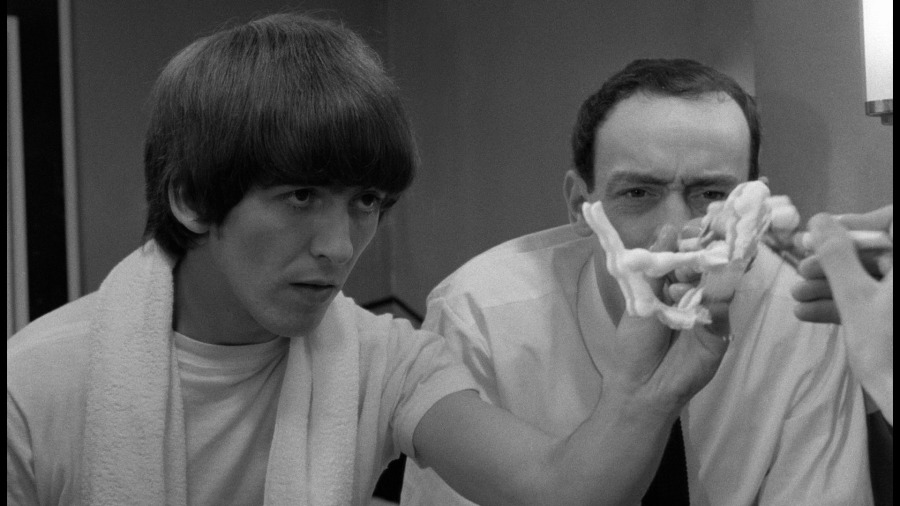
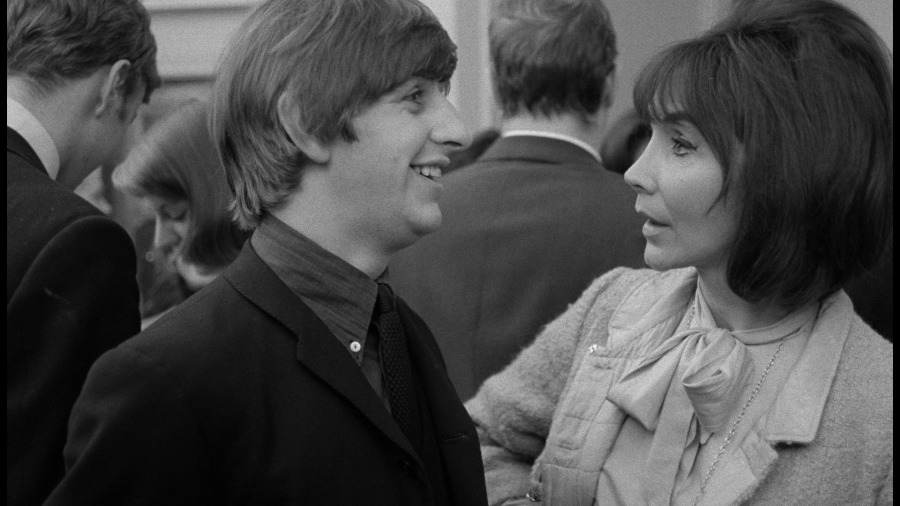
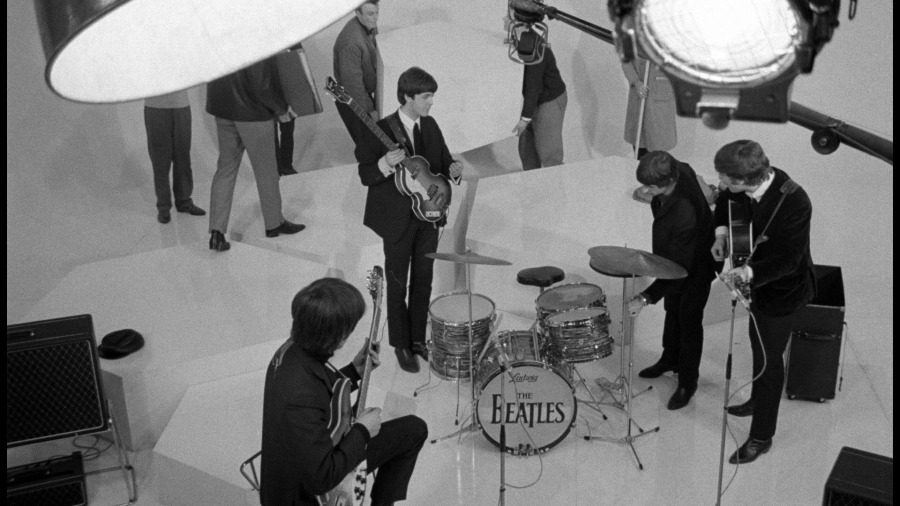
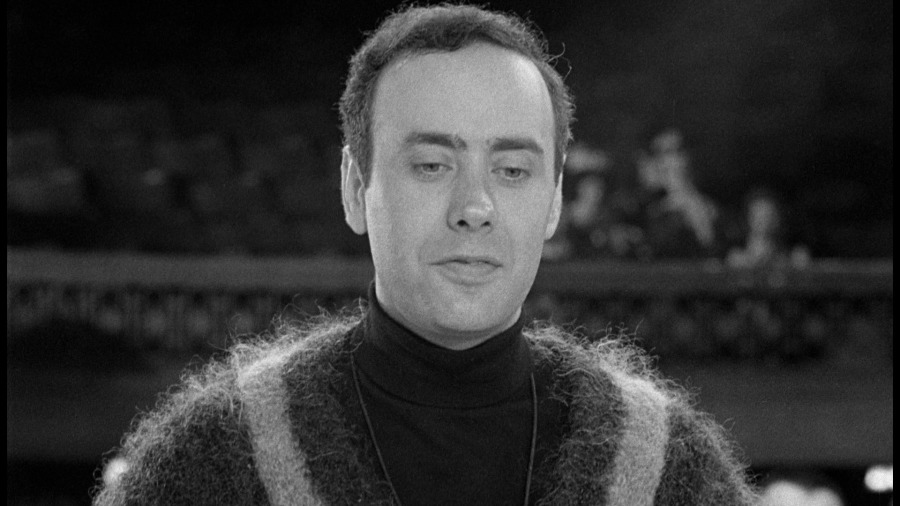
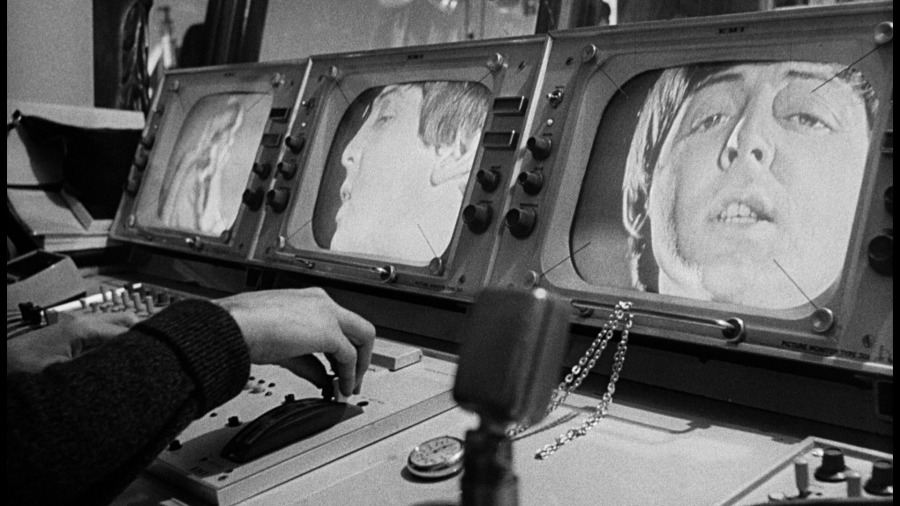
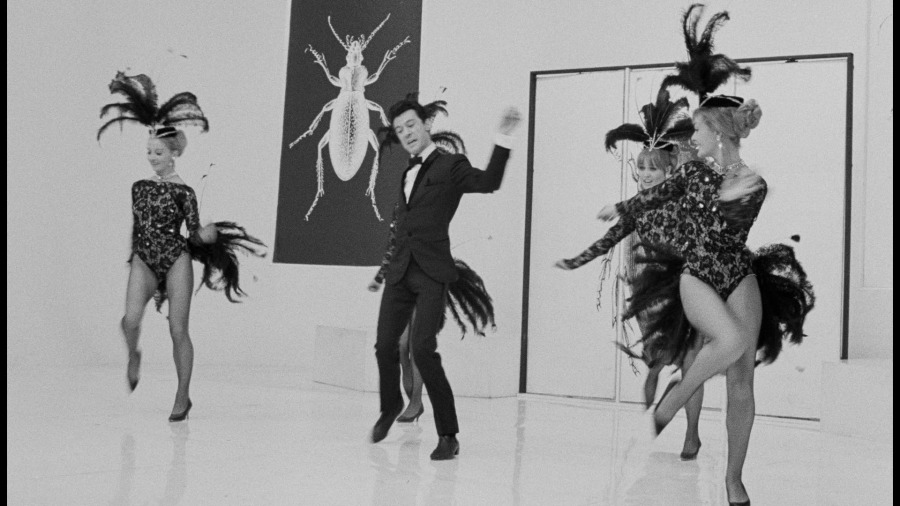
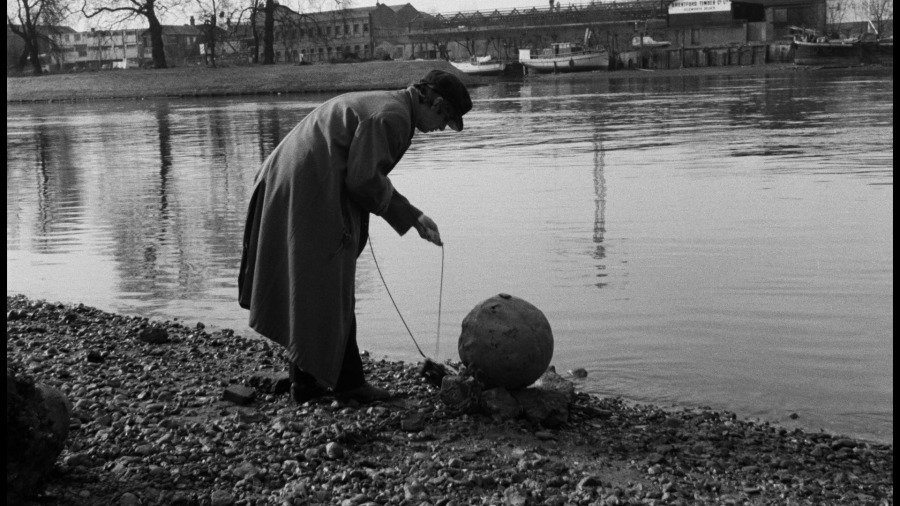
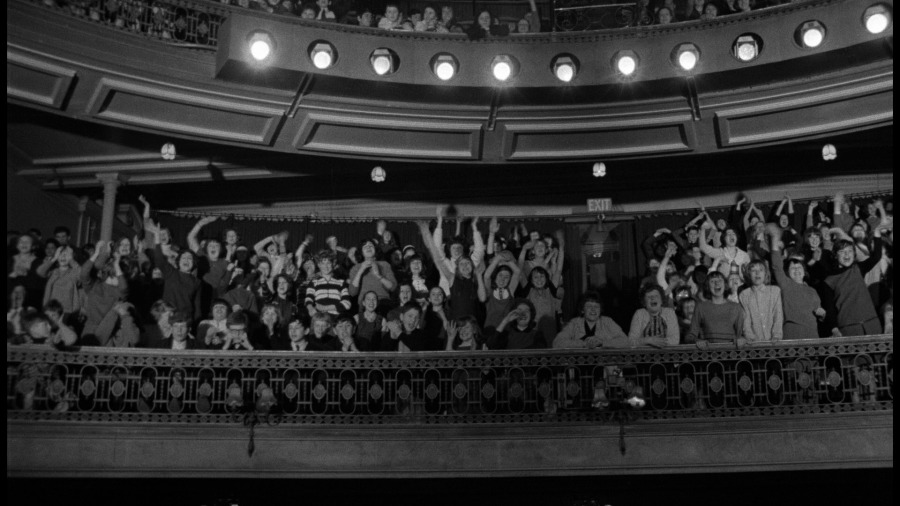
It’s a miraculous job overall, Criterion delivering a stunning presentation all around. The digital transfer itself is fairly immaculate, delivering a consistently crisp image with excellent gray levels and tonal shifts, accompanied by deep blacks without any crushing. Detail is incredibly high, from long shots to close-ups, with a superb rendering of textures, specifically in Spinetti’s sweater. Film grain is fine, but present.
What was most surprising about this presentation was the condition of the print. As The Beatle’s first film I was expecting it to have held up fairly well over the years, but what we get is practically spotless. Other than some fine scratches and barely noticeable tram lines in only a few scenes there isn’t anything of real note. The image comes off practically flawless.
The DVD’s transfer also comes off looking very strong itself, delivering excellent detail and textures, though is limited by the format: in comparison to the Blu-ray there’s more noticeable compression, long shots are not as crisp, depth isn’t all that strong, and tonal shifts aren’t as impressive. But as an upscaled standard-definition presentation it’s still fairly strong.
All the hard work that obviously went into this has paid off. This is easily the best the film has looked. It’s absolutely fabulous.
(Interestingly once you press “Play” from the menu the film immediately starts, skipping past the Criterion and Janus logos. The logos actually show up after the end credits finish. I’m assuming this was Lester’s desire, immediately throwing you into the film.)
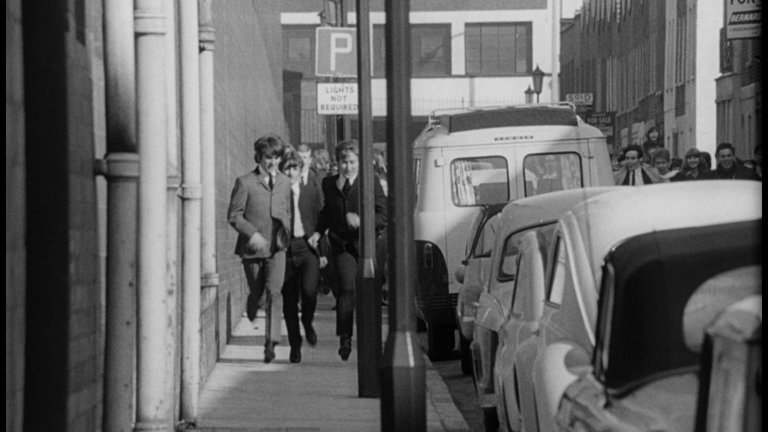
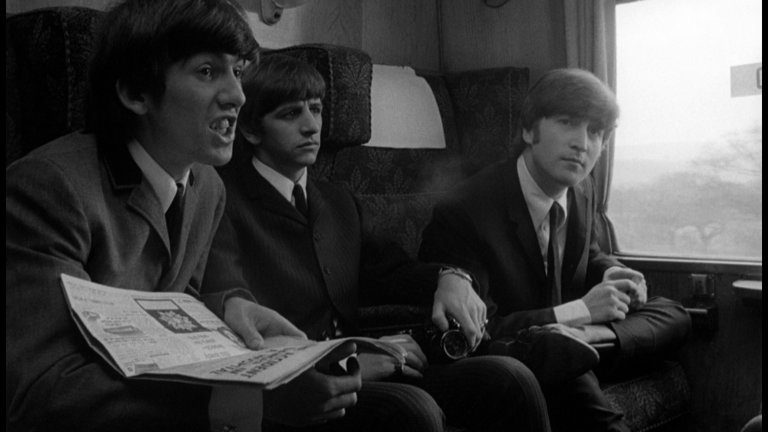
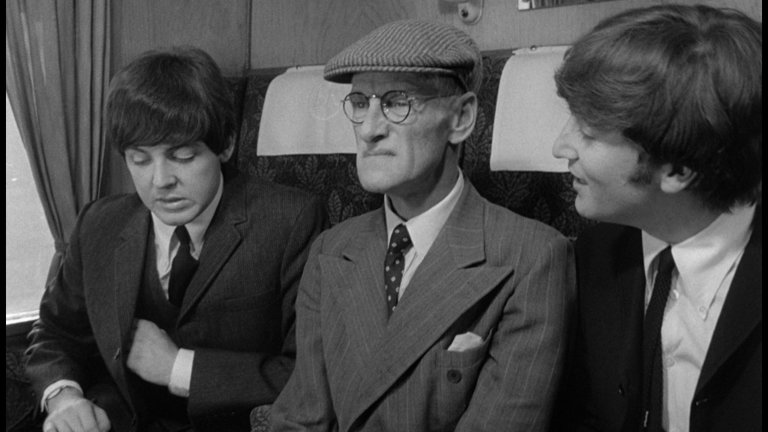
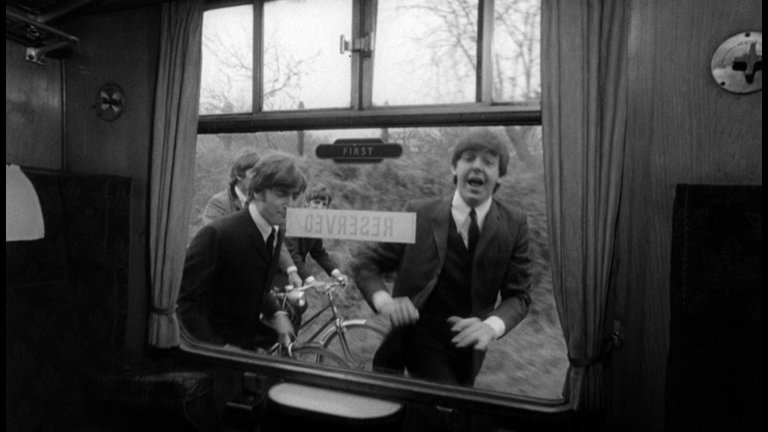
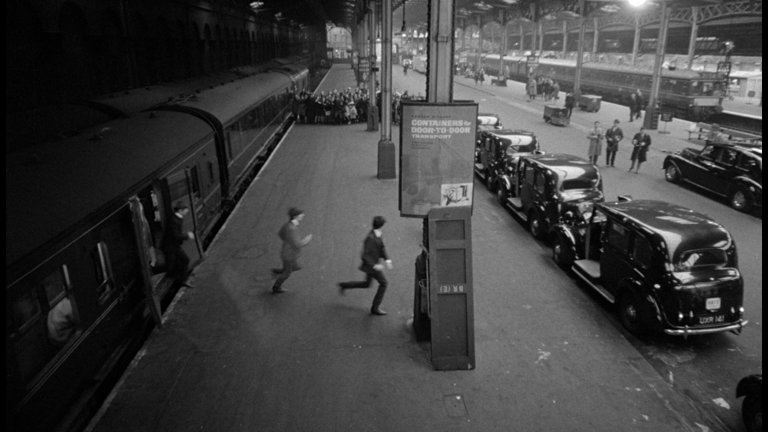
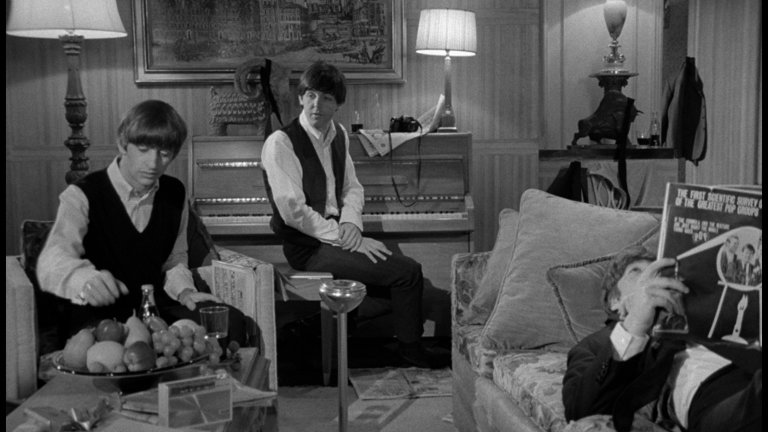
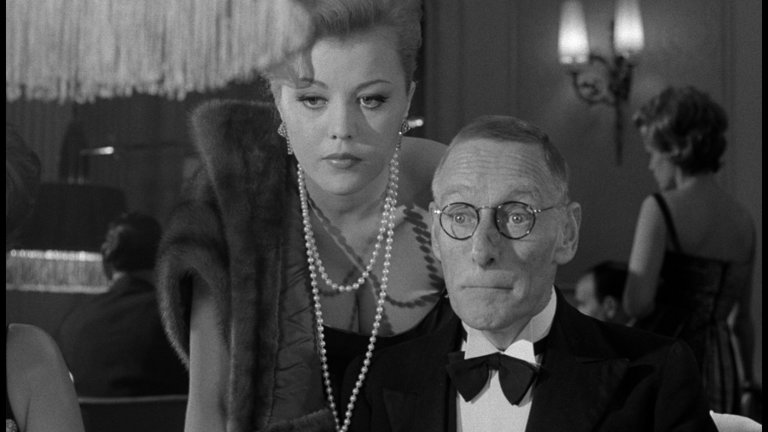
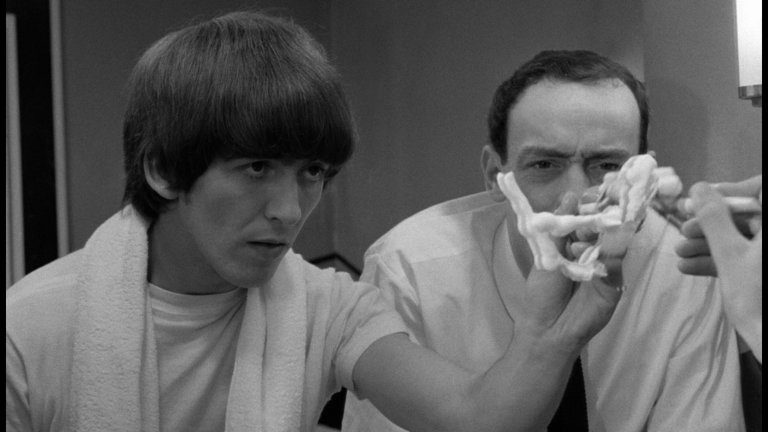
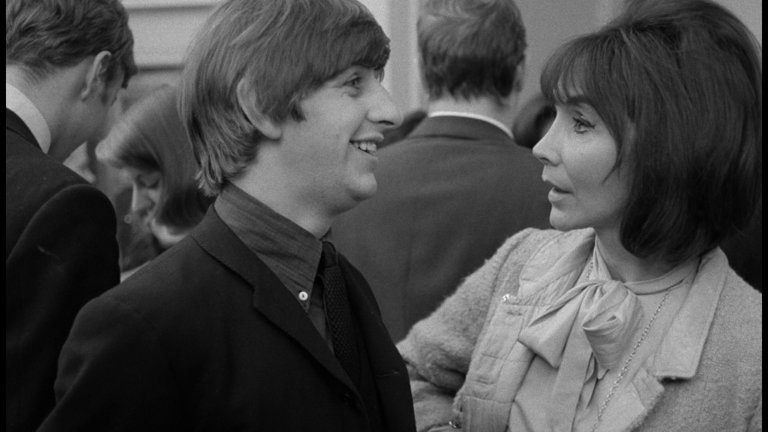
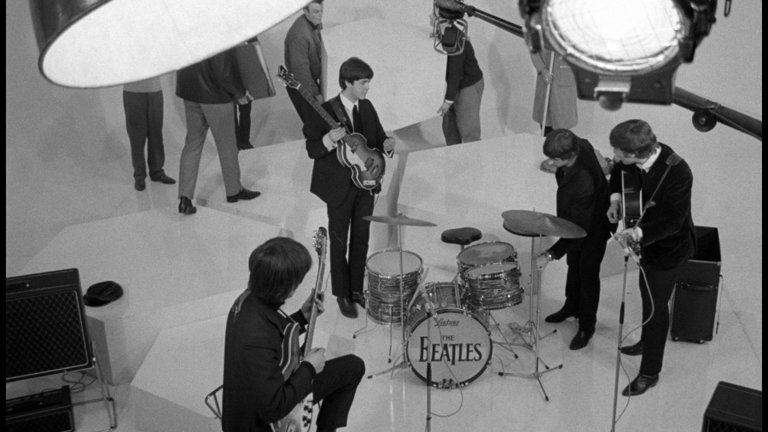
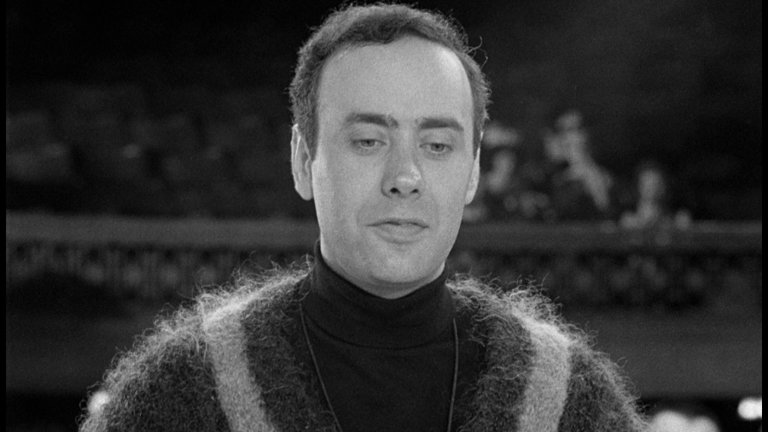
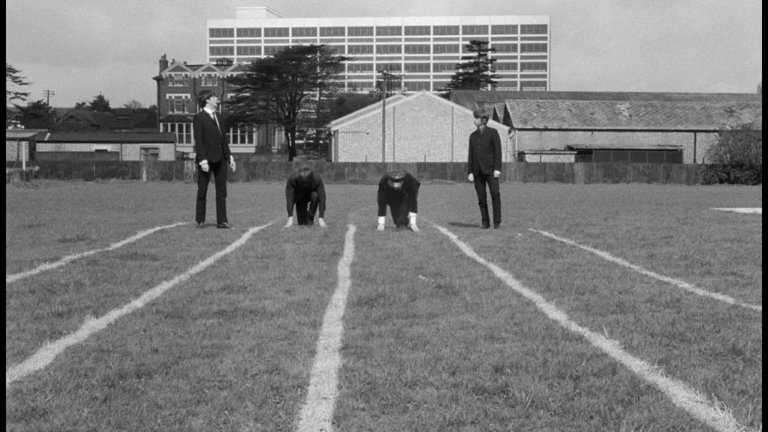
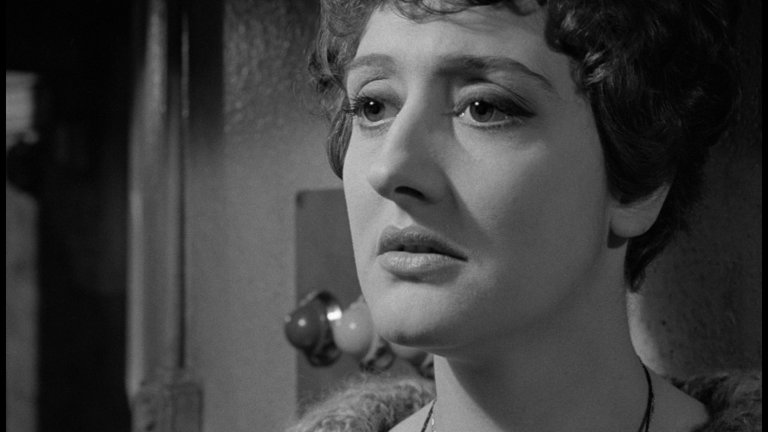
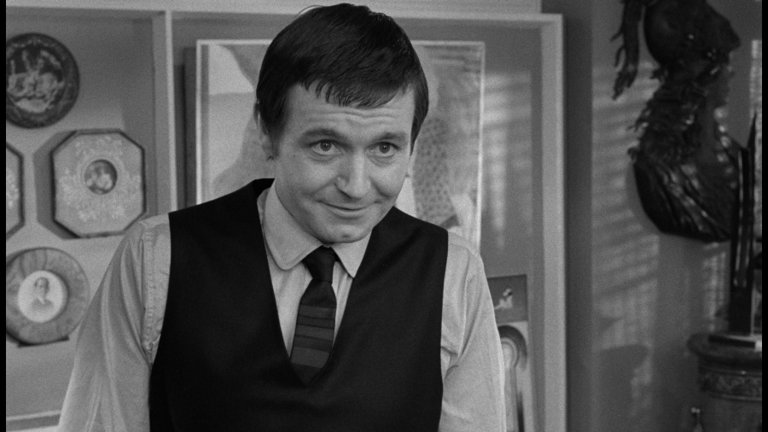
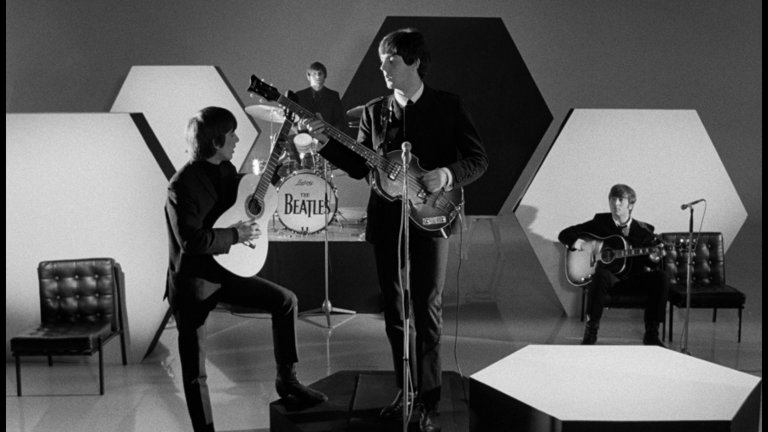
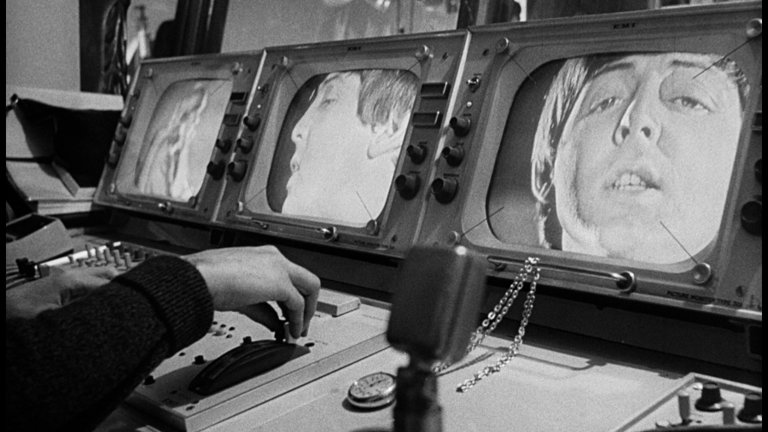
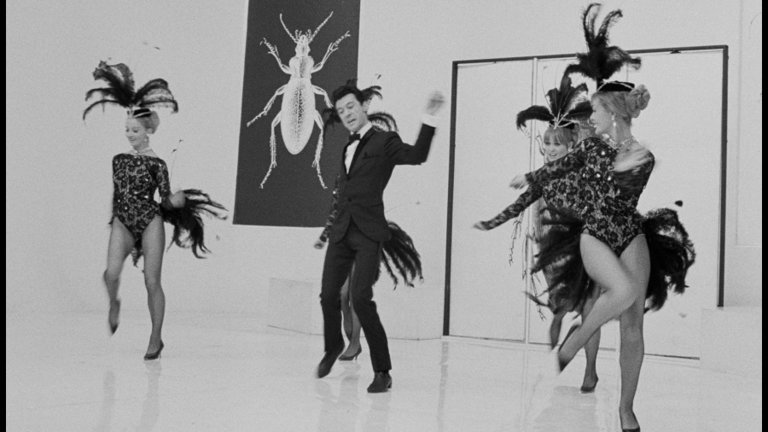
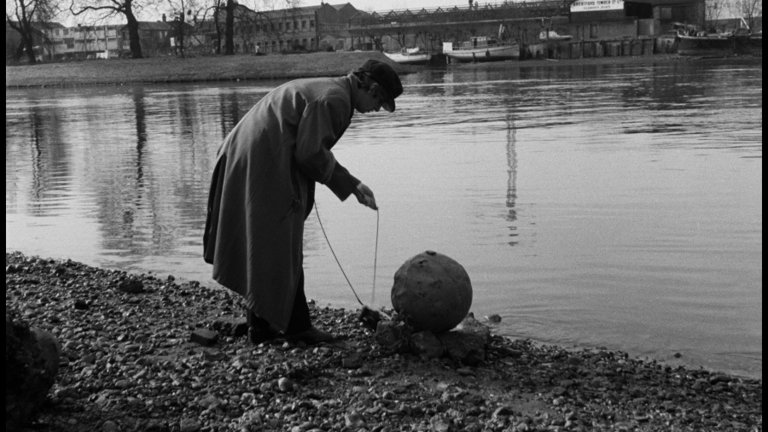
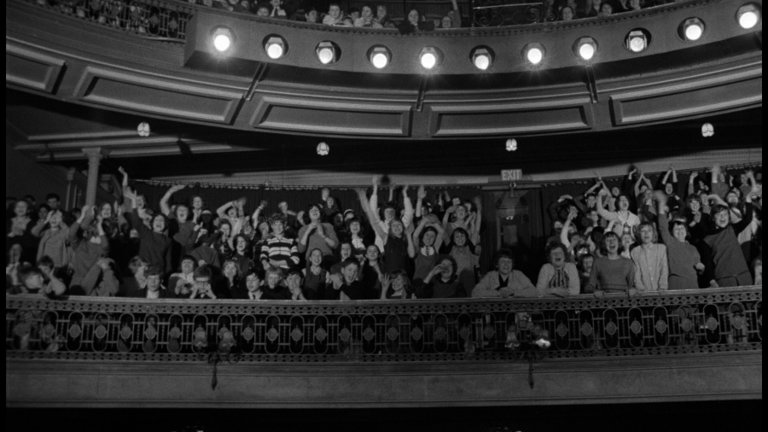
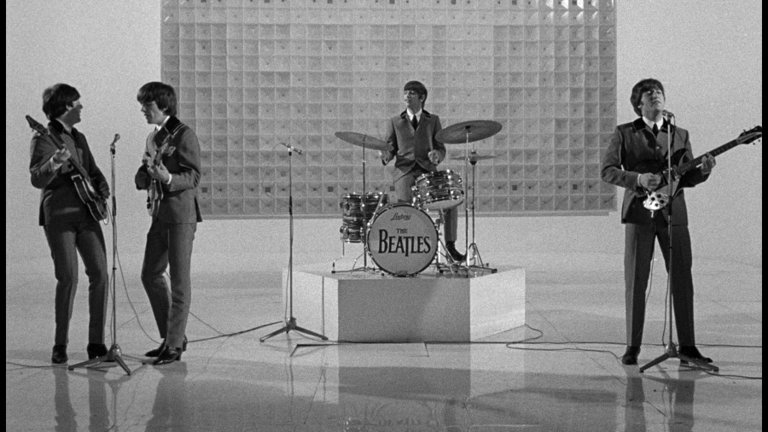
A Hard Day’s Night - Screen Captures
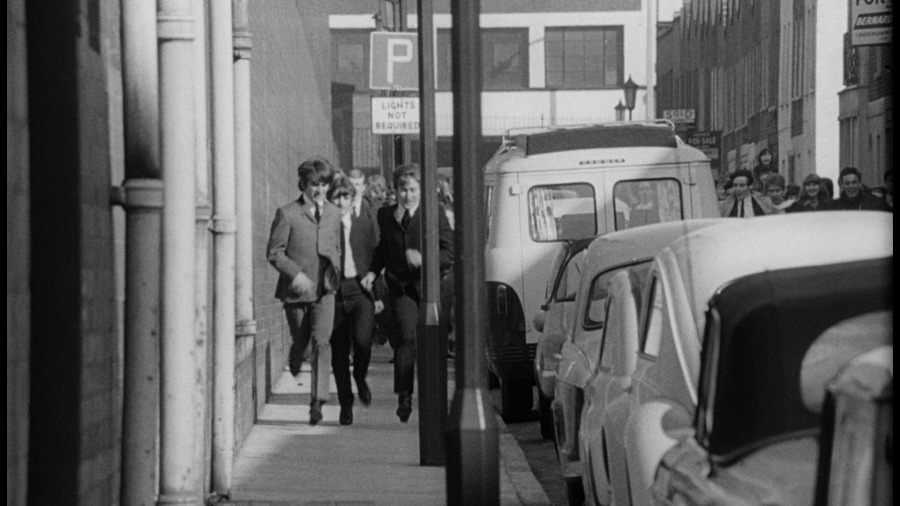
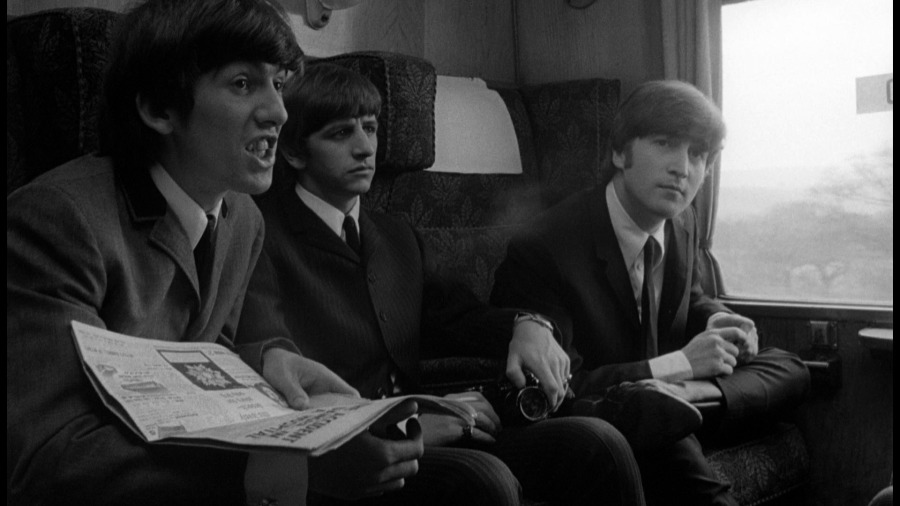
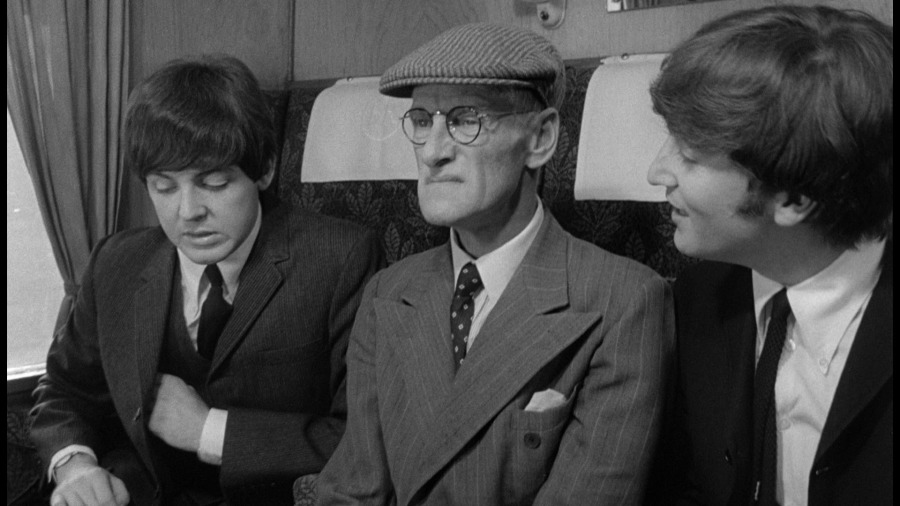
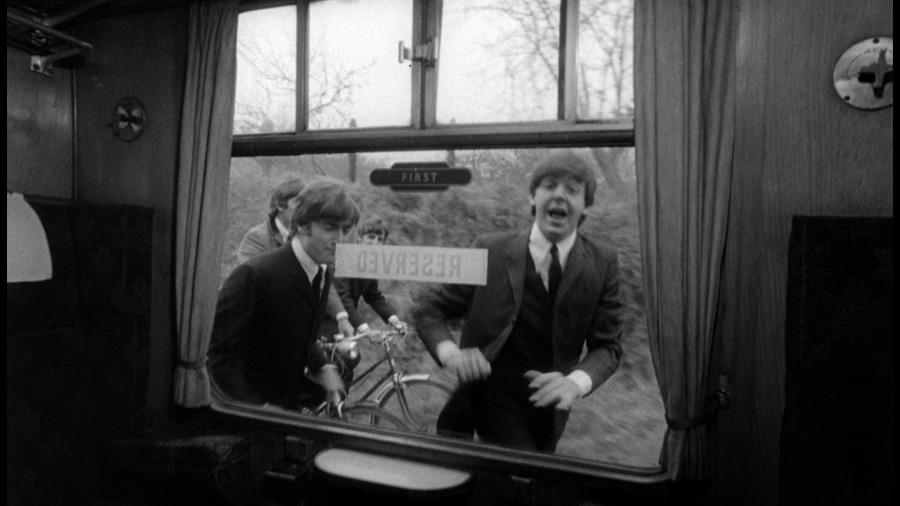
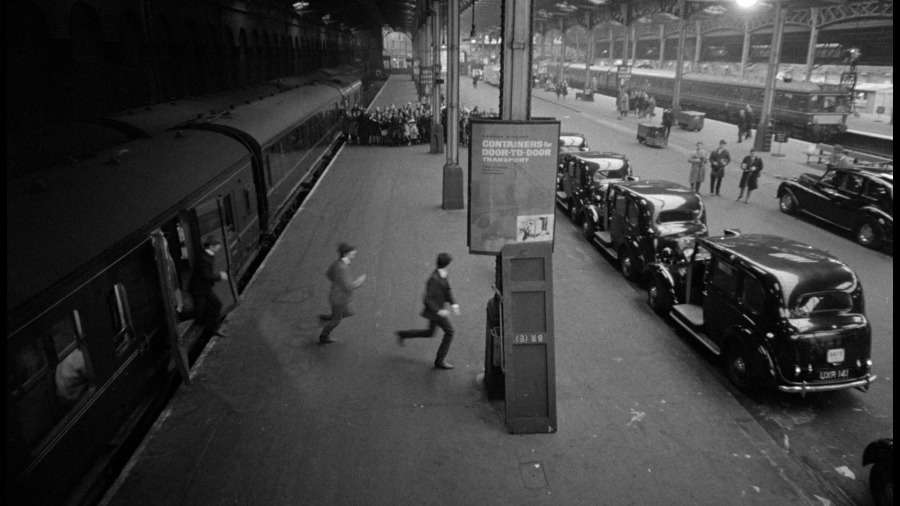
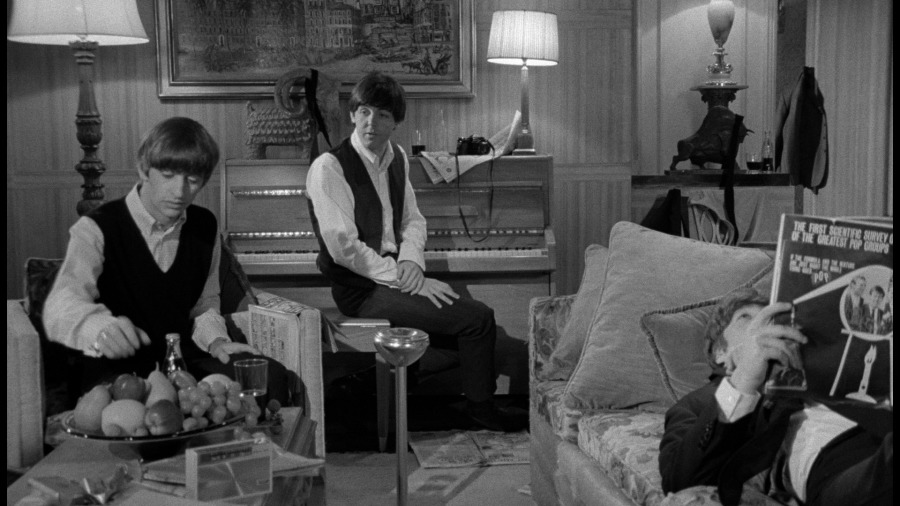
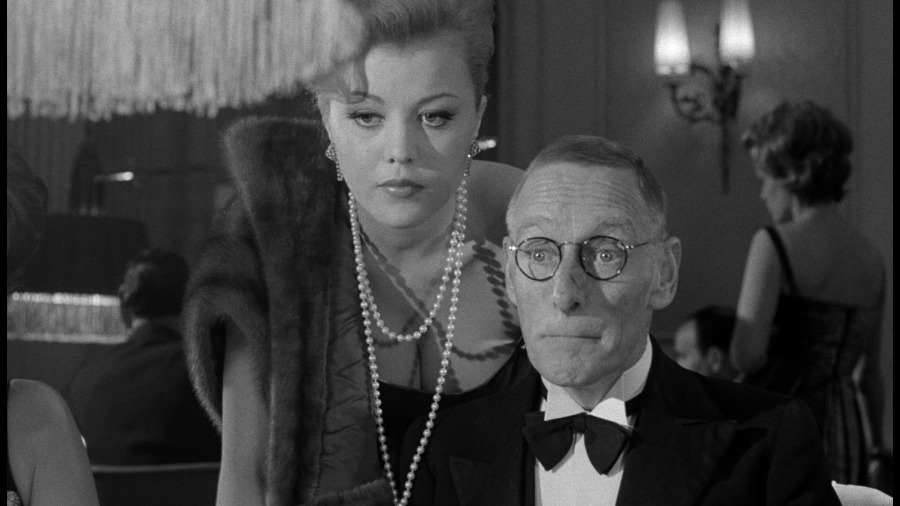
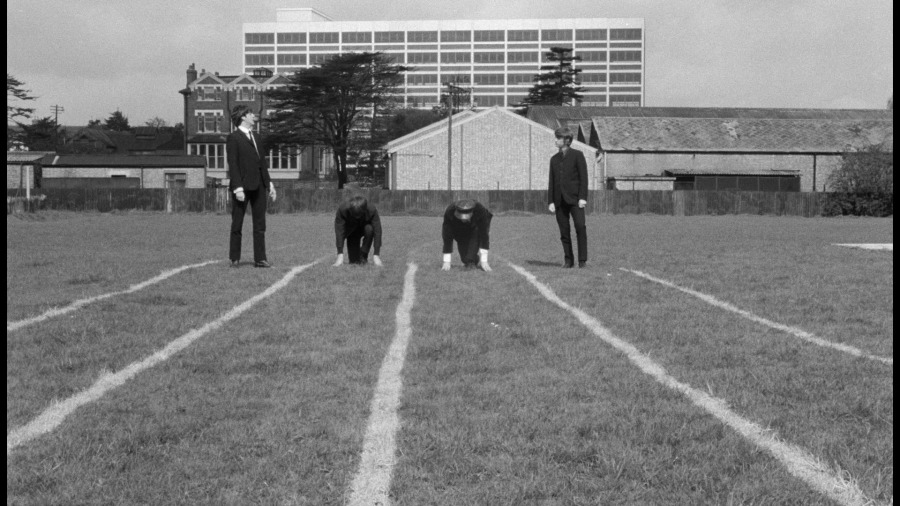
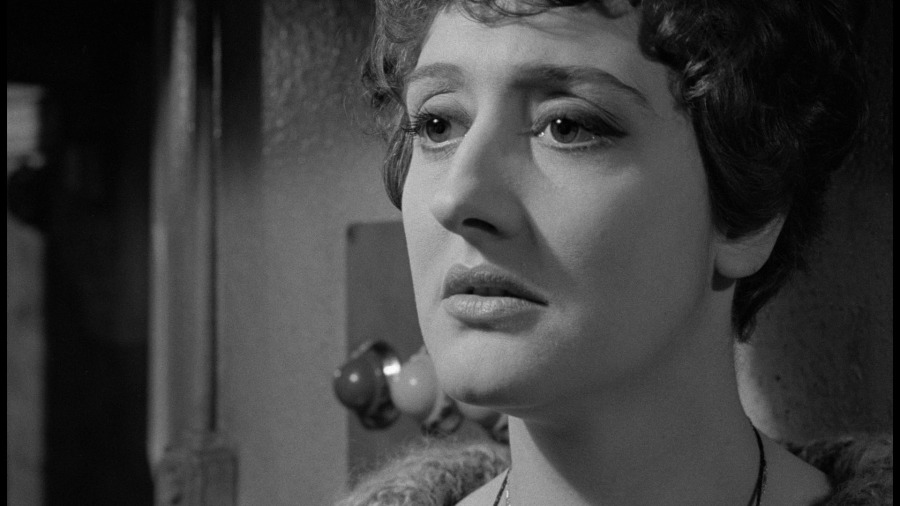
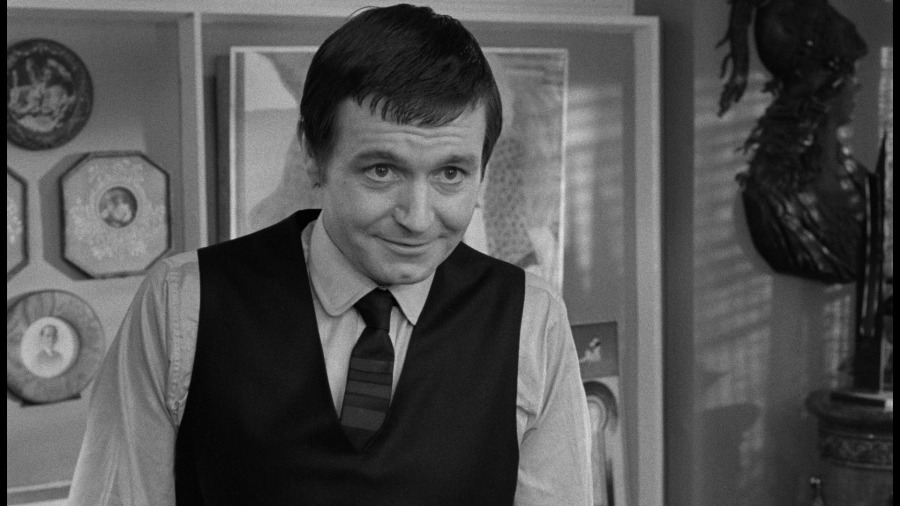
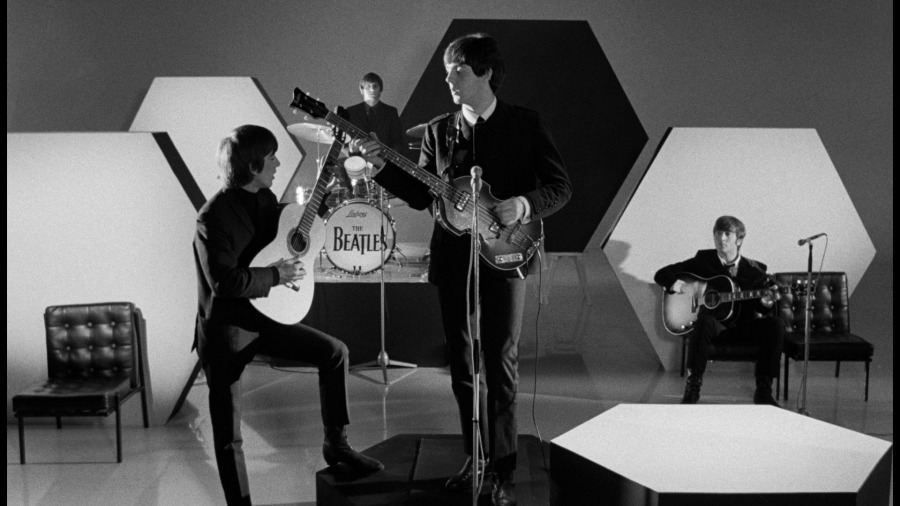
Audio 9/10
Criterion delivers the film with a number of audio tracks: a mono 1.0 track, a stereo track, and a 5.1 surround track. The DVD delivers them all in Dolby Digital, while the Blu-ray presents the mono and stereo tracks in linear PCM and the surround track in DTS-HD MA.
The quality is generally the same between the three tracks, at least in terms of dialogue and general sound effects. Most of the audio is delivered in a monaural manner, never really spreading out in the stereo and surround tracks, but it’s mostly clear (unsurprisingly some may have issues with accents) and there’s no distortion or damage.
Where the tracks clearly differ are during the musical numbers and stage performances. In the stereo and surround tracks the music clearly spreads out with excellent direction and panning. The surround track has the music make its way to the rears, and during the final performance, featuring a rather large, screaming audience, the surrounds make it feel like you’re in the middle of the action with hundreds of screaming fans all around you.
All of the tracks present clearly remastered music, almost sounding like it has been newly recorded. It’s clear and rich, with fantastic depth and bass. I admittedly liked the 5.1 surround track best, finding it delivered a very rich and immersive experience, but the other tracks all sound fantastic and it will ultimately come down to personal preference.
Extras 9/10
Criterion loads on a number of supplements for this 50th anniversary edition of the film, and surprisingly keep the supplements focused primarily on Lester and the film itself, with very little about The Beatles.
First is an audio commentary for the film, featuring a number of members from the cast and crew. The notes suggest this material was recorded for the 2002 release, though I ultimately don’t know if it was used (I haven’t looked through the features of either the Alliance or Miramax DVD editions of the film.) It sounds as though everyone was recorded in a group, but it’s obvious some editing has gone on. It’s very technical and concentrates entirely on the production itself, with a brief overview on how the production began and what it was like working with the rather limited budget (other features seem to suggest the use of black and white was a stylistic choice but here it’s suggested it was black and white more because the budget was so low.) There’s much discussion about Lester’s style and how it was influenced (The 400 Blows and the French New Wave played a big part) and comment on how certain sequences were captured, mostly by accident. There’s some great material about the actual musical numbers and how they were put together, and the overall difficulty of editing together what sounds like hours’ and hours’ worth of footage, which of course had to be synched with the music. They also of course talk about The Beatles themselves, what it was like working with them (great overall) and having to deal with their fans, which led to some good creative choices. It’s a full track with very little dead space, and has a great energy itself. It’s well put together and worth a listen.
In Their Own Voices presents 18-minutes worth of audio recordings taken over the years after the film’s release featuring The Beatles talking about the film and how it came about. They talk about how they had had plenty of offers to do films but it was usually as a background band or to be part of some terrible musical. They were determined to do a film on their own terms and A Hard Day’s Night and Richard Lester presented the perfect opportunity. They also talk about the experience, how they presented themselves on screen (more comedic versions) and the experience of seeing themselves on the big screen for the first time. Nicely edited together over behind-the-scenes footage and photographs it does offer what feels like a very honest reflection on the film by the members.
Anatomy of a Style features story editor Bobbie O’Steen and screenwriter Suzana Peric. The two go over Lester’s style and break down a few of the musical scenes, explaining how they were filmed and then edited together, expanding further on some comments made in the commentary but how a number of sequences worked out better because of some accidents or inconveniences (the first person view during the first “Can’t Buy Me Love” sequence was done because Lennon was unavailable but ultimately this helped the energy of the scene since shooting had to be adjusted.) The feature runs 17-minutes.
Criterion then includes the 62-minute making-of special You Can’t Do That: The Making of A Hard Day’s Night, hosted by Phil Collins (who actually appears briefly in the audience of the last performance in the film.) Made up of a number of interviews from members of the cast and crew and other filmmakers and critics (including Roger Ebert) the TV special just goes through the film’s production timeline. It’s easy to forget at the time The Beatles was seen by many as another flavor-of-the-month and there was a thought they would eventually just fade away. There was a desire to cash in on their popularity and, despite the film’s stature over time, it did start out as a simple cash-grab on those behind the financing. It sounds as though the primary reason the film was greenlit (and Lester was given free reign) was that the financiers really just wanted a soundtrack since the band would write all-new music for the film. They wrote the music, fairly quick (even one for the title, which they thought was rather ludicrous) and from there the production took off. Screenwriter Alun Owen spent time with the group and came up with the storyline, which was then fitted around the music. The background is rather intriguing more because with hindsight it almost seems ridiculous to think a lot of people were scared this film would be a disaster or just disappear quickly (distributors were debating on whether they just dump the film and make as much as quickly as they can, or give it a longer run.) It’s a more in-depth television special than what one may expect, and it has the added bonus of having an outtake performance of the song “You Can’t Do That.”
There’s another making-of from 2002 called Things They Said Today. It runs a shorter 36-minutes and repeats some material from the other doc, but this one allows Lester and producer Walter Shenson to get into more detail about certain particulars. Lester talks a bit more about the freedom he truly had here (no one seemed to care at all about the script) and we get more stories from the set (like the hairdresser getting requests for Lennon’s hair.) There’s some great stories here and with this, the longer doc, and the commentary we get an in-depth look at the film’s production and history.
Criterion then devotes a section to Richard Lester, first offering up his 1960 Goon’s film (starring Peter Sellers and Spike Milligan) The Running Jumping & Standing Still Film. It’s a short 11-minute skit film, featuring a number of bizarre sight gags loosely tied together. After this there is a 27-minute video essay on Lester’s career called Picturewise, which covers his career from the Goons to A Hard Day’s Night, Help!, and then his more “alienating” films, How I Won the War and The Bed Sitting Room. Mixed in are audio interviews with Lester, talking about his work. Ultimately the feature offers a decent analysis on the development of his style through the years and its impact on cinema today.
Author Marc Lewisohn then offers the sole Beatles focusing feature with his interview found under The Beatles: The Road to A Hard Day’s Night. Lewisohn talks in-depth about the group’s early career, which consisted at first of Lennon, McCartney, and then Harrison, and their fairly long and rather unique road in developing their sound and style, which really came to be while playing in Hamburg. He talks a little about their early drummer, Pete Best, who was eventually replaced by Ringo Starr, their rise in popularity in England, and their eventual performance on The Ed Sullivan Show, which shot them up in the U.S., though Lewisohn points out that even before this their popularity had been building up. Despite my father being an enormous fan of The Beatles, owning every album multiple times over, I’m admittedly fairly ignorant to their career before Ed Sullivan, and Lewisohn does an excellent job in relating everything, reminding us that despite their legacy today, they were on shaky ground early on, even at risk of breaking up a few times. The feature runs 28-minutes.
The set then closes with the two theatrical trailers: The 2000 Miramax trailer and then the 2014 Janus trailer. The original is bizarrely missing, though it does appear in the lengthy documentary included on this disc.
The rather this 78-page booklet then includes an excellent essay by Howard Hampton on the film, Lester, and the band’s film career (though he takes a couple of unnecessary potshots at other films, like The Monkees’ Head.) This is then followed by an extensive collection of interview reprints with Lester on the film.
Though some critics pop up in the longer documentary, Ebert being especially vocal, I was disappointed by the lack of real scholarly material. Though I respect that Criterion is keeping the features focused on the film, I was also surprised by the lack of much else on The Beatles, though I’m going to take a wild guess the licencing fees would be prohibitive (the Ed Sullivan appearance seems like it would have been an obvious inclusion, but who knows how much that would have cost.) Still, we get some fantastic supplements covering the film’s rather intriguing production, and the material on Lester is also quite entertaining.
Closing
Fans of the film and/or the group are definitely going to want to pick this new edition of the film up. The picture and sound is absolutely fantastic and the supplements offer some wonderful insights into the making of the film. An amazing edition overall.
BUY AT: