Brazil
BUY AT:


See more details, packaging, or compare
Synopsis
In the dystopian masterpiece Brazil, Jonathan Pryce plays a daydreaming everyman who finds himself caught in the soul-crushing gears of a nightmarish bureaucracy. This cautionary tale by Terry Gilliam, one of the great films of the 1980s, has come to be esteemed alongside antitotalitarian works by the likes of George Orwell, Aldous Huxley, and Kurt Vonnegut. And in terms of set design, cinematography, music, and effects, Brazil is a nonstop dazzler.
Picture 9/10
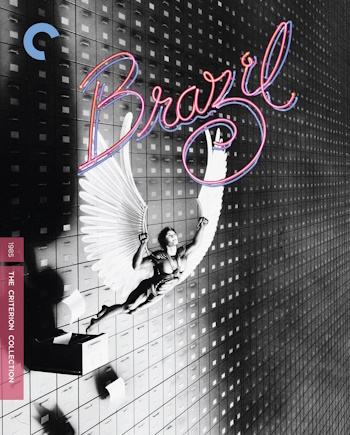
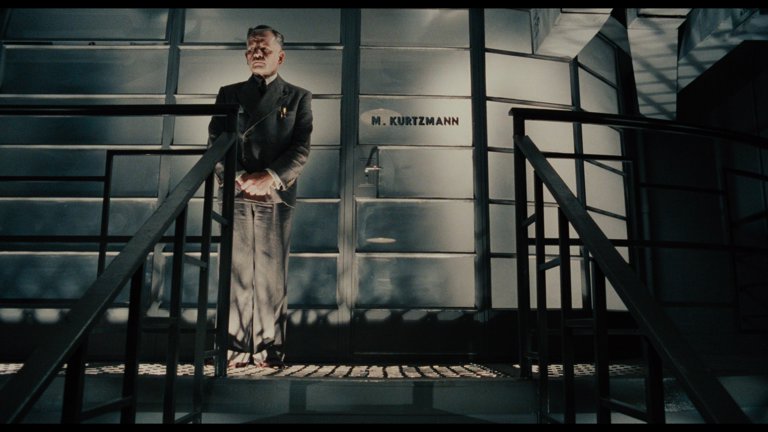
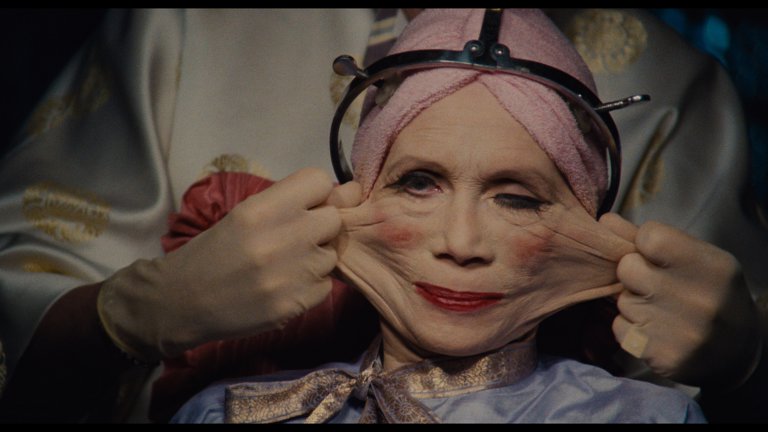
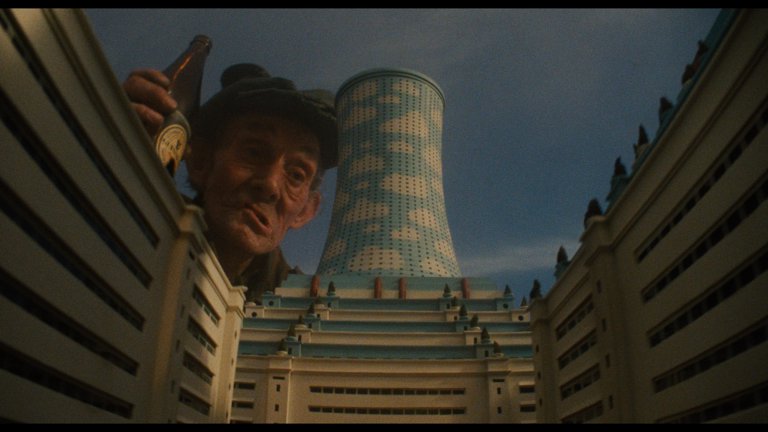
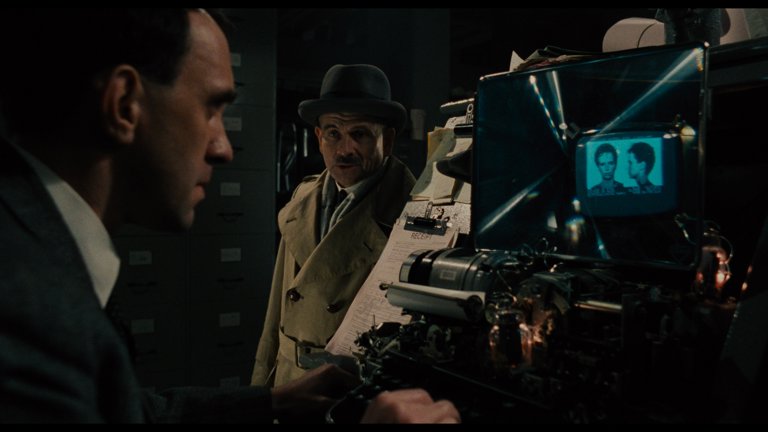
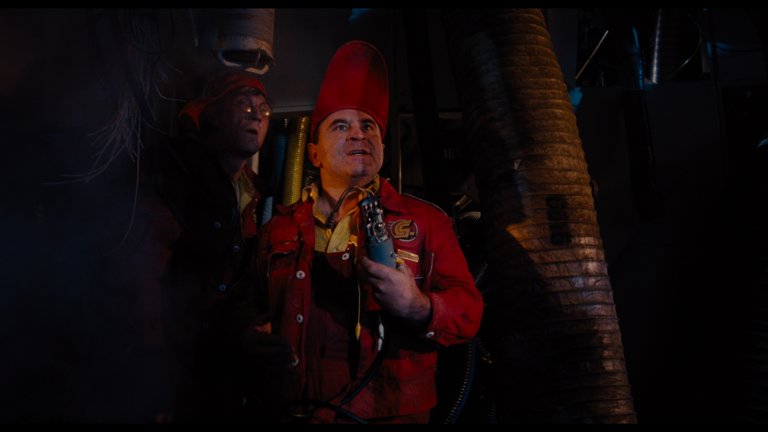
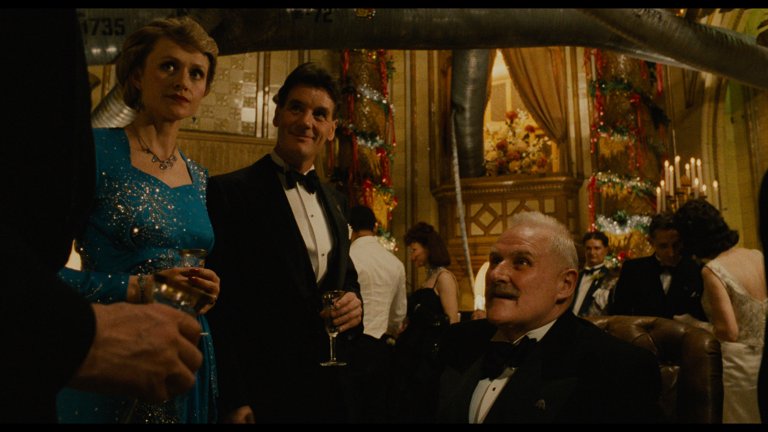
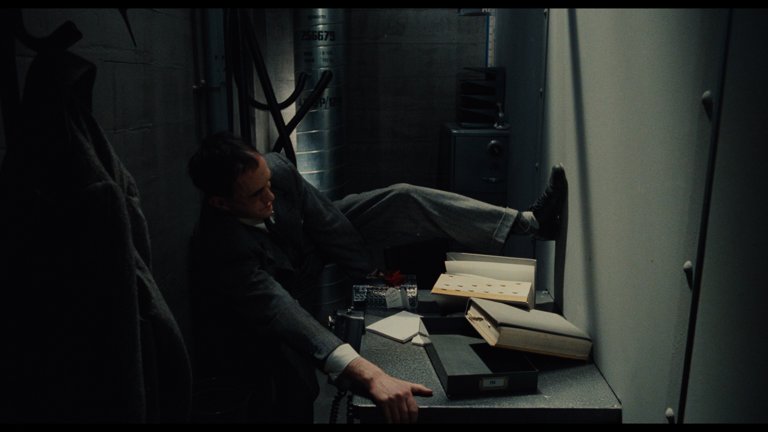
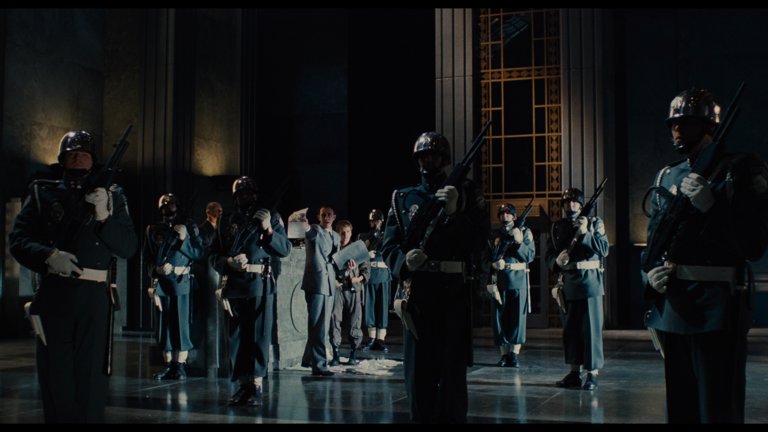
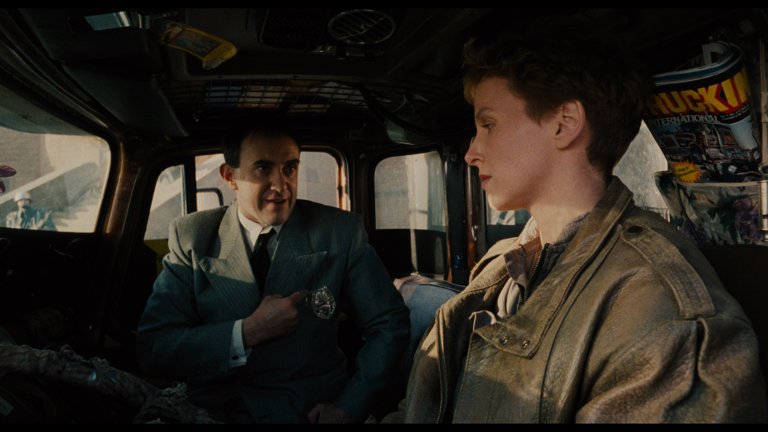
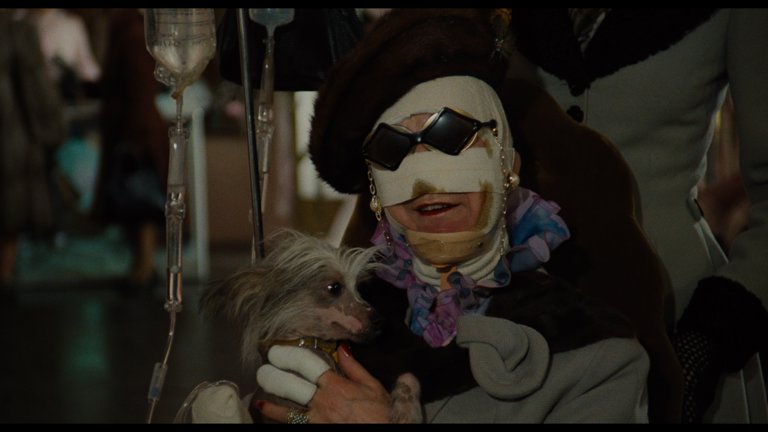
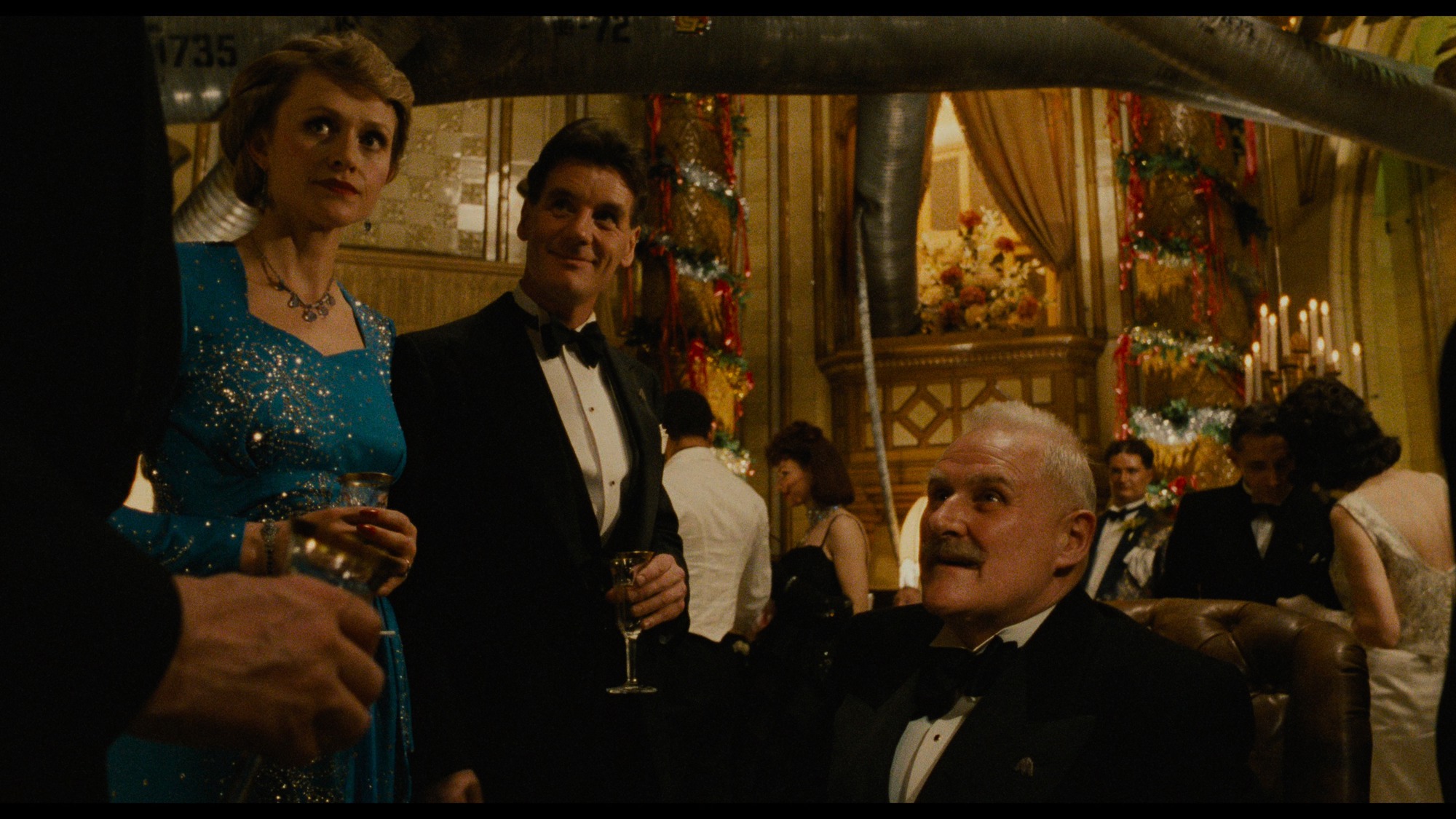
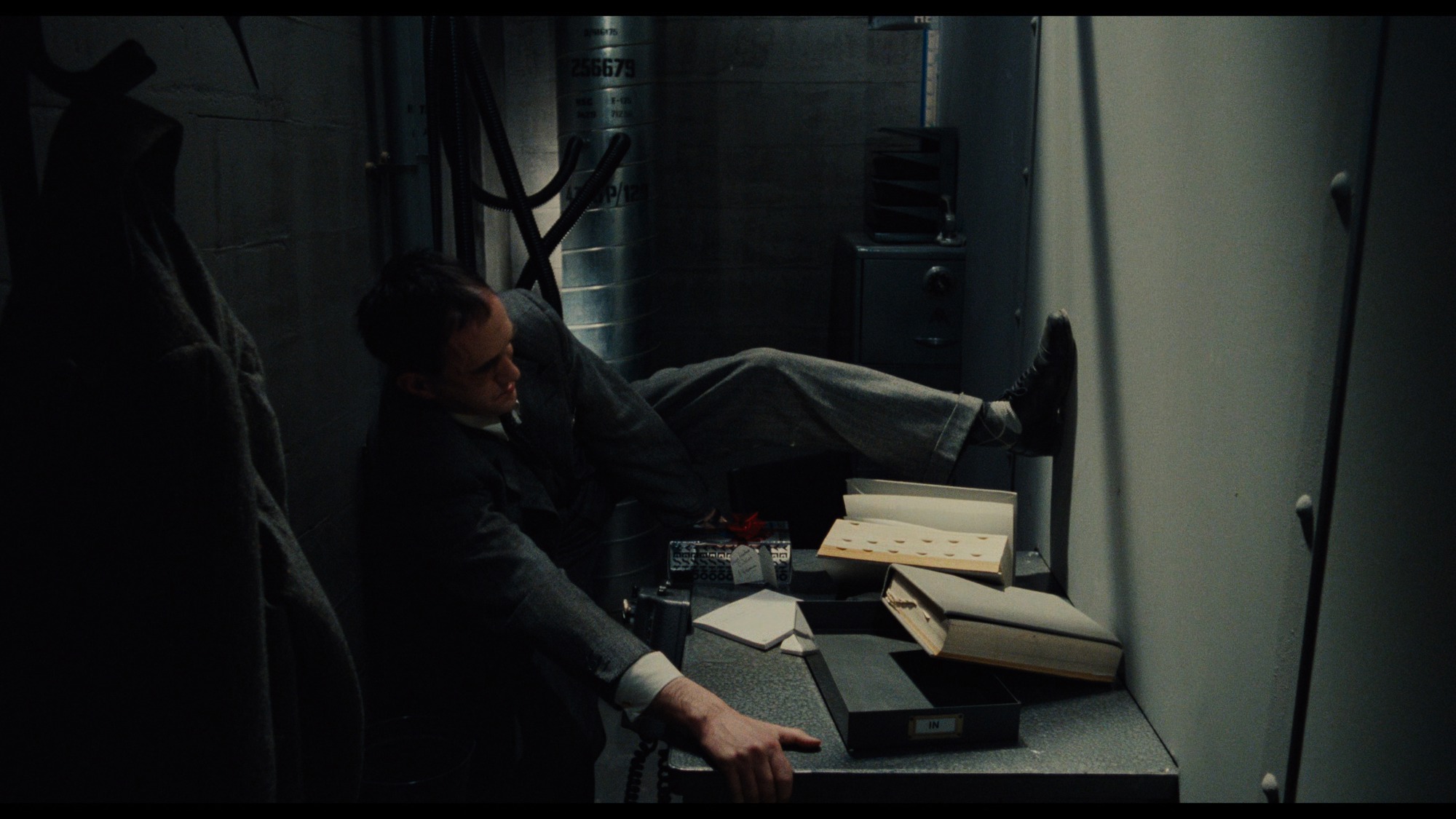
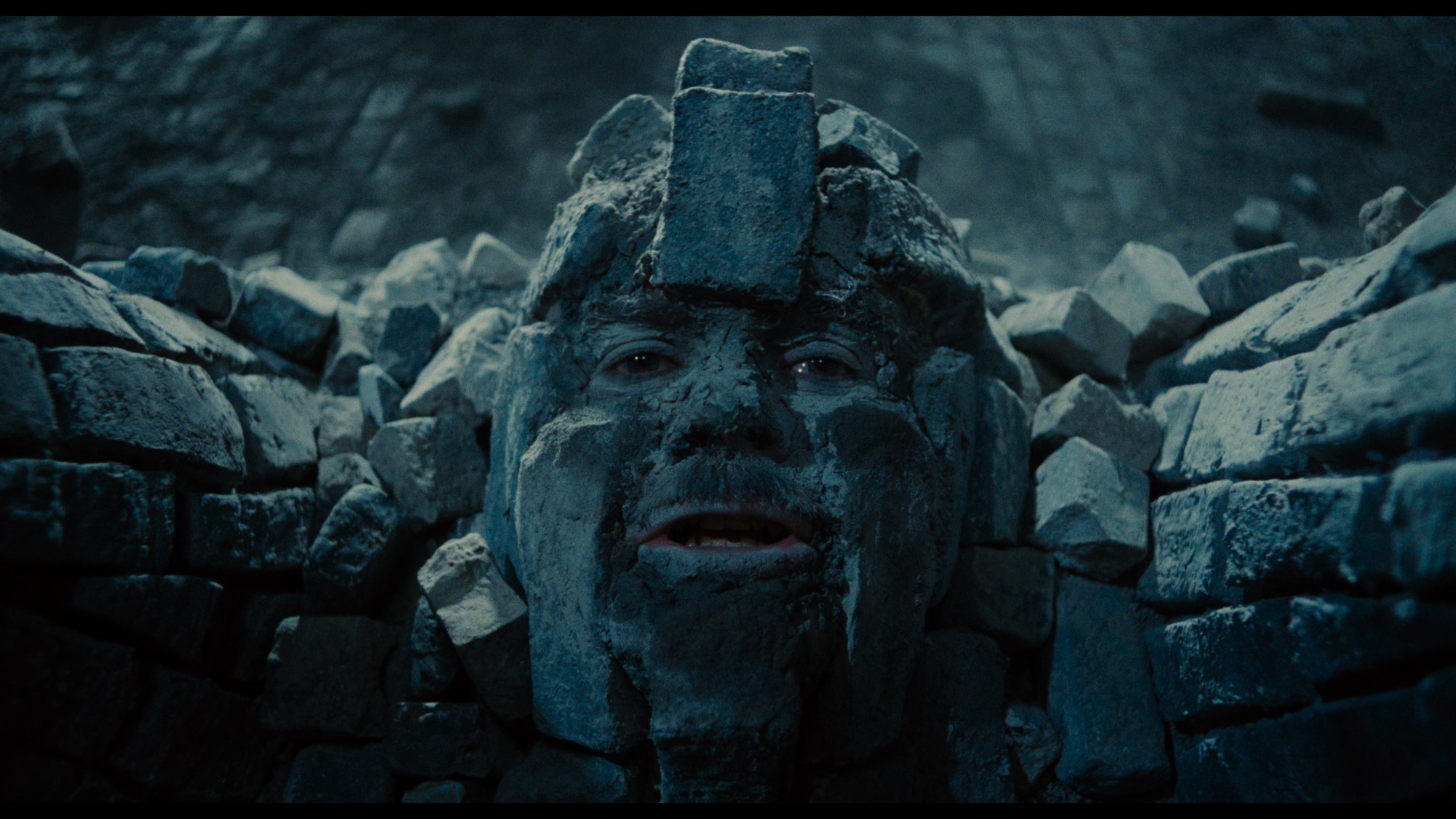
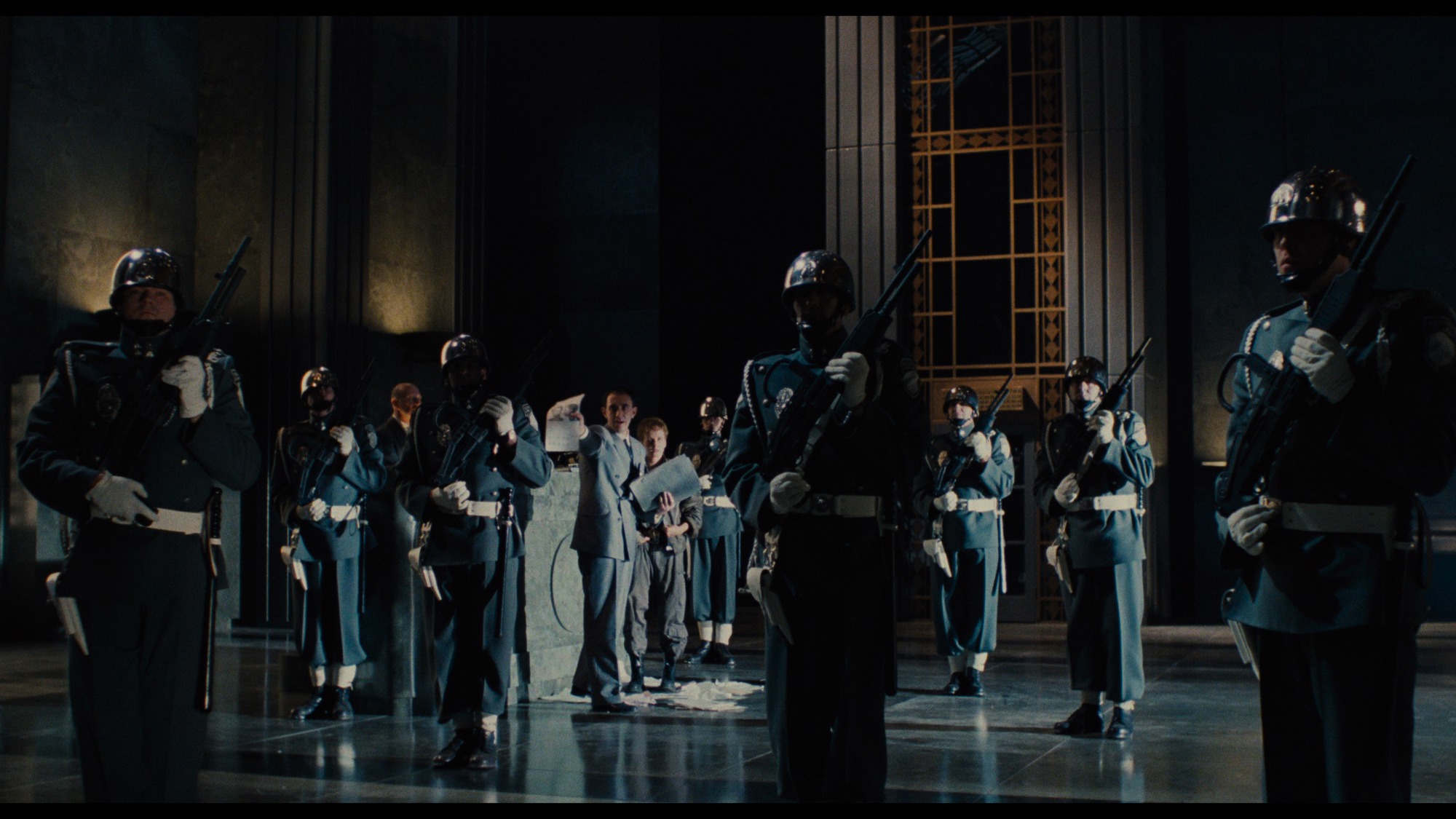
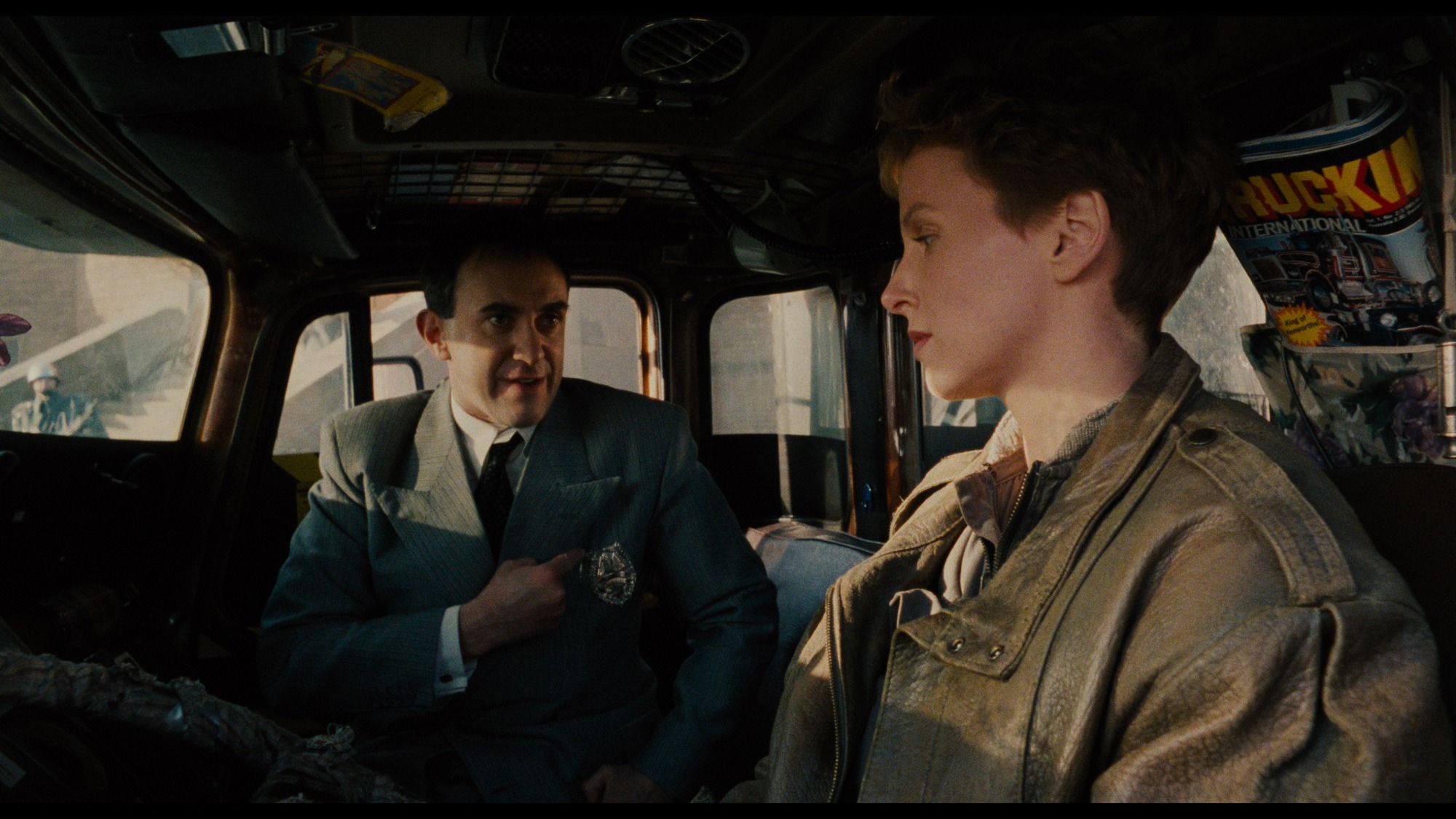
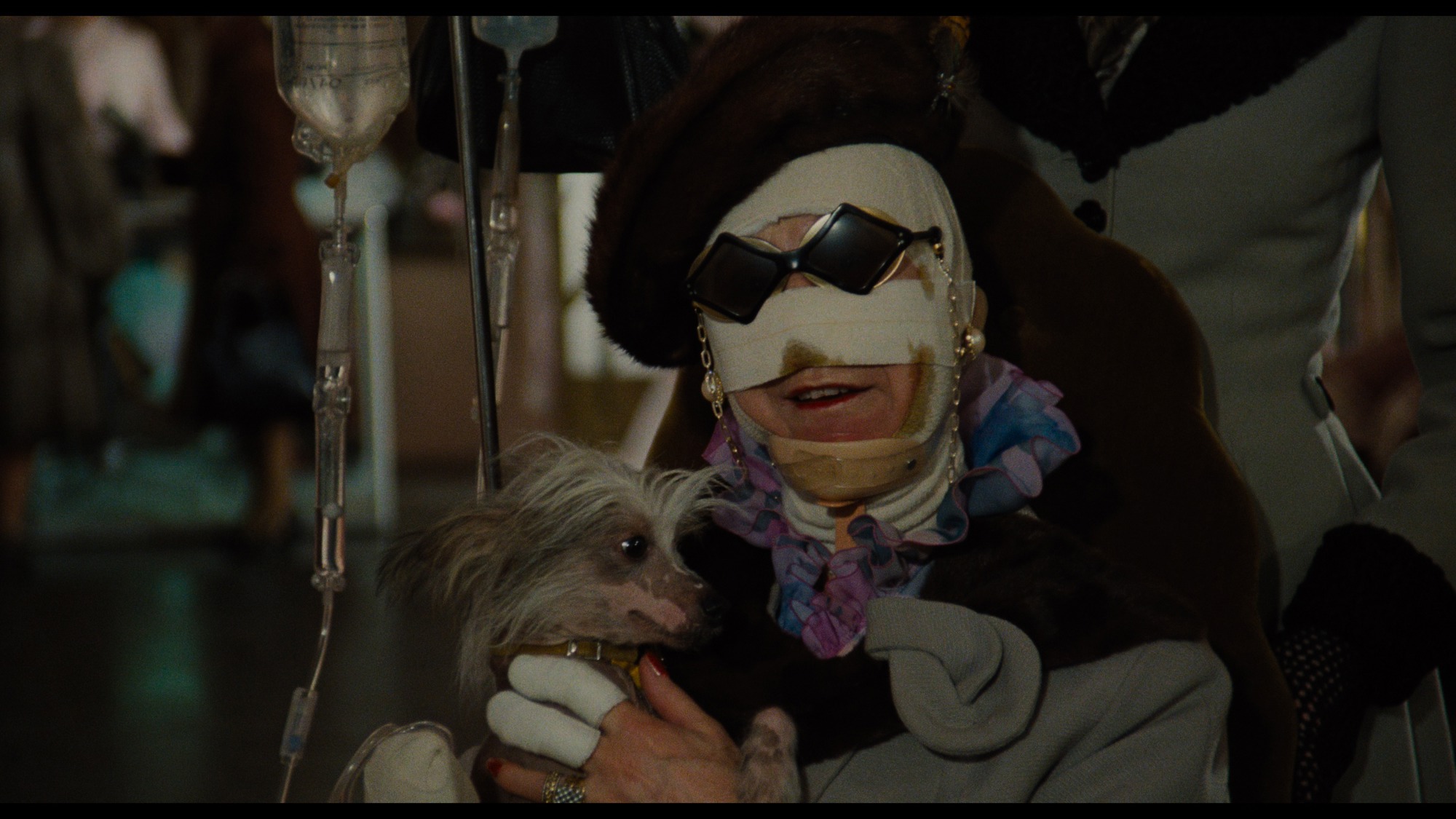
The Criterion Collection updates one of their staple titles, the Final Cut of Terry Gilliam’s Brazil, to 4K UHD, presenting the film in the aspect ratio of 1.85:1 on a triple-layer disc with Dolby Vision and a 2160p/24hz ultra high-definition encode, sourced primarily from a new scan of the 35mm original camera negative, with a 35mm internegative filling in for a few shots (I assume the scenes that call for optical effects). The release also includes two standard dual-layer Blu-rays, one featuring a 1080p presentation of the film, which uses an older master.
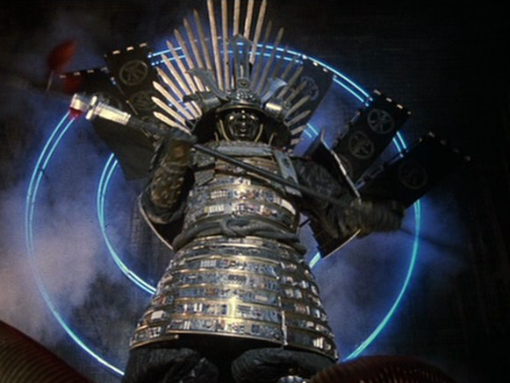
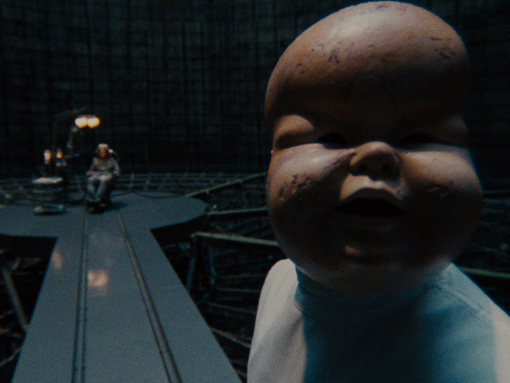
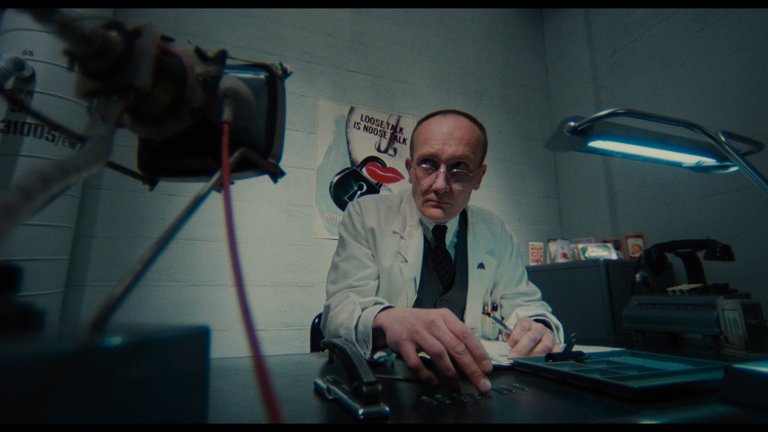
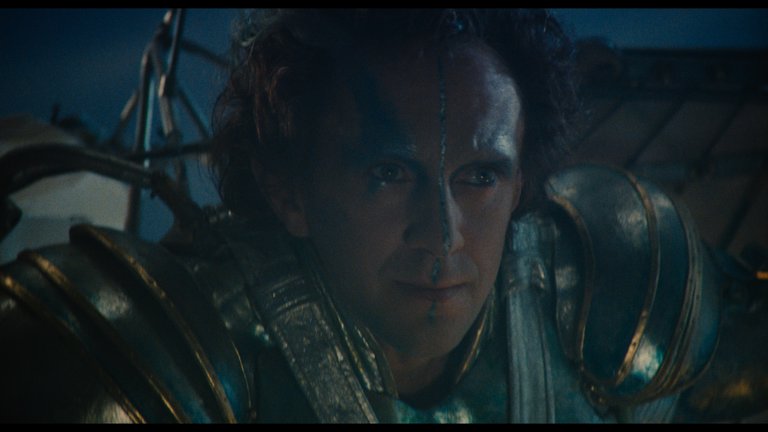
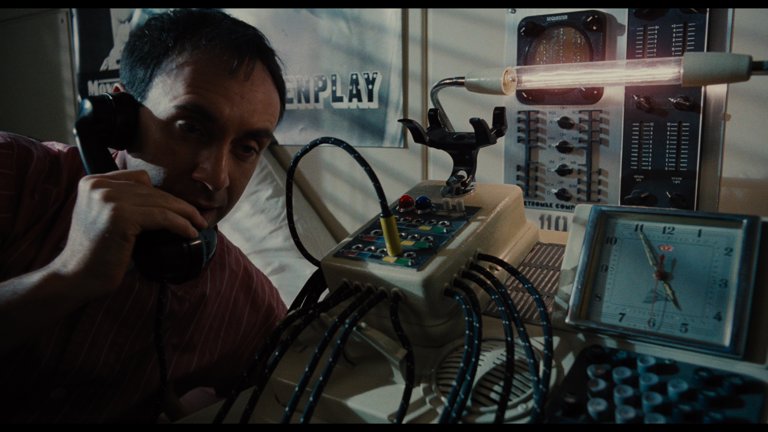
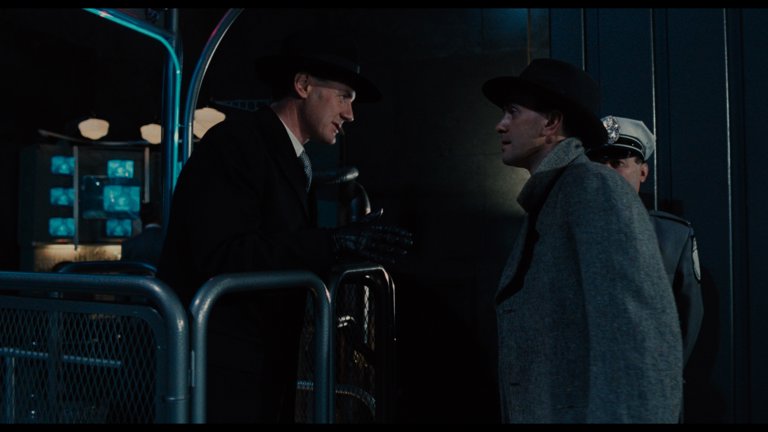
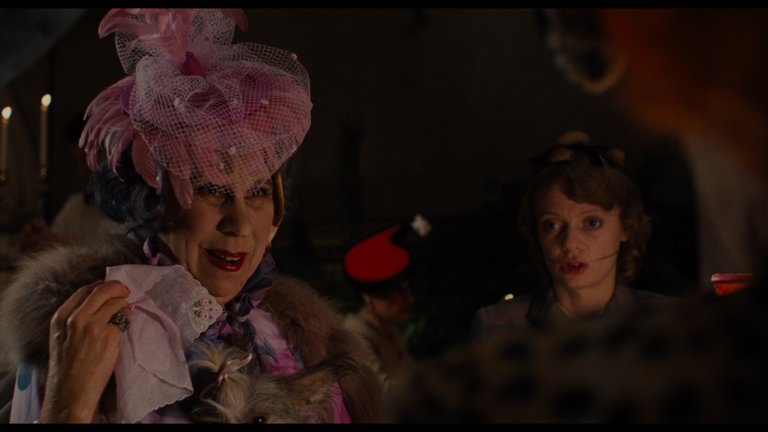
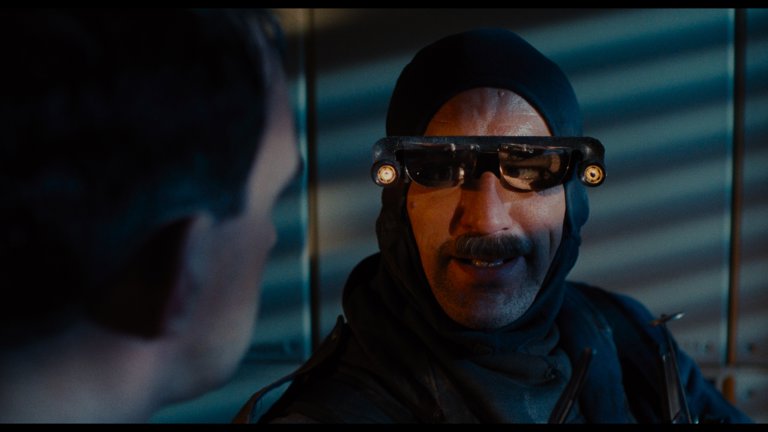
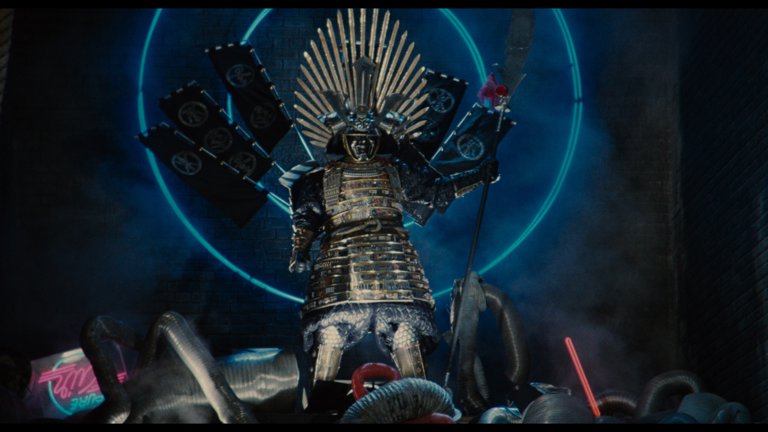
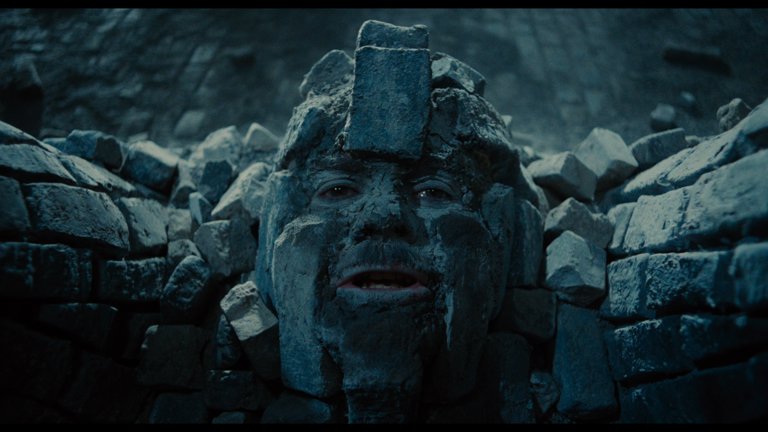
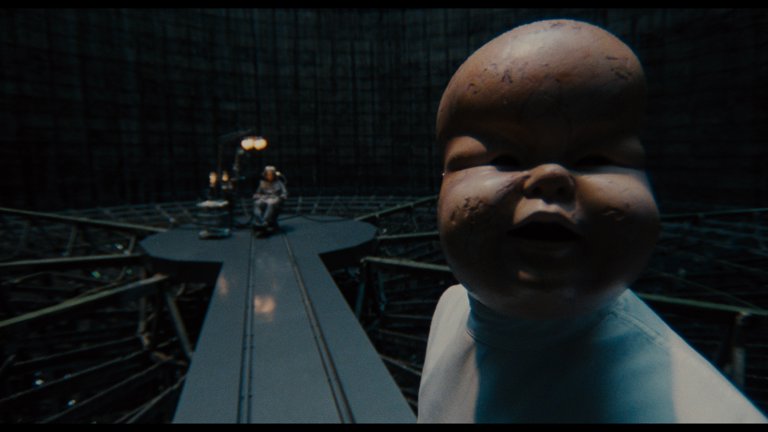
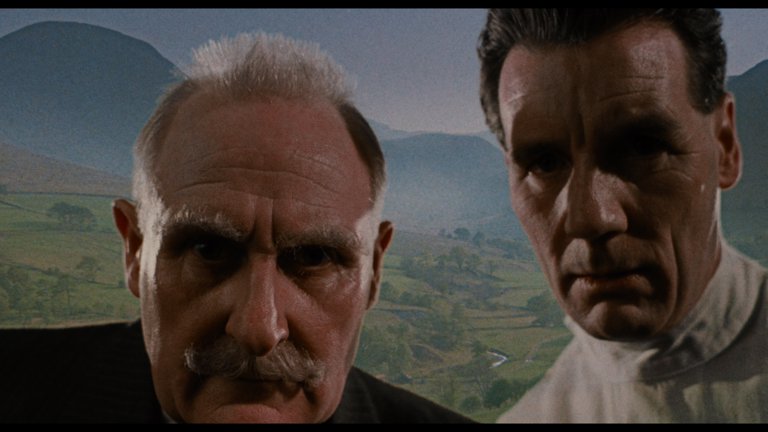
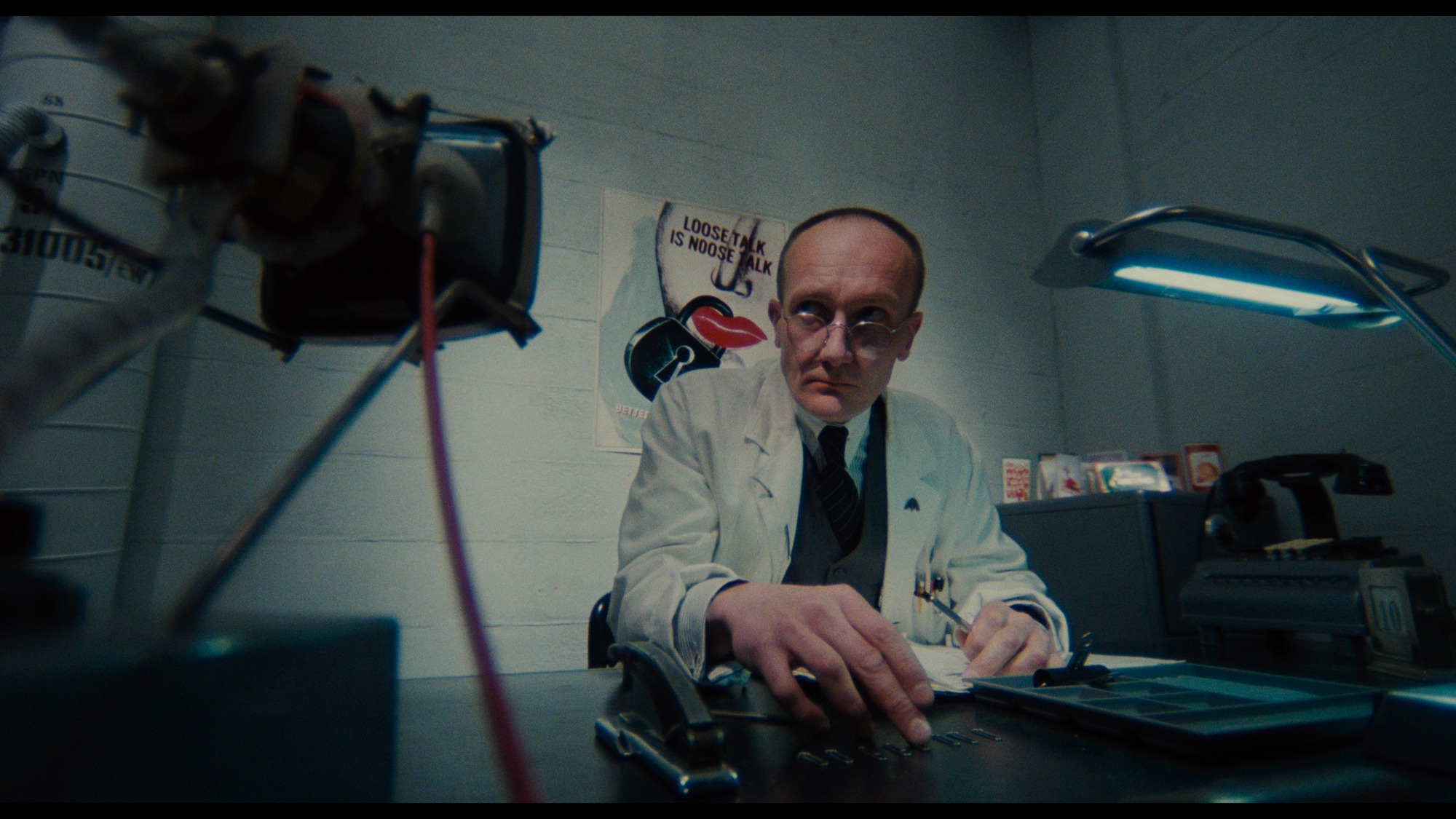
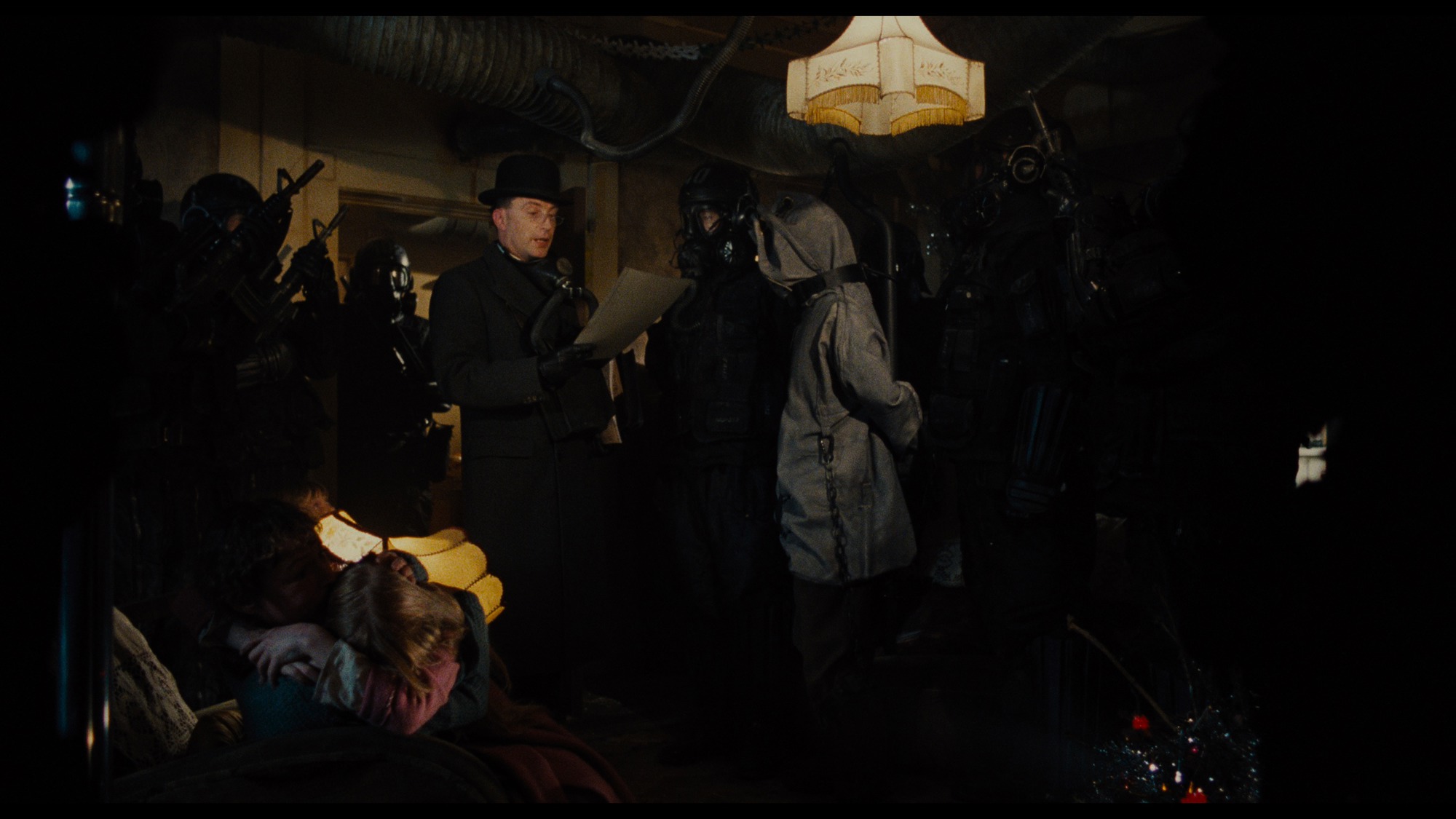
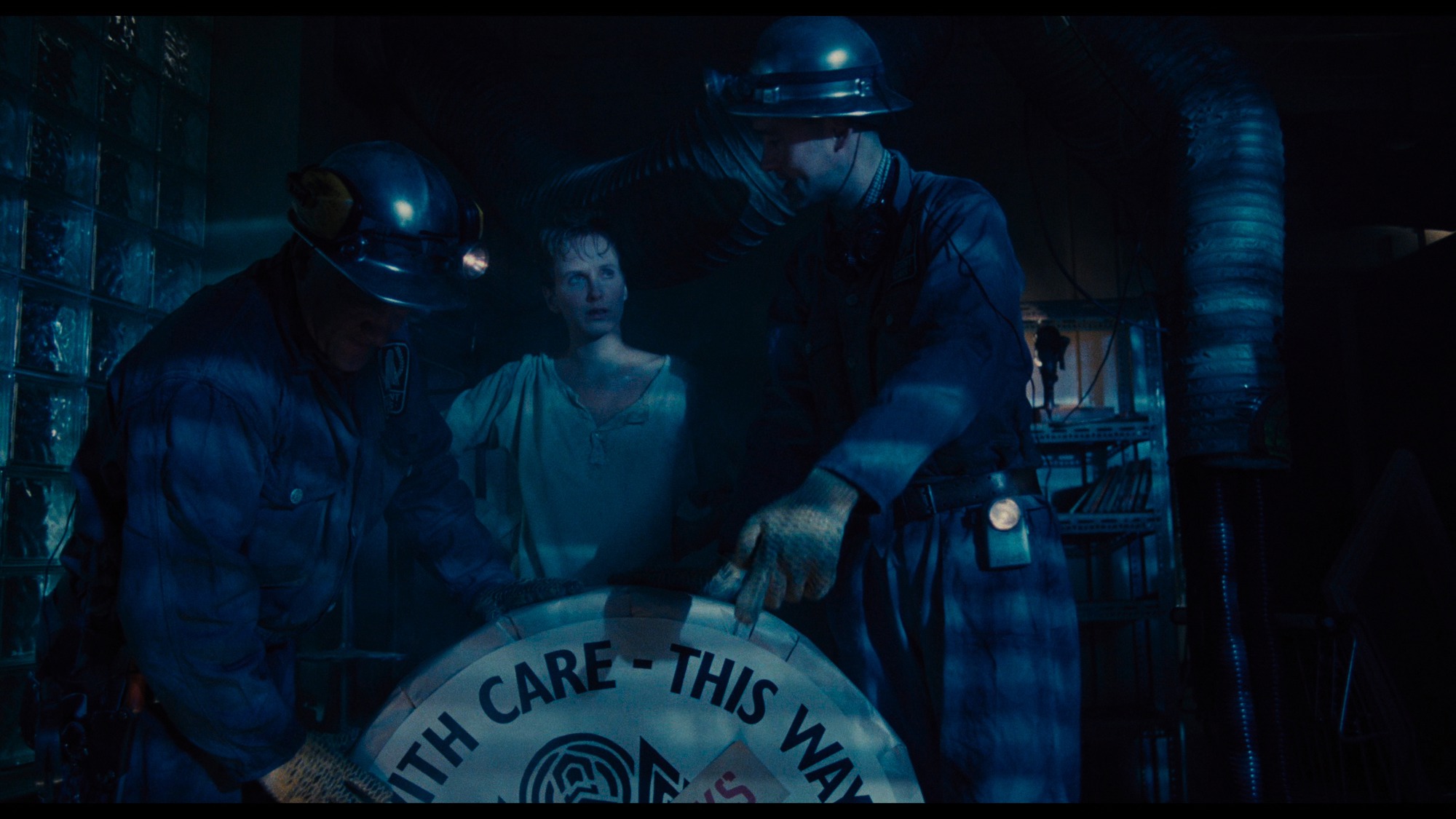
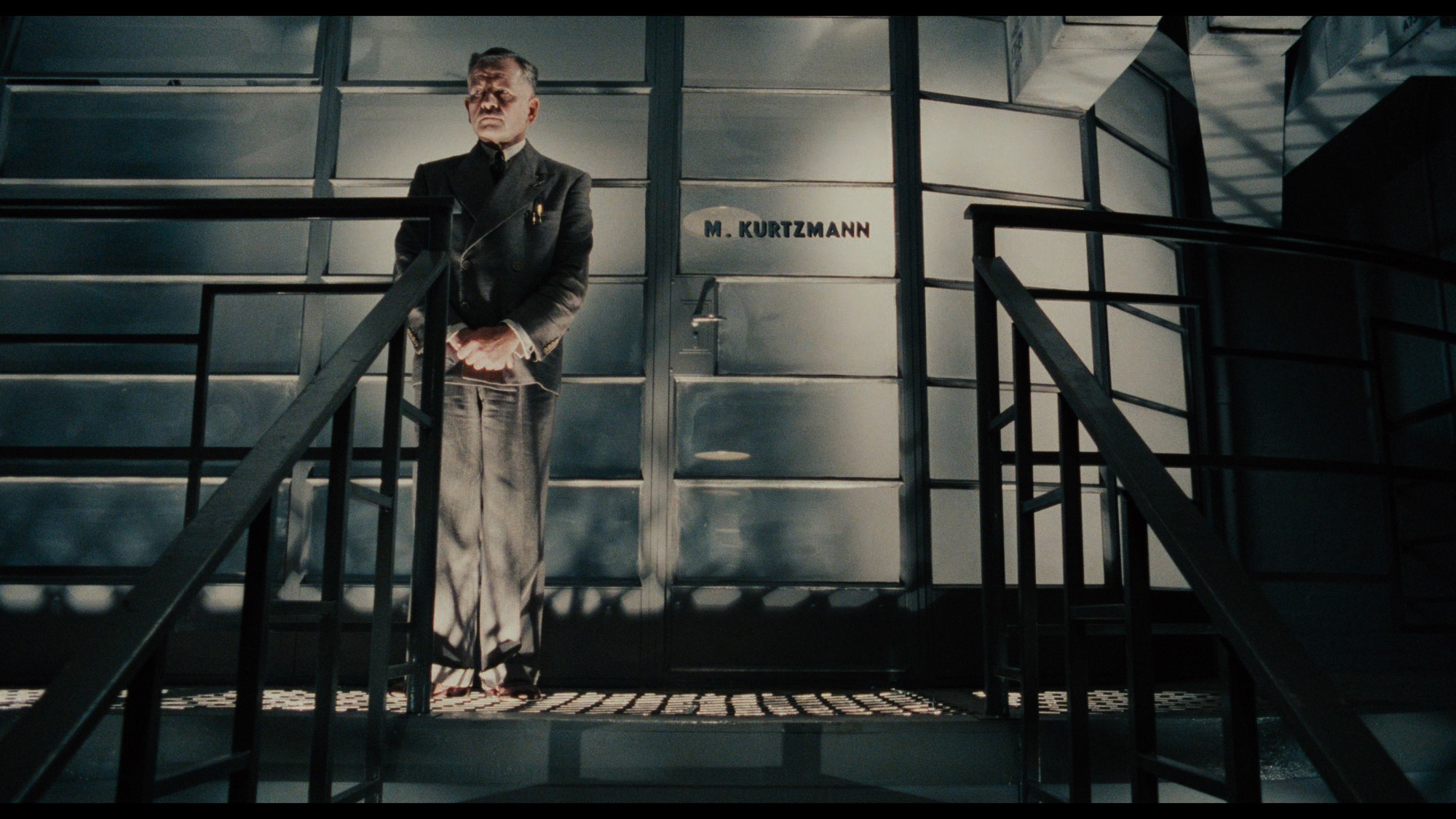
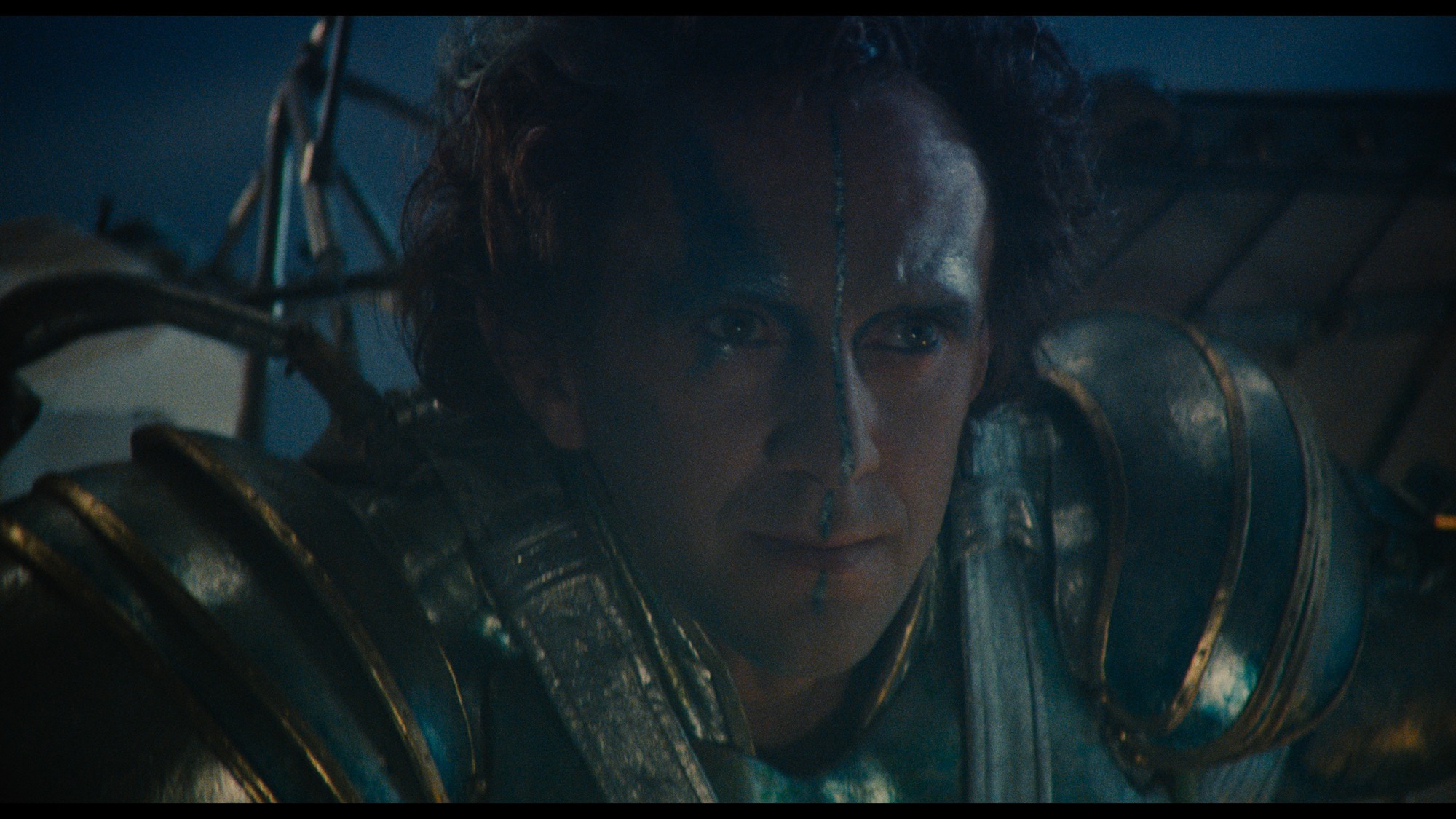
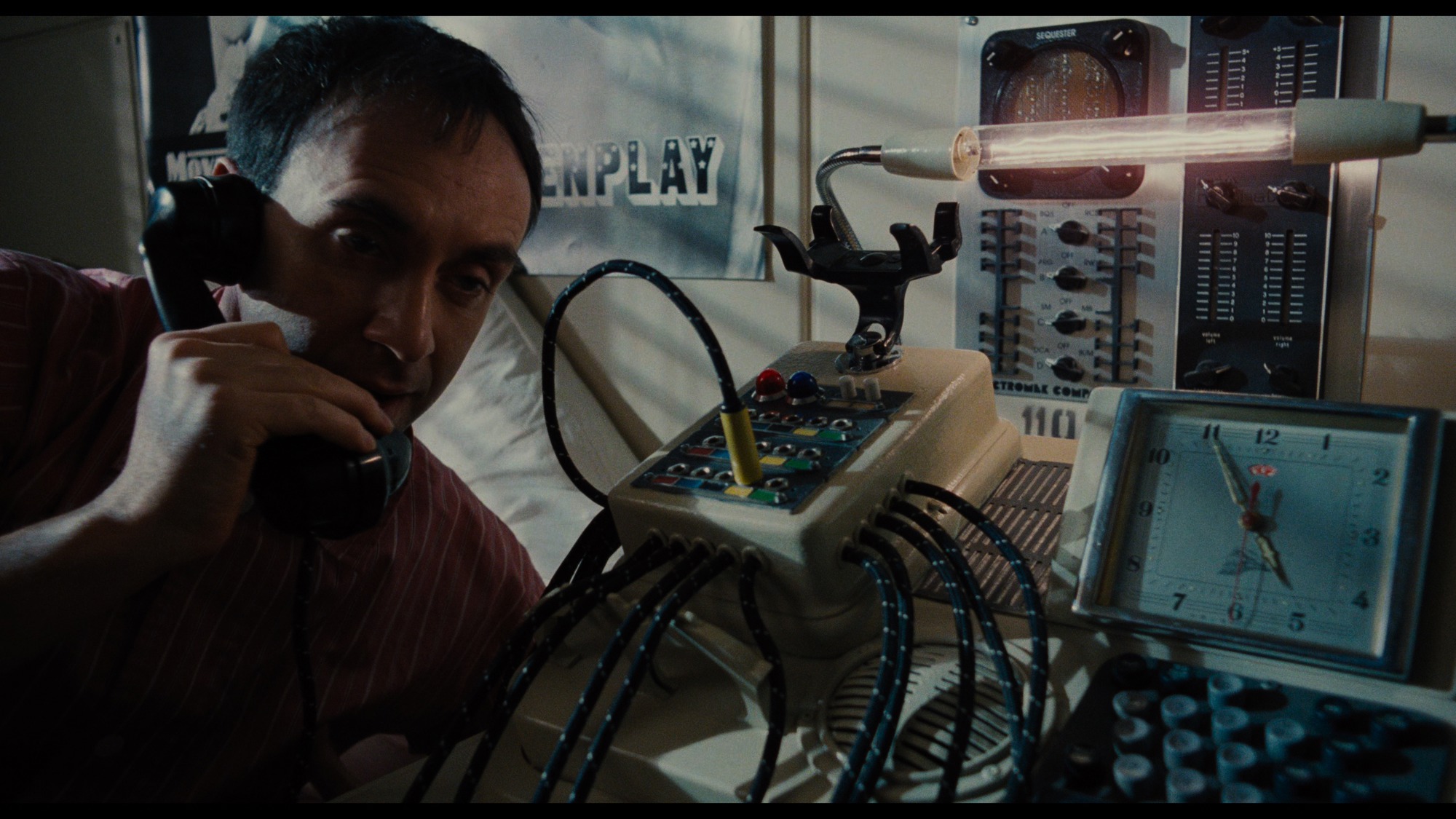
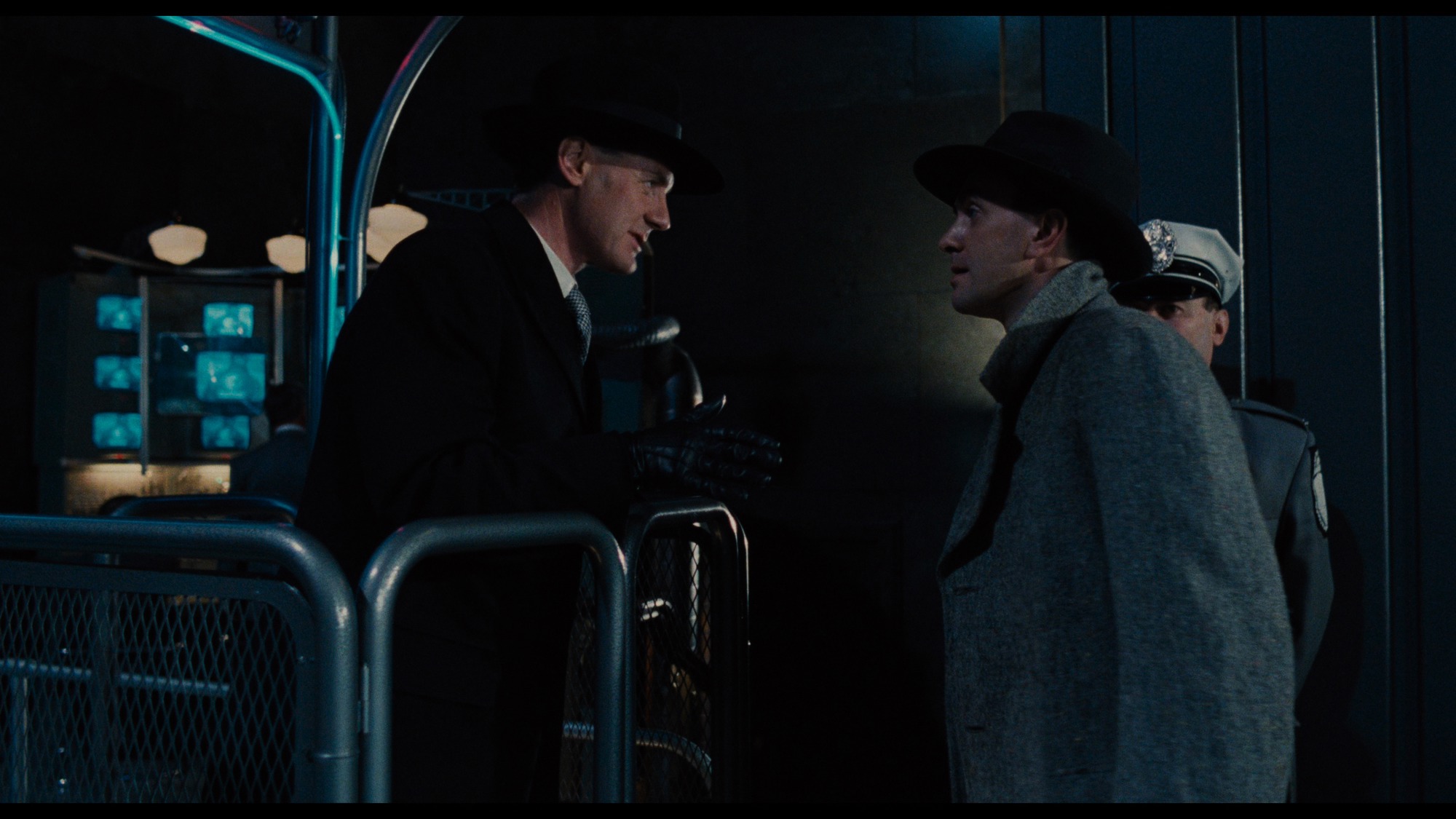
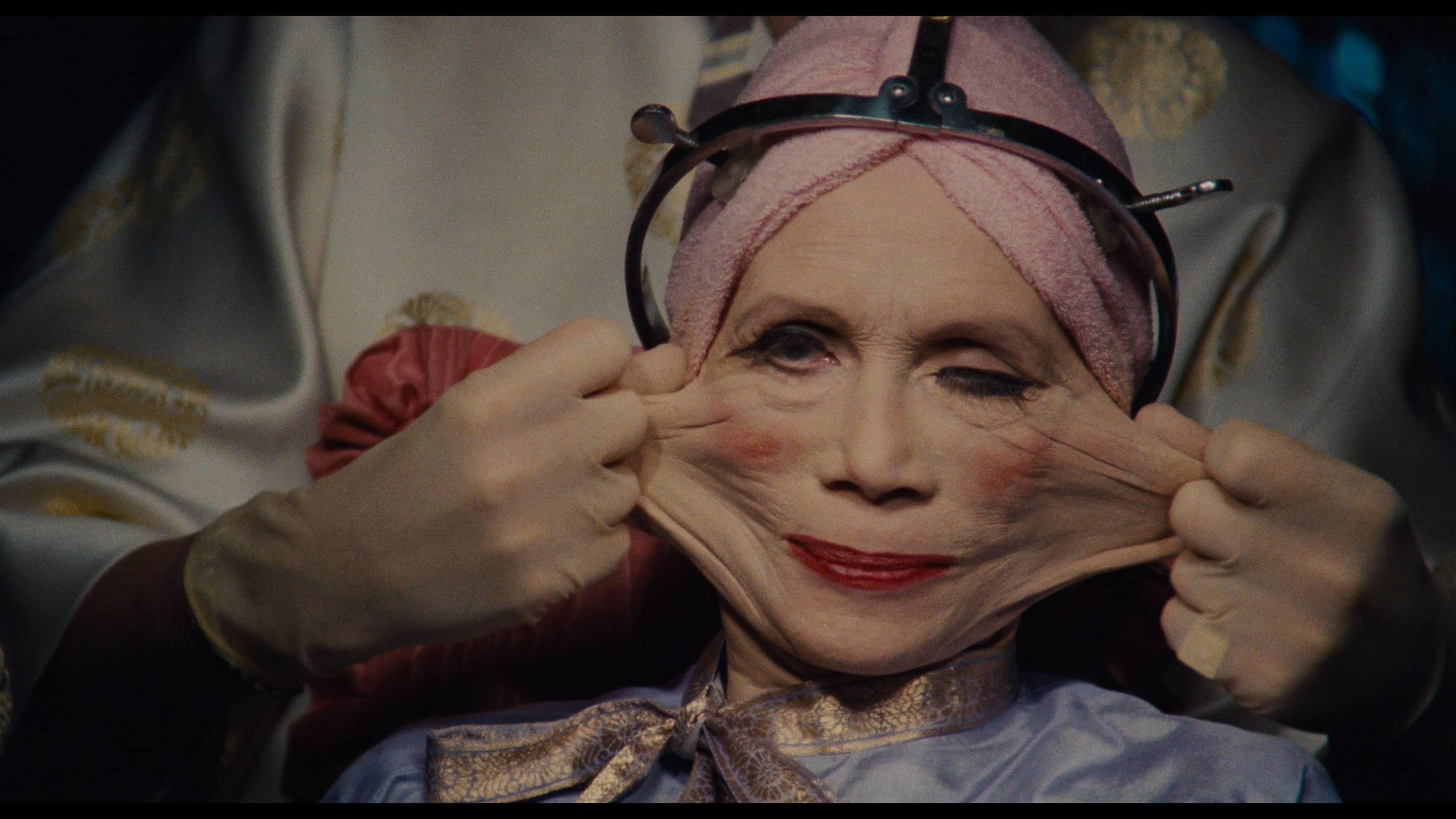
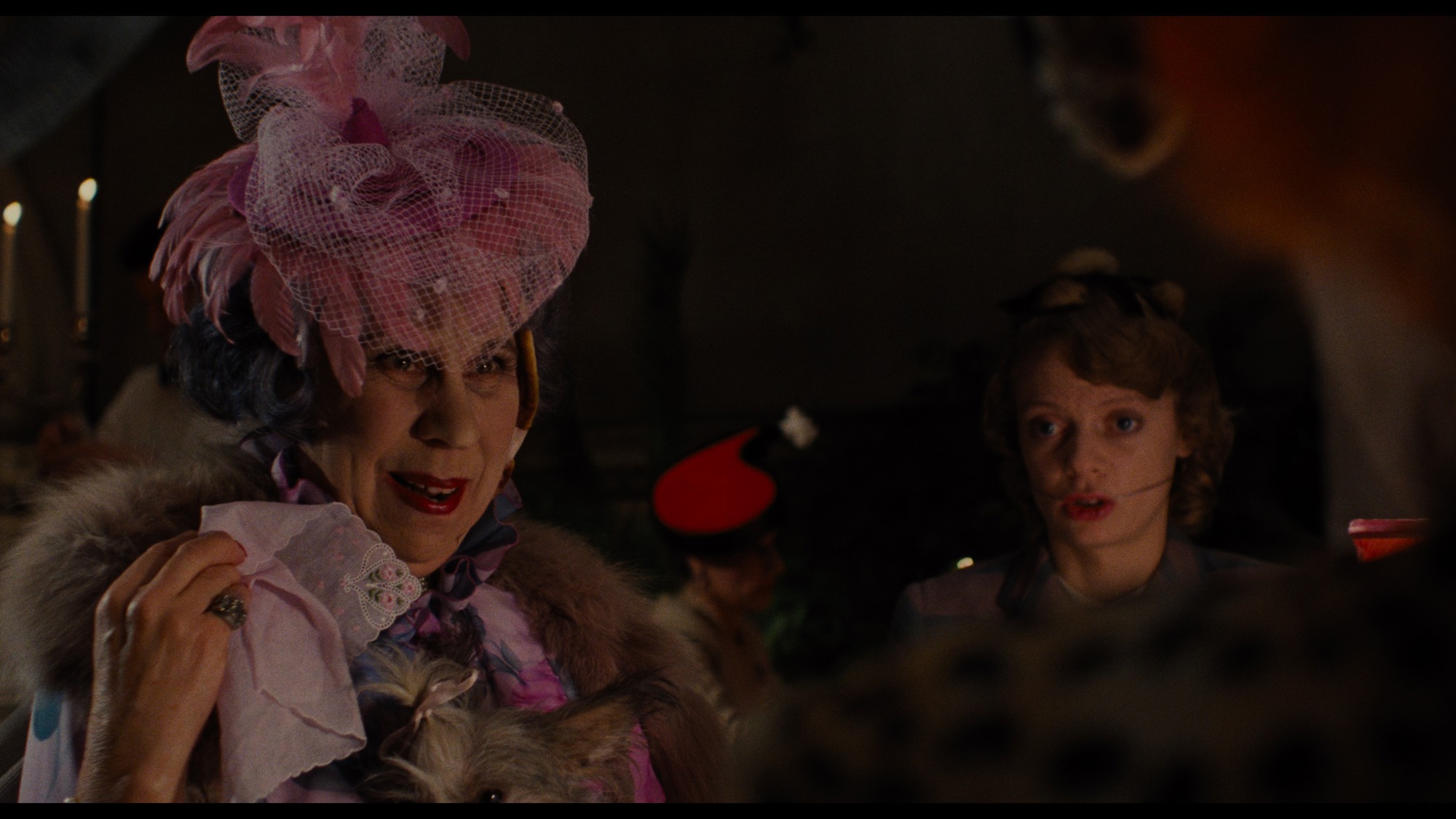
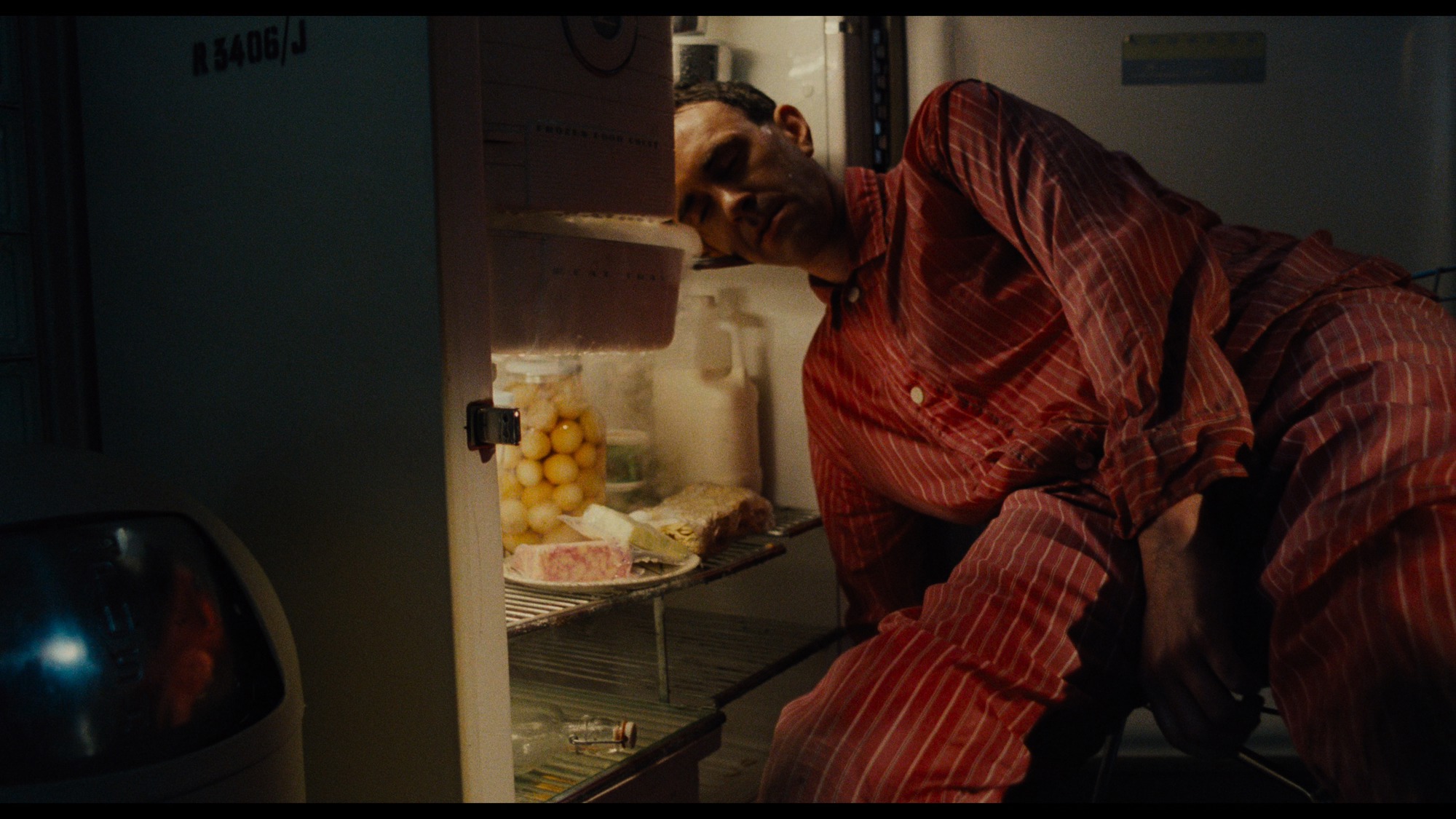
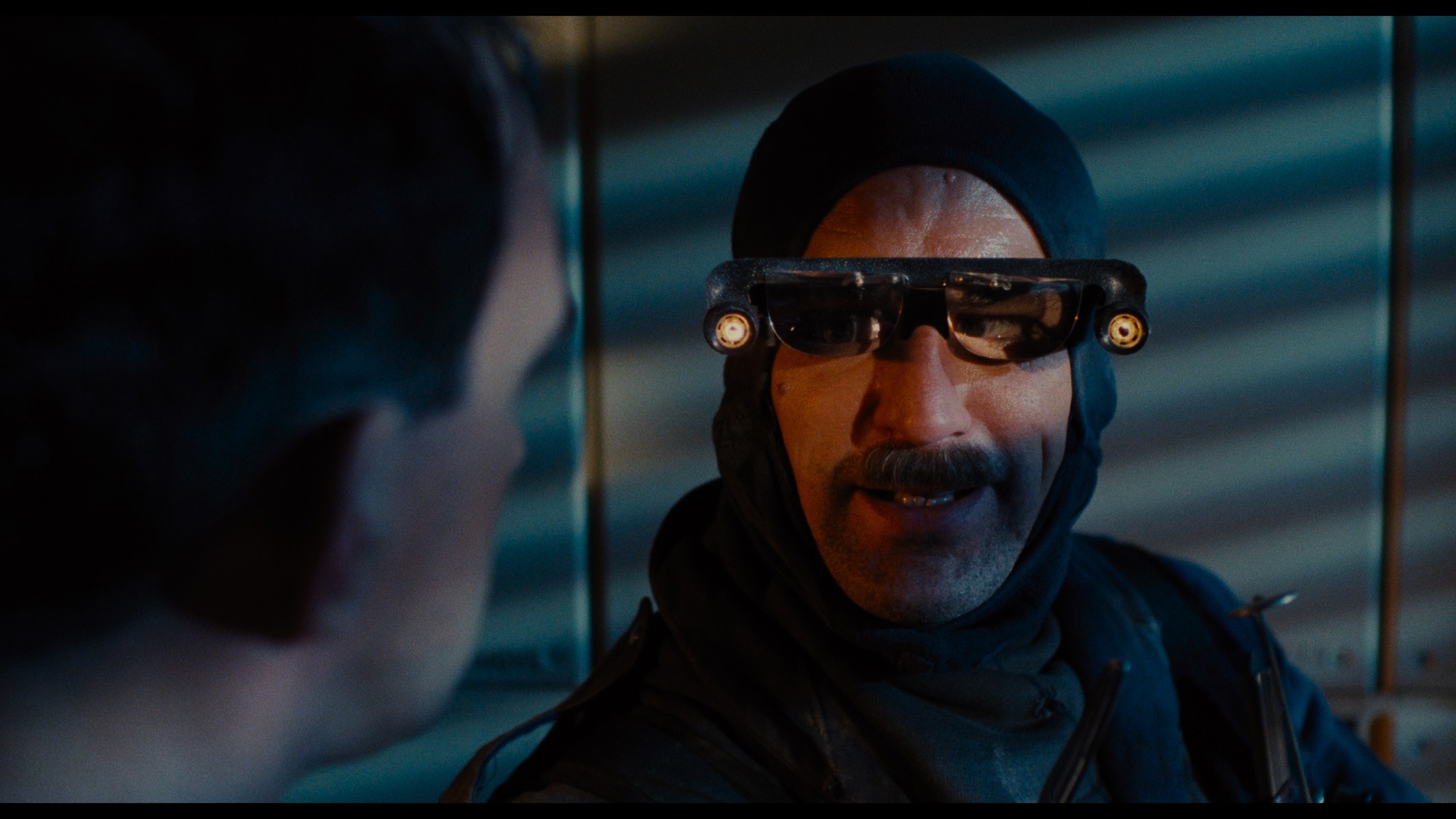
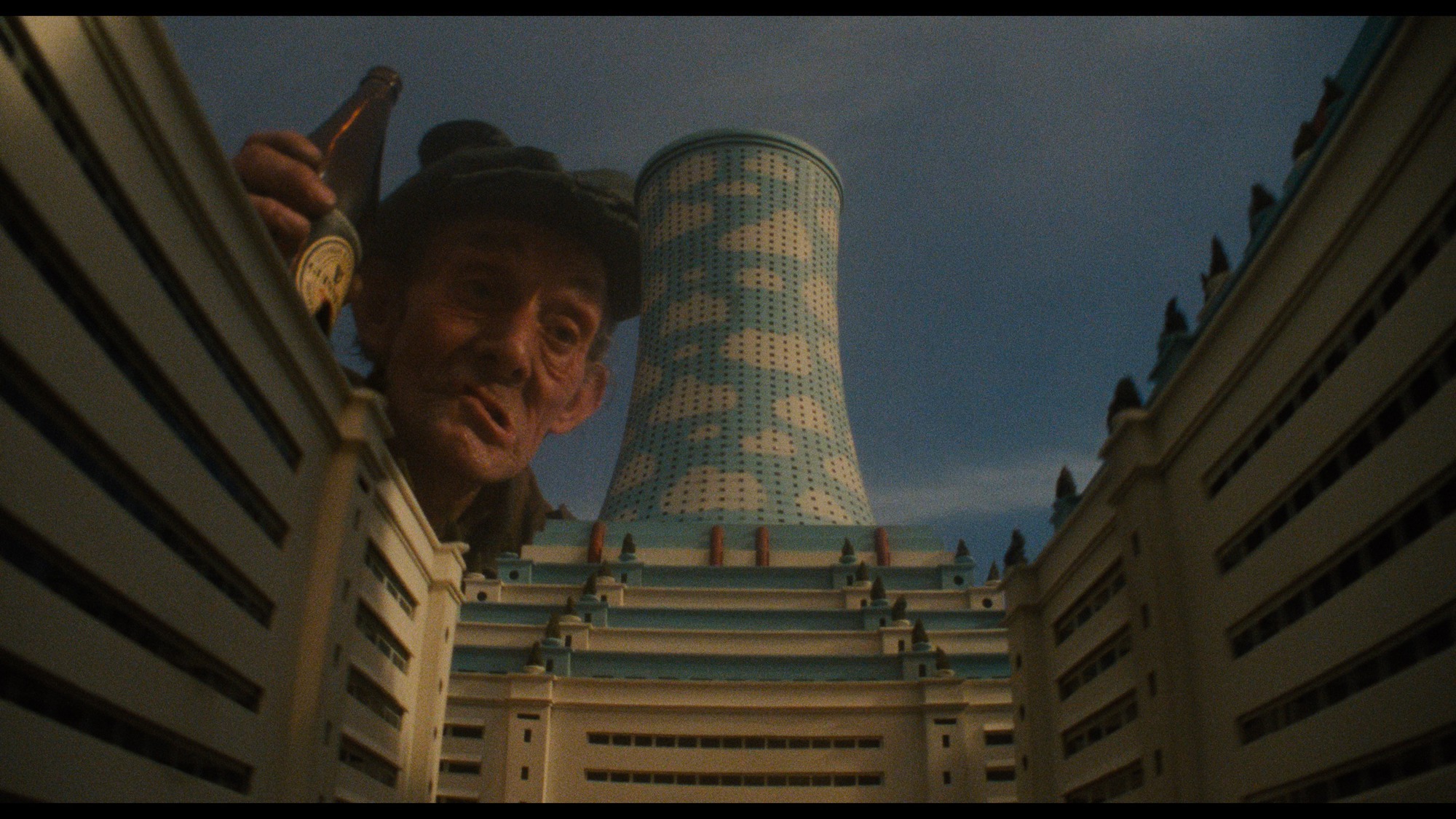
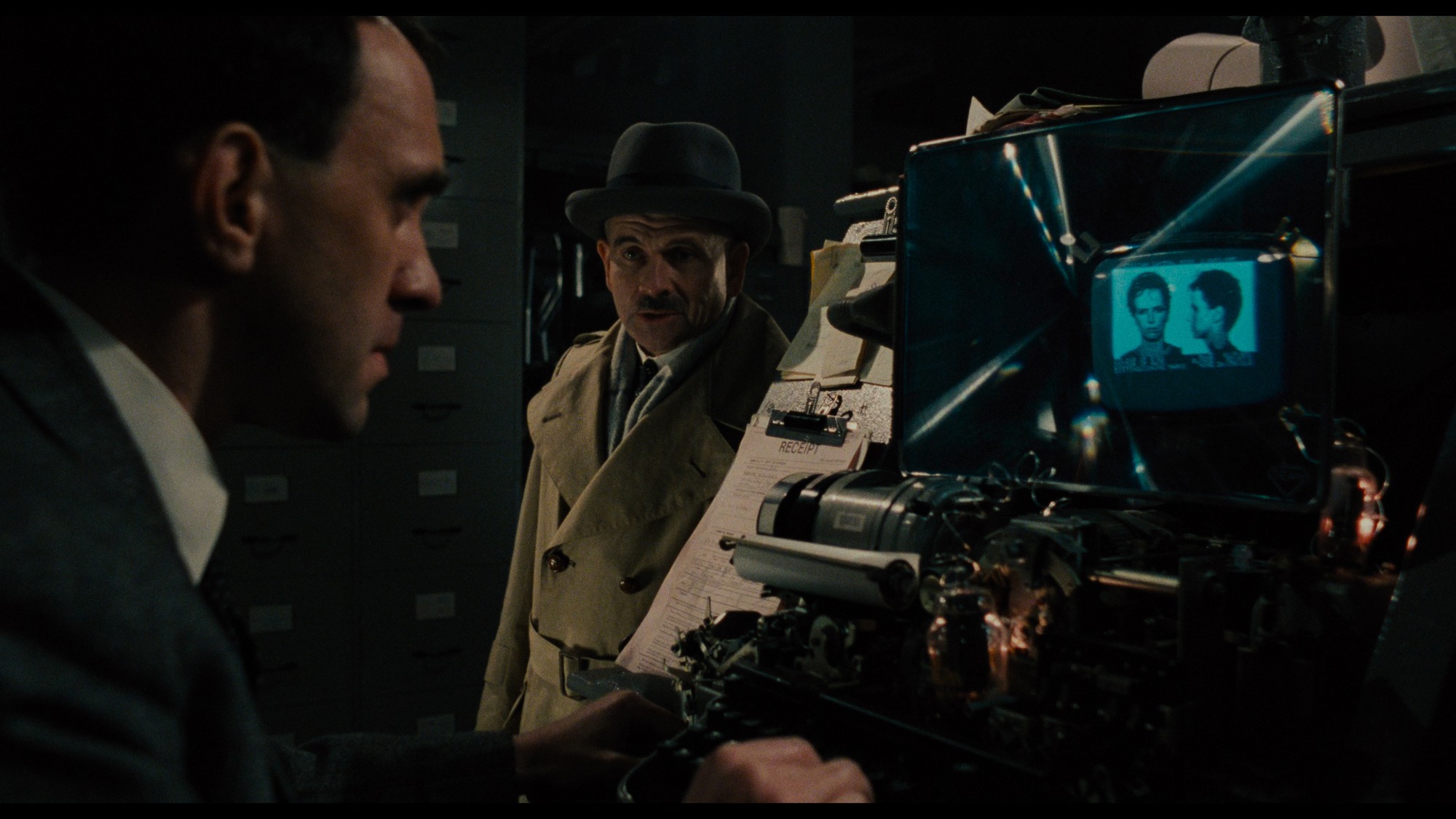
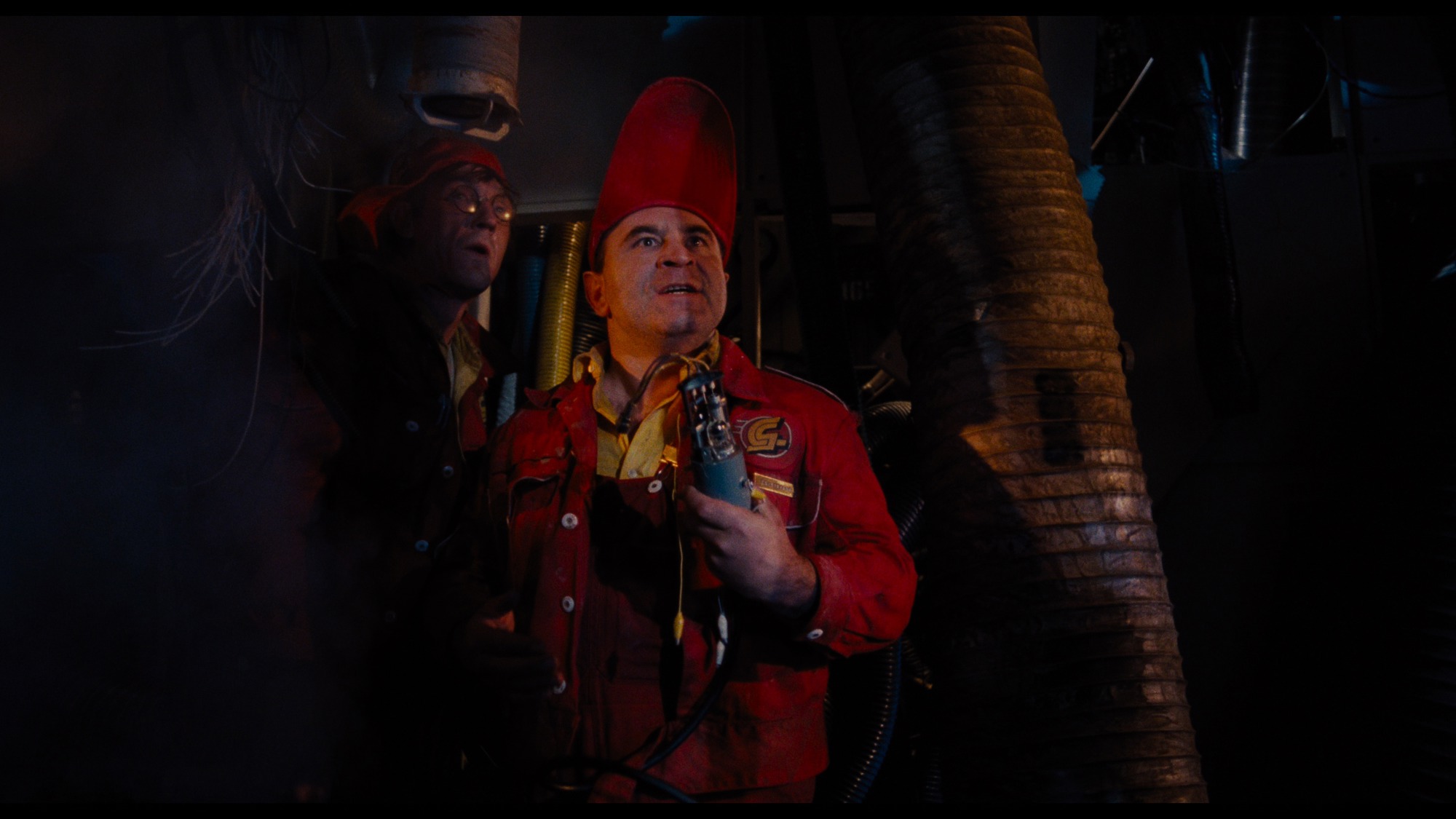
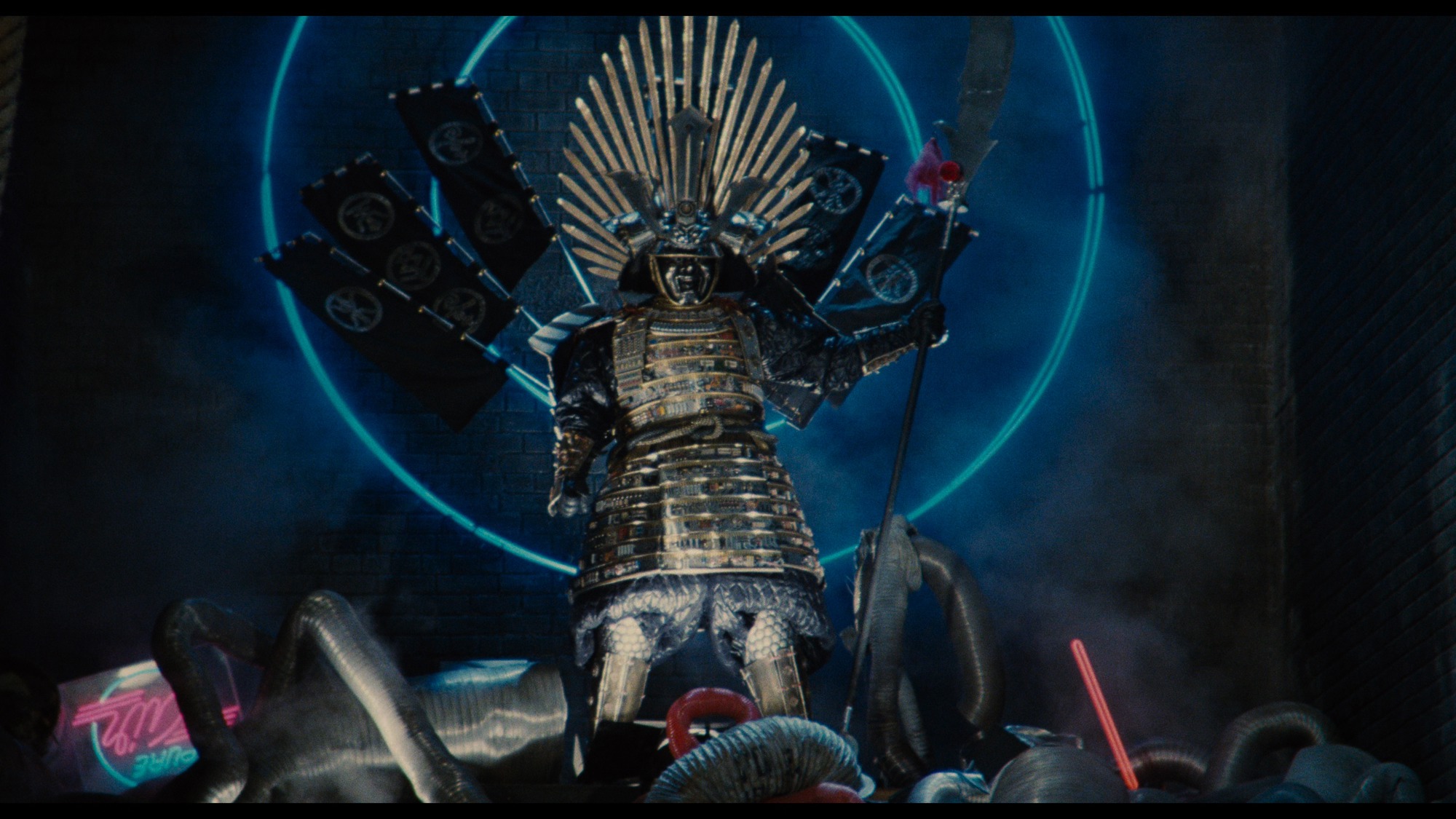
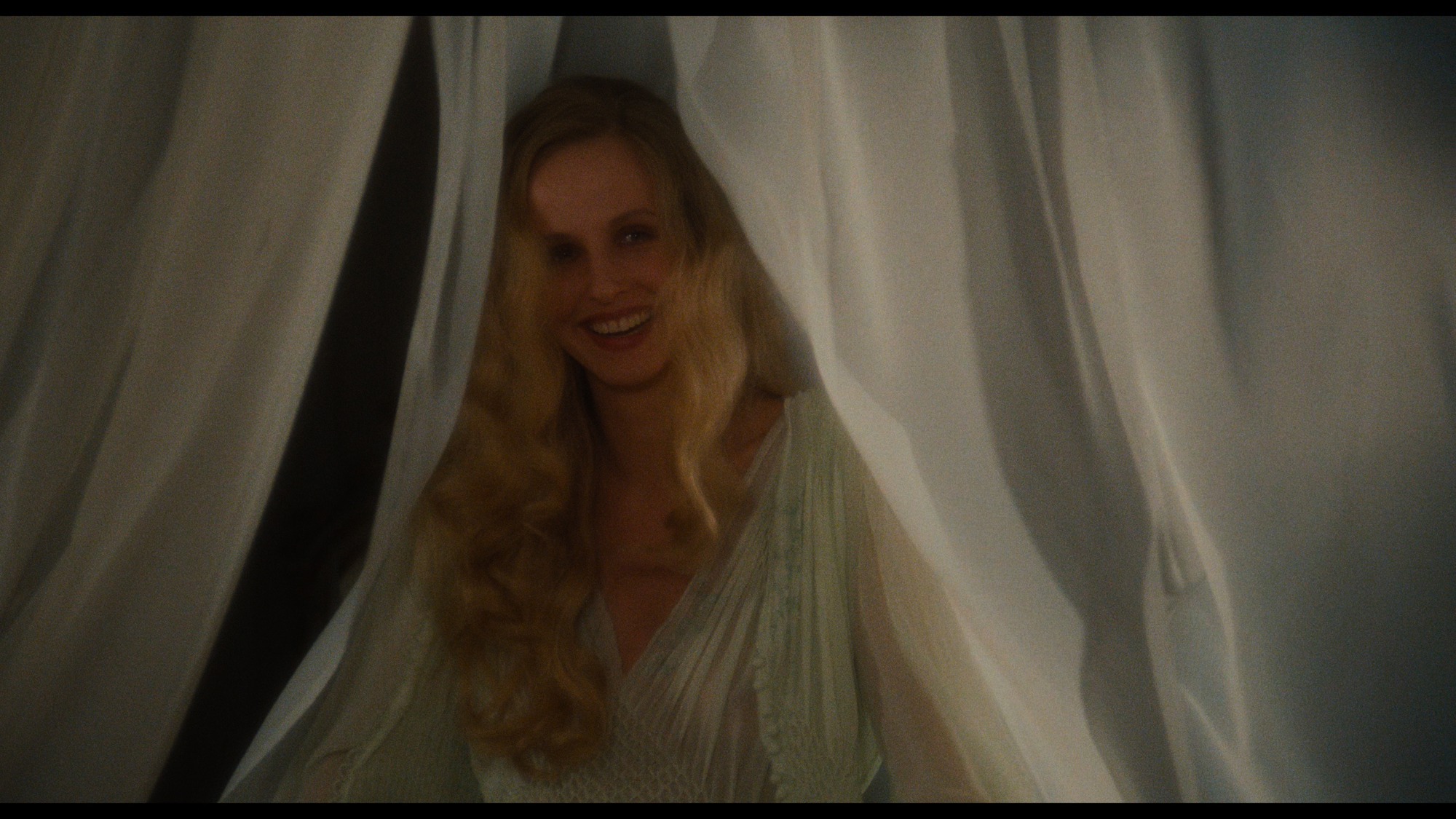
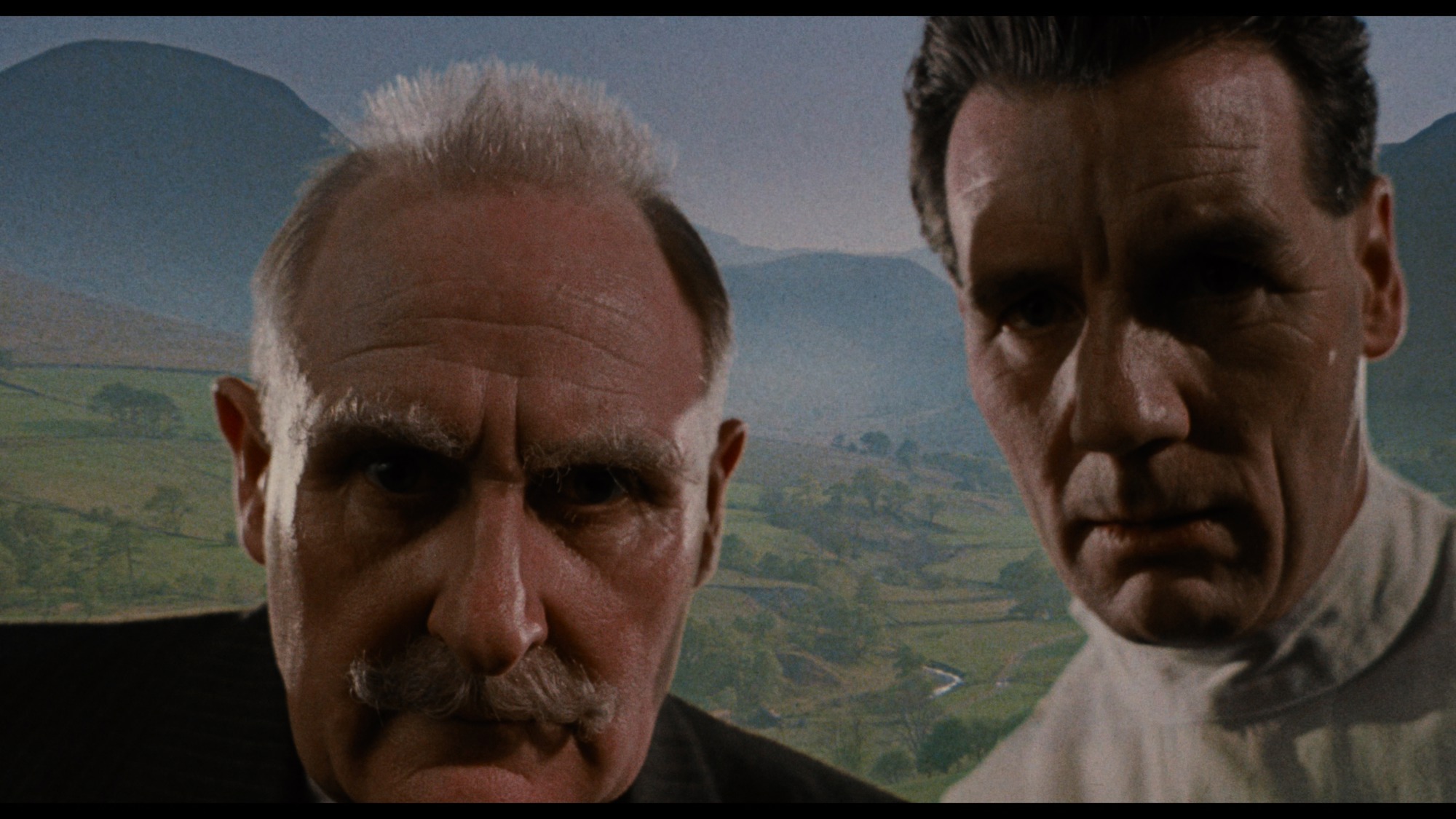
It’s a substantial upgrade over Criterion’s previous Blu-ray edition, which reused a dated master likely created for the 2006 DVD. The image now has a far more natural, film-like texture, with a finer, more stable grain structure and dramatically improved clarity. The print itself is pristine (with only those optical shots looking a little off, as expected), and the presentation is razor sharp, easily the crispest the film has ever looked on home video. The production design, which has always looked great, becomes even more intricate and immersive here, with fine background details and textures now popping out in a way they just never could before. A great example is the giant samurai from Sam’s recurring nightmares: Gilliam had mentioned in the commentary that circuit boards had been incorporated into the costume, but this marks the first time those details are more obvious without really looking.
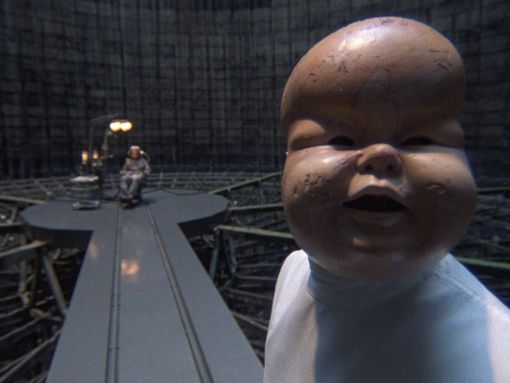
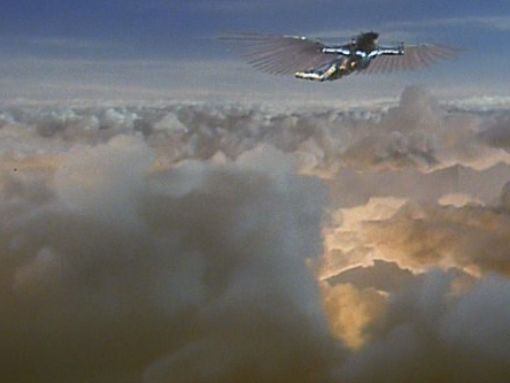
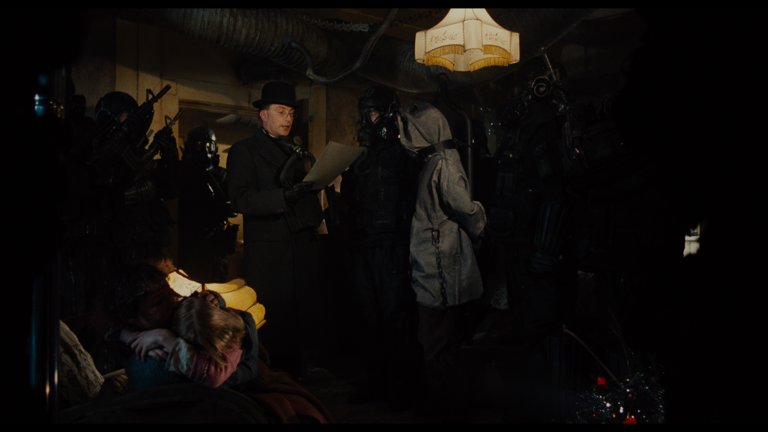
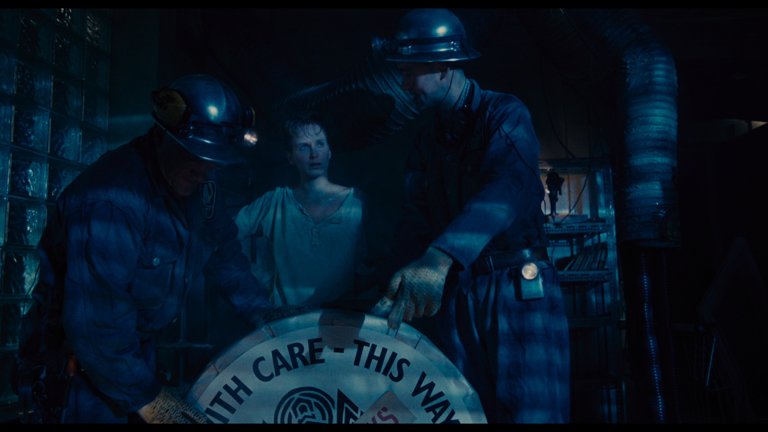
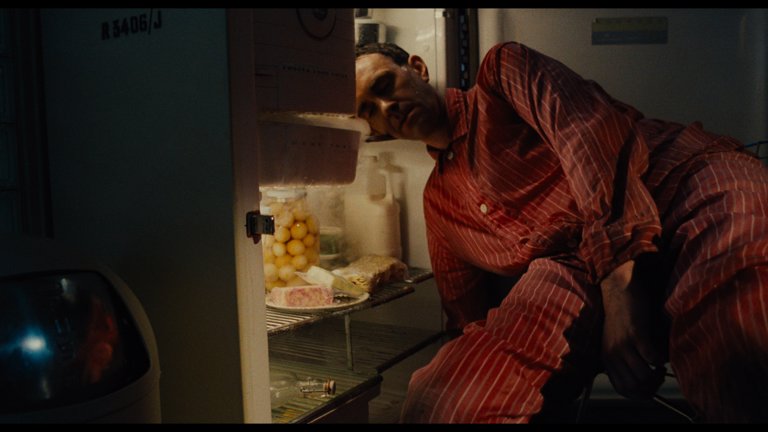
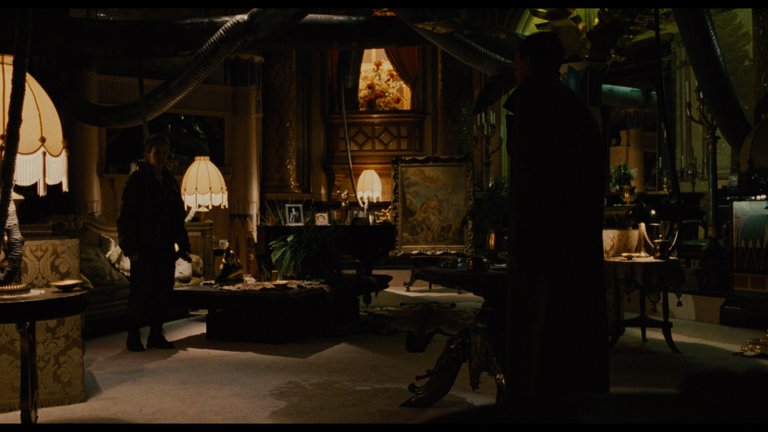
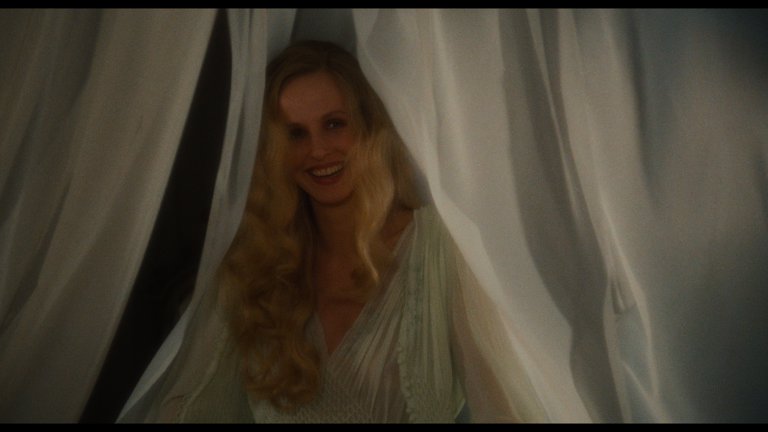
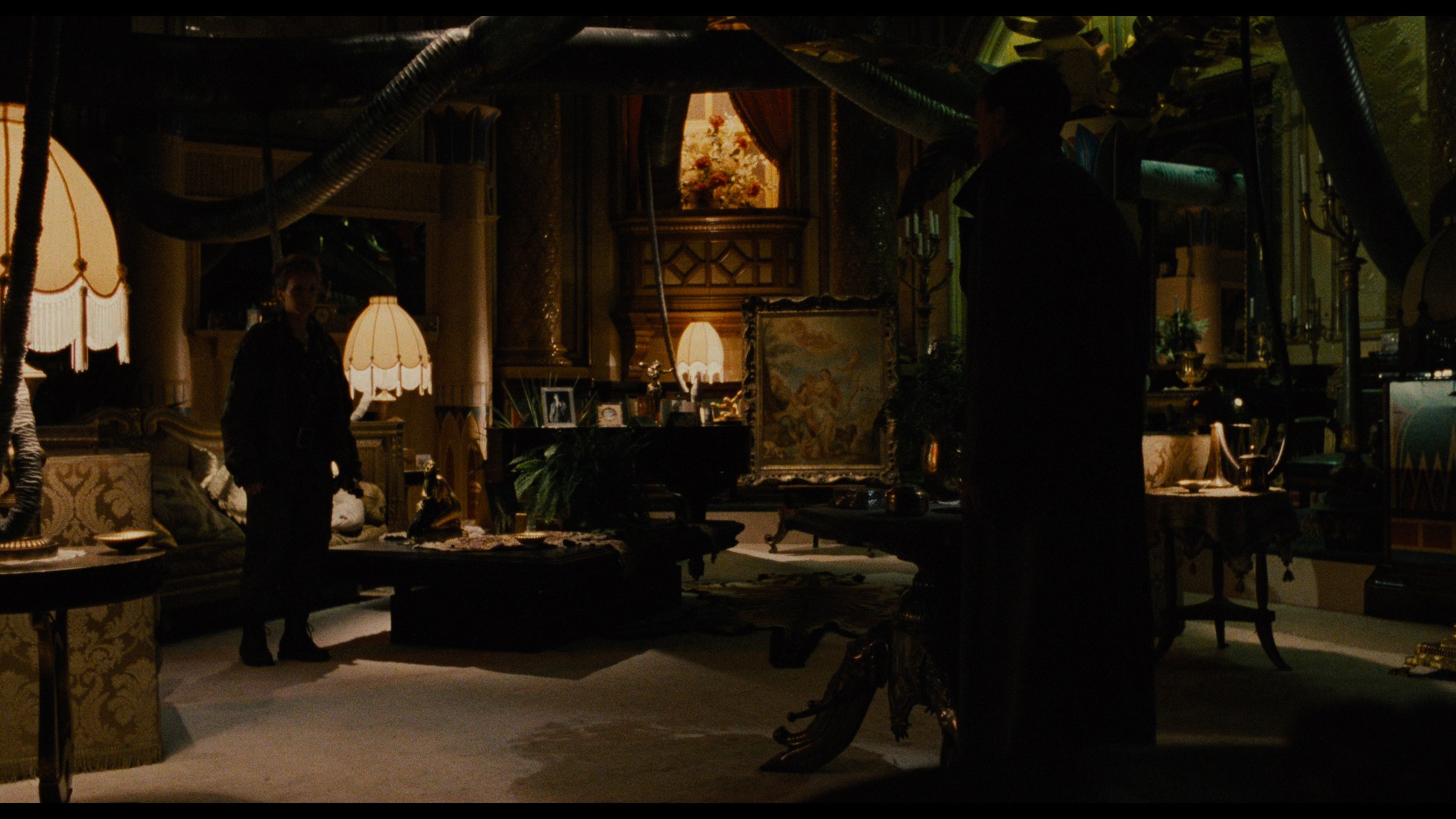
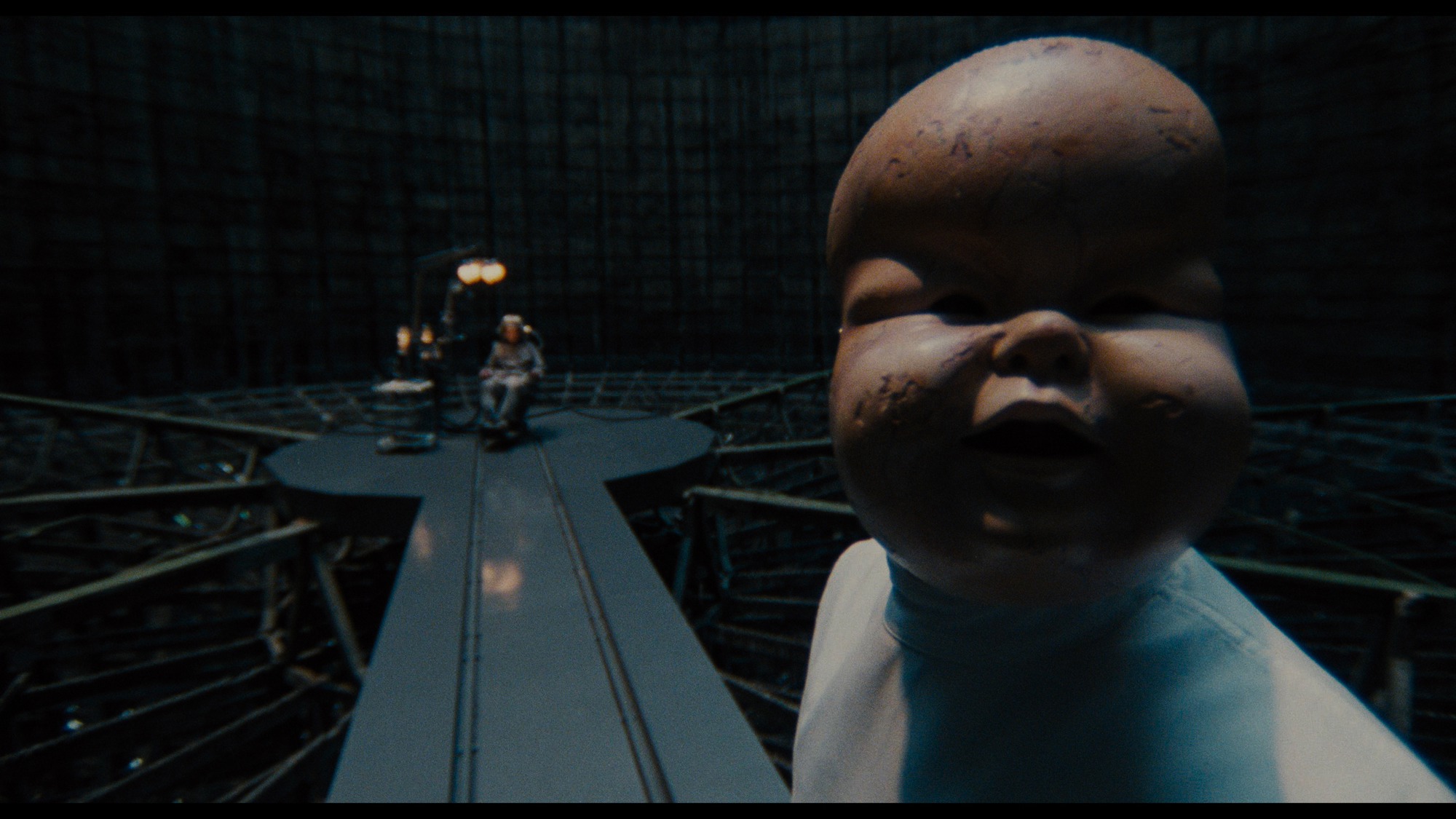
The colors do differ. The previous master leaned warm, pushing reds and generally appearing a touch too bright, clearly made with older televisions in mind. Though the film has always had a flat look it pushes much cooler here with a more apparent greenish-blue tint. This does lead to darker tones with a colder, more metallic palette, though that ends up enhancing the film’s bureaucratic dystopia perfectly. It gives the image a steely edge, with Dolby Vision really pushing this more. Shadows are deeper and more atmospheric, particularly in scenes like Lowry’s apartment after the ducts have been ripped out, or in the dream sequences, which look far richer, especially with how cleanly some of the smoke and fog effects are now rendered. Black levels and shadow gradation are especially impressive in the film’s climax within the torture chamber, which looks outstanding.
Highlights can look a little blown at times, clipping details. Still, it’s a negligible flaw in what is otherwise a striking upgrade. This is, without question, the sharpest, cleanest, and most film-like Brazil has looked on home video to date.
Audio 8/10
The film once again comes with a DTS-HD MA 2.0 surround soundtrack, newly restored. While the differences over previous editions aren’t drastic, I did find this one a bit more pleasing overall. The range feels slightly wider and more defined, with background effects, like the whirs of machinery or the bleeps of the futuristic-yet-outdated computer tech, coming through with a bit more presence. Dialogue is sharper and easier to make out, and Michael Kamen’s score benefits from the improved fidelity, building beautifully within the surround environment. It’s a subtle but decent step up.
Extras 9/10
The two Blu-rays included in this new 4K edition are exact replicas of the discs found in Criterion’s 2012 Blu-ray release, carrying over all of the same material. That’s perfectly fine, though, since this still stands as one of Criterion’s most impressively thorough sets of supplements.
First up (found on both the 4K disc and the first Blu-ray) is Terry Gilliam’s audio commentary, originally recorded in 1996 for Criterion’s LaserDisc. As usual, Gilliam is energized and opinionated, offering a wide-ranging discussion about the development of Brazil, from its earliest concepts to its final cut. He shares production anecdotes, talks about getting specific actors onboard (including De Niro, whose presence in this film has always been rather wild to me), and reflects on the film’s legacy. He only briefly touches on the battle surrounding its U.S. release, saving most of that for a separate documentary on the set. Still, it’s a dense and entertaining commentary, lively throughout and packed with detail.
The remaining supplements are located on the third disc, a dual-layer Blu-ray. It starts with What is Brazil?, a 29-minute behind-the-scenes documentary by Rob Hedden, shot during production. It features interviews with Gilliam, Tom Stoppard, Michael Palin, Katherine Helmond, Jonathan Pryce, Charles McKeown, and others. The participants discuss the film’s themes and aesthetic while the doc provides a generous amount of on-set footage, including effects work, set construction, and a look at location shooting (such as the Croydon cooling towers used for the finale). Of particular note is the mention of the abandoned “Eyeball Sequence,” a dropped idea explained with concept material. Though originally conceived as a promotional featurette, this ends up being more informative than most and well worth watching.
A section titled The Production Notebook gathers various featurettes and galleries related to the film’s production. The original 3-disc DVD featured a similar section comprised largely of text, image galleries, and video clips ported from the LaserDisc. For the 2012 Blu-ray release, Criterion reworked it, stripping out much of the text but keeping (and in some cases upgrading) the video-based content. While this was a welcome streamlining overall, a bit of material did get lost in the process.
The first item is We’re All in It Together: The Brazil Screenwriters. On DVD, this was a detailed gallery with script scans, storyboards, and text notes paired with interview excerpts from Gilliam, Stoppard, and McKeown. Here, it’s been trimmed down to a 10-minute video piece featuring the same interviews. The trio recounts the development process, which began with a draft written solely by Gilliam, leading to some creative tension, most of which sound to have been around jokes. Stoppard took issue with how closely the final film resembled 1984, only to learn later Gilliam had never read the book (and Gilliam was afraid to admit this). One notable disagreement revolved around Sam Lowry’s “My God, it works!” line in the American version, which Gilliam apparently removed, reinserted, and then removed again for the Final Cut (this line is in the "Love Coquers All Version" that has been included as an extra on this release). While the video version is still valuable, it’s a bit of a downgrade from the text-heavy original since it ends up losing a lot of the details around the various drafts of the screenplay.
Dreams Unfulfilled: Unfilmed Brazil Storyboards presents nine sequences that were never shot, or only partially realized. These were previously offered as a gallery with notes, but here they’ve been reimagined as a 21-minute visual essay by David Morgan. It’s a smart upgrade that captures most of the material from the original and gives a strong sense of what Gilliam had envisioned.
Designing Brazil tackles the film’s production design, upgrading content from a few DVD galleries. It’s now a 21-minute visual essay (also by Morgan), combining archival audio from Gilliam and crew members with images, design materials, and clips. It explores everything from costumes to letterheads, propaganda signage, and the film’s color scheme. While some of the original dense text content didn’t make the jump, Morgan does an admirable job condensing the material without losing too much substance.
Flights of Fantasy: Brazil’s Special Effects is another Morgan essay, this one 9 minutes long, that focuses on the film’s effects work, from model shots to optical tricks. Using behind-the-scenes photos and interview audio, it consolidates several pieces from the original DVD while also offering some new material. This ends up being one of the more successful upgrades.
Fashion and Fascism: James Acheson on Brazil’s Costume Design updates a similar DVD segment with a 7-minute piece combining the original audio interview with new images. Morgan gives a short introduction before cutting off to the archival audio material with Acheson, who discusses developing the look of the film’s various characters, from Sam’s dream armor to the shoe-hat. It’s a smart and often amusing breakdown of the film’s offbeat sartorial choices, and thankfully nothing of substance was lost here.
Brazil’s Score is the same excellent 10-minute interview with Gilliam and composer Michael Kamen from the earlier release. They discuss how the song “Brazil” shaped the tone and structure of the score, with Kamen jokingly referring to it as a Bar Mitzvah tune. He details how he wove variations of the theme throughout the film, and we get glimpses at rough cuts of scenes that had placeholder music from Strauss or David Cronenberg's The Dead Zone. It’s a great look into the scoring process and it remains untouched, as it should be.
The largest and most fascinating supplement is still The Battle of Brazil: A Video History, a 54-minute 1996 documentary by Jack Mathews. It chronicles the infamous clash between Gilliam and Universal head Sid Sheinberg over the U.S. release of the film. The documentary brings together nearly everyone involved—including Gilliam, producer Arnon Milchan, and Sheinberg himself—and tracks the escalating tension that led to Gilliam’s dramatic public campaign to release his cut, including the now-famous Variety ad. It’s a riveting account of studio politics and one of Criterion’s best documentary supplements almost 30 years later.
Also included is the infamous “Love Conquers All” Version, Sheinberg’s heavily re-edited cut of the film. Running just 94 minutes, it removes most of the dream sequences, reorders scenes, and adds on a jarringly happy ending. It even features awkward insertions of explanatory material seemingly added for audiences Sheinberg assumed wouldn’t “get” the film. It’s a mess, and yet a fascinating example of how editing can reshape a film. The version is presented in 1080i/60hz, still sourced from an old broadcast tape, and has clearly been upscaled. It’s unlikely a better source exists, so this is probably the best it will ever look. An optional commentary by David Morgan, recorded in 1996, walks through the changes. While some of the edits speak for themselves, Morgan’s insights are welcome, though one can’t help but wish Gilliam had recorded a track as well (I assume he has no desire to sit through it, though).
The disc closes with the original theatrical trailer, and the included insert features David Sterritt’s essay, originally written for the Blu-ray. Jack Mathews’ earlier essay from the DVD and LaserDisc editions missing here (especially given his involvement in the documentary) is puzzling, but Sterritt’s piece is still a thoughtful read.
If there’s one disappointment, it’s that Criterion didn’t take the opportunity to revisit the packaging. The original 3-disc DVD set was one of the jewels of my collection, a big box set with individual cases for each disc, gicing it that real "ultimate edition" kinda feel. The current 3-disc Scanavo case simply doesn’t carry the same impact.
That said, this remains a definitive edition of Brazil; a densely packed set of features that makes this title still one of Criterion’s most essential releases.
Closing
Criterion’s long-overdue 4K upgrade of Brazil delivers a significant improvement in image quality over previous presentations. The supplements could use an update, but this is still one of Criterion's more impressive and comprehensive releases.
BUY AT: