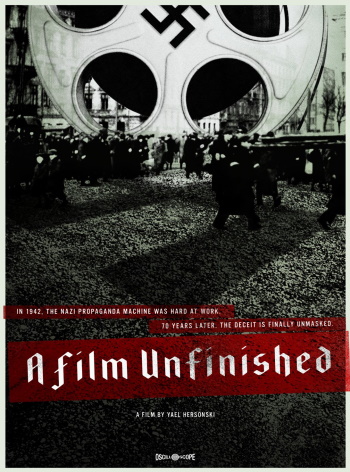
A Film Unfinished
BUY AT:


See more details, packaging, or compare
Synopsis
Using footage completely unparalleled, A FILM UNFINISHED provides new insight into the Nazi propaganda machine, further exposing an agenda already known to be deceitful beyond our greatest beliefs. At the end of WWII, 60 minutes of raw film, having sat undisturbed in an East German archive, was discovered. Shot by the Nazis in Warsaw in May 1942 and labeled simply aGhetto, a this footage quickly became a resource for historians seeking an authentic record of the Warsaw Ghetto. However, the later discovery of a long-missing reel, including multiple takes and cameramen staging scenes, complicated earlier readings of the footage. A FILM UNFINISHED presents the raw footage in its entirety, carefully noting fictionalized sequences (including a staged dinner party) falsely showing athe good lifea enjoyed by Jewish urbanites, and probing deep into the making of the now-infamous Nazi propaganda film. A film of enormous import, A FILM UNFINISHED documents some of the worst horrors of our time and exposes the efforts of its perpetrators to propel their agenda and cast it in a favorable light.
Picture 8/10
Yael Heronski’s A Film Unfinished comes to DVD from Oscilloscope Laboratories on a dual-layer DVD. The film is technically presented in the aspect ratio of 1.78:1—enhanced for widescreen televisions—though the majority of the film, which presents footage shot in the Warsaw Ghetto by the Nazi, is presented in a ratio of about 1.33:1 with black bars on the side of the screen.
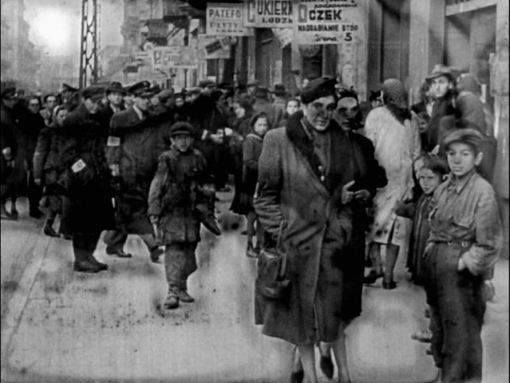
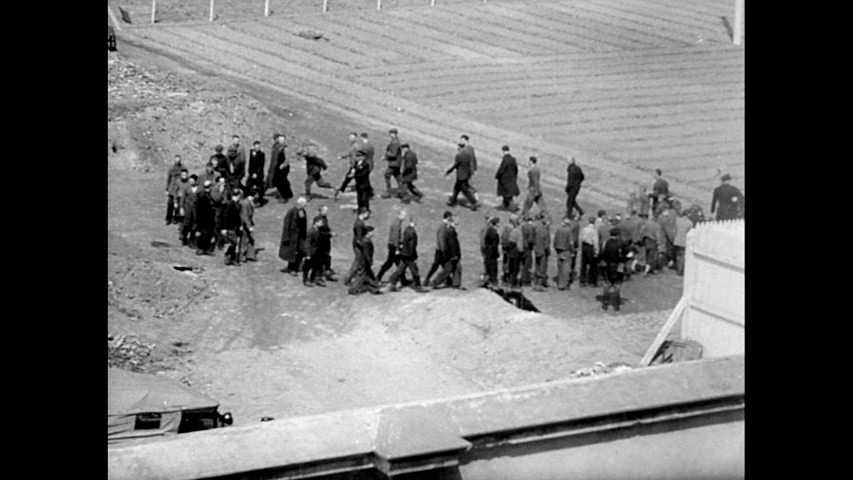
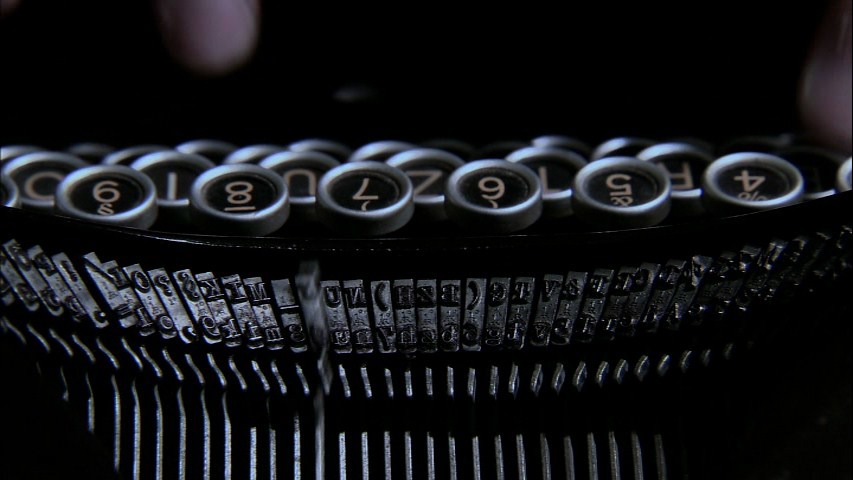
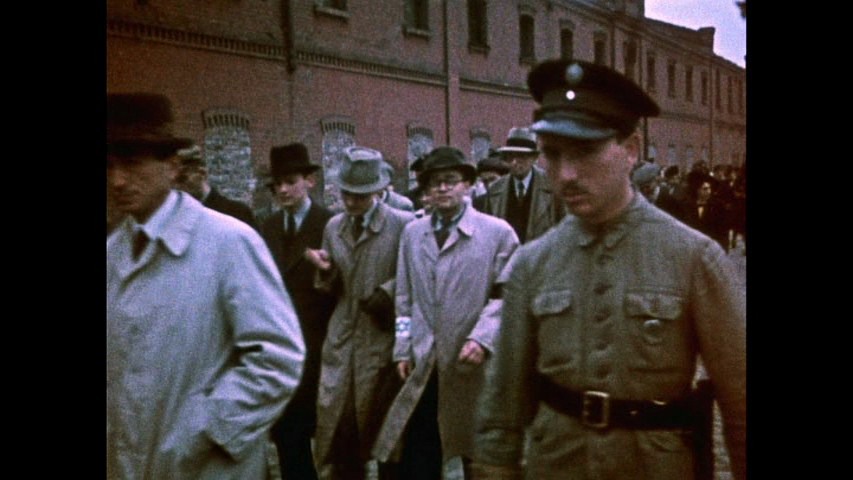
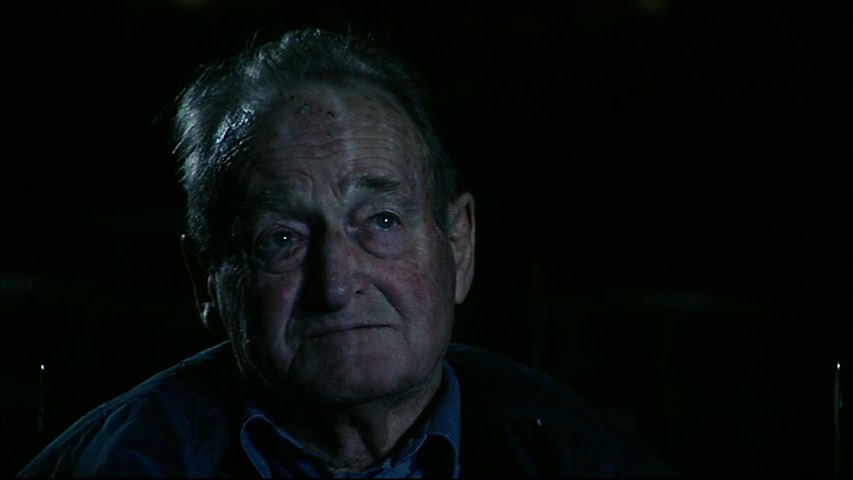
The image is a hard one to rank considering the nature of the film, but when push comes to shove the actual digital transfer found here is very strong. As I mentioned previously a good chunk of the film is made up of deteriorated black and white footage filmed by the Nazis during the latter part of WWII and the transfer presents it naturally with no artifacts and strong gray levels. This footage is edited in with footage of minor reenactments and holocaust survivors watching the film. Upscaled it looks fairly amazing and at times I actually forgot I was watching a DVD. Artifacts aren’t noticeable and I didn’t notice any significant problems.
The newer footage looks to be digital so it presents no problems in the source. I feel it’s kind of pointless to even talk about the footage from the Nazi film but since it makes up a majority of this documentary I will mention that even though it has its issues with damage including marks, scratches and chemical stains, it’s held up pretty well over all and I’ll leave that up to you as to whether that’s a good thing or not
In all, despite the nature and limitations of the film the digital transfer comes off looking rather stunning. An impressive presentation.
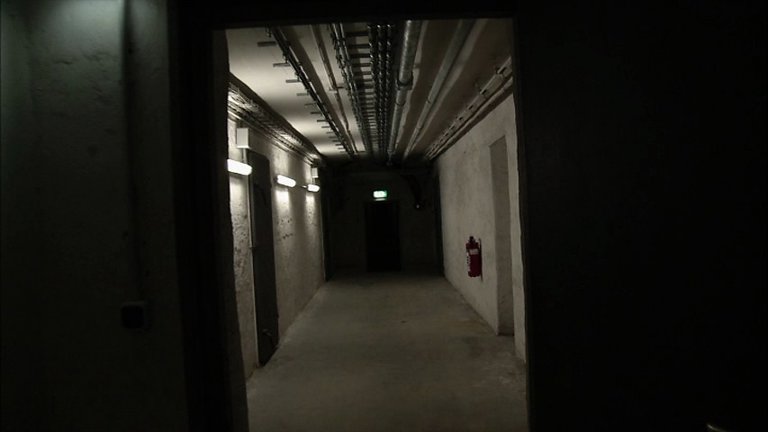
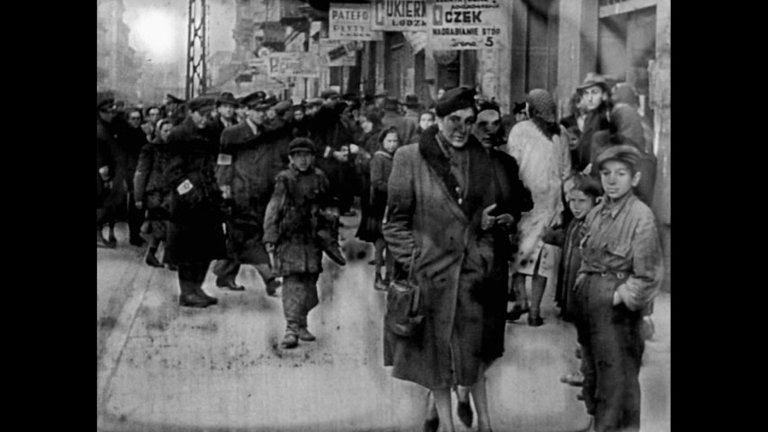
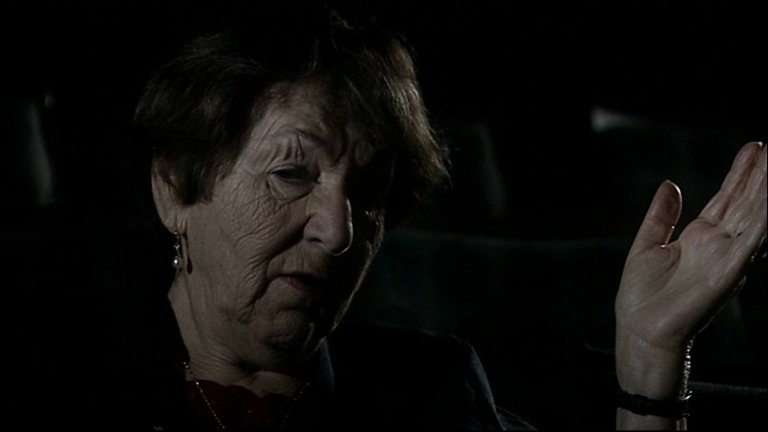
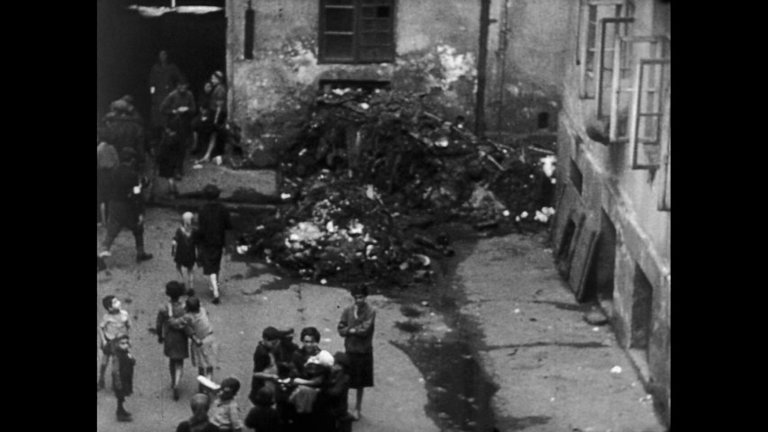
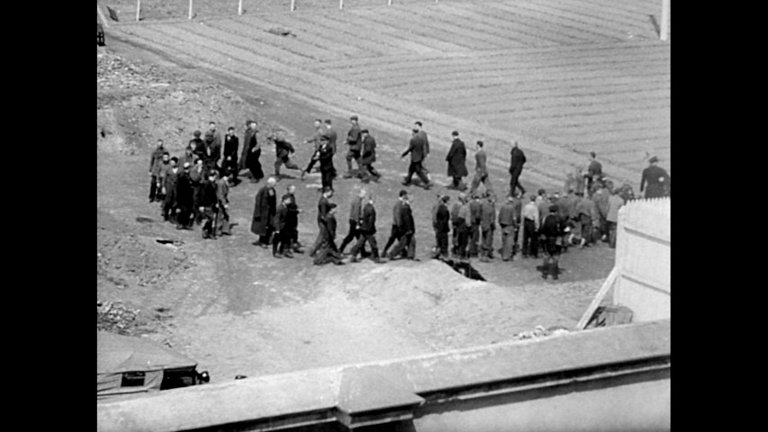
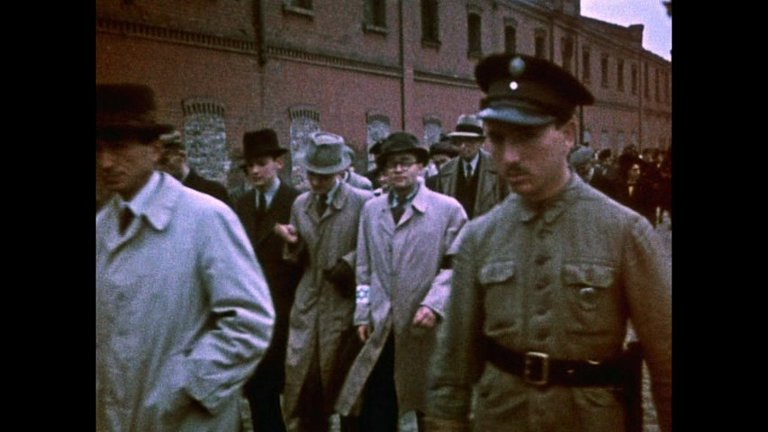
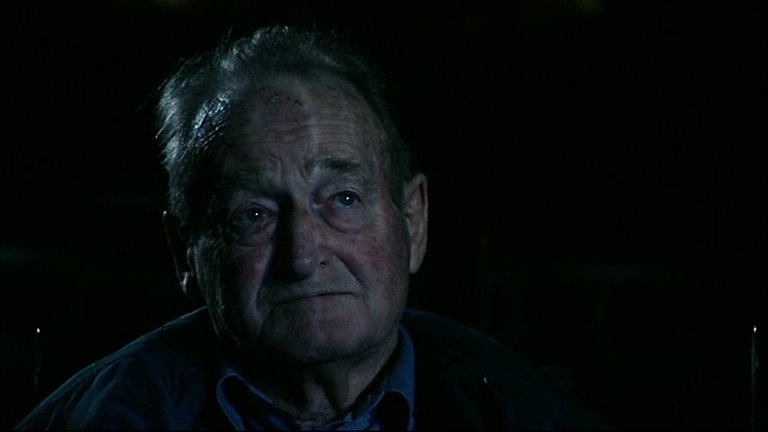
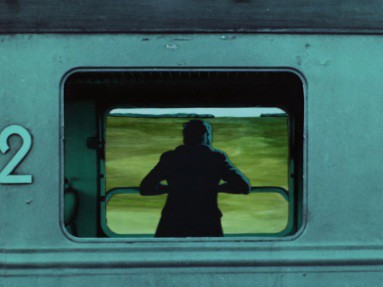
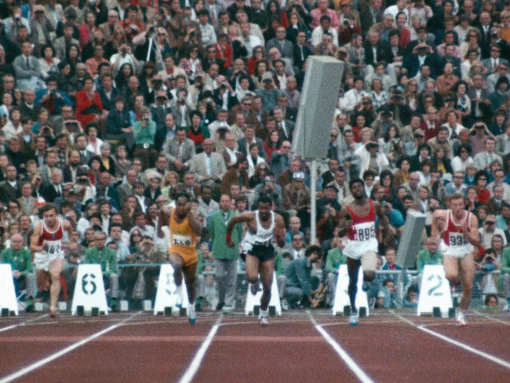
A Film Unfinished - Screen Captures
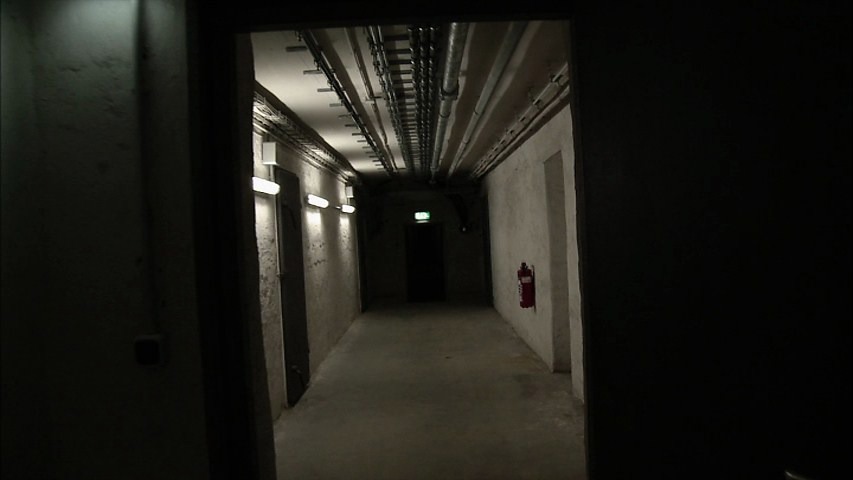
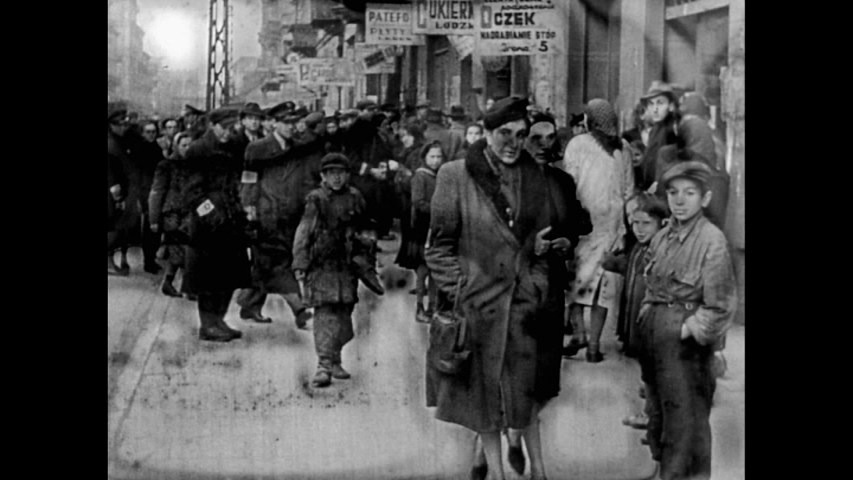
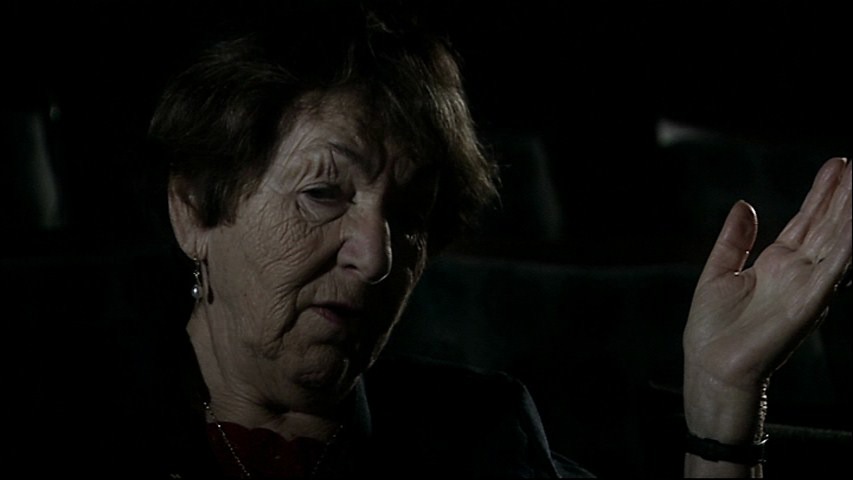
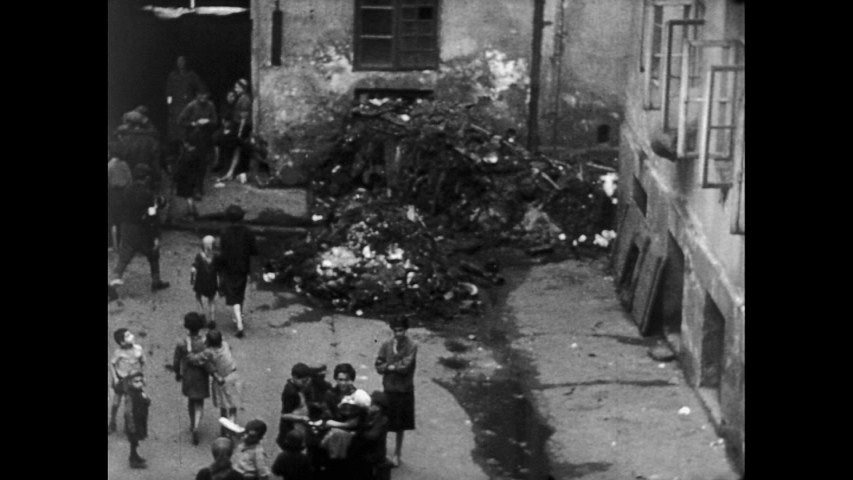
Audio 7/10
The film comes with a simple stereo track that is clear and clean, presenting sharp music and clear dialogue, suiting the nature of the film perfectly.
Extras 6/10
The disc comes with a few supplements starting with a 15-minute interview with Adrian Wood, a scholar who has been looking through archives of footage shot by the Nazis over decades by the sounds of it and here he talks about finding the footage used for A Film Unfinished and sharing stories behind them. Wood is incredibly dry but he has some interesting stories and his observations about this type of footage and the differences between actual documentaries and propaganda and the very fine line between them are welcome insights.
The next interview is short, not even 4-minutes, featuring Michael Berenbaum on A Film Unfinished and its importance, specifically the fact it has survivors watching the unfinished Nazi propaganda film and recalling their memories (there are quite a few moments in the film where survivors see someone they recognize and talk about them.) Not sure if it was a necessary inclusion but here it is for those concerned.
The final feature on here is possibly the hardest one to get through, yet it’s a strong inclusion. Oscilloscope Laboratories include a film made for the U.S. War Department in 1945 by Billy Wilder, called Death Mills, documenting the Allied forces liberating the concentration camps at the end of WWII, and recording the gruesome discoveries they made. It’s only 21-minutes but it may be one of the rougher 21-minutes I’ve ever had to sit through. It shows the liberation of the camps and the horrifying conditions of the survivors but then moves on to the “horrors hard to believe” that awaited the Allies. There’s footage of the torture chambers, the ovens, and the gas chambers, and there’s also recreations of a couple of the torture techniques the Nazis used on their prisoners. But what will be gut-wrenching to most viewers is the endless footage of bodies piled up everywhere in these camps, and you can see the horror and sheer disbelief on the faces of the officers touring the facilities. It was hard to watch and Wilder doesn’t make it easy, as he shouldn’t, but I must admit that the temptation to turn it off was there. The final portion is pretty powerful, where he next presents footage of German citizens being forced to walk to the camps to see what their leaders had been doing. Footage capturing the journey there shows people smiling, enjoying the day, and having a decent time. This of course all changes once everyone sees just what awaits them at the camps. I’m happy with its inclusion but it’s definitely not something that’s going to be easy to watch as it is incredibly graphic and doesn’t pull any punches in the least.
In an interesting inclusion, Oscilloscope Labs includes a Study Guide on a PDF file on the disc that you can access through your computer. It’s a 12-page guide aimed at educators, presenting a few essays, some resources, and topics for discussion. Though it’s an excellent teaching resource, everyone else who isn’t an educator will still find some interesting material in here.
Finally there is a short essay on A Film Unfinished by Annette Insdorf found printed inside the set.
Not packed but the supplements are effective.
Closing
An excellent documentary receives a rather surprising DVD presentation, presenting a sharp and pleasing transfer. Though the supplements are slim, the inclusion of Wilder’s Death Mills was a thoughtful and excellent inclusion. The release coms highly recommended.
BUY AT: