Basquiat

BUY AT:


See more details, packaging, or compare
Synopsis
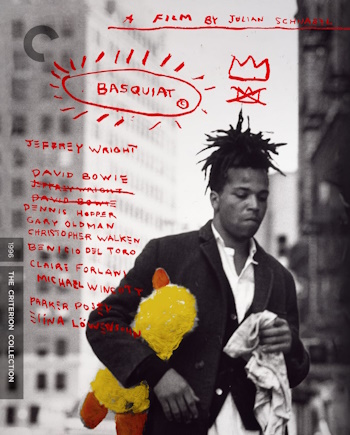
Julian Schnabel’s tribute to his friend and fellow painter Jean-Michel Basquiat is less a conventional biopic than an impressionistic, sensory immersion into the much-mythologized downtown-Manhattan art world of the 1980s. Jeffrey Wright, in his first lead film role, stars as the visionary artist whose rise from graffiti tagger to art star forces him to confront the glare of sudden fame, along with racism, his own struggles with addiction, and the difficulties of being self-determining and free in America. Bolstered by an ensemble cast that includes a sublime performance by David Bowie channeling Andy Warhol, Schnabel’s directorial debut—presented here in the filmmaker’s own luminous black-and-white remastering—is a profoundly expressive elegy for a radiant life cut short.
Picture 8/10
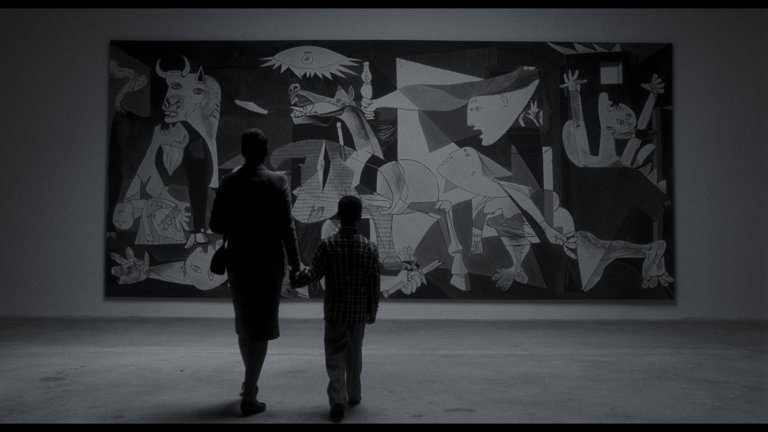
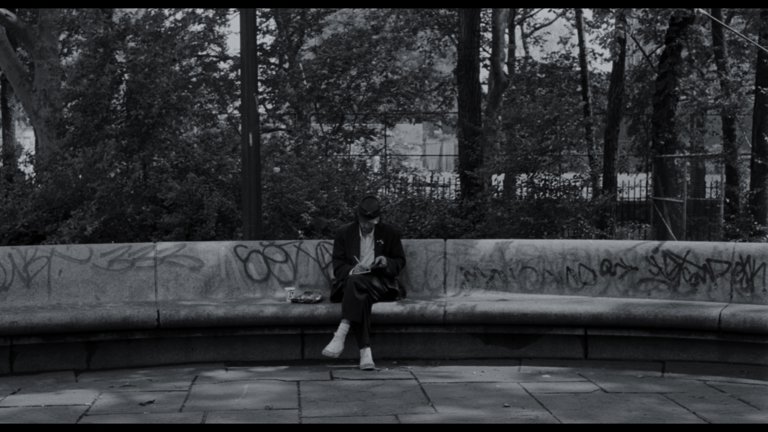
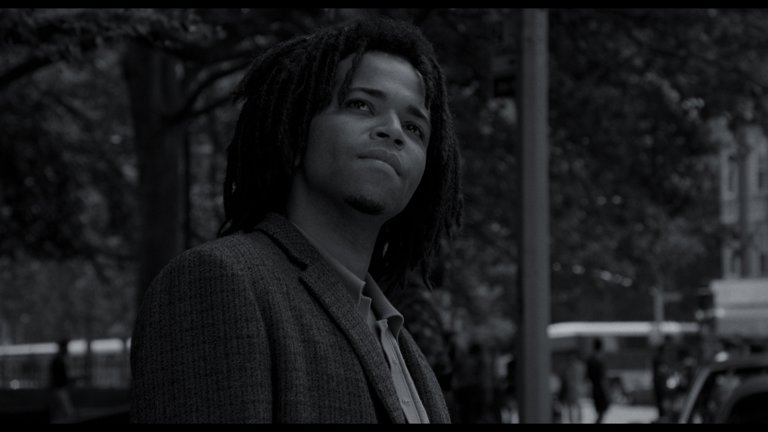
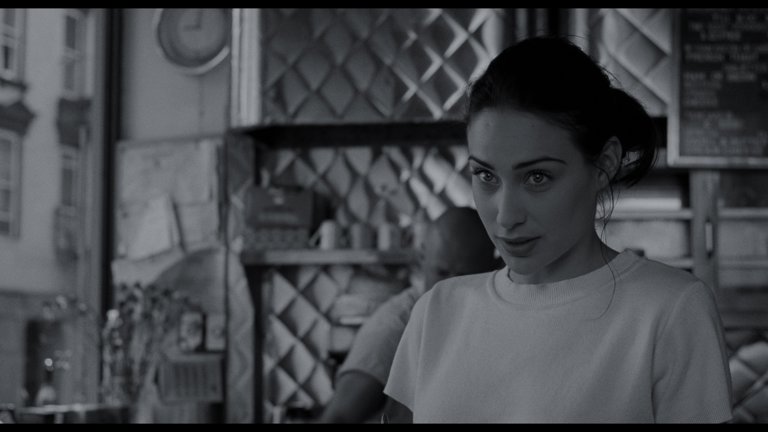
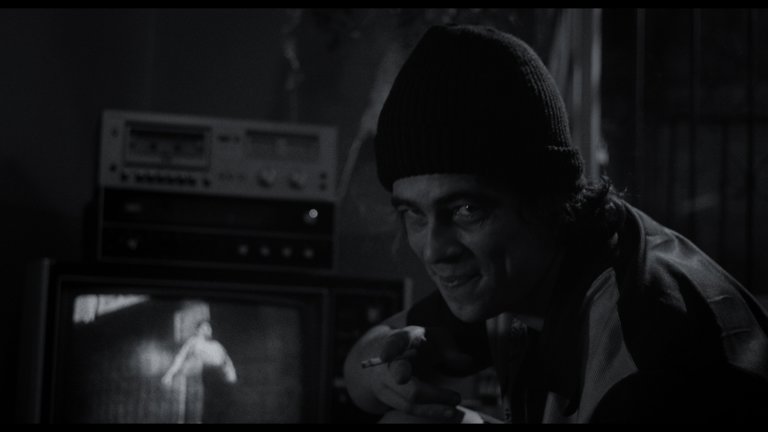
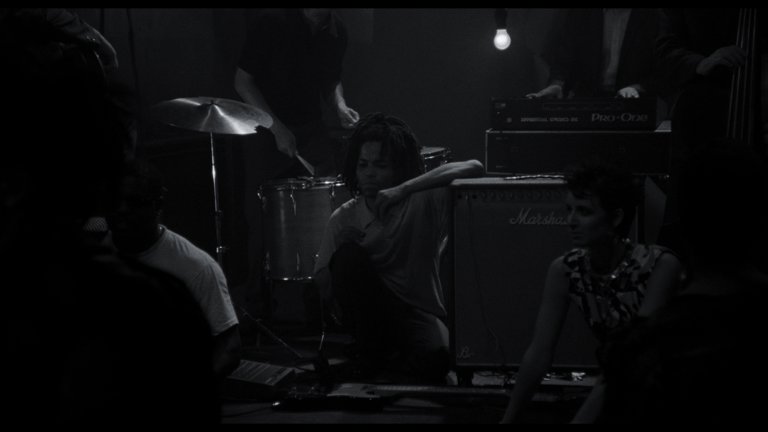
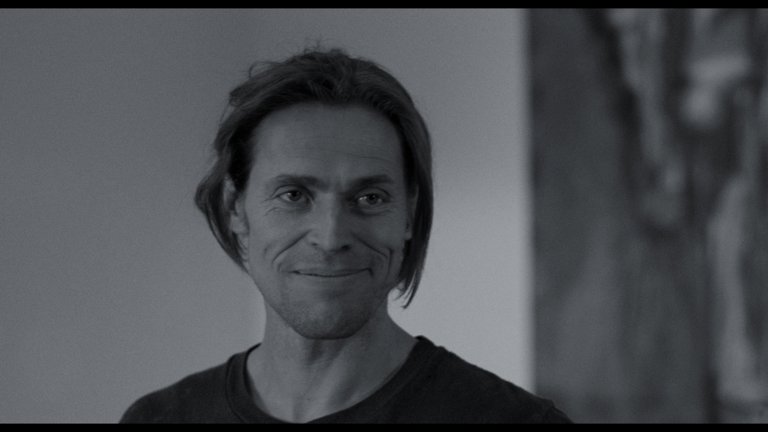
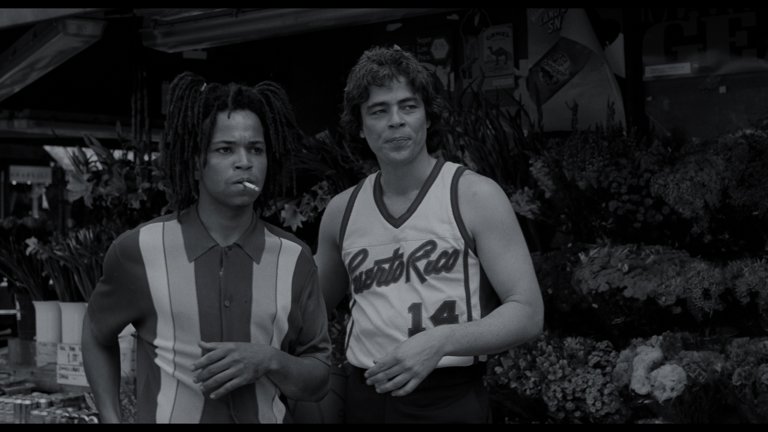
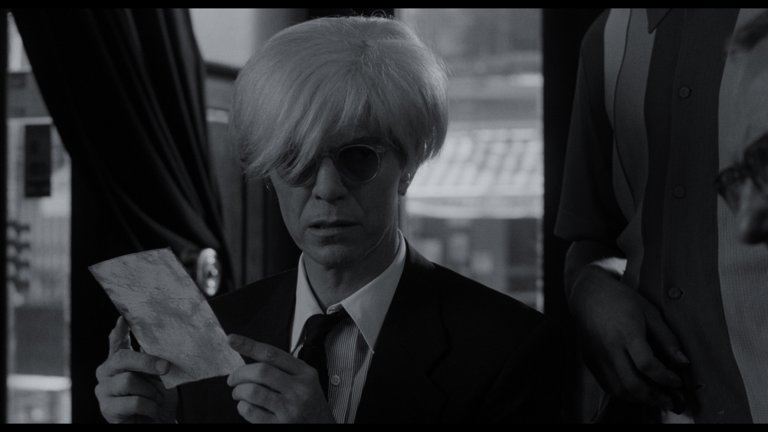
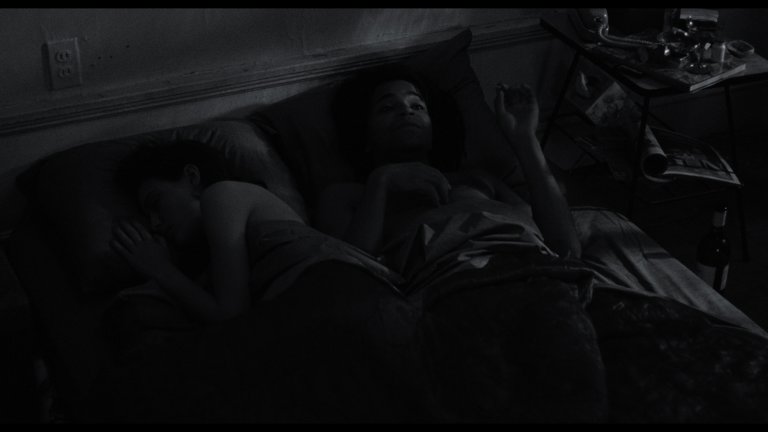
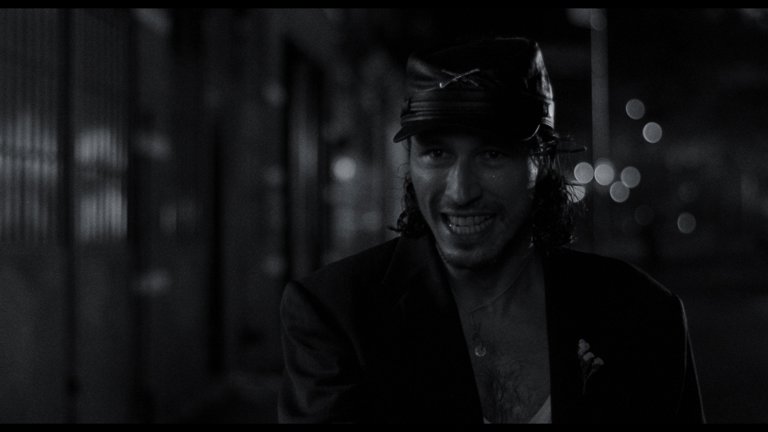
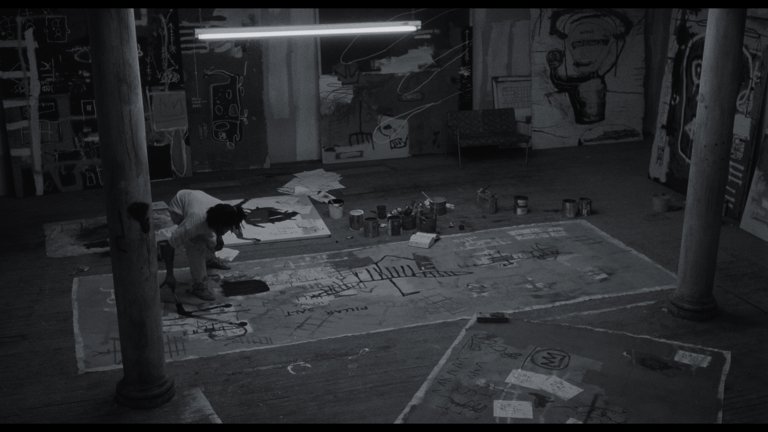
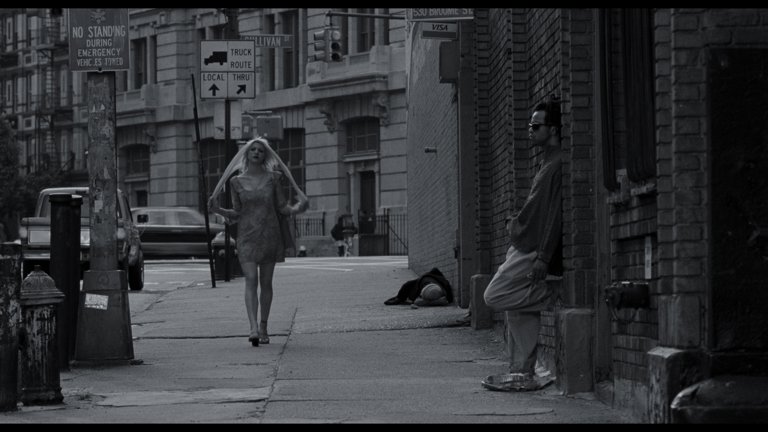
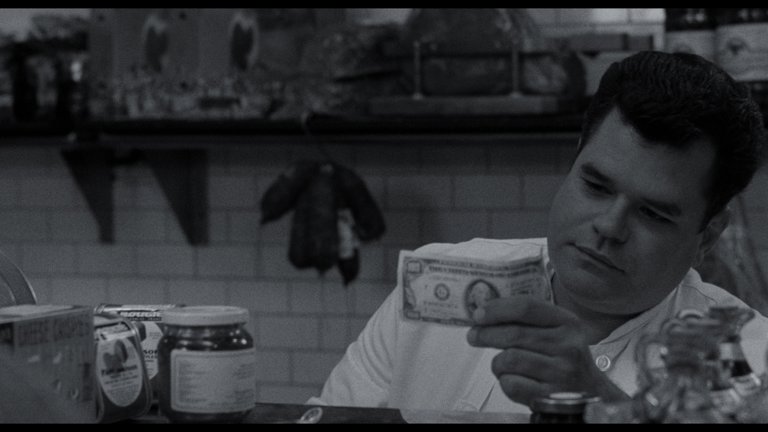
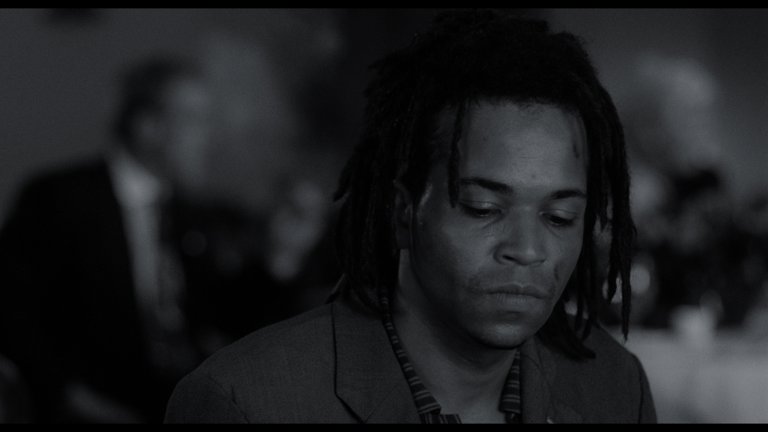
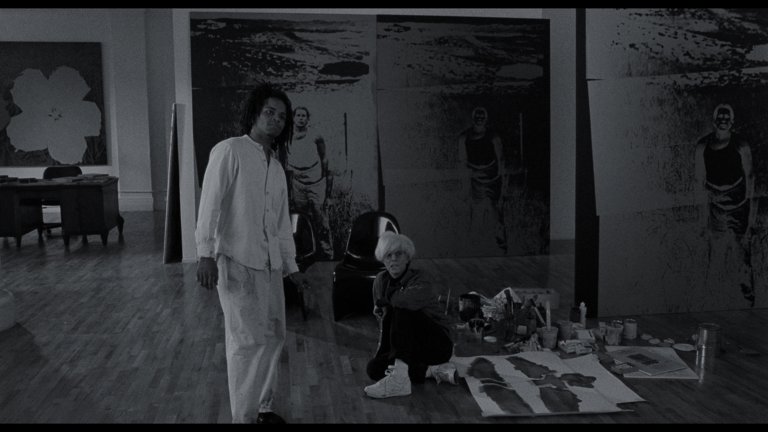
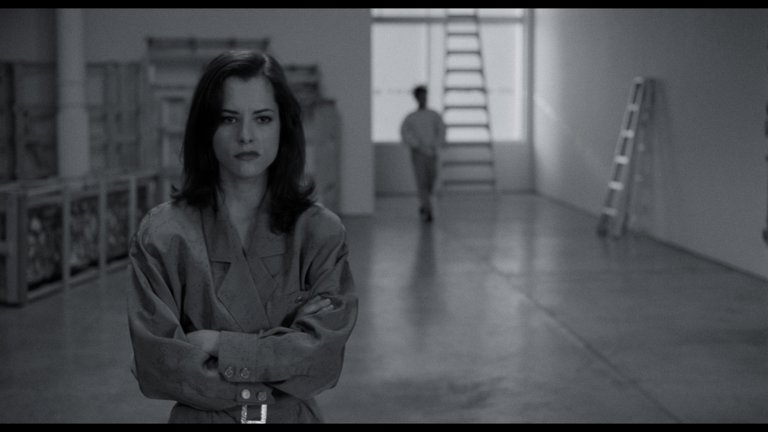
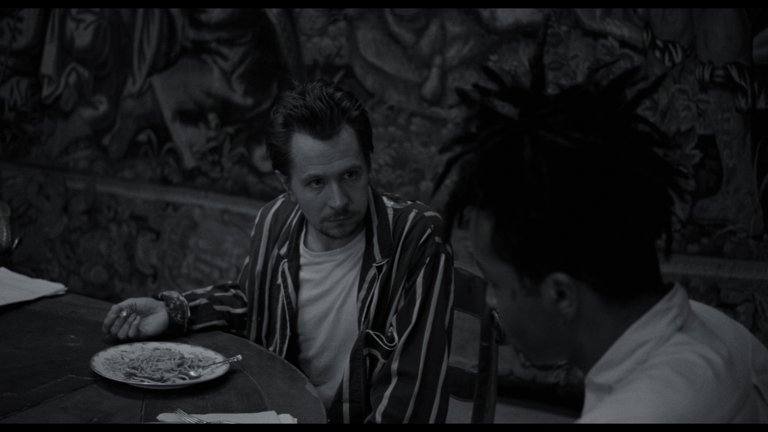
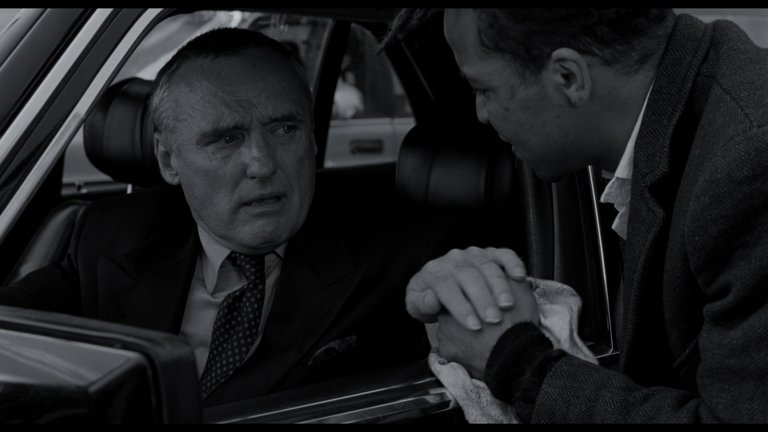
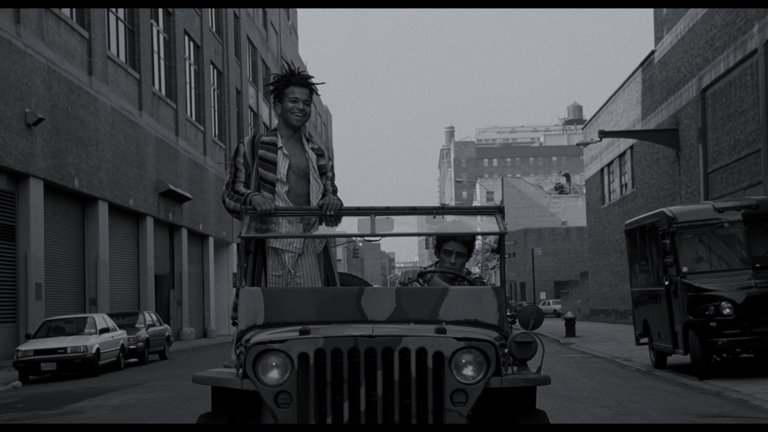
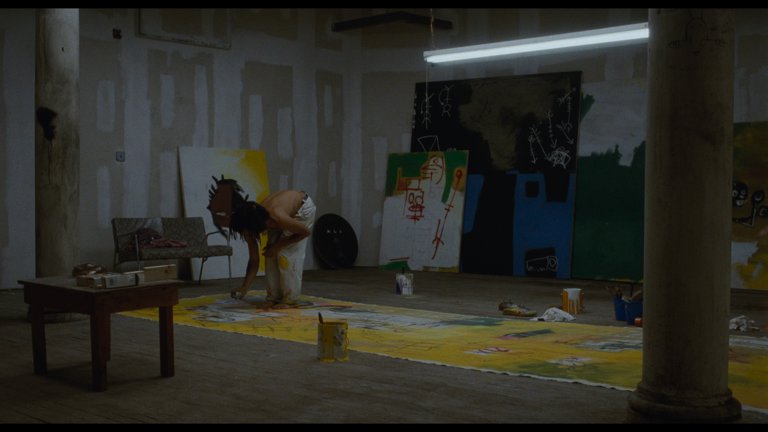
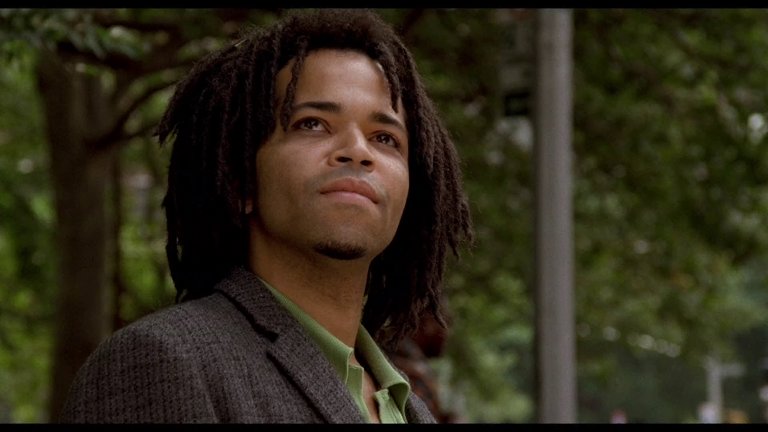
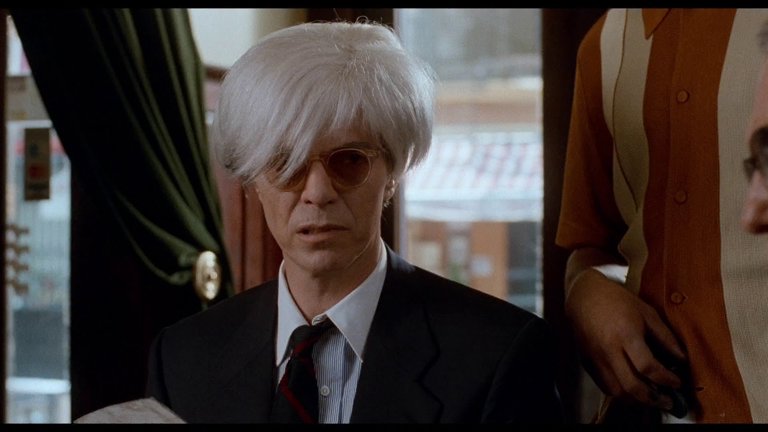
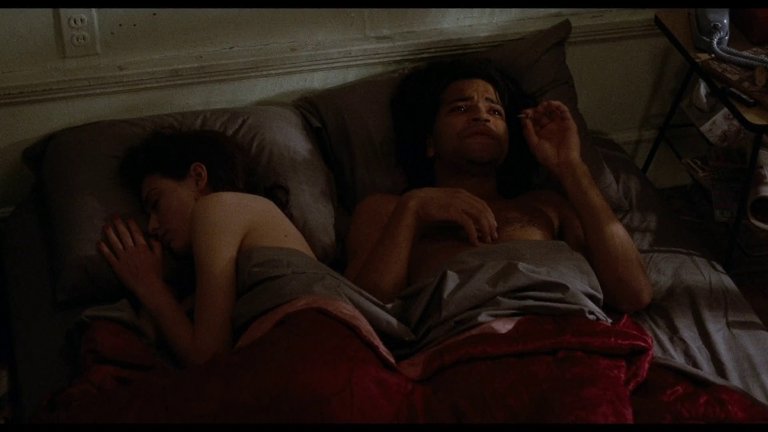
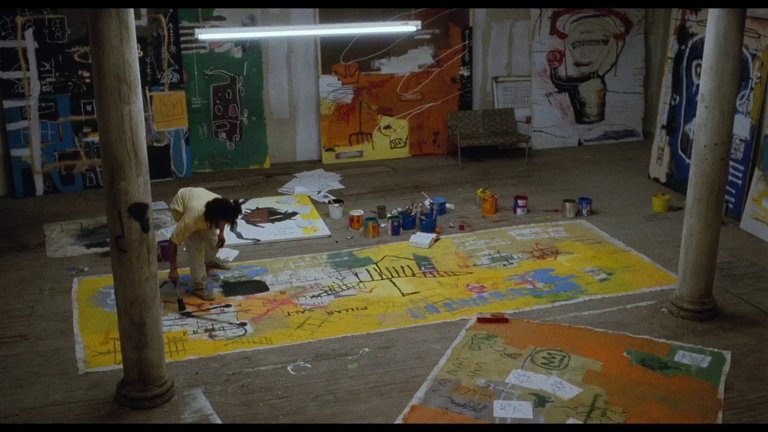
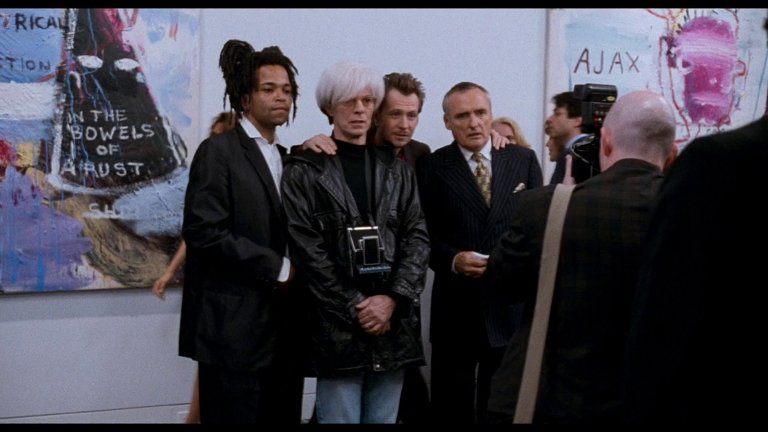
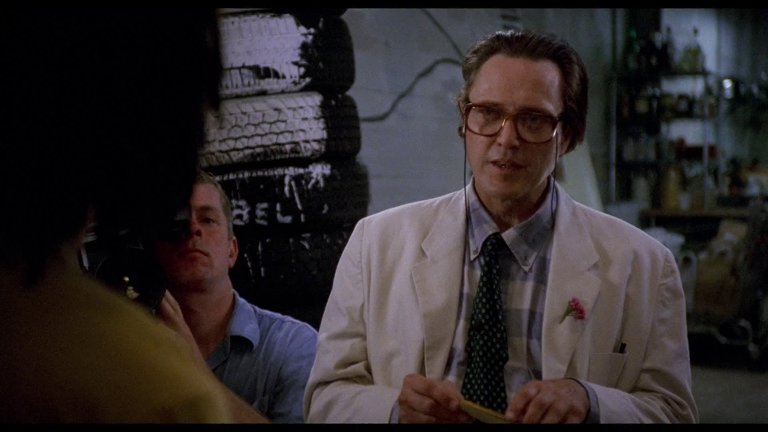
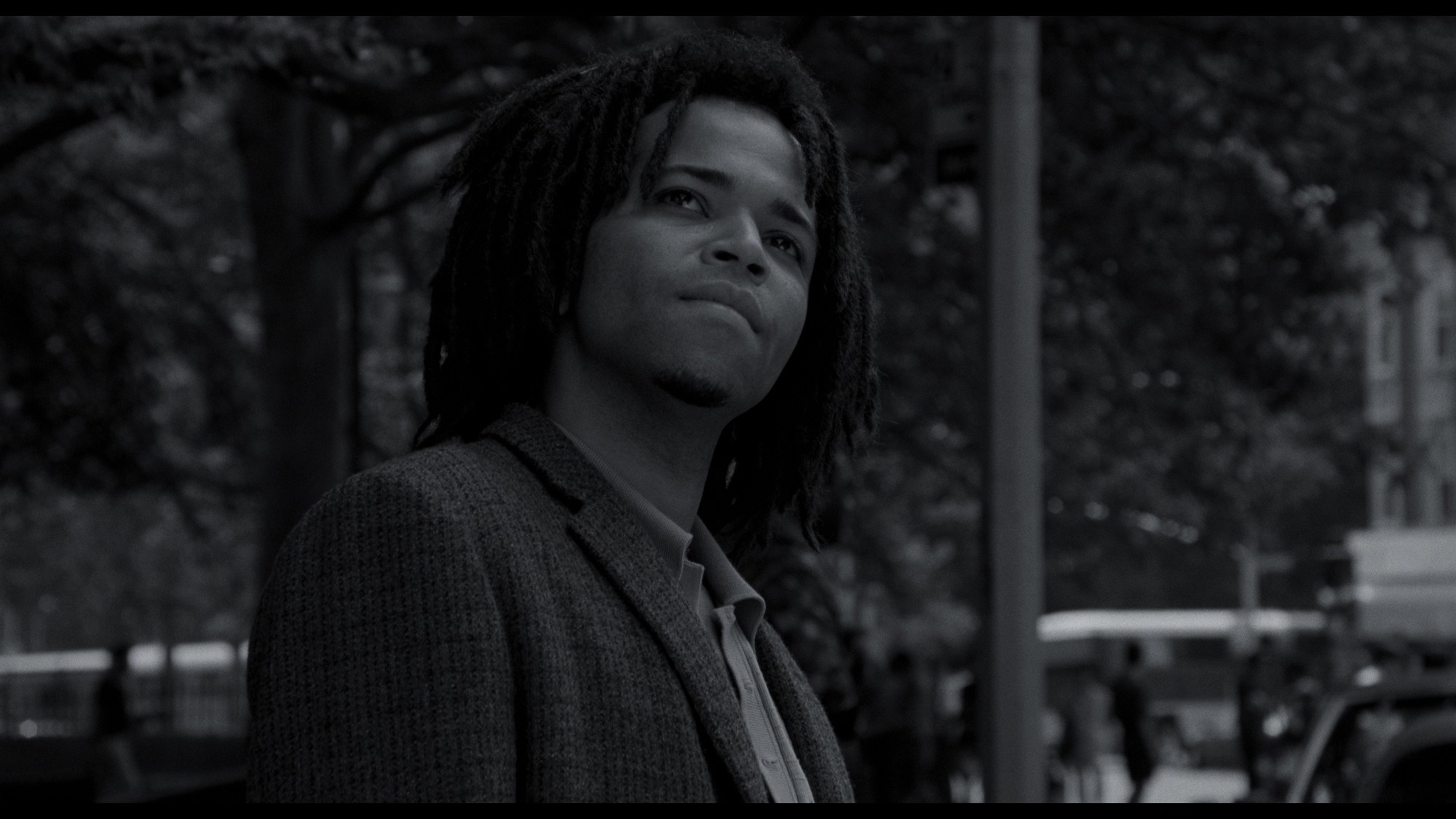
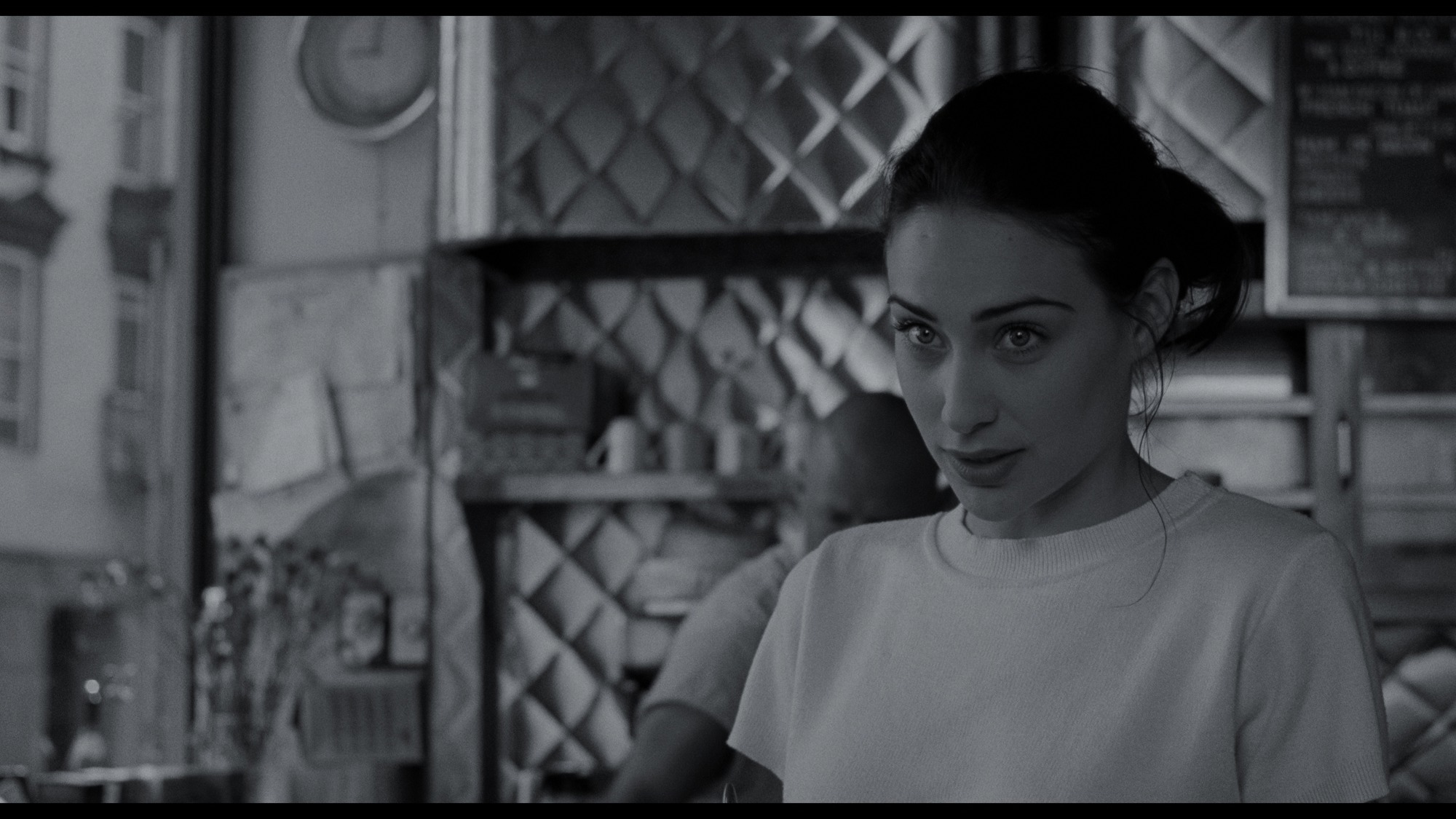
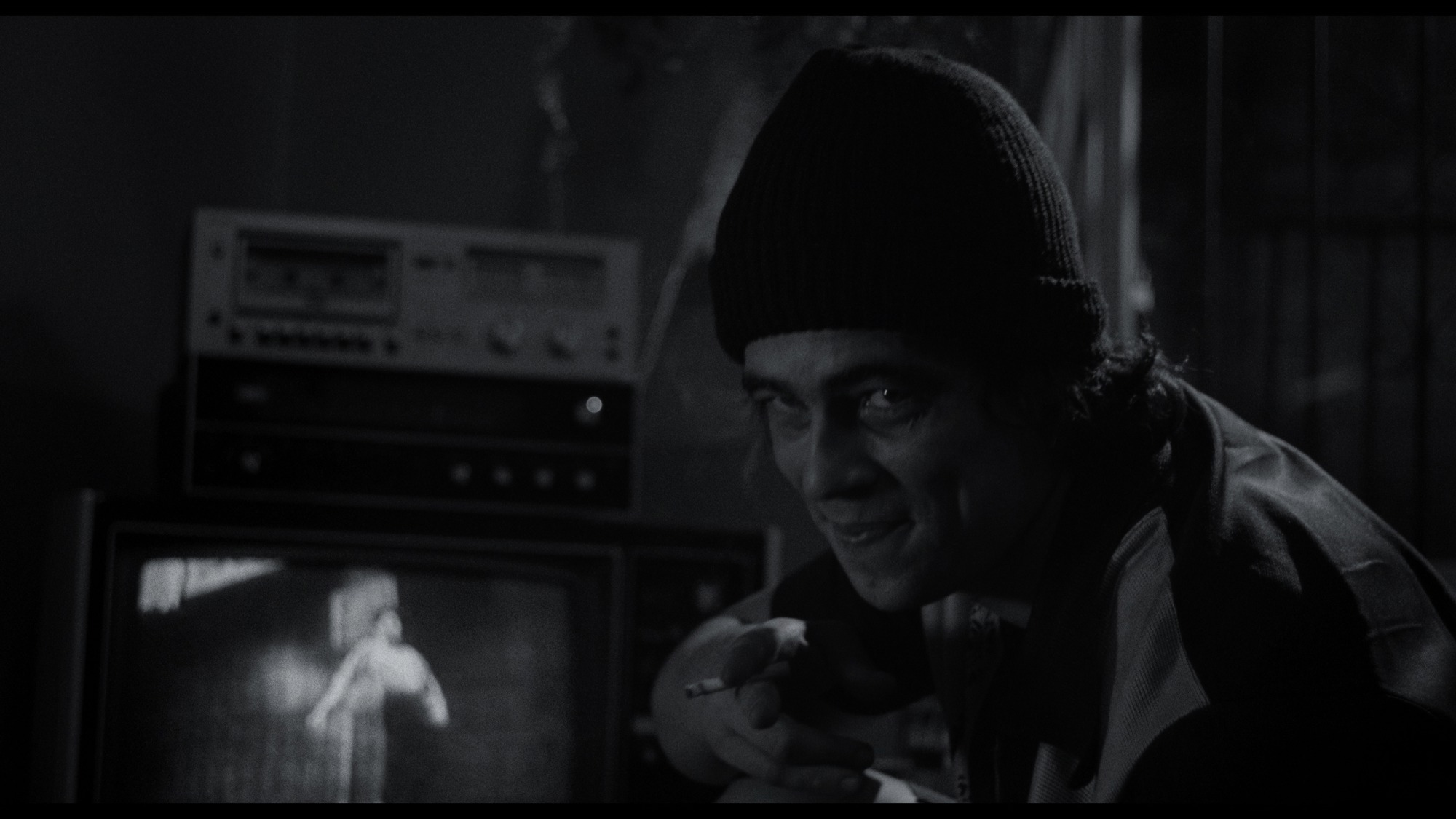
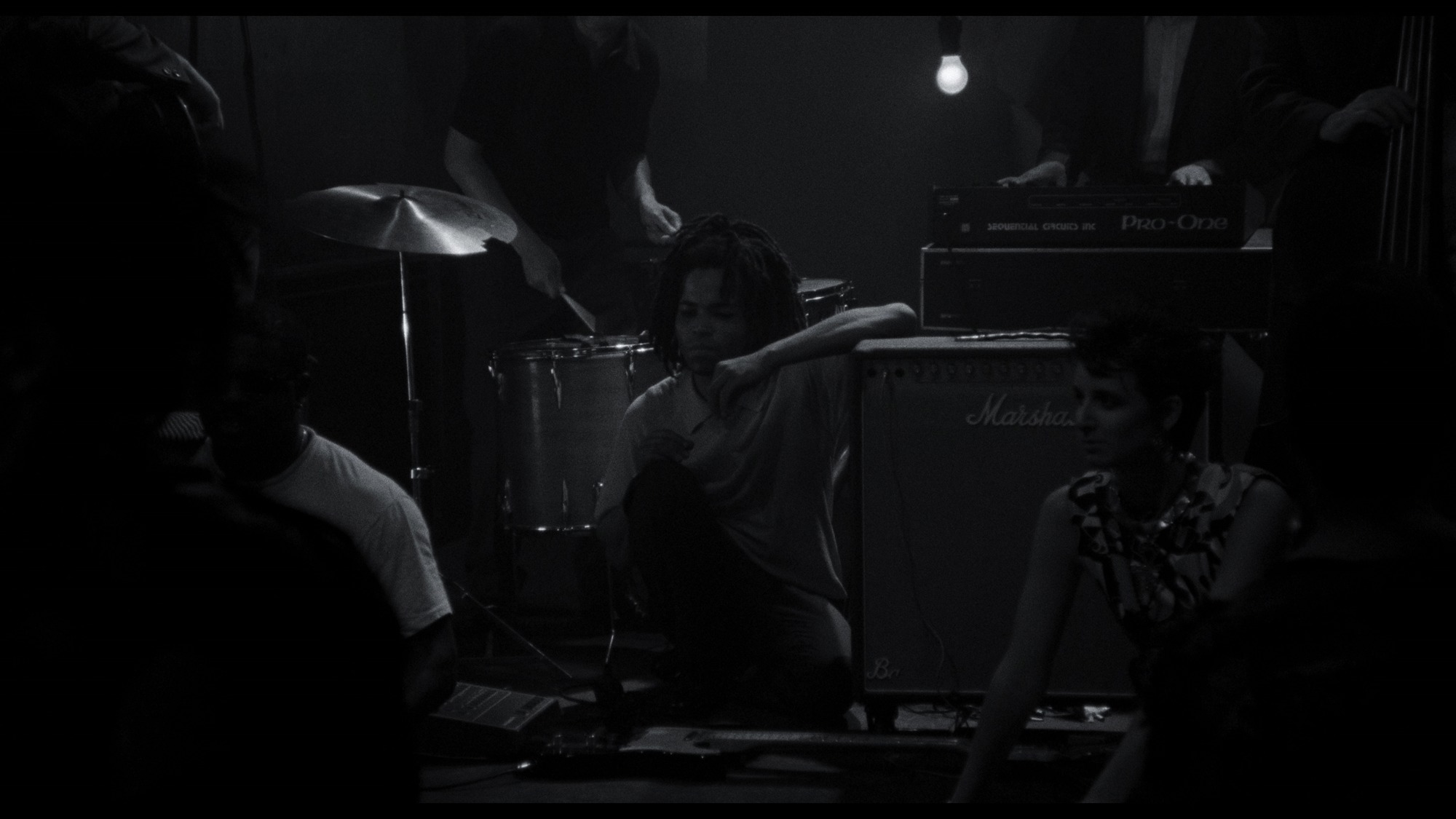
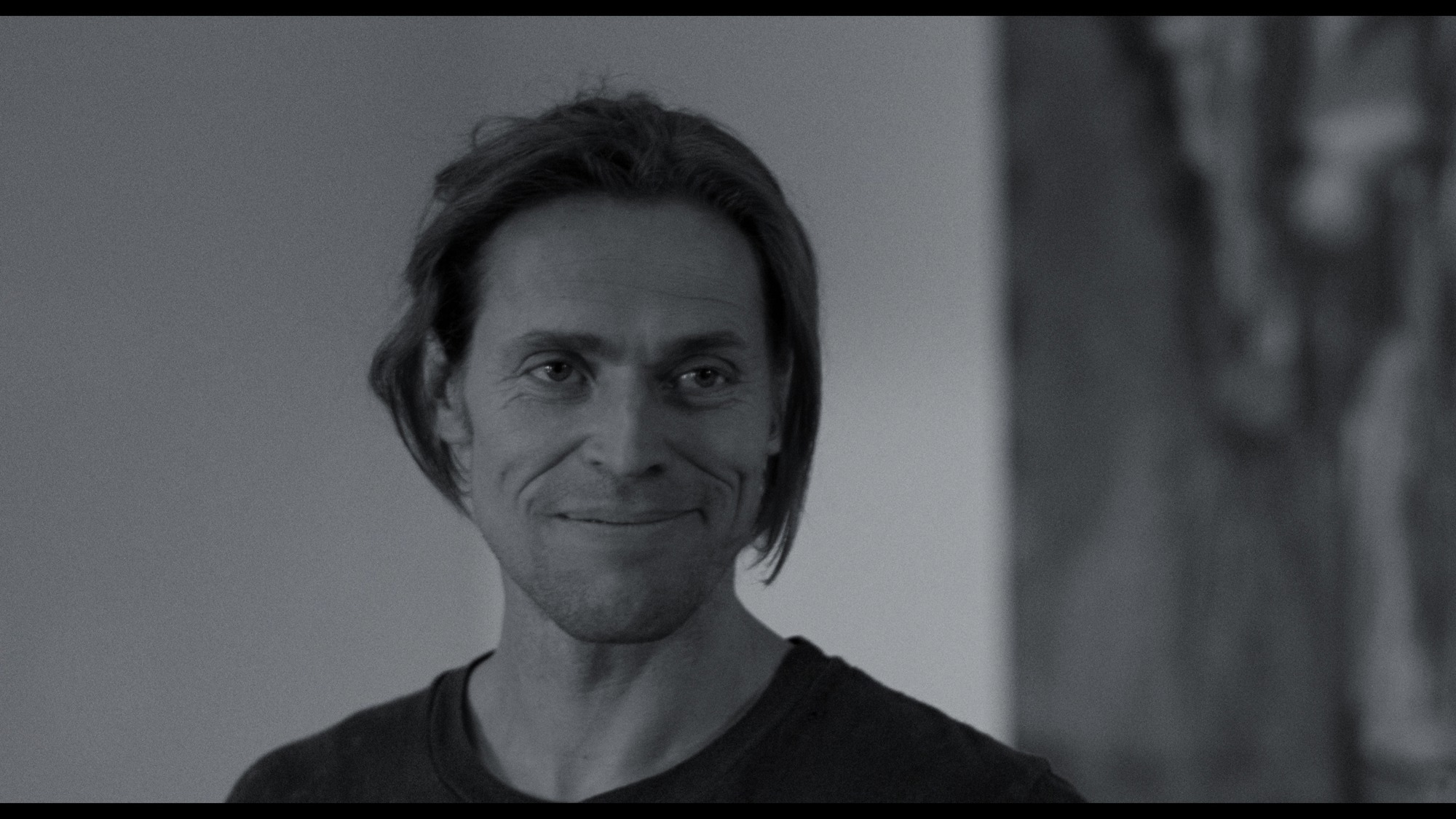
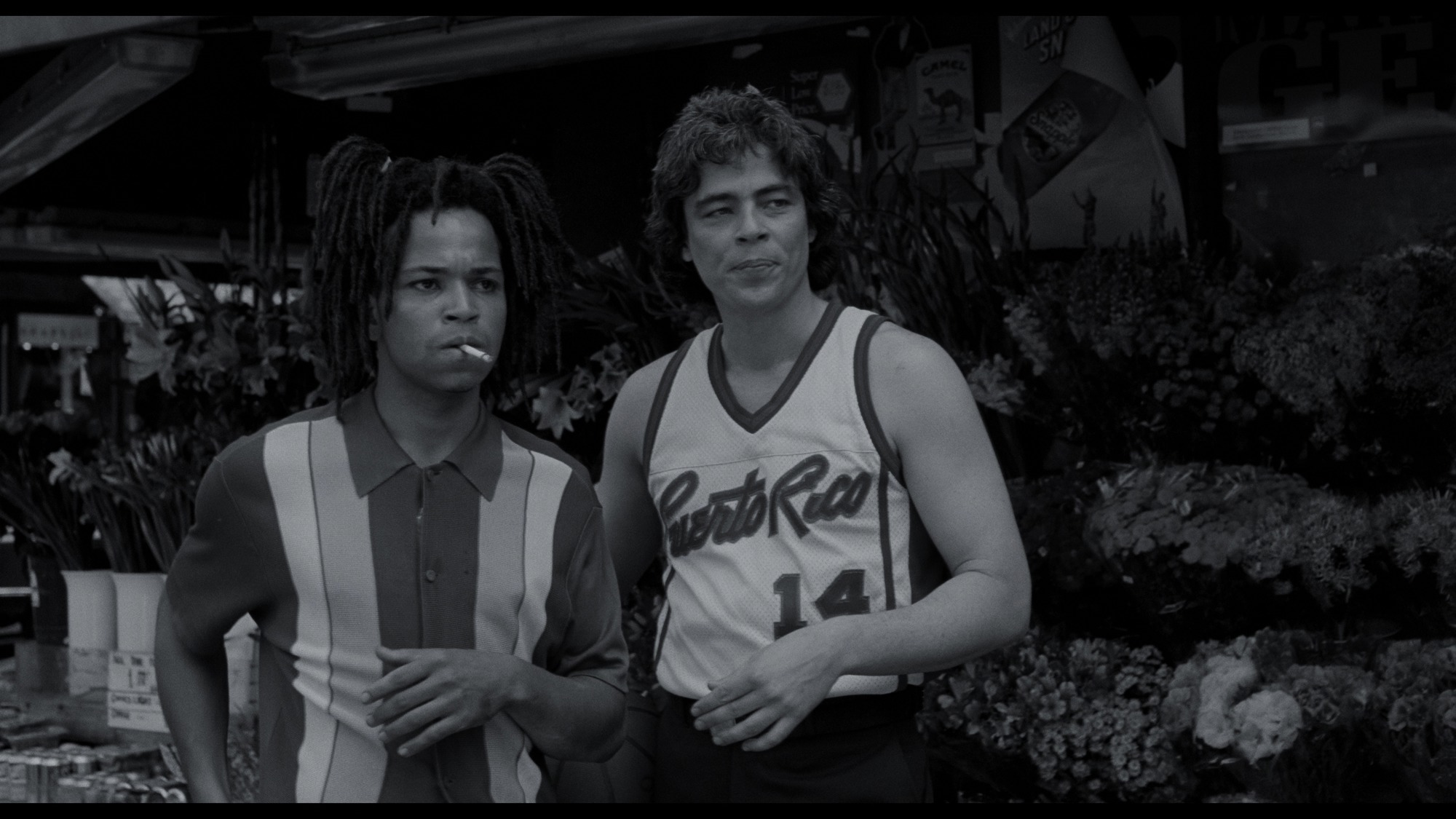
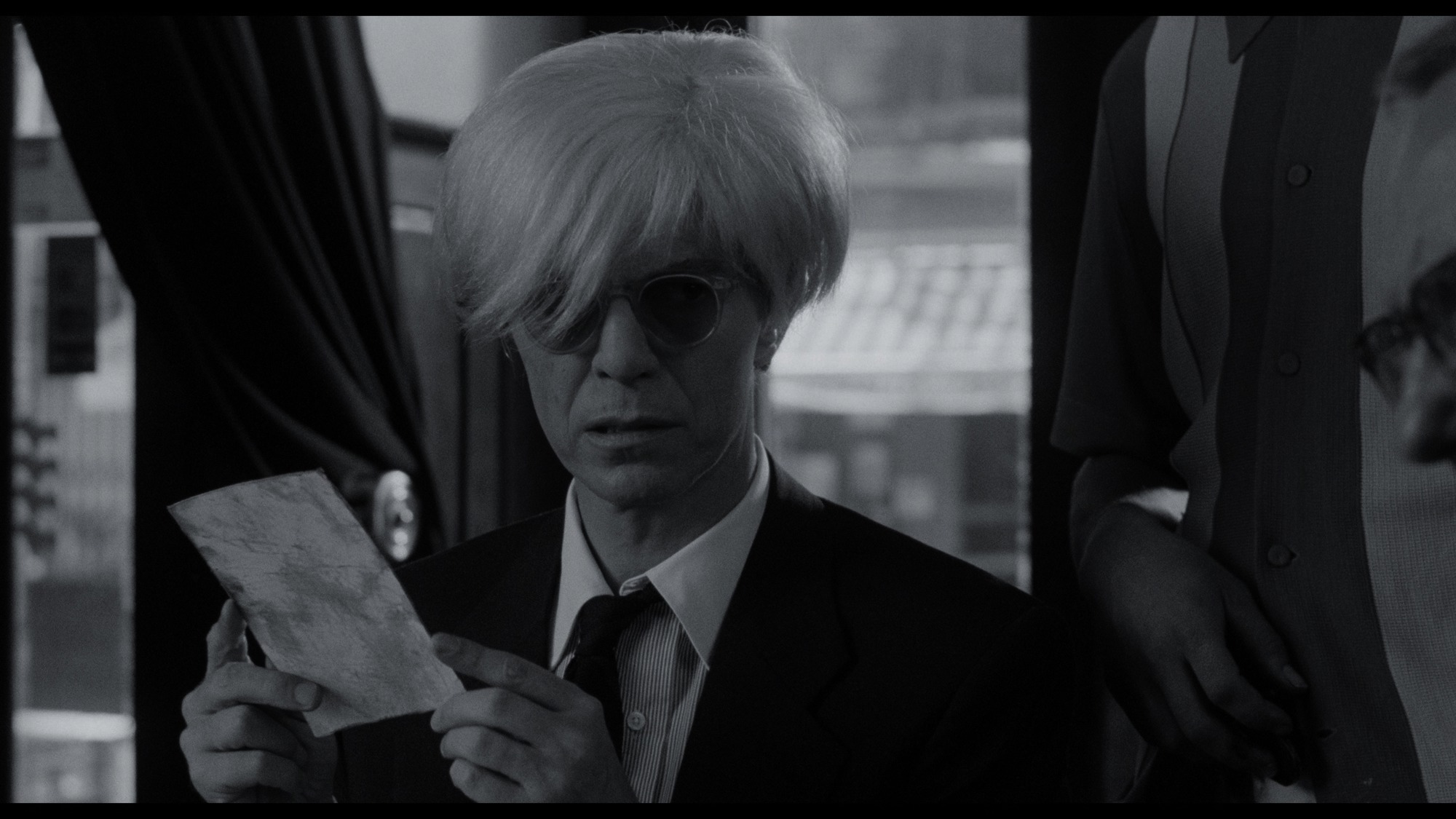
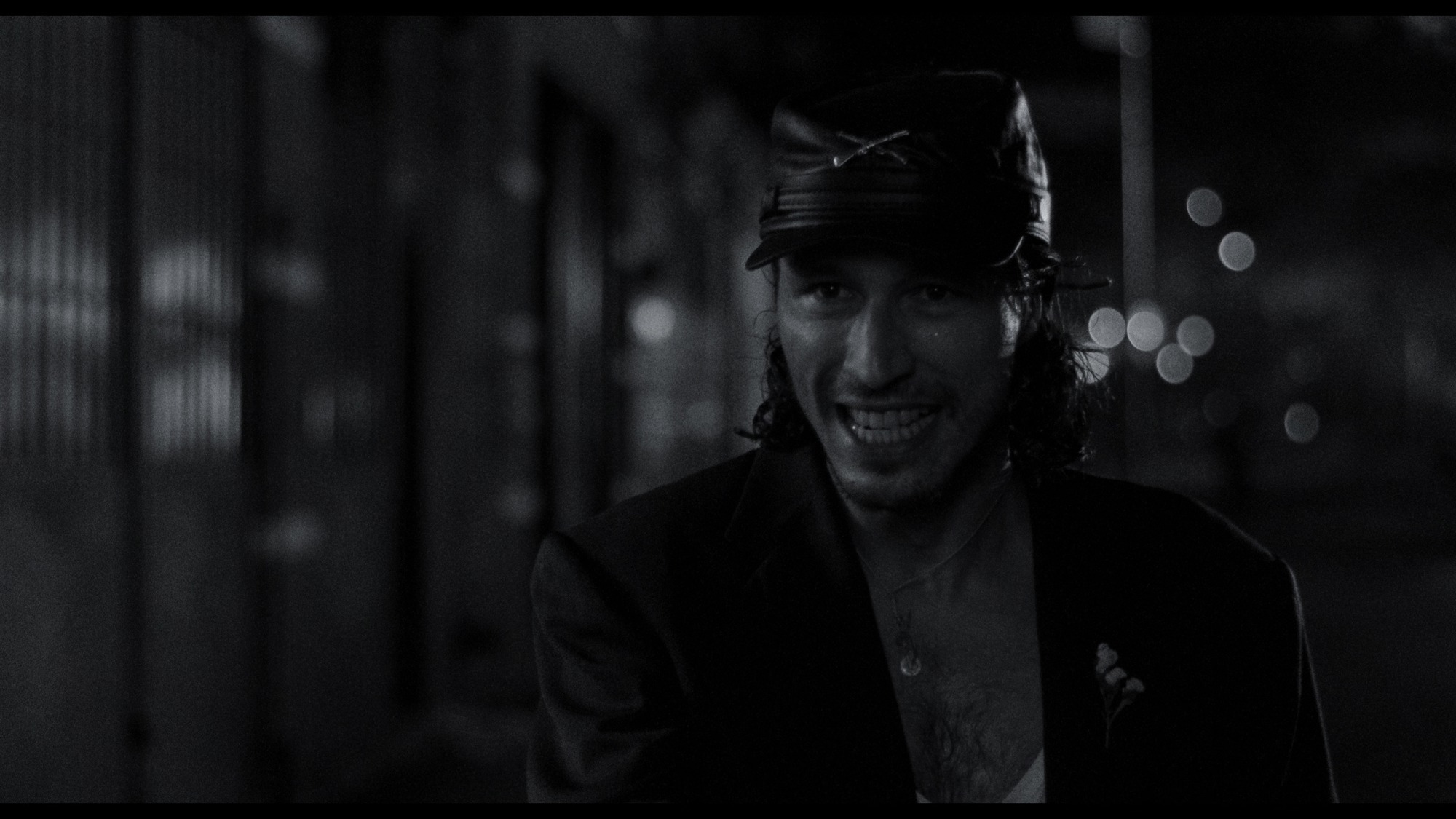
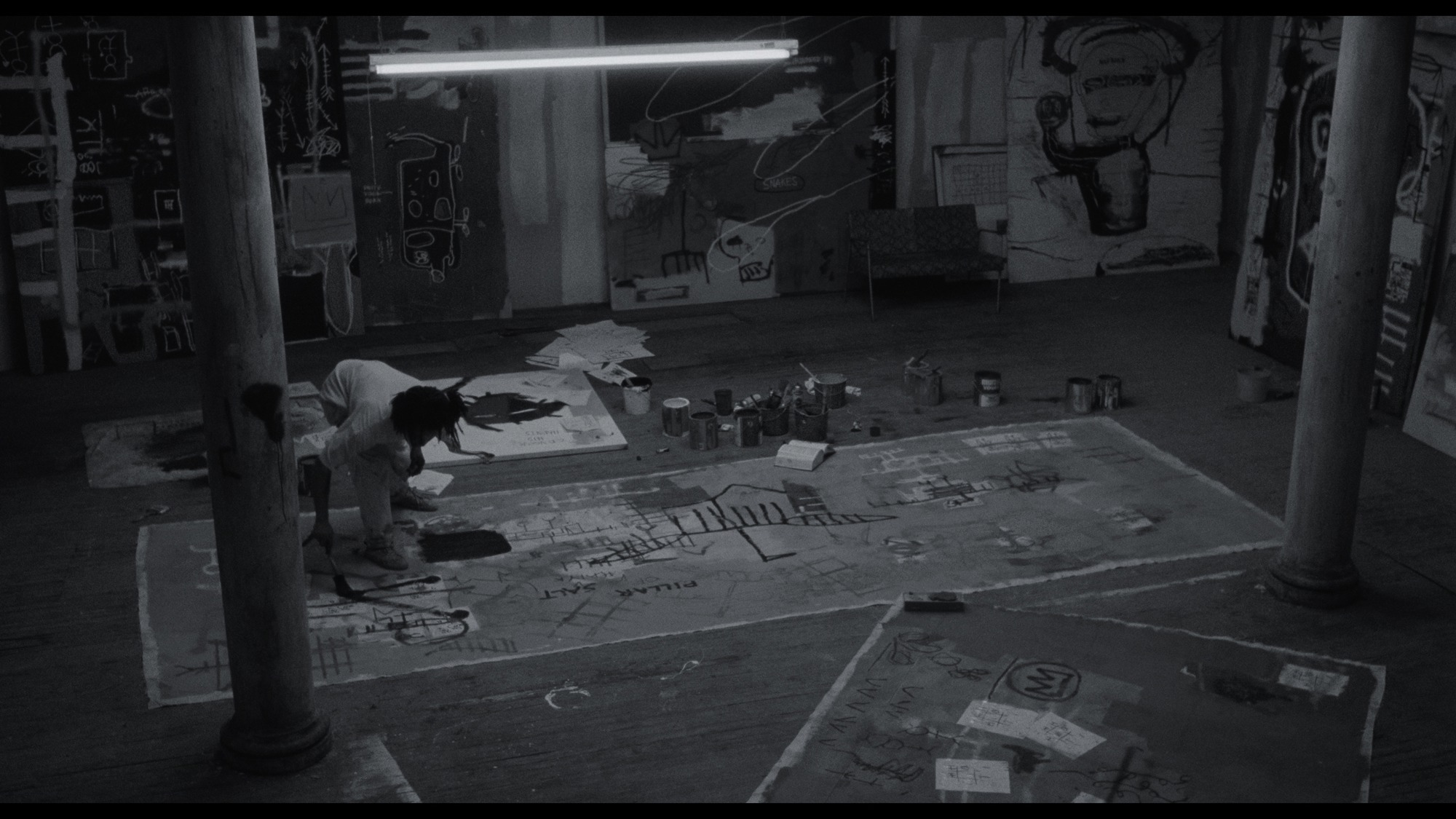
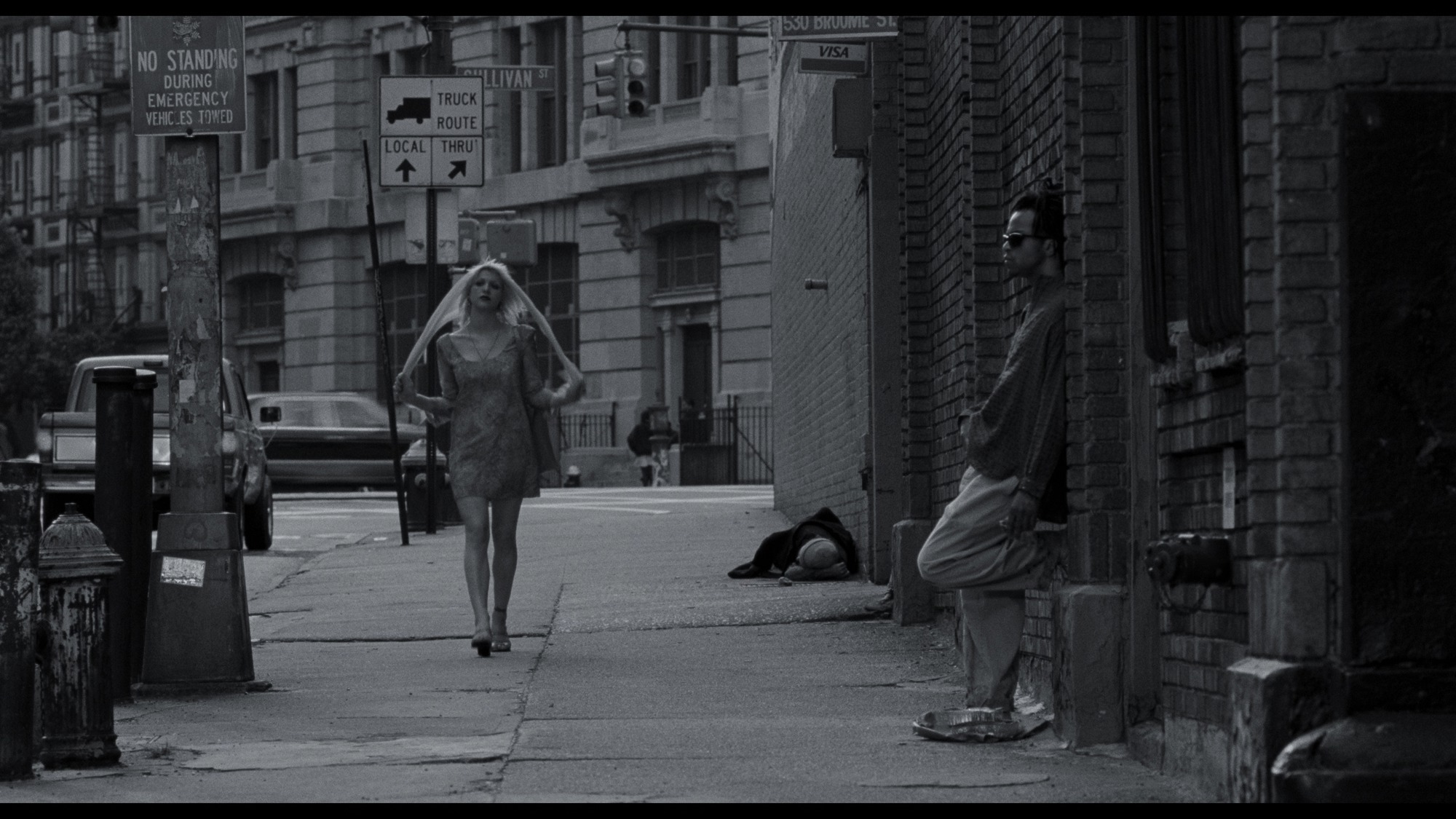
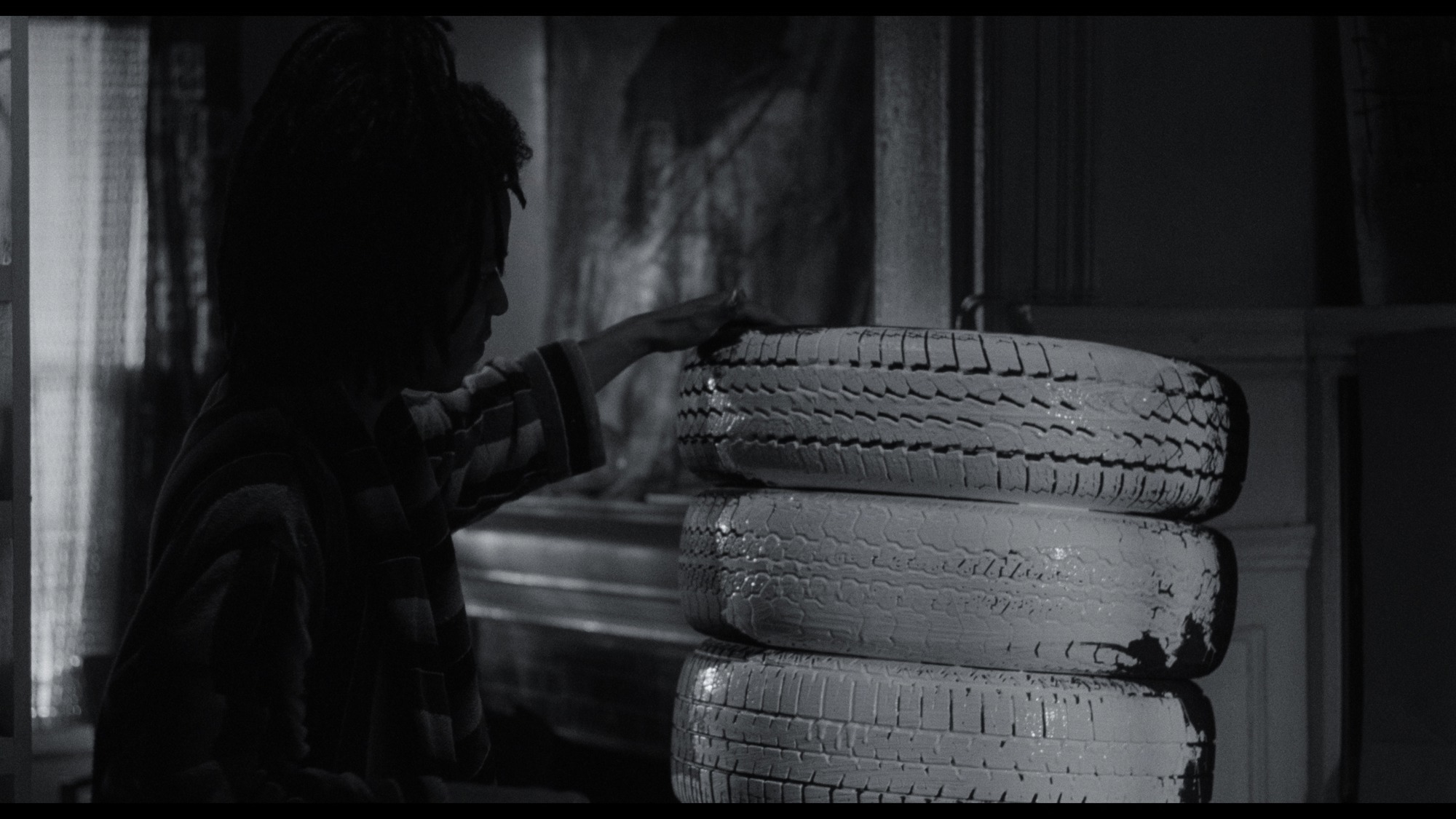
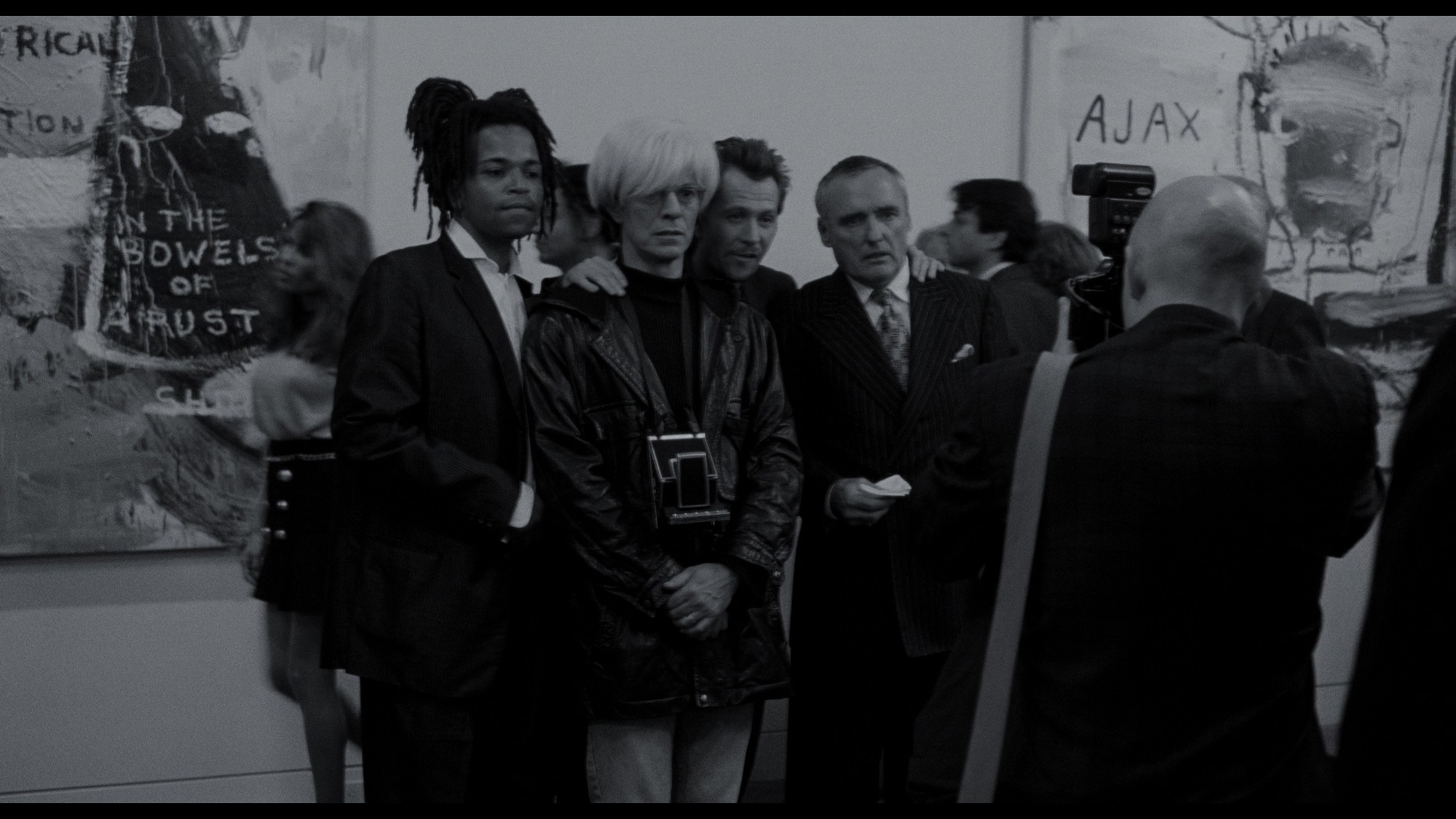
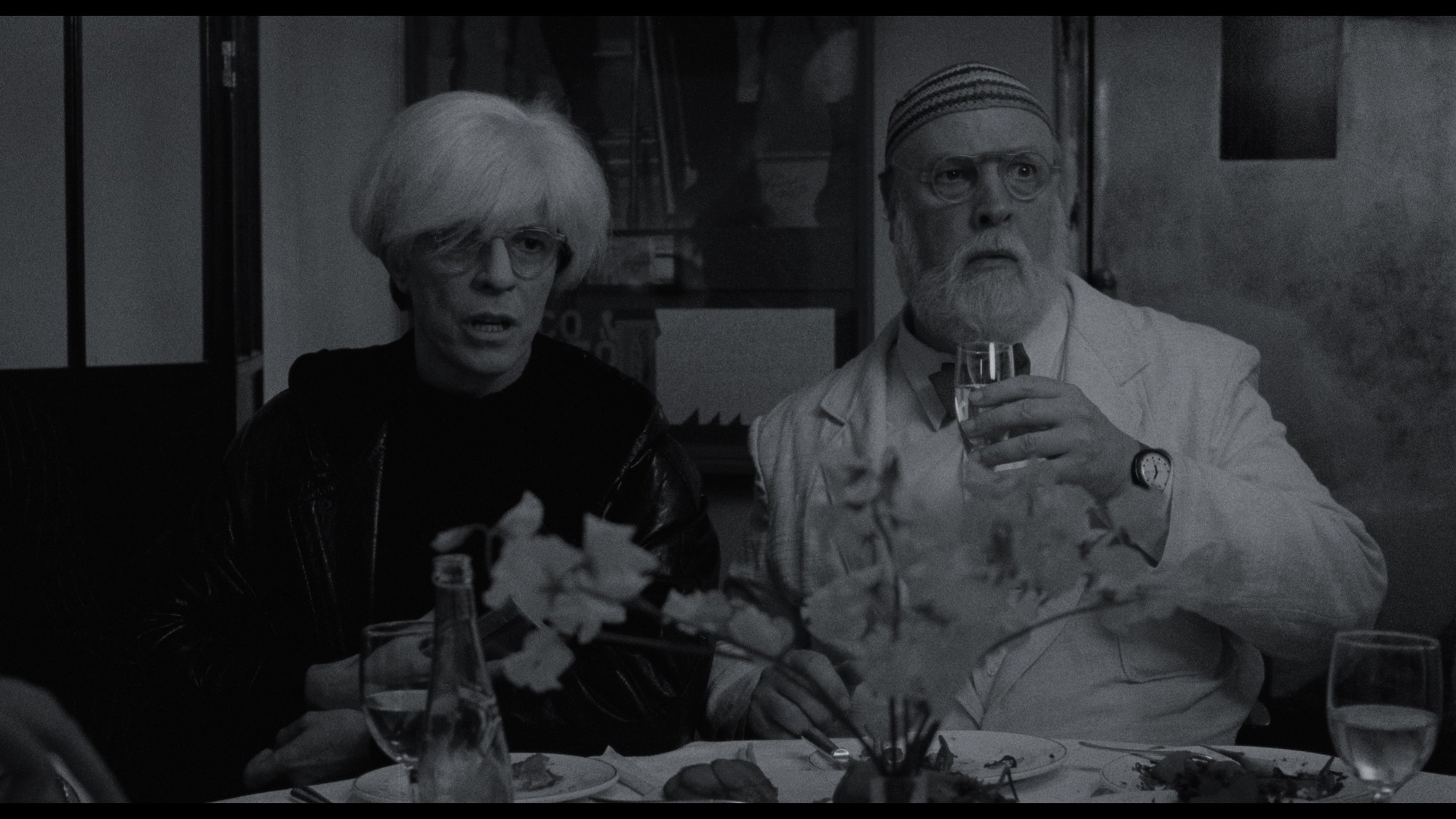
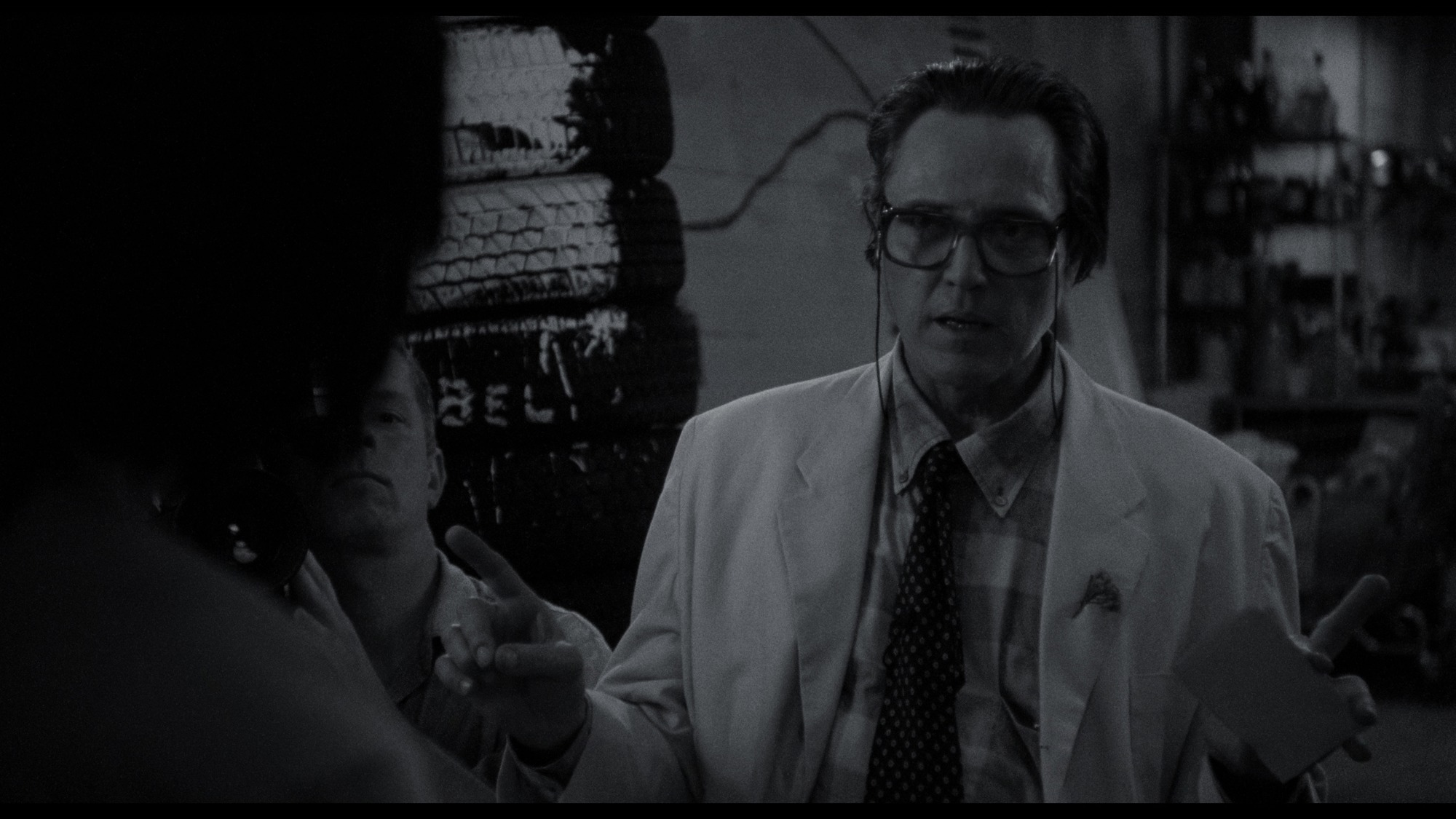
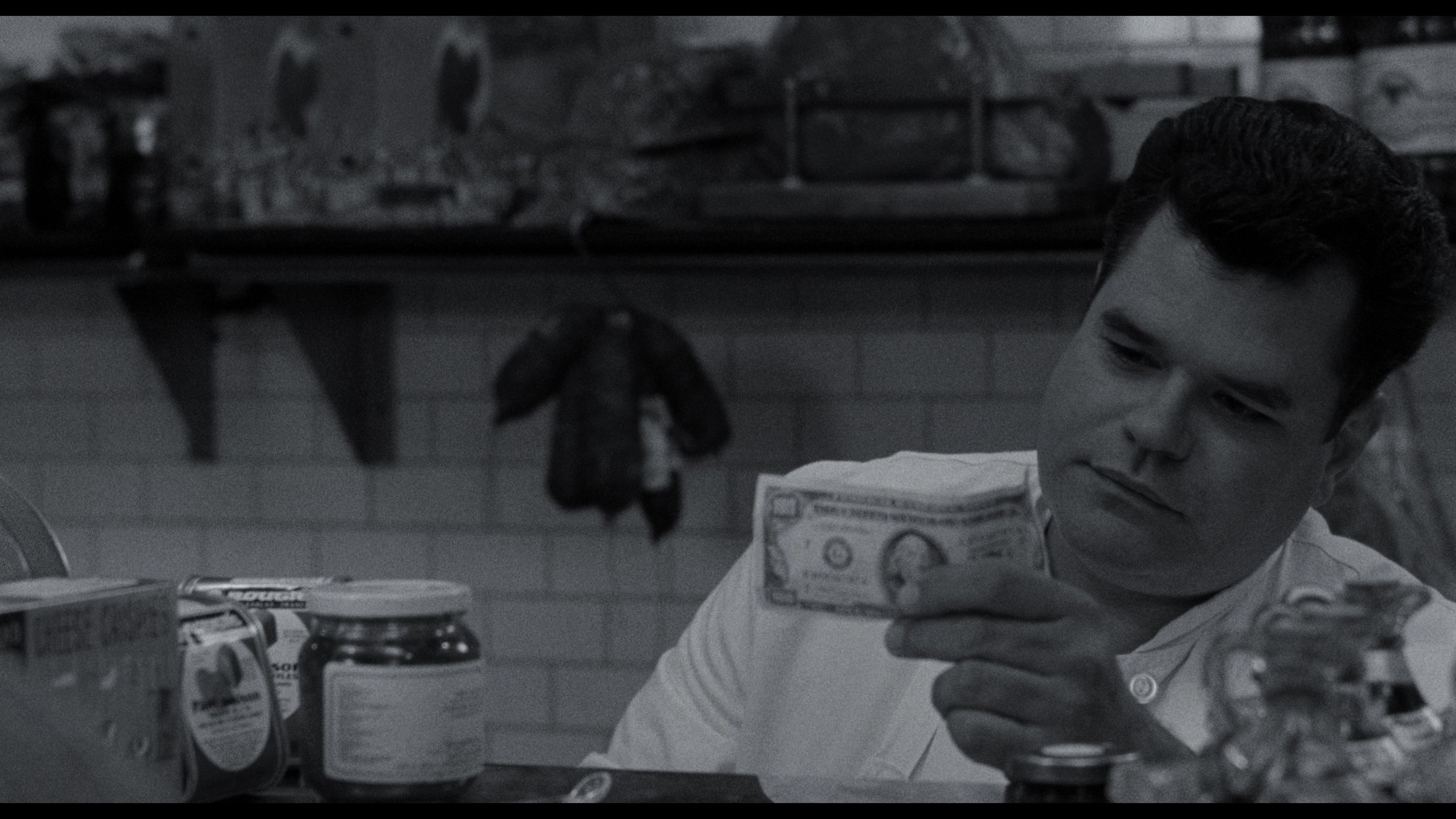
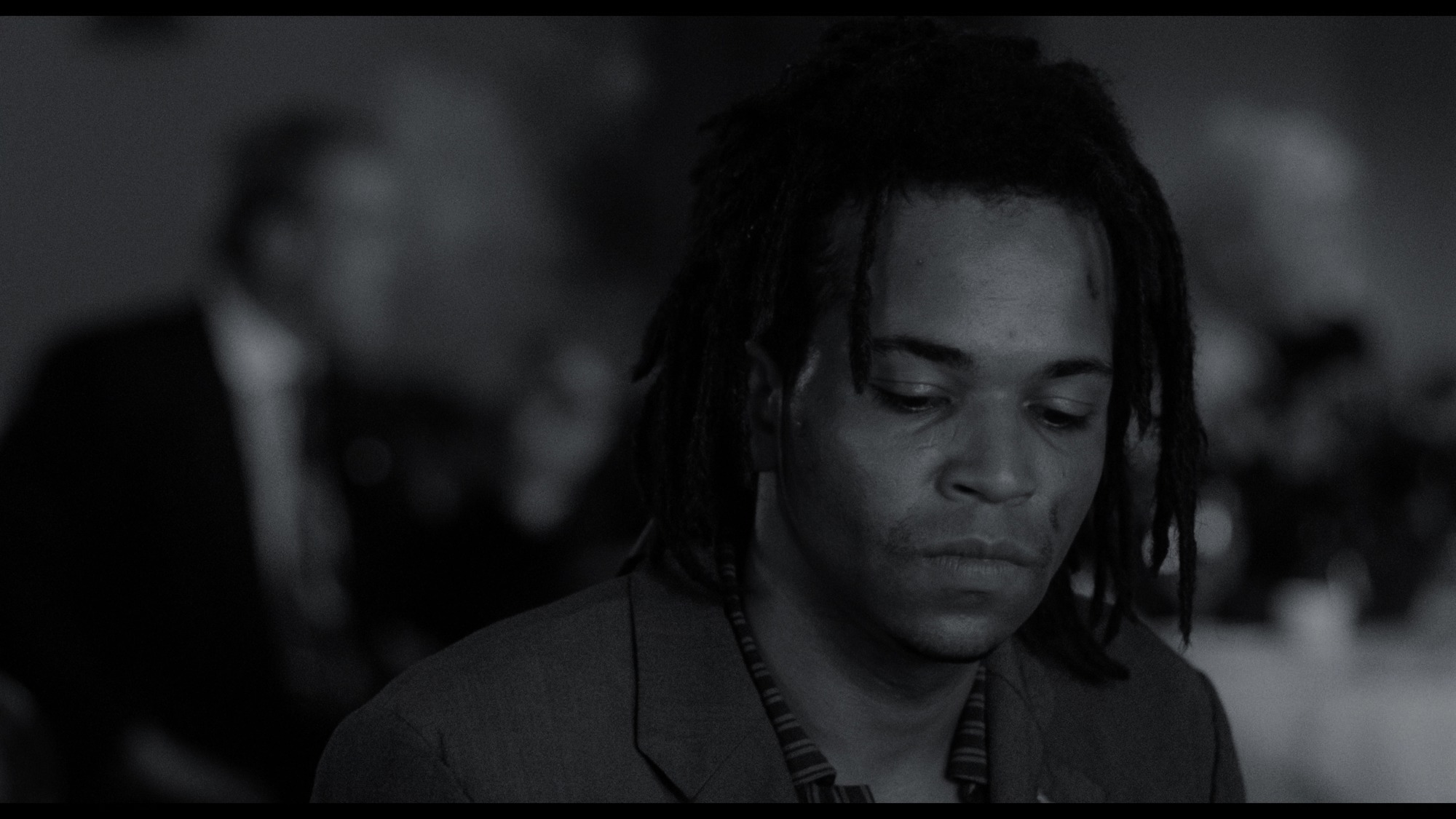
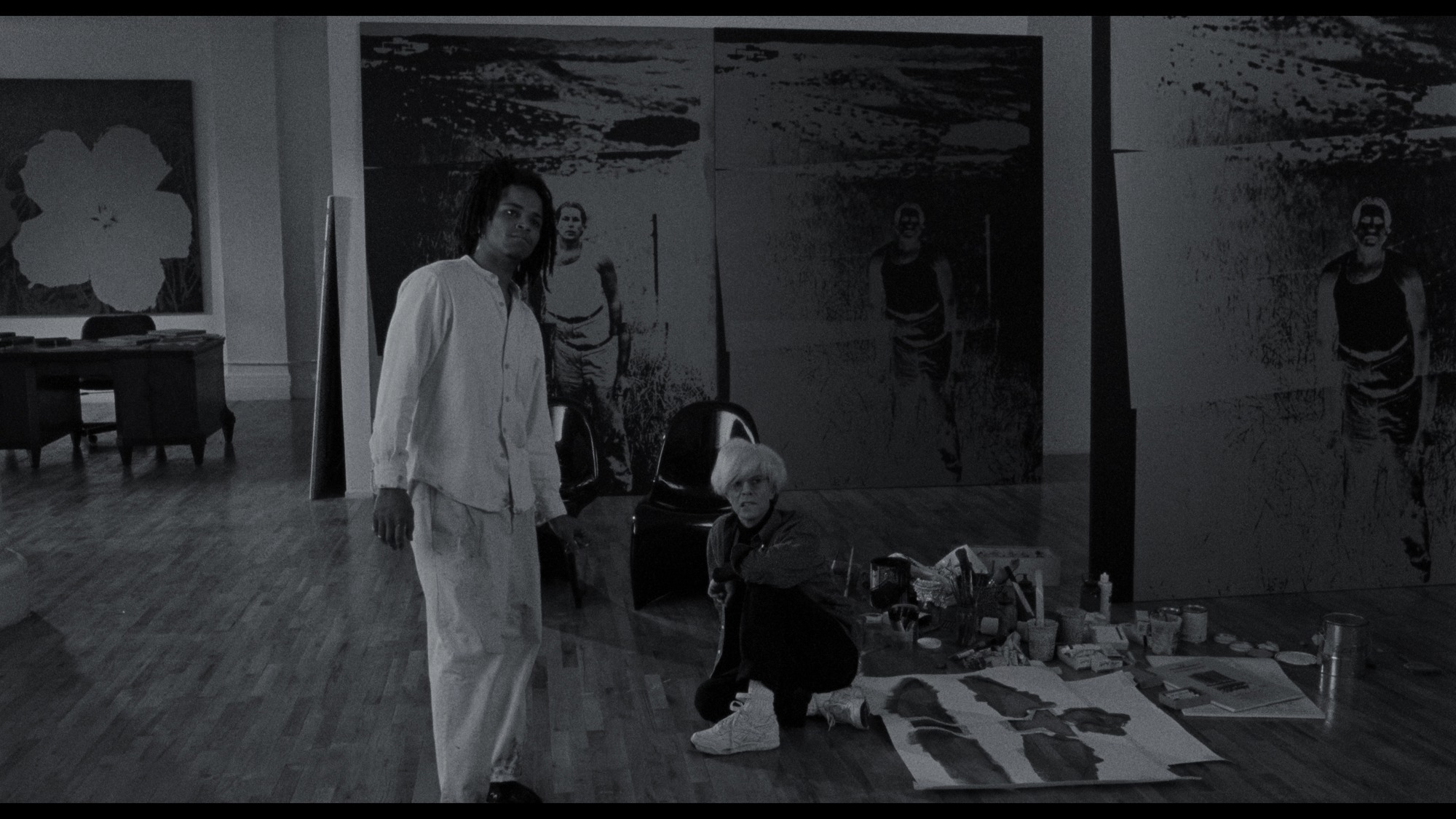
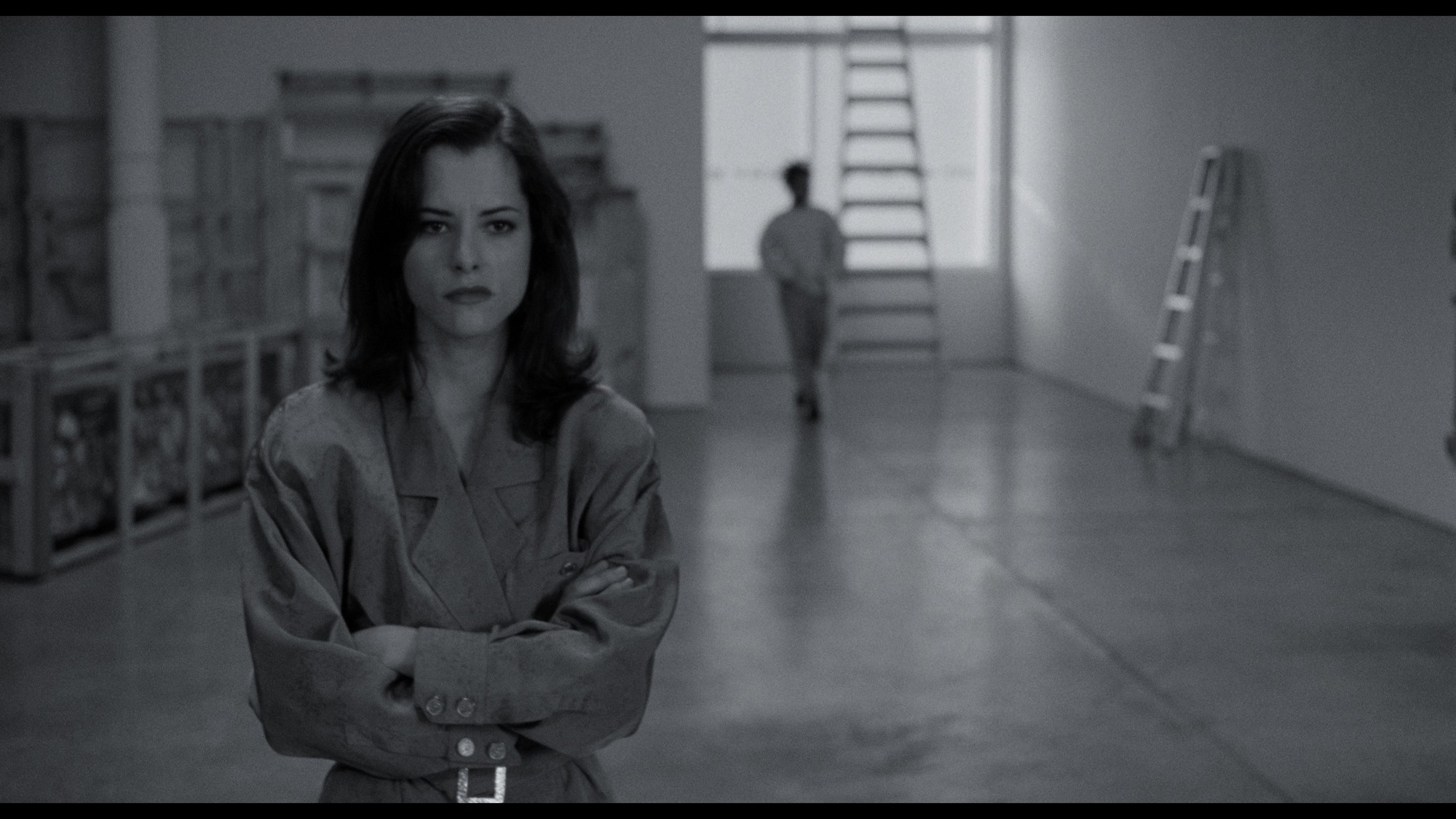
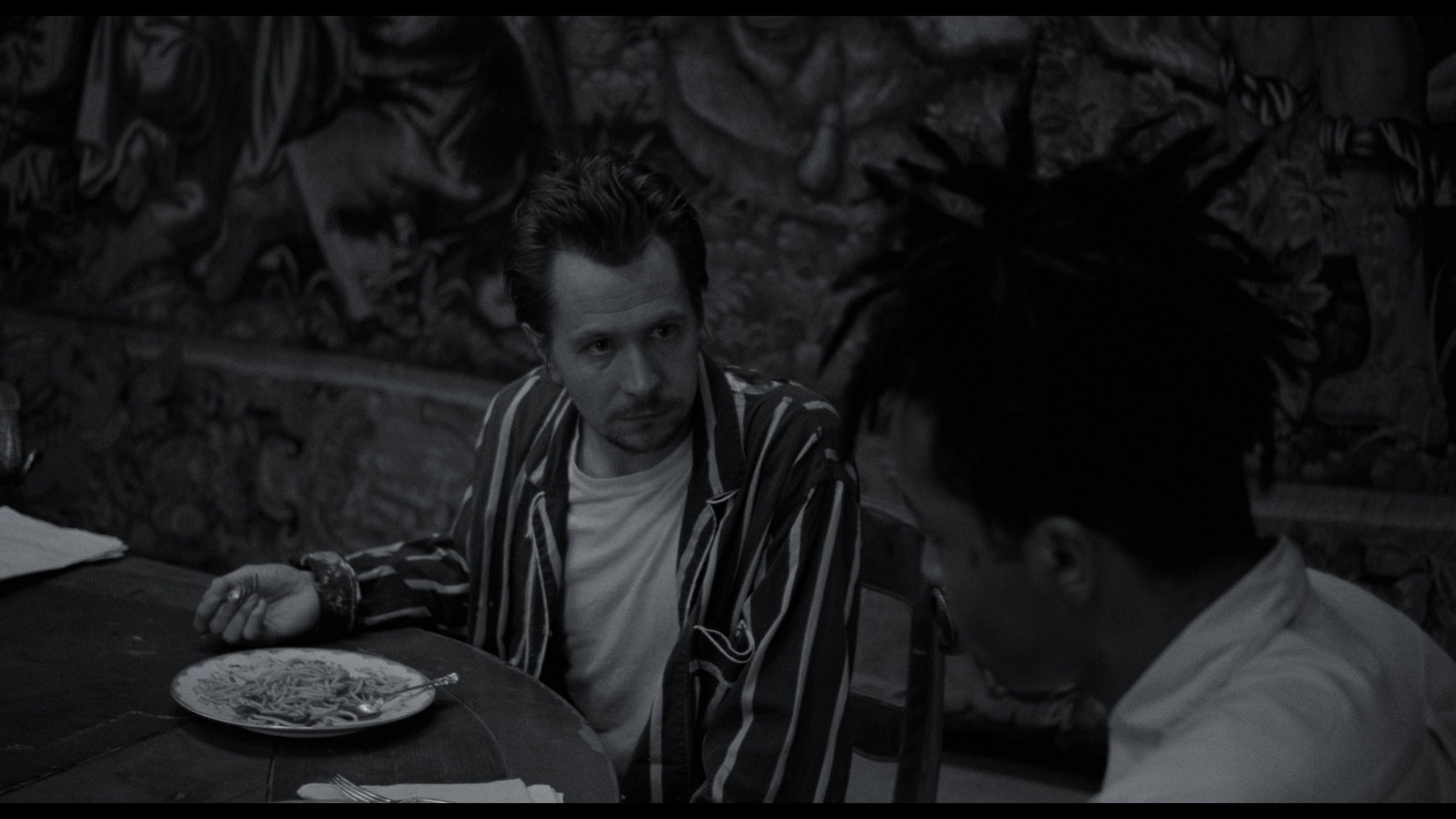
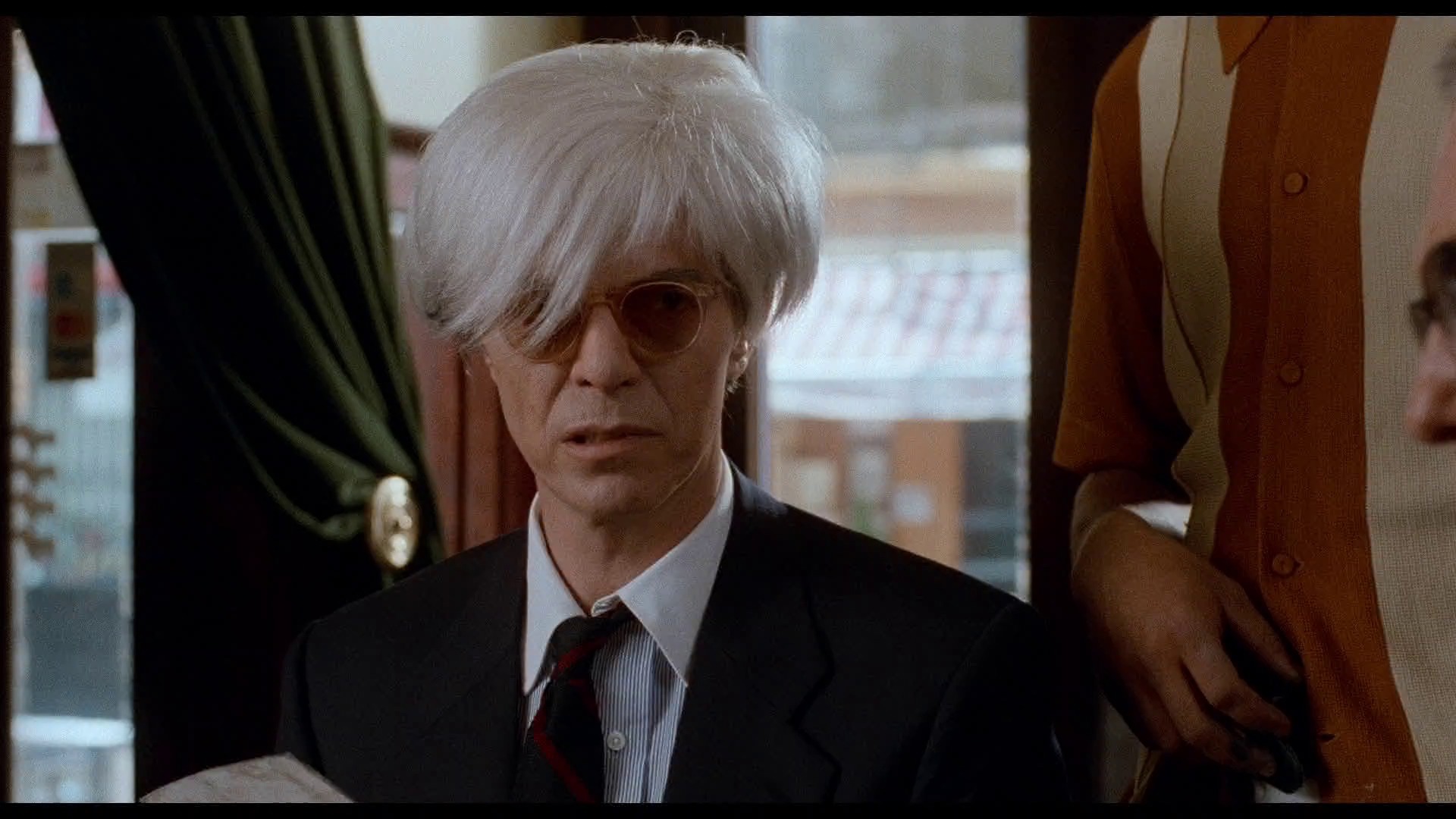
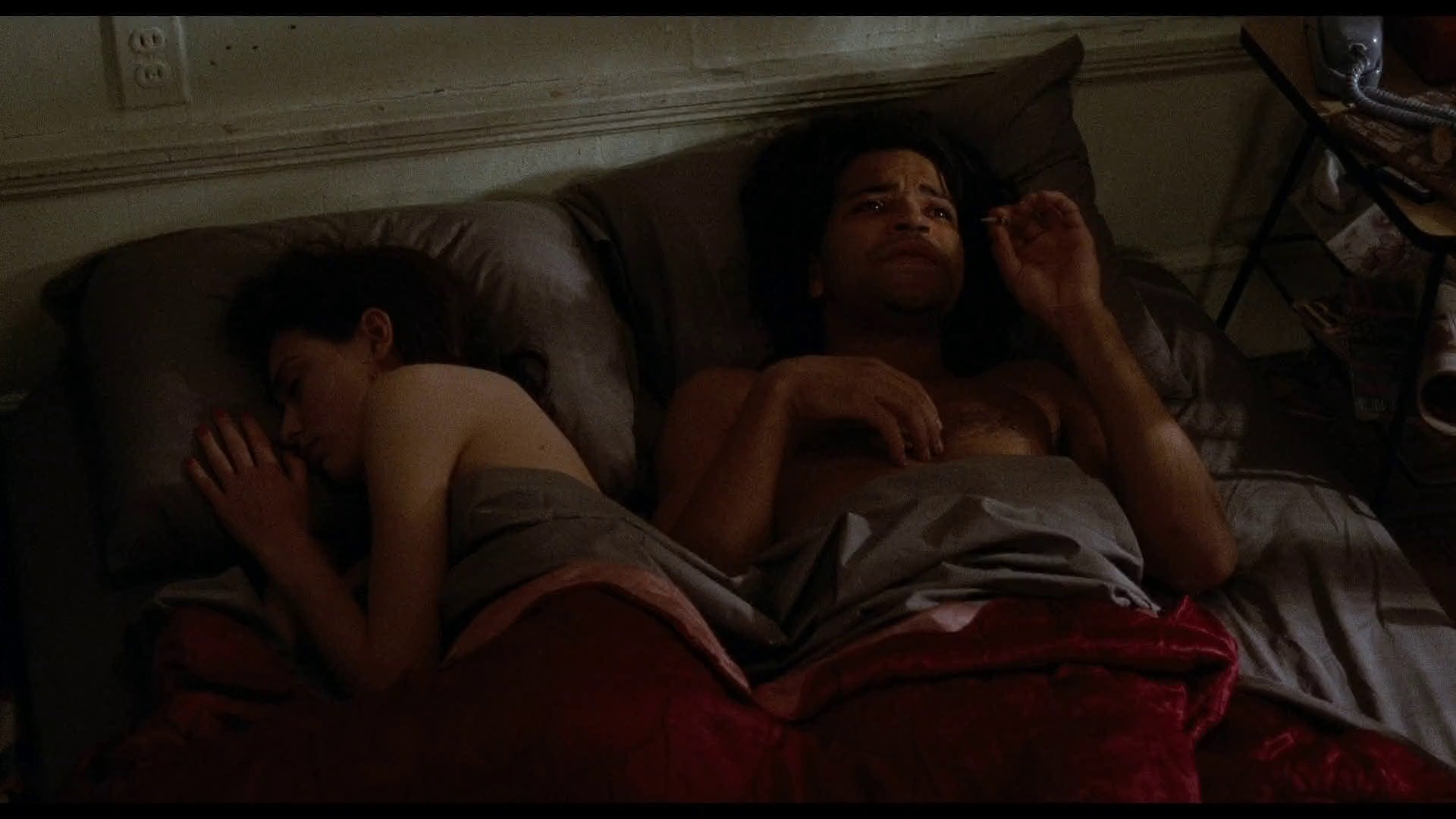
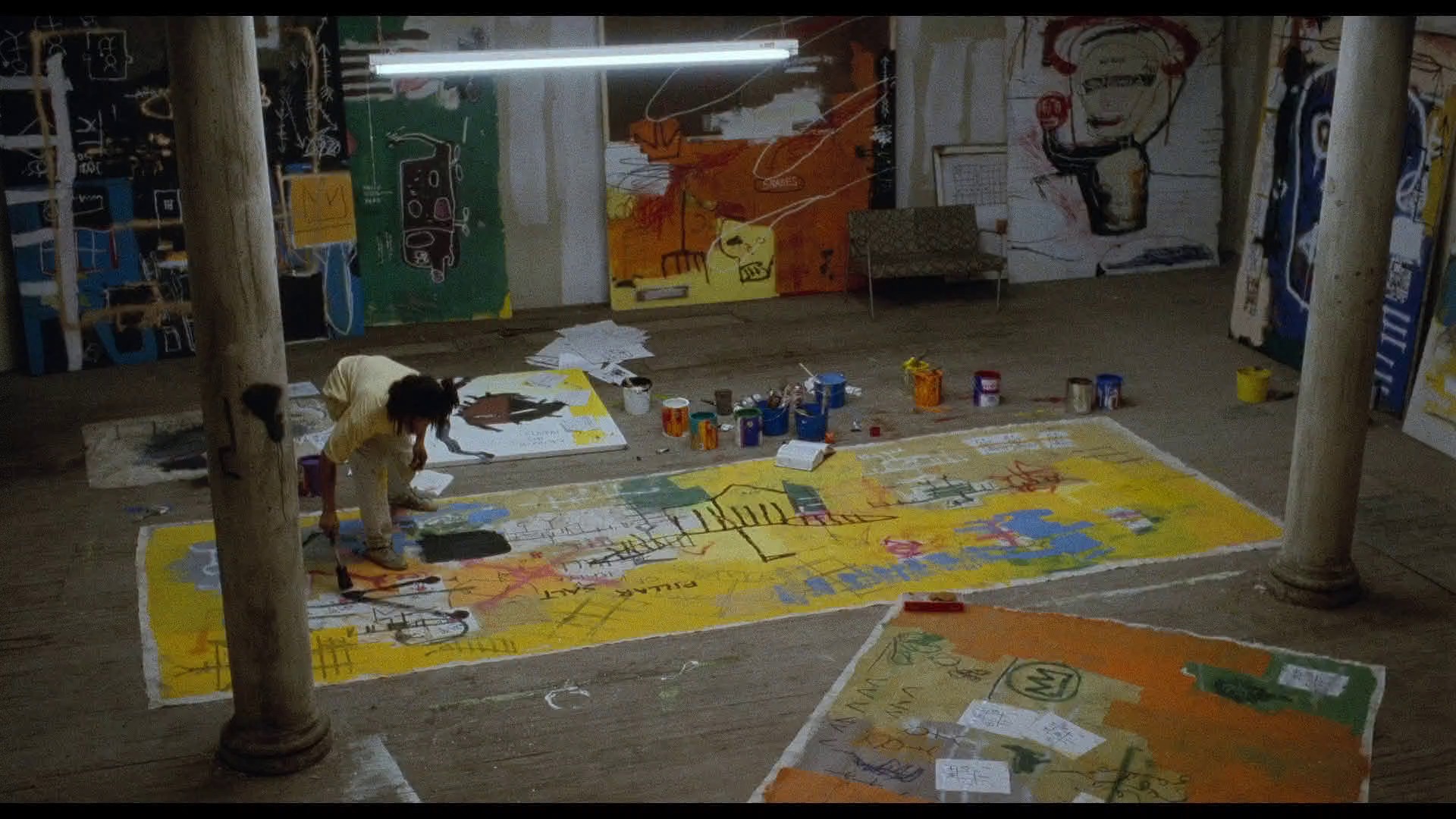
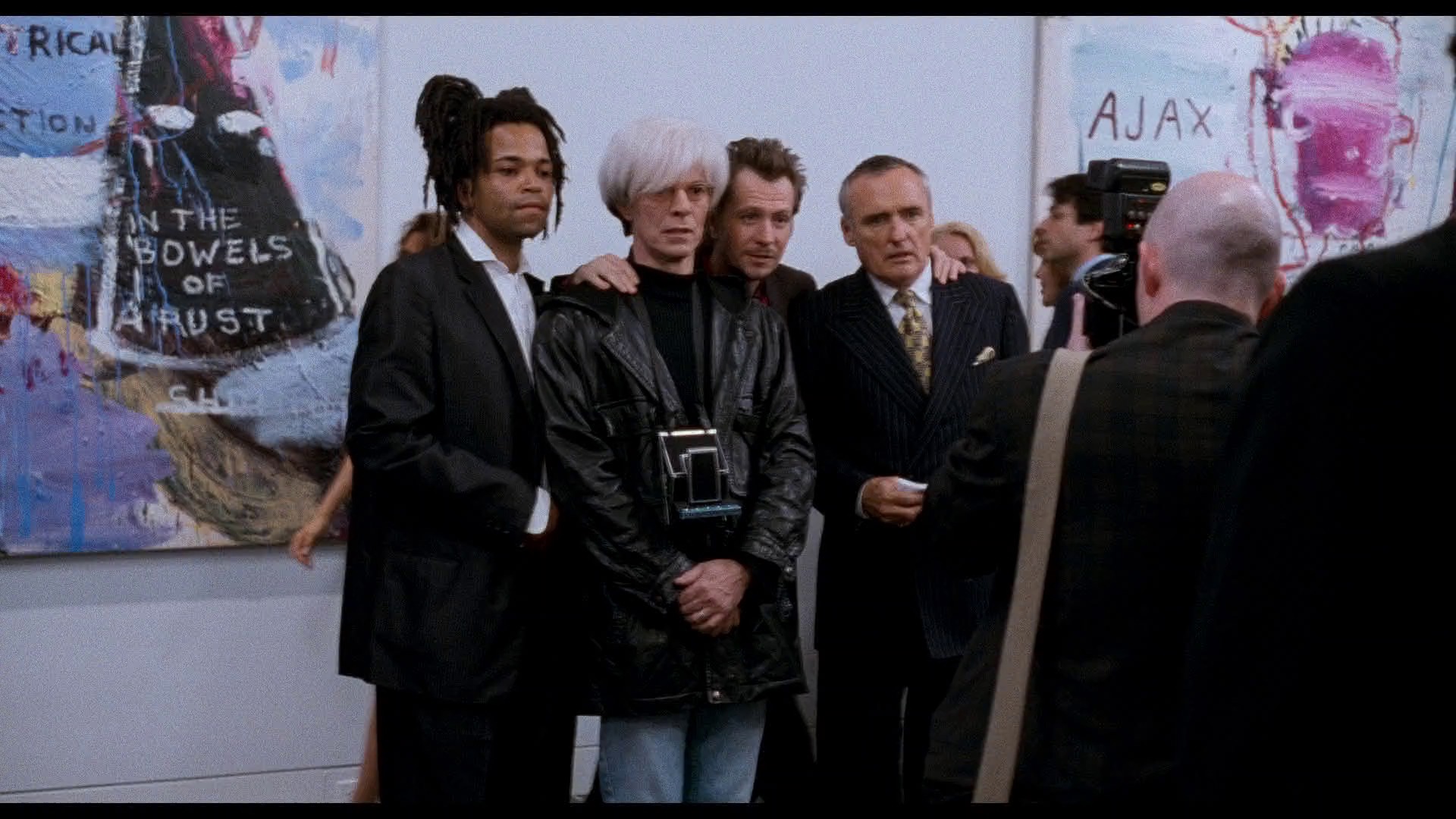
After only being available on DVD since 2002, Basquiat finally receives a significant upgrade courtesy of Criterion with a new 4K UHD edition. The film has been restored in 4K from the original camera negative, but with one notable change: director Julian Schnabel has opted to present the film in black-and-white for this release. This new version is presented in 4K with Dolby Vision HDR on a triple-layer UHD disc, framed at the film’s original aspect ratio of 1.85:1.
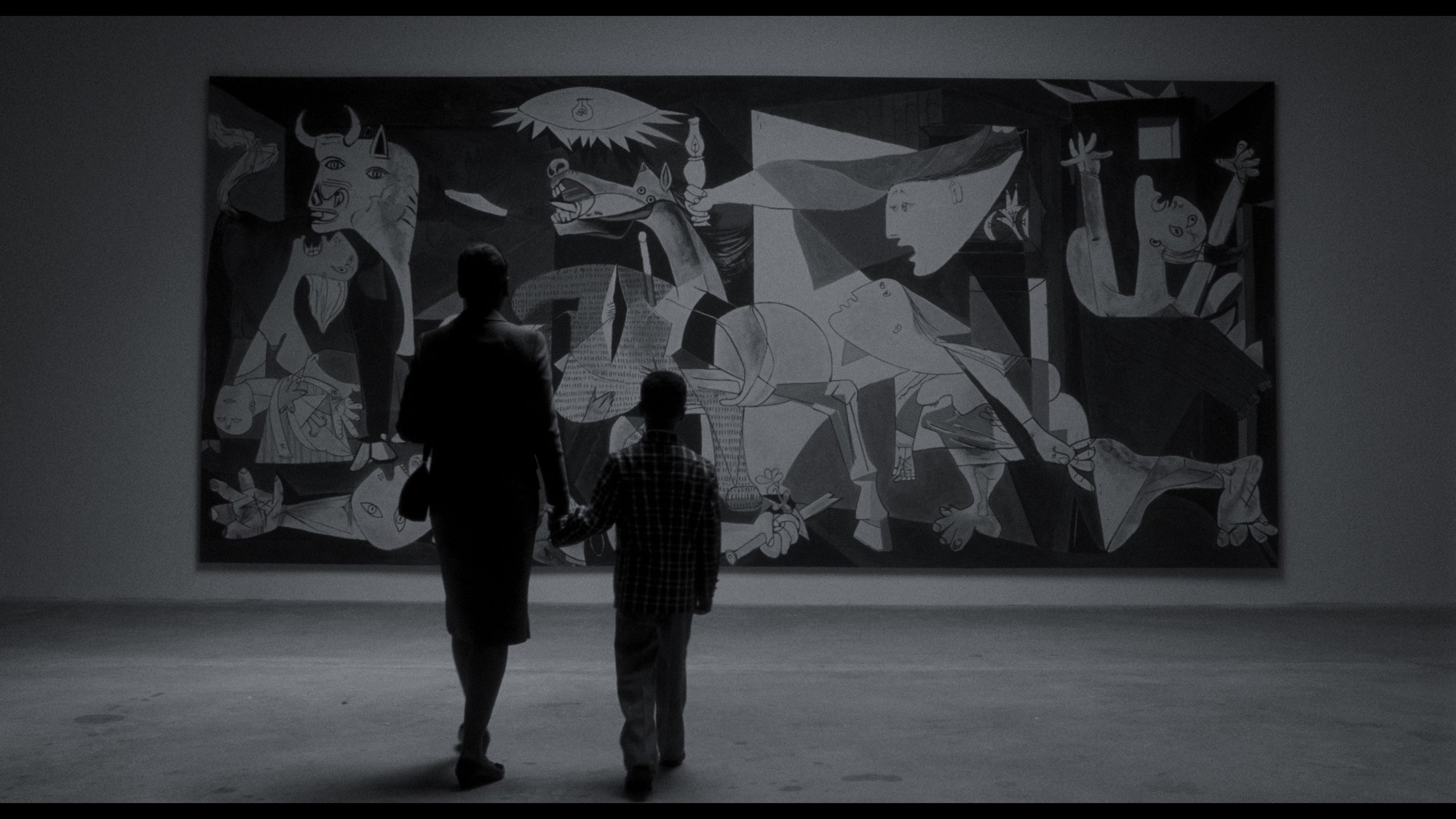
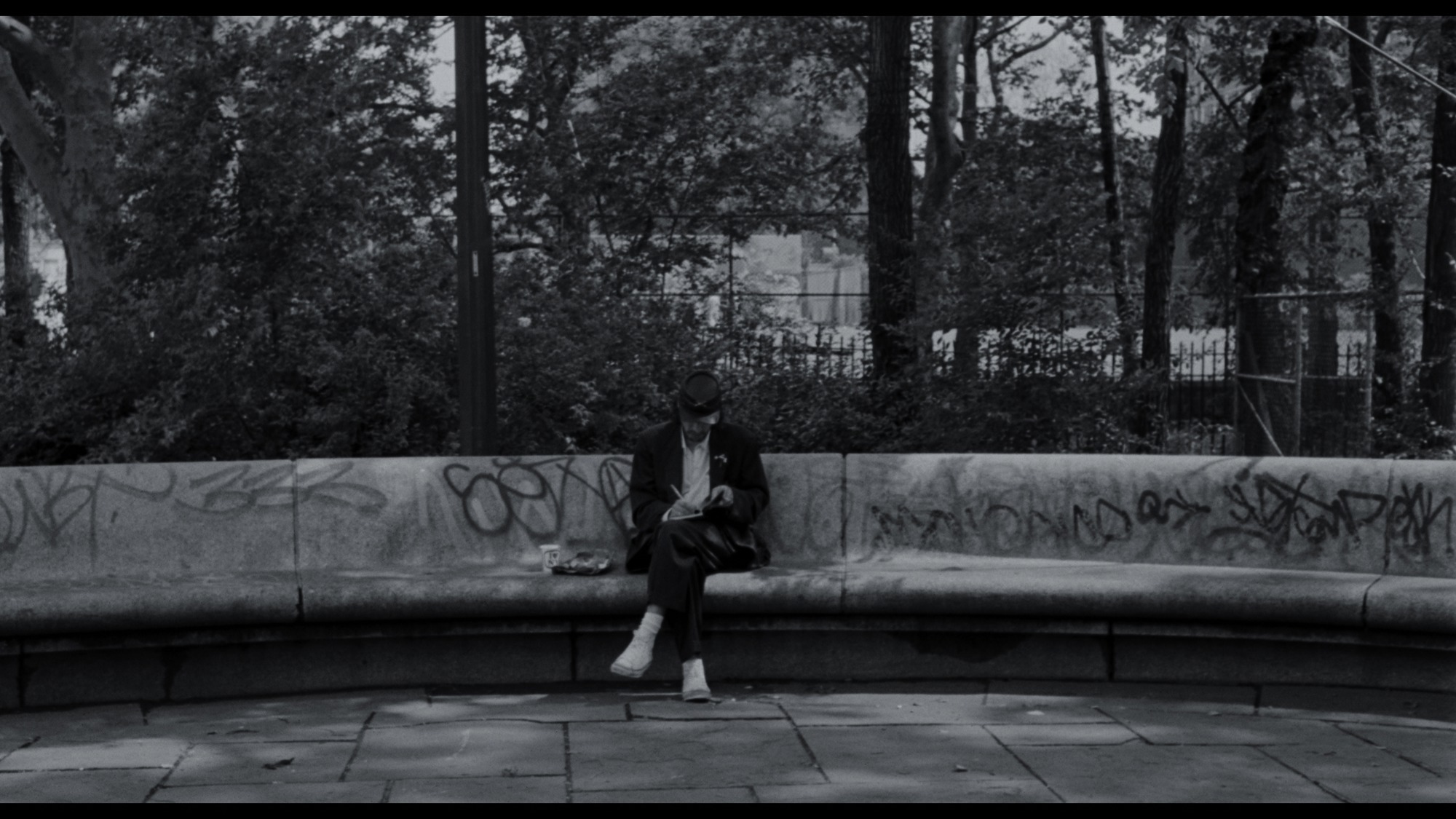
It won't (or shouldn't) come as a shock, but the upgrade over the old DVD is massive. The 4K presentation offers an incredible leap in clarity, with a sharp and highlyt detailed image that delivers a clean film texture. Grain is natural and finely resolved, never looking noisy or artificial. The restoration work appears impeccable as well, with no significant blemishes or marks calling attention to themselves.
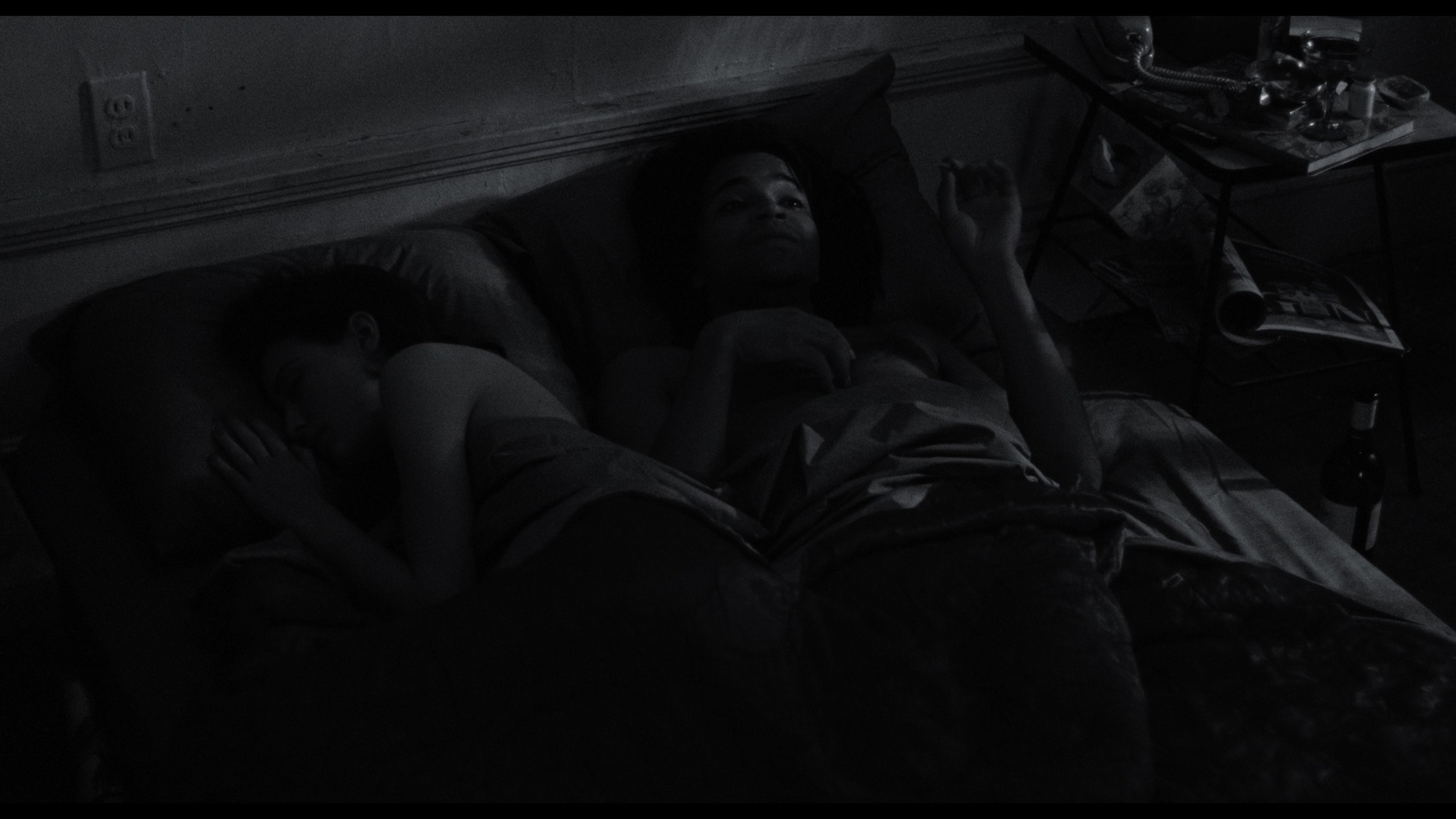
The grayscale and contrast are standouts, with Dolby Vision and HDR doing a lot of heavy lifting. Blacks are rich and inky, shadows are deep without crushing, and the range between highlights and darker areas is wide and clean. Highlights are bright without appearing blown out, giving the image a strong photographic quality. The presentation maintains a wonderful sense of depth, emphasizing the stylized look Schnabel seems to have been aiming for with the new black-and-white version. Though the bulk of the film is now presented in black-and-white, a brief post-credits sequence reintroduces color, and it looks fantastic, with vibrant pops—especially striking yellows—that make one wish that version were also here in 4K. The good news is that the color version has been included, though it ends up being a bit of a letdown.
As usual with Criterion's 4K releases, a standard Blu-ray is included, and along with all of the video features it holds a 1080p presentation of the black-and-white, alongside the original theatrical color version, which is also restored in 4K but only available here in high-definition. Both are accessible via the main menu as alternate playback options, though the color version is ultimately treated like a supplement in how it has been handled here. While the high-def black-and-white version is solid overall—some minor compression artifacts aside—it pales next to the 4K disc yet easily outperforms the color version in terms of encoding and overall quality.
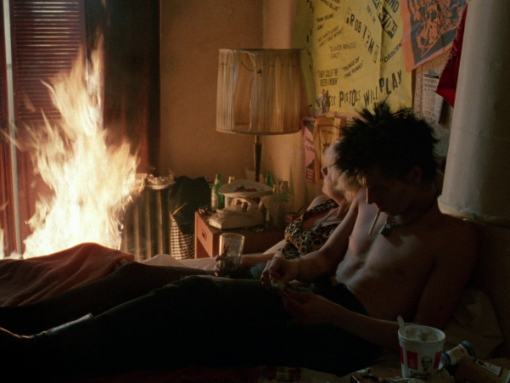
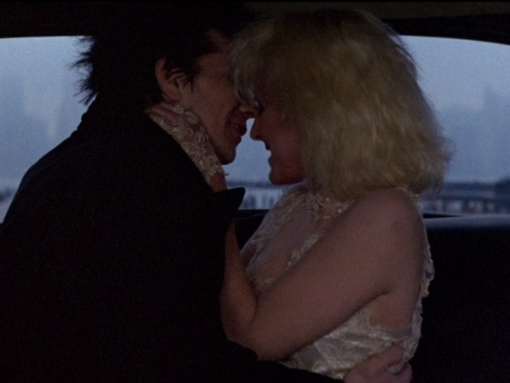
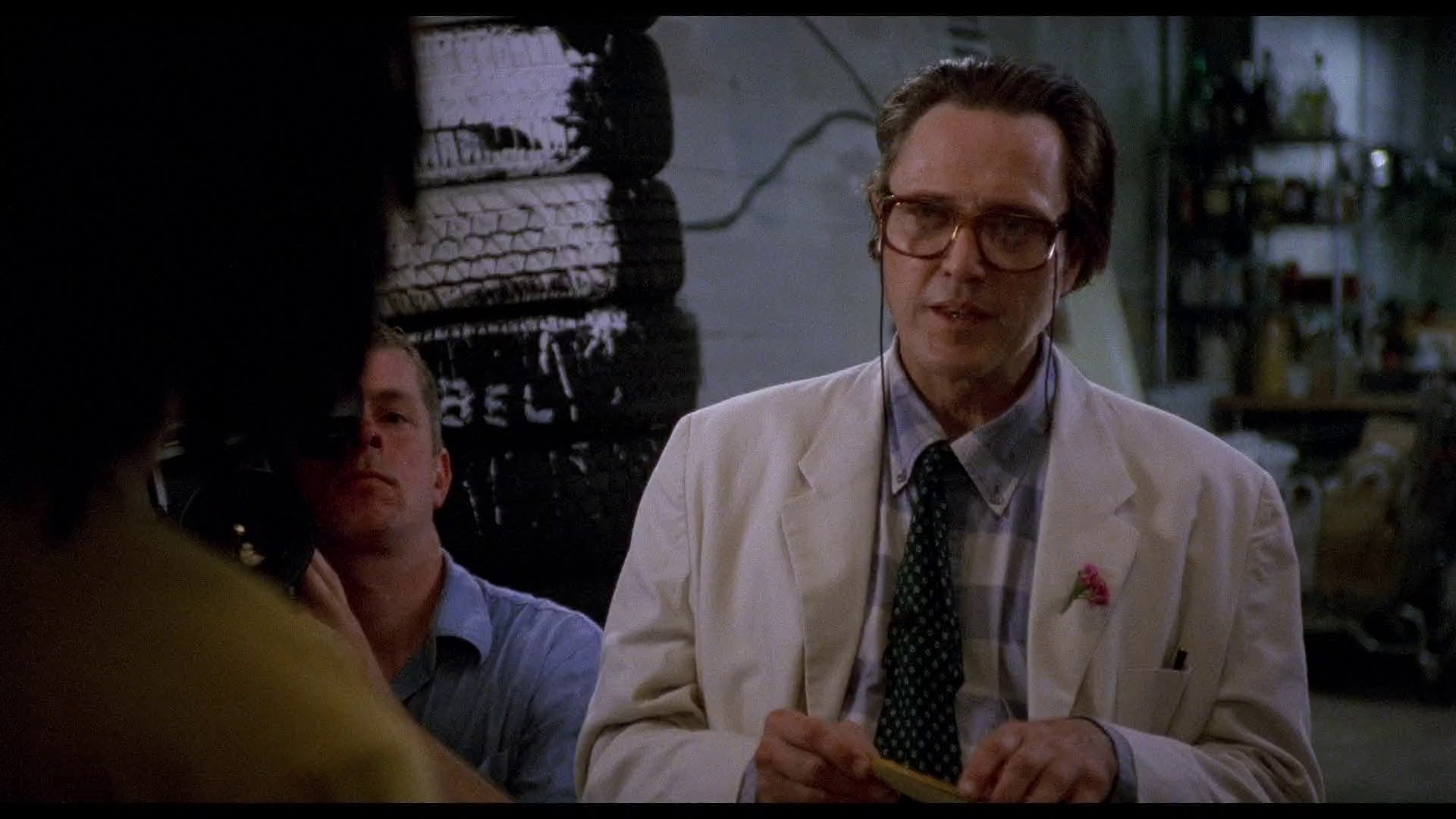
The color version looks fine in terms of color reproduction and general sharpness and is, by itself, a noticeable step up from the old DVD. However, the compression is rough, with visible macroblocking and an overall flatter look compared to the black-and-white transfer. Again, it’s a shame Criterion didn’t also present the color version in 4K, especially since the post-credits glimpse shows just how gorgeous a full color presentation could have looked. Not helping matters, its file size is notably smaller than the black-and-white version’s 1080p encode, suggesting less care was given to how it would come out.
Ultimately, Criterion’s 4K presentation of the new black-and-white version is the real selling point here, and it delivers a gorgeous, film-like experience.
(The last six screen captures were taken from the high-def color presentation of the film.)
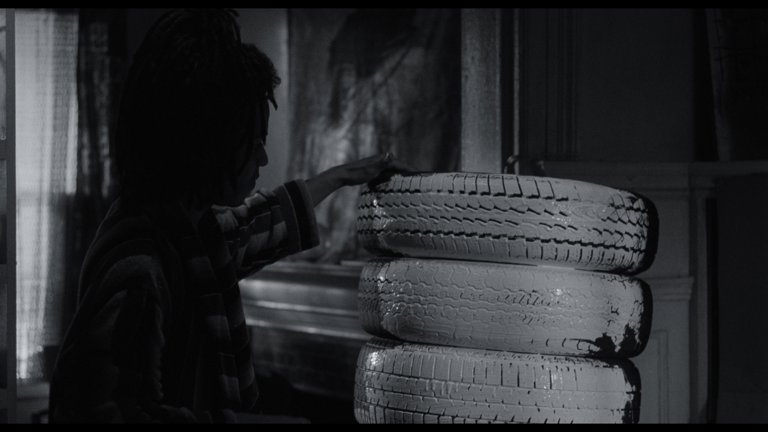
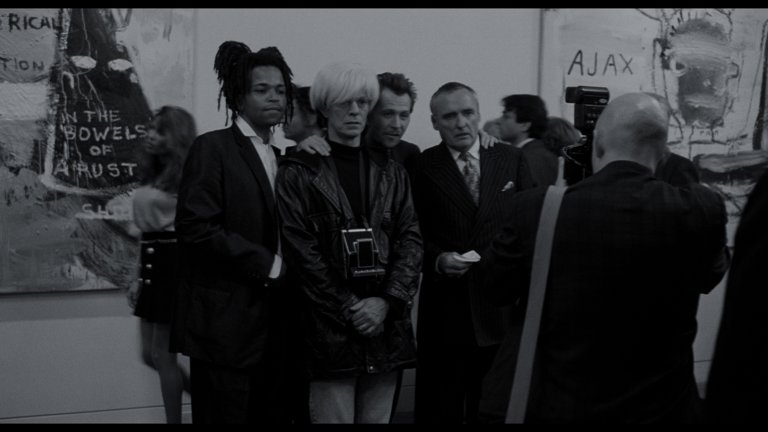
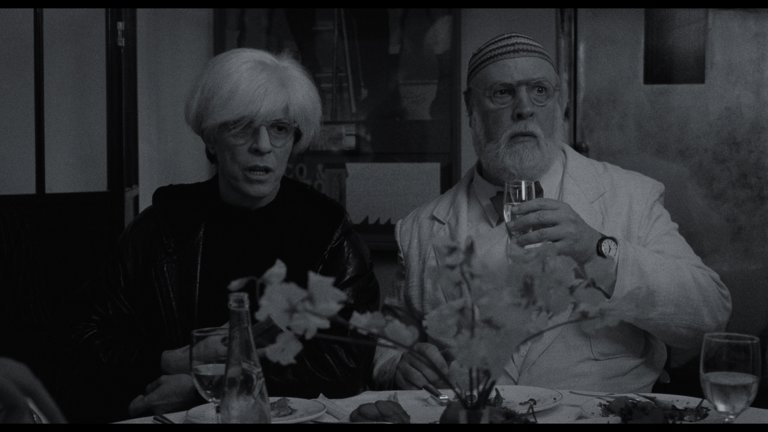
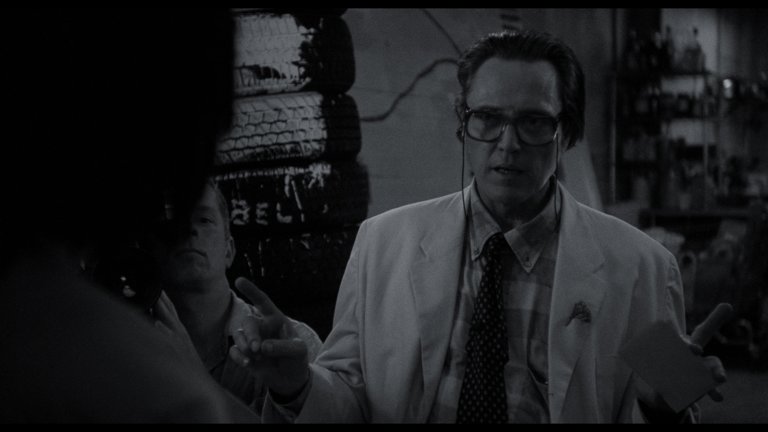
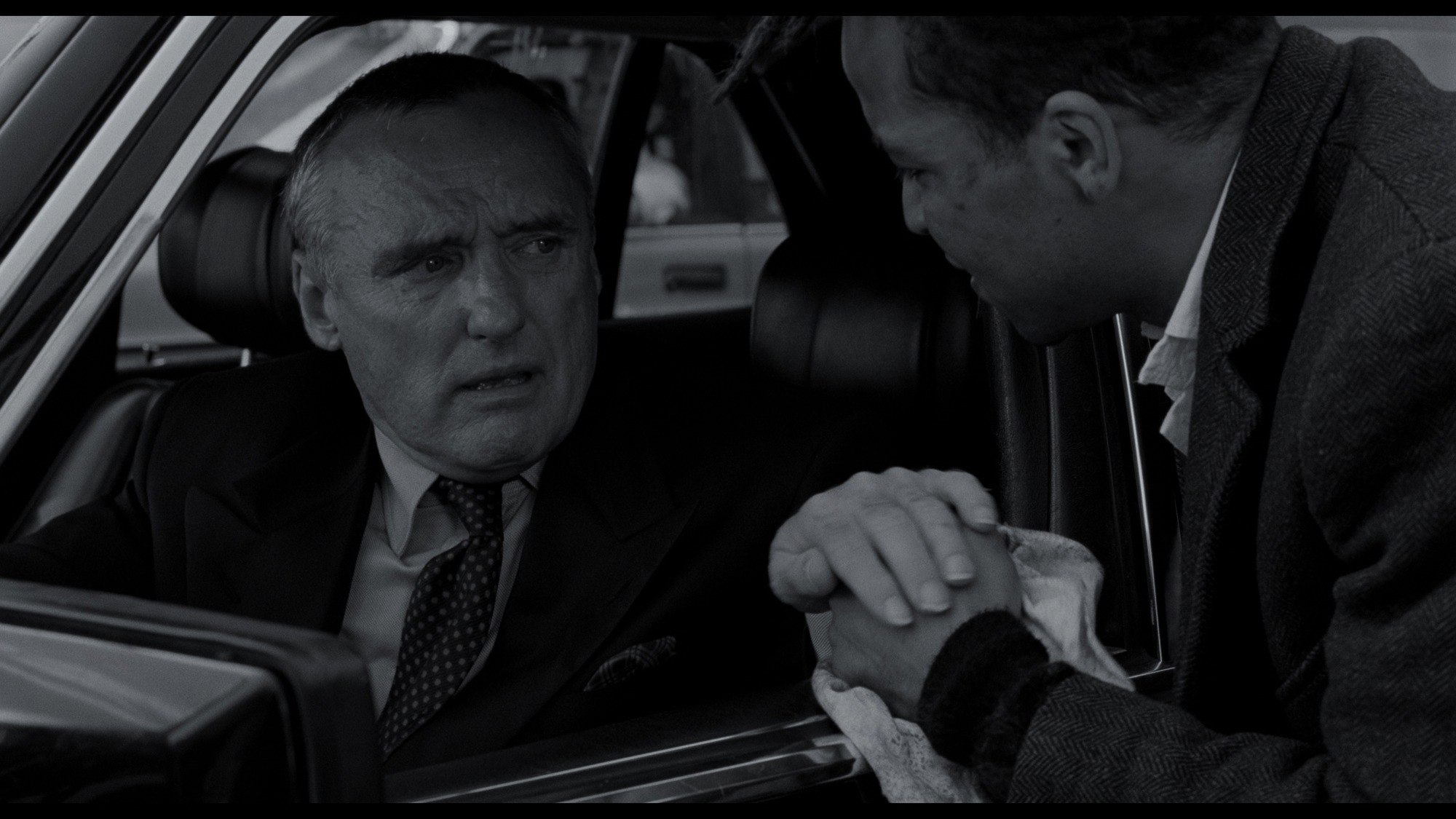
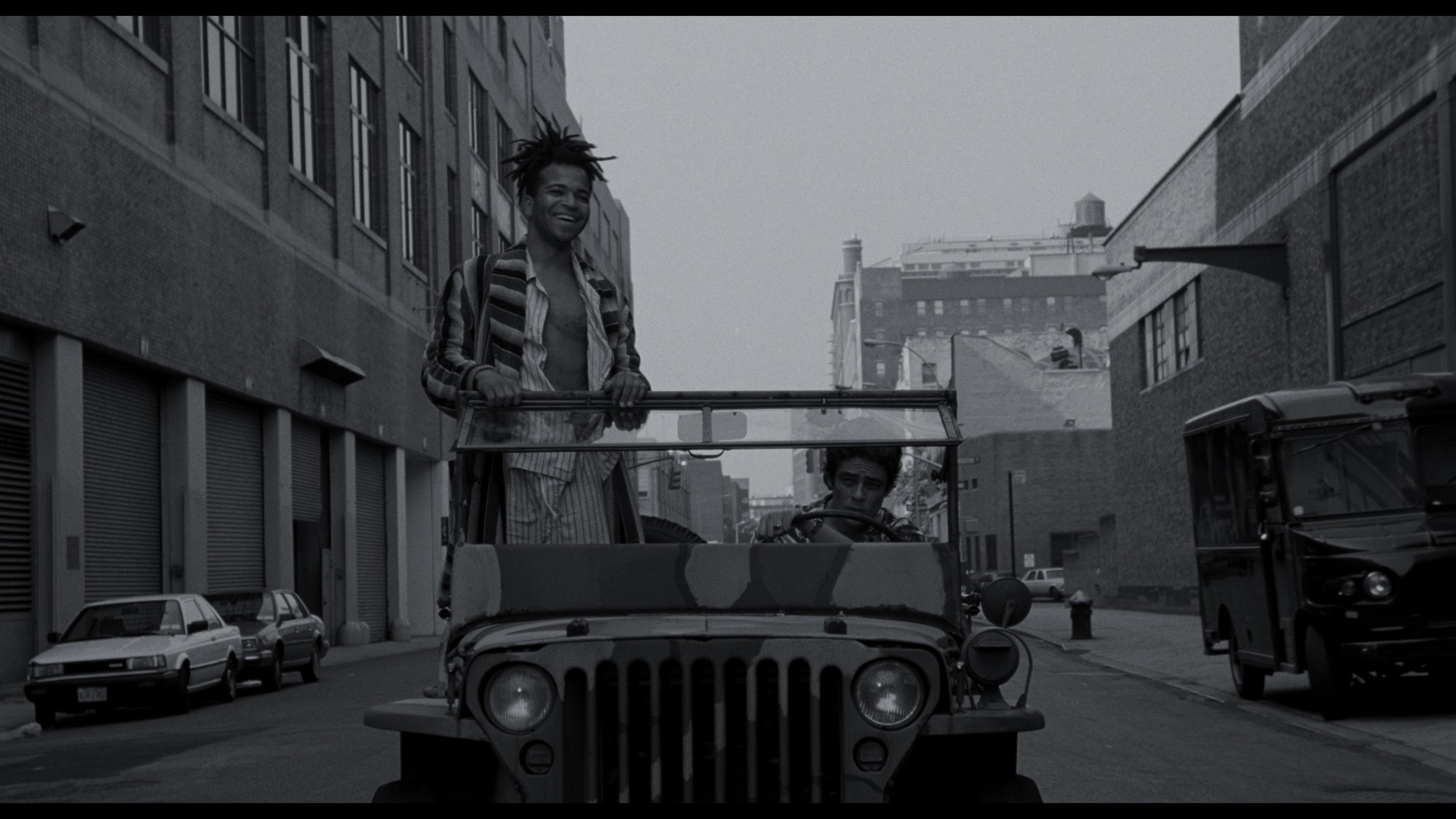
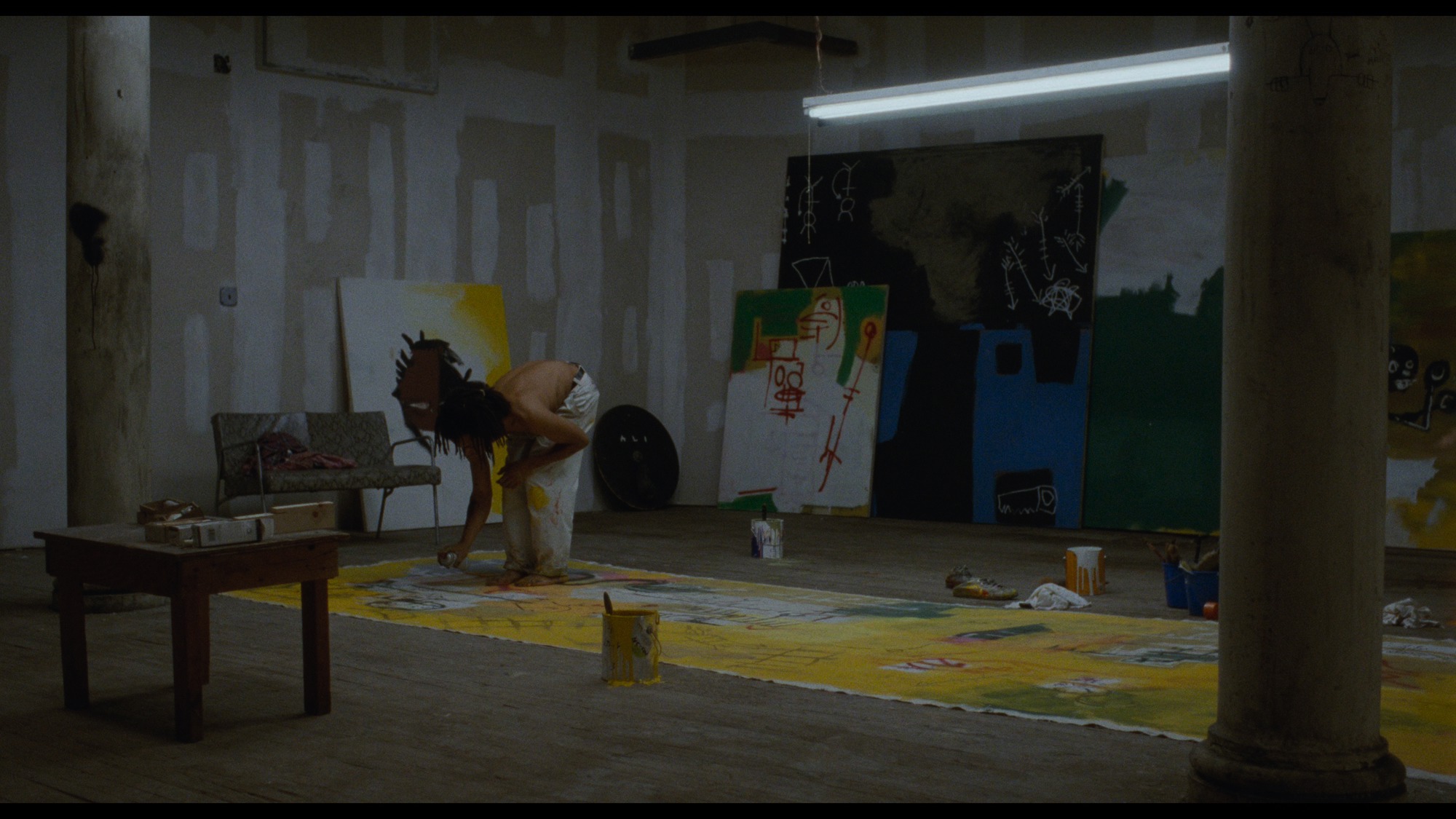
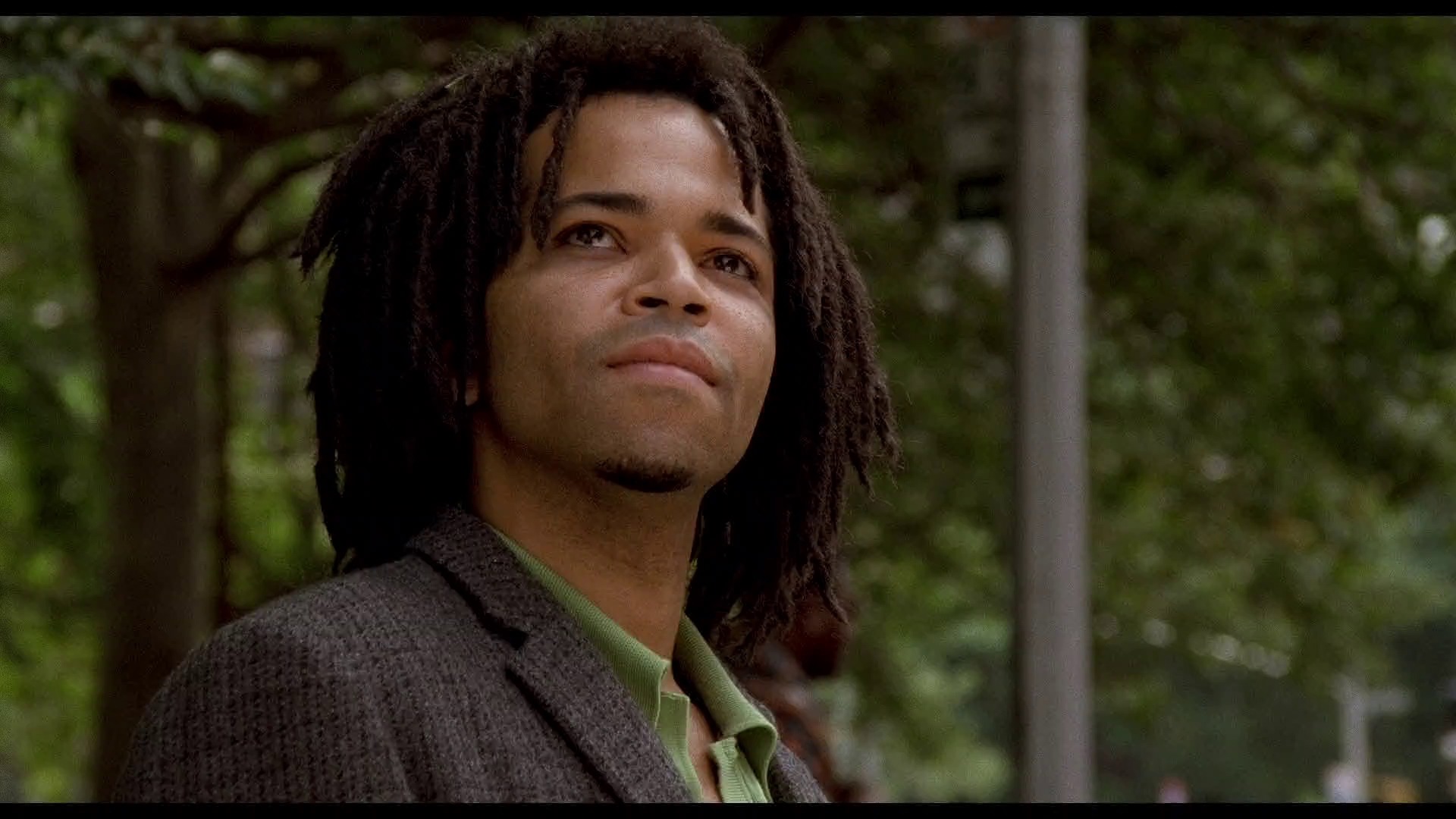
Audio 8/10
Both the new black-and-white version and the original theatrical color version of Basquiat come with DTS-HD MA 5.1 surround tracks, and both sound excellent.
The mix is sharp and lively, offering a wide dynamic range that gives the film’s eclectic soundtrack real punch. Music is a particular highlight, with tracks spreading cleanly across the soundstage and delivering strong low-end support without overwhelming the other elements. Dialogue remains clear and precise throughout, with excellent fidelity and clarity.
While most of the more active moments are front-loaded, ambient effects—like the chatter at gallery showings or the bustle of city streets—are effectively pushed into the surrounds, creating a convincing and immersive environment when needed. The mix overall is subtle but nicely handled, supporting the film’s tone and atmosphere.
Extras 8/10
Criterion has assembled a modest but worthwhile set of supplements for their edition of Basquiat, starting with a new commentary found on both the 4K and Blu-ray presentations of the black-and-white version (not the color version), featuring director Julian Schnabel in conversation with writer and curator Giulia D’Agnolo Vallan, who serves as moderator. The track starts off a little rough, with Vallan asking questions—such as the choice of the Pogues' song in the opening—that Schnabel seems to struggle in answering meaningfully. On occasion Vallan will also interject with her own thoughts or clarifications following comments by Schnabel, as though she may know better what Schnabel wanted more than Schnabel, making the track feel a bit awkward here and there. However, it improves as it goes, especially when Schnabel discusses why he, as a painter, decided to jump into the director's chair to make the film. He shares insights into his personal connection to Basquiat and the art scene of the time, the challenges of getting the film made, recreating Basquiat's artwork after being denied access to originals, and the casting process, particularly Jeffrey Wright's transition from stage to screen.
And speaking of, we also get a new 25-minute interview with Jeffrey Wright (found on the Blu-ray alongside the other video supplements), who reflects on his early days pursuing acting, beginning with his mother taking him to see theater productions as a child. He discusses his struggles as a young actor following his move to New York, eventually landing a breakthrough role in the stage production of Angels in America, which changed the course of his career. Wright recounts how he first became involved with Basquiat, initially auditioning for the role of Benny (later played by Benicio del Toro) before being offered the part of Basquiat himself. Admitting he felt out of his depth transitioning from stage to film, Wright details the preparation he undertook, including researching Basquiat’s life and practicing painting techniques. He also shares his experiences working alongside the film’s impressive supporting cast, crediting them with helping to elevate his performance, and poignantly notes that his cousin, who passed away only a few years ago, portrayed the younger version of Basquiat in the film. Wright, who also sat for Criterion’s release of Ride with the Devil, provides one of the release’s highlights, with an insightful and personal perspective on the film.
Criterion then digs up a 55-minute excerpt from a 1996 episode of The Charlie Rose Show, featuring an interview with Julian Schnabel and David Bowie conducted around the time of Basquiat's release. The first half centers on Rose and Schnabel discussing the film’s development. Schnabel talks about what drove him to finally make the film, though his comments on Basquiat himself remain fairly surface-level, suggesting (along with similarly slim comments in the commentary) a more casual acquaintance than close friendship (even though Oldman's character in the film is said to represent Schnabel). Bowie joins for the second half to discuss his portrayal of Andy Warhol, openly admitting he approached the role as more of an impersonation, having only known Warhol in passing and by reputation. In contrast to Schnabel’s more guarded answers, Bowie is refreshingly candid about his distance from the real-world figures involved. The two also touch on the commercial aspects of the art world—then and now—with some mild debate between Schnabel and Bowie. Bowie also praises Christopher Walken’s scene with Jeffrey Wright, highlighting it as one of the film’s standout moments.
And finally, what is probably the biggest inclusion. As mentioned in the video portion, Criterion does include the original theatrical color version of Basquiat, presented in 1080p on the Blu-ray. Though only available in high-definition—and suffering from heavy compression artifacts—it’s still a welcome inclusion. The color presentation, while serviceable and a clear upgrade over the old DVD, highlights how much the black-and-white version changes the tone of the film. The absence of color, particularly in scenes showcasing Basquiat’s paintings, is strongly felt, and it only becomes more apparent during the post-credits sequence in the new black-and-white version, where we get one short sequence in full color. Again, I’m happy we at least get this, but I can't stress how disappointed I am that the original version wasn’t given the full 4K treatment as well.
As to why the black-and-white version exists (and is the preferred version here), director Julian Schnabel does briefly discuss his decision to convert the film to black-and-white in the new commentary, explaining that it made the film feel "poorer," less "joyful" and “decorative”, and more in line with the style of a Shirley Clarke film. While the black-and-white version is handsomely done—with a film-like appearance that suits the material well—there’s still a sense that something is lost without the vivid presence of color, especially in relation to the artwork. As far as can be determined, the cuts between the two versions are identical, with the exception of the added post-credits scene in the new black-and-white version. Someone with keener eyes may know different, though.
Criterion then closes off with two trailers: the original Miramax promotional trailer (sourced from a video master and looking more like a home video preview than a true theatrical trailer) and a new Janus Films trailer for the 4K black-and-white restoration. While the two trailers are cut similarly—often sharing the same shots—the Miramax trailer has the energetic, hard-sell style typical of their '90s promotions, while the Janus trailer takes a more subdued and reflective approach to match the new restoration. The included insert features an essay by Roger Durling, which covers the film’s depiction of Basquiat and the 1980s New York art scene, Jeffrey Wright’s performance, and the significance of Schnabel’s decision to reframe the film in black-and-white.
All in, it’s a decent set of material with Wright’s interview and the color version (despite the weak encode) being the standouts.
Closing
Though the color version deserved better treatment, Criterion’s 4K release of Basquiat is a substantial upgrade and does deliver a stunning black-and-white presentation.
BUY AT: