Birth
BUY AT:


See more details, packaging, or compare
Synopsis
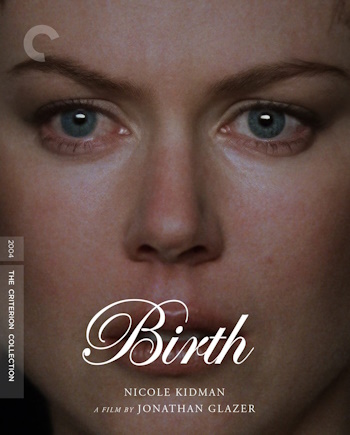
Jonathan Glazer’s second feature is a haunting cinematic enigma that explores the mysteries of the heart. Nicole Kidman delivers a masterfully multilayered performance as Anna, a widow still mourning the death of her husband a decade earlier when she meets Sean (Cameron Bright), a ten-year-old boy who claims to be his reincarnation—leading her into a wrenching confrontation with her own unresolved grief and desires. Featuring painterly cinematography by Harris Savides and a hypnotic orchestral score by Alexandre Desplat, Birth plays its outré premise with unflinching sincerity, yielding a profound emotional reverie on the possibilities of love beyond the physical realm.
Picture 9/10
Jonathan Glazer’s Birth receives a new 4K UHD edition from The Criterion Collection, presenting the film with Dolby Vision in its original aspect ratio of 1.85:1 on a triple-layer disc. The 2160p/24hz ultra high-definition presentation comes from a new 4K restoration sourced from a scan of the 35mm original camera negative. The release also includes a standard Blu-ray featuring a 1080p presentation of the film alongside all special features.
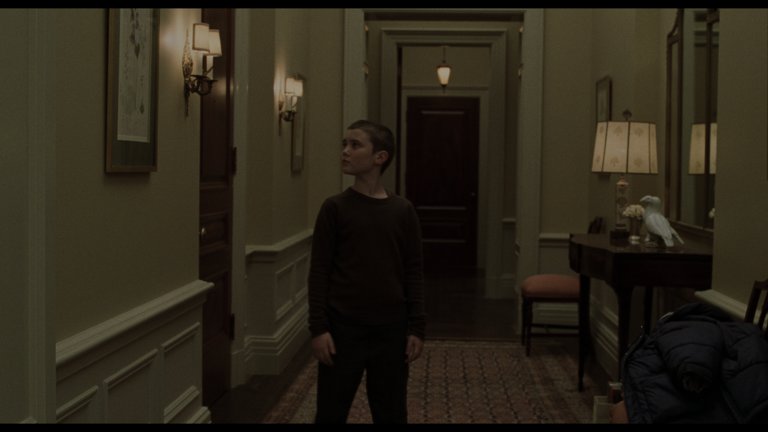
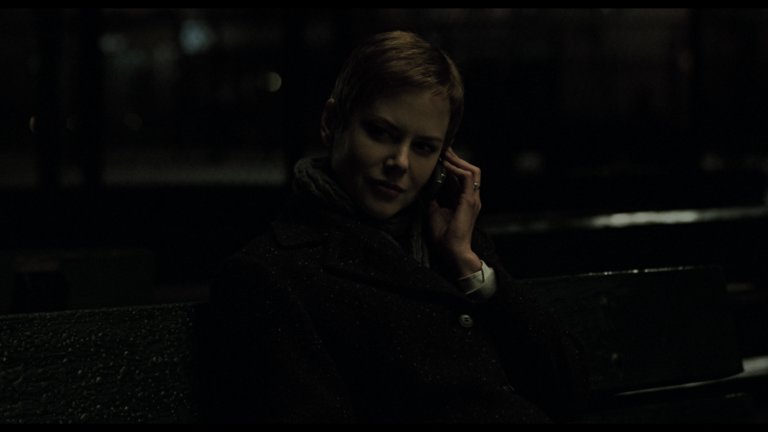
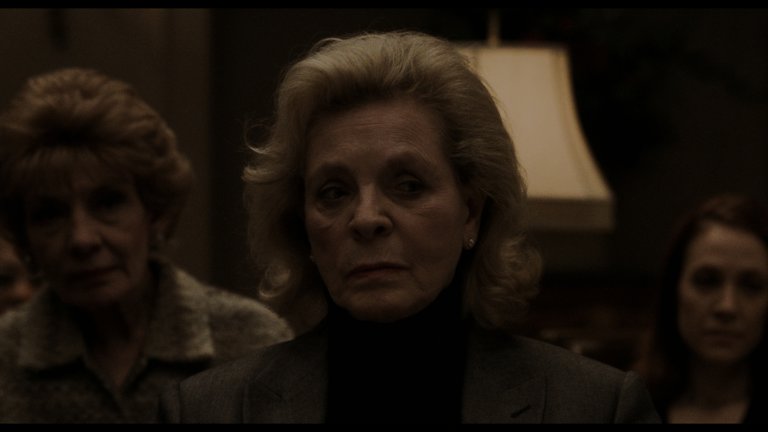
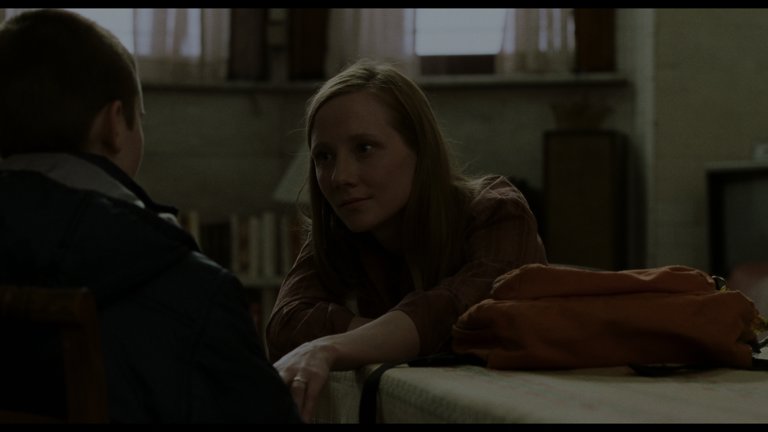
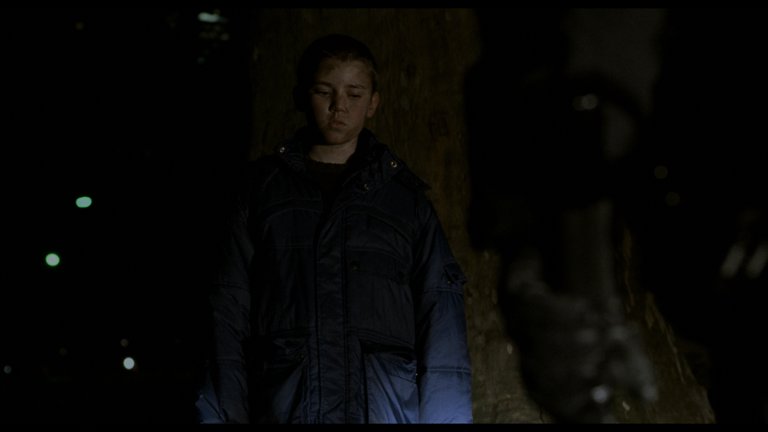
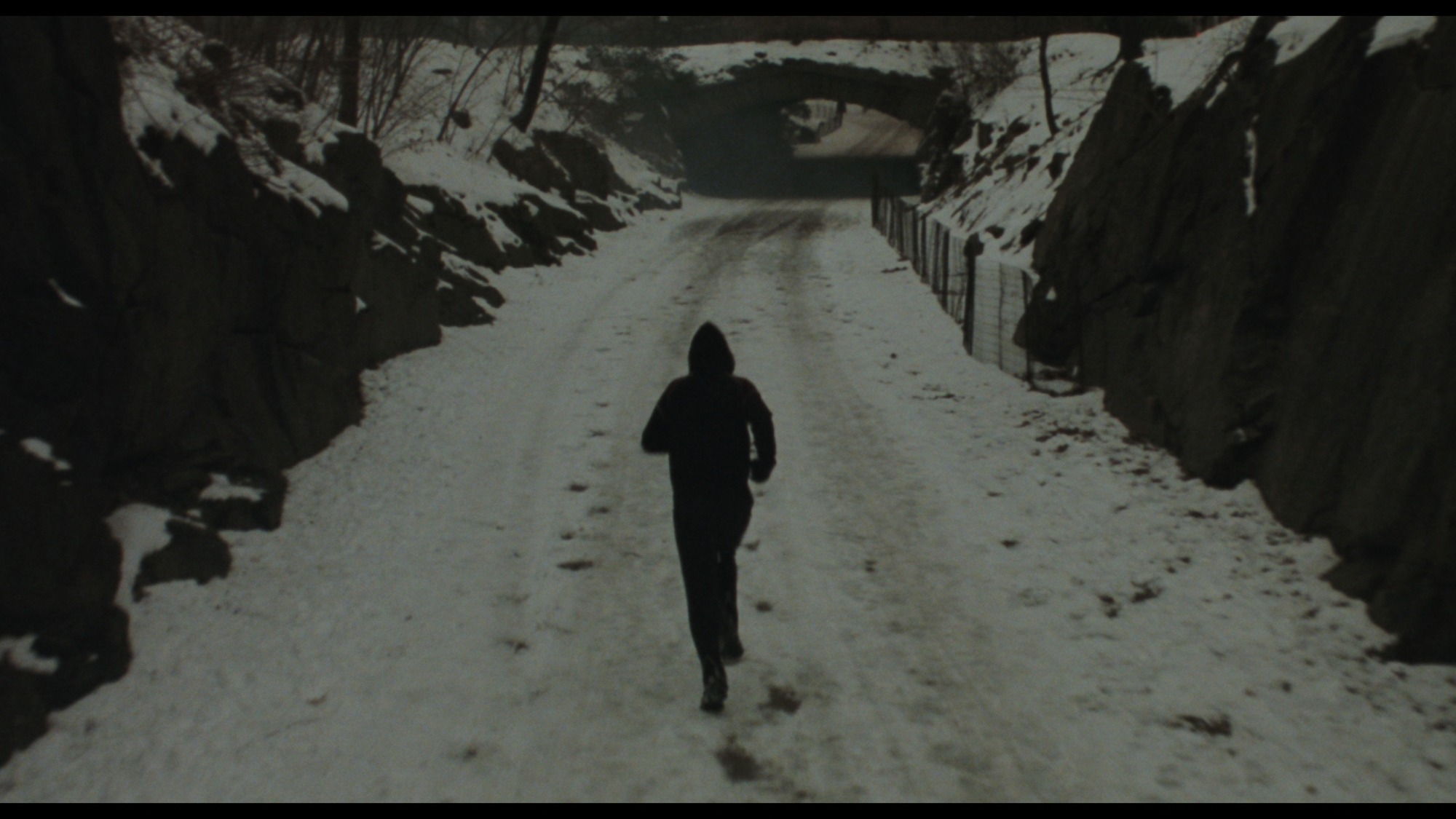
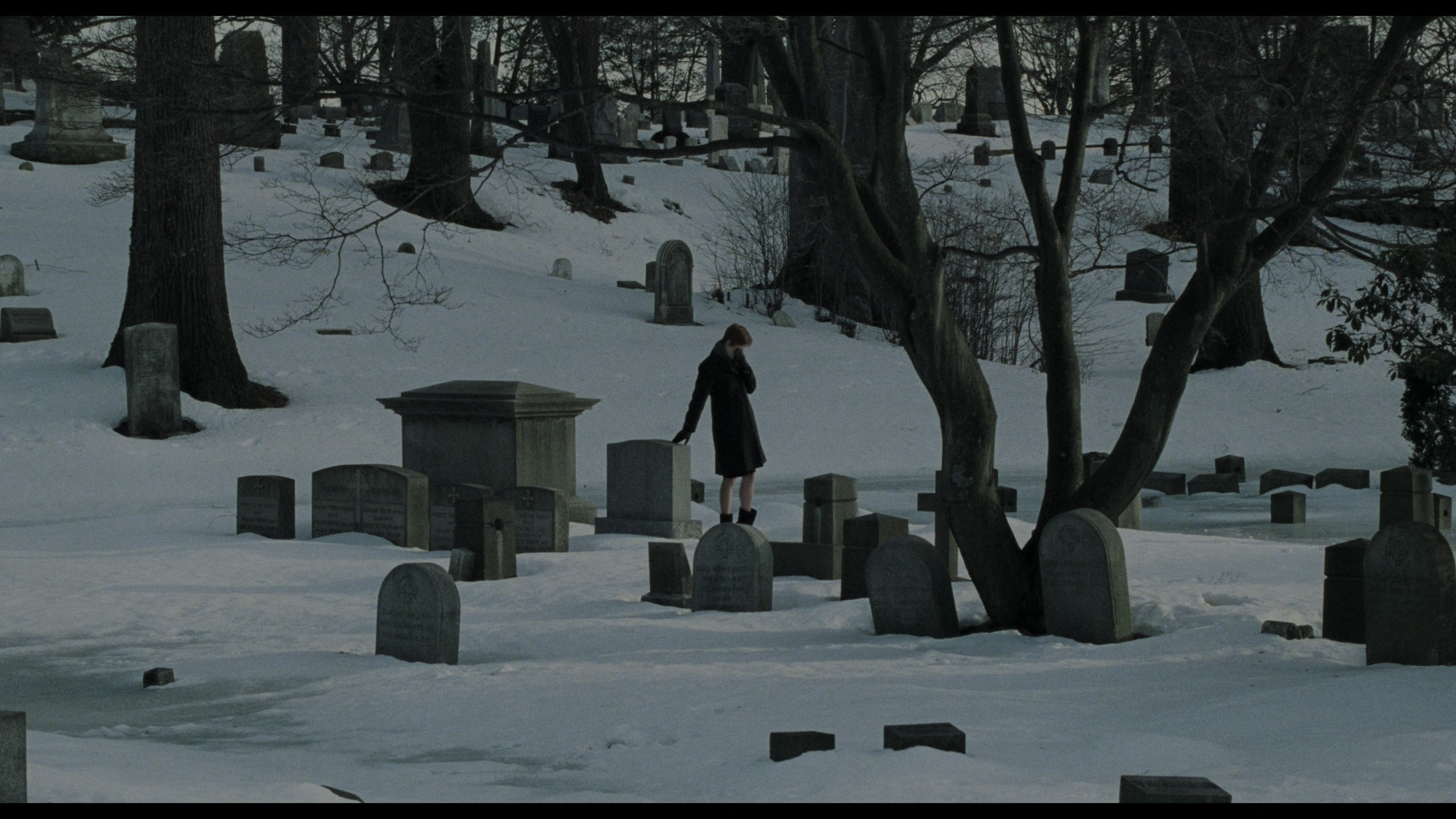
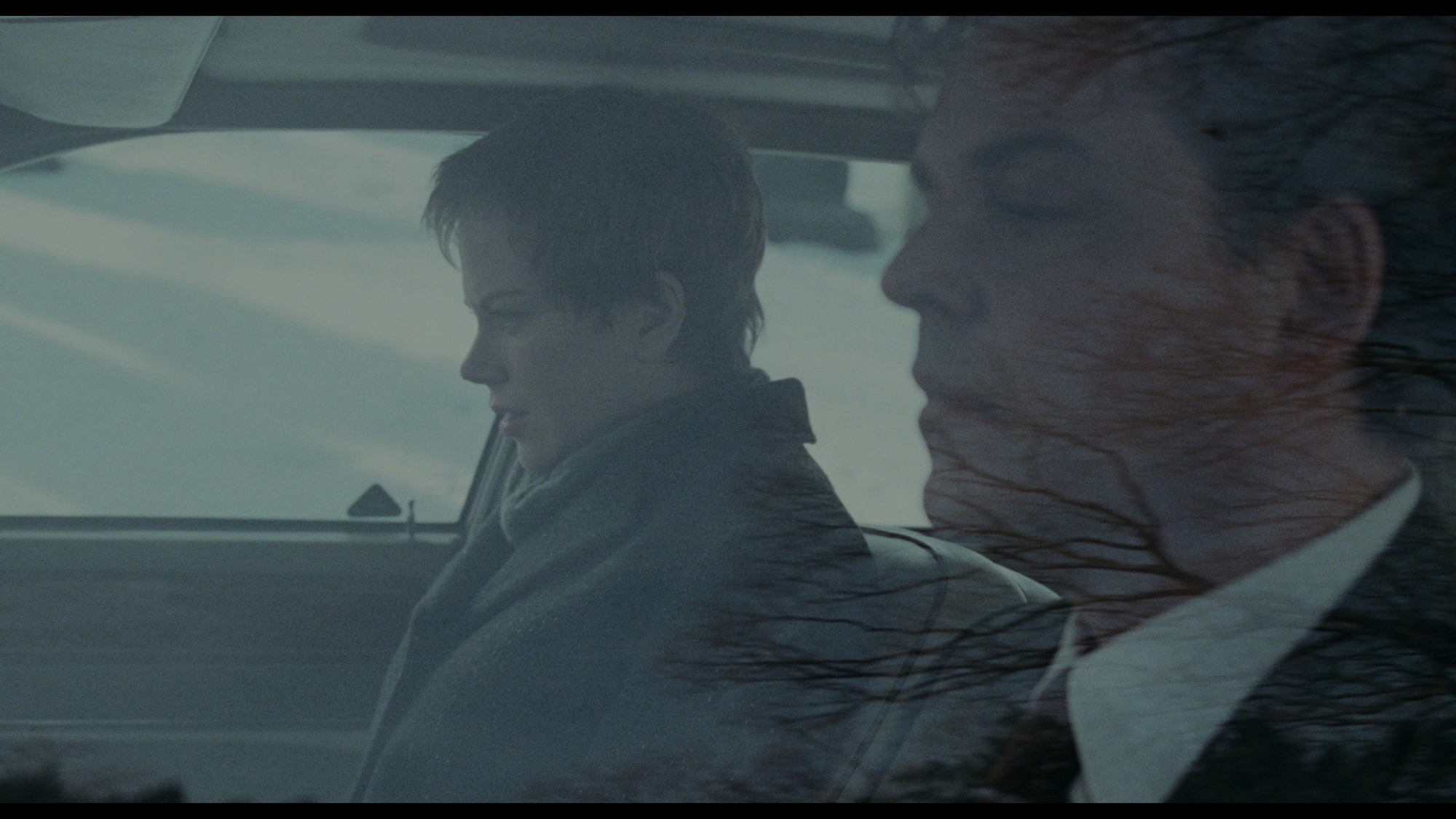
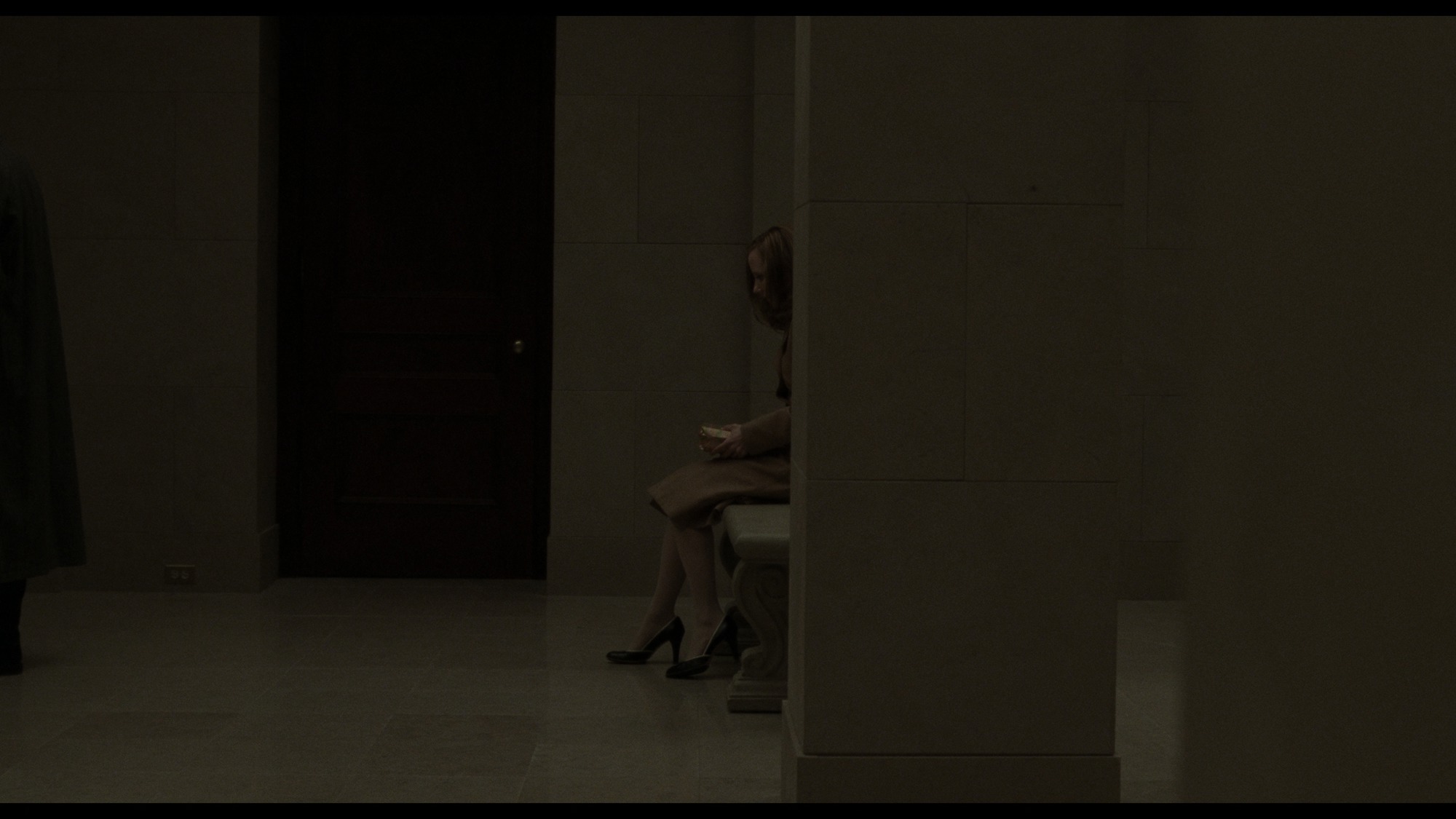
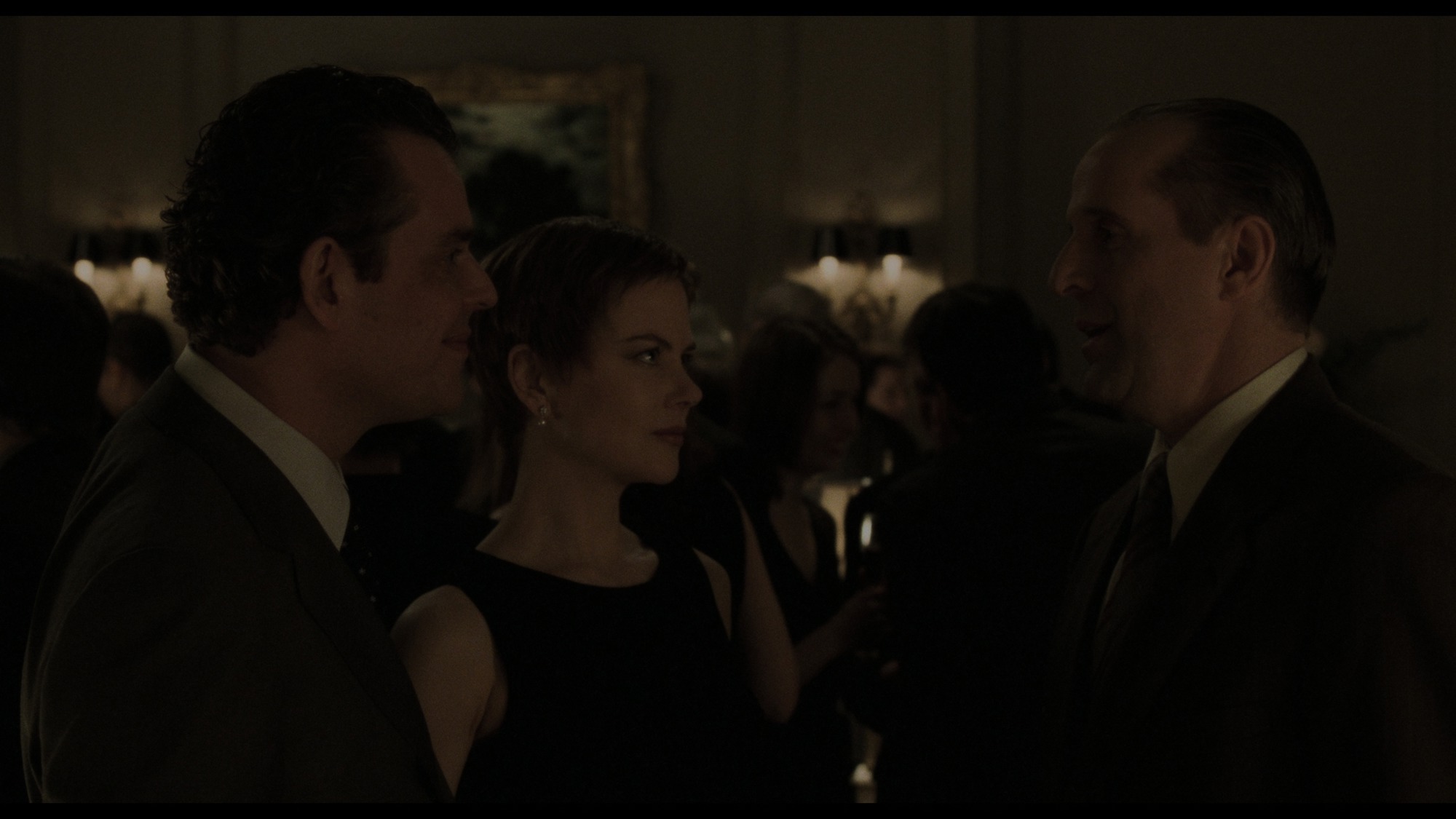
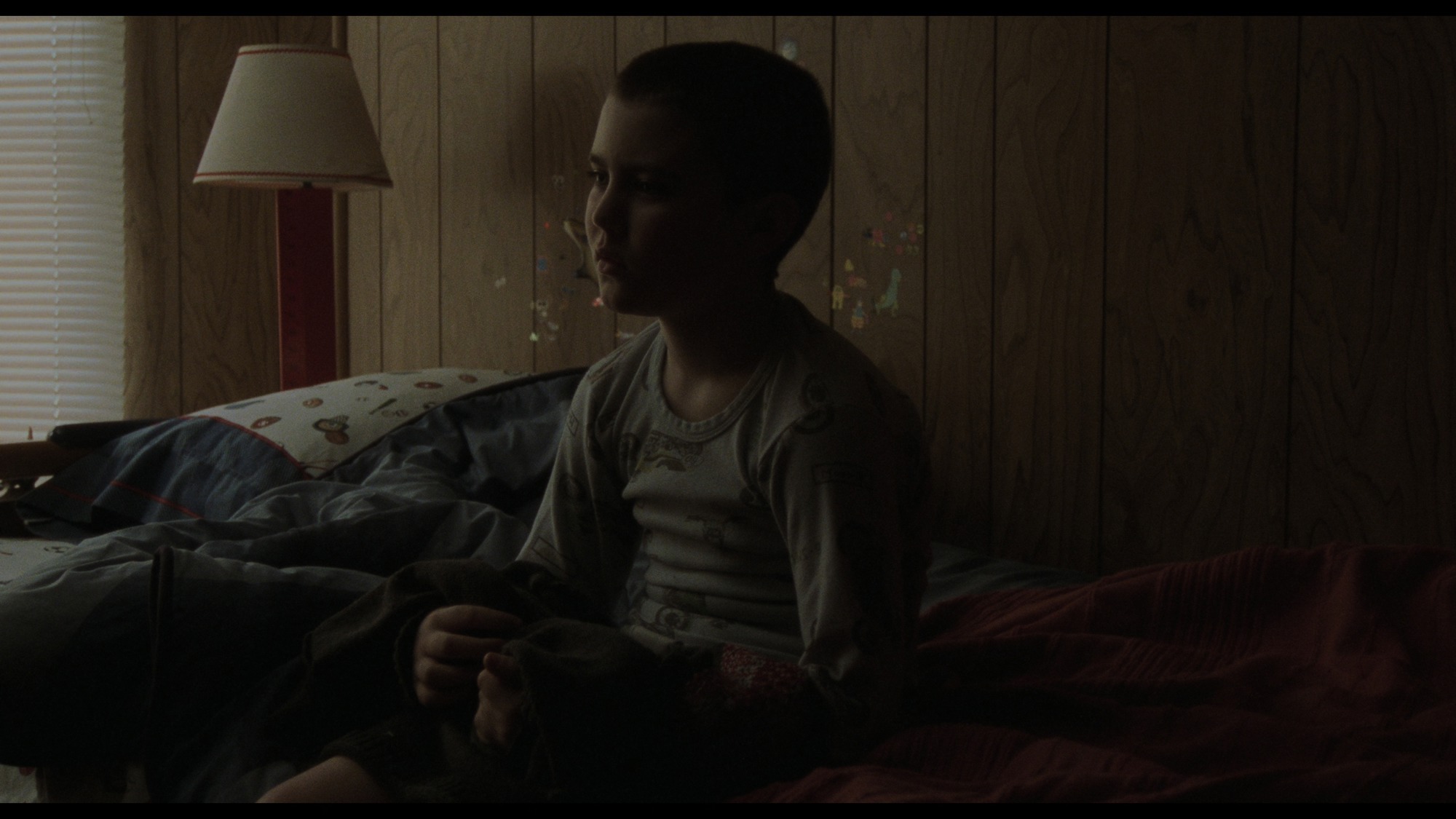
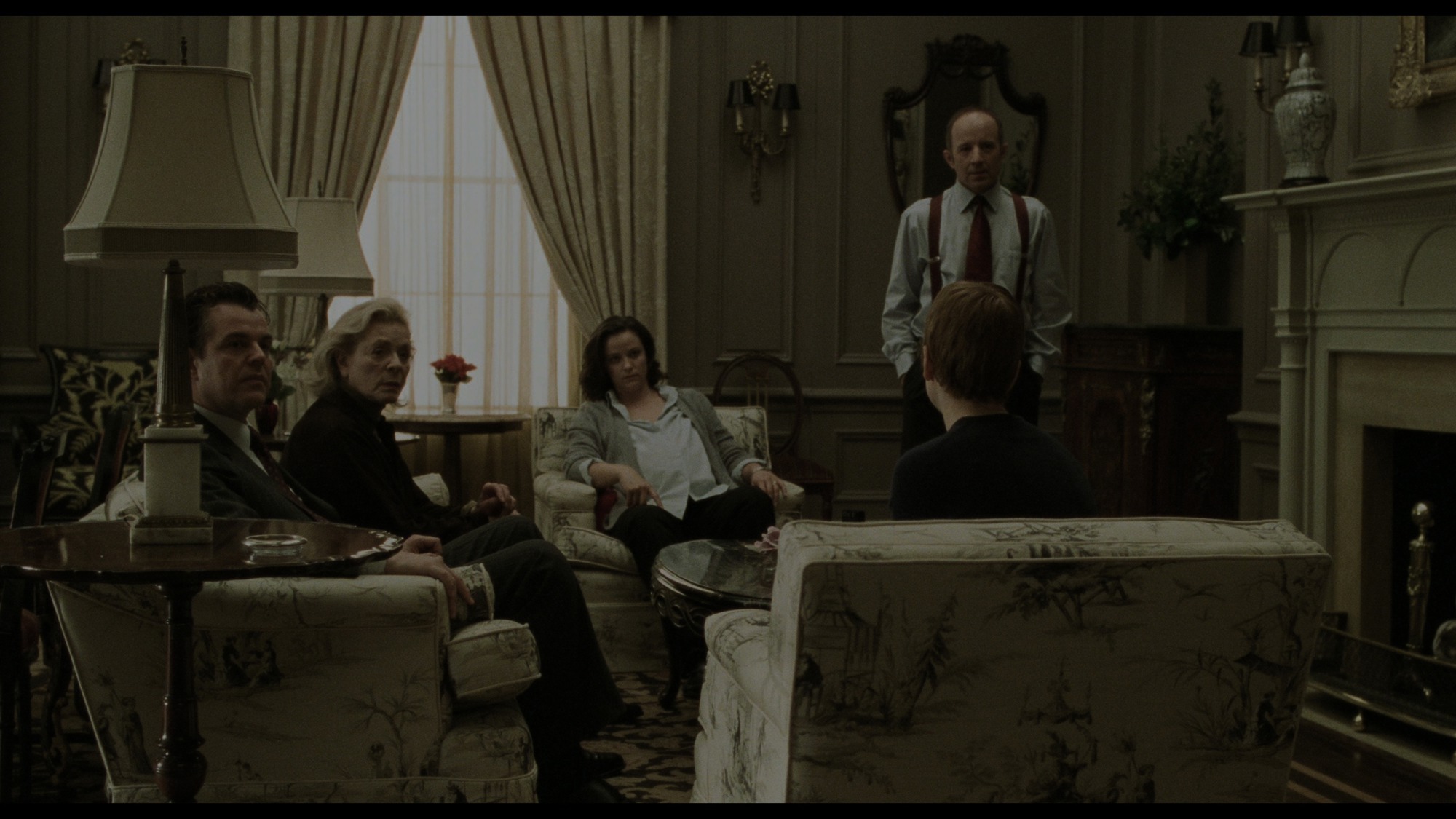
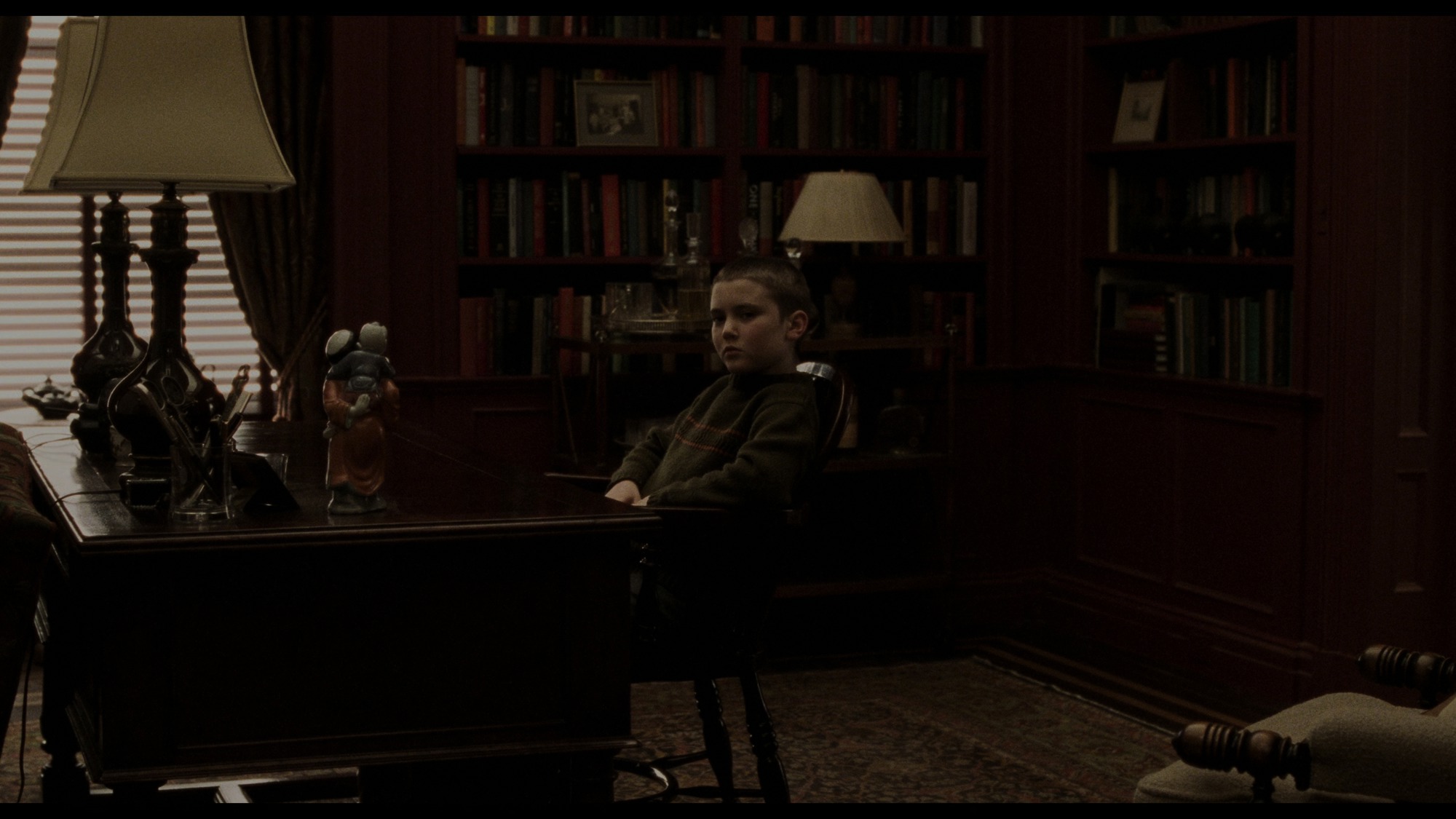
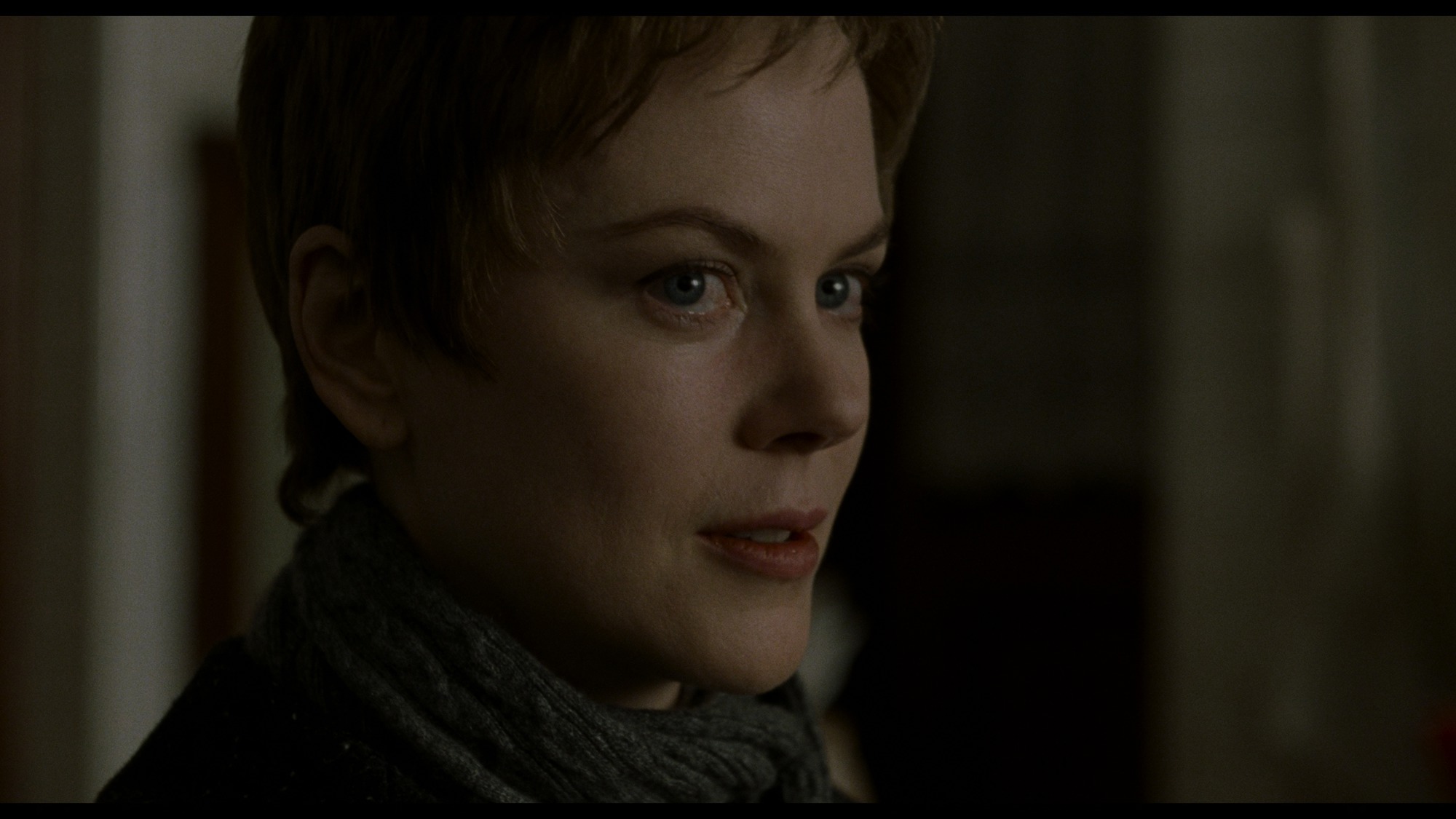
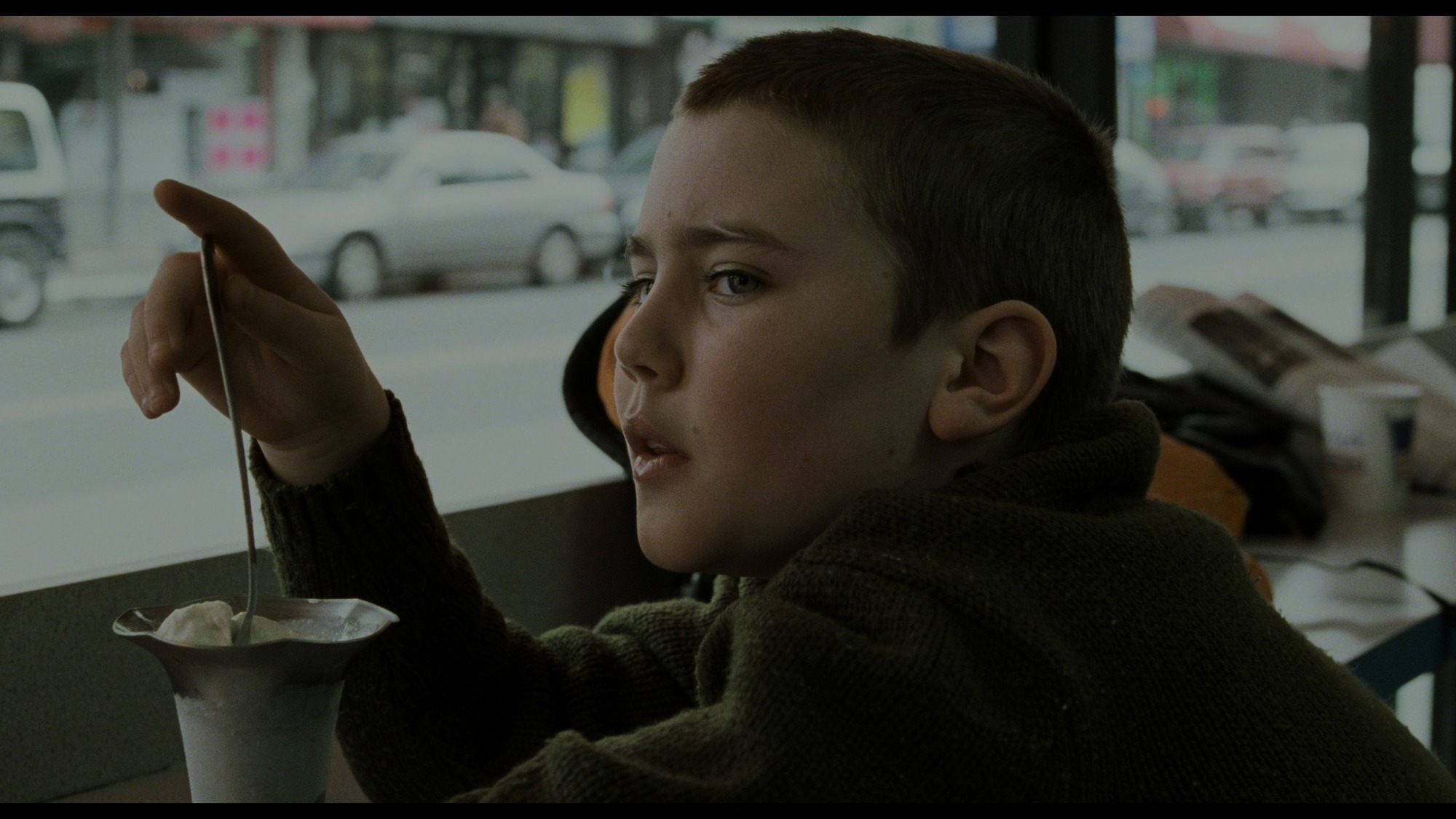
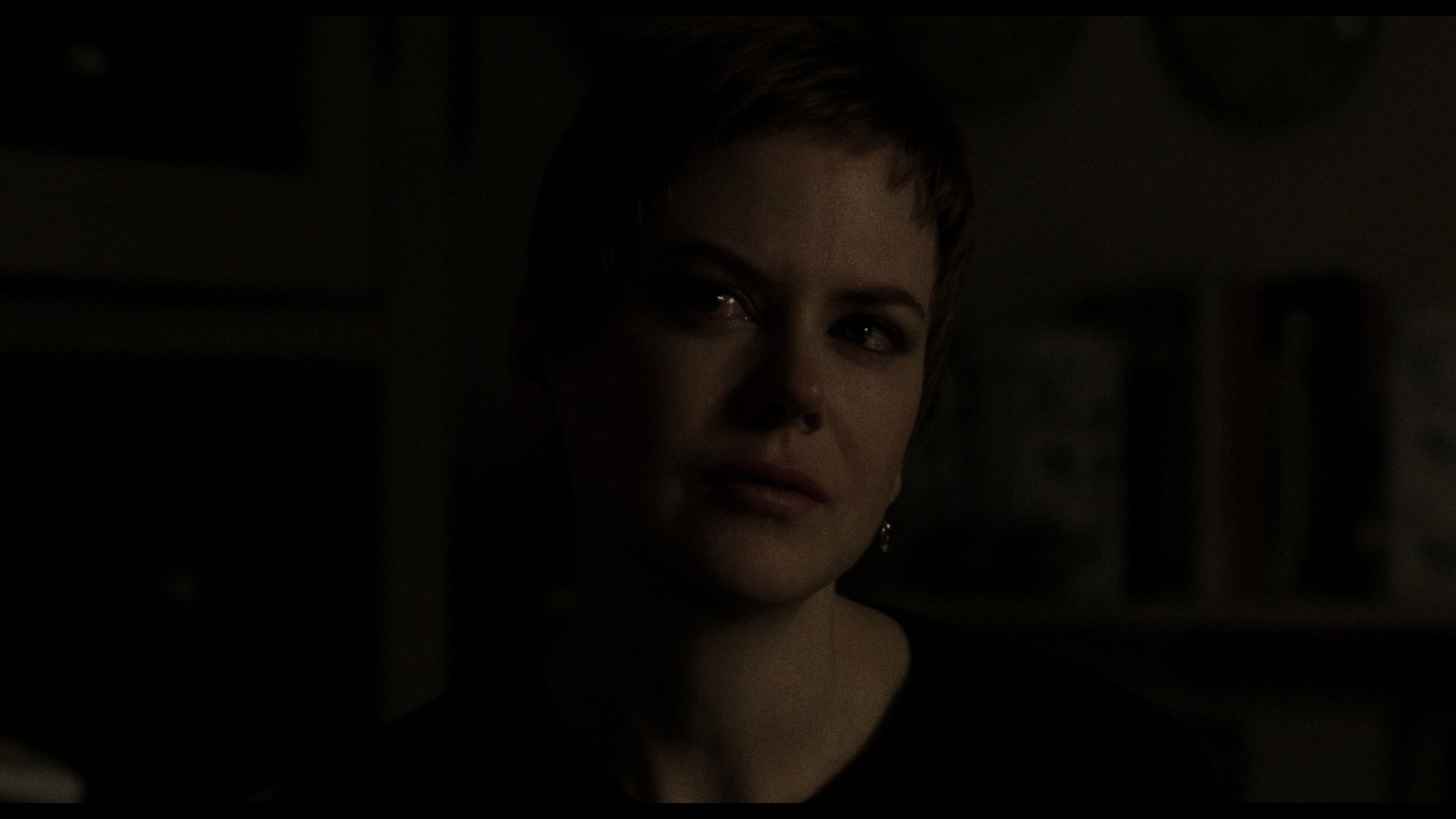
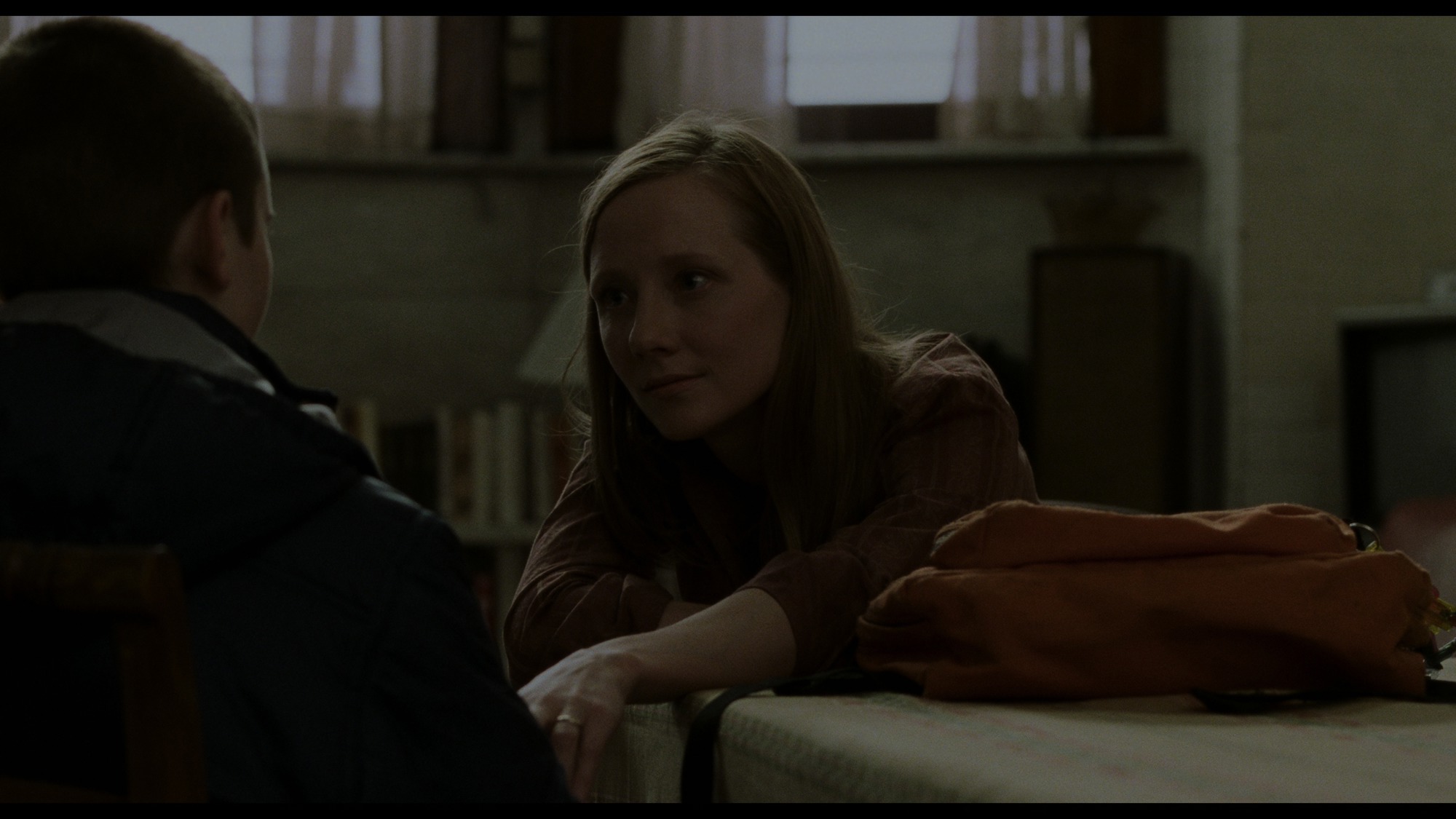
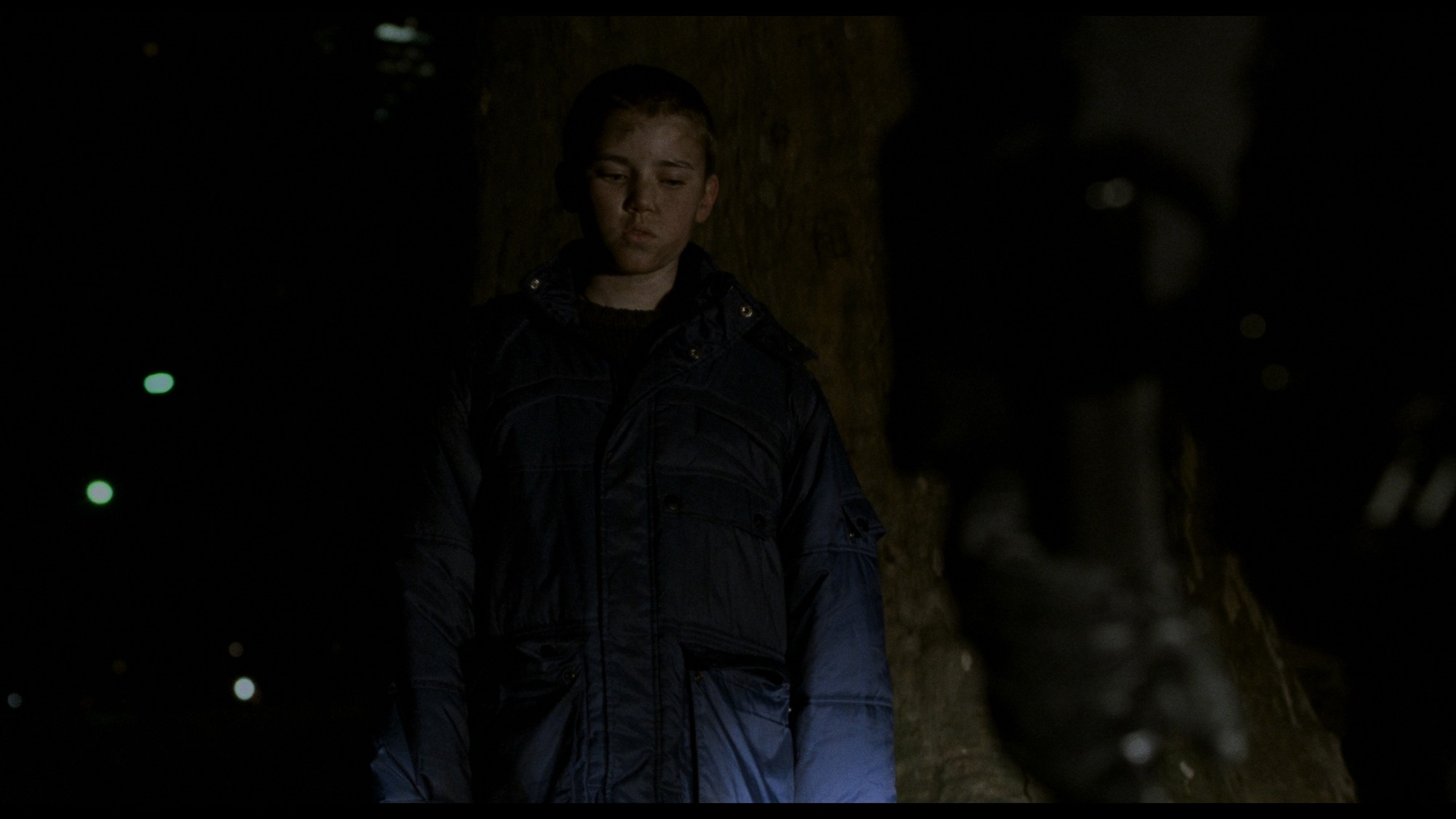
Previously only available on DVD, it should come as no surprise that this new 4K presentation delivers a substantial, overwhelming upgrade. Far cleaner and far more film-like (thanks to the impeccable handling of the rather fine grain structure), the image looks noticeably sharper, with an impressive amount of detail present. The restoration work has also cleaned the image up thoroughly, leaving no significant blemishes behind.
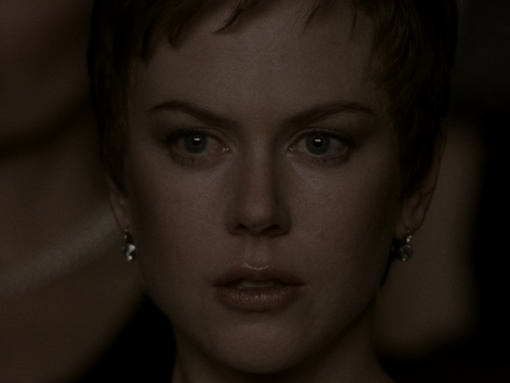
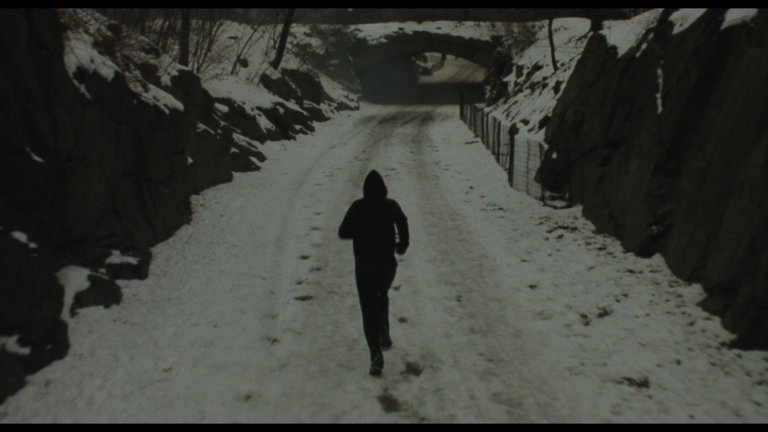
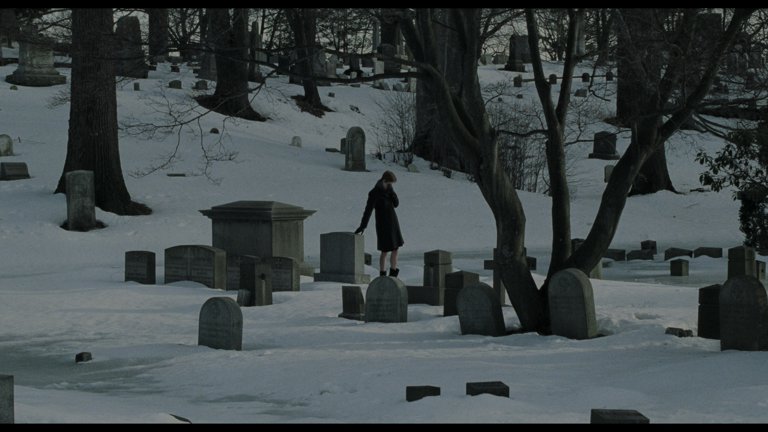
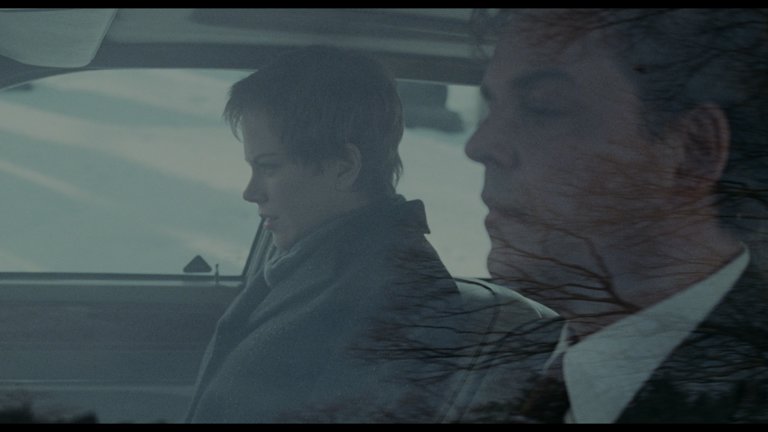
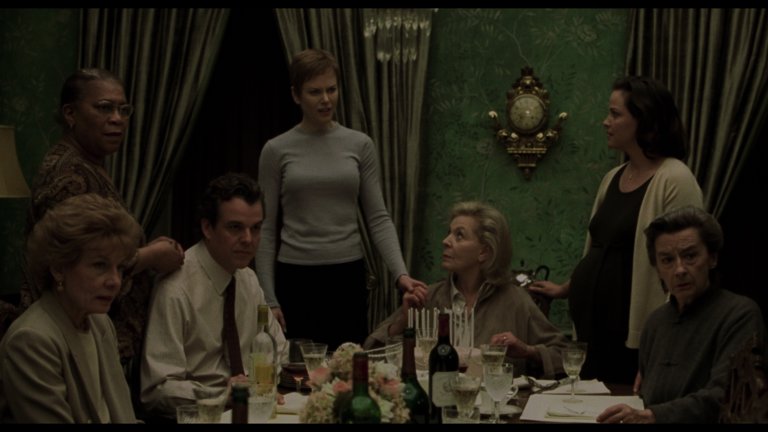
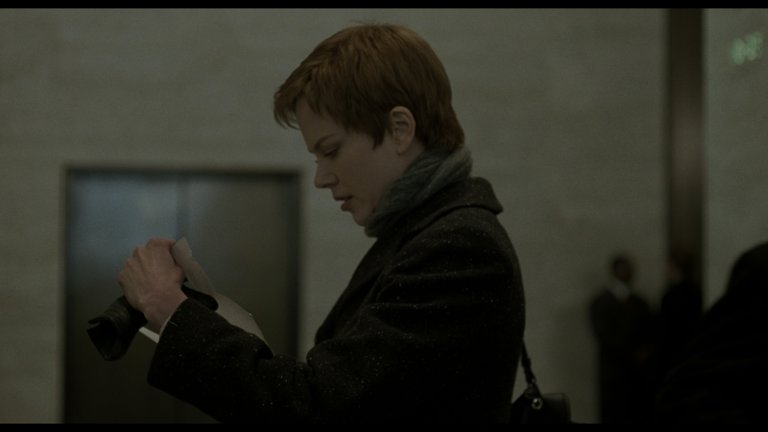
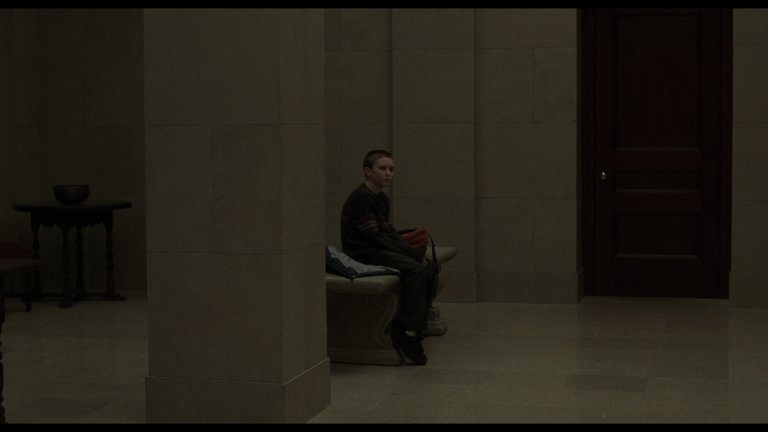
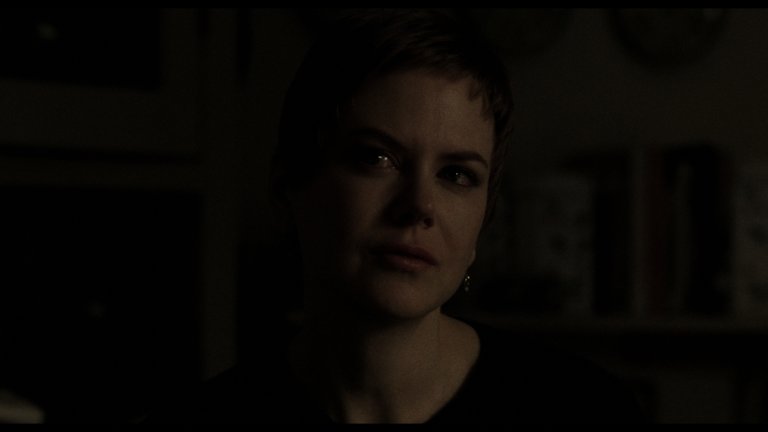
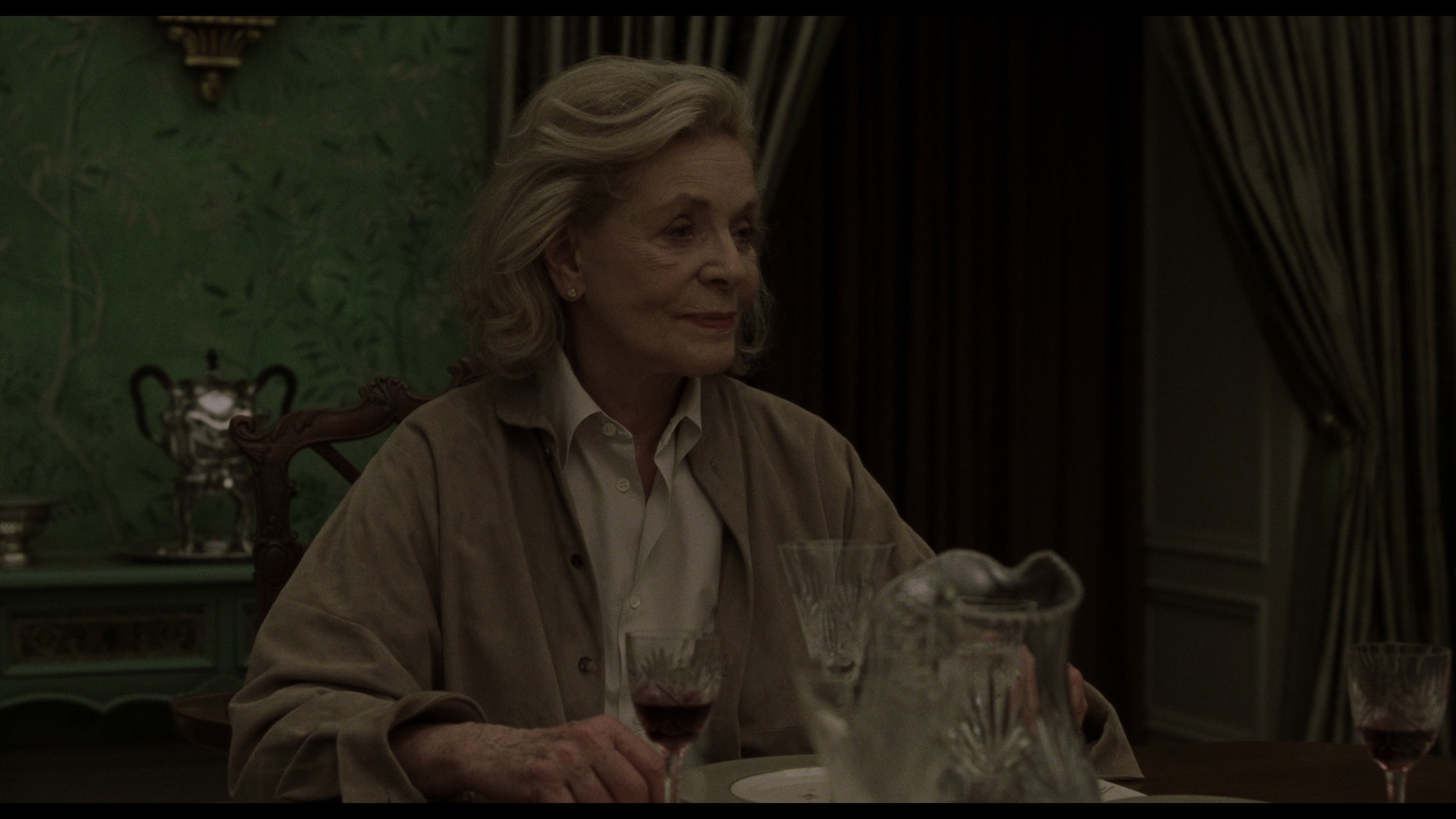
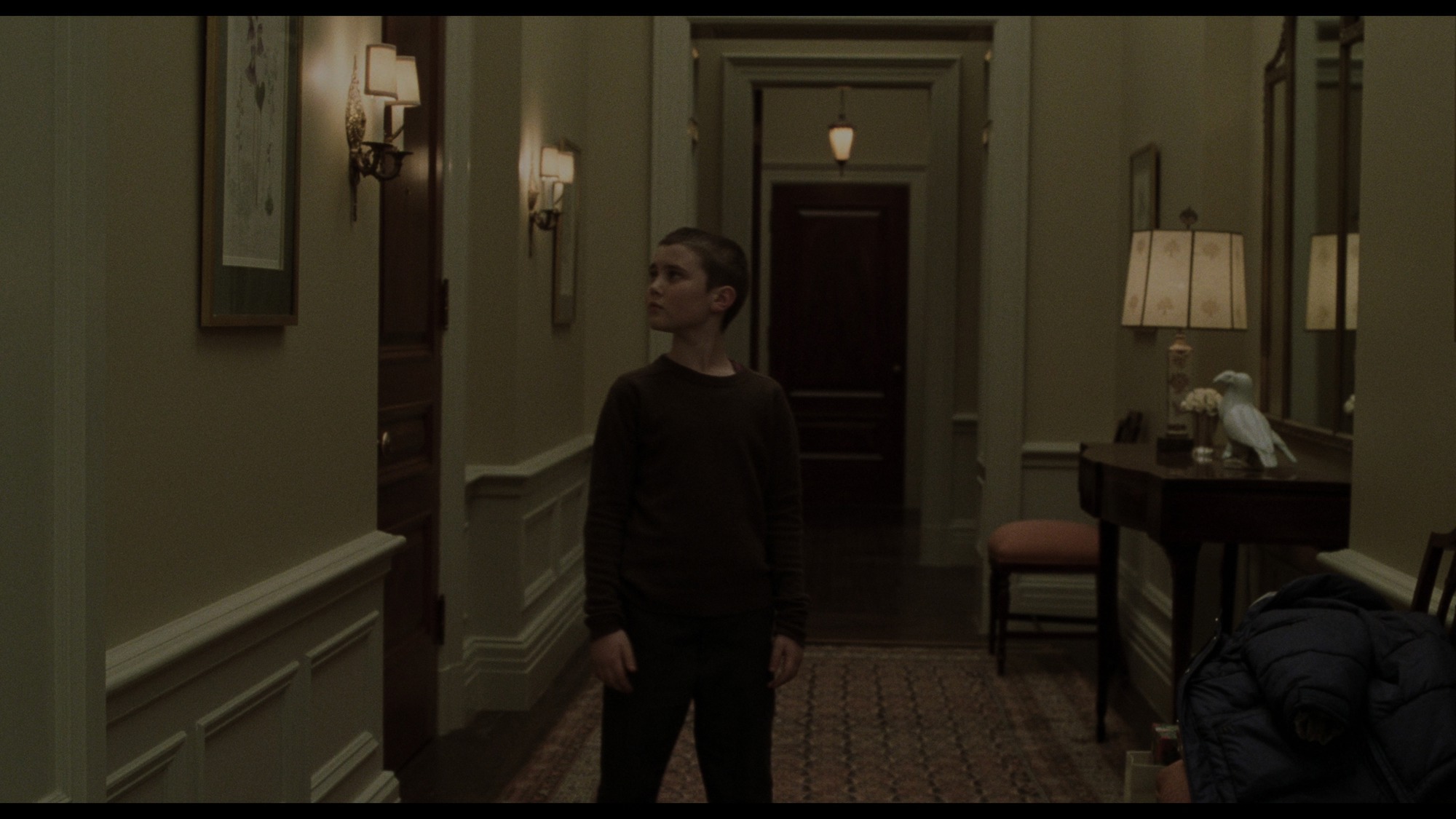
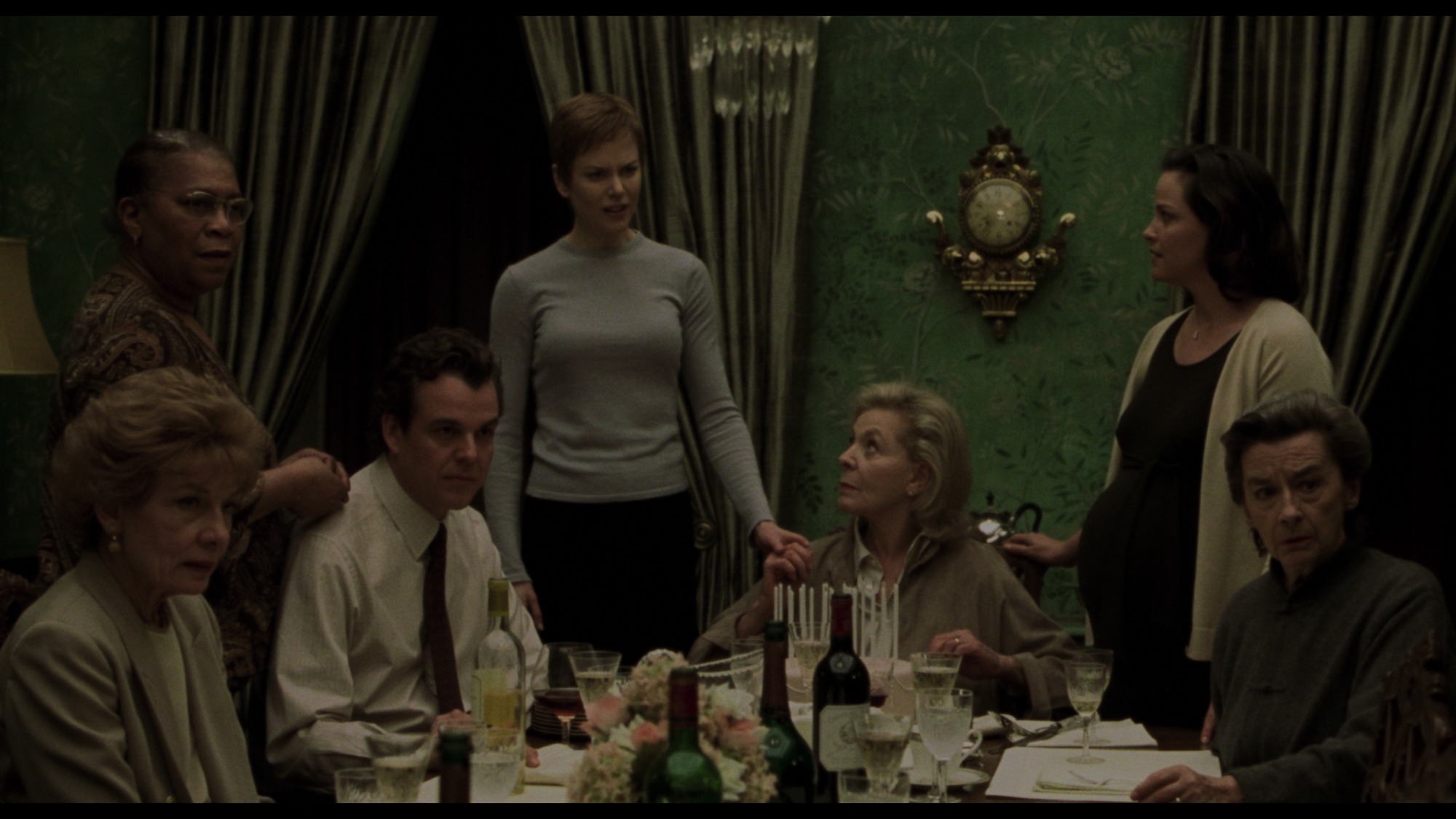
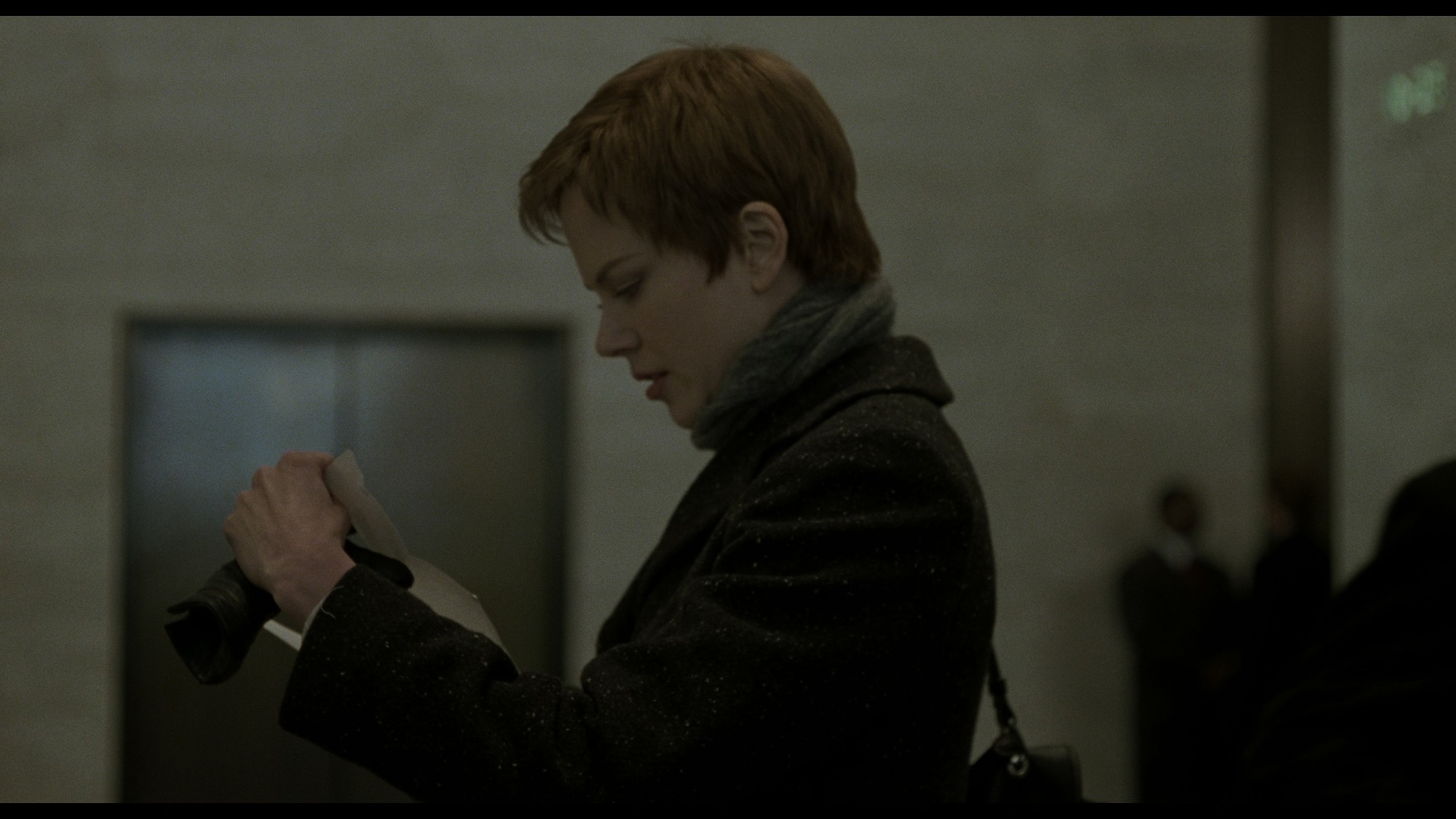
What may be surprising, though, despite this already being evident on the DVD (which featured adjustments in contrast to compensate for the limitations of the format), is just how dark this film is. Much of the runtime plays out in incredibly low light and the image looks barely exposed. This is entirely intentional, as addressed in the supplements included on this disc (one feature even focuses specifically on the film’s photography), but I was still legitimately surprised by just how dim the presentation can appear.
HDR and Dolby Vision help considerably here, particularly with the blacks (which were intentionally kept from becoming an “ultimate black,” as described in the related feature) and shadows where required. The result is superb and distinct gradation within the shadows, with sharp highlights that make details easier to discern. The Blu-ray’s SDR high-definition presentation fares reasonably well in comparison, though contrast had to be adjusted to compensate, which ends up flattening some scenes slightly. A few moments can still be difficult to make out, but HDR improves depth and shadow detail ever so subtly, especially during nighttime sequences.
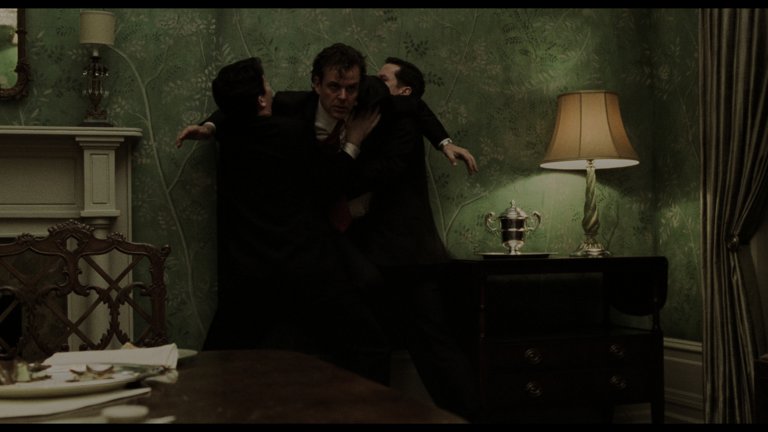
Further contributing to the look is the film’s deliberately muted color scheme. The only truly "striking" hue (in the fuller context of the film) comes from the green wallpaper in the dining room, while even reds appear somewhat subdued. This all feels very intentional, and despite the restraint the colors that do appear are rendered quite well.
All in all, despite how dark much of the film looks, it’s a sharp presentation that feels far more film-like and refined compared to the DVD, and even the included Blu-ray.
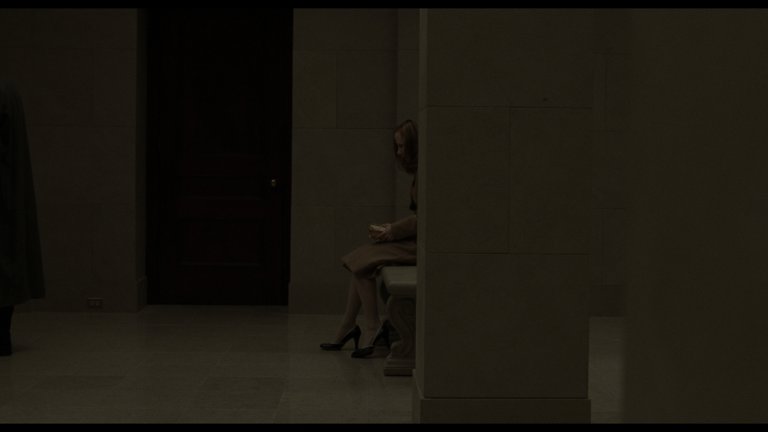
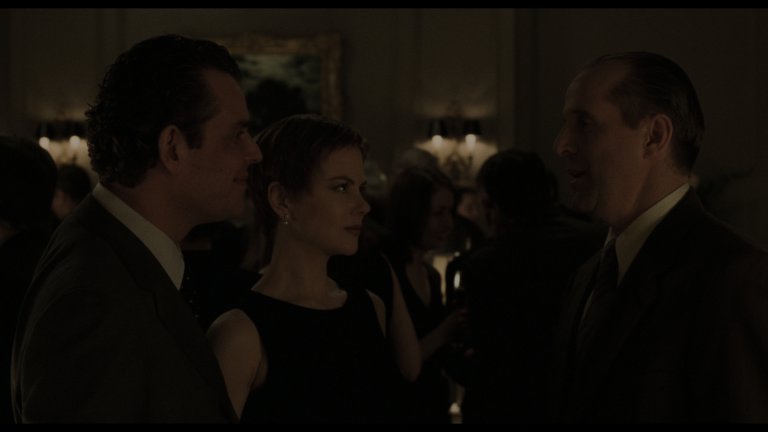
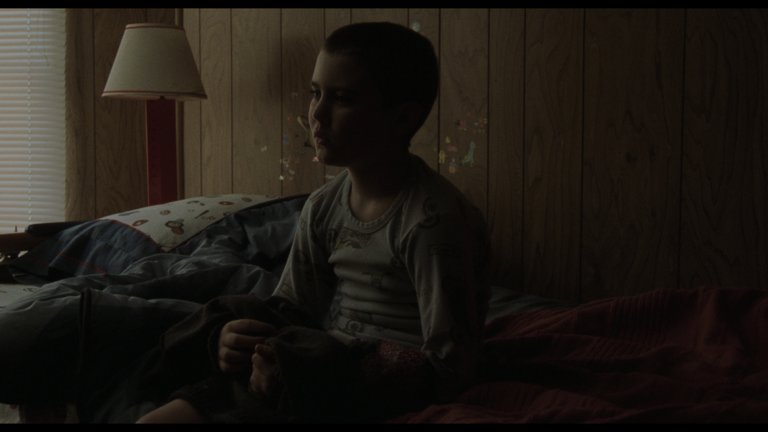
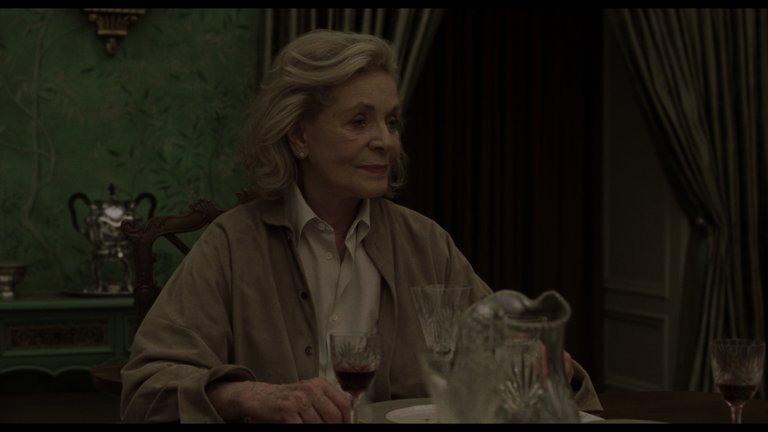
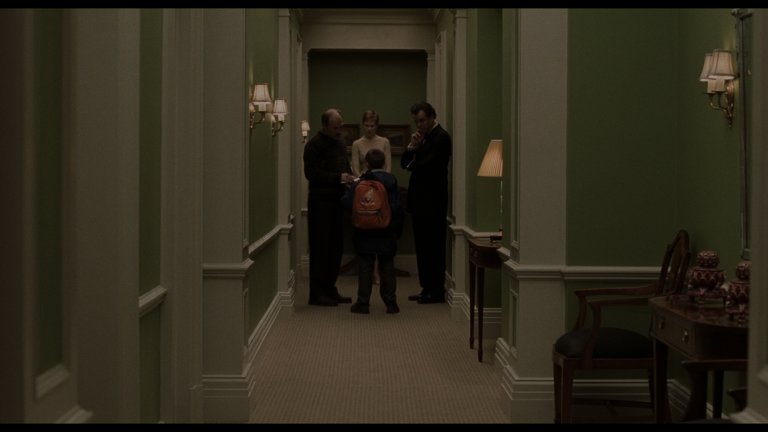
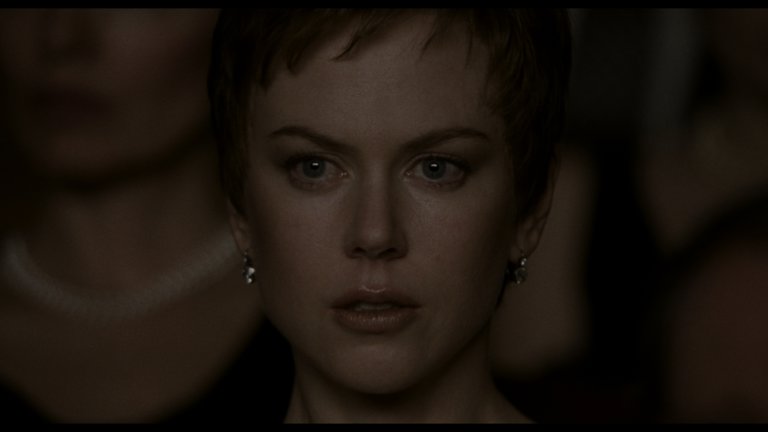
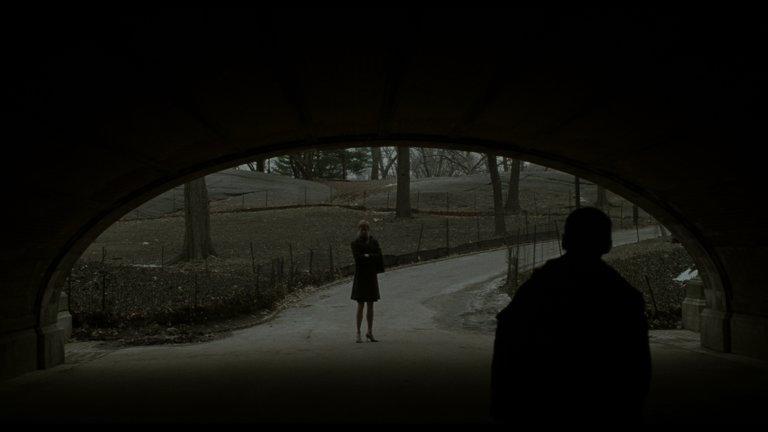
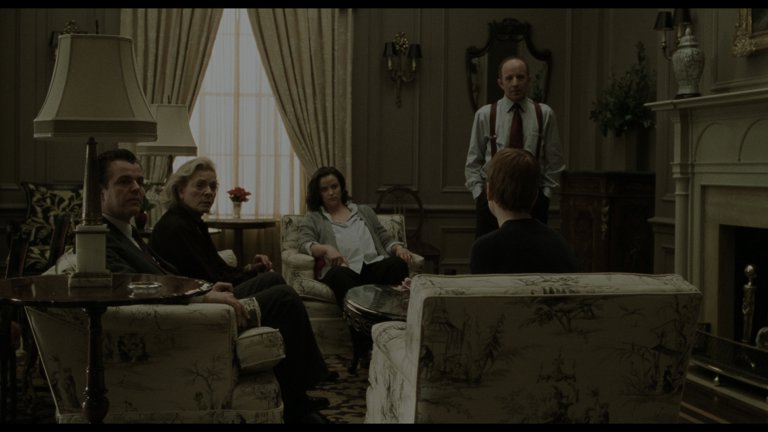
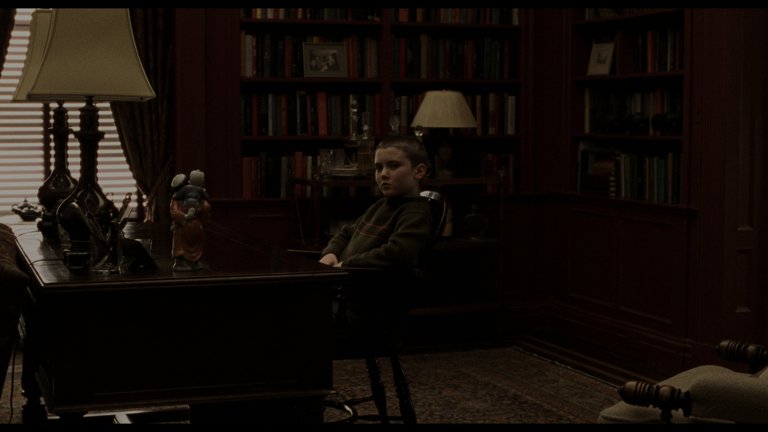
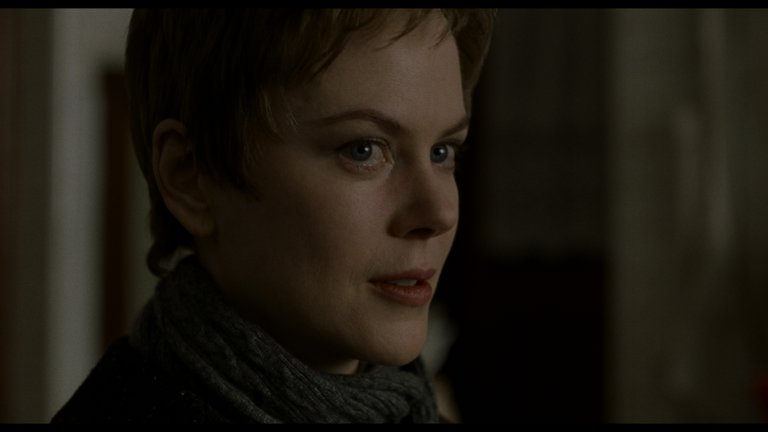
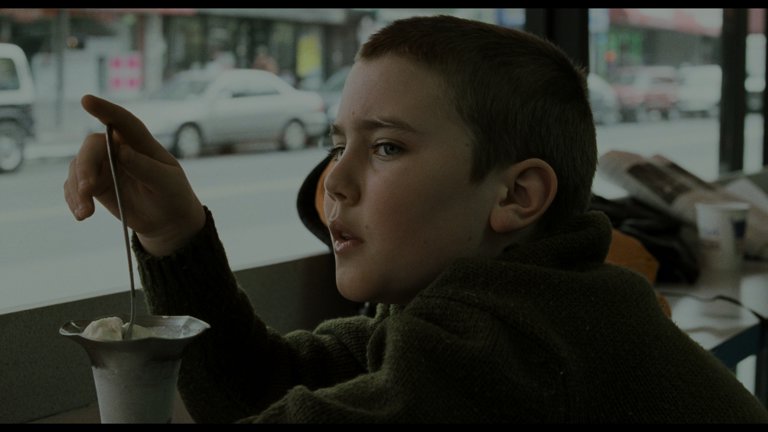
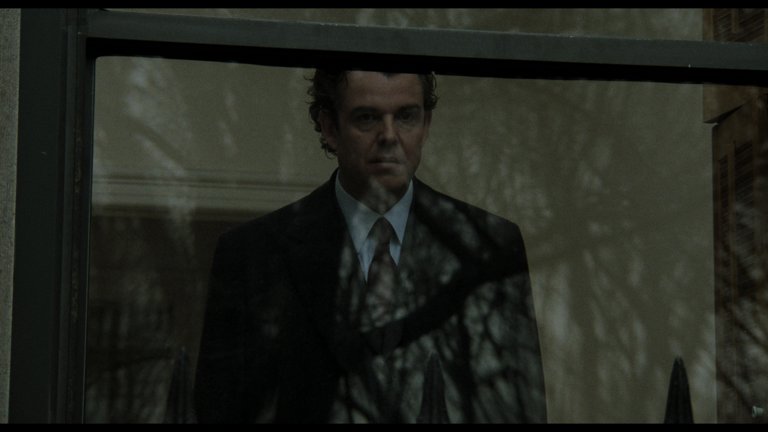
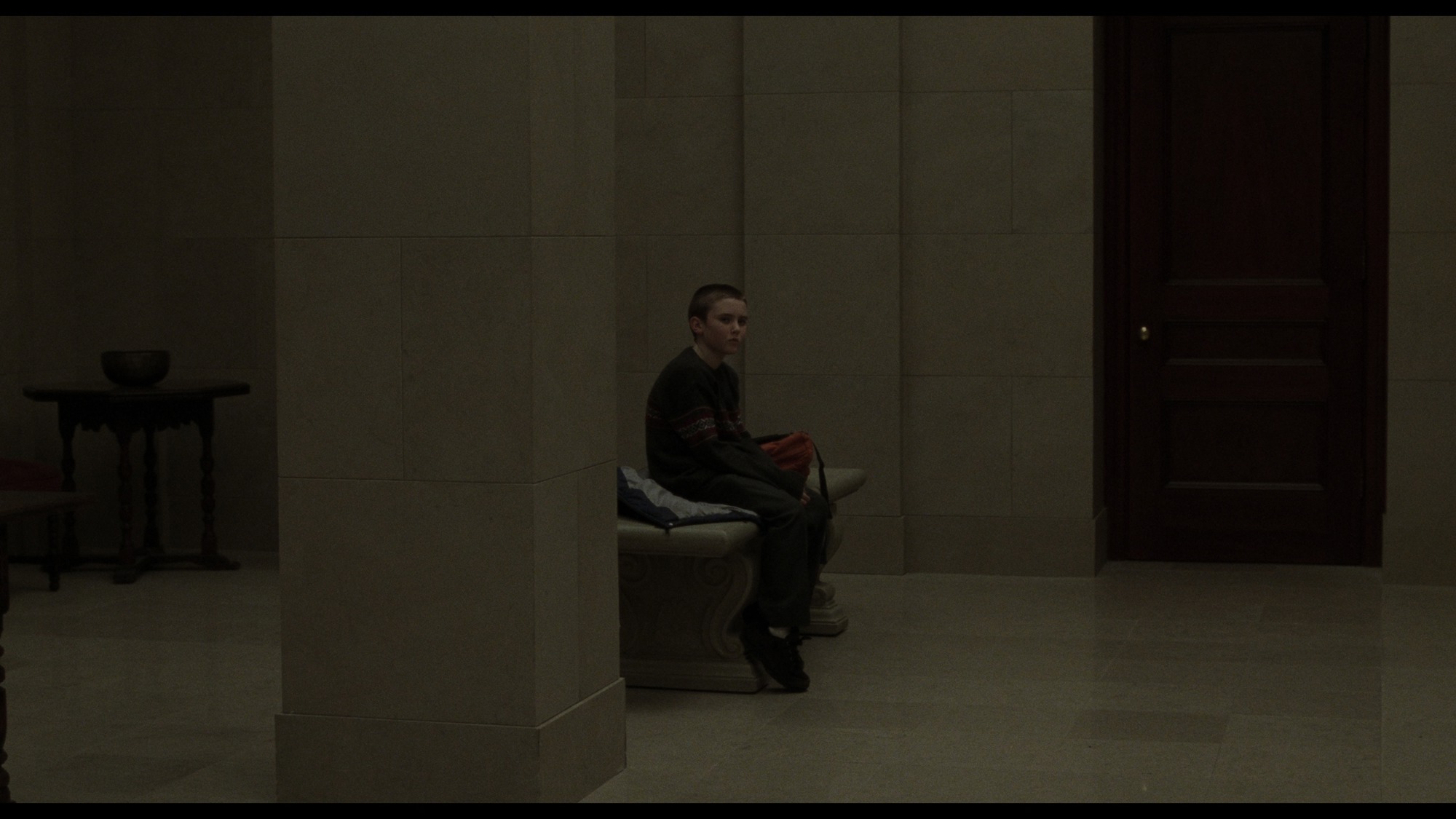
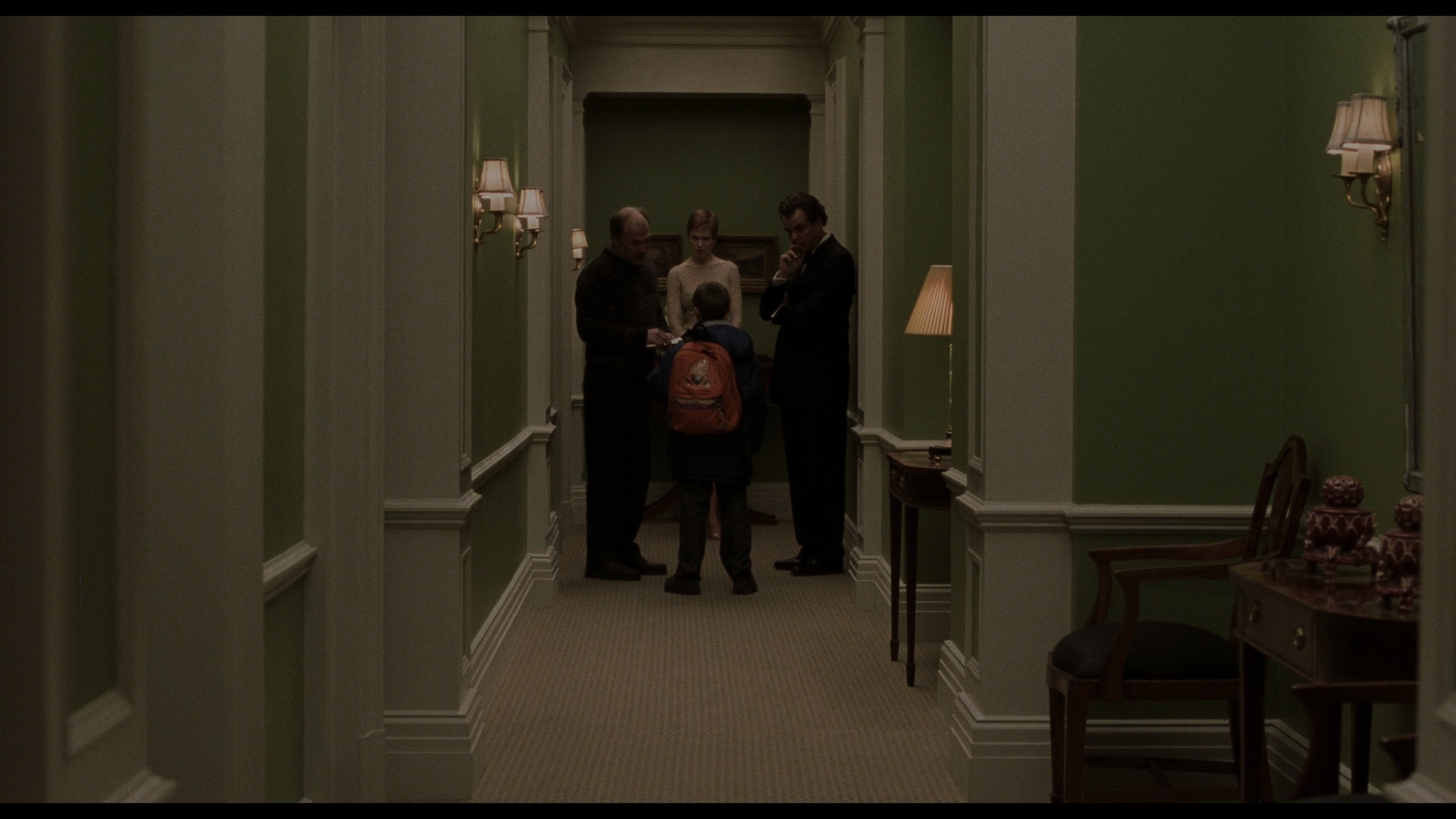
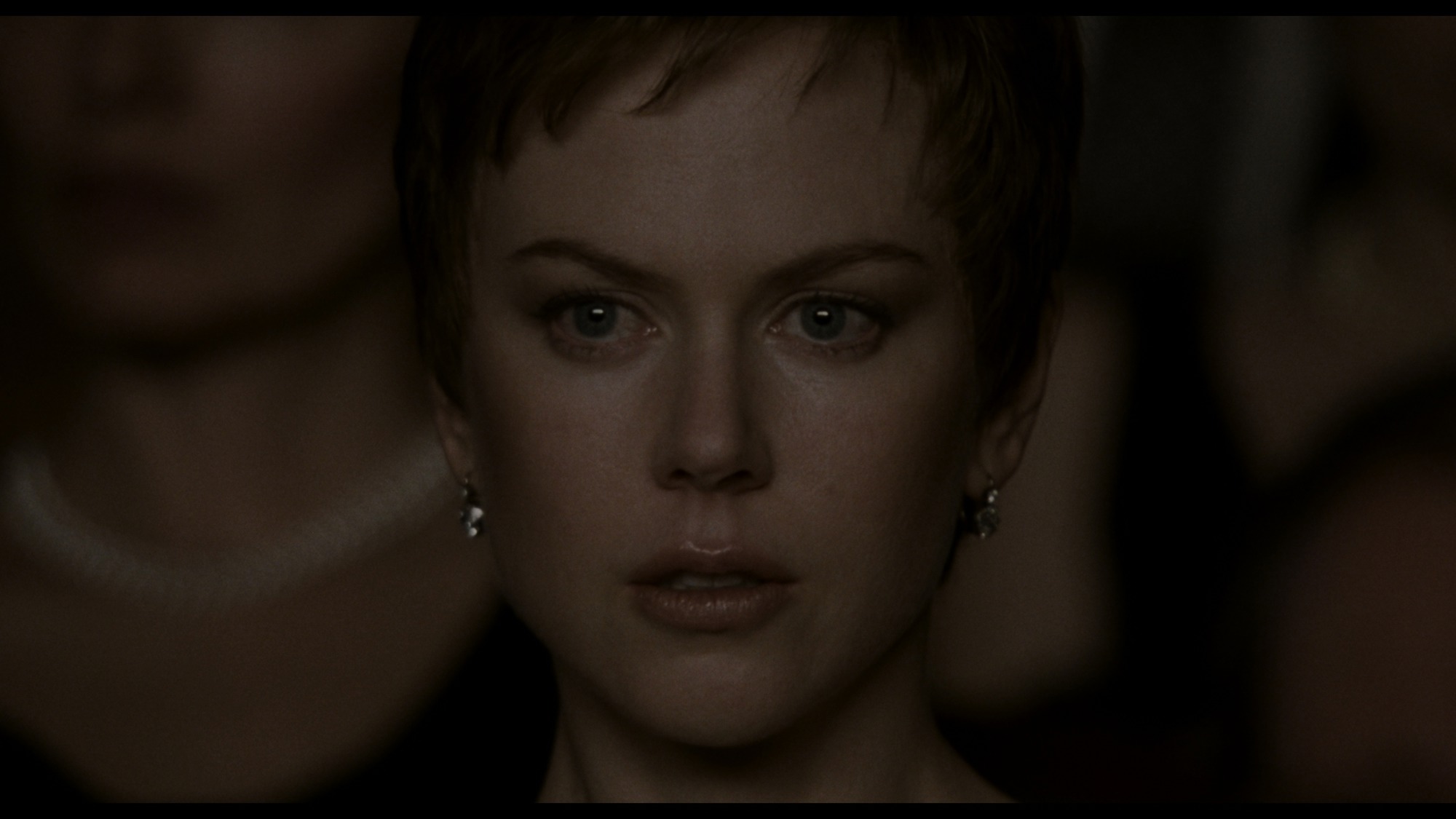
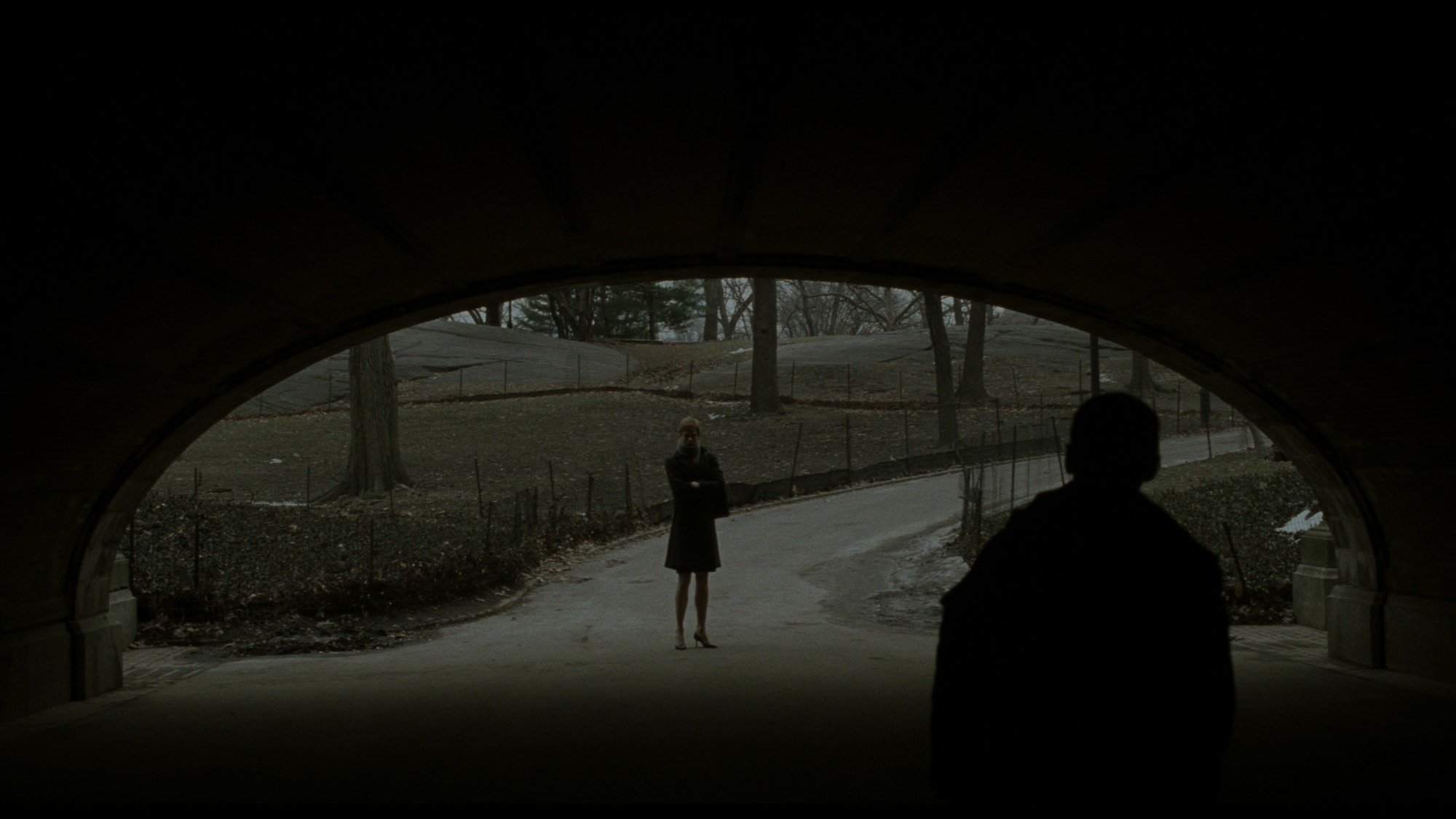
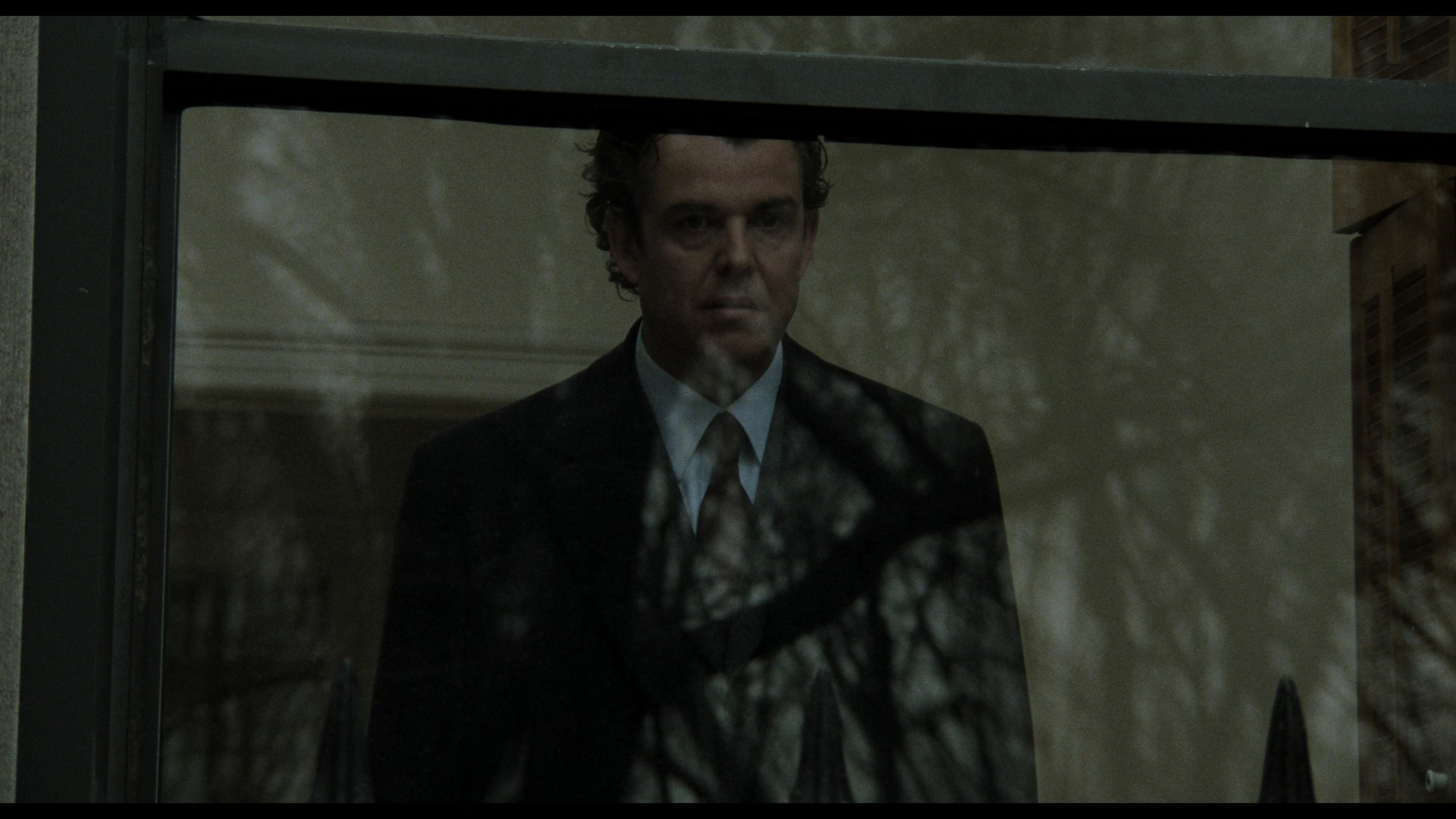
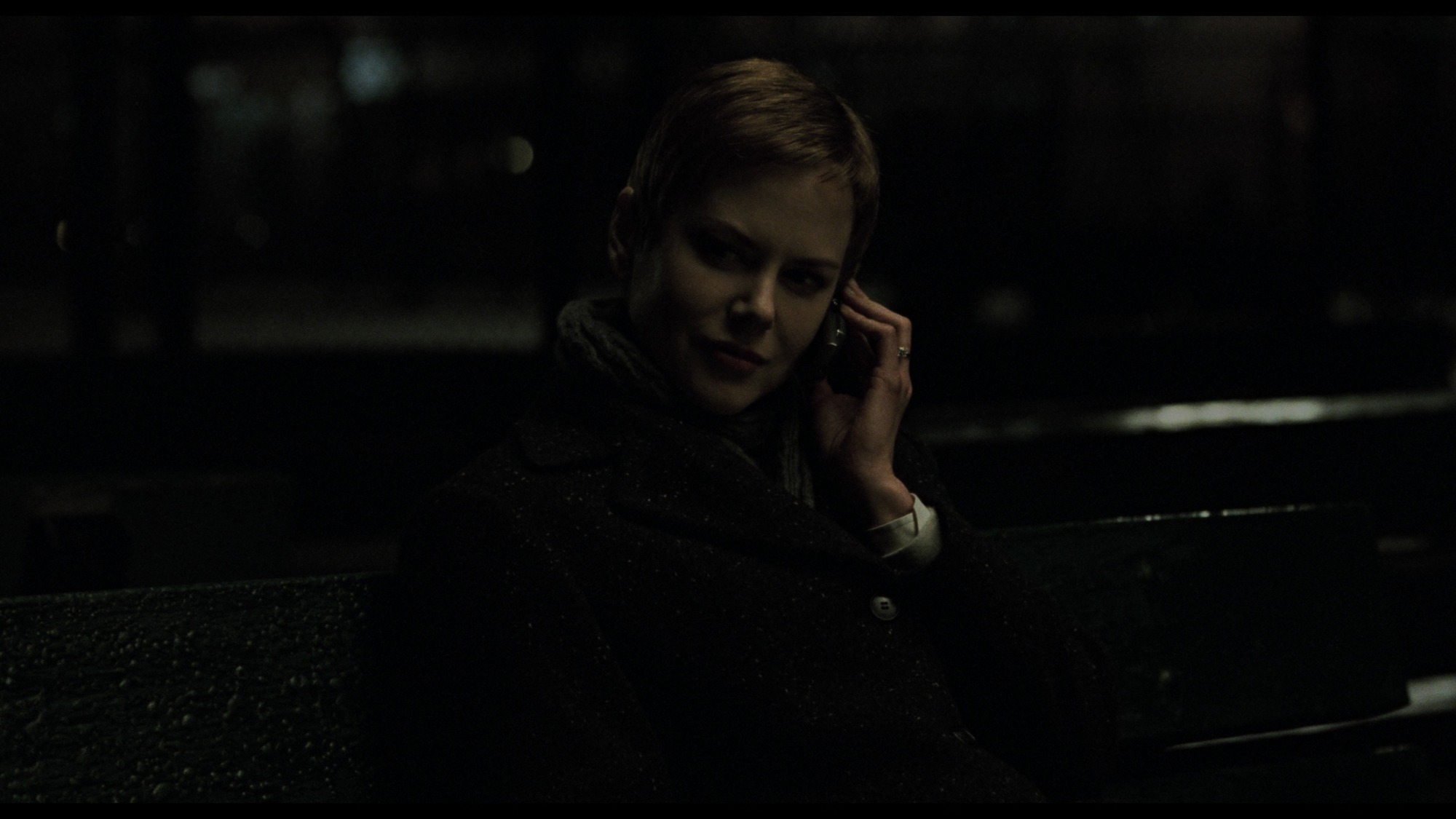
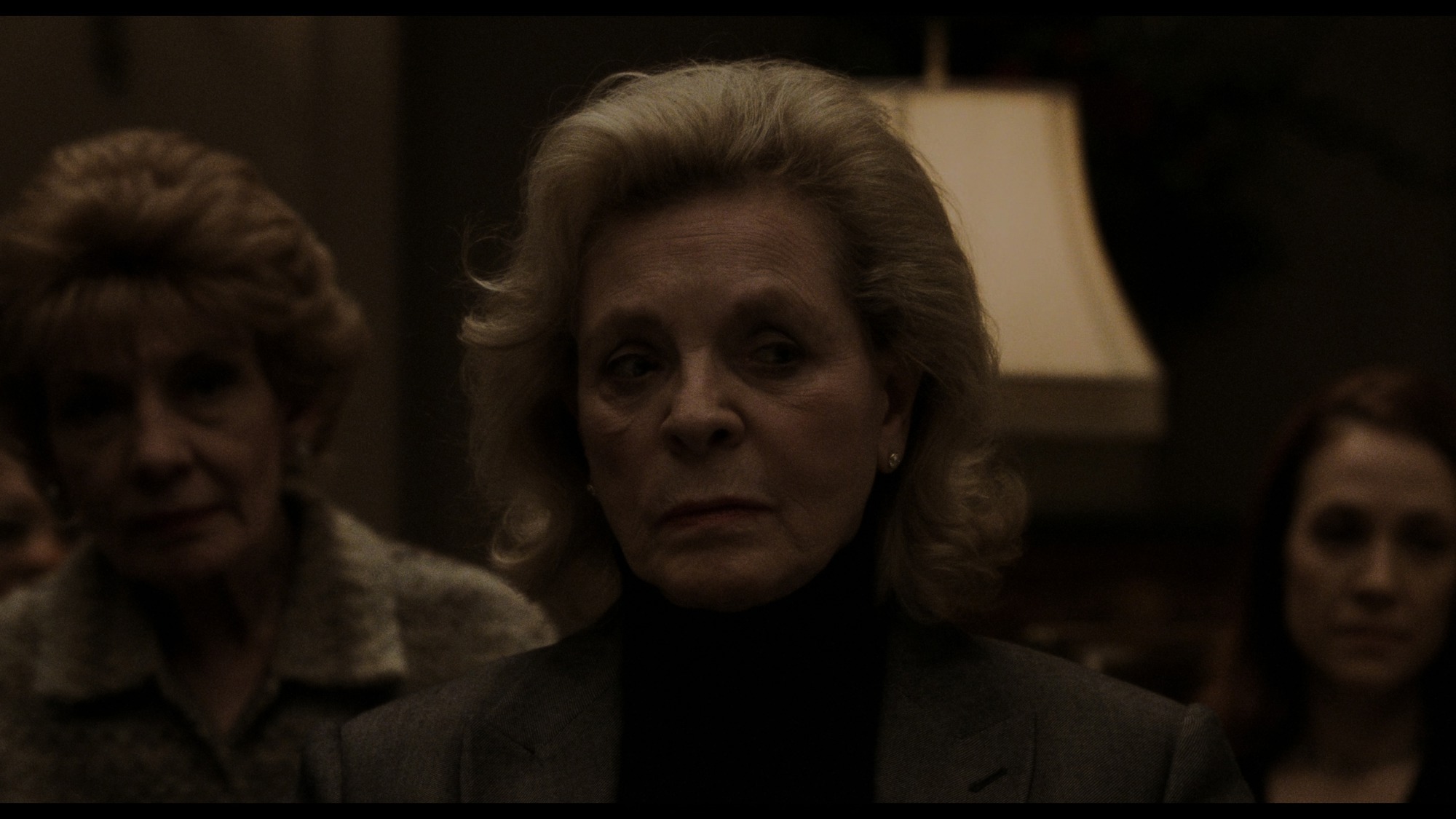
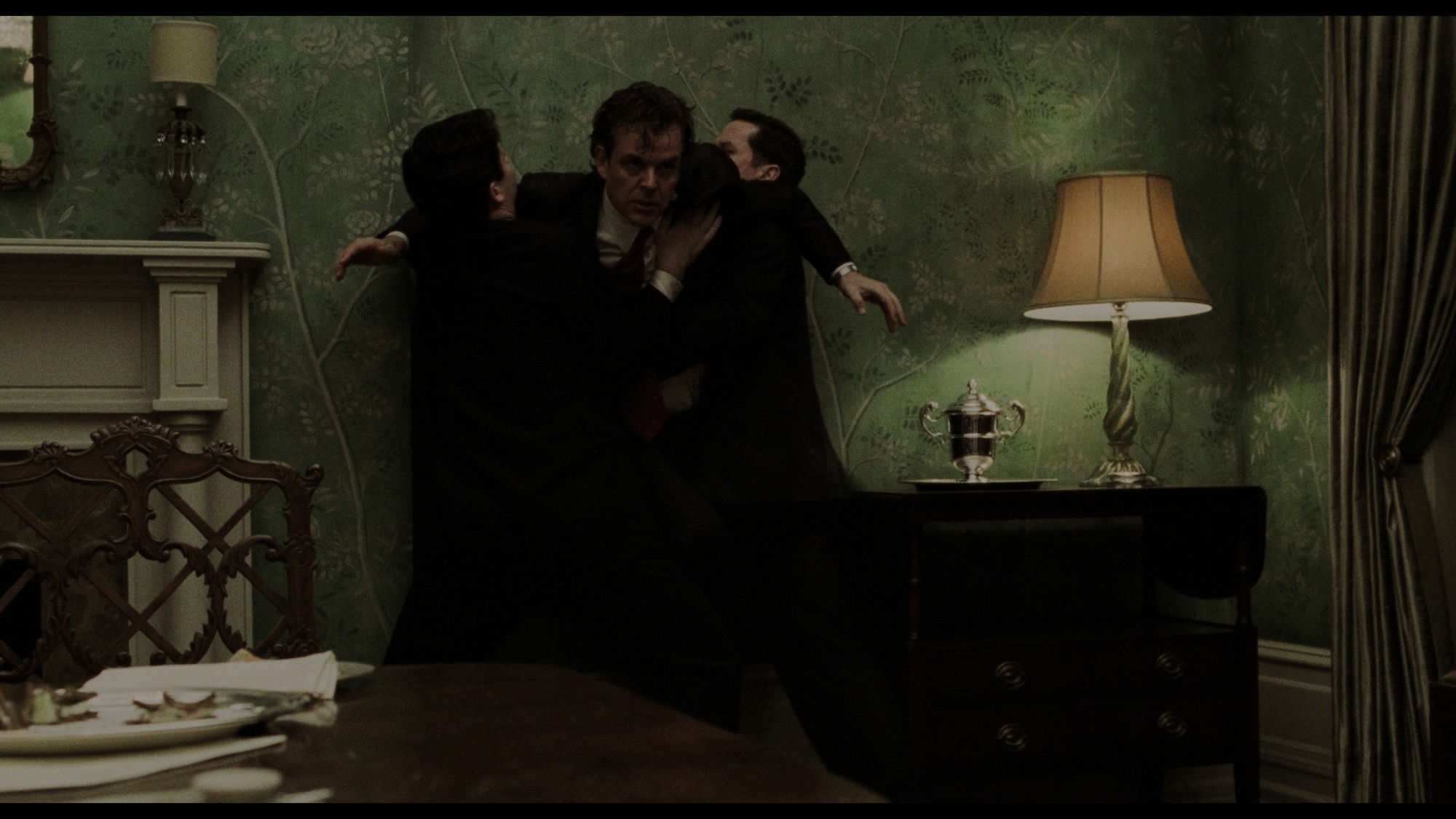
Audio 8/10
The 5.1 surround soundtrack, presented in DTS-HD MA, is fairly low key but mixed wonderfully. Dialogue and most effects remain centralized within the front soundstage, yet everything comes through sharp and clear with excellent fidelity. What truly shines, however, is Alexandre Desplat’s wonderful score, which is beautifully spread throughout the soundfield with impressive range and depth at times. It sounds gorgeous and ultimately elevates the track to a far more impressive level.
Extras 7/10
At first glance the supplements (all found on the Blu-ray) look pretty weak, and though maybe a little more would have been nice, they turn out to be far better than I had initially assumed. The DVD had nothing, so of course everything here is brand new… mostly.
A 30-minute making-of is primarily constructed from material and interviews recorded during production (possibly for PR purposes or supplemental features that never materialized) with new comments provided here-and-there by director Jonathan Glazer over top of it. Gathering together producers Lizzie Gower, Nick Morris and Jean-Louis Piel, director of photography Harris Savides, writer Milo Addica, and actors Nicole Kidman, Danny Huston and Lauren Bacall, the piece digs surprisingly deep into the film’s production, from its origins (Glazer inspired by the birth of his daughter) to the creation of the score. It spends quite a bit of time on the writing process, which Glazer first tackled with Jean-Claude Carrière, who helped flesh out what the story could become, before Addica was brought in when Carrière wasn’t able to finish (Glazer was apparently also working on Under the Skin at the time). The feature also touches on the locations used, with the apartment lobby becoming an important element of the film, before moving on to casting. Kidman’s participation of course helped get the film moving, though the studio was apparently concerned she wasn’t going to be blonde. The piece then focuses on key sequences, including the opera close-up. Though again constructed largely from older material (with Glazer’s new narration), it’s been assembled wonderfully and manages to cover most angles on the production.
Except for cinematography, which Criterion has instead decided to devote an entire 24-minute supplement to. Featuring camera operator Craig Haagensen and first assistant cameraman Erik Swanck, the two get into how Savides accomplished the film’s look, which called for keeping the exposure, as they explain, a “few steps from useless.” They then describe in almost agonizing detail how scenes were lit and how they maintained the delicate exposure levels, along with some of the technical difficulties that came with what might otherwise seem like simple shots, such as the zoom during the opera sequence. It’s fascinating hearing just how far Savides was pushing things, and amusing to learn he was apparently concerned he might be fired at any moment if the approach didn’t work.
Criterion also includes a 28-minute discussion between Kidman, Glazer, and Charlie Rose from The Charlie Rose Show. Kidman talks about what attracted her to the film (she saw it as a story about what the power of love can do to people), while Glazer addresses how he doesn’t see the film as a supernatural one and touches on some details around the editing. Rose, however, doesn’t seem all that interested in the film itself and instead focuses more on the types of projects Kidman—who was a huge star at the time—was choosing to appear in. He seems particularly intrigued by her willingness to jump between major studio productions and far smaller films that have little to no chance of becoming box-office hits (like this one). It’s fine, though I find Rose’s interview style grates on me a bit more now. I’m not sure how likely it would have been, but I would have preferred new interviews with Kidman and Glazer.
The release then closes with the trailer, while the insert features a brief essay on the film by Olivia Laing. I would have liked a bit more academic material, especially since the film wasn’t received all that well upon its original release, but what we do get is solid and worth going through.
Closing
I would have liked a more souped-up special edition, but the new 4K presentation, dark though it may be (as intended), still looks fantastic.
BUY AT: