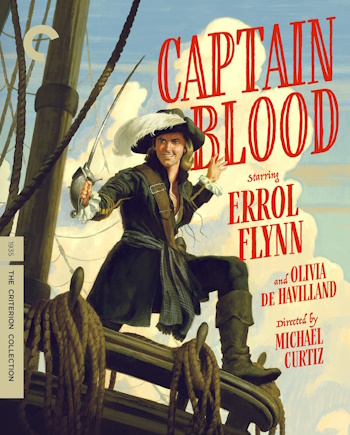
Captain Blood
BUY AT:


See more details, packaging, or compare
Synopsis
With this spectacular romantic adventure, a new era of Hollywood swashbuckling was born, as was a devilishly dashing star named Errol Flynn. He brings boundless charisma to the role of an idealistic Irish physician who, declared a traitor to England and sold into slavery in the New World, takes his revenge by transforming himself into the notorious pirate Captain Blood. The groundbreaking symphonic score by Erich Wolfgang Korngold, marking the emergence of the Warner Bros. music department as a vital element in the studio’s moviemaking; the spitfire chemistry between Flynn and Olivia de Havilland in the first of their iconic pairings; the rousing naval-battle finale—all come together under the expert direction of Michael Curtiz to form an exemplar of classic film craftsmanship sailing full speed ahead.
Picture 9/10
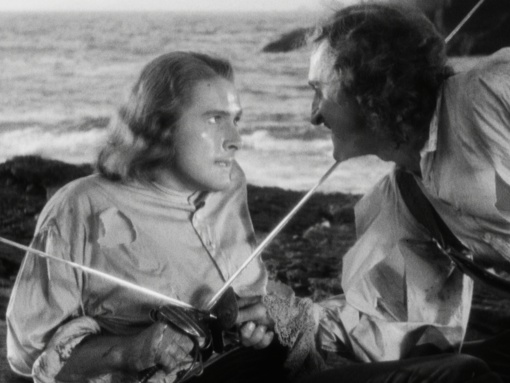
The Criterion Collection presents Michael Curtiz’s genre-defining swashbuckler Captain Blood on 4K UHD, housed on a triple-layer disc and framed in its original aspect ratio of 1.37:1. The SDR 2160p/24Hz ultra high-definition presentation is sourced from a new 4K restoration created from scans of a 35mm second-generation nitrate print, a 35mm nitrate duplicate negative, and a 35mm nitrate composite fine-grain. The release also includes a standard dual-layer Blu-ray, offering a 1080p presentation of the film alongside the video supplements.
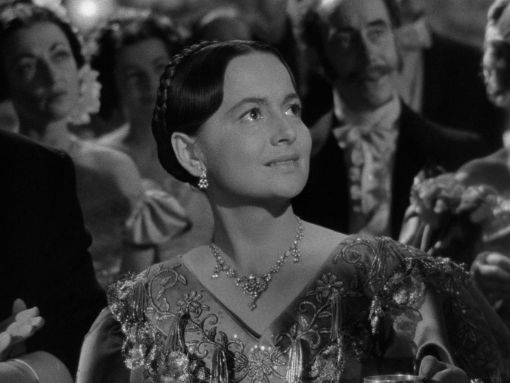
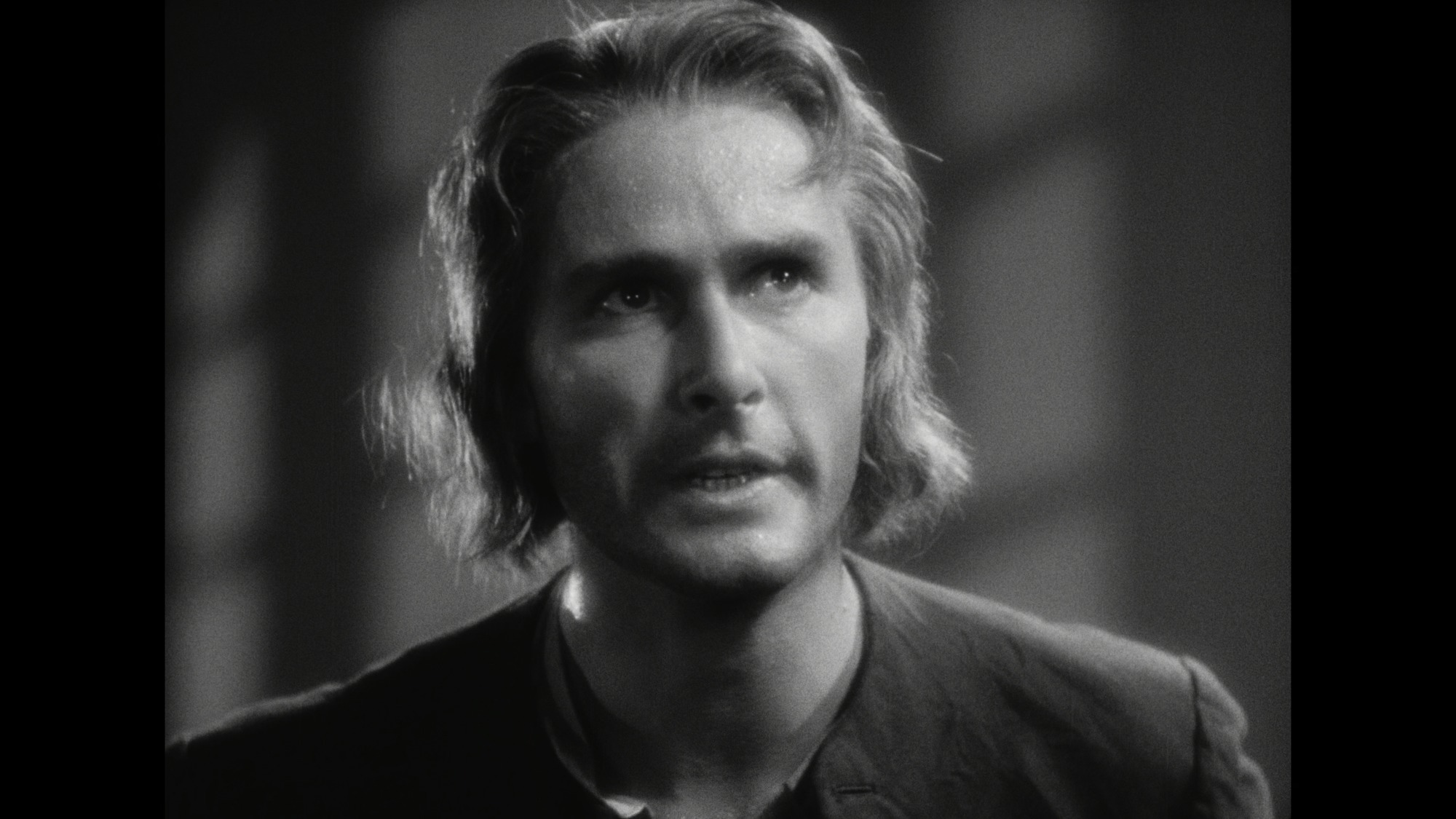
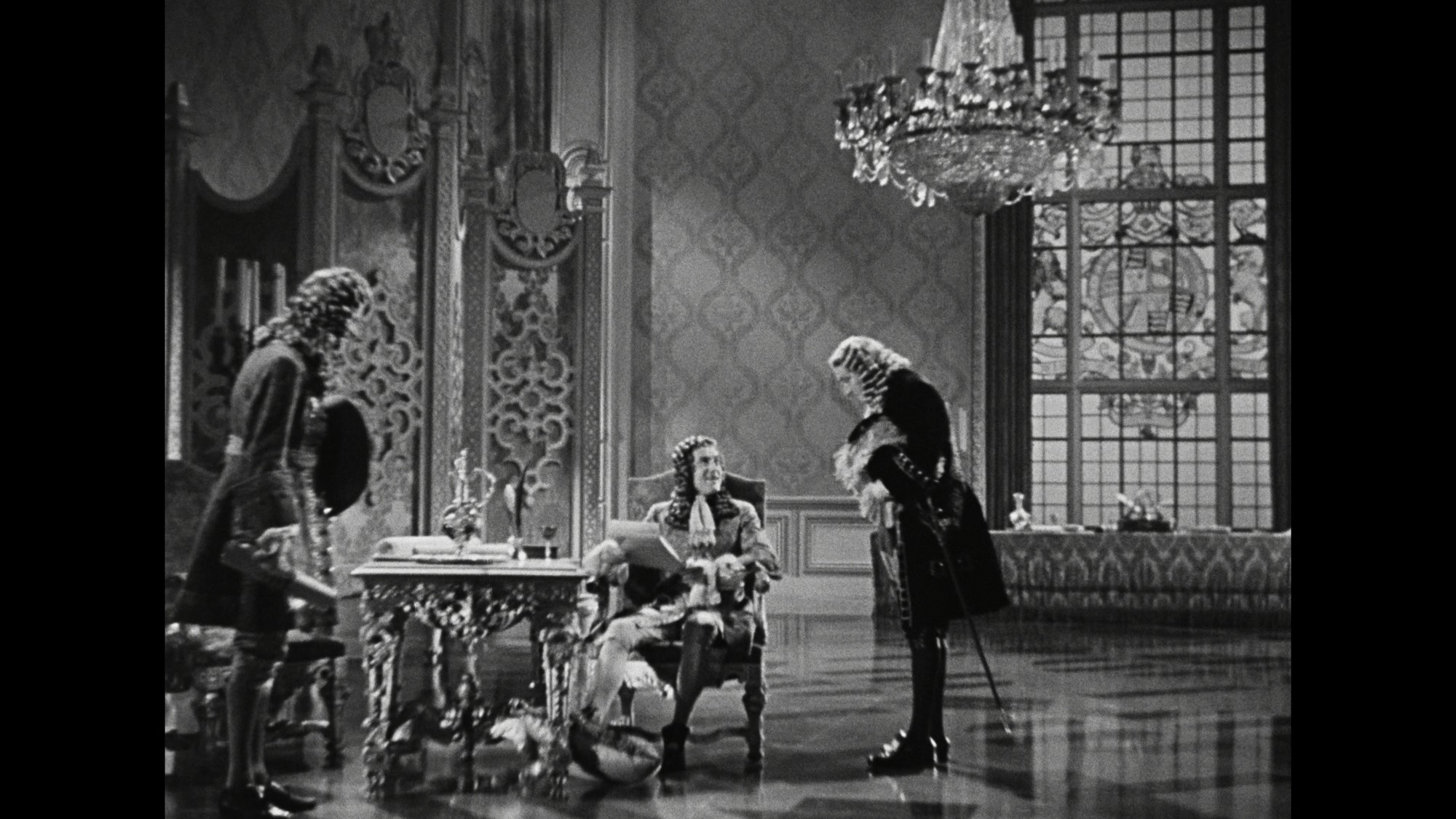
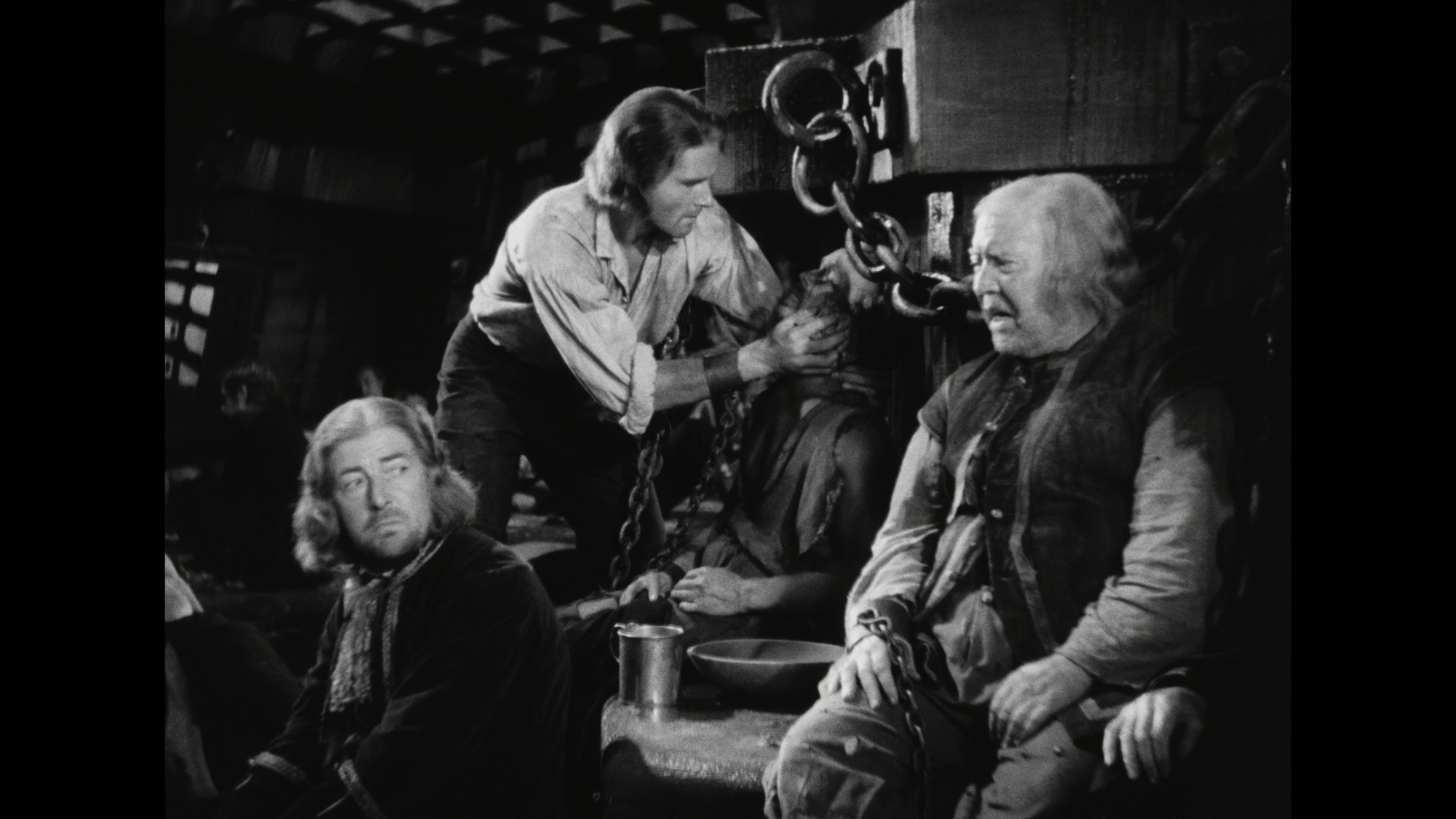
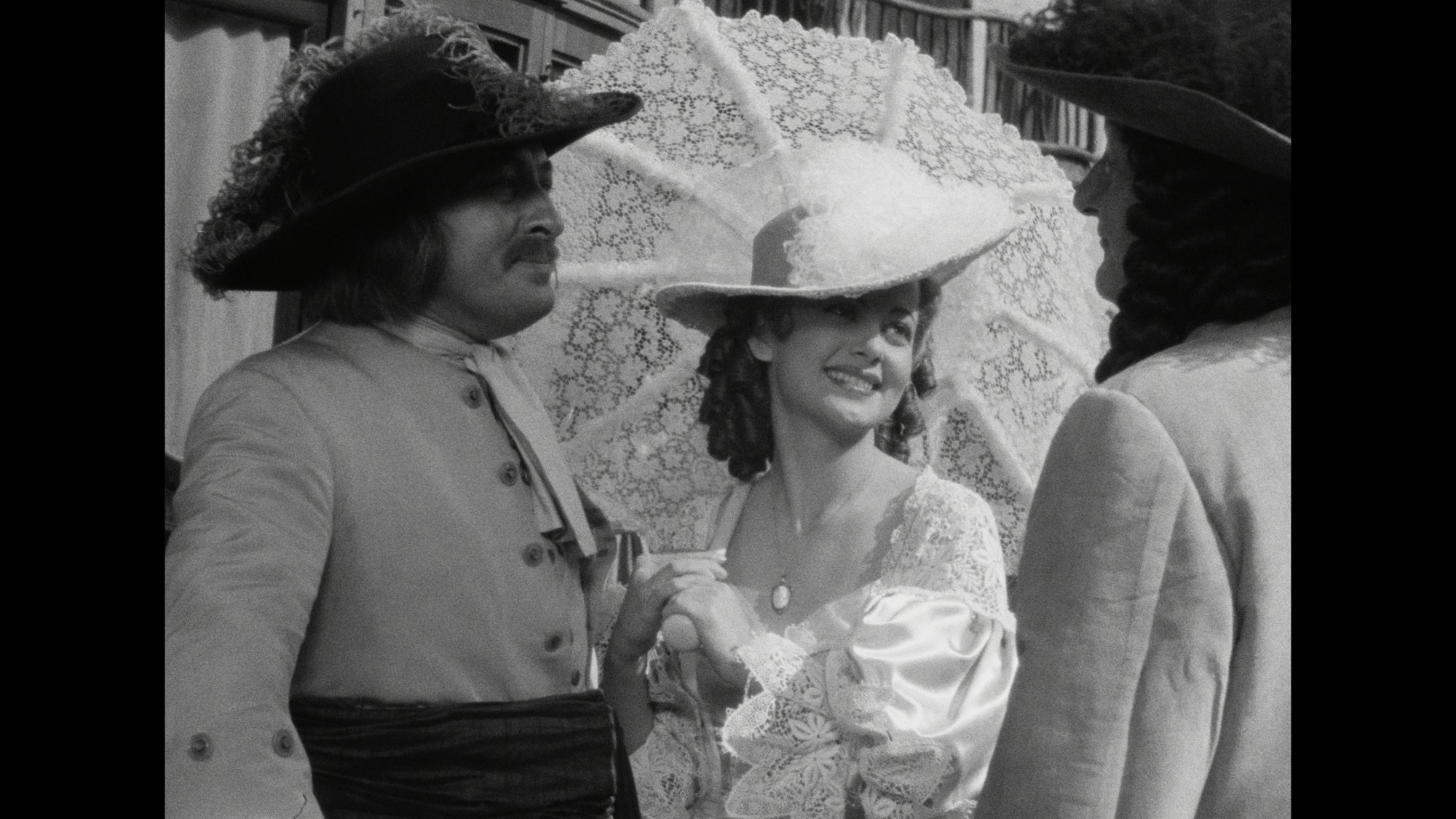
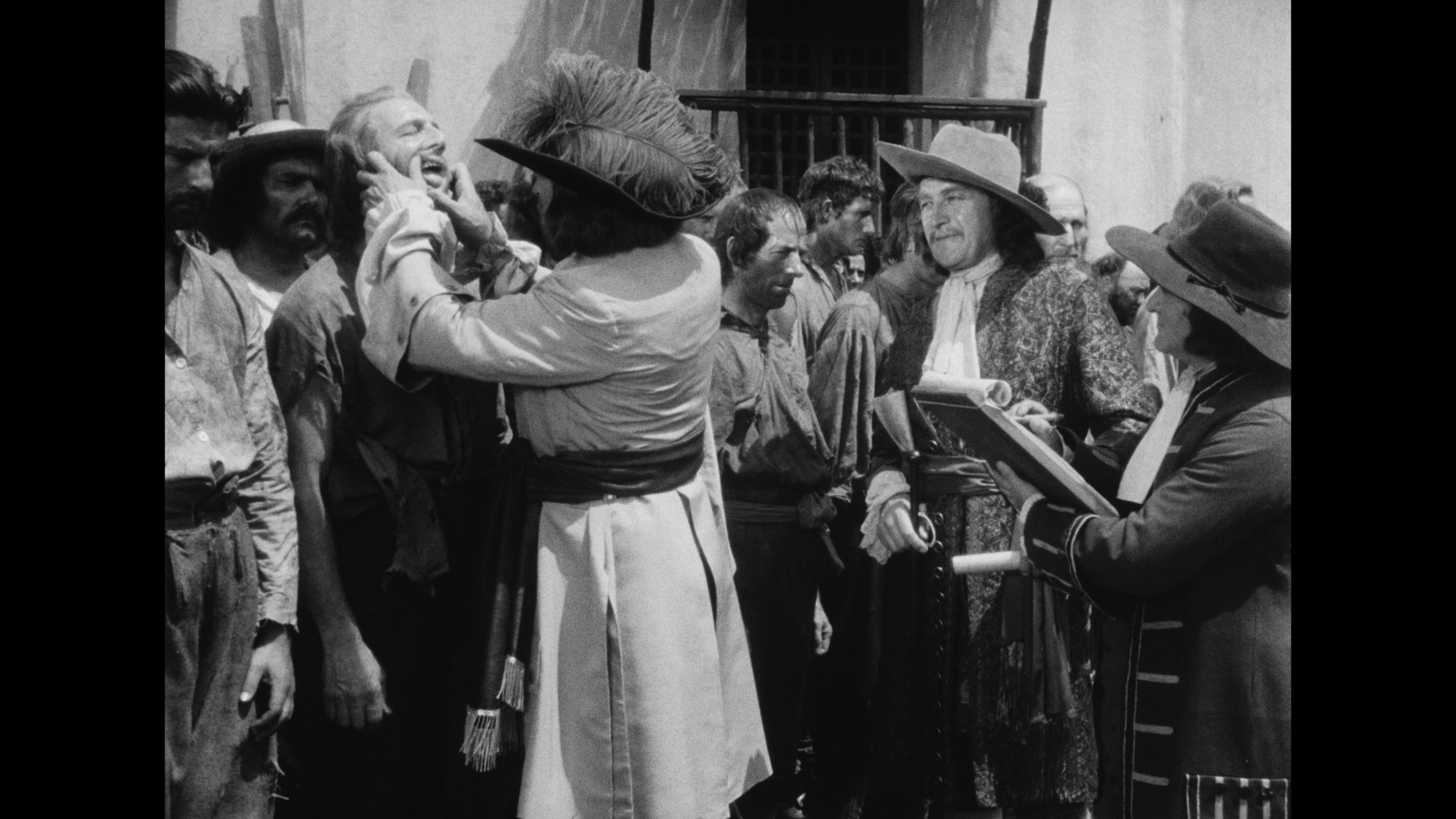
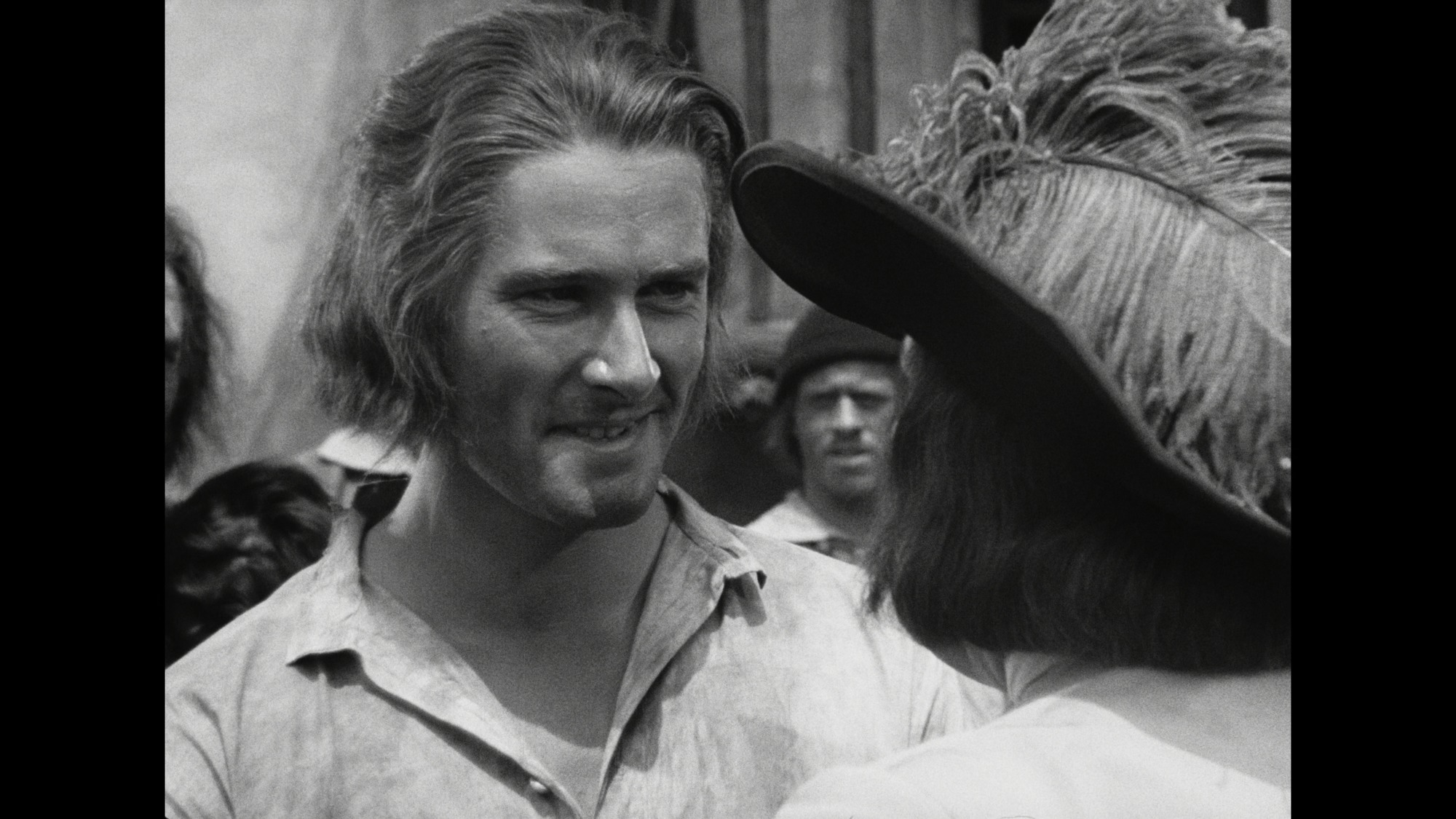
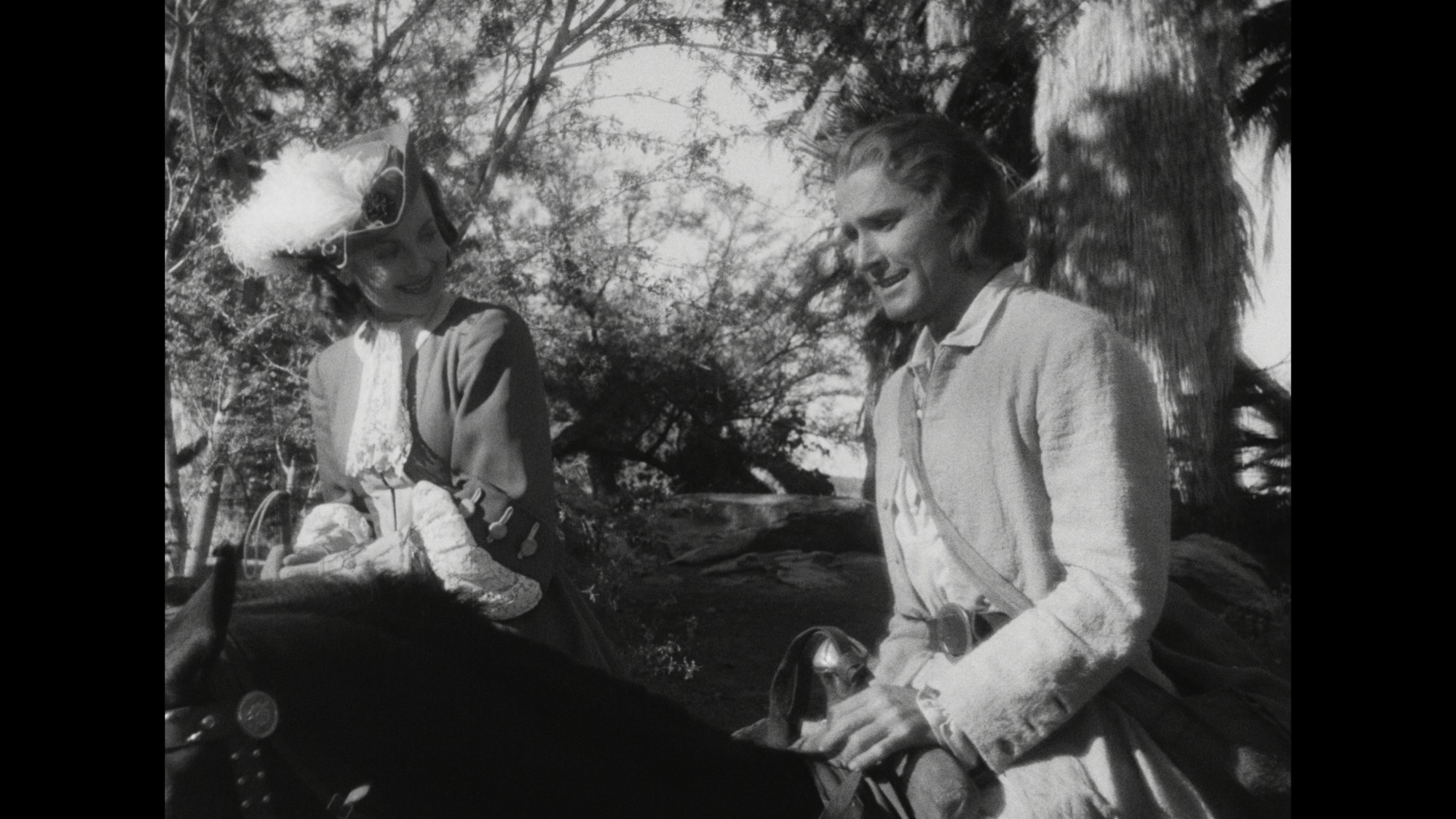
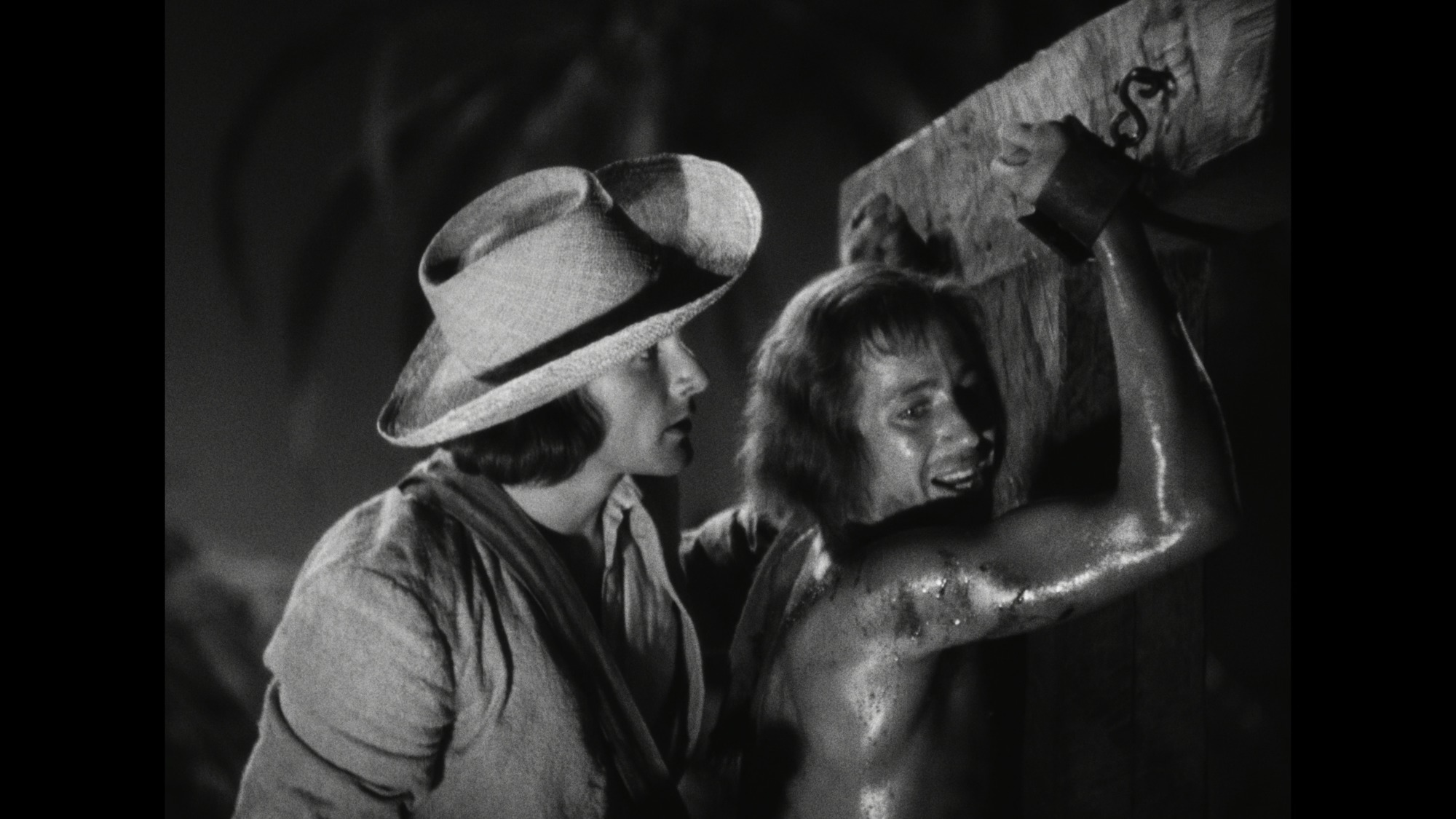
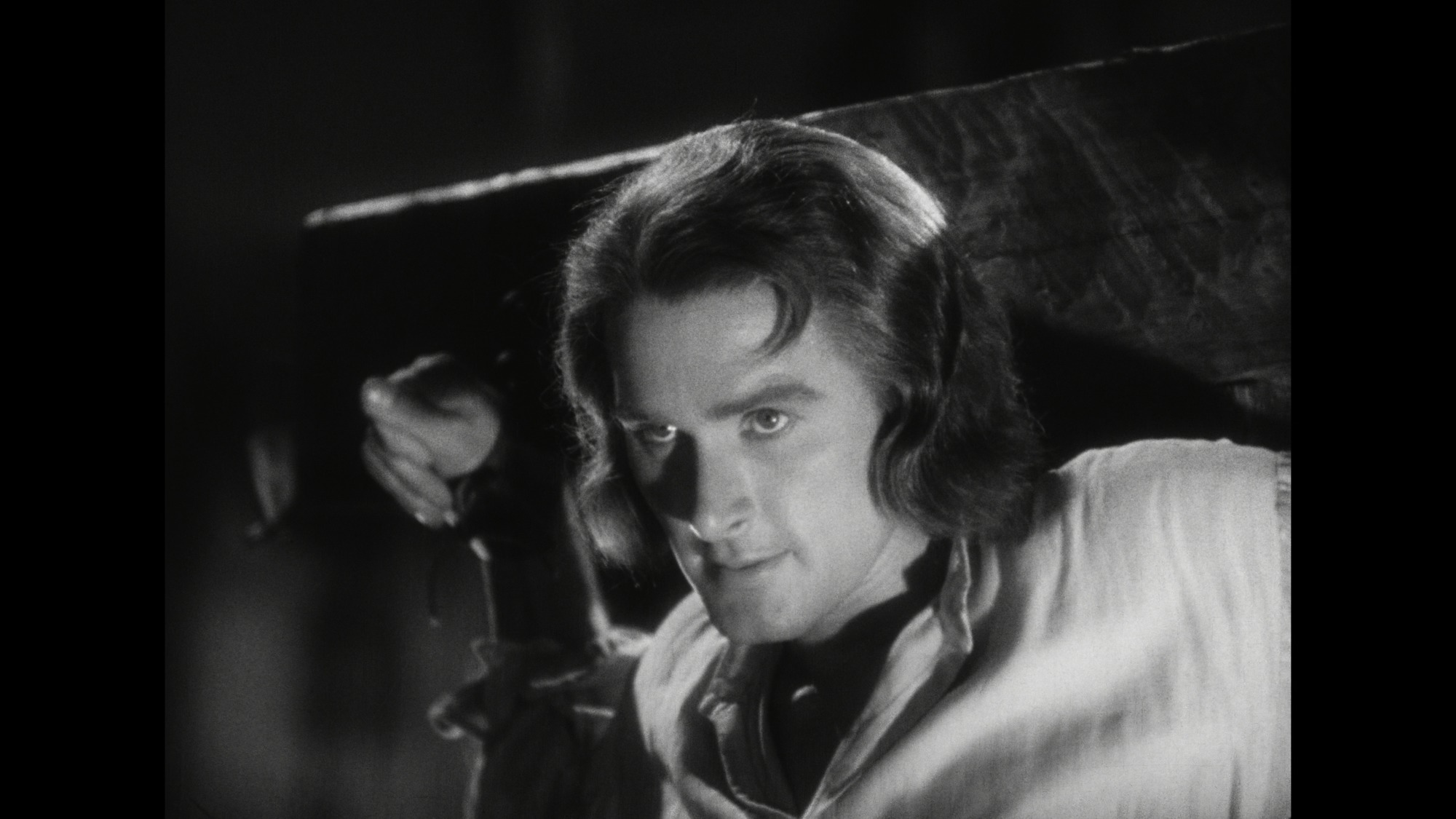
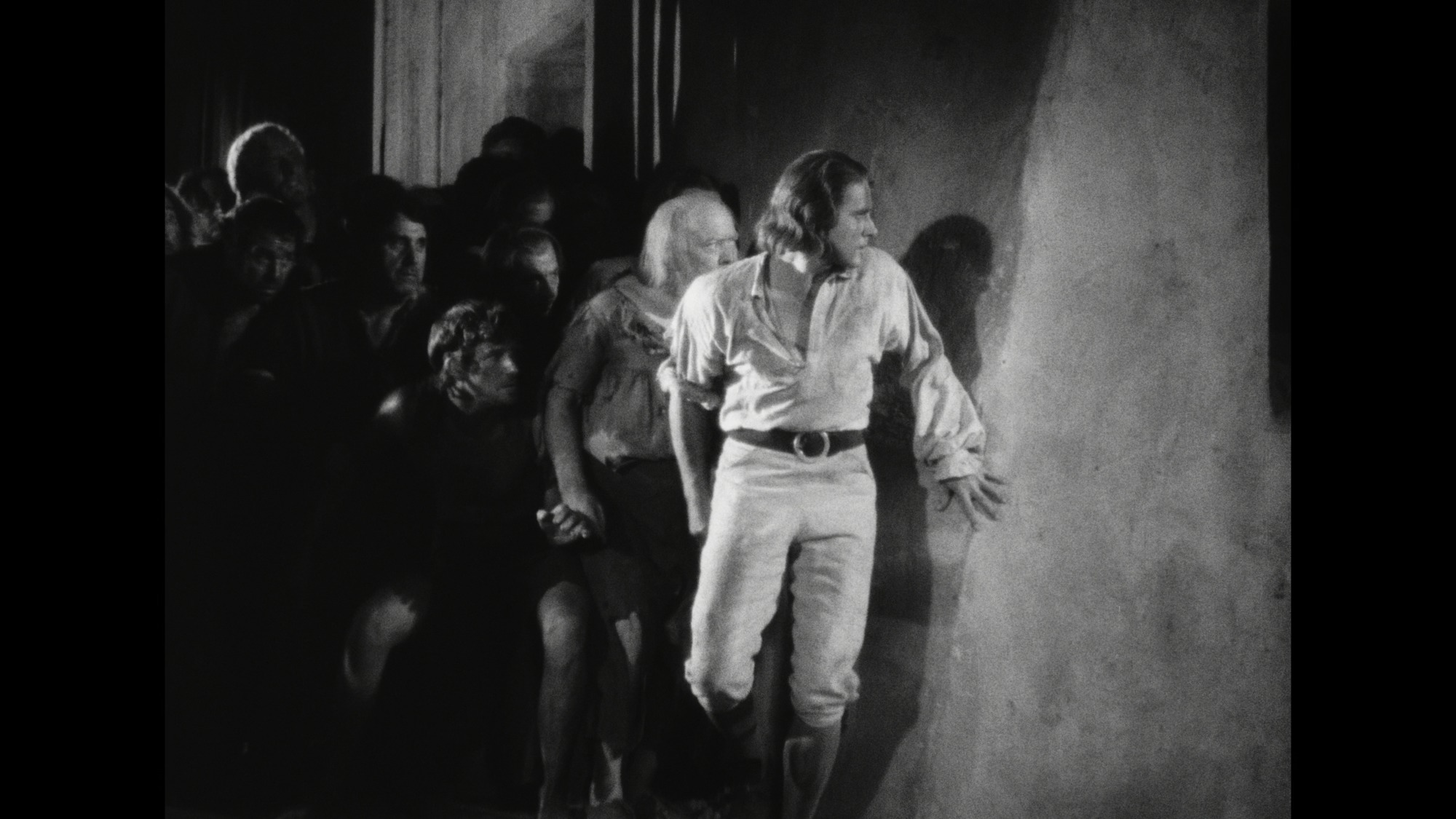
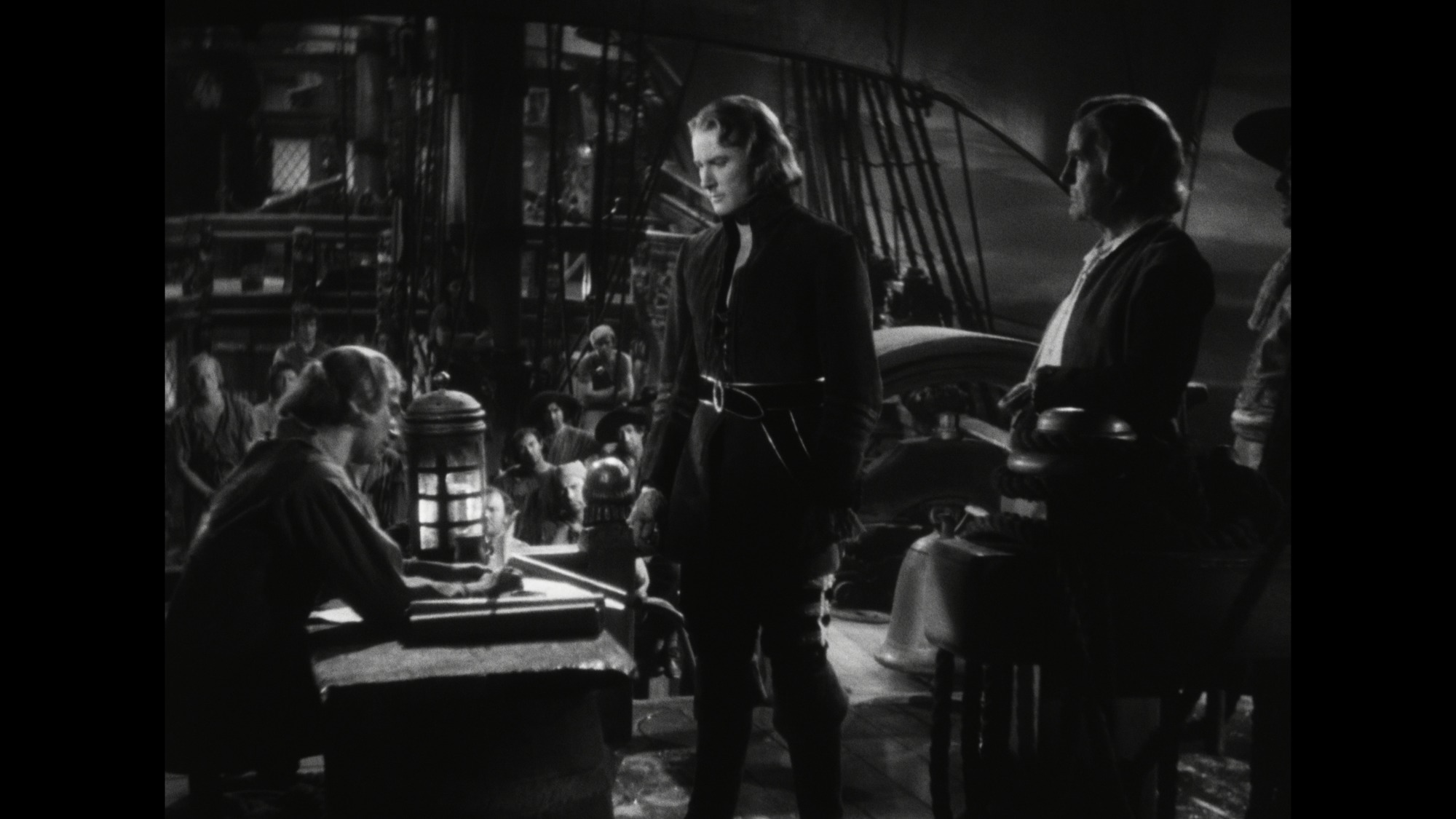
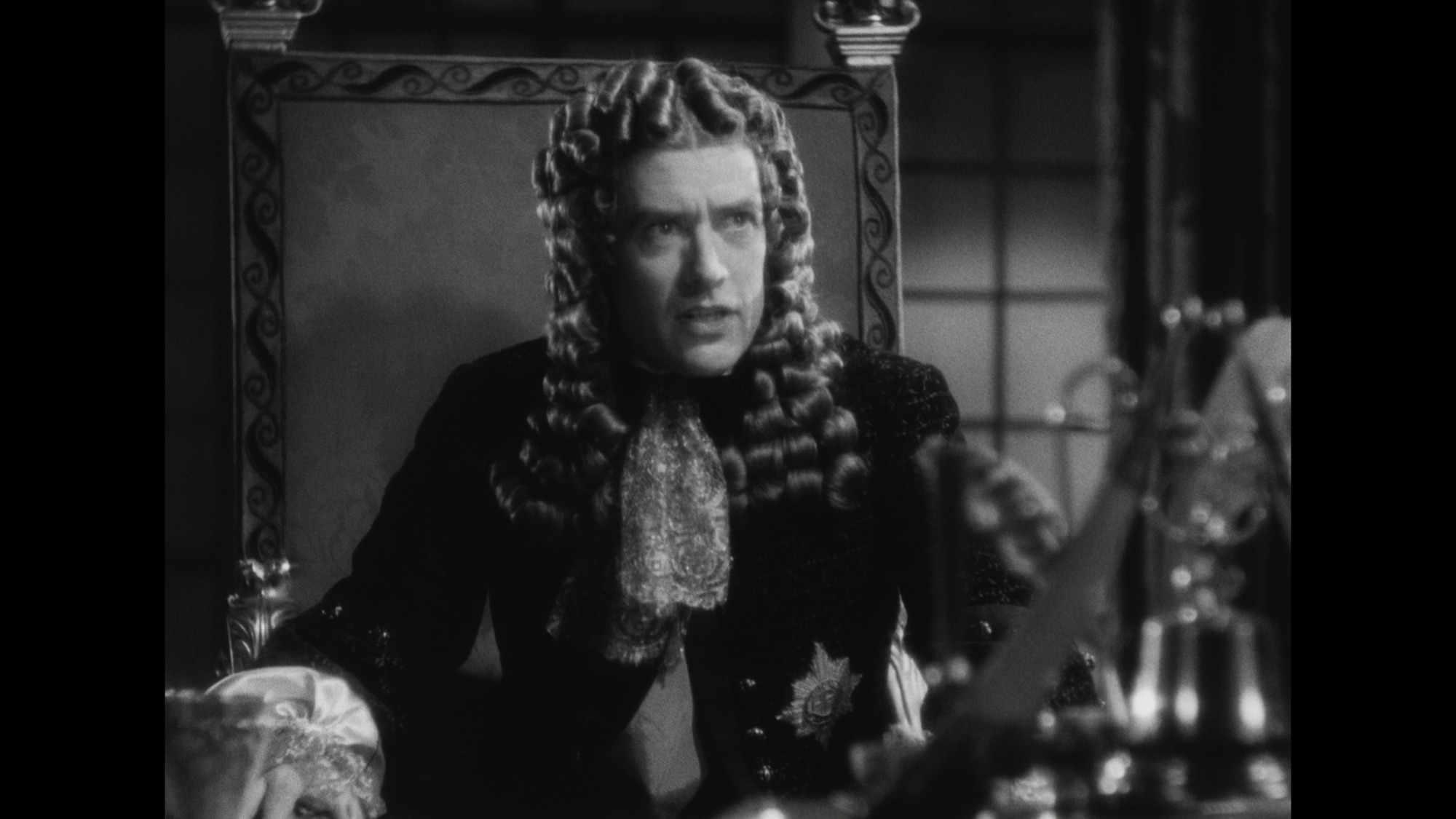
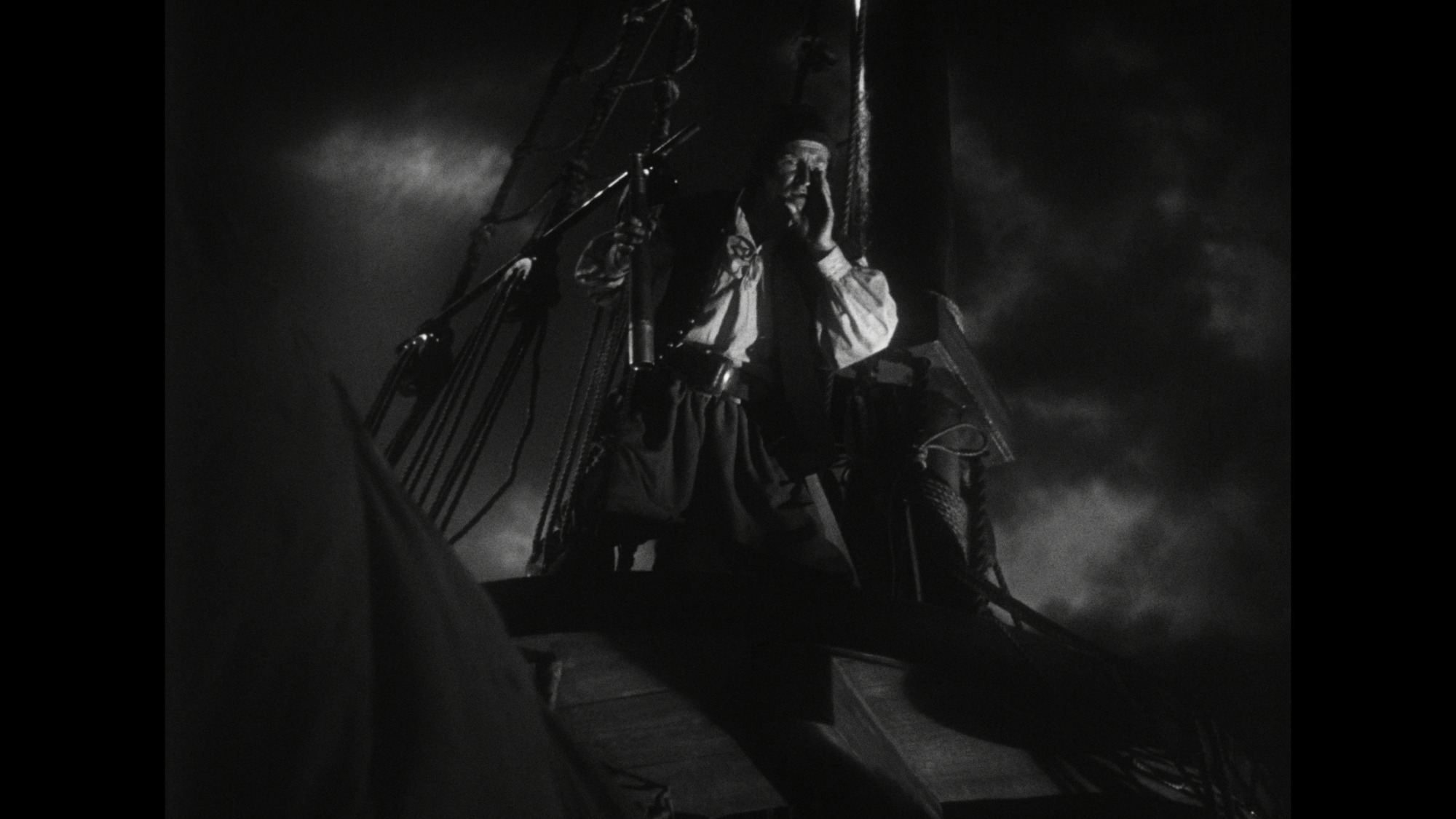
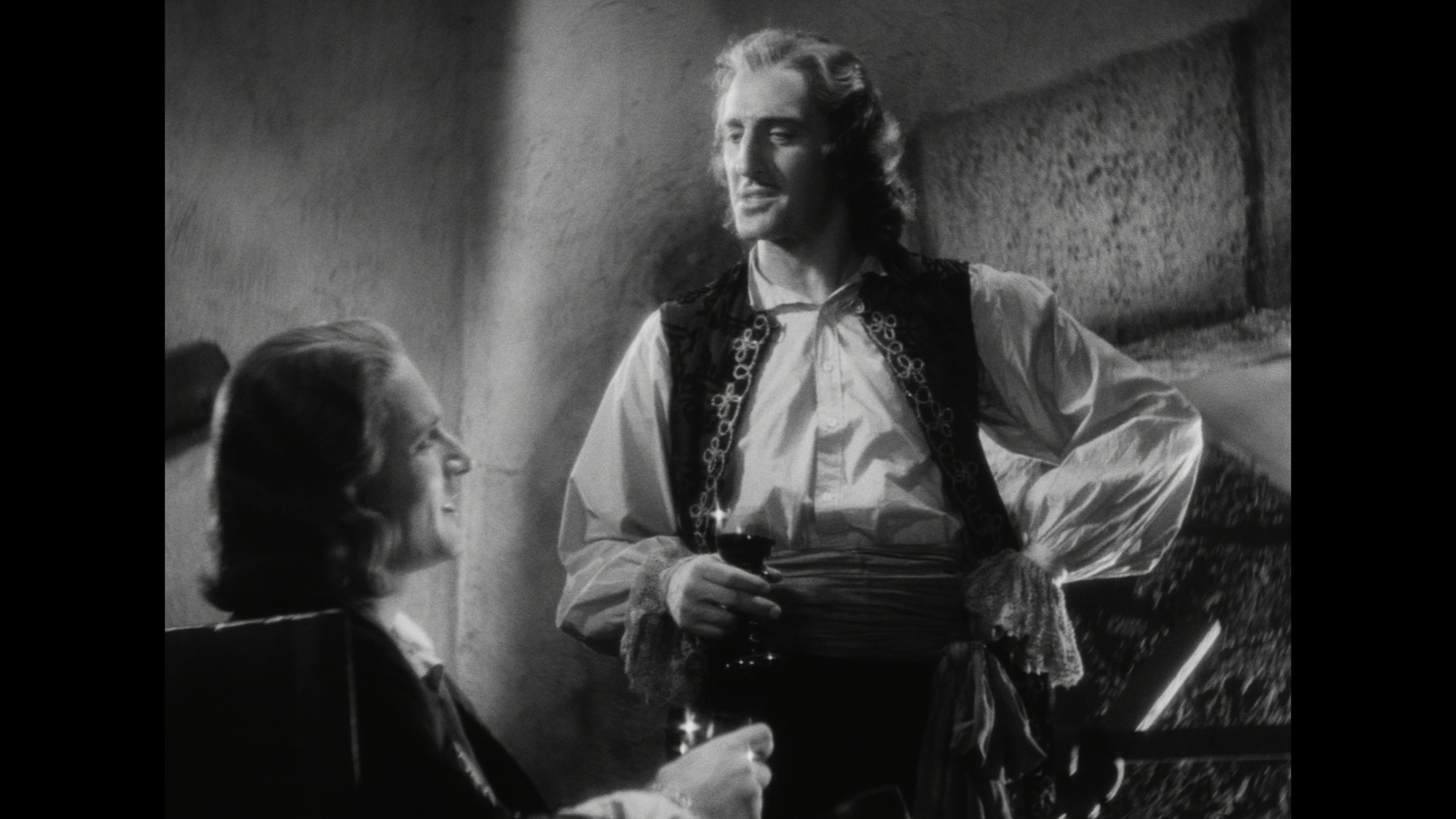
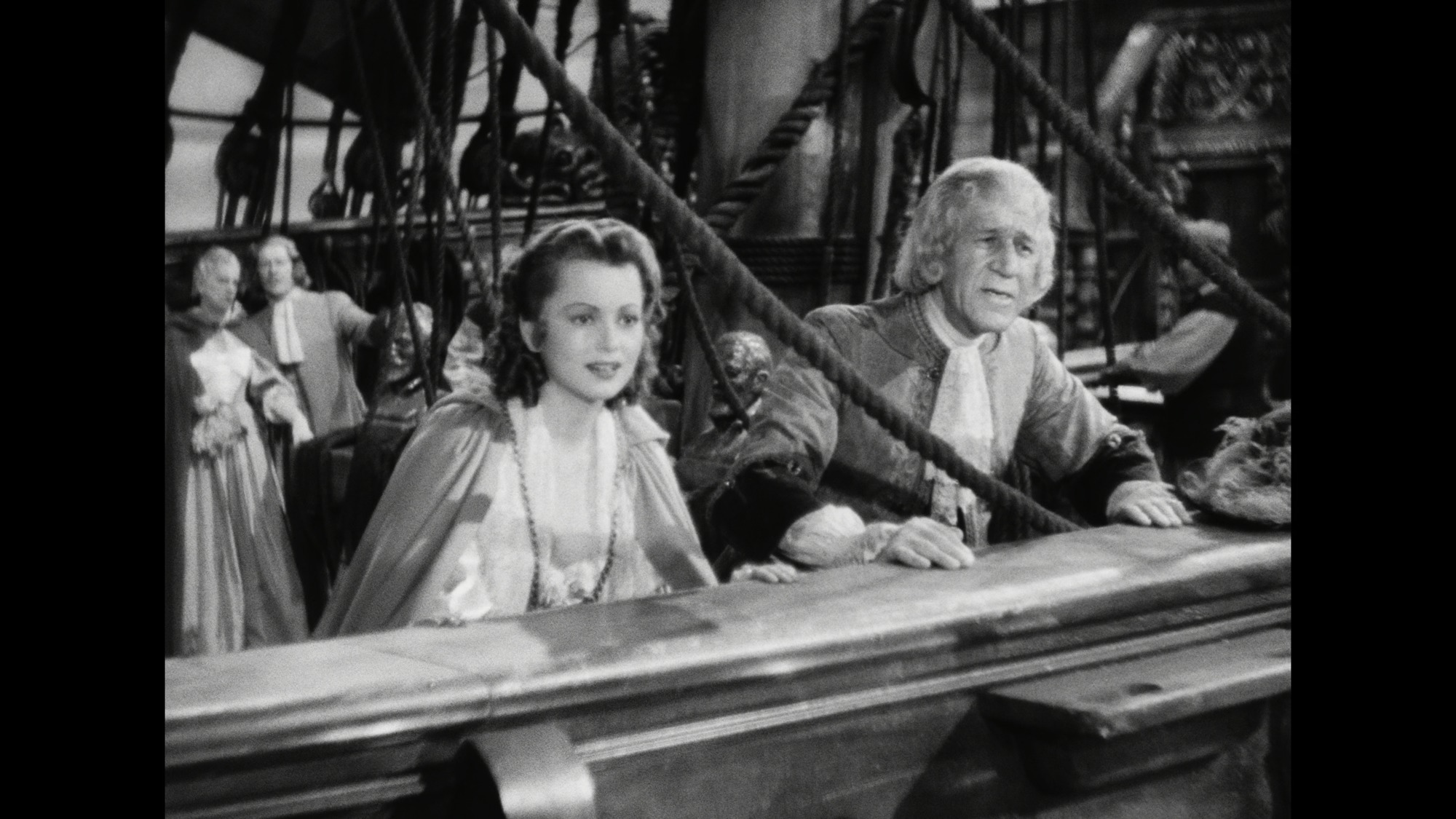
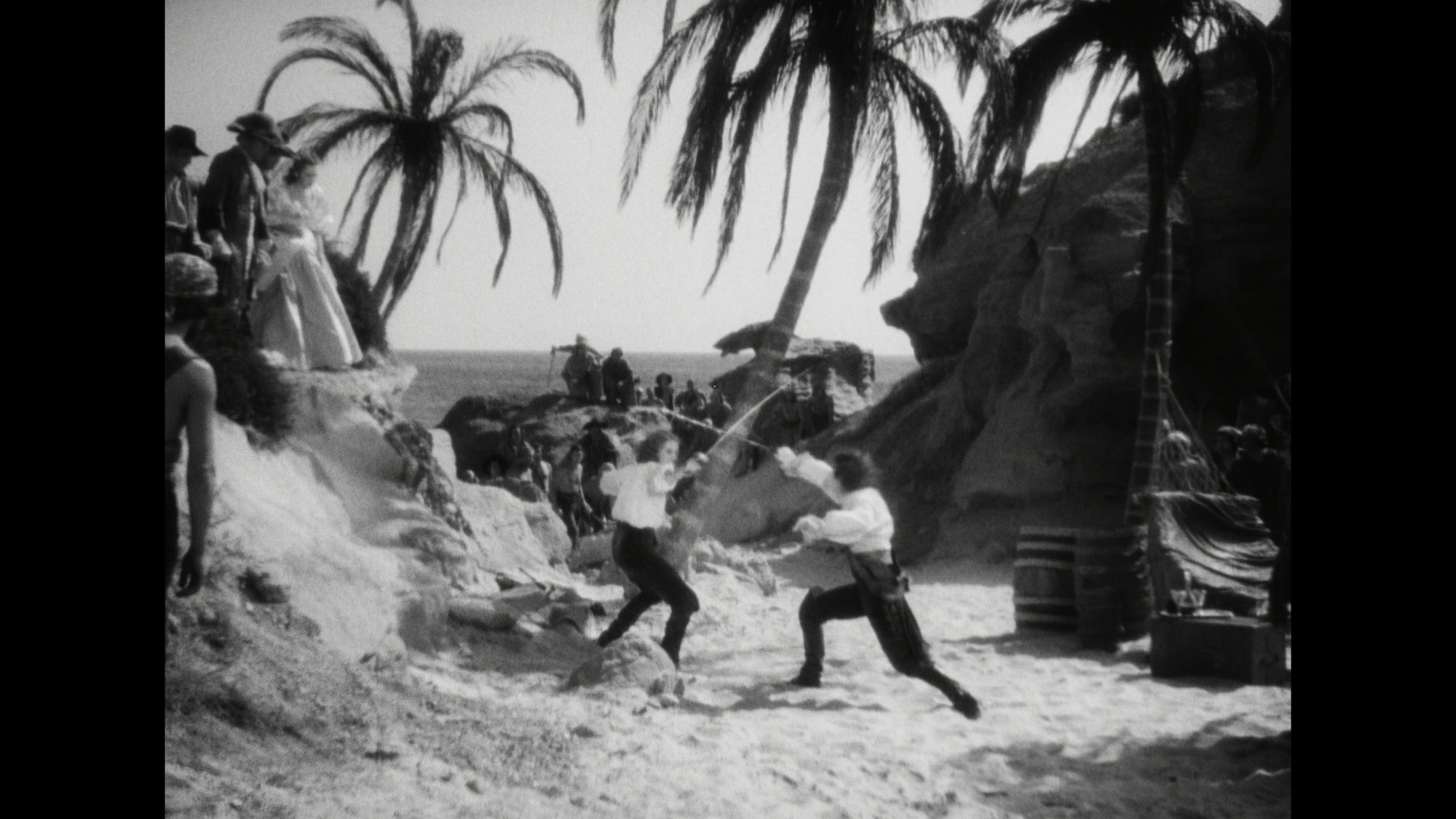
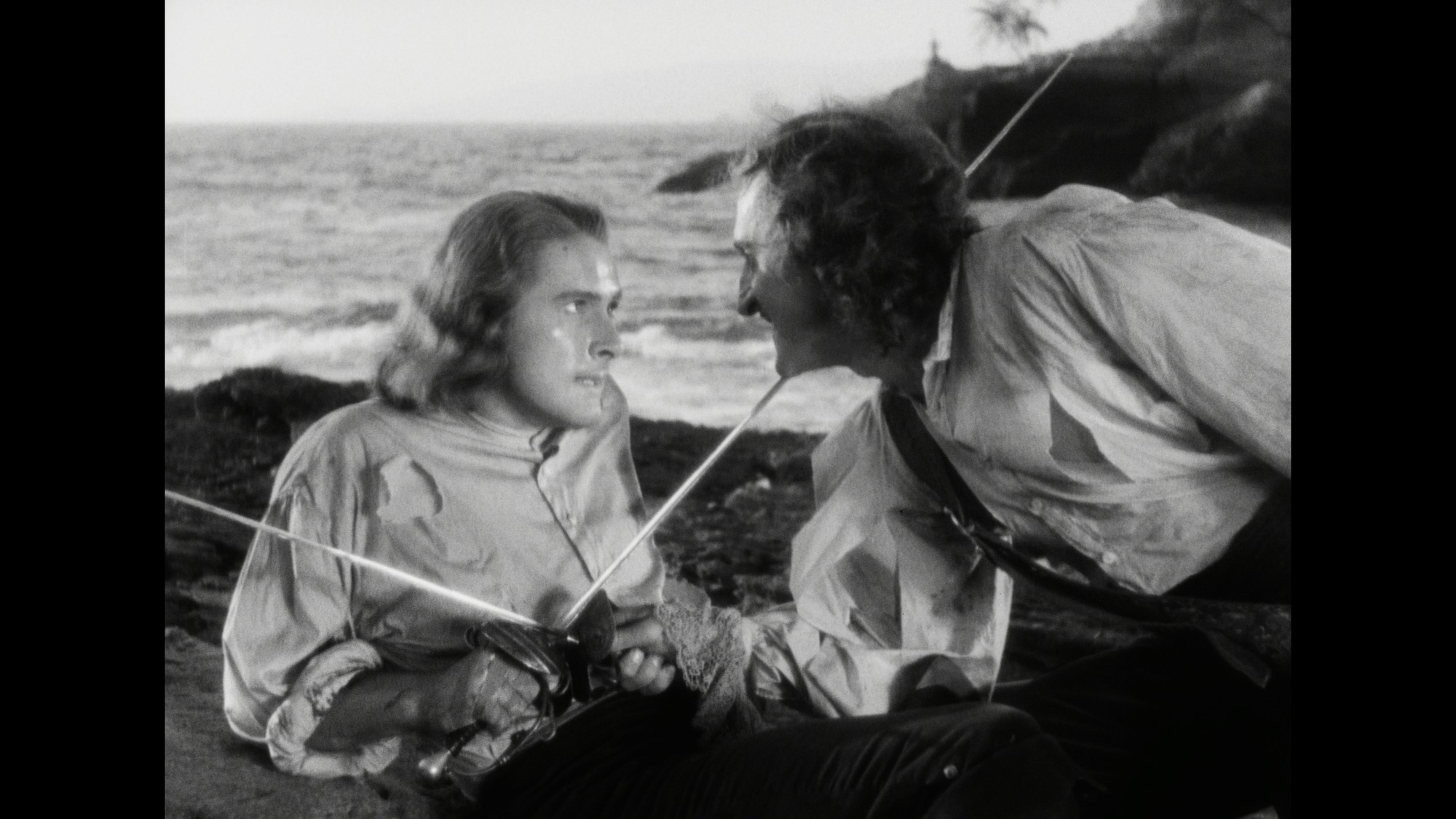
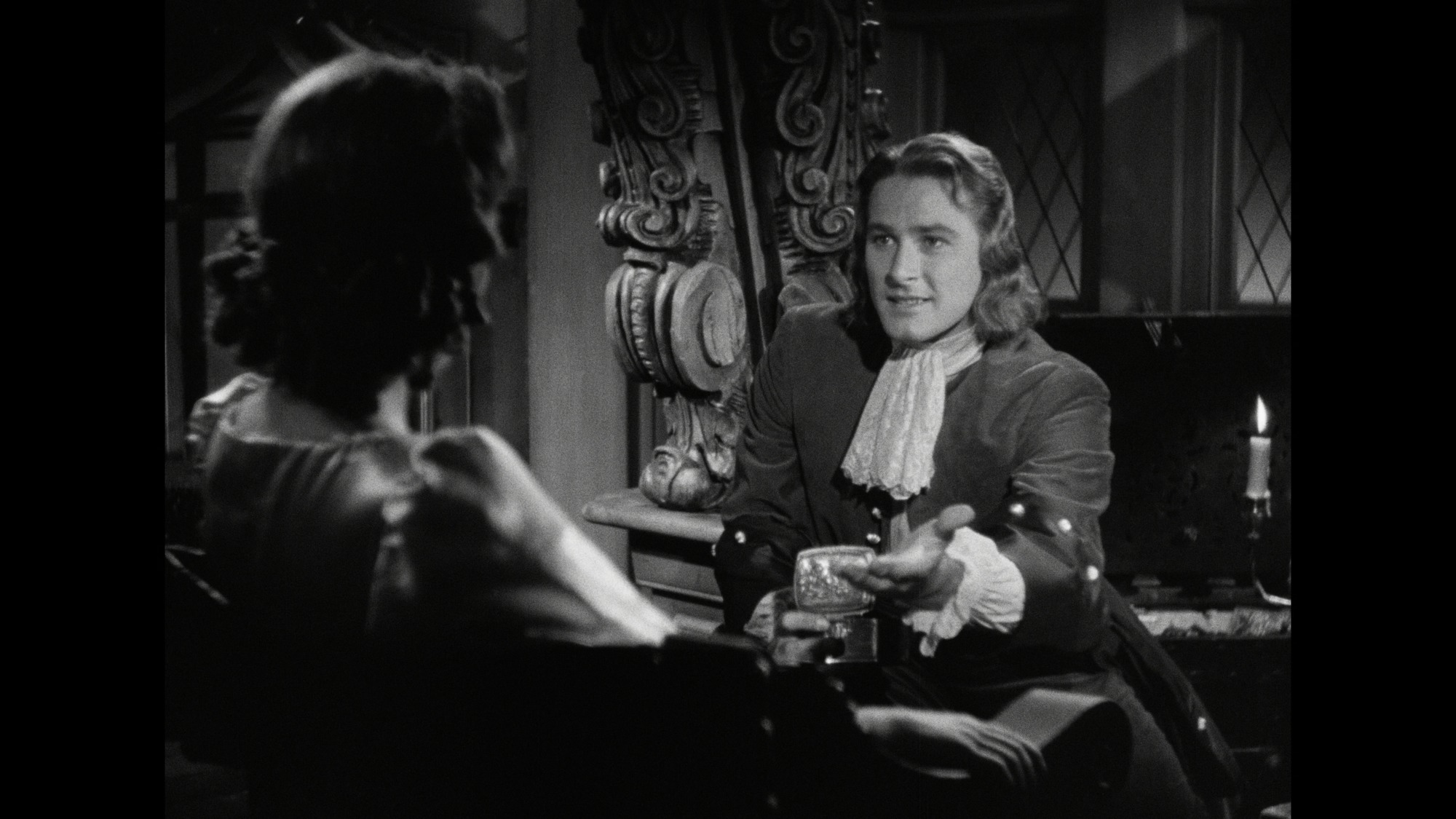
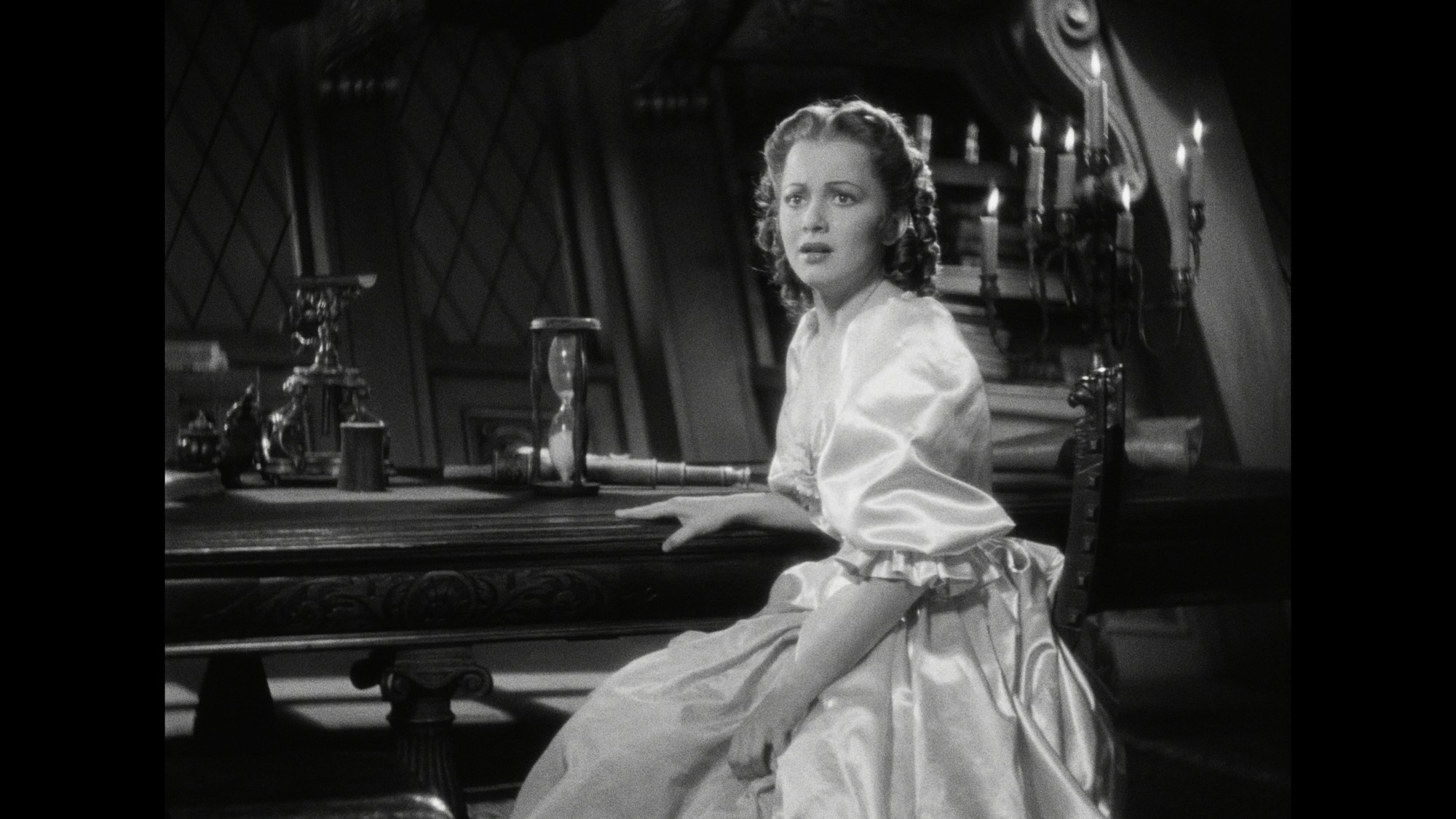
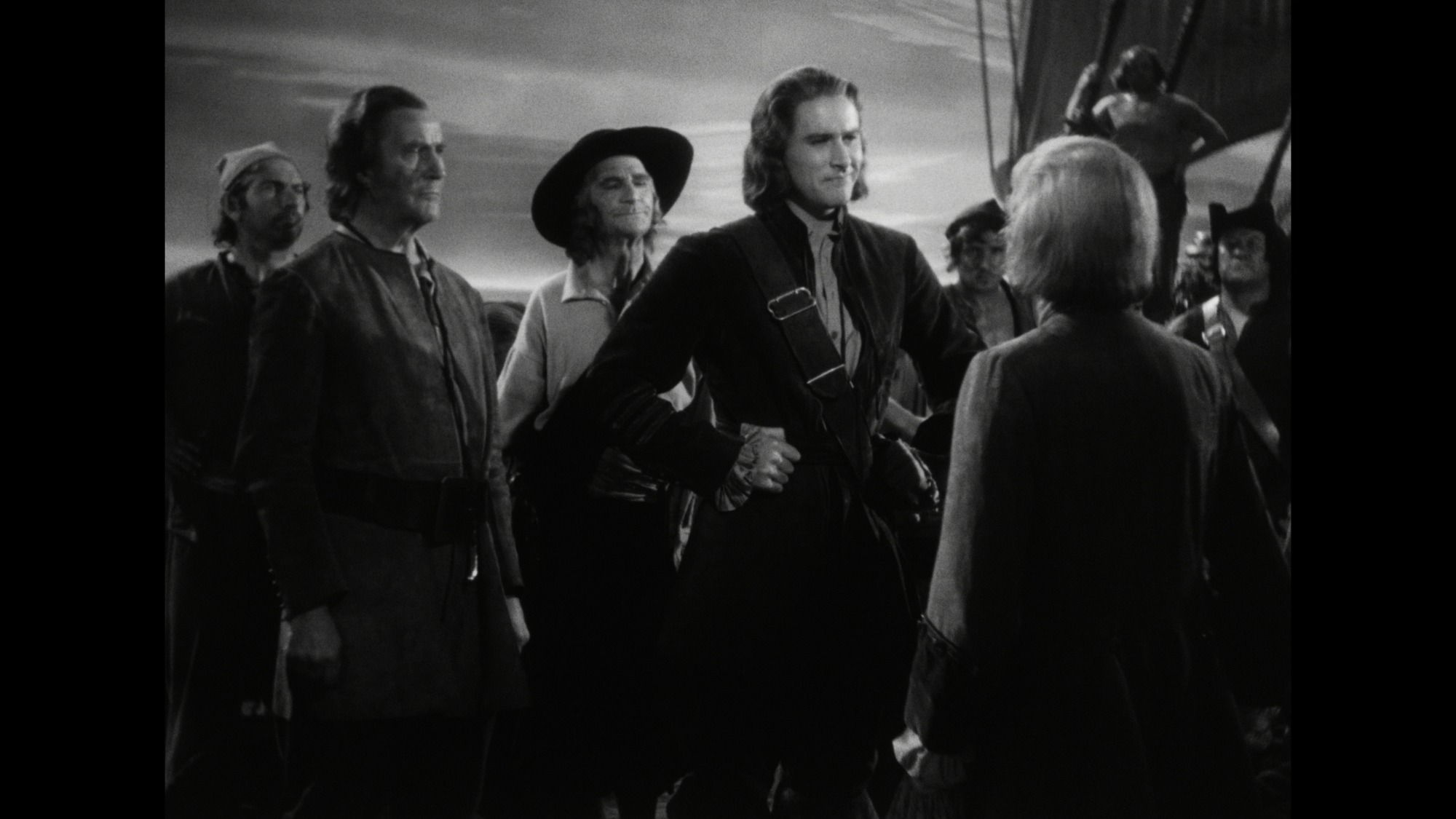
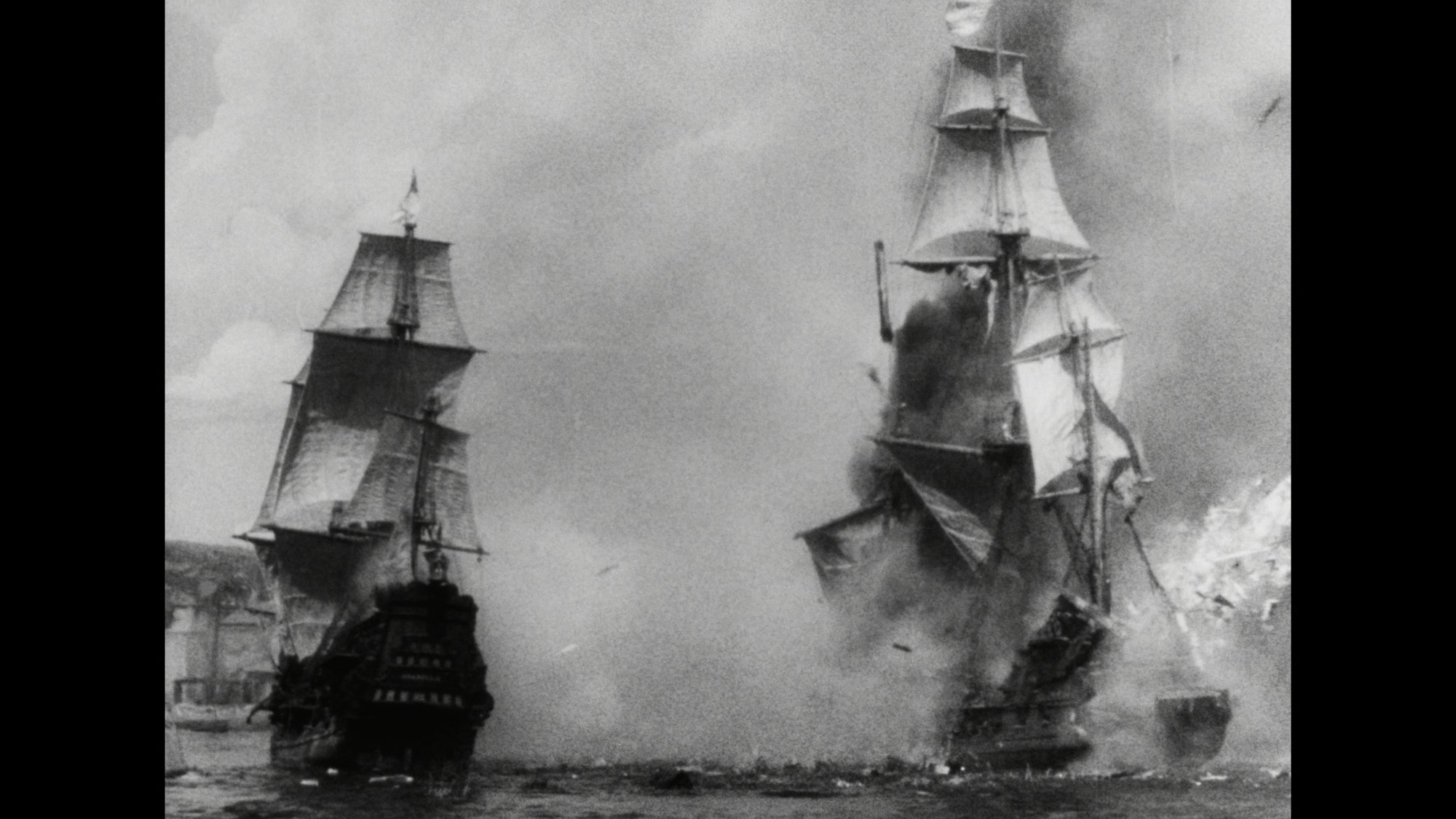
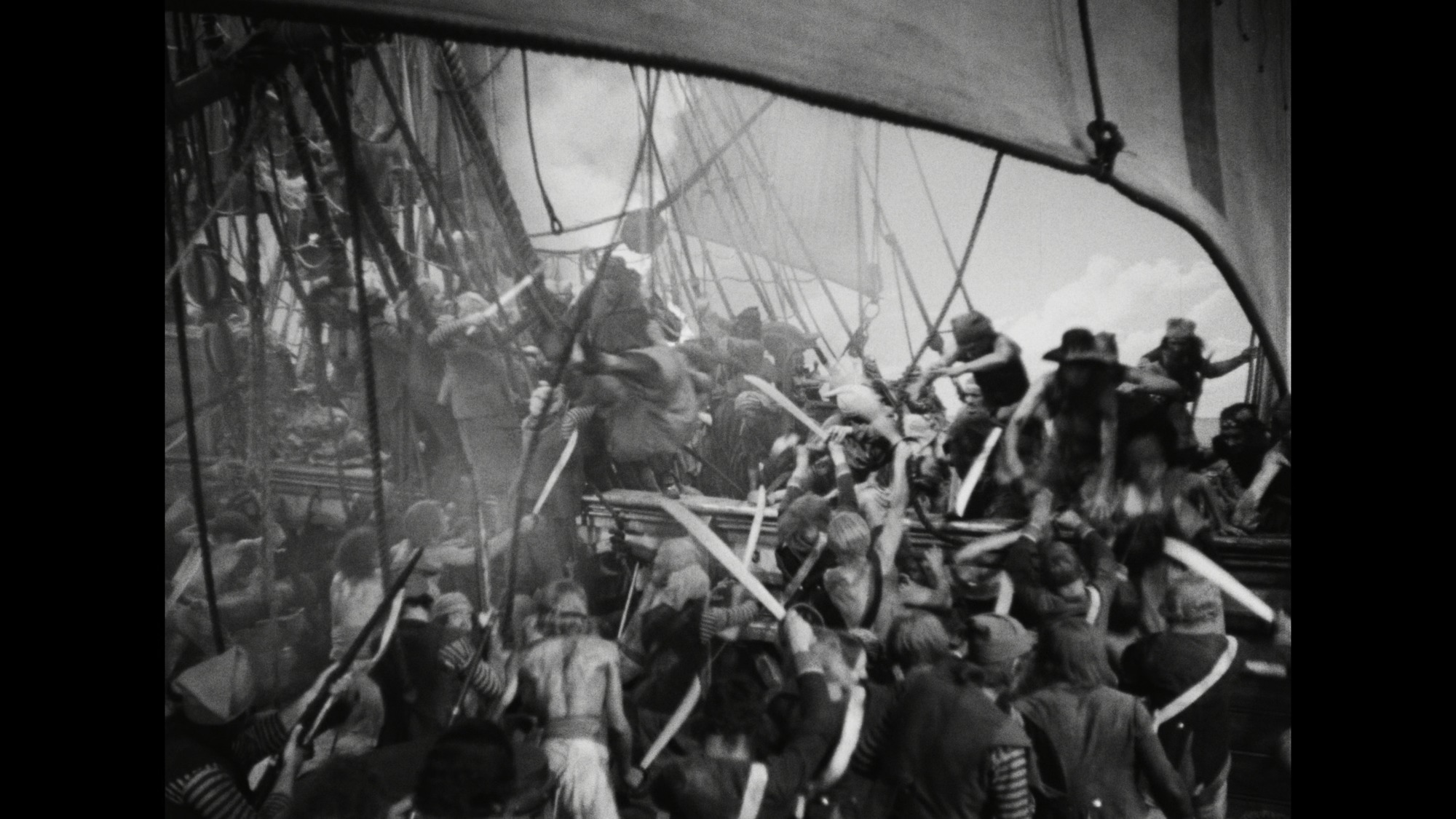
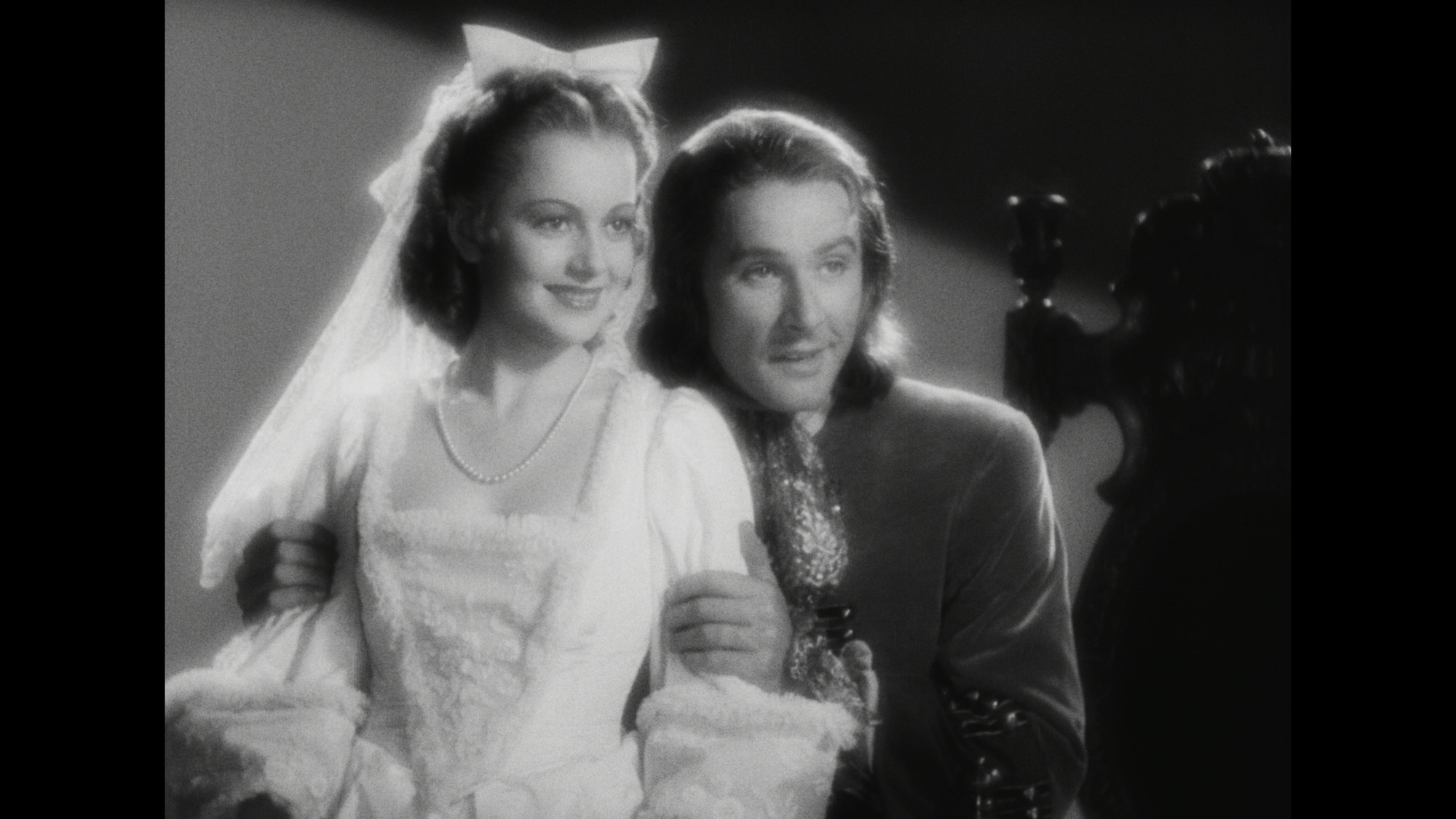
Despite the age of the film and the inherent limitations of the surviving elements, this new 4K presentation looks absolutely phenomenal. The restoration work itself has been incredibly thorough, cleaning the image up beautifully. Very faint scratches and other minor blemishes remain—becoming slightly more noticeable in later-generation sources and during transitions, as expected—but they’re barely visible overall, with the image appearing largely clean and free of any significant flaws. Stability is excellent, with no obvious jumps or shifts, and pulsing is never an issue.
While there are softer shots throughout, either baked into the original photography or introduced through source limitations, the scan has still captured an impressive level of detail. This is evident in long shots but especially striking in close-ups. As well, where the source allows, the grayscale is surprisingly expansive, with nuanced gradations that lead to a wonderful photographic quality. Black levels are deep without crushing shadow detail, and highlights are bright yet controlled, with no obvious clipping. Naturally, this all varies depending on the source used for a given sequence, with some shots appearing dupier, with narrower contrast and heavier black levels, but, for the most part, the contrast looks unbelievably good, even without the benefit of HDR.
All of this is rendered beautifully thanks to a strong digital encode, which also handles grain very well. Grain is generally fine and organic, though it can grow heavier with later-generation elements (again, entirely expected), yet the encode never falters in resolving it and remains natural in apperance throughout, never coming off blocky or noisy. All told, this is a wonderful presentation, and it leaves me genuinely excited by the prospect of more early Warner adventure films making their way to the format, The Adventures of Robin Hood in particular, regardless of who ultimately releases it.
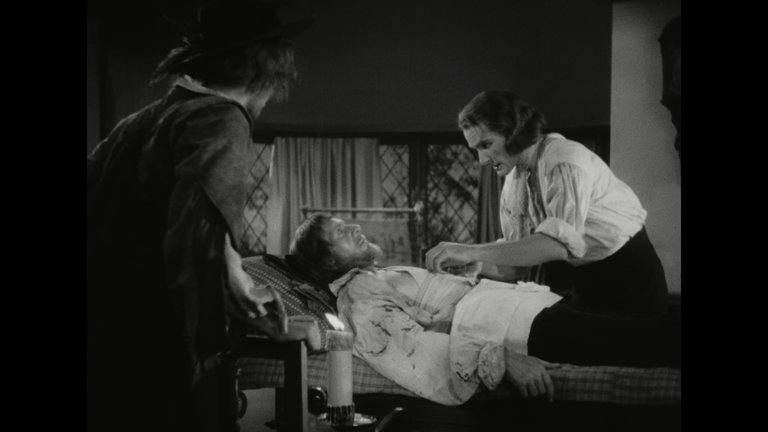
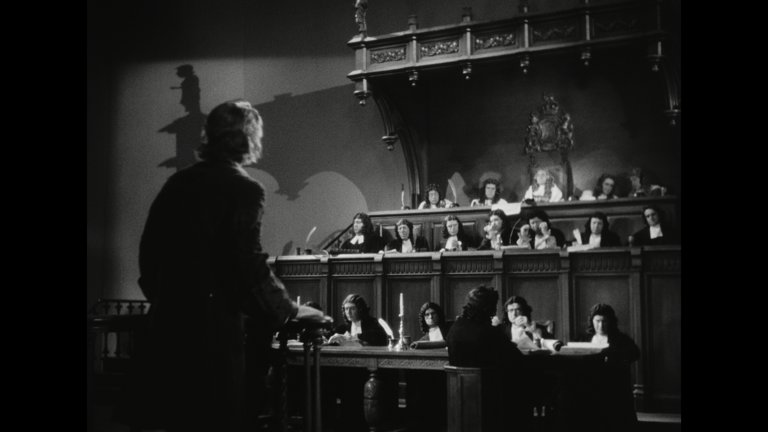
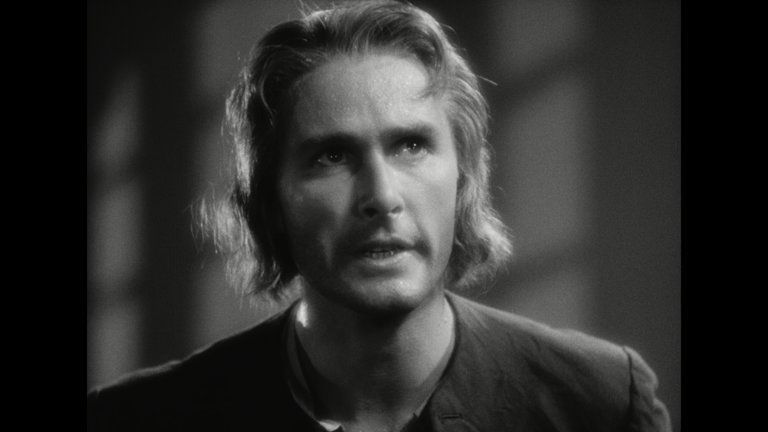
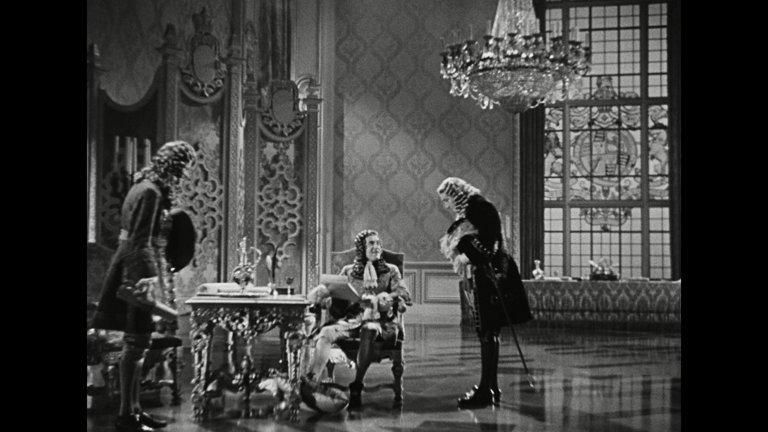
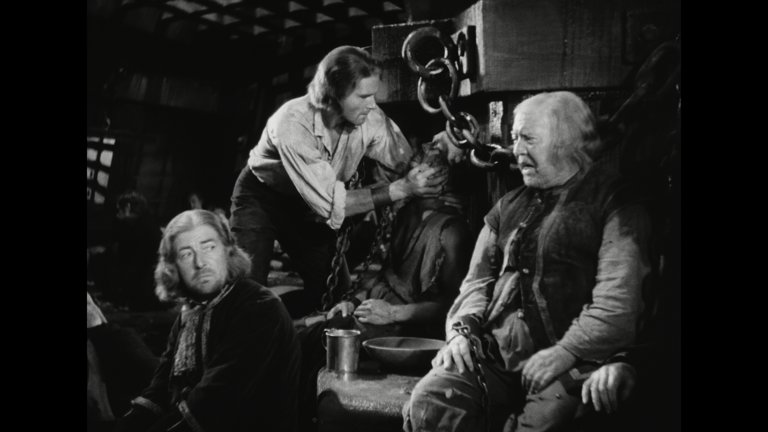
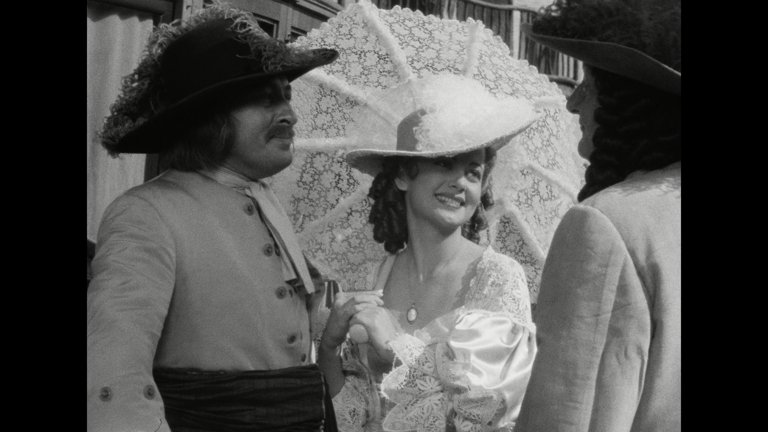
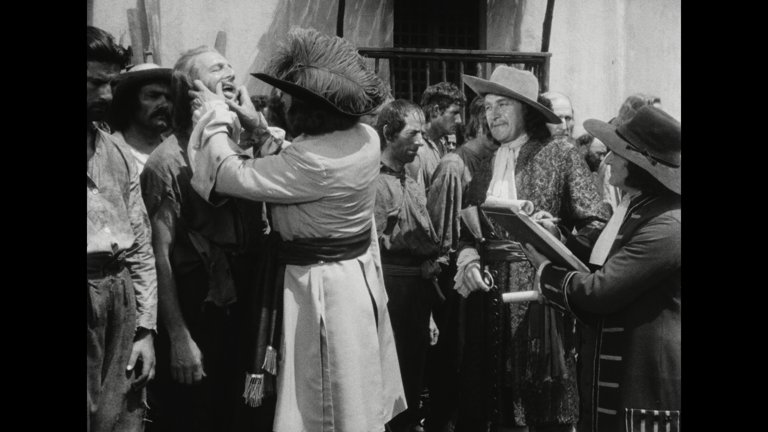
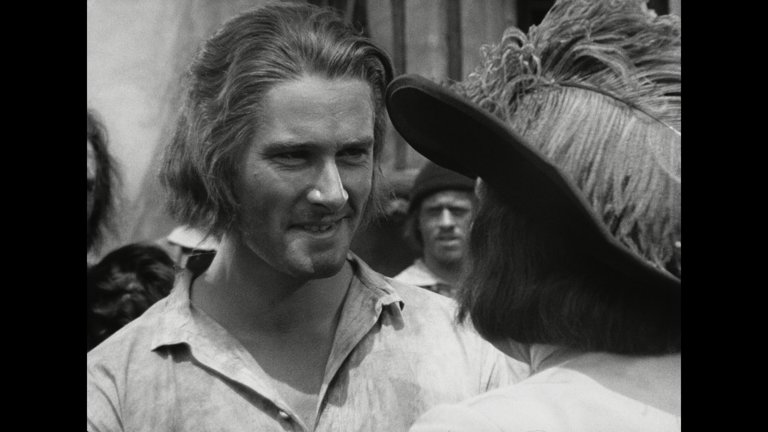
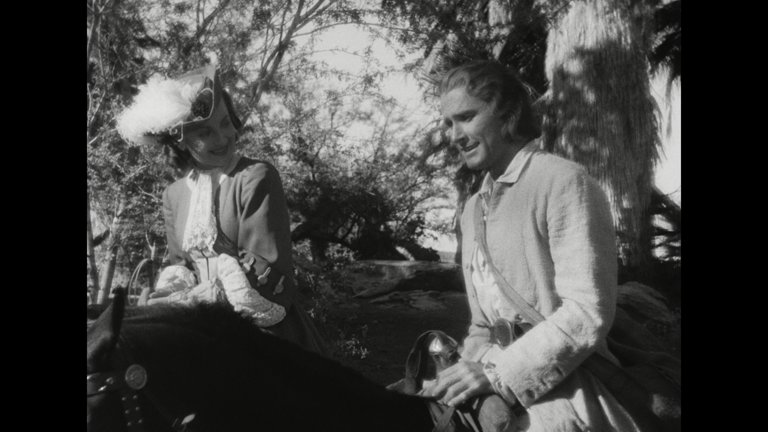
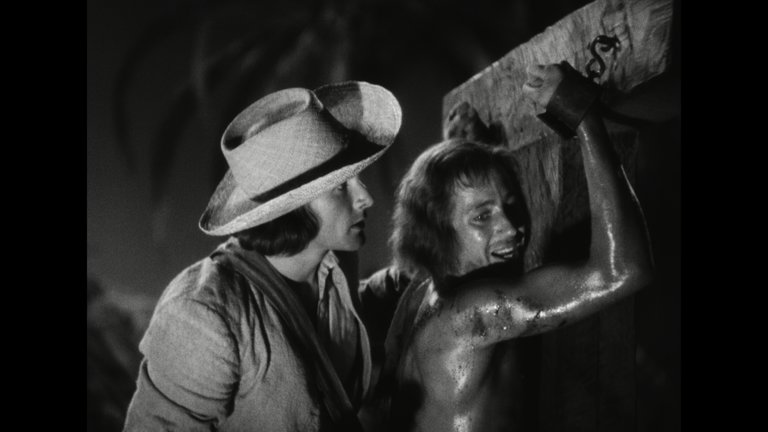
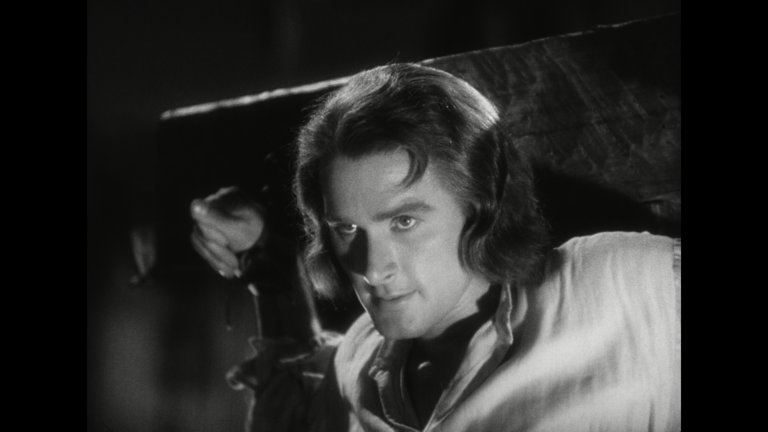
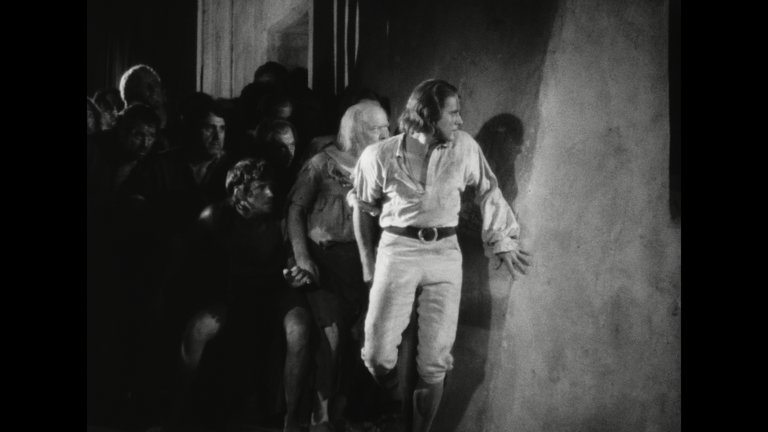
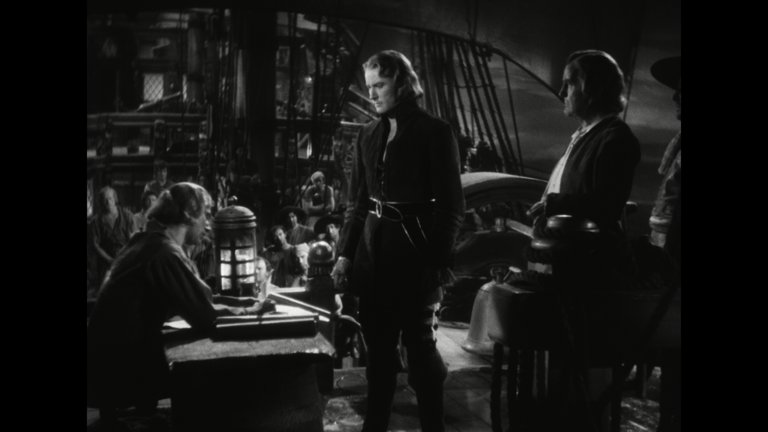
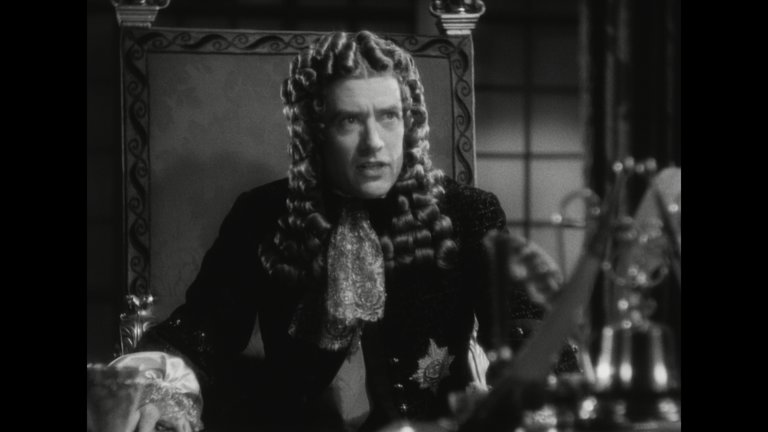
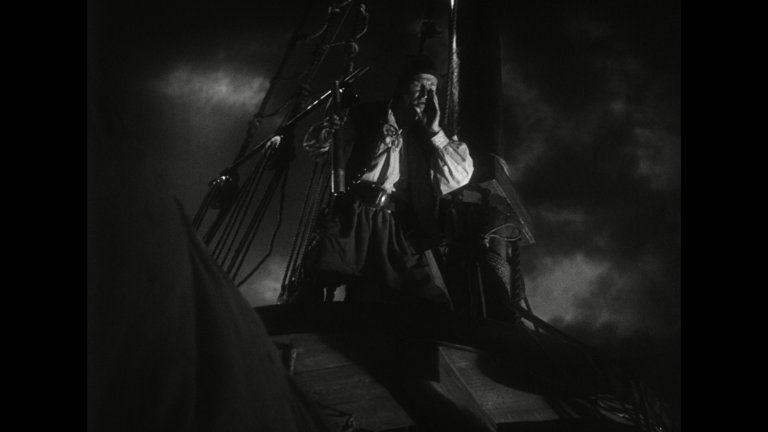
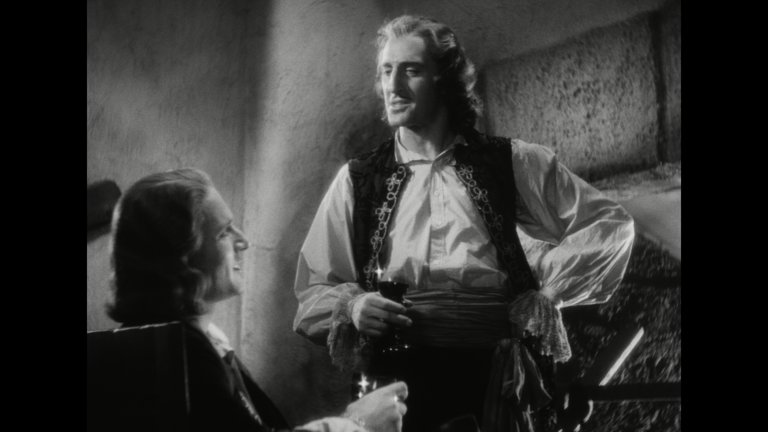
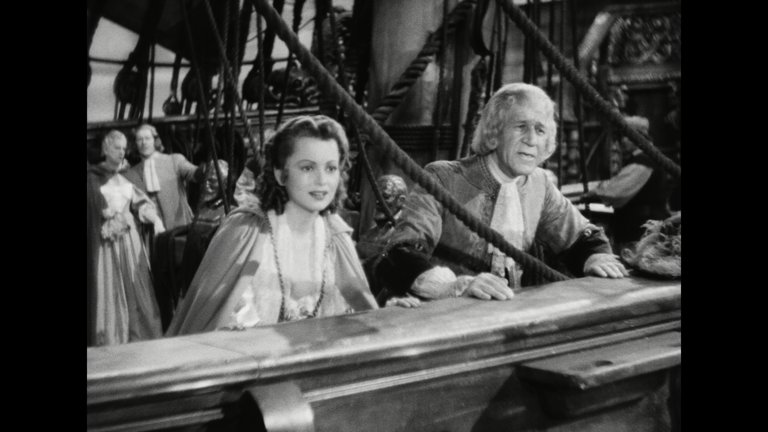
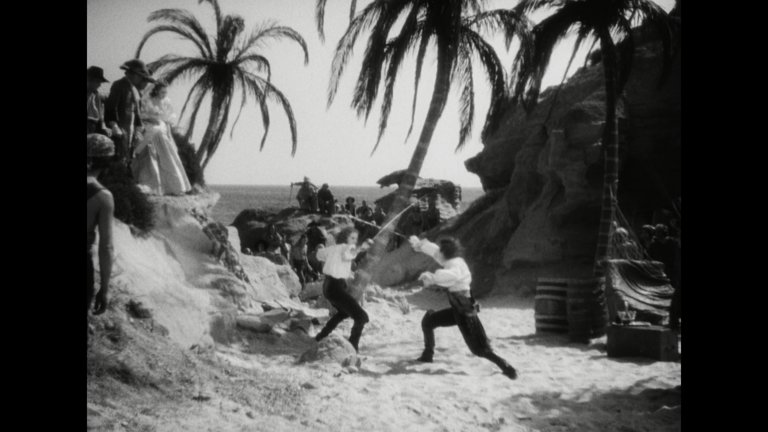
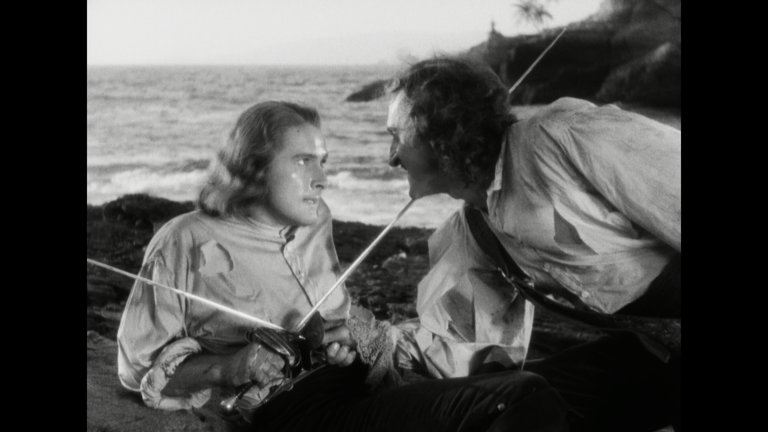
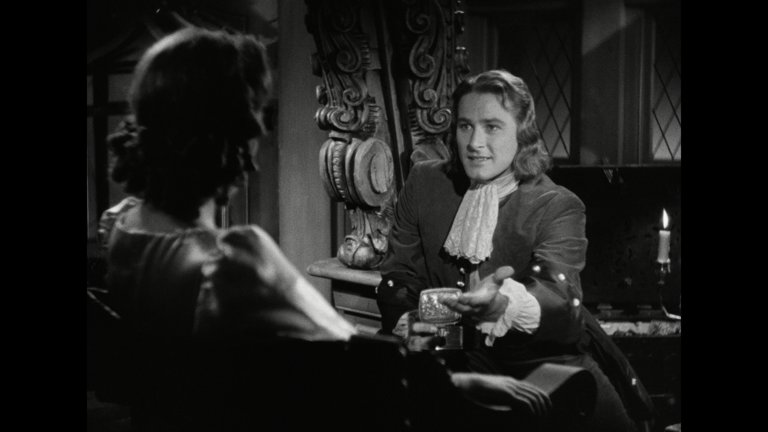
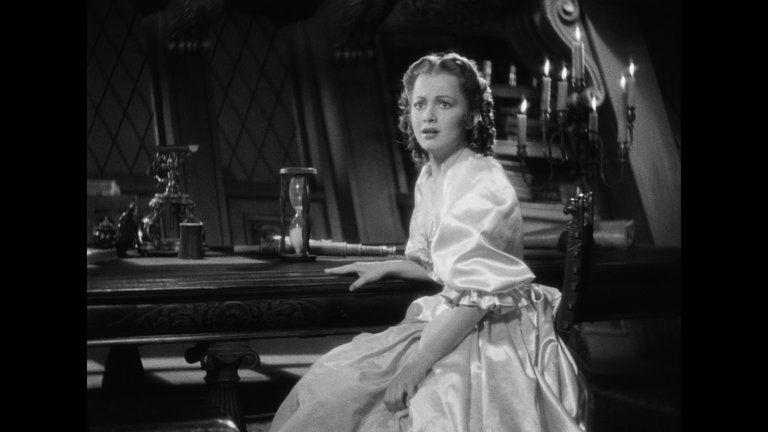
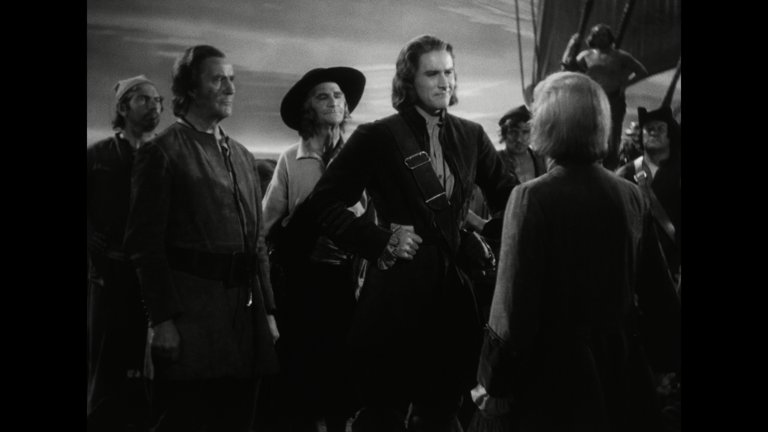
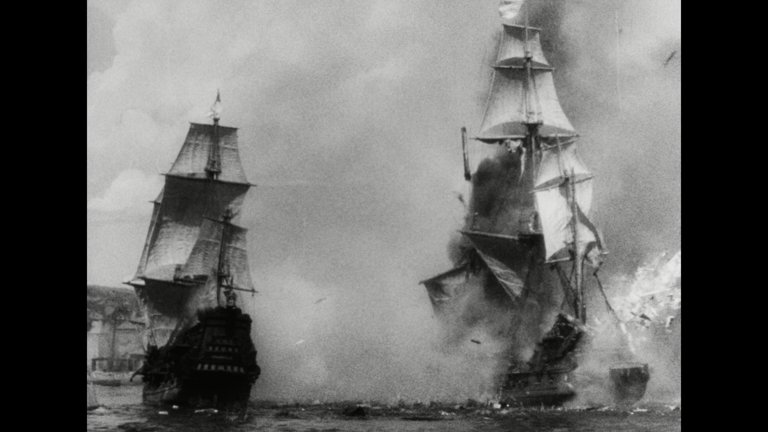
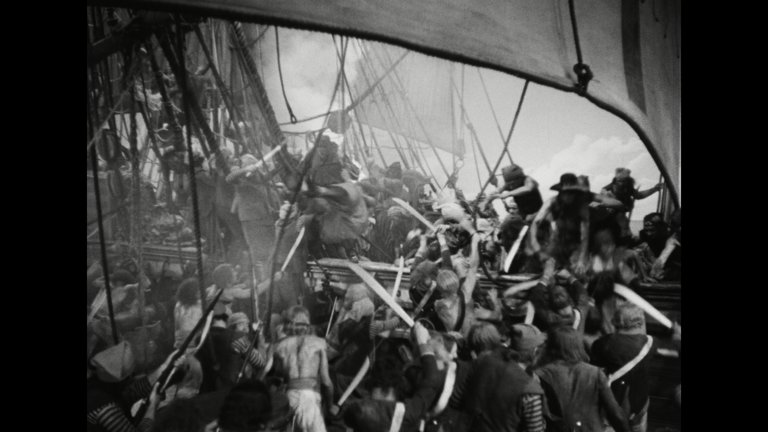
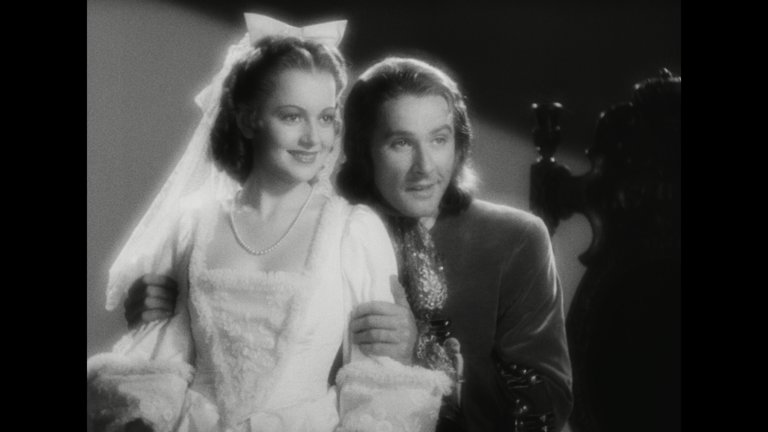
Captain Blood - Screen Captures
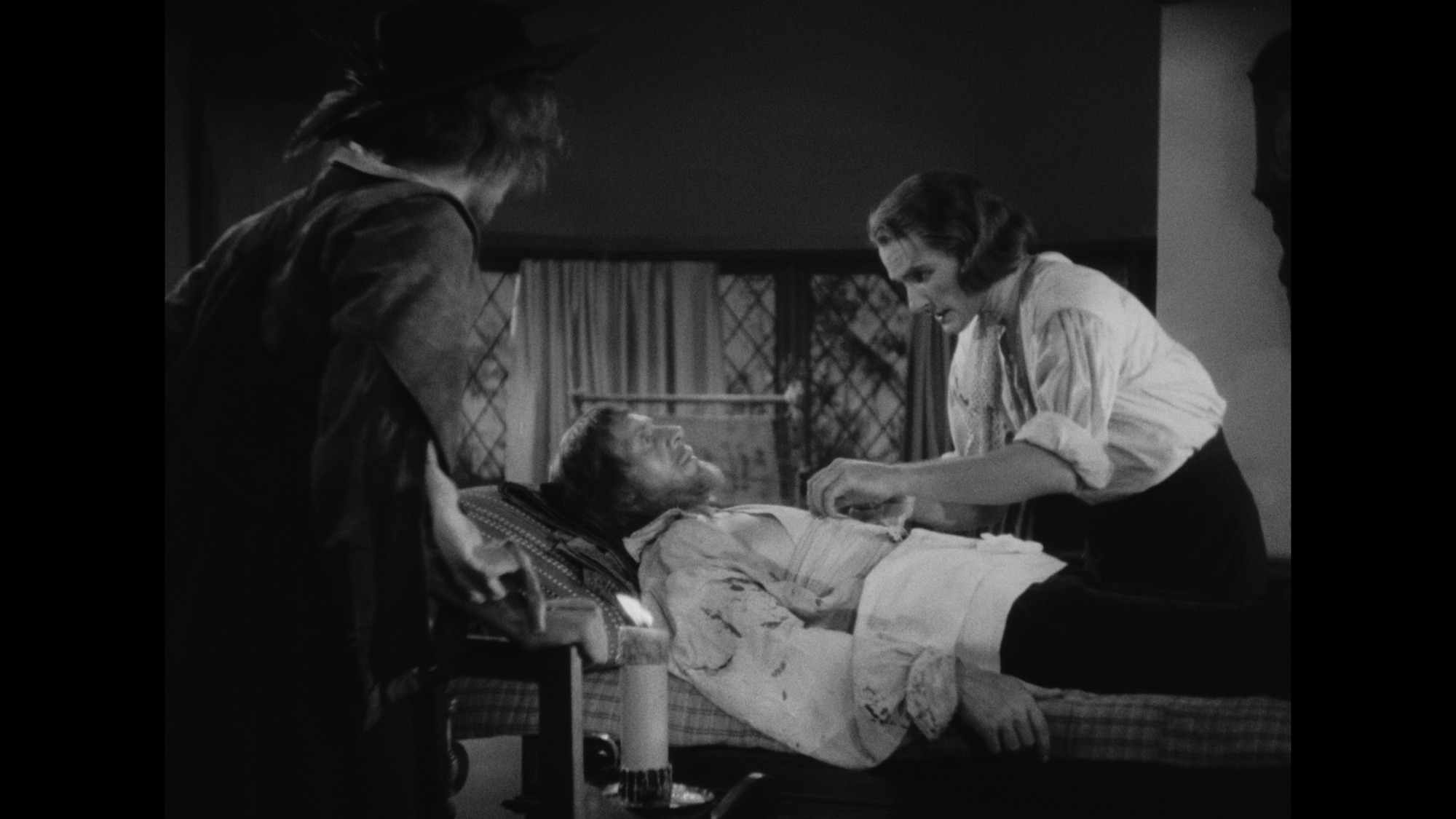
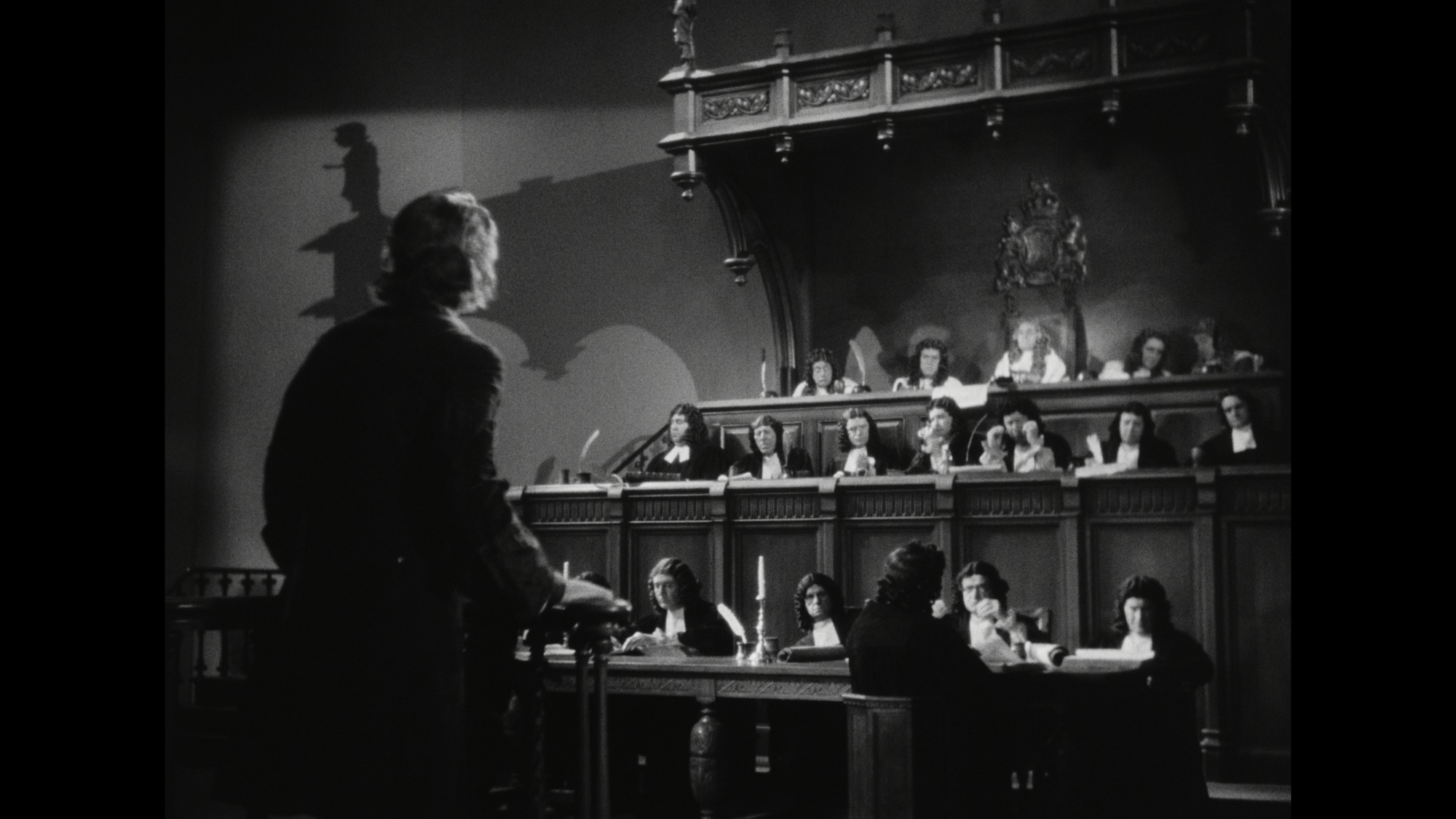
Audio 6/10
The film’s monaural soundtrack is presented in lossless single-channel PCM. I didn’t go in with particularly high expectations, yet the track still managed to exceed them. While the dynamic range isn’t especially wide, there are moments that really push the presentation, most notably Erich Wolfgang Korngold’s rousing score, without ever sounding edgy or distorted. Dialogue can come across as somewhat one-note and flat, but it remains clean and intelligible, and the track as a whole is free from any severe noise or distortion.
Extras 7/10
The supplements prove a little disappointing overall, with most of the material carried over from Warner’s previous DVD release. The short films don’t make the jump, though the trailer and the 1937 Lux Radio adaptation are both included, the latter featuring Errol Flynn, Olivia de Havilland, and Basil Rathbone reprising their respective roles. Running 59 minutes (commercials for Lux soap included, in case your “neck and shoulders aren’t as lovely as you wish”) it plays out like most of these adaptations: a speed-run through the story. The opening is essentially skipped, jumping straight to the trial (with Blood’s charges awkwardly explained via exposition), then quickly on to slavery, escape, and the formation of his new crew. Action scenes are similarly rushed, often more described than dramatized. Some radio adaptations can be impressive in how they adapt a film’s visuals, but this one admittedly feels like it’s missing something. Still, it remains an interesting historical capsule, as always.
Also carried over is the 23-minute making-of featurette, which does a respectable job covering the film’s production, what its success meant for Warner Bros., and how it helped launch its two stars. More rewarding on this front, however, is the brand-new audio commentary recorded exclusively for this edition by Alan K. Rode. Right out of the gate, Rode explains that his focus will be primarily on the film’s two stars and director Michael Curtiz, less out of disinterest in the film itself I assume than due to what is probably limited documentation surrounding its production. Even so, he keeps the discussion firmly anchored to the film, covering casting, the collaborative nature between the three principals, and the trajectories their careers would take (with all three, of course, working together again).
Rode also still works in production details, including quotes from internal studio memos that reveal executive concerns ranging from the film’s violence (“too much flogging”) to Flynn’s appearance (though Rode edits out what he suggests was more colorful language). He also comments on the film’s construction and Curtiz’s energetic direction, noting the filmmaker’s fondness for filling frames with extras (much to the penny pinching studio’s chagrin) and keeping the camera in constant motion. While some details overlap with the making-of featurette, Rode largely succeeds in filling the track with engaging material, underscoring just how important the film was, not only for Warner Bros., but for the swashbuckler boom it helped ignite across the industry.
The physical release rounds things out with an insert featuring an essay by Farran Smith Nehme that situates the film within its historical moment while also touching on its technical achievements, ground also covered in the commentary. Taken together, the essay and Rode’s track make for worthwhile new additions, though I can’t help but be surprised there isn’t more here, particularly material focused on Flynn himself, or on the wave of swashbucklers that followed in the film’s wake. It’s possible that such material is being held back for a future title. (Crossing fingers for The Adventures of Robin Hood...)
Closing
I might have expected a more lavish special edition, but while the supplements are at least solid across the board, it’s the presentation that ultimately makes this release a must-own. It looks unbelievably great!
BUY AT: