Carnal Knowledge
BUY AT:


See more details, packaging, or compare
Synopsis
Amid the sexual revolution and social upheaval of the early 1970s, acclaimed director Mike Nichols delivered a zeitgeist-defining examination of American mores. Sharply written by Jules Feiffer, this acerbic drama flashes through more than twenty years in the lives of two college buddies (Jack Nicholson and Art Garfunkel) whose casual chauvinism is all fun and games—until it’s not. As the women who suffer and see through the friends’ insecure posturing, Candice Bergen, Ann-Margret, Rita Moreno, Carol Kane, and Cynthia O’Neal form an extraordinary ensemble that gives the film its soul. So controversial it became embroiled in an obscenity case that went all the way to the Supreme Court, Carnal Knowledge remains startling for its unnervingly frank look at postwar masculinity.
Picture 8/10
Mike Nichols’ Carnal Knowledge receives an all-new 4K UHD special edition from The Criterion Collection, presented with Dolby Vision on a triple-layer disc in its original aspect ratio of 2.35:1. The 2160p/24hz ultra high-definition presentation is sourced from a new 4K restoration performed by STUDIOCANAL, taken from a scan of the 35mm original camera negative. The release also includes a standard Blu-ray featuring a 1080p presentation and the video features.
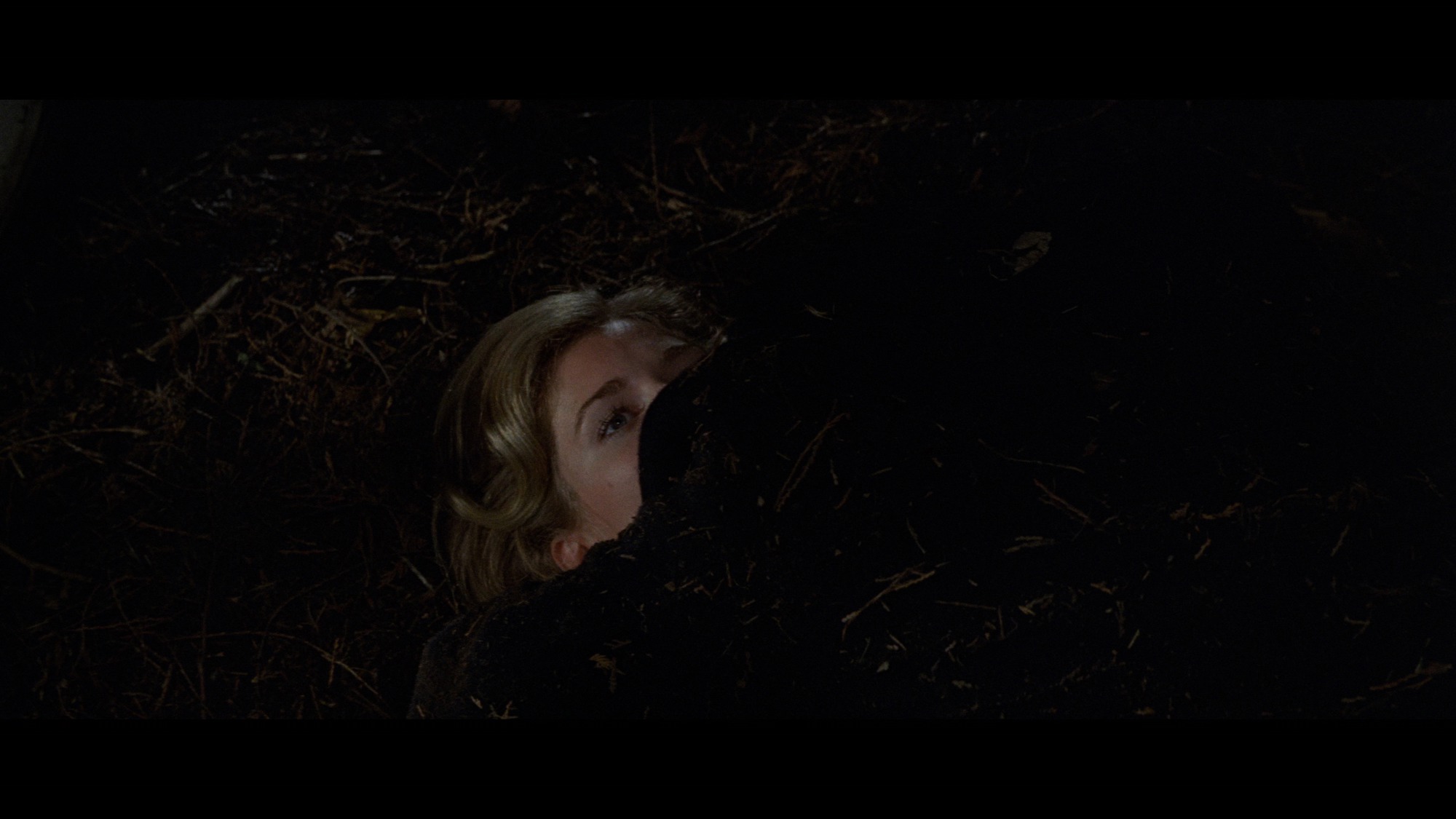
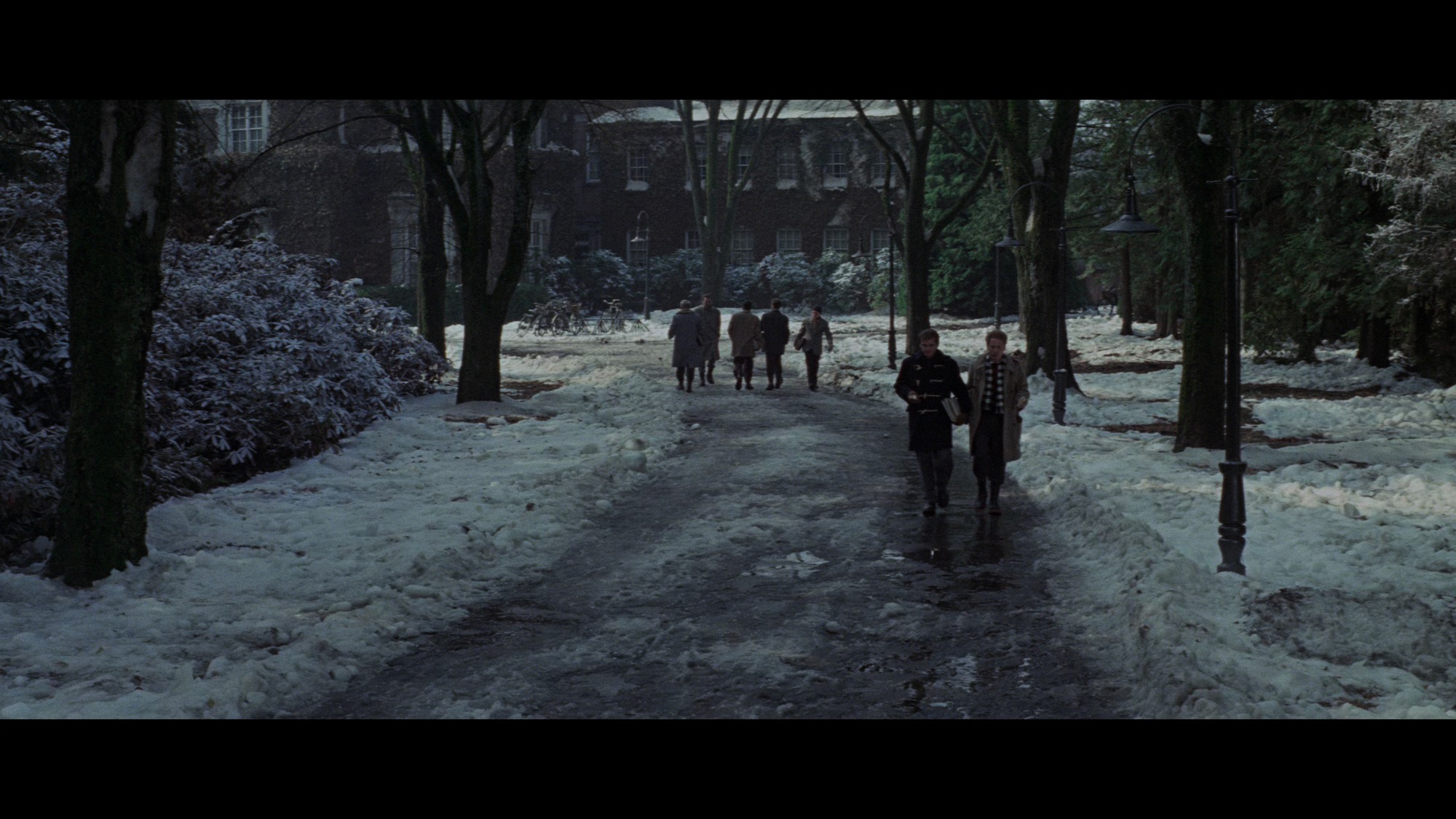
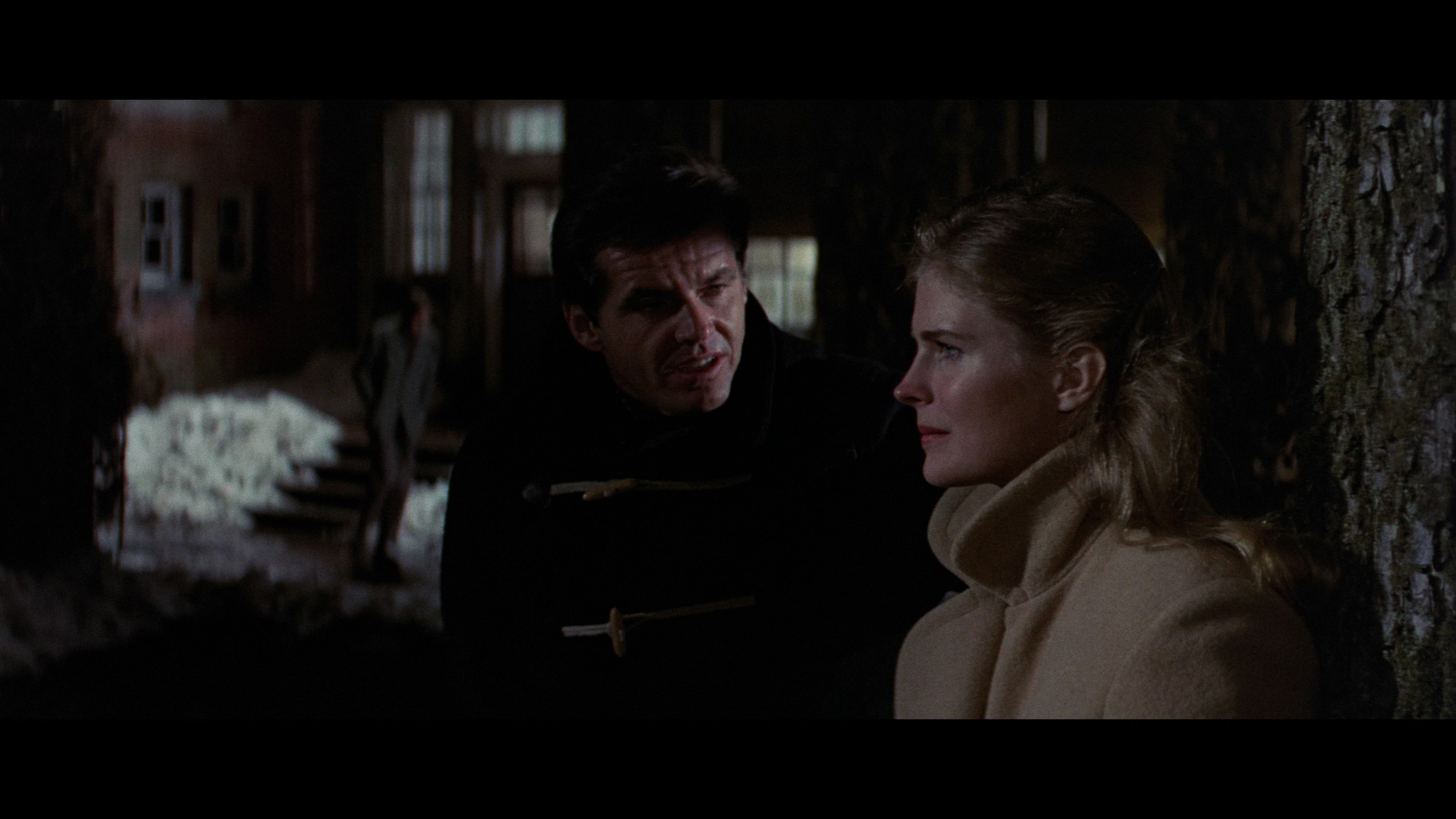
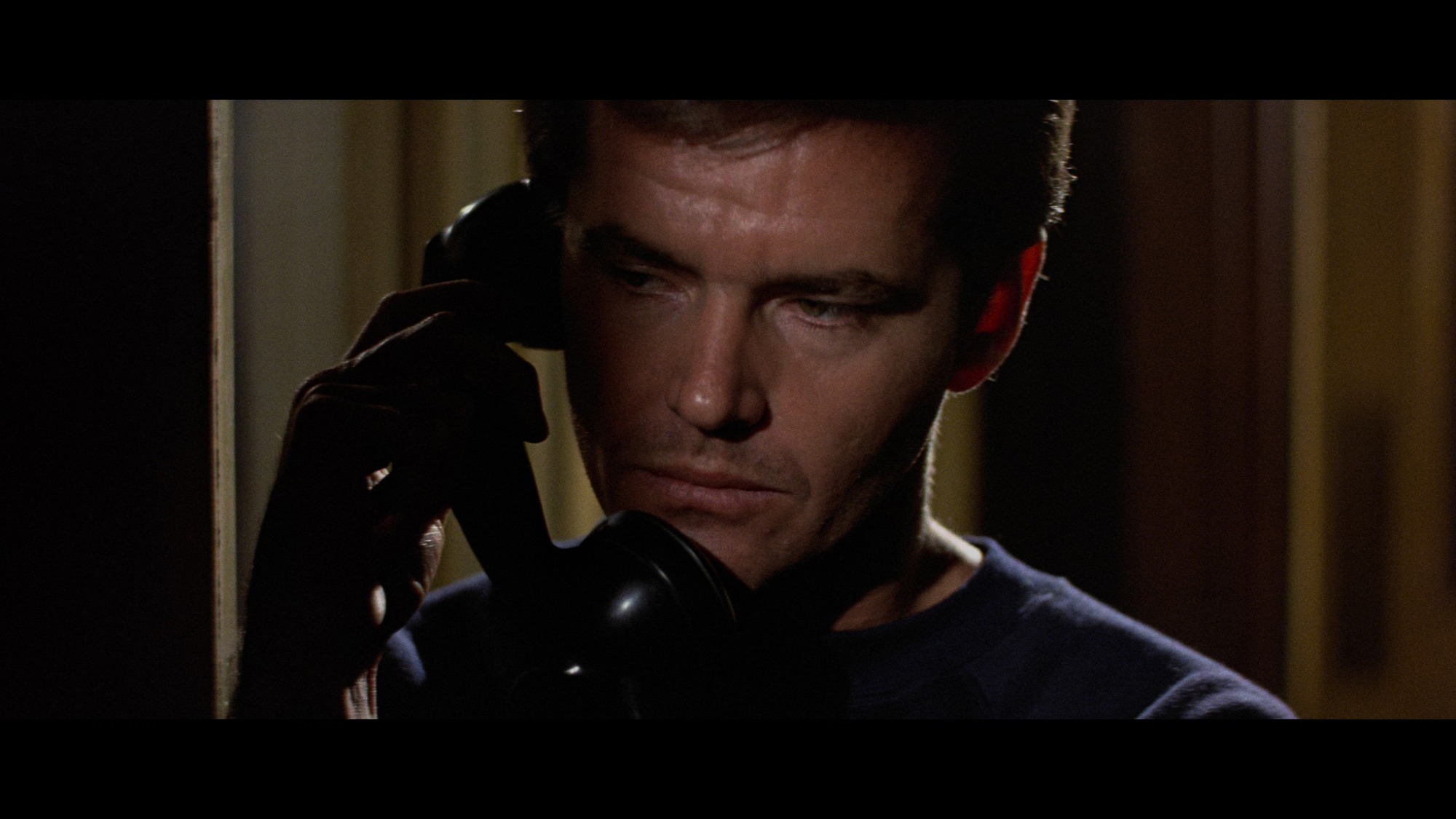
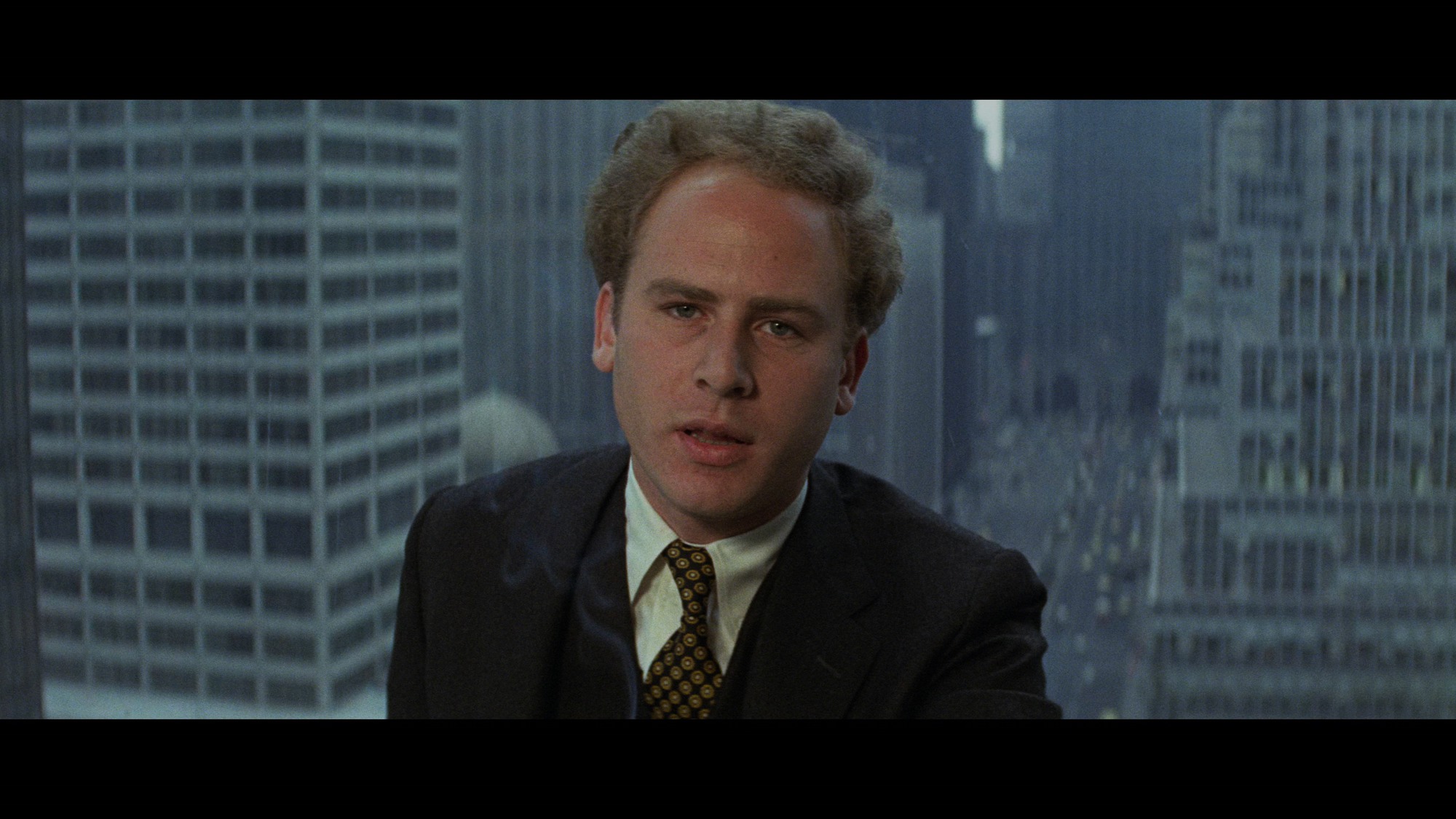
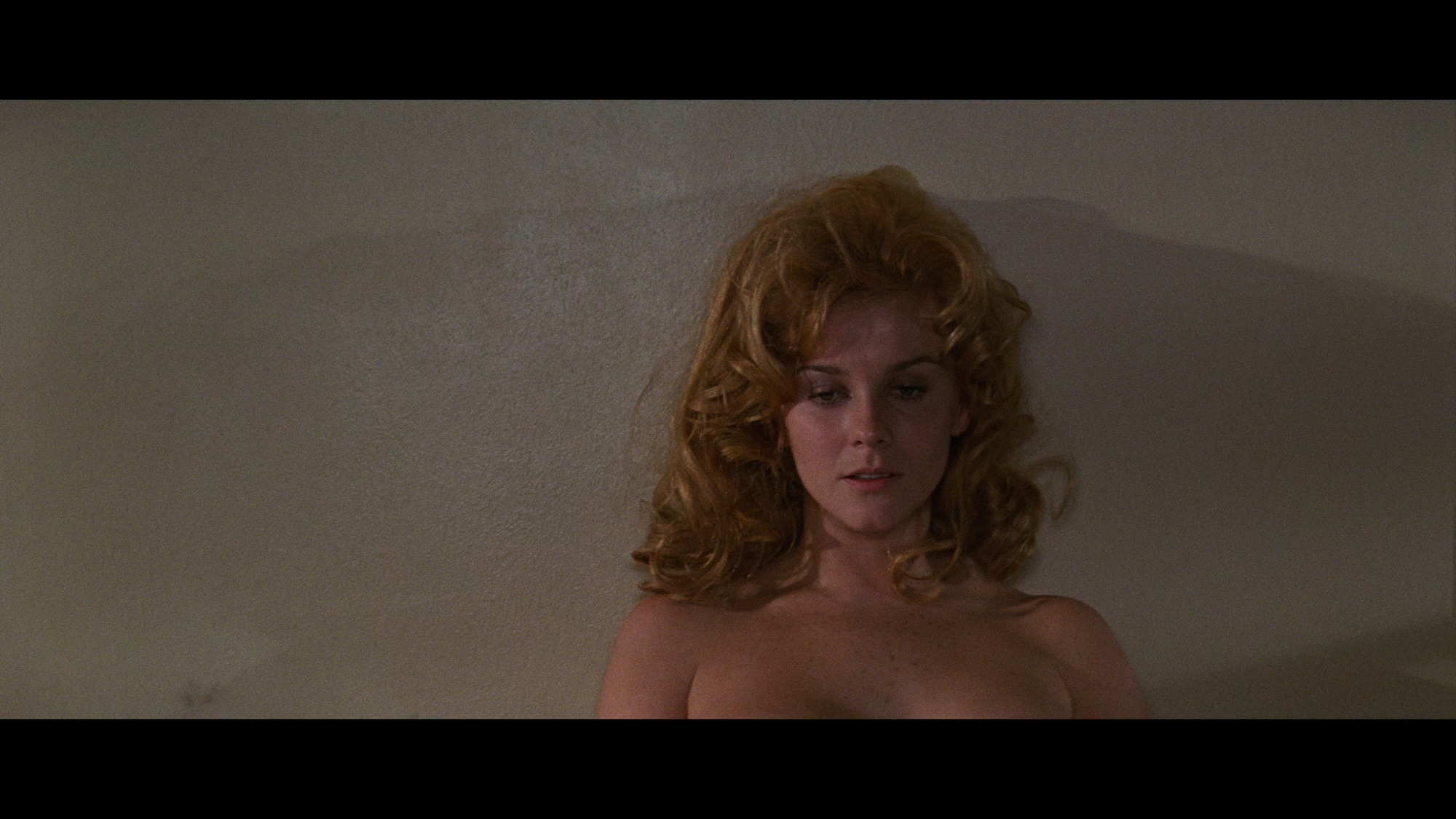
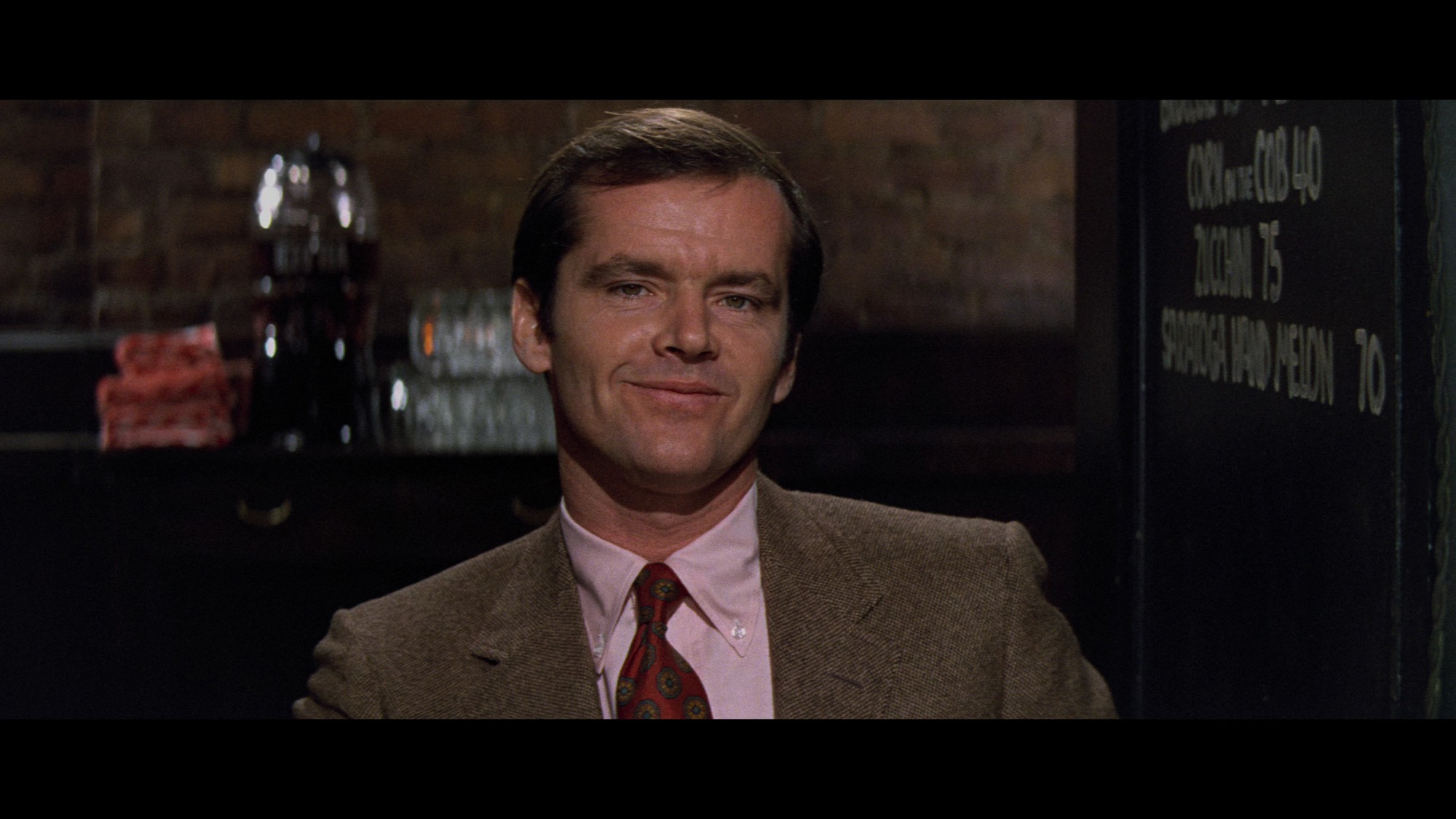
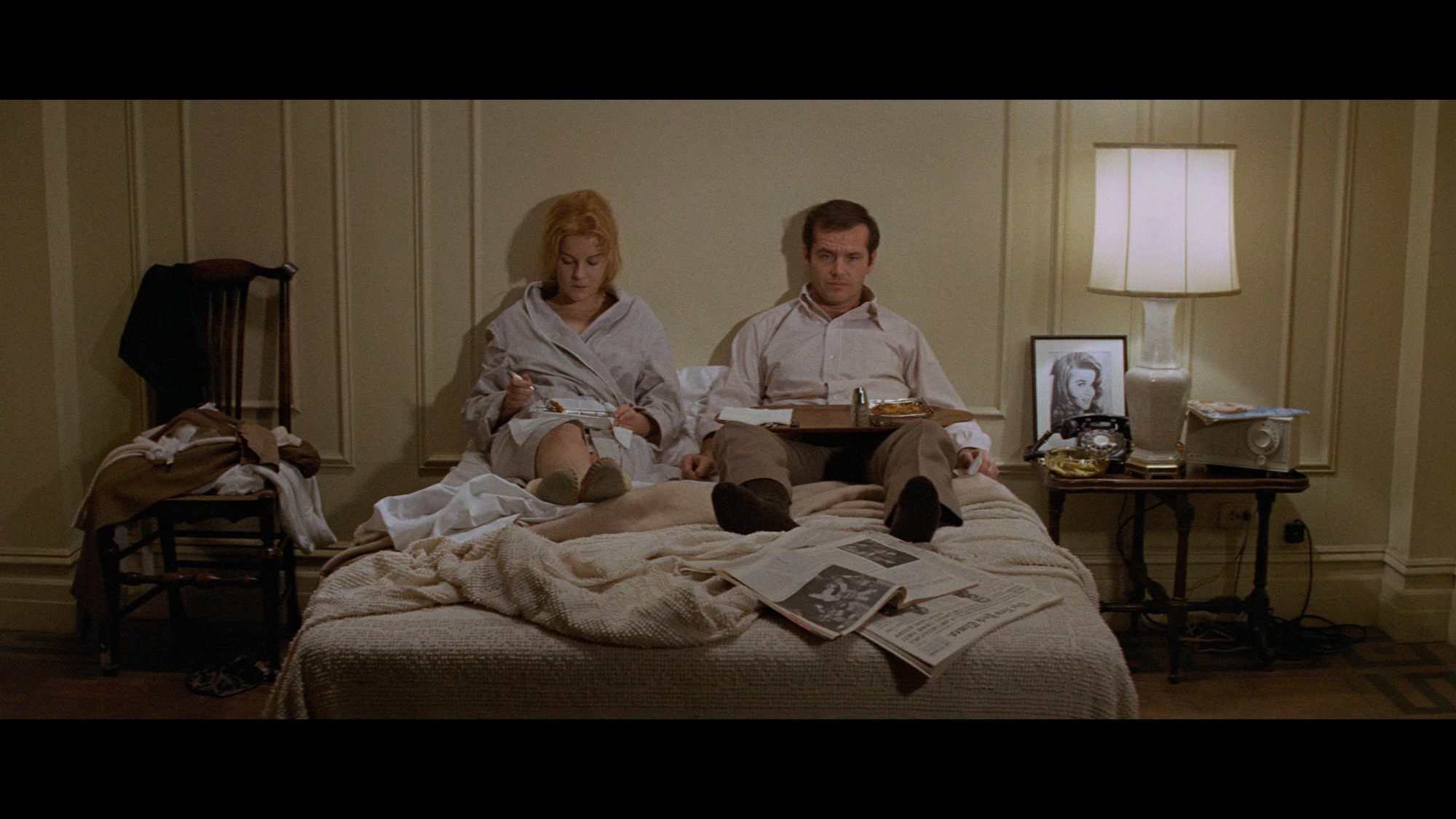
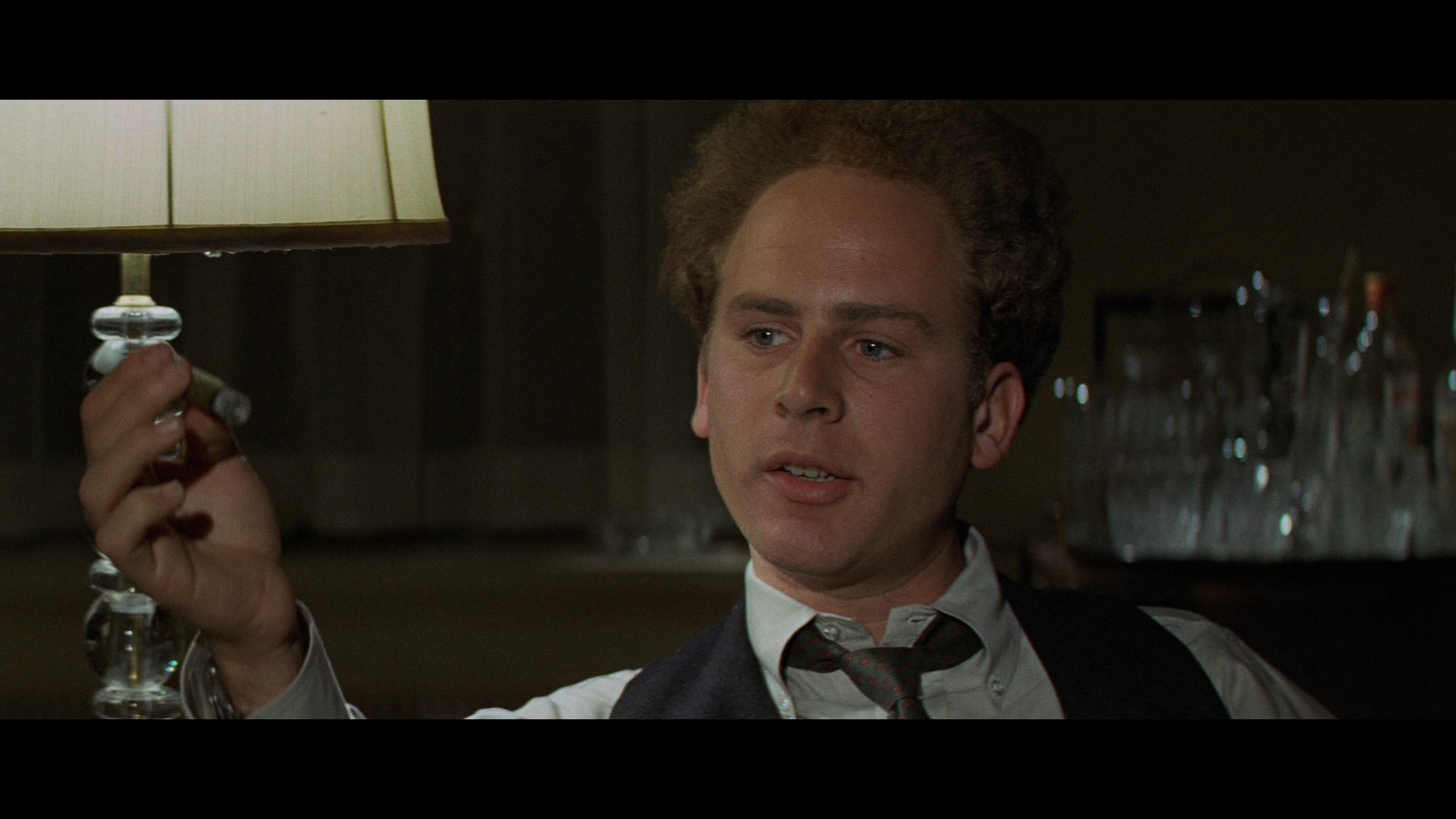
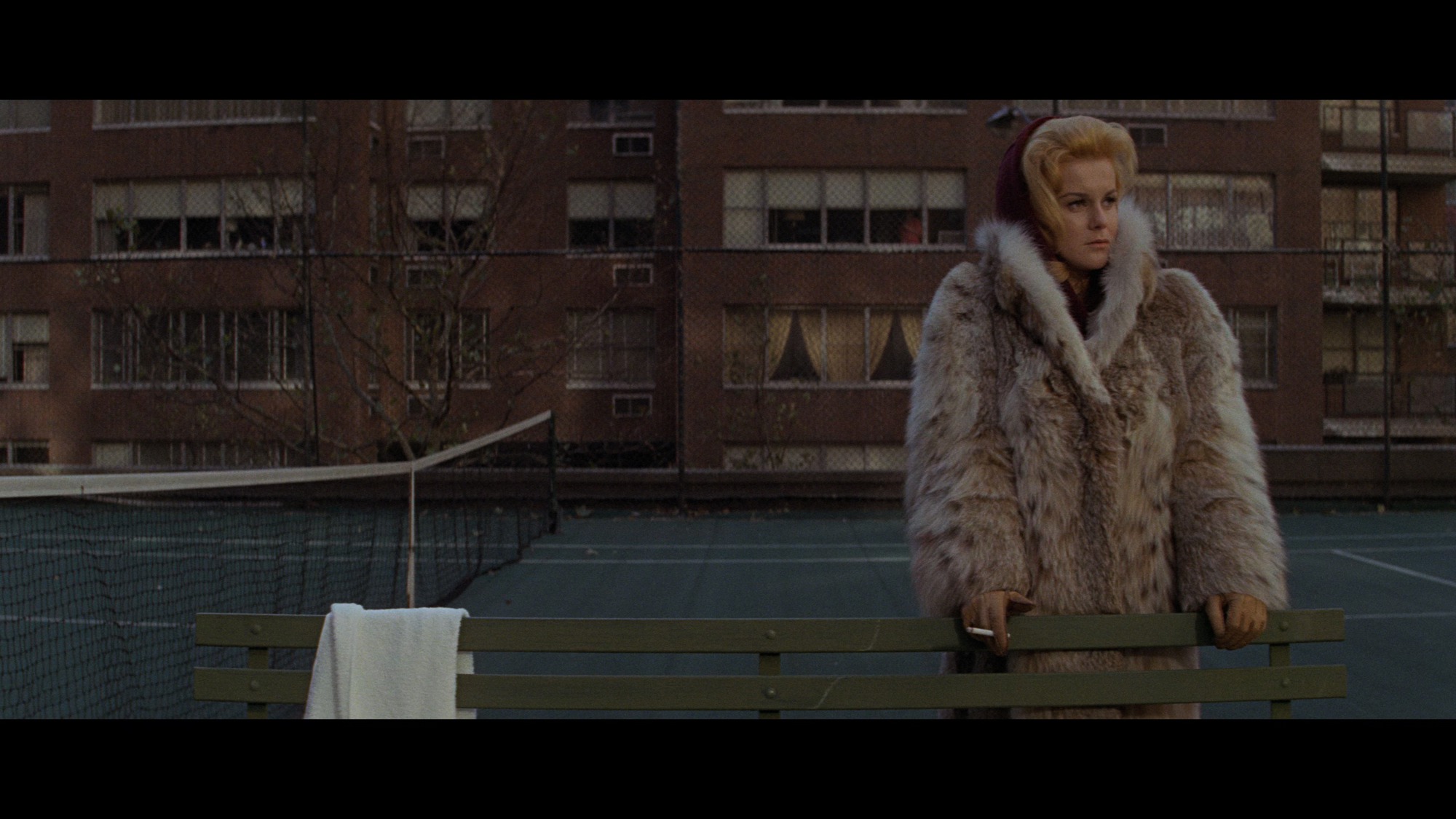
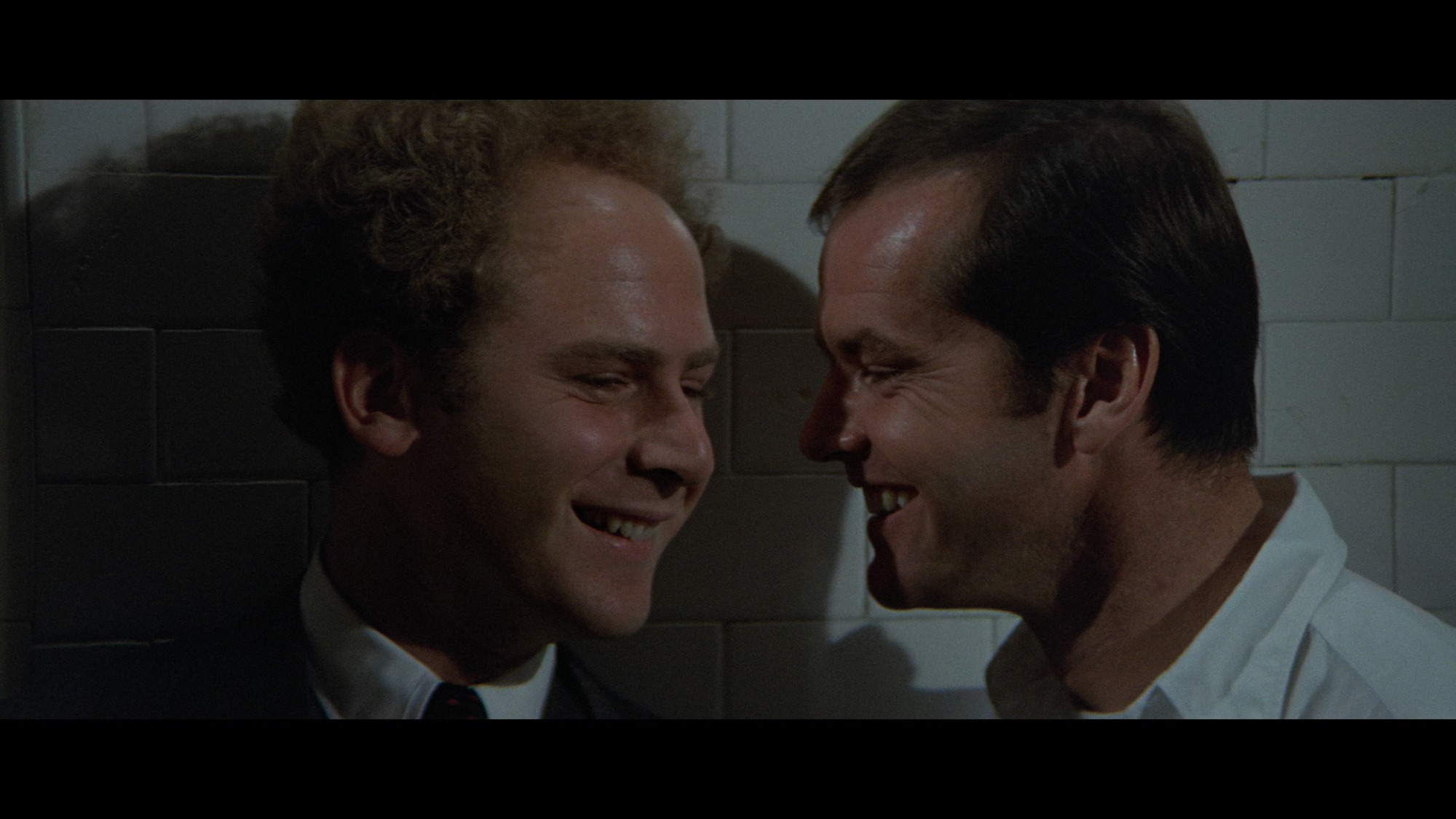
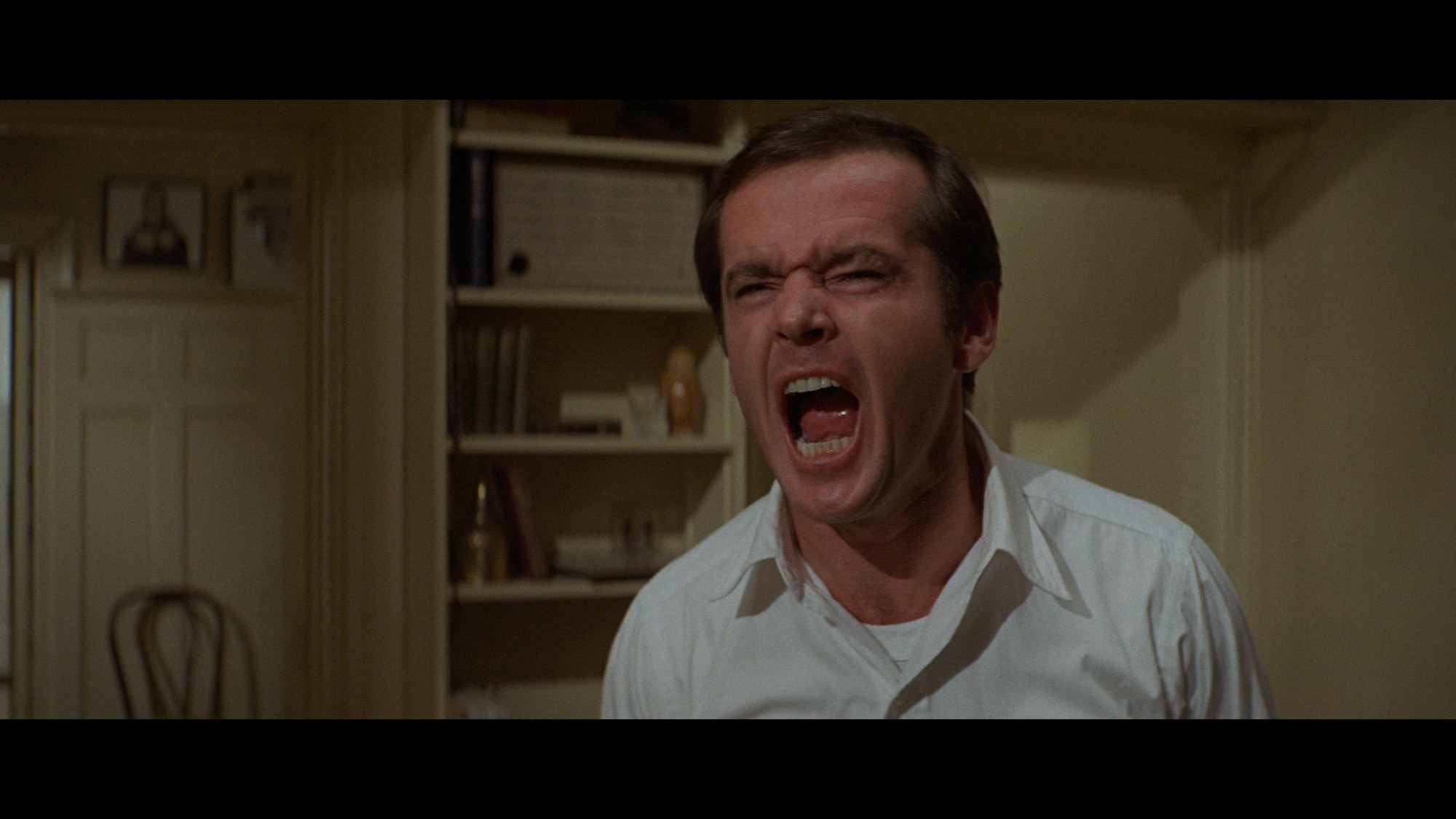
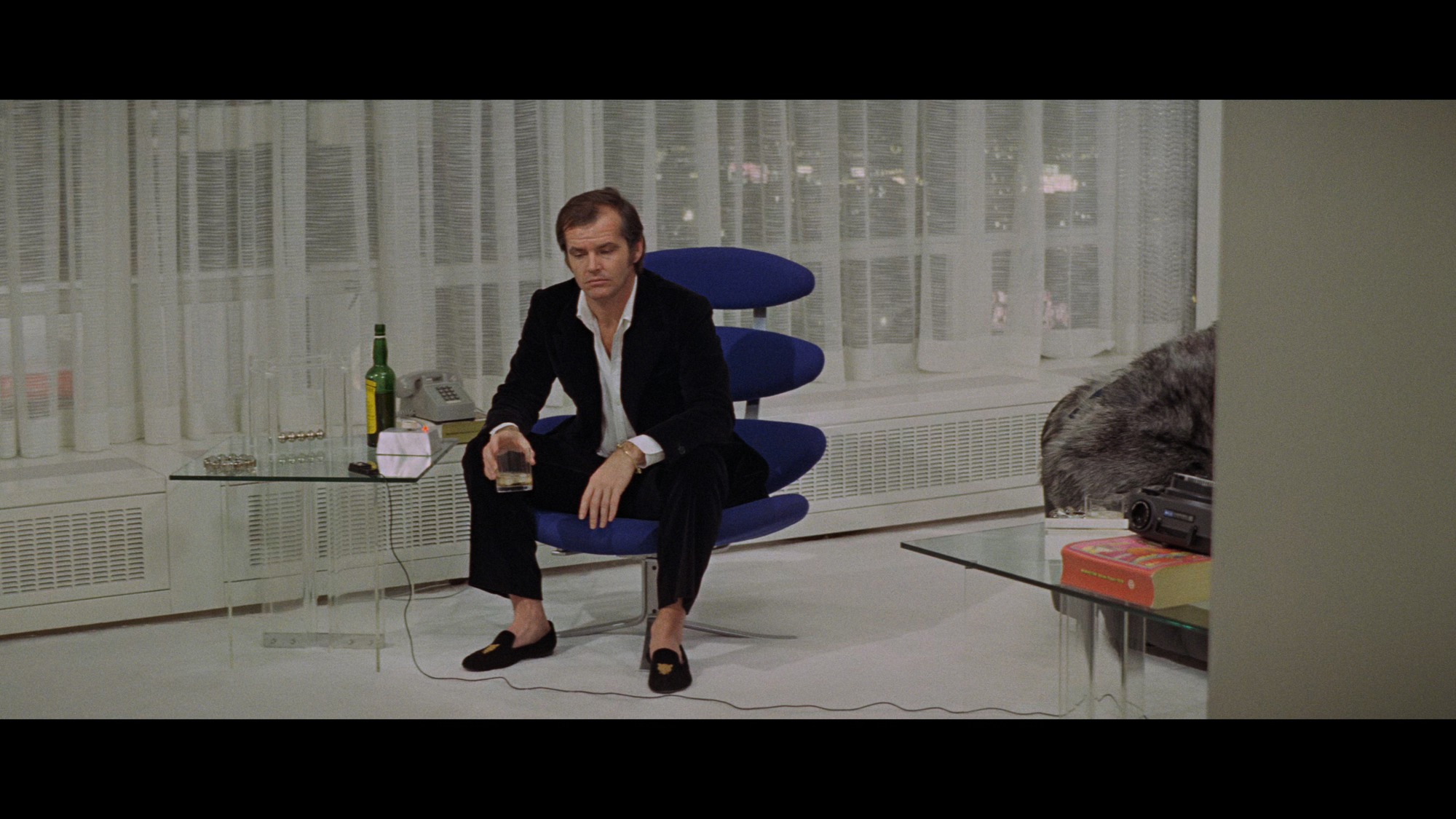
Overall, Criterion delivers a superb-looking presentation of the film, though, for one very significant reason (which I’ll get to), Indicator’s own 4K release in the UK edges it out. Encoding-wise, it’s quite solid, resolving the film’s sharp and heavy grain resoundingly well, which in turn allows for a terrific level of detail. The restoration work has removed just about every blemish, and the source materials appear to be in pristine condition. The image remains consistently sharp and crisp throughout.
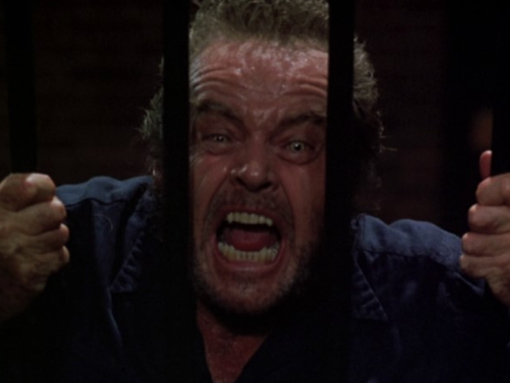
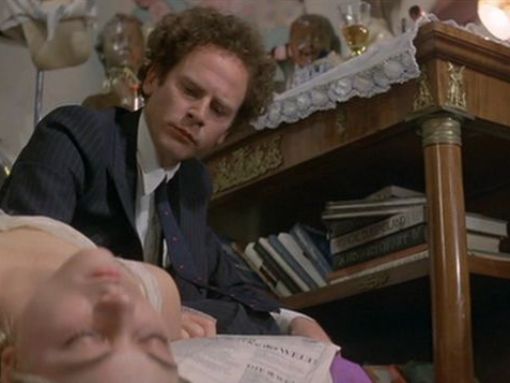
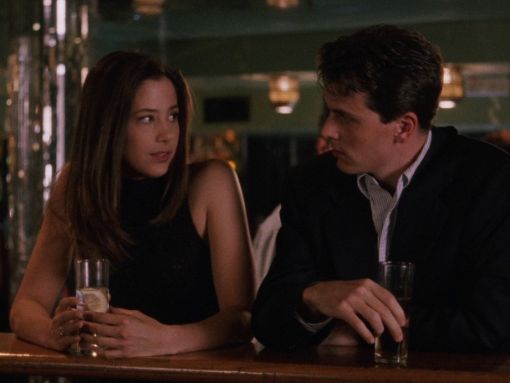
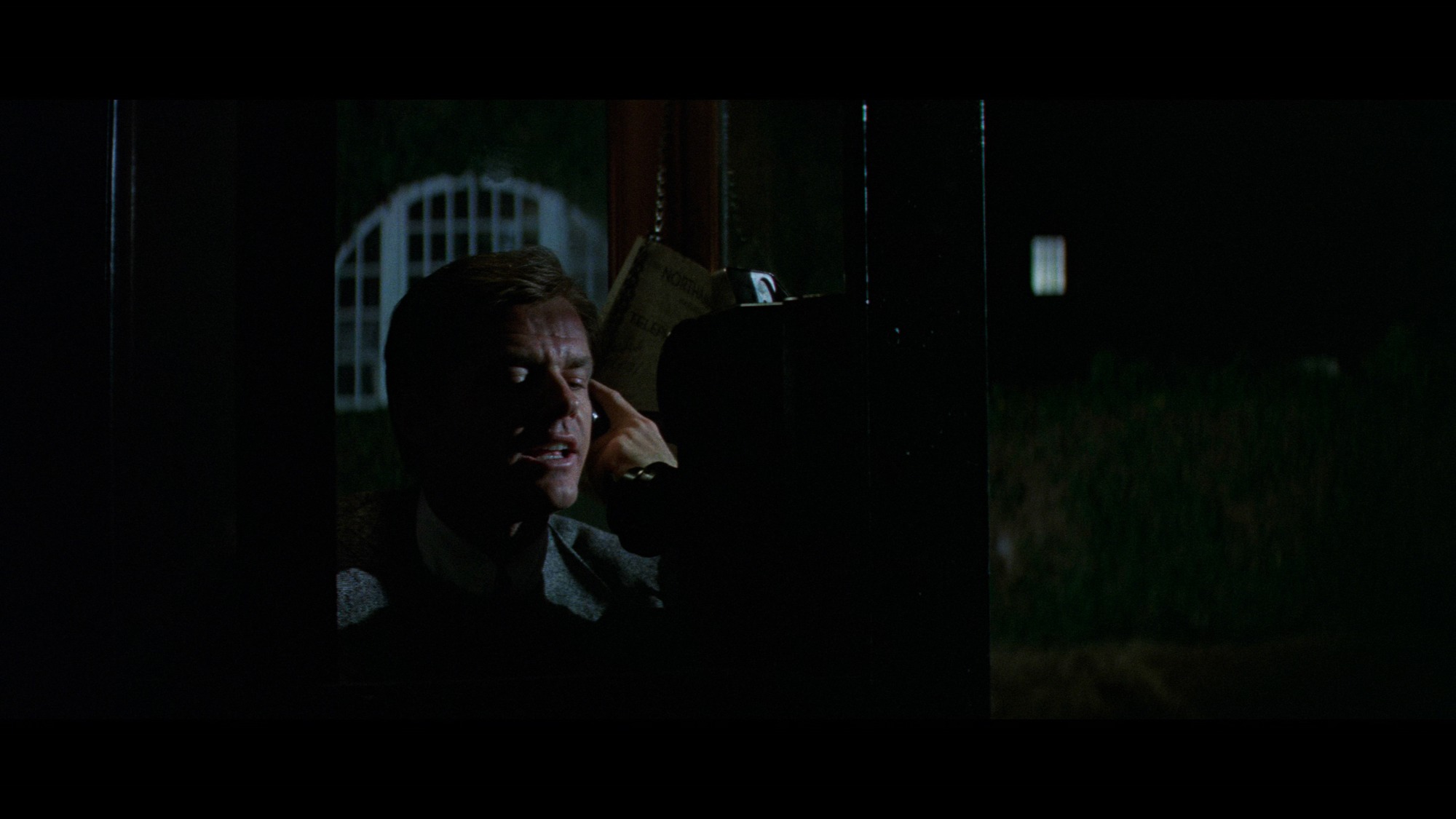
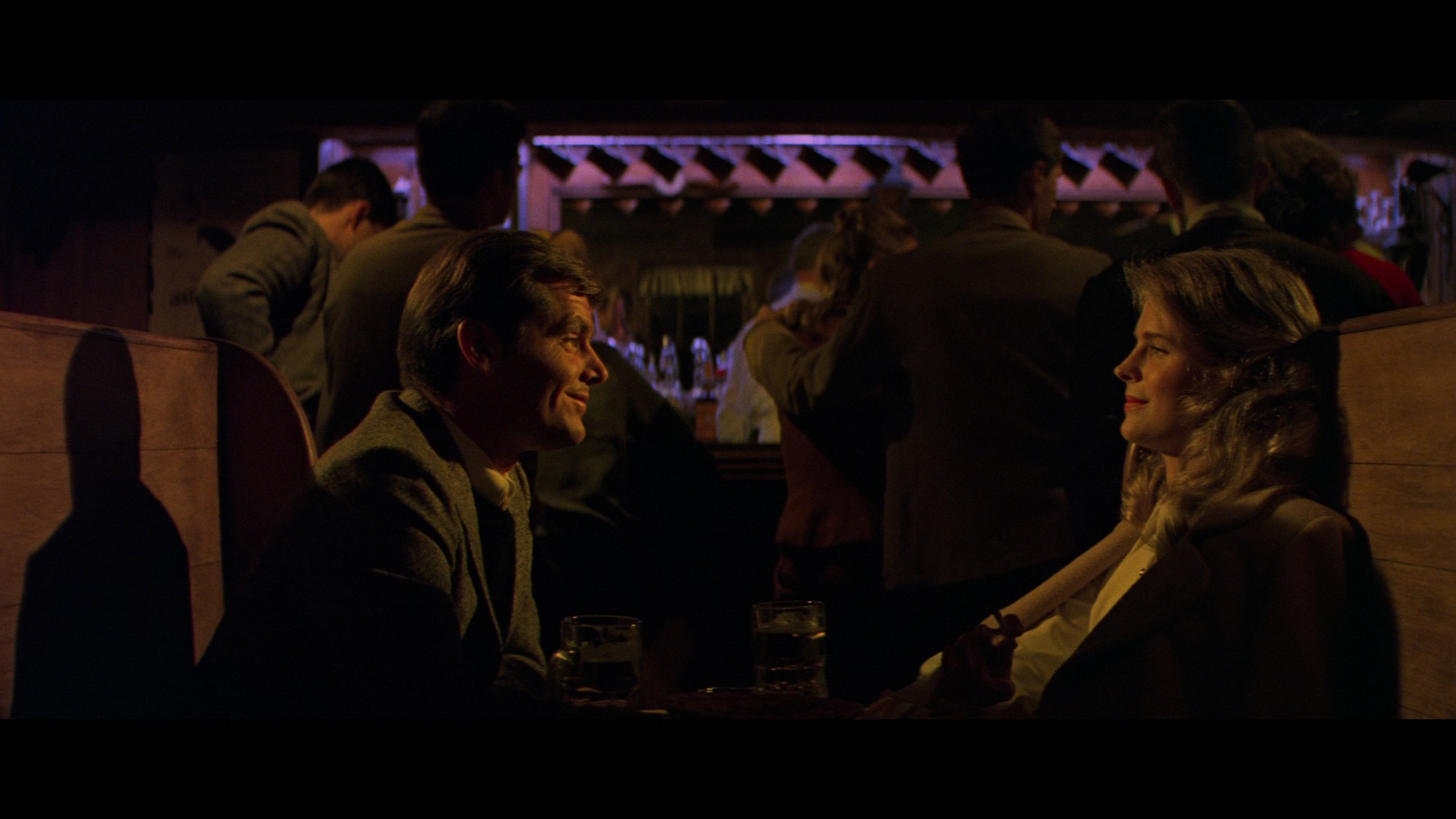
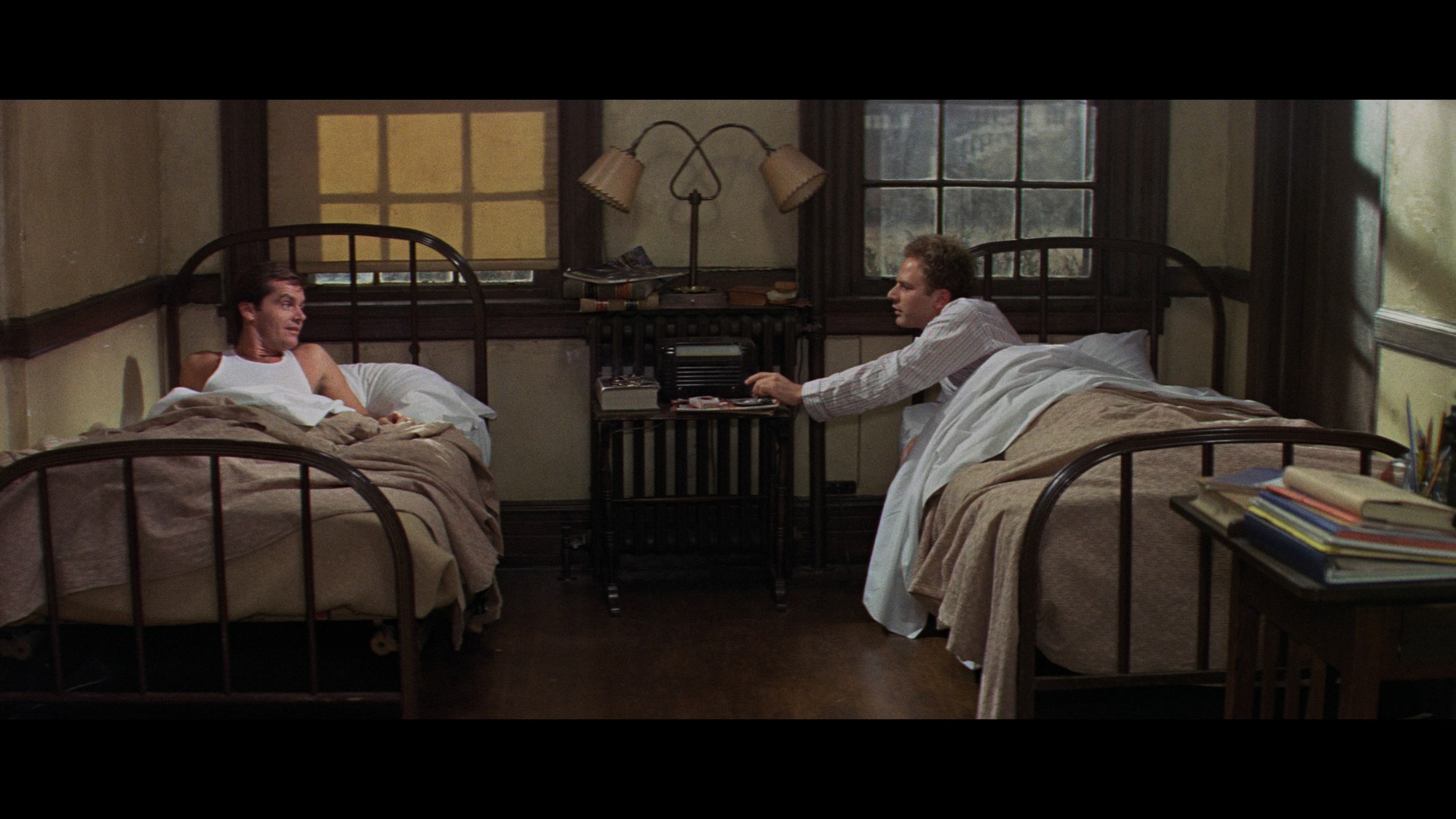
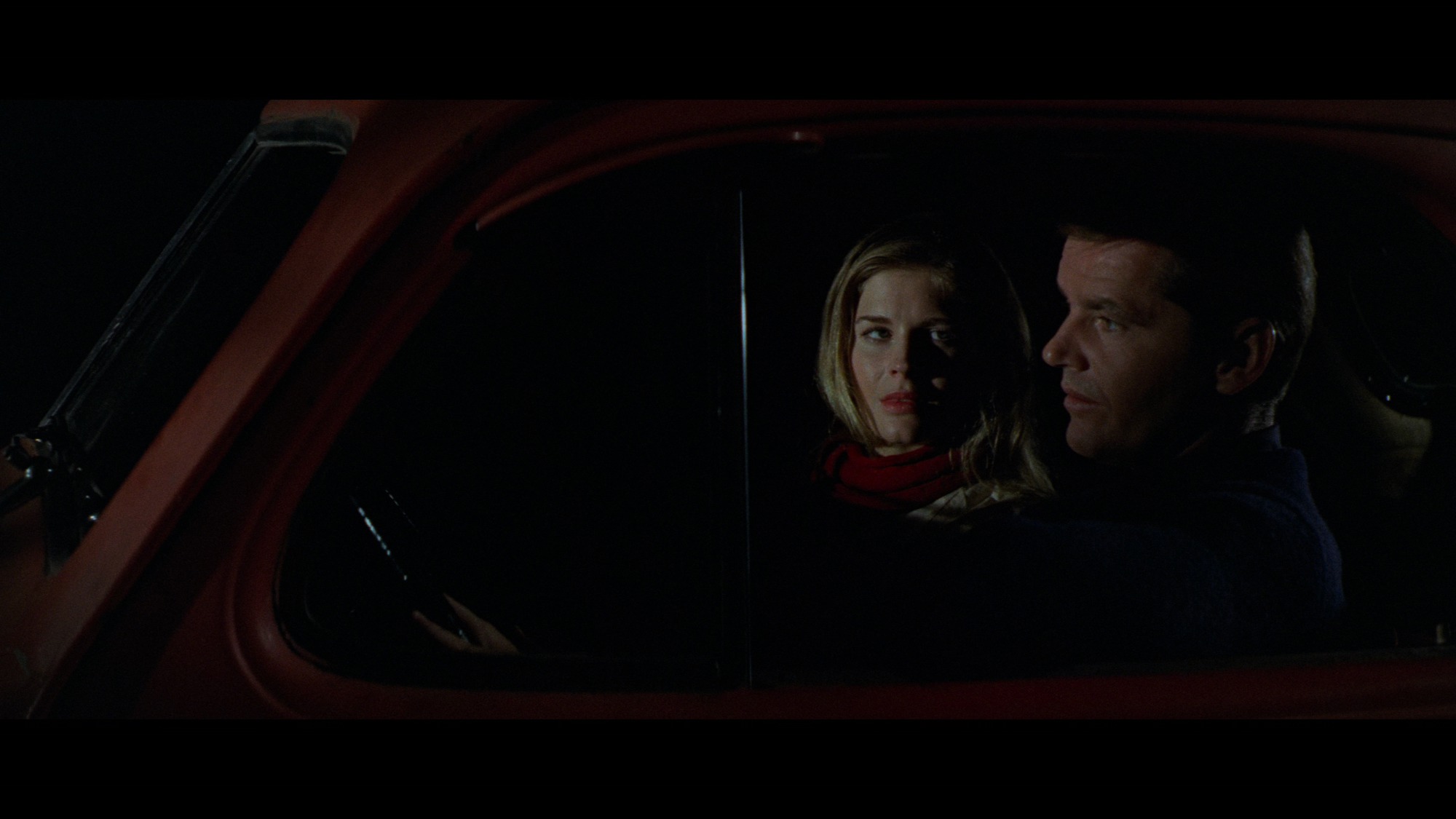
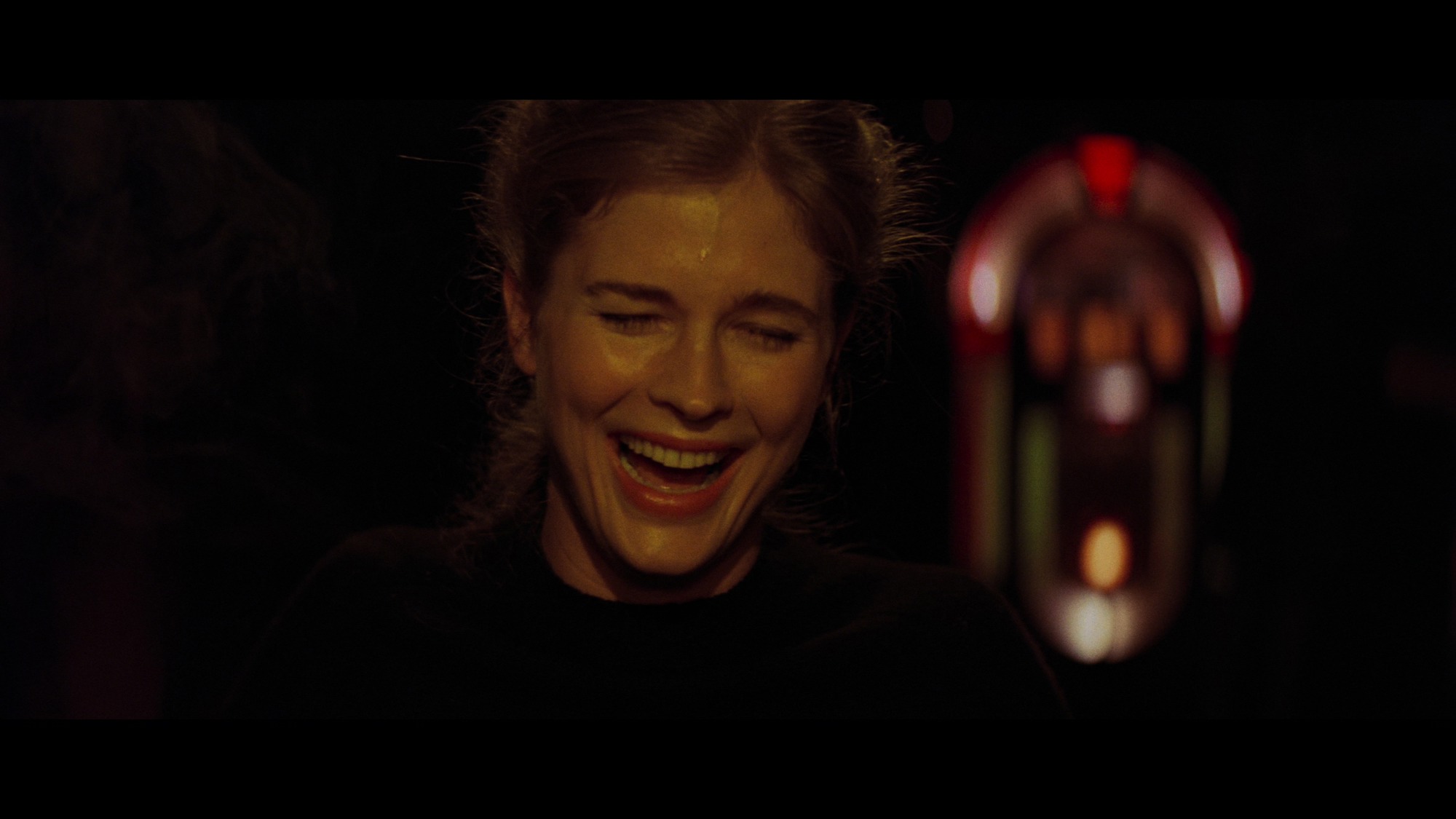
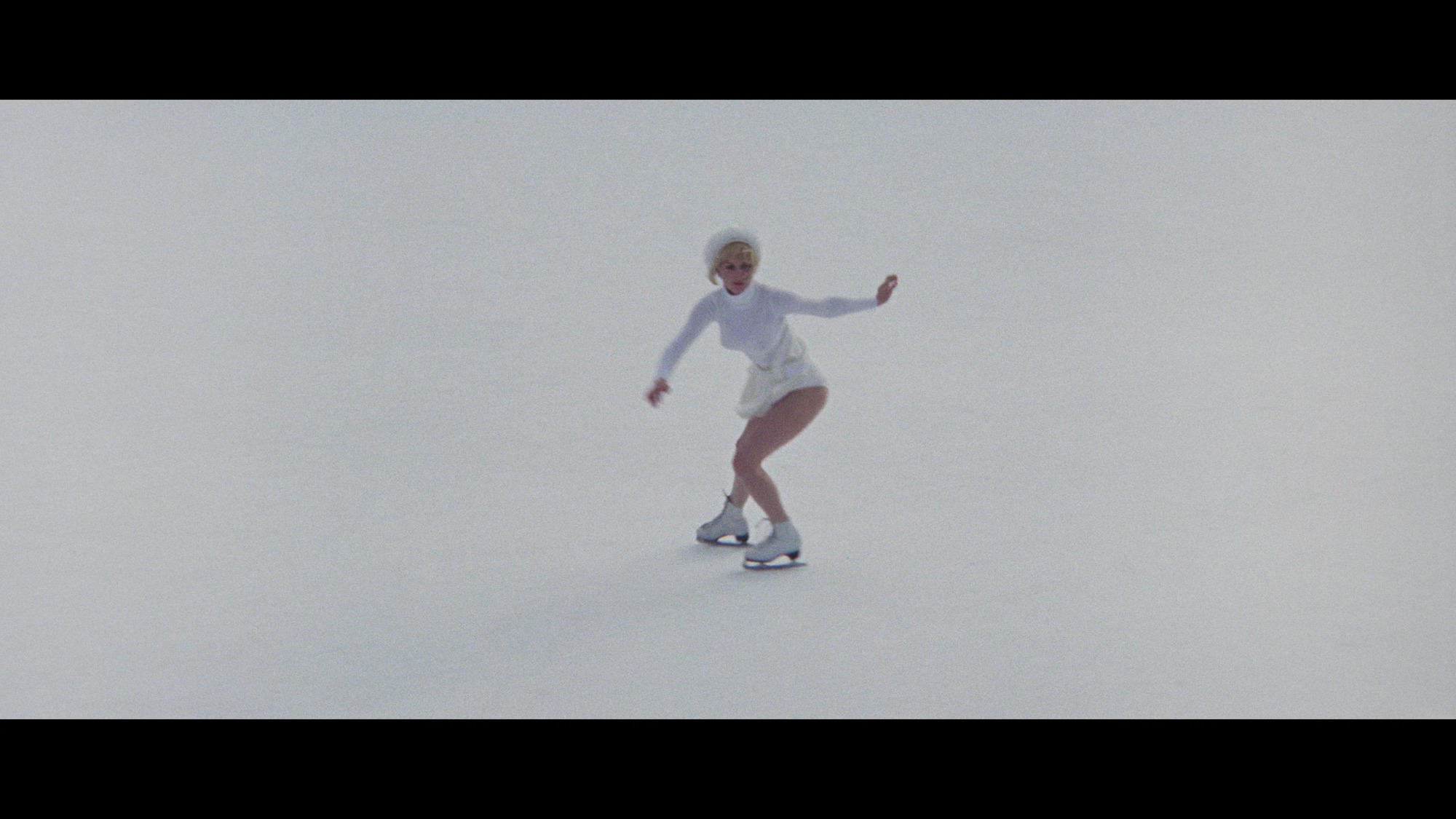
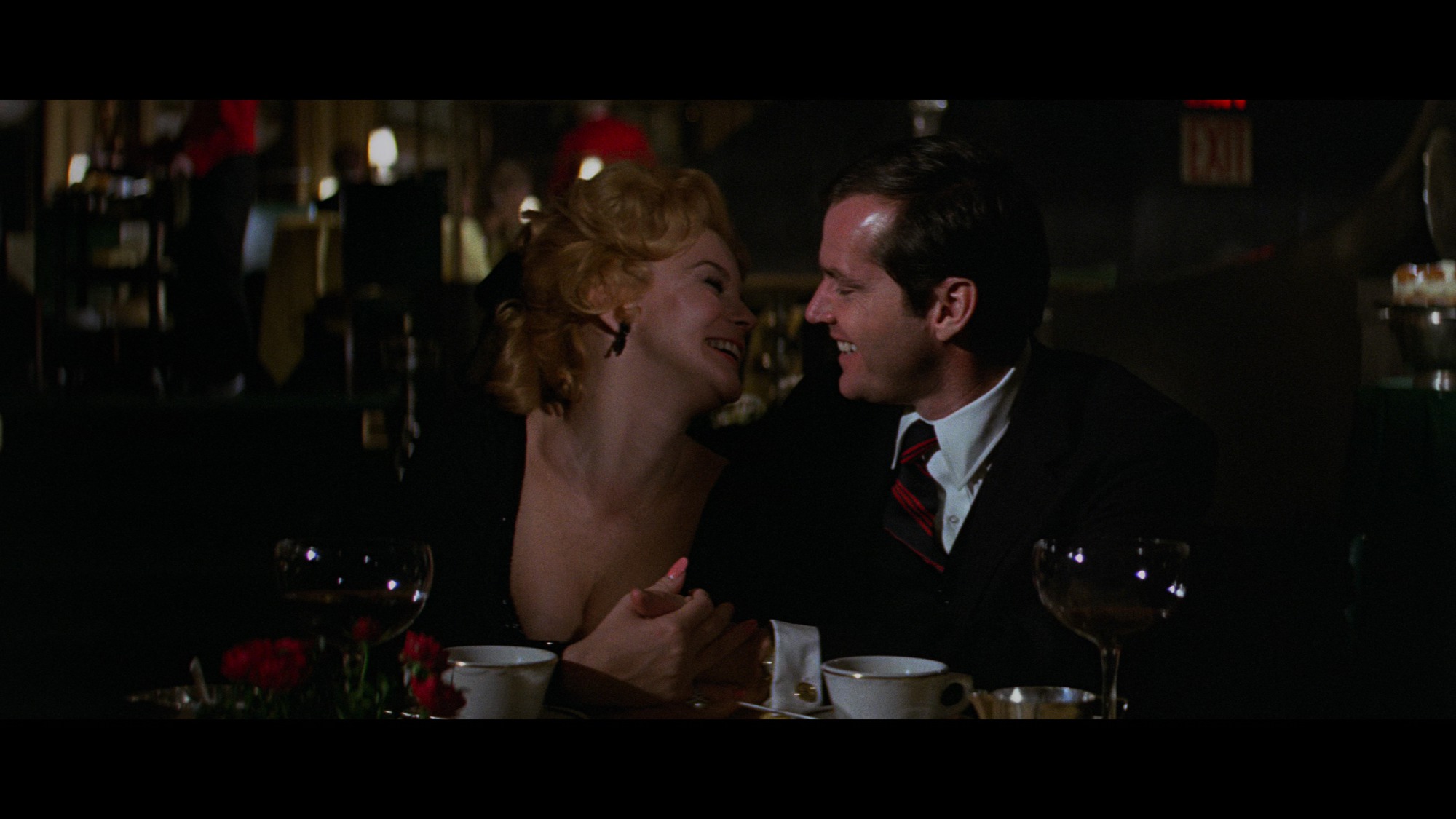
Dolby Vision and HDR are also applied nicely. Shadows look especially rich, particularly during the film’s earlier nighttime scenes on the school campus or in the dorm rooms. I was also struck by the range in the bar scenes, where a jukebox beautifully glows in the background. Highlights are handled well too, with the winter scenes in the second half coming off as especially striking. Black levels are deep and inky.
One of the more notable differences between the Criterion and Indicator releases lies in the grading, though it’s ultimately quite subtle. Criterion’s leans ever so slightly warmer, while Indicator appears to have neutralized the palette a bit more. For the most part, you really have to be looking closely; jumping between the two makes it somewhat more noticeable than watching either one on its own. The most obvious differences appear in the opening credits, which push more toward orange in Criterion’s version versus the red of Indicator’s, and in the bar scenes, which have more of an amber hue. This latter bit seems to be intentional, though, based on comments about the film’s lighting found in a reprinted article in Criterion’s booklet. Overall, I found the saturation levels more pleasing in Criterion’s presentation—Indicator’s can look a bit pasty at times—but the differences are so minor I really don’t see it being a concern.
Where Indicator clearly beats Criterion, however, is in a significant oversight: Criterion’s presentation mistakenly omits a white dissolve that should appear later in the film, between the second and third portions, the second time jump. It appears this was an error in STUDIOCANAL’s restoration, but Indicator corrected it, seamlessly reinserting the dissolve. What’s frustrating is that Criterion apparently didn’t notice, despite the dissolve being referenced multiple times in the special features, from Neil LaBute’s commentary to Bobbie O’Steen’s discussion of the film’s editing, and other features in between. At some point, someone at Criterion really should have caught and corrected it. As it stands, the missing dissolve throws off the rhythm of that jump.
Honestly, if it weren’t for that, I’d say Criterion’s transfer might have edged out Indicator’s ever so slightly. It’s a beautiful presentation otherwise, but that’s a pretty big goof.
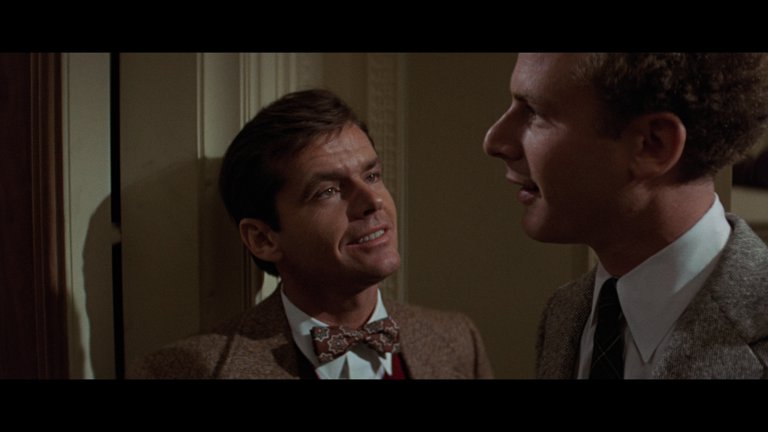
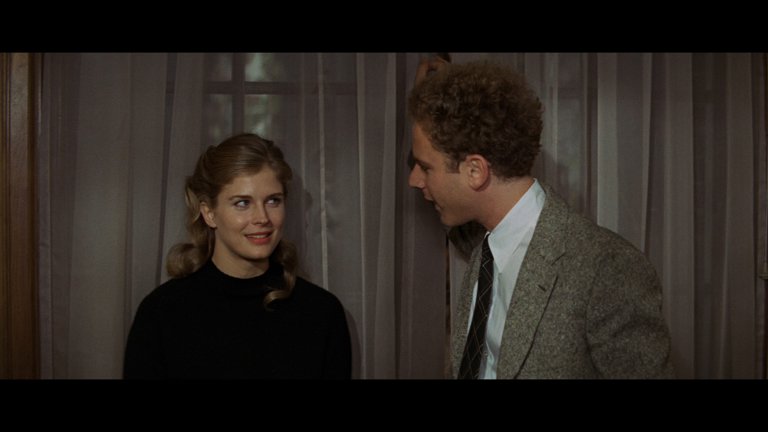
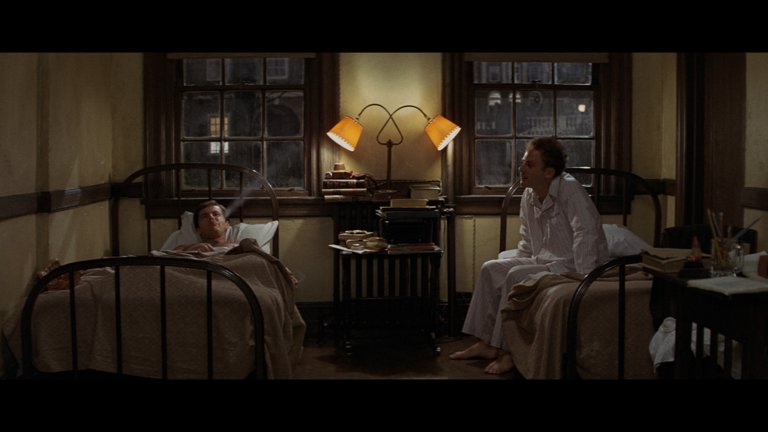
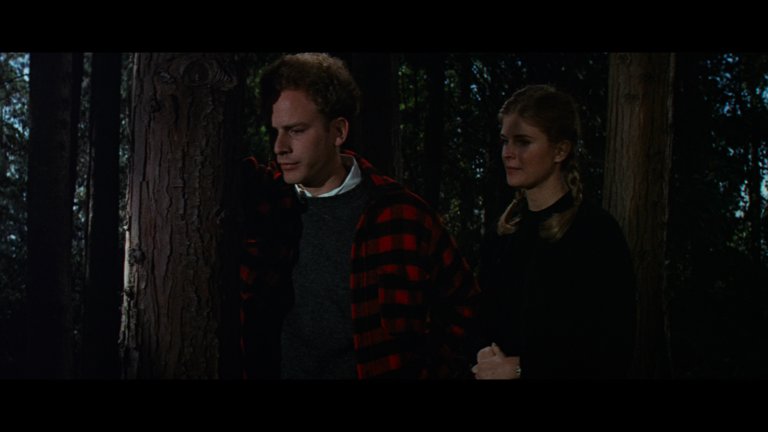
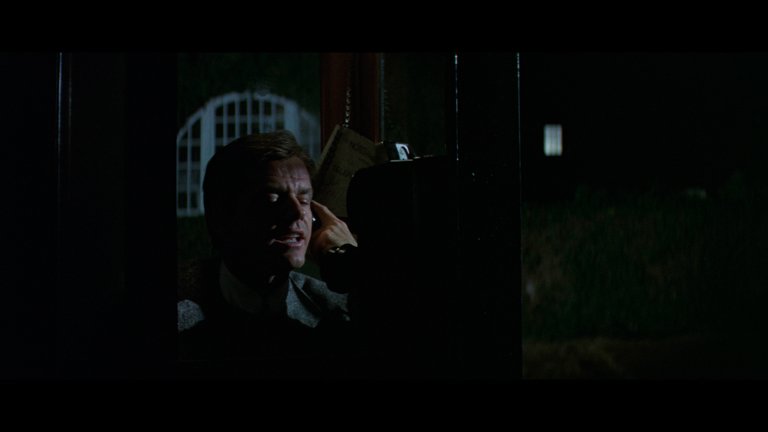
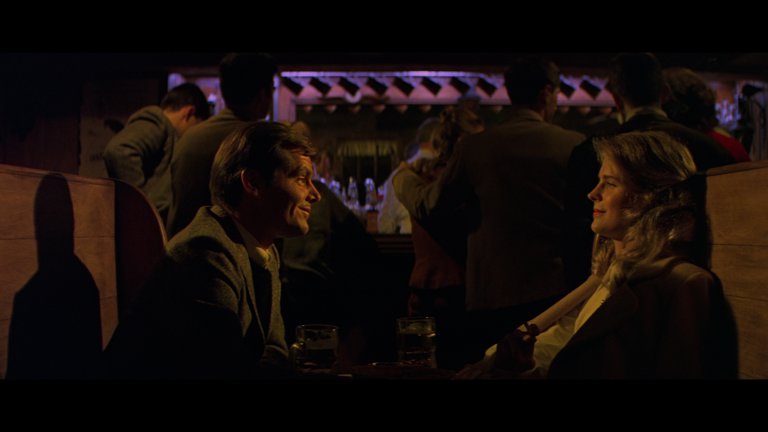
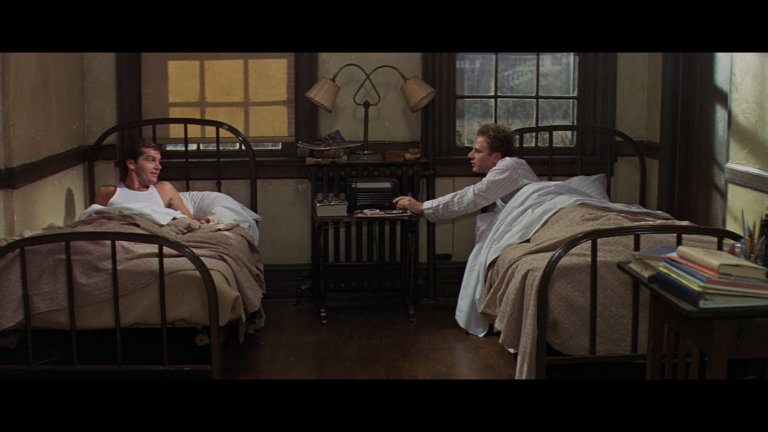
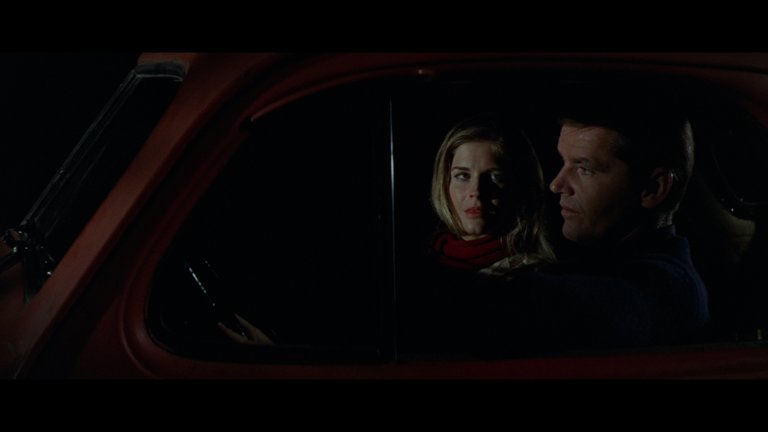
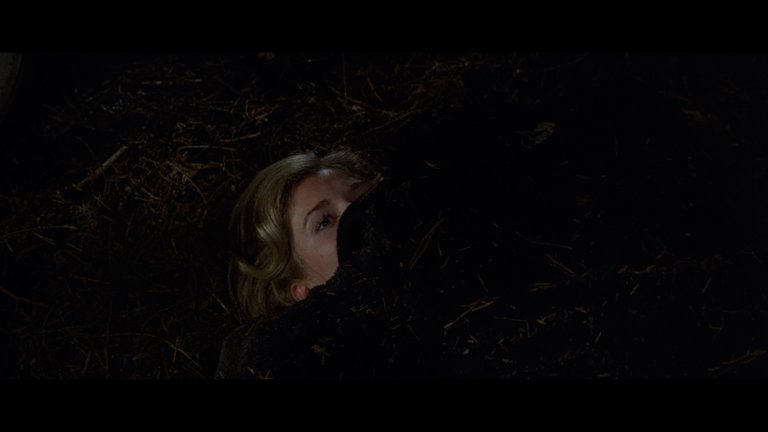
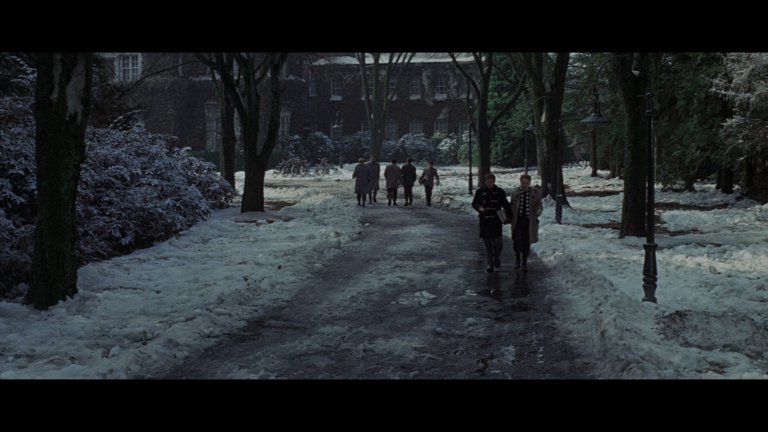
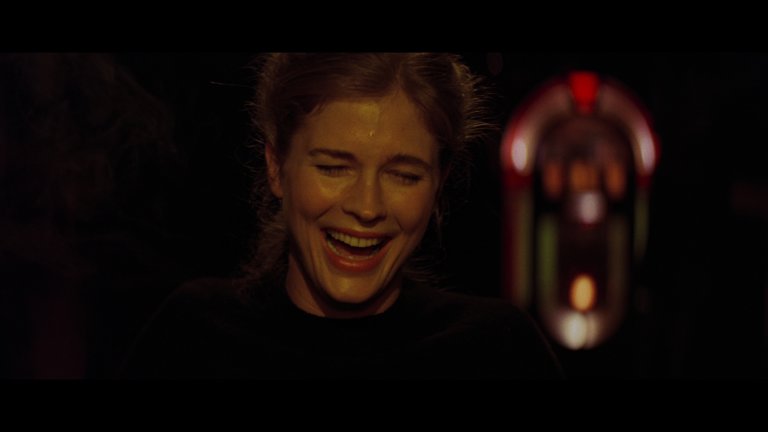
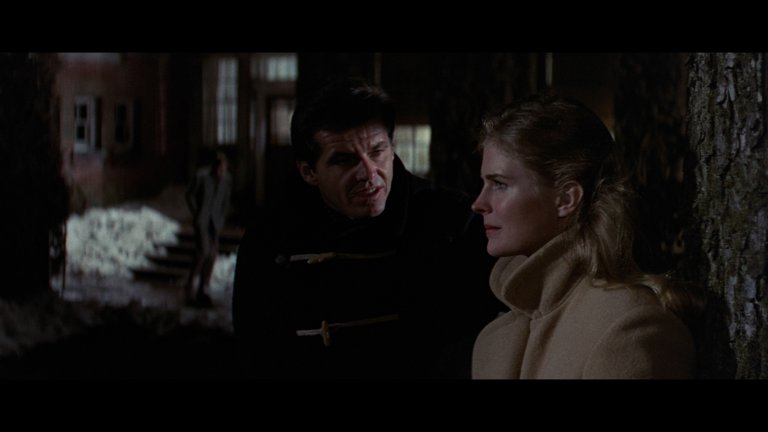
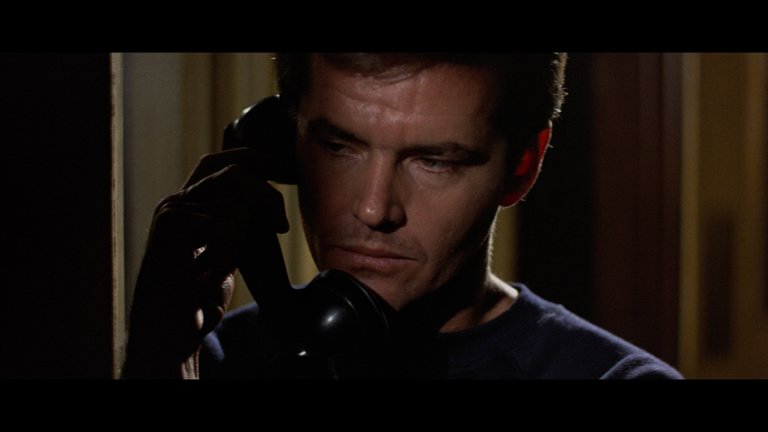
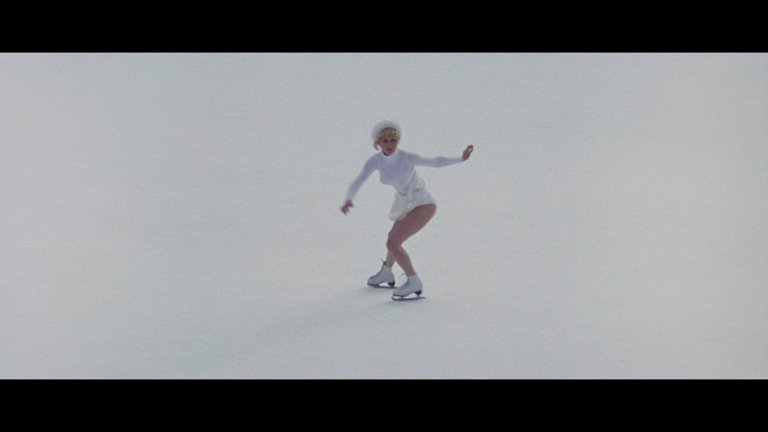
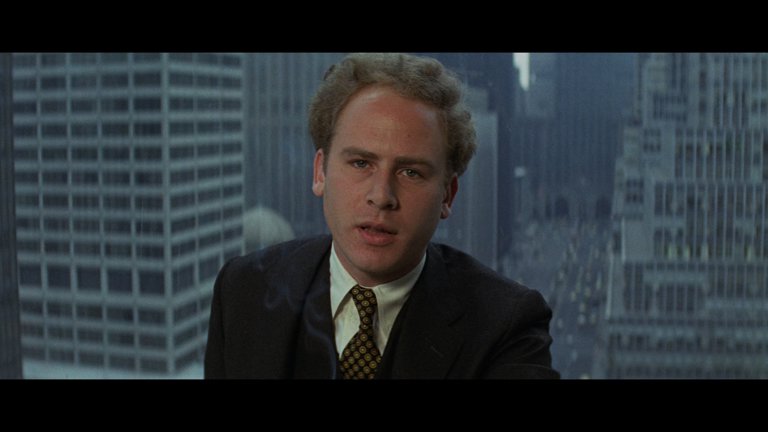
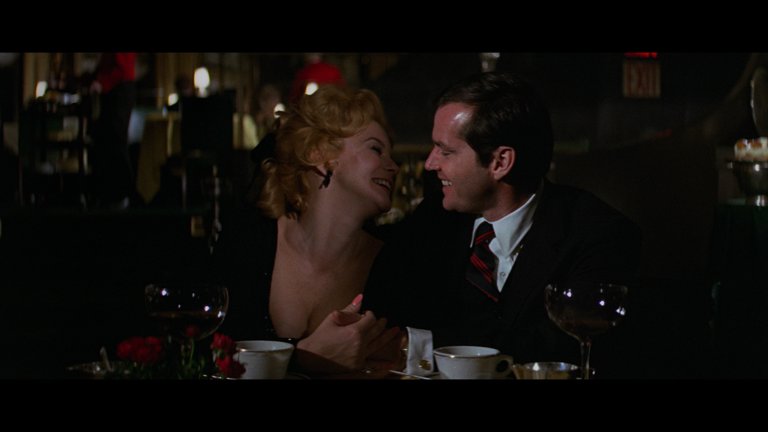
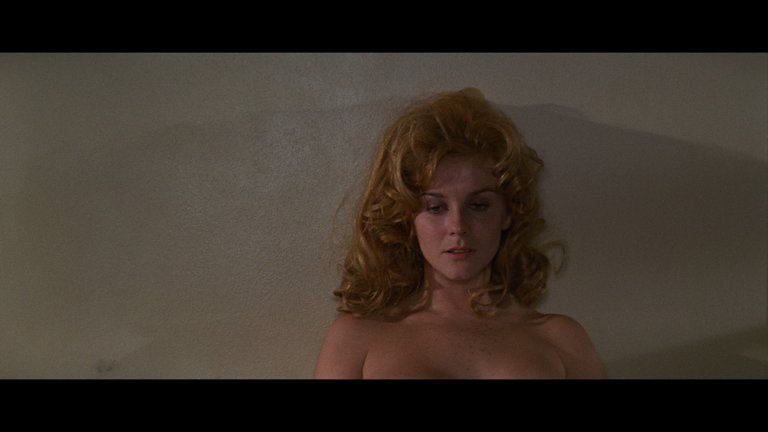
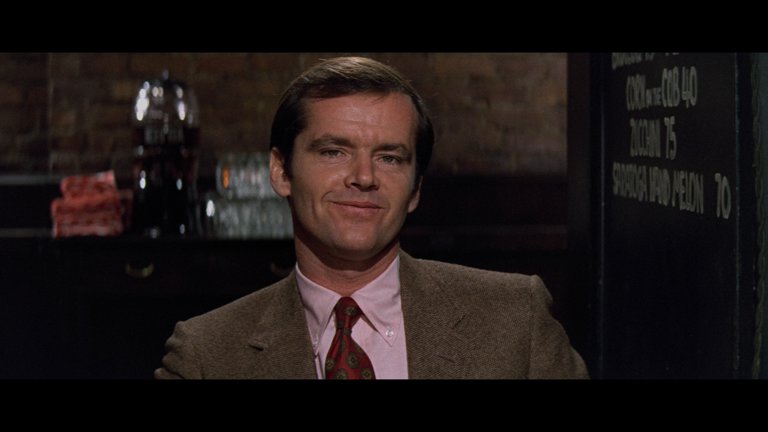
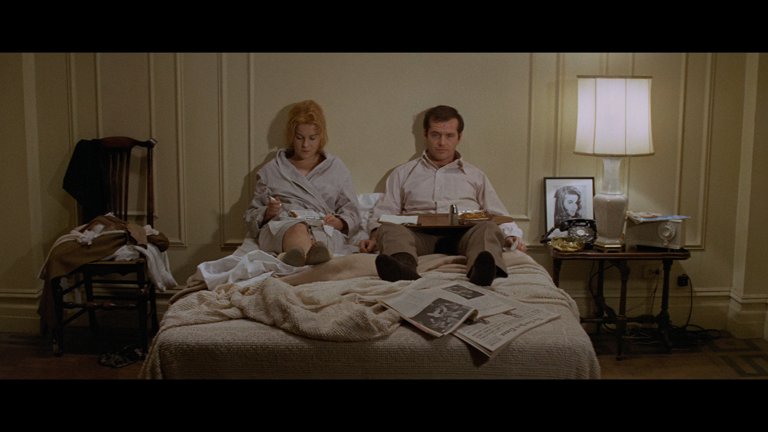
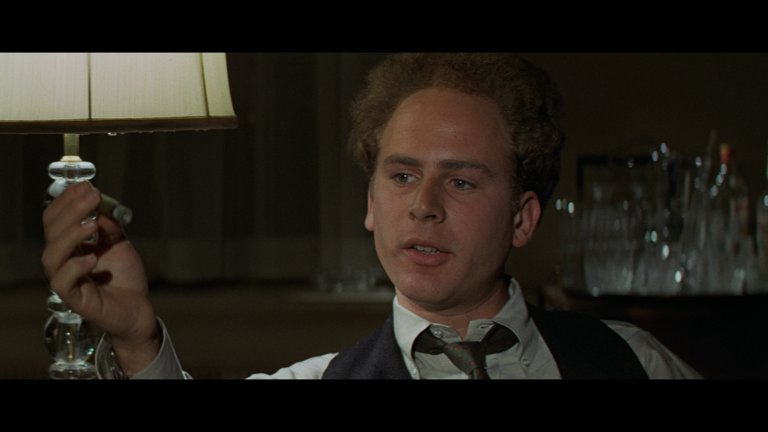
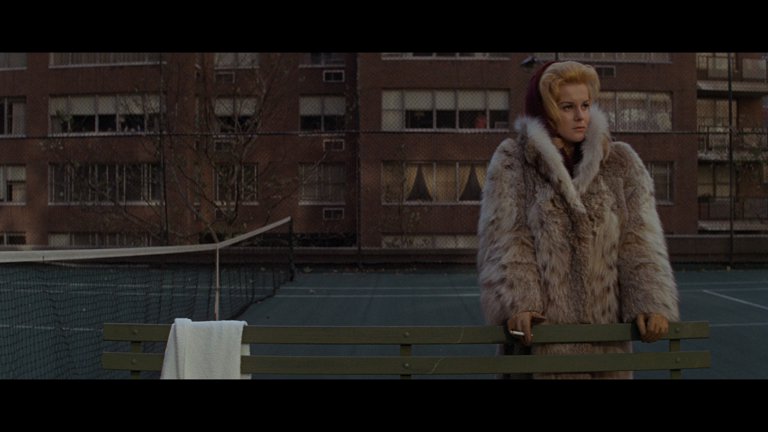
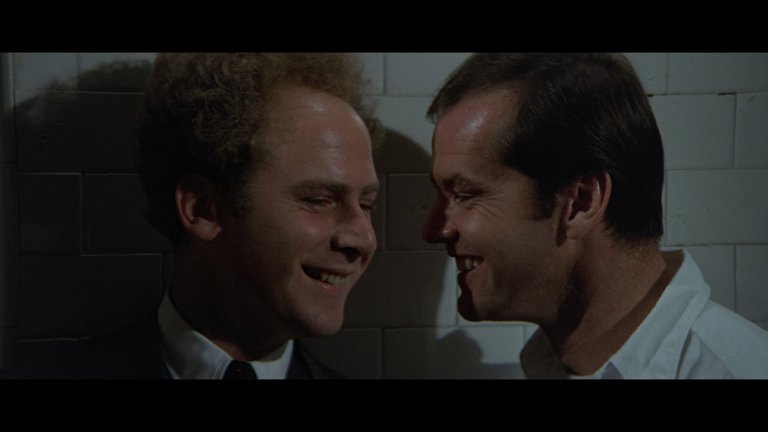
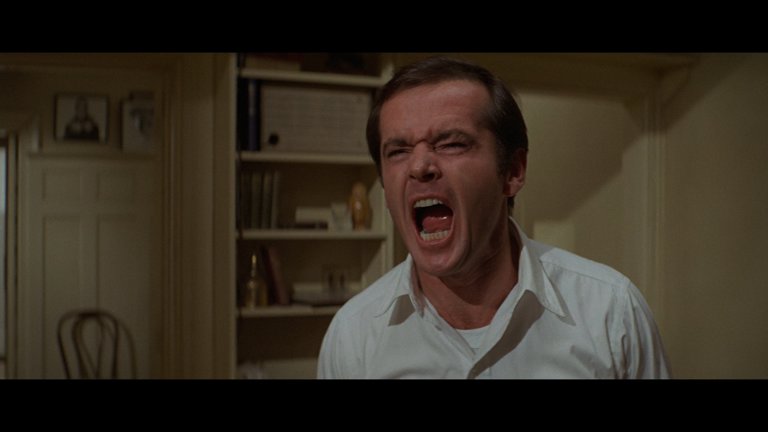
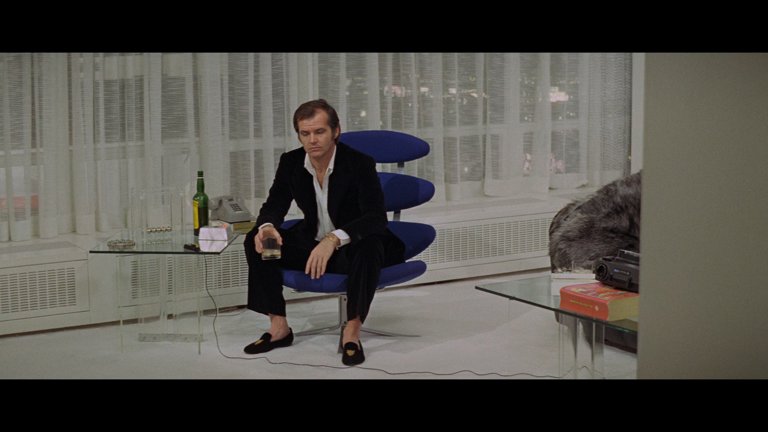
Carnal Knowledge - Screen Captures
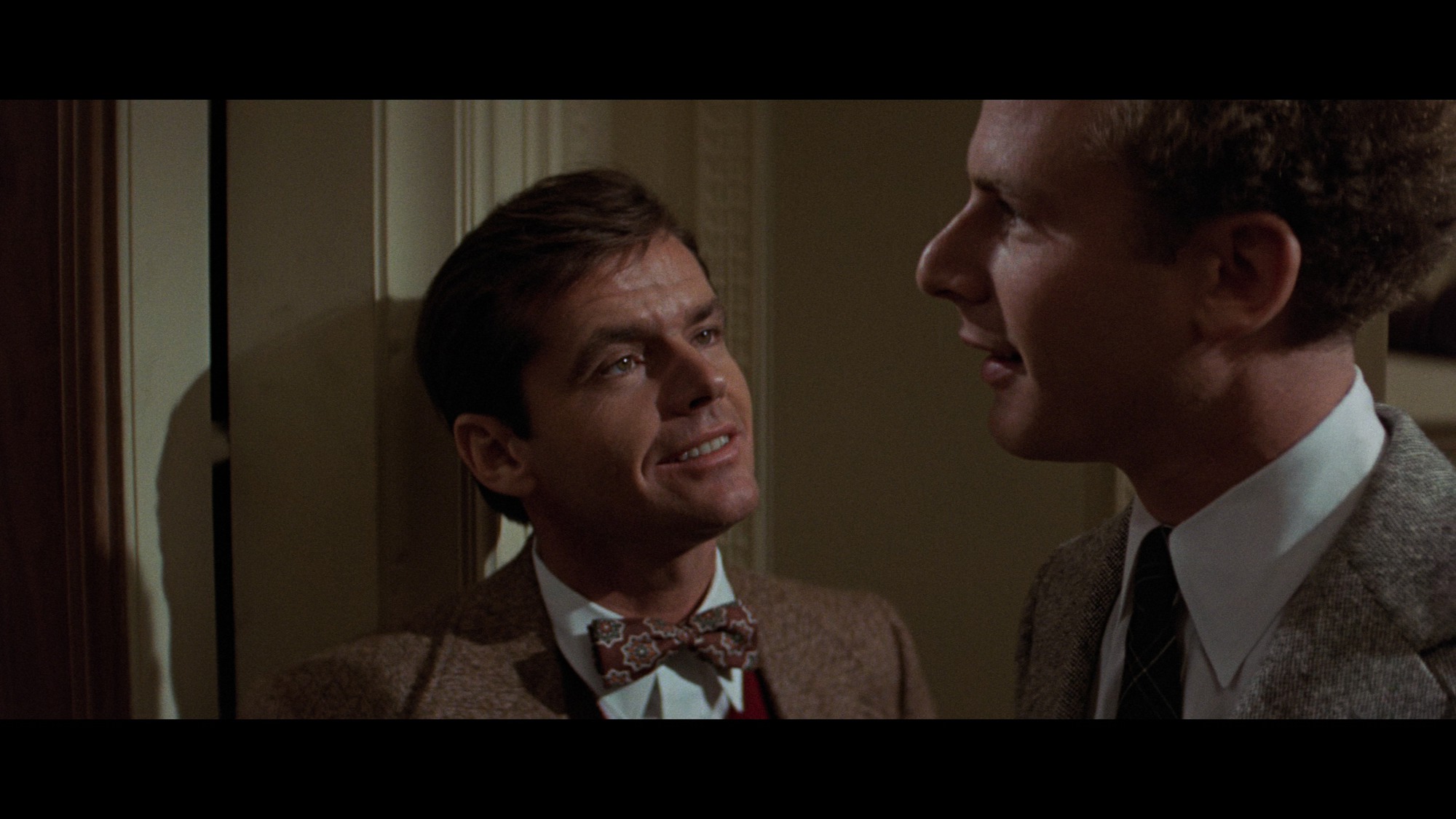
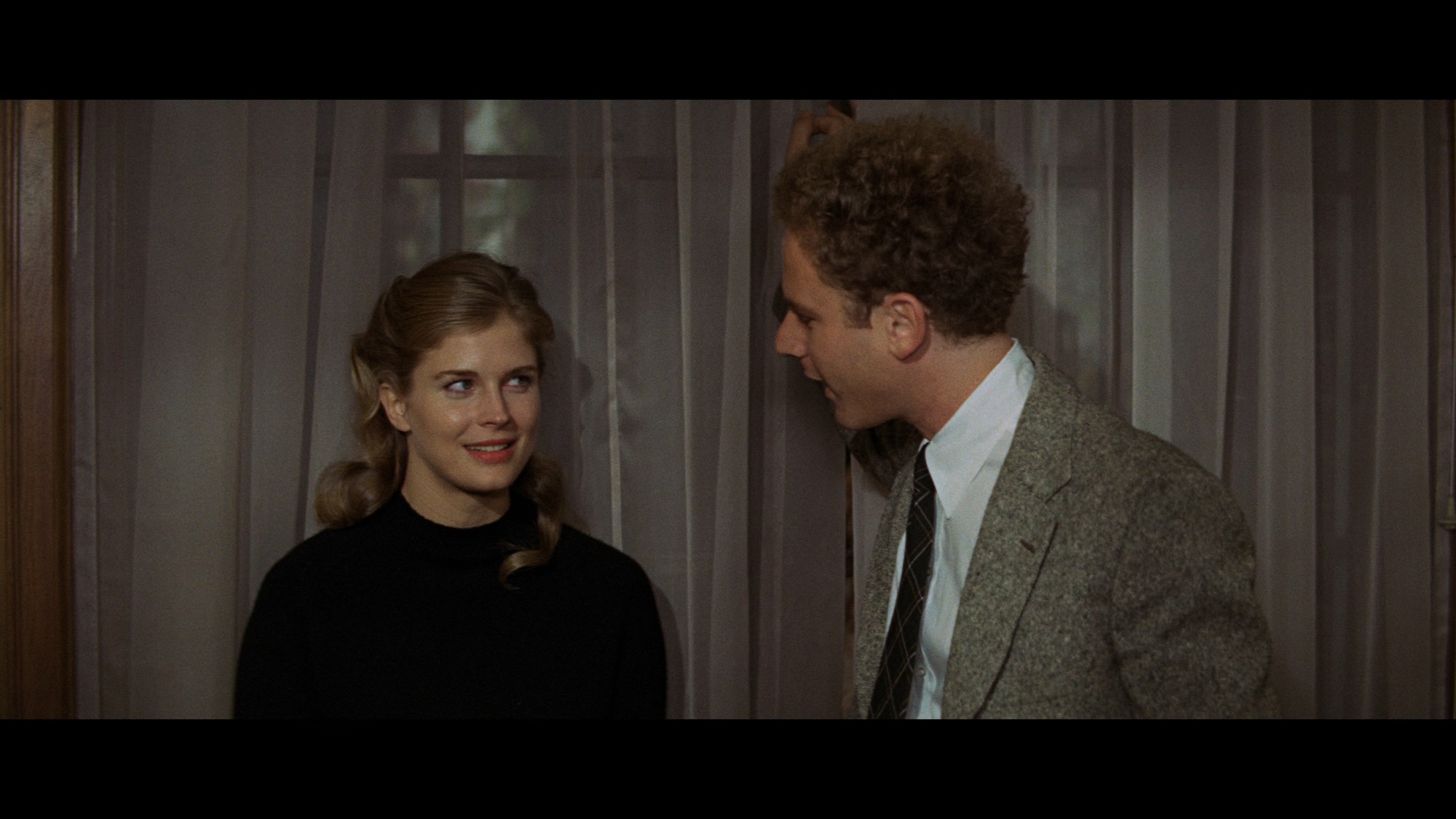
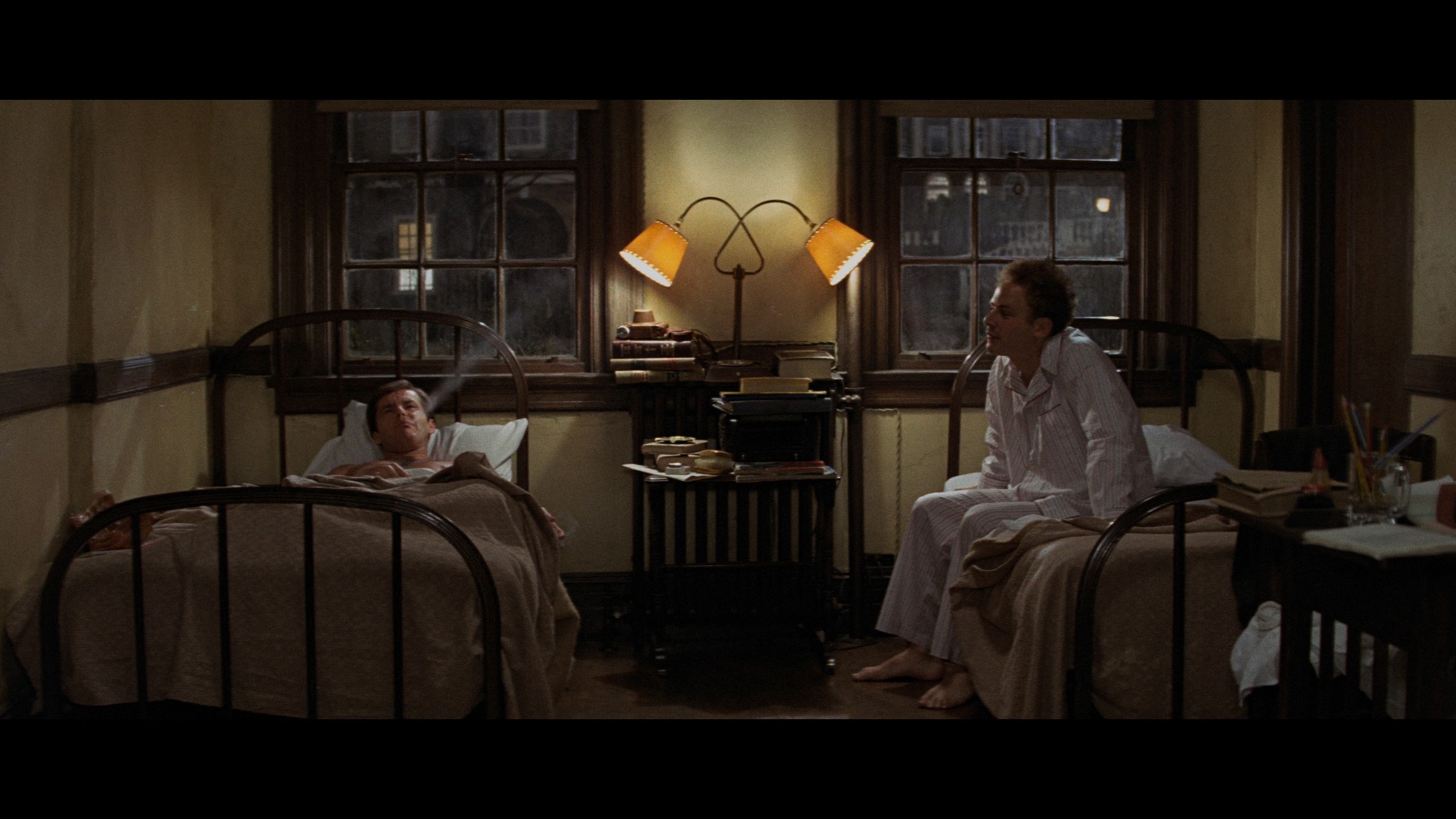
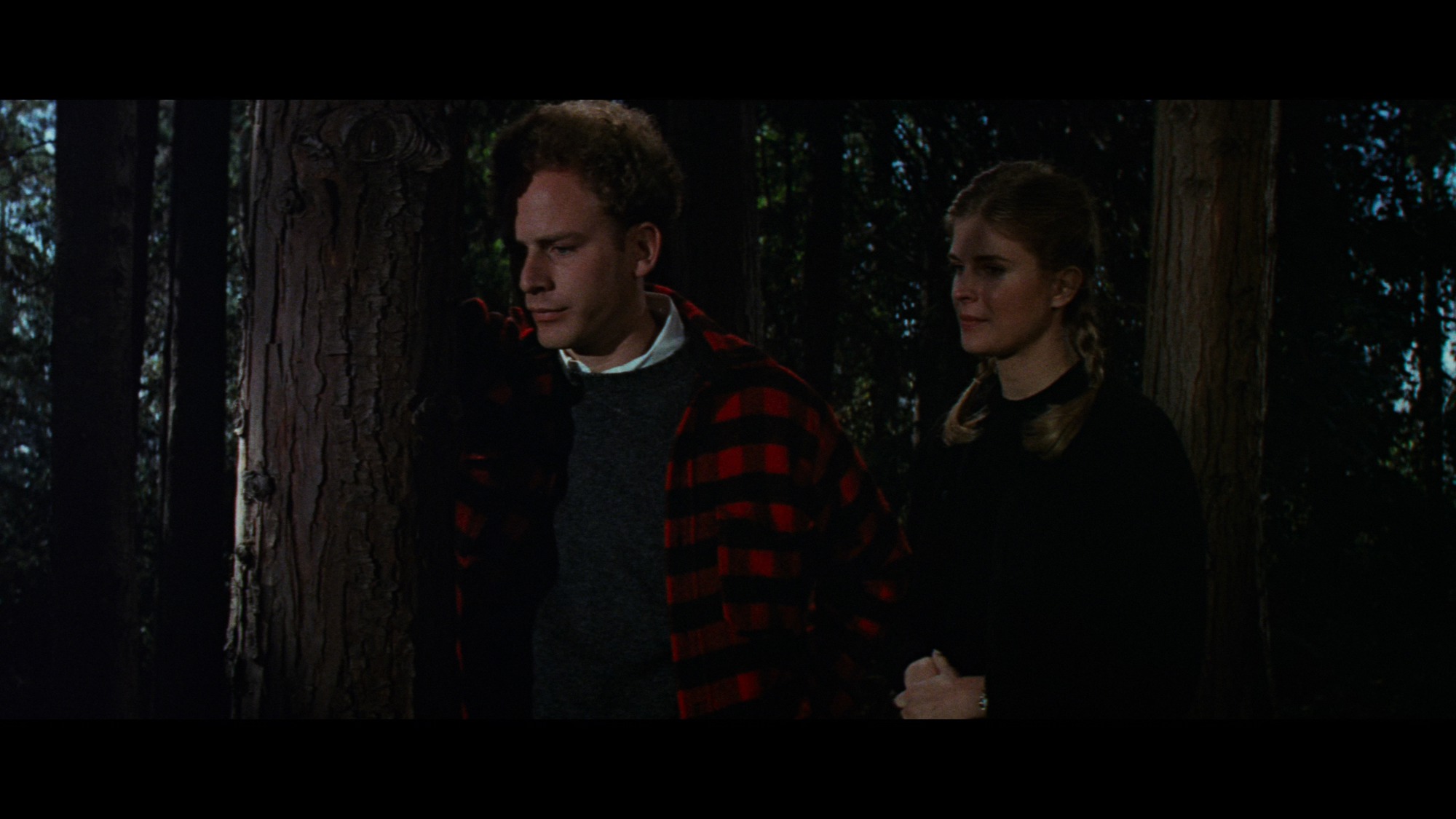
Audio 7/10
The lossless PCM monaural soundtrack doesn’t present any obvious issues. It’s sharp and clear, with a respectable level of range, noticeable when the carnival music kicks in during the time transitions. There’s no sign of damage, and I didn’t detect any heavy-handed filtering. All in all, it sounds very good.
Extras 9/10
Criterion packs quite a bit onto this edition, including a newly recorded audio commentary by filmmaker Neil LaBute, available on both the 4K disc and the Blu-ray. I’ll admit I wasn’t particularly looking forward to this one, but it turned out to be a pleasant surprise. Unsurprisingly, given both his own body of work and this film’s unflinching portrayal of toxic masculinity, Carnal Knowledge has been a major influence on LaBute, and his appreciation for it comes through clearly.
He covers the film’s production history and touches on Mike Nichols’ career at that point, coming off the commercial and critical failure of Catch-22 (LaBute even recommends checking out the Nichols/Soderbergh commentary on that film’s DVD). He’s especially eager to break down individual sequences, highlighting the editing, performances, and how much is conveyed through subtle gestures and interactions. He also admires the simplicity of the structure and takes time to point out small but effective visual details, from subtle camera movements to the understated way the characters age over time.
LaBute also addresses long-standing accusations of misogyny, both toward this film and his own work, arguing that no one in their right mind would walk away from Carnal Knowledge thinking, I want to be just like Jonathan! His defense is passionate, and his deep engagement with the material—its construction, editing, performances, and camerawork—allows him to speak fluidly and at length, with barely a moment of dead air.
That said, this also leads to one of the more frustrating aspects of the track: he has a tendency to leave thoughts unfinished as he jumps ahead to comment on the next moment or thing, only occasionally circling back to wrap things up. Still, that’s a minor quibble in what’s otherwise a strong, thoughtful commentary, one that makes for an engaging listen whether you're revisiting the film or approaching it fresh.
A strong companion to that track is a new conversation between Nichols' biographer Mark Harris and film critic Dana Stevens. While Neil LaBute’s commentary covers much of the film’s formal qualities and influence, this piece fills in several key gaps or expands on some of his observations, particularly around the film’s production and thematic context.
The two touch on how daring Carnal Knowledge was for its time, particularly in its refusal to pass overt judgment on its characters. There’s no attempt to redeem them or soften their worst traits, and the film is all the better for it. Harris and Stevens emphasize how Nichols and screenwriter Jules Feiffer were brave enough to leave certain things unsaid, allowing ambiguity and trusting the audience to sit with discomfort.
They also offer a thoughtful critique of how the film explores masculinity, especially its toxic undercurrents, without losing sight of the women caught in its wake. Stevens points out how the film frames the women in it with real complexity, avoiding the trap of making them simple counterpoints to the male leads. Another insightful analysis of the film.
Also included is a 36-minute conversation between Mike Nichols and director Jason Reitman, recorded after a screening of the film (and also featured on the Indicator edition). Reitman asks Nichols about this point in his career and how he became involved with the project, with Nichols recounting how he came across Jules Feiffer’s script (originally intended as a stage play) and saw its potential as a film. Reitman also reflects on his first viewing of the film and shares thoughts on its performances, subject matter, and the particular generation Nichols believed it represented.
It’s a strong feature as well, followed by an equally strong feature: a 2019 interview with screenwriter Jules Feiffer, originally recorded for the podcast To Live & Dialogue in L.A. Host Aaron Tracy provides a brief introduction recorded for this edition before the discussion begins, where Feiffer recalls writing the script and handing it off to Nichols after his first choice, Alan Arkin, passed on it. Feiffer describes the screenplay as a reaction to the men of his generation (calling them “schmucks” at one point), stating the film is ultimately a “portrait of a sociopath.” Another great addition that digs deeper into the film’s themes and its origins.
Another standout feature is an interview with editor and author Bobbie O’Steen, who offers a deep analysis of the film’s editing. She begins by talking about her late husband, Sam O’Steen, who edited the film, before shifting focus to the stylistic choices that define his work here. She emphasizes the importance of transitions, like the use of the white dissolves to mark time jumps.
O’Steen breaks down the editing of several key sequences, highlighting how the film’s structure is deceptively simple. One of her most insightful points is how much restraint it takes not to cut, letting certain moments breathe and play out in long takes. Another really terrific analysis of the film.
The disc then closes with the film’s trailer and a 1-minute radio spot loaded with critic blurbs.
Criterion also includes a booklet featuring two pieces: a new essay by Moira Weigel and a reprint of a 1971 American Cinematographer article by Herb A. Lightman. Weigel’s essay places the film within the cultural context of its era while also framing it through the lens of the #MeToo movement, exploring its depiction of toxic masculinity and the emotional toll it takes on both the men and women involved. Lightman’s article, originally published during the film’s release, covers the production’s Vancouver shoot and includes insights from cinematographer Giuseppe Rotunno and production designer Richard Sylbert. It delves into how the film’s look was crafted to distinguish its time periods, through lighting choices, desaturated color schemes, and the use of filters. While both pieces are valuable, Criterion’s booklet isn’t quite as robust as Indicator’s, which does feature the same article, but it also has reprints of interviews and a bit more about the controversies the film faced.
Booklet aside Criterion’s features do ultimately edge out Indicator’s by decent margin. A wonderful collection overall.
Closing
It’s a solid special edition with some excellent features, and the presentation is otherwise terrific; it’s just a shame it drops that crucial dissolve later in the film.
BUY AT: