Classe tous risques
BUY AT:


See more details, packaging, or compare
Synopsis
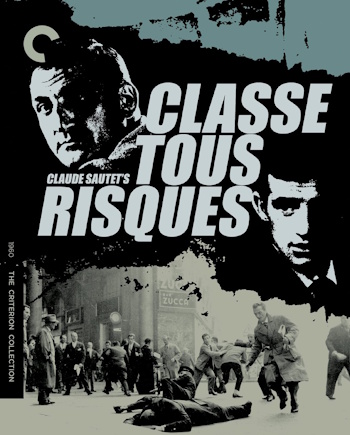
After hiding out in Milan for nearly a decade, fugitive gangland chief Abel Davos (Lino Ventura) sneaks back to Paris with his children, despite a death sentence hanging over his head. Accompanied by appointed guardian Eric Stark (Jean-Paul Belmondo, fresh off his star turn in Breathless) and beset by backstabbing former friends, Abel begins a throat-grabbing, soul-searching journey through the postwar Parisian underworld. A character study of a career criminal at the end of his rope, this rugged noir from Claude Sautet is a highlight of 1960s French cinema.
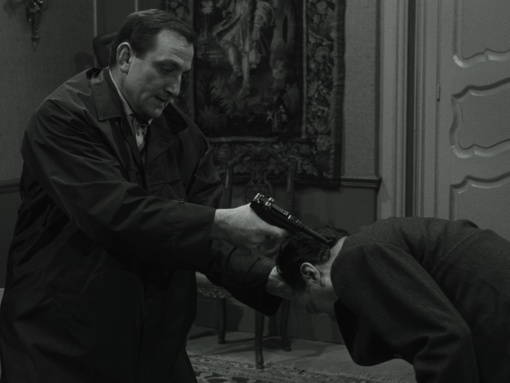
Picture 10/10
The Criterion Collection upgrades their DVD edition of Claude Sautet’s Classe tous risques to 4K UHD, presenting the film with Dolby Vision in its original aspect ratio of 1.66:1 on a triple-layer disc. The 2160p/24hz ultra high-definition presentation comes from a new 4K restoration by TF1 Studios and Éclair Classics, scanned from the 35mm original camera negative. A standard Blu-ray is also included, featuring a 1080p presentation of the film (sourced from the same restoration) along with all of this release’s supplements.
Though Criterion’s DVD still holds up surprisingly well, it was bettered by BFI’s 2014 Blu-ray, which offered an impressive high-definition presentation. Revisiting that edition, I wasn’t sure how much improvement a 4K upgrade could realistically deliver. As it turns out, quite a bit.
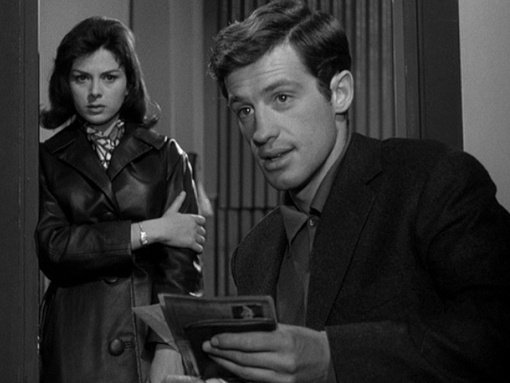
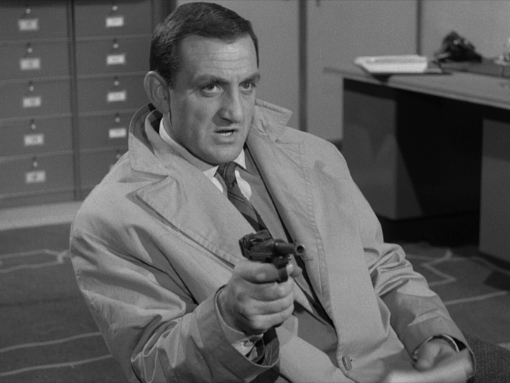
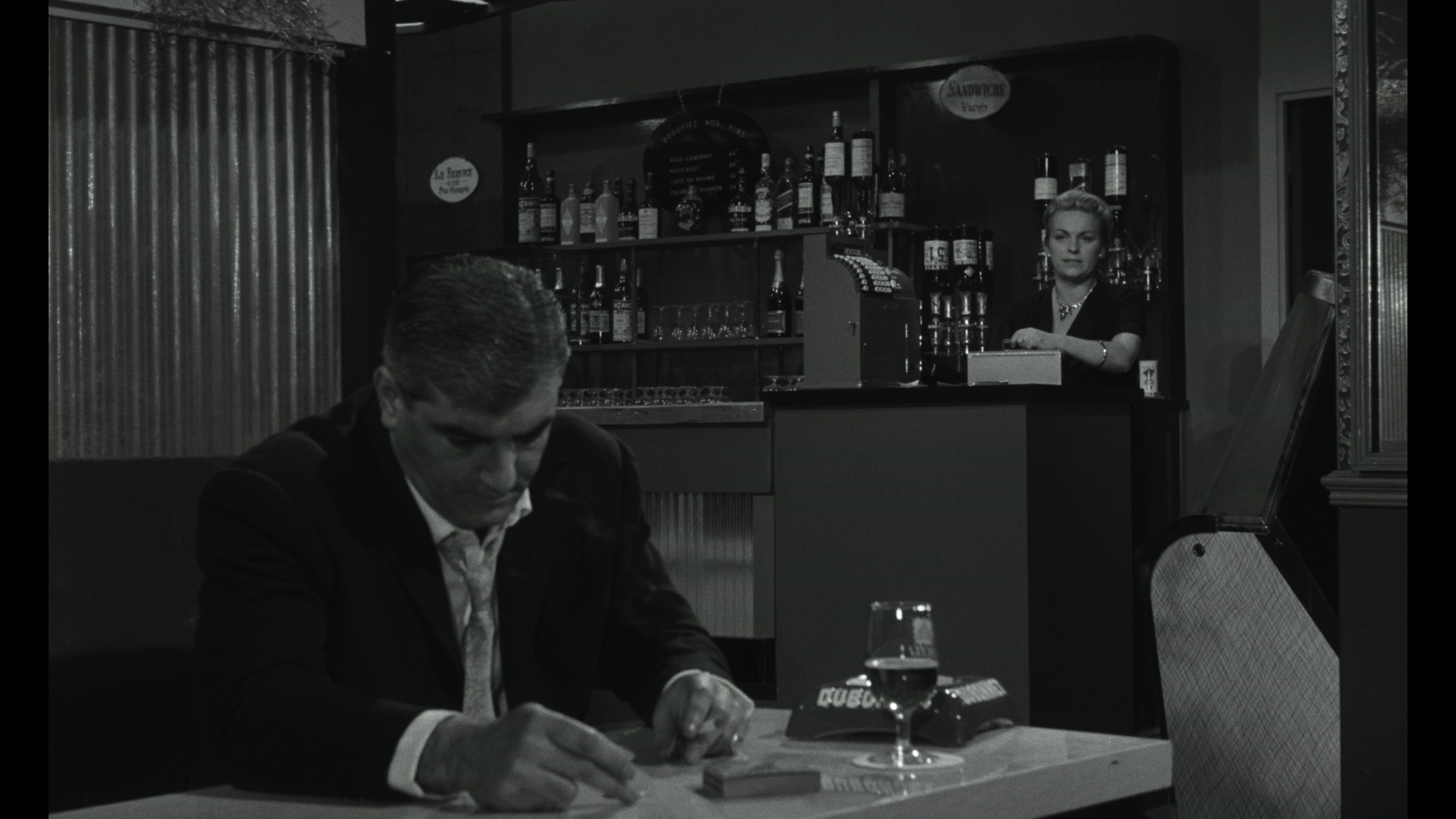
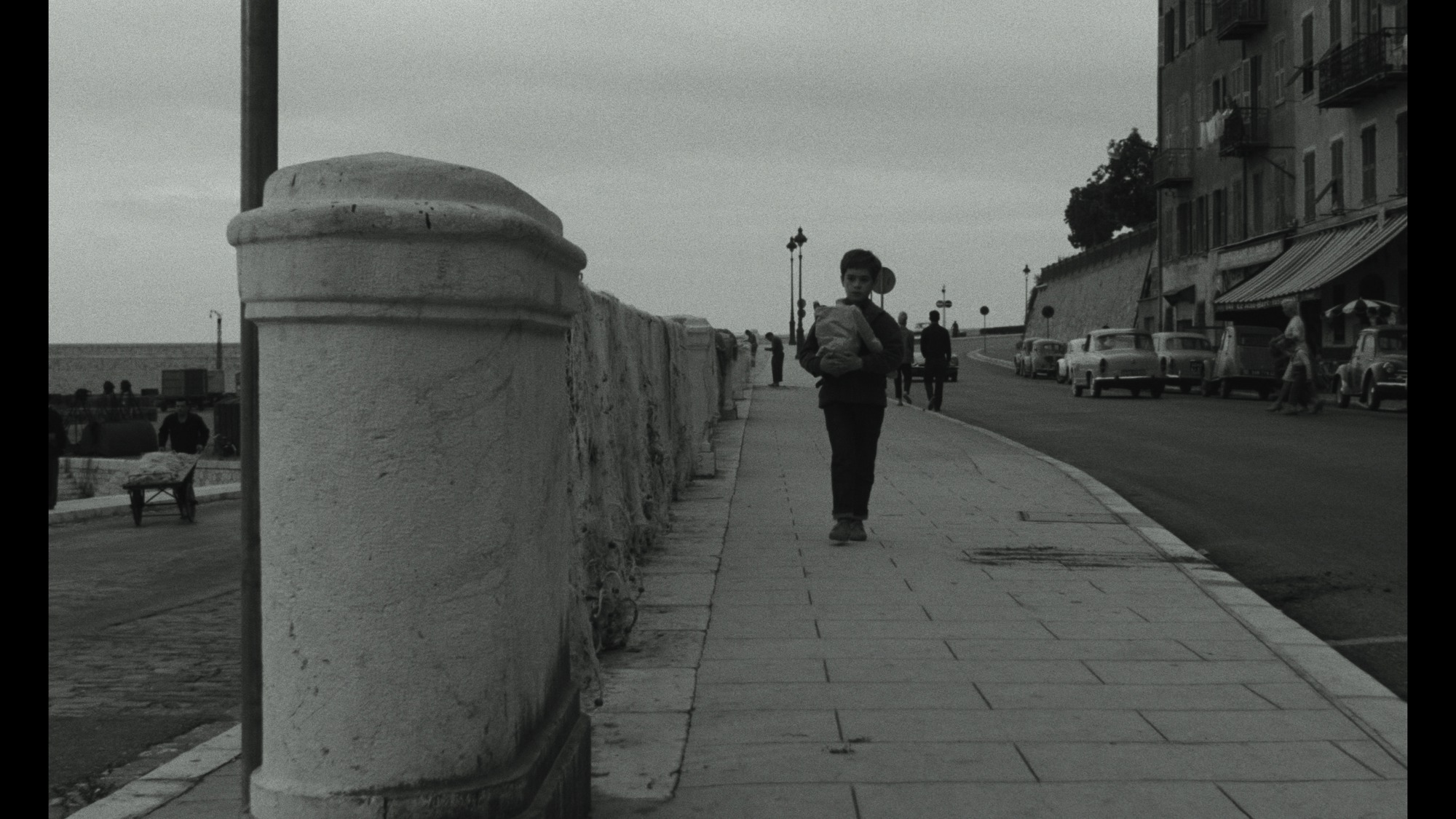
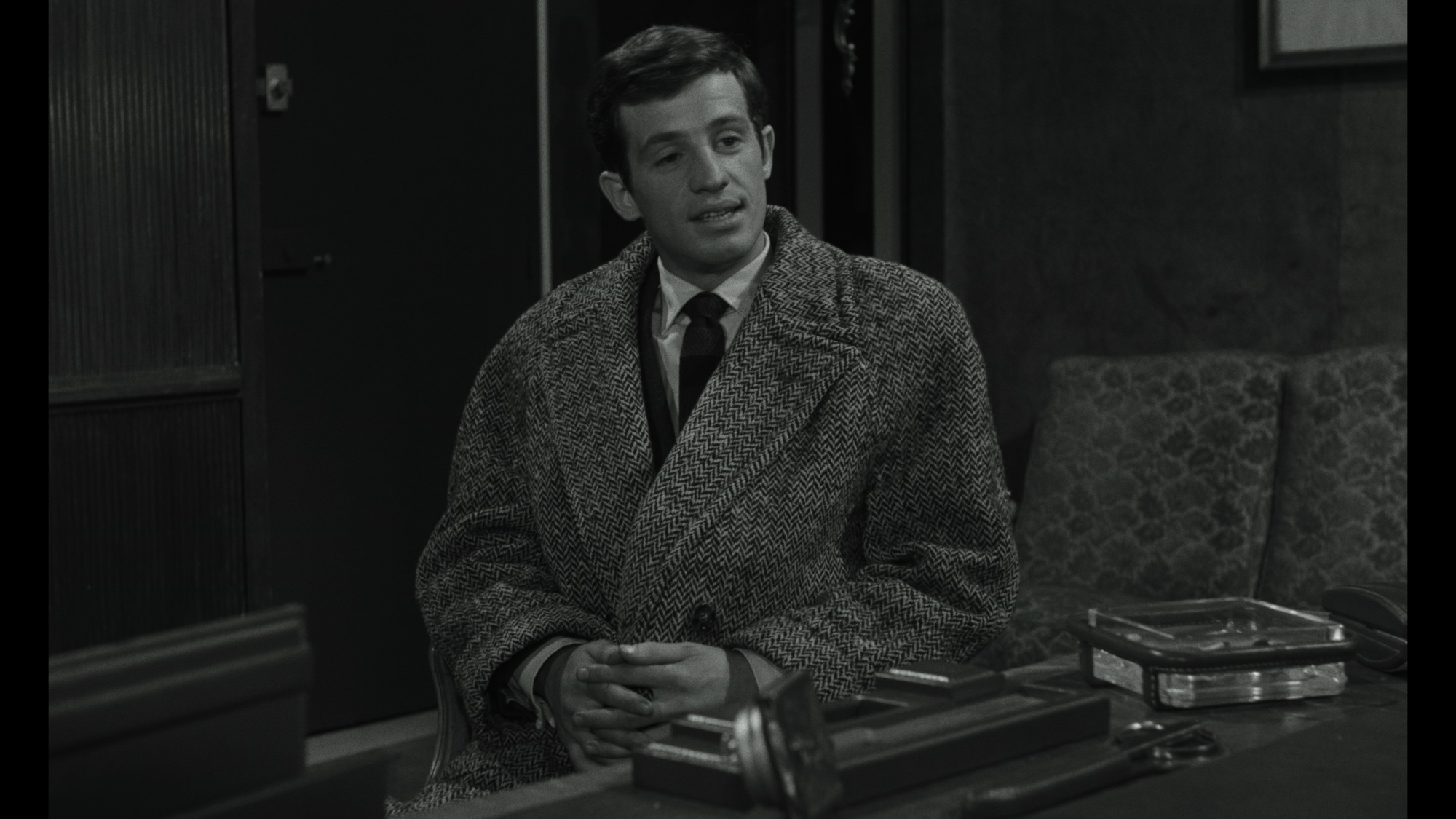
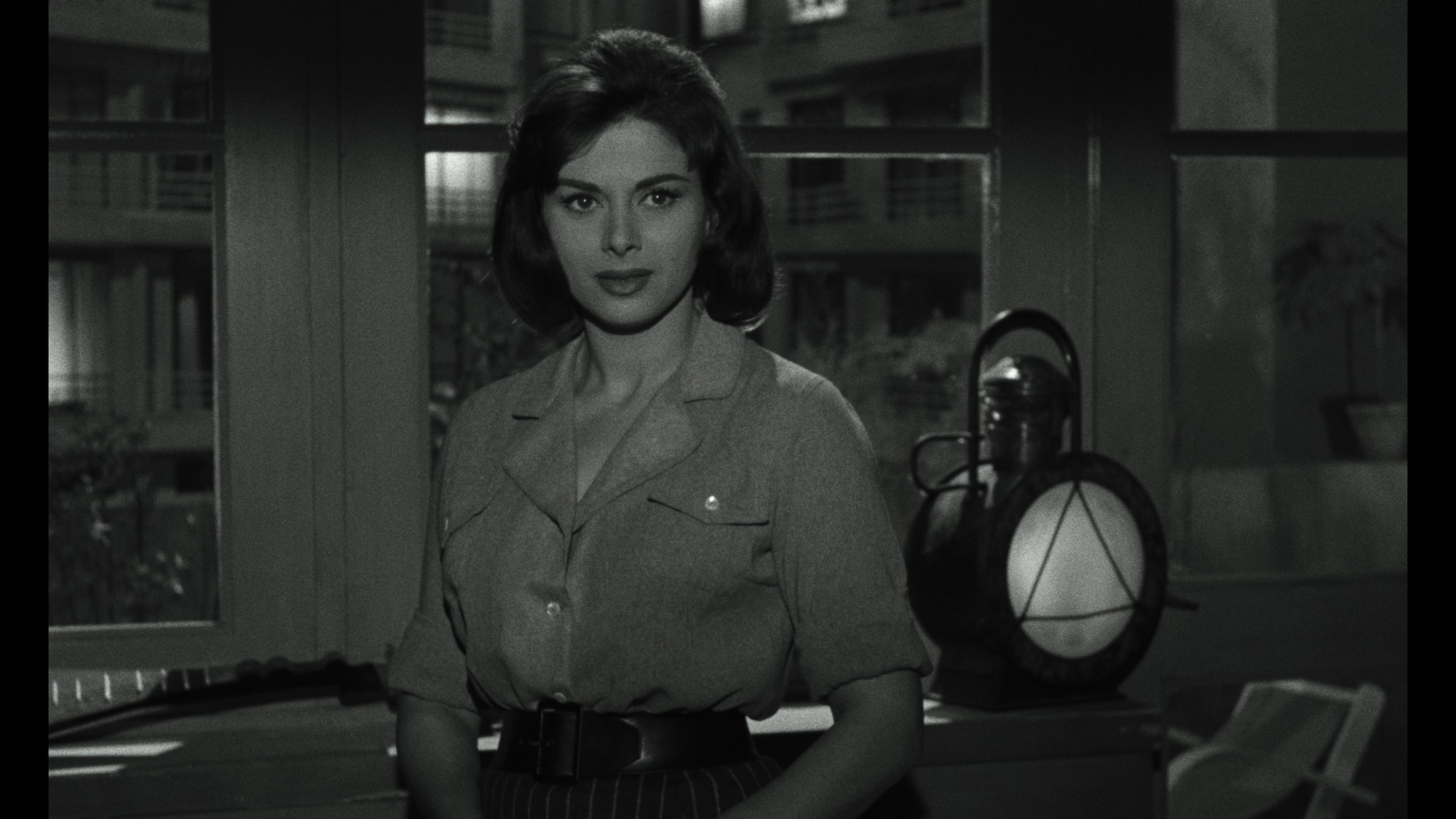
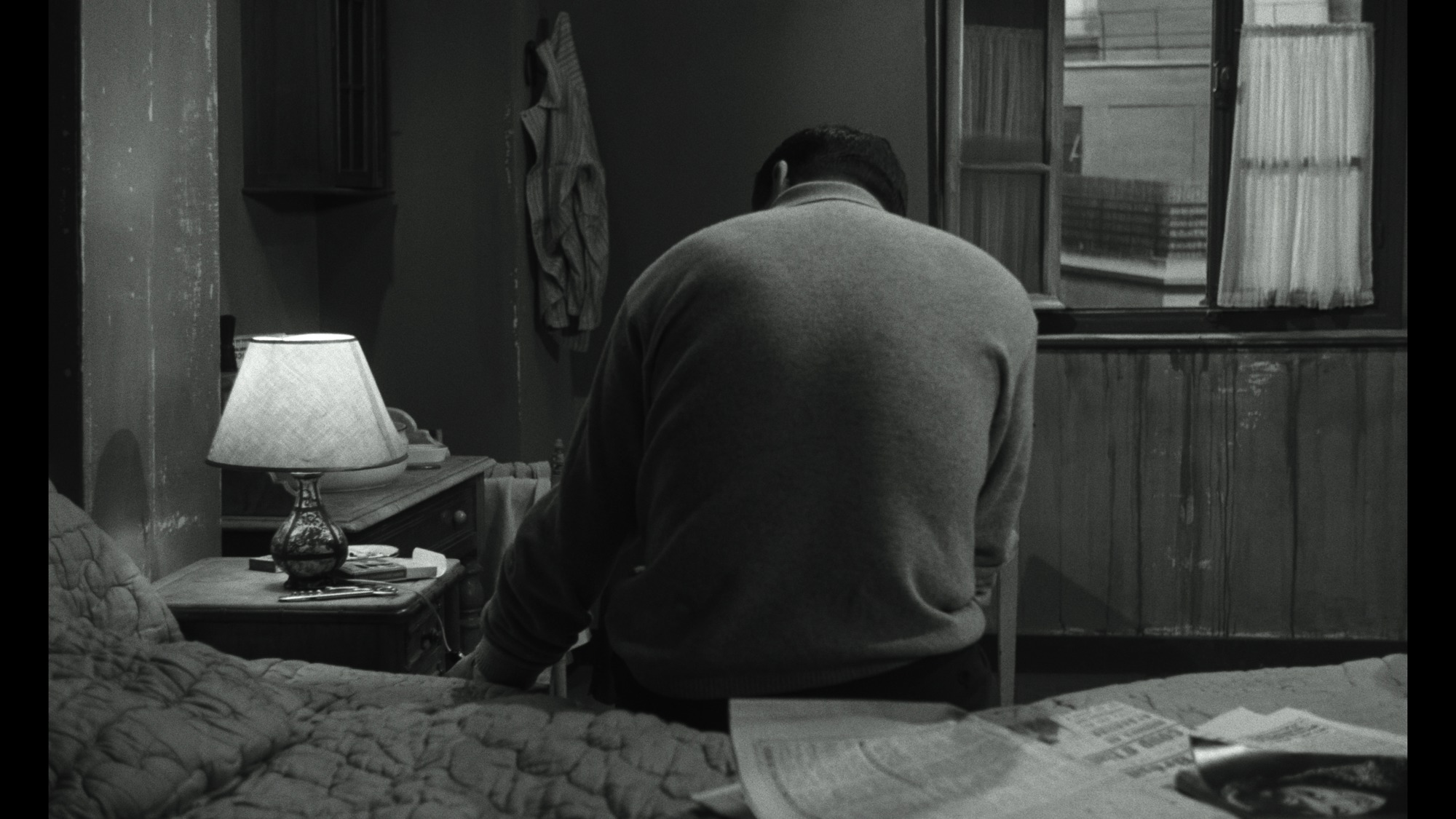
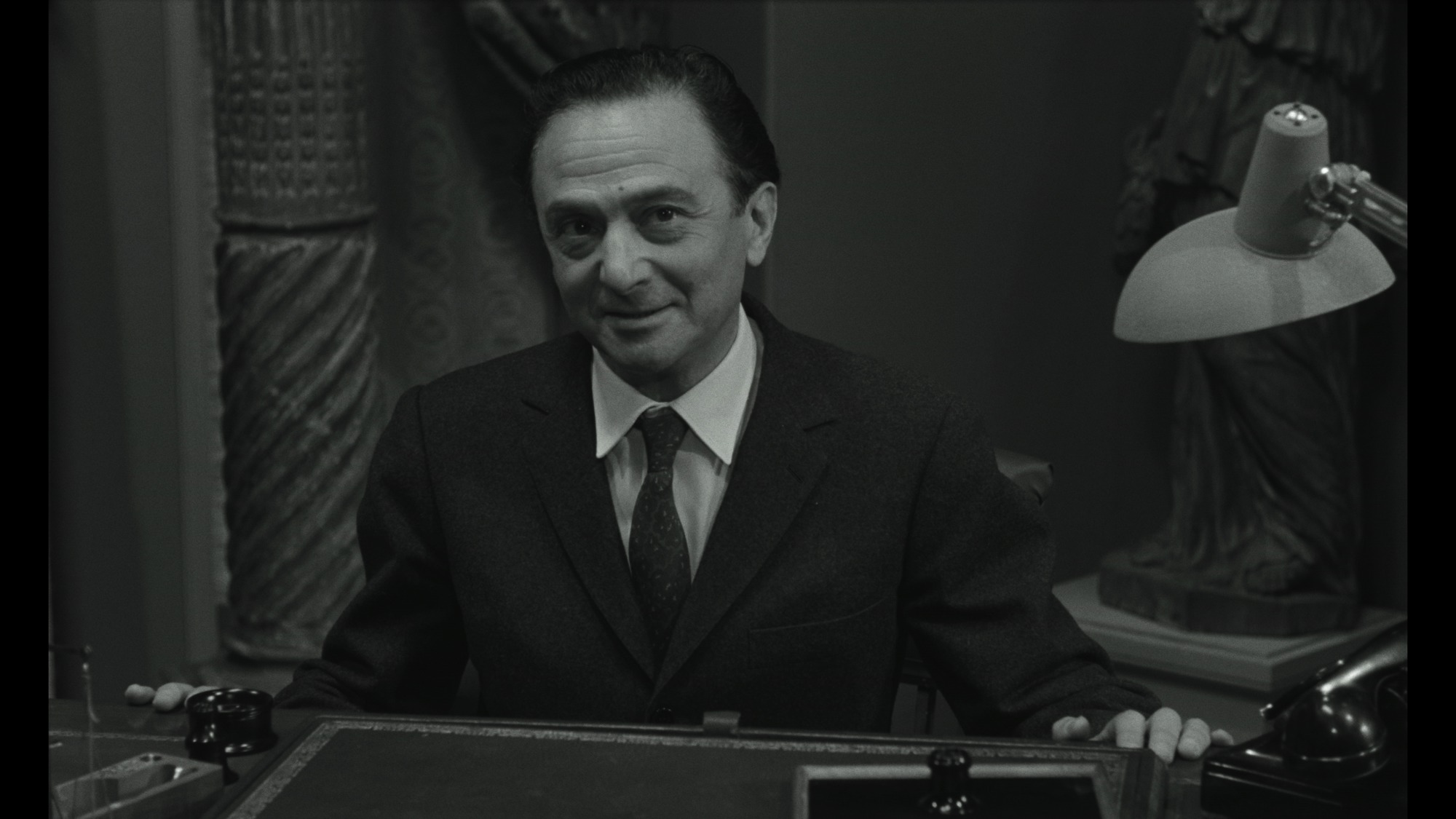
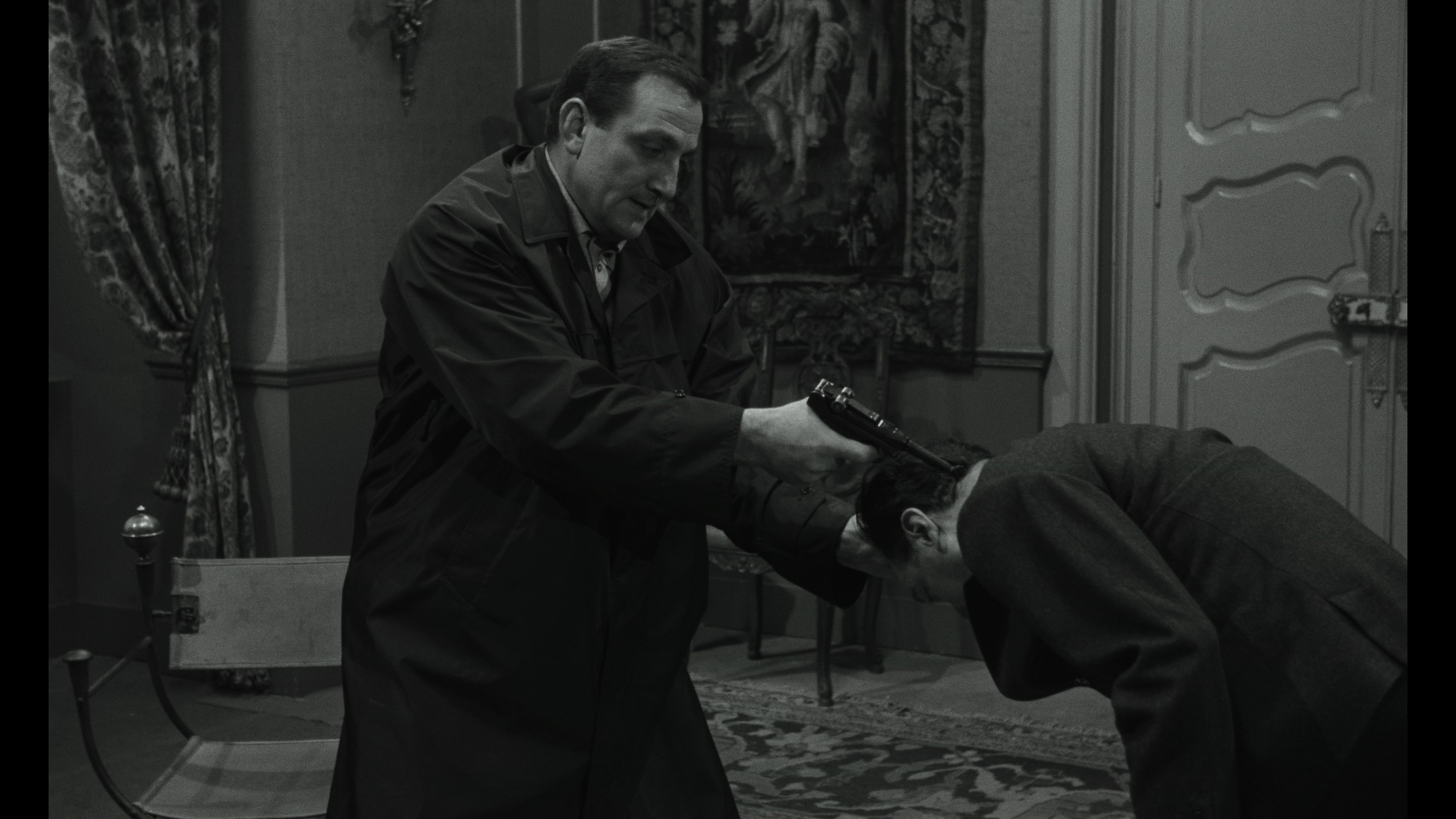
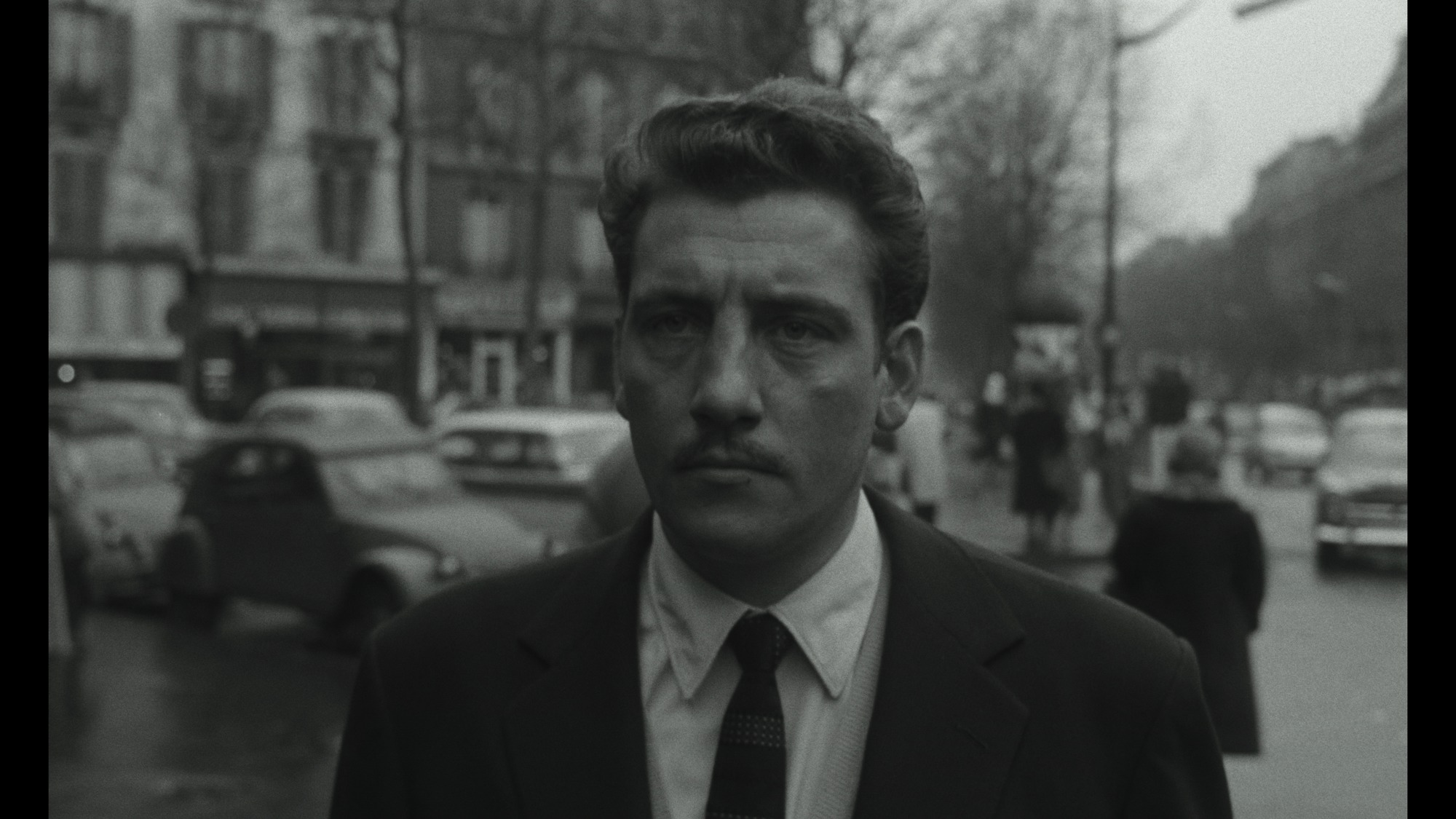
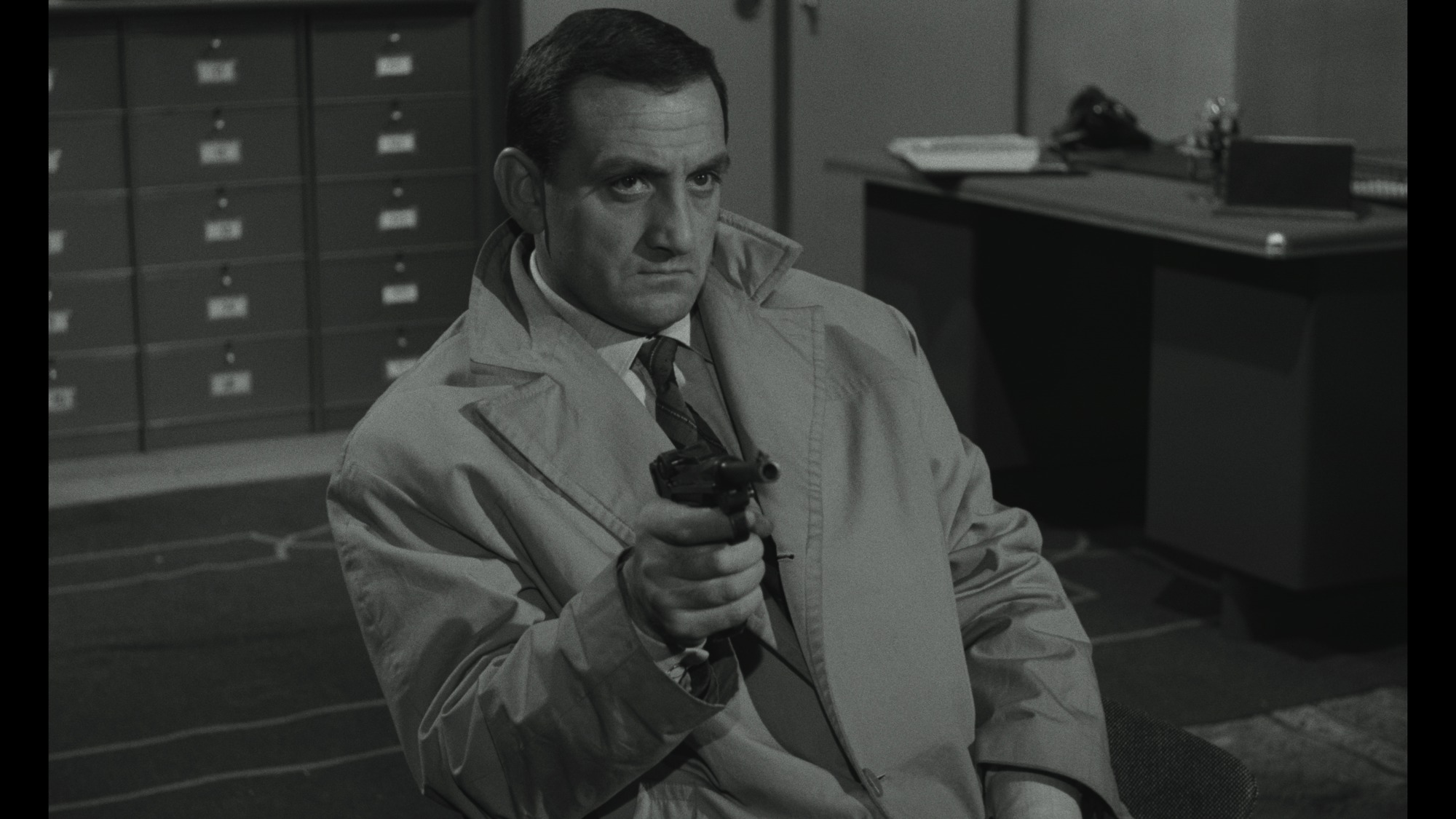
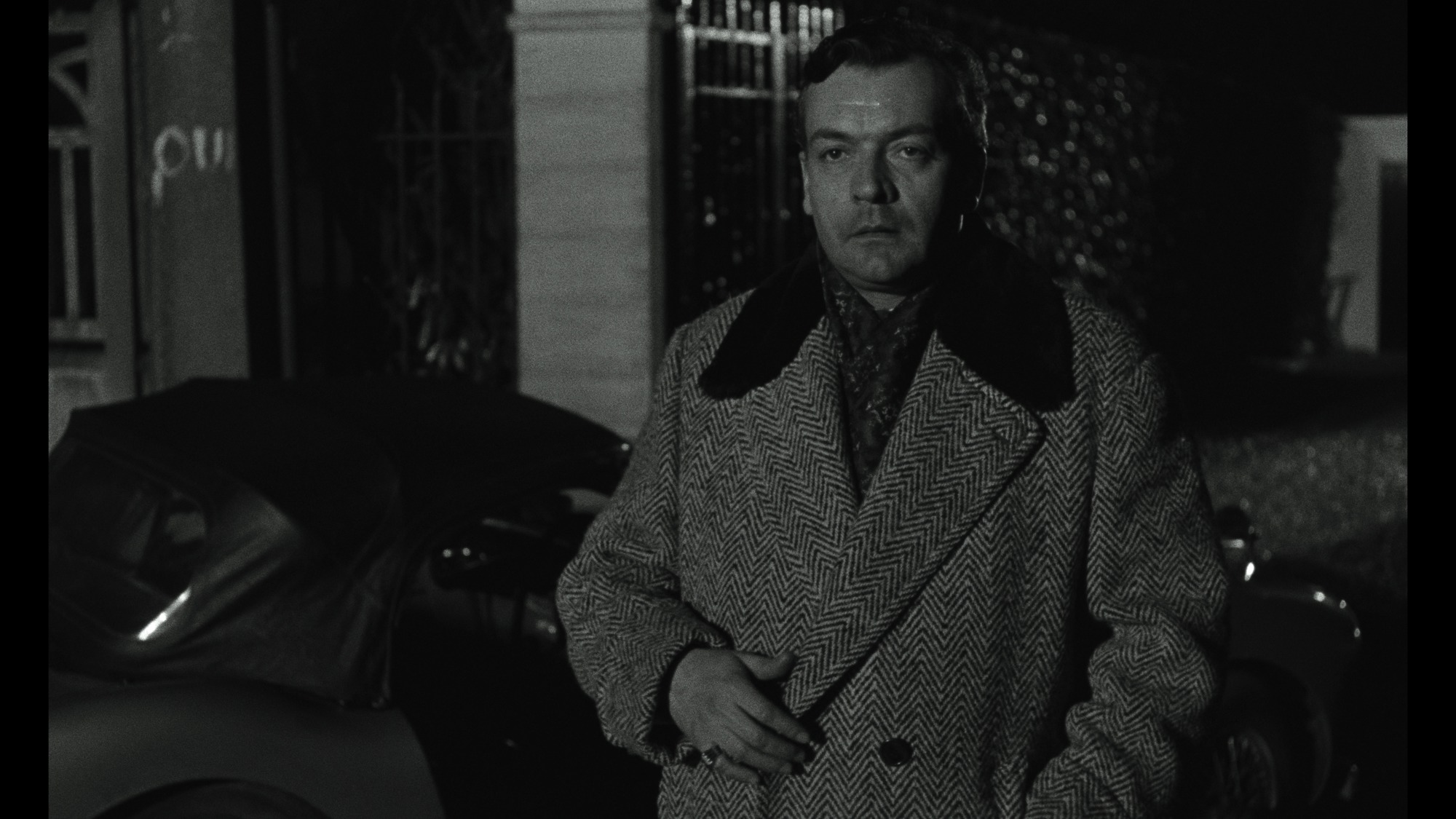
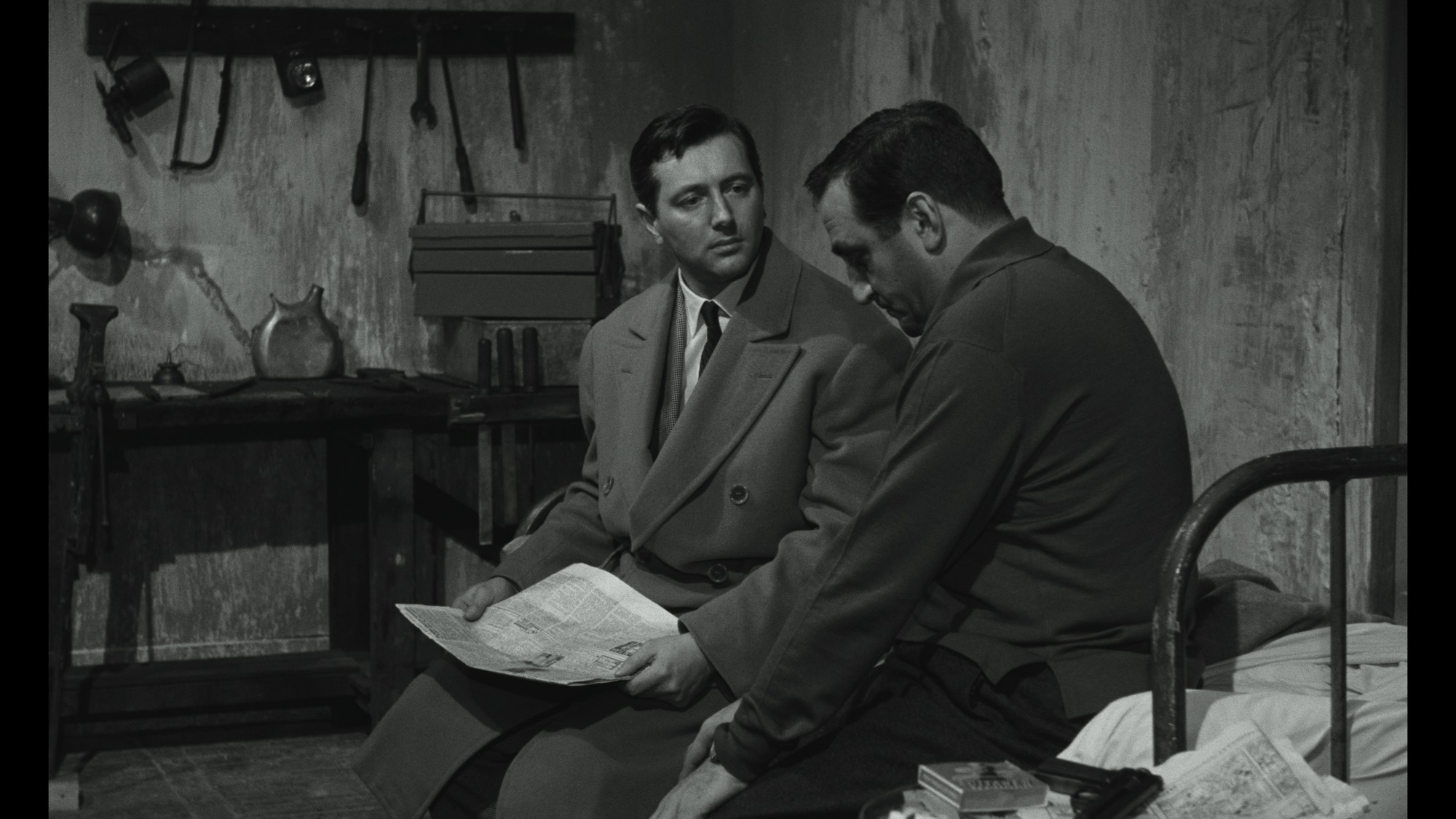
The new restoration really is a knockout: incredibly clean with a gorgeous, natural-looking layer of grain, the scan capturing every fine detail. I was especially struck by how sharp clothing patterns and tweed jackets look here, the fine textures continuing to even hold up in longer shots of landscapes and city streets.
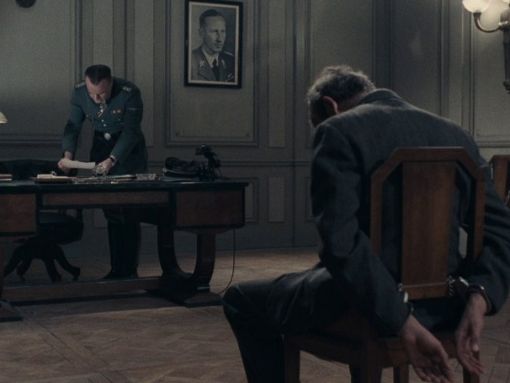
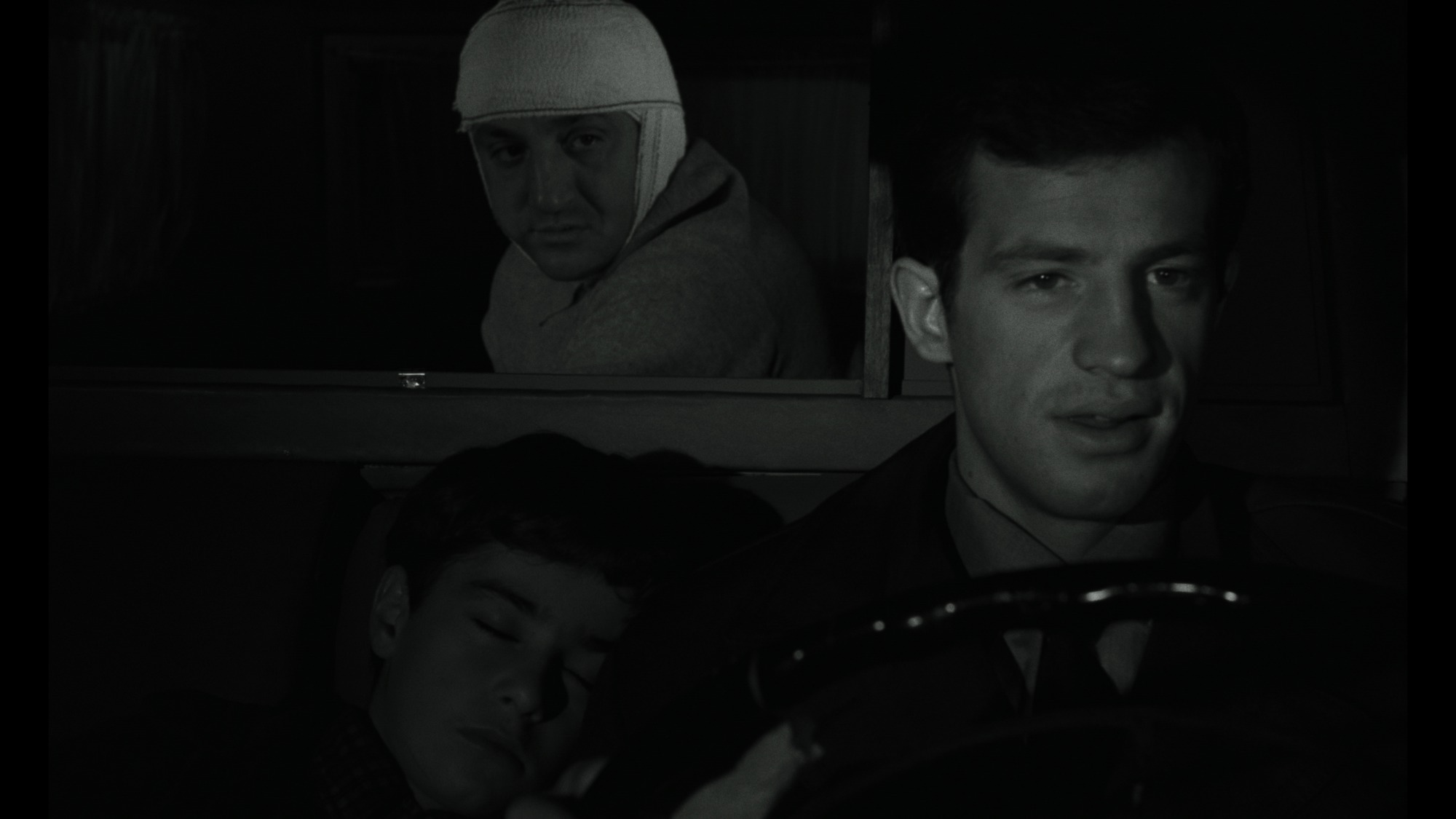
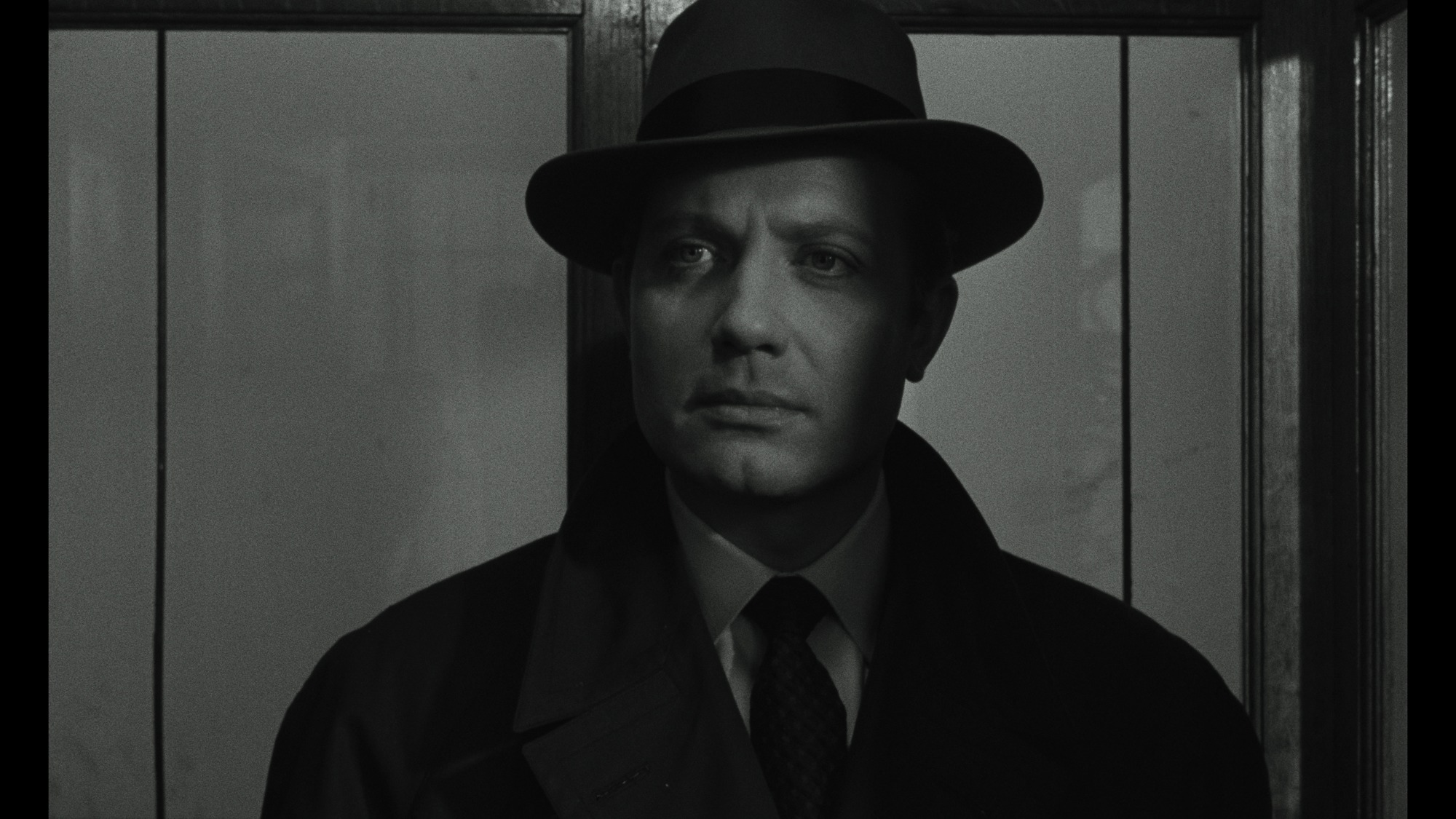
HDR also contributes significantly, and this may be the biggest improvement over BFI’s Blu-ray. The image is darker overall by comparison, but the wider contrast and expanded grayscale afforded by the dynamic range provide remarkable depth in the shadows. Darker sequences—like the film’s key beach scene, where the police arrive with flashlights—benefit greatly. There’s noticeably more depth to the image, and the sequence no longer looks as flat as it does on BFI’s Blu-ray (or the Blu-ray included here), which required more aggressive contrast adjustments.
Highlights are equally impressive, whether it’s light reflecting off the wet stones during that beach scene or the gleam of metal on the escalator in the opening moments. Headlights and streetlights pop nicely without appearing harsh or eating detail. Shots of the bright sky also look excellent, with detail and grain holding together beautifully without clipping, an issue that has cropped up (to varying degrees) on some of Criterion’s earlier 4K releases. Fortunately, that problem seems to have been addressed in their more recent discs, and this one can be added to that growing list.
All around, this looks exceptional: incredibly sharp, very clean, and carrying a wonderfully film-like texture that previous editions simply couldn’t match. A rather remarkable upgrade and easily the best the film has ever looked on home video.
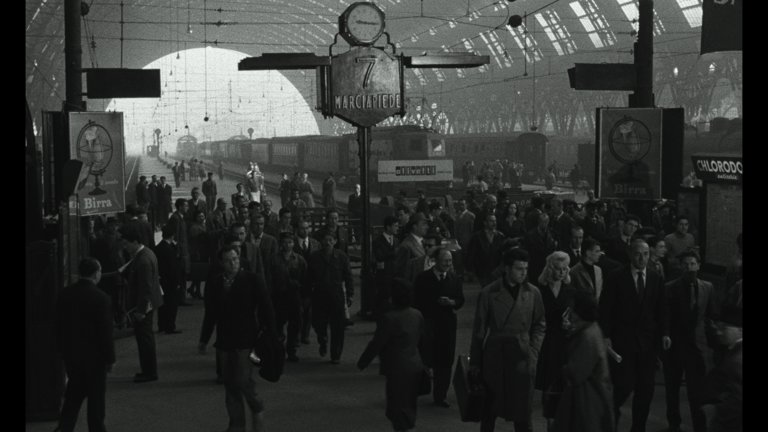
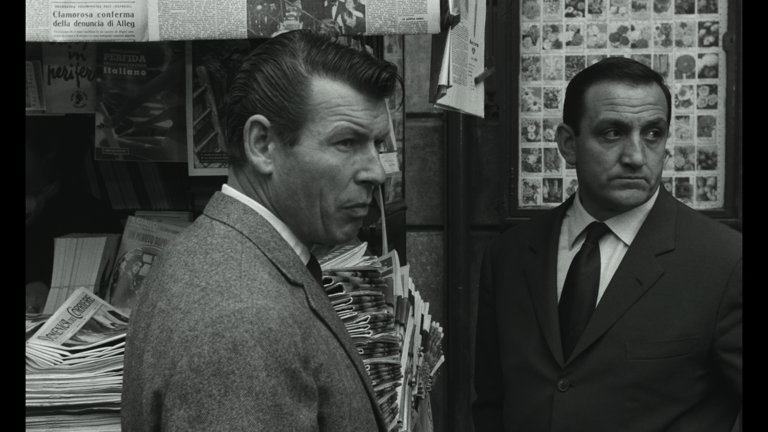
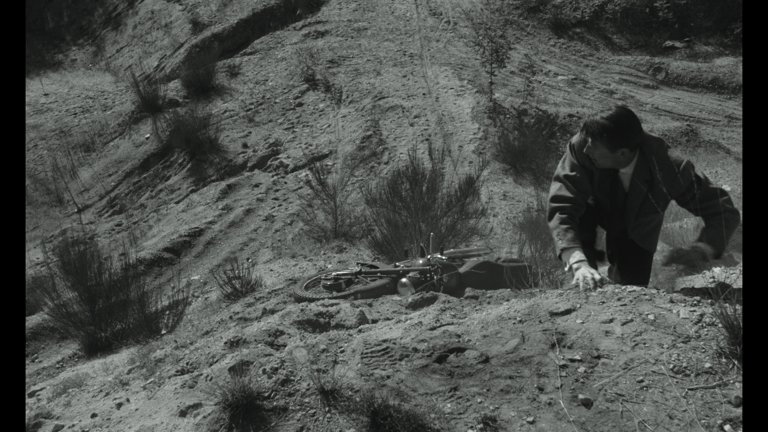
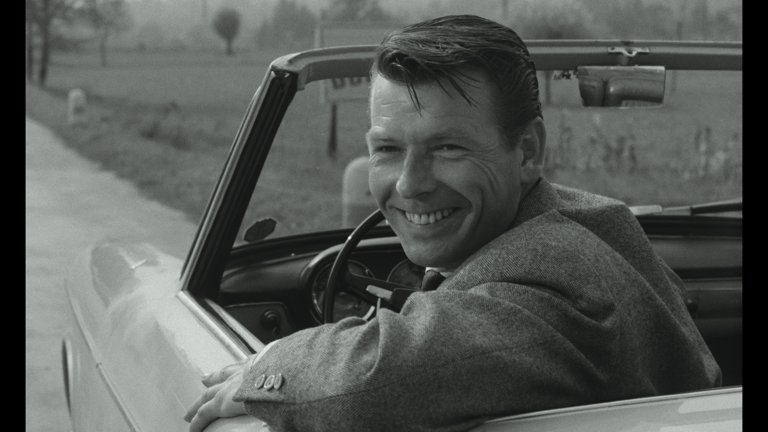
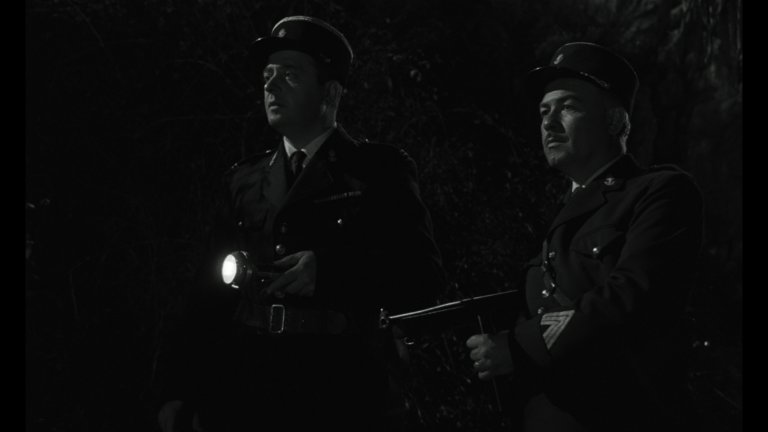
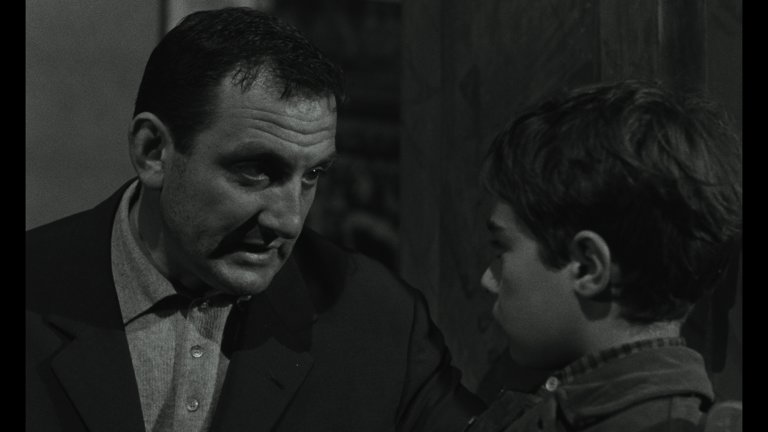
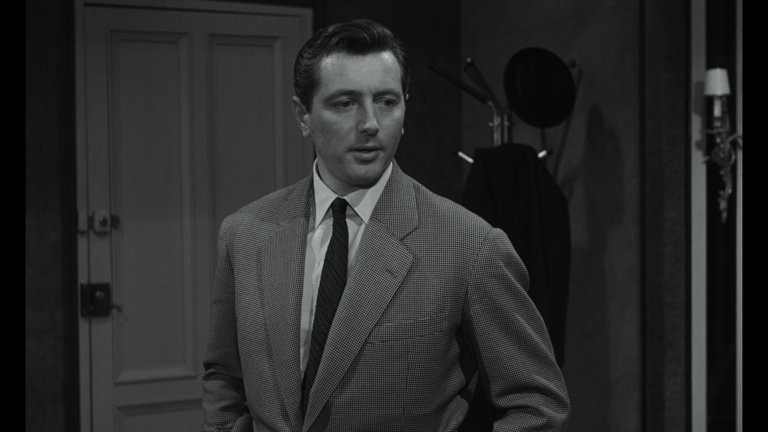
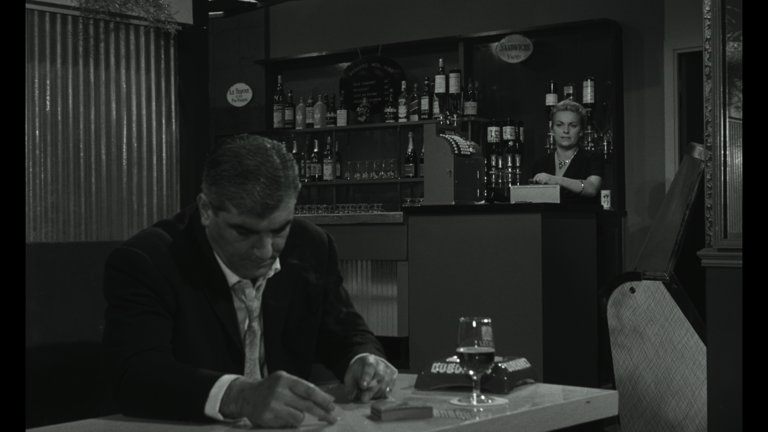
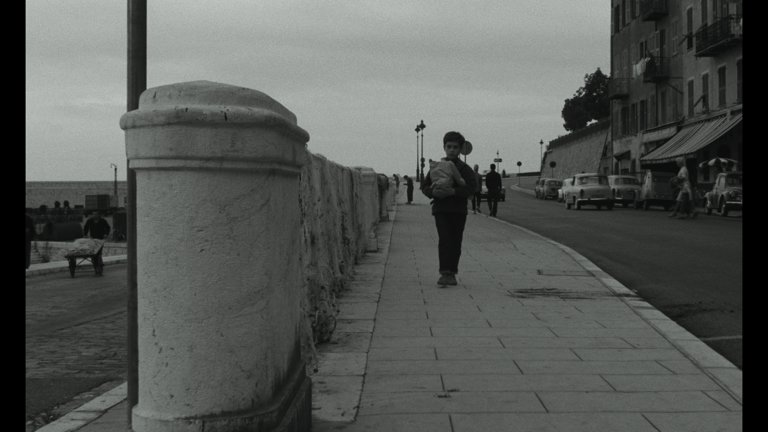
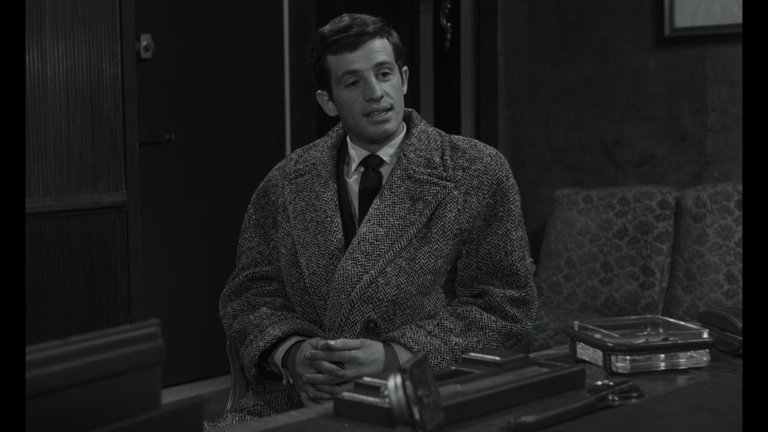
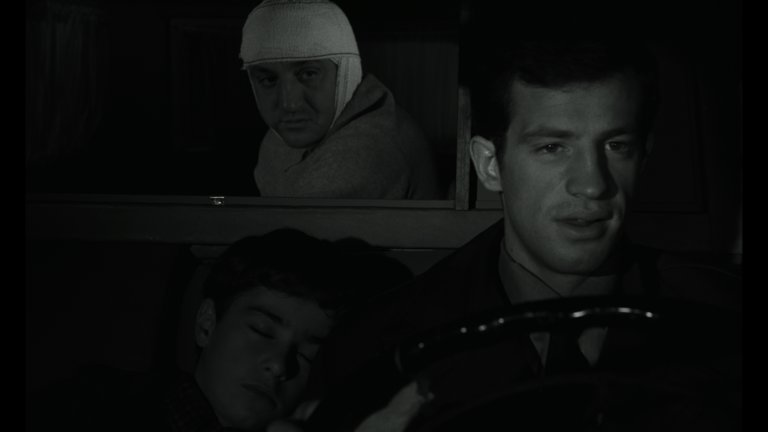
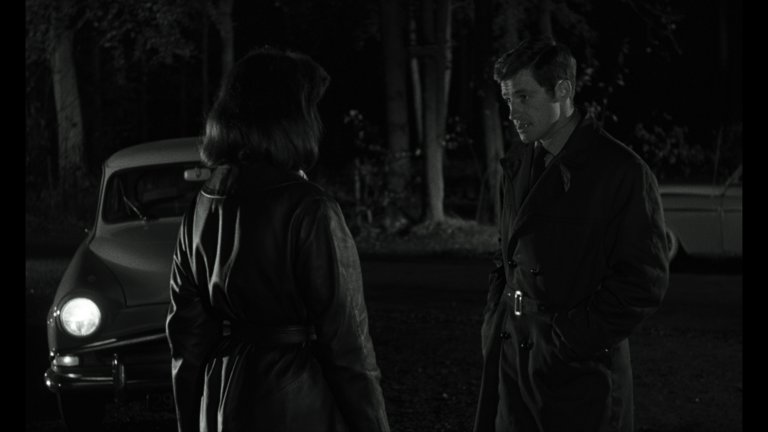
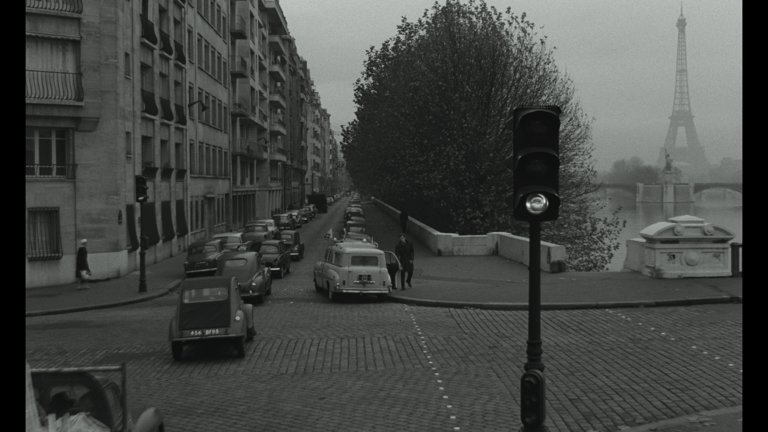
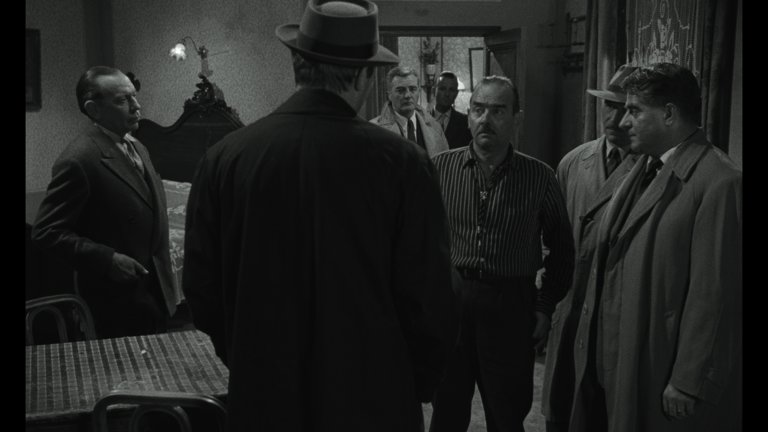
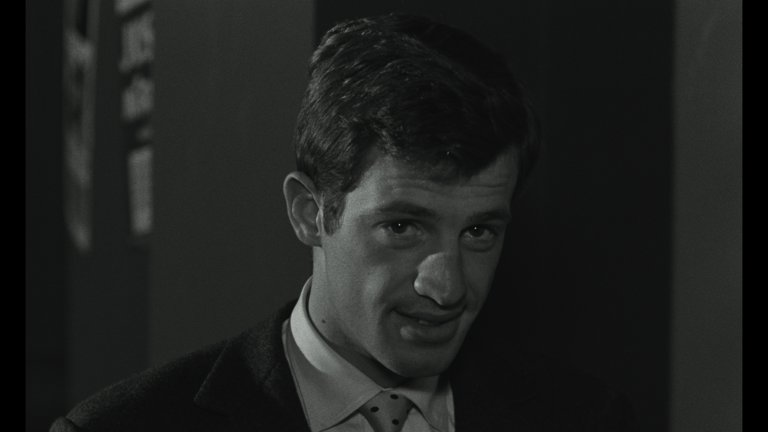
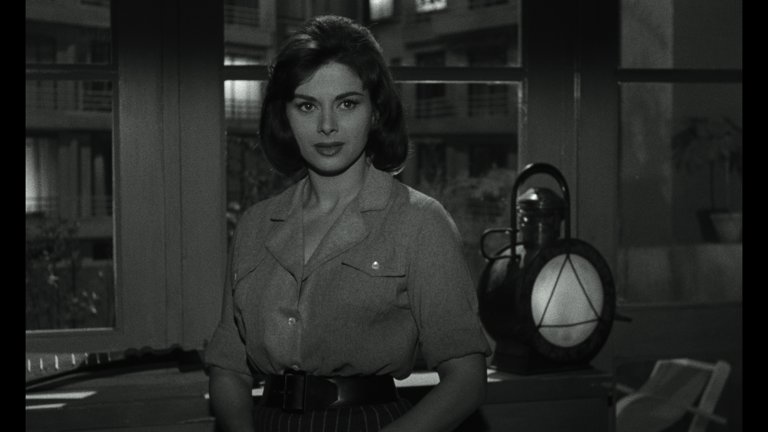
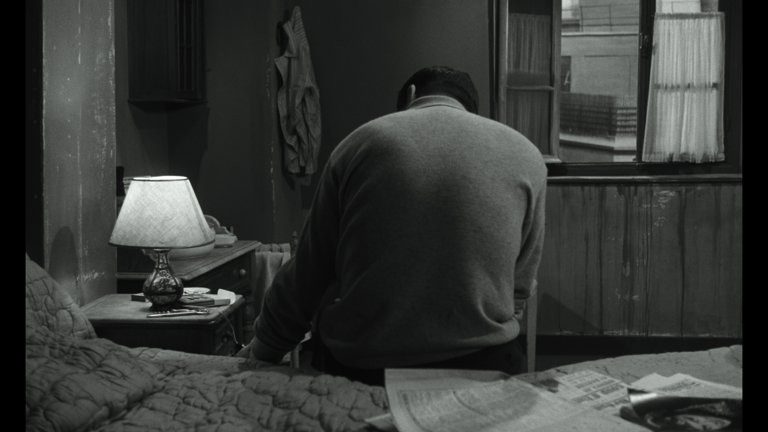
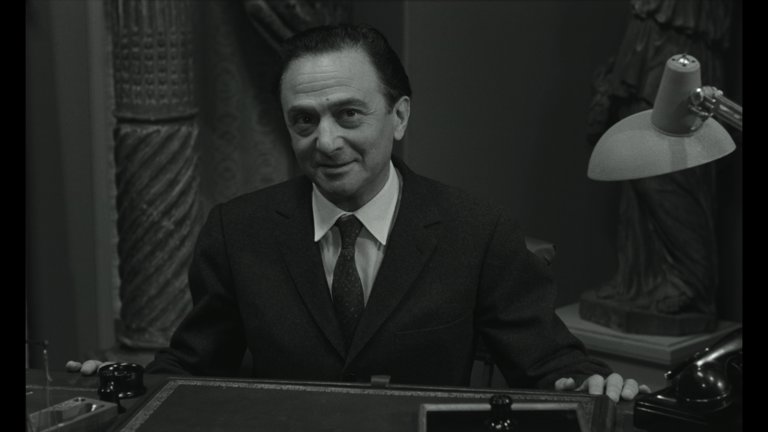
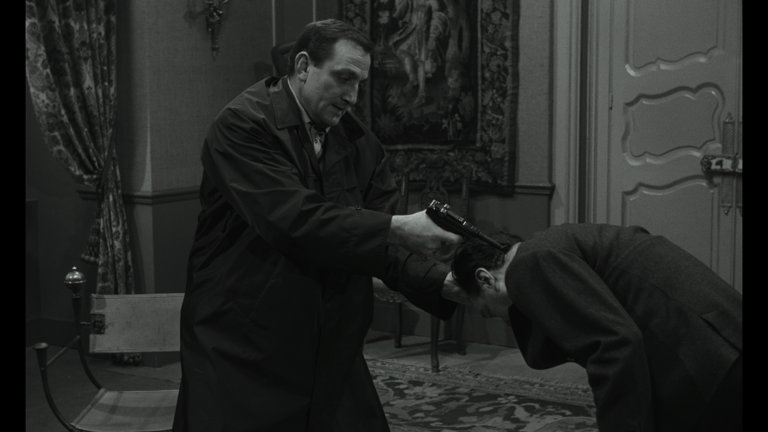
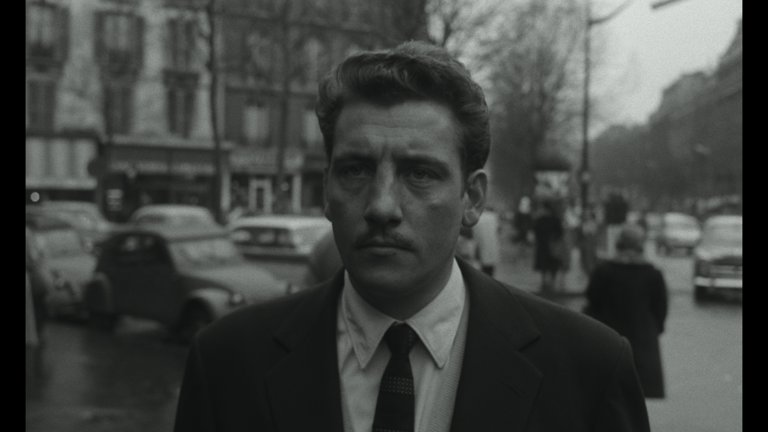
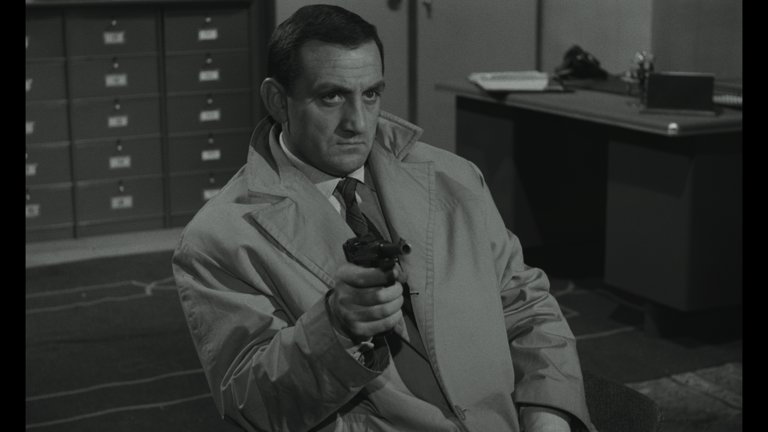
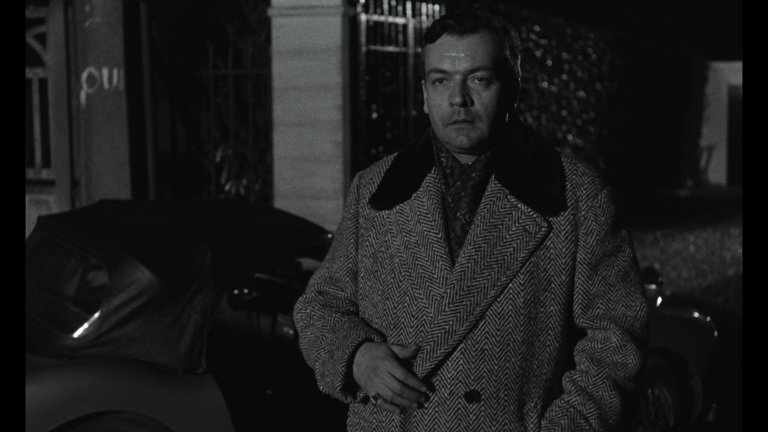
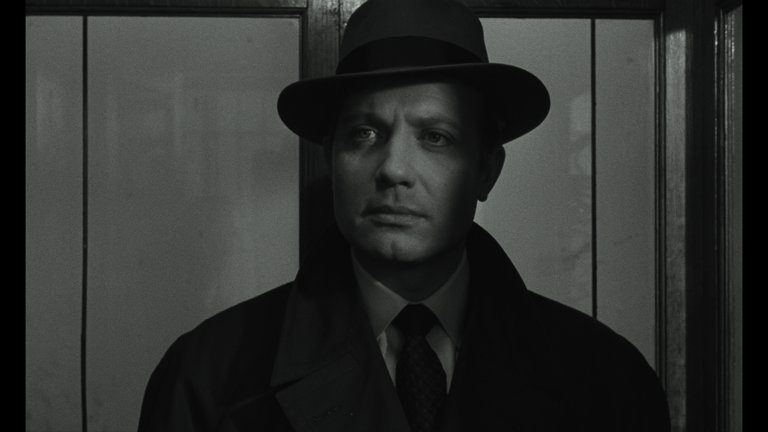
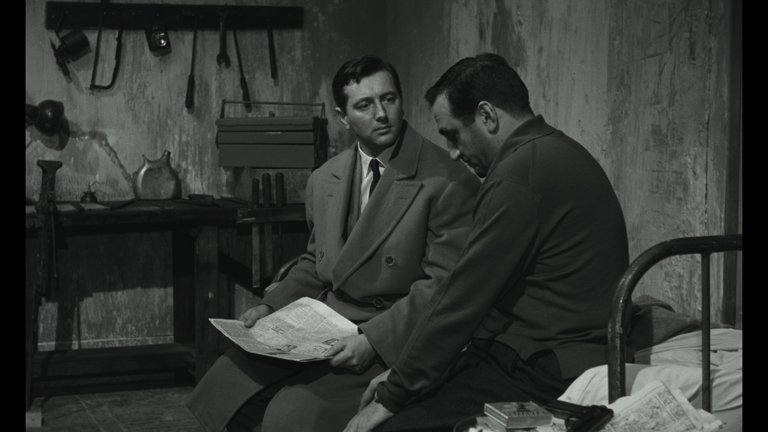
Classe tous risques - Screen Captures
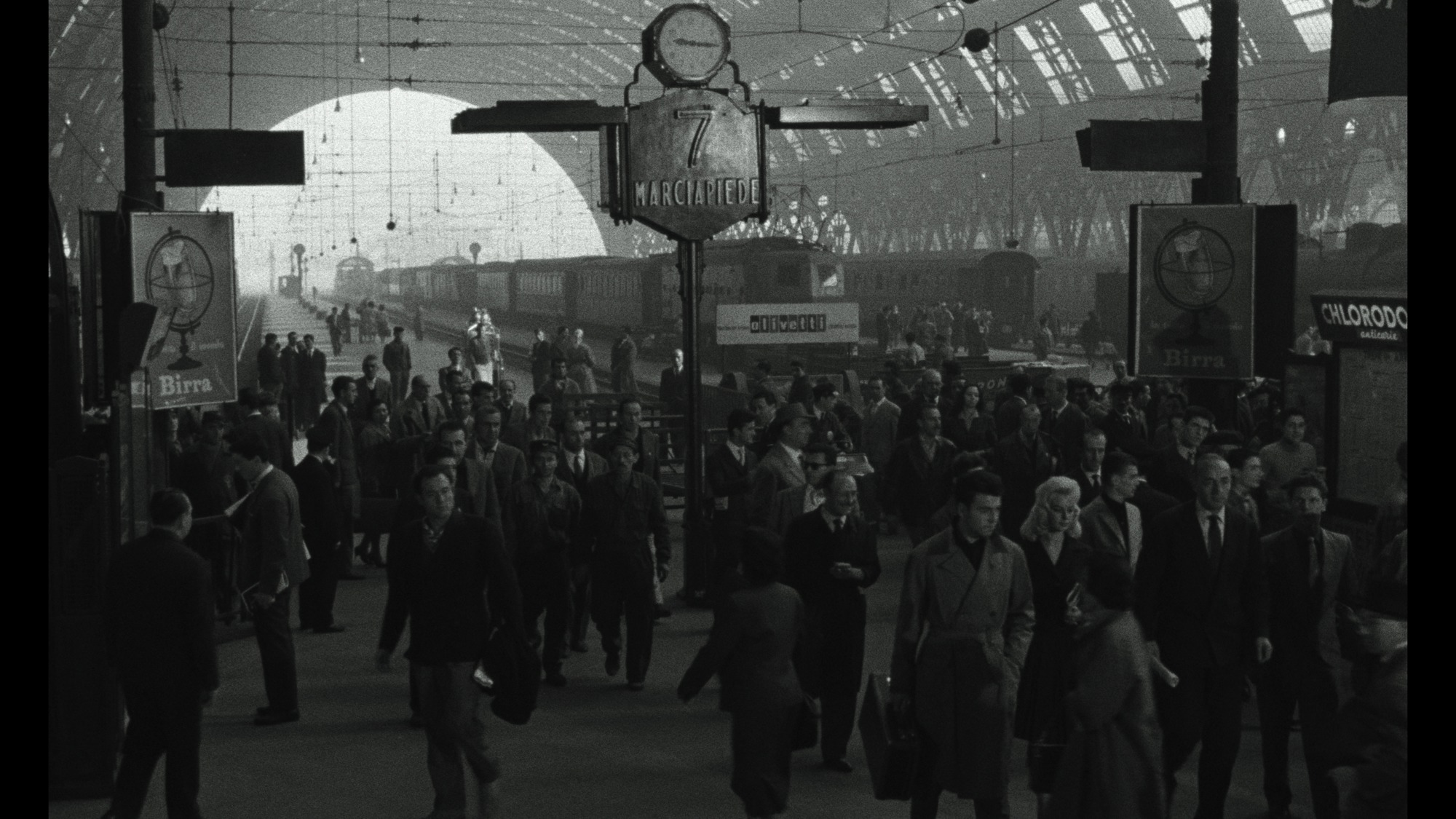
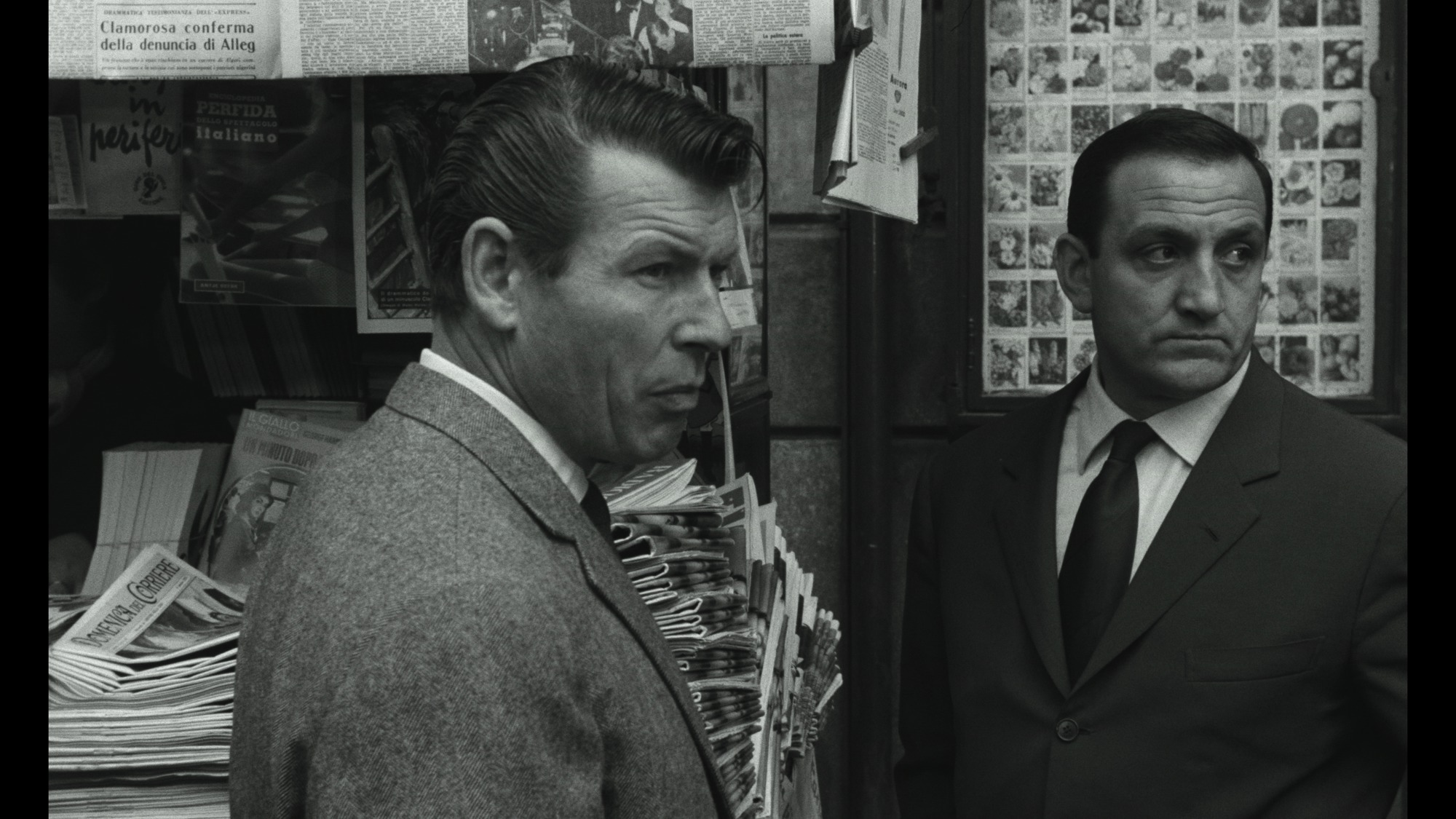
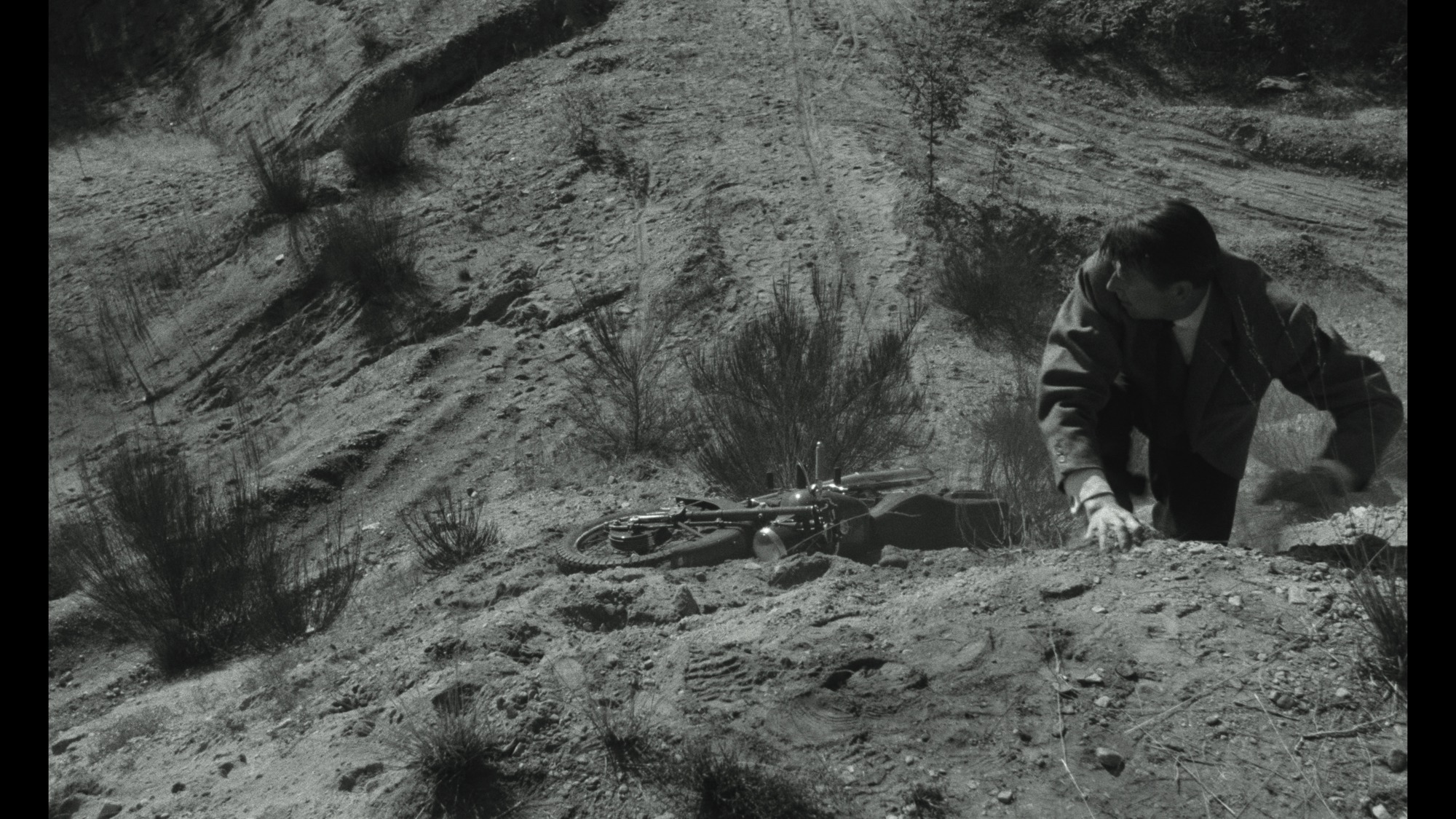
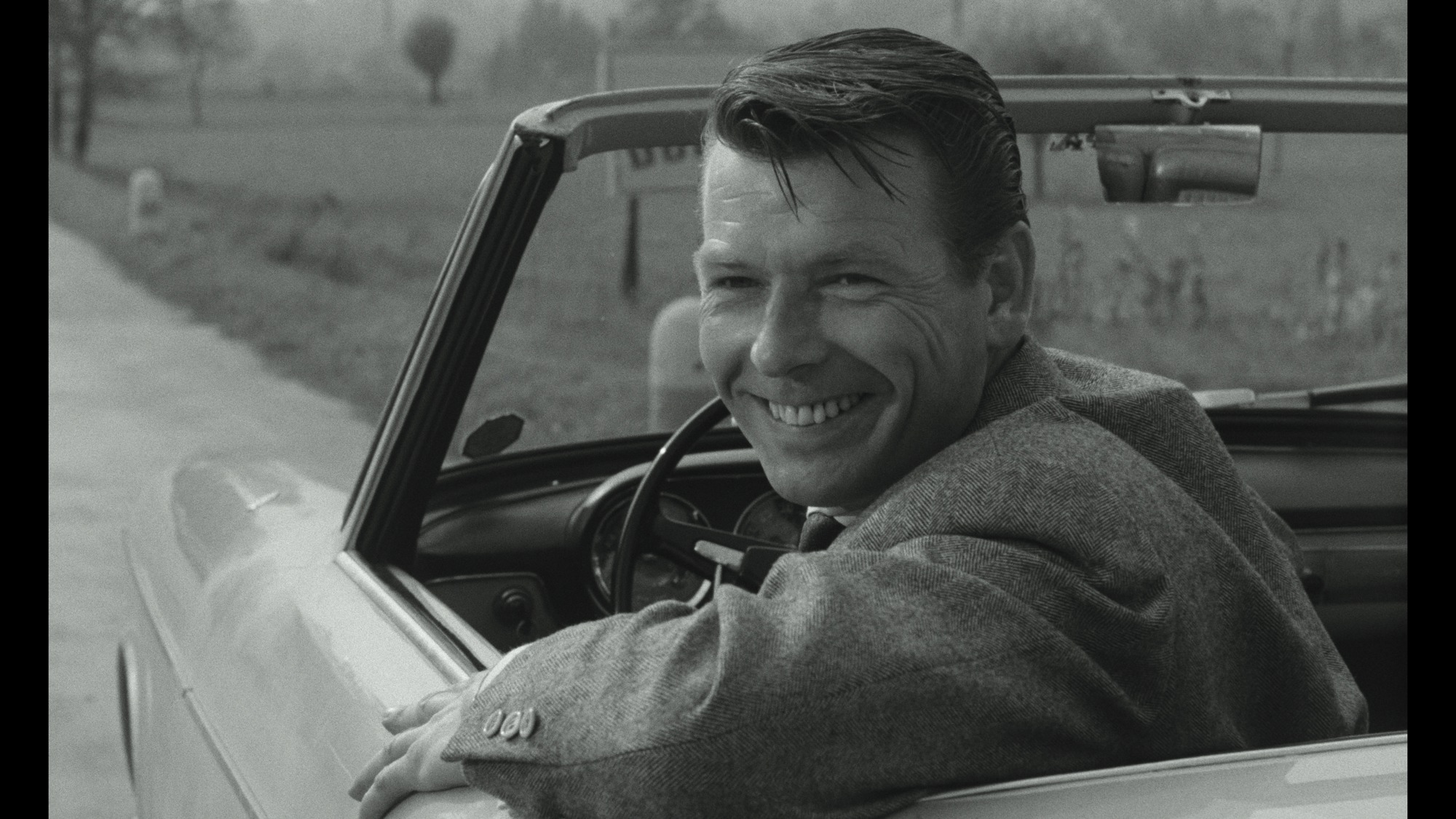
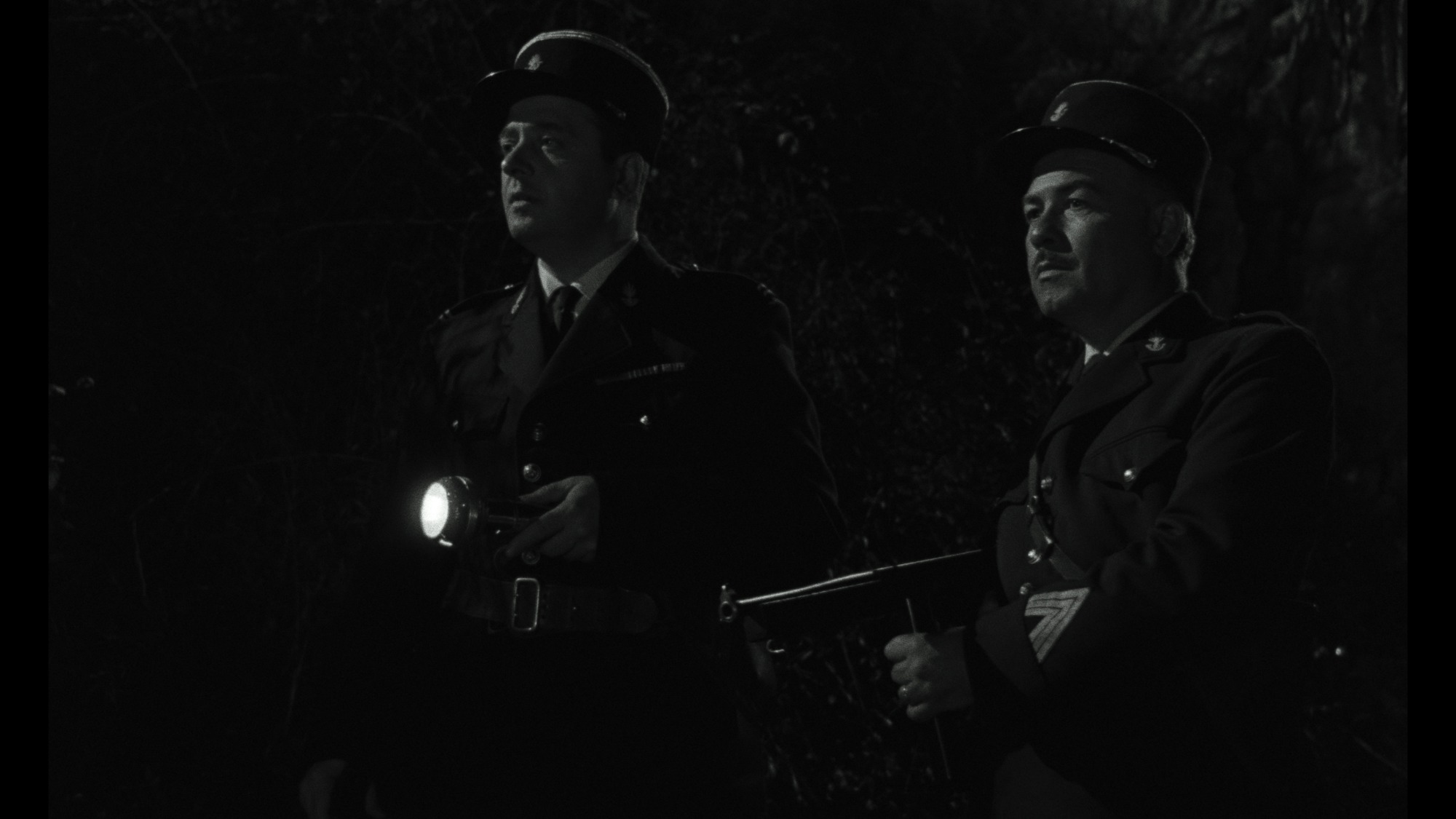
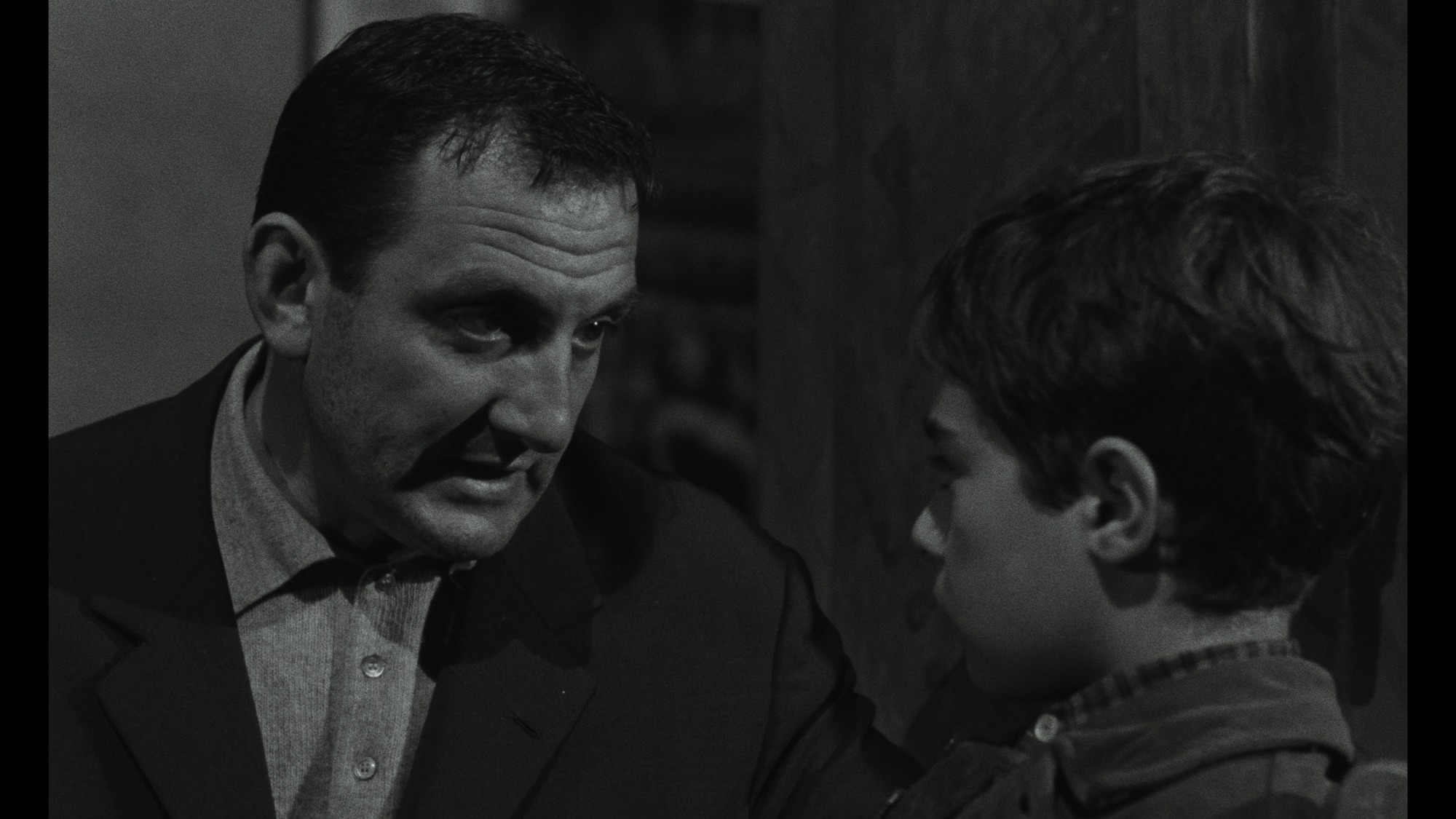
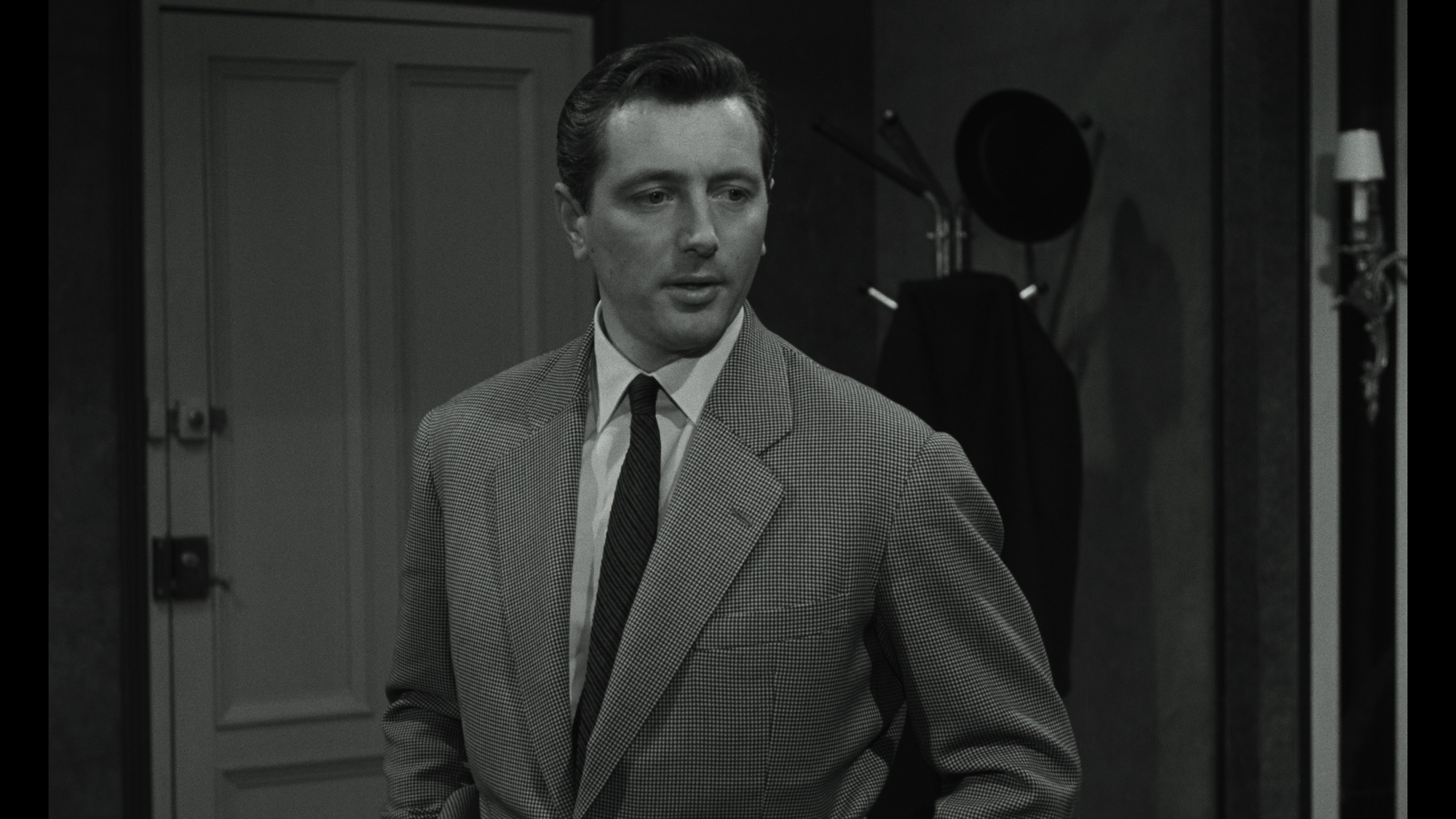
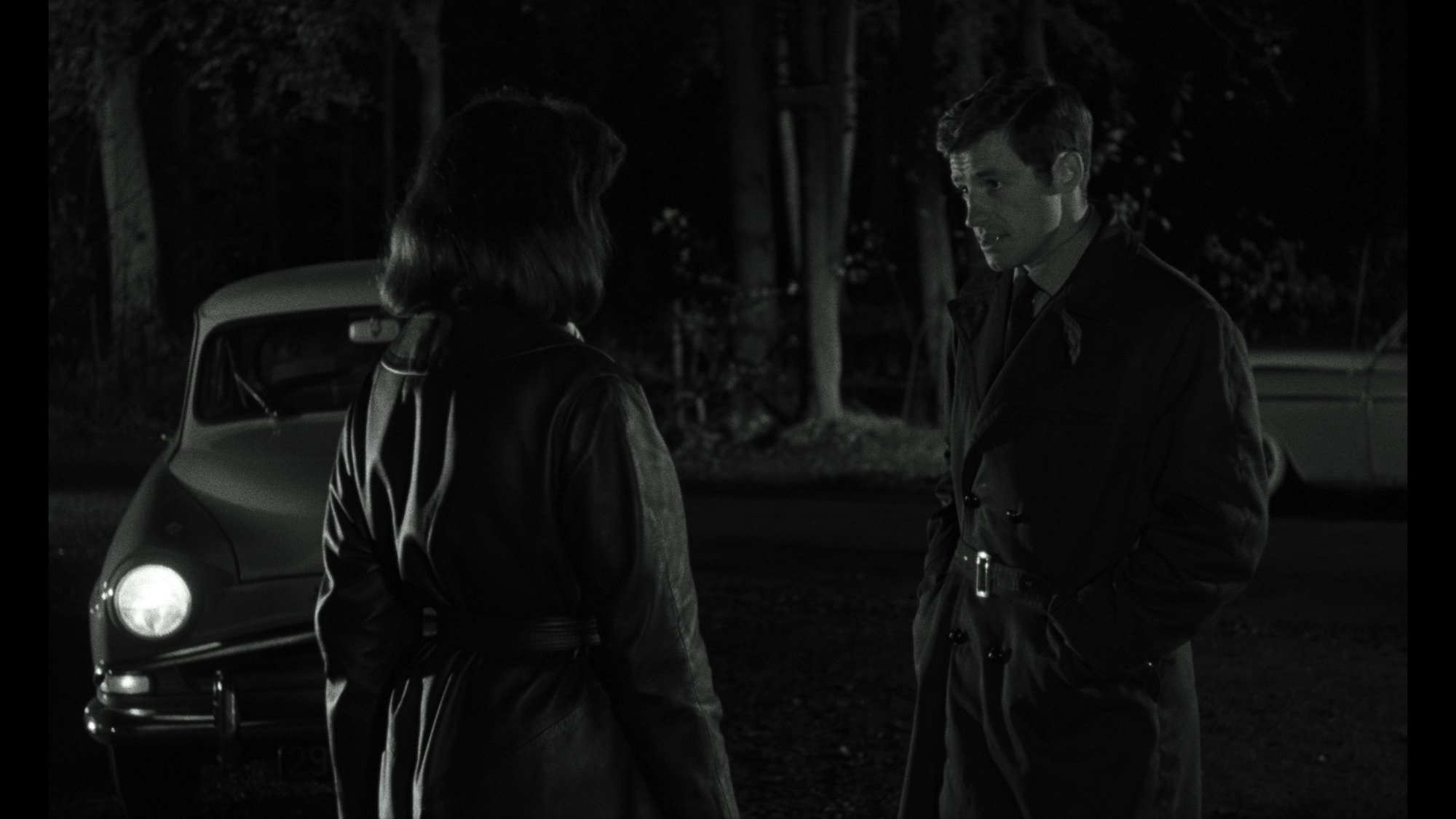
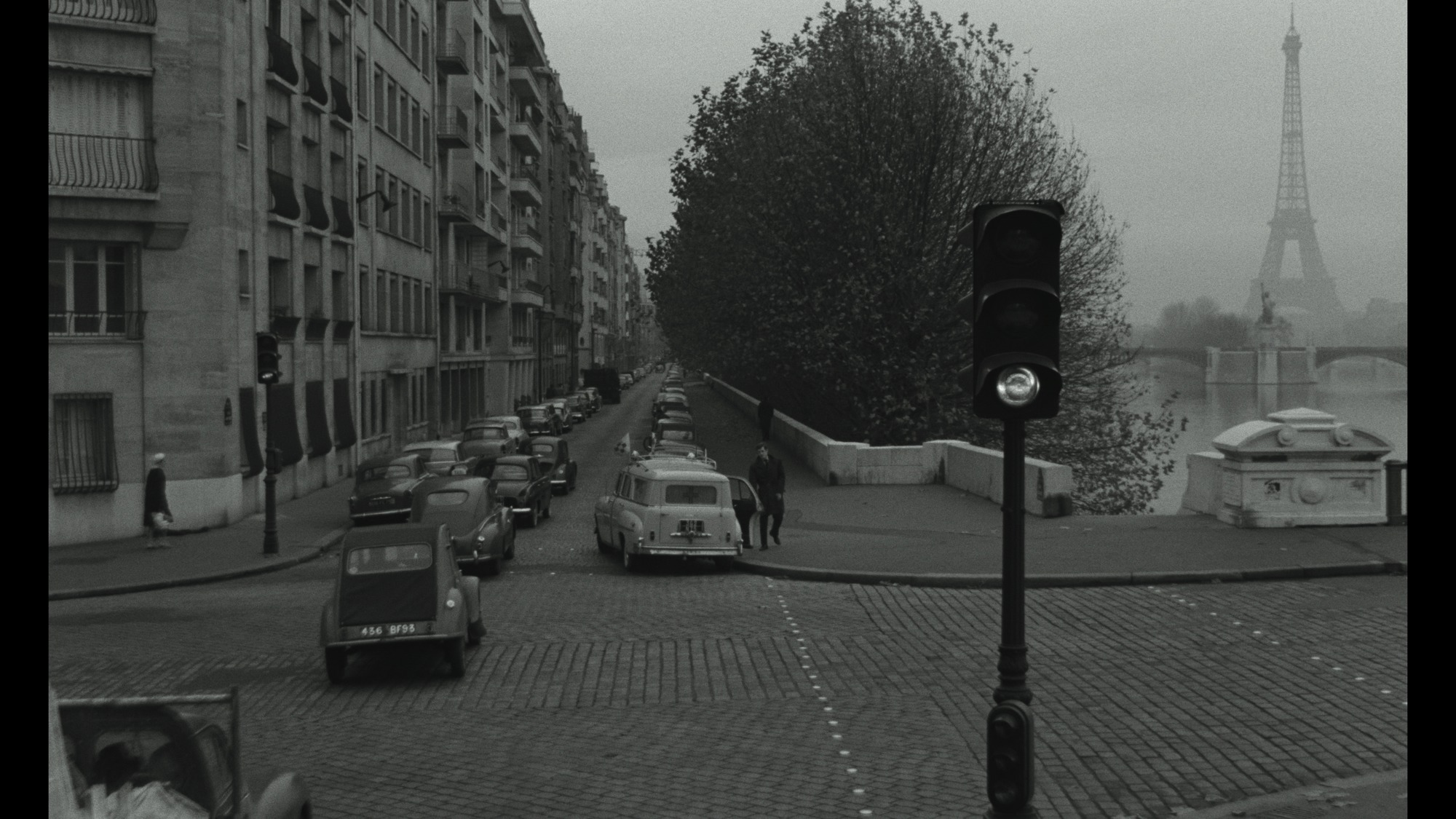
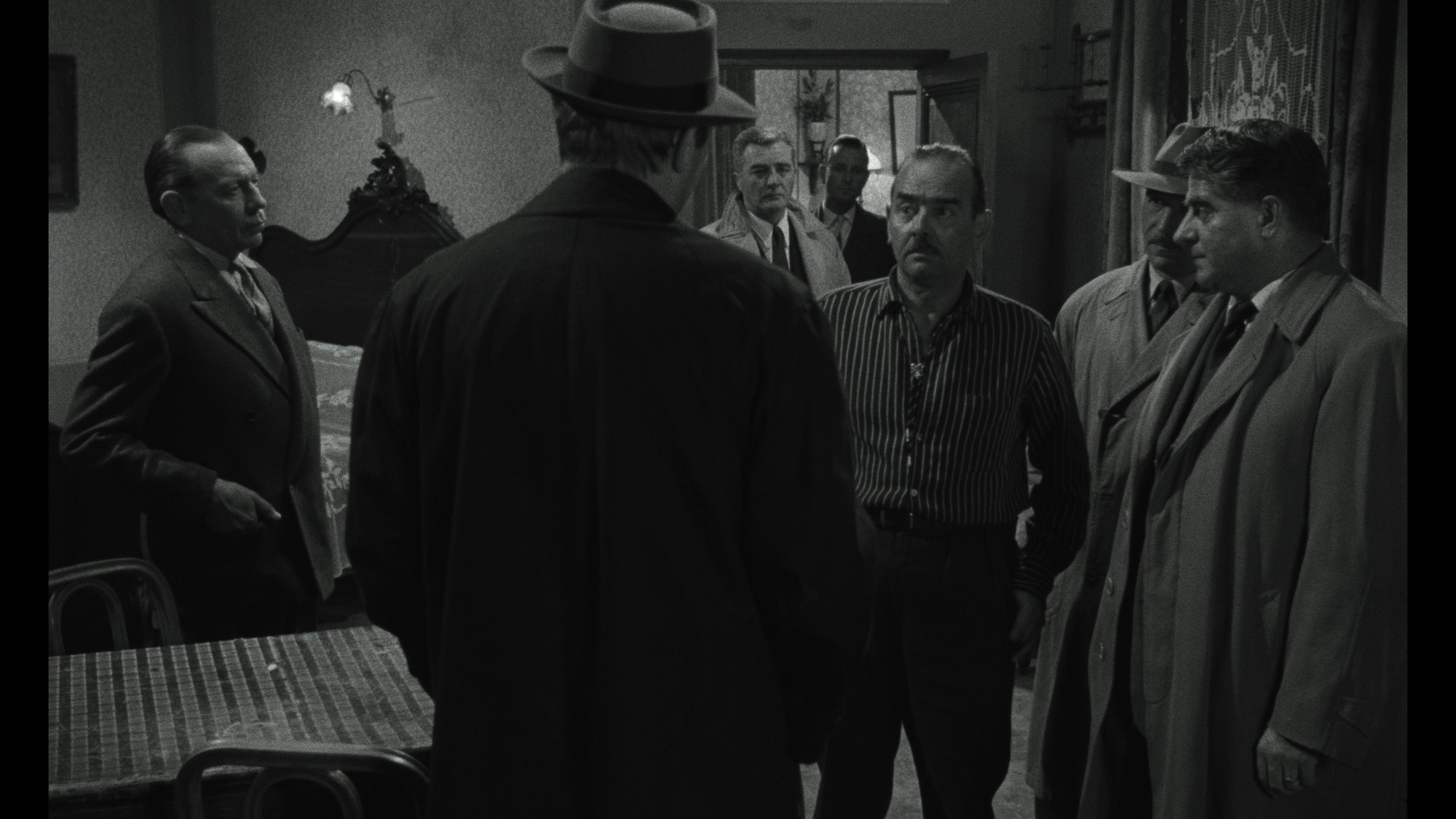
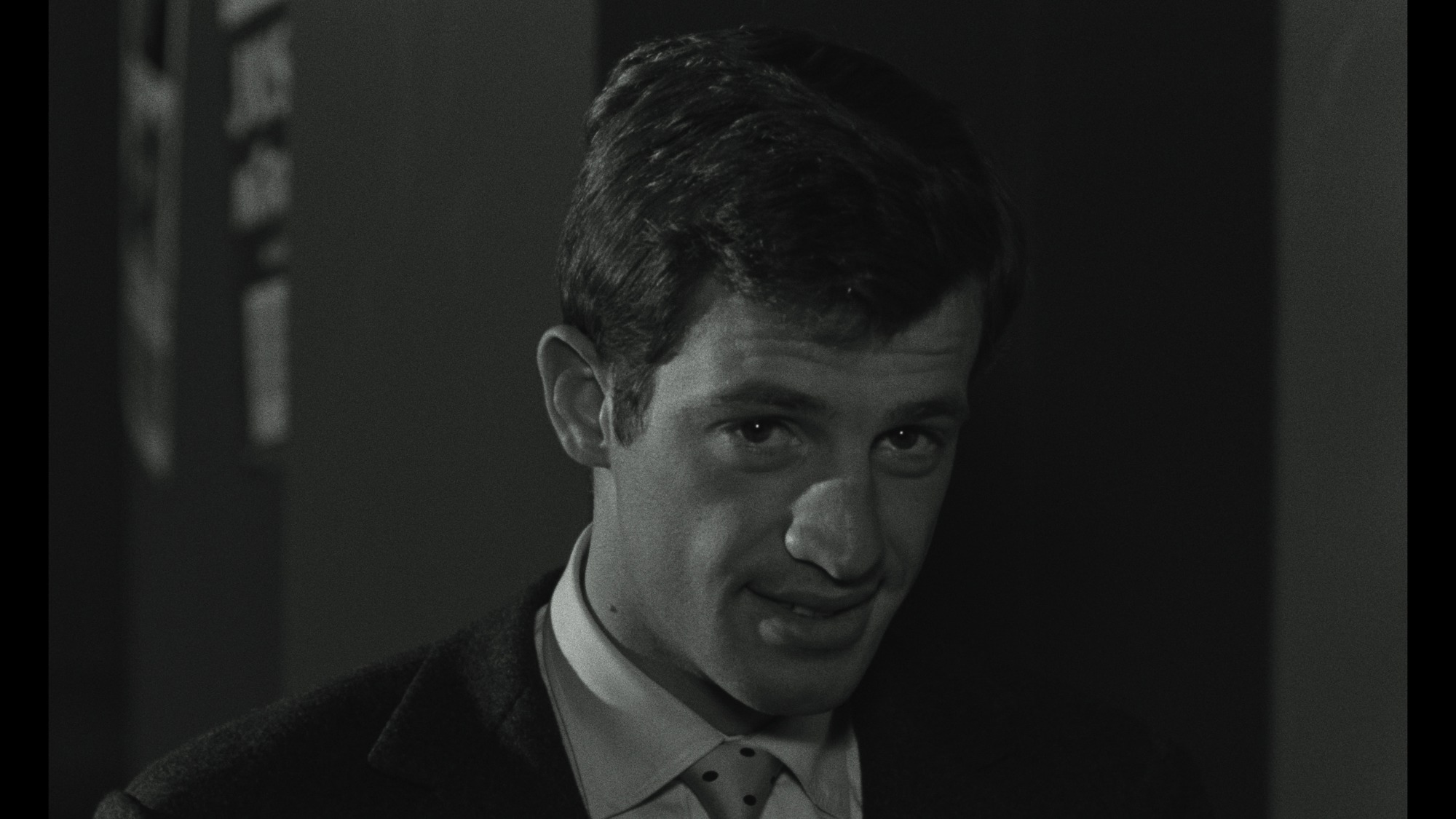
Audio 7/10
The monaural audio (presented in lossless PCM) also sounds great. Music can occasionally come across a little flat, but voices feature excellent depth and range, and some of the louder effects—including gunshots—have a really nice pop. The track never sounds filtered, remaining clean and free of any significant damage or distortion.
Extras 6/10
Other than adding the new 2025 rerelease trailer (alongside the previously available French and U.S. trailers), Criterion includes nothing new, simply porting over everything from their DVD, an unfortunate habit of theirs.
At the very least the material (all found on the included Blu-ray) is solid, starting with Claude Sautet ou la magie invisible, an 8-minute excerpt from a 2003 documentary of the same name by critics N. T. Binh and Dominique Rabourdin. The two apparently recorded roughly 17 hours of conversations with the director and then edited them into the finished film. Unfortunately, since we’re getting excerpts from excerpts, we only end up with maybe 3 or 4 minutes from those 17 hours. Mixed in are also interviews with writer José Giovanni, directors Bertrand Tavernier and Jean-Paul Rappeneau, and Graziella Sautet, Claude’s widow. It’s a decent little piece covering Sautet’s career around the time of Classe tous risques and his earlier work as an assistant director. There’s also discussion of what attracted him to Giovanni’s novel (the “idea of decline”) and a little on Lino Ventura. It then concludes with the film’s reception among critics and audiences, which at the time wasn’t especially warm. Though I understand Criterion wanting to keep the supplements fairly lean (possibly to keep the release within a certain price range), it’s a shame they (still) didn’t include more from the documentary, especially since there isn't much else about the filmmaker and (if I recall correctly) they have not released another of his films.
Next is an interview with writer José Giovanni, assembled from material recorded for the same documentary, Claude Sautet ou la magie invisible, and edited together here. Running 12 minutes, the writer talks about his time on death row and the man he met who inspired the novel on which Classe tous risques was based. He also discusses Sautet’s directing style, the casting of Ventura and Belmondo (whom the producers initially did not want), and the film’s unfavorable reception. He briefly touches on Le trou as well, noting its similarly poor reception at the time but how it, along with Classe tous risques, have since been reevaluated. Still a great inclusion.
Under the section "Lino Ventura" there are two segments. The first is a 4-minute piece recorded for French television in 1960 featuring an interview with Ventura and Sautet. Ventura talks a little about his roles and his typecasting as a gangster (while making sure to point out that some upcoming roles would move away from that), after which both he and Sautet discuss Classe tous risques, which was about to open. The next piece—simply called Ventura on His Career—has been edited together by Criterion and runs about 9 minutes. Here they’ve gathered excerpts from interviews with Ventura throughout his career to paint a brief portrait of it, starting with his days as a wrestler, moving through his first role in Touchez pas au grisbi, and touching on his later years, even including his thoughts on subjects like celebrity. It’s decent, though a little jarring since some of the clips are quite short and can cut off suddenly.
Criterion also (thankfully) carries over the booklet that originally accompanied their DVD edition. Once again it features an essay by Bertrand Tavernier on the film; a piece on Sautet’s career by critic N. T. Binh; a reprint of an excellent interview with Sautet conducted by Michel Boujut for his 1994 book Conversations avec Claude Sautet; and a rather nice tribute to Sautet written by Jean-Pierre Melville, originally published in a 1962 issue of Présence du cinéma.
Not a large collection by any means, but it still sadly beats out BFI’s supplements for their Blu-ray. Something more substantial on Sautet would have been welcome, but as it stands we do get a solid, if somewhat unsatisfying, collection of material.
Closing
The supplements still leave something to be desired but, as with a number of their recent upgrades, the new 4K presentation more than makes up for it. It looks astounding. Definitely worth picking up.
BUY AT: