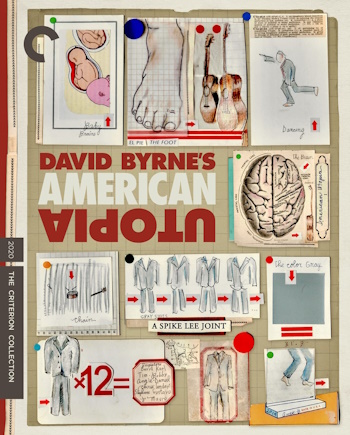
David Byrne's American Utopia

BUY AT:


See more details, packaging, or compare
Synopsis
David Byrne meets America’s fractious political moment with the transcendent power of song in this ecstatic documentary of the Broadway adaptation of his acclaimed American Utopia tour. Captured with immersive immediacy by director Spike Lee, this uplifting spectacle interweaves twenty-one songs, both new and classic, with Byrne’s singular observations on the state of the nation—its perils, promises, and possibility for transformation. Choreographed by Annie-B Parson with the inventive minimalism that has become a signature of Byrne’s live performances, David Byrne’s American Utopia moves between moments of communal exuberance and hymnlike grace, making the case for music as an agent of protest, change, and above all unity.
Picture 9/10
Spike Lee’s concert film David Byrne’s American Utopia receives a 4K UHD release from The Criterion Collection, presenting the film in SDR in its original 1.85:1 aspect ratio (with a brief stretch of 1.37:1 footage near the end) on a triple-layer disc in 2160p/24Hz ultra high-definition. The release also includes a standard dual-layer Blu-ray with a 1080p presentation of the film, along with all of the supplemental features.
Shot digitally in 4K only a few years ago, it’s no surprise that the film looks terrific through Criterion’s presentation. The image is razor-sharp throughout, rendering fine details impeccably, down to every individual link in the chains that line the back of the stage. The show’s color scheme isn’t especially dynamic, leaning heavily on icy blues and greys, but there are sharp pops of amber and red, and it's all rendered beautifully. Black levels are rich and deep, and shadow detail is impressively expansive despite the lack of HDR. While it’s a bit disappointing that the film wasn’t authored in HDR (especially given how central lighting is to the staging and choreography), range is still very wide and never feels constrained.
Criterion’s encode is equally strong, with any visible artifacts appearing to be inherent to the original photography. The image is largely pristine, though a handful of dimly lit shots exhibit a wee bit of noise around light sources. Additionally, the final moments as the performance moves through the auditorium appear to dip into high-definition (blown up to 4K), with compression artifacts becoming more noticeable in spots. Even so, these moments are brief and clearly baked into the source. Outside of that, this is an exceptionally sharp and polished presentation overall, perfectly suiting to the film's visuals.
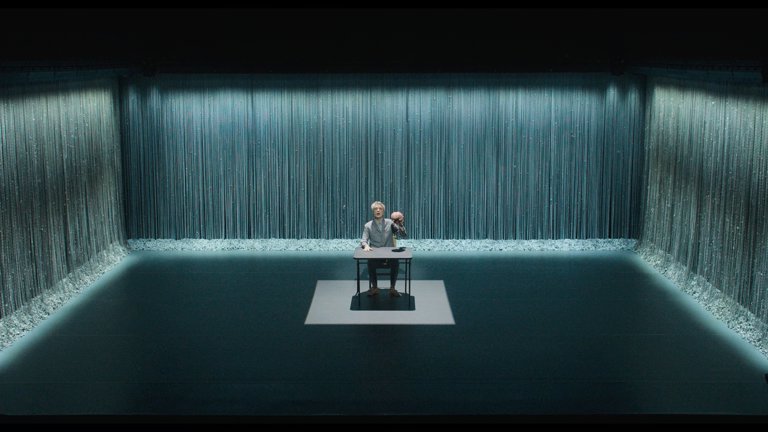
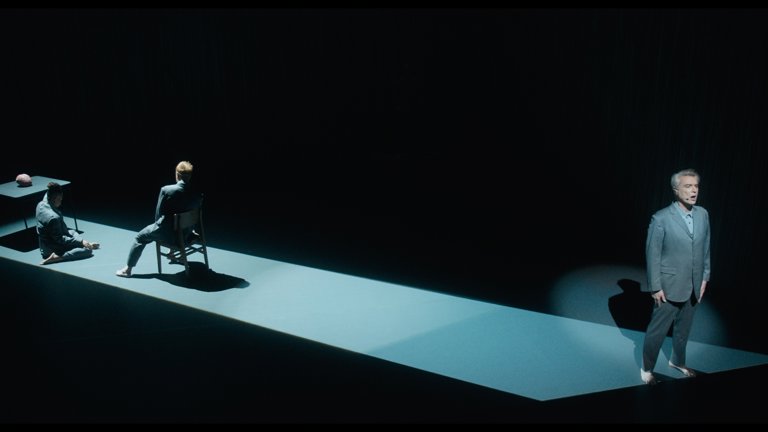
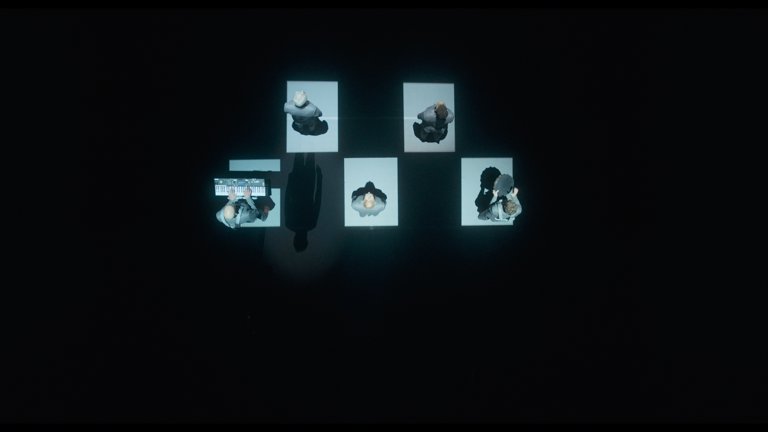
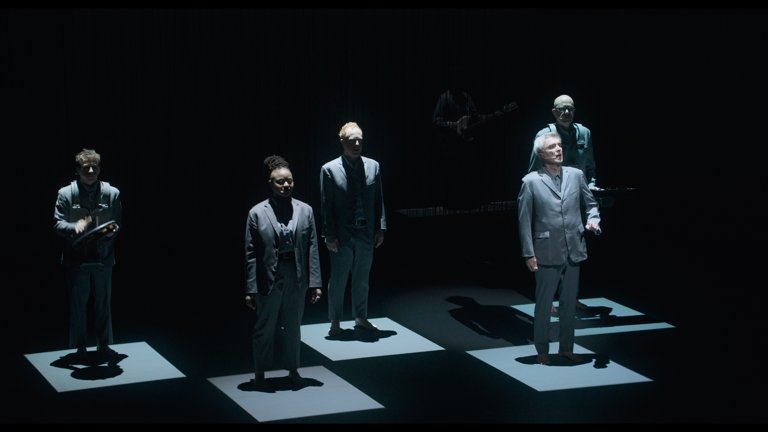
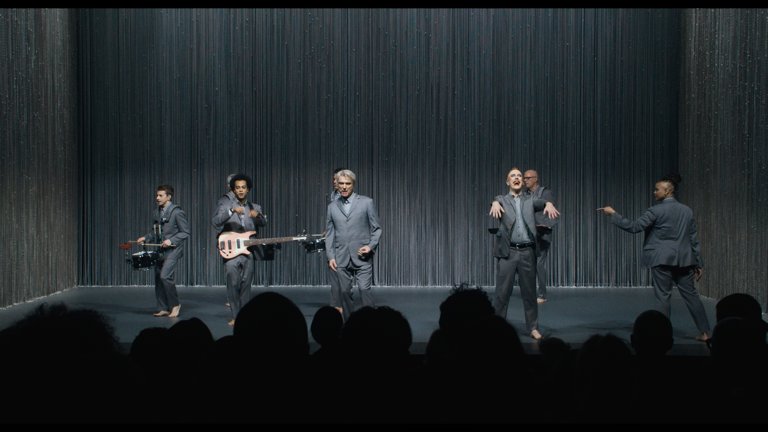
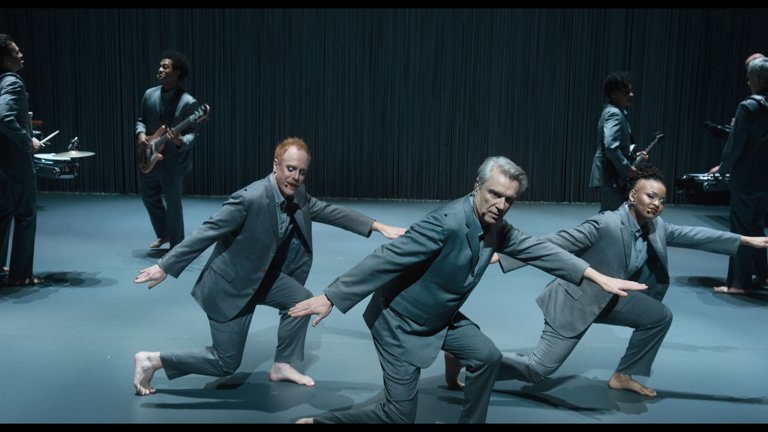
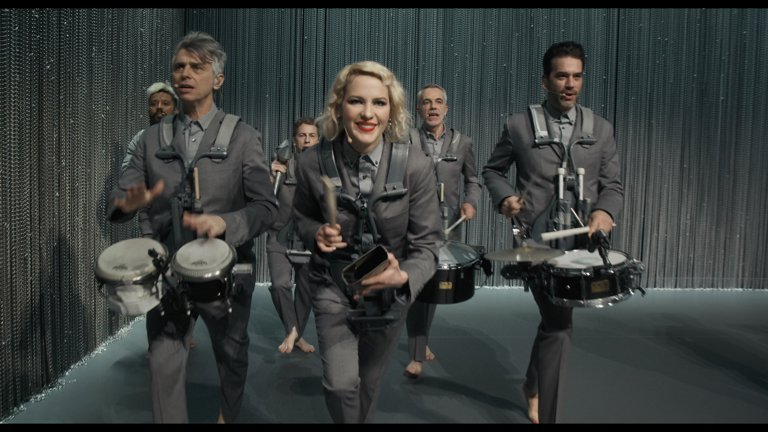
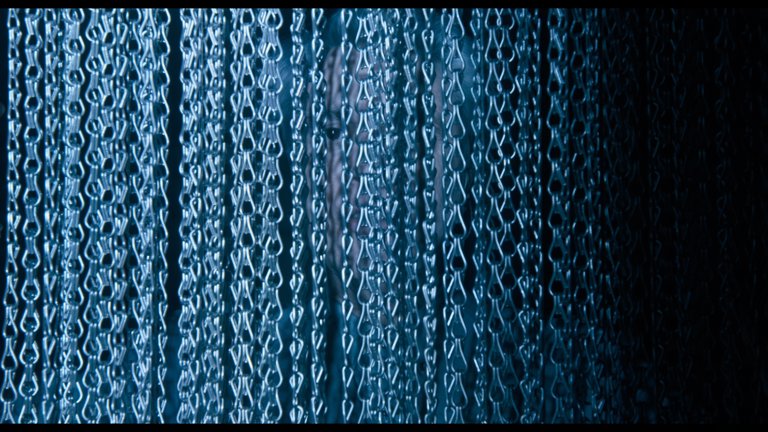
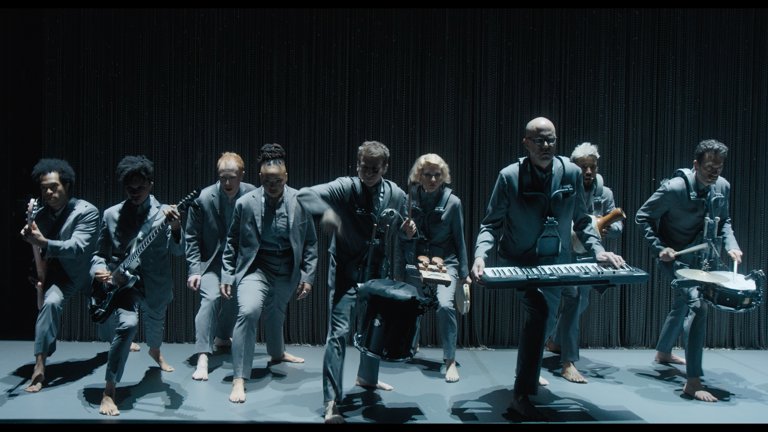
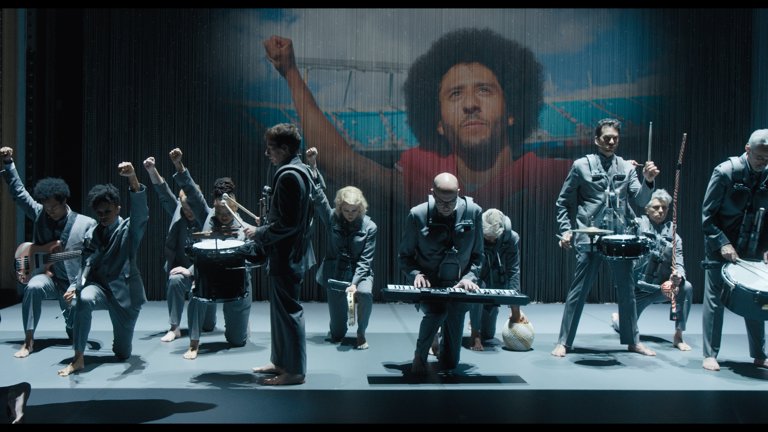
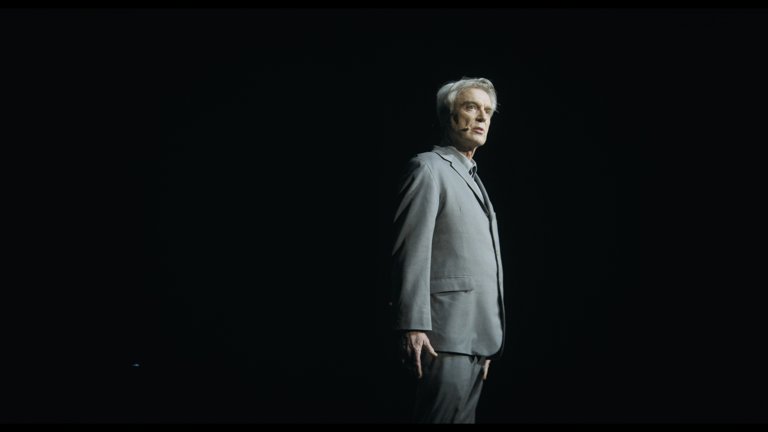
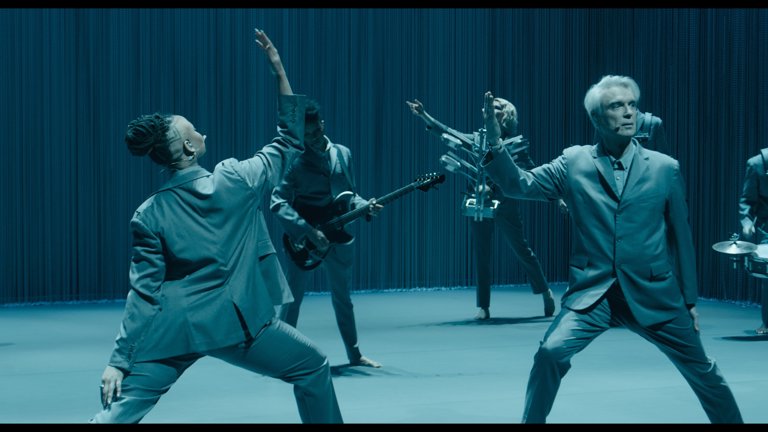
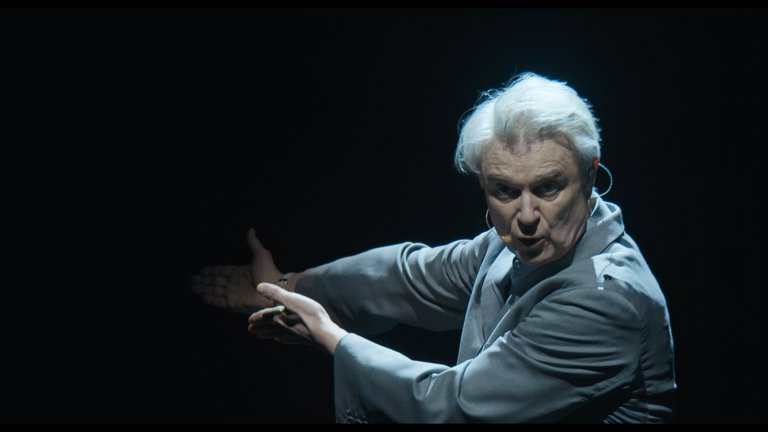
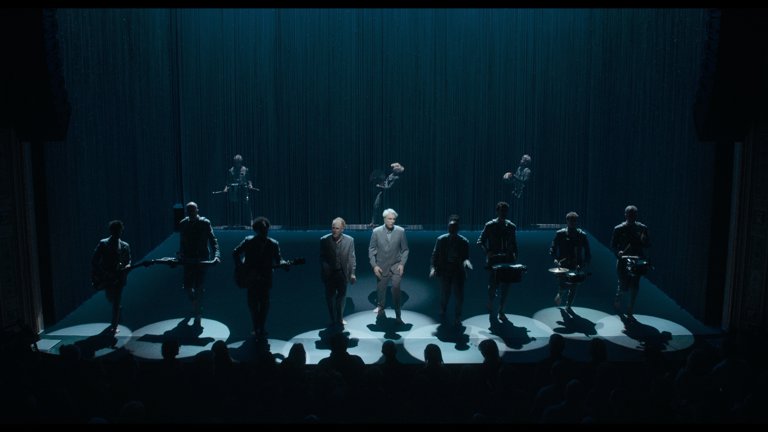
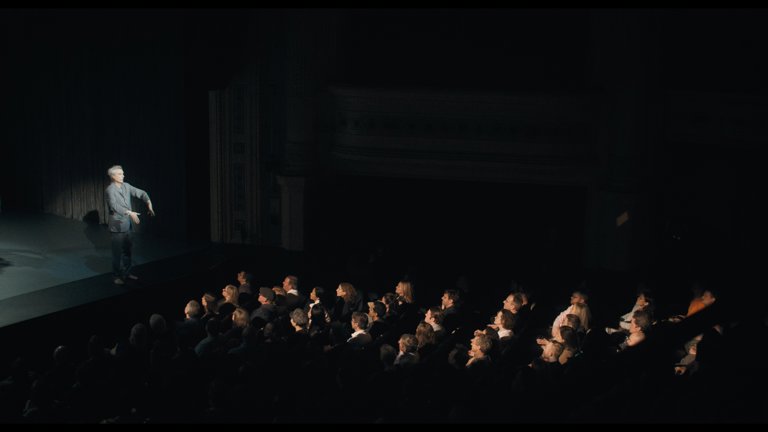
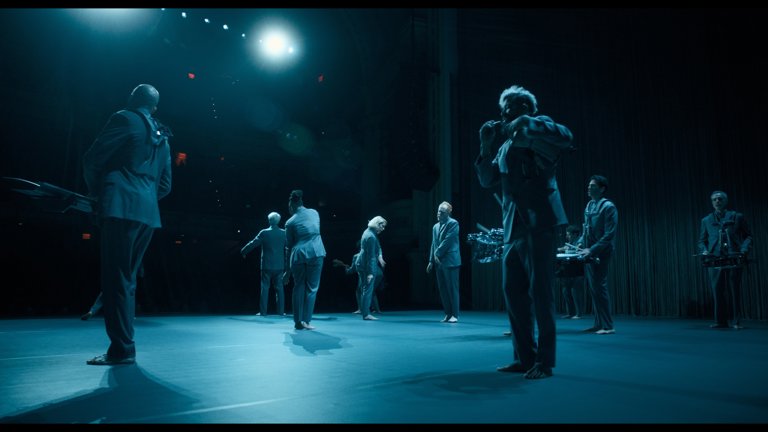
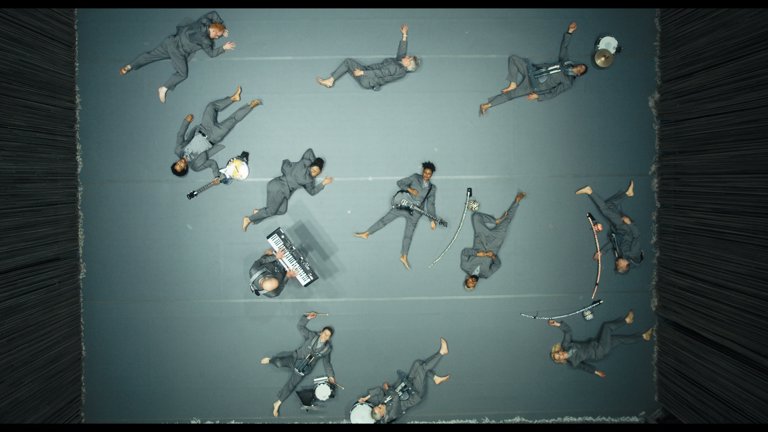
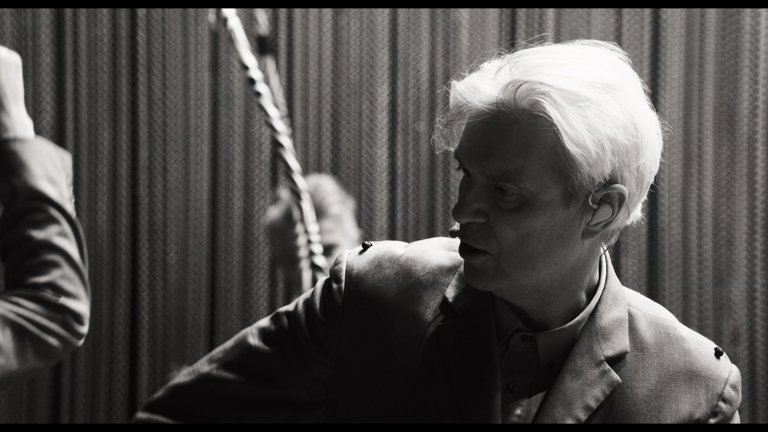
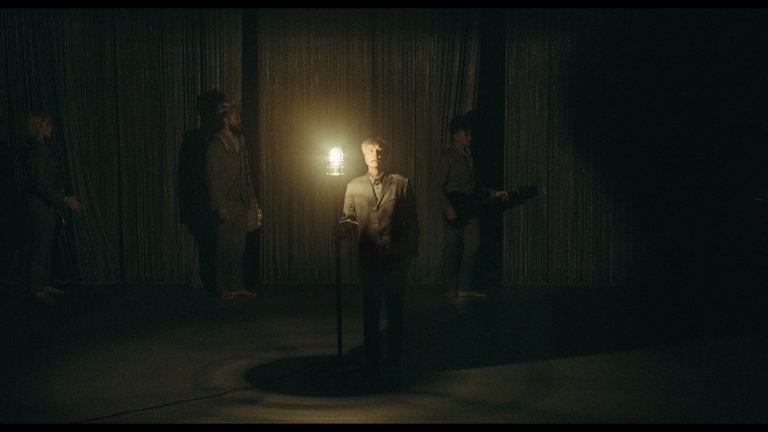
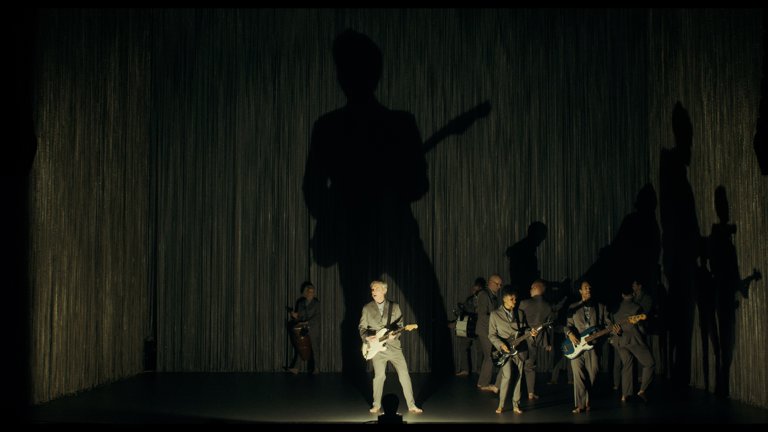
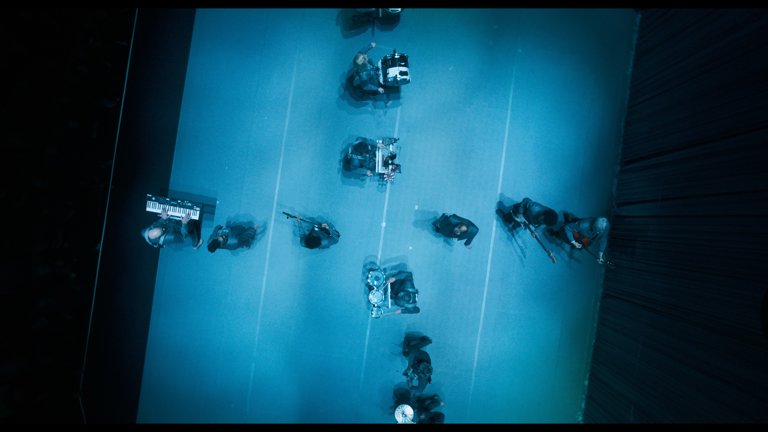
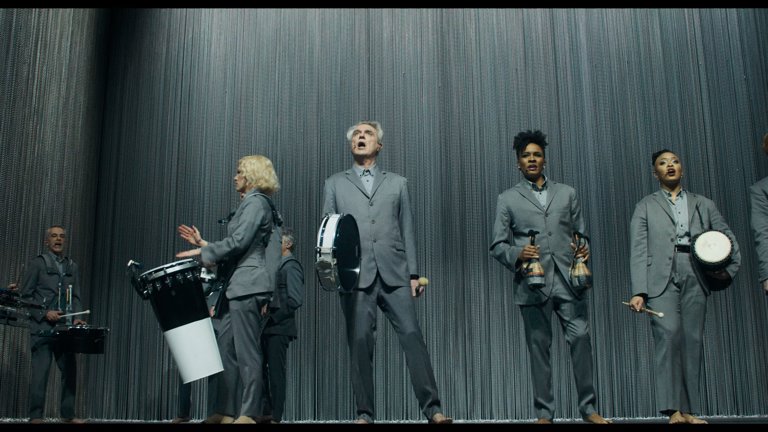
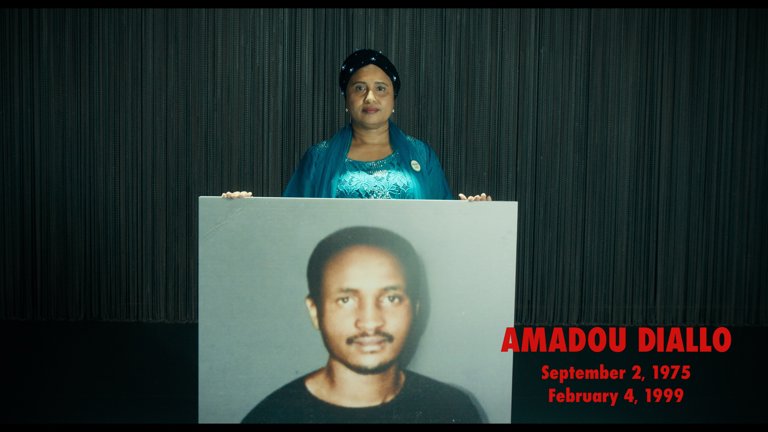
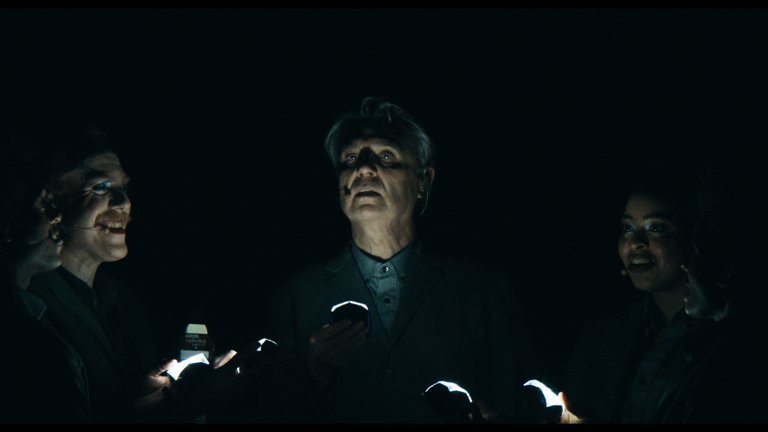
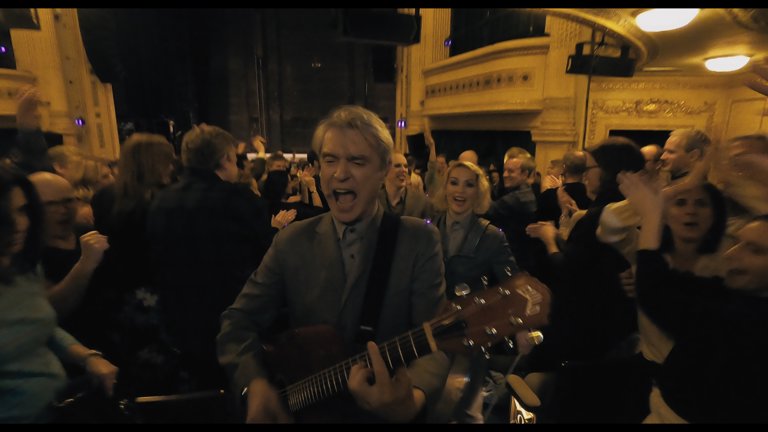
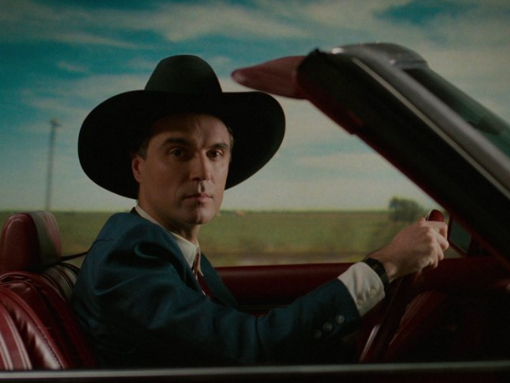
David Byrne's American Utopia - Screen Captures
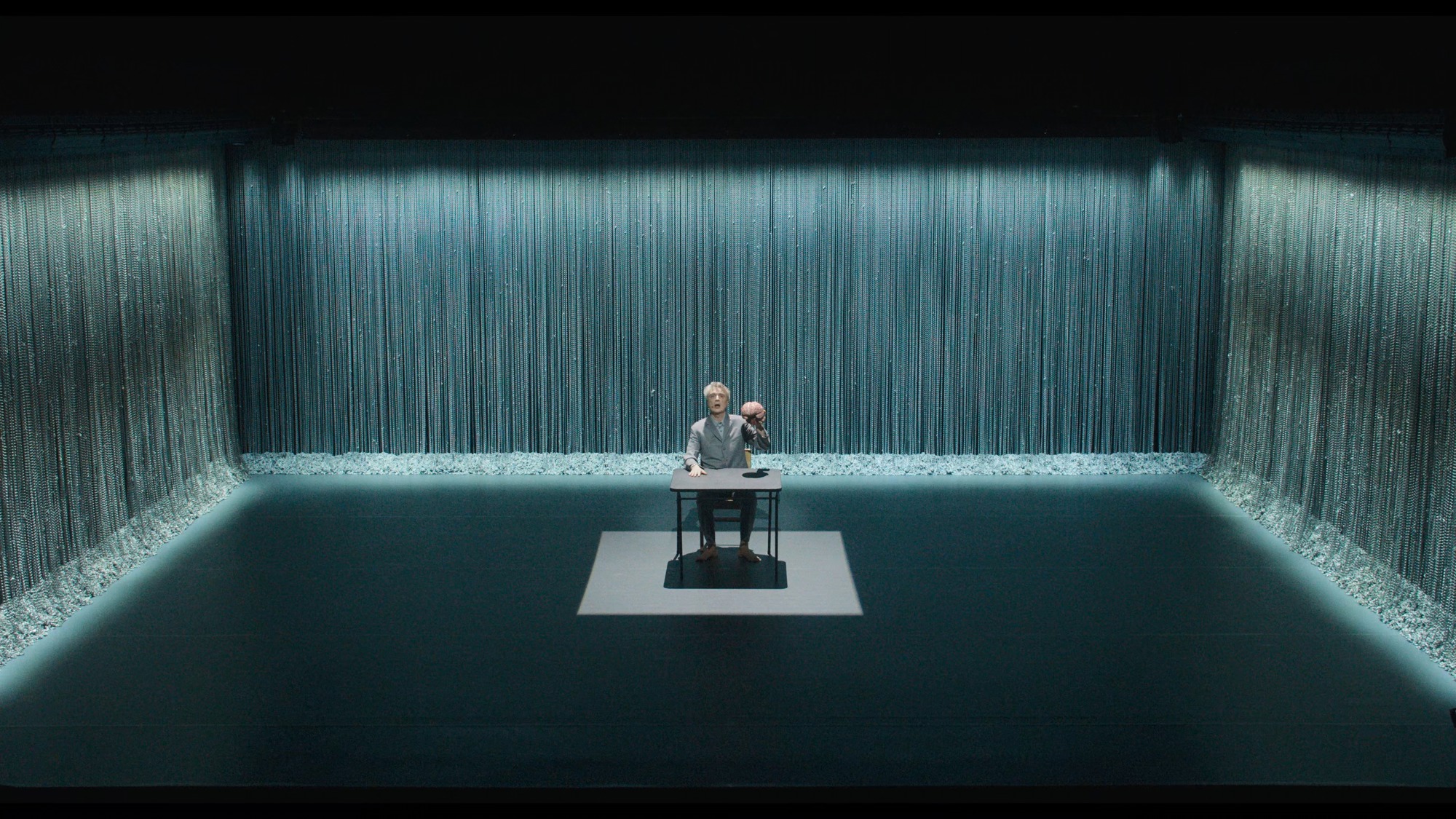
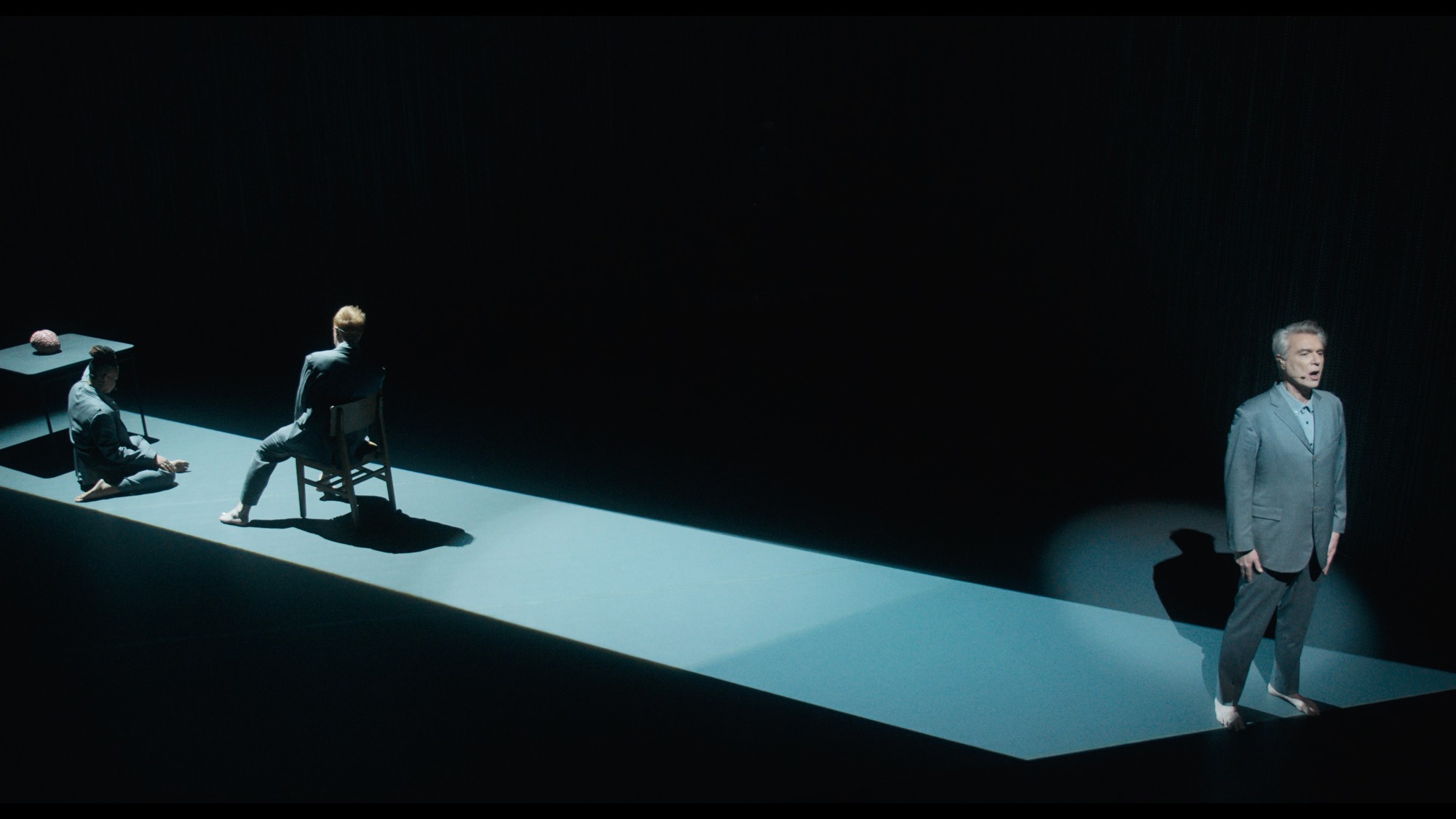
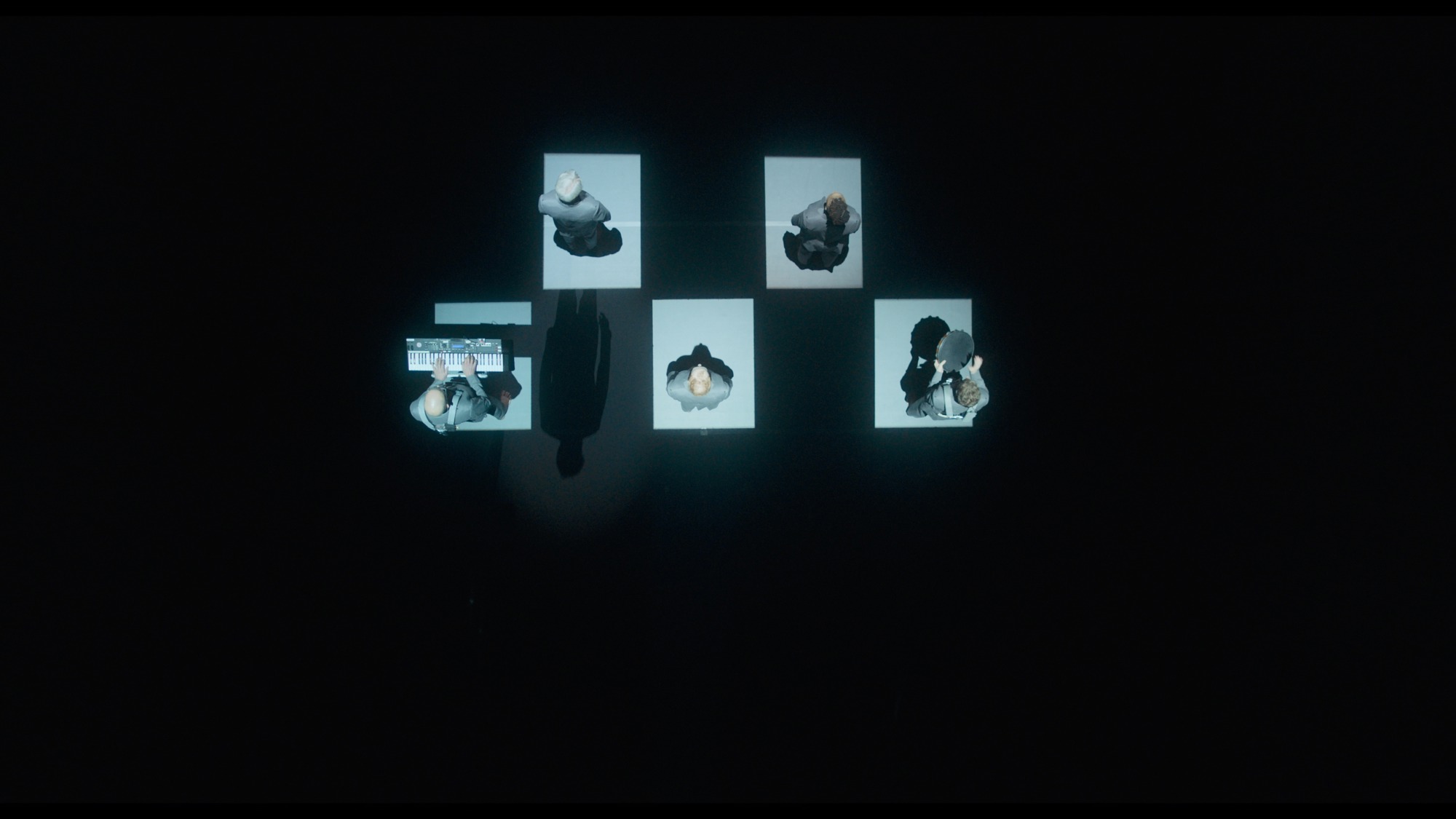
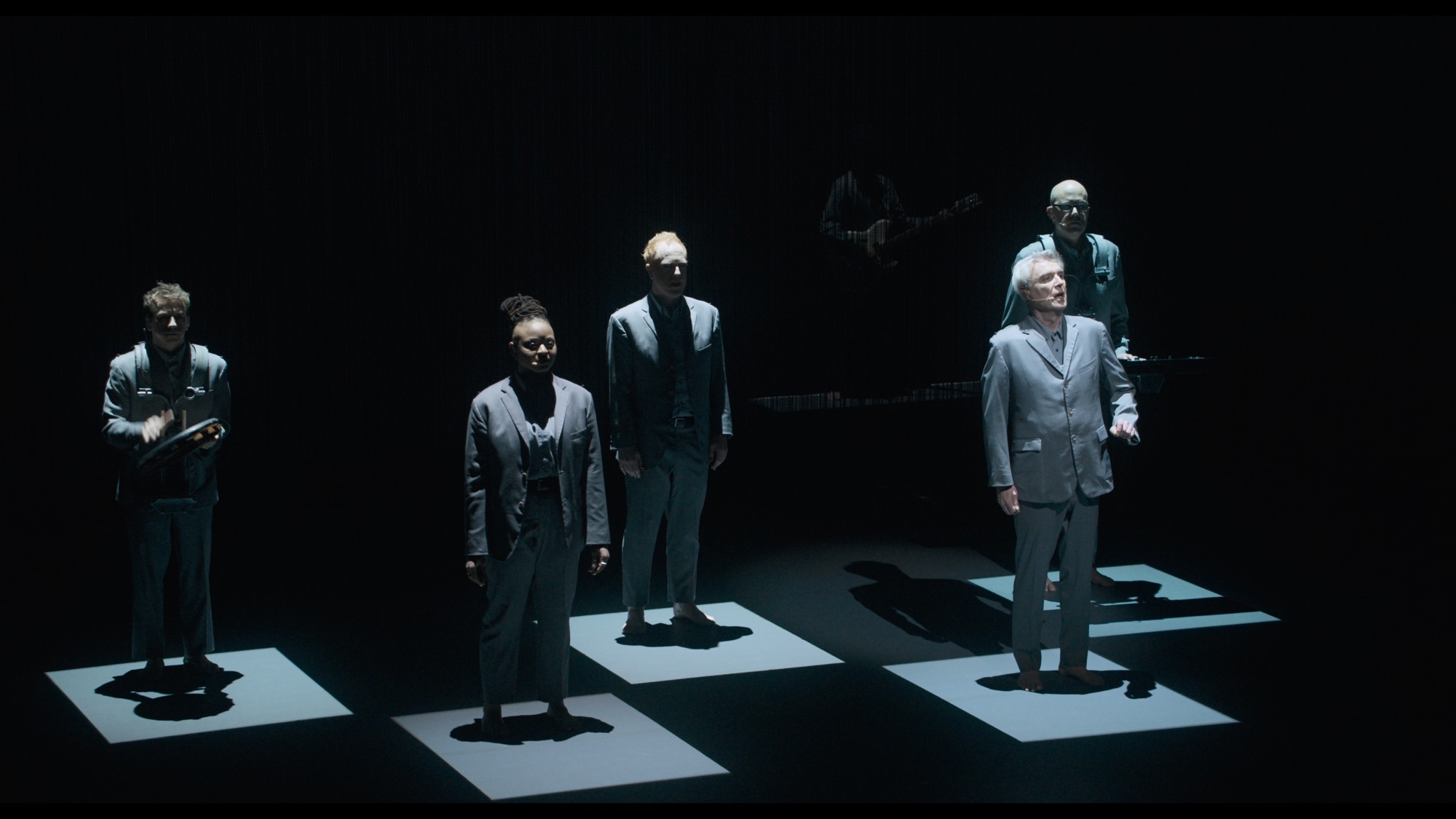
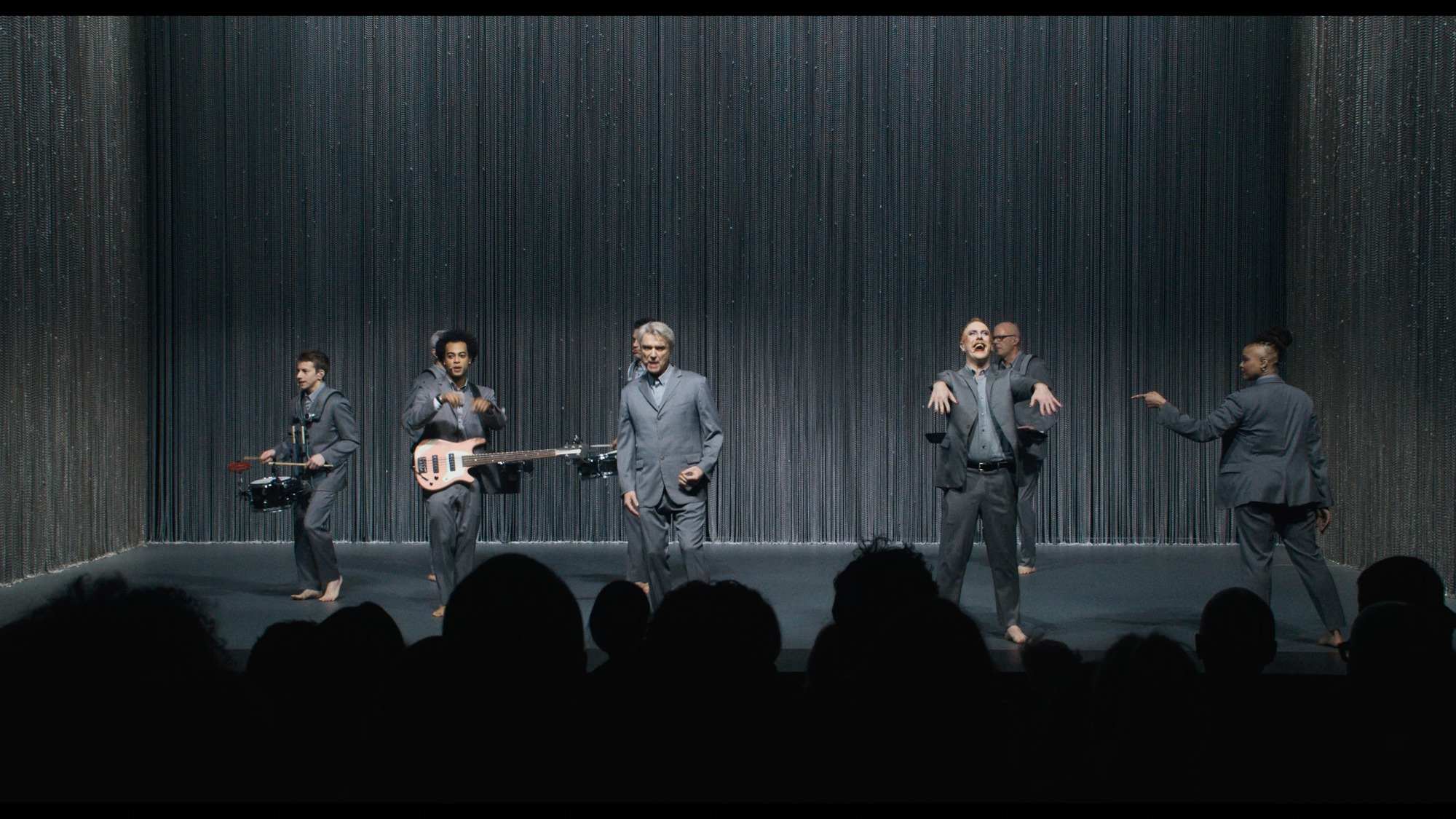
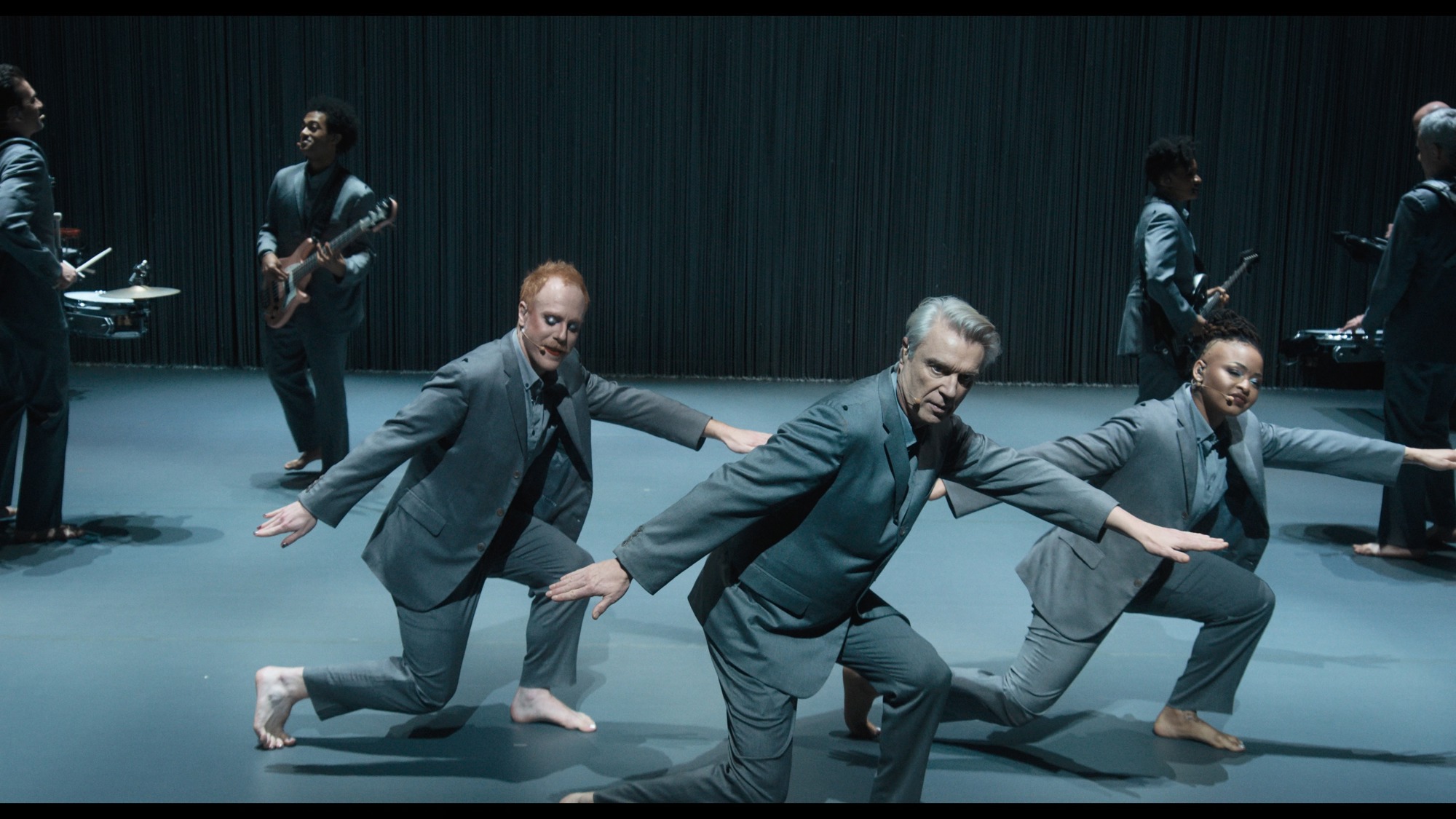
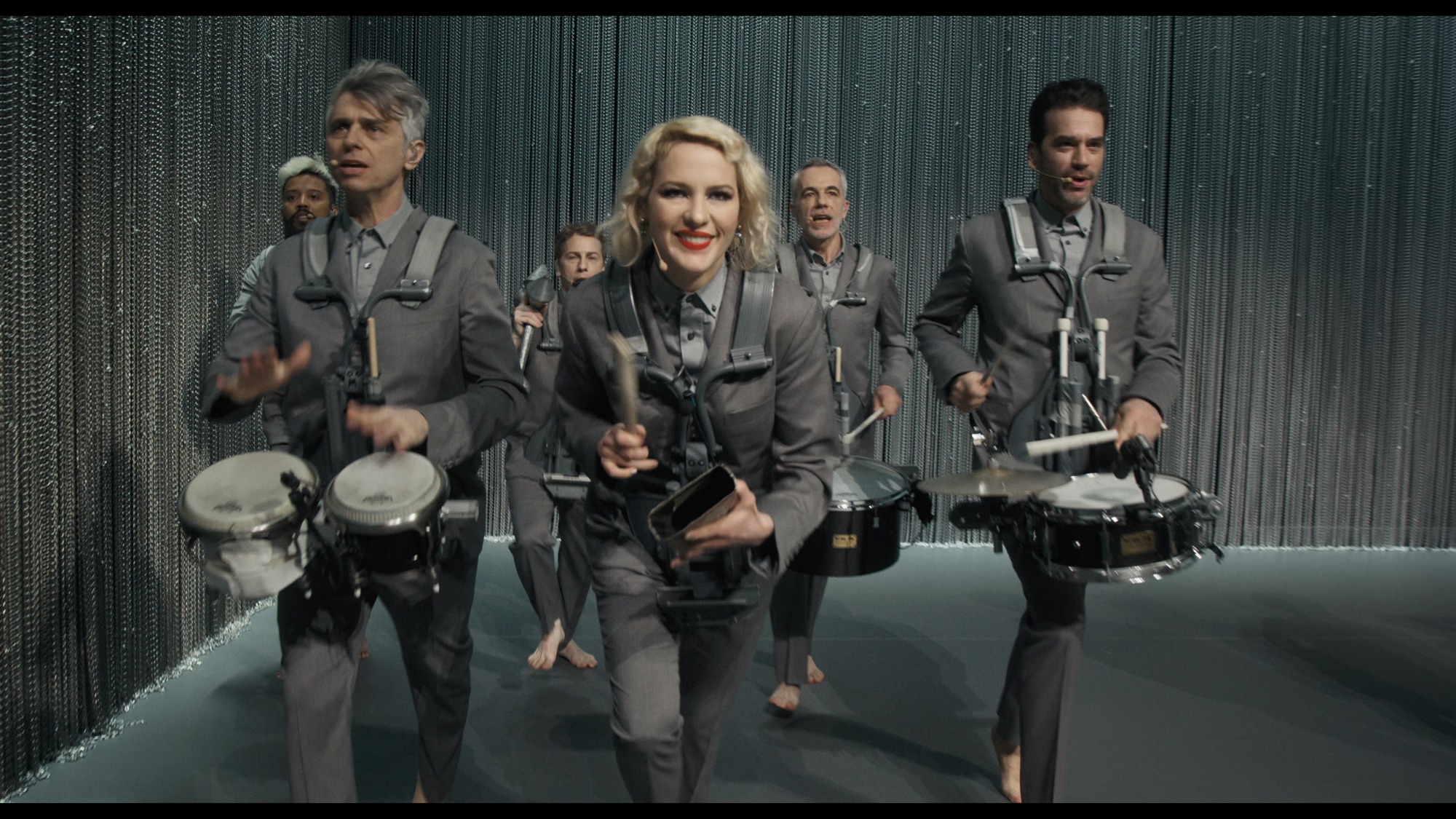
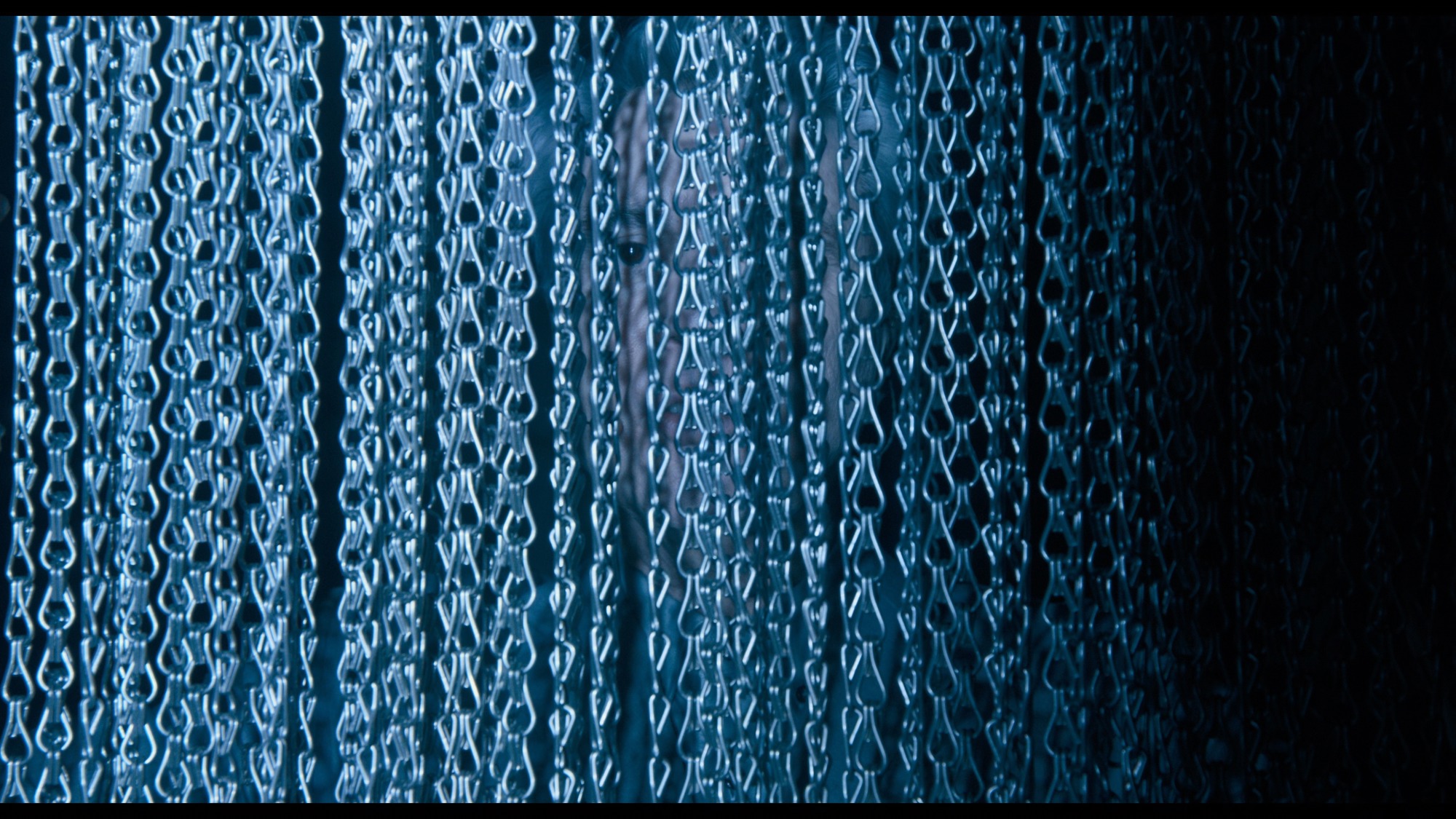
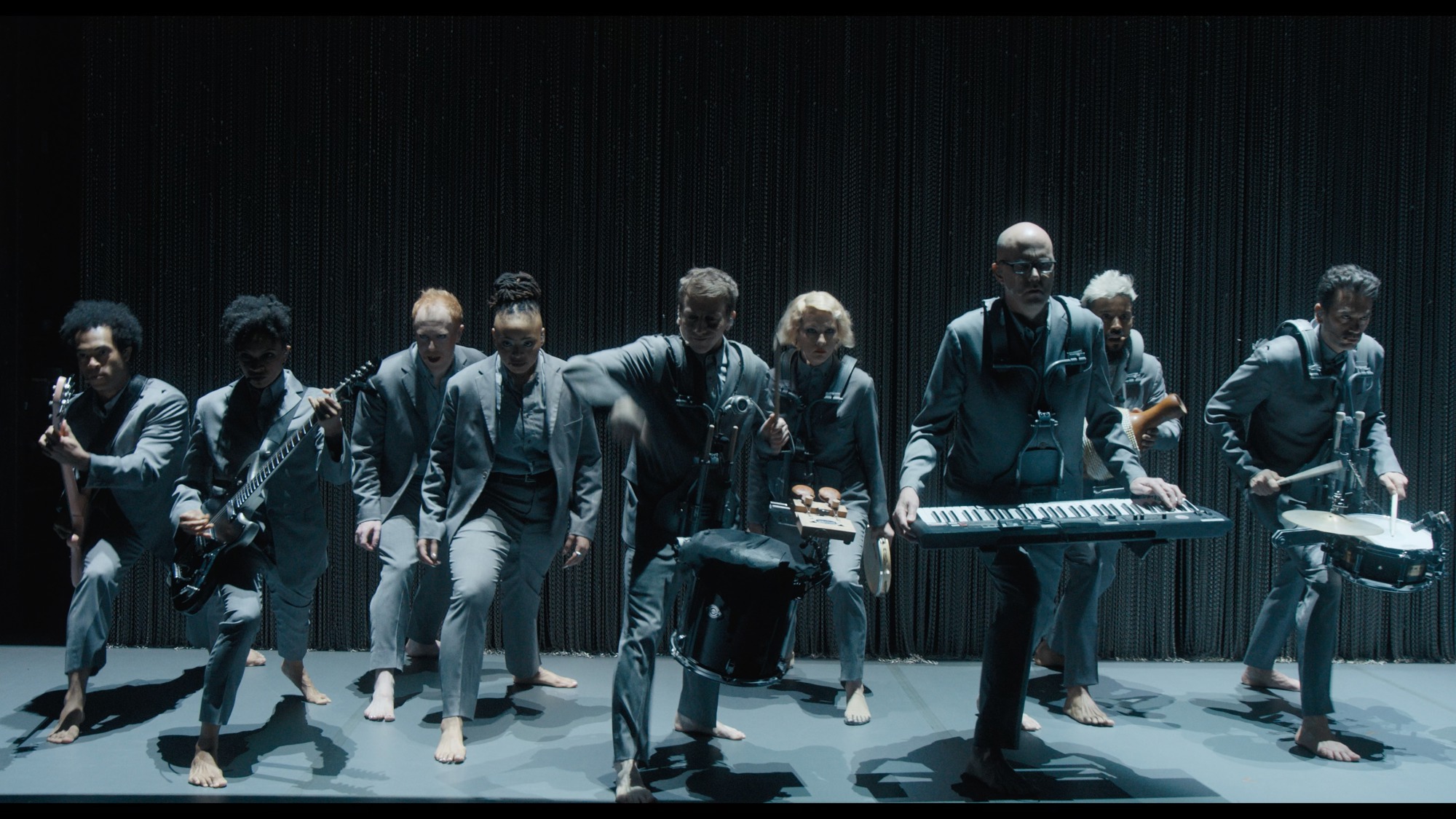
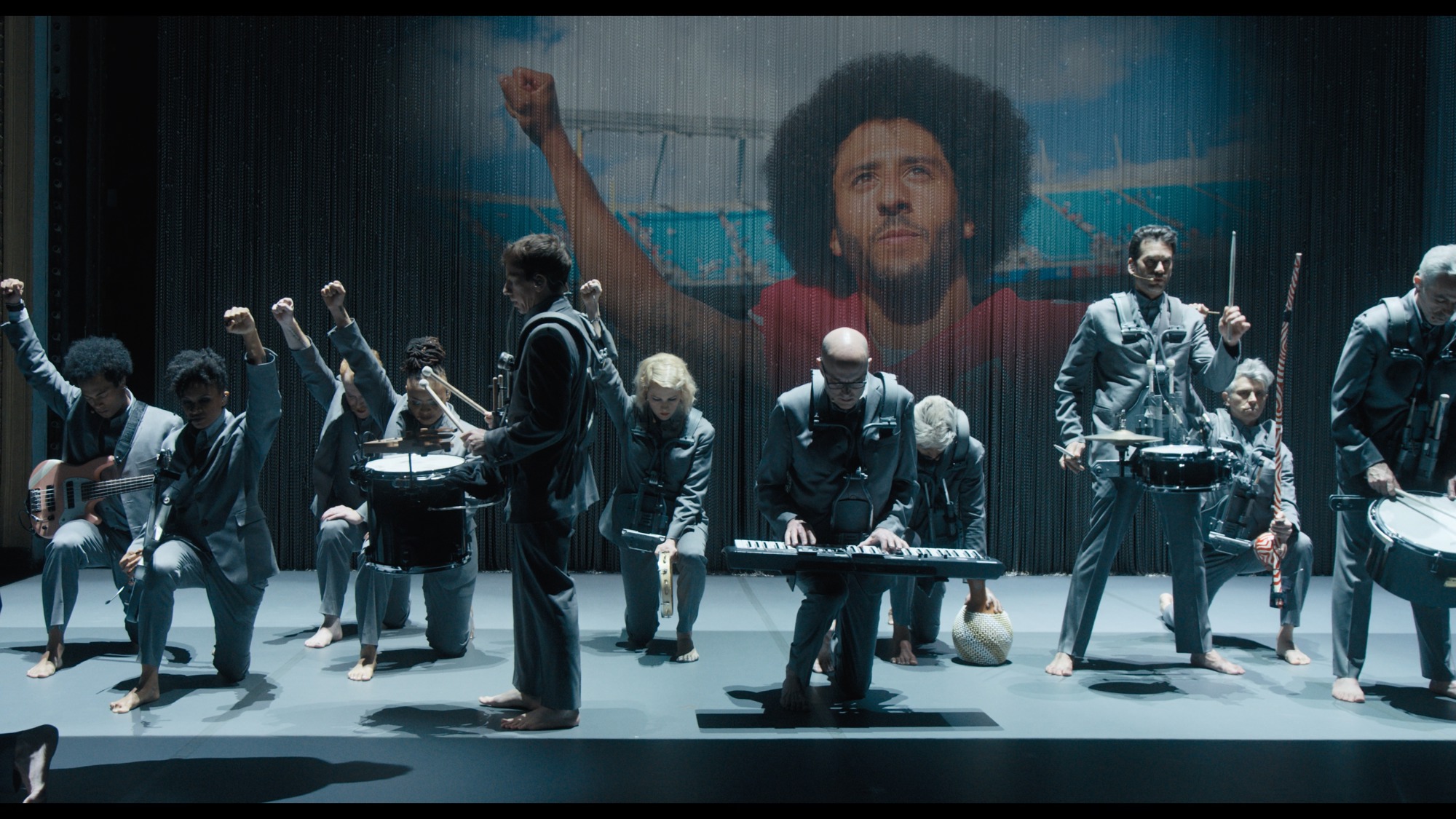
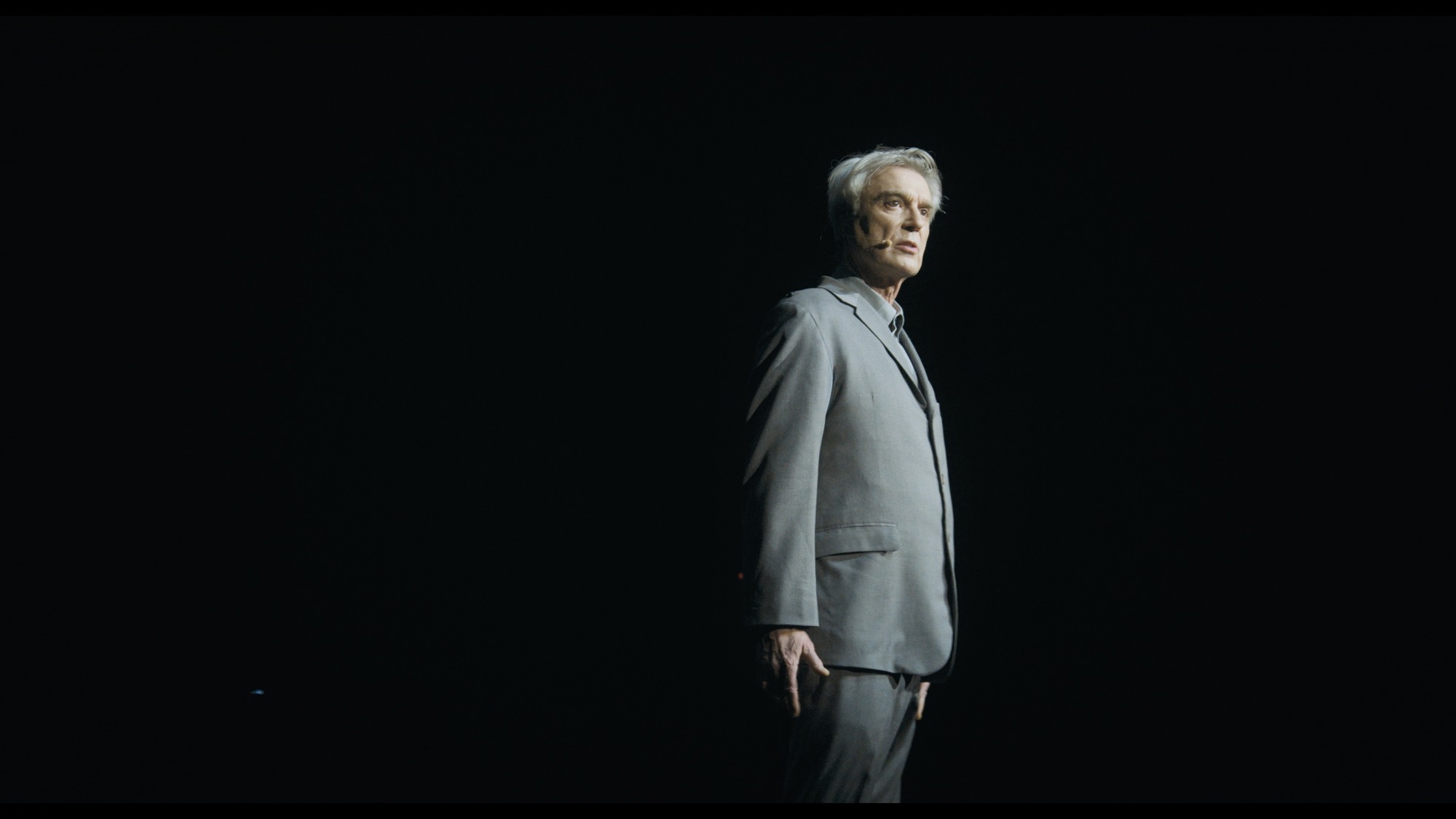
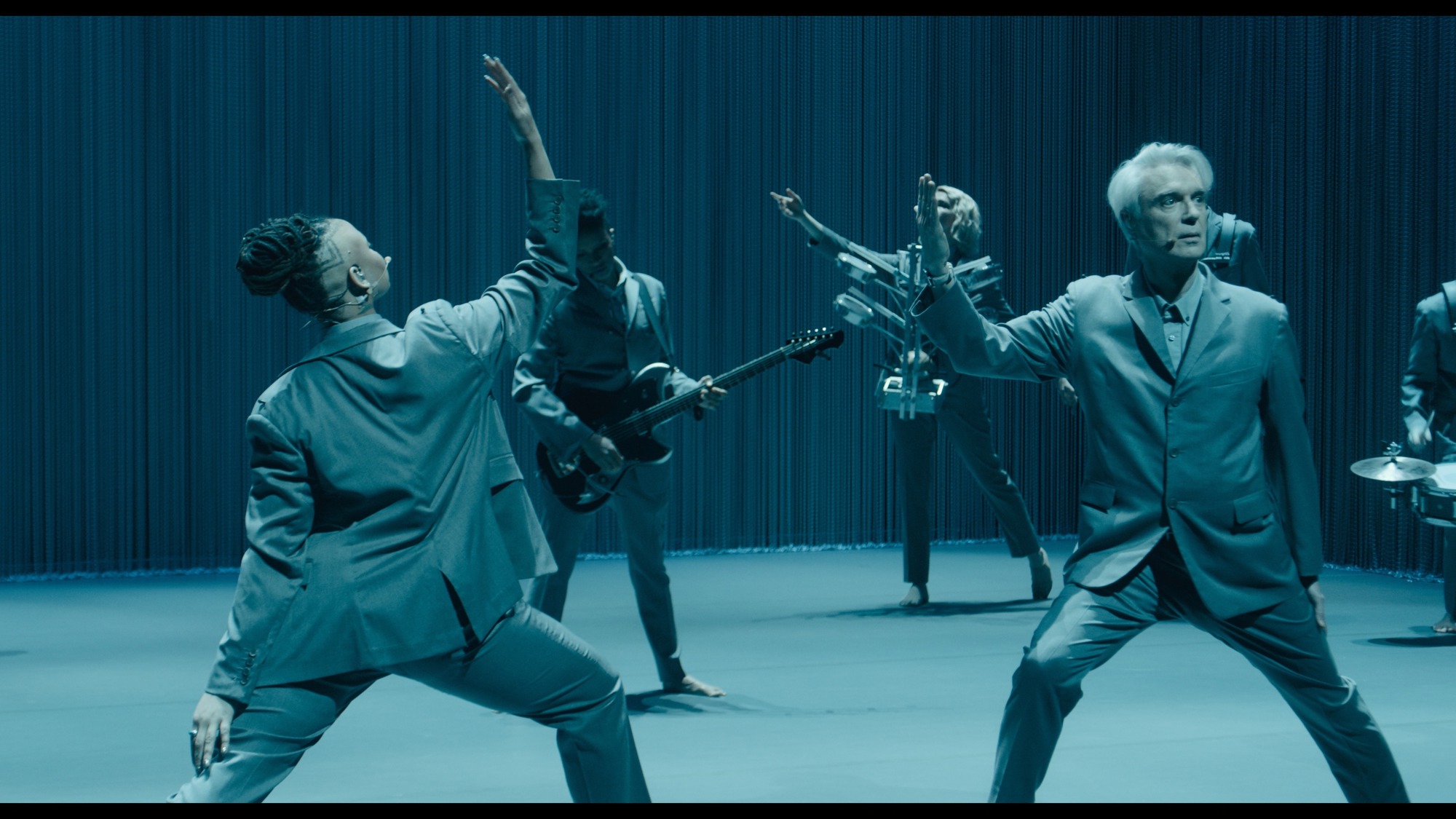
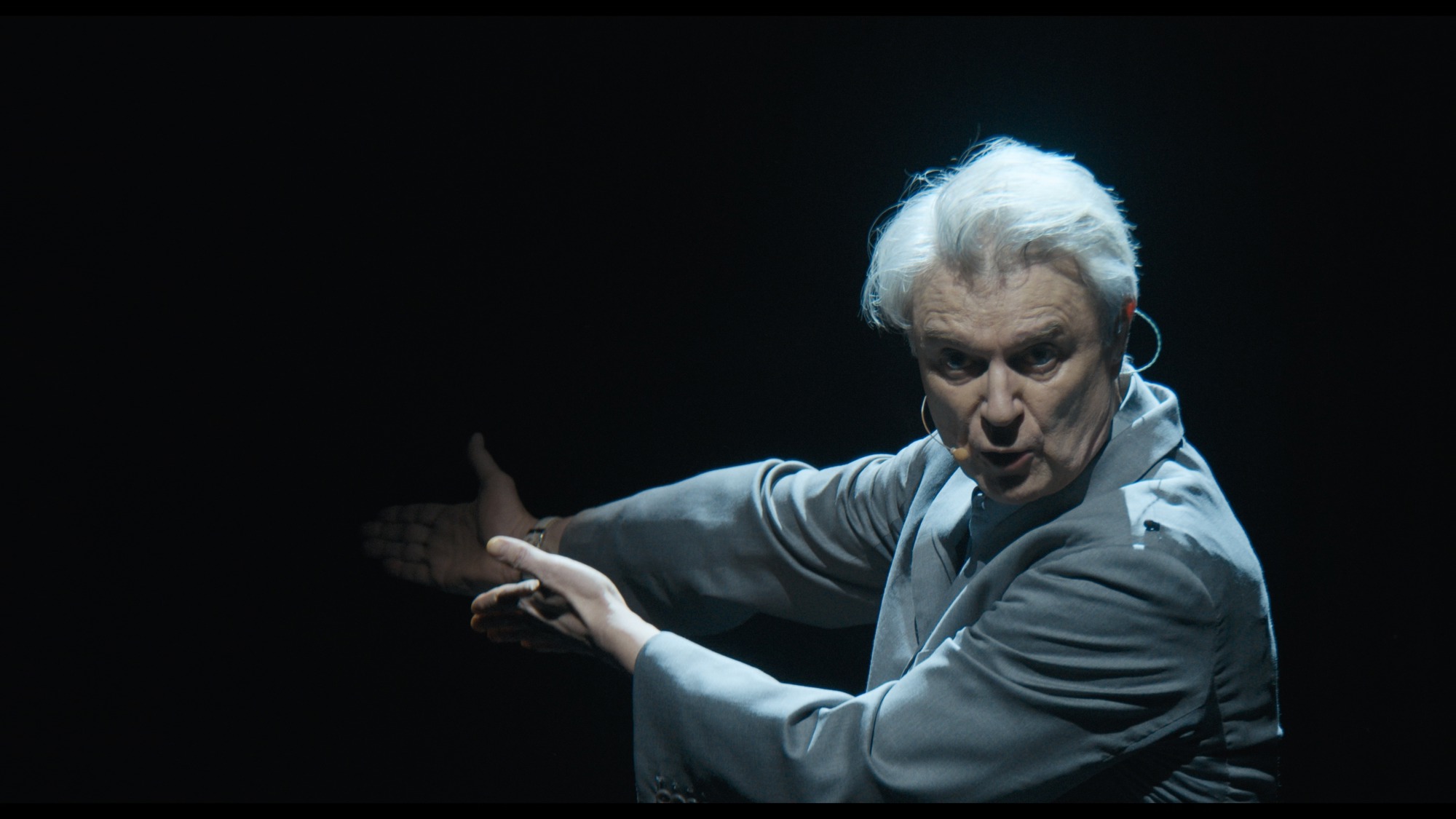
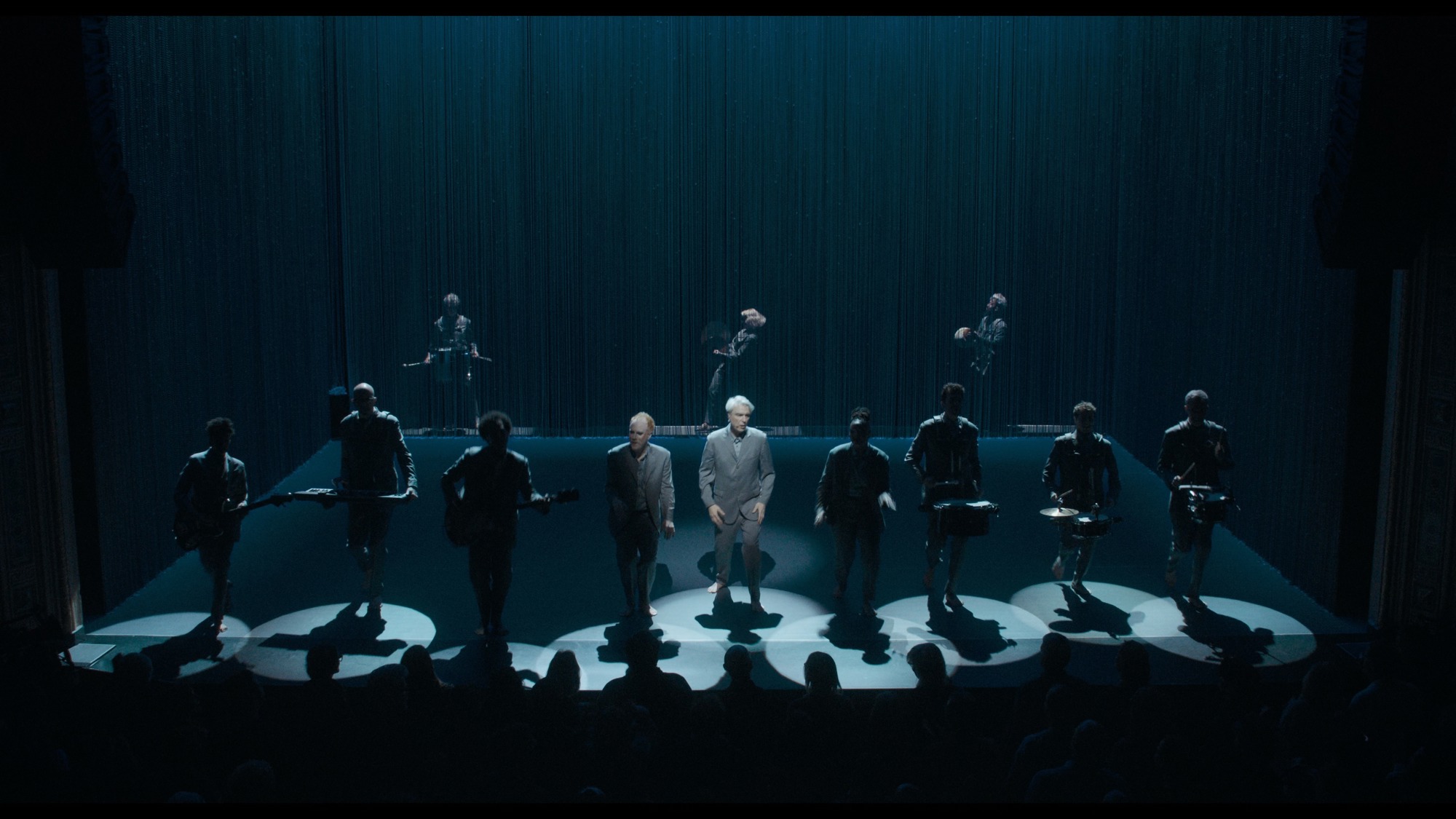
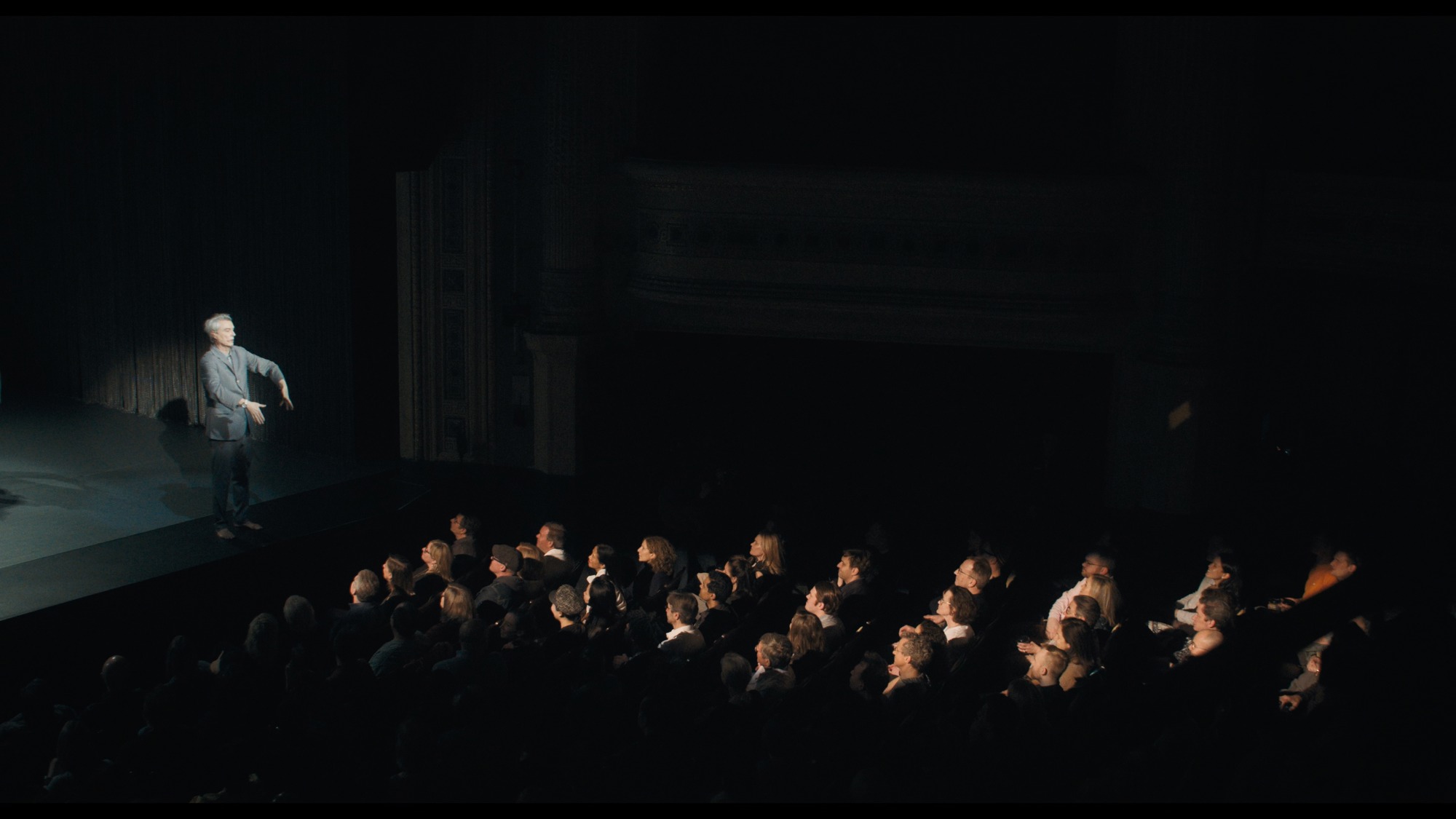
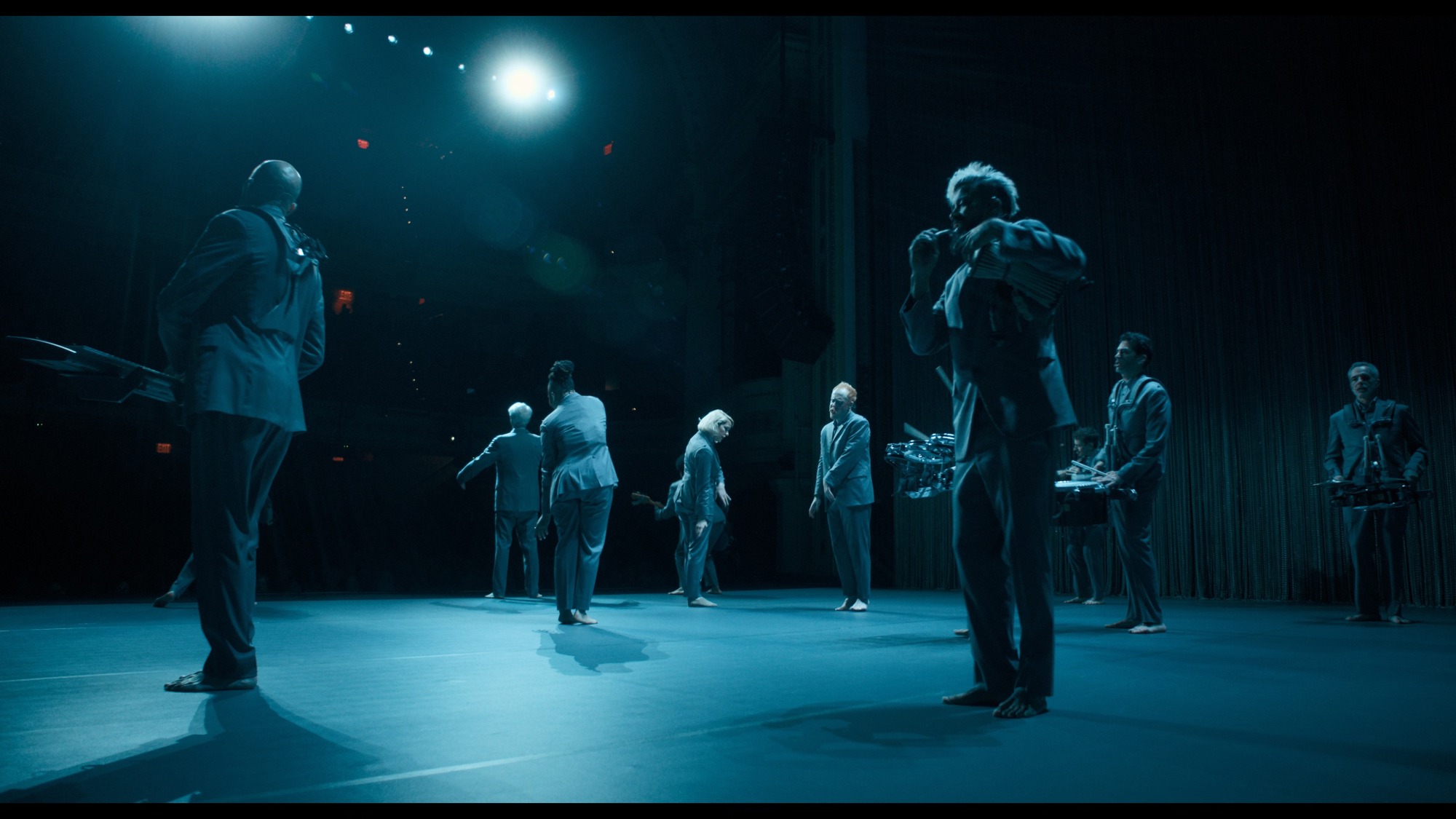
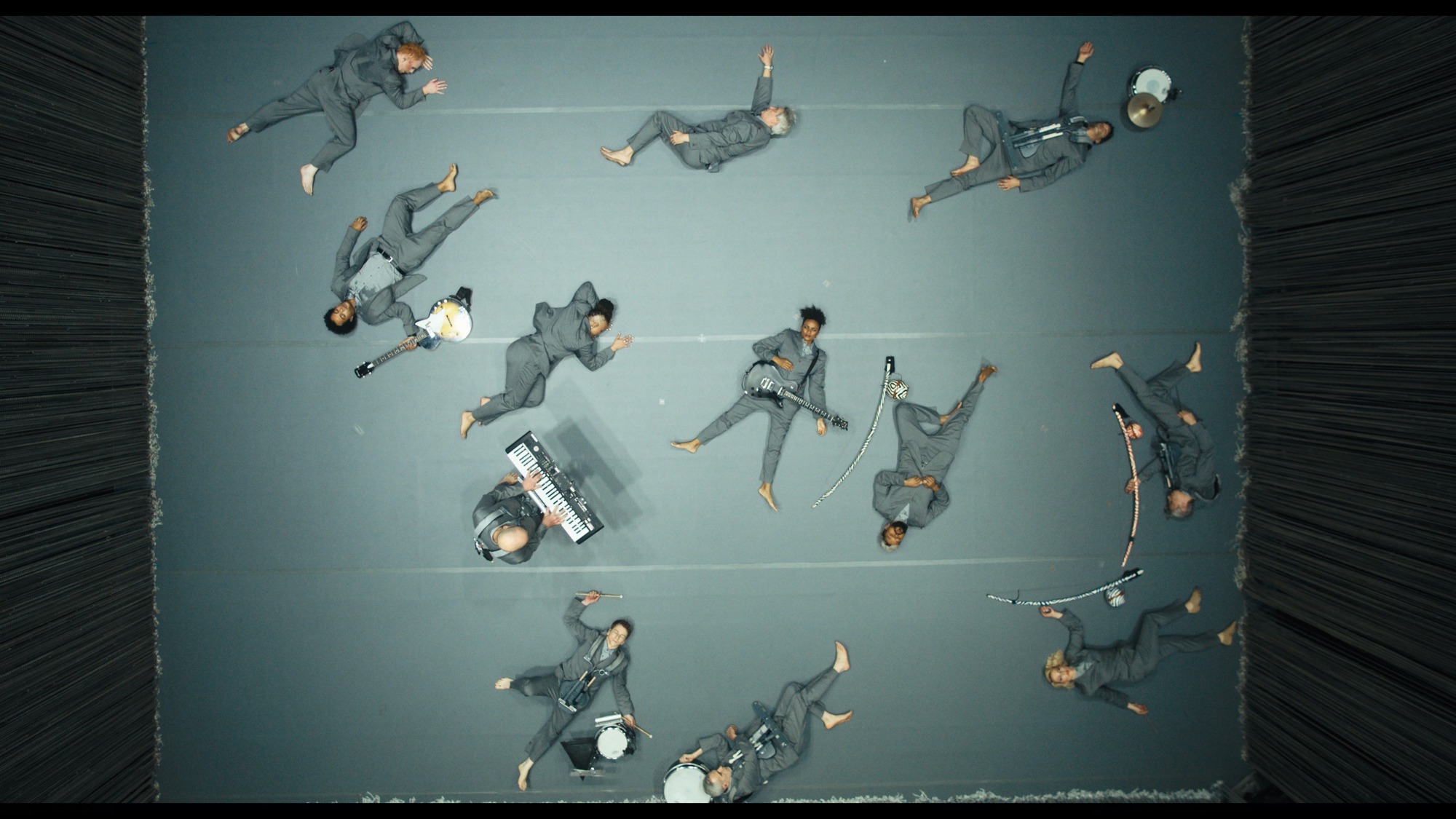
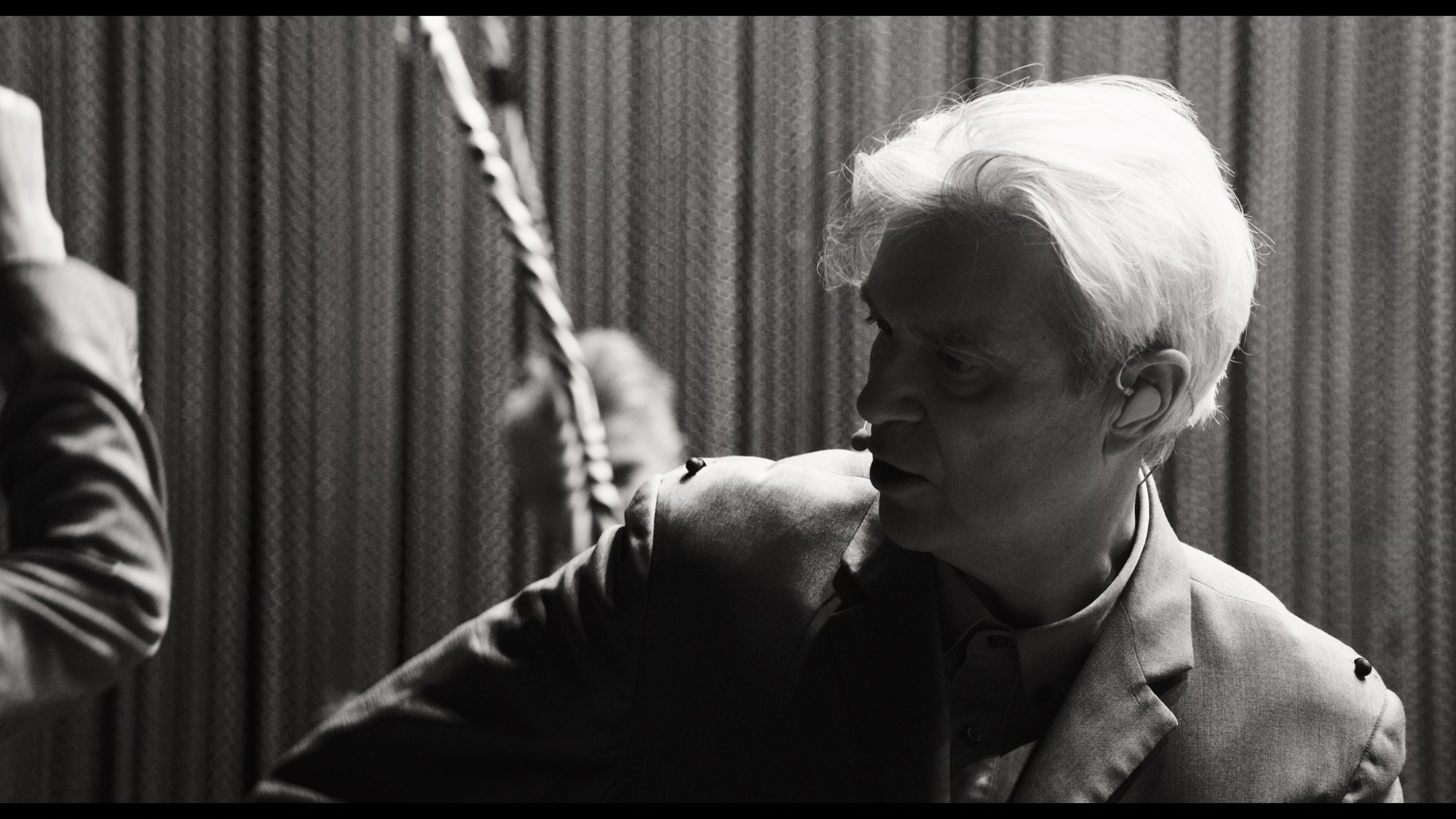
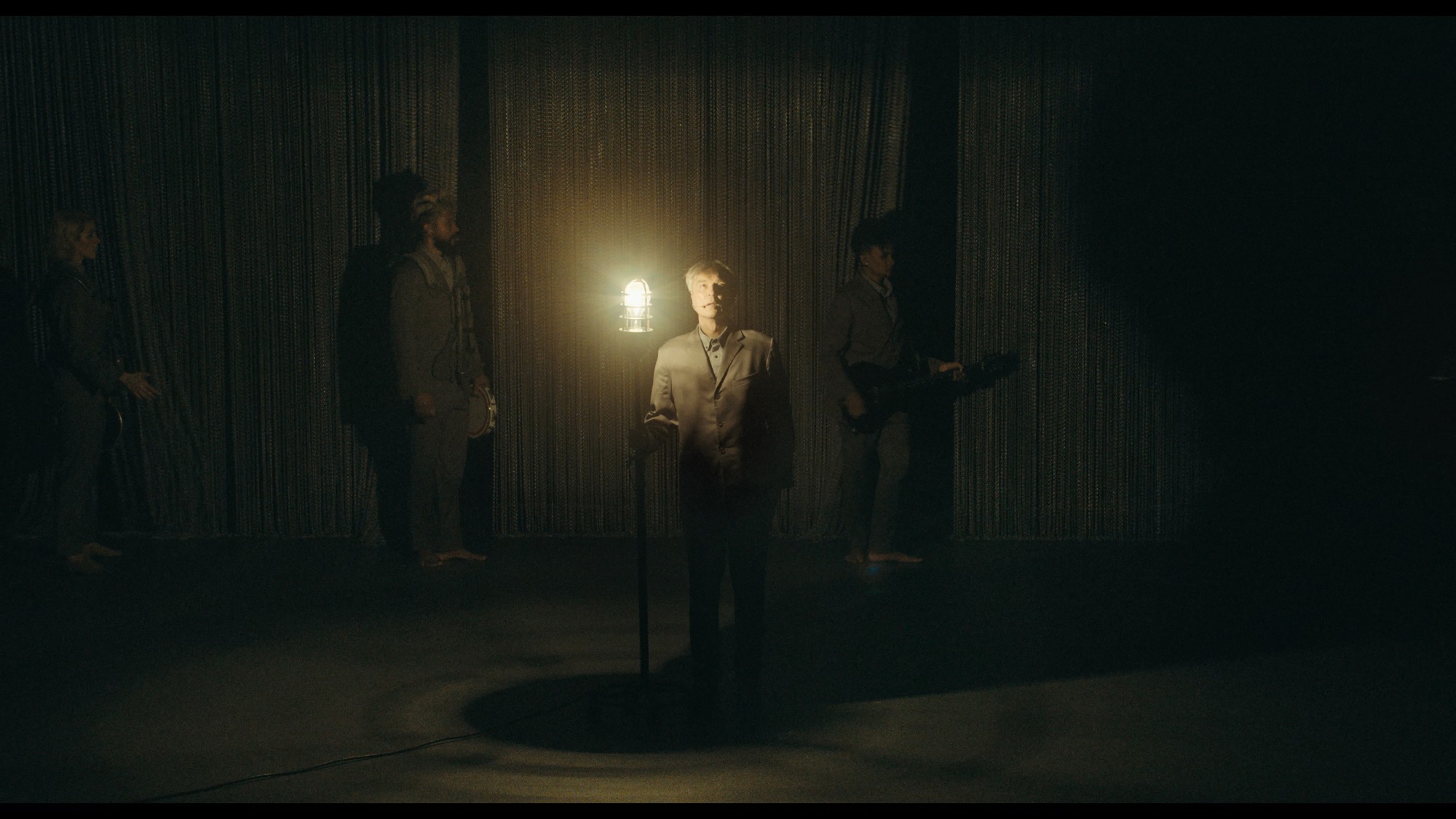
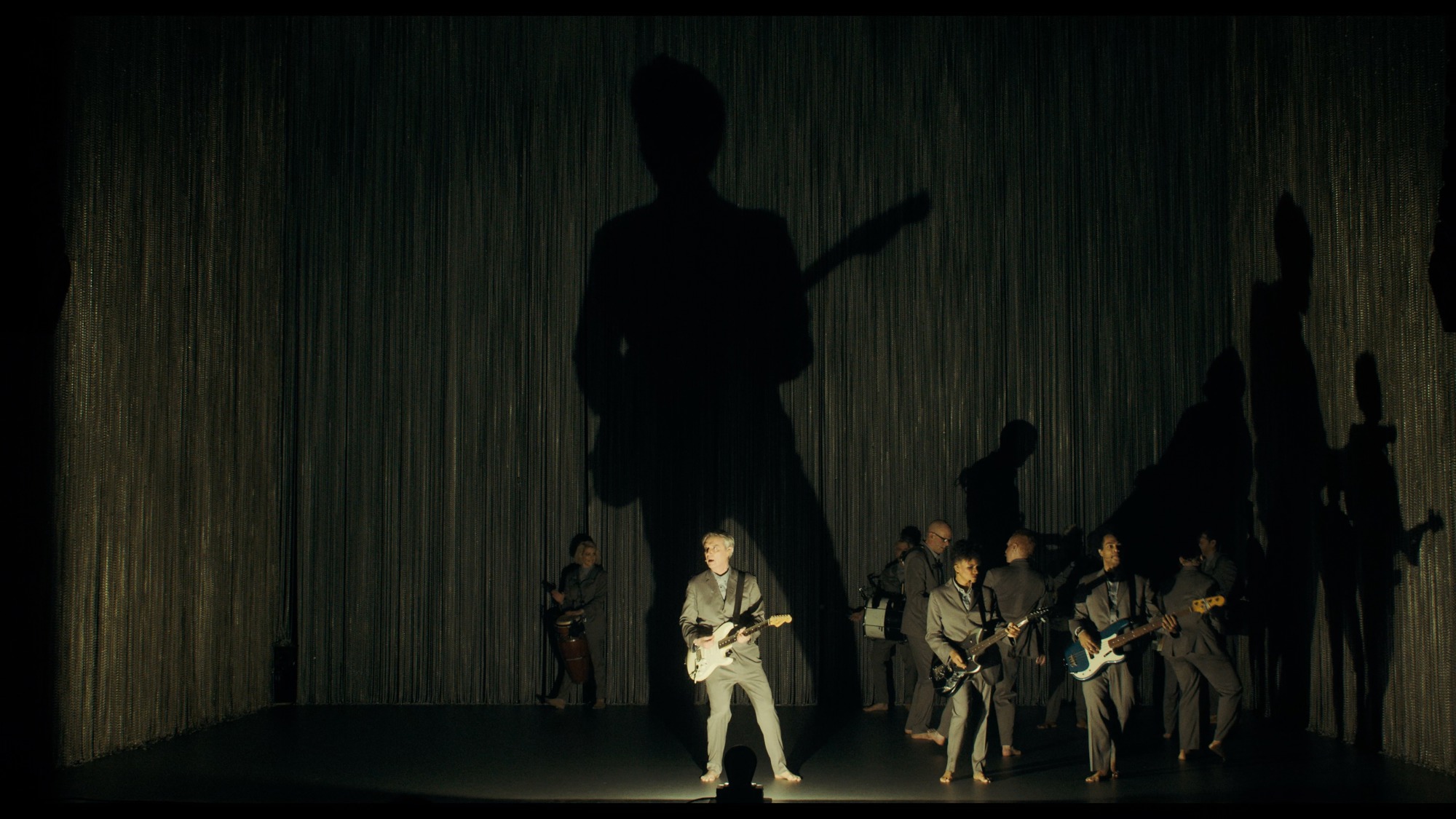
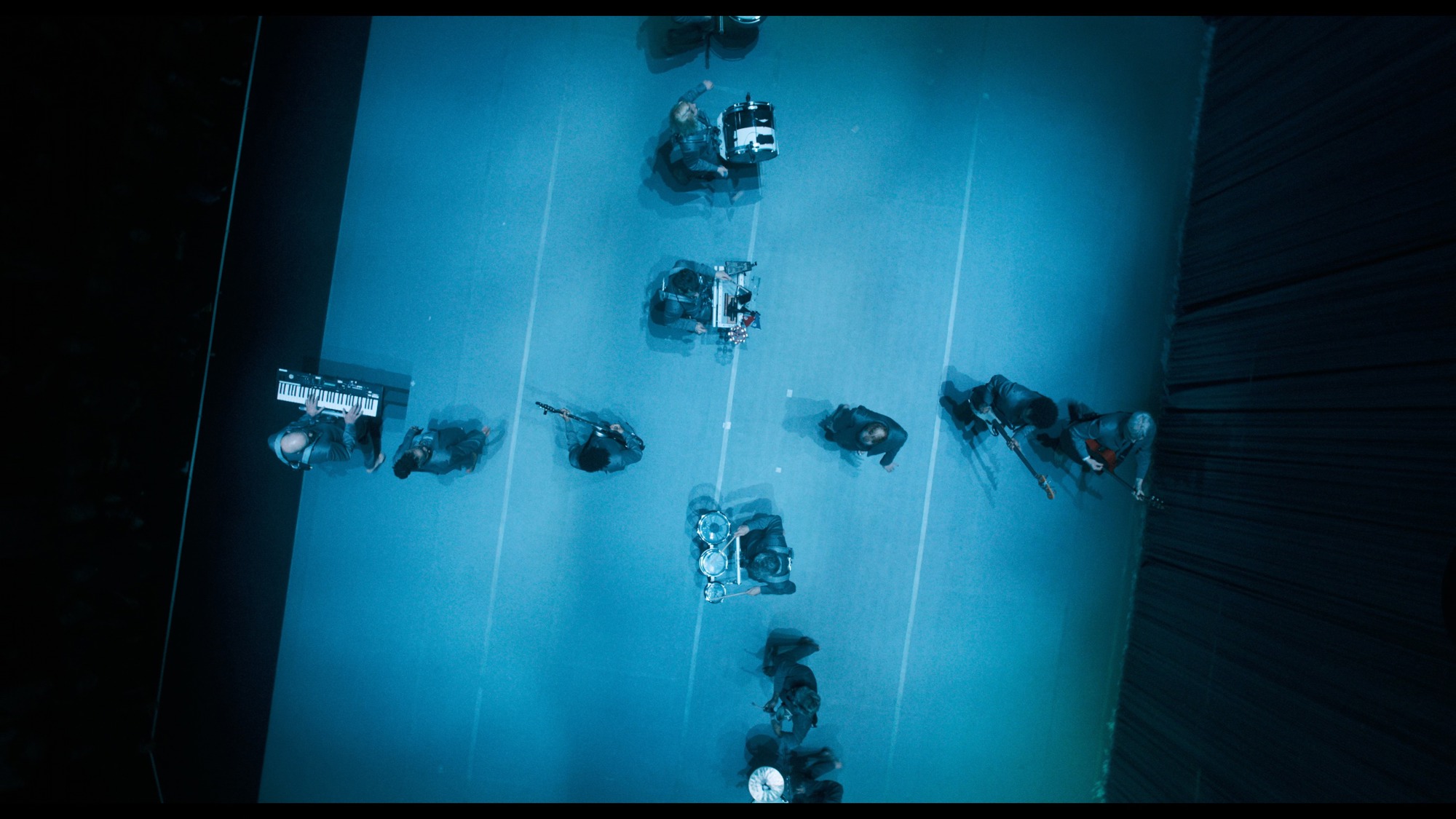
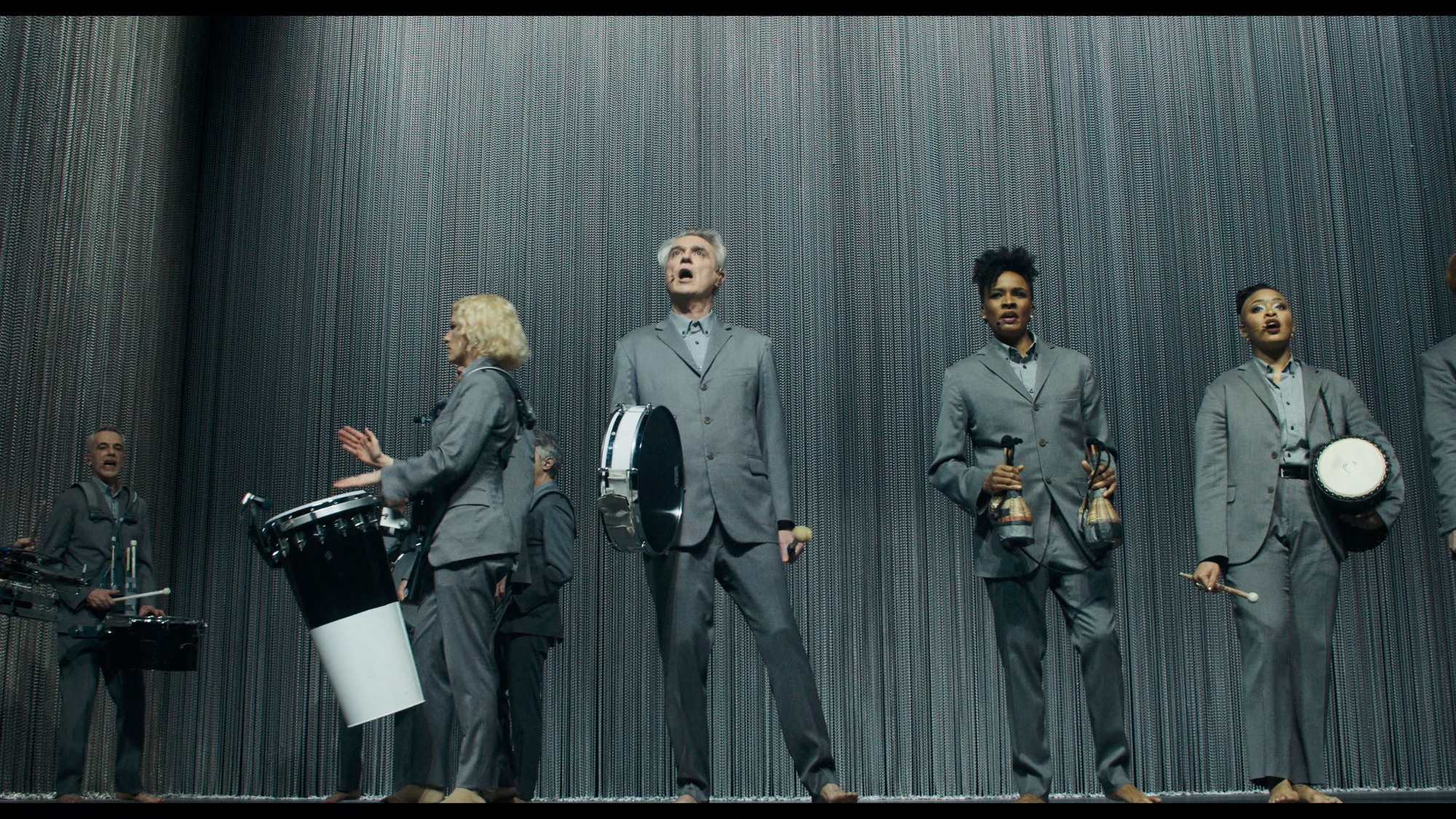
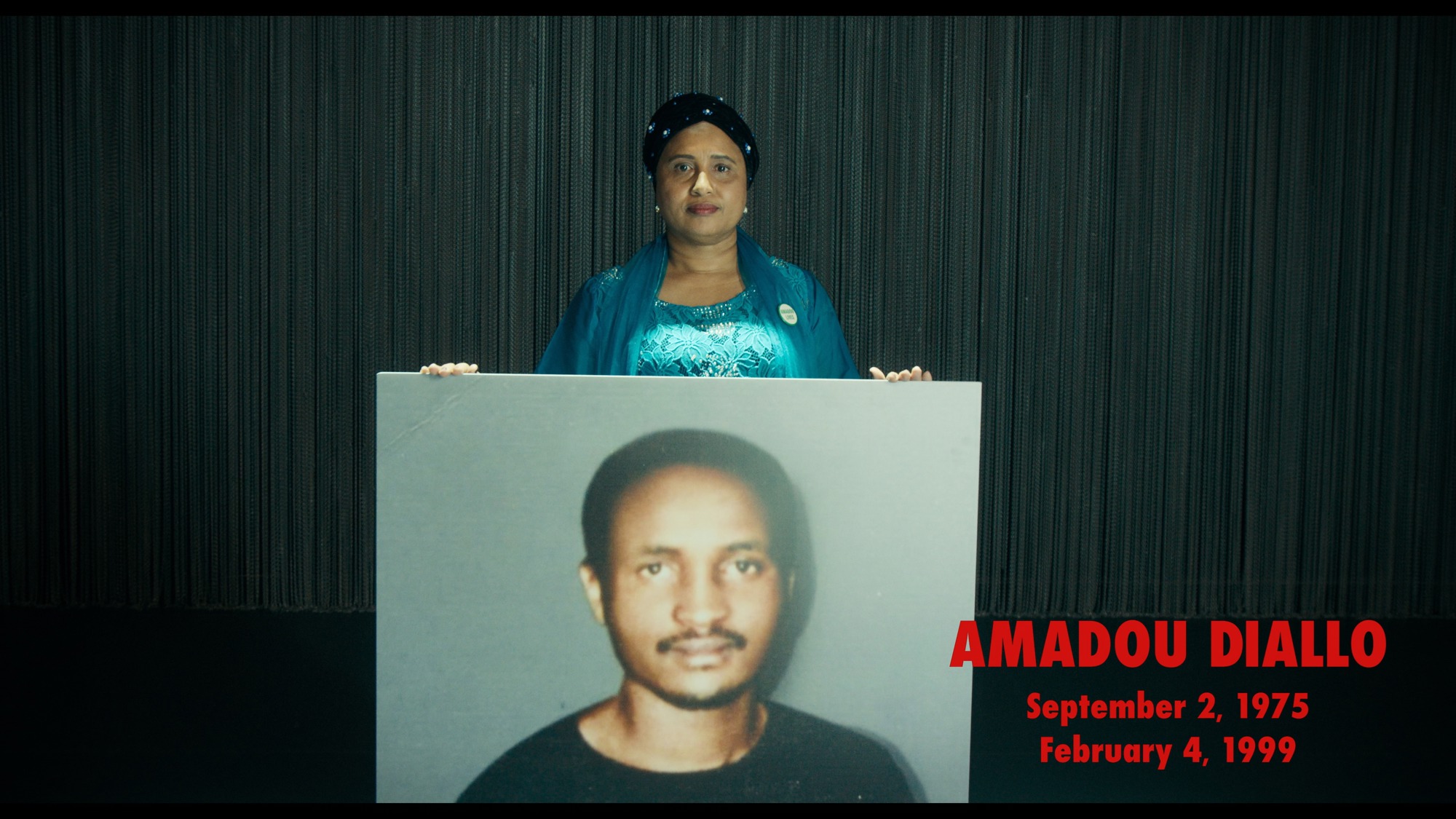
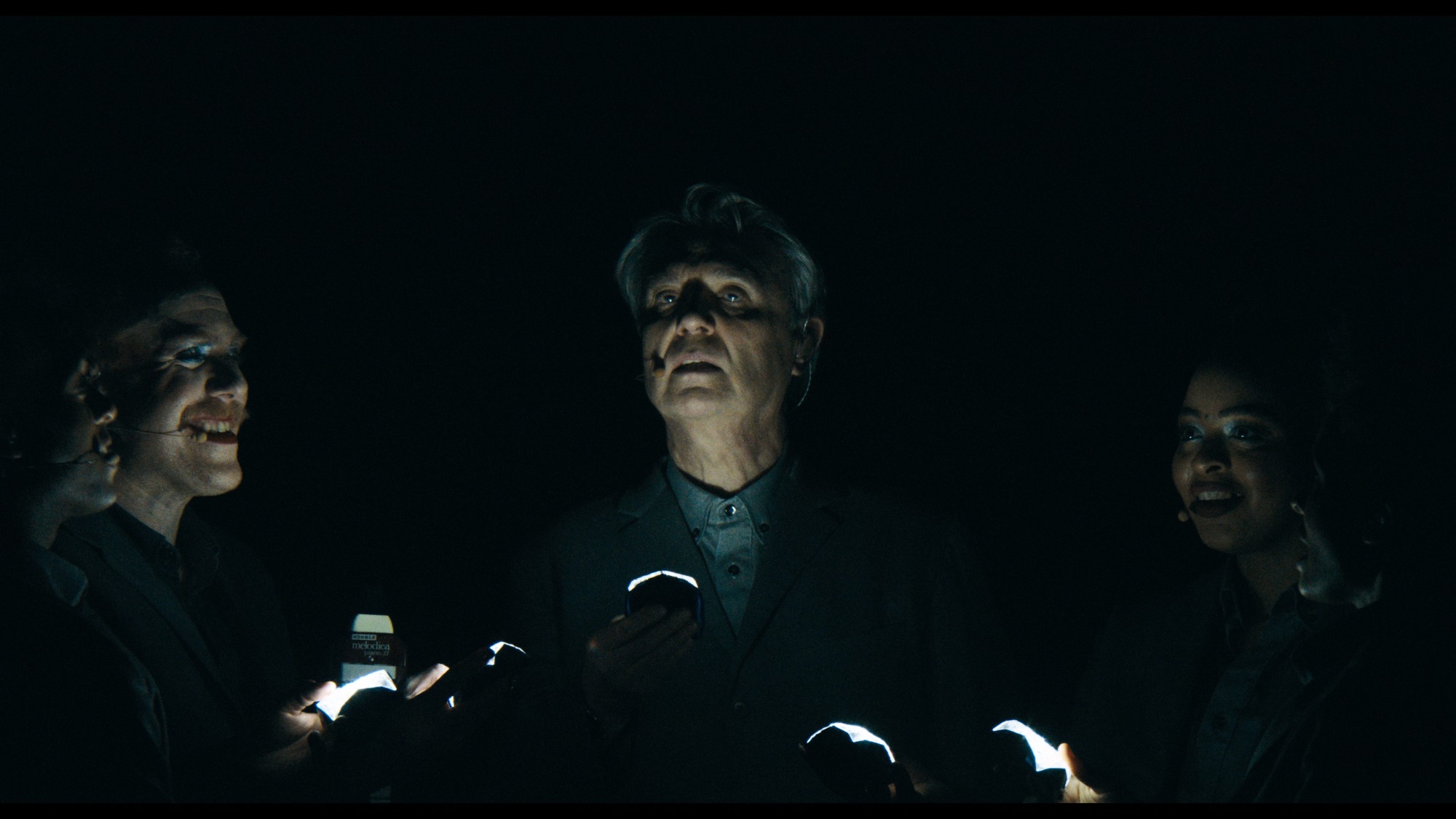
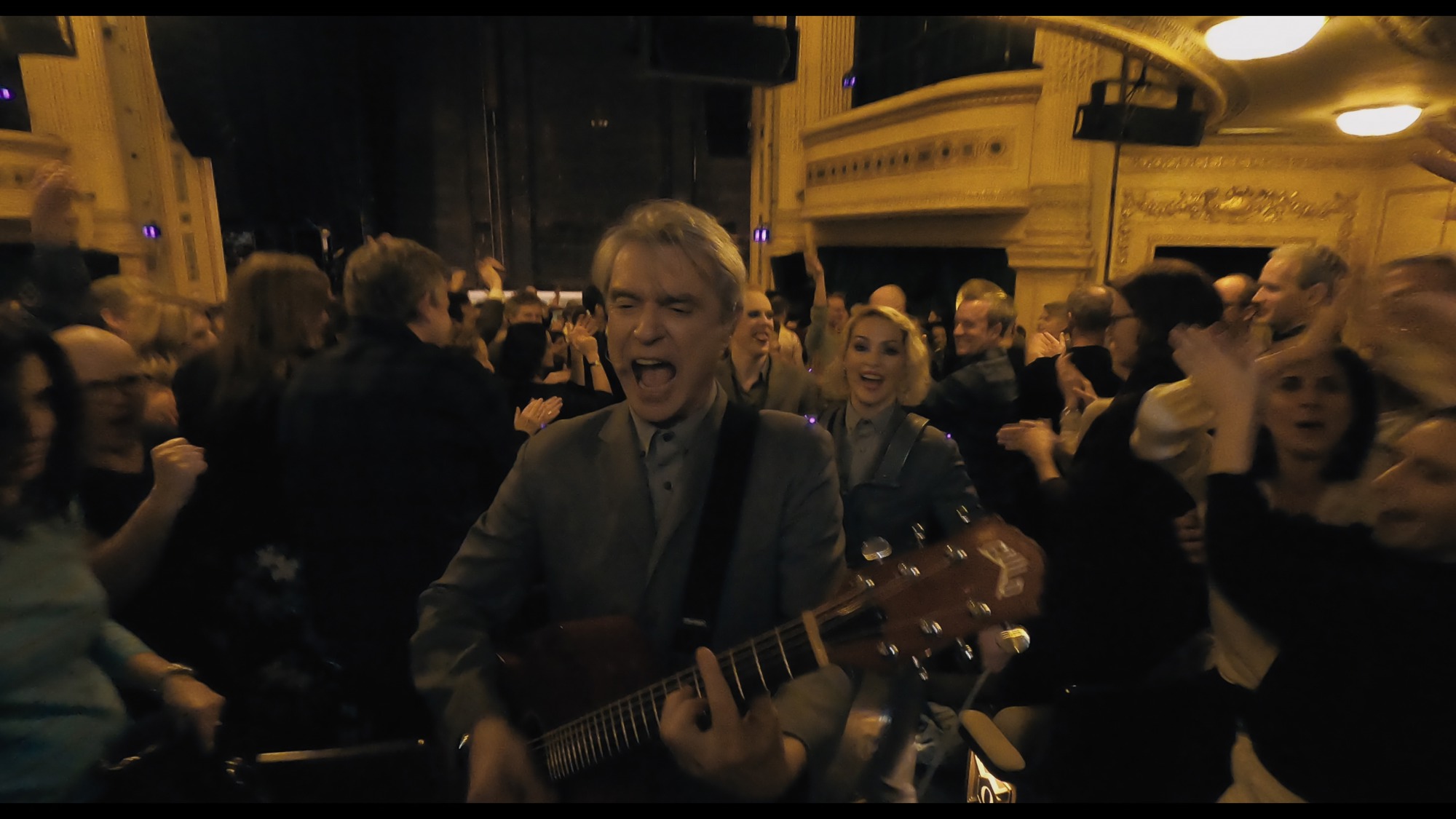
Audio 10/10
The audio—presented in DTS-HD MA 5.1 surround—also sounds fantastic. The mix does an excellent job of placing you in the auditorium without sacrificing fidelity and range in the music and vocals. Byrne and the accompanying singers (when they appear) come through beautifully, as do the instruments, all of which are mixed cleanly within the soundstage. There’s frequent and effective use of the rear channels, enveloping the viewer to make it feel like they're actually there.
Volume levels are spot-on, bass is strong without ever becoming overbearing, and the overall presentation remains sharp and clean throughout. Simply put, it’s an outstanding audio presentation.
Extras 6/10
The supplements prove a little disappointing overall, though there is at least one substantial and worthwhile inclusion: a newly produced 55-minute documentary on the making of both the stage show and the film. It features interviews with Byrne; choreographer and stager Annie-B Parsons; lighting designer Rob Sinclair; dancer-vocalist Tendayi Kuumba; bassist Bobby Wooten III; and cinematographer Ellen Kuras, along with a brief appearance by director Spike Lee.
Much of the documentary focuses on the design and execution of the show, leaning heavily into its technical construction, most notably the elaborate lighting setups, one portion of which used infrared devices worn on the performers’ shoulders to allow lights to track specific individuals in real time (those small black dots you may have noticed throughout). This technology gave Parsons considerable freedom in staging and movement, though it also meant finding performers who could sing, play instruments, and remain in constant motion, drummers included, and we get some details around that aspect as well.. Byrne discusses what he hoped to express through the music and staging, the process of touring the show, and eventually bringing it to Broadway. He also recounts the decision to film the production, doing so in early 2020, just before the pandemic. He contacted Spike Lee, who was more than up for it, bringing in frequent collaborator Kuras to help translate the live experience into a cinematic one. It’s a genuinely fascinating and well-assembled piece, bolstered by behind-the-scenes footage and demonstrations that clearly illustrate how meticulously everything was planned. There's also a good chuckle near the end when Byrne recalls director Michel Gondry's reaction to the opening of the show, and I have no shame in admitting I had the very same reaction (though that thankfully quickly changed).
Unfortunately, that’s largely where the supplemental material ends. There’s also a trailer and a 15-minute conversation between Byrne and Lee, though the latter (filmed in 2020 around the time of the film's release) feels more promotional than revelatory, covering familiar ground about how the project came together and Lee’s involvement. It’s not without interest, but it’s a noticeable step down from the main documentary. It does, however, function as a time capsule of sorts, with the two socially distanced and seated several feet apart from one another.
A foldout insert rounds things out, featuring design artwork on one side (which also inspired the cover art) and essays by K. Austin Collins and Jia Tolentino on the other. Tolentino’s piece, in particular, takes a more personal approach, reflecting on the show in a post-COVID context and its resonance (at least for her) in the world today. These are welcome additions, and the lengthy making-of is genuinely excellent, but taken as a whole, the release still feels a bit on the slim side.
Closing
It’s great the film has made it to home video, and Criterion does a stupendous job with the A/V presentation, one that should more than satisfy Byrne’s fans.
BUY AT: