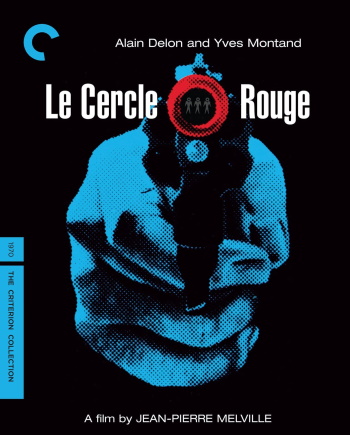
Le cercle rouge
BUY AT:


See more details, packaging, or compare
Synopsis
Alain Delon plays a master thief, fresh out of prison, who crosses paths with a notorious escapee (Gian Maria Volontè) and an alcoholic ex-cop (Yves Montand). The unlikely trio plot a heist, against impossible odds, until a relentless inspector and their own pasts seal their fates. With its honorable antiheroes, coolly atmospheric cinematography, and breathtaking set pieces, Le cercle rouge is the quintessential film by Jean-Pierre Melville—the master of ambiguous, introspective crime cinema.
Picture 9/10
The Criterion Collection upgrades Jean-Pierre Melville’s caper-classic Le cercle rouge to 4K UHD, presenting the film yet again in the ratio of 1.85:1. The 2160p/24hz ultra high-definition encode with Dolby Vision is provided on a triple-layer disc and is sourced from StudioCanal’s recent 4K restoration, which in turn was scanned from the 35mm original camera negative and a 35mm interpositive. A 1080p/24hz high-definition presentation is found on a separate standard dual-layer Blu-ray disc.
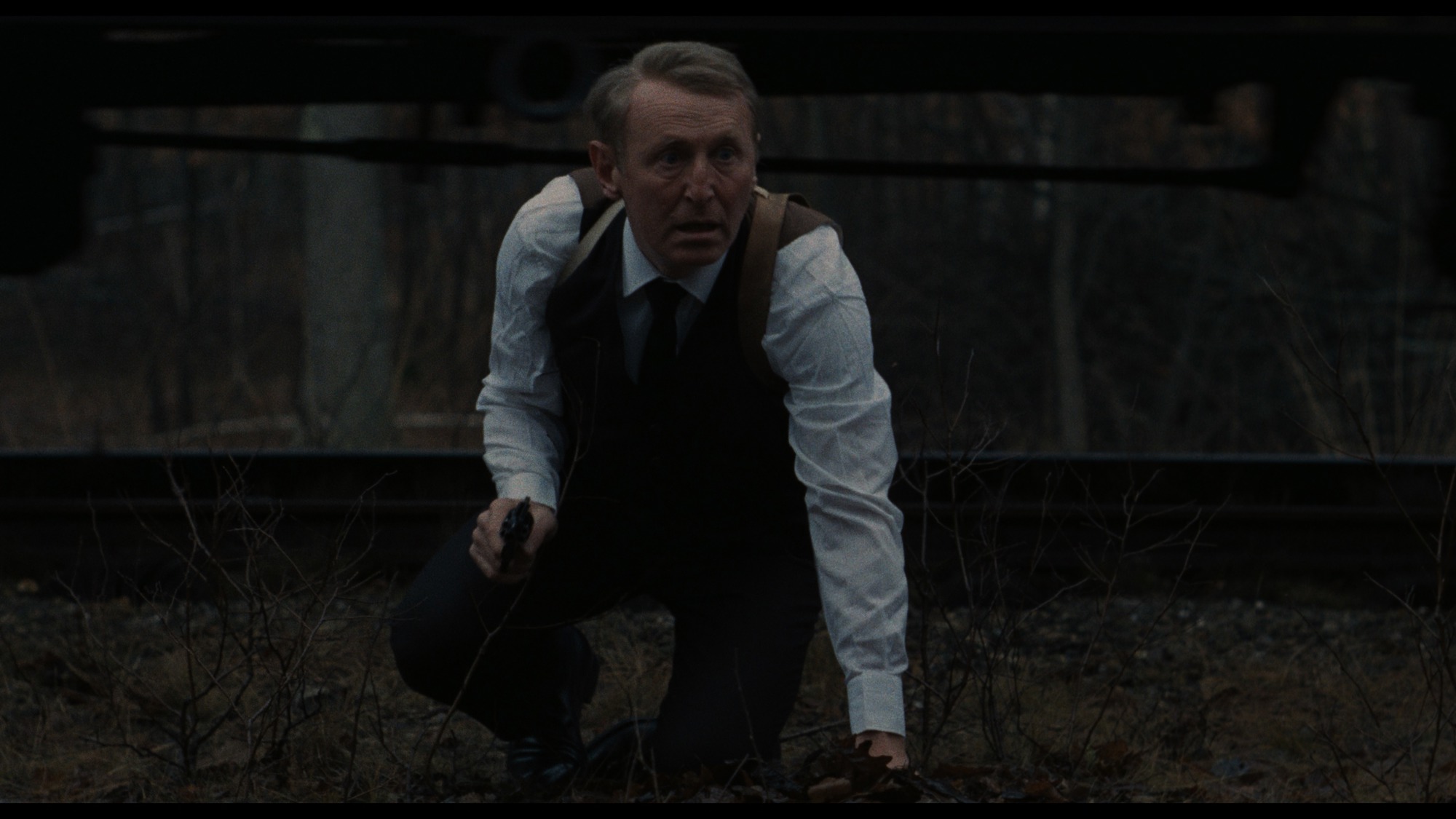
The base presentation is an impressive looking one, the initial scan appearing to have captured every fine detail present in every frame, which carries on through to the film’s very fine grain structure, and it is all rendered brilliantly onscreen. The restoration work has also been very methodical, cleaning up just about every blemish and spec of dirt, and there is no noticeable jump between the negative and interpositive sources. This is easily the cleanest and, thanks to a strong enough encode by Criterion, the most film-like I’ve yet seen the film on video.
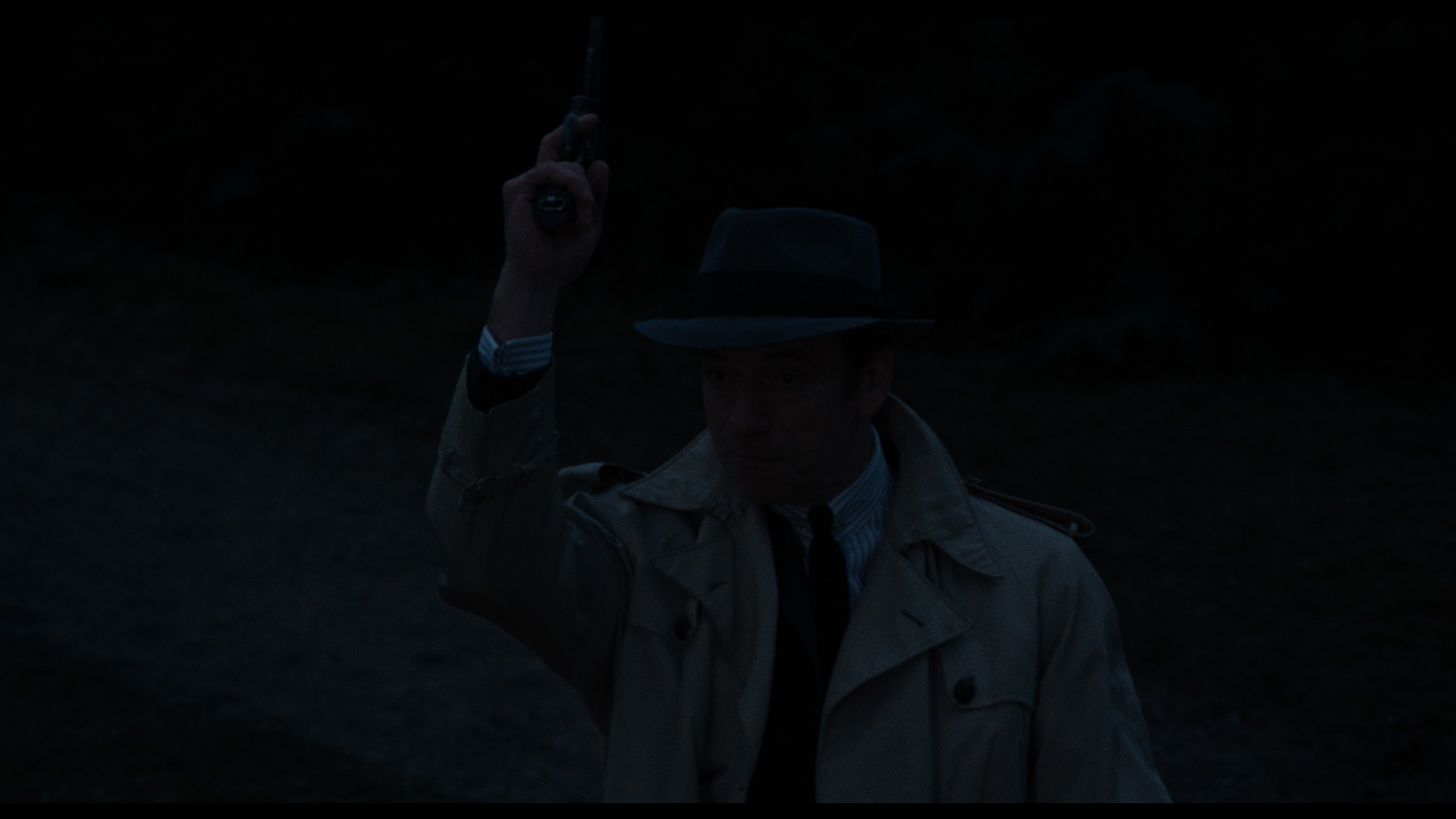
Dolby Vision also provides some wonderful enhancements to the image, most of which become obvious during the film’s heist sequence and its finale. Criterion’s old Blu-ray flattened out a lot of the shadows, crushing details in the process, but the improved contrast and range found here helps pick out some of those previously lost details while also delivering better gradients as the light shifts into the dark, in turn leading to improved depth. The presentation also doesn’t go overboard when it comes to brightness, using that aspect primarily to enhance highlights, though I did rather like how this aspect ended up being applied to the streetlamps in the dark city streets during the heist sequence, and how the light from those lamps was picked up by objects in the street. It all leads to a wonderful, photographic feel.
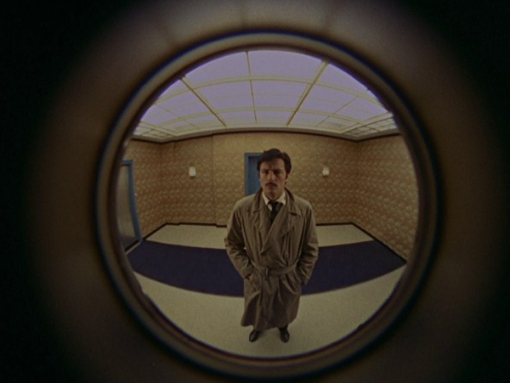
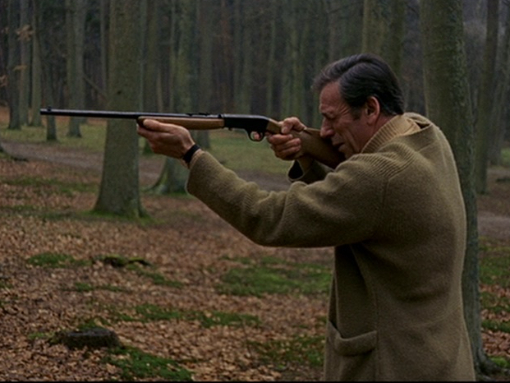
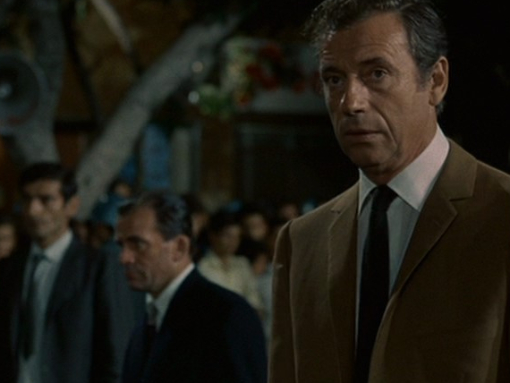
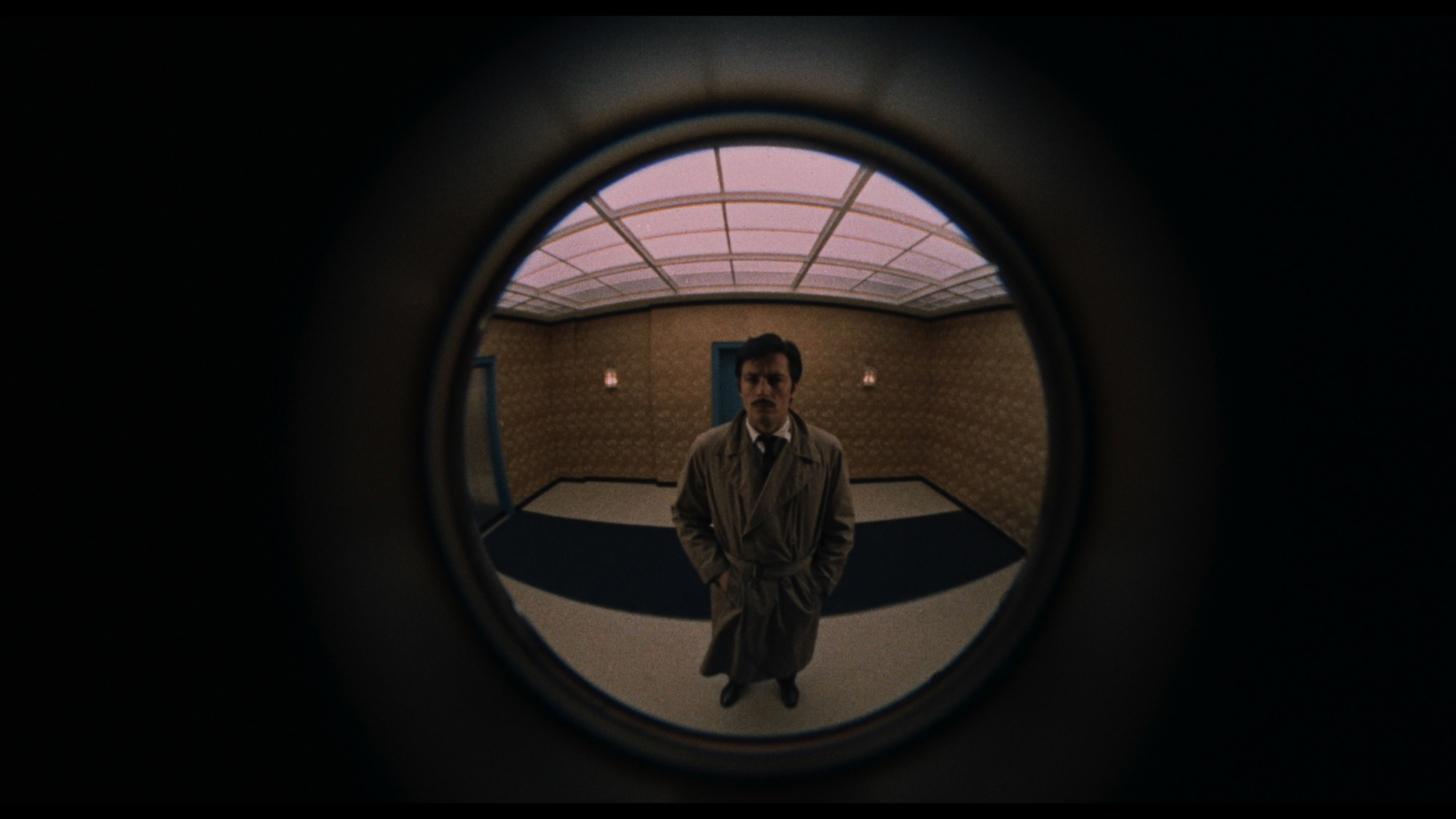
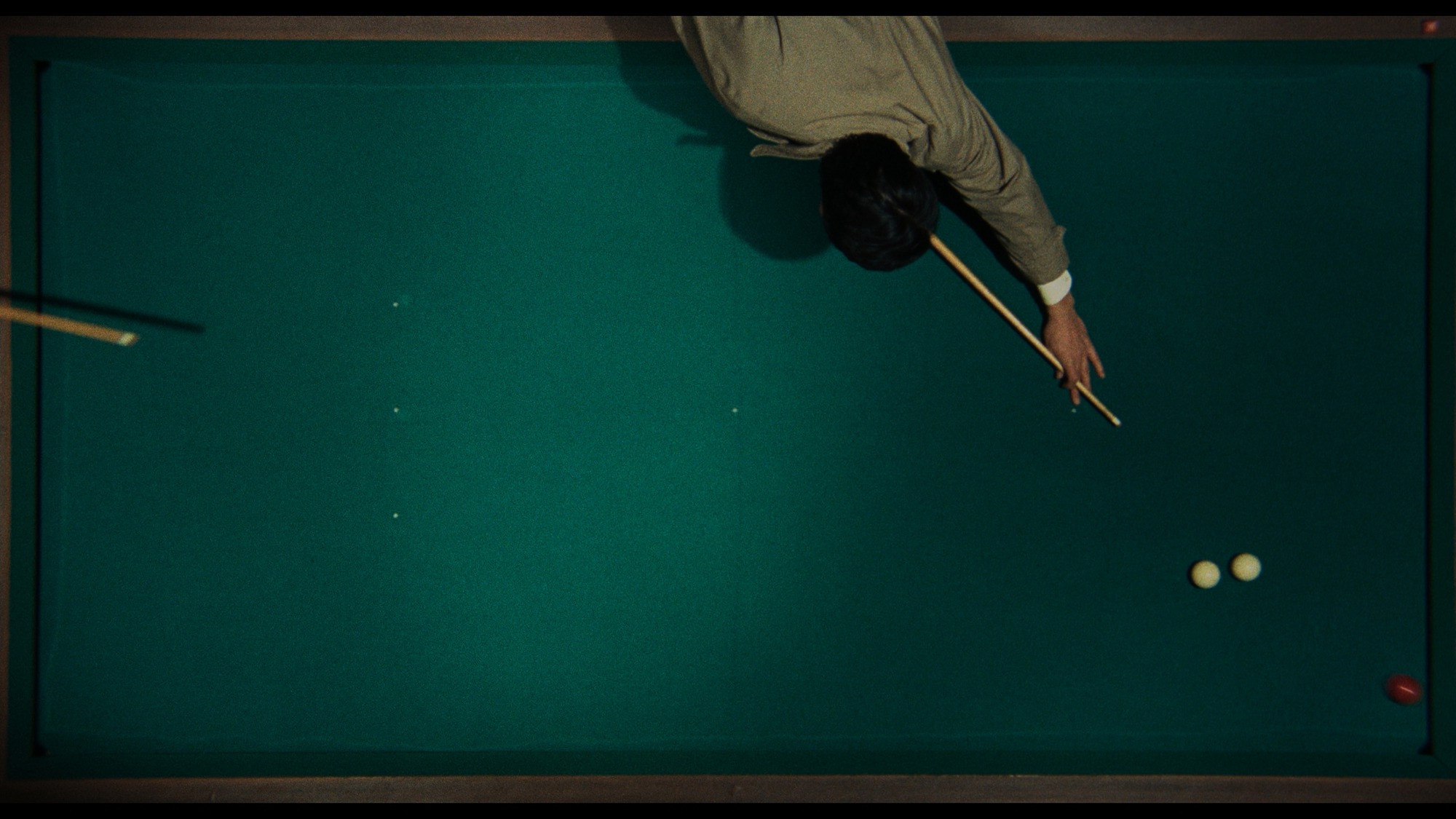
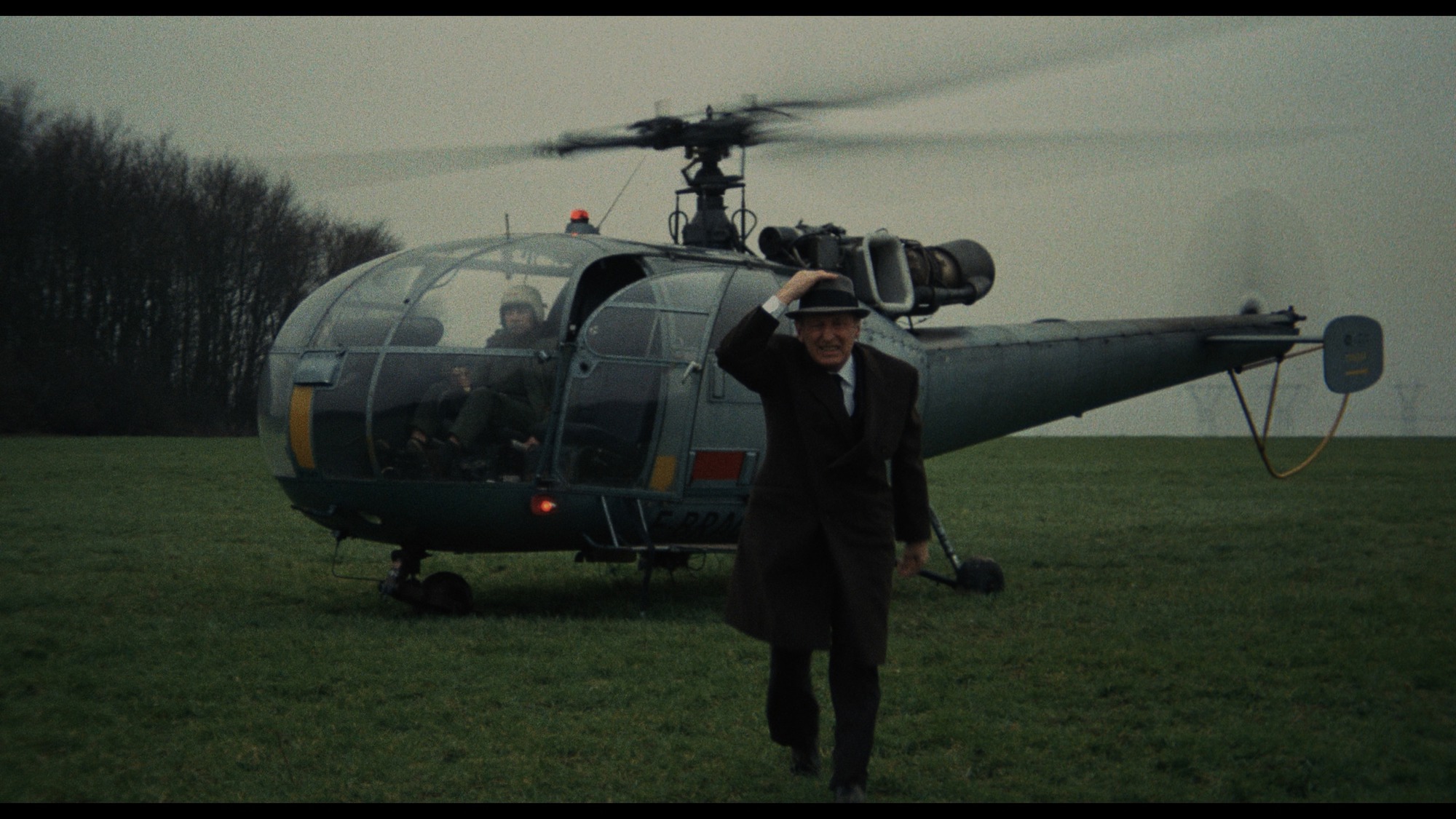
It all looks great but there has been one significant change that’s very clear and obvious, whether comparing to StudioCanal’s or Criterion’s previous presentations, and that’s in how the colors are rendered. Though Criterion’s presentations have always leaned warmer compared to the colder, bluer StudioCanal DVD and Blu-ray presentations, the colors here go beyond that, leaning towards a heavier yellow/green bias. The good news is that the end effect is not akin to a lot of recent Ritrovata restorations, where yellow becomes the dominant color and eat into everything (it should be noted that this restoration was performed by Hiventy). No, outside of a couple of sequences that take place in a club, where the yellow/green tint is far more prominent, even in the vacuum of watching the film without any reference, I didn’t find the end results to be in the same league as something like, well, just about every color film in Criterion’s Agnès Varda box set, or Criterion’s The Color of Pomegranates (*yuck*). Blacks still look deep and inky, not muddy, and even if blue is a rare colour in the film's overall colour scheme, when it does appear (like in a rug during the heist sequence, or on a lamp in an office sequence) it still looks blue. Whites rarely come off anything along the lines of a pure white admittedly, but they still don’t look like they’ve been soaked in—for lack of a more apt analogy—a urinal.
I of course don’t know how the colors should look, but I’ll be honest and upfront in saying that, despite my usual aversion to this type of thing, I ended up liking how this turned out. The heavy blues never looked right to me, especially when it led to super-blue billiard tables (they’re green here), and it felt like a bad attempt at desaturating the colors to get that “black-and-white-in-color” look, a look I believe Melville and cinematographer Henri Decaë were going for, and this could be due to home video limitations of the time. I think that “black-and-white-in-color” look comes off significantly better here, with more grays and beiges, less blues, and far more range in the shadows, which leads to those darker scenes, like the film’s finale at the château, being easier to see. The blues really did limit some of these darker scenes, making them a bit muddy and hard to see, and they come off so much cleaner now. So yes, ultimately, I was happy with how this turned out.
As to the high-definition version found on the included Blu-ray, much to my surprise Criterion isn’t simply porting over their old disc and using their old high-definition encode: the 1080p version also makes use of this new restoration. Despite being an older master, I still think Criterion’s older high-definition presentation held up rather well, at least regarding its encode and such. Still, this new one does look substantially better, managing grain, black levels and shadow detail in a cleaner manner, though still not to the same level the 4K HDR presentation does. Grain can also still get a bit noisy in spots, the encode sadly nowhere near as good as what was found on Criterion's recent Written on the Wind and Boat People releases.
In all I quite liked Criterion’s new 4K presentation. It’s significantly cleaner, sharper and far more film-like in comparison to their previous releases.
(All SDR screen grabs have been taken from the source disc and have been converted to JPG files. They are presented in full resolution and may not properly fit some monitors. While the screen grabs should offer a general idea of quality, they should not be used for reference purposes.)
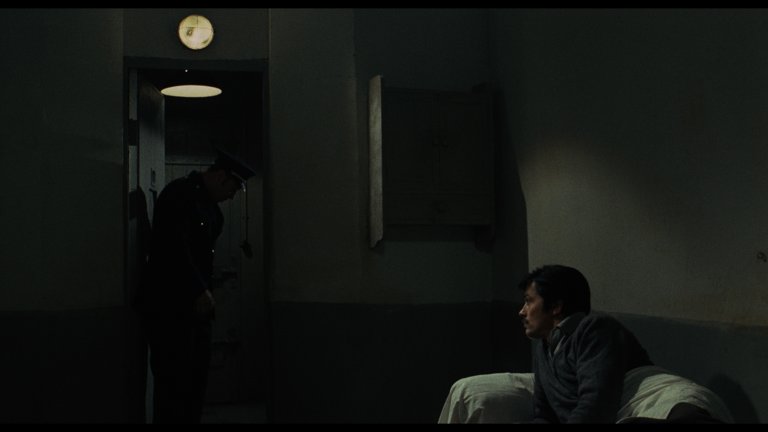
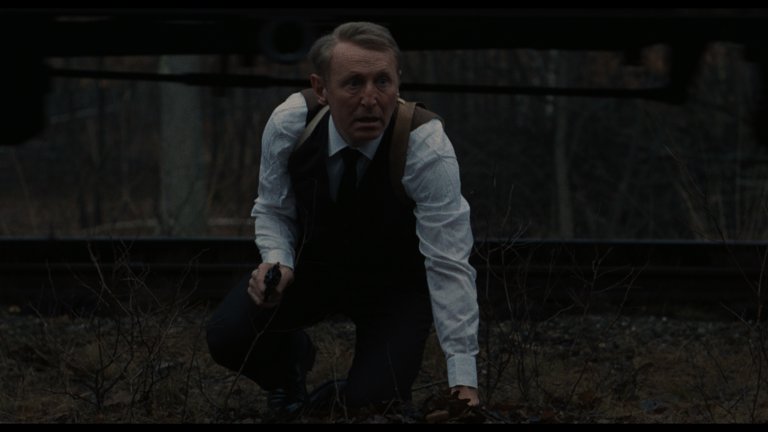
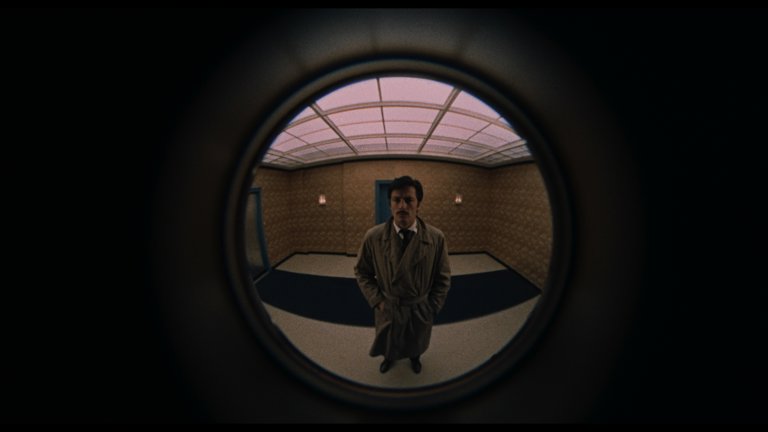
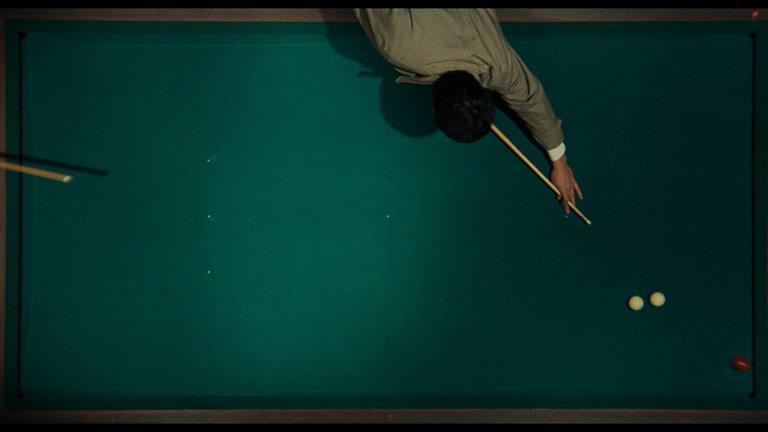
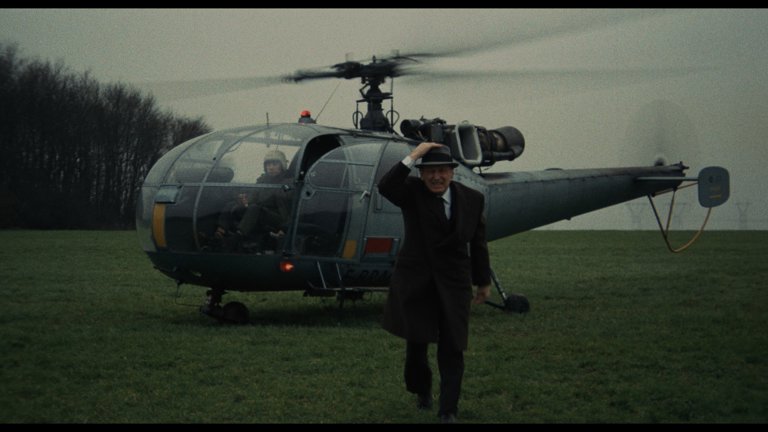
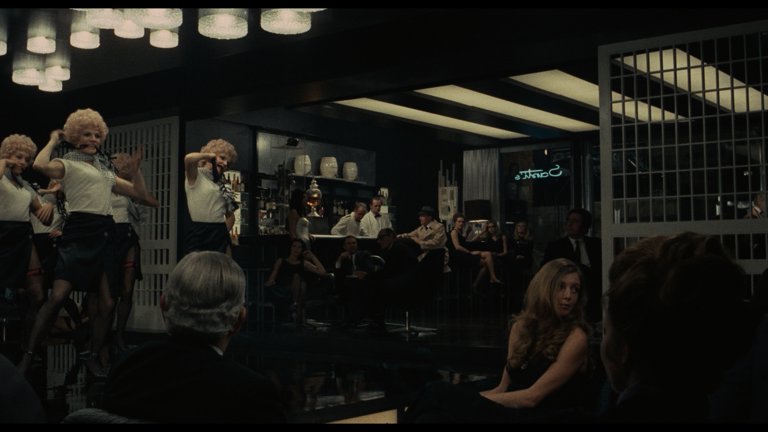
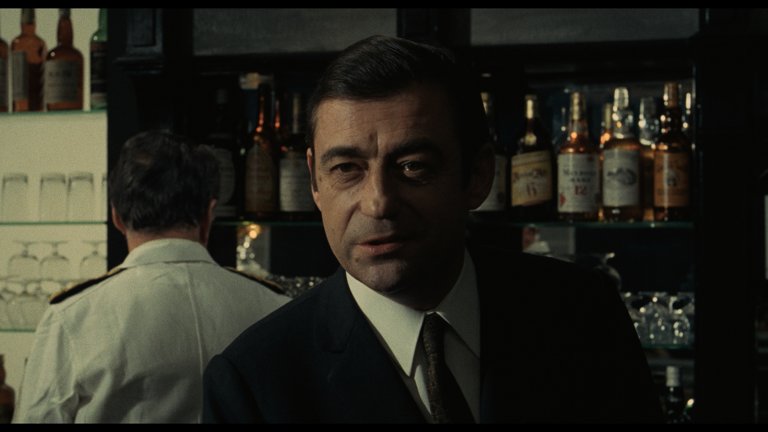
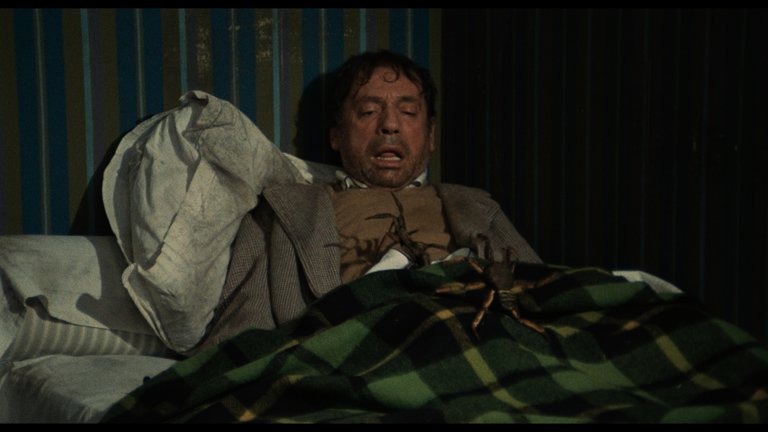
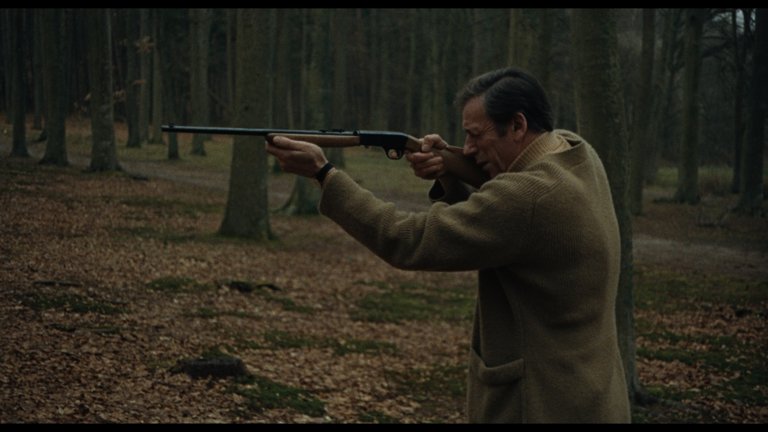
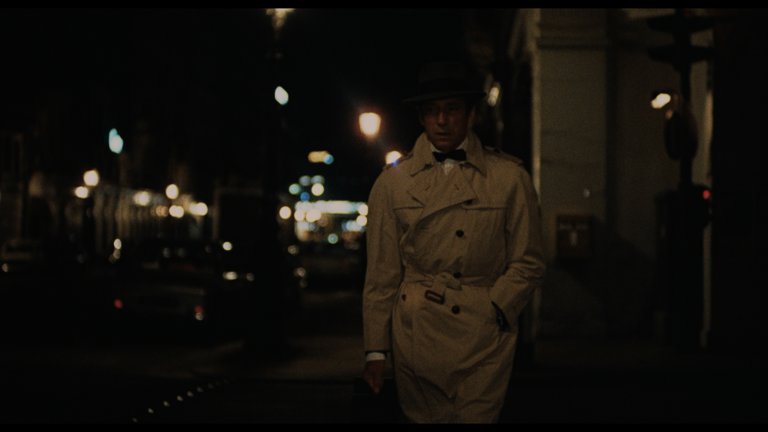
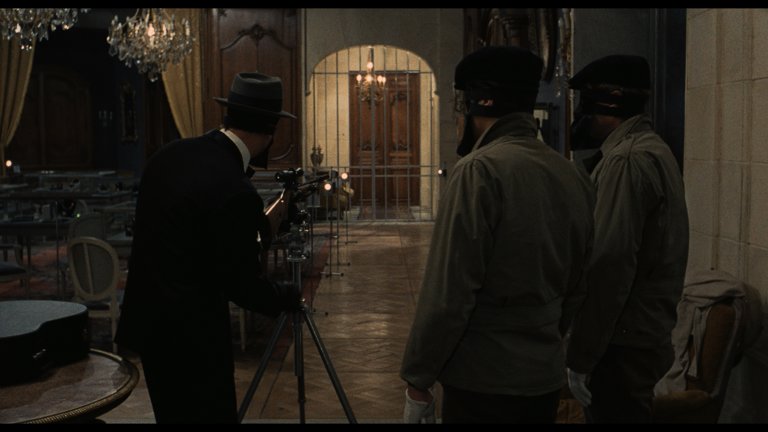
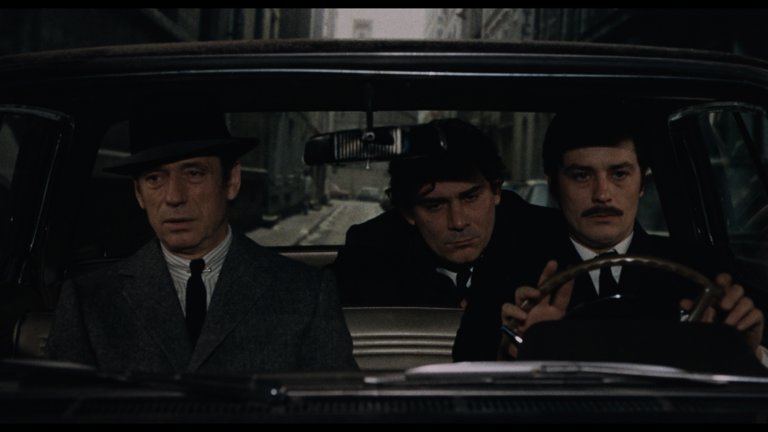
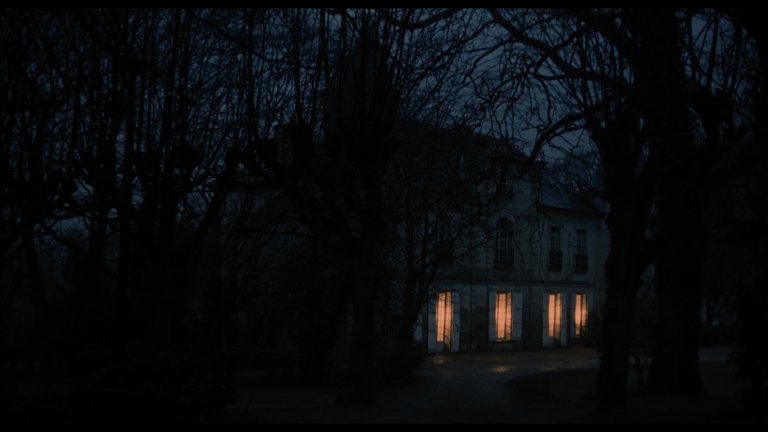
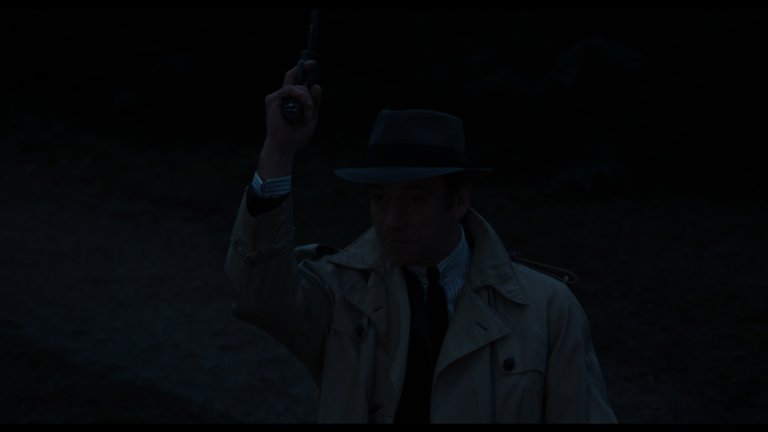
Le cercle rouge - Screen Captures
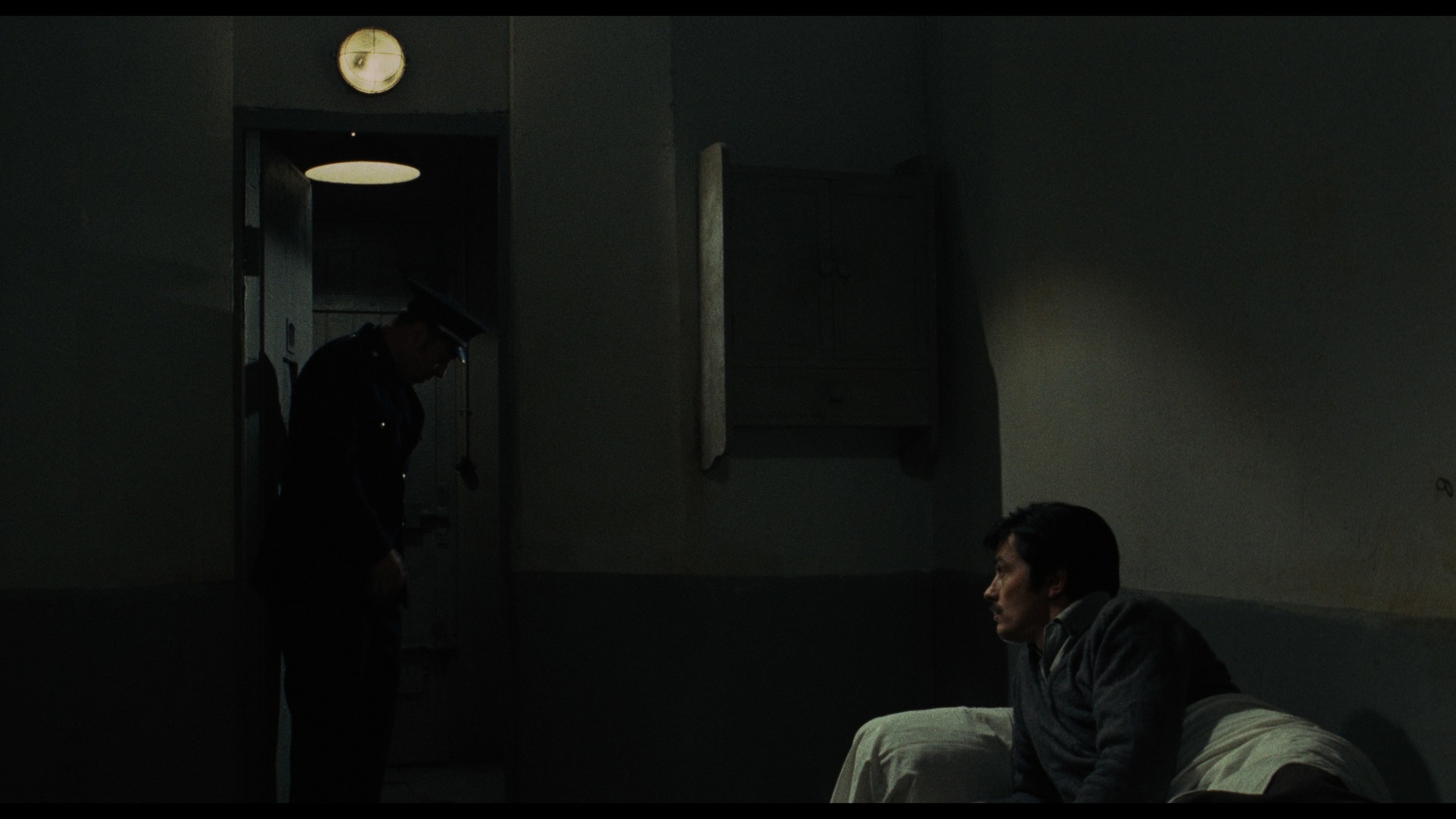
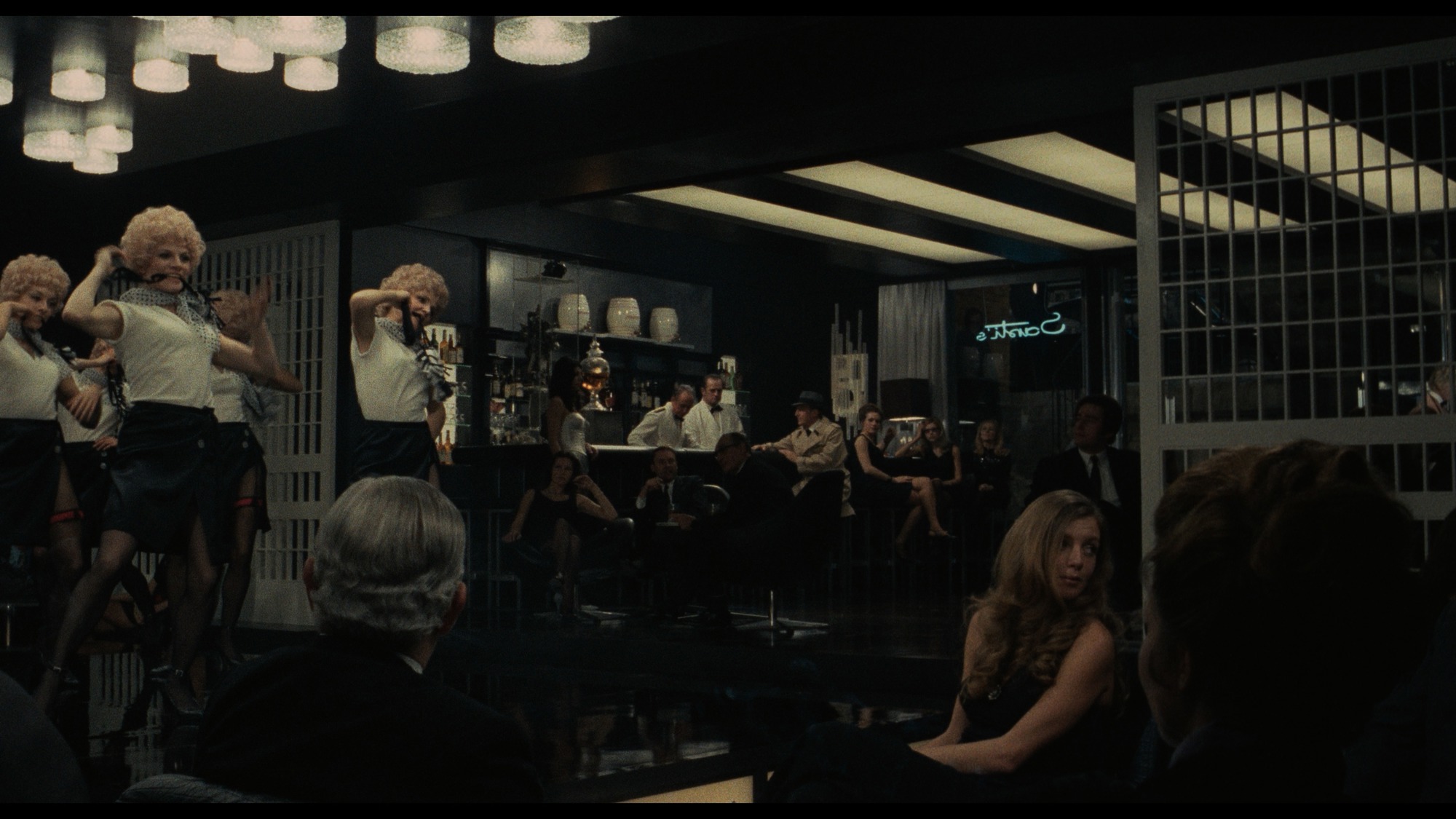
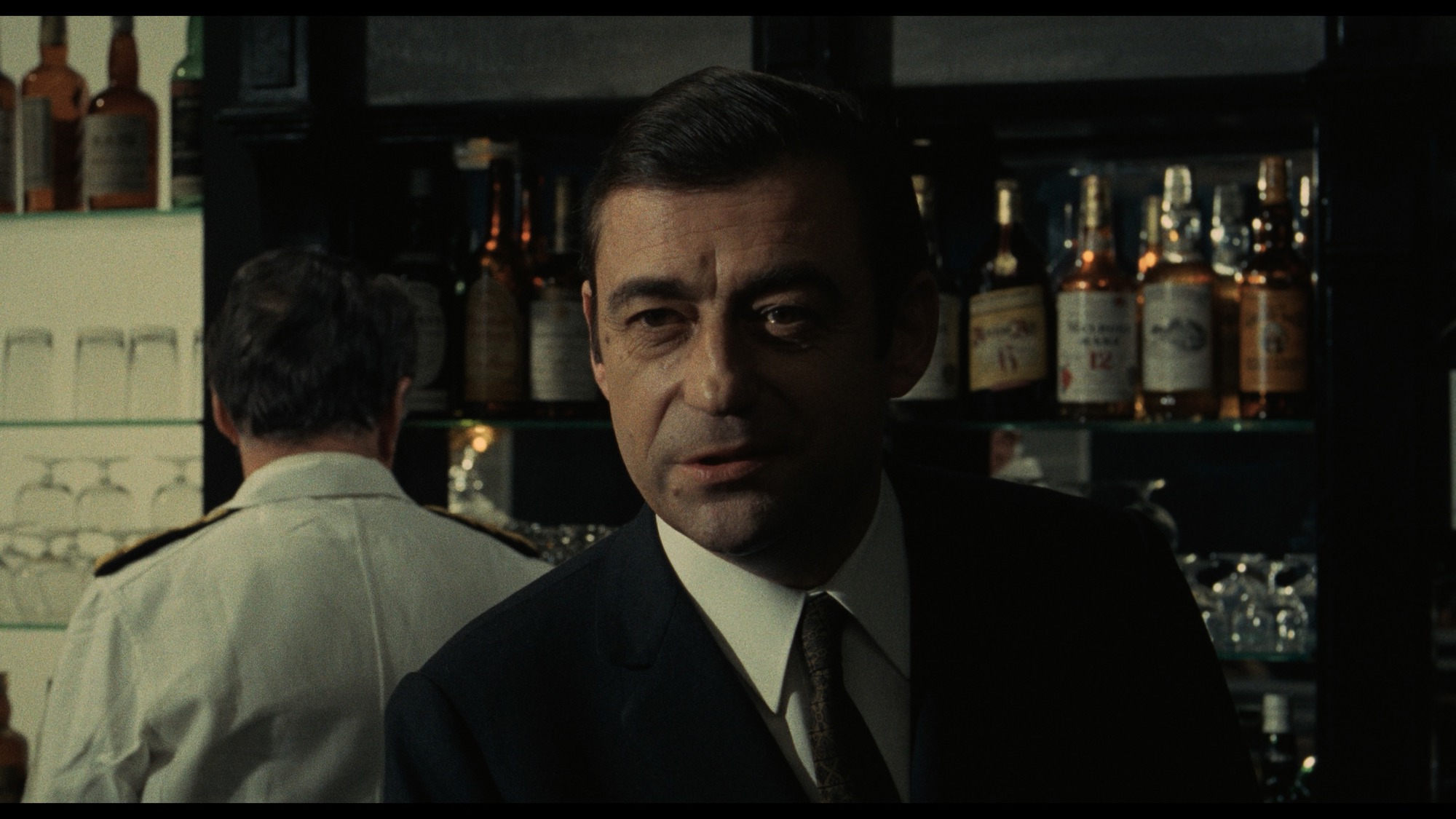
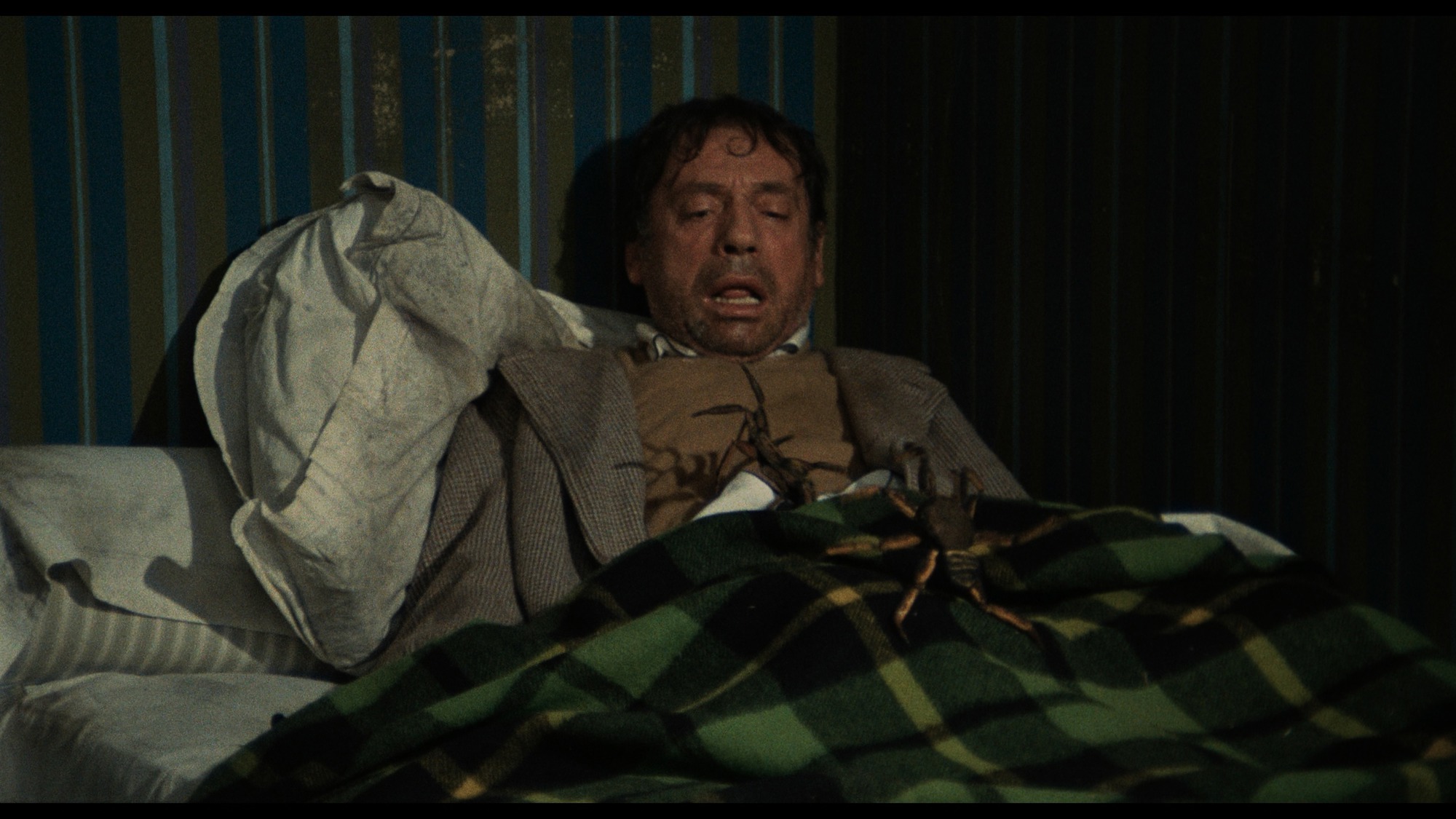
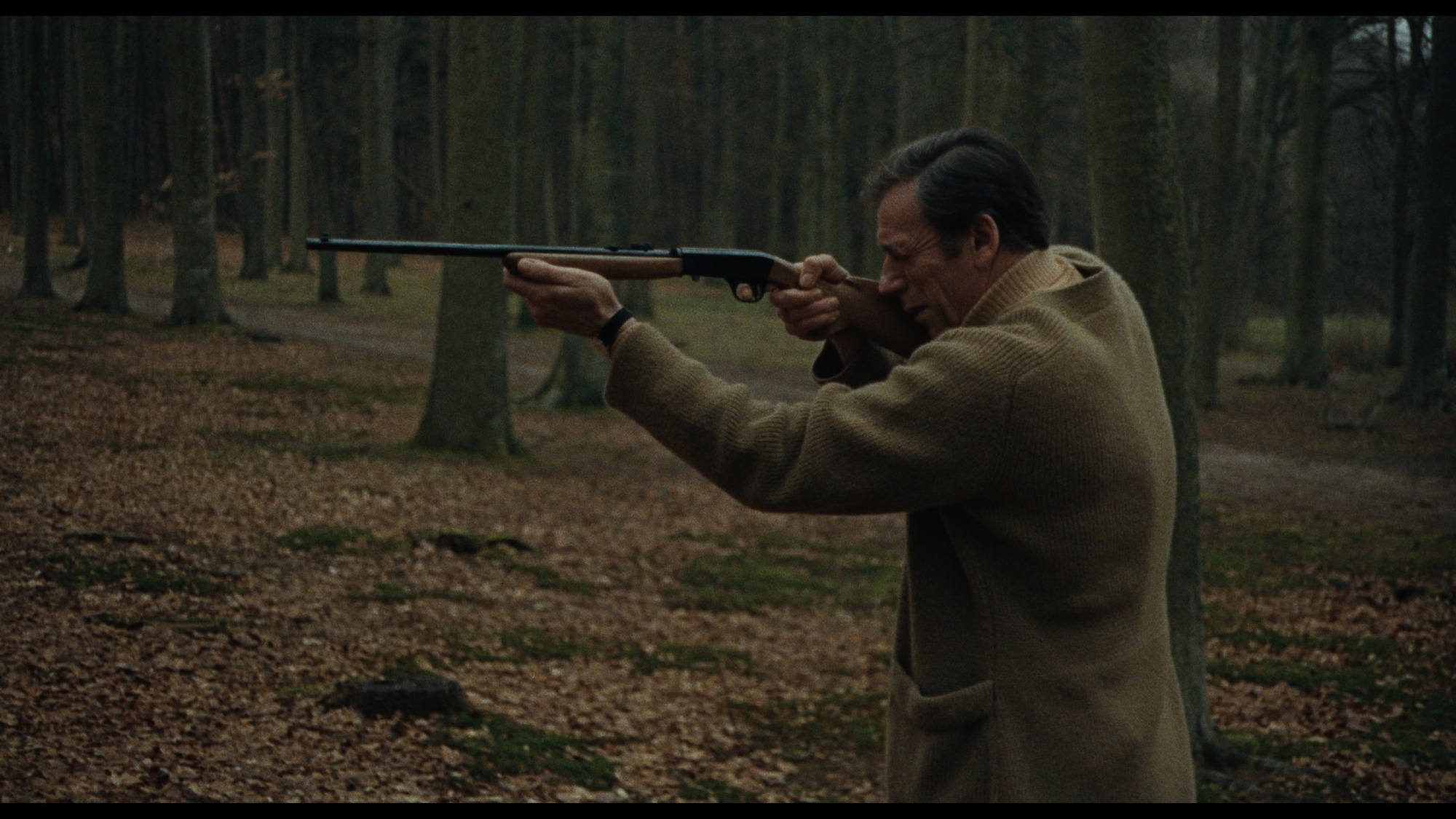
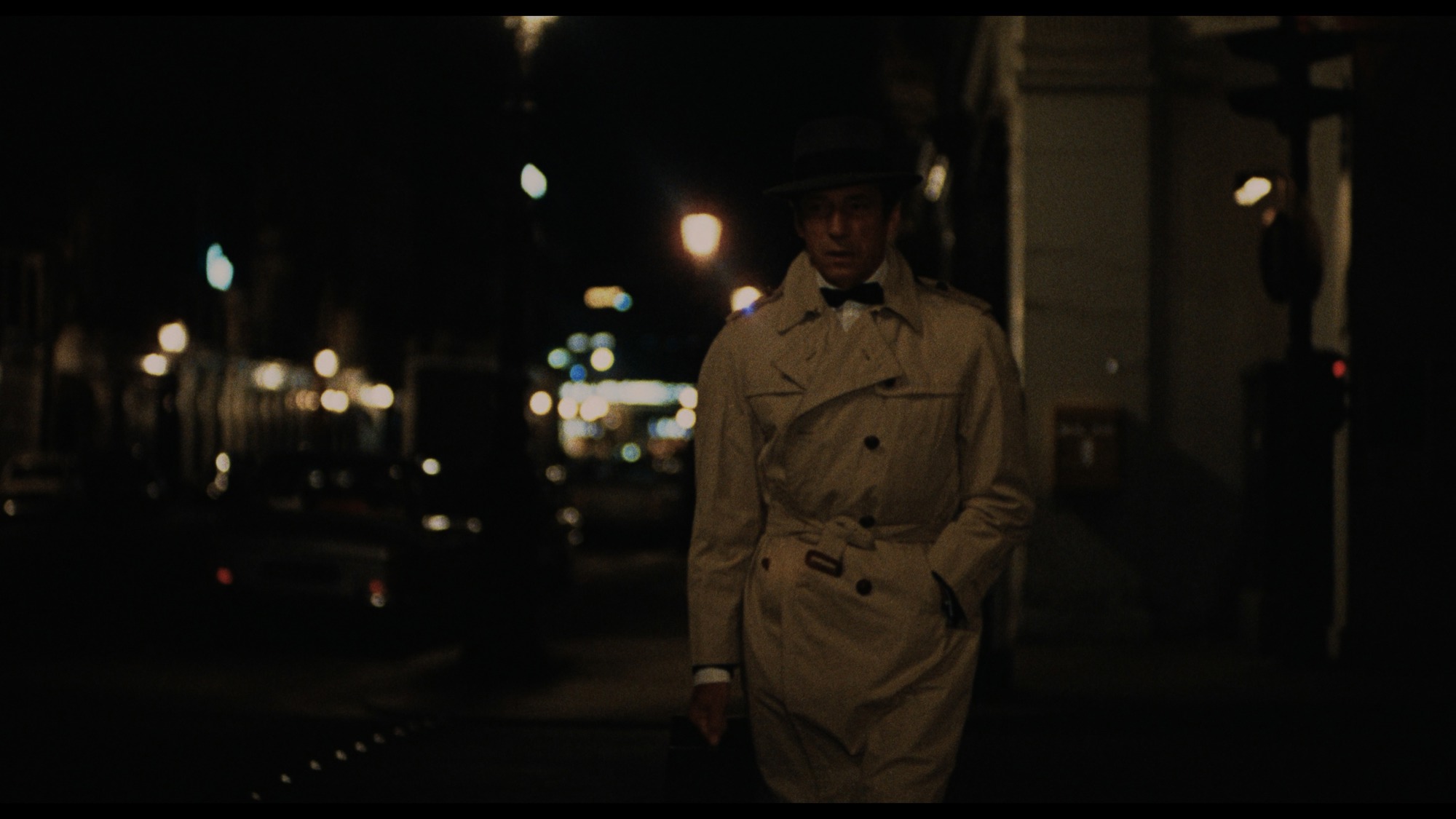
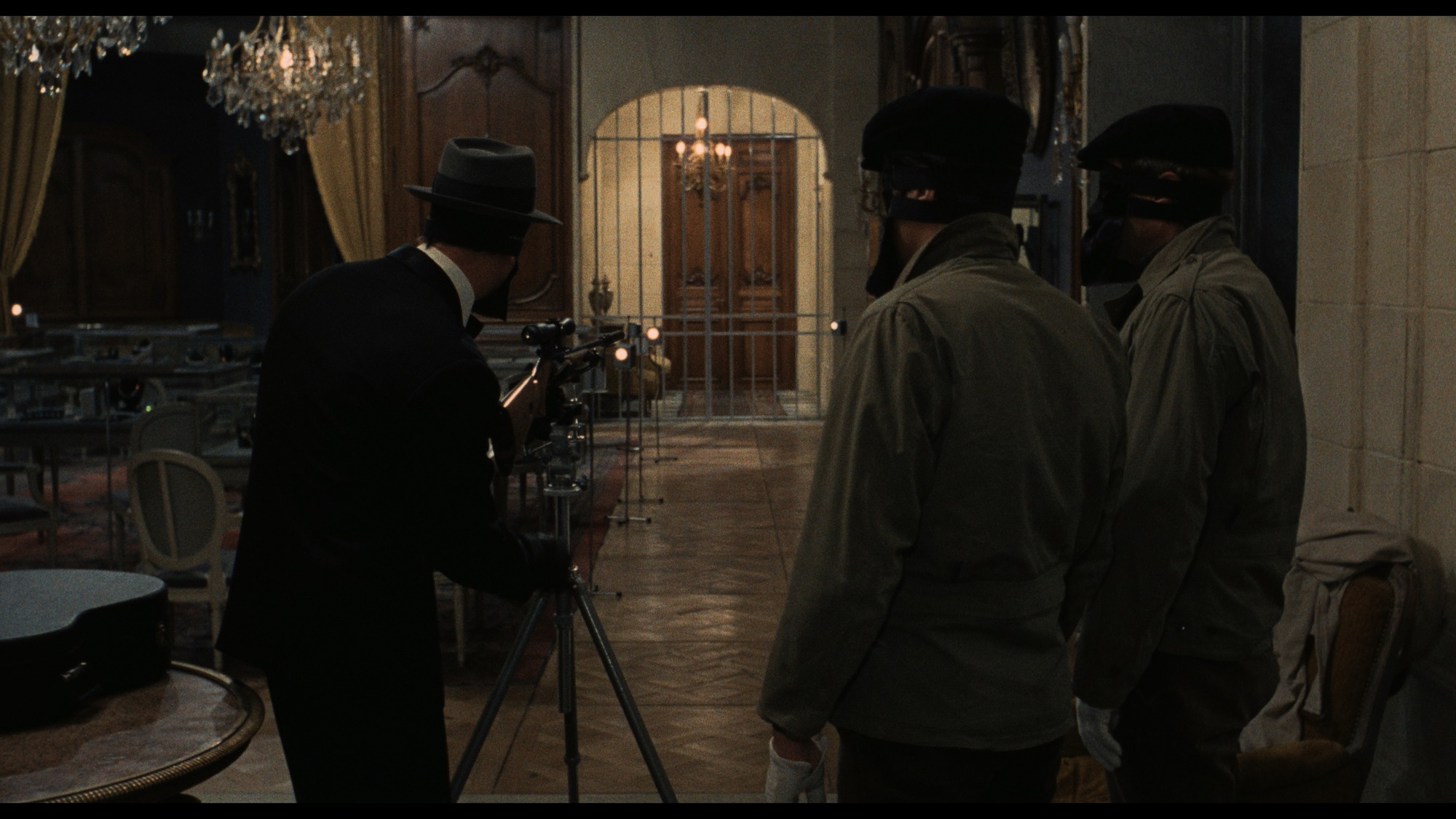
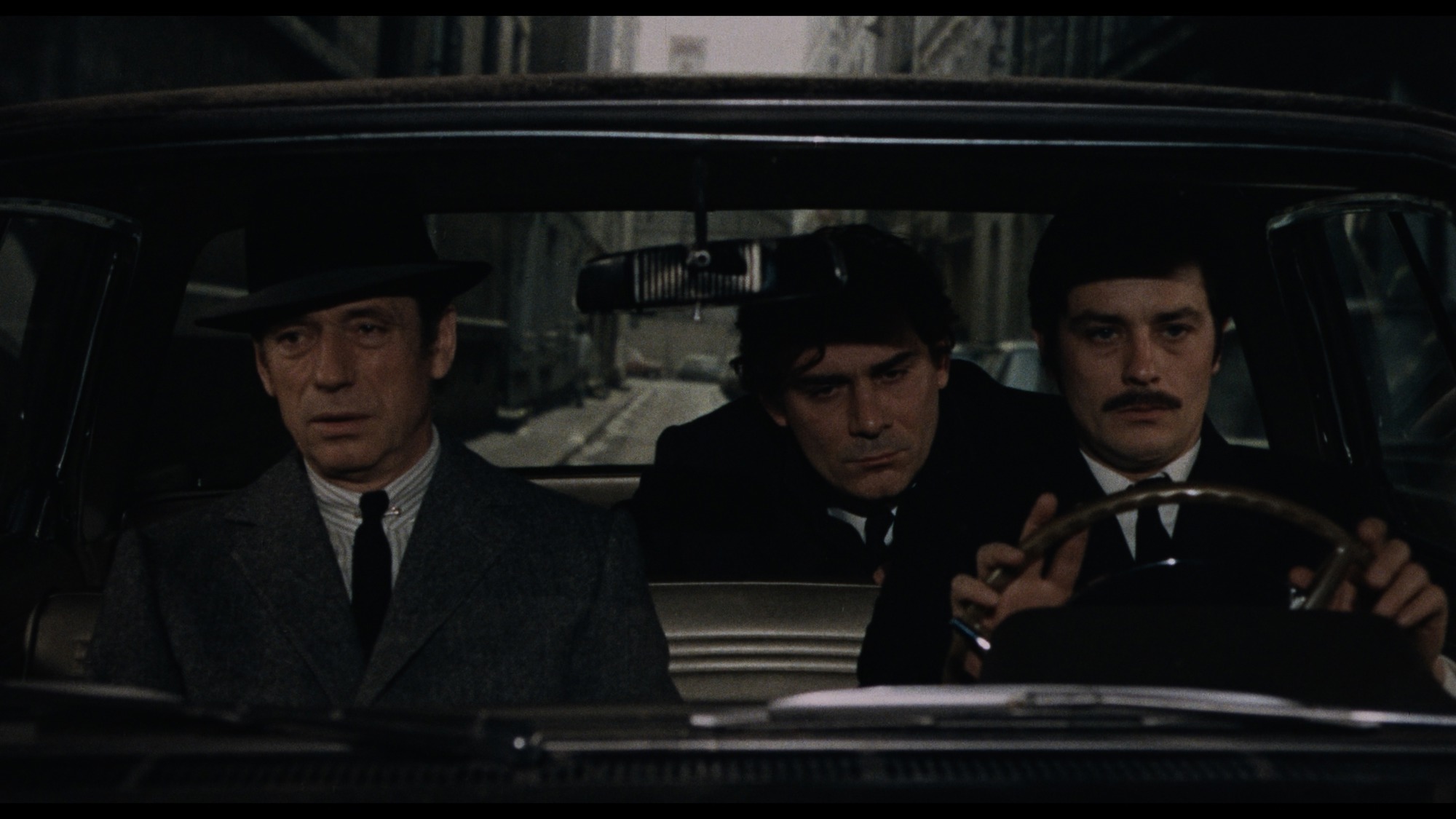
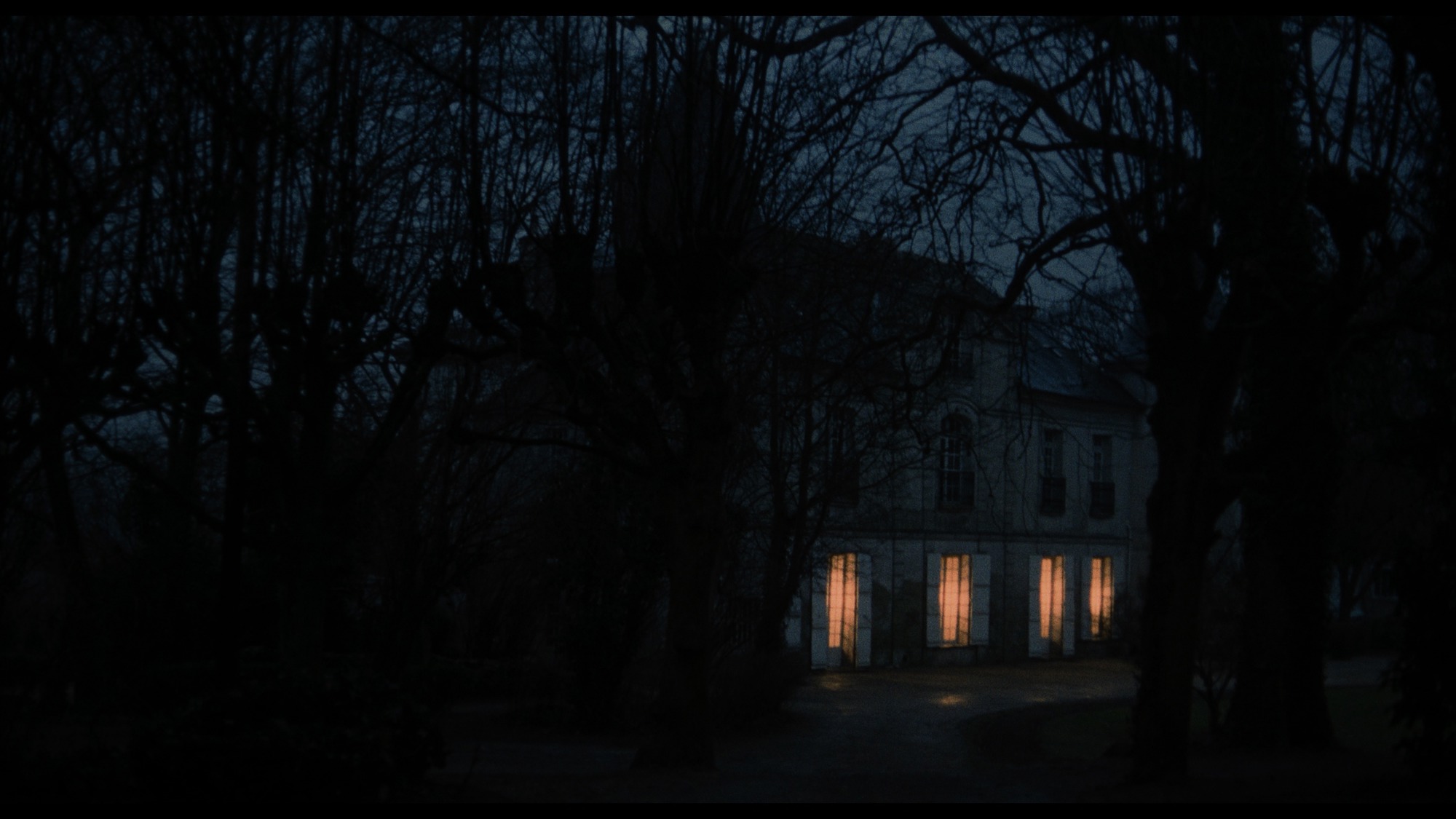
Audio 7/10
The lossless, single-channel PCM soundtrack does manage to offer a noticeable improvement over Criterion’s old Blu-ray. I was most surprised by the level of range found here, from the impressive level of clarity during the very quiet heist sequence to the sharp, loud gunshots that pop up in places. A nice little improvement.
Extras 6/10
The first disc only holds the film while the second standard Blu-ray disc, which also sports the 1080p presentation, offers up all the special features. Sadly, Criterion hasn’t included anything new, simply porting the material from their previous Blu-ray and DVD editions.
Things start off again with a 27-minute set of excerpts from the French program Cinéaste de notre temps and its episode entitled “Jean-Pierre Melville: Portrait en 9 poses”. The episode attempts to present Melville’s daily routine while working, concentrating on nine aspects, though only six of those are presented here. Throughout he discusses various topics filmmaking, covering topics like his studio, the intense process that goes into writing his films (which he interestingly prefers to do with little light), and his editing process, before expressing his love for American films and his desire to translate those films to a French/European audience. It’s a good presentation though I’m disappointed the whole segment isn’t included here and am not entirely sure why this is the case.
The remaining archival segments are all short blips. A segment from Pour le cinema shows some behind-the-scenes footage from the filming of Le cercle rouge’s ending. The 5-minute clip presents a little bit of conversation about the lack of women in Melville’s film along with quick interviews with the director, Delon, Montand, and Bourvil, the last three talking about their other work from this time on top of this film. Following this is a 4-minute segment from Midi Magazine, which features Melville talking about the police thriller as a genre and the restrictions of the urban landscape, which is followed by another 4-minute clip from Vingt-quatre heures sur la deux, which features Melville and Delon talking a little about Le cercle rouge and their other work together. The final segment, running 10-minutes, is made up of excerpts from Morceaux de bravoure, the director talking about Le cercle rouge and why it took so long for him to get around to making it.
We then get two newer interviews, first with assistant director Bernard Stora, who chats for 30-minutes about first meeting Melville, the director’s love for just about all things American, and his processes that went into filmmaking, whether it be around his writing at night or how he generally worked on set. He talks a little about the troubled working relationship between Melville and actor Gian Maria Volonté while filming Le cercle rouge, and gets into some more personal aspects of Melville, like his love for animals (apparently he was a cat guy, which I never would have figured). It’s still a decent, reflective interview.
The final interview is then with Rui Nogueira, who wrote the book Melville on Melville. He starts things off by talking about the beginnings of his book, which started out as a book featuring a collection François Truffaut, but after Nogueira found he had no chemistry with Truffaut, making for an awkward interview, he moved on to Melville. He was on the set of Le cercle rouge but sadly can’t recall much due to him being so focused on the book, yet is still able to share a little more about the director’s issues with Volonté. He also shares Melville’s original ideas for the cast, which included Lino Ventura and Jean-Paul Belmondo. Despite the handcap of Nogueira not being able to recall filming all that much, this is probably the more interesting interview of the two.
The disc then closes with the film’s trailer, dropping the 2003 re-release trailer. This latter trailer was more-or-less the same, just adding on a “John Woo Presents” title card.
The included booklet also looks to be the same as Criterion’s original one, just adding a few photos. The booklet starts off again with an excellent essay on the film by Michael Sragow, followed by a reprint of an interview with Melville on the film. The booklet then also features a reprint of an interview featuring composer Eric Demarsan talking about scoring for Melville’s film, the same essay by Chris Fujiwara on the film’s title, and then finally a short note by John Woo around his admiration for Melville and this film.
Sadly, none of the new material StudioCanal created for their edition makes it over here, but the material is still worth going through if one hasn’t done so yet.
Closing
The colors are surely going to cause a divide, but the end results for this 4K presentation are still very pleasing, leading to a far cleaner image with improved depth and clarity.
BUY AT: