Lonesome
BUY AT:


See more details, packaging, or compare
Synopsis
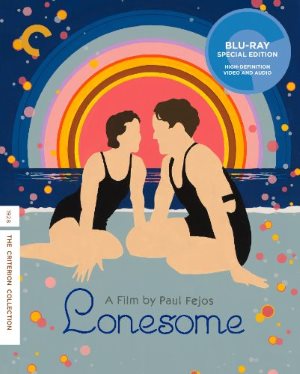
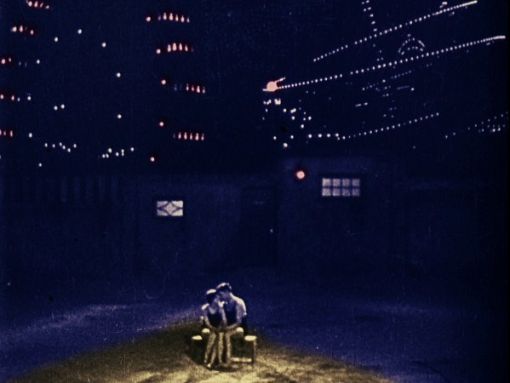
A buried treasure from Hollywood’s golden age, Lonesome is the creation of a little-known but audacious and one-of-a-kind filmmaker, Paul Fejos (also an explorer, anthropologist, and doctor!). While under contract at Universal, Fejos pulled out all the stops for this lovely, largely silent New York City symphony set in antic Coney Island during the Fourth of July weekend, employing color tinting, superimposition effects, experimental editing, and a roving camera (plus three dialogue scenes, added to satisfy the new craze for talkies). For years, Lonesome has been a rare treat for festival and cinematheque audiences, but it’s only now coming to home video. Rarer still are the two other Fejos films from his Universal years included in this release: The Last Performance and a reconstruction of the previously incomplete sound version of Broadway, in its time the most expensive film ever produced by the studio.
Picture 6/10
Criterion presents the sound version of Paul Fejos’ Lonesome in its original aspect ratio of about 1.19:1 on this dual-layer disc with a new 1080p/24hz high-definition transfer.
Considering the rough history this film has had it’s not a surprise it doesn’t look perfect but I think many will be pleased, even surprised, at how well this presentation comes off. Introductory titles and a note in the booklet go into detail about the print used and the restoration. The source for this Blu-ray comes from a restoration of a French print by the George Eastman House. Though American made the French print of course presented French intertitles. These have been replaced with new intertitles in English, translated from the original French text as the original script is long gone. In his commentary historian Richard Koszarski notes that some intertitles are probably missing, more than likely excluded in the French version because they were jokes that didn’t translate too well.
As to how it looks it really does vary. Damage can be pretty heavy and the film is incredibly grainy. Scratches, knicks, tram lines, and stains (particularly large ones at the end) are always present. But thankfully the transfer itself is sharp and clean, handling the imperfections rather well so that the image at least looks natural. The few colour sequences found in the film come off surprisingly clean as well, especially when the technique is considered: these sequences were hand painted so I wouldn't have expected them to come off so smoothly. Surprisingly the three sound sequences that were added in by Fejos a little later are in exceptional shape and come off looking the best in comparison with the rest of the film. I’m not entirely sure why this is though it sounds like a completely different film stock was used, so this more than likely has something to do with it. These sequences present very little damage, and manage to look a bit sharper.
Despite the source print’s limitations I was still rather stunned by the transfer. It’s clean and natural without any noticeable artifacts and very film-like in the end.
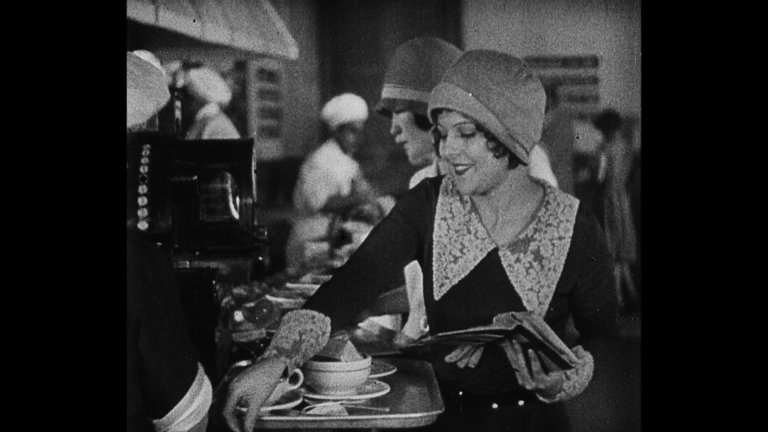
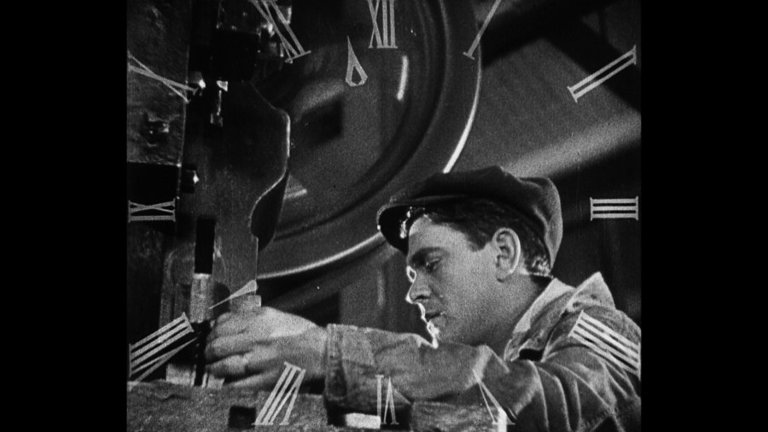
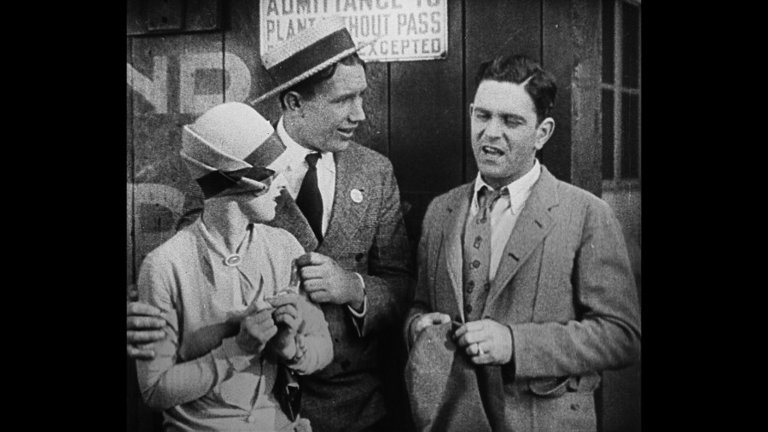
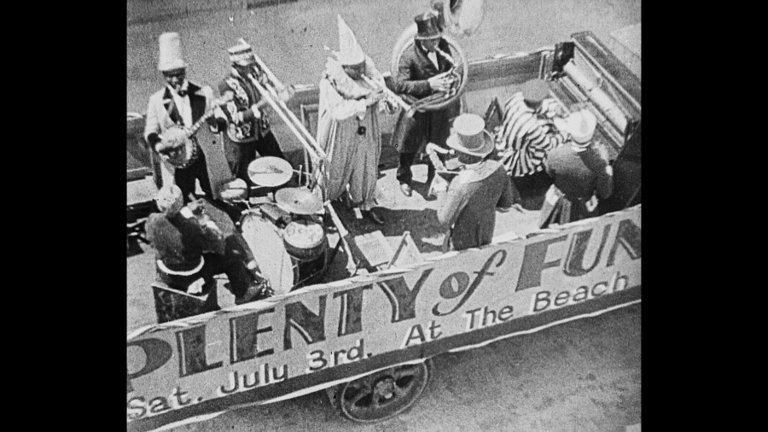
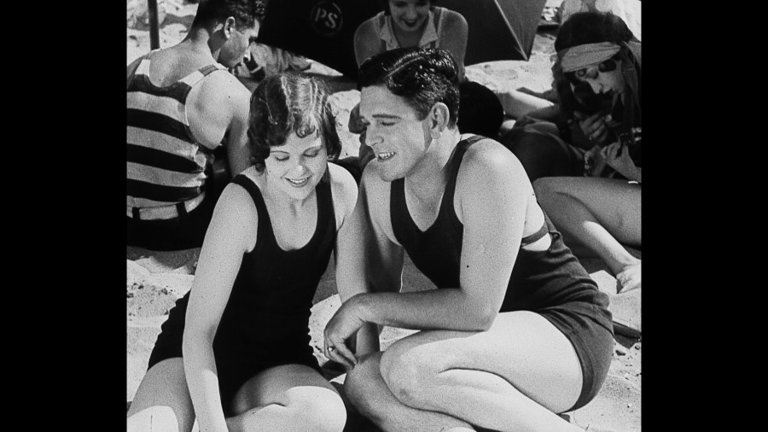
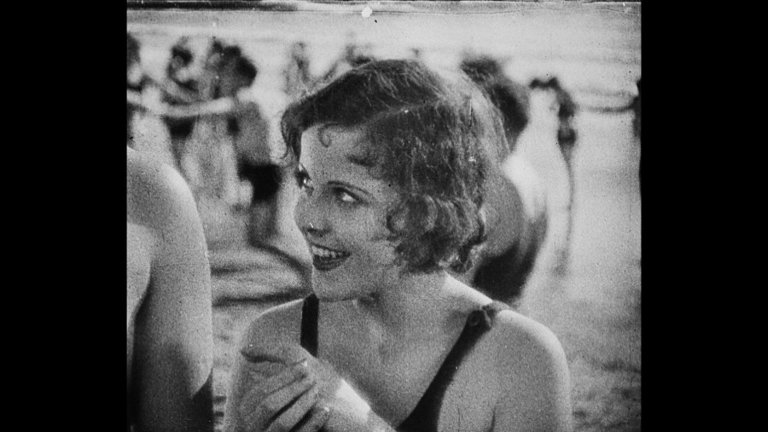
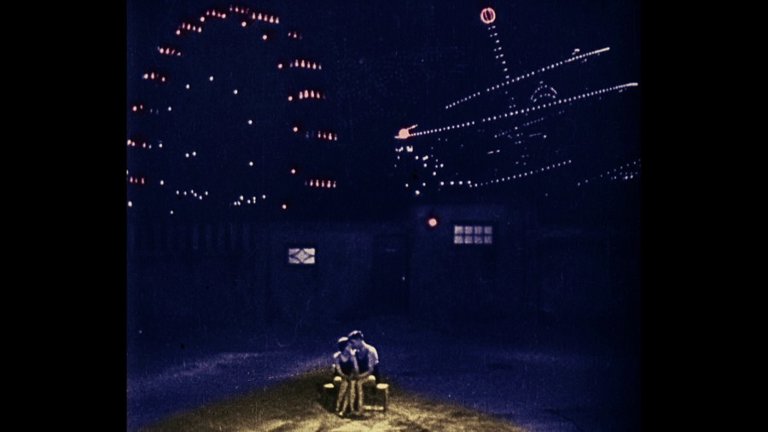
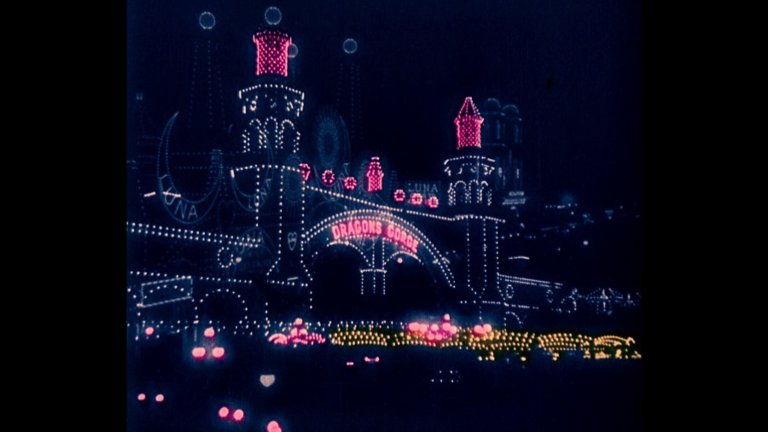
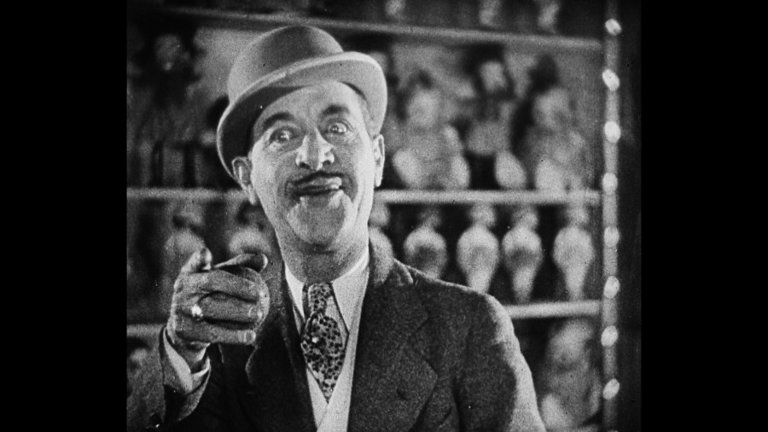
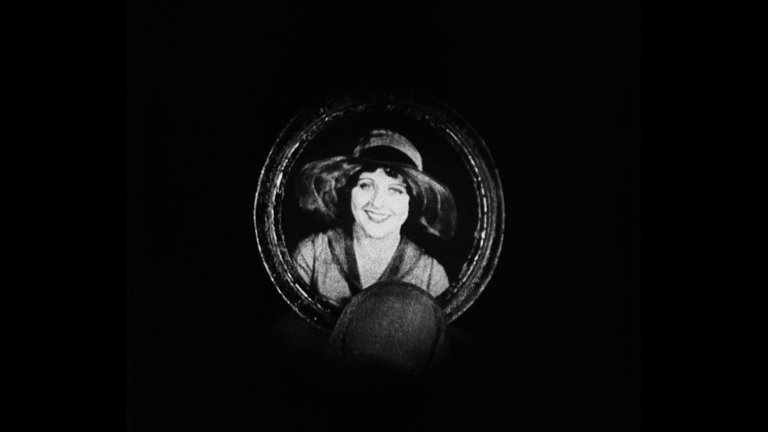
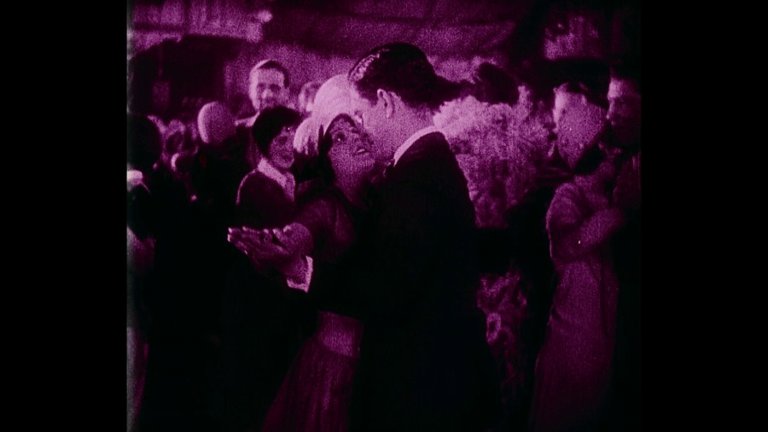
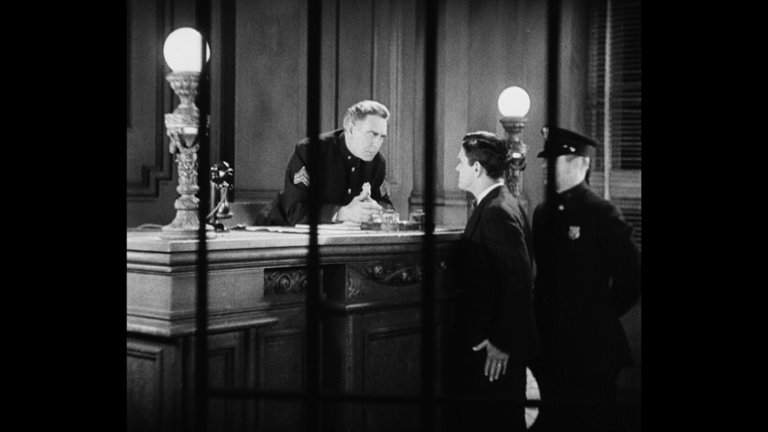
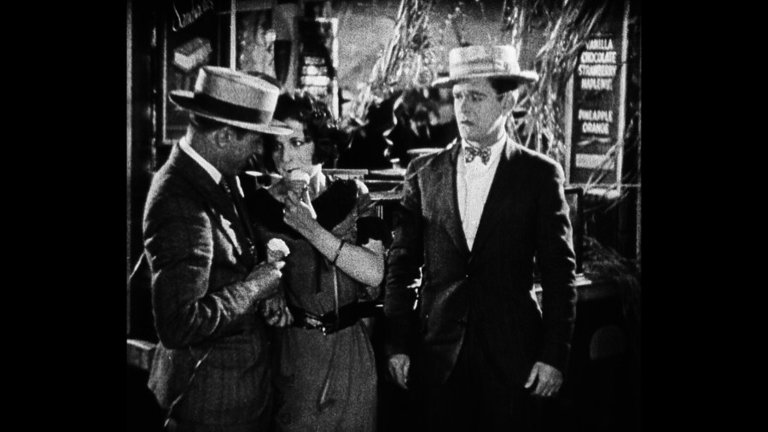
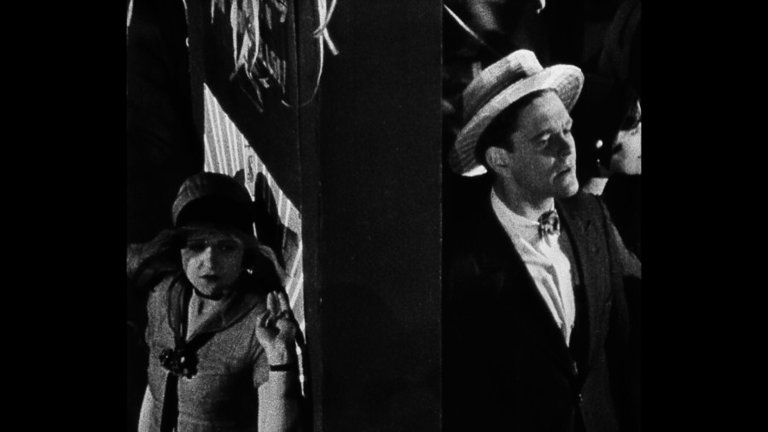
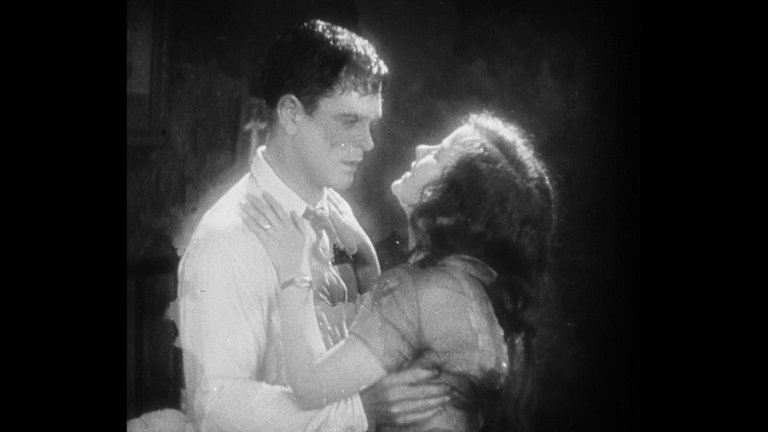
Lonesome - Screen Captures
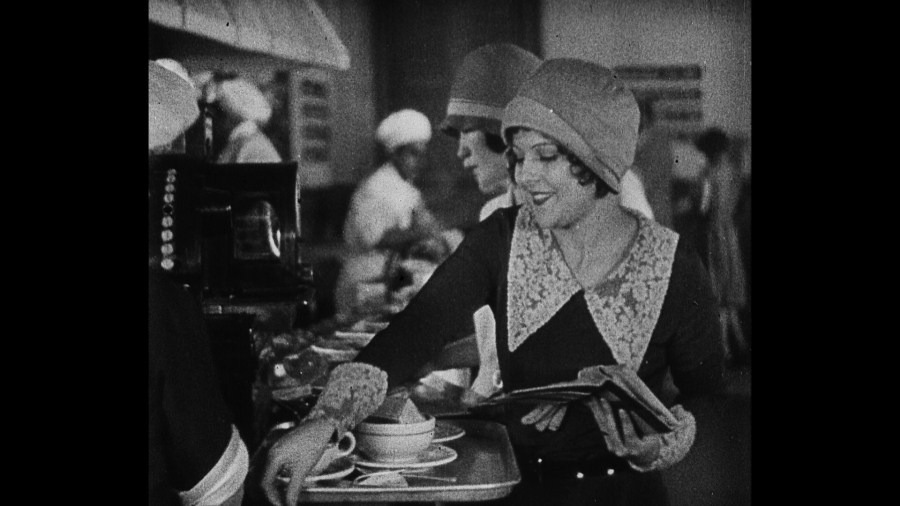
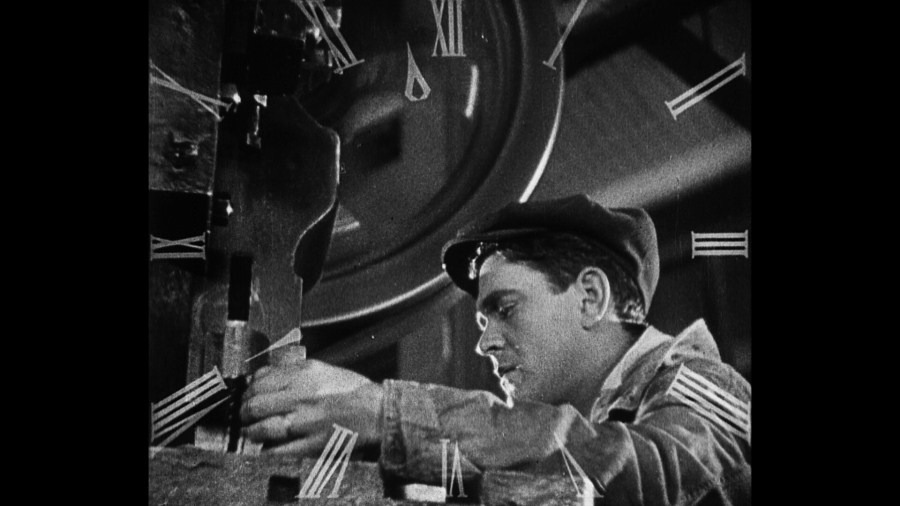
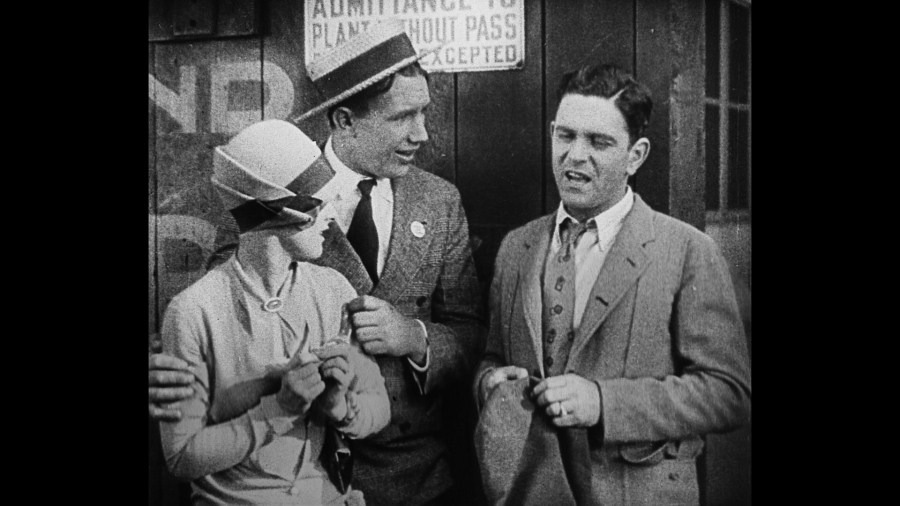
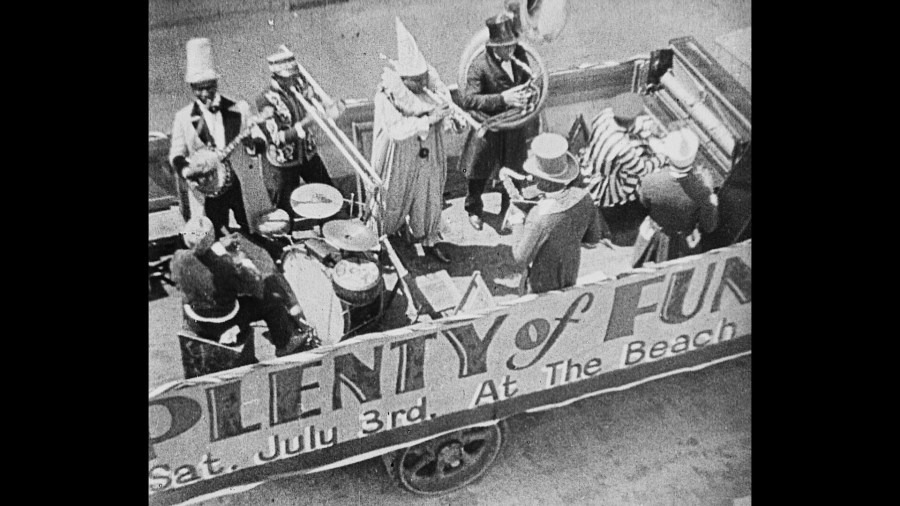
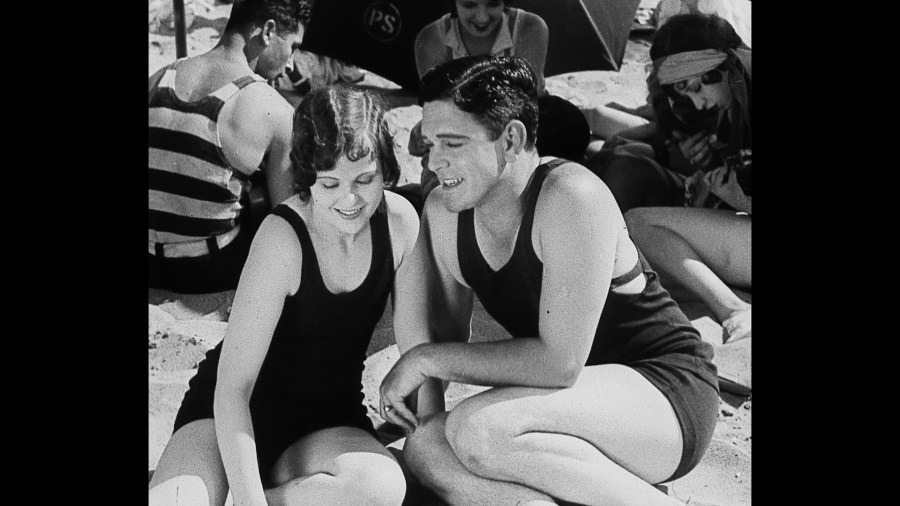
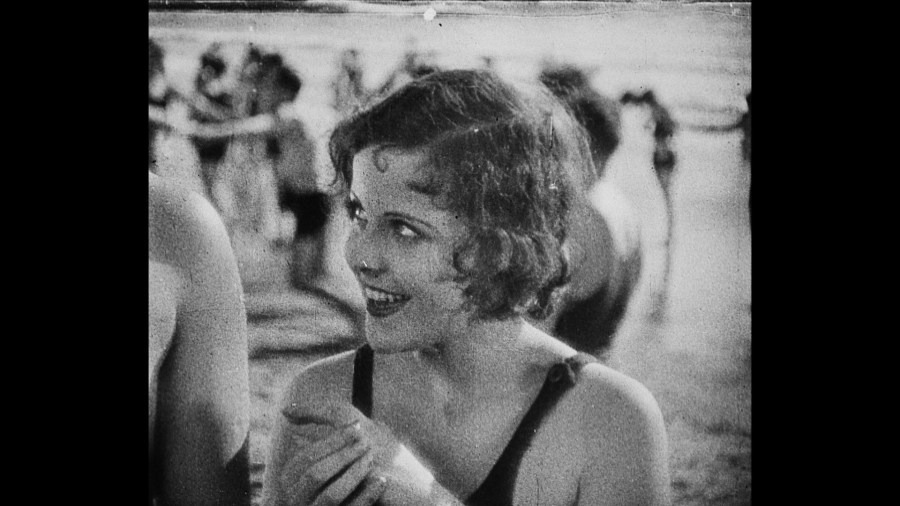
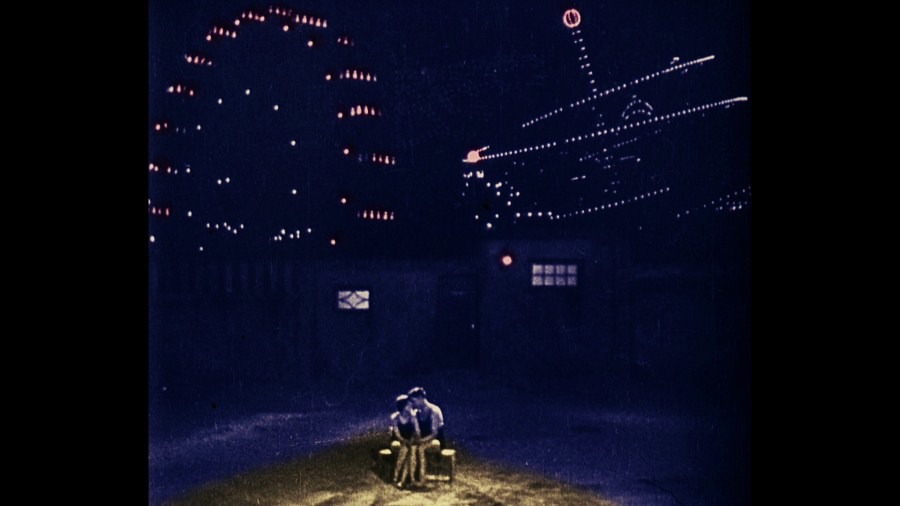
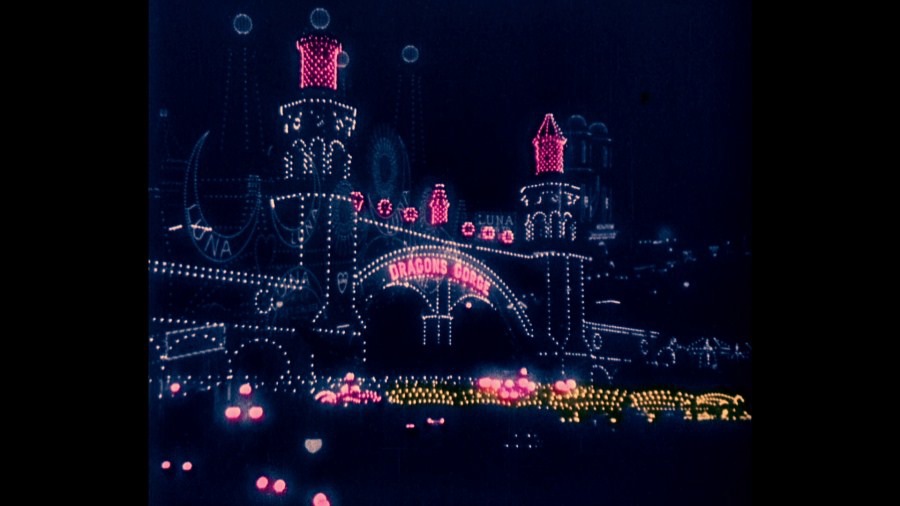
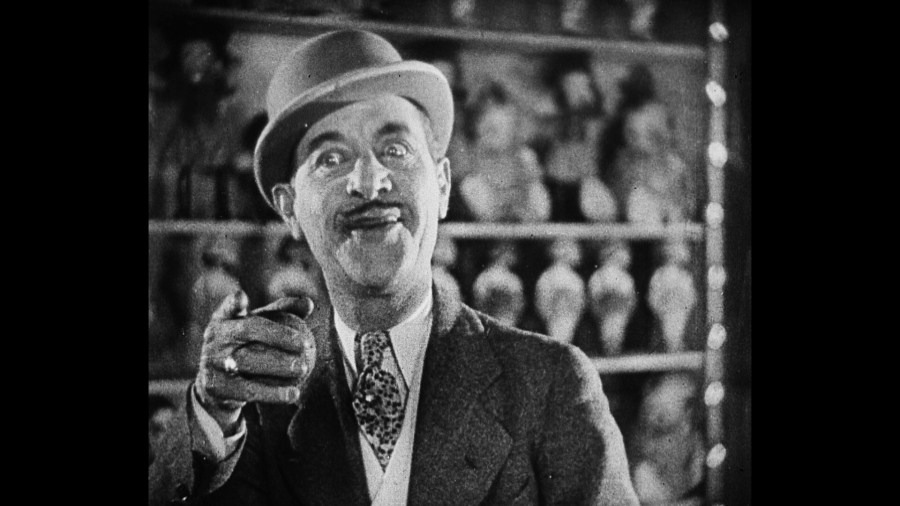
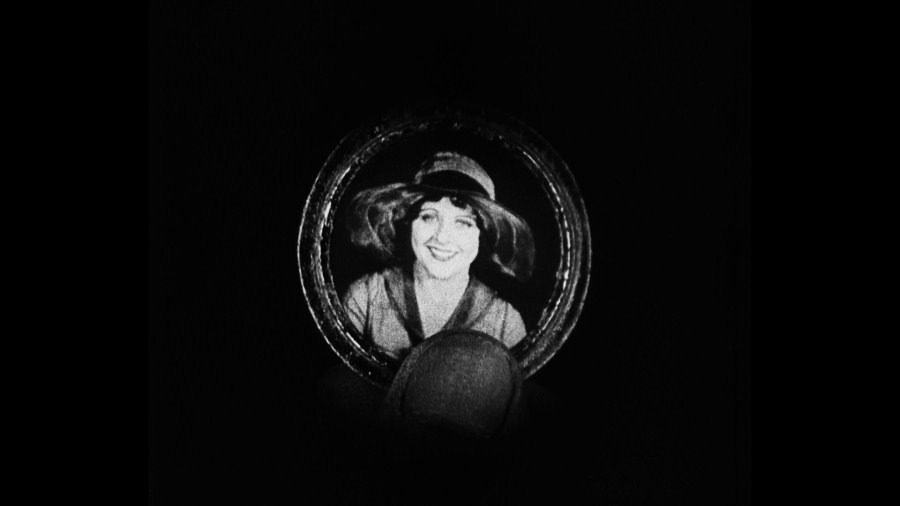
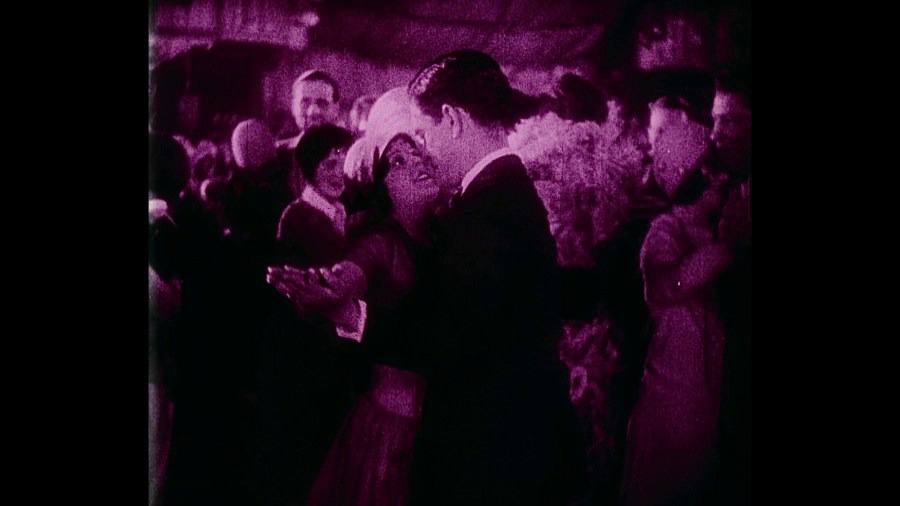
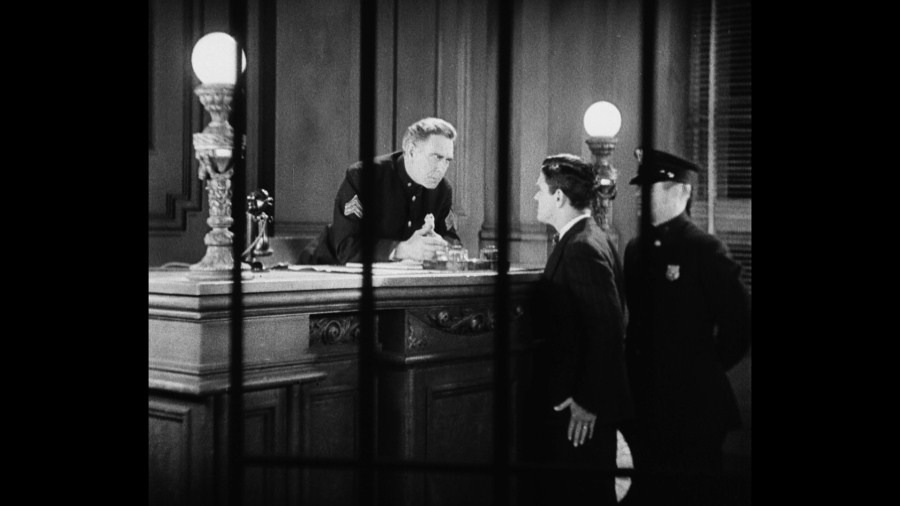
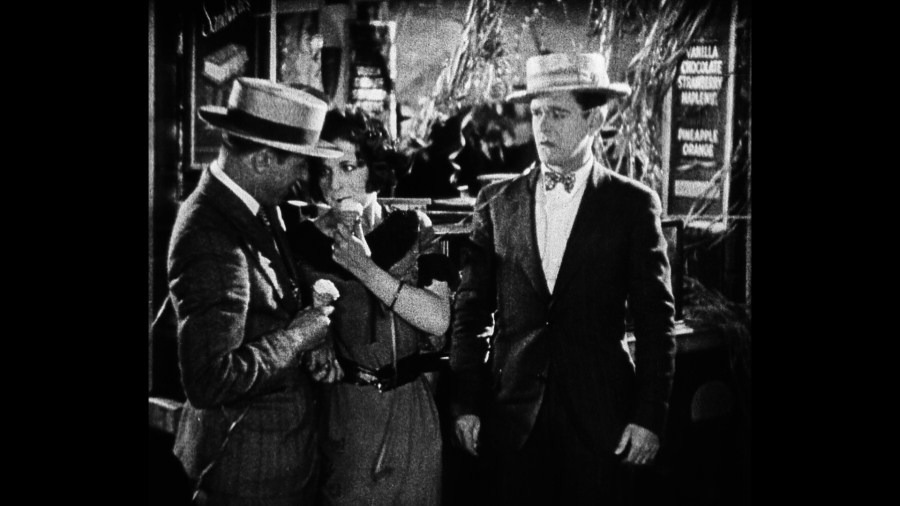
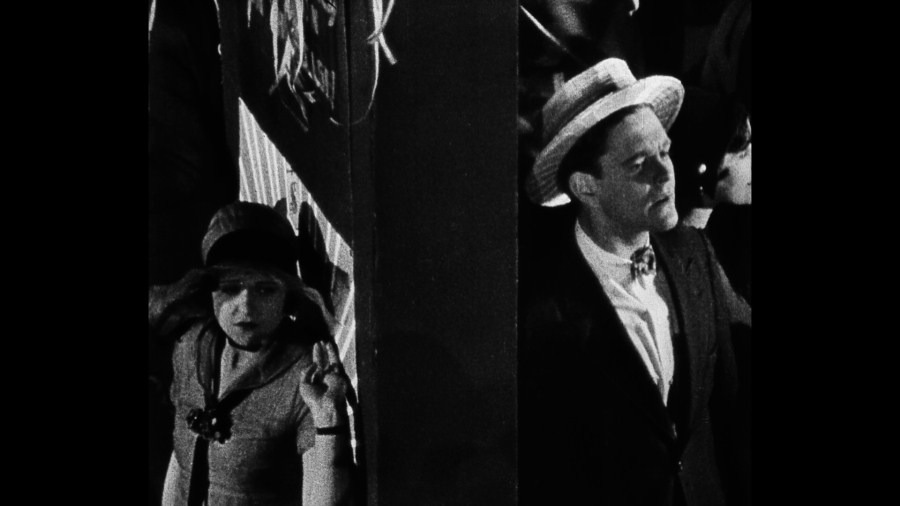
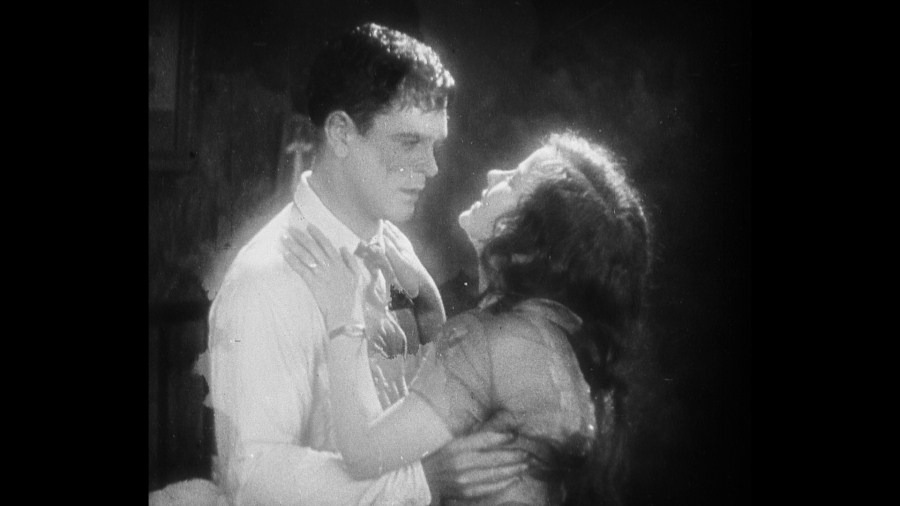
Audio 4/10
The film’s audio, presented here in lossless linear PCM mono, definitely shows its age. It cracks and pops, has a fair amount of noise in the background, and the music is uneven and at times grating. Oddly the dialogue sequences actually sound okay, which I don’t entirely understand since, as I was led to believe, the rest of the soundtrack was added to the film with the dialogue at the same time. So whatever the reason, these three “talky” sequences sound the best while the rest of the track has its ups and downs.
Extras 8/10
A lot of Paul Fejos’ work has been lost so it seems Criterion has put together what they can and offer a sort of retrospective on the director.
The first supplements is an audio commentary by film historian Richard Koszarski, which is a fairly entertaining and informative discussion about the director, the film, Universal, and the studio system at the time the film was made. He also talks a lot about the print used for the restoration, bringing up various issues there may be with it, like what could be missing. He also talks about how Fejos was able to pull of the numerous effect shots that occur throughout the film and talks a little about his unique editing style. He covers the various films and styles that may have influenced Fejos, such as German Expressionism and King Vidor’s The Crowd, which was released just before Lonesome was released. He also talks about the film’s sound and addresses the amount of criticism the admittedly awkward dialogue scenes received when they were added. Mixed in with a lot of information about Fejos’ later life and Universal’s treatment of silent features later on, this is a fairly comprehensive track despite the short length.
Criterion next includes the 19-minute Fejos Memorial, a piece created in 1963 after Fejos’ death. The piece edits excerpts from an audio interview with the director, recorded a year before he died, around images and film clips, offering a decent biography of the director’s life. It surprisingly spends very little time on his work at Universal but instead focuses more on his work after his stint in America, such as his documentary work in Madagascar and then his move to becoming an anthropologist. The man had an absolutely fascinating and unique life, traveling the world and dipping his toes into various careers, which makes for an engaging and funny addition.
Criterion then includes two other films made for Universal by Fejos. A 59-minute version of The Last Performance, a silent films starring Conrad Veidt as a jealous magician, is included. It’s presented in 1080p/24hz but looks incredibly rough. Damage is heavy and the image is soft and mushy, but it’s still watchable and has a few moments of decent clarity. The story is surprisingly mediocre and not all that engaging, about Veidt’s magician and a love triangle between him, his assistant, and apprentice. What saves it, other than Veidt, is Fejos’ injection of visual flare with some impressive camera work and trickery.
I also had a similar reaction to Broadway, Fejos’ 104-minute 1929 film, presented here in a reconstructed sound version. The film was released both as a silent and sound feature, both with a Technicolor conclusion. The last reel of the sound version is lost but the version presented here has been reconstructed the taking the last reel of the silent version and editing in audio recorded for the film found in a private collection. It actually works surprisingly well. The film, about a night club and the gangsters that work through it, is also pretty mundane story wise, but again the film is saved by Fejos’ visual sense. A large 50ft crane was created specifically for this film and there is some more stunning camera work as we whip around the abnormally large night club, going from a close-up to a sudden bird-eye shot of the floor below and even back down again. Based on a play Fejos worried about making the film feel like just a simple, bland film version of it, so he amped up the visuals and he certainly succeeds. Though I can’t say I’m terribly fond of the film it looks fantastic and the technical wizardry goes well and beyond what the story certainly calls for.
Broadway is also presented in 1080p/24hz and looks better than the other films found in the set, presenting less damage and looking a bit sharper. The Technicolor sequence at the end, though, is a horrific mess unfortunately. Using a red/green version of the technology it’s impossible to see at times and details are lost. The audio is mostly good through most of the film but the musical number at the end is near-impossible to listen to. Unfortunate but the presentation is otherwise decent.
Criterion then concludes the supplements with an interview with cinematographer Hal Mohr, recorded in 1973 and running about 7-minutes. He talks about the crane created for the film and what it was able to accomplish. He also touches on the stage that had to be built to accommodate it. It has a sad ending, though, where Mohr mentions he last saw the crane rotting away in a junk yard on the Universal lot. It’s a great inclusion, made better with photos taken from the shoot shown over the audio.
We then get a surprisingly lengthy booklet that begins with an essay on the film by Phillip Lopate followed by a piece by Graham Petrie about Fejos’ life after the film, which was also covered in the Fejos Memorial feature on the disc. There is then a printing of an interview with Fejos where he talks about Lonesome and the booklet then concludes with a note on the restoration.
Unfortunately it appears there is very little material on the film and director but I think Criterion has done a fine job, including a decent scholarly commentary, biographical information on the director, and then two more of his films. A strong and satisfying set of supplements.
Closing
The condition of the source print for Lonesome holds the look back somewhat, and the audio can be a bit of a mess, but Criterion has still done a fabulous job on the transfer, providing a very film-like image that still benefits from high-def. And with the supplements that offer an excellent primer on the director (even including two more of his films) this edition comes with a very high recommendation.
BUY AT: