Mad Dog Morgan
BUY AT:


See more details, packaging, or compare
Synopsis
Based on the true story of Dan Morgan – the infamous Australian outlaw once described as ‘the most bloodthirsty ruffian that ever took to the bush’ – Mad Dog Morgan provides the perfect showcase for the unique star quality of Dennis Hopper (Night Tide, The Last Movie).
After witnessing a bloody massacre of Chinese workers on Australia’s goldfields, Morgan turns to a life of crime, becoming a bushranger and the scourge of the vicious authorities – and, ultimately, a local legend – leaving a bloody legacy in his wake.
Nominated for two Australian Film Institute Awards, including one for director Philippe Mora (The Beast Within), Mad Dog Morgan is a brutal and uncompromising slice of Ozploitation.
Picture 8/10
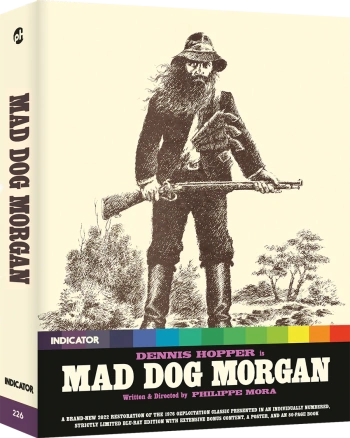
Indicator presents Philippe Mora’s Mad Dog Morgan in a brand-new Limited-Edition Blu-ray. This new edition features both the 103-minute director’s cut and the 95-minute US/UK cut, delivered through seamless branching. Both versions have been given 1080p/24hz high-definition encodes and are presented in the aspect ratio of about 2.39:1. Both versions are also sourced from a new 2K restoration, which itself comes from a 4K scan of a 35mm interpositive. The disc is region free and has been released in both the UK and North America.
Amusingly (to me anyways), this film landed on my radar after coming across a handful of DVD reviews for Troma editions way back in the day that claimed the presentation was sourced from video tape (I was able to find this DVD Drive-In review for the 2009 one and this DVD Talk for the 2005 one). With that catching my initial attention, I looked more into the film and it quickly ended up on my “watch list,” but I’ve been waiting out for a decent edition of it.
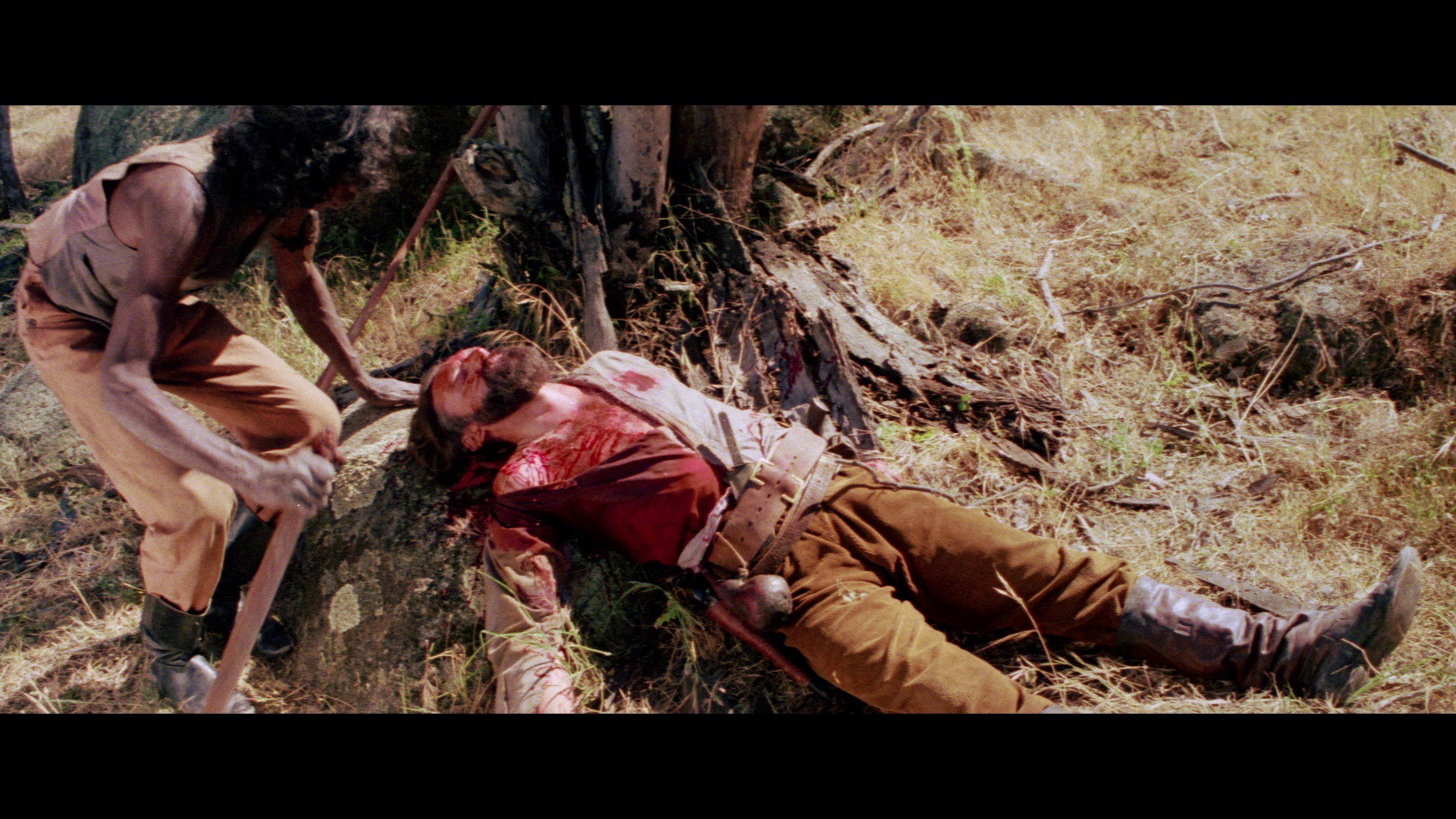
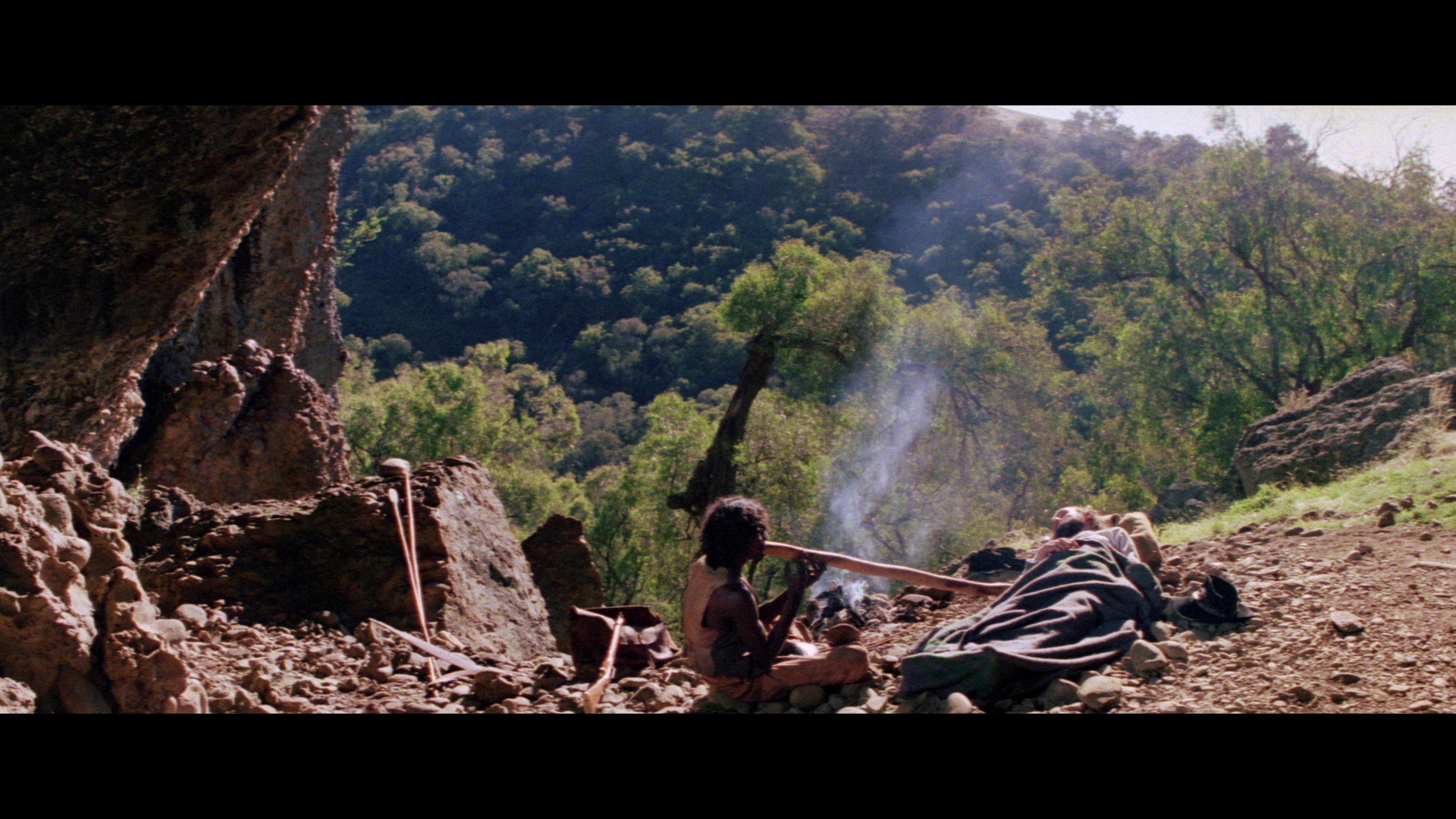
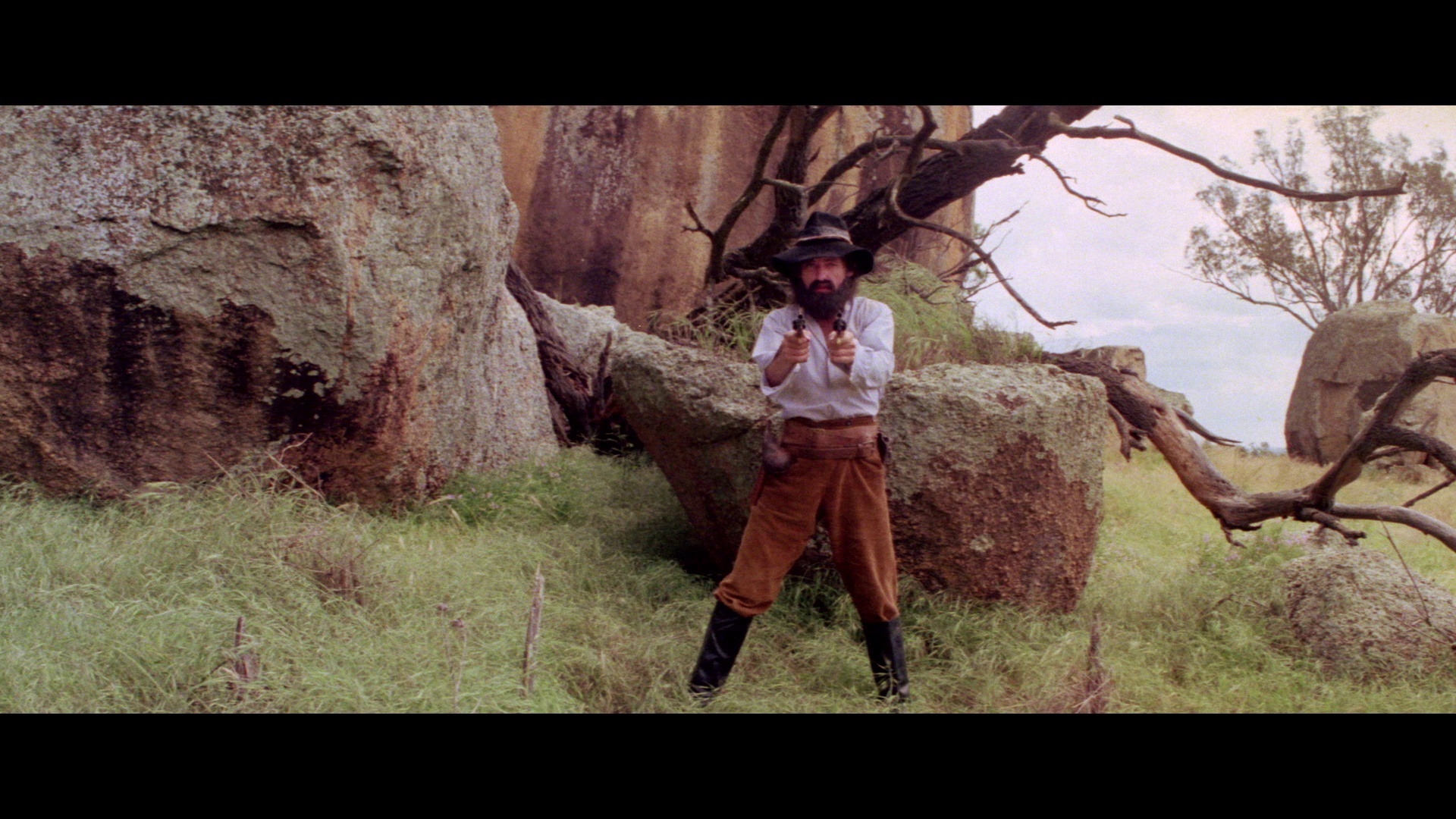
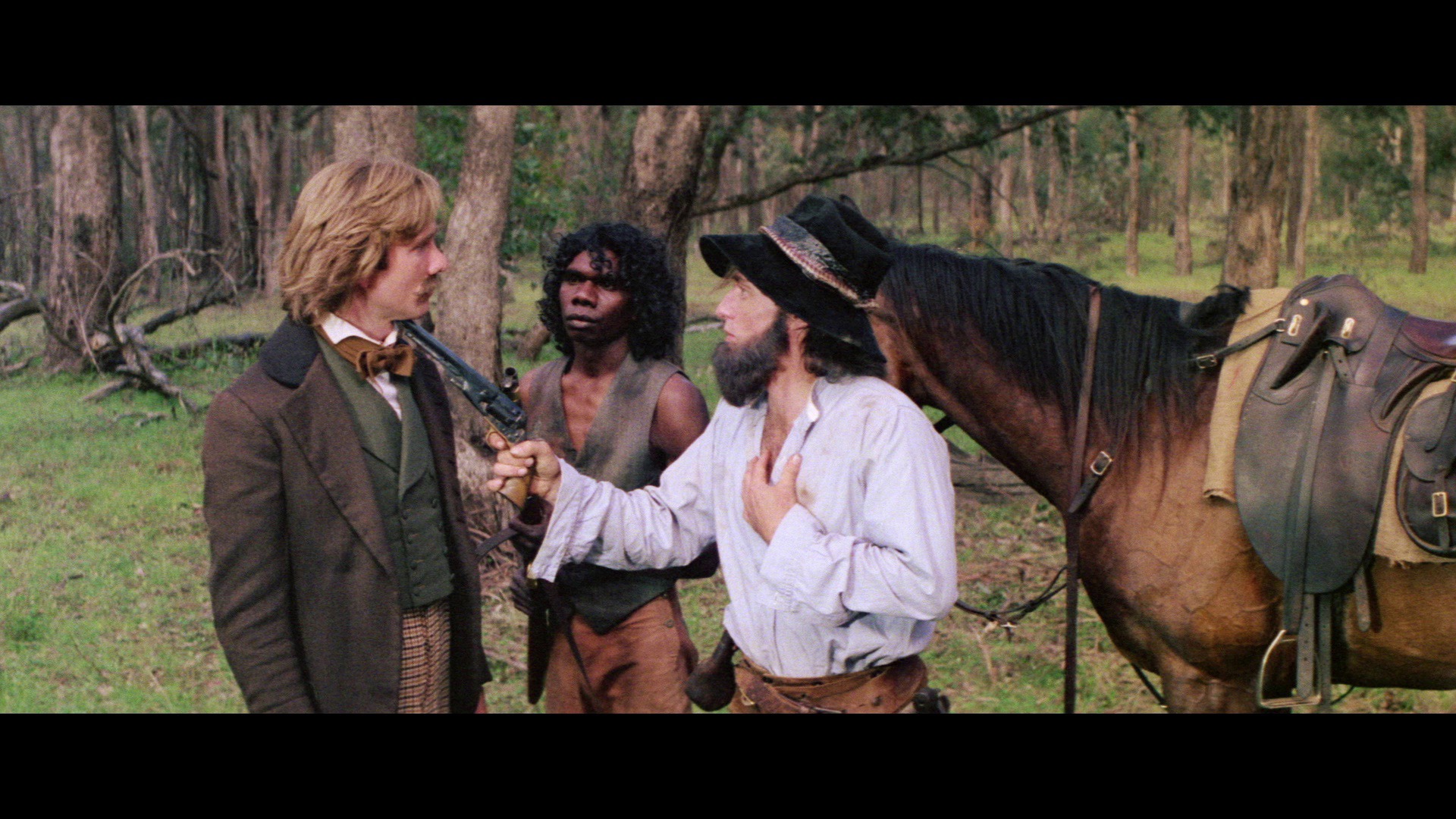
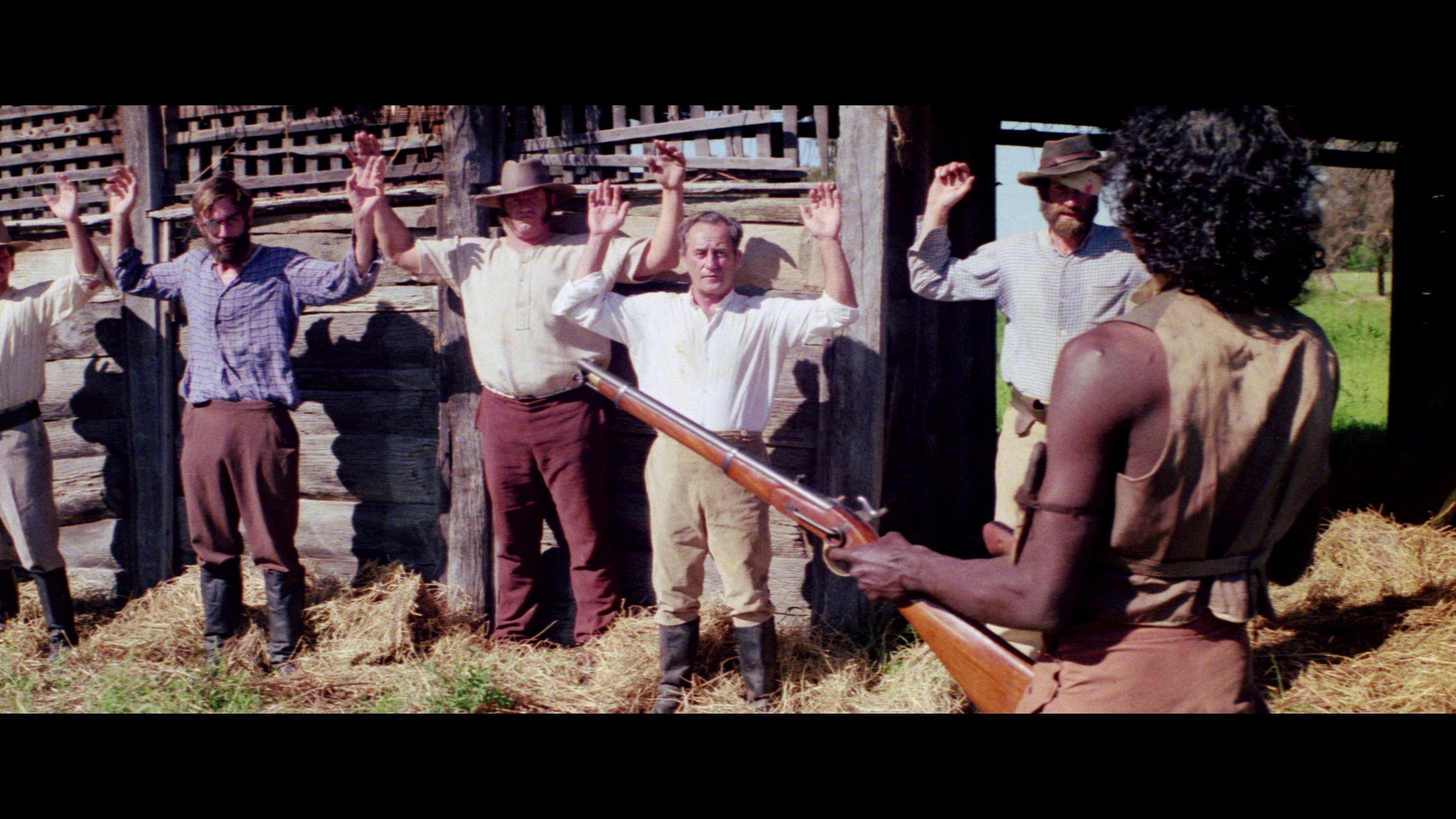
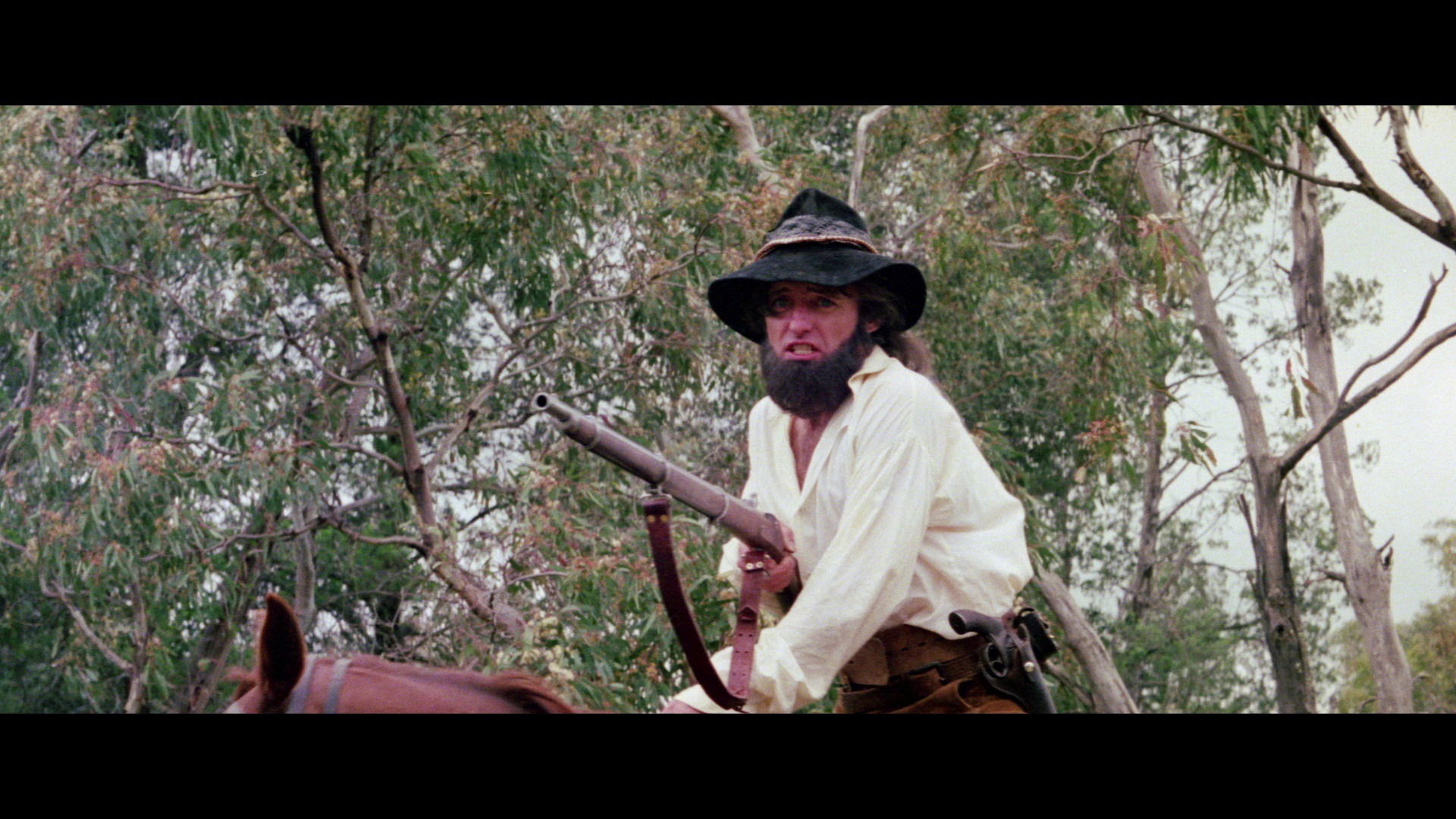
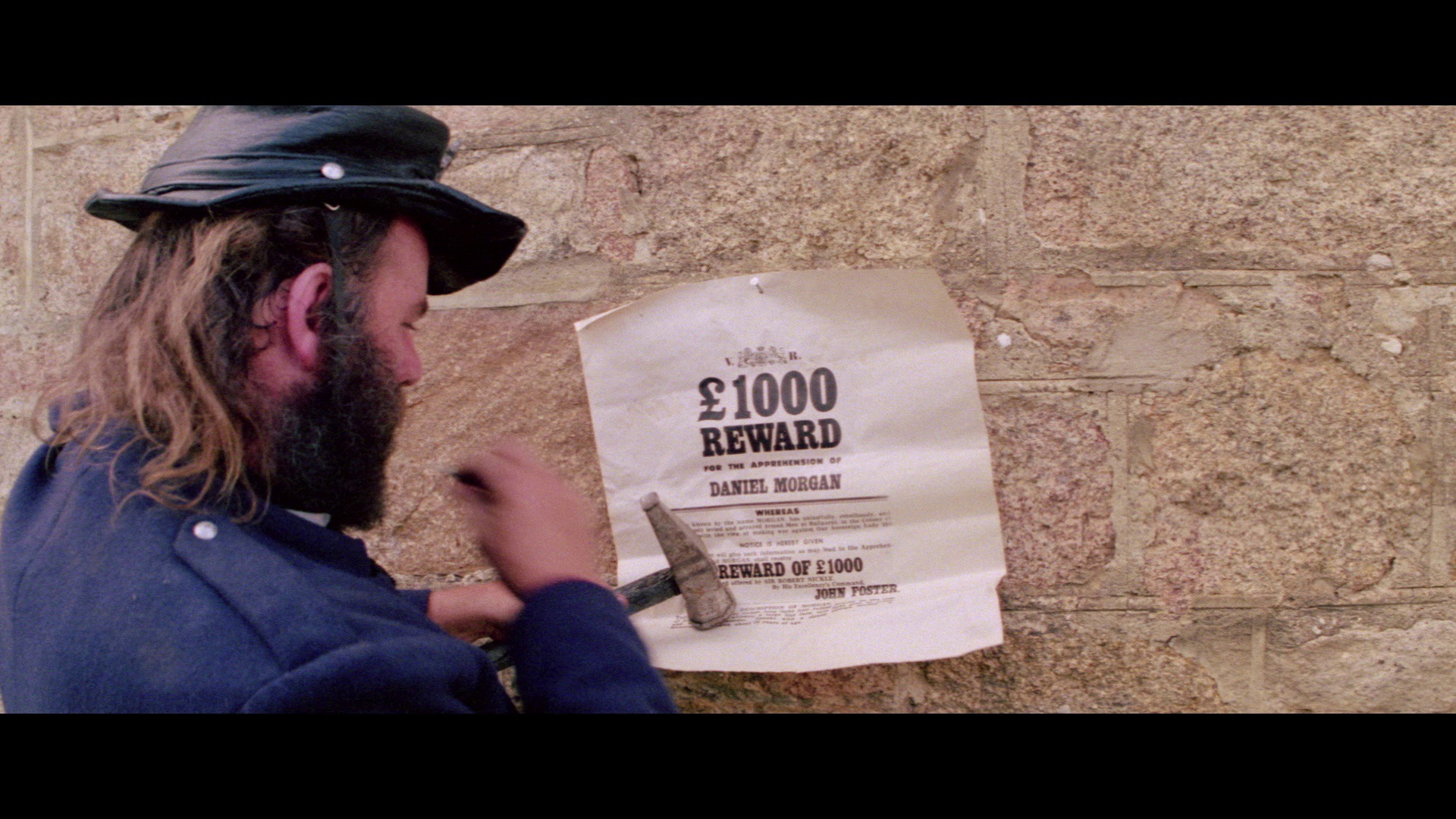
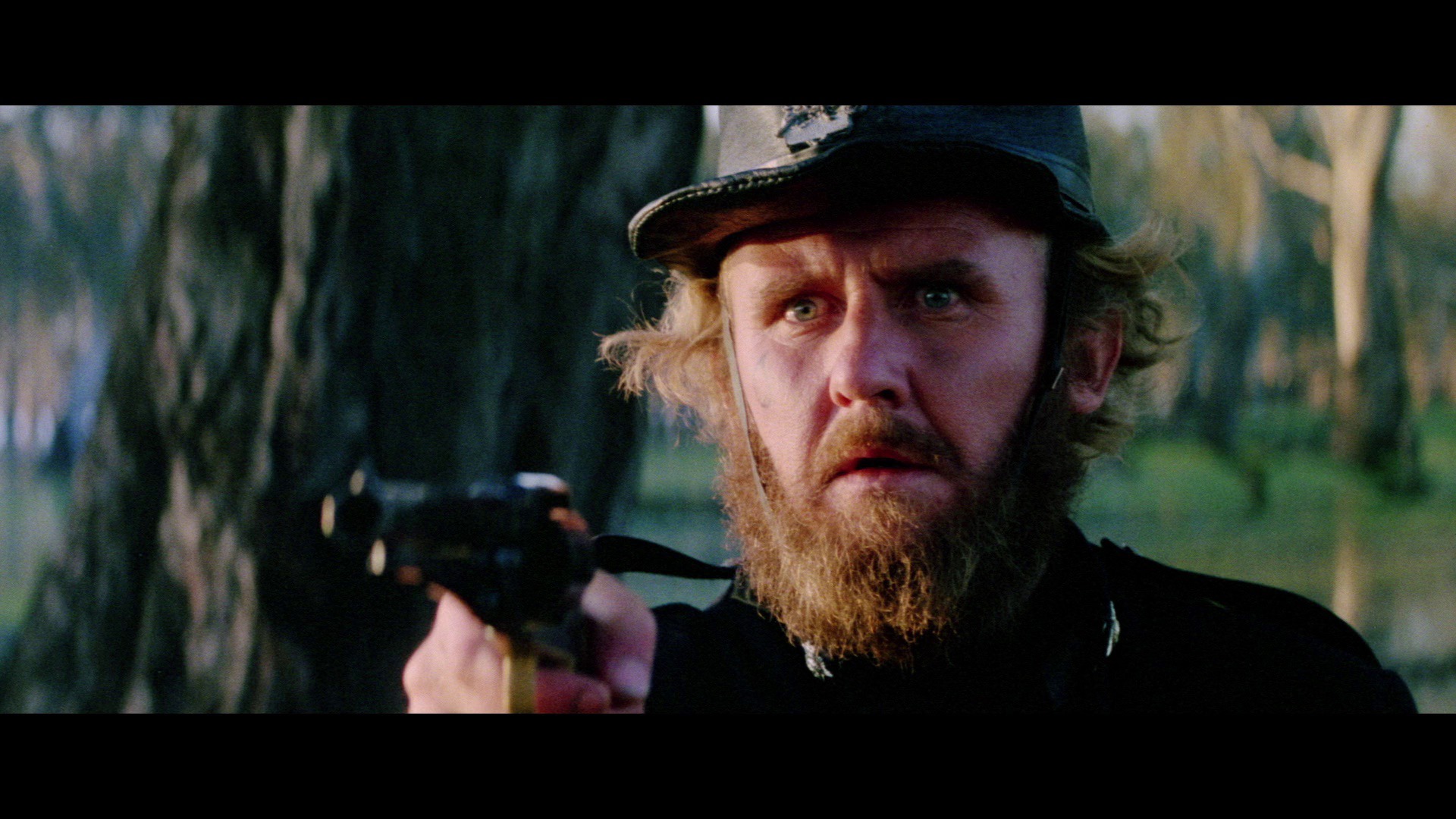
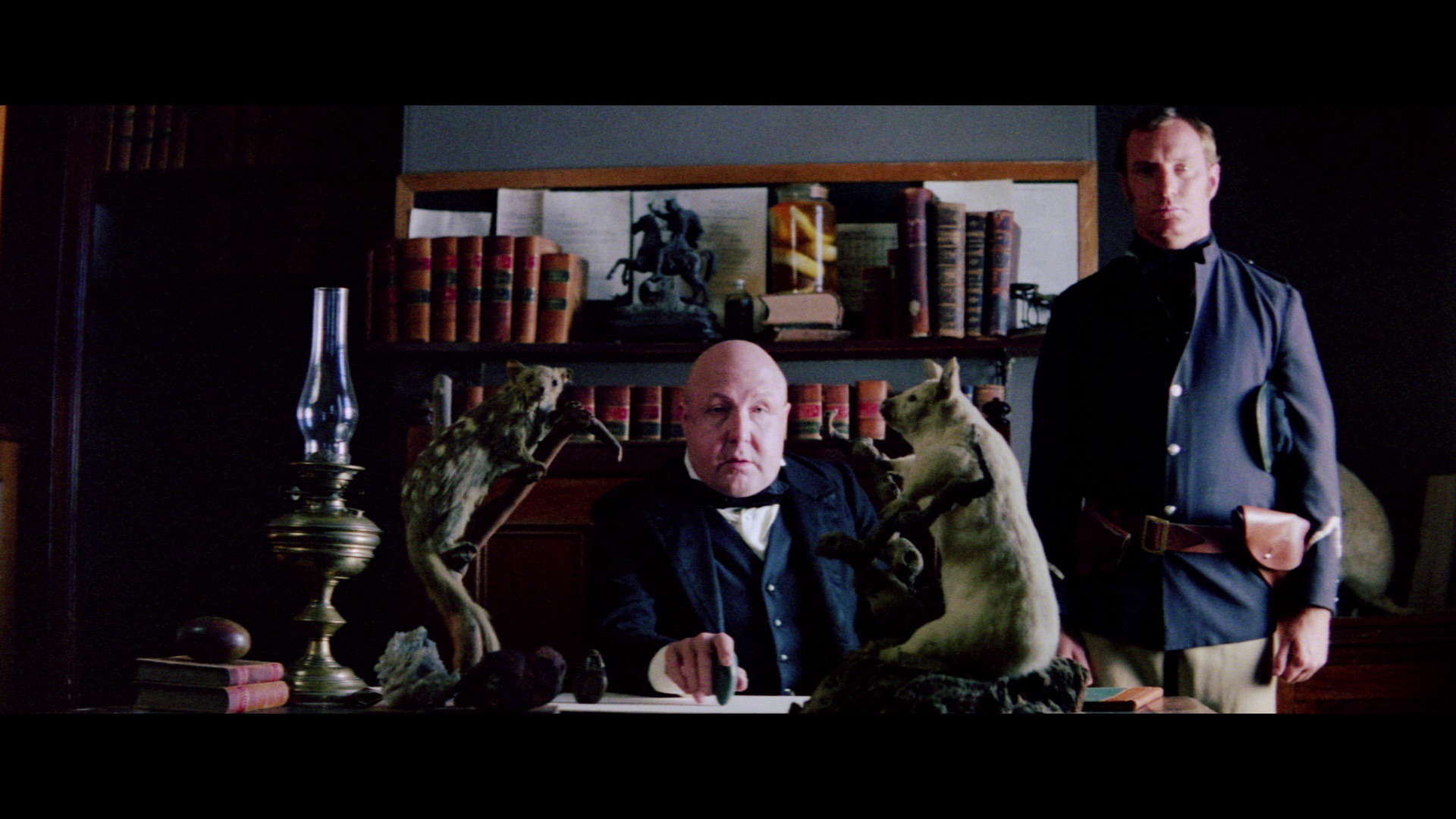
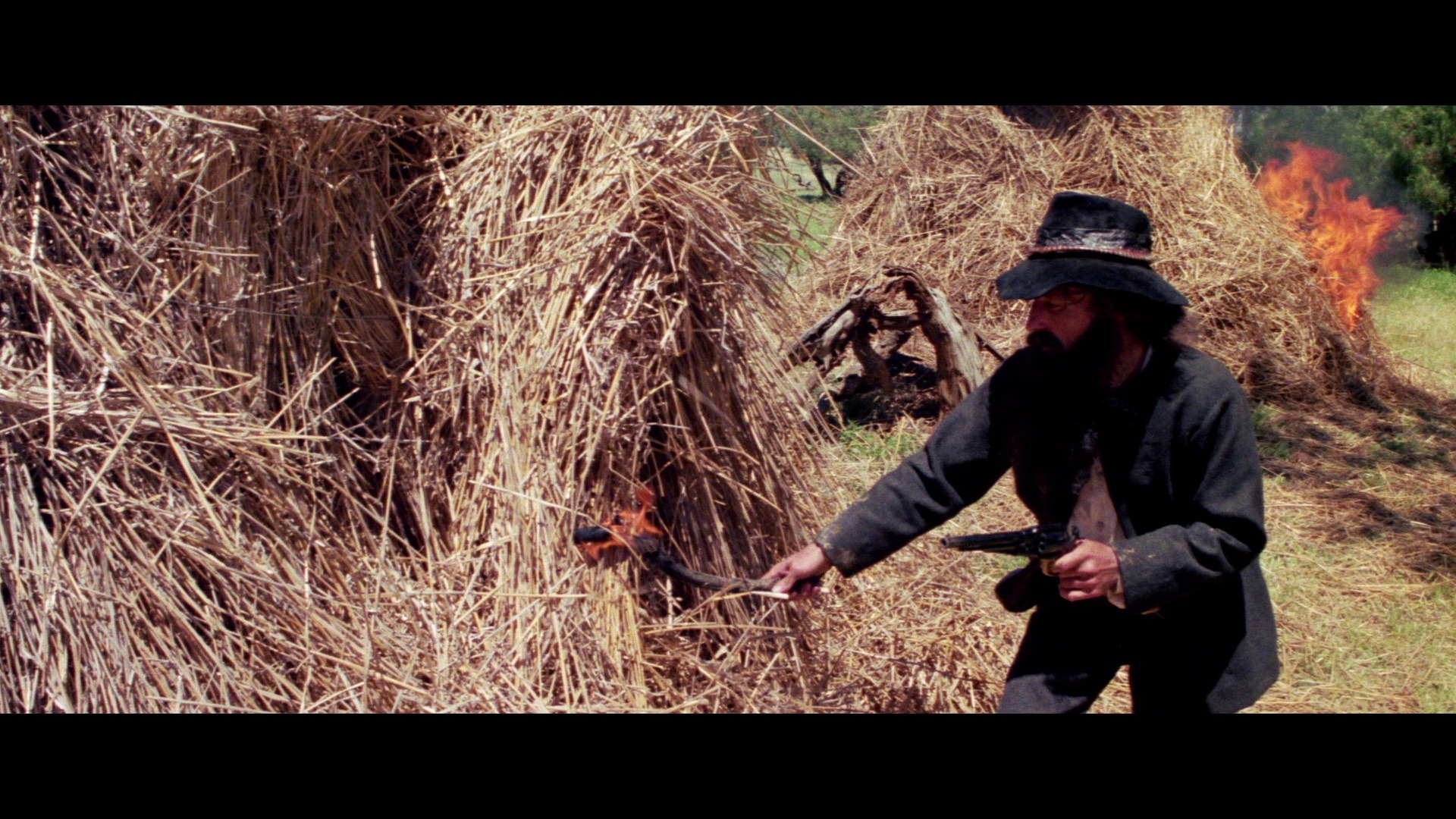
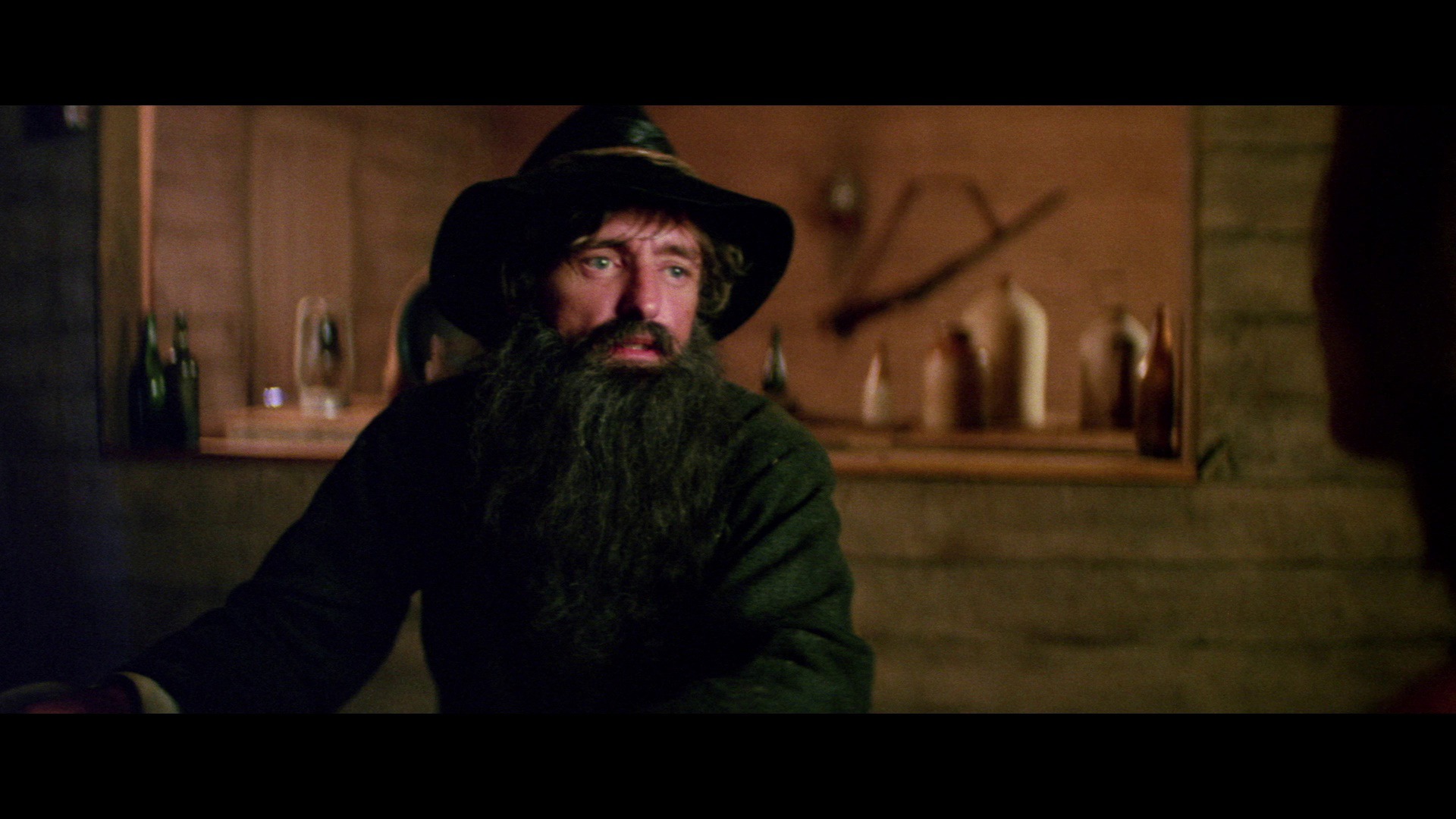
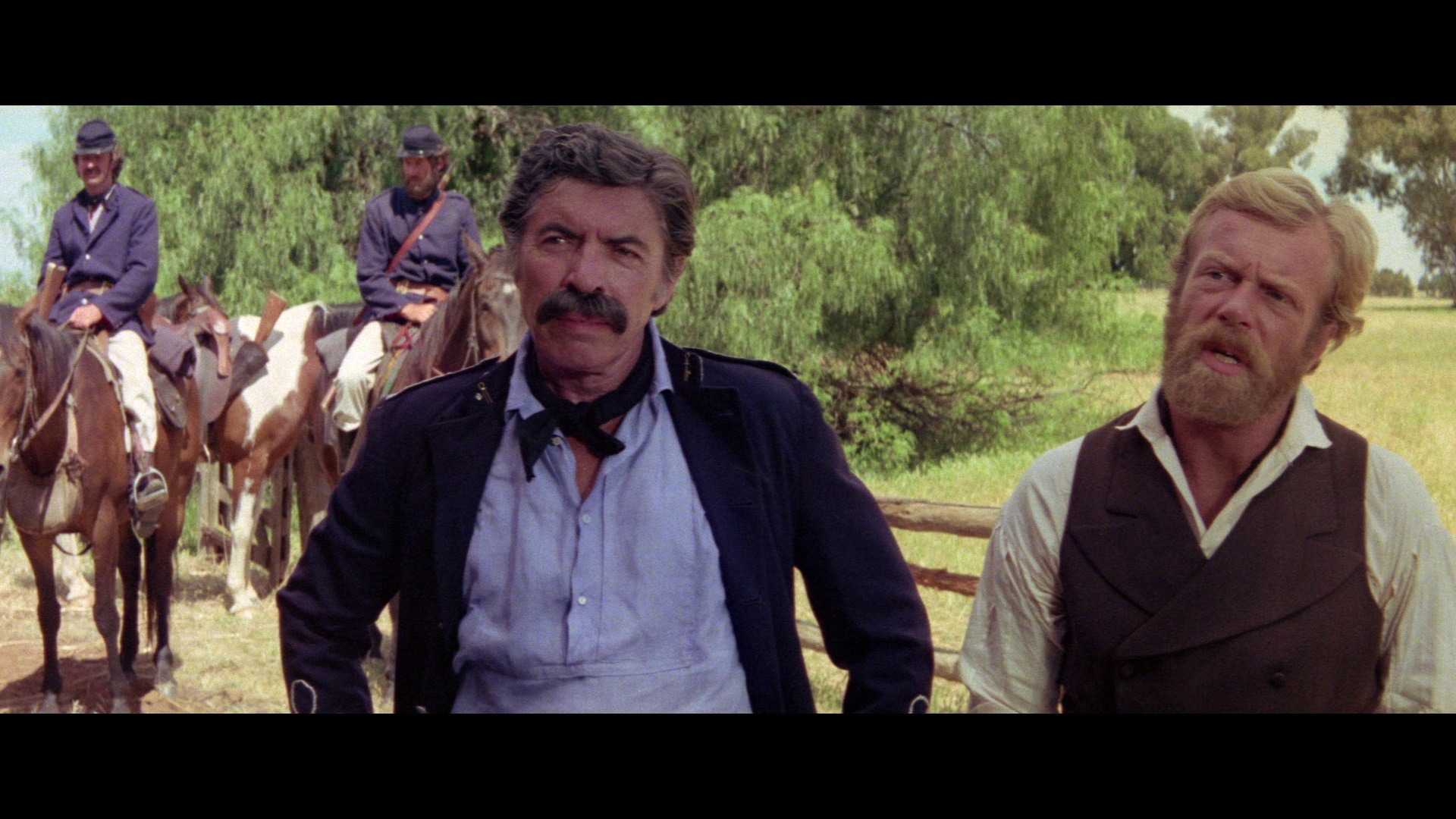
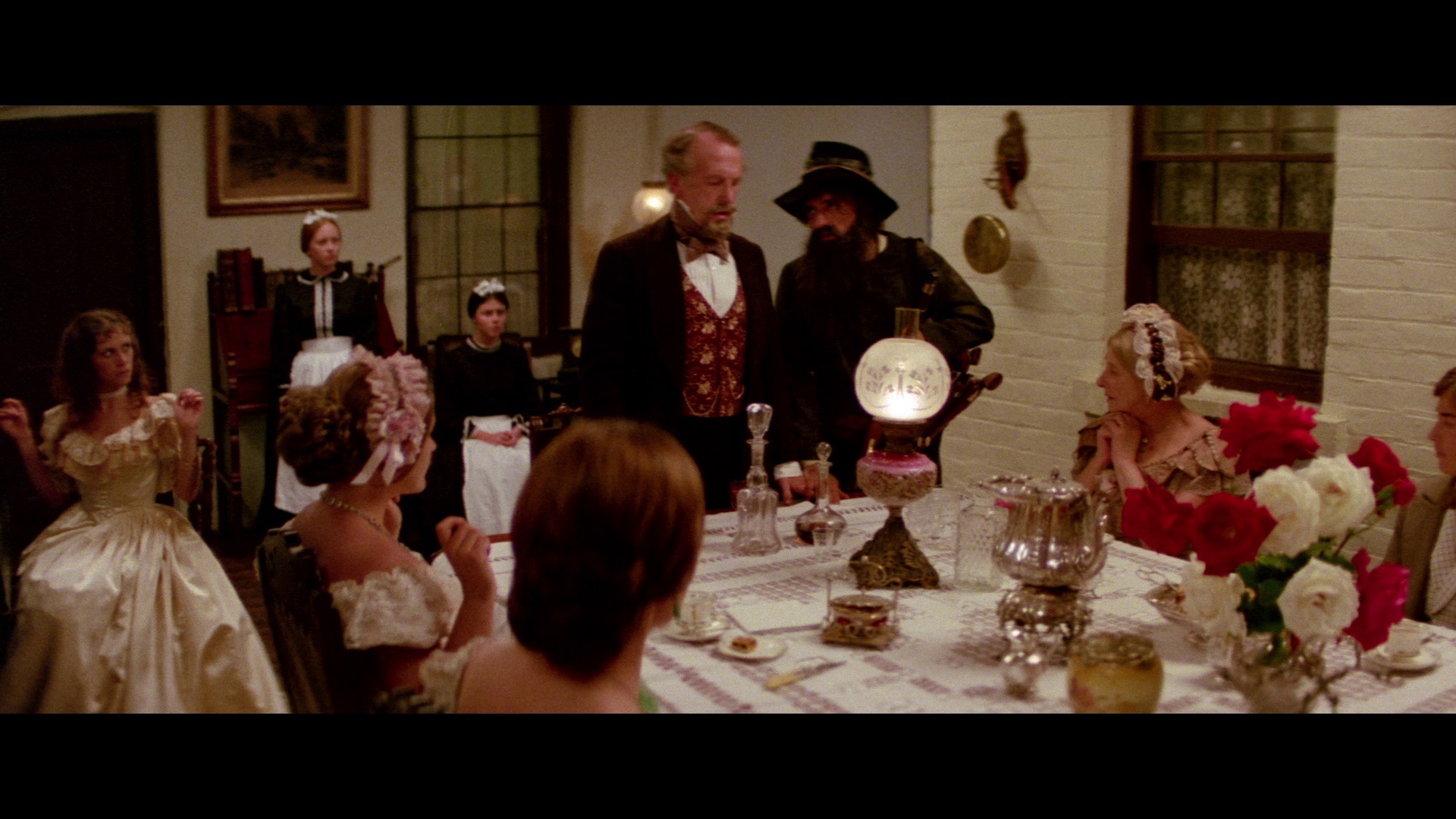
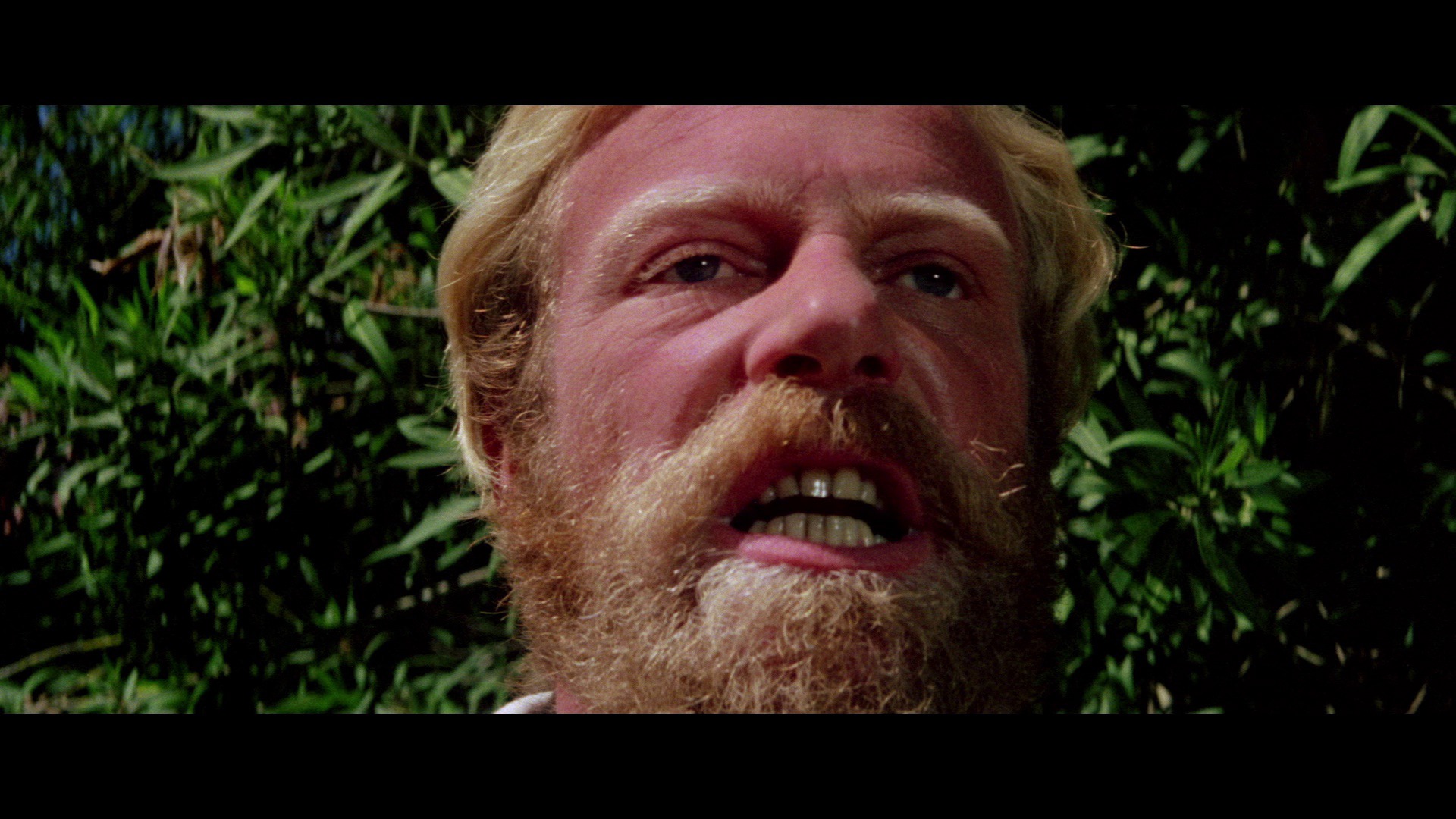
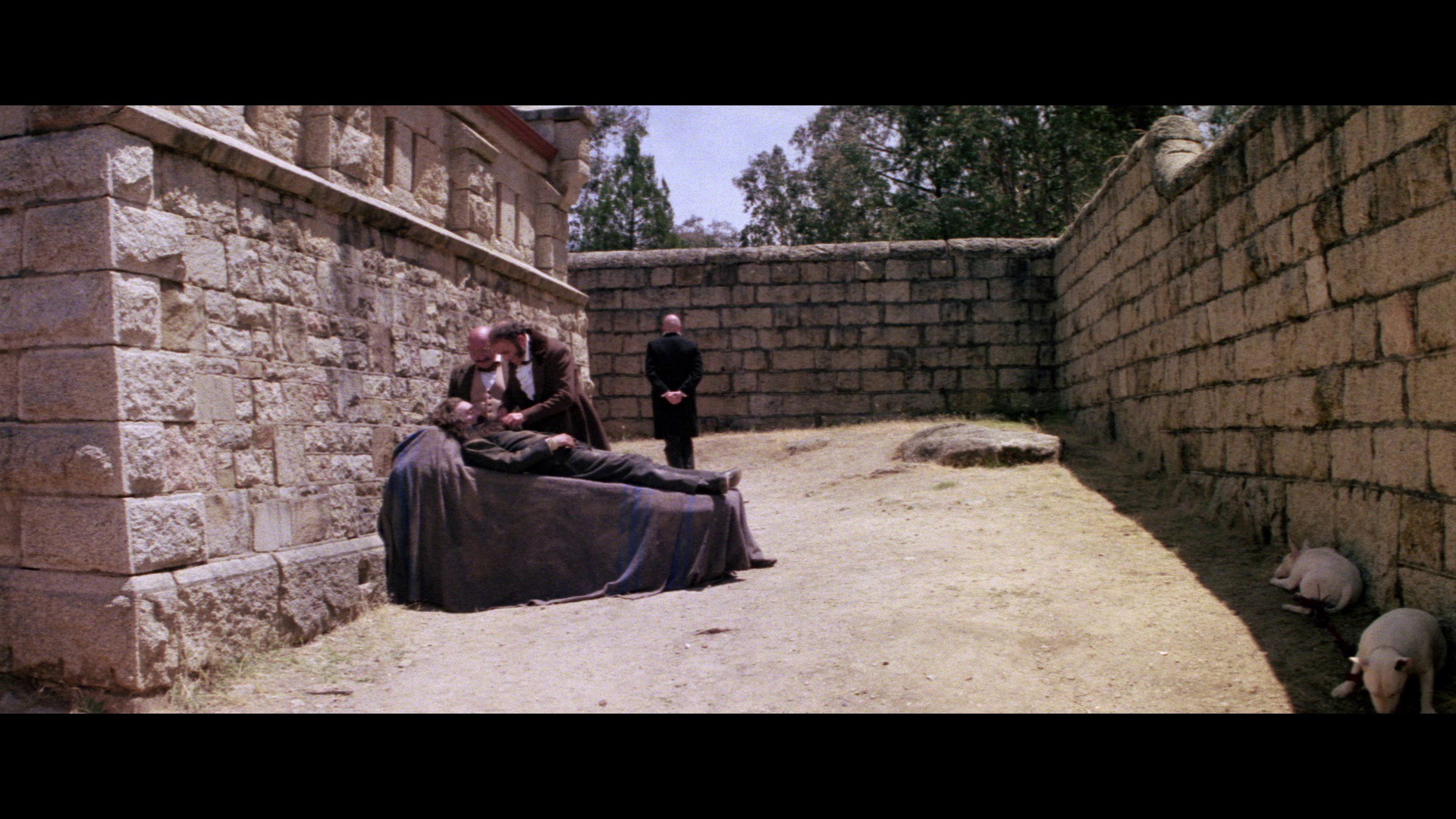
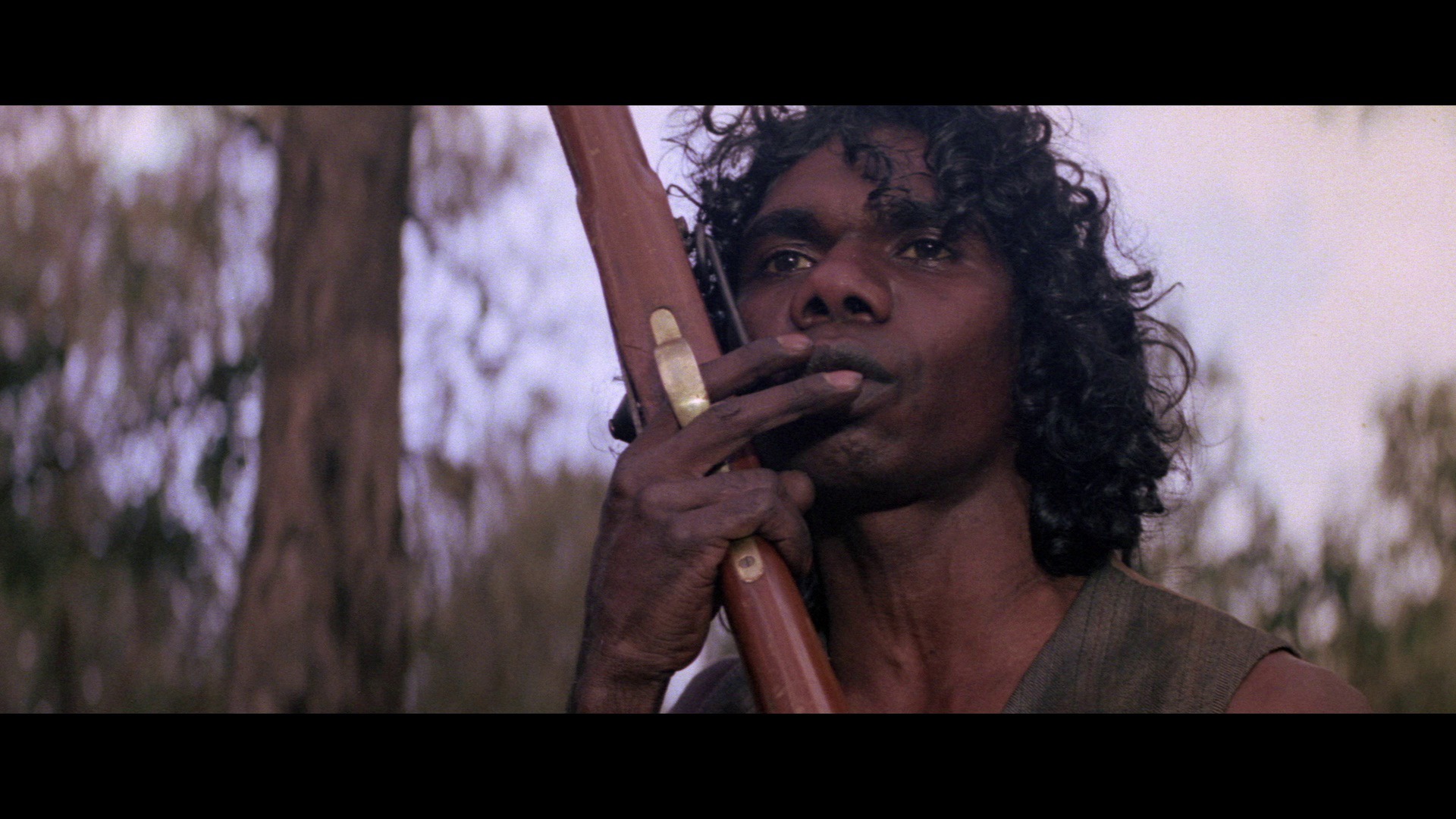
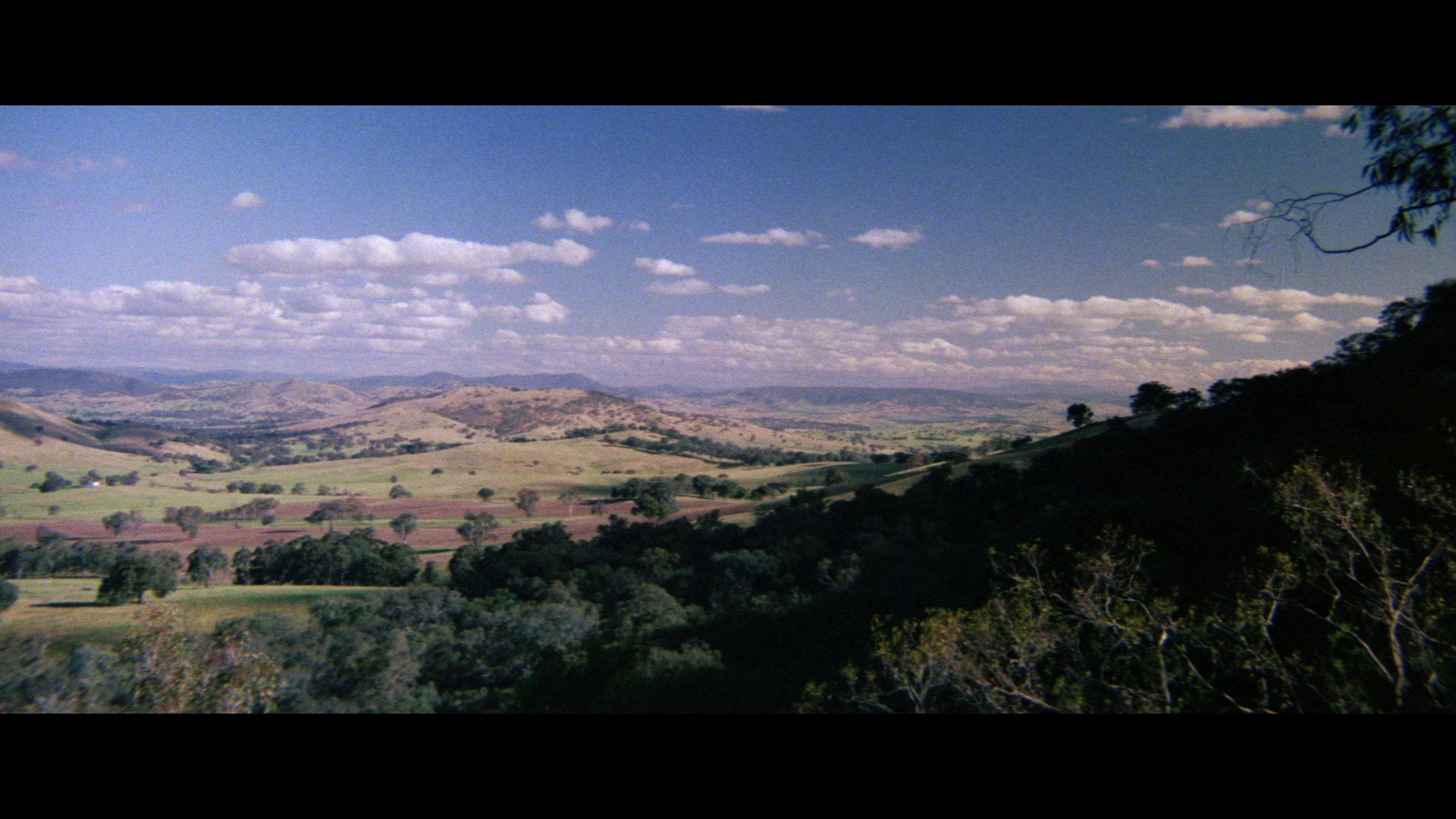
Well, I’m happy to say the wait was well worth it. Though not perfect and clearly limited by the materials, Indicator’s presentation can still be called rock solid in the end, delivering as sharp an image as possible, with their usual strong encode. The film is rarely all that crisp admittedly, and the finer details do get lost, but the overall image is rendered cleanly with sharp looking grain, and the Australian landscape comes out looking particularly beautiful. Colours can have a bit of a desaturated, warmer look, which suits the film, but blues still have a nice pop to them, as shown in the many shots featuring a skyline.
The restoration work has been thorough, though some minor items remain: there are a few specs, some minor jumps in the frame, and the occasional flicker or pulse. Considering the rough history of this film on video it’s a minor miracle that both versions look as good as they do here.
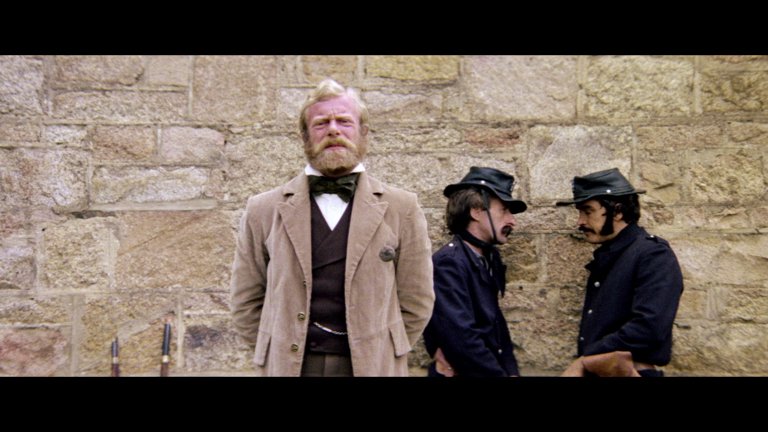
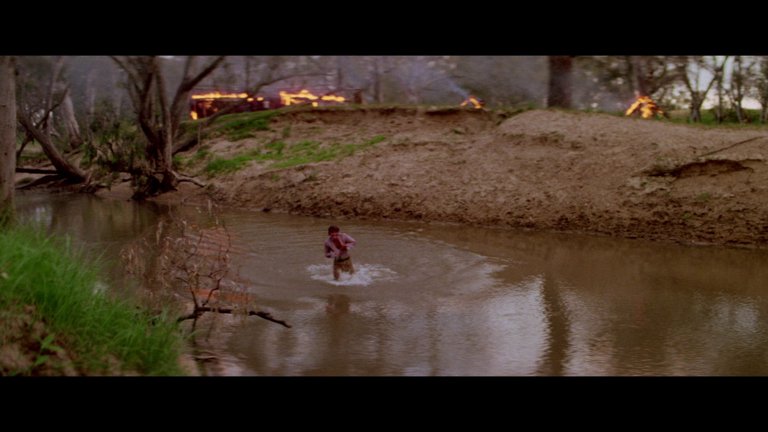
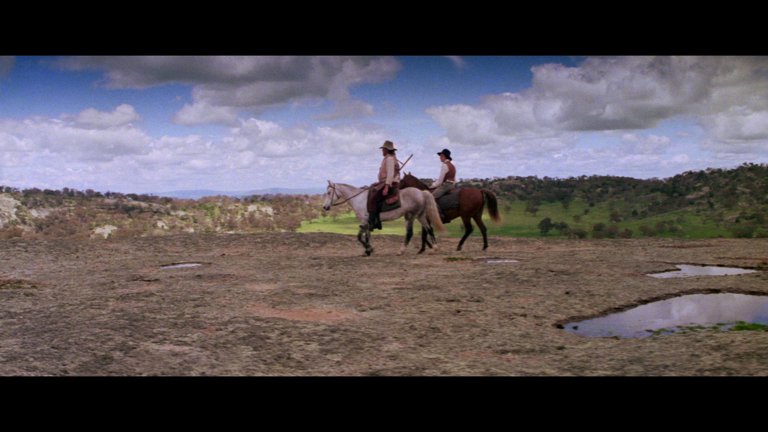
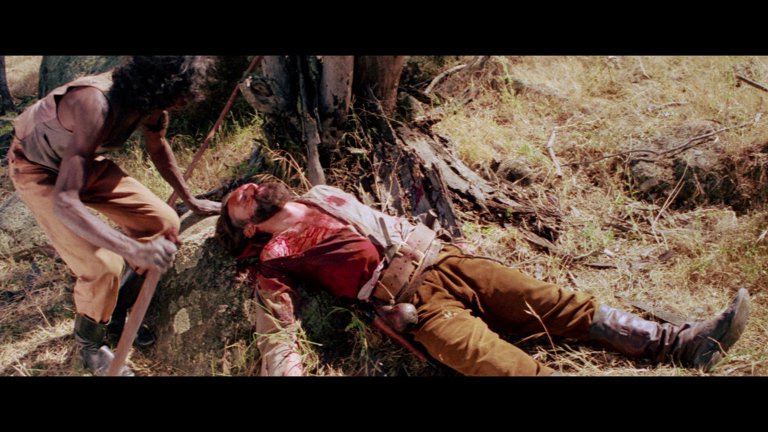
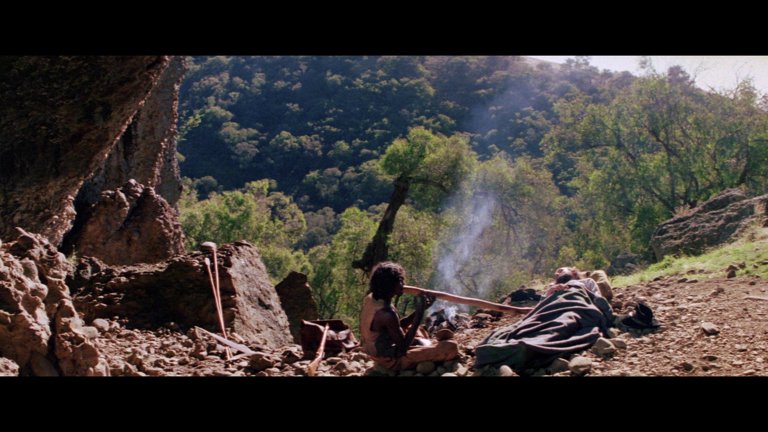
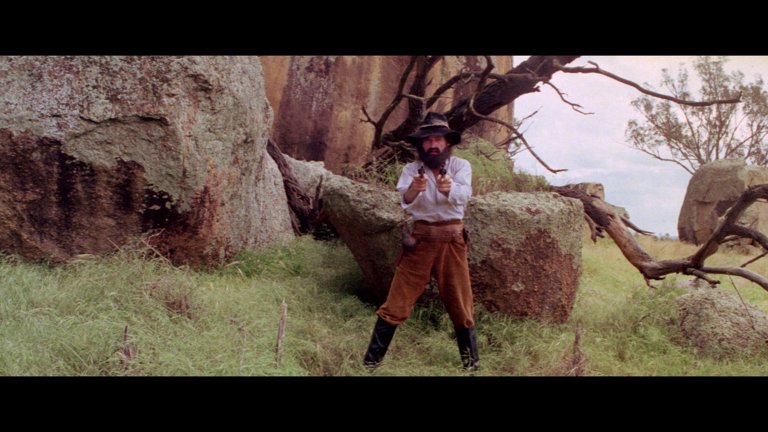
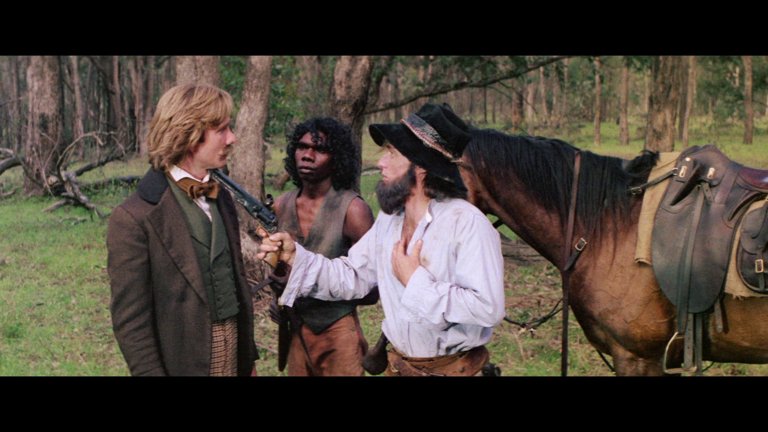
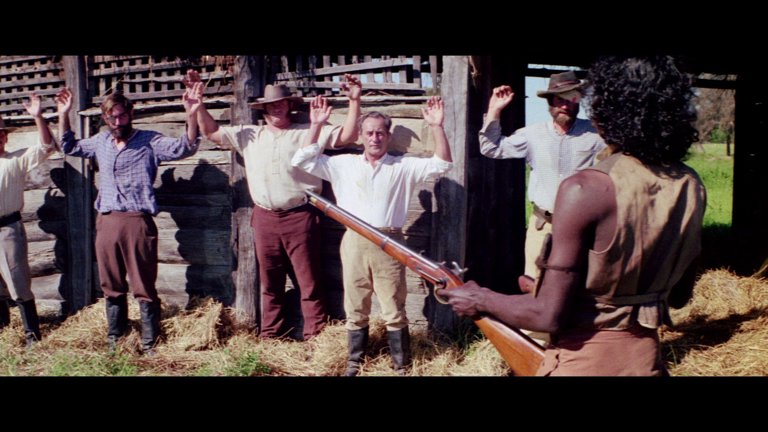
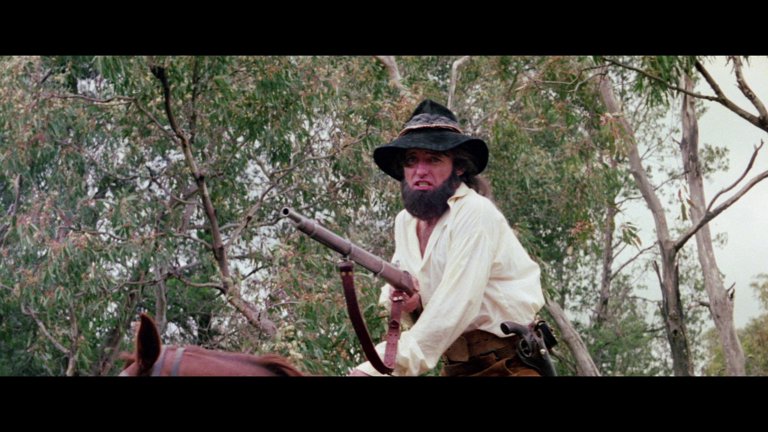
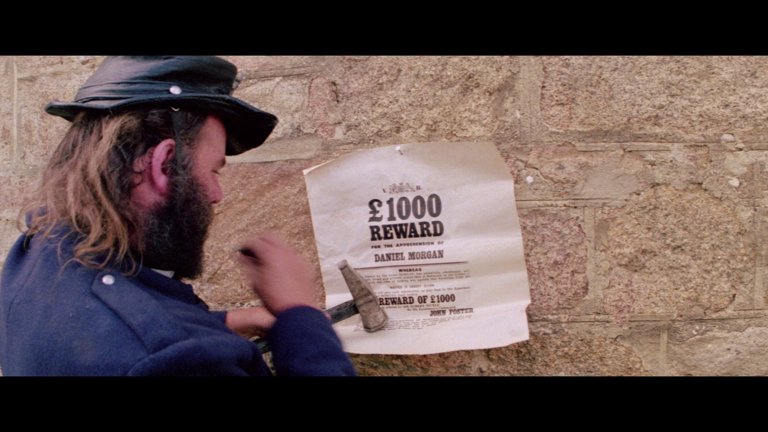
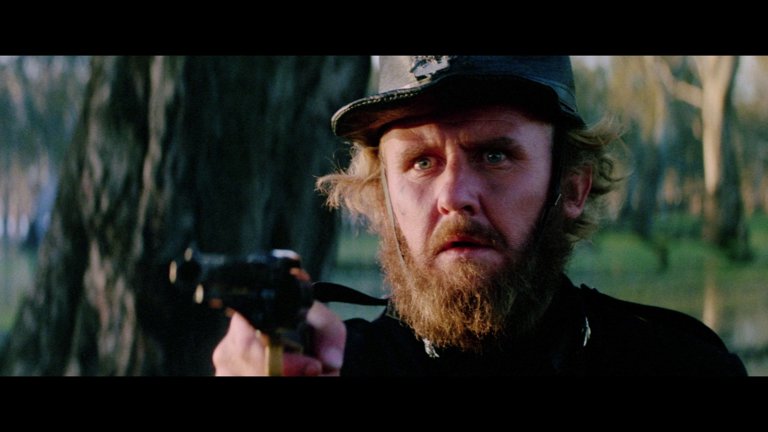
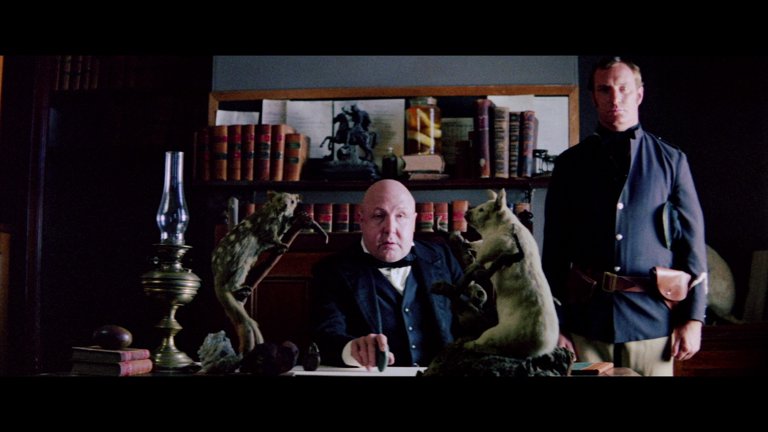
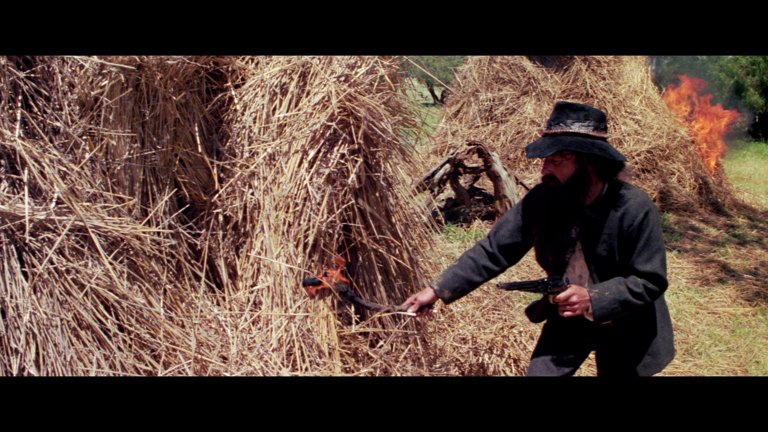
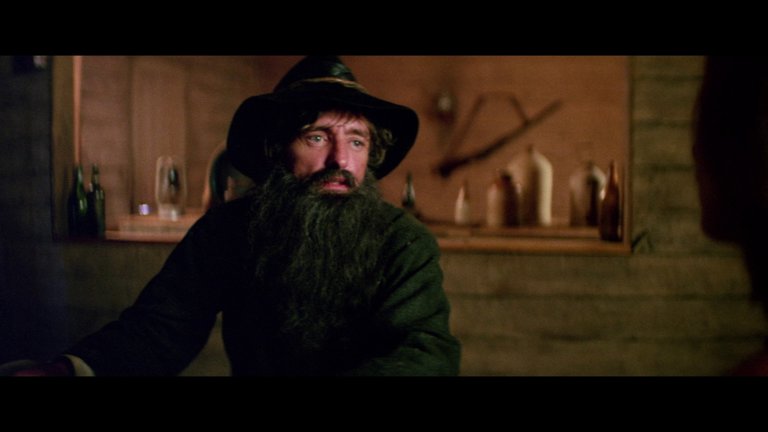
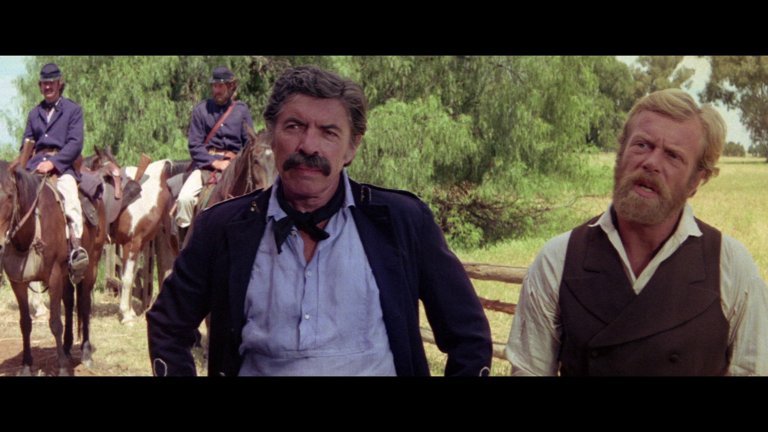
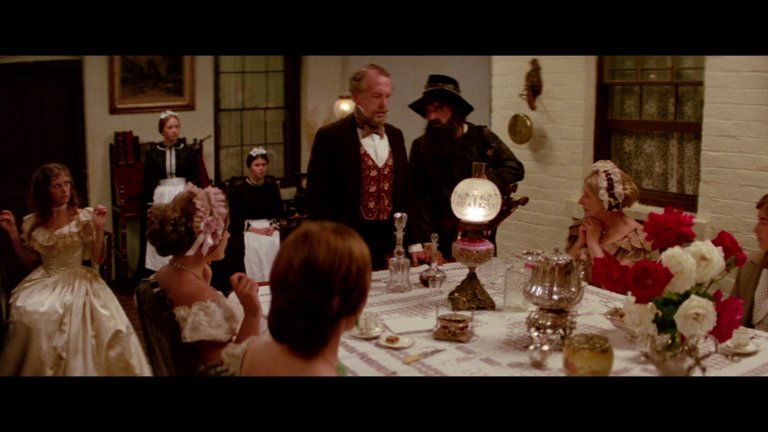
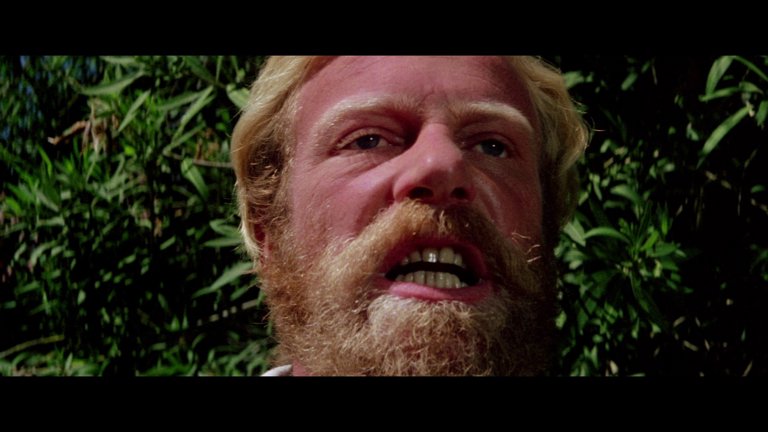
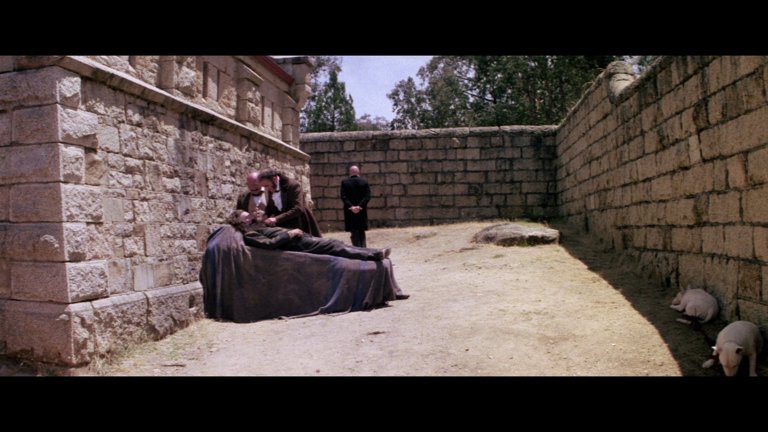
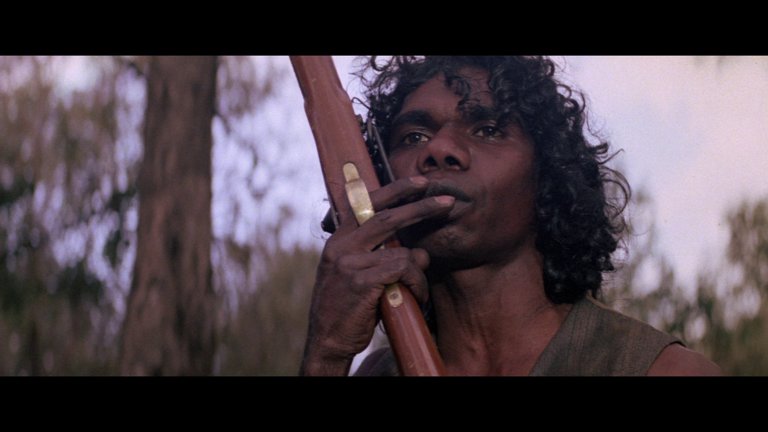
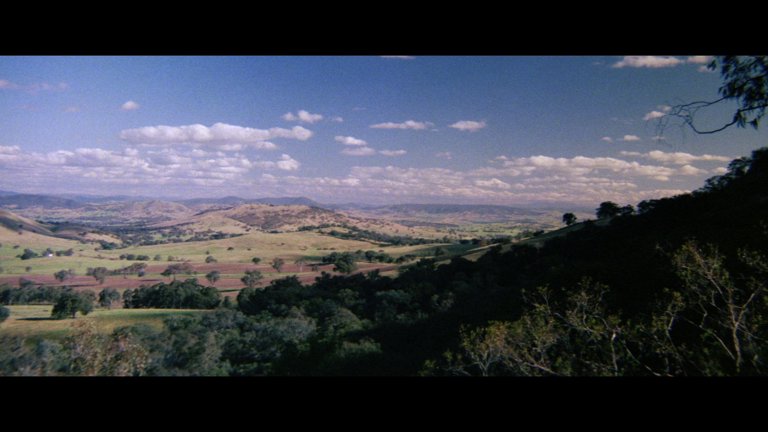
Mad Dog Morgan - Screen Captures
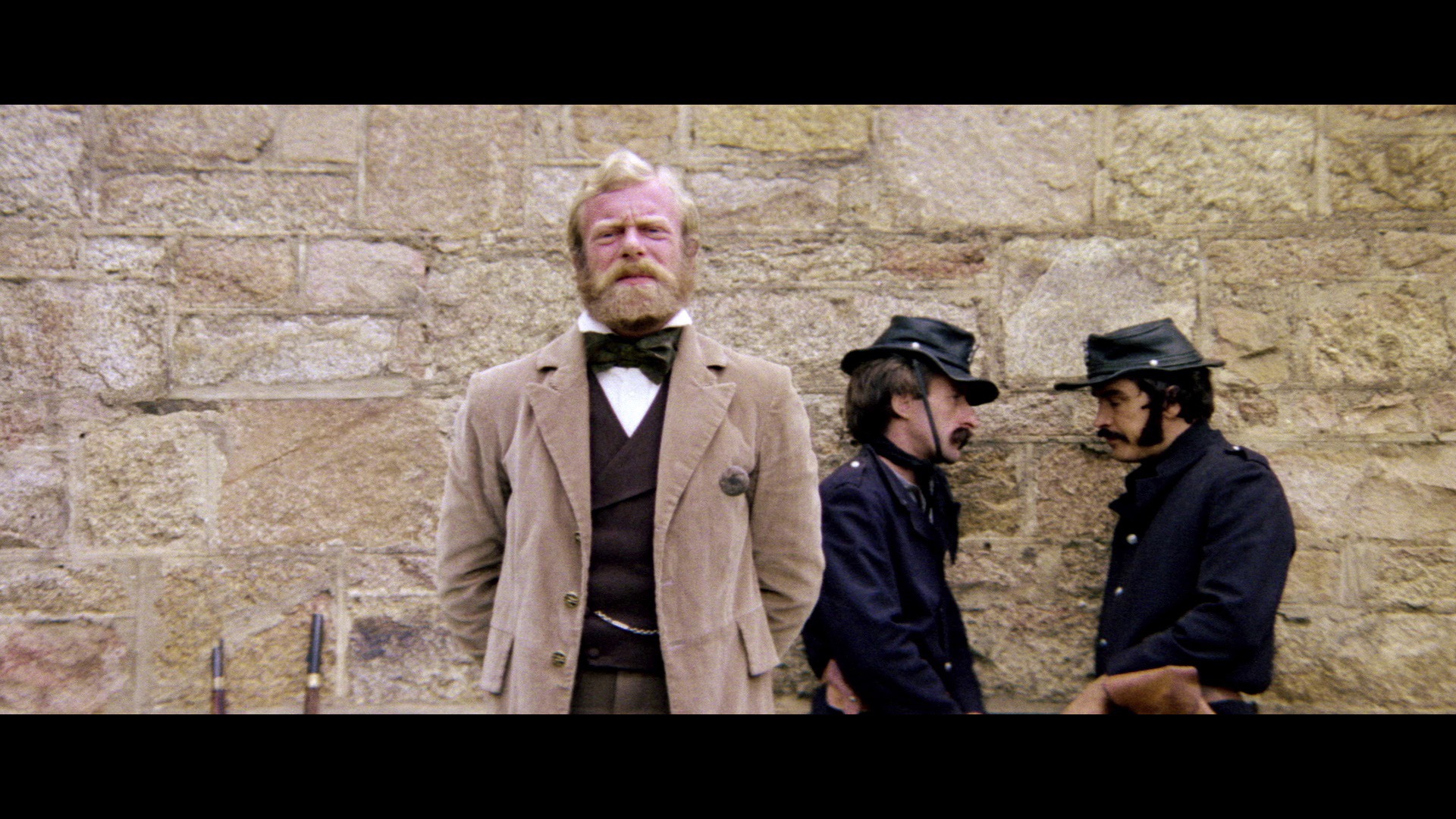
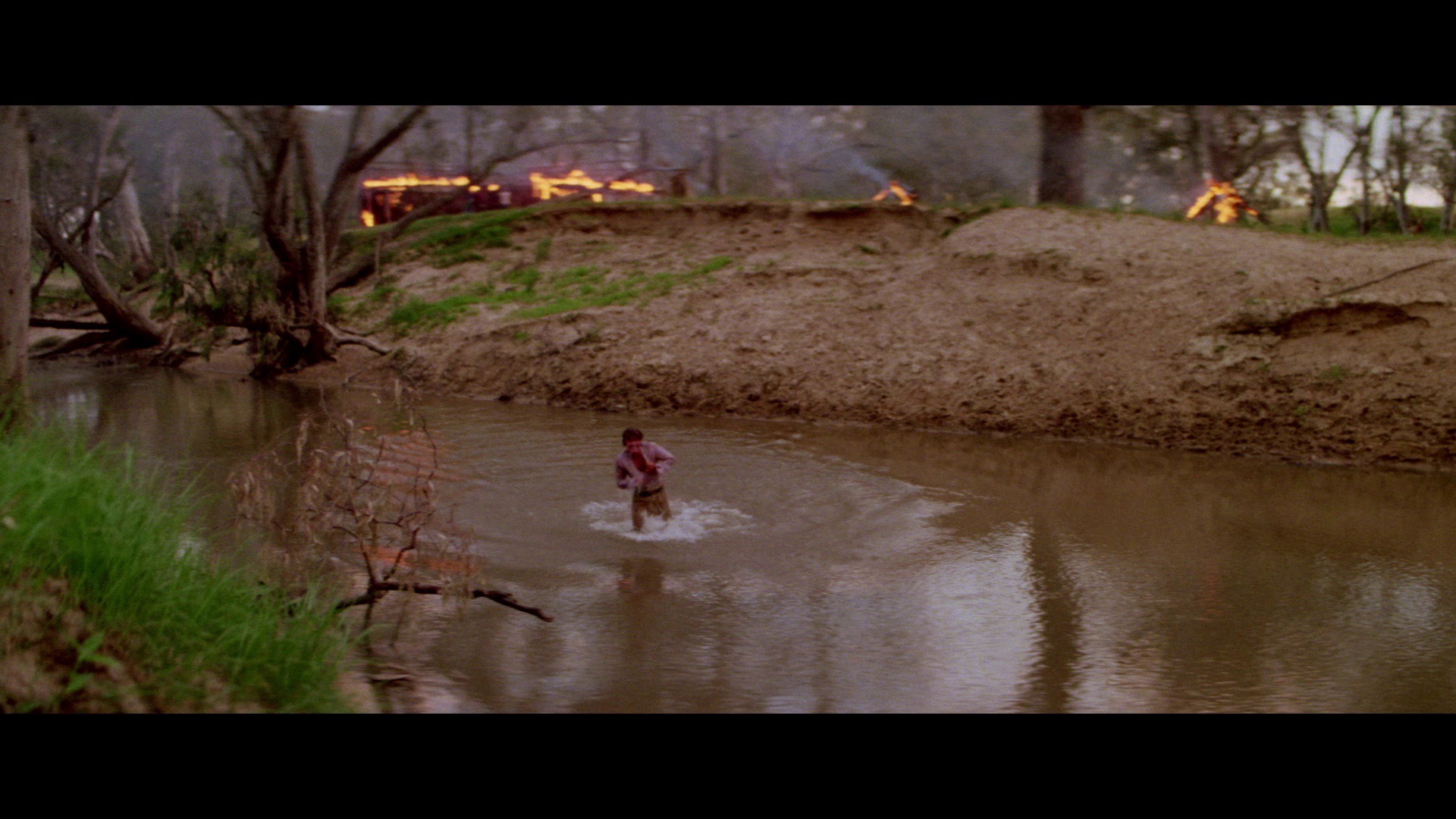
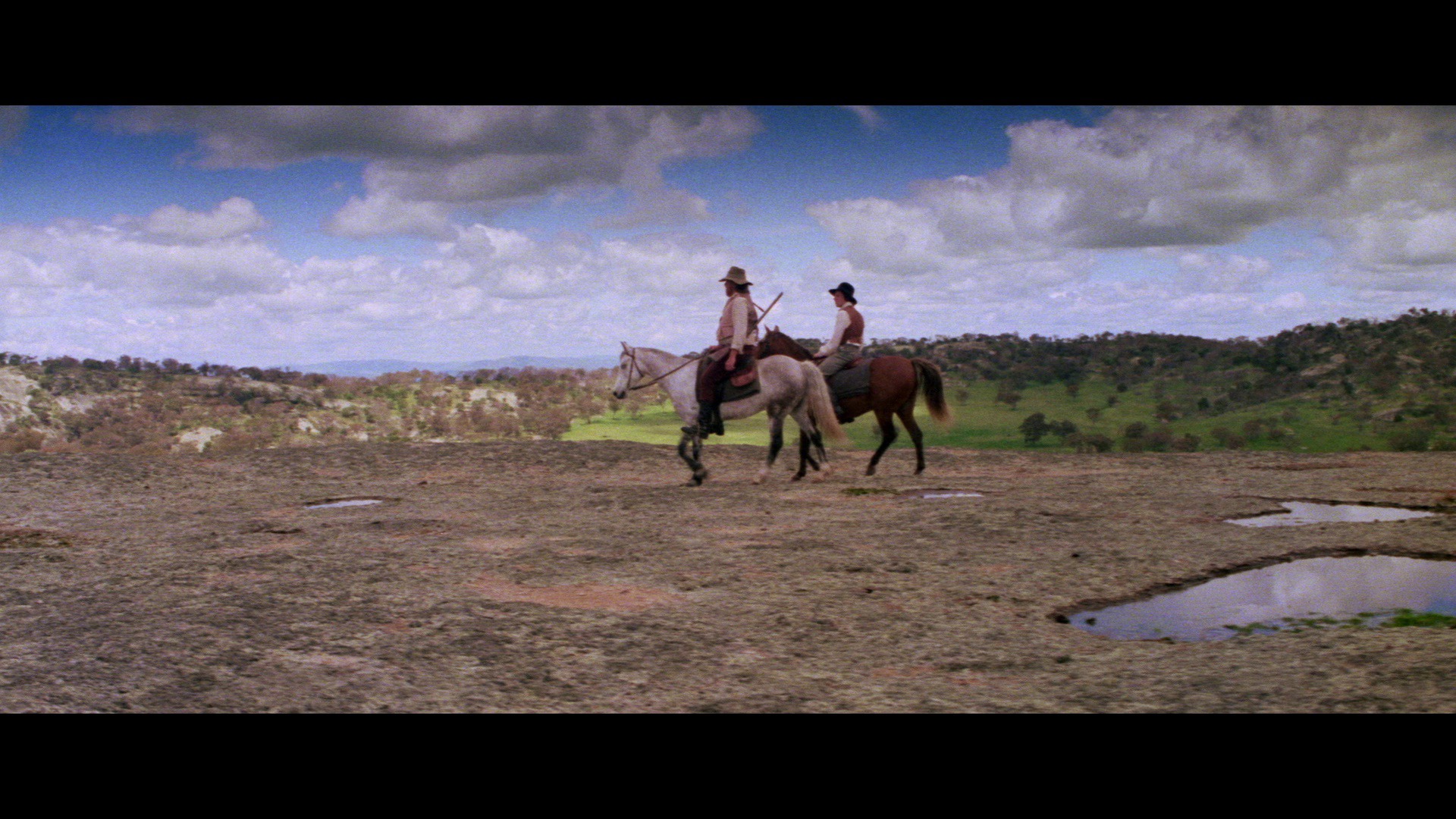
Audio 7/10
The disc includes a DTS-HD MA 1.0 monaural soundtrack. Dialogue can come off a little flat but there is a decent level of range to be found within the music (coming primarily from a didgeridoo) and some of the action set pieces. The restoration has also cleaned up any heavy damage without having to rely heavily on filters. For what it is I thought it sounded pretty good.
Extras 8/10
Indicator packs this edition with a lot of material, all of it appearing to be archival. This is all well and good, as Indicator seems intent on including all material made around the time of the film’s release and through the years for previous home video editions, but that comes with the caveat that one has to sort through a lot of the same stories to get at the unique material.
This can be first found in the two audio commentaries Indicator has included here, one from 2009 featuring director Philippe Mora by himself, followed by one recorded in 2019 featuring Mora alongside Jake Wilson, who wrote a book on the film’s production. The solo Mora one is good on its own, the director dutifully covering the production and sharing many stories around working with Hopper, who was of course “finding solace in substances” at the time, which is how camera operator John Seale puts it in one of the features found elsewhere on the disc. In what is no surprise, Hopper was a handful, but as Mora continually points out here and elsewhere on the disc, the actor always “delivered,” so it wasn’t an issue in the end (I guess even when the authorities ended up getting involved). Somewhat humorously, Mora tries to keep the track family friendly, refusing to curse, replacing words here and there.
The newer track is less guarded and has the benefit of Wilson being there to ask questions and steer the conversation in certain directions. Stories around Hopper are repeated, though you get a few new ones here, like how Francis Ford Coppola had called Mora while making Apocalypse Now, asking the director if he had any sort of “problem” with Hopper while making Mad Dog Morgan (apparently Hopper was refusing to say a specific line and Brando wanted nothing to do with him). Mora covers some of the same topics he does in the solo track, though it’s here where there’s examples how each feature has unique content: while he talks about the film’s violence and Peckinpah’s influence on both tracks, he talks more about Peckinpah in the solo track but gets more into the technical aspects of the violence in this track. He talks about historical research in both, but expands on different areas in each track, talks about representing racism in the film in both but probably gets deeper into that subject on the other track, talks about the surrealist touches more in this track, and then covers the tourism industry’s concern over the film in the solo track, so on and so forth.
Both tracks are good, and both have their own unique content, but they do end up covering the same material in the end. If I had to choose one, I’d probably go with the solo track. As good as the Mora/Wilson track is, with the added benefit of getting an outsider’s perspective (which ends up being the only "academic" contribution on the disc), it ends up coming down to, rather sadly, the technical quality. Indicator starts the track off with a text warning about the quality of the sound, despite the recording having been done in 2019, and they aren’t kidding. It clearly was not recorded in a professional setting, can be hard to hear, and has a few dropouts and distortions. This ends up being the only thing that holds it back.
The disc’s video content then starts with a 24-minute production featurette created for the film’s release entitled Shooting a Mad Dog, which features Mora sporadically narrating over some behind-the-scenes footage. It consists of your typical production diary material along with an interview with Hopper, and you'll also find footage around the creation of one of the film’s more gruesome shots, which utilizes a prosthetic head.
Grouped together after that is a large assortment of interviews, a majority of which features Mora. He appears in a 33-minute interview that looks to have been recorded for the 2019 Australian Blu-ray edition. Though titled “Philippe Mora on Dennis Hopper,” it is a discussion about the production as a whole, but Hopper, of course, plays a central part in all of it. It covers a lot of the same material found in the commentaries, but does get a little more into the concerns that were brought up about the film's violence.
Mora also appears in outtakes/excerpts from interviews conducted for Mark Hartley’s Not Quite Hollywood: The Wild, Untold Story of Ozploitation! Mora ends up taking up about half of the 66-minute runtime with the rest devoted to alternate points of view. Producer Jeremy Thomas recounts coming to the project and then eventually first meeting Hopper, followed by short snippets with camera operator John Seale and actors Jack Thompson, Roger Ward (who really didn’t care for Hopper) and Graeme Blundell, the latter of whom only shows up for a minute or so.
In 2008 it appears Mora recorded new discussions with his cast and crew from the film, I assume for whatever DVD edition was coming out (maybe Troma’s 2009 edition). He recorded a 5-minute one with associate producer Richard Brennan and then a 7-minute one with cinematographer Mike Molloy. Both are asked to share some memories, and it’s here we get a story about David Gulpilil going on walkabout just so he could get away from Hopper’s insanity. The best of these, though, would be the 29-minute one with Dennis Hopper himself, who impressively recounts quite a bit about his experience on the film, including his working with Gulpilil, before he and Mora then get into a discussion about Hollywood circa 2008.
Indicator also digs up a 14-minute radio interview featuring Mora, recorded around the time of the film’s release, where the director gets into a discussion with the interviewer about portrayals of folk heroes before touching on the aboriginal traditions present in the film (like the didgeridoo). Mora also mentions he’s working on a project called The Black Hole, though I’m unsure if this is a production of his that just never came to light or is somehow related to the Disney film of the same name that came out three years later.
Mad Country is a 14-minute montage featuring the locations used within the film as they are today (or as they were in 2019 when it was filmed) compared alongside how they appear in the film. The feature plays with music and dialogue from the film, but you do also have the option to listen to Mora marvel at the footage through an alternate track. The disc then closes with a 4-minute trailer (that looks to have been restored itself) and a gallery featuring a couple of posters, production photos, behind-the-scenes photos (including one of Hopper merrily posing with a bloodied prosthetic arm) and scans (in a separate gallery) from the film’s production diary as it appeared in a 1976 June/July issue of Cinema Papers.
The big feature here is the included booklet, which runs over 75-pages here. It starts out with a new essay on the film and the portrayal of Australian bushrangers onscreen, including the likes of Ned Kelly, who comes up in the on-disc features many times as well. This essay is then followed by Philippe Mora’s original 1975 notes on ‘Mad Dog’ Morgan as a character. This is then followed by a reprint of a lengthy interview between Mora and critic Mike Harris, and then Mora’s 2010 article on the film and working with Hopper, which appears to have been written after Hopper said the film was “one of [his] great life experiences” (this comment clearly meant a lot to Mora, as he does bring it up elsewhere in the supplements). The booklet then closes with a short Q&A with producer Jeremy Thomas and a small collection of positive critical responses to the film.
I’m impressed by Indicator’s efforts in pulling together just about every scrap of material created around the film through the years, delivering what appears to be the most comprehensive edition for the film yet. Since the features were created at different times for different purposes, this of course means that you do have to wade through some of the same stories, especially around Hopper and his antics onset, before getting to new material.
Closing
Indicator has put together what appears to be the most comprehensive edition for the film yet with a lovely new final presentation to boot.
BUY AT: