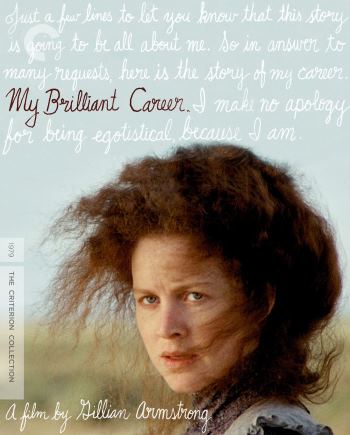
My Brilliant Career
BUY AT:


See more details, packaging, or compare
Synopsis
For her award-winning breakthrough film, director Gillian Armstrong drew on teenage author Miles Franklin’s novel, a celebrated turn-of-the-twentieth-century Australian coming-of-age story, to brashly upend the conventions of period romance. Headstrong young Sybylla Melvyn (Judy Davis, in a star-making performance), bemoans her stifling life in the backcountry, where her writerly ambitions receive little encouragement, and craves independence above all else. When a handsome landowner (Sam Neill), disarmed by her unruly charms, begins to court her, Sybylla must decide whether she can reconcile the prospect of marriage with the illustrious life’s work she has imagined for herself. Suffused with generous humor and a youthful appetite for experience, My Brilliant Career is a luminous portrait of an ardently free spirit.
Picture 9/10
Previously released on Blu-ray by Blue Underground, Gillian Armstrong’s My Brilliant Career receives a new edition form the Criterion Collection, which makes use of a new 4K restoration sourced from the 35mm original camera negative. The film is presented on a dual-layer disc in its original aspect ratio of 1.85:1 with 1080p/24hz high-definition encode.
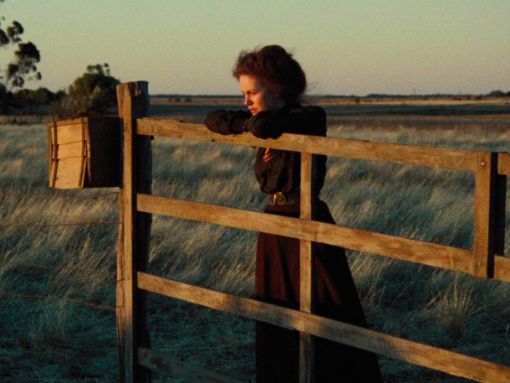
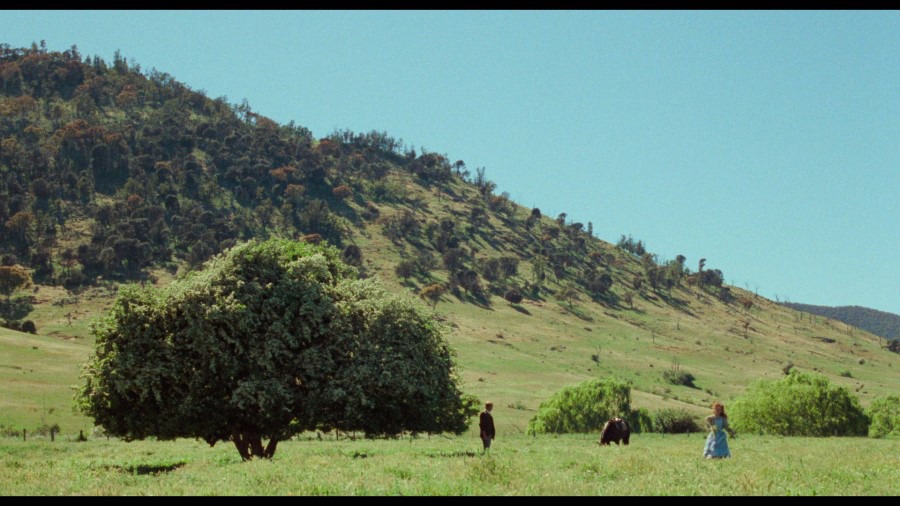
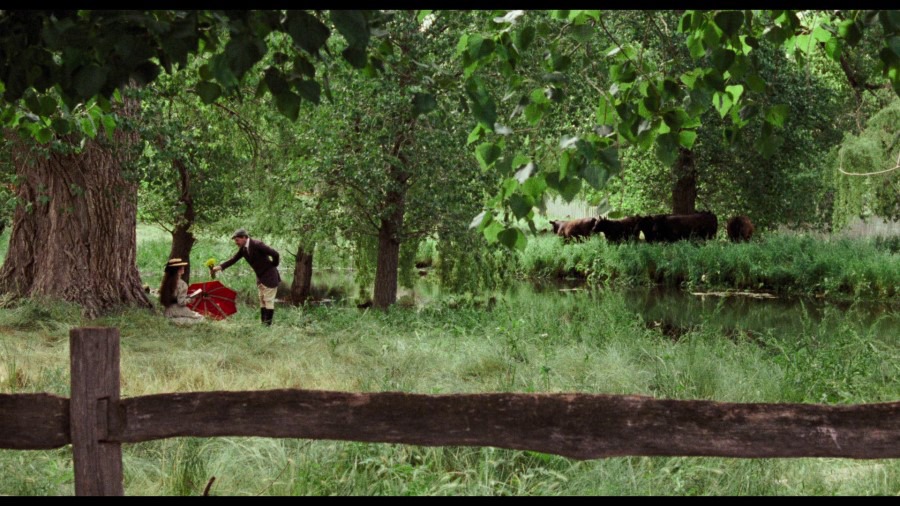
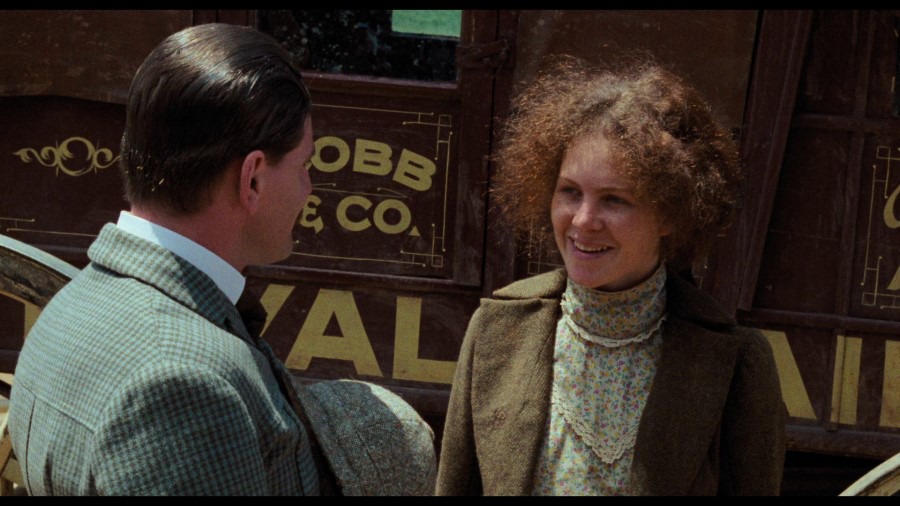
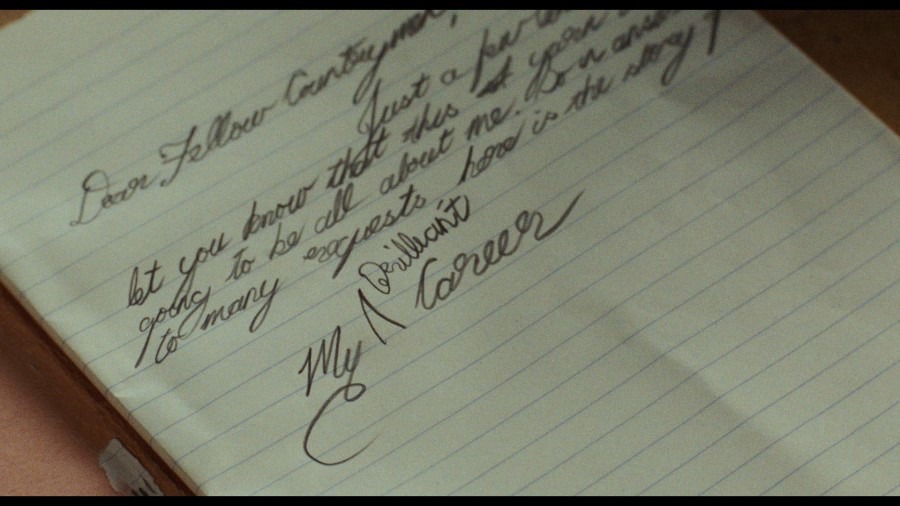
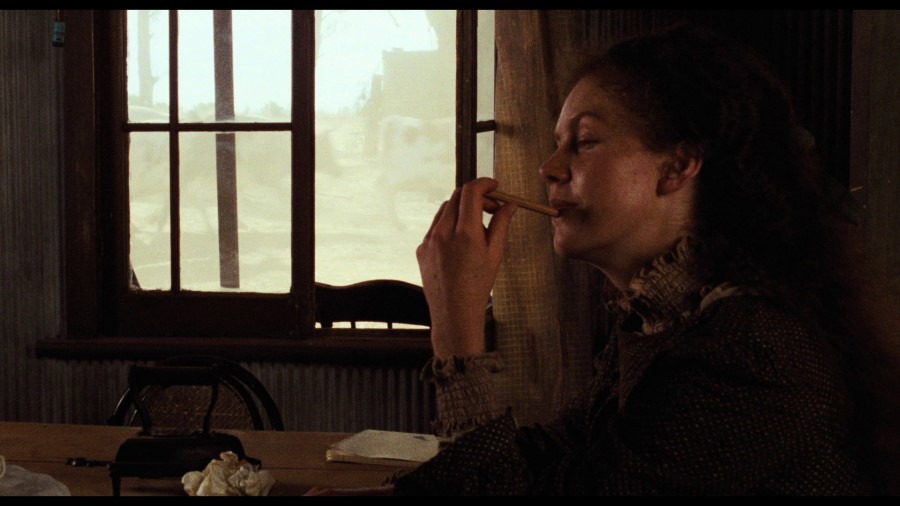
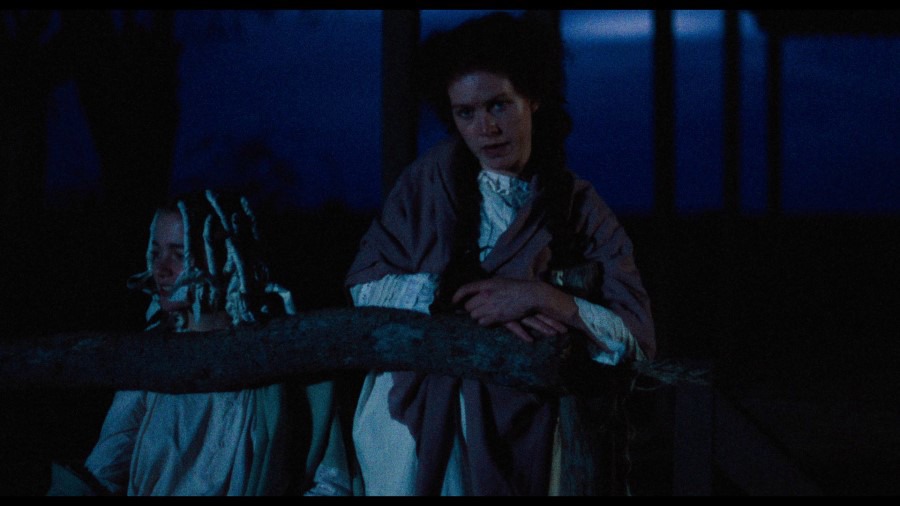
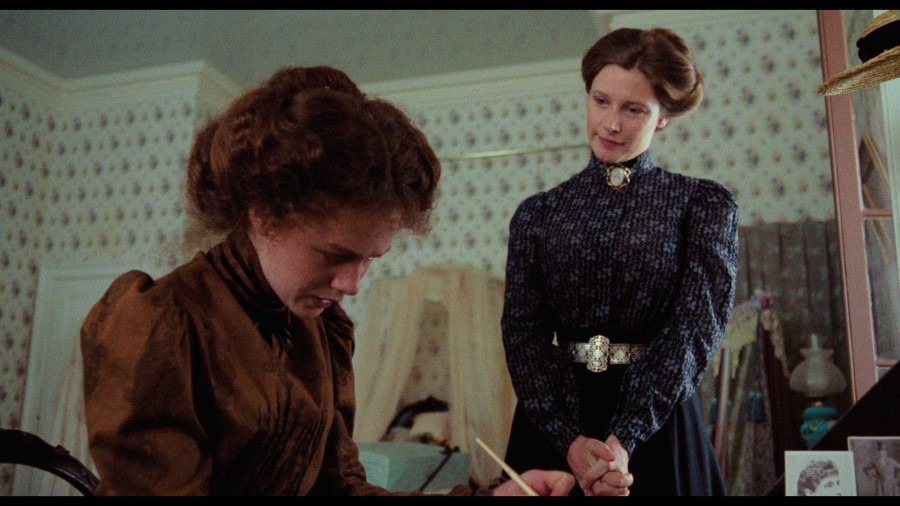
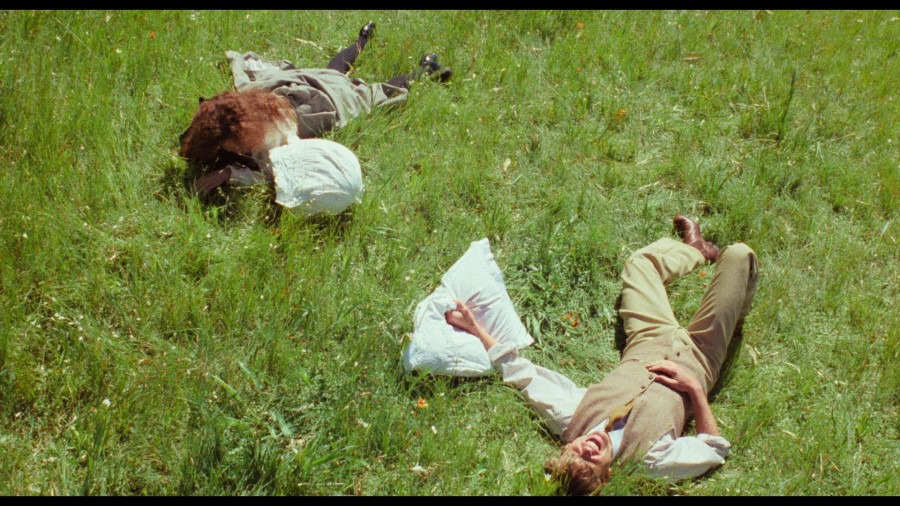
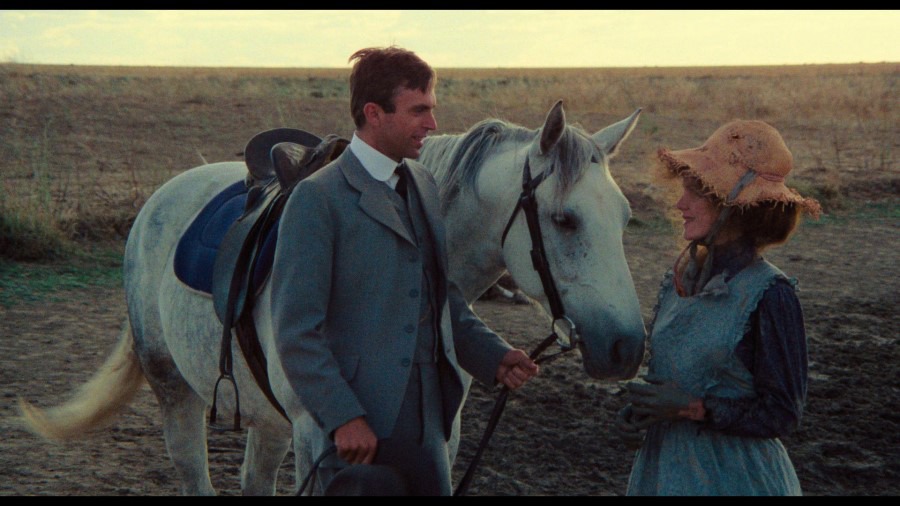
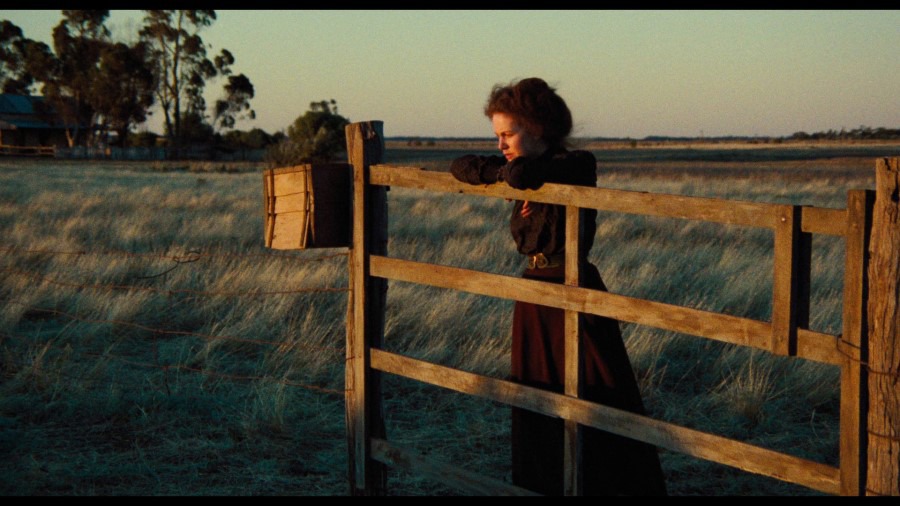
I won’t build anything up and instead just come out and say the image looks exceptional. Outside of the darker exteriors and the occasional nighttime shot, the film is unbelievably bright with gorgeous looking colours. The landscapes look incredible throughout thanks to the blues of the skies and the greens of the fields. Even the dirty, brown landscapes look wonderful. What really took me back, though, is the level of detail. Those same landscape shots deliver a lot of finer object detail, like individual blades of grass, tree bark, rocks, and so on, while interiors also deliver all of the textures in the space cleanly. But what just absolutely blew me away was Judy Davis’ hair: every individual strand, every tight curl, all of it can be clearly made out through close-ups to medium shots. Film grain is fine and it’s rendered cleanly, looking natural.
The only area that left me a little wanting were some of those darker shots, primarily the low-lit interiors and a handful of exterior evening shots. These look a bit muddier in comparison to the rest of the film, and the blacks can eat up the details in the shadows. It could be a side-effect of the photography and the lighting, but these moments can look a little off.
Restoration work has cleaned things up miraculously, and I don’t recall a single blemish ever rearing its ugly head. It is a bit of a tired cliché to say this but the film really does look new, like it could have been filmed within the last couple of years. I haven’t seen the Blue Underground release but it’s doubtful it came anywhere close to this.
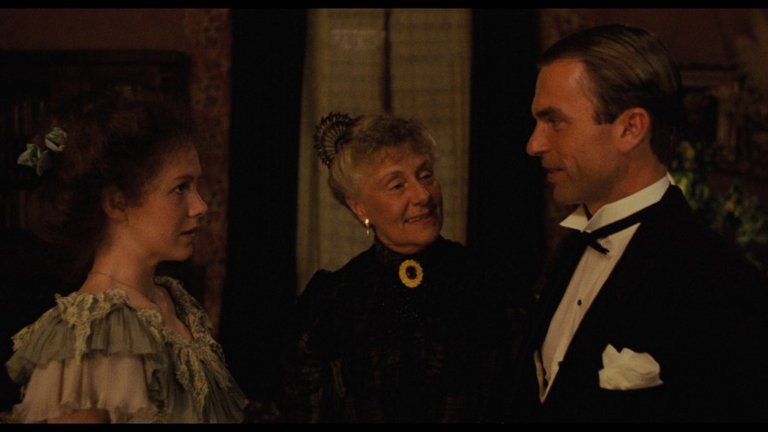
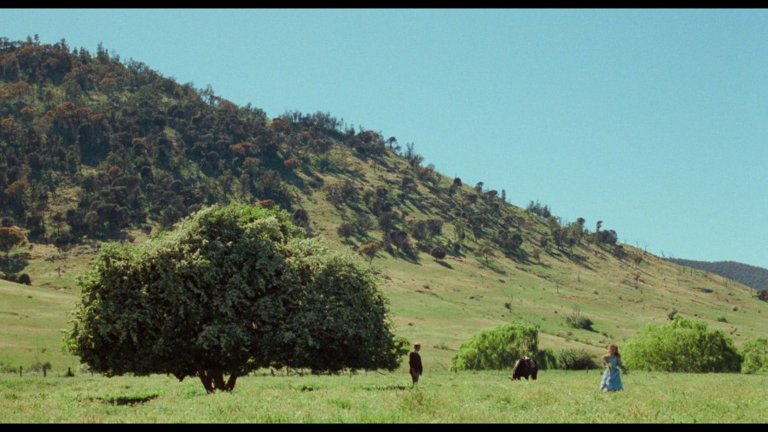
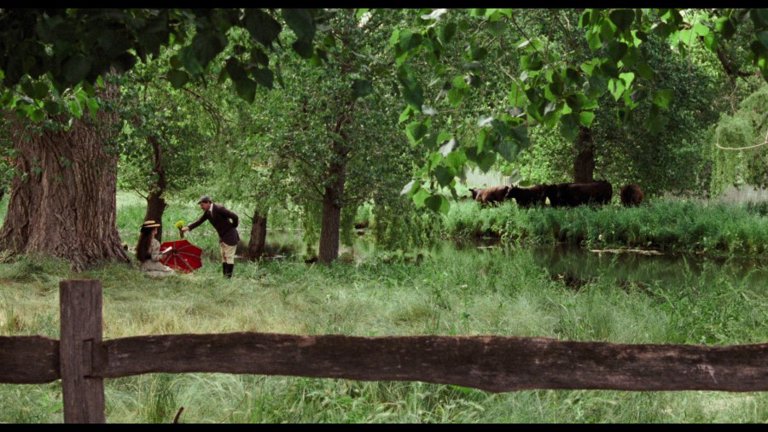
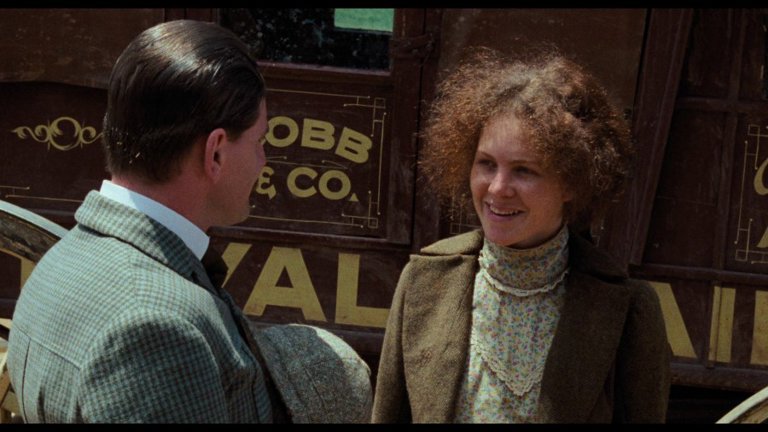
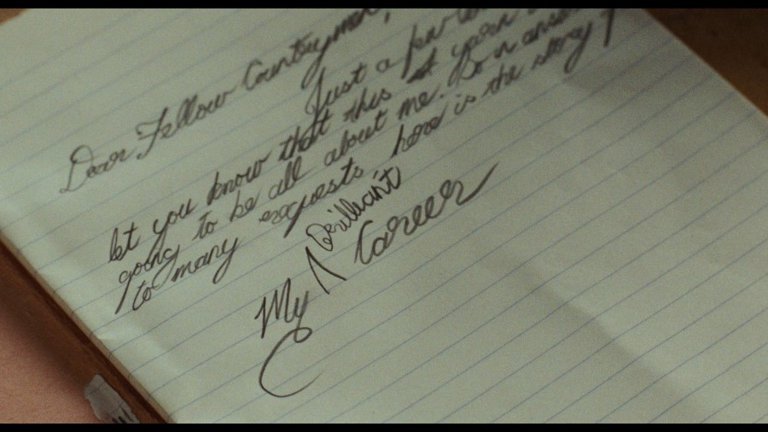
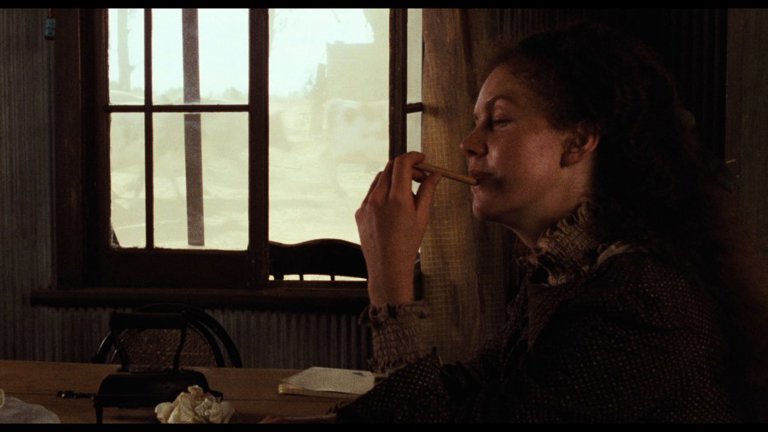
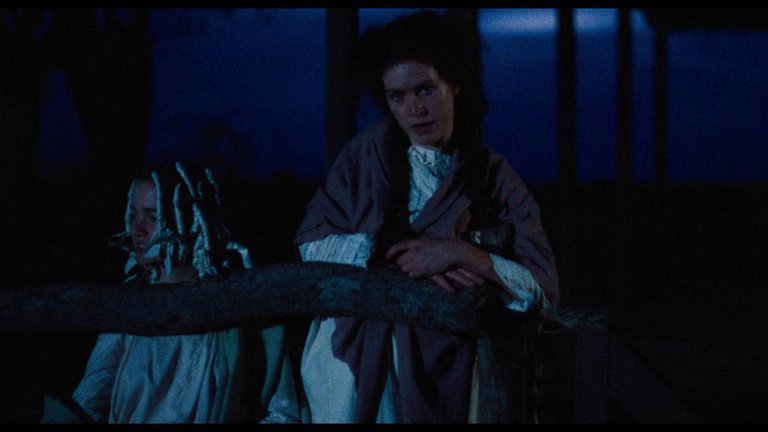
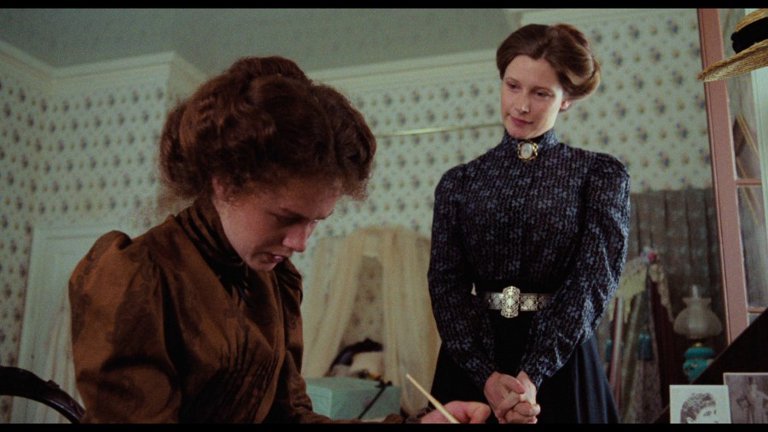
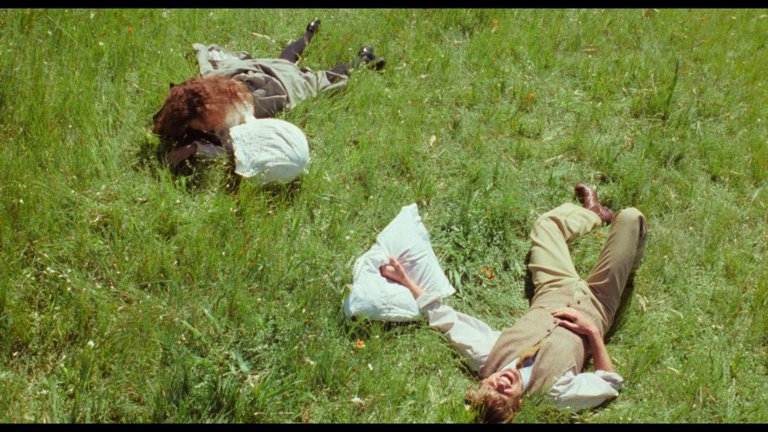
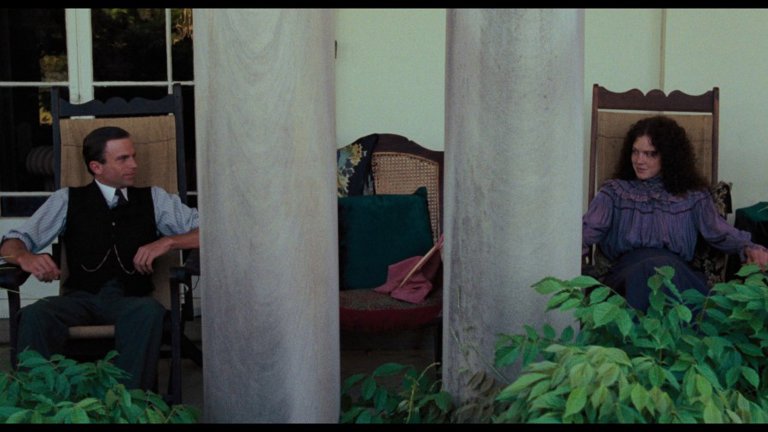
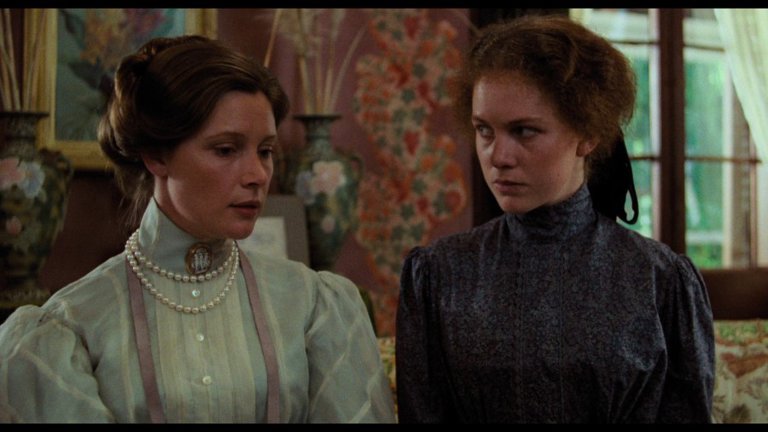
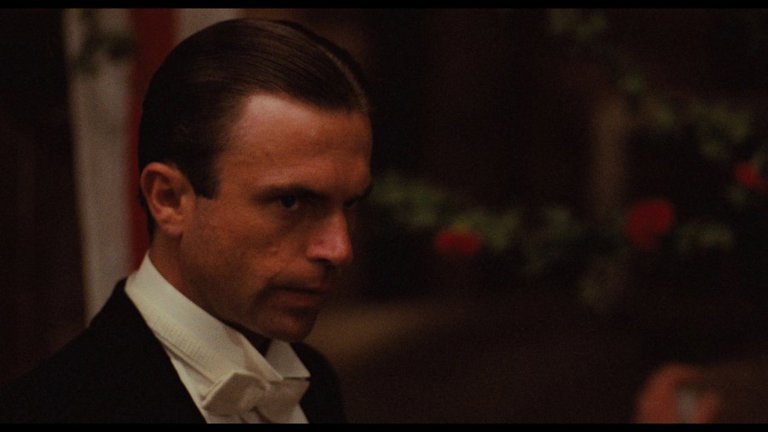
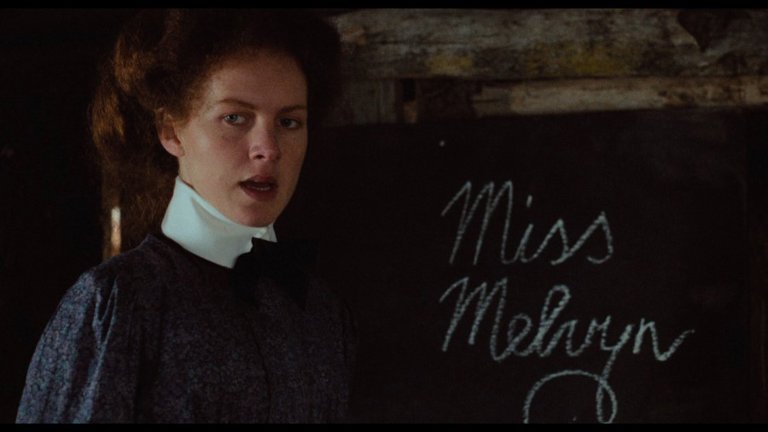
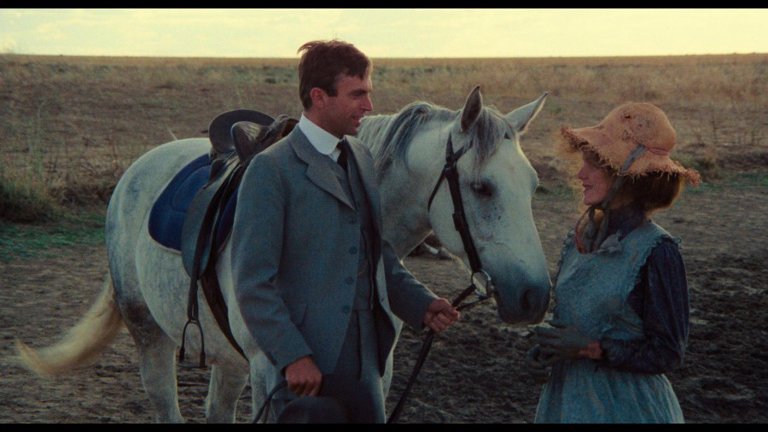
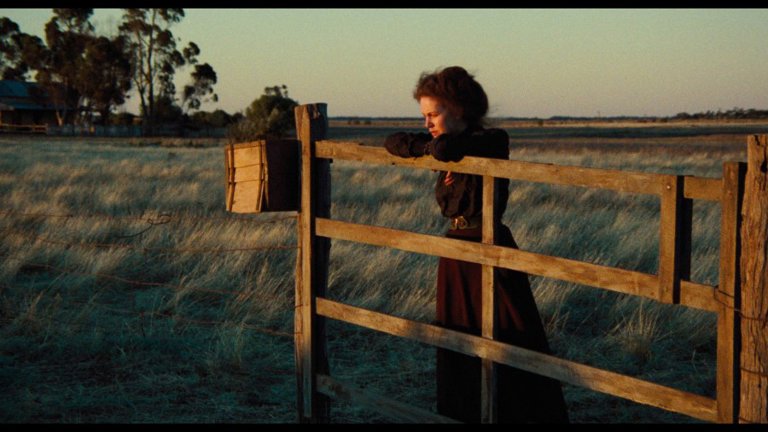
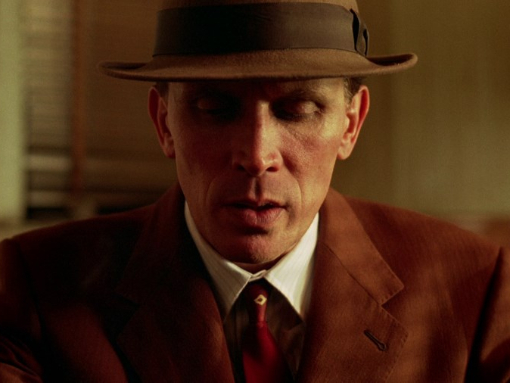
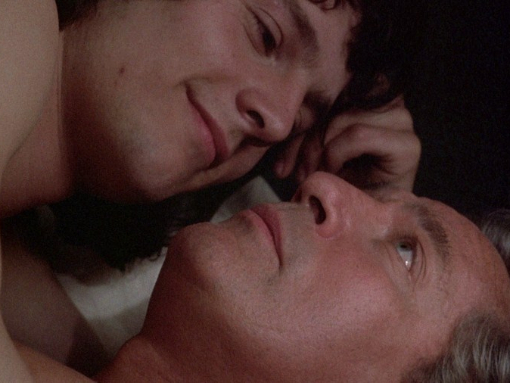
My Brilliant Career - Screen Captures
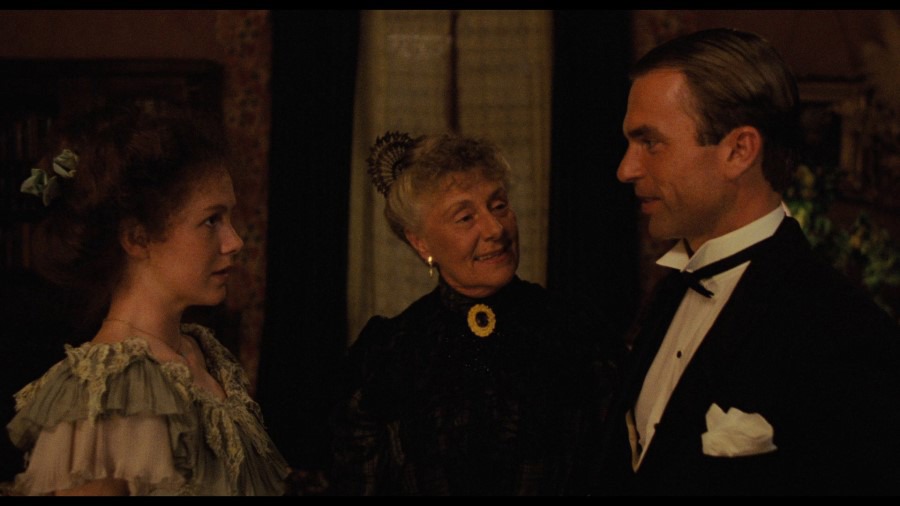
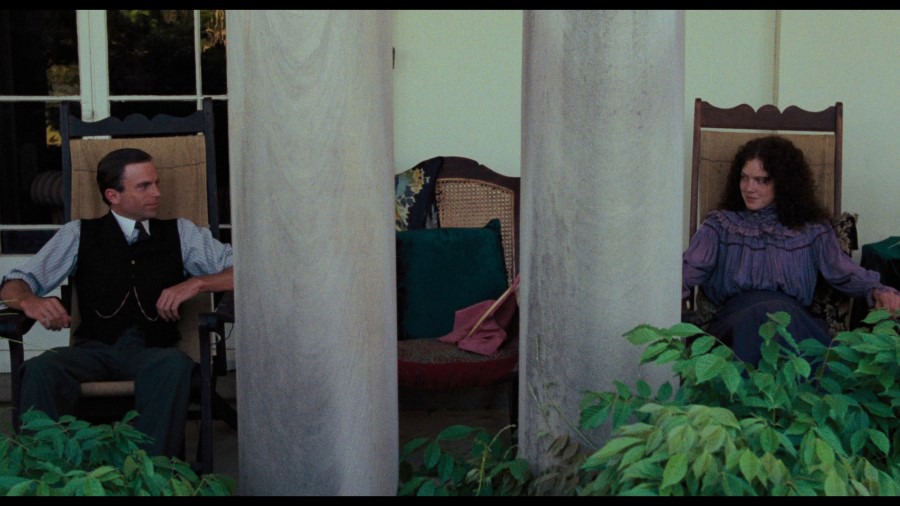
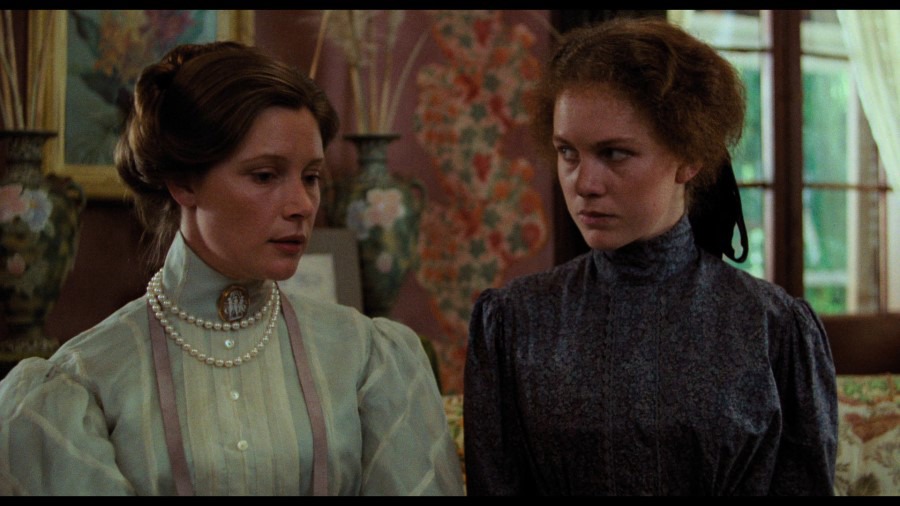
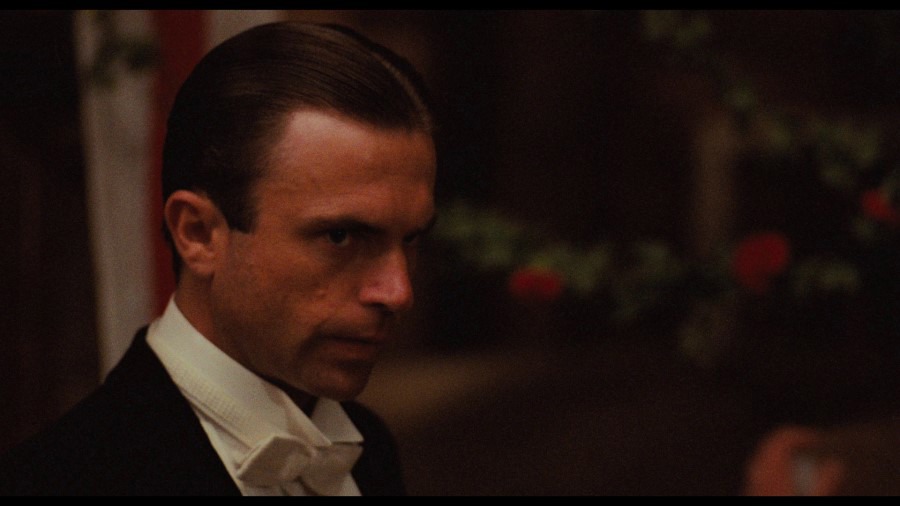
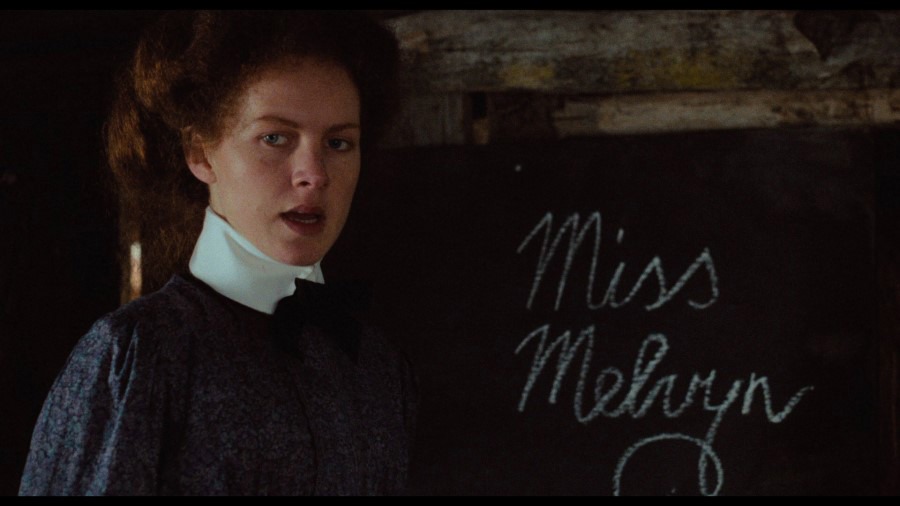
Audio 7/10
The film receives a simple linear PCM 1.0 mono audio presentation. It’s not an overly ambitious track but it still manages to be dynamic with nice range between the lows and highs, best showcased in the film’s music. I also didn’t pick up any severe damage and background noise isn’t at all noticeable. It sounds great.
Extras 7/10
Criterion’s special edition gathers together several great supplements to cover the making of the film, first porting over the audio commentary from the 2009 Blue Underground edition, featuring director Gillian Armstrong. This was Armstrong’s first feature, so a lot of the track is her recalling the lessons she learned along the way during production (like how to handle making a mistake that will cost the time of her crew) and offering her praise to those on her crew who were there to help. She also recalls the genesis of the project, her fear going into it (she was thankful the script took a while to finish), and then the casting process, which offered a few lessons for the director as well. It’s an entertaining track and outside of a handful of short dead spots Armstrong does keep things going.
This is followed by a new interview with Armstrong, recorded by Criterion for this release late in 2018. She covers a few subjects mentioned in the commentary but expands on them and gets into completely different ones. In the track she mentions how she had trouble getting financing for the film and she offers more detail here on what the troubles were, and she also talks about how the film has pretty much shaped her career, making films about “strong” women, though she objects to the term “strong,” as she sees the characters she focuses on as human and flawed. It runs about 25-minutes.
Criterion then digs up a 1980 interview with Judy Davis, filmed for the French television program Ciné regards, presented here from a fairly rough broadcast tape with burned in French subtitles (everything is spoken in English during the program). Armstrong mentions in the commentary and interview how Davis cannot stand the film, even hating the character she was playing (and Armstrong blames this on herself, feeling she didn’t properly work with the actor to prep her for what she was trying to do), so I assume that may be why she doesn’t sit down for a new one (or it could just not be her thing). At any rate, Davis sits to talk about her still new acting career, explaining how she got into acting and how she came to be cast in the film. She also talks about what she hopes to do from here, though amusingly states she has no interest in working in Hollywood (things changed obviously). Though the program itself centers around My Brilliant Career, even showing a number of clips, the two don’t talk a lot about the film itself, with the focus more on Davis. It runs 24-minutes.
Criterion then gets a new 14-minute interview with production designer Luciana Arrighi. This one proves especially wonderful, Arrighi explaining what her job is exactly, from designing sets, creating the film’s overall look, and even finding the appropriate places to film. Influences ranged from paintings to photographs, with some shown here, while we also get to see a number of Arrighi’s designs, showcasing her focus on colour (she even explains her choices). I was really taken by this interview, Arrighi a great interview subject who just projects her passion for her work.
Criterion then includes Armstrong’s 1973 student film, One Hundred a Day. The 8-minute film takes place in the 1930s and focuses on a young woman, who works at a shoe factory, dealing with getting an illegal abortion, with a couple of her co-workers helping her through the steps. The black and white film doesn’t feel at all like it was a student’s work; it’s pretty polished, even feeling to capture the era. The presentation looks to be a standard-definition upscale. The disc then closes with the film’s theatrical trailer, and the included insert features a lengthy essay by Carrie Rickey, offering the releases only academic angle as she writes about the film, which was released with a wave of other notable Australian films, and the film’s director.
Blue Underground’s disc had an interview with the film’s producer and material around its premiere at Cannes, which has not been carried over. That’s a little disappointing, as is the lack of scholarly supplements, but Armstrong’s participation proves invaluable as is Arrighi’s.
Closing
Criterion’s presentation of the film is really outstanding, delivering an unbelievably sharp, photographic presentation. Pack on some entertaining and insightful supplements on the film’s production and this release comes with a super easy recommendation.
BUY AT: