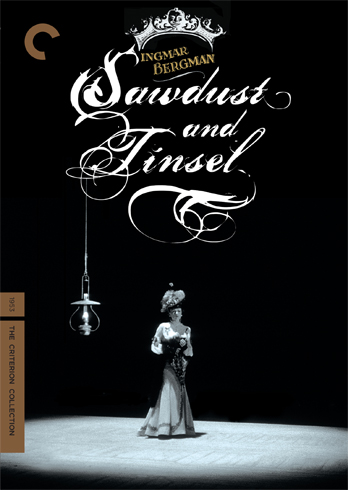
Sawdust and Tinsel

BUY AT:


See more details, packaging, or compare
Synopsis
Ingmar Bergman presents the battle of the sexes as a ramshackle, grotesque carnival in Sawdust and Tinsel, one of the late master’s most vivid early works. The story of the charged relationship between a turn-of-the-century traveling circus owner (Ake Grönberg) and his performer girlfriend (Harriet Andersson), the film features dreamlike detours and twisted psychosexual power plays that presage the director’s Smiles of a Summer Night and The Seventh Seal, works that would soon change the landscape of art cinema forever.
Picture 7/10
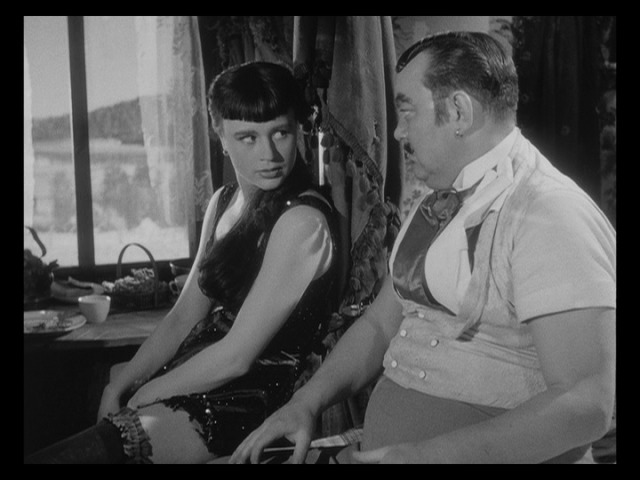
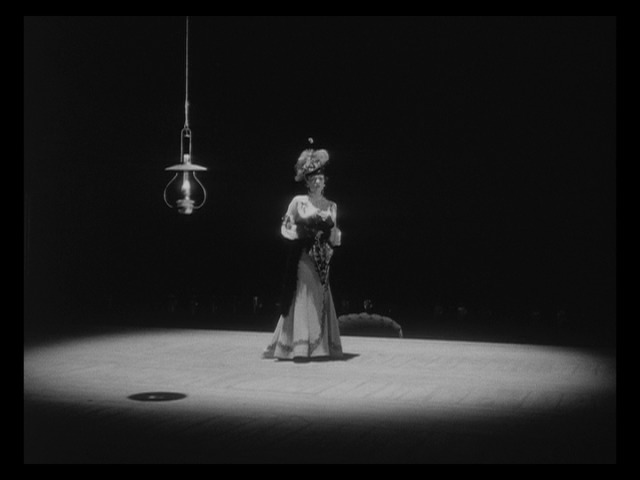
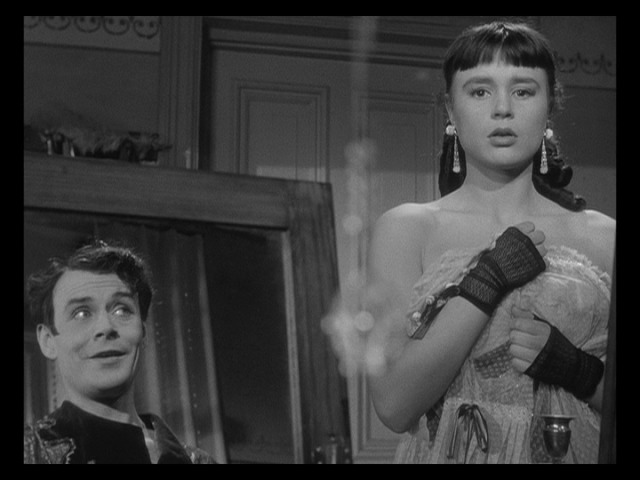
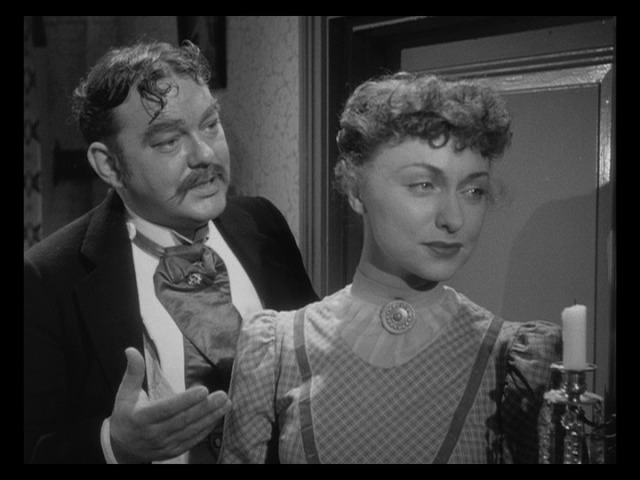
The Criterion Collection’s original DVD edition for Ingmar Bergman’s little seen (at the time of the disc’s release) Sawdust and Tinsel presents the film on a dual-layer disc in the aspect ratio of 1.33:1. The image has also been window-boxed, meaning a black bar surrounds the entire image, which is visible on televisions that do no have overscan. Because of the aspect ratio the standard-definition presentation has not been enhanced for widescreen televisions. Criterion states that the cut here is 5-minutes longer than what had been previously released theatrically in the U.S.
Released at the tail-end of 2007, the presentation did make use of a new high-definition restoration, which was scanned from a 35mm print struck from the original negative. At the time the film was a fairly hard one to come across, at least in North America, so it was a pleasant surprise to get what ends up being a nice looking image, though it has been outdone by a newer restoration, which Criterion has since released on Blu-ray.
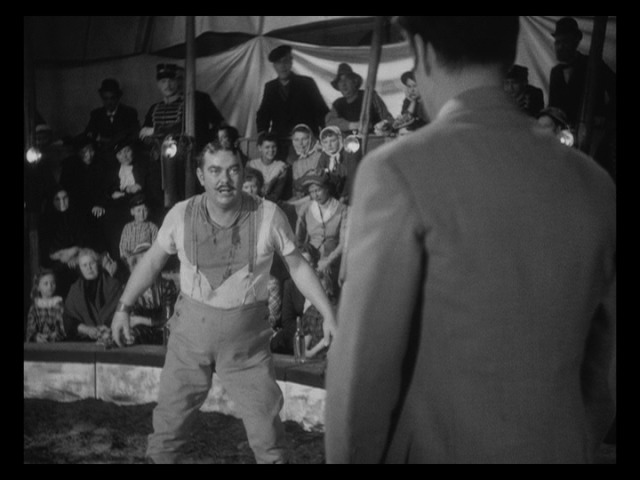
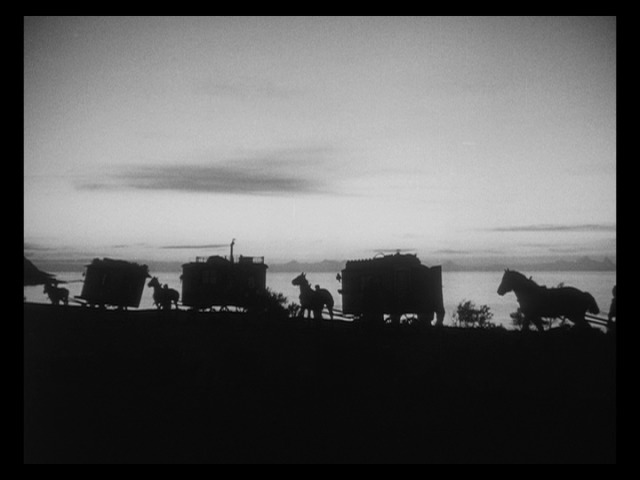
Judging the DVD’s image on its own merits, though, I’m still rather impressed with it, and it still manages to hold up when upscaled, even on a 4K television. Compressions is an issue, unsurprisingly, but it’s well managed and not distracting. The image is also very sharp and the detail level is relatively high. The black-and-white image does look a little blown out, though, with contrast running a bit high, and it is pretty intense during the film’s opening story (which I guess is supposed to be more of a flashback). This segment also looks pretty intense in the new restoration, but not to the degree that is here. Contrast also looks a little high throughout the rest of the film on this disc, but nowhere near as intense as the opening.
Getting past the contrast levels and the hang-ups of the DVD format to begin with, the restoration has still done a remarkable job with this and the film looks to be in remarkable condition. Some damage remains but it’s minimal, with the worst offenders being some noticeable tram lines, minor marks, and frame shifts, but I was expecting something far worse, and, all these years later, I’m still pretty impressed.
Ultimately I would direct everyone to the new Blu-ray, which can be picked up separately or in Criterion’s lavish Bergman’s Cinema box set, but those still sticking with DVD the presentation here is still a solid one.

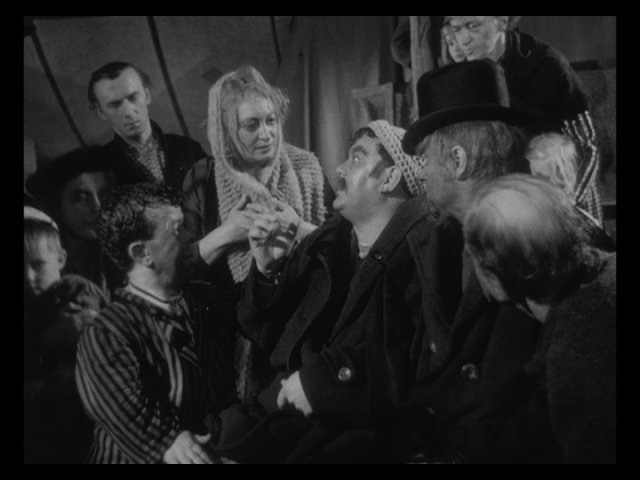
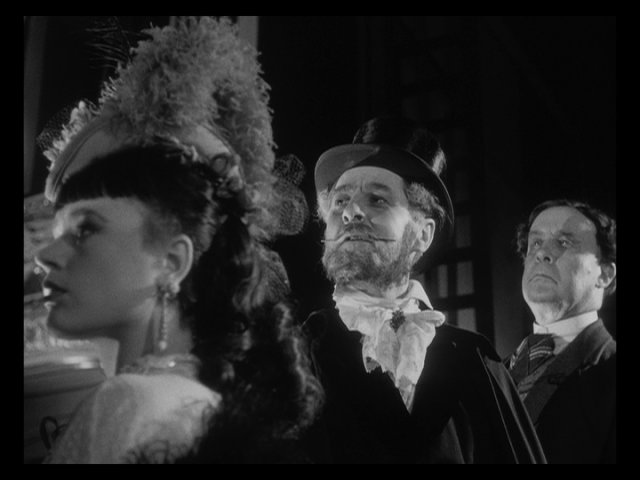
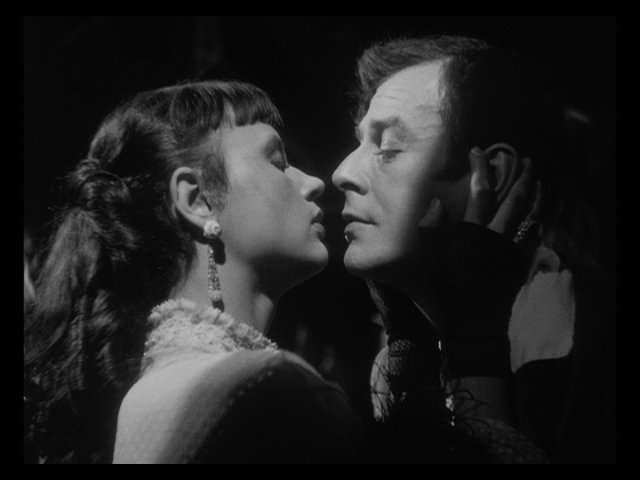
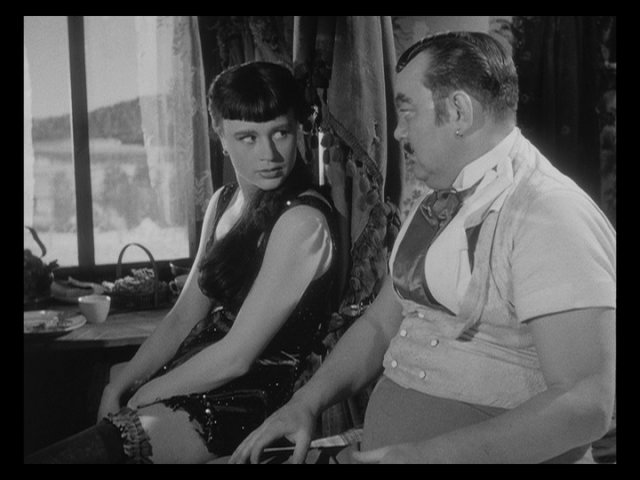
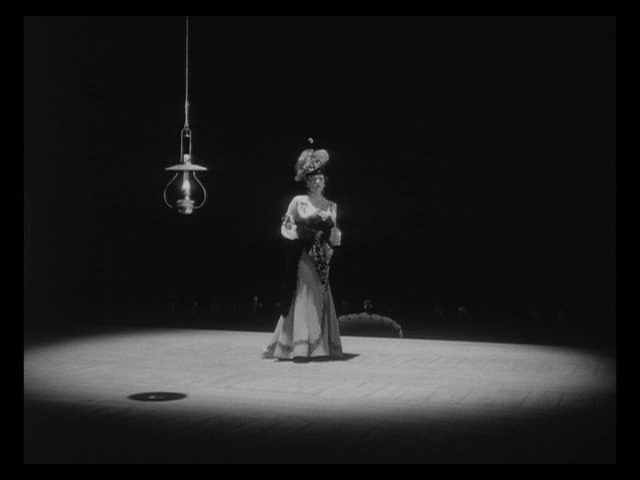
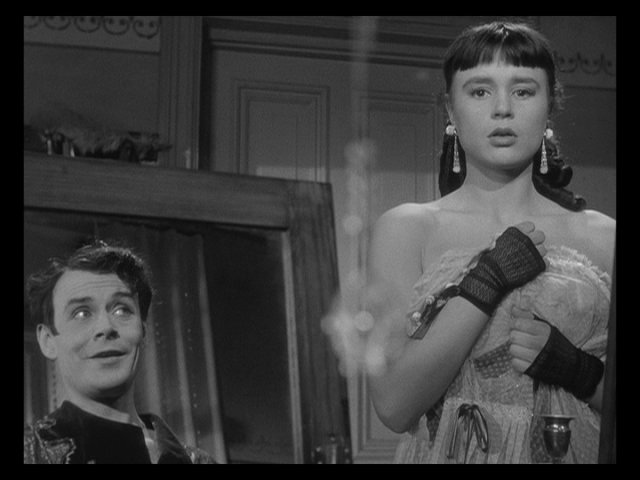
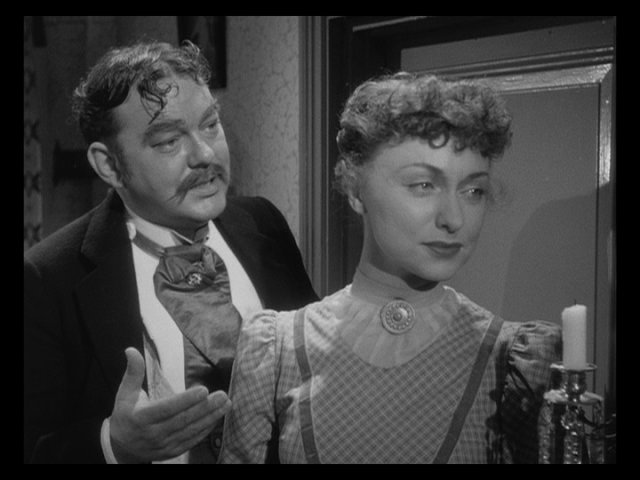
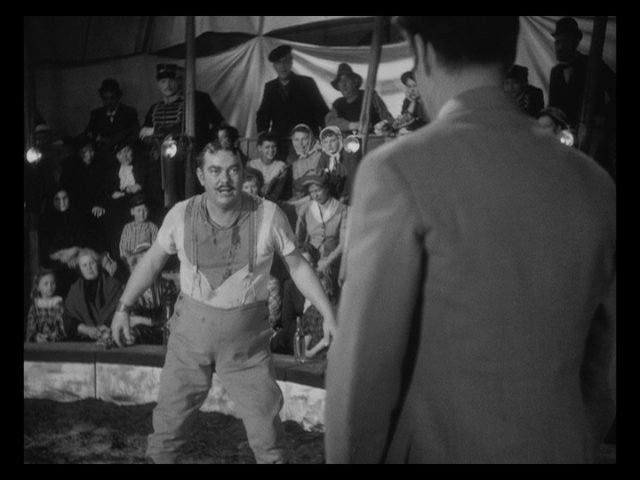
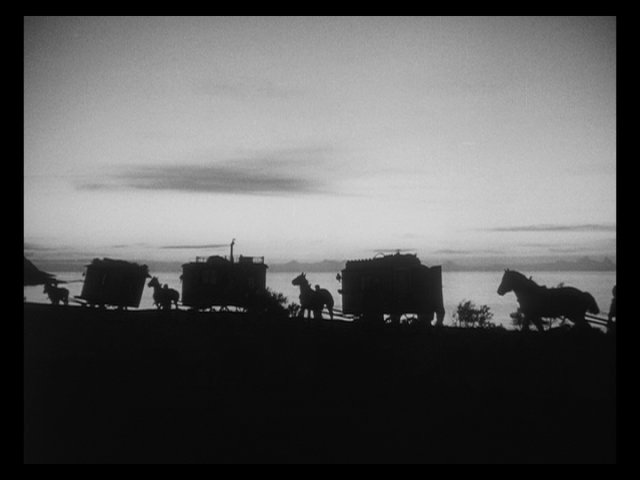
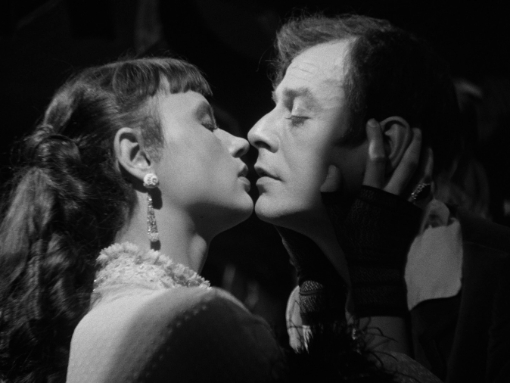
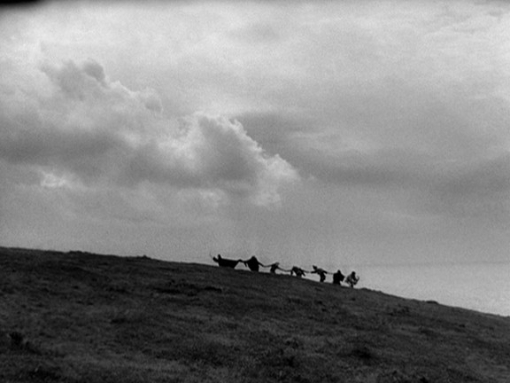
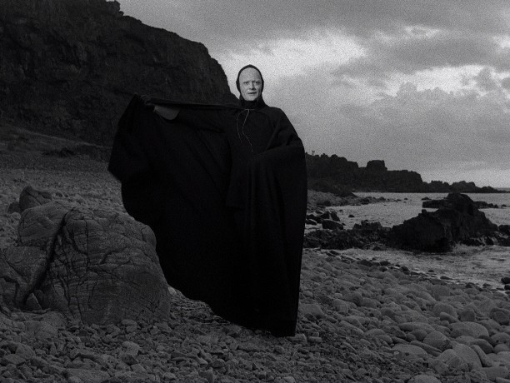
Sawdust and Tinsel - Screen Captures

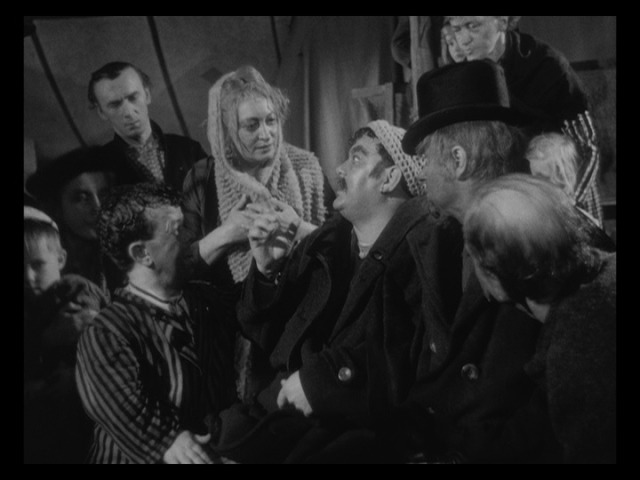
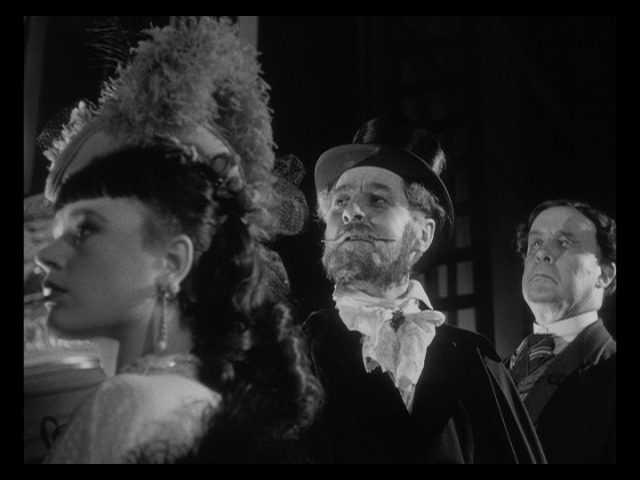
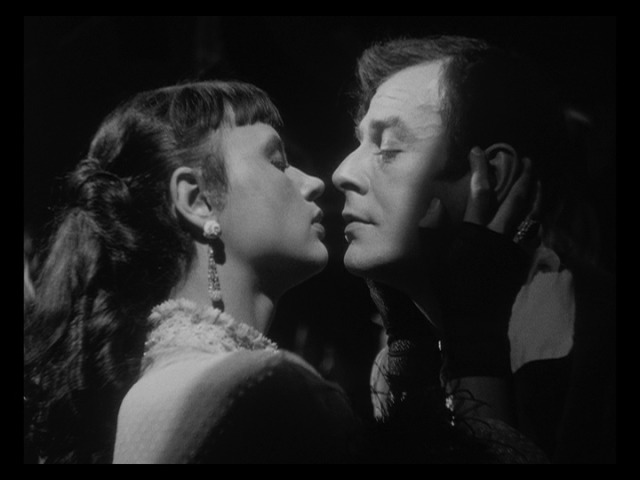
Audio 5/10
The film’s Swedish Dolby Digital 1.0 soundtrack is flat and muffled, showing its age, but it’s still easy to hear dialogue, music sounds fine (if a little edgy in places), and doesn’t show any severe signs of damage.
Extras 6/10
The film gets a sparse set of features, but at the very least Criterion does include an audio commentary from Bergman scholar Peter Cowie. Cowie begins things off by proclaiming it’s a very big deal that Criterion is releasing this film since the film was so hard to come by prior to this release. He talks about the title and why Criterion chose it (Criterion is apparently using the UK title, as the American title, The Naked Night, was only used to market the film more as a “sexploitation” picture), and from there talks about it’s release history and how it fits into Bergman’s filmography, pointing out themes that would become common throughout his work, and talks about his theater work played into this film. I always enjoy Cowie’s tracks for Bergman’s films and this is another good one to throw in with the others.
Criterion also throws in a 3-minute introduction featuring Bergman, which was part of a series of them filmed by director Marie Nyreröd back in 2003 and used to introduce his films on television. Here Bergman talks about his fondness for the film and his initial disappointment at how poorly received it was when originally released. The included booklet also features an essay on the film by John Simon, and an appreciation for the film written by filmmaker Catherine Breillat in 2003.
Very slim but Cowie’s commentary manages to cover a lot of bases around the film.
Closing
Slim on features, but Cowie’s commentary is good and the standard-definition presentation still holds up remarkably well, despite some print damage that remains.
BUY AT: