Sundays and Cybèle
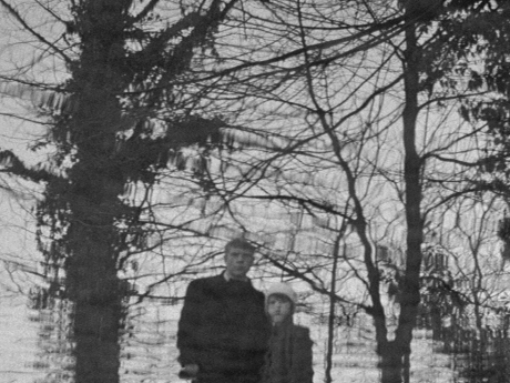
BUY AT:


See more details, packaging, or compare
Synopsis
In this provocative Academy Award winner from French director Serge Bourguignon, a psychologically damaged war veteran and a neglected child begin a startlingly intimate friendship—one that ultimately ignites the suspicion and anger of his friends and neighbors in suburban Paris. Bourguignon’s film makes thoughtful, humane drama out of potentially incendiary subject matter, and with the help of the sensitive cinematography of Henri Decaë and a delicate score by Maurice Jarre, Sundays and Cybele becomes a stirring contemplation of an alliance between two troubled souls.
Picture 8/10
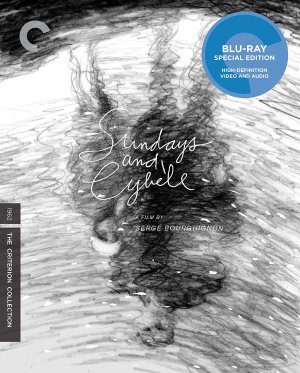
Serge Bourguignon’s Sundays and Cybele receives a Criterion Blu-ray edition, presenting the film in its original aspect ratio of about 2.35:1 on a dual-layer disc. The new restoration is presented in high-definition at 1080p/24hz.
Despite winning the Academy Award for Best Foreign Film, and also being available on DVD in Europe (there’s even a French Blu-ray) this release actually marks the film’s optical format debut in North America, and was previously only available on VHS. I was surprised to see that Criterion actually licenced the film from Sony since they were usually pretty good at releasing their Award winning titles on DVD. I assume maybe the subject matter scared them off from releasing it but there has certainly been worse (I’d say the international version of The Professional, which Sony released, would probably be more controversial.)
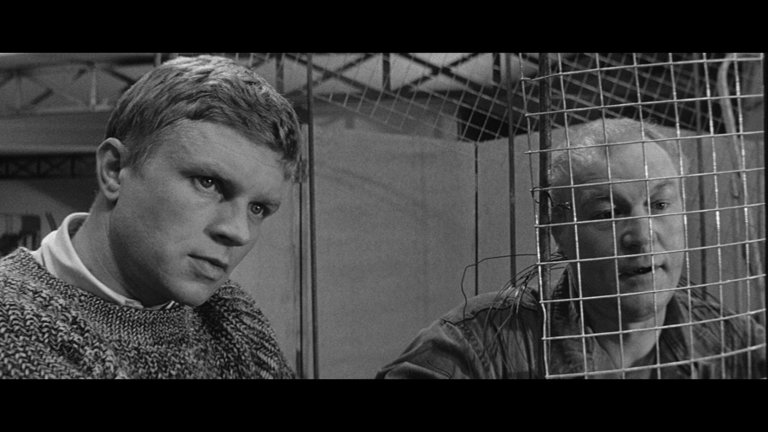
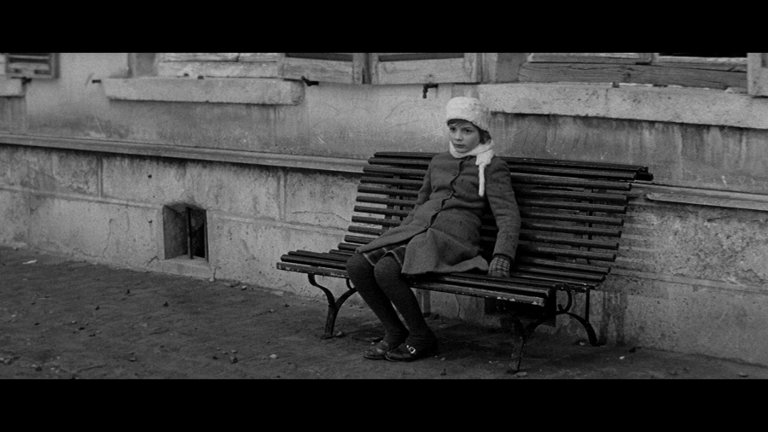
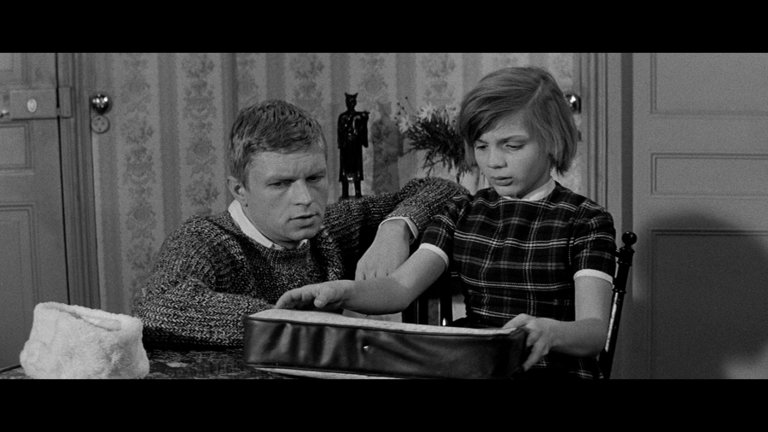
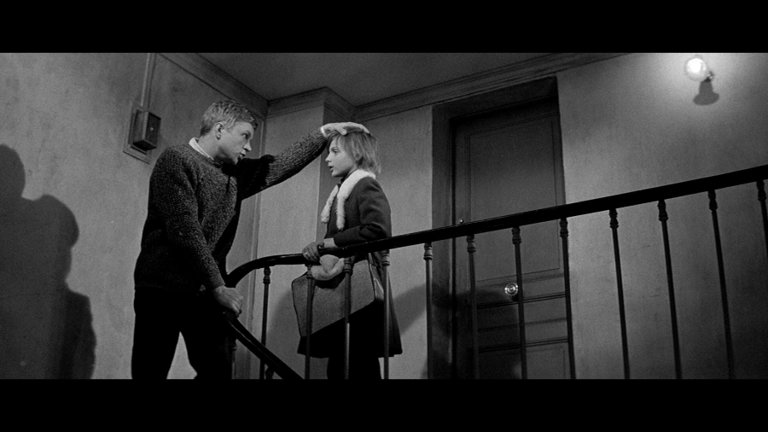
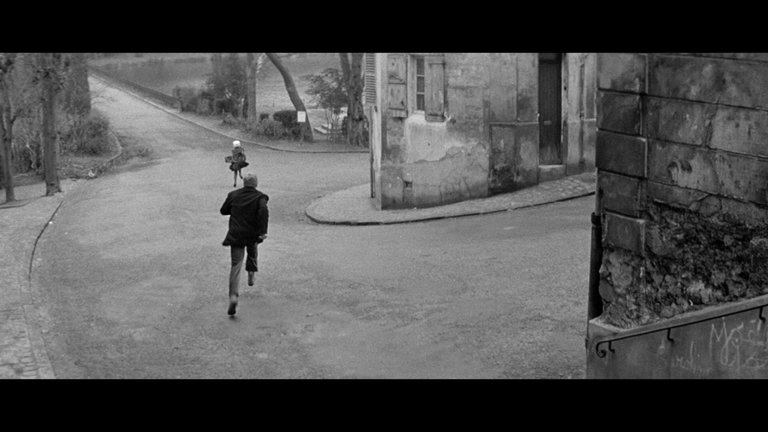
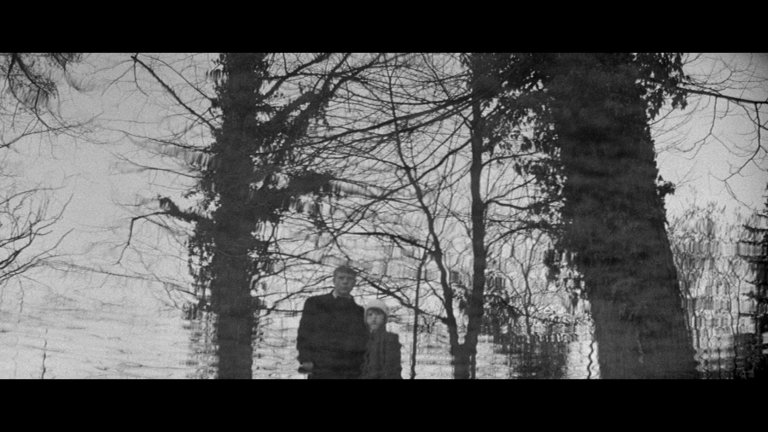
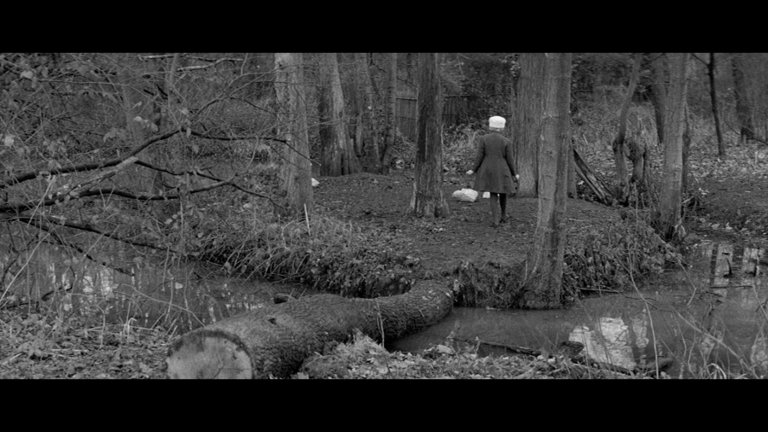
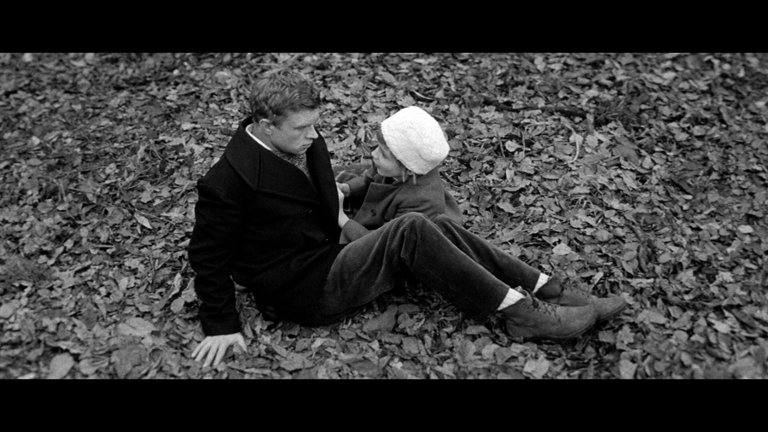
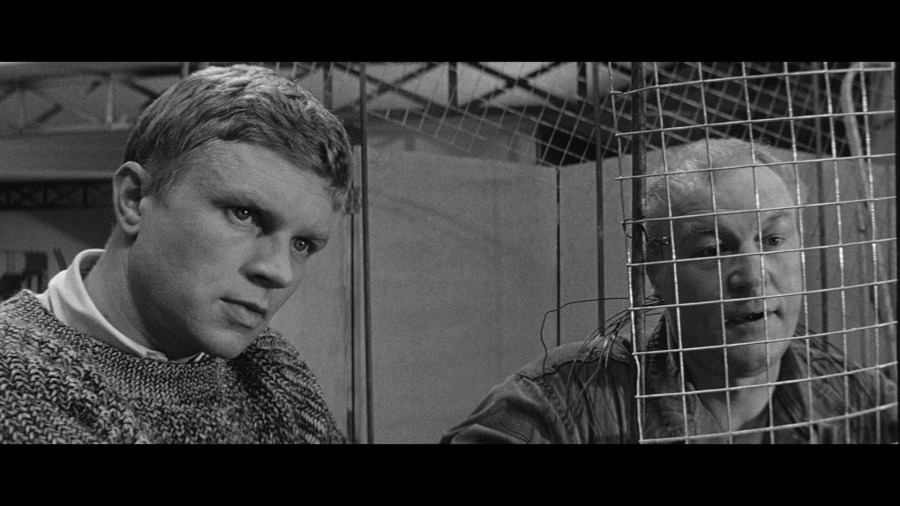
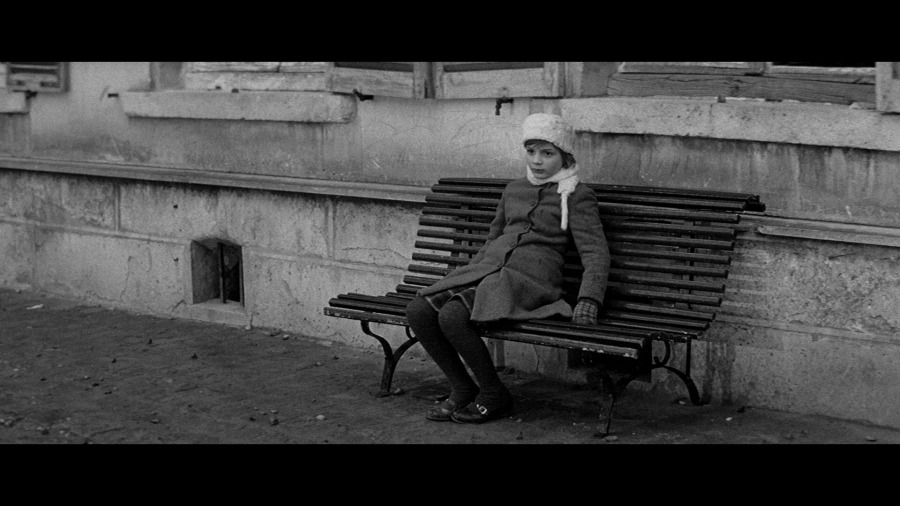
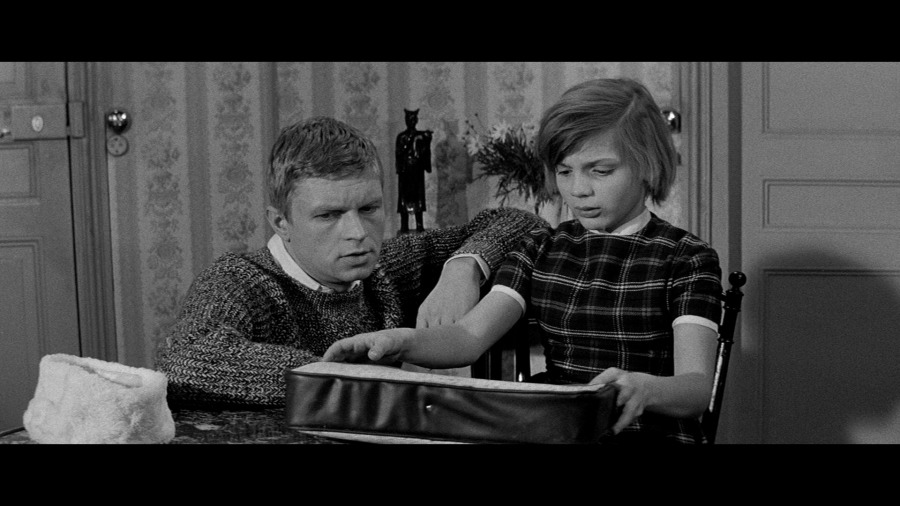
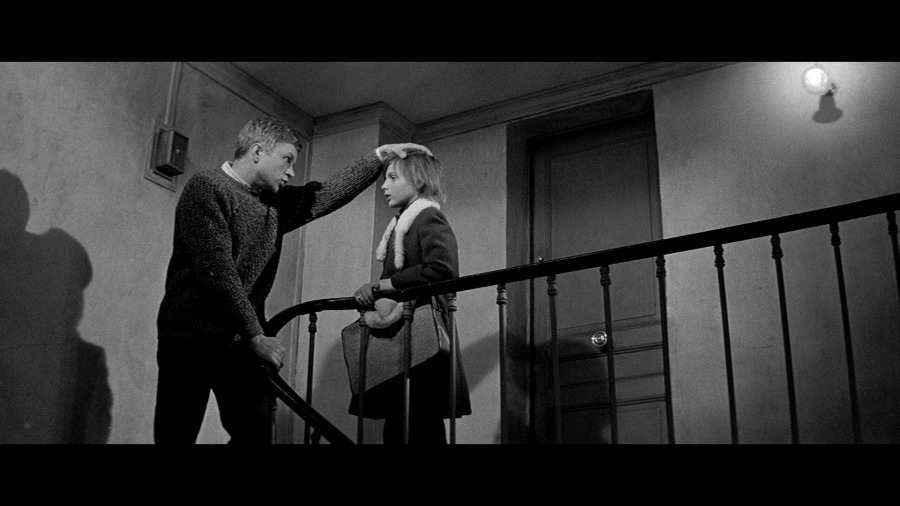
At any rate despite the lack of interest by other parties this new high-definition presentation looks surprisingly good, though is not without its flaws. The stylistic opening has a few oddities in the image—like a grid pattern—with a few notable print problems, but considering the complicated nature of it this probably couldn’t be helped, but the rest of the film delivers a near-flawless print, with only a small number of issues limited primarily to specs of dirt here and there, but nothing truly noteworthy. The restoration work overall is pretty impressive.
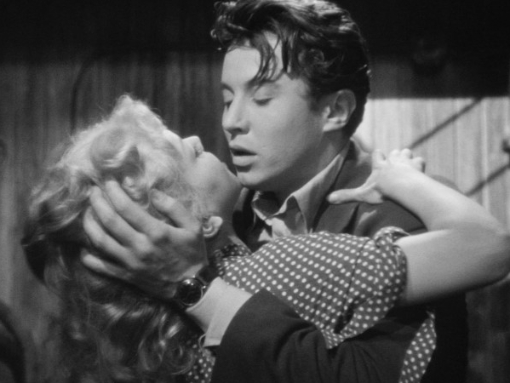
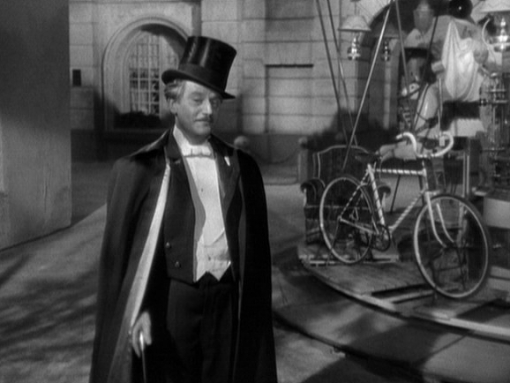
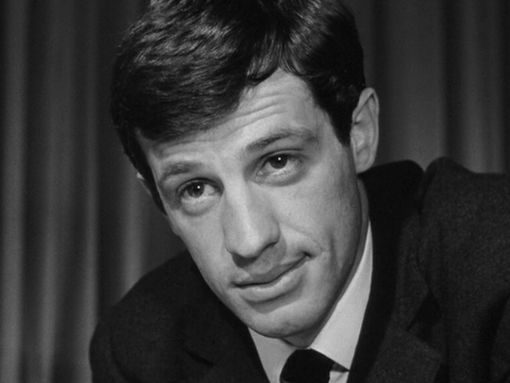
The transfer itself is very sharp, delivering an exquisite amount of detail in every shot; I was especially transfixed on Pierre’s knitted sweater, where you can really make out every individual thread and the different tones of gray found within it. Other textures come off well and look natural. Contrast also looks to be pretty spot on, with rich blacks and great tonal shifts in the gray levels.
The transfer is mostly clean though I noticed a few minor artifacts. Shimmering is occasionally noticeable in some of the tighter patterns, like the aforementioned sweater. It’s not a constant issue but pops up here and there. Film grain remains and looks mostly natural but it can look a bit clunky in places, like it’s grouping into larger patterns, but it’s hard to say whether this is some sort of byproduct from the source or an issue with the digital transfer itself. Nothing else about the transfer stood out and these issues I found are very limited and are not consistent.
As a whole, though, it looks particularly strong, and nice work by all of those involved.
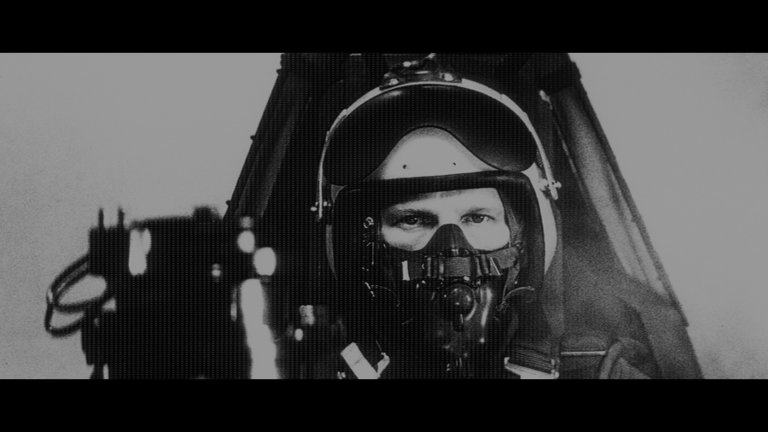
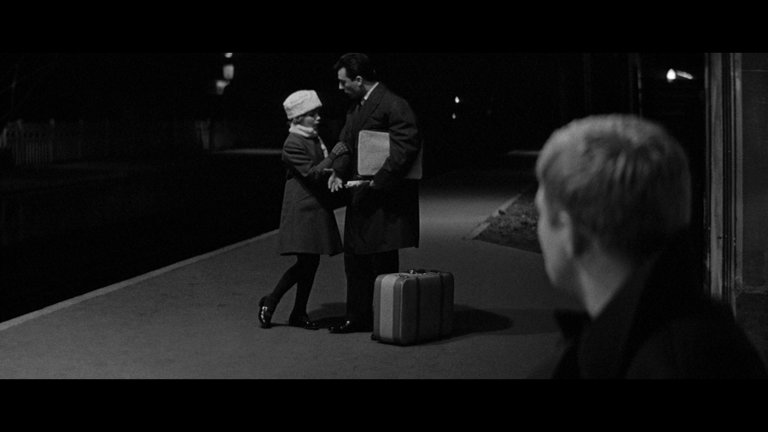
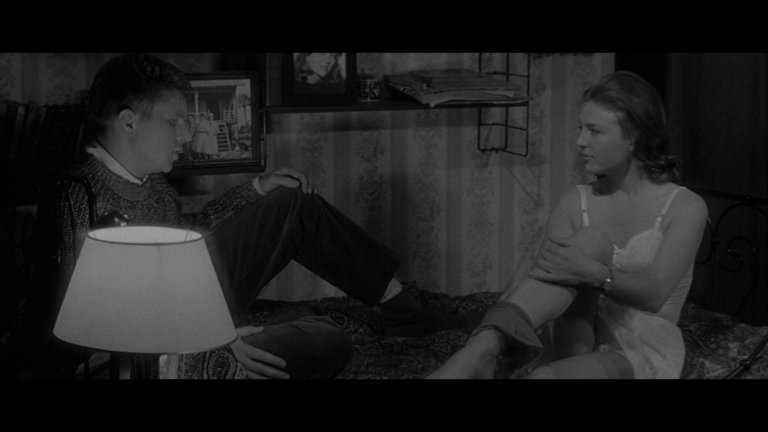
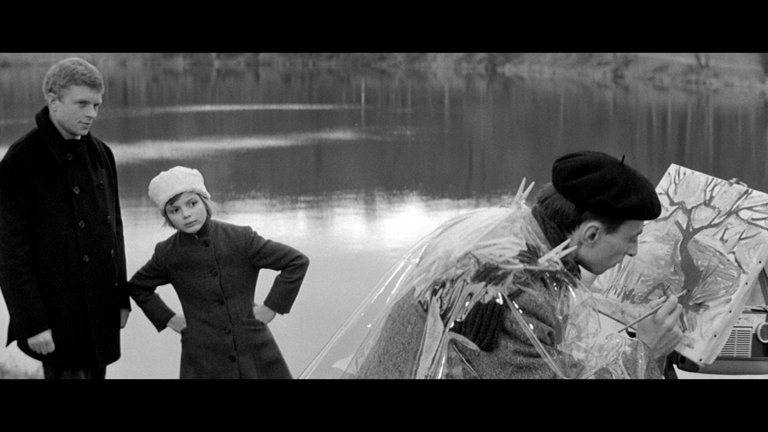
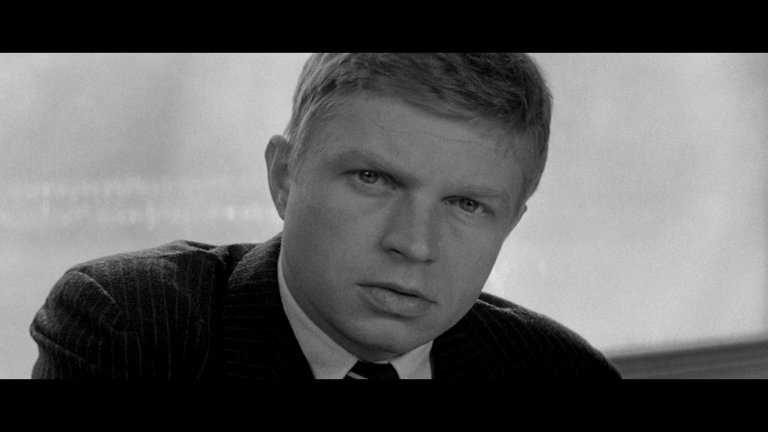
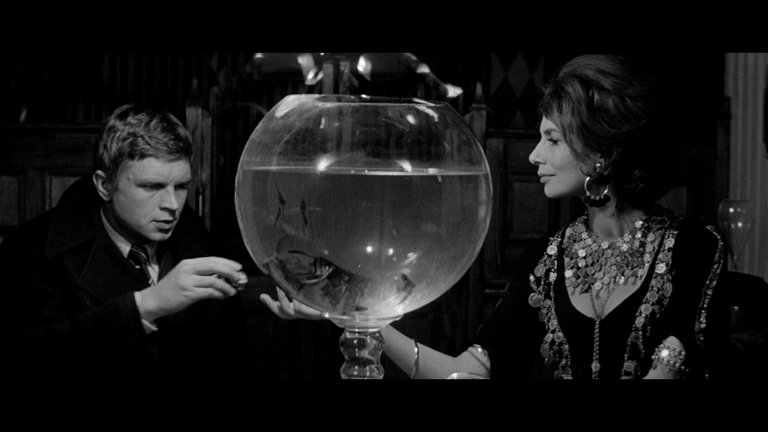
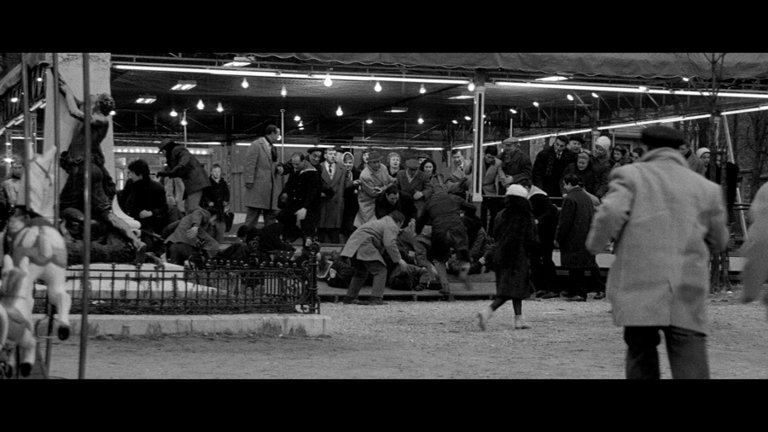
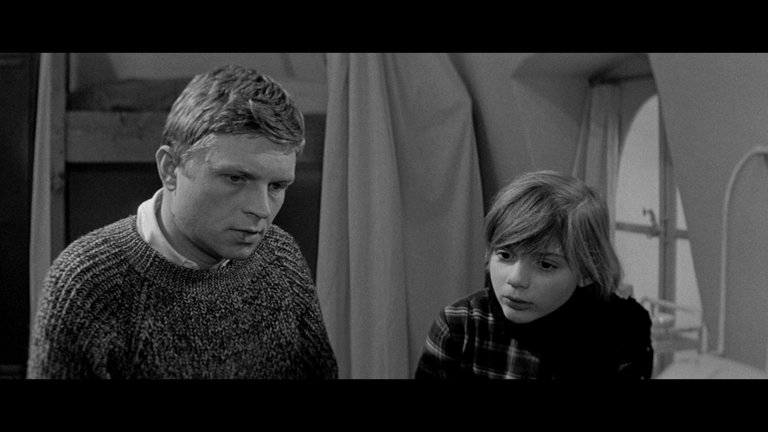
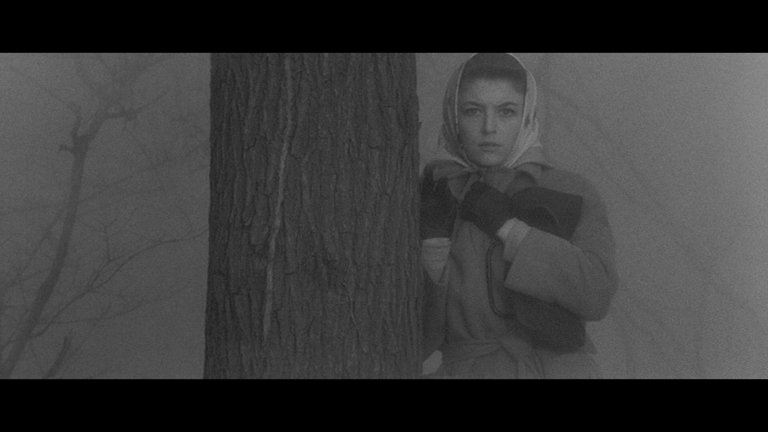
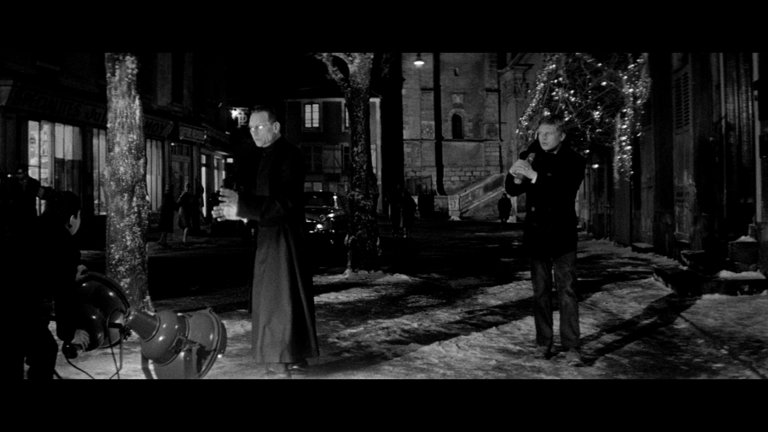
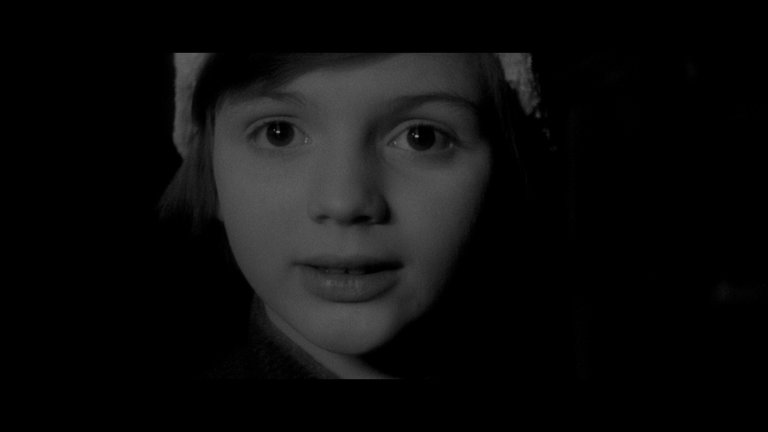
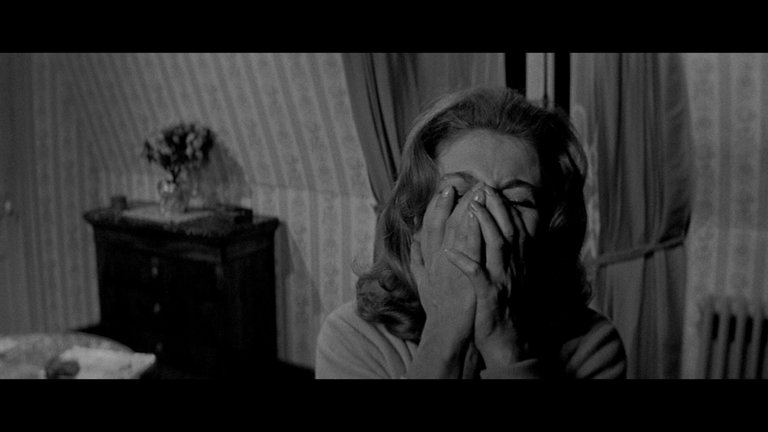
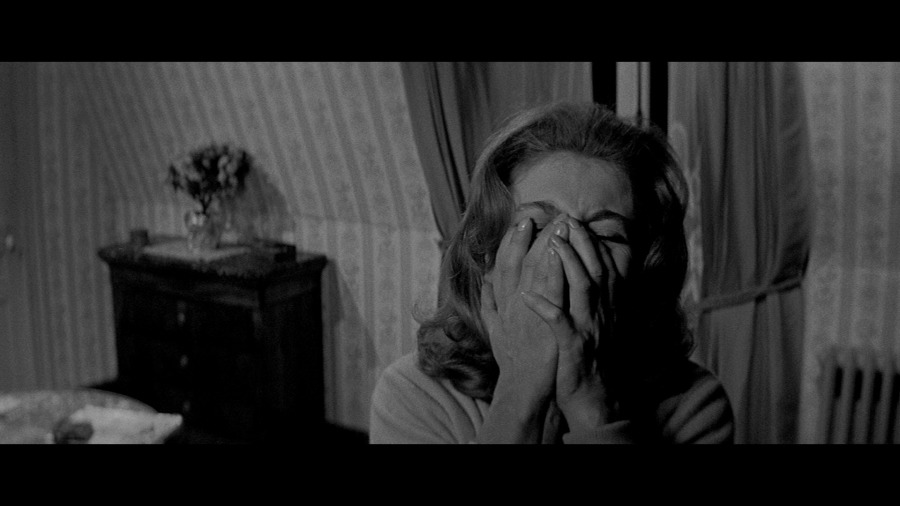
Sundays and Cybèle - Screen Captures
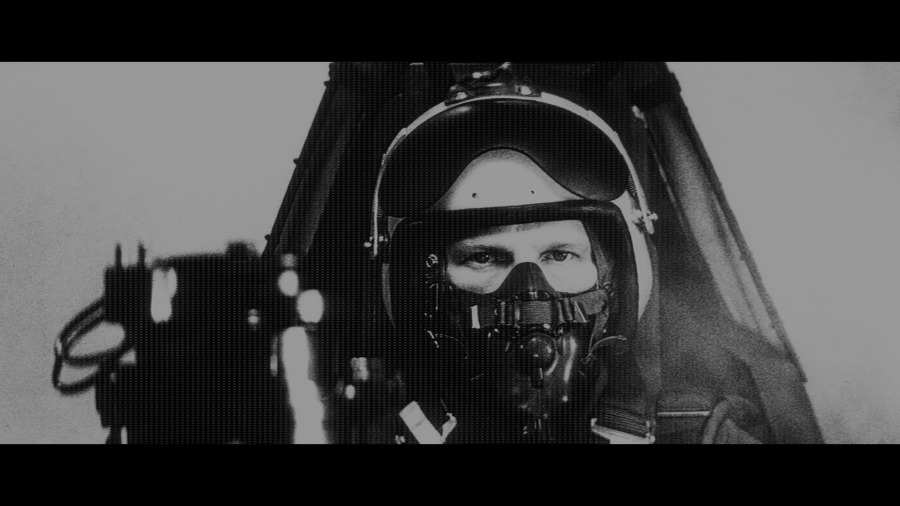
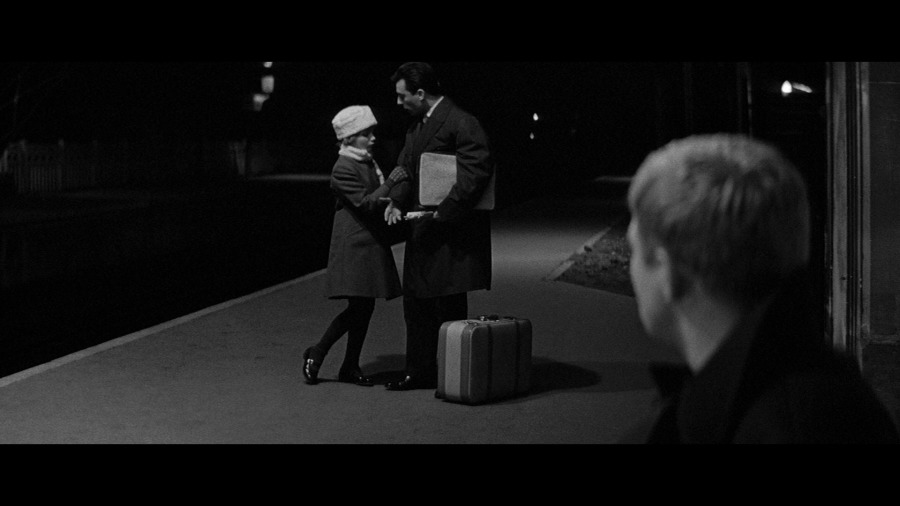
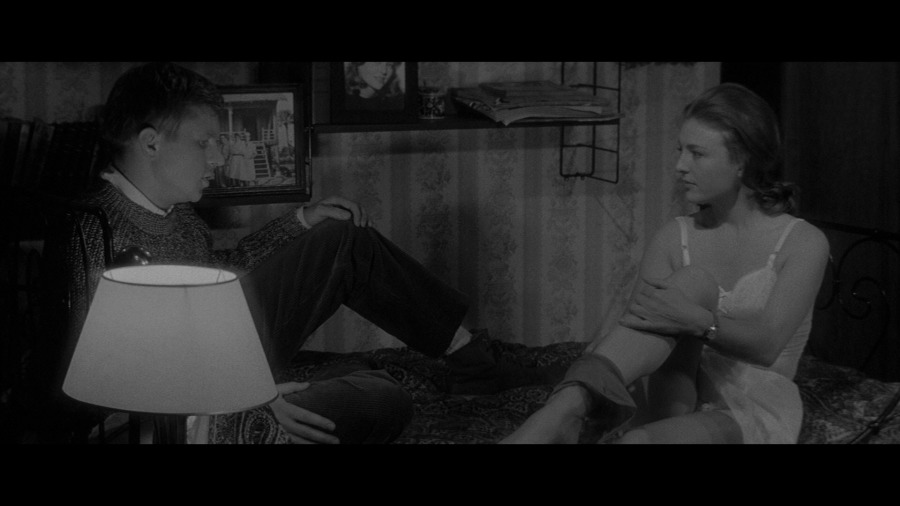
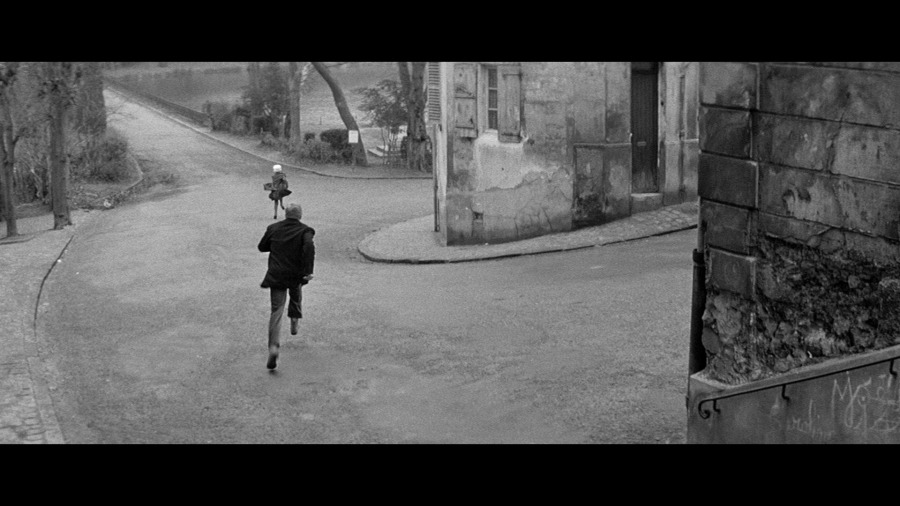
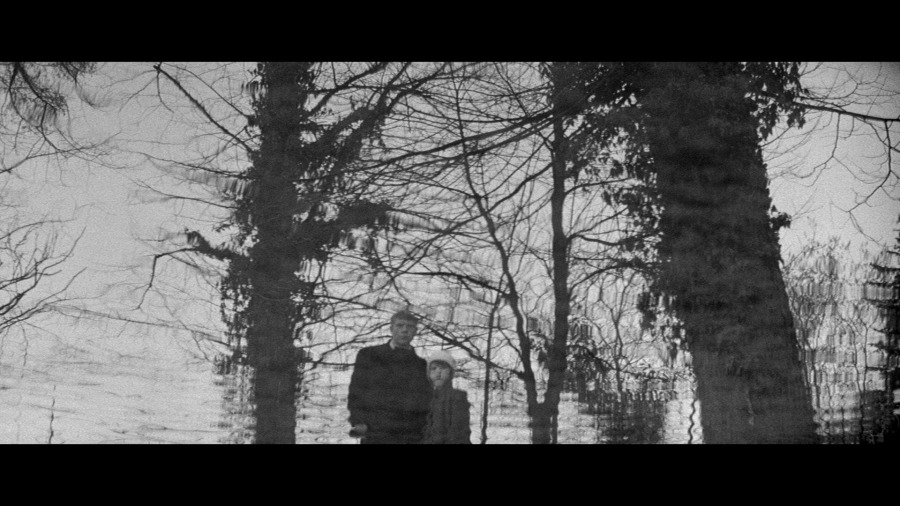
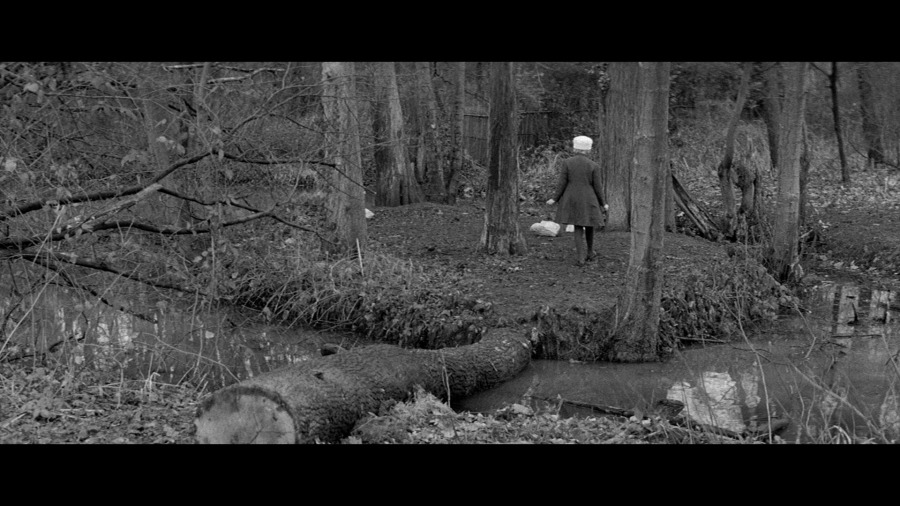
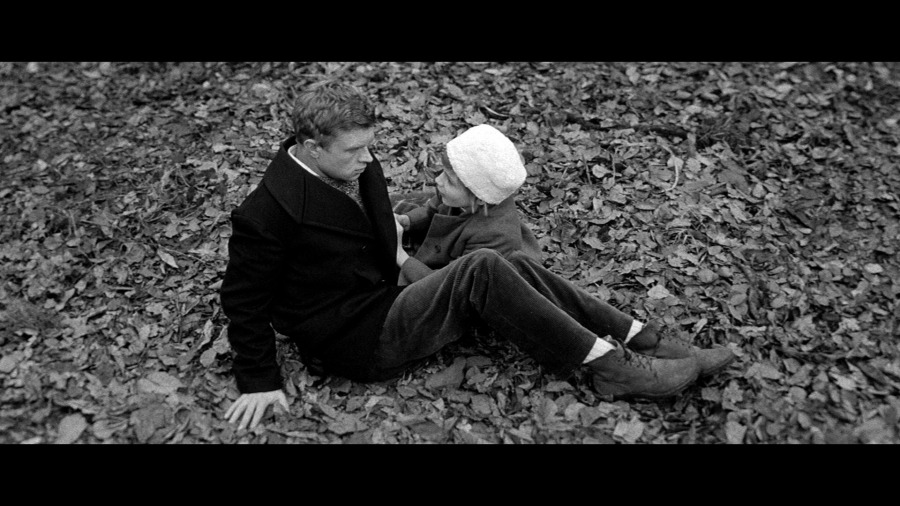
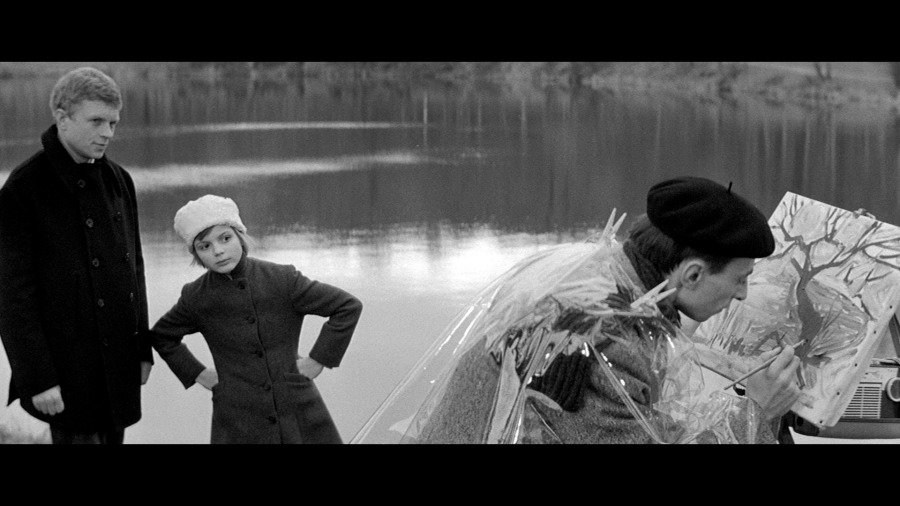
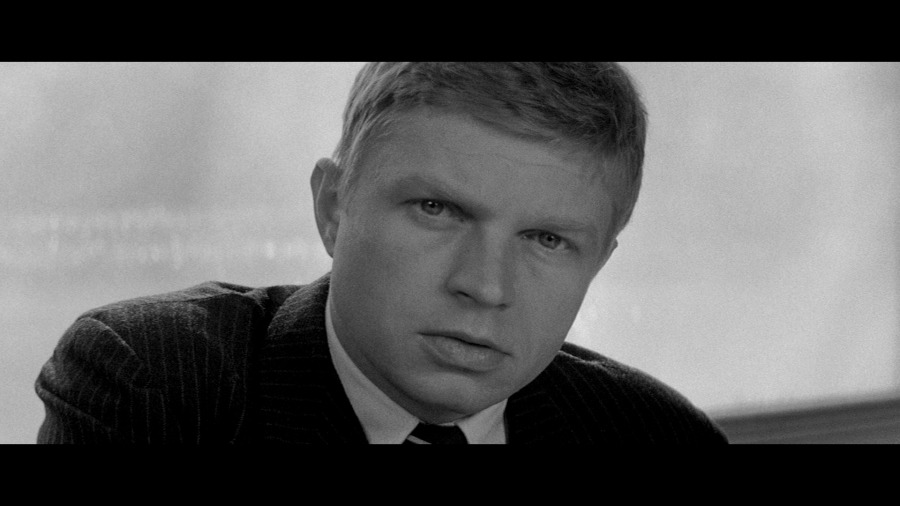
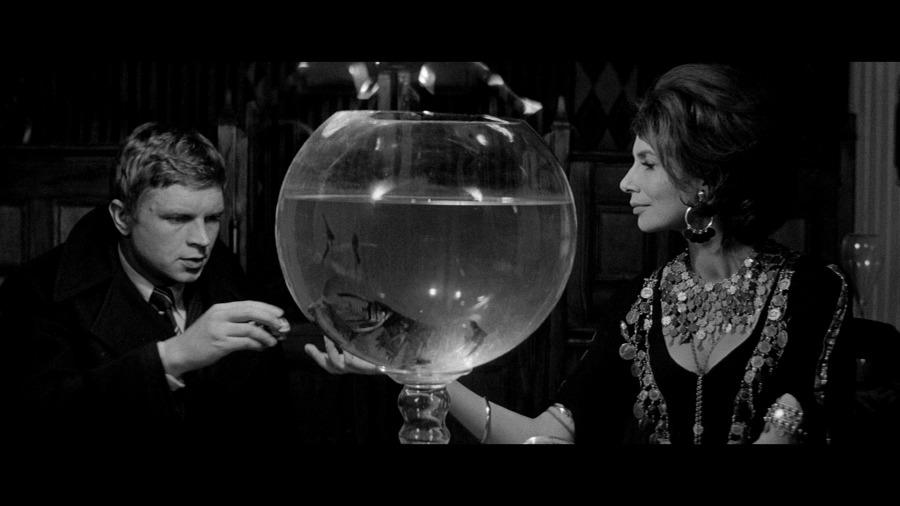
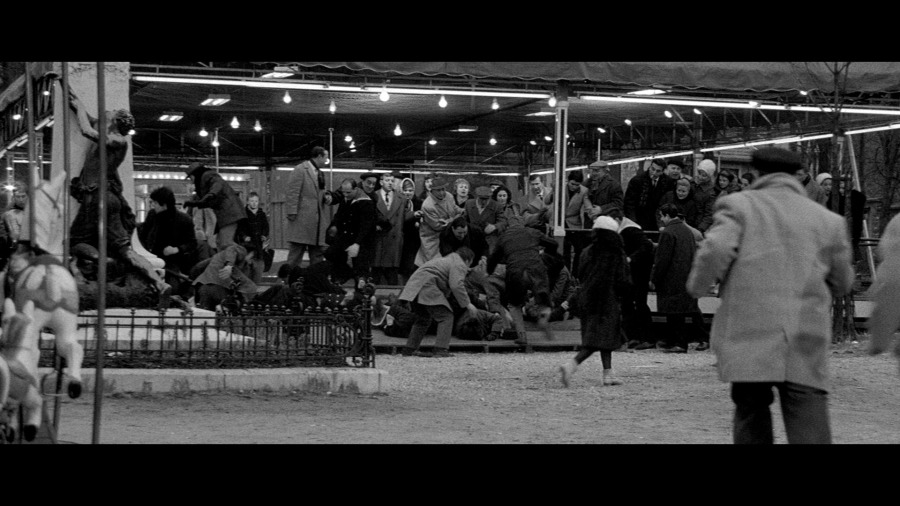
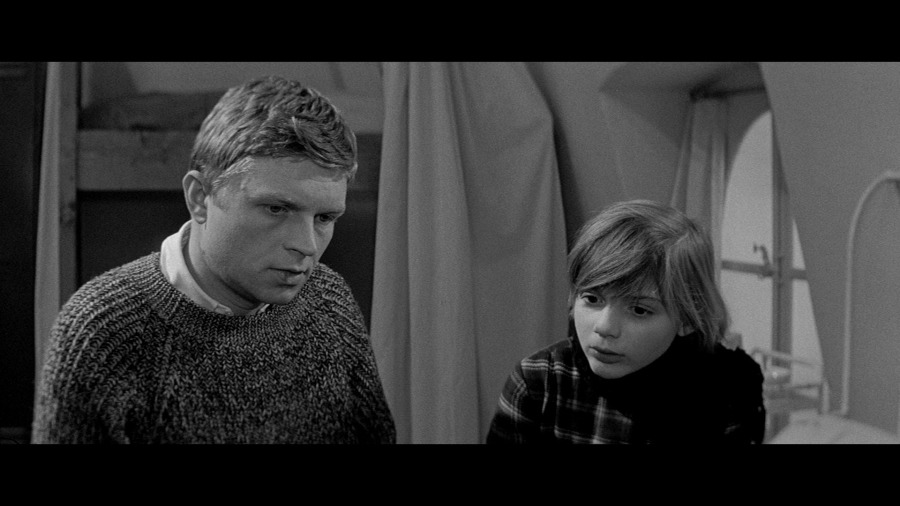
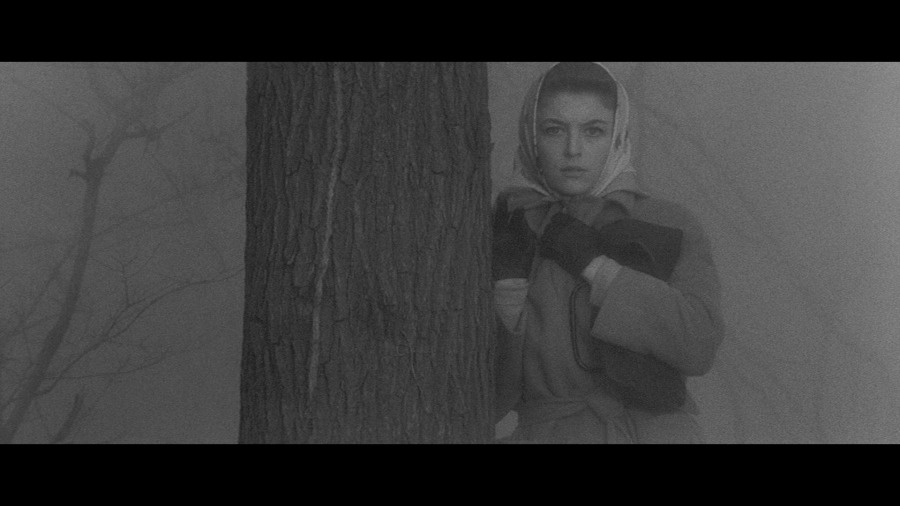
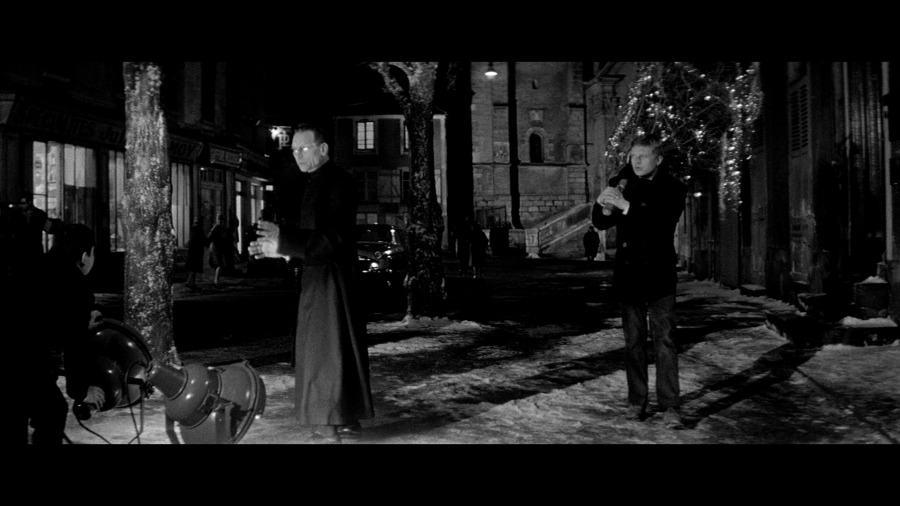
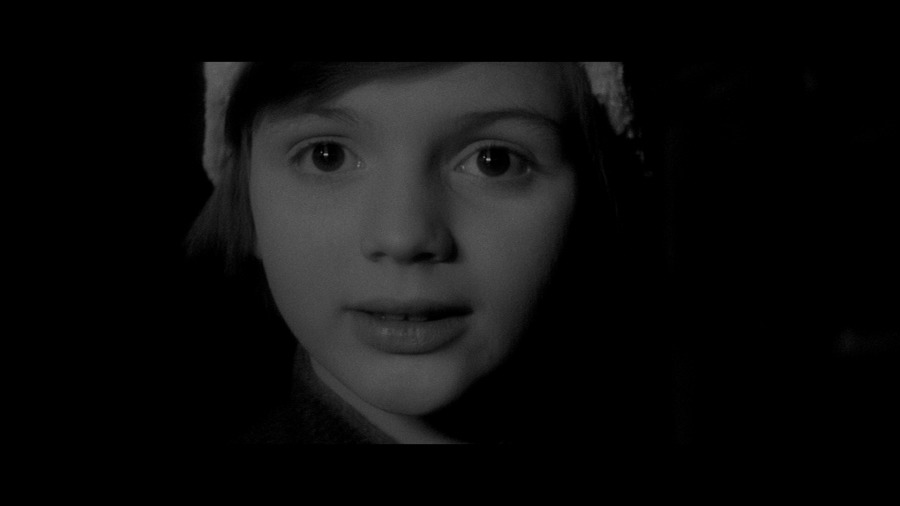
Audio 6/10
The French audio is delivered in lossless linear PCM 1.0 mono. It shows its age, coming off flat and lacking fidelity, but the music sounds fairly decent, never coming off that edgy, and dialogue sounds clean and is easy to hear. Damage also isn’t an issue. It’s fine for what it is.
Extras 6/10
The film gets a few decent supplements starting with a 26-minute minute interview with director Serge Bourguignon. In it Bourguignon talks about the success of his award winning short, Le sourire and how it led to him eventually making Sundays and Cybele. From here he goes over development of the story (based on a subplot found in the novel Les dimanches de Ville d'Avray, a crime novel of all things) the casting and then it’s successful release. On casting he interestingly wanted a “Steve McQueen” type, if not McQueen himself (he somewhat downplays this though Hardy Kruger suggests in his interview that this is who Bourguignon was determined to get, but just simply couldn’t afford). The most interesting portion is in the latter bit of the interview where Bourguignon then talks about the reactions of his peers in the New Wave, who then seemed to reject him once the film found success (including the Academy Award for Best Foreign Film), much more over Jules and Jim released the same year. He blames this rejection for why it was hard for him to make films later on. Though I can’t say whether that latter statement is true (he seems to believe the likes of Truffaut and Godard used their influence to make it harder for him to make films) it’s still a strong interview on the time period and on making the film.
Criterion then records two new interviews with the film’s stars. Both Patricia Gozzi and Hardy Kruger talk about being cast in the film and their working relationship with one another, becoming friends despite a bit of a language barrier (apparently Kruger didn’t speak French). Gozzi admits she didn’t see it as work, finding it a fun experience, and also explains how she didn’t quite understand the controversy that surrounded the film’s storyline. Kruger talks about what drew him to the film, what it was like working on it with his costar, and also talks a bit more about Bourguignon’s desire to cast McQueen in the role. Gozzi’s interview runs 11-minutes while Kruger’s runs 23-minutes.
Criterion also includes the award winning 22-minute short film that first garnered Bourguignon attention, Le sourire. The film has a very loose narrative, focusing on a young Buddhist boy/student following an older Buddhist monk across the landscape, noticing the people and nature around him, almost like it’s the first time he’s seen such things. It’s a charming little film that manages to convey so much through the imagery (there is a little bit of narration early on but that pretty much encompasses all of the dialogue spoken in the film. What’s surprising is that the film has been meticulously restored and given a solid high-def transfer itself. The film is also accompanied by a 6-minute introduction by the director where discuss how he got into film and then came to make Le sourire.
The disc closes with a theatrical trailer and the included insert features an essay by Ginette Vincendeau on the film’s initial reception and how it’s held up through the years. Not packed with material and there isn’t much scholarly material (plus it would have been nice to get more about the novel on which its based) but the interviews provide a great overview of the production and the inclusion of the short film is a nice touch.
Closing
The supplements are good but leave a little to be desired. The actual presentation is solid, making up for the lack of a DVD release of the film in North America.
BUY AT: