The Circus
BUY AT:


See more details, packaging, or compare
Synopsis
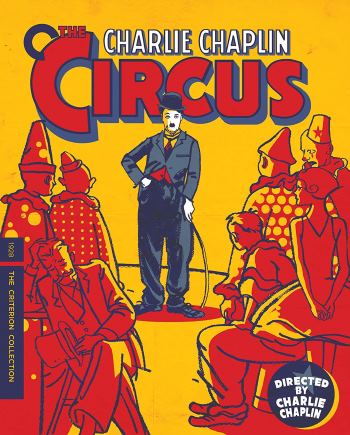
In the last film he made during the silent era, Charlie Chaplin revels in the art of the circus, paying tribute to the acrobats and pantomimists who inspired his virtuoso pratfalls. After being mistaken for a pickpocket, Chaplin’s Little Tramp flees into the ring of a traveling circus and soon becomes the star of the show, falling for the troupe’s bareback rider along the way. Despite its famously troubled production, this gag-packed comedy ranks among Chaplin’s finest, thanks to some of the most audacious set pieces of the director-performer’s career, including a close brush with a lion and a climactic tightrope walk with a barrelful of monkeys. Rereleased in 1969 with a new score by Chaplin, The Circus is an uproarious high-wire act that showcases silent cinema’s most popular entertainer at the peak of his comic powers.
Picture 8/10
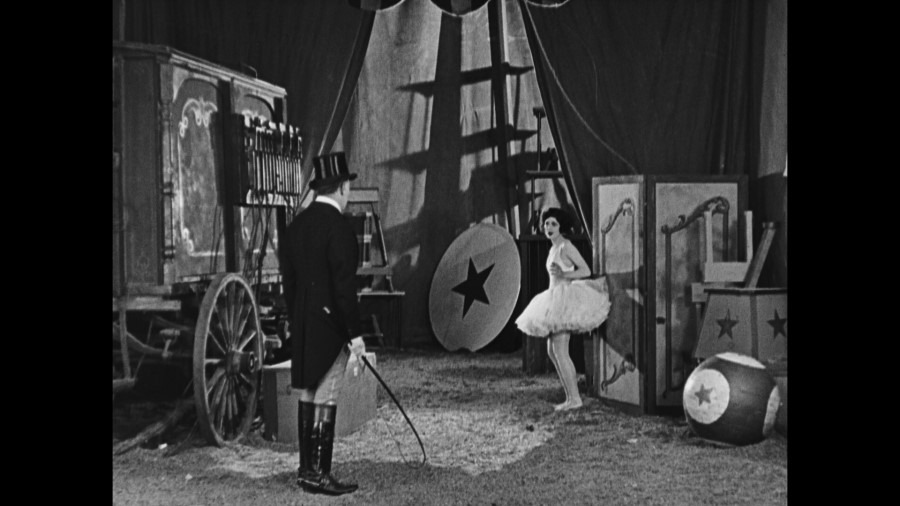
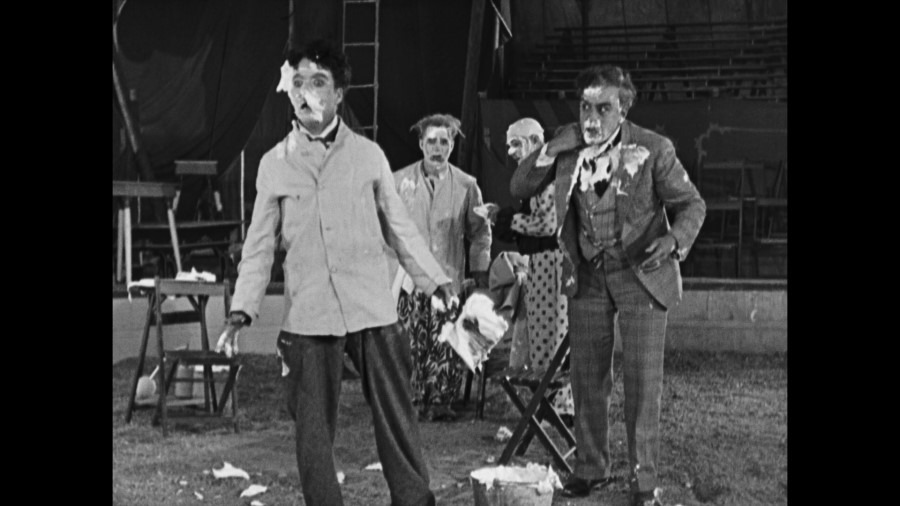
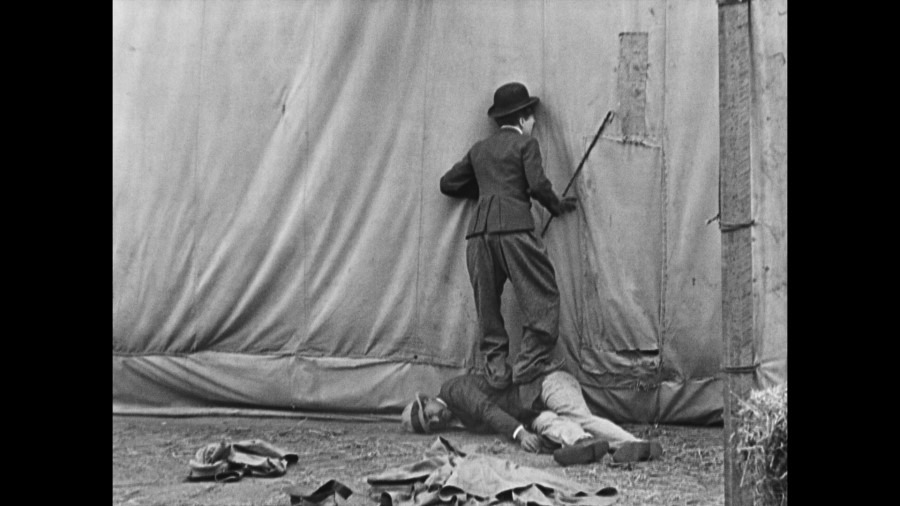
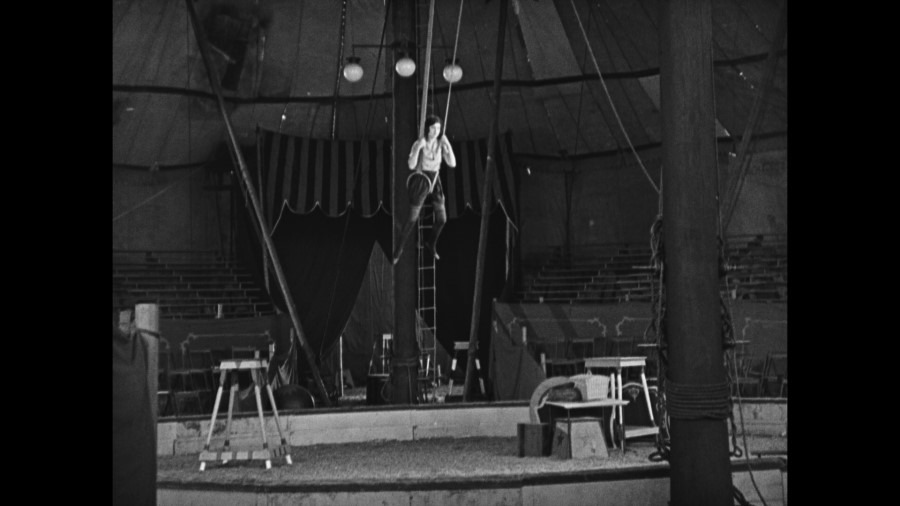
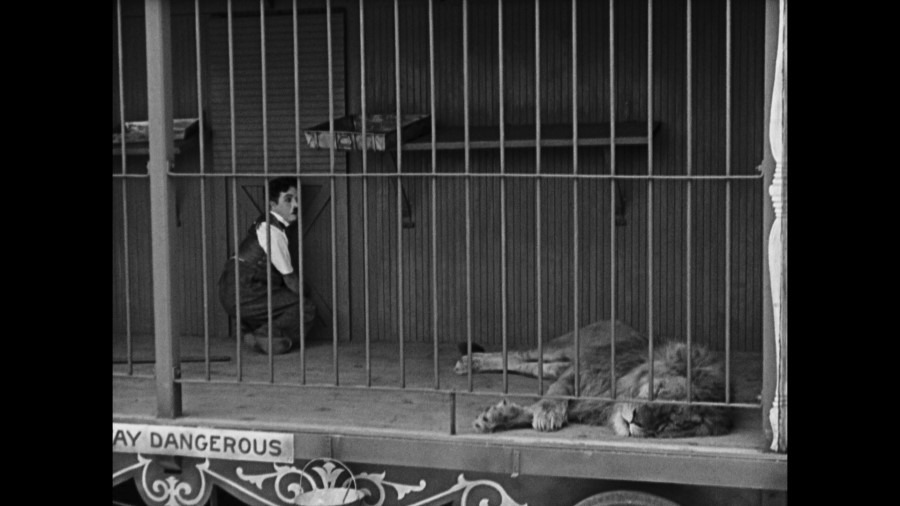
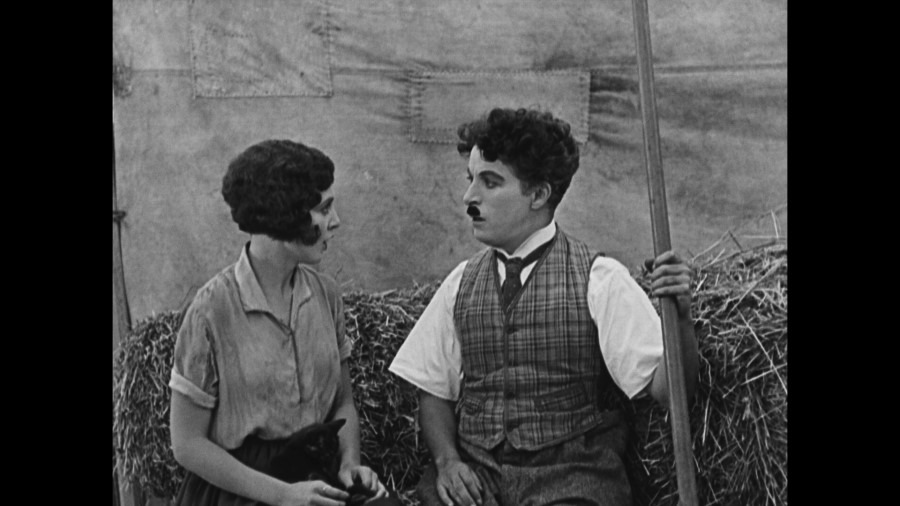
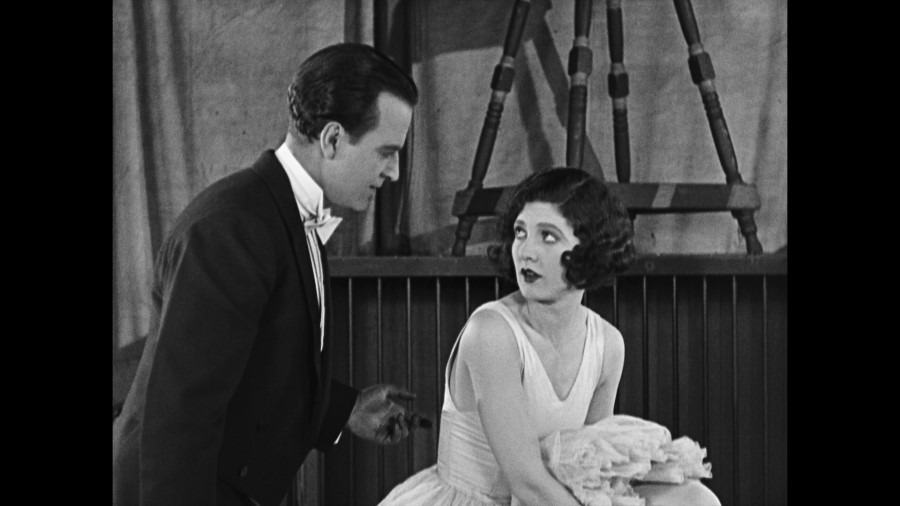
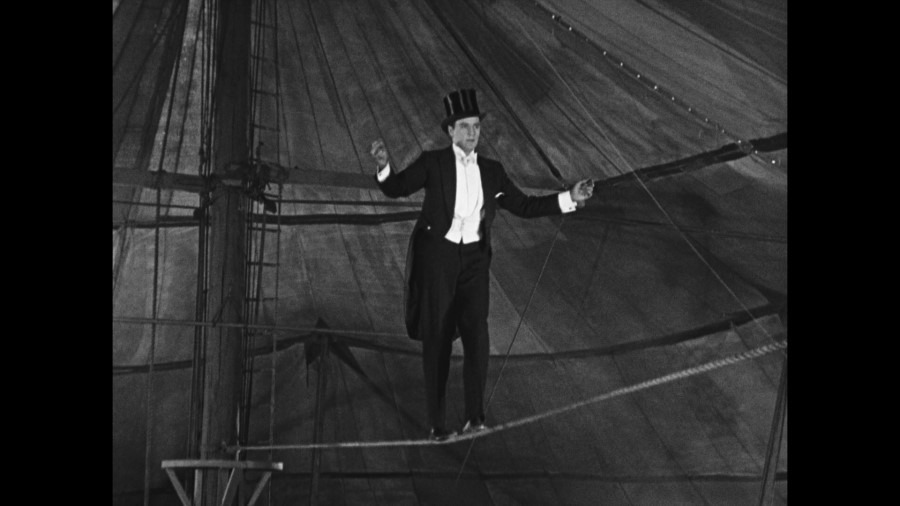
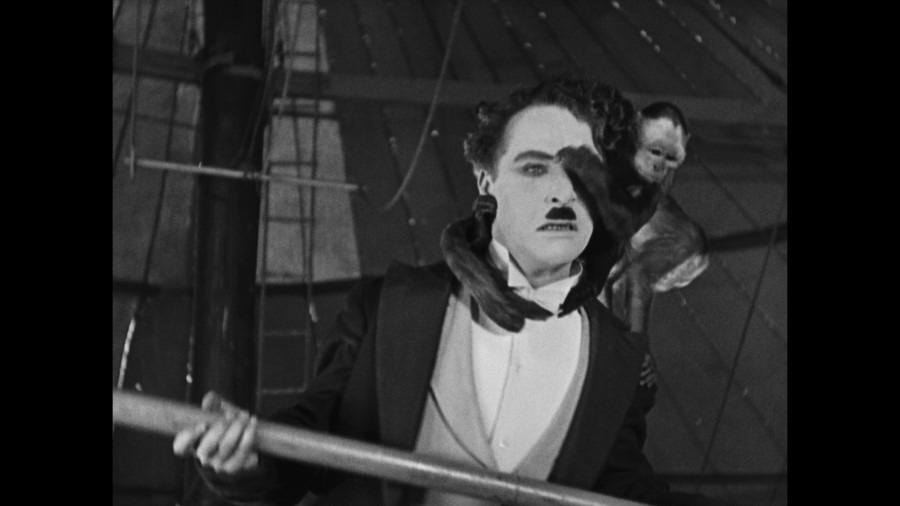
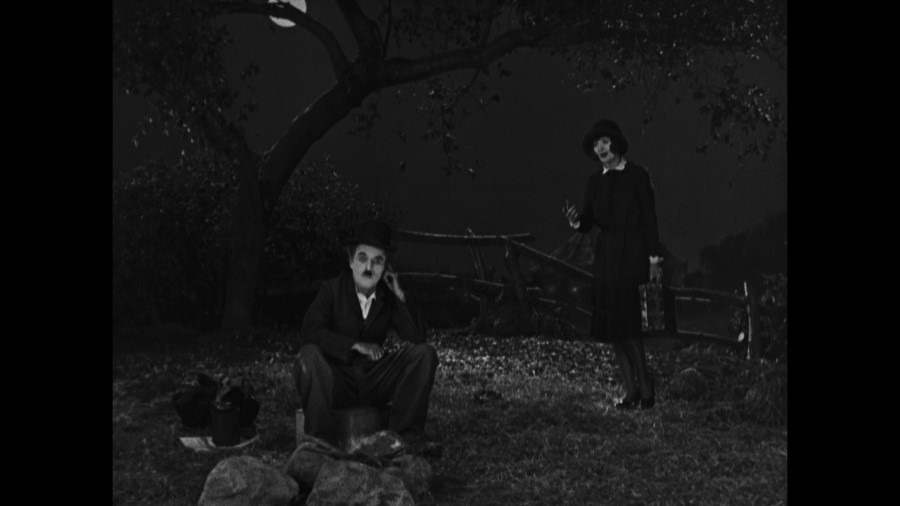
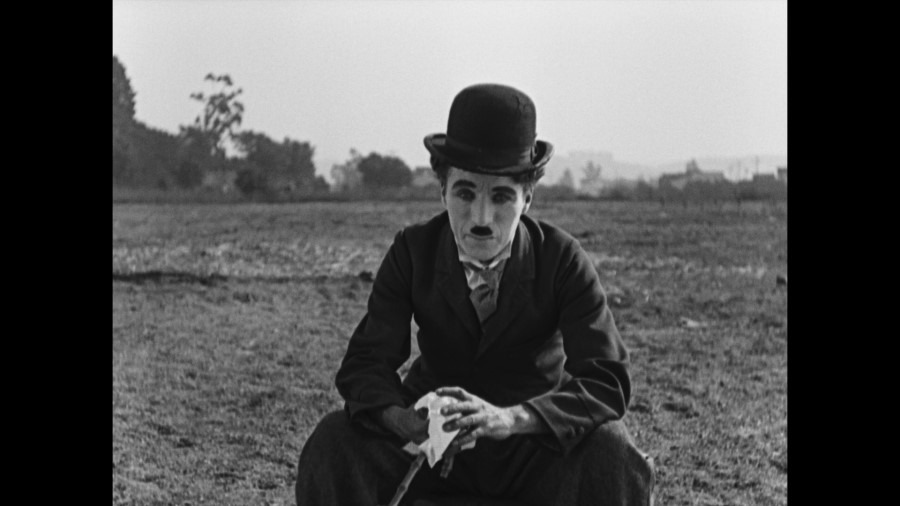
The Criterion Collection finally makes its way around to Charles Chaplin’s The Circus, presenting the film in its original aspect ratio of 1.33:1 on this dual-layer disc. This new 4K digital restoration was performed by Cineteca di Bologna and was scanned from the 35mm duplicate negative made in 1967 (I assume in relation to its re-release a couple of years later). It has been encoded at 1080p/24hz.
In the included audio commentary Chaplin biographer Jeffrey Vance mentions that of all of the director’s feature films The Circus was in the worst condition, possibly due to Chaplin’s original aversion to it thanks to a problematic production. This does show through a little bit, and of Criterion’s Chaplin titles so far it probably does show its age a bit more, but even then, for a film now over 90-years-old, I’d still say it’s in remarkable condition. Fine scratches still show and there is obvious wear on the edges. Black specs rain through the image every so often, and small bits of grit show up on top of that.
So no, it’s not the cleanest of the Chaplin films, but again, considering its age, I still think it looks unbelievably good and what damage there is is still easy to ignore. Helping things out is the digital encode, which looks absolutely gorgeous, giving the film a wonderful filmic texture. Grain is evident and rendered incredibly well, and details are quite sharp, at least when the source allows. Contrast and brightness levels are also balanced out well, delivering superb grayscale, bright (but not blooming) whites, and rich blacks without crushing out anything.
Despite any issues with the source print the presentation is still a sharp looking one, and easily the best the film has ever looked on home video.
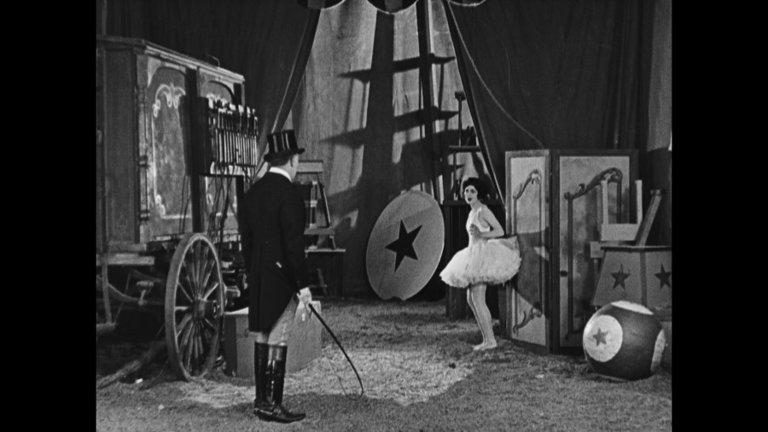
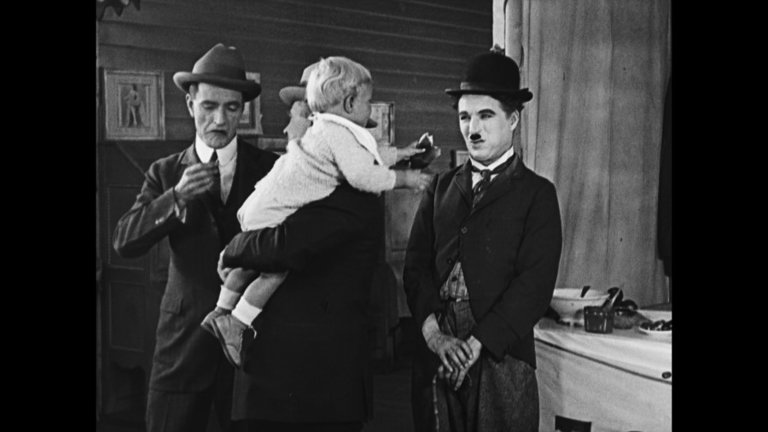
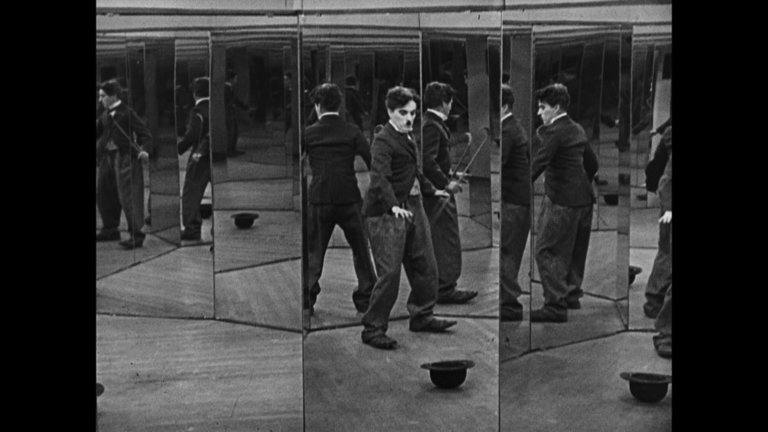
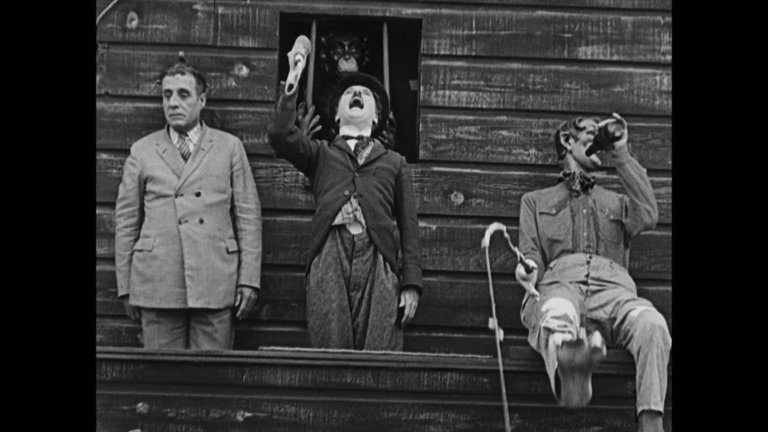
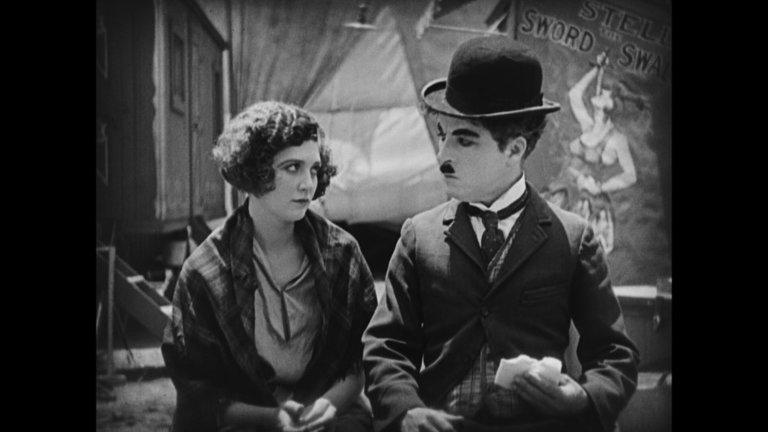
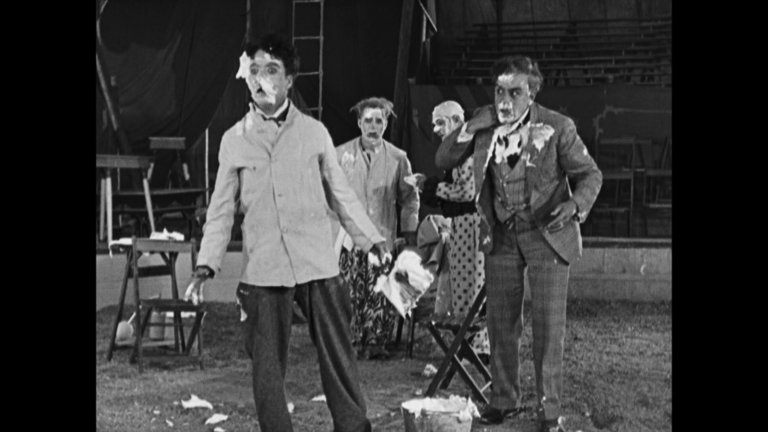
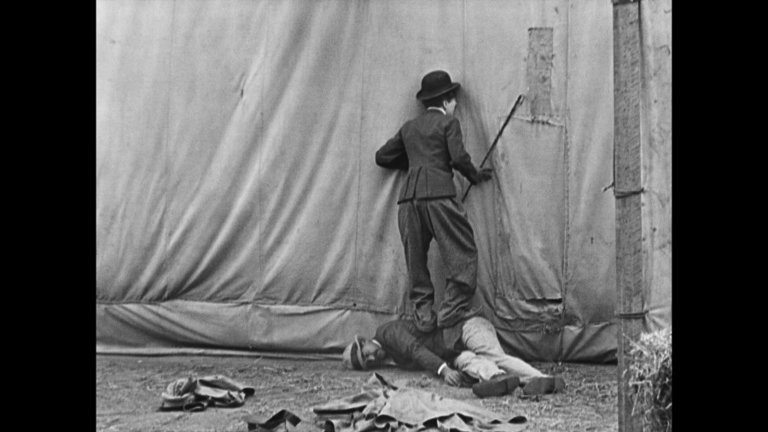
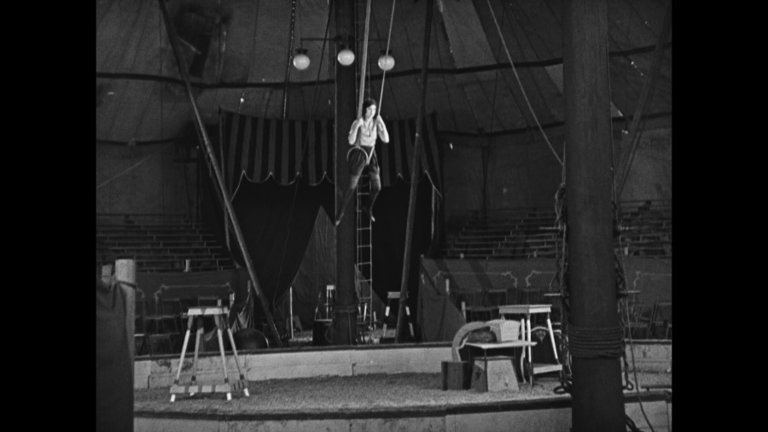
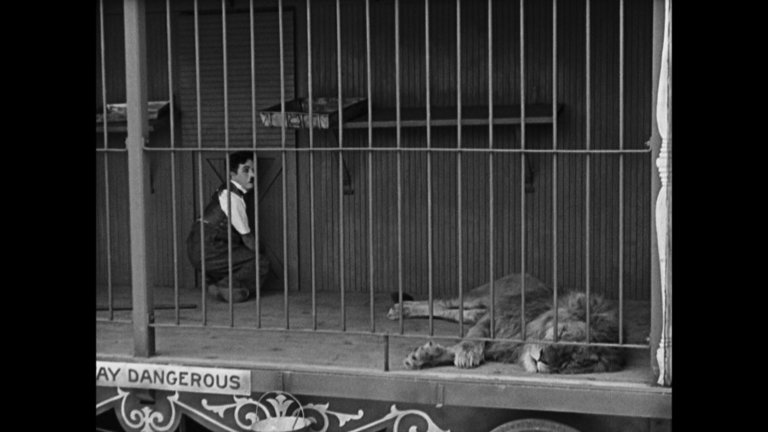
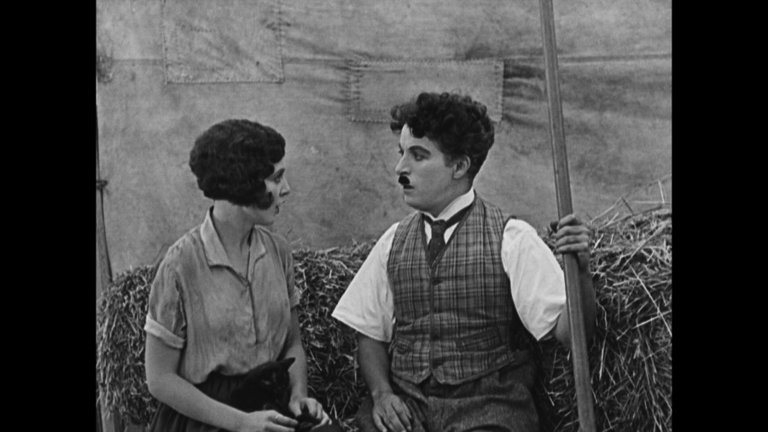
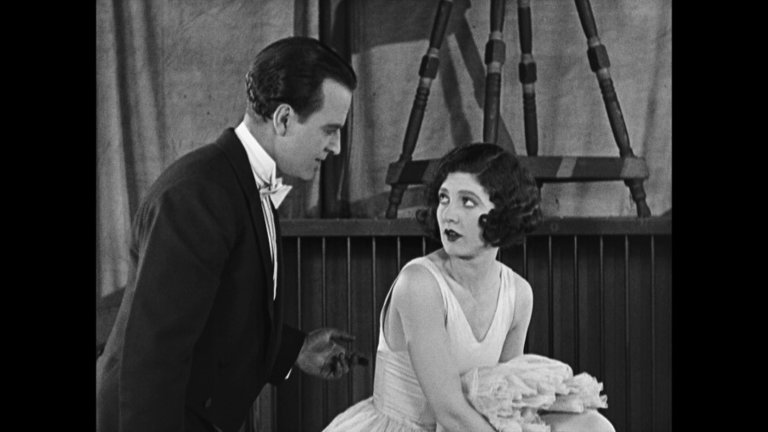
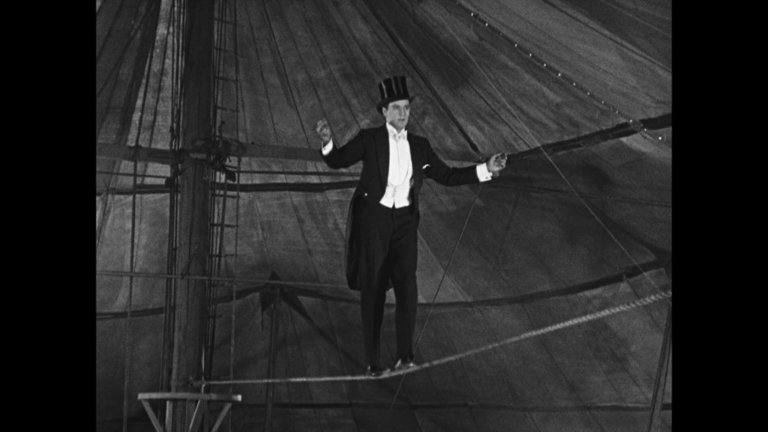
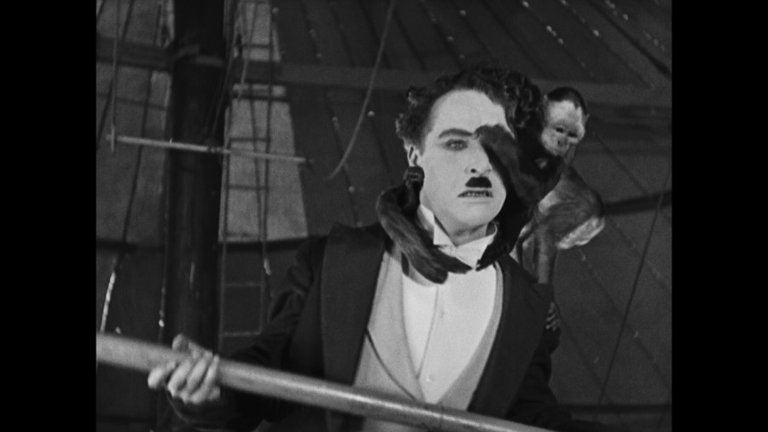
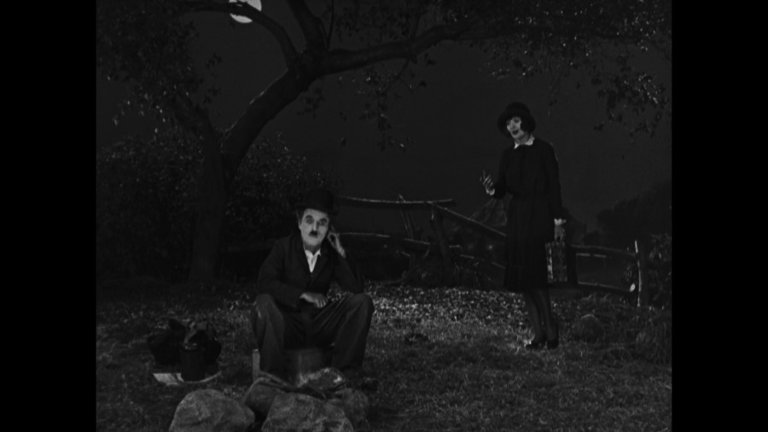
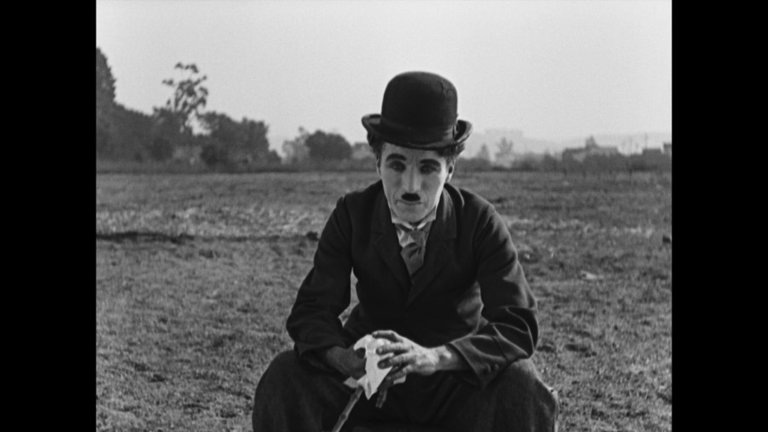
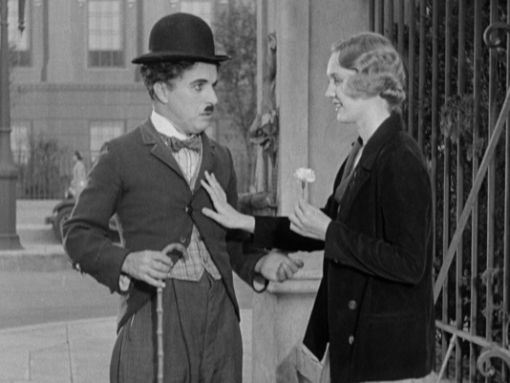
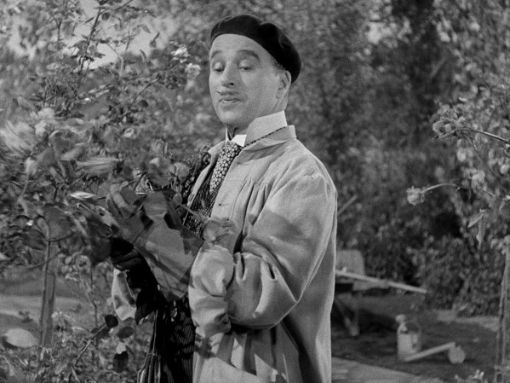
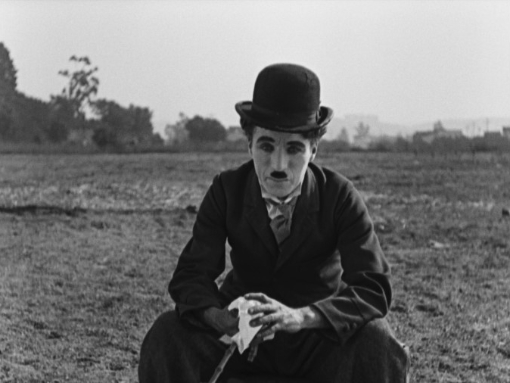
The Circus - Screen Captures
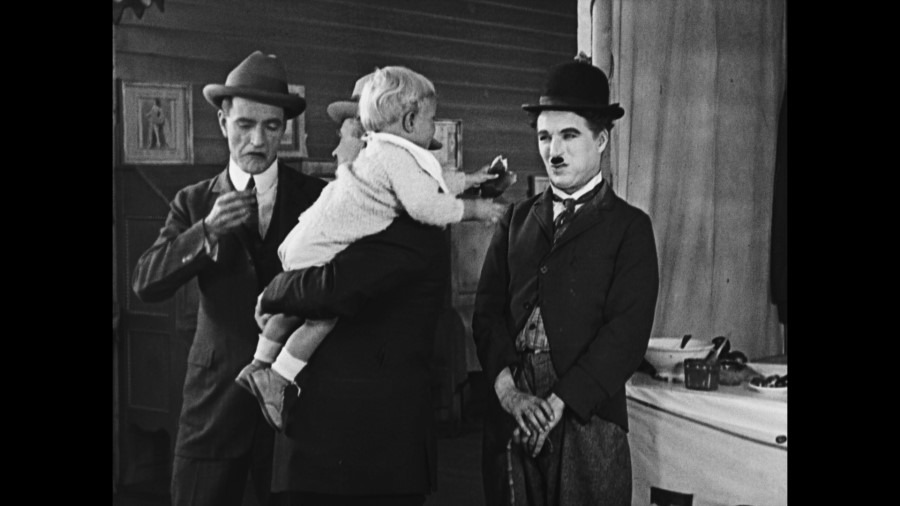
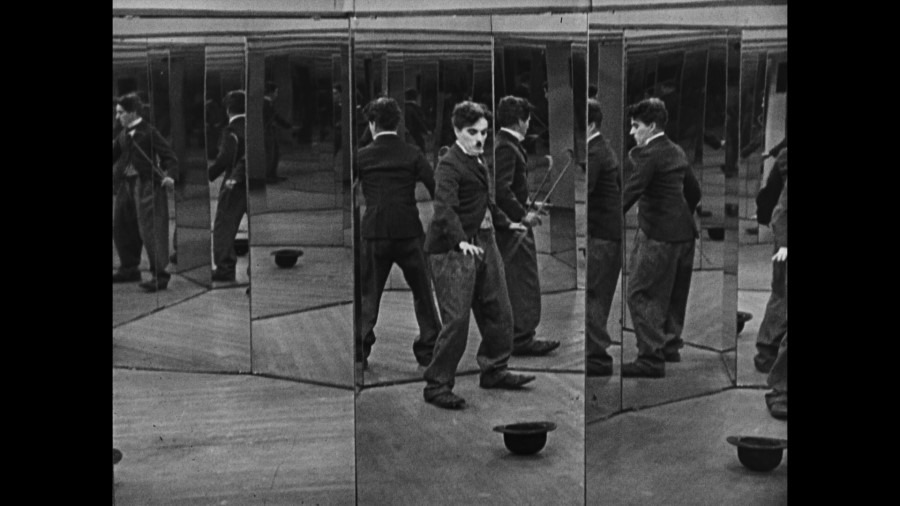
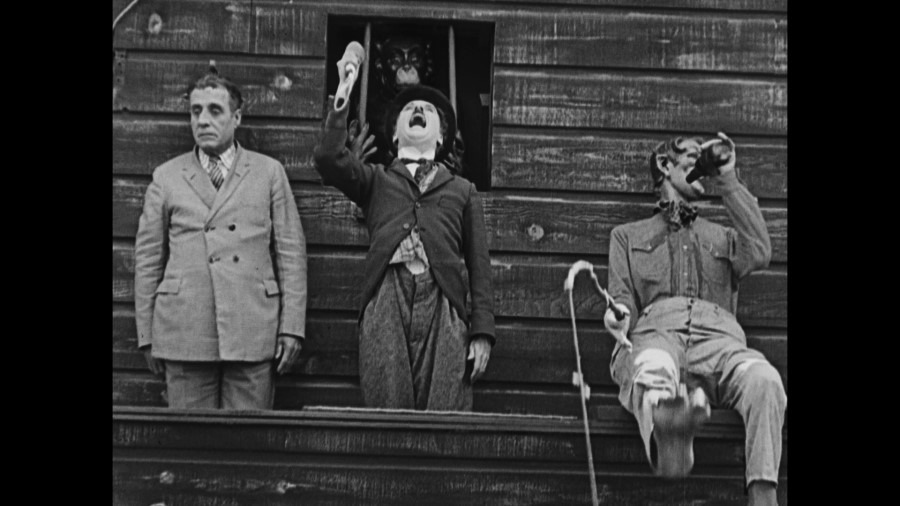
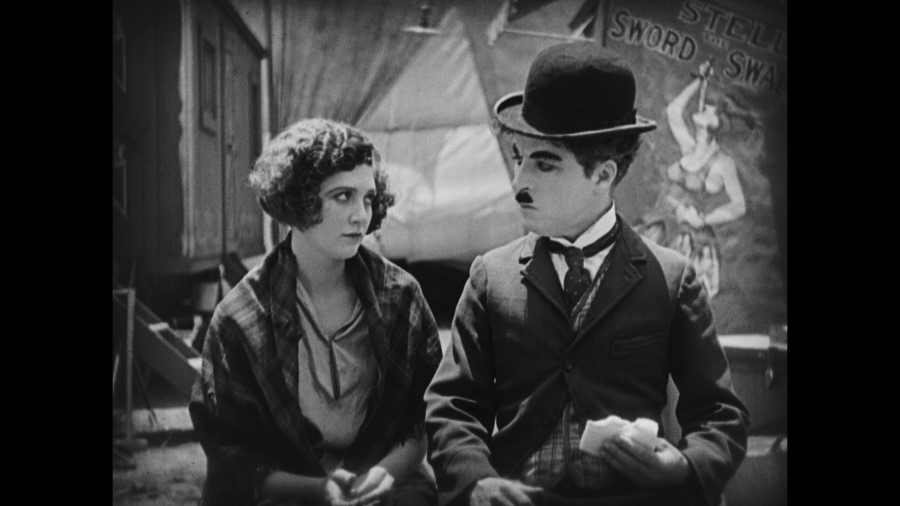
Audio 6/10
Though originally a silent film, Criterion is presenting Chaplin’s altered 1969 version, where the director provided a new soundtrack for the film. Unlike The Gold Rush, Chaplin does not insert voice-over narration, but he does provide an opening song for the film, which he sings, along with a musical score for the rest of the feature. This soundtrack is presented in lossless PCM 1.0 mono.
The soundtrack was recorded 50-years ago and does show its age. The opening song sounds a little edgy and rough, though some of that could come down to Chaplin’s voice at the time (he would have been 79), but the music improves after this, showing adequate range and fidelity. It also doesn’t show any heavy damage and background noise is minimal.
Extras 10/10
Despite this being the 8th Chaplin title for Criterion to release they have—rather impressively—managed to pack on a wealth of material here. Things start off with a new audio commentary featuring Chaplin biographer Jeffrey Vance. Vance manages to keep the track moving and engaging, covering numerous topics, from its troubled production (which ranged from losing footage to sets burning down) to deconstructing and explaining how certain gags worked (though there are some minor contradictions to these found in other portions of the supplements, like how the lion gag was pulled off). He also talks about dropped gags and outtakes (also found elsewhere on the release) and how Chaplin’s opinion of the film changed over the years. I think most of the key material gets covered to a certain degree elsewhere on the disc but even then it’s still an enjoyable, well researched track.
One of the more pleasant and surprising supplements in this release (and in Criterion’s Chaplin releases overall) is the next one, an interview with Chaplin’s son (the 5th between him and wife Oona O’Neill Chaplin), Eugene Chaplin, recorded last year and running 15-minutes. This wonderful interview not only features Chaplin talking about his father (as well as what it was like in their home in Switzerland) but he also talks about their home movies (which we get samples of through restored footage) and the museum that was opened in their Swiss family home, focusing on his father and his work. He also talks about his own career. It’s a really sweet, really touching inclusion.
Craig Barron yet again shows up for another overview of the film’s gags and effects with In Service of the Story. He talks about many gags in the film, explaining how Chaplin switches up expectations for how things will play out. Barron then does what he does best, explaining how the gags were pulled off and how effects were done, offering wonderful visual aids to accompany these explanations. He even goes further here by showing and explaining the special camera used for the film’s many split screen shots, even showcasing the various plates that were used to expose portions of the film elements and how everything comes together. Yet another engaging and fascinating contribution from Barron, running a breezy 20-minutes.
Criterion includes another episode of Chaplin Today, which I believe were produced for the 2003 MK2 and Warner Bros. DVDs, running 26-minutes. Like the others it first provides a bit of a making-of around the respective film (in this case The Circus) before looking at from a modern perspective, which includes how it has influenced other filmmakers, which in this case is through the eyes of director Emir Kusturica (Underground, Arizona Dream). It’s fine I can’t say Kusturica’s comments offer anything noteworthy.
Stepping Out is a multi-part section that first presents a sequence cut out of the film by Chaplin (because it left the circus setting), and then looks at how Chaplin filmed and constructed his gags. Chaplin would shoot a large amount of material for every sequence, usually working on the jokes over every take until he got what he wanted. For this deleted sequence Chaplin filmed a large amount of footage over multiple takes, and during a 30-minute visual essay narrated by comedy choreographer Dan Kamin, we see the many takes around each shot in this sequence, observing how the gags change and build up, either by moving characters or objects around, or having gags play out slightly differently in comparison to the last take. There are even cases where the shot gets ruined and has to be done over again, and we can also see Chaplin play with camera positioning to get a better angle on things (we also get to see some use of the split screen camera since the scene involves twins, each played by the same actor). There’s also some playful banter between performers. Barron in his feature and Vance on his commentary get into how meticulous Chaplin was in developing his sequences and this is an amazing feature that really shows off this aspect.
And as mentioned before Criterion does include an reconstruction of the deleted sequence, which was put together by Kevin Brownlow and David Gill. It’s unclear whether Chaplin actually edited the sequence together so it’s possible this doesn’t play out at all as Chaplin may have intended. Even then it’s actually a great little sequence around Chaplin’s Tramp trying to go out on a date with his love interest, only to end up becoming a third wheel. The sequence runs about 10-minutes and is in decent condition. This is followed by a A Ring for Merna, which presents a series of outtakes around the scene where the Tramp is listening in on Merna Kennedy’s character. The outtakes are edited around shots from the actual film and runs 7-minutes.
Criterion then provides a couple of features around the film’s music, starting with a rather funny audio interview with Chaplin’s musical collaborator Eric James, recorded by Jeffrey Vance in 1998. Here James recalls how difficult Chaplin could be to work with, the director being particularly stubborn and not above calling James names. Chaplin would come to his senses, though, and apologize, even barbecuing a steak for the man. This is then followed by about 5-minutes’ worth of audio from the 1969 recording sessions for “Swing Little Girl,” the song written for the film’s opening. The first few takes feature Ken Barrie singing the song, though the audio ends with Chaplin’s own recording, which I believe is what was ultimately used.
Criterion then digs into the archives, first presenting over 6-minutes’ worth of silent footage from the film’s 1928 premiere, which features several celebrities showing up, including (but not limited to) W.C. Fields, Cecil B. DeMille, John Barrymore, Dolores Costello, Jackie Coogan, and more. There is also 5-minutes’ worth of footage from a mass interview with Charlie Chaplin from 1969, where the director talks about the film, which he admits he now finds to have a certain charm. The disc then closes with the film’s North American and French trailers for its 1969 release. The included insert then features an essay by Pamela Hutchinson.
It doesn’t include any bonus shorts but outside of that aspect the supplements feel pretty complete, covering the film’s trouble production and growing stature through the years in a satisfying manner.
Closing
The materials may be weak but the restoration and final presentation still look wonderful, while the supplements offer a very satisfying overview and analysis of the film and its production. One of the more impressive Chaplin releases from Criterion.
BUY AT: