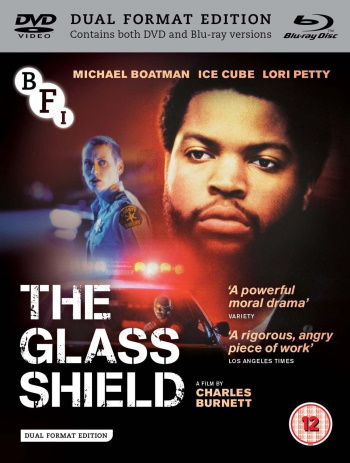
The Glass Shield

BUY AT:

See more details, packaging, or compare
Synopsis
The first black recruit in his squad, rookie cop JJ Johnson (Michael Boatman, The Good Wife) struggles to adapt to life on the force when confronted by the inherent prejudices and corruption of his precinct.
Immediately positioned as an outsider, along with fellow novice cop Deborah (Lori Petty, Tank Girl, Orange is the New Black), JJ witnesses at first-hand the brutality and implicit racism of his white colleagues. When an unlawful search results in the arrest of Teddy Woods, (Ice Cube, Boyz N the Hood) on dubious murder charges, JJ risks his job and his life to reveal the truth.
Directed by Charles Burnett (Killer of Sheep, My Brother's Wedding), this thrilling drama shines a light on the deep-rooted racial tensions of the American justice system and the toll of opposing institutionalised bigotry.
Picture 8/10
Charles Burnett’s 90s police drama The Glass Shield gets a new Dual-Format release from BFI, who present the film in its original aspect ratio of 1.85:1 on a dual-layer disc Blu-ray disc. The 1080p/24hz high-definition presentation comes from a master supplied by FotoKem with the permission of LionsGate. No other details were provided on what source materials were used. The disc is region B locked and North American viewers will require a Blu-ray player that can play back region B content.
This title was initially announced as a DVD-only edition but was later upgraded to a dual-format release. I initially suspected this was because BFI felt the film materials and/or master weren’t up to snuff so I was ready with low expectations, but thankfully that was wholly superfluous as the picture looks unexpectedly good. I think we’re getting a scan from a later generation print but despite this the detail levels and overall quality of the image are good. It renders fine-object detail quite well, along with textures and depth, and film grain, though maybe a bit heavy and clumpy in a few places, looks pretty good. I didn’t find the image noisy, and I didn’t detect any other artifacts. There are some foggier moments but I think these moments are intentionally filmed this way or at the very least a limitation of the source.
Colours were probably the most striking element. Though it has an overall natural look in terms of colours, Burnett also likes to occasionally lace a setting with blue or red light, and these blues and reds look beautiful: they’re bright and vivid with excellent saturation. Black levels are also reasonable, nice and inky delivering decent shadow delineation, crushing not being a real concern.
There are a few marks, but they’re small and not too frequent. Restoration work has otherwise been very thorough. All in all, it’s a strikingly good presentation.
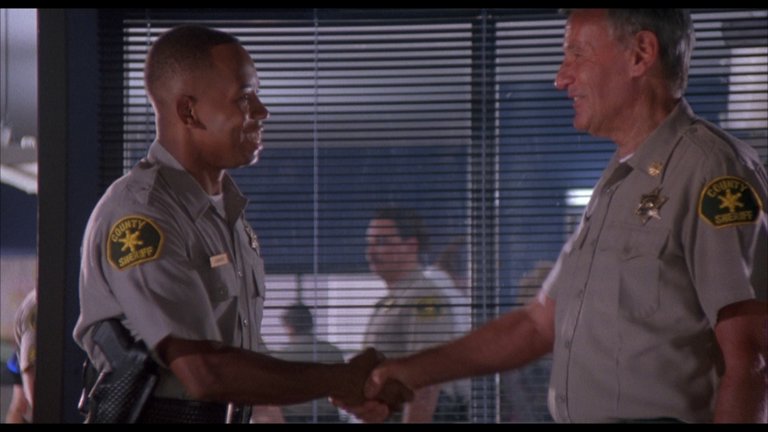
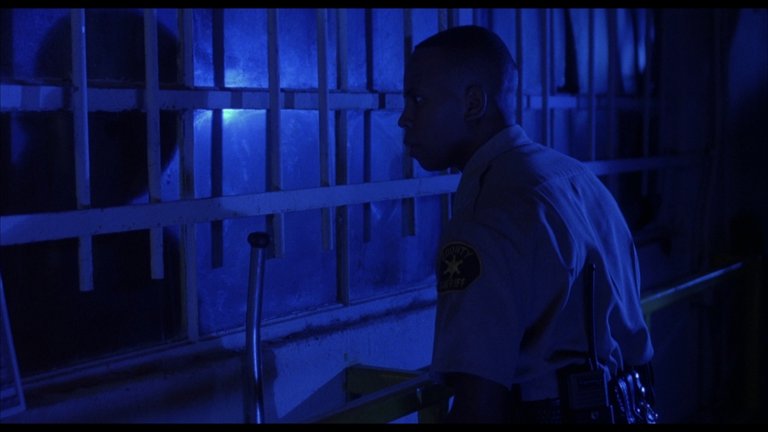
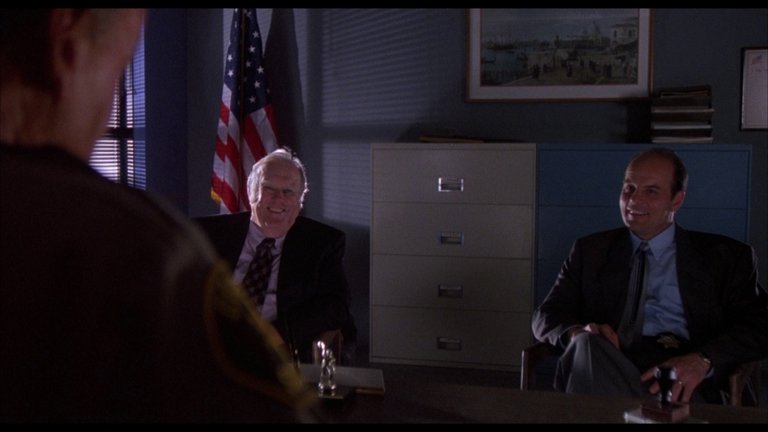
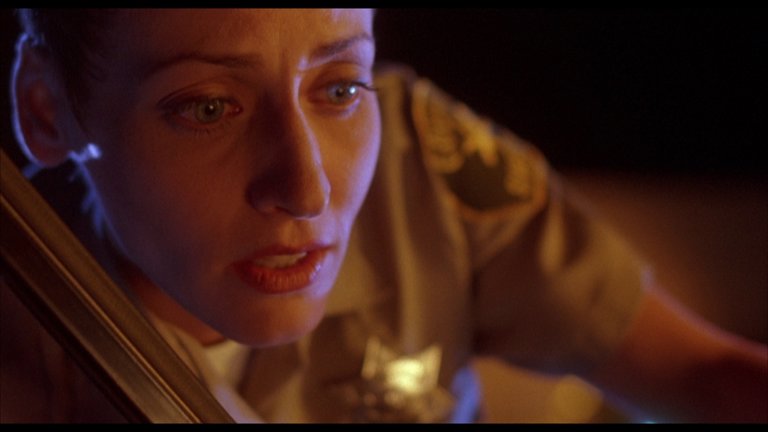
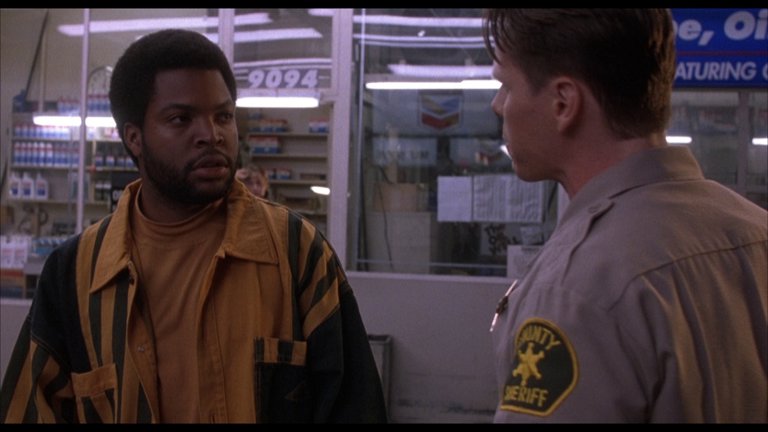
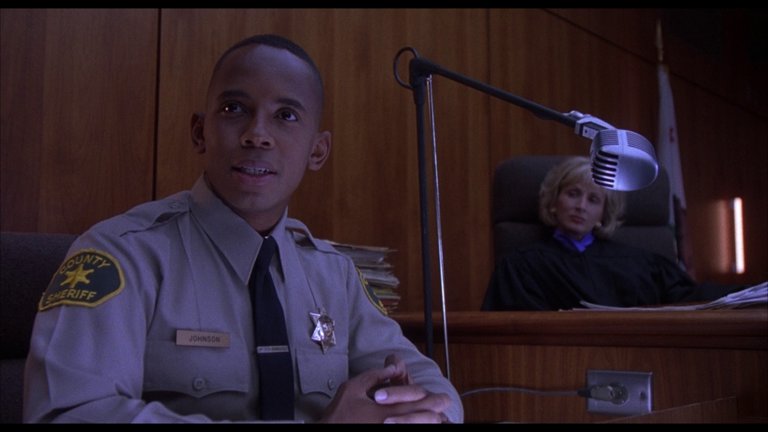
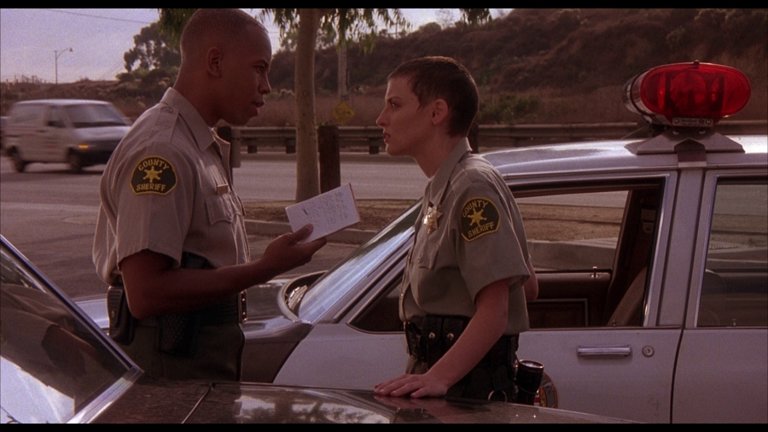
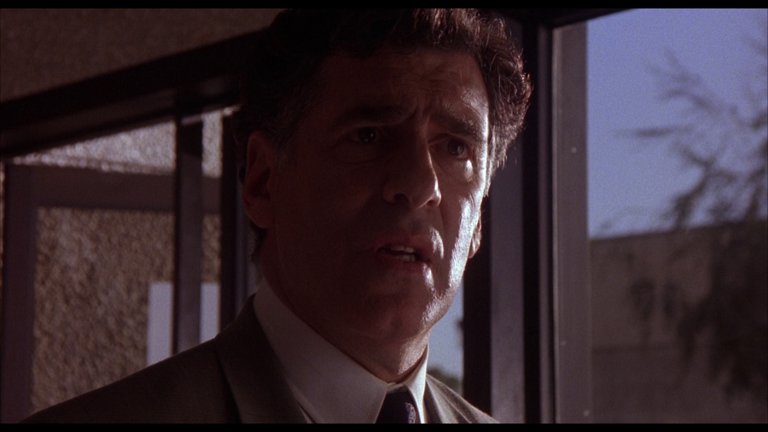
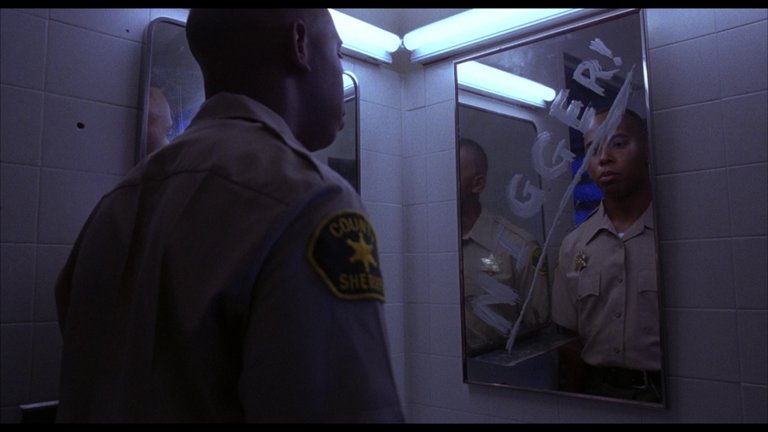
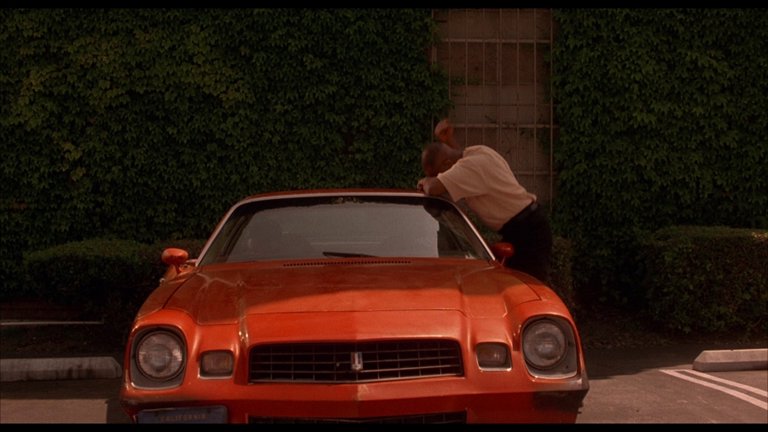
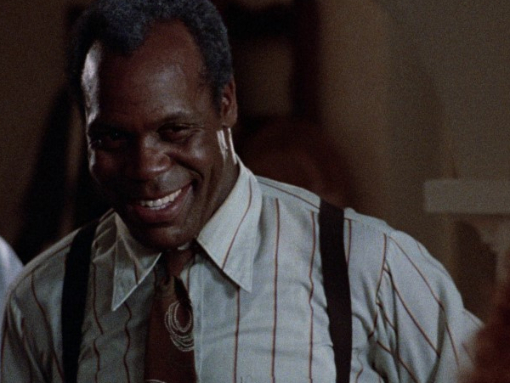
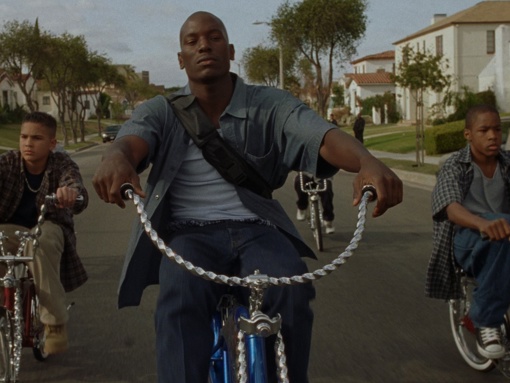
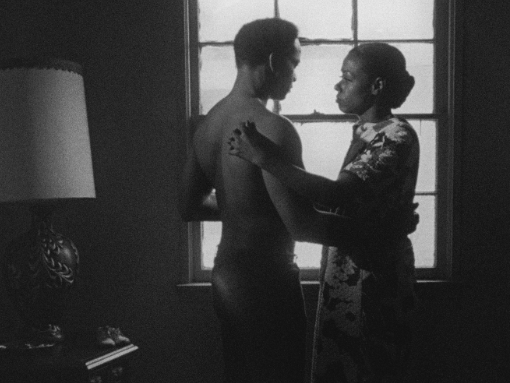
The Glass Shield - Screen Captures
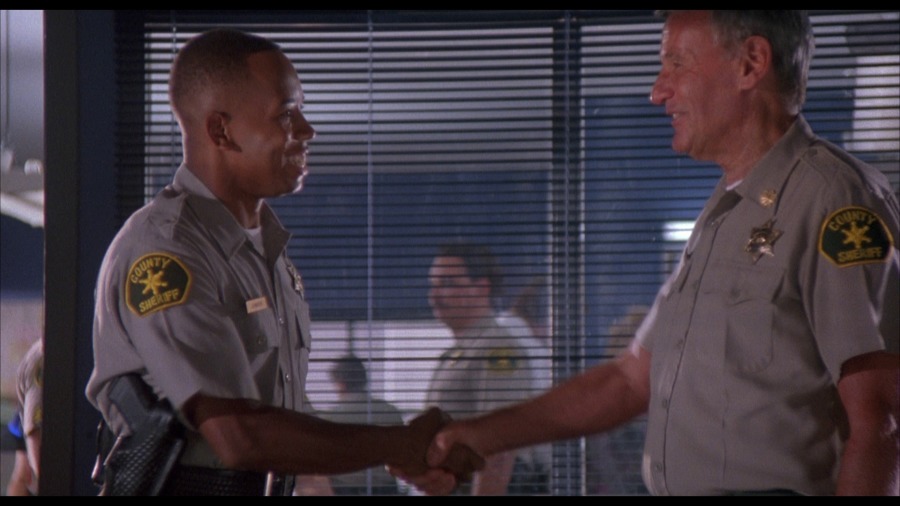
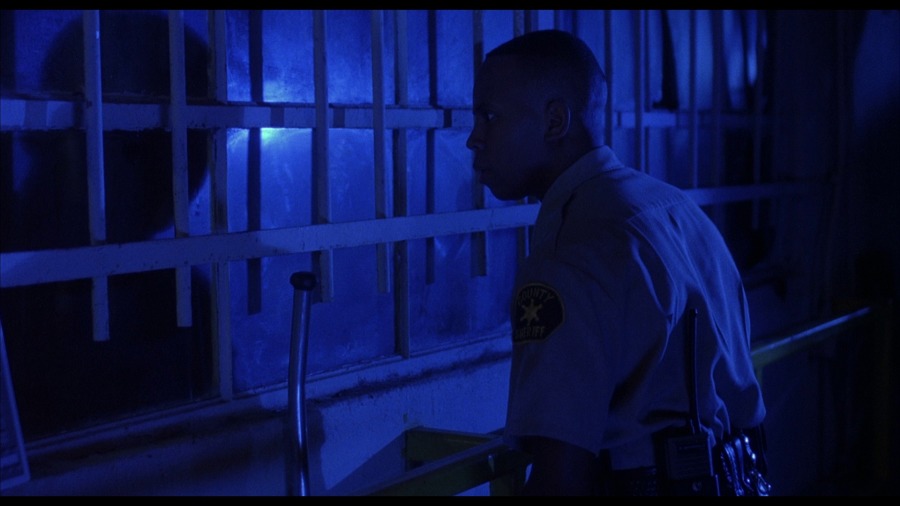
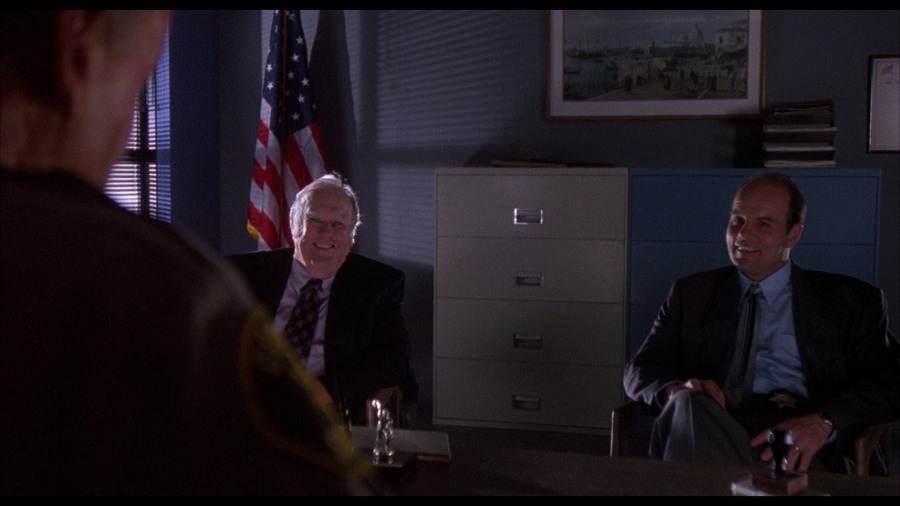
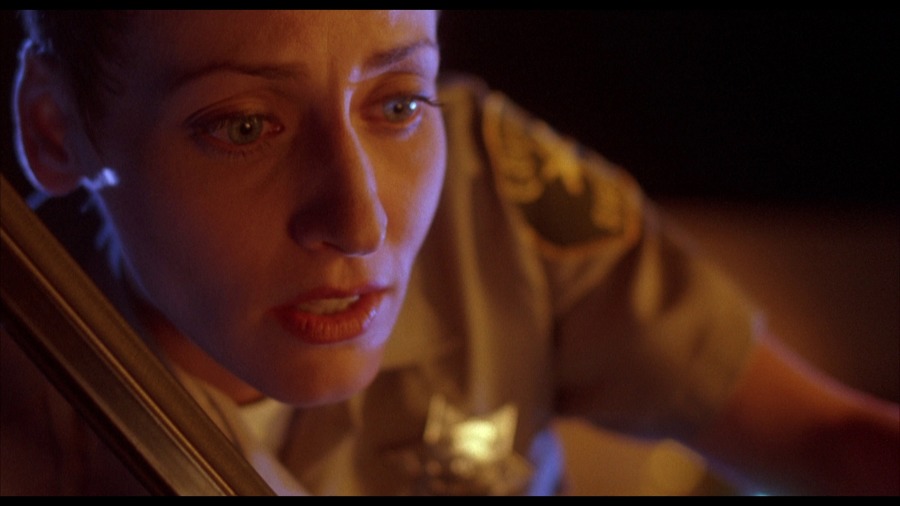
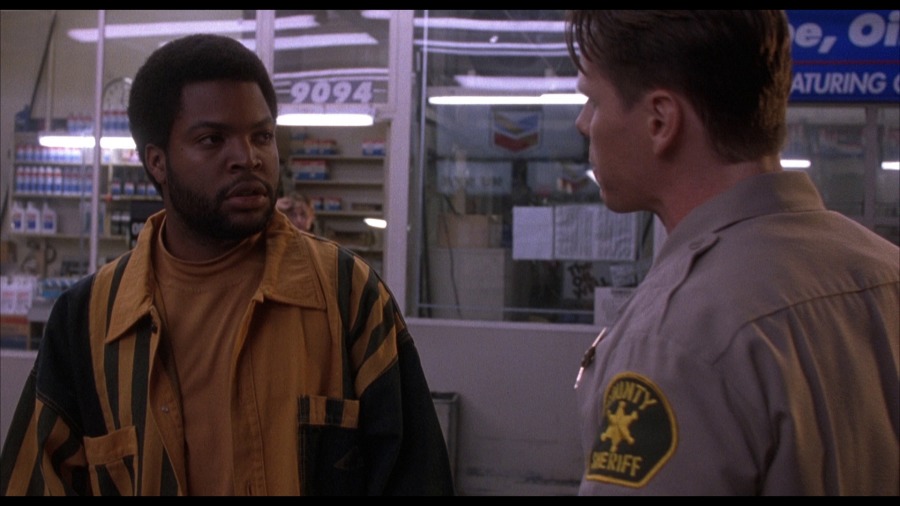
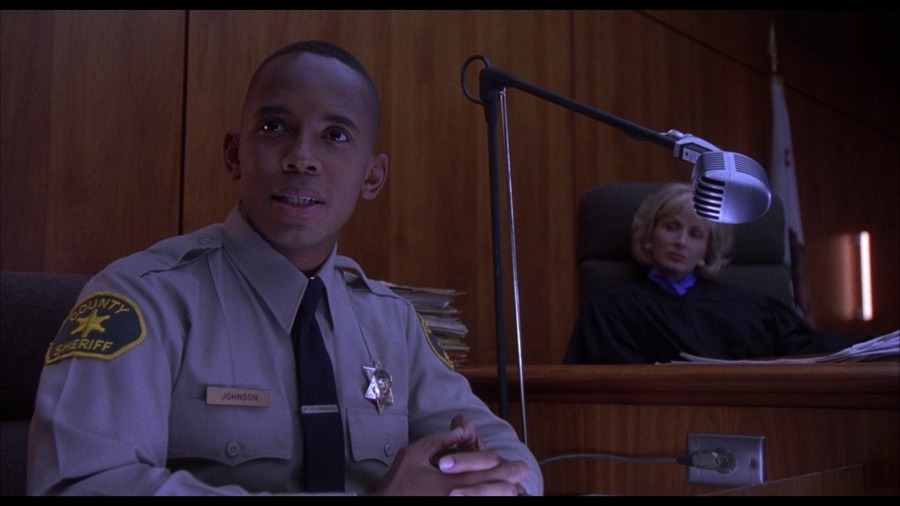
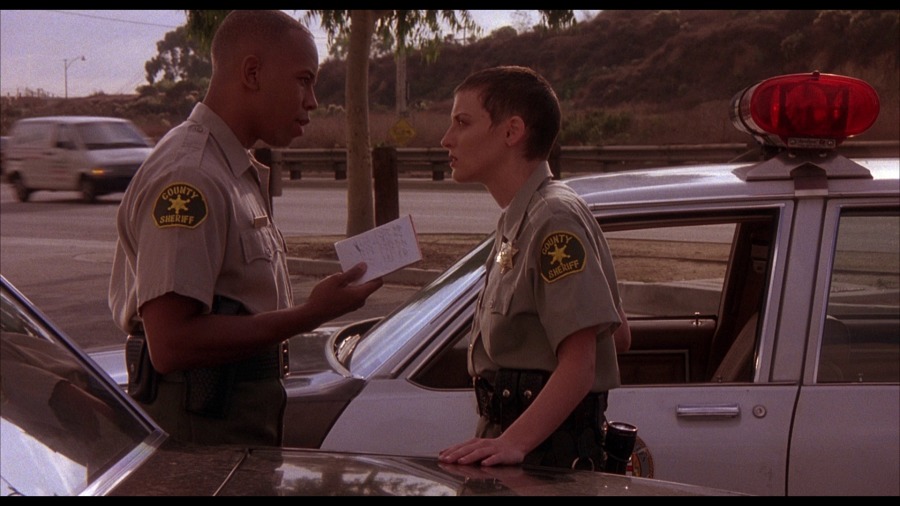
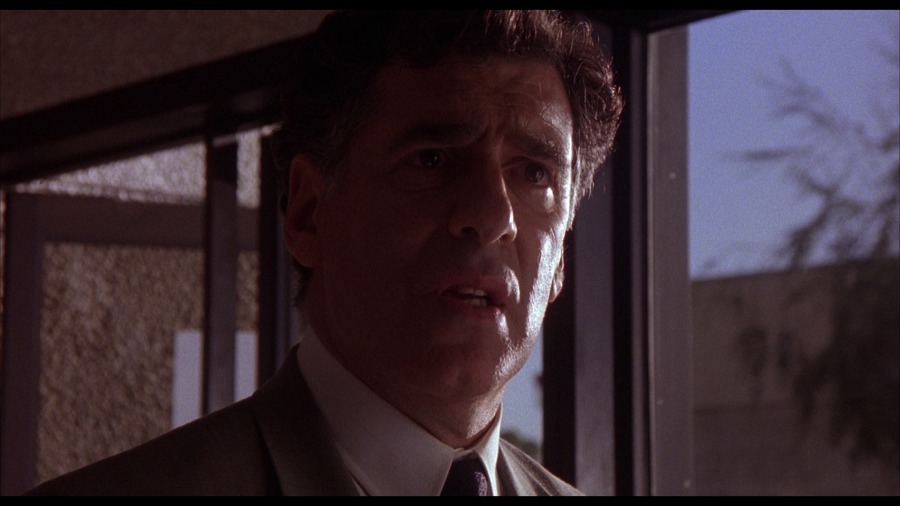
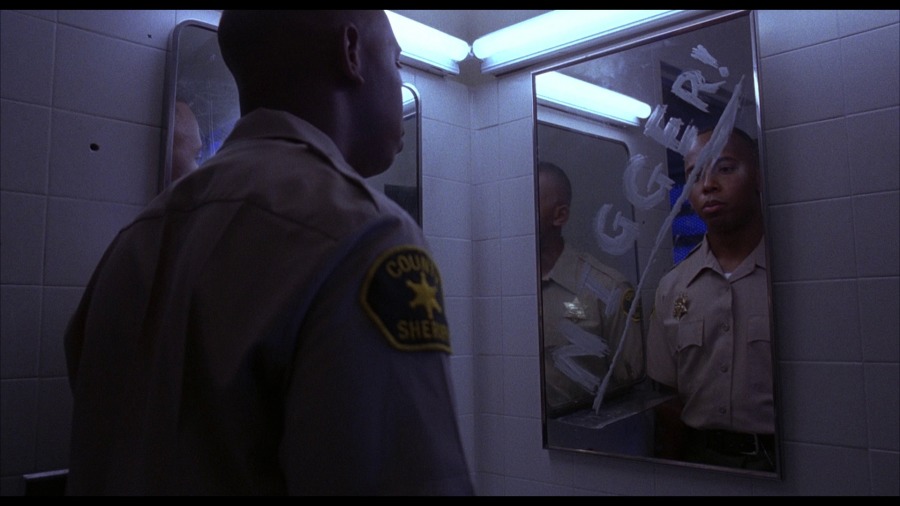
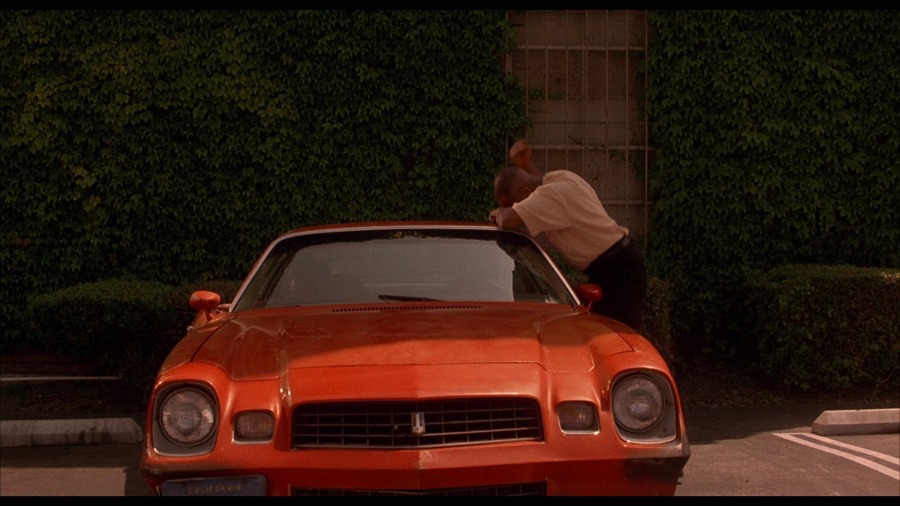
Audio 8/10
BFI includes a 2.0 PCM stereo surround track for the film. It’s pretty par for the course for a stereo surround track from the 90s. Most activity is focused to the front channels, with some noticeable pans across the fronts where suited along with some action and music making its way to the surrounds. Dialogue sticks primarily to front center, sounding clean and easy to hear. Volume levels are nicely handled and the track has a wide amount of range to it, the louder moments remaining stable with no distortion or edginess. Fidelity is also good.
It’s not an overly showy track, and the film is more dialogue heavy than action-packed, but it perfectly suits the film and doesn’t present any glaring problems.
Extras 4/10
Though I don’t have a real gauge as to how others rank this film alongside Burnett’s other work (it certainly doesn’t get written or mentioned at the same frequency as films like Killer of Sheep and To Sleep with Anger) I guess I would have expected a good stack of material with Burnett involved. There isn’t a lot here but thankfully we do at least get a new interview with Charles Burnett. I would have hoped for a more all-encompassing discussion about his career, and though we do get mention of some of his other work (including how he first got into filmmaking) this interview focuses primarily on The Glass Shield. Once I realized this was going to be the case I was a little disappointed but that disappointment soon vanished. The interview actually proves to be very informative and entertaining as Burnett talks about the development of the film and the research he put into it, which included going on a ride-along, something he wholly recommends doing. He of course talks about the influences that inspired the film, specifically police brutality and overreach within the black community, and he compares the social issues of that time to the social issues of today, bringing up Black Lives Matter. On top of all of this he still manages to talk about other subjects around the film, like its distribution and what it was like working with Miramax (which he says was a pleasant experience), and he recalls the difficulties he had with the film’s ending. Again, I certainly would have enjoyed a more broad look at his career, but back story alone to this film proved to be really fascinating.
To accompany that feature BFI also includes an alternate ending, which Burnett talks about. The ending is essentially the same but, as Burnett says, it’s very heavy-handed and very overdramatic. He was right to reshoot it. It runs 2-minutes.
BFI also includes a booklet, which features an essay on the film by Bridget Minamore, contextualizing it to the time period in which it was made, while also going over the film’s examination of race/gender/class relations and linking it to today’s social climate.
Though the supplements are slim I do still appreciate BFI actually putting in the effort getting an interview with Burnett, which is a really good one. It’s shame they couldn’t get any of the cast to chime in.
Closing
It’s slim on features but I have to say I’m somewhat shocked this film is even getting a Blu-ray release, and it looks really good. With that and the excellent interview with Burnett this release gets a very high recommendation.
BUY AT: