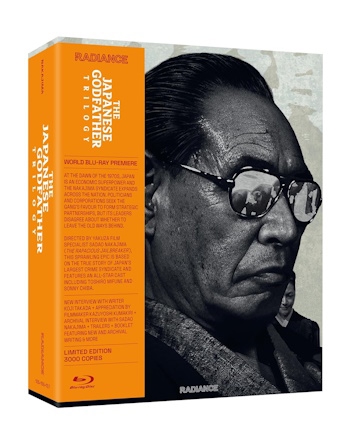
The Japanese Godfather Trilogy
BUY AT:



See more details, packaging, or compare
Synopsis
At the dawn of the 1970s, Japan is becoming an economic superpower and the Nakajima crime syndicate extends its grasp across the nation. Politicians and corporations seek the gang’s favour to form strategic and highly prosperous partnerships, but its leaders disagree about whether to leave the old ways behind for the sake of money and respectability. Directed by Toei yakuza film specialist Sadao Nakajima (The Rapacious Jailbreaker), this sprawling epic is based on the true story of Japan’s largest crime syndicate and features a cast of genre legends, including Koji Tsuruta (Big Time Gambling Boss, Sympathy for the Underdog), Bunta Sugawara (Battles Without Honour and Humanity) and Sonny Chiba (The Streetfighter, Hokuriku Proxy War).
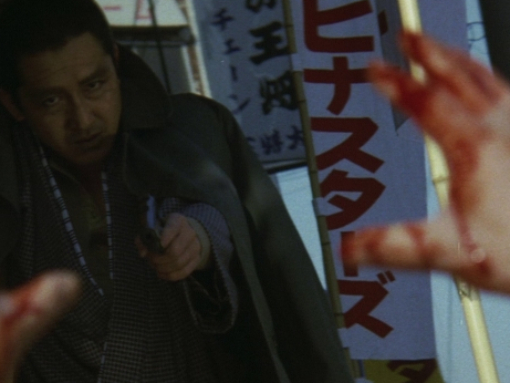
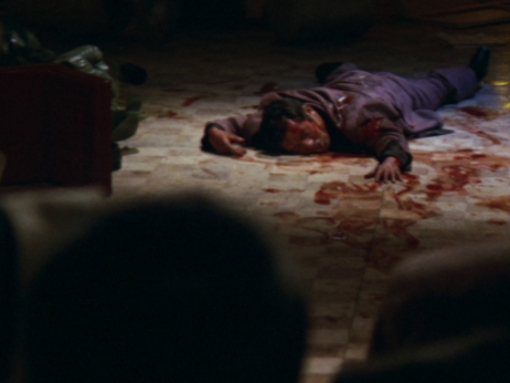
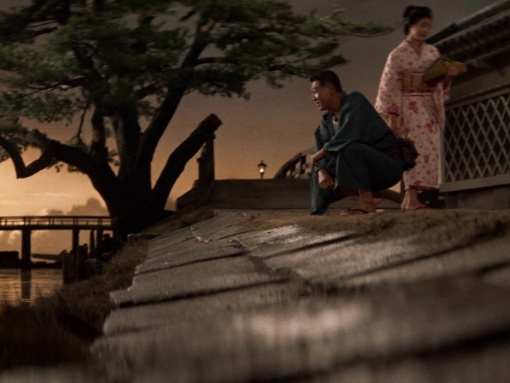
Picture 7/10
Radiance Films presents Sadao Nakajima’s Japanese Godfather Trilogy on Blu-ray in an all-new three-disc box set. The set includes Japanese Godfather, Japanese Godfather: Ambition, and Japanese Godfather: Conclusion, all presented in the aspect ratio of 2.35:1 on individual dual-layer discs. The 1080p/24hz high-definition presentations are sourced from masters provided by Toei.
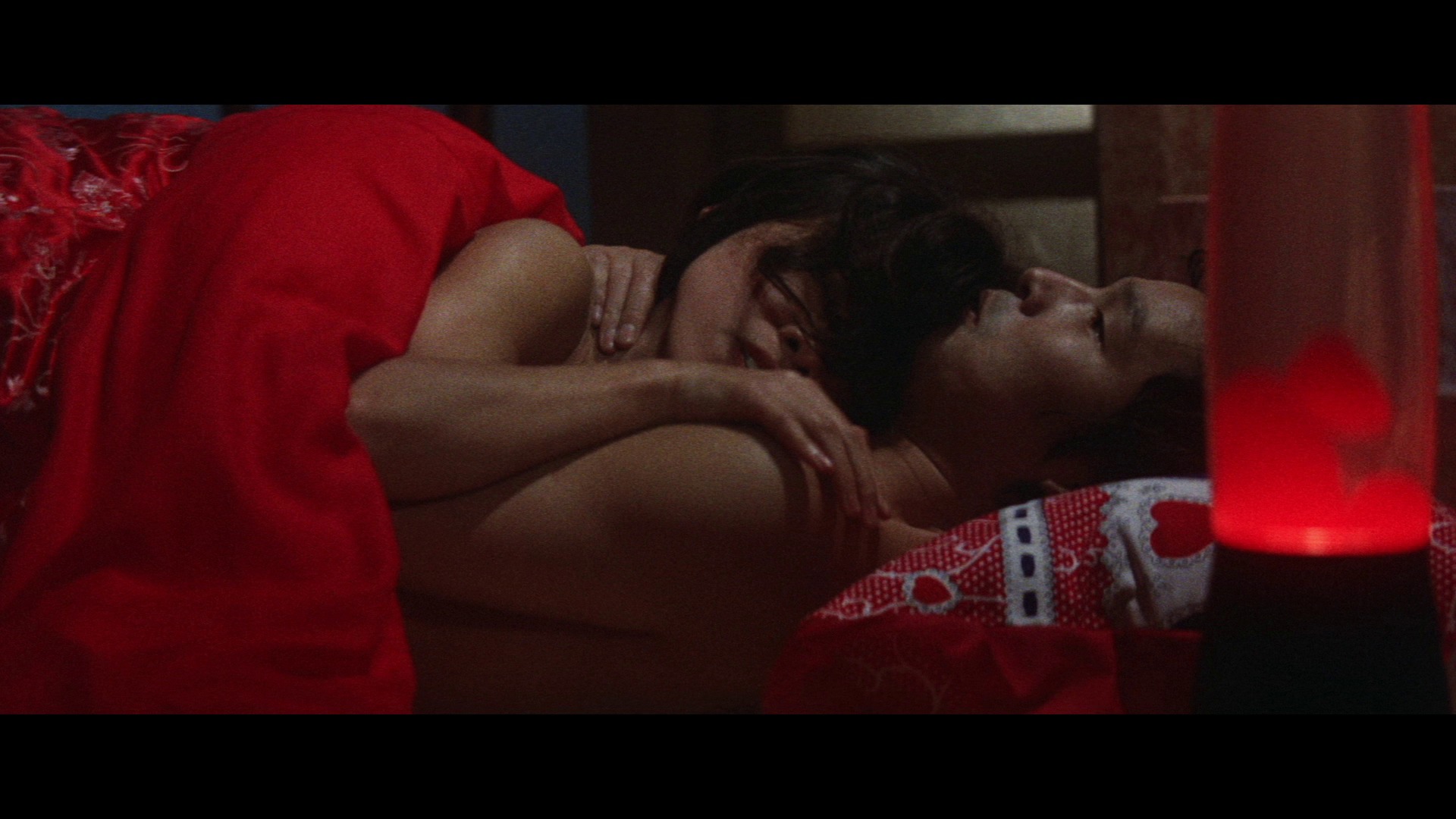
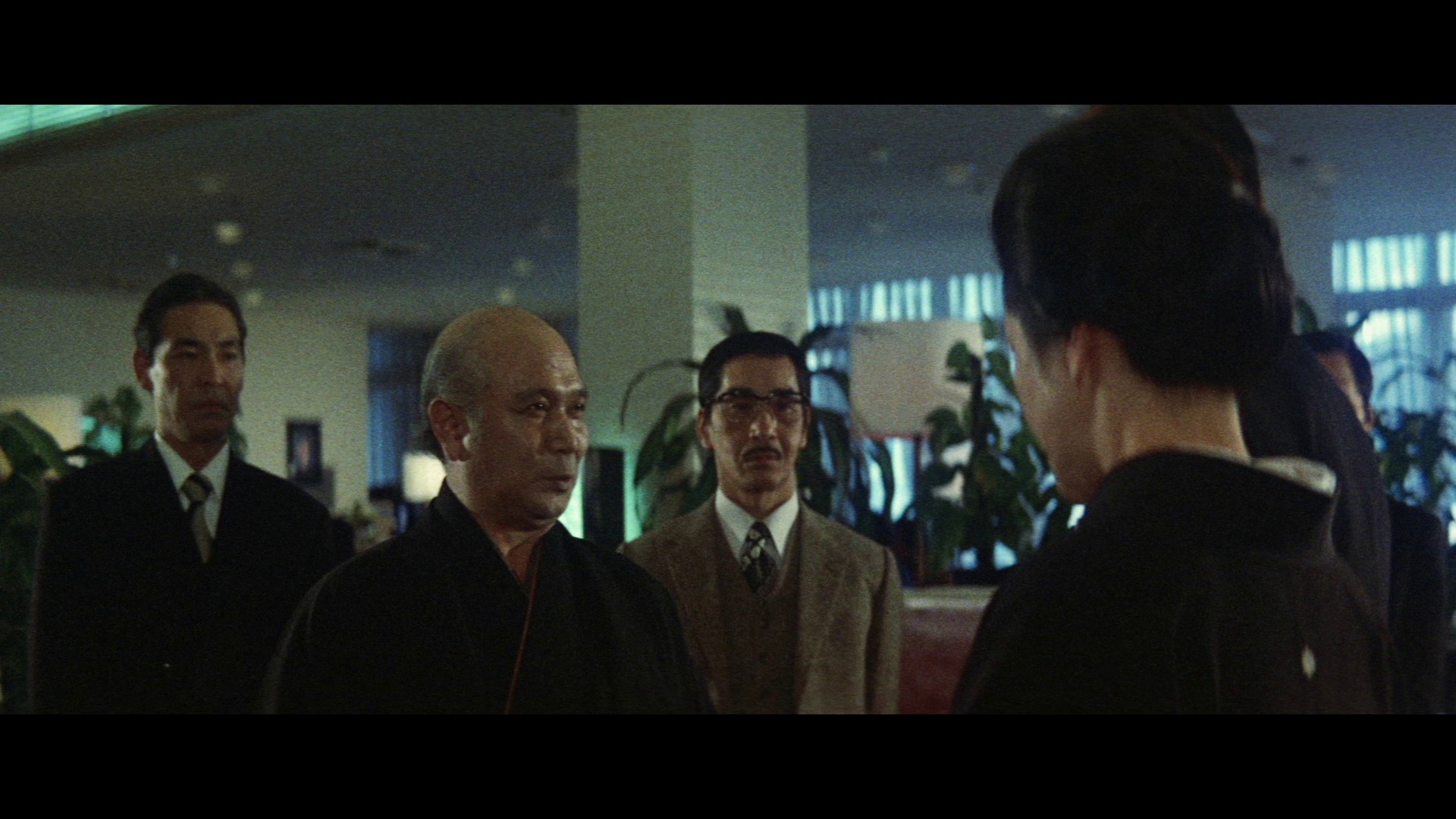
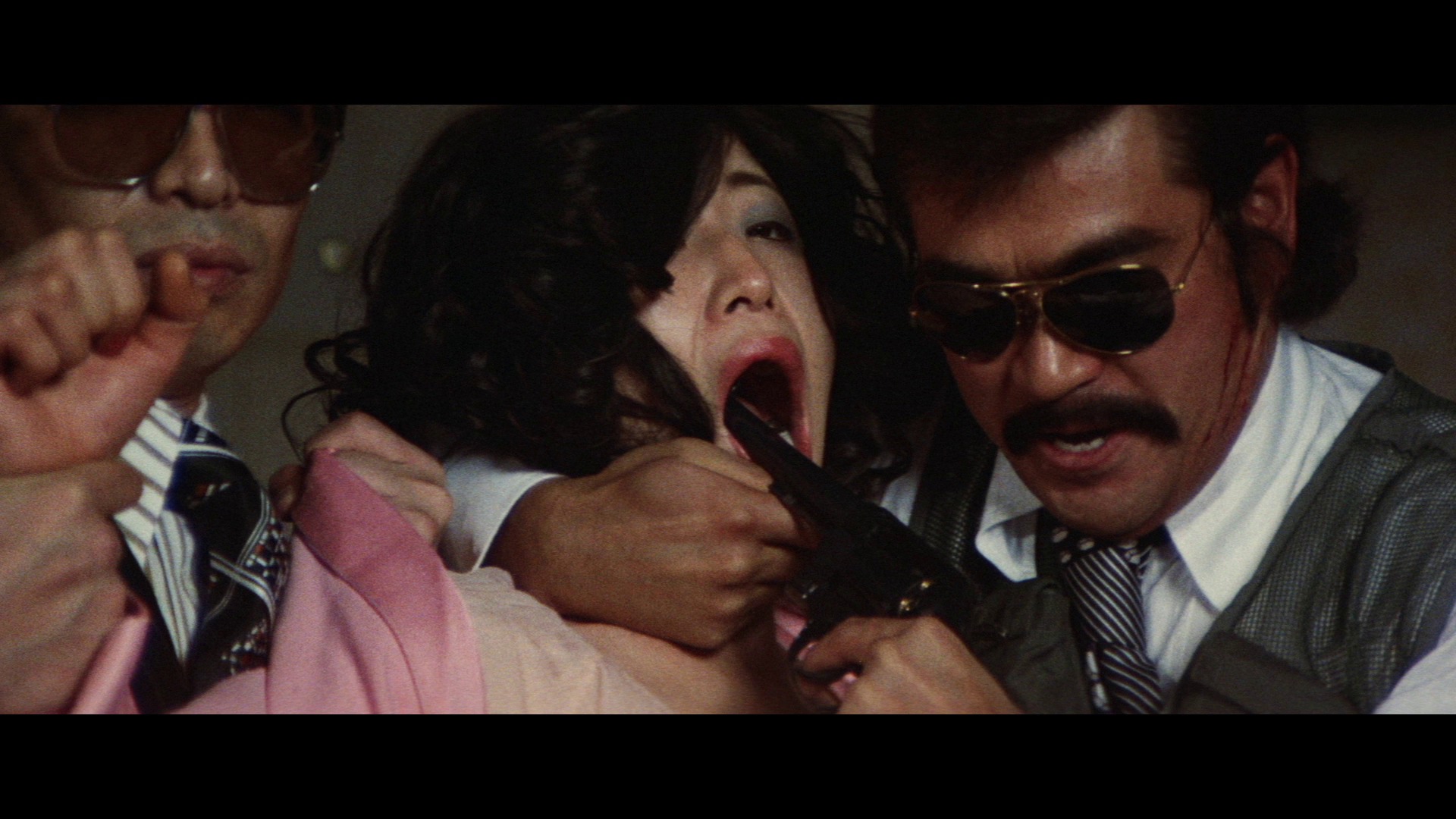
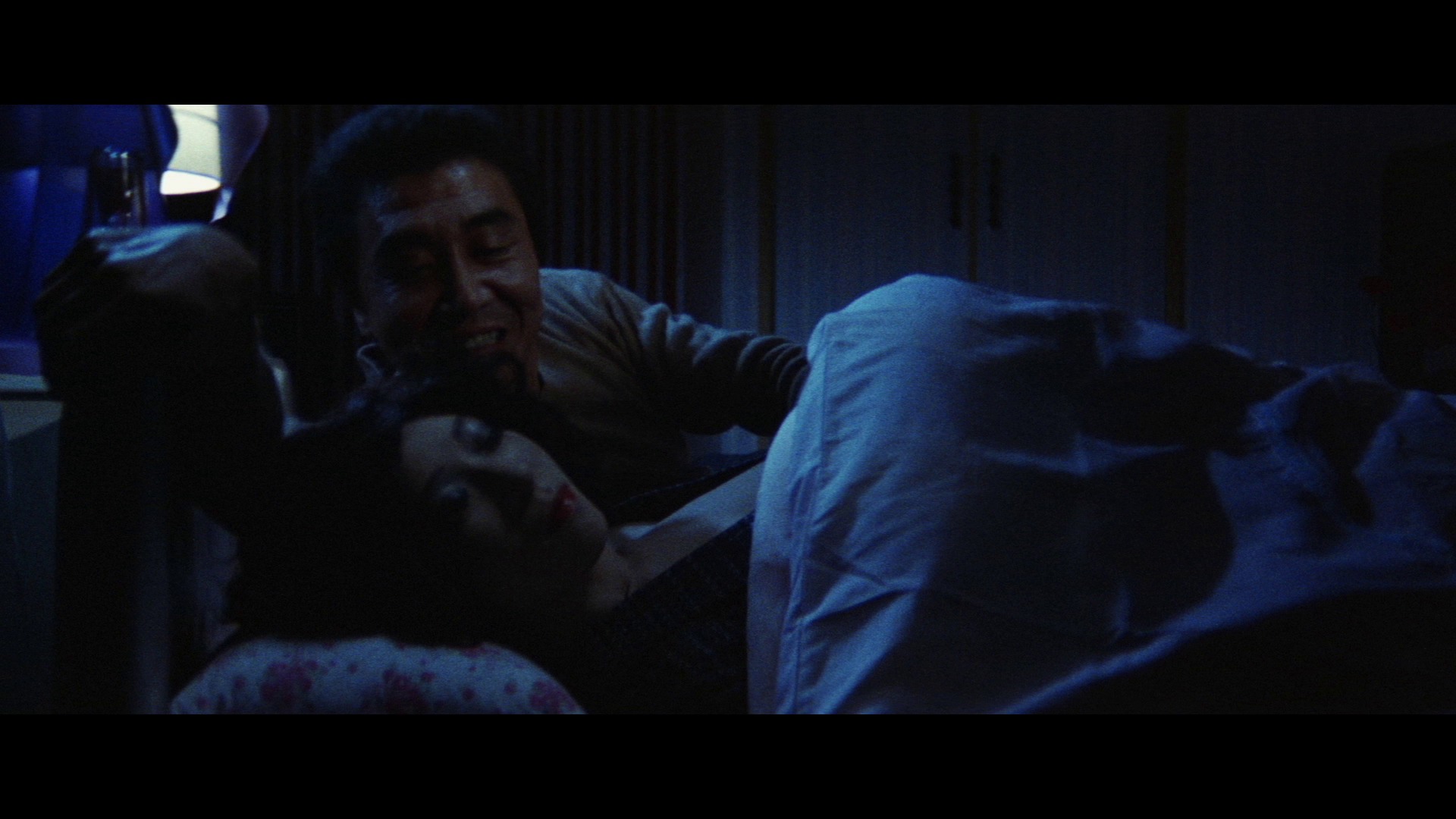
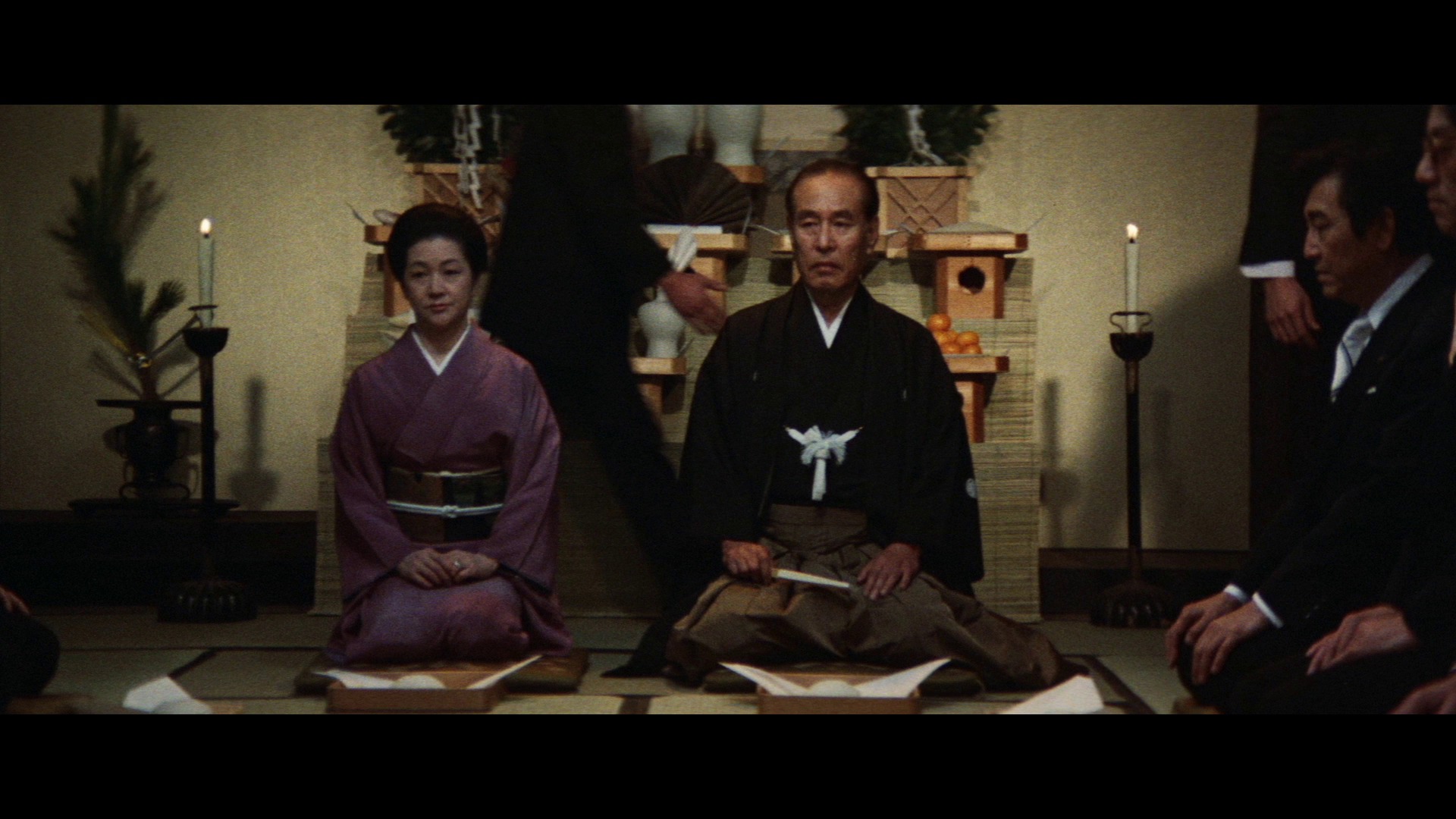
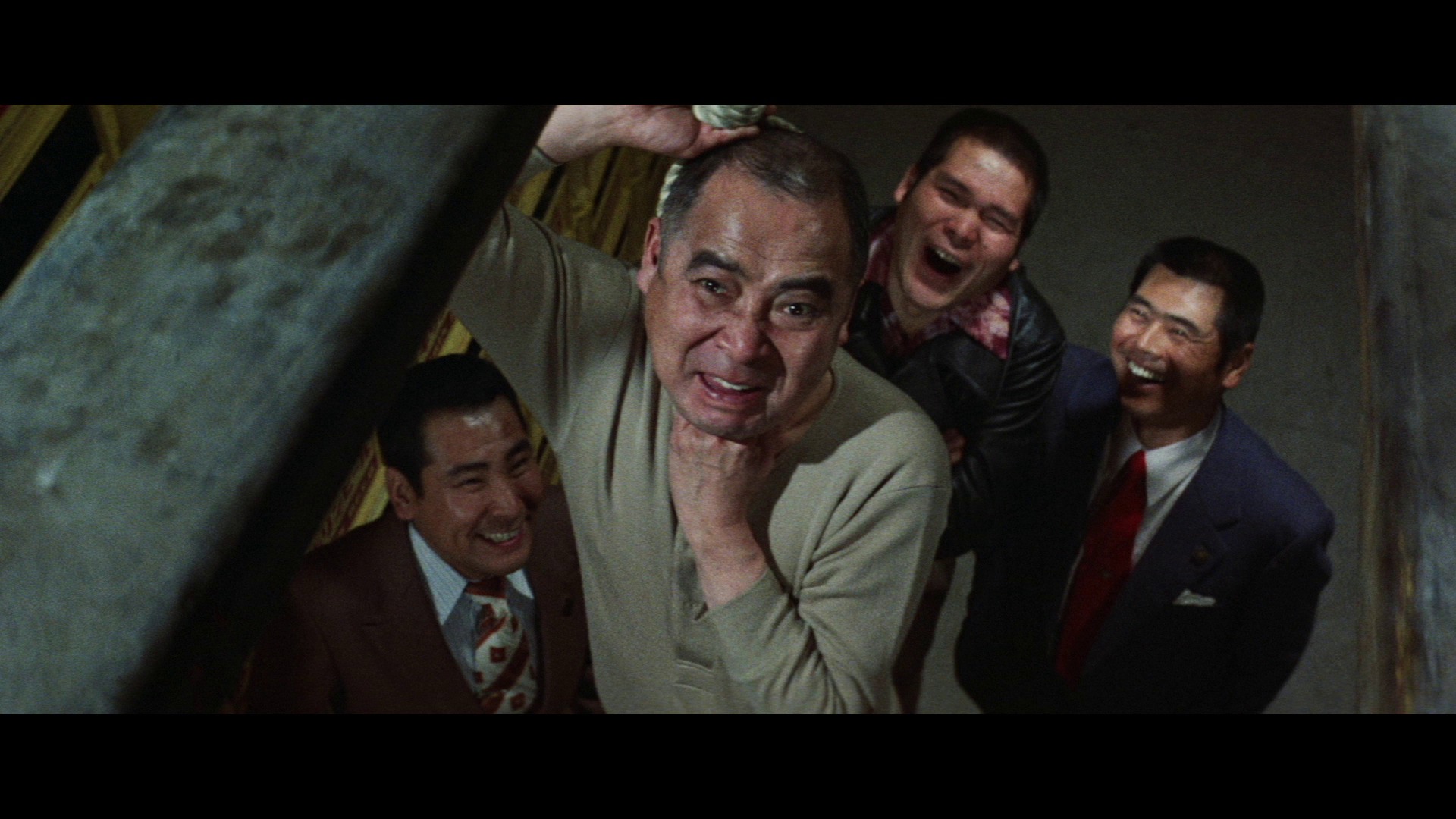
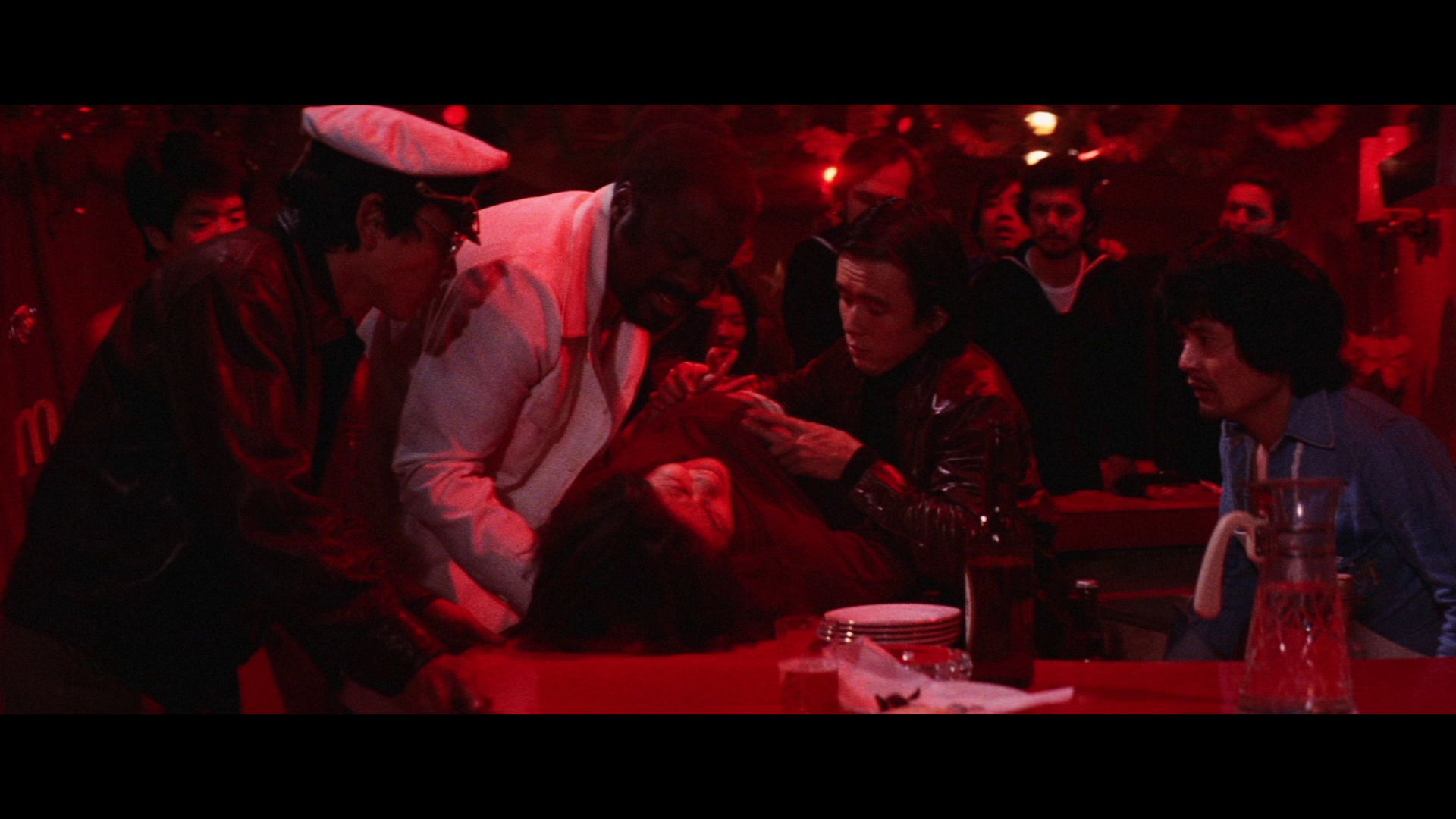
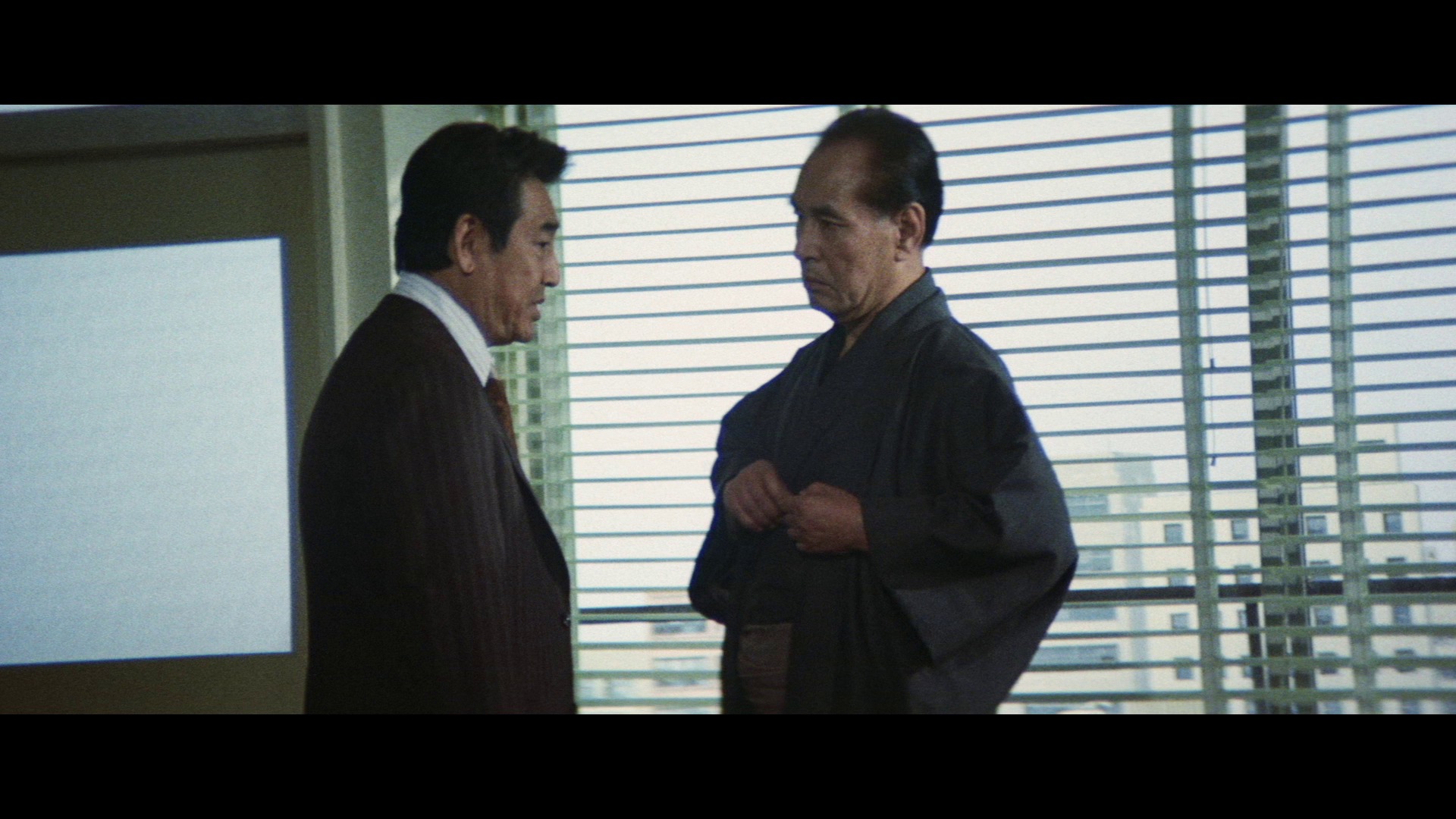
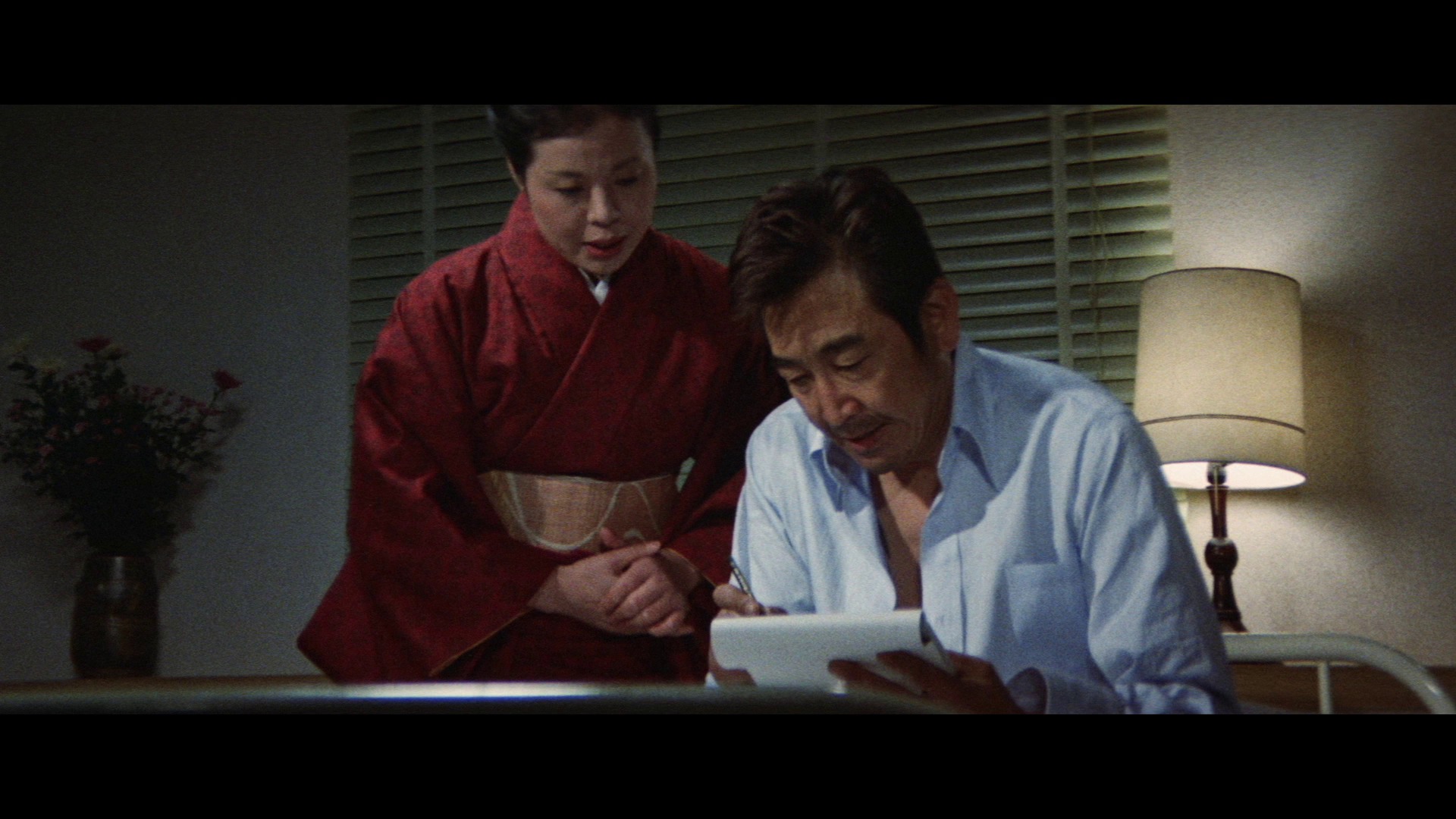
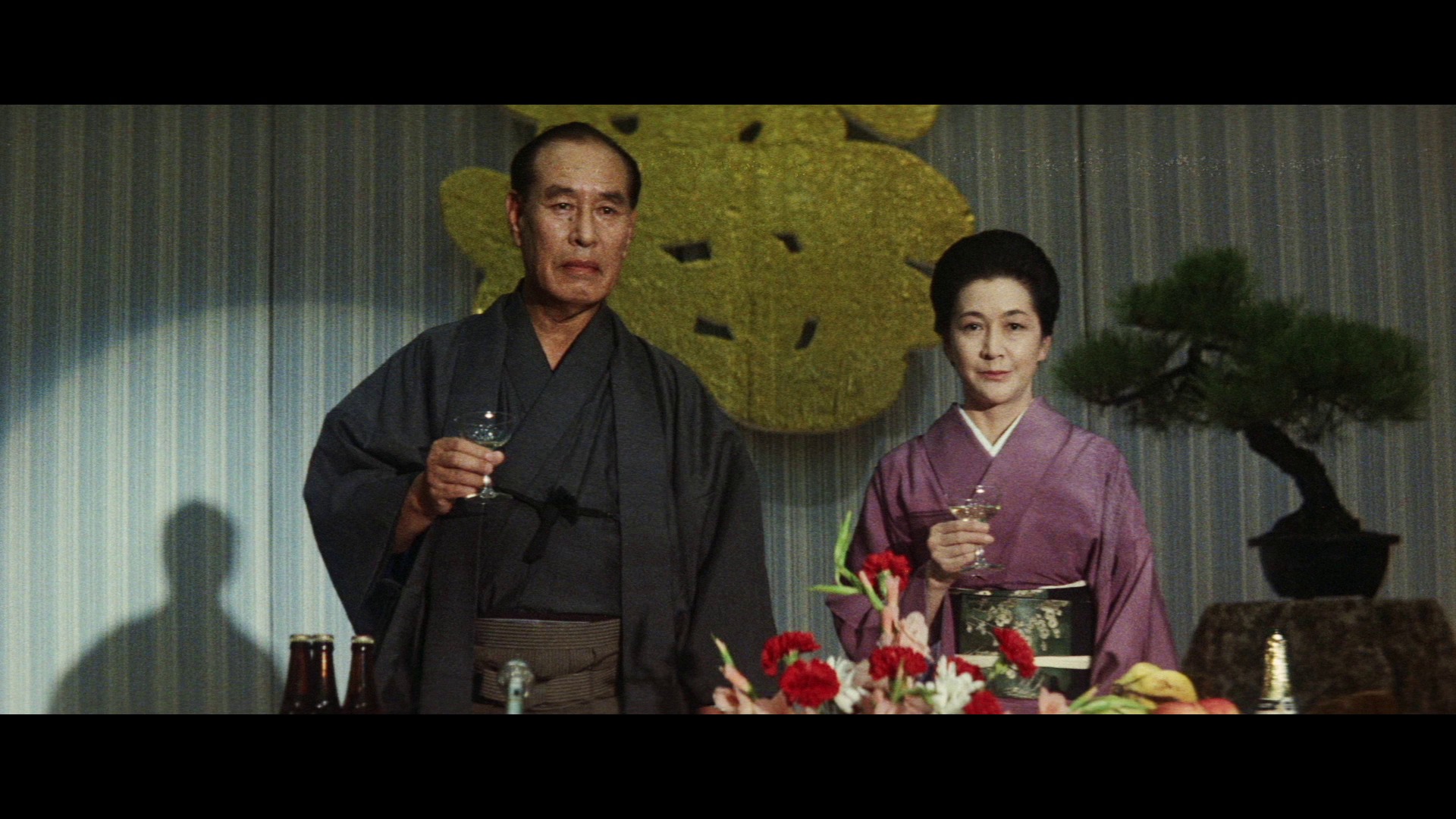
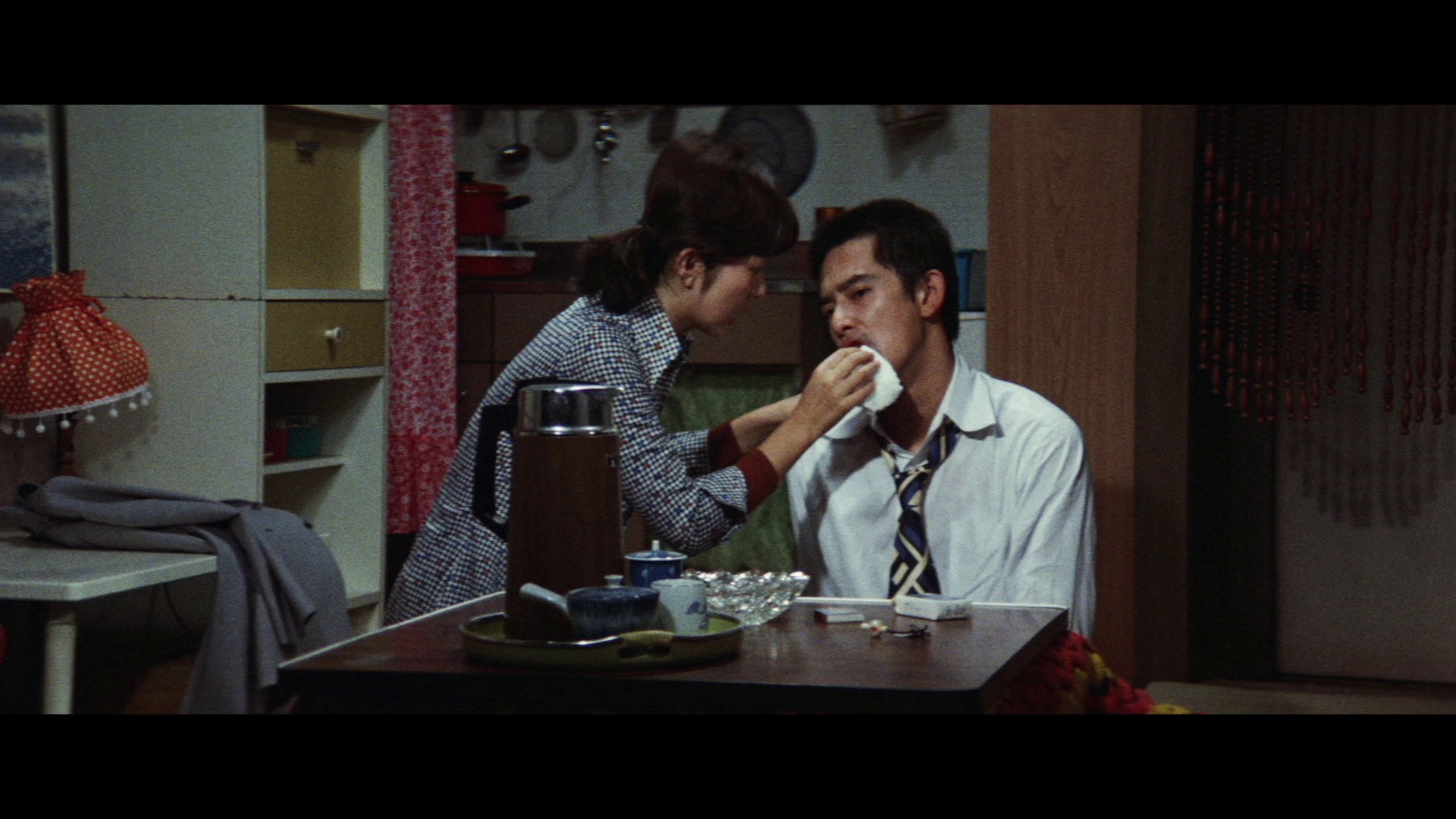
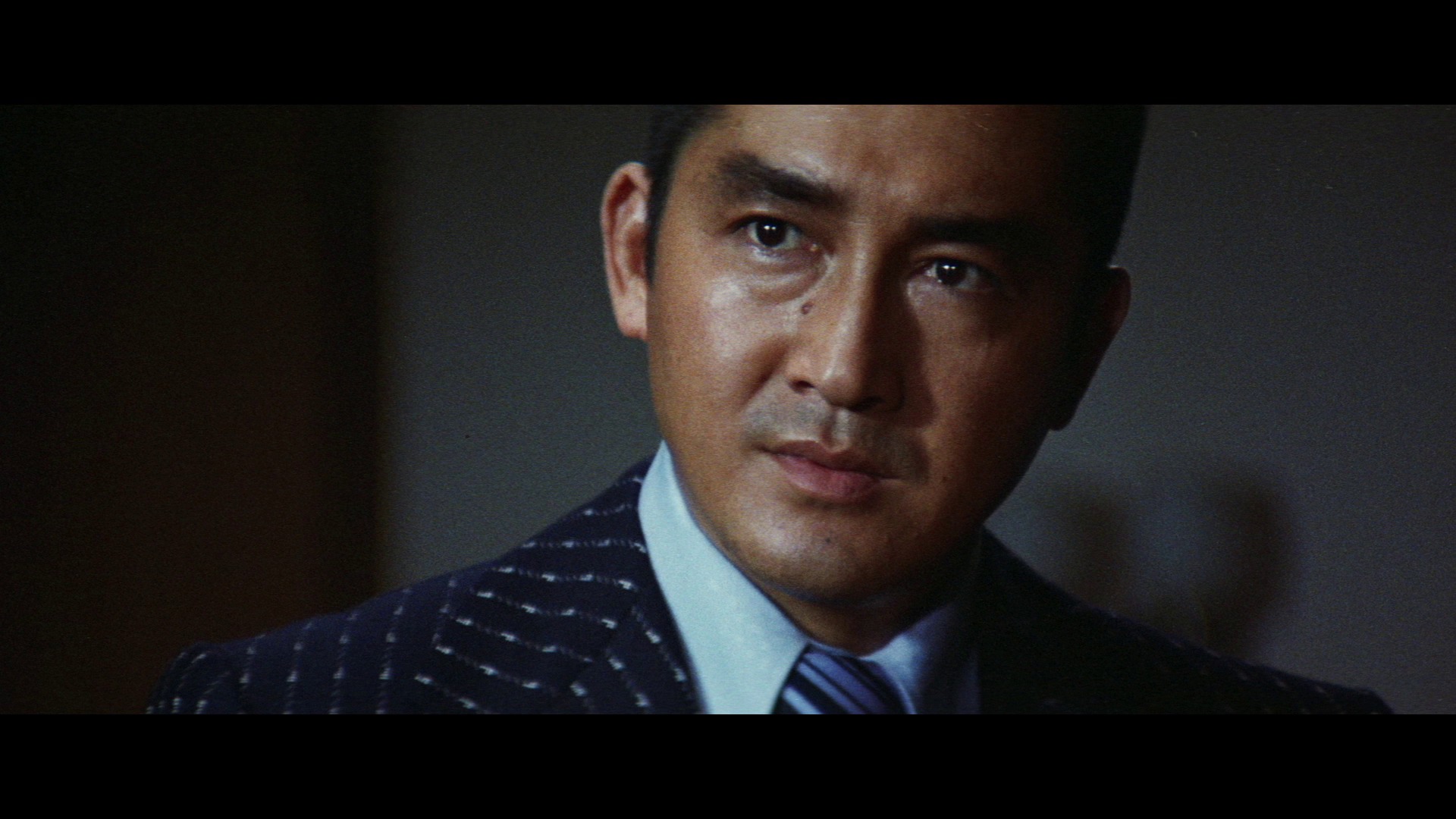
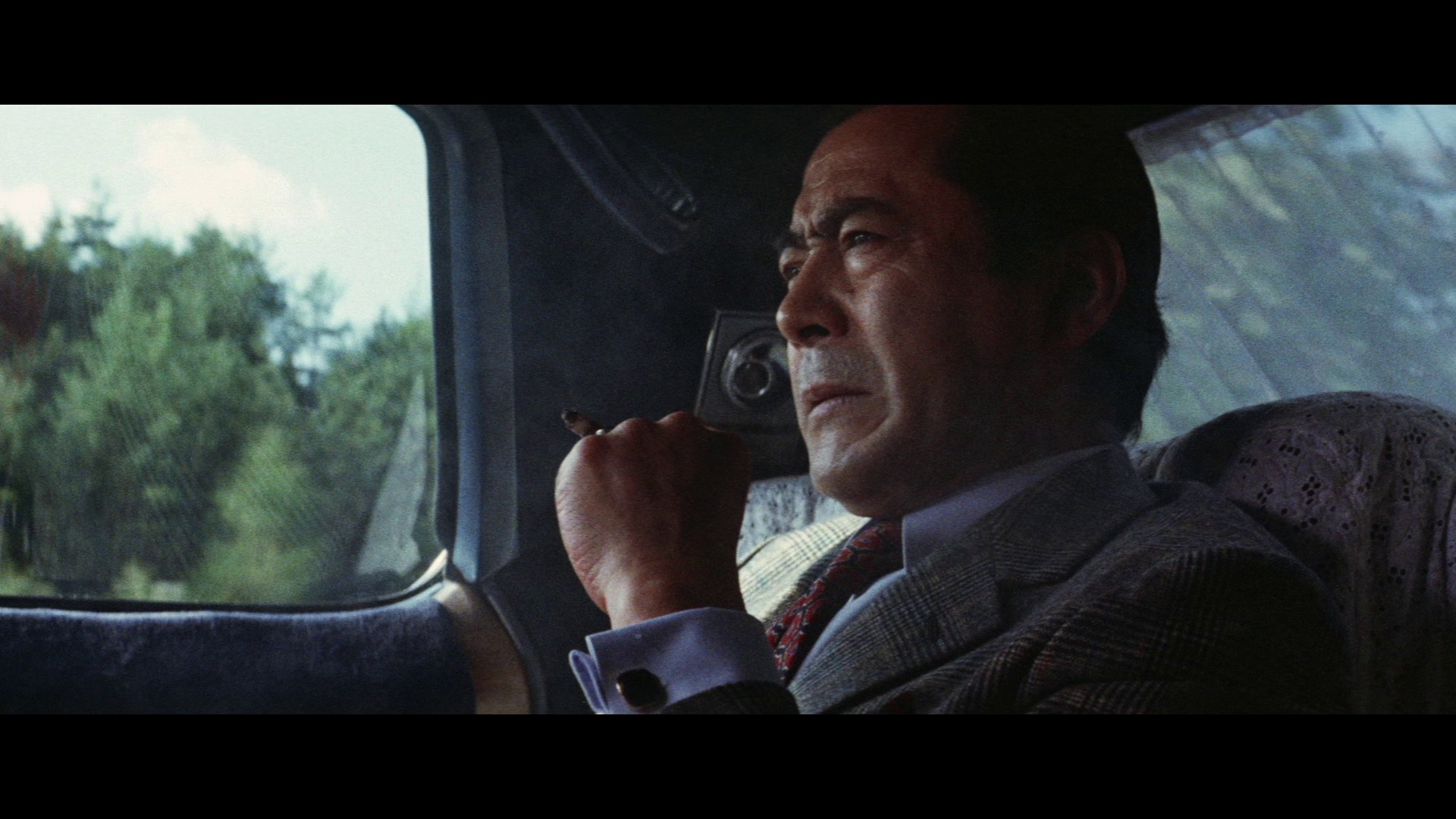
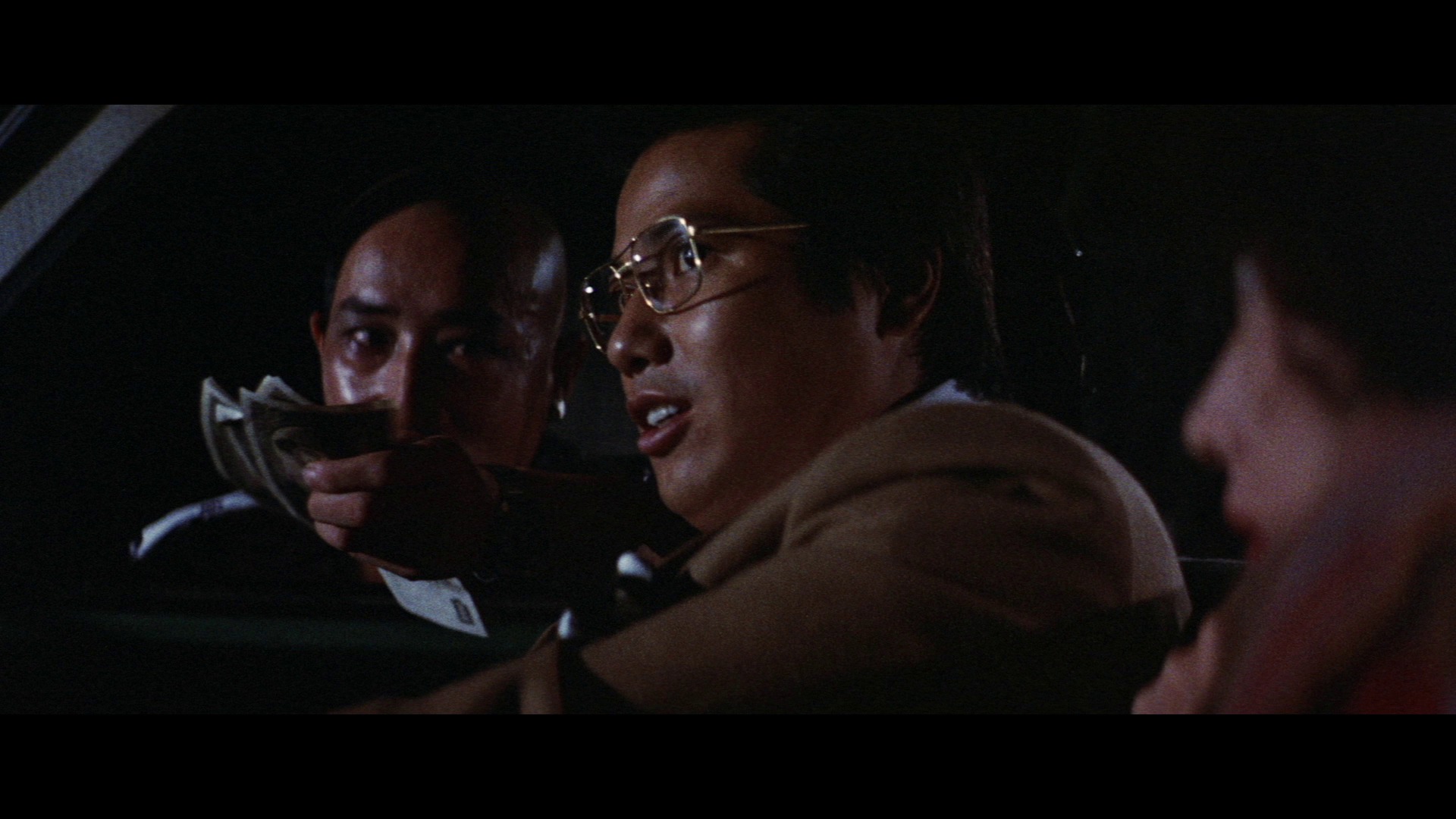
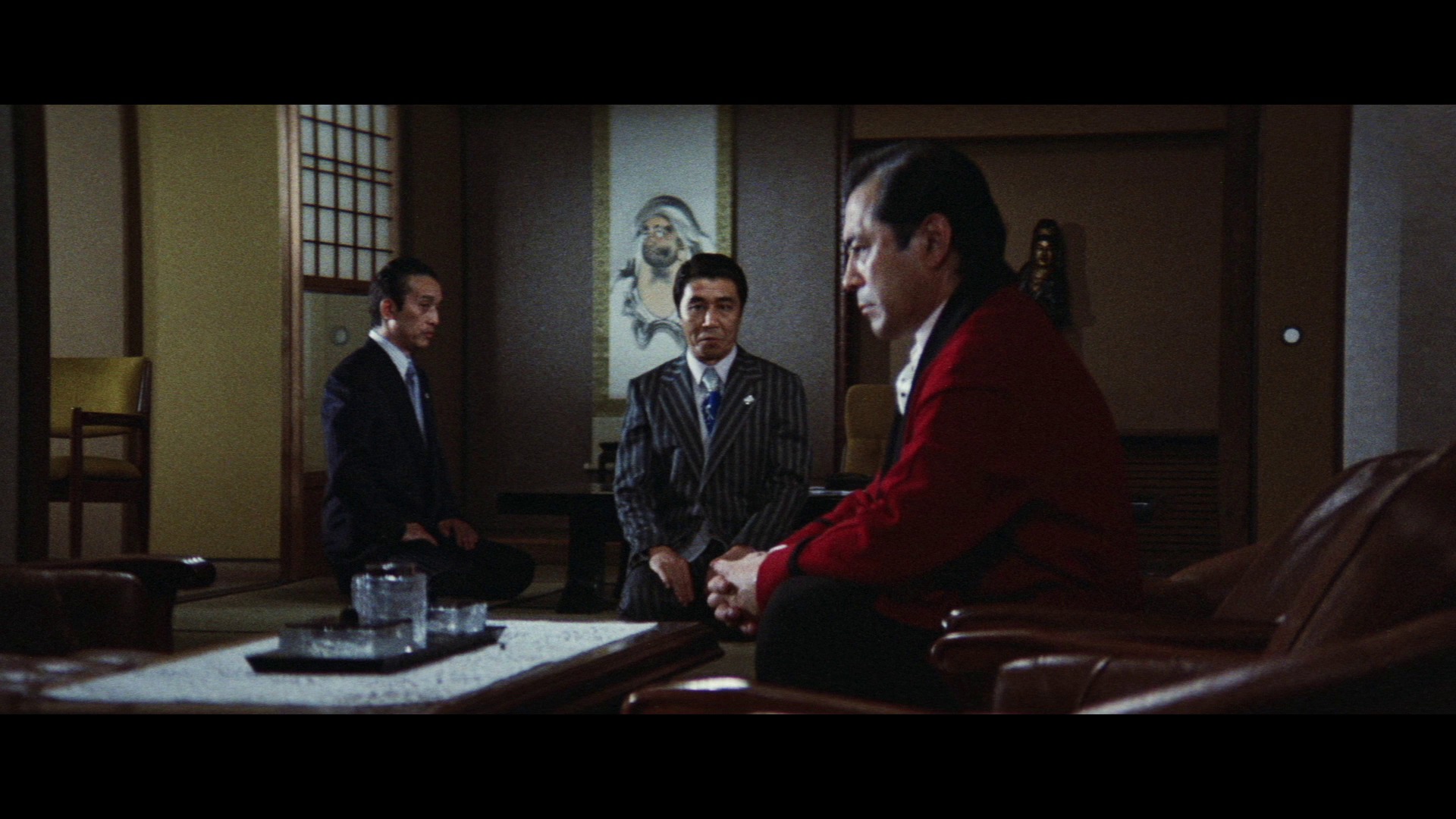
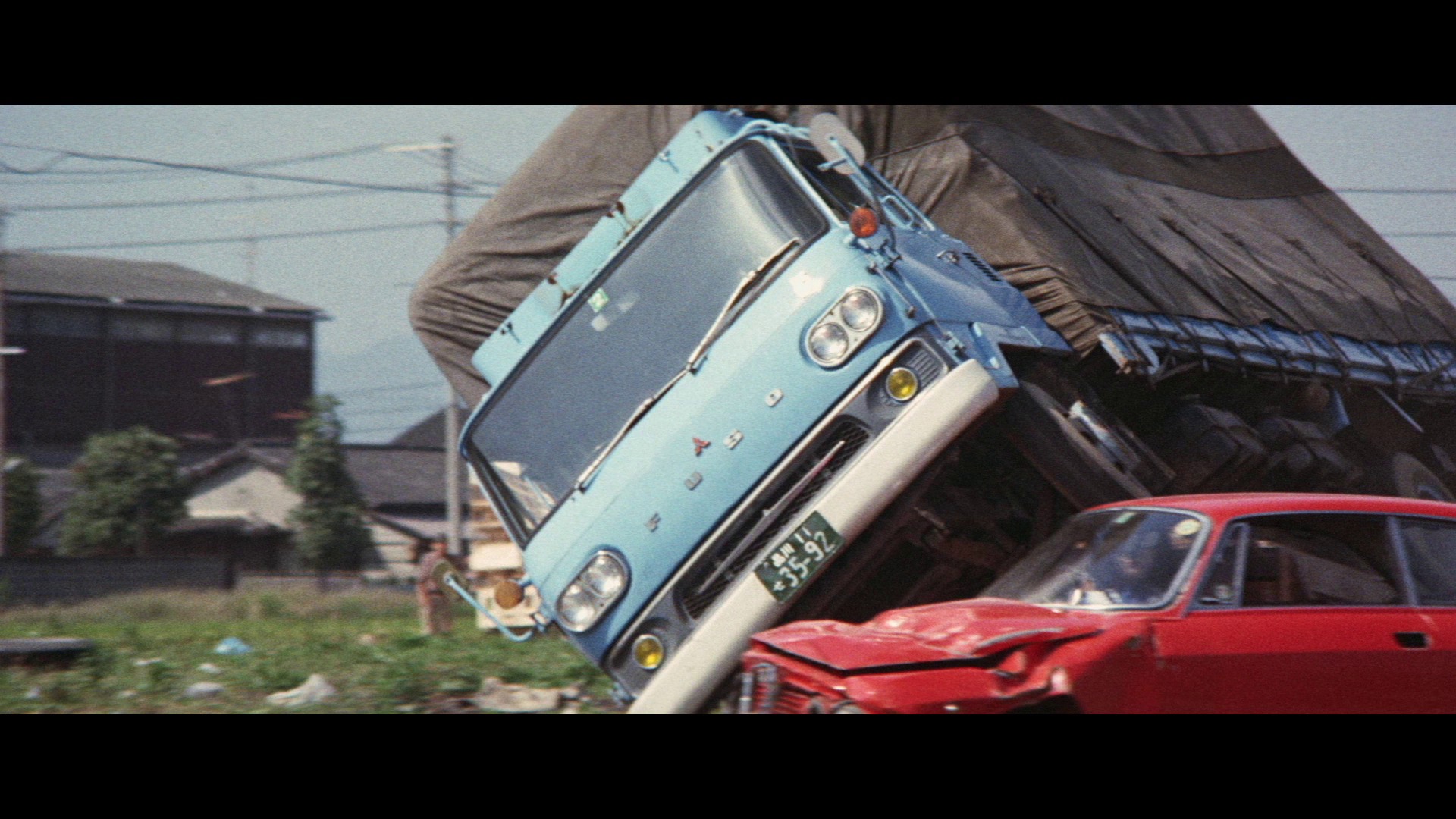
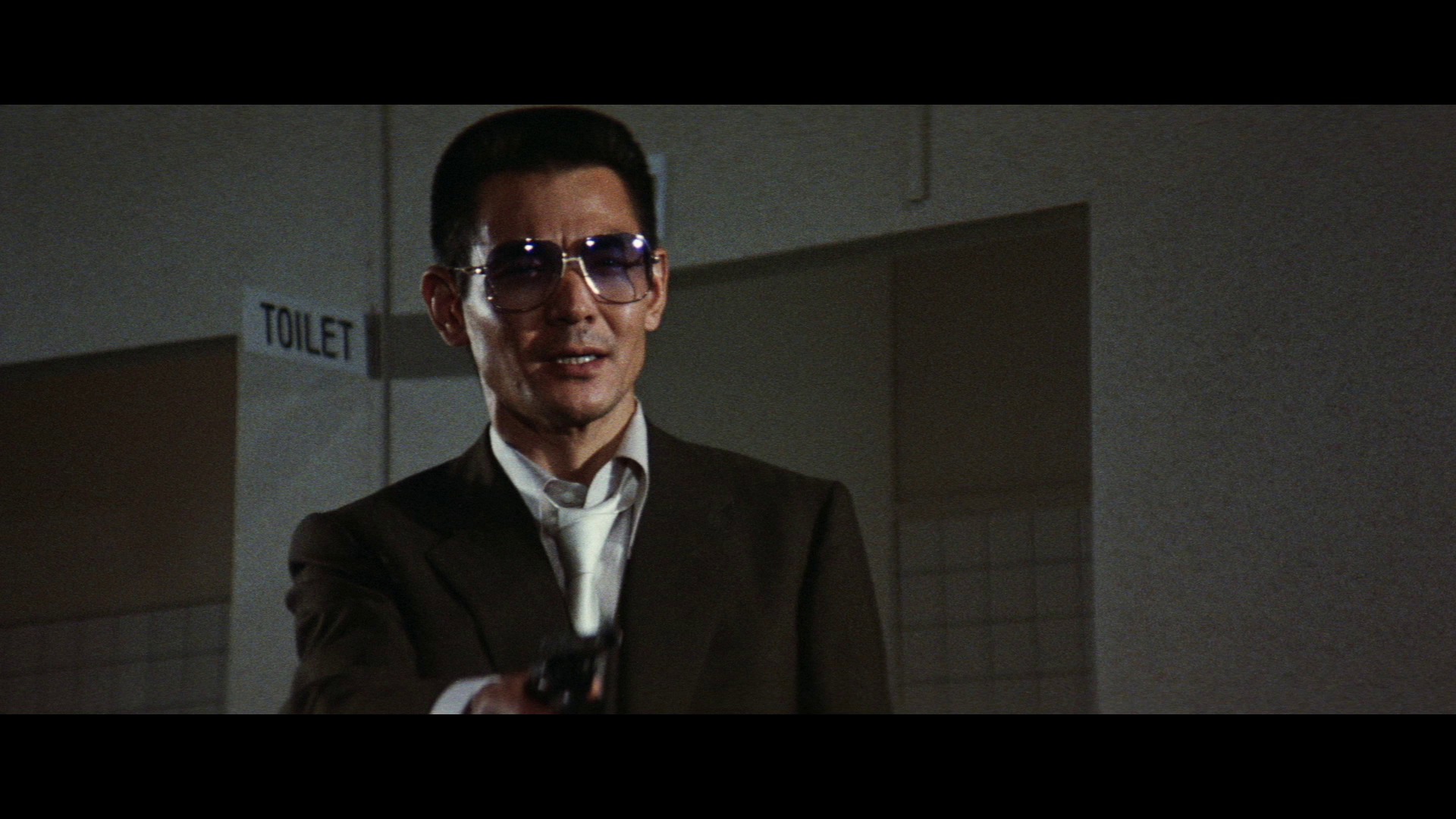
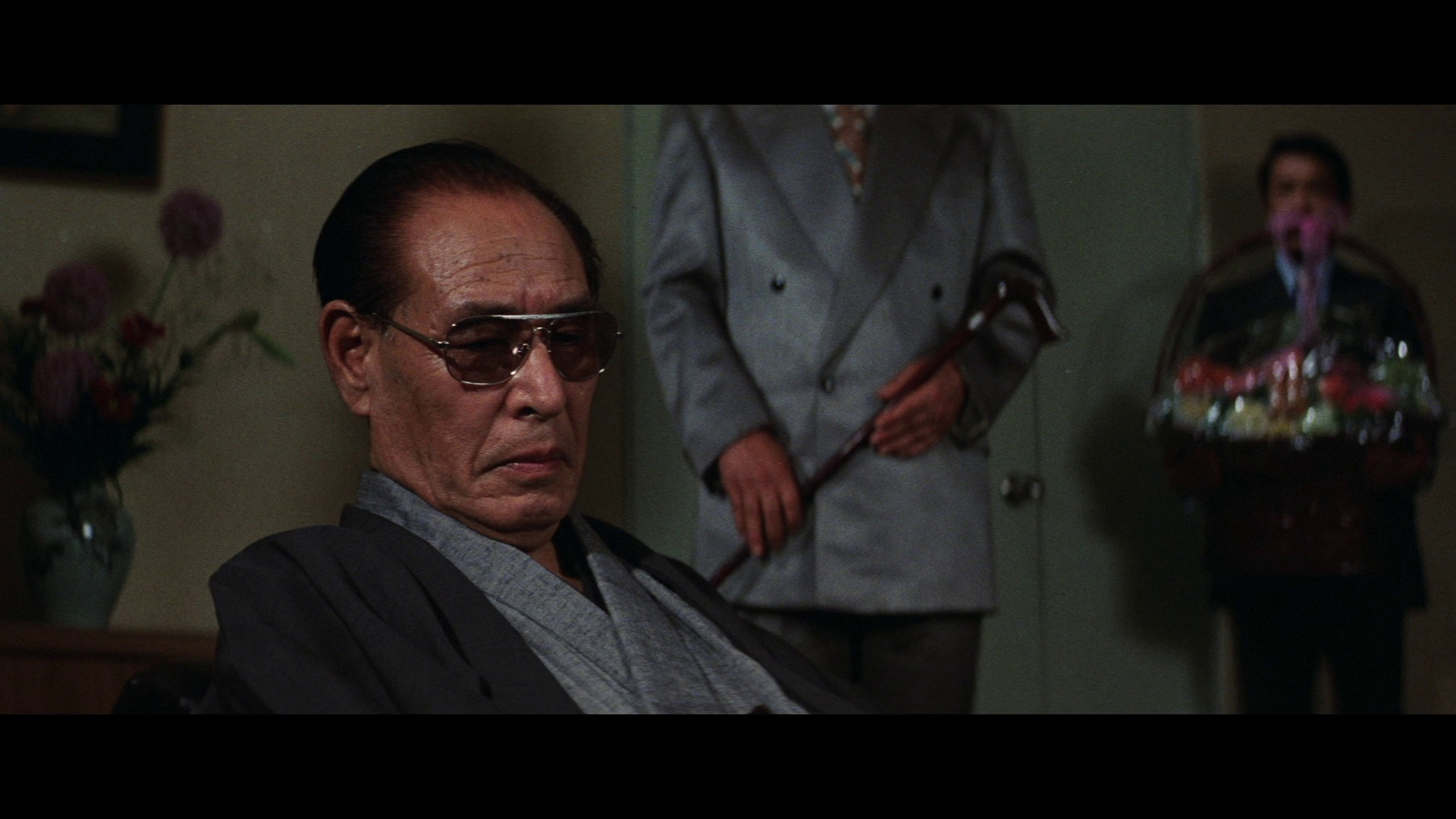
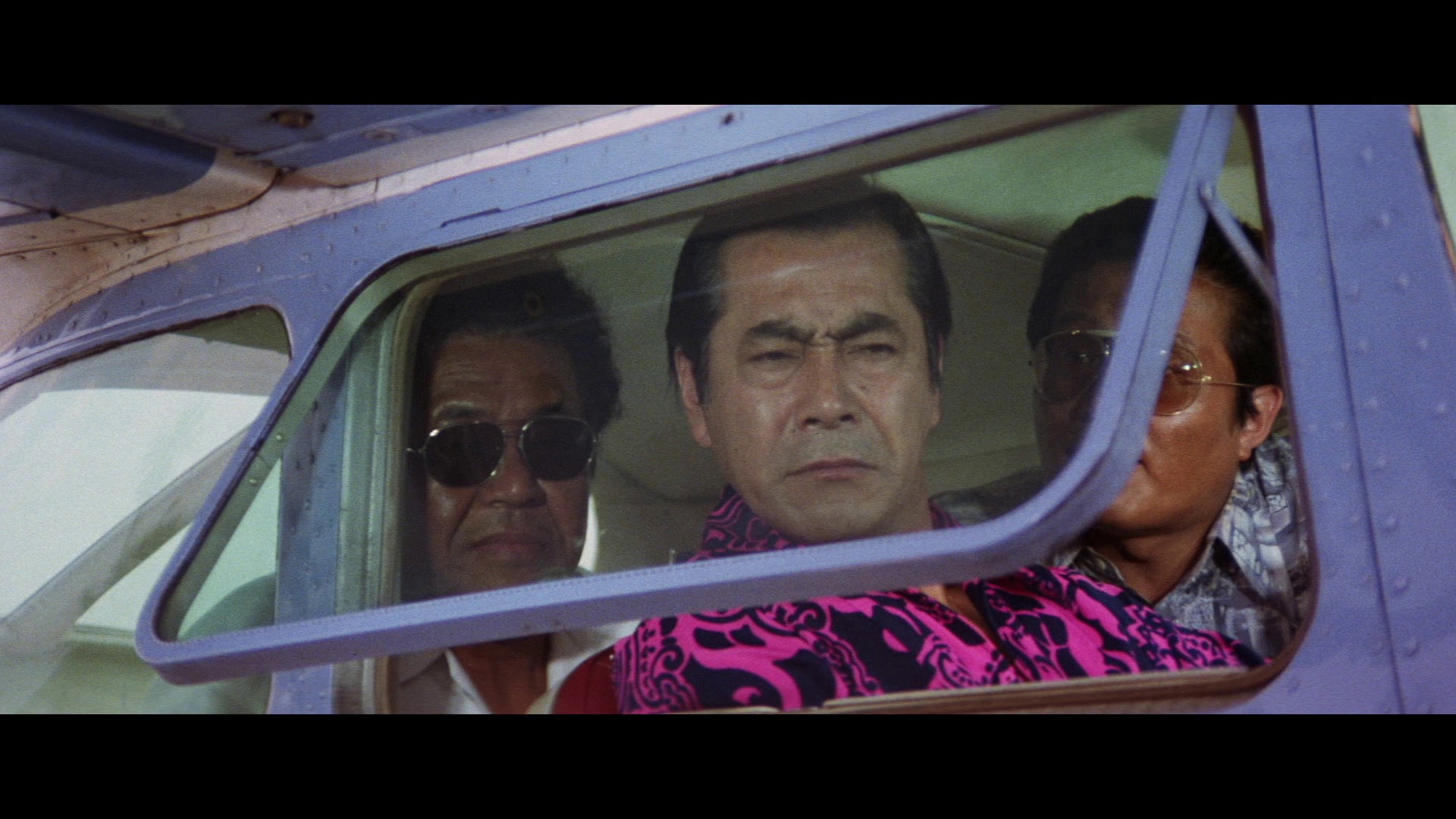
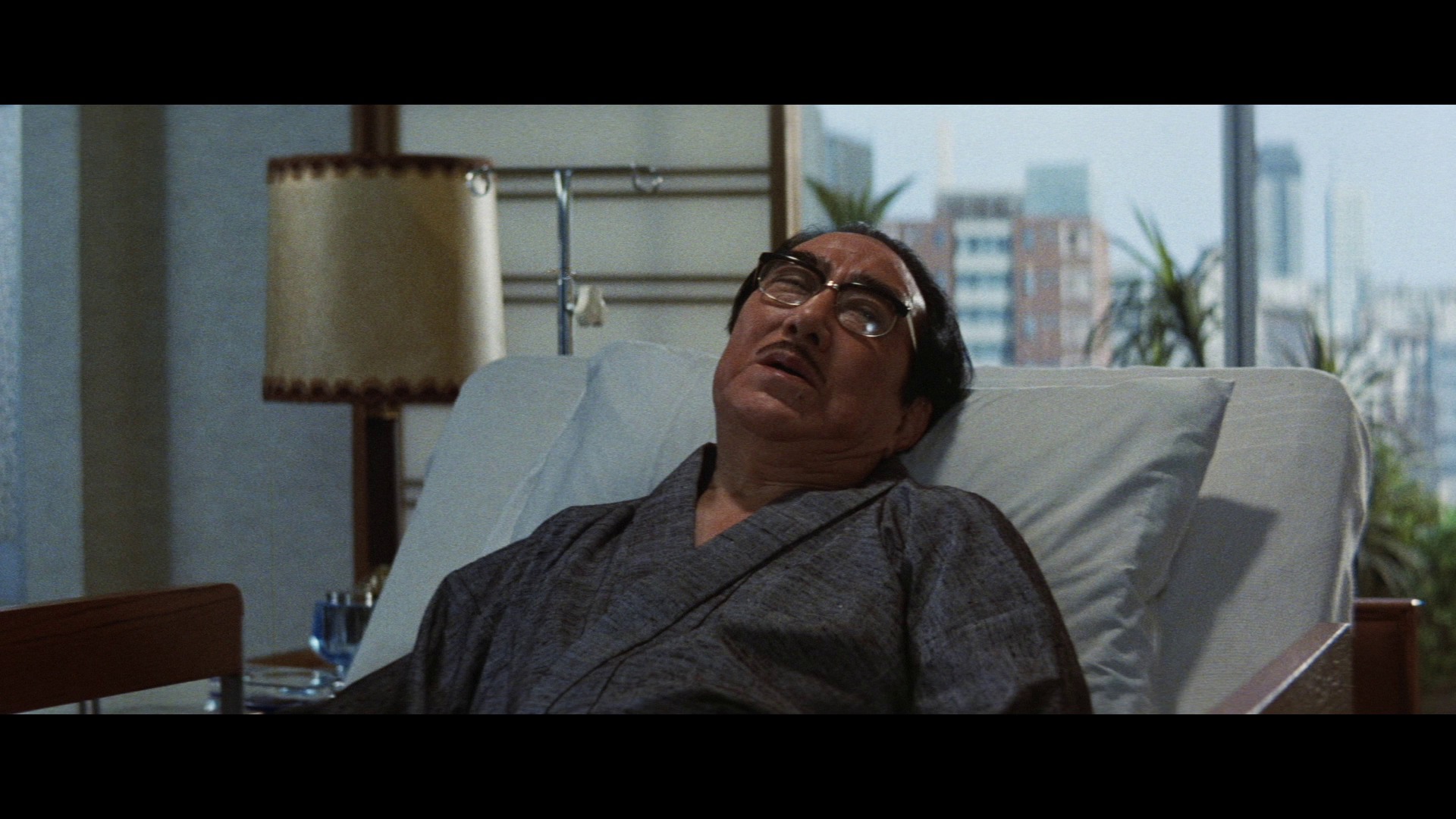
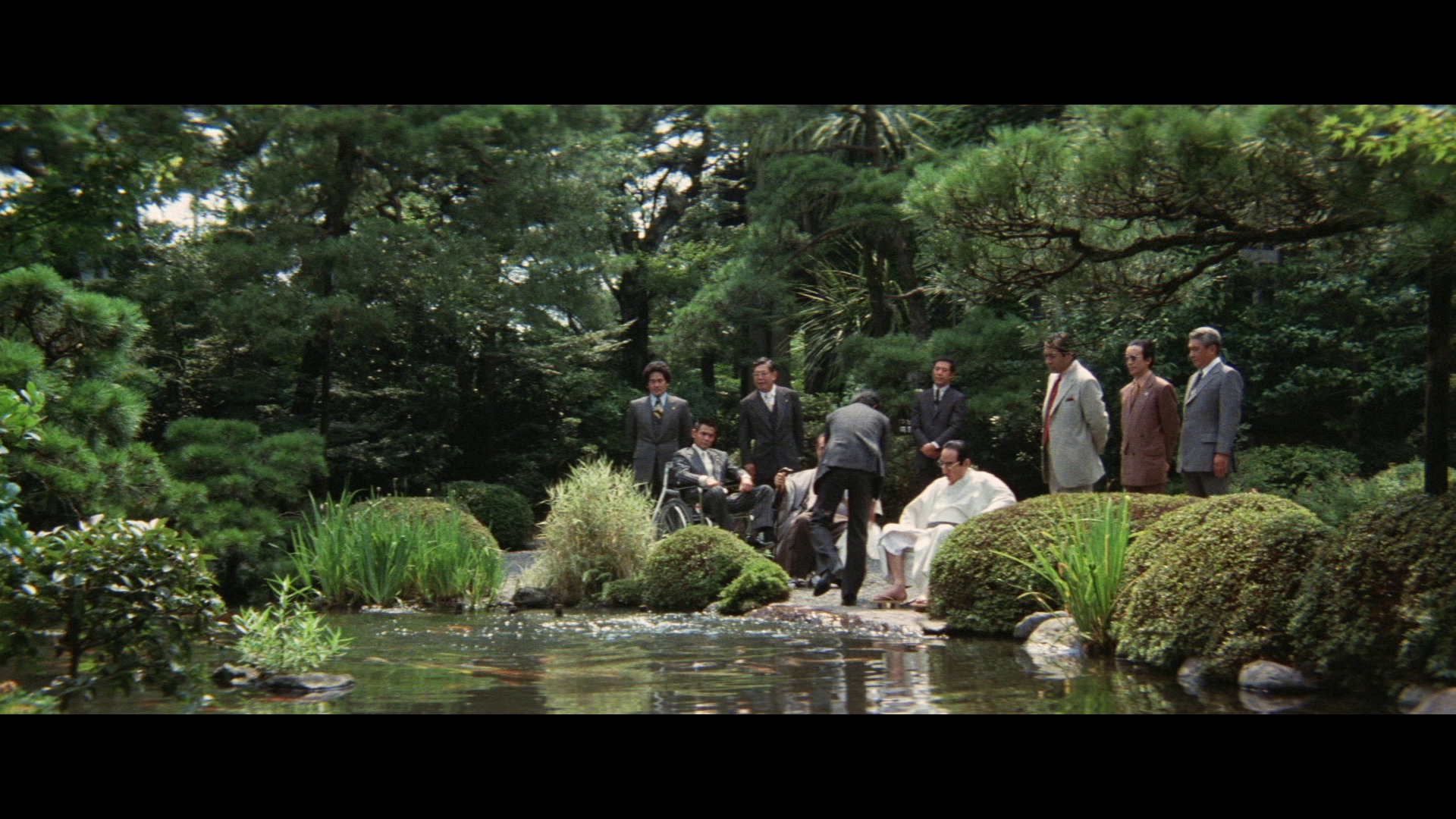
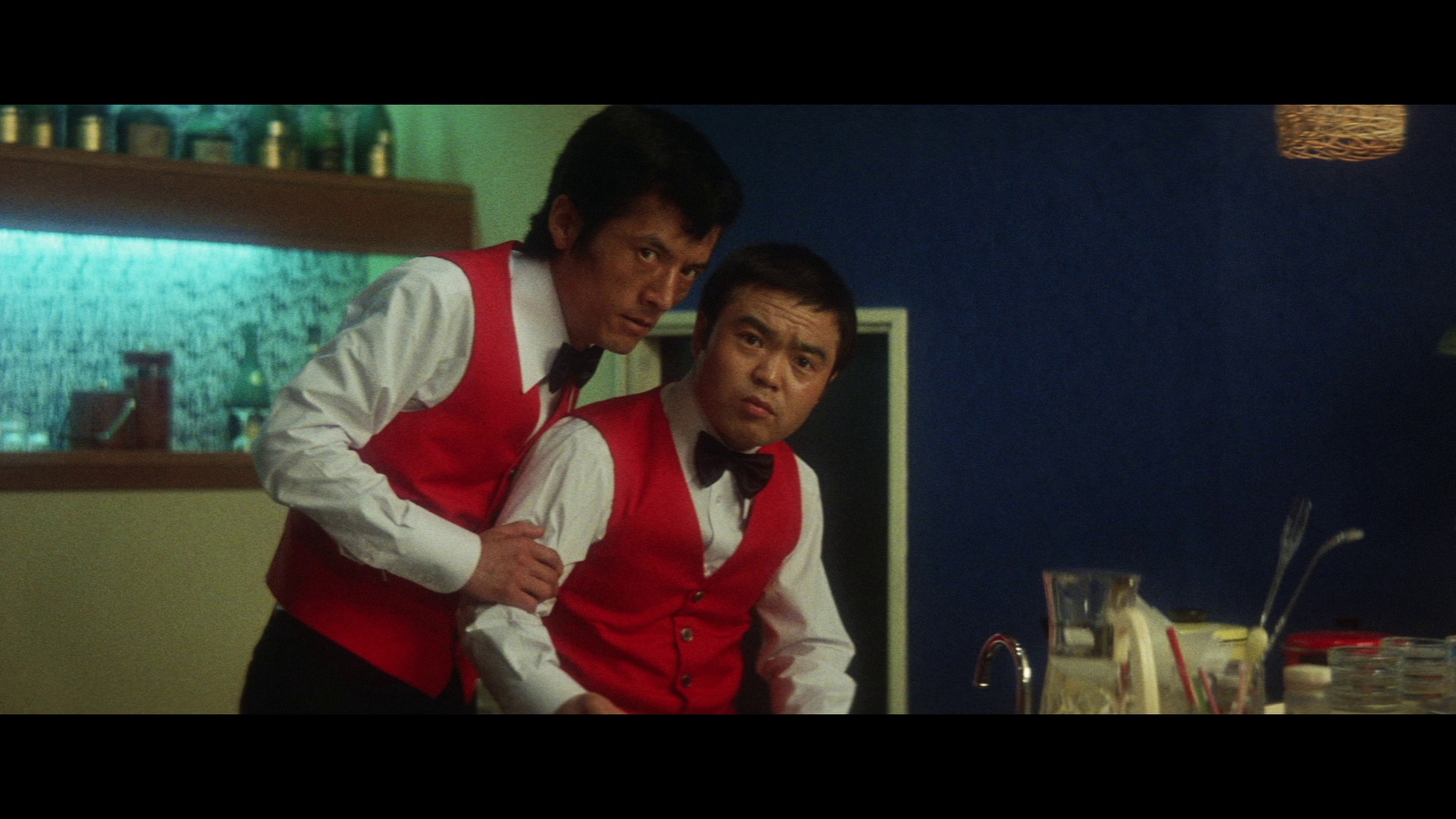
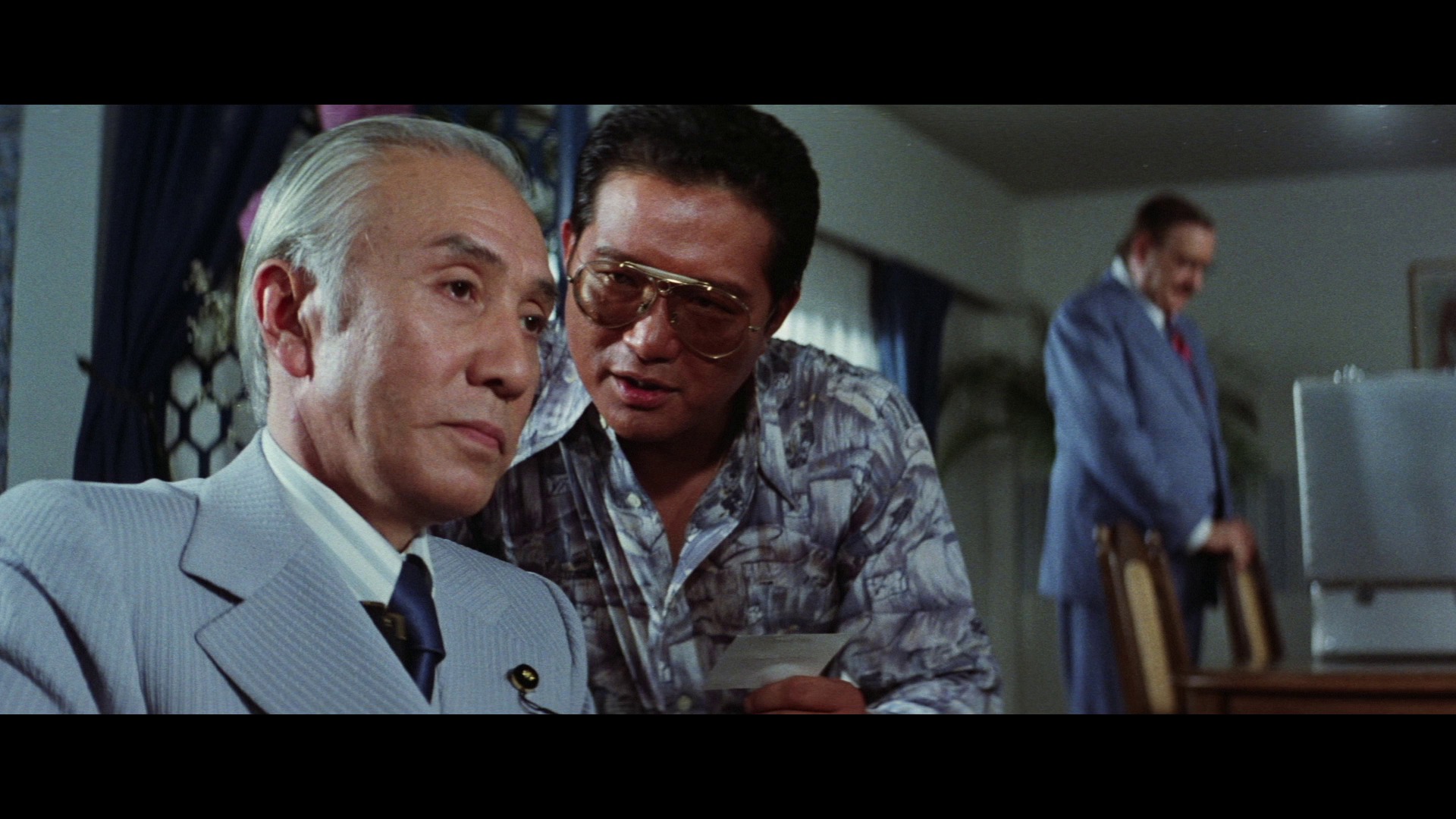
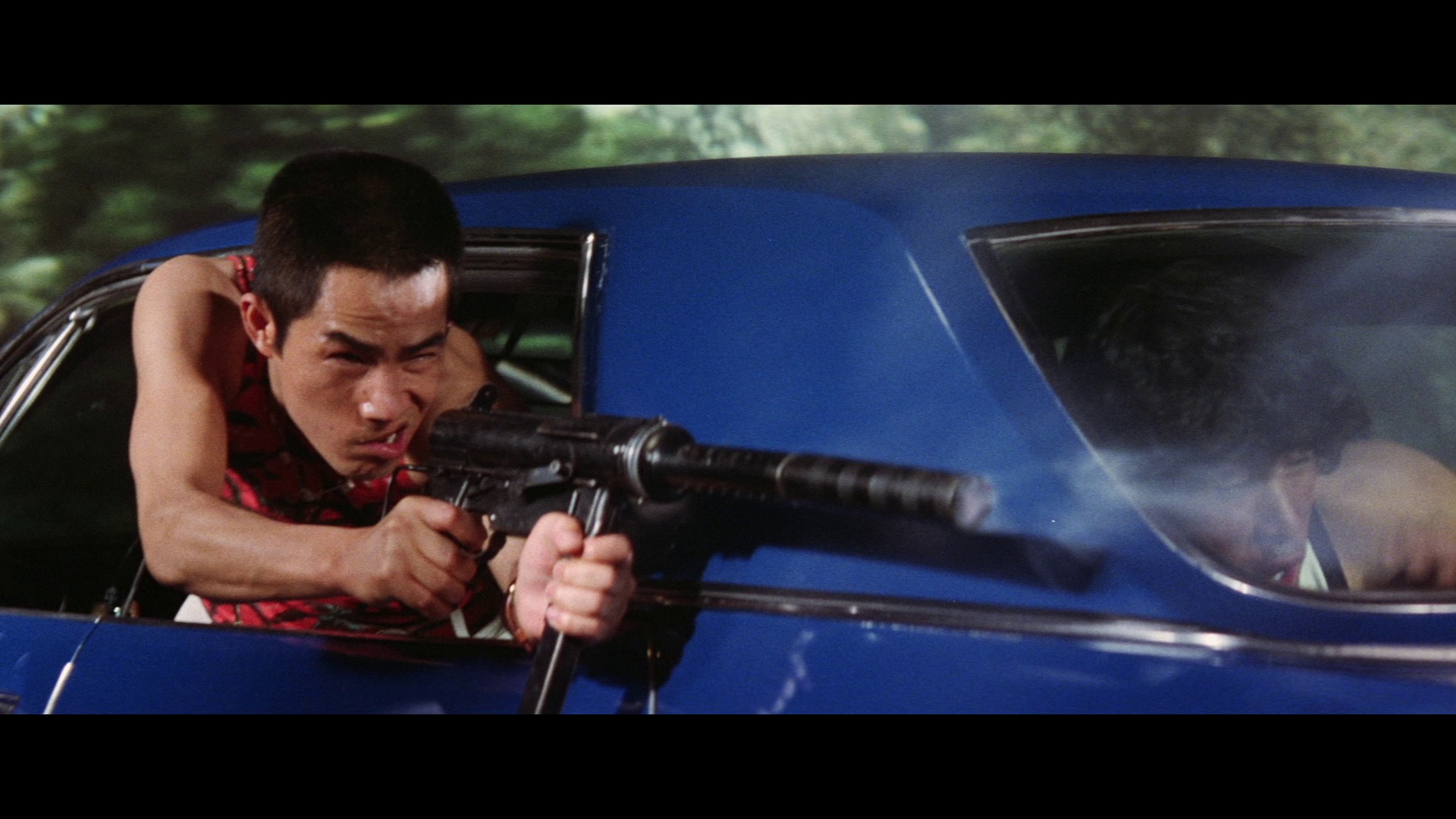
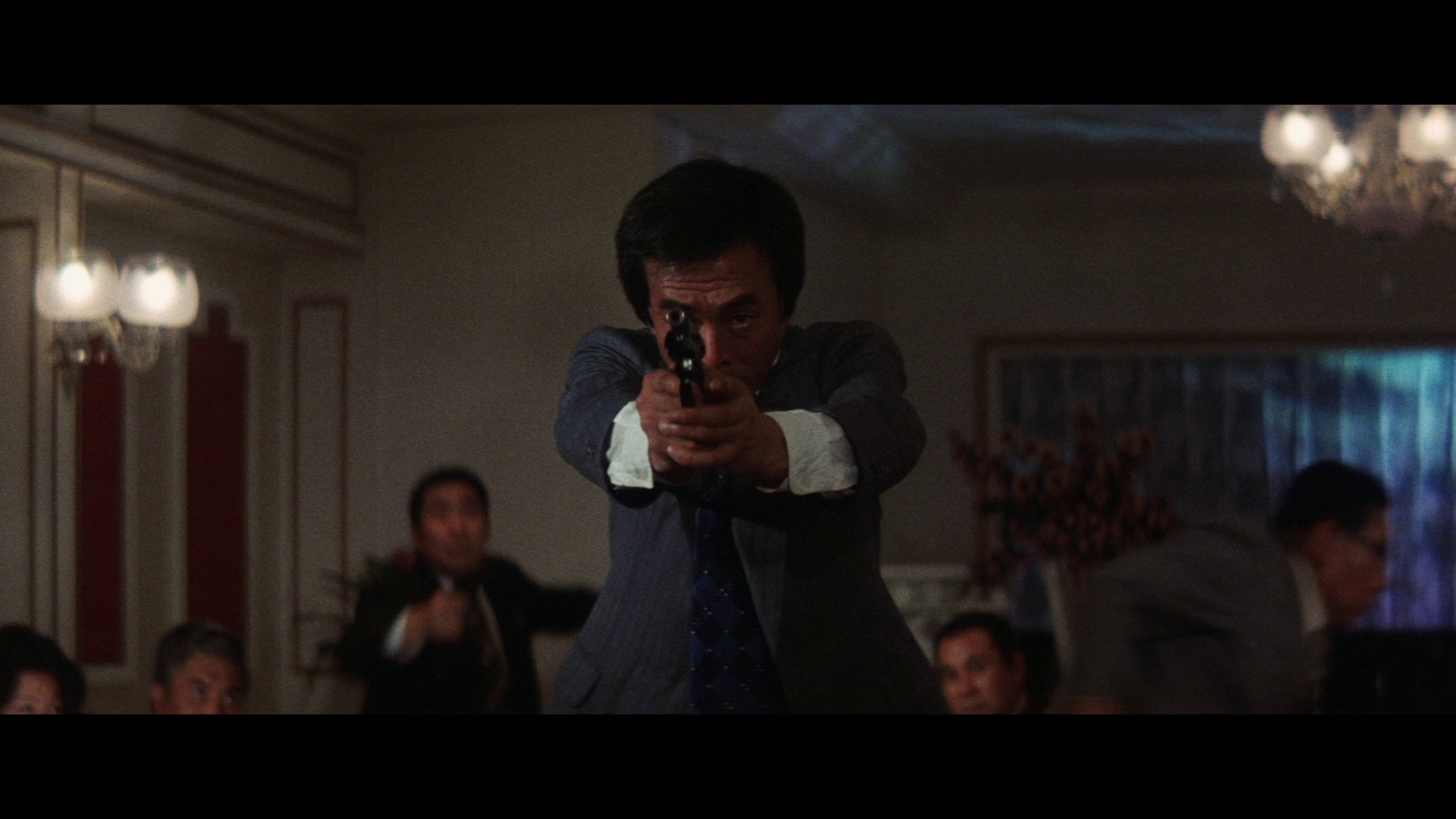
Radiance is again working with older, DVD-era high-definition masters from Toei, and for those already familiar with them, you more or less know what to expect. The presentations are ultimately fine but nothing special, with Radiance doing what they can to present them as best as possible. Detail levels are decent, though dependent on where the scans are sourced from. The notes on the presentations don’t offer any information on this, but if I were to venture a guess, at best these were scanned from an interpositive, with maybe a few inserts from later-generation sources. For example, the second film features burned-in Japanese subtitles over a couple of sequences where English is spoken, and they carry a noticeably dupey appearance. Some archival footage, particularly on the stock trading floor, has also been incorporated. As a result, detail can vary, and this also impacts contrast and color saturation.
This variability extends to the grain structure as well. For the most part, it’s fairly fine and stable (if ultimately digital), but it does get heavier and chunkier in a few spots. Radiance has at least encoded the material well enough so as not to aggravate any shortcomings in the base masters. I also have to assume some additional clean-up work has been done, as print damage is minimal outside of the occasional stray mark, and the image remains stable. Black levels look fine, offering a decent range in the shadows, while colors are respectable if somewhat unremarkable, though that likely comes down to the original palette.
Though the second film’s image quality fluctuates a bit more noticeably at times, all three films generally sit at about the same level overall. They’re decent high-definition presentations and a clear step up from DVD, but that’s about it. New scans and restorations would be needed for any significant improvement, though I have my doubts that will ever happen.
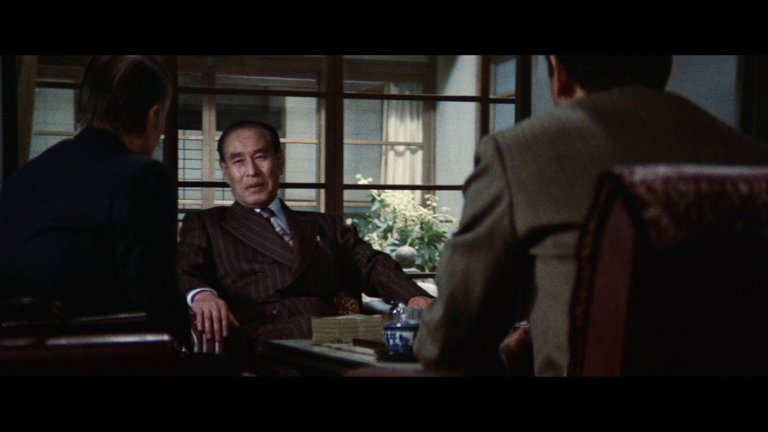
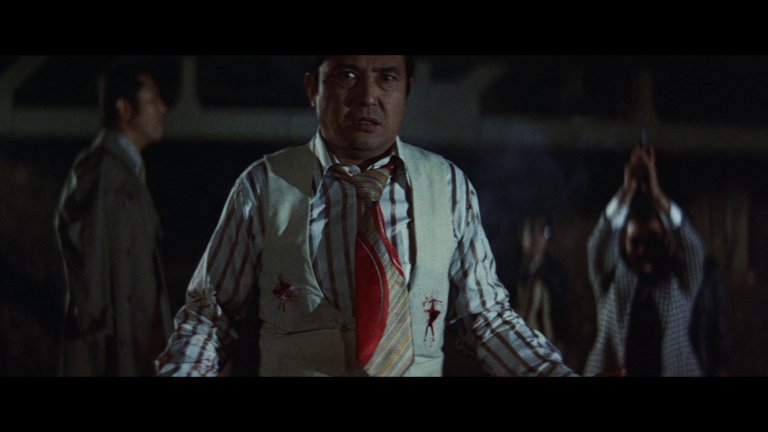
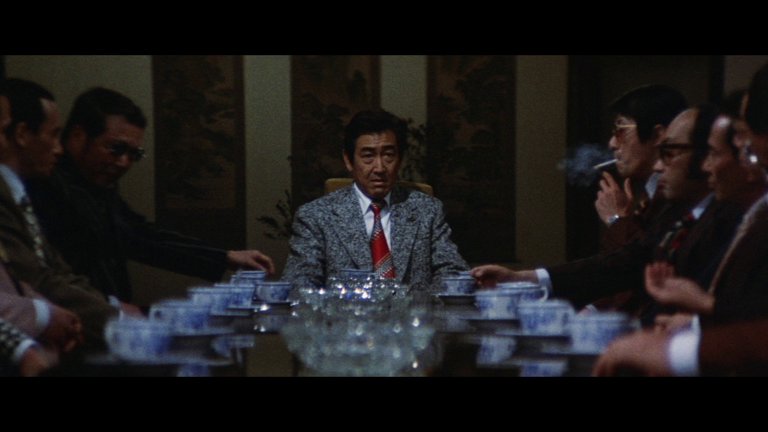
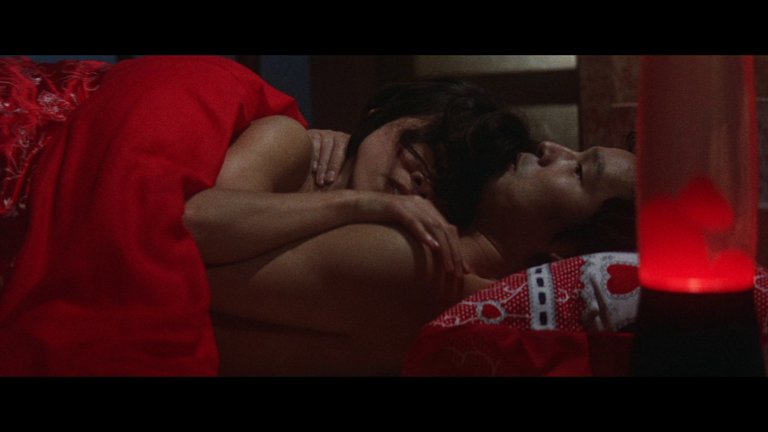
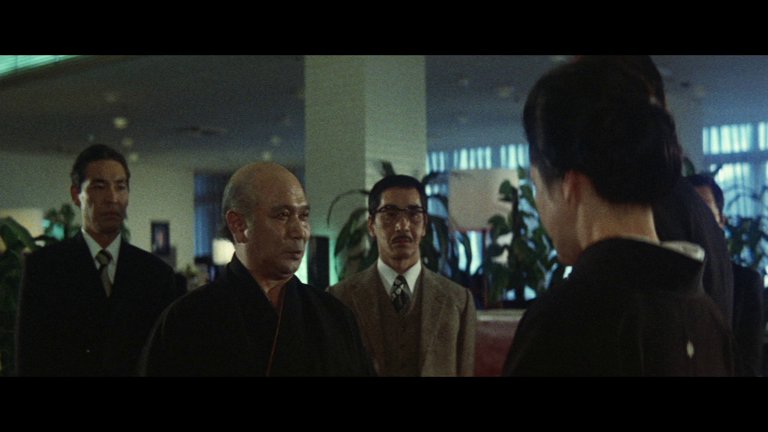
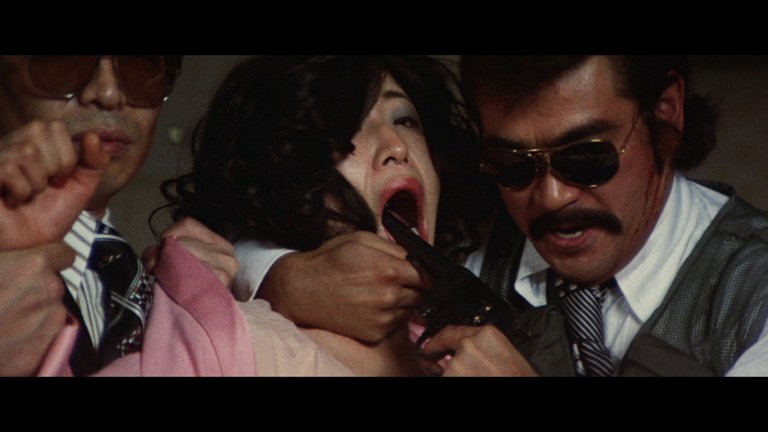
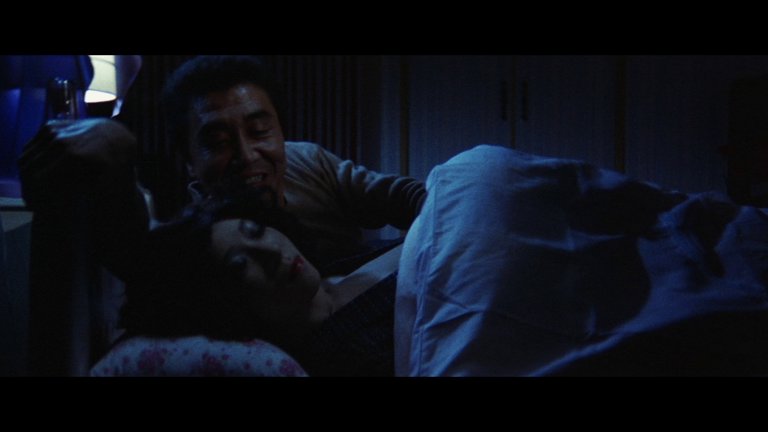
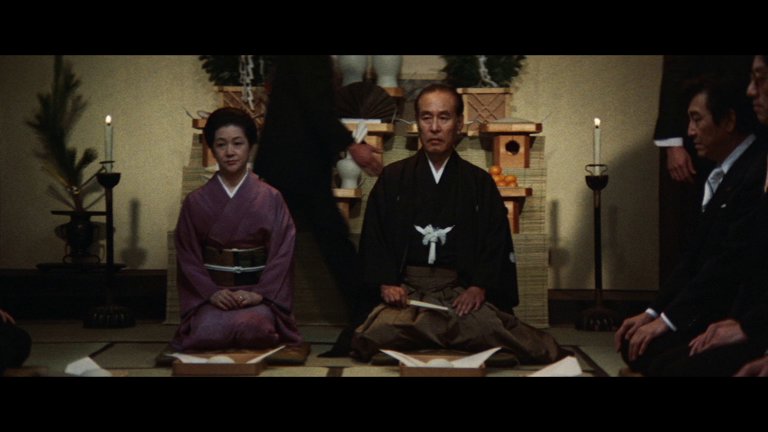
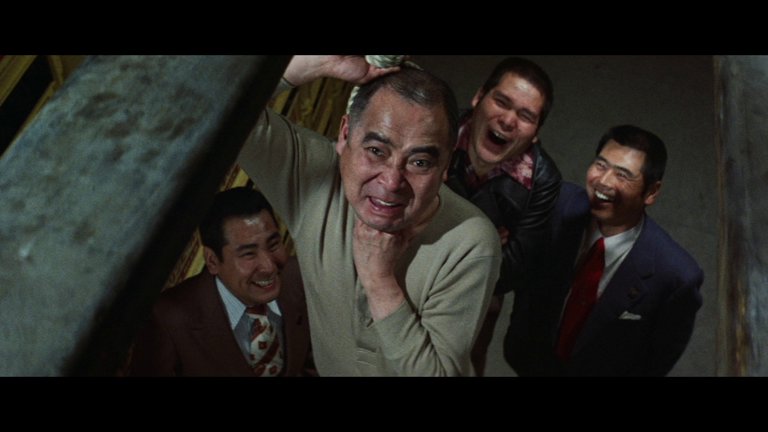
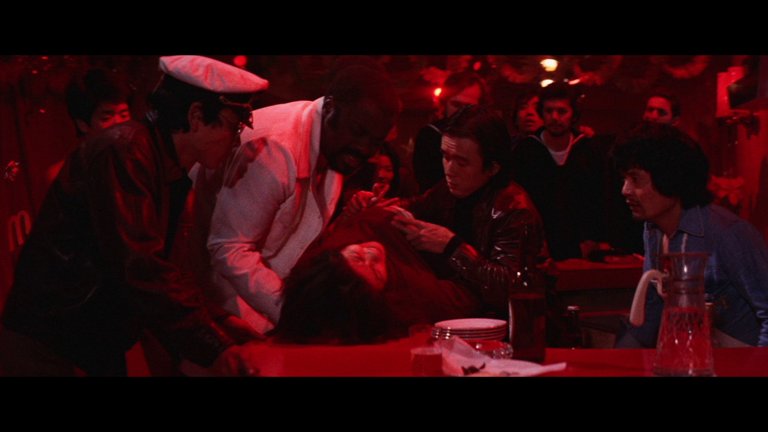
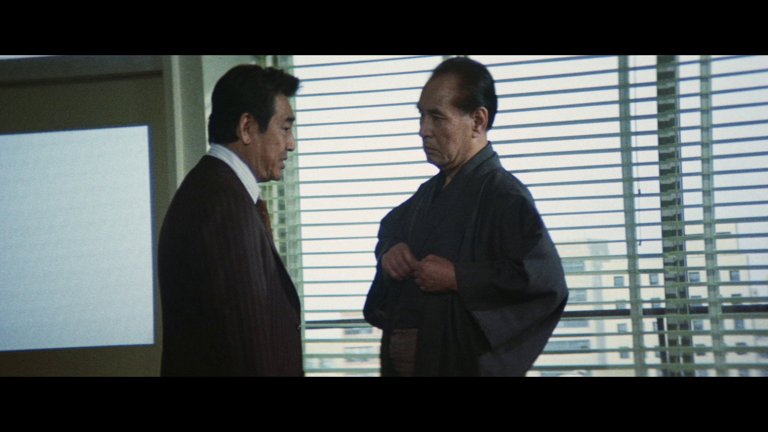
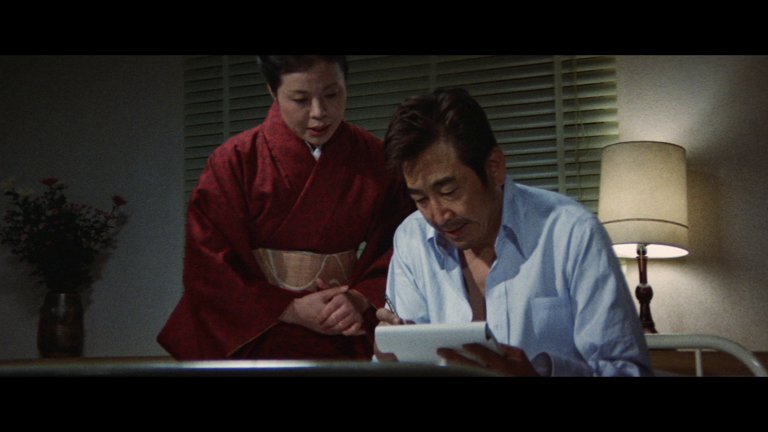
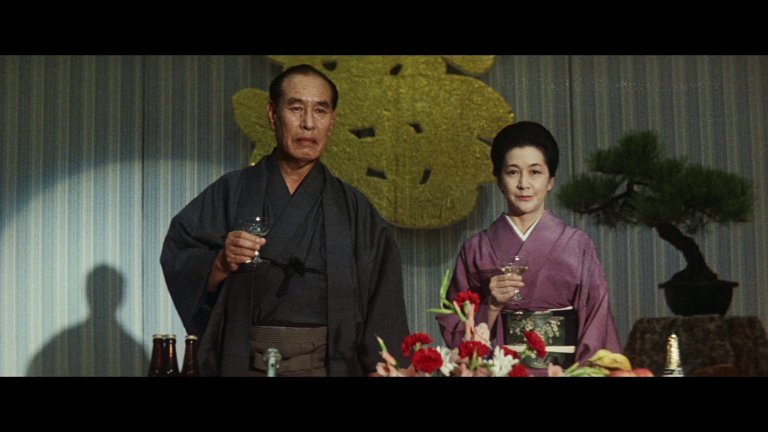
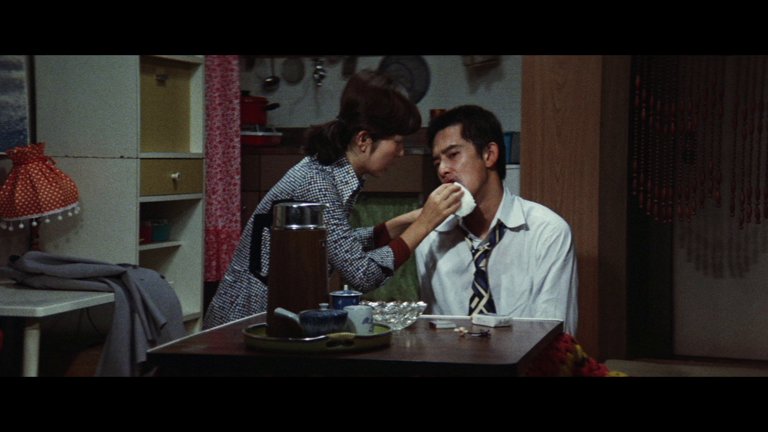
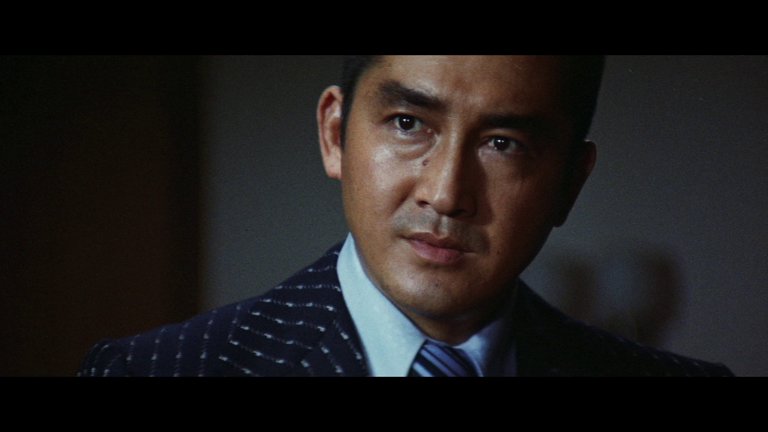
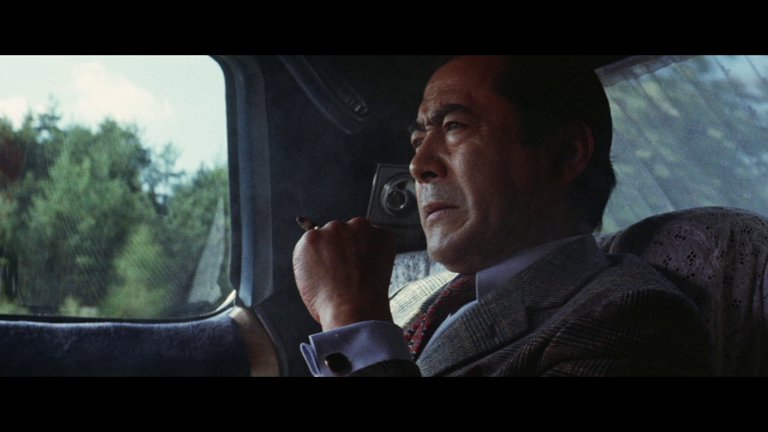
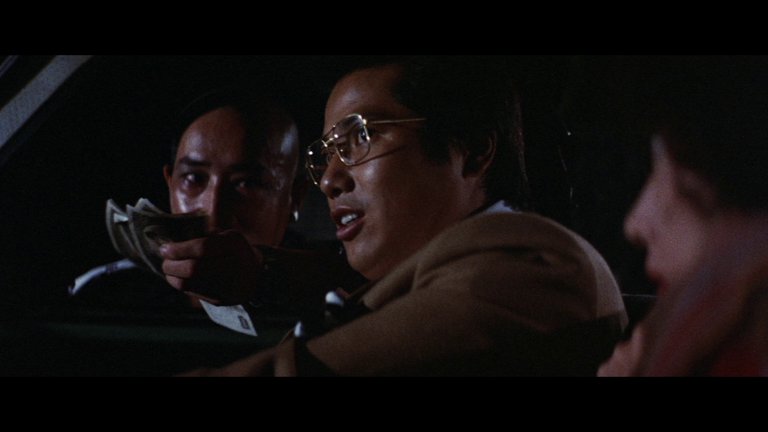
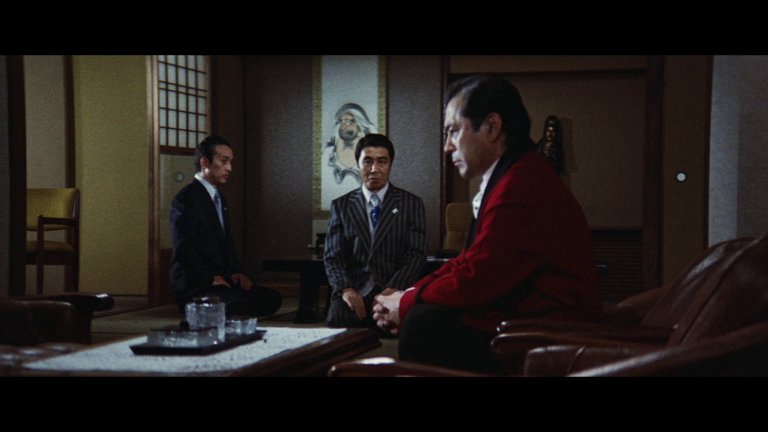
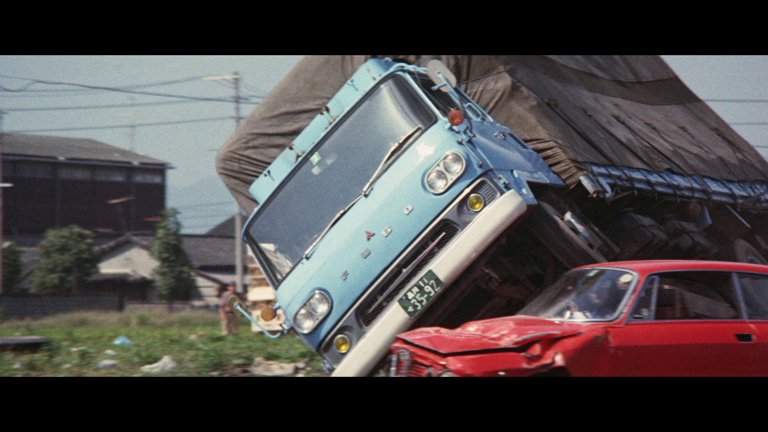
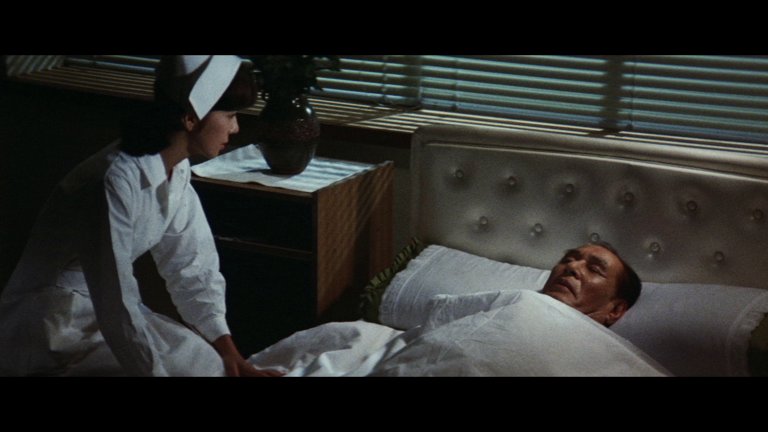
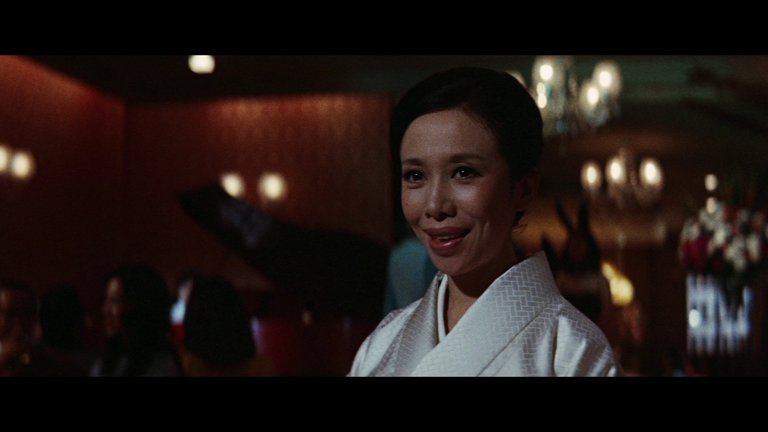
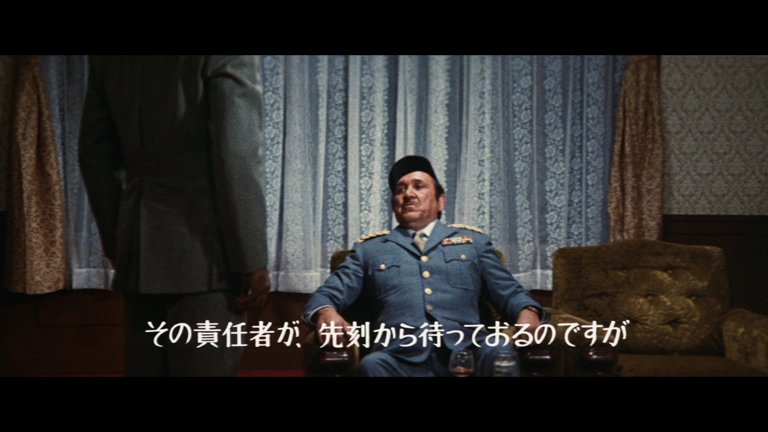
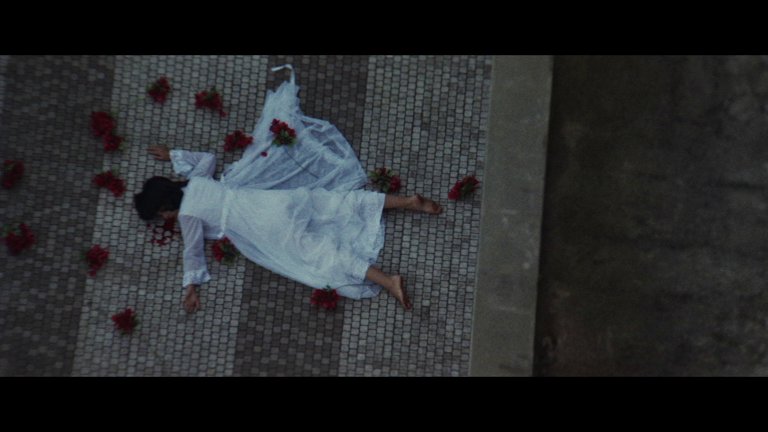
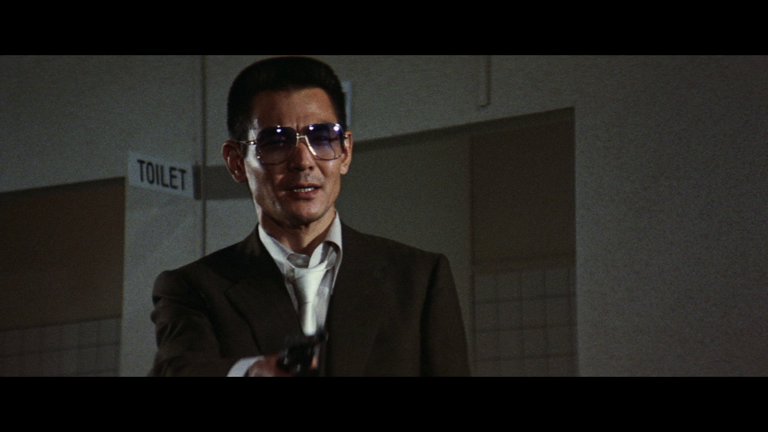
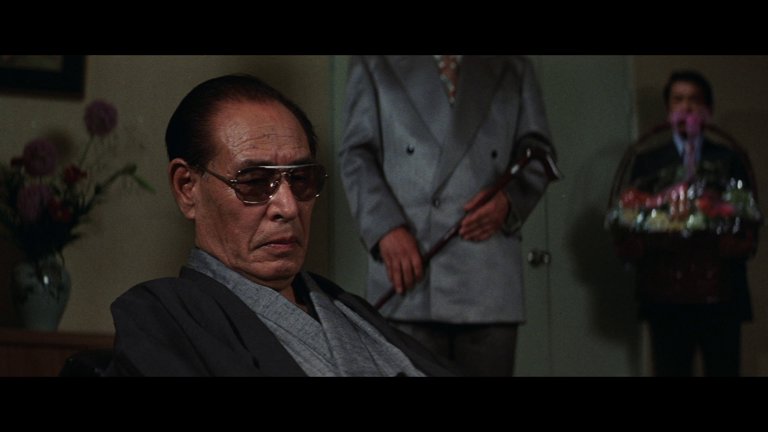
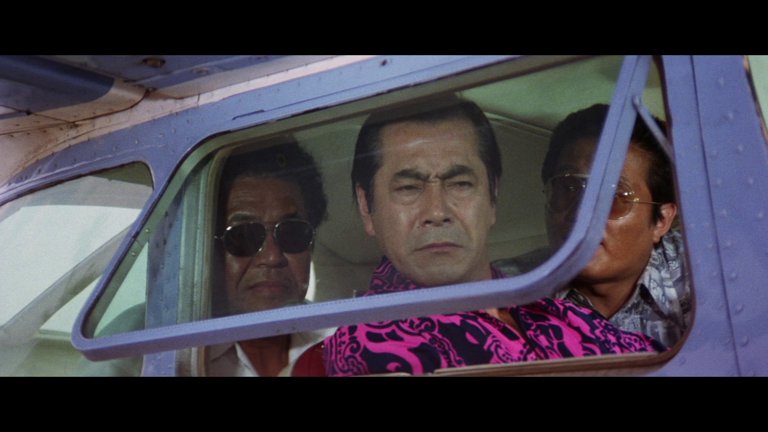
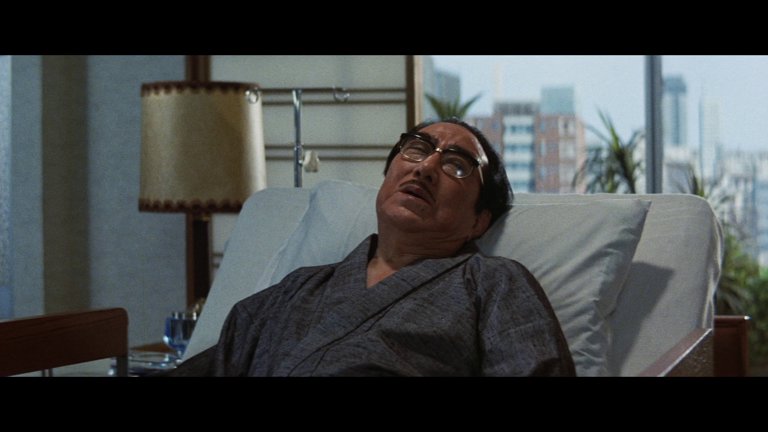
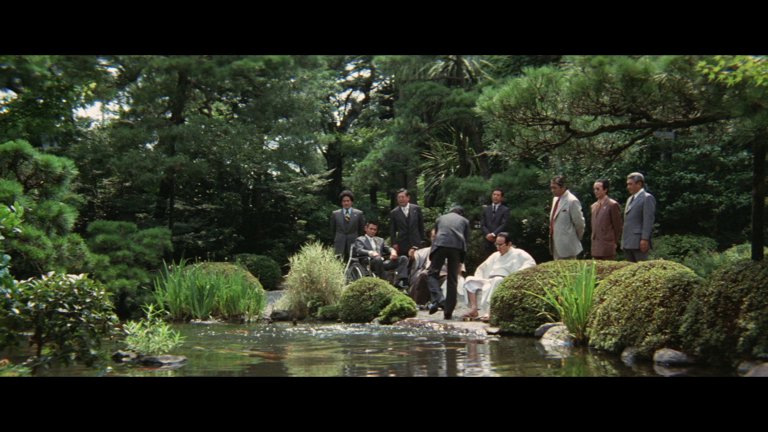
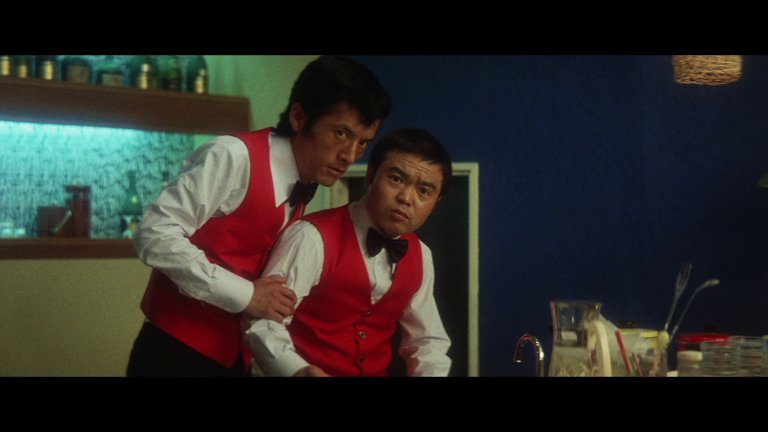
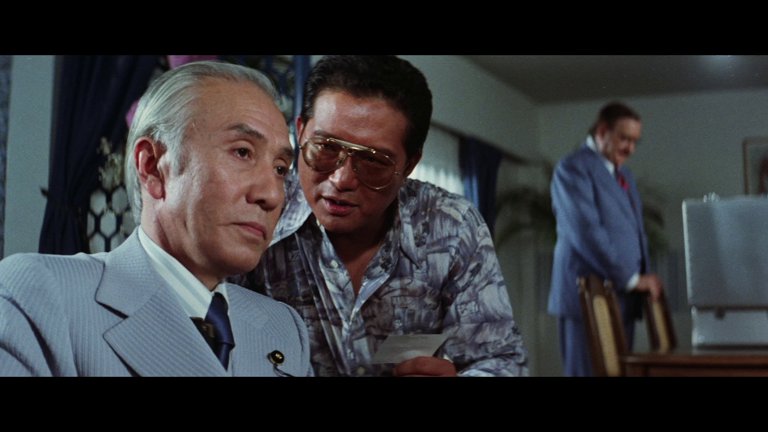
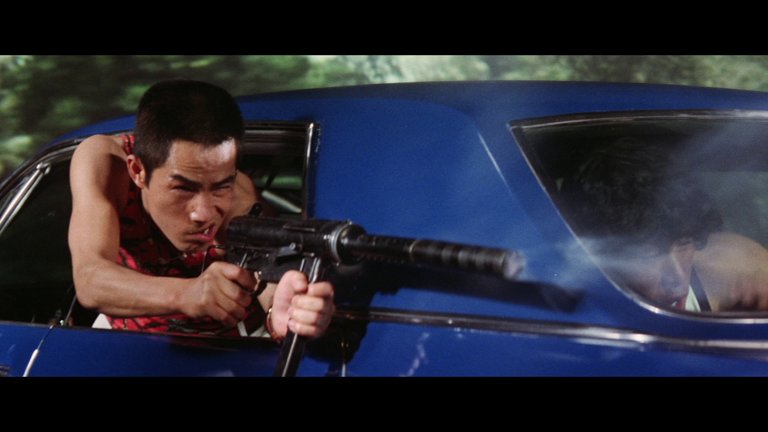
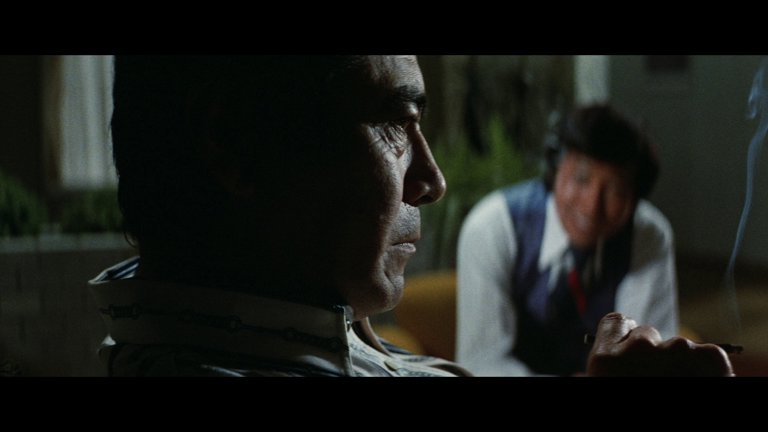
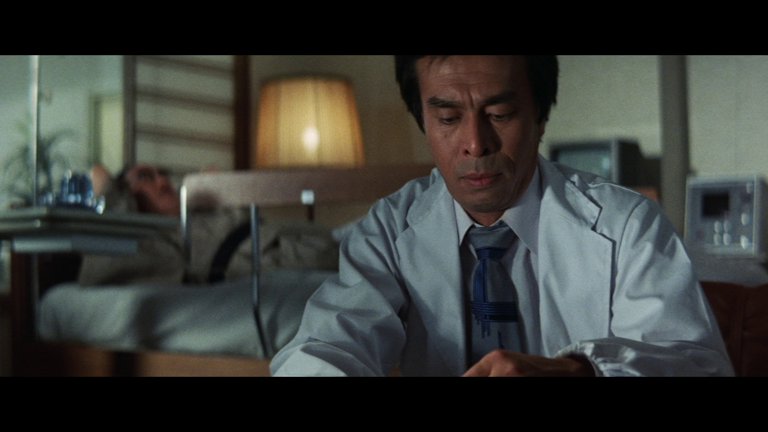
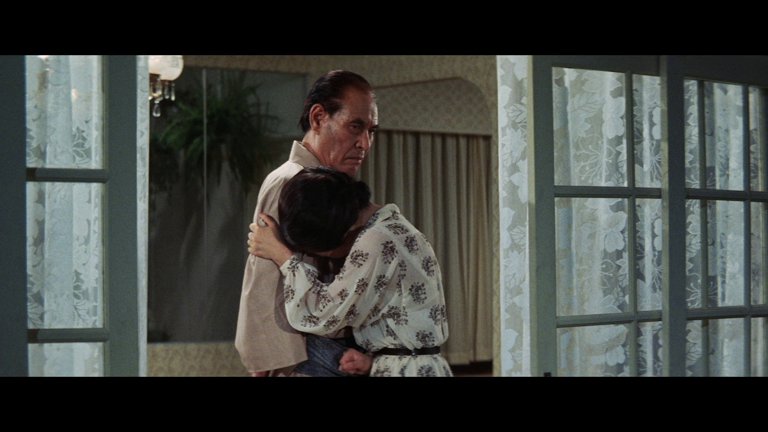
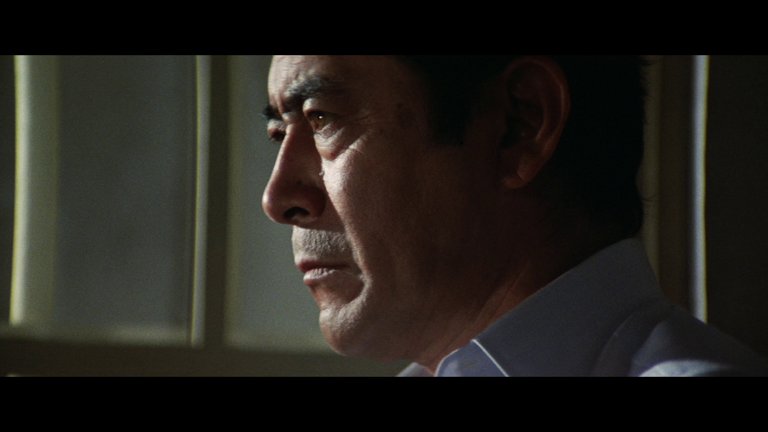
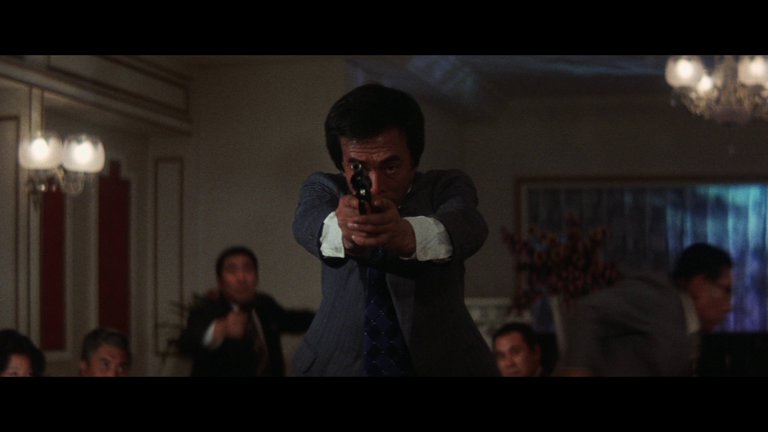
The Japanese Godfather Trilogy - Screen Captures
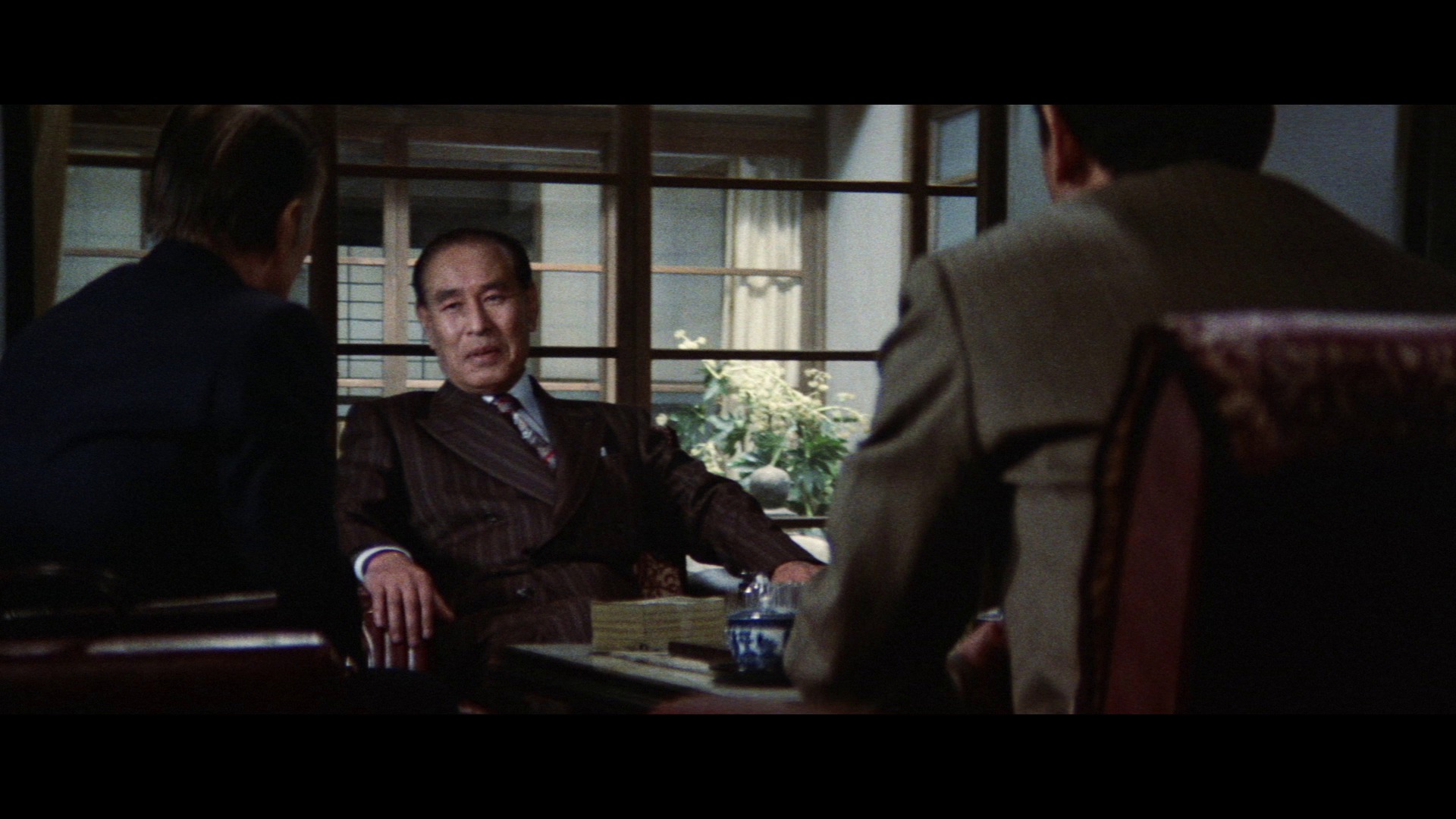
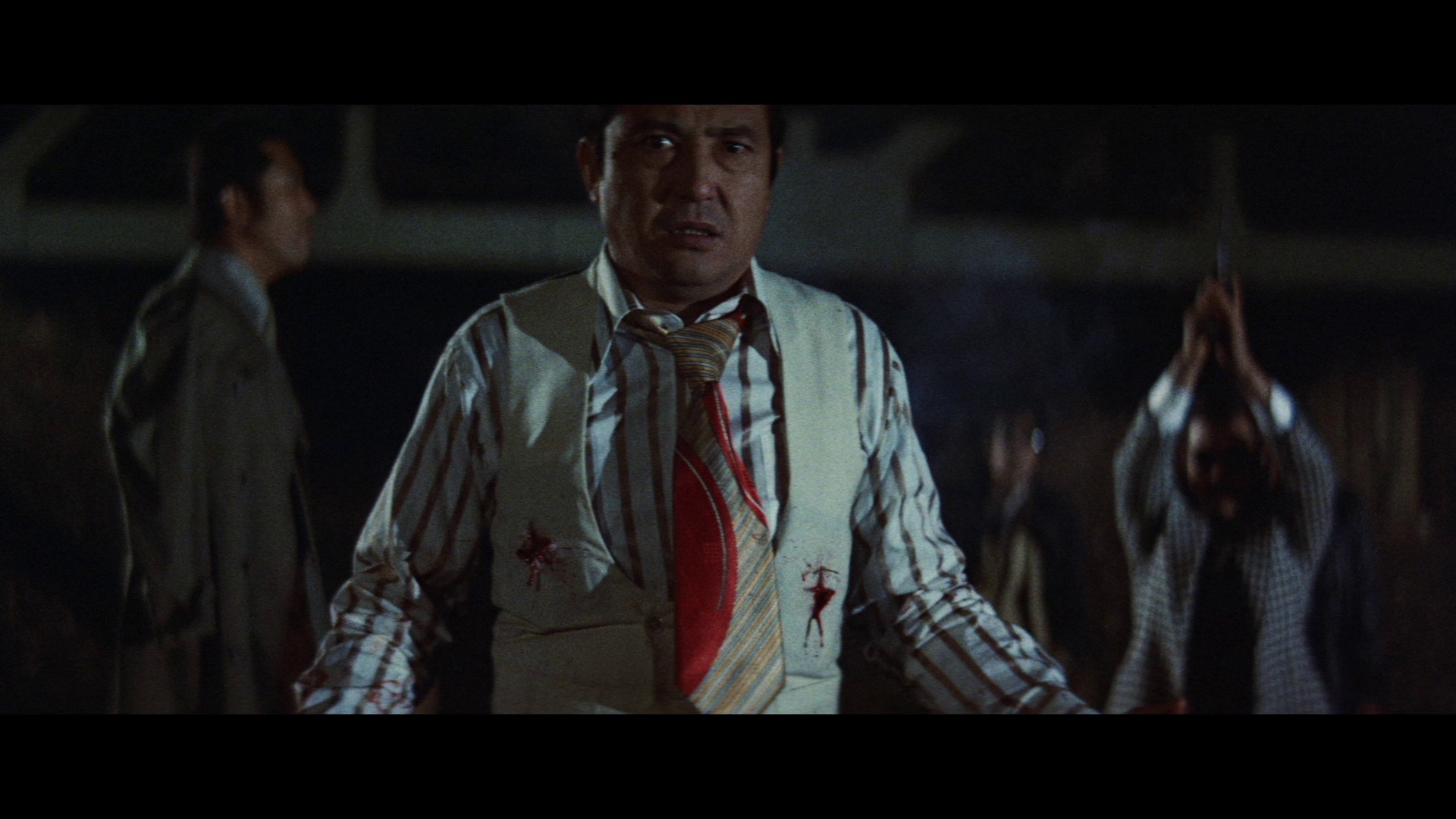
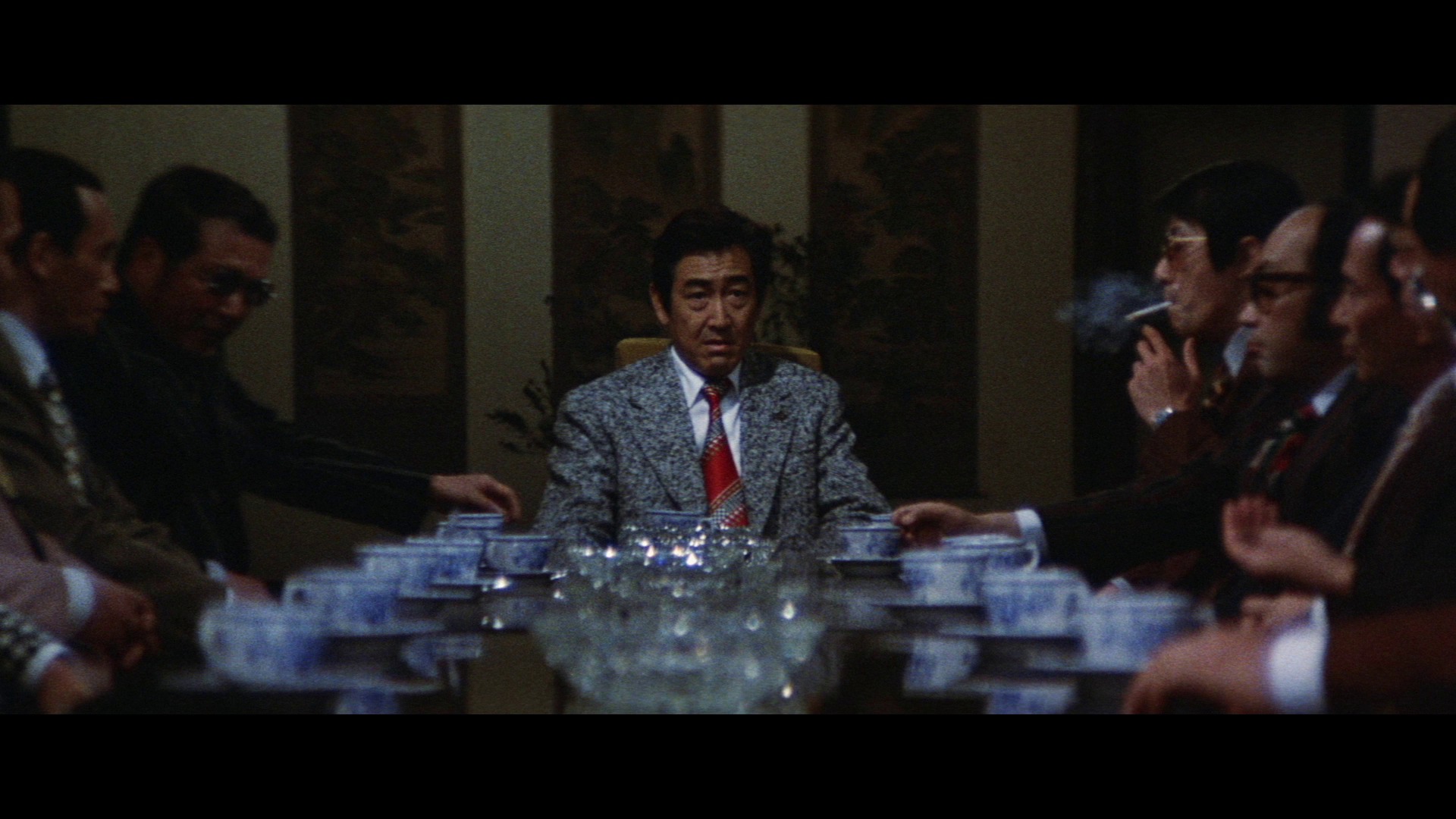
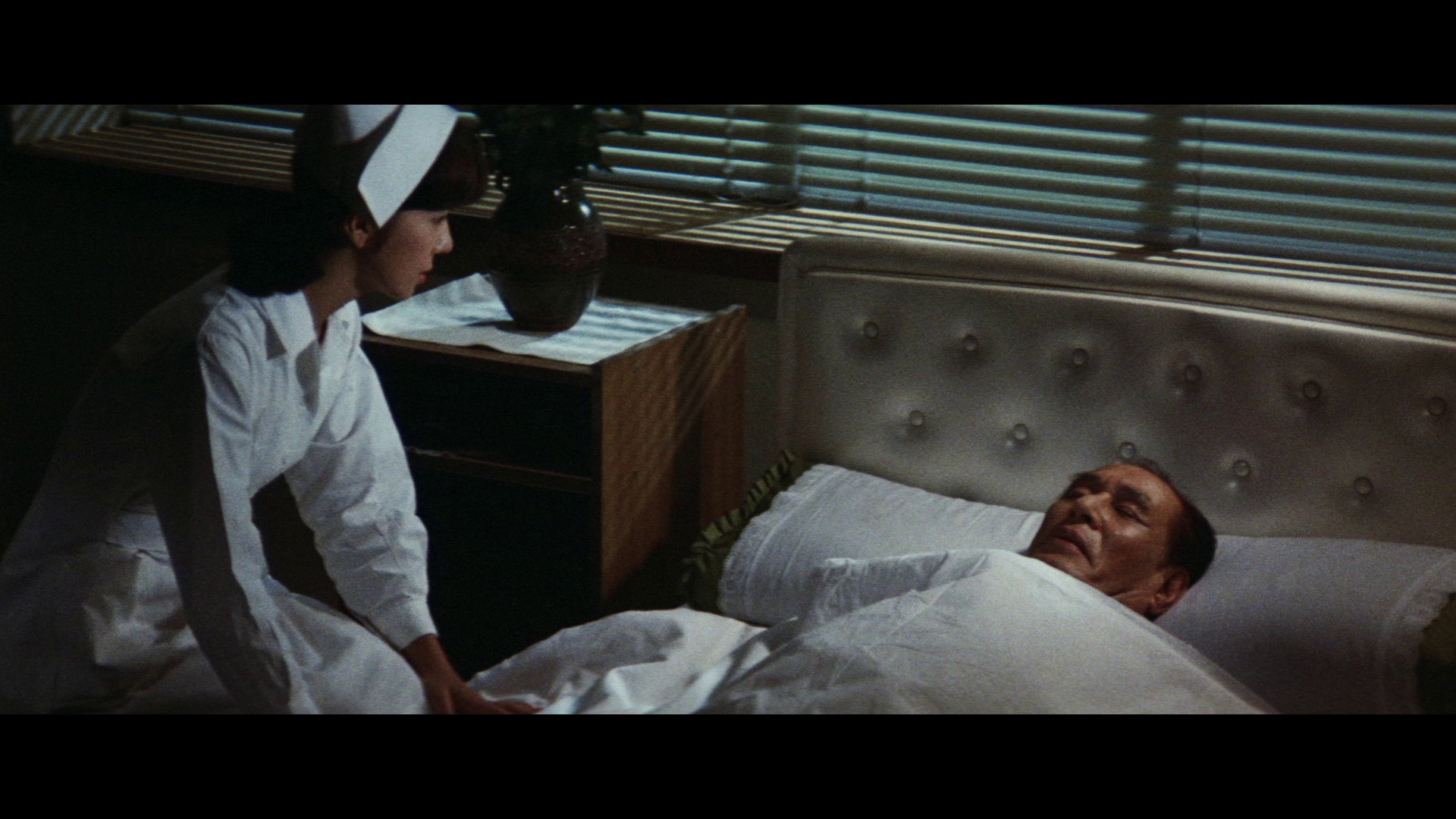
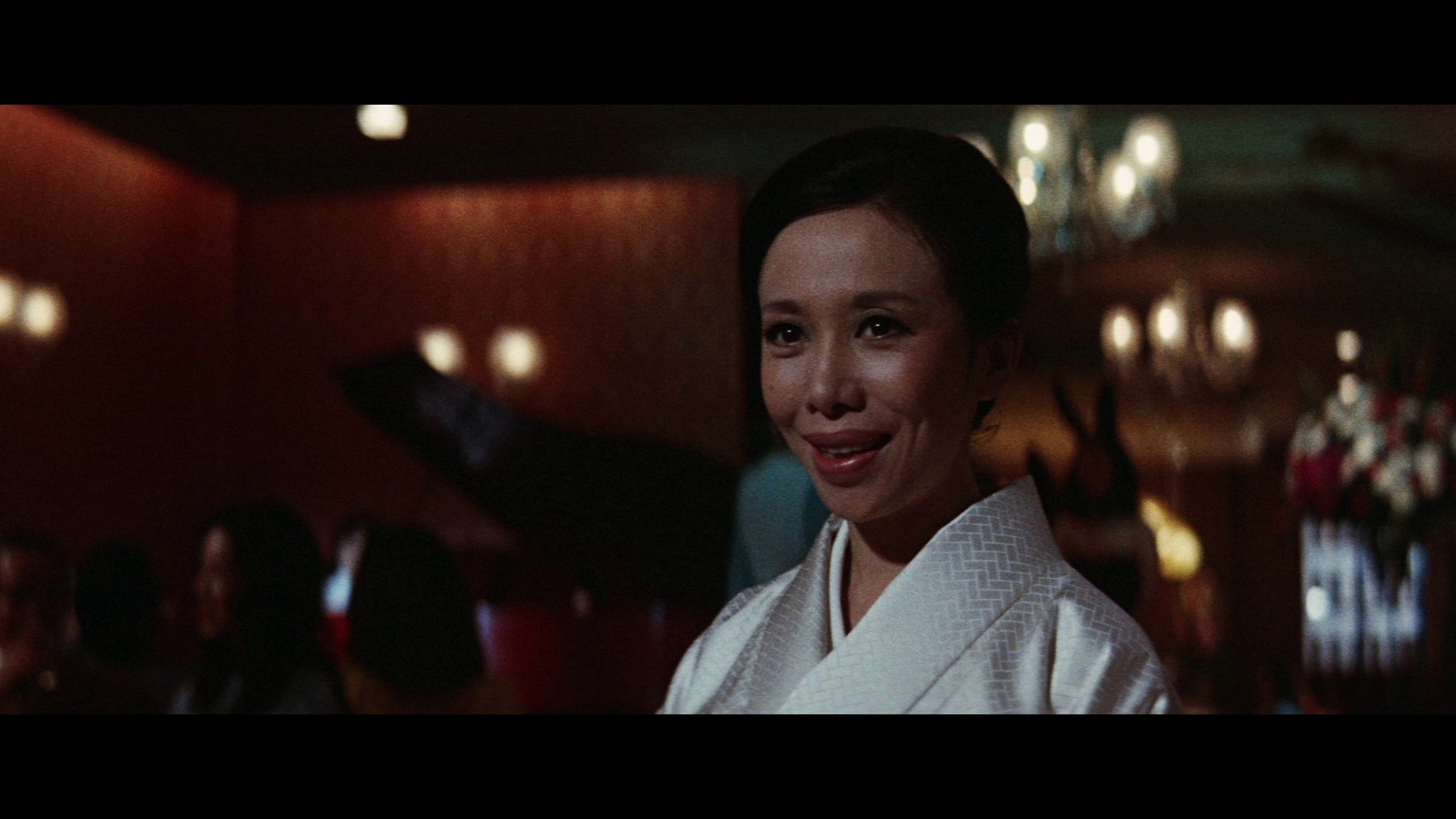
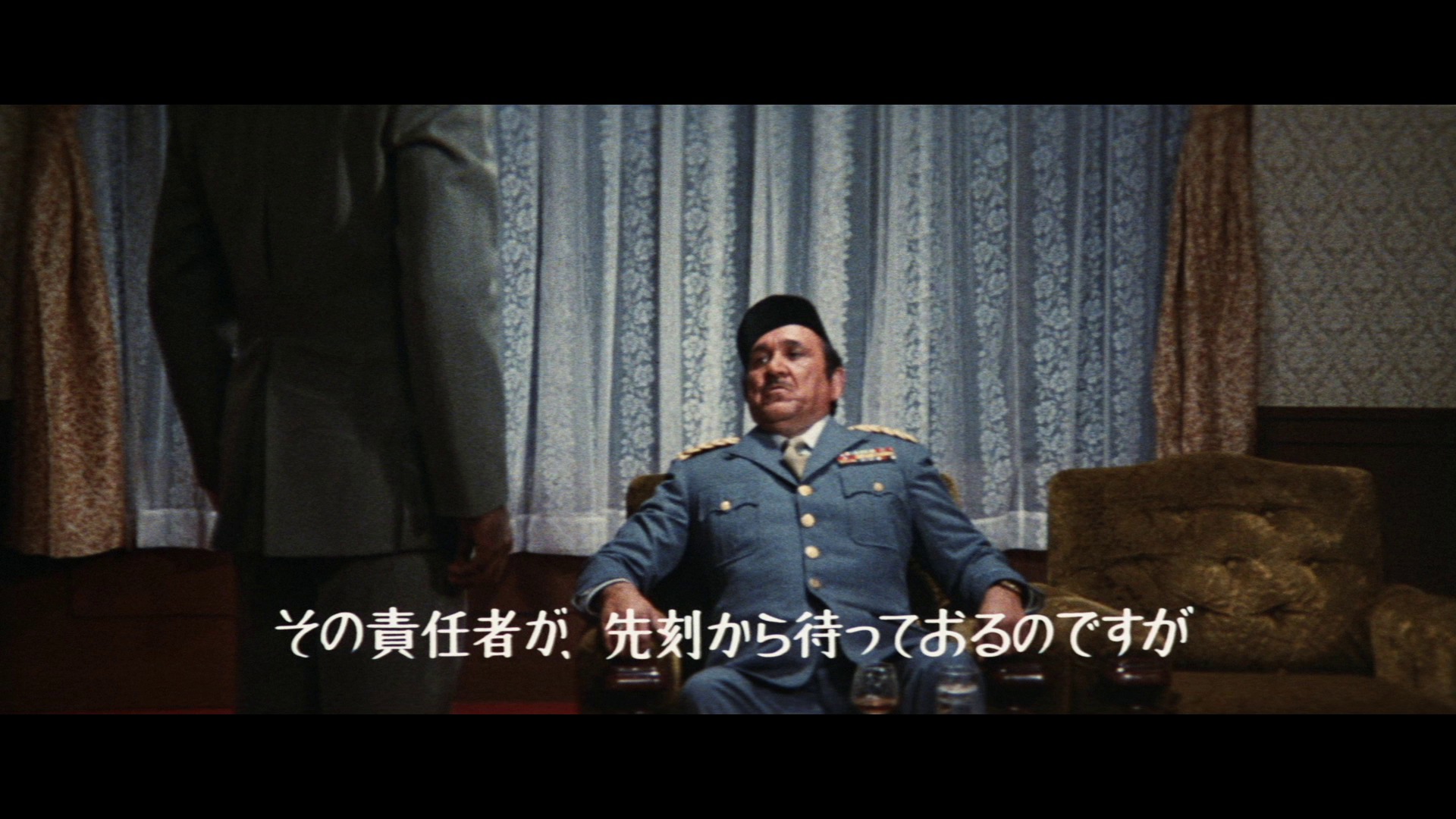
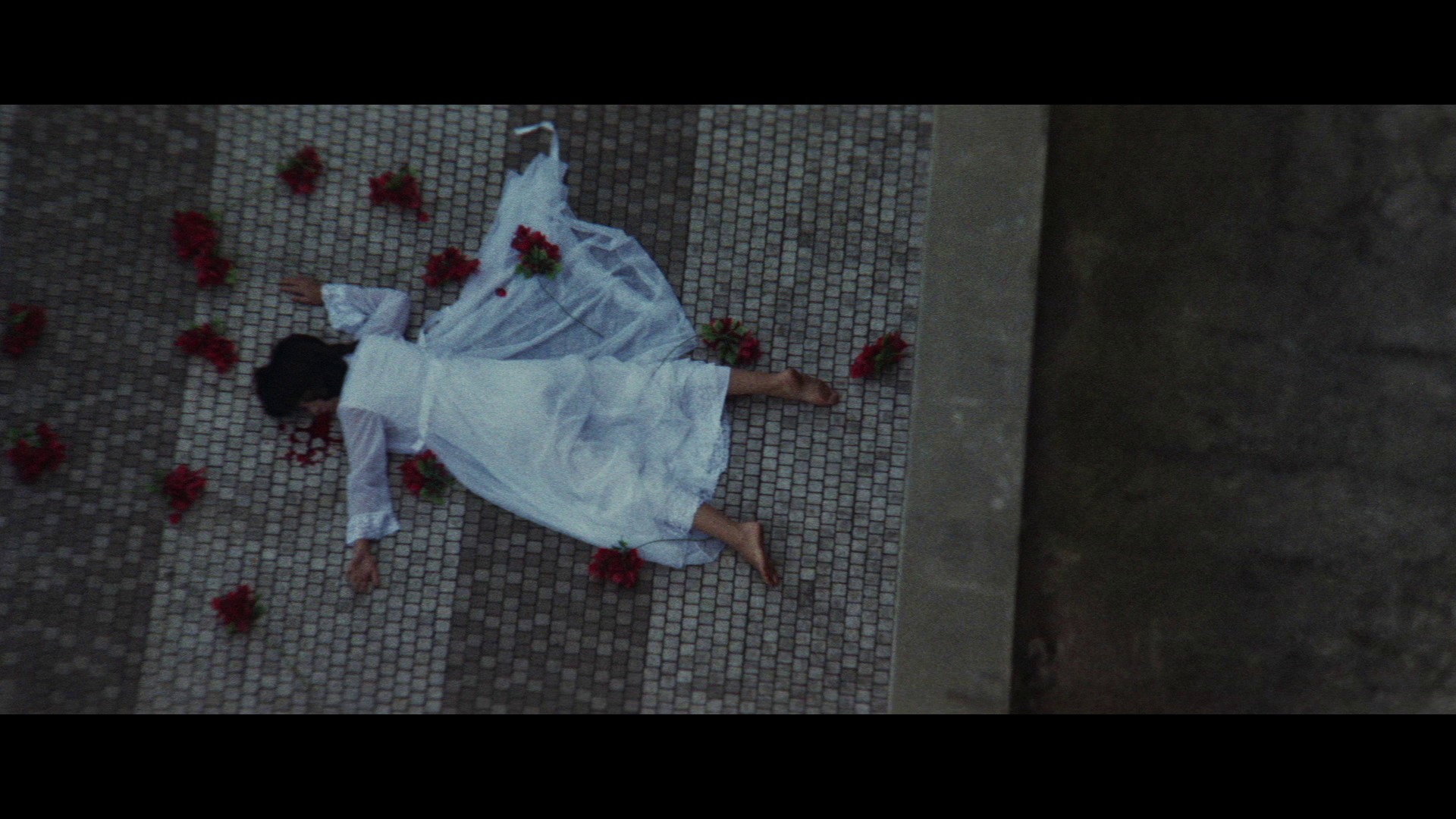
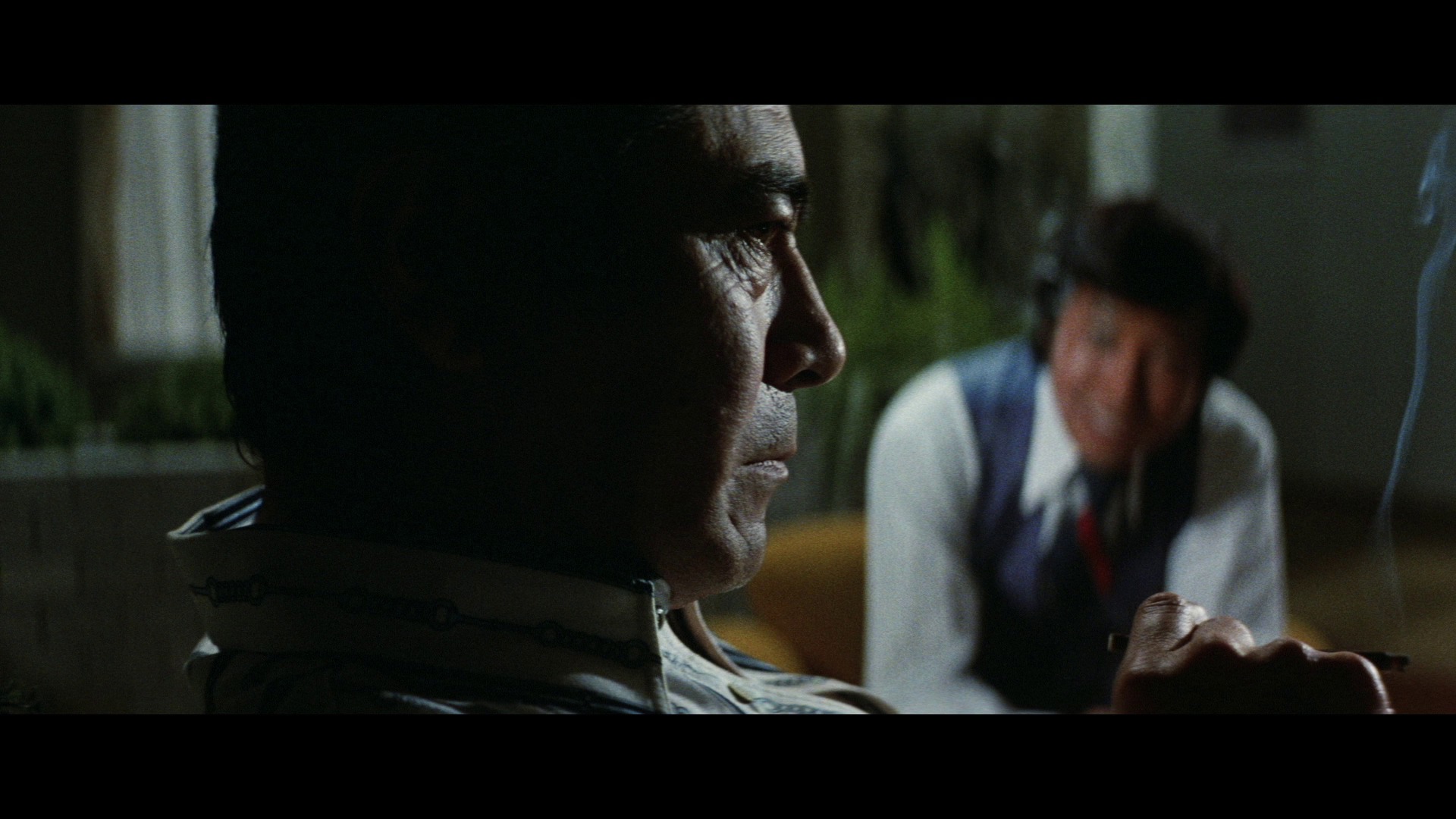
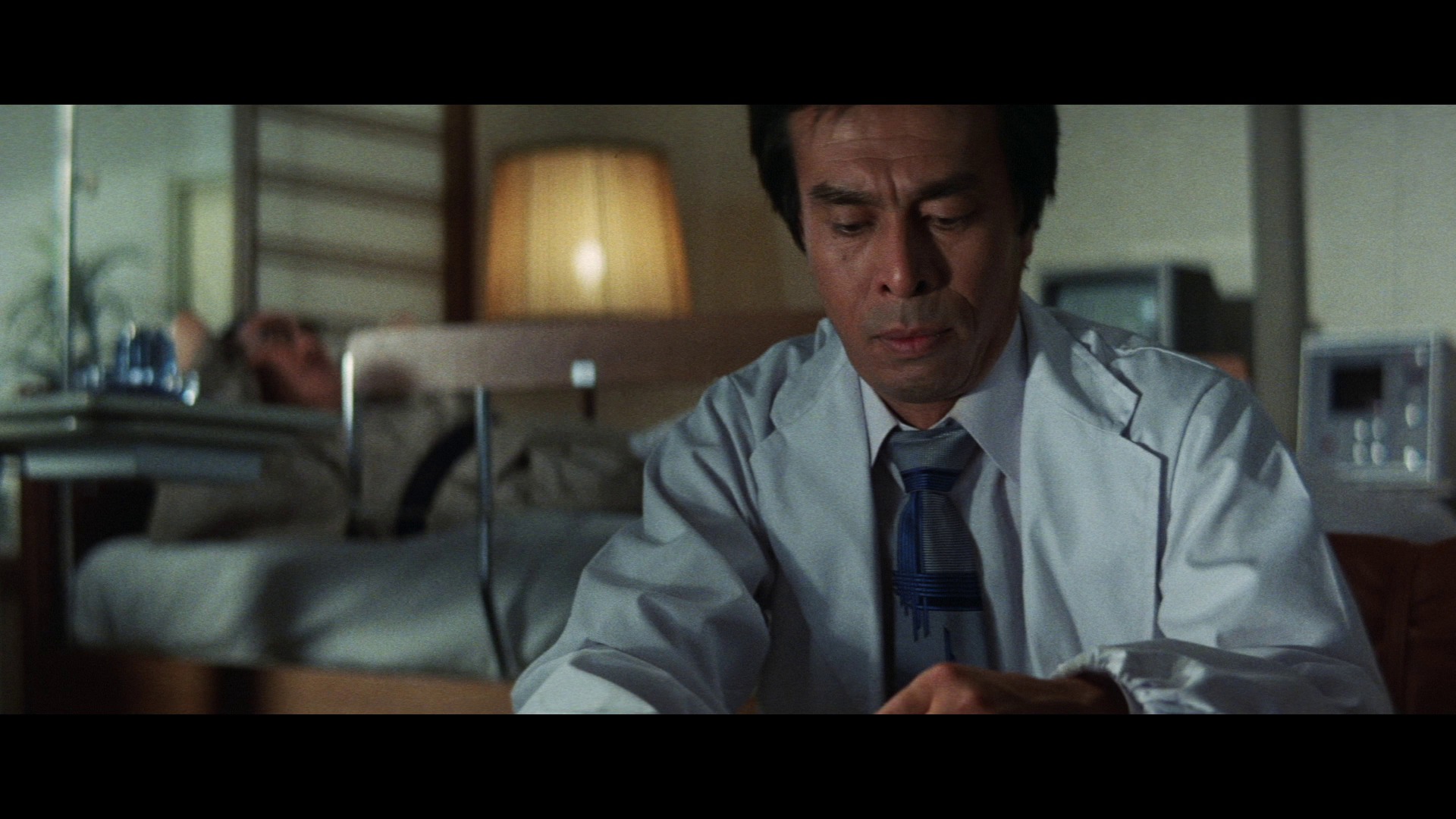
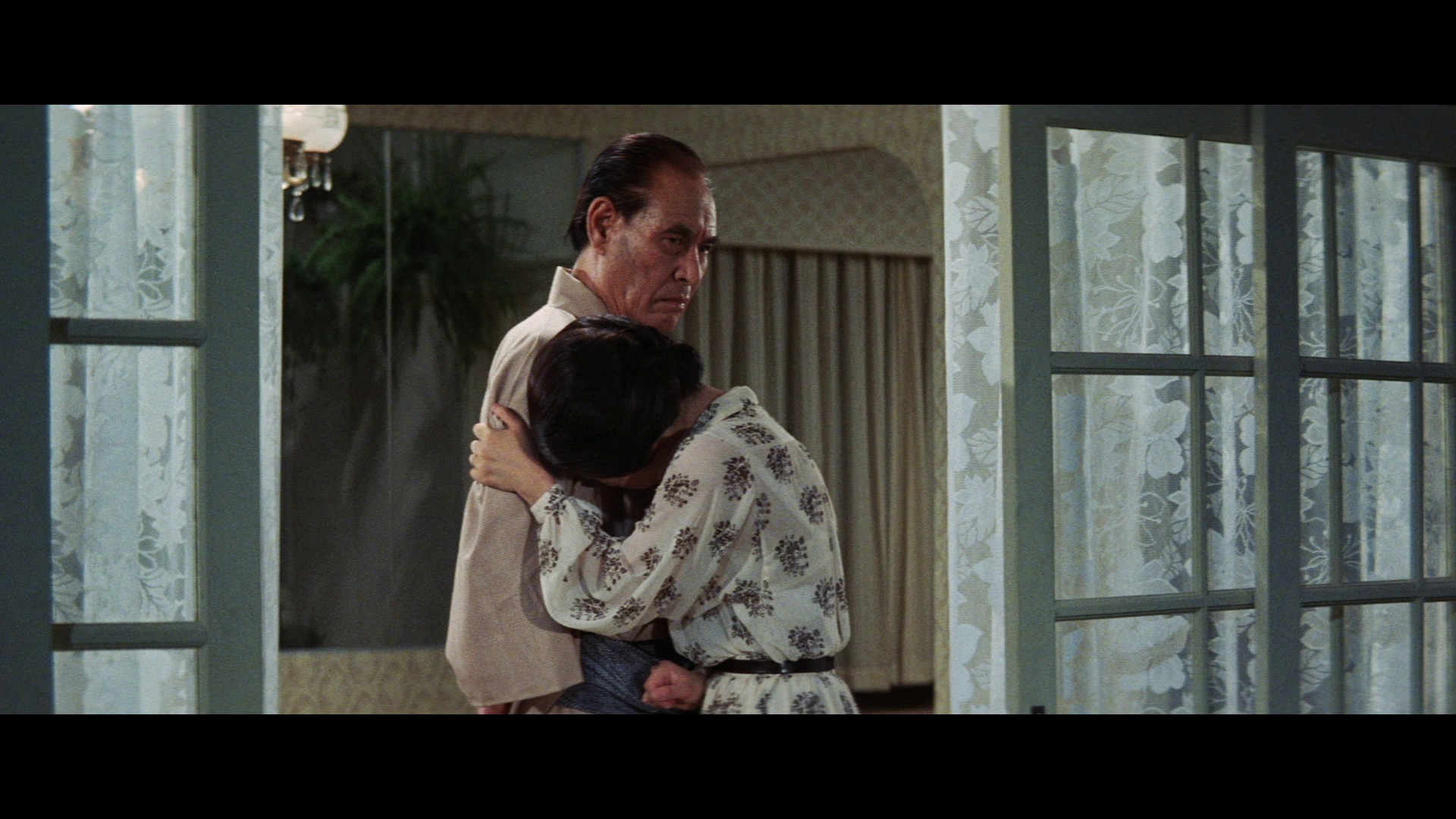
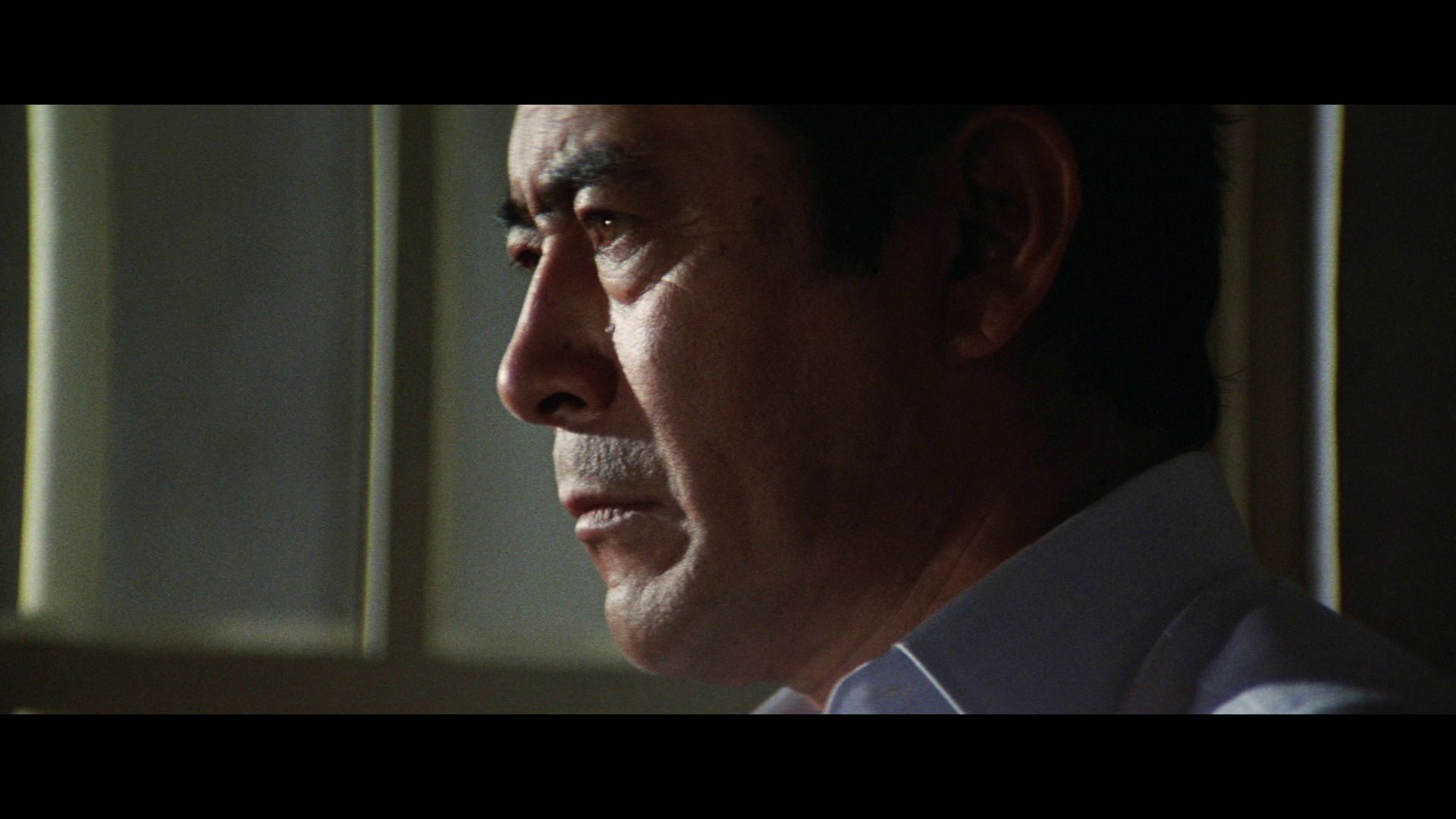
Audio 6/10
The lossless monaural soundtrack, presented in single-channel PCM, isn’t much to write home about, but it gets the job done. The track is free of distortion and offers a decent amount of range between the highs and lows. Dialogue comes through clearly, while the music (which carries a bit of a Godfather-like vibe) has a nice punch, as do the gunshots.
Extras 6/10
With the films spread across three discs and packaged in a sturdy box set, I guess I would have expected a larger special edition, though ultimately there are only a handful of features spread across the three discs. They all turn out to be rather interesting, though, and not necessarily what I expected.
On the first disc, Radiance includes a newly edited feature put together from an archival interview with director Sadao Nakajima. Instead of spending his 33 minutes talking extensively about his career or the films themselves, he instead focuses on actor Koji Tsuruta, who plays the second-in-command, Tatsumi, in the first film. Nakajima discusses earlier films he made with Tsuruta and the issues that arose between them, stemming from differences in messaging and what Nakajima was trying to convey. This created a wedge that led to them not even acknowledging each other when passing in hallways, and it lasted for years. Eventually, Tsuruta was essentially thrust back into Nakajima’s orbit for the first Japanese Godfather film, and their relationship changed for the better, the two becoming closer. Tsuruta would pass away not long after, and Nakajima reflects on the time lost over what amounted to a long-held grudge. I was expecting a more general discussion about the film and the actor, but it instead becomes a rather impactful reflection on regret and wasted time. He claims no words were left unsaid, though there’s still a sense that Nakajima wishes things had gone differently. Again, not what I was expecting, and probably all the better for it.
The other two features are more film-focused and far less existential, starting with a 16-minute interview with filmmaker Kazuyoshi Kumakiri on the second disc, who studied under Nakajima. He talks about a student film of his and the advice Nakajima gave him (noting Nakajima likely admired the ambition more than the content), while also sharing his own thoughts on the trilogy. It ultimately plays as a nice appreciation.
The third disc then presents a 29-minute discussion with screenwriter Koji Takada. This one ends up being quite good, with Takada going into the inspirations and foundations for the films. Though based on a book, the project only came together due to the popularity of The Godfather, which Takada and producer Koji Shundo were able to see in Hawaii before its release in Japan. That’s not too surprising, and it’s something I suspected while watching the films. Still, this influence pushed the script in directions that other yakuza films hadn’t really explored, including class structures, with much of the story drawn from real incidents. Surprisingly, the sequence I assumed was a direct lift from the horse head scene in Coppola’s film was also based on an actual event (though Takada does acknowledge Nakajima wanted something similar to that infamous moment). Takada also discusses casting (including Toshiro Mifune and the acting style he brought) as well as the series’ climax. It’s an engaging discussion, with Takada clearly enthusiastic, especially in knowing that audiences outside Japan will now become more familiar with the films.
Two or three trailers are also included for each film on their respective discs. For this limited edition, Radiance includes a 39-page booklet, which first features an essay by Akihiko Hito on Toei and its output of yakuza films, including the influence of the Yamaguchi-gumi syndicate and how real events were incorporated into the series. There is also a note from cinematographer Toshio Masuda on shooting the trilogy. Most interesting (and a bit heartbreaking) is another essay by Tom Mes about the cast and the many familiar faces that appear throughout the films. The heartbreaking part is learning they apparently considered including character cards with the release, but ultimately found it impractical. A crying shame, really.
Sadly, that’s ultimately all there is, but what is here is quite good. The interviews are consistently fascinating and—as usual—the booklet is a standout.
Closing
The presentations are middling at best and the supplements leave a little to be desired, but it’s still a handsome set that gets the films out there for a new audience.
BUY AT: