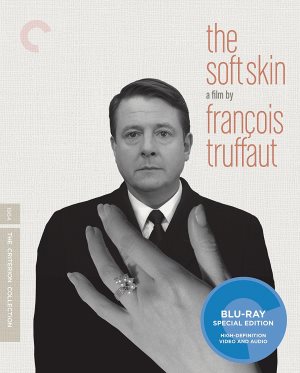
The Soft Skin
BUY AT:


See more details, packaging, or compare
Synopsis
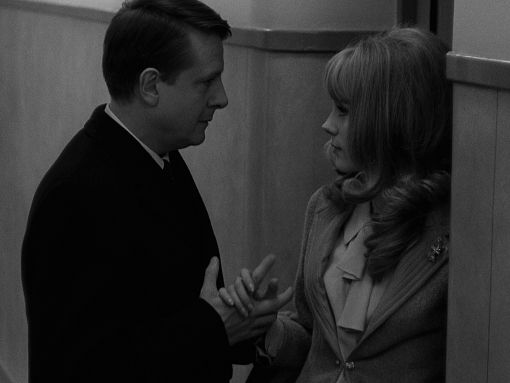
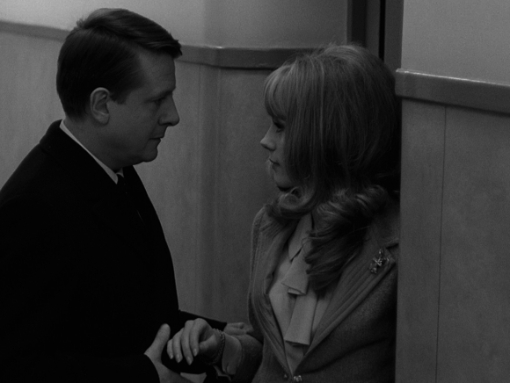
François Truffaut followed up the international phenomenon Jules and Jim with this tense tale of infidelity. The unassuming Jean Desailly is perfectly cast as a celebrated literary scholar, seemingly happily married, who embarks on an affair with a gorgeous stewardess, played by Françoise Dorléac, who is captivated by his charm and reputation. As their romance gets serious, the film grows anxious, leading to a wallop of a conclusion. Truffaut made The Soft Skin at a time when he was immersing himself in the work of Alfred Hitchcock, and that master’s influence can be felt throughout this complex, insightful, and underseen French New Wave treasure.
Picture 8/10
François Truffaut’s Hitchcock inspired The Soft Skin gets a Blu-ray upgrade from Criterion, replacing the Fox Lorber DVD released back in 1999. The new 1080p/24hz presentation, taken from a new high-definition scan of the original 35mm negative, is featured on a dual-layer disc.
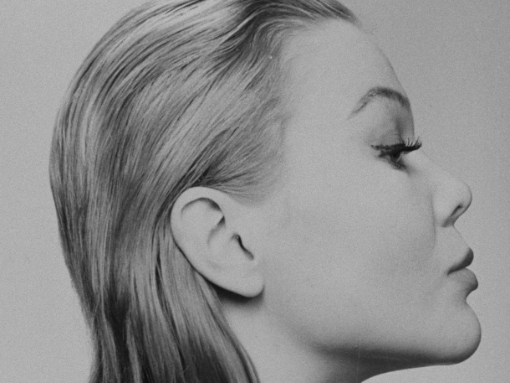
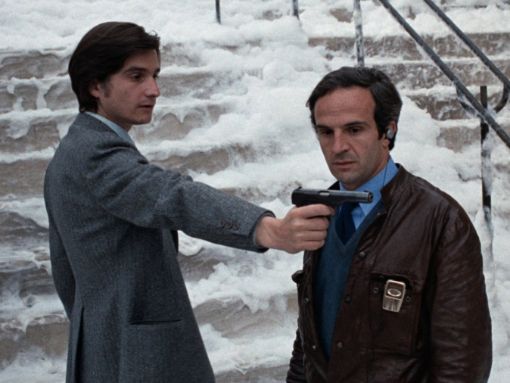
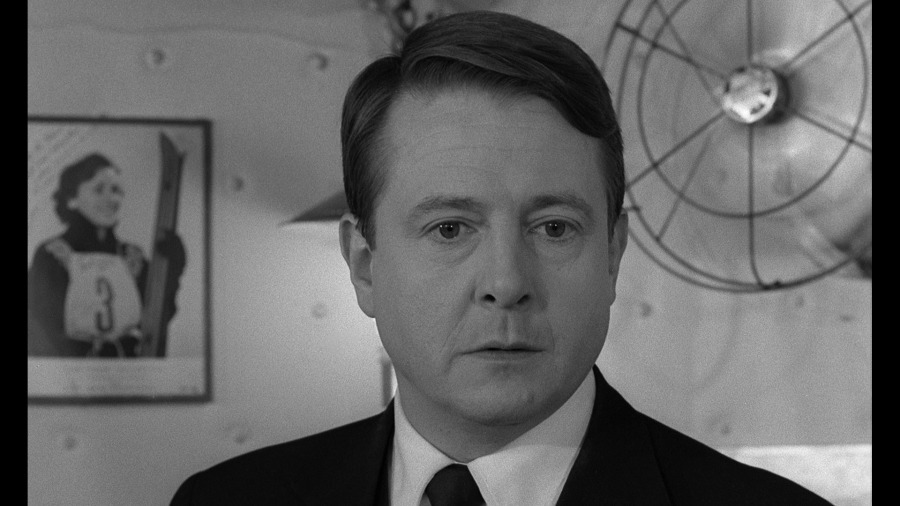
Considering Fox Lorber’s general track record it should be no surprise that the Criterion Blu-ray clearly blows it away in just about every aspect. Though there is an intentional softness to the film’s look the image here is far, far sharper, rendering textures and fine details strikingly. Edges are cleanly rendered, as is the film’s grain structure, and contrast looks decently balanced. The print has also been cleaned up impressively as I don’t recall much of anything remaining in terms of damage, other than some very thin tram lines. Impressive overall.
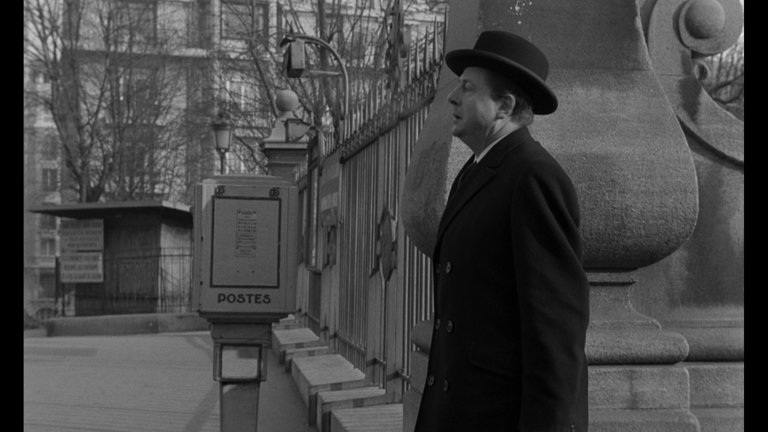
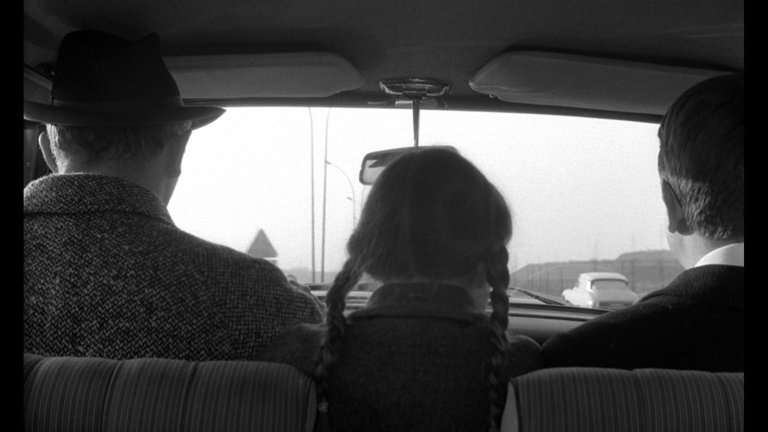
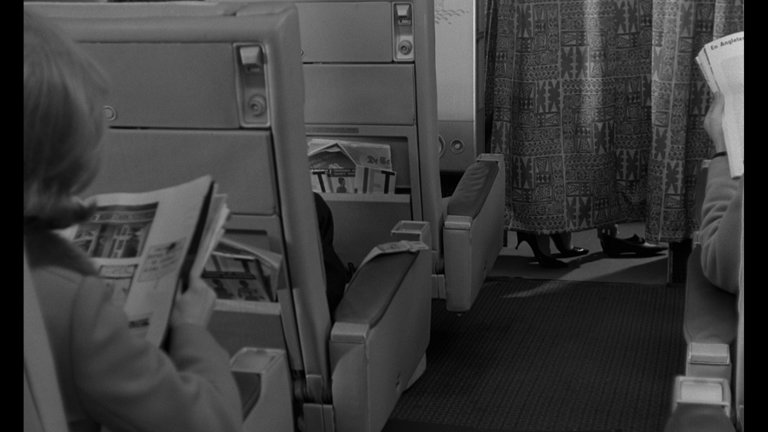
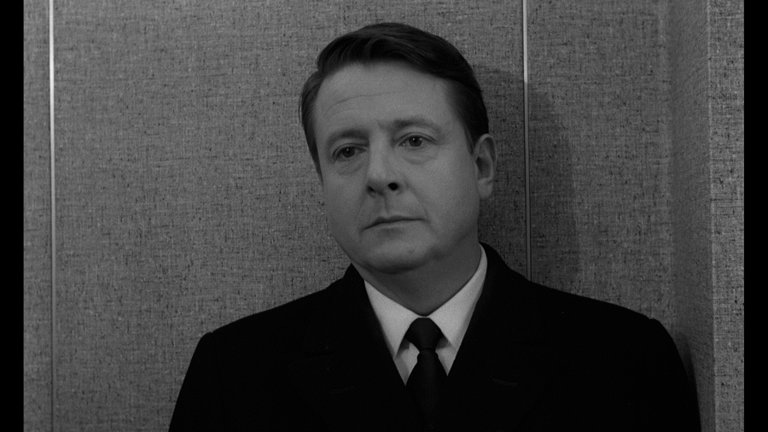
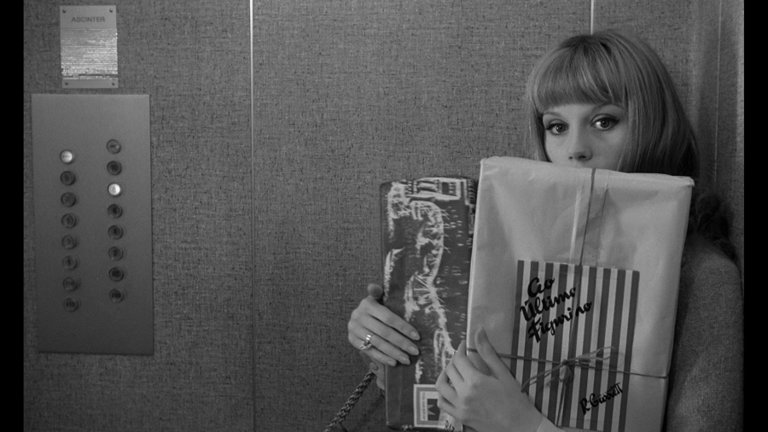
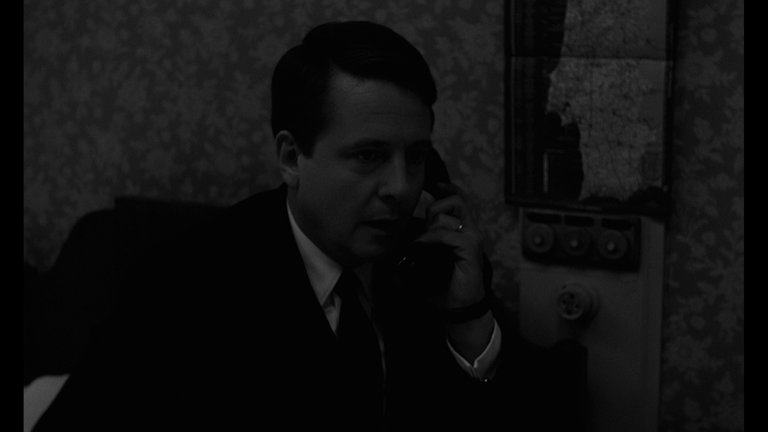
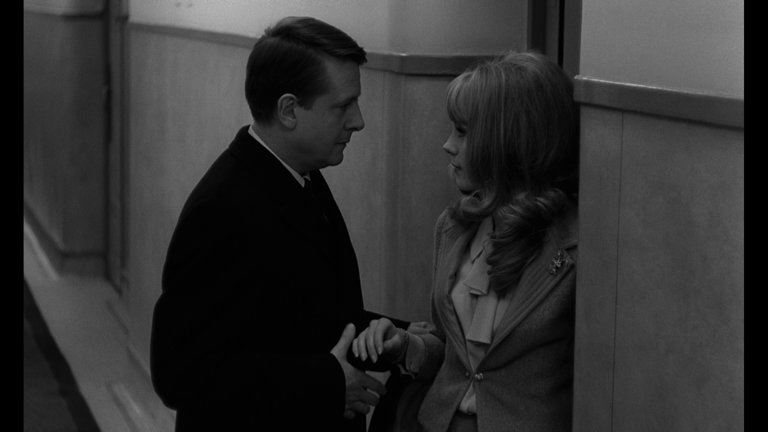
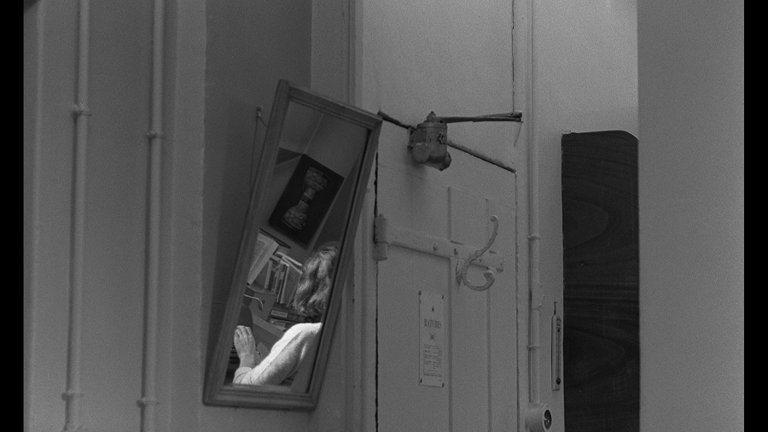
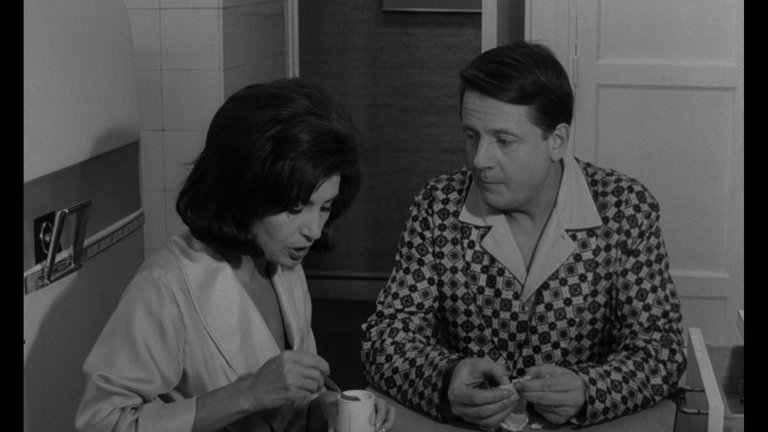
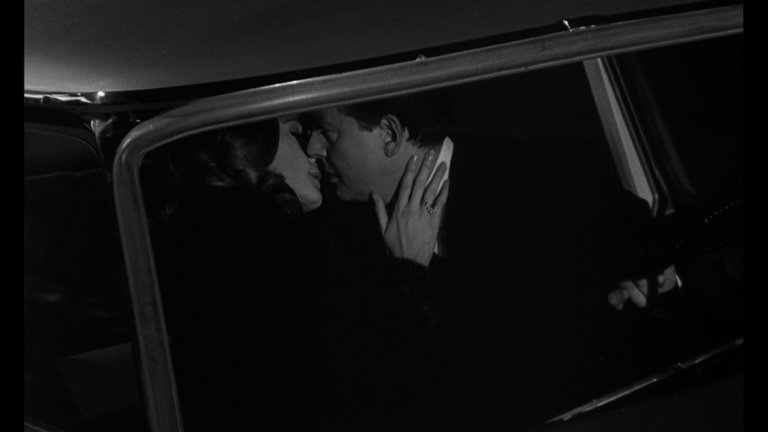
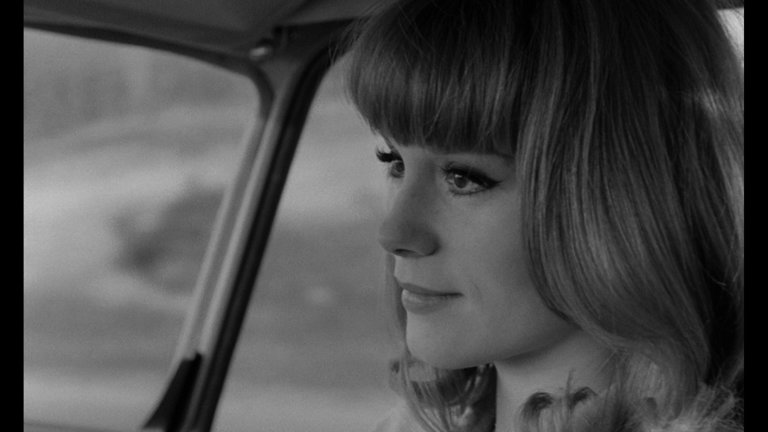
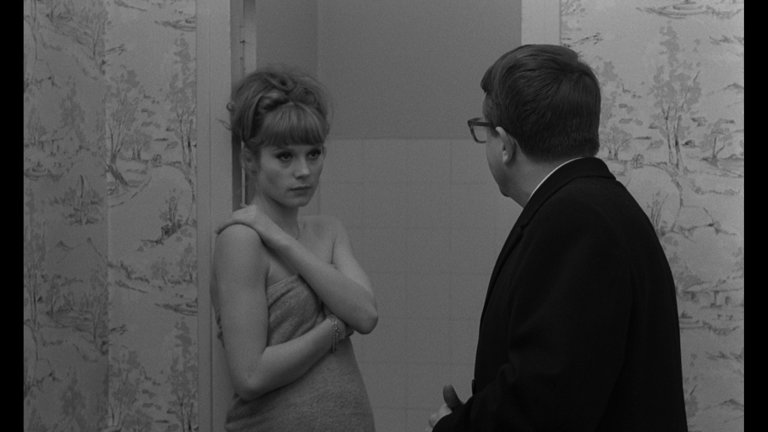
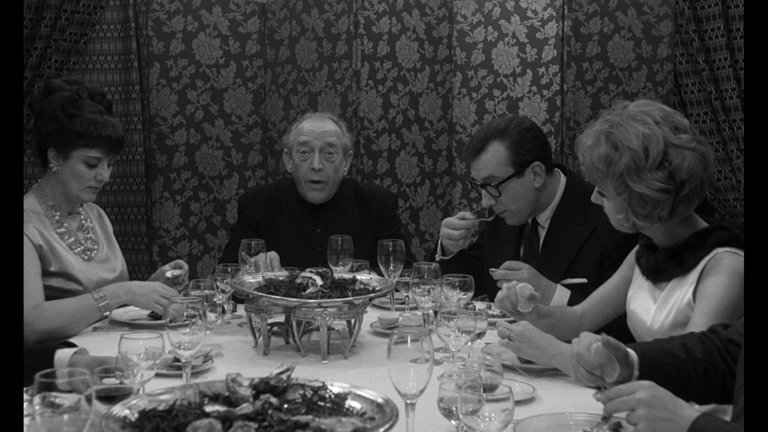
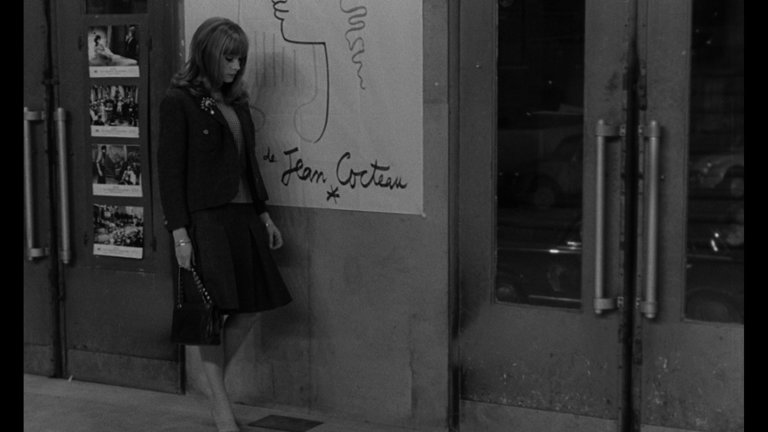
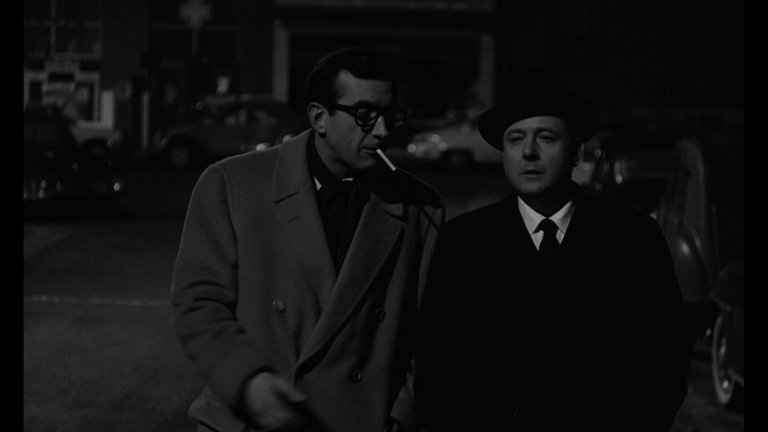
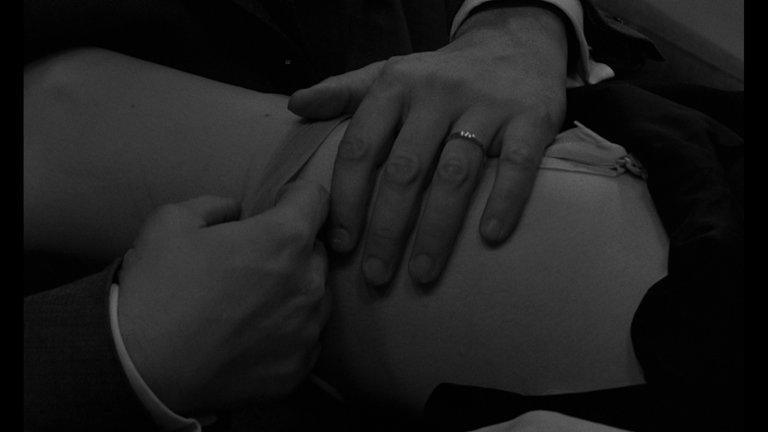
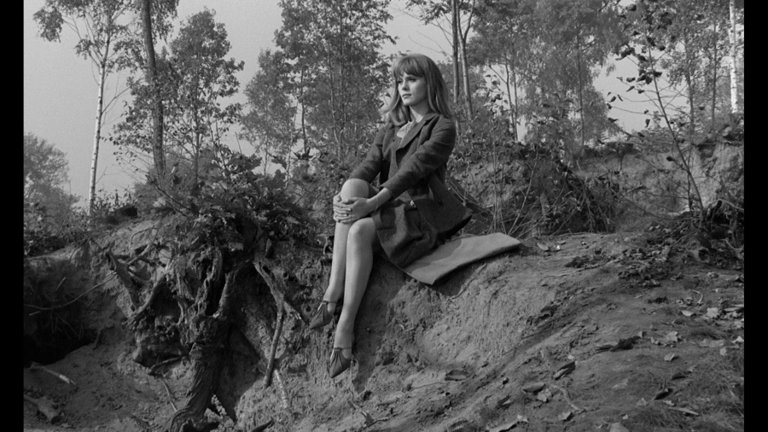
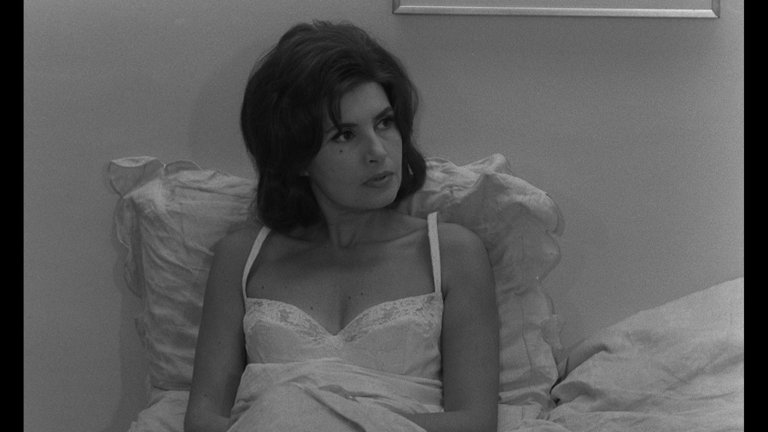
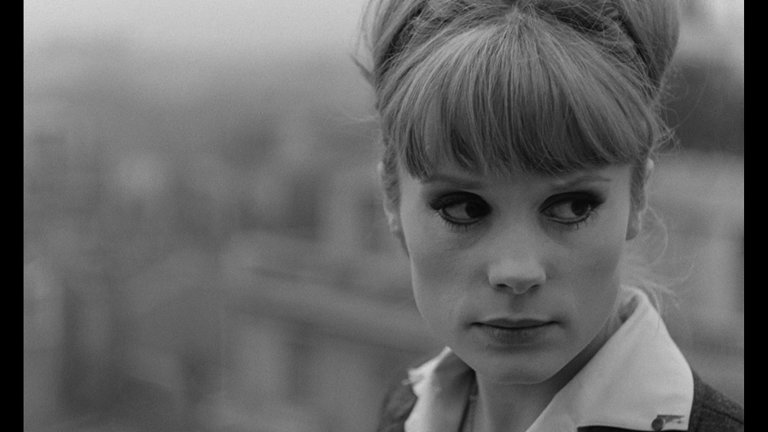
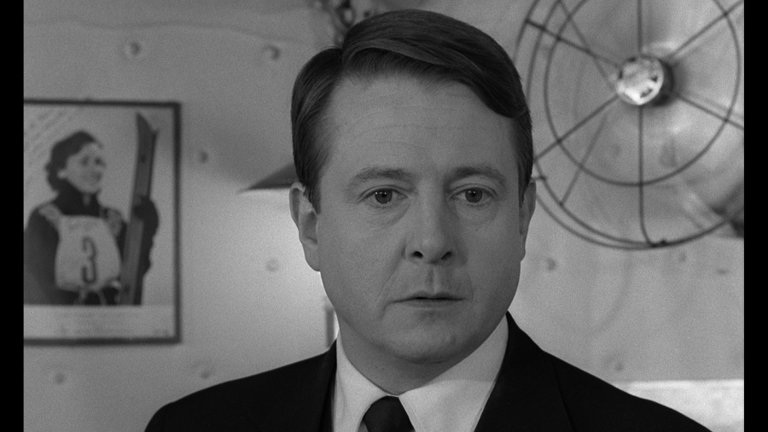
The Soft Skin - Screen Captures
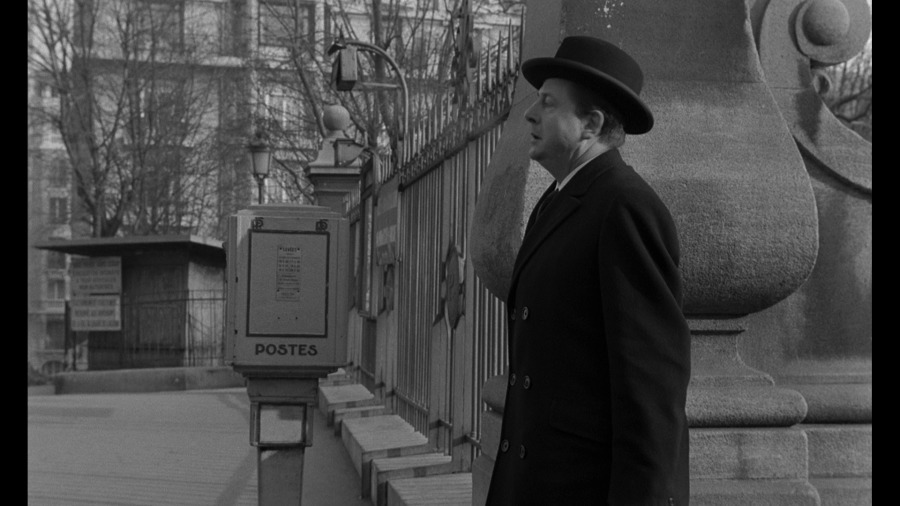
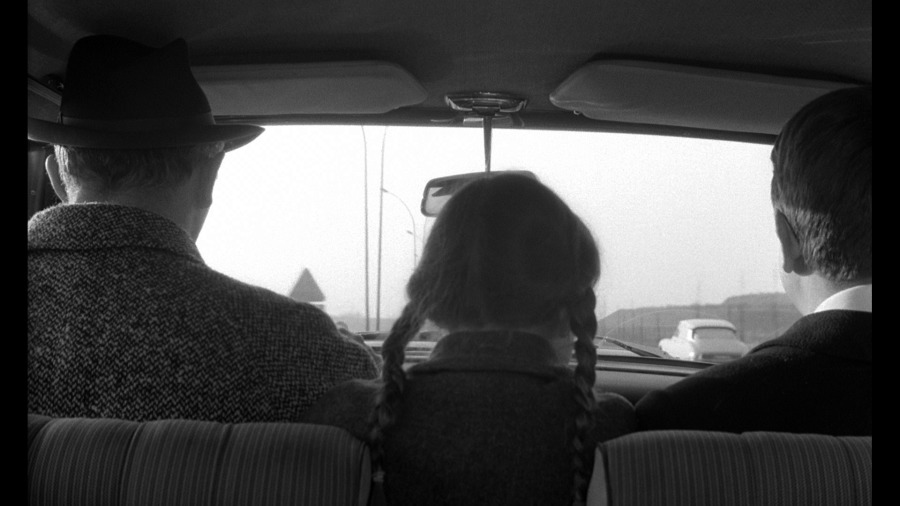
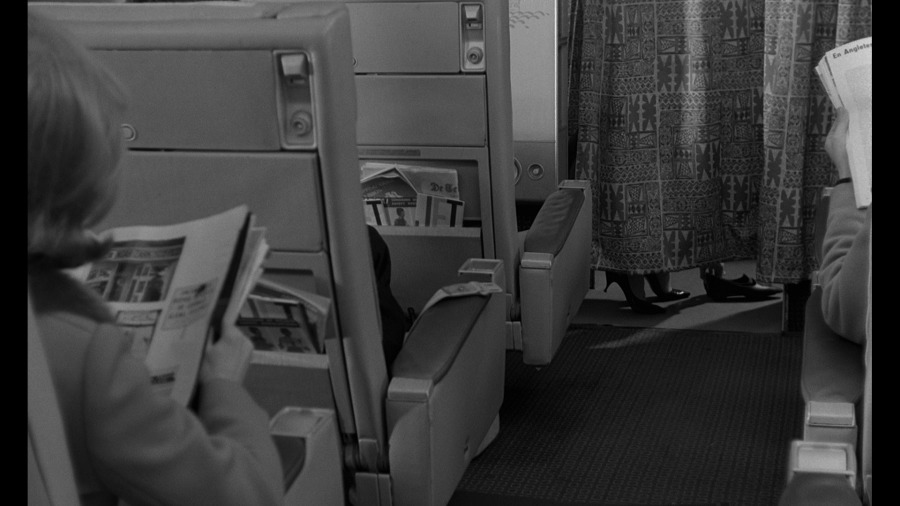
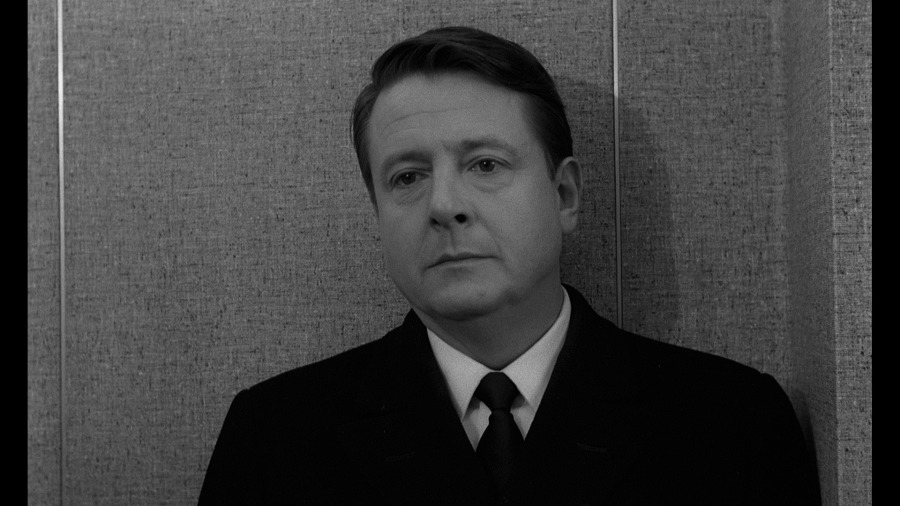
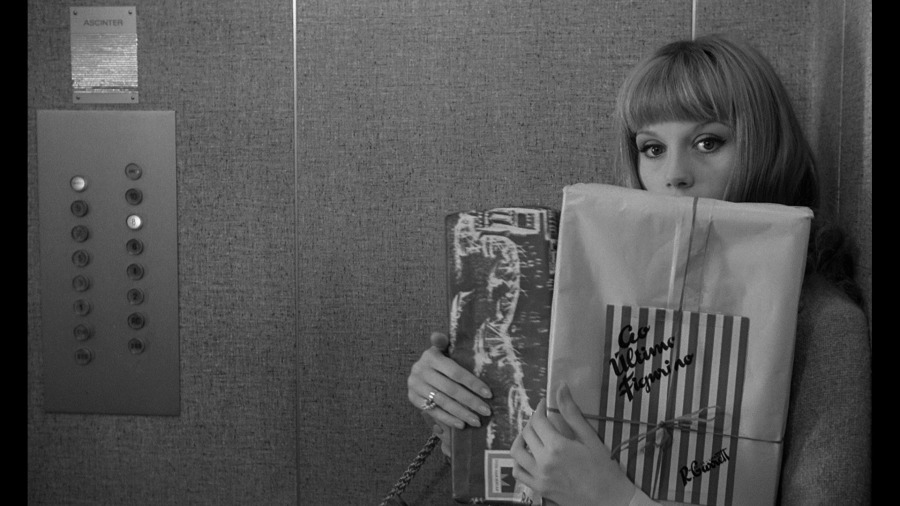
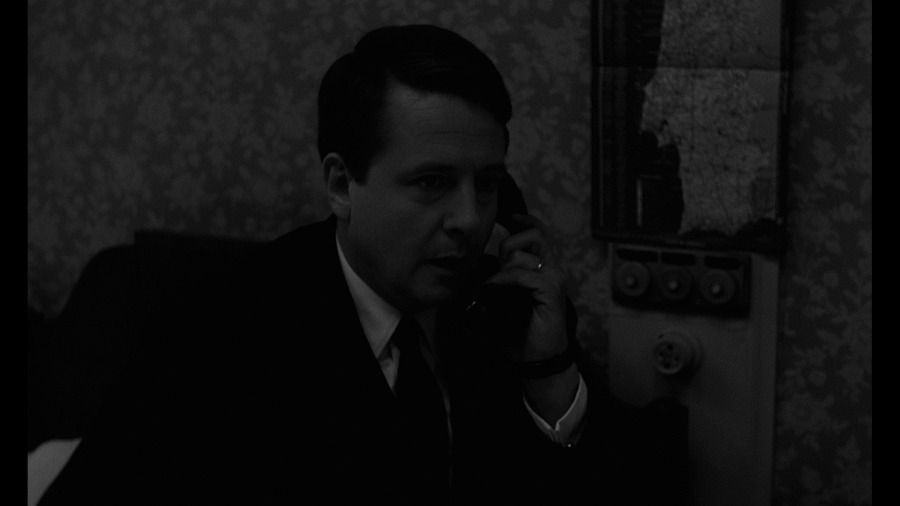
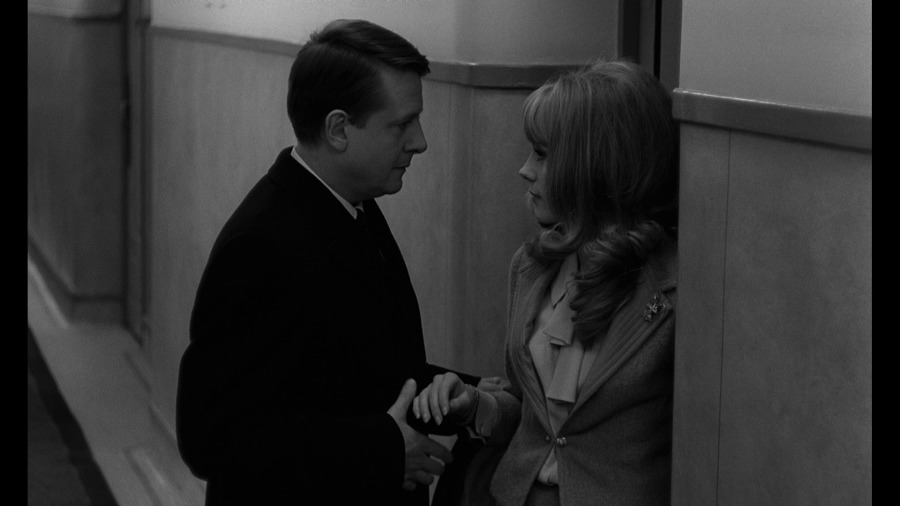
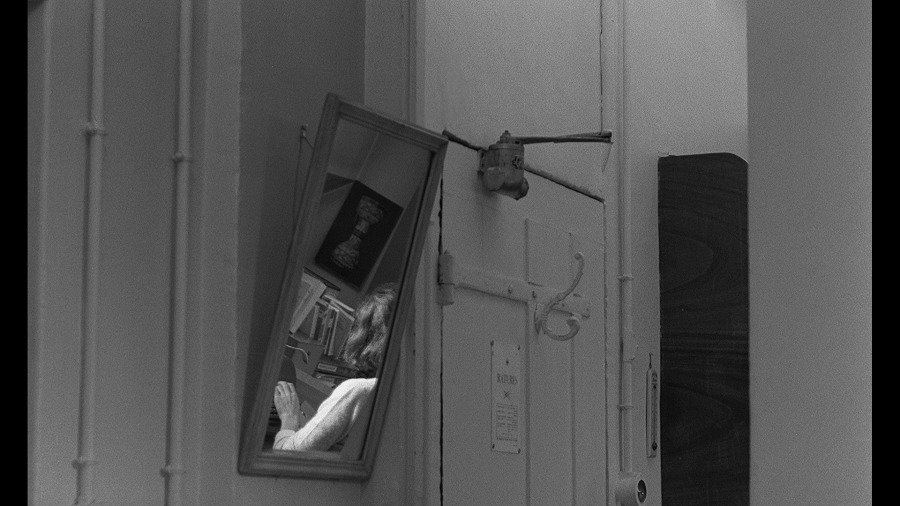
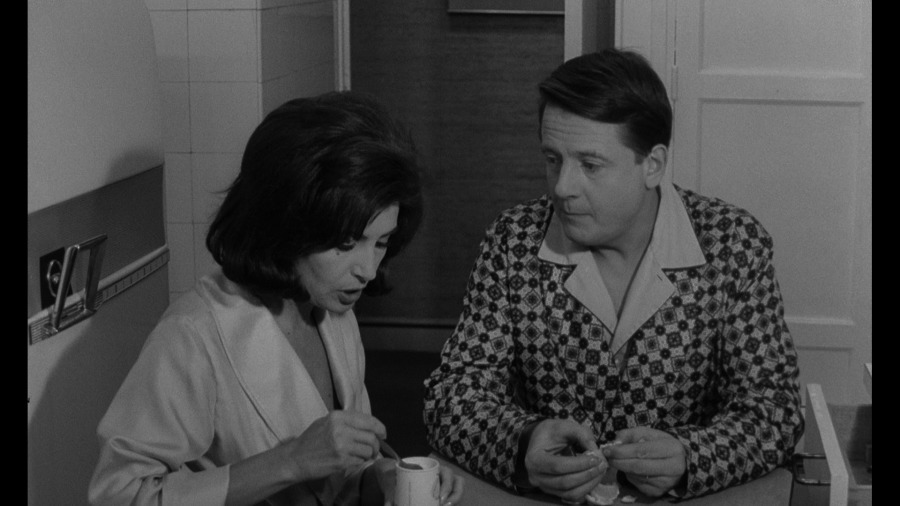
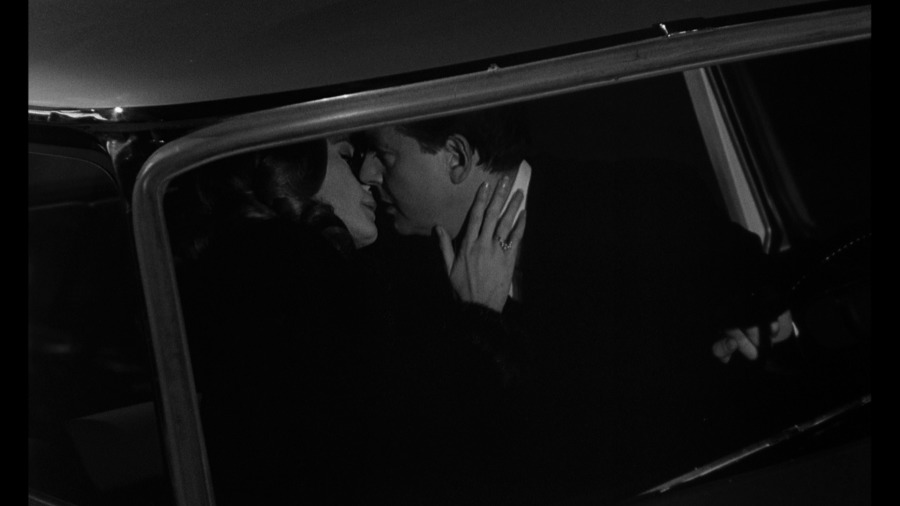
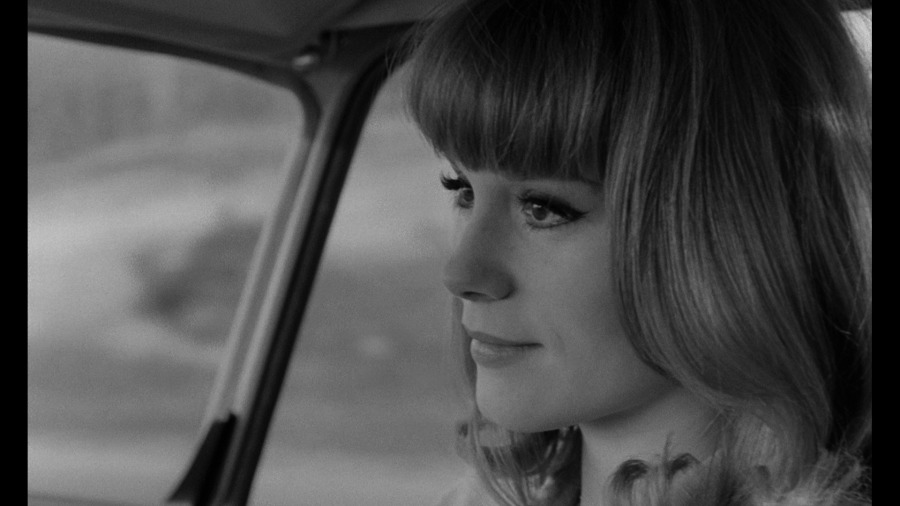
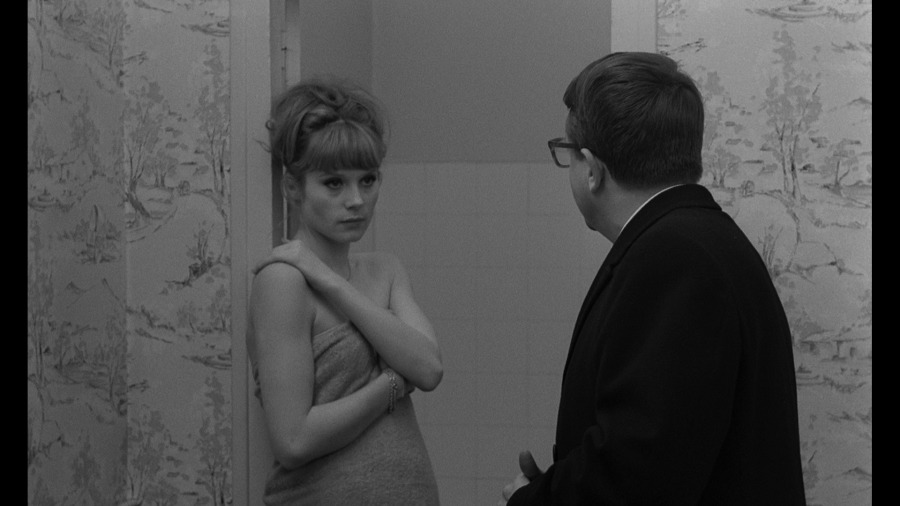
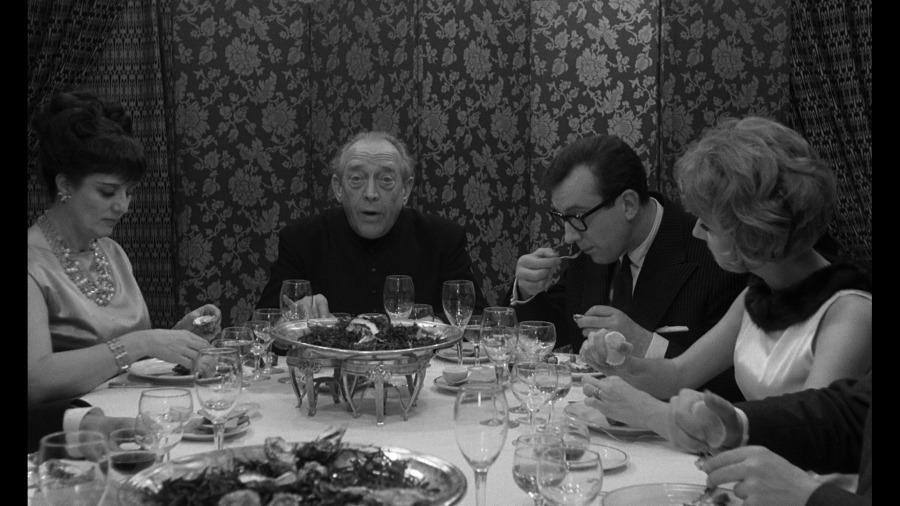
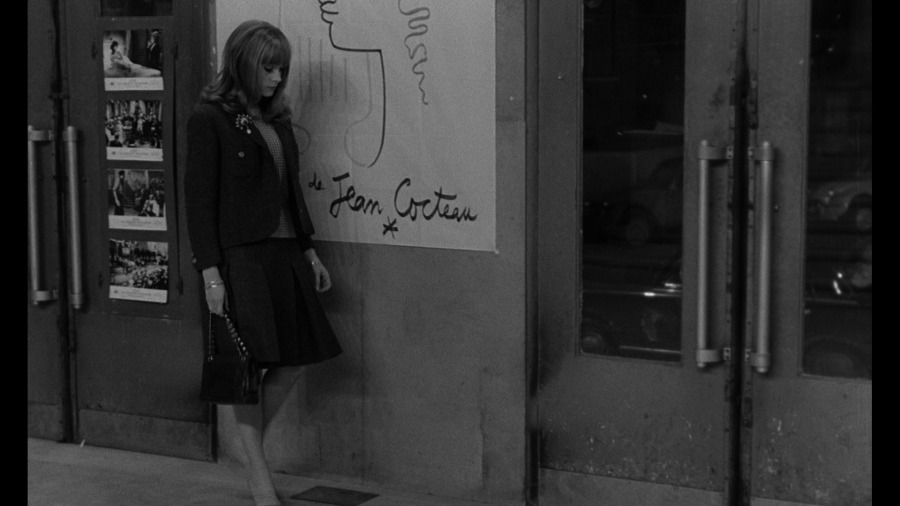
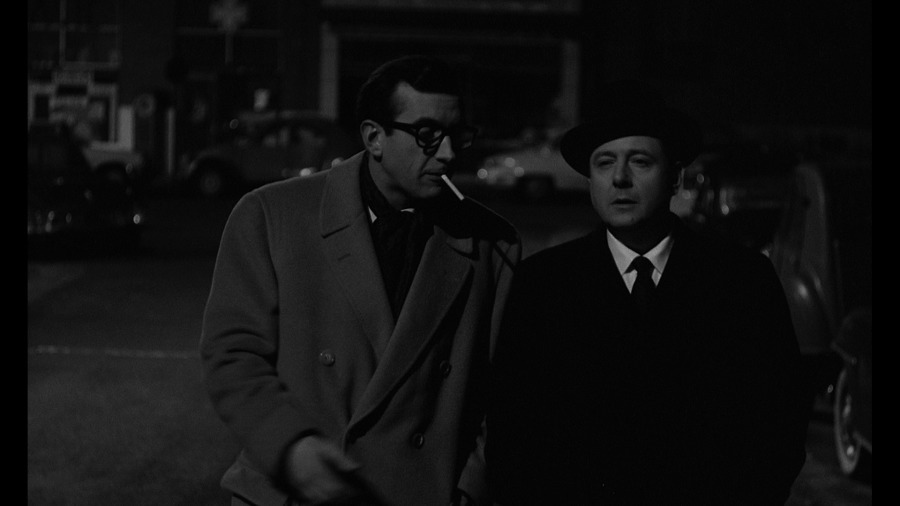
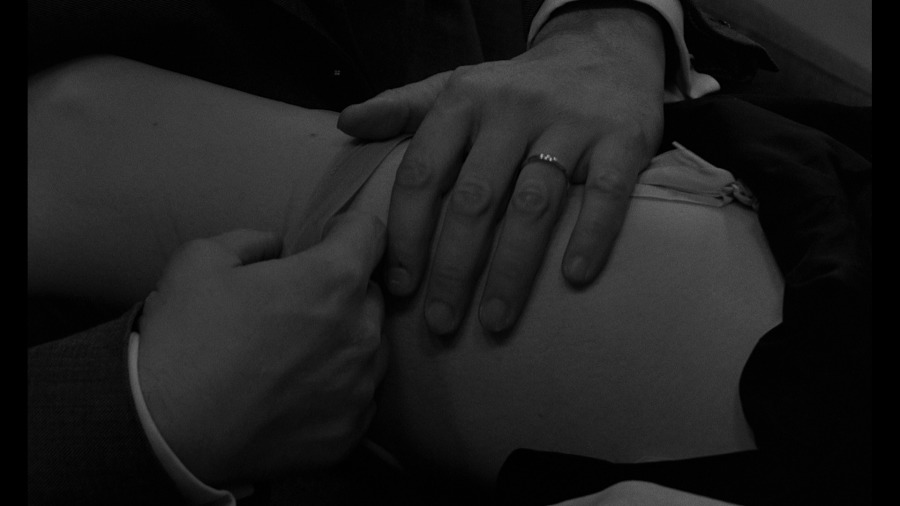
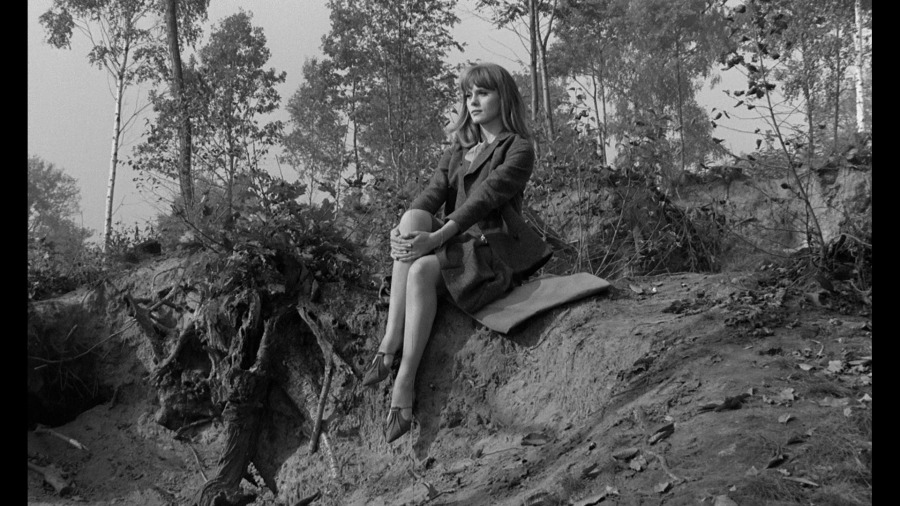
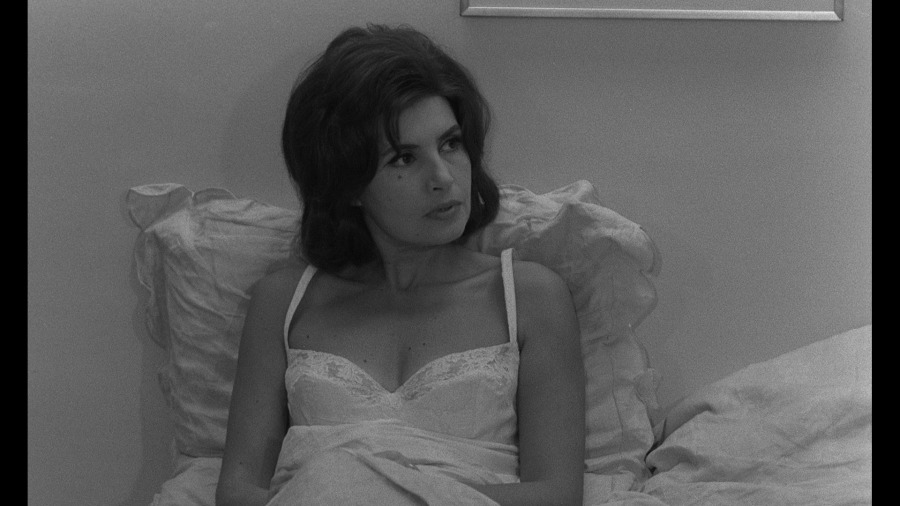
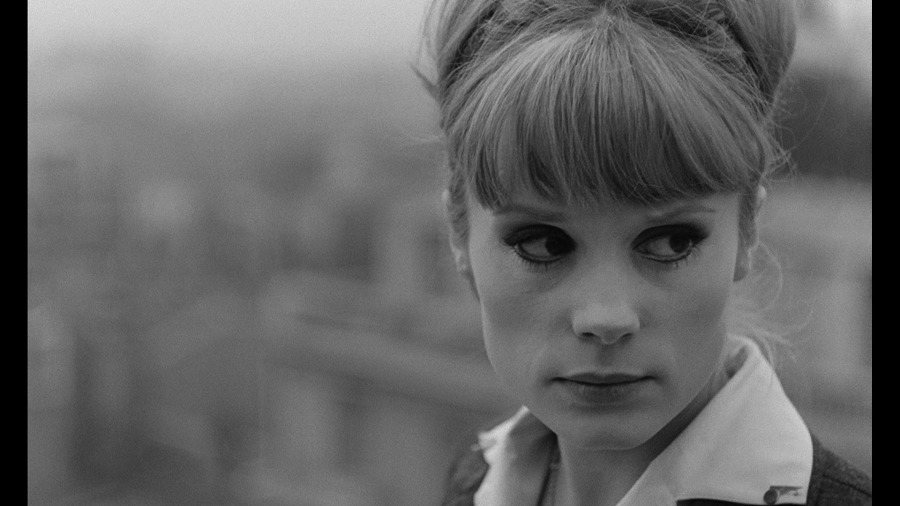
Audio 6/10
The disc features a lossless PCM 1.0 mono French track. Expectedly it’s a bit limited by age, with a slight edge to music, but dialogue sounds strong and the track is stable, sounding perfectly clean.
Extras 7/10
Criterion doesn’t go all out on this special but does include a few special features, focusing more on the Hitchcock influences over the film. Surprisingly they do also include an audio commentary featuring screenwriter Jean-Louis Richard and Truffaut scholar Serge Toubiana. Recorded in 2000, I assume it was initially recorded for the French MK2 DVD edition. In French with optional English subtitles, the track is more a conversation between the two, with Toubiana asking Richard questions about Truffaut’s intentions, asking him about the filming of certain sequences, or sharing his thoughts about the film’s flow, its changes in temp and tone, and the influence Hitchcock’s work had over Truffaut at the time (Richard mentions there was a period where they watched a Hitchcock film every day). The track somewhat tapers off as it gets closer to the end, but Richard does have some good stories to share about the production, particularly one sequence where he had a small part: Richard plays the womanizer that approaches Nelly Benedetti’s character and he talks about how someone off screen was actually coming to her aid when they saw him harassing her. Though more about the production and not overly academic it’s a decent track that I enjoyed.
Kent Jones next provides a visual essay for the release. Entitled The Complexity of Influence it looks at the nature of influence and how it plays in developing filmmakers and how filmmakers inadvertently influence other filmmakers. There is of course a special focus on Hitchcock’s influence on Truffaut, using The Soft Skin as an example, but while there is a lot technically similar (within edits, framing, pace, and sound) he does stress that Truffaut and Hitchcock still differed greatly in how they used these techniques and what they focused on. It’s a nicely put together and interesting piece, managing to cover a lot in its short 12-minutes.
Monsieur Truffaut Meets Mr. Hitchcock is an excellent 30-minute documentary from 1999 chronicling the path that Truffaut took in conducting his extensive interview with Alfred Hitchcock and the book he would eventually write on the director. With interviews from the likes of Claude Chabrol and Patricia Hitchcock among others—who talk about the two directors’ admiration for one another and the friendship they built up—it’s an entertaining documentary.
Criterion also digs up an interview with François Truffaut from a 1965 episode of Cinéastes de notre temps. The 11-minute interview features Truffaut talking about the film, particularly how he got the idea (simply observing a couple in a taxi) and talking about various aspects, like the “double fall” at the end. There were a few surprising elements to the interview, particularly the facts that Truffaut found the film (and characters) unpleasant and also hates showing kissing in his films, which is usually why he prefers shooting scenes like that low lit.
Molly Haskell then provides an essay in the included insert covering the film’s storyline, characters, and addresses how the film has been pretty much forgotten, among other things. It’s a decent essay though I really wish it was a booklet instead of a standard fold-out since the essay is rather long and it becomes awkward to hold.
At any rate, the release does feel a little skimpy. Though the commentary, while fine, does leave a little to be desired the rest of the material does a decent job looking at the film’s visual language thanks to Truffaut’s “Hitchcock phase” while also looking at the friendship between the two directors.
Closing
Only a few supplements are found on the this edition, but they’re strong, and the new high-def presentation is the disc’s real selling point. Comes with a high recommendation.
BUY AT: