The Tree of Wooden Clogs
BUY AT:


See more details, packaging, or compare
Synopsis
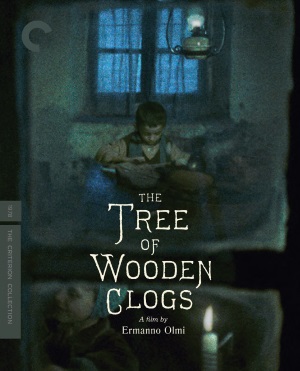
A painterly and sensual immersion in late nineteenth-century Italian farm life, Ermanno Olmi’s The Tree of Wooden Clogs lovingly focuses on four families working for one landowner on an isolated estate in the province of Bergamo. Filming on an abandoned farm for four months, Olmi adapted neorealist techniques to tell his story, enlisting local people to live as their own ancestors had, speaking in their native dialect on locations with which they were intimately familiar. Through the cycle of seasons, of back-breaking labor, love and marriage, birth and death, faith and superstition, Olmi naturalistically evokes an existence very close to nature, one that celebrates its beauty, humor, and simplicity but also acknowledges the feudal cruelty that governs it. Winner of the Palme d’Or at Cannes in 1978, The Tree of Wooden Clogs is at once intimate in scale and epic in scope—a towering, heart-stirring work of humanist filmmaking.
Picture 7/10
Ermanno Olmi’s The Tree of Wooden Clogs gets a new Blu-ray edition from the Criterion Collection, presenting the film in the aspect ratio of 1.33:1 on a dual-layer disc. This new 1080p/24hz high-definition presentation comes from a new 4K restoration scanned from the original negative, and conducted by The Film Foundation and L’Immagine Ritrovata.
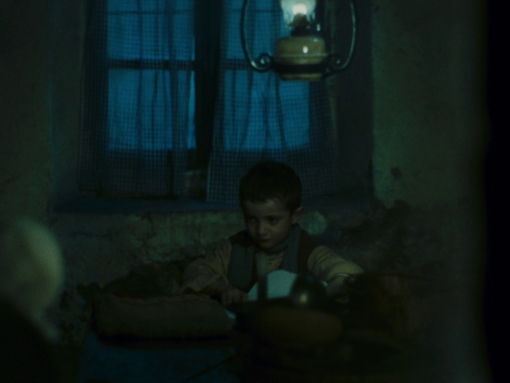
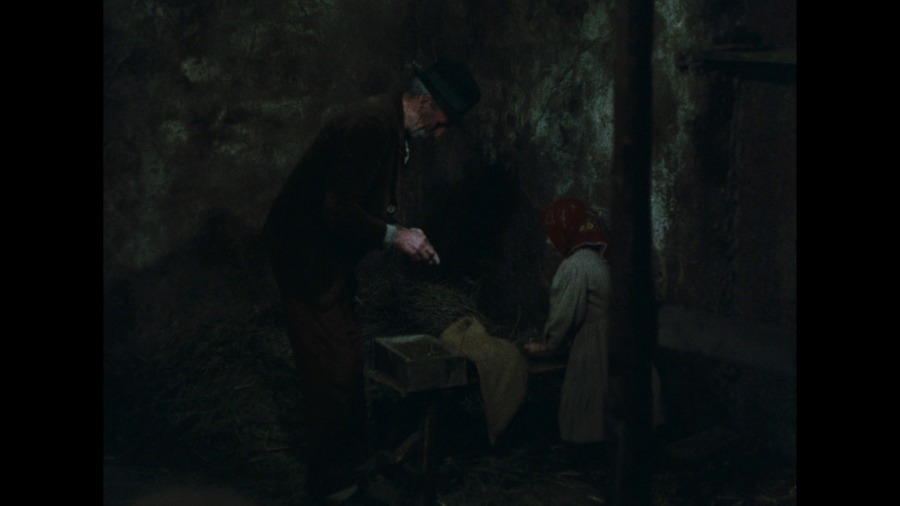
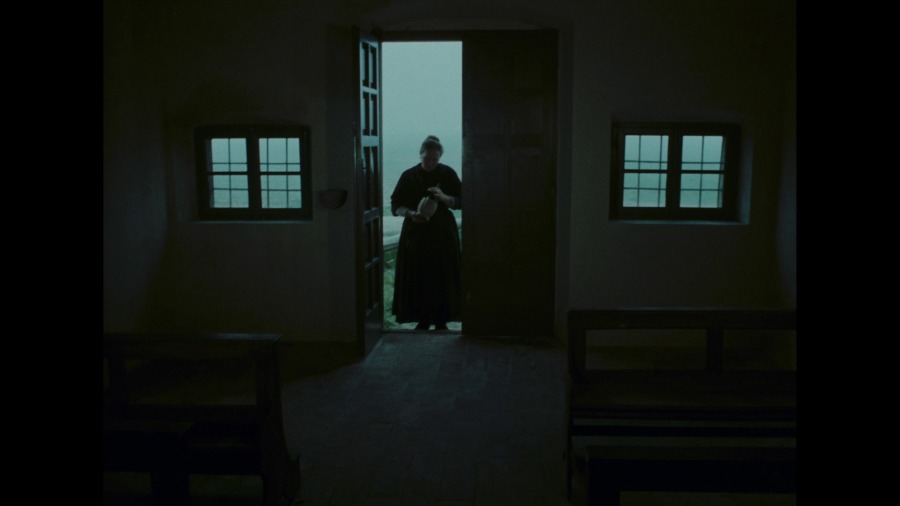
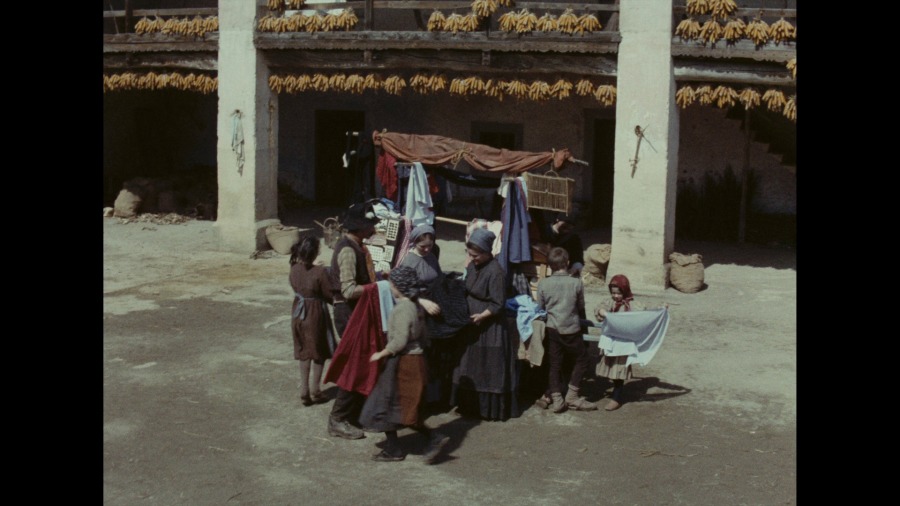
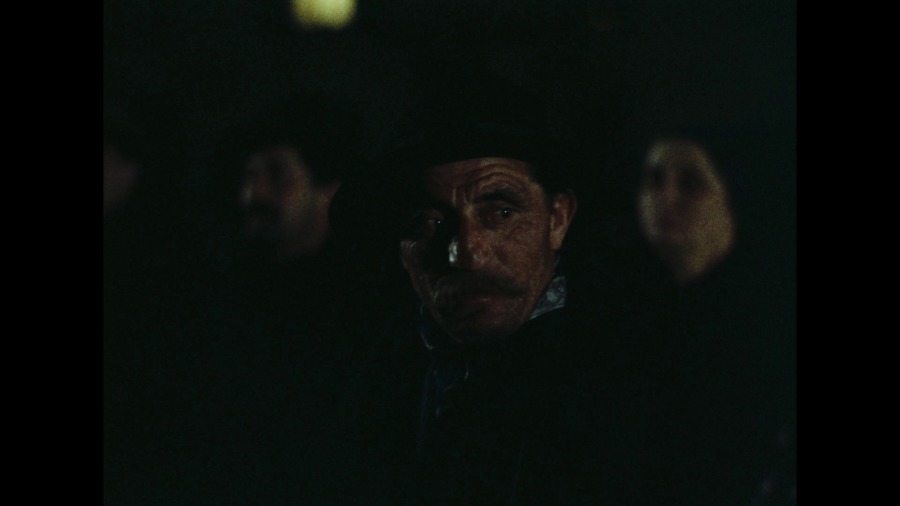
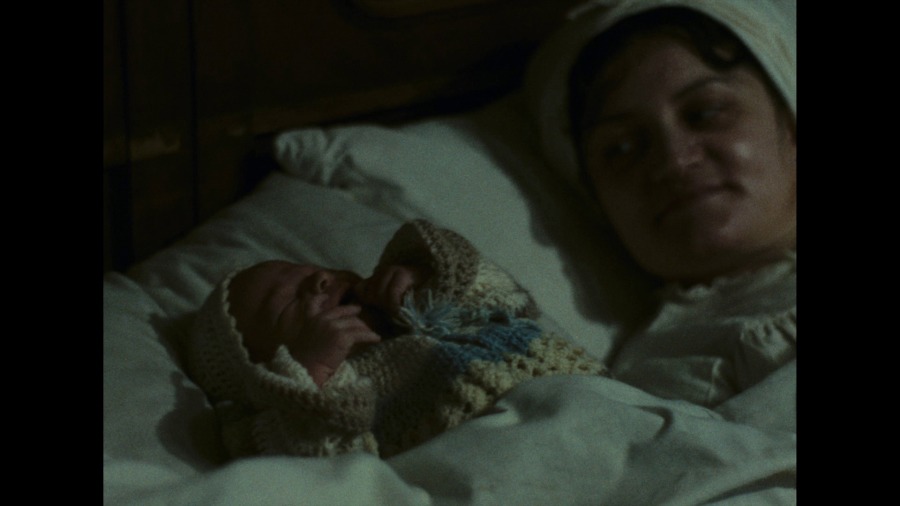
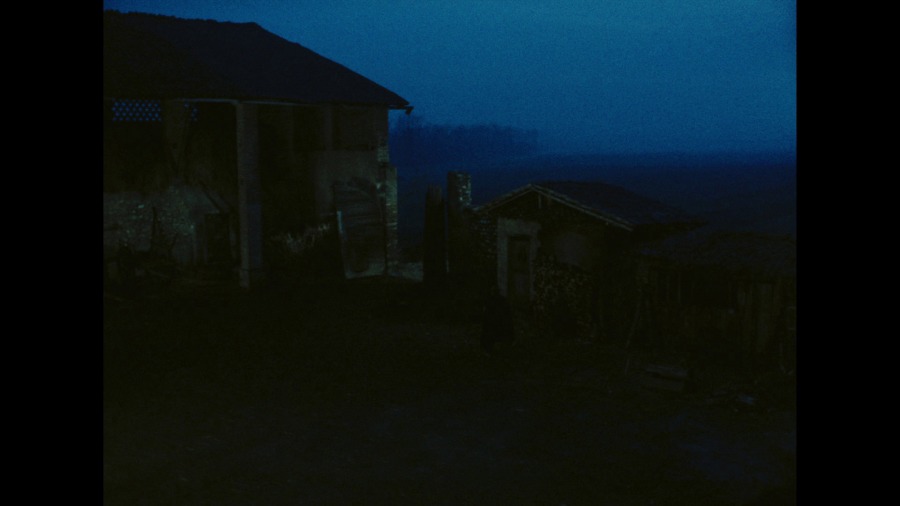
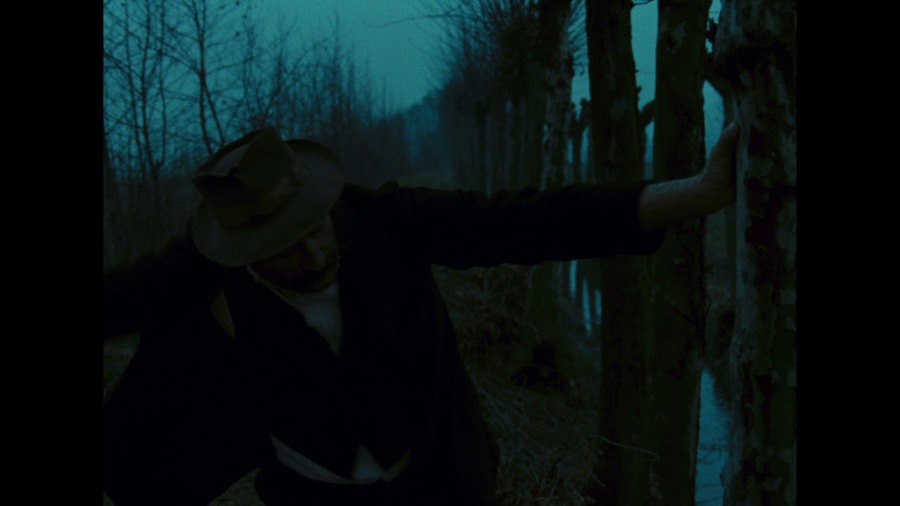
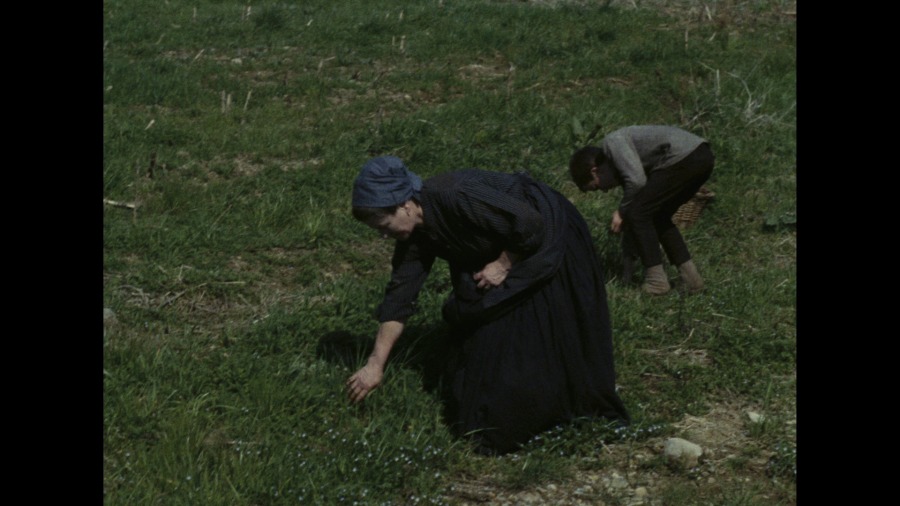
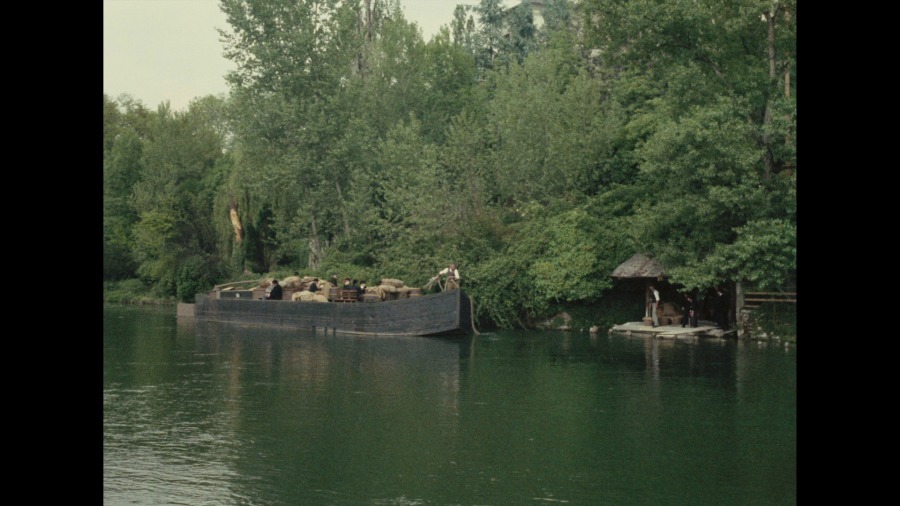
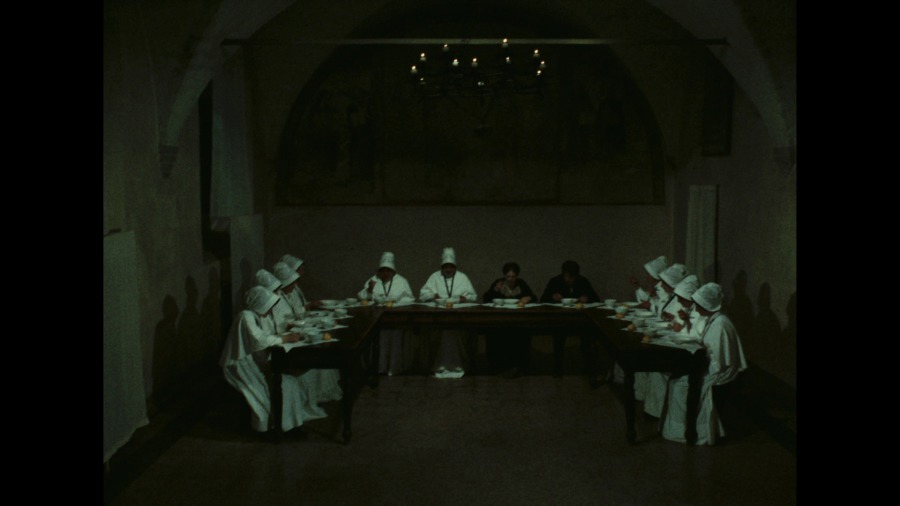
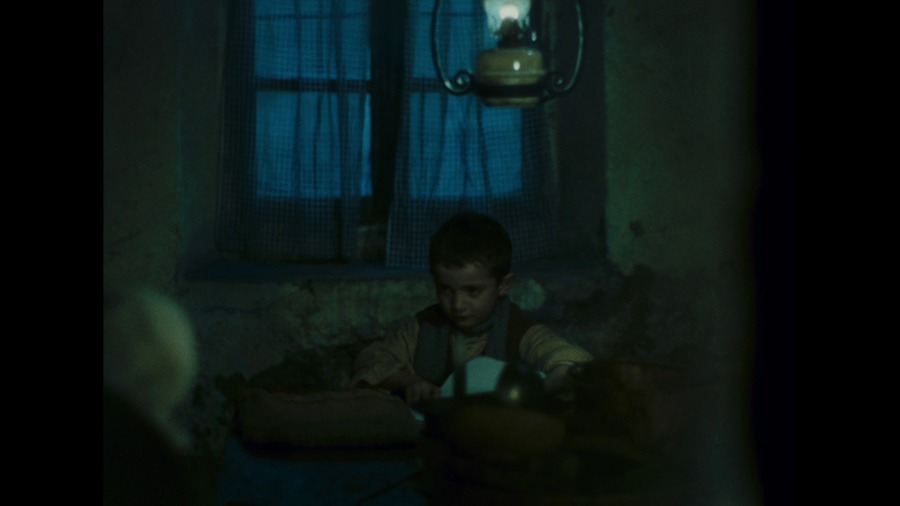
I don’t know how this film is supposed to look in terms of colour but there are some odd things going on here that damper the image a bit. Despite some of the obvious alterations it’s easy to tell that the film never had the most dynamic colour scheme, with a preference towards more muted shades (and clips from the film found in the supplements, though rough, do confirm this). Still, the image looks darker than it maybe should thanks to the colours looking to have been pushed with this yellow-ish/blu-ish (teal-ish?) tint—applied to a varying degree from scene-to-scene—that has some adverse effects on other aspects of the image. Everything does have a good dose of blue to it, effecting whites and skin tones to an extreme degree on occasion. The biggest casualty from this adjustment of colours are the black levels unfortunately: blacks can look fine one moment and then more like a mily dark gray another. This does limit shadow detail in places.
The restoration itself is impressive and I don’t recall any significant damage being present. Detail levels are pretty good most of the time, though more so in the brighter scenes than the flat darker scenes. Film grain is present but can be a bit hit and miss throughout: sometimes it looks very clean and others it can look a bit digital, though it’s still not a big blocky mess.
Ultimately it’s a bit of letdown. It’s mostly clean and detail is decent, but the colours are questionable and it appears that any adjustments done have harmed certain areas of the presentation.
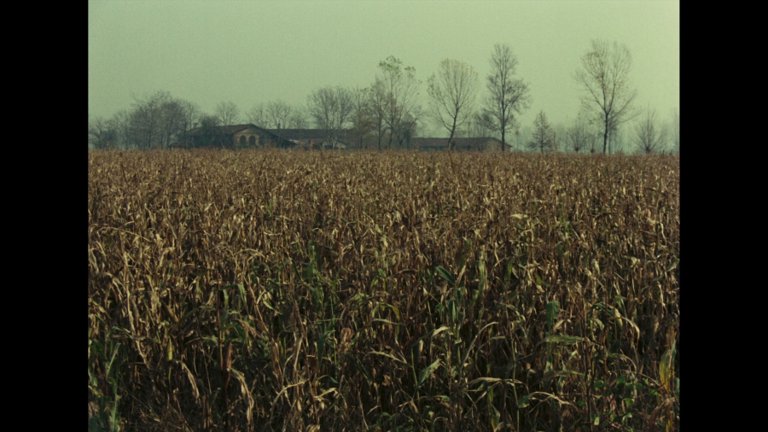
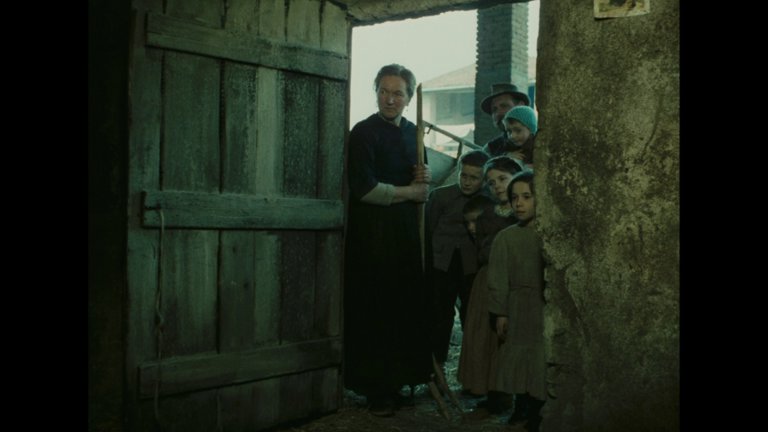
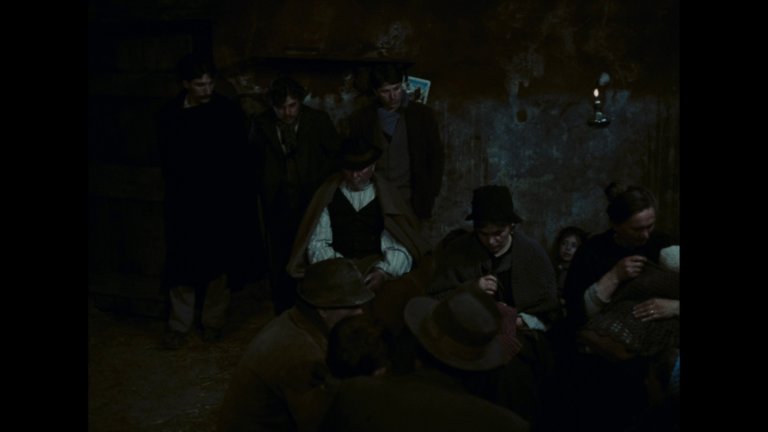
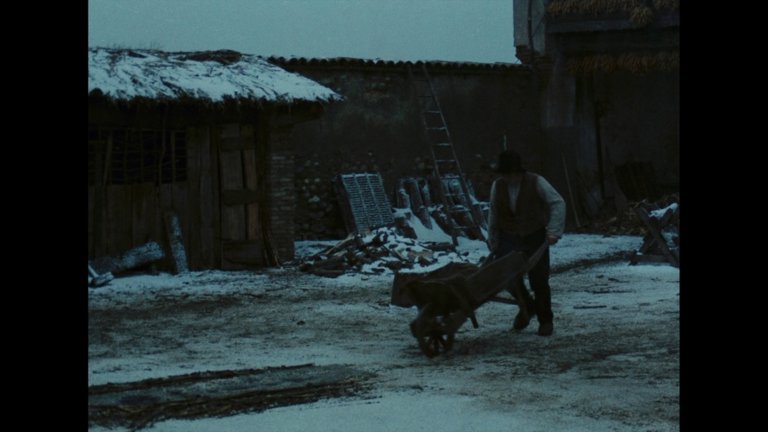
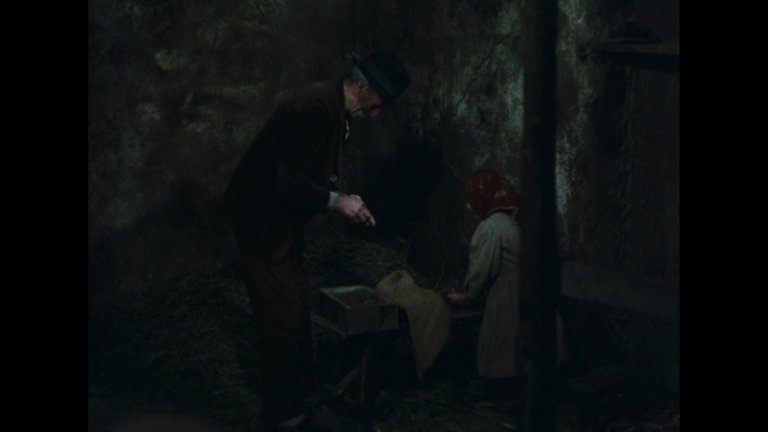
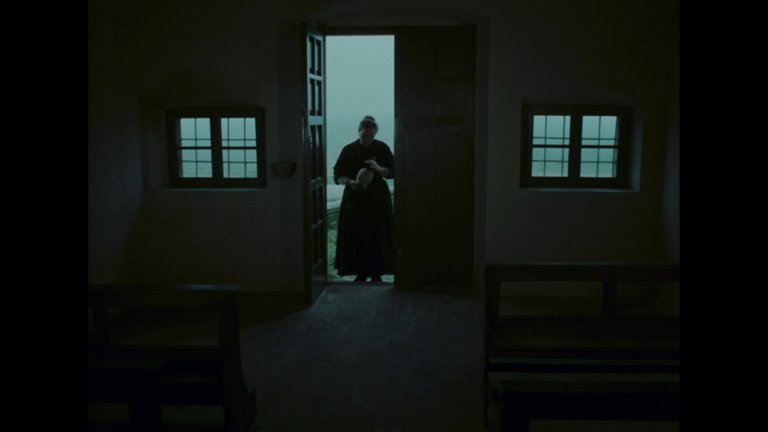
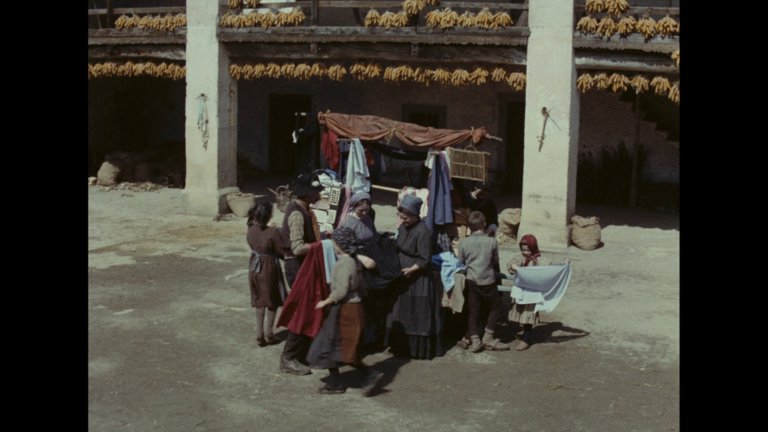
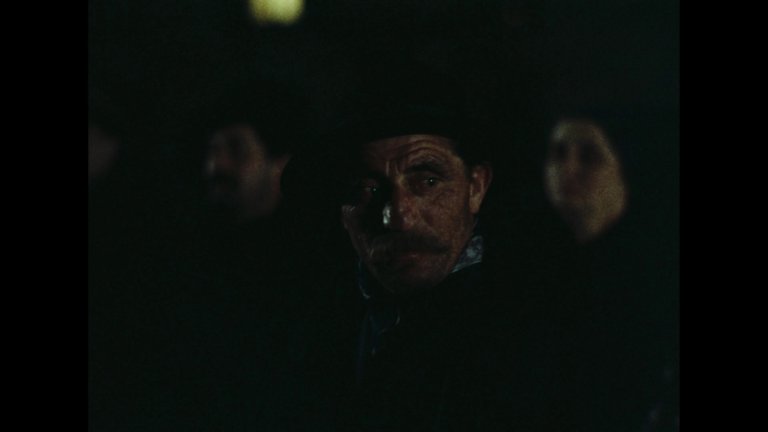
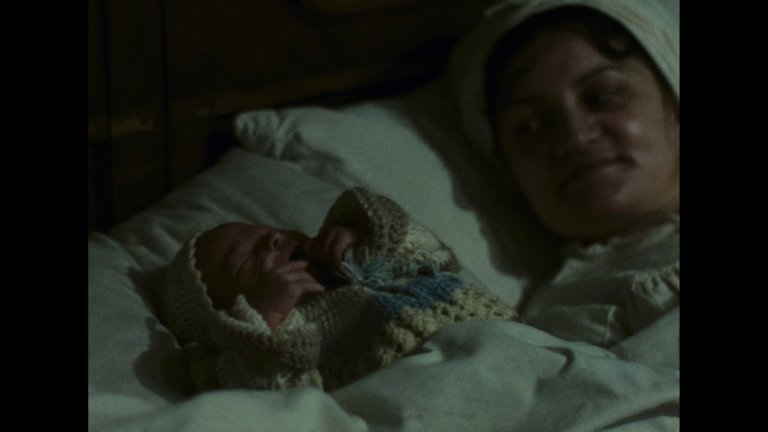
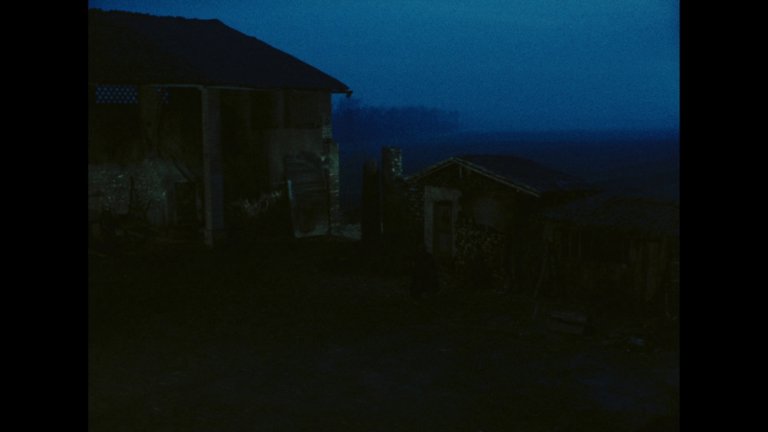
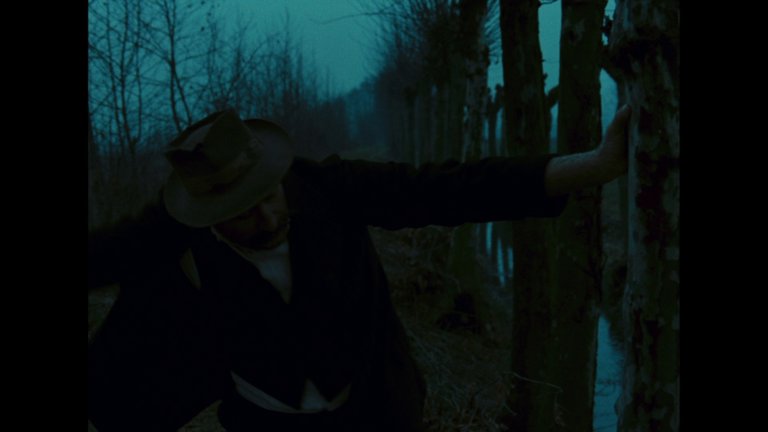
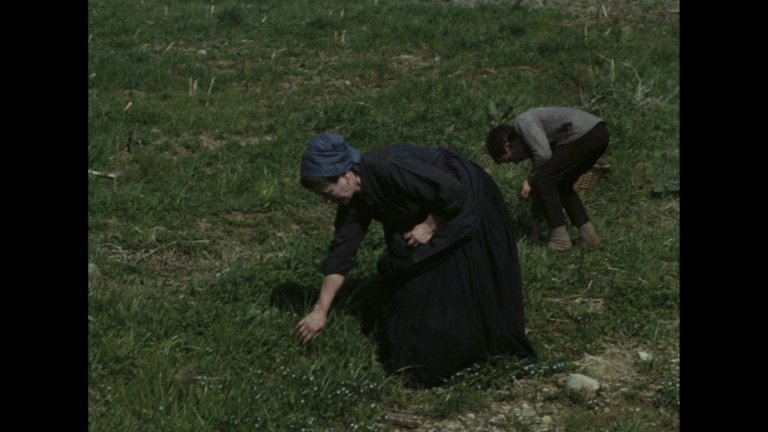
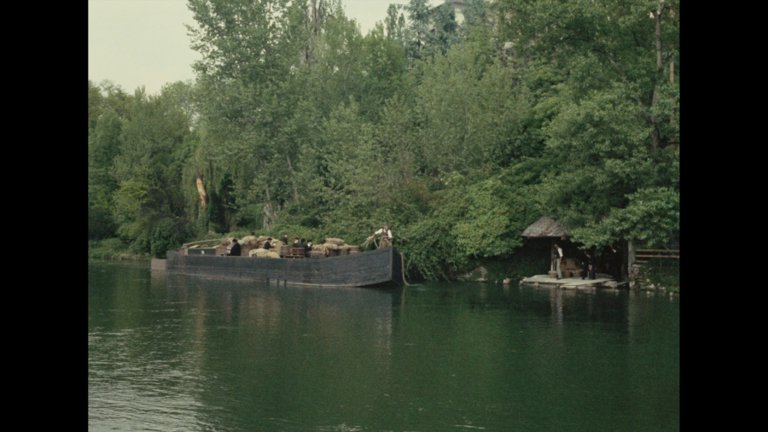
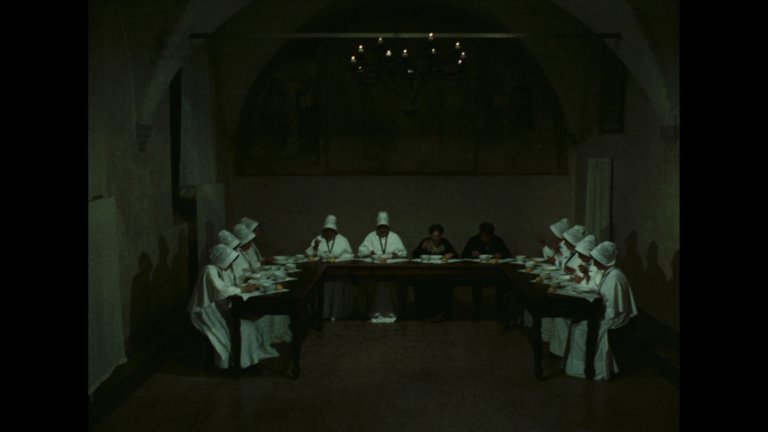
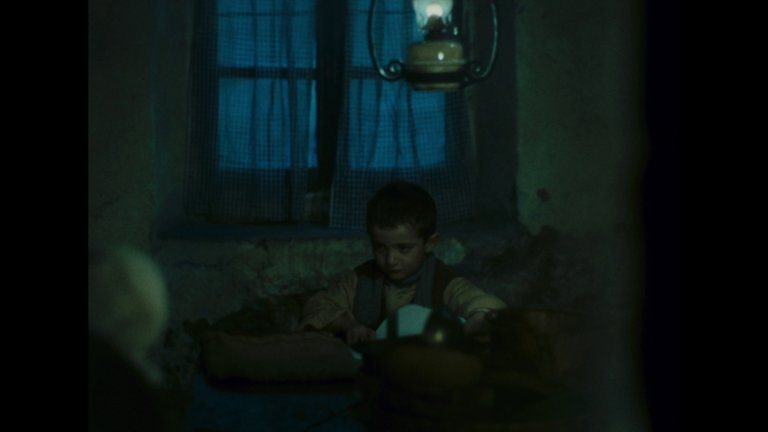
The Tree of Wooden Clogs - Screen Captures
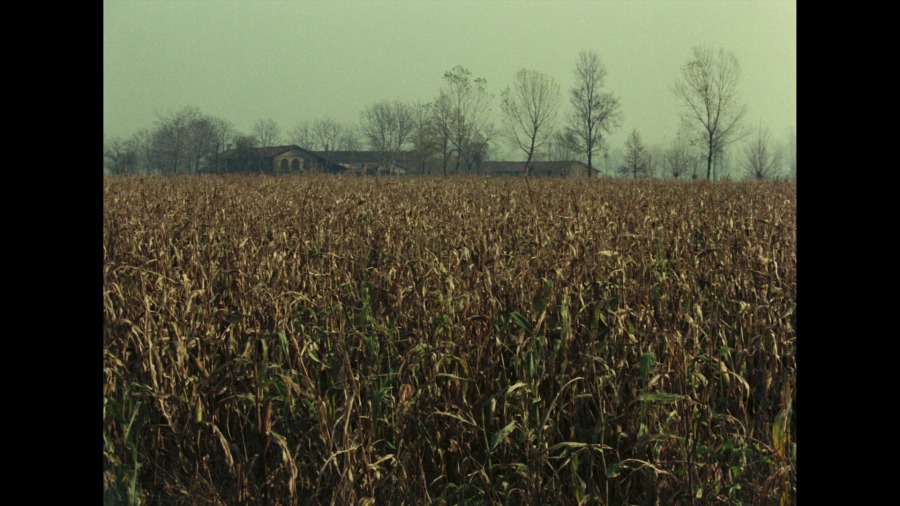
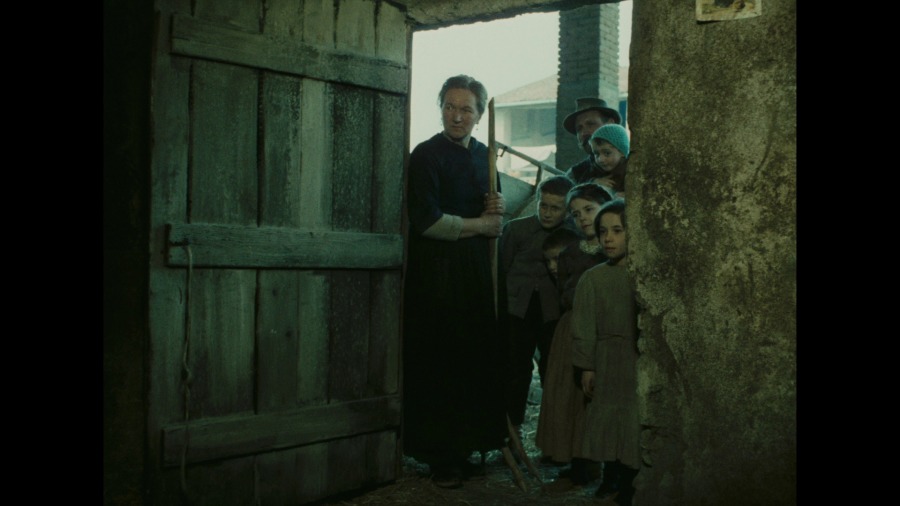
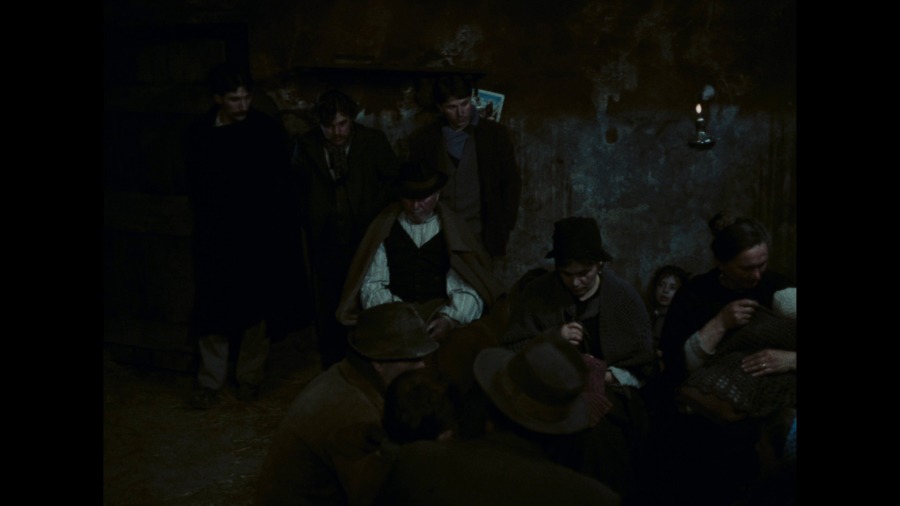
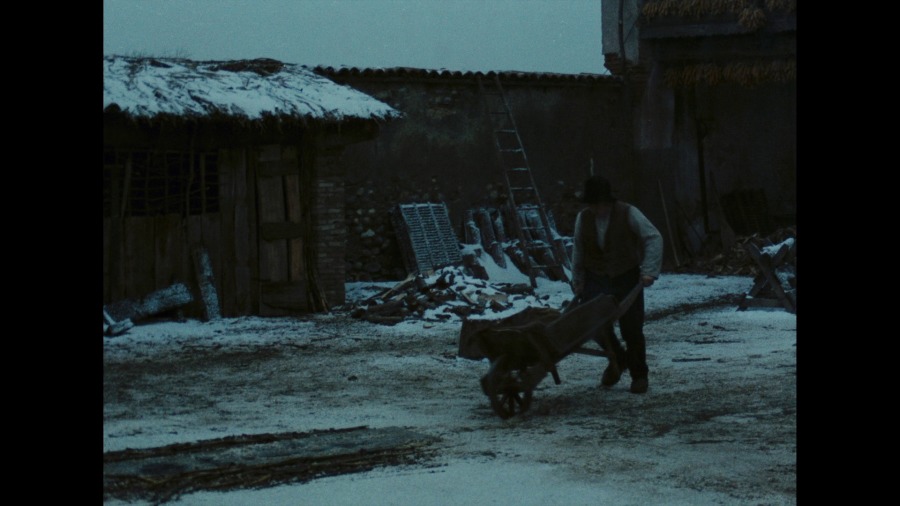
Audio 6/10
Criterion presents two monaural, single-channel audio tracks: a lossless PCM track presenting the film’s original Bergamasque dialogue and an optional Dolby Digital Italian dub. Though I classify the latter as a “dub” it’s apparent that a good chunk (if not all) of the Bergamasque dialogue was dubbed during post-production anyways. That aspect does give the audio a detached feel at times but it seems to match lip movement (a bit better anyways in comparison to the Italian) and the audio is clear with no overly obvious signs of damage. There’s still a certain flatness to it, but some sound effects do come off a little lifelike.
The Italian track is a bit flatter but isn’t too bad itself, though comes off as more of an obvious “dub.” Of the two I think I still prefer the original track.
Extras 7/10
Criterion packs on quite a bit of content here, first offering a new introduction by Mike Leigh
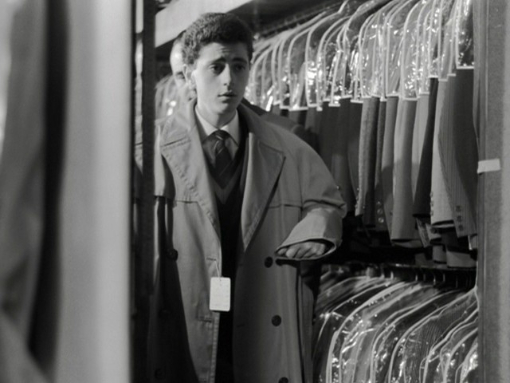
, the filmmaker praising the film for its technical qualities and how that lends the film a feeling of being “real.”That is then followed by a 52-minute episode of The South Bank Show called ”The Roots of the Tree,” filmed in 1981. The episode features Ermanno Olmi revisiting the farm used for the film and recalling (through a translator) the stories he was told by his grandmother that ultimately influenced the film. It’s a wonderful segment from the always engaging show (I had never heard of The South Bank Show until Criterion started licensing their material for supplements), the episode also looking at the director’s other work, including Il posto.
There is then what could be classified as an interview with Ermanno Olmi, filmed in 1978 at the Cannes Film Festival. Taken from French television the 7-minute clip features hosts talking about the film and how amazed they were by it before cutting to a pre-recorded interview with the director, where he talks about the actors and the screenplay. It’s short but a decent addendum to the previous program and Olmi’s stories.
There is then another interview with the director, recorded in 2008 for what I assume was a previous DVD edition. This 32-minute conversation is more substantial than the last one not surprisingly, Olmi going over his early career and work, before getting to The Tree of Wooden Clogs, its development, and his techniques. What’s nice about this interview and then the previous supplements featuring Olmi is that very little is repeated through all of them and we end up getting a solid overview of his career, working method, and history behind this film’s production, and most of it from Olmi himself.
Finally we next get a perspective from the cast and crew thanks to a filmed Q&A with them that occurred after a 2016 screening of the film. Participating in the panel is production manager Enrico Leoni, script supervisor Fiorella Lugli, production designer Rossella Guarna, and cast members Omar Brignoli and Franco Pilenga. They aren’t all filmed at once, with participants switching off halfway through, but from the discussion we get a better idea of the work environment, with everybody from the cast and crew pitching in. The designers describe modifying the location and fixing it up for the film, as well as creating the look of the seasons, while the actors talk about what they brought to their roles (basically played themselves). We also get a few stories and anecdotes, along with more detail about the pig slaughter scene. It runs 34-minutes.
The disc then closes with trailer and the included insert features Deborah Young. I did find the supplements we get fascinating, particularly in its details about the production itself along with the stories that influenced the film, but the lack of a substantial academic supplement (not counting the insert and the short Leigh intro) is a disappointing miss and is something I would have expected. At the very least what’s here is still very good.
Closing
I give the release a recommendation though say that feeling it could maybe be better. The supplements are good though do sort of leave me wanting a more academic slant, while the presentation is a bit questionable. The blue/teal look could be intentional but I felt it harmed the image in a few other areas, particularly the low-lit scenes. Despite that the clean-up job and encode leaves little to complain about.
BUY AT: