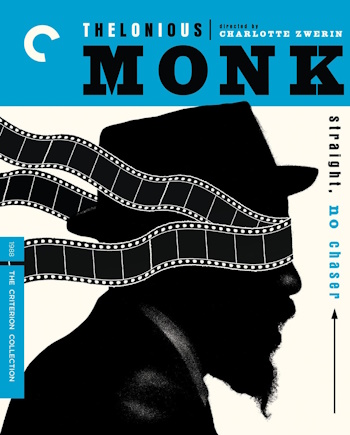
Thelonious Monk Straight, No Chaser
BUY AT:


See more details, packaging, or compare
Synopsis
The closest a film camera ever got to enigmatic jazz visionary Thelonious Monk, this intimate portrait sheds light on the corners of a brilliant and complex life. Superbly crafted by Direct Cinema pioneer Charlotte Zwerin from a trove of precious 1960s archival footage, Thelonious Monk Straight, No Chaser captures the pianist and bebop innovator in rare, unguarded moments on- and offstage, revealing an eccentric and complicated personality. Made with the same freedom of spirit that defines Monk’s artistry, this essential slice of jazz history is a unique glimpse into the quixotic world of one of the twentieth century’s most revolutionary artists.
Picture 9/10
The Criterion Collection presents Charlotte Zwerin’s documentary Thelonious Monk: Straight, No Chaser (about the jazz pianist and composer) on Blu-ray, delivering the film in 1080p/24hz in its original aspect ratio of 1.33:1 on a dual-layer disc. The presentation is sourced from a new 4K restoration, taken from a 35mm blowup interpositive.
Though Zwerin ultimately constructed the film and released it in 1988, she primarily relied on footage of Monk shot in the late 1960s by Christian and Michael Blackwood, who impressively gained remarkable access to the musician over the course of about six months. They followed him while touring and performing, capturing rehearsals, recordings, and more intimate private moments. The brothers had originally intended to produce their own documentary but were unable to complete it. Years later, the footage was handed off to Zwerin, who—seeking to establish her own voice apart from her earlier direct cinema work with Robert Drew and the Maysles brothers—crafted a new film around it. She supplemented the material with newly filmed interviews (which also appear to have been shot on 16mm), but the bulk of the documentary is built from the Blackwoods’ black-and-white footage.
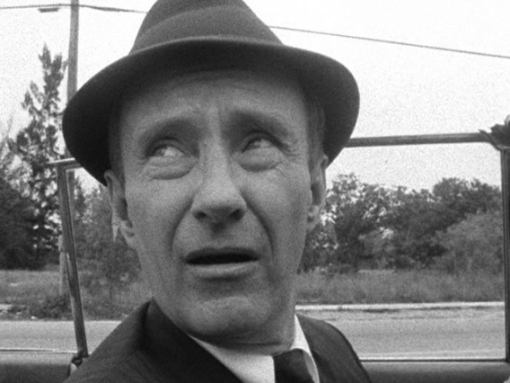
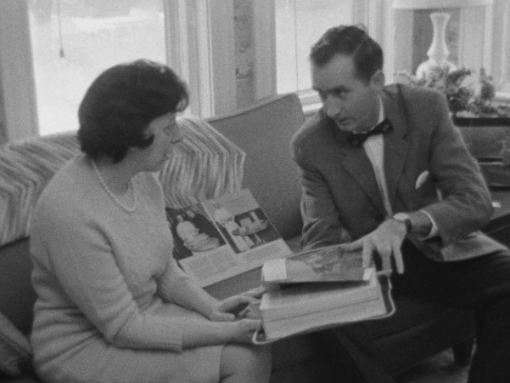
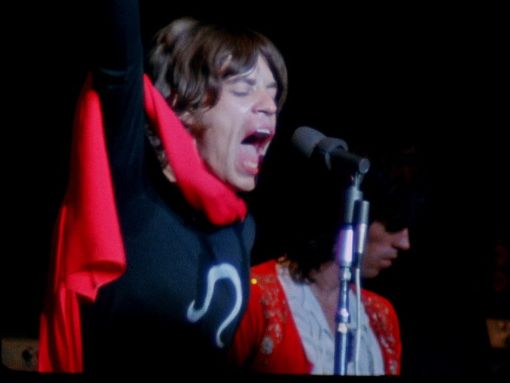
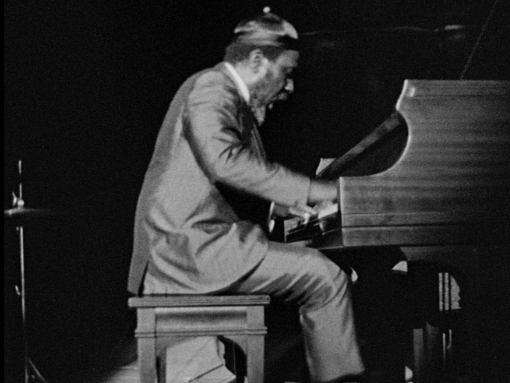
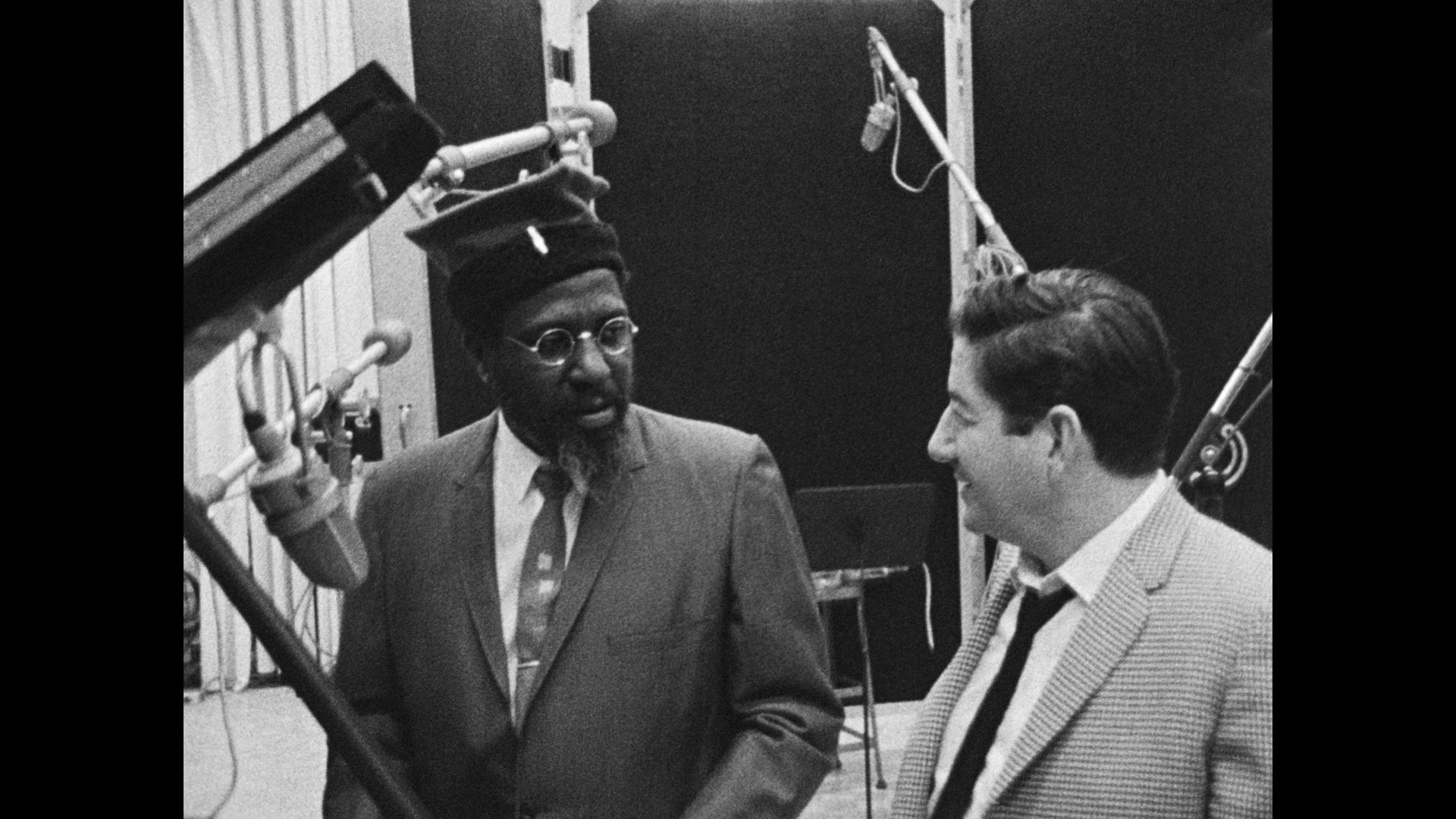
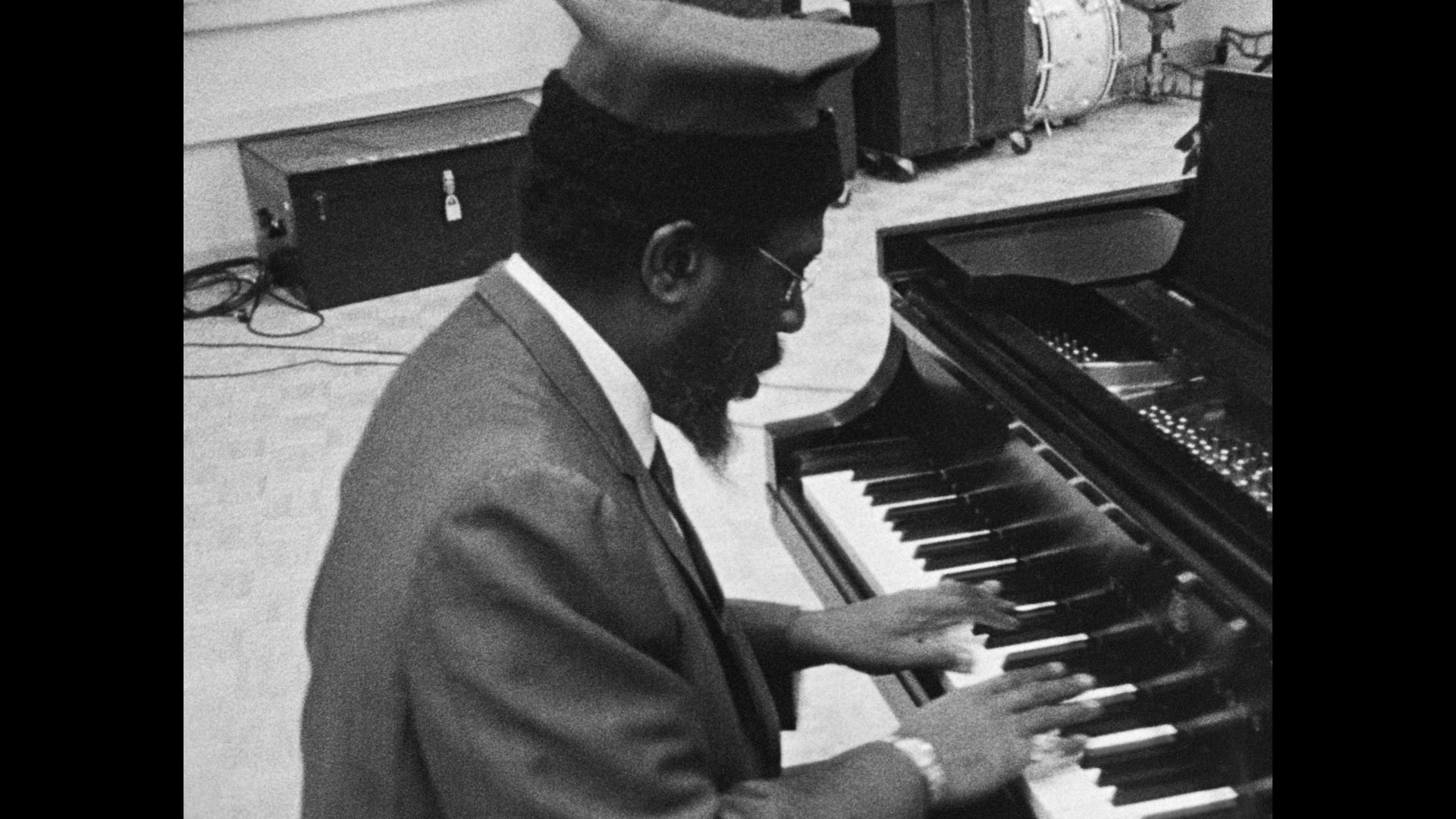
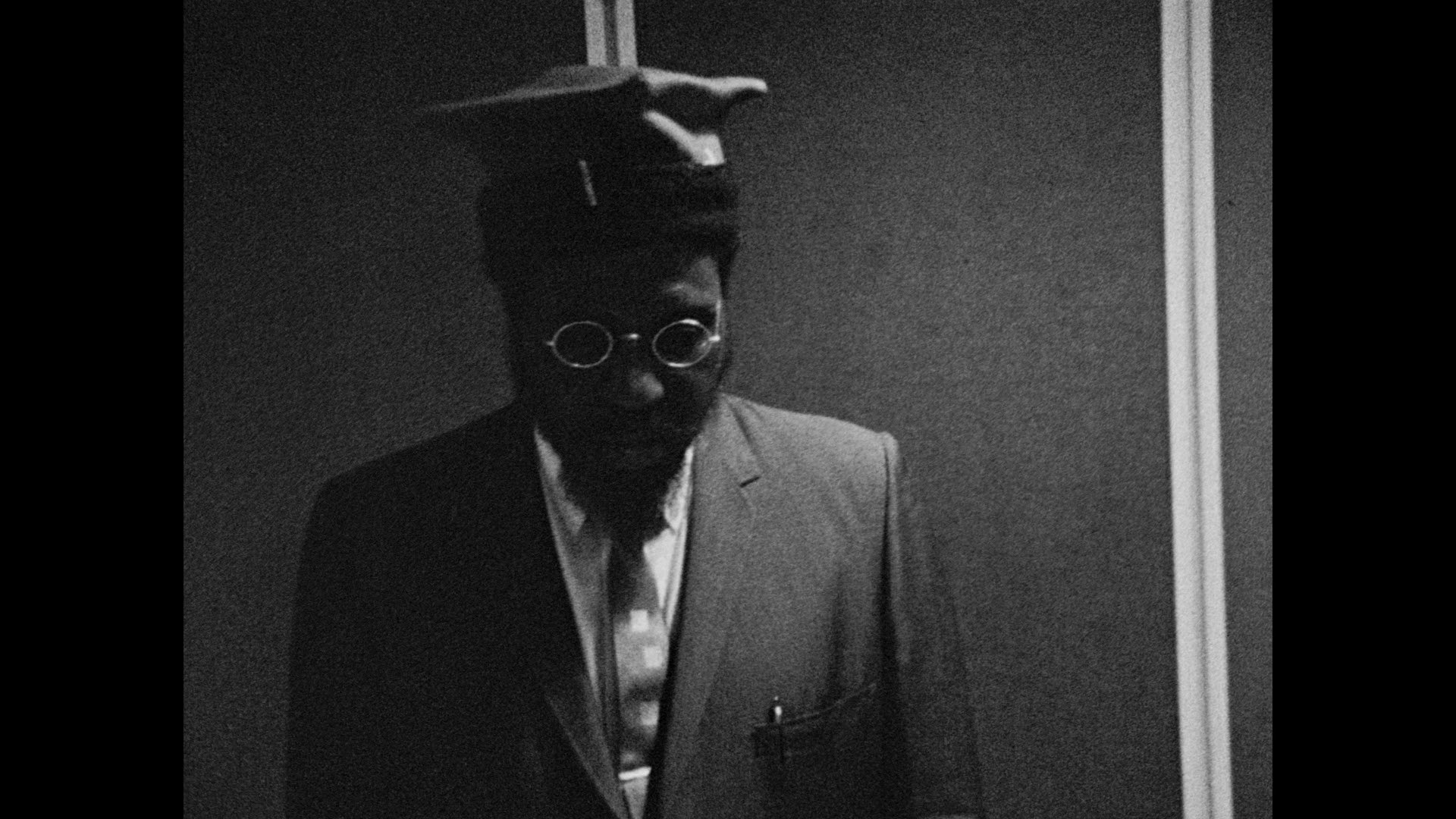
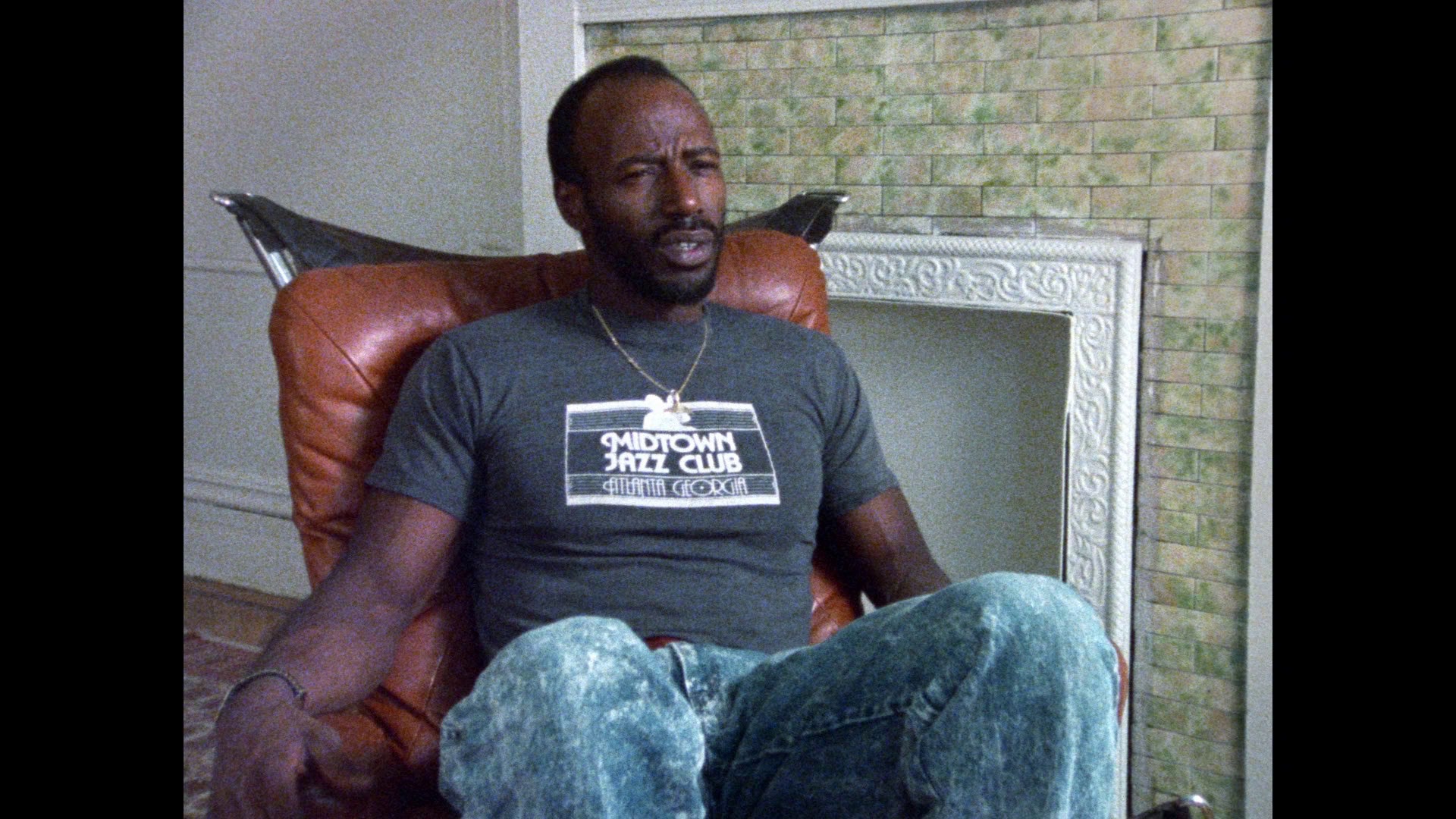
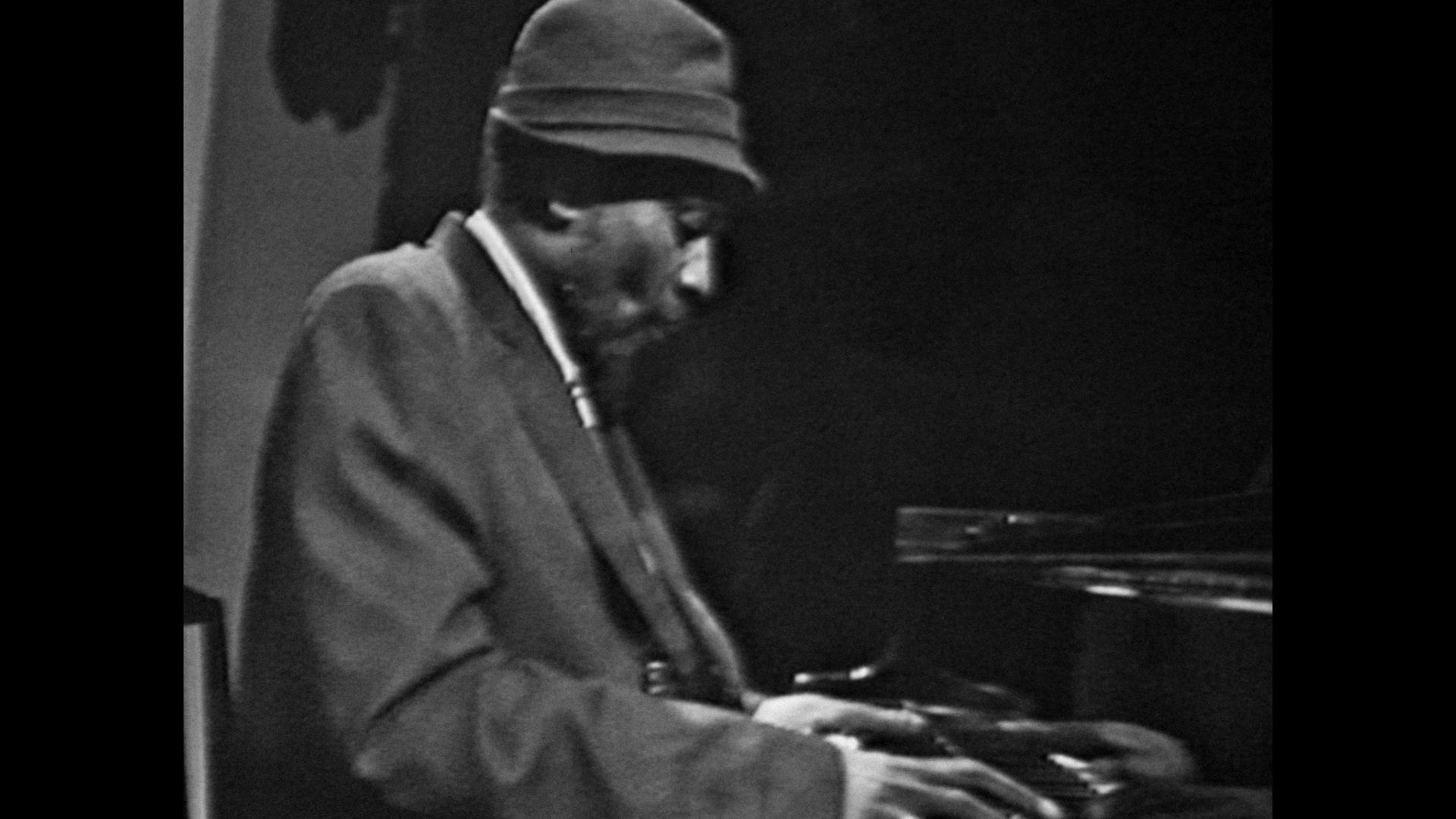
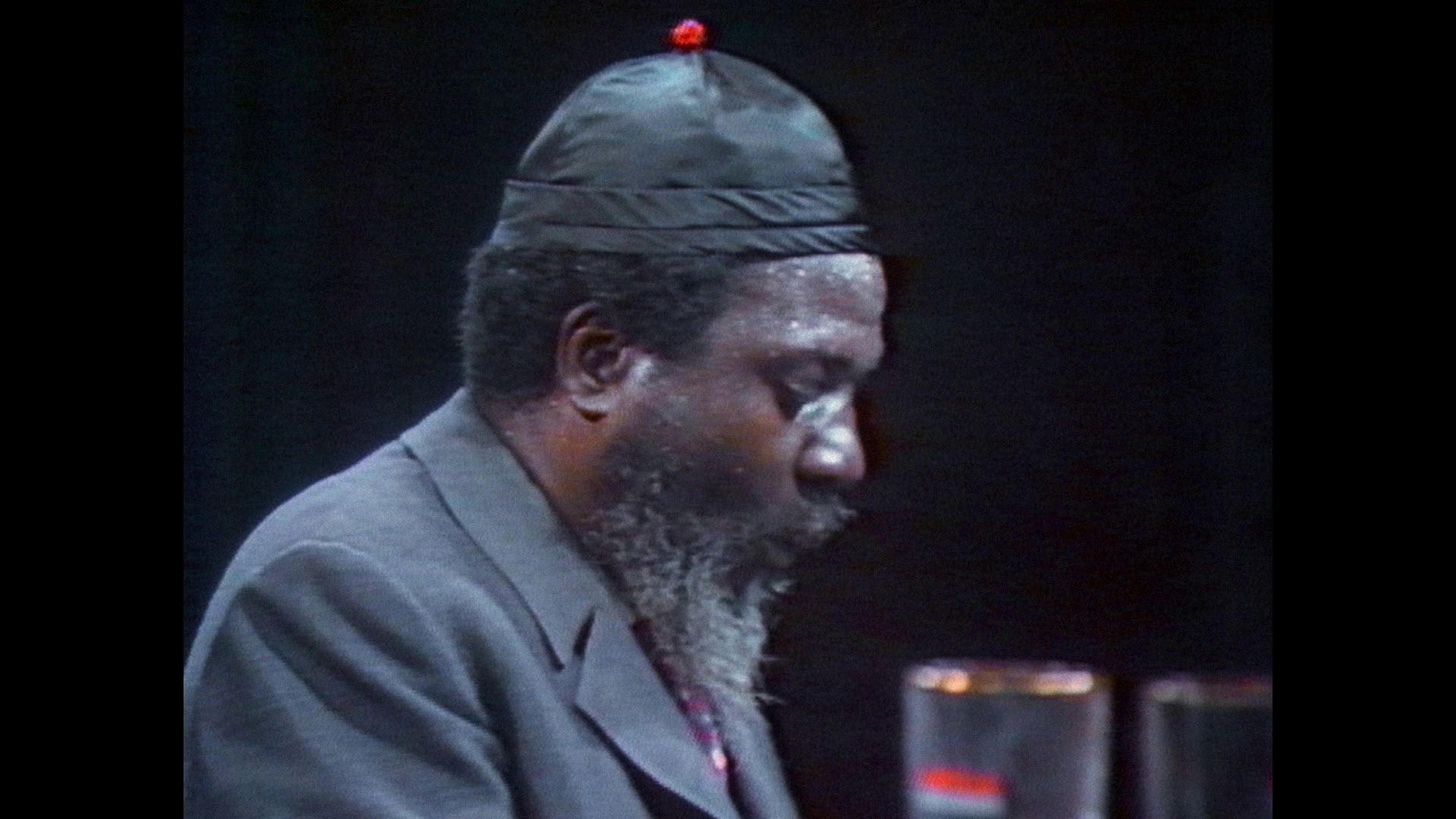
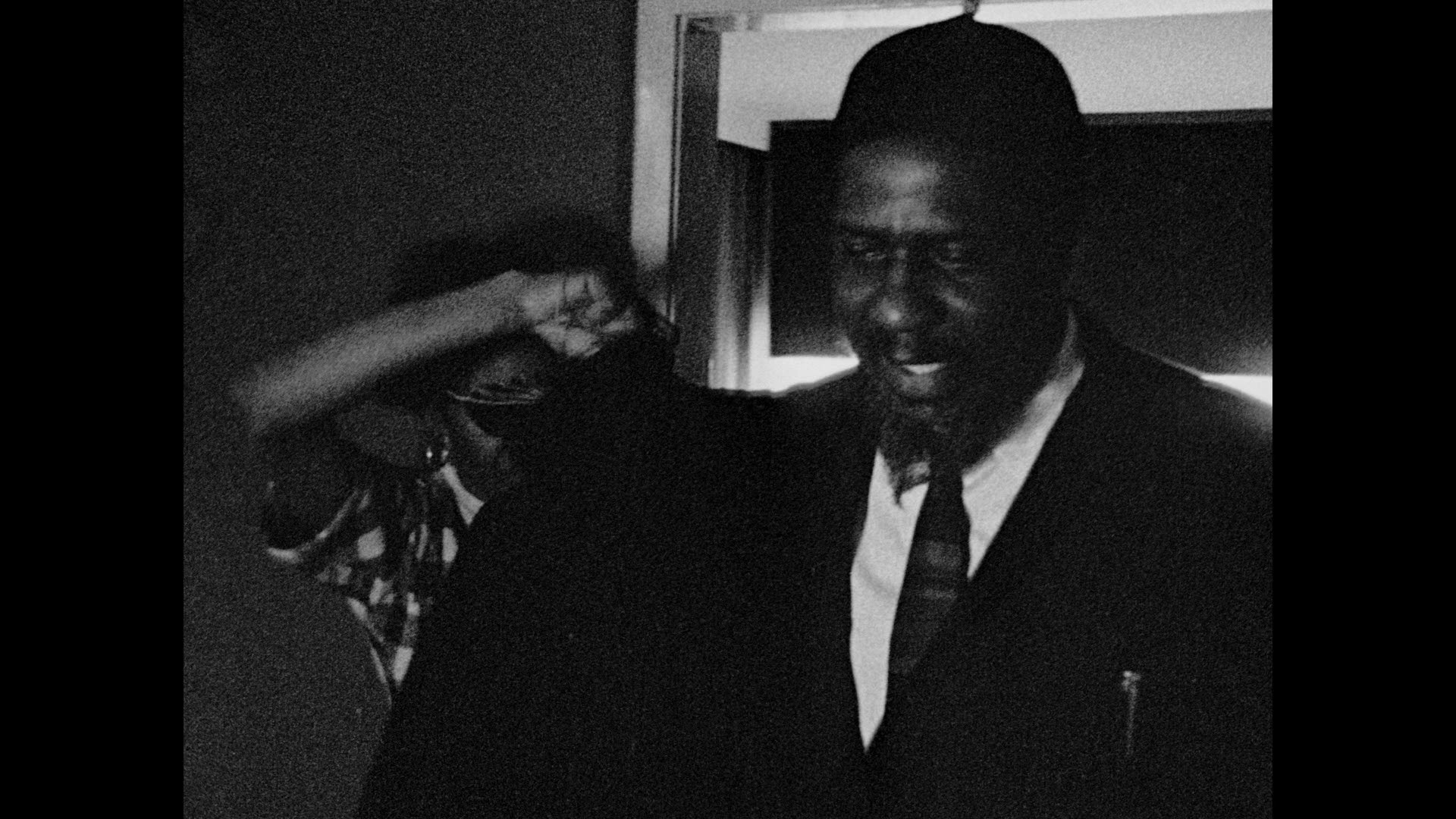
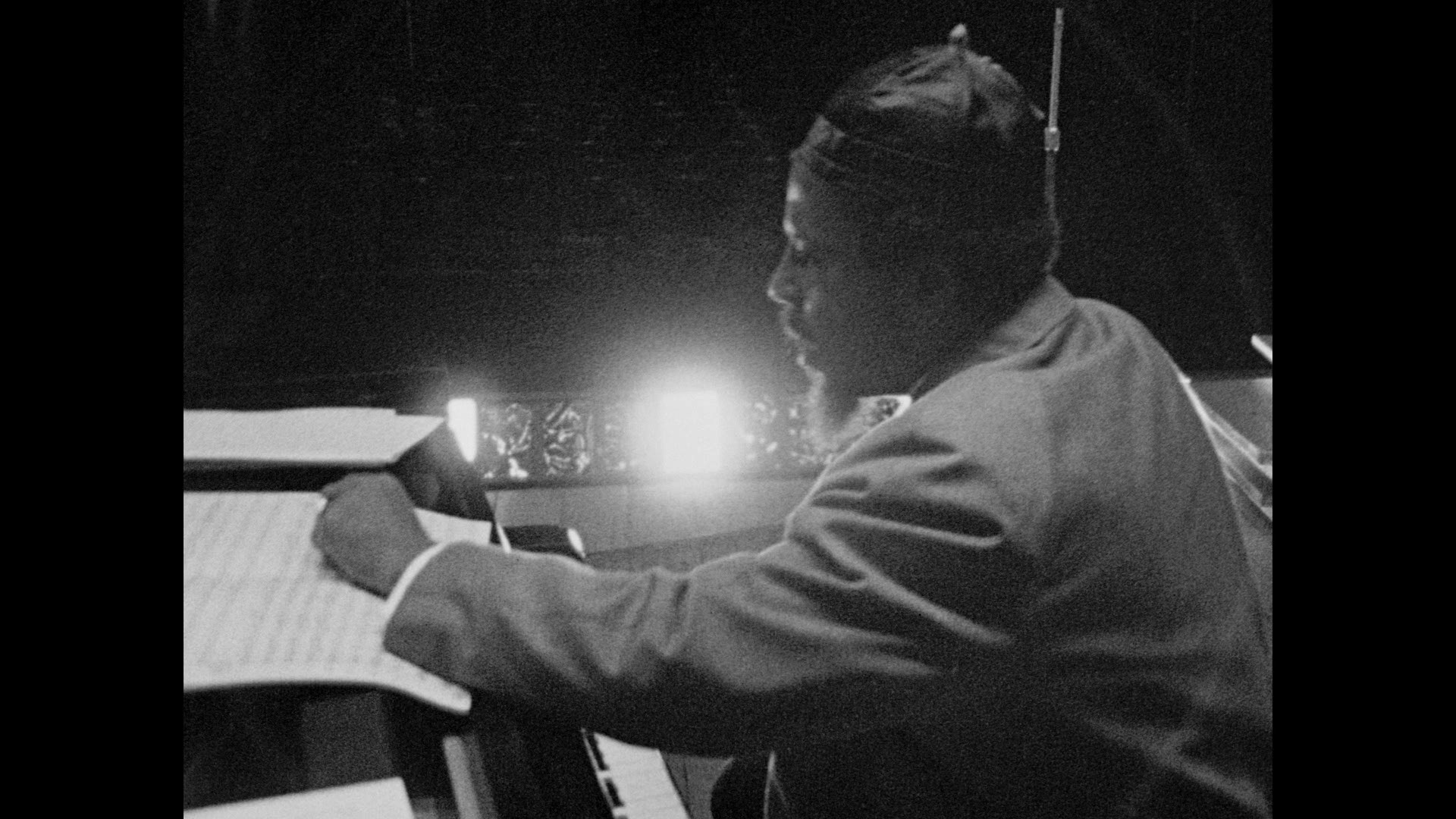
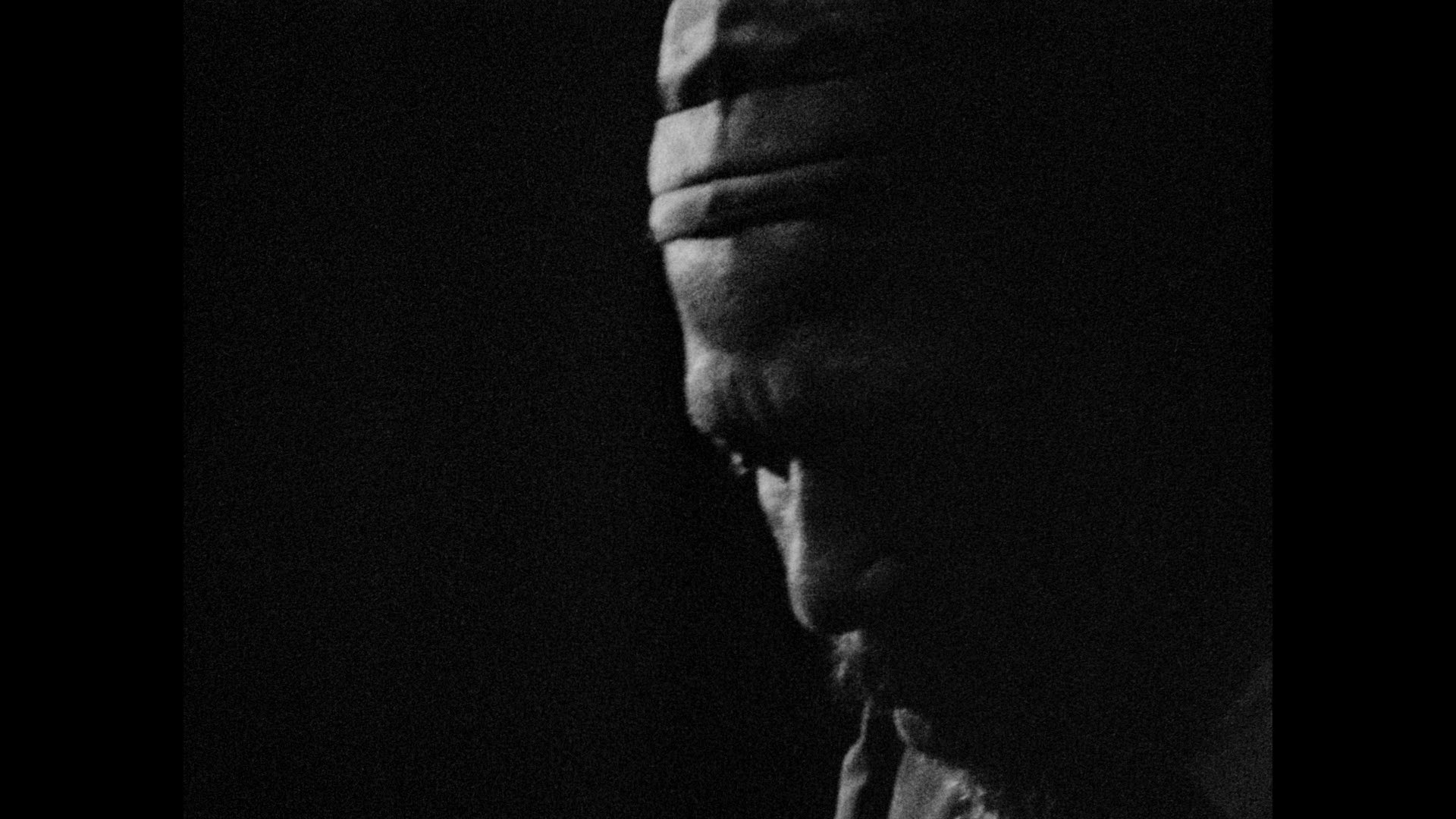
Based on that, I wasn’t sure how the film was going to look; documentaries assembled from older, mixed-source material often have limitations depending on how well the footage was preserved and whether original elements are available (some sequences even appear to come from Kinescope or video footage). But impressively, this looks remarkable. The “newer” footage looks great, as expected, but it’s the material shot by the Blackwoods that proves most surprising. It has been meticulously restored, with minimal damage and gorgeous contrast. Grayscale range is excellent, with clean tonal transitions in the lighter grays, deep black levels, and rich shadows where the photography allows. Highlights also hold up well.
Unsurprisingly, since the restoration was sourced from a 35mm blowup of 16mm footage, the film is very grainy, and that may be underselling it. Yet this ends up being a non-issue thanks to Criterion’s unusually strong encode. The black-and-white footage, in particular, retains a beautiful film texture. Some of the newer color interview segments may exhibit a faint buzz in isolated moments, but these are rare and minor. Overall, it’s a robust presentation.
I’m not surprised Criterion didn’t pursue a 4K UHD release (presumably feeling the materials didn’t quite warrant it), though I do think the film still could have benefited from one. That said, this high-def presentation looks unbelievably good. It’s a fantastic restoration.
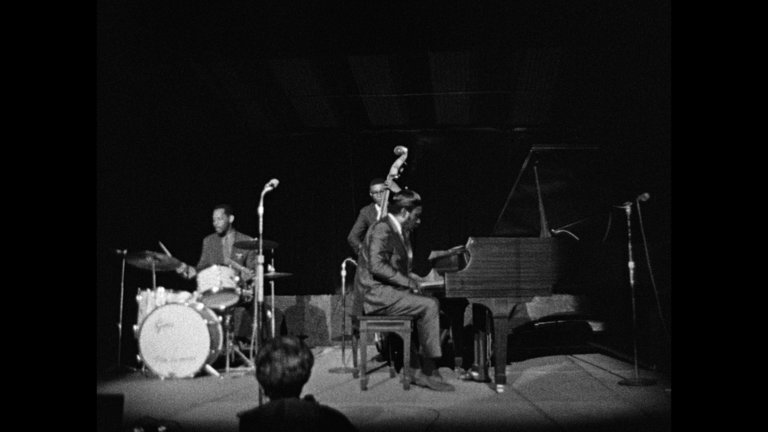
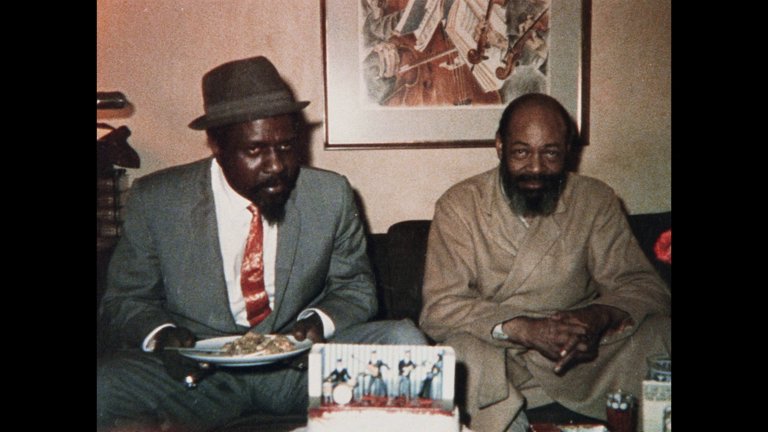
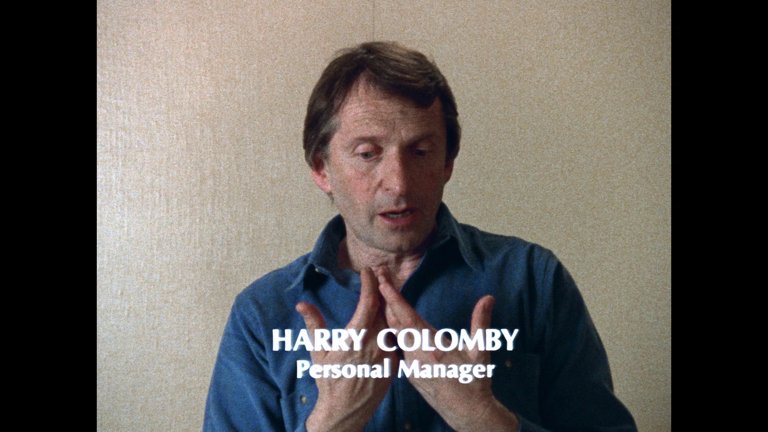
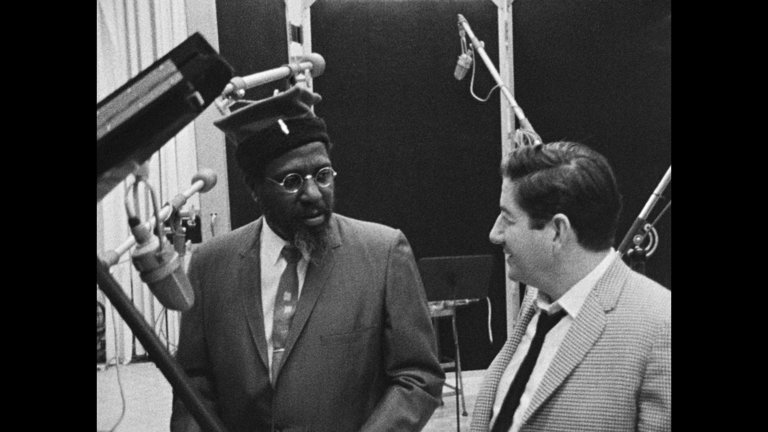
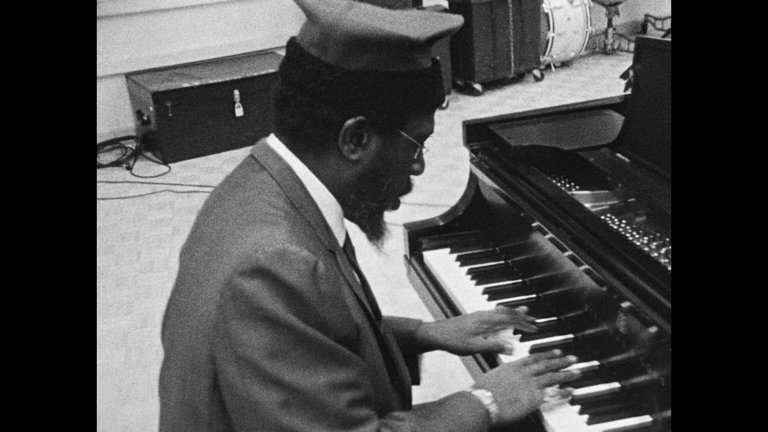
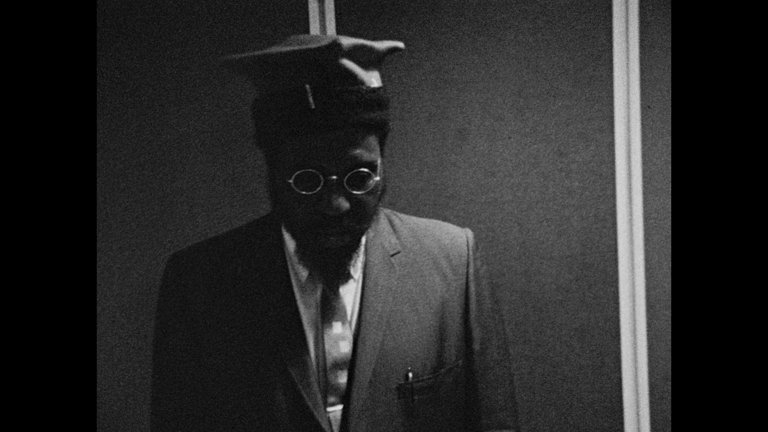
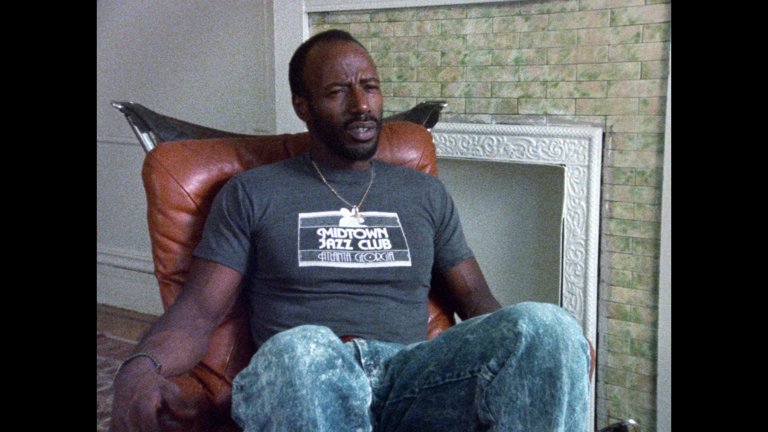
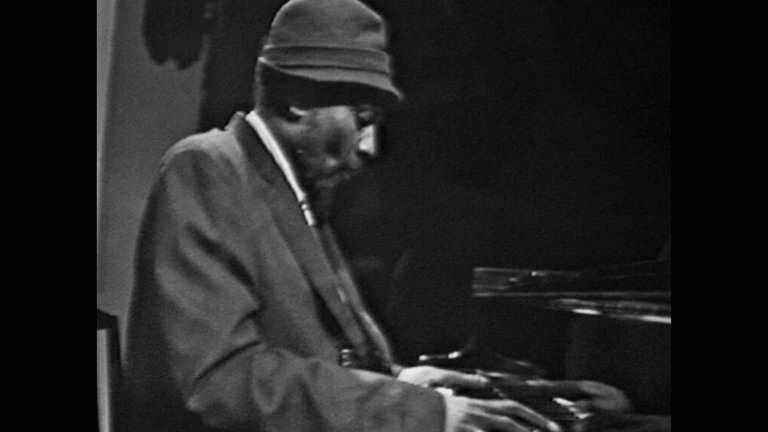
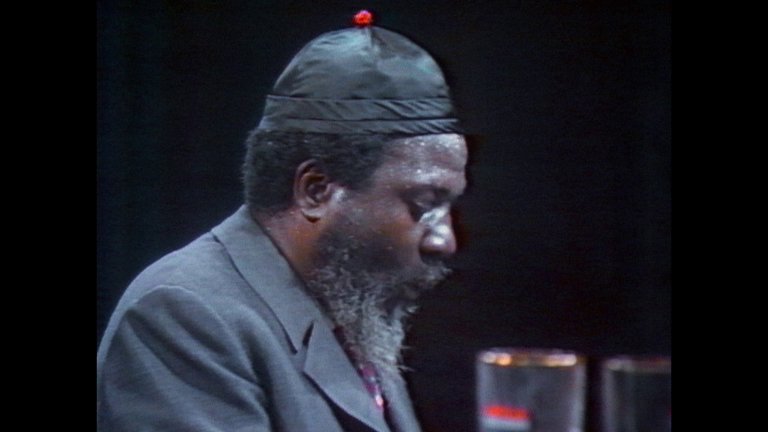
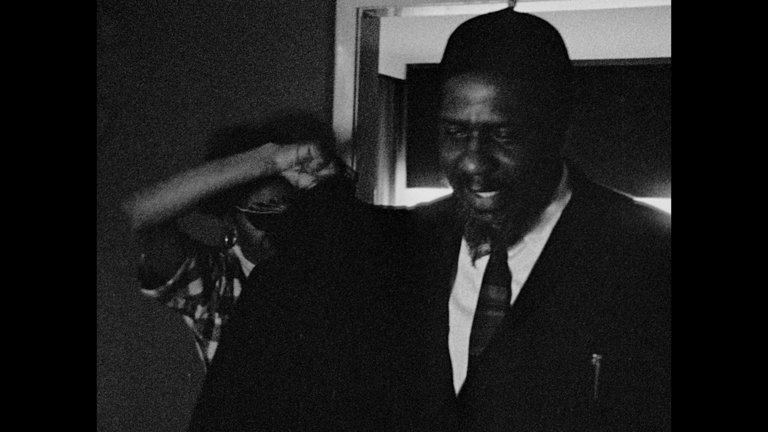
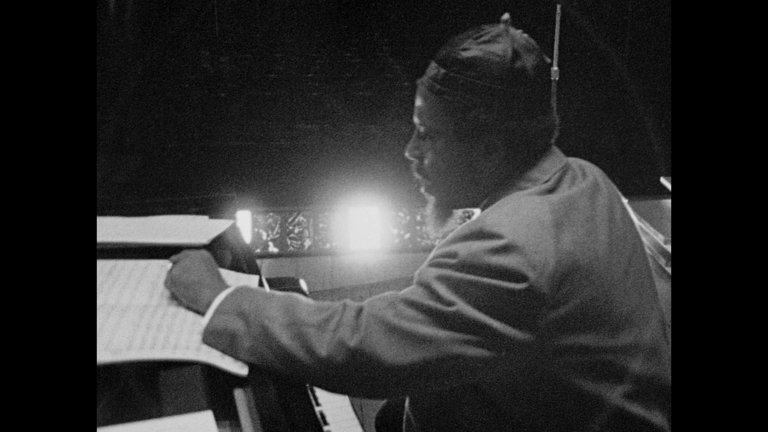
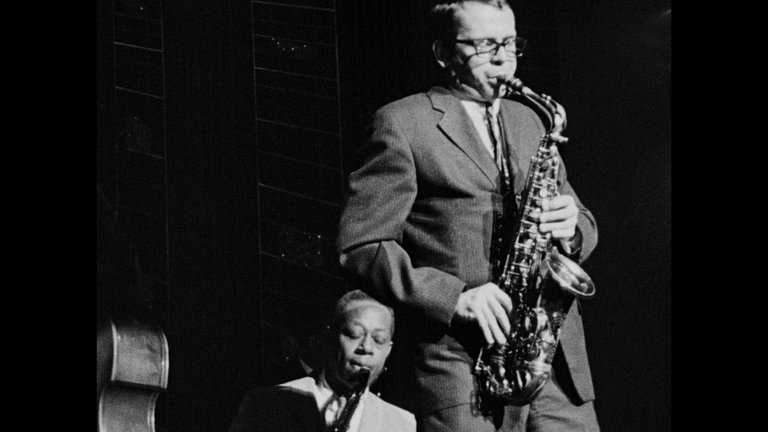
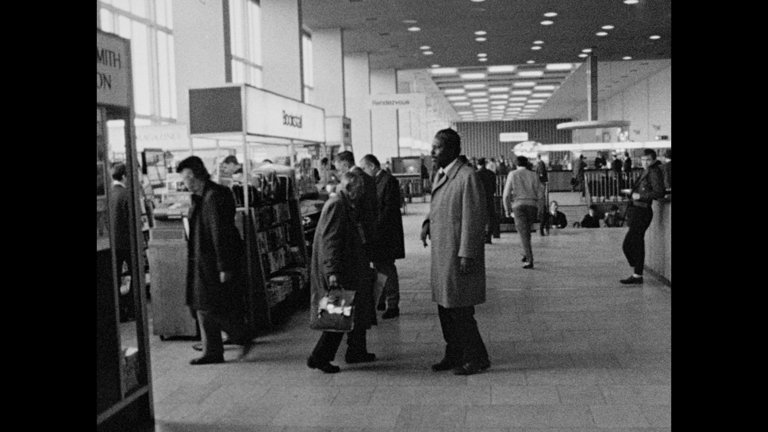
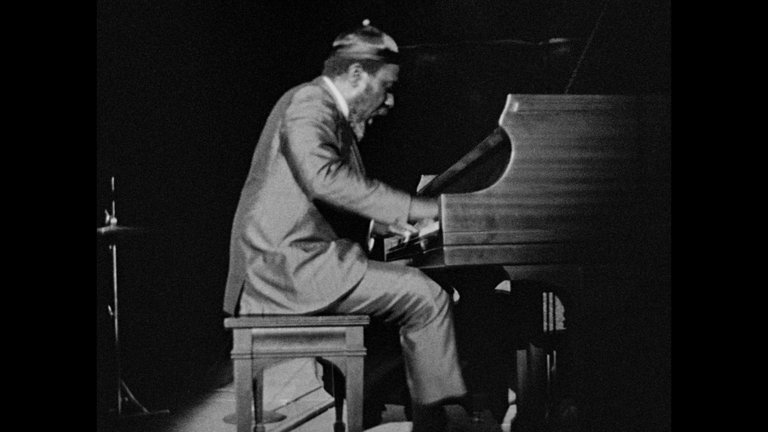
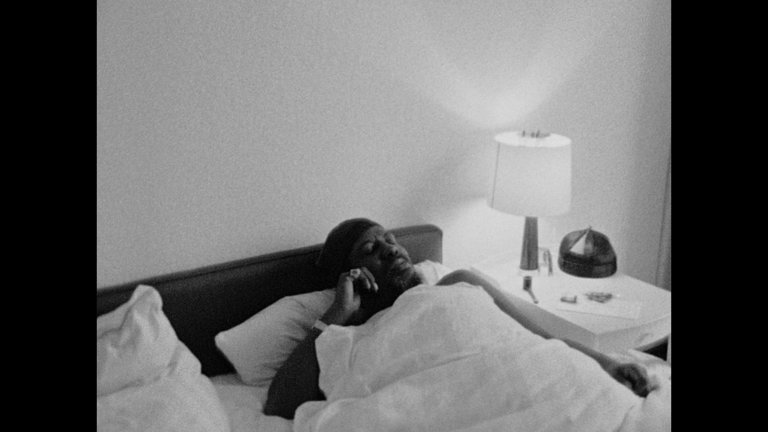
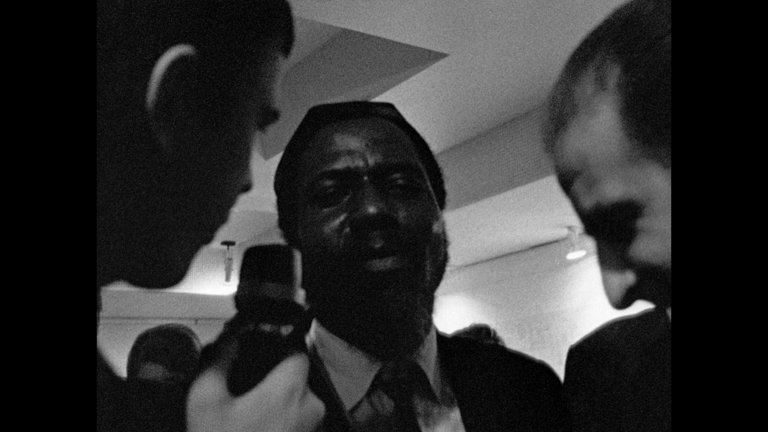
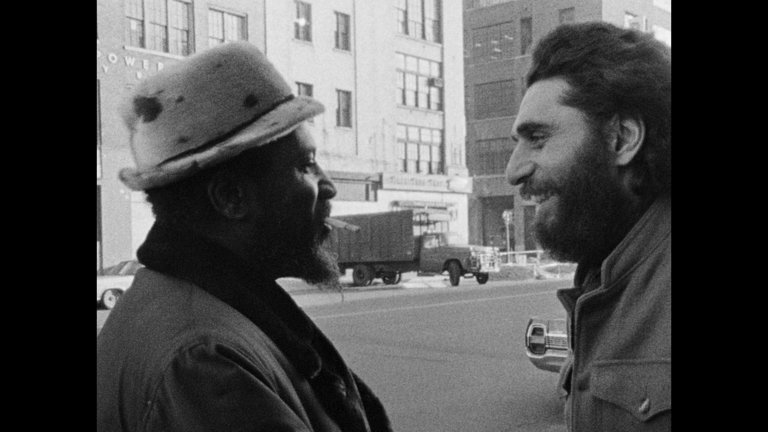
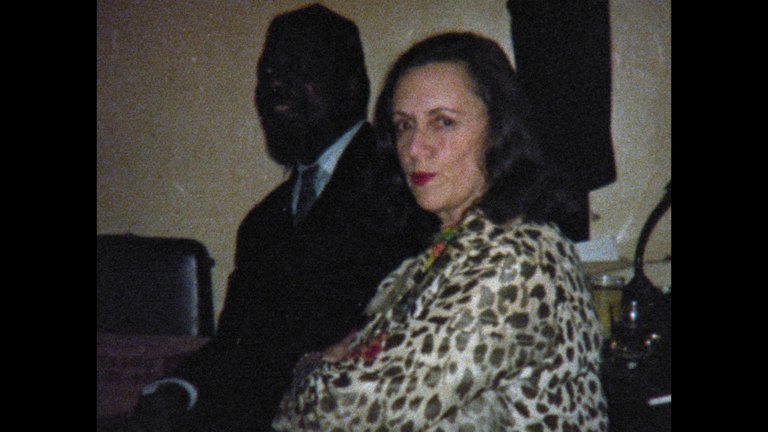
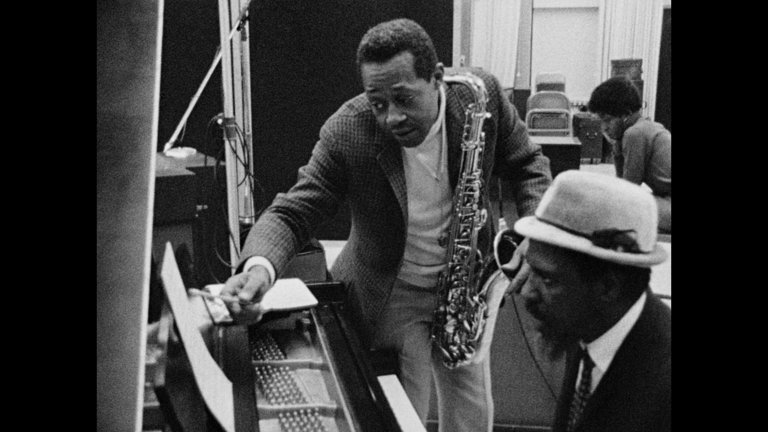
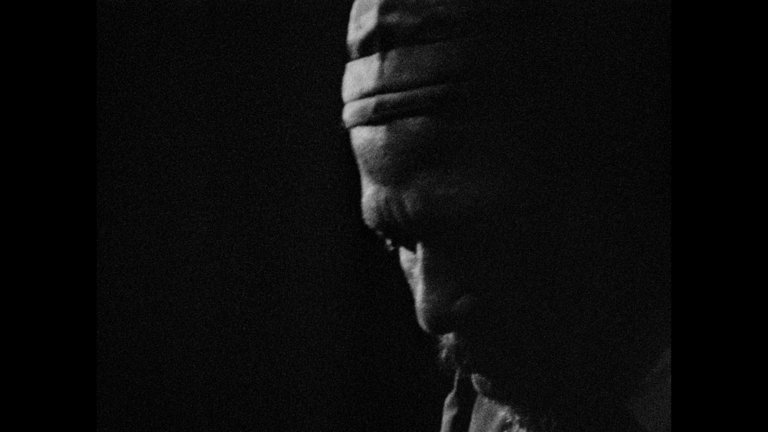
Thelonious Monk Straight, No Chaser - Screen Captures
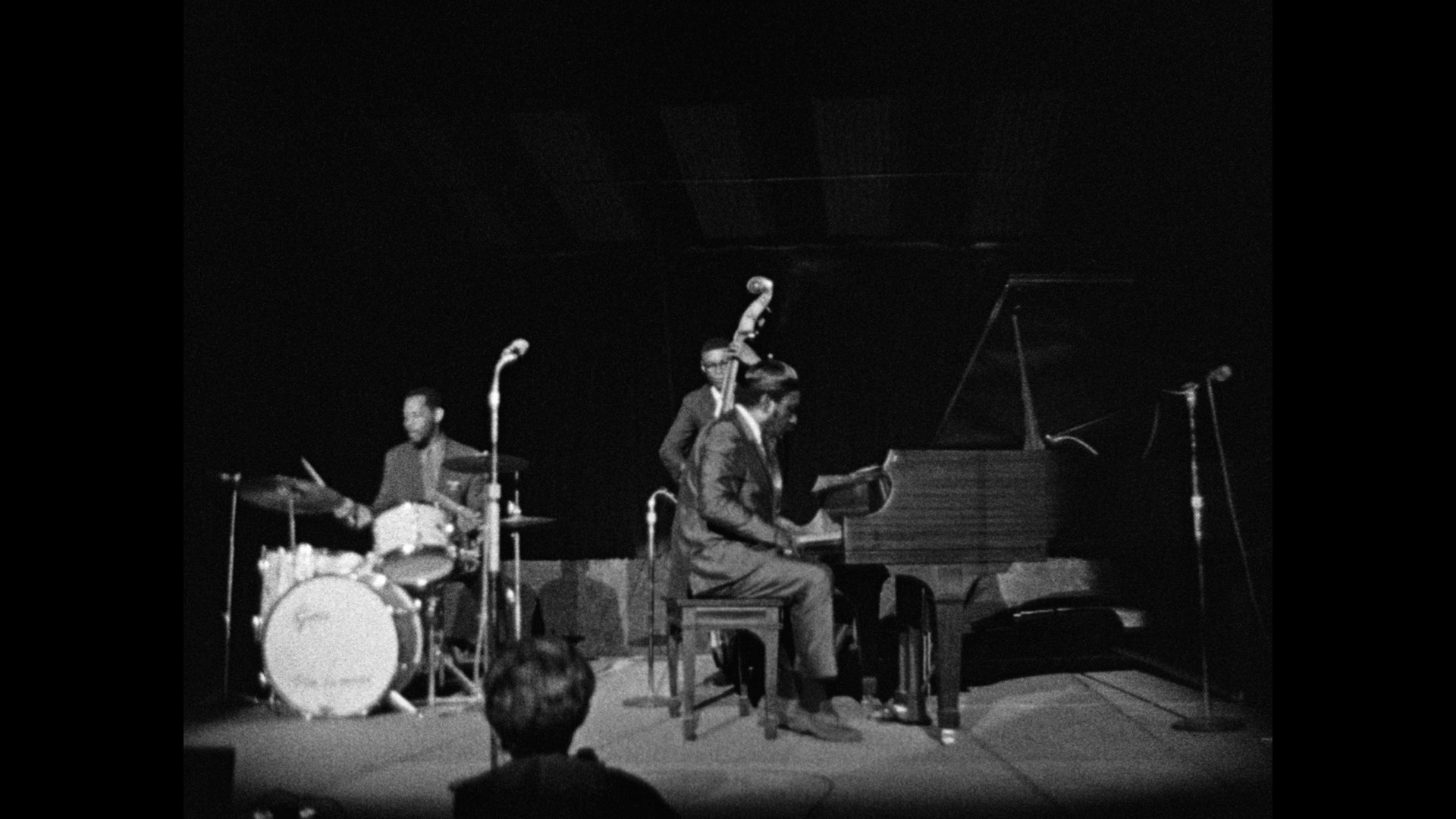
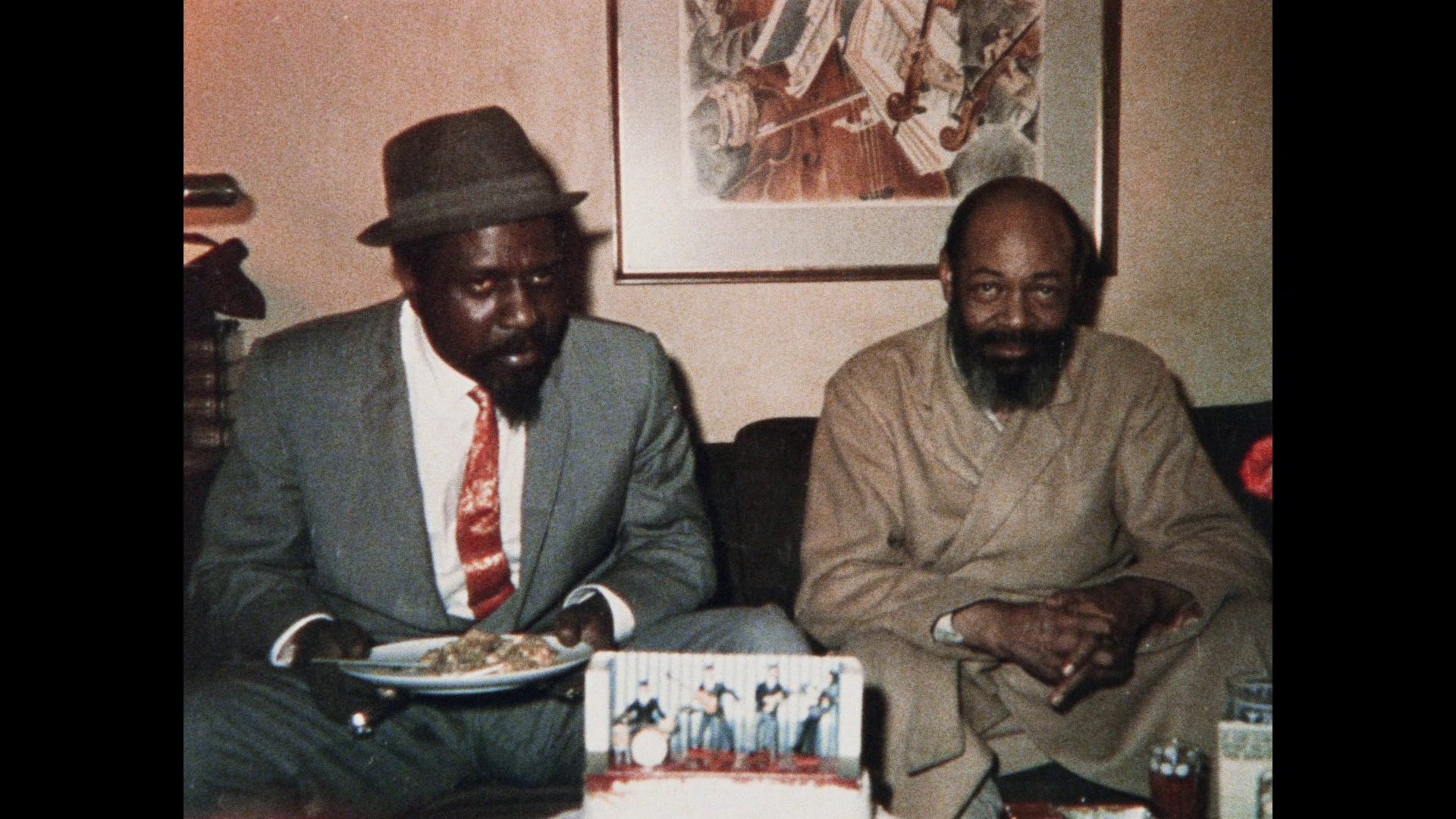
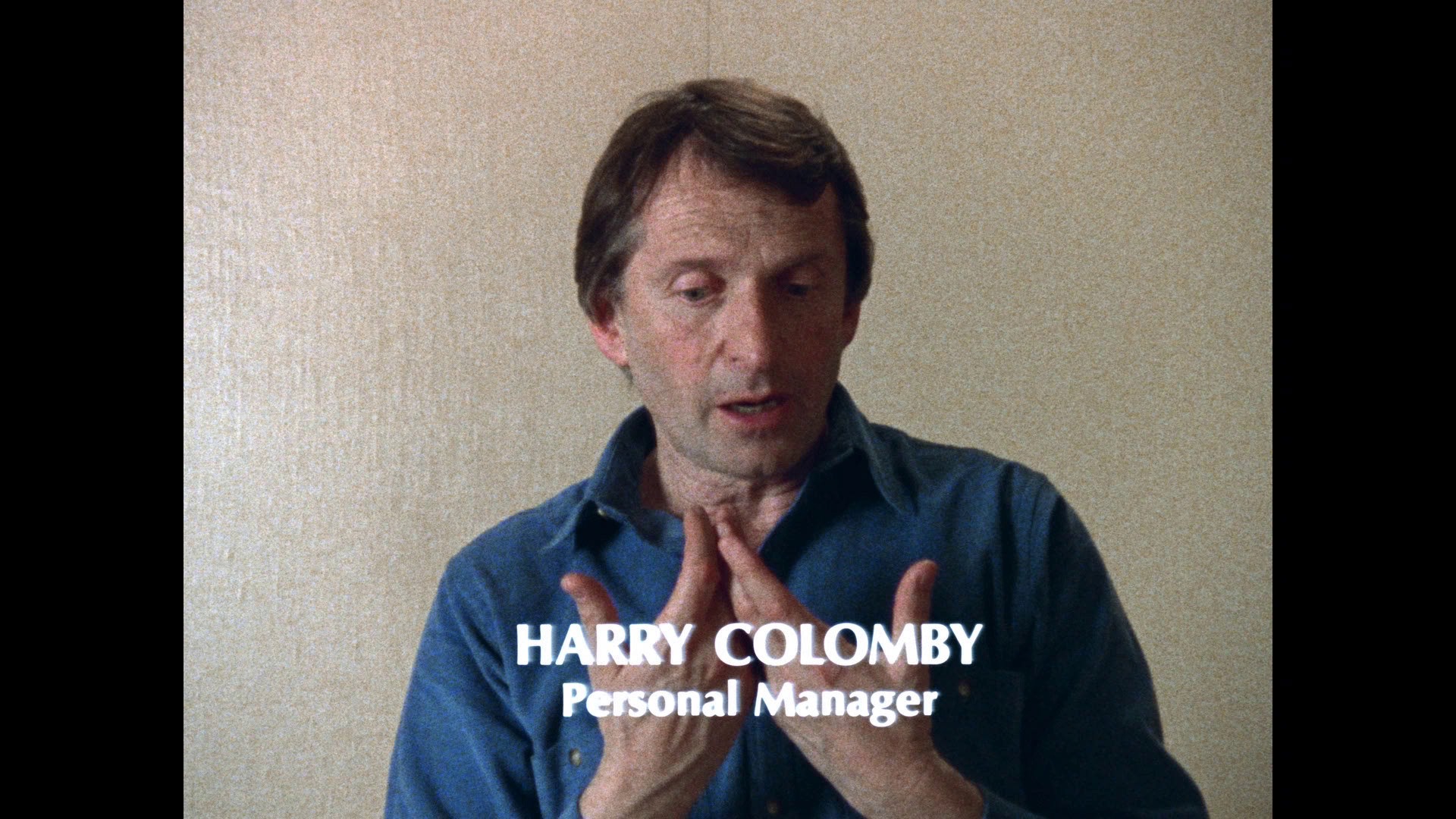
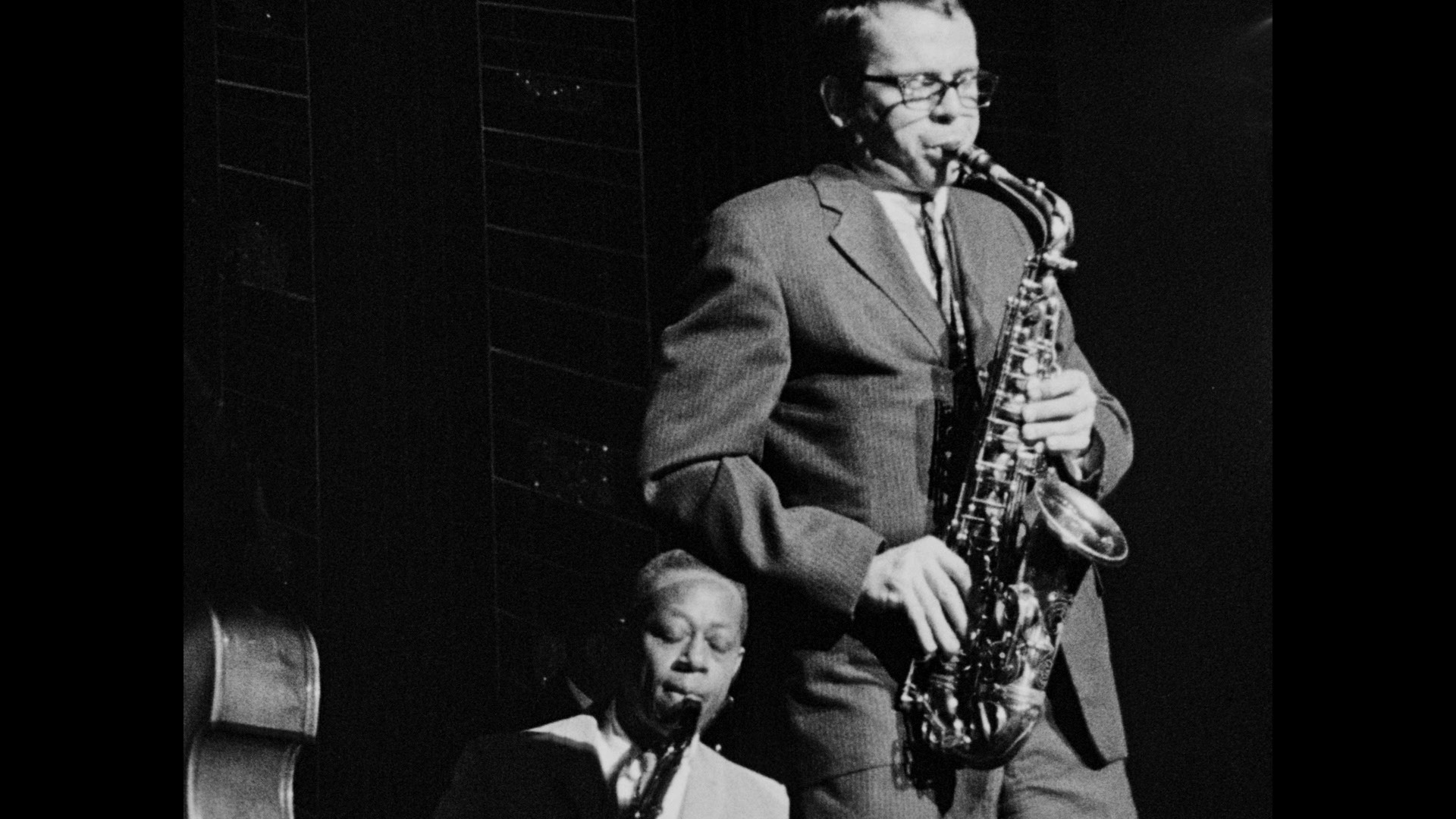
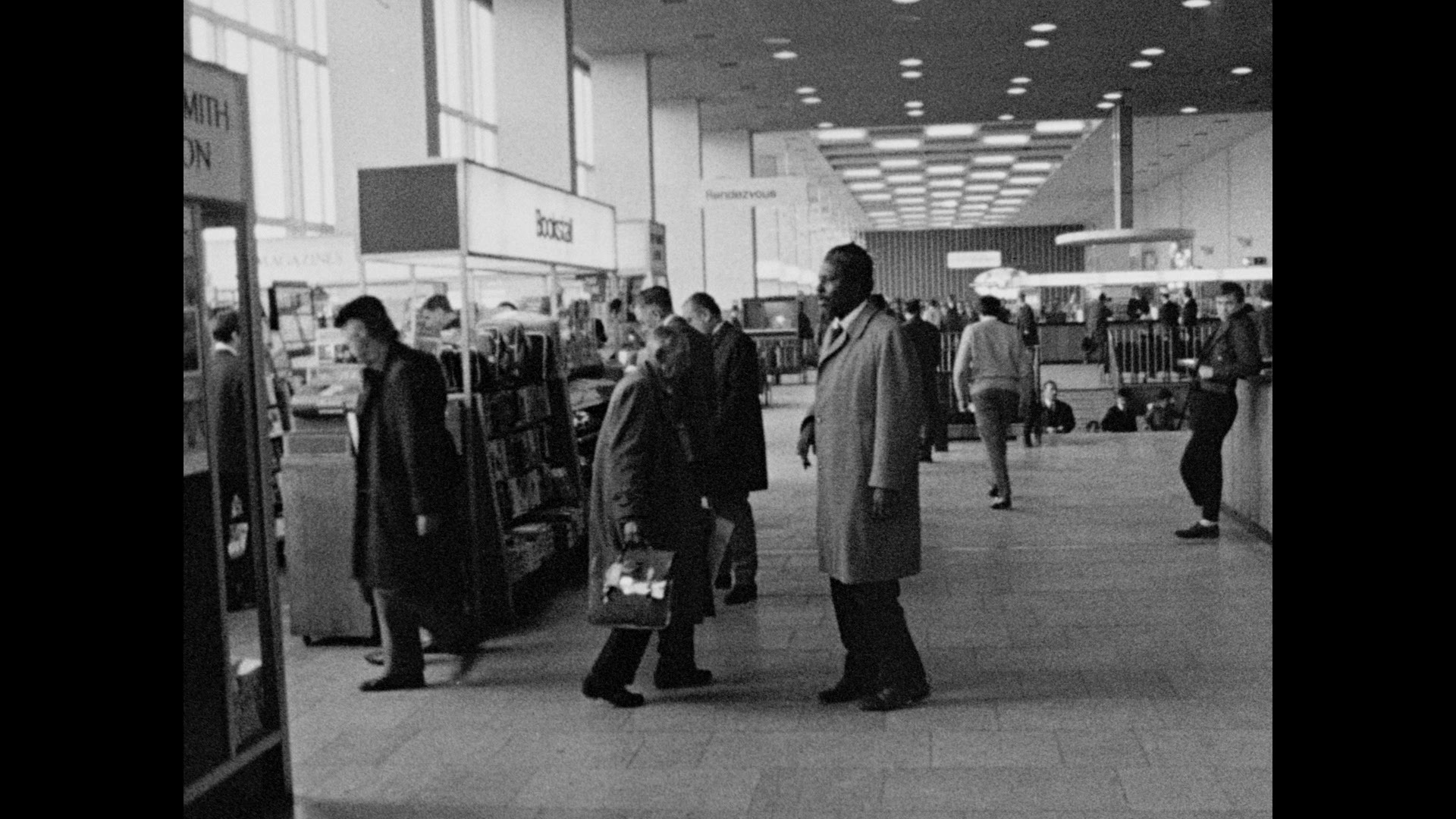
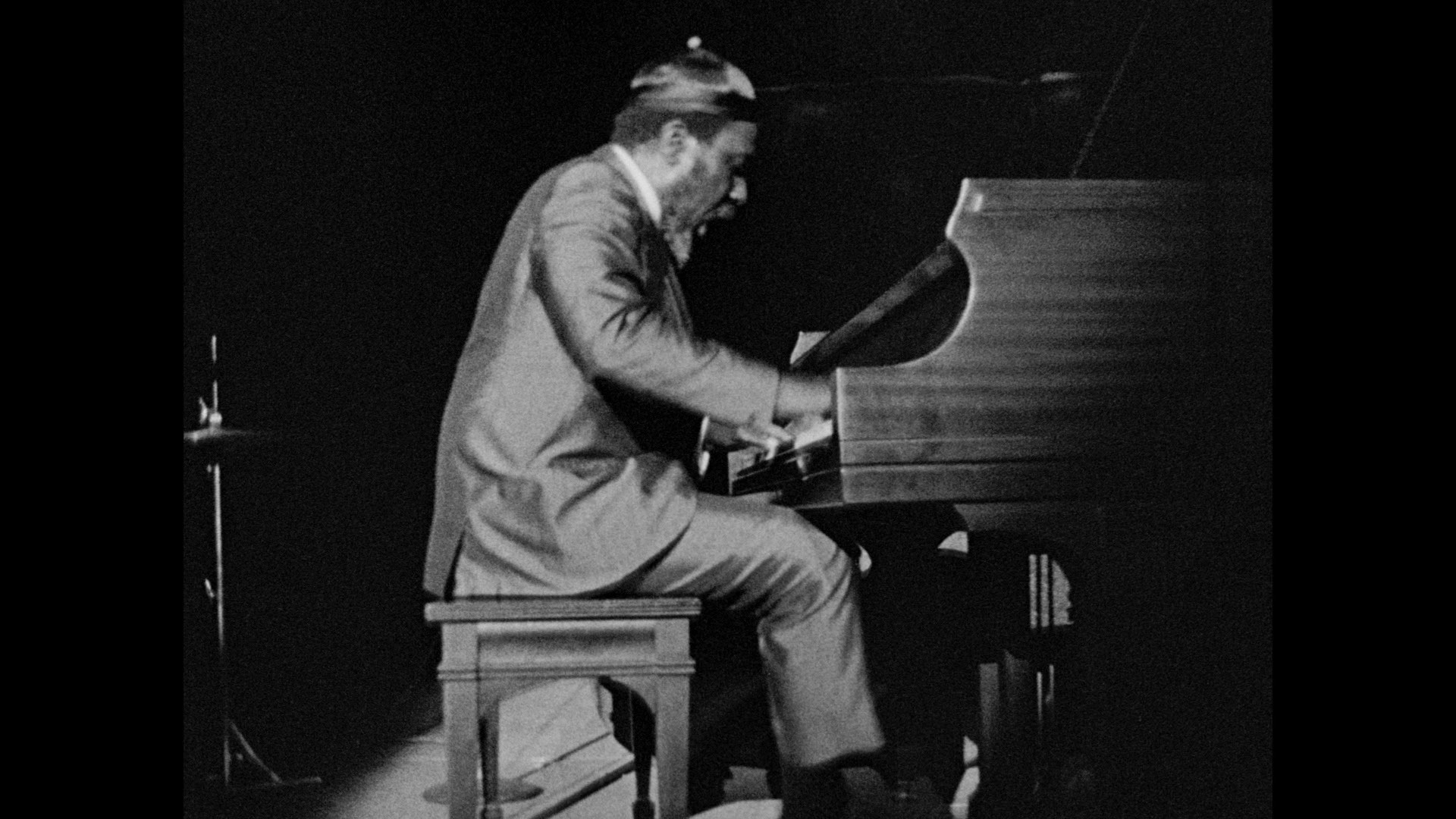
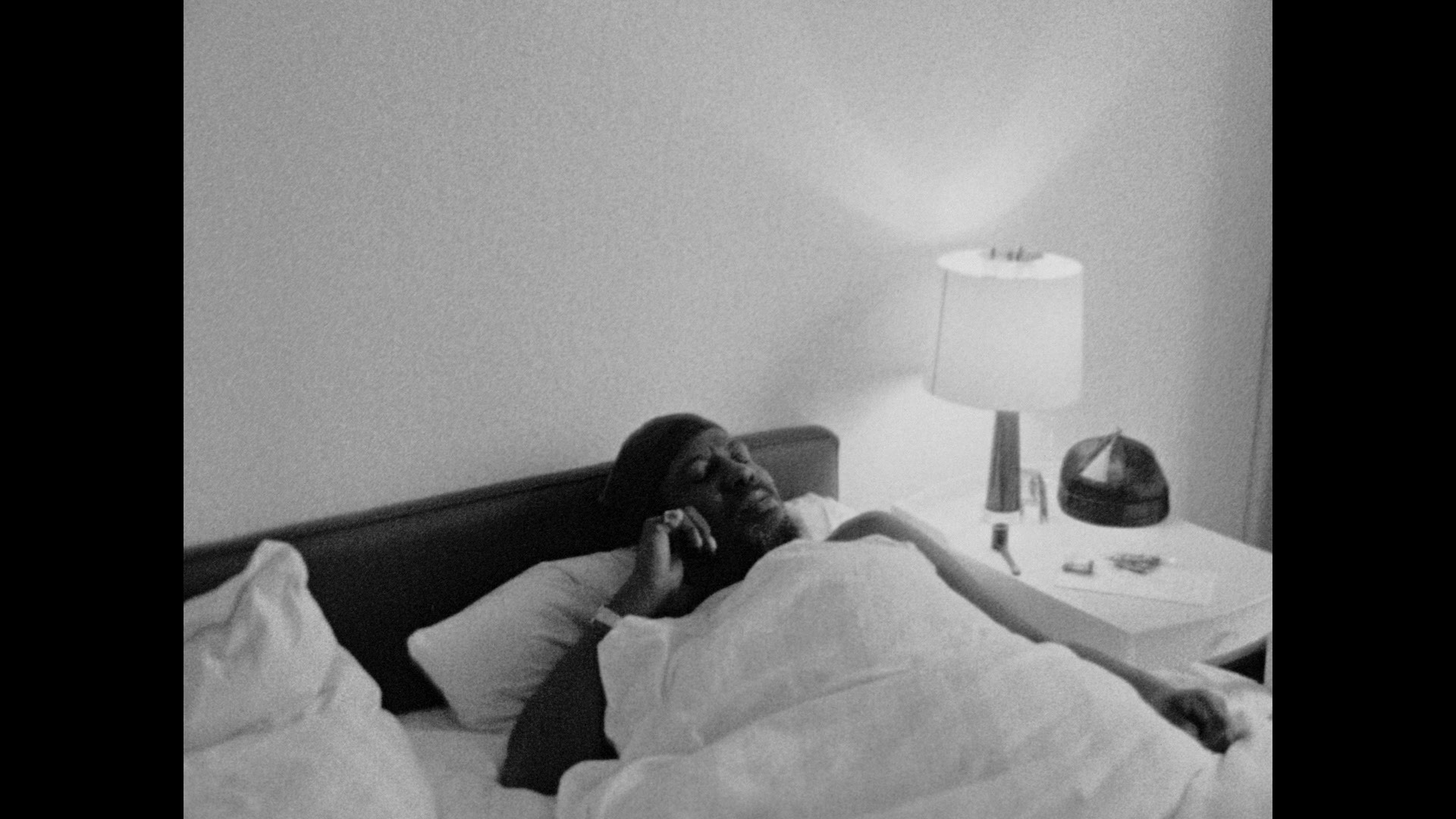
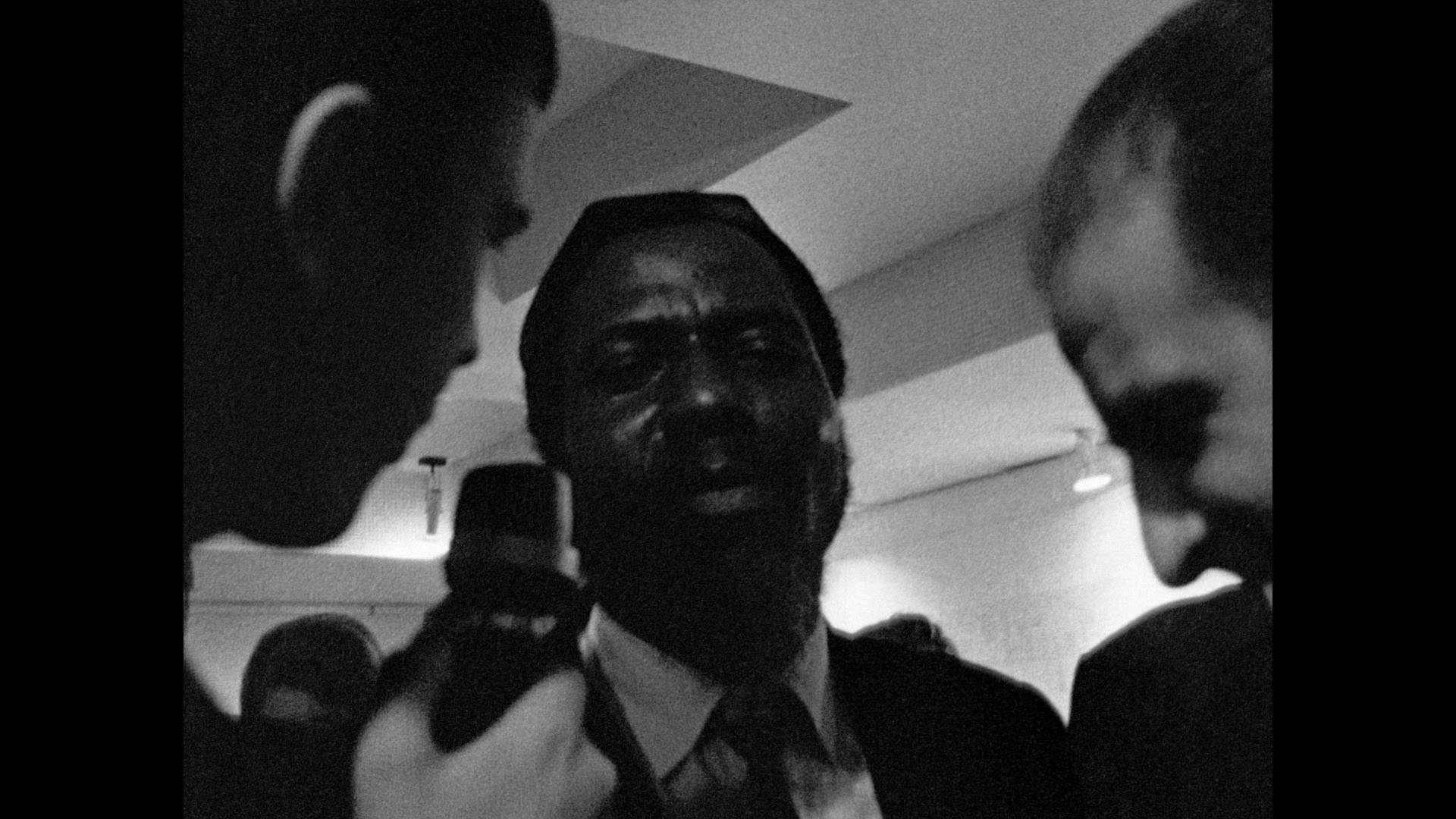
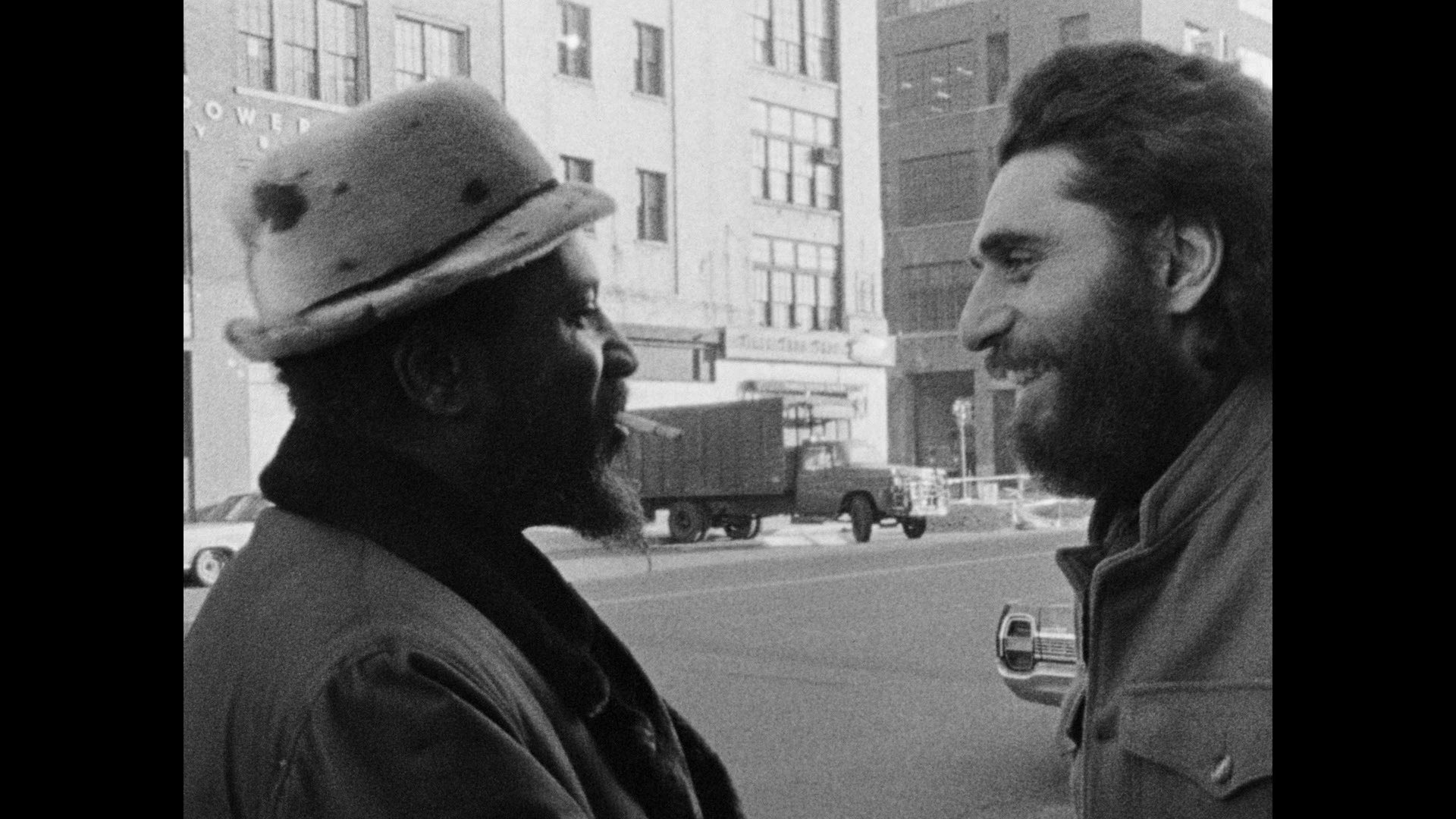
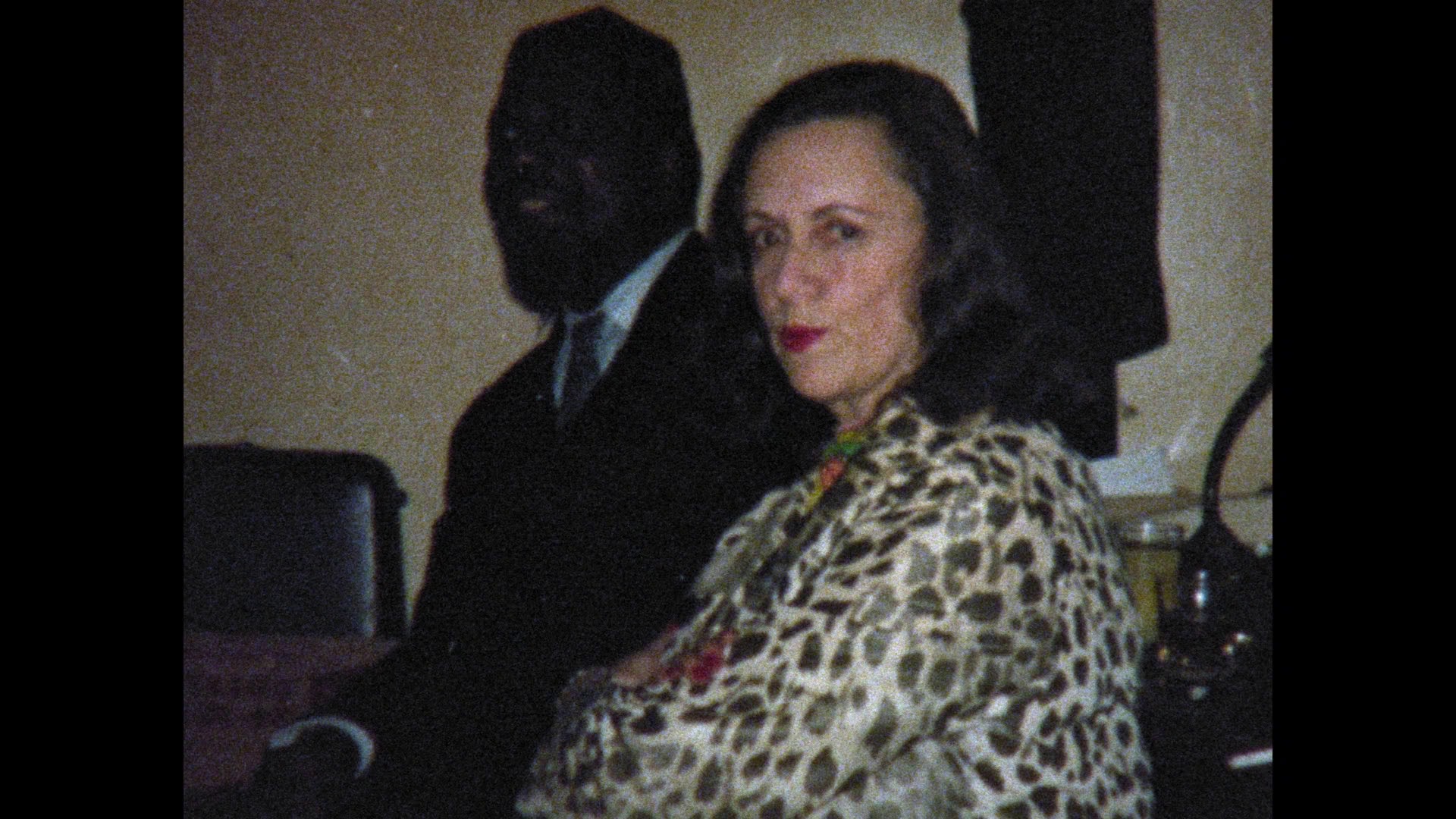
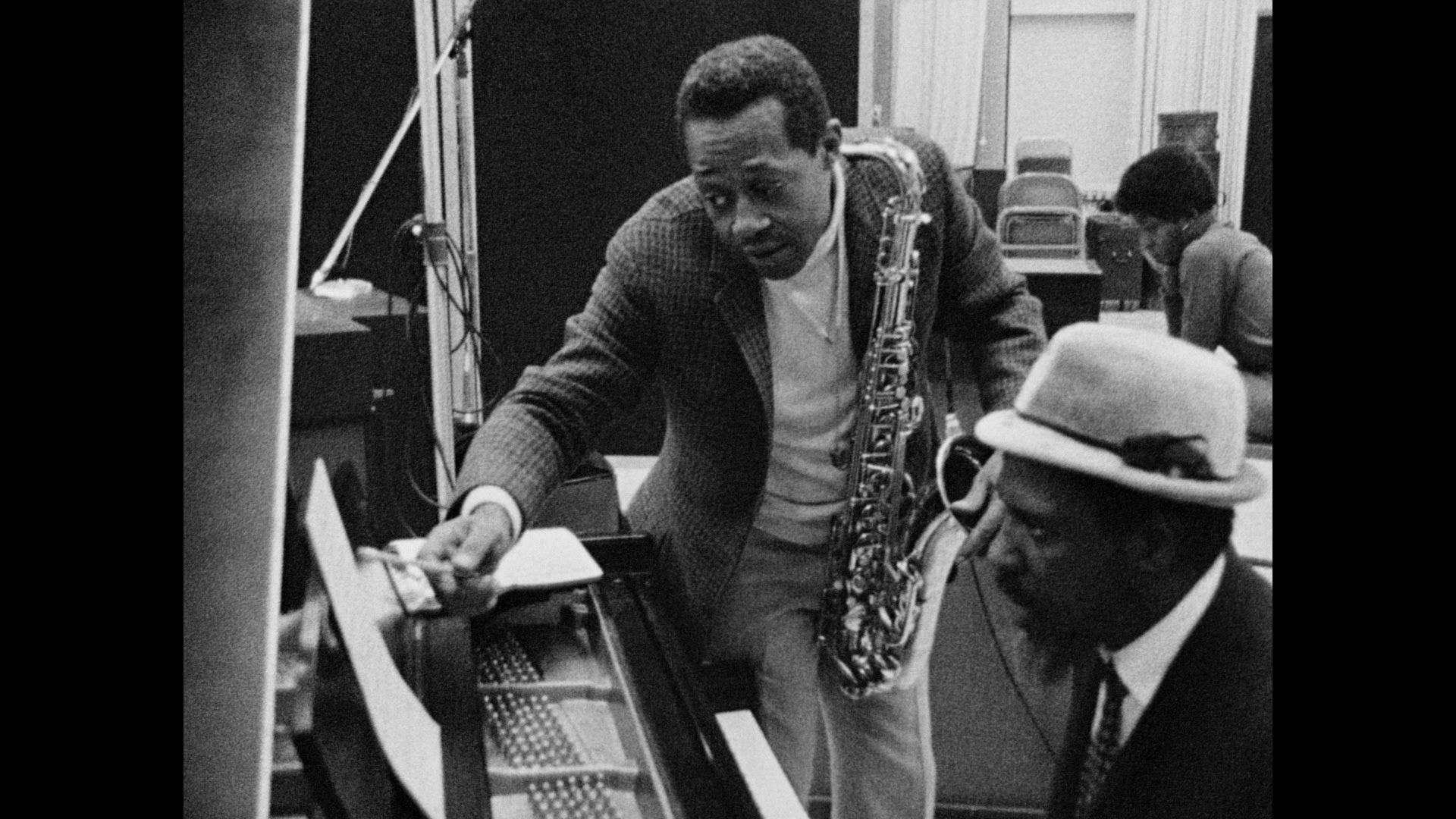
Audio 7/10
The film features a monaural soundtrack, presented in lossless single-channel PCM. As with the visuals, much of the audio originates from the Blackwoods’ original recordings, and I was pleasantly surprised by how well it has held up. The musical performances offer a decent amount of range, and dialogue is mostly clear and easy to make out. The newer interview material sounds fine overall, though it carries that familiar flat, “talking head” quality. Still, the track is clean and free from any significant damage, with no distracting pops, hiss, or dropouts to speak of.
Extras 6/10
Criterion includes a few supplements, starting with a brief 5-minute video recorded by director Charlotte Zwerin in 2003 for a MoMA retrospective of her work. In it, she speaks briefly about her career leading up to Thelonious Monk: Straight, No Chaser. This is followed by a new 29-minute program created by Criterion, Charlotte Zwerin: Director, Editor, Innovator, which features interviews with New Yorker writer Michael Schulman, editor Bernadine Colish, and Zwerin’s nieces Laura and Lisa Tesone, who help bring a more personal perspective. The feature is intercut with audio of Zwerin discussing her work, including clips from commentaries she recorded for previous Criterion releases.
The piece explores her early career and entry into the direct cinema movement, eventually focusing on her editing work for the Maysles, with particular attention paid to Salesman and Gimme Shelter, two films where Zwerin’s editorial decisions were central to shaping the final narratives. It also touches on her later work, including Thelonious Monk, with some insight into how the film ultimately came together. One major reason it got made, as the feature notes, was Clint Eastwood: a jazz fan who helped secure Warner Bros.' support for the project. (Amusingly, it sounds as though Zwerin, who wasn't one to care much about celebrity, was a bit giddy at the prospect of working with Eastwood.)
It’s a solid and well-assembled overview of Zwerin’s career, though it doesn’t go into much detail about how the original footage of Monk was obtained. That’s addressed a bit more directly in what’s probably the release’s best feature: a new 24-minute interview with Monk’s son, T.S. Monk. He recalls the period when the Blackwoods were filming his father, discusses his own involvement with Zwerin’s version of the film—including what he was and wasn’t willing to speak on—and offers some perspective on his father’s mental decline. The conversation then segues into reflections on his father’s music and its enduring legacy, making for a thoughtful, affectionate, and illuminating discussion.
The disc closes with the film’s trailer. I was a little surprised there wasn’t a more in-depth feature specifically about the Blackwoods or the footage they shot, but the included insert essay by writer and composer Paul Grimstad does fill in some of that background. Overall, it’s not an especially loaded set of supplements, but what’s here is worthwhile and adds meaningful context.
Closing
A bit of a surprise release from Criterion, this edition comes with a modest but thoughtful selection of new supplements, including an especially insightful interview with T.S. Monk. But it’s the new restoration and presentation that really stand out: Thelonious Monk: Straight, No Chaser looks outstanding, with the Blackwoods’ footage receiving an unexpectedly gorgeous treatment. Well worth the revisit.
BUY AT: