This Is Spinal Tap
BUY AT:


See more details, packaging, or compare
Synopsis
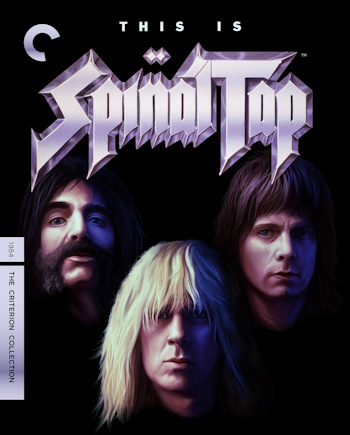
Spinal Tap has come to be recognized as England’s loudest and most punctual band. In the legendary rockumentary This Is Spinal Tap, now beautifully restored, Nigel Tufnel (Christopher Guest), David St. Hubbins (Michael McKean), and Derek Smalls (Harry Shearer) embark on their final American tour, with filmmaker Marty DiBergi (Rob Reiner) capturing all the mishaps, creative tensions, dwindling crowds, and ill-fated drummers. This Is Spinal Tap takes DiBergi’s brilliant vérité style and turns it up to eleven!
Picture 9/10
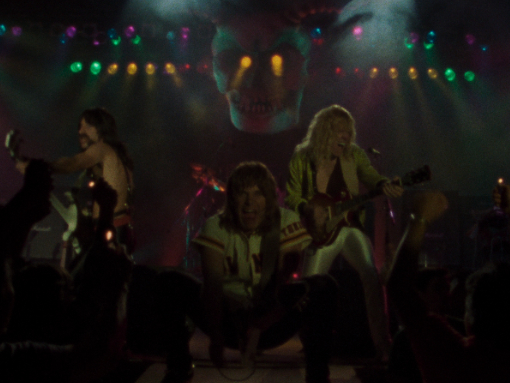
The Criterion Collection upgrades their long-out-of-print special edition for Rob Reiner’s hugely influential “Rockumentary” This Is Spinal Tap to 4K UHD, presenting the film in Dolby Vision with a 2160p/24hz ultra high-definition encode on a triple-layer disc in the aspect ratio of 1.85:1. The new 4K restoration is sourced from scans of the 16mm original camera negatives and a 35mm interpositive. The three-disc set also comes with a standard dual-layer Blu-ray featuring a 1080p presentation of the film (from the same restoration) and another dual-layer Blu-ray with all of the release’s video features.
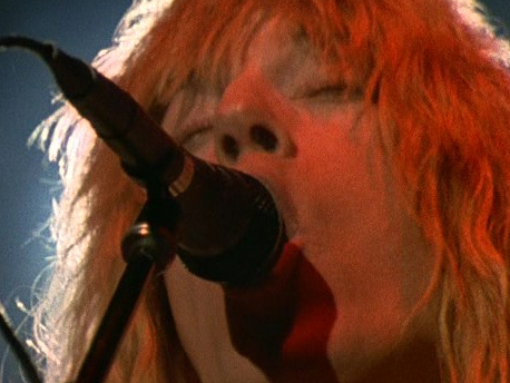
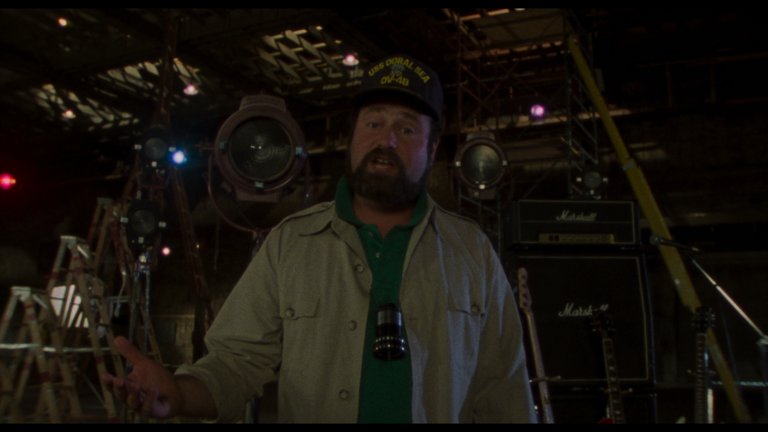
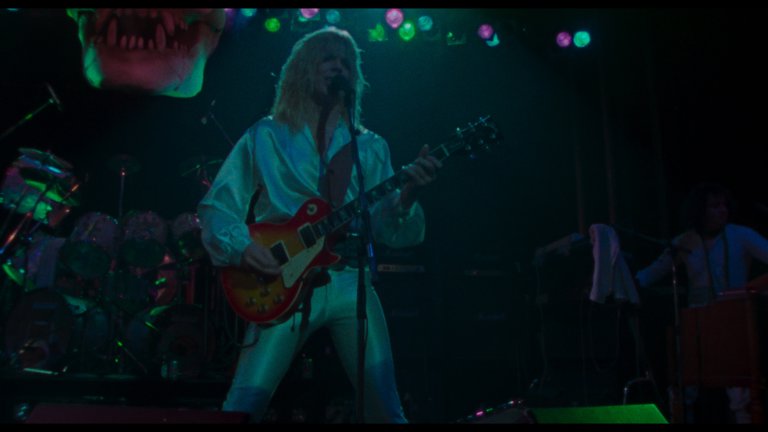
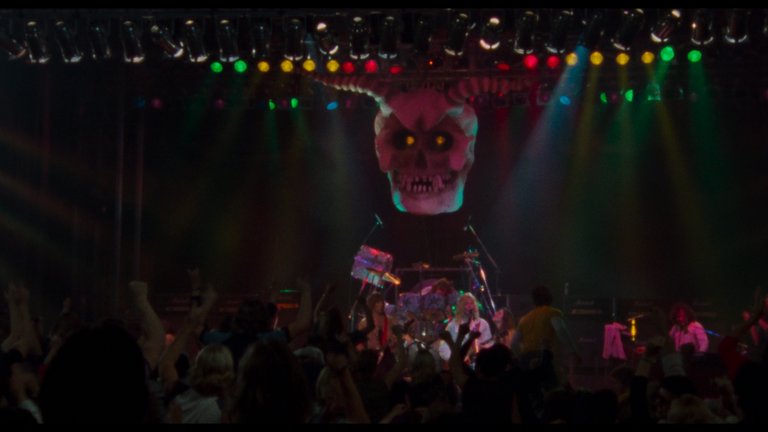
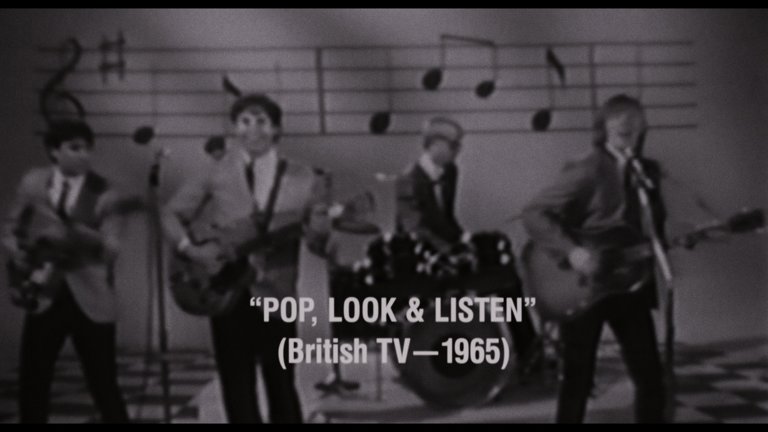
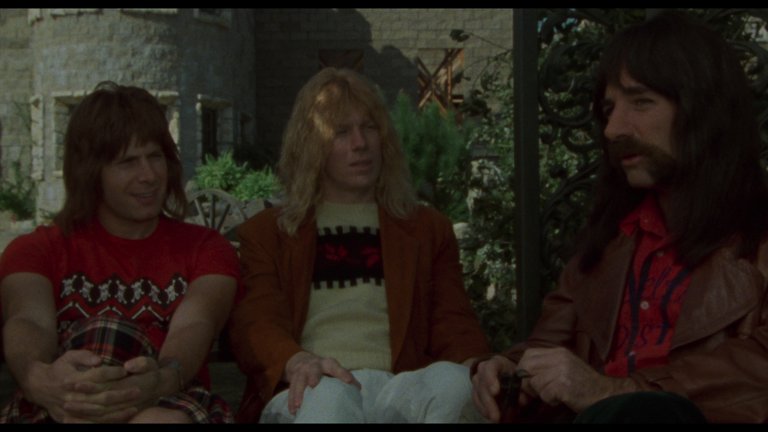
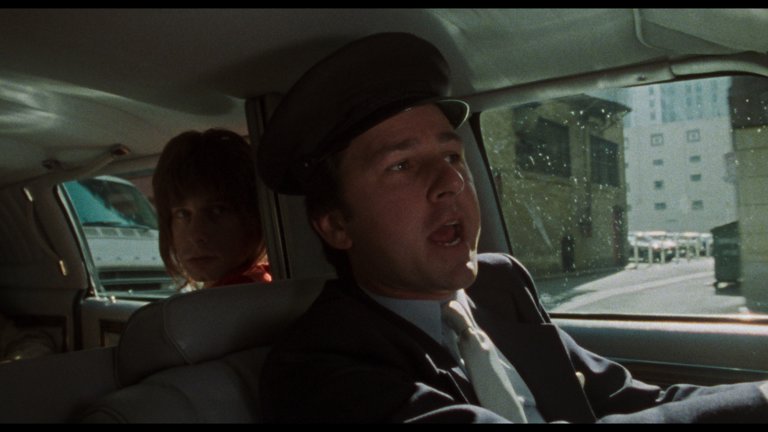
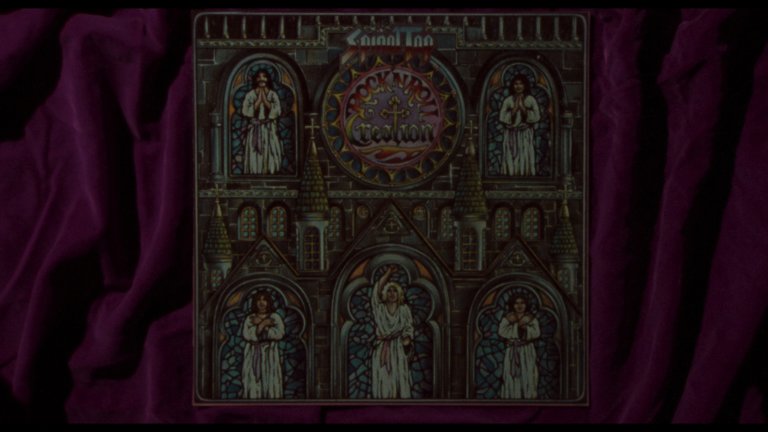
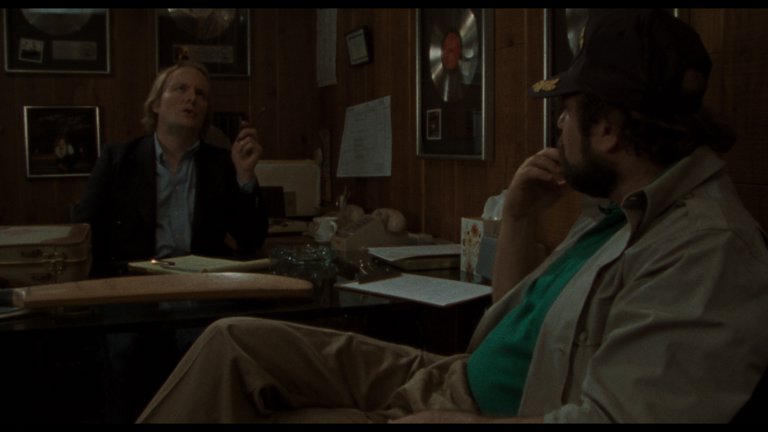
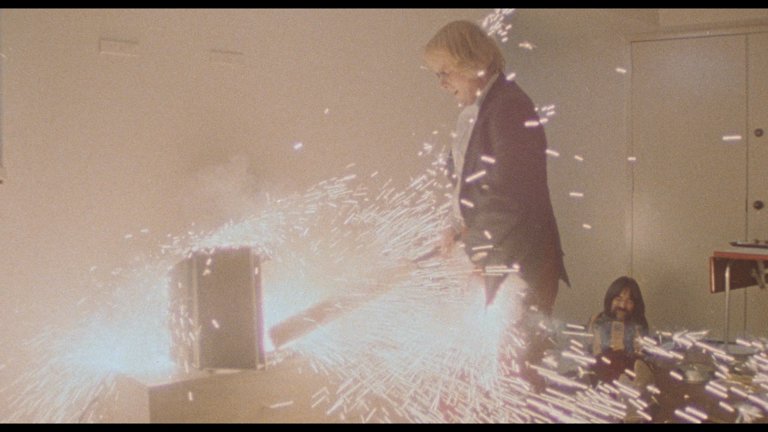
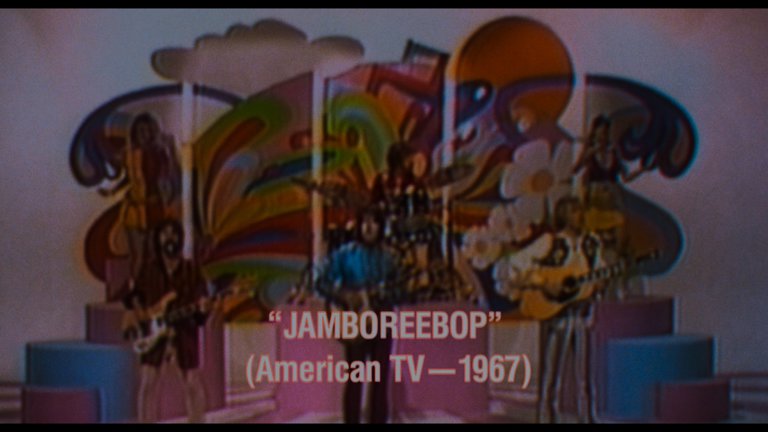
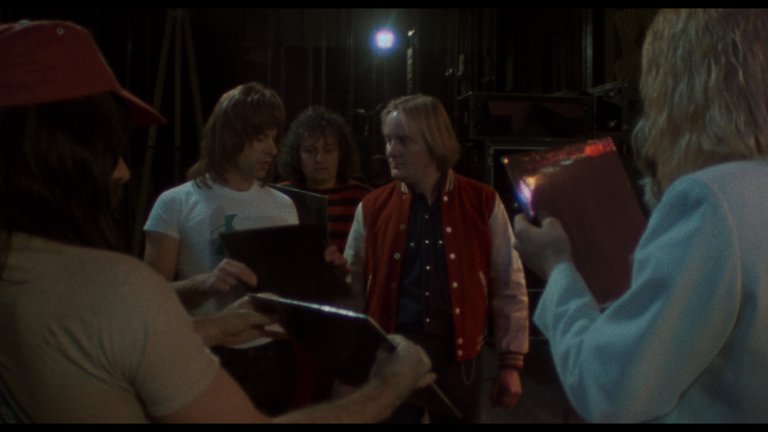
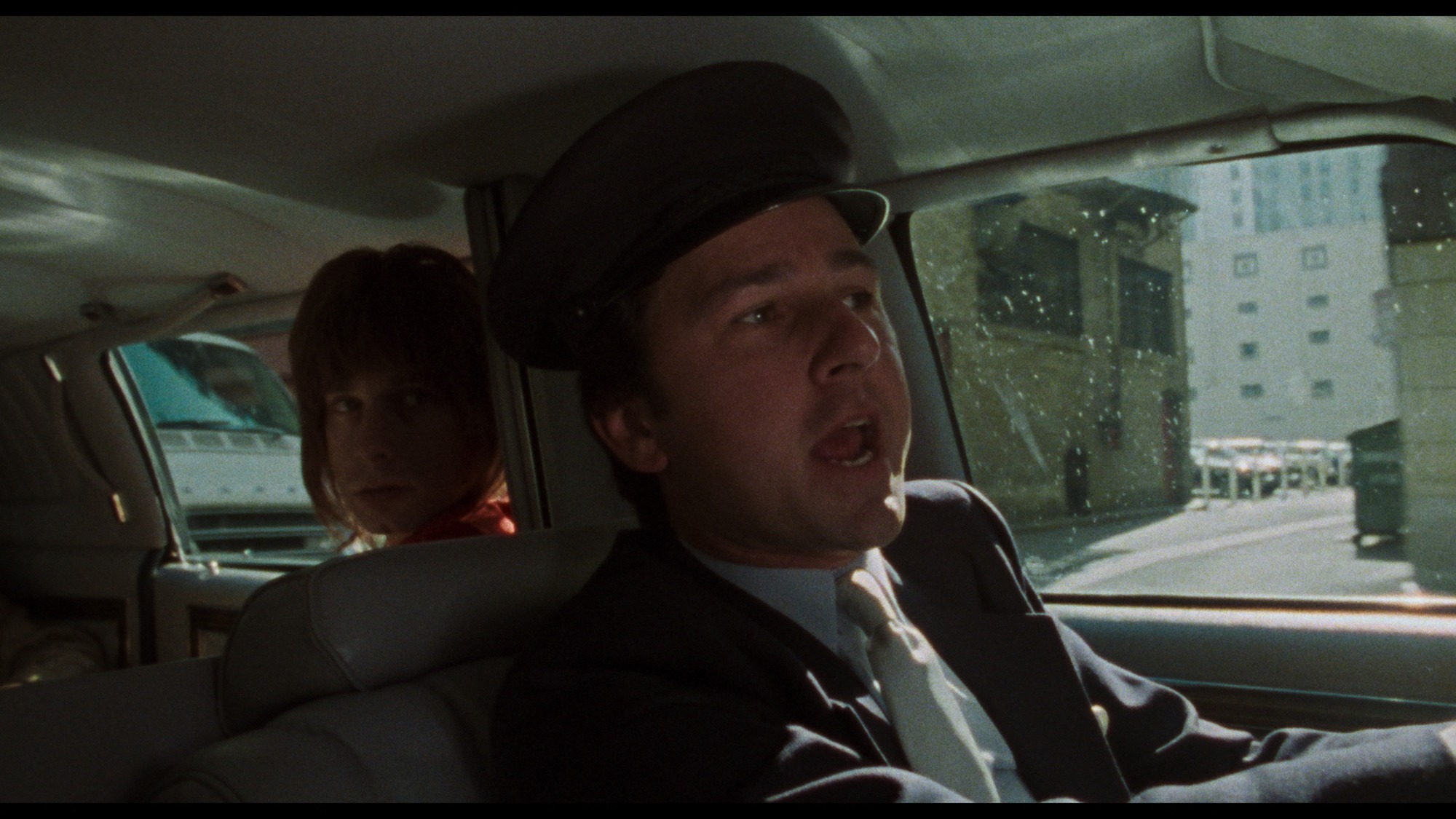
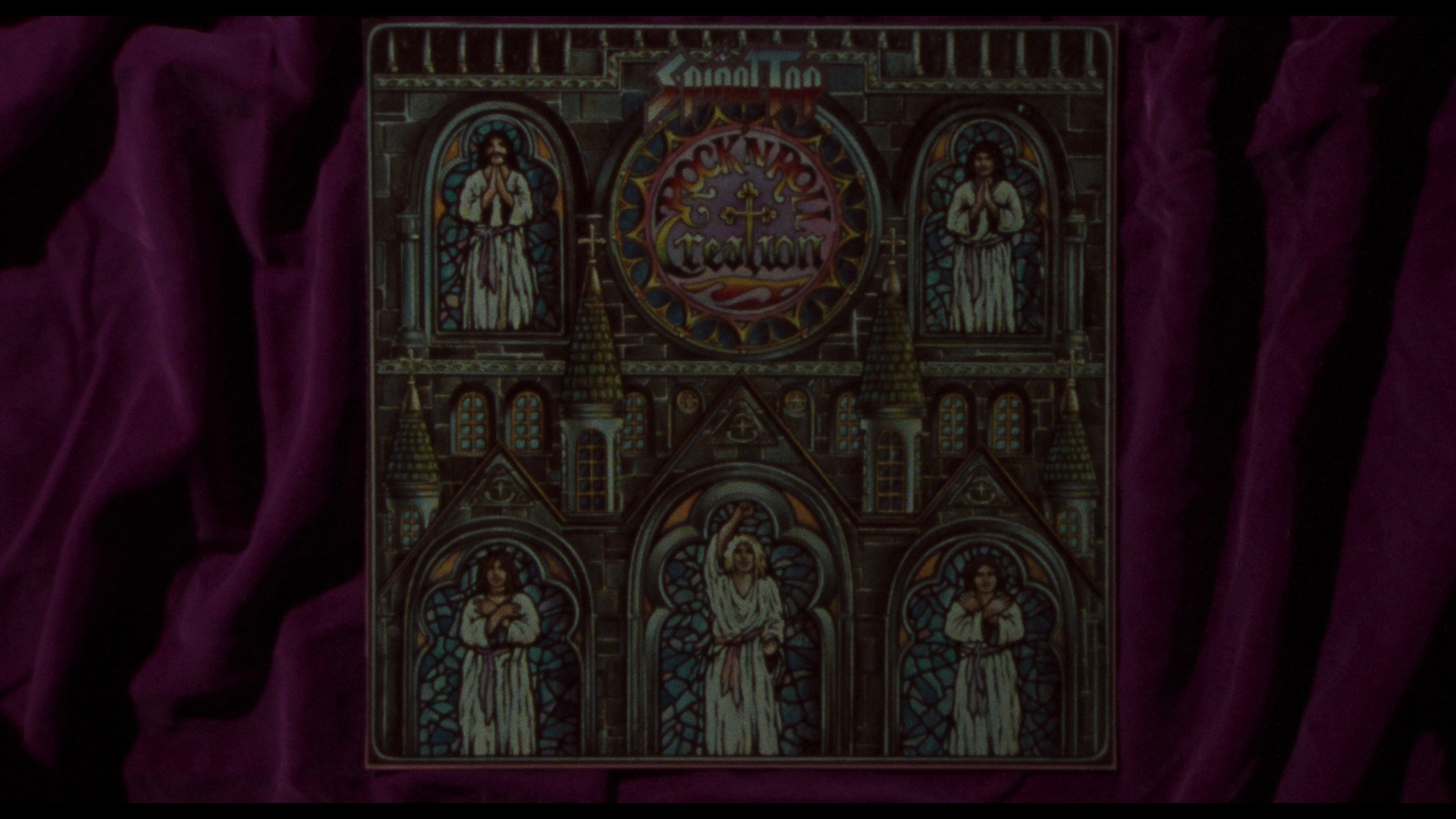
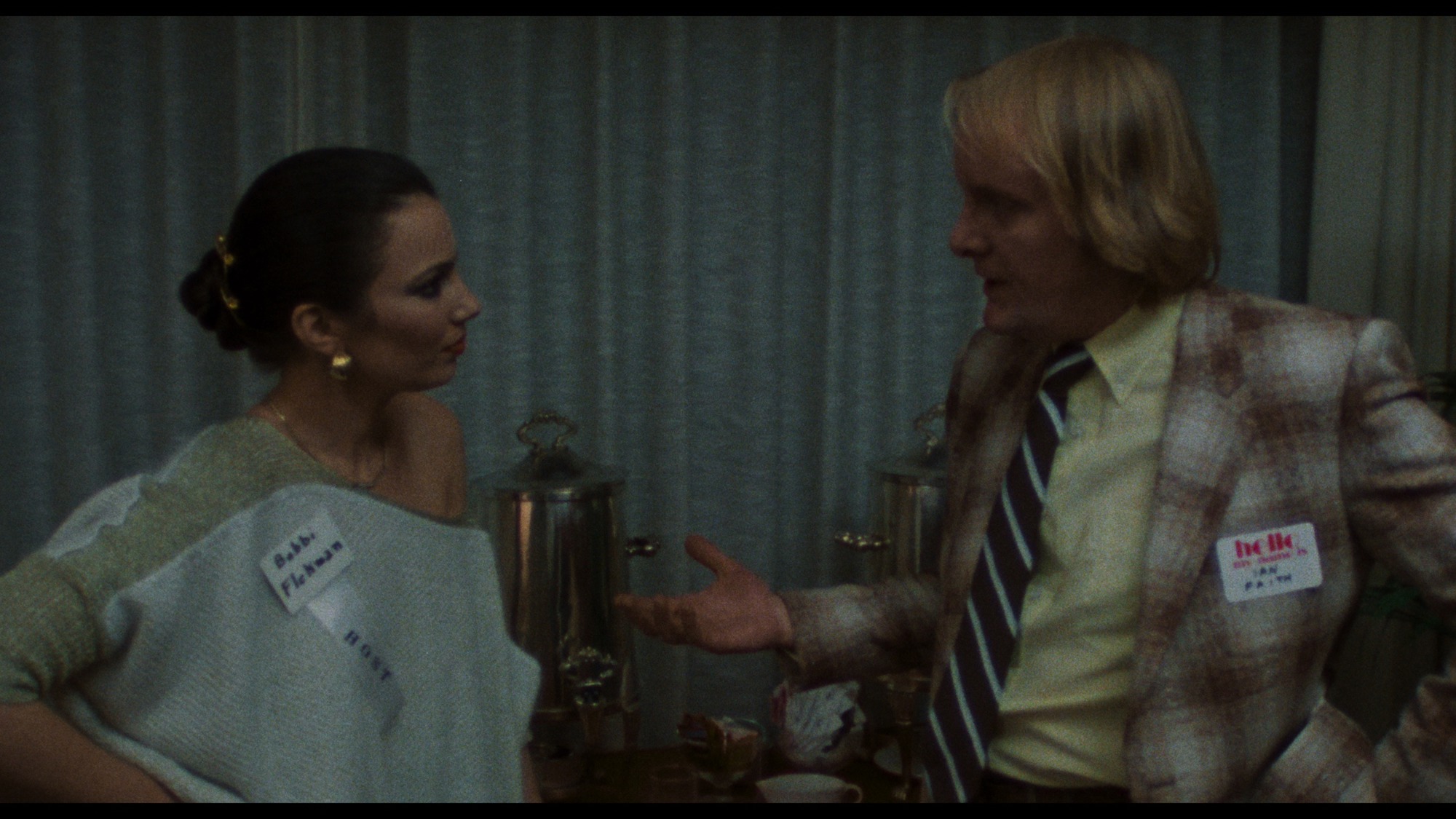
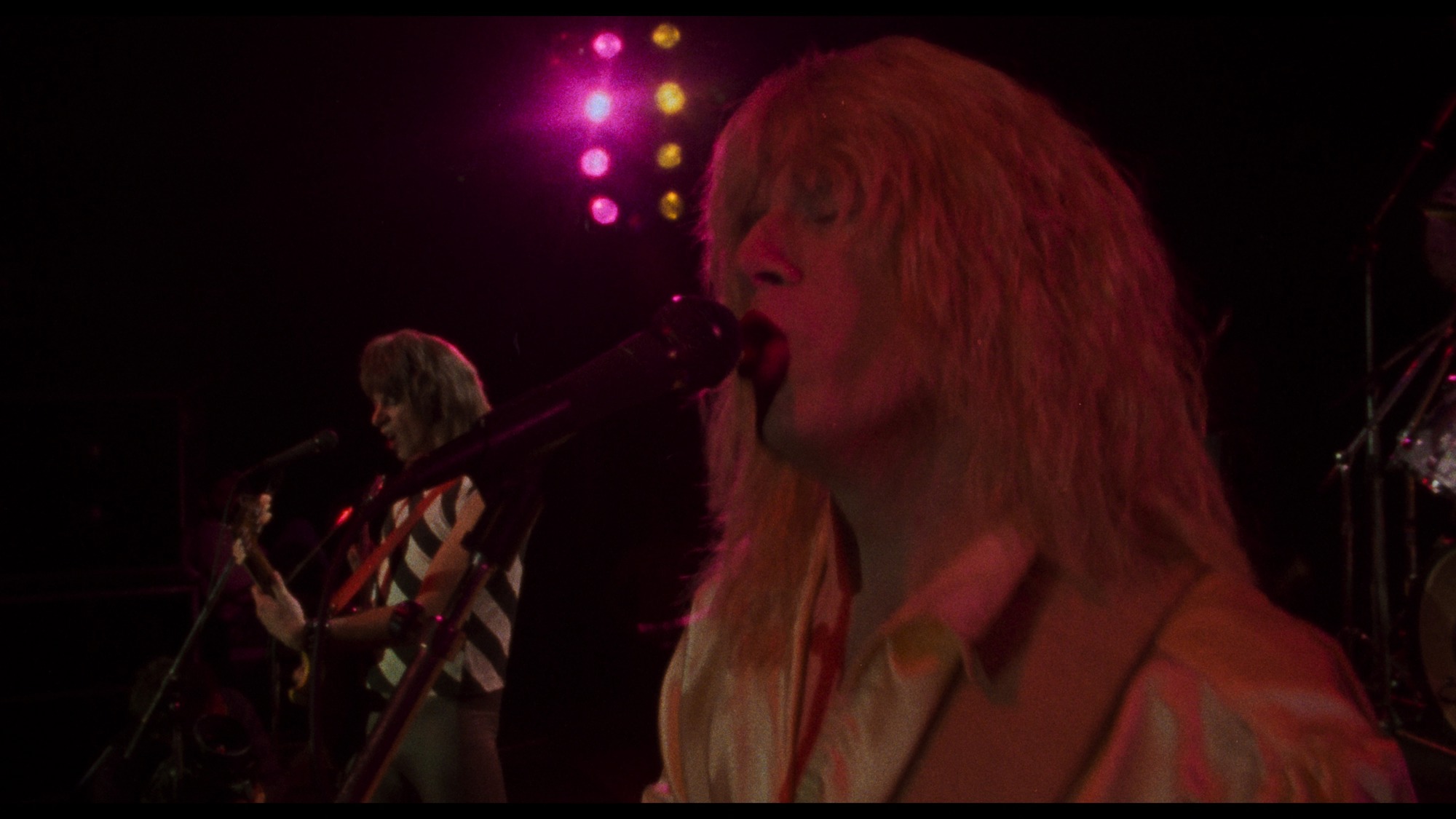
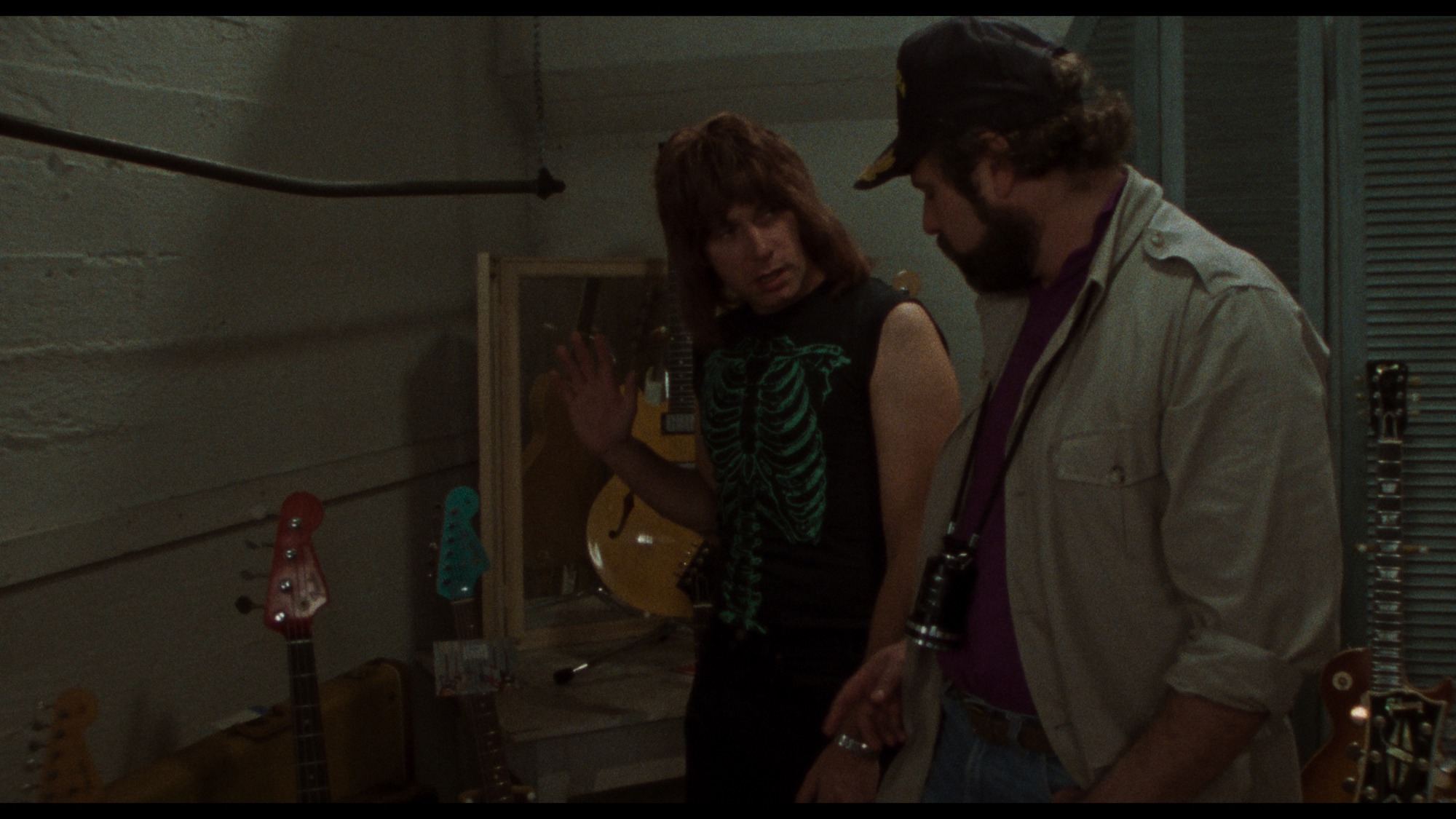
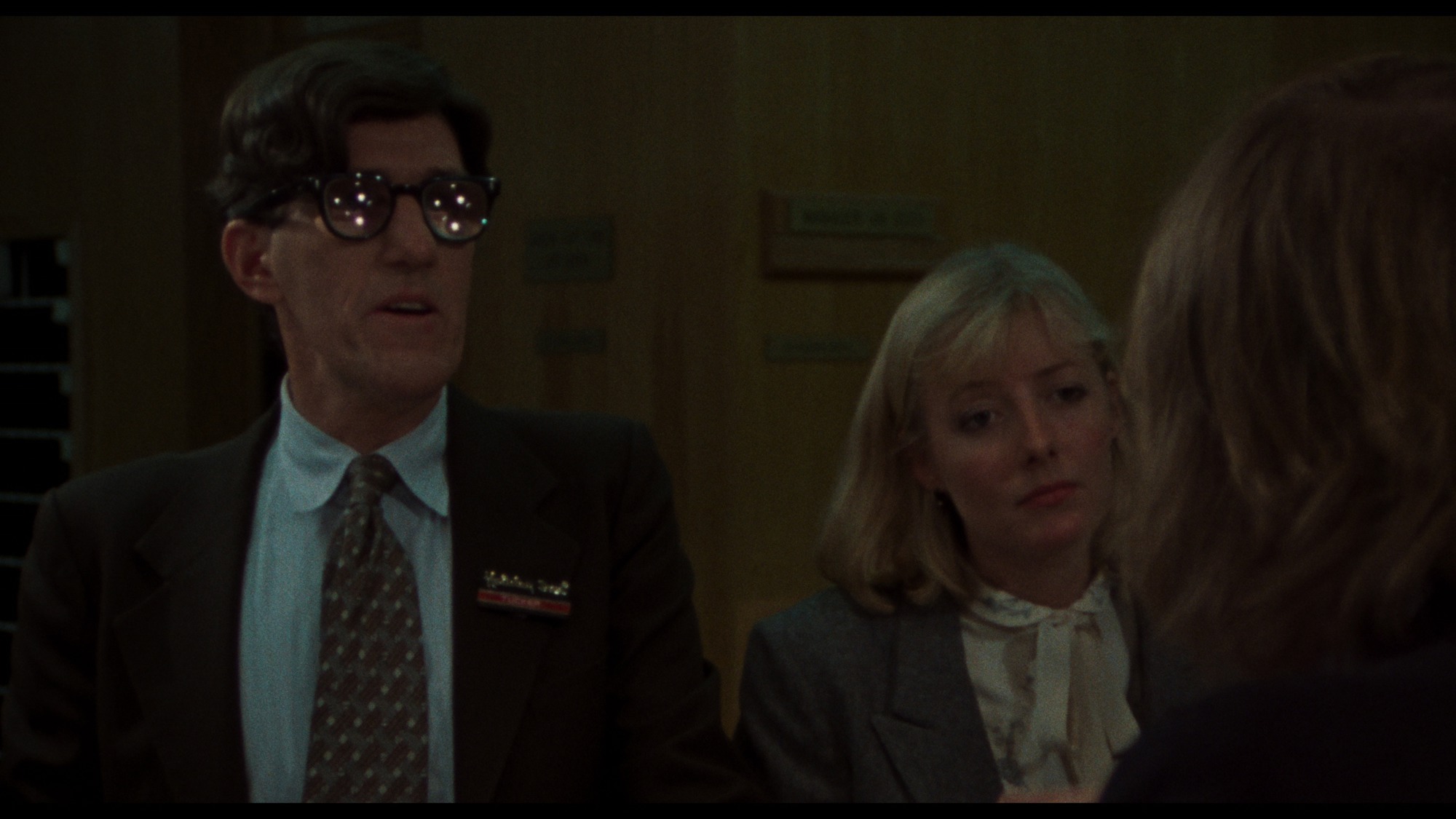
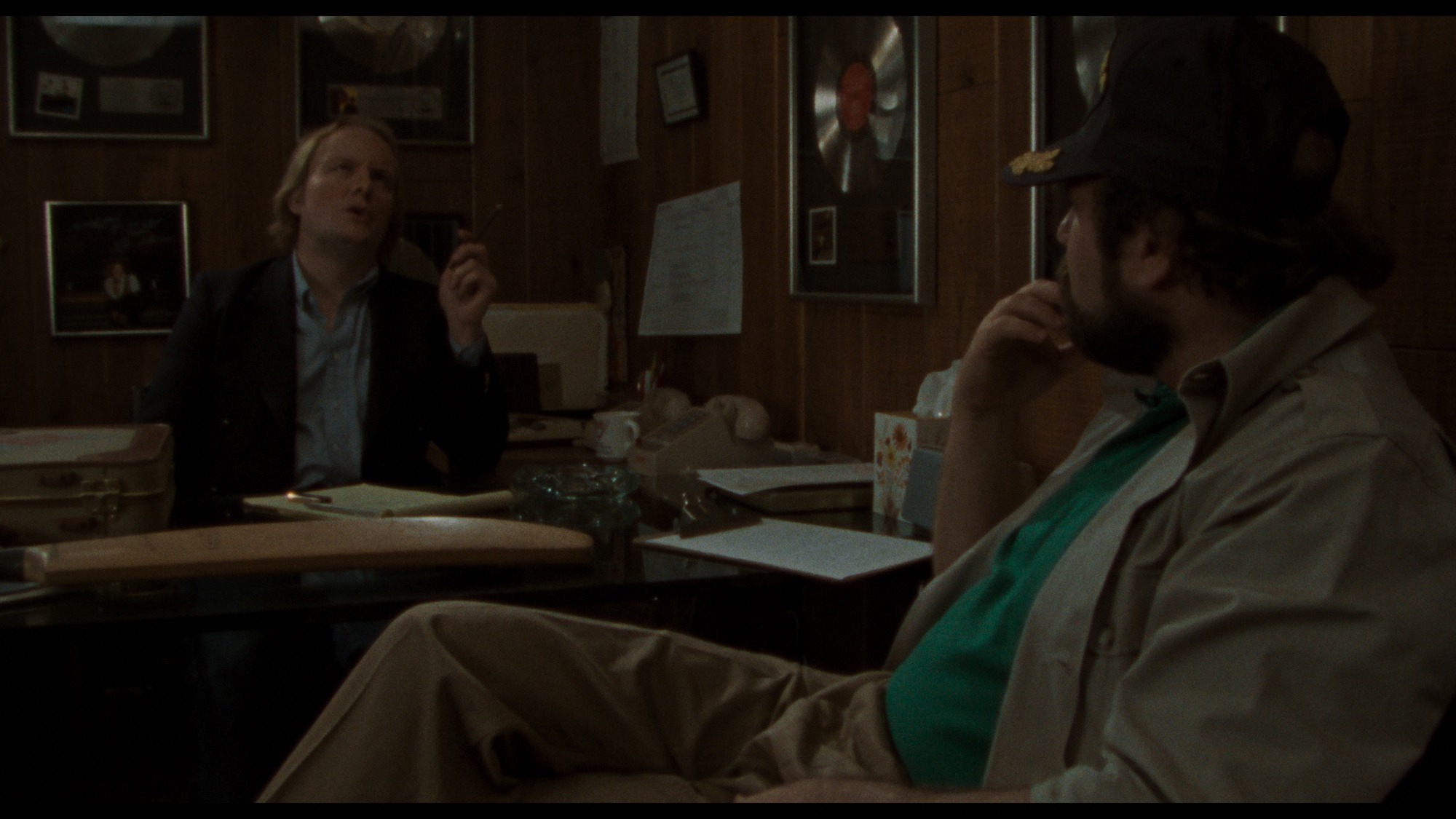
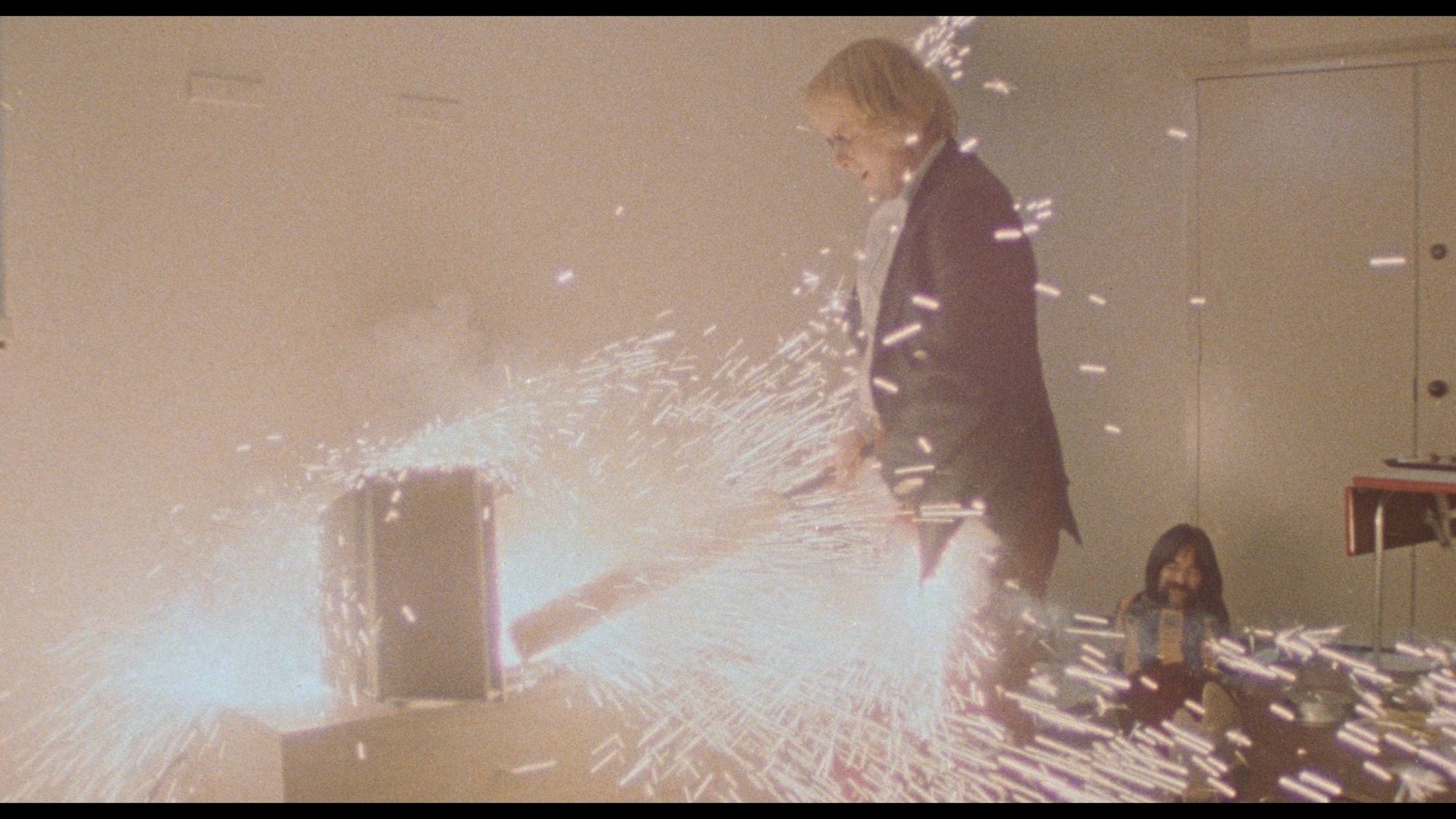
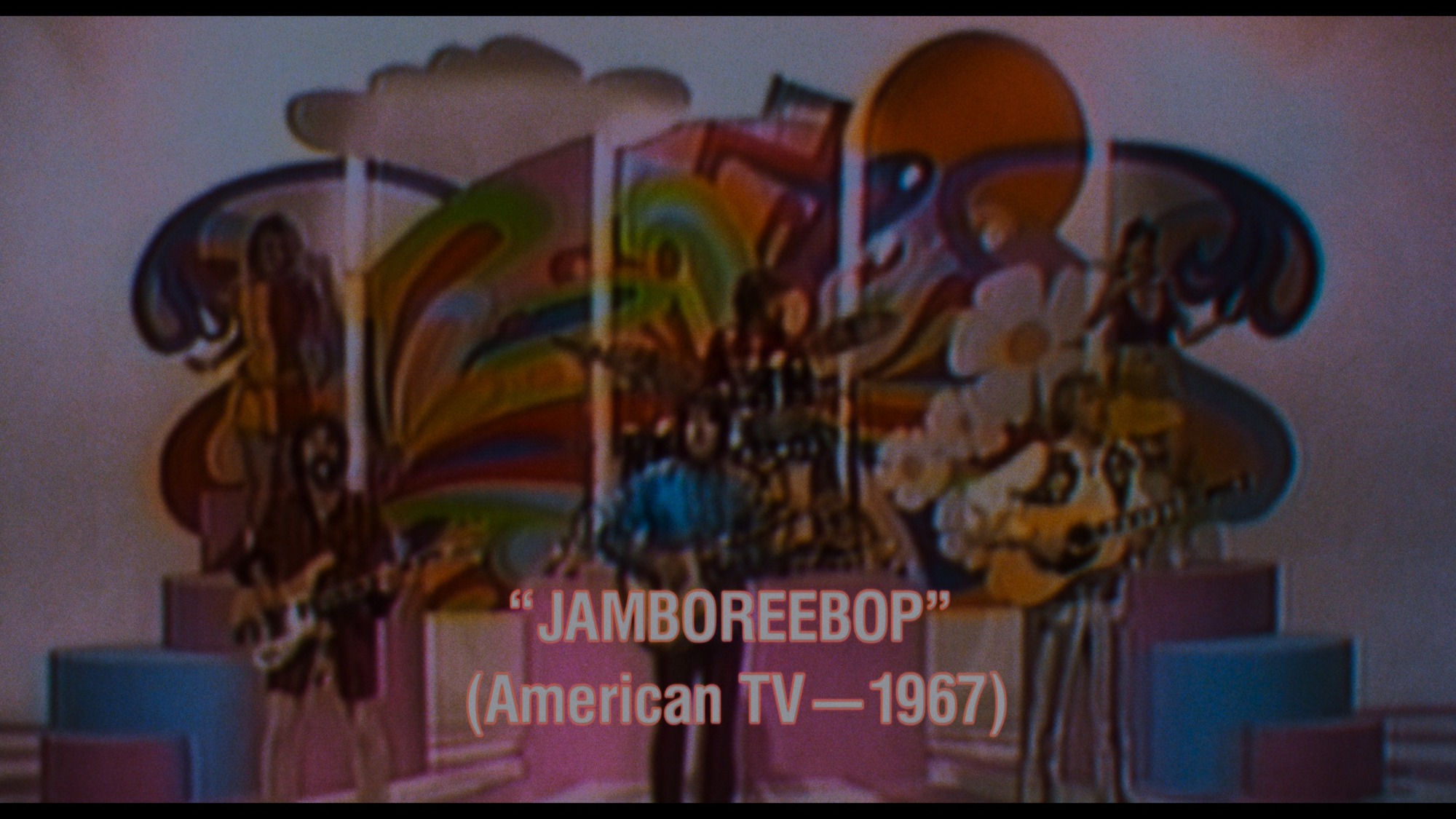
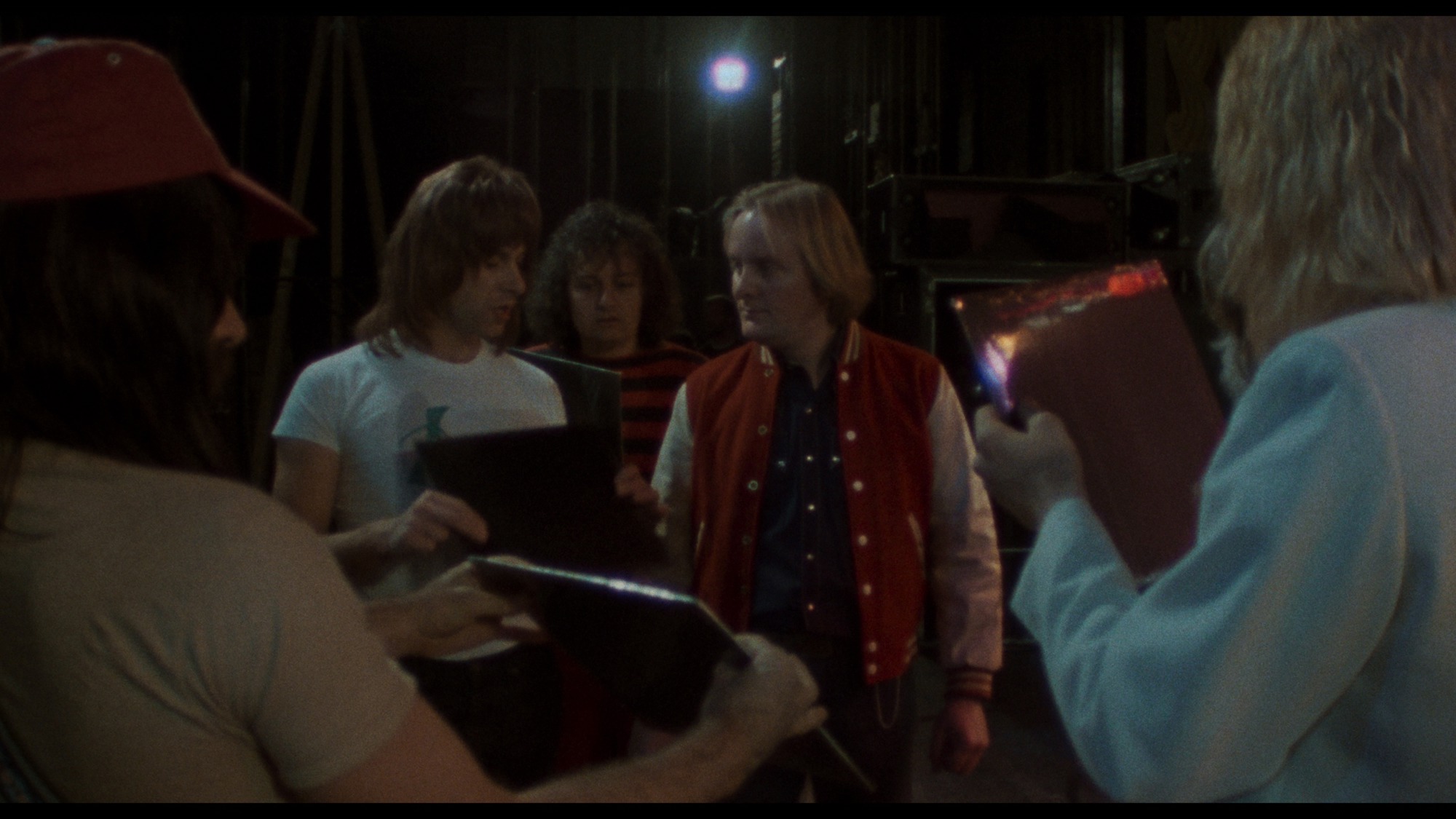
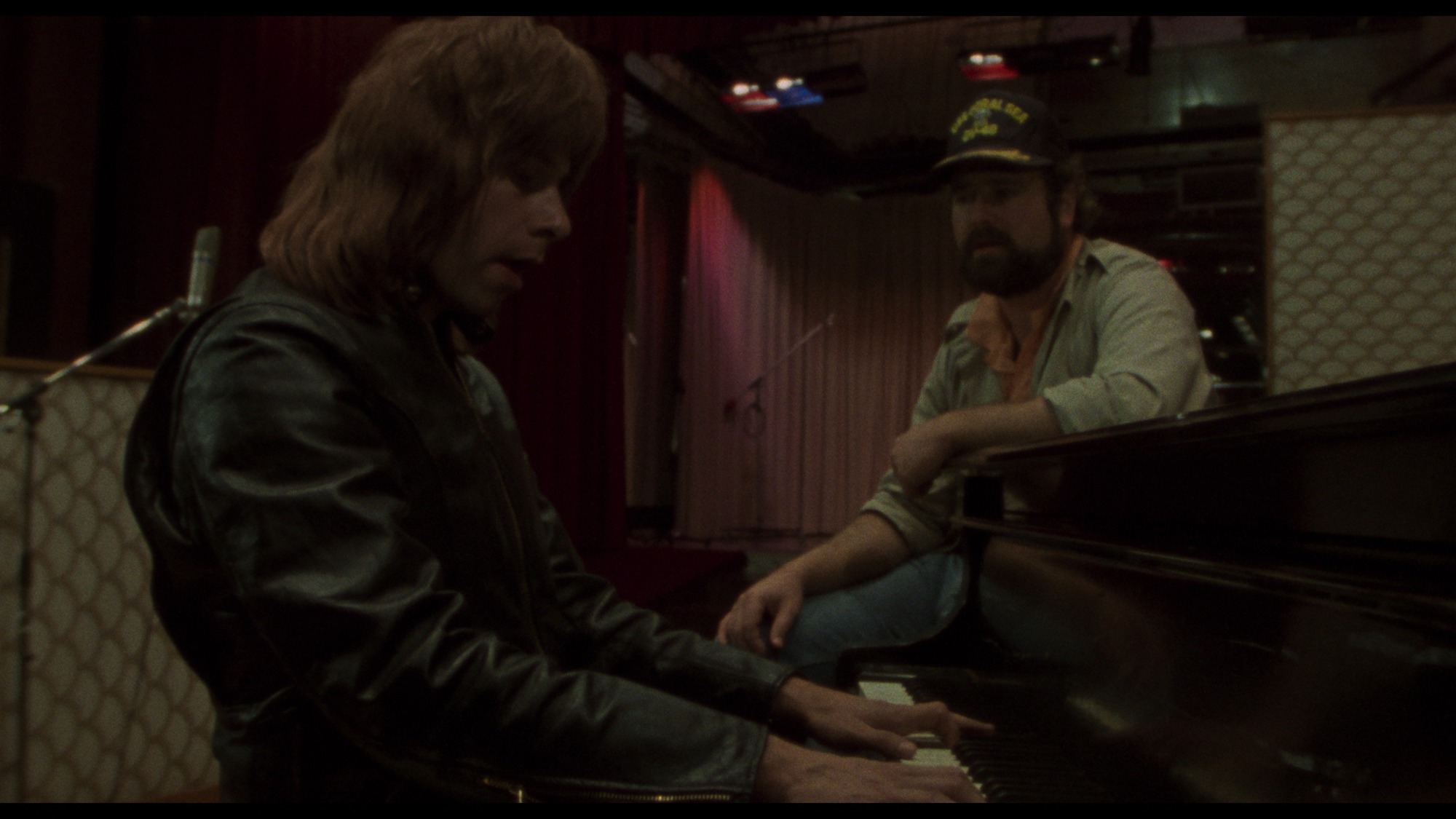
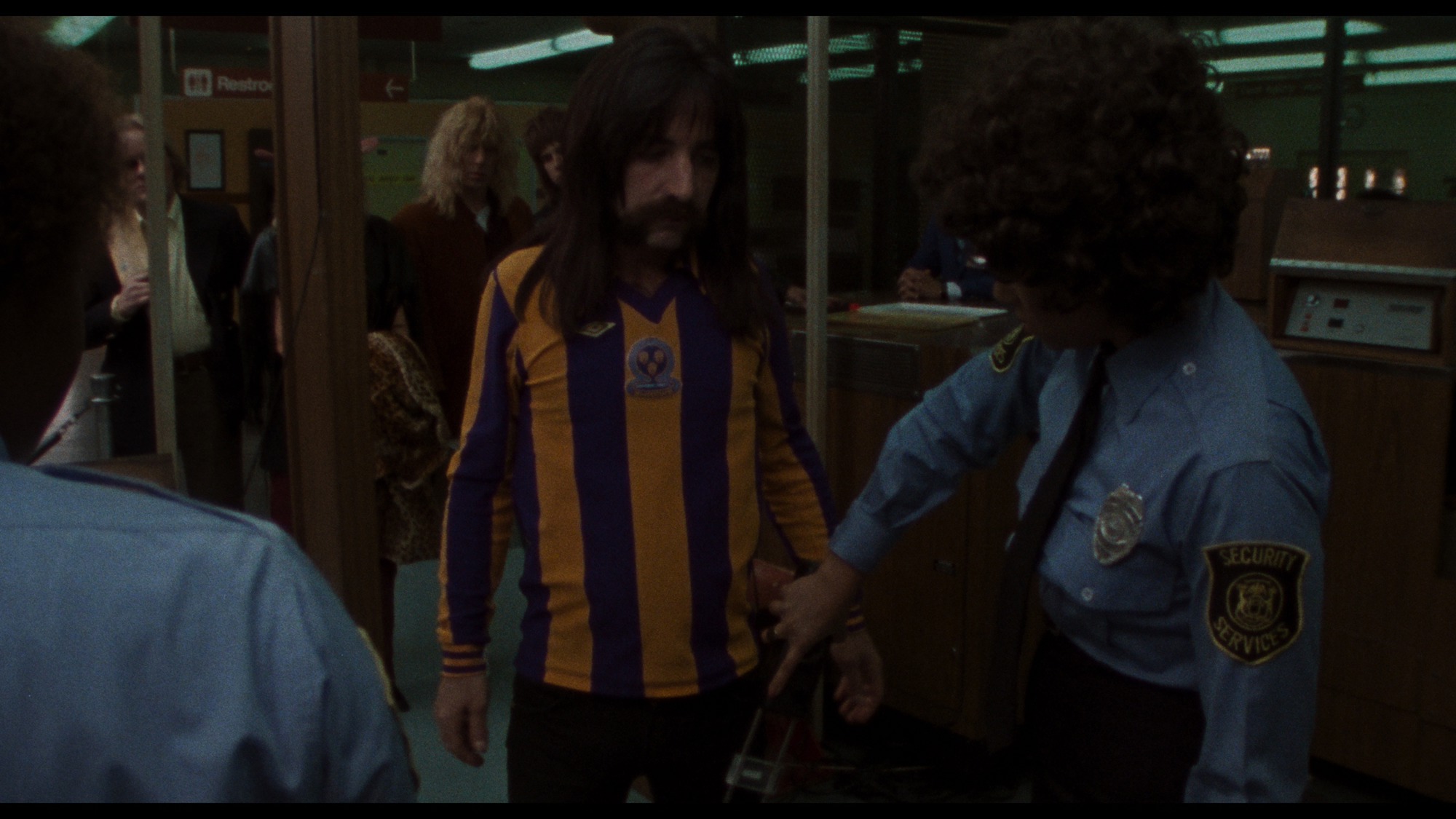
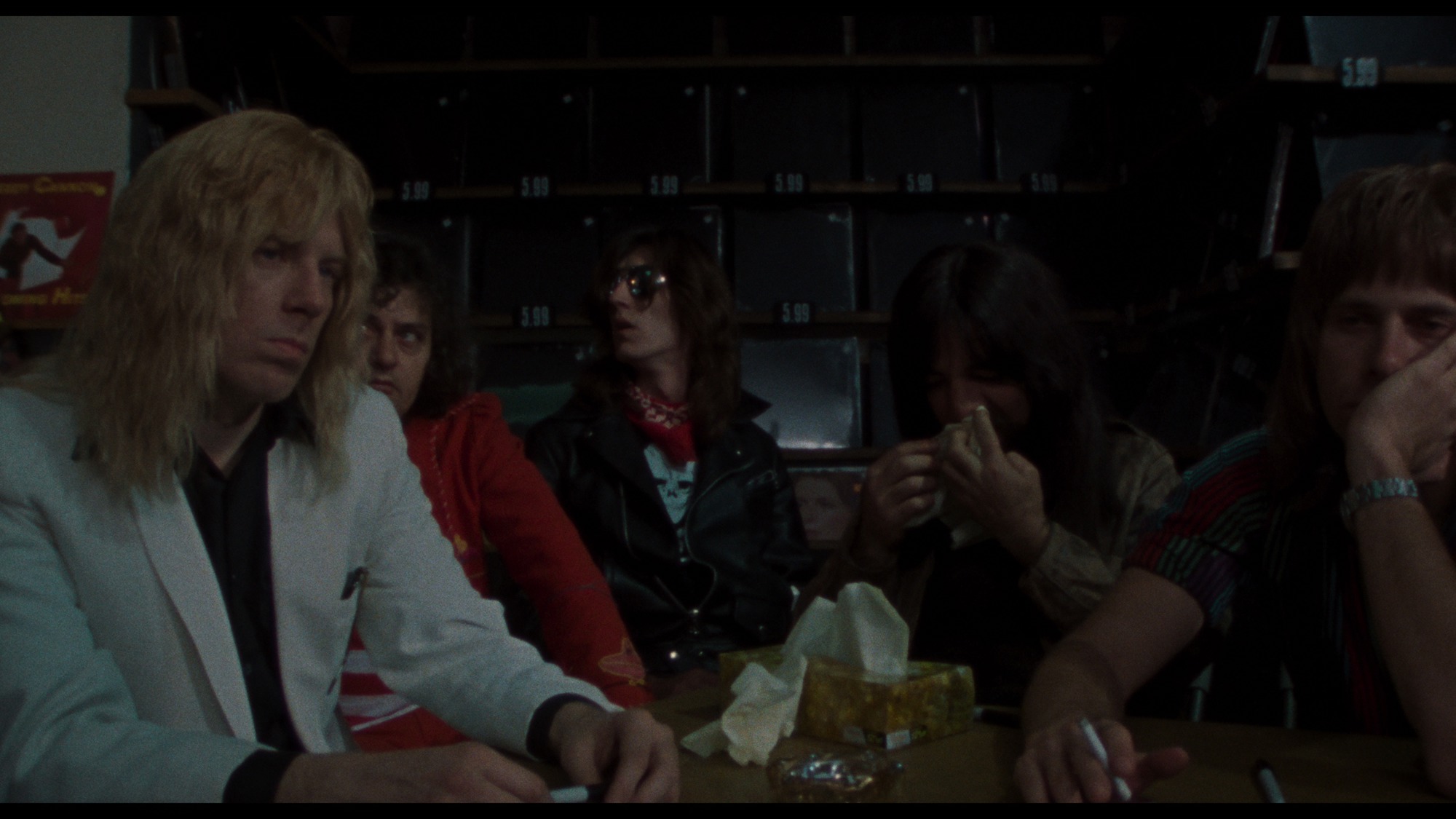
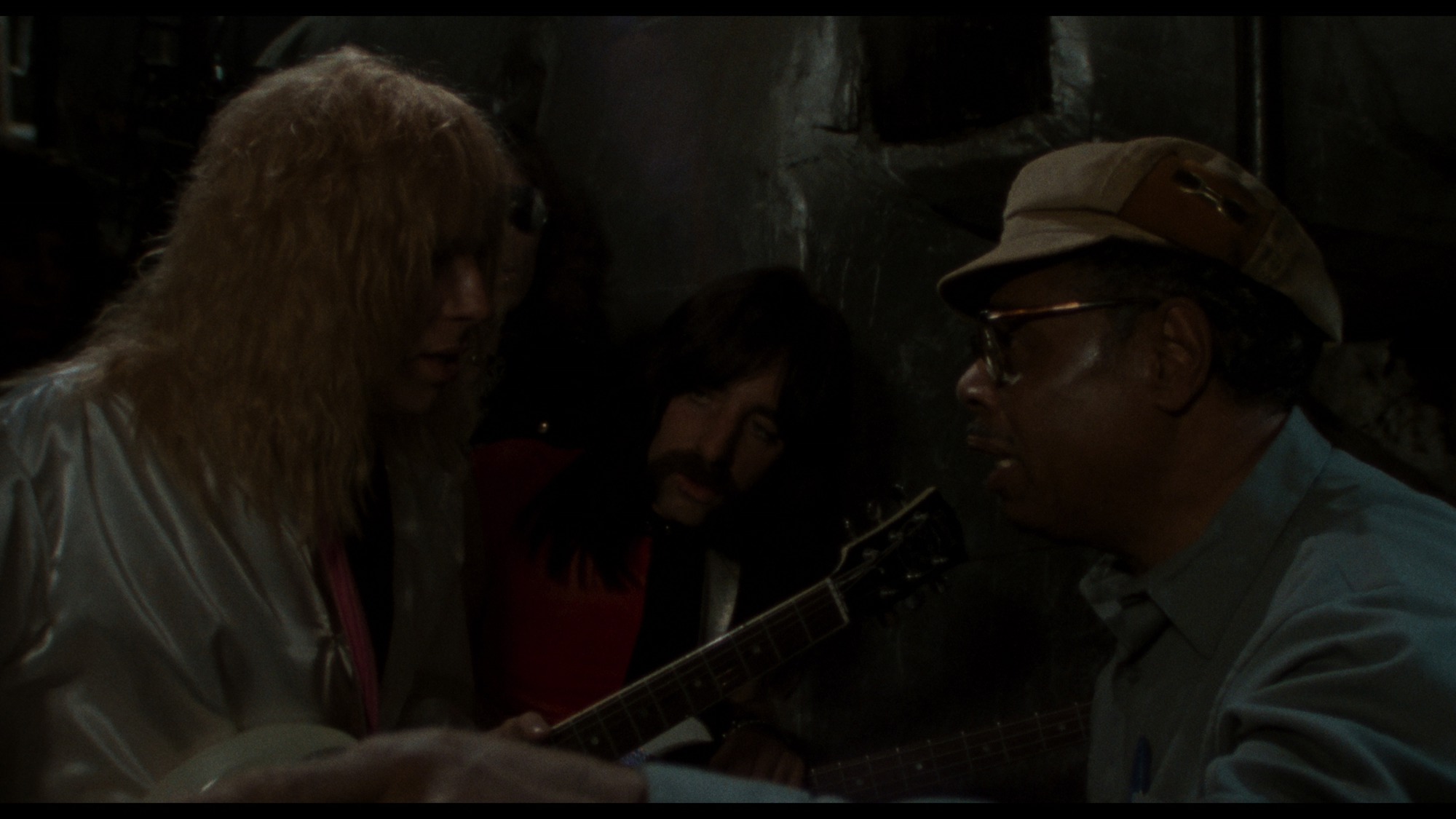
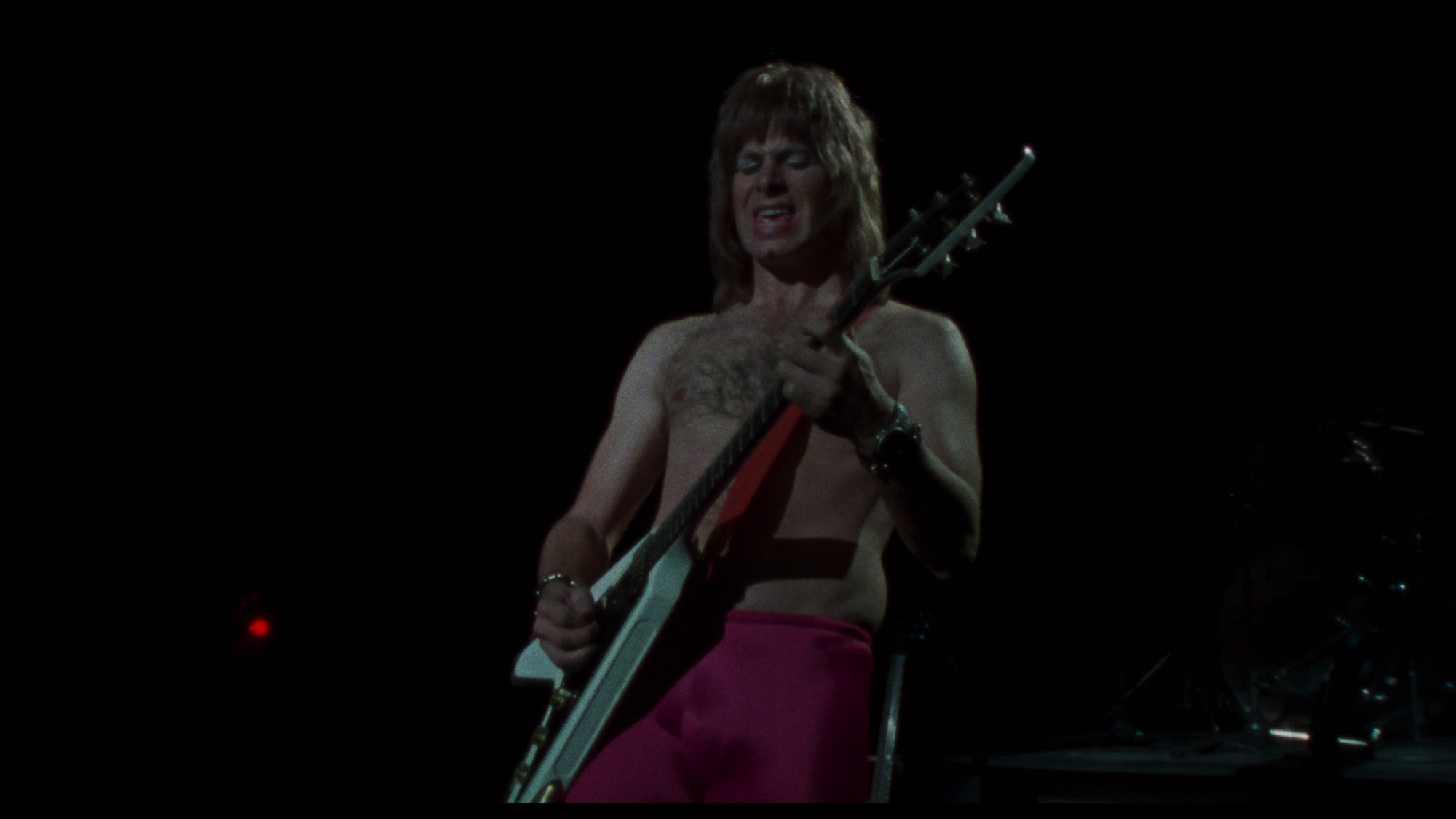
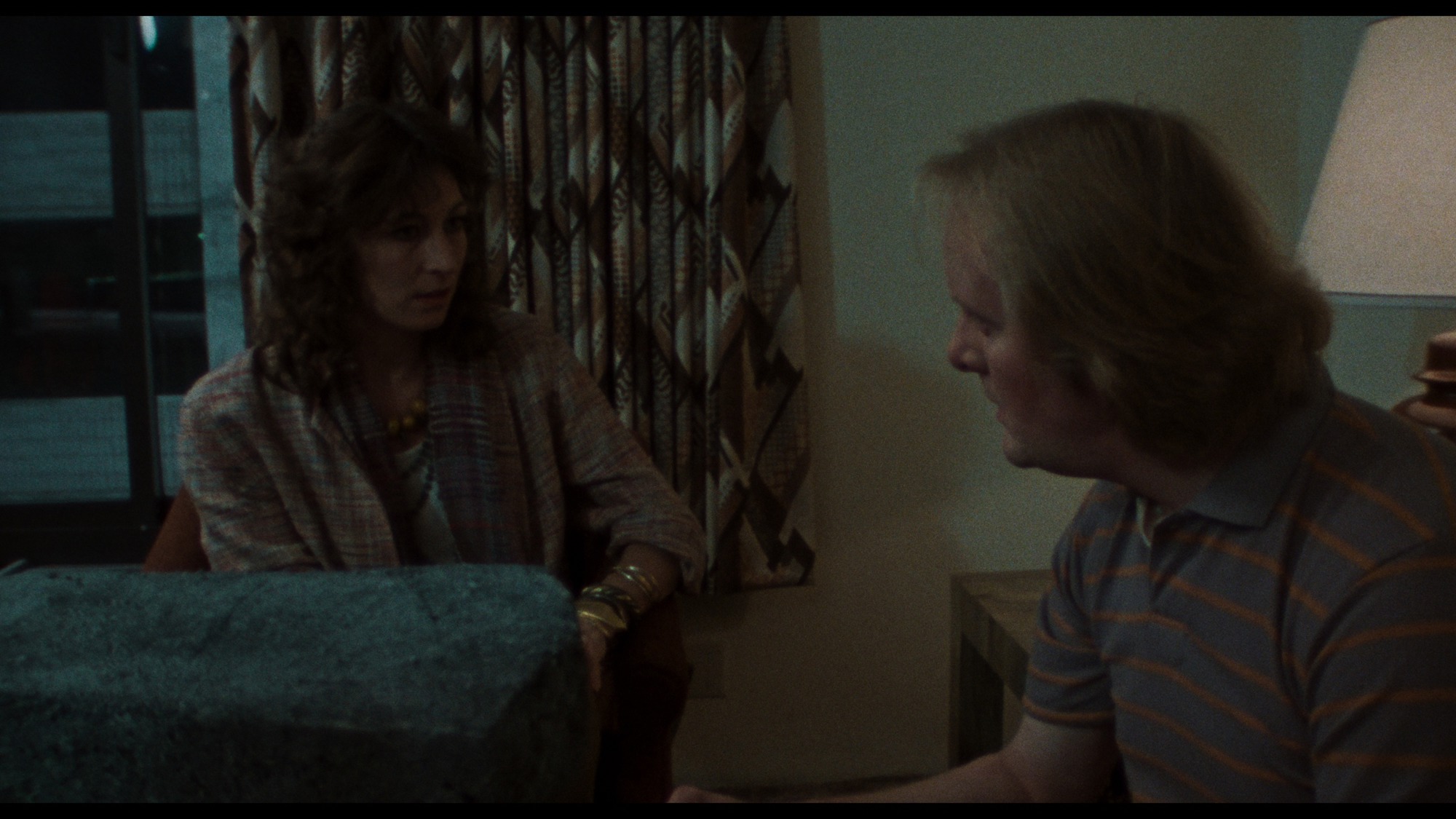
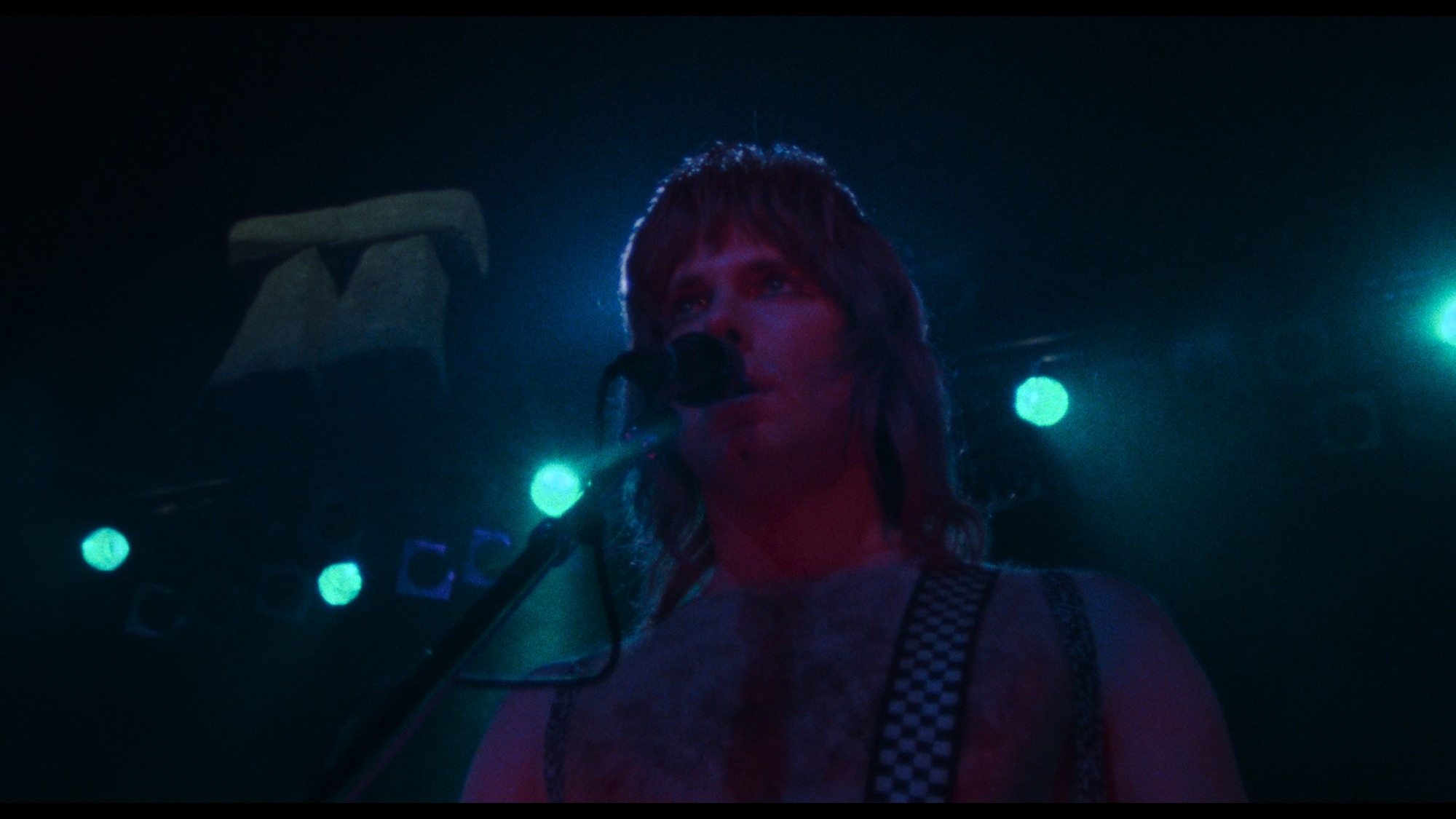
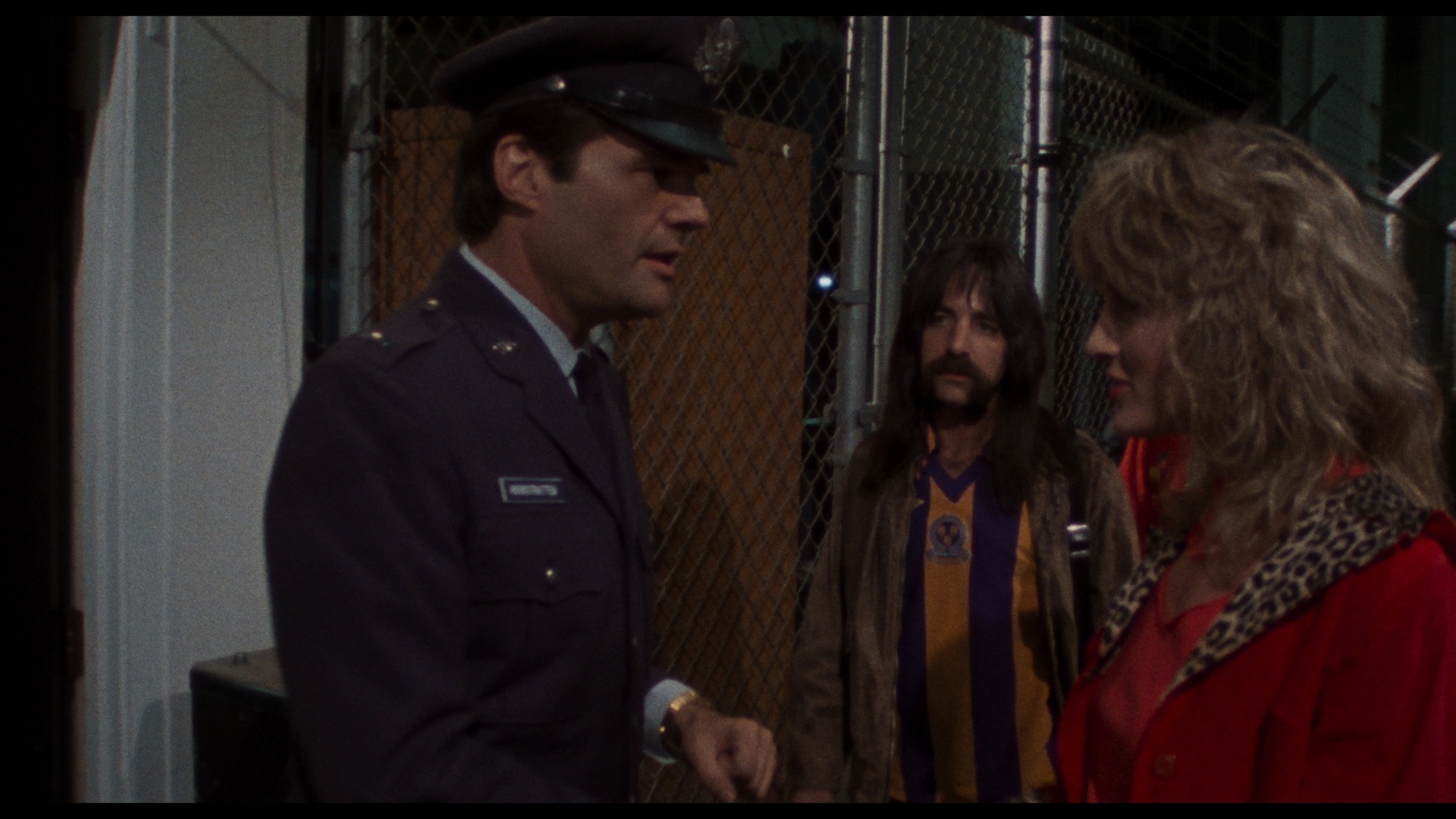
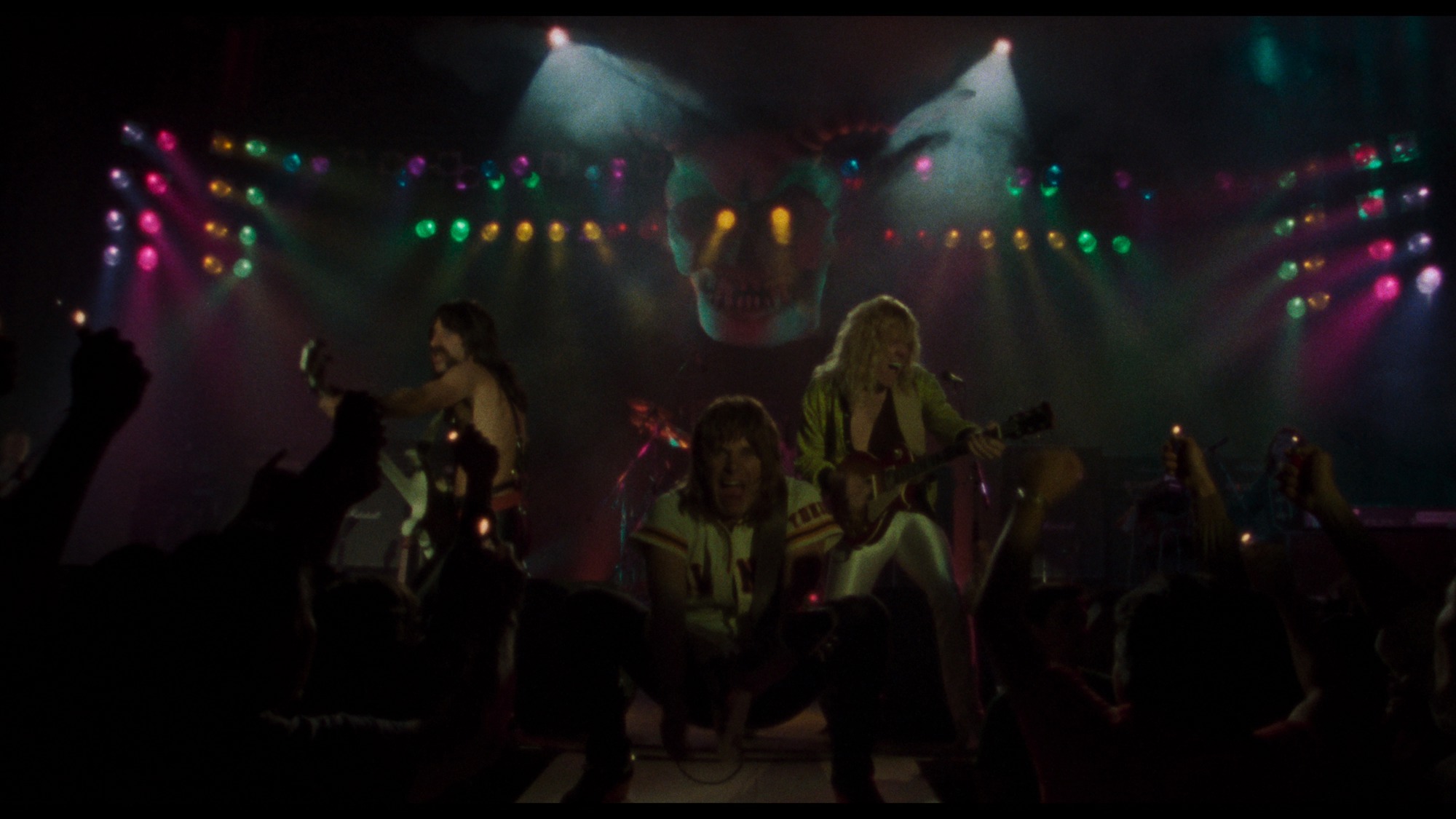
I admit I was a little concerned about how this one would turn out, though not for the usual reasons: my concern was more around the presentation looking too good. I never picked up MGM’s Blu-ray, having only owned the previous Criterion DVD and the MGM special edition DVD, and I always liked that there was still a bit of a rough edge to both of their presentations (though Criterion’s DVD was littered with artifacts that didn’t help). It was just the final touch in giving the film a legit documentary feel. And while the new restoration is an absolute revelation compared to the previous DVDs, it thankfully doesn’t look “perfect,” riding that line just enough so it still feels like a genuine product of its era. The image is clean—maybe too clean, since I honestly don’t recall seeing a single scratch or blemish—but the presentation never comes across as sterile. Grain is rendered beautifully, sharp and natural, giving the impression of a 16mm source blown up to 35mm. There’s even a faint haze around edges at times, which, rather than being a flaw, only adds to the desired look of the film.
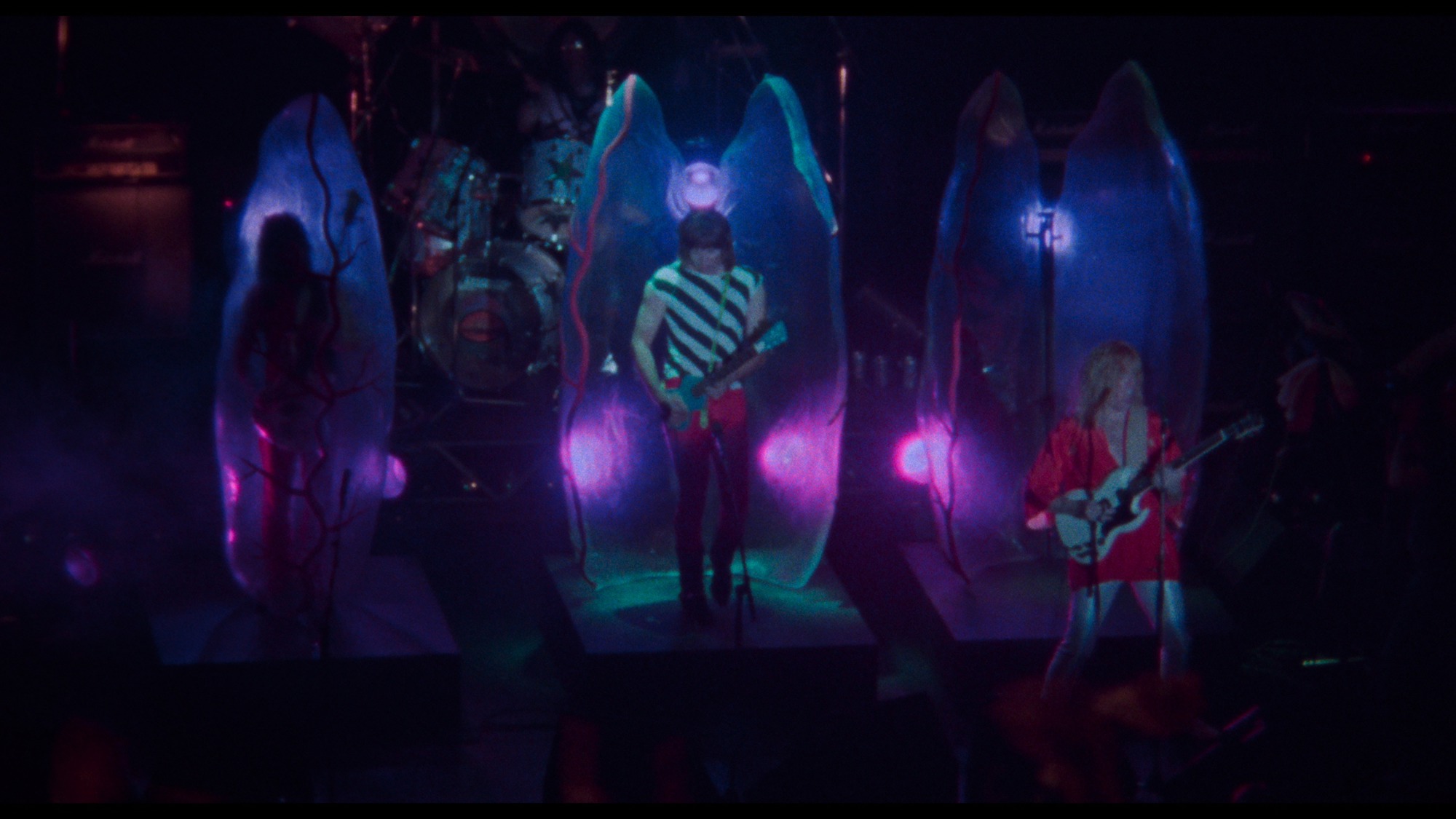
Colors lean ever so slightly toward green, though it’s not heavy and feels consistent with the look of developed film stock, but the colors still come out looking quite vibrant. The filtered stage lighting is where the presentation really shines: reds, violets, oranges, and greens pop wonderfully with Dolby Vision aiding there, and the contrast work ensures those blacks run deep without crushing detail. Highlights also look terrific, beautifully reflecting off of chrome surfaces without clipping out details.
Altogether it’s a solid balance: a sharp, richly detailed, HDR enhanced image that still looks like a documentary of the period.
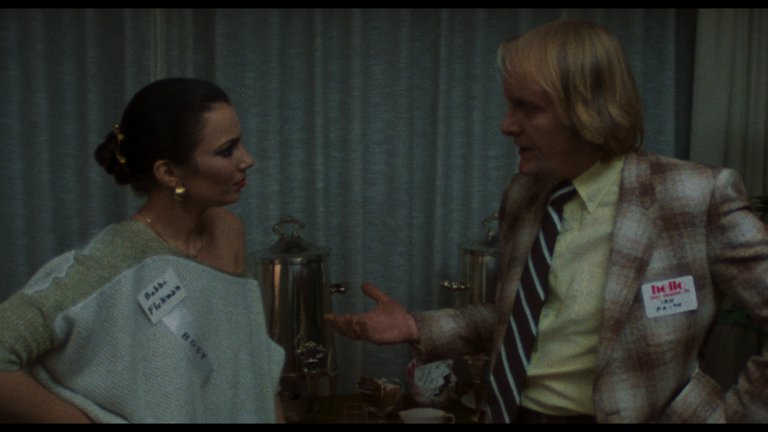
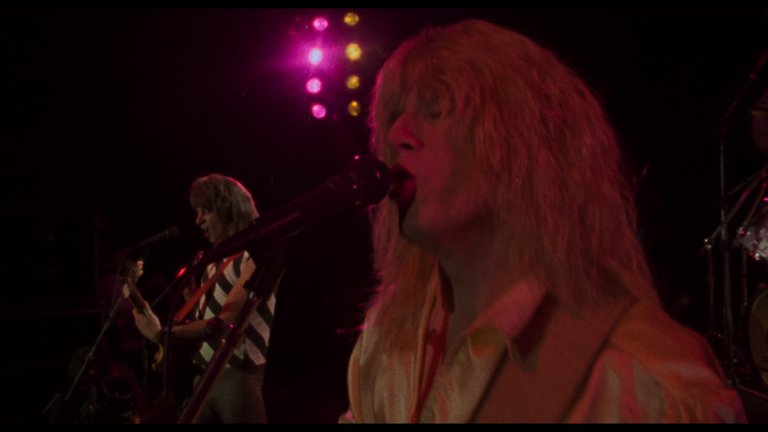
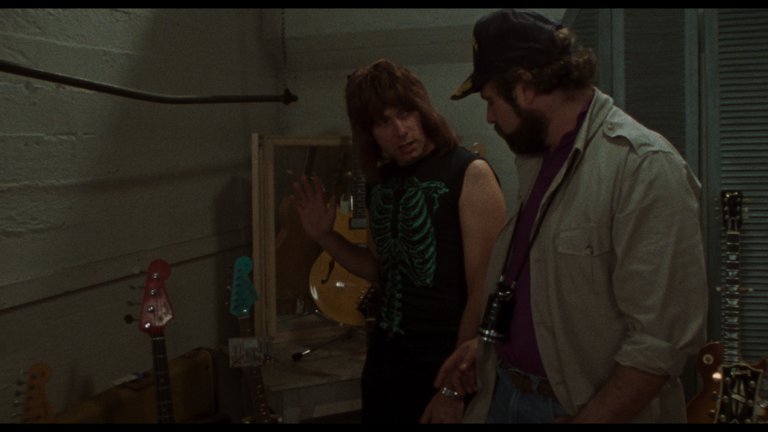
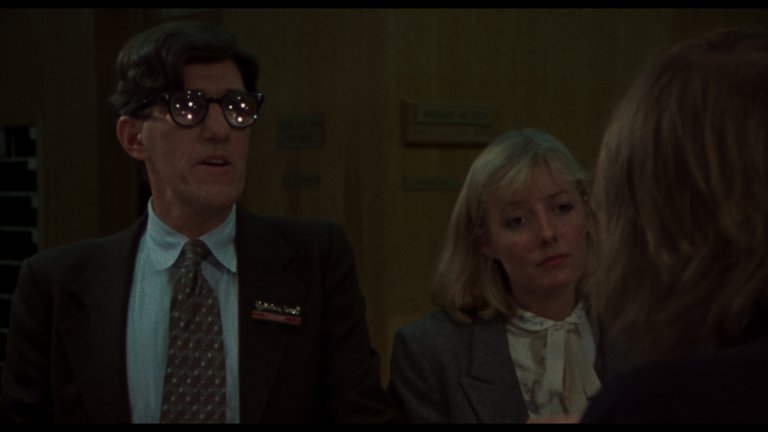
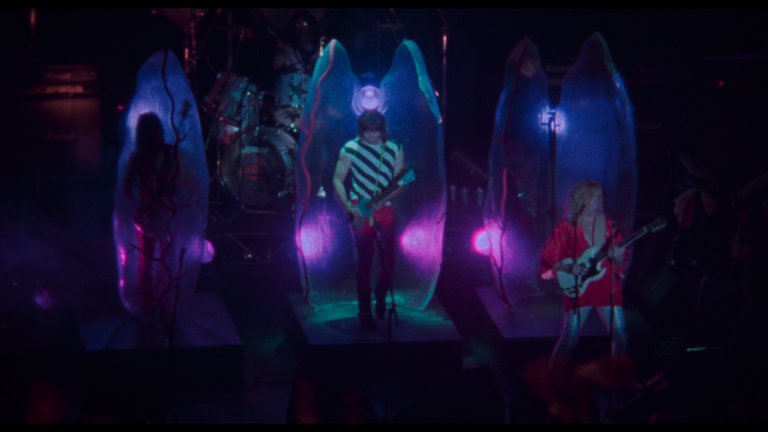
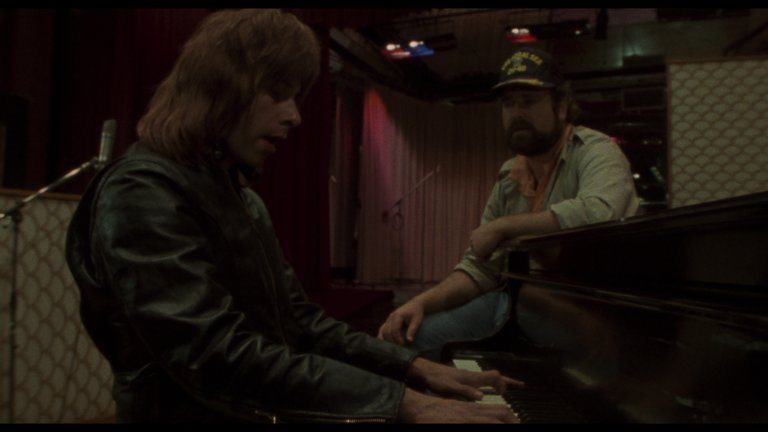
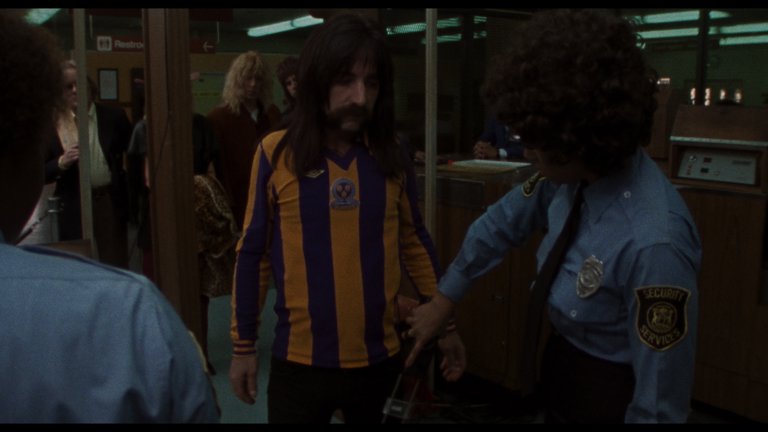
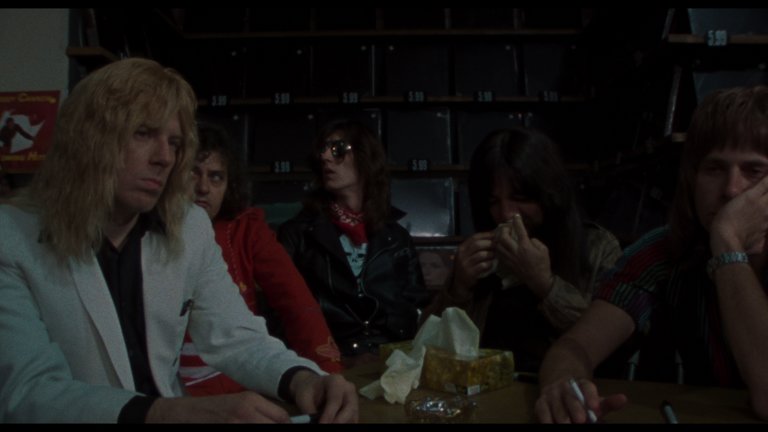
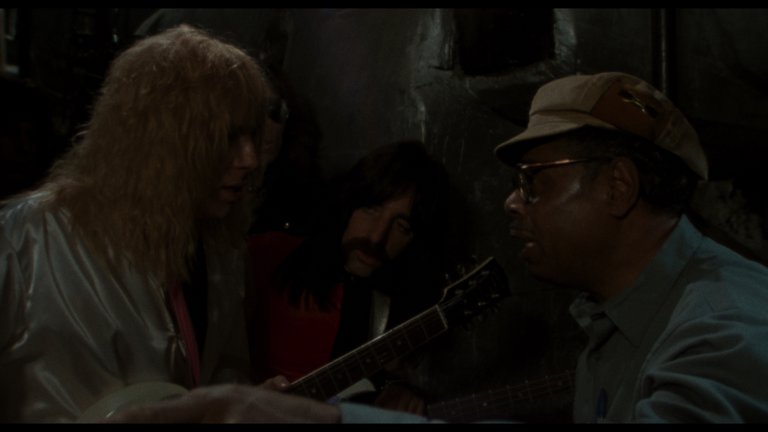
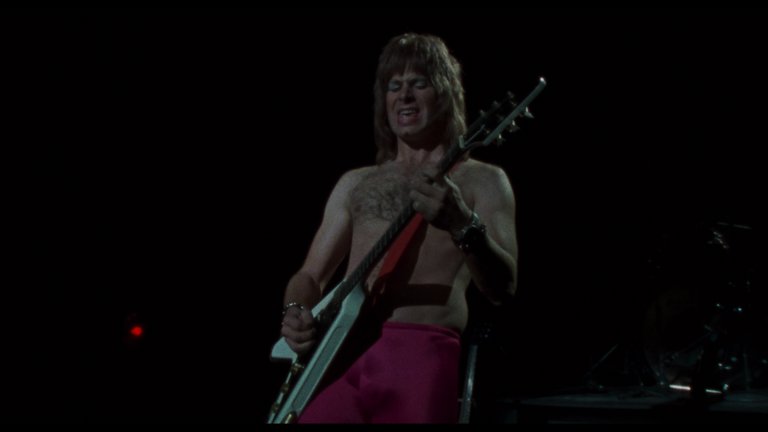
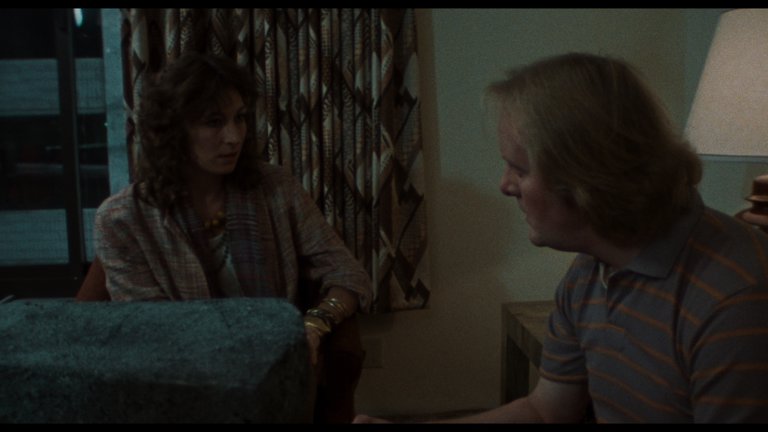
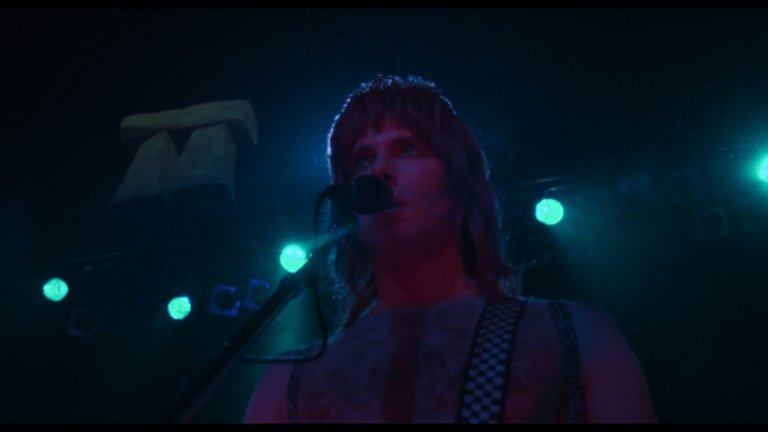
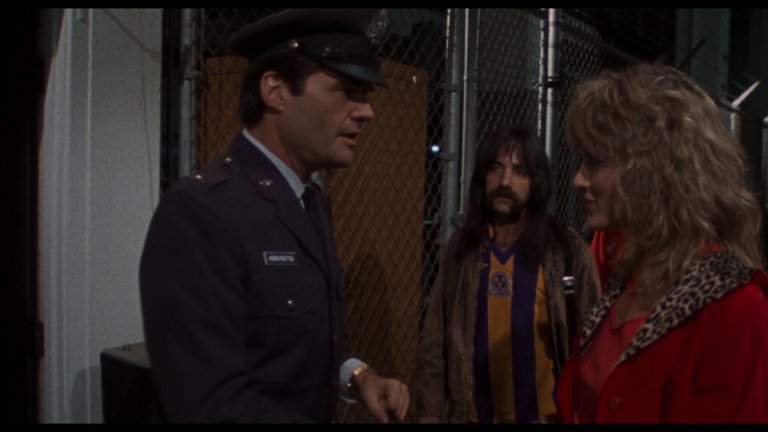
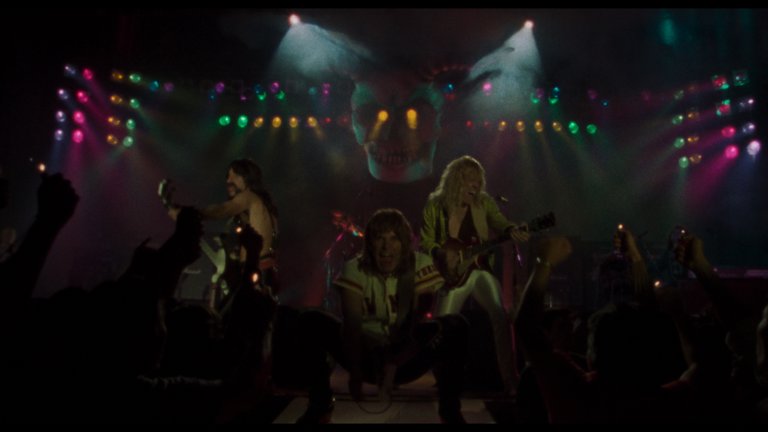
This Is Spinal Tap - Screen Captures


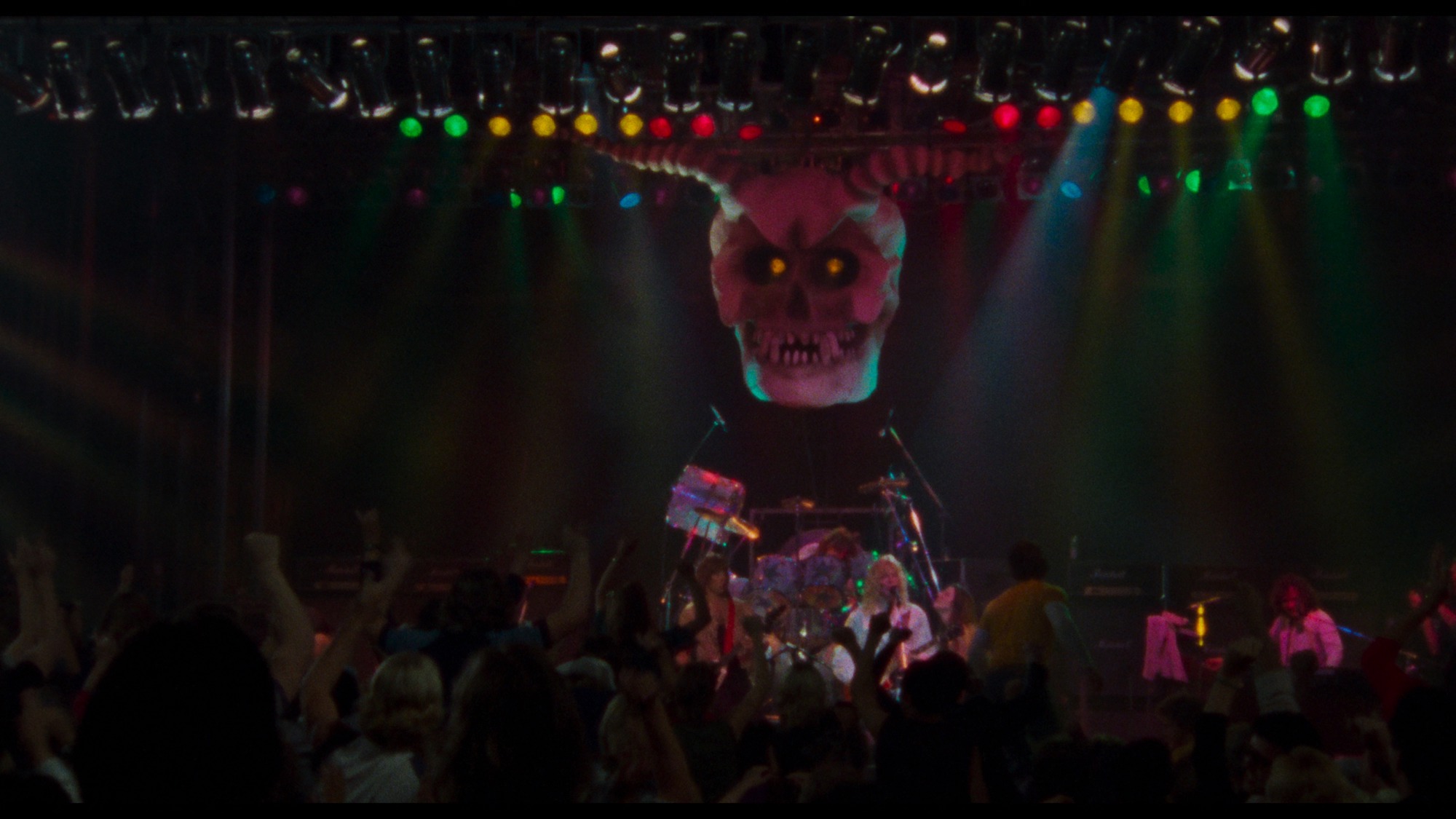
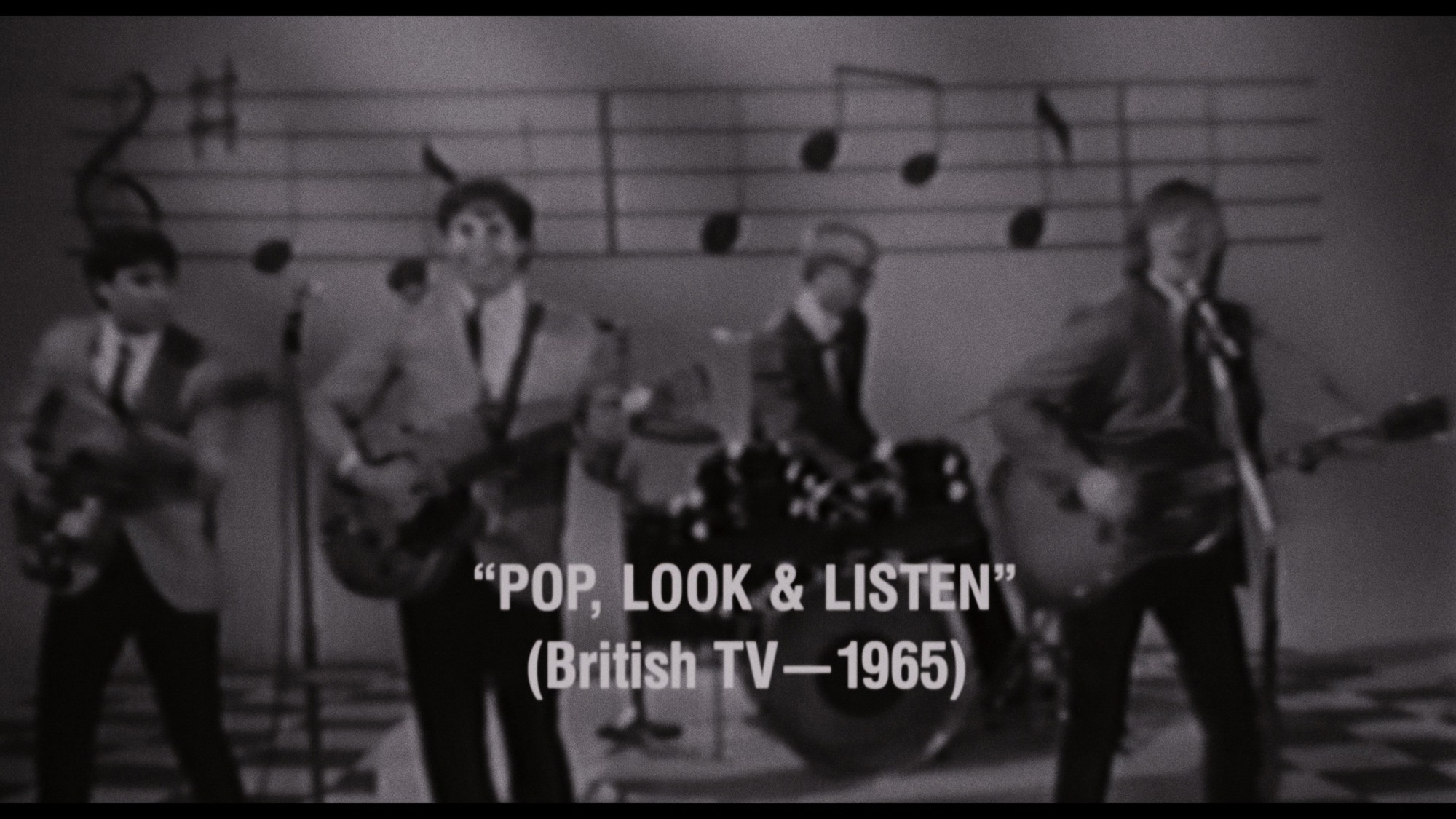

Audio 8/10
Criterion includes two audio options: the original stereo mix in lossless PCM and the remixed 5.1 surround track in DTS-HD MA. Both are strong, offering good fidelity and range, especially during the concert sequences, though the 5.1 track does come out ahead. The surround mix spreads the music into the rears with sharper definition and a wider dynamic range, giving the performances extra punch. Outside of the music, the track still retains that intentionally narrow, live-captured feel, keeping with the mock-documentary aesthetic. The stereo mix is perfectly fine on its own, but the 5.1 track ultimately adds a bit more muscle to the band’s set lists.
This Is Spinal Tap: 8/10 This Is Spinal Tap: 8/10
Extras 10/10
Criterion and MGM each packed their respective DVD editions with a number of special features, and while there was some overlap, both had their own exclusives. Fans will be pleased to learn that Criterion’s new set brings everything together in one place, creating the most comprehensive edition to date.
Things kick off with three audio commentaries, starting with Criterion’s two original tracks from 1994. The first features the cast, Michael McKean, Christopher Guest, and Harry Shearer, while the second includes director Rob Reiner, producer Karen Murphy, and editors Robert Leighton and Kent Beyda. I’ve always liked Criterion’s commentaries, but of the two, I still lean toward the cast track. The group recalls the origins of the characters (first performed with Reiner on Midnight Special), how the film came together, and the various real-life inspirations for the story and gags (including clear nods to The Last Waltz). They also get into how difficult it could be to film scenes without breaking down laughing, since no one knew what the others were going to say, like during the “you can’t dust for vomit” bit. It’s also nice hearing them praise their co-stars: Bruno Kirby was fully game, Fran Drescher blended perfectly with the film’s vibe, and Howard Hesseman was brought in with almost no notice but nailed it regardless. They even touch on the idea of a sequel and why it hadn’t happened—at least at the time (of course, a sequel finally arrived in September 2025).
The filmmaker track takes a more technical approach but still maintains an easygoing tone. Reiner is surprisingly candid despite his initial reluctance: he admits Criterion approached him for the commentary while he was working with them on A Few Good Men (which Criterion developed for LaserDisc but never released), and he wasn’t keen on dissecting the film, fearing it would ruin the fun. Thankfully, it doesn’t. If anything, it’ll enhance ones admiration for what this film accomplished. Reiner discusses his goal of making the film feel like a true documentary, which involved hiring cameraman Peter Smokler, who had actual experience in the field and, amusingly, didn’t find anything funny because it all felt real to him. Reiner and the team worked without a script, just a rough idea of scenes, which made it all the more difficult for editors Beyda and Leighton, who had to shape seven-plus hours of footage into something coherent. In all, both tracks prove engaging and insightful, and it’s great to have them back in circulation.
The third commentary, from MGM’s 2001 DVD, features McKean, Guest, and Shearer again—but this time entirely in character as David St. Hubbins, Nigel Tufnel and Derek Smalls. The band reflects on their experience being “screwed over” by director Marty DiBergi, who, in their view, only captured what went wrong. The track is frequently hilarious, especially with its running gag of identifying which characters have died since the documentary’s release (half of whom are apparently still alive in reality). While it flirts with overstaying its welcome, it ultimately finds footing by building on the film’s lore, including new anecdotes about characters, behind-the-scenes moments, and oddball revelations (like Derek’s allergy to vinyl of all things). It’s a fun meta-commentary that both satirizes and enhances the world of the film.
All other features are found on the third disc, a standard dual-layer Blu-ray. The highlight here is a new 30-minute conversation between Reiner and Patton Oswalt. Though it covers some of the same ground as the commentaries (particularly the film’s genesis) it shifts focus to specific scenes and the music industry satire. Oswalt also probes into the material that didn’t make the cut, including a storyline involving herpes sores that Reiner was reluctant to lose. It’s a lively add-on, even if it would’ve been nice to have the rest of the cast involved.
The rest is mostly archival, much of it from Criterion’s and MGM’s earlier discs. The biggest chunk is “The Cutting Room Floor,” nearly 98 minutes of deleted scenes. While both previous DVDs had overlapping content, each also included exclusive material, and it appears Criterion has now gathered it all. Much of it has been newly scanned, with some video-sourced elements remaining. For longtime fans, much of this will be familiar, but it’s still worth revisiting, and should prove especially worthwhile for newcomers. It includes extended interview footage, more backstory (including Derek going through a divorce), and dropped plotlines like the aforementioned herpes gag. Billy Crystal and Fran Drescher also get more screen time here.
Also returning is The Final Tour, the original 20-minute demo reel used to pitch the film, still sourced from video. Rather than write a script, Reiner and the cast filmed this short to showcase their concept, believing a script couldn’t properly communicate their intentions. It holds up surprisingly well and captures the core story and tone that would carry into the final film. Still, it’s easy to understand why studio execs passed at the time; without context, it must have looked completely baffling.
Two other character-driven pieces make a return: the 1992 Return of Spinal Tap, a brief but funny 10-minute “where are they now?” update, and Back From the Dead from 2009, running 56 minutes. The latter sees the characters waxing philosophical about their music and lives, though it does start to wear a bit thin.
Under a section labeled “Promotional Material,” Criterion gathers various trailers and oddities. This includes the film’s original trailer and TV spots, the cheese-rolling teaser and industry promo (where Reiner promises nudity and threatens a Meathead spin-off if the film isn’t a success), and the faux Heavy Metal Memories TV ad/trailer for a music collection you could never actually buy. Also here are music videos for “Hell Hole” and “Big Bottom” (the latter using footage from the film), full-length segments for the Thamesmen’s “Gimme Some Money” and “(Listen to) The Flower People,” and the cut Beatles-style press conference (these last three segments were originally included in the deleted scenes section on Criterion’s DVD). A short clip from The Joe Franklin Show and a five-minute interview with DiBergi (Reiner in character), originally from MGM’s disc, also make an appearance. Finally, the disc closes with a trailer for Spinal Tap II: The End Continues.
The set also includes a booklet featuring a new essay by Alex Pappademas, examining the film and its legacy. The design mimics a pulpy rock magazine, complete with a glossy centerfold spread of the band.
In all, this is easily the most exhaustive and lovingly assembled collection of features for Spinal Tap yet. Criterion has successfully gathered nearly everything from their own and MGM’s previous releases, making this the definitive collection of material.
Closing
All told, Criterion has pulled together just about everything that’s ever been produced for This Is Spinal Tap, from their own earlier DVD to MGM’s, and even added a few new extras for good measure. It’s a thorough, lovingly assembled collection. And paired with the sharp-looking new presentation (that manages to retain the documentary look and feel), this is clearly the definitive release for fans.
BUY AT: