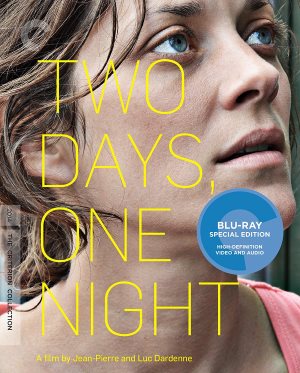
Two Days, One Night
BUY AT:


See more details, packaging, or compare
Synopsis
Oscar winner Marion Cotillard received another nomination for her searing, deeply felt performance as a working-class woman desperate to hold on to her factory job, in this gripping film from master Belgian directors Jean-Pierre and Luc Dardenne. Cotillard is Sandra, a wife and mother who suffers from depression and discovers that, while she was home on sick leave, a majority of her coworkers voted in favor of her being laid off over giving up their annual bonuses. She then spends a Saturday and Sunday visiting them each in turn, to try to convince them to change their minds. From this simple premise, the Dardennes create a powerfully humane drama about the importance of community in an increasingly impersonal world.
Picture 9/10
The Dardenne brothers’ Two Days, One Night makes its North Ameircan home video debut through The Criterion Collection, presented in its original aspect ratio of 1.85:1 on this dual-layer disc. Coming straight from the digital source the picture is delivered in 1080p/24hz.
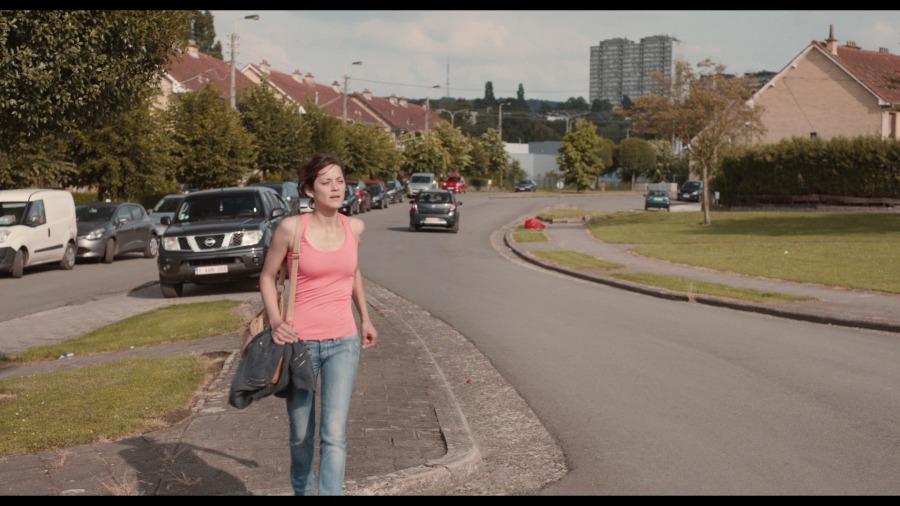
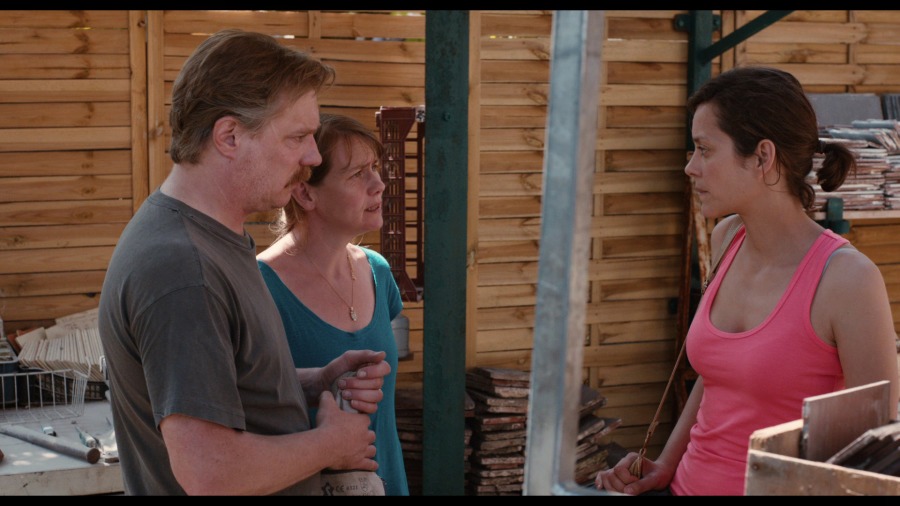
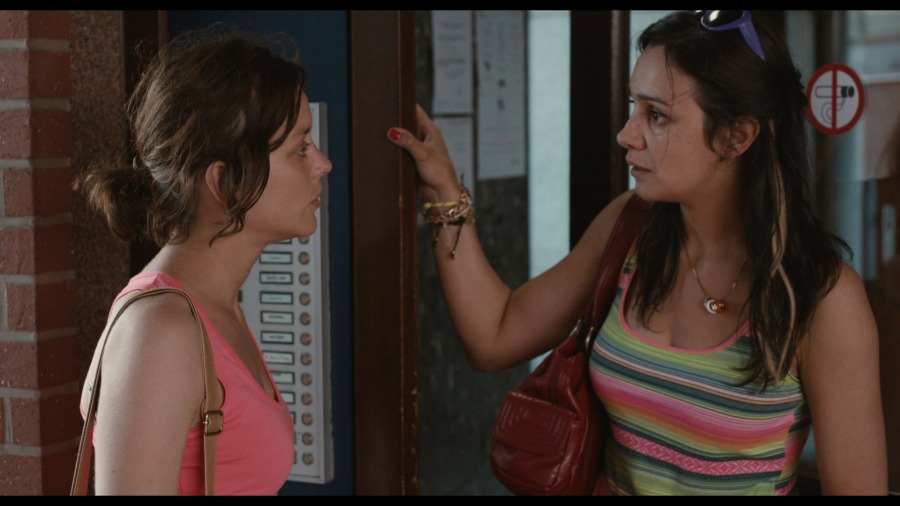
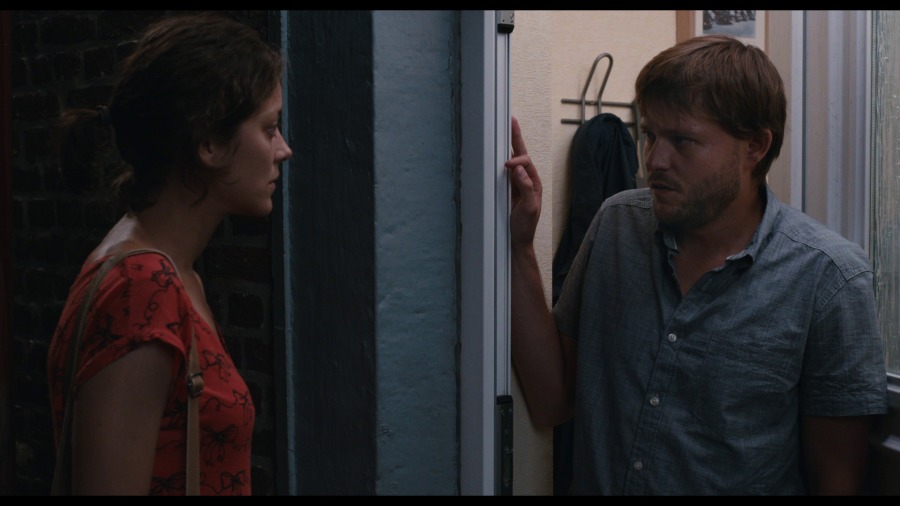
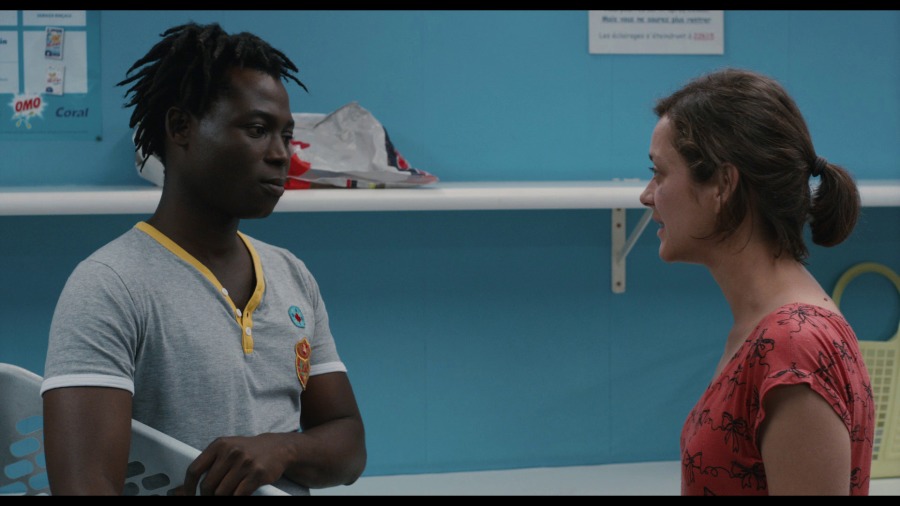
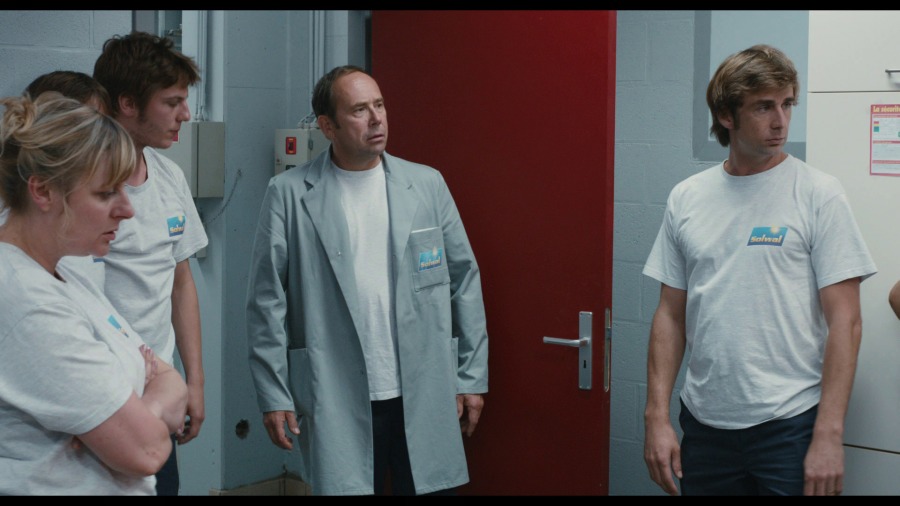
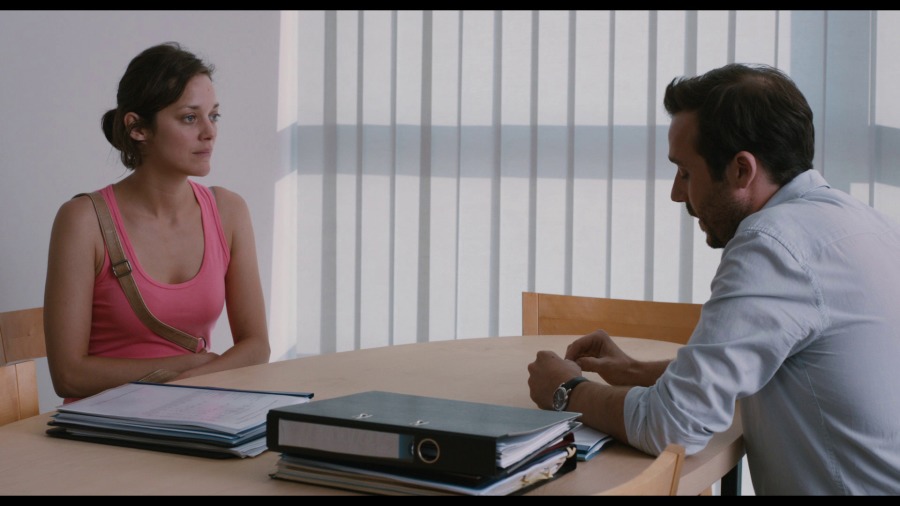
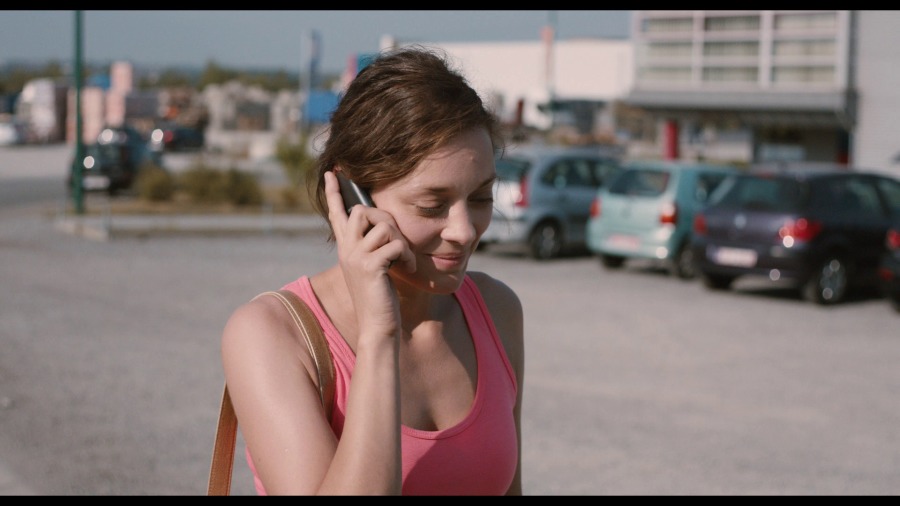
Like quite a few films shot digitally the image looks great but there is just a little something lacking. I’m never entirely sure if it’s just the technology used or whether something happens when encoding it to a Blu-ray/DVD, but despite most everything looking great the image can look just a little flat. It delivers textures well, the image is always sharp and crystal clear, colours look spectacular (the colour scheme is really intriguing in this movie, where the compositions even play off the colour of whatever top Marion Cotillard’s Sandra wears), and the image is always clean, free of damage. I didn’t even detect any digital artifacts.
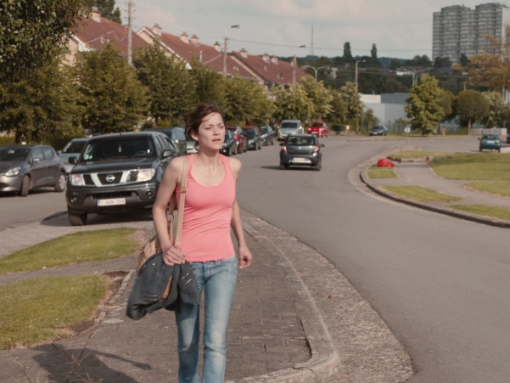
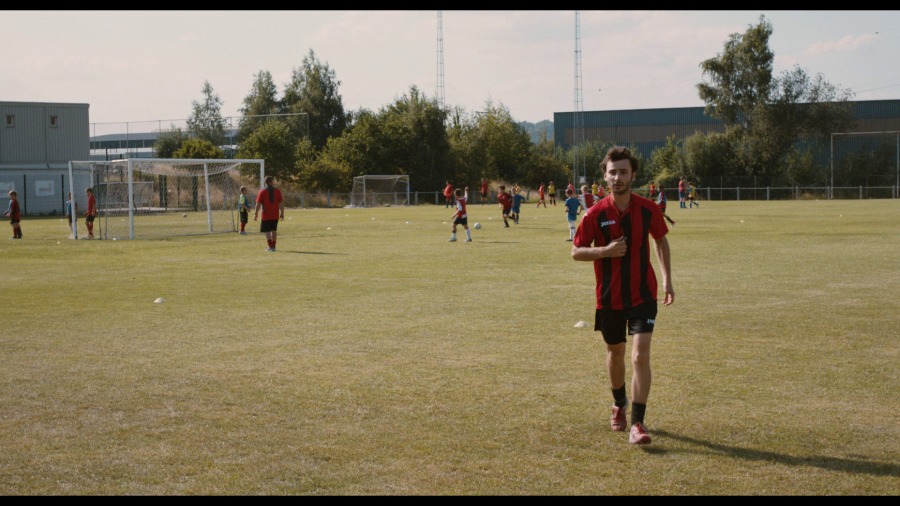
For all intents and purposes the image looks absolutely wonderful. But I just don’t get any sense of depth, even in shots like the one involving Sandra arriving at a large football/soccer field to see one of her fellow employees, the image just looks a little flat, and whether it’s intentional or not, it still felt a bit disappointing to me.
At any rate it’s possible there’s just something to the image I’m not clicking with and no one else will have the same problem. Ultimately every other aspect to the transfer looks superb and I’d say it trumps whatever stupid little thing I couldn’t get past.
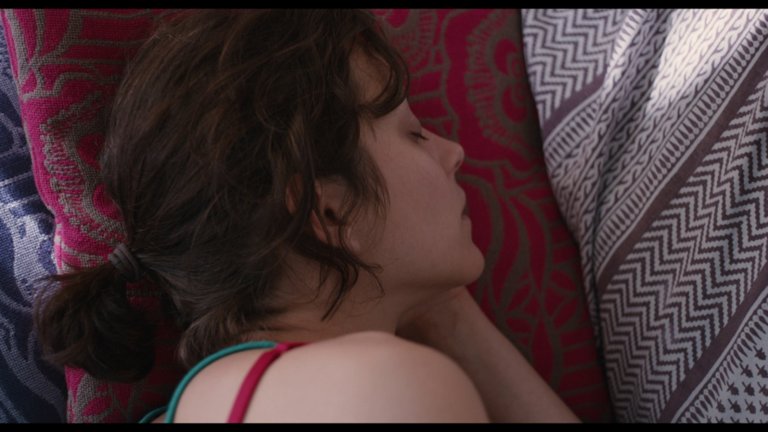
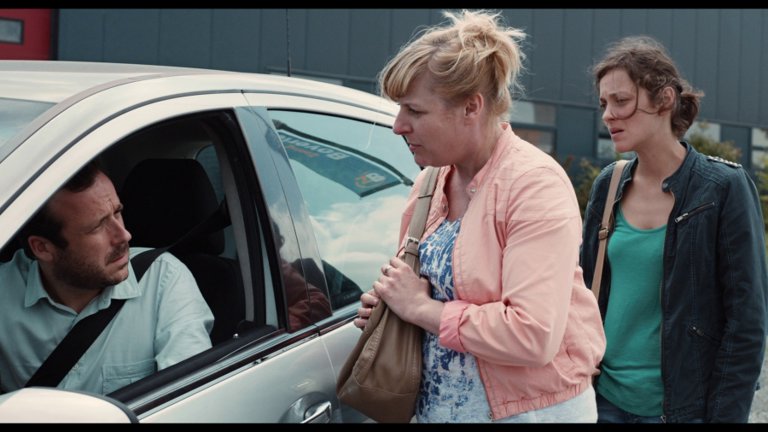
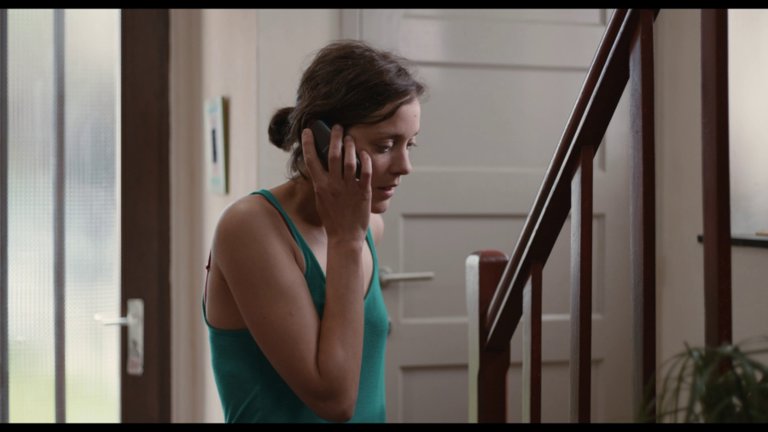
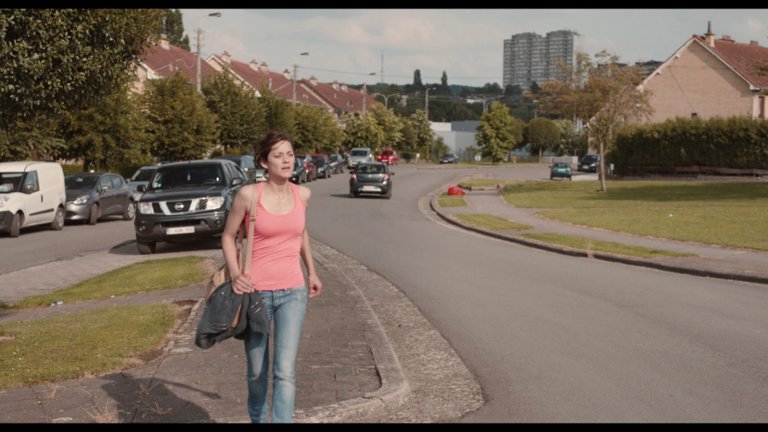
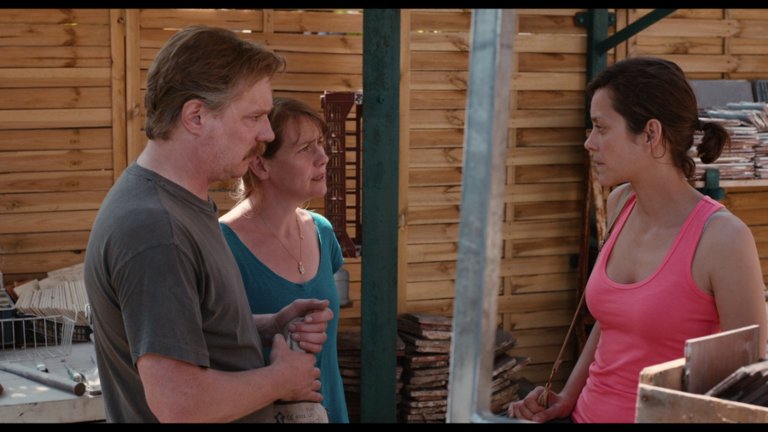
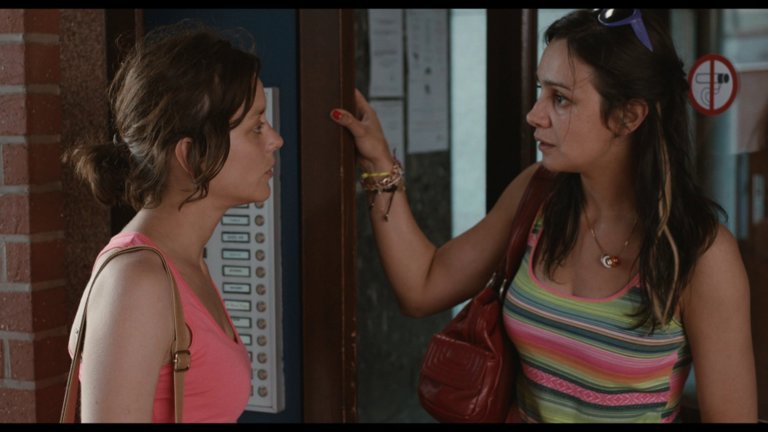
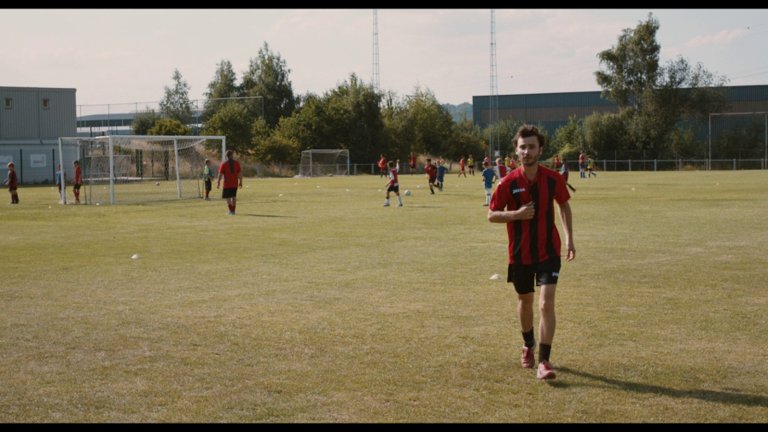
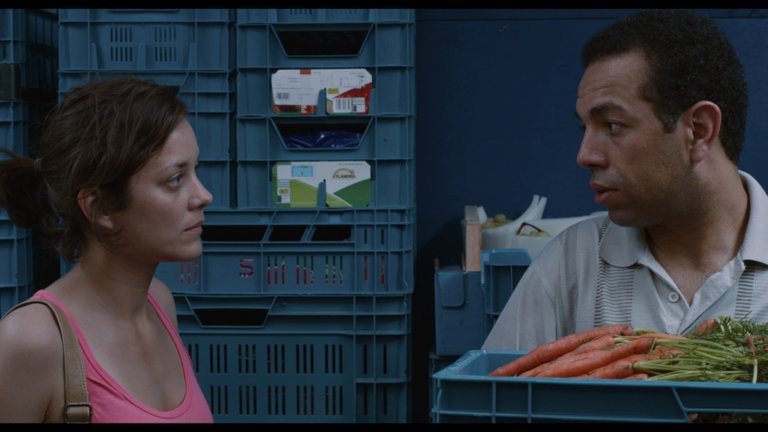
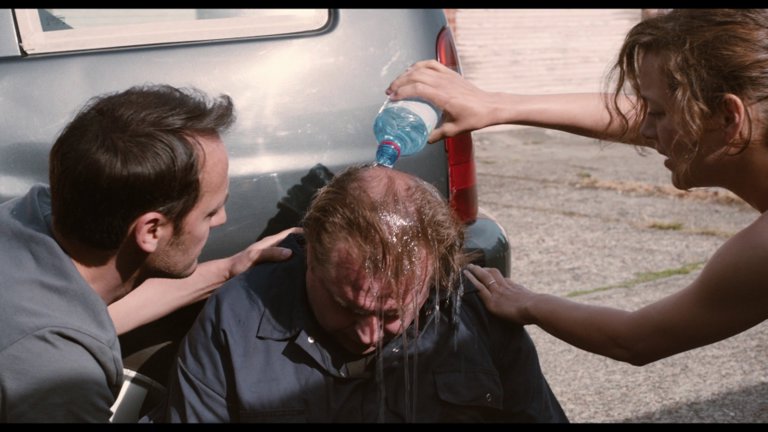
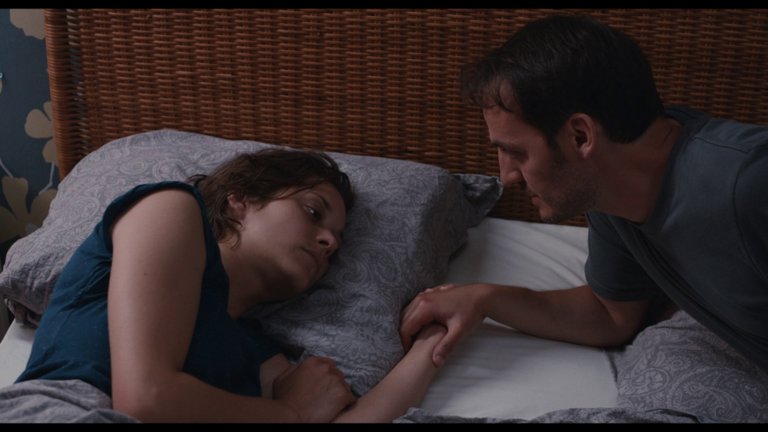
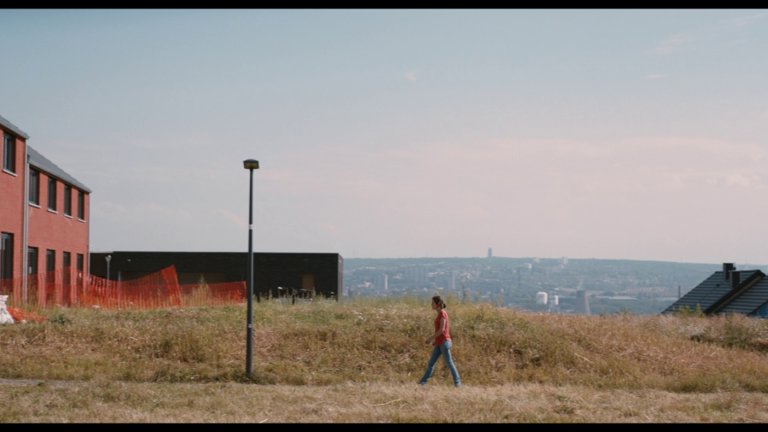
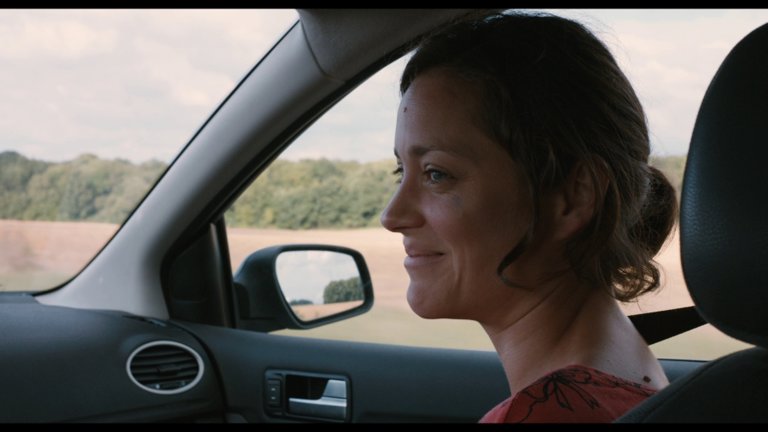
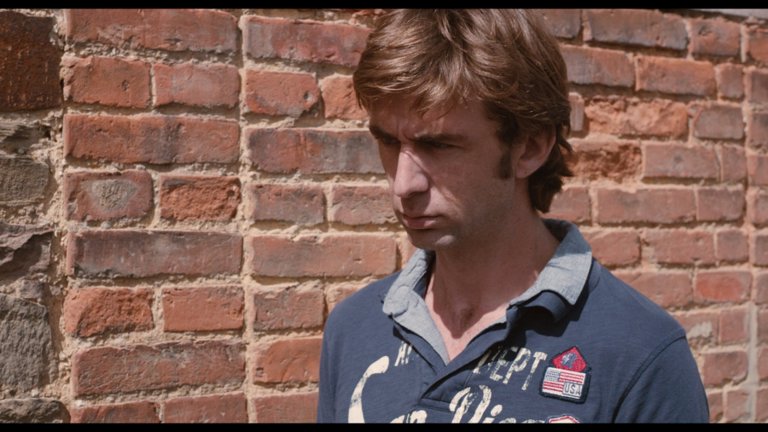
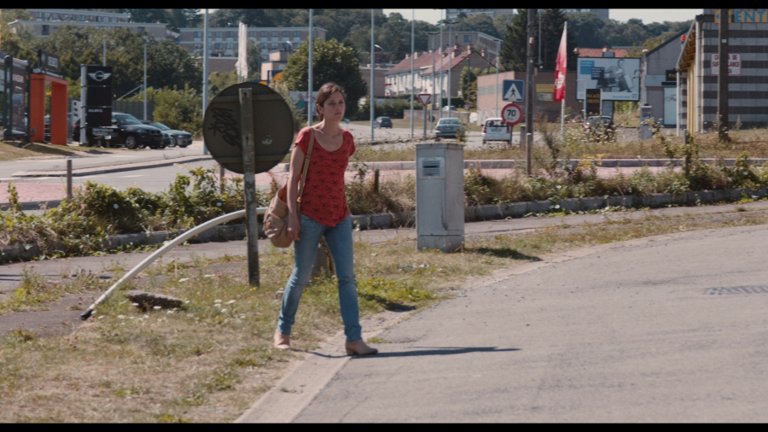
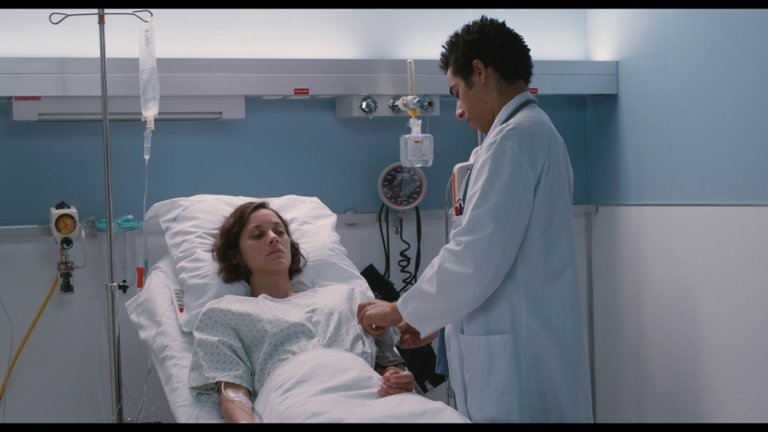
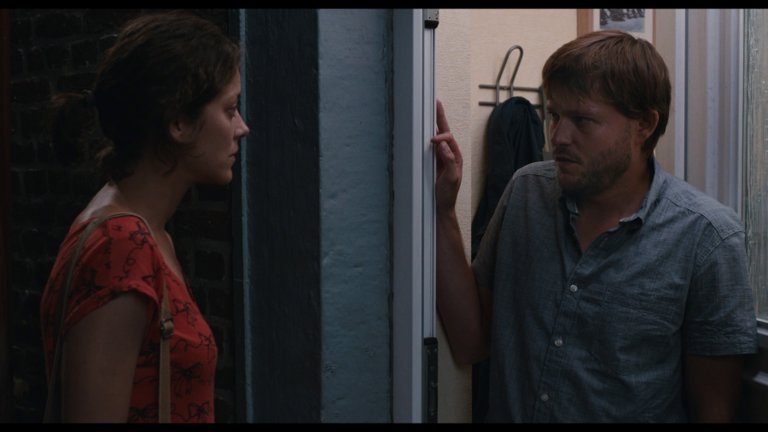
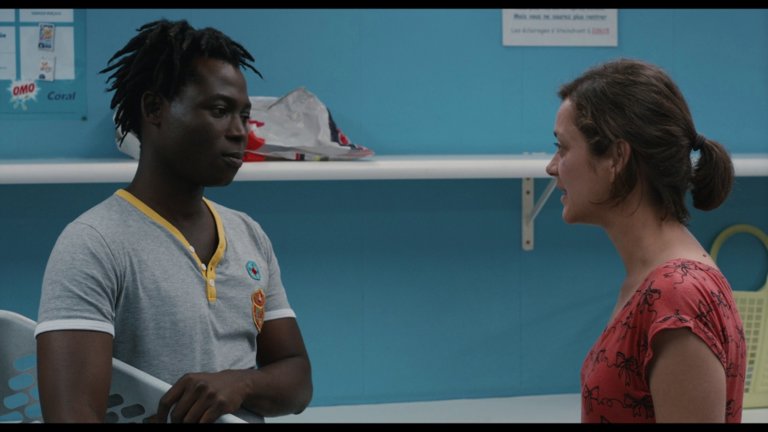
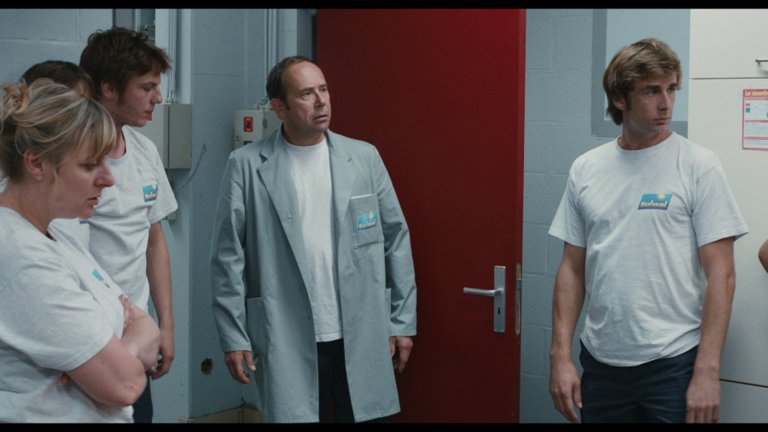
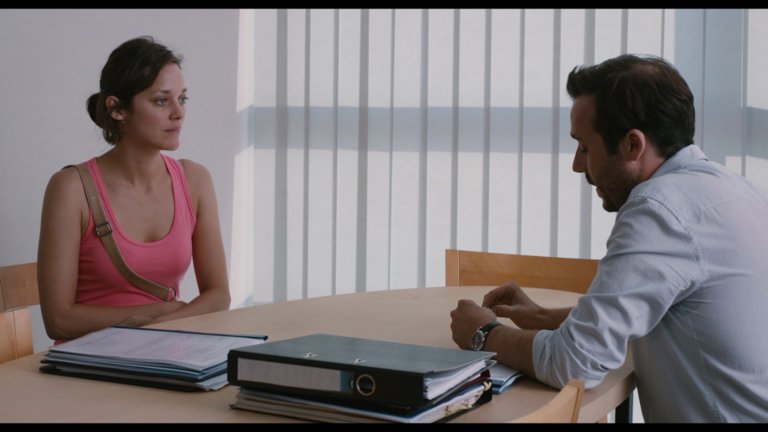
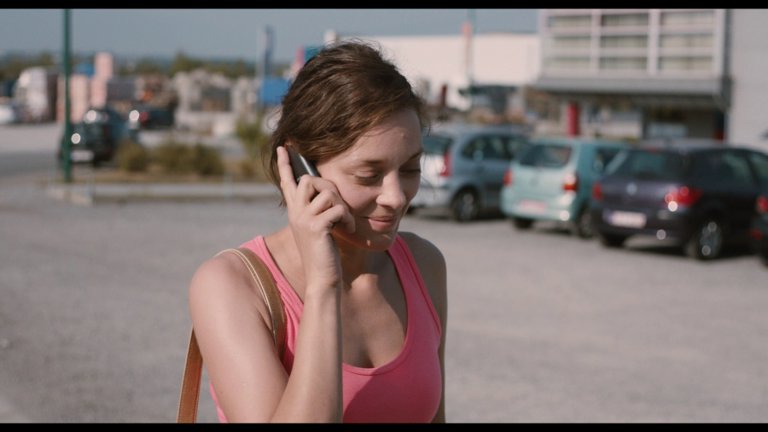
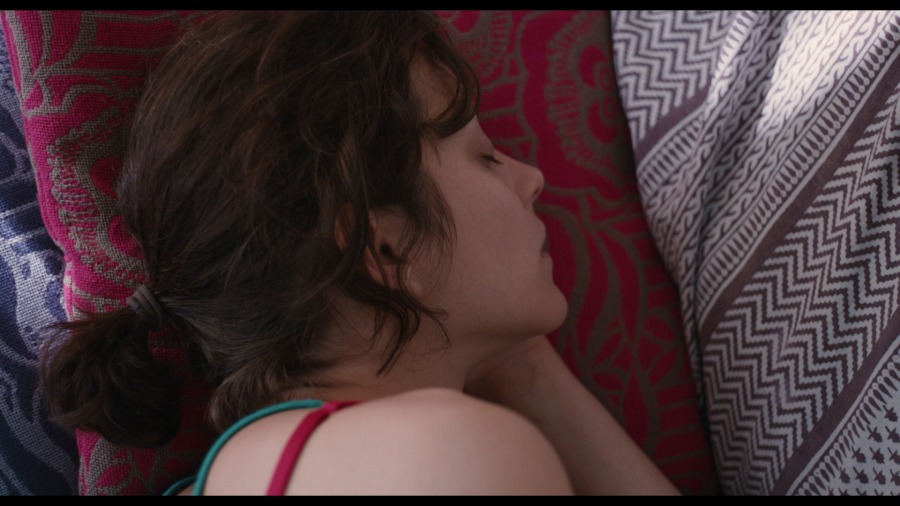
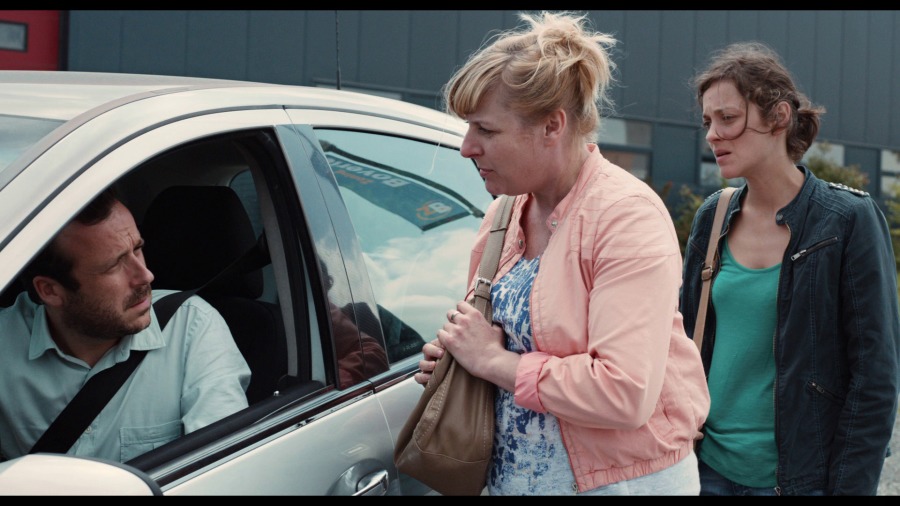
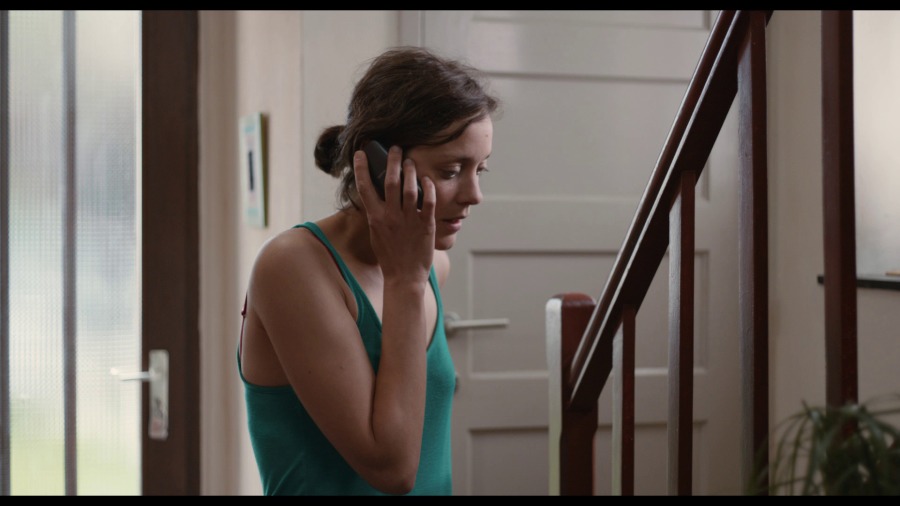
Two Days, One Night - Screen Captures
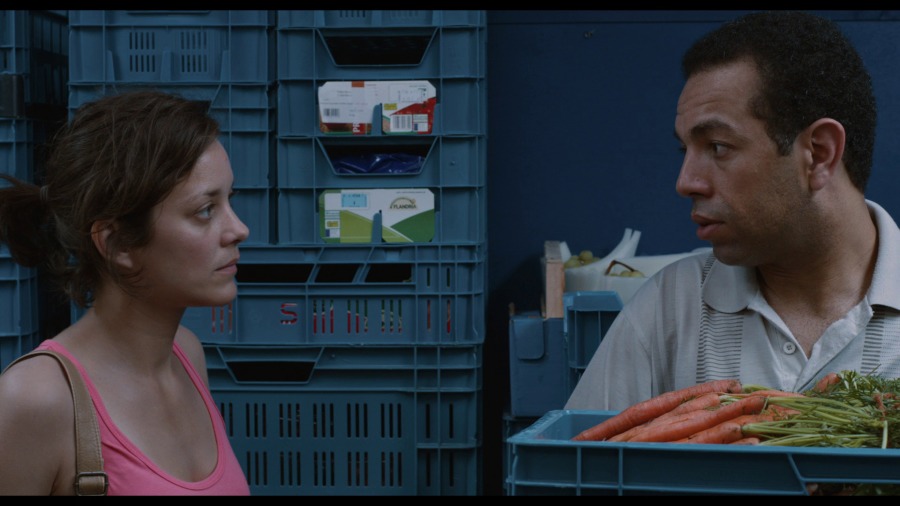
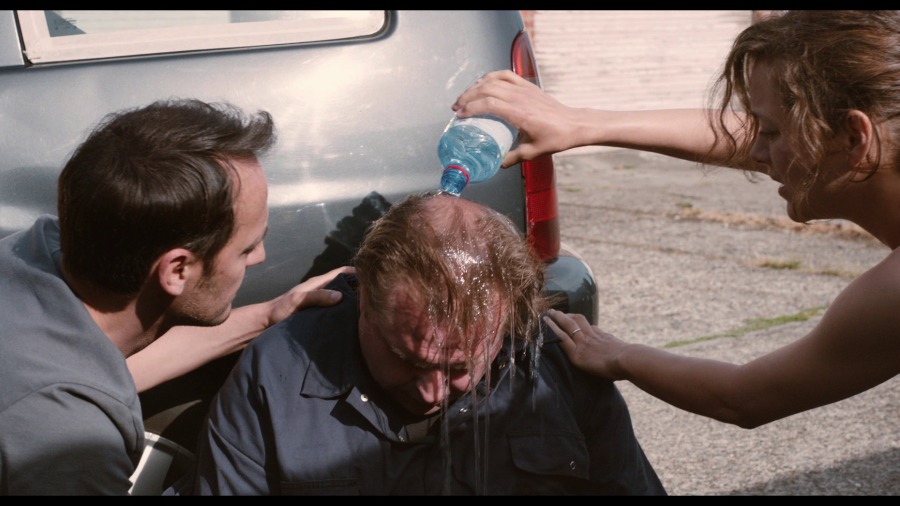
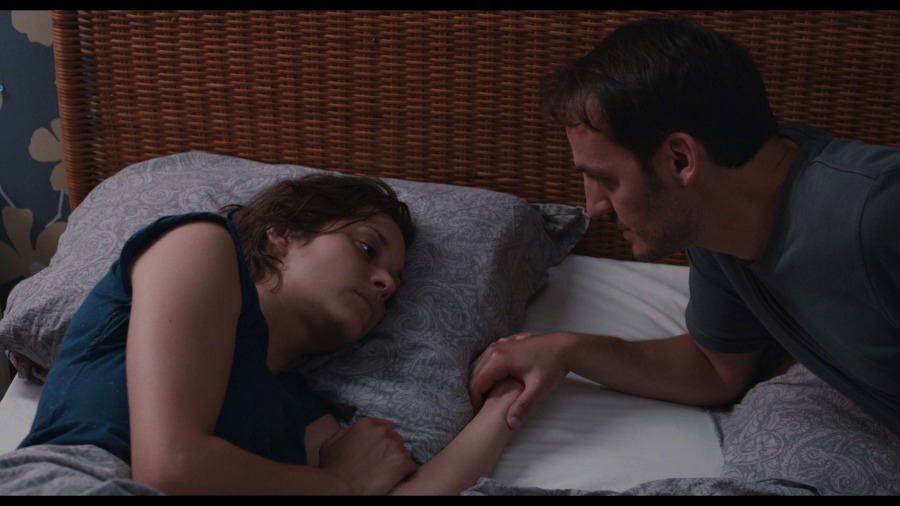
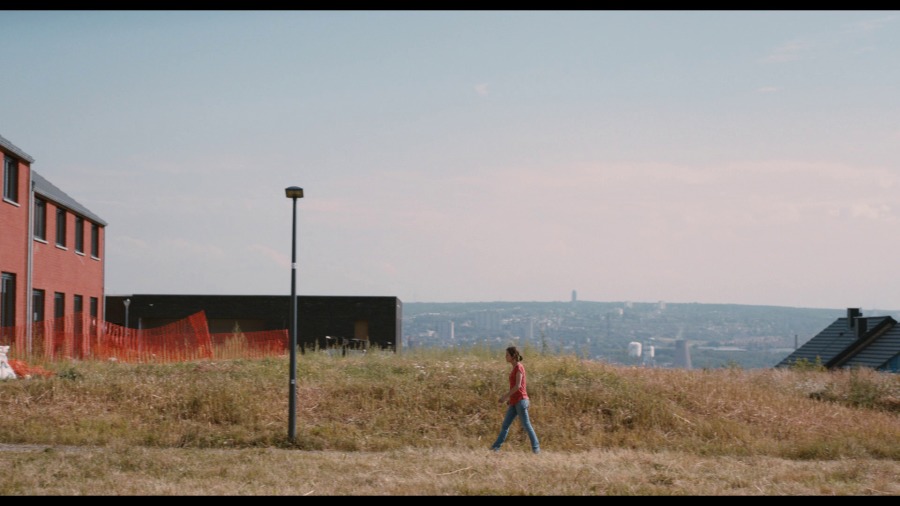
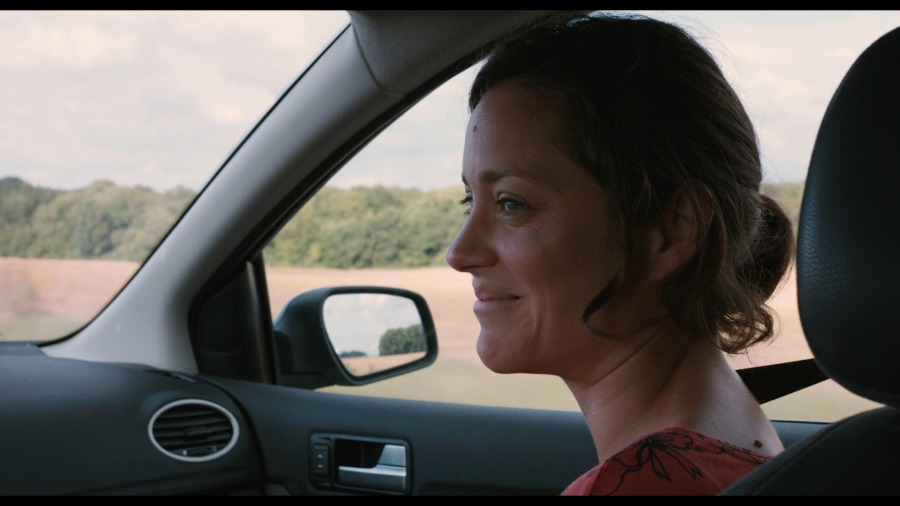
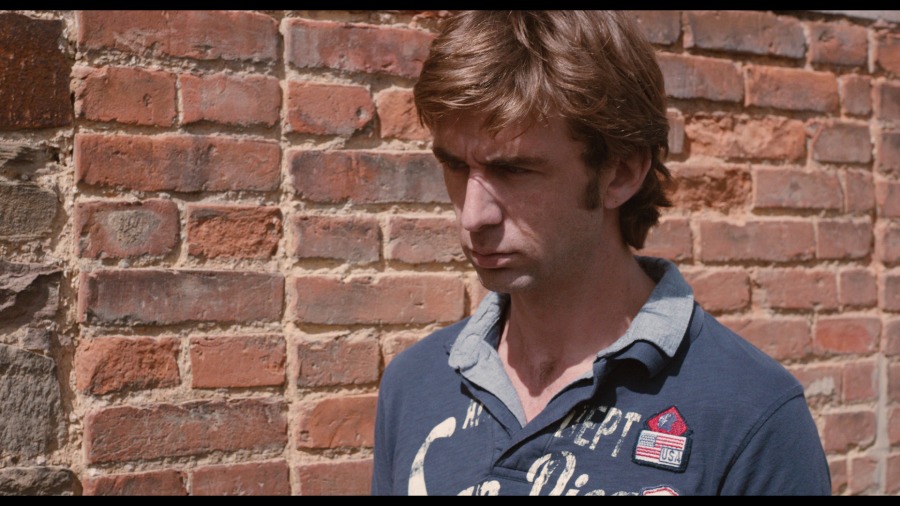
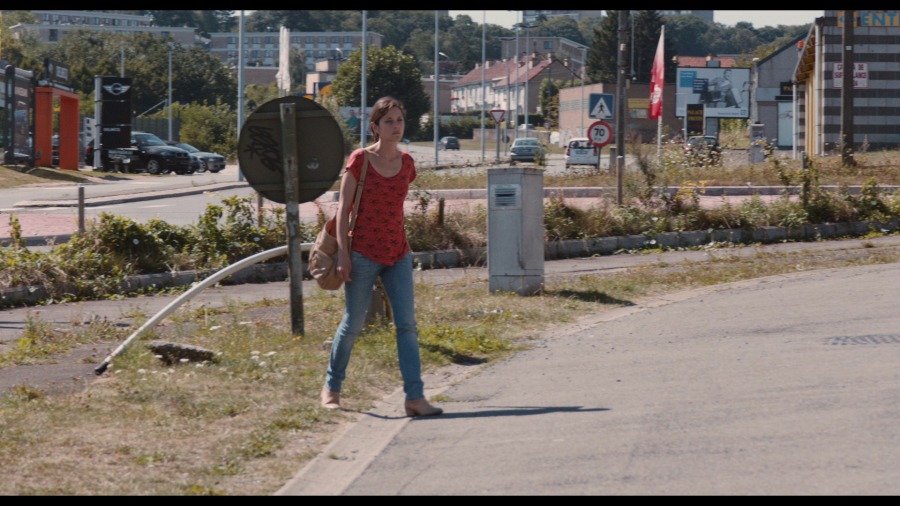
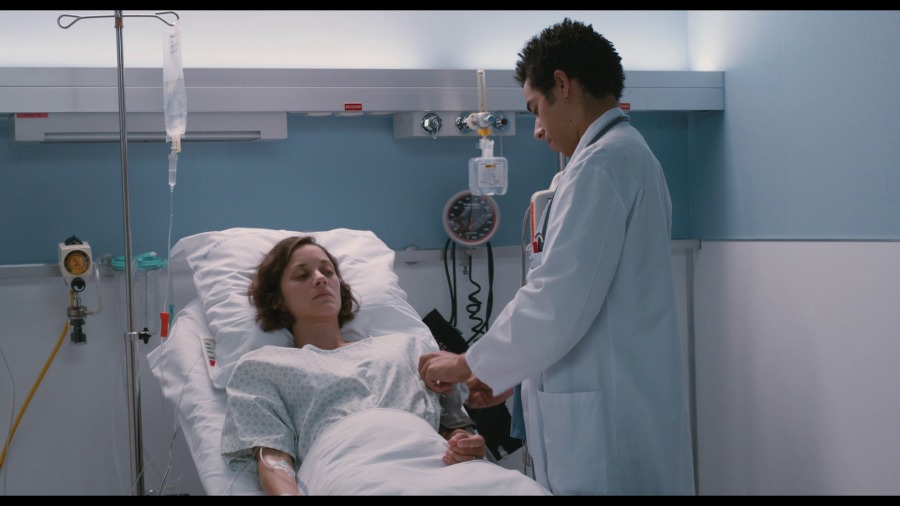
Audio 8/10
The film features a 5.1 surround track delivered in DTS-HD MA. It’s an odd track, feeling more monaural in nature. Most everything seems to be focused to the front center channel, but there is some subtle ambient noise in the background that come through the surround channels, and bass is modest. I think the most notable active moments are a couple of scenes revolving around a song playing on the car radio as is a sequence near the end in a hospital, which presents some more obvious surround use that’s cleverly mixed. Overall quality is superb, dialogue and sound effects sounding crystal clear, and range and volume levels are beautifully handled.
This isn’t an overly active film but the presentation and mix subtly pull you into the world of the film.
Extras 9/10
Despite the film being a newer one, released just last year, Criterion has put together an especially impressive set a supplements for it, starting with yet another very in-depth interview with both Luc and Jean-Pierre Dardenne, which, like the other interviews found on all of Criterion’s releases of their films, is very lengthy, running almost 51-minutes in this case. Like the other interviews they get into a staggering amount of detail about making this film, first talking about articles and incidents that influenced, and then the roughly 12 to 13 years they spent developing the story. There is an especially grand amount of information about how the character of Sandra was developed and how the reasons for fleshing out the husband a little more. They address some of the concerns they had, particularly the dangers of the film feeling repetitive, and also touch on the ending, which they really played around with a bit, considering (if briefly) a conventional happy ending and even a more disheartening ending. Ultimately they went with the ending they did because it would help in the development of the character more while also feeling the most organic to them, which was more important. Again, after three other near-one-hour interviews I’m impressed the two can still bring so much to the table. It’s another great interview and any lack of a commentary is more than made up for here.
Criterion then gets new interviews with actors Marion Cotillard and Fabrizio Rongione. Recorded individually (Cotillard speaking in English and Rongione speaking in French) do get into detail about working with each other, working with the Dardennes and what they look for, and even the details about working with the cameraman, who, as the Dardennes point out in their previous interview, has to be ready for anything from the actors. But I probably most enjoyed when they each talk about their own characters, Cotillard covering how she wrote her own back story for the character and even went as far to study the side effects of Xanax to help in her performance. I was actually hoping that the two would be recorded together but despite this not being the case it’s a wonderfully insightful interview with the two. It runs 22-minutes.
We then get another heavily detailed feature with Luc and Jean-Pierre Dardenne, this one called On Location. Recorded for this release the two revisit locations used in the film: the soccer field, Willy’s house, Anne’s house, and Mareille’s place. The two talk about each scene and I have to say I’m incredibly impressed at what they remember about the shoot and how things played out. As they talk about the scenes there are either clips of the finished scenes or a split screen comparison of the scene. There are some surprising moments, particularly around some of the more improvised moments. Despite the heavy amount rehearsals that the Dardennes and Cotillard talk about in the other interviews, there were some moments that just snuck in there. A memorable moment from the soccer field scene apparently just happened during a particular take, Cotillard would sneak in some slight little bits that hadn’t been rehearsed, and there were moments that were rehearsed to a great extent only to have the directors realize the scenes weren’t working when actually filming. They also really show how they work together and how they manage to work through opposing ideas, and also talk about all the little details they added to scenes to give you an idea of the situations of the characters. I was afraid after the lengthy 51-minute interview with the two I actually feared that more time with the two would be exasperating, yet it’s not. Despite the fact this really should not be all that enthralling a feature it’s absolutely fascinating. It runs 37-minutes.
Surprisingly Criterion next includes their short 1979 video documentary (one of the only surviving ones, sadly) When Le?on M.’s Boat Went Down the Meuse for the First Time. Using the namesake of the title and his boat, the documentary revisits the primary locations surrounding a “general strike that paralyzed Belgium in the winter of 1960.” Mixed in here are interviews (almost set up like “man on the street” interviews) featuring those that were actually there, and archive footage, apparently shot by another filmmaker at the time for his own film.
The film itself is a decent document, though of course lacks the brothers modern style. It does show their obvious concern over social issues, and they even use a rather unique narrative for the documentary. What I found of more value, though, was the 21-minute interview with the two directors about the film and their other documentaries. This was then “got into video” as they put it, and they talk a lot about the technology and how it made things so much easier since they didn’t have to develop anything. Unfortunately most of their video work was lost after heat destroyed the video tapes they had. The two then talk about how they learned from these films and how they helped them develop the style they adopted today. After spending so much time with the two previously I’d almost think I’d be sick of them, but they still manage to keeps things fascinating. It’s also infectious because the two obviously love what they do and they love sharing the knowledge they’ve picked up over the years.
Amazingly I wasn’t missing the scholarly additions up to this point, as the interviews with the brothers are like film classes unto themselves, yet Criterion surprisingly adds one here. Admittedly I’m not entirely sure what to make of it. Called To Be An I (taken from a phrase by Emmanuel Levinas: “To be an I means not to escape responsibility”), it’s a visual essay by critic Kent Jones running about 8-minutes and it seems to be looking at possible influences on the Dardenne brother’s style and how their films fall into the possible category of “cinema of hope.” It’s more cryptic than it probably needs to be, but it looks at other films that possibly influenced the directors, specifically Rossellini’s Europe ‘51 and the use of faces. I’m admittedly exhausted, the last week being a mental strain between kids, work, and kids (one of whom refuses to potty train, despite me bribing them with a toy they want) but I honestly can’t say I’m sure if, between clips from My Darling Clementine and images of paintings from hundreds of years ago, a point was actually made. I usually like Jones’ stuff but wasn’t entirely thrilled with this.
The disc closes with the film’s American theatrical trailer and then an insert featuring an essay by Girish Shambu, which goes over the film’s subject of “neoliberalism from the ground,” and the two directors’ ability to wring suspense out of scenes simply involving people making choices.
Overall, thanks primarily to the Dardenne brothers’ taste for detail, I found this a very satisfying set of supplement, one of Criterion’s more impressive collections for a newer title.
Closing
Despite a few hiccups Criterion has provided an excellent edition for the film. The image looks nice and the sound serves the film beautifully, while the supplements provide a fantastic overview of the film, its directors, and their career. It comes highly recommended.
BUY AT: